Recording the life at hand through photography
Confessions Of A Competition Photographer
A few weeks ago, entries opened for the World Press Photo 2025 Awards. I’ve always enjoyed browsing the annual yearbooks showcasing the winning images and have visited the exhibition several times when it came to Edinburgh. So this year, having met the criteria for professional photojournalism, I submitted a handful of images. I know full well they will be in the bin after the first round, but that was never really the point. This was about reaching a benchmark on my own personal journey. It was also the first competition I’ve entered in a long time. You see, I’m a recovering addict — a compoholic. Turn the clock back more than a decade, and I’ll explain why.
When I first met my partner, Gaille, she had no interest in photography. However, after I bought her a camera, a latent talent was unleashed. We both attended the local camera club and soon became caught up in its competitions. They were meant to be fun, but the reality was somewhat different. These things can be deadly serious.
Gaille was doing exceptionally well, so we started to look further afield and jumped on the hamster wheel of international salons with FIAP patronage. These are exhibitions where entrants pay a fee, and any successful images are included in the show. A lucky few will pick up an award or two. If unsuccessful, however, there is no refund.
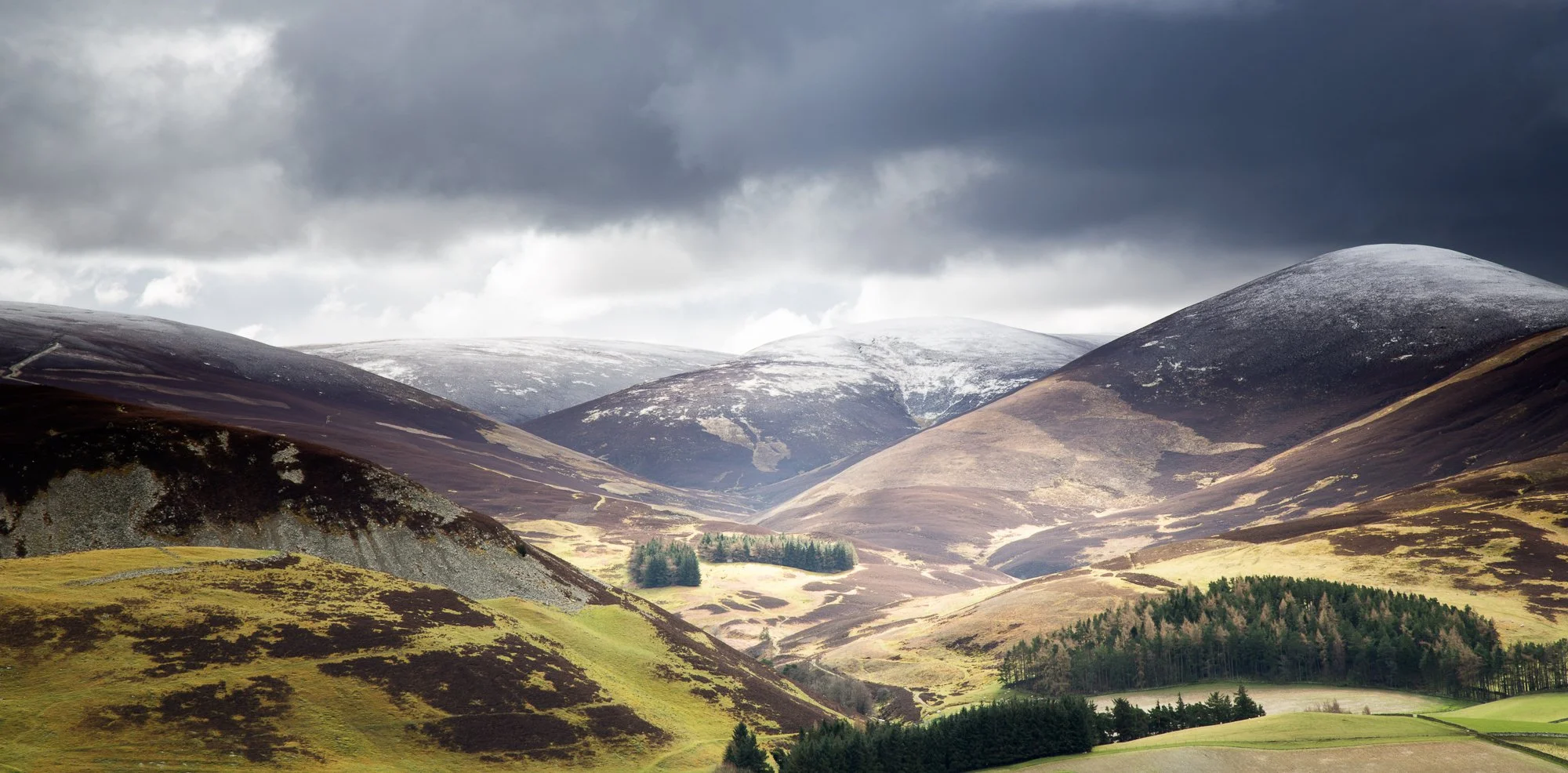
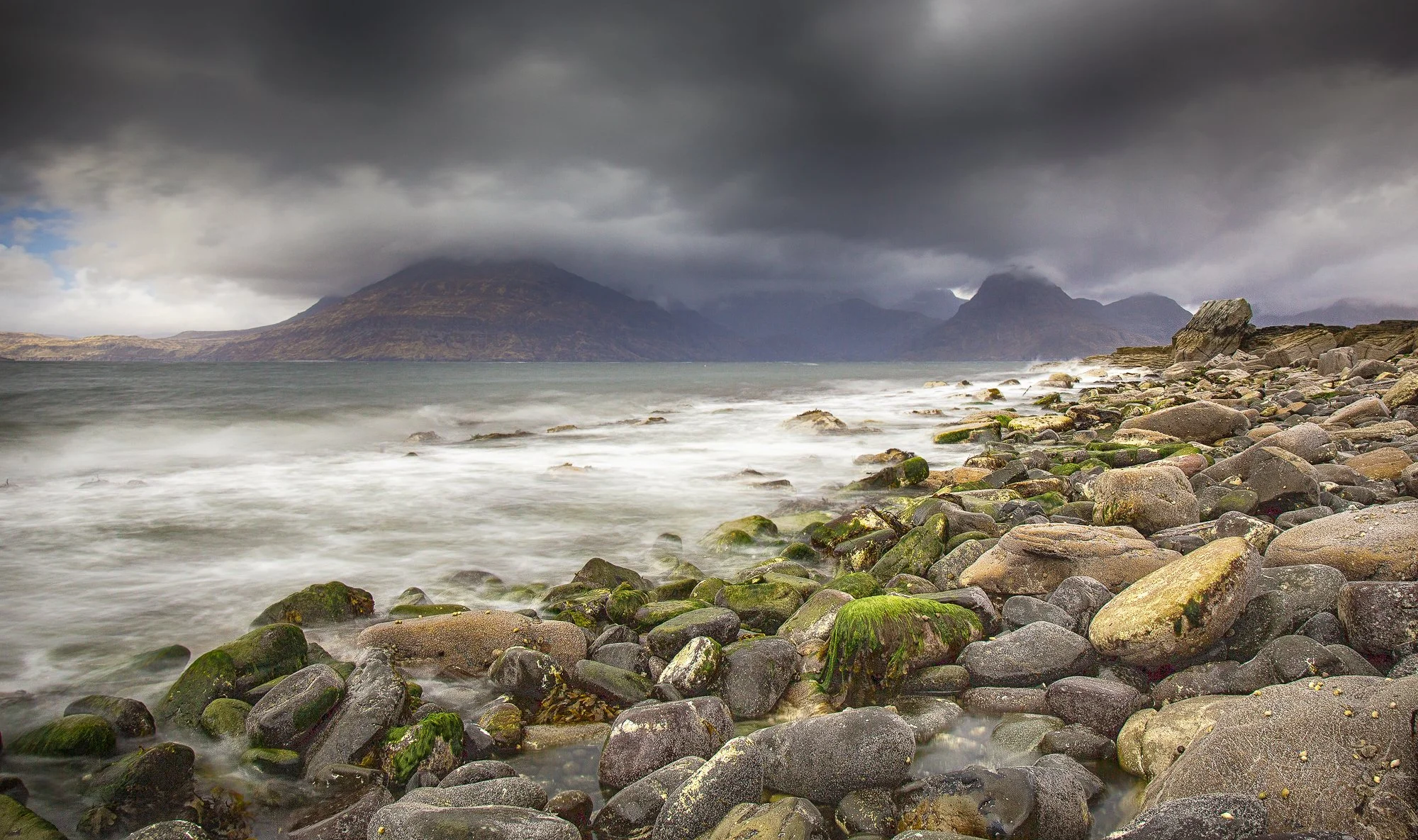
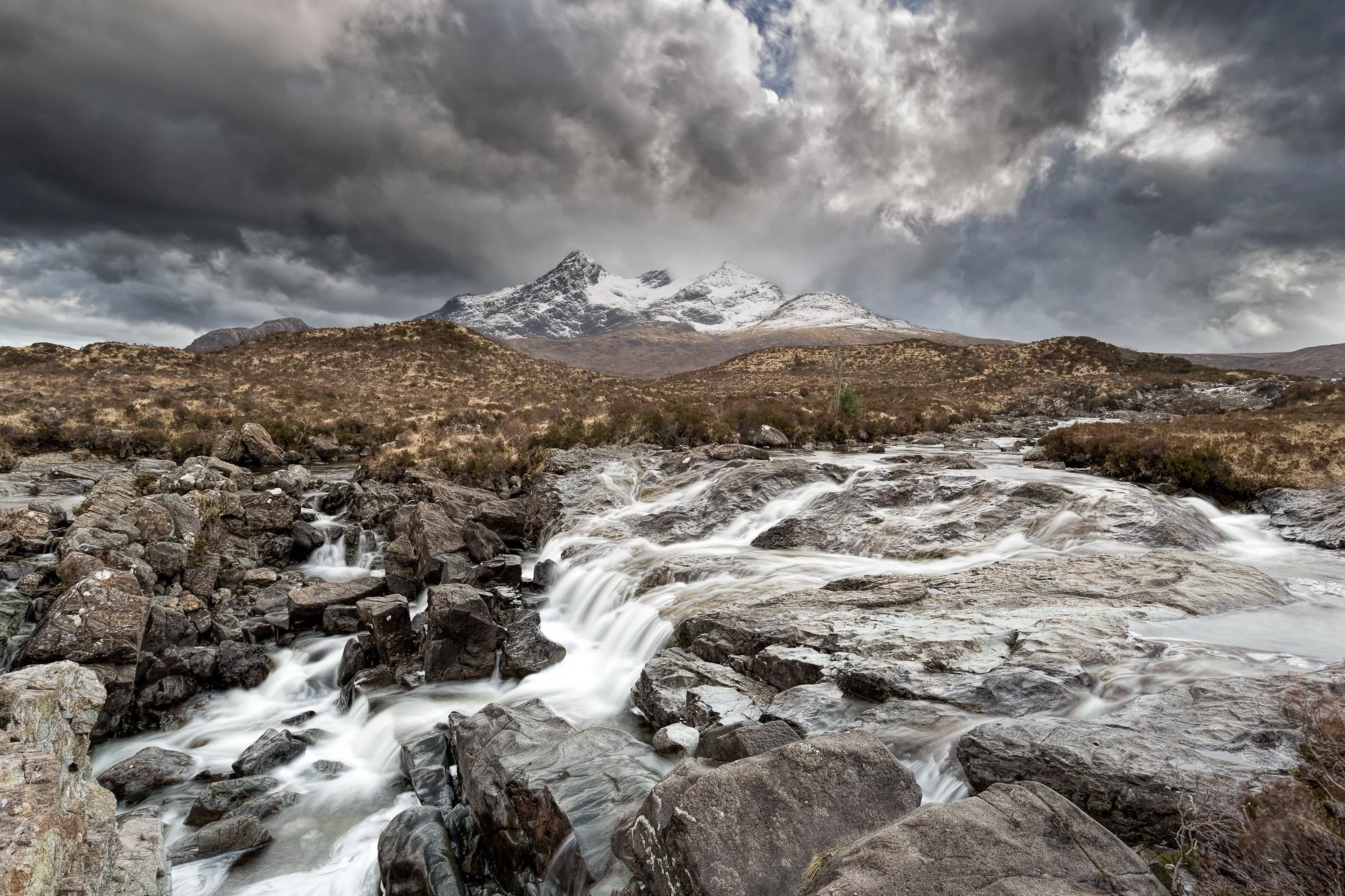
These salons take place all over the world, and after a few months, the entries and results were coming and going every week, sometimes in multiples. Competition photography also became part of who we were as a couple. We went on day trips to various locations, producing mainly landscape images, though other genres were featured as well. We were having fun, and a mini competition between the two of us saw Gaille surge well into the lead with a massive haul of awards.
During this process, she also developed a particularly distinctive fine-art flower style, which has since gained her national recognition. I, on the other hand, did not fare so well.
We both gained the AFIAP distinction and moved on to the next level, EFIAP. By then, however, I had started to lose my way. I had unwittingly entered the world of pictorialism — something I now know I am not comfortable with at all. There was a growing pressure to produce images that were “nice to look at”. Photoshop skills became more important than photographic ones, especially in landscape work. Flat, uninteresting scenes were tarted up with a myriad of post-production techniques and then presented as something “visualised” at the time of capture.
There are some highly regarded and reputable salons out there, but we encountered some questionable ones too. An entire industry has grown up around this type of competition photography, and it can be expensive. From software to workshops, a small — or very large — fortune can be spent in the pursuit of success.
What really troubled me was that some of my images gained awards even though I knew, deep down, that they didn’t deserve them. They were not very good. I had taken them for the wrong reasons, and in doing so I felt I had compromised myself.
At that time, the requirement for EFIAP was 250 acceptances, meeting a matrix of conditions relating to countries, salons, awards, and print categories. Once the fun had worn off, and I realised I was simply paying into someone else’s idea of success, I became so disillusioned with the game that I walked away — at 249!
Gaille made it. After a lot of ear-bashing, I eventually secured the final acceptance and received the distinction certificate a year after her. I do not use it. In my mind, it is tainted.
This is, of course, a highly personal view. Many photographers gain enormous enjoyment from competitions, and their successes are notable and thoroughly deserved. While I no longer enter paid competitions, there is no doubt that this journey was an important one and has shaped who I am today.
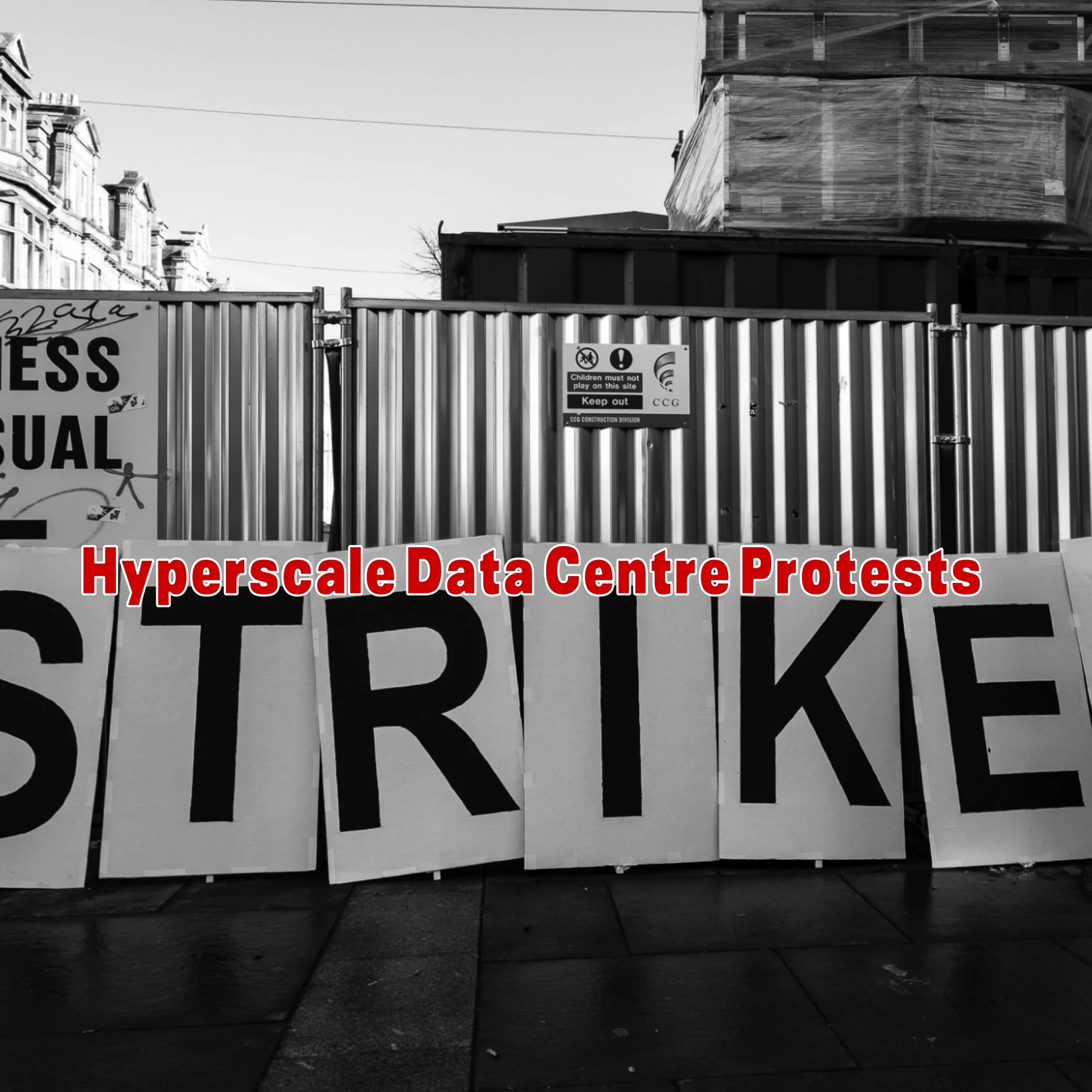
Throughout all of this, I was still making street and candid public photography. That work, however, sits very uncomfortably in the pictorial world — at least the raw kind that I prefer. Yes, salon catalogues may feature images that resemble street photography (and in some cases the authors genuinely see them as such), but the amount of post-production involved would render them unsuitable for the Progressive Street Facebook page. This is ironic, given the stunning in-camera work produced by photographers such as Saul Leiter and Nadia Eeckhout.
I came to see salon success, EFIAP distinctions, and other competition achievements as a form of solicited recognition. In other words, I paid someone to assess my images and, hopefully, confirm that they met a set of criteria — even if those criteria were not my own.
I now view unsolicited recognition as a far more meaningful accomplishment. This is where images are picked up organically on social media or elsewhere by editors or curators, resulting in a magazine feature, a website publication, or perhaps an exhibition. It is public platforming by a third party, beyond the original intention of the author, based purely on the quality of the work, without financial motivation.
Platforms such as Progressive Street, Inspired Eye magazine, and a handful of others play a vital role in bringing undiscovered talent to wider attention through this kind of unsolicited recognition. Financial gain is not their primary motivation, yet the standard of the work they present is remarkably high. In a world saturated with self-promotion, these gatekeepers should be cherished and supported.