“The Visual Memory of Protest” by Cameron Scott
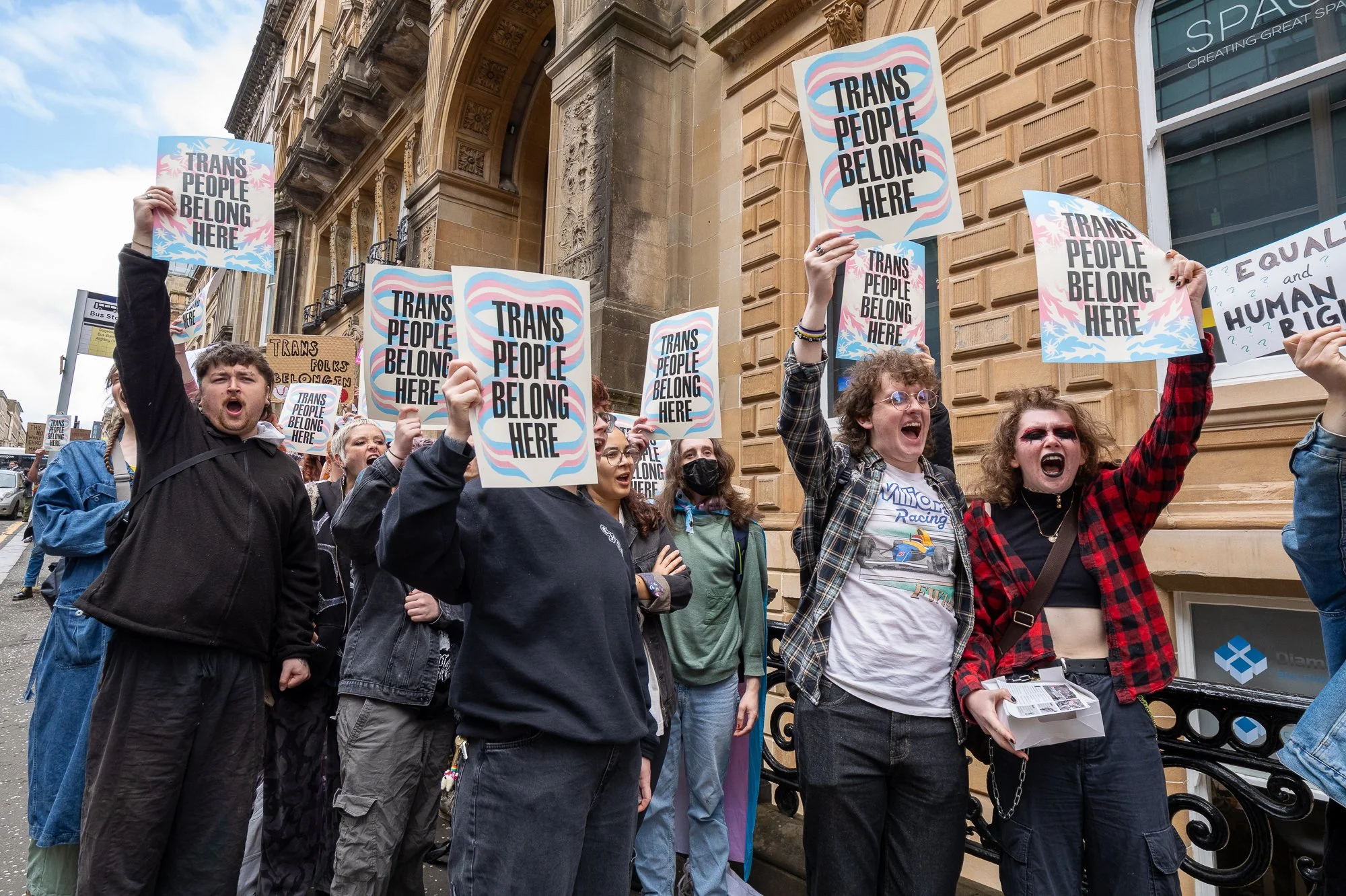
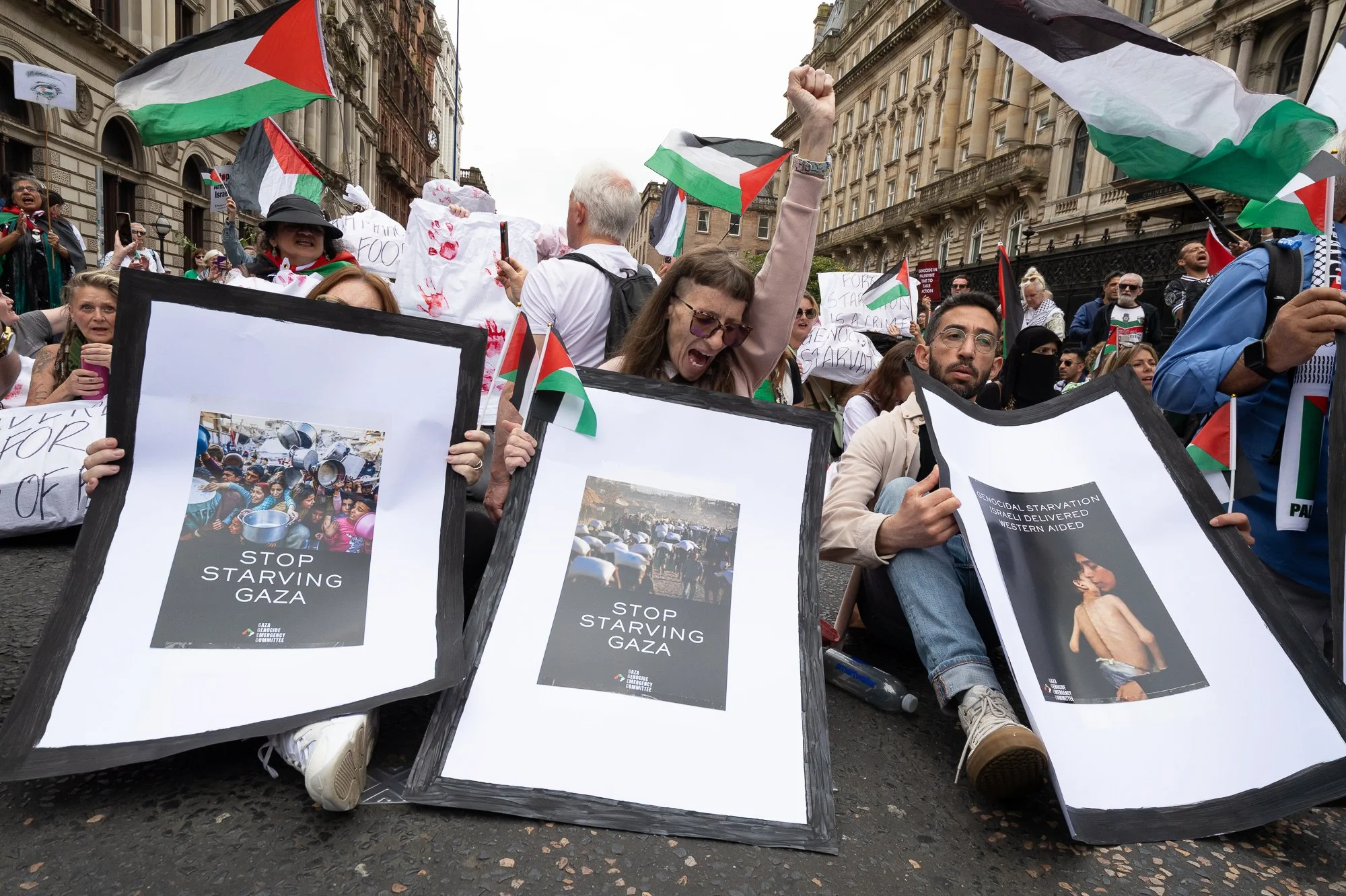
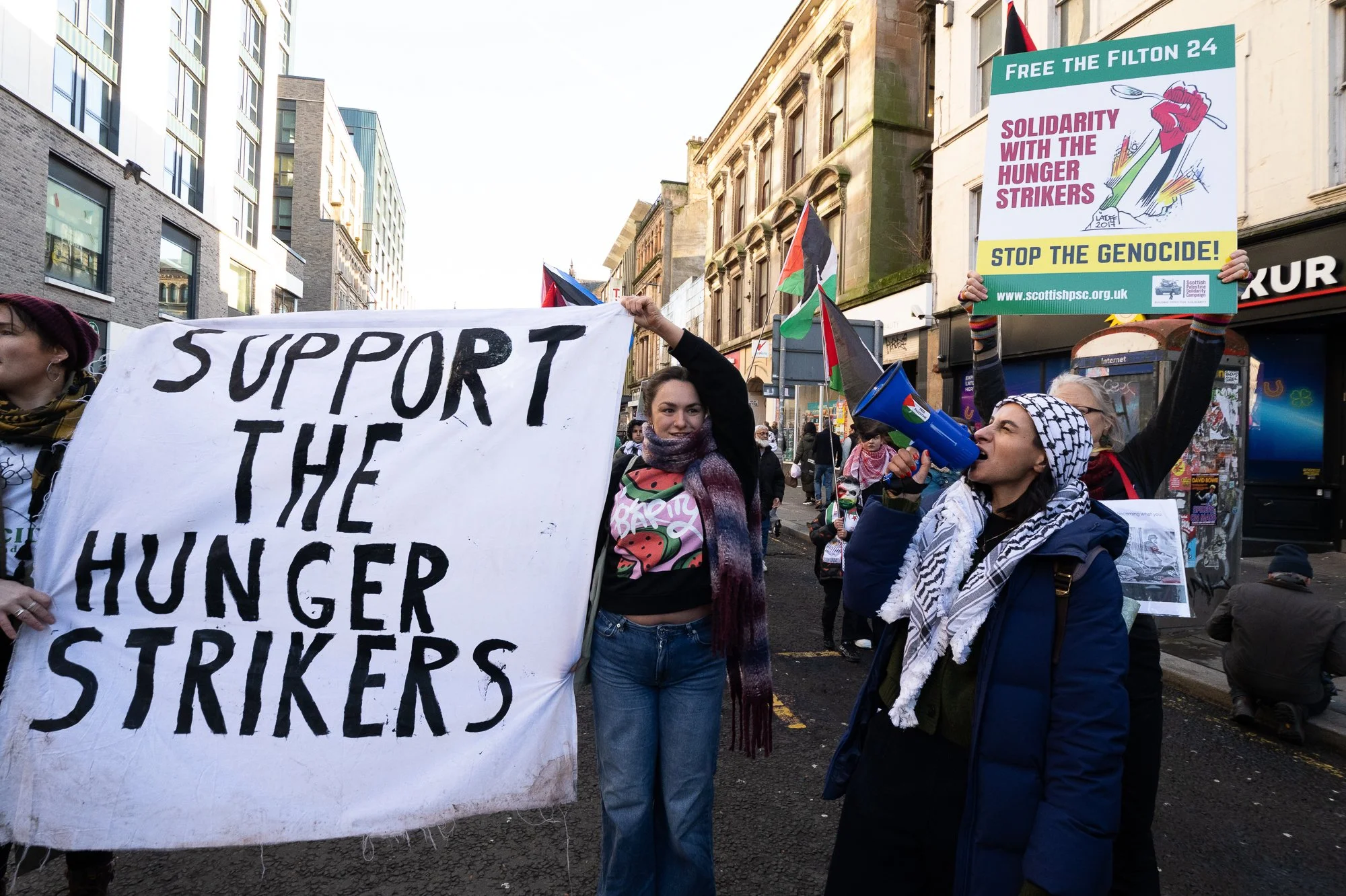
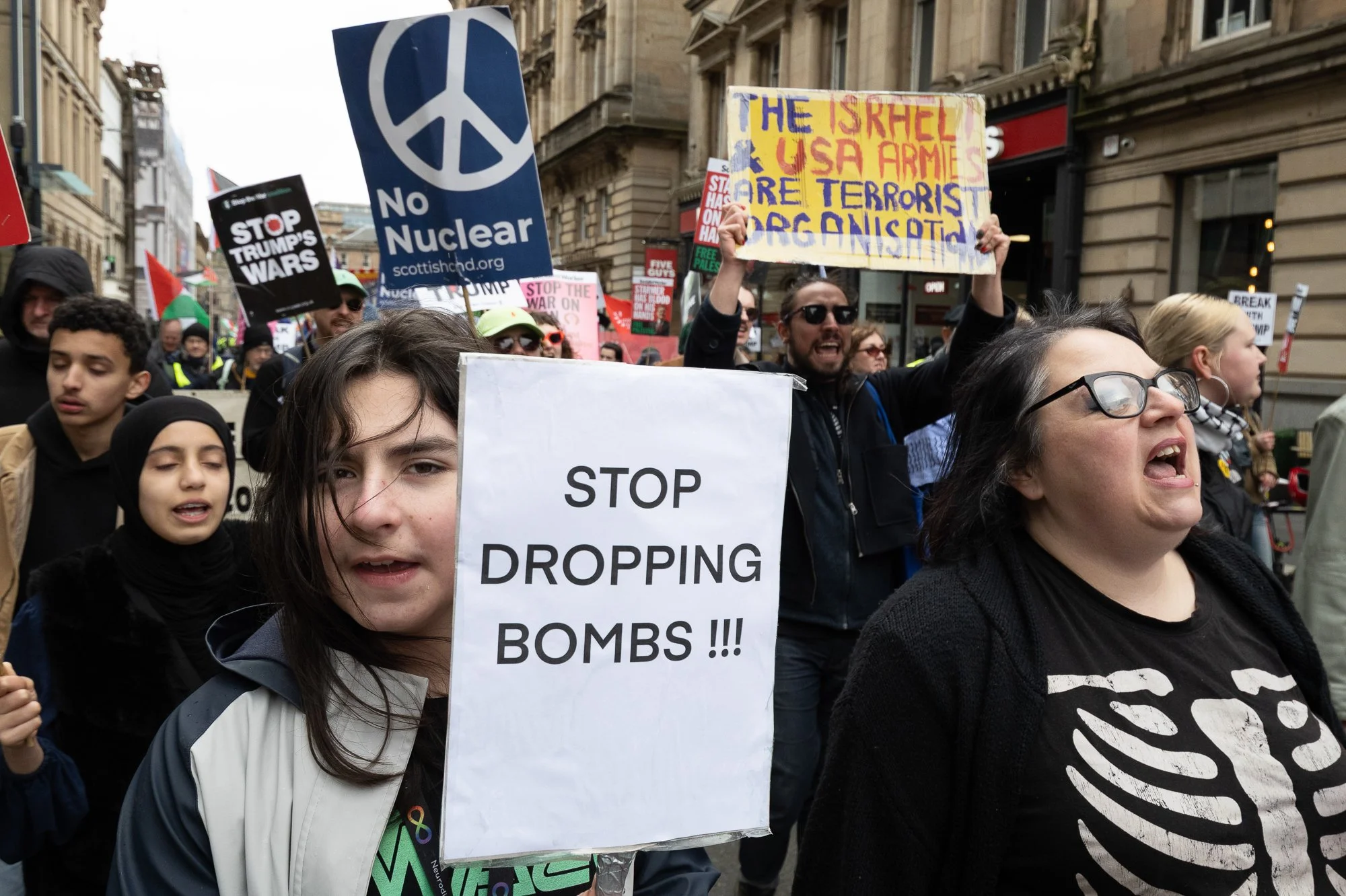
When we reflected on the protest theme for our ProgresFestival, we felt a strong connection to the work of many photographers, especially Cameron Scott. His statement undeniably encapsulates the essence of the contest.
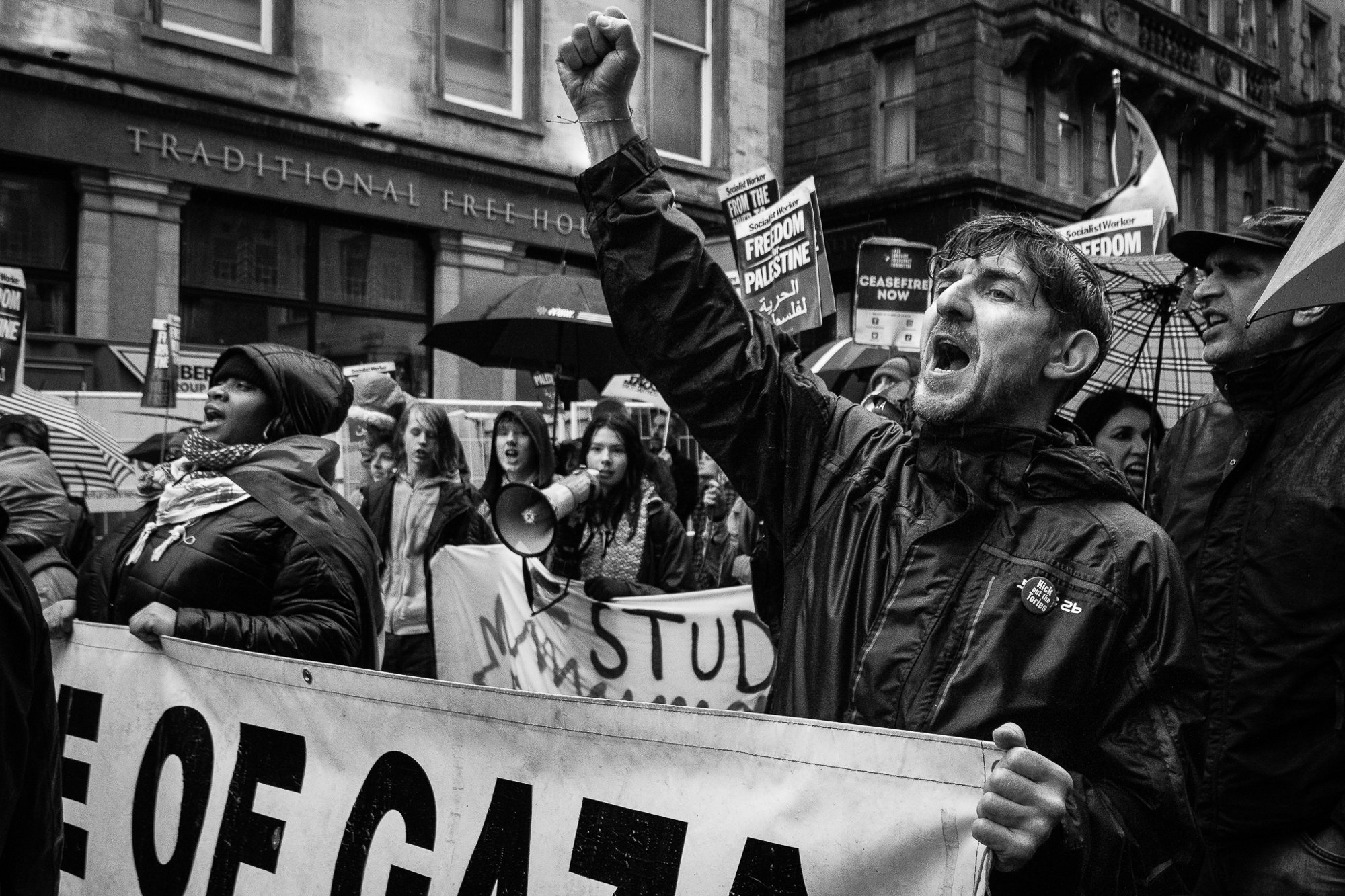
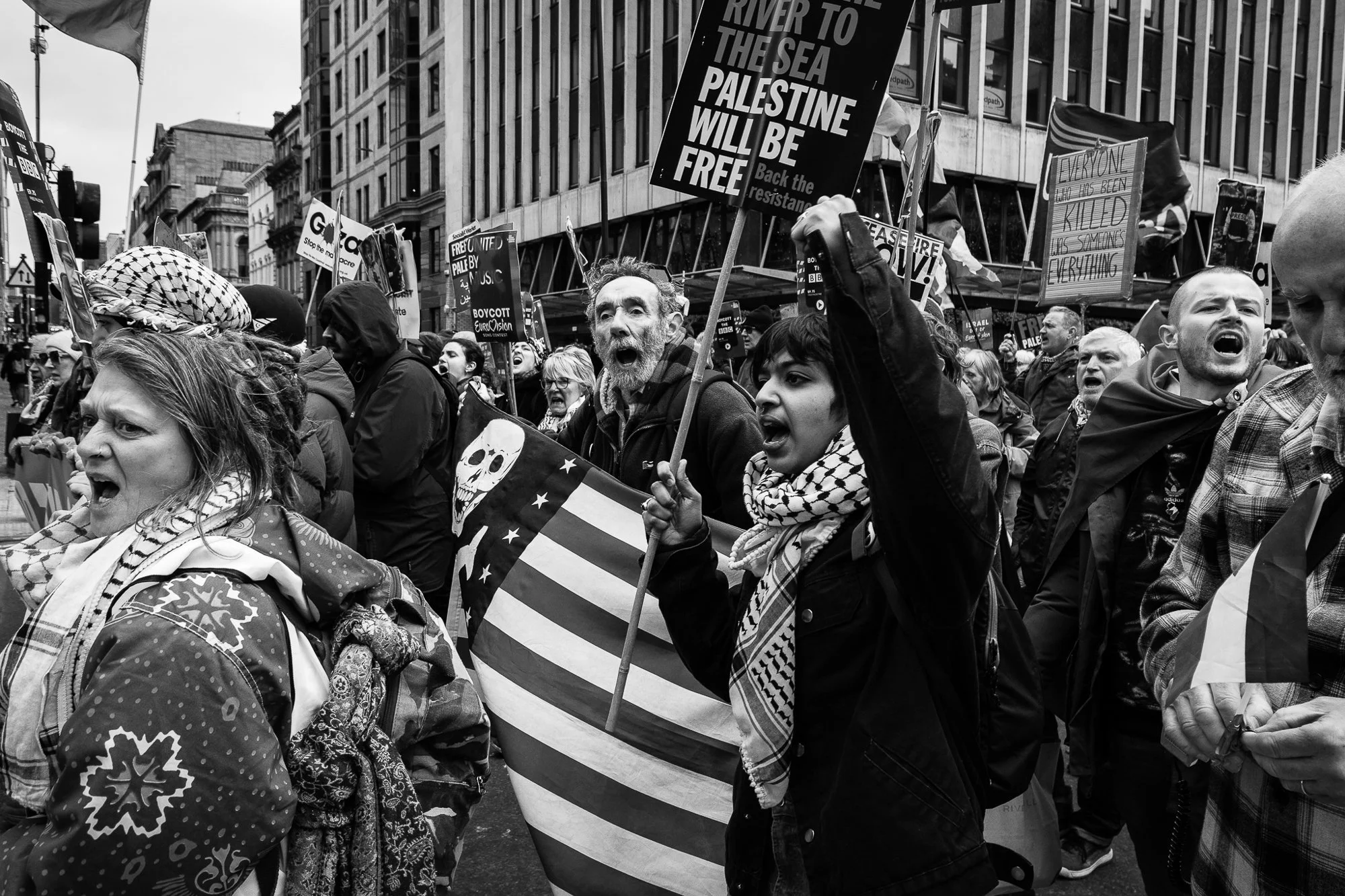
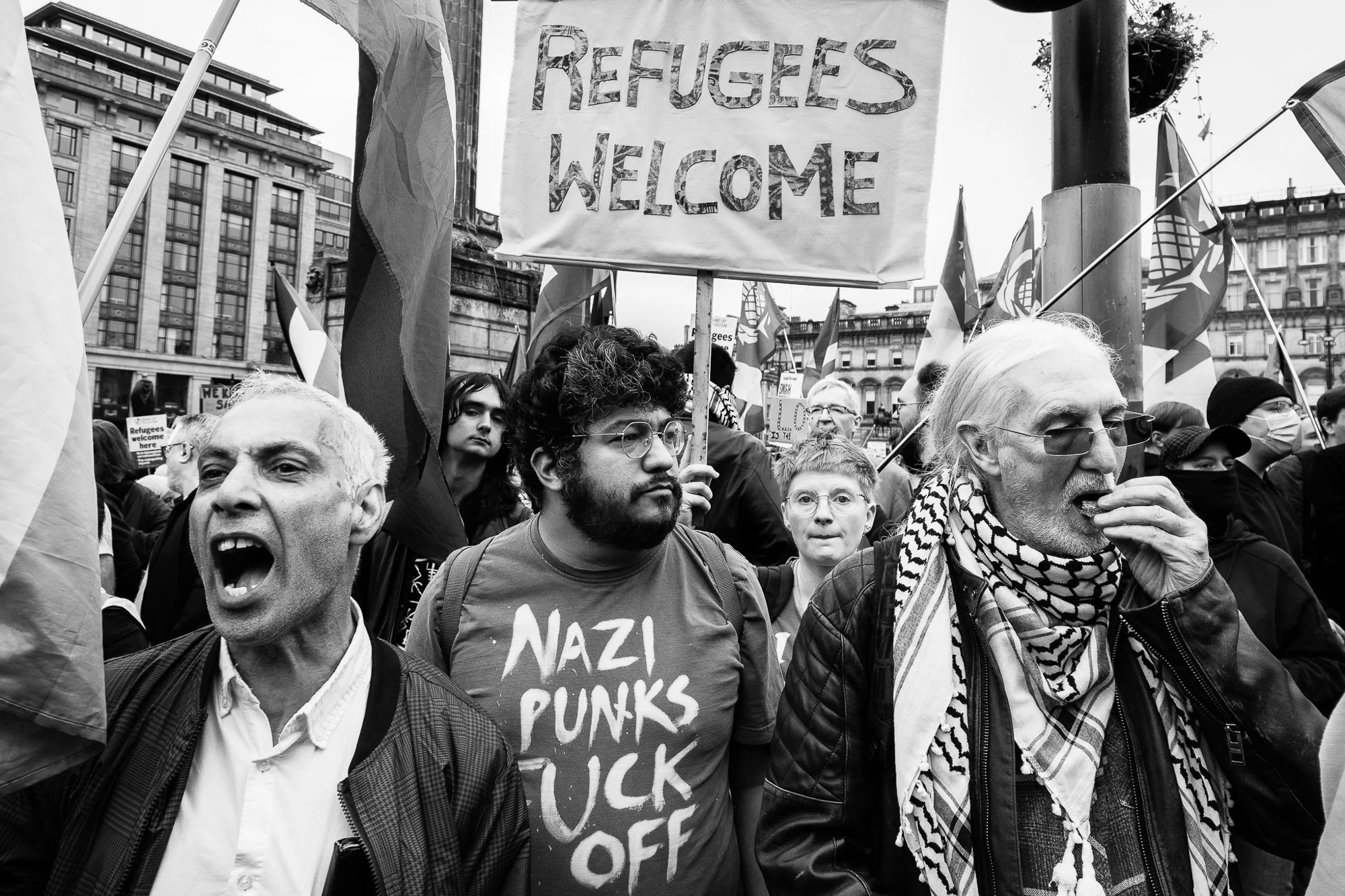
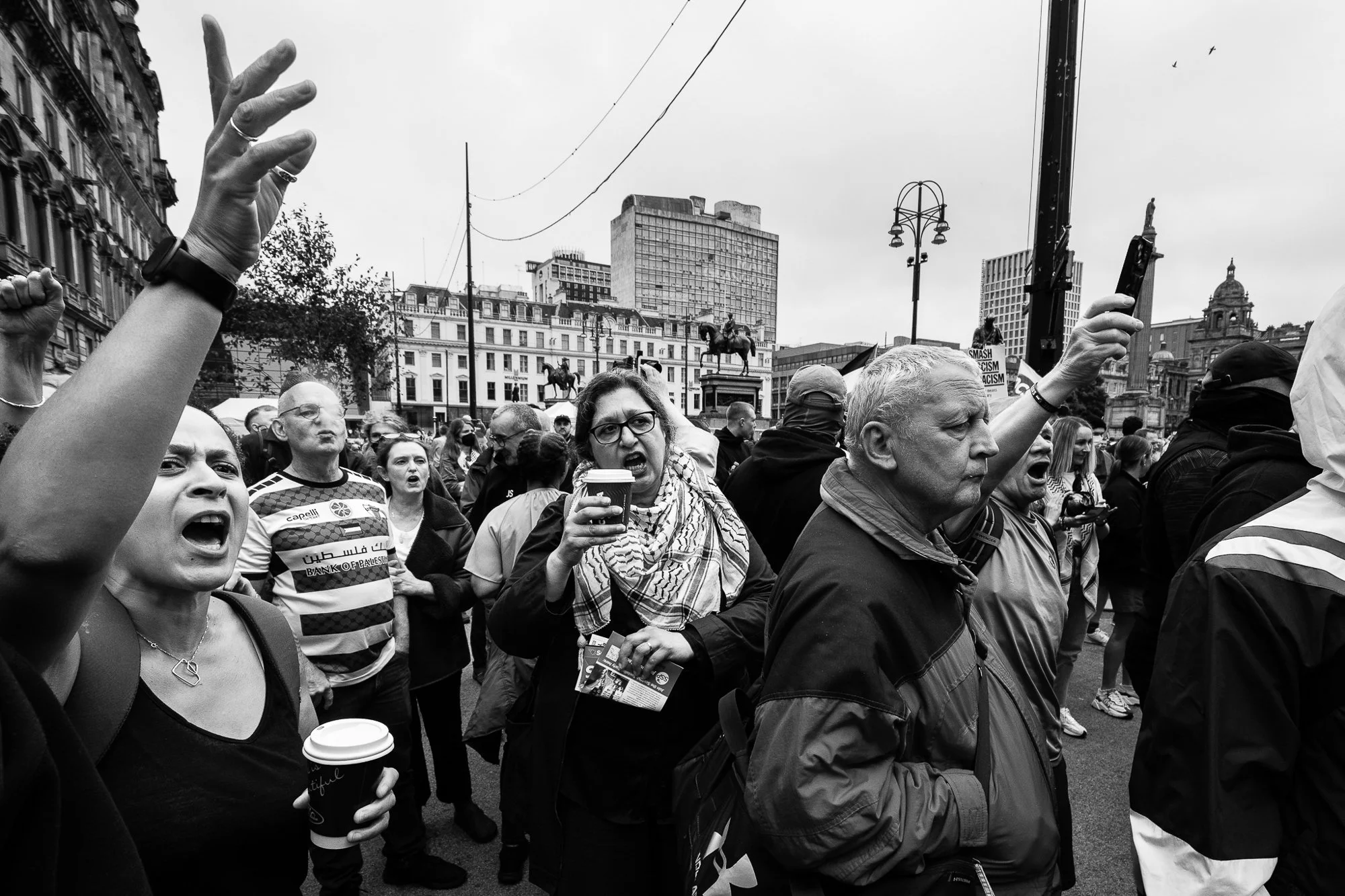
Street photography ticked most of the creative boxes for me. It allowed me to make art from candid public moments, or at least attempt to. However, there was always something missing: the expression of raw human emotion. The photography that inspired me when I was at school, and continues to do so today, contained that raw emotion in abundance.
I’m referring to images such as Father Edward Daly waving a bloodied handkerchief during Bloody Sunday in Northern Ireland; Larry Burrows’s image of wounded Marines on a muddy hillside in the Vietnam War; and W. Eugene Smith’s Tomoko and Mother in Bath from Minamata, among countless others of that ilk. To be fair, these images are not street photography, so it is probably expecting too much of the genre to provide that level of intensity. However, protest photography comes close.
Organisers of protests tend to measure the success of their events in terms of attendance, while opponents often take satisfaction in lower-than-expected turnouts. The former tend to exaggerate upwards, the latter downwards, and the media duly report accordingly, depending on their own agendas. But there is more to it than that.
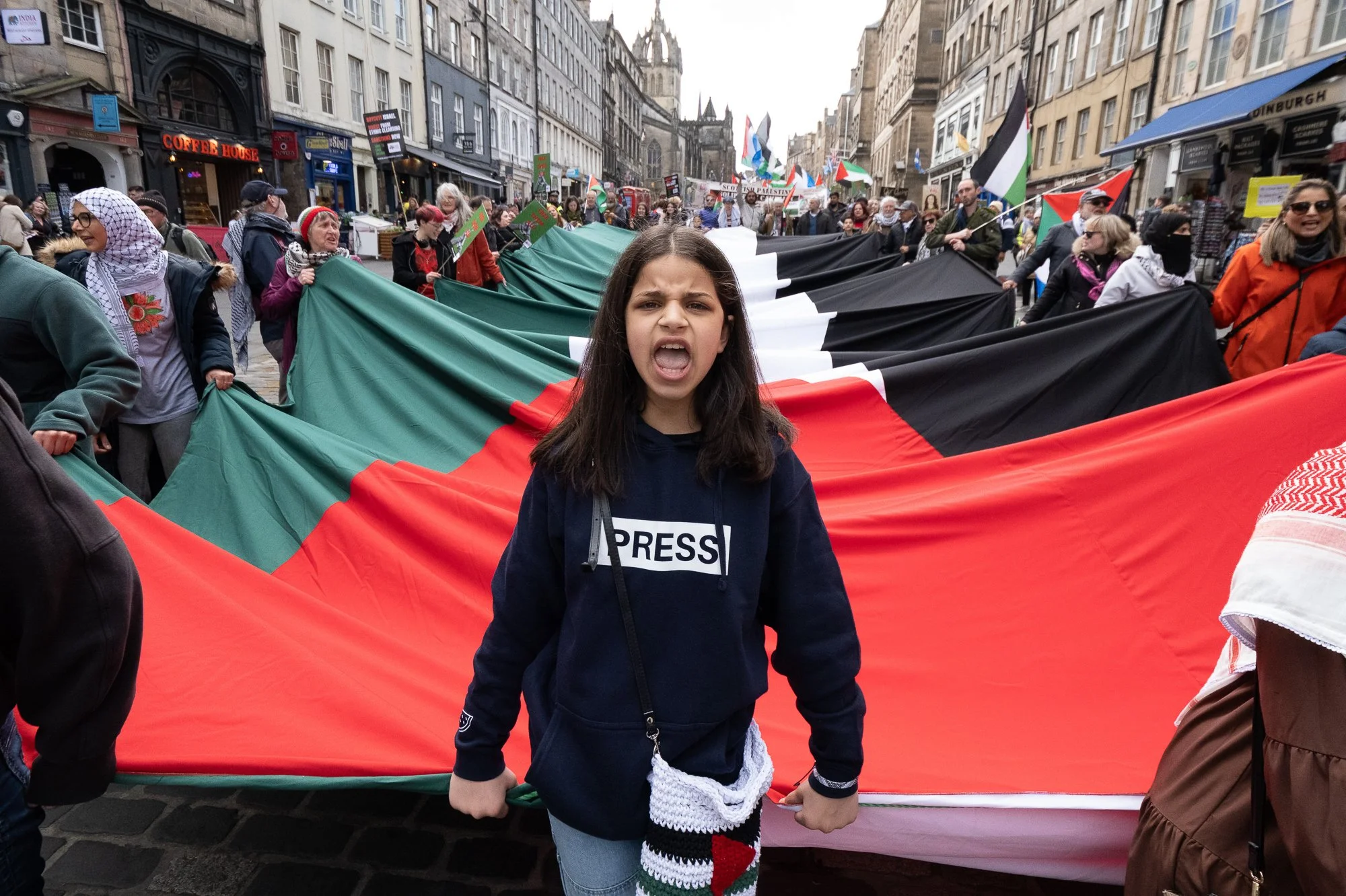
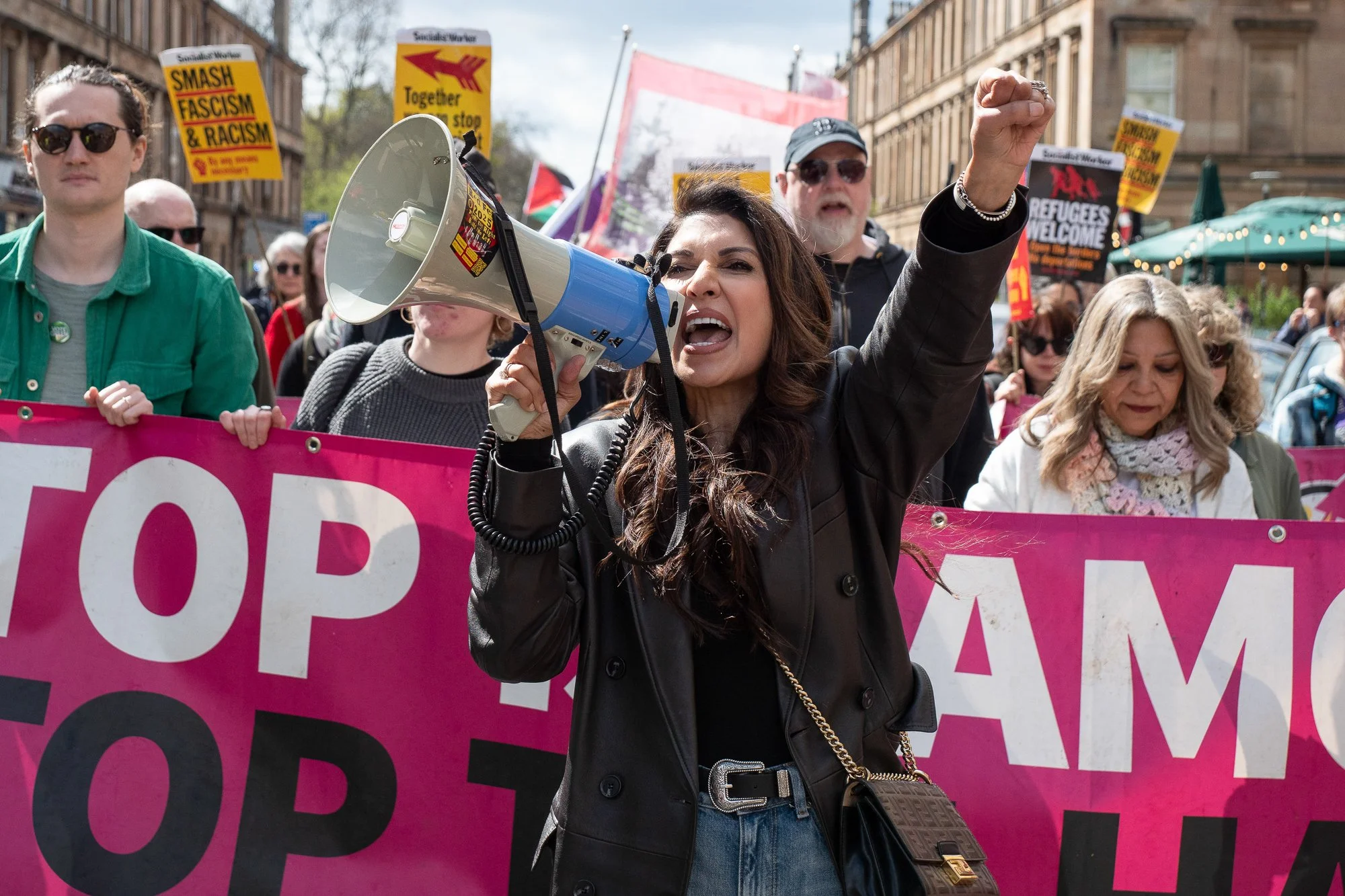
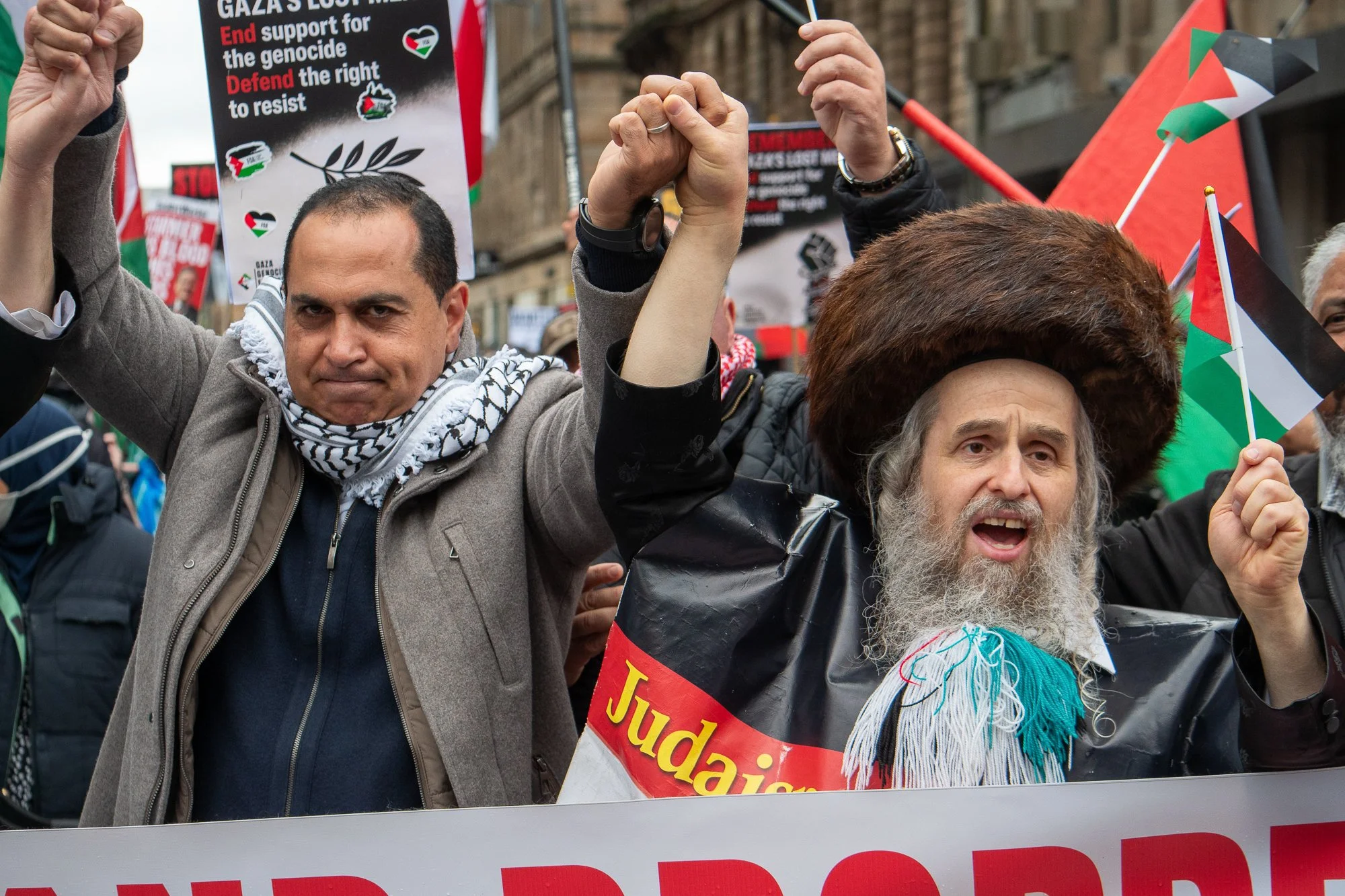
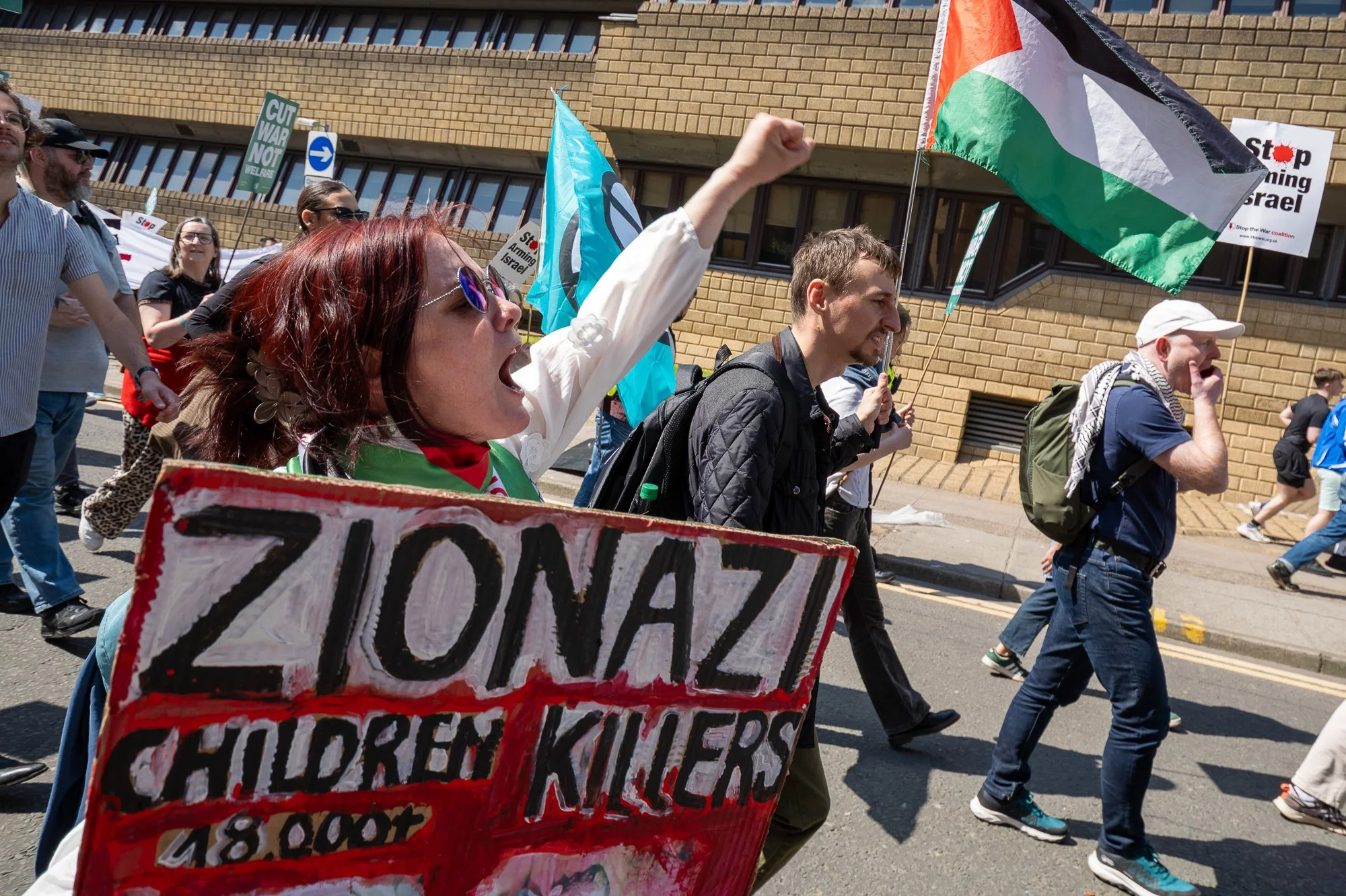
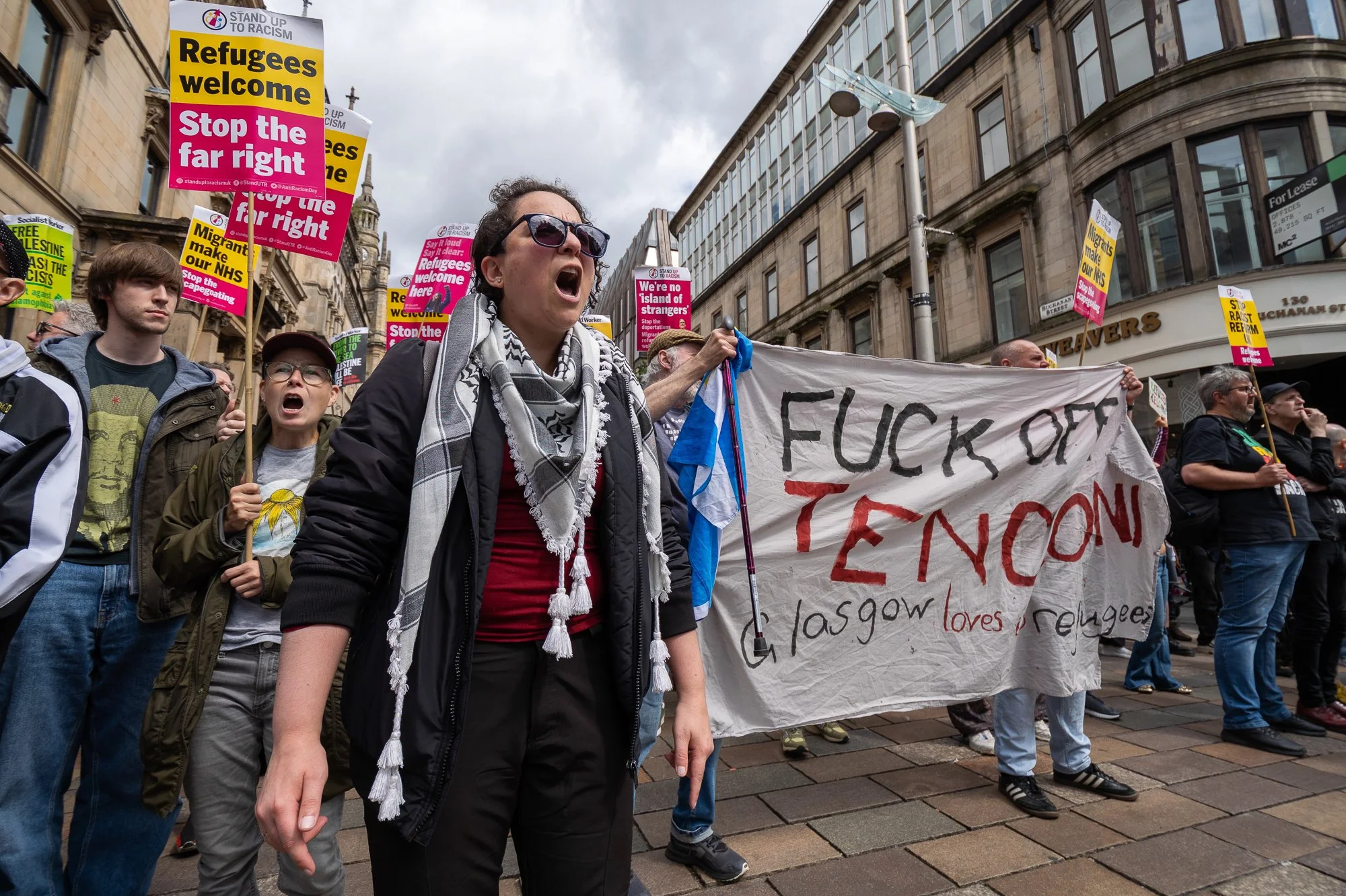
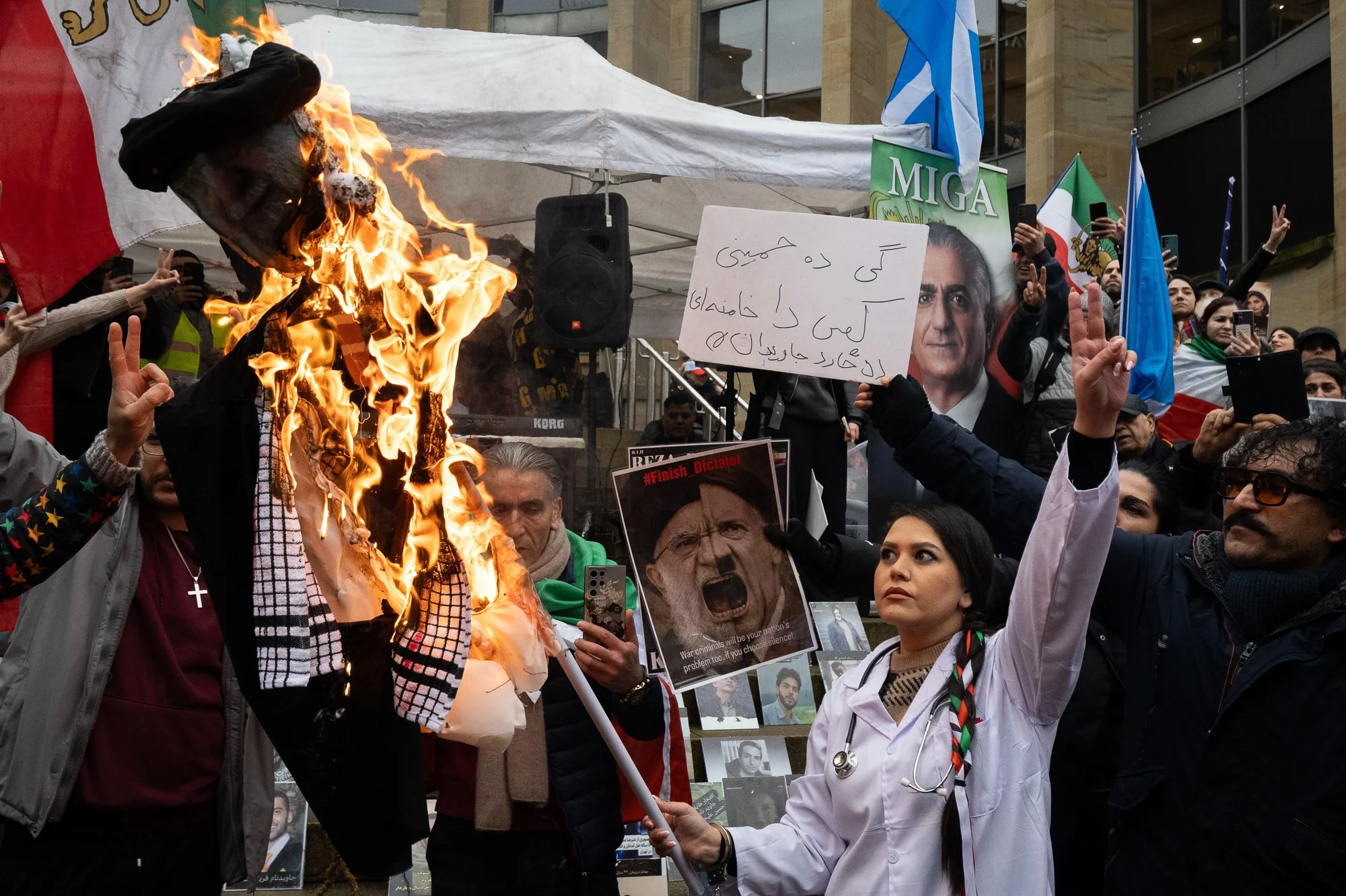
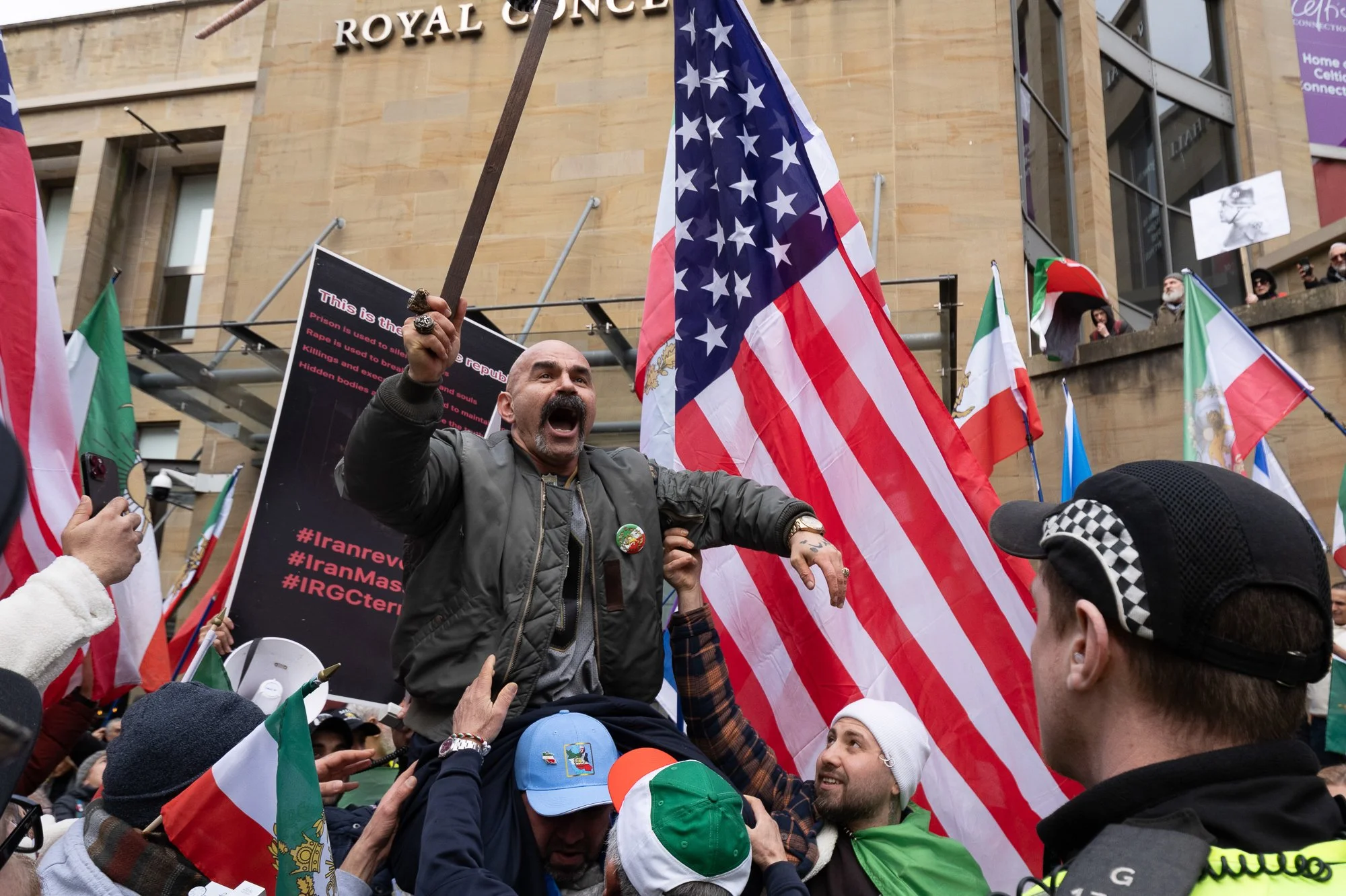
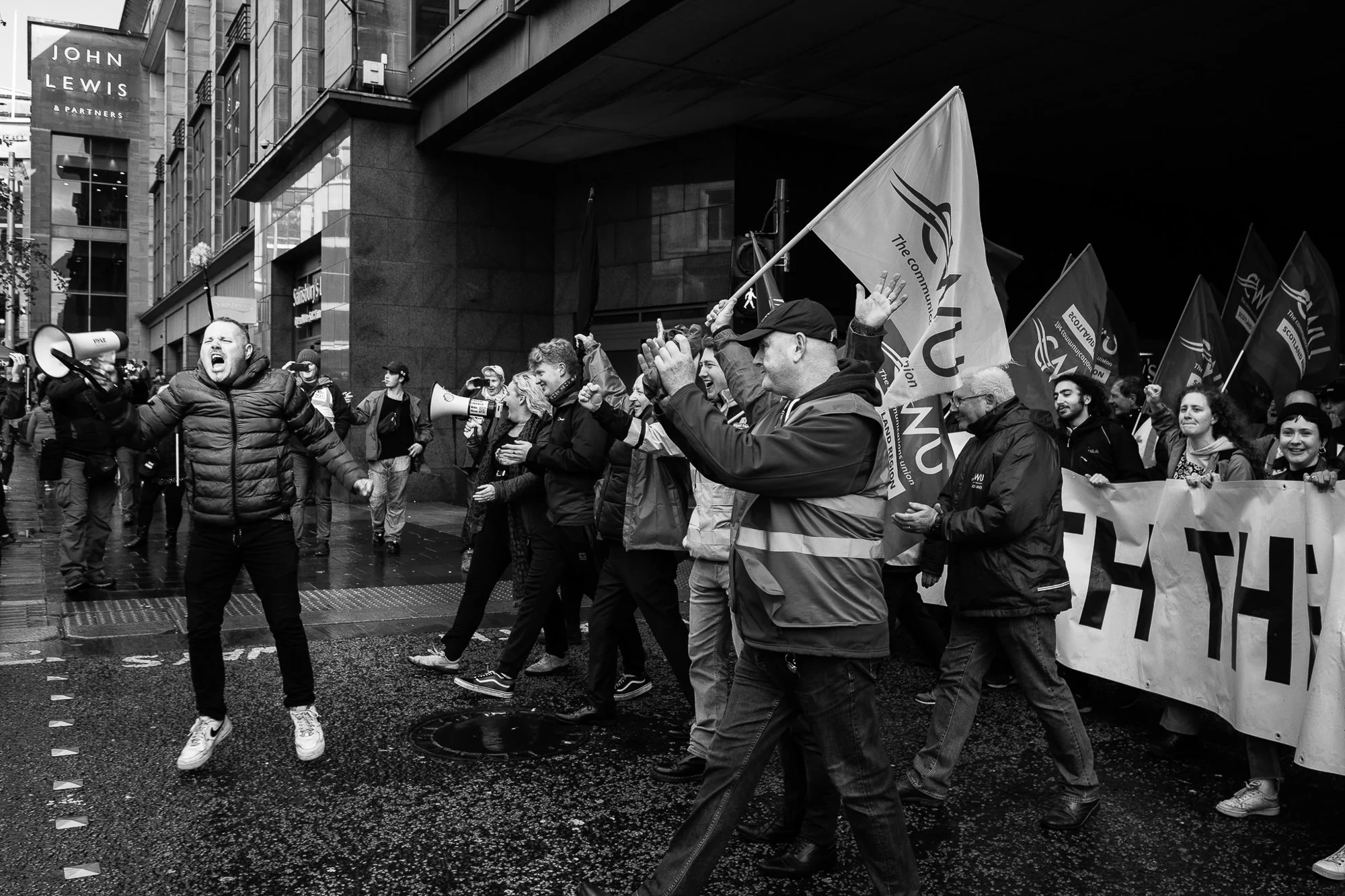
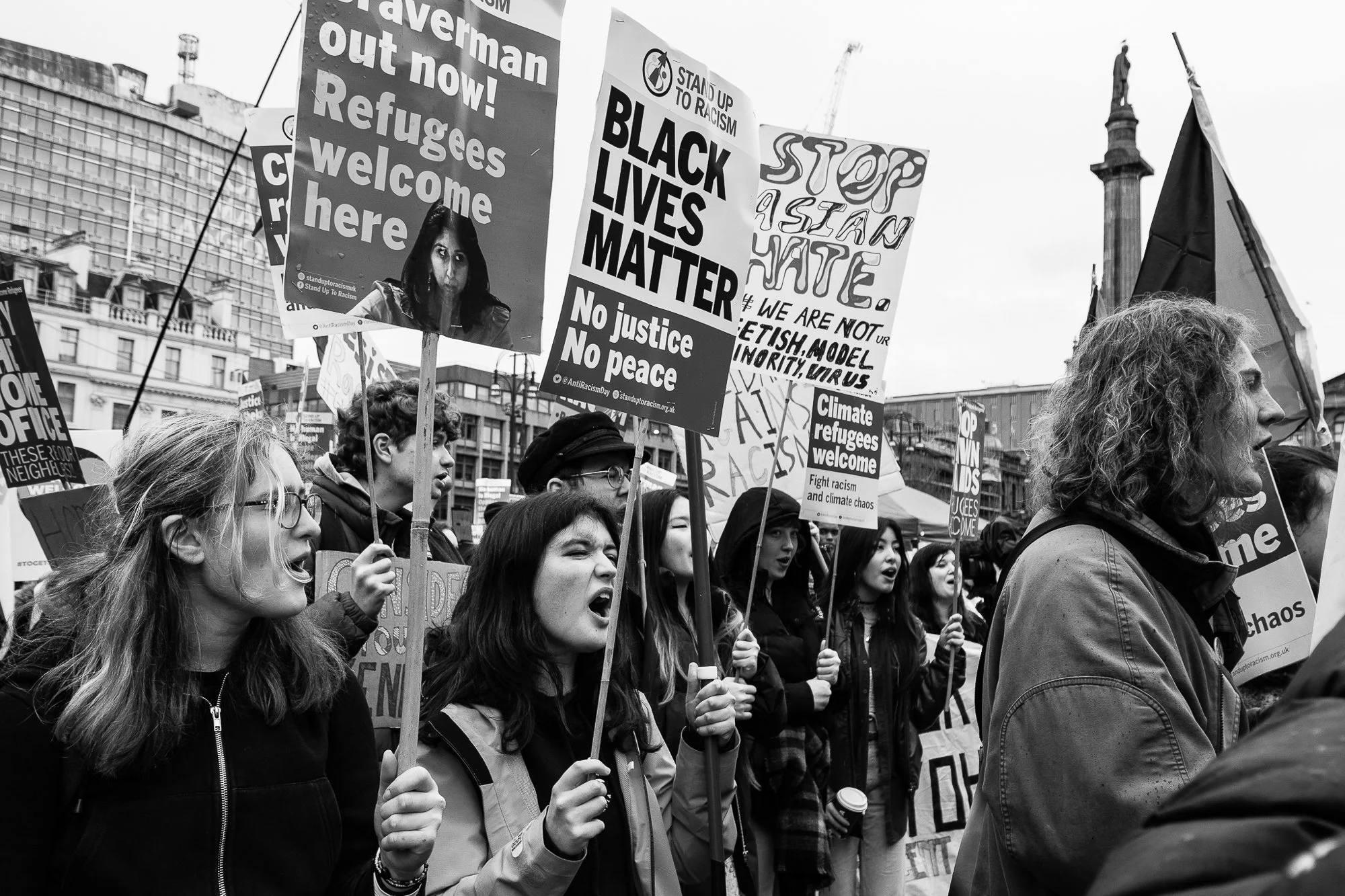
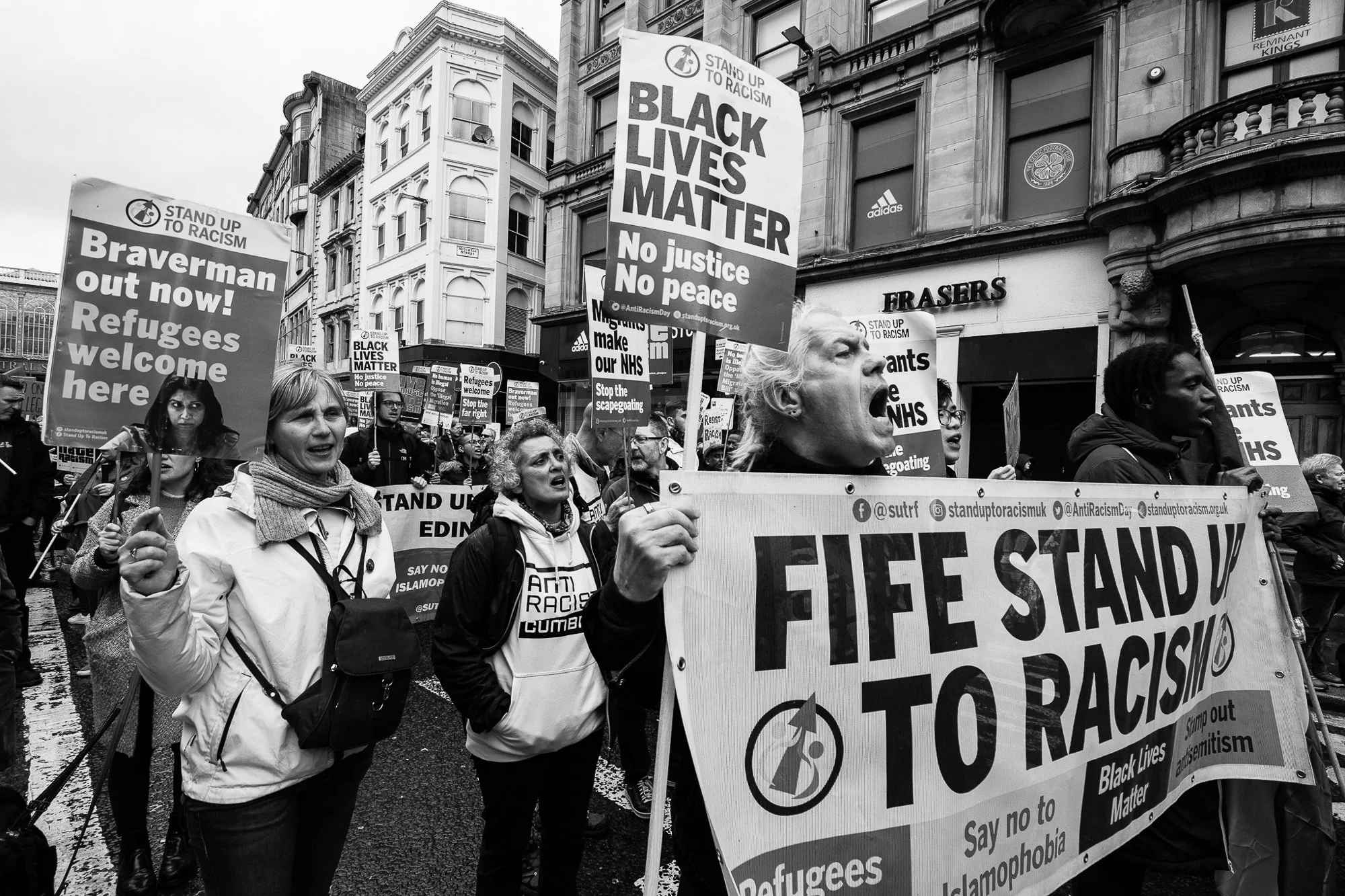
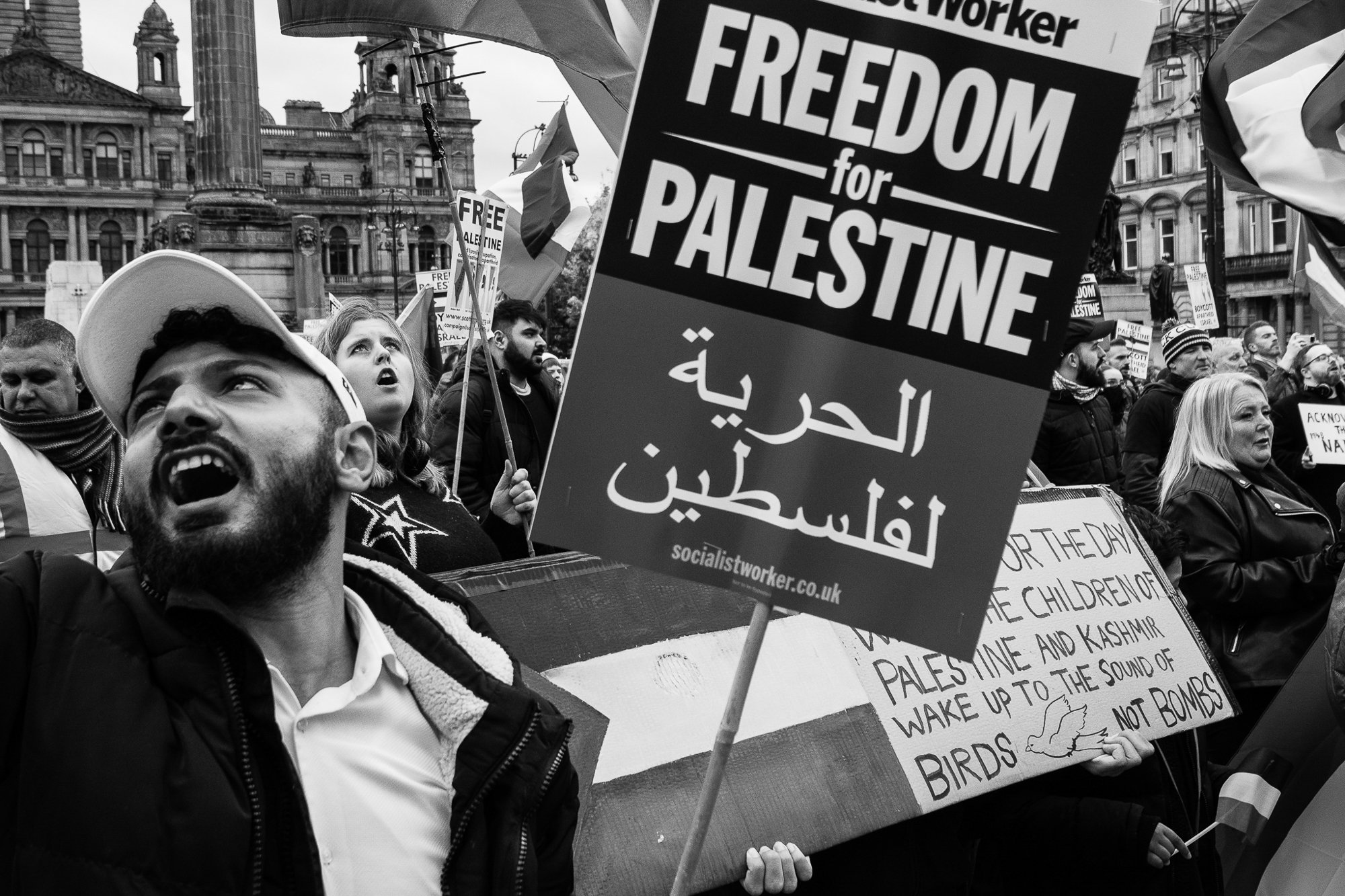
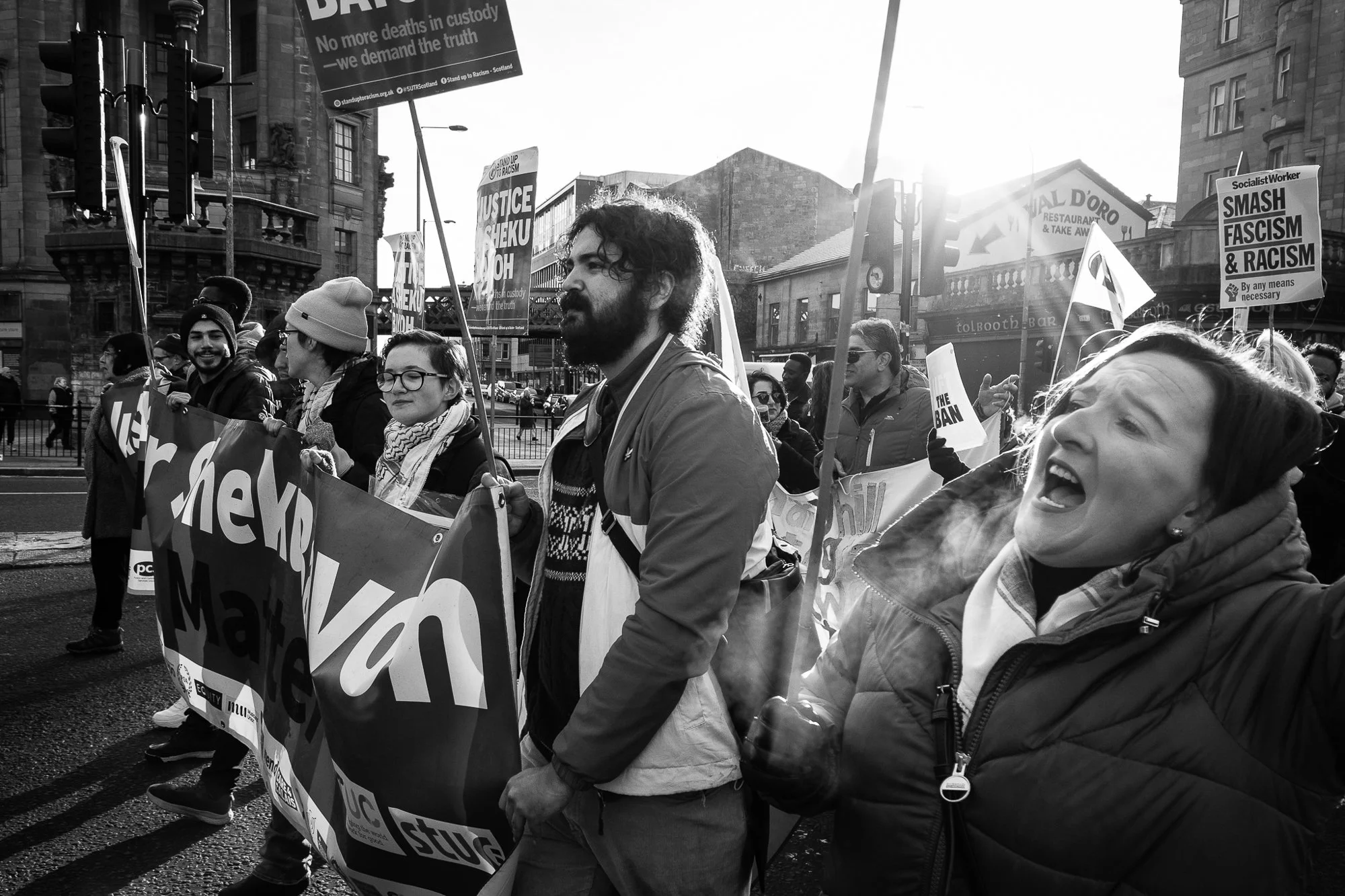
I have attended several large demonstrations where there has been little to no atmosphere. Participants shuffle along the assigned route, some carrying banners and flags, but many seem content to chat among themselves rather than use their public platform to express genuine passion for their cause. If they do not seem engaged, why should a bystander be? As photojournalists, we can record these events for the purpose of documentation, but creating compelling imagery in such conditions is difficult. Give me a small but passionate demonstration any day.
How do we convey passion? For me, it lies in the hands, the eyes, and the mouth. Banners and placards deliver the message, but it is the intensity of the most vocal protesters, combined with direct eye contact that gives that message its emotional force.
Cameron Scott