In light and shadow: travel notes of an anarchist storyteller
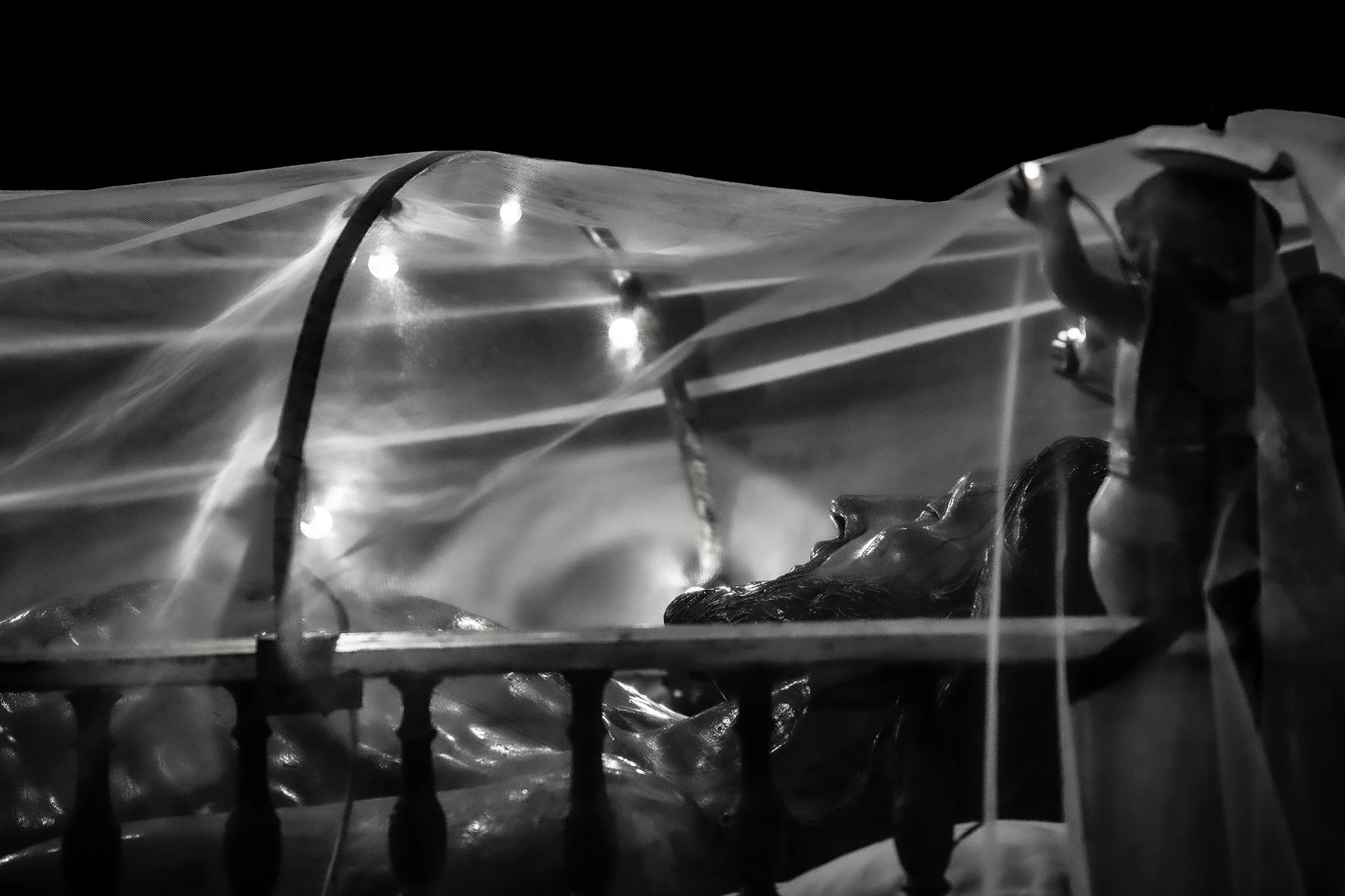
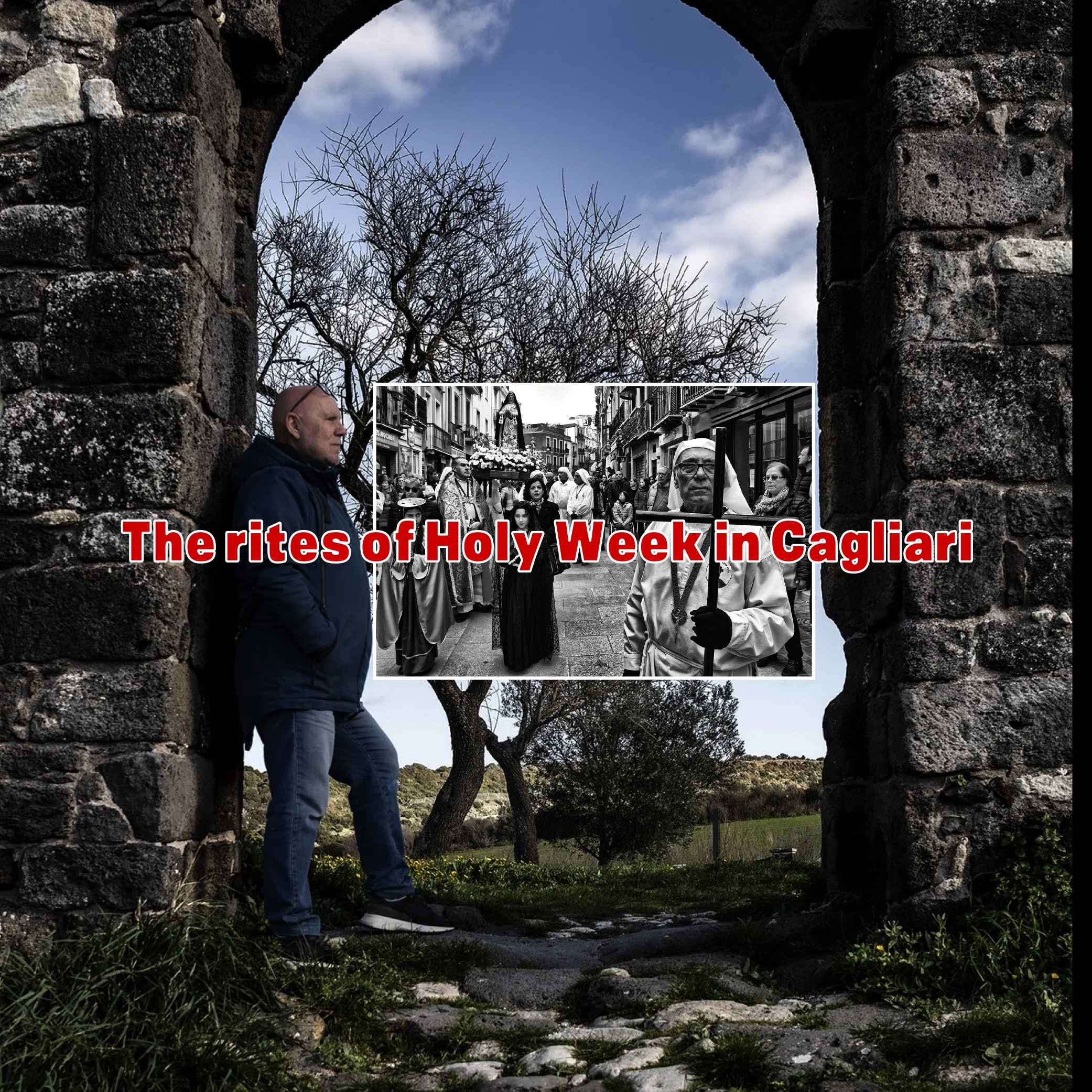
The rites of Holy Week in Cagliari
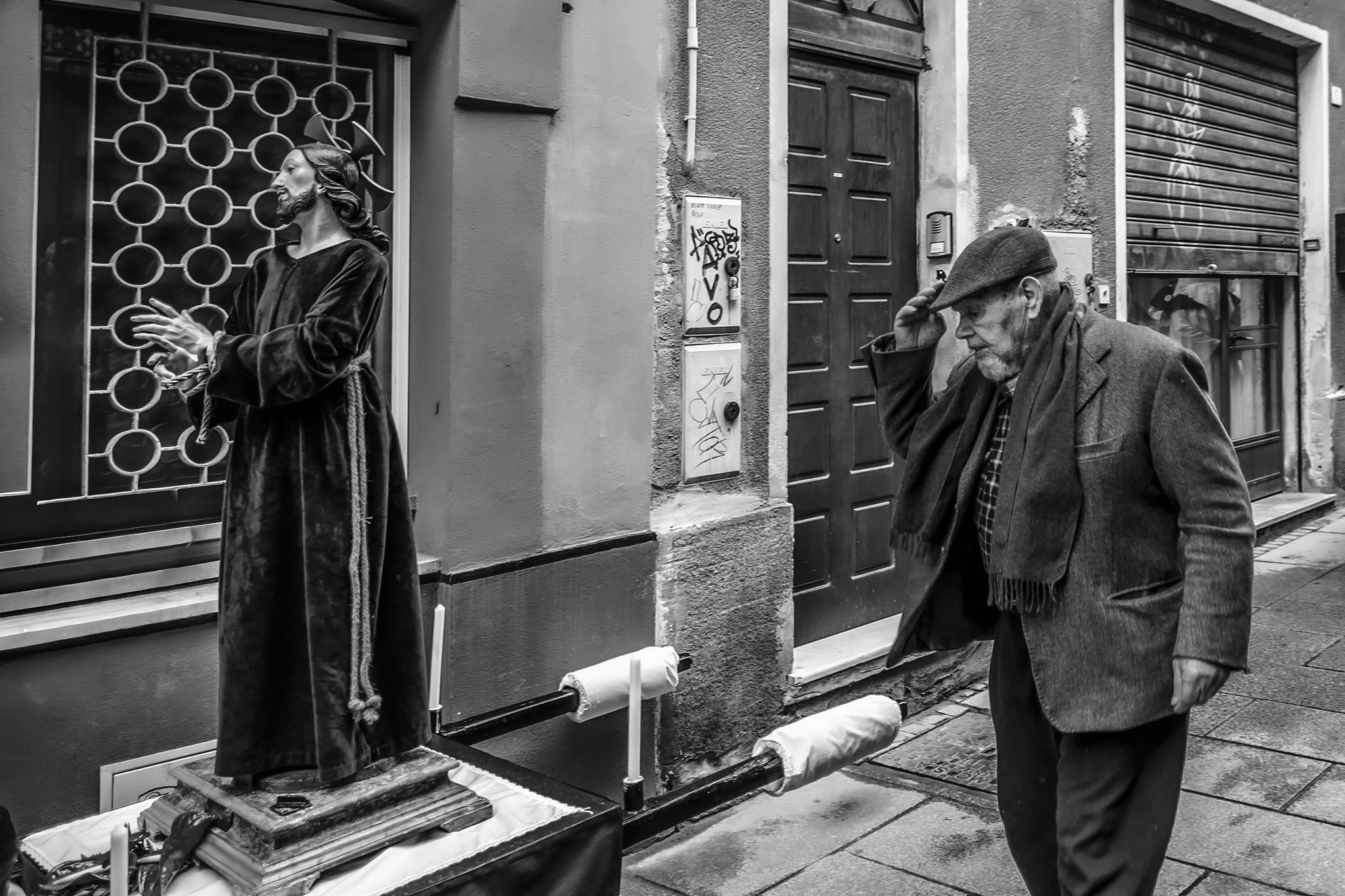
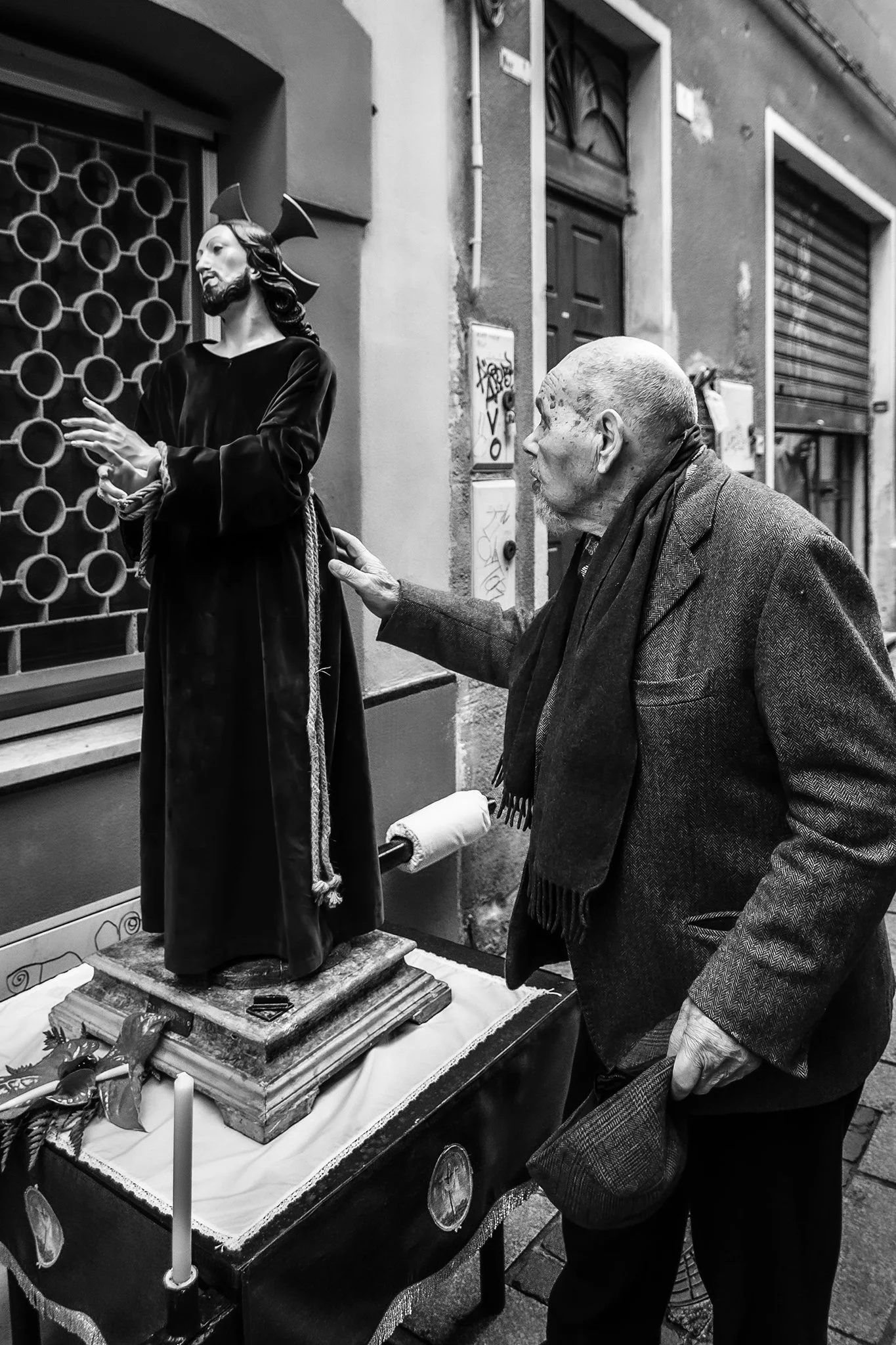
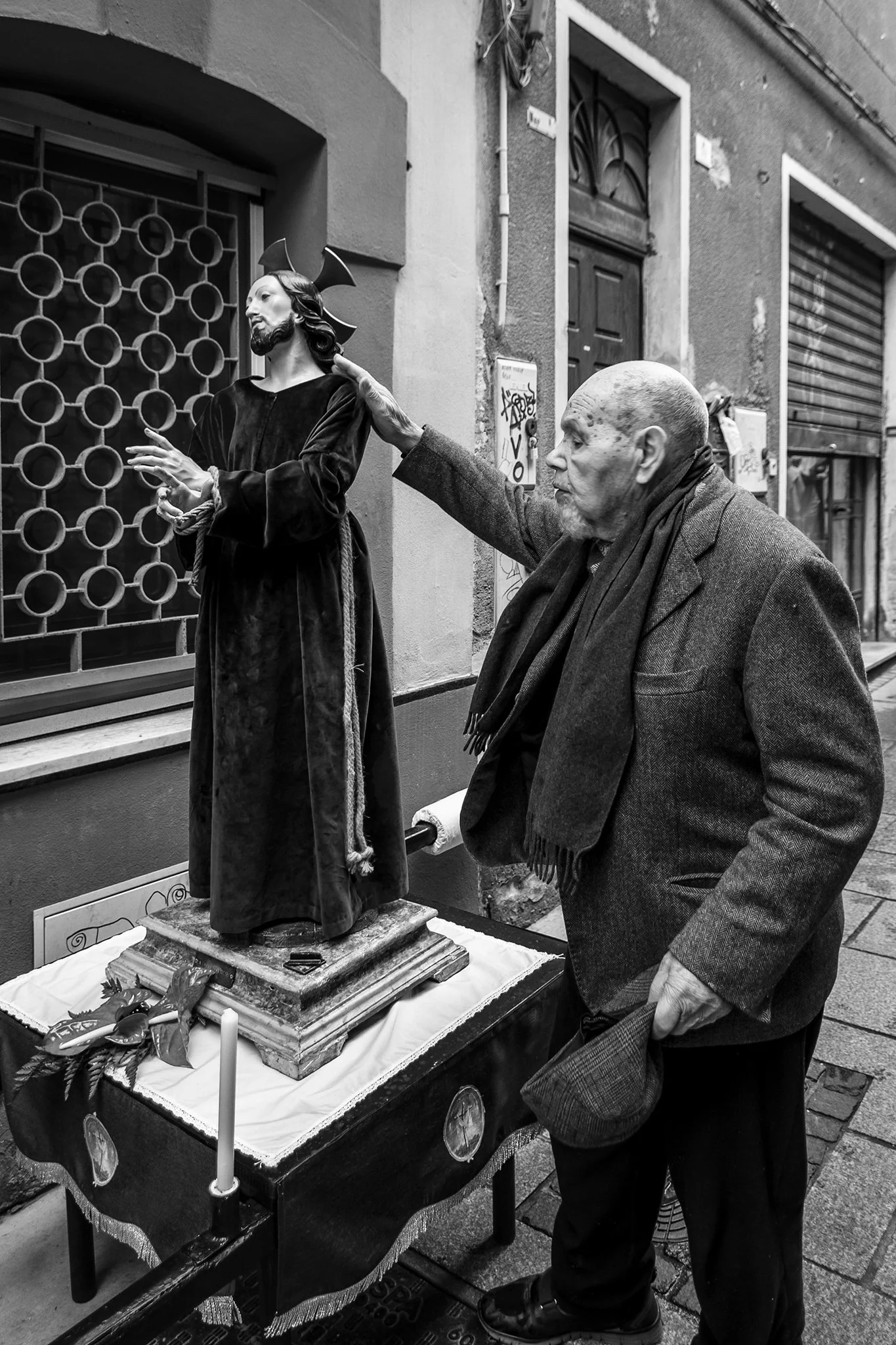
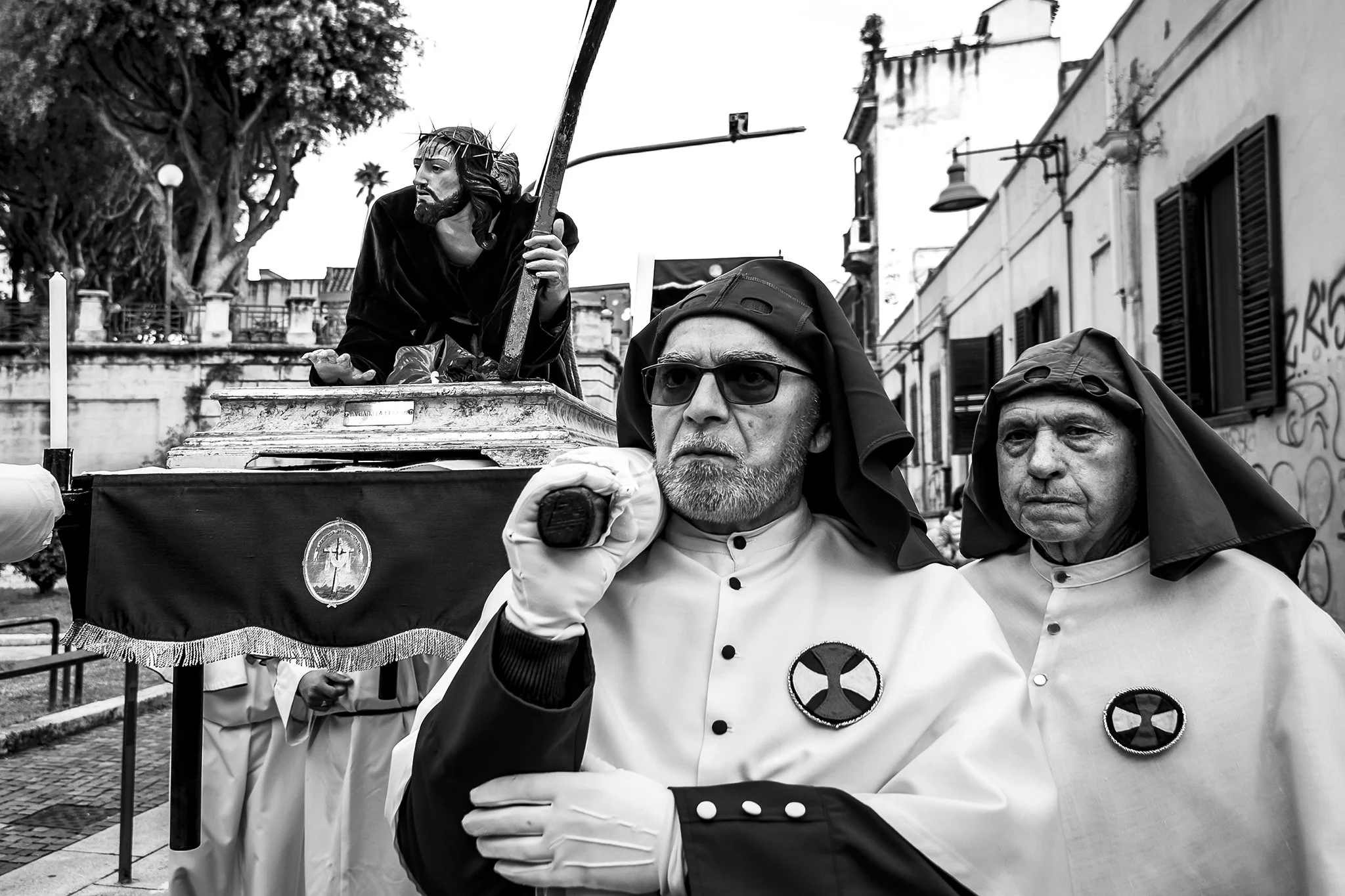
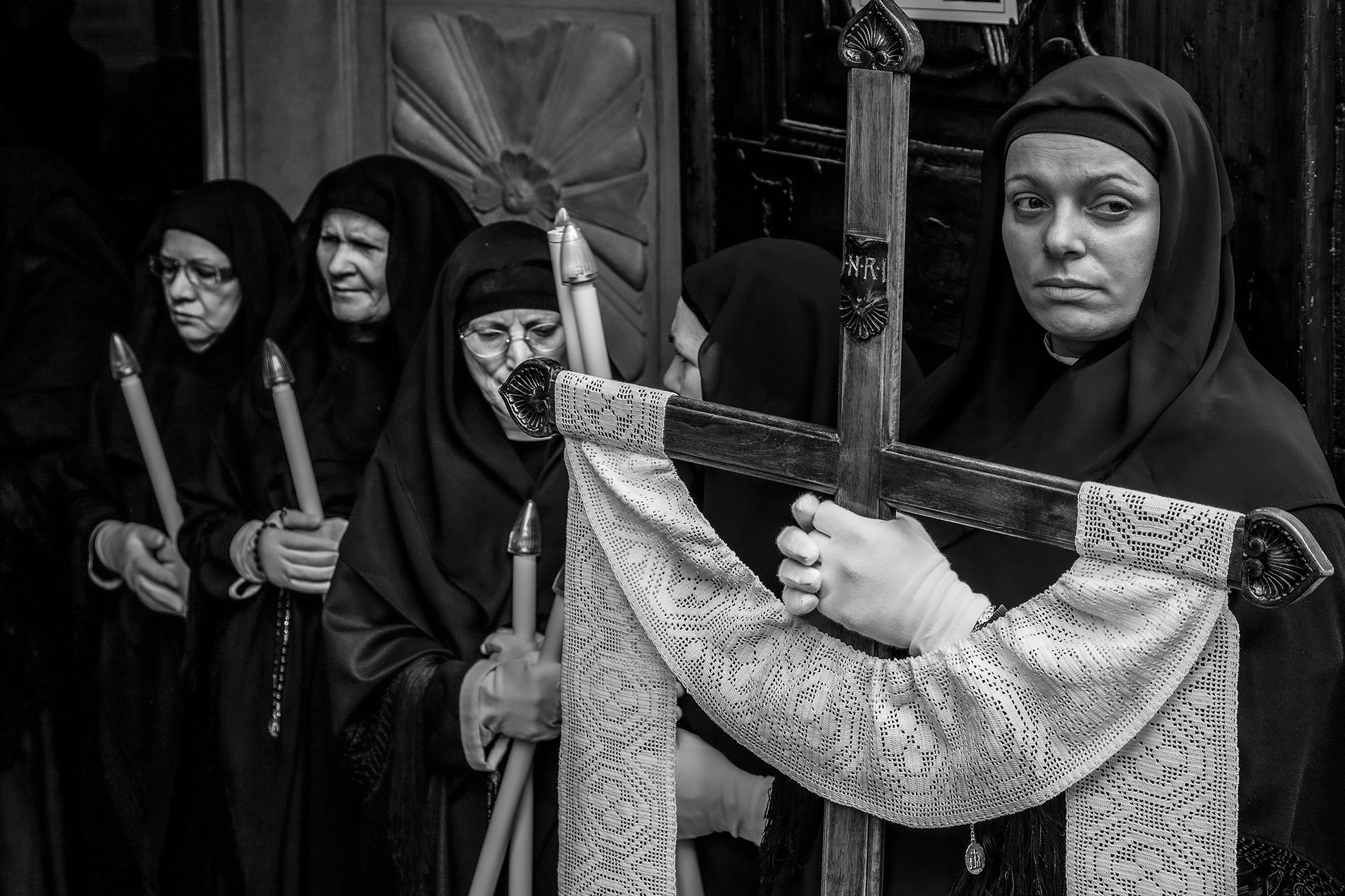
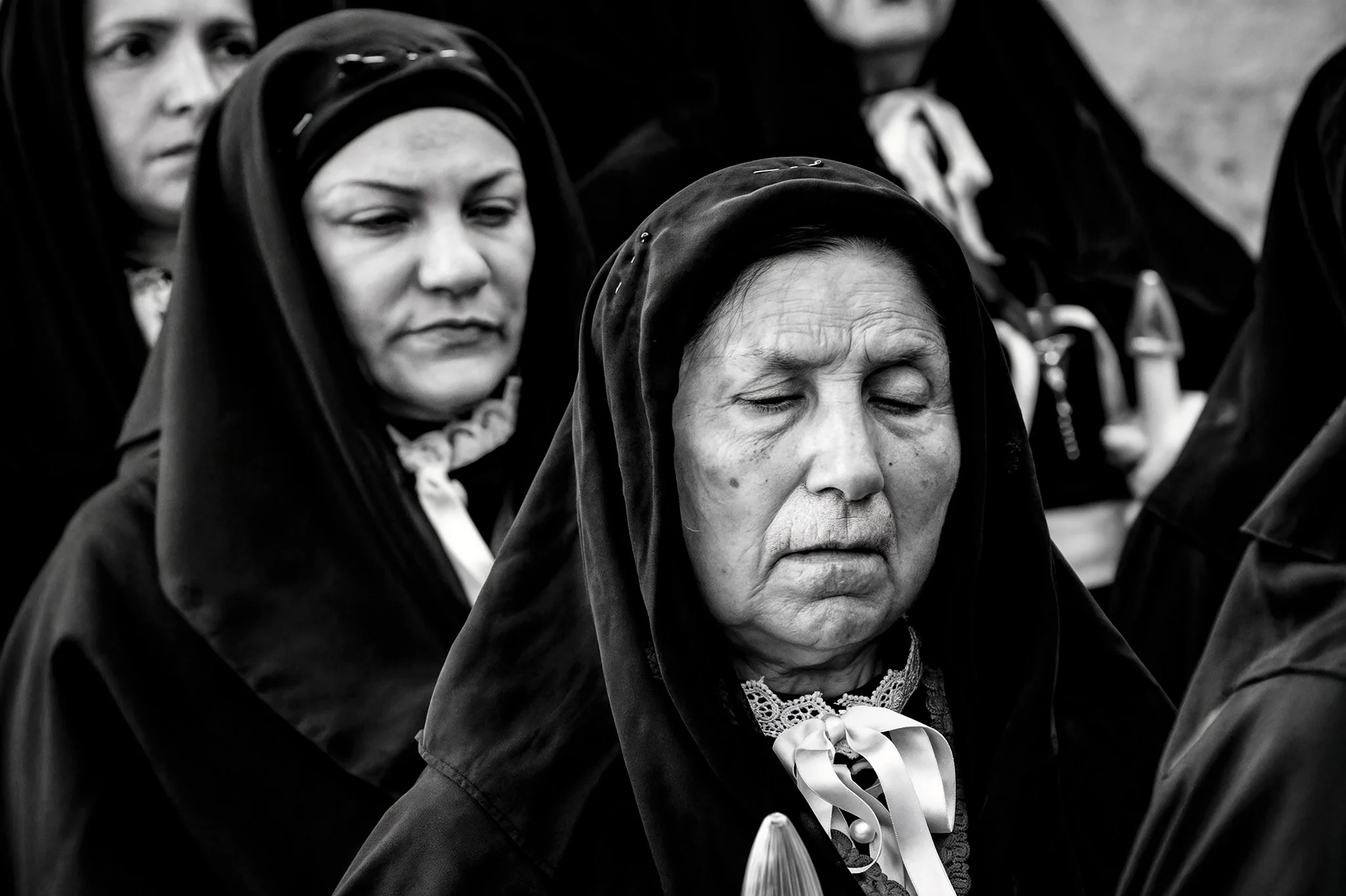
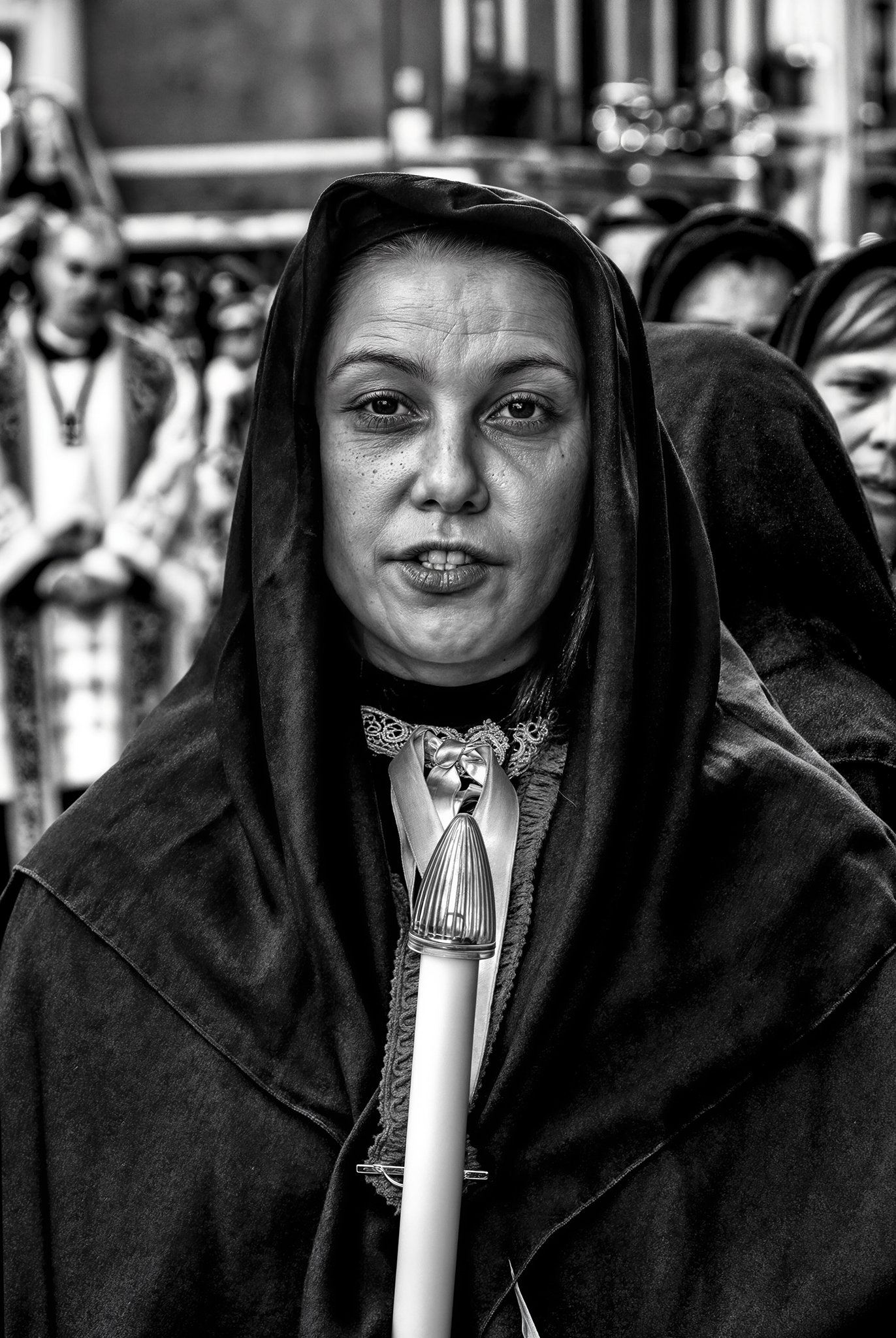
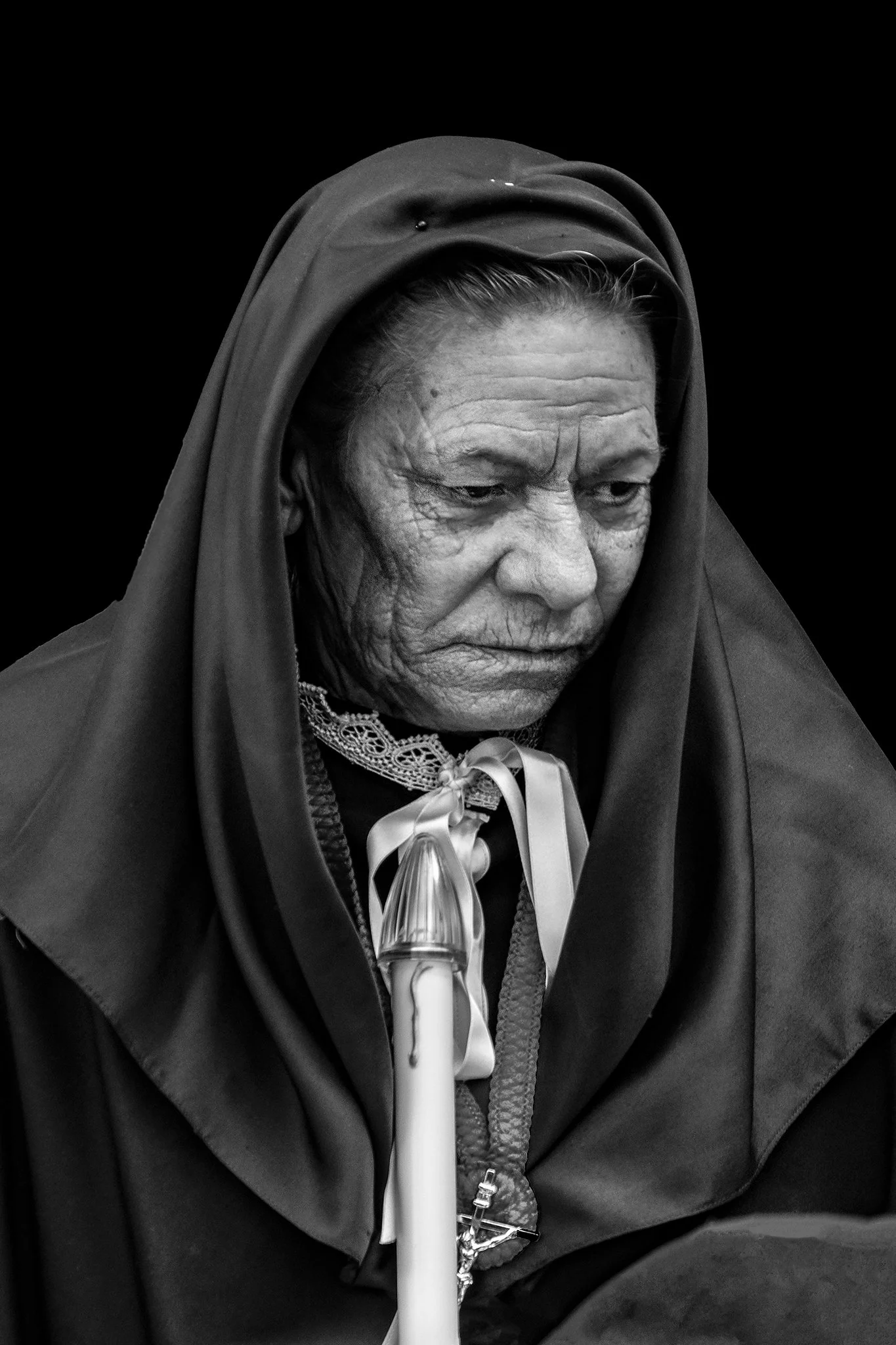
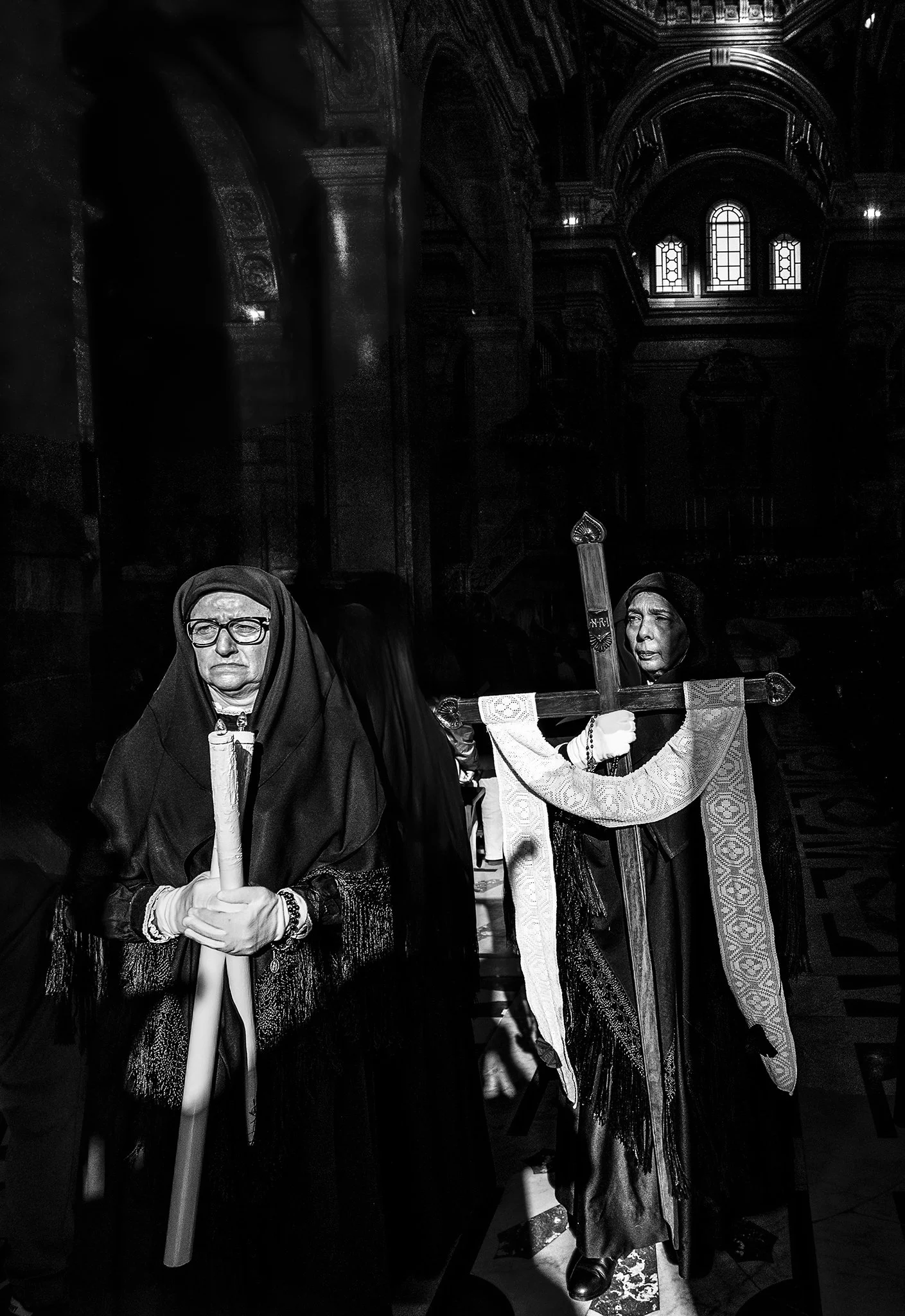
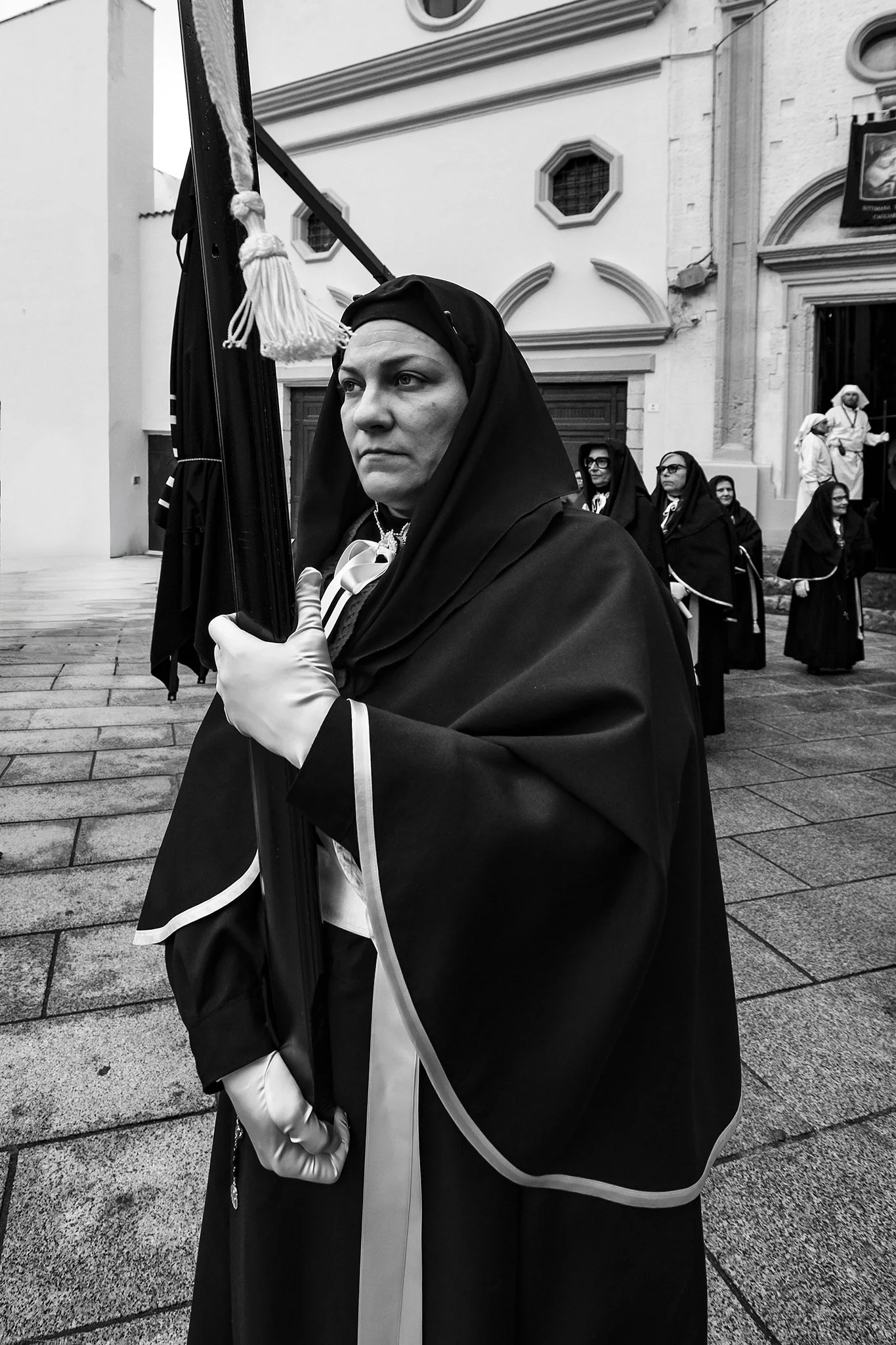
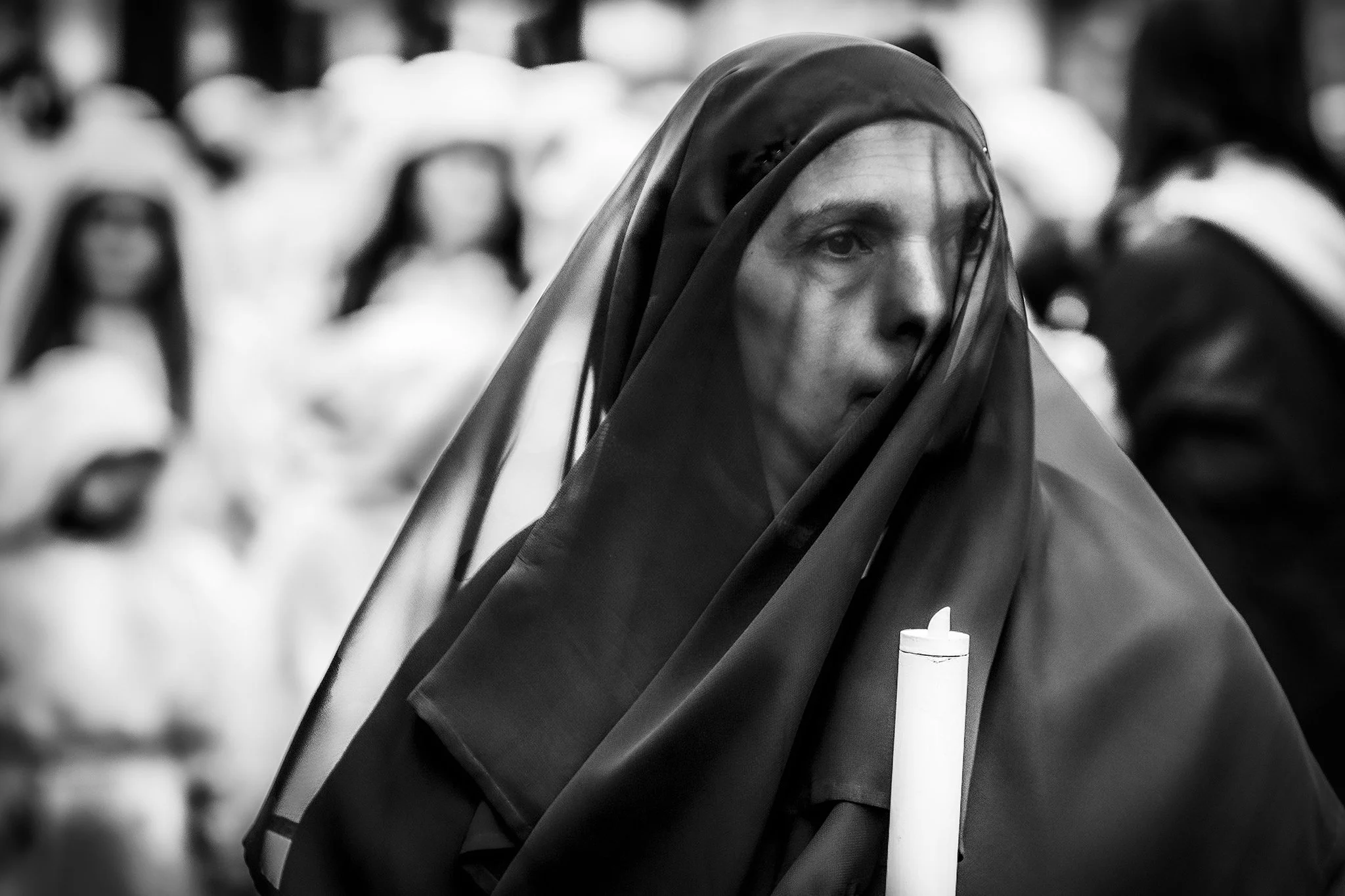
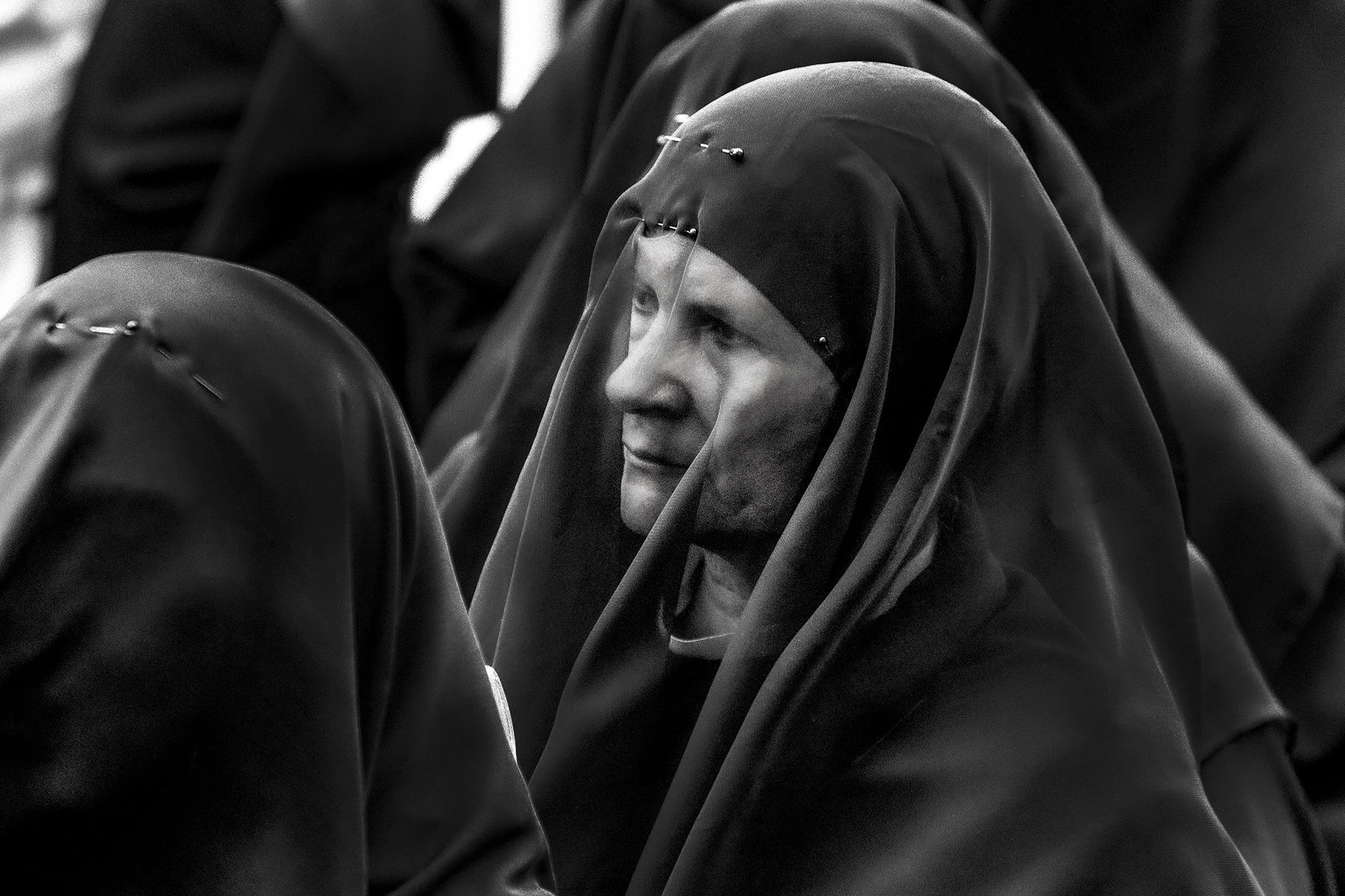
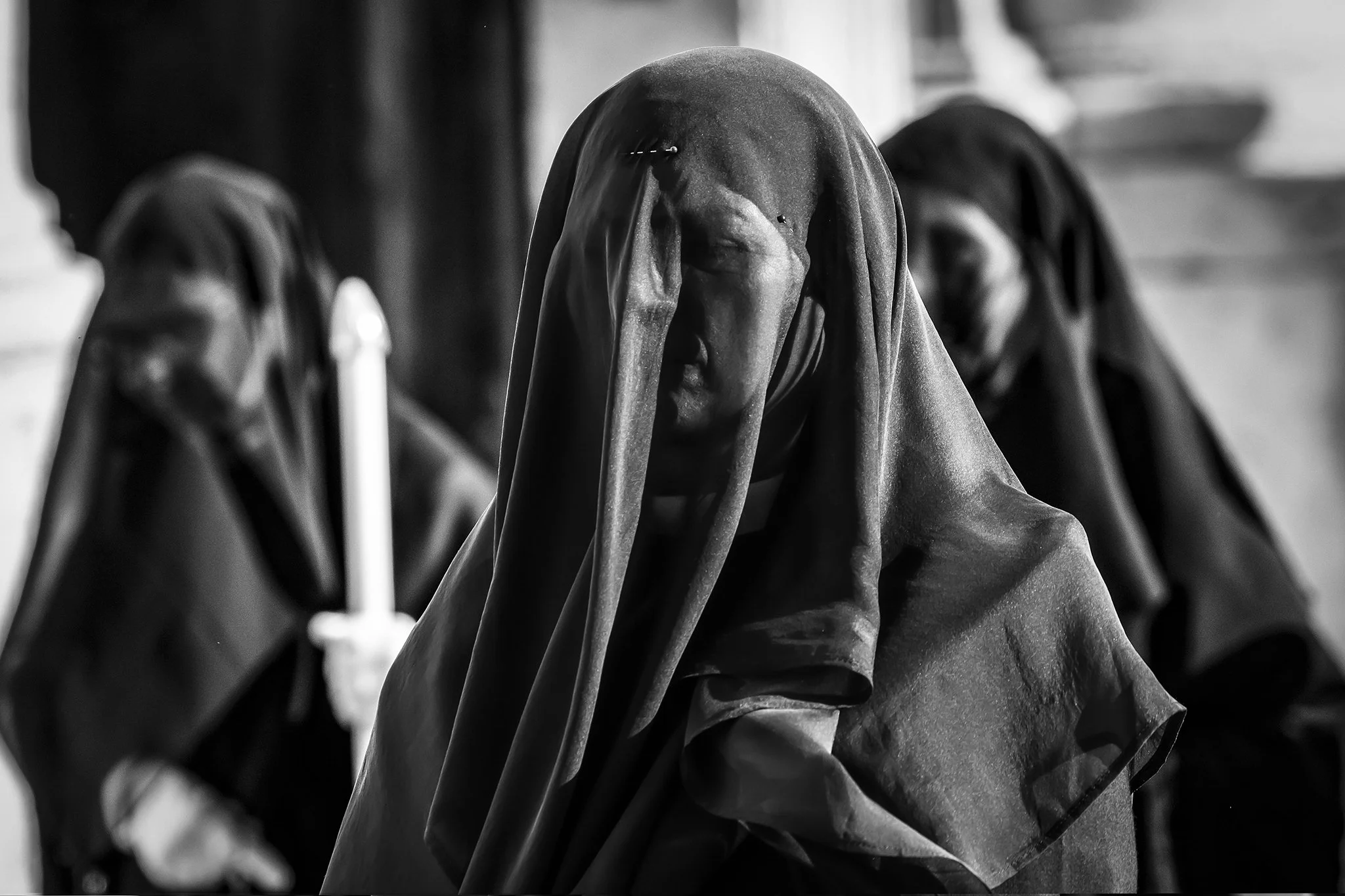
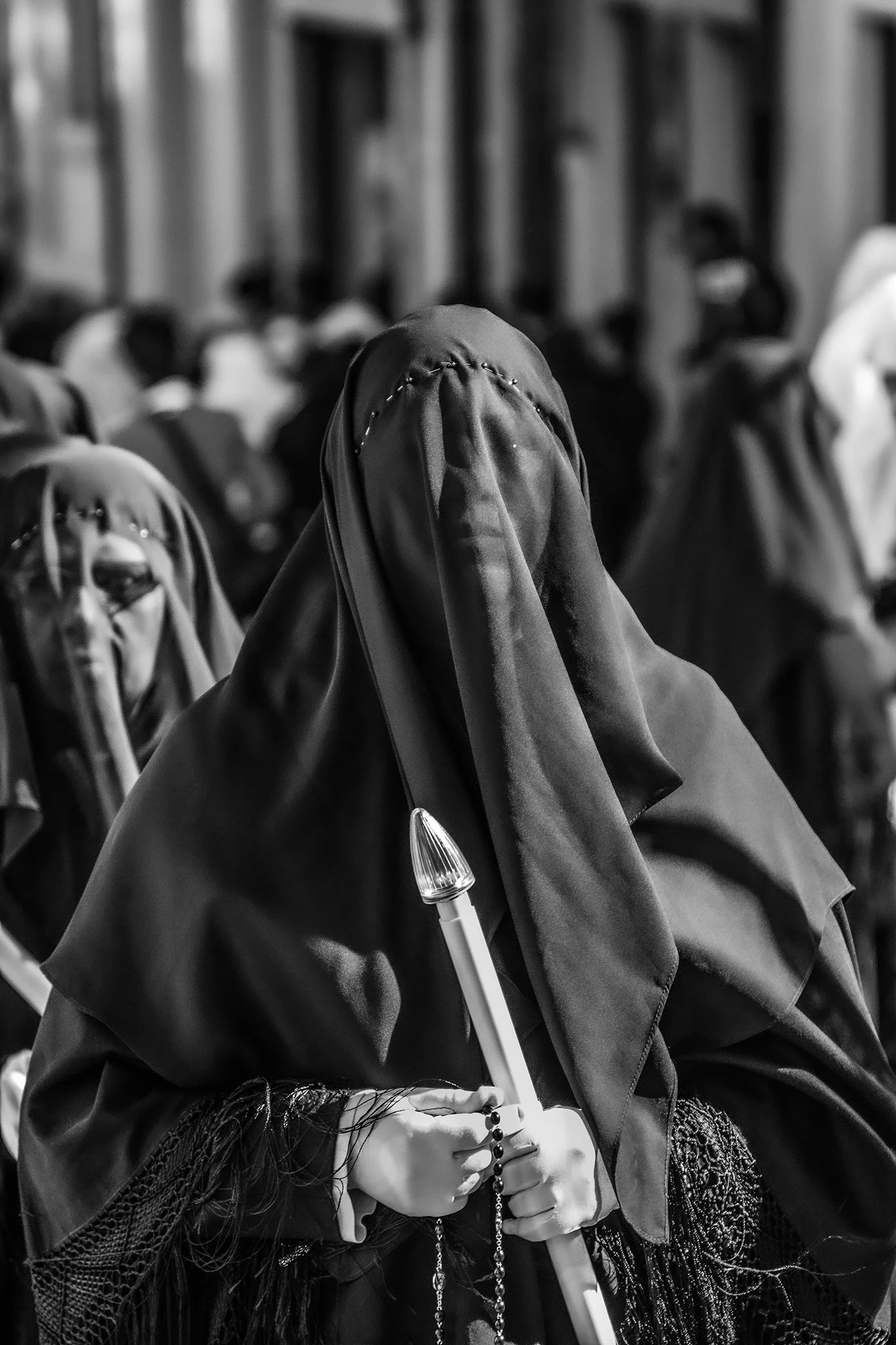
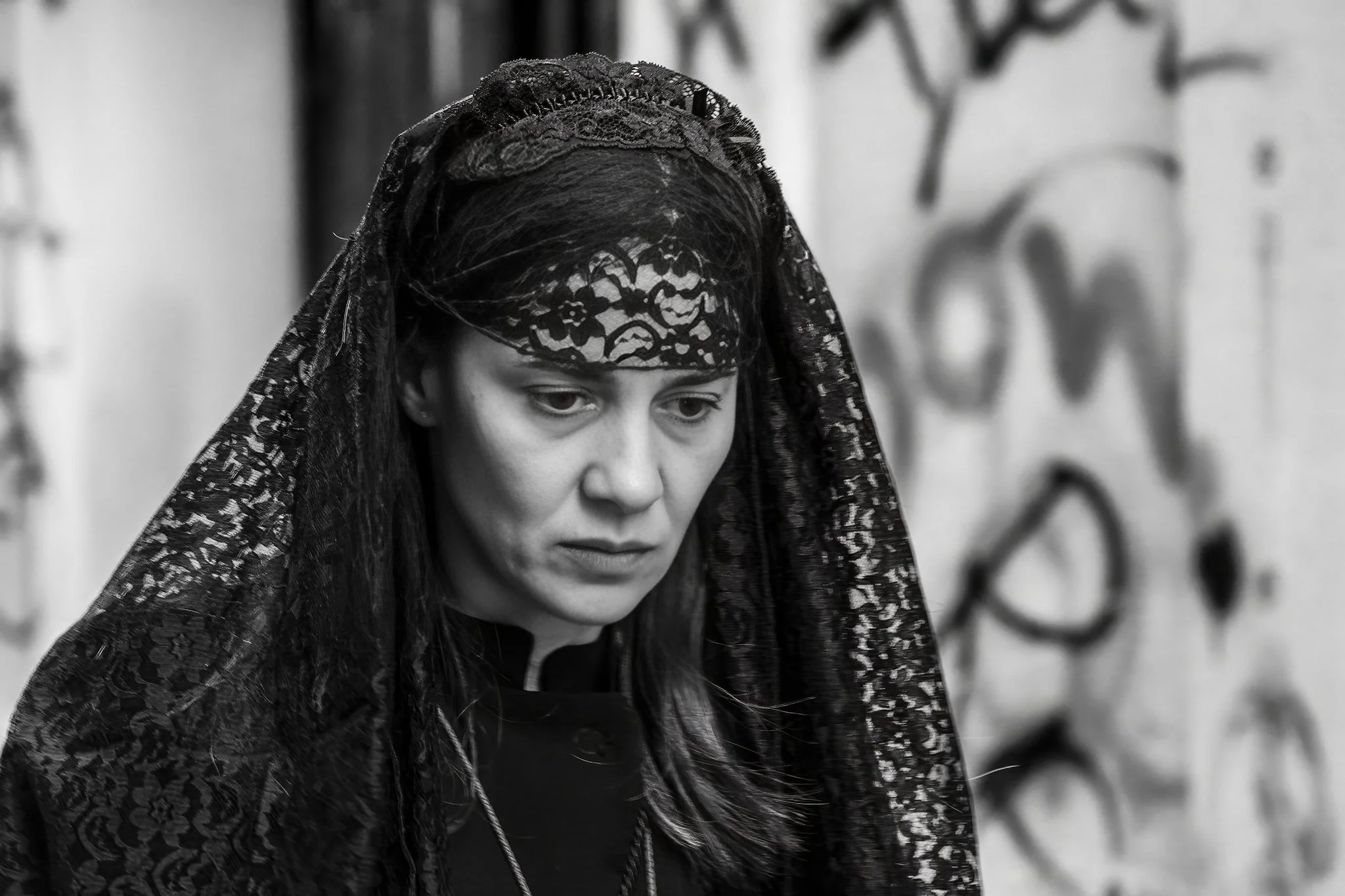
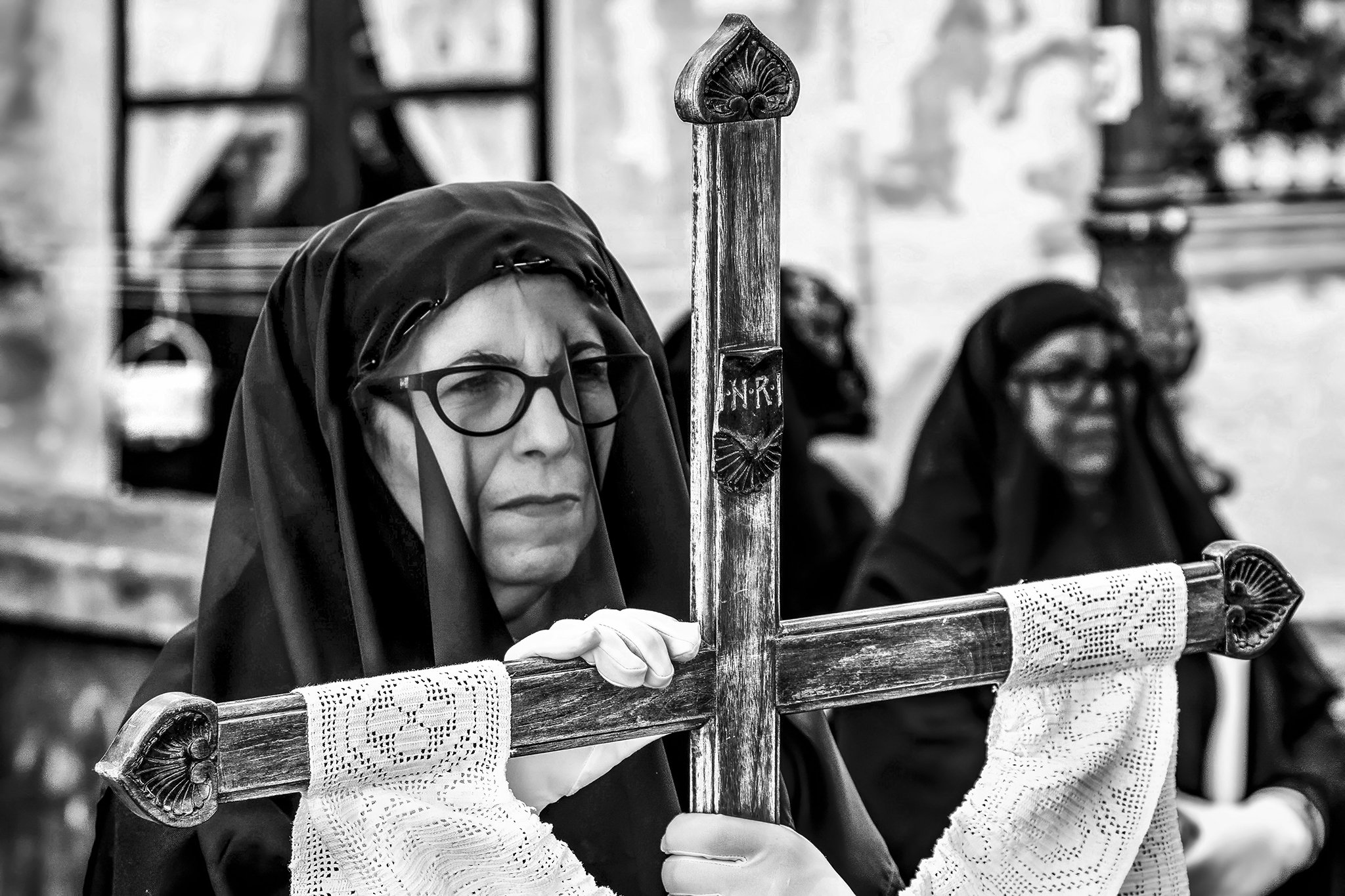
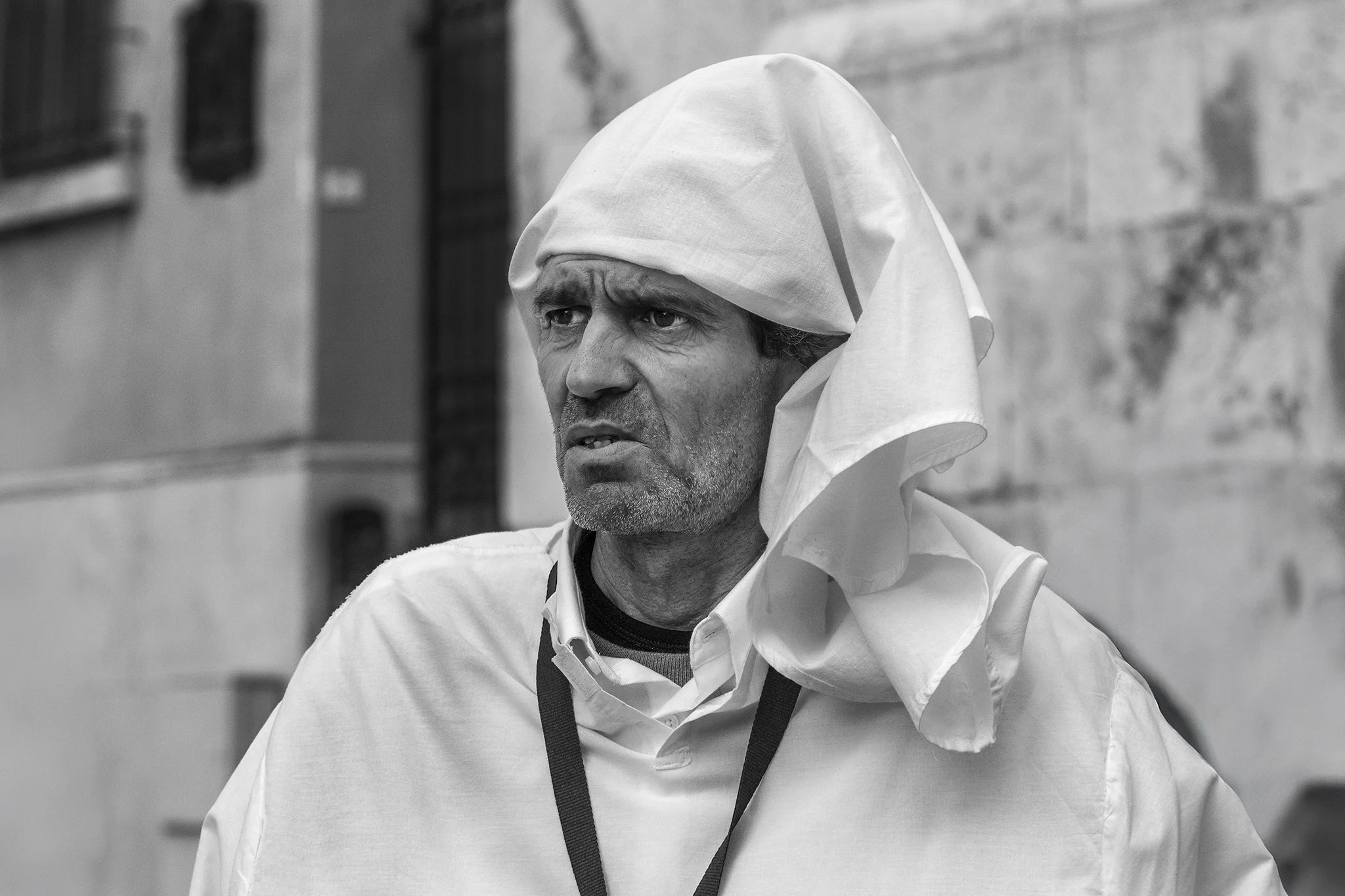
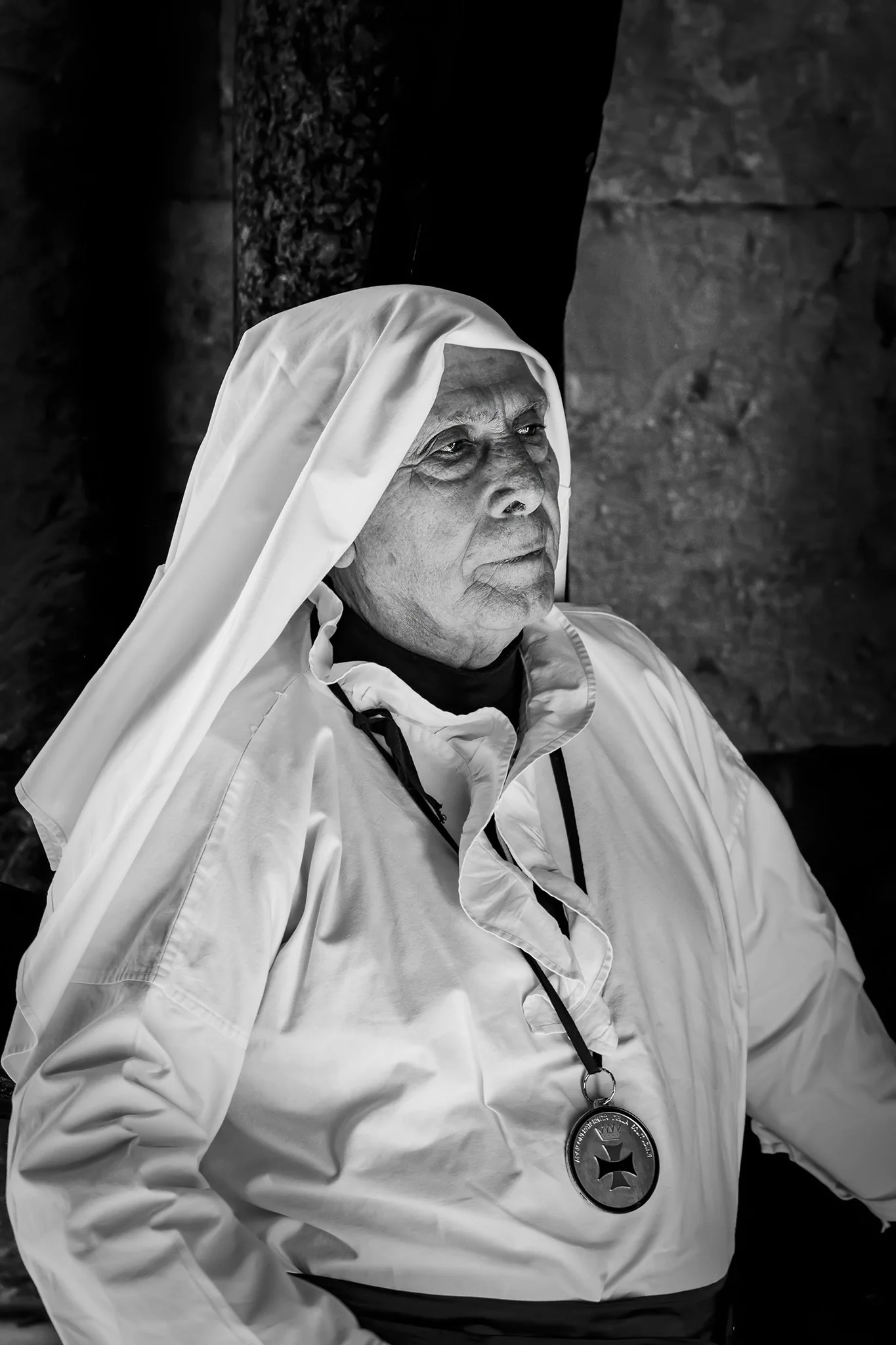
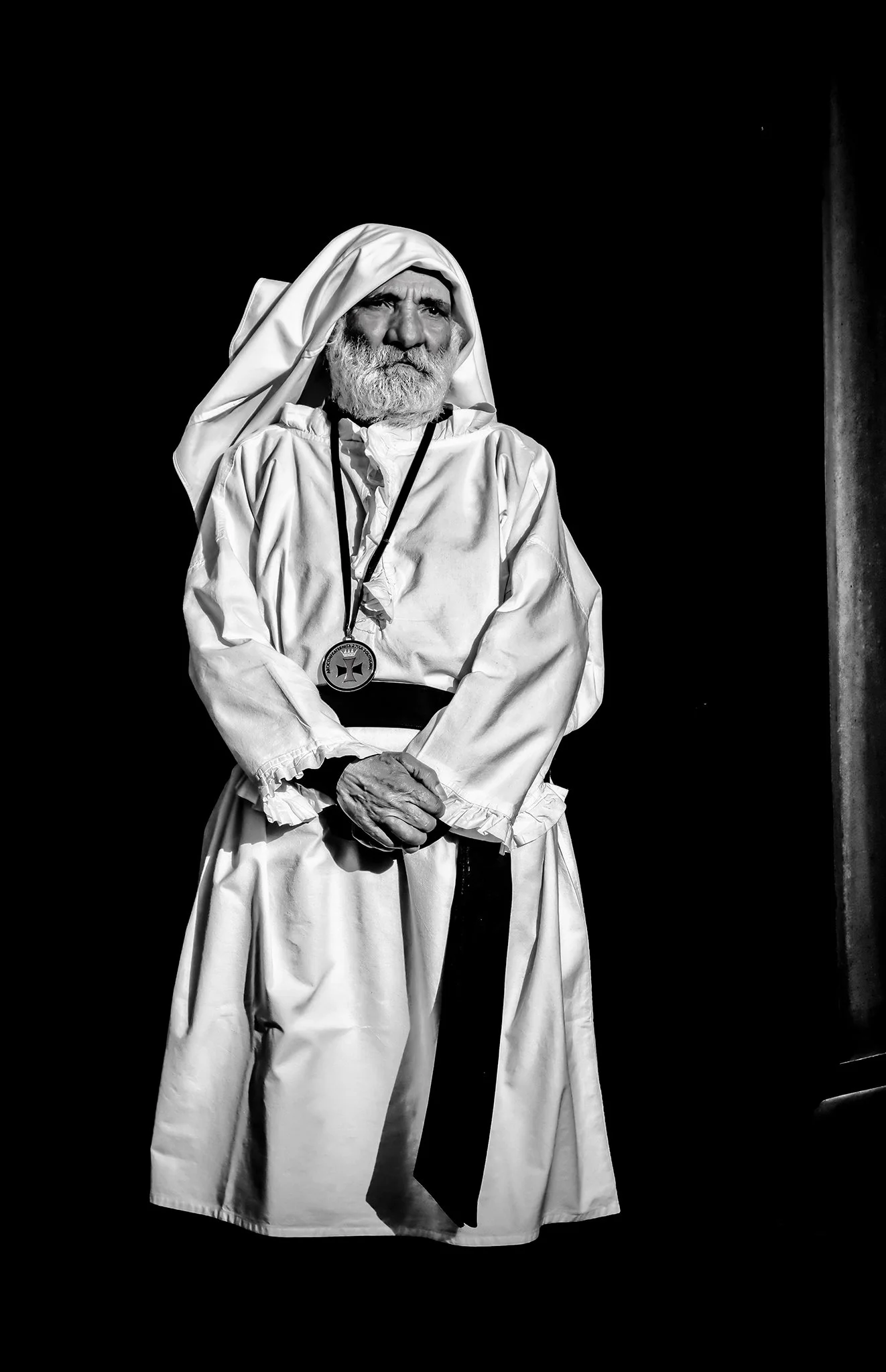
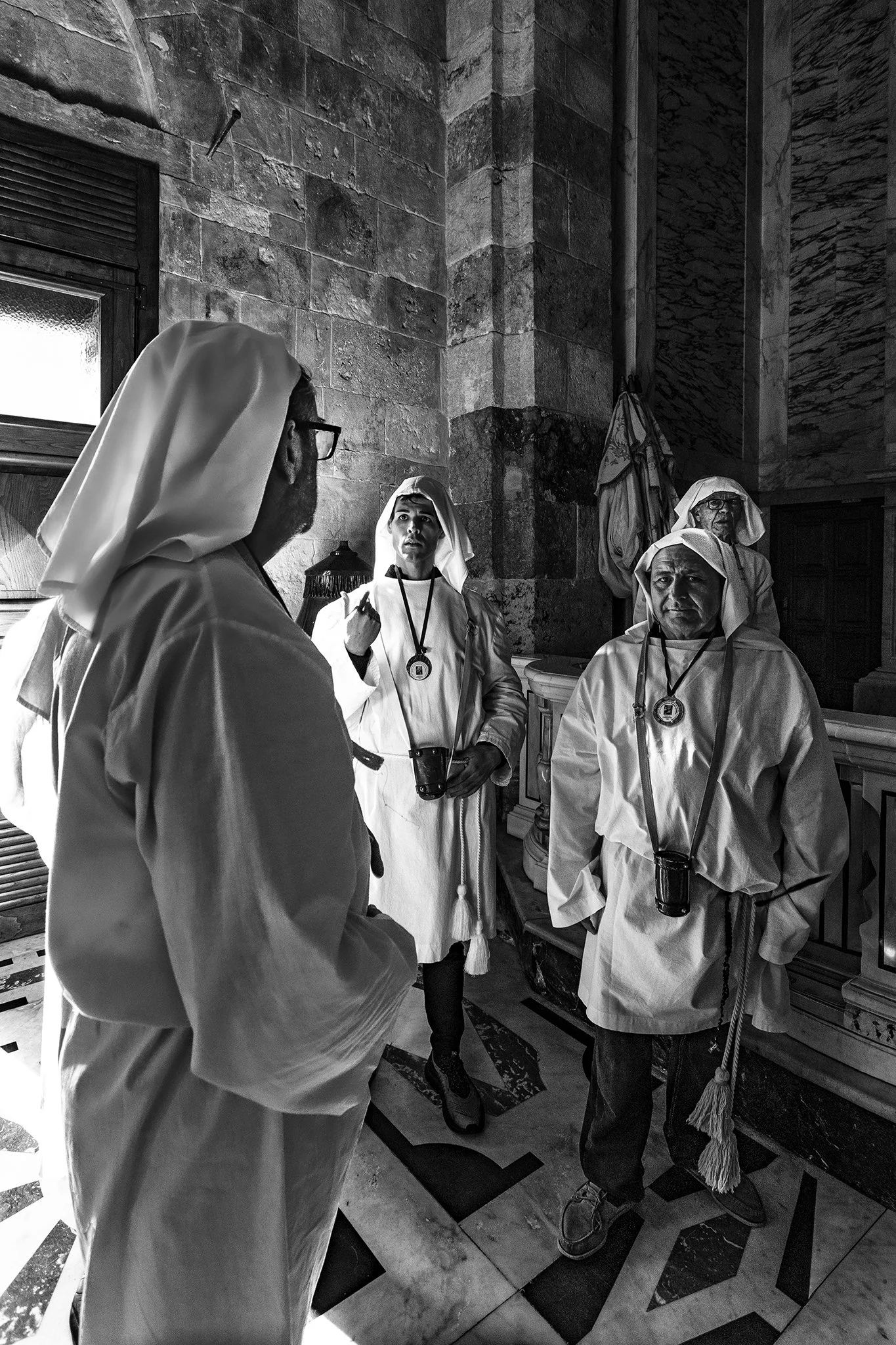
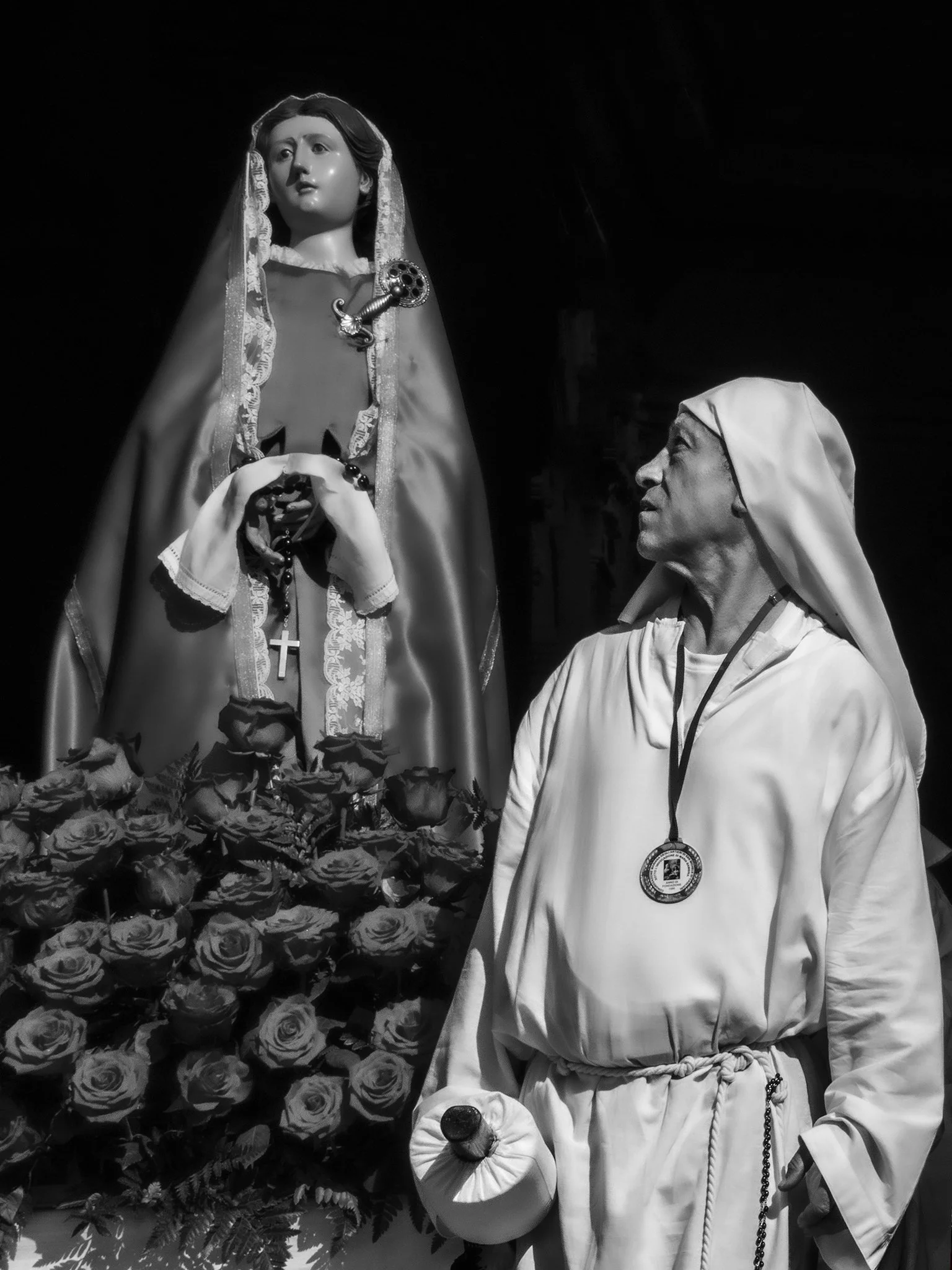
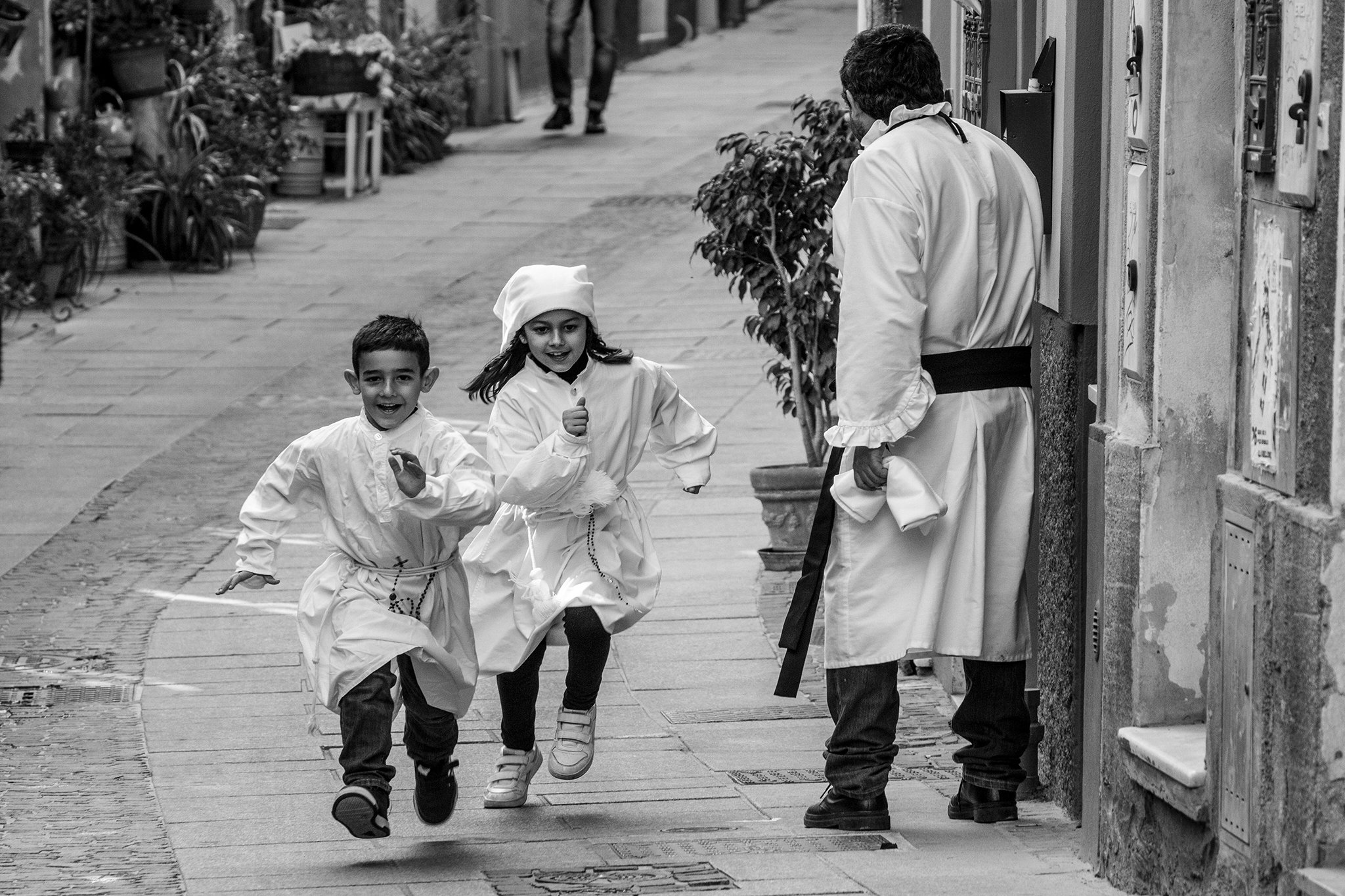
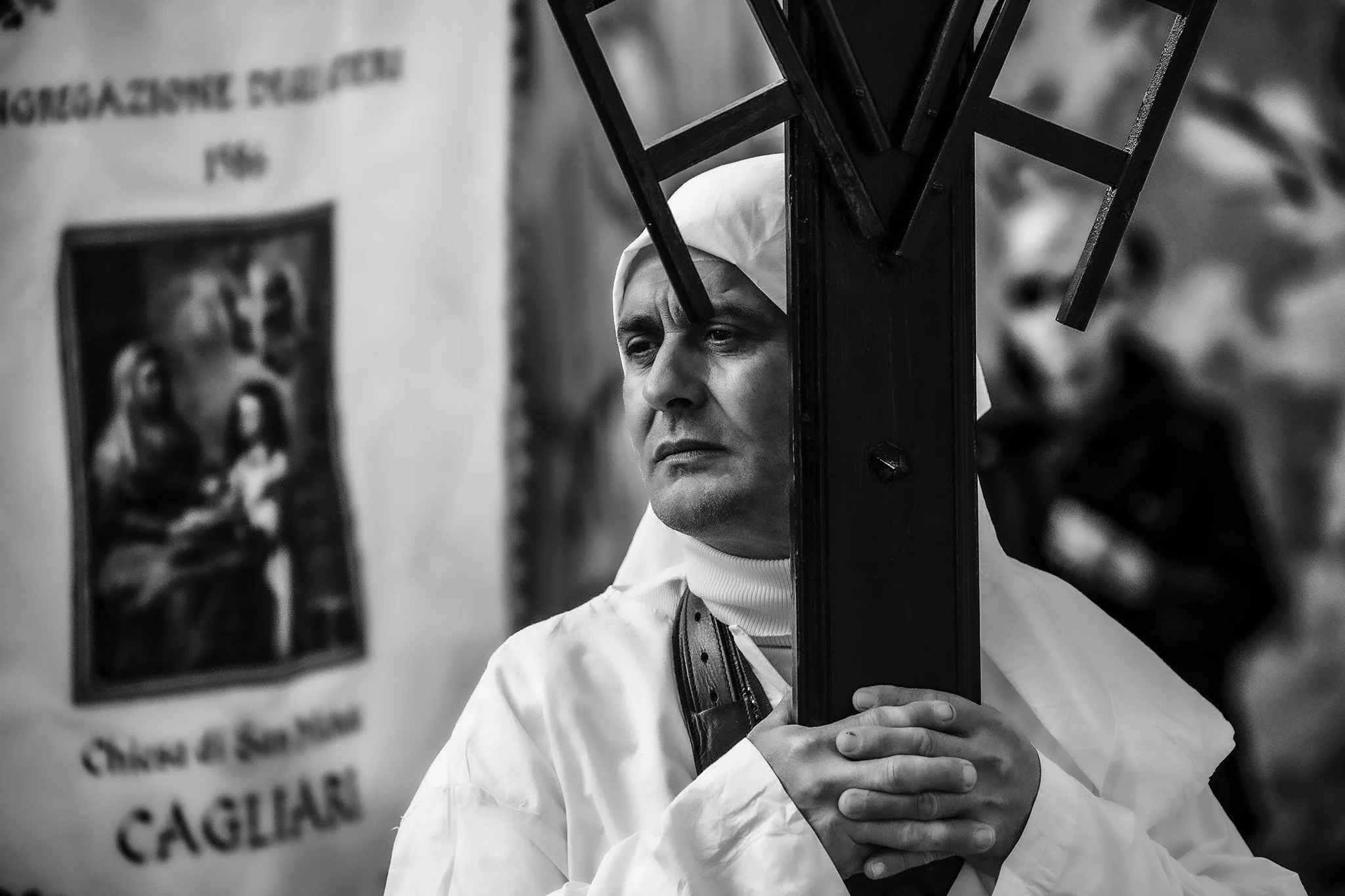
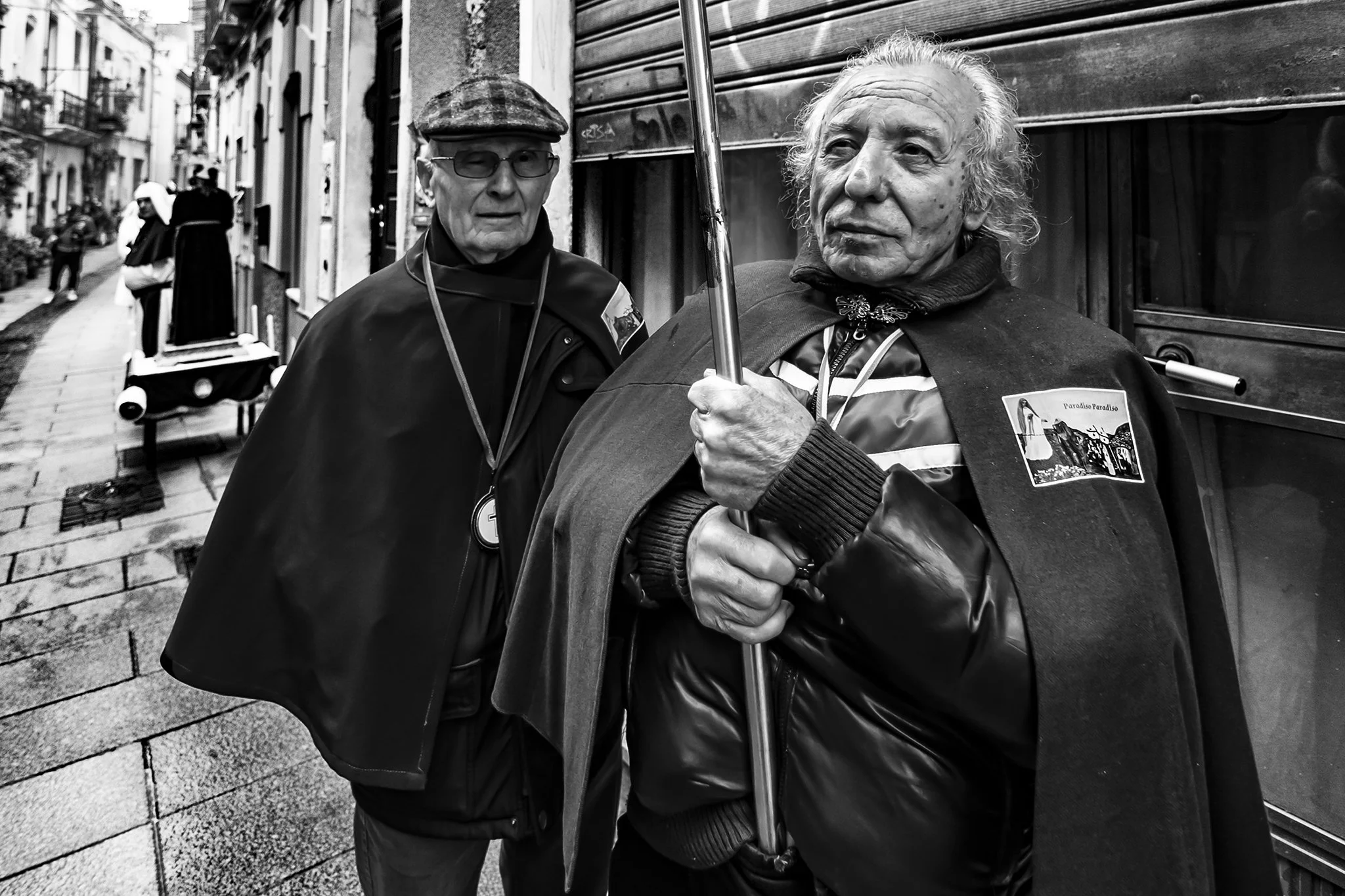
Although I was born and have always lived in Cagliari, I attended one of the processions that take place during Holy Week leading up to Easter for the first time, only later in life—probably by chance. This was partly because I have always been a secular person, or rather a kind of heretical Christian, distant from the rites of Catholicism; and partly because I had simply never happened to come across one of these processions, which are held strictly in the historic, working-class neighbourhoods of the city.
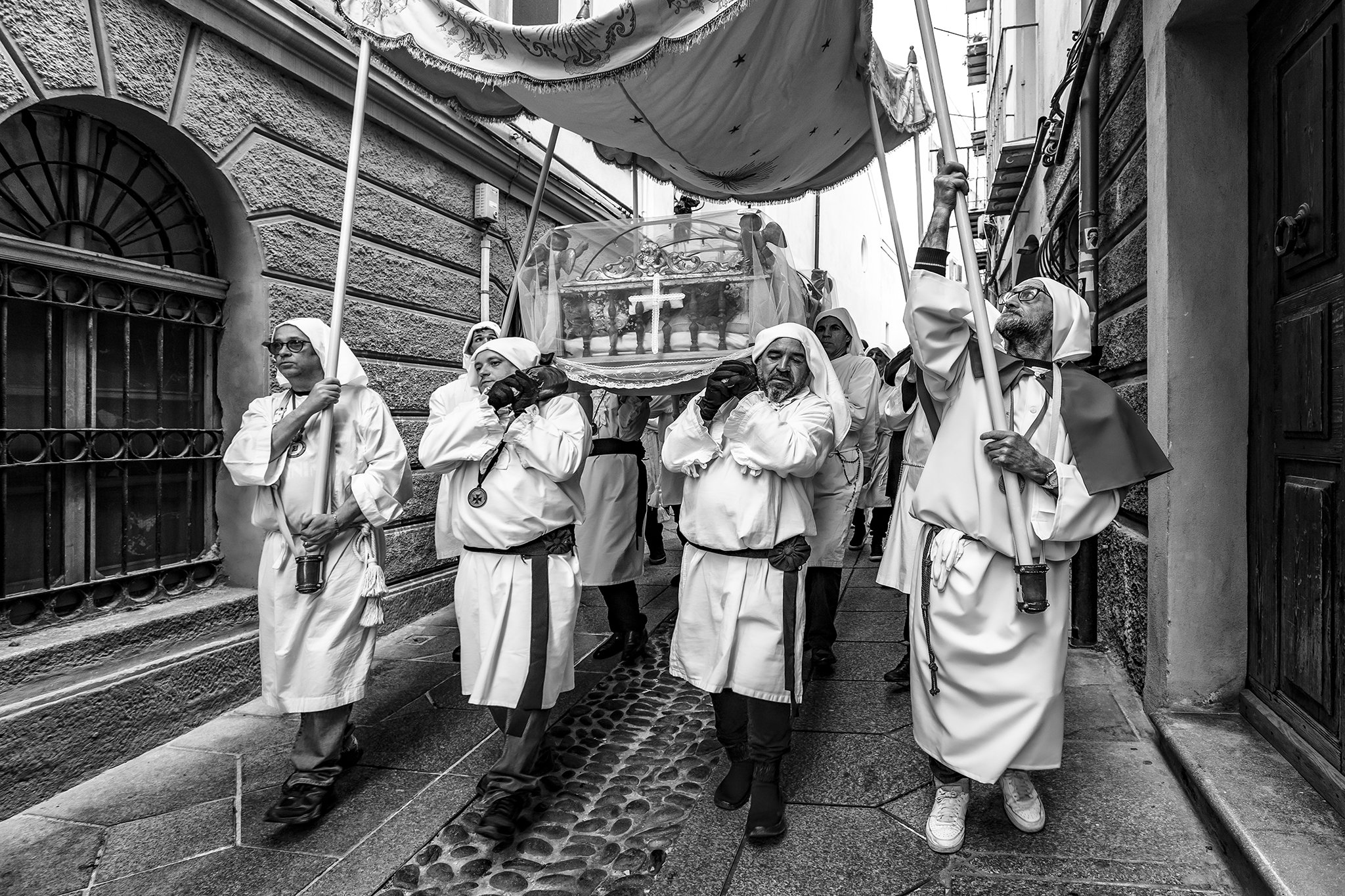
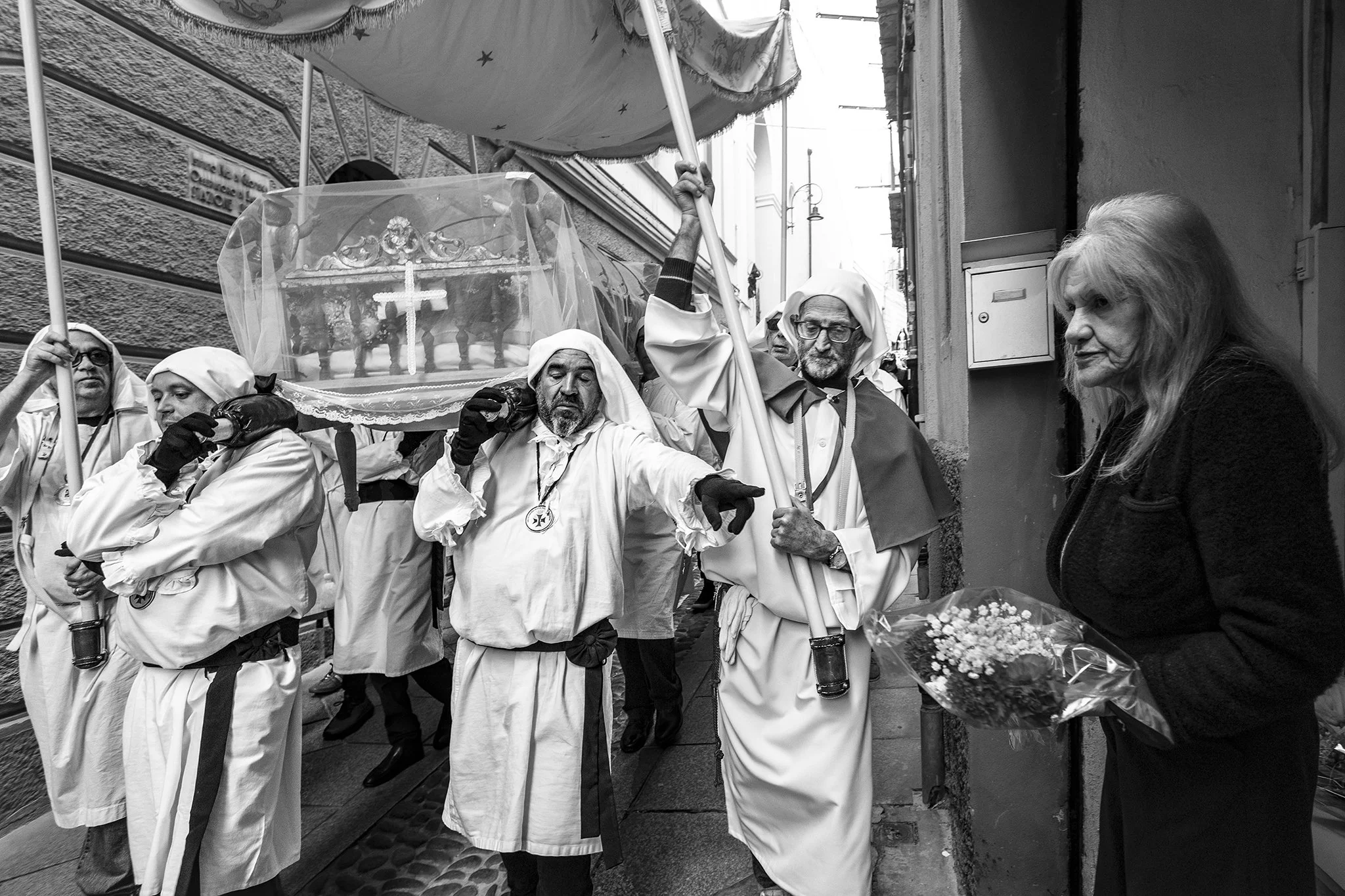
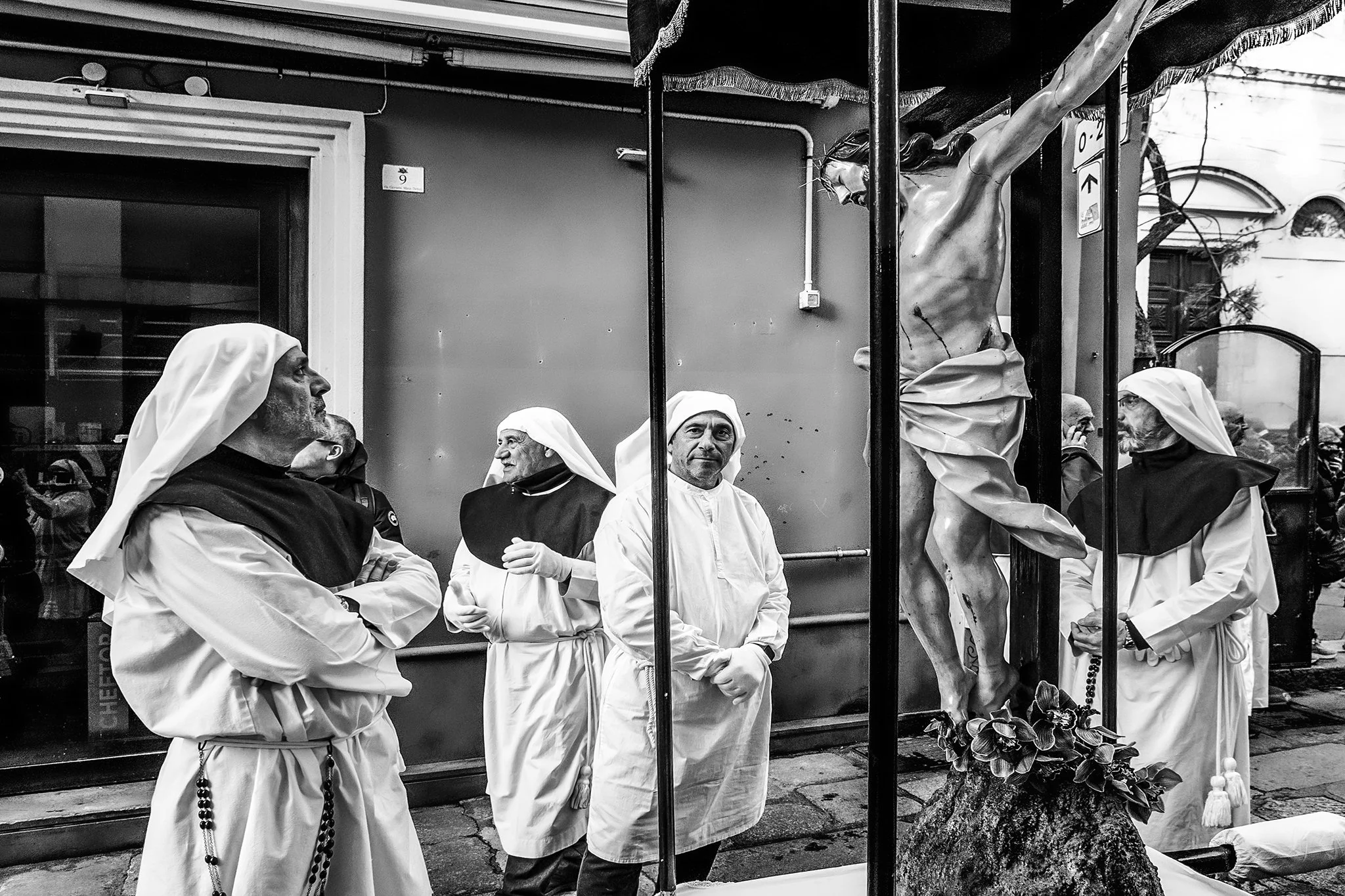
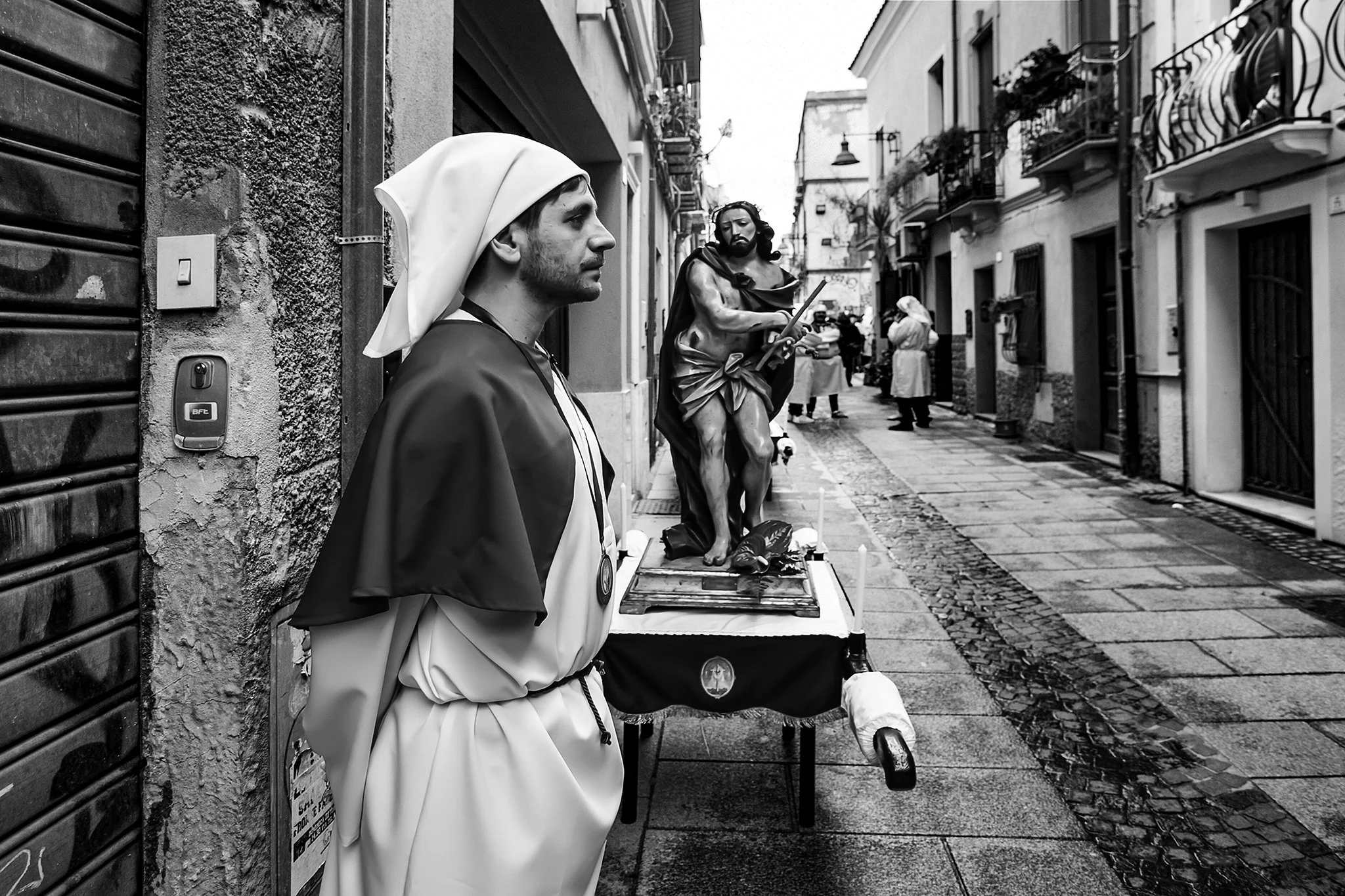
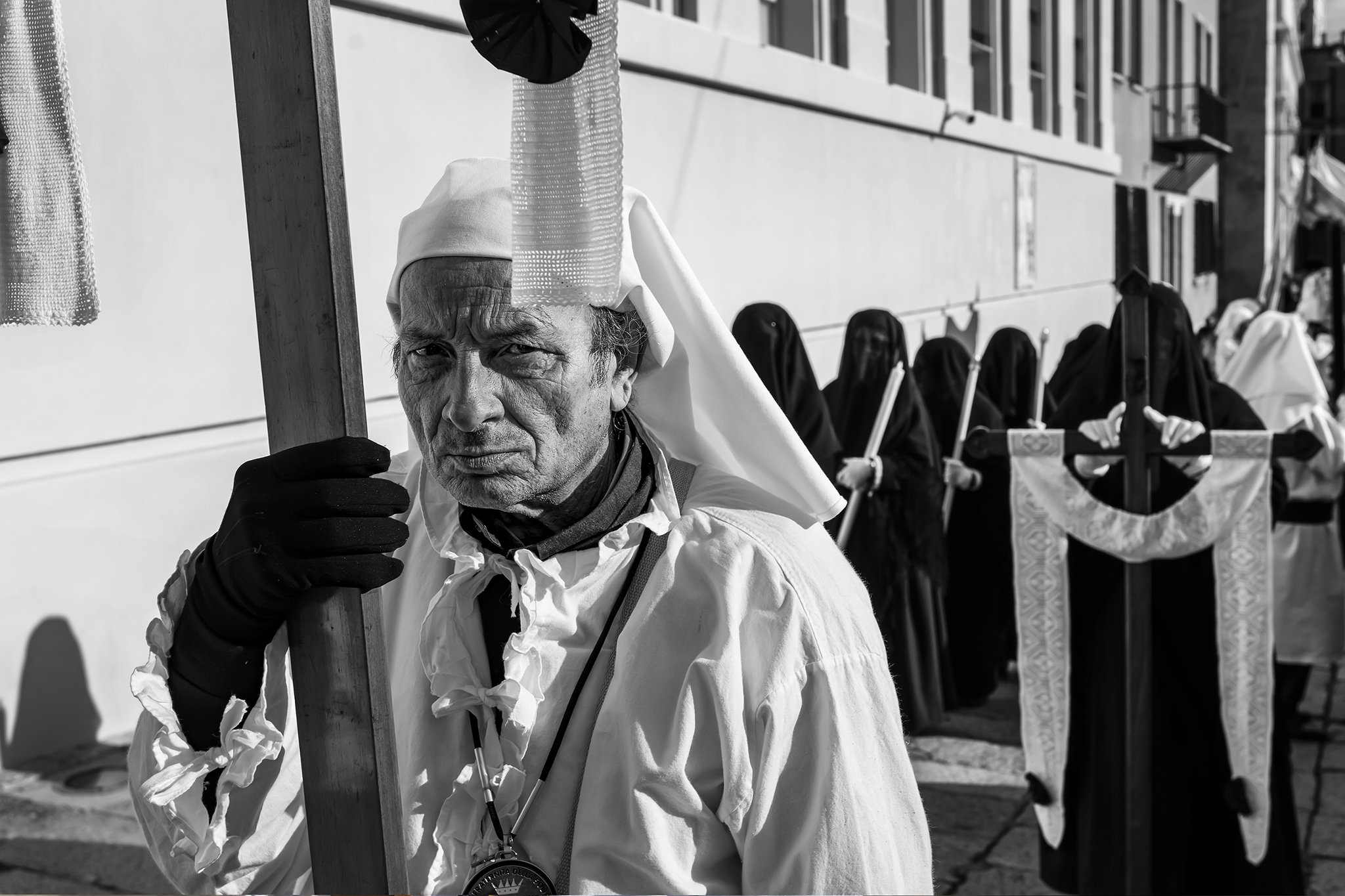
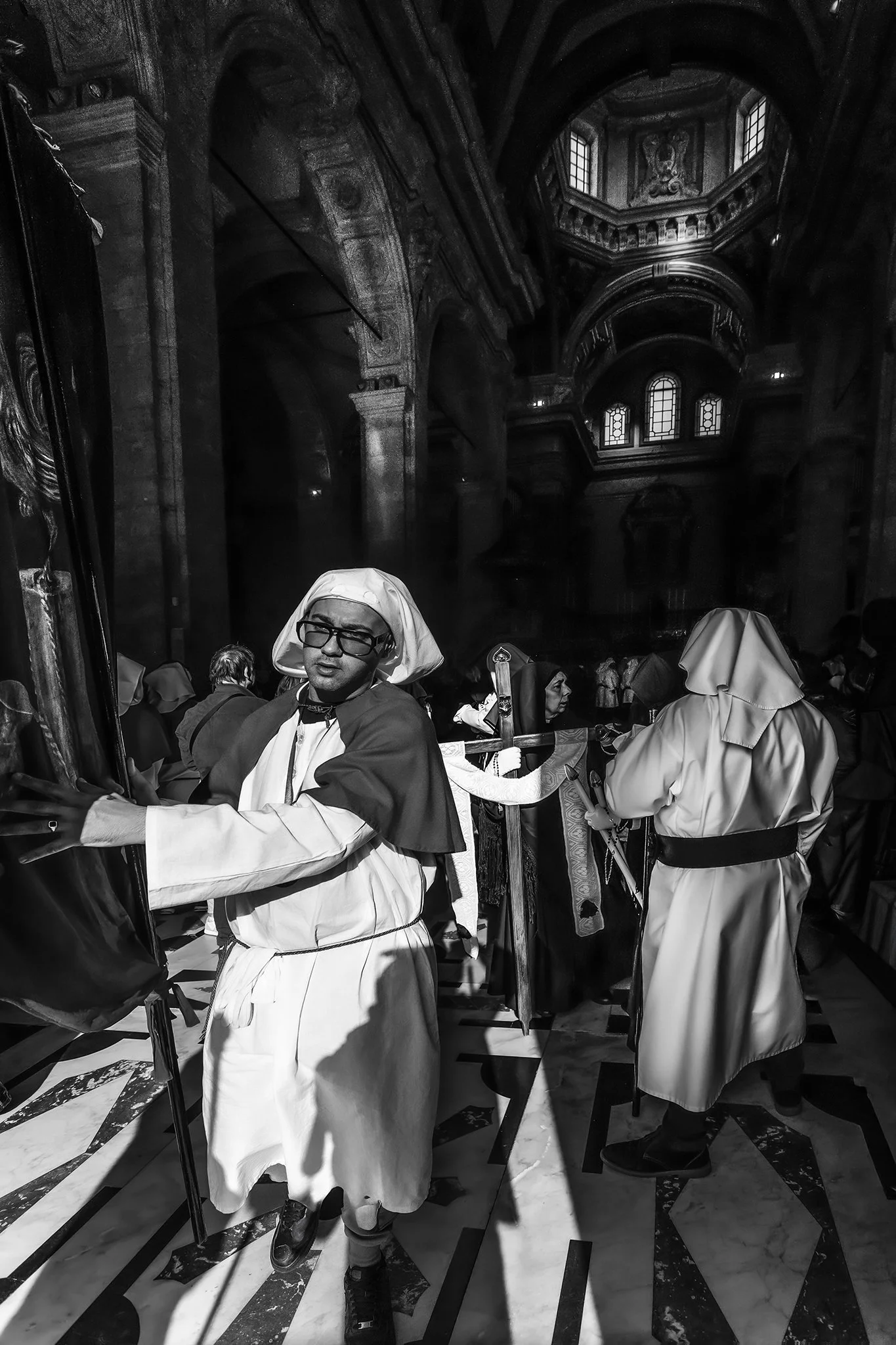
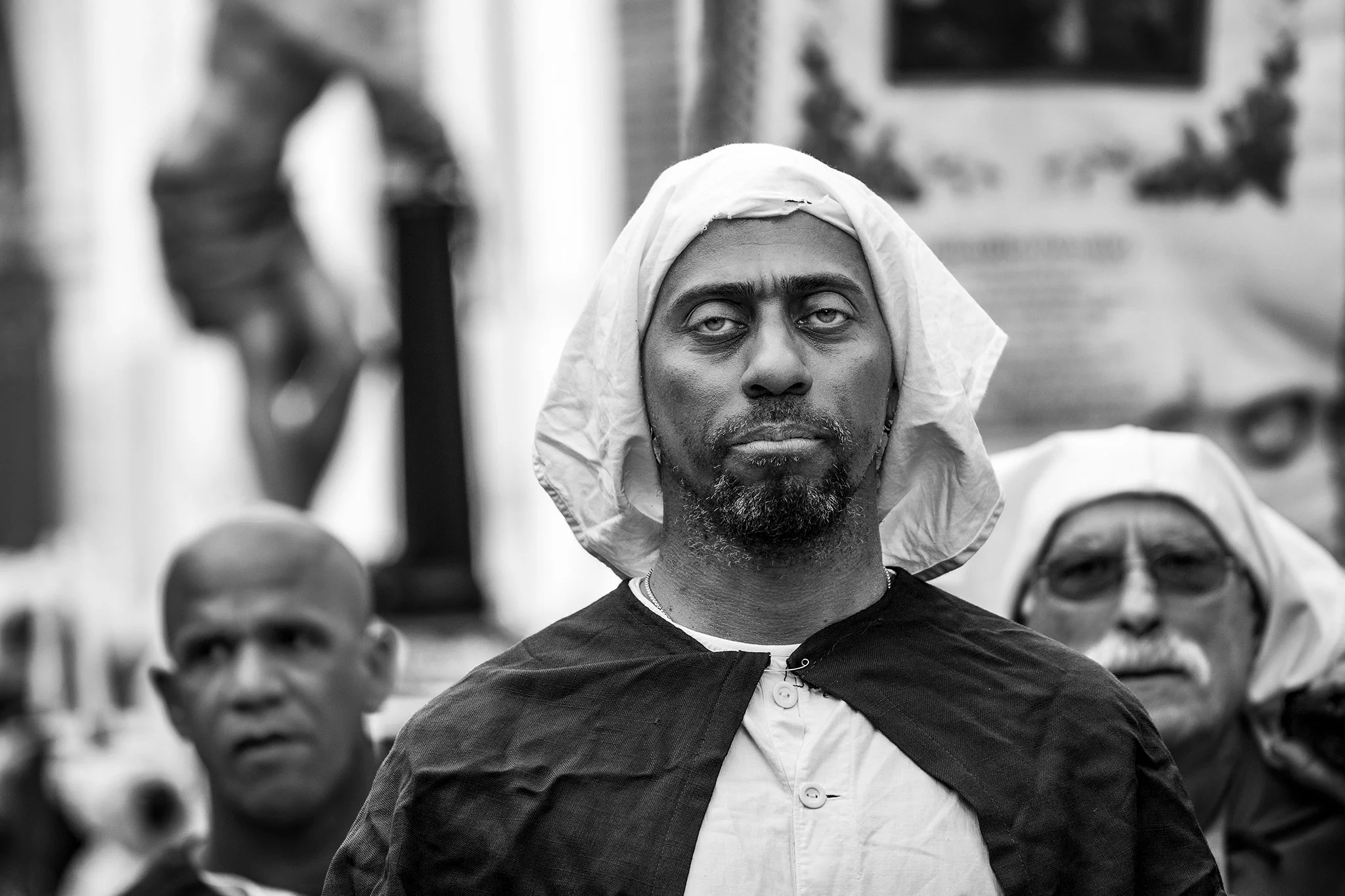
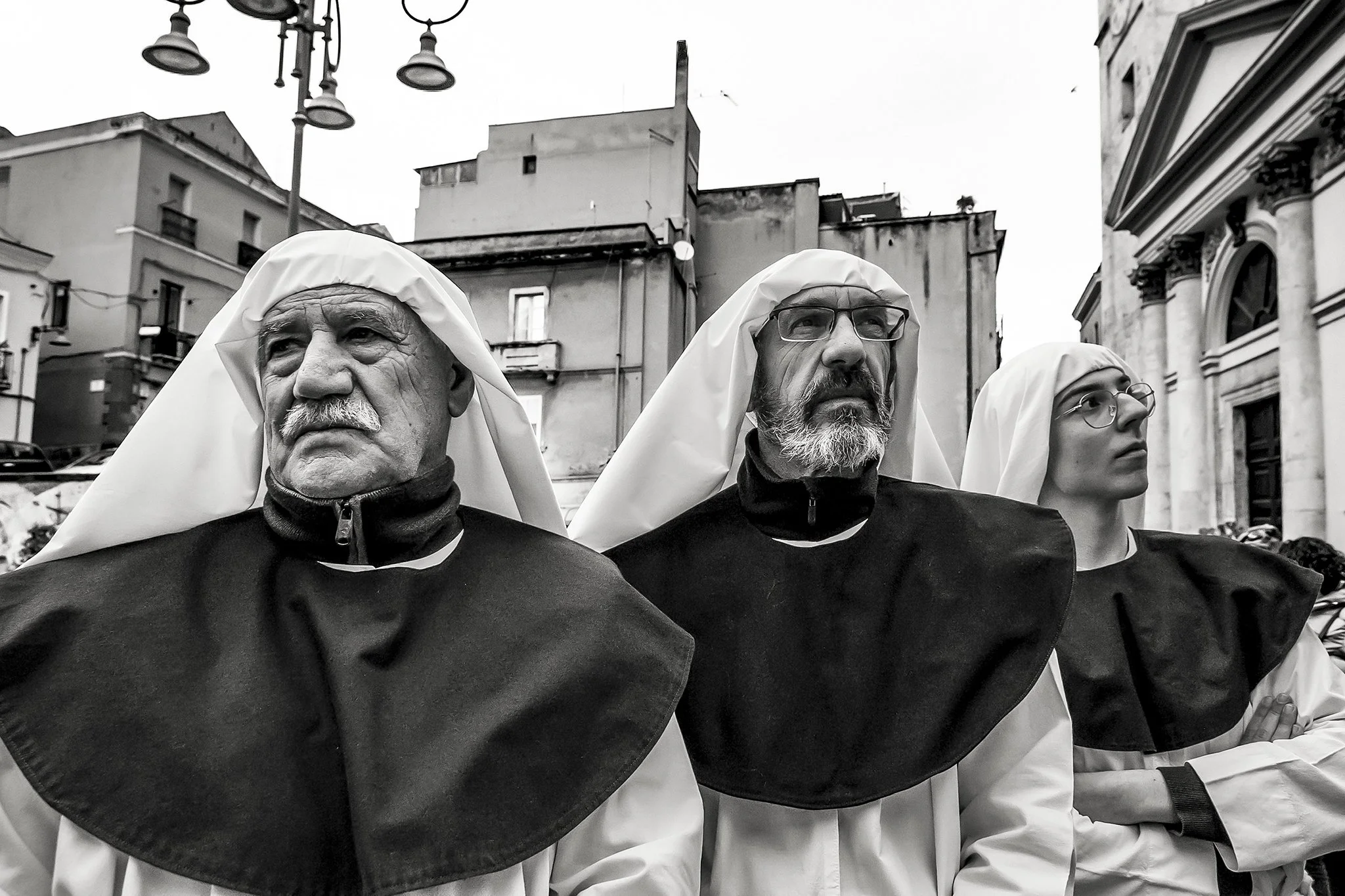
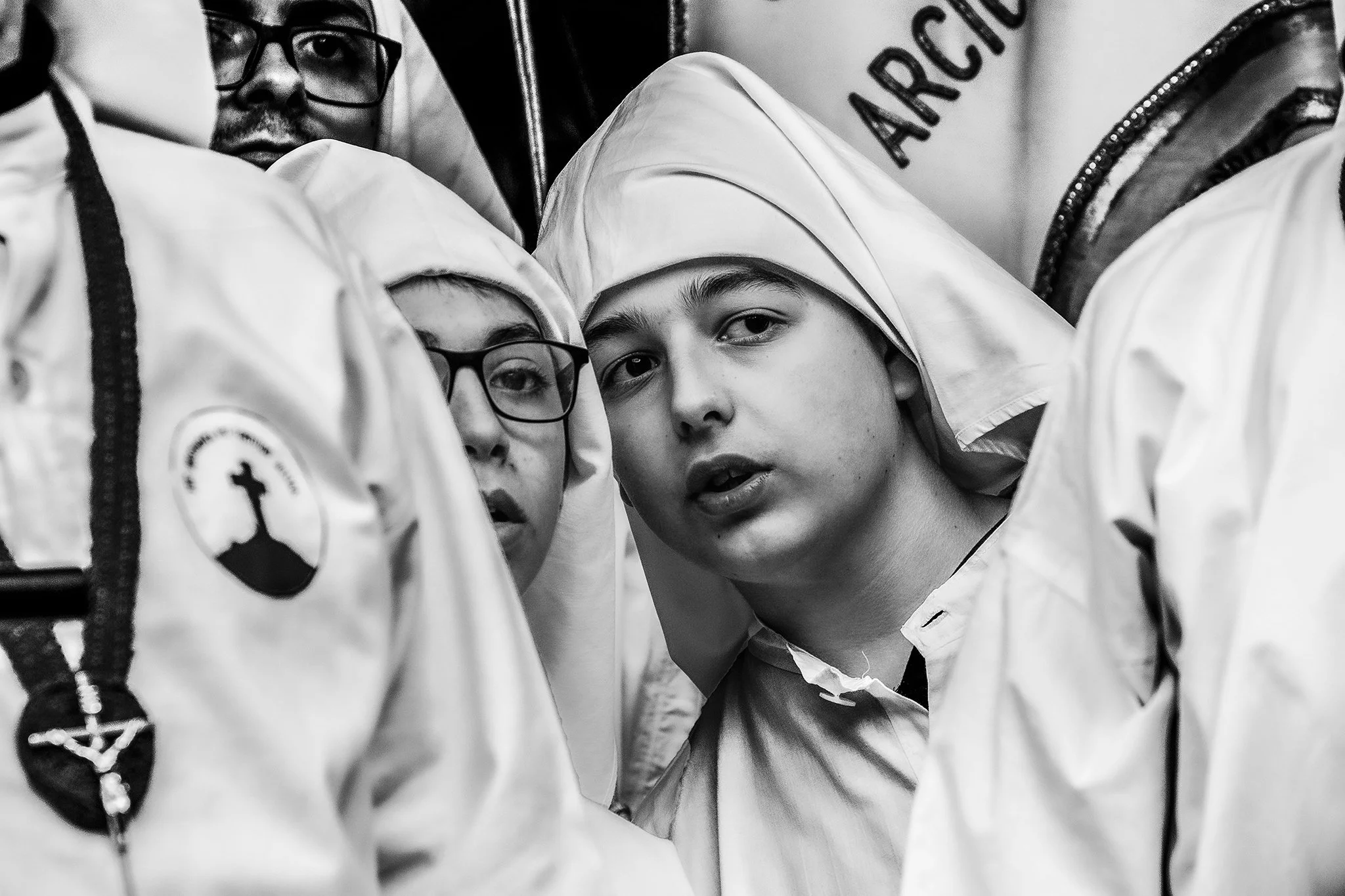
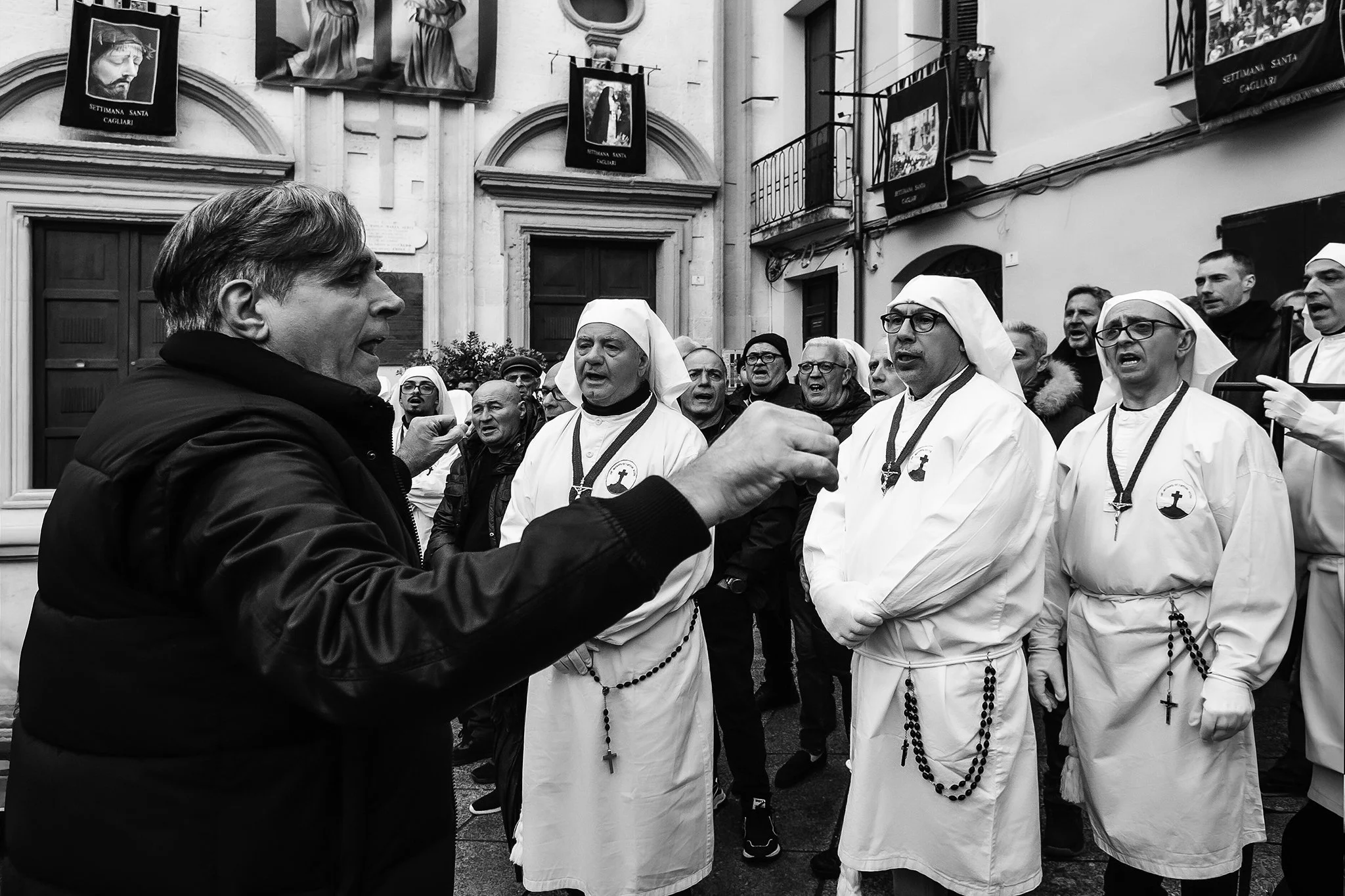
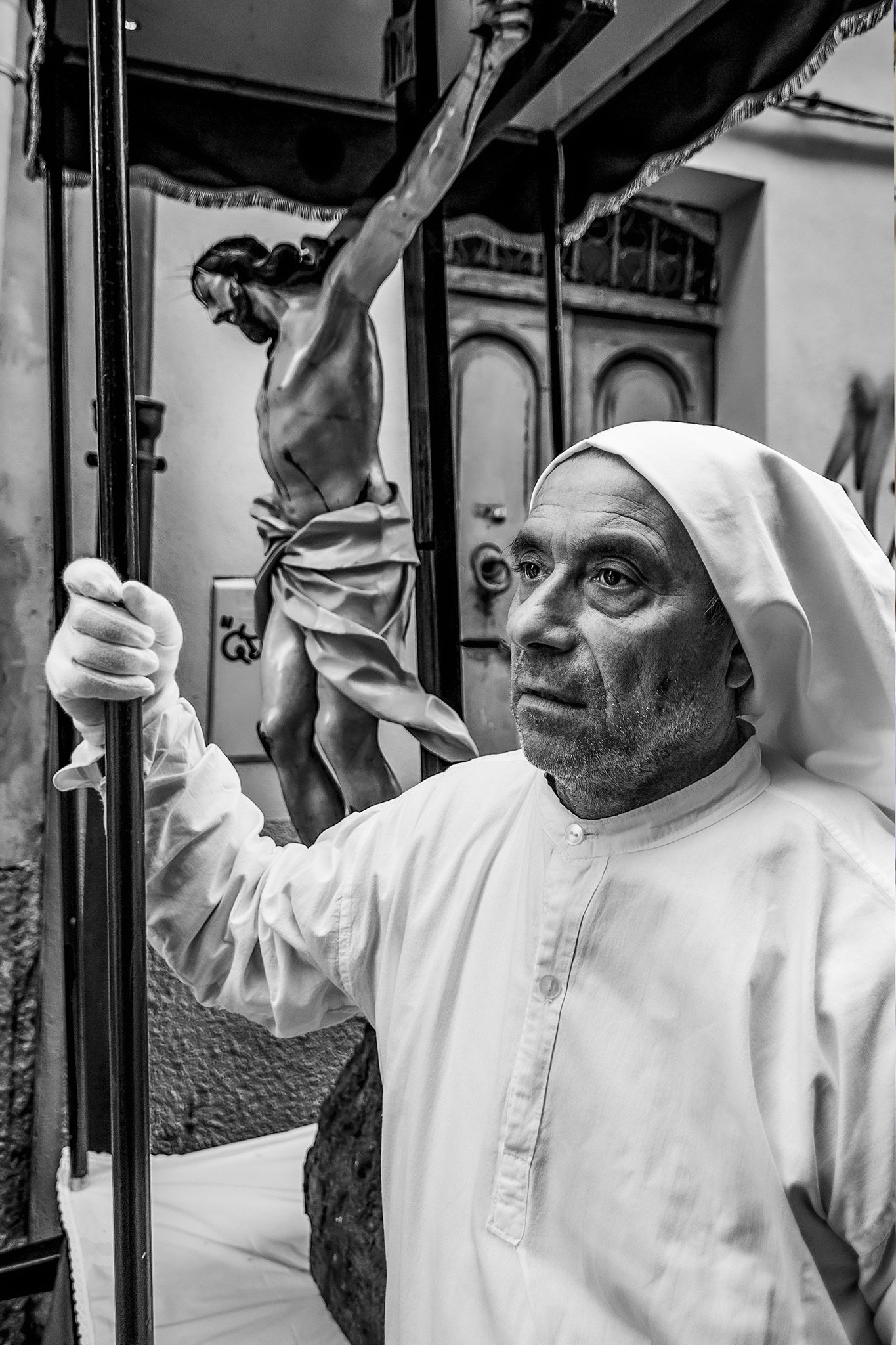
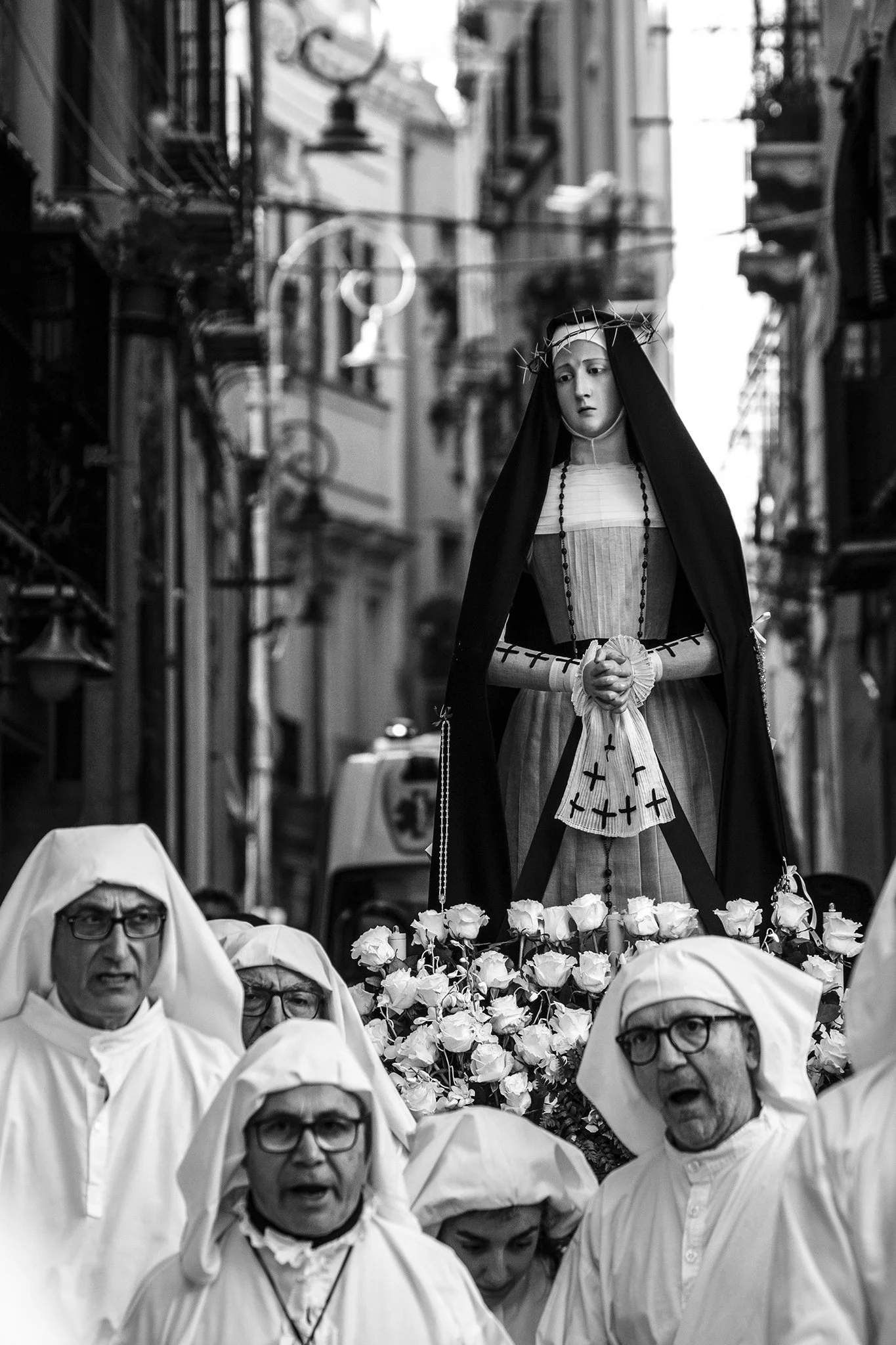
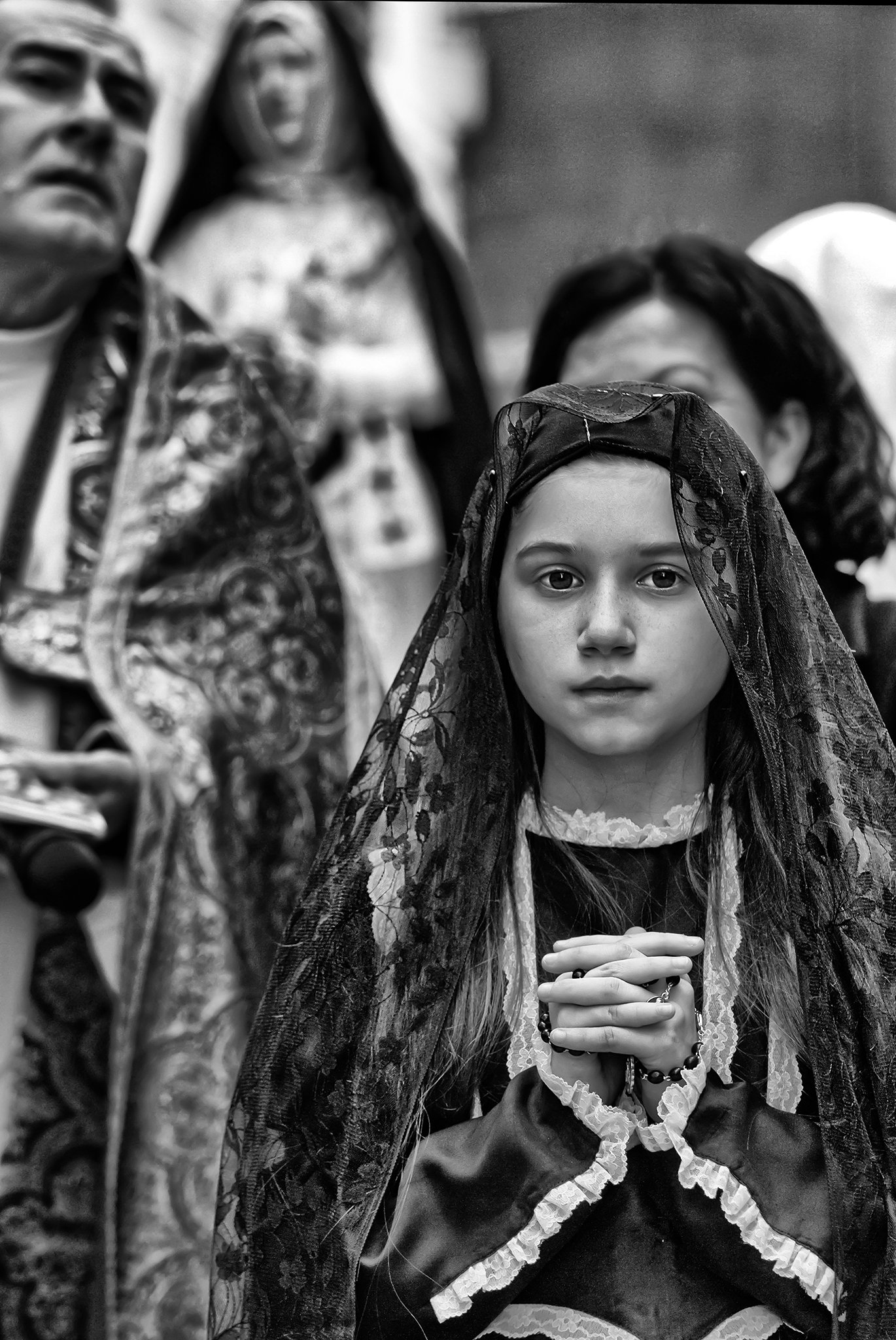
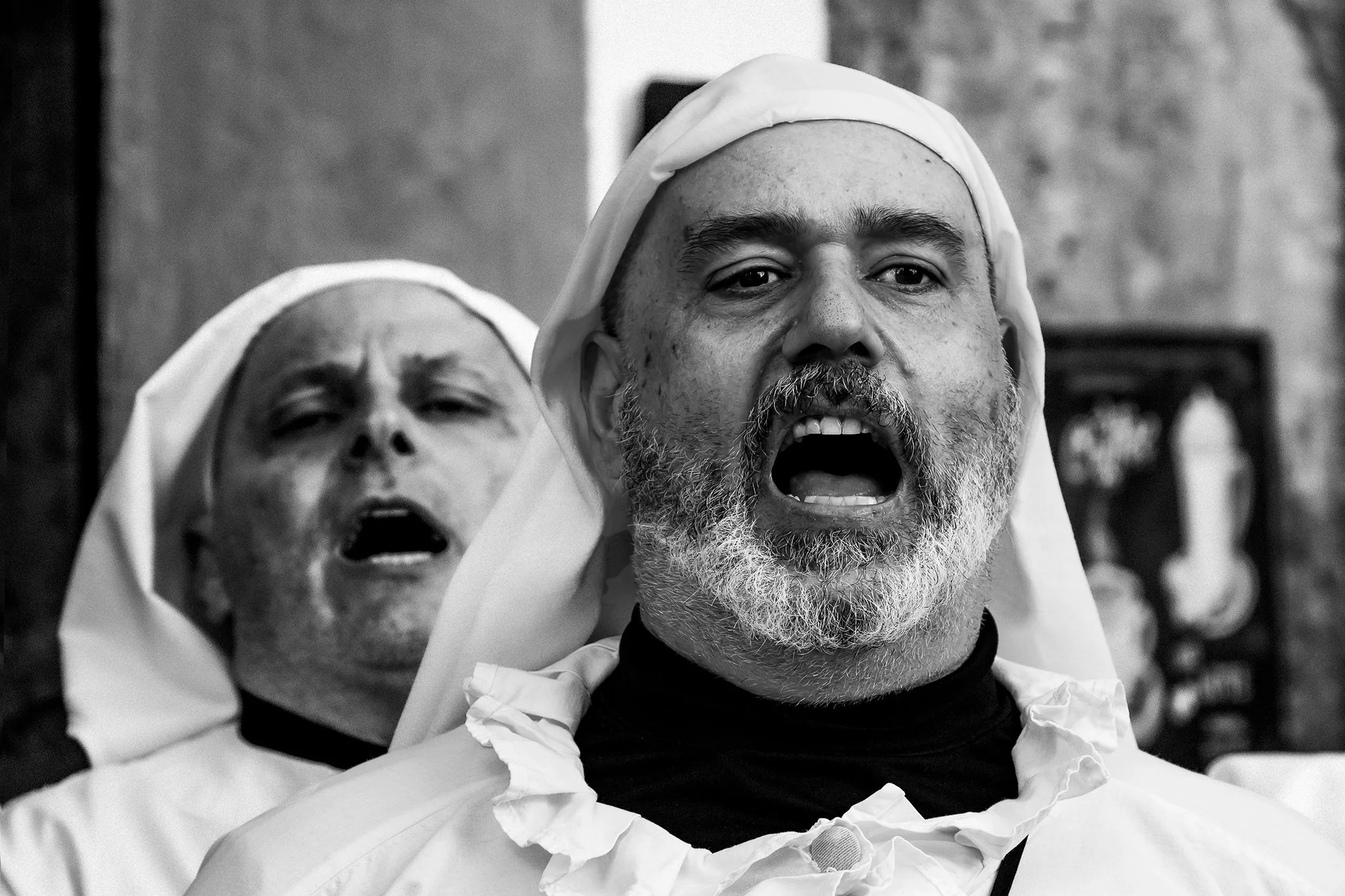
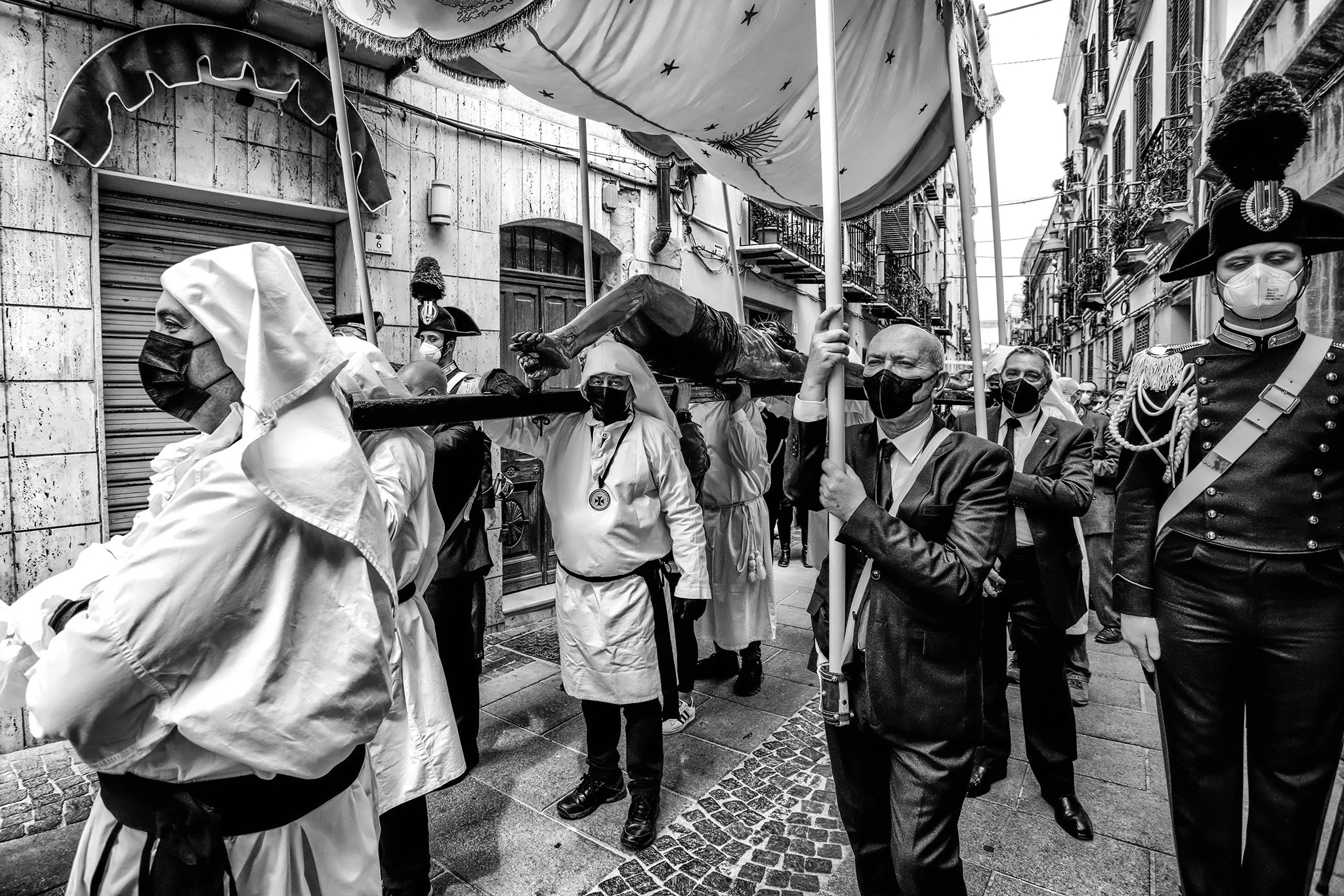
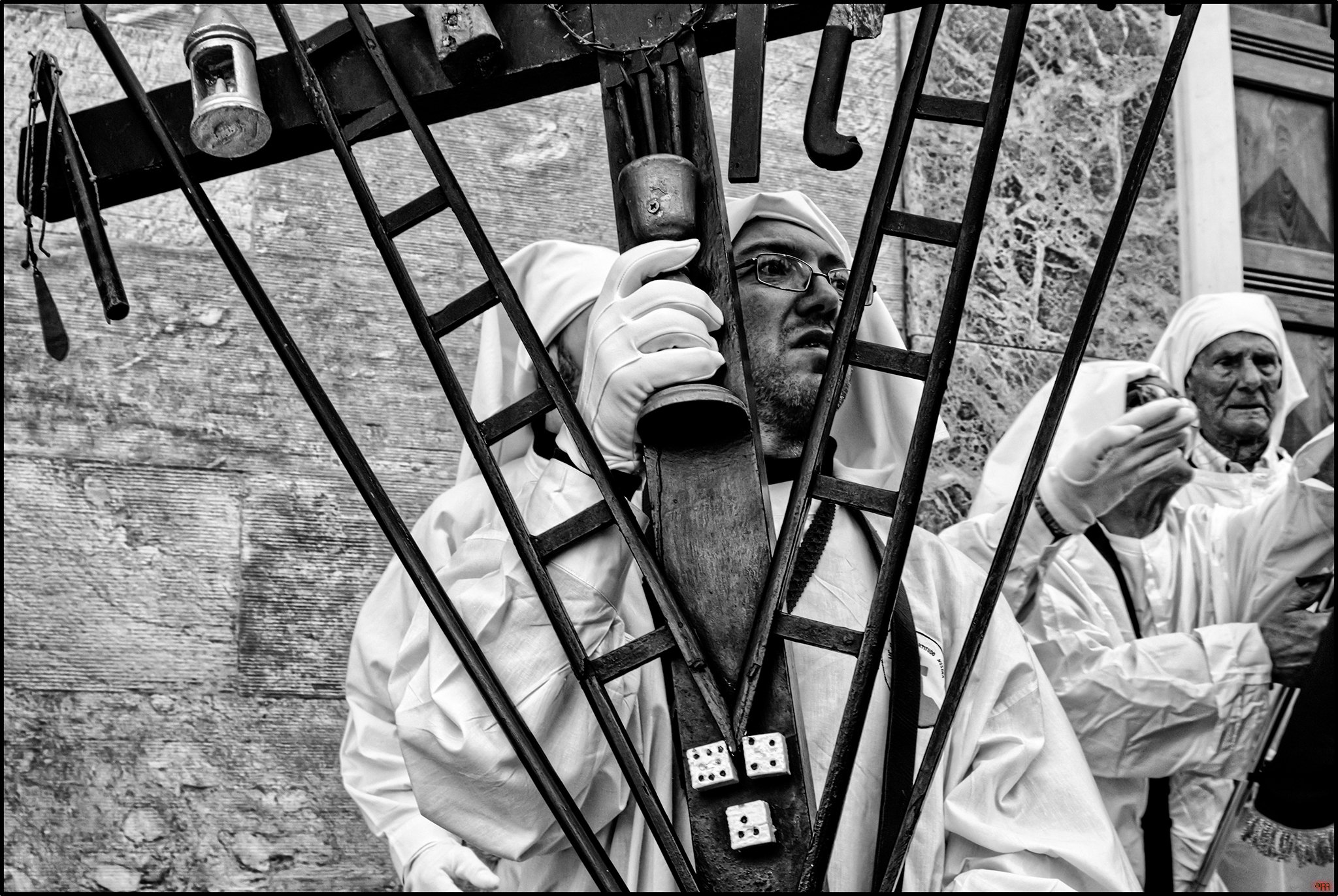
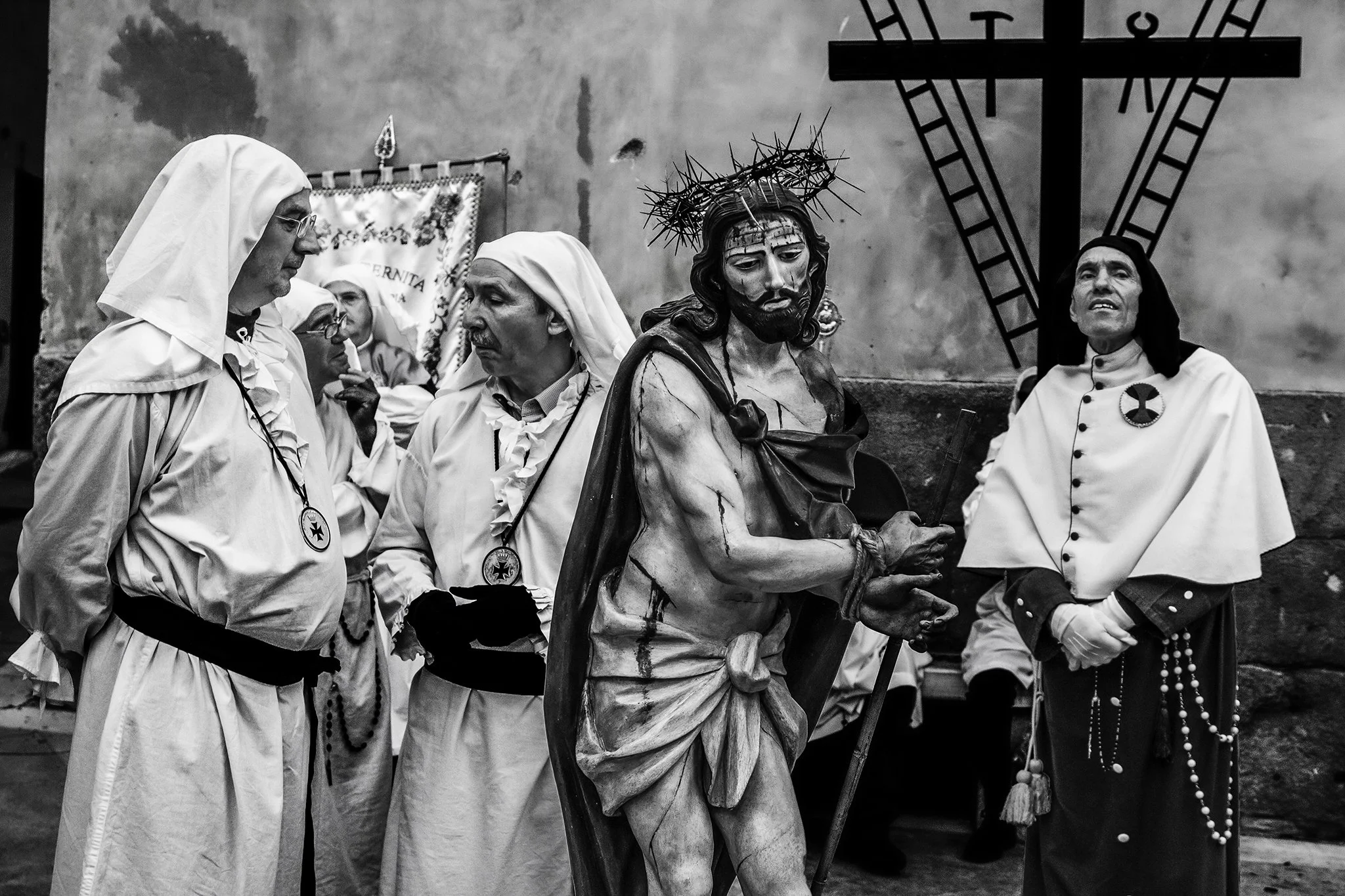
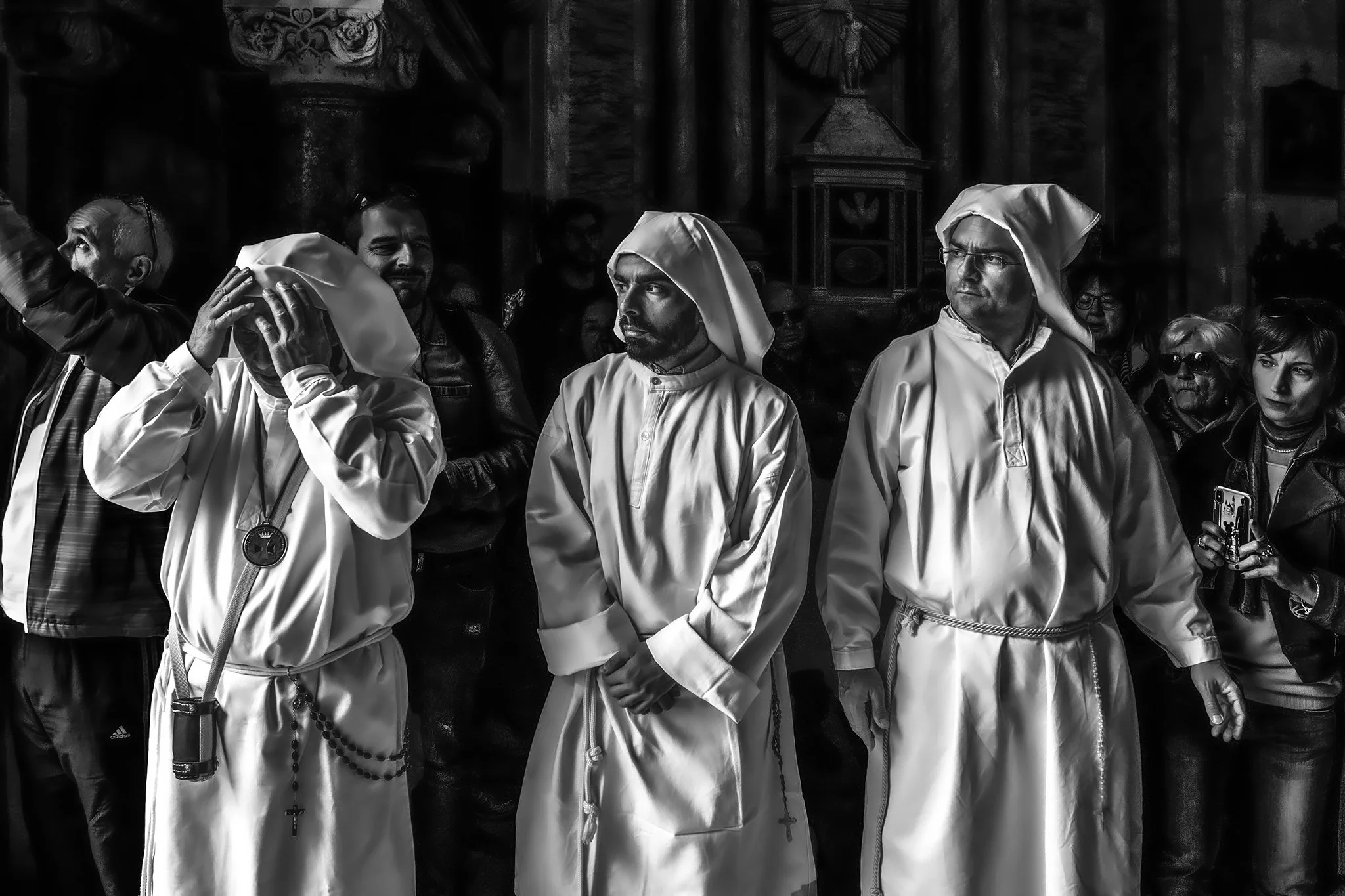
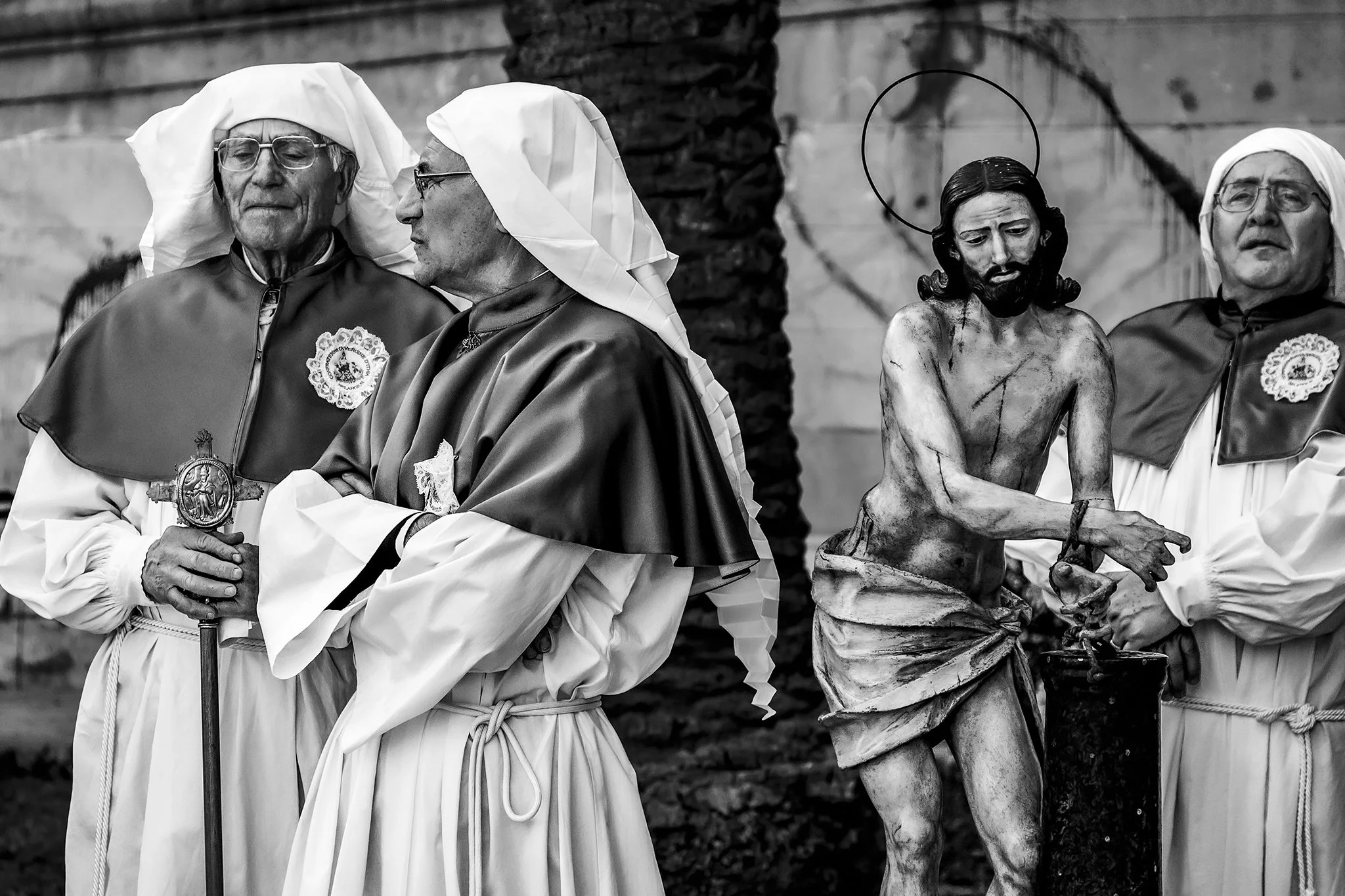
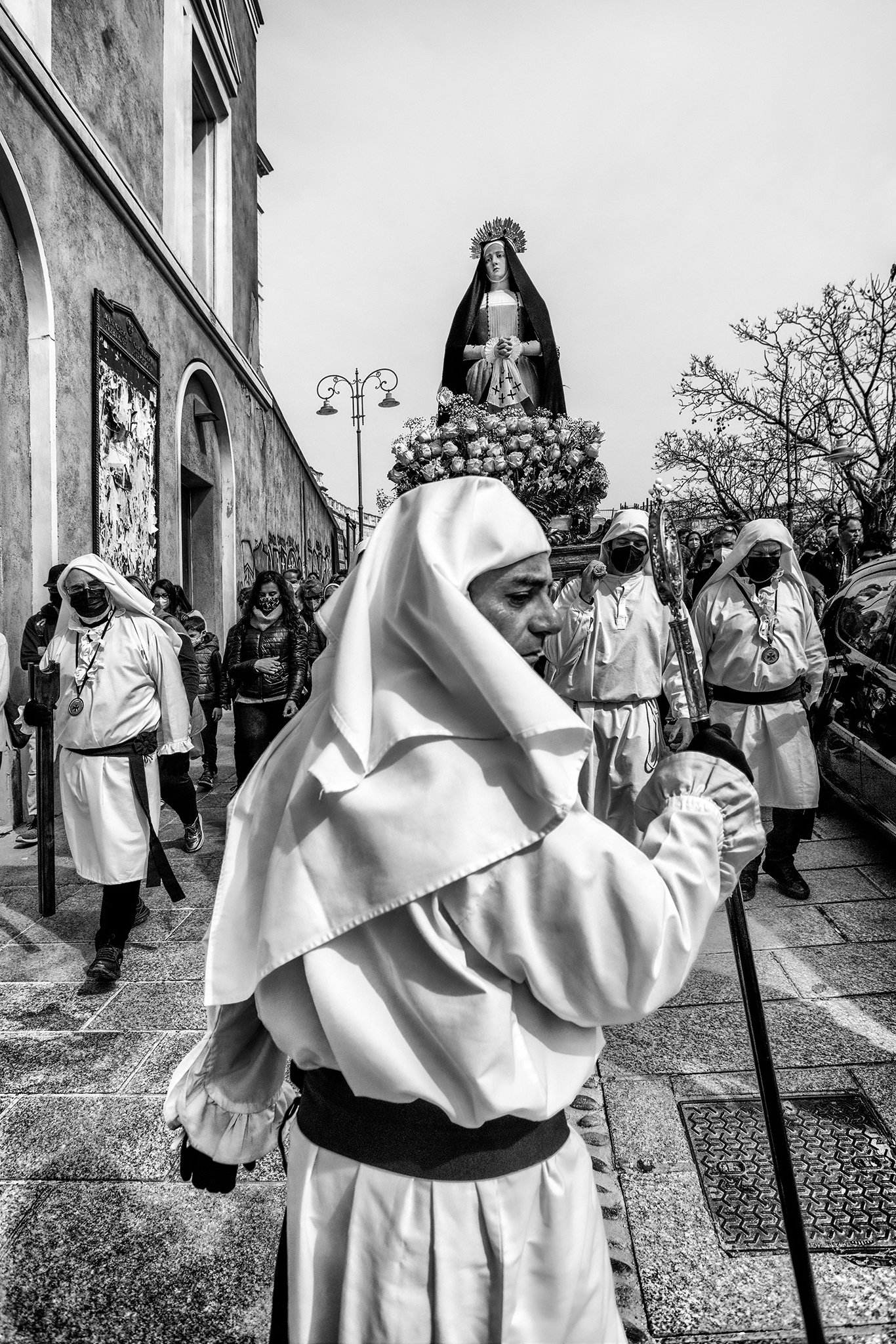
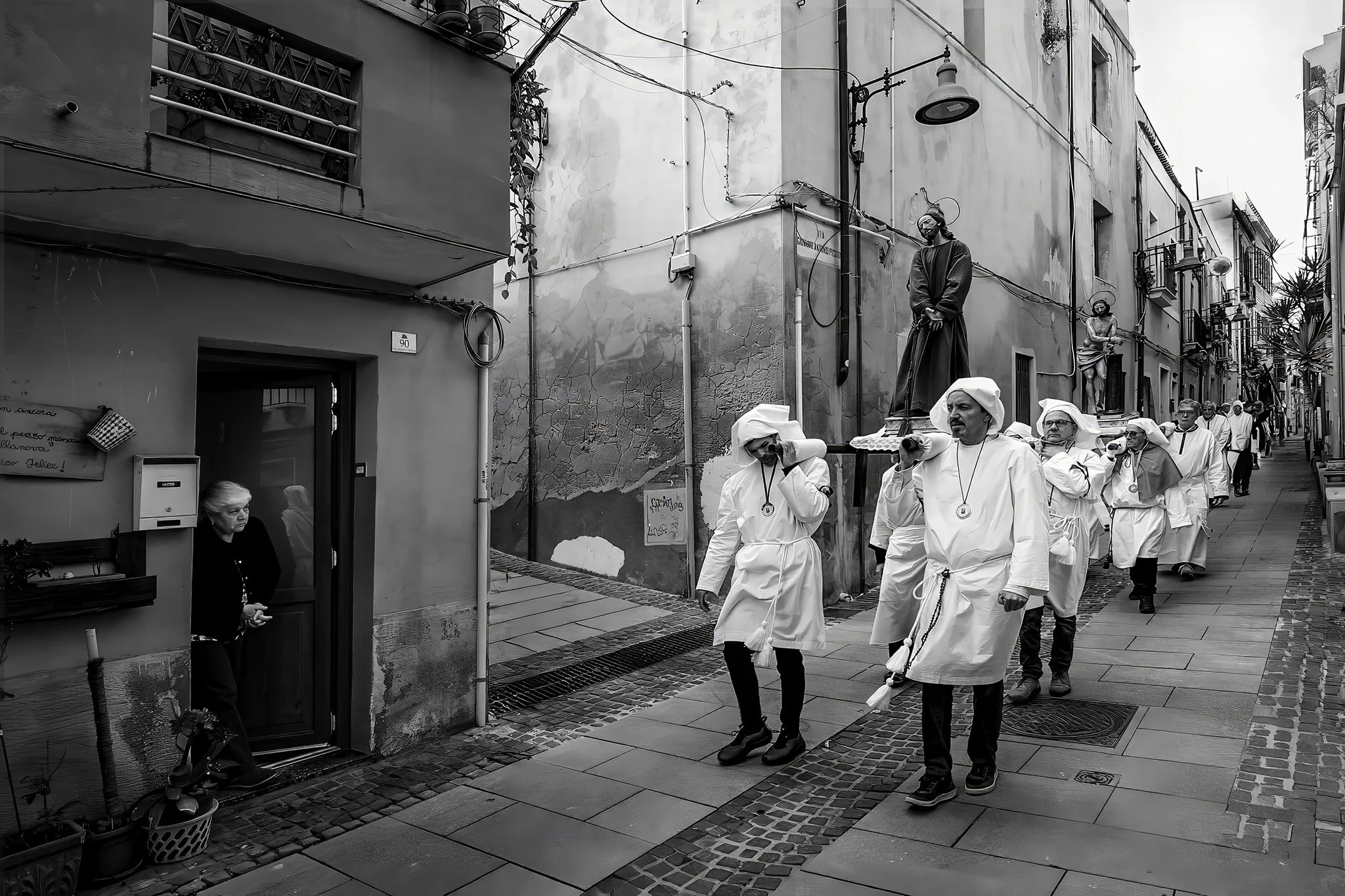
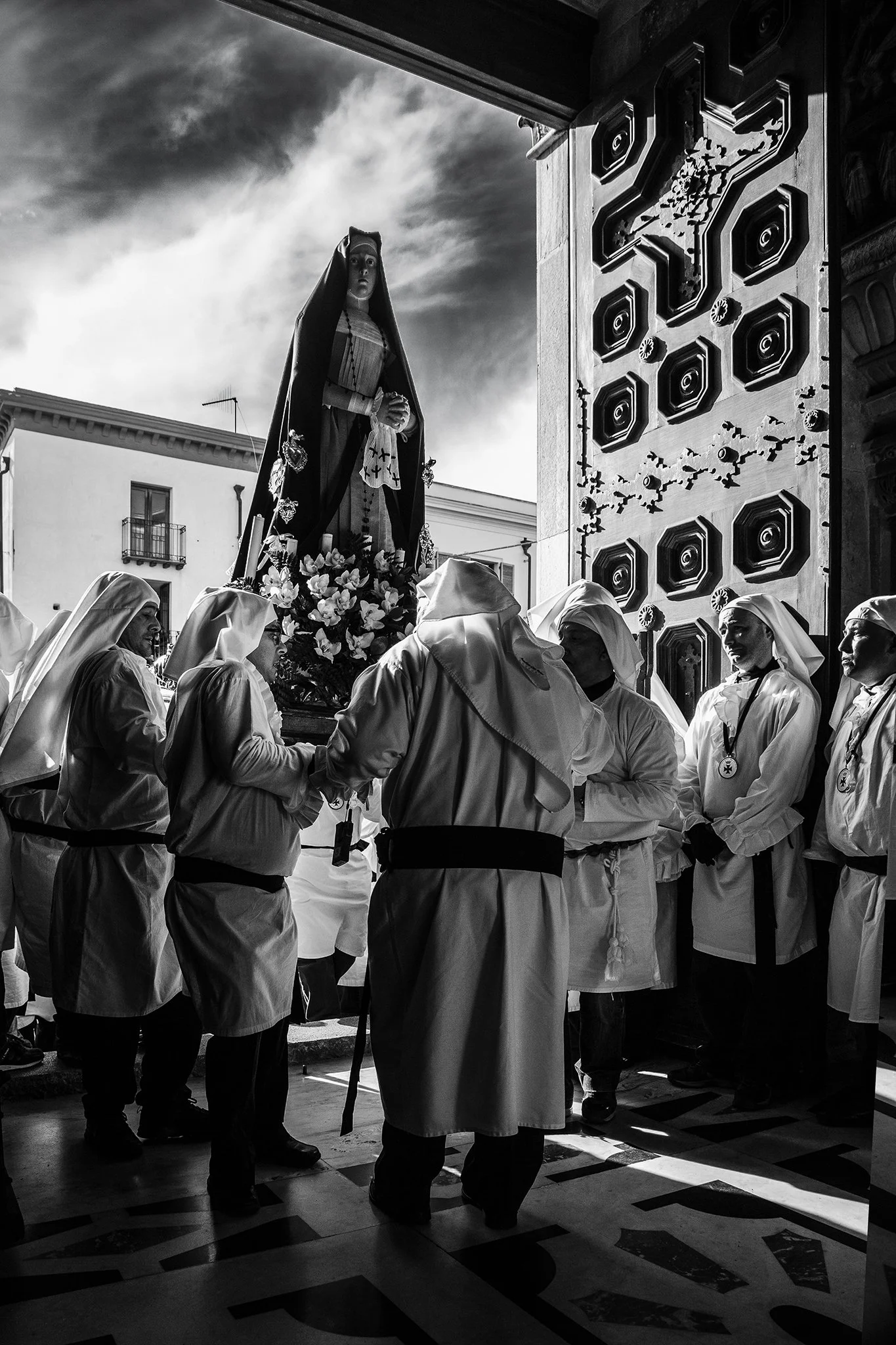
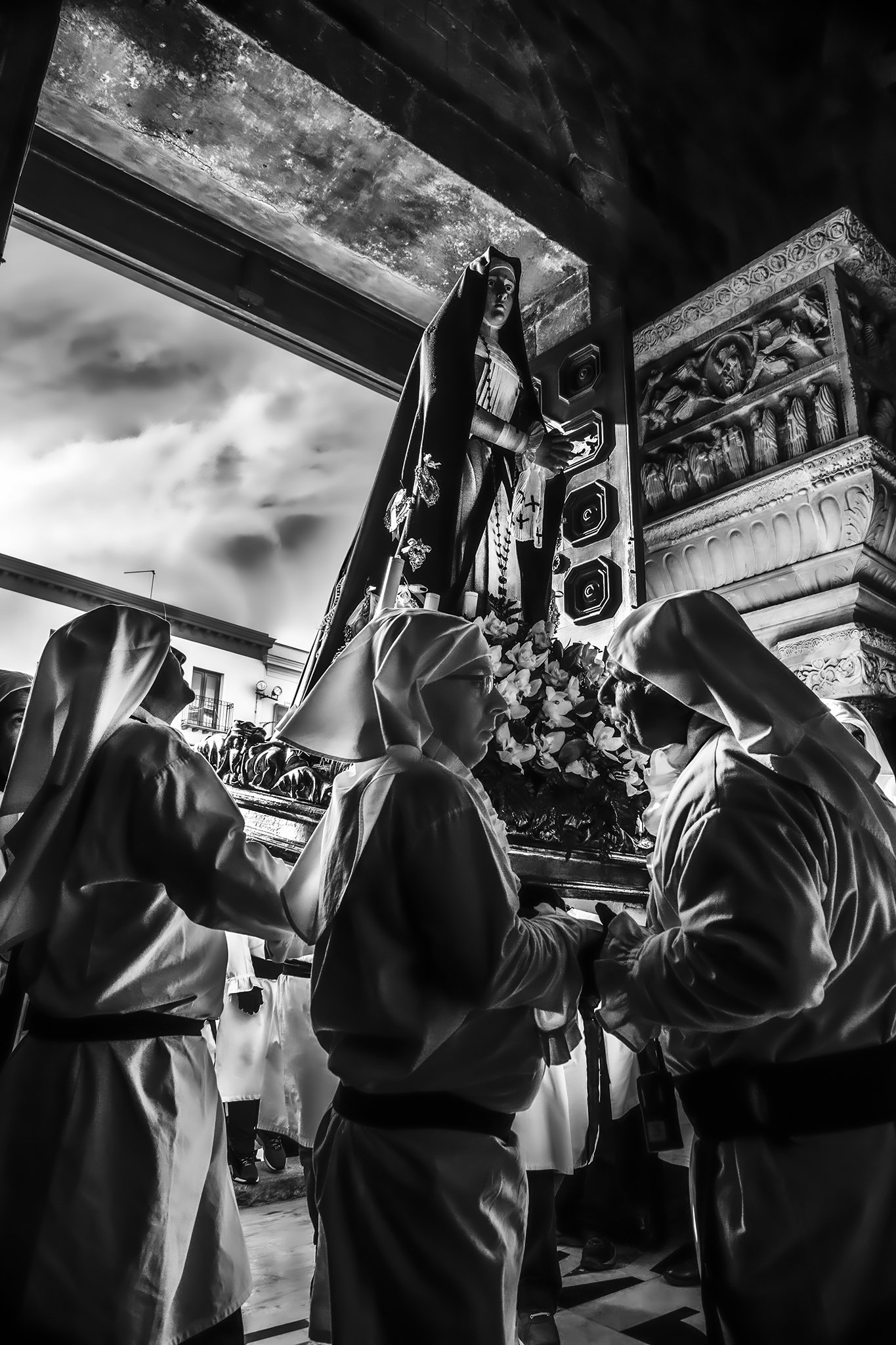
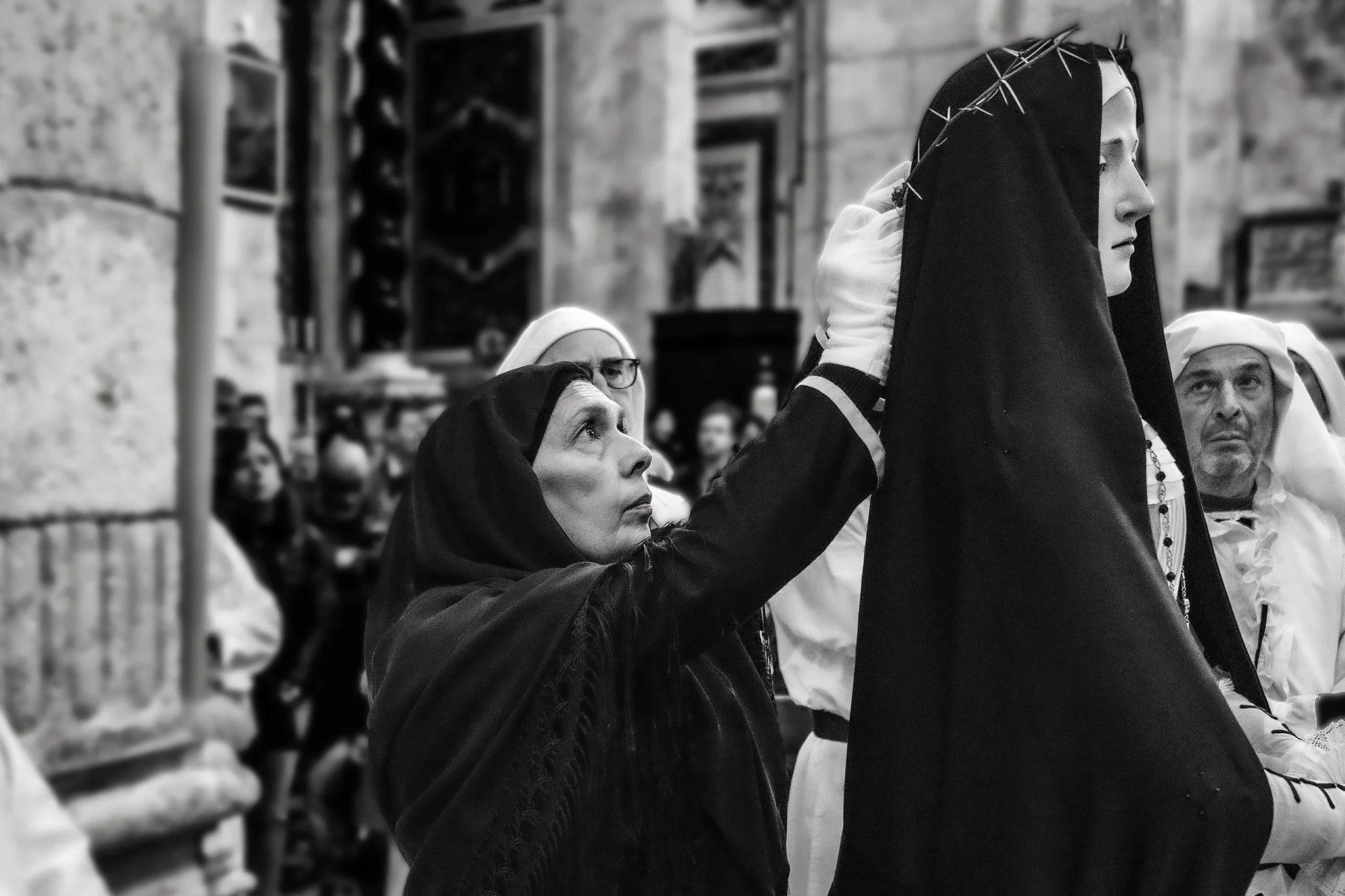
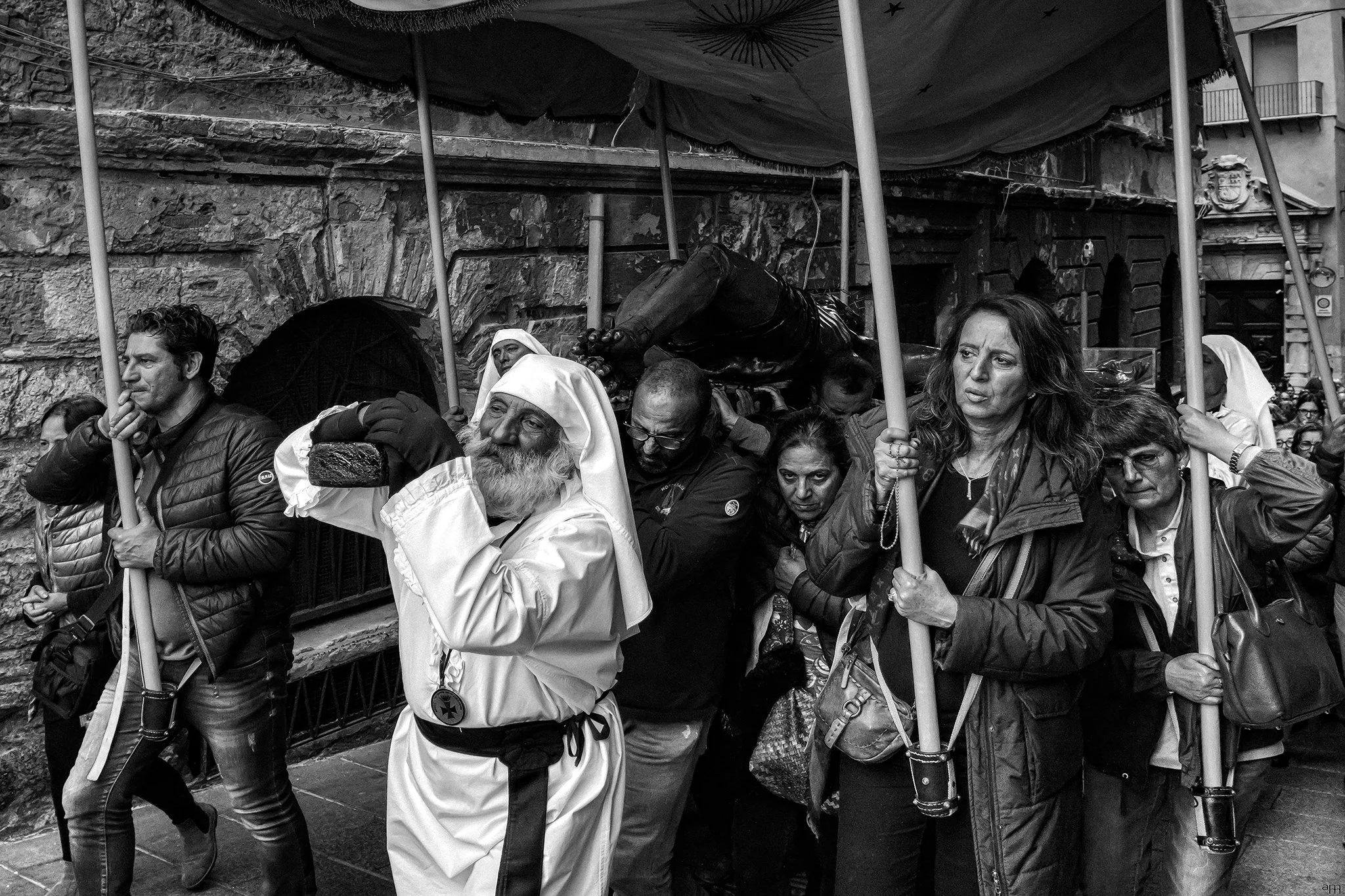
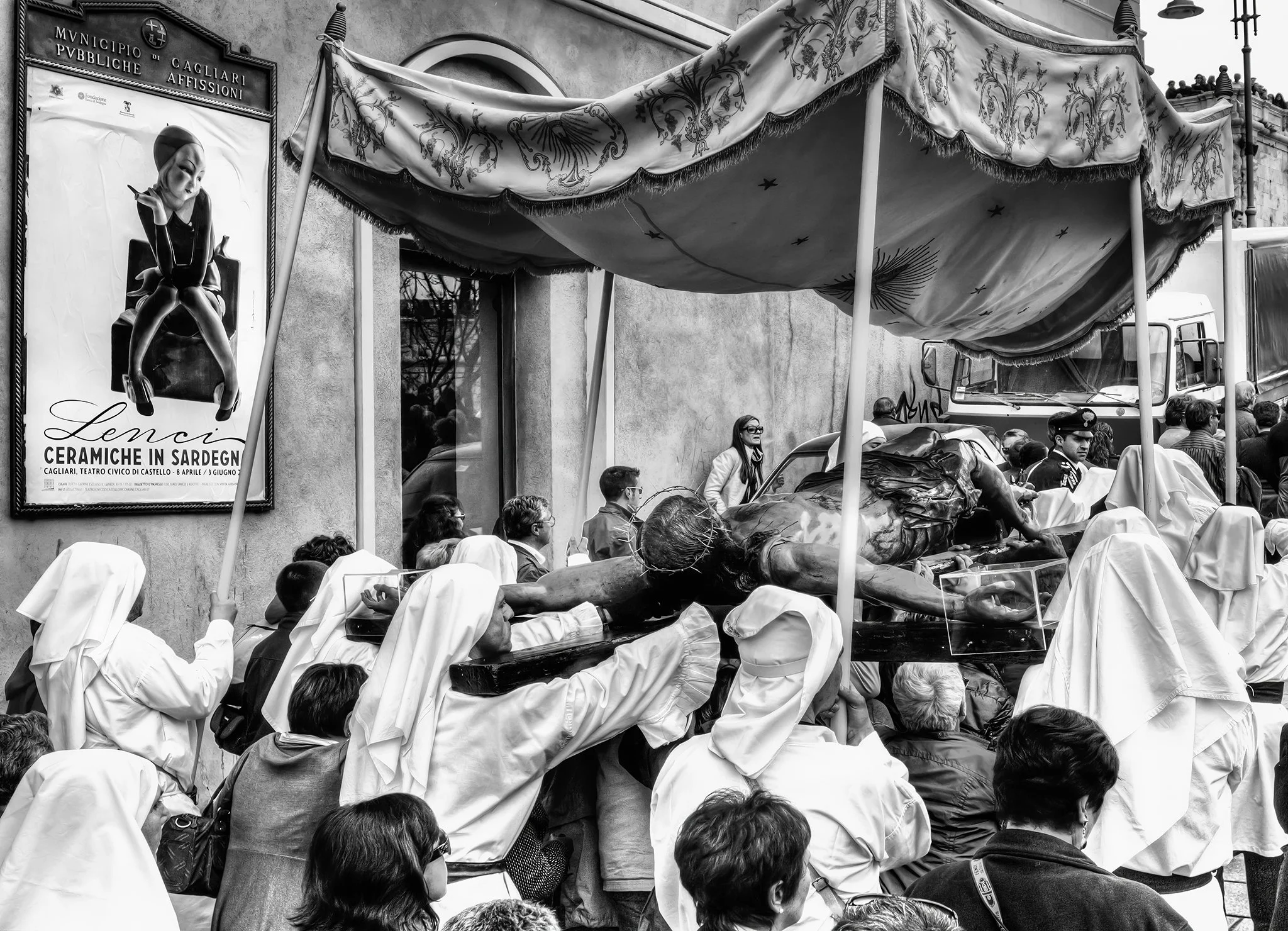
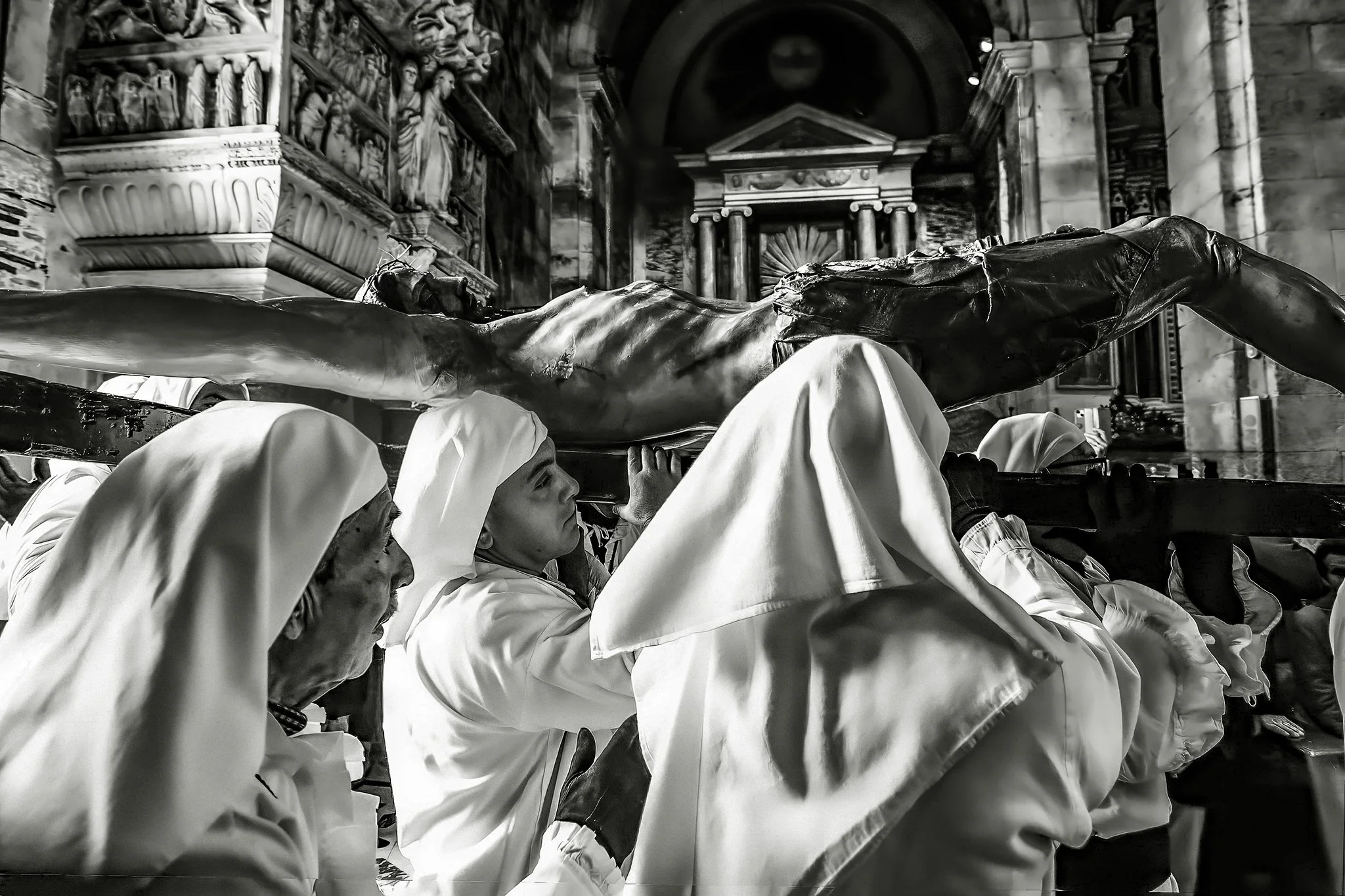
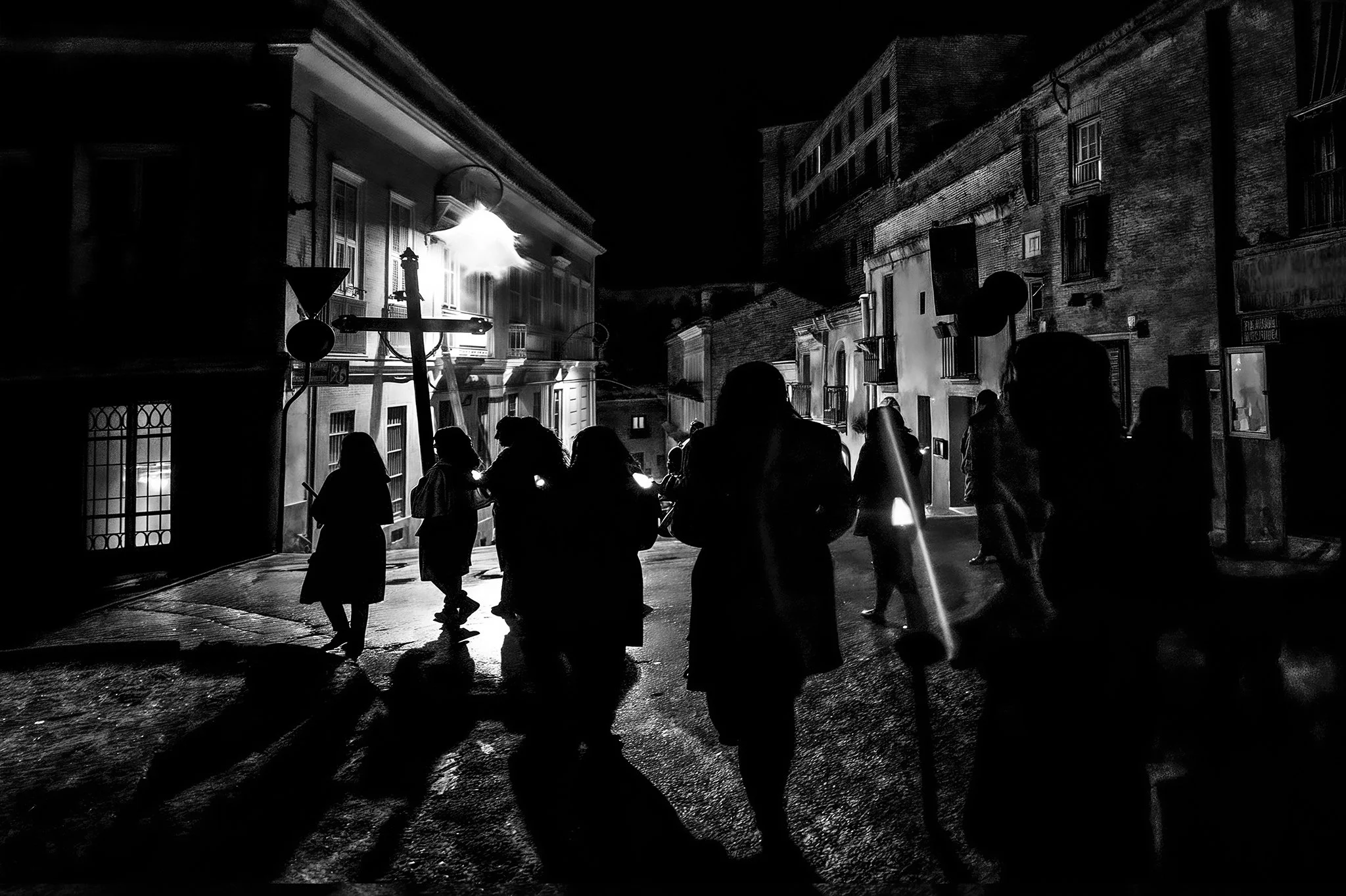
That first time, however, I was struck by it. So much so that after finding out the procession's route, I went back home, picked up my cameras, and returned to take some photographs. Since then—more than ten years have passed—I have tried not to miss at least some of these processions whenever I can. For nine days, they move through the streets of the city, by day and by night, animated by five different confraternities. Their rituals are distinctly Spanish in origin, a legacy of the centuries during which the Spanish ruled our land, and they have also developed deep roots in the city’s poorest and most traditional neighbourhoods.
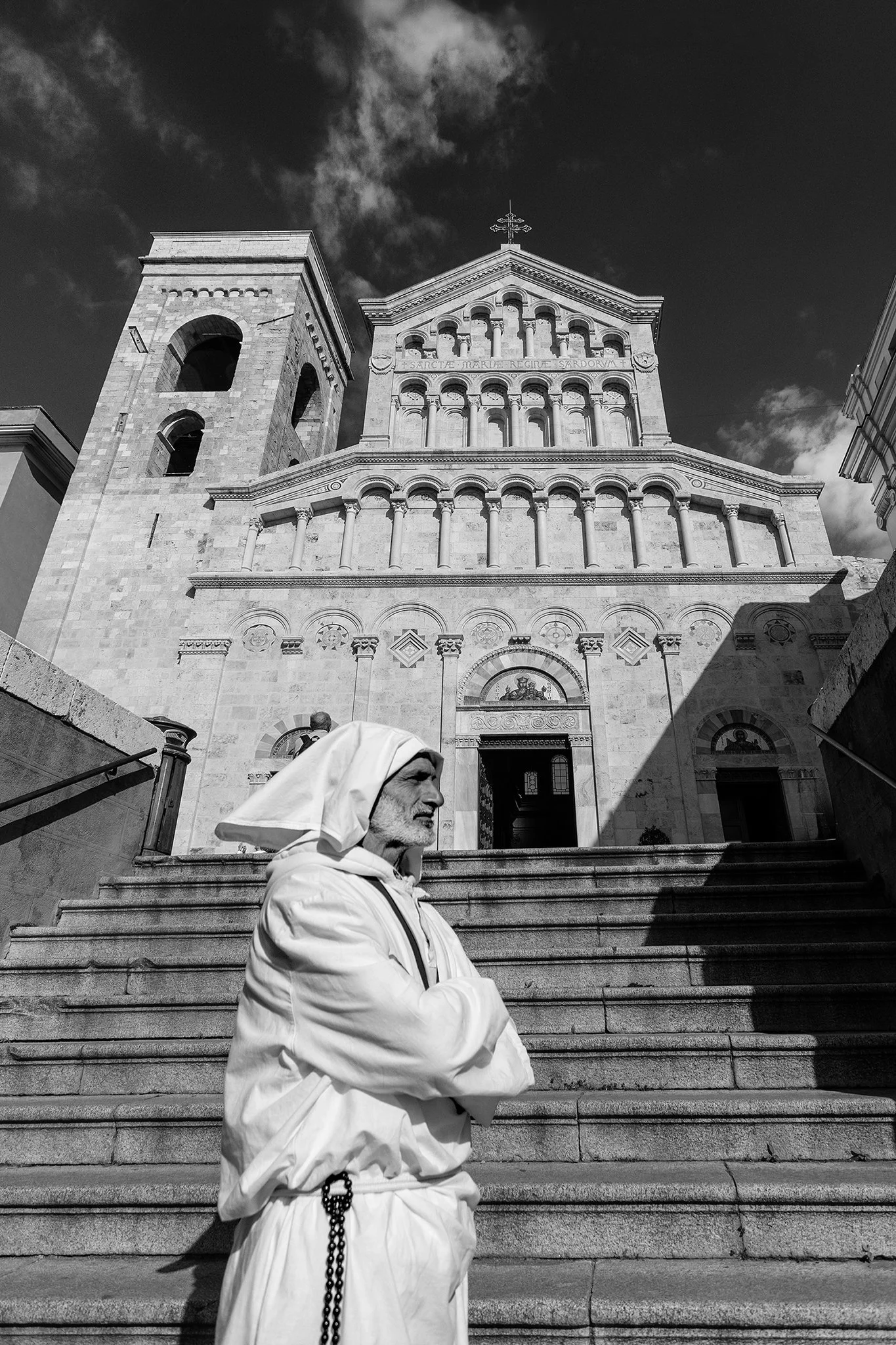
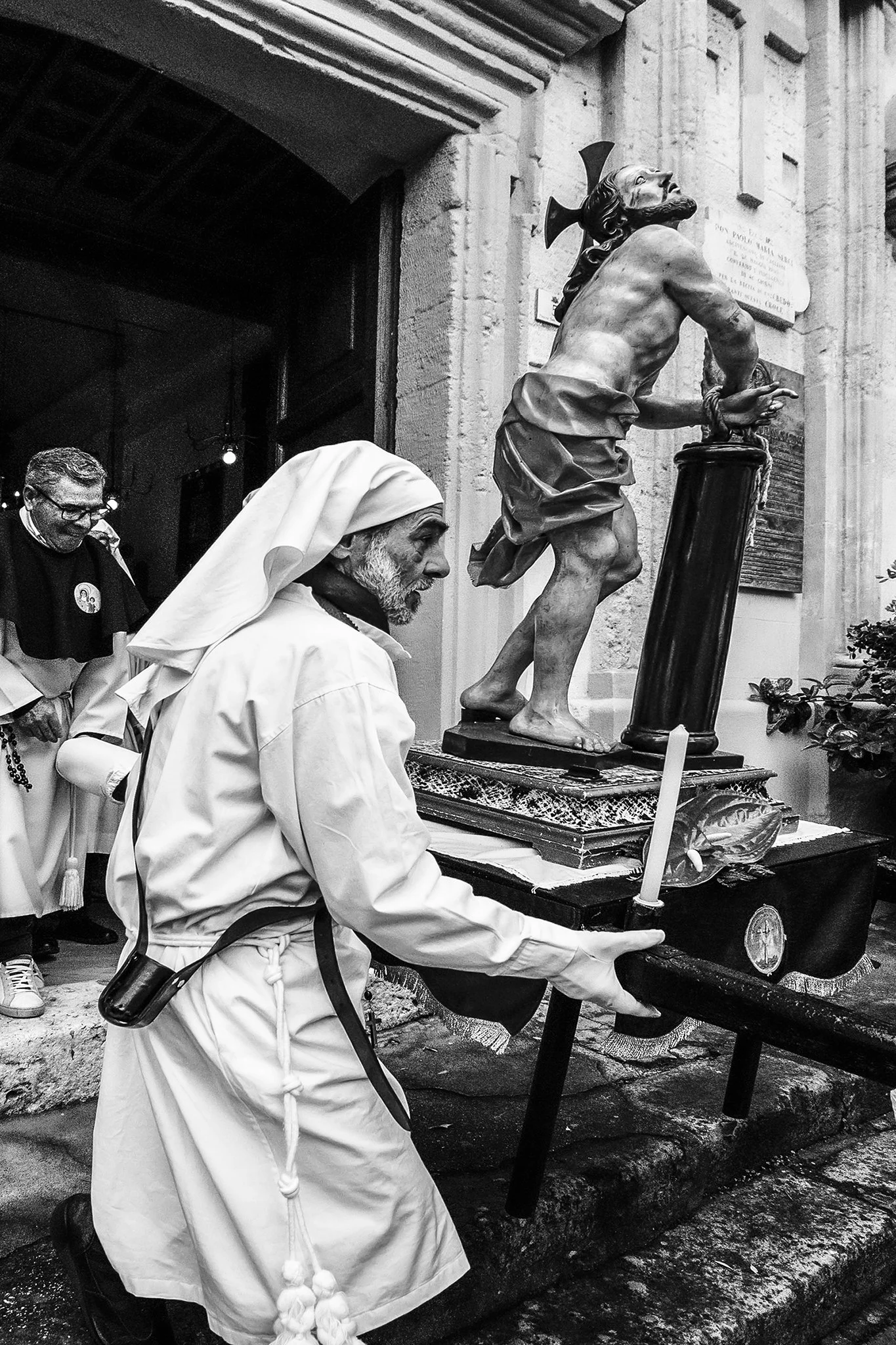
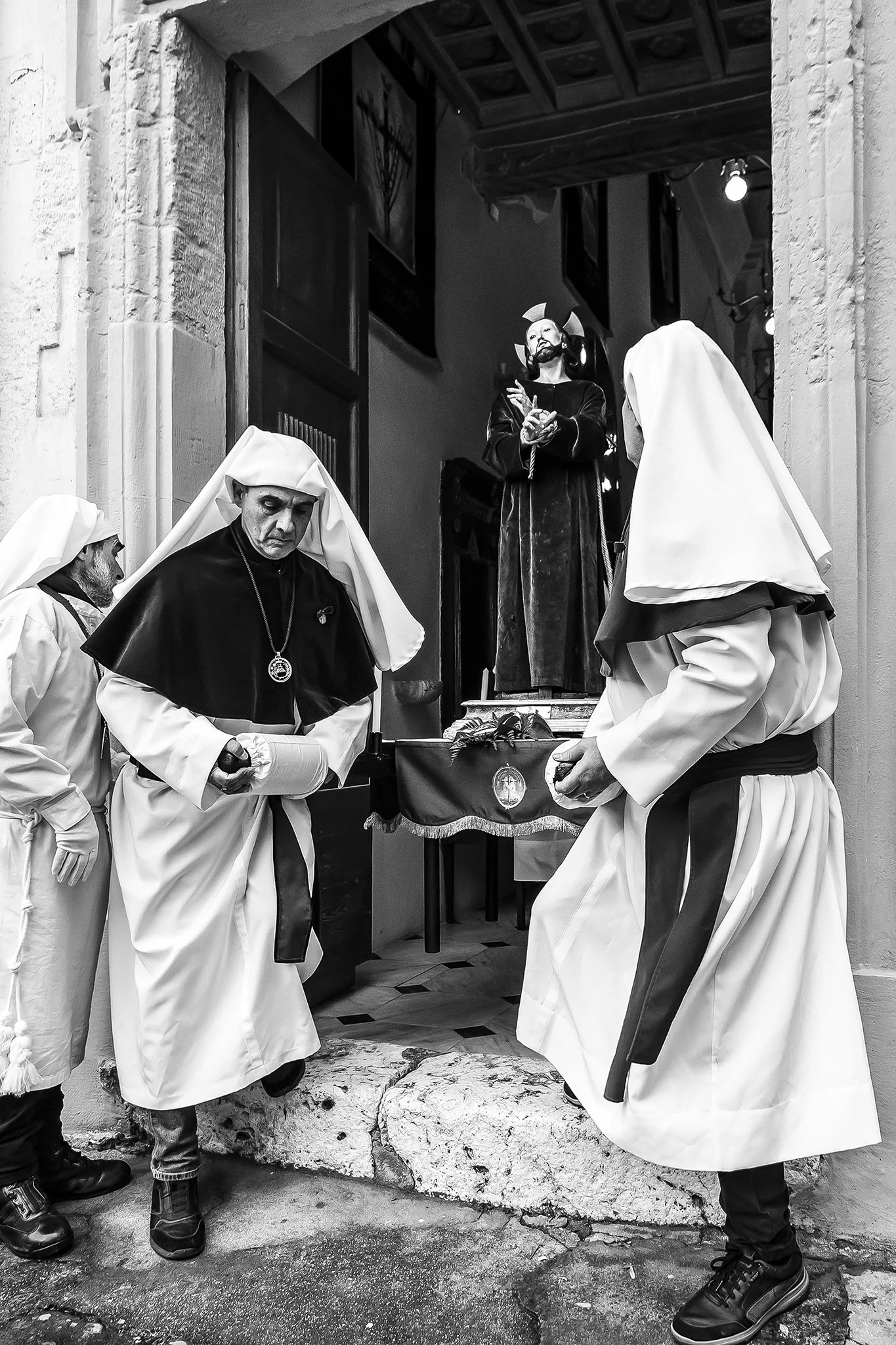
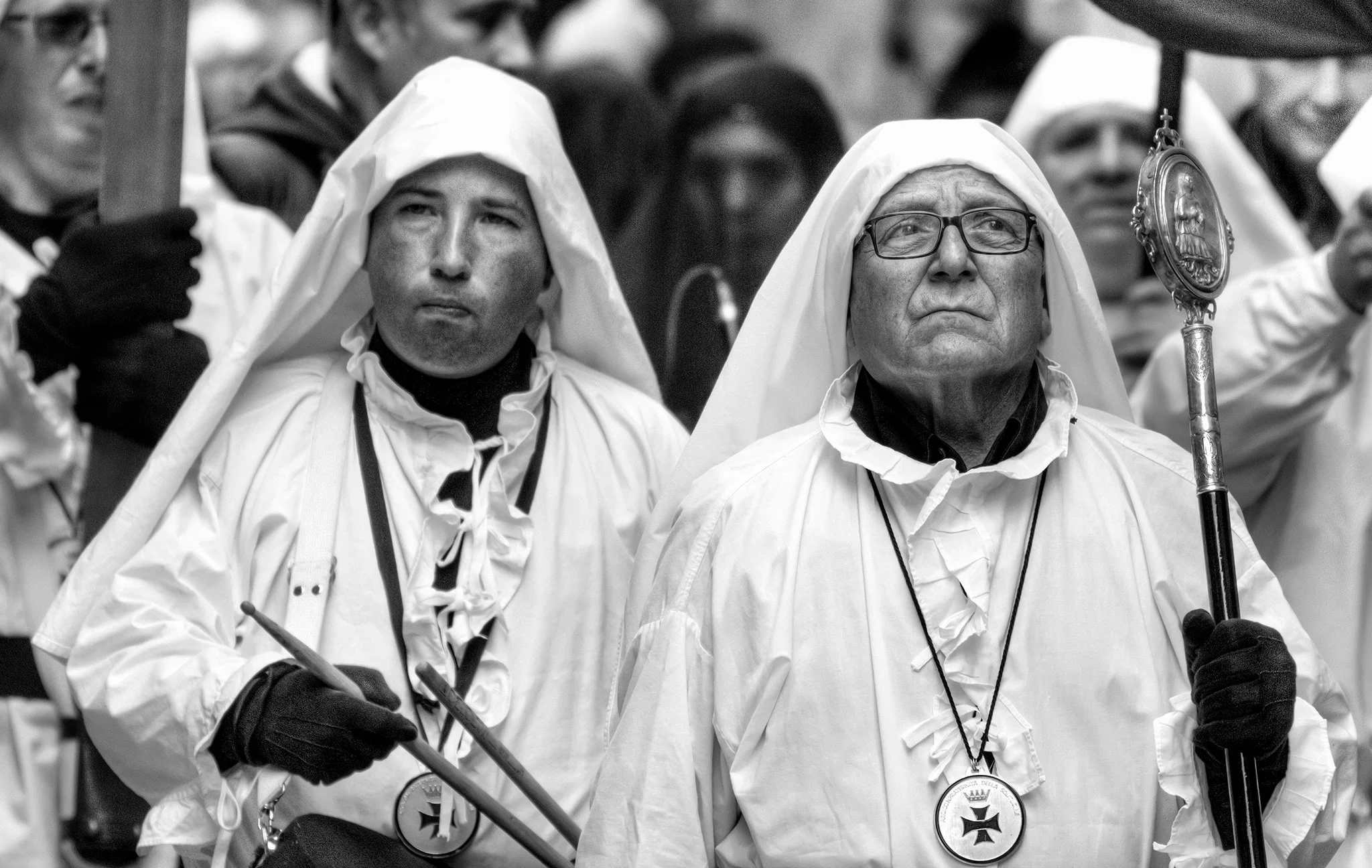
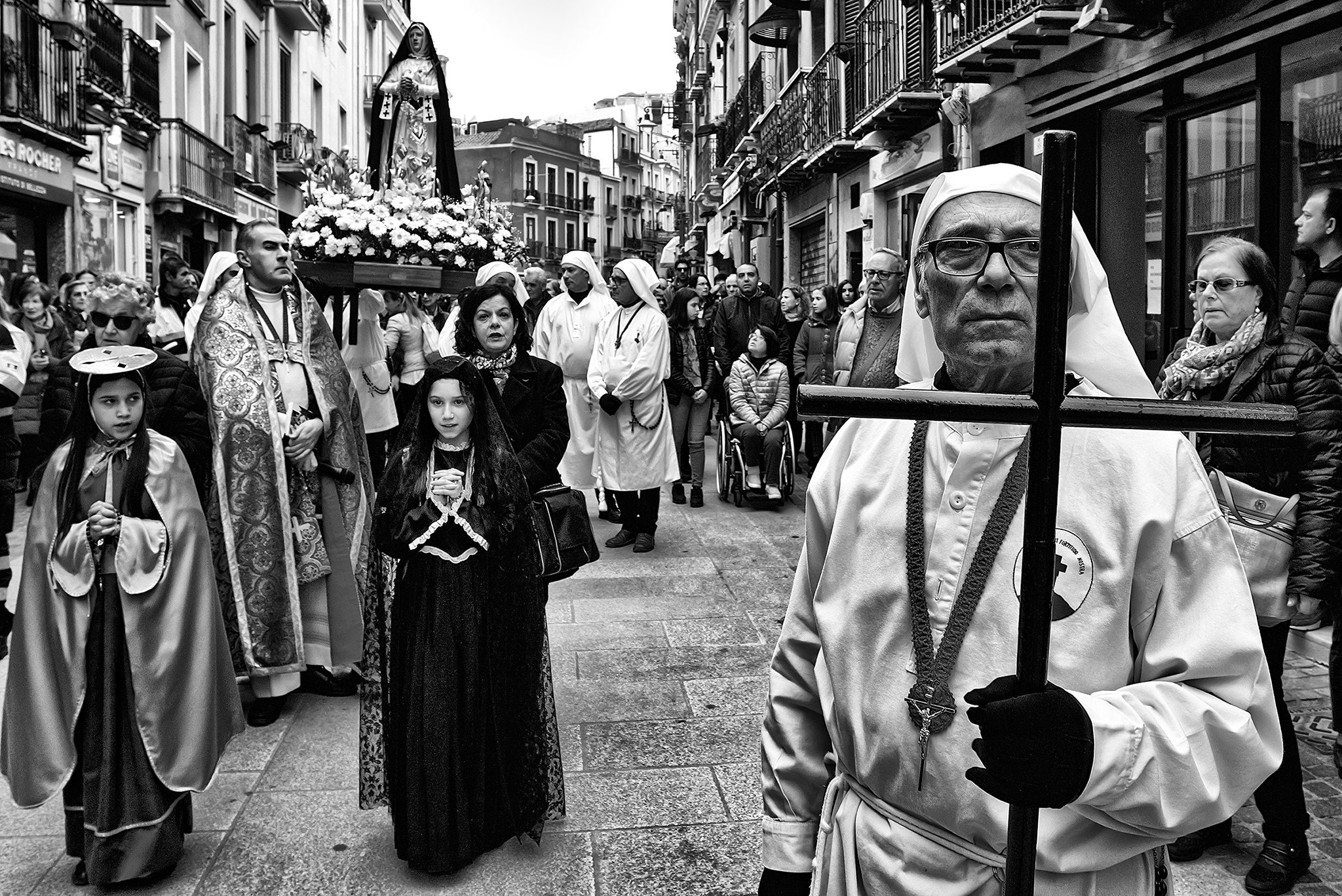
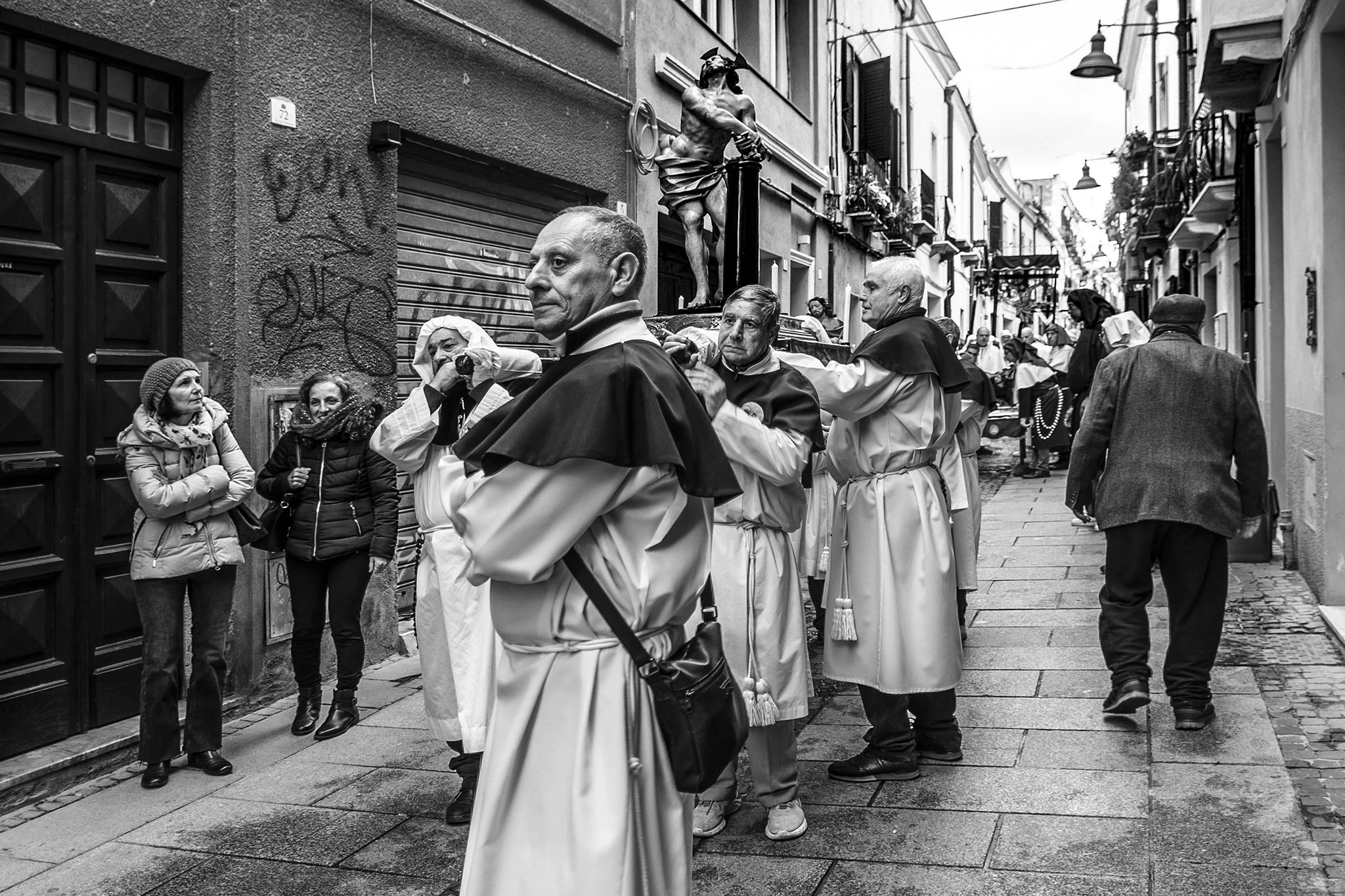
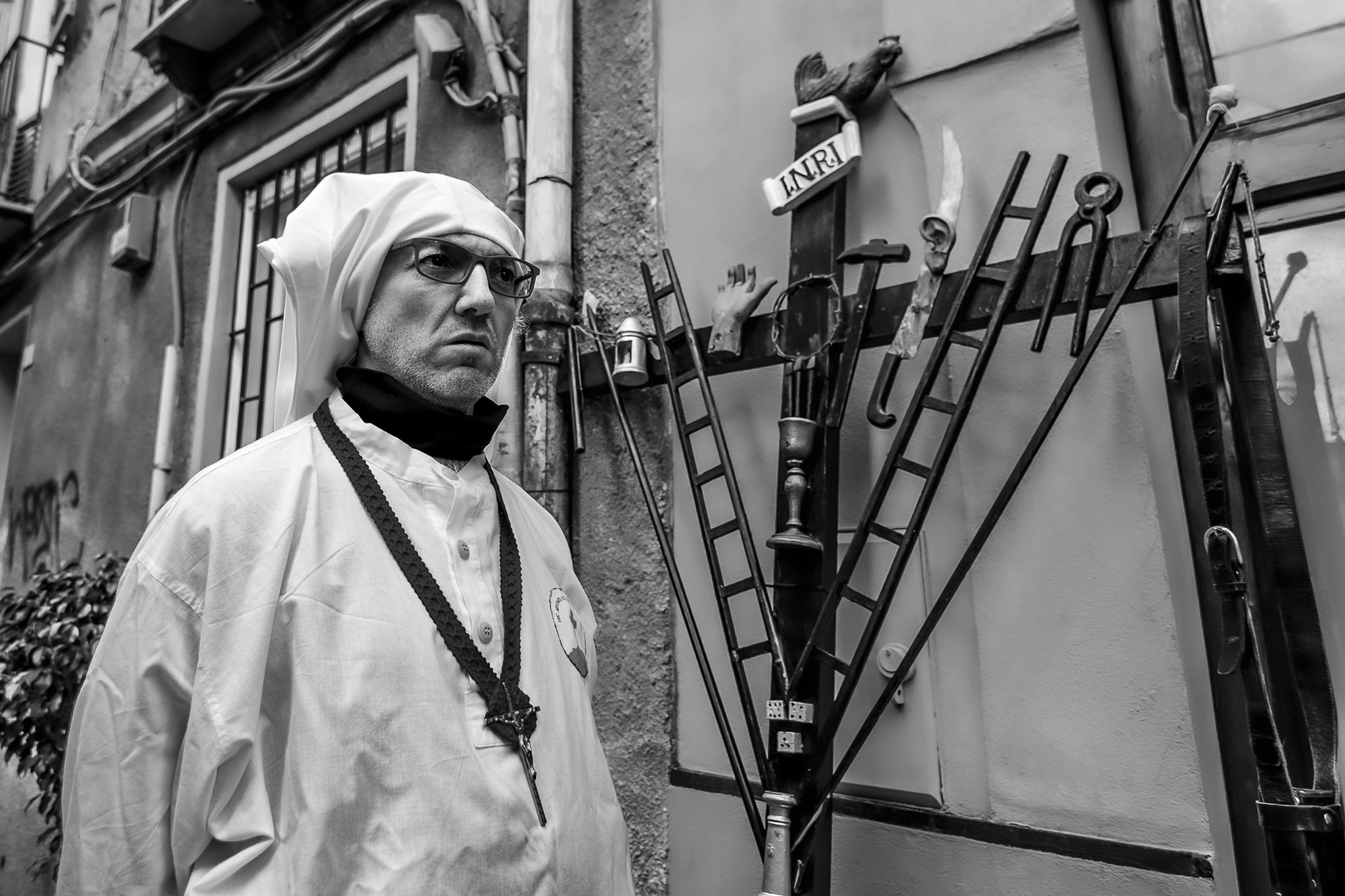
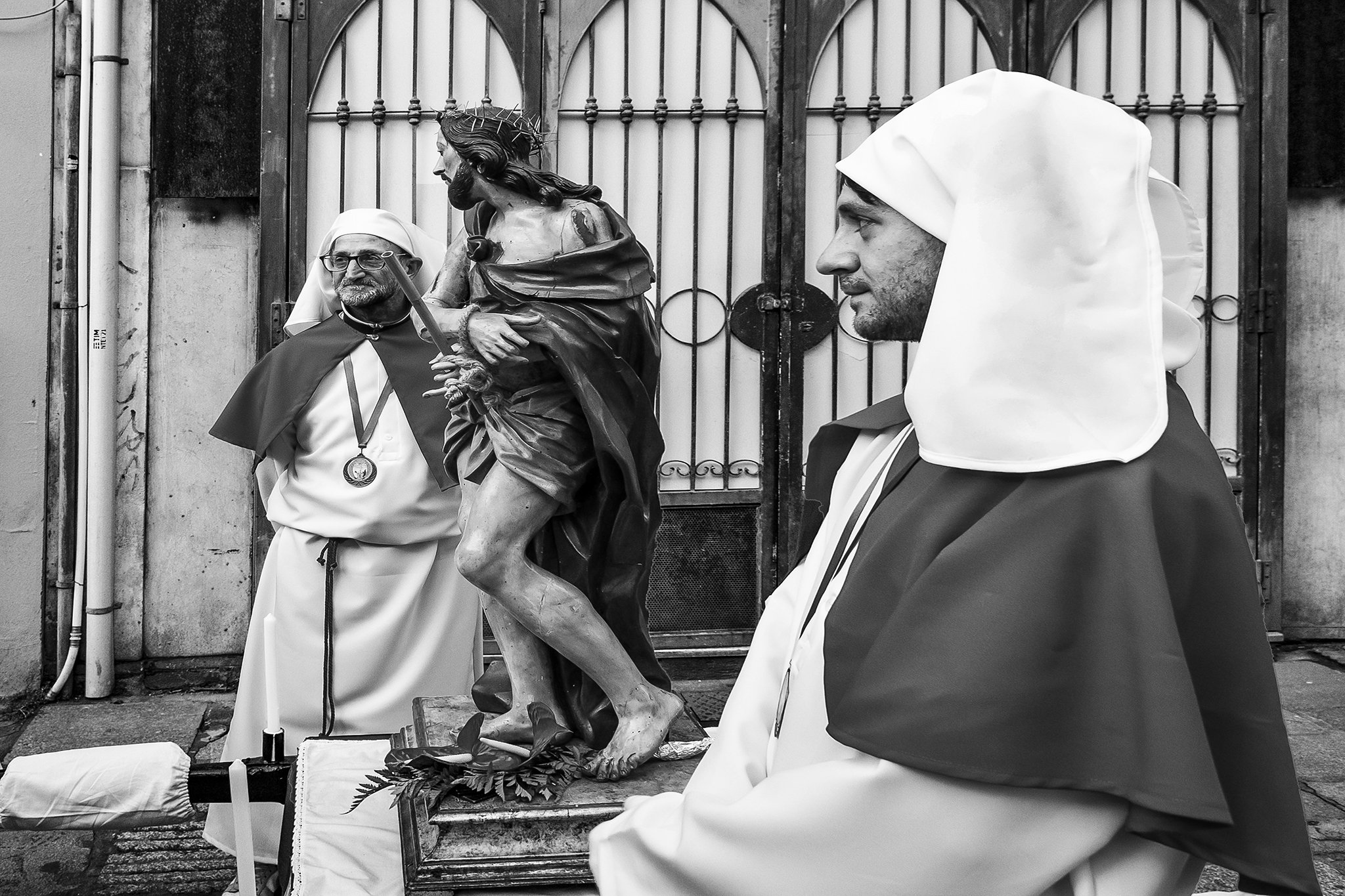
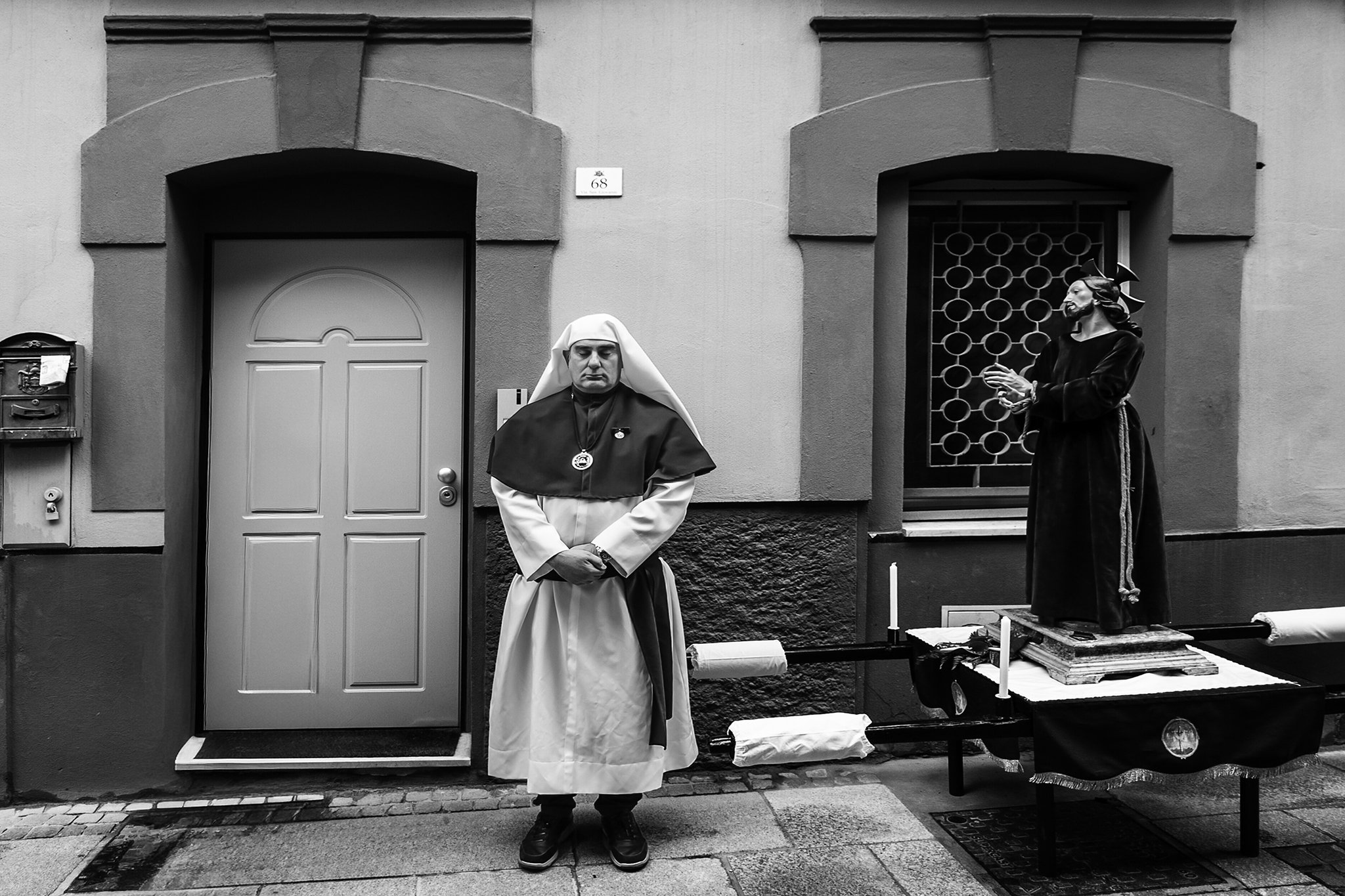
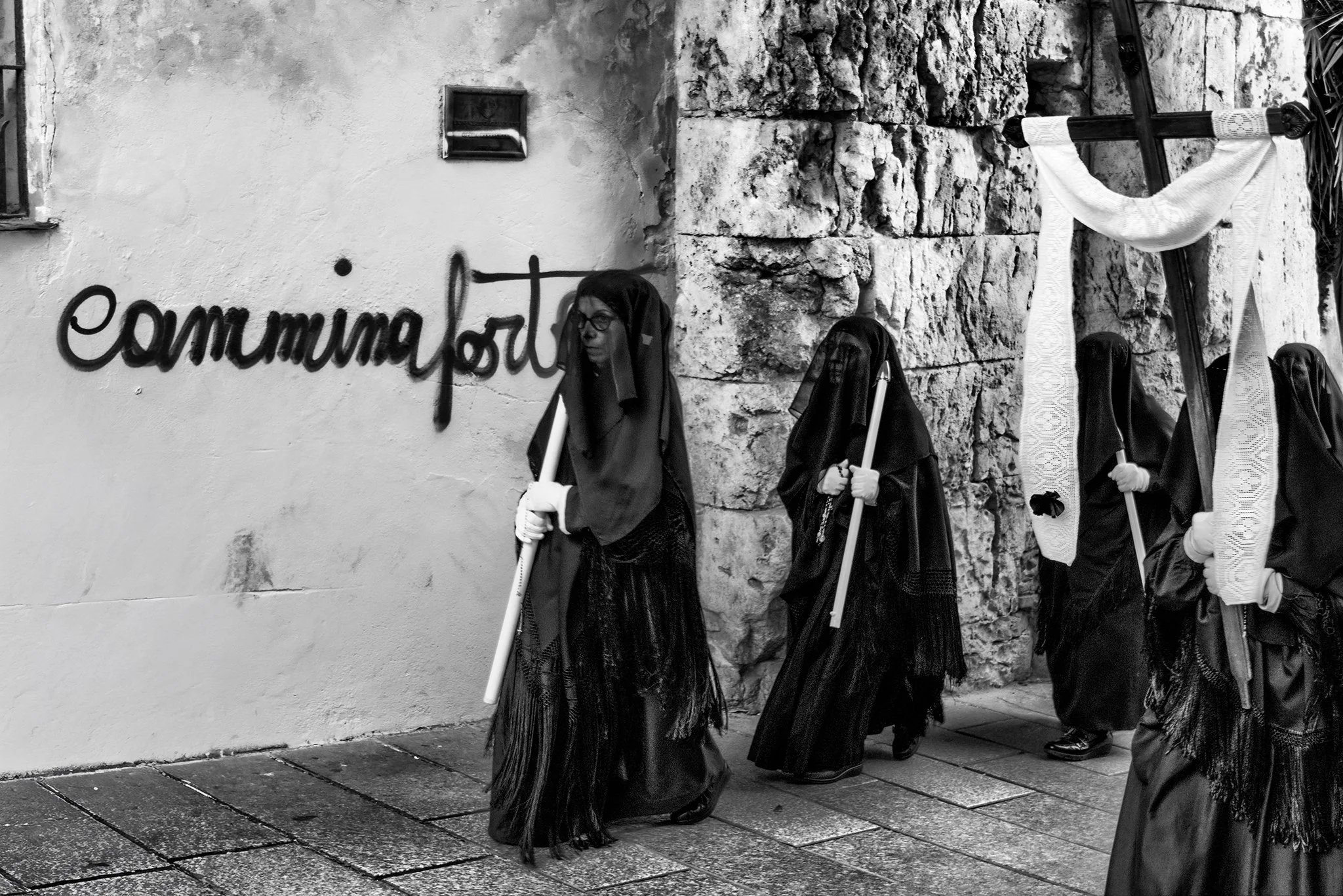
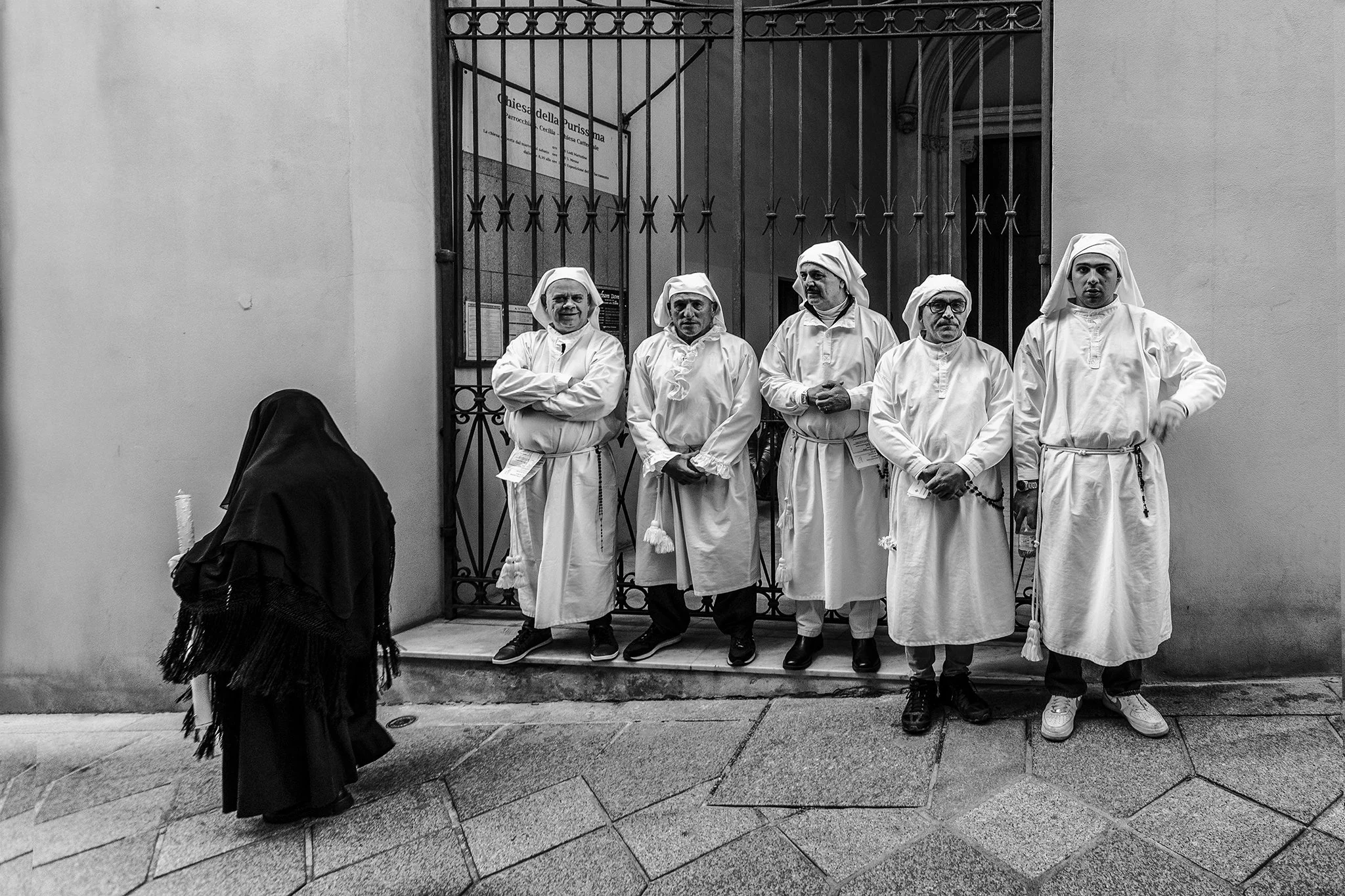
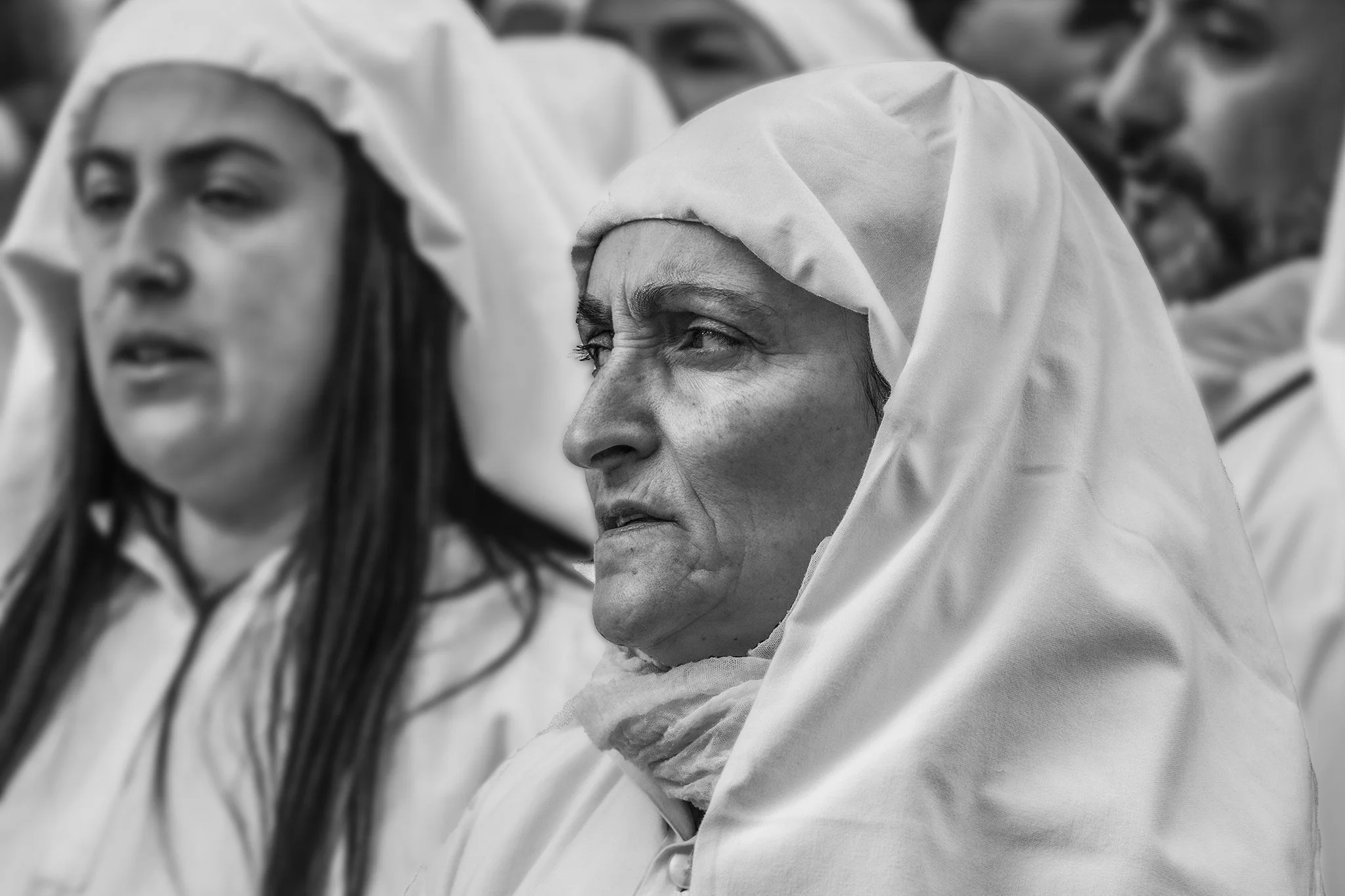
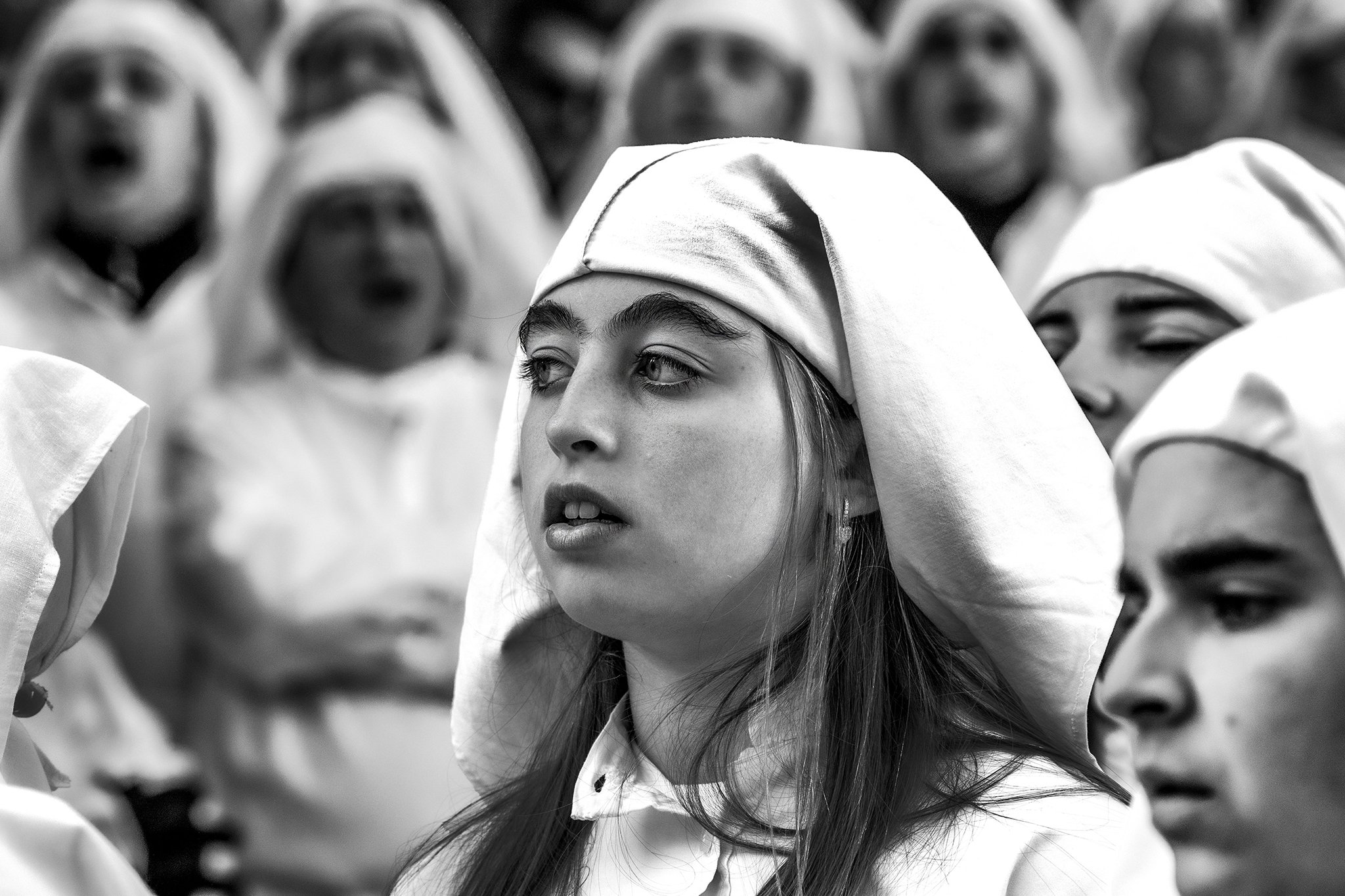
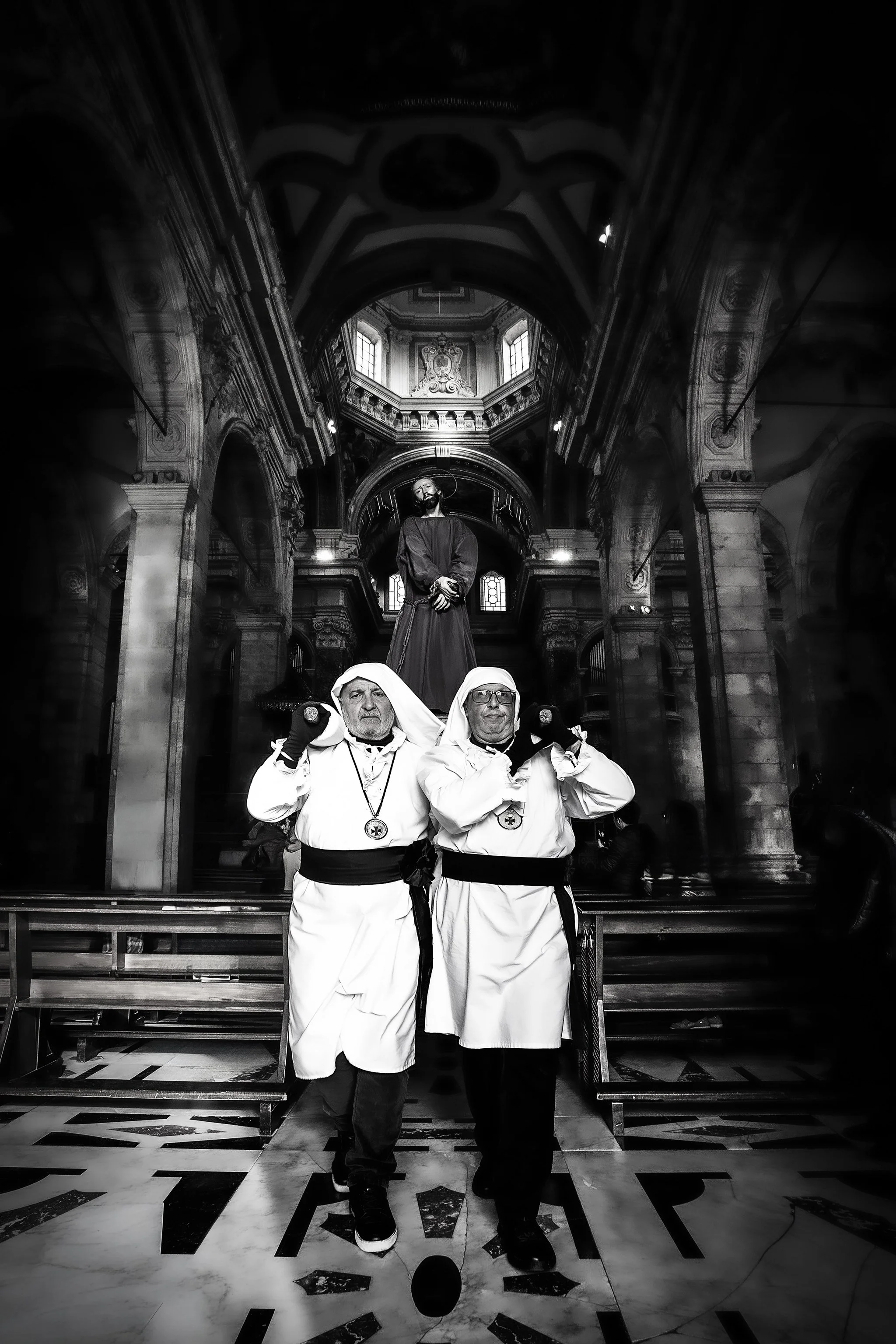
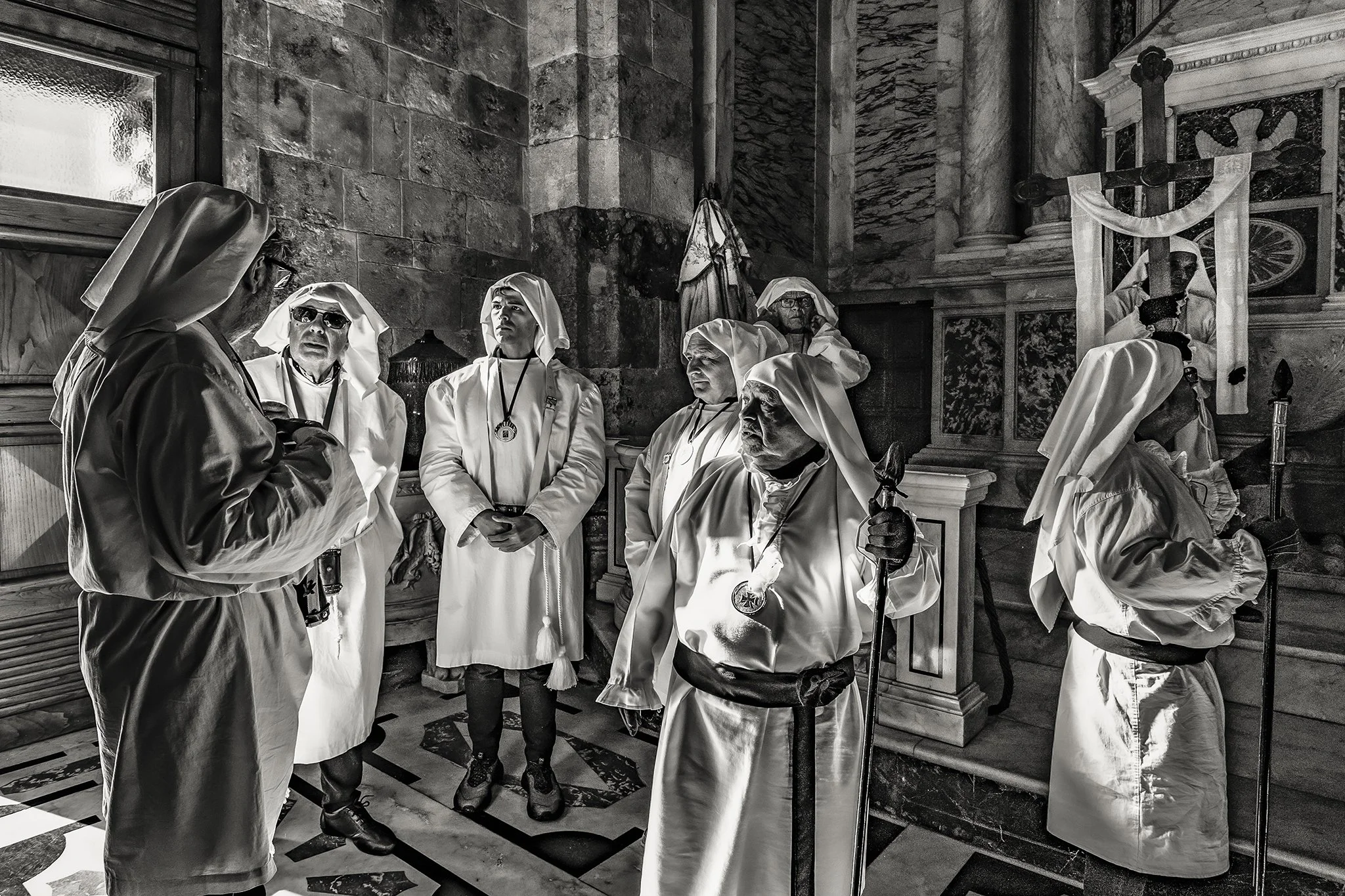
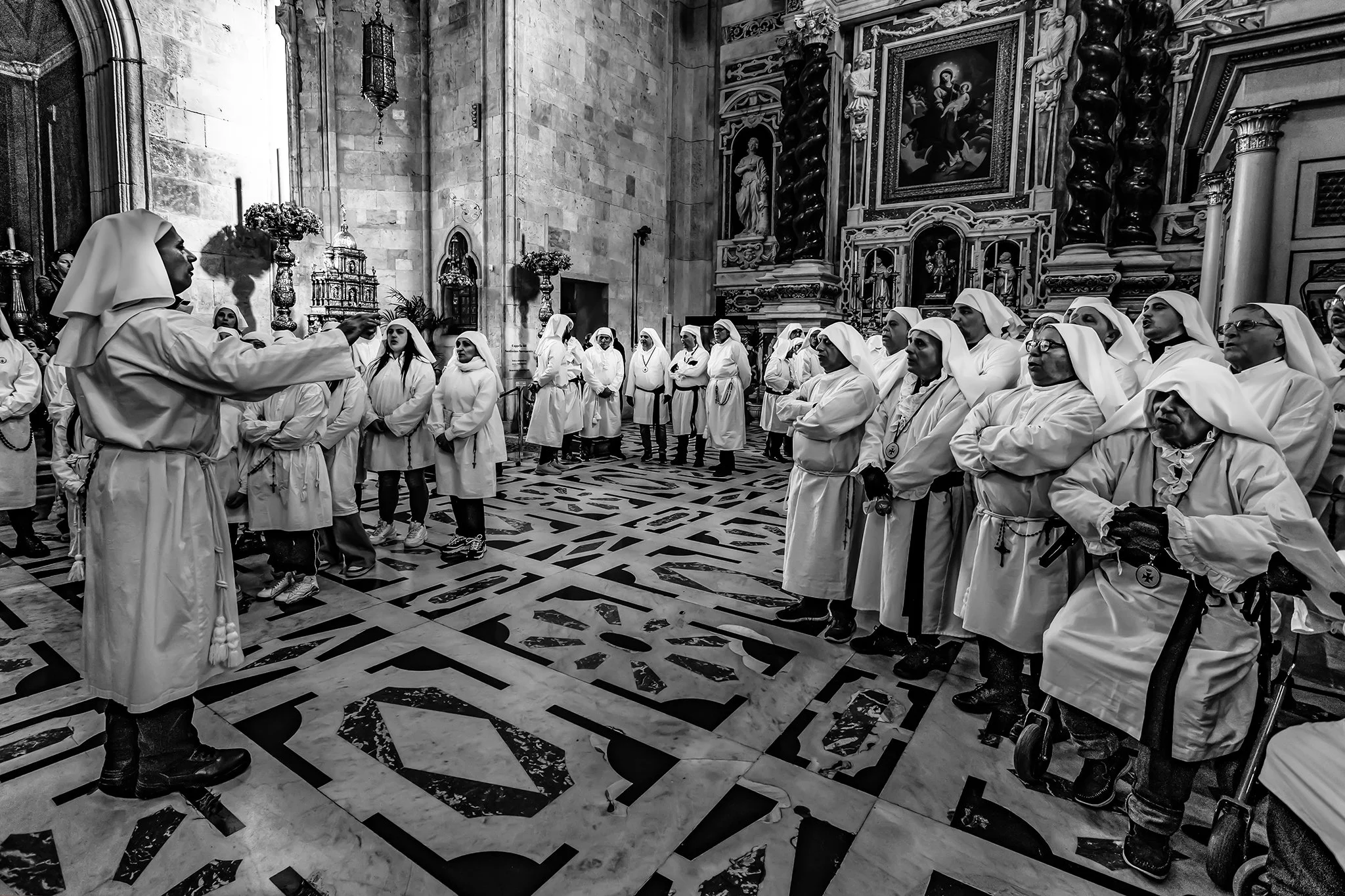
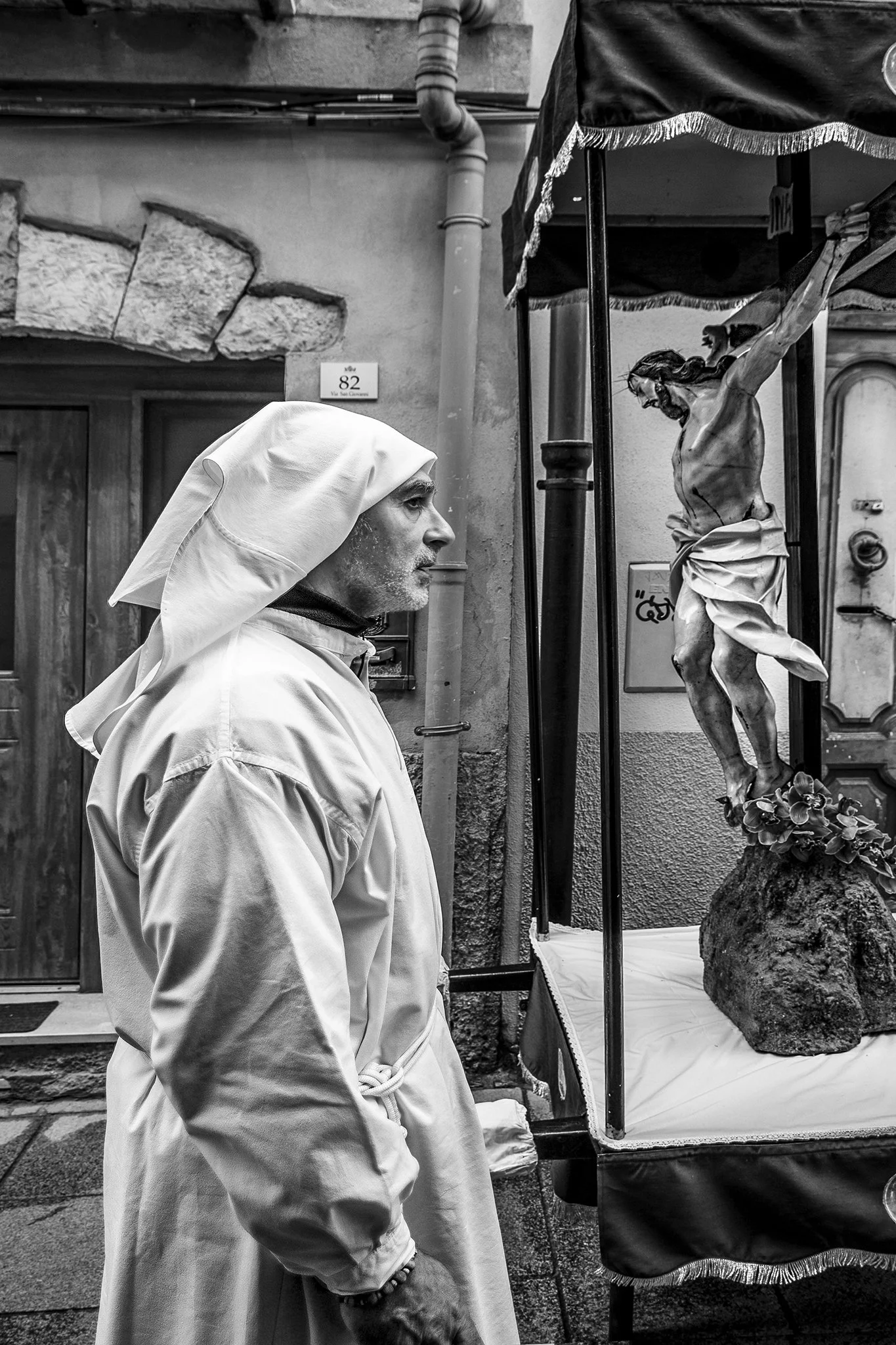
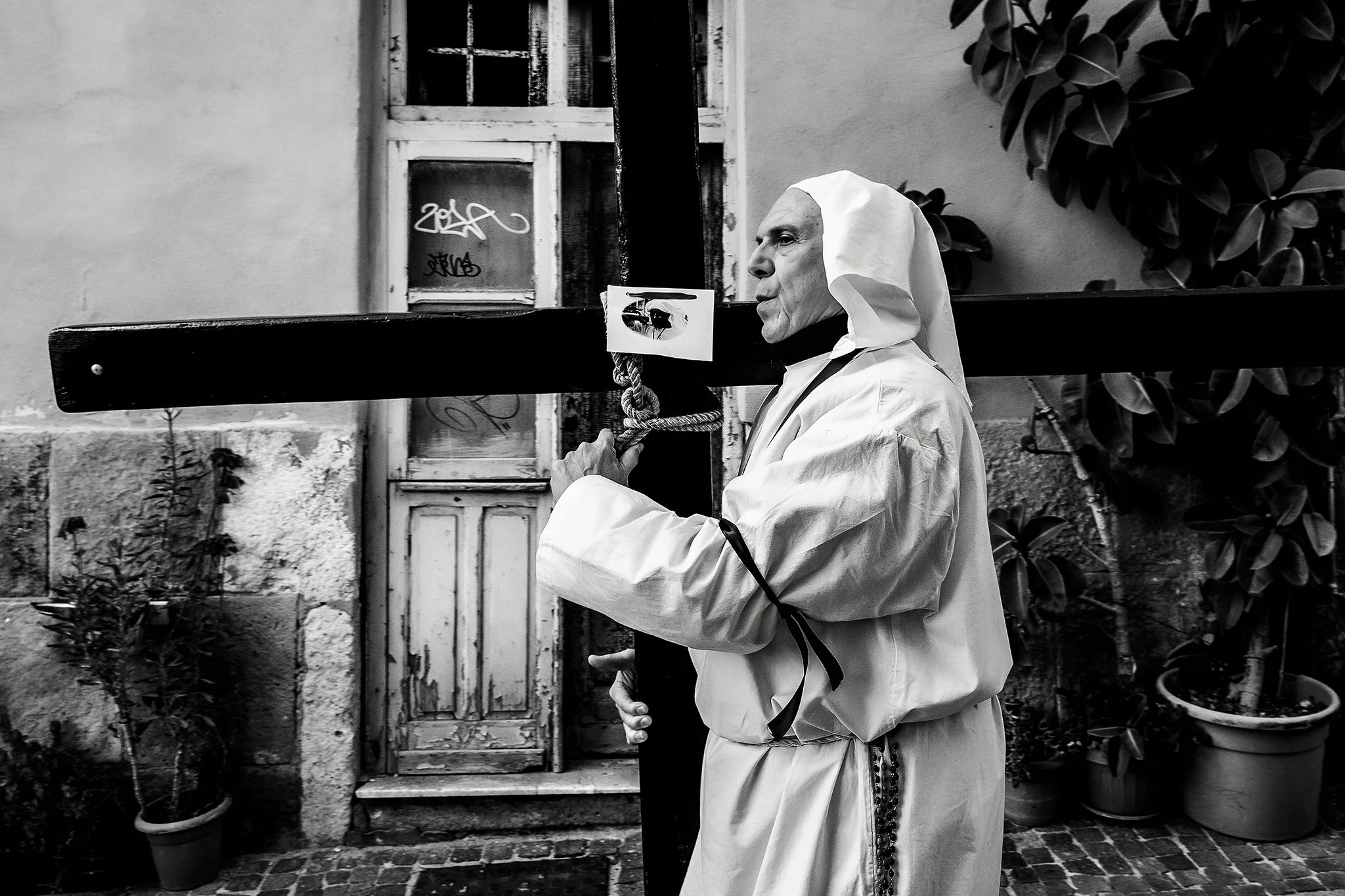
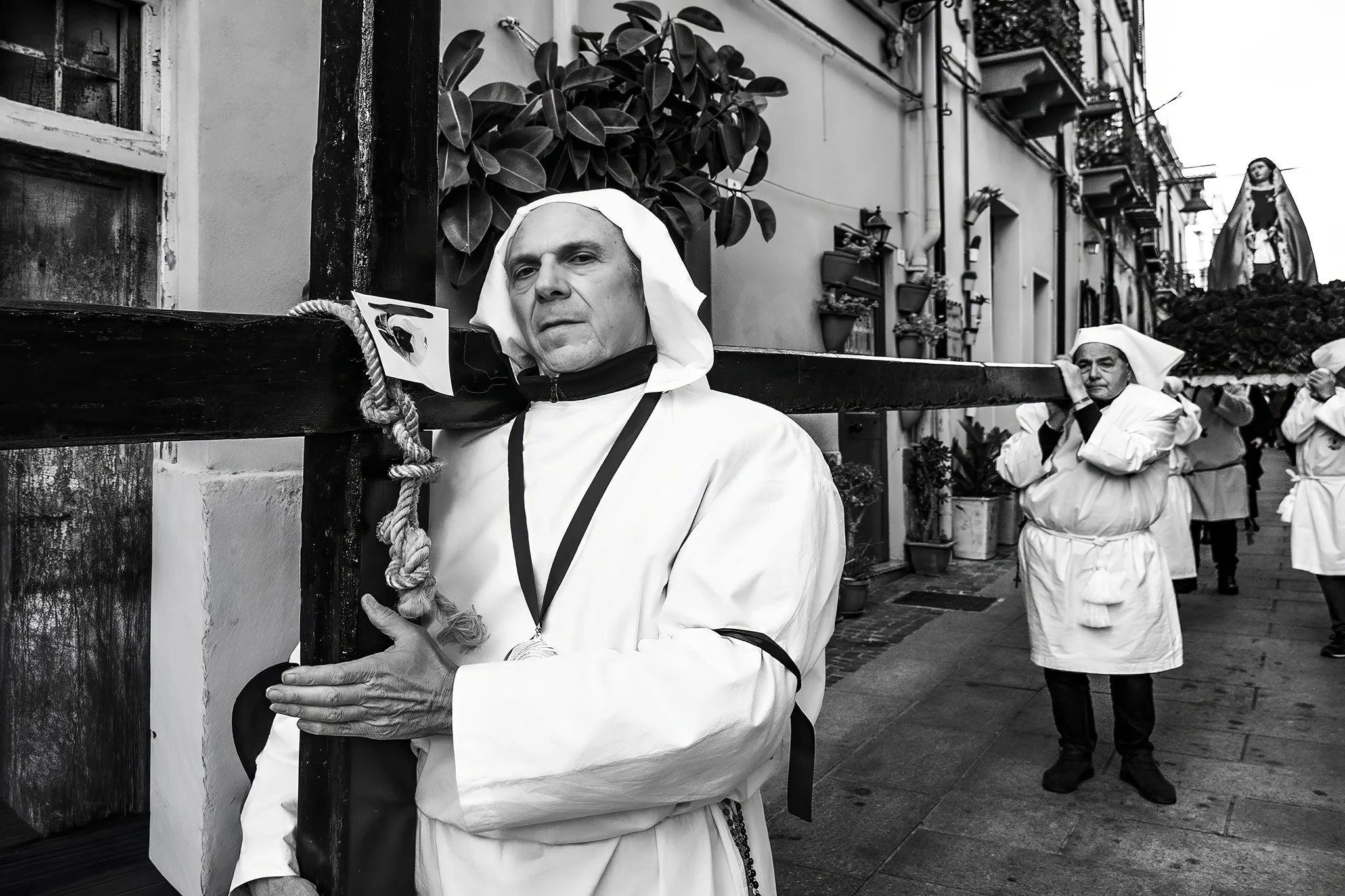
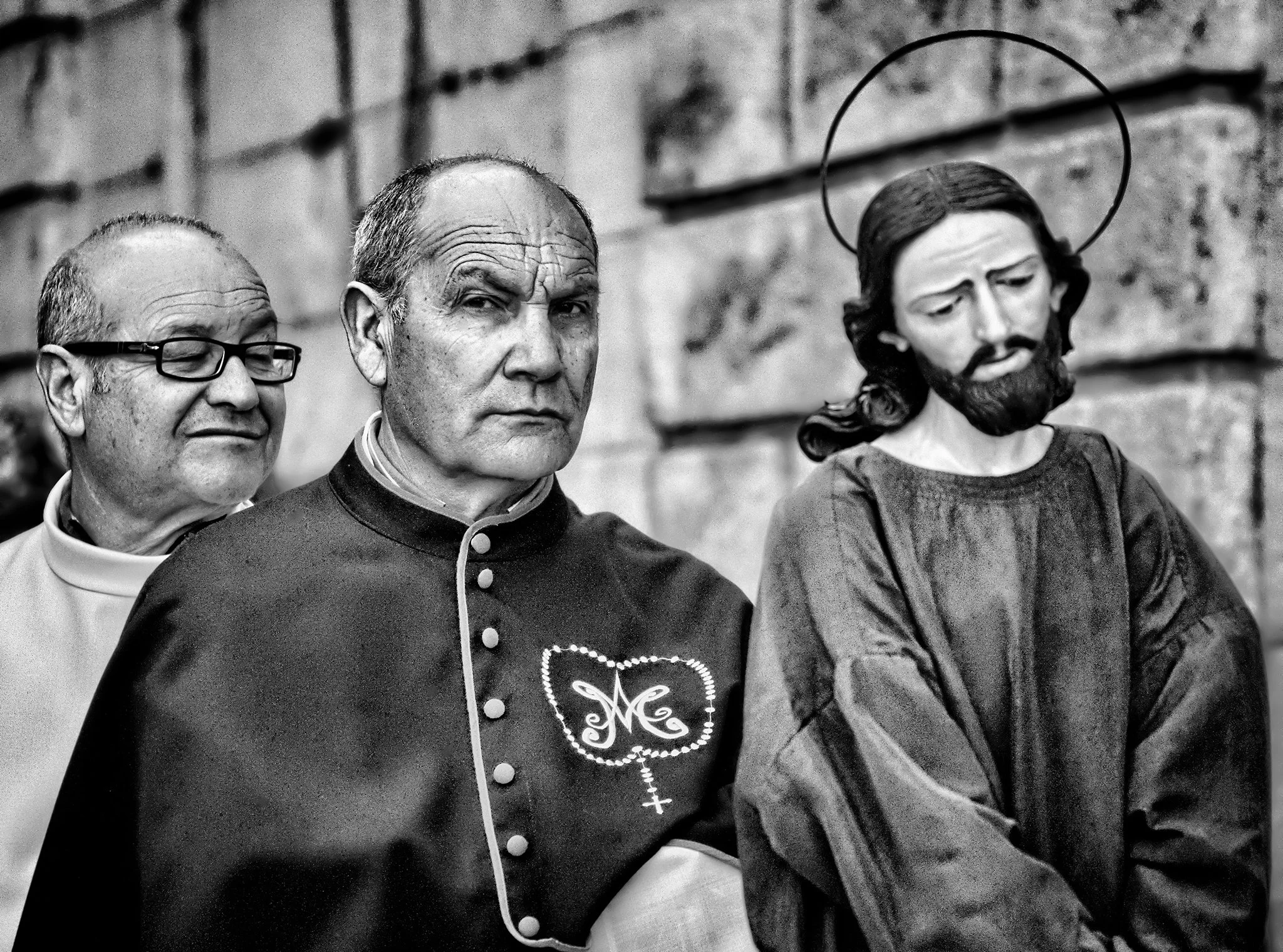
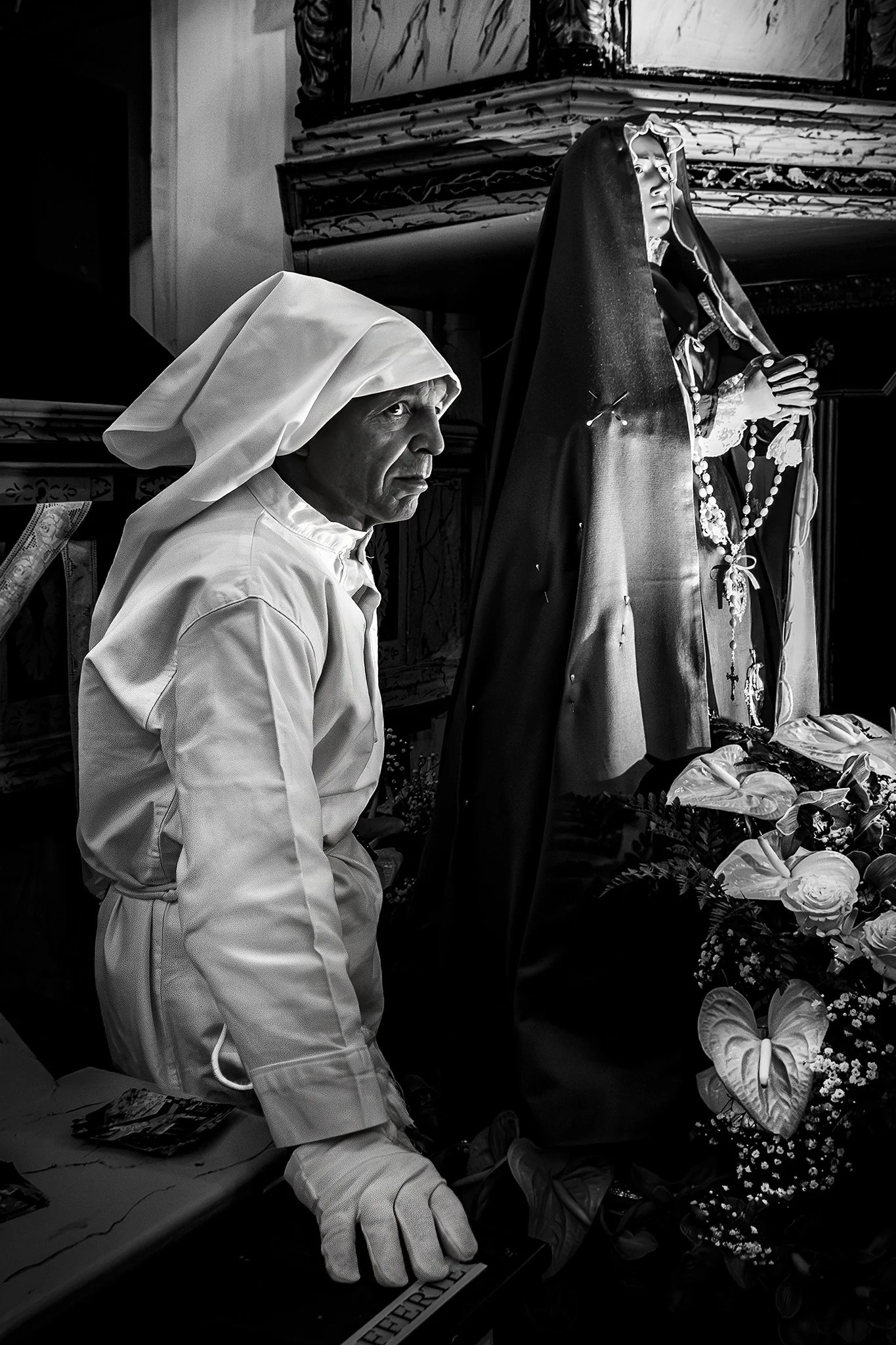
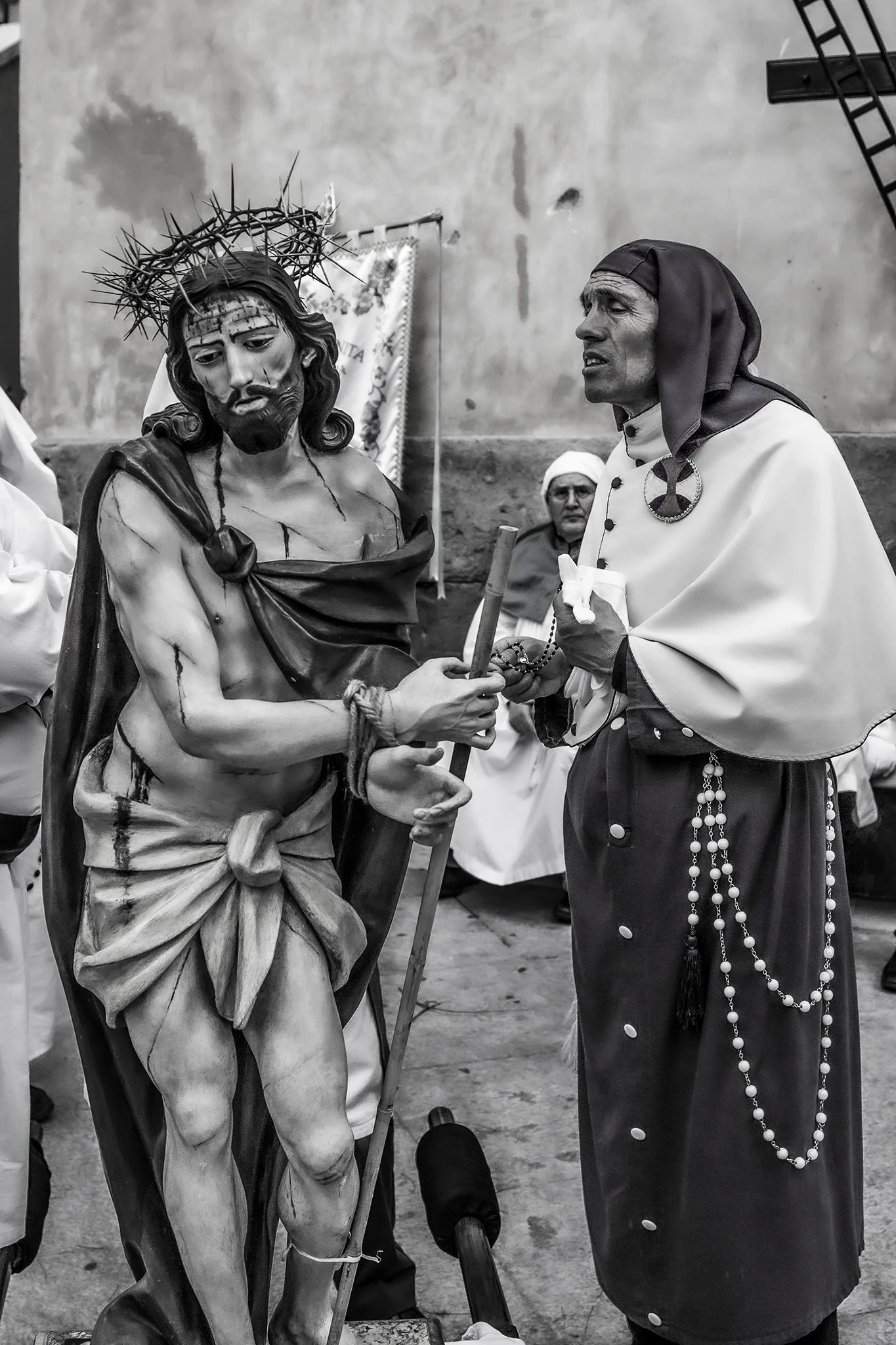
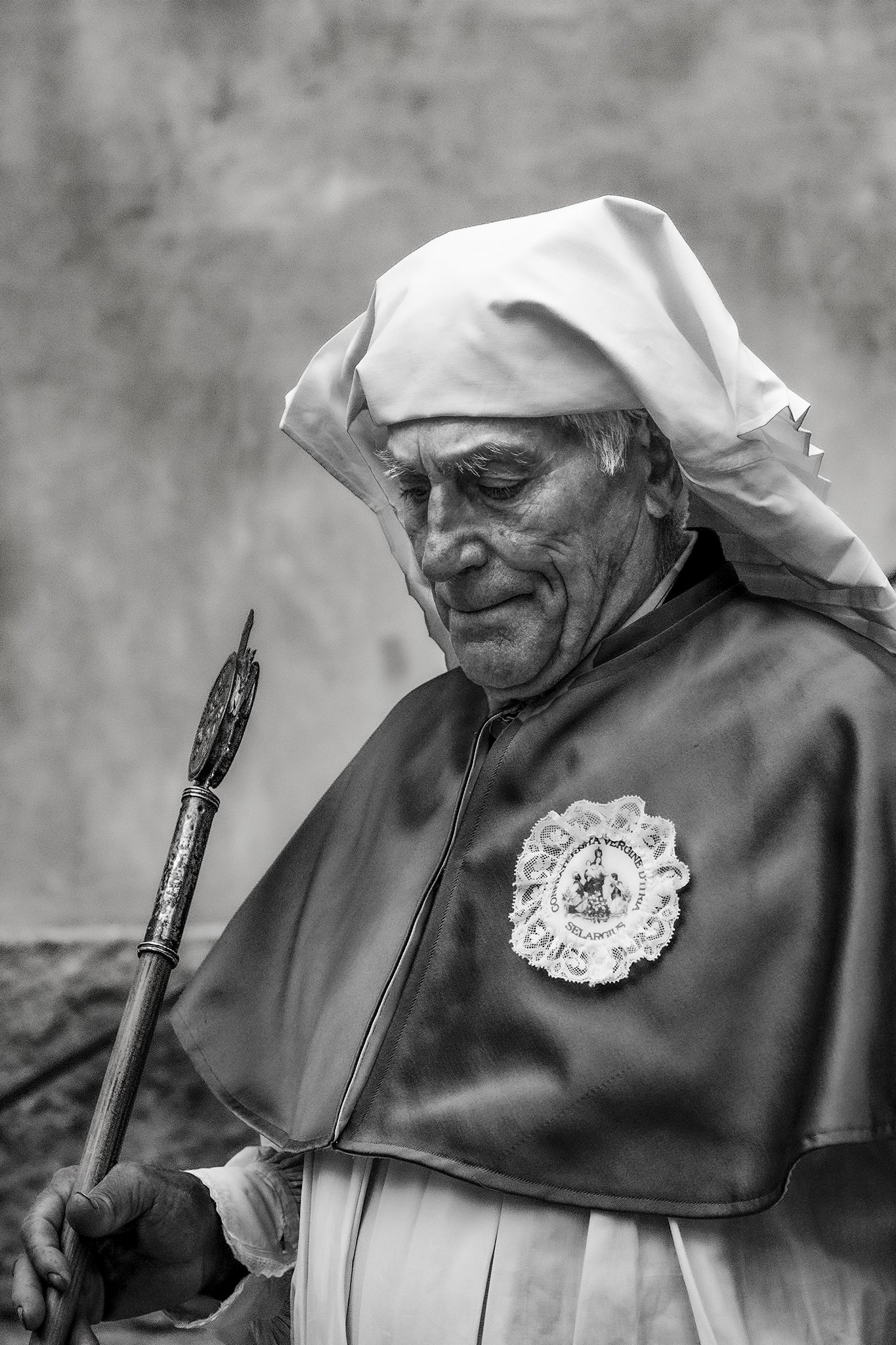
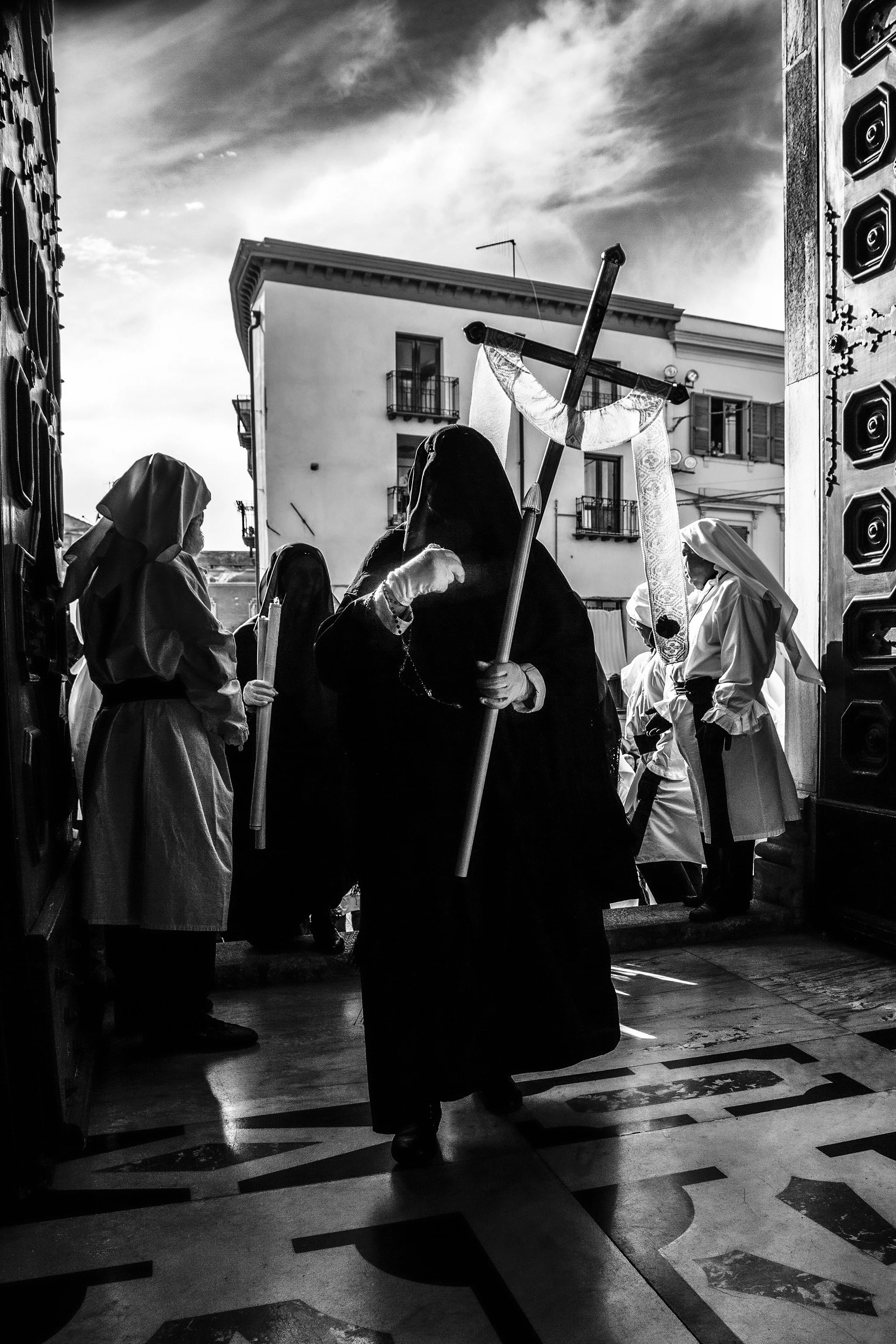
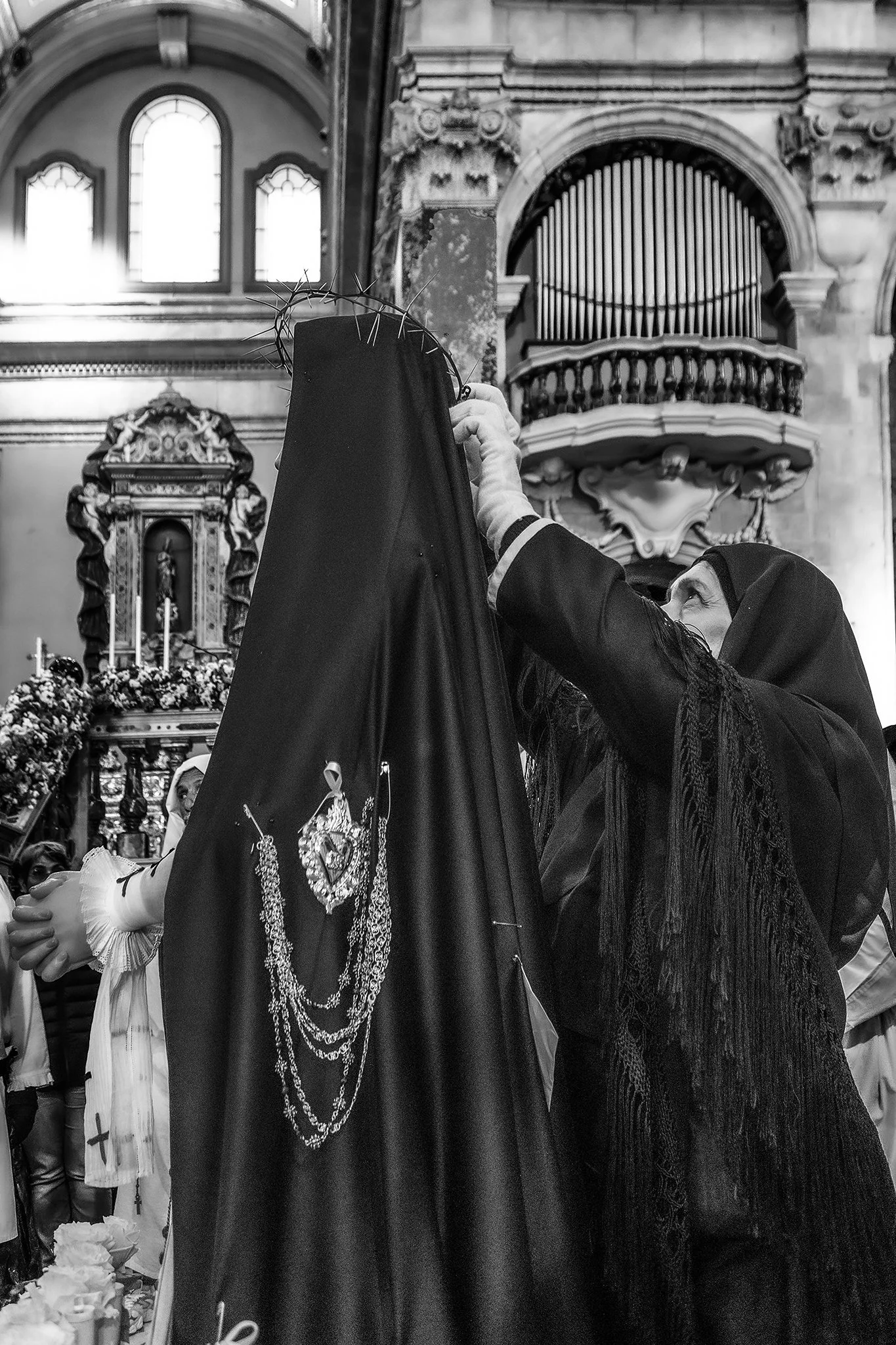
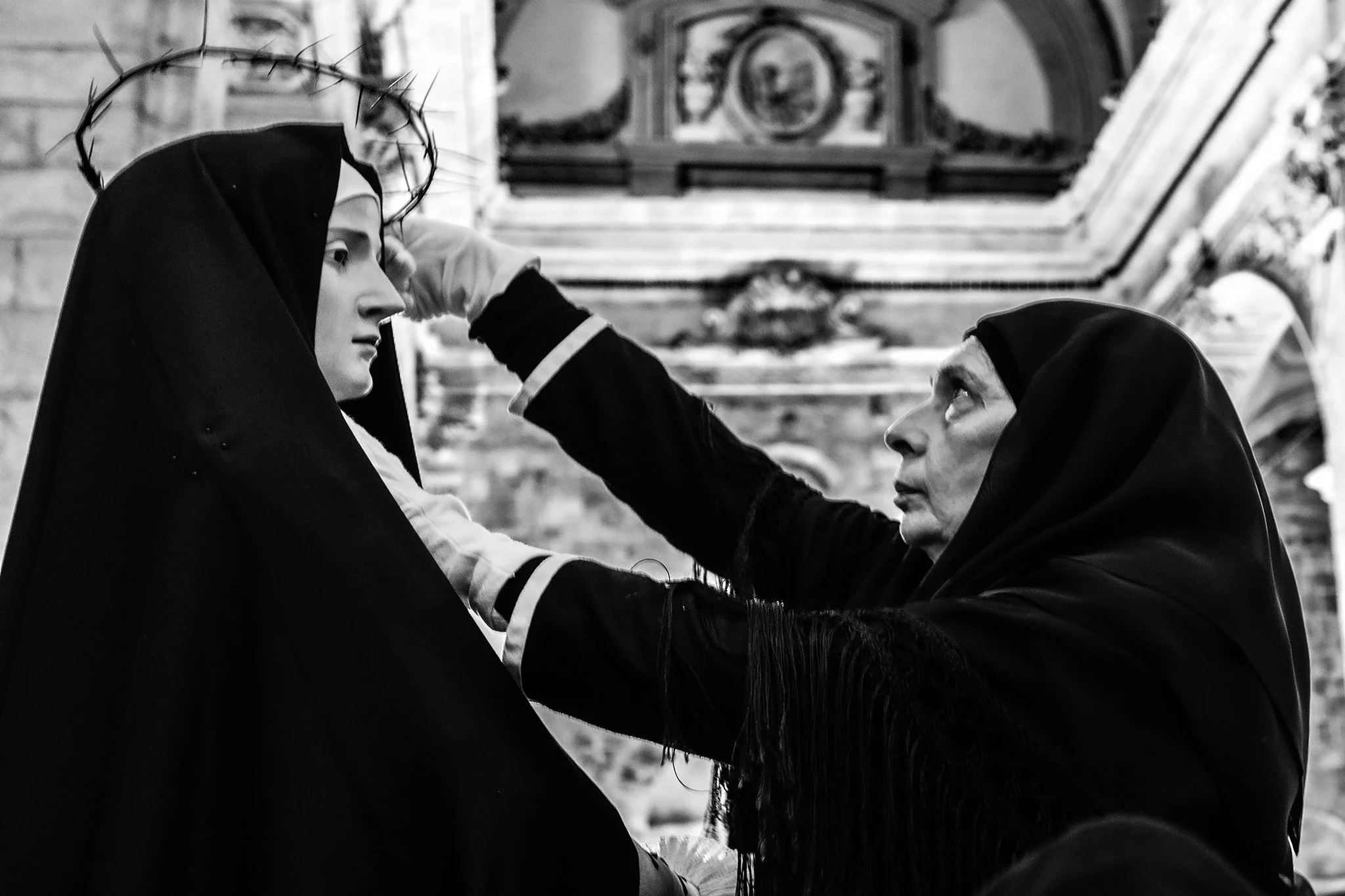
All the confraternities are, in fact, made up of ordinary people from the historic districts of Villanova, Stampace, and Marina. The oldest of them, the Marian Congregation of Craftsmen or Artists, was founded in 1586. The others—including the most important one, the Archconfraternity of Solitude—were established just a few years later. Since then, year after year and century after century, brothers and sisters of these confraternities, in an unbroken succession of generations, have retraced the same routes along the same streets, carrying on their shoulders the same crosses and the same statues of Christ and His Sorrowful Mother. They recite the same prayers and give life, in the same churches, to the same late-medieval choral chants.
There is, however, another reason why I have become so fond of these expressions of popular religiosity. Unlike what happens in Spain—in large cities such as Seville, Granada, and Madrid, where very similar processions draw hundreds of thousands of participants and even millions of tourists—the Holy Week processions in Cagliari remain stubbornly reserved, intimate, almost hidden. They are untouched by the interest of what has become a genuine scourge: mass tourism, which even in my city pours crowds of cruise-ship visitors into the streets, armed with dollars and cameras.
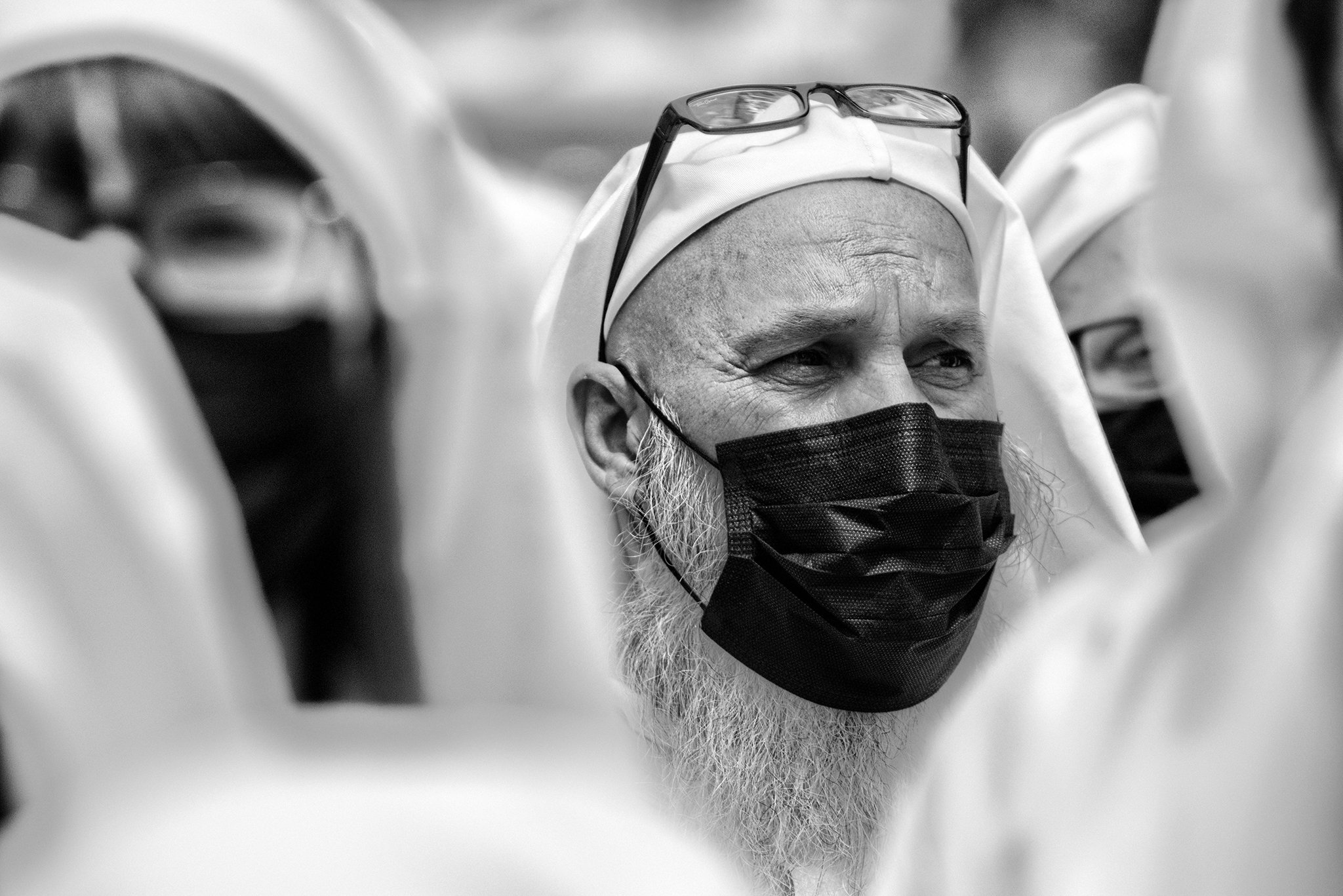
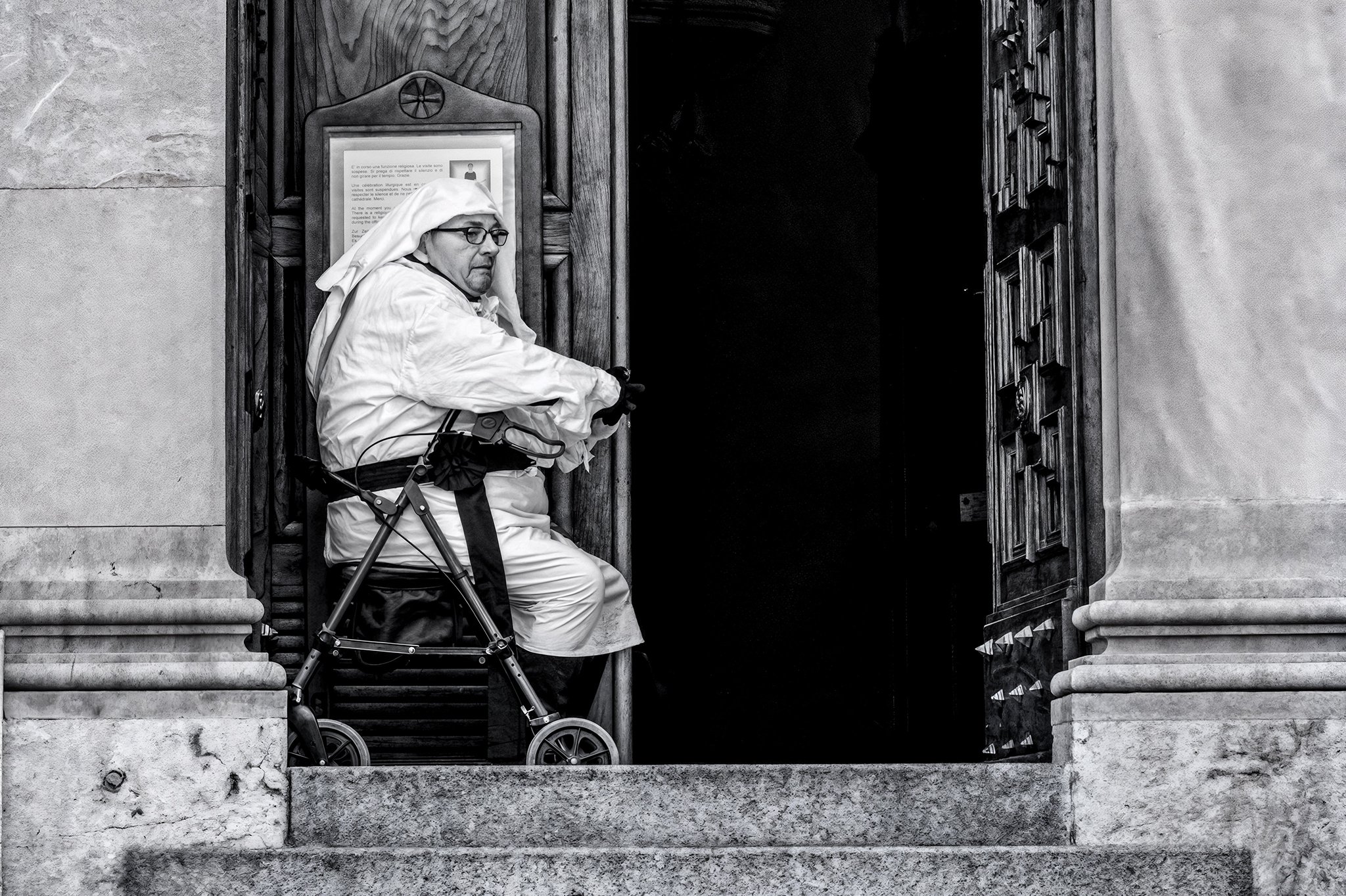
Perhaps this is also why, unlike the grandeur of the Spanish processions, ours remain resolutely “humble.” The same white garments as always, few decorations, no luxury—not even in the banners and tapestries, which are sometimes a little naïve.
But so far, fortunately, they have been spared any kind of spectacle or commercialisation.
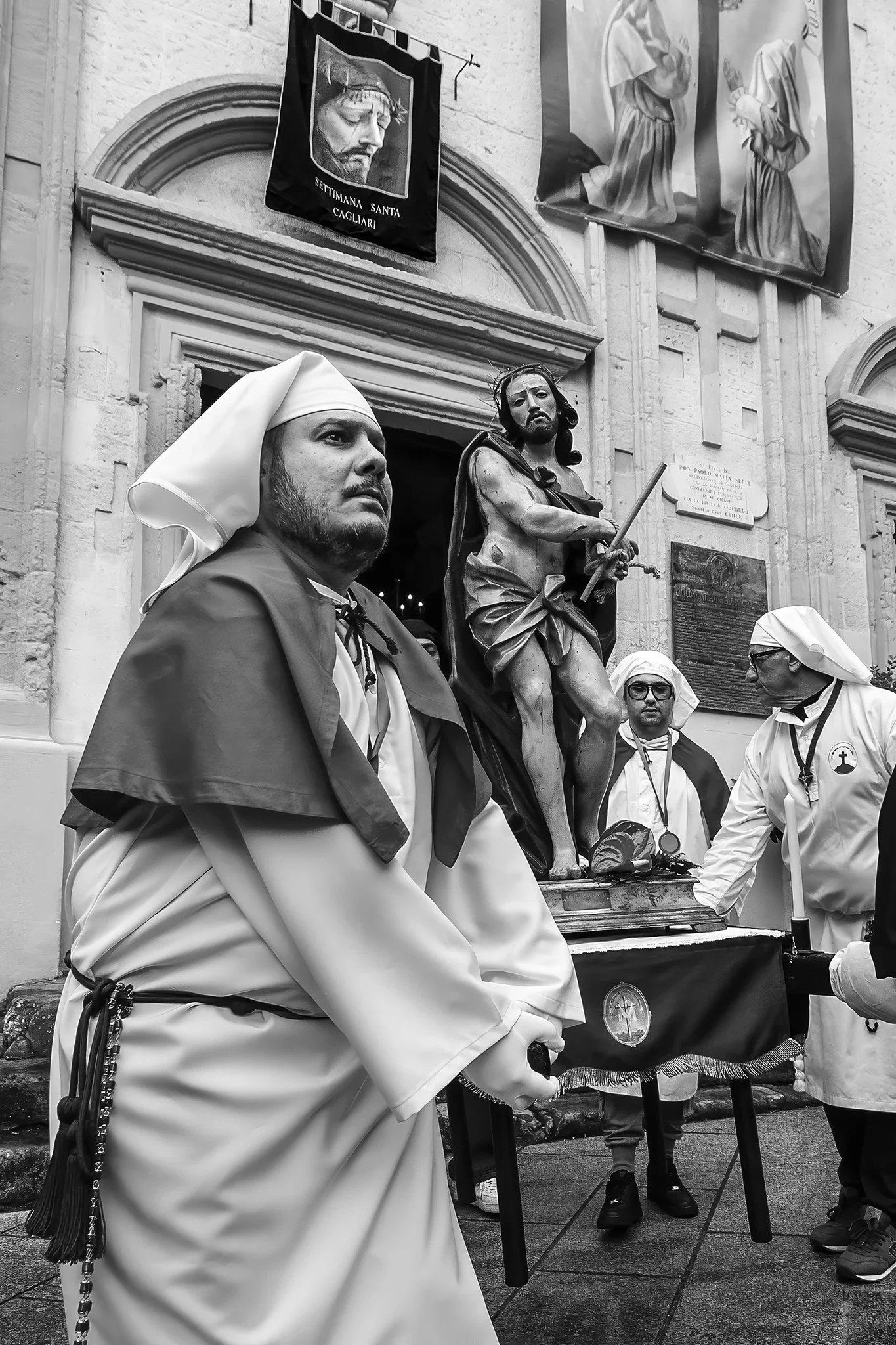
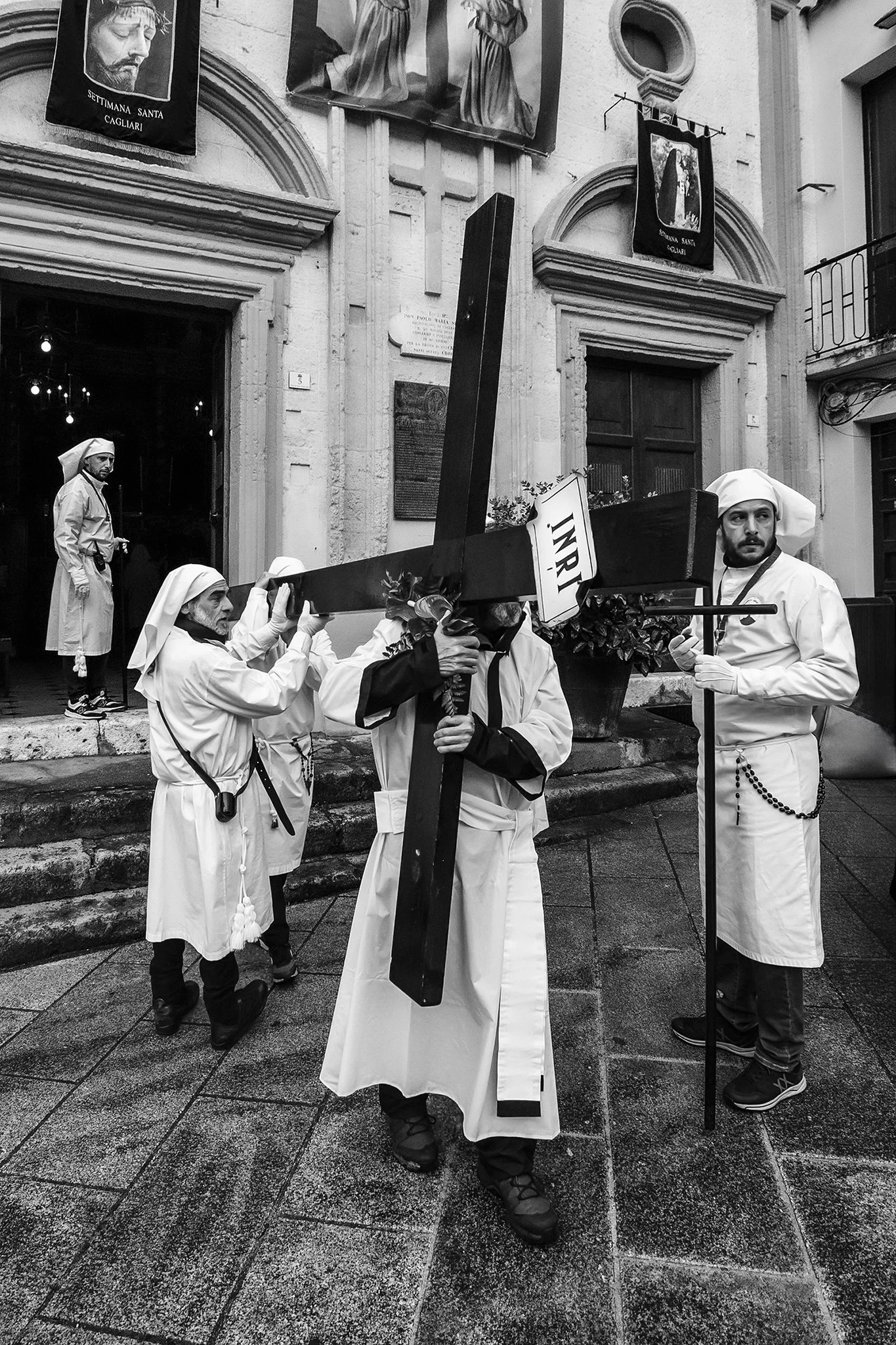
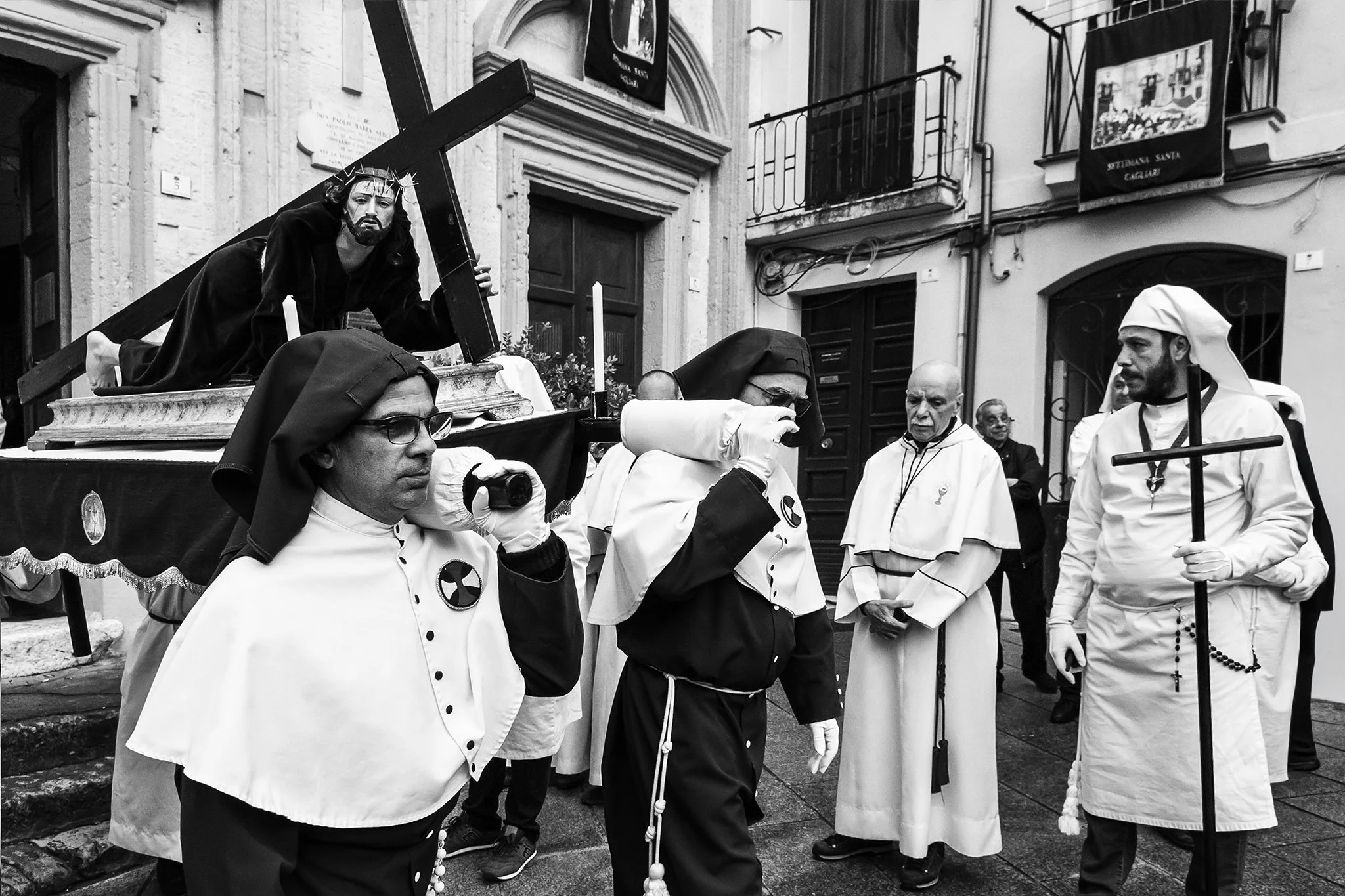
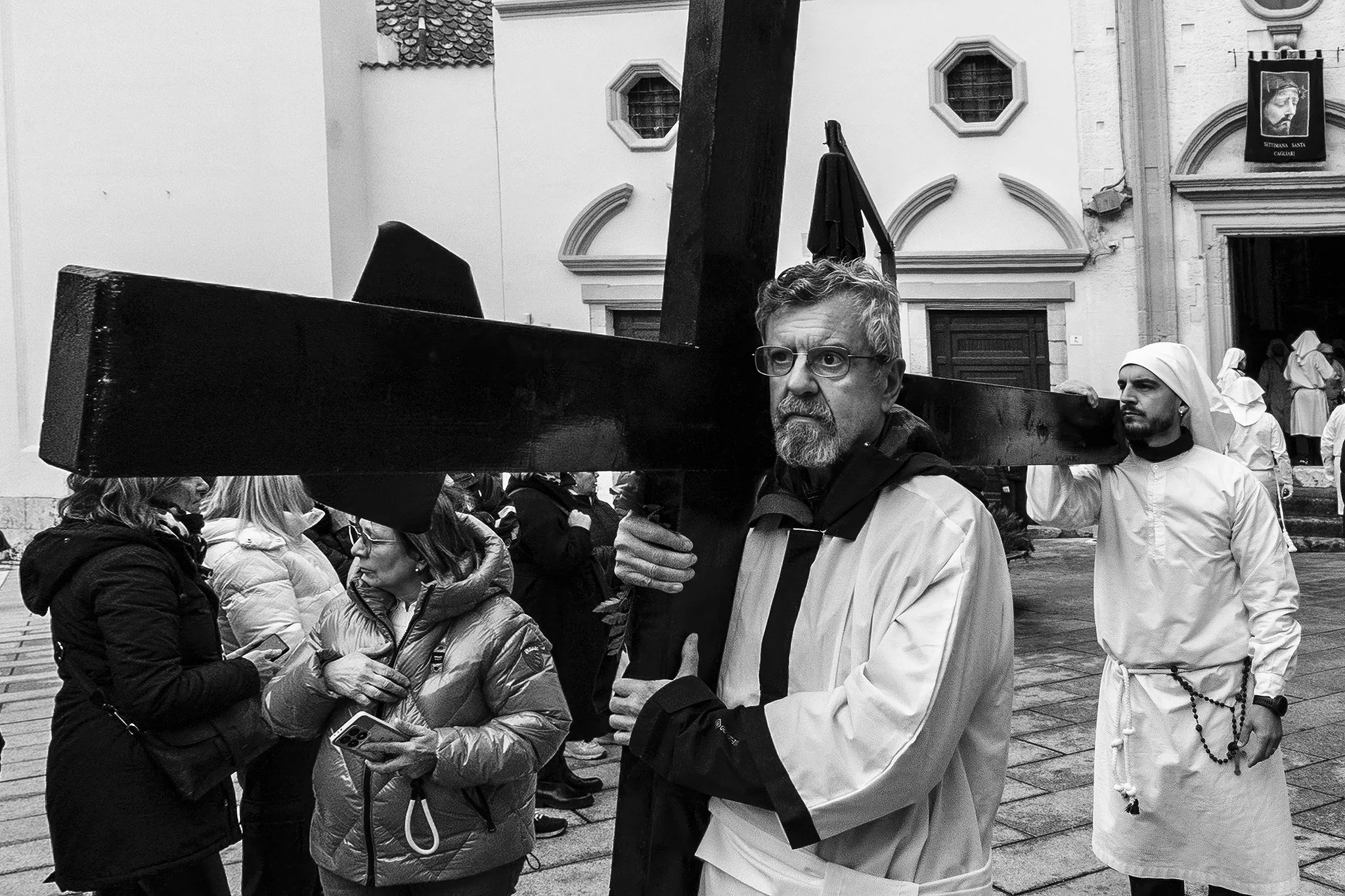
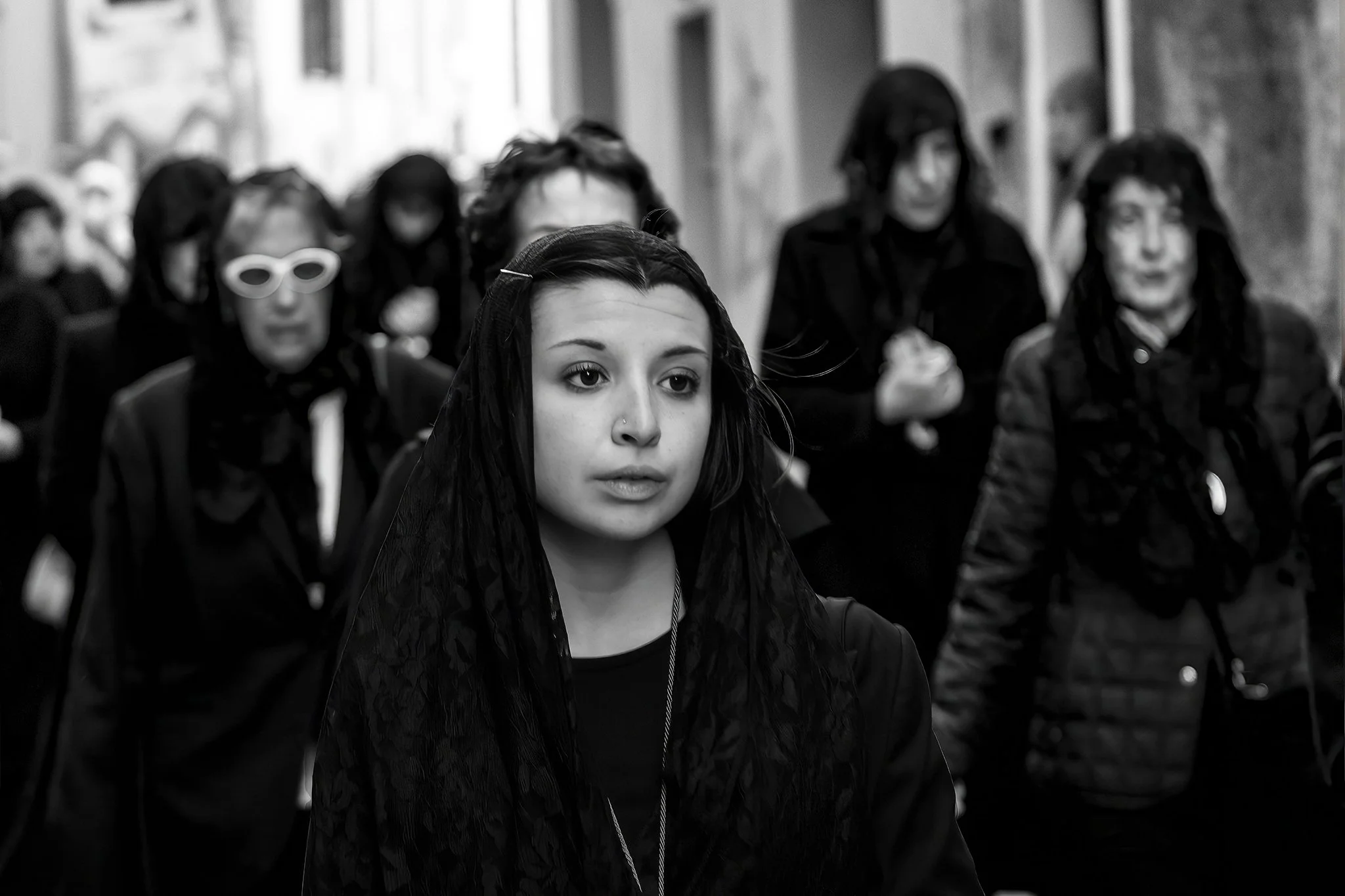
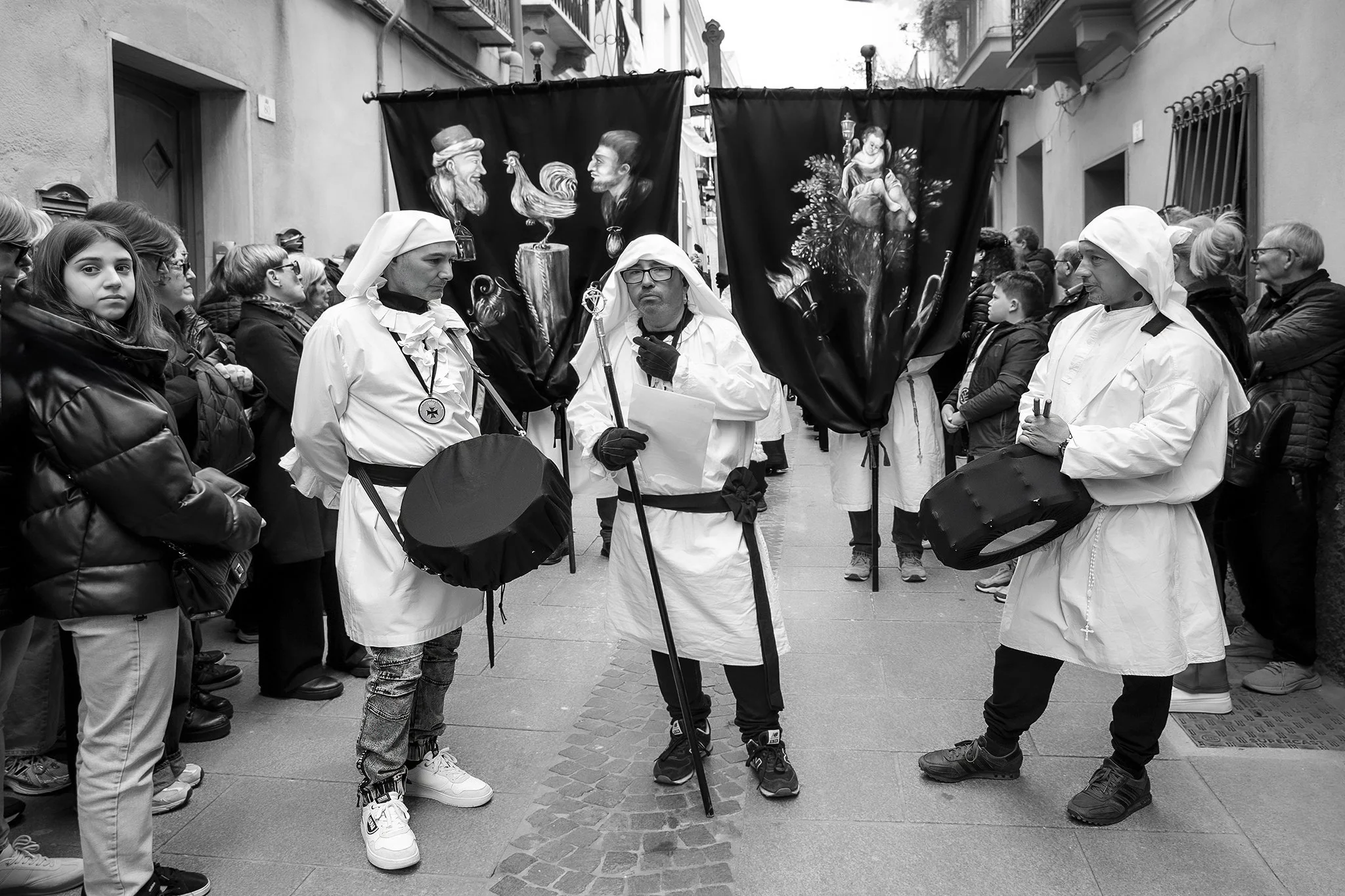
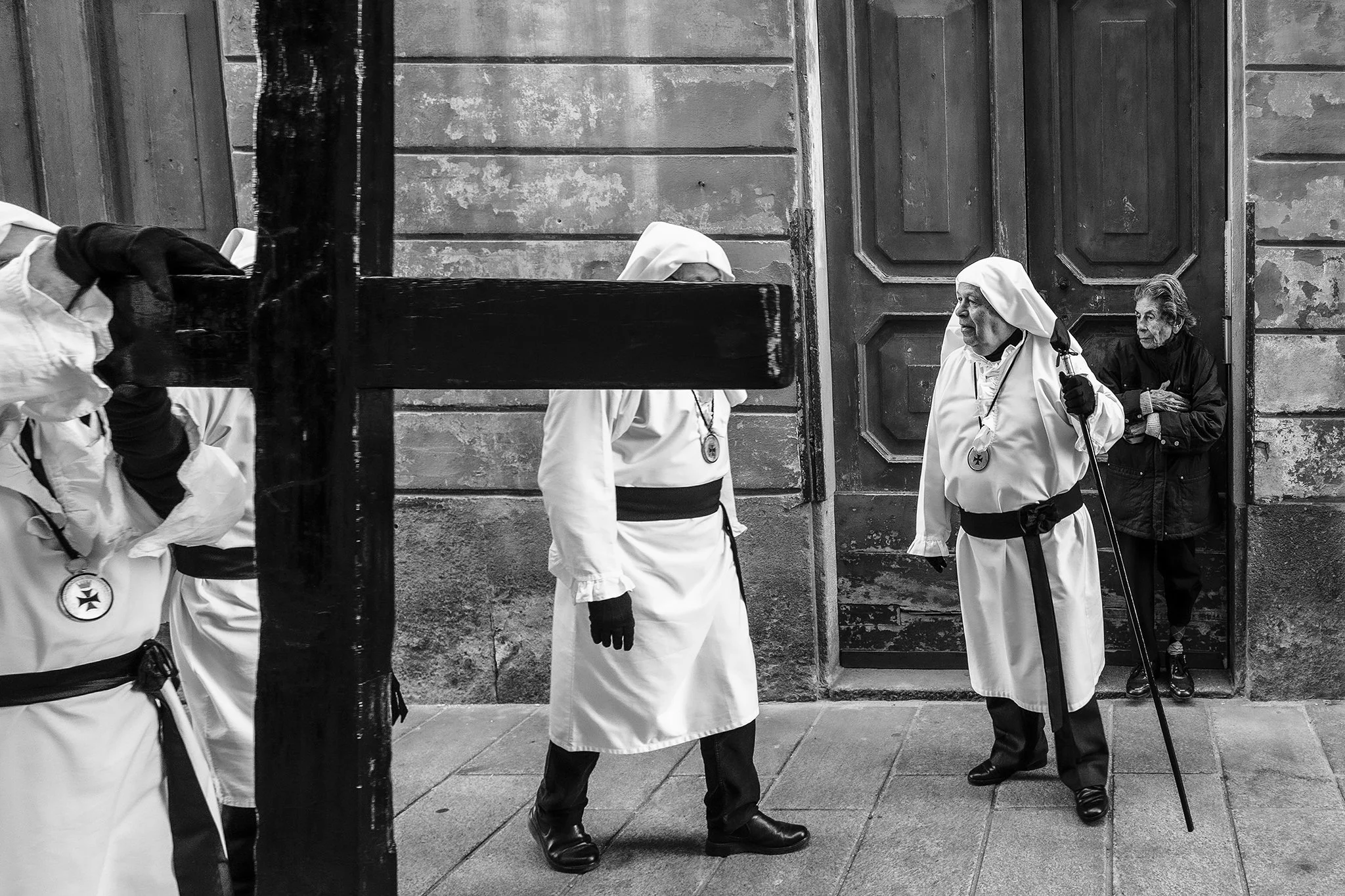
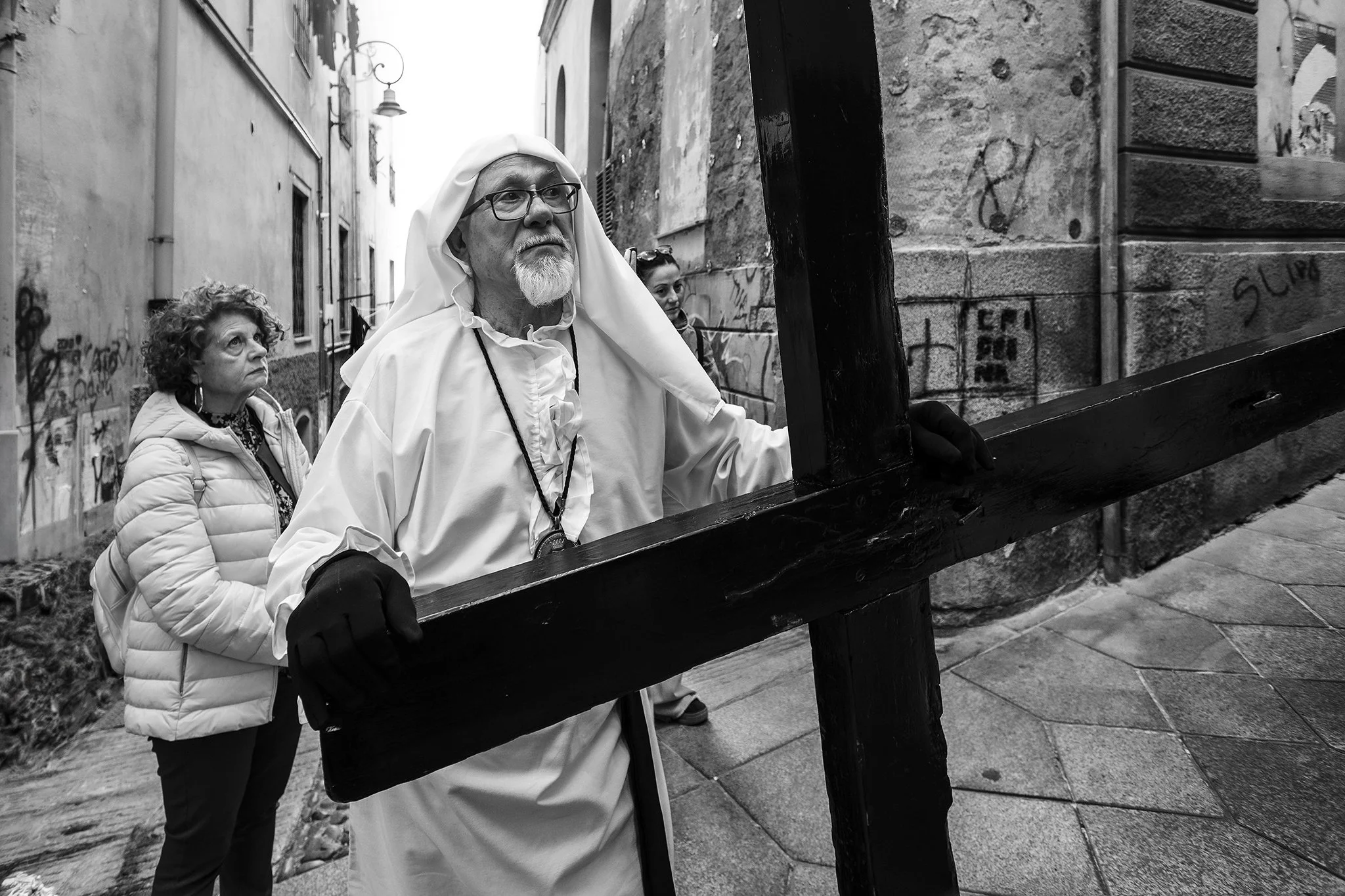
I riti della Settimana Santa a Cagliari
Pur essendo nato e avendo sempre vissuto a Cagliari, ho assistito per la prima volta a una delle processioni che si svolgono durante la Settimana Santa che anticipa la Pasqua, solo in età avanzata. Probabilmente per caso. Sia perché sono sempre stato un laico, o, per meglio dire, un cristiano eretico, distante dai riti del cattolicesimo. Sia perché non mi era mai capitato di incrociare una delle processioni che si svolgono rigorosamente nei quartieri storici e popolari di Cagliari.
Quella prima volta, però, rimasi folgorato. Al punto che dopo essermi informato del tragitto della processione, rientrai a casa, presi le macchine fotografiche e raggiunsi di nuovo il corteo per scattare qualche foto. Da allora, sono passati più di dieci anni; se posso, non manco mai ad almeno una di queste processioni. Che per nove giorni attraversano le vie della città, di giorno e di notte, animate da cinque confraternite diverse. Le cui ritualità hanno origini squisitamente spagnole, essendo stati gli spagnoli dominatori e padroni a casa nostra per diversi secoli. E insieme hanno la caratteristica di avere affondato profondamente le loro radici nei quartieri più popolari e poveri della città.
Tutte le diverse confraternite, infatti, sono animate dalla gente comune dei quartieri storici di Villanova, Stampace e della Marina. La più antica di loro, la Congregazione Mariana degli Artieri o degli Artisti, fu fondata nel 1586. Le altre, compresa quella più importante, l’Arciconfraternita della Solitudine, una manciata di anni più tardi. Da allora, anno dopo anno e secolo dopo secolo, confratelli e consorelle, in un susseguirsi ininterrotto di generazioni, ripercorrono gli stessi passi e le stesse vie. Portando sulle spalle le stesse croci e le stesse statue del Cristo e di sua Madre “addolorata”. Recitando le stesse preghiere e dando vita, nelle stesse chiese, agli stessi canti corali di origine tardo-medioevale.
C’è però anche un altro motivo che mi ha spinto ad appassionarmi a queste manifestazioni della religiosità popolare. A differenza di ciò che succede in Spagna in grandi città come Siviglia, Granada e Madrid, dove processioni del tutto simili coinvolgono centinaia di migliaia di persone e addirittura milioni di turisti, le processioni della Settimana Santa a Cagliari, restano ostinatamente “riservate”, intime, quasi nascoste. Estranee all’interesse di quella autentica disgrazia che è diventato il turismo di massa, che anche nella mia città riversa dalle navi da crociera folle di turisti armati di dollari e apparecchi video-fotografici.
Forse è anche per questo motivo che, a differenza della maestosità delle processioni spagnole, le nostre restano ostinatamente “povere”. Le stesse vesti bianche di sempre, pochi addobbi, nessun lusso, neppure nelle insegne e negli arazzi, a volte un po’ naïf.
Ma sinora, fortunatamente, salvo da ogni forma di spettacolarizzazione.