Exploring the poetry found in life
Red Carnations
1 May – Labour Day dates back to Paris when, in 1889, the congress of the Second International organised a big demonstration to request a shortening of the working day, echoing the demands of those who were killed three years earlier in Chicago during a general nationwide strike. In Italy, after it was abolished by the fascist regime in 1923, it was made a national holiday in 1947 and ever since rallies, parades and cultural events have taken place in cities and towns across the country.
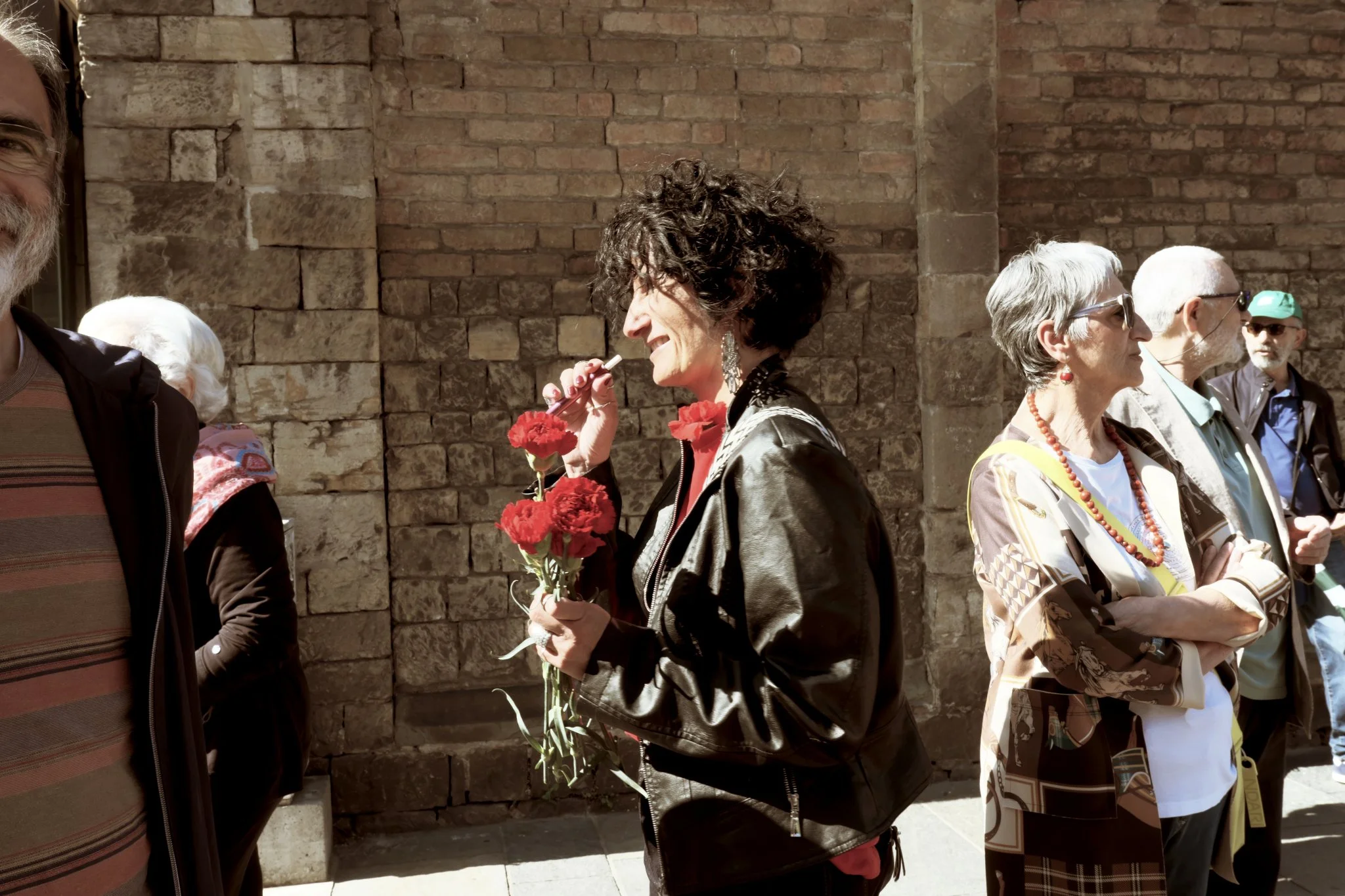
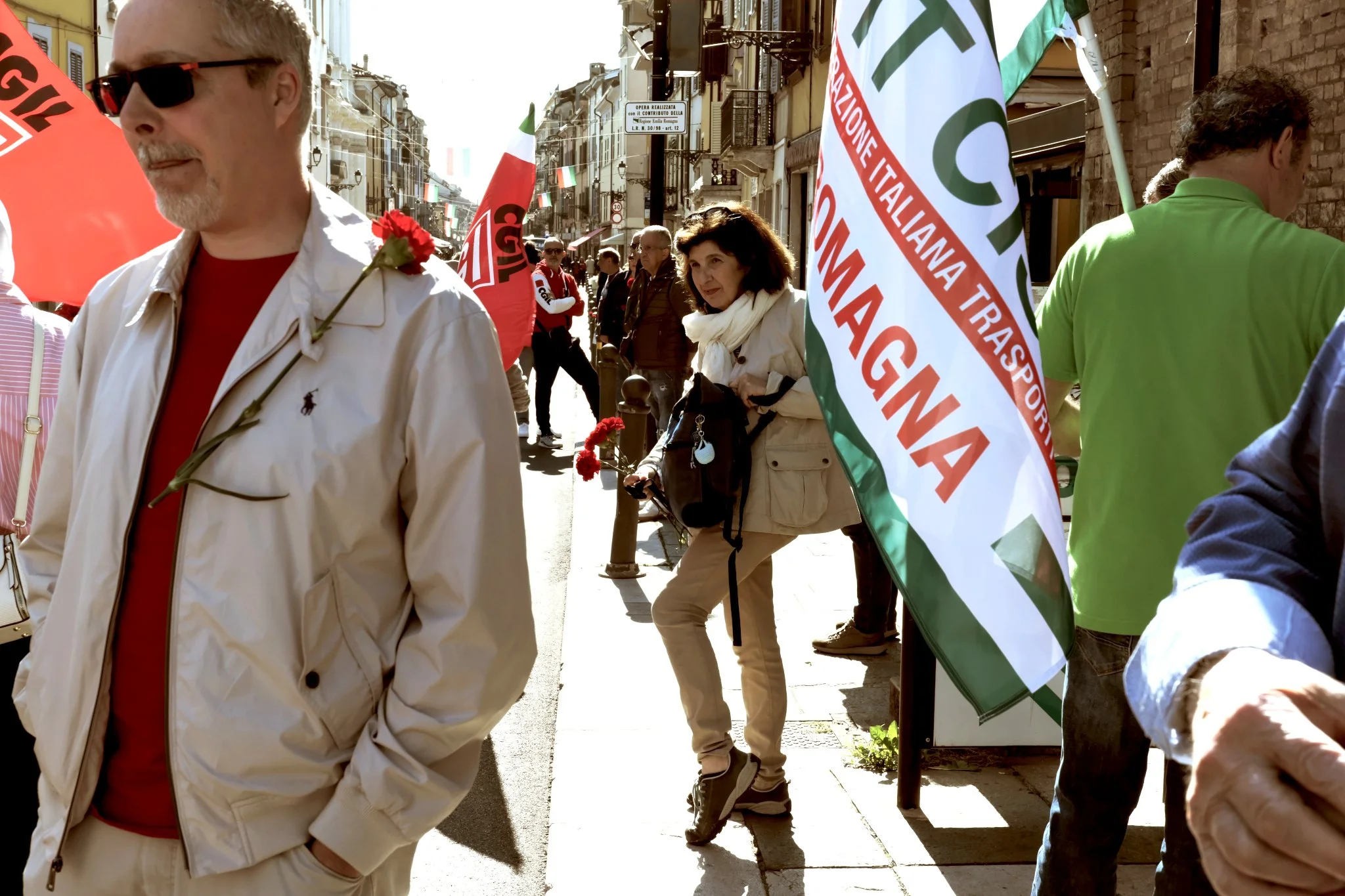
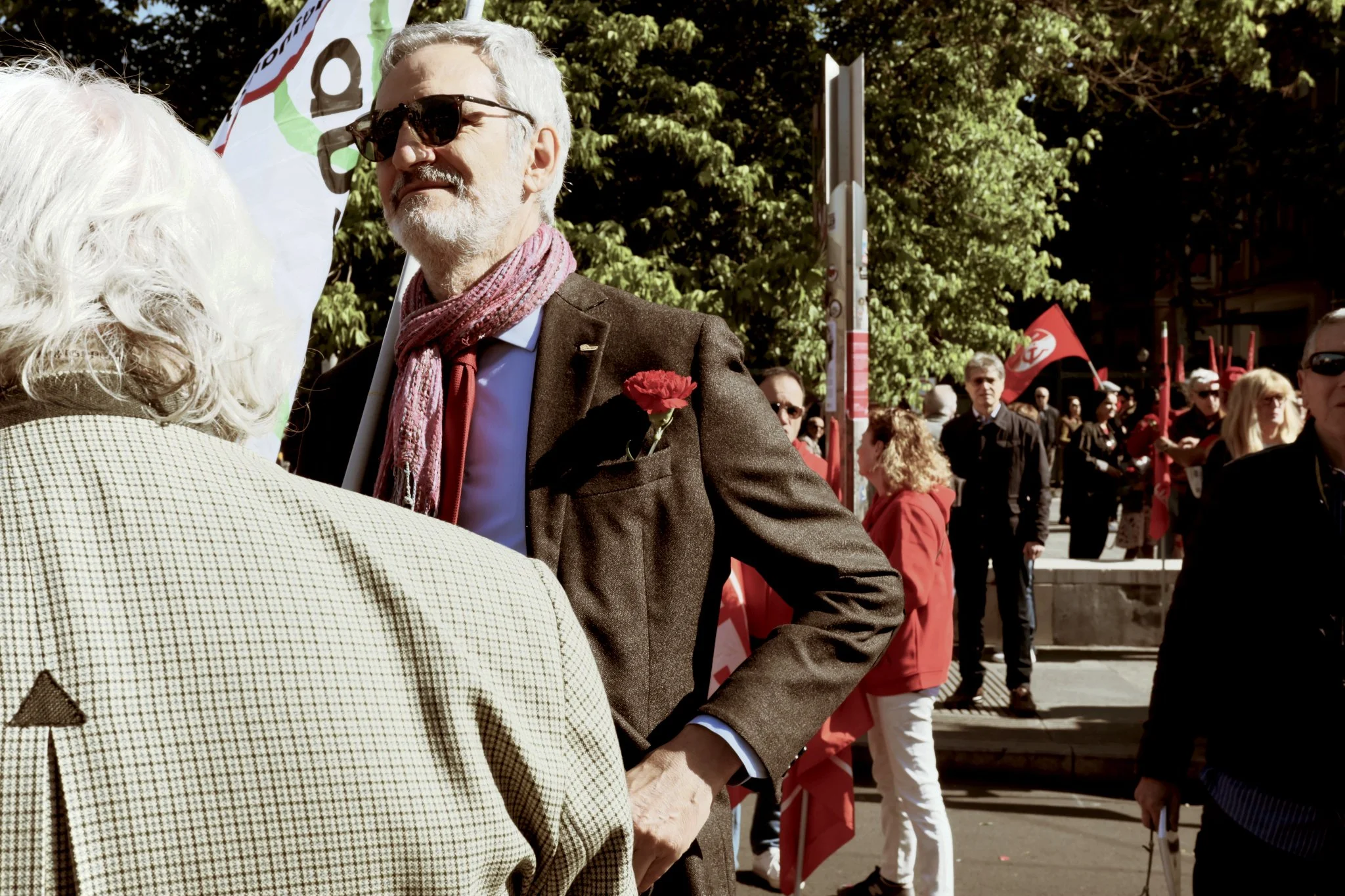
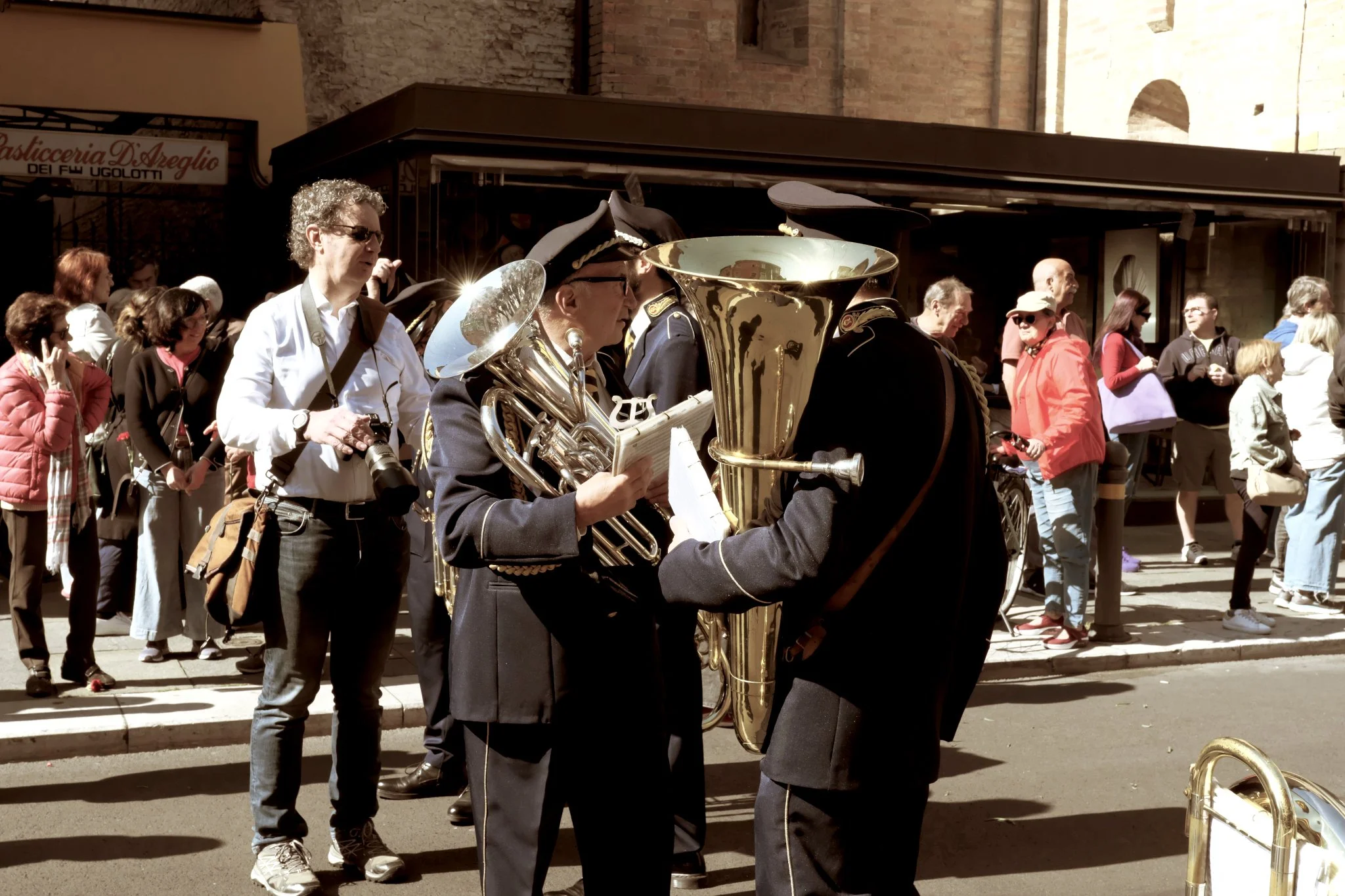
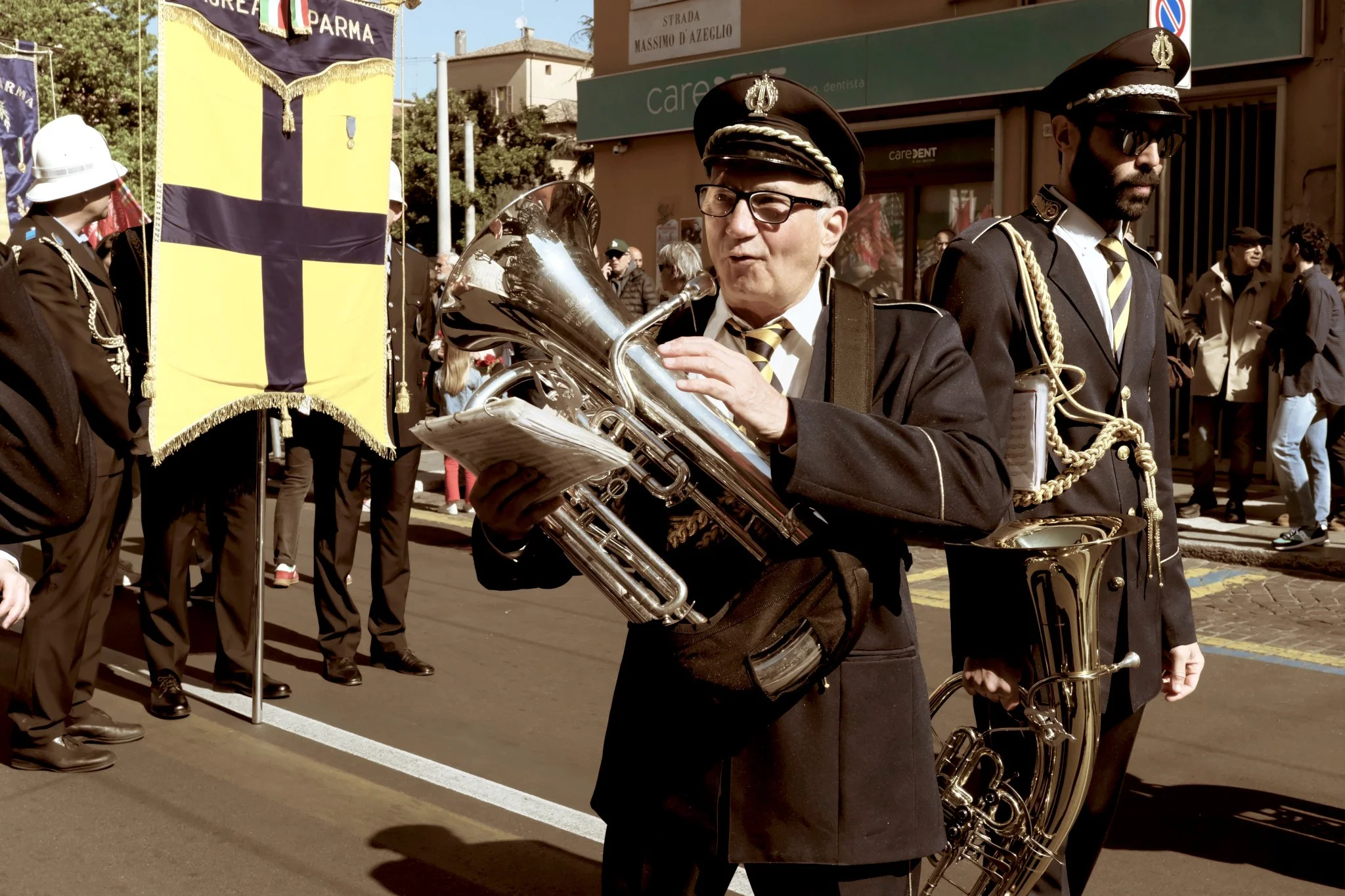
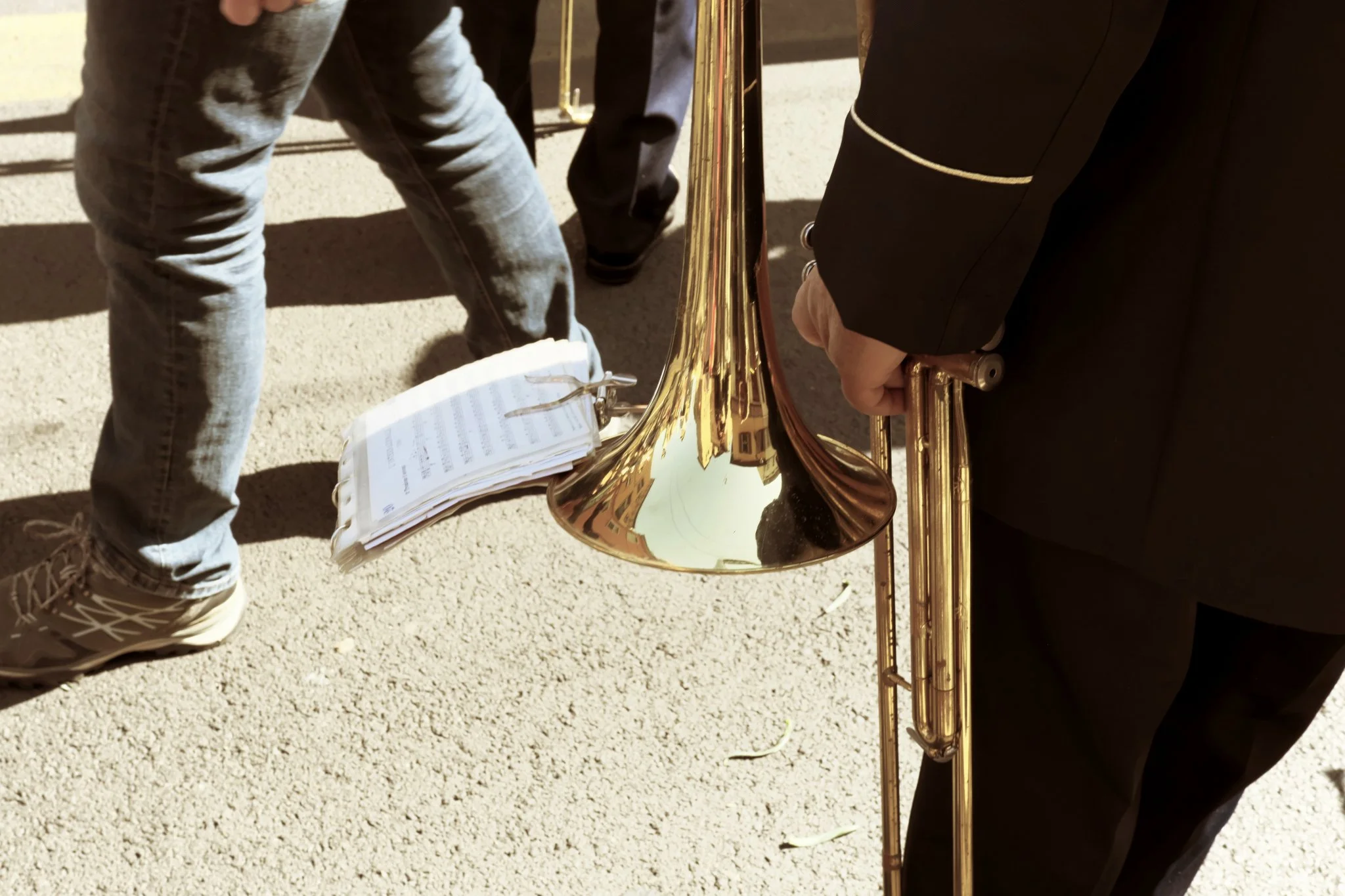
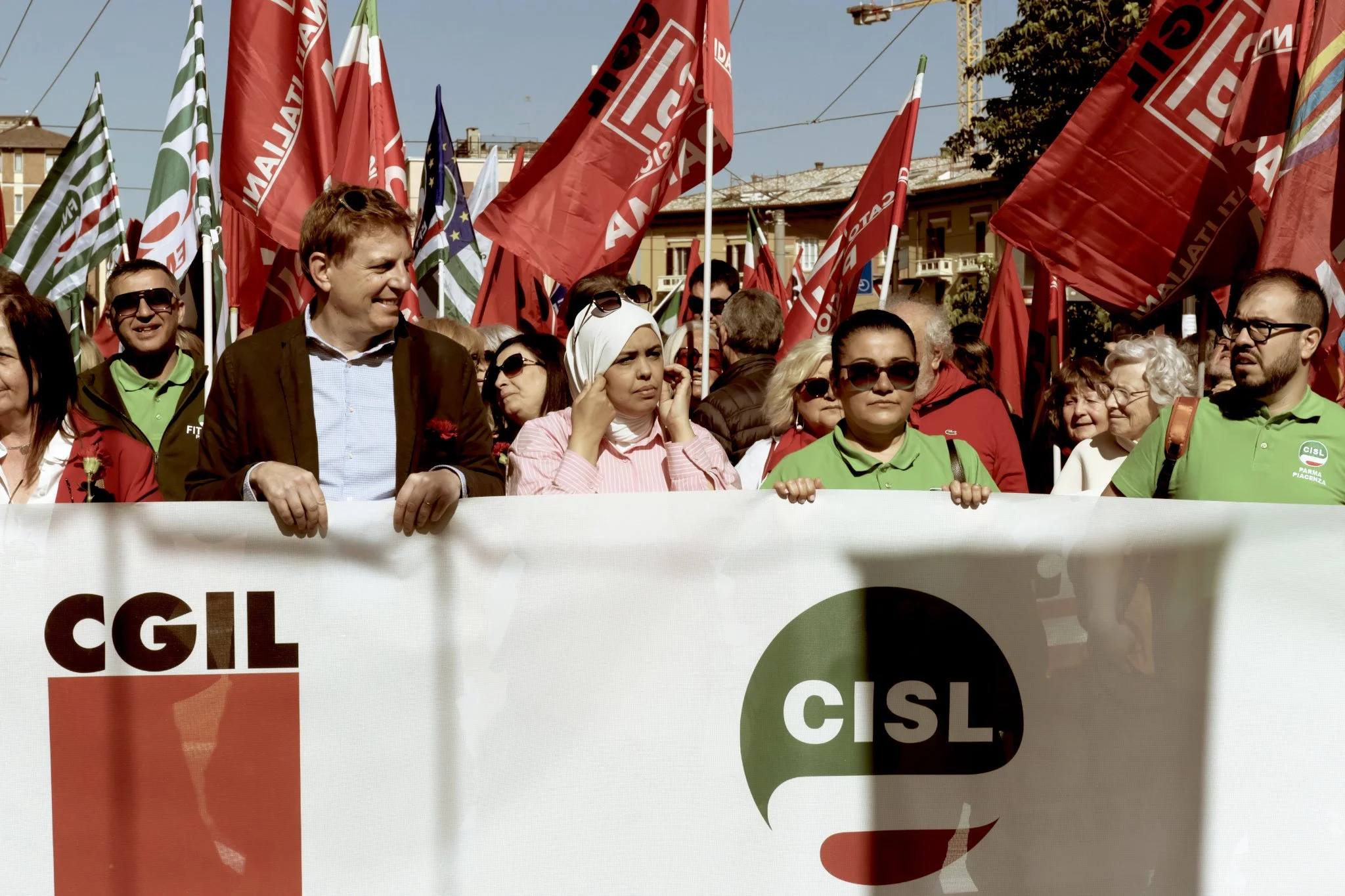
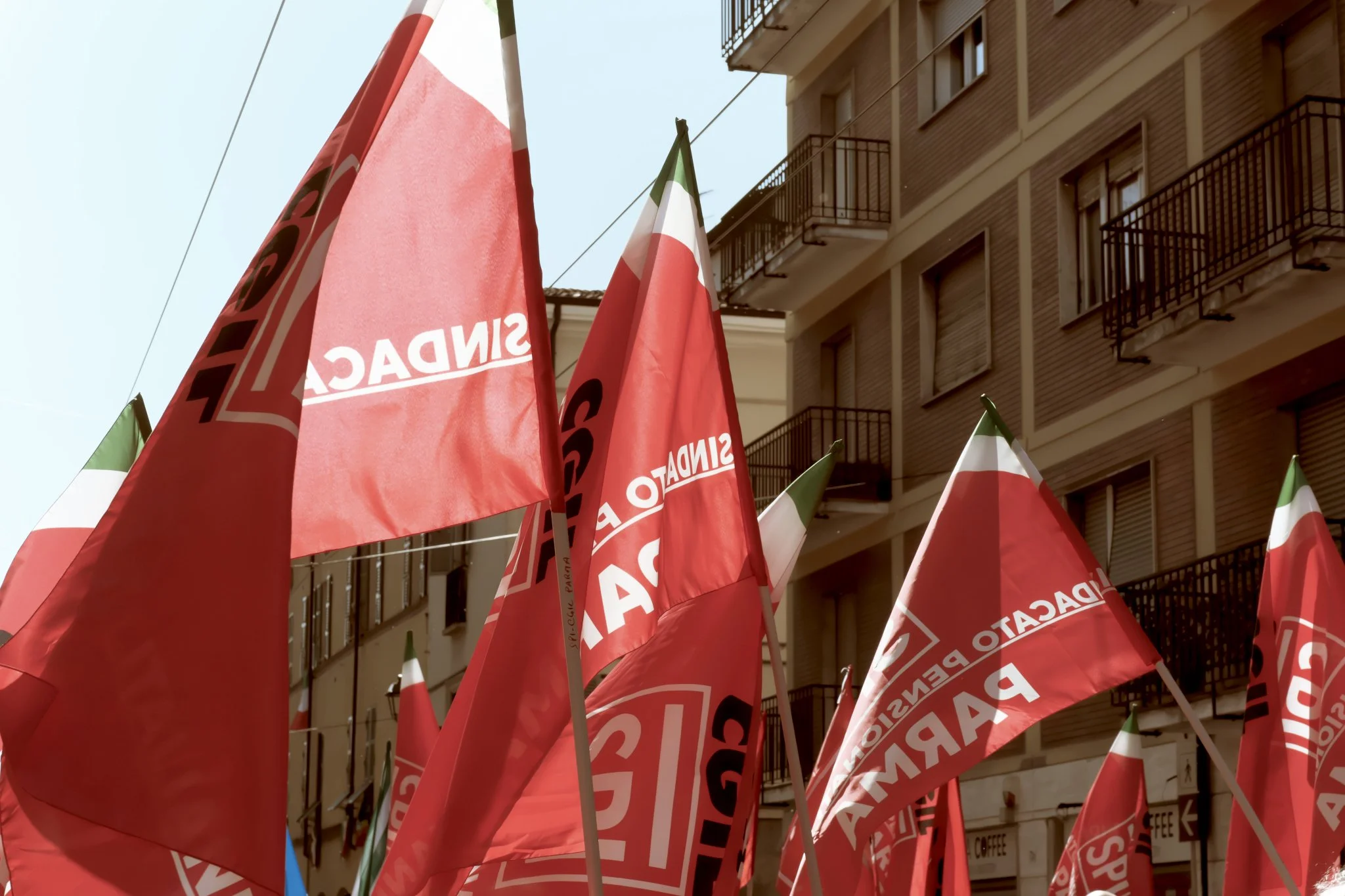
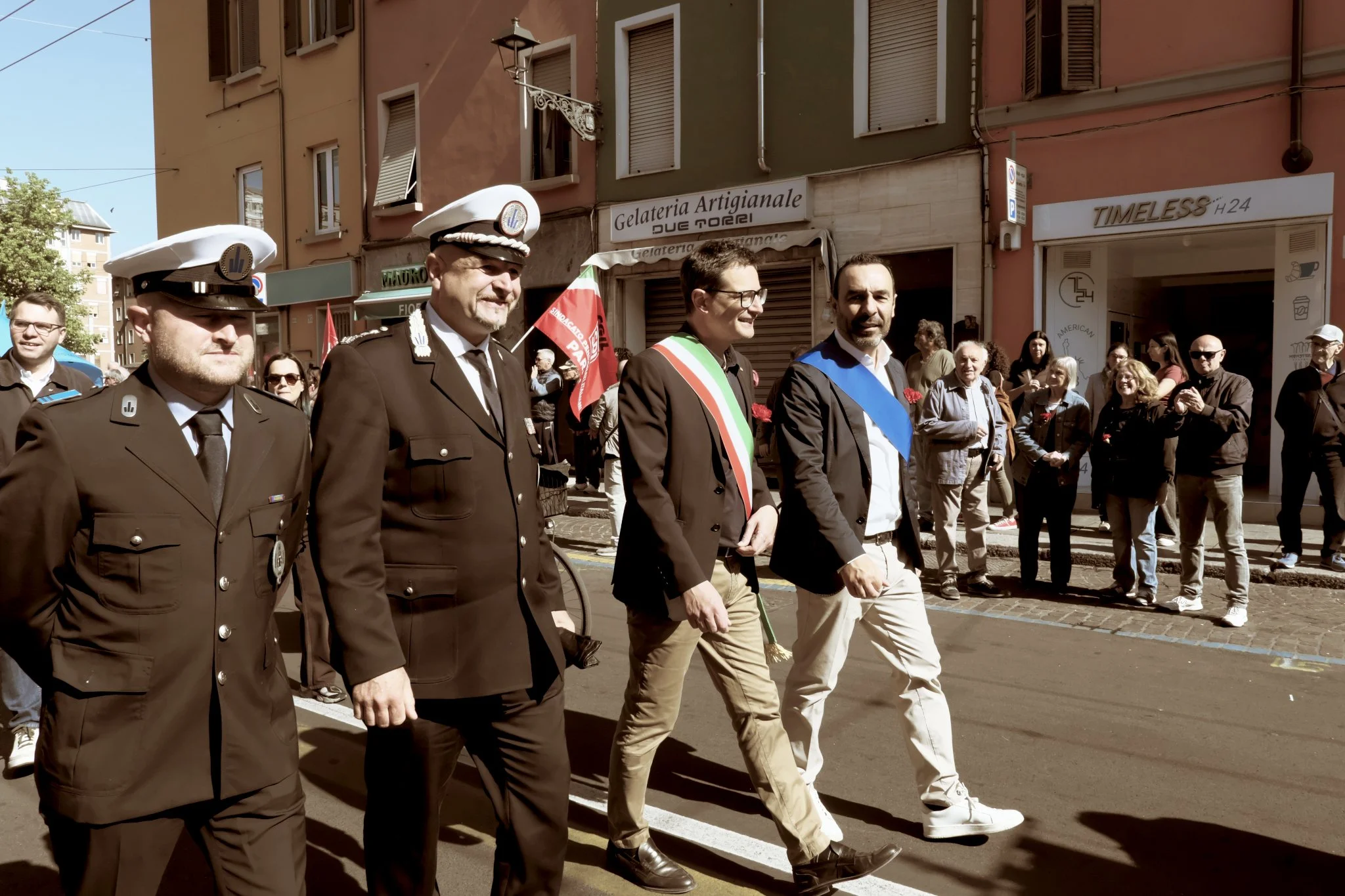
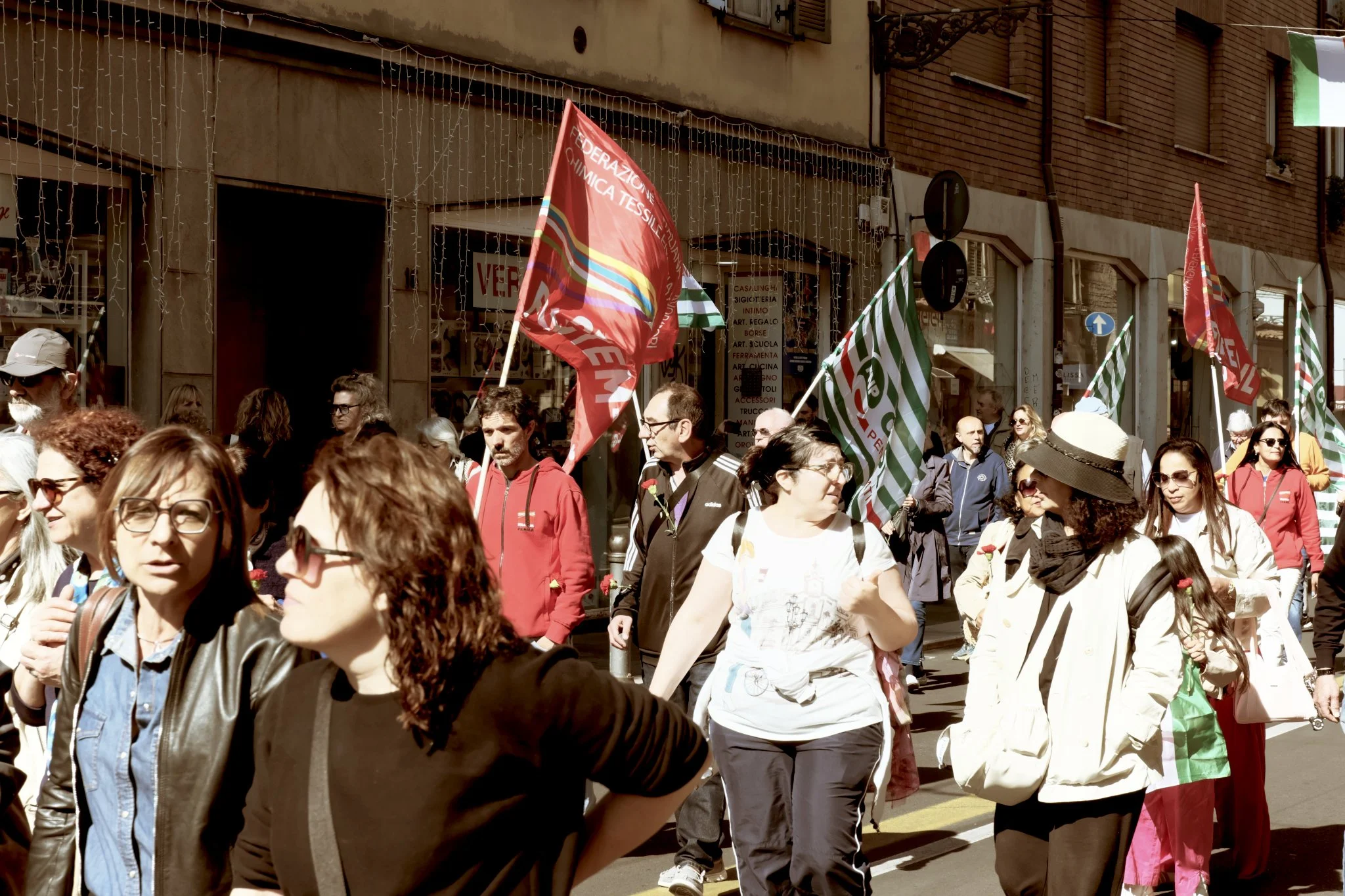
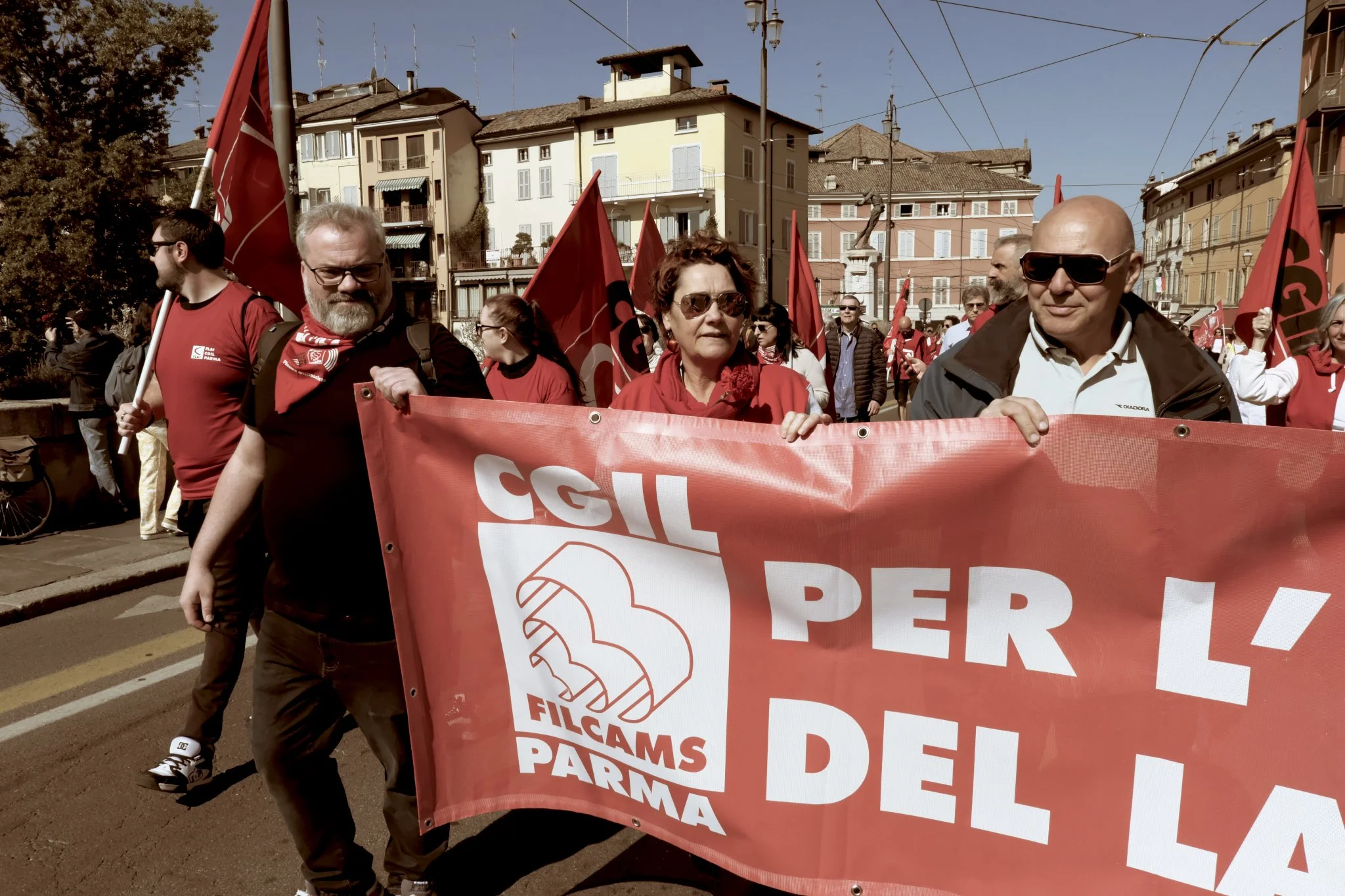
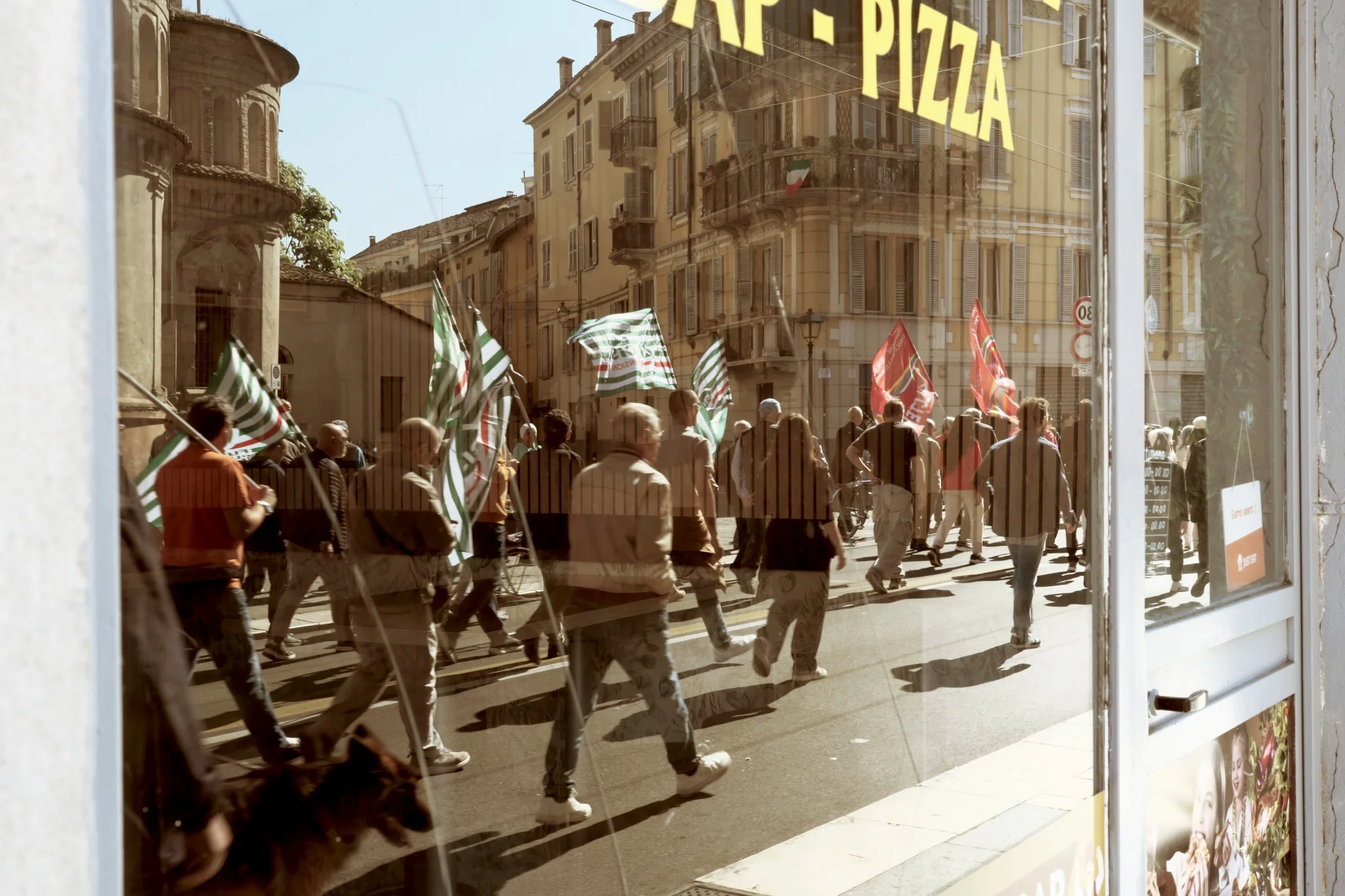
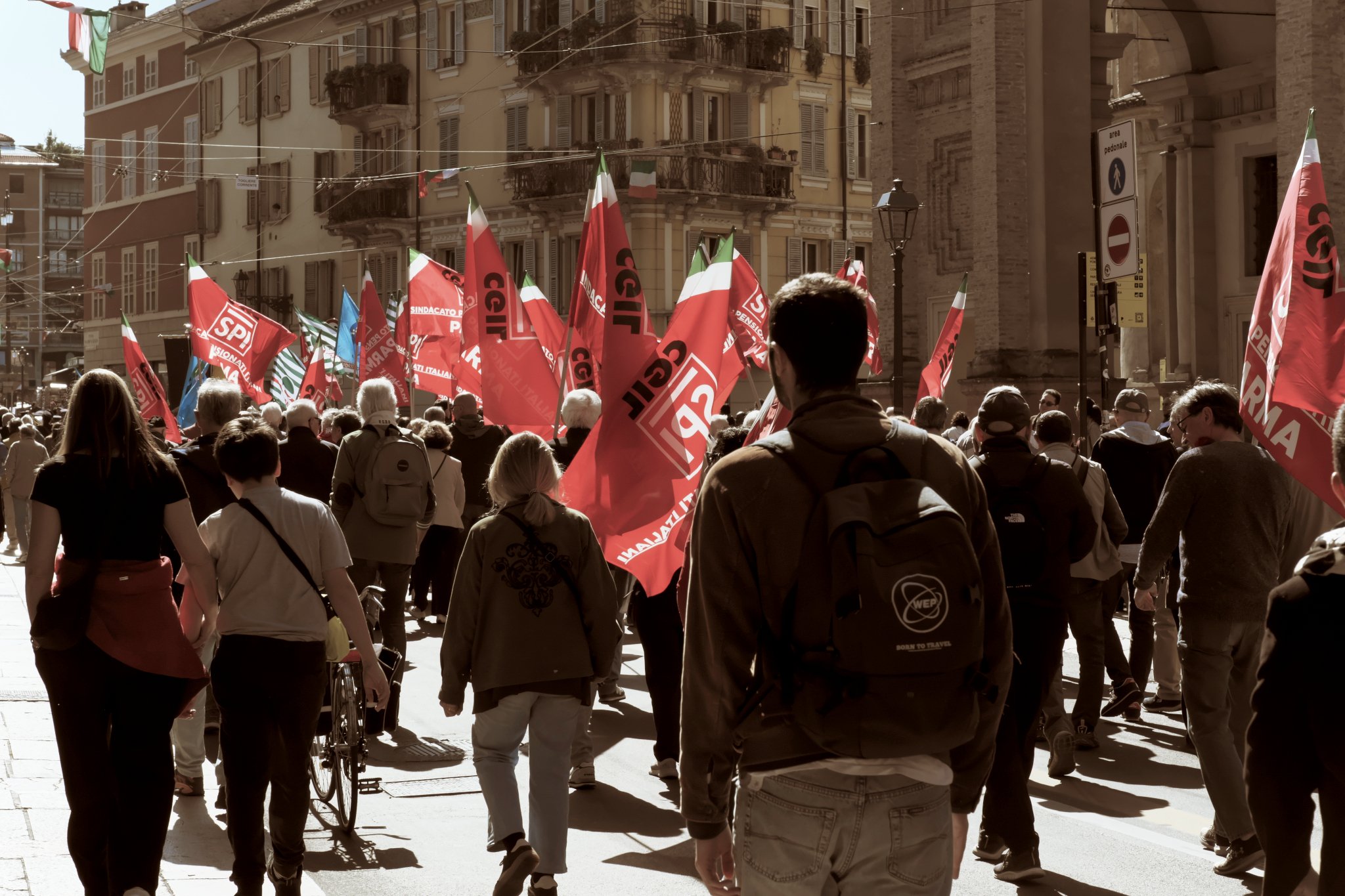
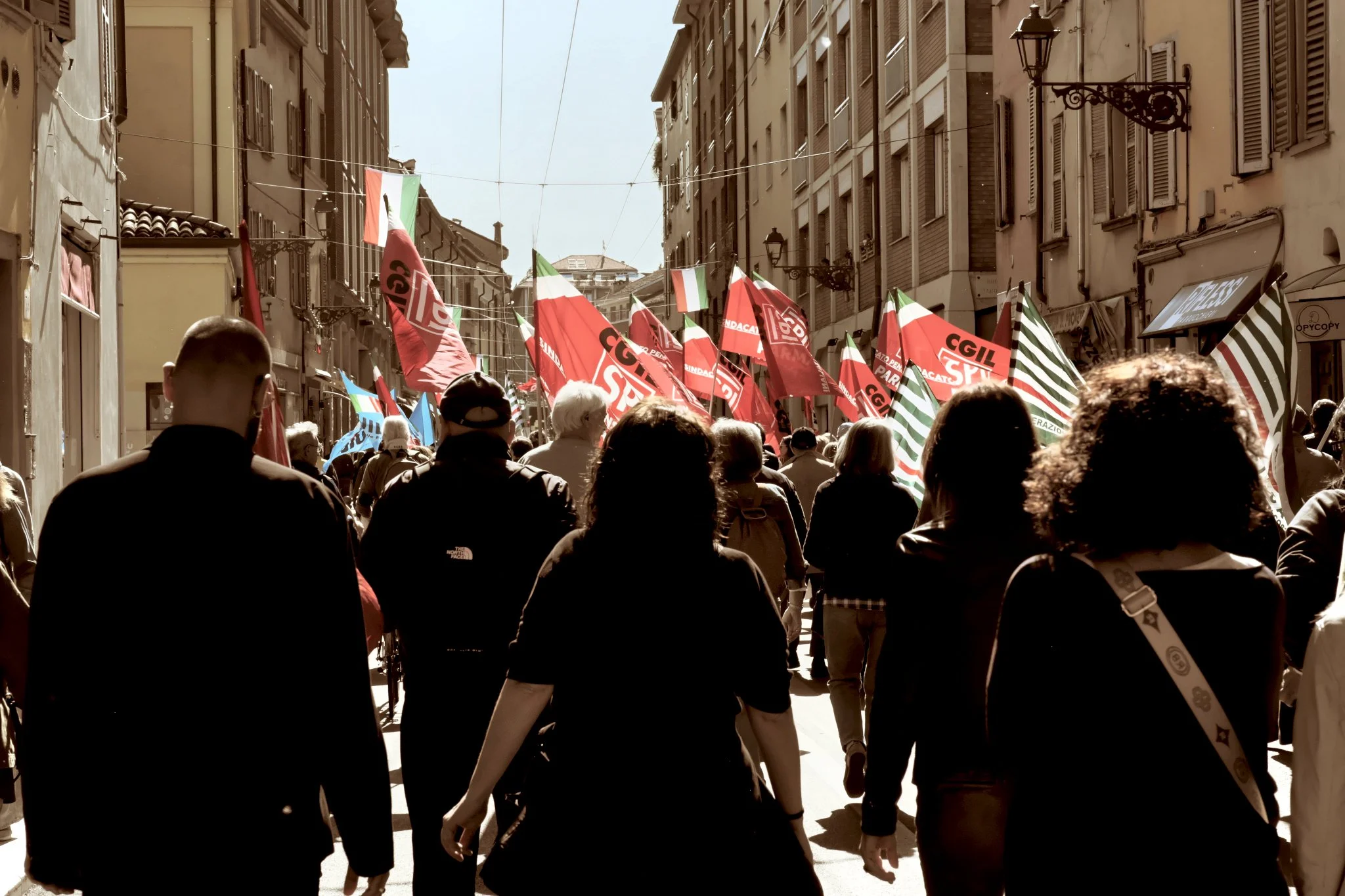
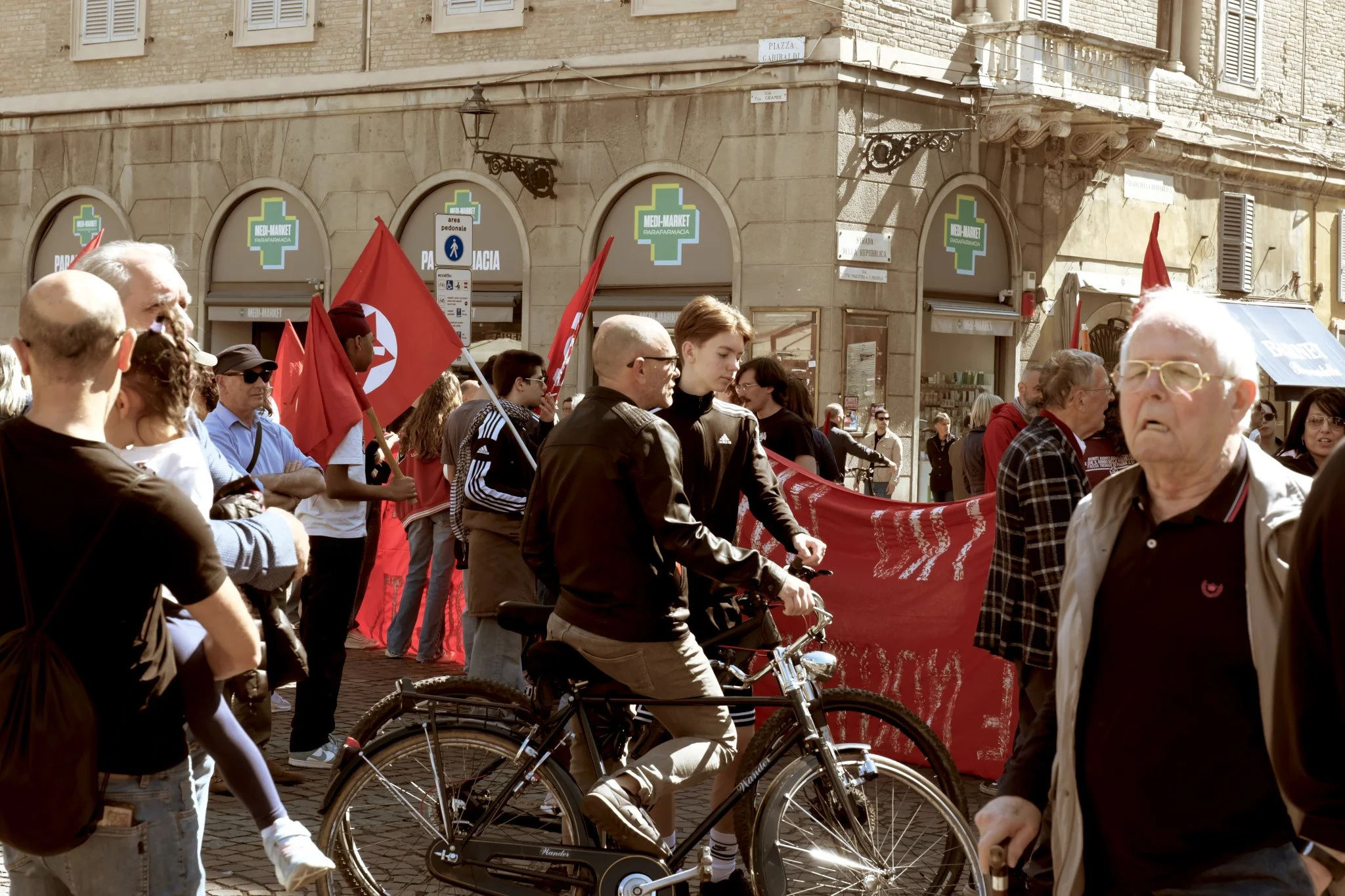
Parma, where I was born, was no exception. On 1 May every year, my father would wear his best jacket and, taking me by the hand, would cheerfully lead me to the starting point of the parade in Piazzale Santa Croce walking the whole way to the rally in Piazza Garibaldi, amidst the waving red flags, the red carnations that everyone held in their hands or wore in their buttonholes, and the music of the town band.
It was a tradition we faithfully kept up together until I left Italy after I graduated to move to the UK. My father is no longer with us, but since then, on this day in Parma, many things have remained the same. The same route, the same predominance of red, the same music.
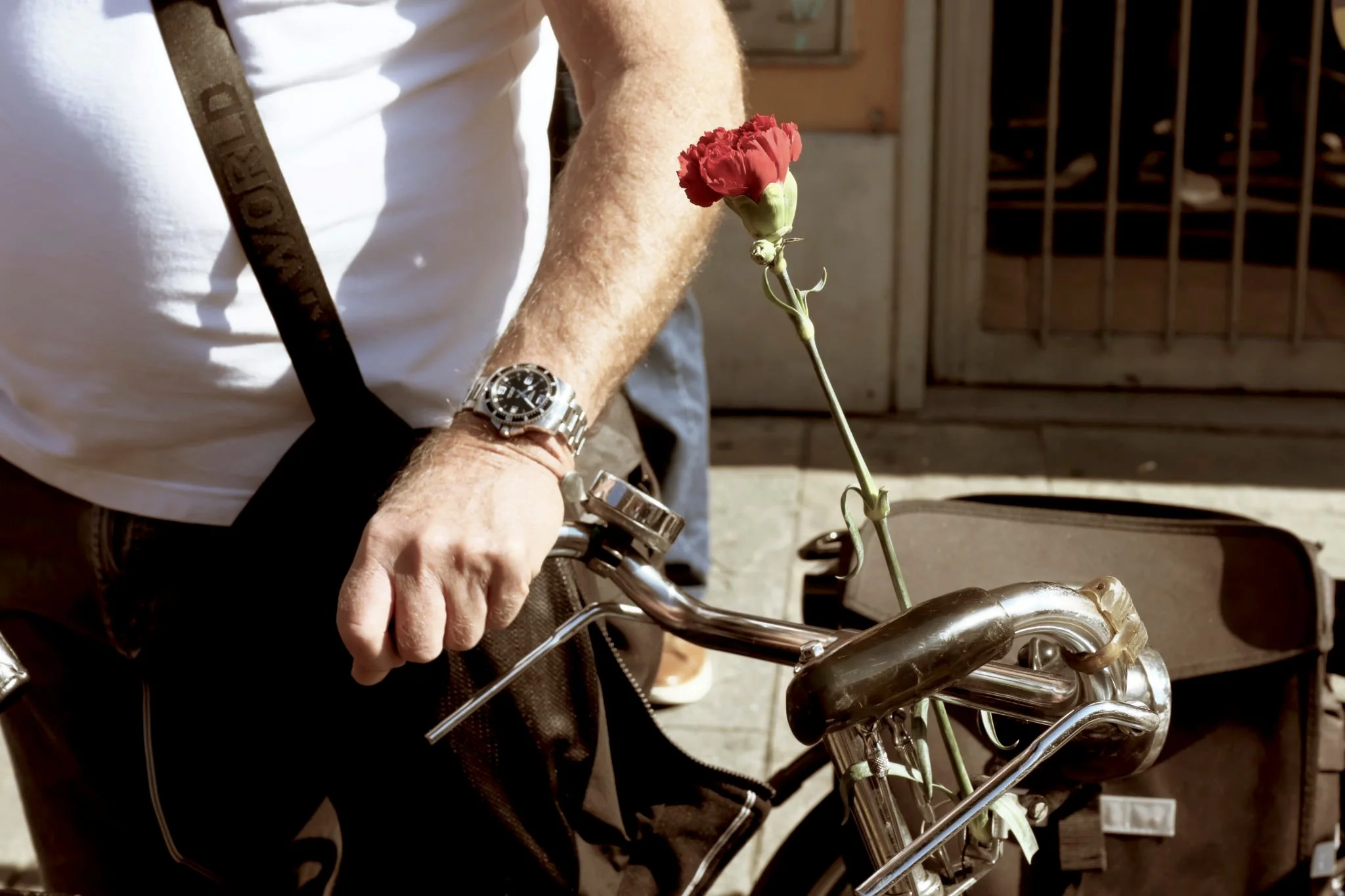
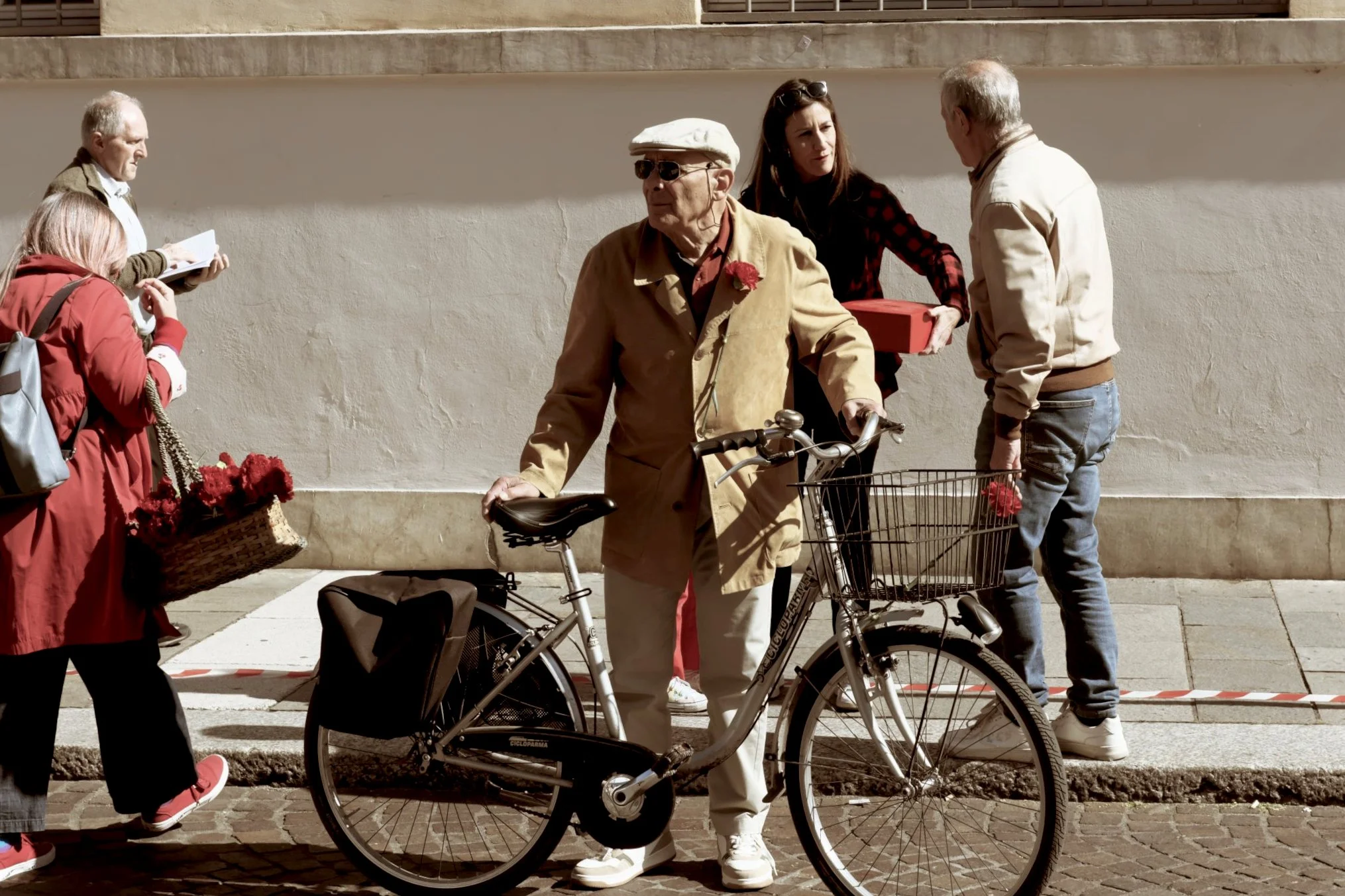
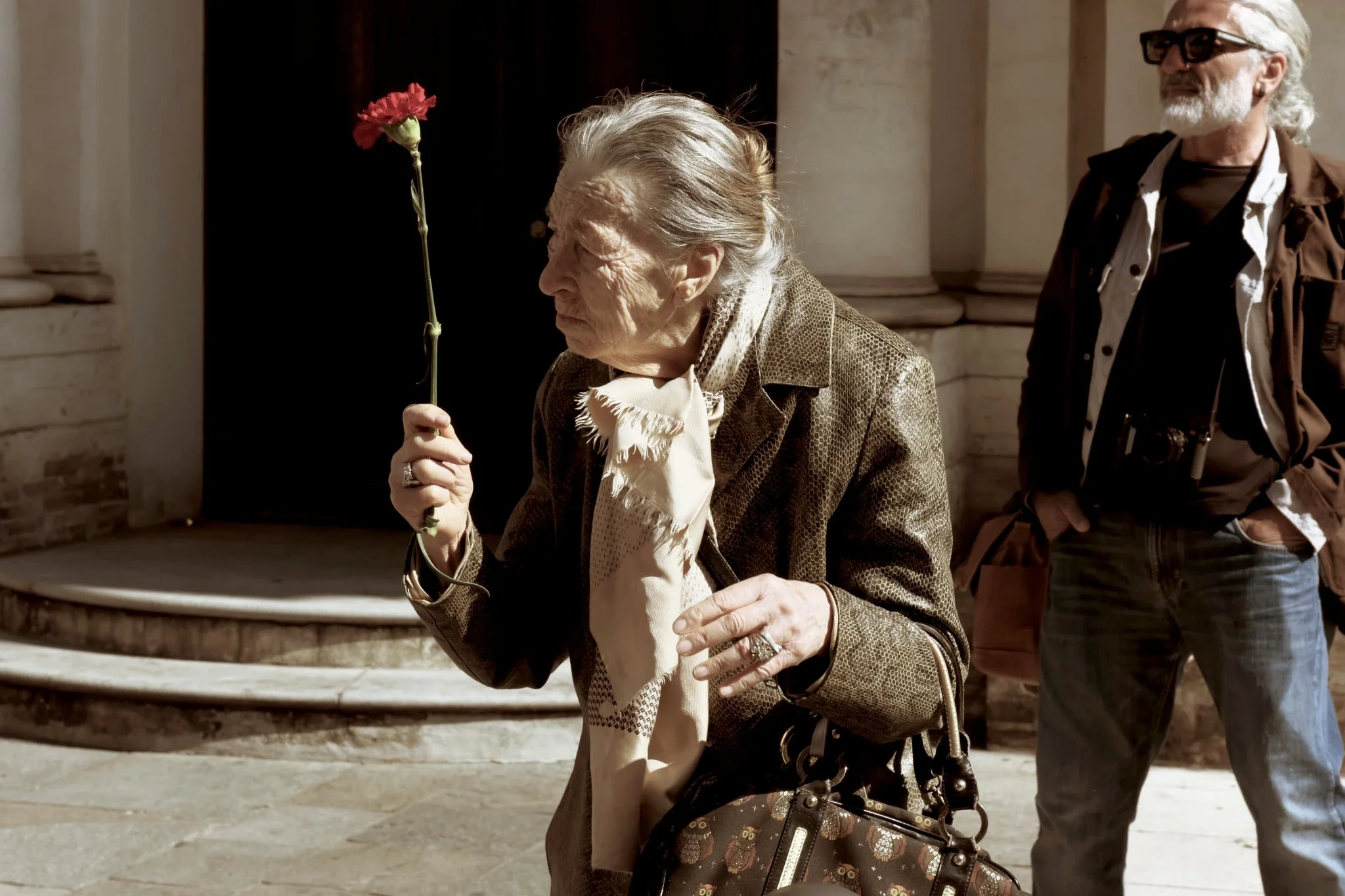
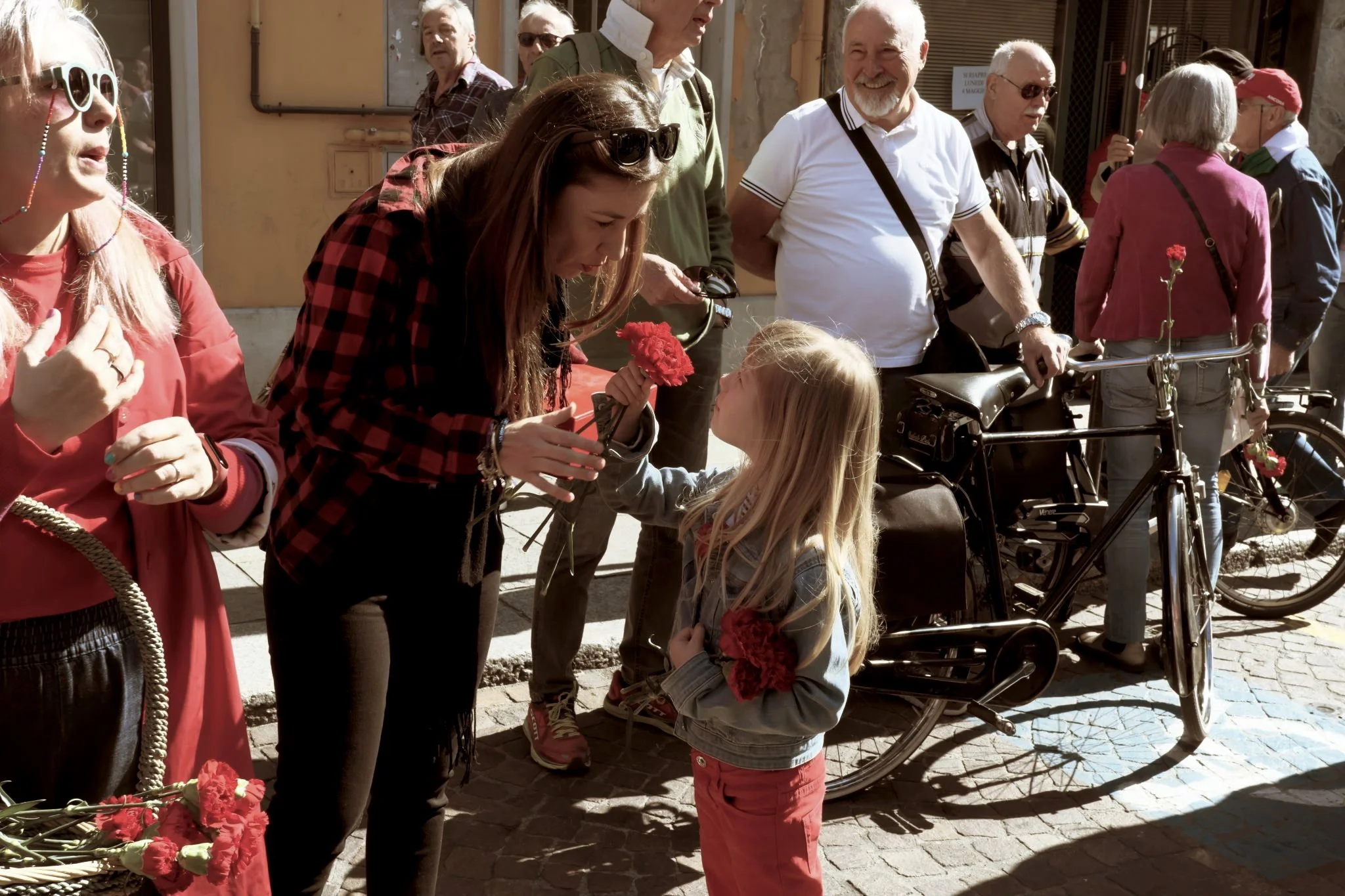
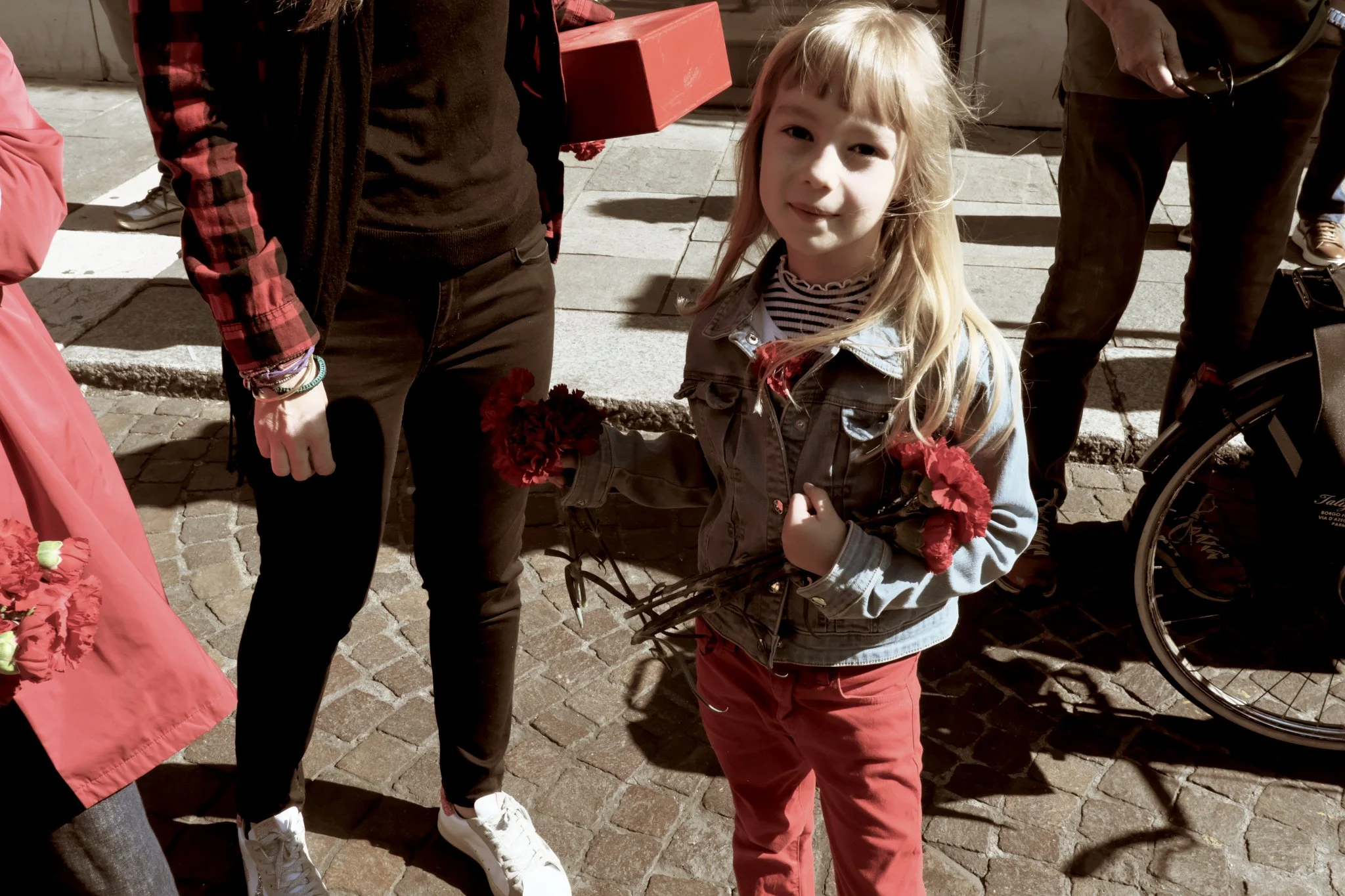
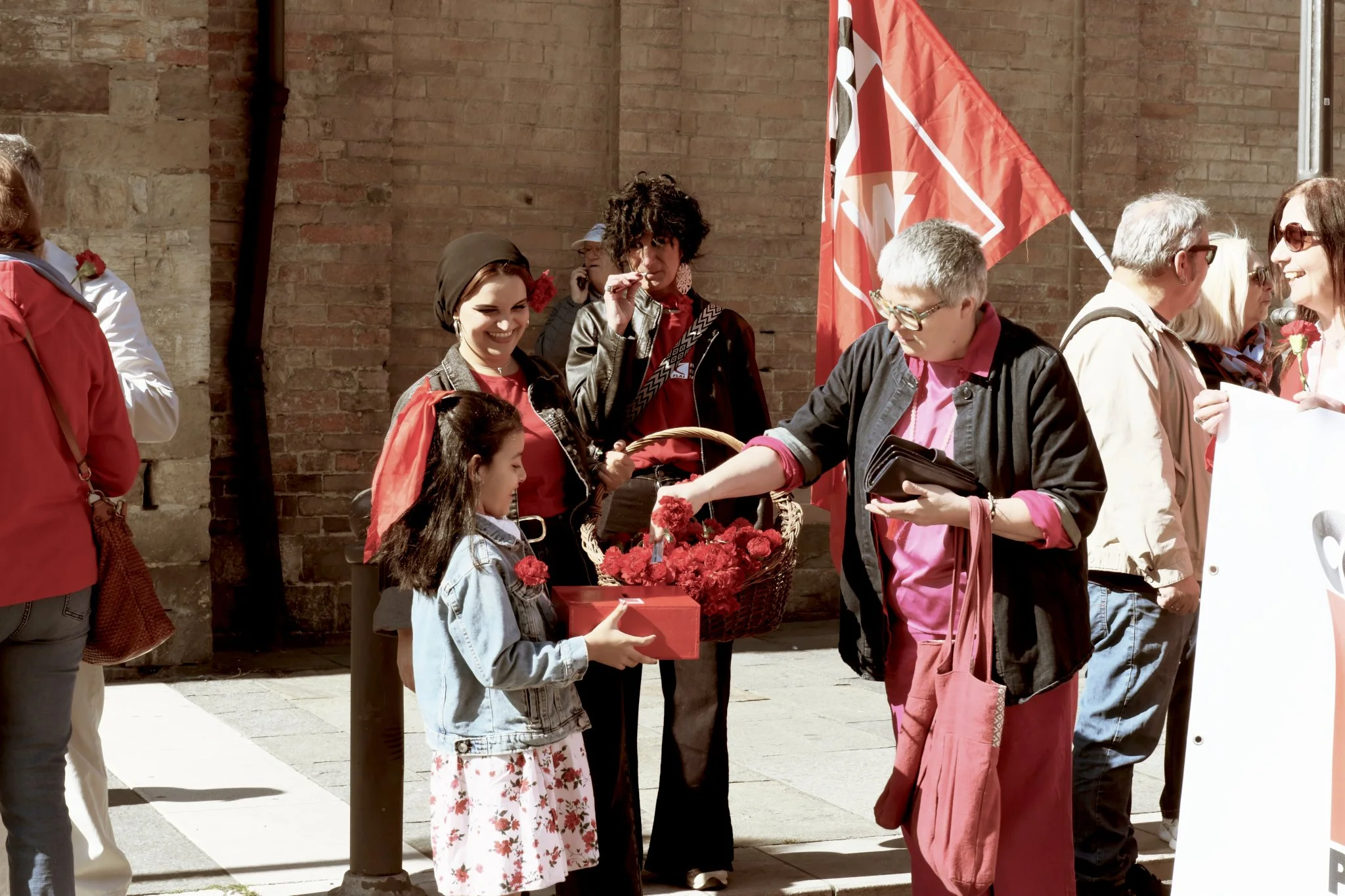
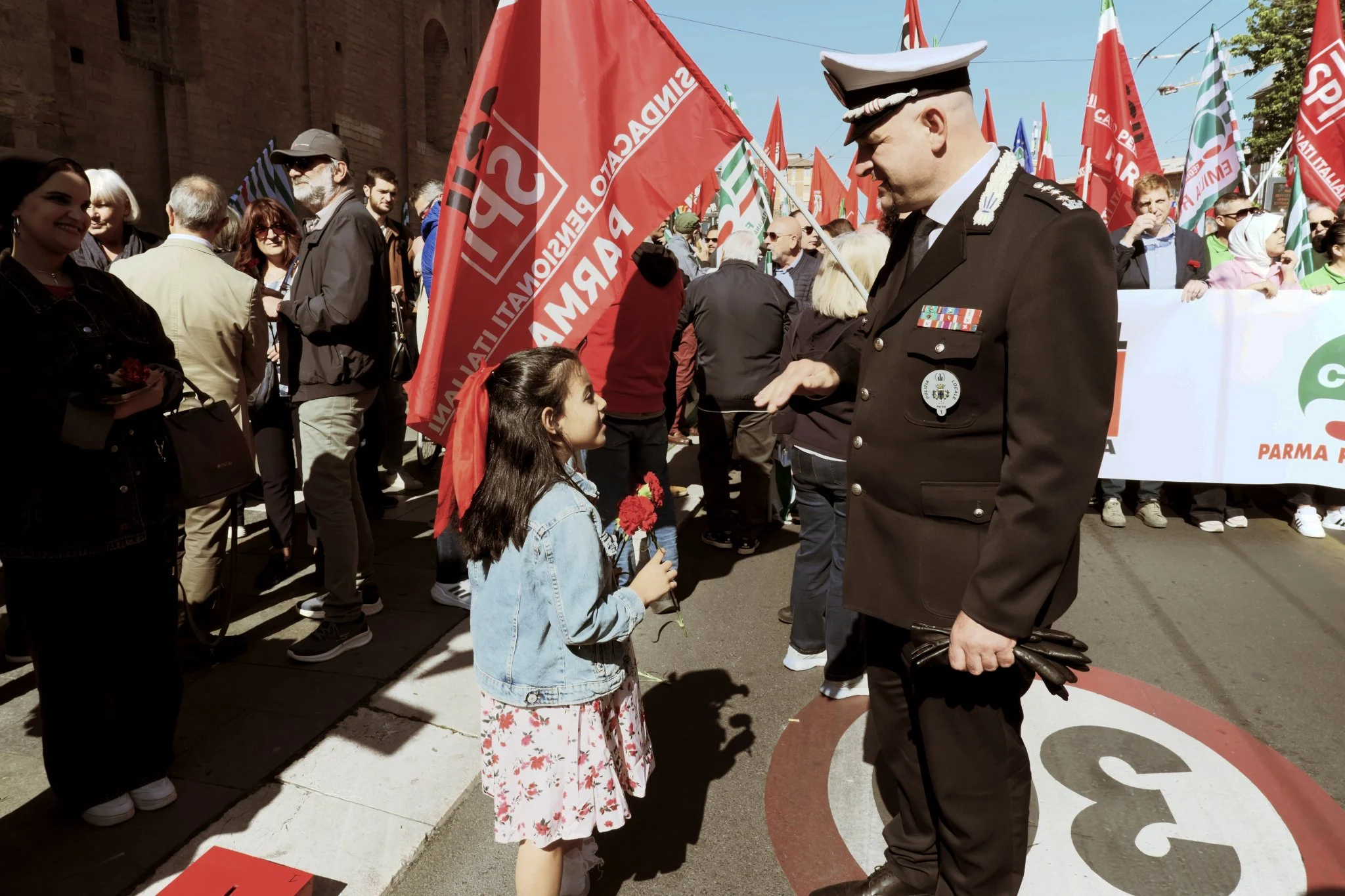
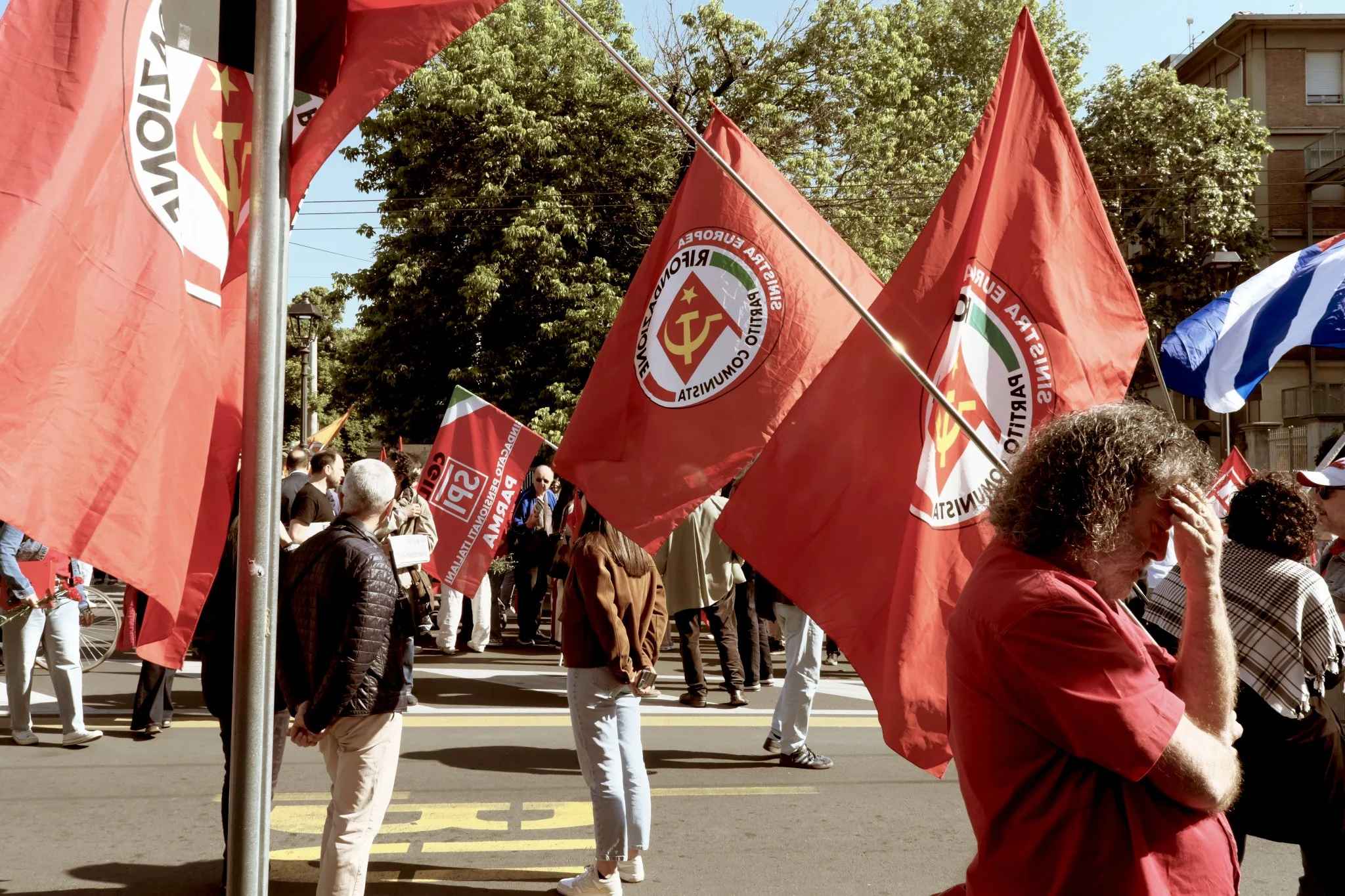
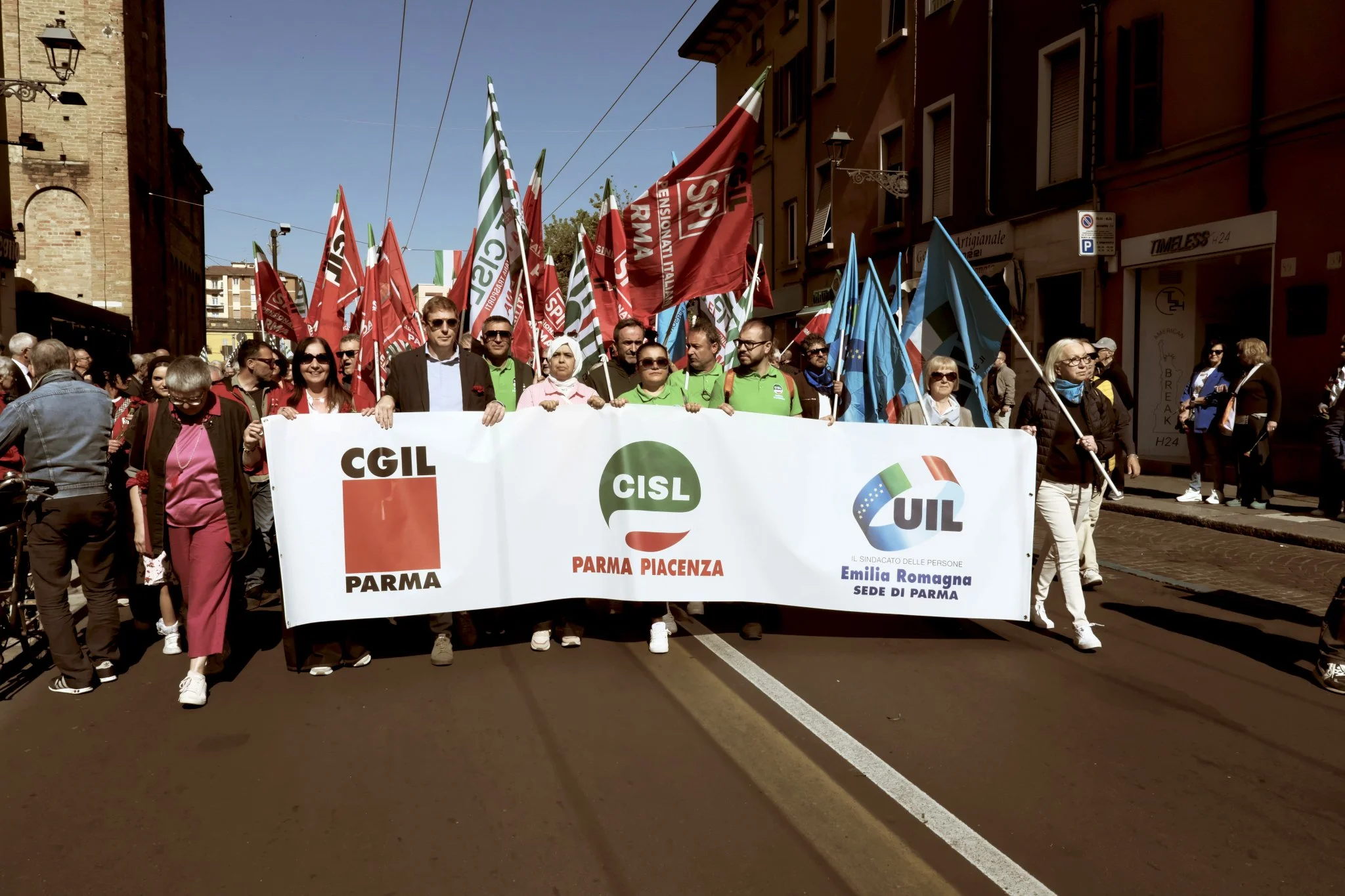
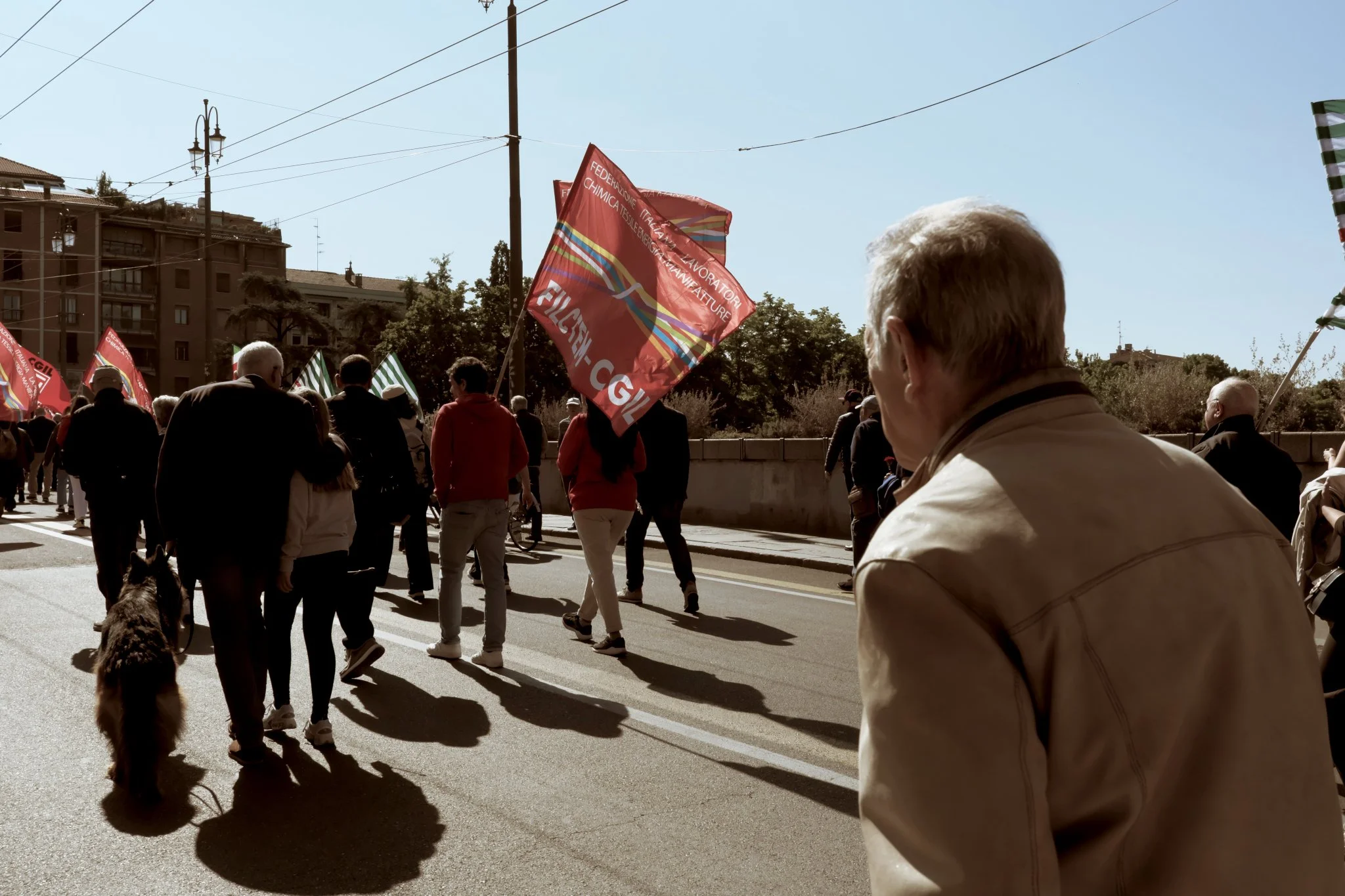
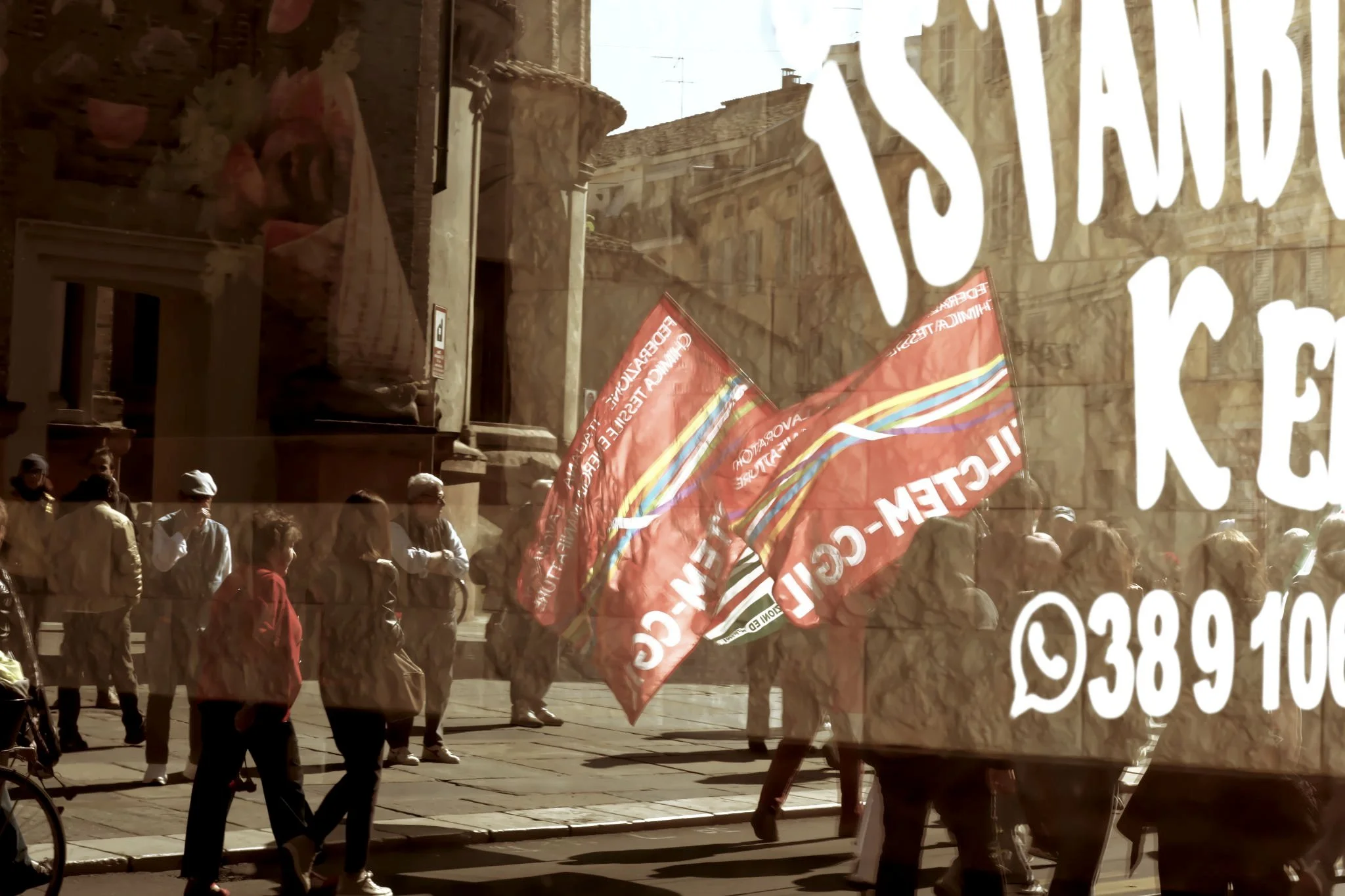
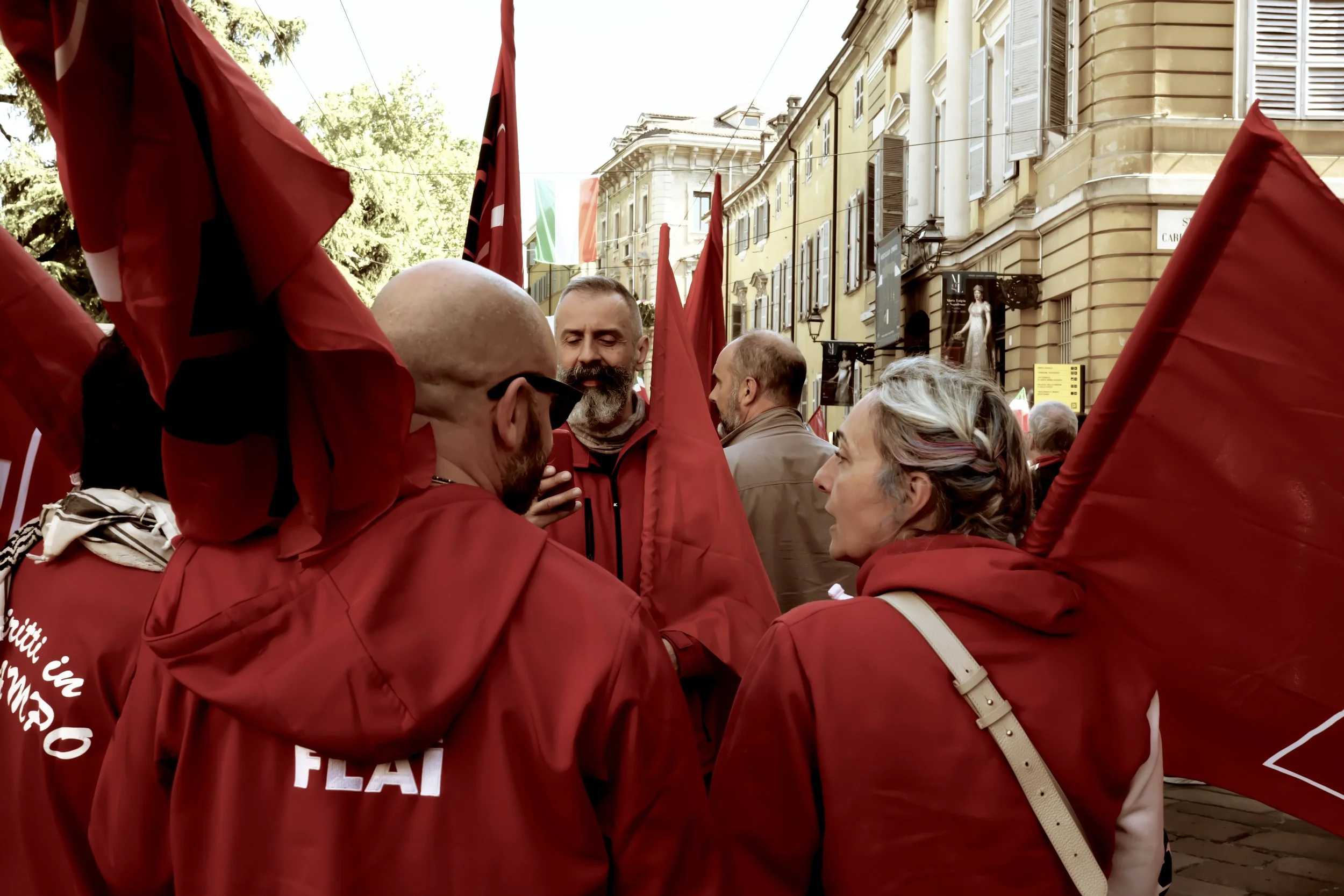
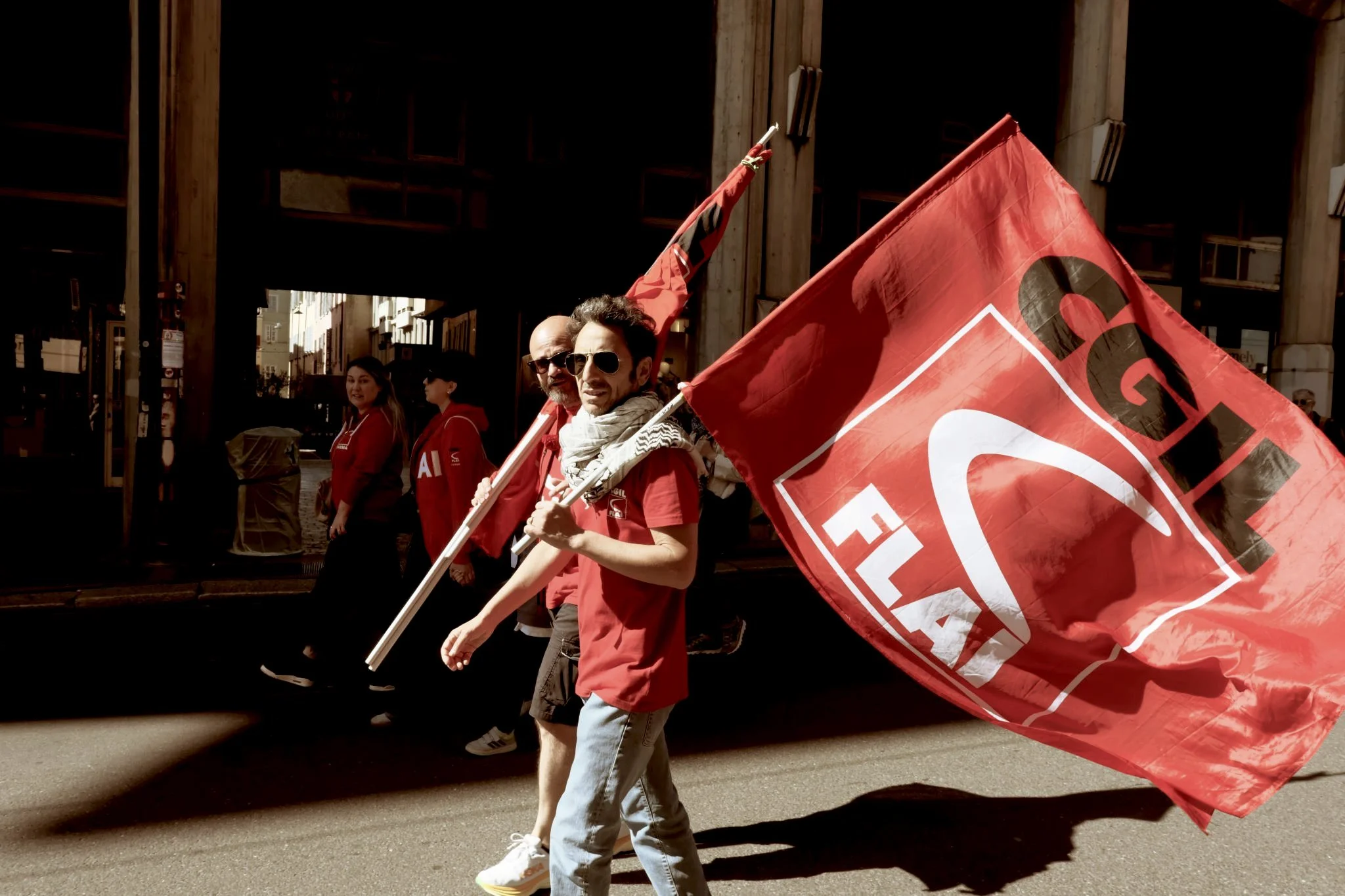
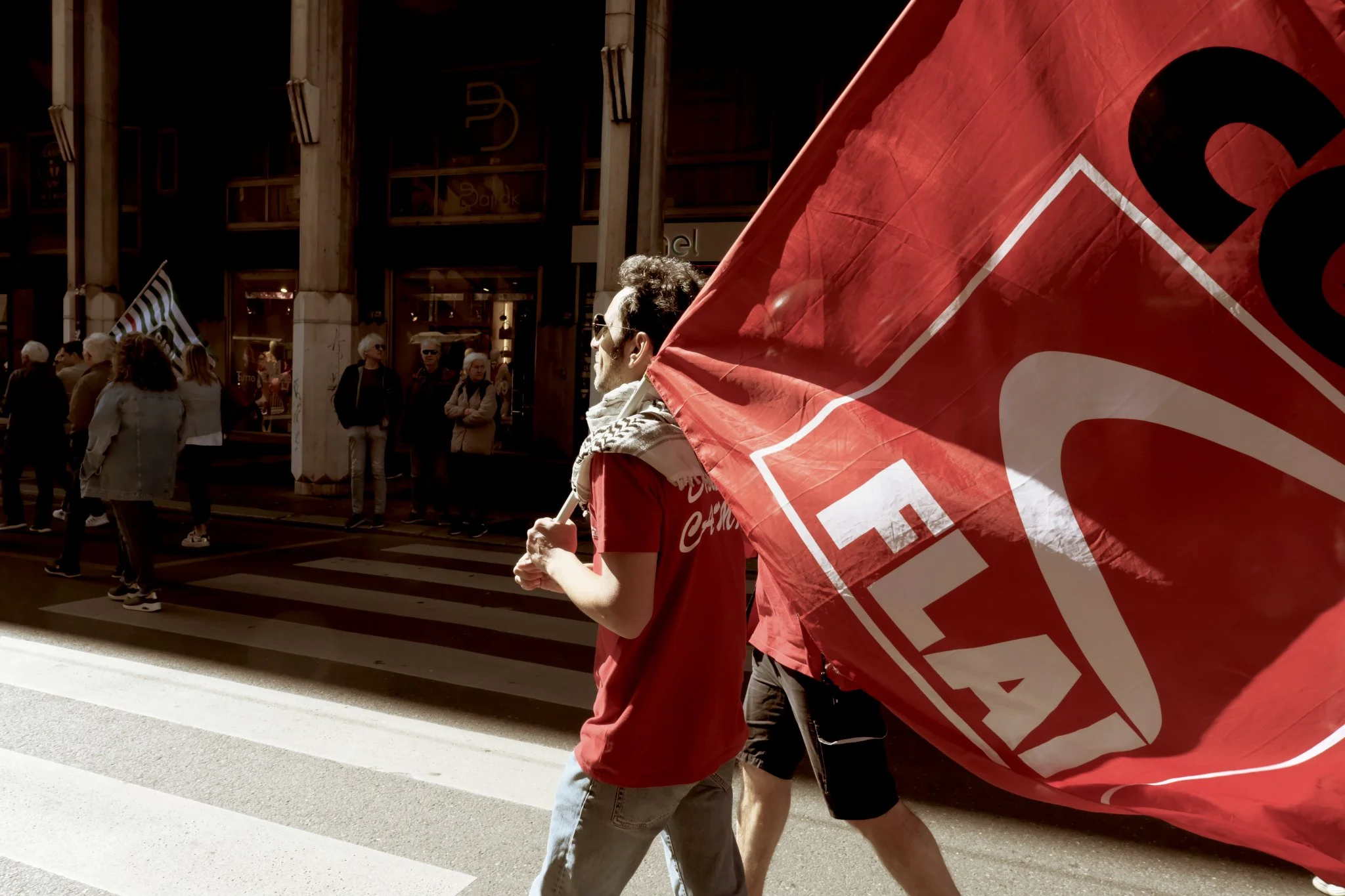
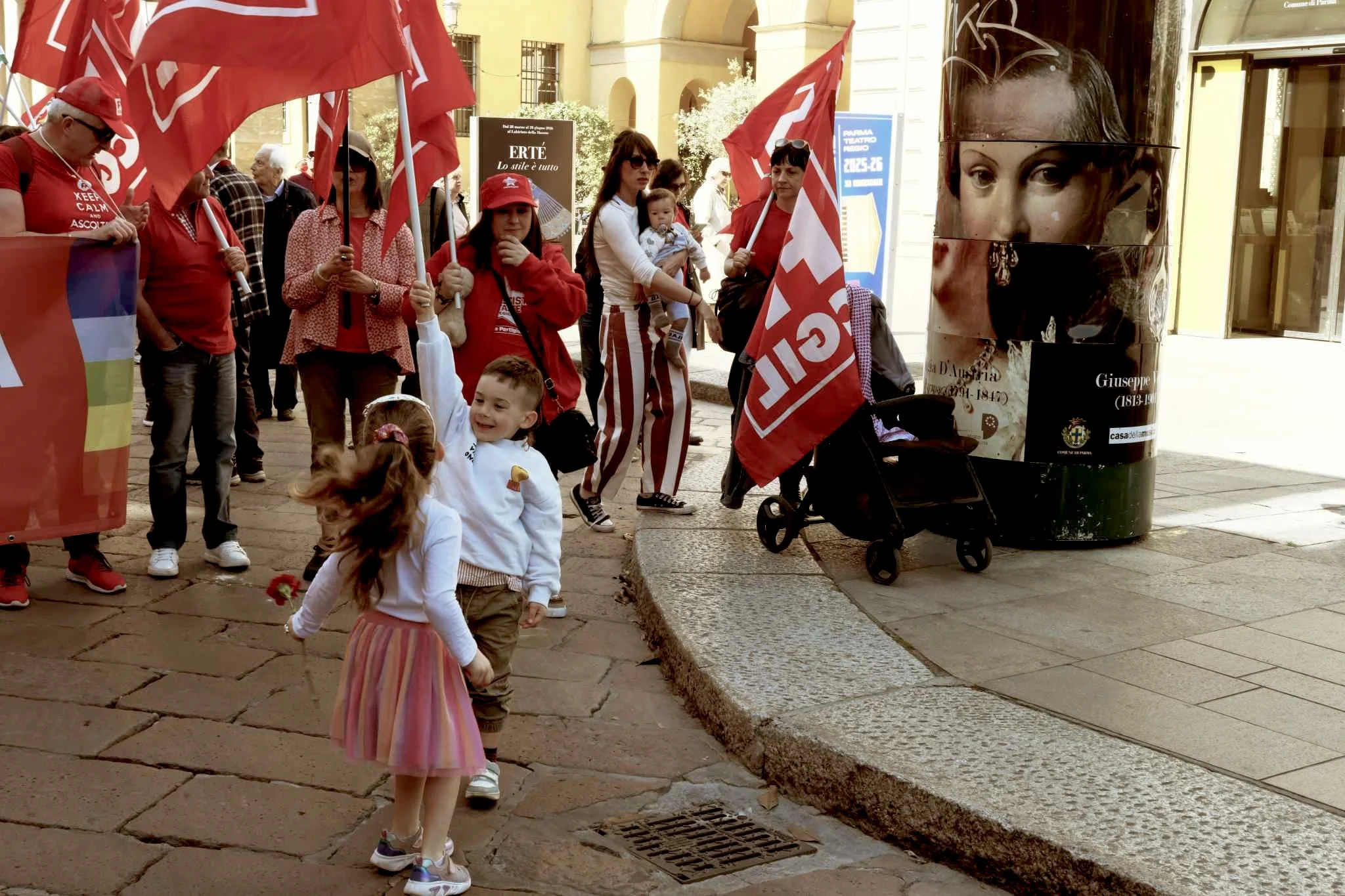
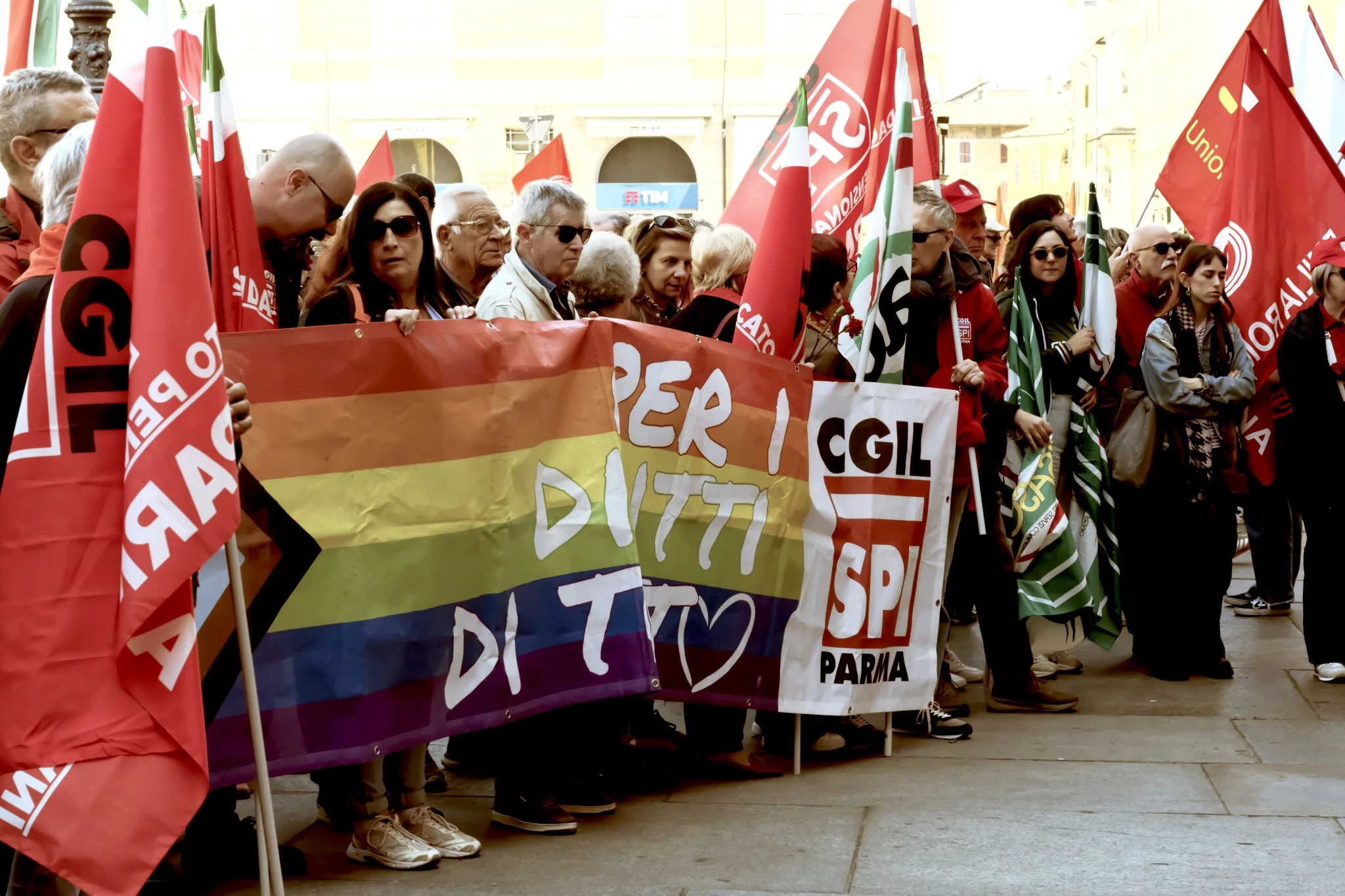
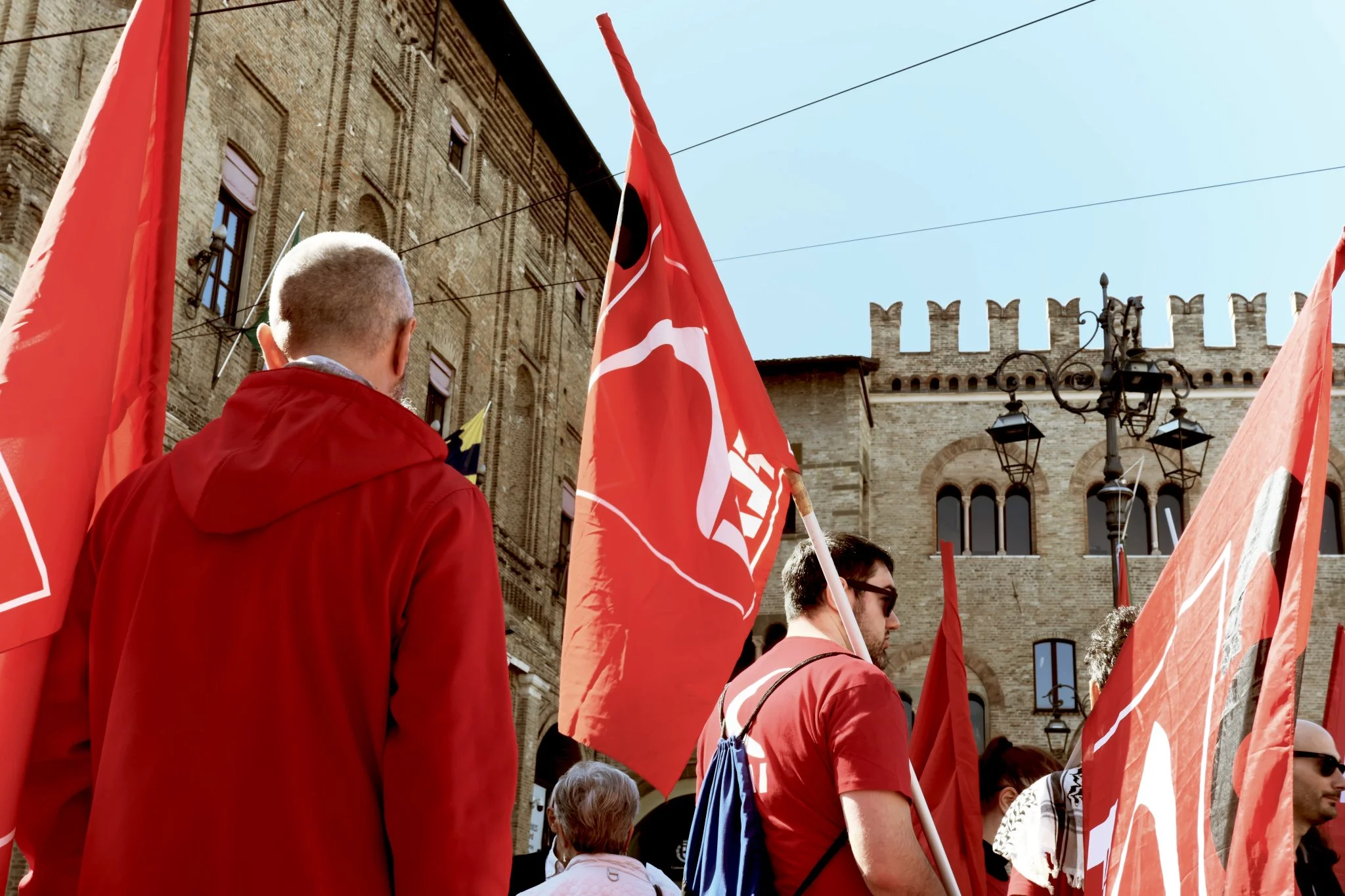
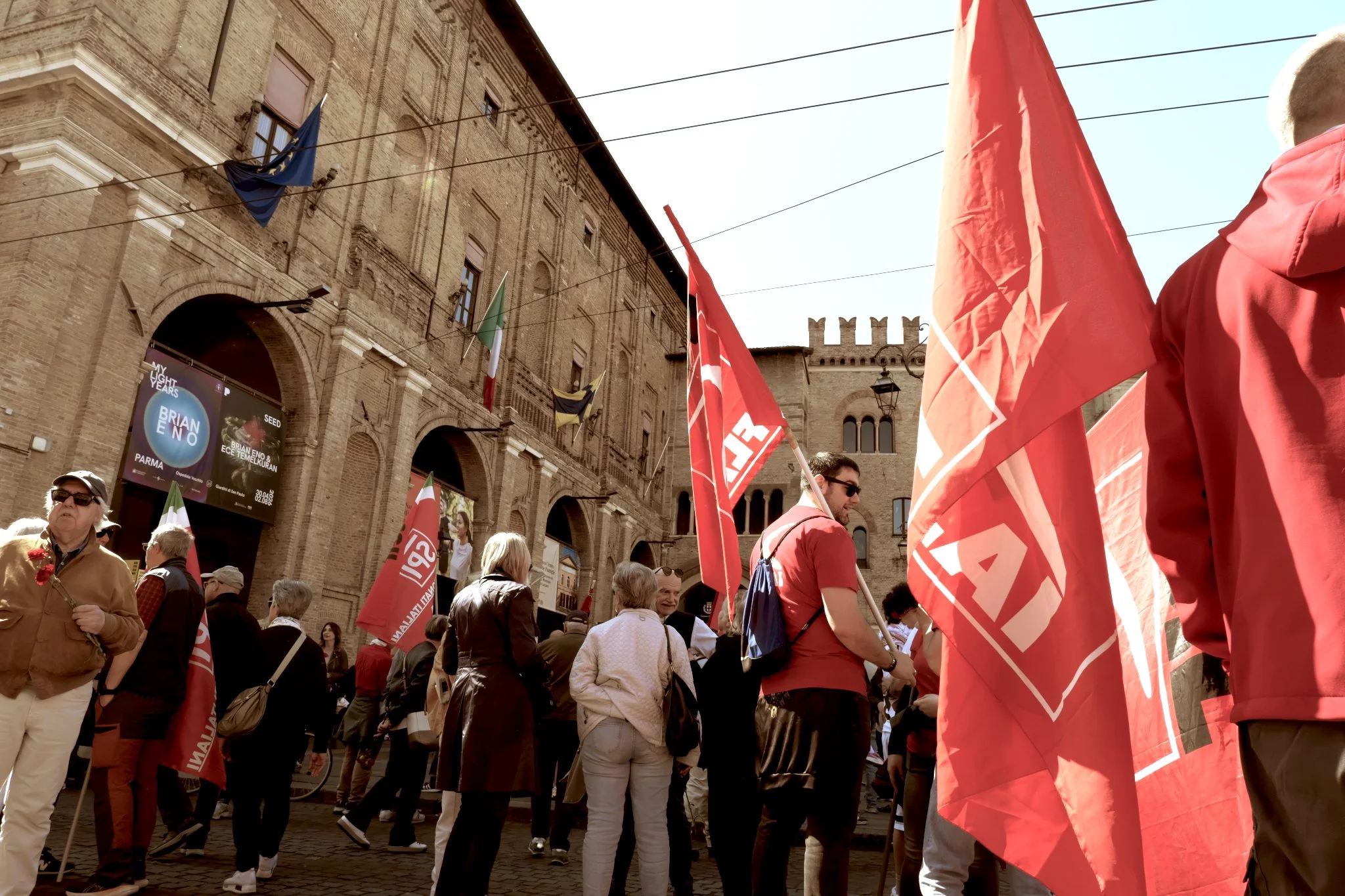
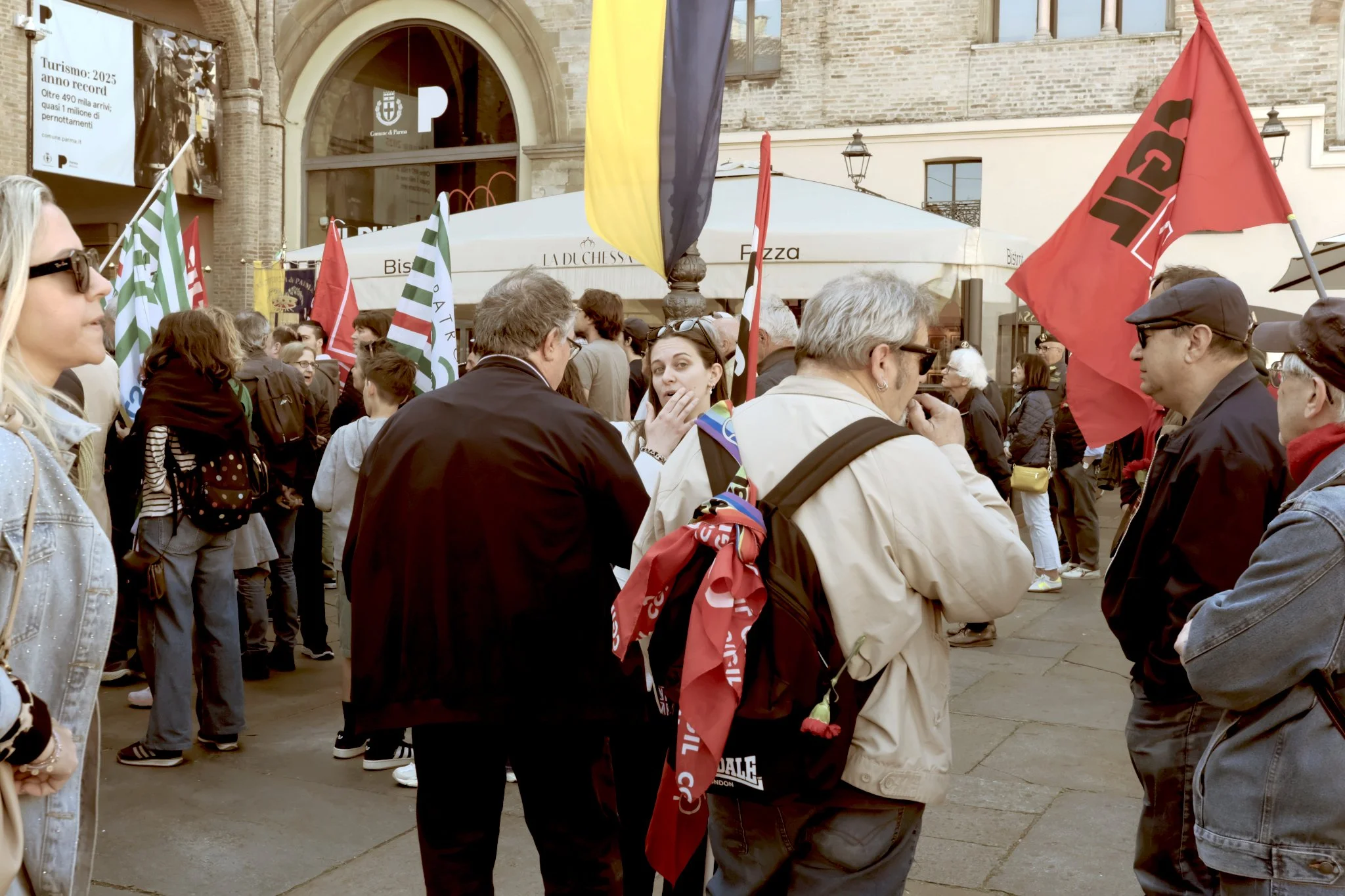
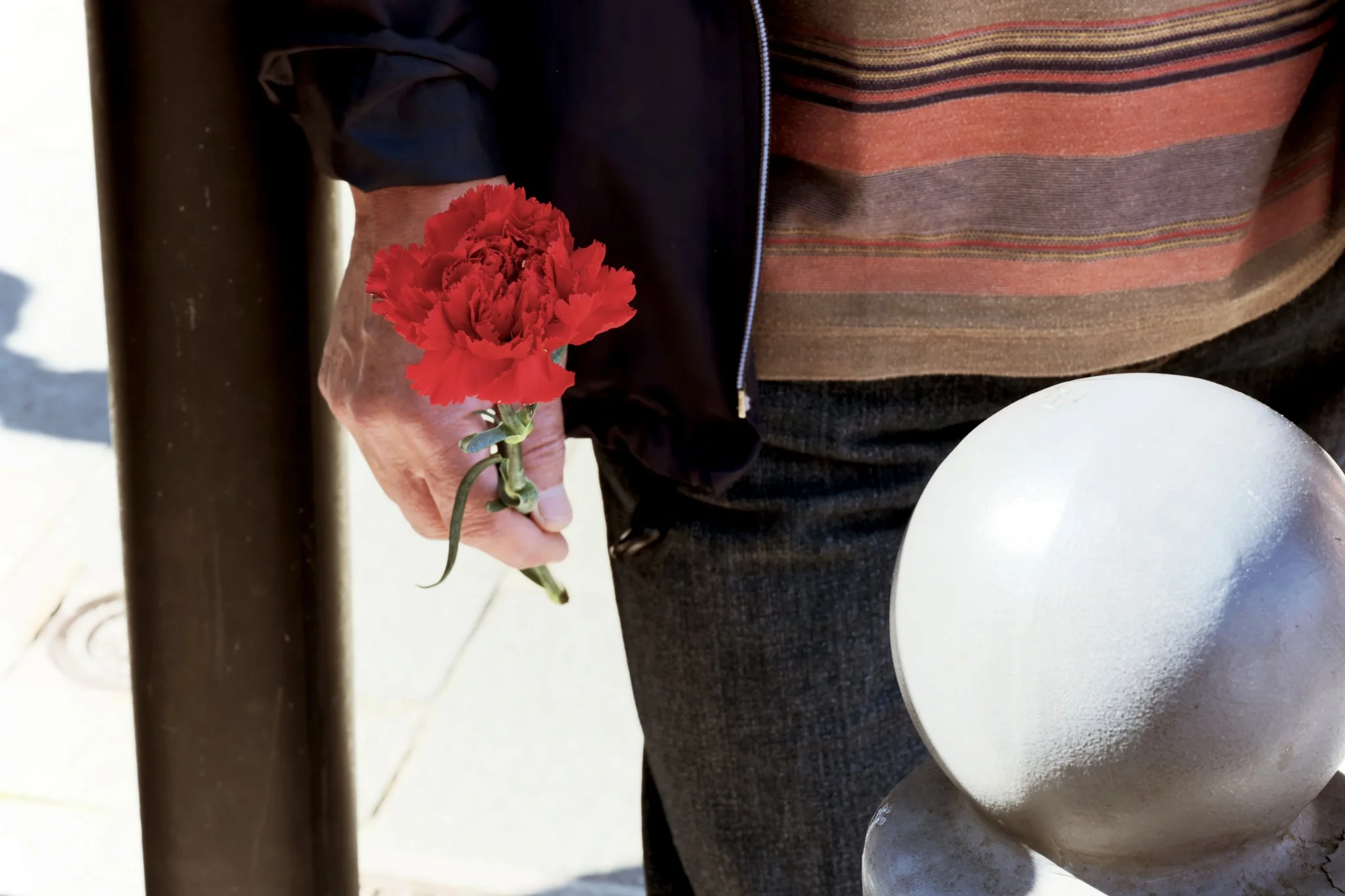
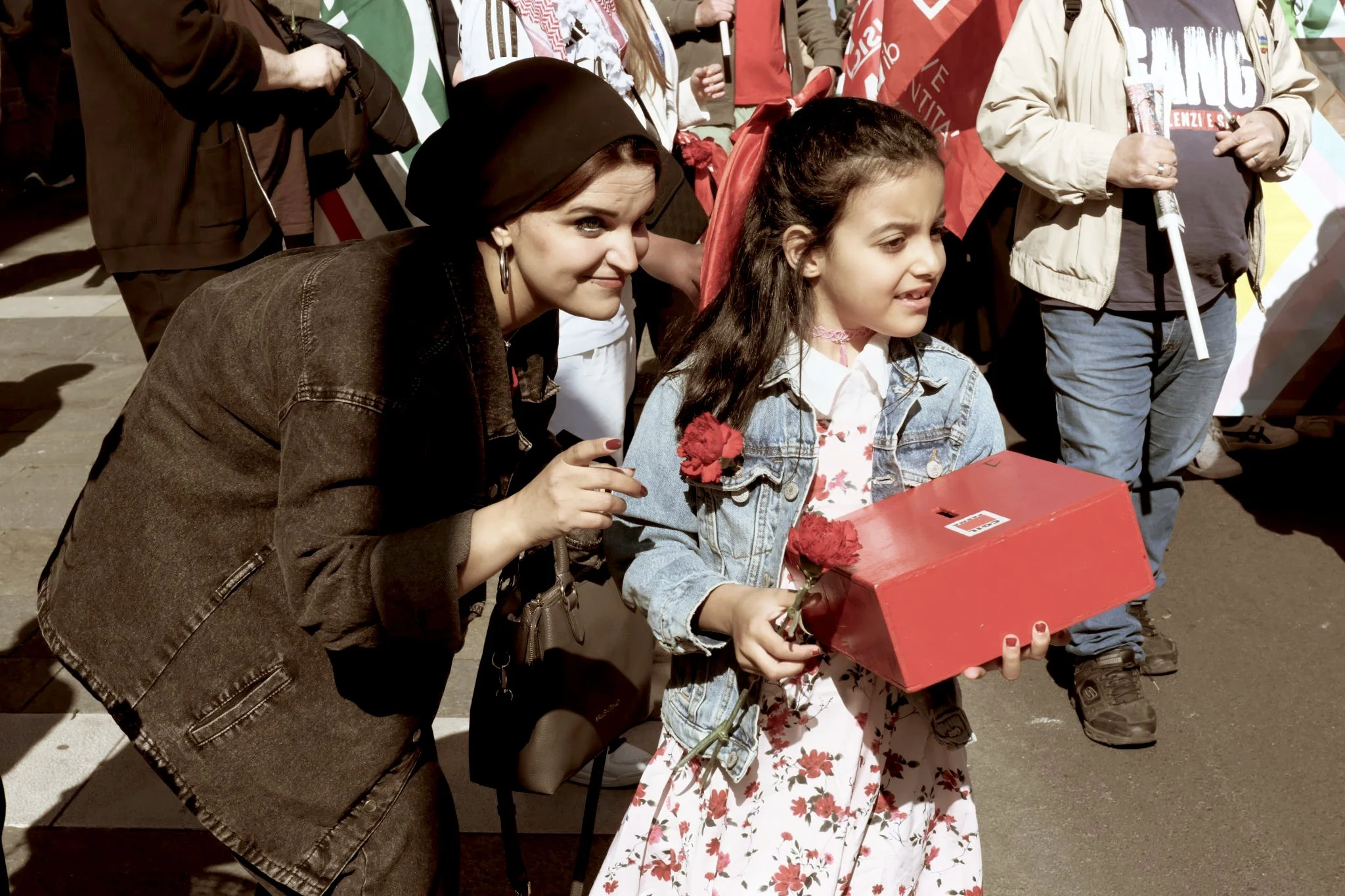
This year I was able to be there and relive the emotions of days gone by. It was a very sunny day with crystal-clear air (but “doesn’t it always rain on 1 May?”) and there was a festive atmosphere in Piazzale Santa Croce. As people began to gather, children were handing out red carnations, and I couldn’t help but feel the power of the symbols: the flowers, the flags everywhere, with that red made even redder by the sun.
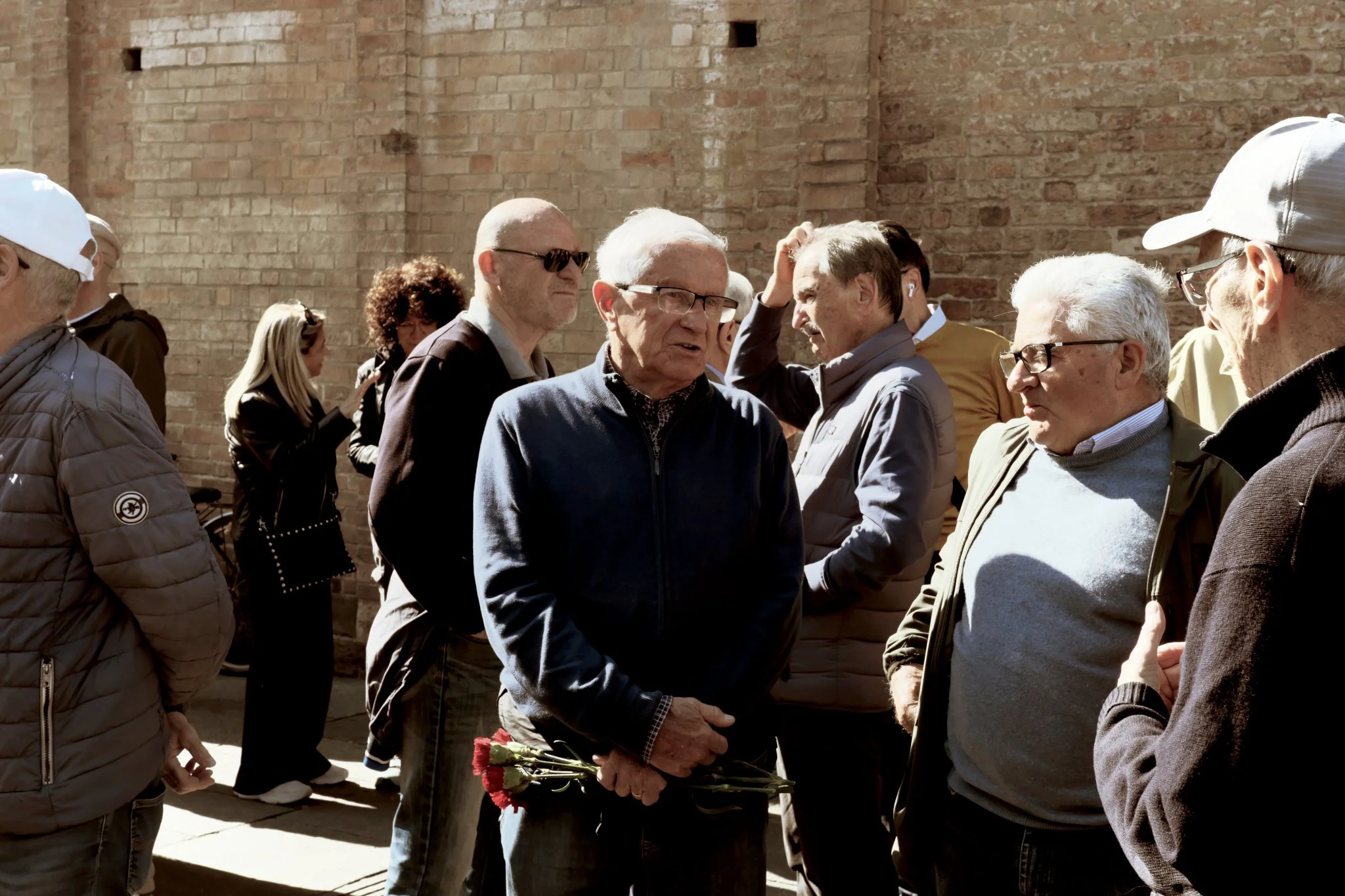
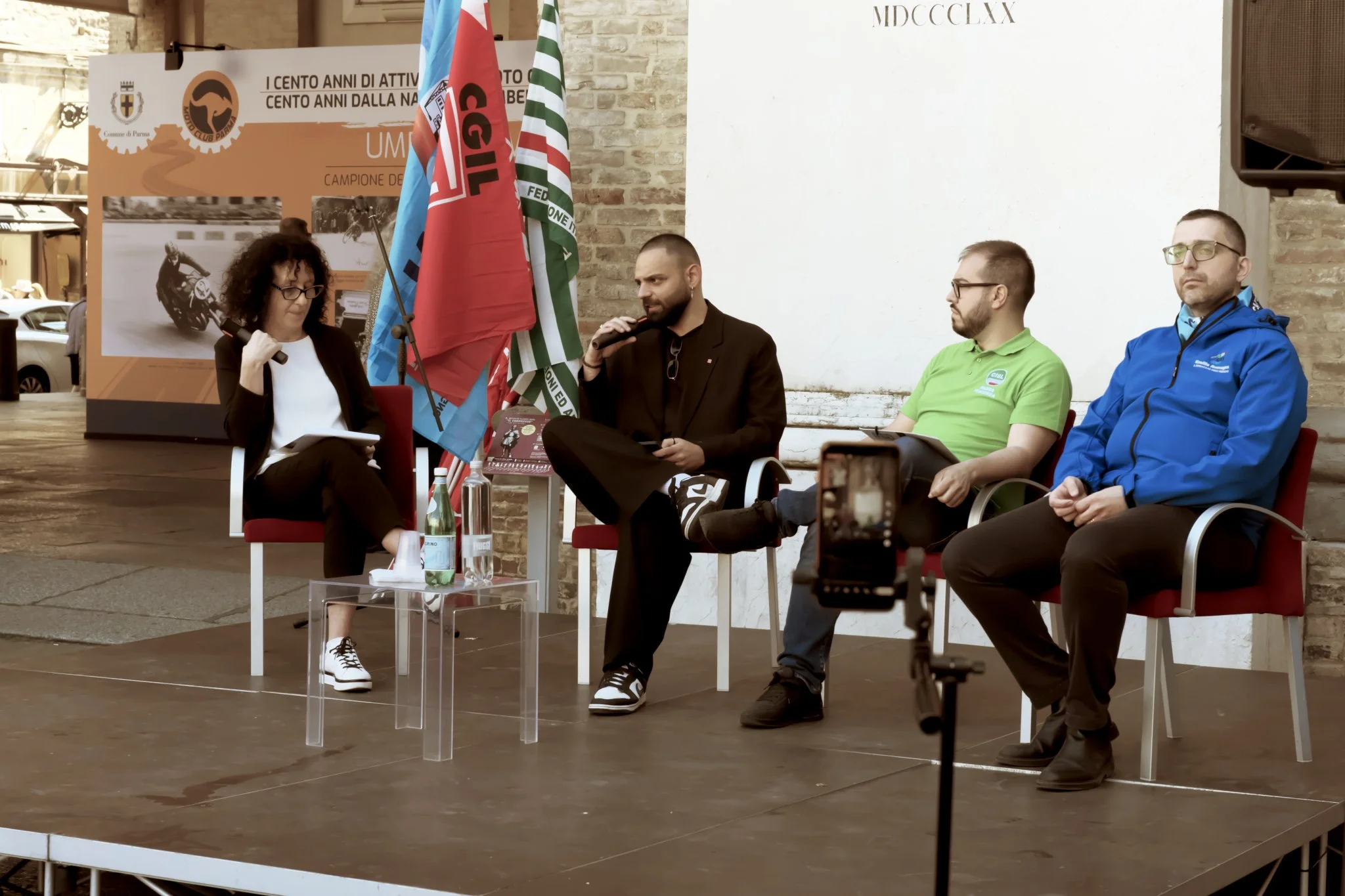
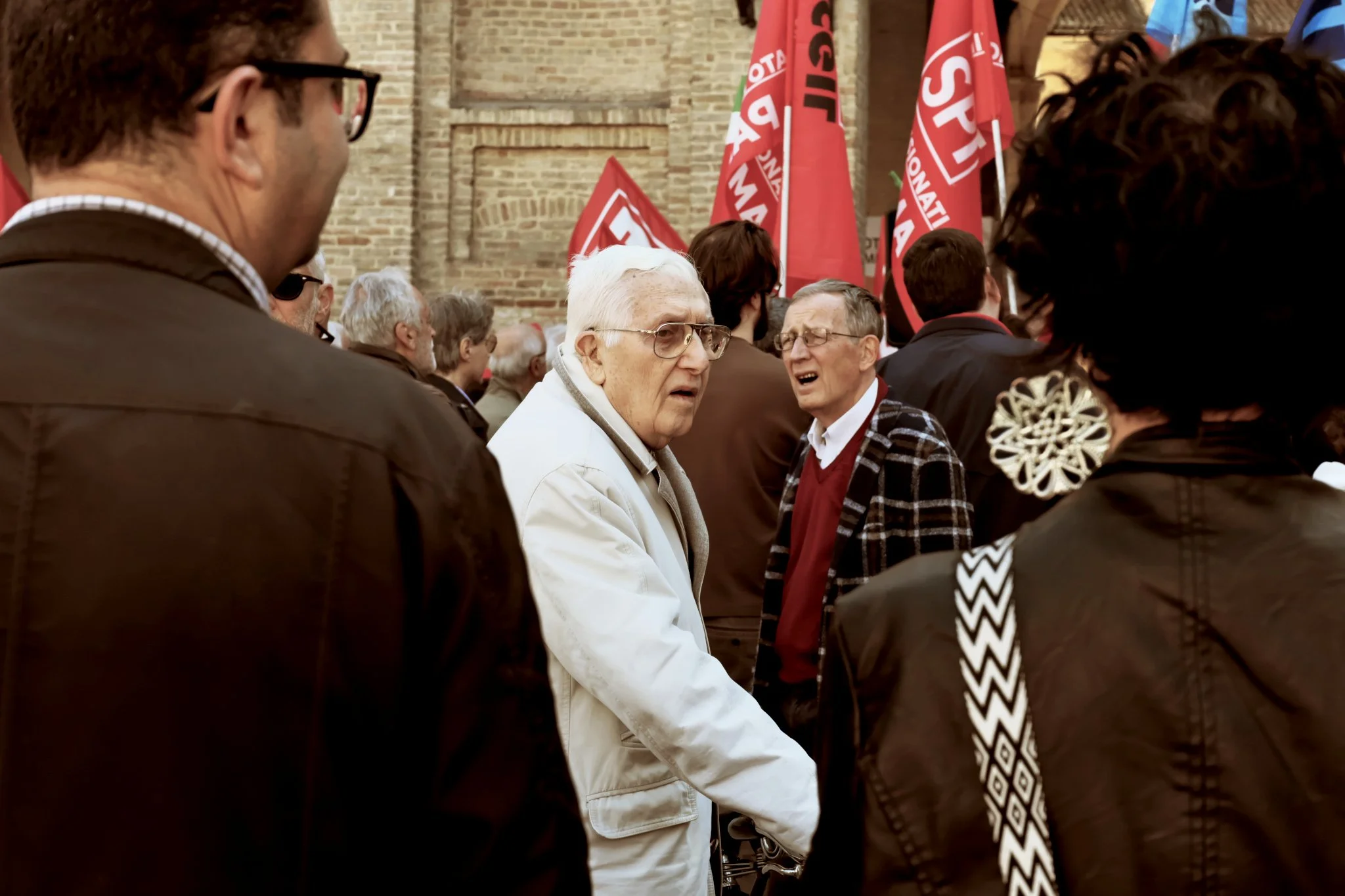
I felt the urge to take some photos, to capture not so much an event as an atmosphere – exactly as I perceived it (and yes, it had to be in colour!). And what I sensed was not only joy, solidarity and that sense of empowerment derived from active participation but also concern: concern for a changing world of work in which workers’ rights are being eroded against a backdrop of technological progress, artificial intelligence and constantly shifting geopolitical balances. The unease was palpable in the snippets of conversation I picked up as I wandered around with my camera and in the debate among trade union leaders in Piazza Garibaldi: in-work poverty, growing job insecurity, the increasing vulnerability of invisible workers shut out of basic protections and forced to sell their labour for the lowest possible price.
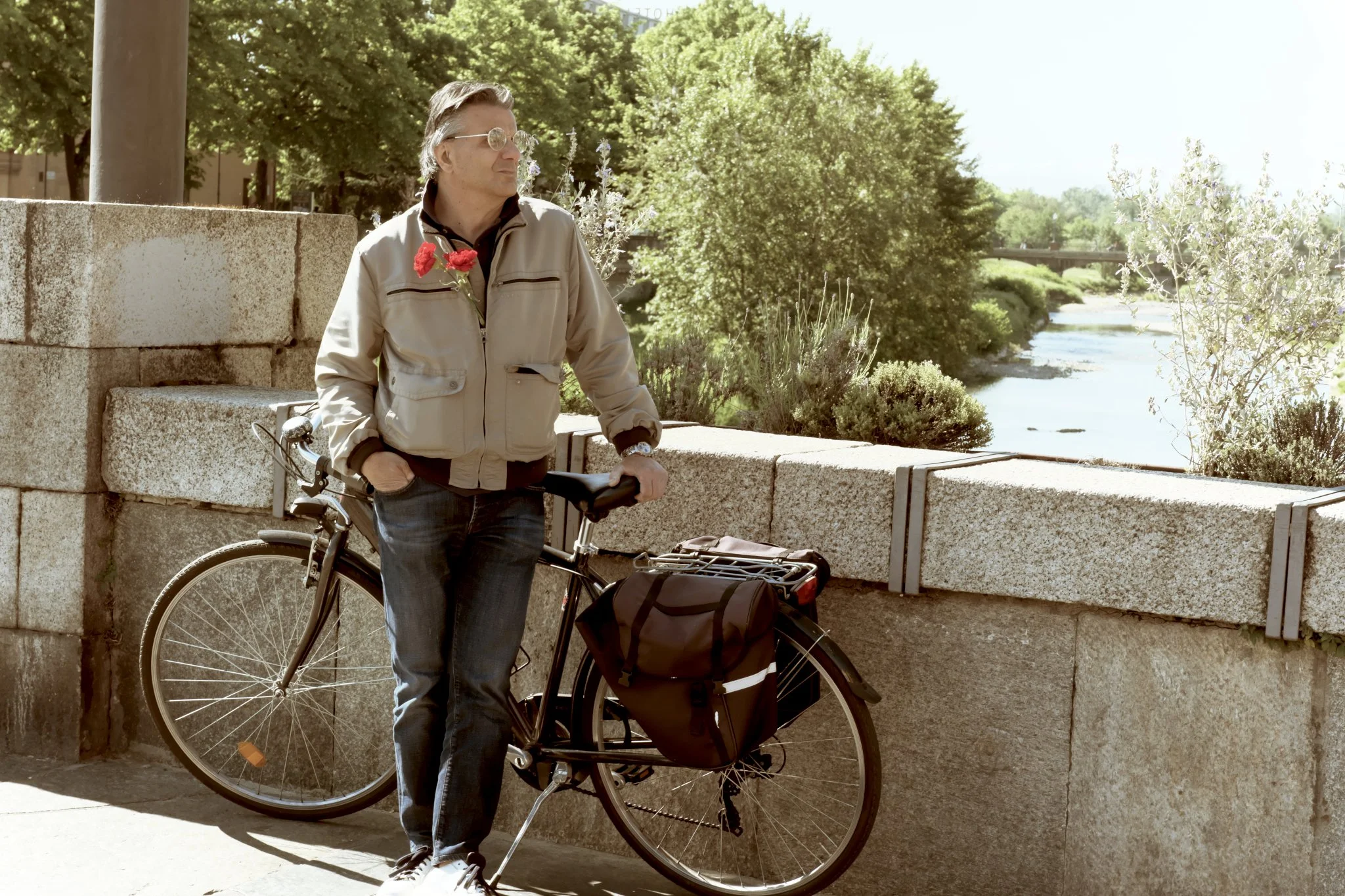
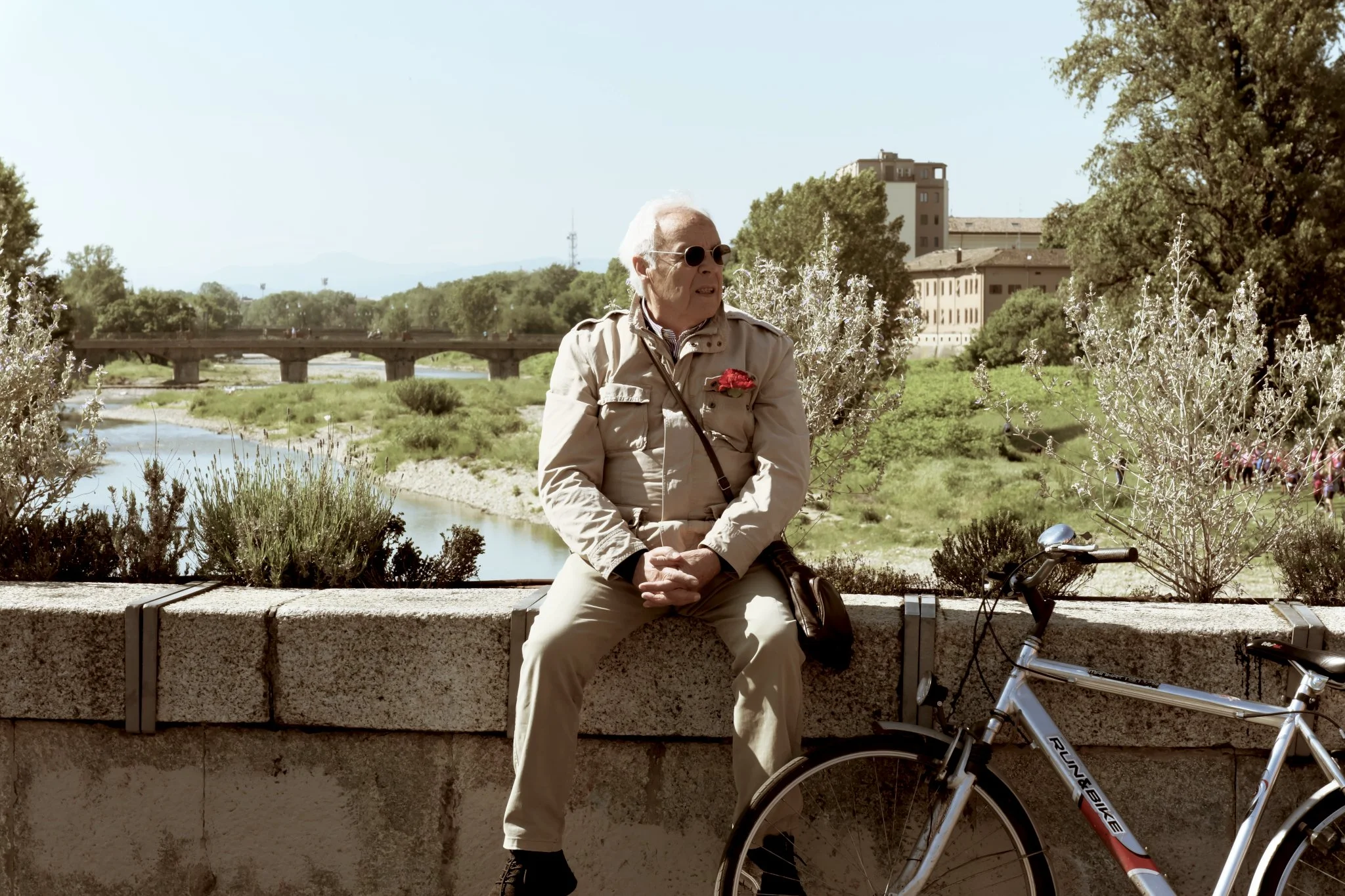
And yet there they were, all of them, from the youngest to the oldest, all made visible by those red carnations…