“Everyday Family Life”
Singles Winners
Winner – Ralph Milewski
Winner – Ralph Milewski
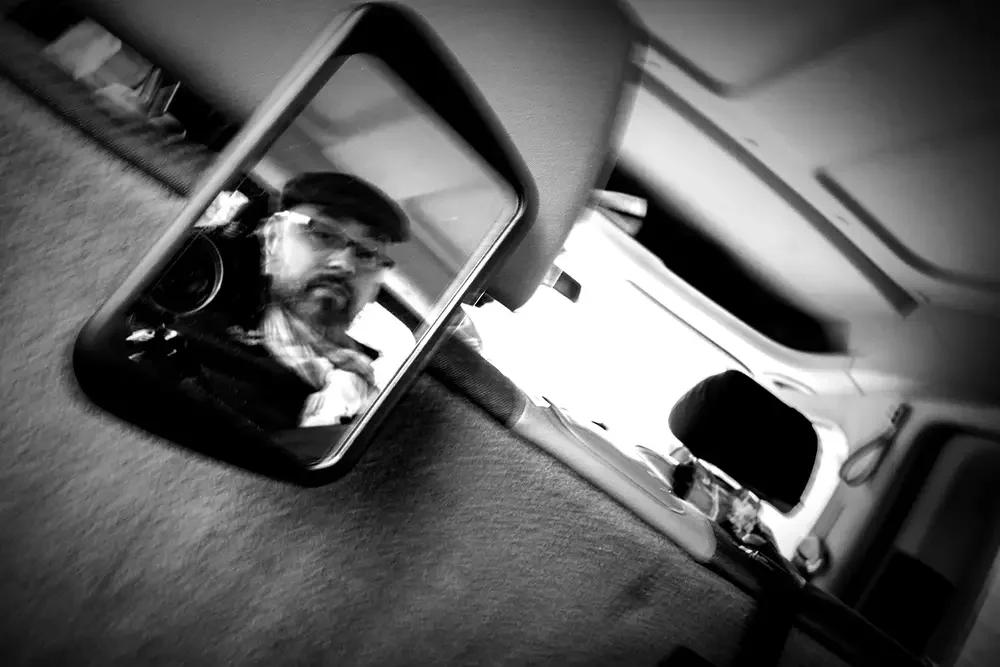
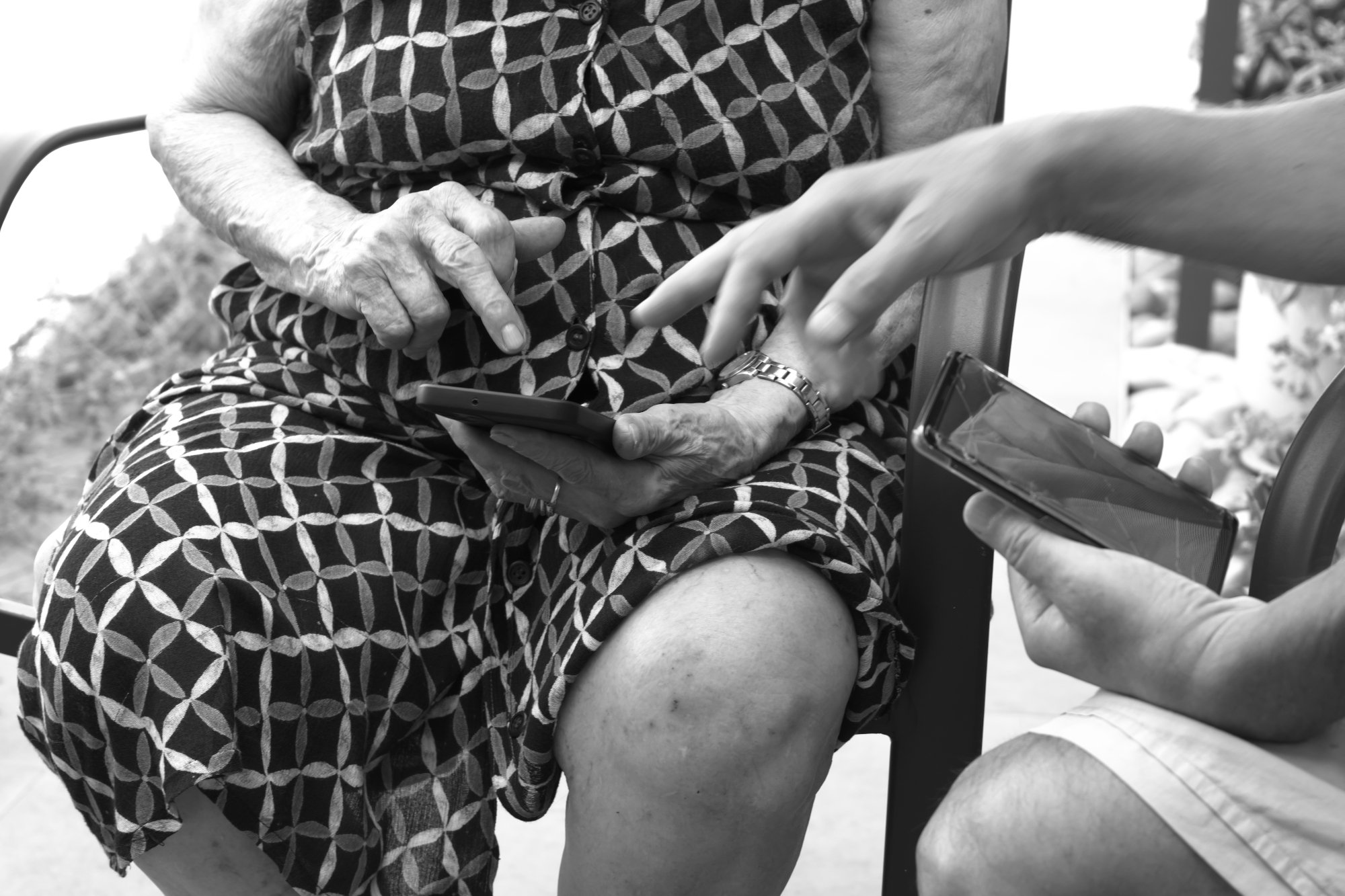
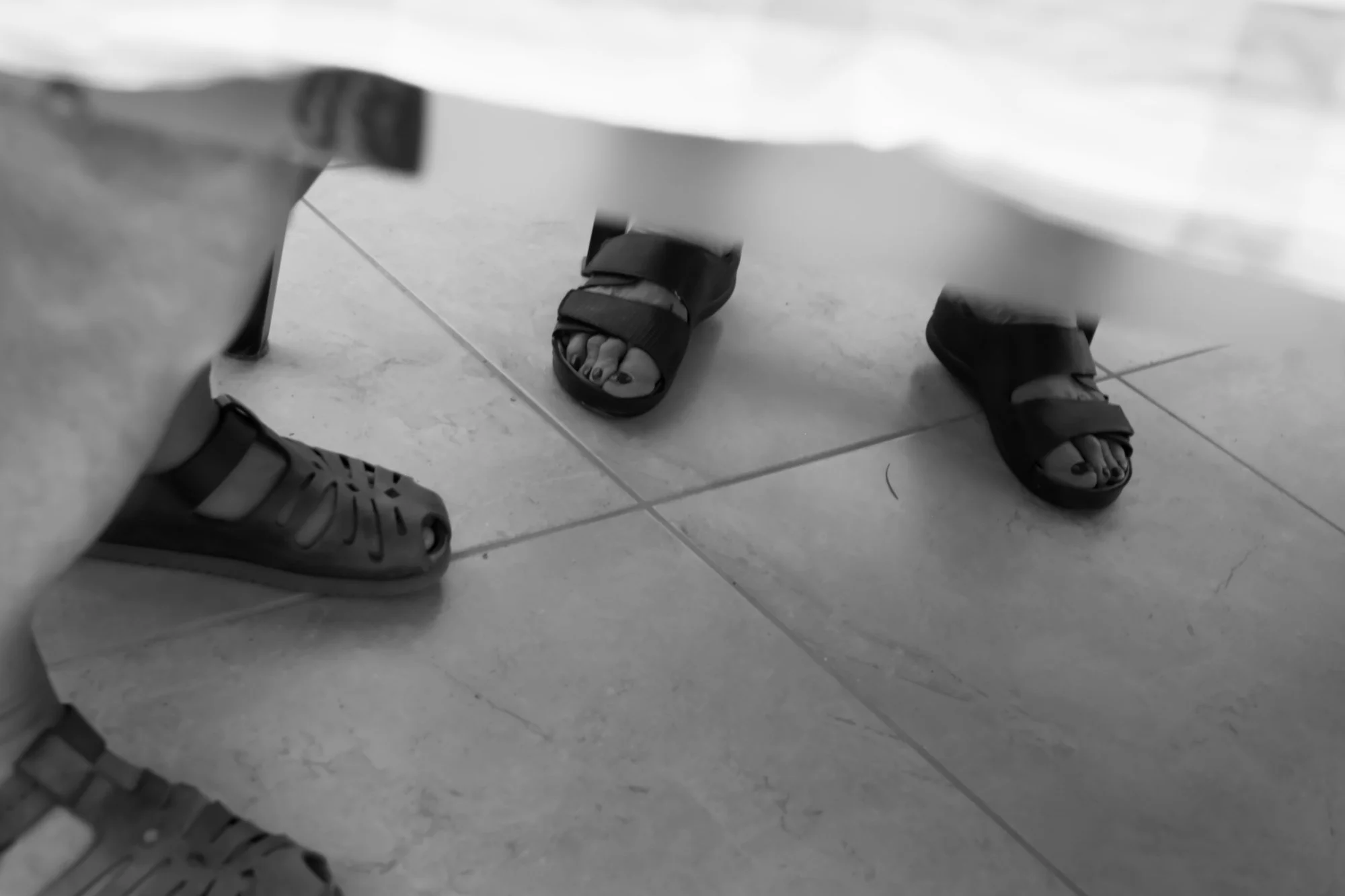
Ralph Milewski (1968) is a photographer based in Fladungen, Germany, who focuses on documentary and conceptual photography, emphasising spaces and traces of human presence. Working primarily in black and white with available light, he creates his images through observation and reduction. Intuition and openness are key to his practice.
His main project is Rear Seat Diaries, capturing images from the back seat of a VW Caddy through the side window. The window frame creates a constant visual system, with the world seen through a fixed perspective.
Second Place - Anne Launcelott
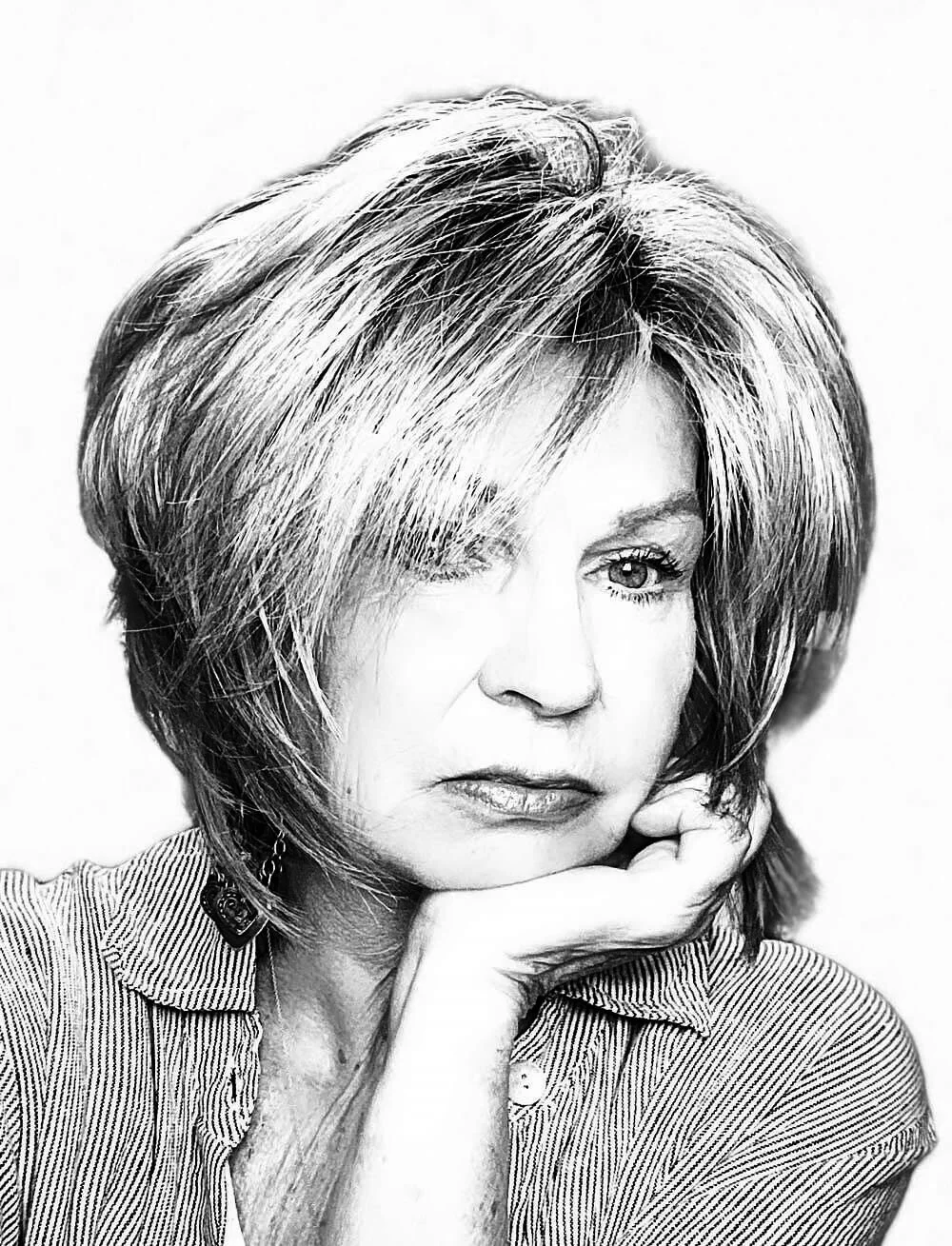
Anne Launcelott was born in Nottingham, England, and moved to Ottawa, Canada, at age three. After over 40 years in Halifax, Nova Scotia, she initially worked in black and white for 25 years before switching to digital colour photography in 2010. Inspired by everyday life, her style was influenced by a workshop with street photographer Jay Maisel and a 2013 trip to Myanmar with Steve McCurry. She blends street and travel photography to capture emotional, narrative moments. She has exhibited across Canada, the U.S., Europe, India, and Argentina, including her first major international show in Russia in 2018.
Third Place - Ubo Pakes
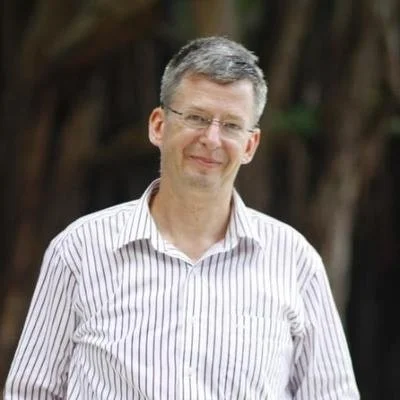
Ubo Pakes is a Dutch environmental engineer who moved to the Philippines in 2008. Photography helps him explore Philippine culture and the differences from his home country. Through his camera, he stays curious about his surroundings.
Living and working in Cebu, he focuses on the many people who live and work on the streets. Creating portraits allows him to connect with society, learn the language, and understand local customs. He mainly documents the faces and lives of ordinary people in daily life.
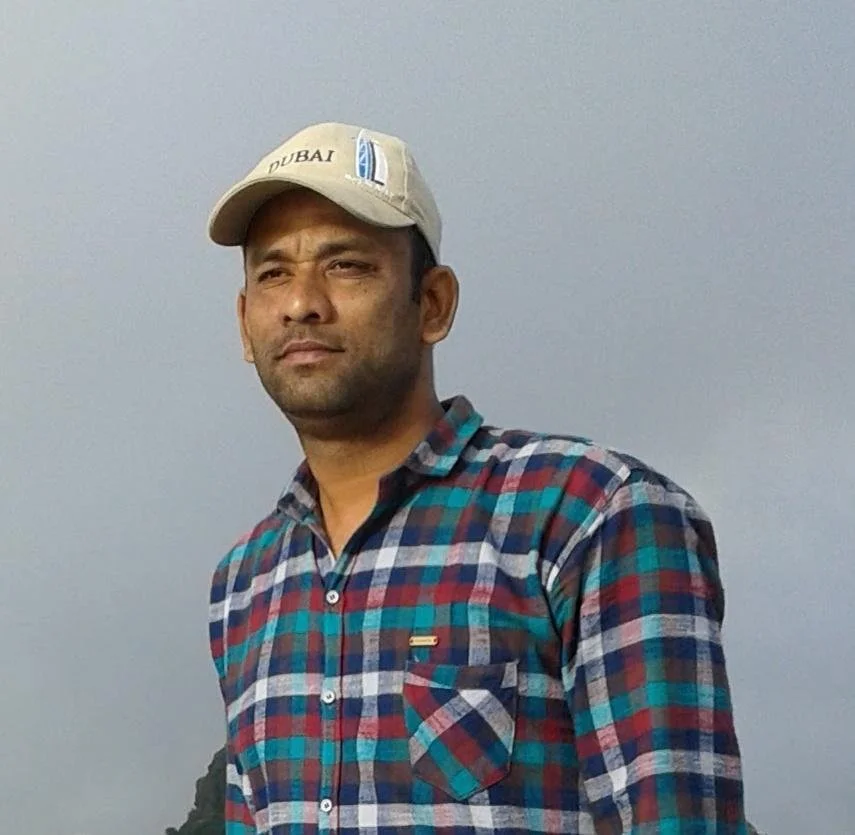
Fourth Place -Tariqamin Mansuri
Tariqamin Mansuri, based in Ahmedabad, specialises in street and style documentation photography. Inspired by the vibrant culture and geometry of urban landscapes, he captures images that convey deeper meaning beyond mere form. He treats light as a narrative and faces as subjects for experimentation, creating photographs that reflect his unique vision. His work has been featured in various print publications and exhibitions.
Fifth Place -Never Edit
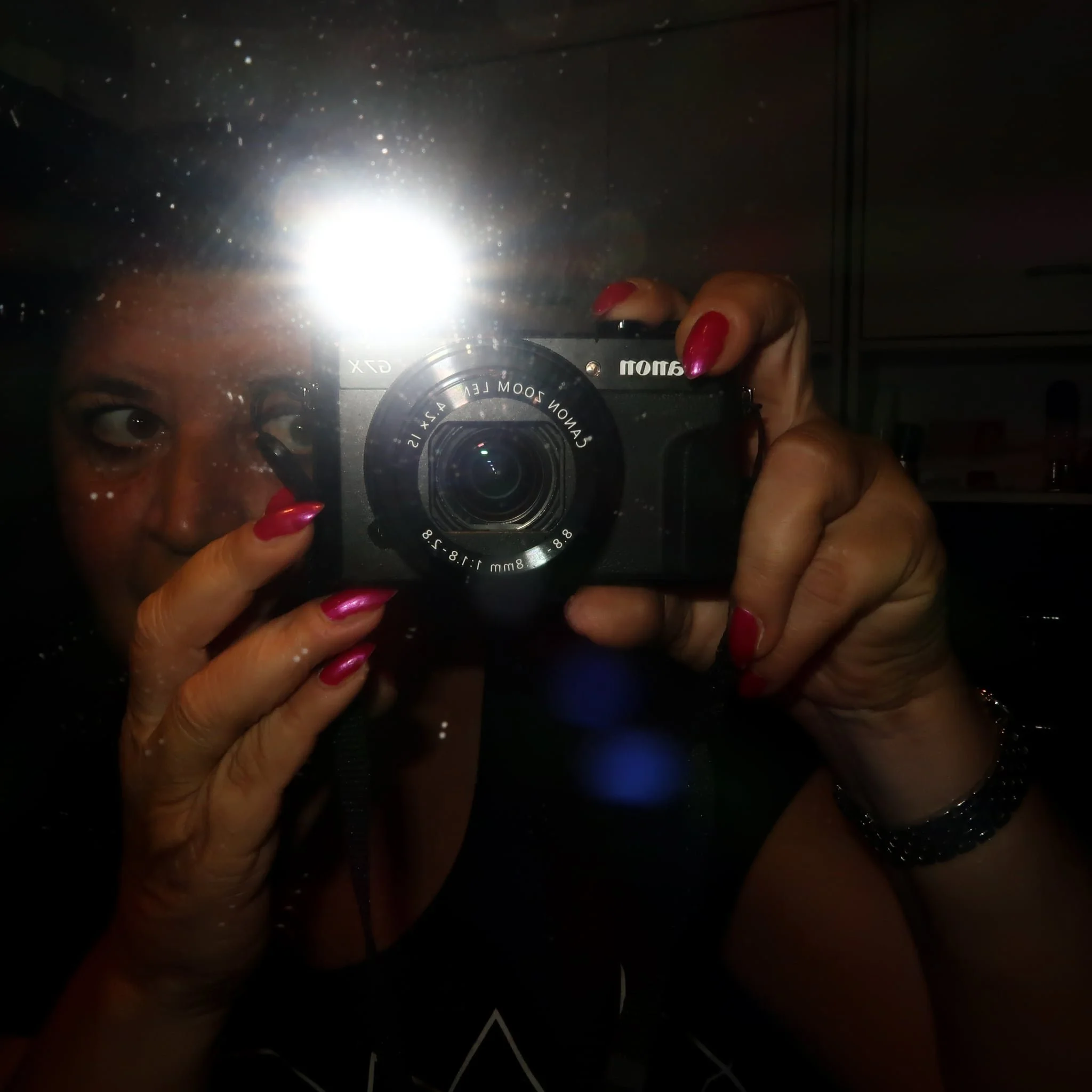
Never Edit, based in Düsseldorf, Germany, is a street photographer focused on capturing the authenticity of everyday life. Working in a candid and unobtrusive manner, she reveals the truth of unposed and genuine moments—fleeting glances, quiet pauses, and shared laughter. Her passion for travel drives her to explore urban environments, where she integrates seamlessly into the rhythm of the world. Each photograph captures real-life experiences that are unscripted and spontaneous, characterised by simplicity and sincerity, allowing subjects to convey their own stories authentically.
Never Edit, Ralph Milewski, Anne Launcelott - sixth equal
It is truly an exciting and overwhelming feeling to be a part of the Selection Board for this competition. Reviewing the submissions for "Everyday Family Life" has been a deeply engaging experience. I focused on images where the backdrop felt lived-in and real, embracing the genuine textures and atmosphere of a true home rather than a sanitised space. My highest appreciation went to candid, fleeting interactions. I looked for photographs in which the photographer prioritised patience over direction, capturing honest moments without scripting them. Ultimately, the expressions needed to feel earned and natural. I sought out images that captured a true emotional narrative, whether joy, quiet comfort, or daily routine, without the subjects performing for the camera. Sabyasachi Nath
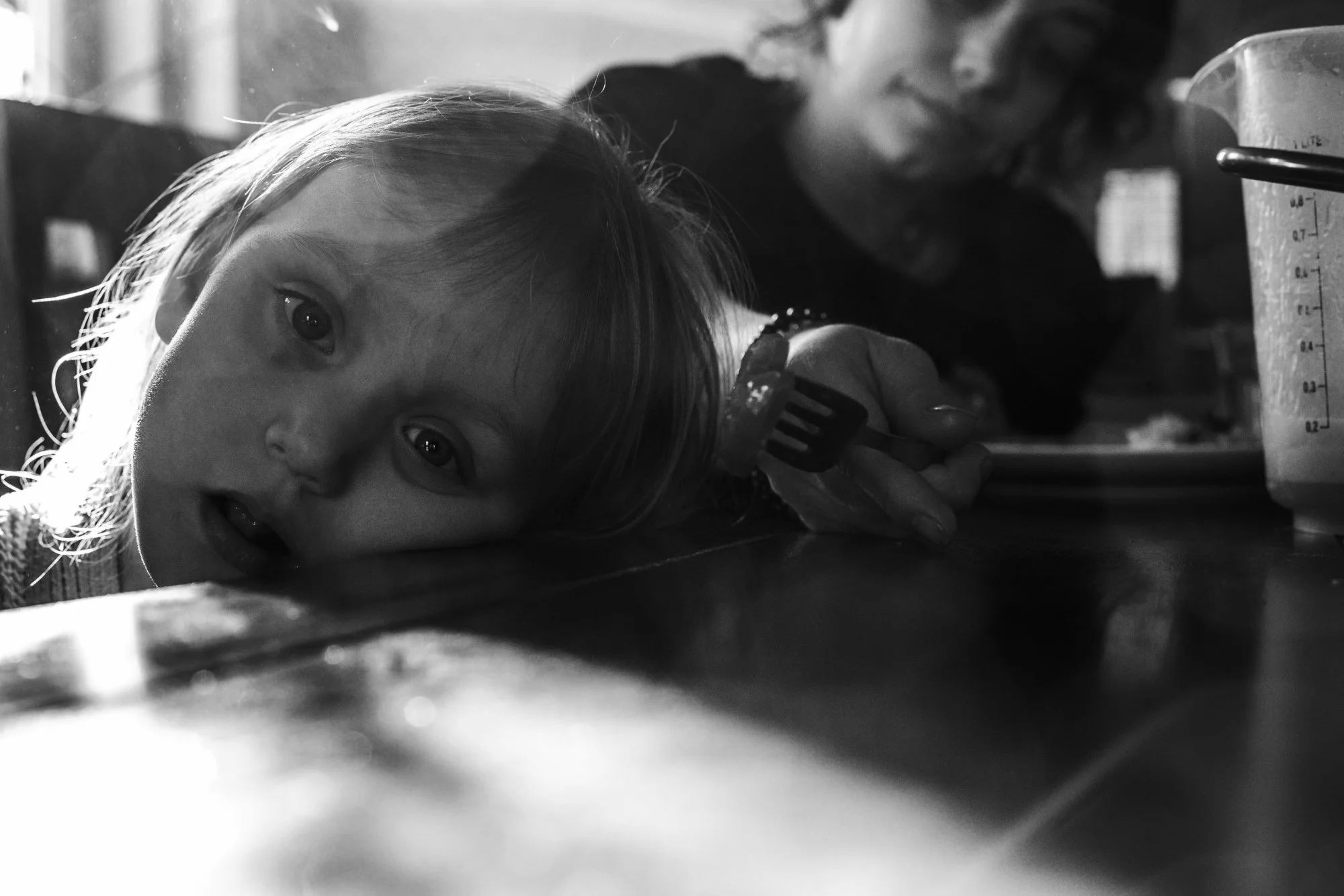
Ralph Milewski - Winner
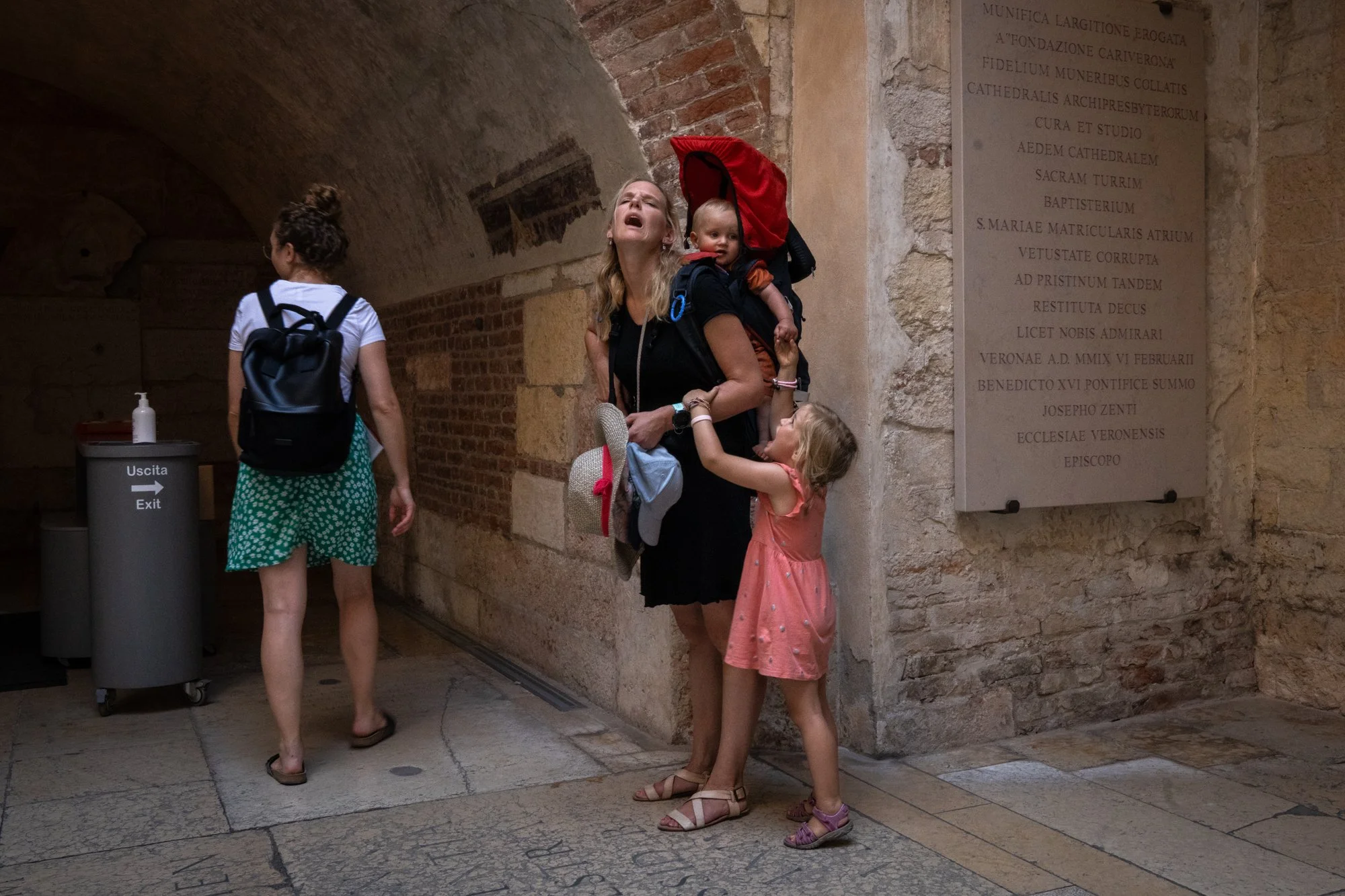
Anne Lancelott - Second Places
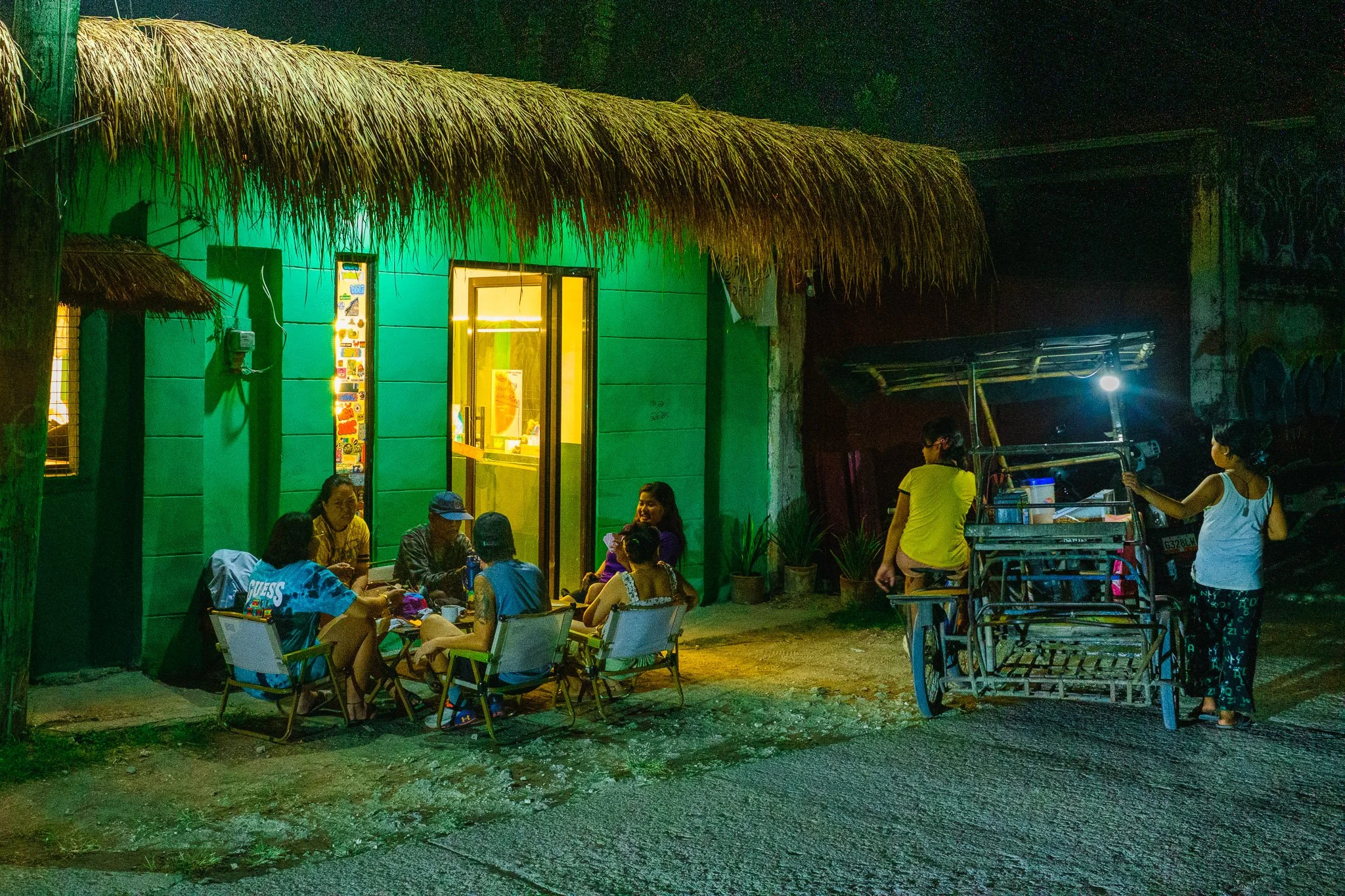
Ubo Pakes - Third Place
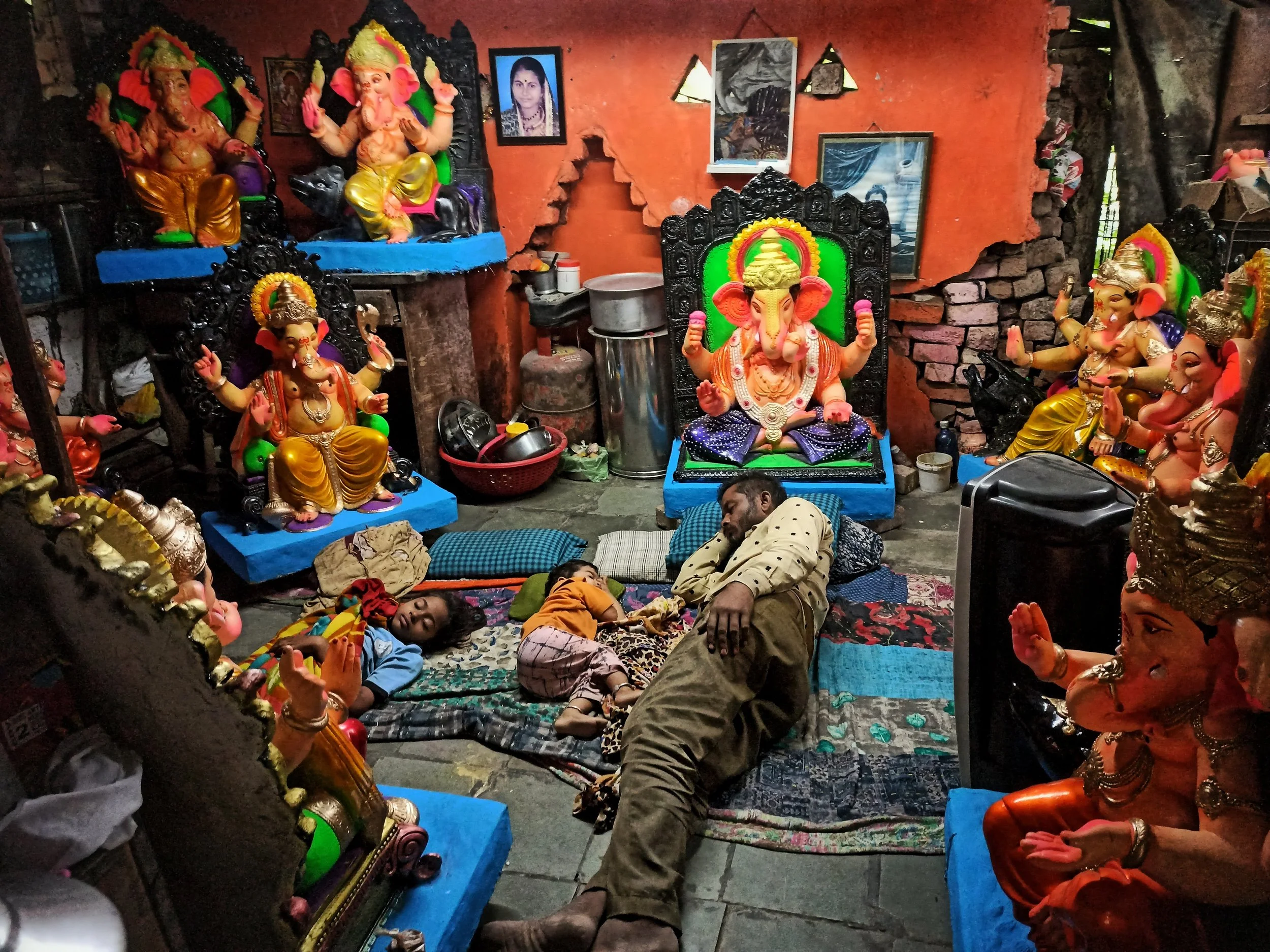
Tariqamin Mansuri - Fourth Place
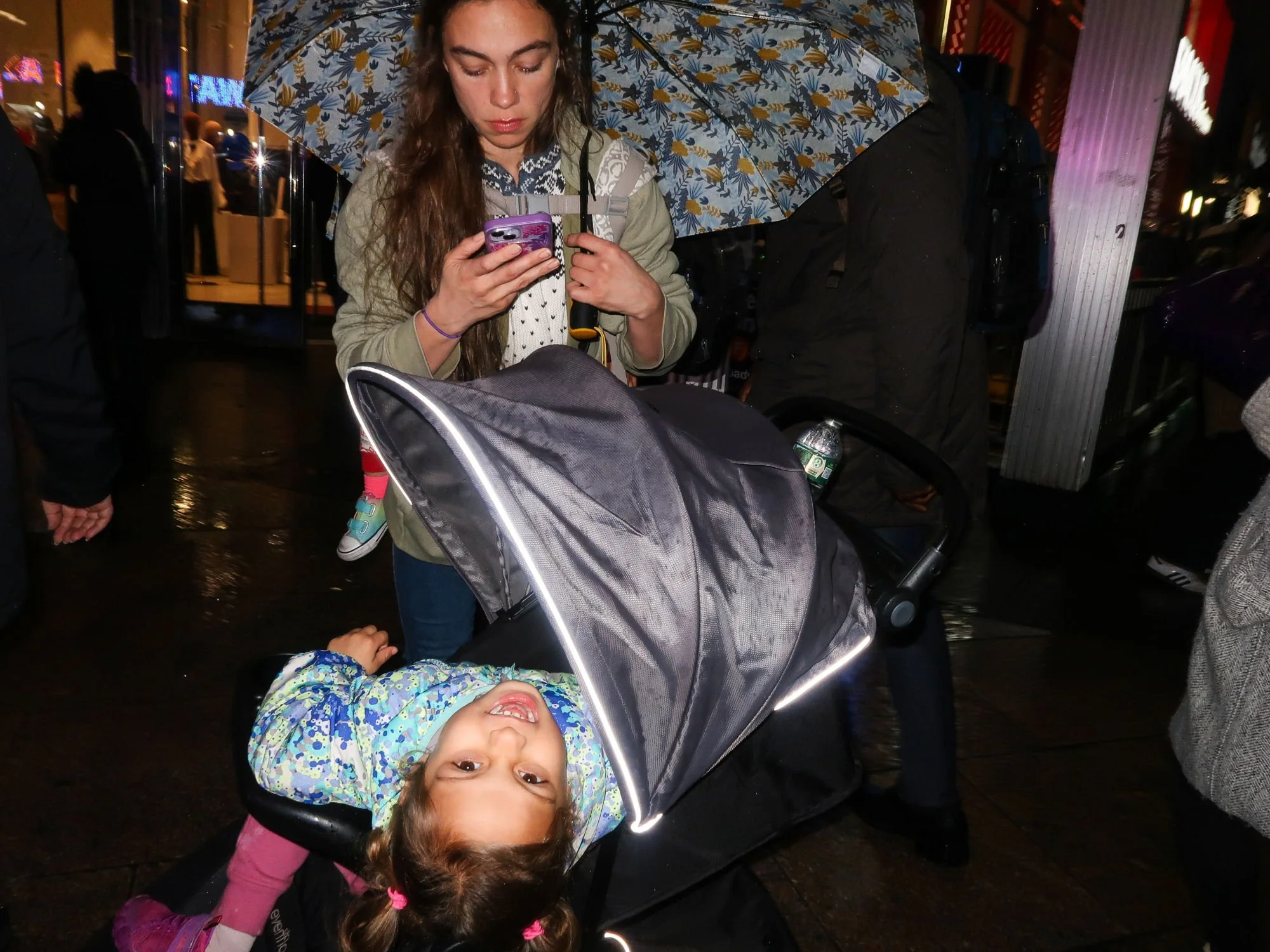
Never Edit - Fifth Place
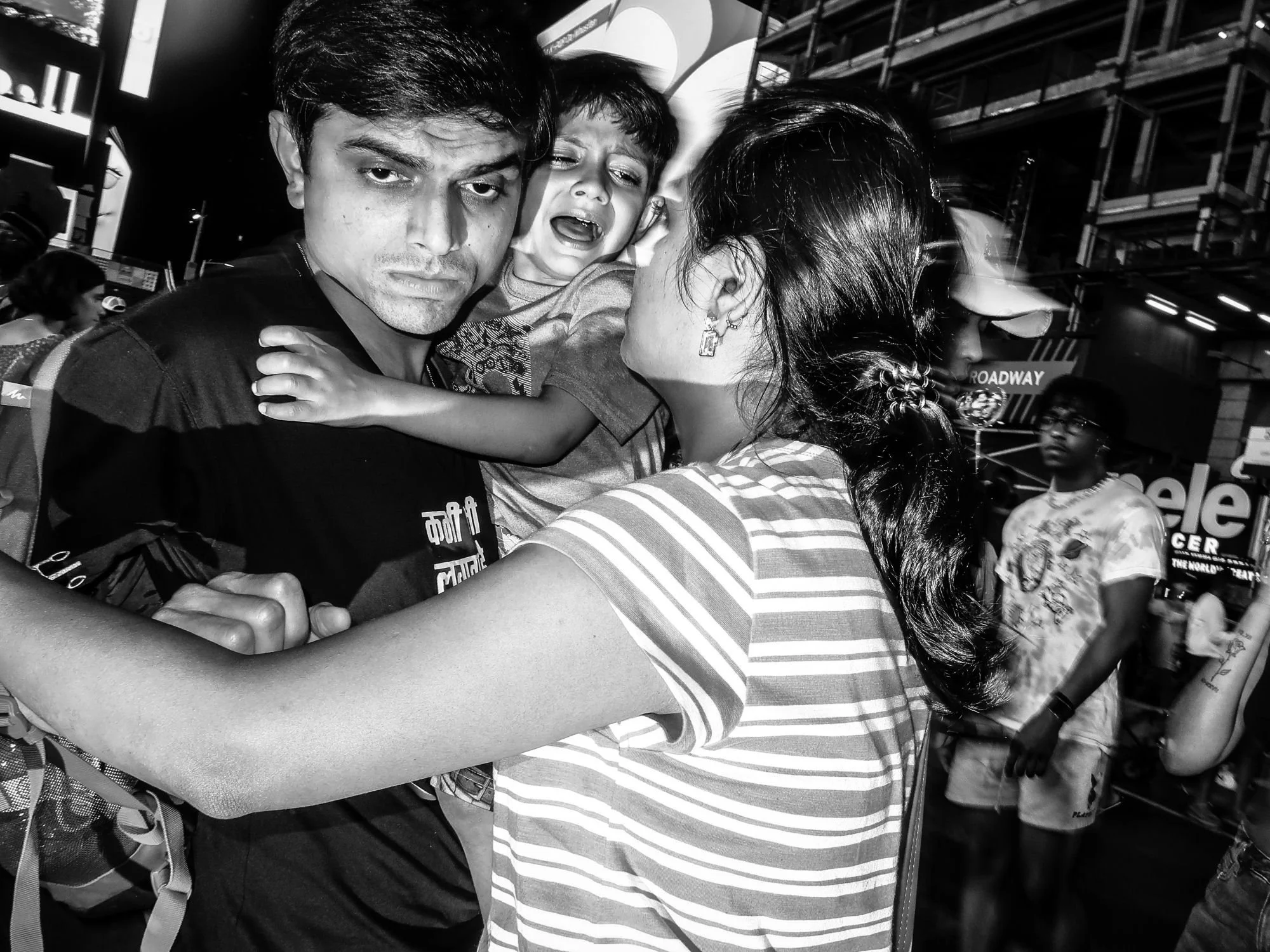
Never Edit sixth equal
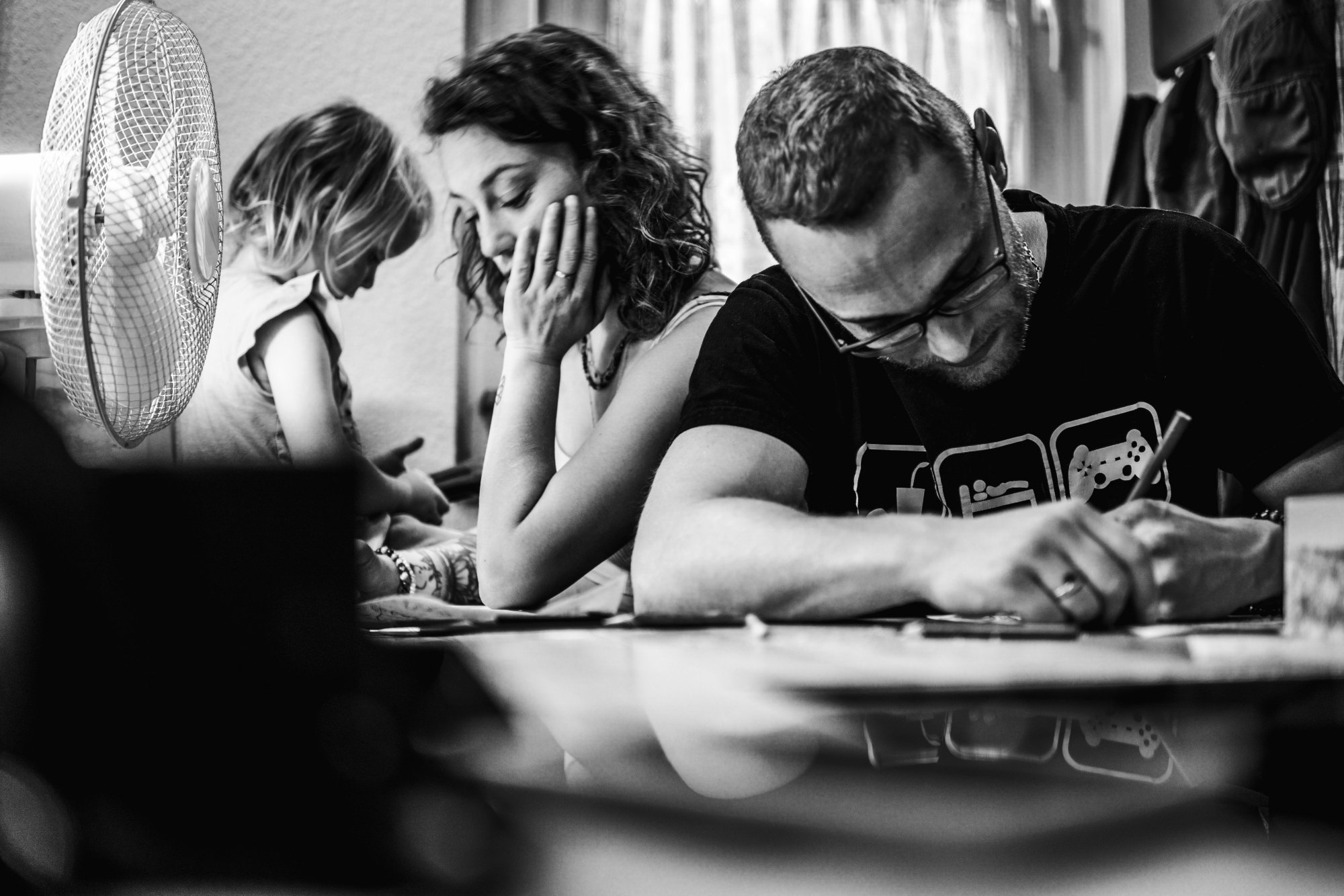
Ralph Milewski sixth equal
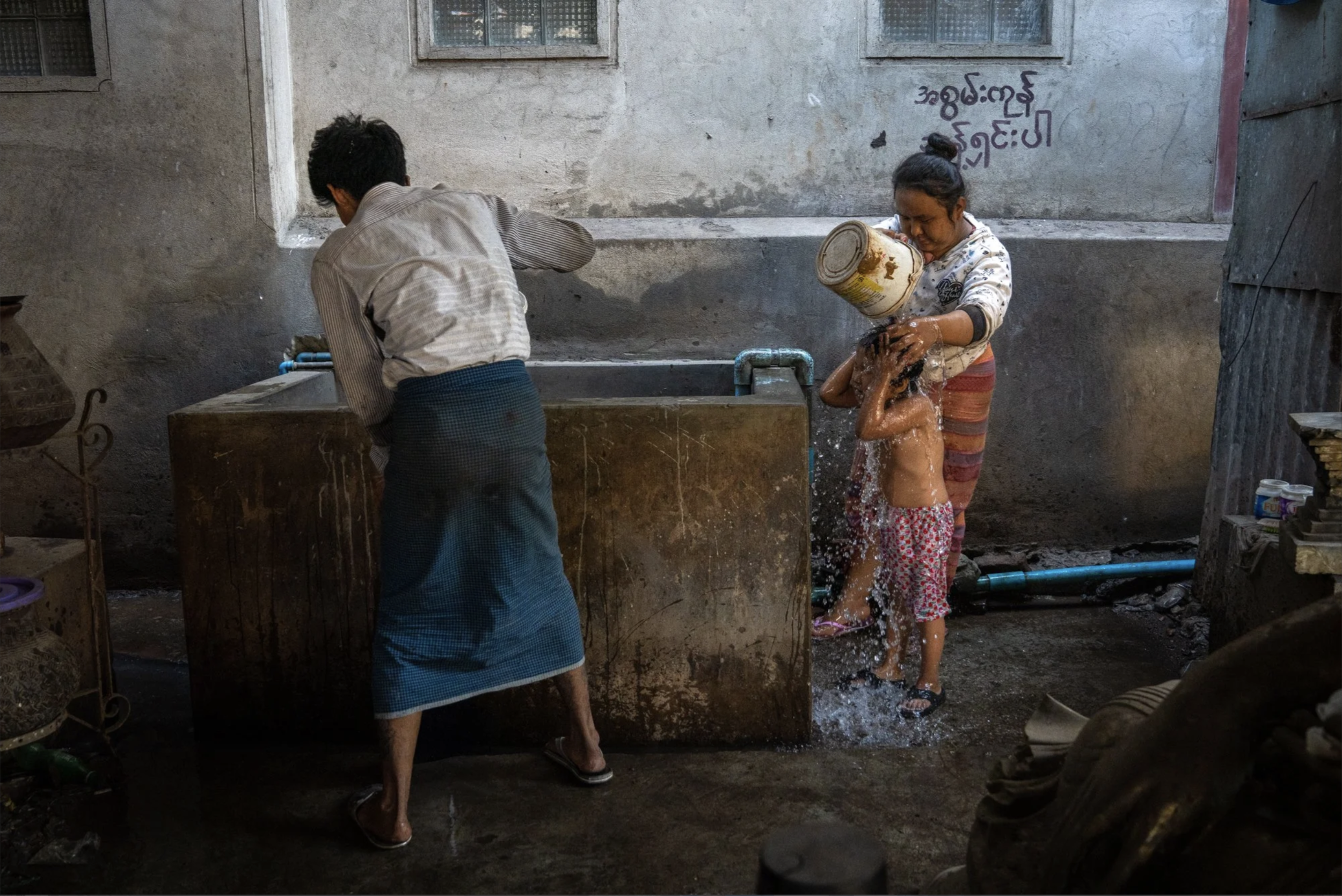
Anne Launcelot sixth equal
“Everyday Family Life”
Projects Winners
Winner – B.D. Colen
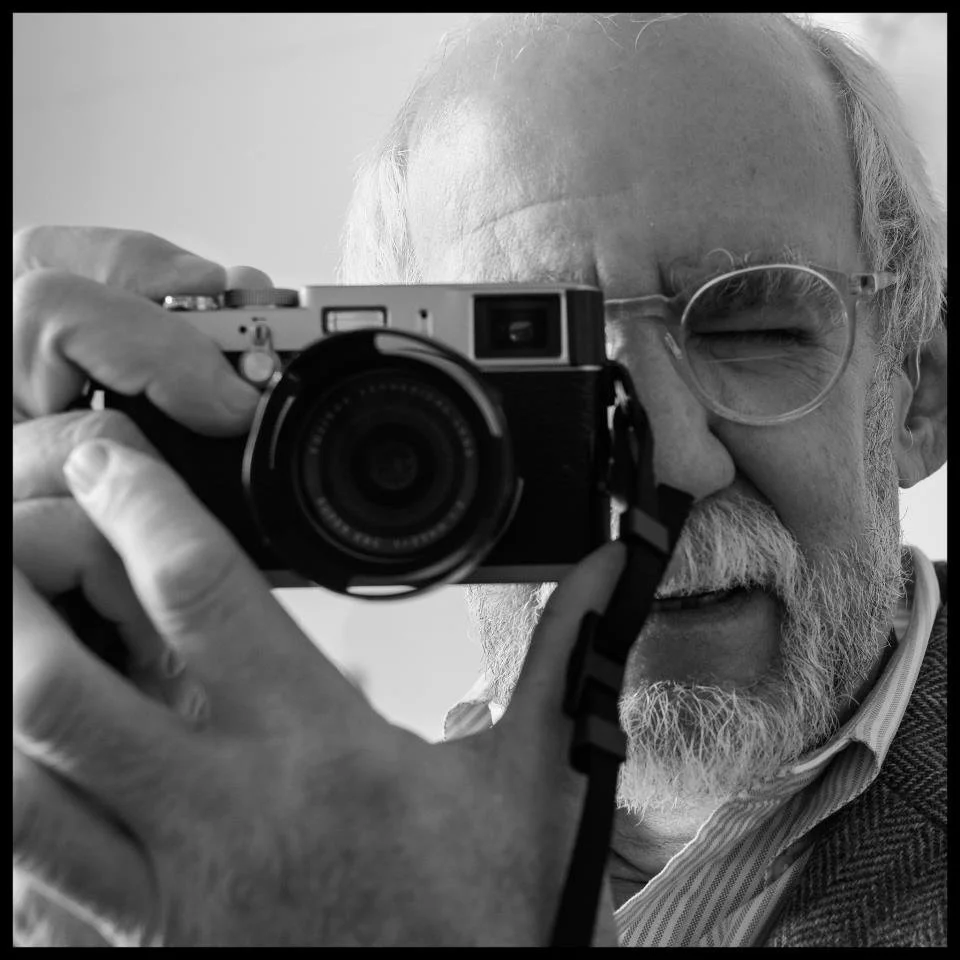
B.D. Colen - Winner
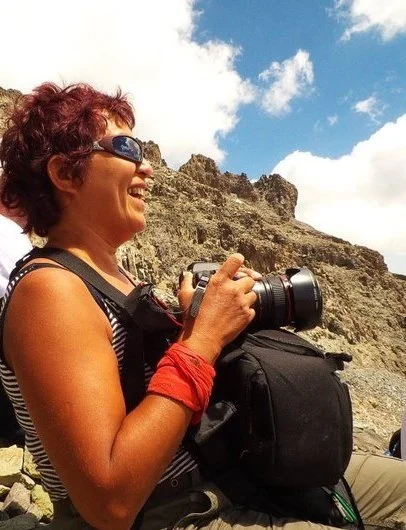
Sultan Koç - Second Place
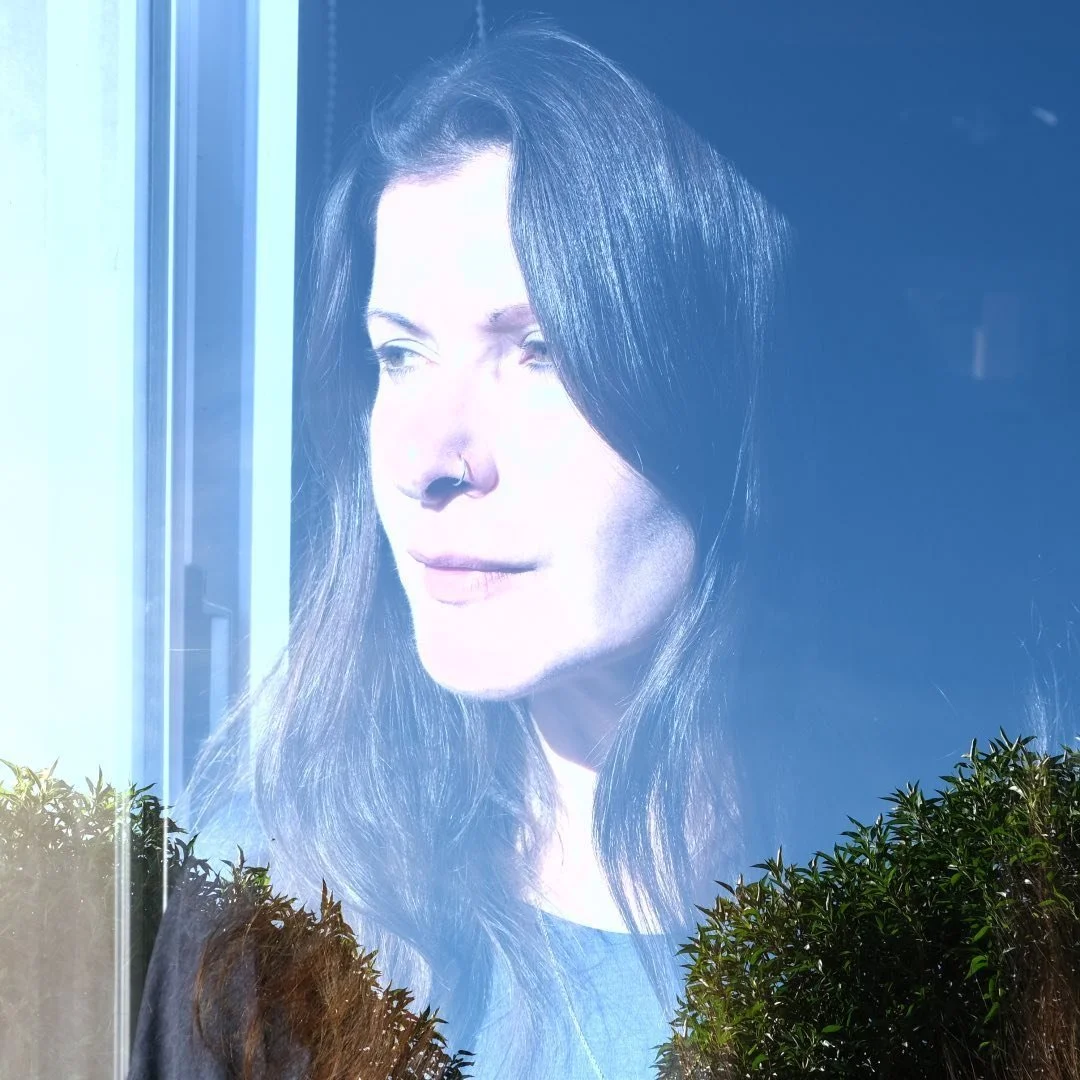
Marina Dego - Third Places
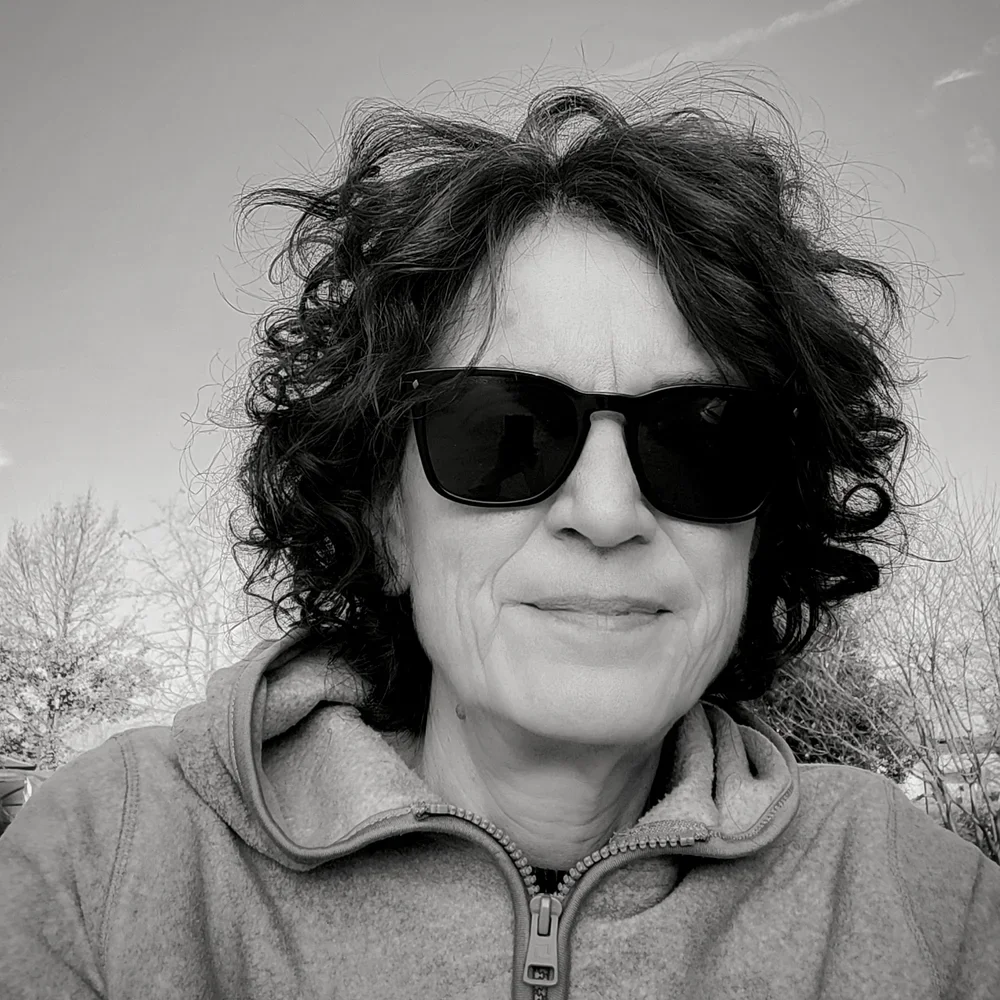
Catia Montagna - Tied for Fourth
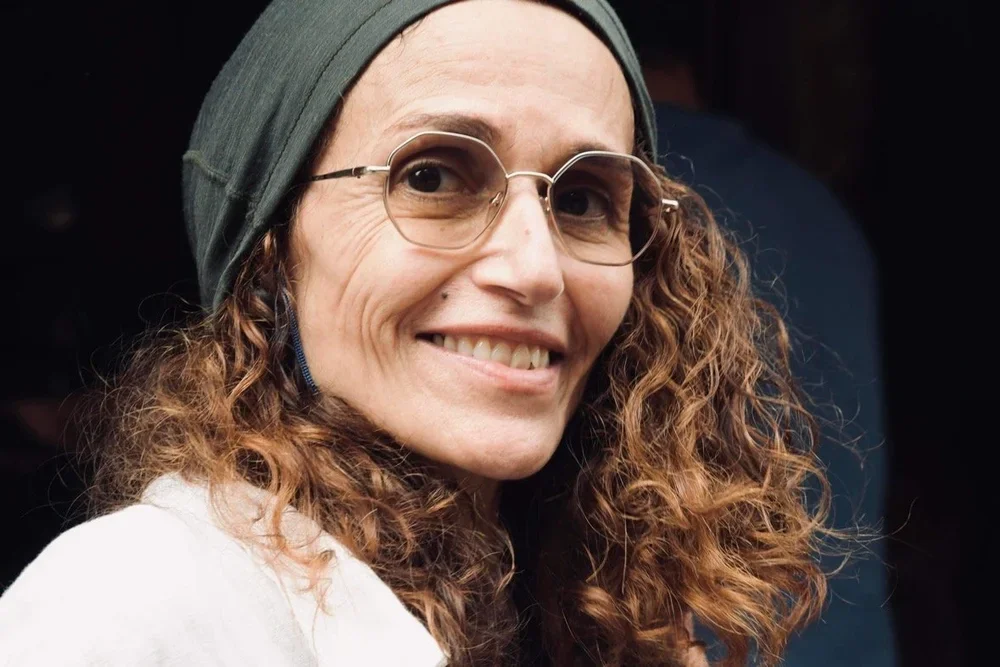
Myriam Aadli - Tied for Fourth
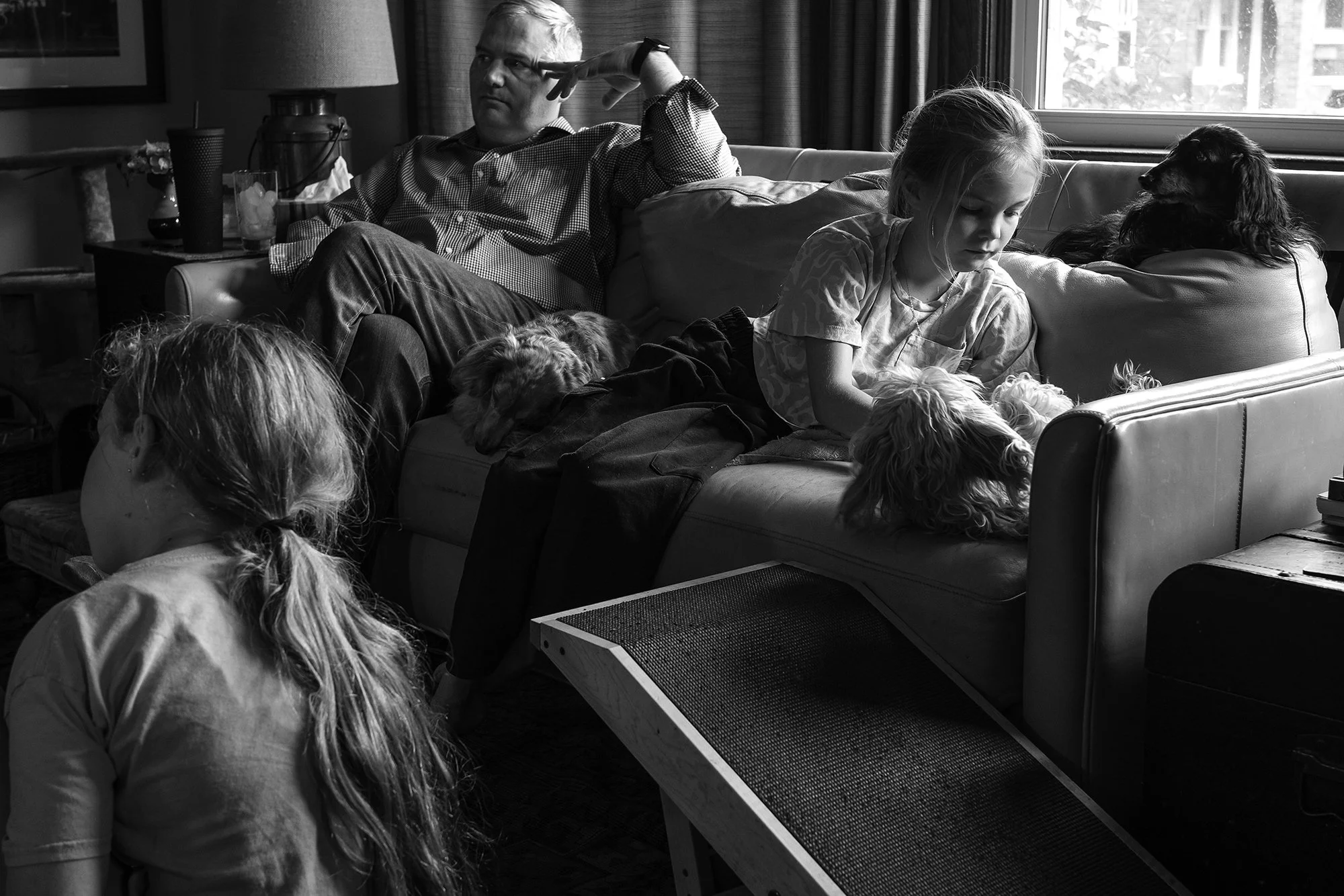
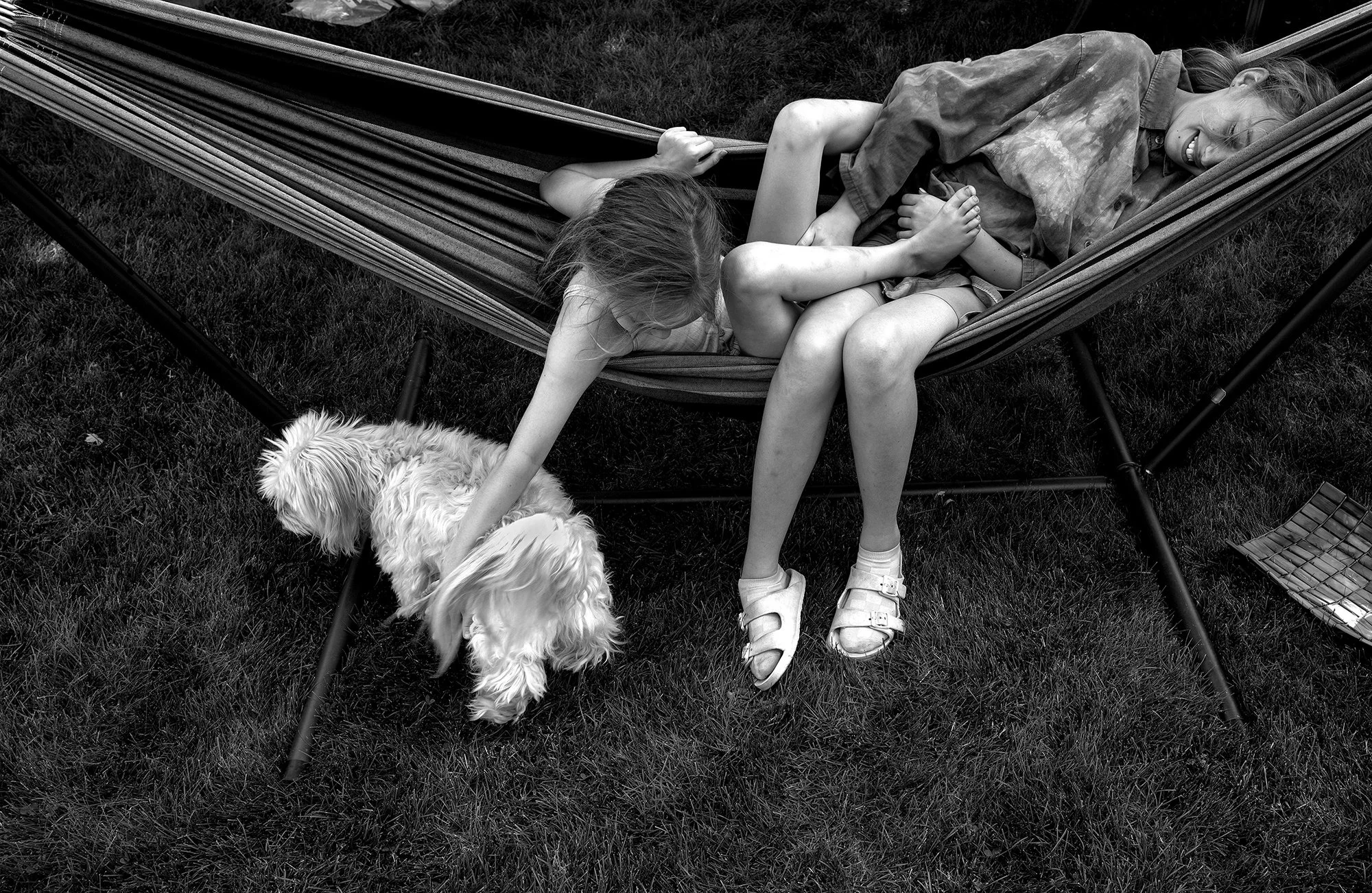
B.D. Colen
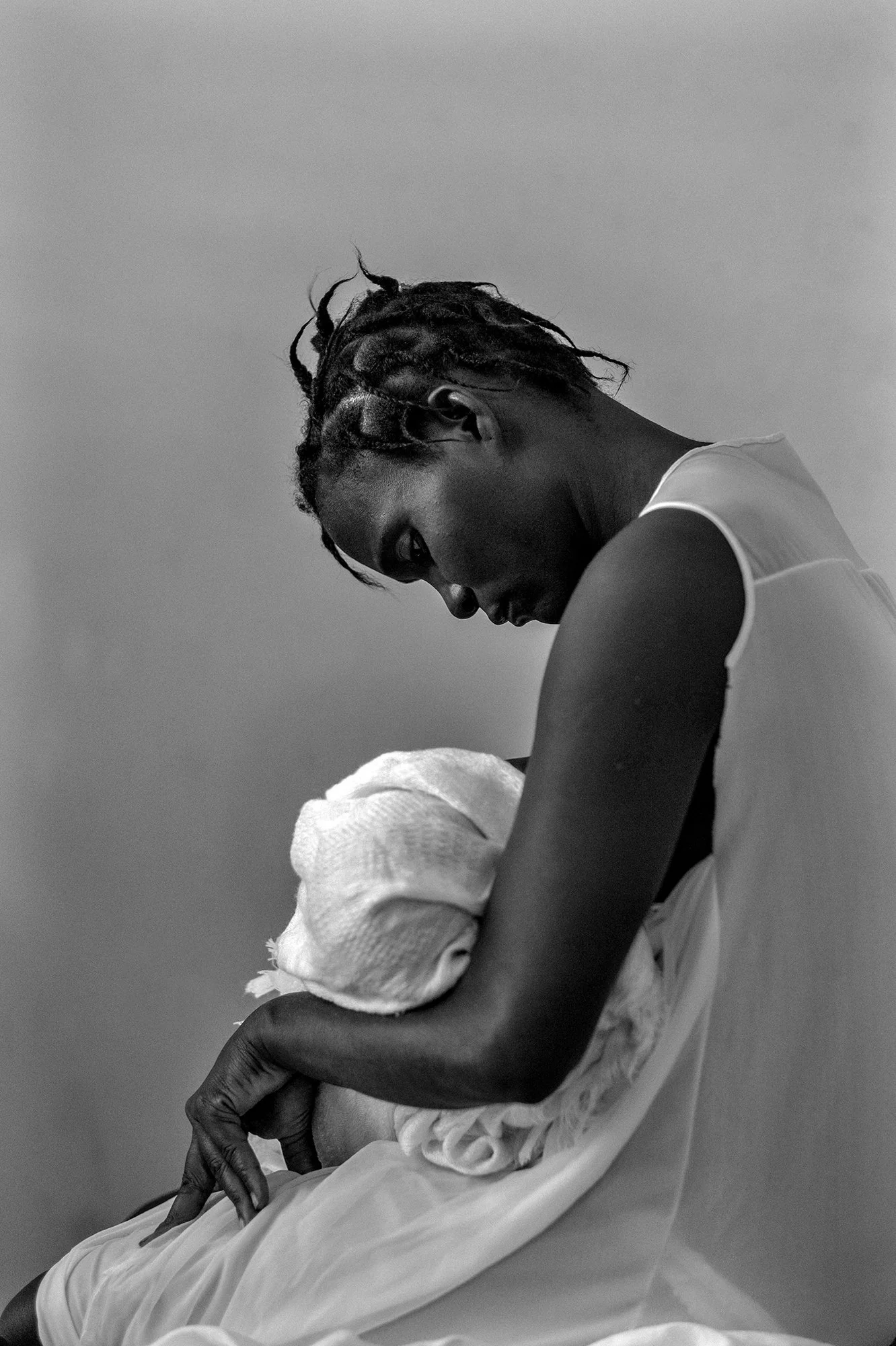
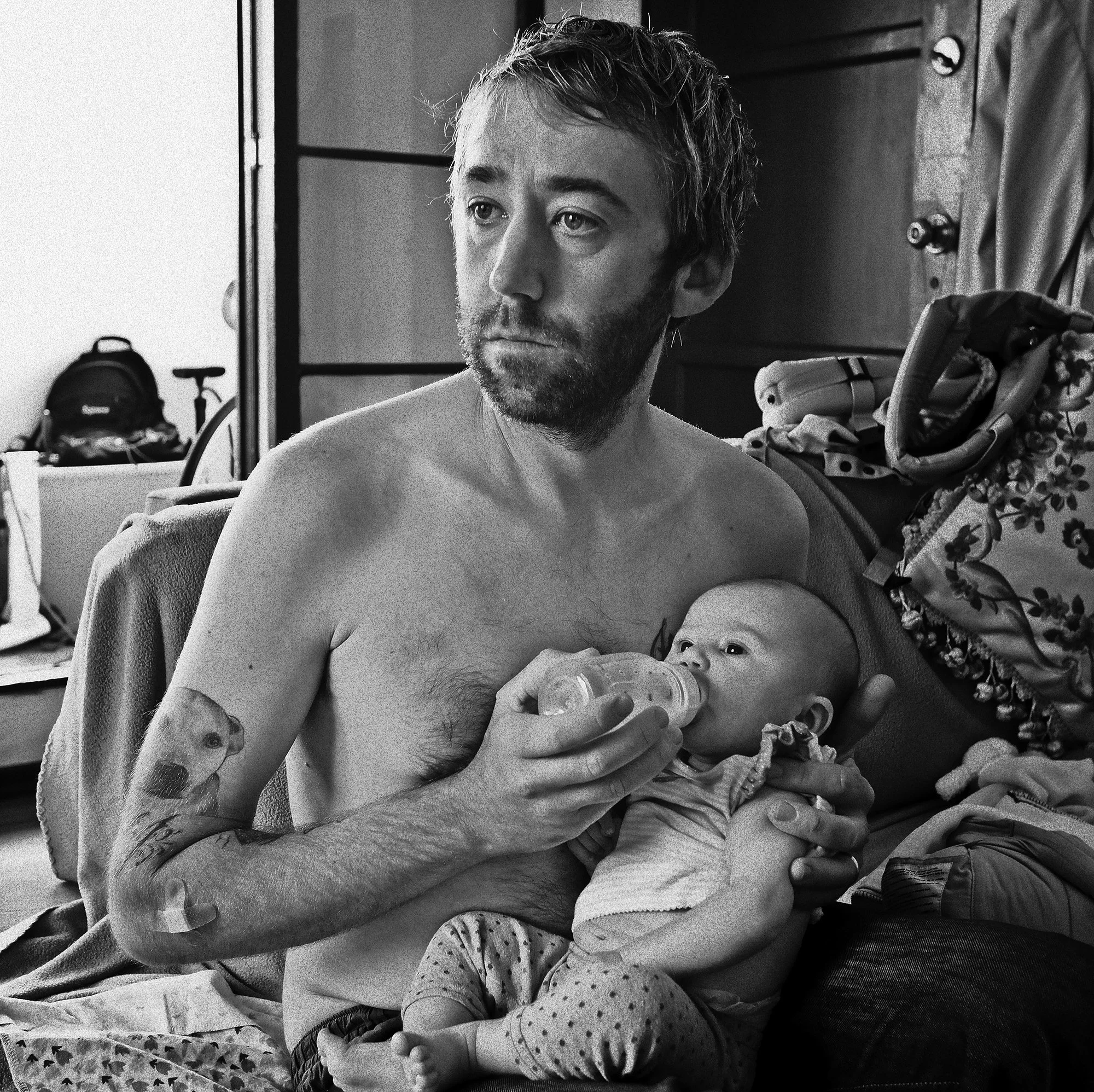
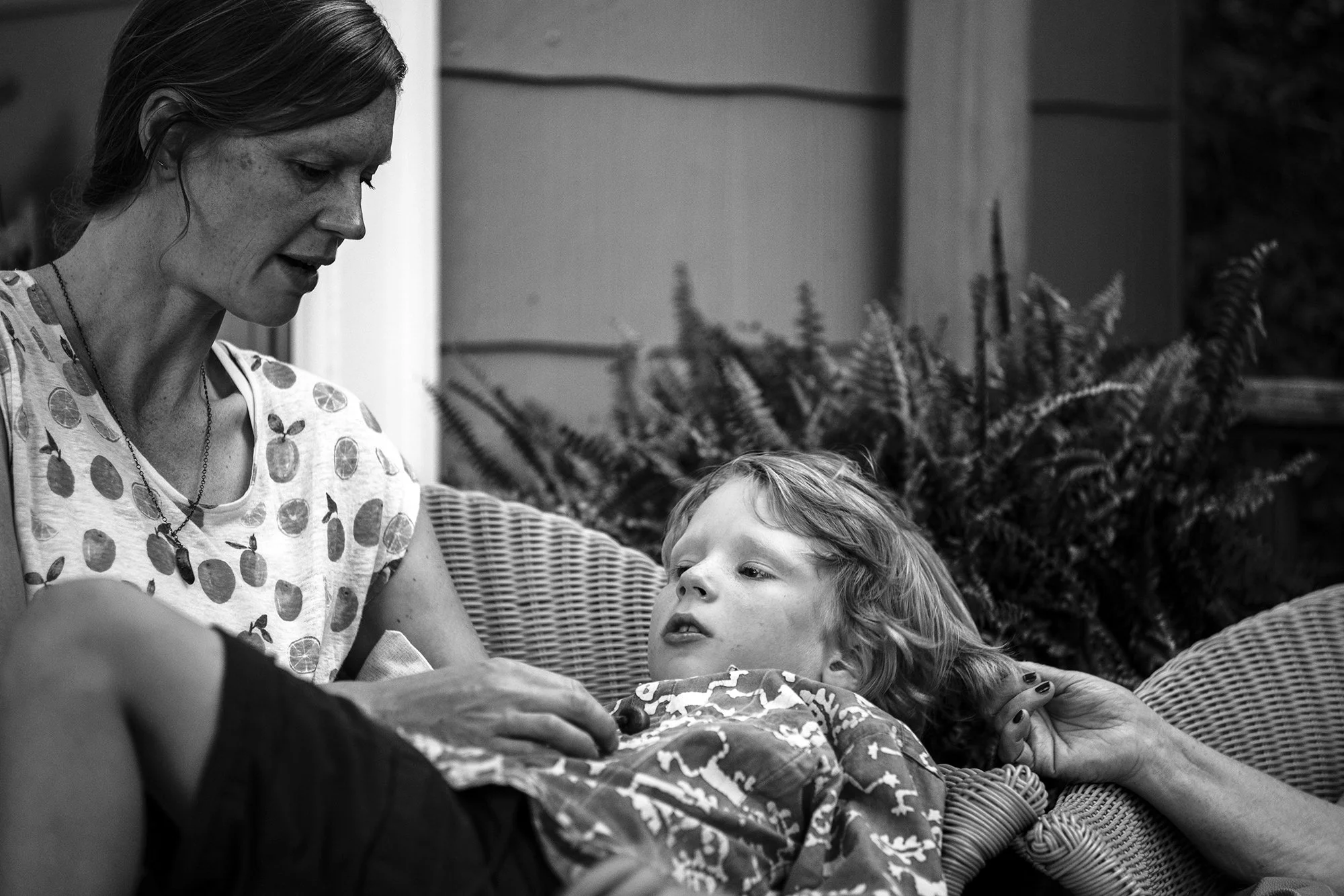
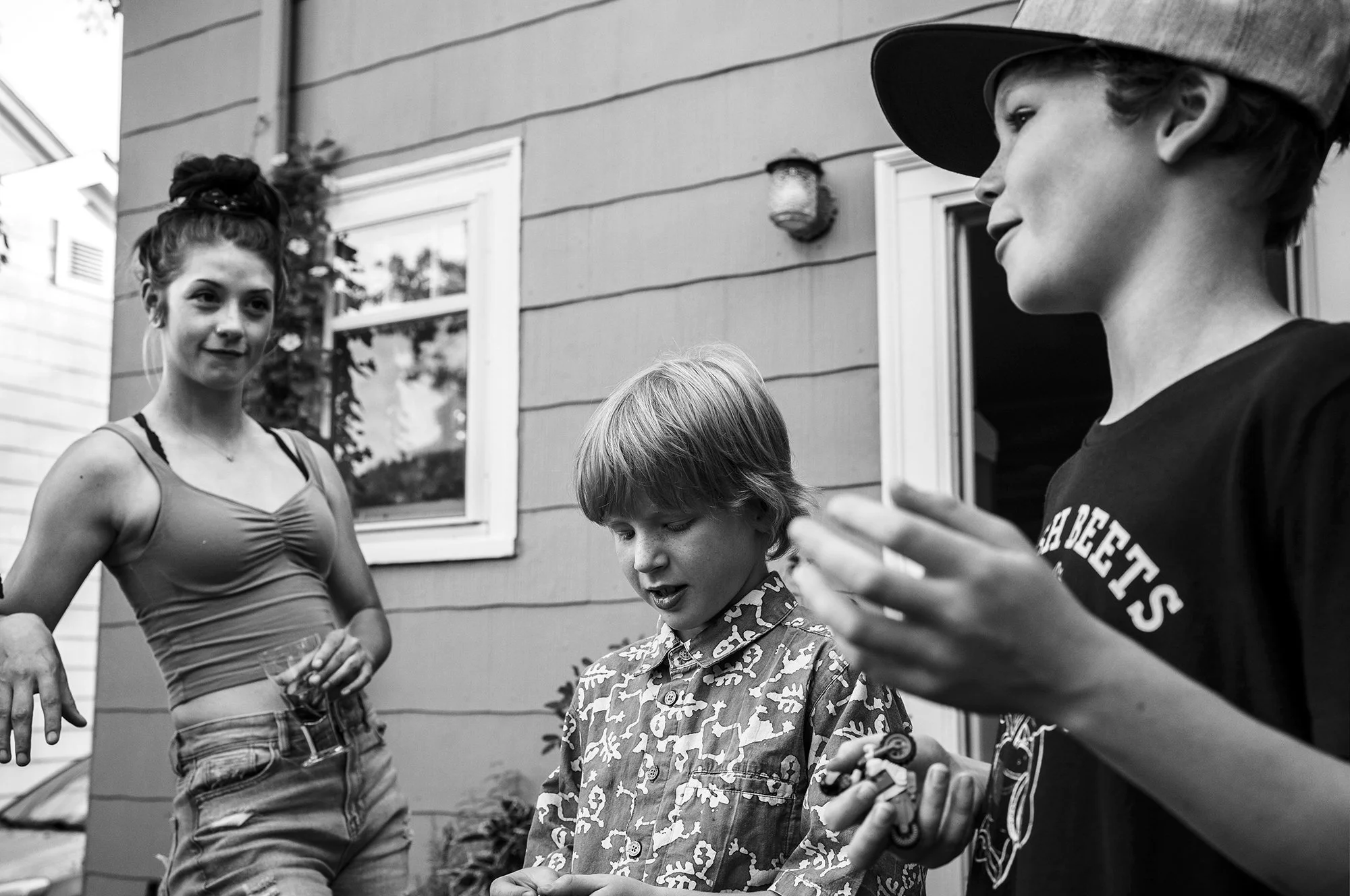
Mine is not a “project” in the traditional sense: I did not begin photographing a specific group of people, at a specific time, in a specific place. Rather, this is a collection of images of family life that I have been making ever since I began using a camera seriously, some 67 years ago. I have made all of these images, some with digital and some with film cameras, over the last quarter century. Some are what might be termed “street photos,” in that they were made by me of strangers, in public places, without asking permission. Some are photos of members of my own family, and others were taken during a period when I offered my services to families to produce something I call A Day In Our Life. Each of those shoots took place over the course of one to three days, during which I was a fly on the wall with a camera, documenting the life of the family which had hired me. None of those images - or any of the images here - were posed. All are scenes you will see, encompassing life from beginning to end.
Why have I been drawn to photographing families? When all is said and done, I’m sure it has something to do with my being an only child of somewhat emotionally removed parents, and some I am attracted to scenes of family life quite different from my own. I should also give credit to a photography monograph entitled “Willie,” a collection of images made in 1956, by the late Ken Haymen, of one little boy and his world made up of one square block in Manhattan. “Willie” was the first photobook I ever saw, and when I first saw it in 1960, it set me on a path I have been travelling ever since.
B.D. Colen is an American journalist, medical writer, and renowned documentary and street photographer, known for winning the Pulitzer Prize. He is particularly recognised for his groundbreaking coverage of bioethics in mainstream media and for teaching documentary photography at the Massachusetts Institute of Technology. Colen spent 27 years working at The Washington Post and Newsday, where he shared a Pulitzer Prize in 1984 for Newsday's "Baby Jane Doe" series.
Second Place – Sultan Koç
Sultan Koç
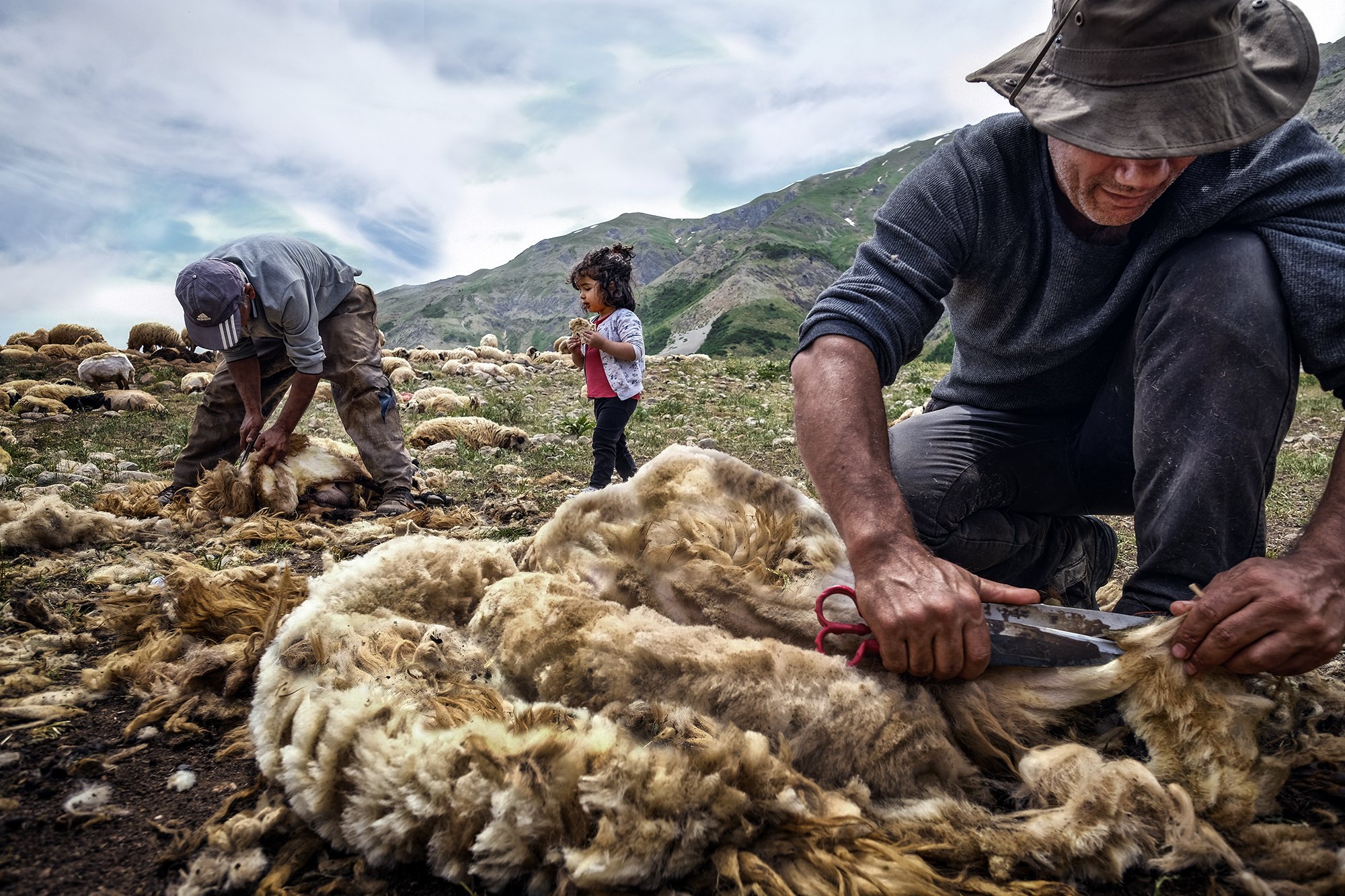
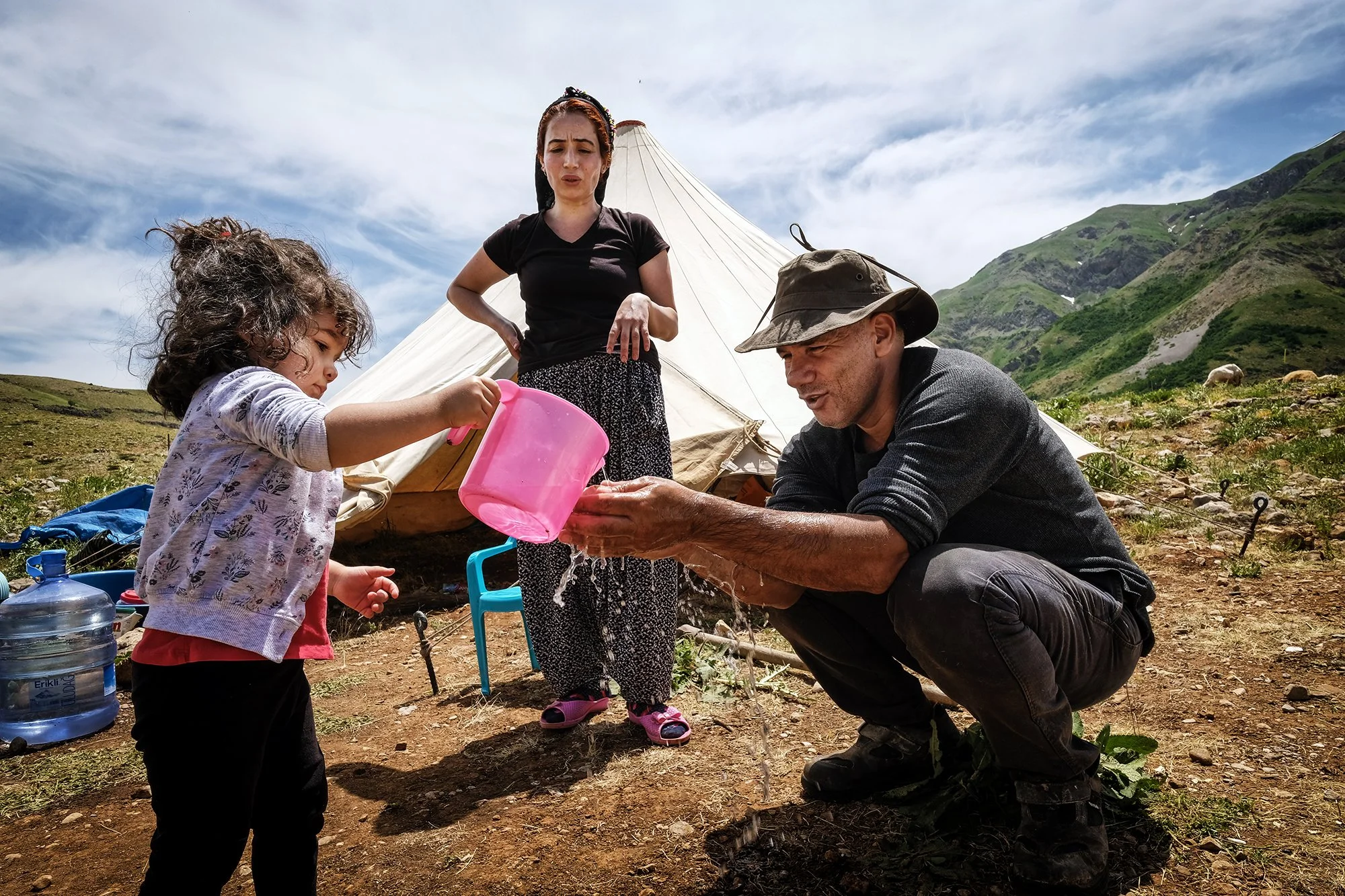
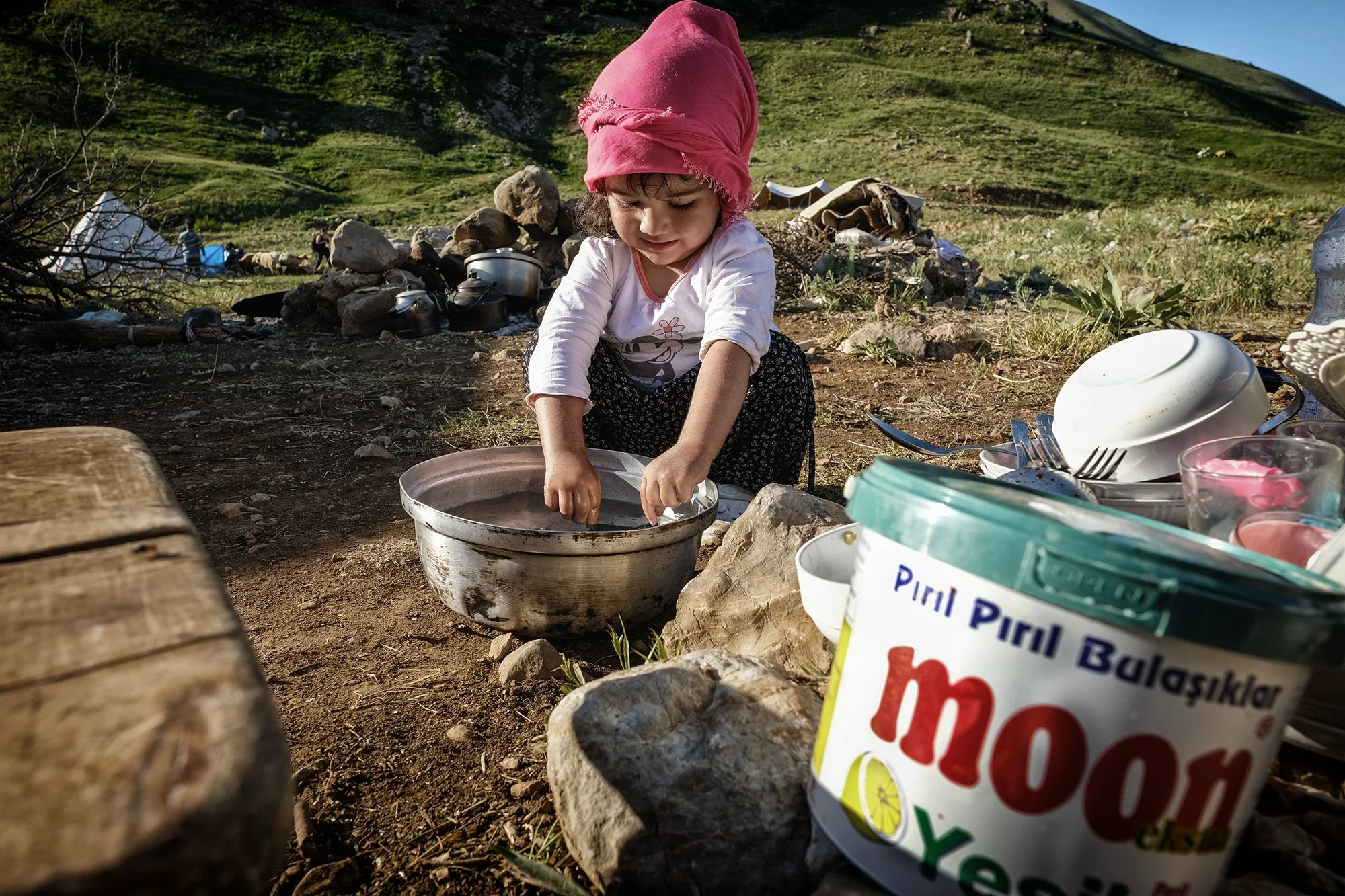
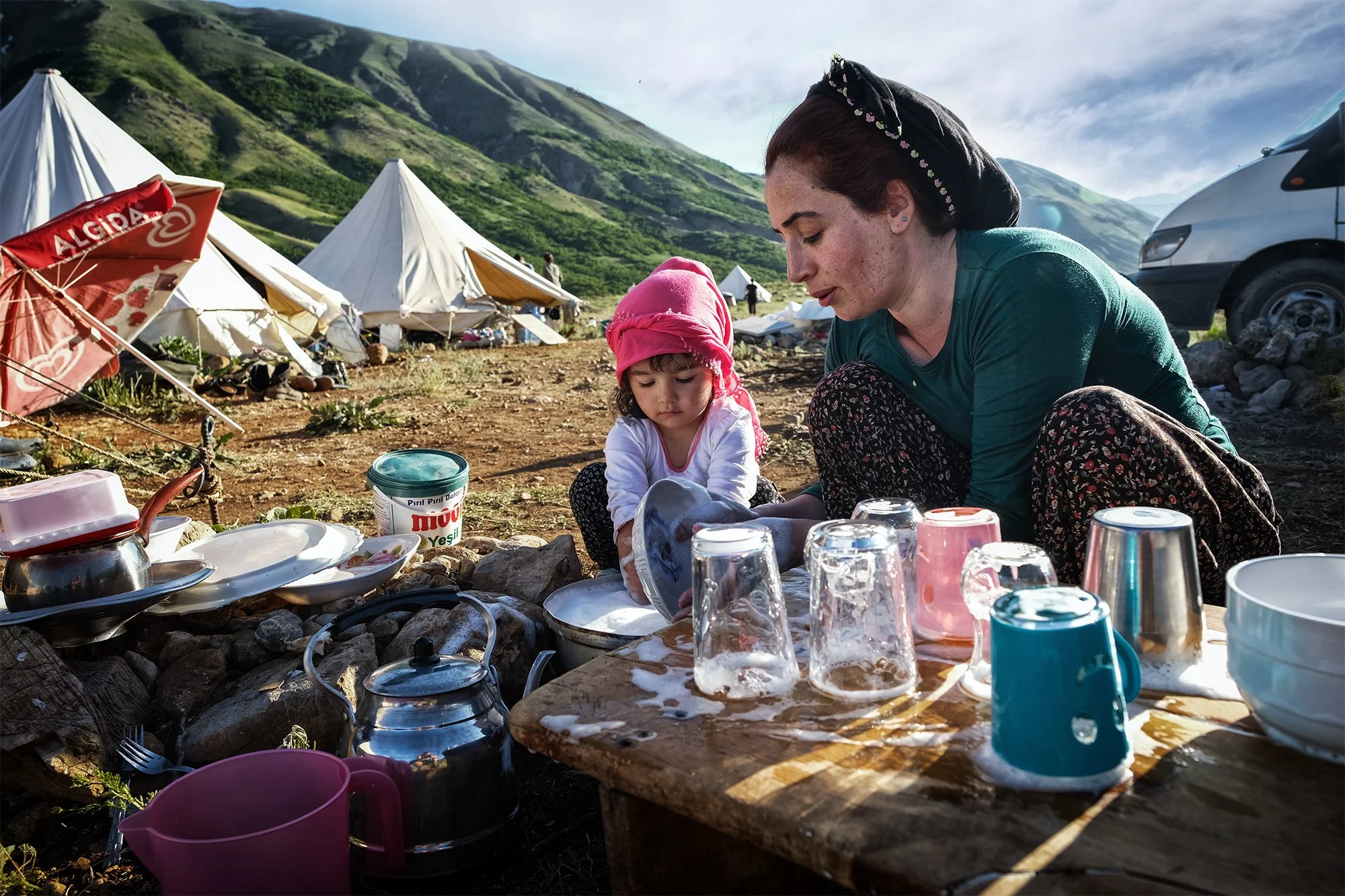
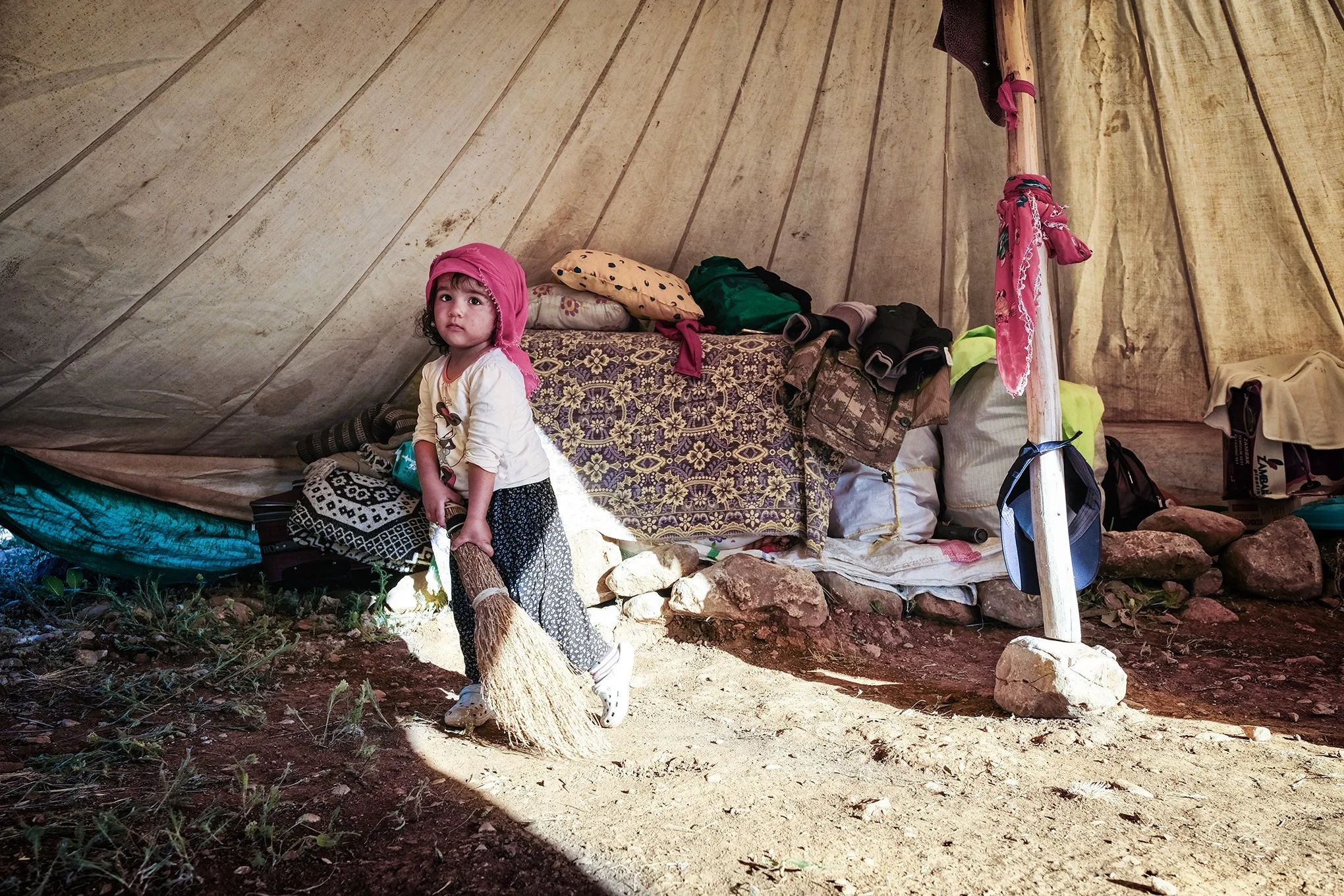
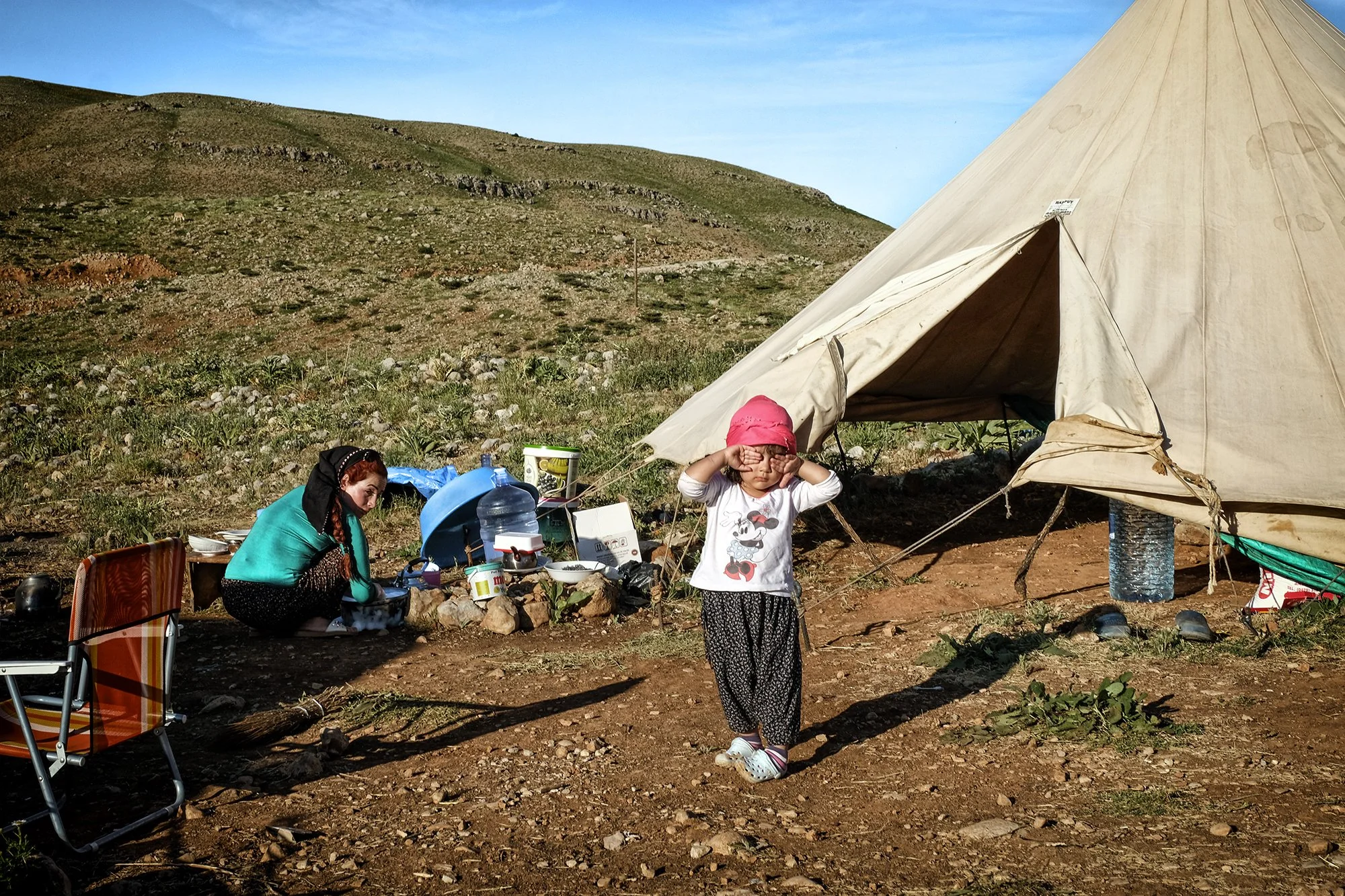
In 2019, I captured a series of photographs in the Dersim mountains that depict the Şavak tribe, an indigenous group located in the Central Anatolia region of Turkey. The Şavak people lead a semi-nomadic lifestyle, characterised by their seasonal migrations with livestock. As temperatures rise, they move from the plains to higher elevations in the mountains. Their livelihood primarily revolves around dairy production, where they make butter and cheese from the milk of their small cattle. This traditional way of life requires the active participation of the entire family during the migration process, highlighting the communal nature of their culture.
Dr Sultan Koc lives in Bursa, Turkey. After working as a paediatrician for 30 years, she retired in 2016. An avid traveller and mountaineer, she has always loved photography, initially focusing on landscapes before dedicating the last nine years to street and documentary photography. Her work has appeared in exhibitions and books. Travelling with her caravan, she enjoys capturing the ordinary moments of people's lives and immersing herself in Anatolian culture. She explores the traces of humanity's history through her photography.
Third Place – Marina Dego
Marina Dego
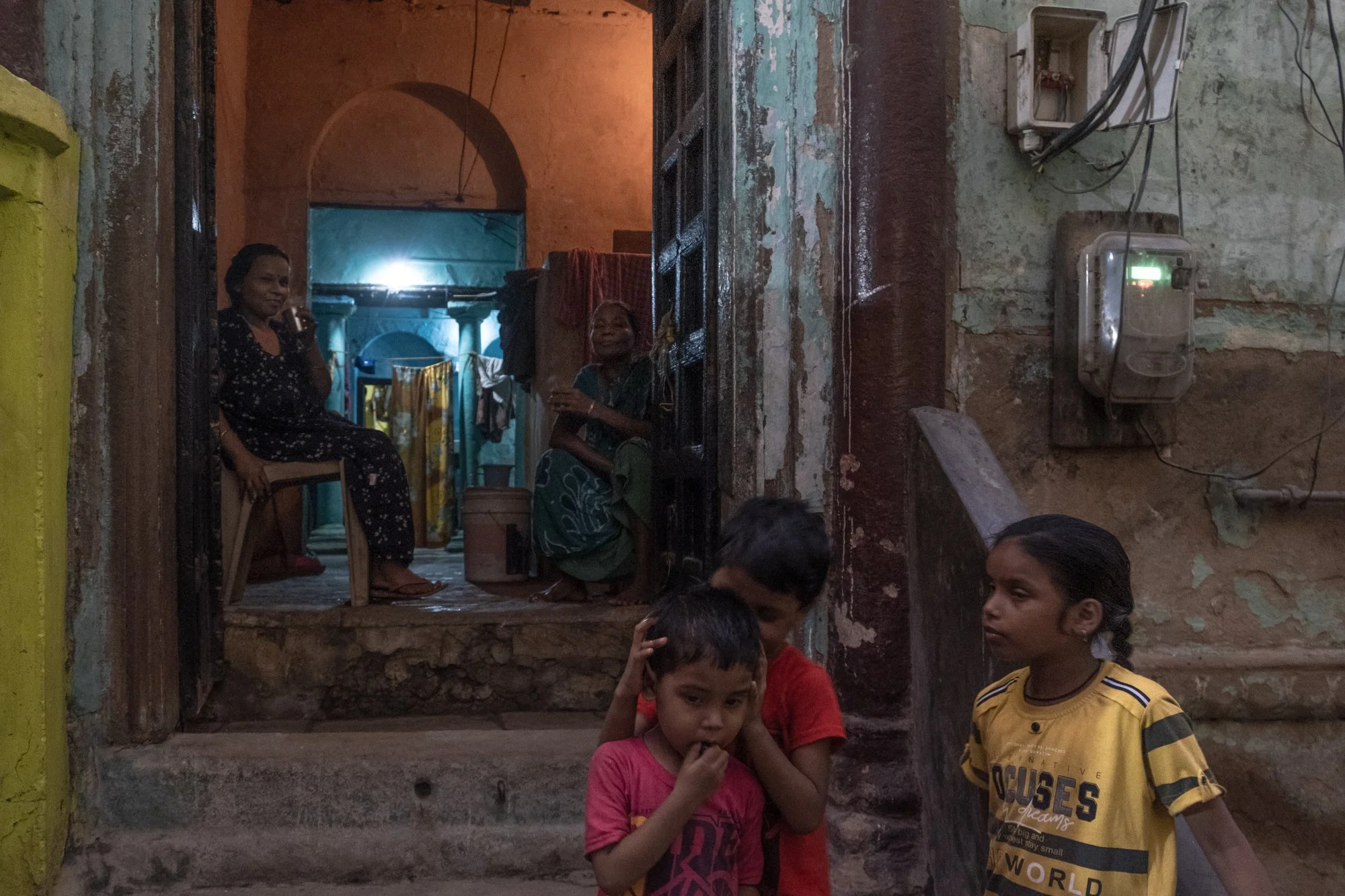
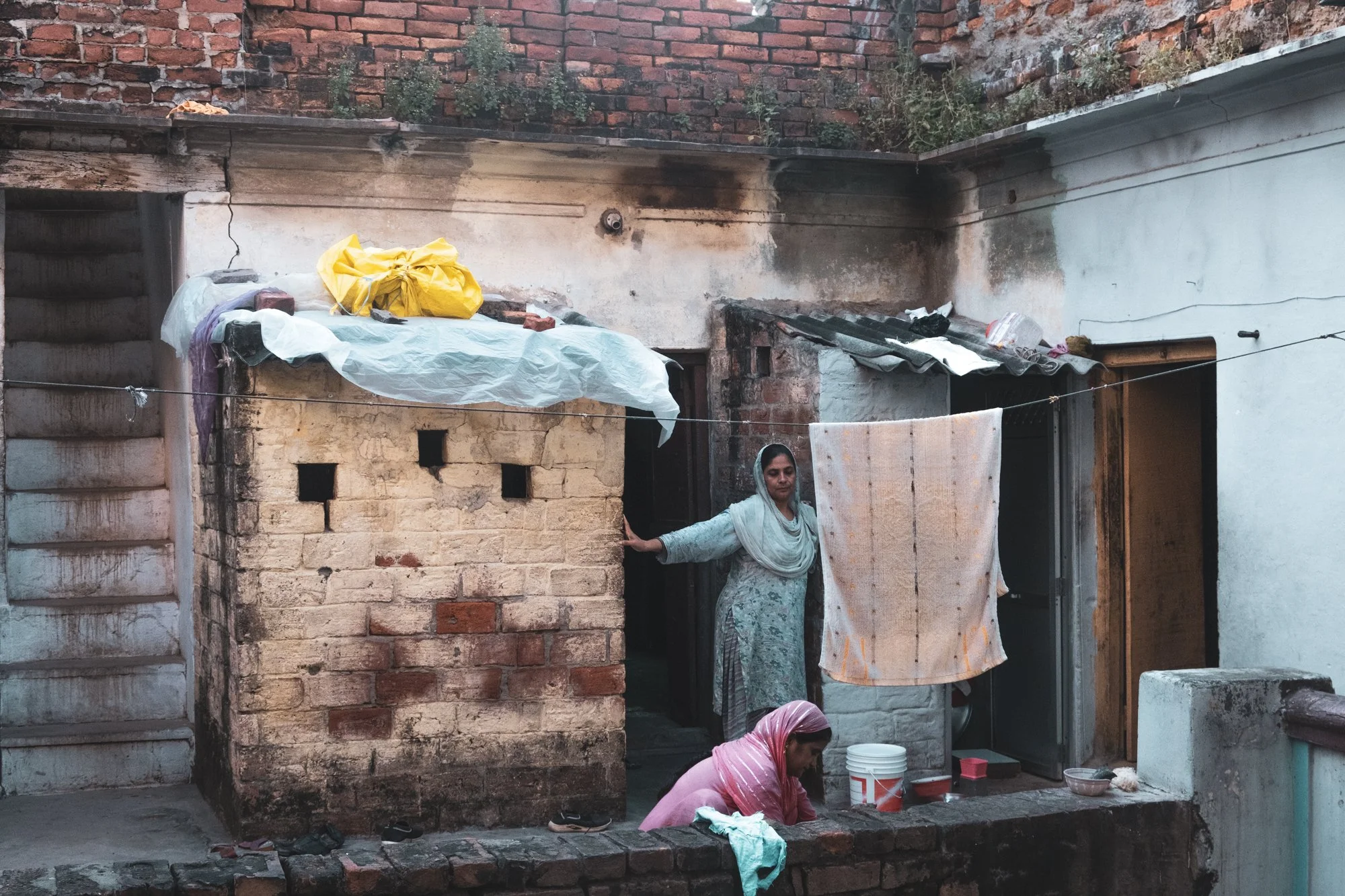
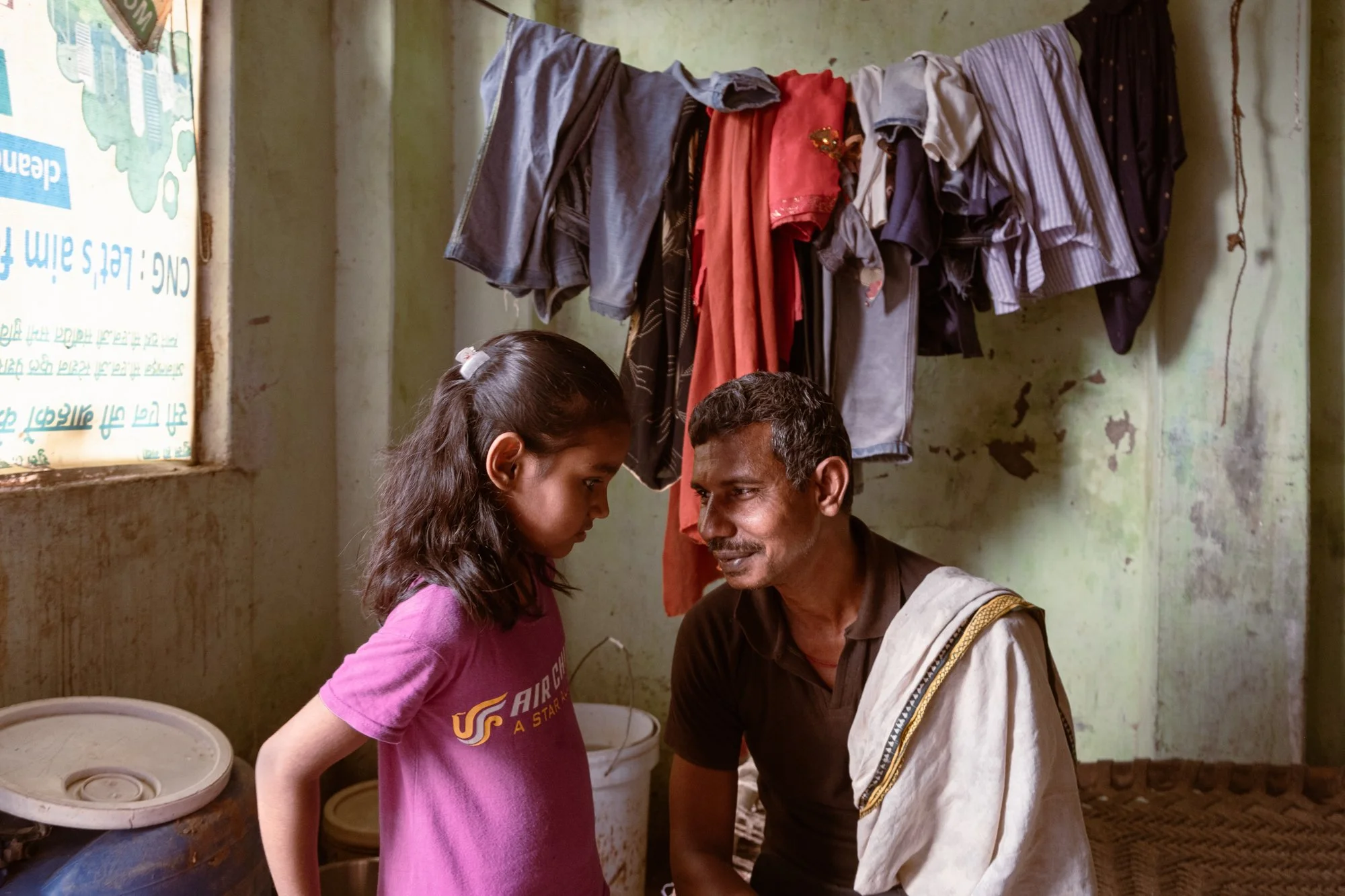
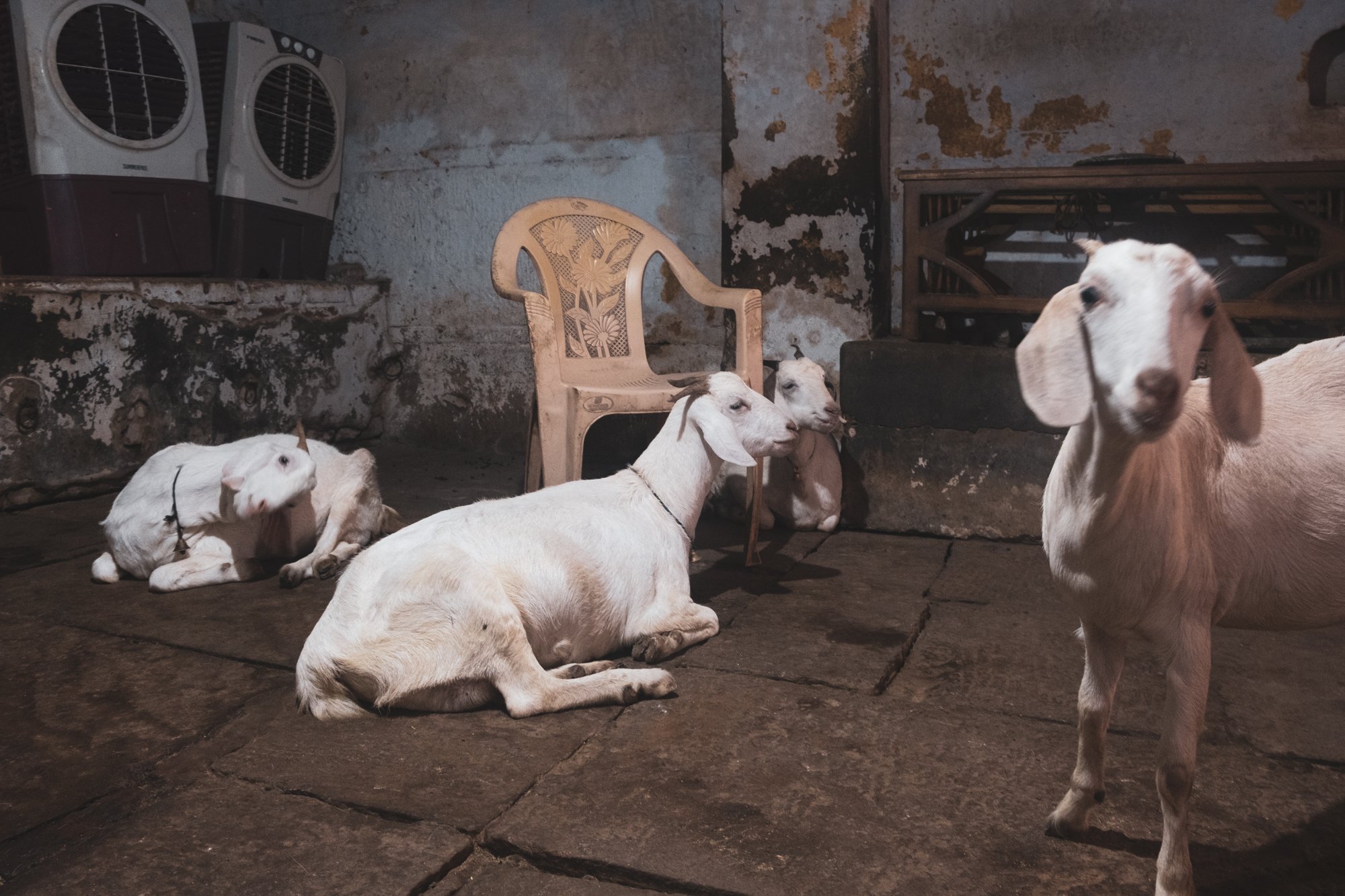
I hold a deep belief in the importance of experiencing family moments that transcend the boundaries of our immediate relationships. When we show genuine care, attention, and respect not only to those closest to us but also to the wider community, we can create a sense of belonging to something much larger—a greater family that embraces all of humanity. In this broader context, photography serves as a powerful language of connection; it communicates emotions, stories, and shared experiences with minimal words, allowing us to appreciate the richness of our interactions.
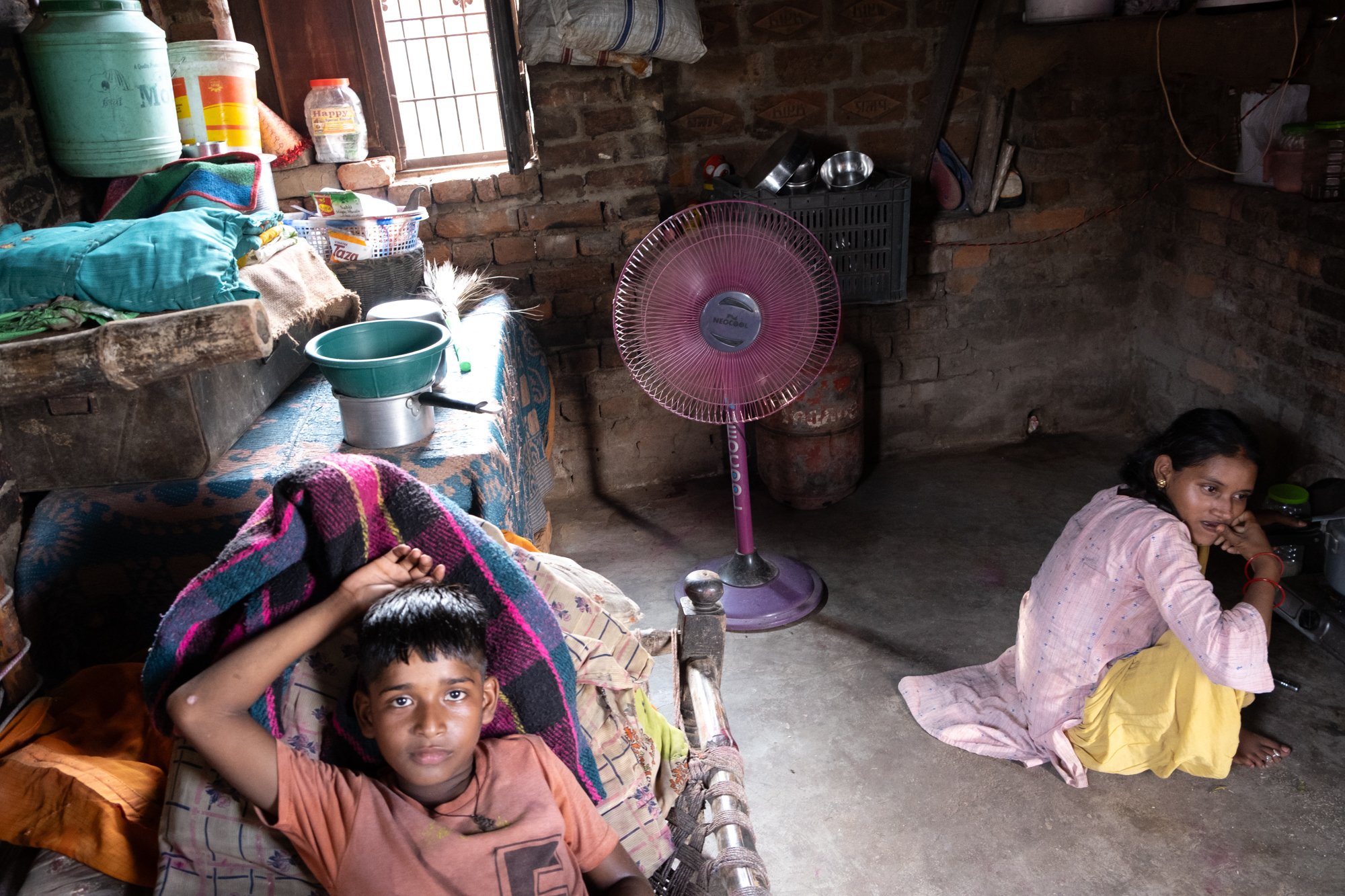
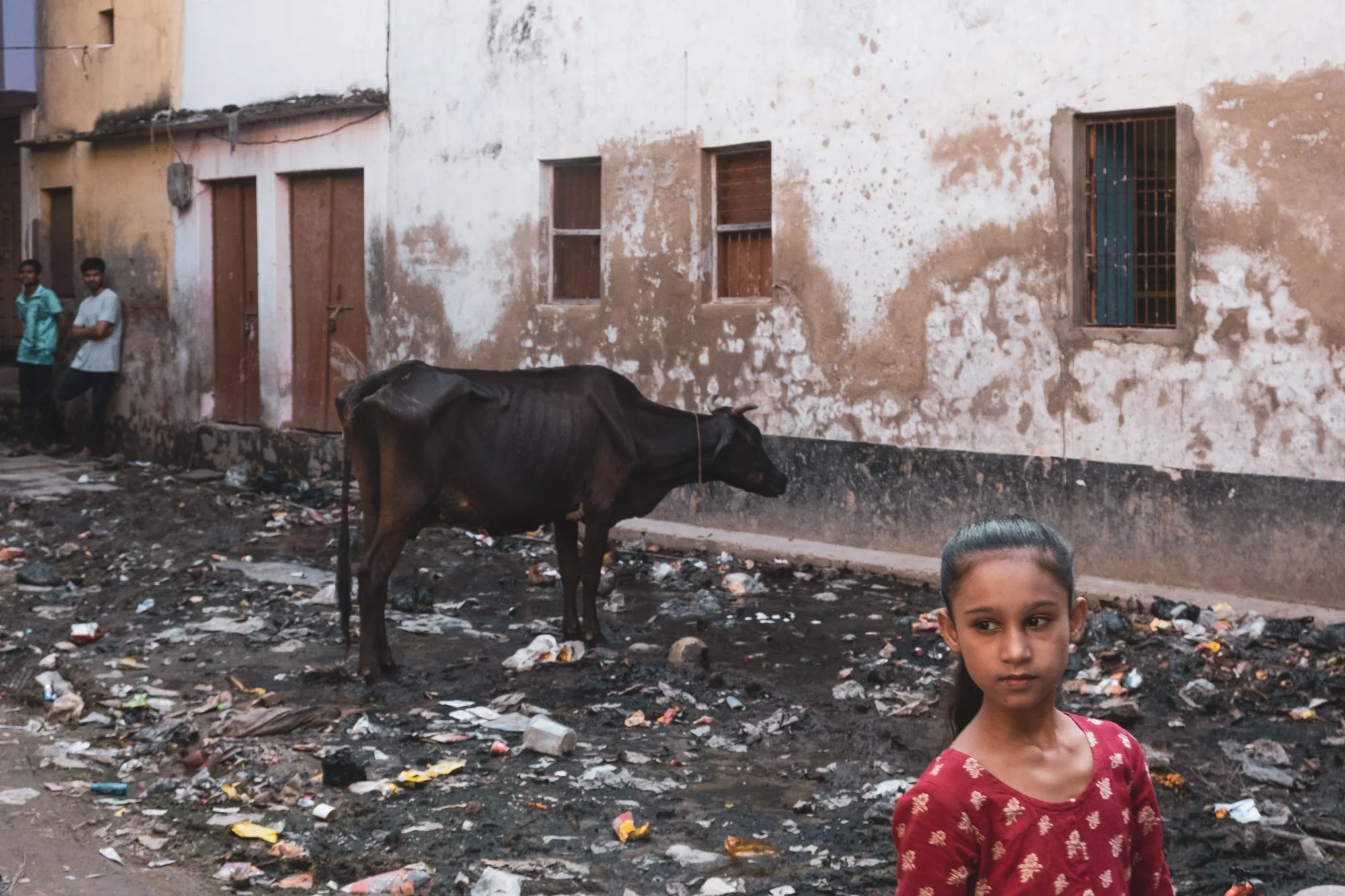
Capturing these moments in a city as vibrant as Varanasi in 2025 enhances this narrative, weaving together the threads of culture and community that unite us all.
Marina Dego, born by a lake yet marine by nature, divides her life between London and work travel. One day, she chooses to leap into the unknown, craving a fresh perspective. Transitioning from a fashion career to studying literature and photography, she explores South America and Europe to learn to tell stories through images and words. Her journey is fueled by curiosity and restlessness, as she always ponders what she will do when she grows up. Believing in the power of human connections, she loves listening to stories and sharing them, convinced that the world can be saved one story at a time.
Catia Montagna Myriam Aadli
Tied for Fourth
Catia Montagna
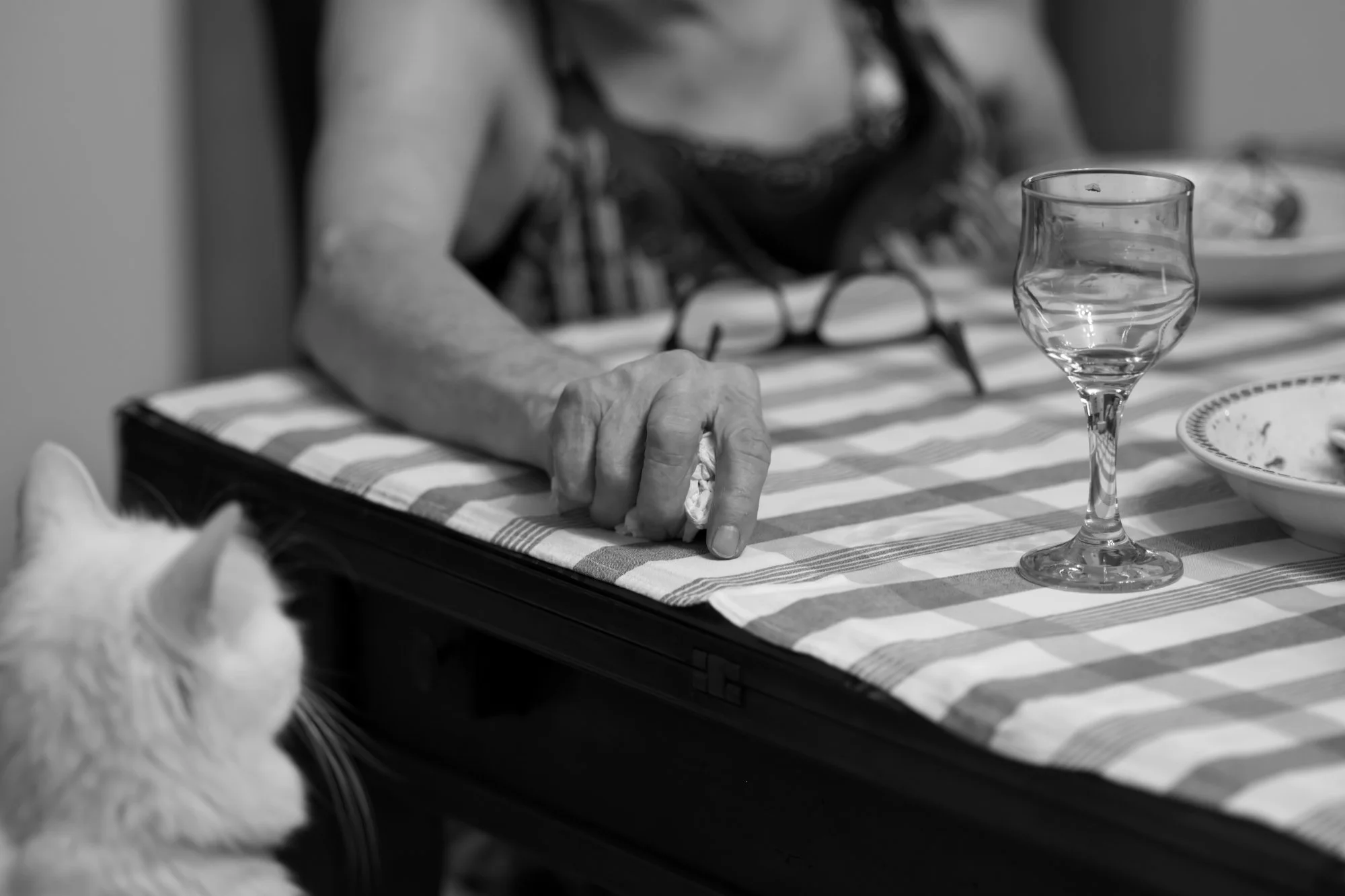
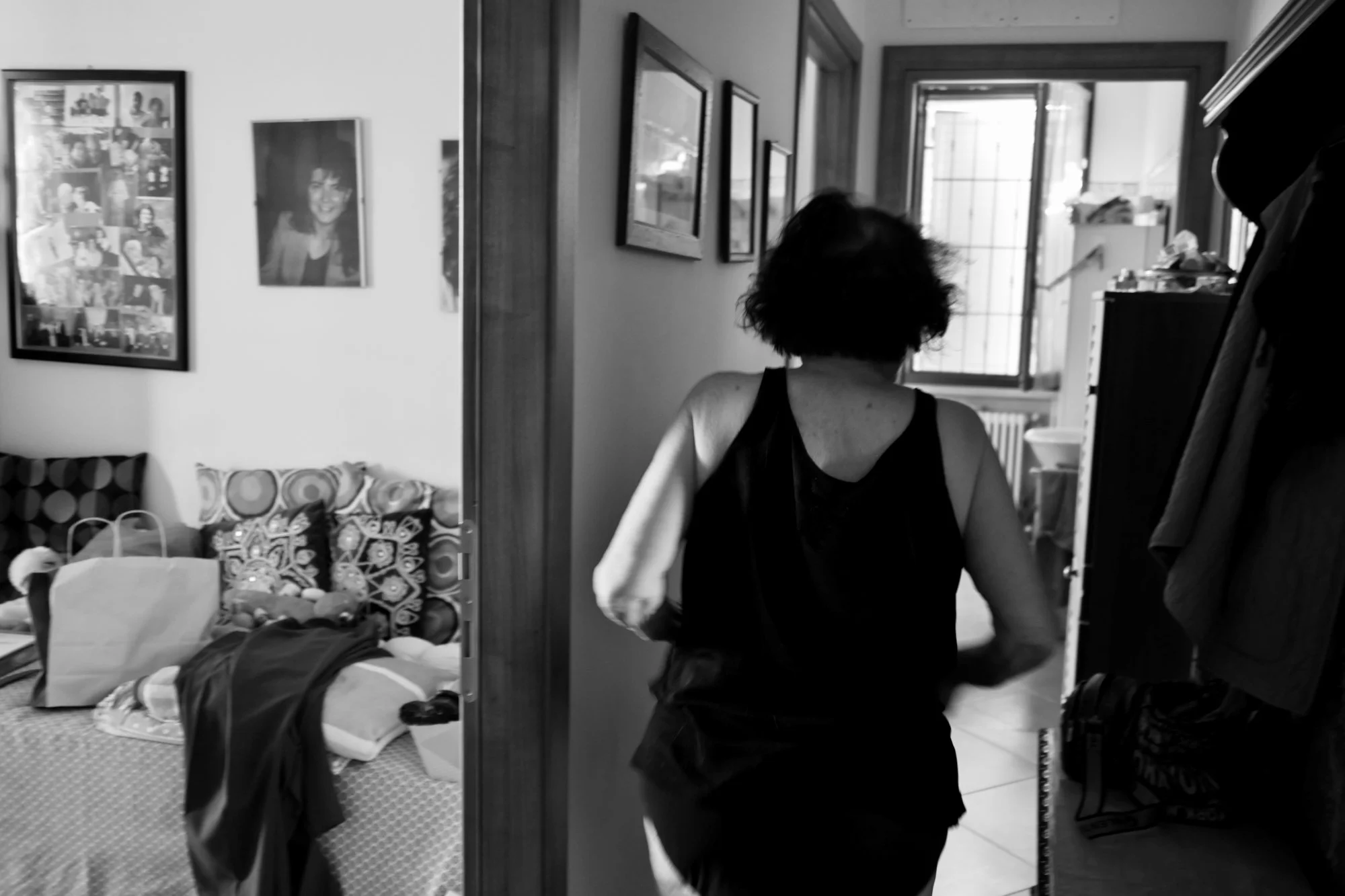
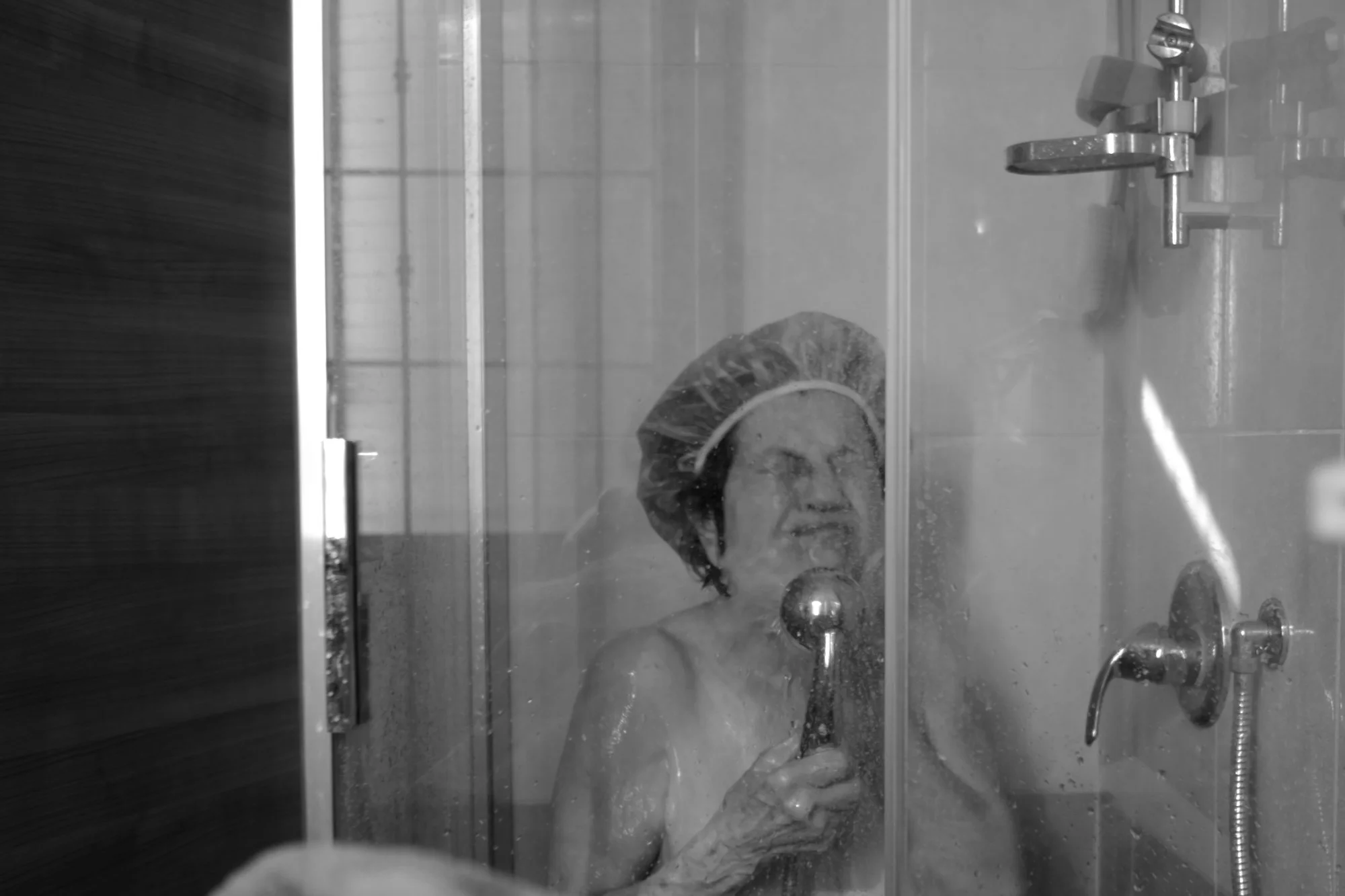
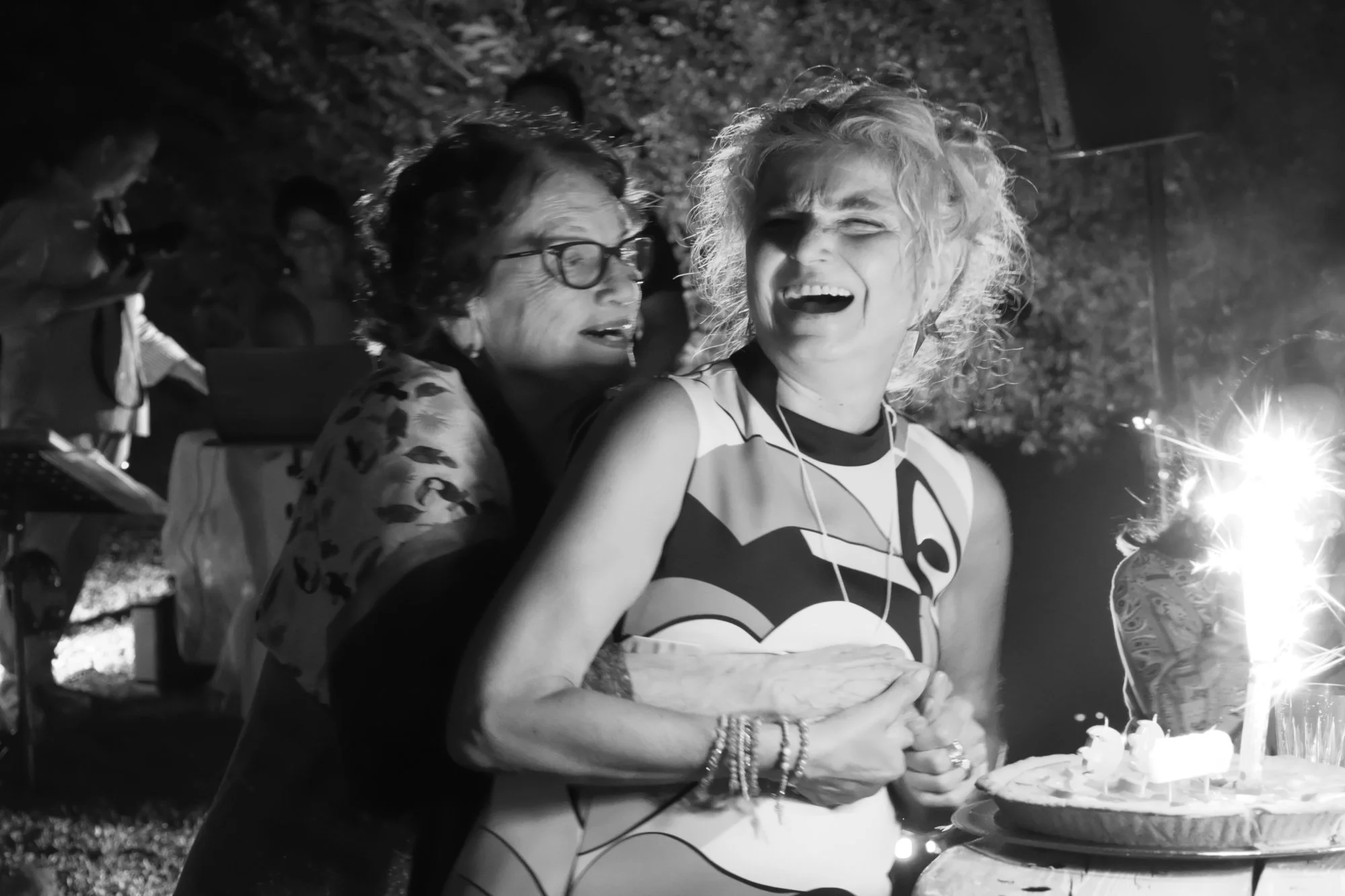
A lifetime dedicated to others: a husband, daughters, extended family, and friends. There were constant comings and goings, cooking, and the philosophy that the more, the merrier—filled with laughter and tears.
However, gradually, they began to leave: some starting new lives, others never to return. Then, one day, she decided she no longer wanted to live alone in that large apartment filled with the echoes of decades past. She chose a new place and a new life, determined to embrace this life until the very end.
Mirella. My mother.
Catia Montagna was born in Italy and has spent most of her adult life in the UK as an academic economist. Photography has been a significant passion for her since her teenage years, helping her to see and understand the world more clearly. She is mostly self-taught, and her background in social sciences influences her photography, particularly her interest in how we interact with and shape our environment. While she primarily focuses on street photography, her aim is to capture the subtle poetry found in life's gestures and expressions, reflecting existential tensions and universal human experiences.
Myriam Aadli
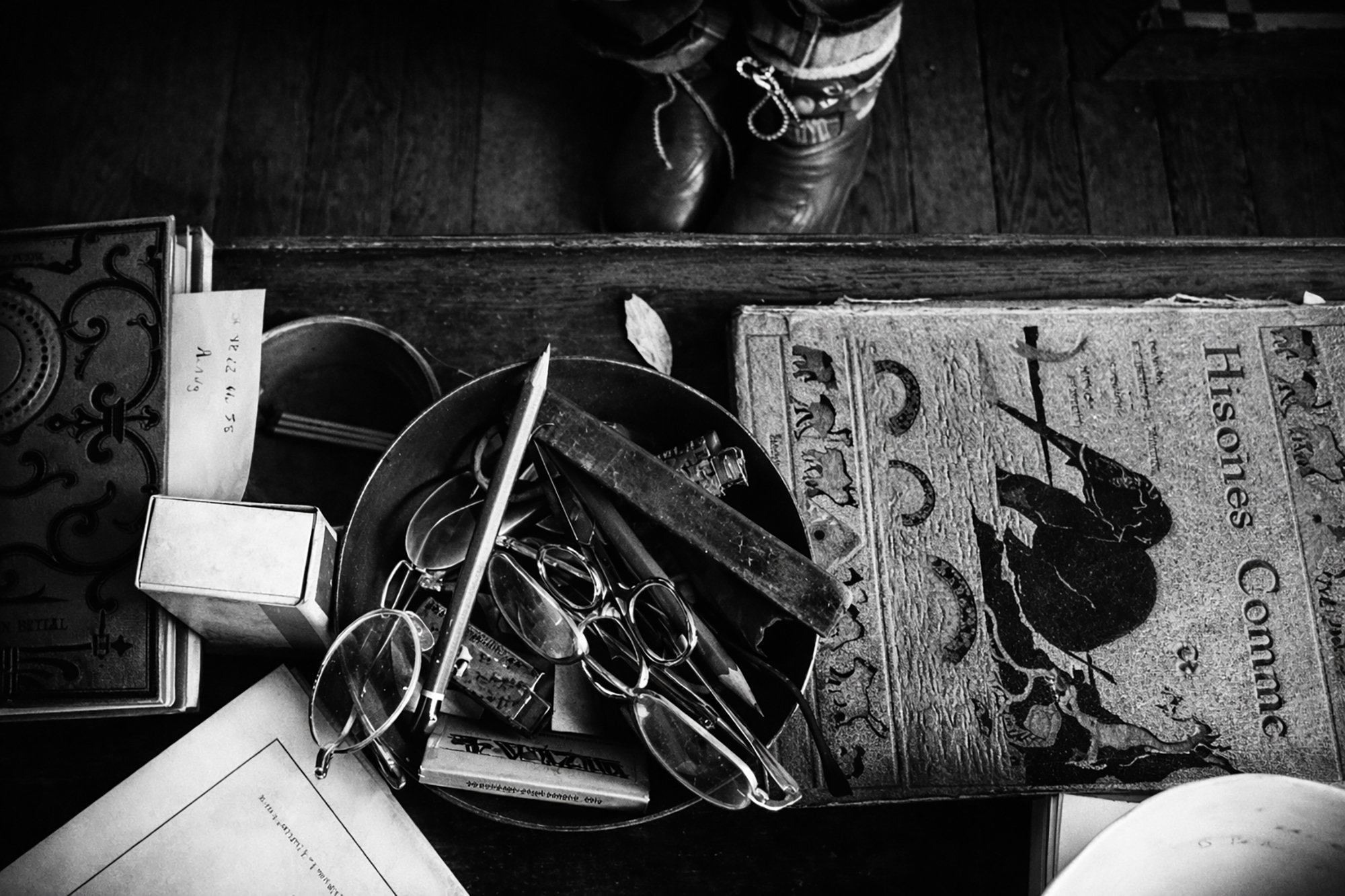
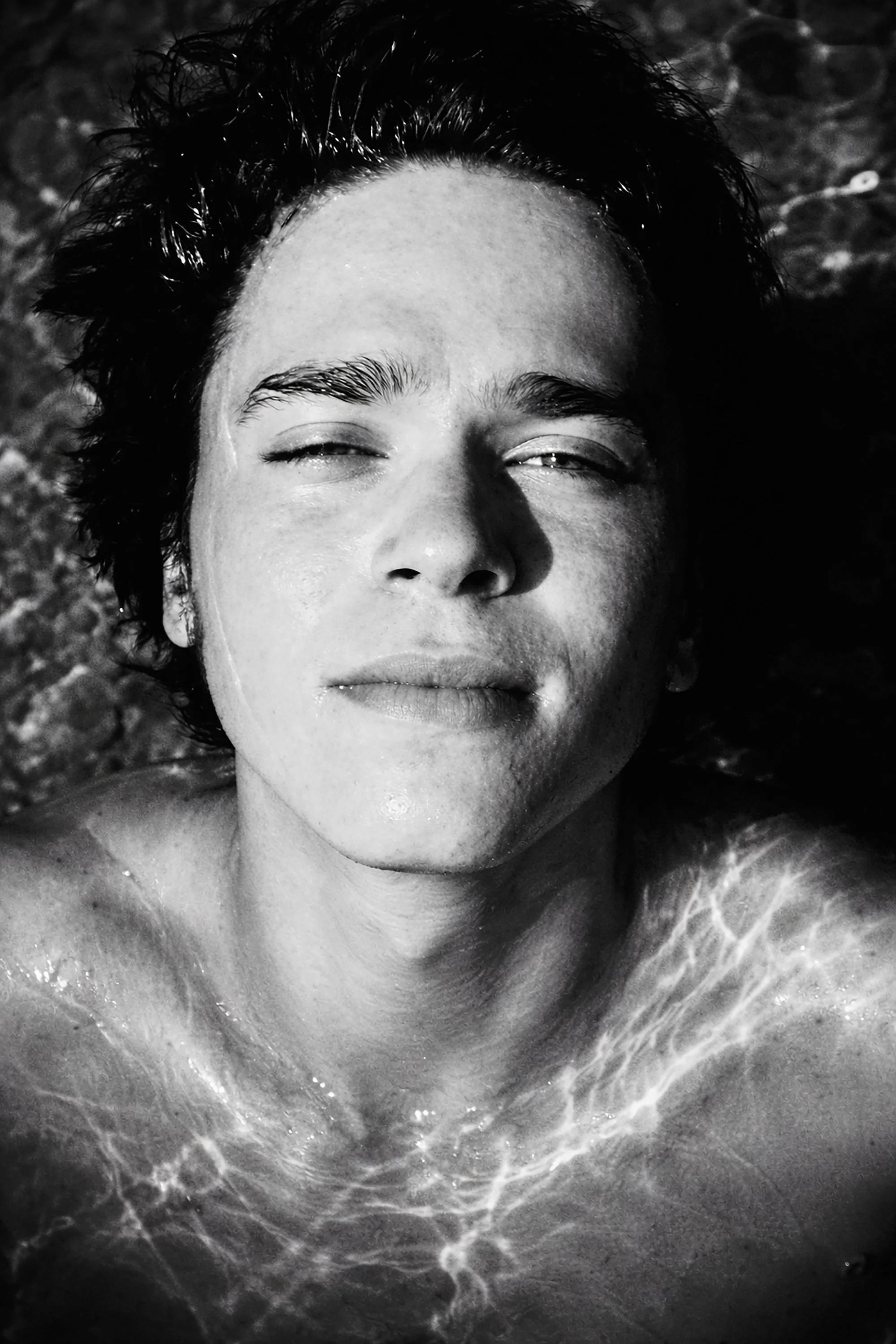
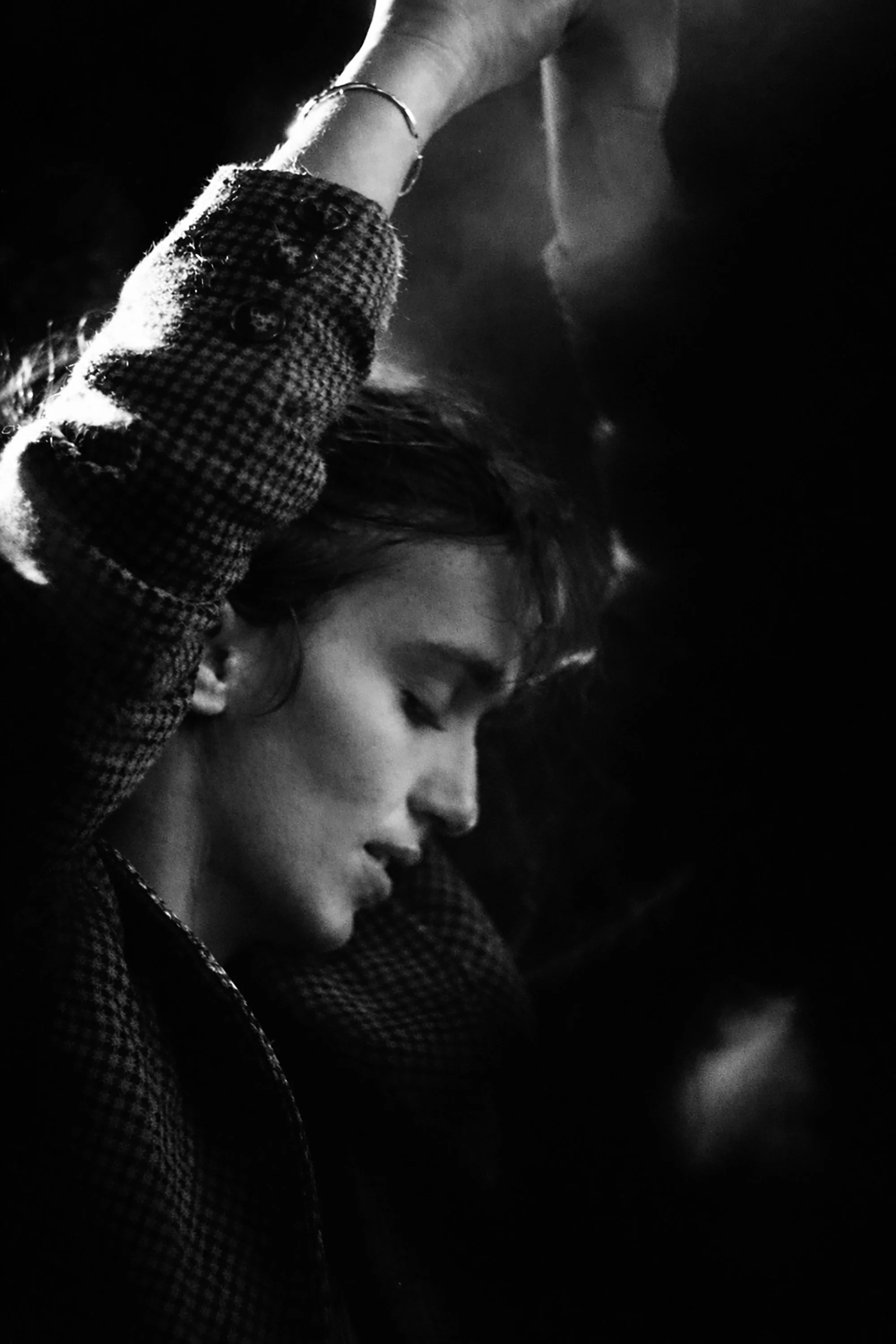
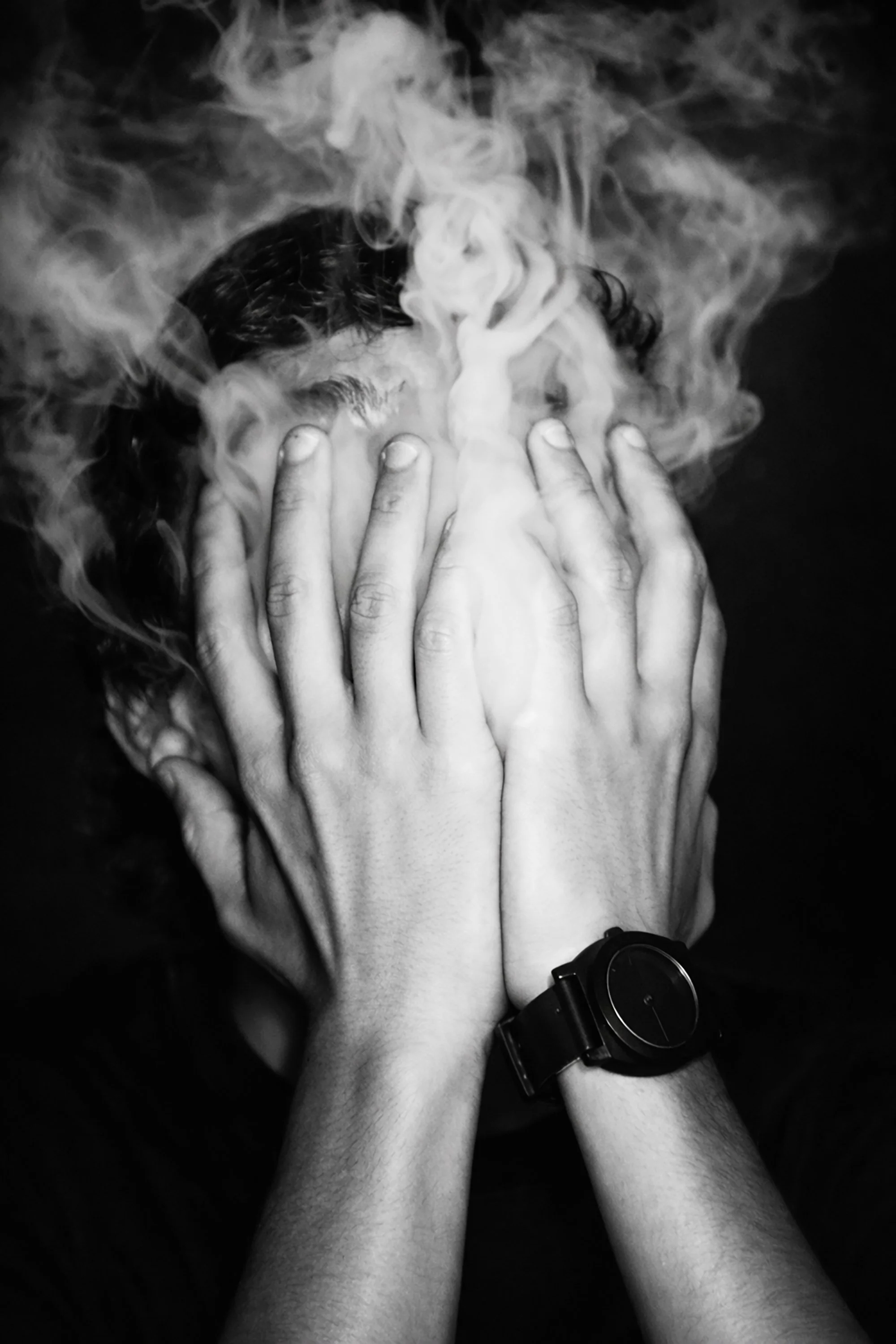
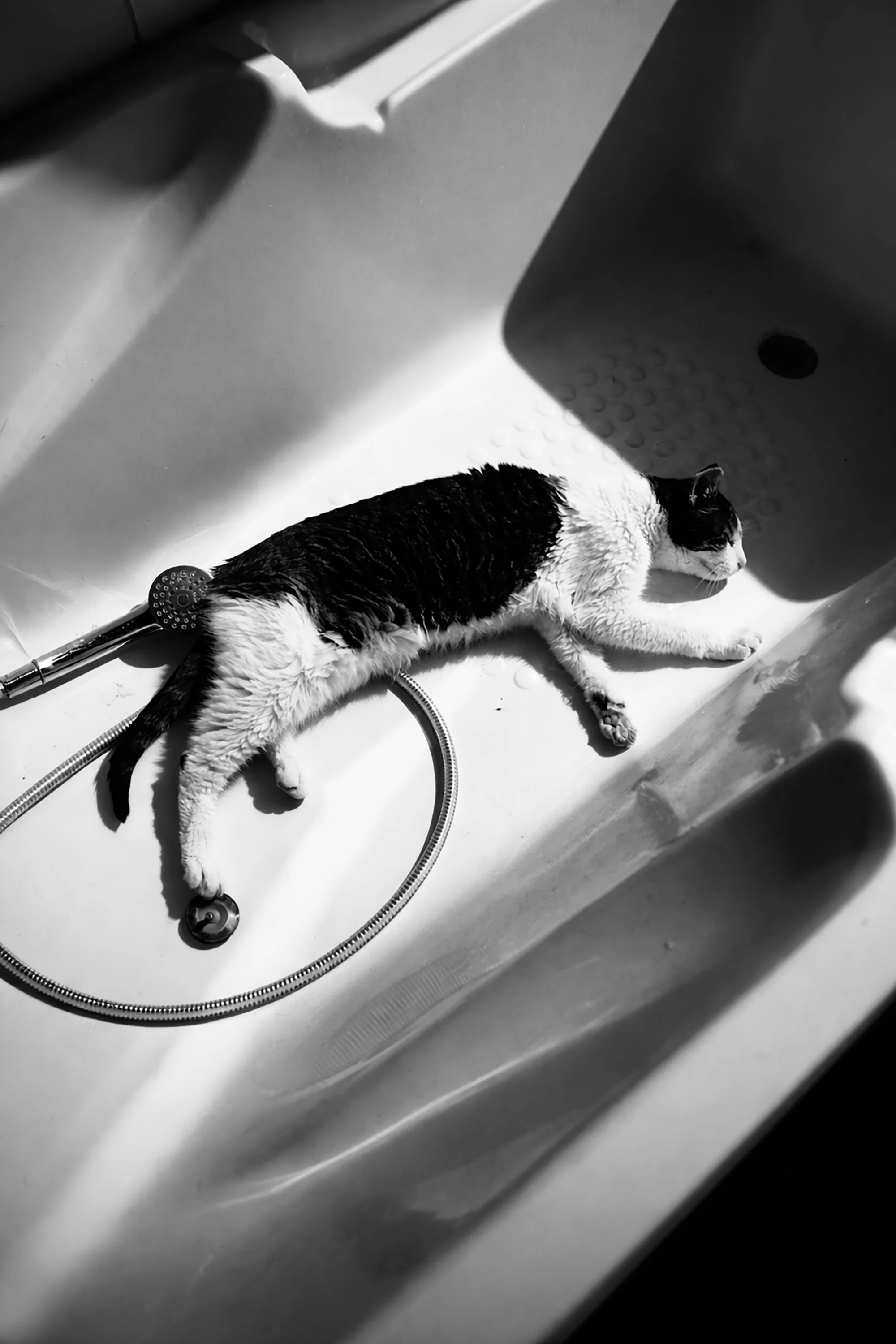
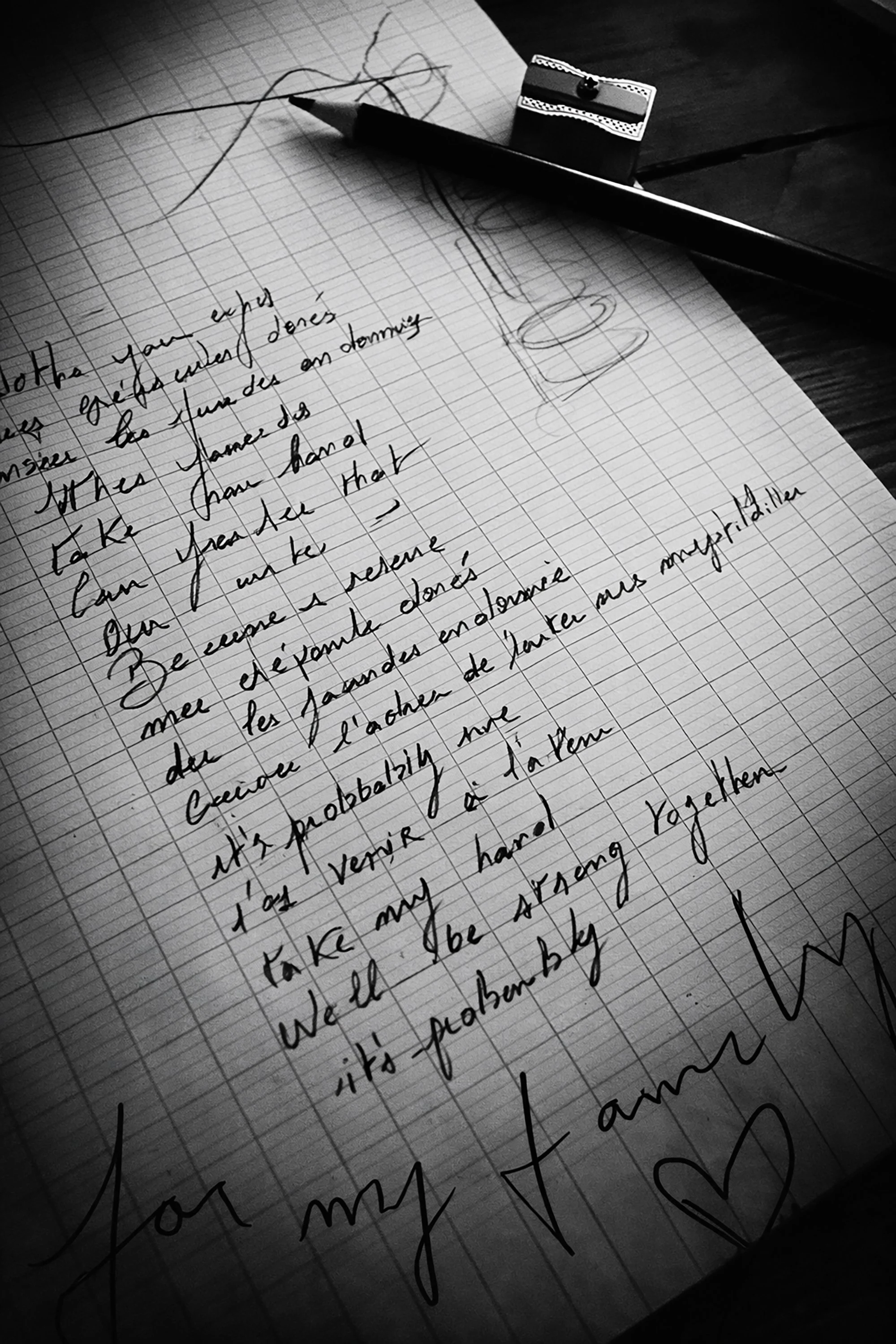
I have never photographed my children to hold them still. I photograph them to accompany their movement. All these images are taken on my phone, in the moment—unstaged and unposed. They are fragments of our days: a face in water, an arm lifted, the quiet disorder of a table, O’Malley stretched in the light. I ask nothing of them; I am simply there. I observe and capture what passes.
We raised them with a deep respect for freedom of expression. To speak, to question, to disagree, to feel fully—everything has always had its place. I chose this path in their education: to conceal nothing, to disguise nothing. In our home, emotions circulate freely. Vulnerability is not a weakness, and words are space. I watched them enter adulthood almost imperceptibly. It does not happen in a single moment; it settles gradually, in the steadiness of a gaze, in a decision made without hesitation, in a commitment that becomes entirely their own.
Before, and especially after the sudden loss of my parents—who were so present in their upbringing—something shifted. We do not speak much about death; we live with it. It is the only thing we celebrate in silence: their absence, transformed into a quiet strength beneath everything. My parents continue to exist in their values, in the way they inhabit the world, and in their insistence on sincerity.
O’Malley belongs to this story as well. He was found as a kitten during a sandstorm in Africa—fragile, dust-covered, and improbably alive. He grew up alongside them, crossing borders, making departures and returns—a discreet witness to our intimate geography.
They are everywhere now: abroad, travelling the world. Each year at Christmas, I print an edition of who they are becoming in Polaroid format. I place the photographs in a box they have kept since early childhood, a tangible archive of their transformation, a quiet record of their becoming. In my mind, each of them has, in their own way—before, and especially after those abrupt losses—chosen to celebrate life. Not noisily, but through commitment, through awareness of time, and through the intensity of being present.
Myriam Aadli (b. France, 1967) has spent over three decades developing a photographic practice rooted in humanism, emphasising encounter over extraction. With training in cinematography from ESEC Paris and the Actors Studio in New York, Aadli's multidisciplinary background in theatre, painting, and cinema influences her photography. Her works are featured in private collections and in international magazines such as Géo and ISP Magazine. In 2025, she won First Prize in Street Photography at the Fine Art Photography Awards for "A Thread Between Two Worlds."
Batsceba Hardy and Ornella Mazzola stated: "This project represents an incredible journey that is continuously evolving and expanding. Despite being in its current stage, it already incorporates a rich array of ideas and concepts. and captures silent, poetic, and emotionally charged fragments of everyday life. These moments are intricately woven together, inviting viewers to reflect on the beauty and complexity of ordinary experiences. We are eager to see how it unfolds and transforms in the coming months and years, as each new development adds depth to its overall narrative. "
Special Prize – Jonathan Faus
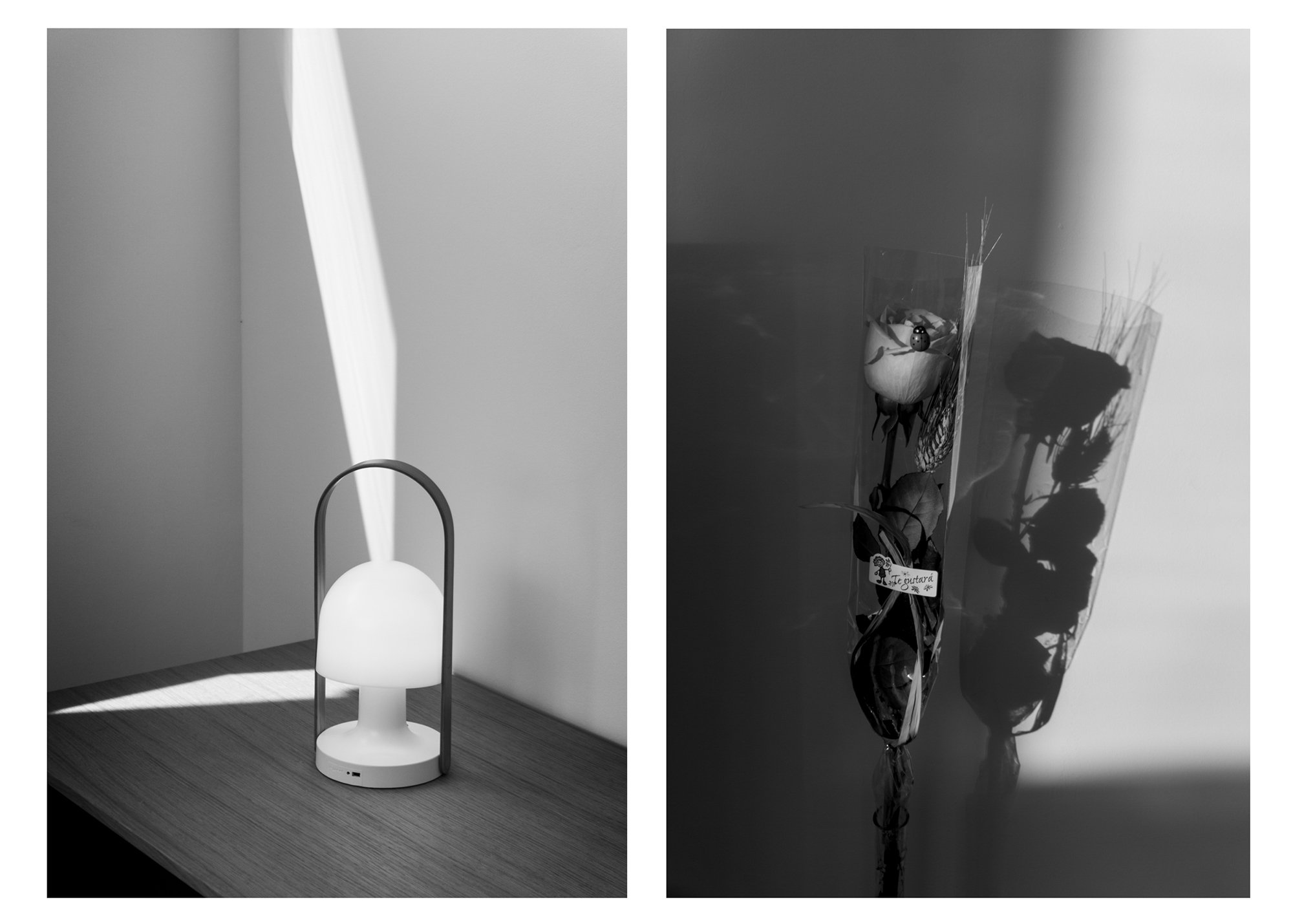
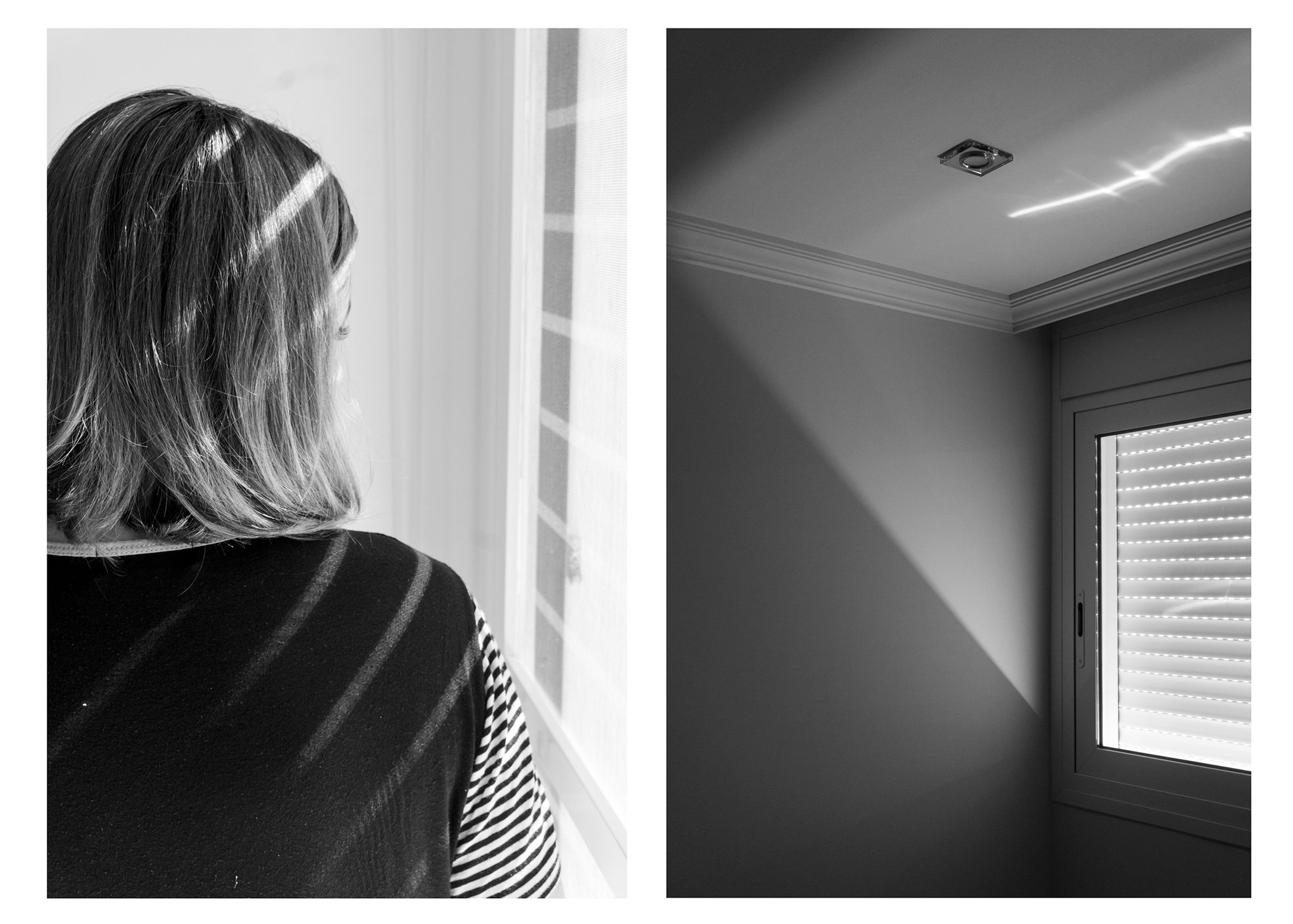
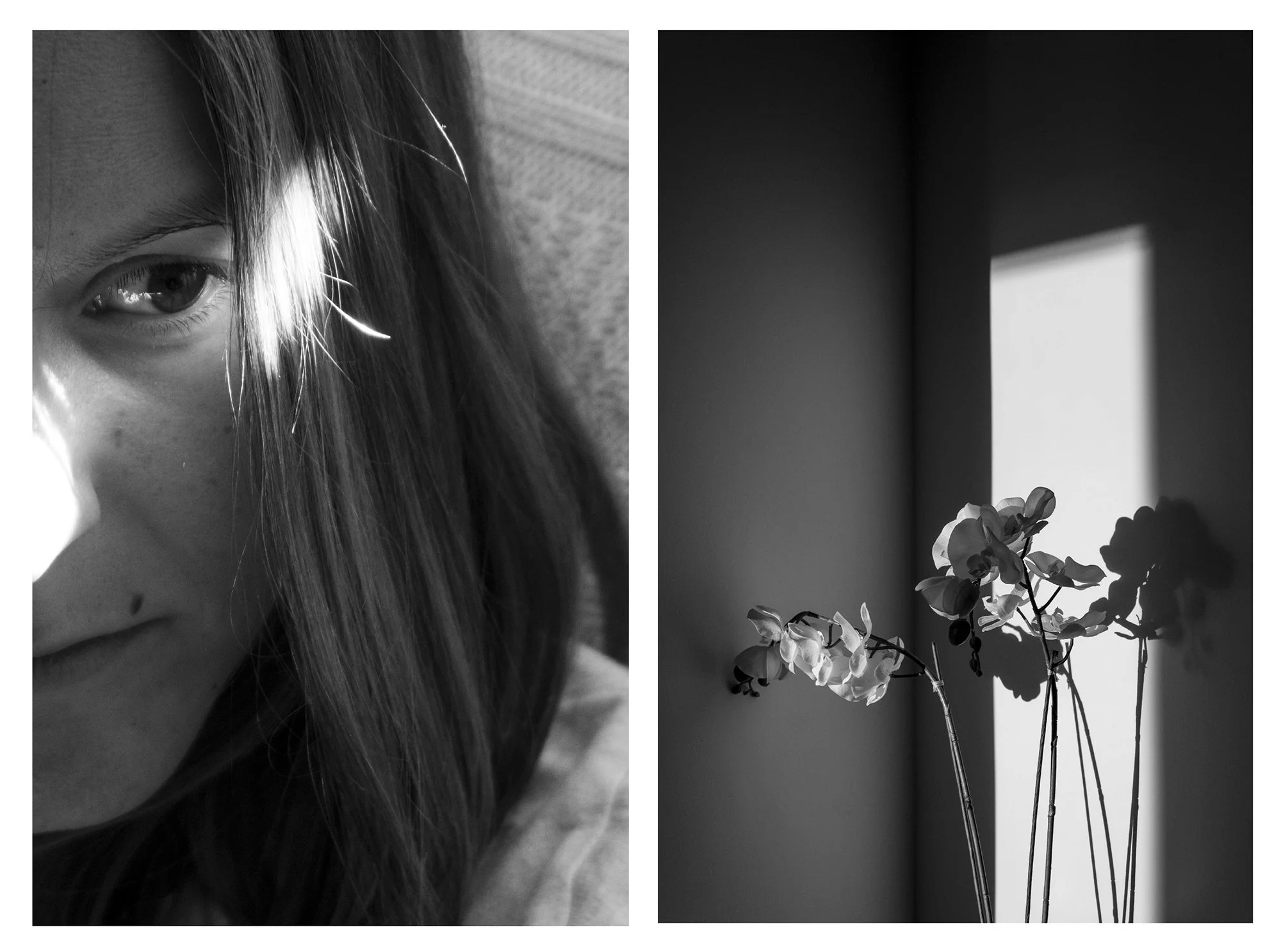
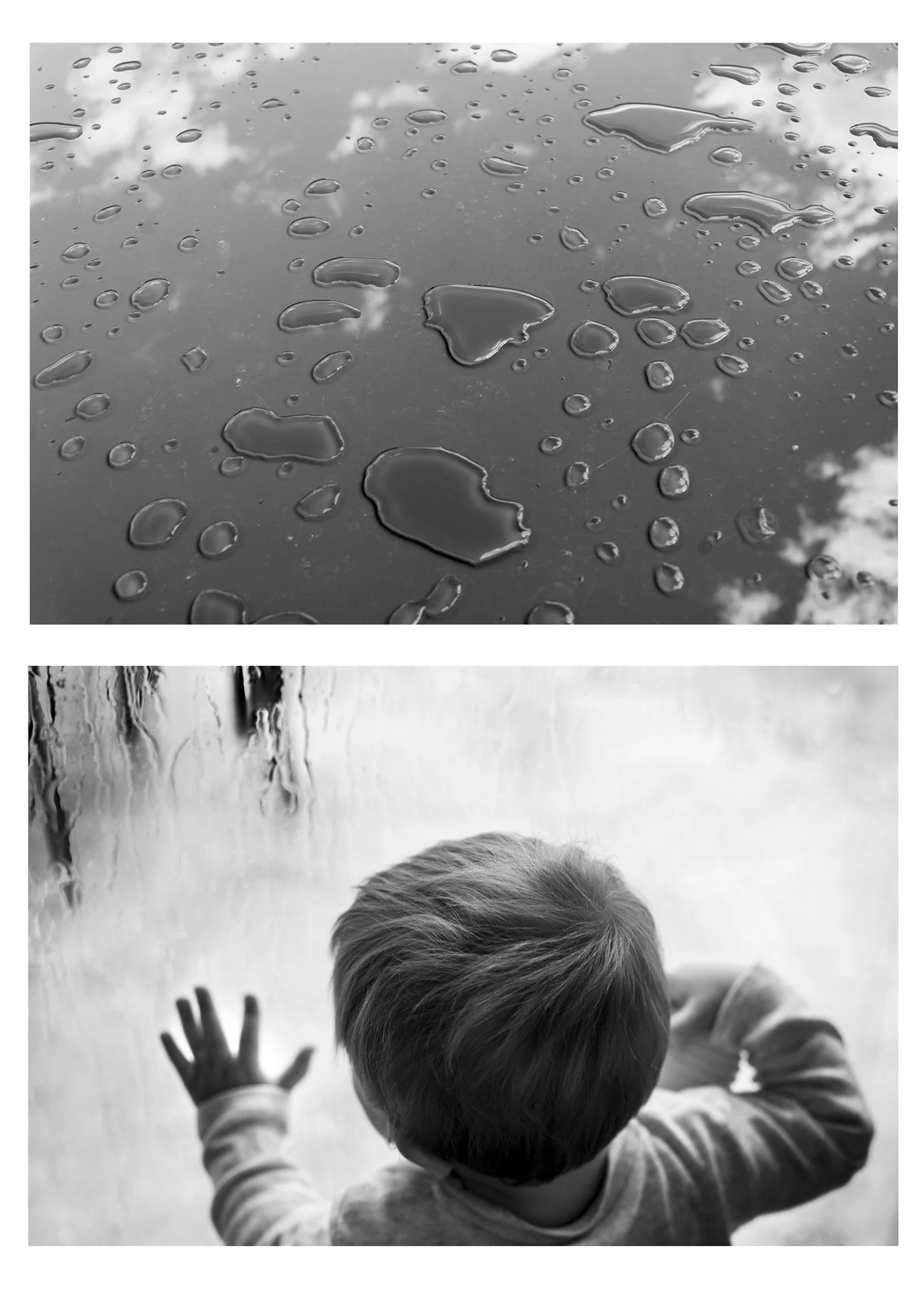
This is a truly unique and conceptual project that I find both well-executed and very intriguing.
Jonathan Faus
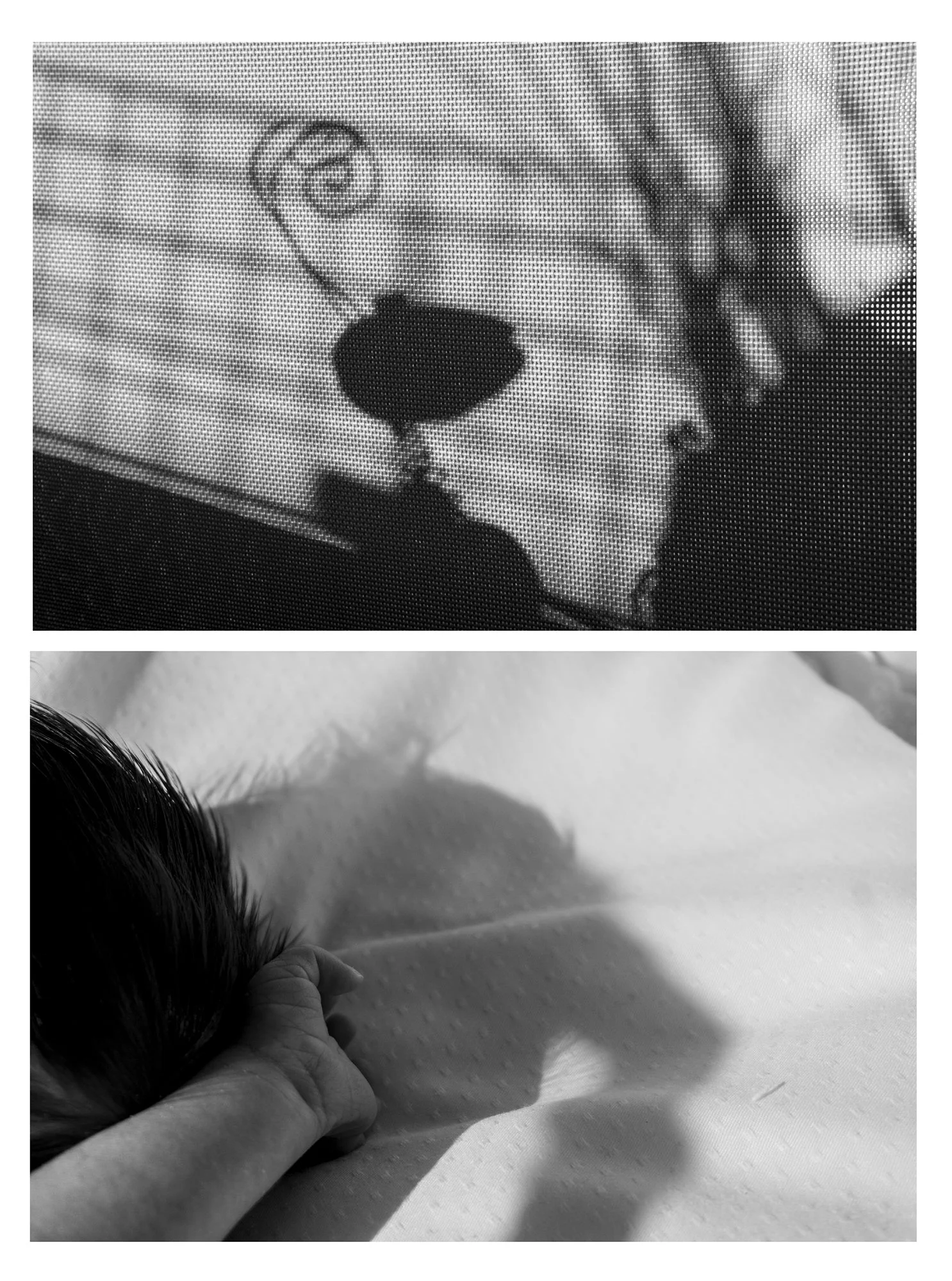
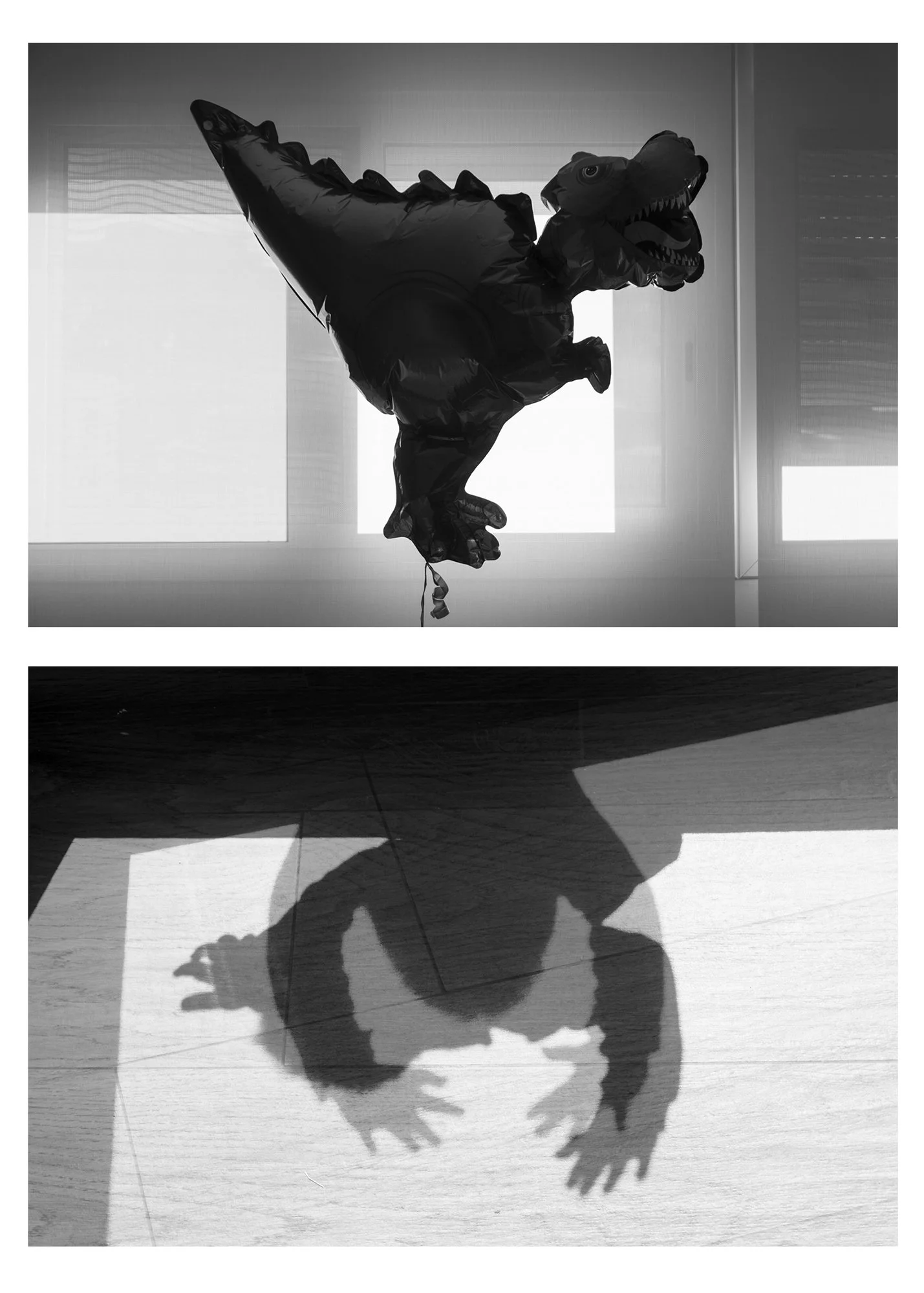
The own galaxy: a galaxy is a structure of stars and celestial bodies bound by gravity. This project reflects my personal exploration of my immediate environment, with my house as the gravitational centre. Each object offers a chance to create a sensory dimension. The arrival of my first child has made me reflect on how quickly we navigate our spaces. In our rush through life, we often overlook moments happening around us. Photography highlights these subtle, fleeting instances amid our busyness. In an era defined by speed and consumption, we often feel time-starved and overwhelmed.
Photography allows me to reveal an alternative reality—one that emerges when we pause and observe. I initially documented my surroundings during my commute, but after moving to a sunlit home, I began capturing the unique silhouettes cast by light streaming through the windows. This phenomenon, known as "Komorebi," inspires me to explore the evocative aspects of my space. "The Galaxy Itself" aims to explore personal interiors through visual diptychs, blending aesthetics and emotion to reveal the depth of intimate environments and the significance of everyday life.
Jonathan Faus is a Spanish visual artist, graphic designer, and photographer born in Valencia in 1985. He studied photography and lighting on a scholarship, later working as a photojournalist for Televisión Española and as a sports press photographer. Known for his conceptual and travel photography, Faus focuses on street and architectural photography in locations such as Greece, Japan, and the United States. His work has been exhibited at MuVIM in Valencia and has won awards, including recognition from the Moscow International Awards and Monovisions