Out and About
Battle of Shrewsbury, 1403
A few years ago I went to a number of 1940s events and - with the invaluable help of Progressive Publishing House - put together a 1940s themed book. My appetite for such things whetted, a couple of years later I attended and wrote about a re-enactment of a battle that took place in 1644, during the English Civil War at Nantwich. However, it wasn’t until last summer that I finally made it to another gig: The Battle of Shrewsbury. It had been a long time coming and I was looking forward to it.
THE BUILD UP
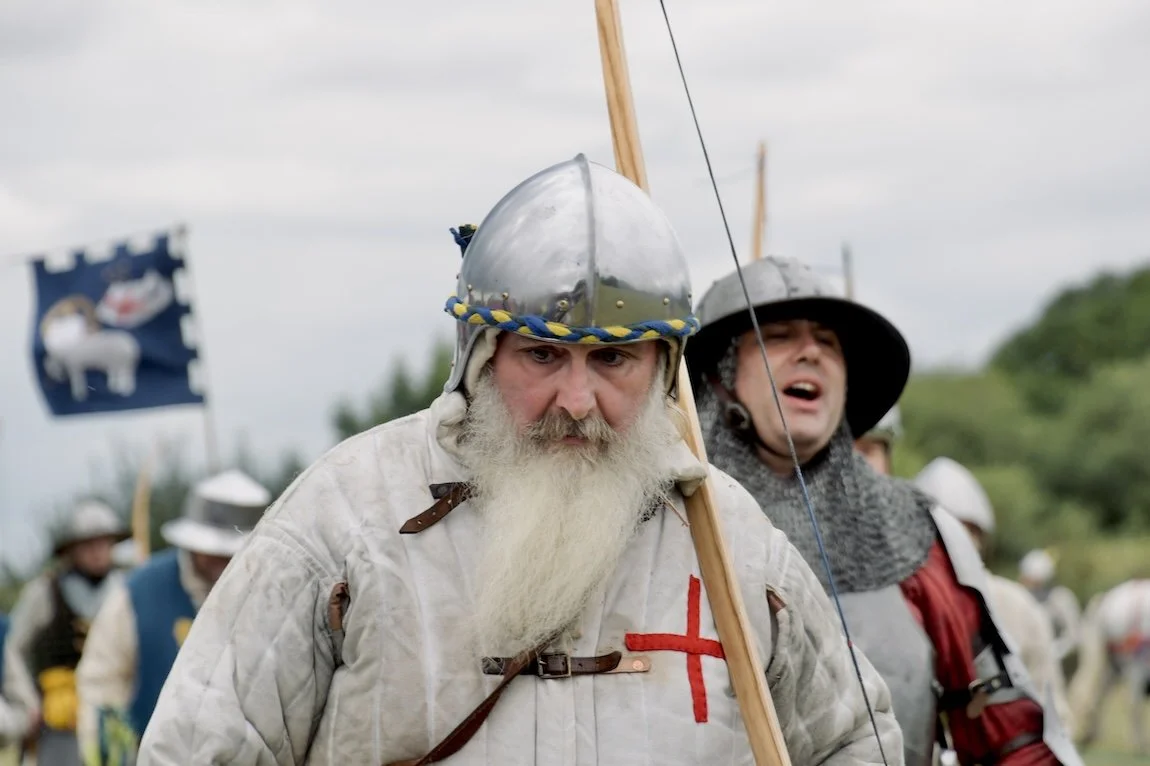
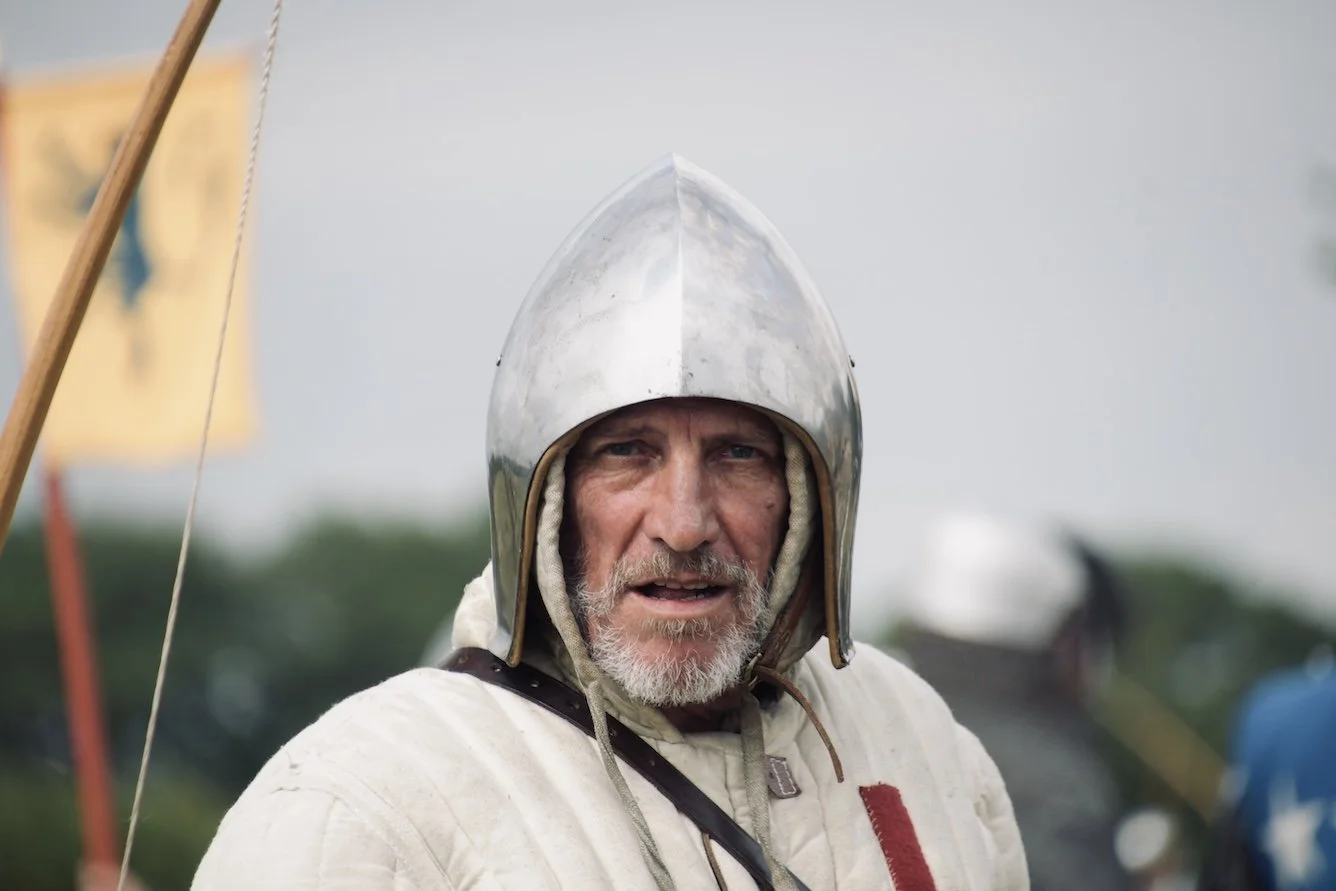
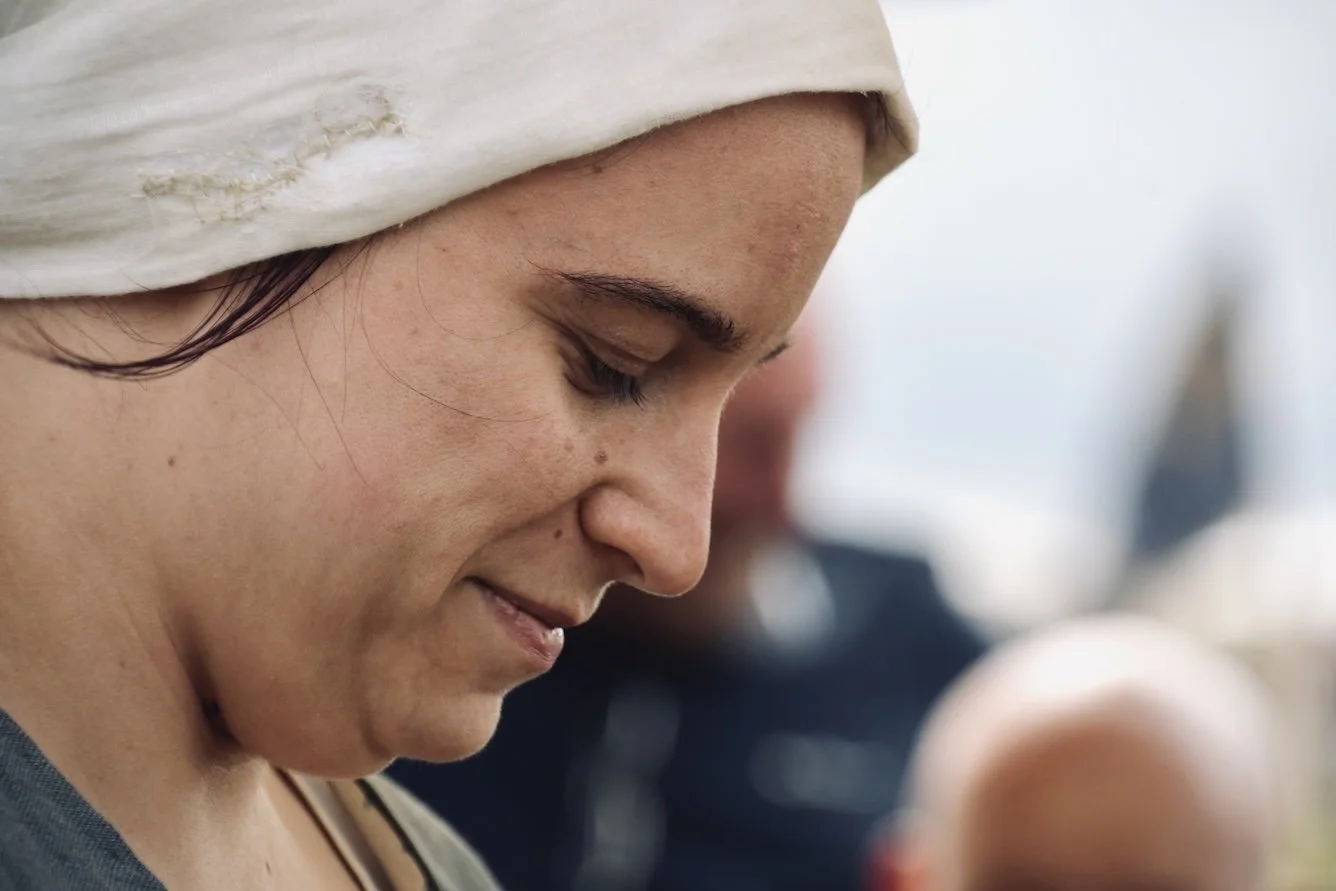
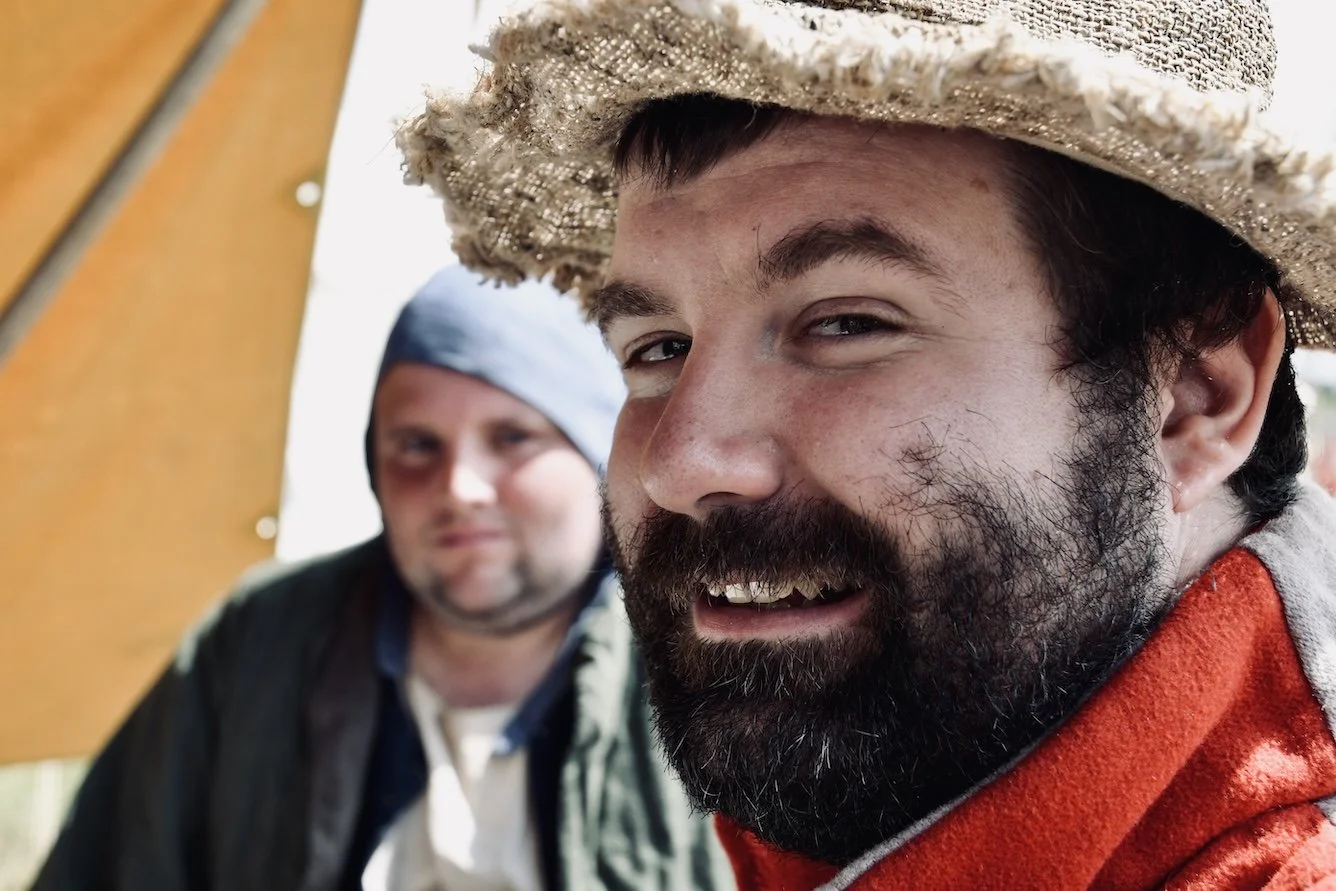
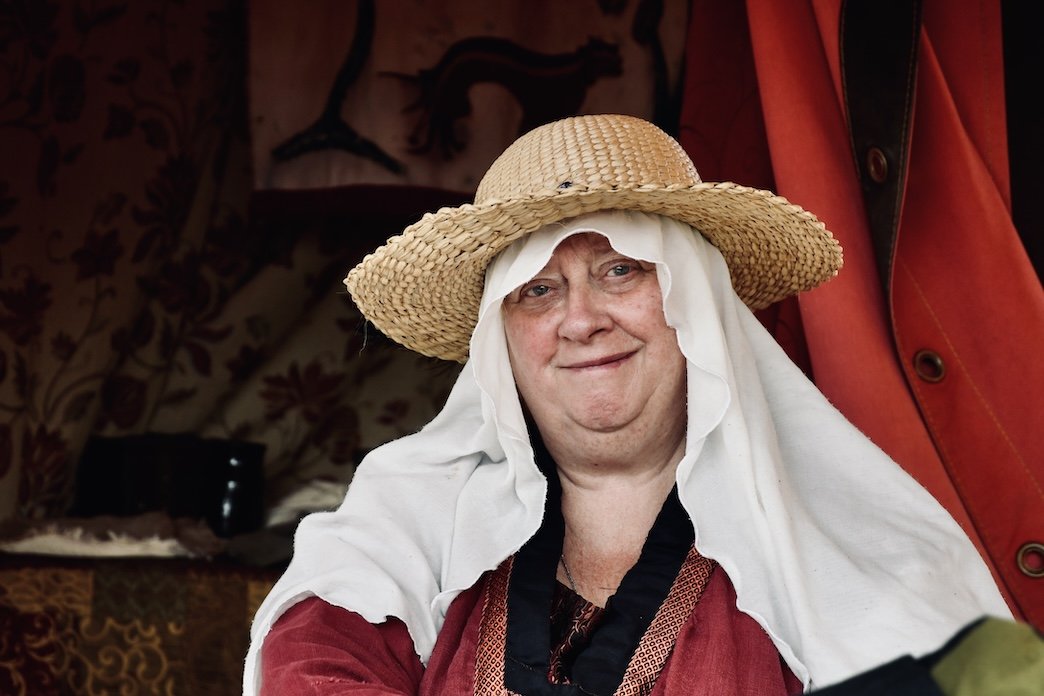
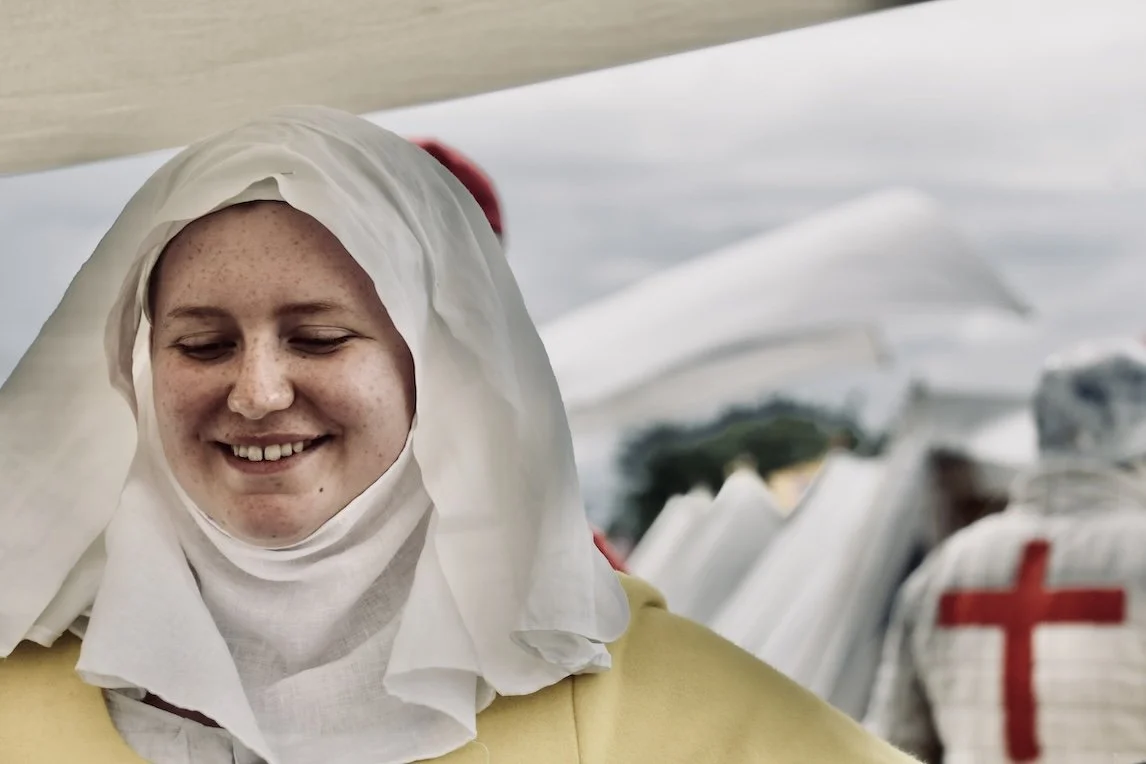
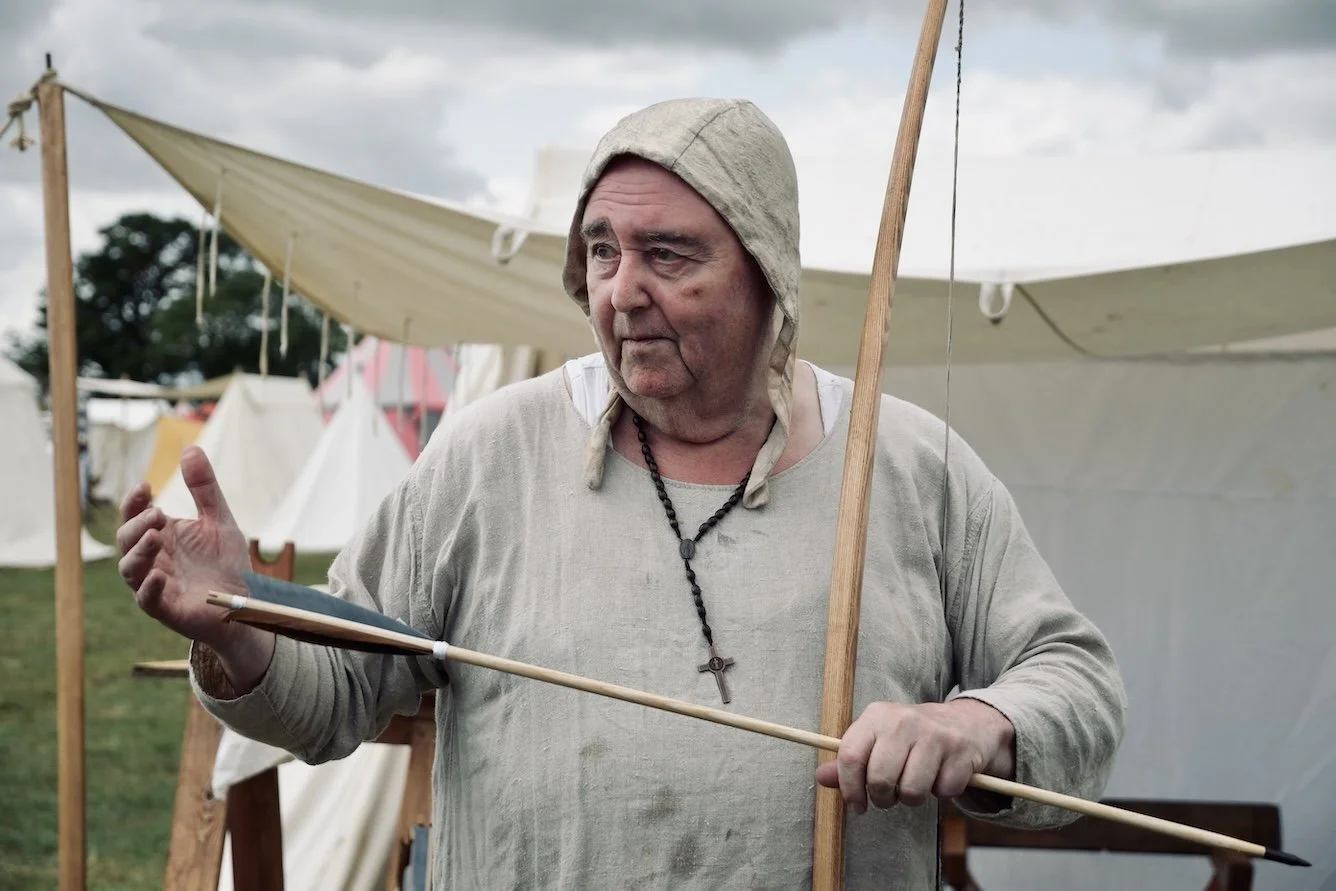
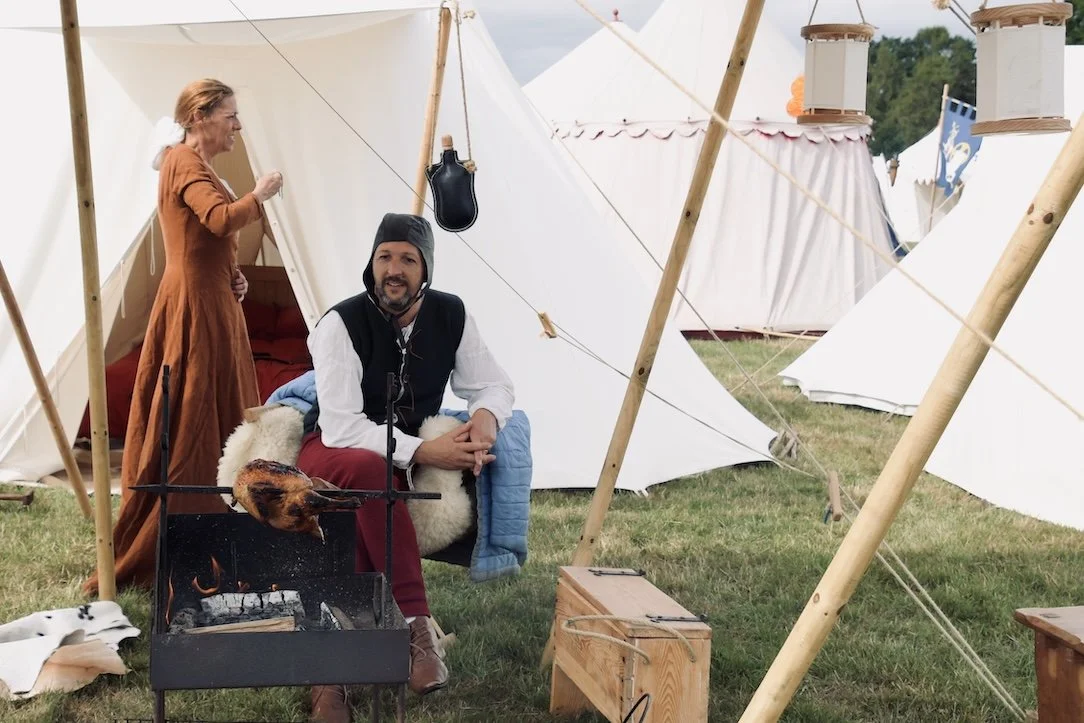
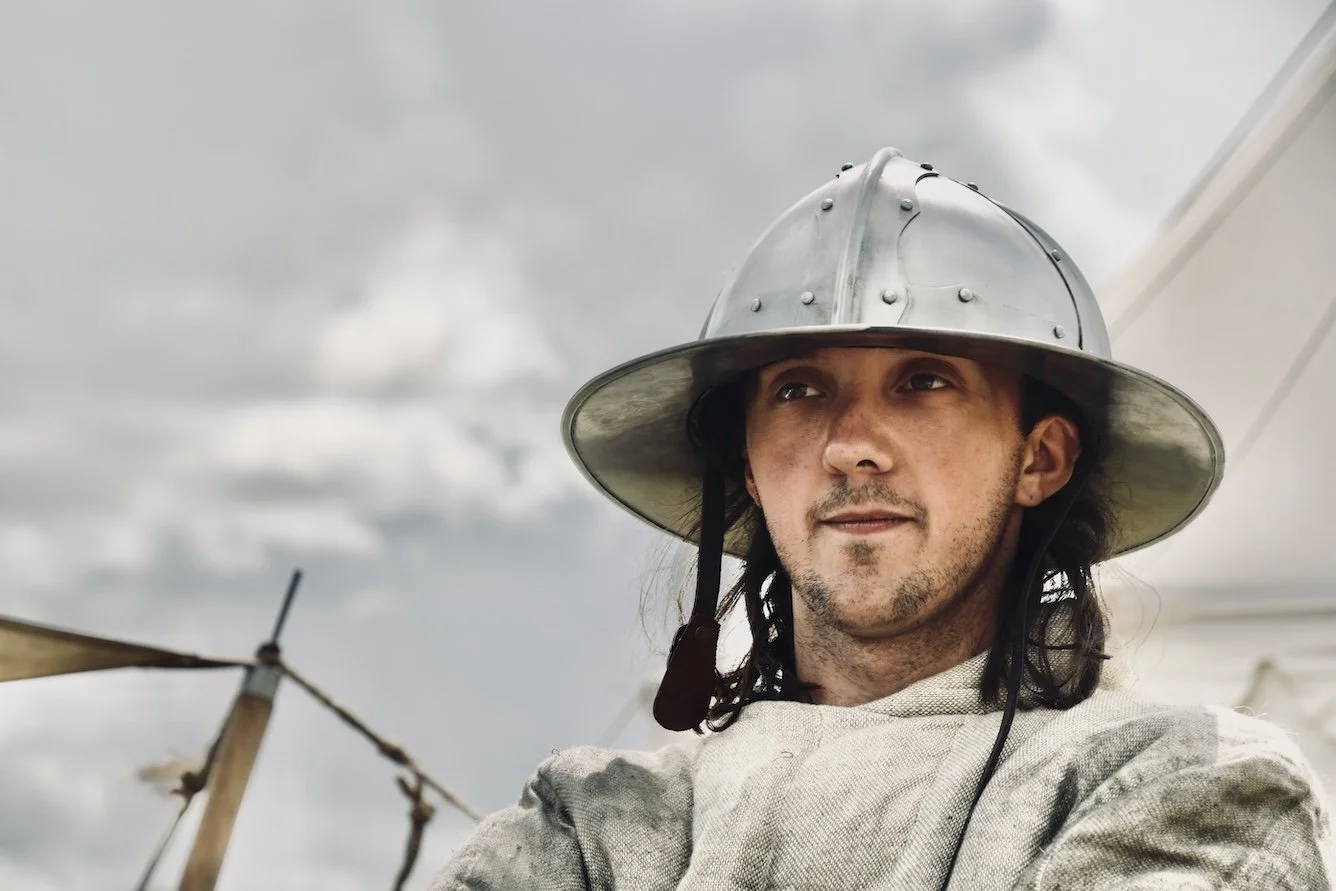
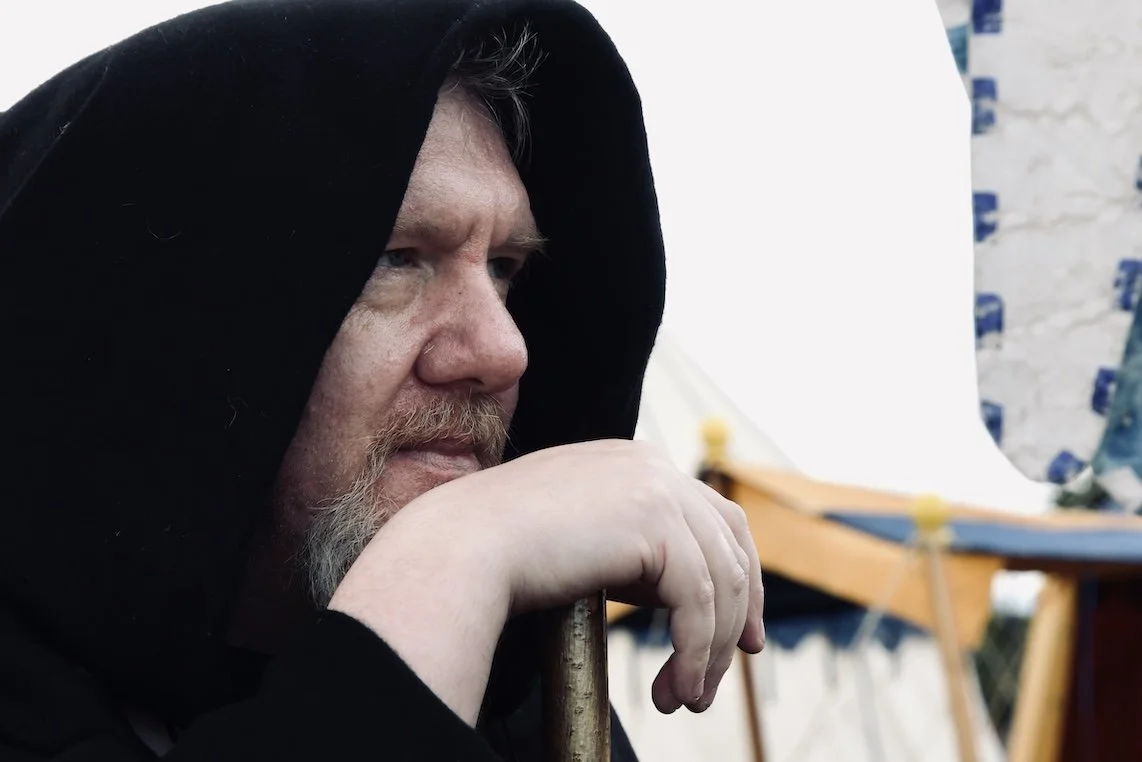
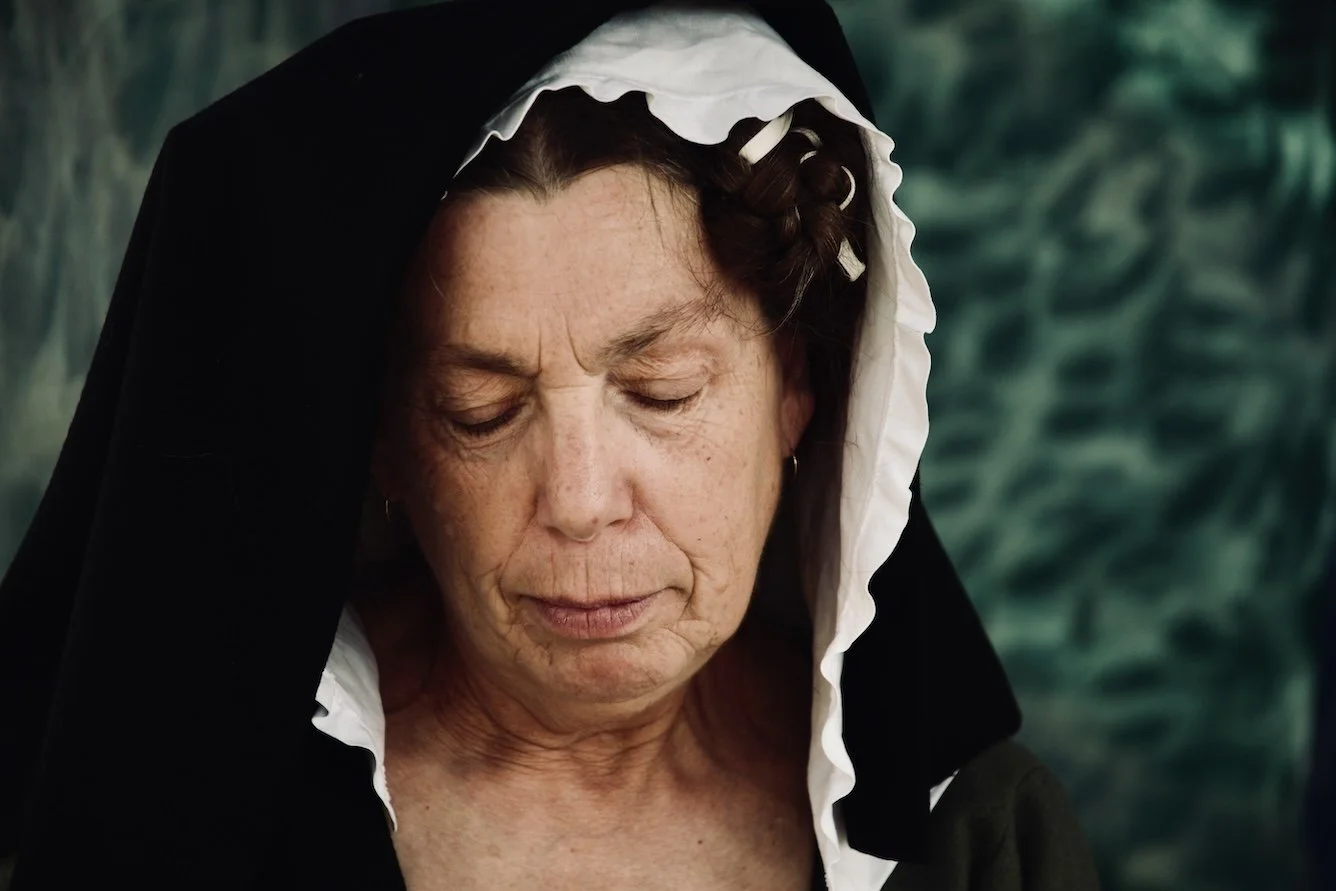
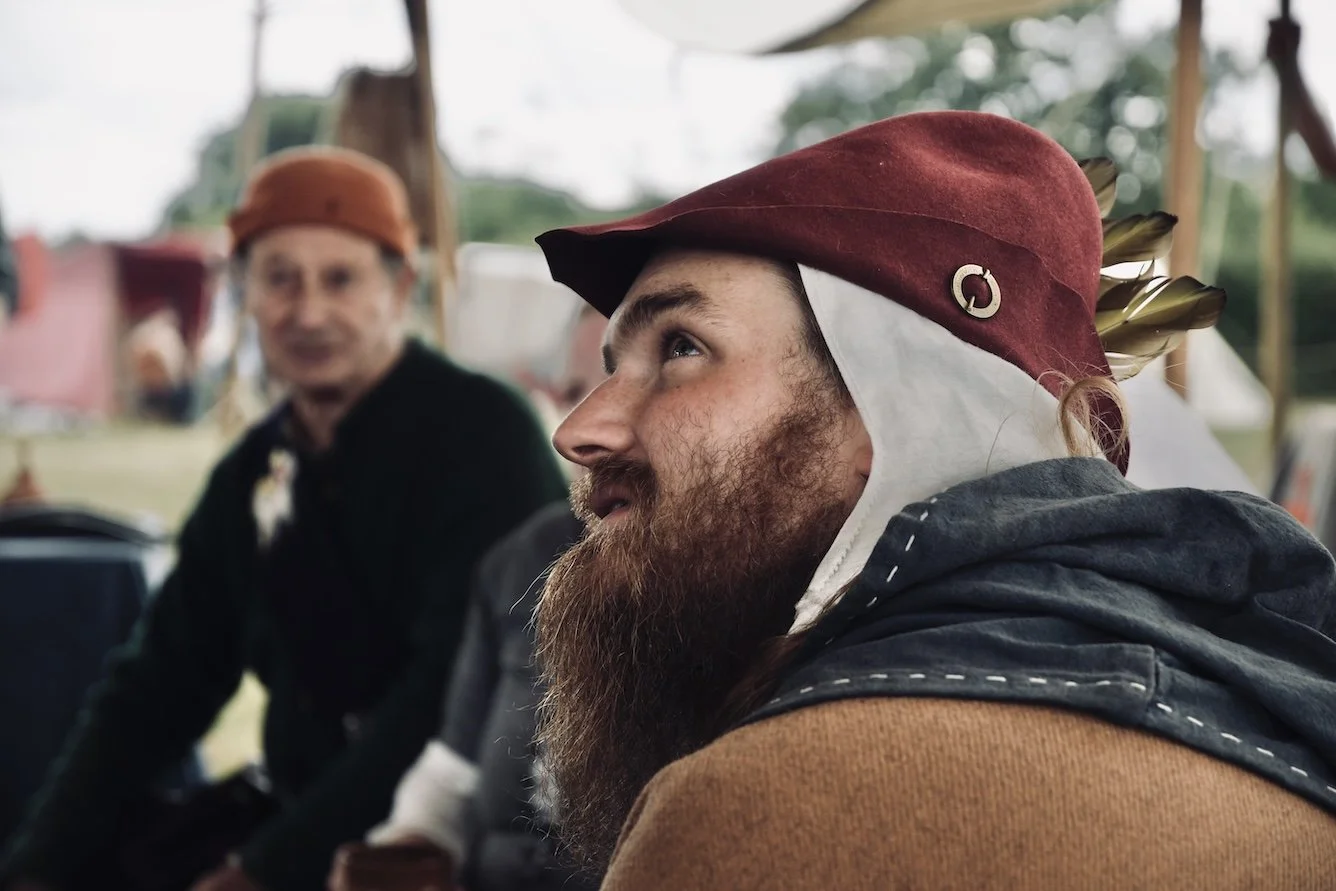
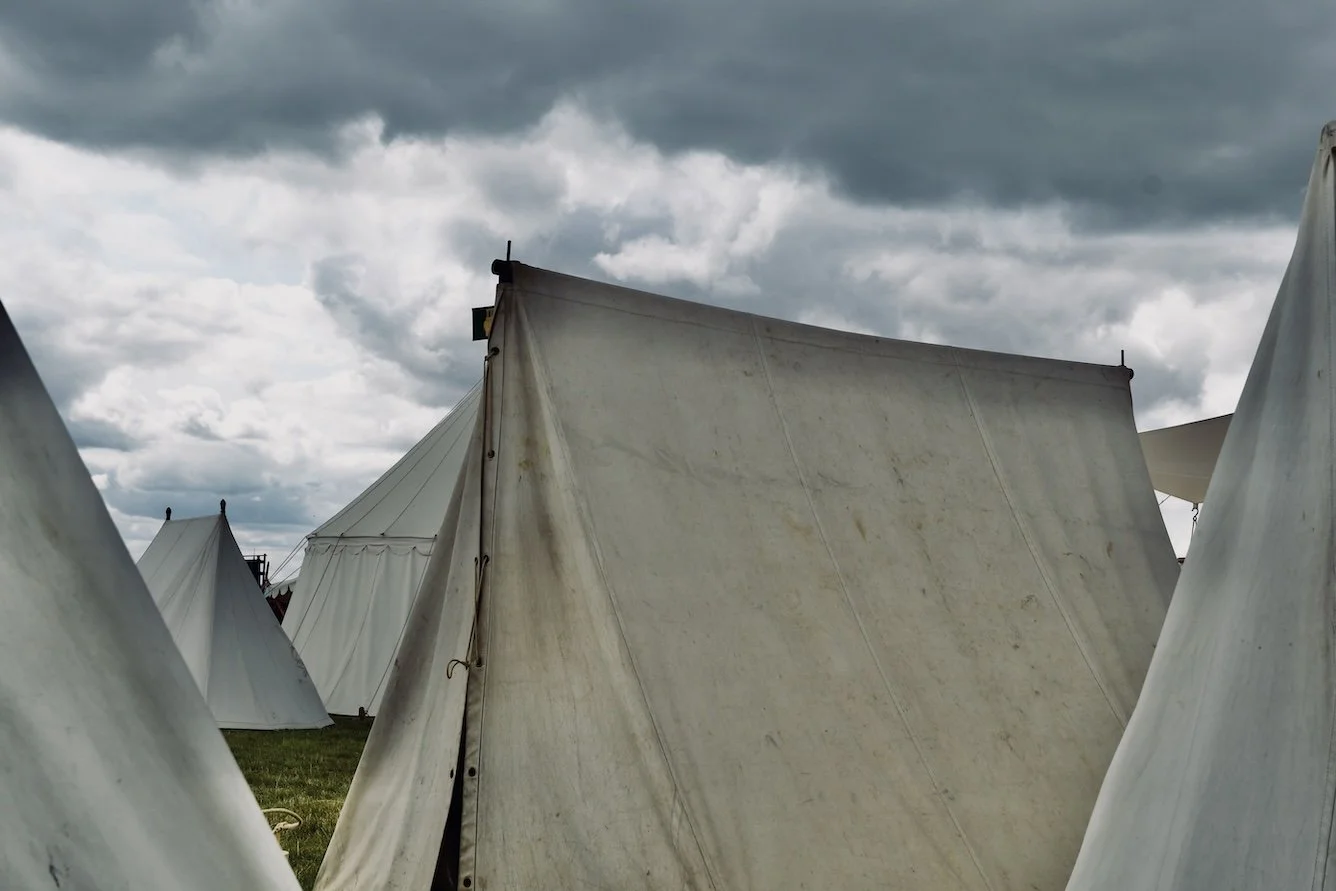
What a sight! Cloud-filled skies rolled above a sea of canvas tents: a small village that had been erected overnight by the participants. With battle not taking place until mid afternoon, I had time to savour the atmosphere and get to see some of the characters. In many respects, this opportunity to talk with people, set the scene and even indulge in some portrait photography, was as important as the battle itself to me.
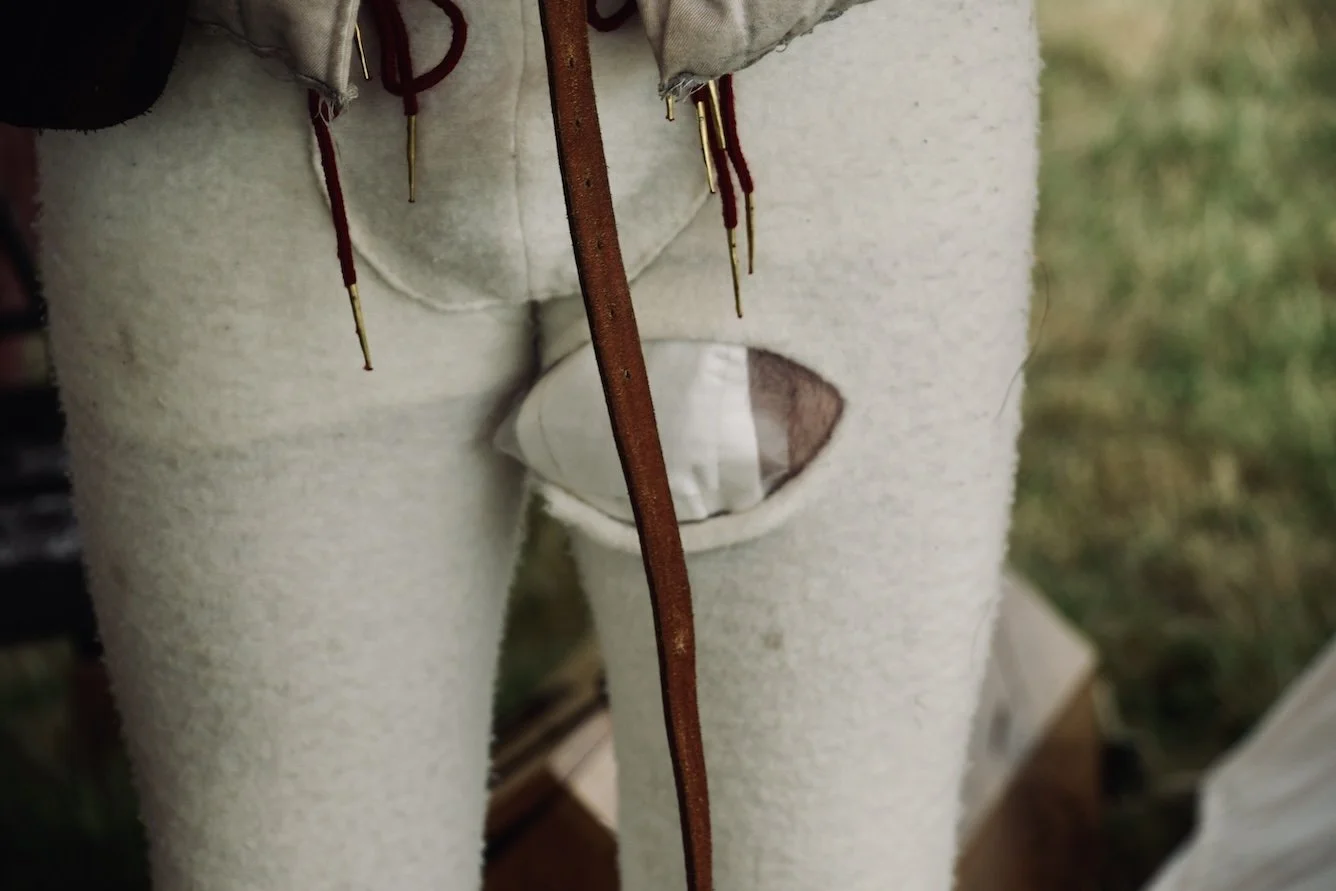
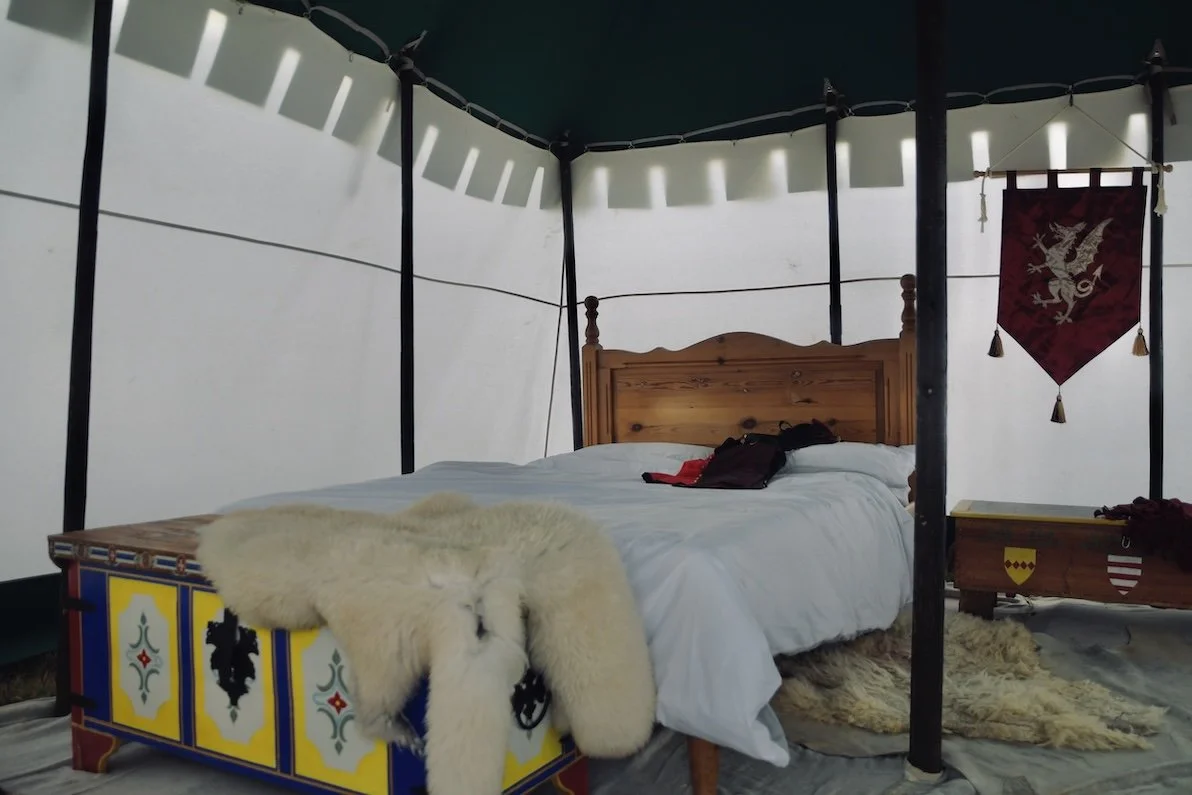
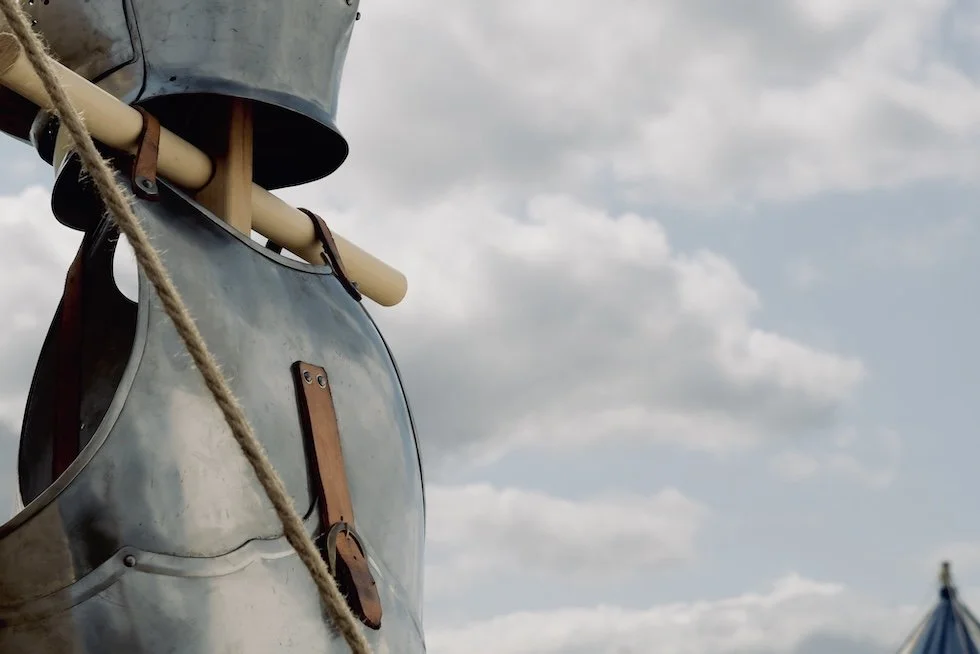
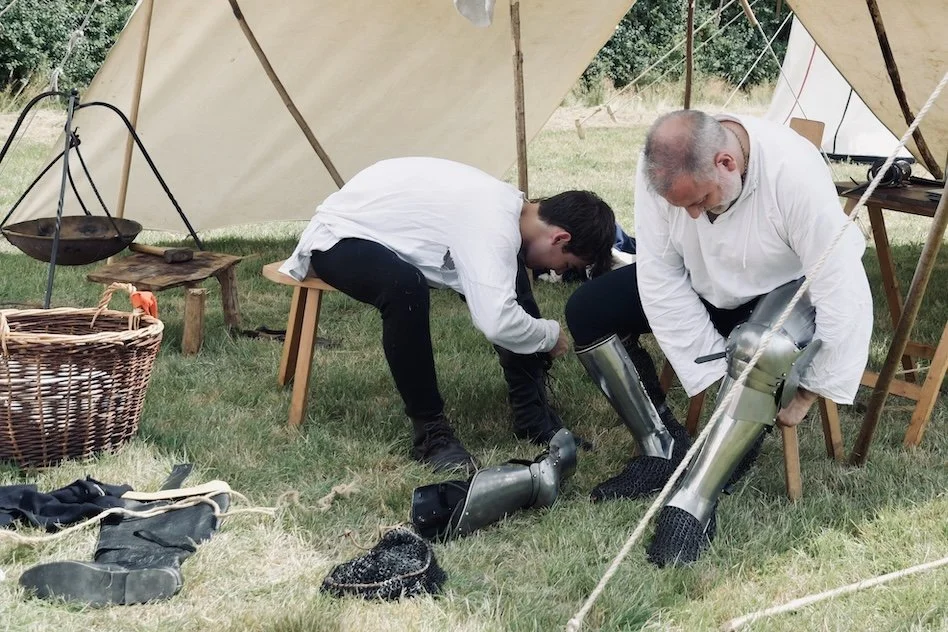
Re-enactment is more than a casual hobby, it’s a passion and even a lifestyle. Here, for example, mediaeval crafts were practiced not only to help pass the time but educate visitors. It was interesting to see how some would display their wealth and finery in their tents, the bedroom chambers adorned with animal pelts and intricate embroidery. The attention to detail is amazing, however getting kitted out in authentic looking gear can be very expensive.
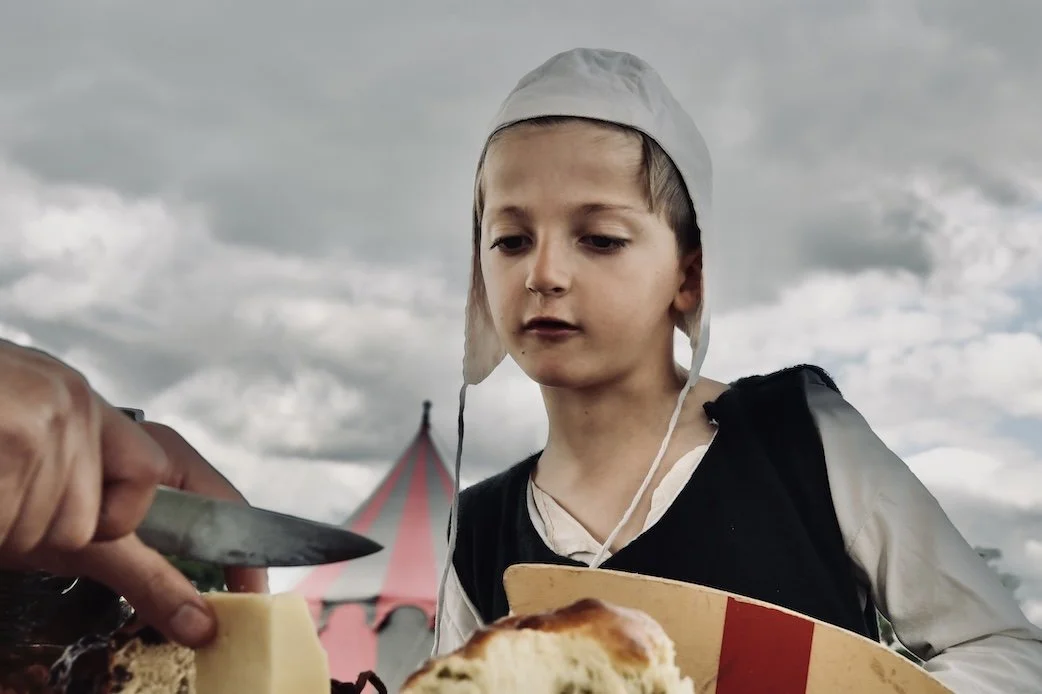
Naturally most re-enactors tend to be adults but some families manage to involve their children, which is heartening. I couldn’t help but notice the eager eyes of a hungry lad, as he watched his dad cutting cheese to add to his meal of bread and cold meat. The various ham joints and chickens roasting on spits also looked very enticing but the acrid smoke, whilst adding to the authenticity and atmosphere, played havoc with sinuses and watering eyes.
THE BATTLE
The Battle of Shrewsbury itself took place 21 July 1403. Henry Bolingbroke had usurped the throne from his cousin Richard II with the aid of the powerful Percy family. Warring was - and still is - a costly business and the Percys were demanding they be repaid huge debts from 1399. They asserted that the King was withholding the funds but more than likely he was broke and unable to make financial reparations. King Henry IV’s refusal to ransom Scottish nobles aggravated matters and negotiations broke down.
It’s estimated that 14,000 Royals and 10,000 Rebels took to the battle field that day. In modern times that may not sound a lot but, to put things in perspective, the population of the UK was only 2.5 million back then, not the 70 million of today. The forces involved in the re-enactment were considerably smaller but to enjoy the spectacle you needed to buy into the scenes being played out.
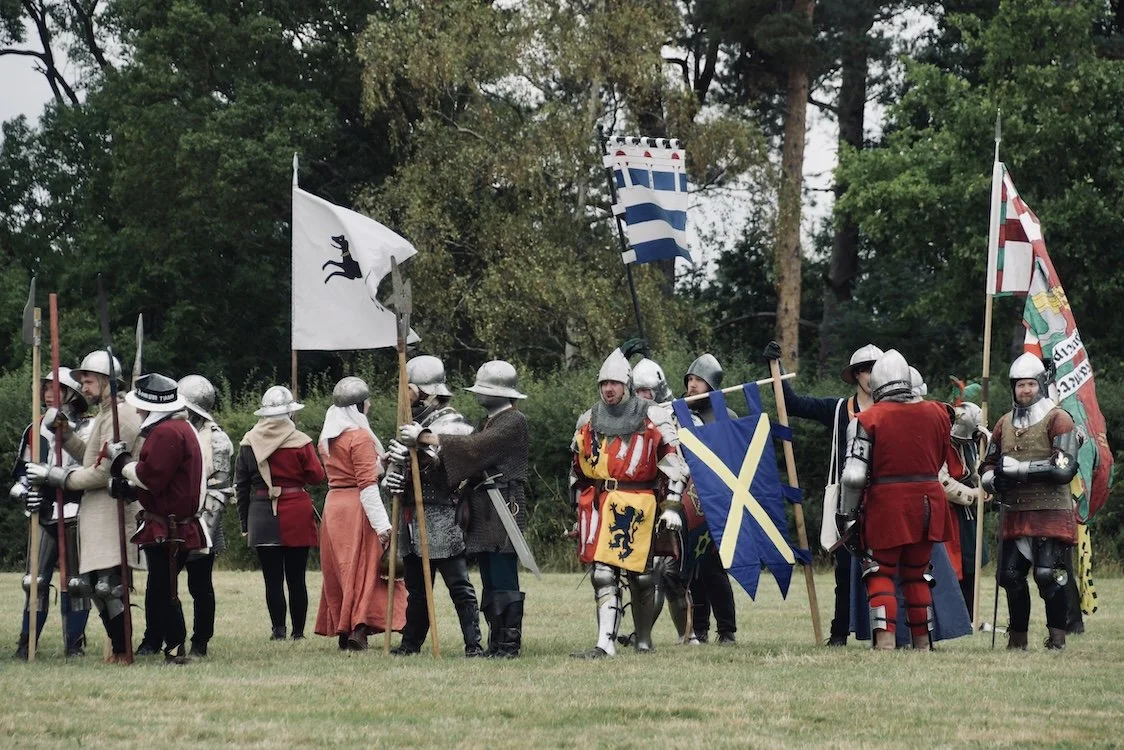
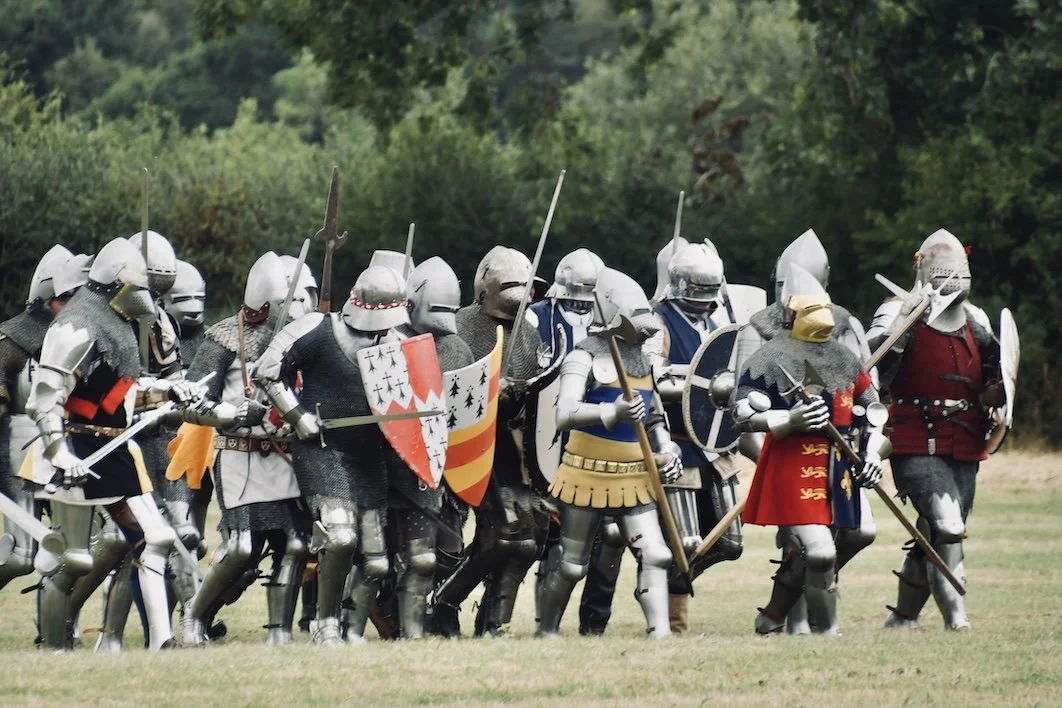
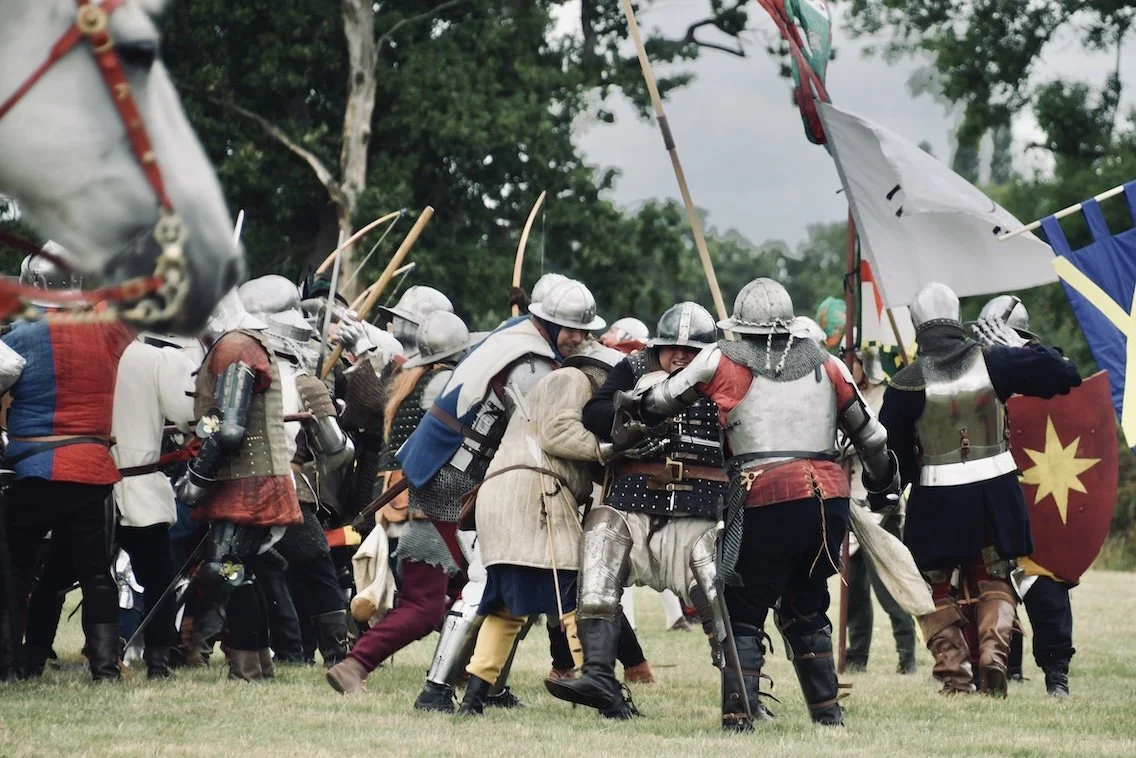
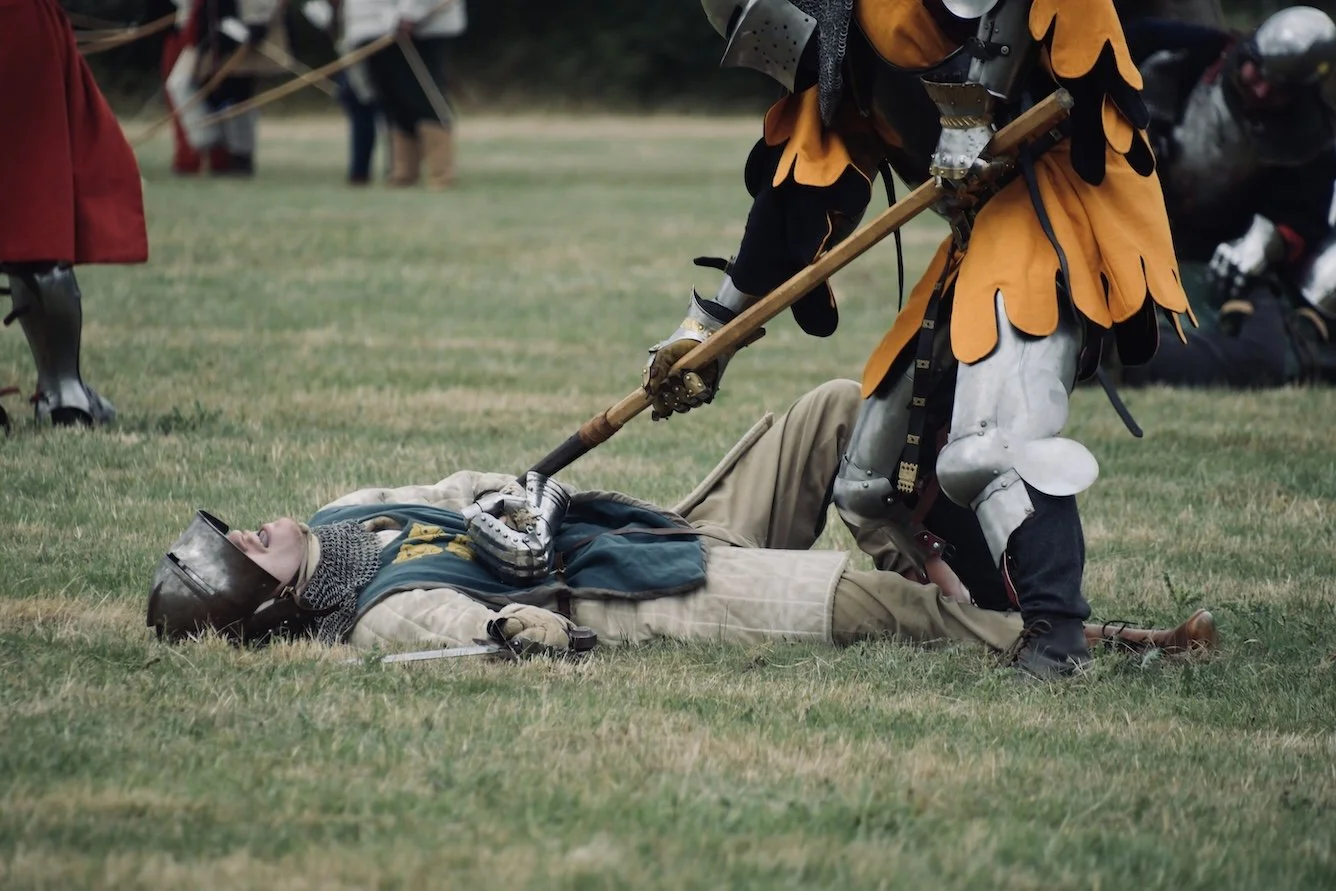
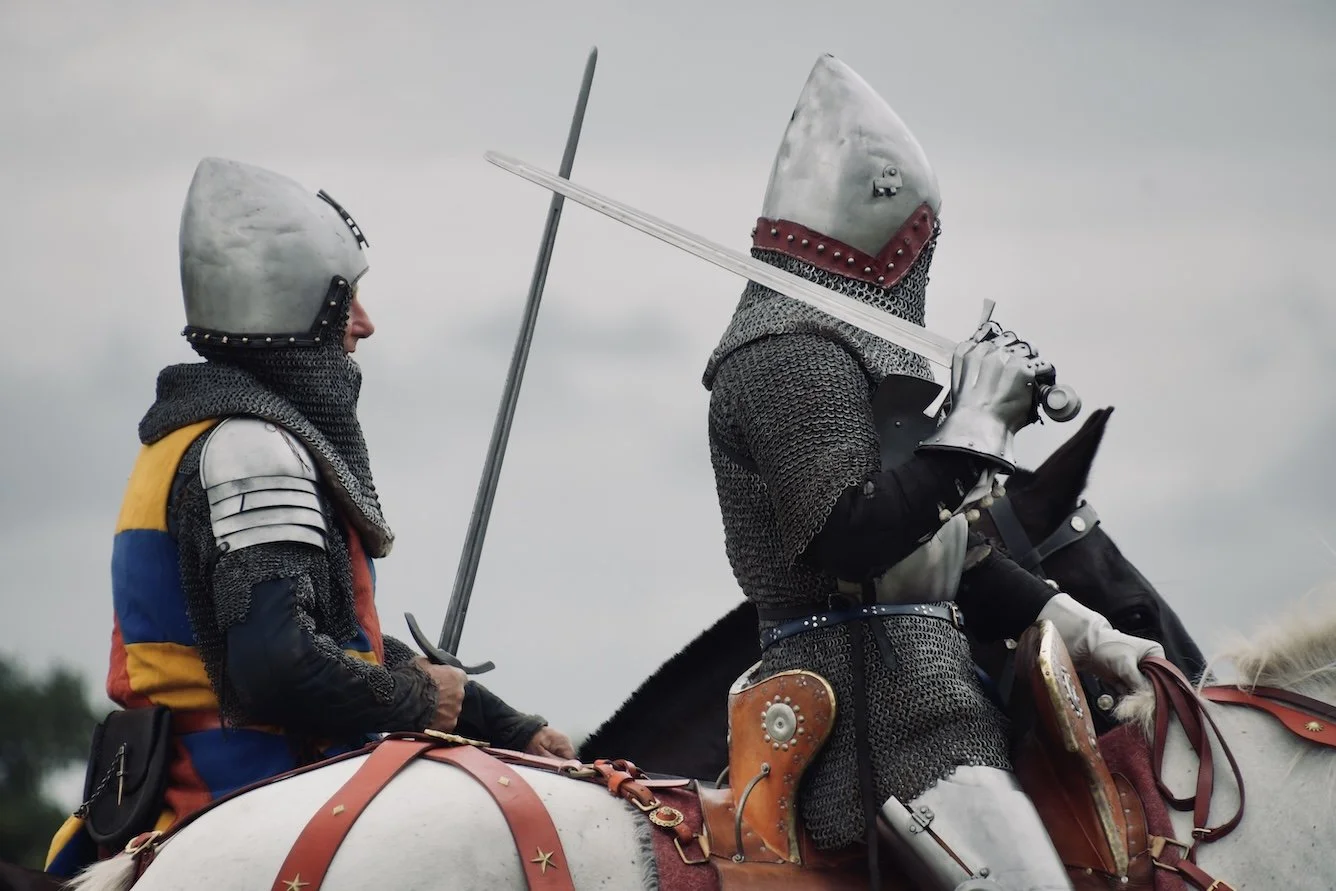
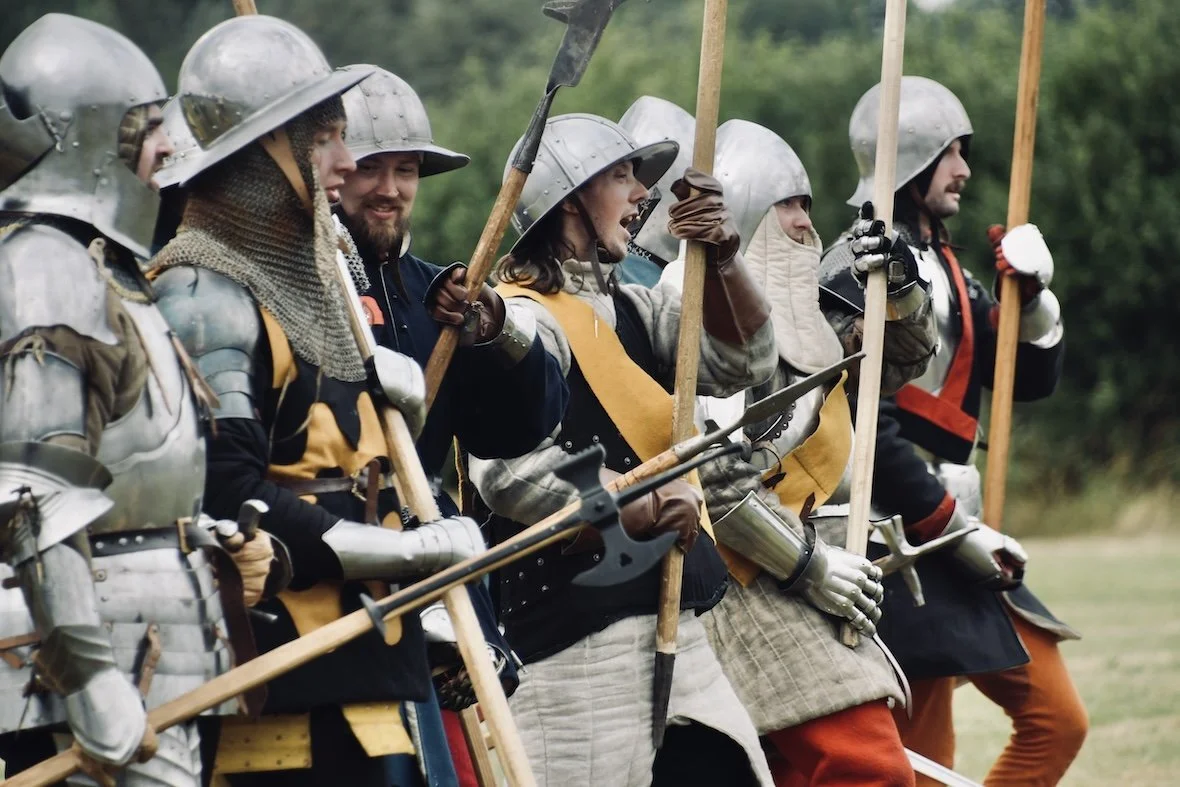
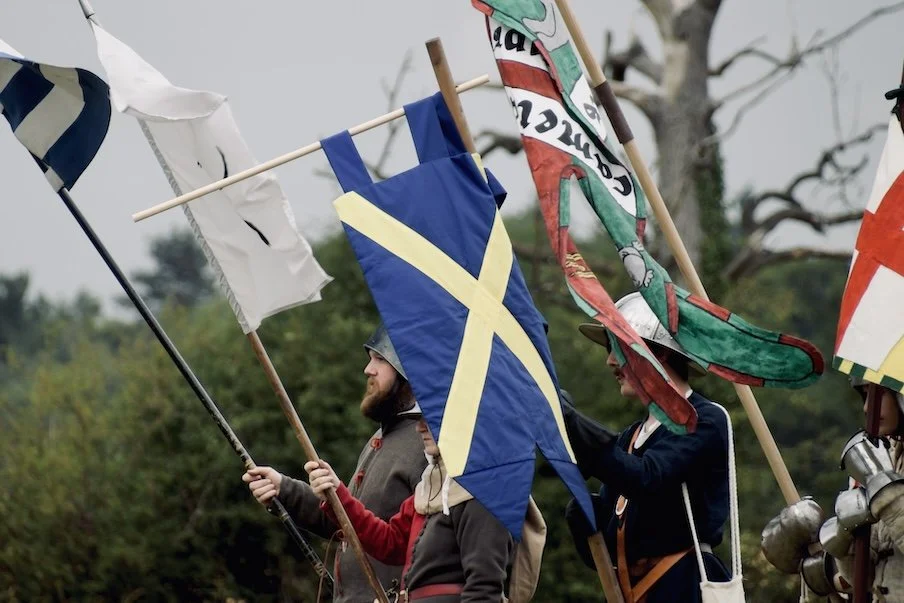
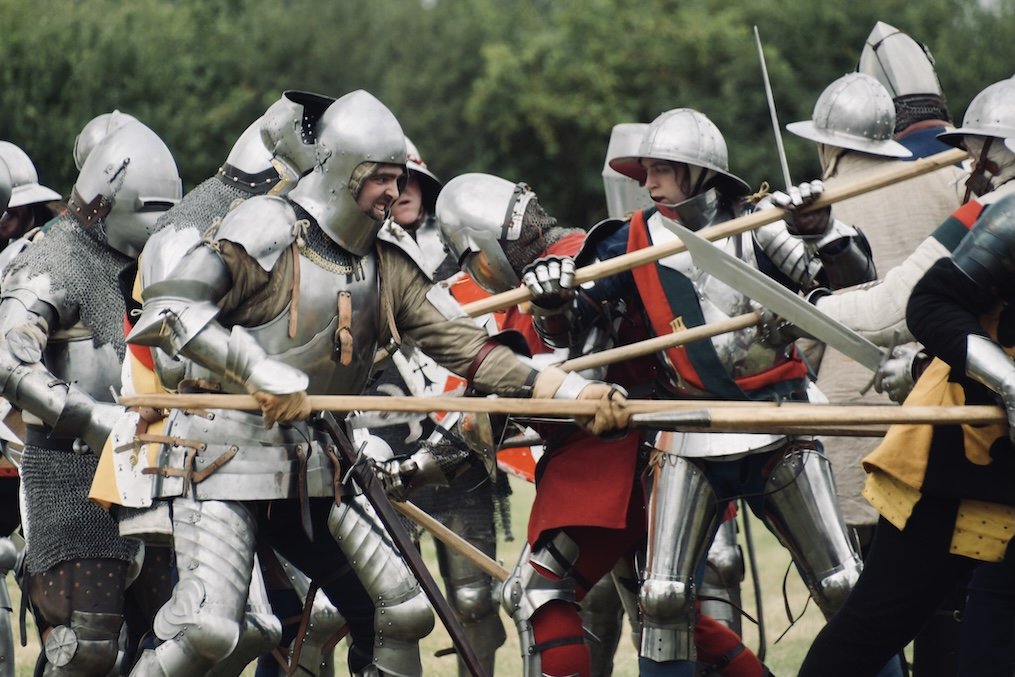
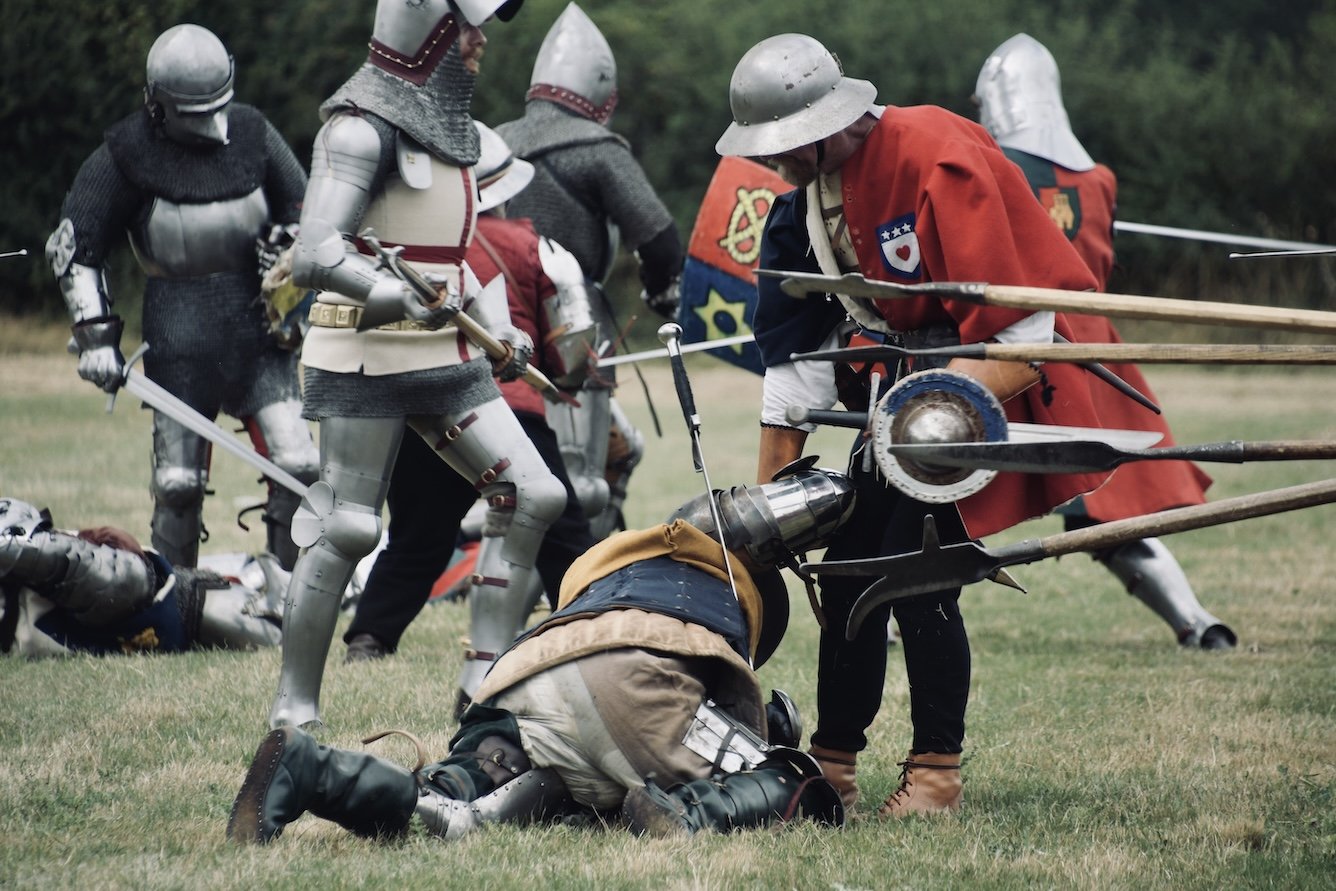
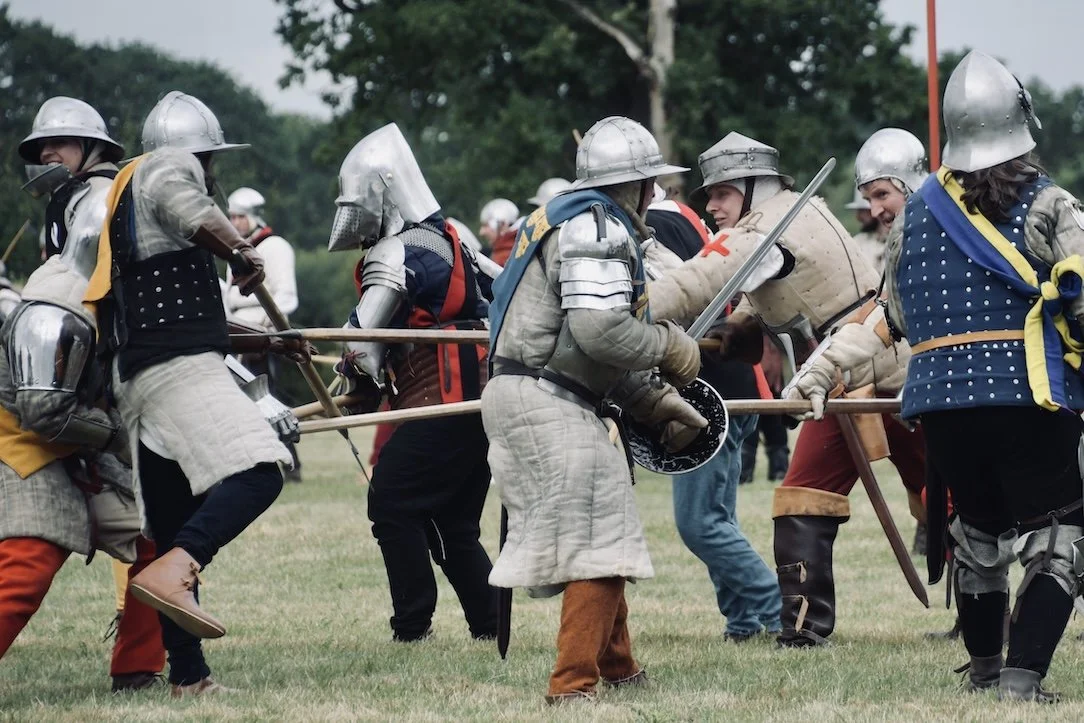
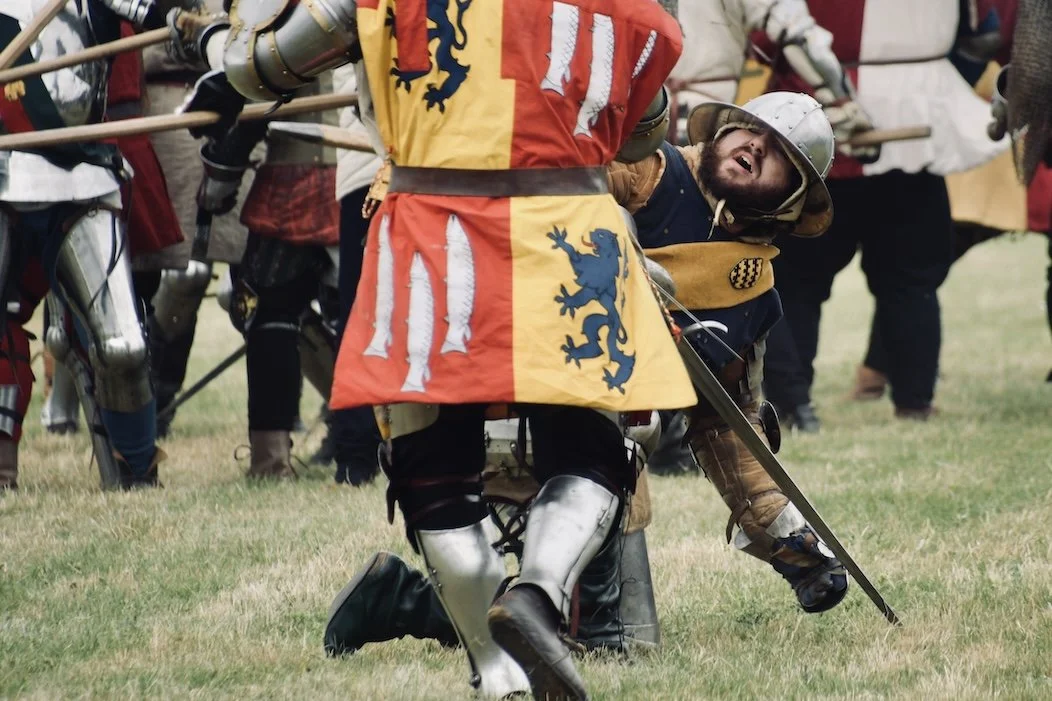
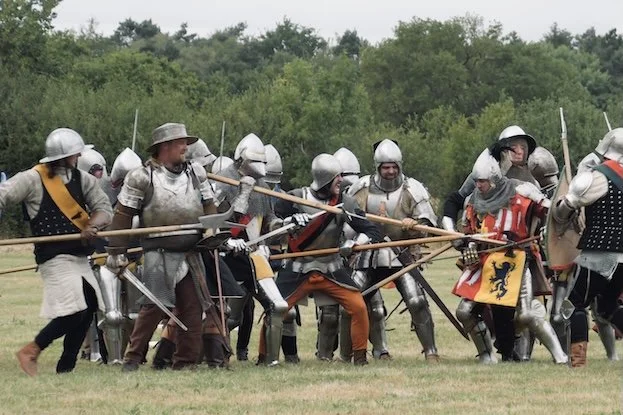
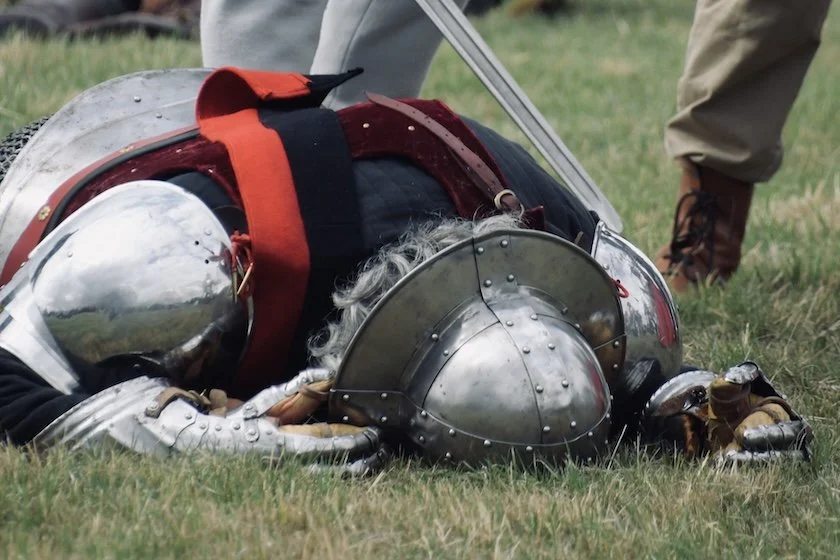
The key protagonists sat astride their battle horses and set the tone. Negotiations over, flag bearers proudly held colours aloft and battle ensued. War cries filled the air as the troops stepped forward to engage before the din and clash of steel on steel mixed with the ‘oohs’ and ‘aahs’ of the captivated onlookers. A cumbersome man-at-arms was wrestled to the ground and, clearly not wealthy enough to ransom, was stabbed by long handled staves to ensure he was dead.
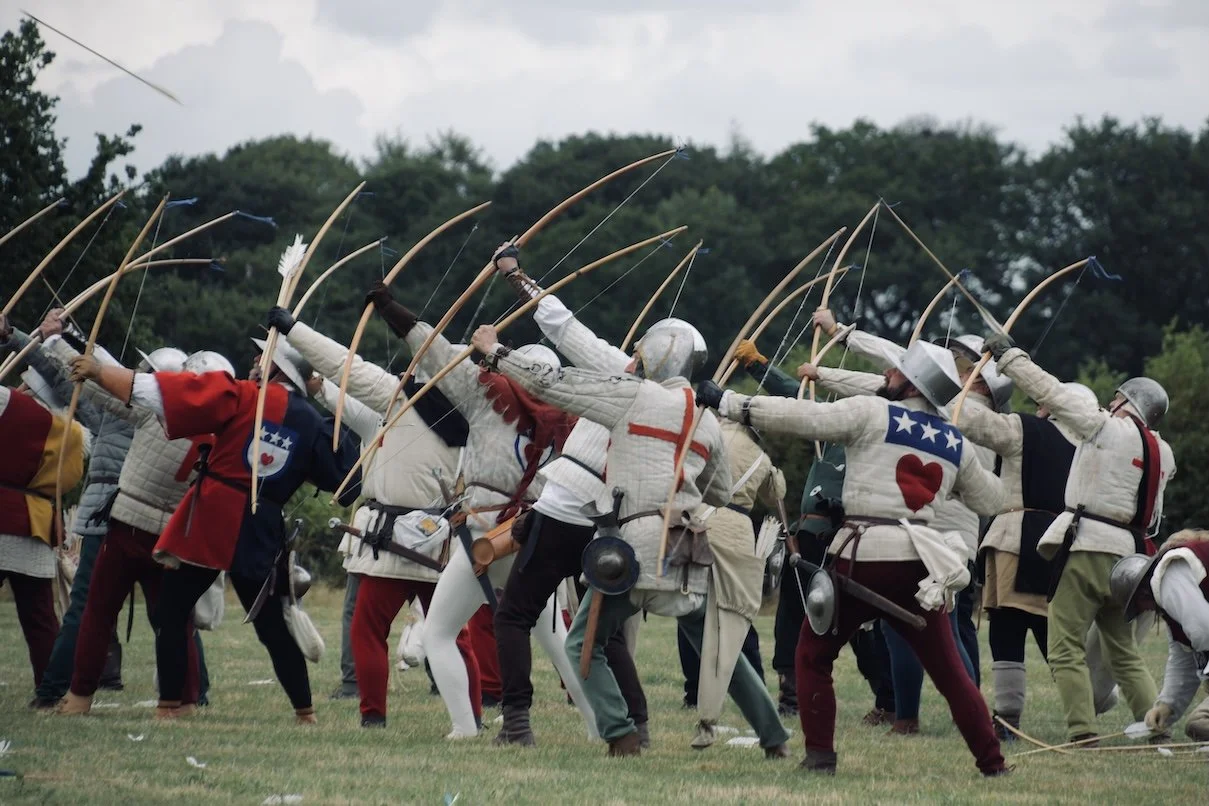
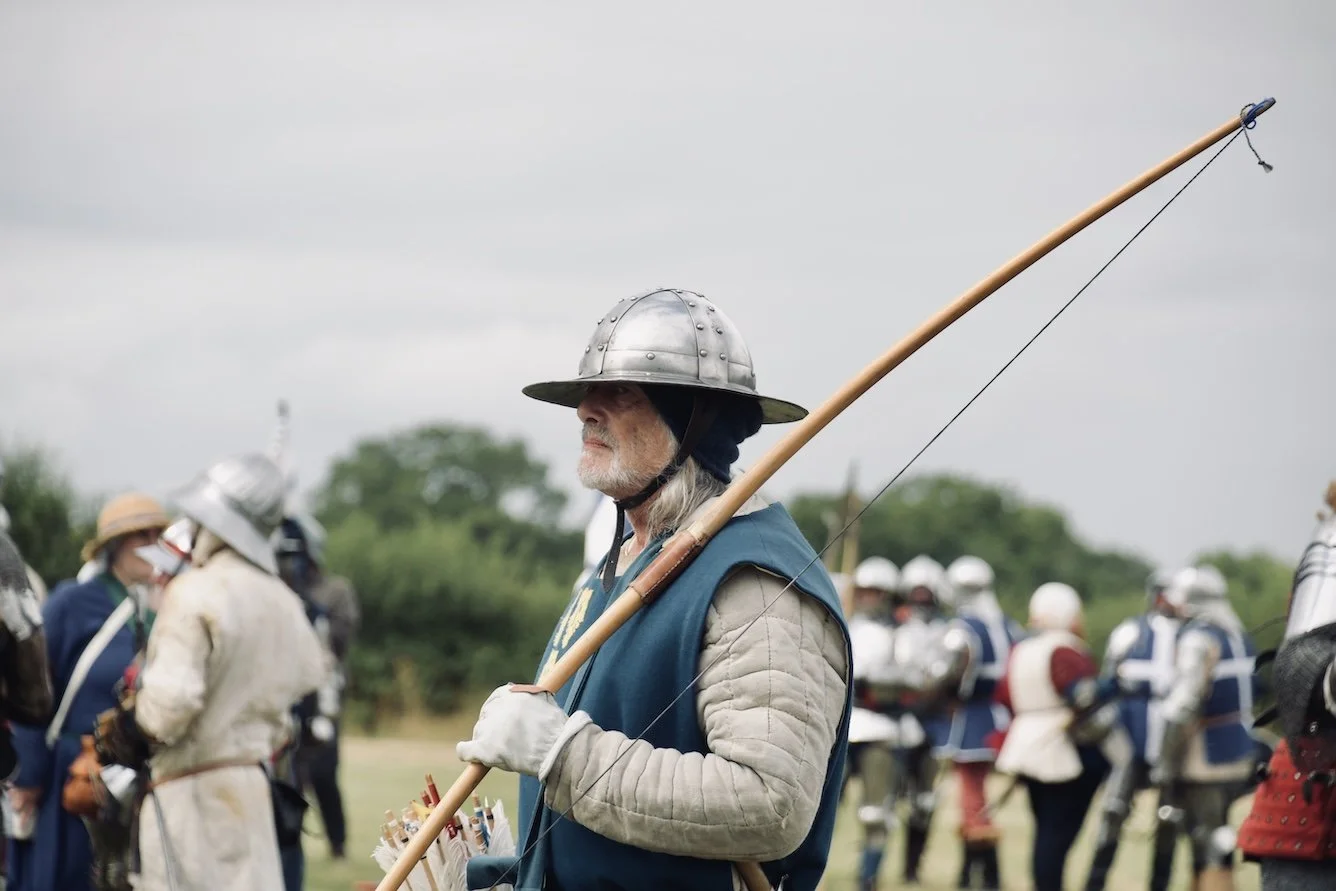
As archers fired a volley of arrows into the air and some met their mark with a dull thud, it was interesting to think that some of this fighting force were subsequently used to good effect in the monumental Battle of Agincourt in France, twelve years later, in 1415.
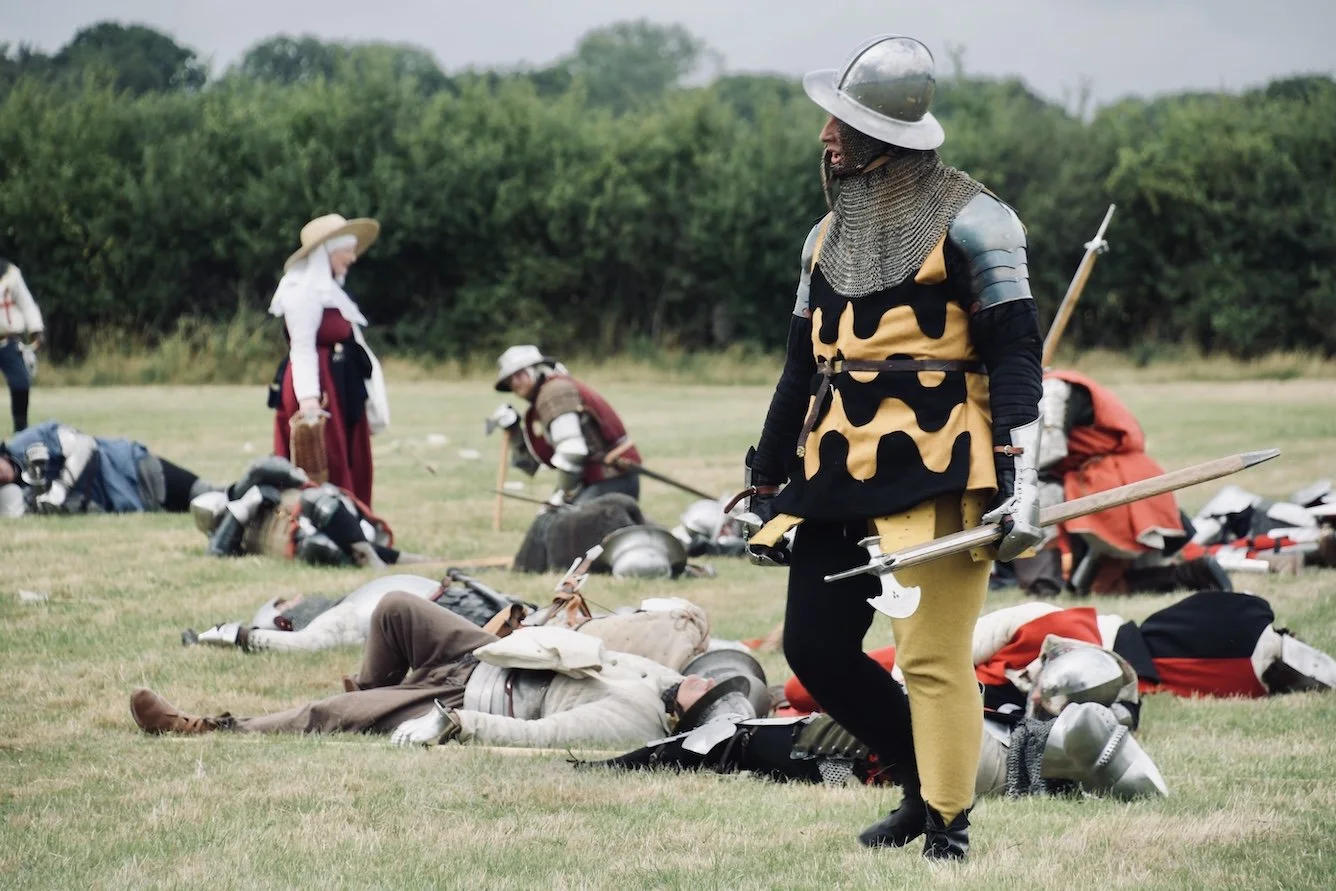
Faced with an inevitable outcome to the battle, some on the field took to acting, throwing out amusing - albeit inaccurate - lines to the onlooking crowd, much to the annoyance of one particular participant who would have preferred history to have been more accurately portrayed. No matter, it saved this history lesson from being too dry and stuffy. The sight of dead bodies being stripped of valuables was a stark reminder of the gruesomeness of war.
THE AFTERMATH
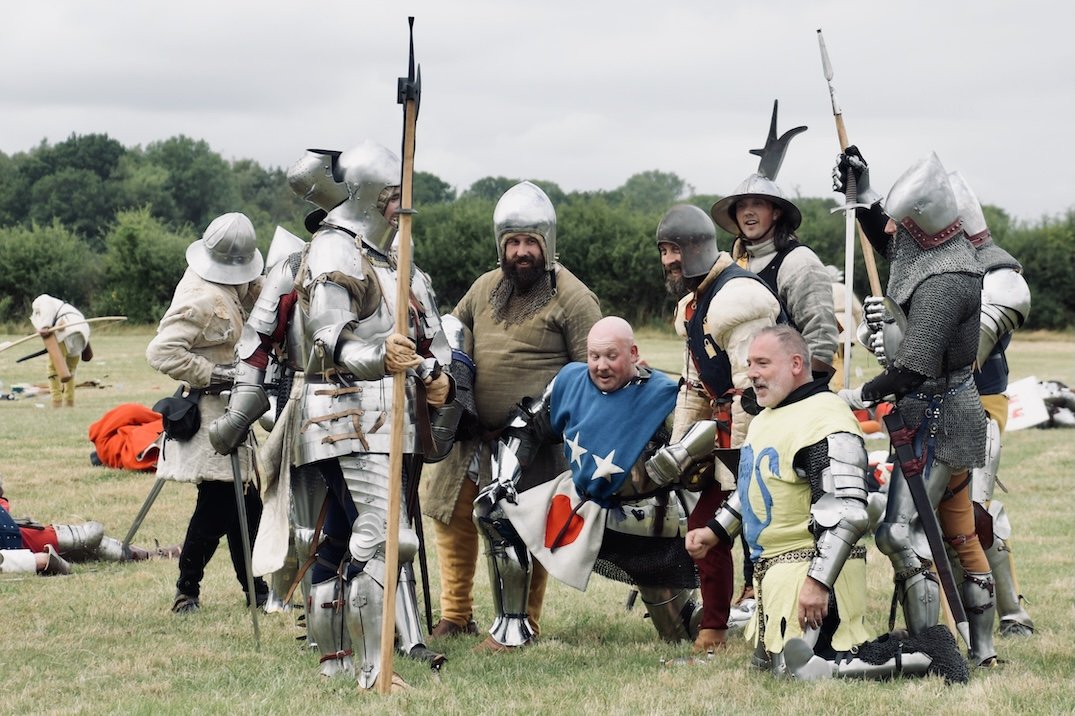
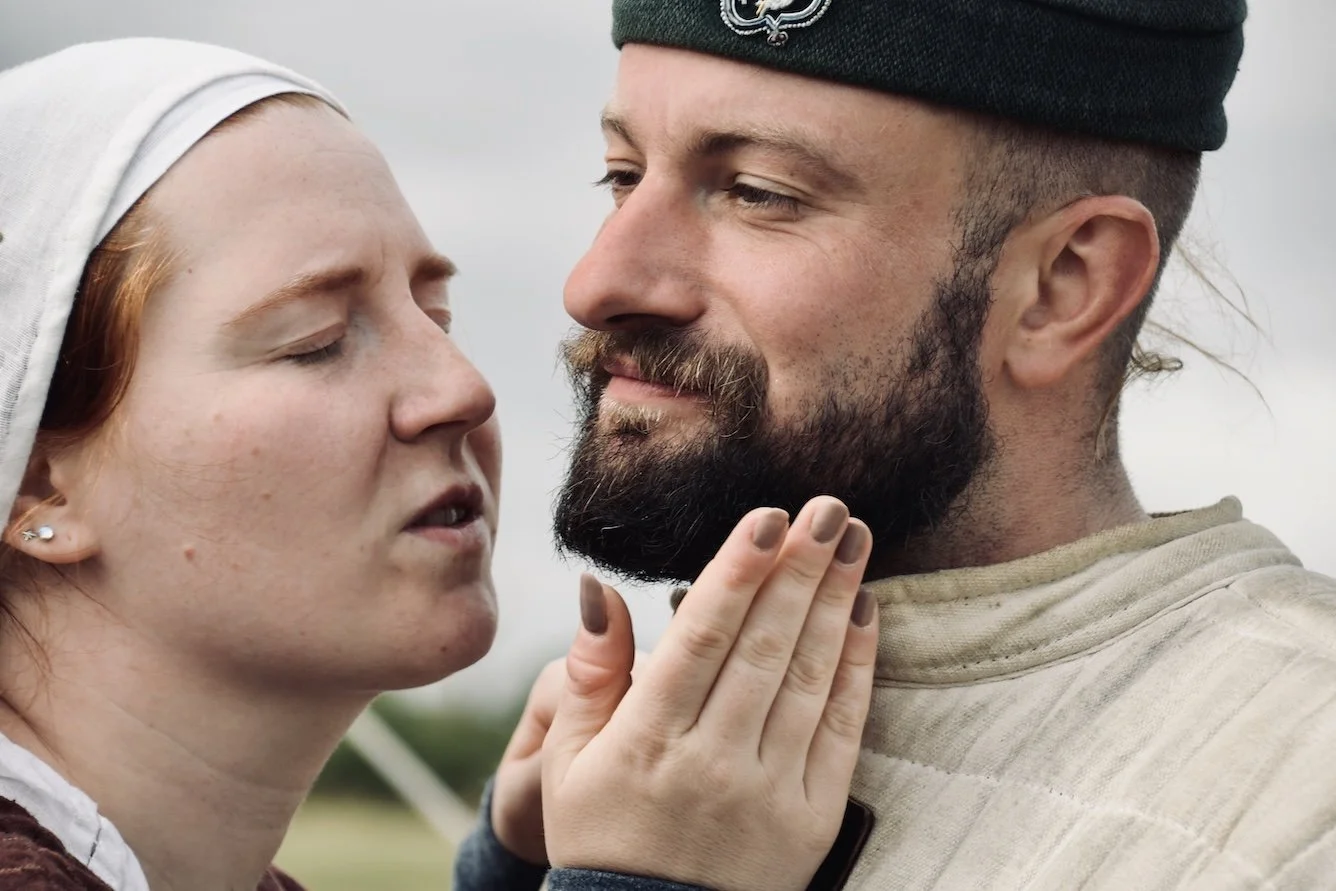
Afterwards, with tired bodies leaving the field in ragged groups, those who had not partaken of the battle itself counted the combatants back in. Even at re-enactments a hefty blow may require medical attention. I saw one woman sympathising with her partner for his minor injury, as she caressed his chin and planted a loving kiss on his cheek, thankful for his safe return. It was all quite touching really and made for good theatre.
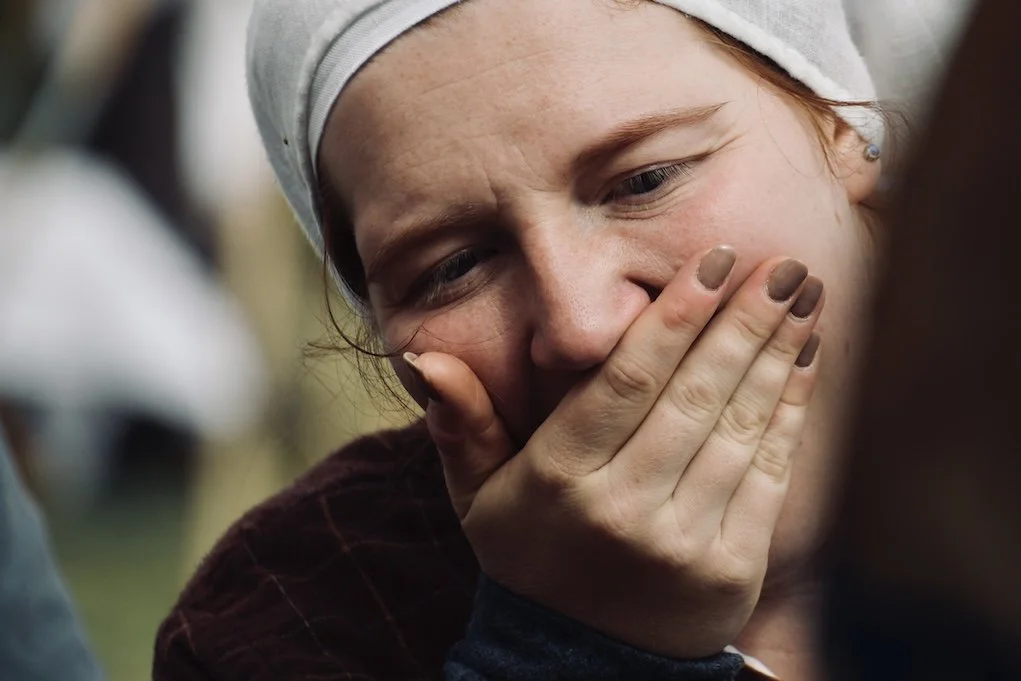
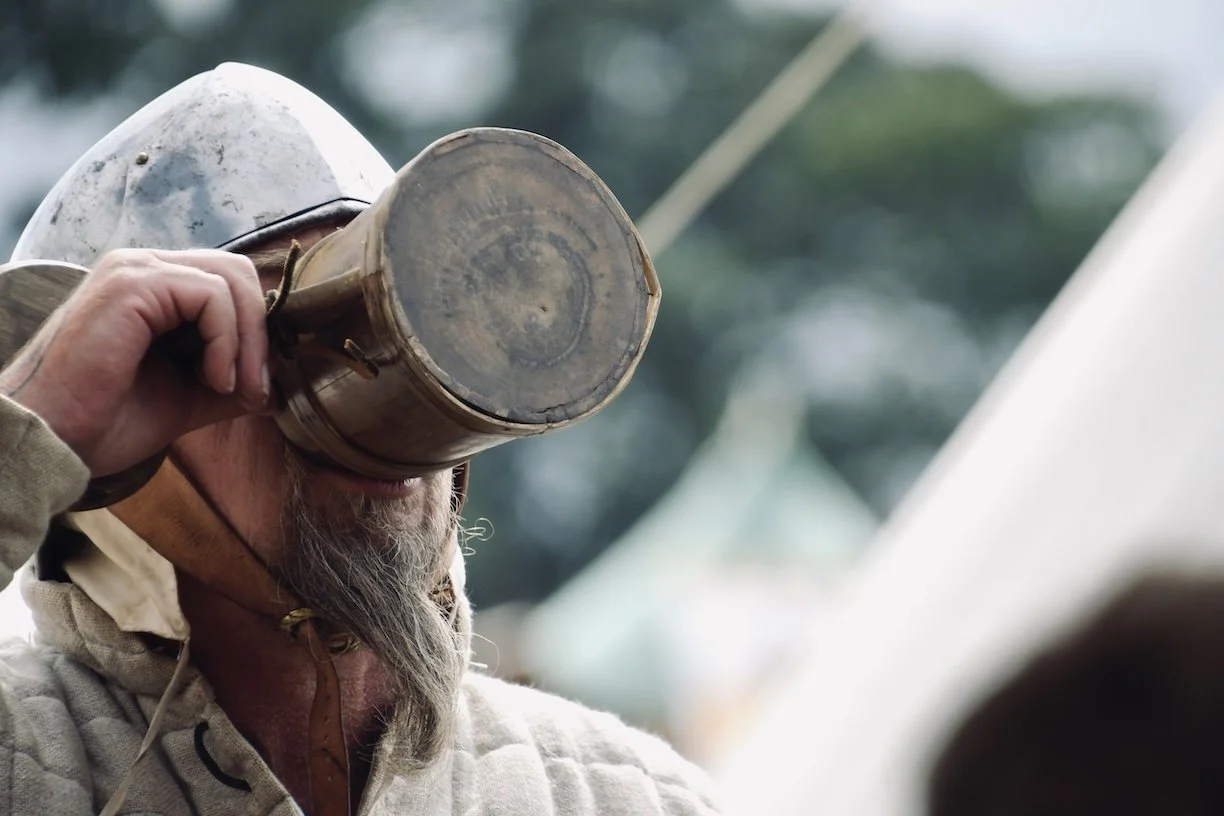
As you might expect, many a mug of ale was swigged after such thirsty work but unlike the battle that took place centuries before, there was no need for weeping and wailing, just the expression of camaraderie, banter and roasted meats to follow.
Tomorrow will feel like Groundhog Day to some as they throw back the bedsheets in their canvas bedrooms, the result inevitable, history repeated once again. It’s hard for those on the losing side you may think but although history may not always be glorious, reliving it can be fun. These guys love doing this.