My goal is one - to regain humanity to humanity
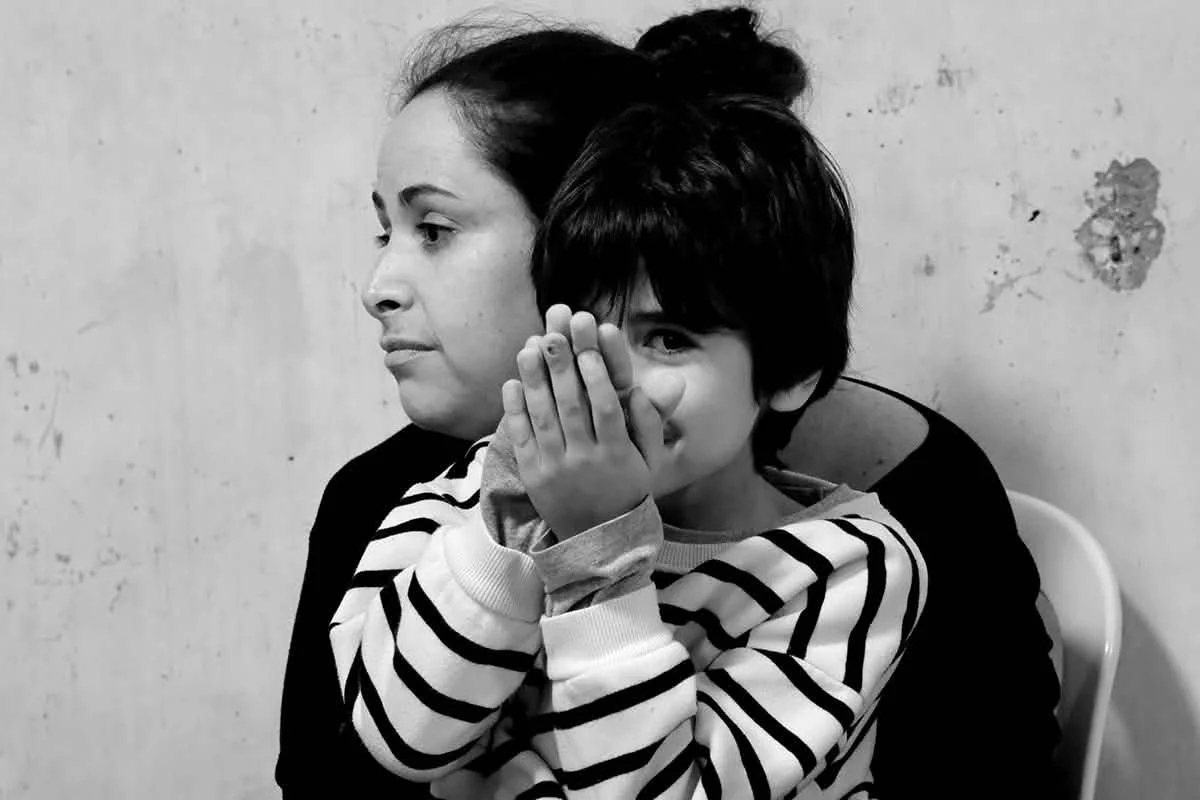
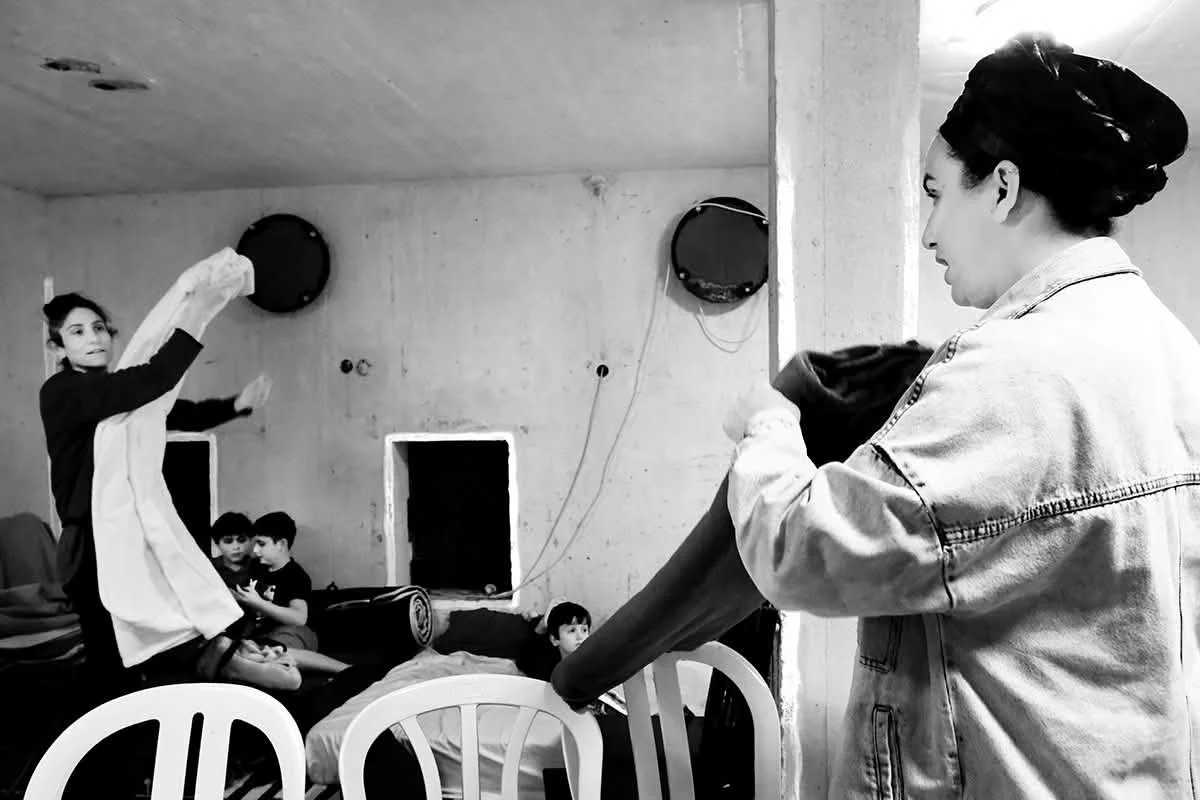
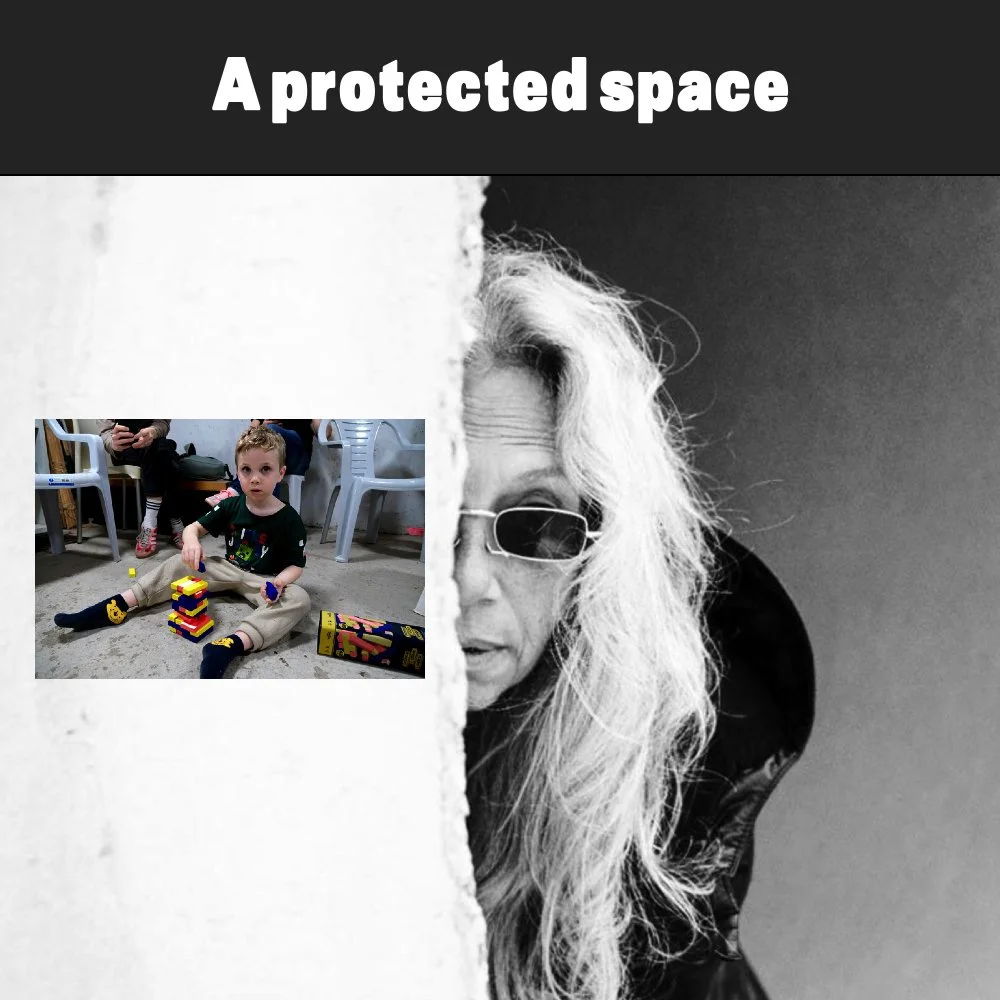
A protected space
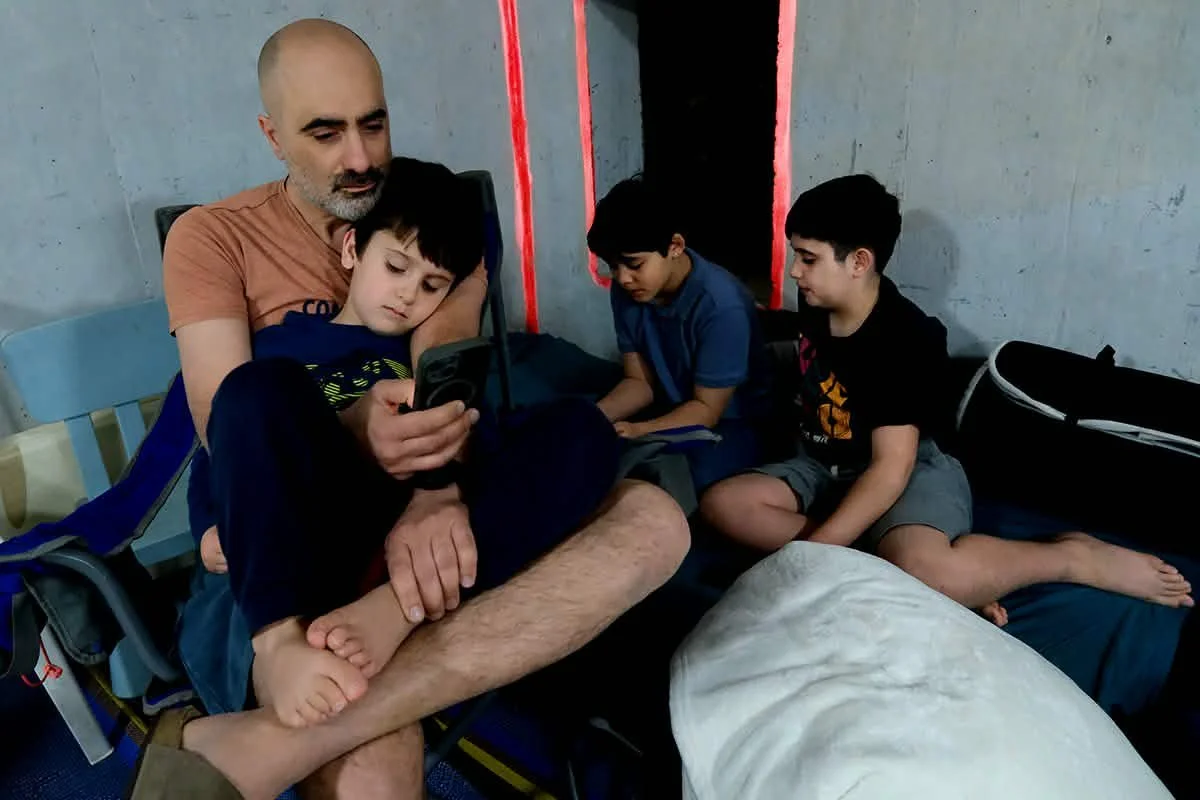
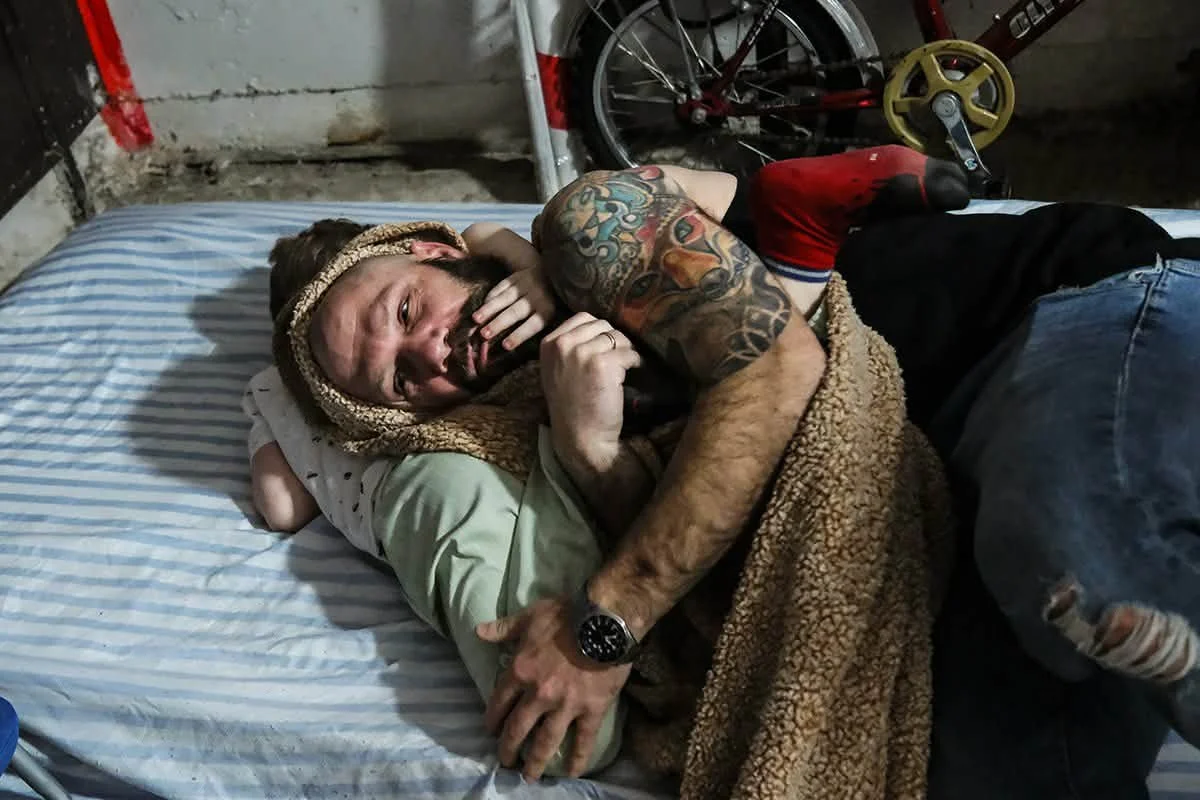
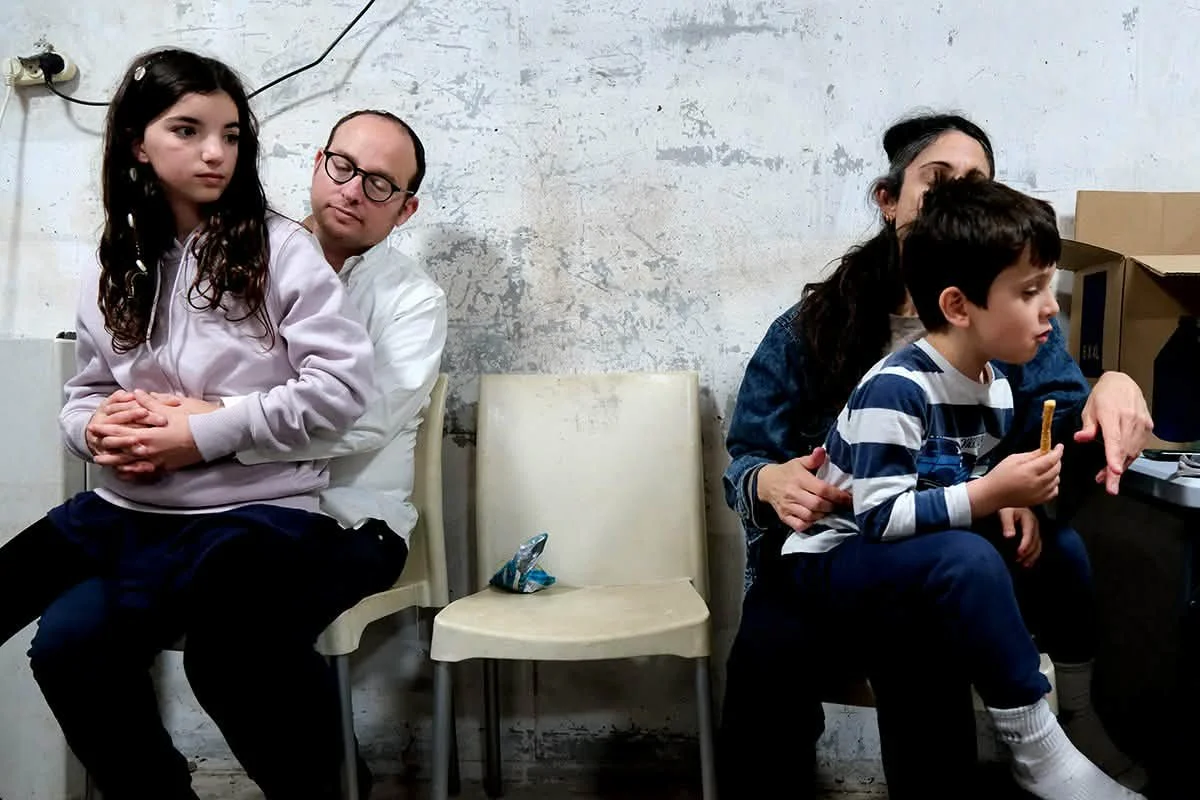
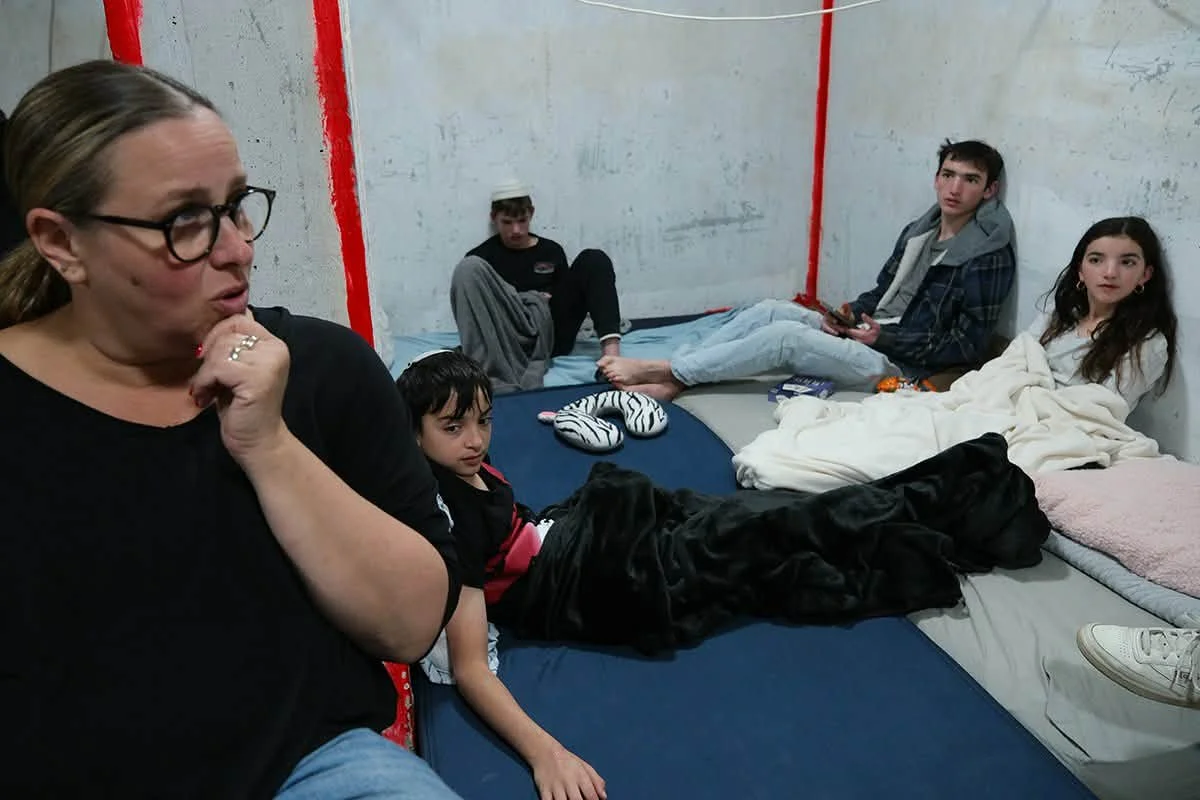
For the past 40 days, millions of civilians have endured the harrowing experience of sitting in bomb shelters once again as they seek refuge from relentless bombings that seem to stretch on without end. This is not a new reality for many; it has become a grim routine for those who live in conflict zones.
I can vividly recall the first time I found myself in a bomb shelter. I was just 7 years old, filled with innocence and the simple joys of childhood, yet thrust into a world overshadowed by fear and uncertainty. Almost 60 years have passed since that day, yet the memories are as sharp as ever. Across the decades, I have navigated this tumultuous landscape as a child, then a teenager who yearned for normalcy, later as a wife and mother bearing the weight of responsibility, and now, in my later years, as a grandmother hoping for a more peaceful legacy.
The cacophony of sirens, alarm systems blaring, and the jarring sound of explosions has woven itself into the very fabric of the Israeli experience. Each of these sounds triggers a resounding sense of urgency, a reminder that danger is always lurking. The pressing question that looms over us is whether this perpetual state of conflict is truly necessary. In more prosperous and hopeful times, leaders from Jordan and Egypt have suggested a resounding answer: no. Peaceful agreements can indeed be forged.
However, as we find ourselves mired in this cycle of violence, it becomes painfully clear that many leaders—Israeli and otherwise—often lack the genuine interest or political will to pursue meaningful negotiations and compromises. The harsh reality is that it is the everyday citizens on all sides who bear the brunt of these unyielding hostilities, paying a grim price for the failures of those in power.
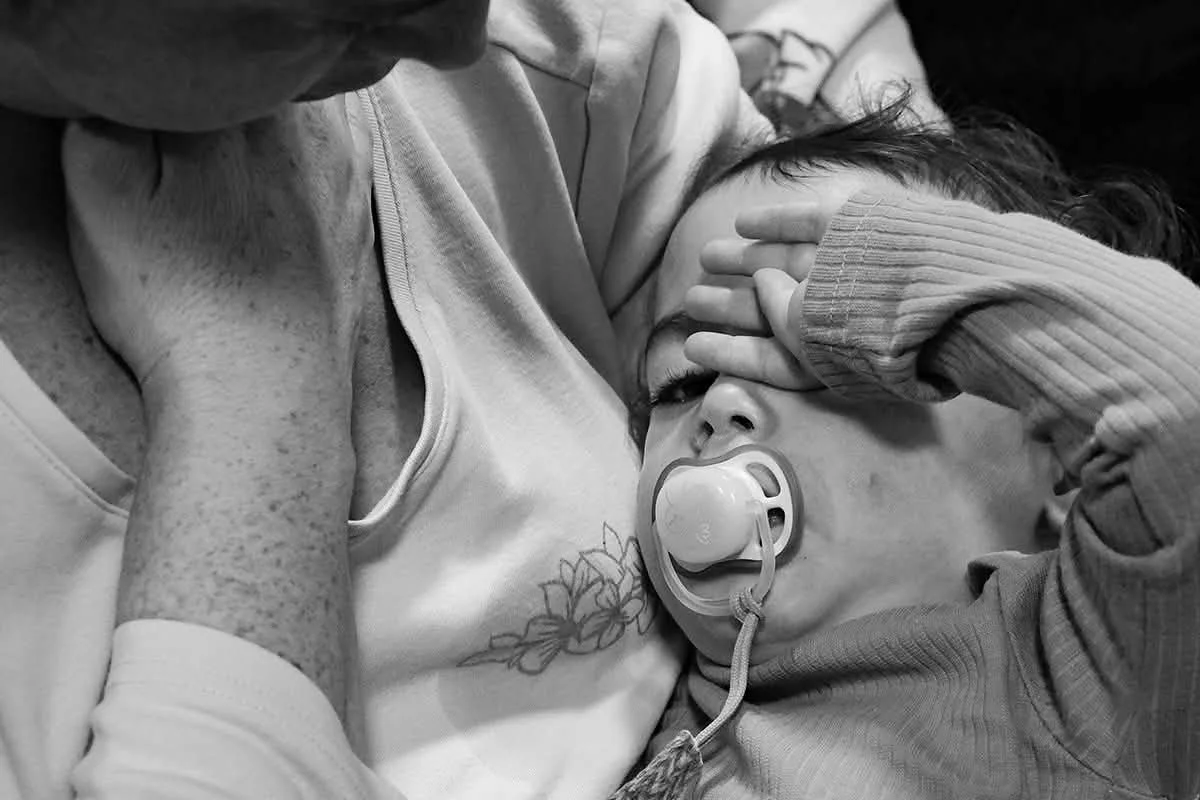
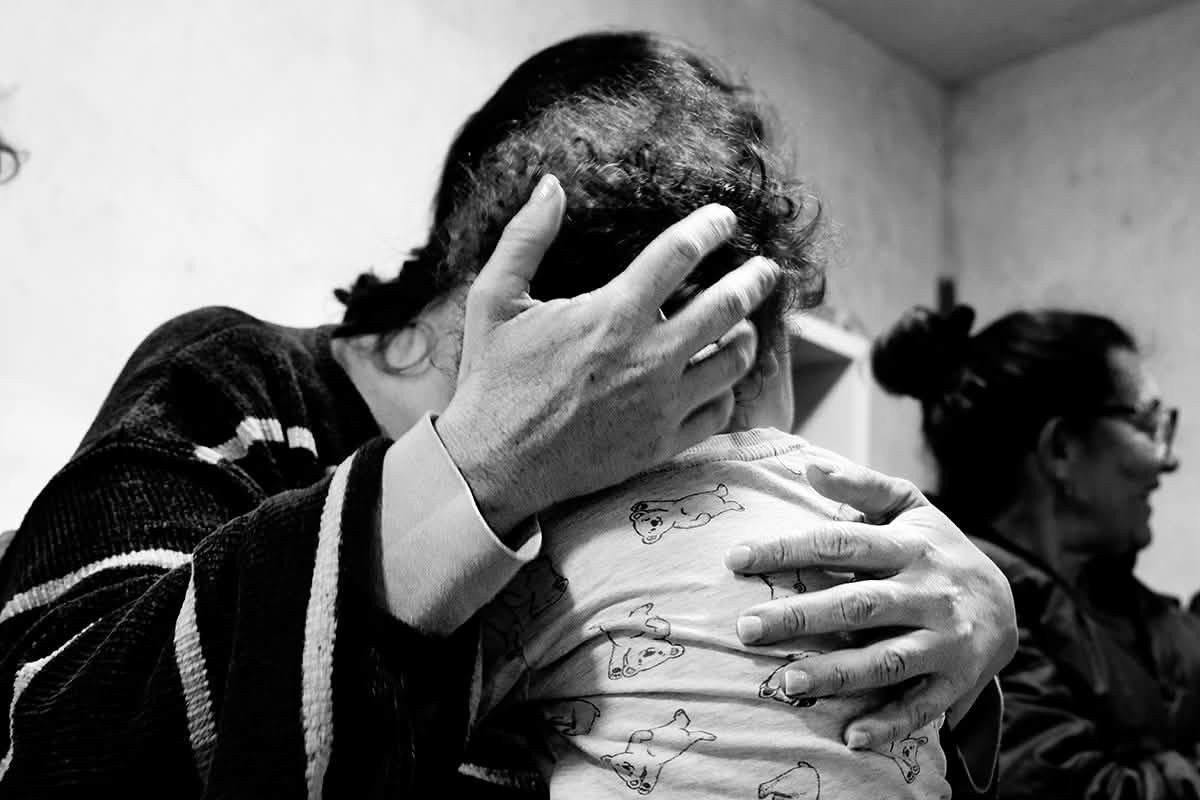
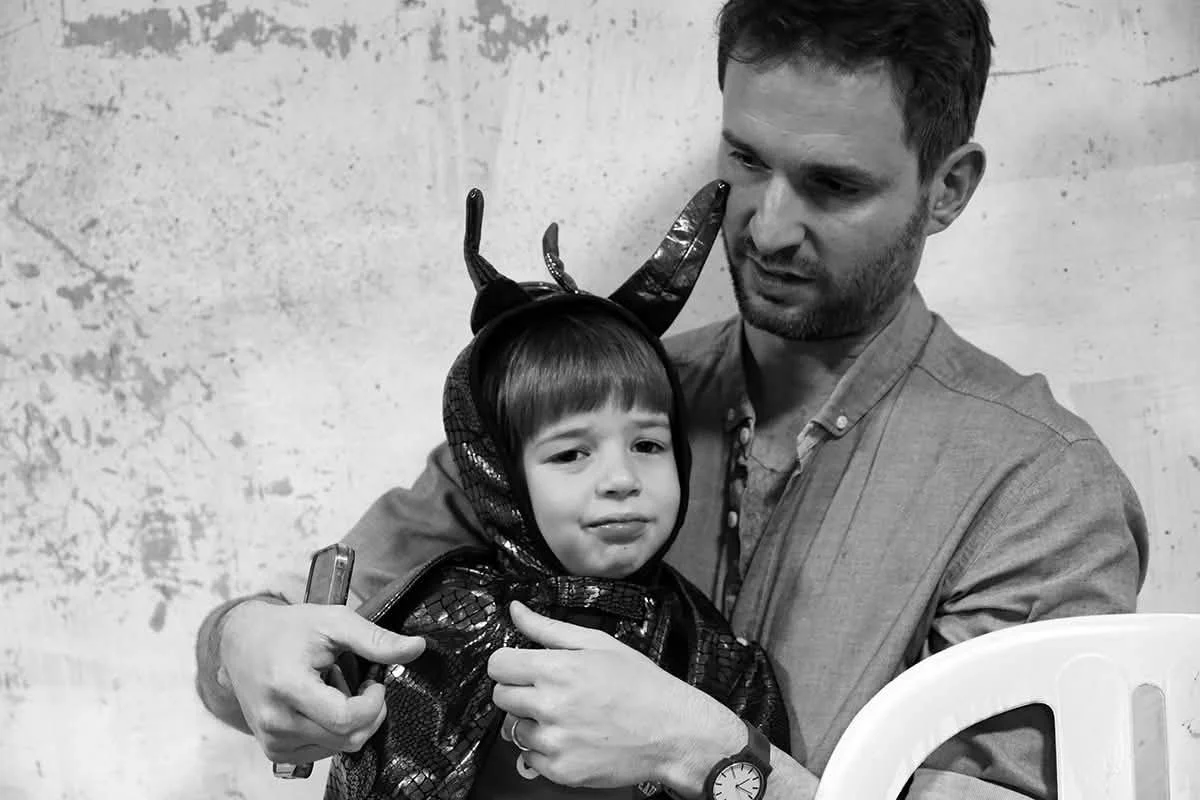
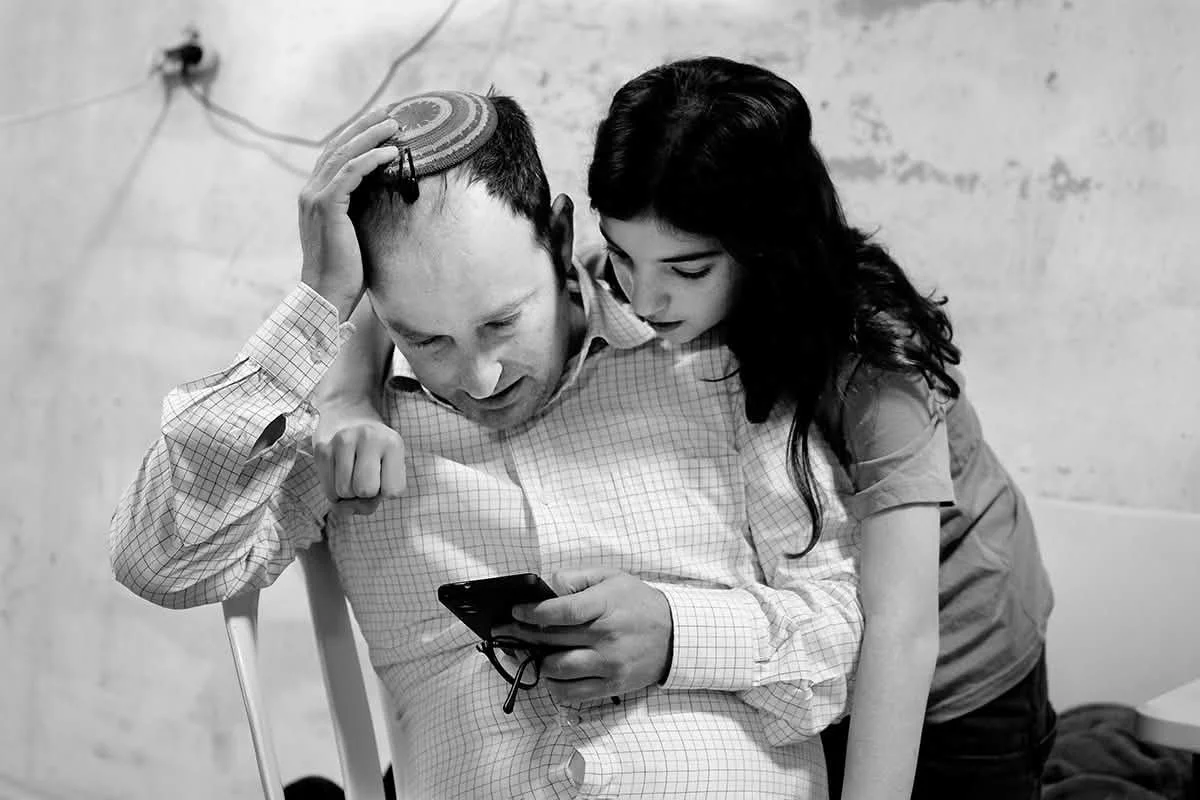
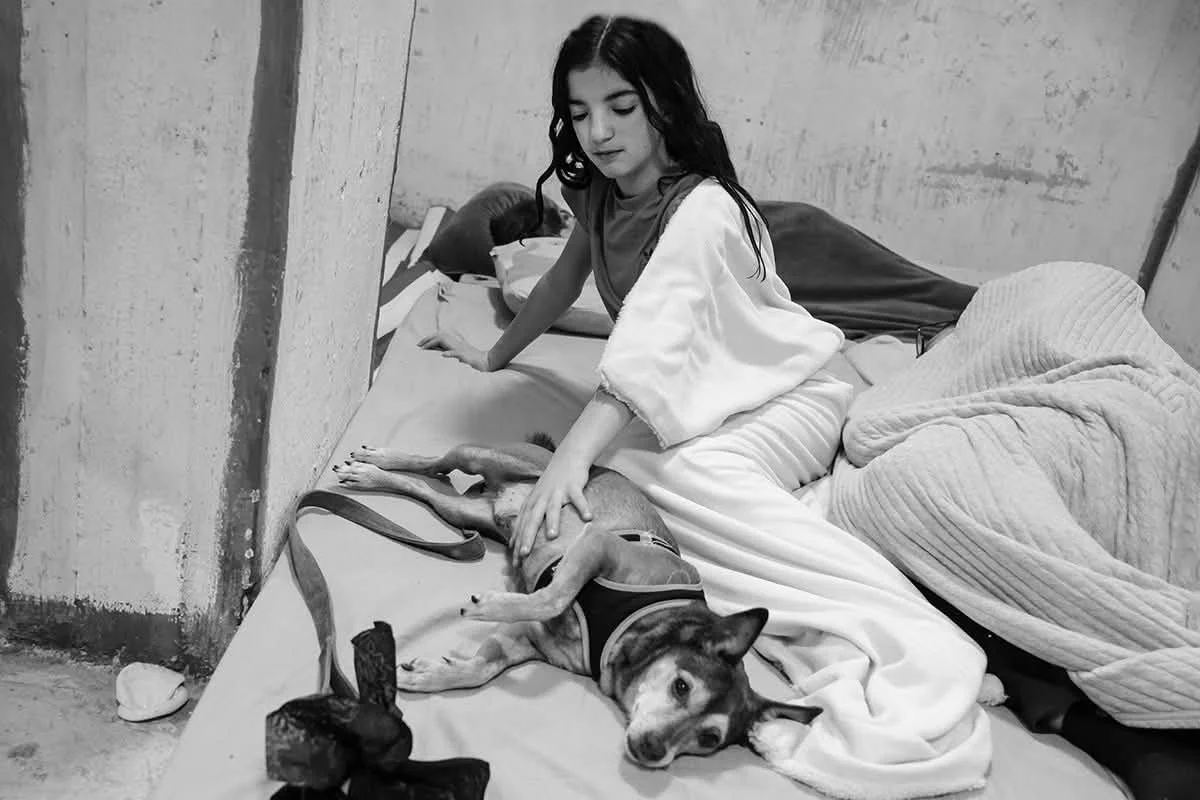
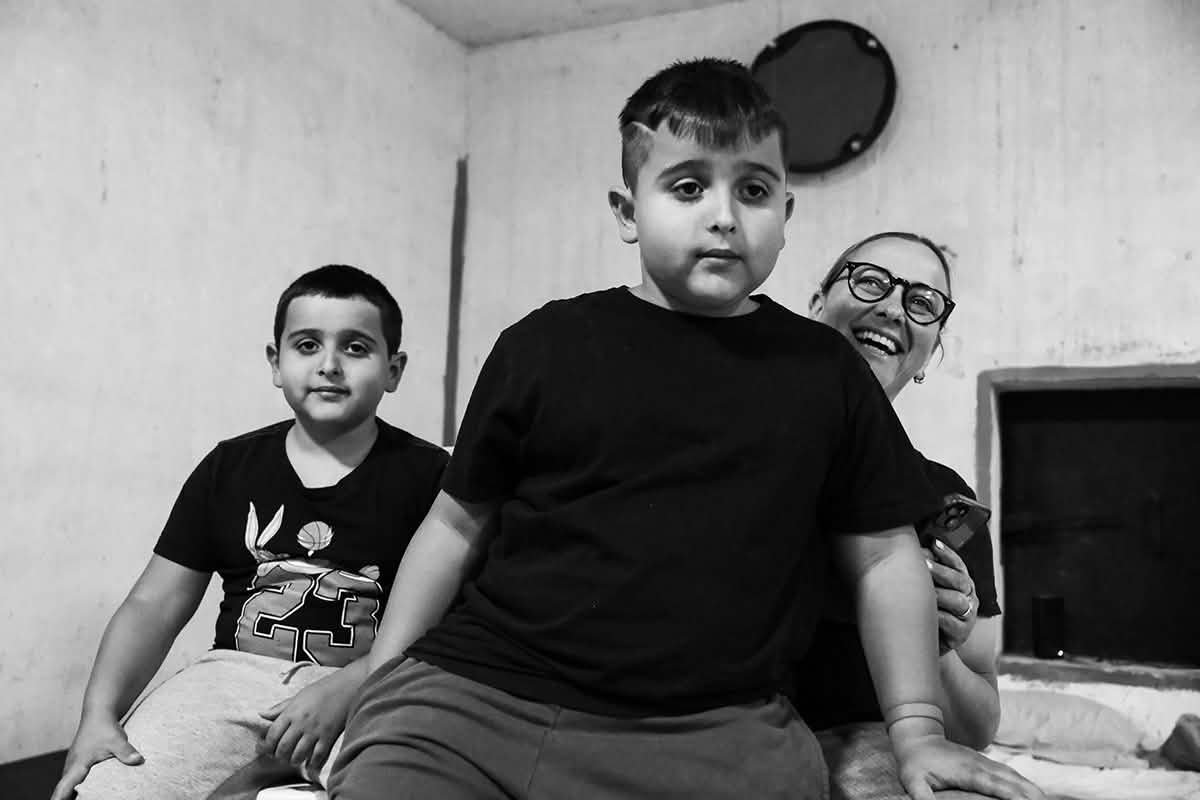
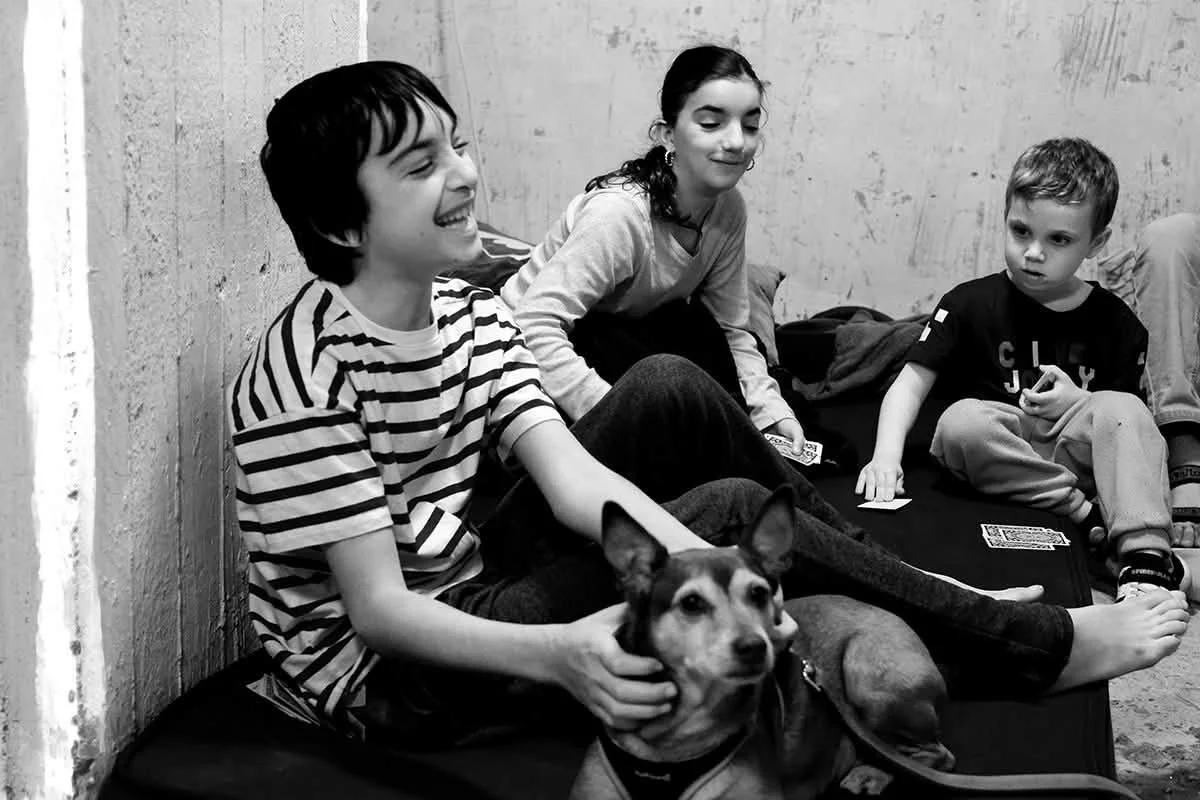
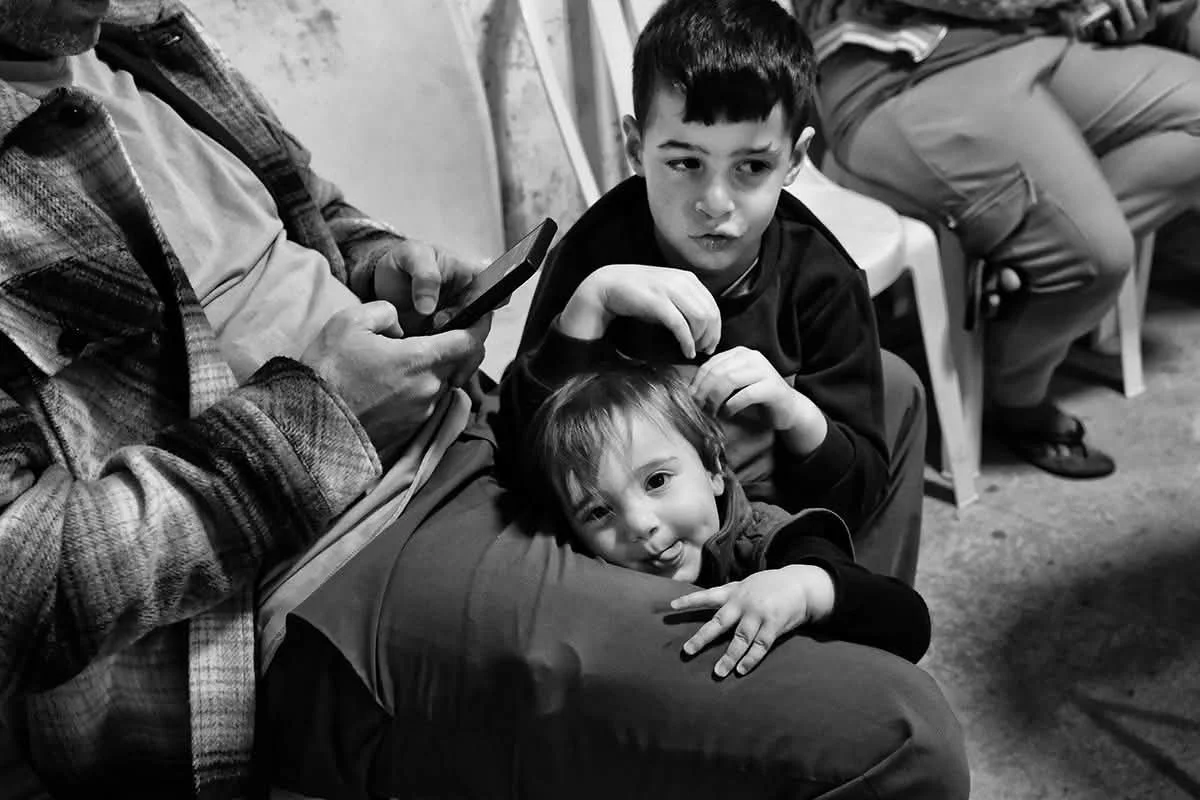
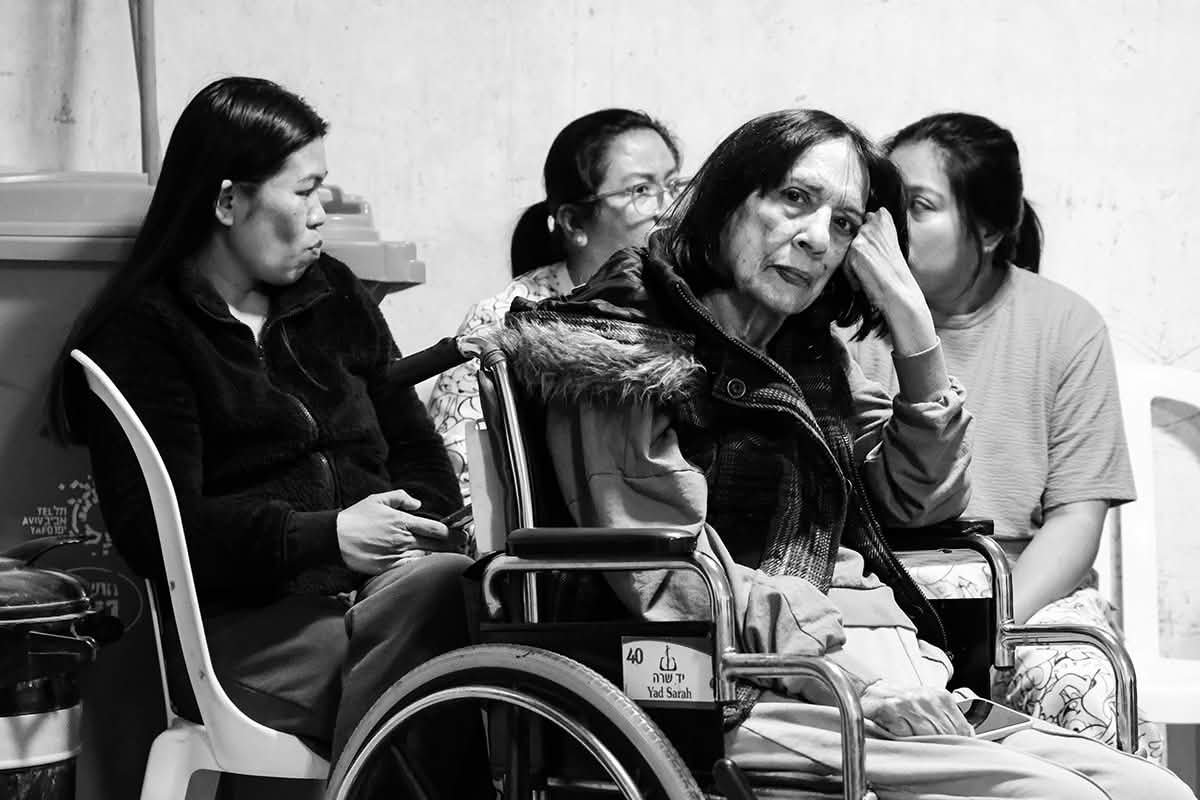
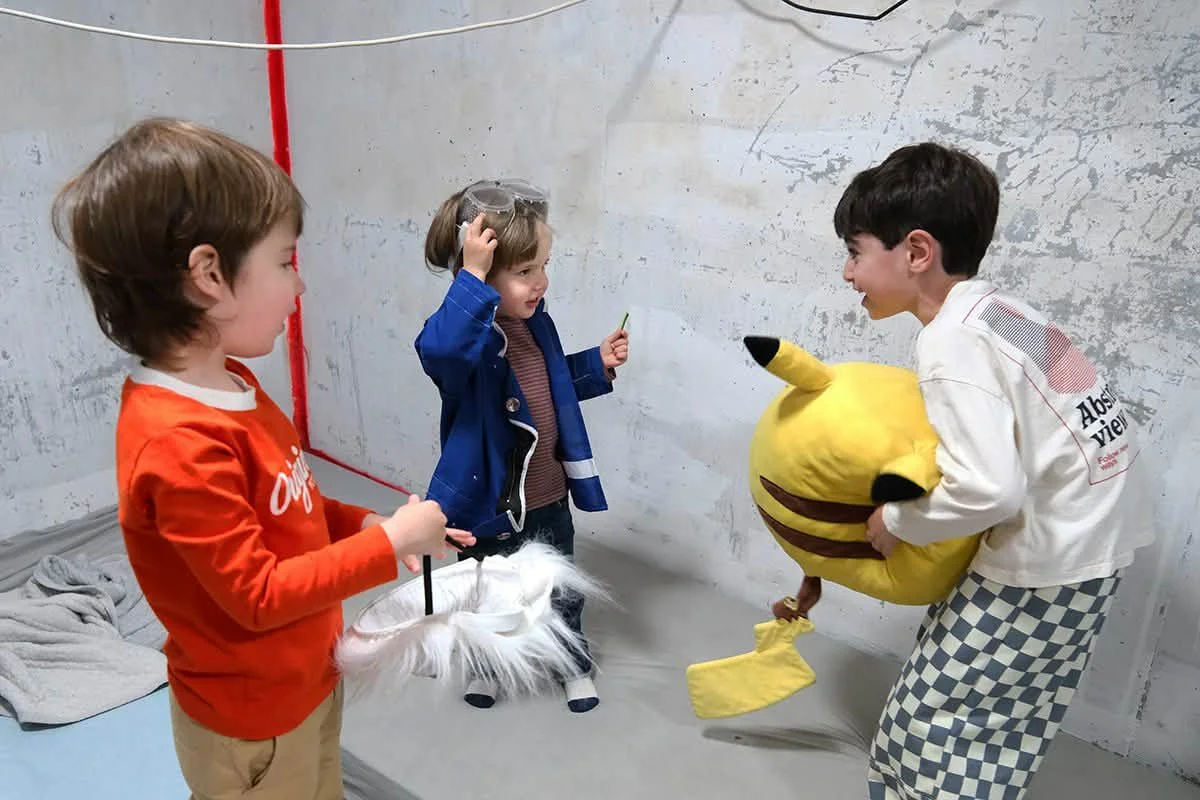
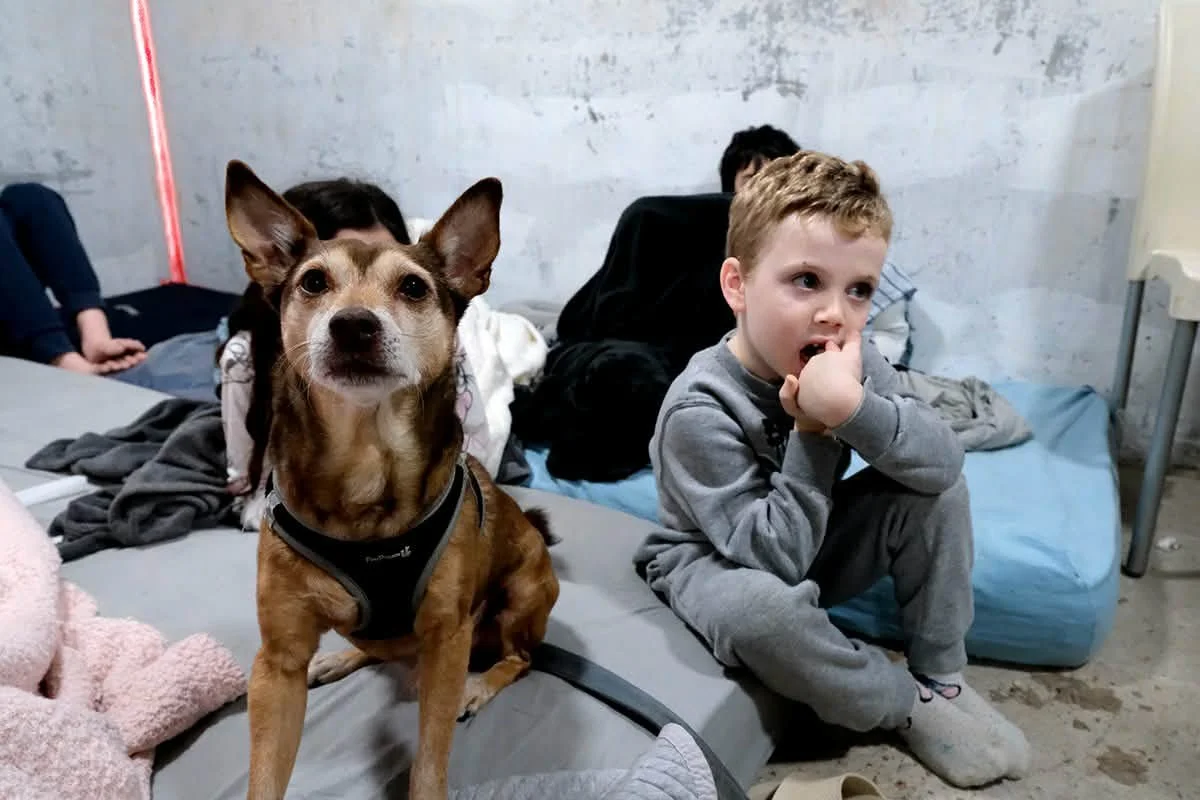
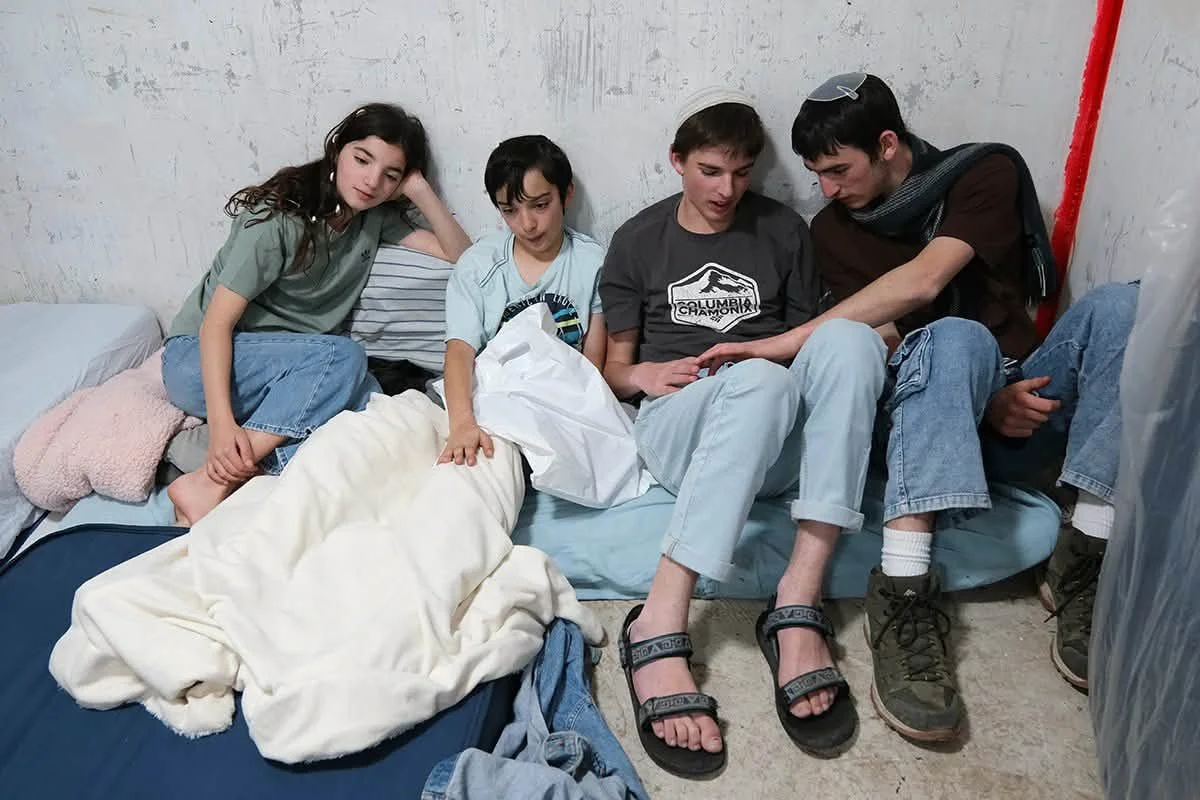
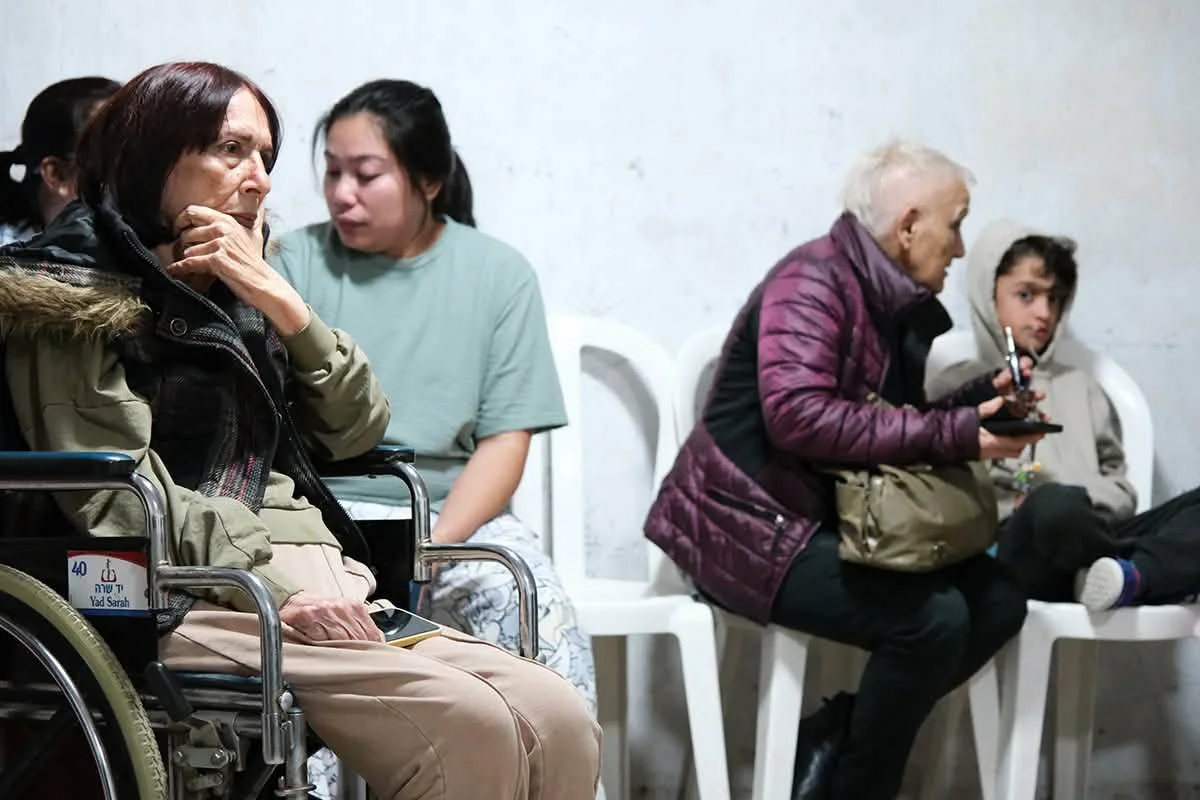
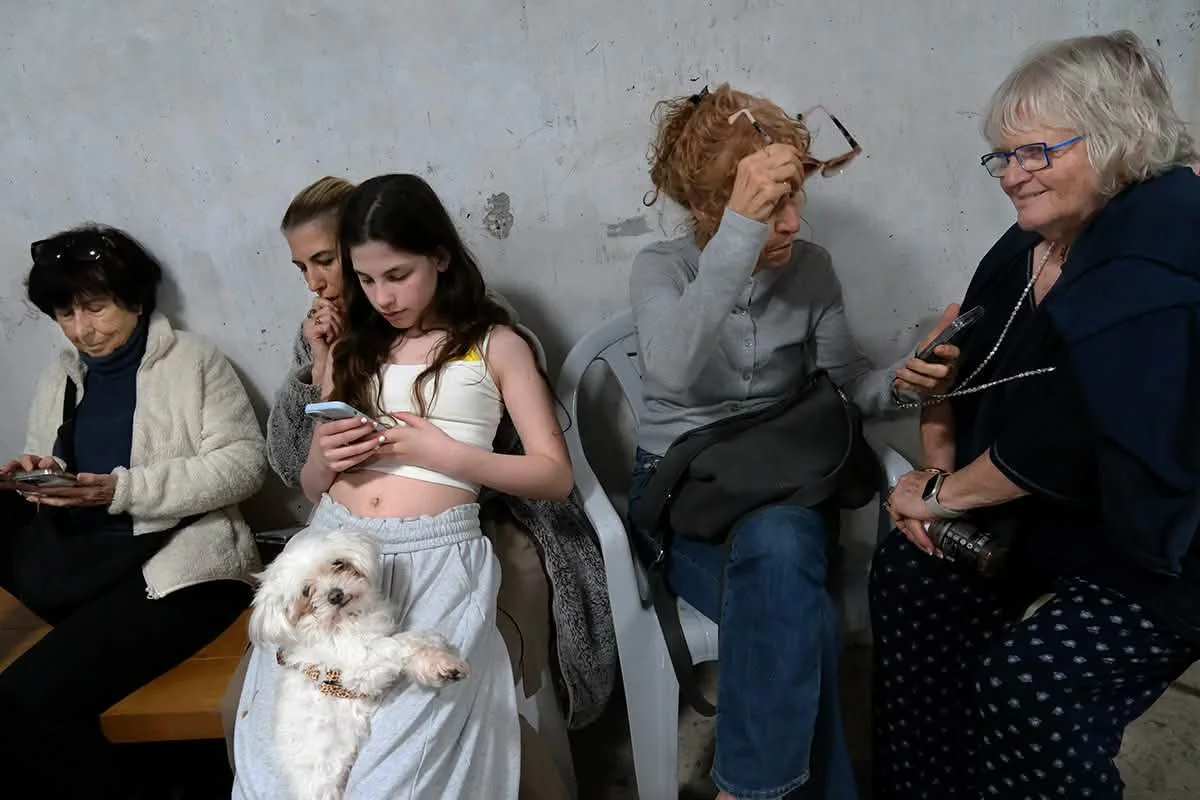
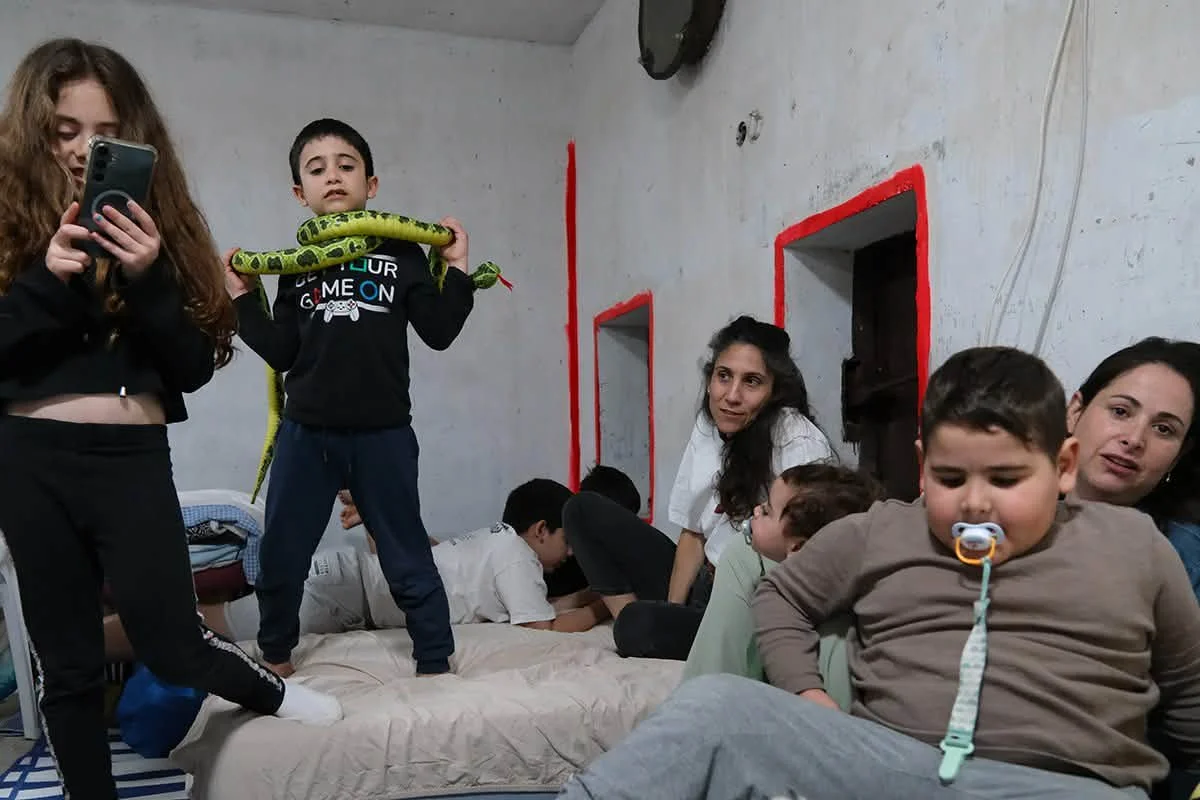
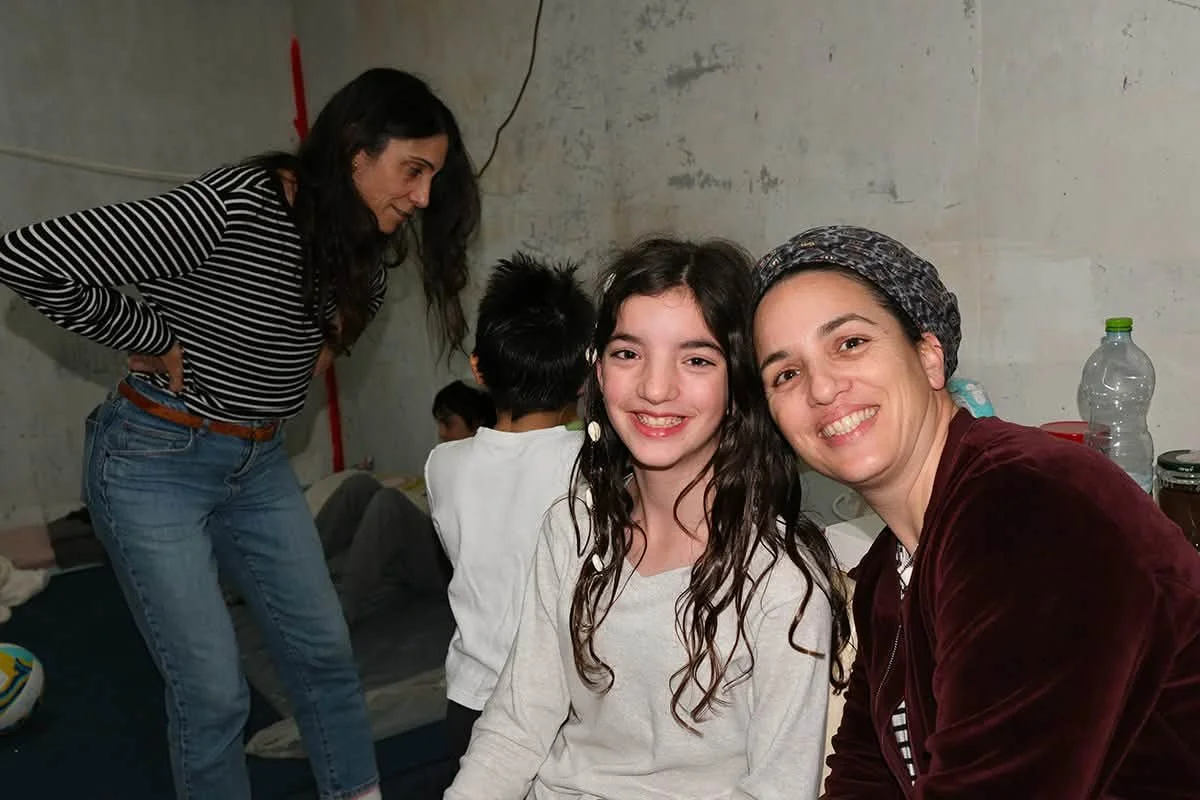
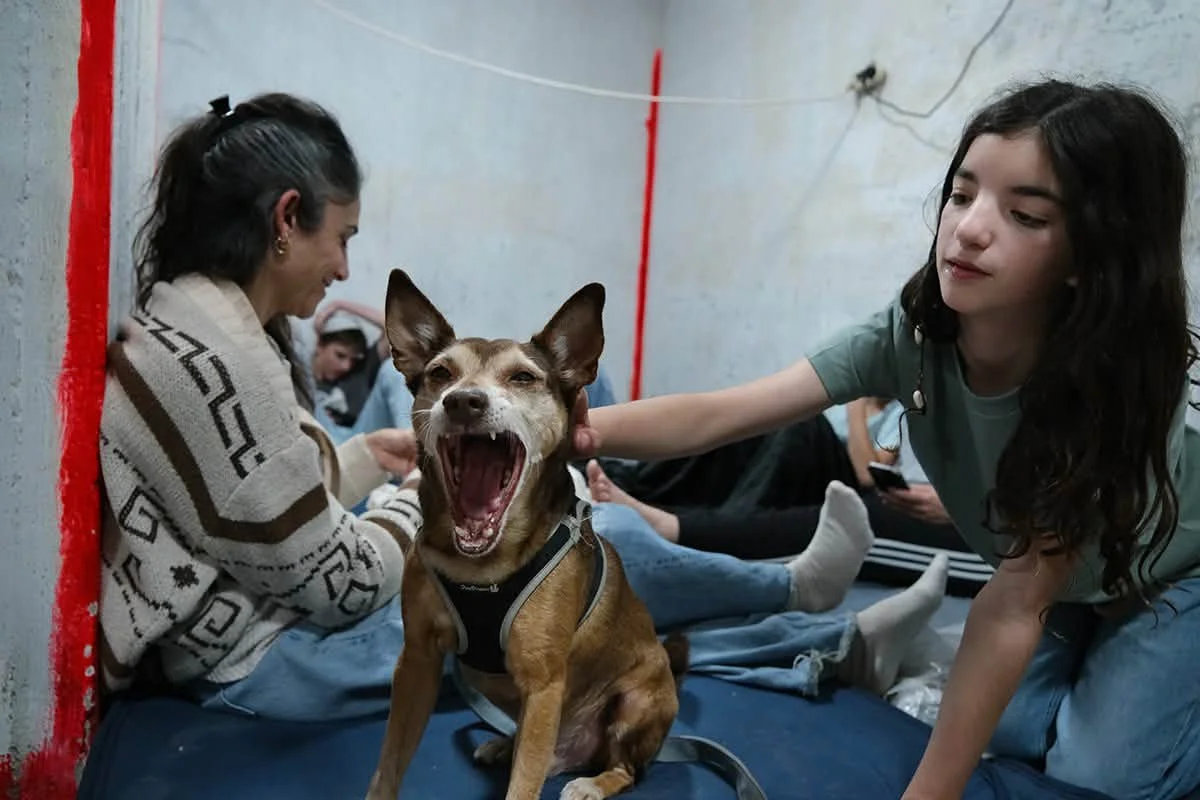
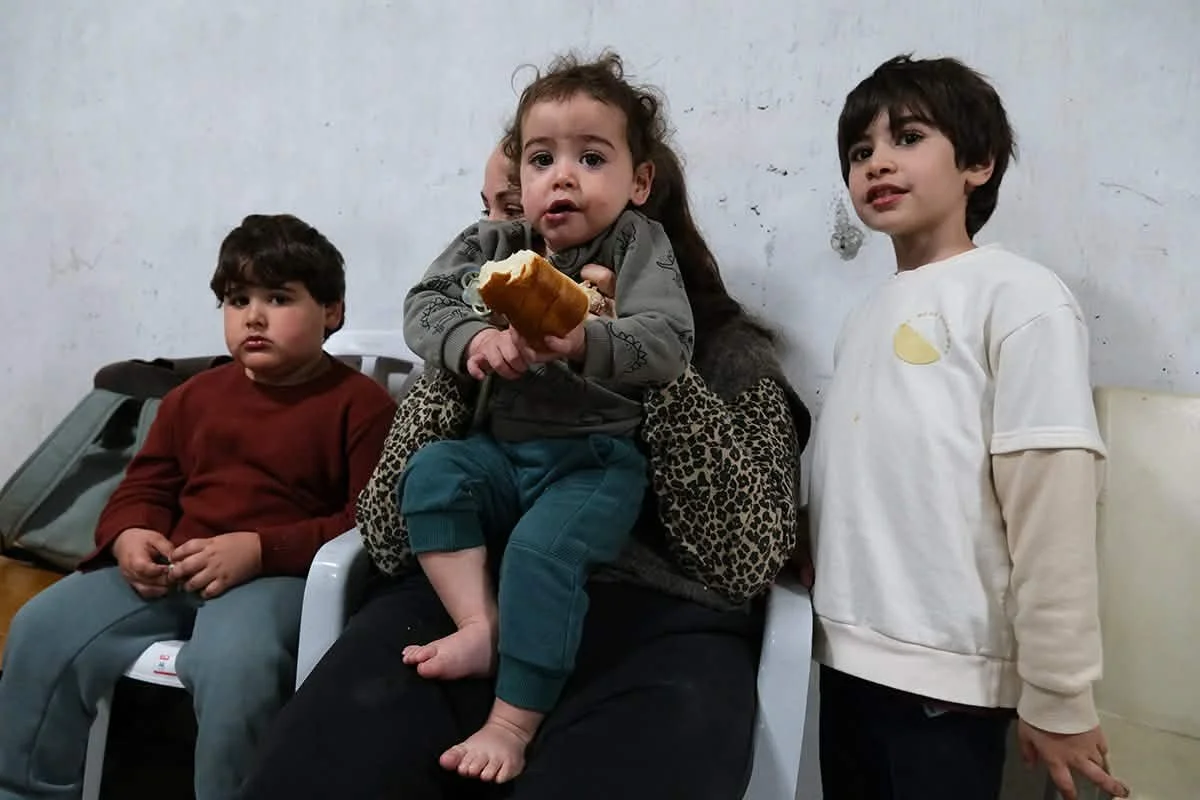
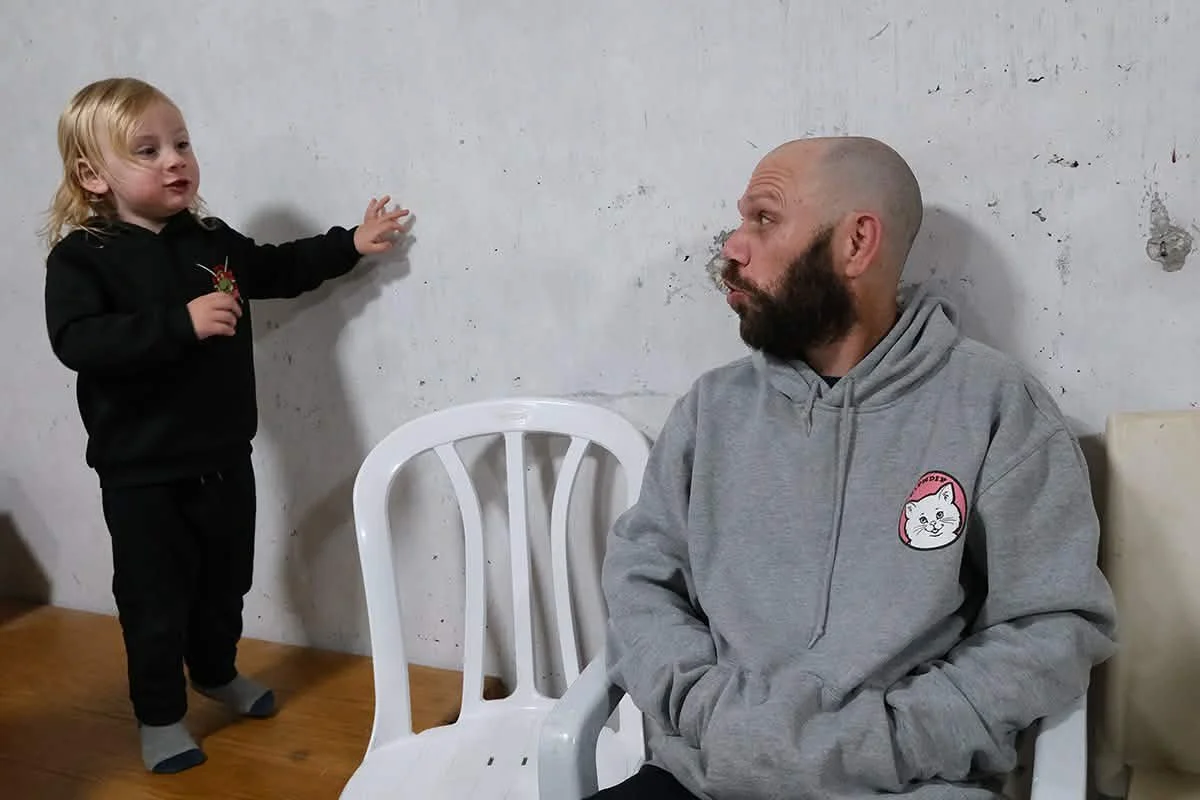
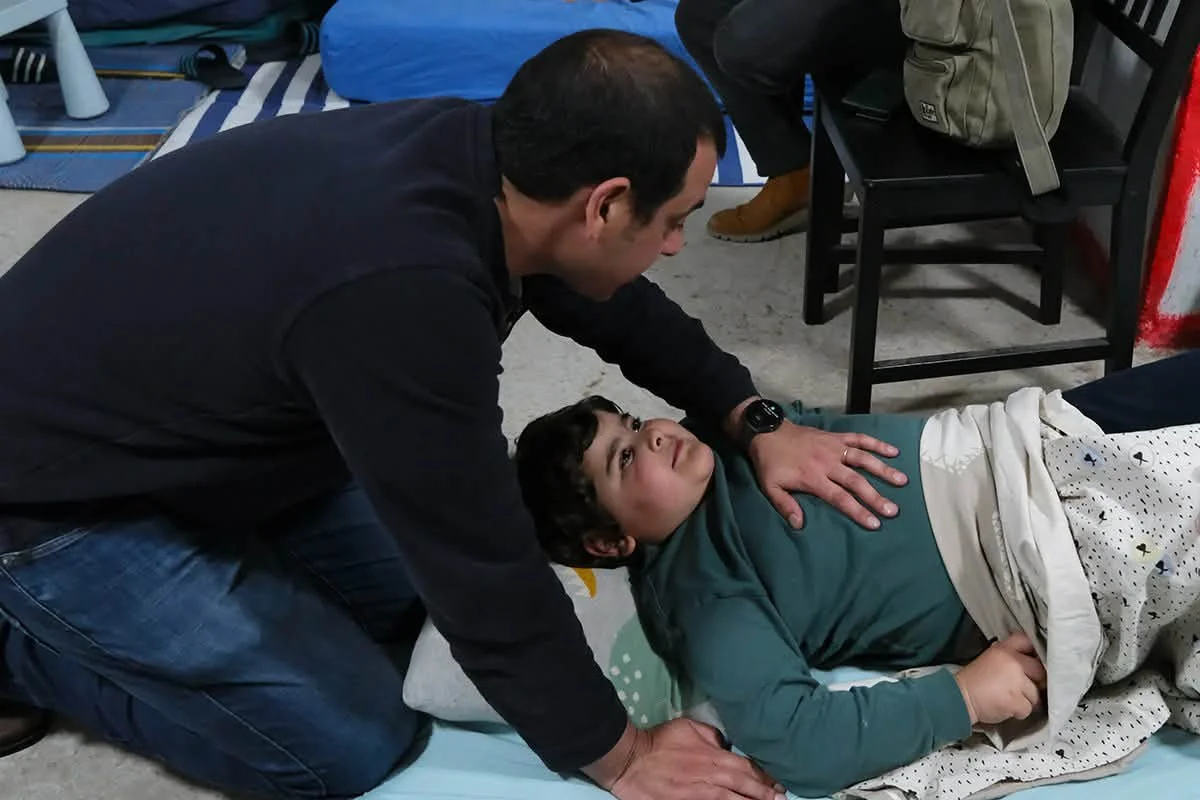
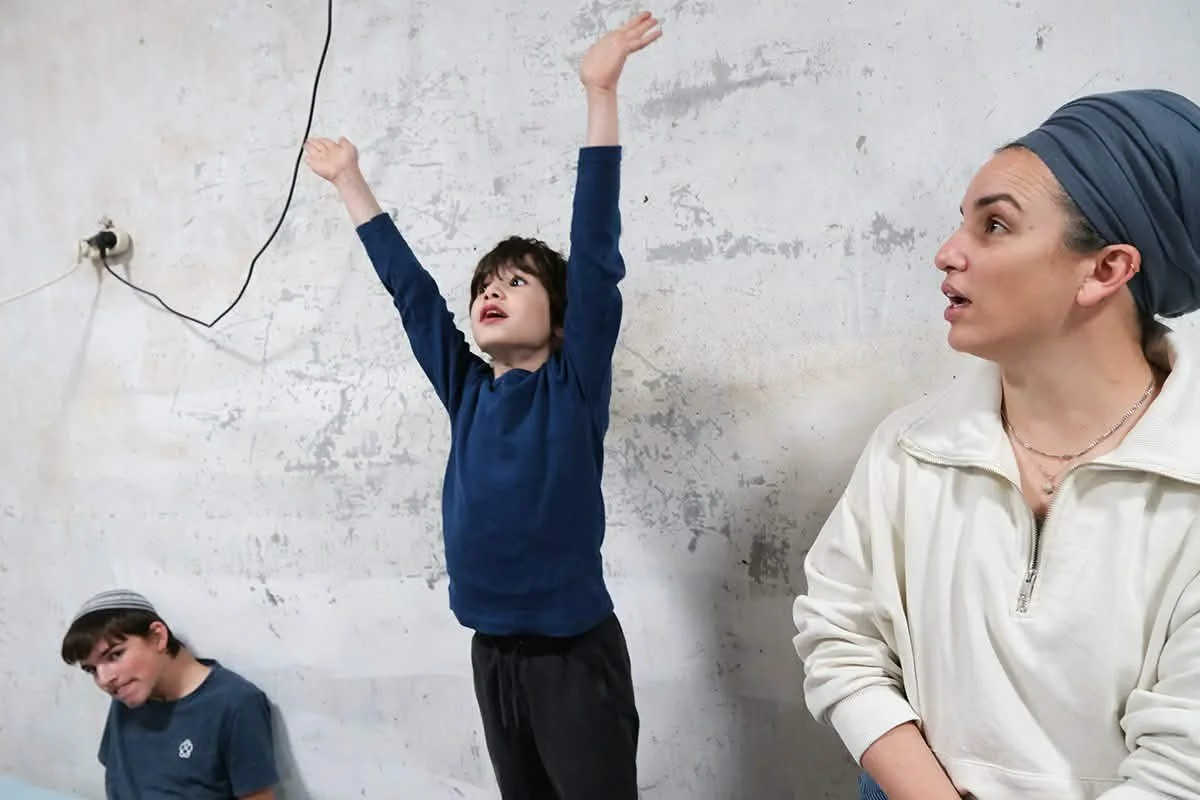
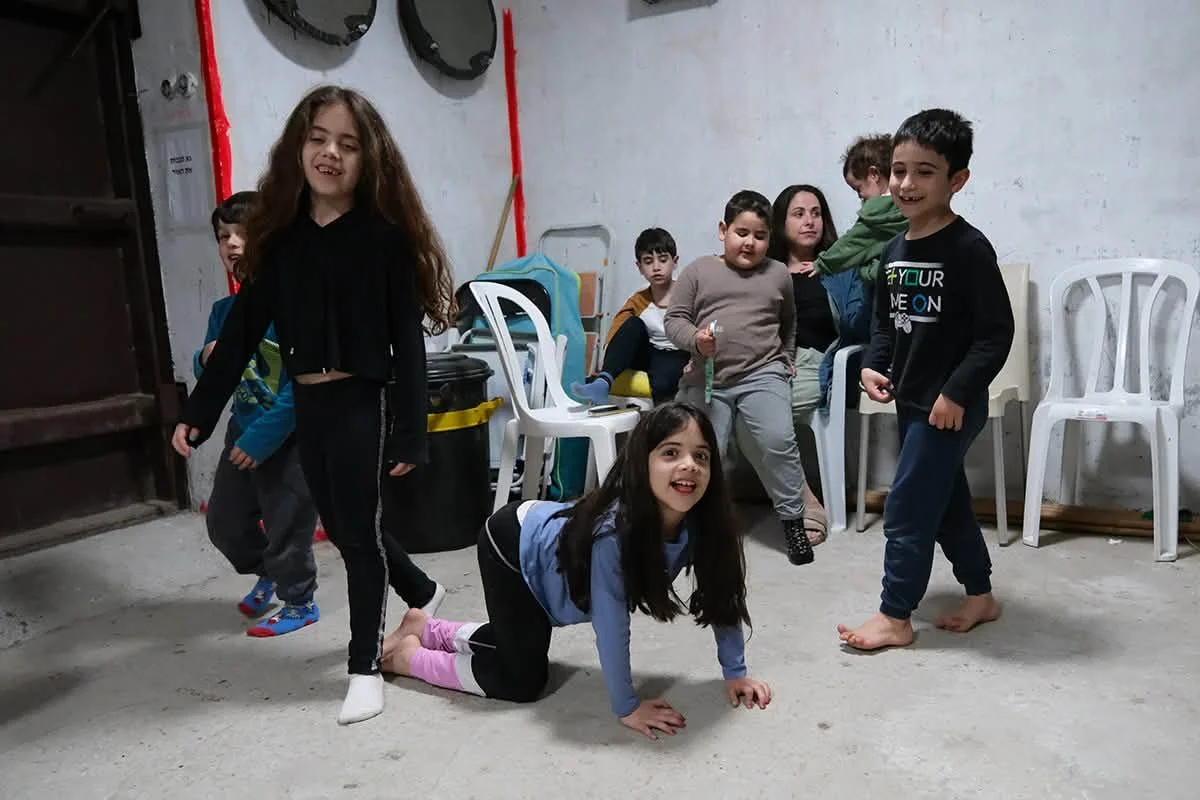
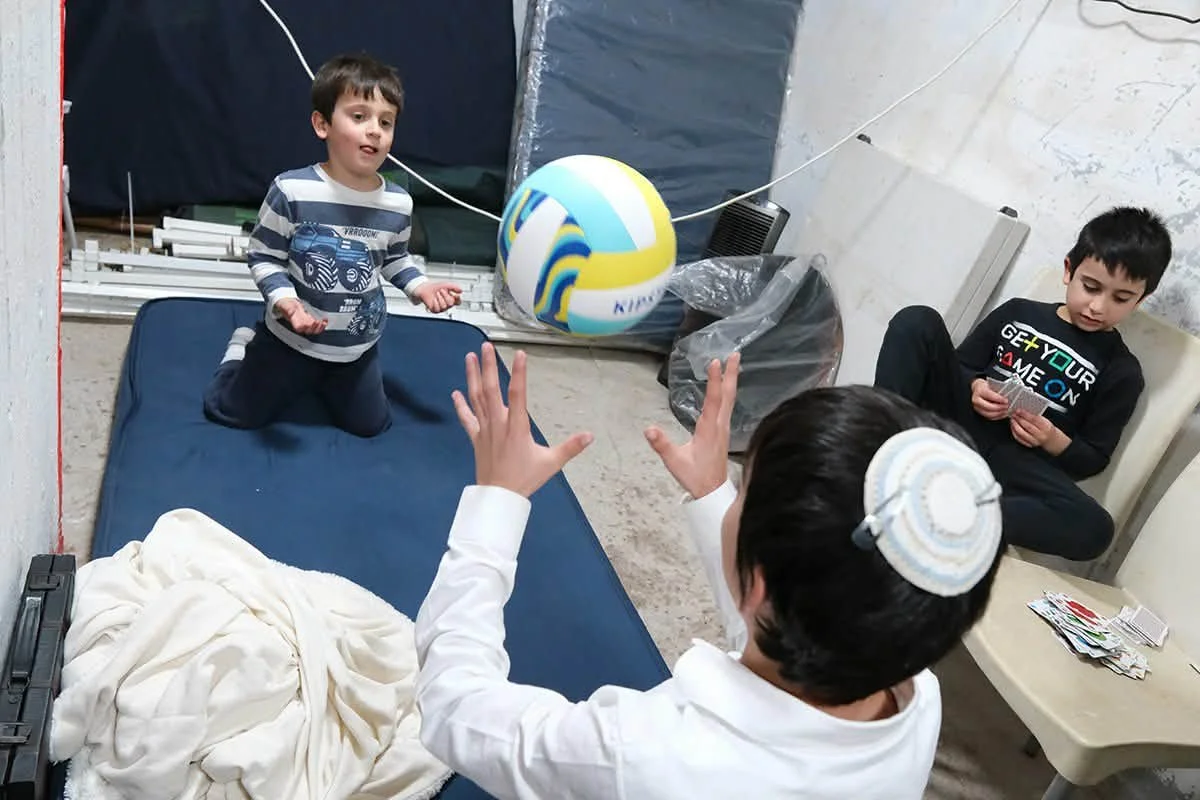
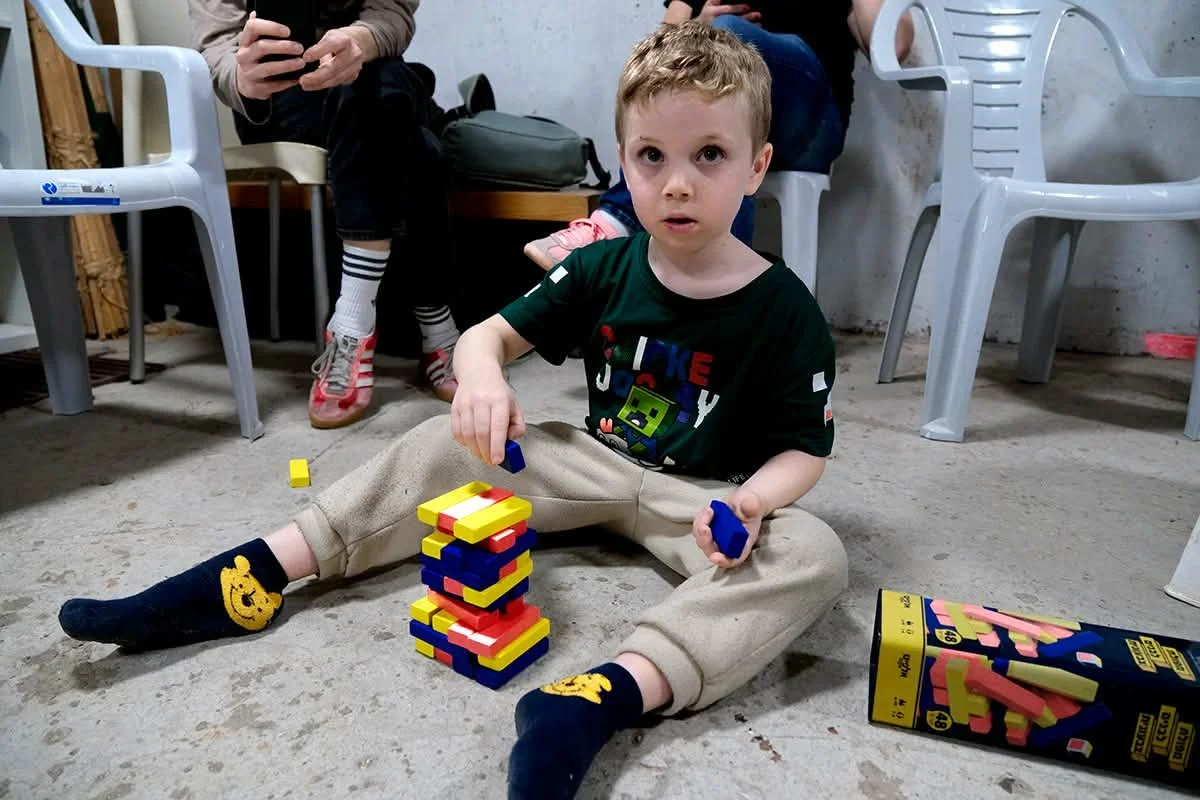
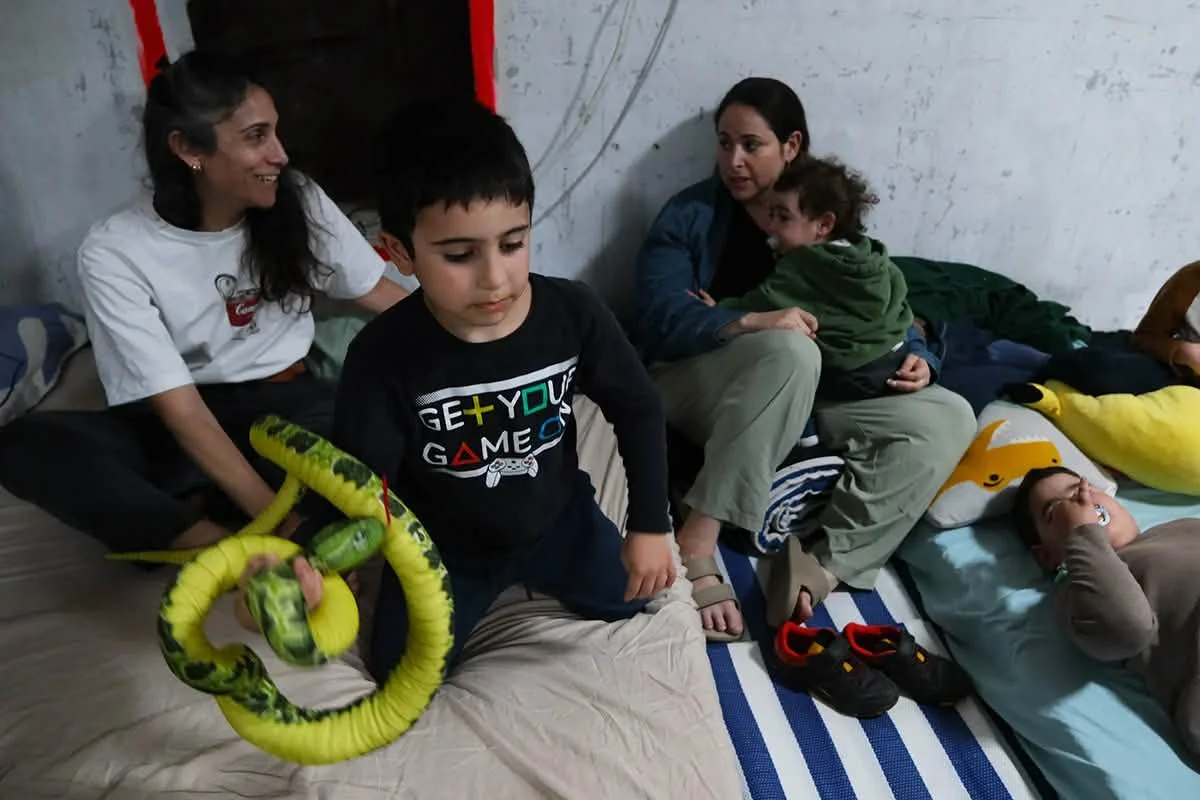
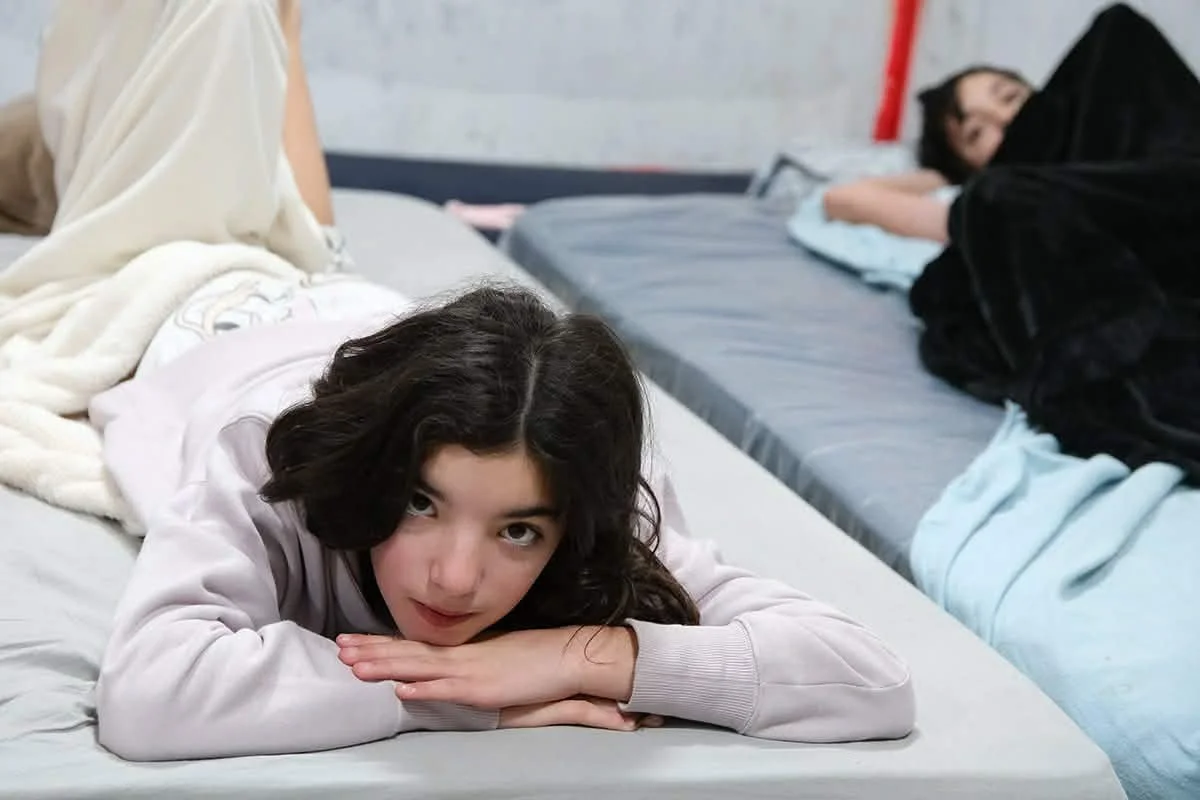
And so, we find ourselves once more hastily scrambling to our shelters—day and night. The elderly who have witnessed far too much, children clutching their favourite toys, infants crying in confusion, women, men, and even beloved pets seek safety together. Those fortunate enough to live in homes equipped with shelters feel a faint sense of security, while others, less fortunate, dash to overcrowded, often chaotic public shelters. There remain entire communities devoid of any form of protection, left exposed and vulnerable.
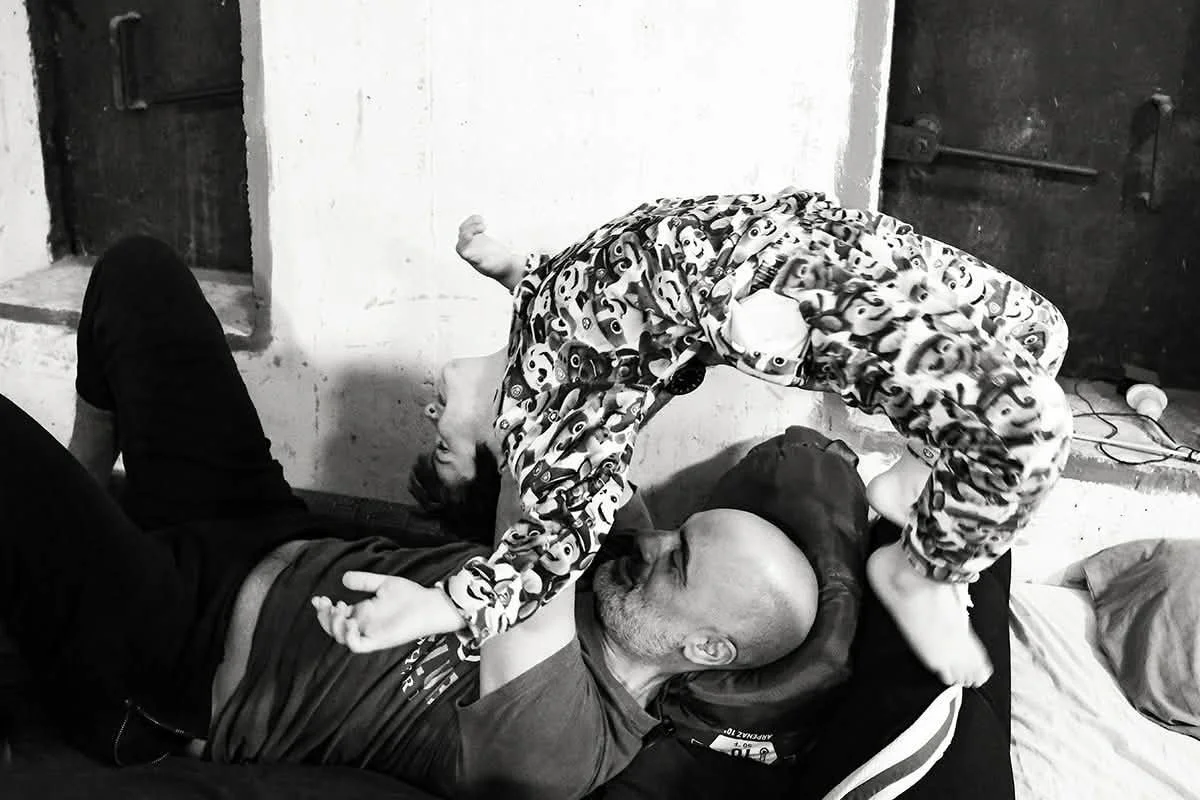
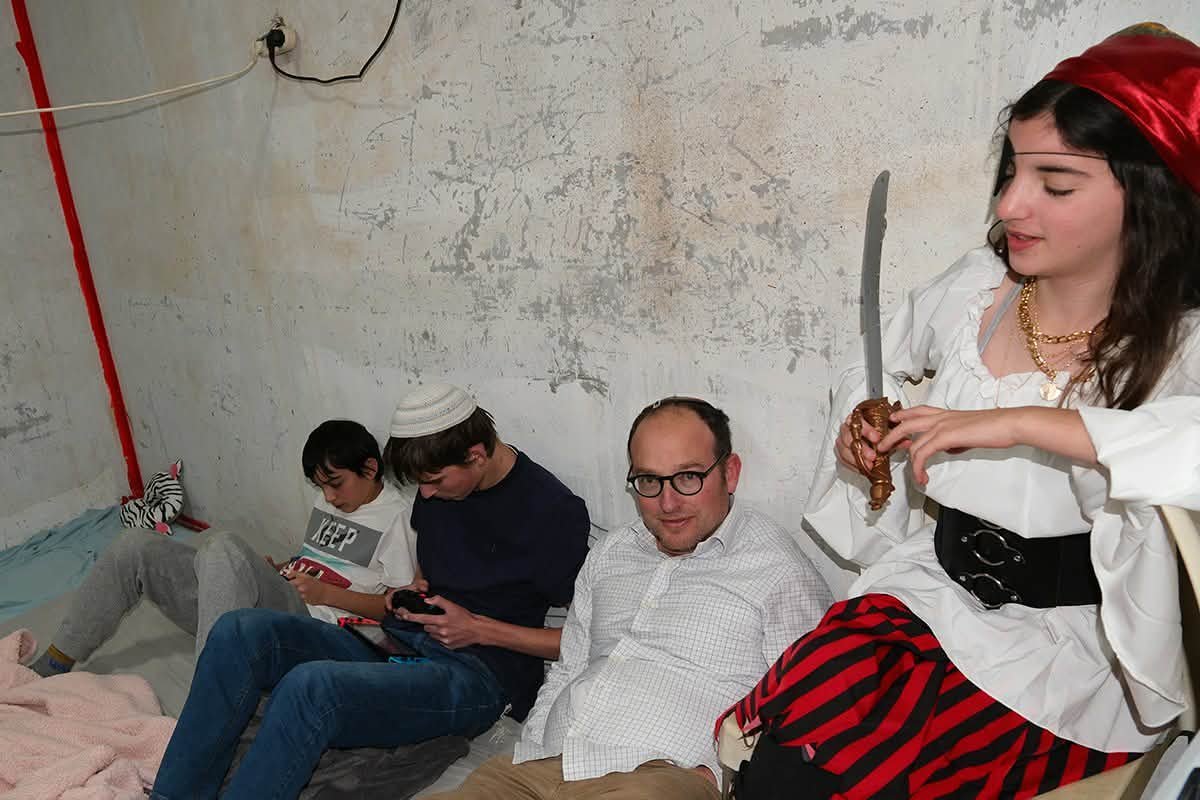
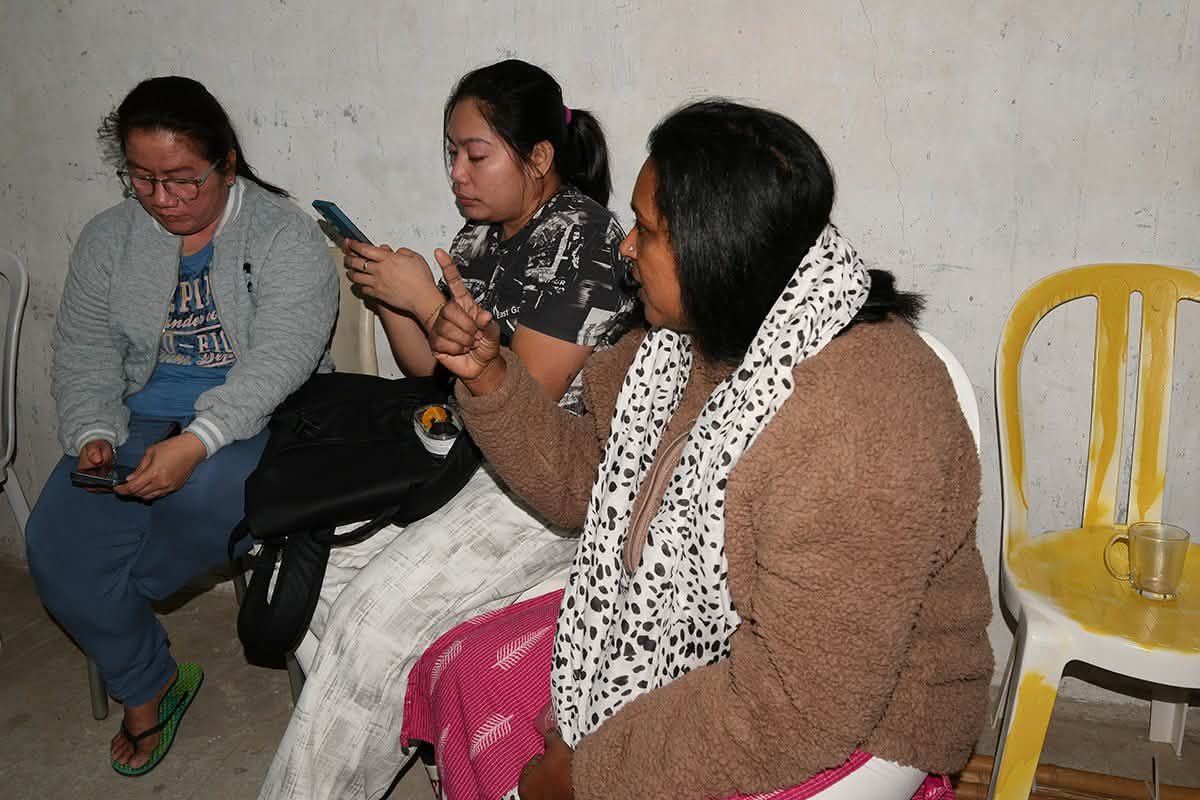
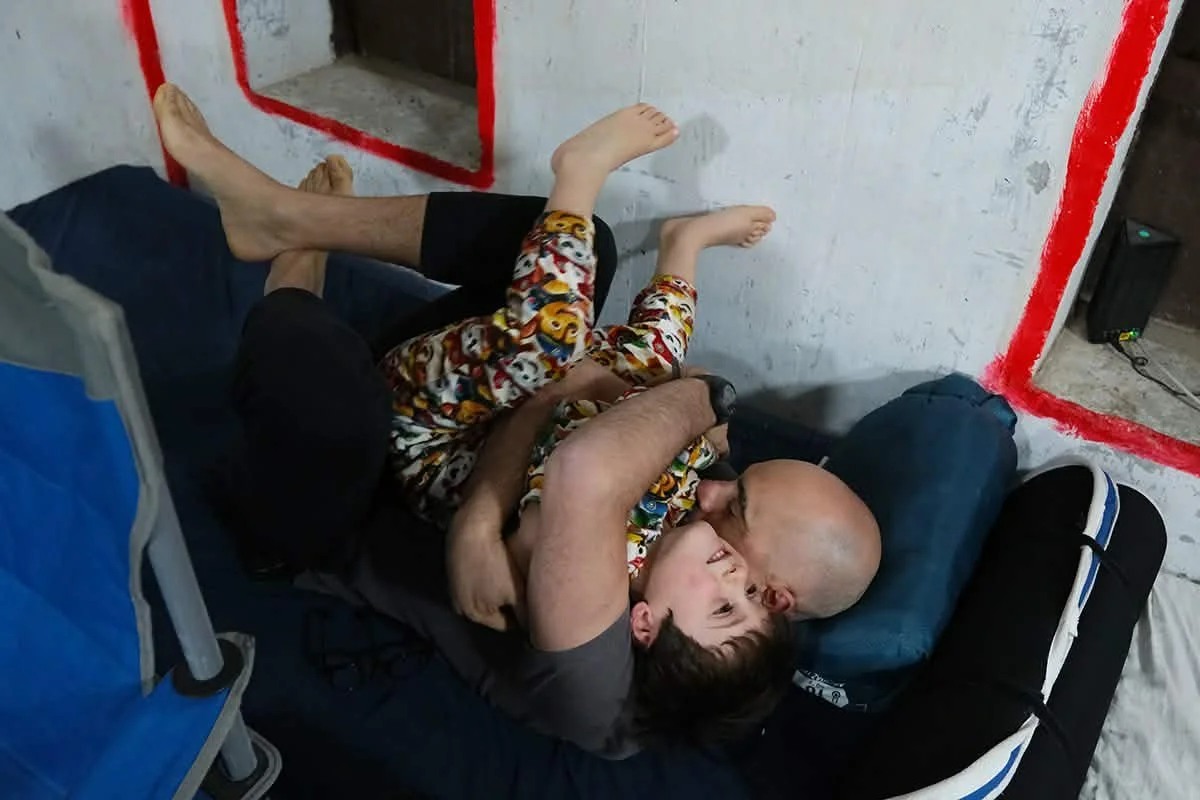
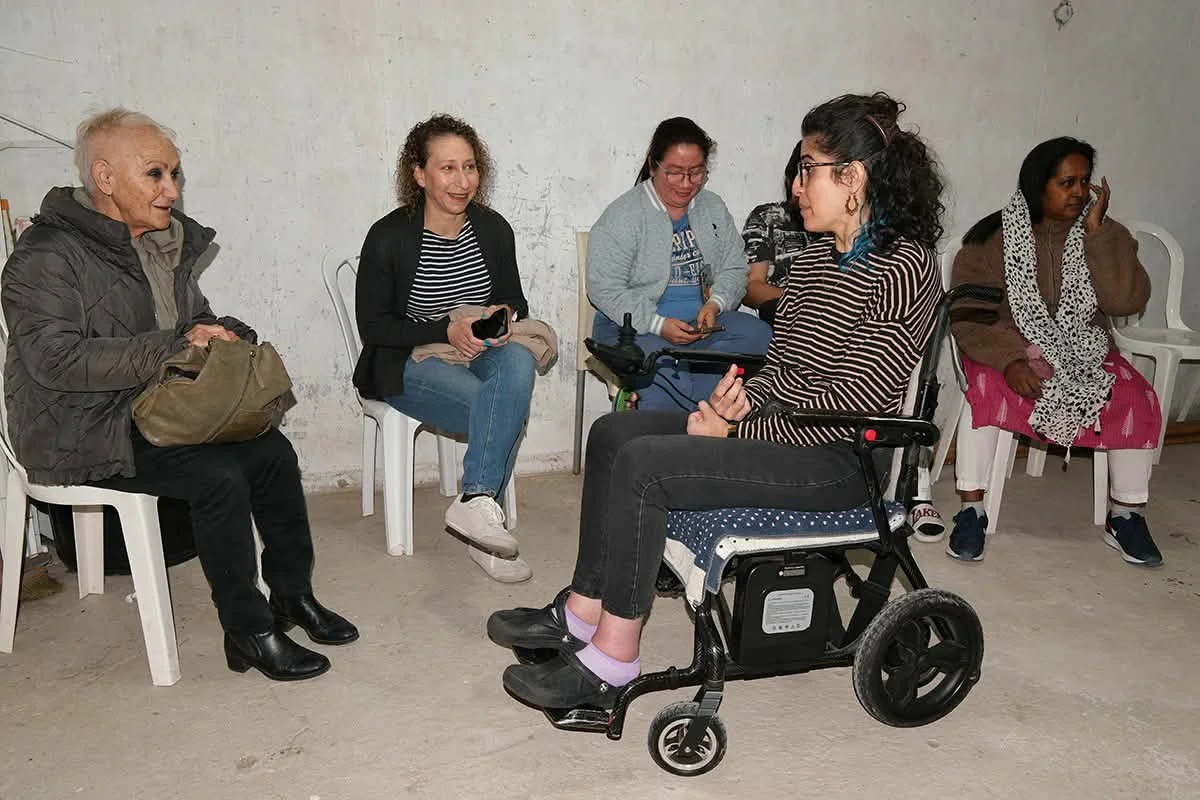
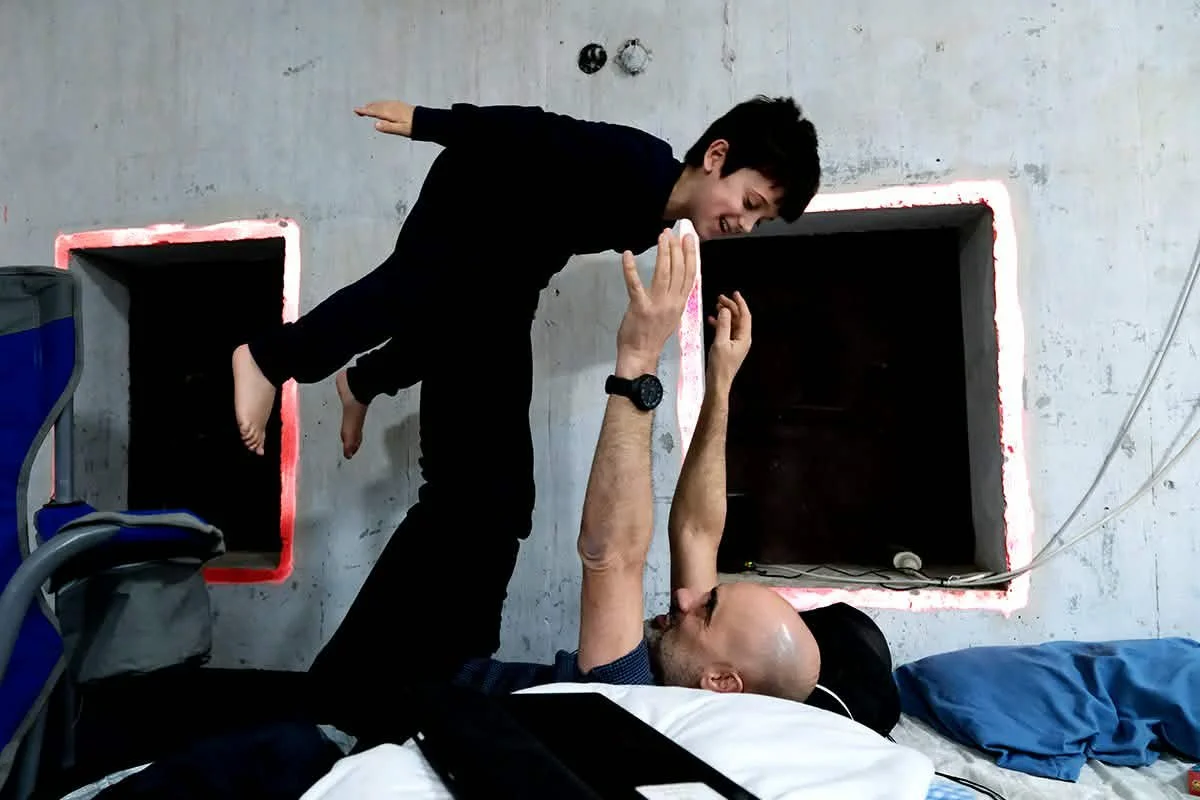
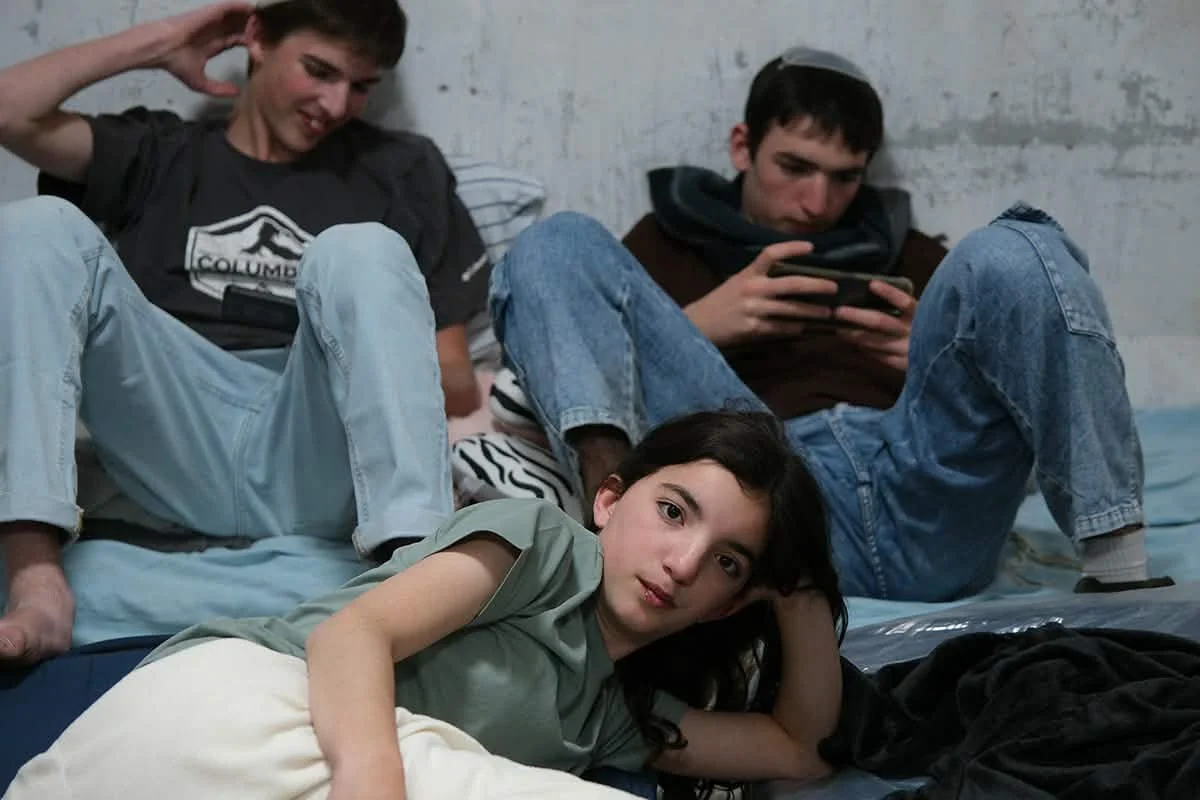
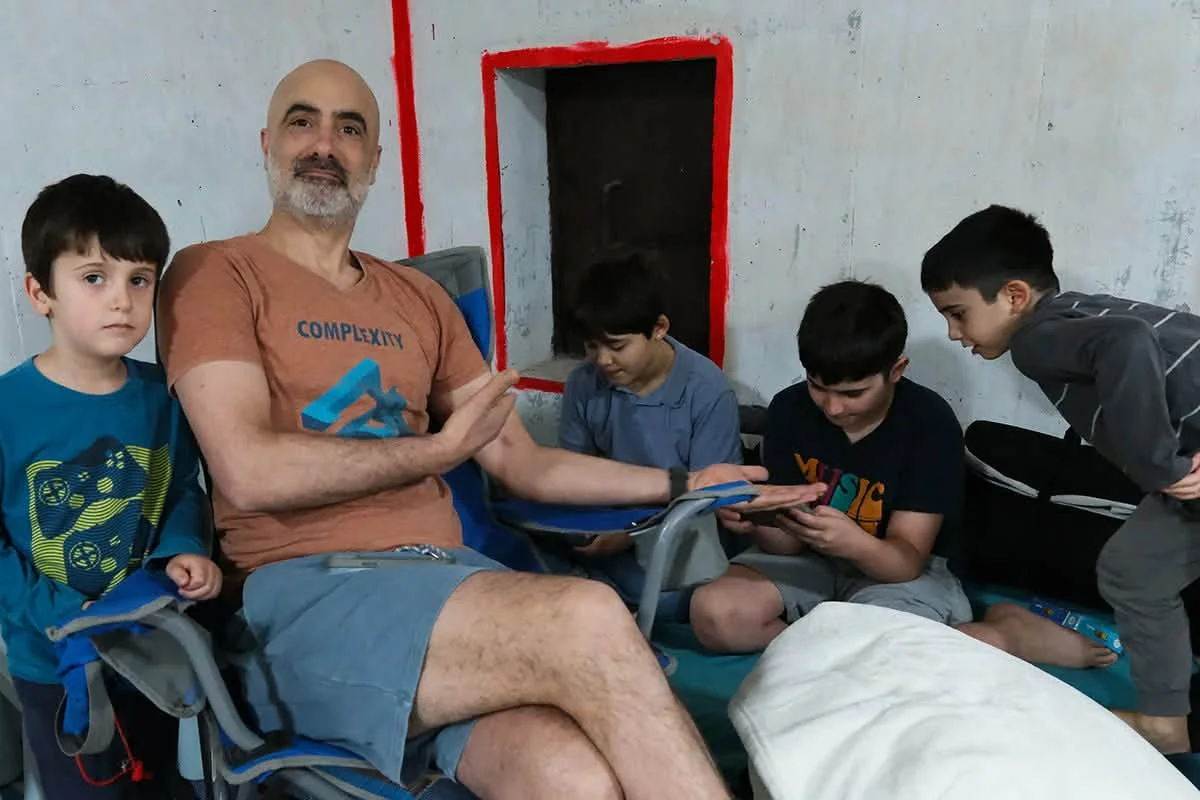
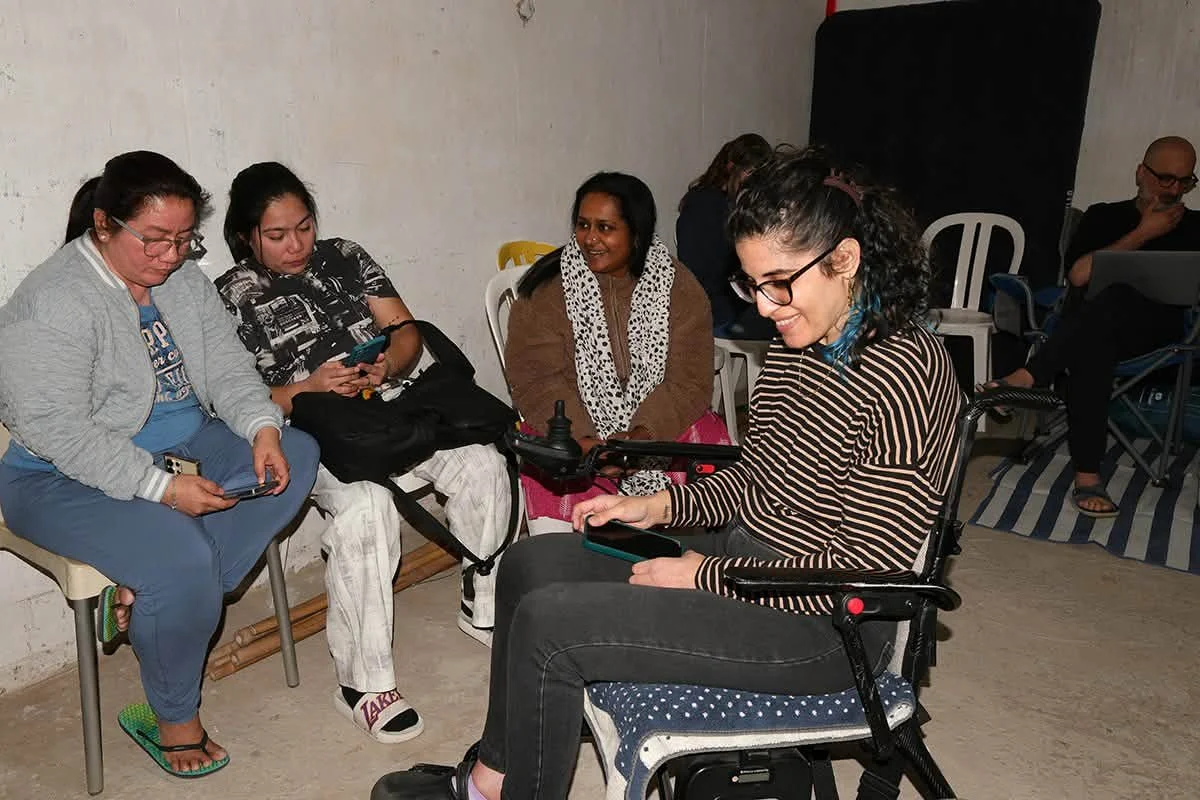
In the bomb shelter in my home, a unique camaraderie developed among the diverse group huddled together. We included people from various backgrounds—religious and secular alike—alongside foreign workers who serve as caregivers for the elderly. In those cramped quarters, we found moments of levity and connection that lightened the oppressive atmosphere—a shared laugh, a comforting touch. The days passed with a semblance of support stemming from this makeshift community, yet the nights weighed heavily with uncertainty and fear.
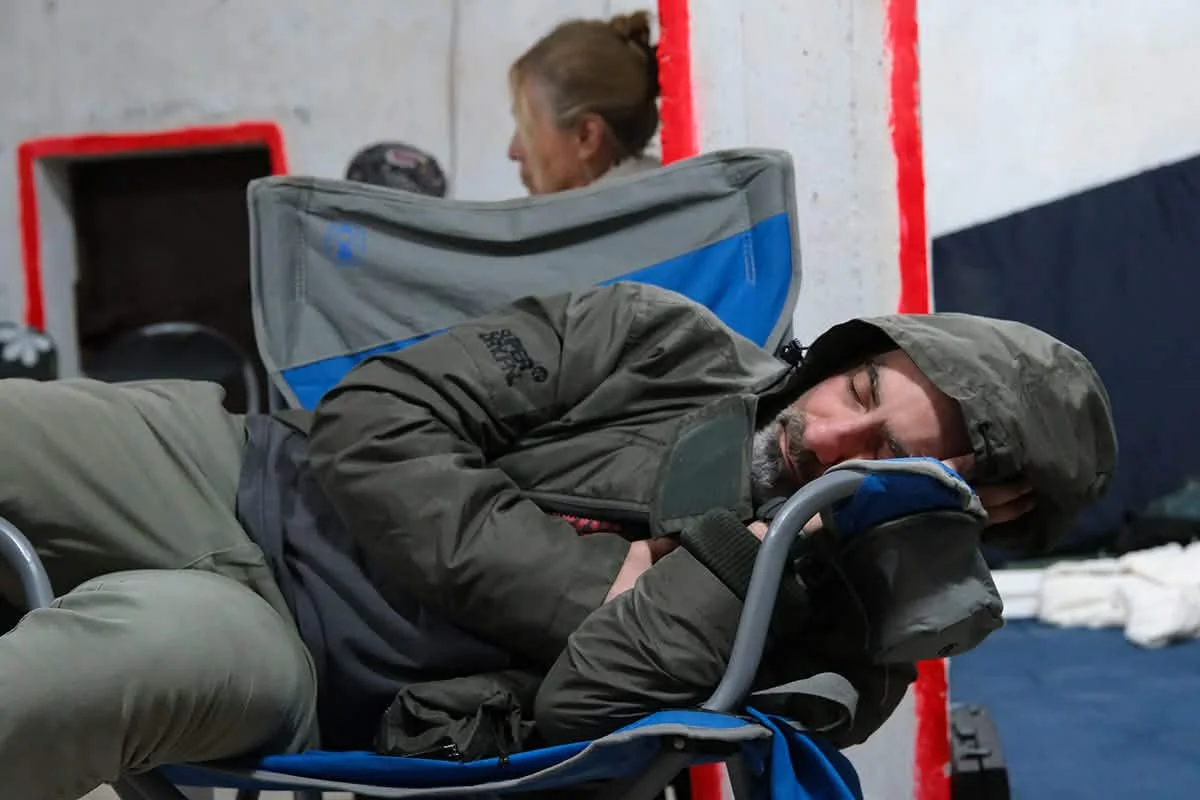
Now, after 40 long days, a collective weariness pervades our makeshift sanctuary. Sleep-deprived and bleary-eyed, we cling to a fragile hope for the future, grappling with the disbelief that permeates our reality.
The shelter has transformed into more than just a physical space of protection; it has become our refuge, a symbol of resilience amidst chaos. It is where we seek solace and strength in one another, even as we yearn for a day when the sirens might finally fall silent, and peace will reign once more.