When we decided to include a category titled "The Visual Memory of Protest" in this year’s ProgresFestival, I felt genuinely excited. This sub-genre resonates deeply with me, as it has the potential to educate, captivate, and inspire when executed well. We had already launched a dedicated Protest Awards gallery on our Facebook page, highlighting exciting opportunities to create a dynamic and impactful collection. And possibly an exhibition. The talent within our group, the contributors to our social media platforms, and the different photographers have led to the sharing of outstanding protest photography. It was a privilege to see the entries as they were submitted, and I can honestly say that the quality of the work has exceeded all expectations. I believe the resulting exhibition is a meaningful celebration of the strengths of protest photography, showcasing its emotional depth and vibrant complexity. Congratulations are due not only to the top photographers but also to everyone featured in this contest. Your contributions have helped create something truly special, and for that, we extend our sincere and heartfelt thanks. – Cameron Scott
“The Visual Memory of Protest”
Singles winners
Winner – Adar Eyal
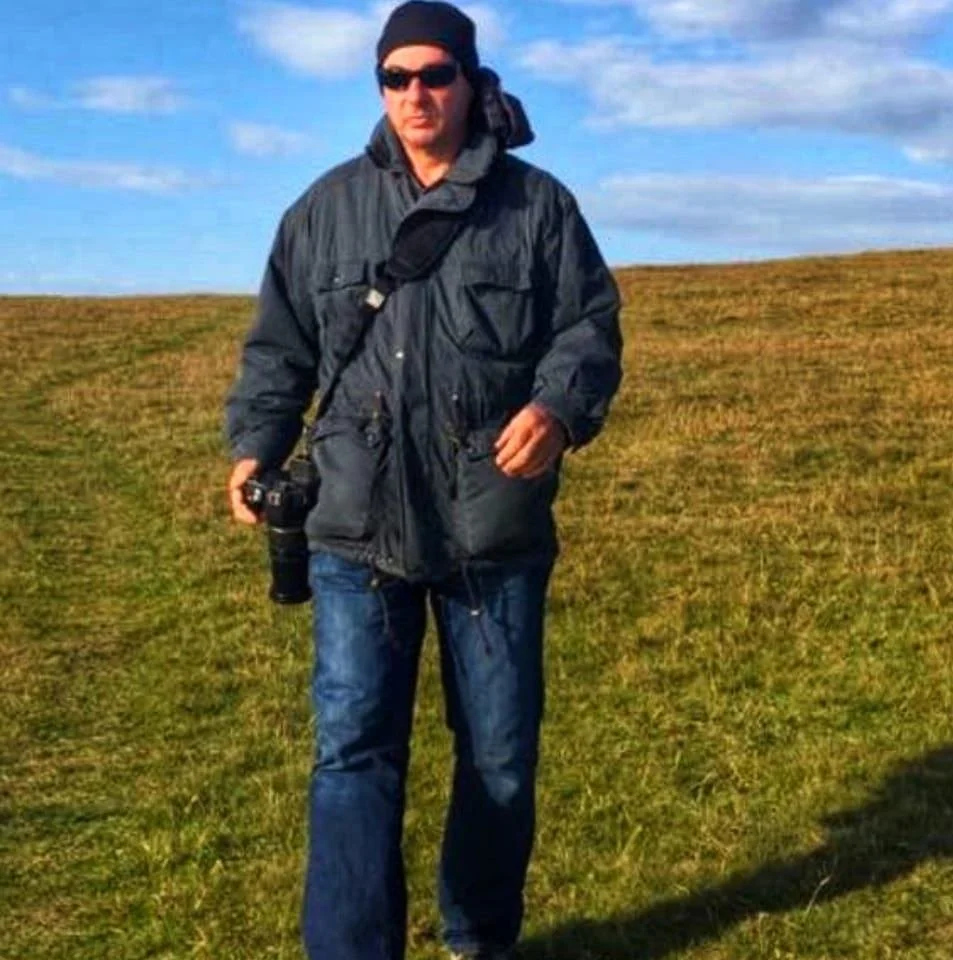
Winner – Adar Eyal
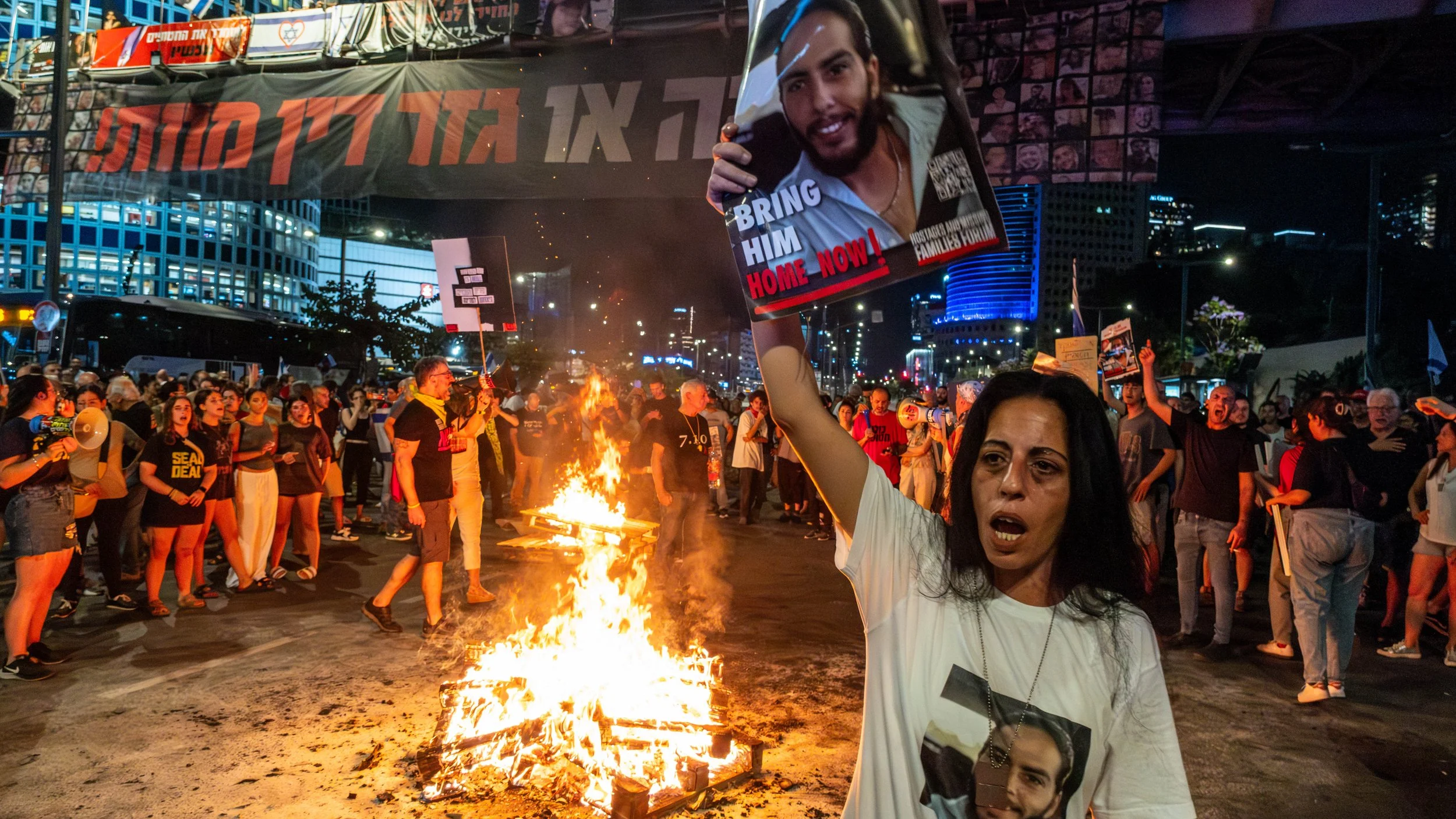
Adar Eyal is a distinguished Israeli street and documentary photographer renowned for capturing significant societal transformations and emotional narratives, particularly in relation to the Israeli hostage crisis.
His candid, documentary-style photographs illustrate human emotions, resilience, and socio-political issues. Following October 7, 2023, he devoted his efforts to documenting the emotional repercussions on the nation by covering demonstrations, memorials, and Hostages Square. His work has been featured on the Social Documentary Network and on 1xcom.
Within days of October 7, 2023, families of at least 341 missing Israelis demanded their return. As a street and documentary photographer for over 25 years, I've captured these events—it's more than a project; it's documenting a pivotal, transformative moment for the nation. I resigned from my job, set aside my normal life, and now spend most of my time on the streets, seeking the next frame. There are no “good” stories; I shot thousands of photos over 11 months, none with smiles—only sadness, frustration, fear, anger, and helplessness. Despite the tragedy, it’s rich in its portrayal of these emotions. I plan to continue until every hostage is home.
Second Place – Patty DeJuneas
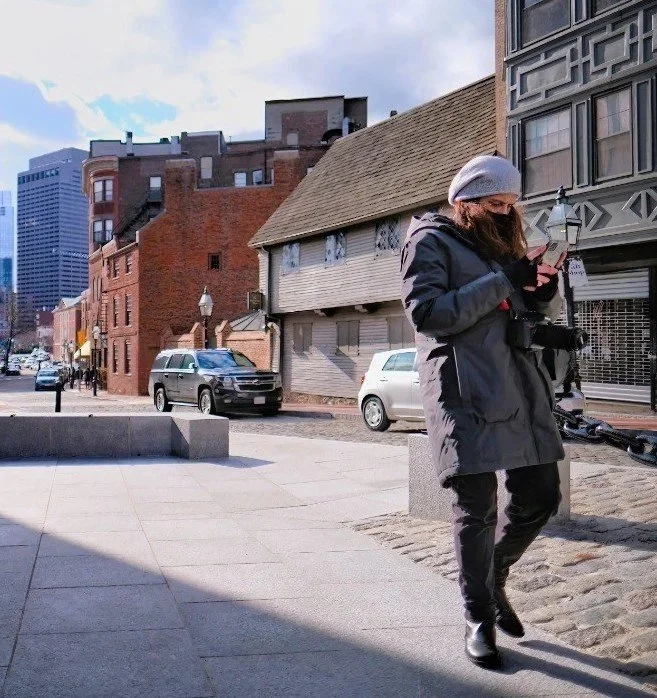
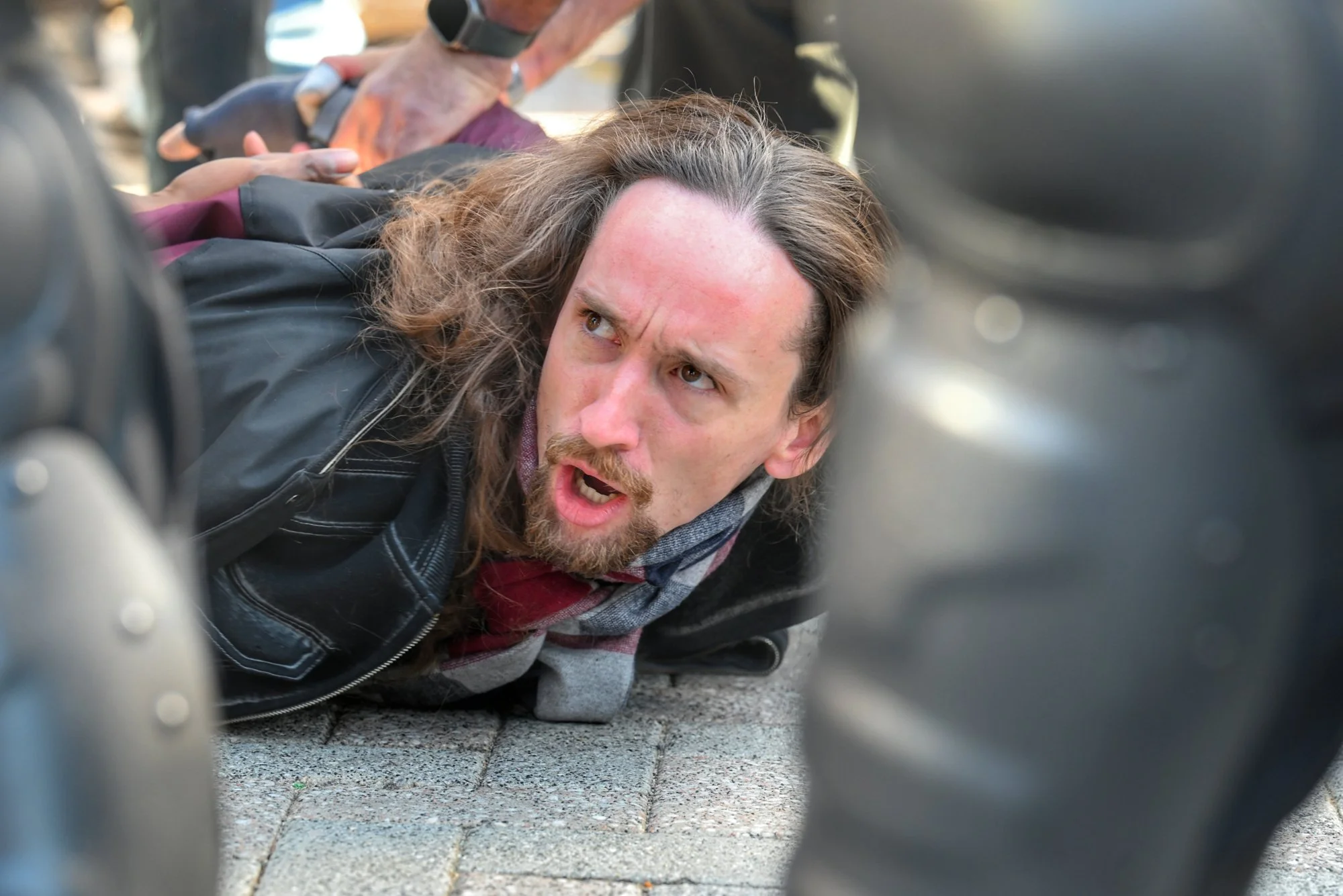
Patty DeJuneas is an experienced criminal defence, appellate, and trial attorney representing clients in criminal and civil cases in Massachusetts, Connecticut, and federal courts, including the First Circuit Court of Appeals and the Supreme Judicial Court. Known for her tenacity, truth-telling, and litigation skills, she actively pursues misconduct claims and advocates through media, legislators, and other channels. Her strong writing, strategic thinking, and work ethic make her effective in civil rights litigation, criminal defence, and appeals.
For the first 50 years of my life, I never saw myself as creative until I discovered street photography. As a criminal defence and civil rights attorney, I witness the darker sides of humanity, but through my lens, I find beauty amid ugliness. I bought my first real camera in 2019, dreaming of capturing mountain gorillas in eastern Africa. During the pandemic, I explored street photography, documenting the empty streets of Boston and solitary figures I encountered. As an introvert, I aim to convey the loneliness of solitary confinement through a project documenting those re-entering society after incarceration. I carry my camera everywhere, capturing moments during my commute and on weekends, especially at social justice protests. My goal is to reveal and share the stories of the people I photograph.
Third Place – B.D.Colen
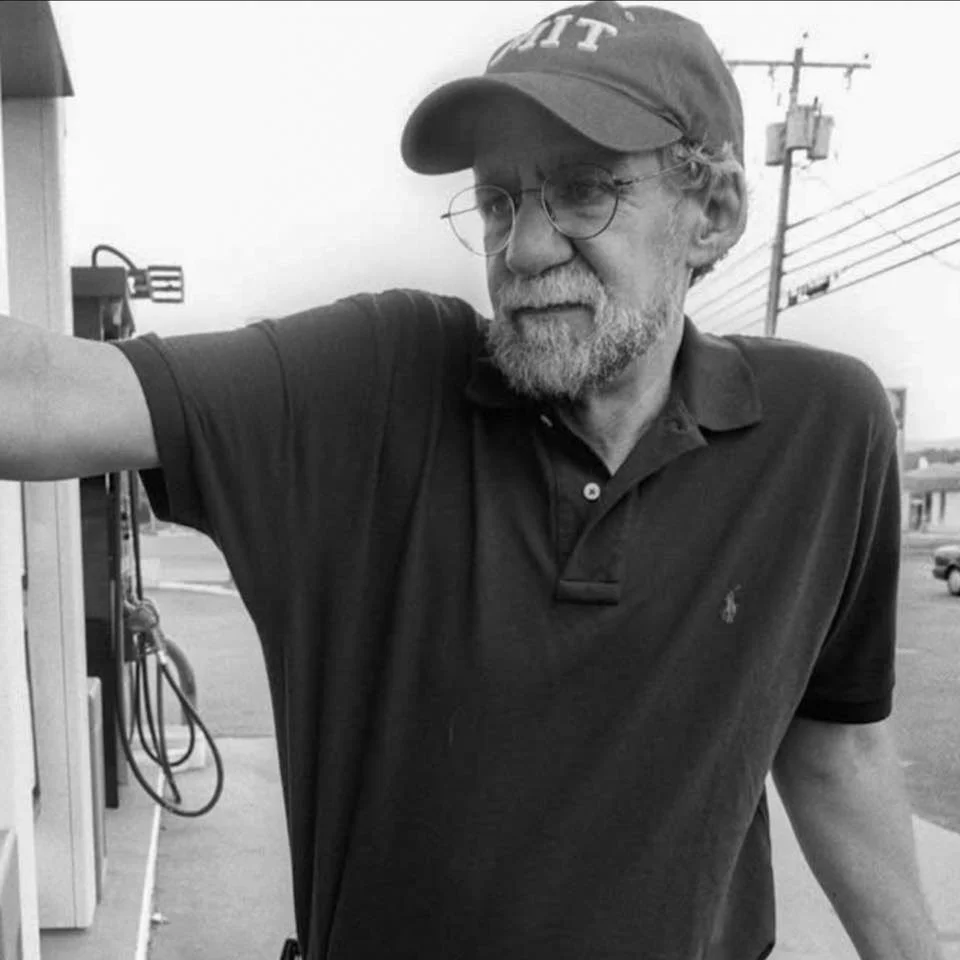
B.D. Colen is an American journalist and medical writer, as well as a renowned documentary and street photographer. Since 2016 he has been living in London, Ontario. He is best known for winning the Pulitzer Prize and for his groundbreaking coverage of bioethics in mainstream media. Colen has also taught documentary photography at the Massachusetts Institute of Technology (MIT). He spent 27 years working at The Washington Post and Newsday, where he shared a Pulitzer Prize in 1984 for Newsday's "Baby Jane Doe" series.
The week after I turned 17, I covered the historic March on Washington for a weekly newspaper in Connecticut, and I haven't stopped shooting since. My photography has appeared in, among other publications, The Boston Globe, The St. Louis Post Dispatch, The Baltimore Sun, Newsday, the New England Journal of Medicine, the Christian Science Monitor, and Time Magazine. Some 30 images from my ongoing subway project are included in the permanent collection of the Boston Public Library. My work also has been featured in Huffington Post, on Social Documentary Network, on WGBH and WBUR, and in Boston Magazine.
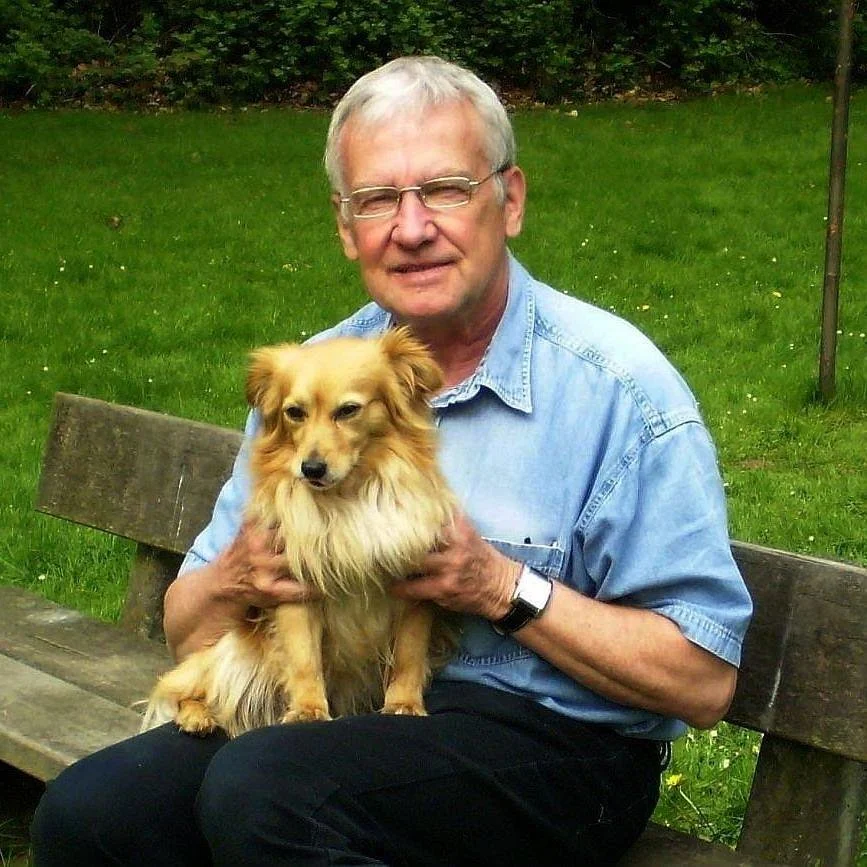
Gerd Bonse is an acclaimed street photographer based in Cologne, known for his compelling candid images of urban life. He focuses on capturing the everyday moments of local residents, the charm of city streets, and the intriguing interactions among people in his neighbourhood.
"Still not asking for it" sends a powerful message against sexual violence, victim-blaming, and so-called "rape culture". It radically dismantles the excuse used by perpetrators that a victim´s appearance, clothing or behaviour constitutes an invitation for assault. The mass rapes and sexual assaults that took place around Cologne Cathedral on New Year`s Eve 2015 rank among the most consequential incidents of their kind in the history of crime in Germany. This young woman is therefore staging her protest with Cologne Cathedral in view.
Fourth Place – Gerd Bonse
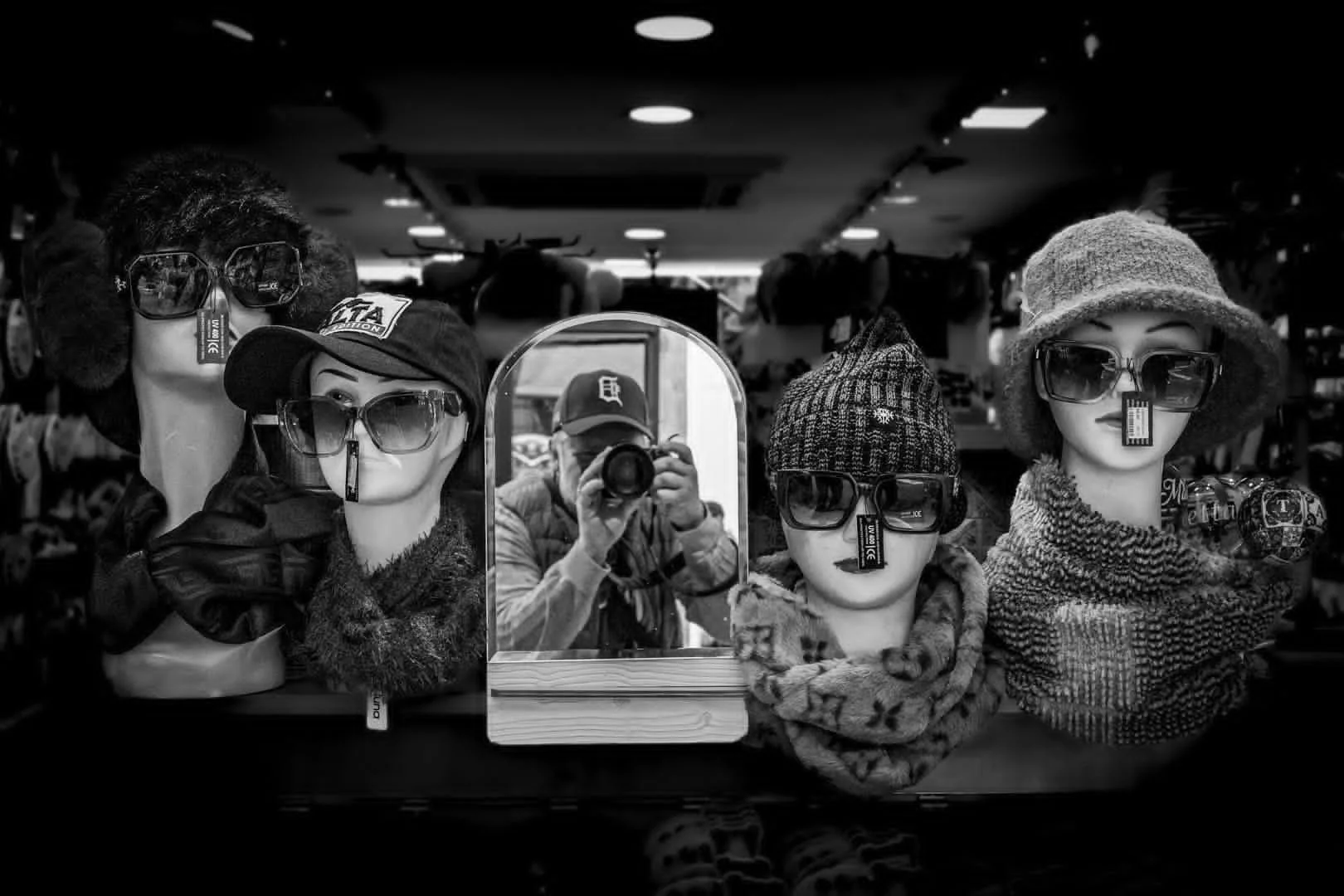
Jay Nabbe is a digital creator and street photographer based in Malta. He is best known for his atmospheric monochrome and black-and-white photography, candid street portraits, and documentary features such as the "Strangers Project, Malta."
In January 2026, following the deaths of Renée Good and Alex Pretti during the United States’ “Operation Metro Surge” in Minneapolis, a peaceful vigil was held outside the U.S. Embassy in Malta. This series observes that gathering—not as a single narrative, but as fragments: gestures, faces, language, and moments of stillness. Between speech and silence, the images trace how collective grief, resistance, and uncertainty take form, leaving space for interpretation rather than resolution.
Jay Nabbe – Tied for Fifth
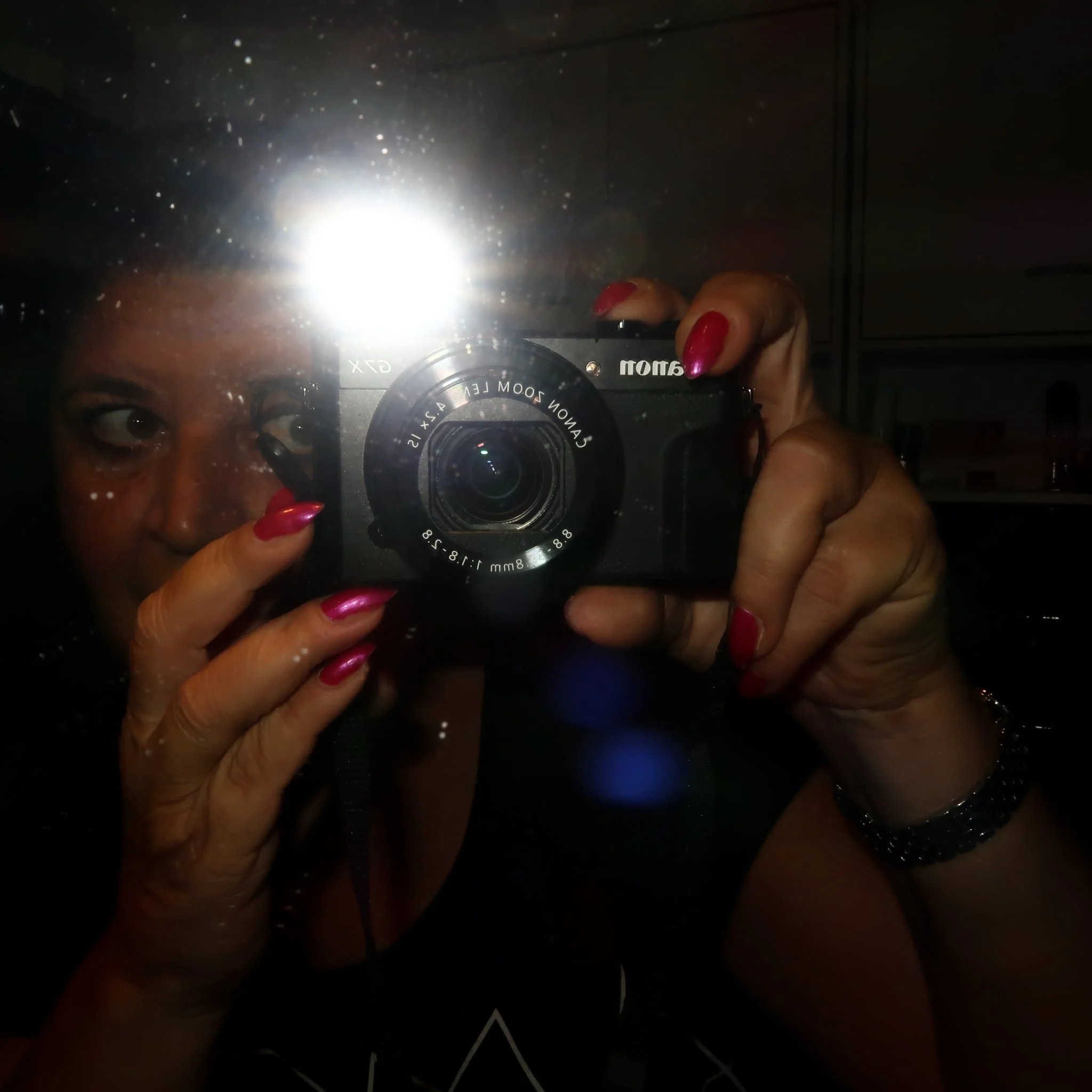
Never Edit, based in Düsseldorf, Germany, is a street photographer focused on capturing the authenticity of everyday life. Working in a candid and unobtrusive manner, she reveals the truth of unposed and genuine moments—fleeting glances, quiet pauses, and shared laughter. Her passion for travel drives her to explore urban environments, where she integrates seamlessly into the rhythm of the world. Each photograph captures real-life experiences that are unscripted and spontaneous, characterised by simplicity and sincerity, allowing subjects to convey their own stories authentically.
I took it in New York. She was walking alone, and I think she had a Ukrainian flag. She was coming from a protest.
Never Edit – Tied for Fifth
Adar Eyal
Patty DeJuneas
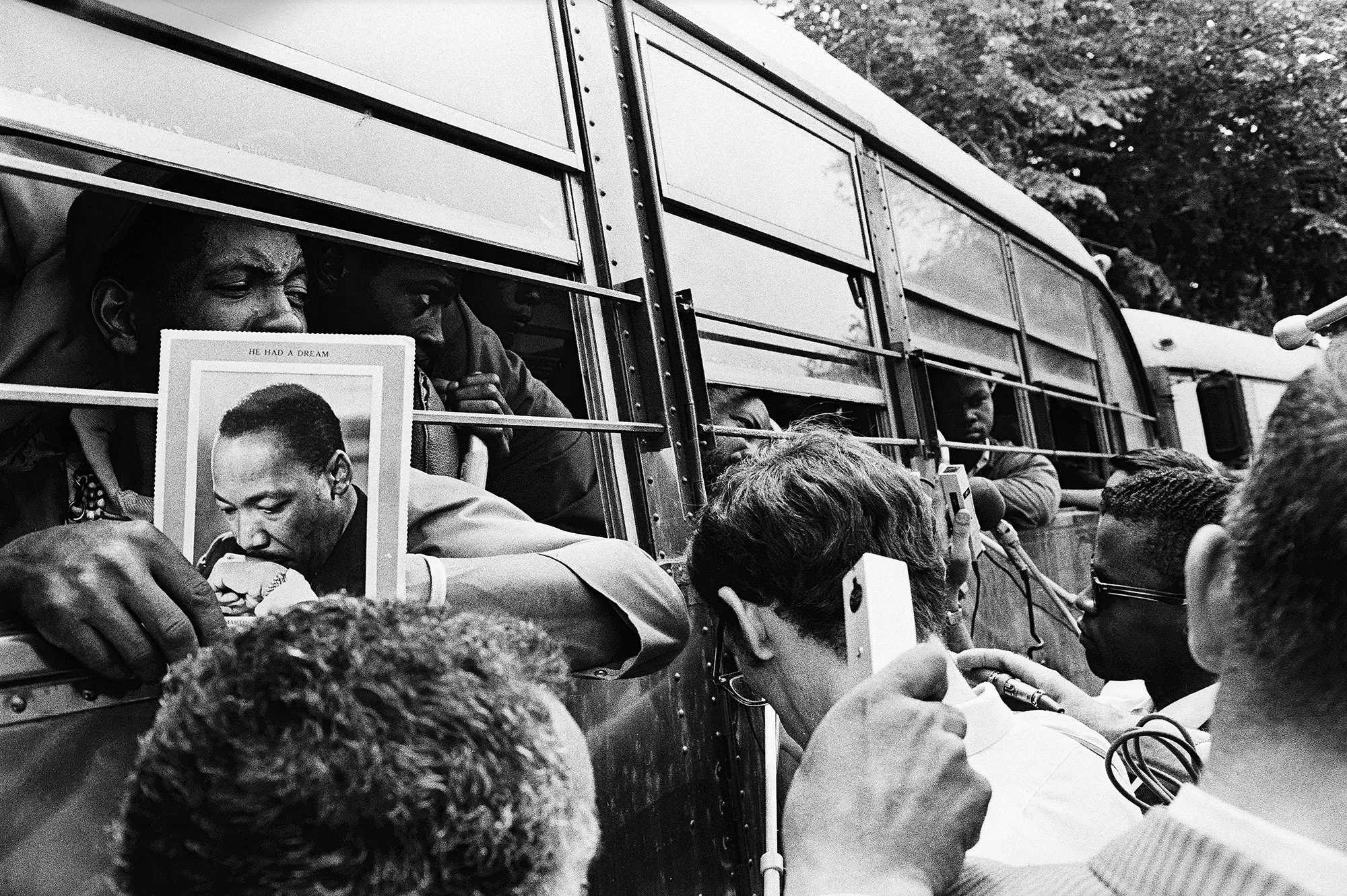
B.D Colen
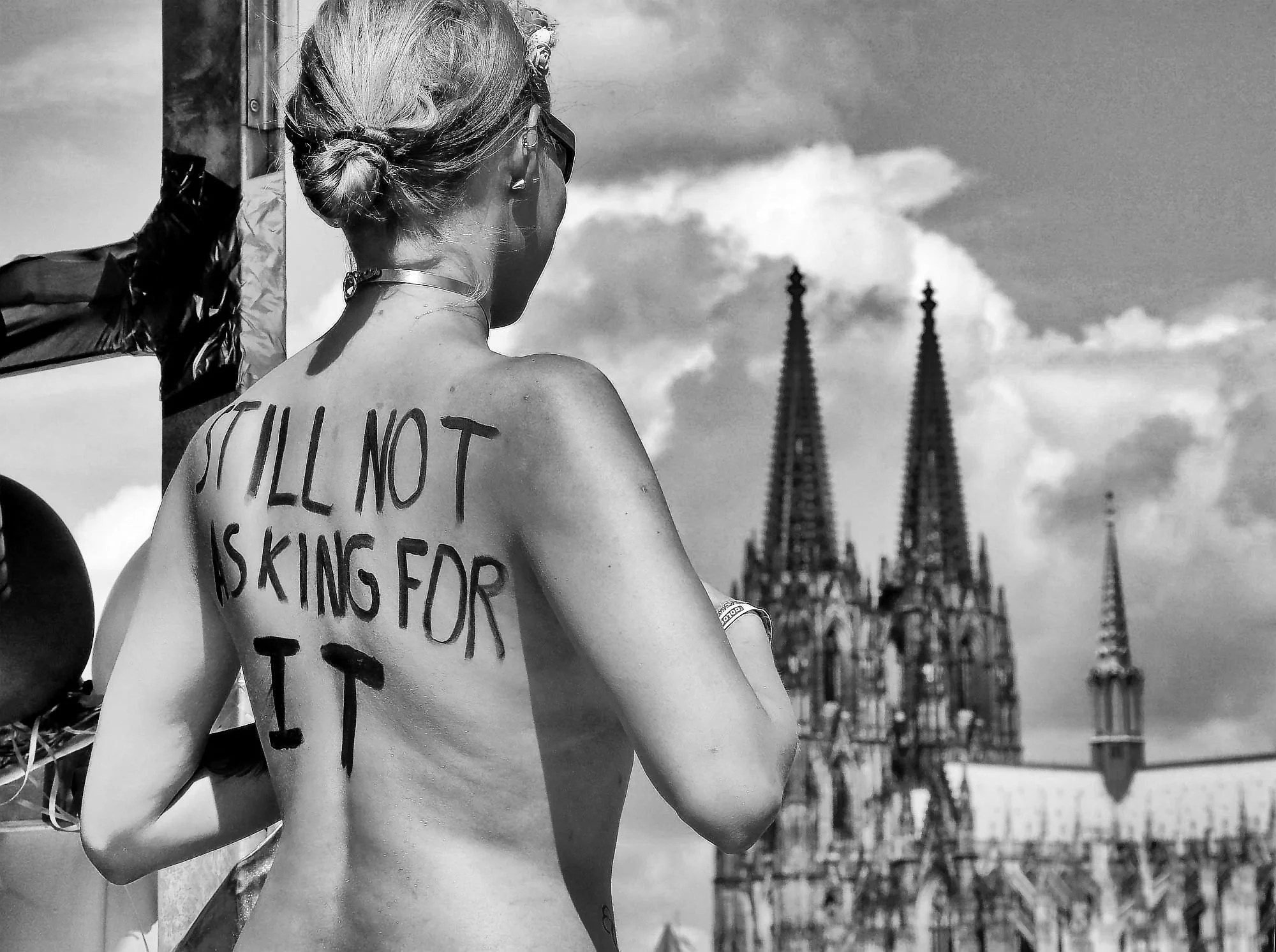
Gerd Bonse
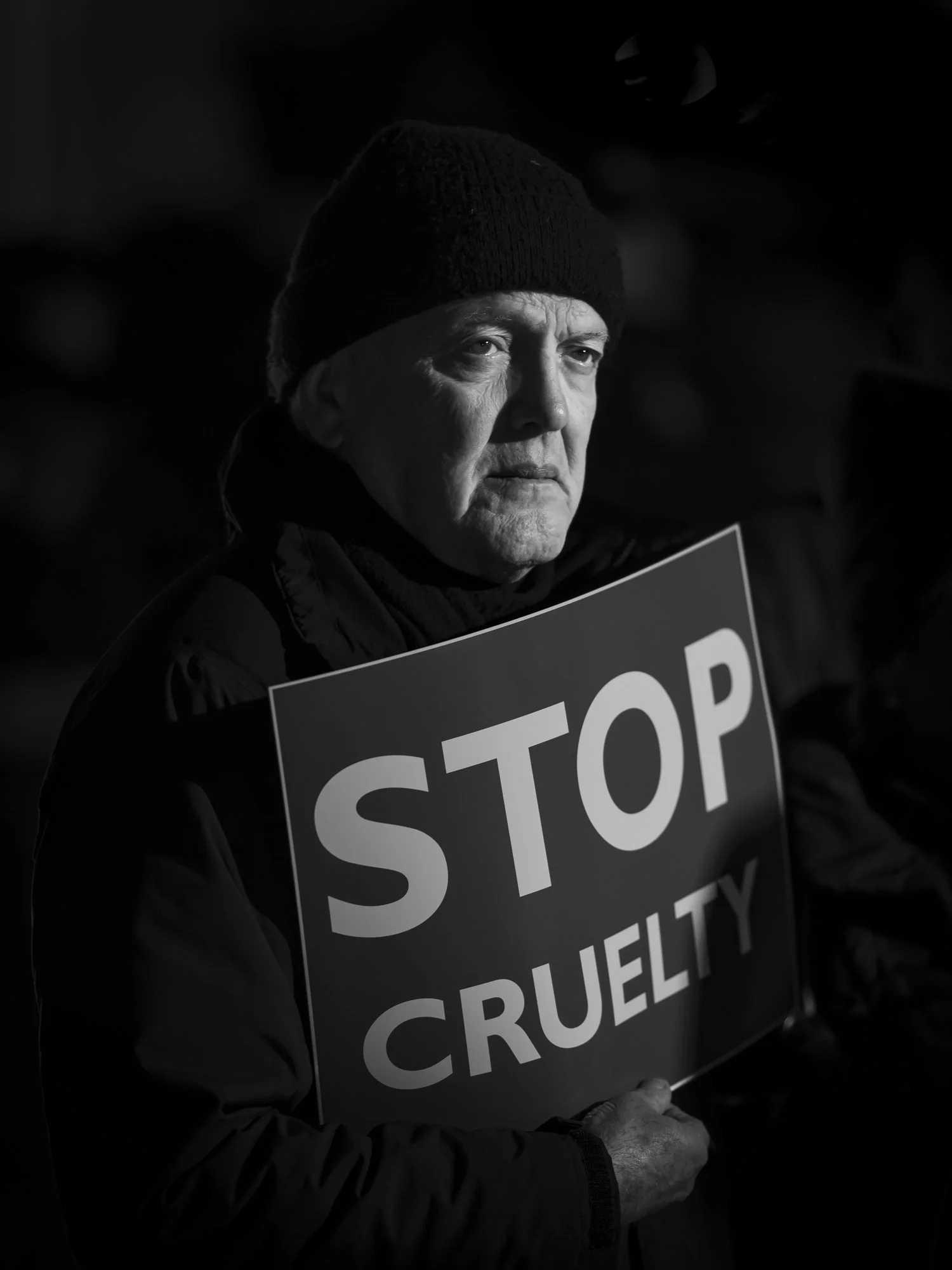
Jay Nabbe Tied for Fifth
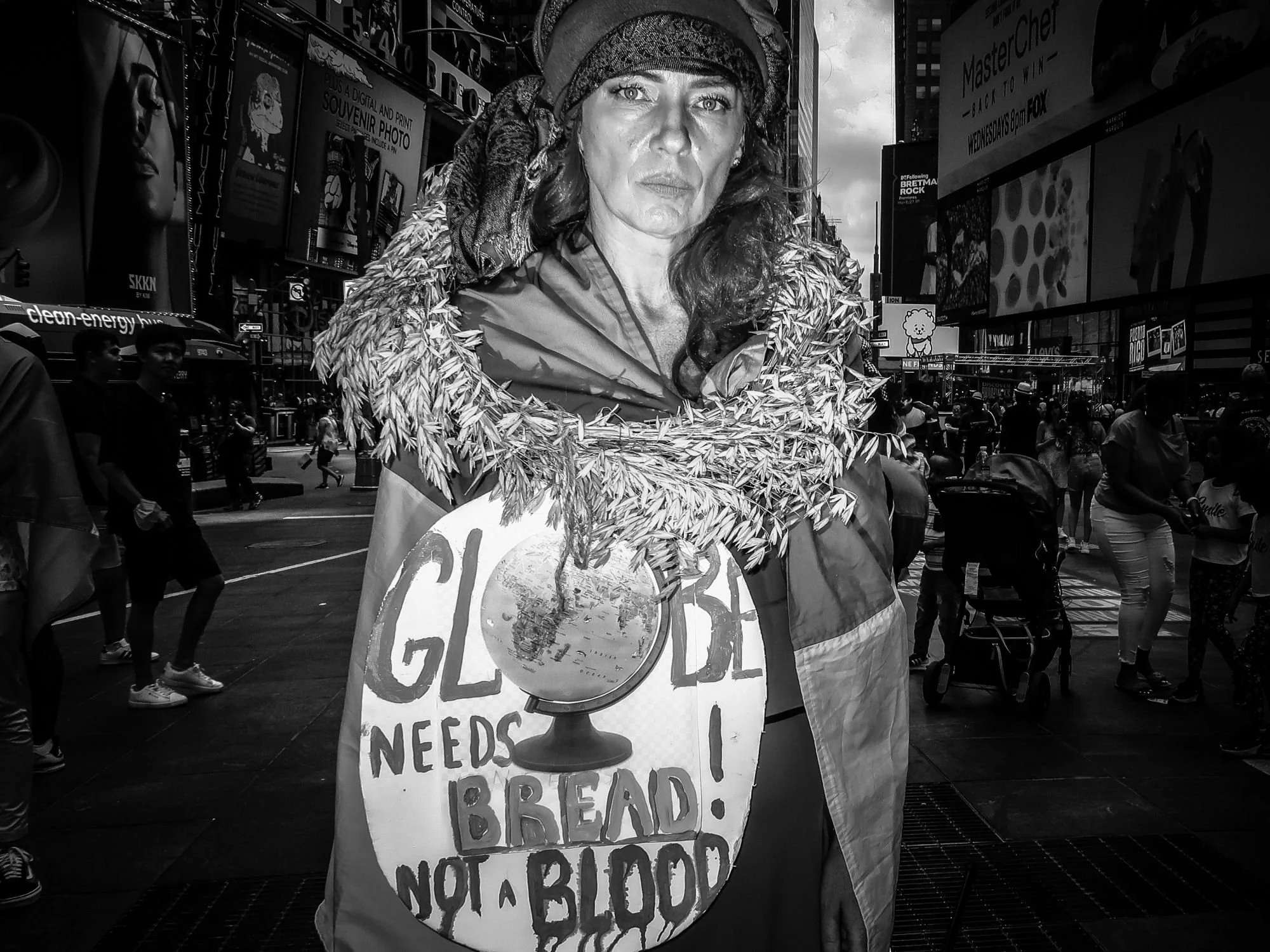
Never Edit Tied for Fifth
“The Visual Memory of Protest”
Series
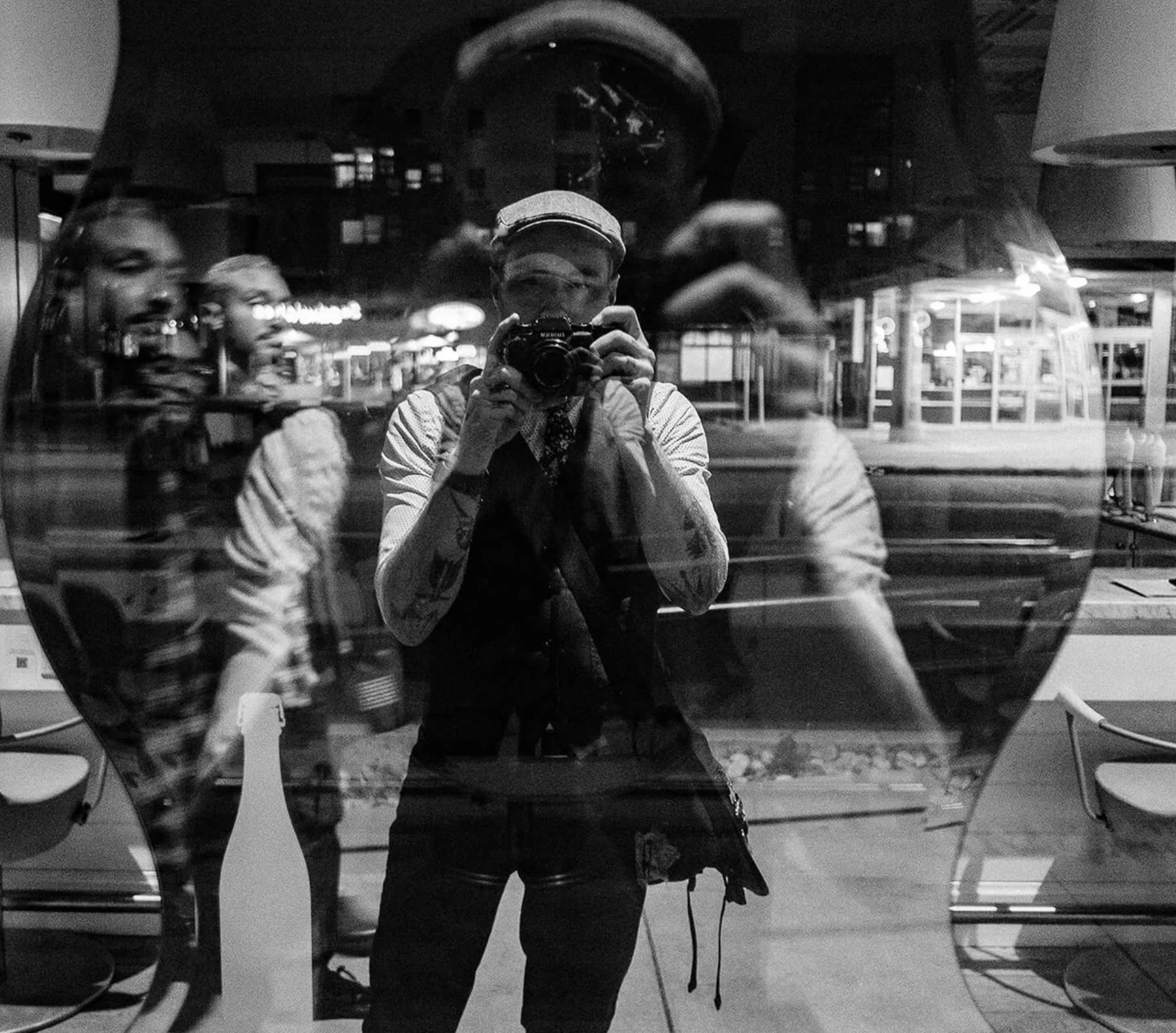
Winner – Jeff Tidwell
Jeff Tidwell is a full-stack web developer hailing from Texas. He has always had an interest in photography; however, it was during a mission trip to Romania in 2012 that this interest evolved into a profound passion, particularly for street photography.
Currently, he resides in Denver, where he primarily focuses on capturing the city's unique characteristics. His photographic perspective is notably engaging and thought-provoking.
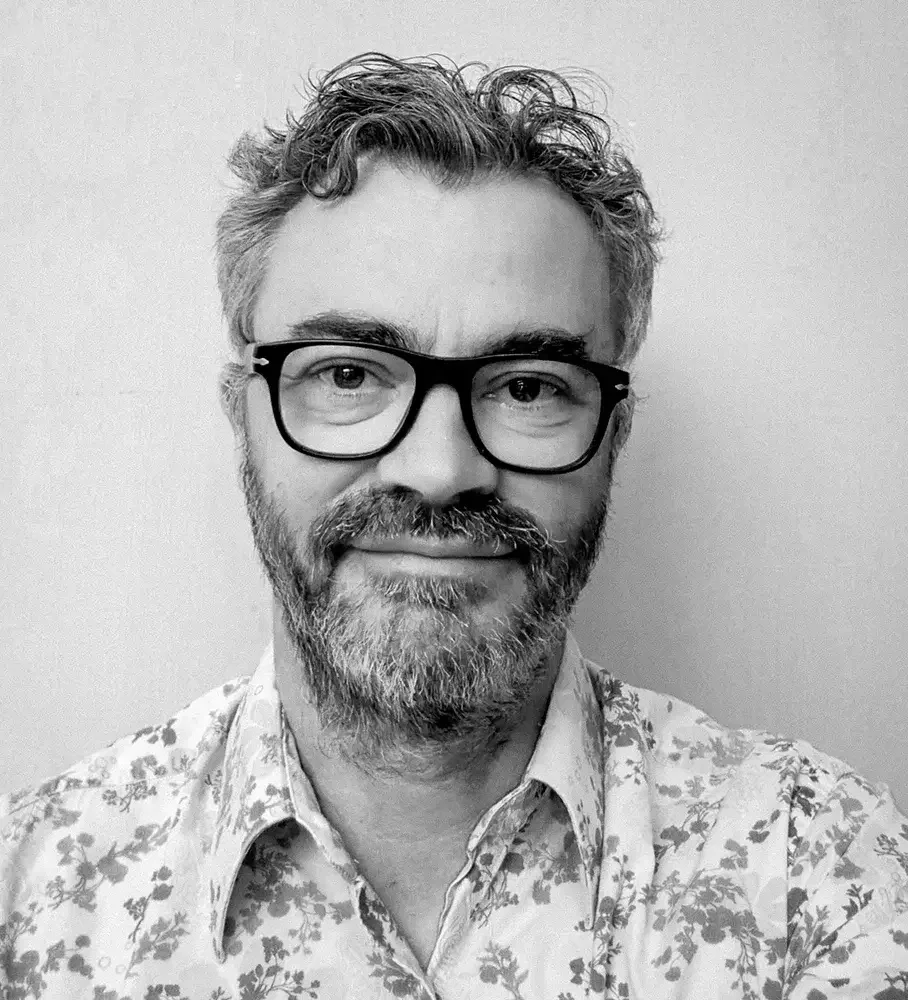
Second Place – Ludovic Viévard
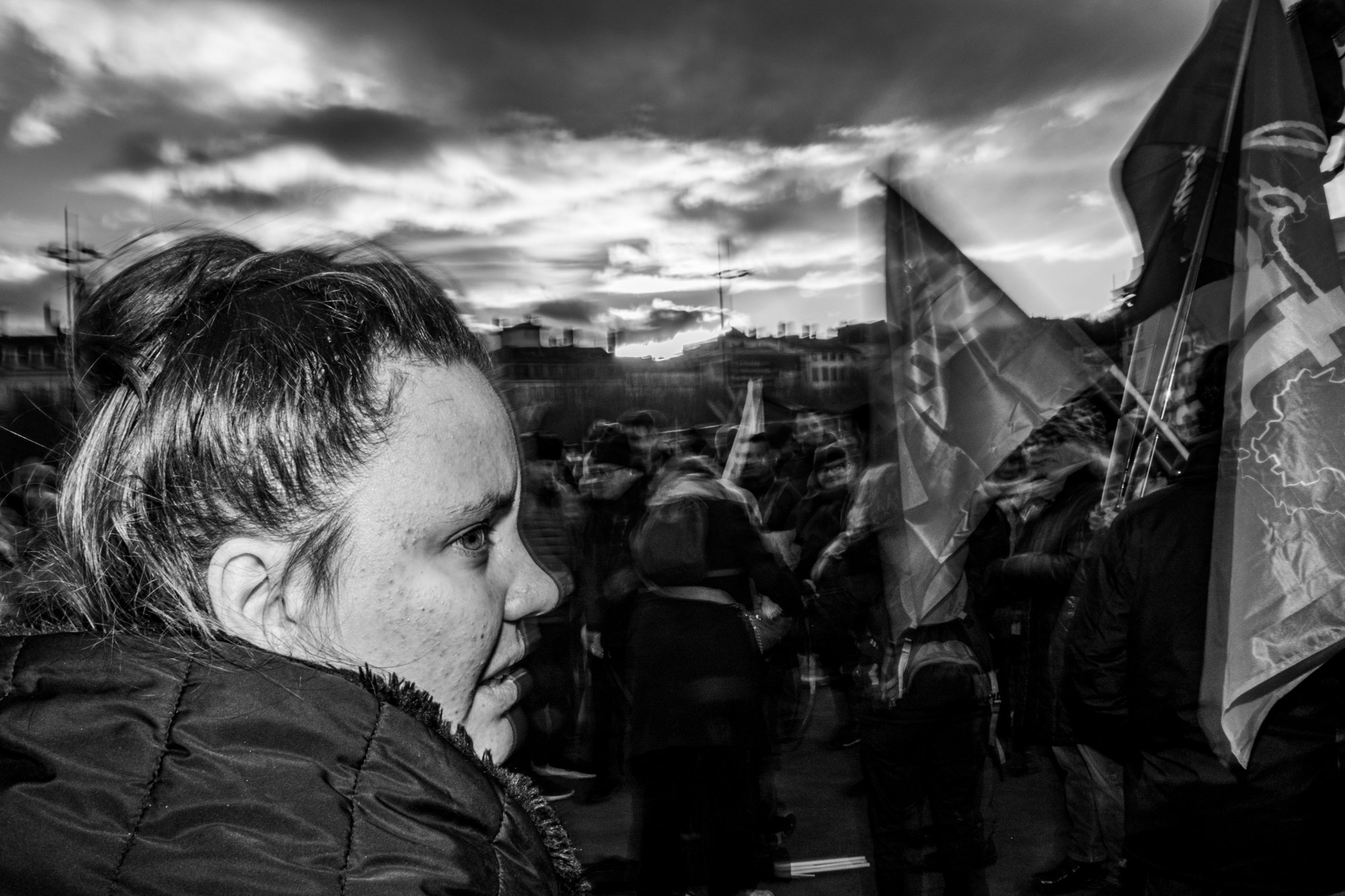
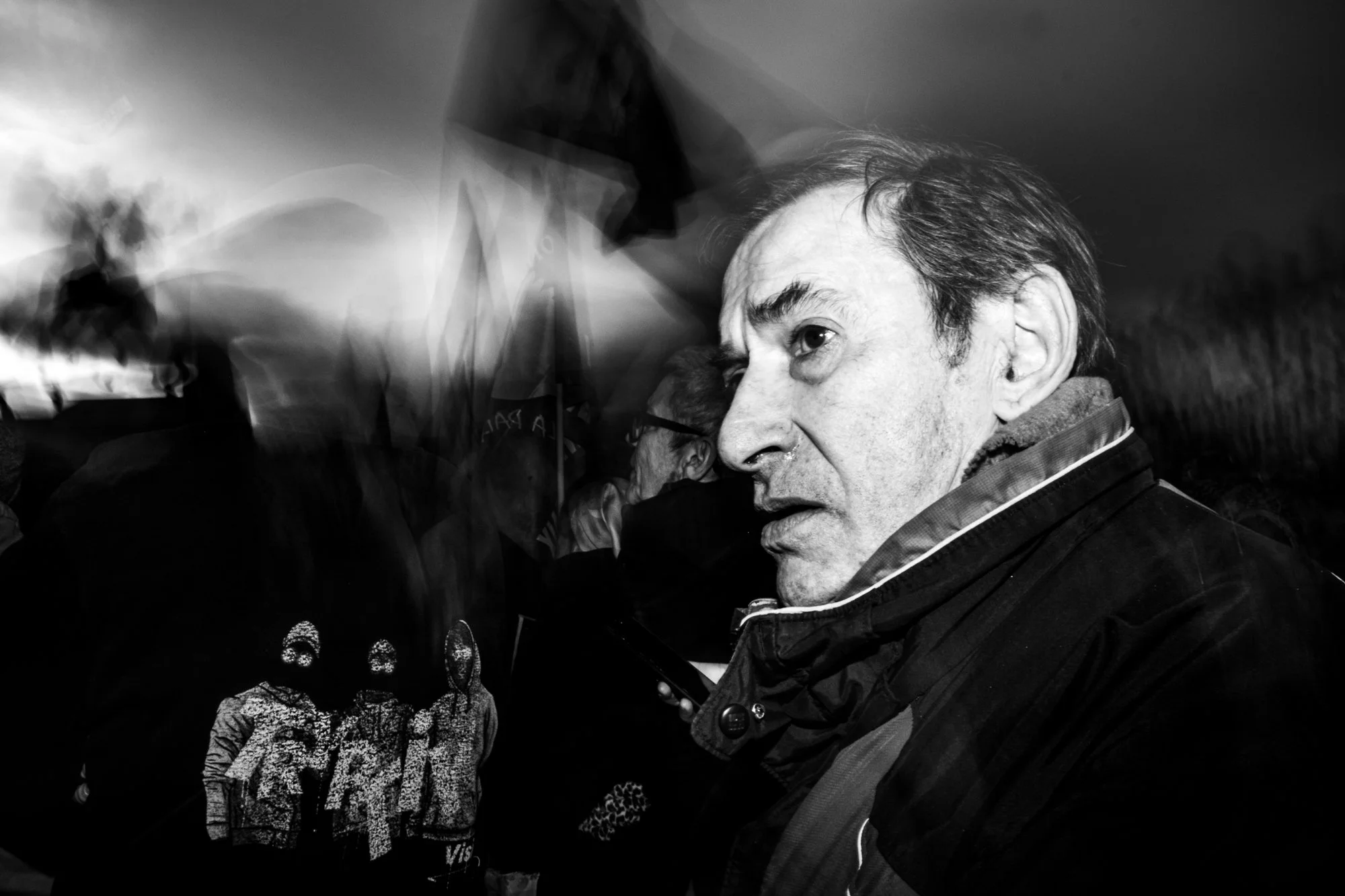
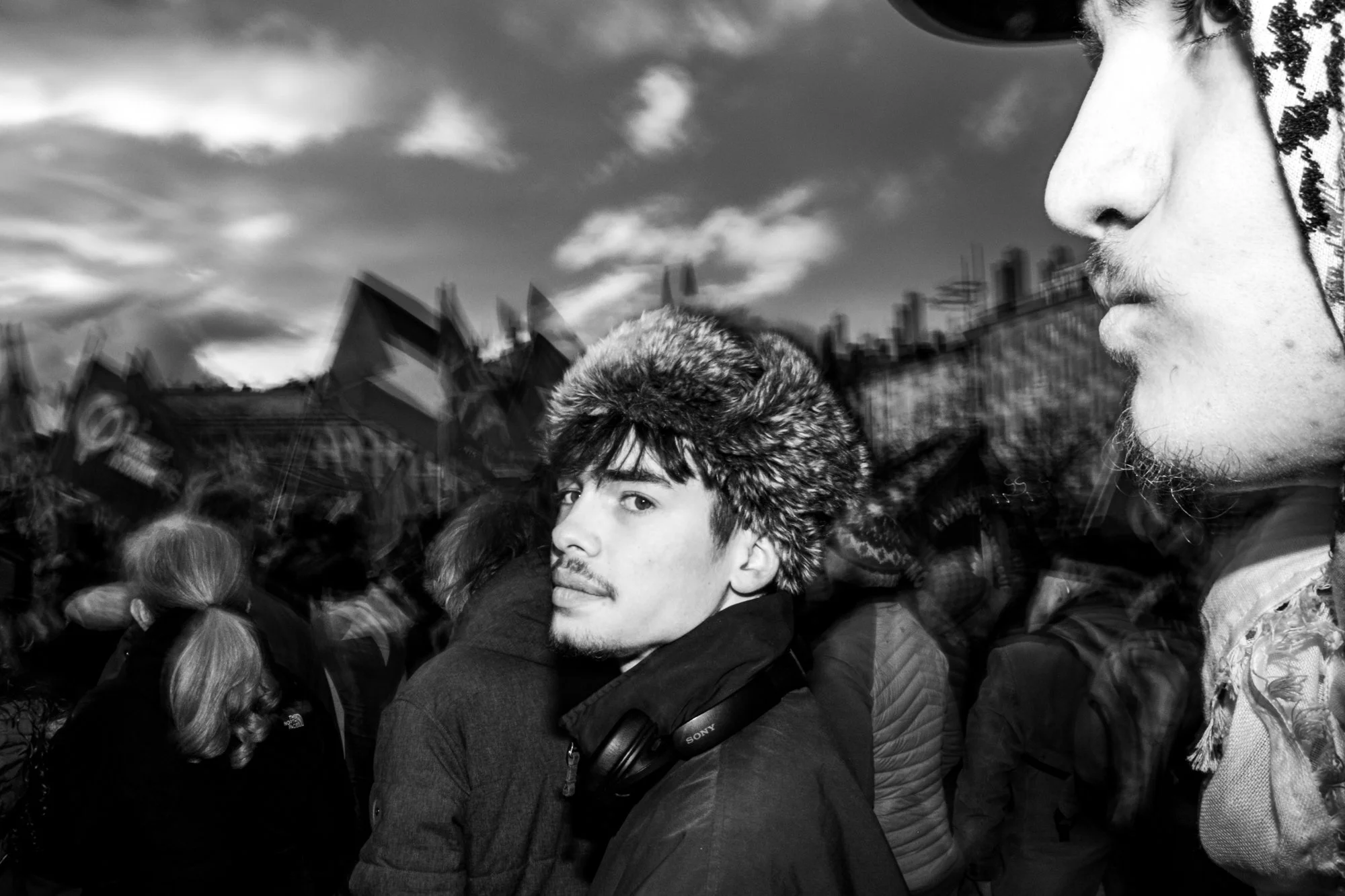
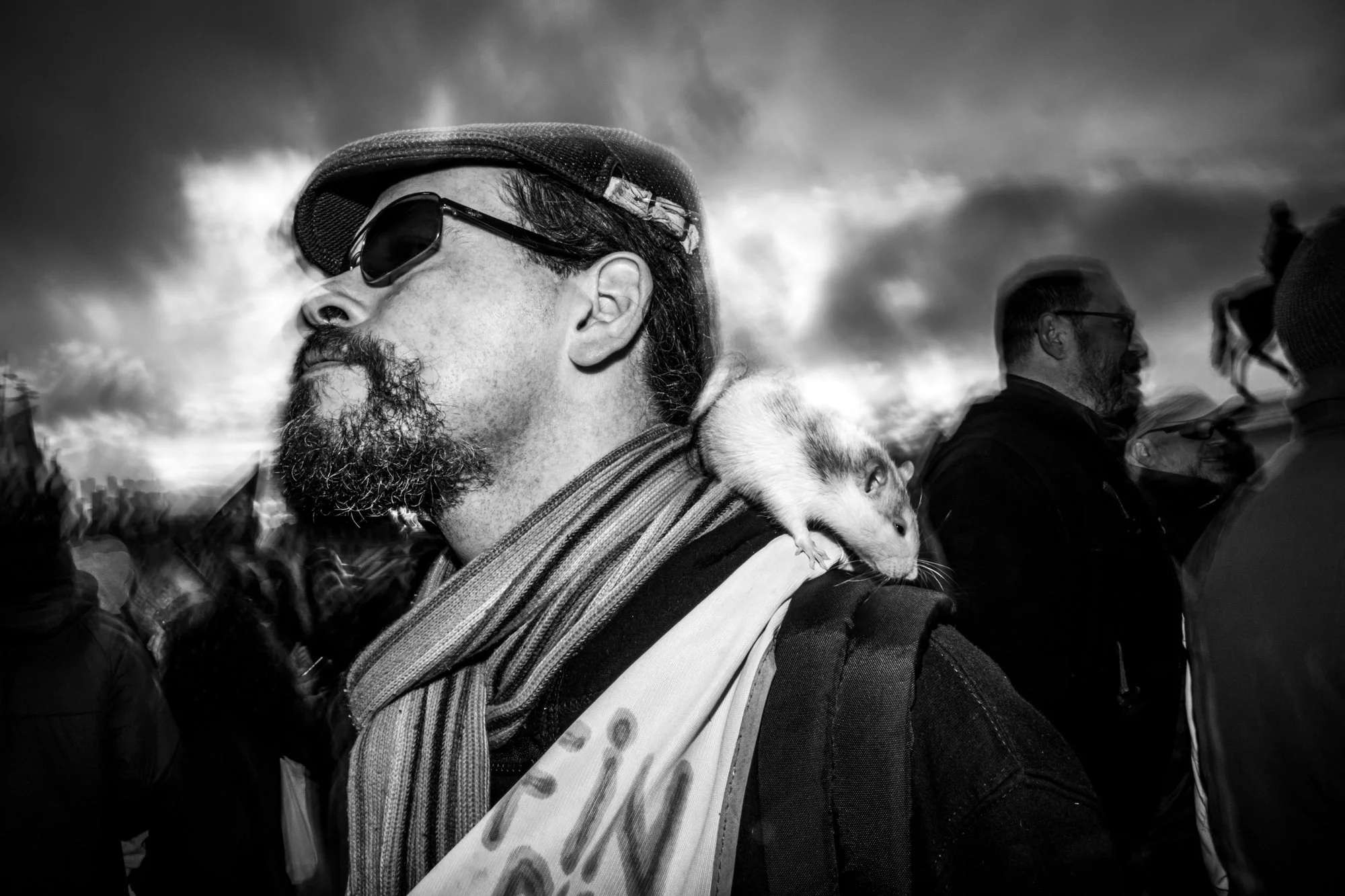
Ludovic Viévard lives in Lyon, France, and has focused on street photography since 2023. For him, it’s a way to immerse himself in the present and capture everyday life moments. His style emphasises a dark aesthetic with raw images, strong contrasts, and blur, featuring the "in-between" moments when subjects realise they're being photographed.
These fleeting moments reveal genuine emotions like surprise and joy, inviting reflection on self-image in a smartphone-driven world.
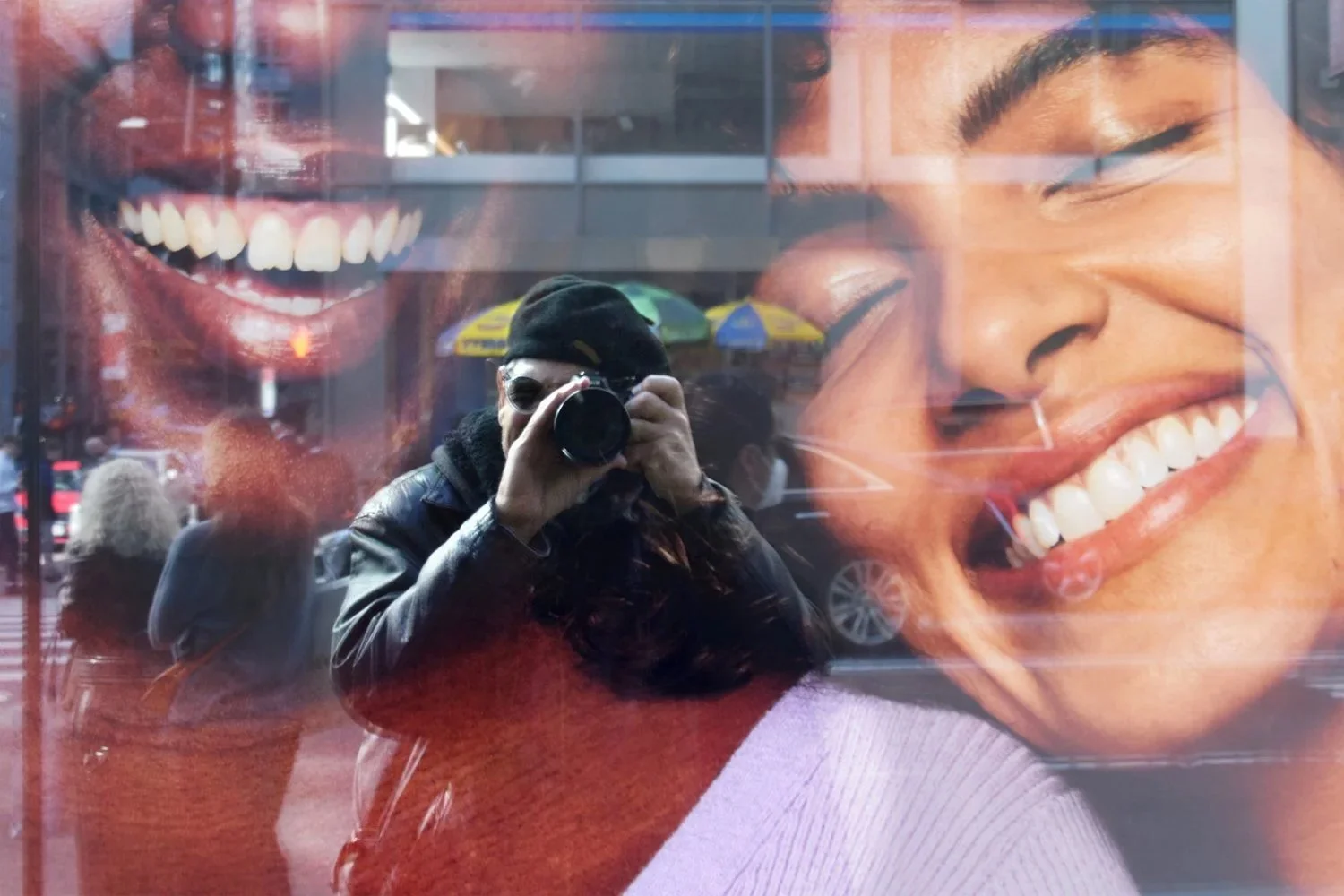
Third Place – Martin Ingber
Martin Ingber is a visual artist, musician, and street photographer who lives and works in N.Y.C., specifically in Brooklyn. He draws significant inspiration from urban cityscapes, having taught fine arts in the region for years before focusing his creative energy on capturing the streets of NYC.
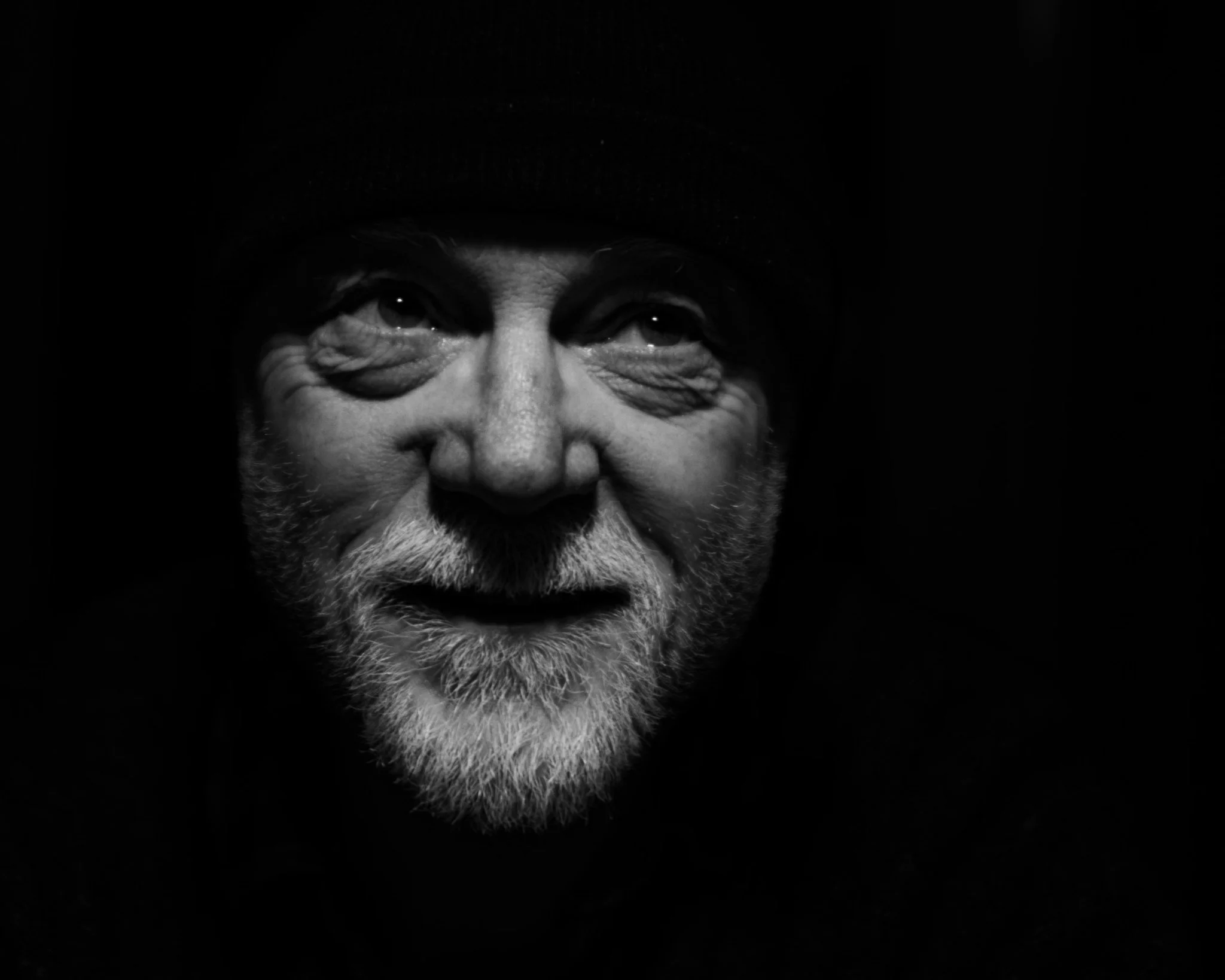
Fourth Place – Robert Willis
Robert Willis was born in rural Australia in 1965 and enjoyed an idyllic, though challenging, childhood on a farm. After moving to Sydney, he studied Medical Science and Clinical Biochemistry at the University of Technology. In 1997, he moved to the UAE to work in a hospital. The following year, he relocated to the Netherlands, to the southern town of Breda, where he now lives. He works in the field of medical diagnostics for companion animals. He was drawn to Humanism and became interested in exploring the human condition through photography.
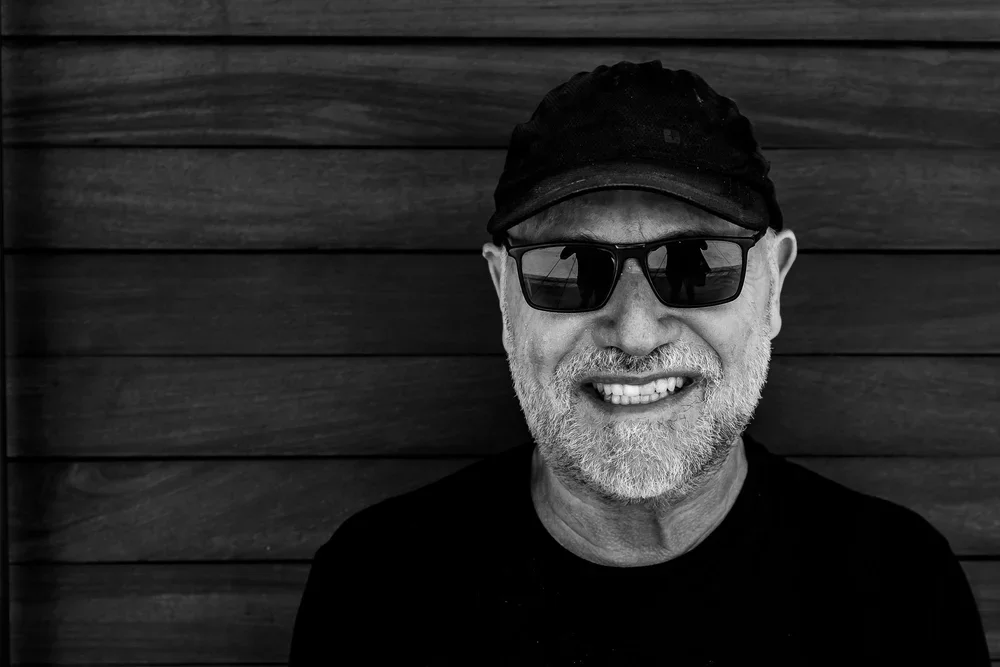
Fifth Place – Richard Keshen
Richard Keshen is a retired tax consultant who has always resided in Toronto, Canada. He gained an interest in photography at the age of 16. His interest in street and documentary photography began ten years ago after completing a street photography course presented through the Art Gallery of Ontario. His work has appeared in a number of publications over the years as well as part of an exhibit at the Art Gallery of Ontario. His photos capture the humorous side of the human condition as well as the continuing and varied protests that take place, not only in his home city but around the world.
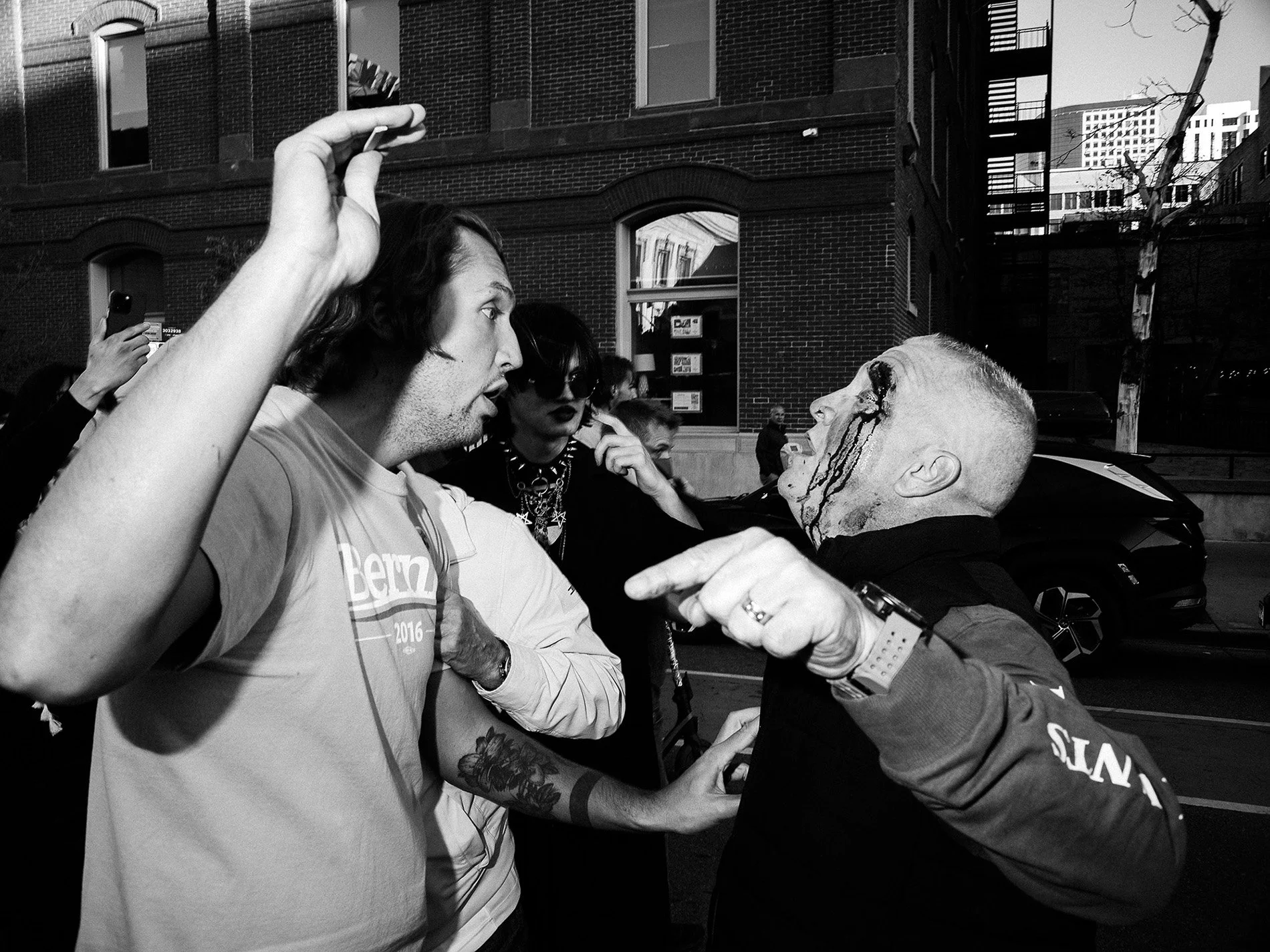
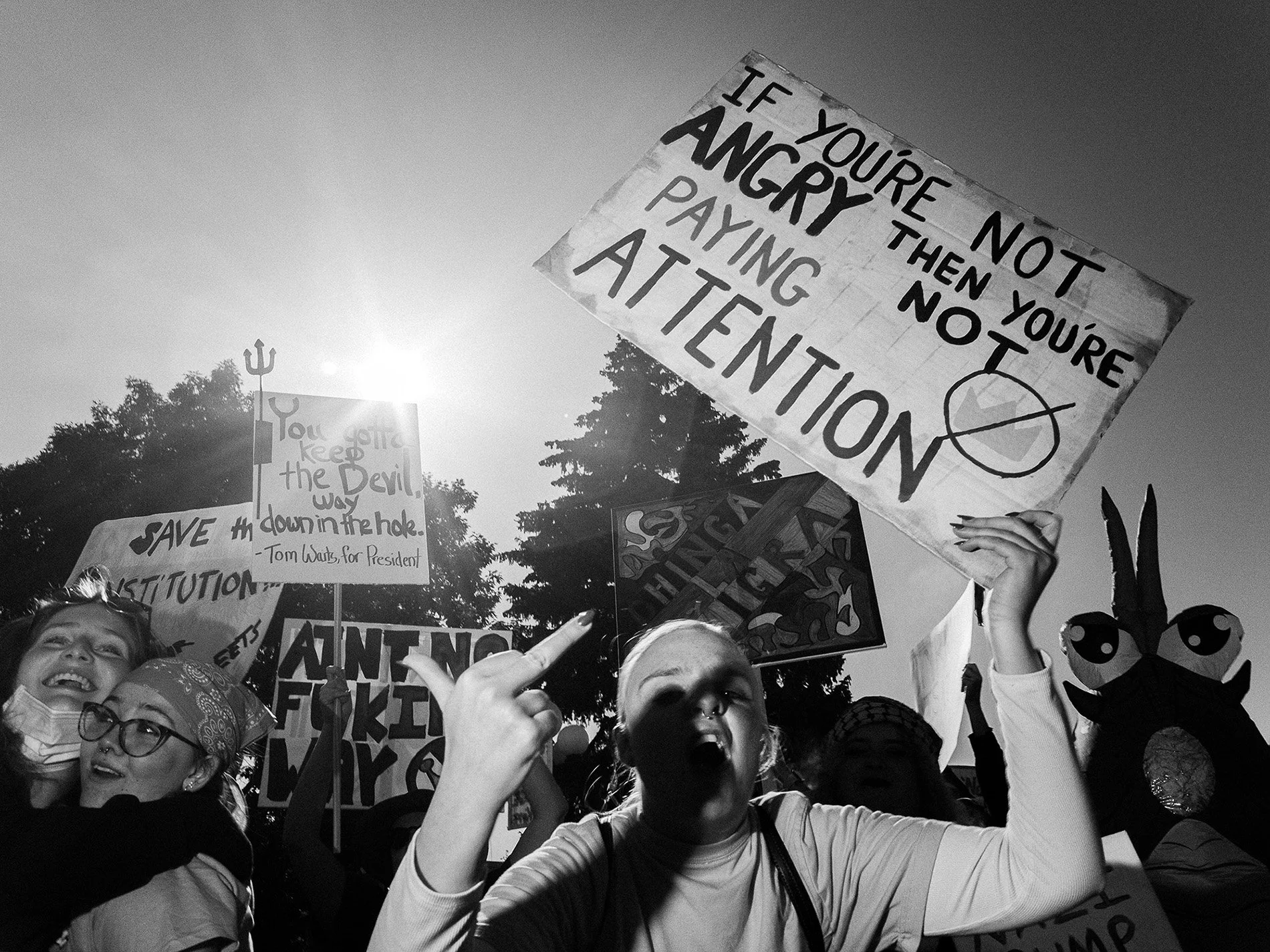
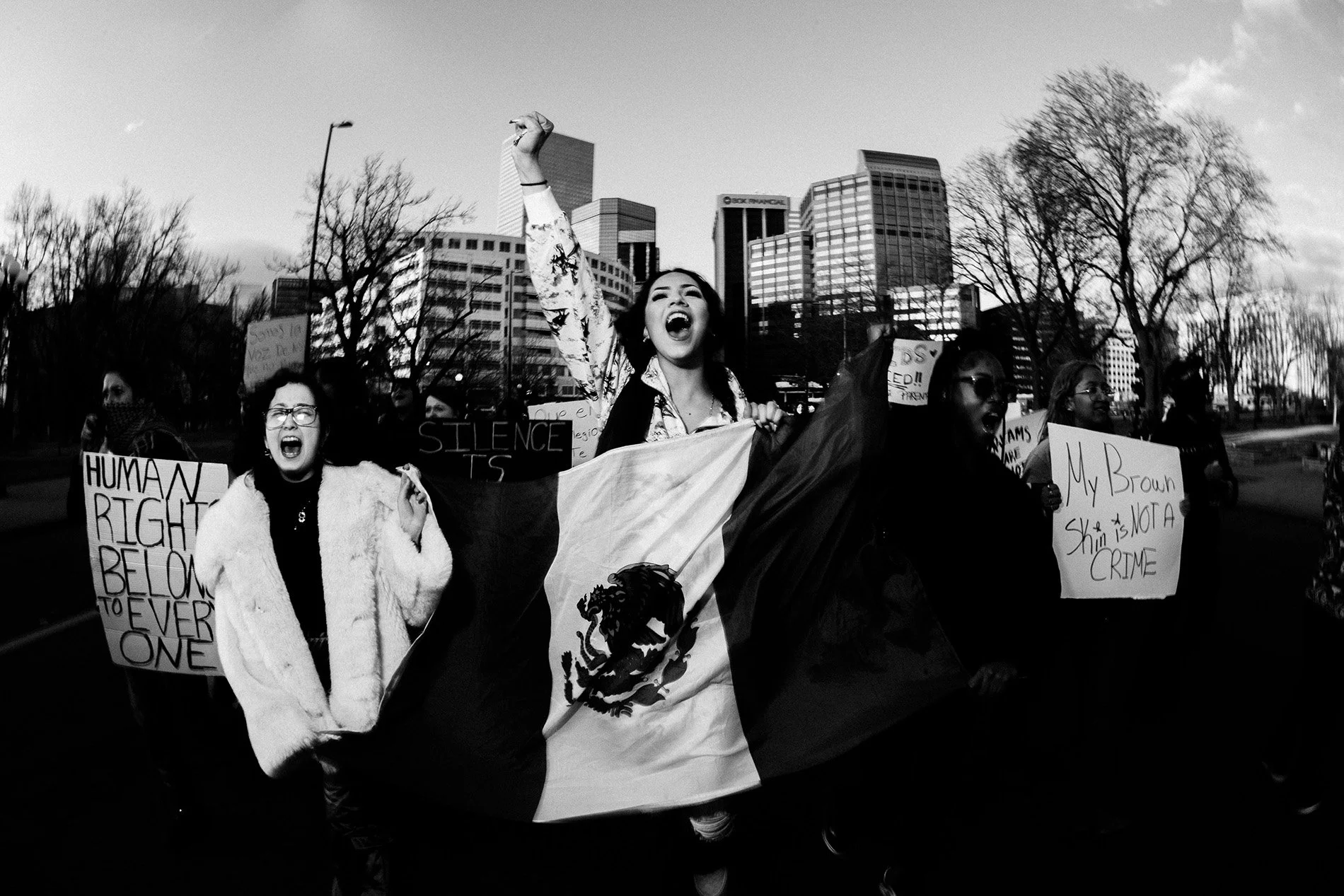
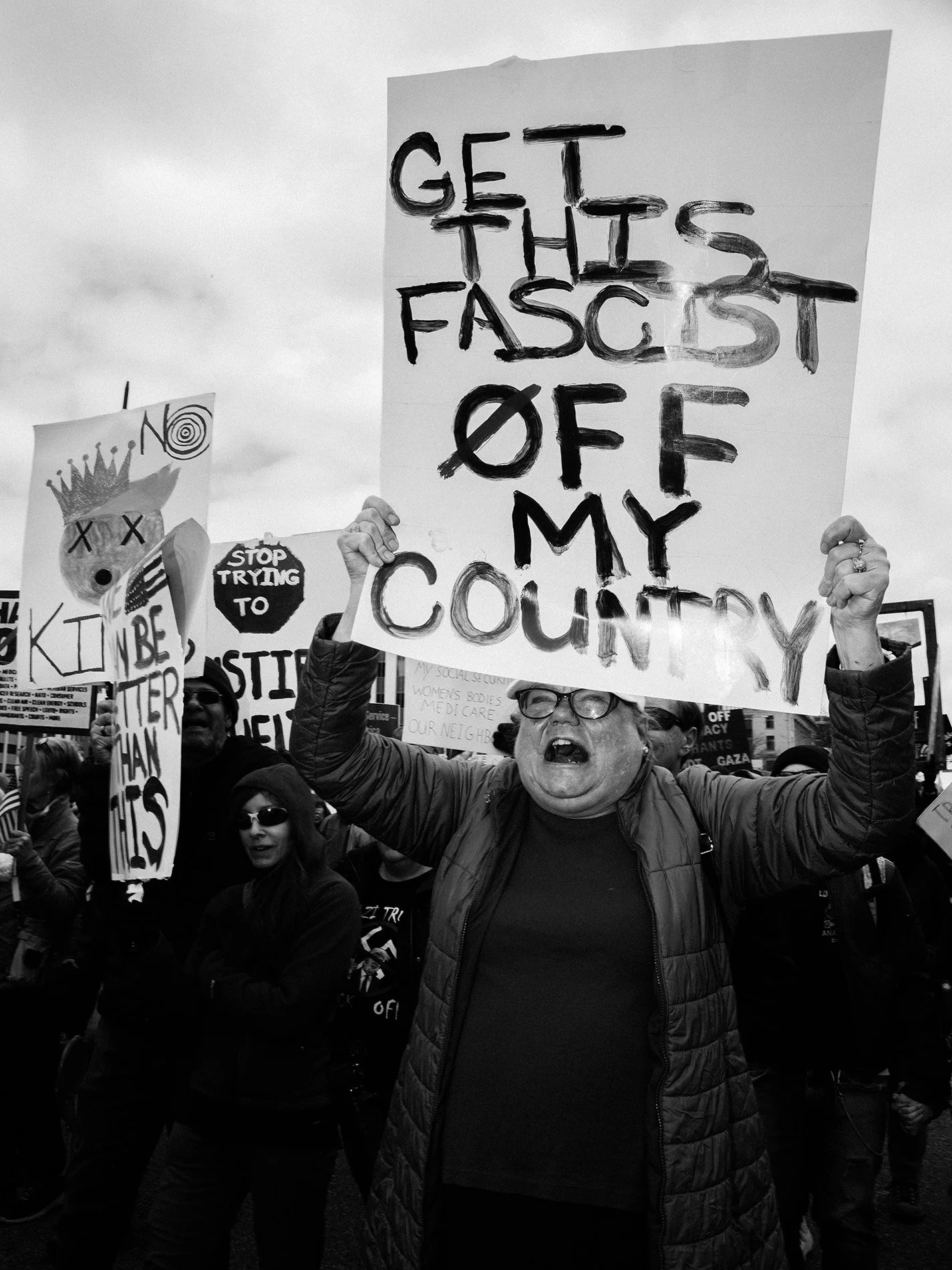
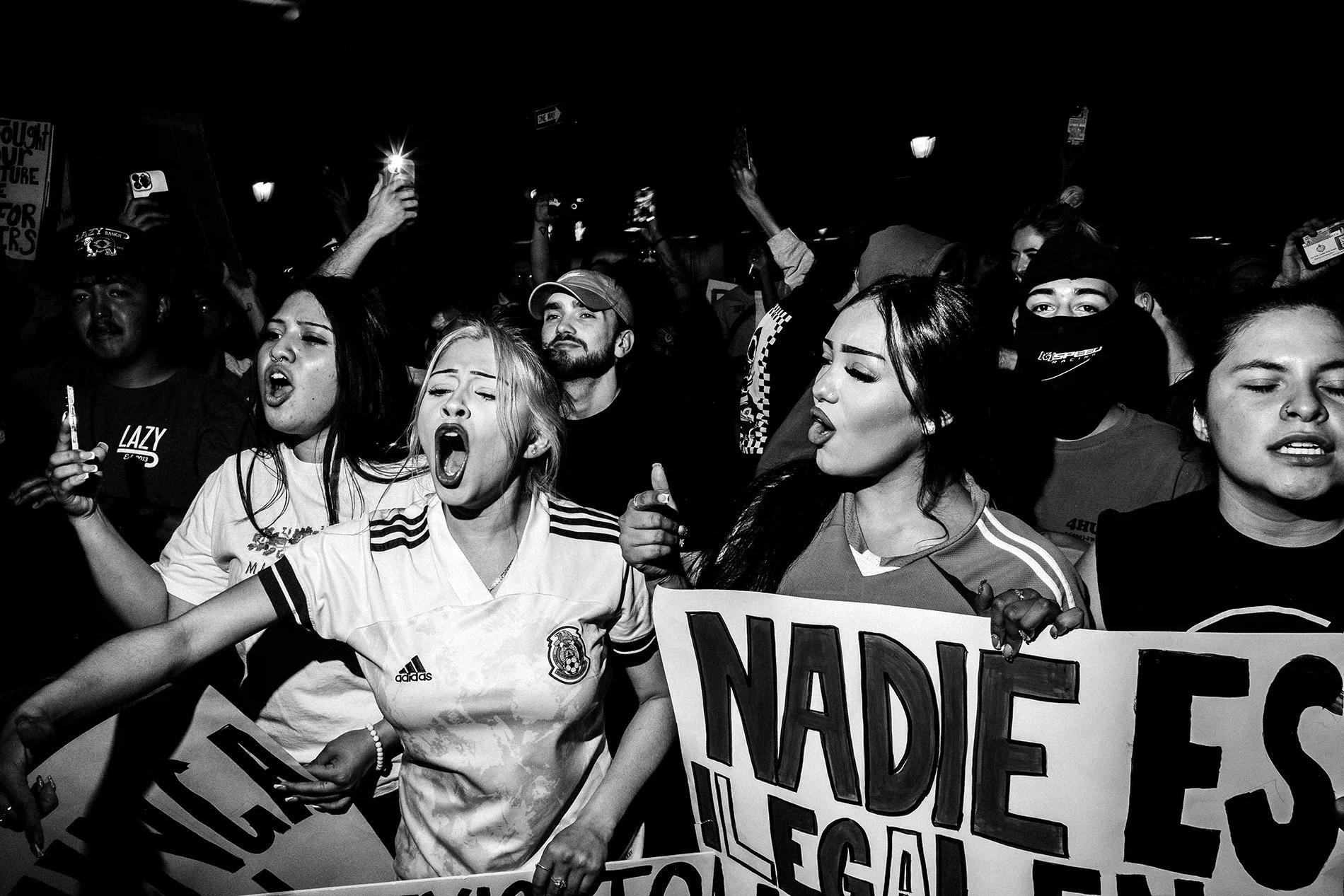
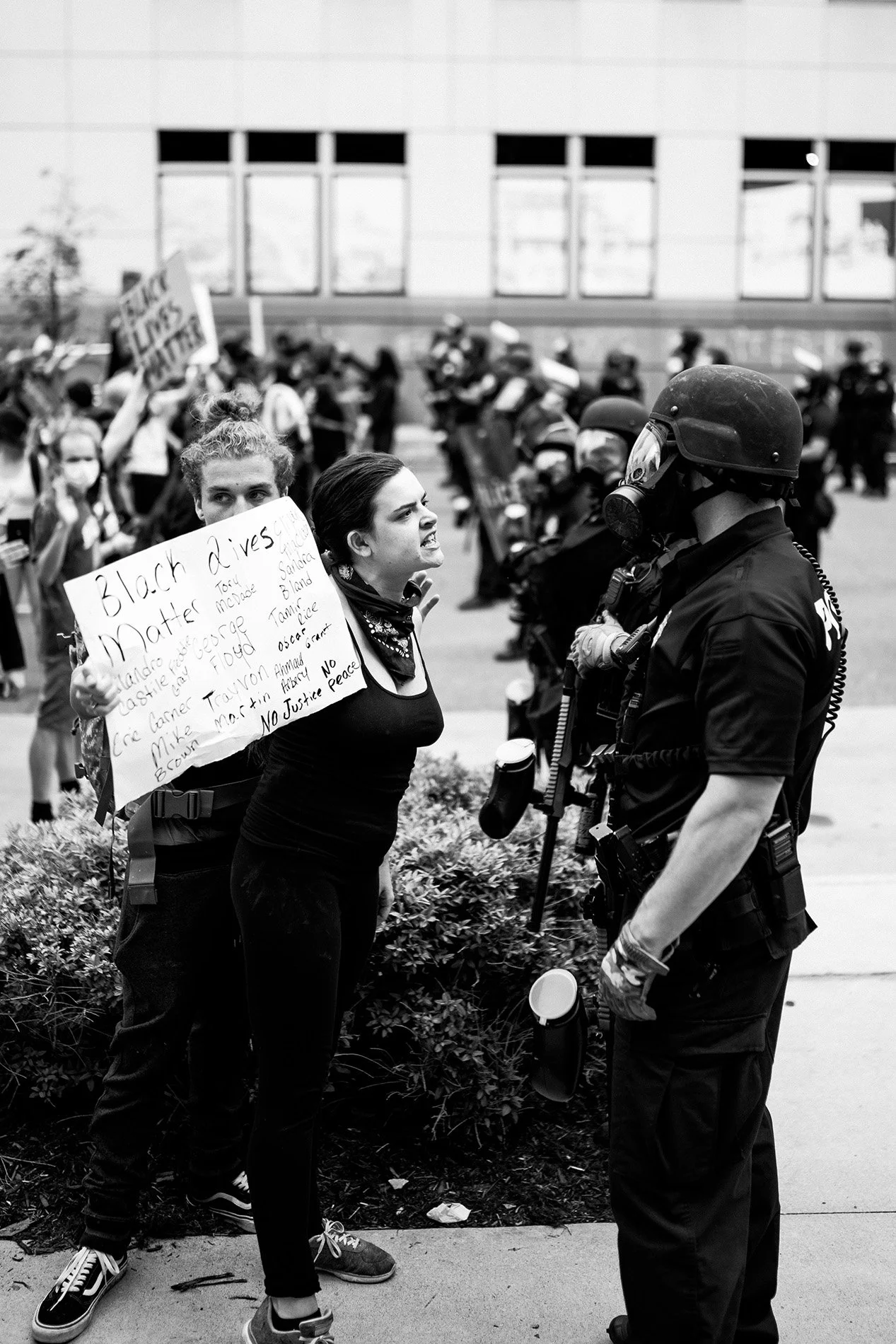
Jeff Tidwell
I take these photos from inside the crowd because that’s where everything actually happens. When you’re in it, you feel the energy of the crowd and individuals who feel the need be heard. I’m not trying to make protests look dramatic. I’m trying to show what it feels like to stand there with everyone else and decide your voice matters. This series is my way of showing how real people keep democracy alive. None of them are famous. They’re just brave in a way that feels honest. Every photo is a small moment where someone chooses to show up, even when it’s uncomfortable. That’s what I want people to feel when they look at this series.
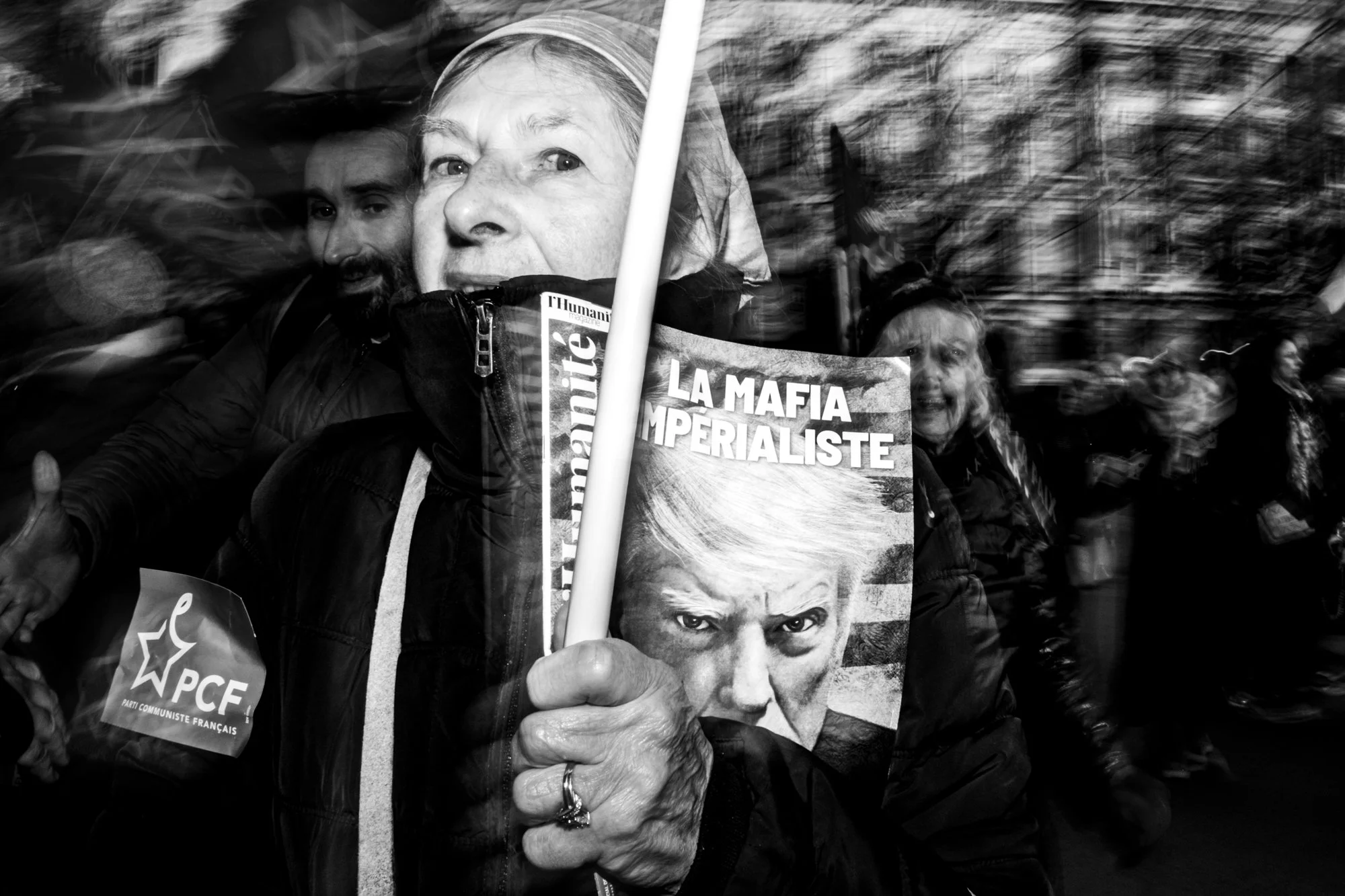
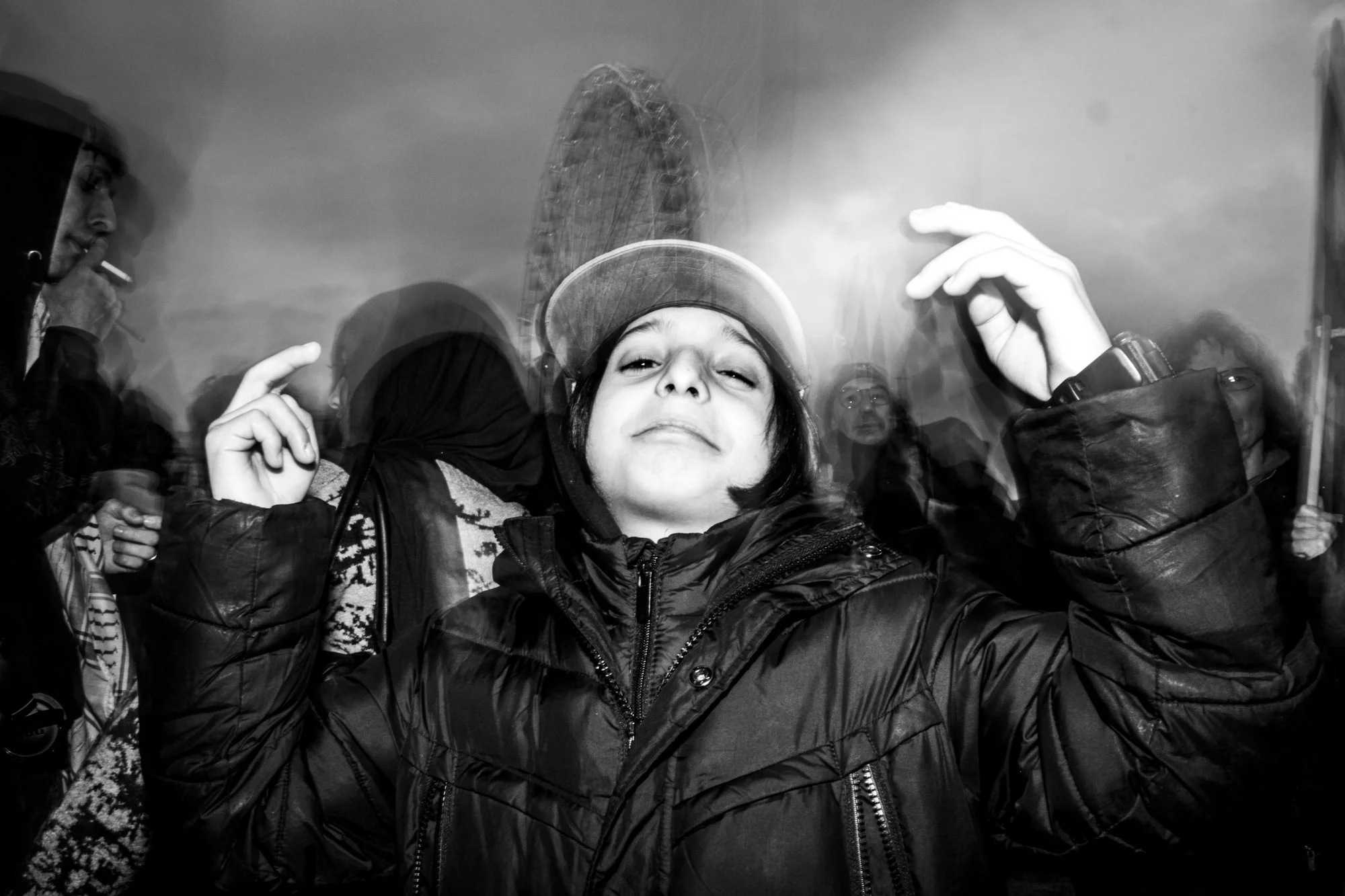
Ludovic Vievard
This photographic project was created during a demonstration in support of the Venezuelan people, set against a backdrop of protest over Donald Trump’s international actions. More than a documentary record, it offers a sensitive immersion into a collective moment, captured in all that is shifting, fragile, and permeated by emotion. The choice of a slow shutter speed is central. It introduces a displacement, a deliberate loss of sharpness, which shifts the scene from the realm of the event to that of perception. Bodies double, faces partially dissolve, gestures leave traces, with the exception of those frozen by the flash, as if momentarily resolved within a world in disintegration. In this uncertain world, movement becomes a material, revealing the tension between choice and indeterminacy, between assertion and erasure. Without seeking to explain or illustrate a discourse, these images attempt to convey the atmosphere of a shared moment, where commitment is expressed as much through the body as through words. Blur is not a deficiency but a form of sincerity: it speaks to the instability of the world, the difficulty of fully grasping what is unfolding, and yet the necessity of being there, together. This work thus offers a sensitive reading of the demonstration, not as a fixed fact, but as a moment traversed by movement, tension, and memory, where photography becomes a space of resonance rather than proof.
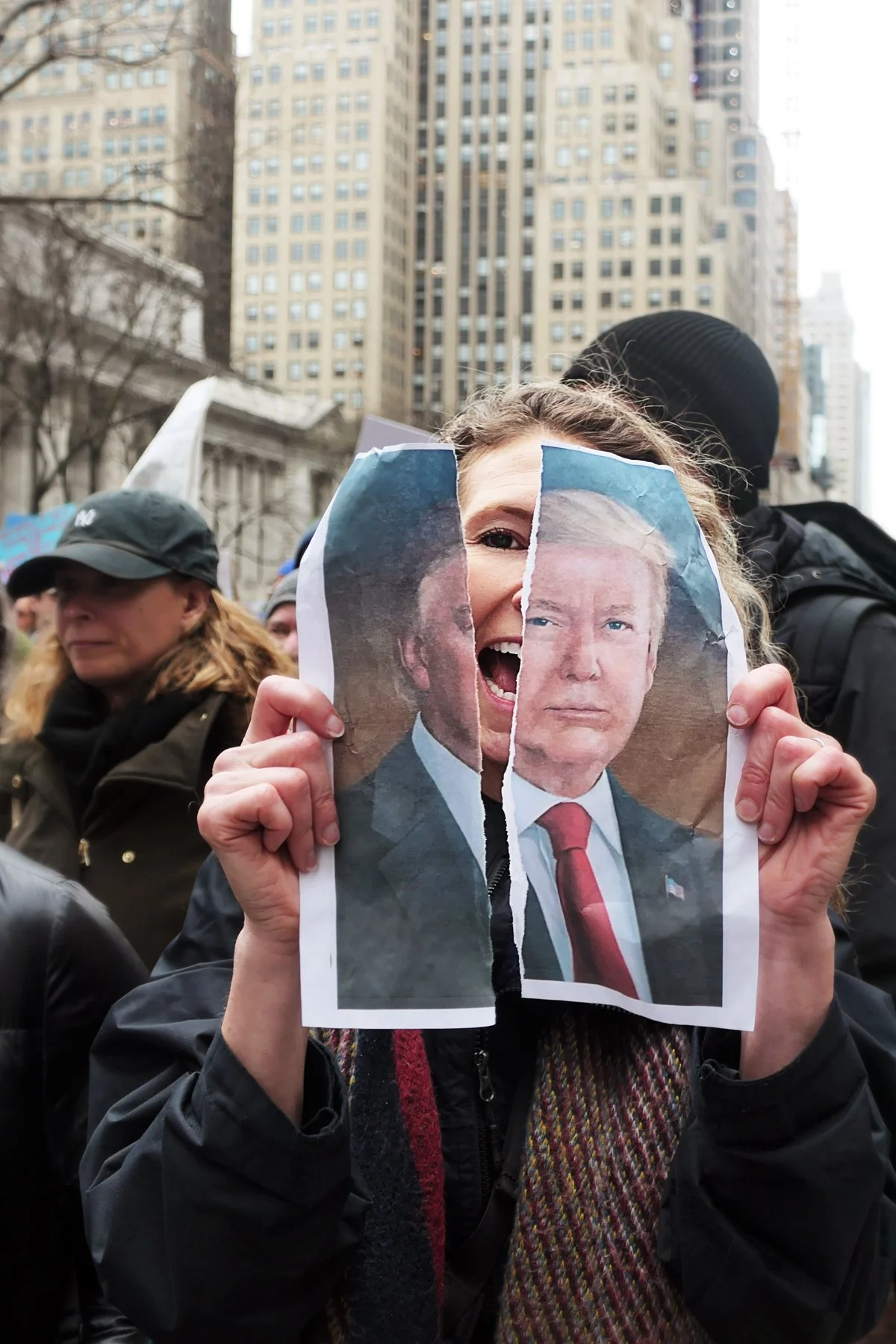
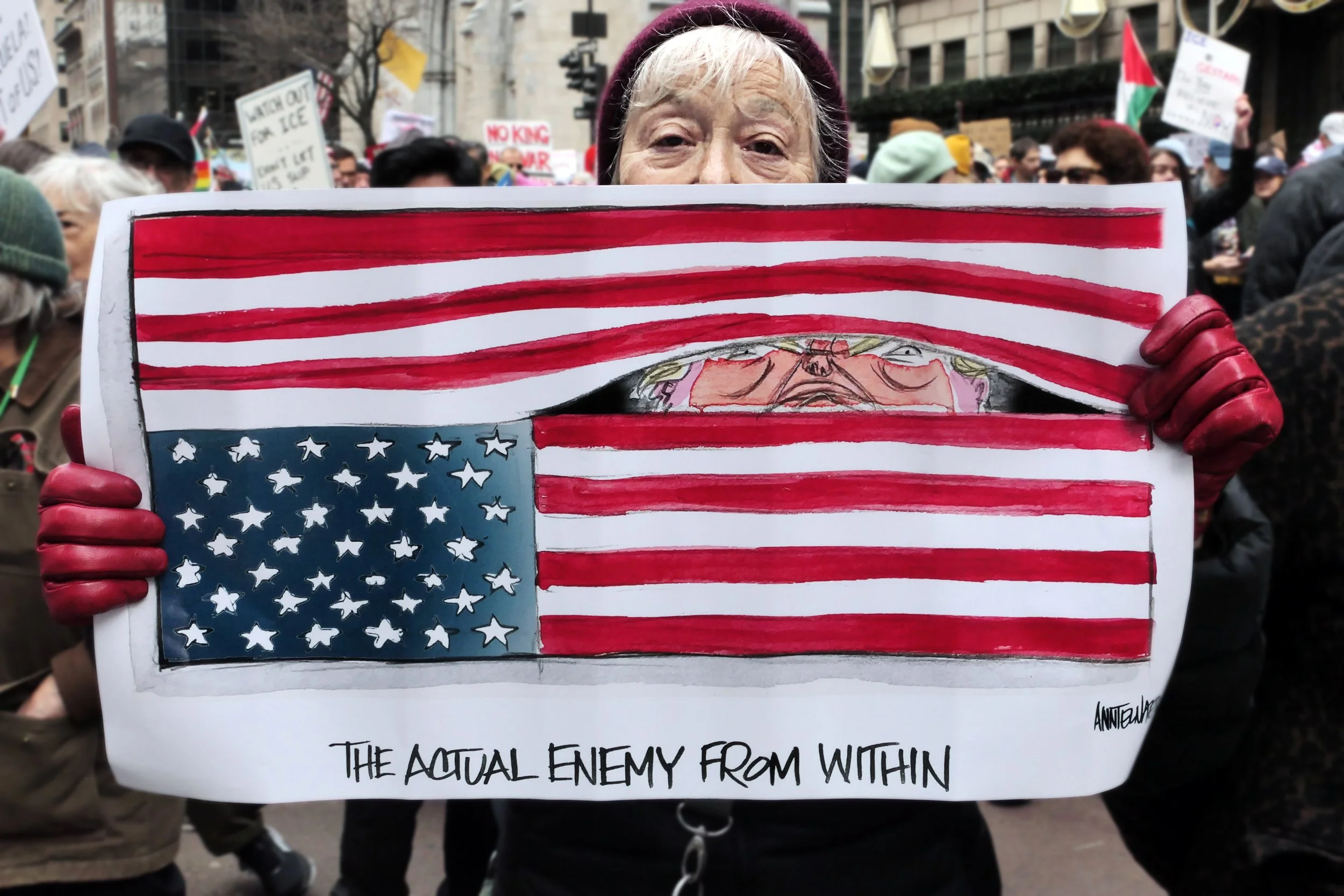
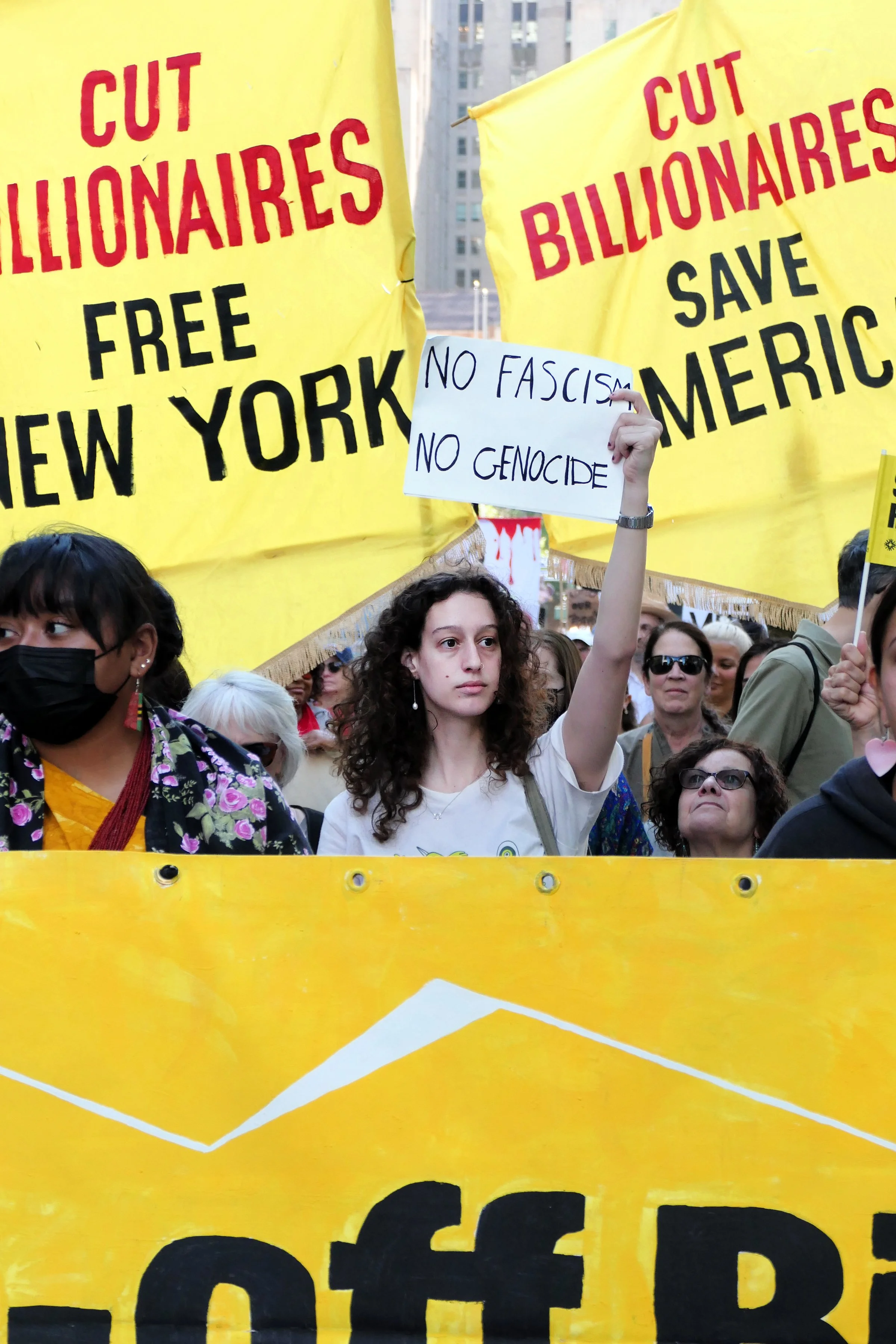
Martin Ingber
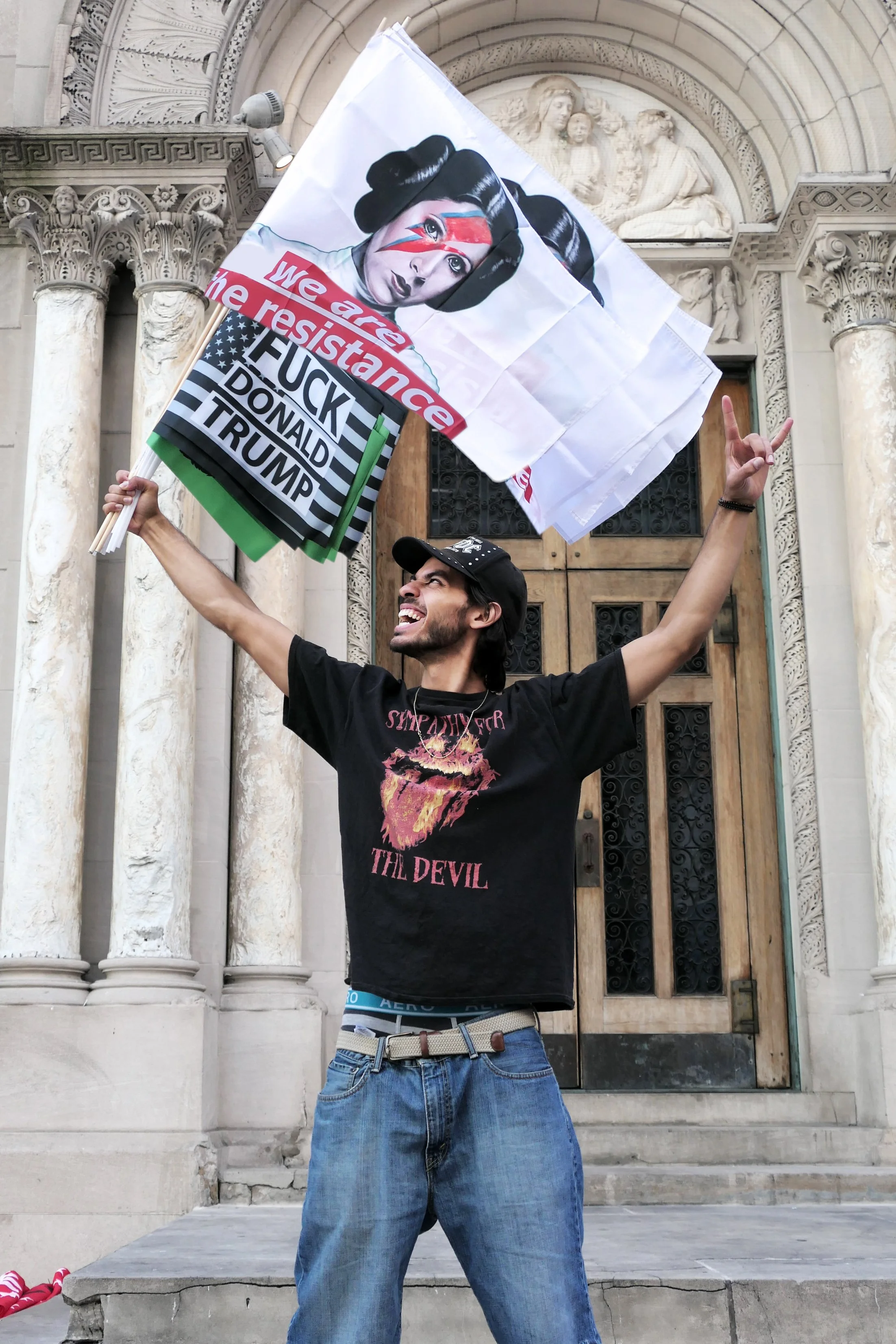
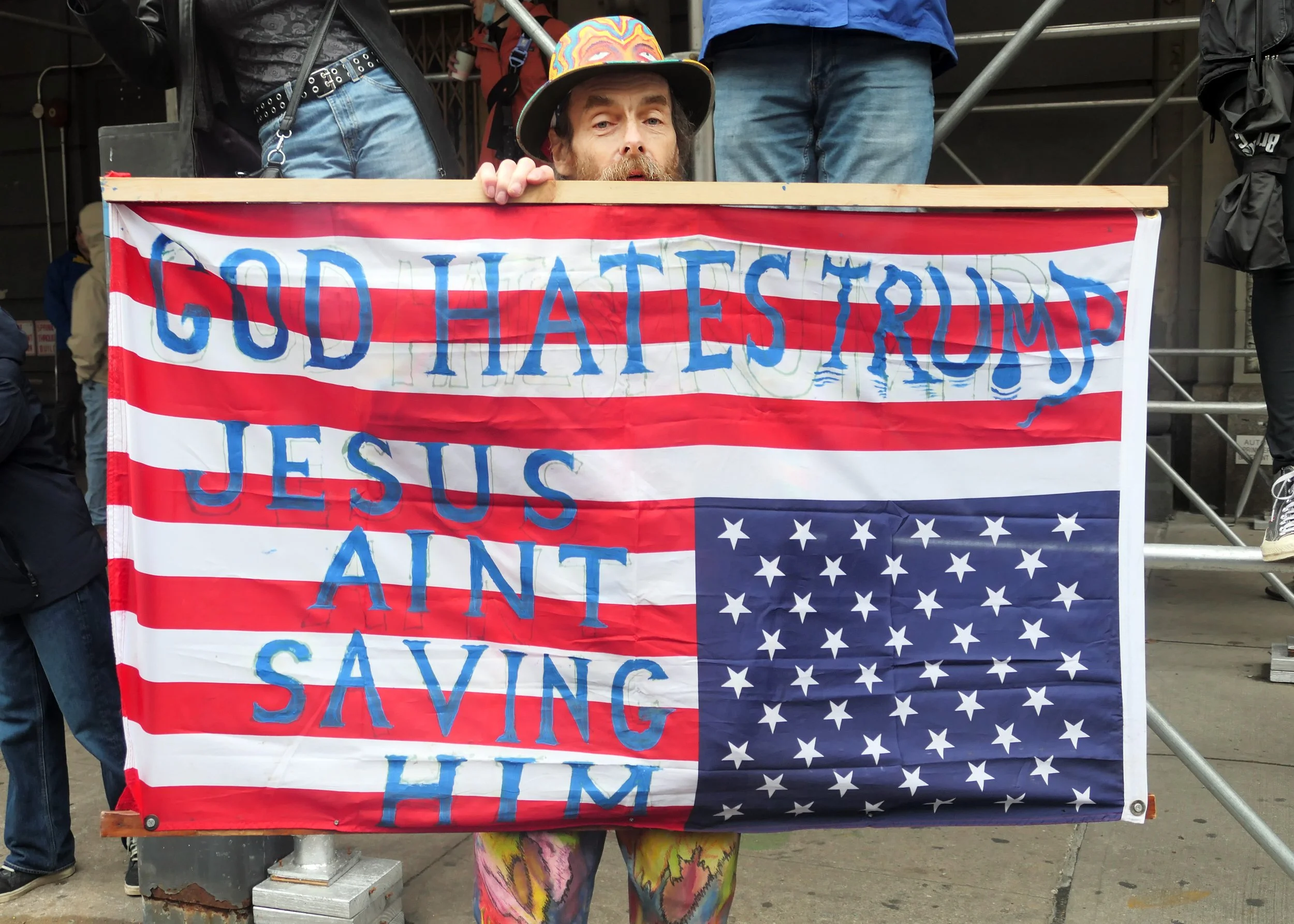
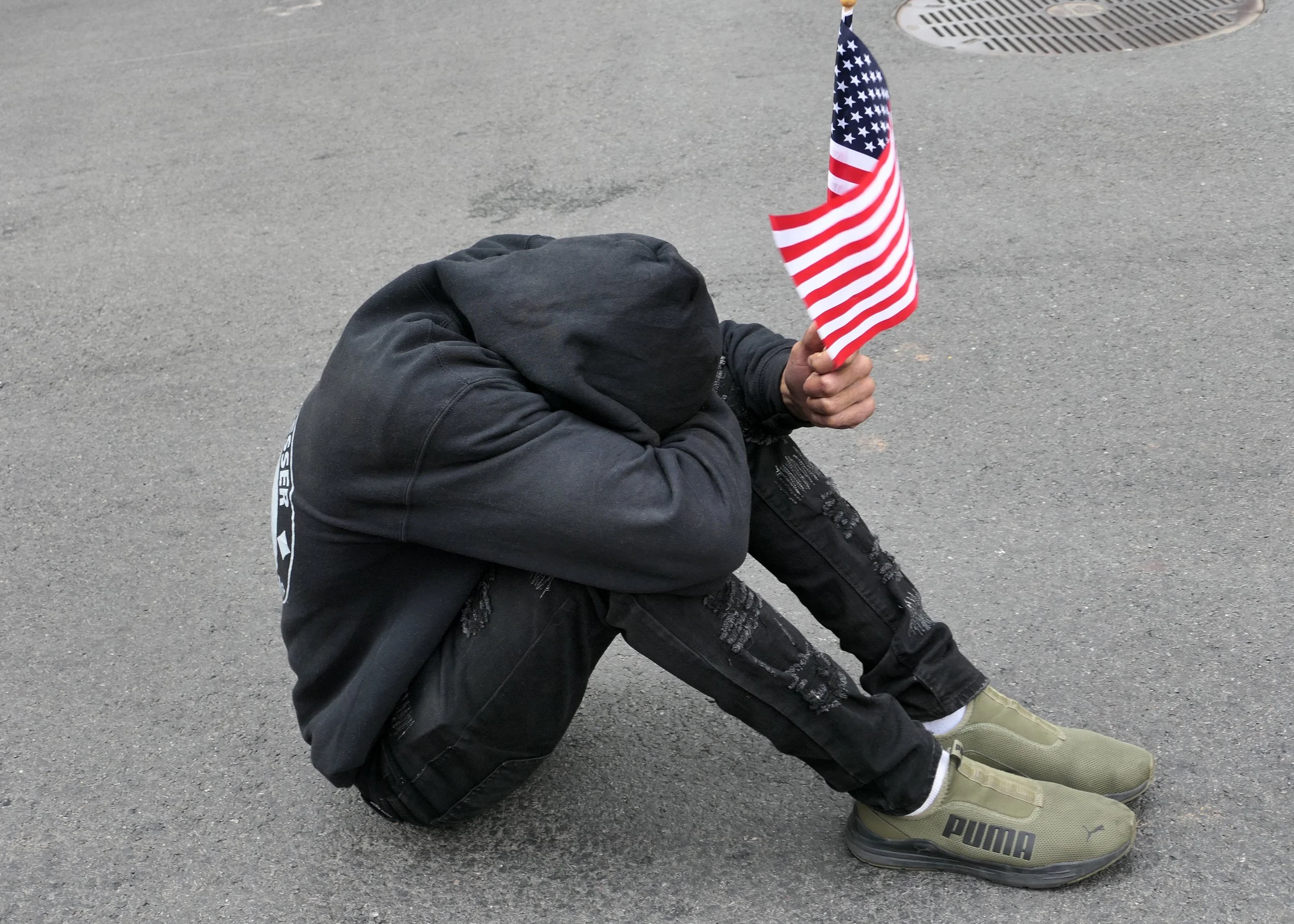
After nearly 250 years as a shining example of freedom and democracy, can the United States of America survive? “When Fascism comes to America, it will be wrapped in the flag and carrying a cross,” warns a saying attributed to the first American to win the Nobel Prize for Literature, Sinclair Lewis*. His 1935 novel, “It Can’t Happen Here,” envisioned the rise of a fascist dictatorship in the United States; and now, nearly a century later, Americans are struggling to prevent that fictional prophecy from becoming a reality. During the past decade, American democracy has been radically altered along lines recognized by historians as a path to authoritarianism. Today our Presidency, Congress, and Supreme Court are all controlled by extreme right-wing Republican majorities; and all vote in absolute obedience to their leader, donald trump -he who muses openly about ruling as a dictator or a king. Under this administration, bedrock U. S. laws are repeatedly disregarded; blatant, unprecedented corruption is rampant; and the Constitutionally-mandated human rights that have always protected our citizens are under attack. Many marginalized Americans have been stripped of essential support systems like health care and food assistance; while the ultra-wealthy have been enriched by untold billions. Misguided tariffs have wreaked economic havoc in American households and around the world, while consumer prices continue to climb. Important government officials have been replaced by unqualified and incompetent ‘loyalists’, endangering public welfare. We have invaded a neighboring nation- Venezuela- and seized its resources; and are now threatening to ‘take’ Greenland -a NATO ally- all at the whims of an unchecked leader. At the same time, information from FBI investigations into sex trafficking by notorious pedophile Jeffrey Epstein has just begun to be released; and donald trump is already reported to appear more than 38,000 times in those files. The alleged crimes have generated widespread public outrage, and the situation now appears primed to explode into a scandal of unprecedented proportions. Overall, public support for trump and his policies has seen ‘historic’ decline, according to polls, with approval ratings in the 30’s, and disapproval levels approaching 60%. He has been called the most hated man in America.
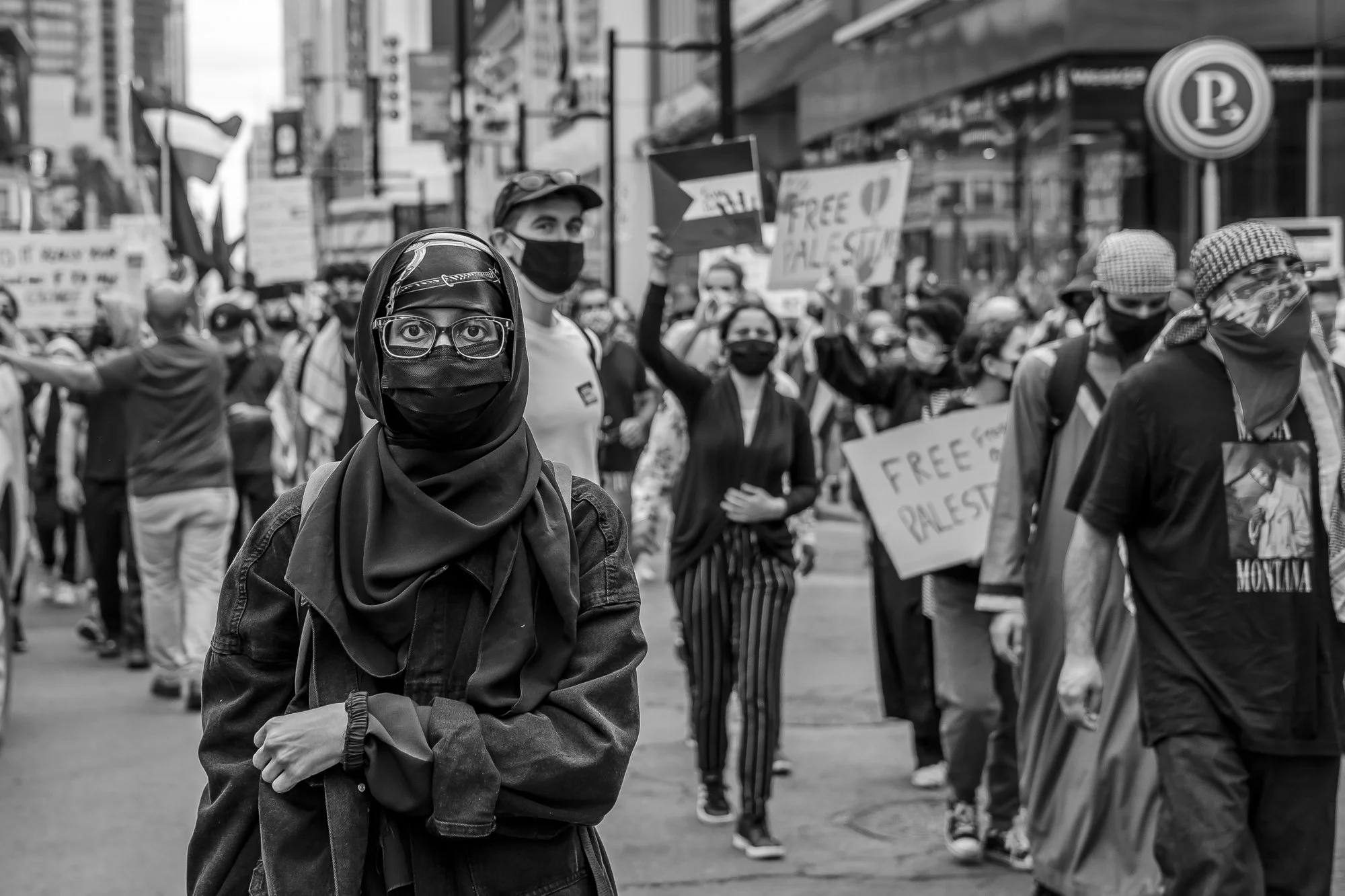
Robert Willis
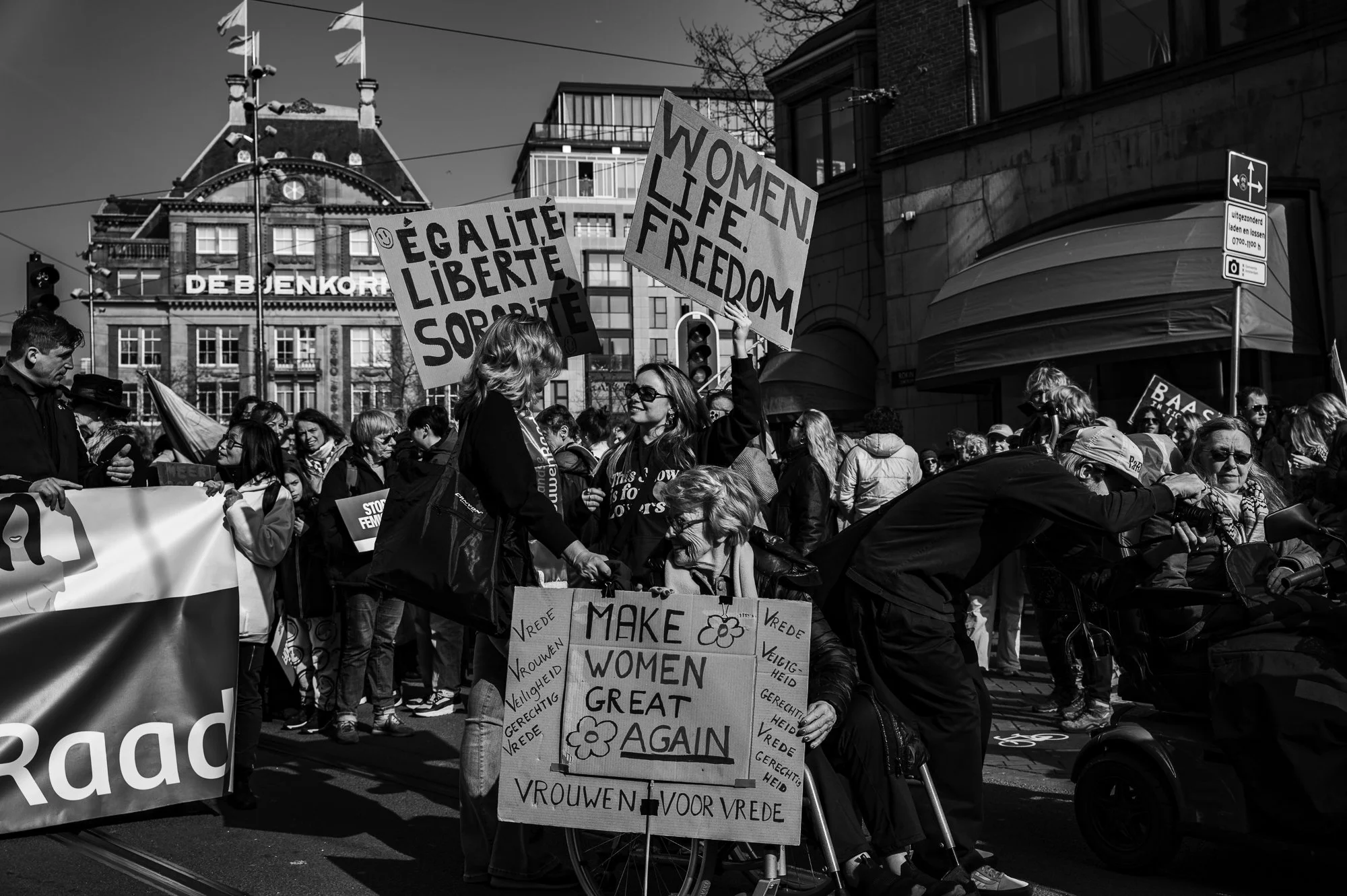
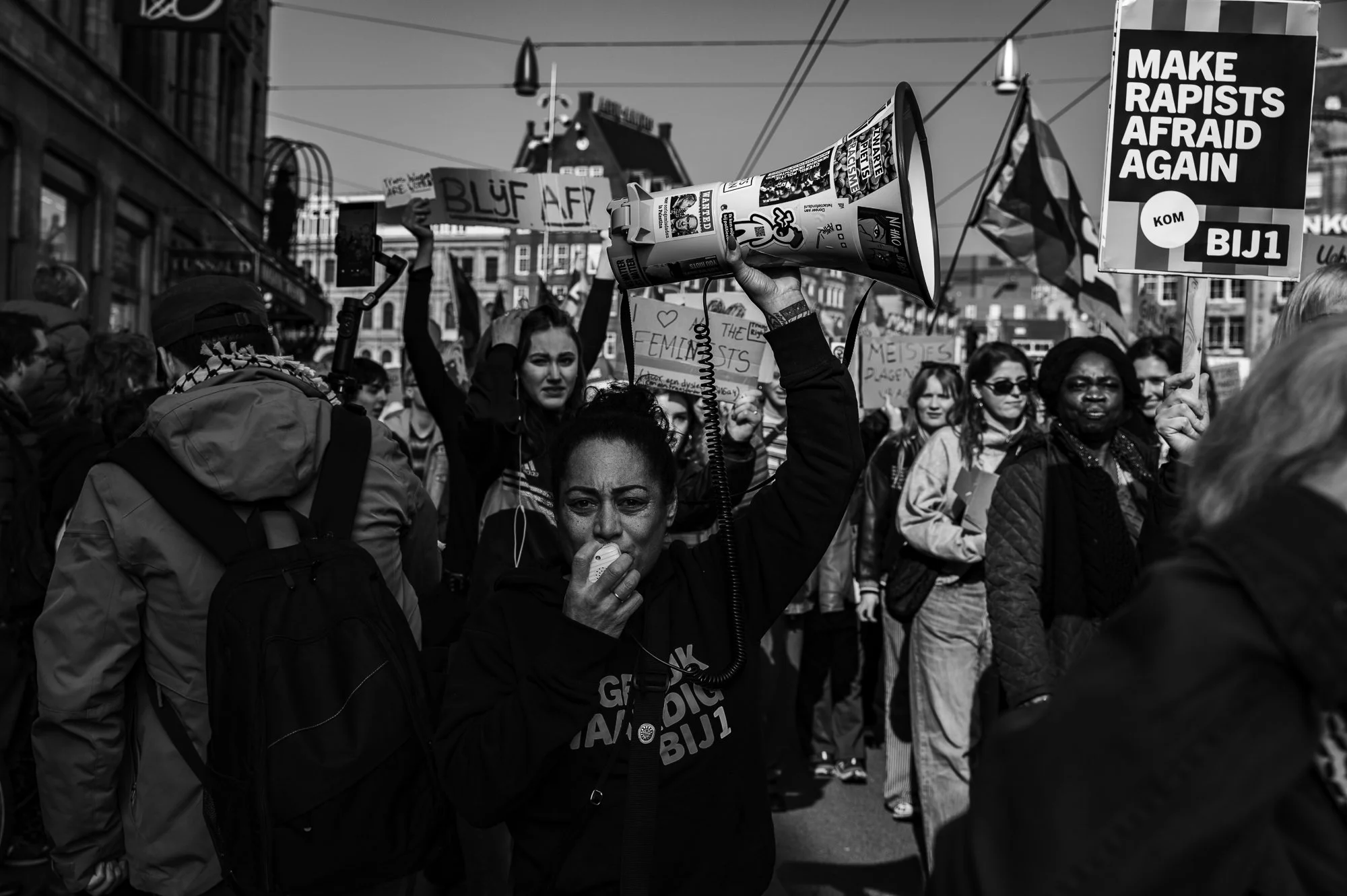
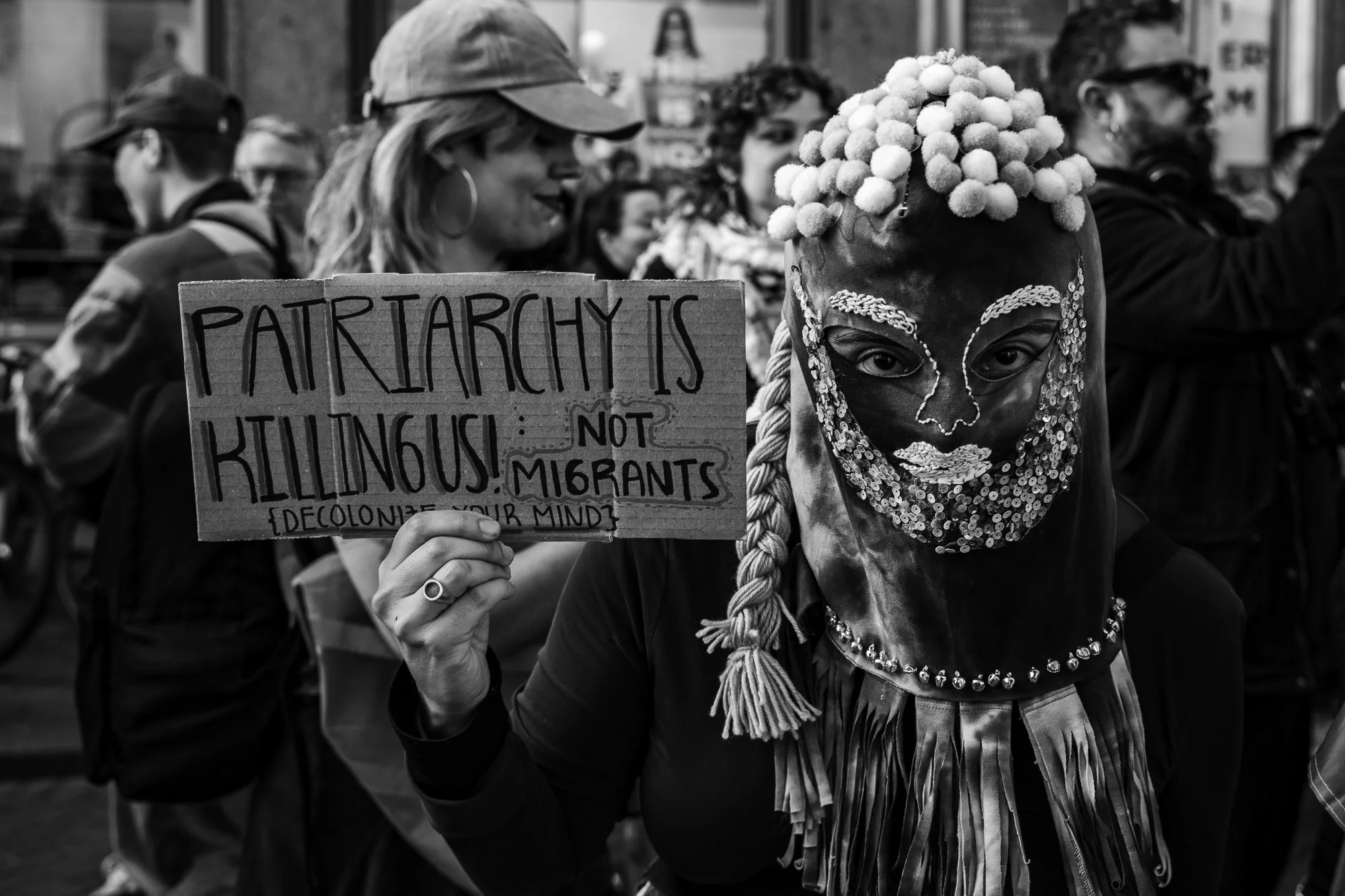
International Women’s Day (8 March) is a necessary and powerful symbol of resistance and solidarity. Protests around the world highlight ongoing challenges, including wage gaps, political underrepresentation, and violence against women. While significant progress has been made over the years, it is evident that improvements in the situation of women in society largely do not come about naturally, with no effort. Like democracy, equality, and freedom for women need to be fought for constantly. Global social and political changes continue to erode freedoms and turn back the clock on equality. Sadly, protest is necessary now more than ever. I present here a selection of images I made at the International Women’s Day marches in Amsterdam in 2025 and 2026.
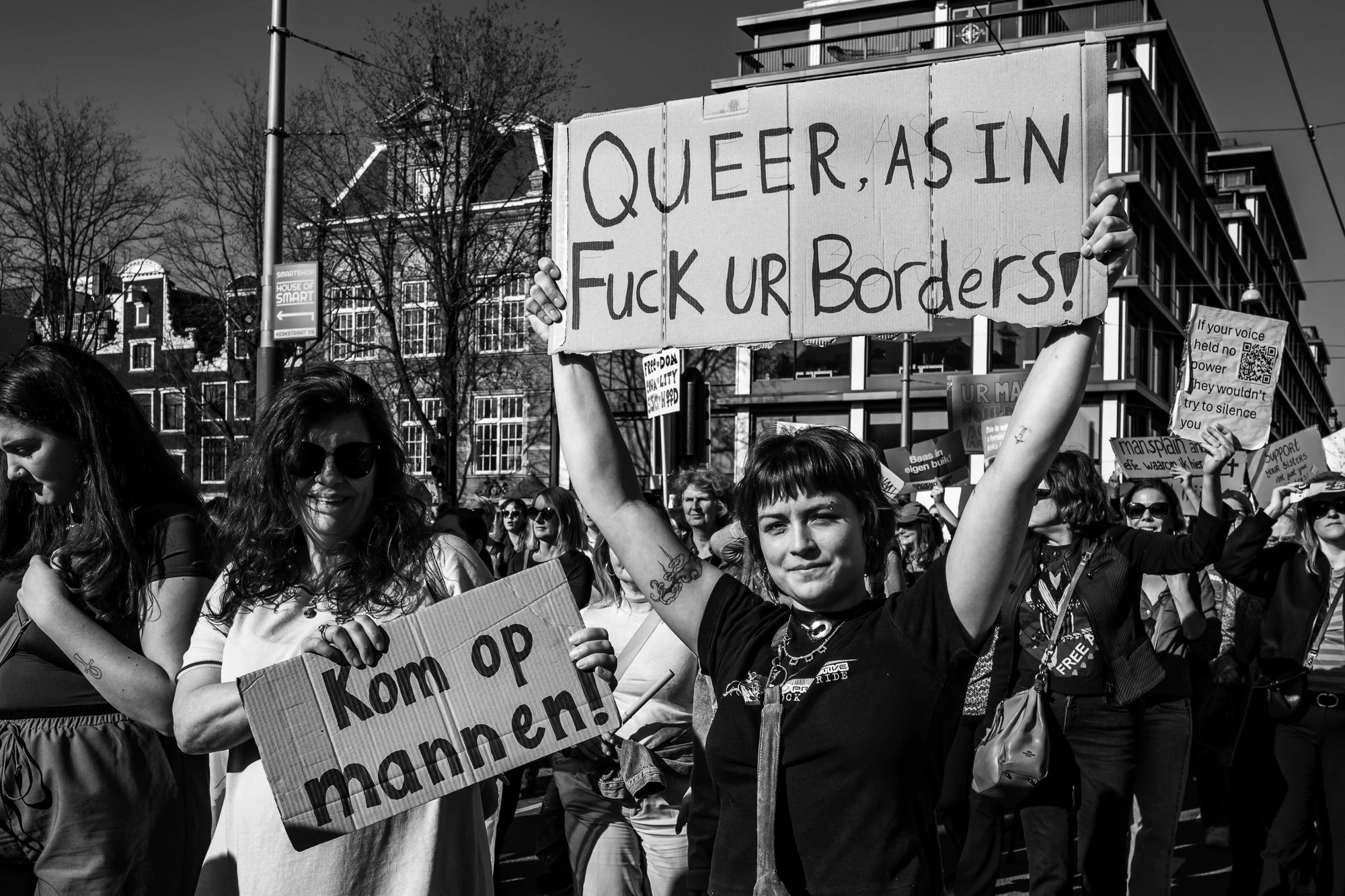
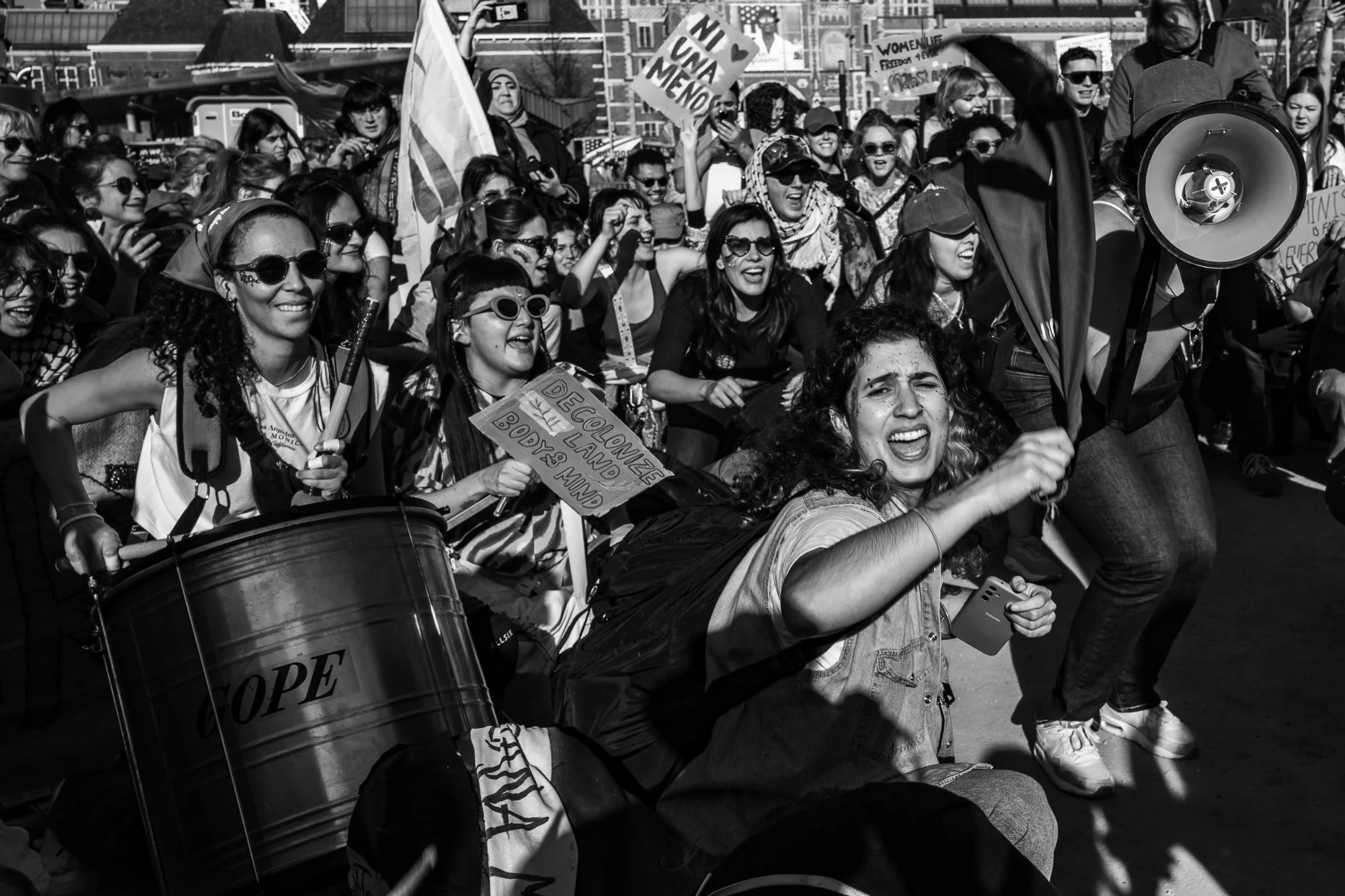
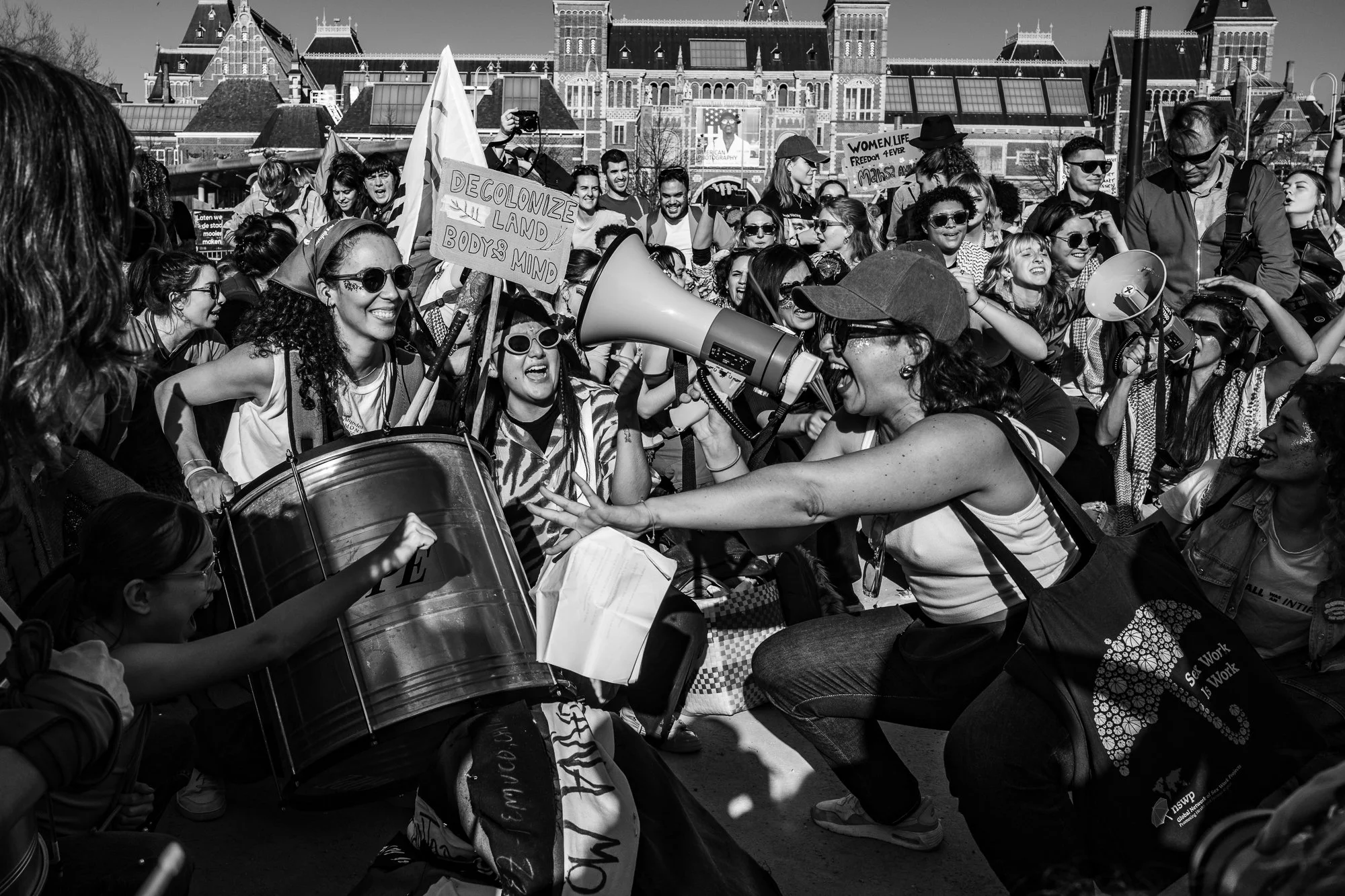
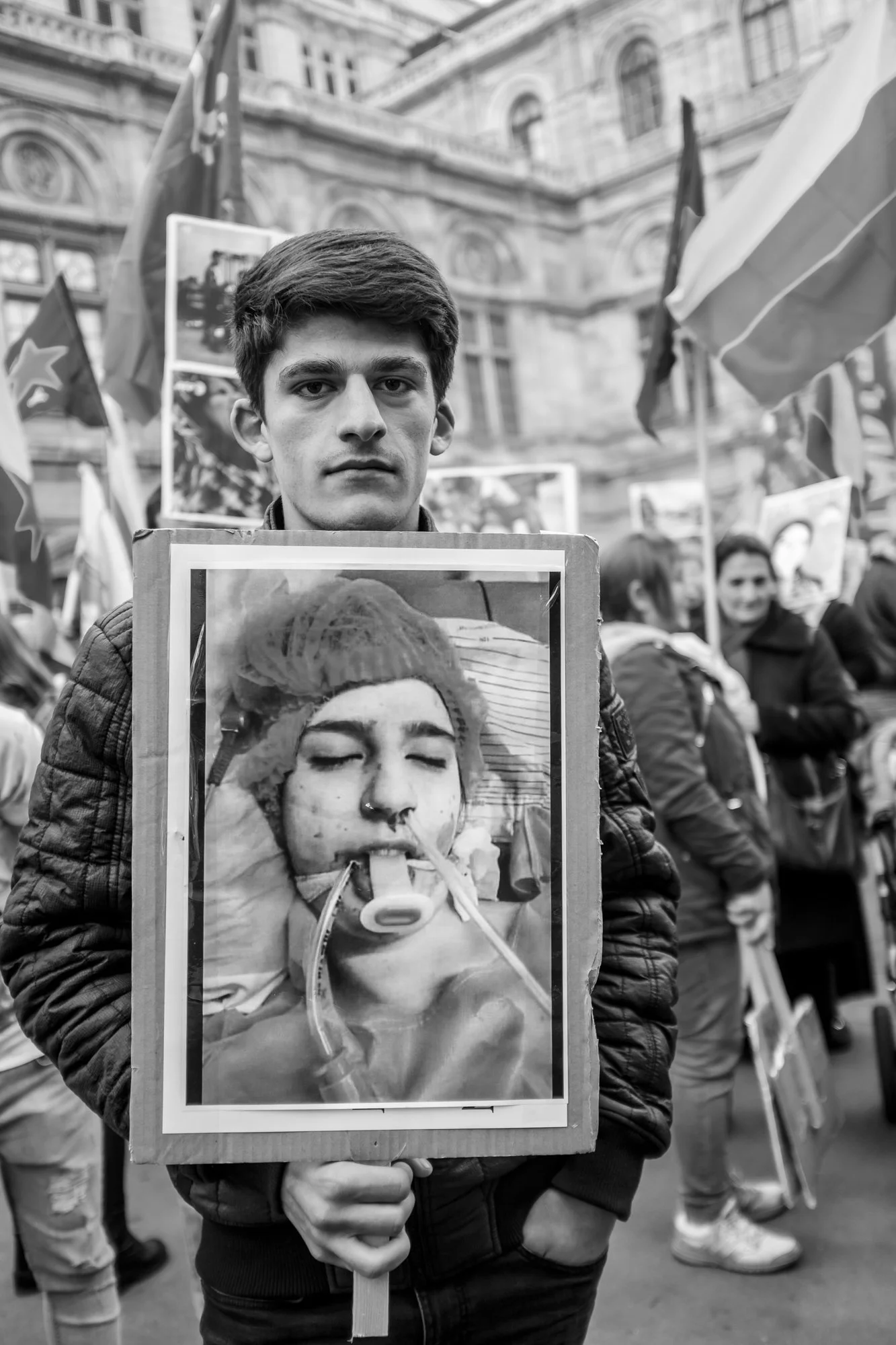
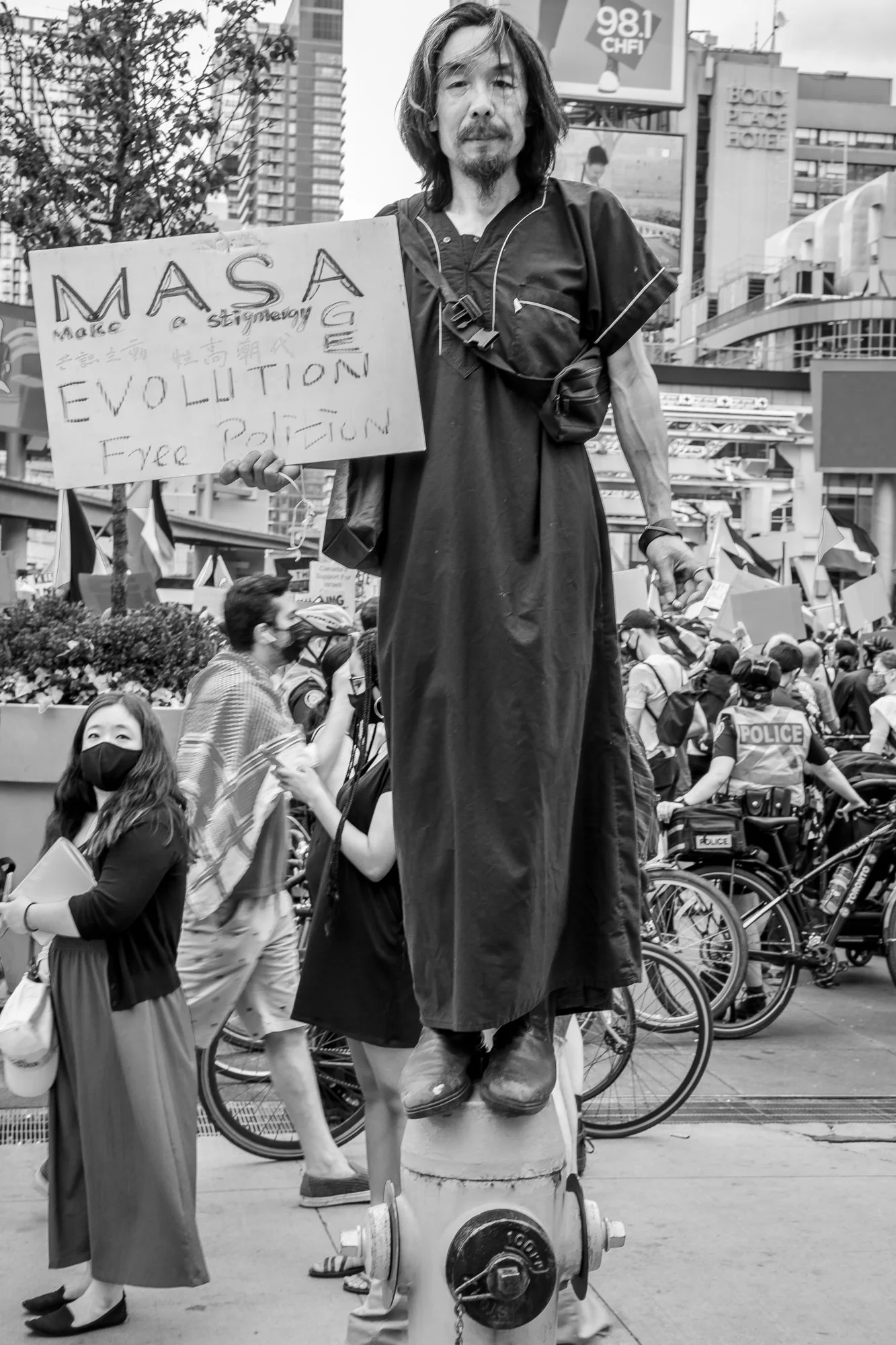
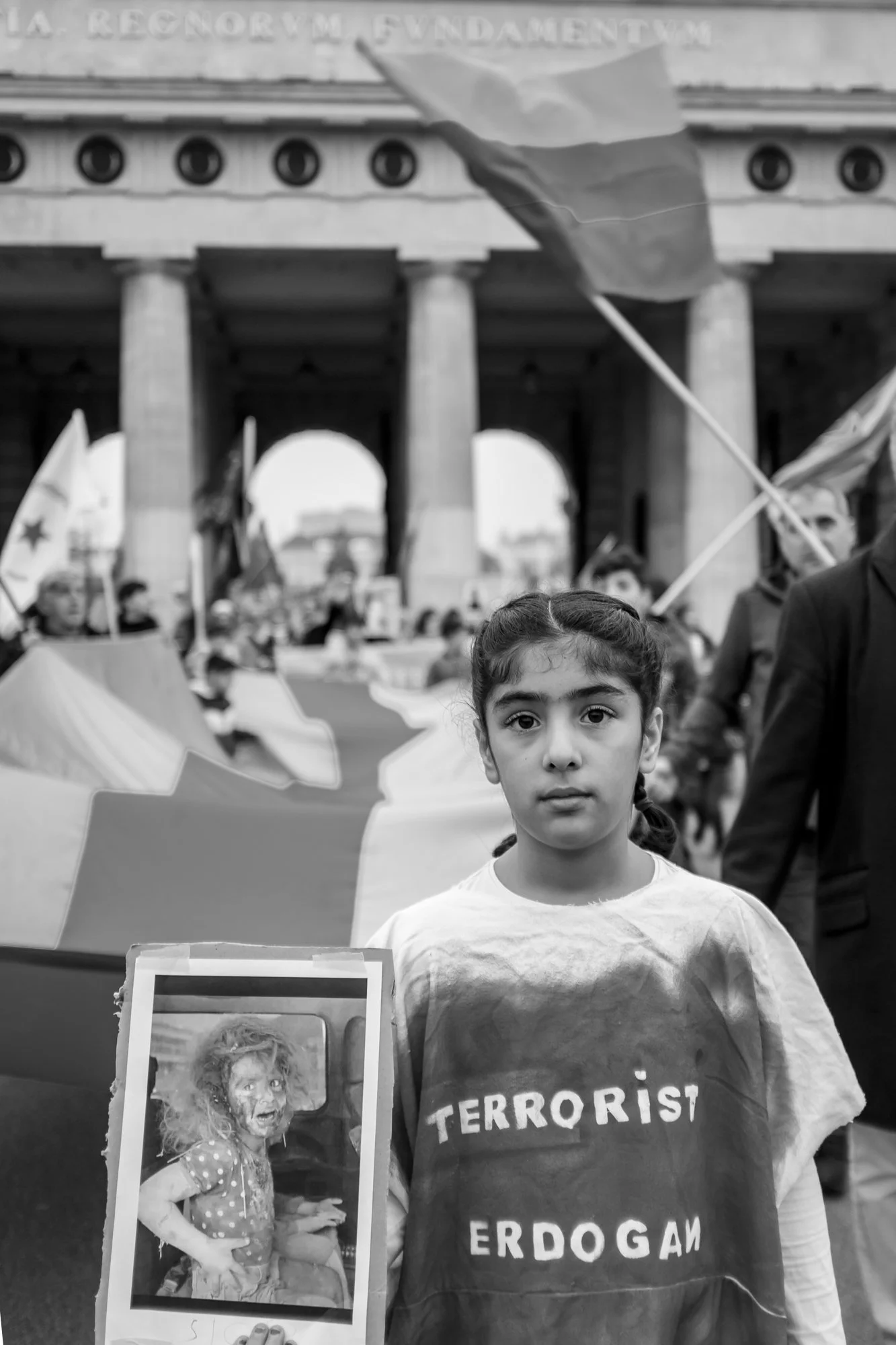
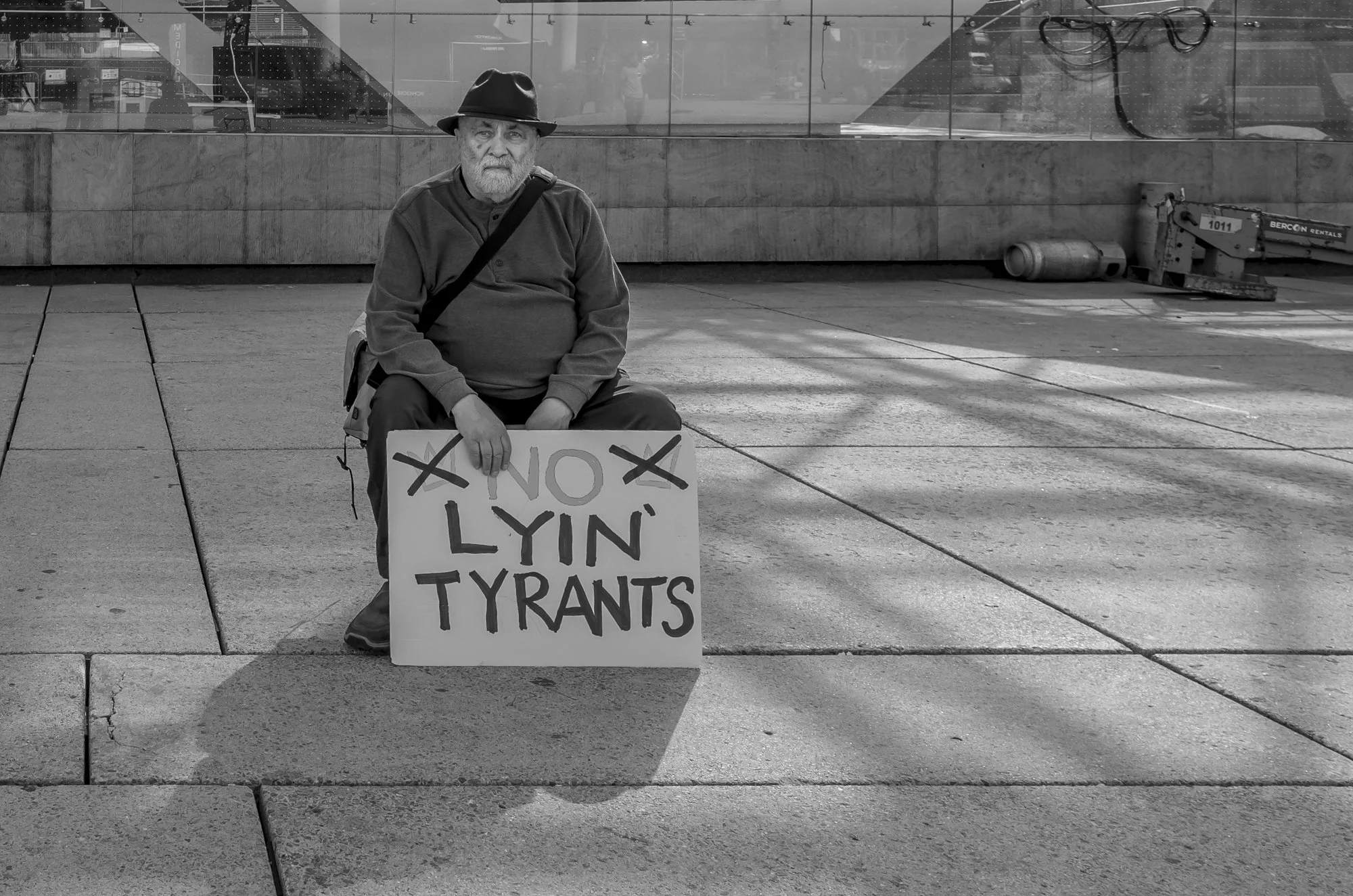
Richard Keshen
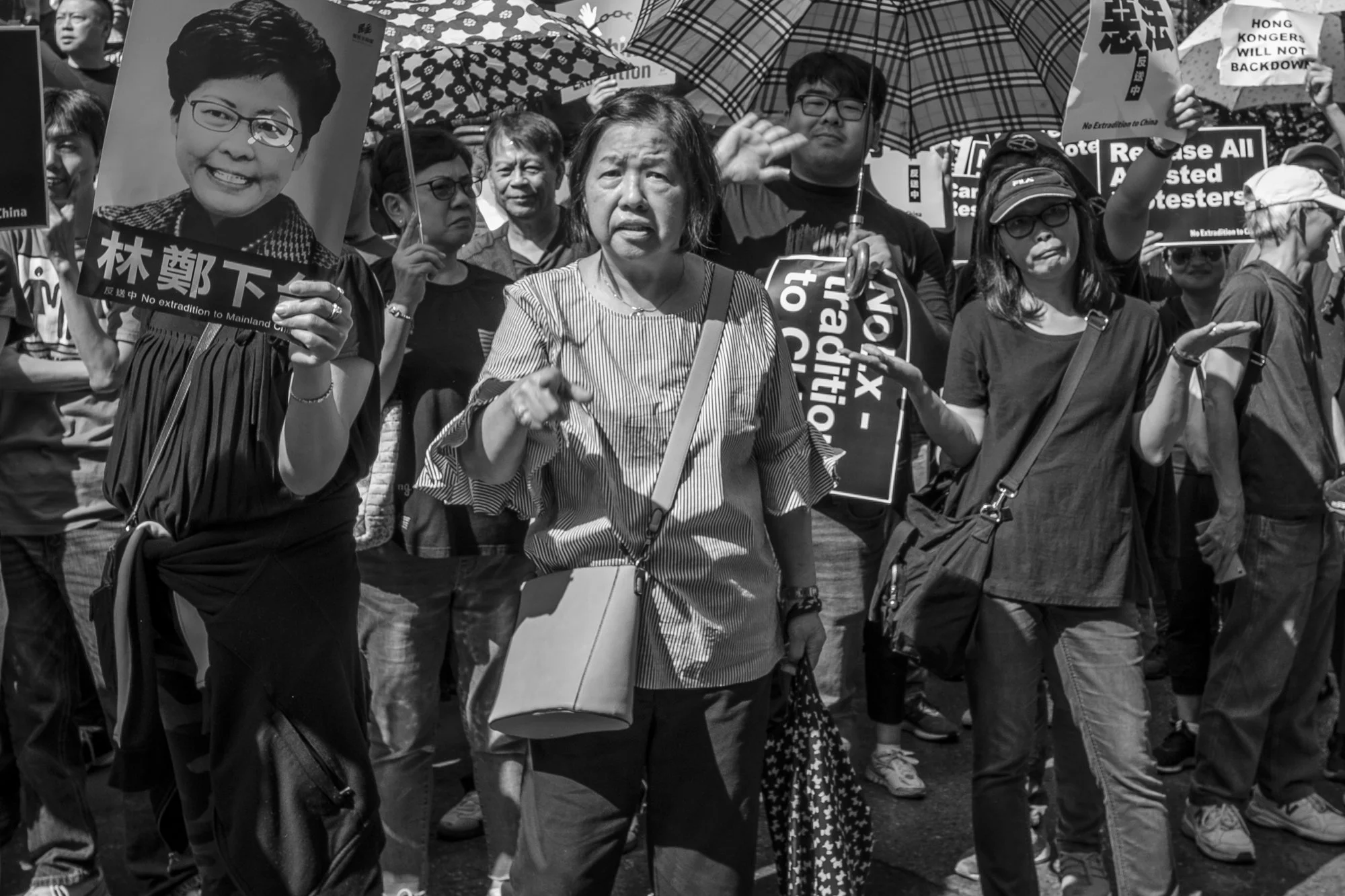
The Face of the Protestor. The volume of noise can be heard from the reverberation from the tall office towers quite a distance away. As you inch closer, it becomes clear that there’s a protest underway. The chant of the protest leaders and the crowd's response become more distinct. The person behind the megaphone, turned up to its highest volume, is leading the chants, and the protestors respond with a volume that’s even a notch louder. “What do we want? JUSTICE! When do we want it NOW!” “Whose streets? OUR STREETS!” “Show us what democracy looks like. THIS IS WHAT DEMOCRACY LOOKS LIKE!” As you move even closer, you look into the faces of the protestors. Homemade signs held high. Not a smile on a face, for this is a time to be serious and to stay solemn for the cause. A time to let the world, or at least the city, know what their principles are and what this protest is all about. The face of the protestor says it all.