What an extraordinary journey! Although you did not win the trophy, we want to express our sincere appreciation for your participation and extend our heartfelt congratulations on your perseverance to the end. Your enthusiasm and ideas have significantly contributed to this edition of ProgresFestival. Keep impressing us!
We are truly delighted with the remarkable success of this initiative. It is inspiring to observe the numerous submissions received, necessitating an initial screening process to select the most suitable photographs for the judges. In an era where global stability appears somewhat fragile due to various leadership decisions, the multitude of protests and efforts to document discontent are indeed encouraging. We sincerely extend our gratitude to all participants, including the finalists and winners, for their valuable contributions.
“The Visual Memory of Protest” Singles Finalists
Adar Eyal, Alain Van Hille, BD Colen, Bjoern Maletz, Daniel Kashi, Gerd Bonse, Gianni Olivetti, Haim Berman, Jacques Pharand, Jay Nabbe, Jiby Charles, Evangelia Mageira, Never Edit, Oliver Kuehnel, Patty DeJuneas, Paul Kessel , Pedro Nieblas, Per-Olof Stoltz, Rajib Singha, Sandra Fine, Srijoyee Datta, Stevi Jackson, Sultan Koç, Thomas Hackenberg, Victor Mora, Vlad Iordache, Xianzhuyue Li, Yash Mishra
“The Visual Memory of Protest” Series Finalists
Abhiskek Maitra, Alain van Hille, Athanasios Kokkinis, Avi Itzhaki, Bruce Saille, Catia Montagna, Dan Fenstermacher, Edwin Carungay, Estocio Juan Miguel, Evangelia Mageira, Gianni Olivetti, Giovanni Gianfranco Candida, Grizel Ubarry, Haim Berman, Jay Nabbe, Jacques Pharand, Lorenzo Ferretti, Manas Das, Marc Dessi, Orna Noar, Patty DeJuneas, Pedro Nieblas, Rudy Ortega, Sultan Koḉ
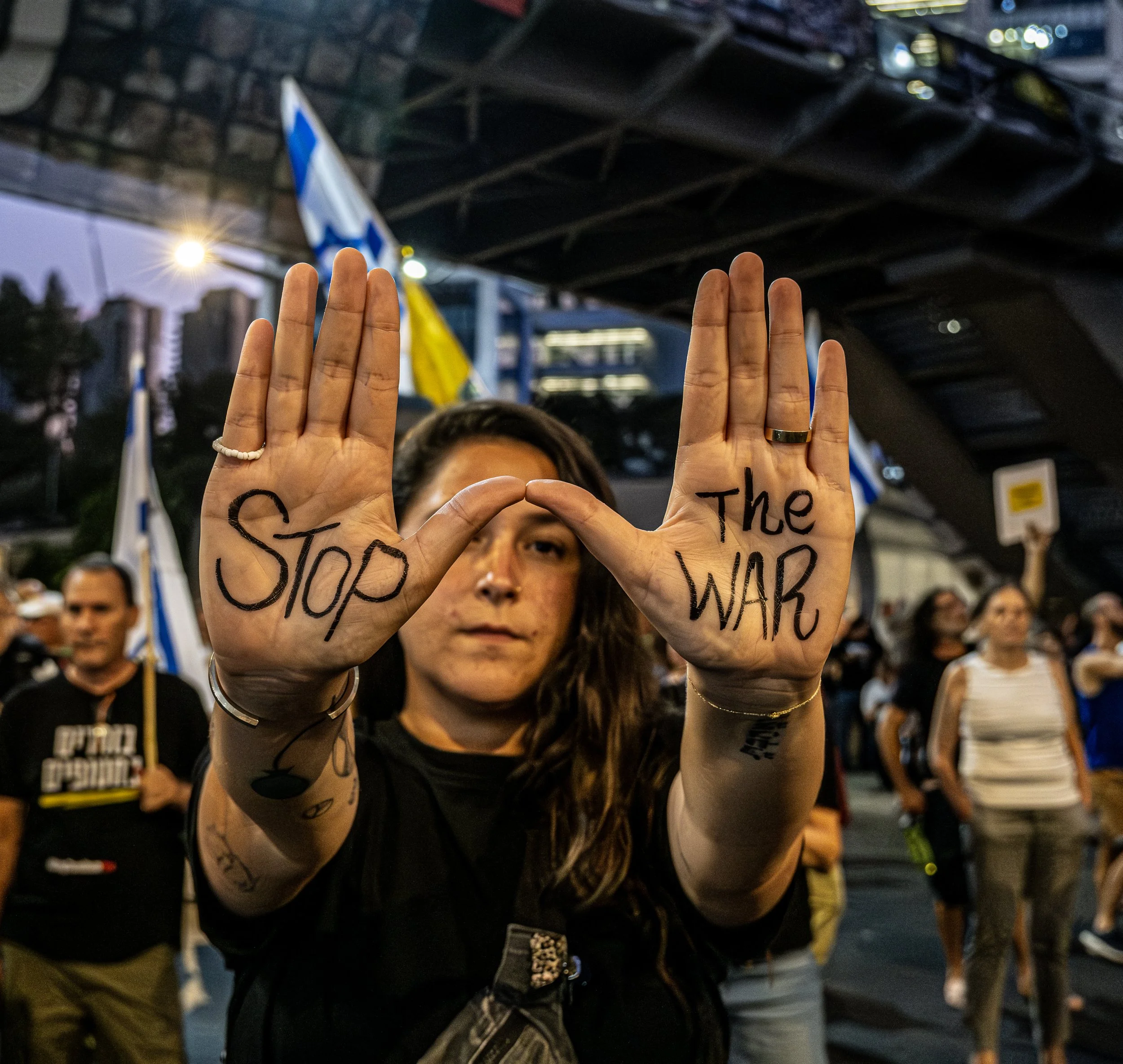
Adar Eyal
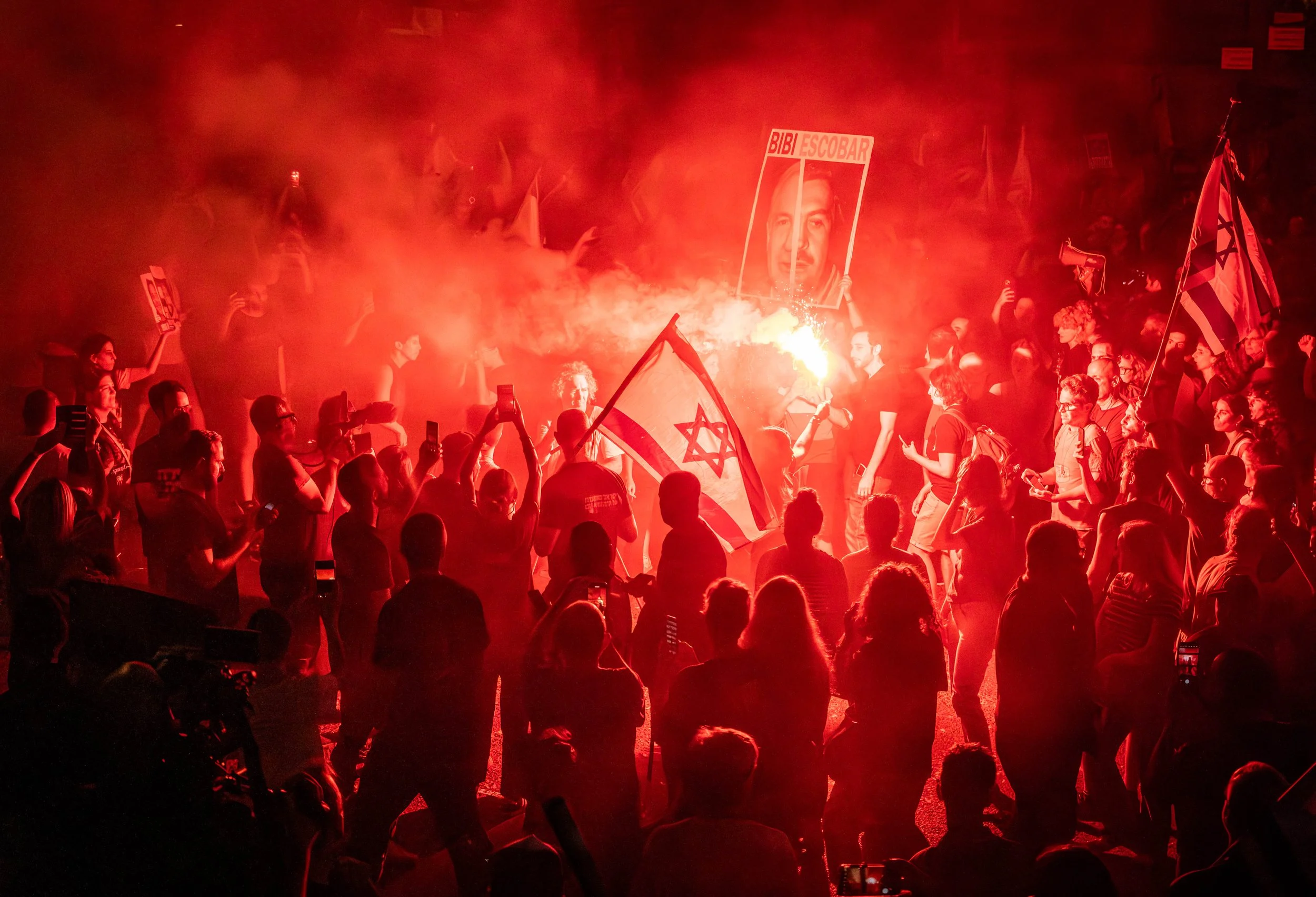
Adar Eyal
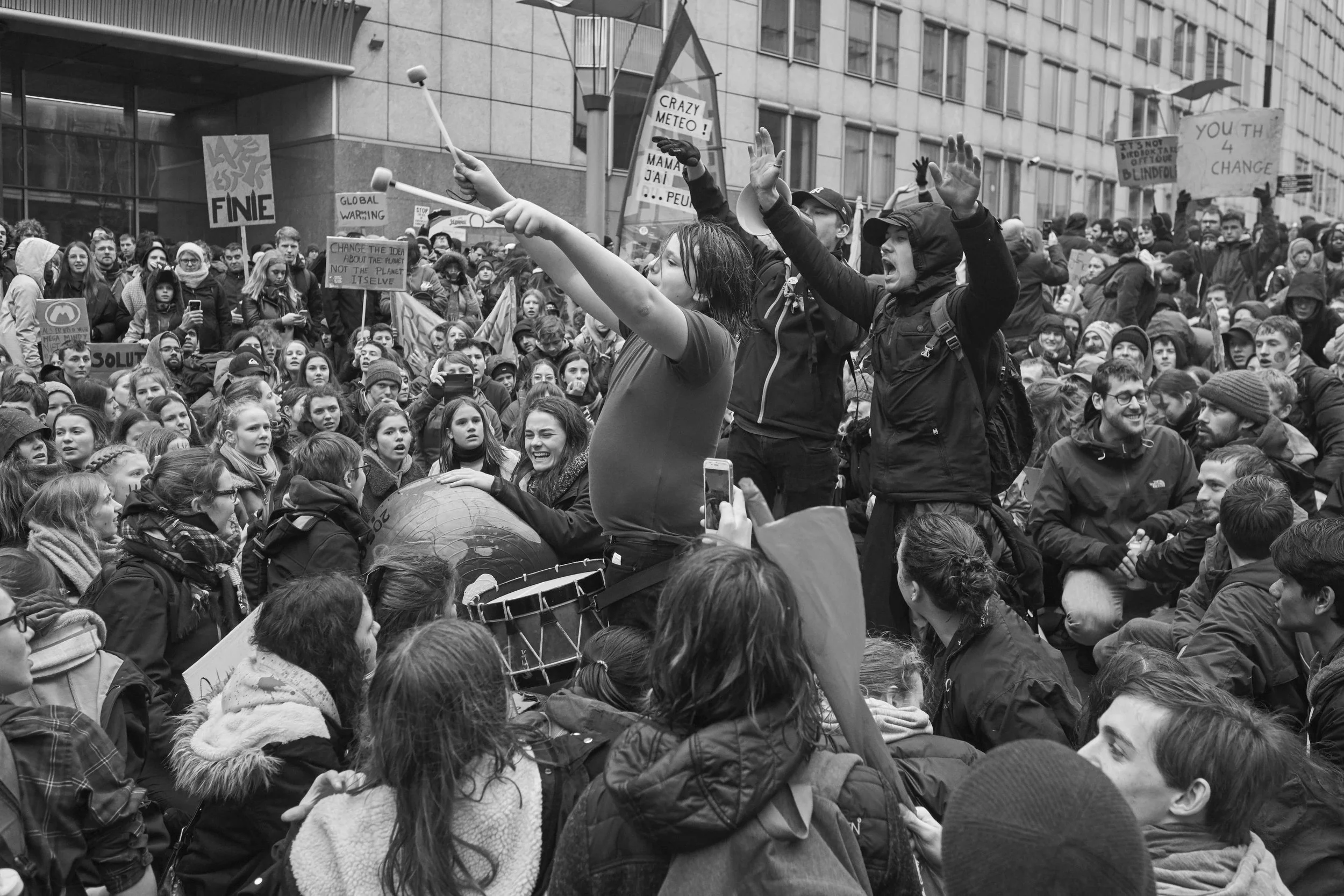
Alain Van Hille
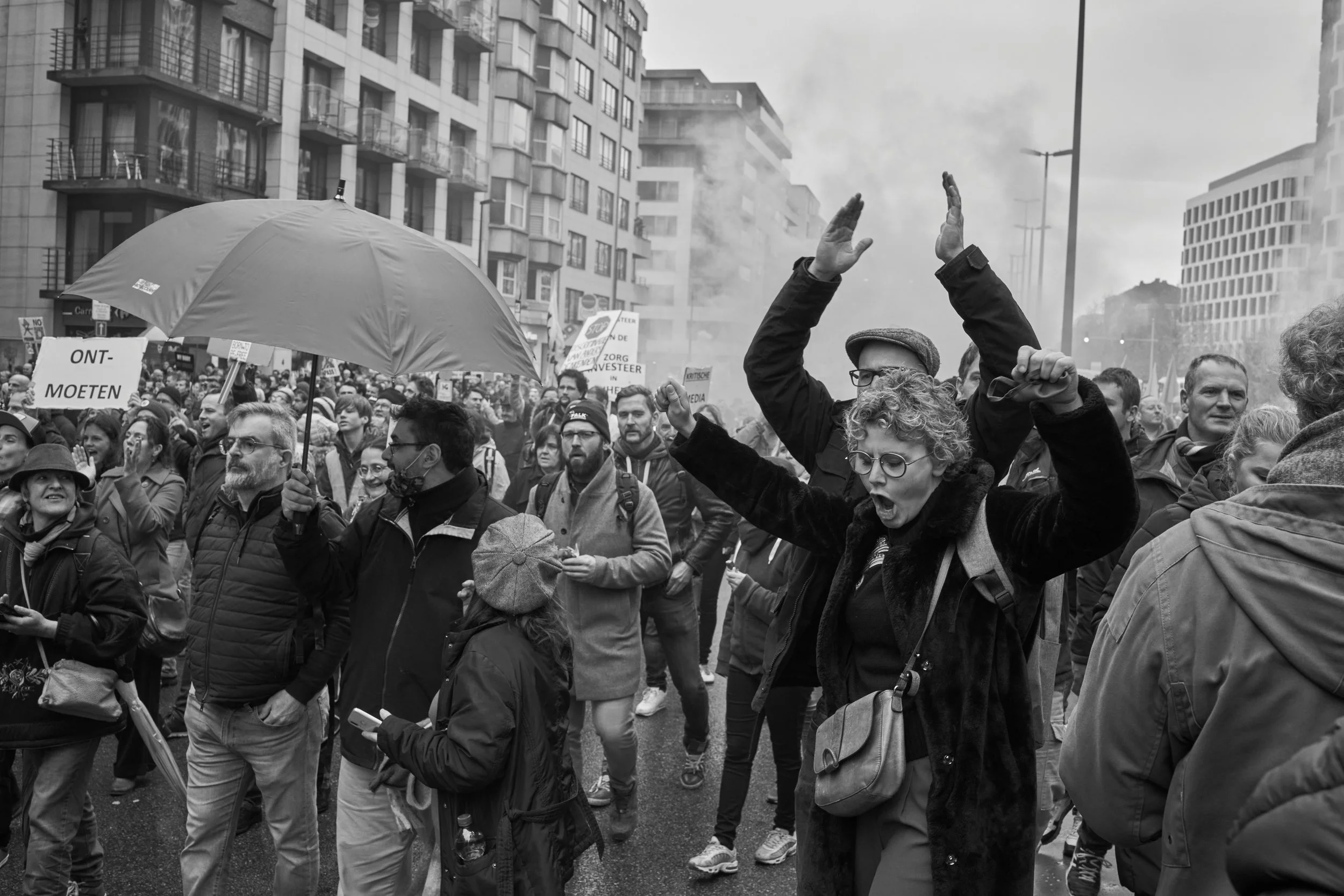
Alain Van Hille
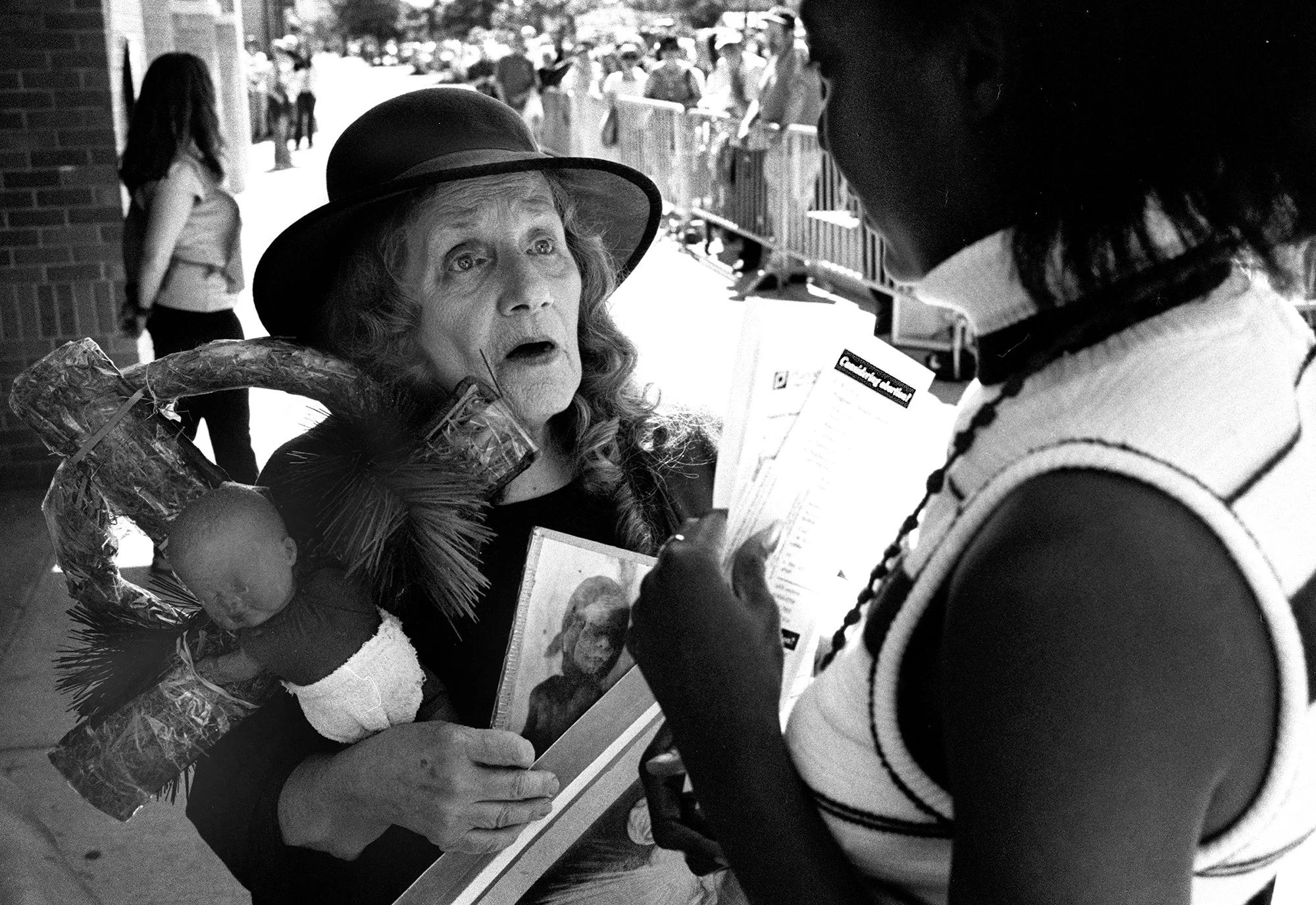
B.D. Colen
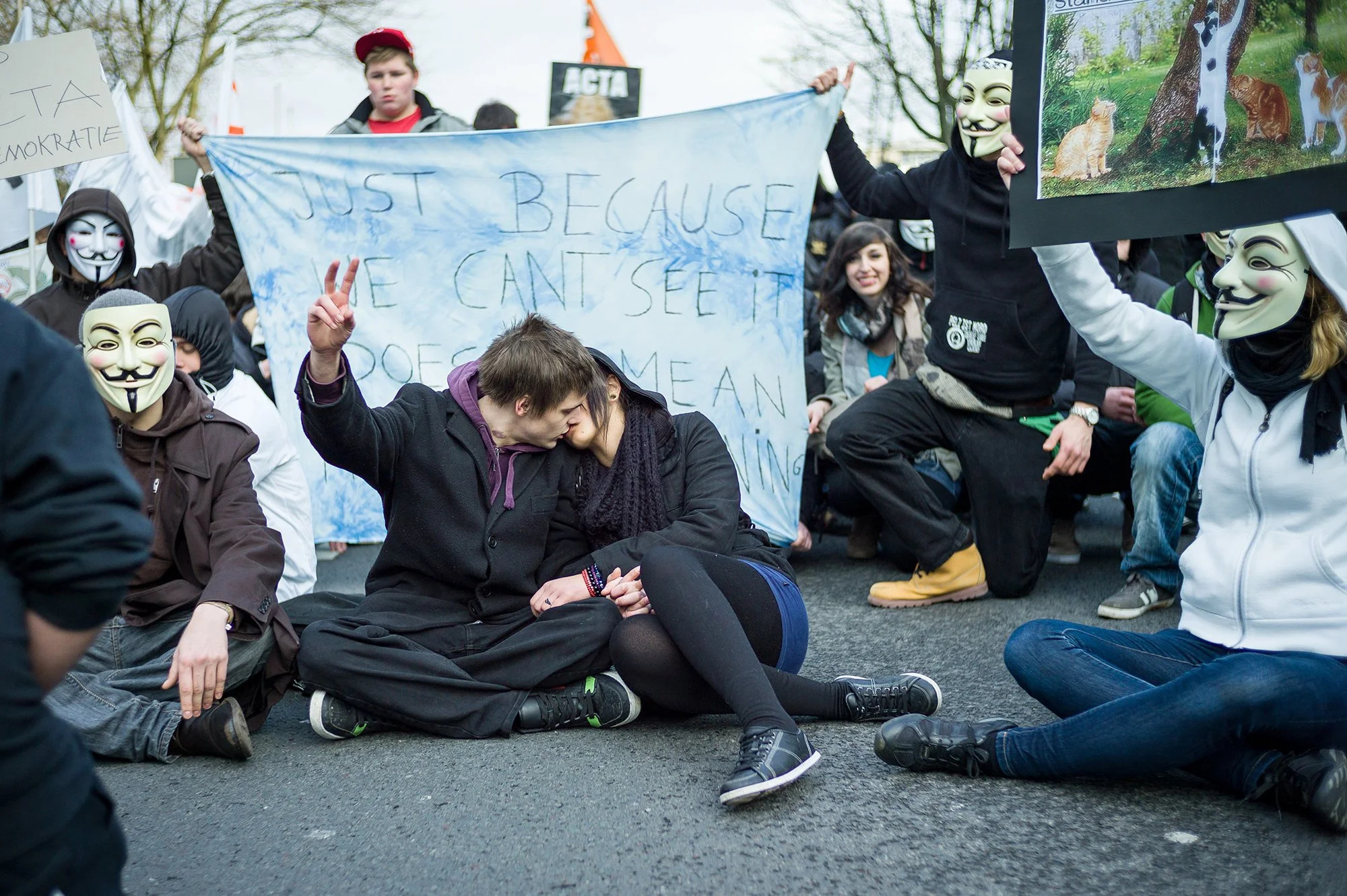
Bjoern Maletz
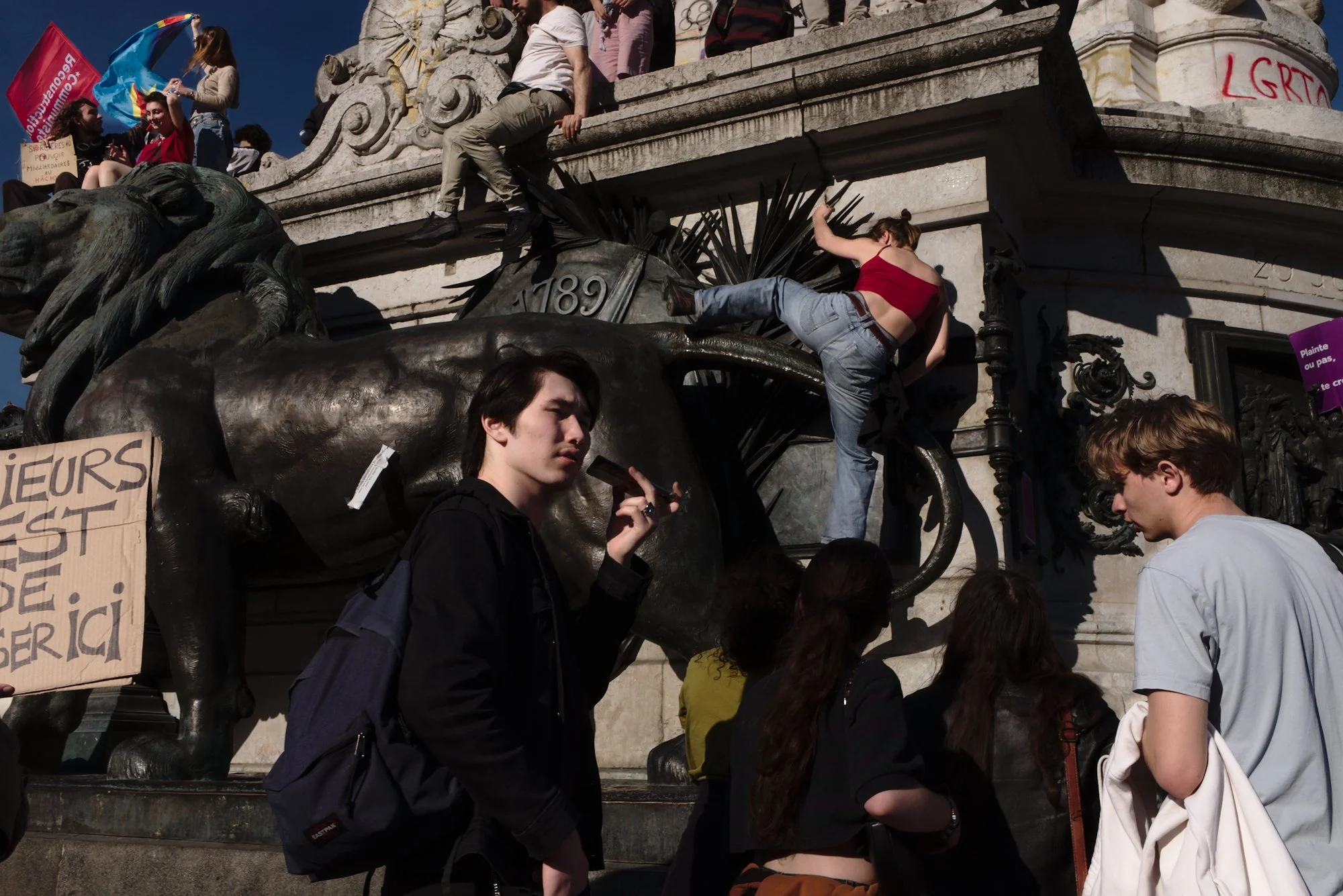
Daniel Kashi
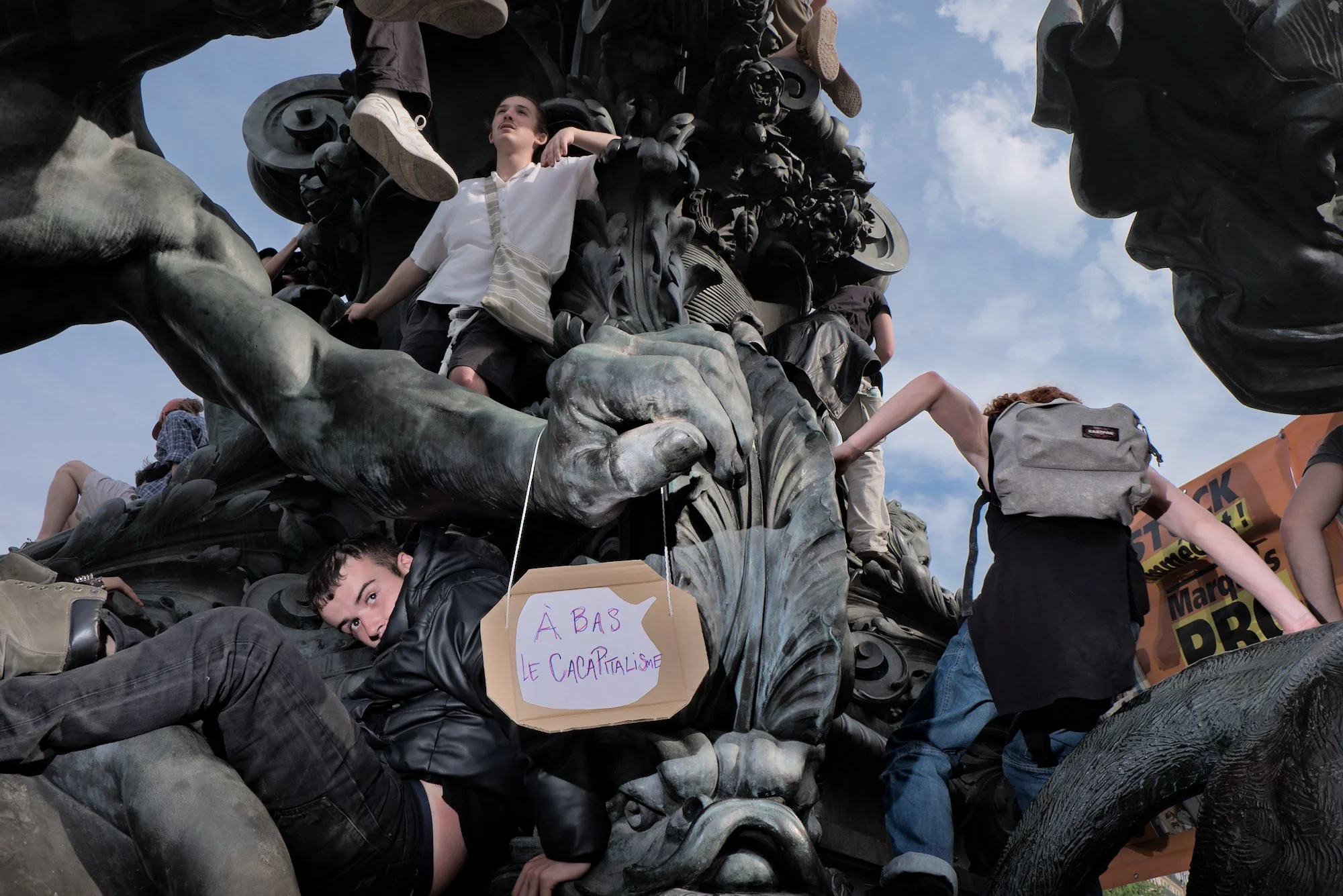
Daniel Kashi
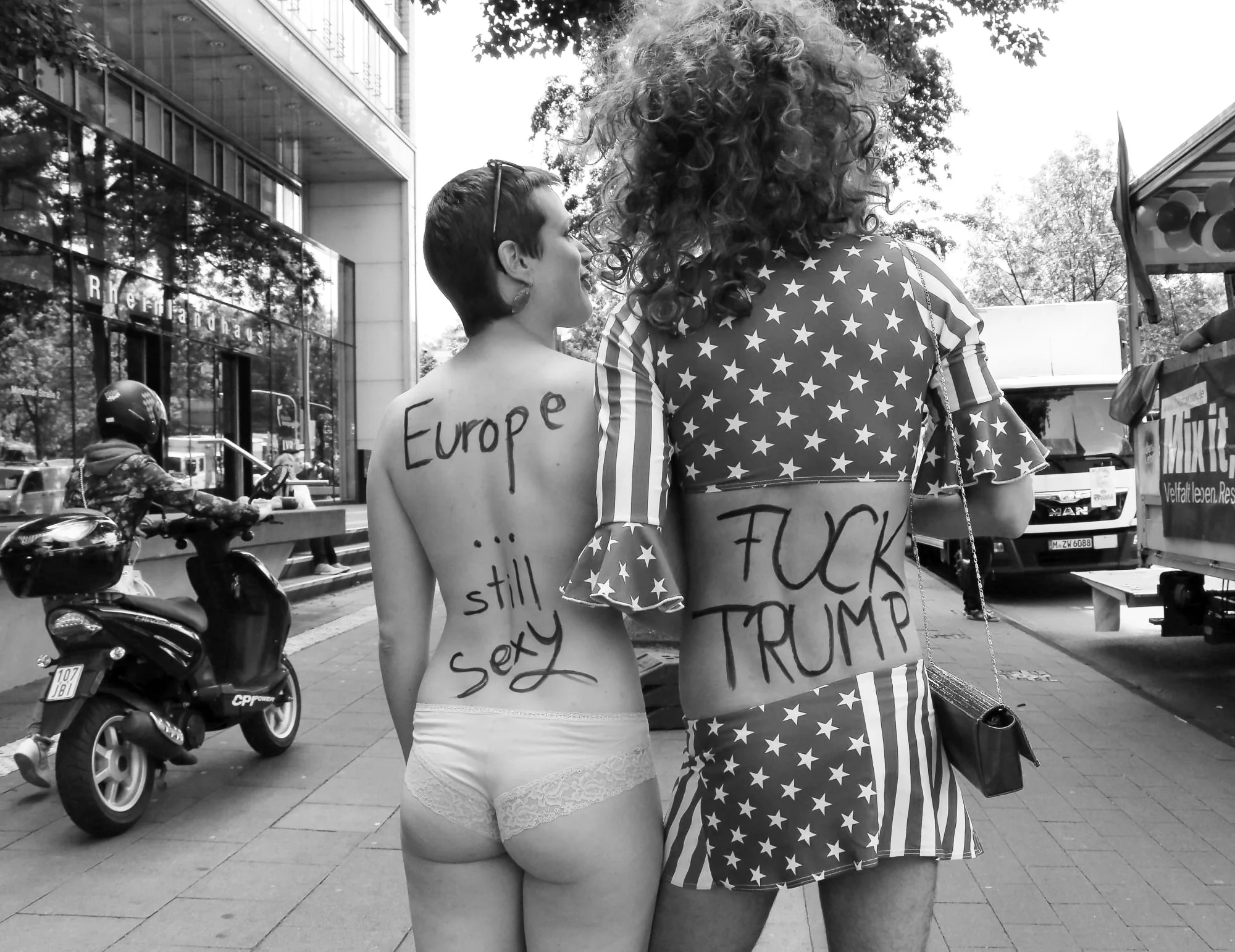
Gerd Bonse
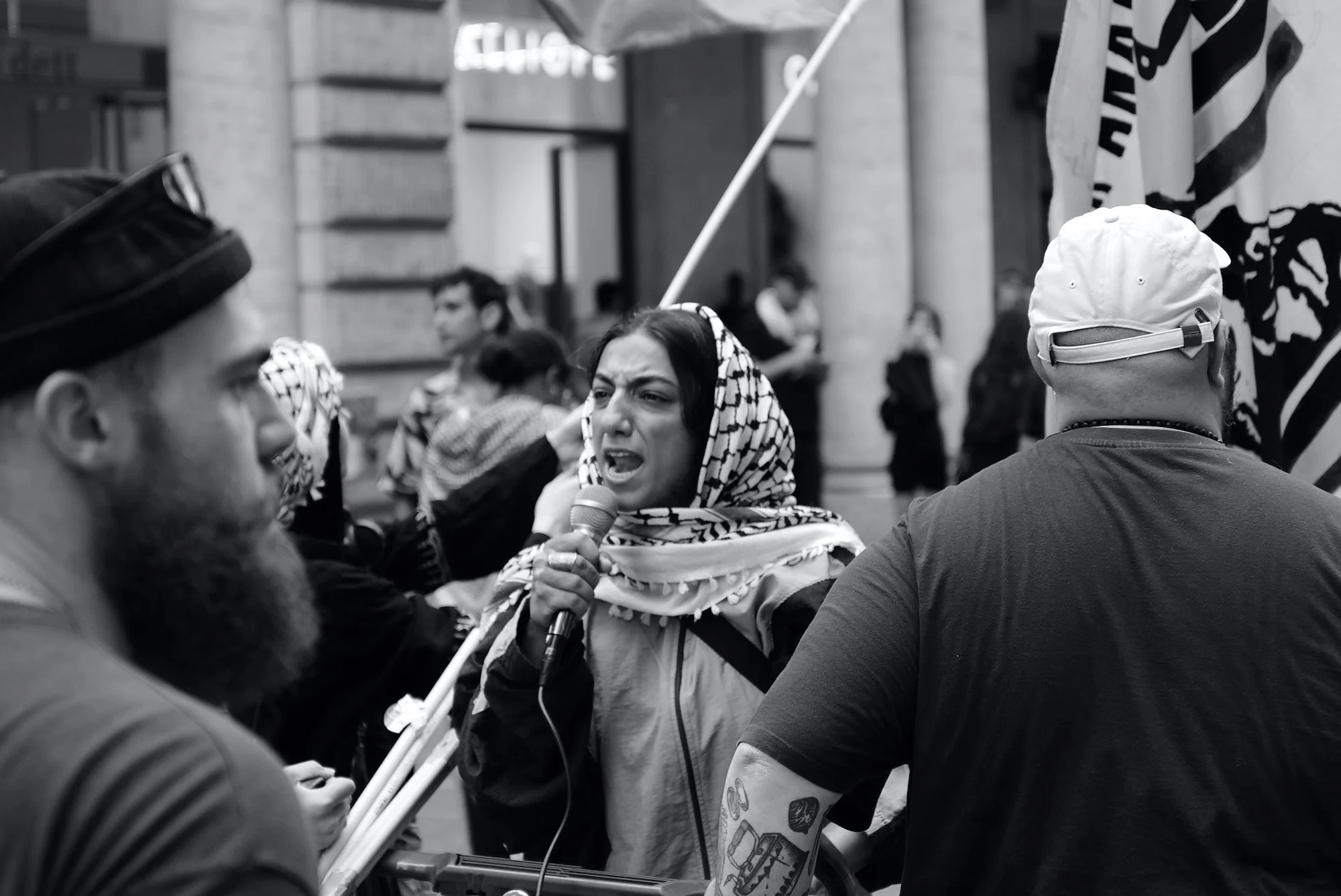
Gianni Olivetti
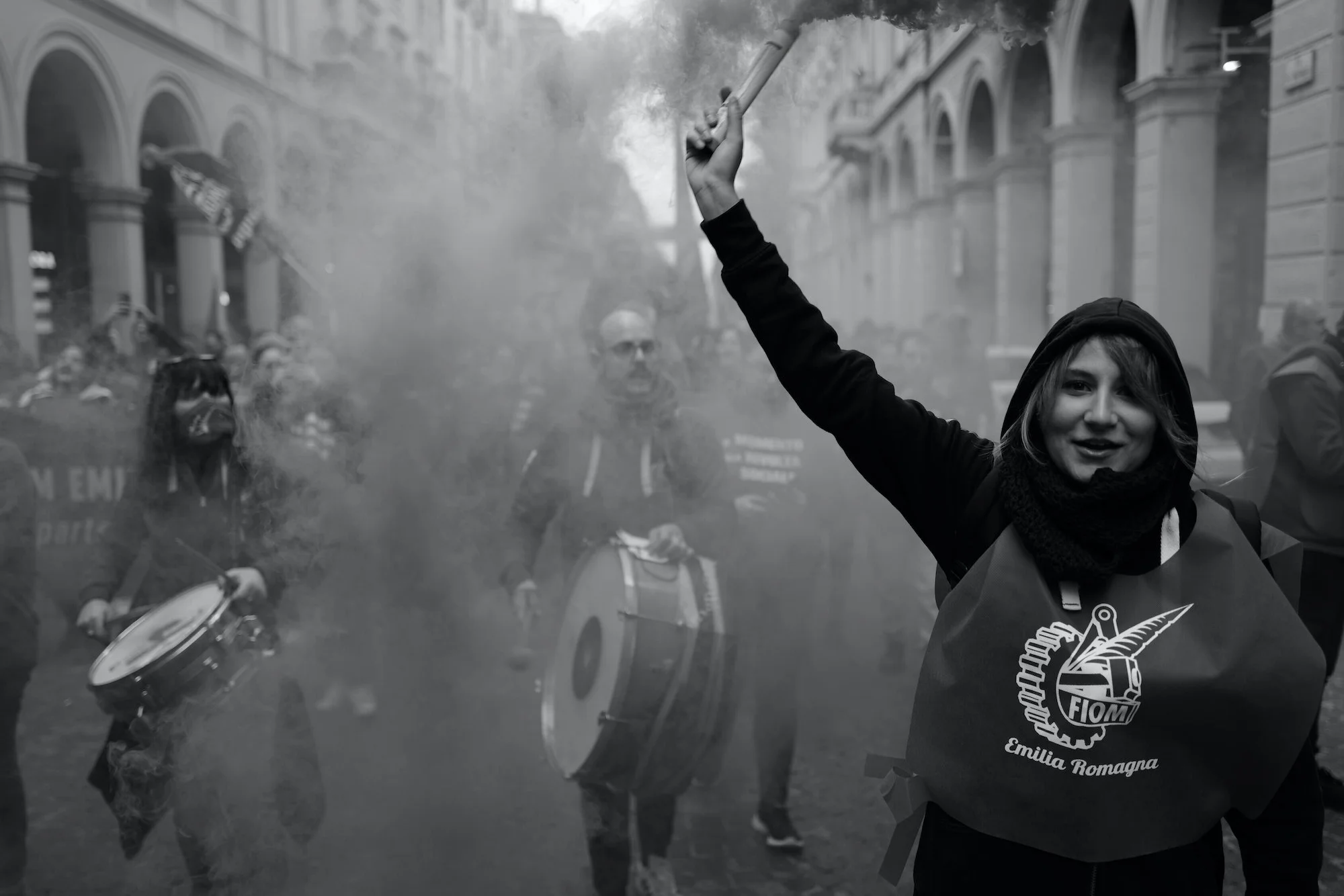
Gianni Olivetti
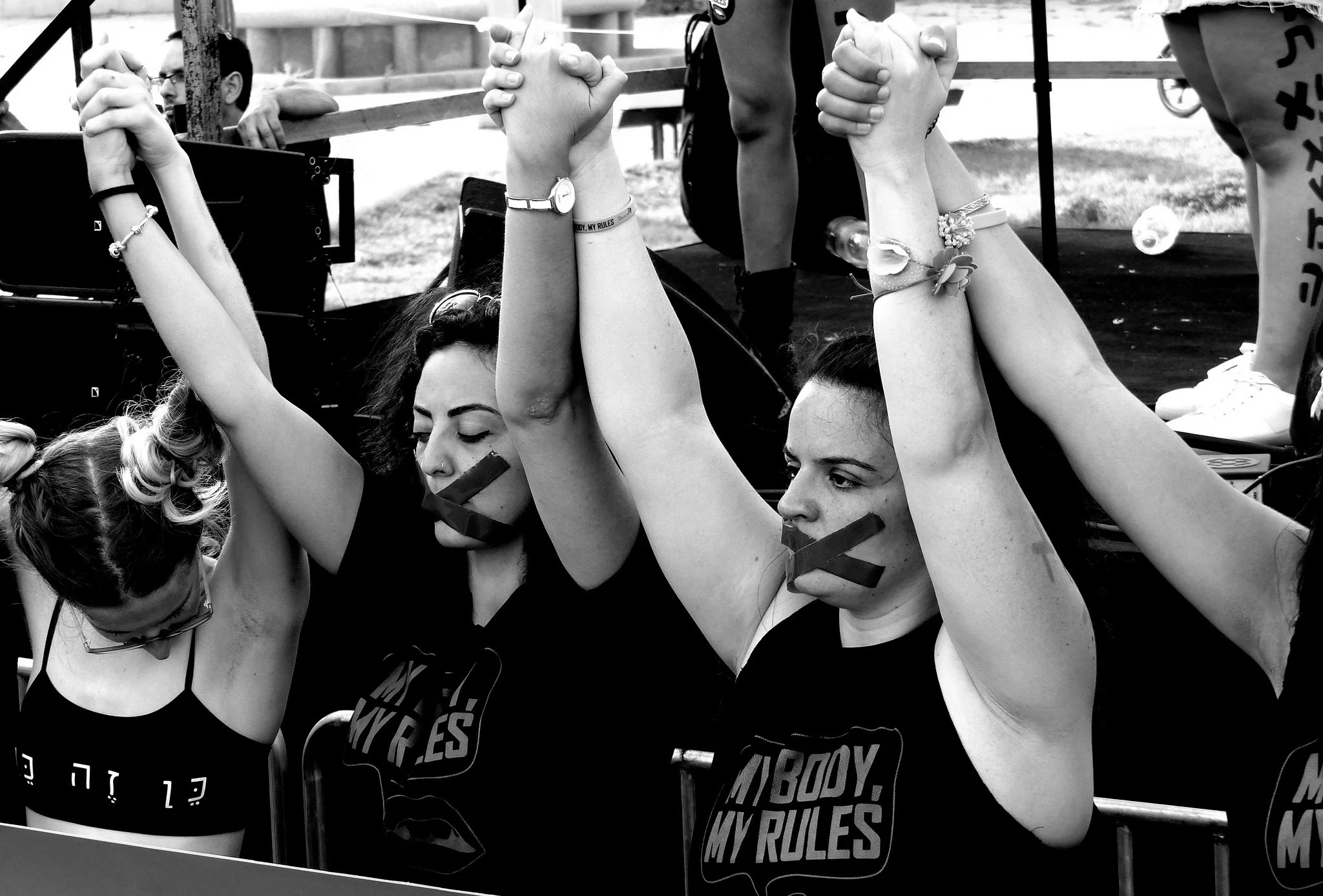
Haim Berman
Jacques Pharand
Jacques Pharand
Jay Nabbe
Jiby Charles
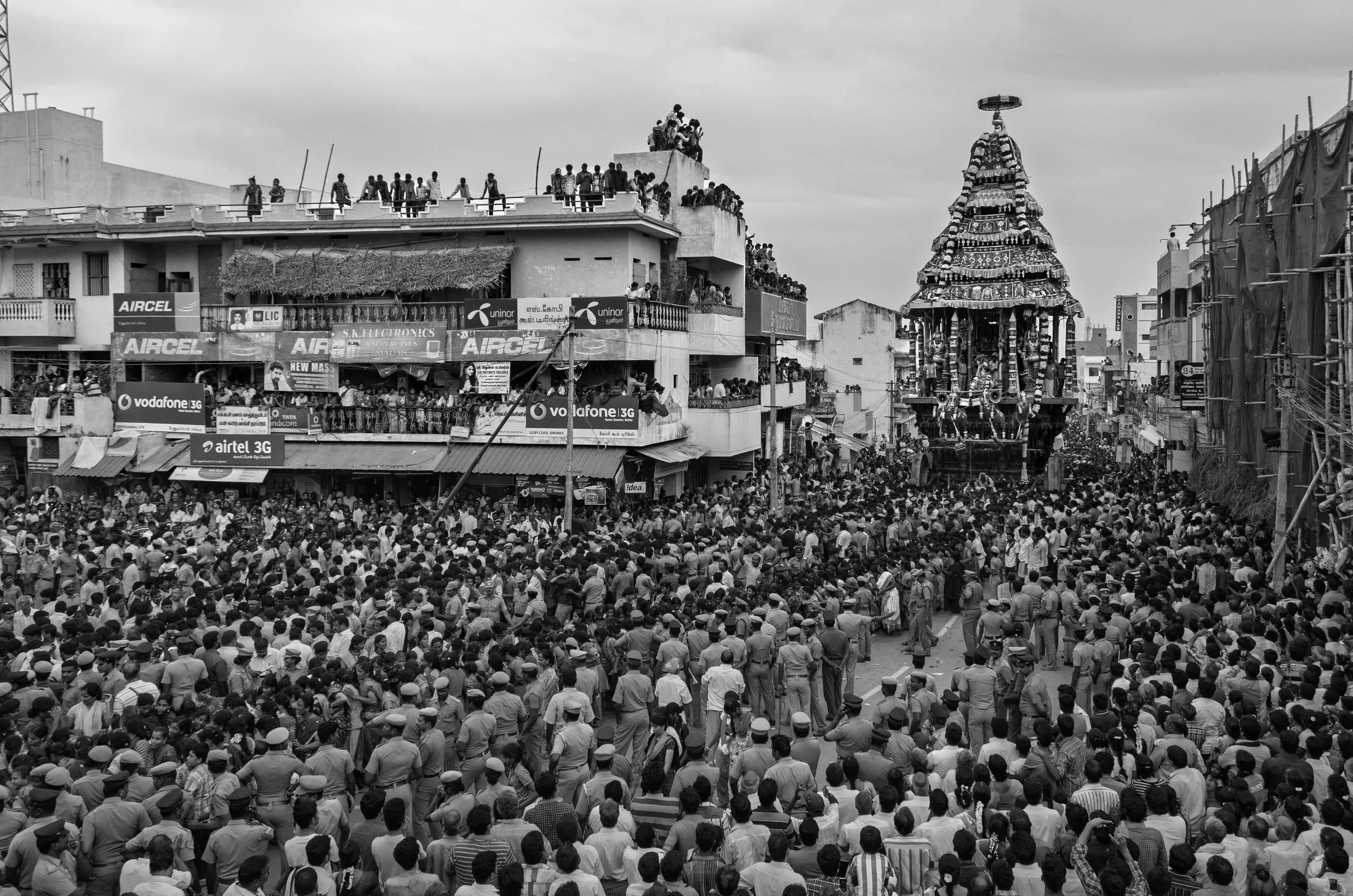
Jiby Charles
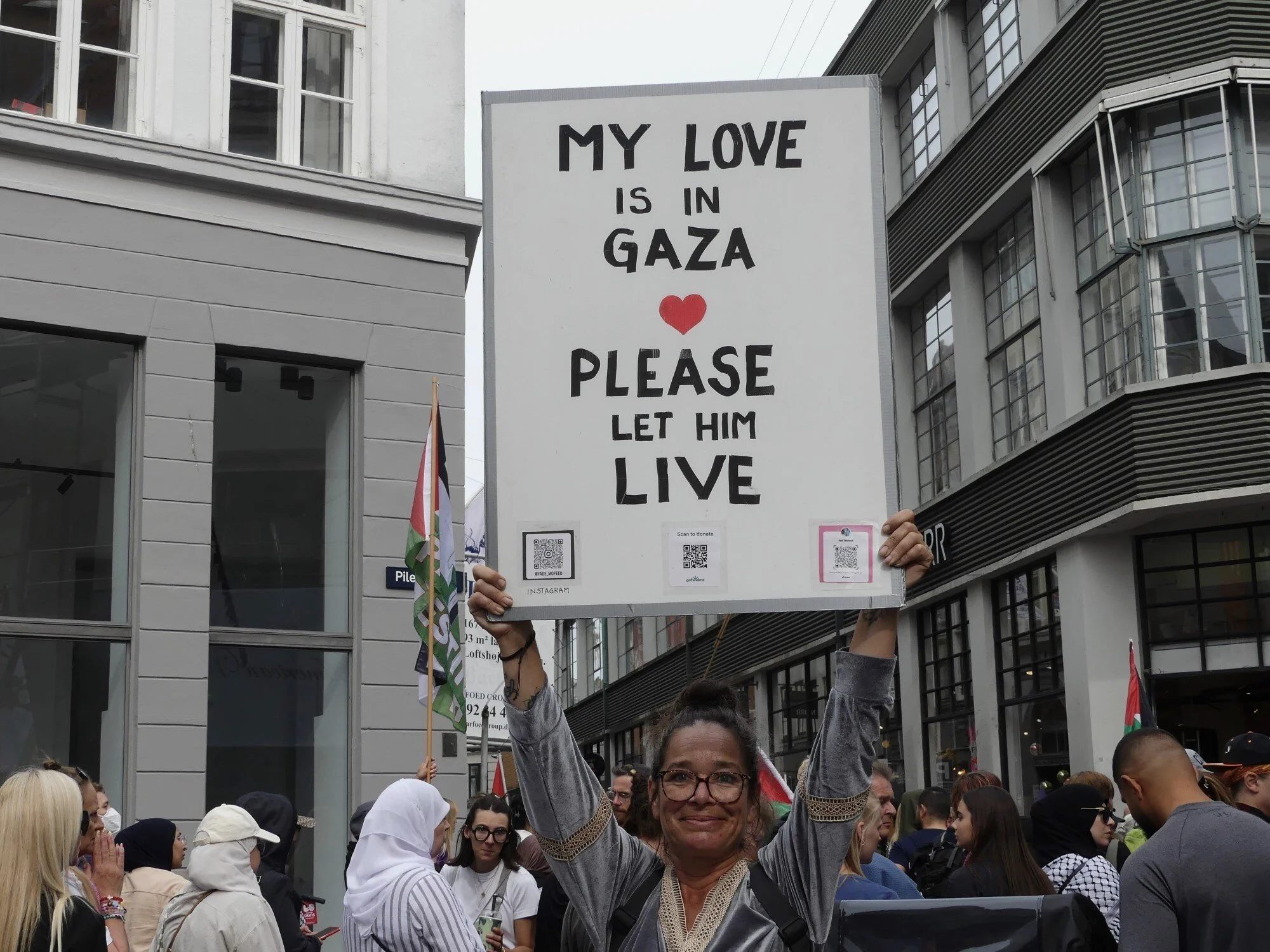
Lia Magera
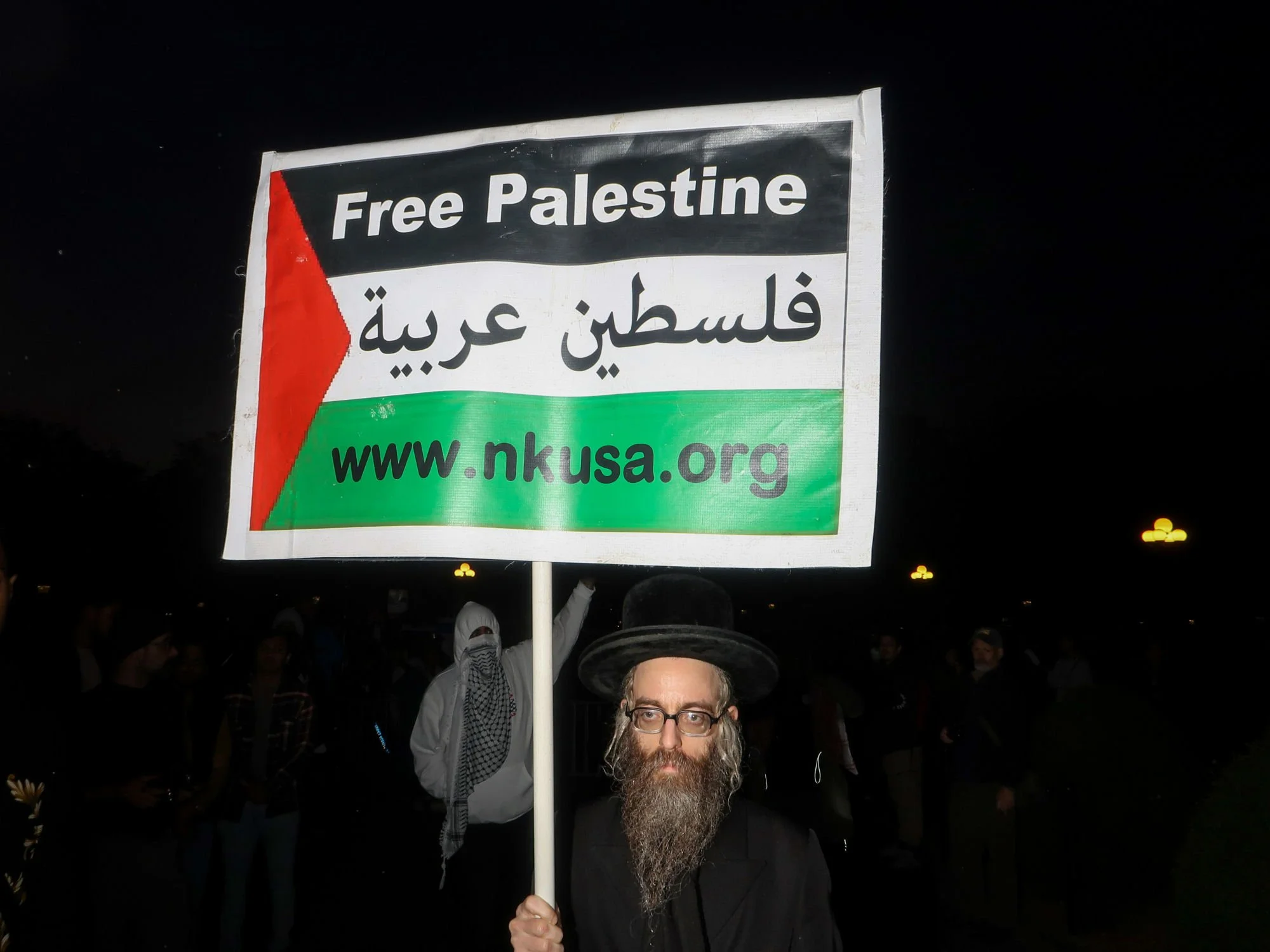
Never Edit
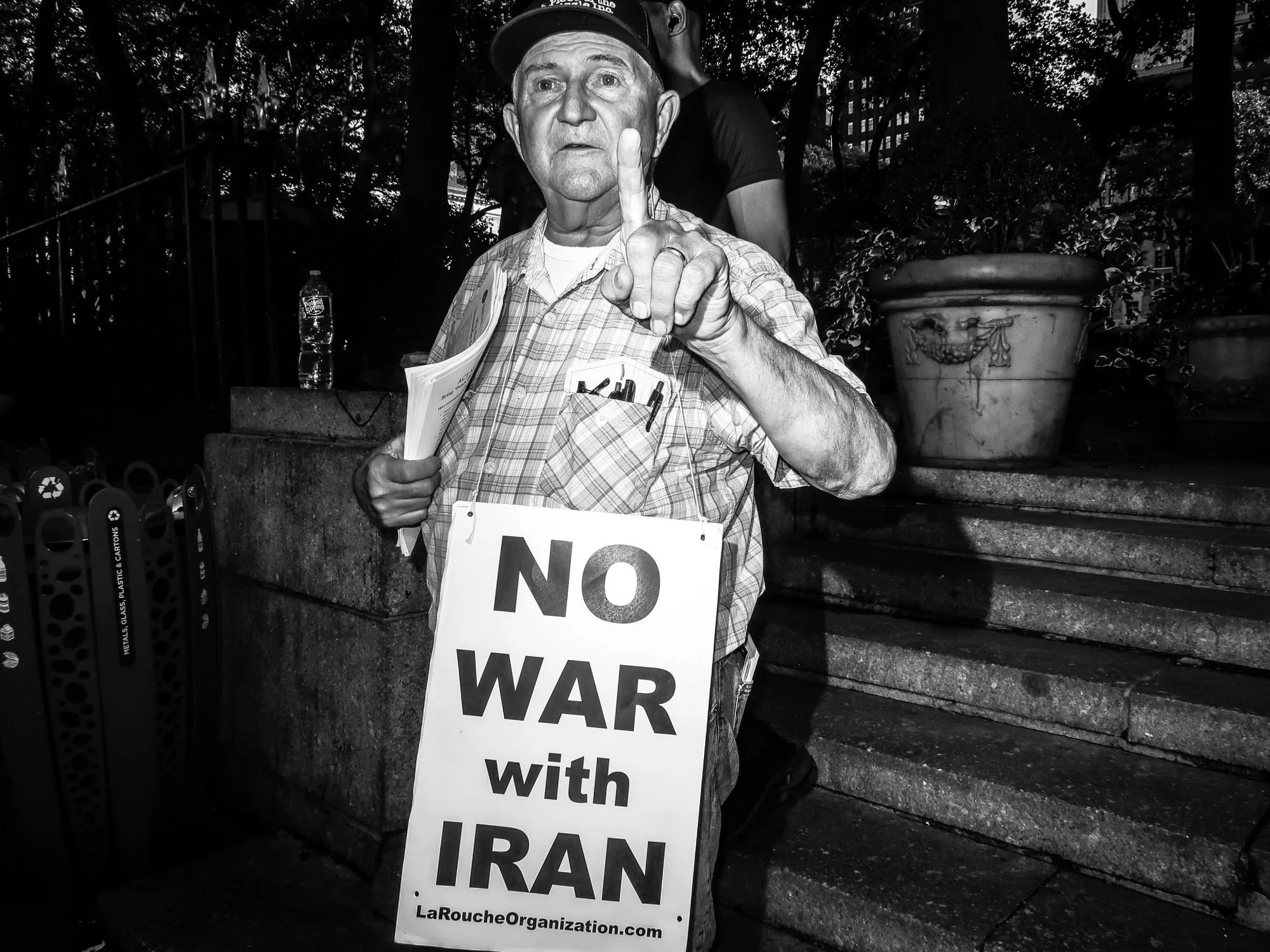
Never Edit
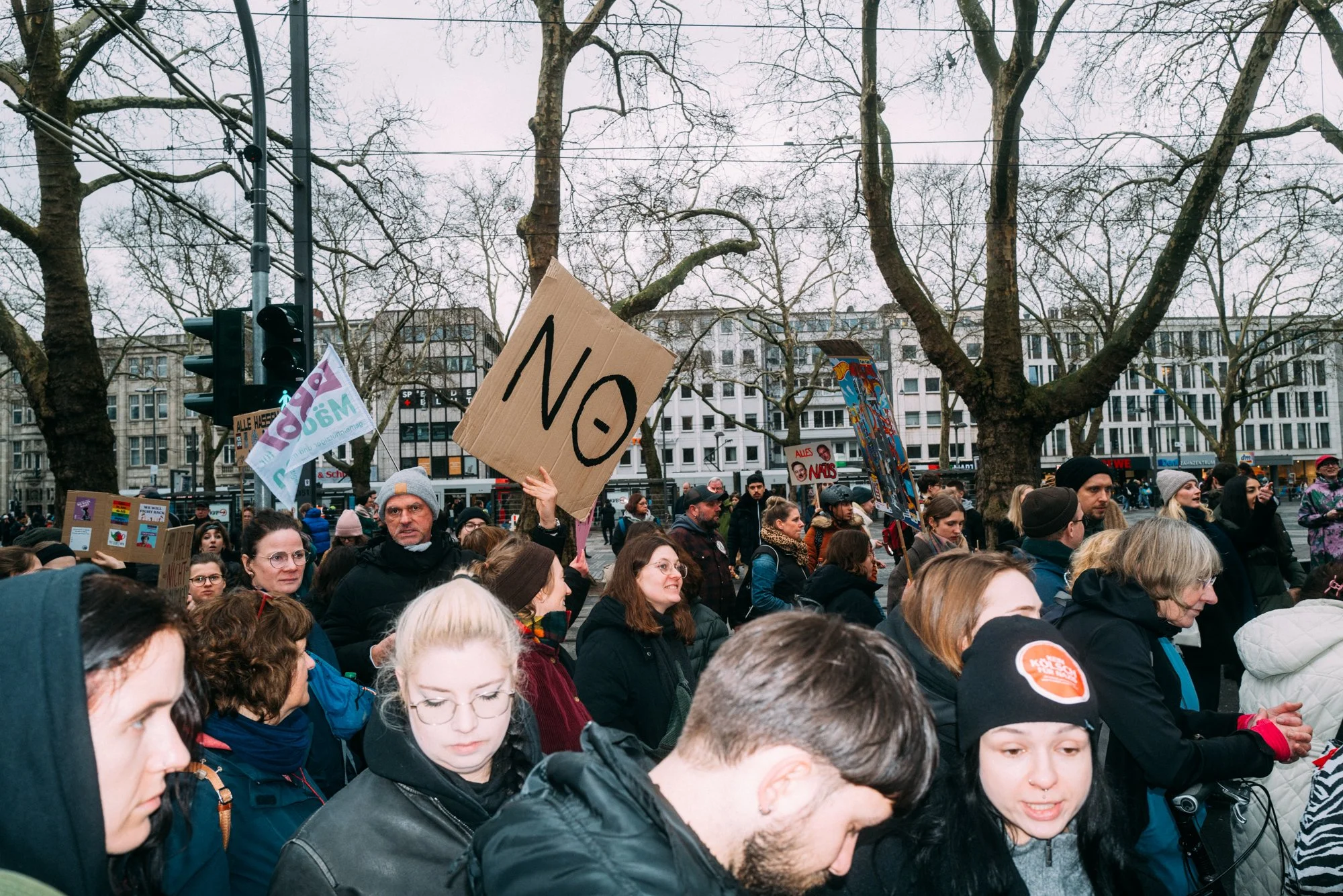
Oliver Kuehnel
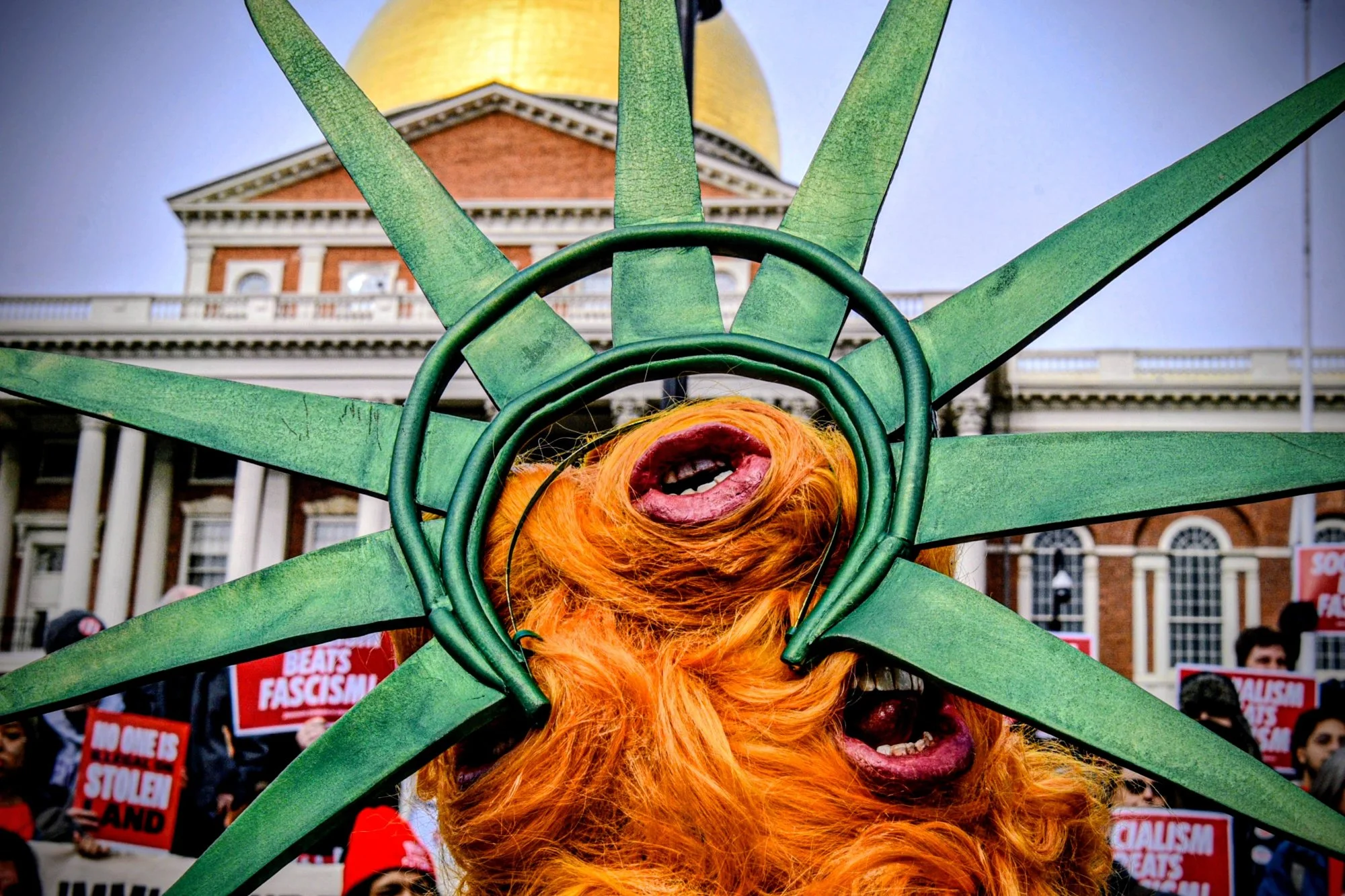
Patty Dejuneas
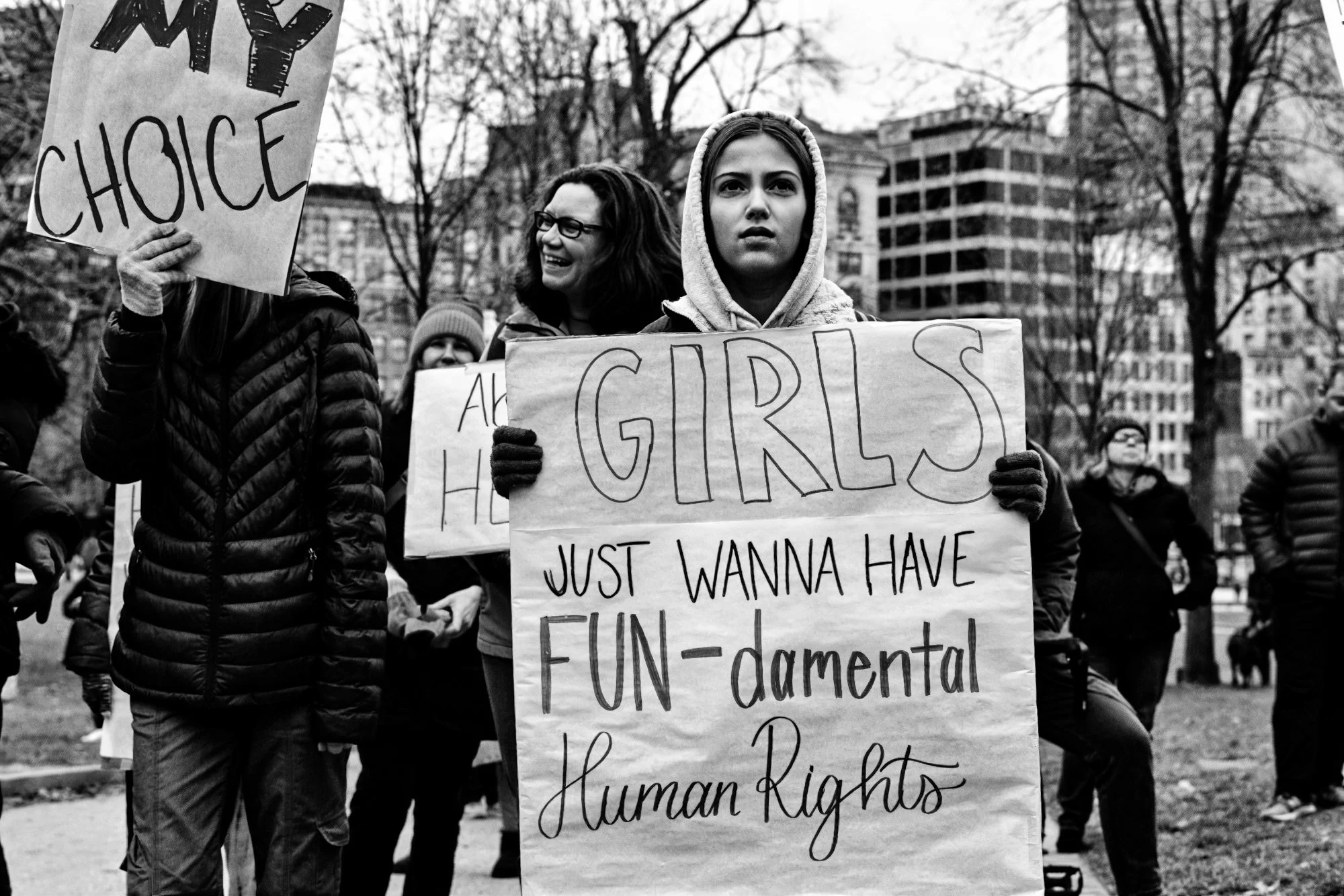
Patty Dejuneas
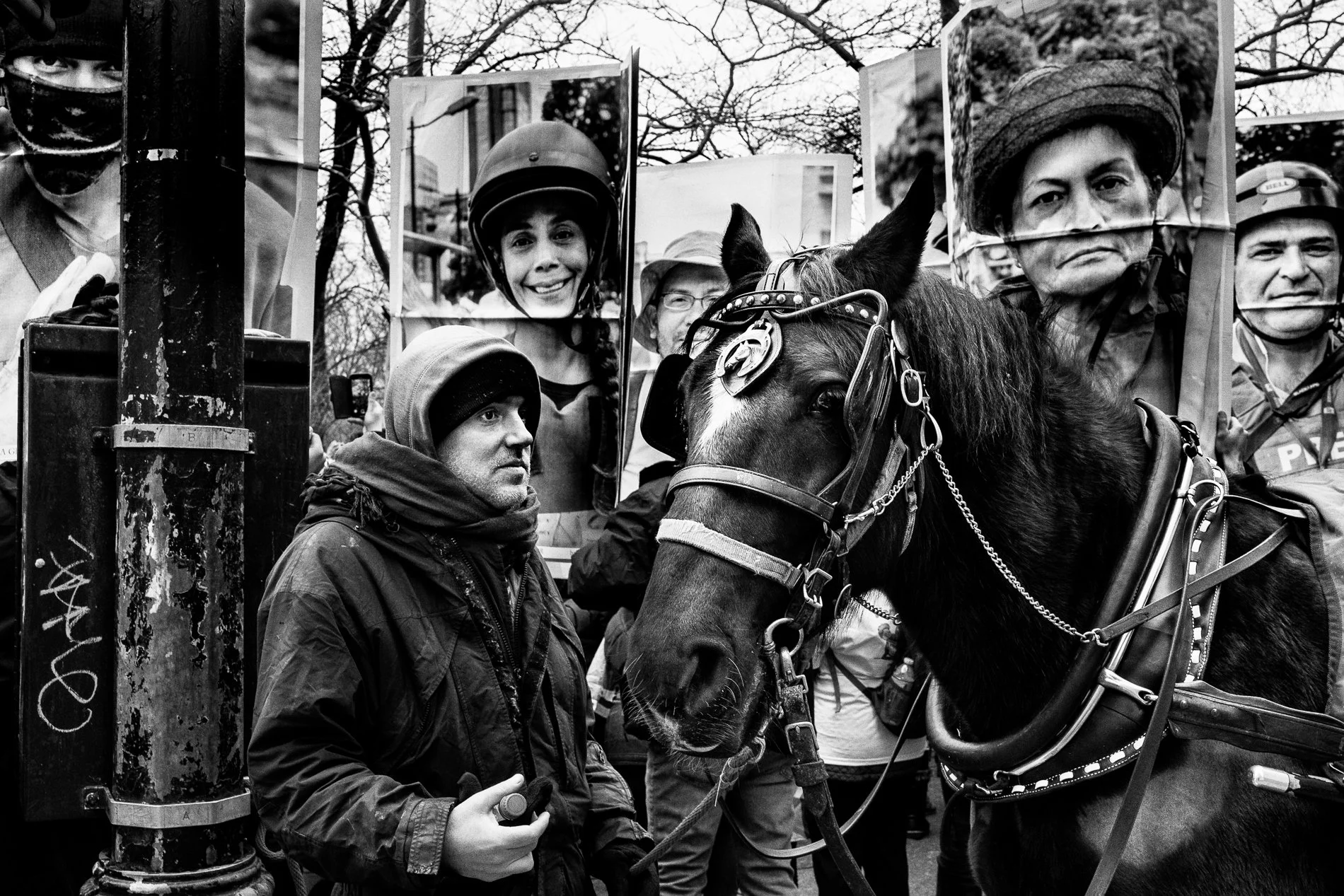
Paul Kessel
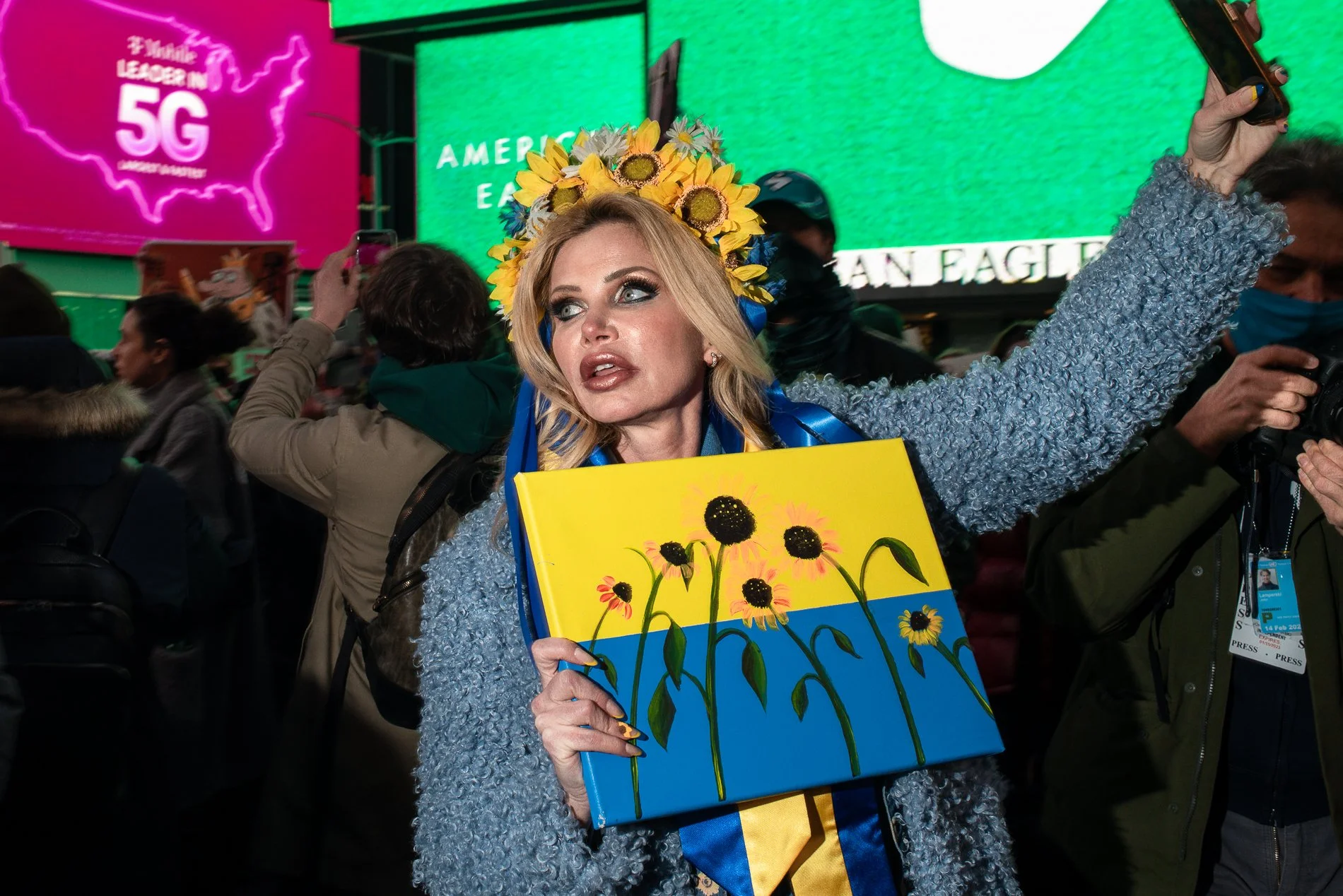
Paul Kessel
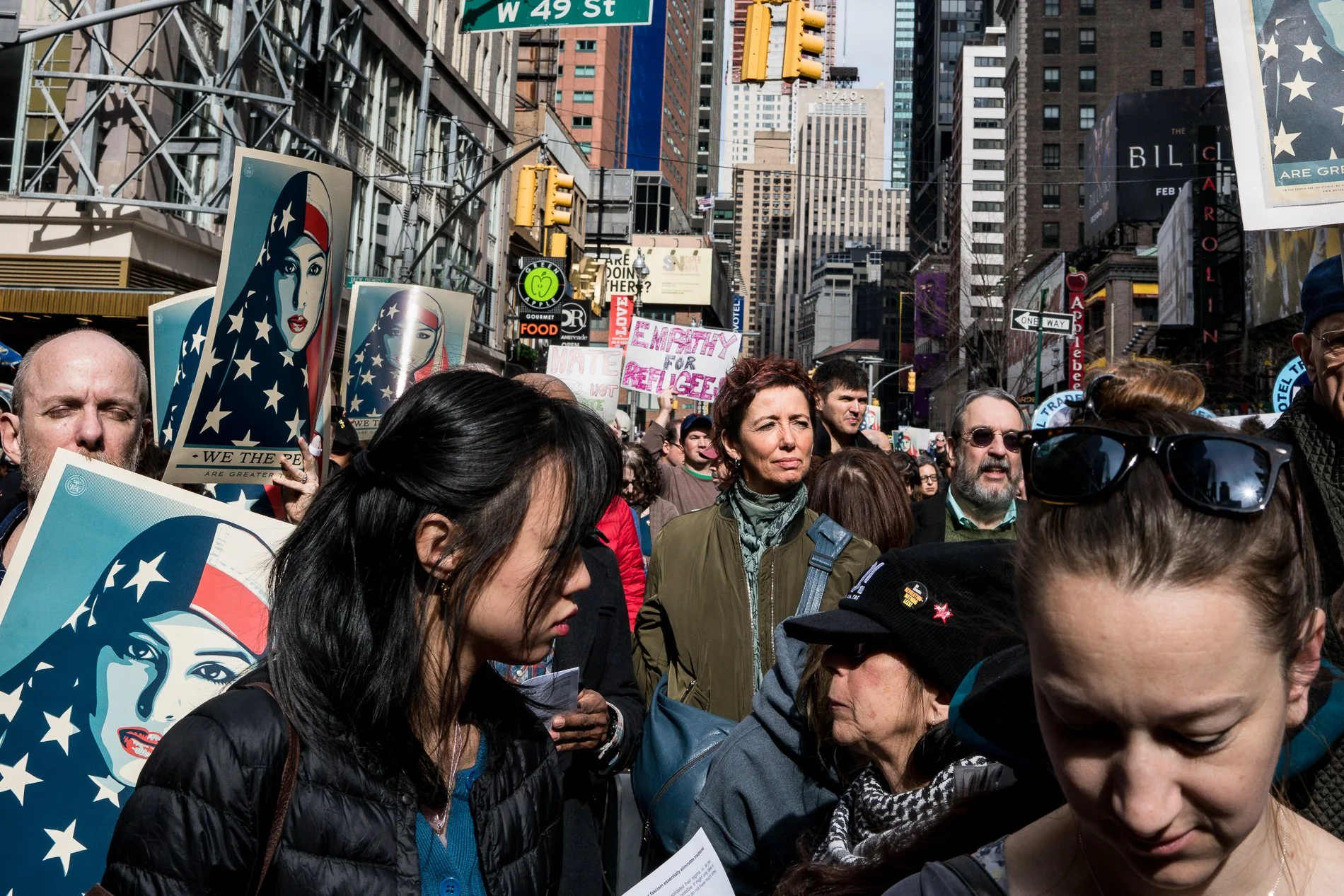
Paul Kessel
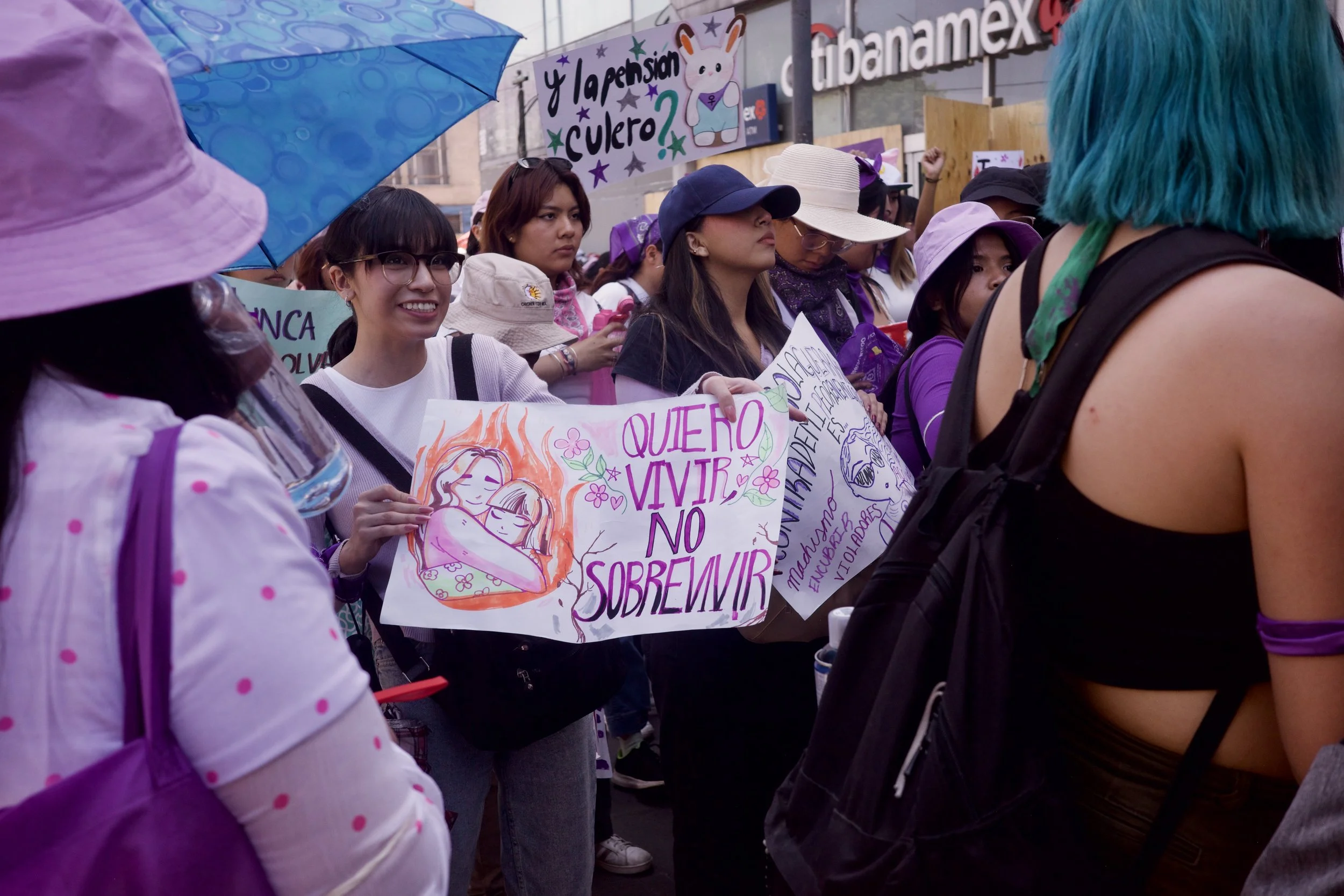
Pedro Nieblas
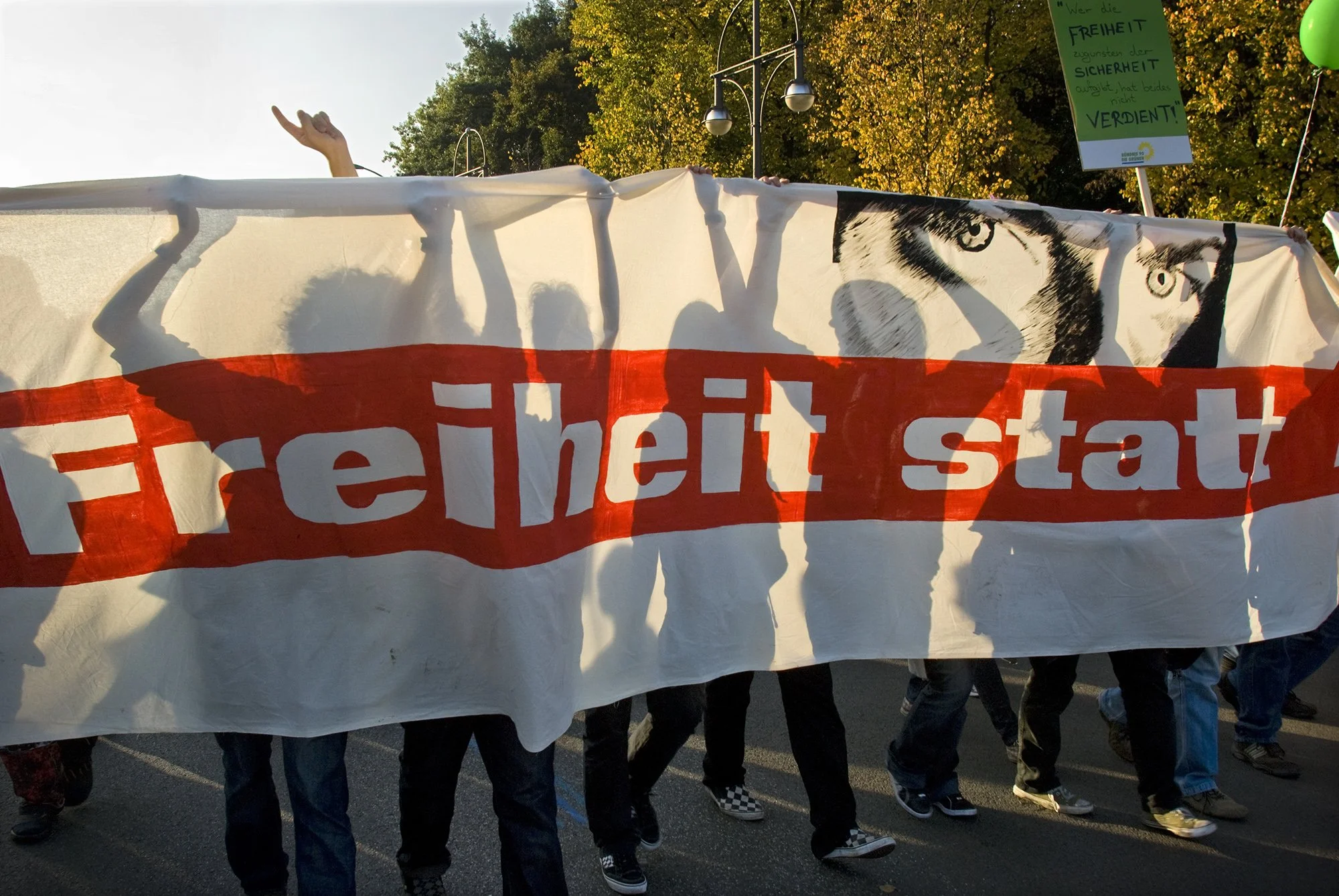
Per-Olof Stoltz
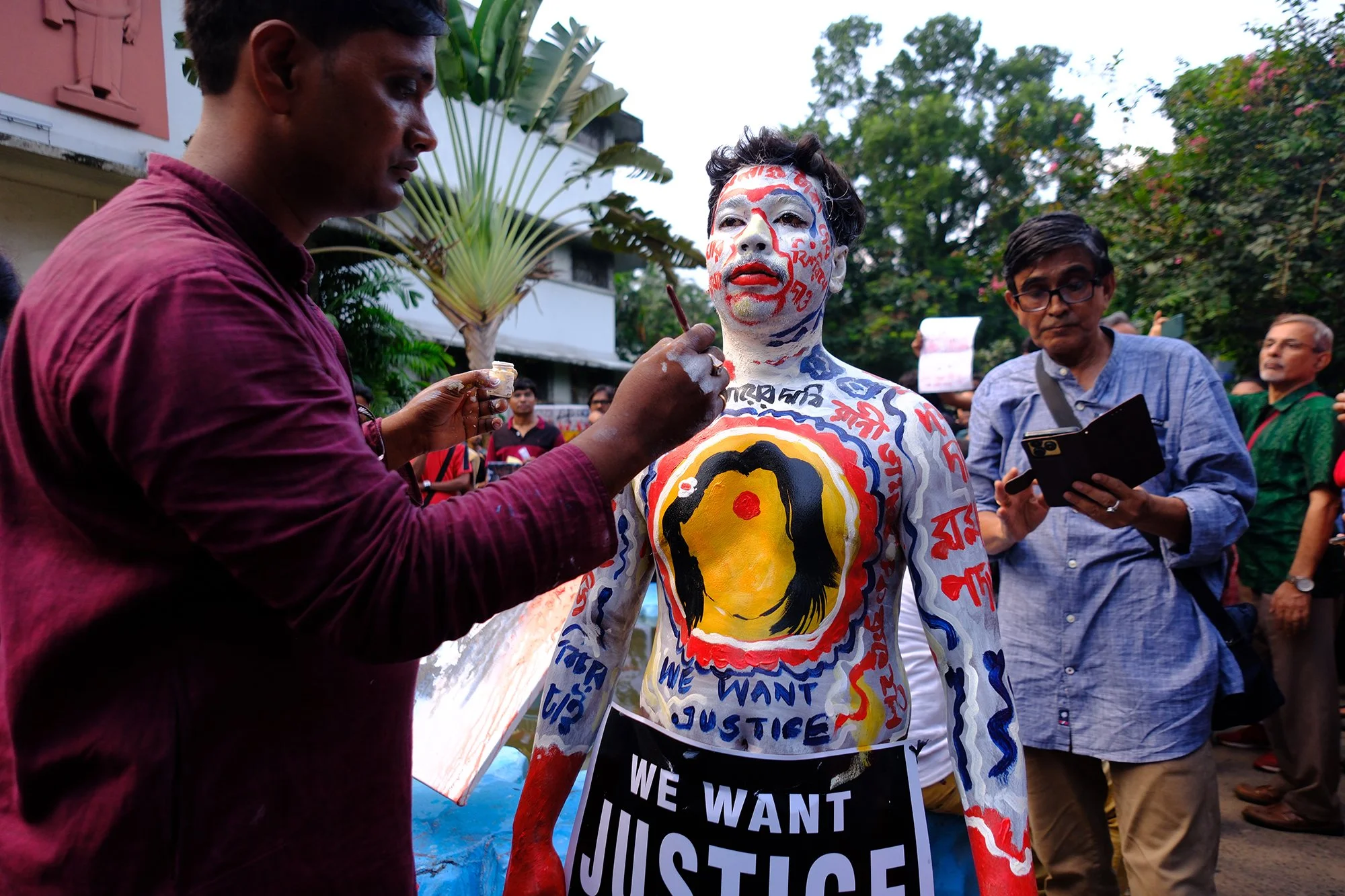
Rajib Singha
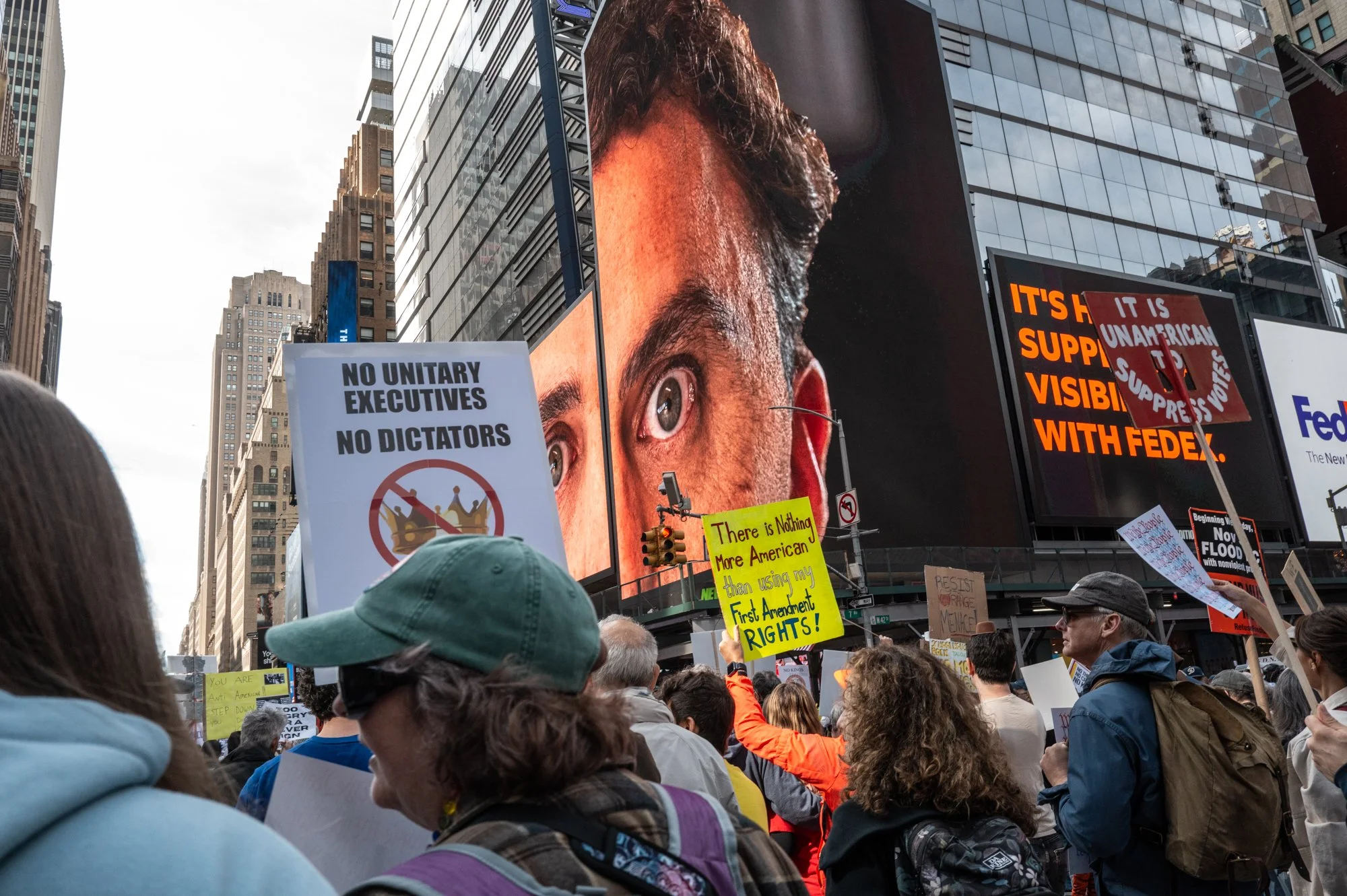
Sandra Fine
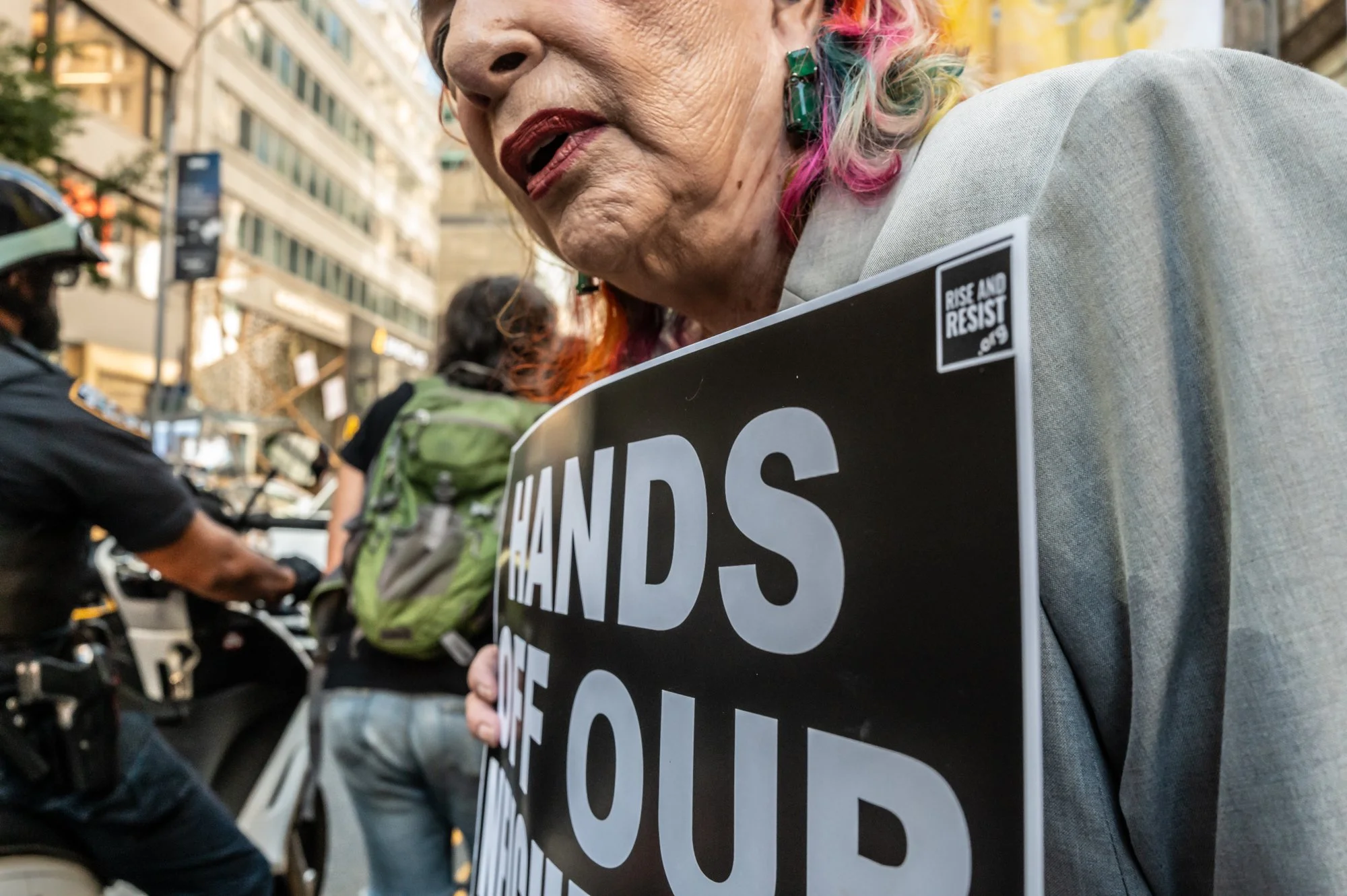
Sandra Fine
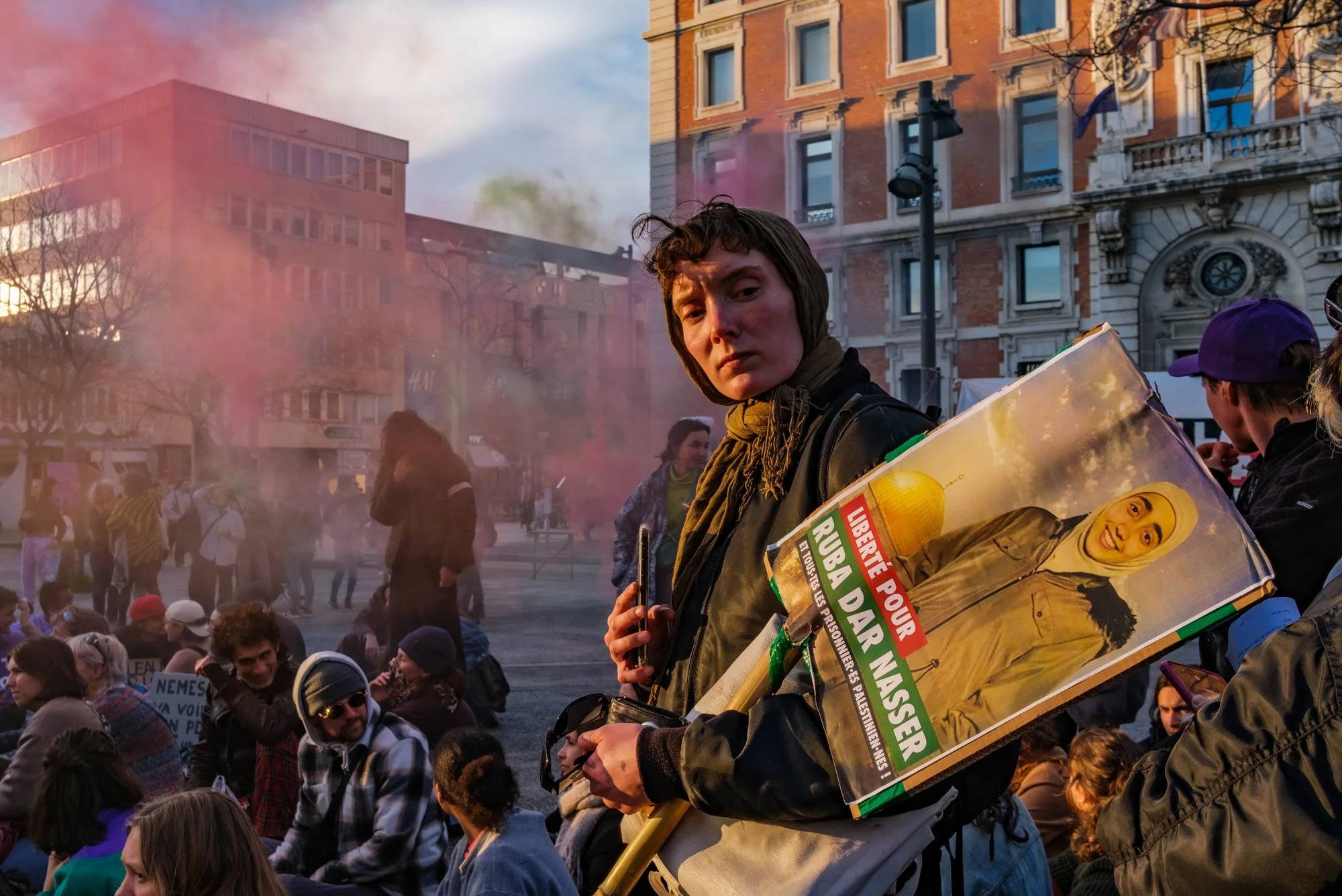
Srijoyee Datta
Srijoyee Datta
Stevi Jackson
Stevi Jackson
Sultan Koç
Sultan Koç
Sultan Koç
Thomas Hackenberg
Thomas Hackenberg
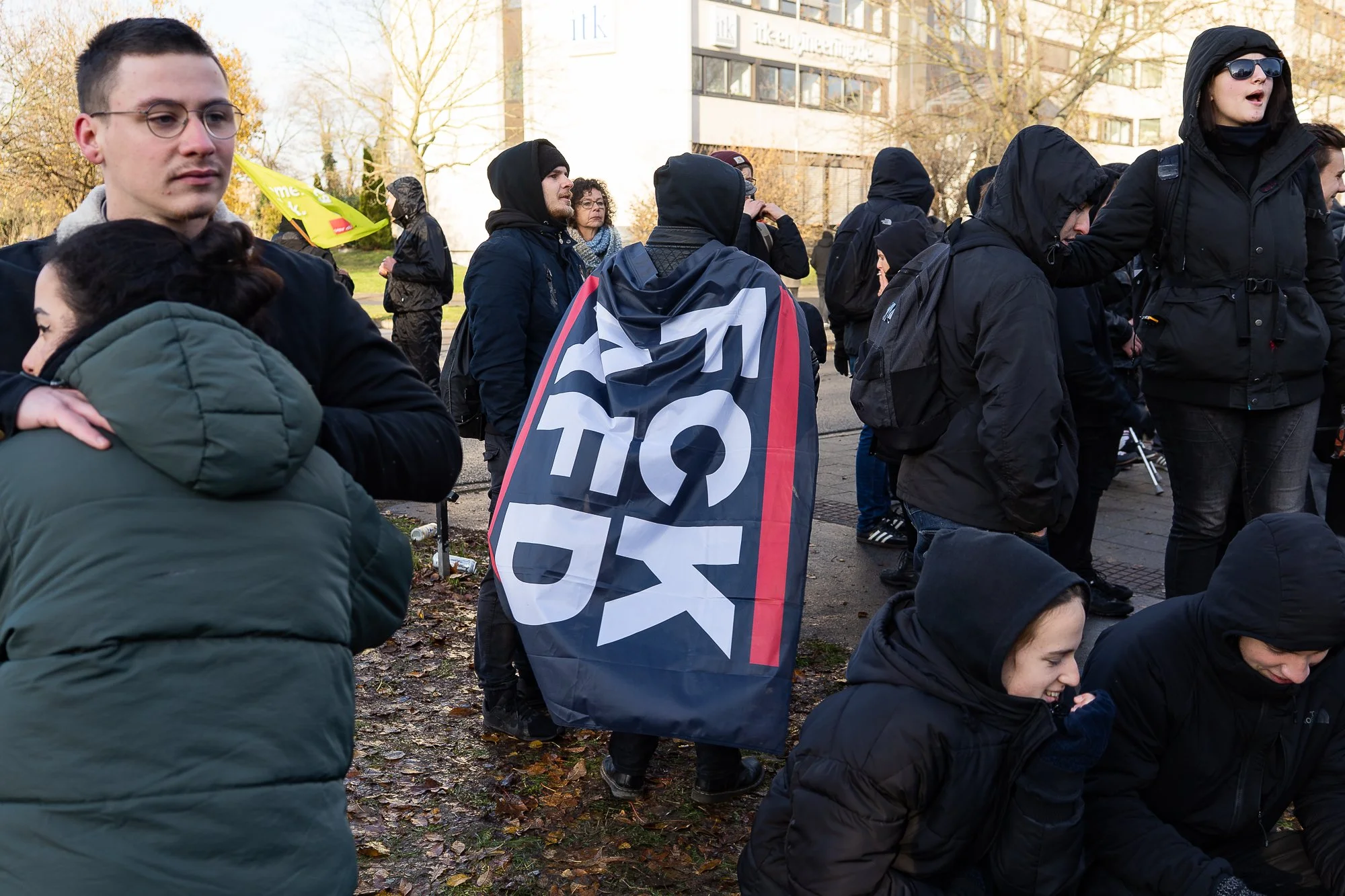
Thomas Hackenberg
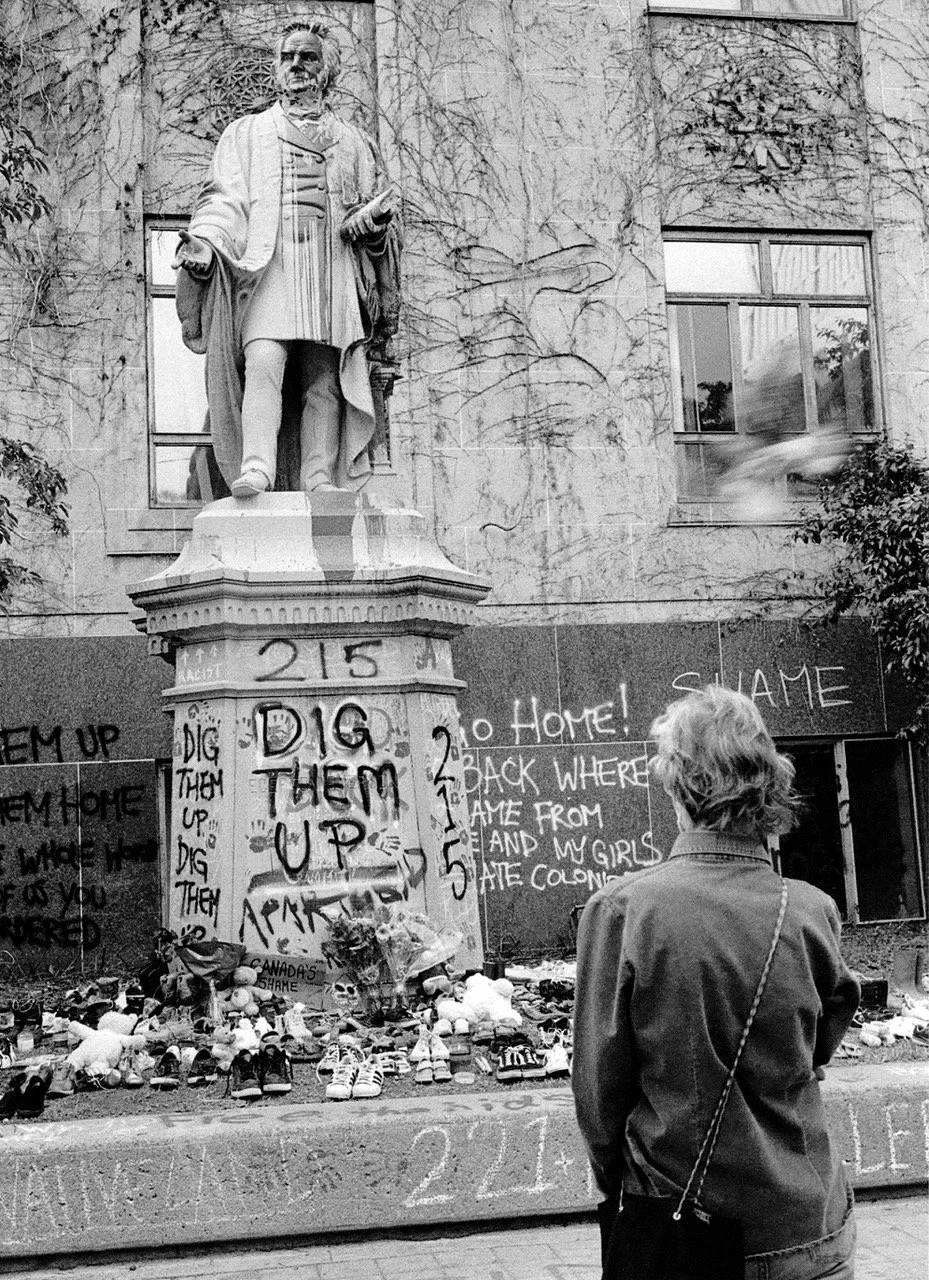
Victor Mora
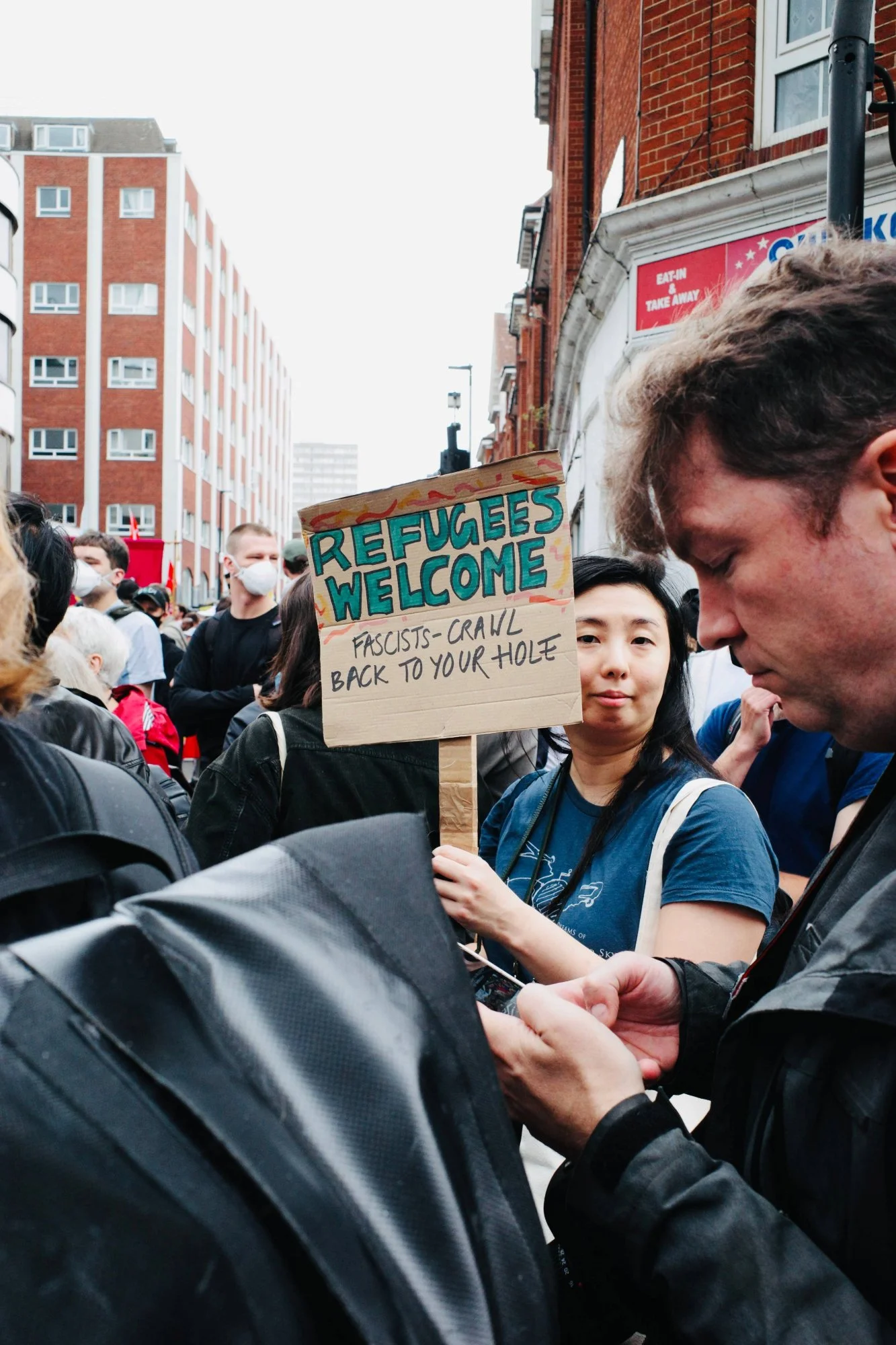
Vlad Iordache
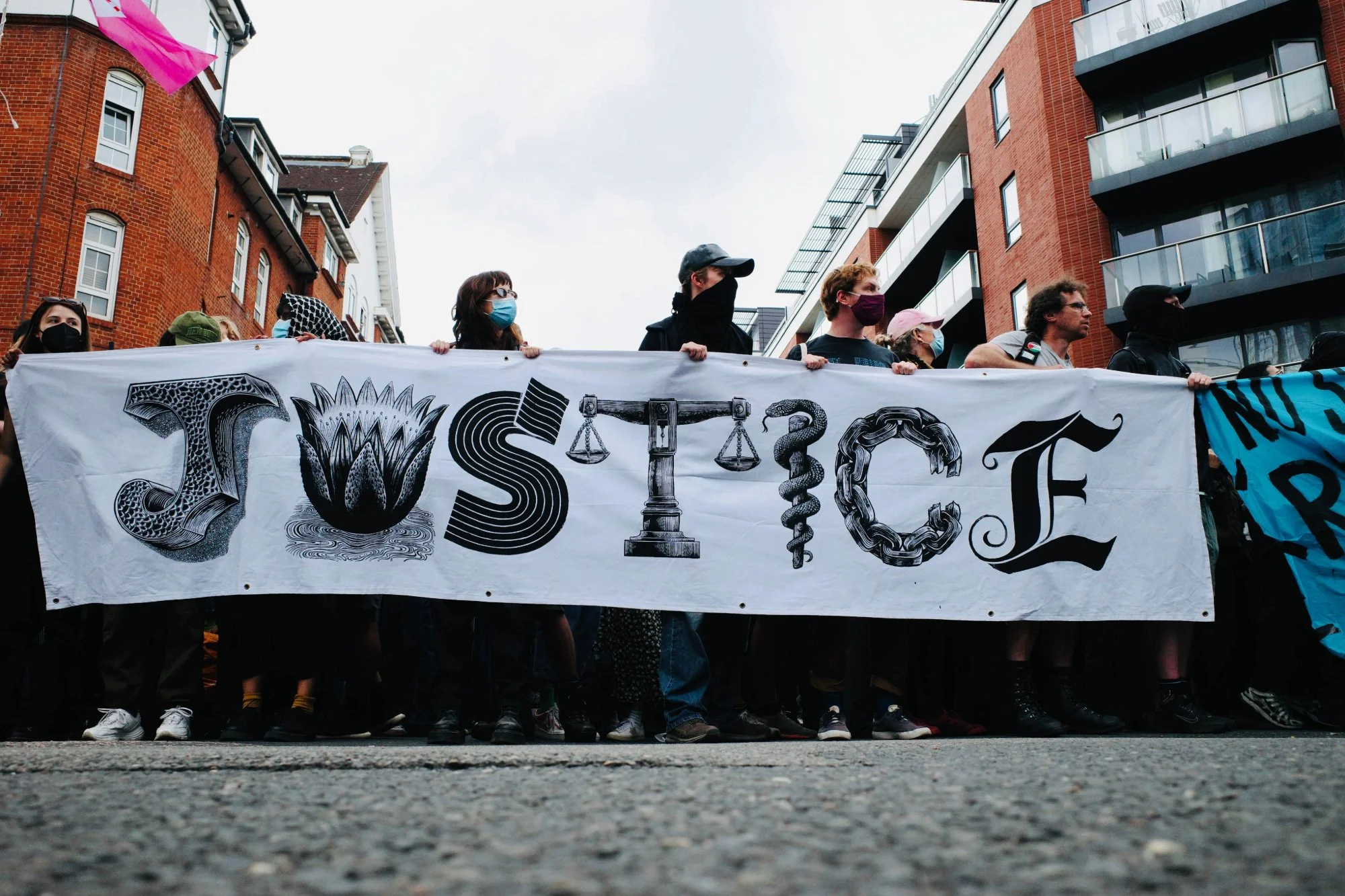
Vlad Iordace
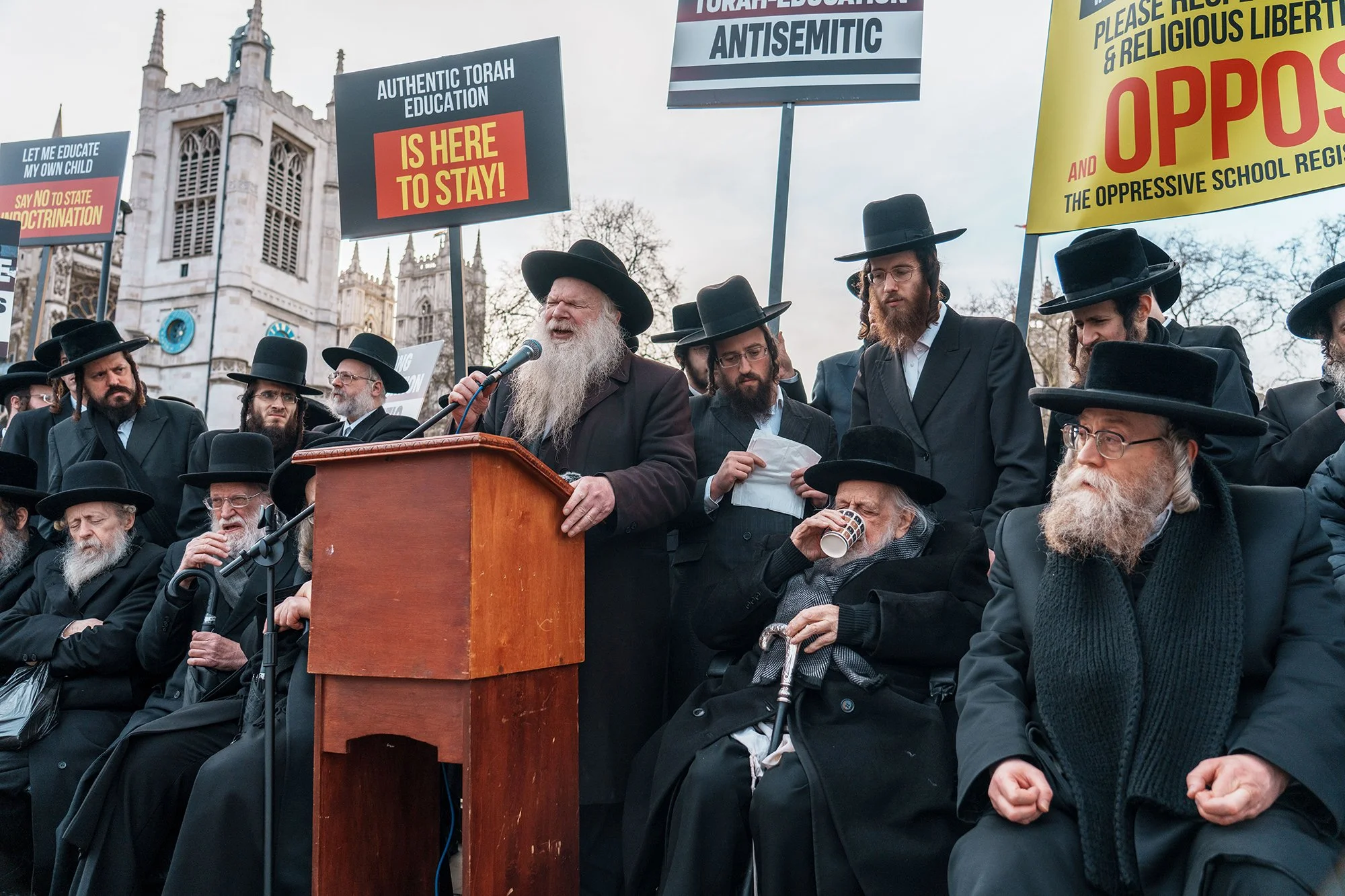
Xianzhuyue Li
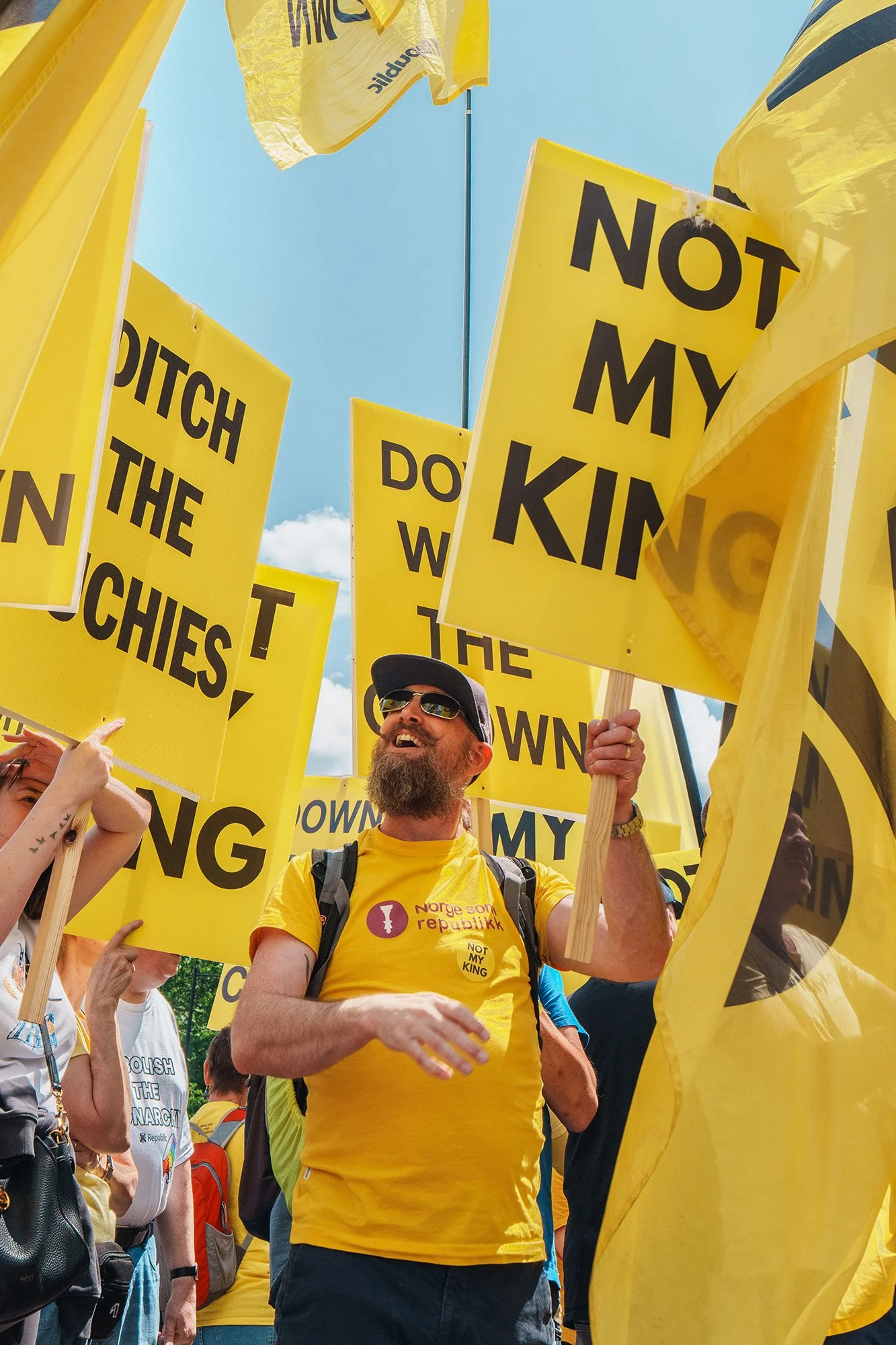
Xianzhuyue Li
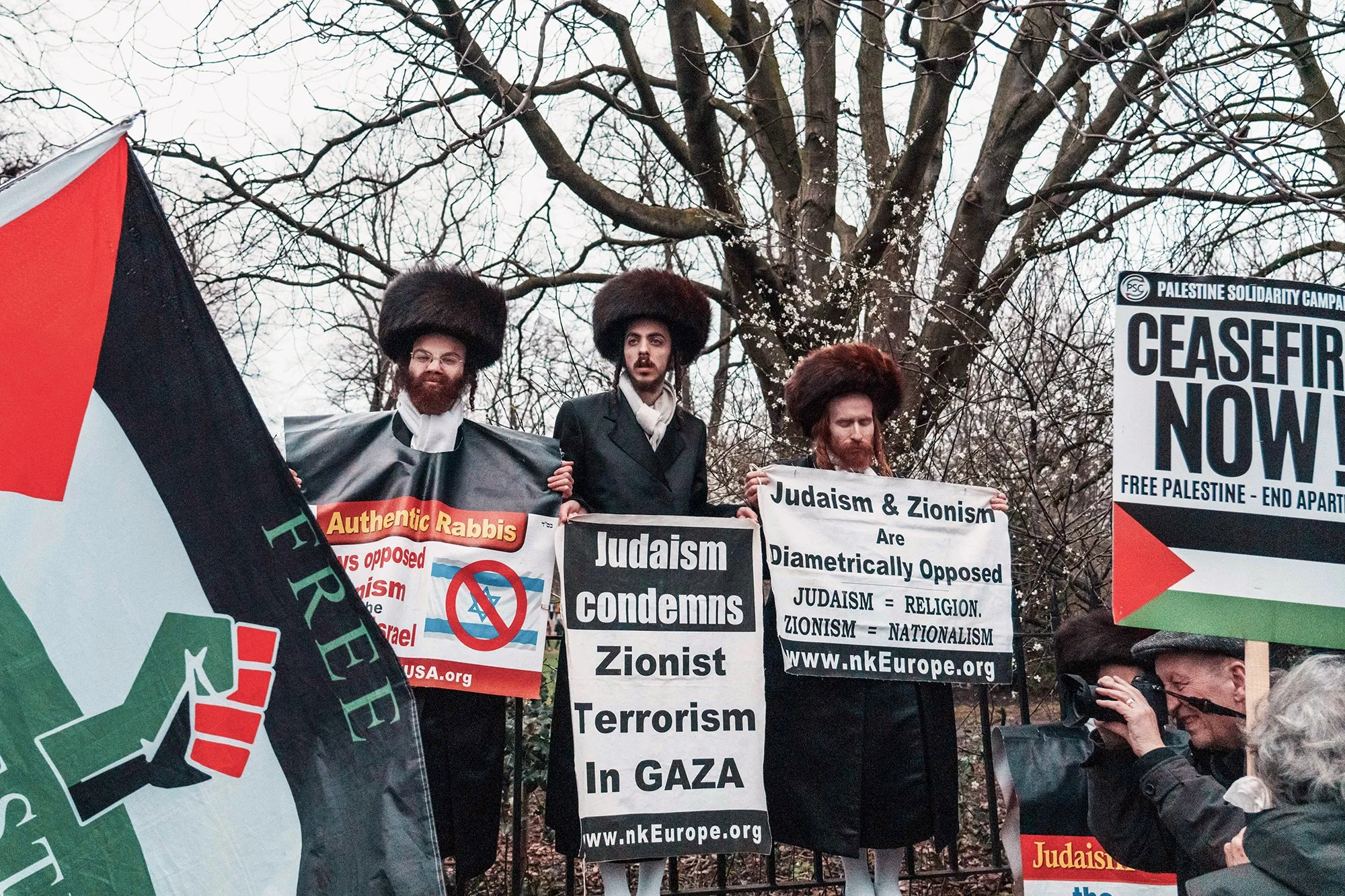
Xianzhuyue Li
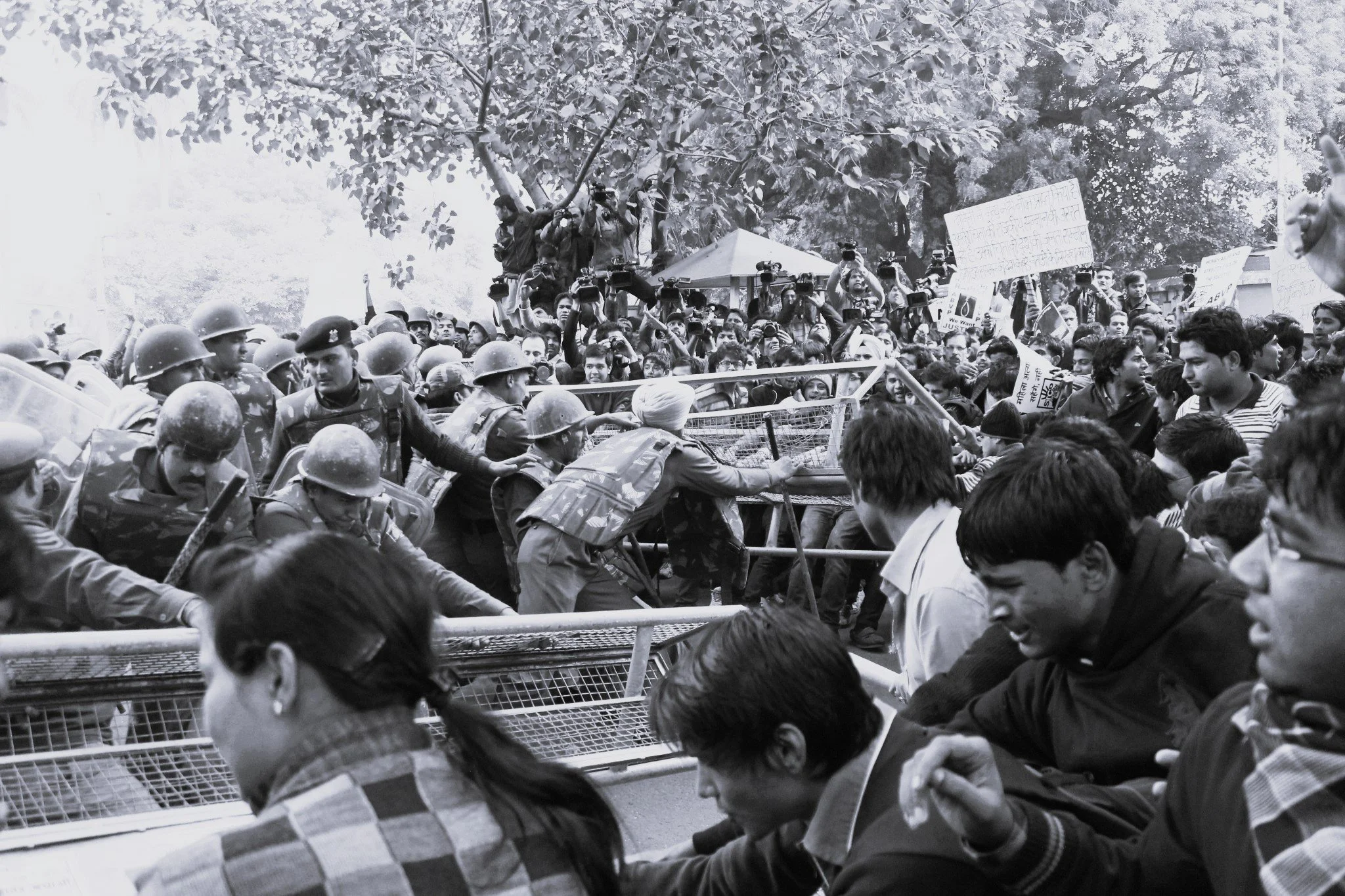
Yash Mishra
“The Visual Memory of Protest” Series
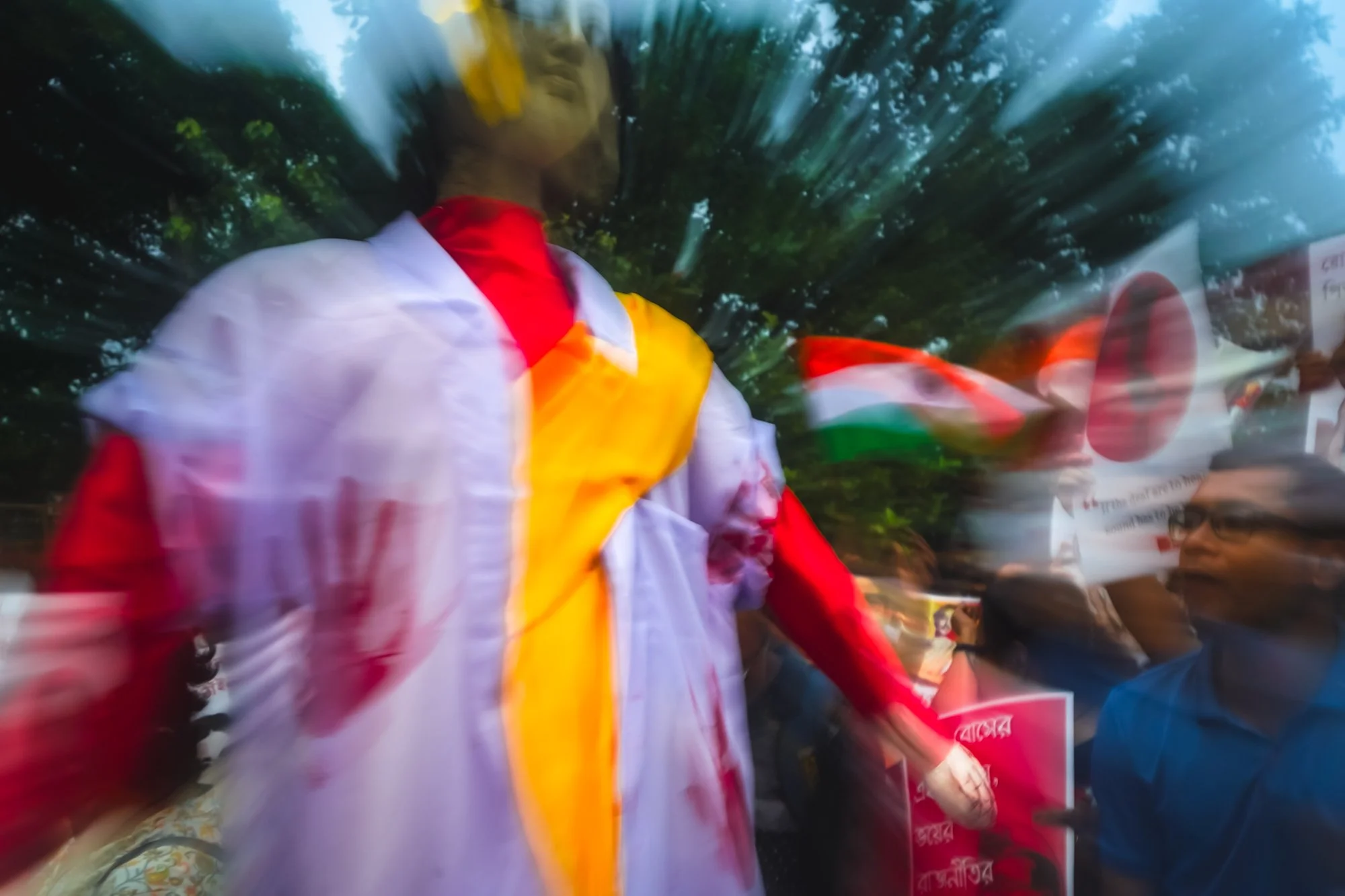
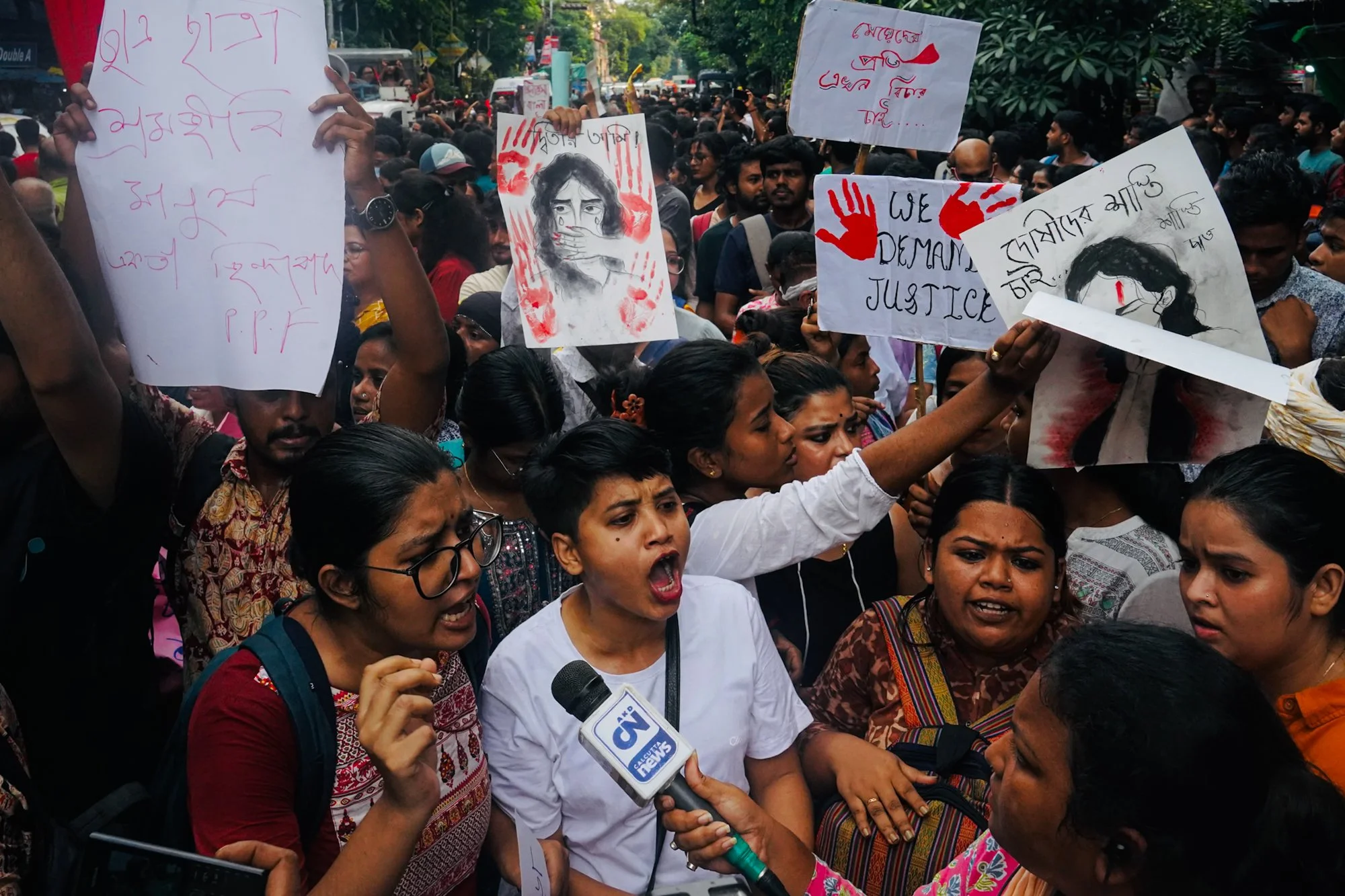
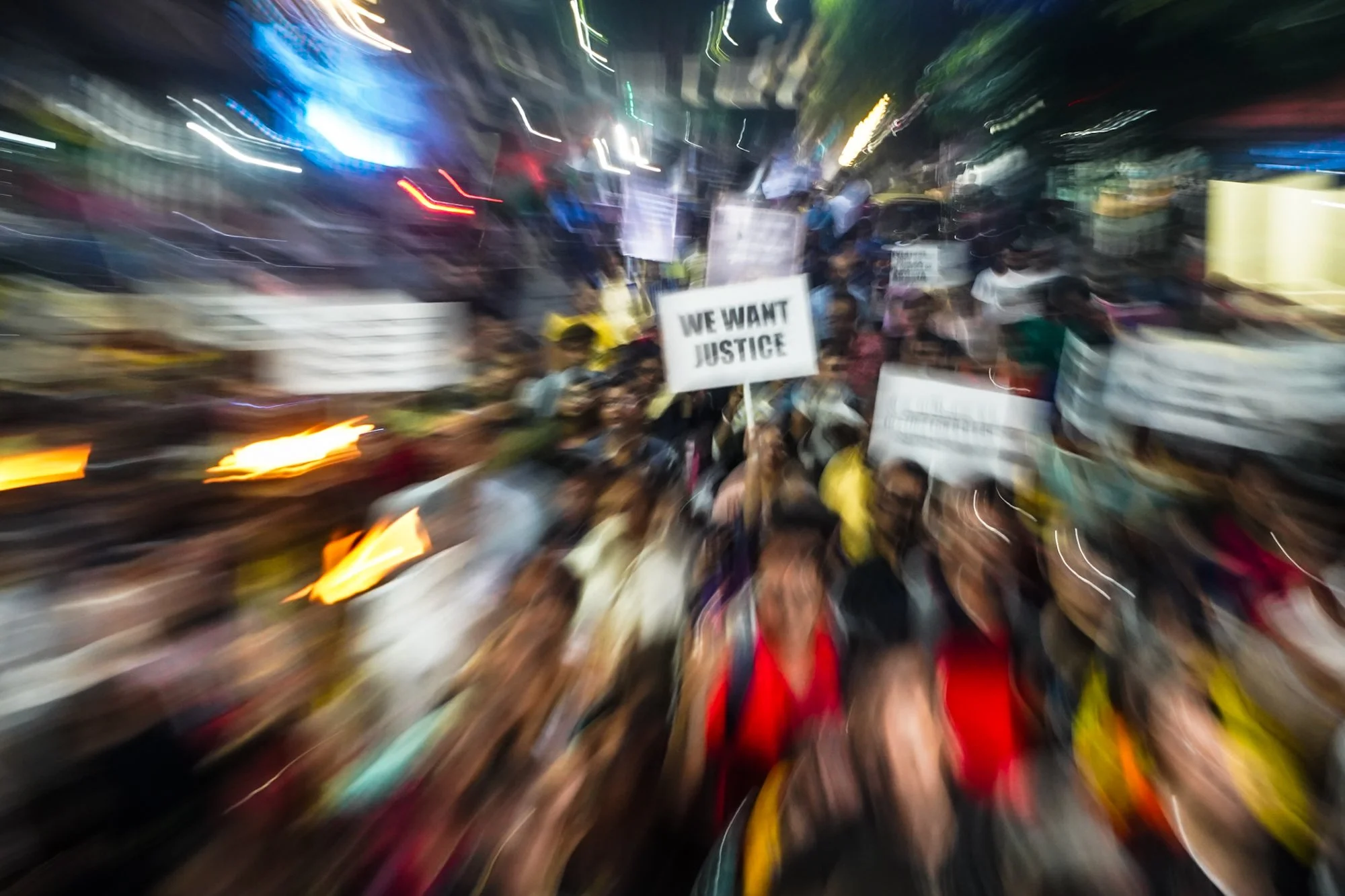
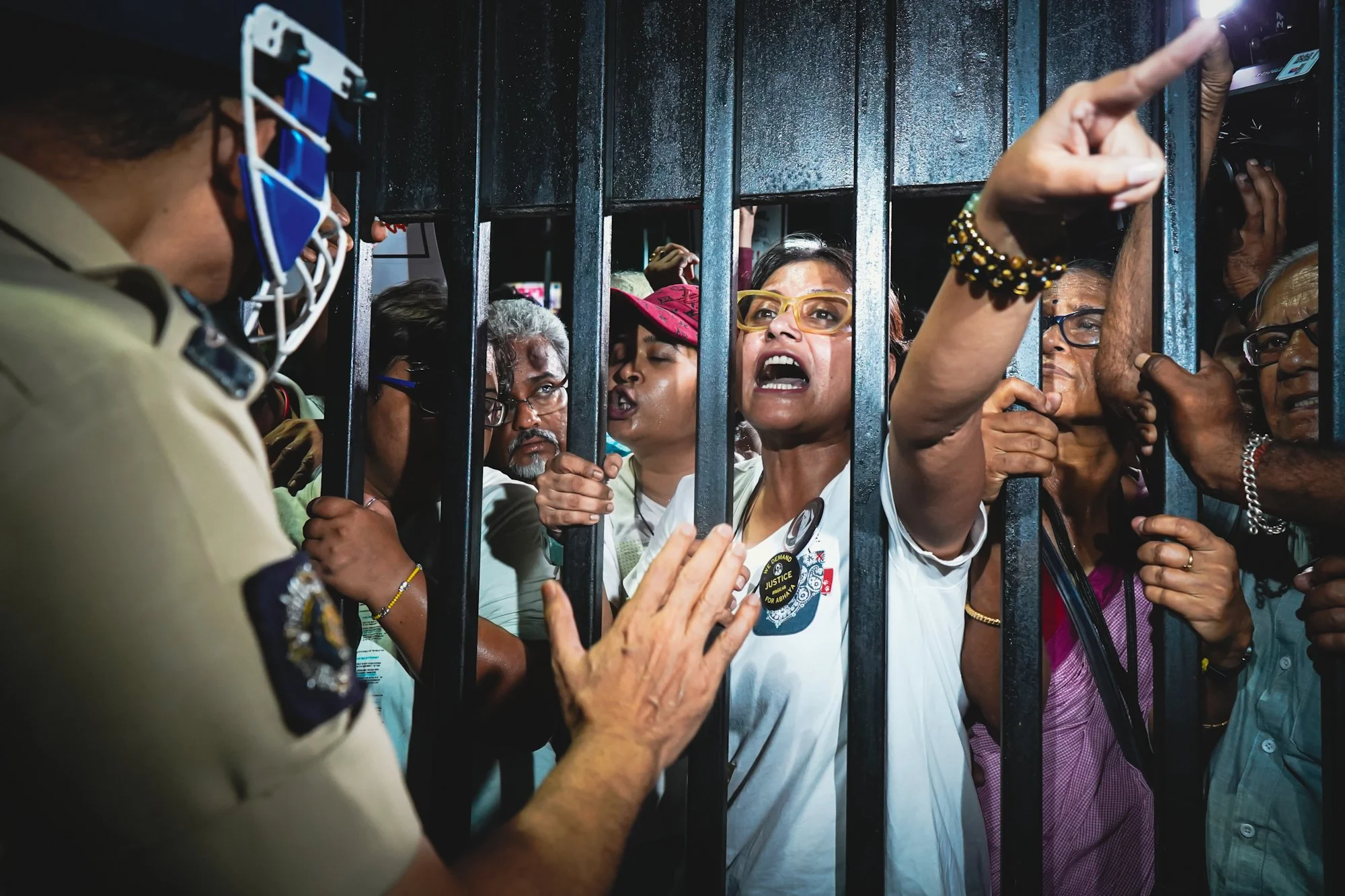
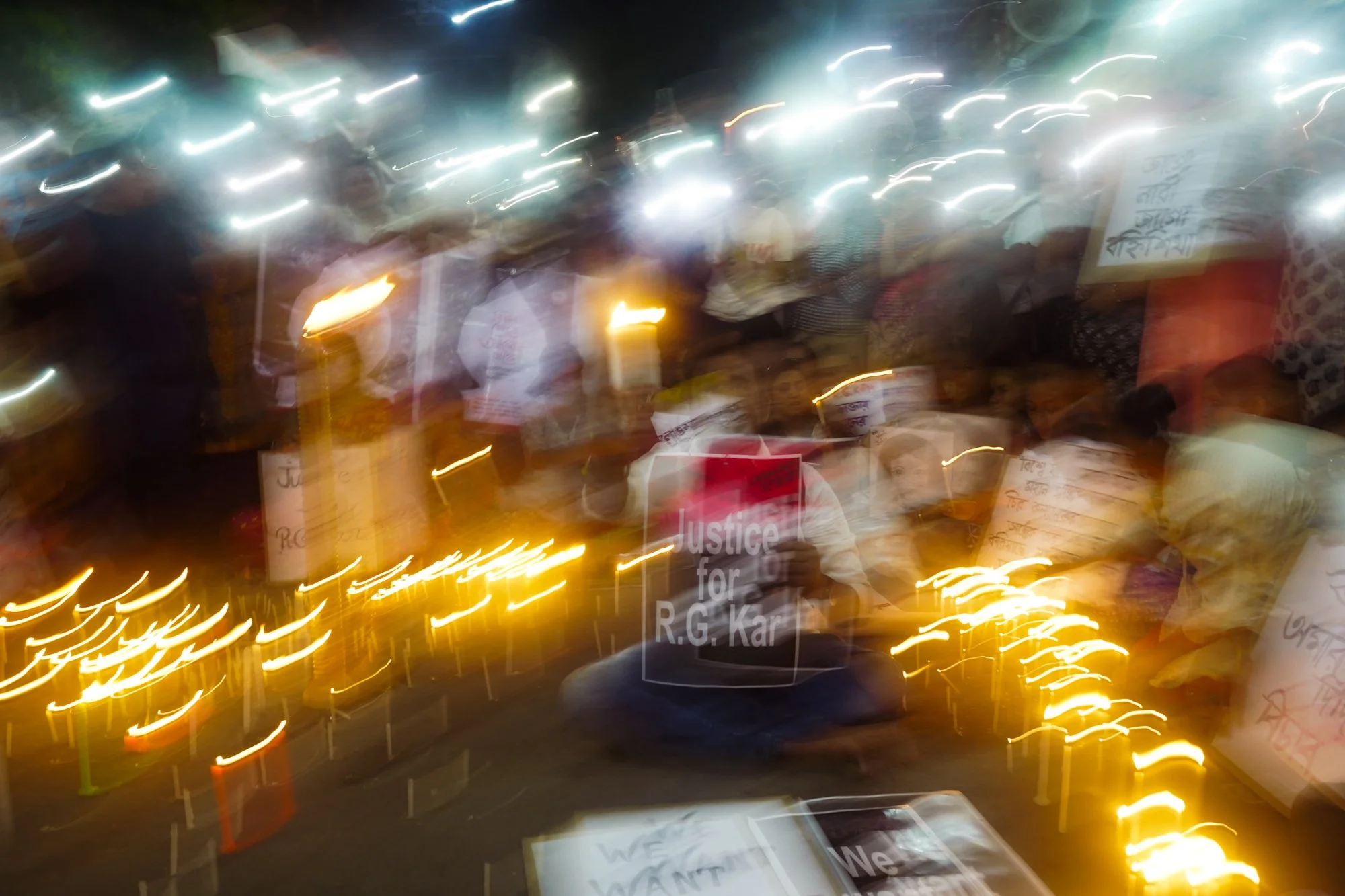
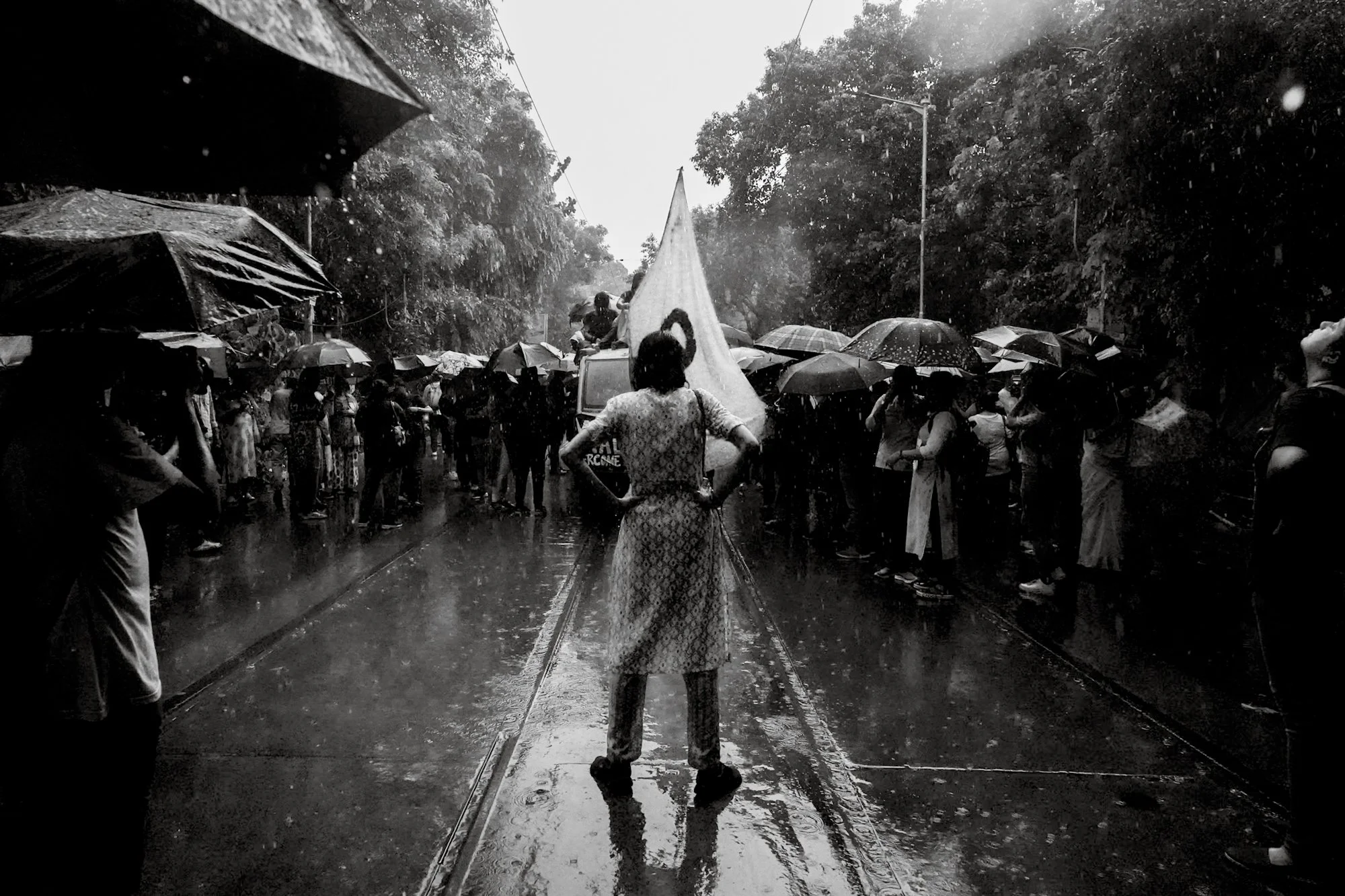
Abhishek Maitra
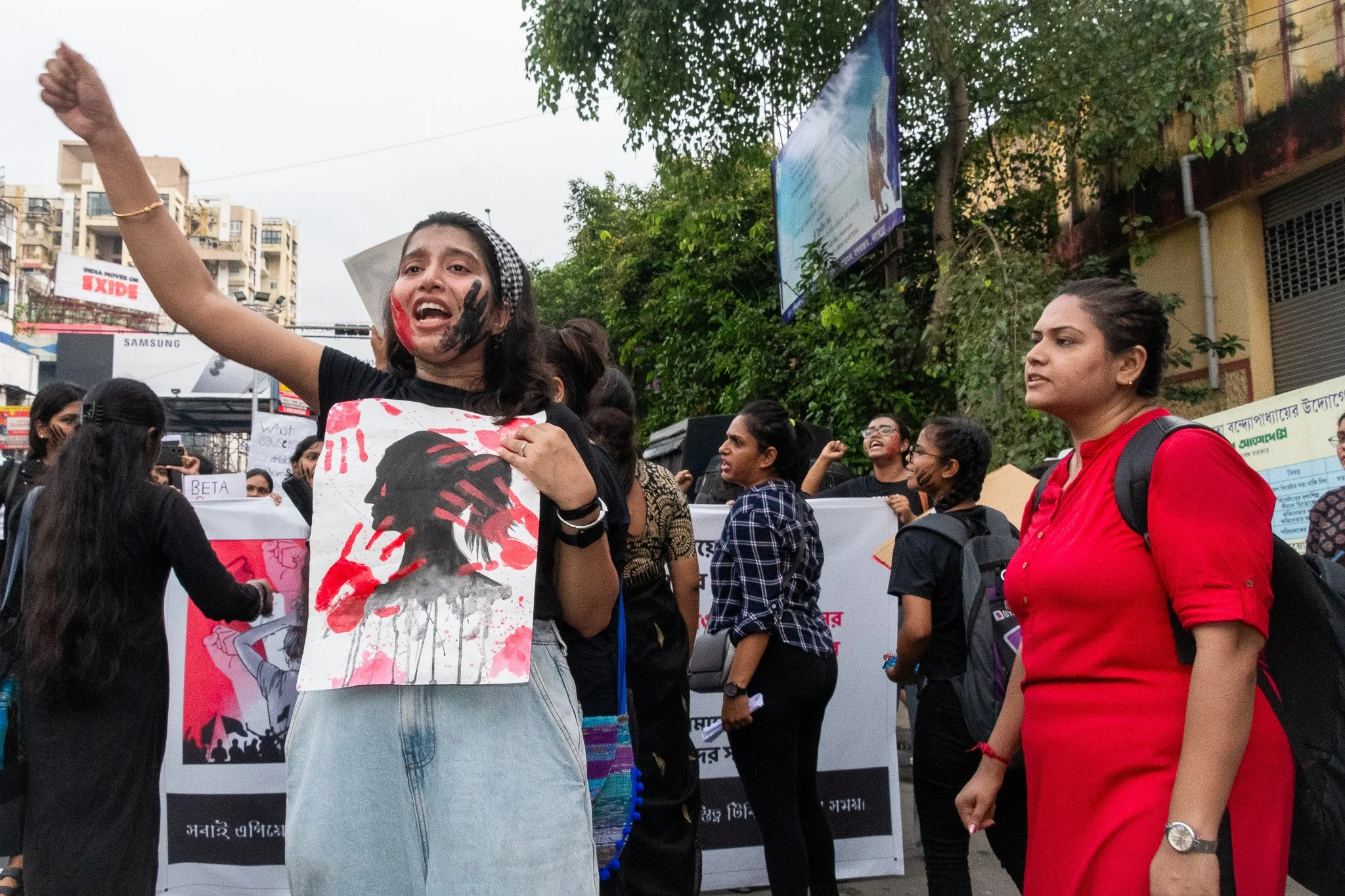
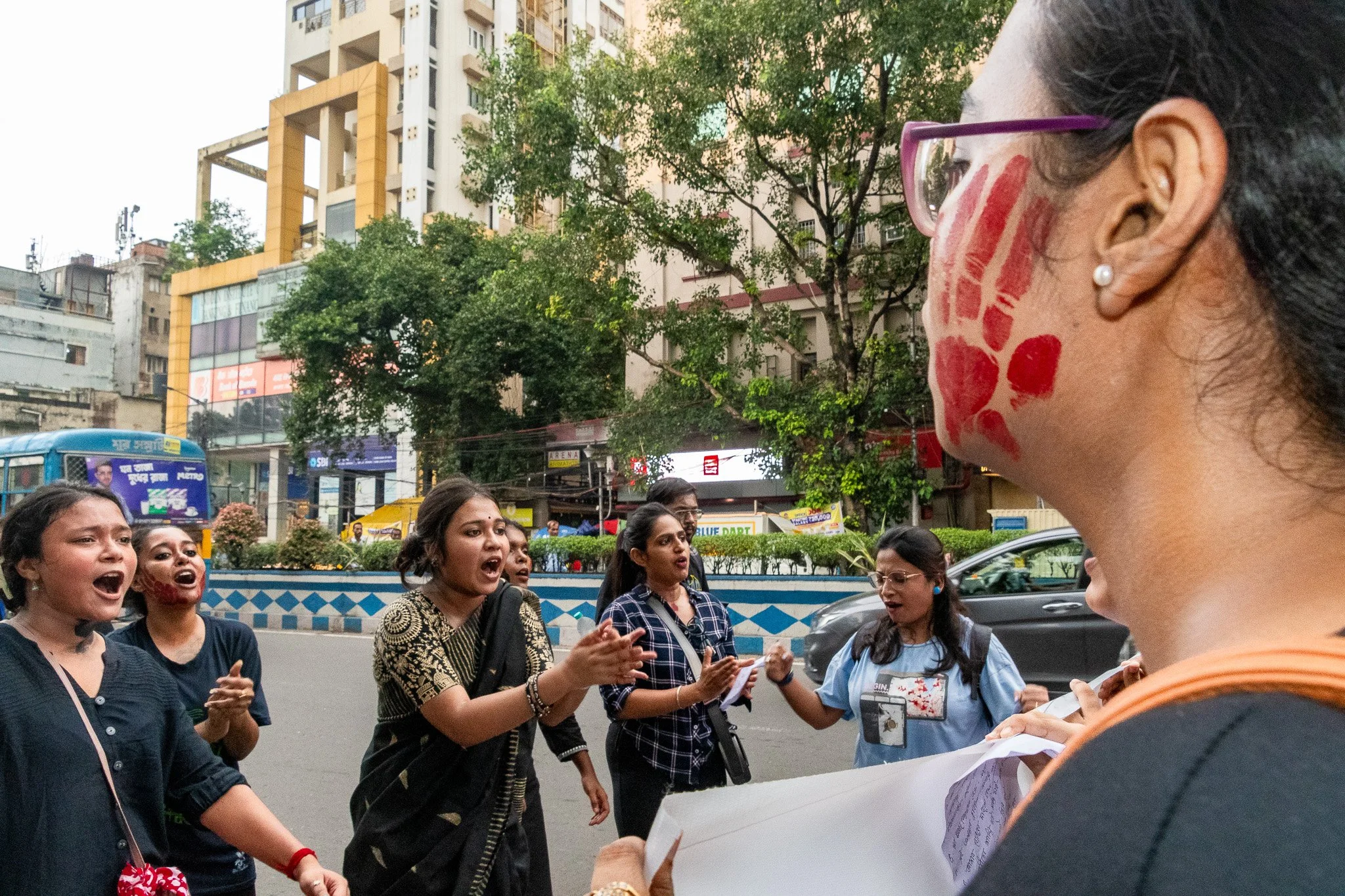
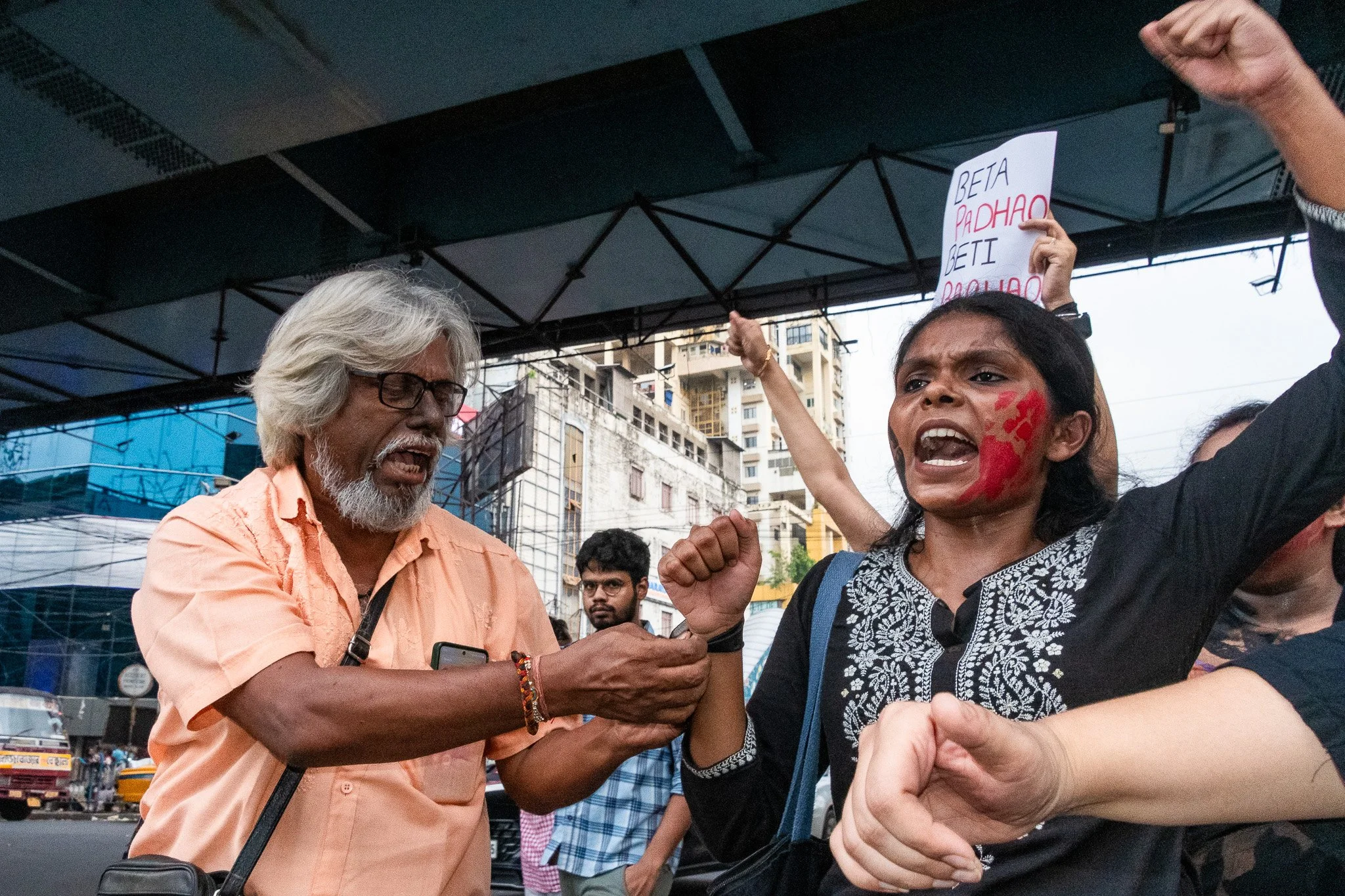
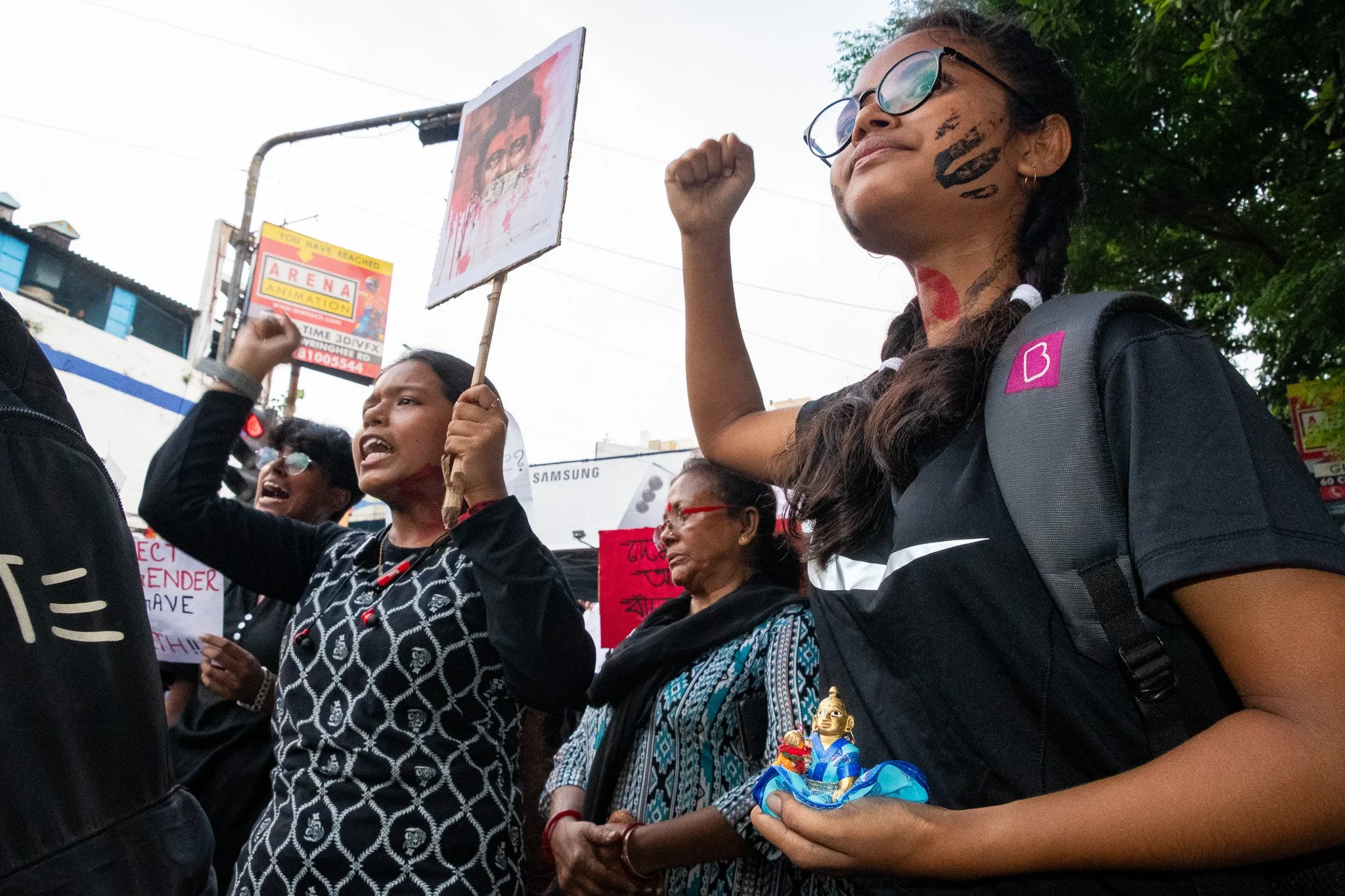
"We Want Justice" is the most heard slogan, and when googled, it was found that there is no specific writer of it, but use mostly in demonstrations, seeking justice. And we all Indians, at my age, heard stories about the midnight freedom in August 1947, from our grandparents. And this August (August 2024), streets were again erupted by protest and demonstration for Doctor Abhaya (name changed), who was brutally killed and raped during her working hours late night at RG Kar Hospital, which is a state government hospital. After that, people from all over Kolkata and the state of West Bengal, protesting and demanding justice for Abhya irrespective of caste, religion, or working class, started on August 14, 2024. More than a year (16 months, to be exact) has passed, but people are still on the streets demanding justice, which I have captured in the form of a series.
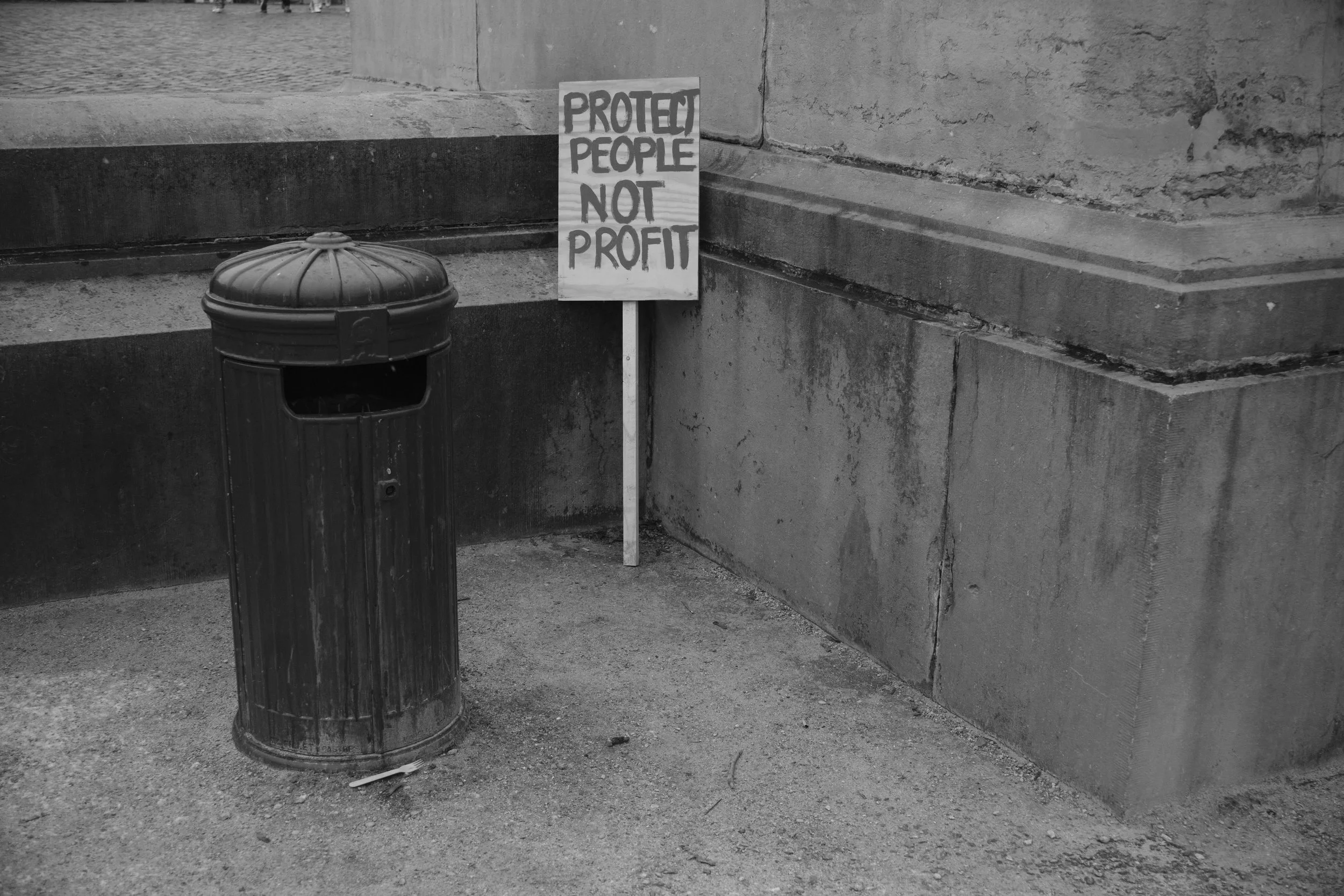
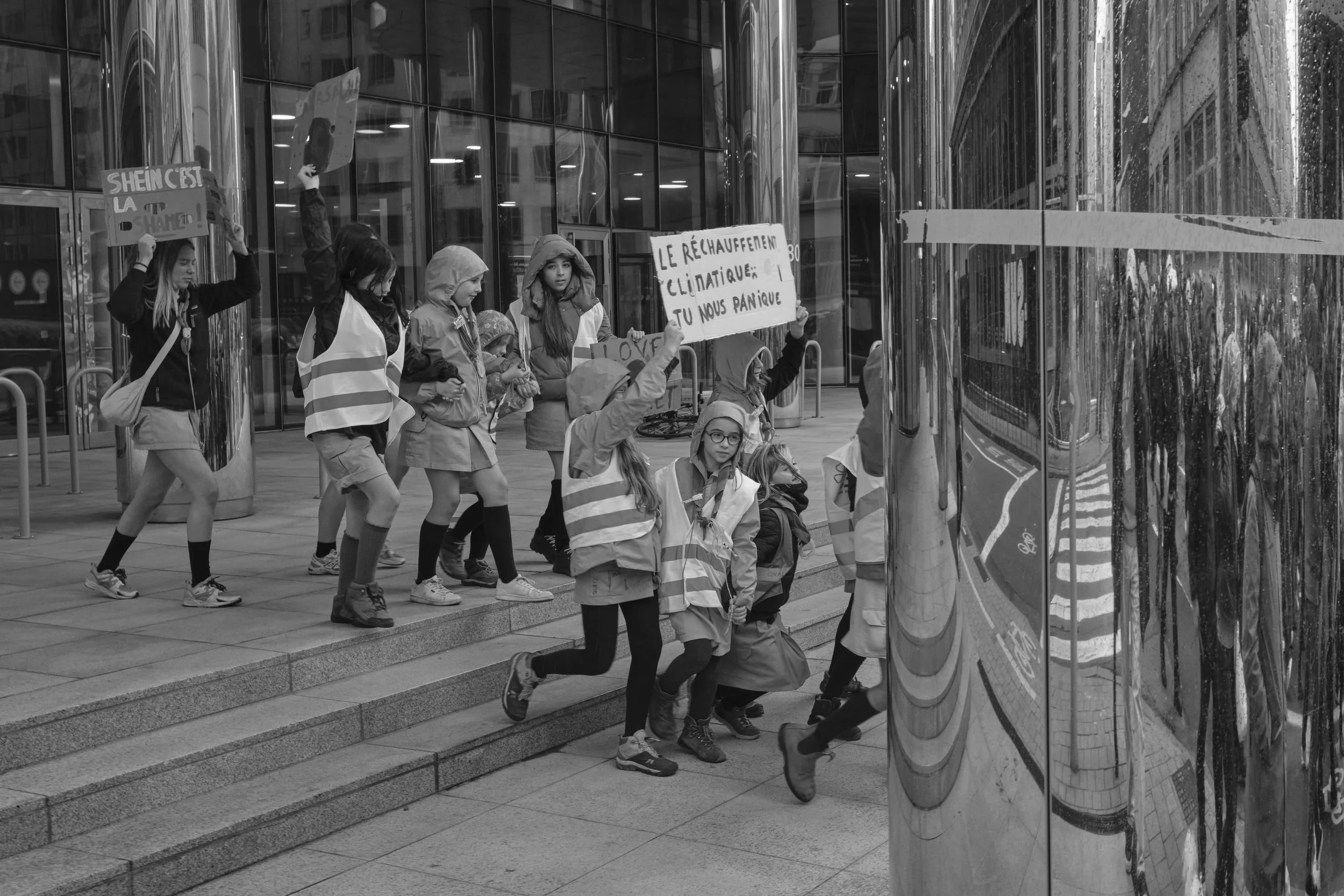
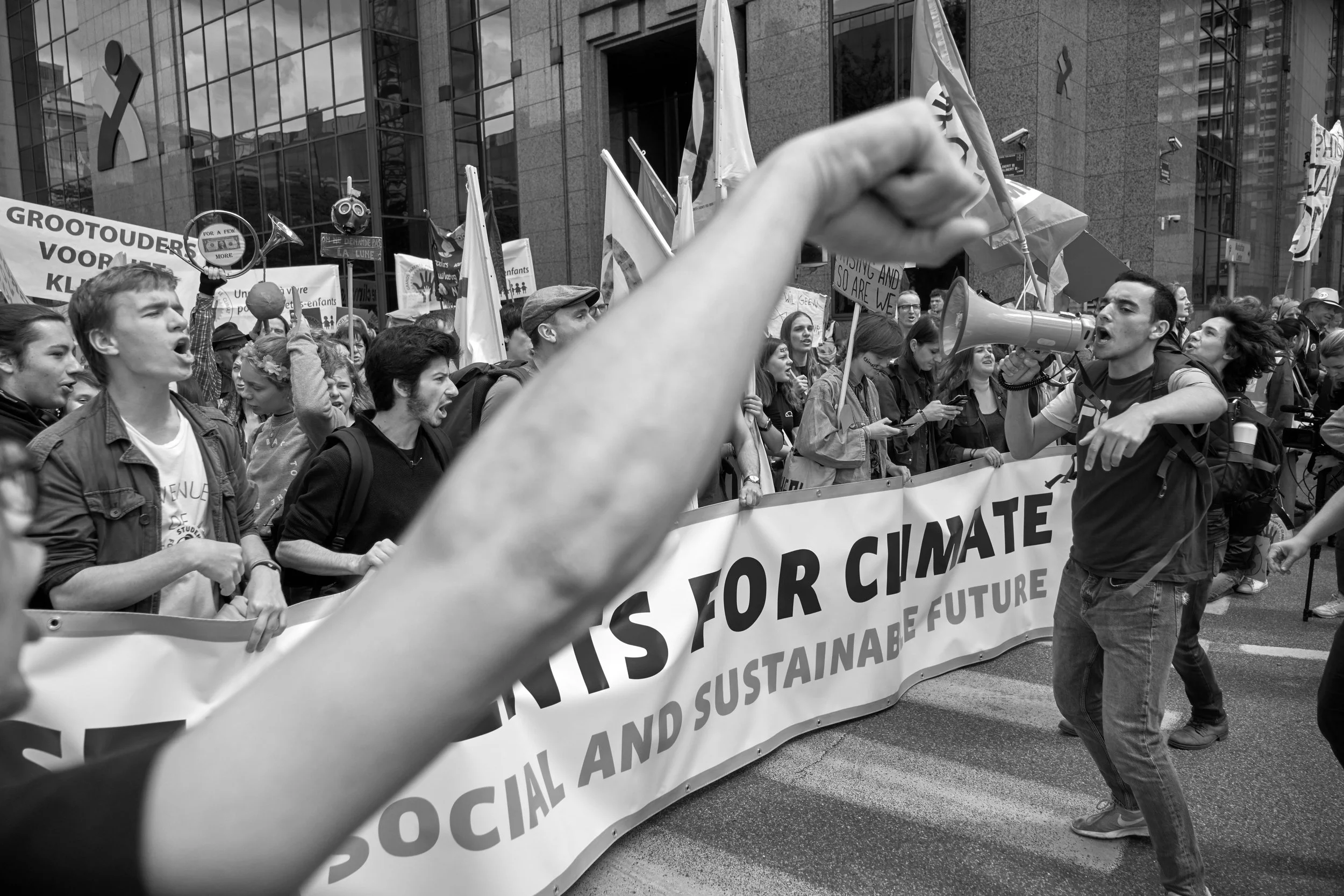
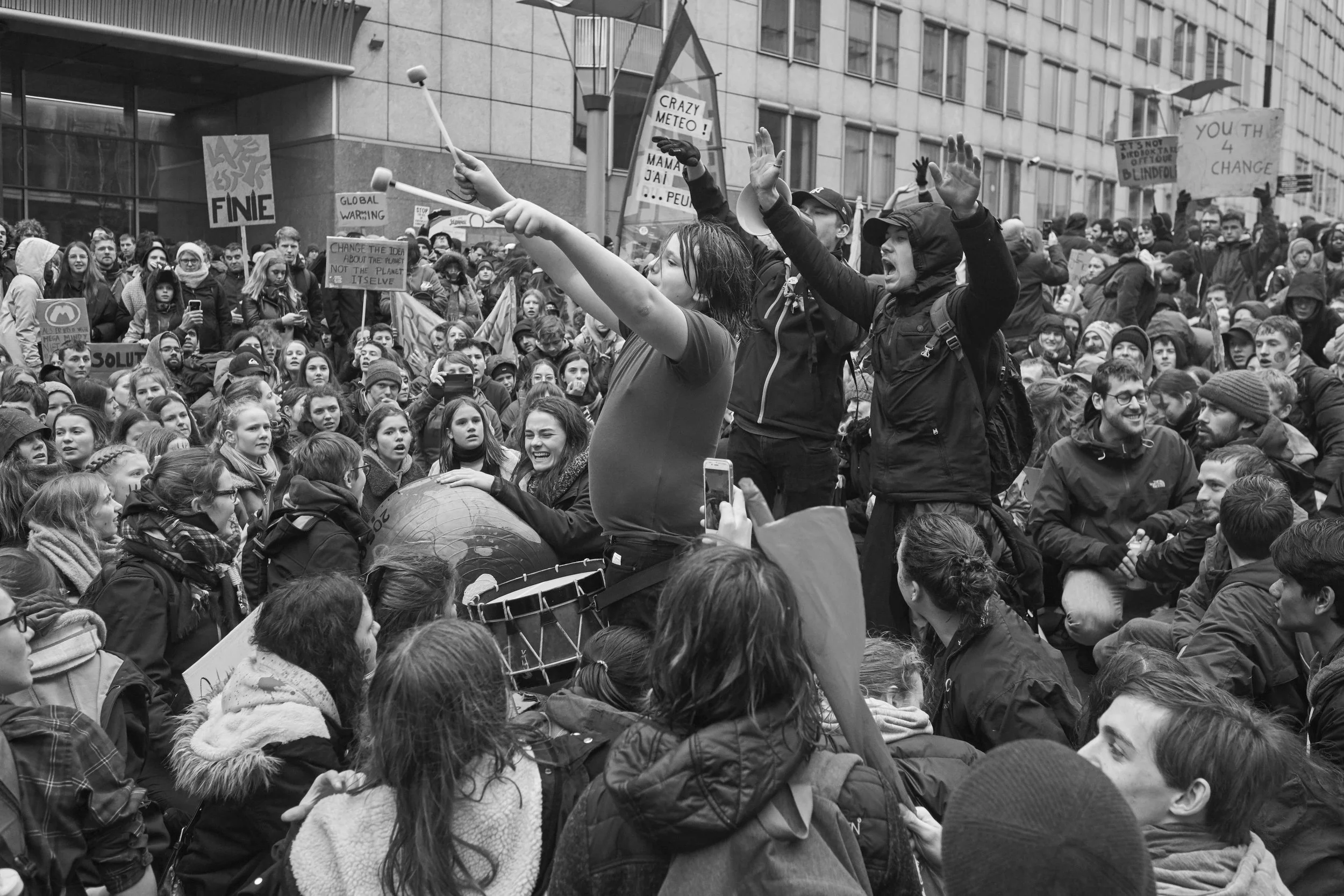
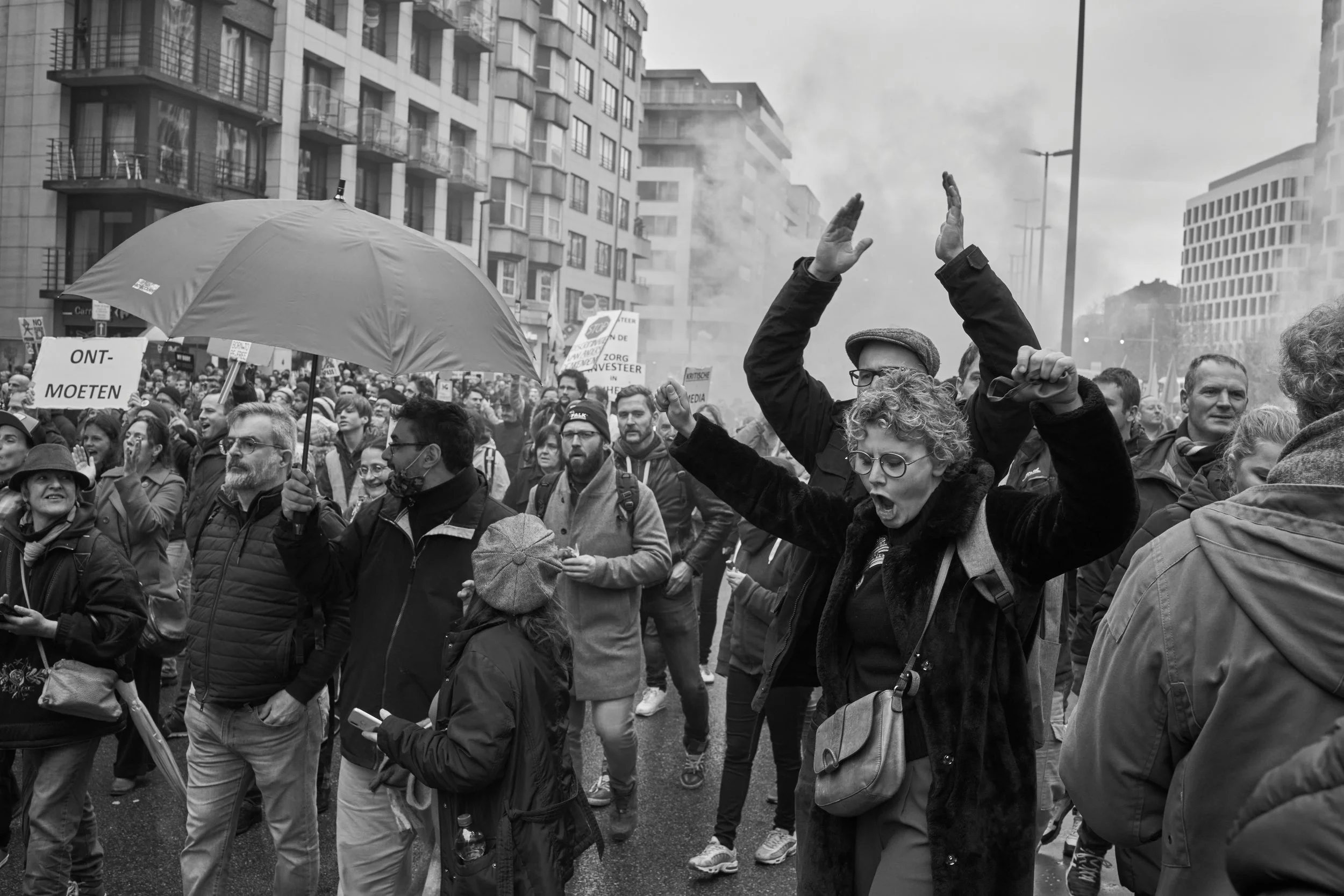
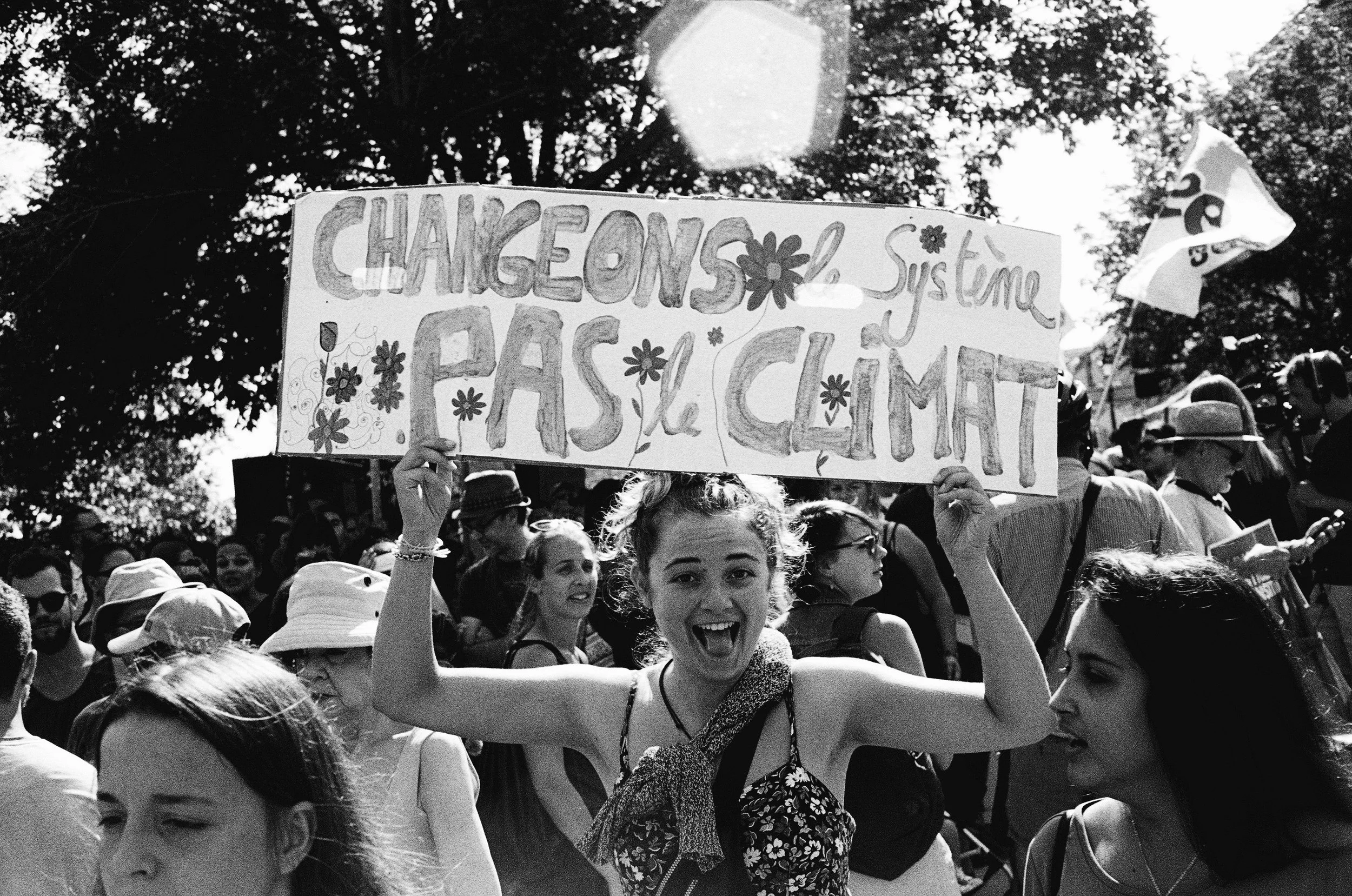
Alain Van Hille – Showing the extraordinary passion and contrast of people marching for the climate cause .
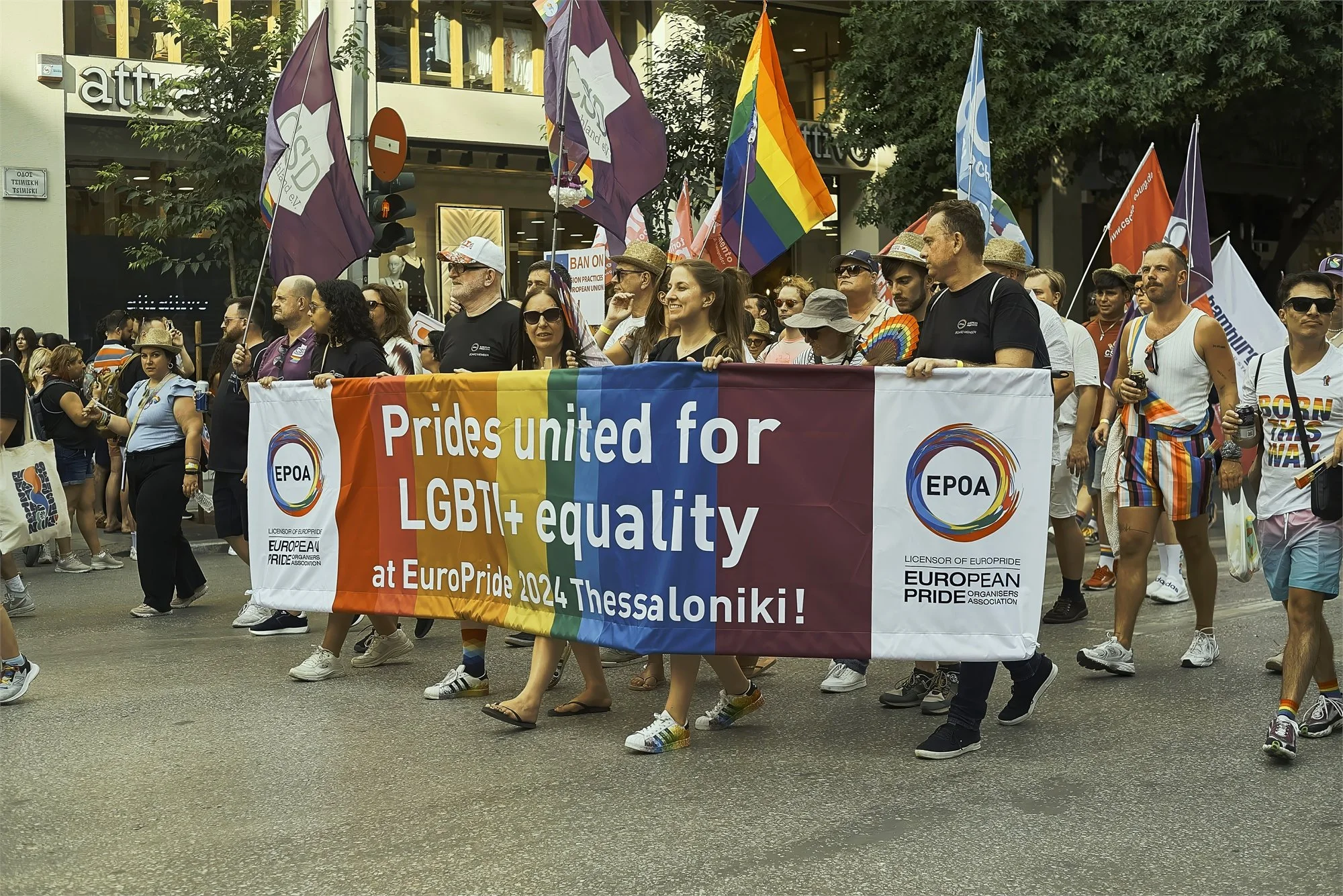
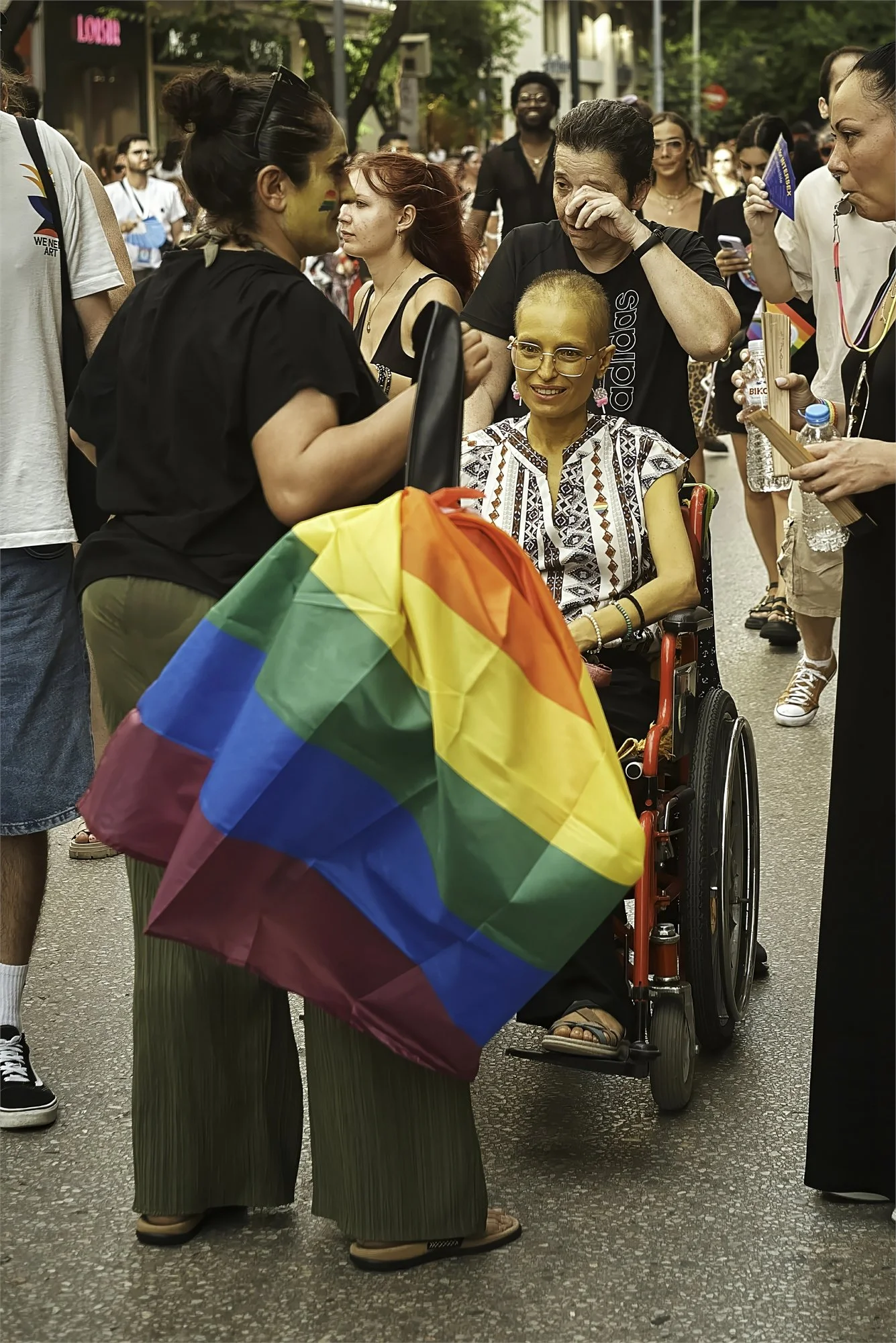
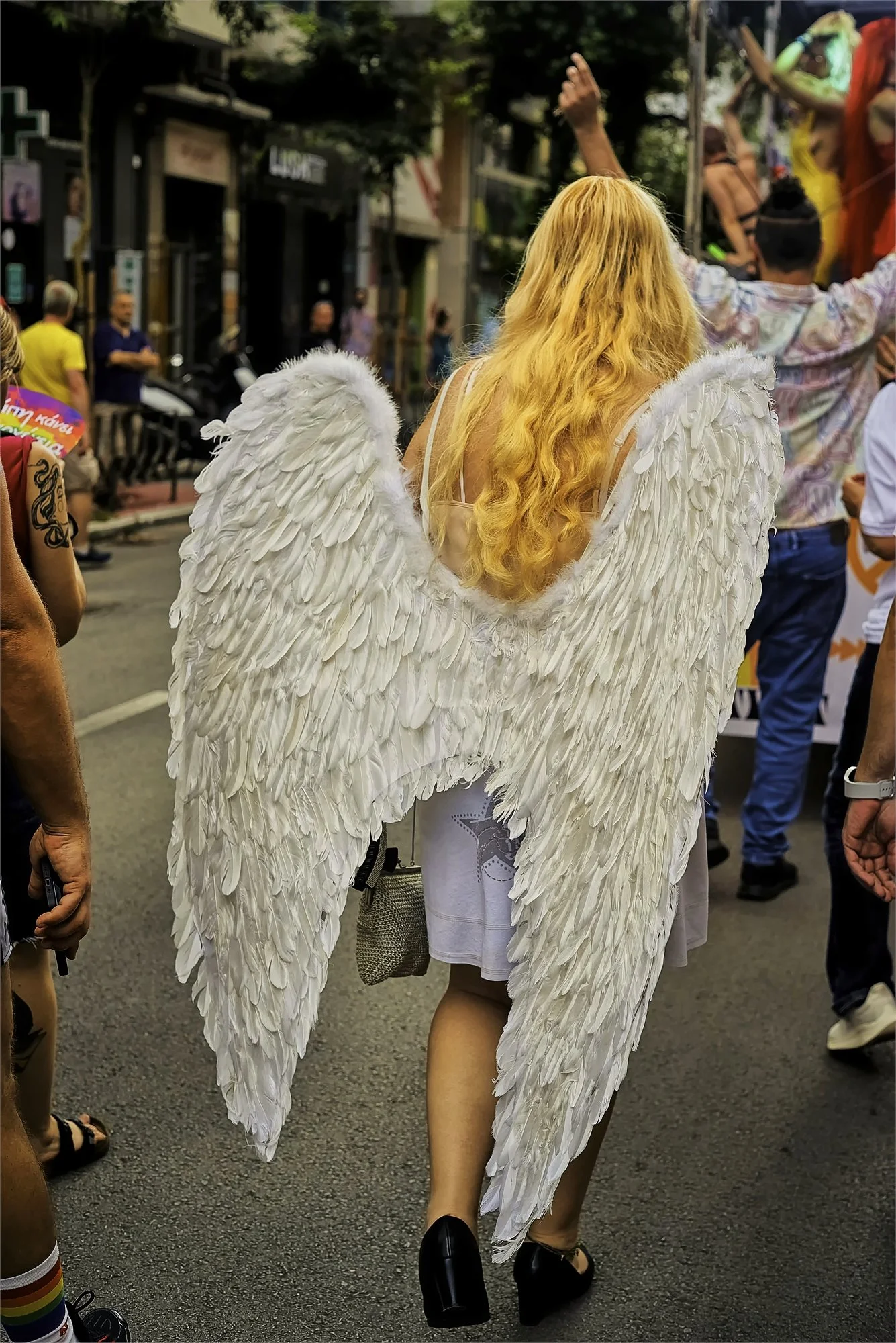
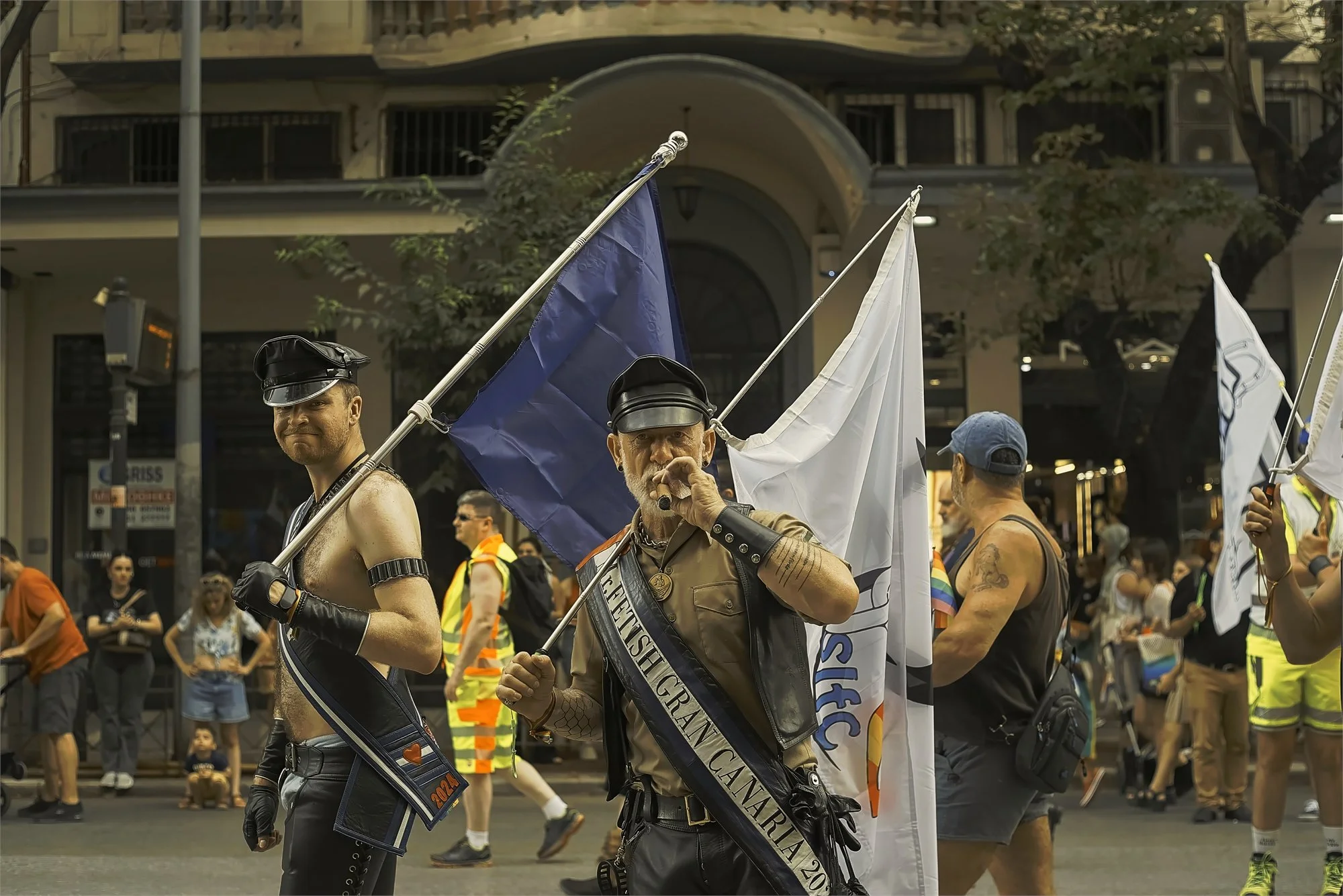
Athanasios Kokkinis –This is a series of pics taken during the 2024 Euro Pride Parade in Thessaloniki, Greece.
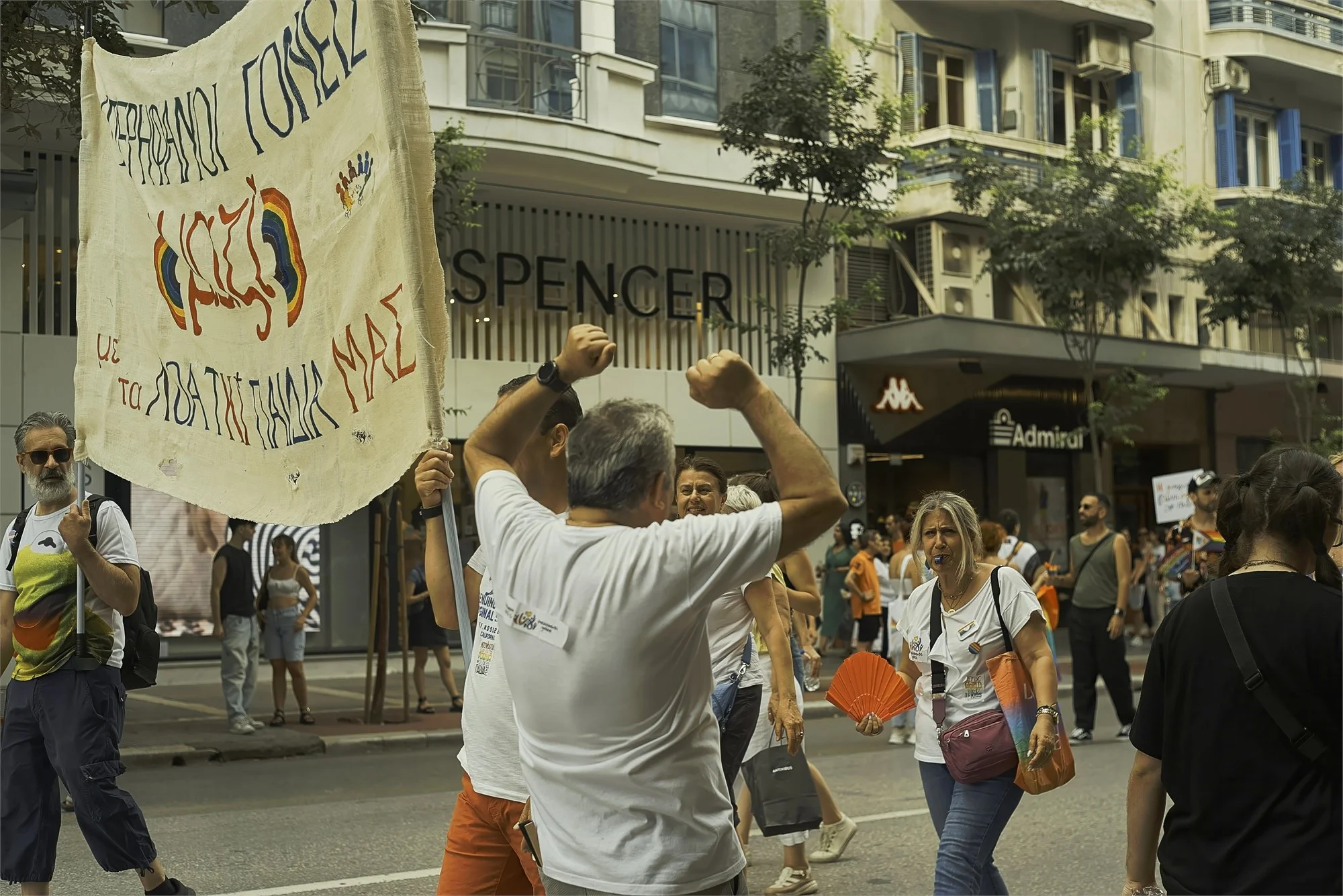
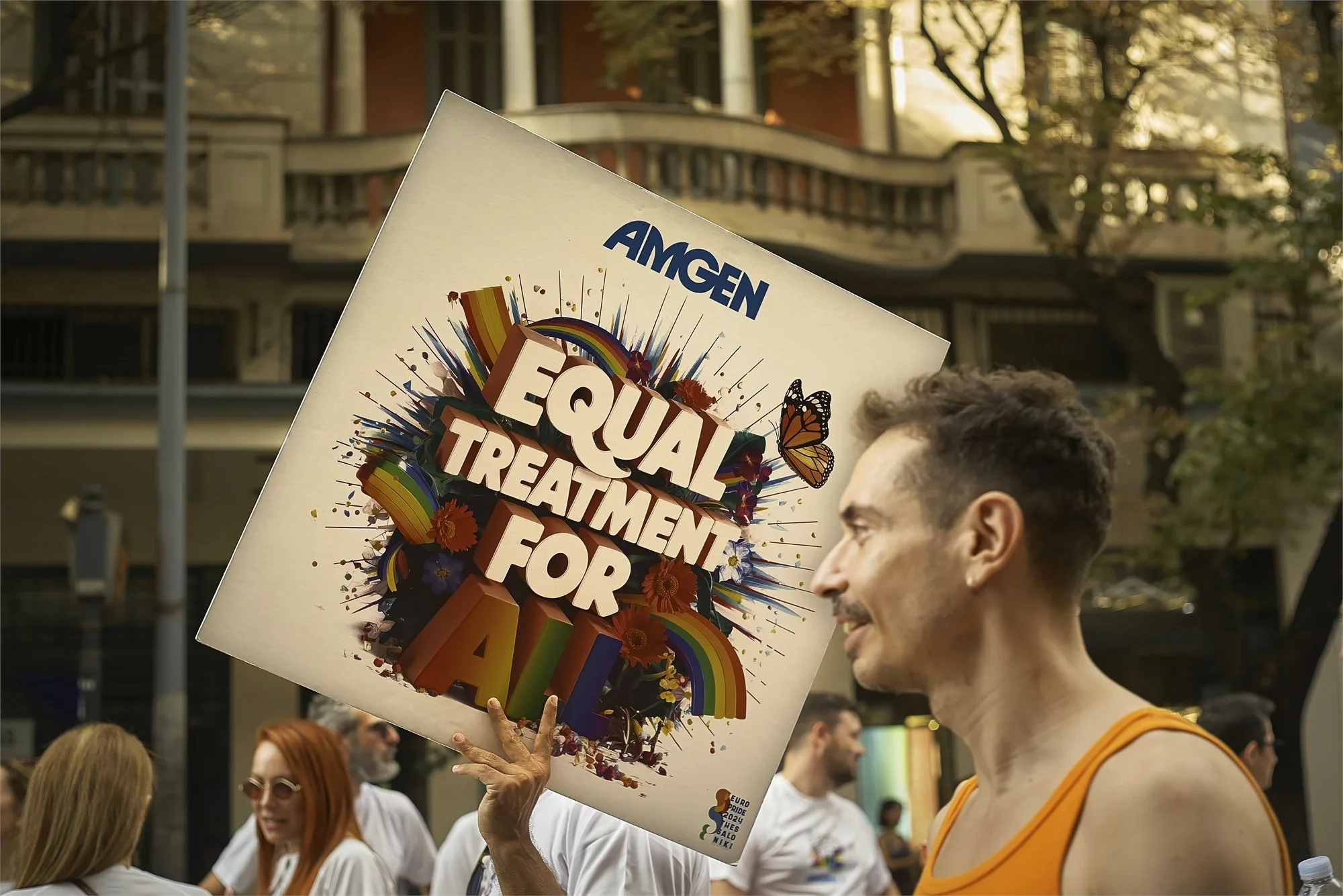
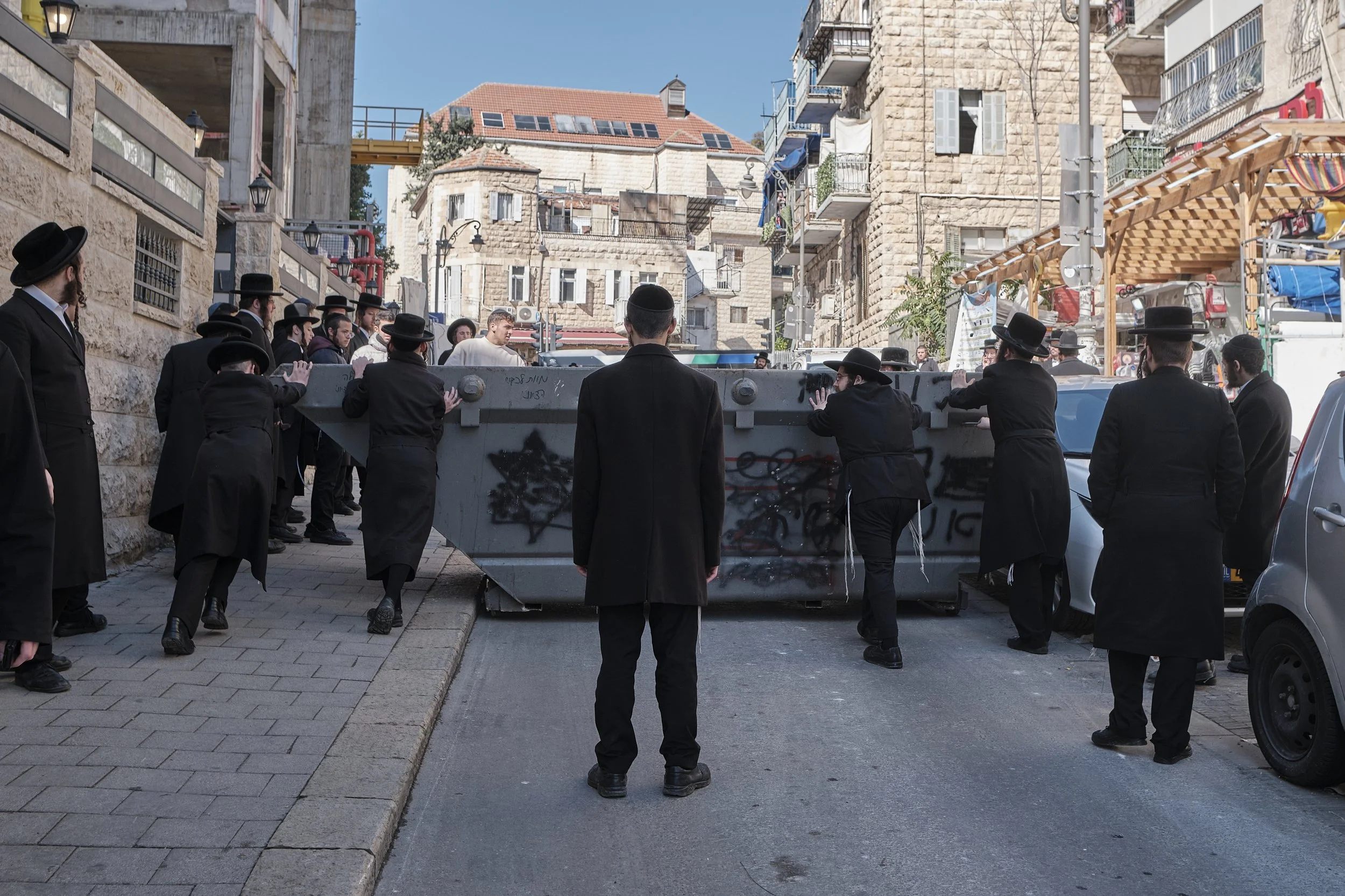
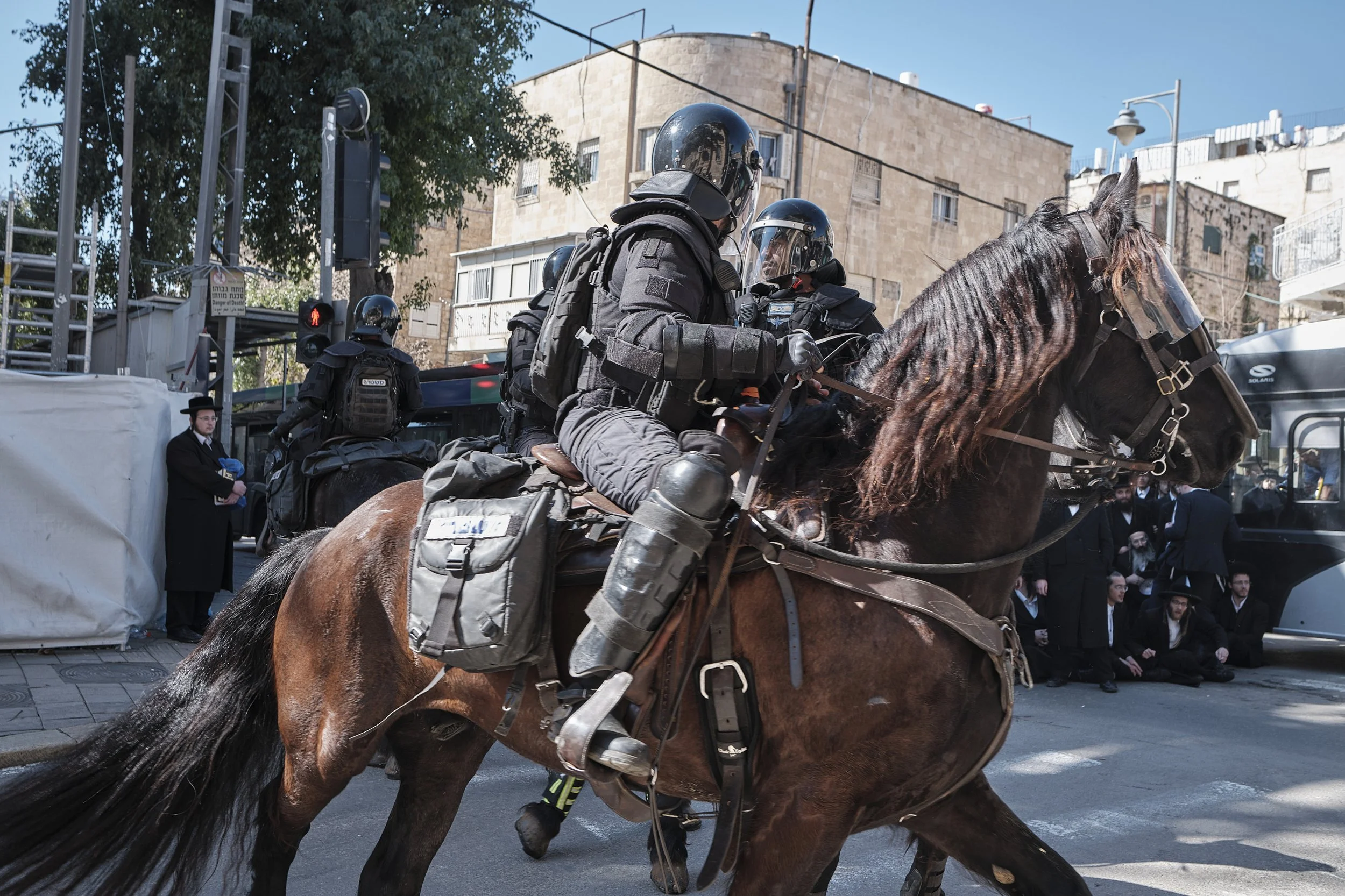
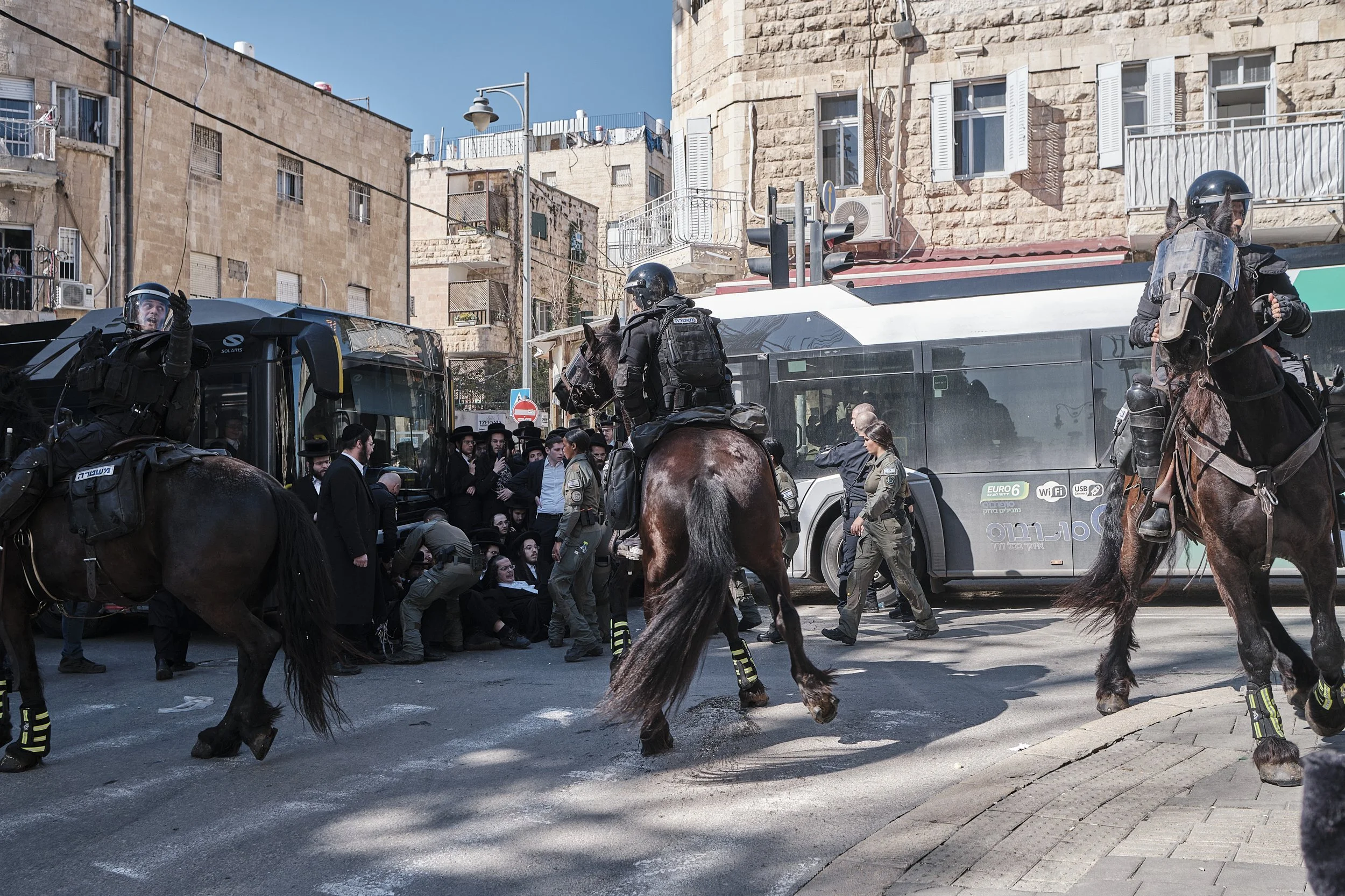
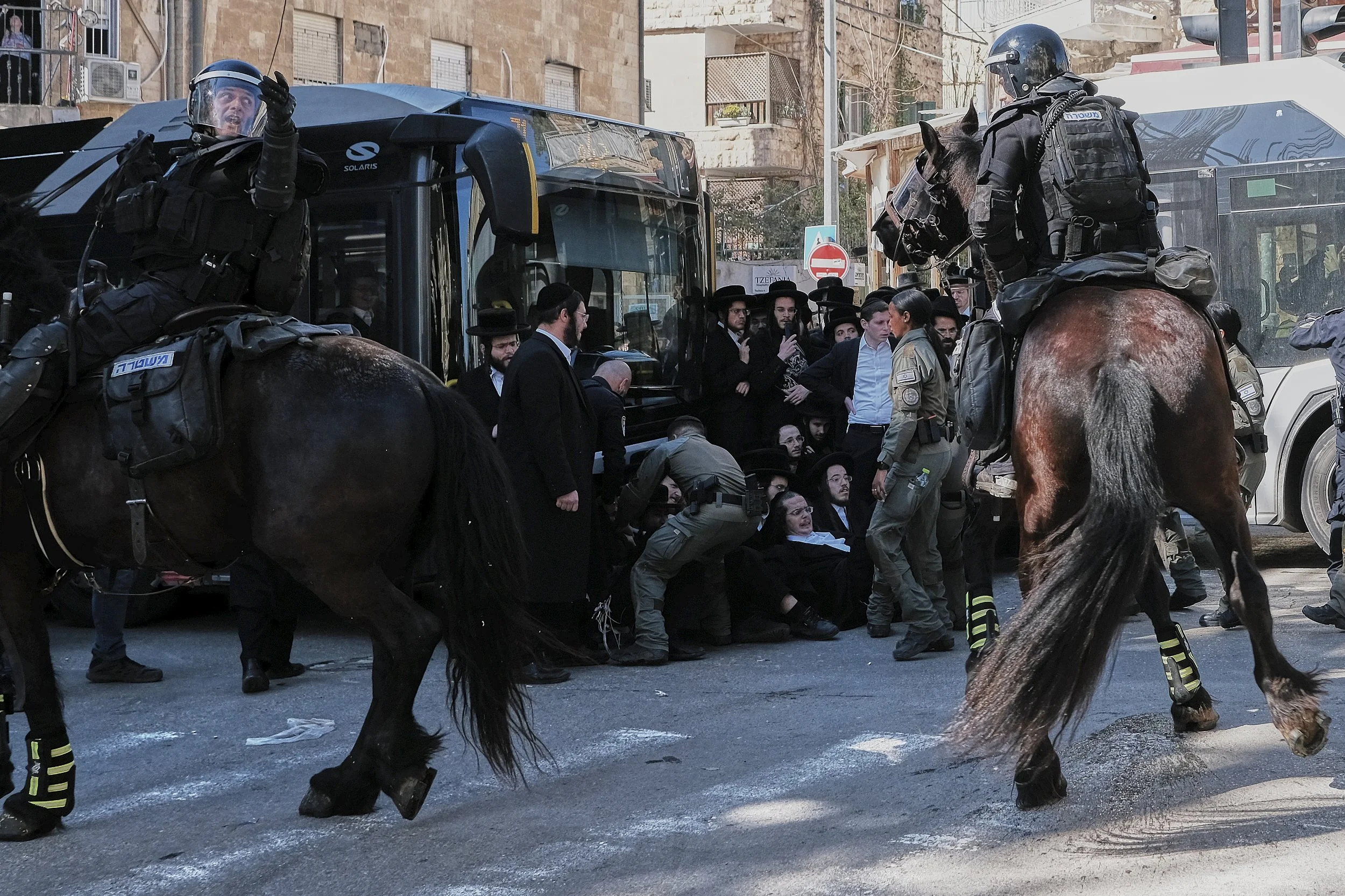
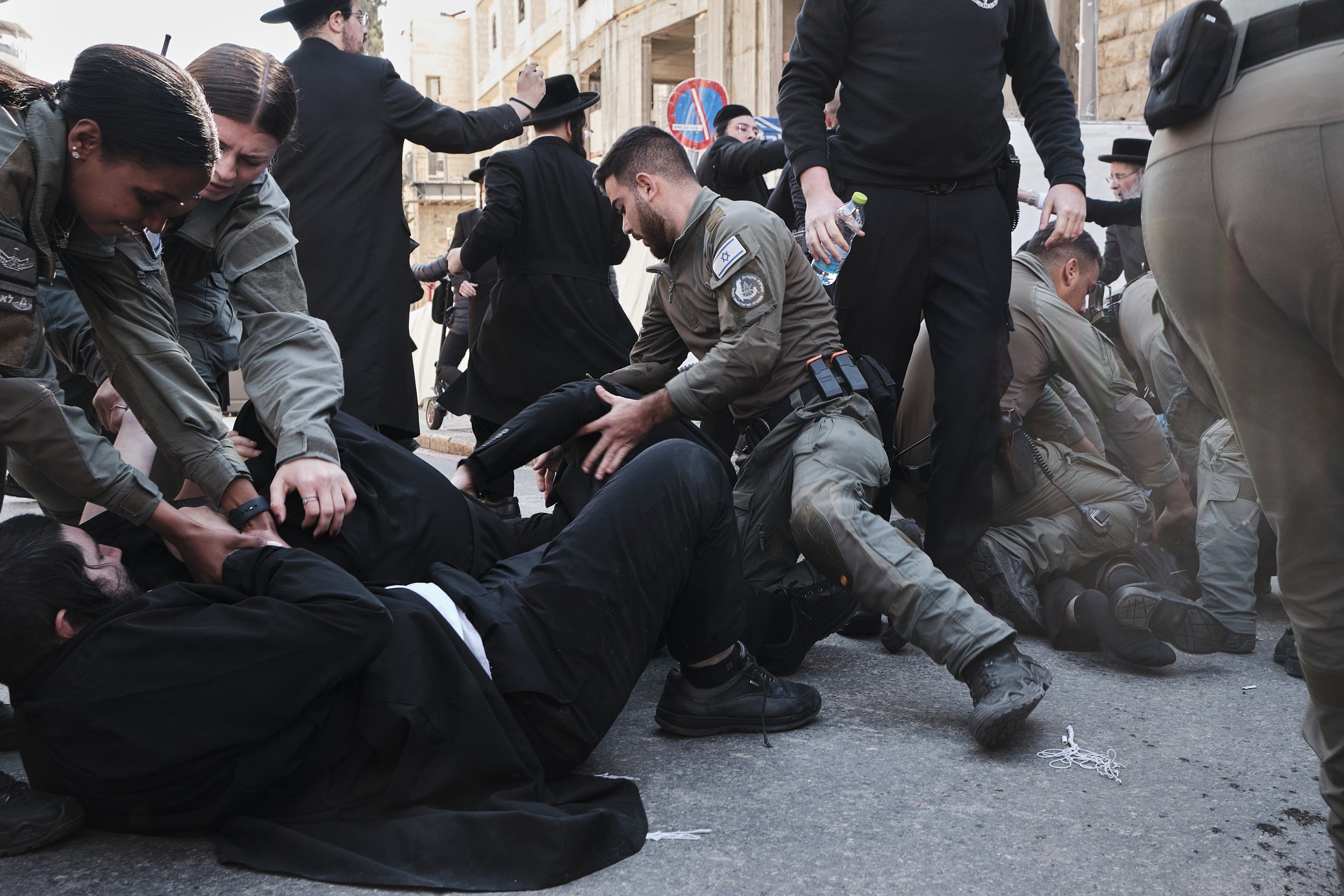
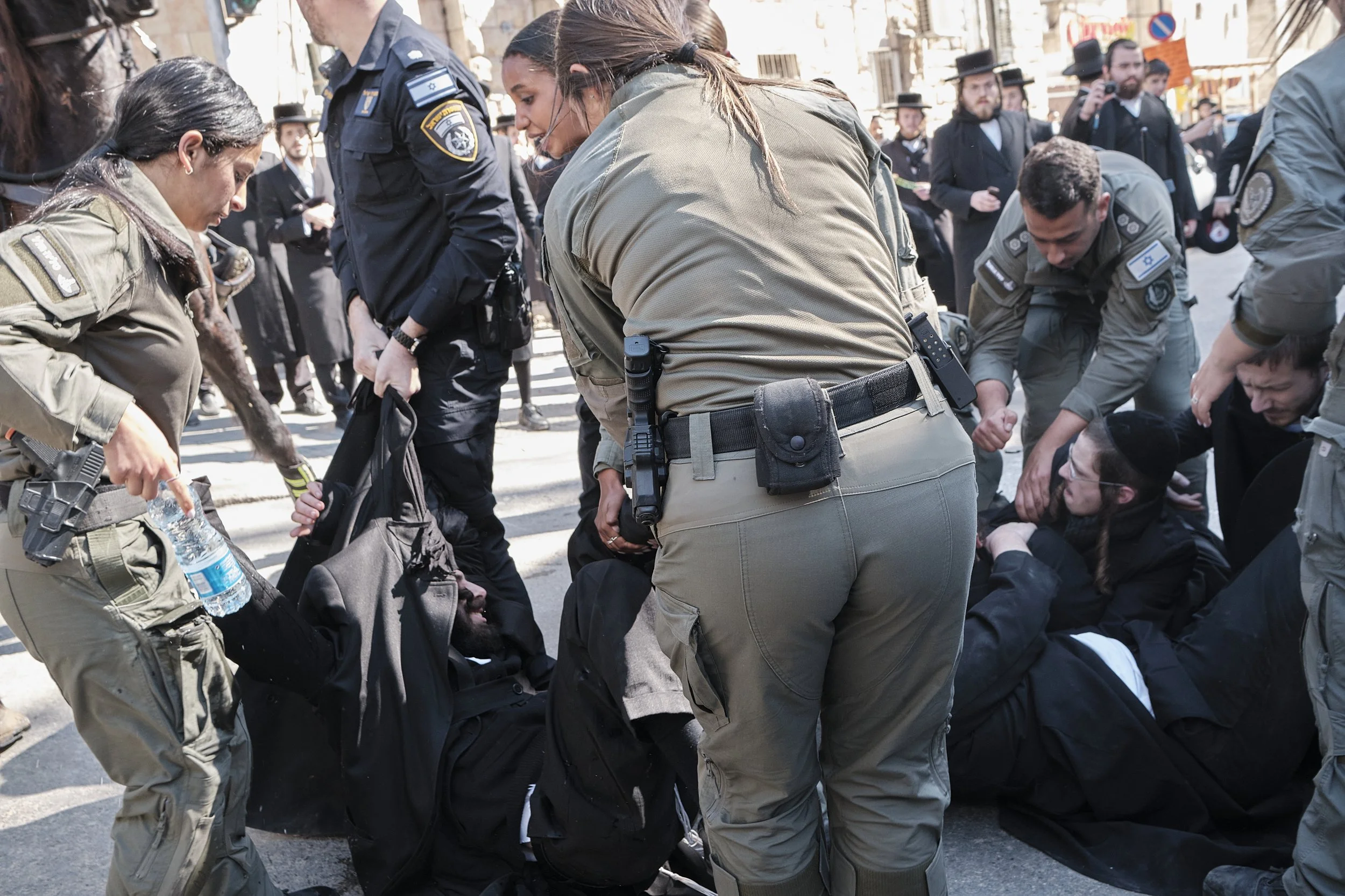
Avi Itzhaki – In February 2024, a 13-year-old boy died at his home in the ultra-Orthodox city of Beit Shemesh near Jerusalem. Police requested an autopsy to find out the cause of death. The ultra-Orthodox who oppose post-mortem surgeries began to demonstrate in Jerusalem and block roads. The police began evacuating the protesters. In the end, the police released the body for burial after examining C.T, although the cause of death was not found.
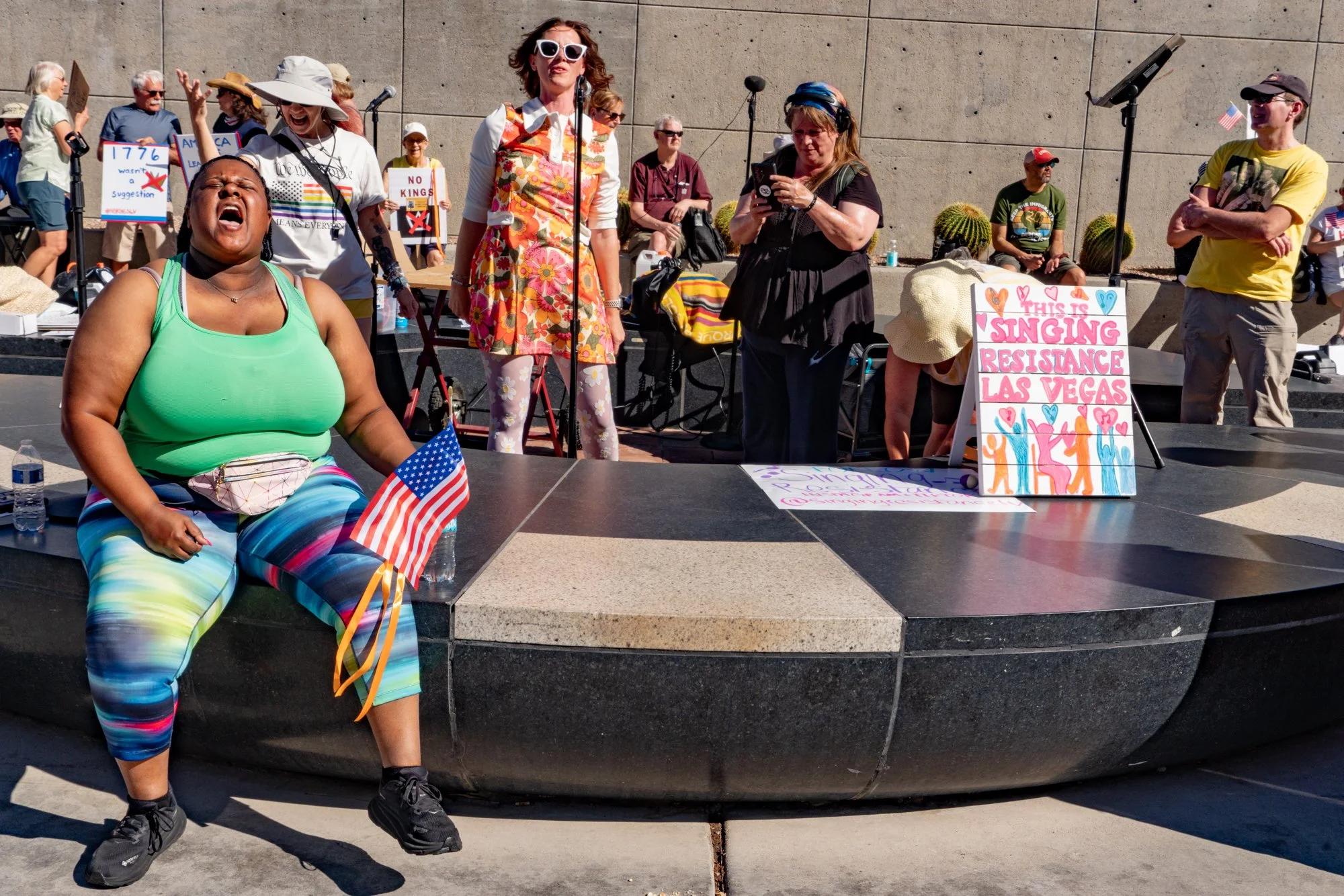
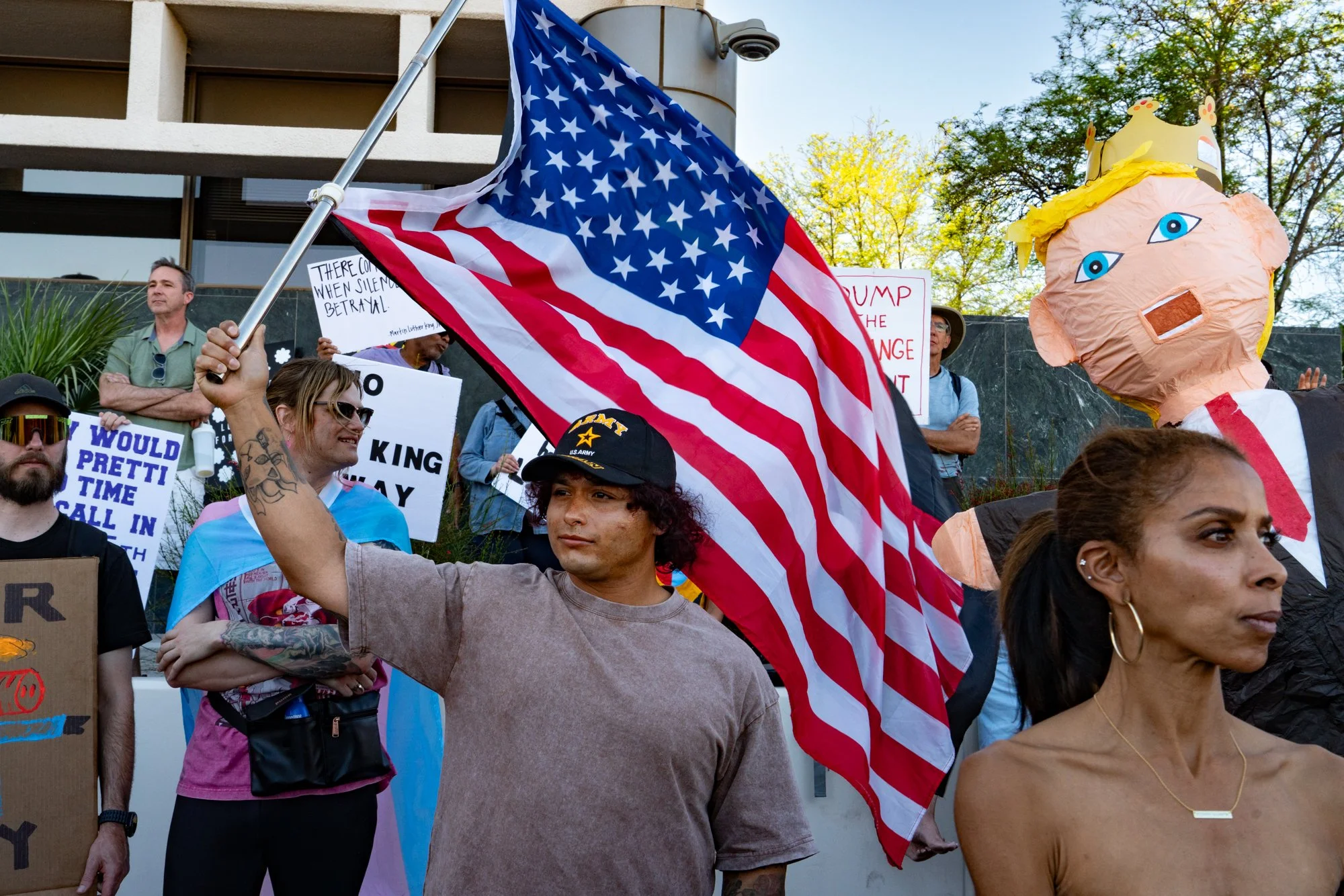
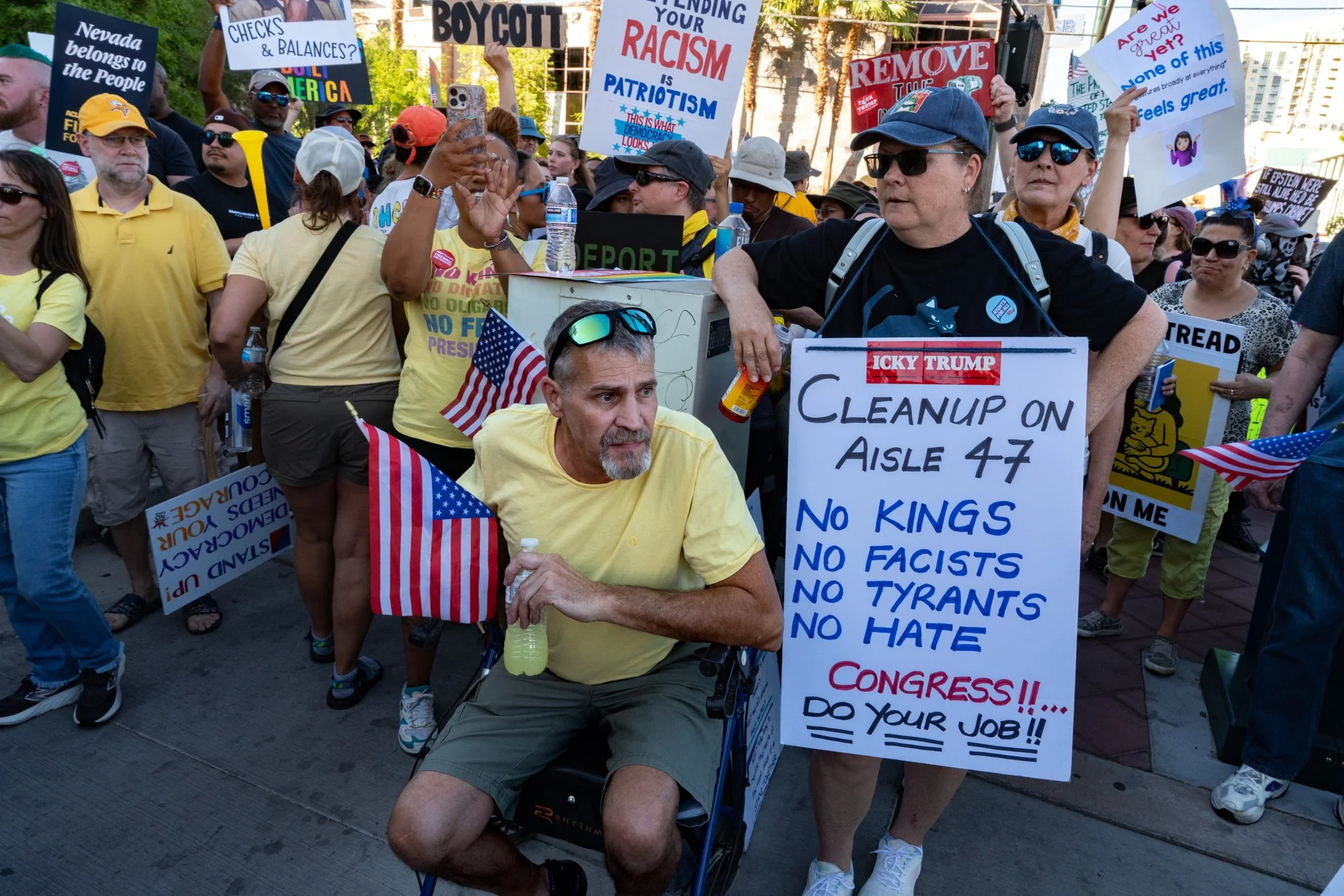
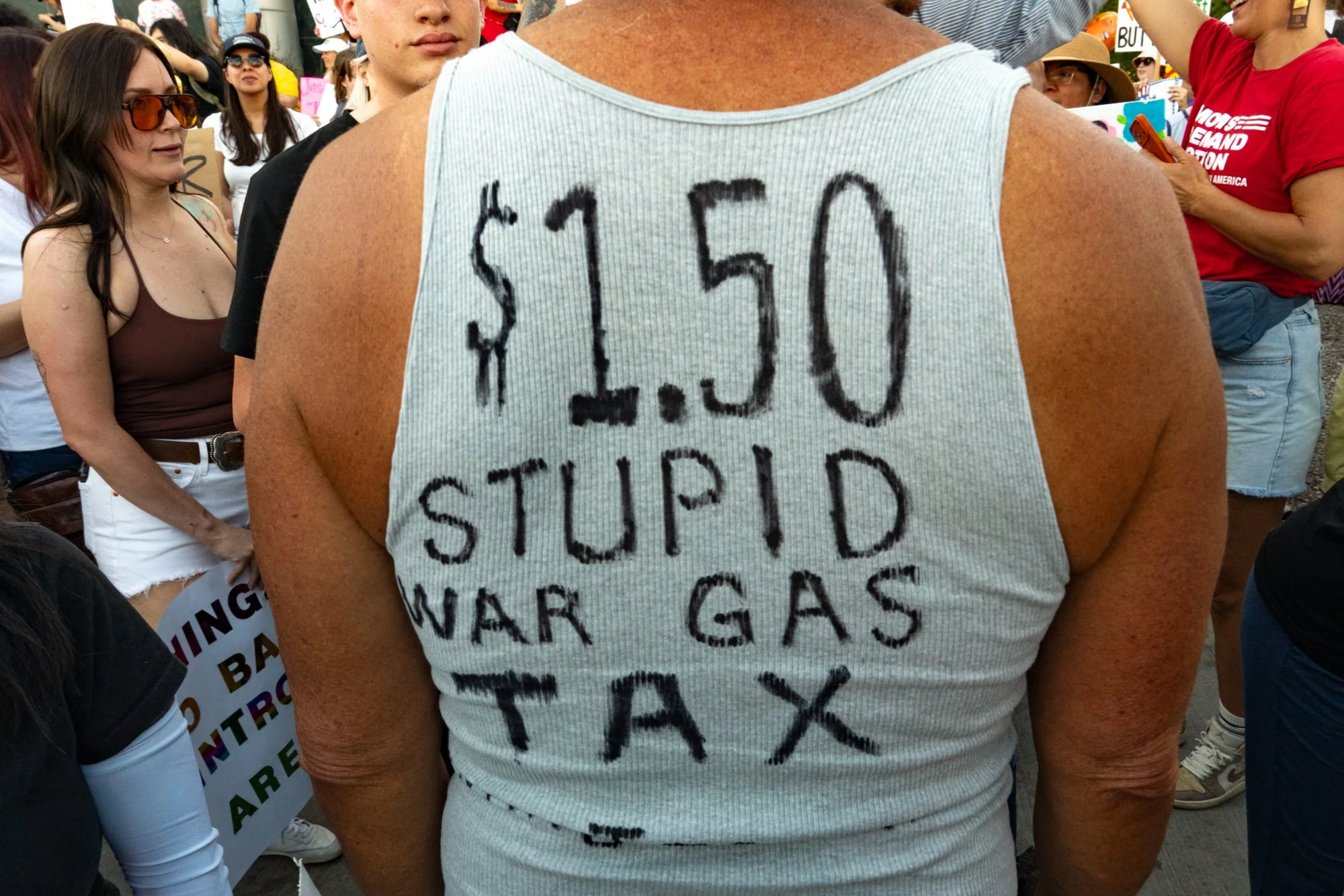
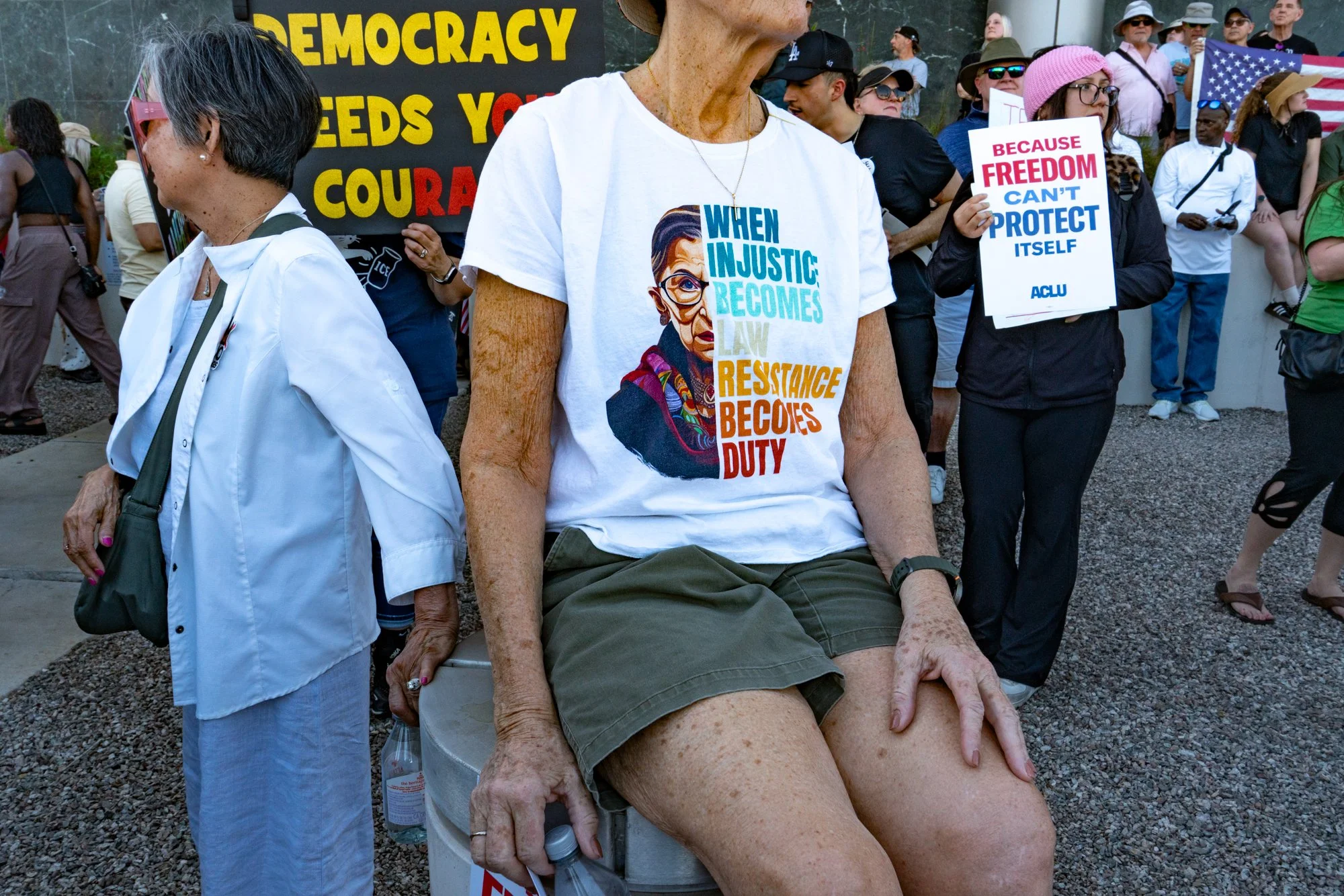
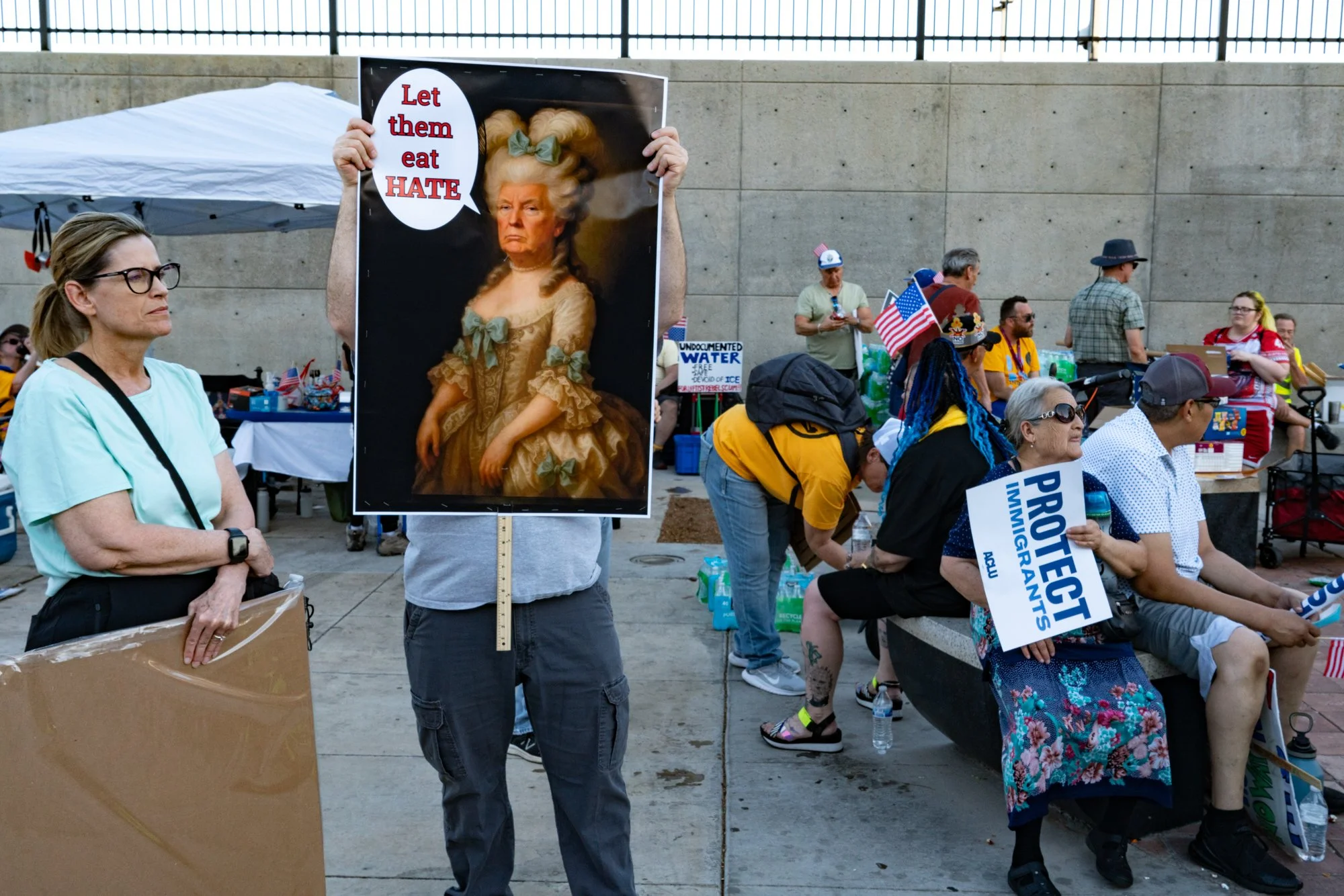
Bruce Saille – No Kings Las Vegas
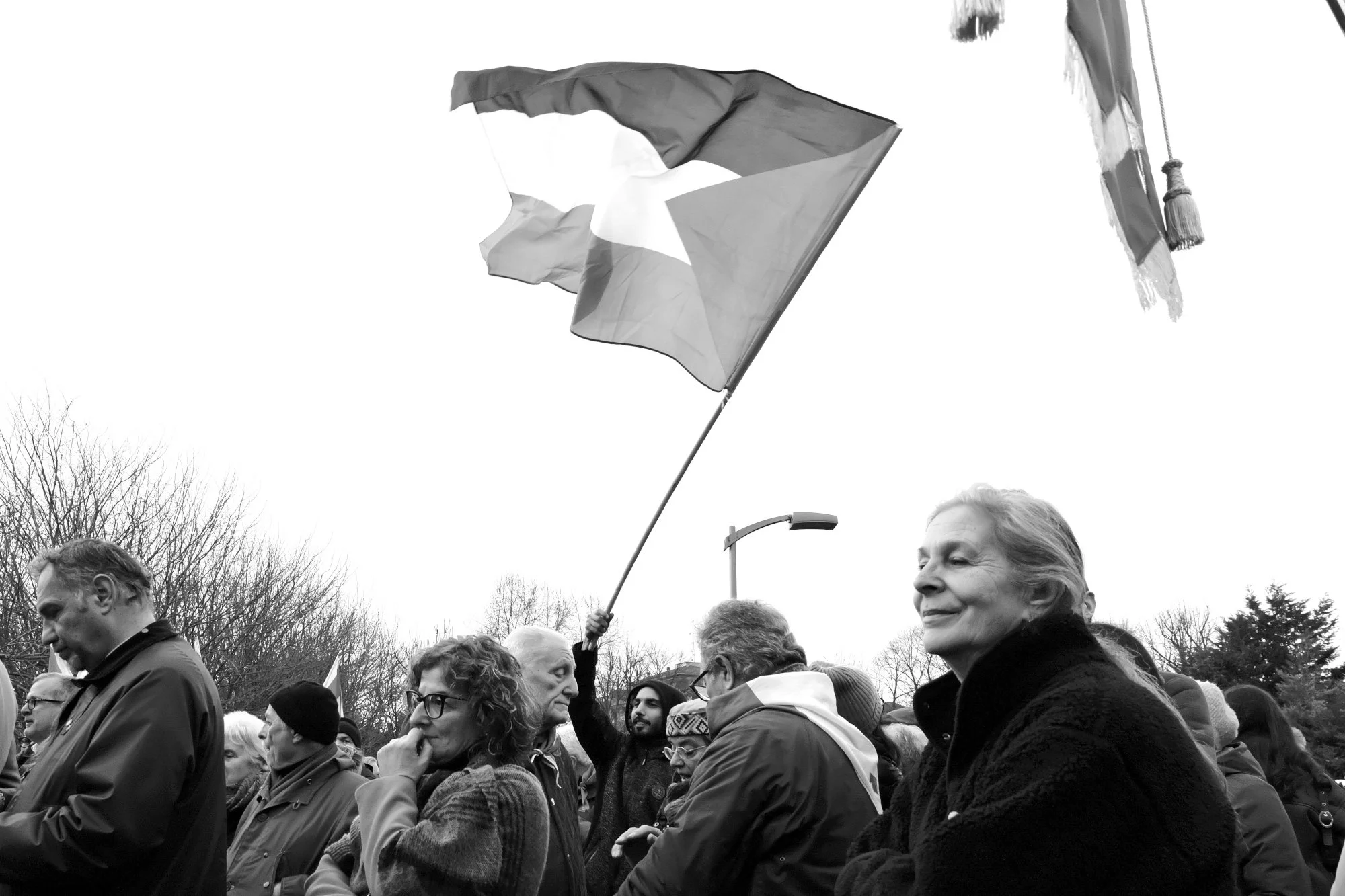
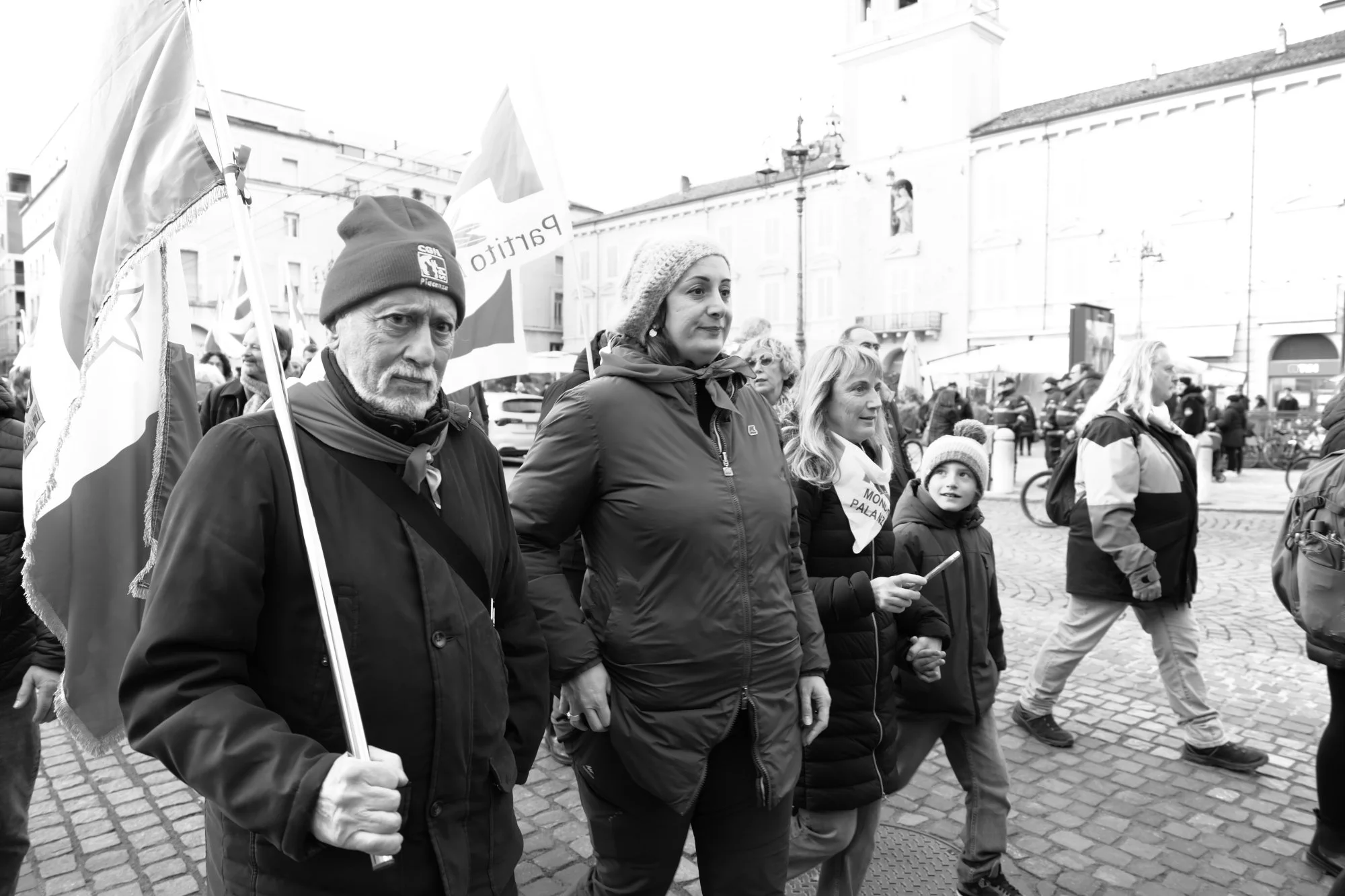
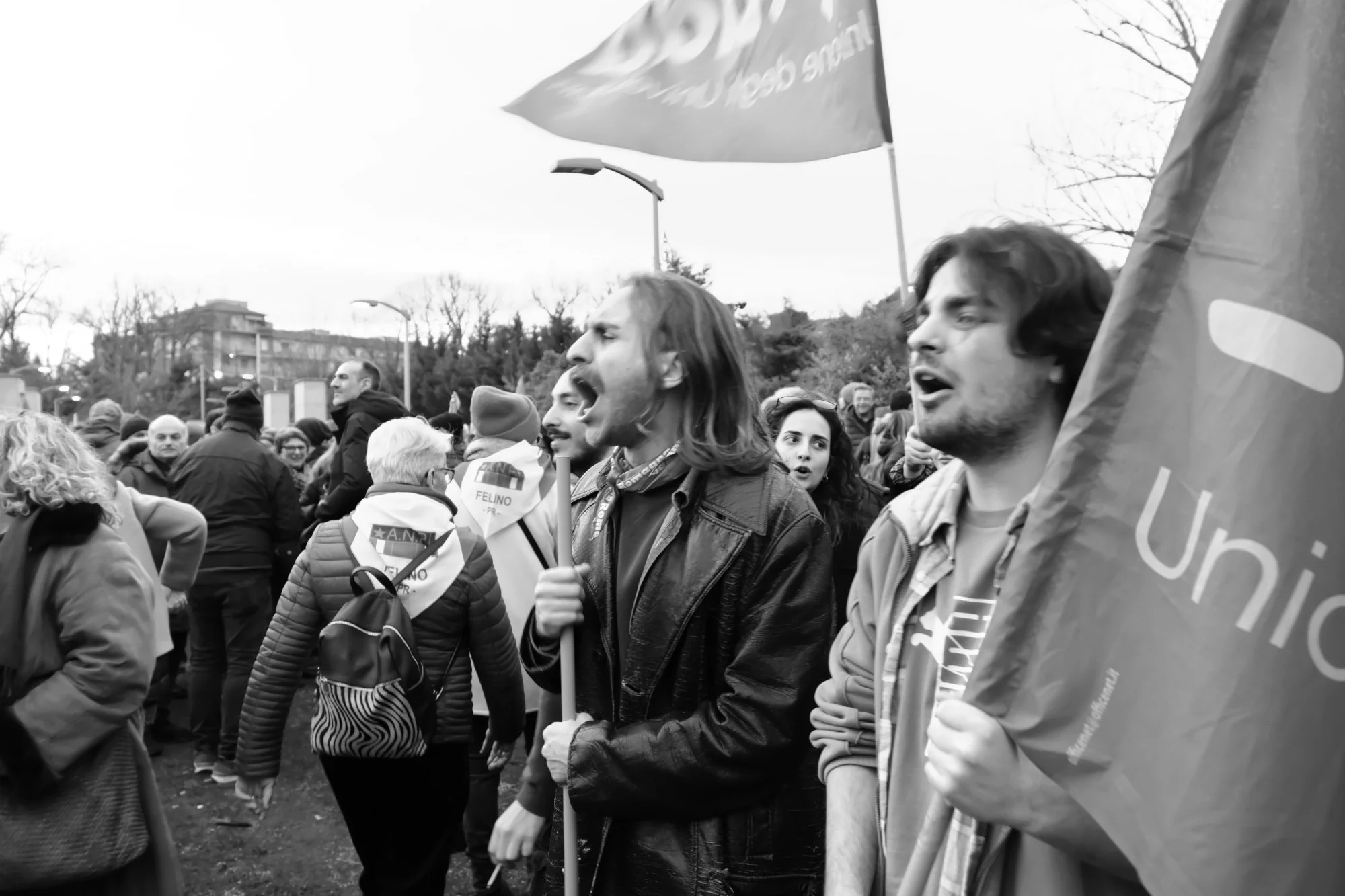
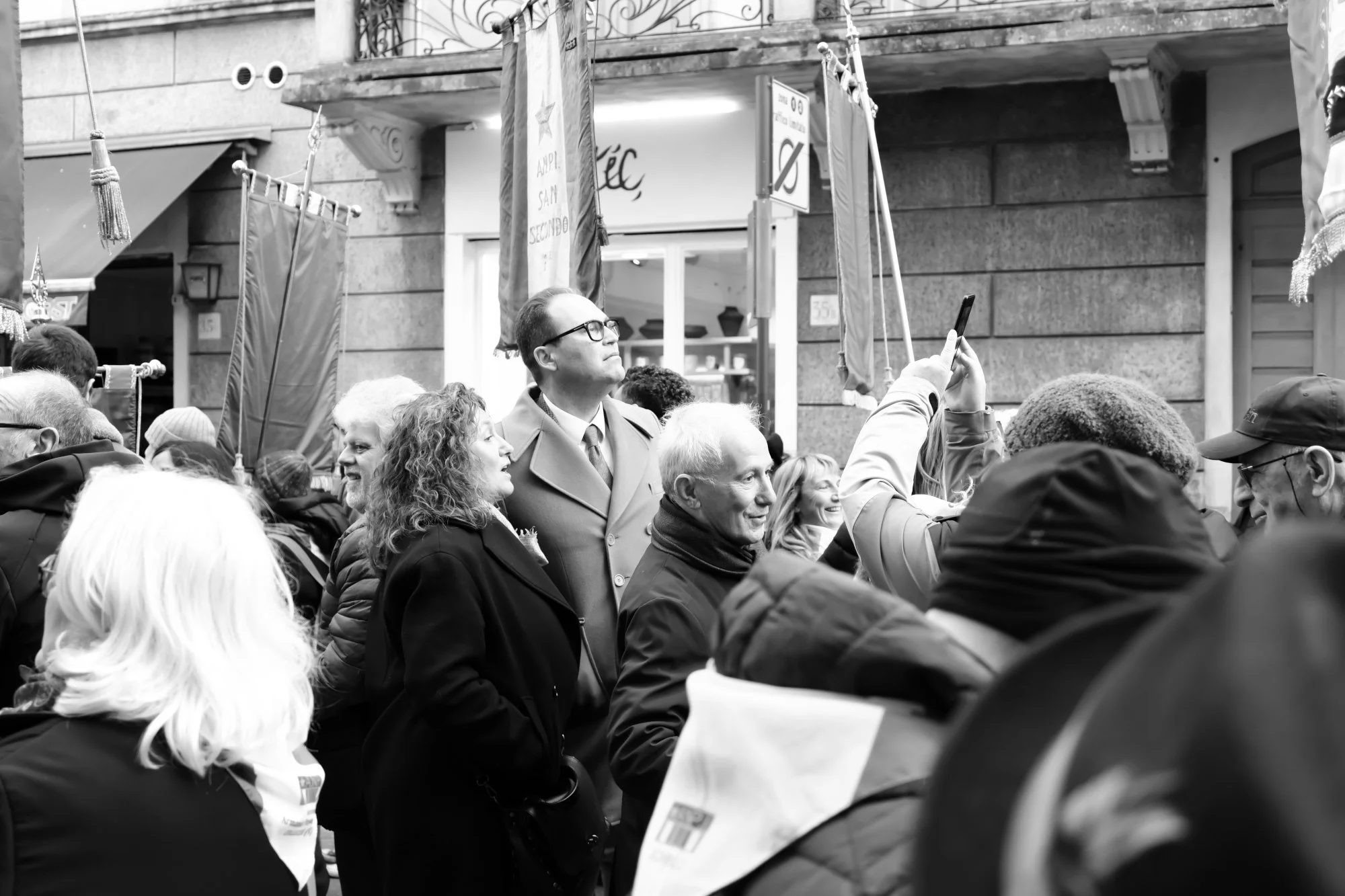
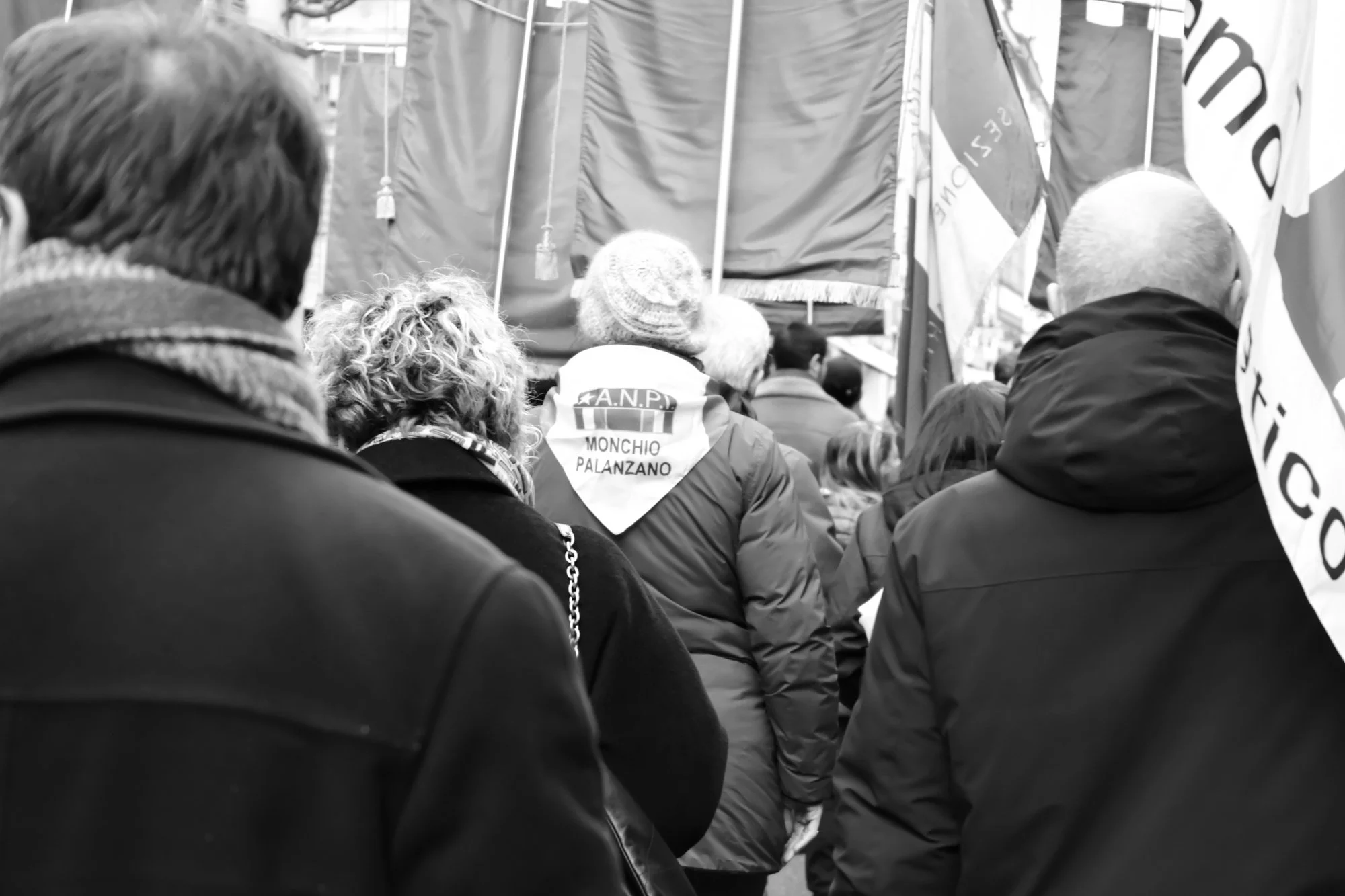
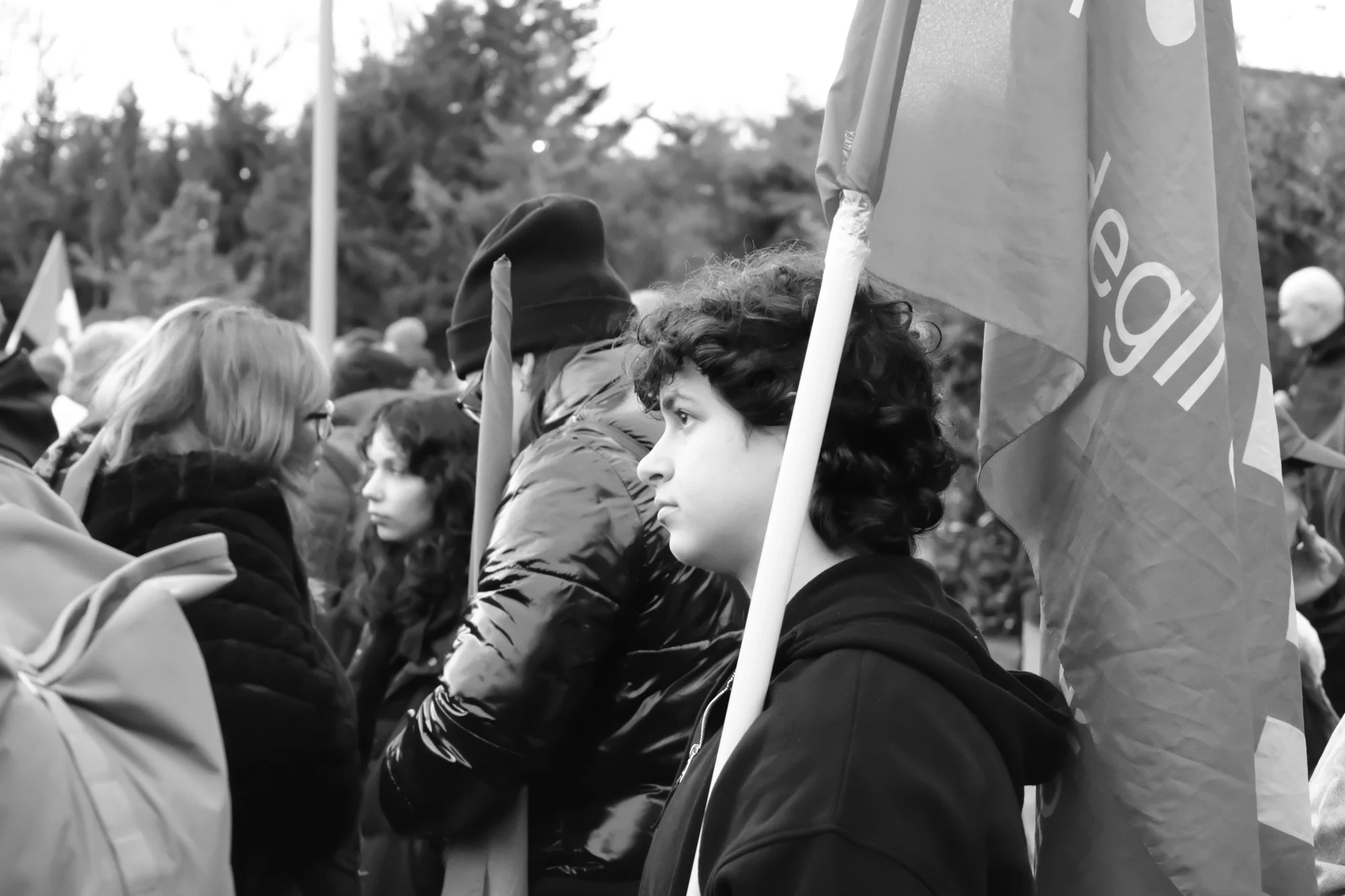
Catia Montagna – On Saturday 1 March 2025, thousands of people gathered in Parma to take part in an antifascist march. In the midst of a worldwide resurgence of extreme right-wing ideologies, the demonstration was a response to an event – which included a concert by bands whose songs promote violence, discrimination and intolerance – organised in the city by Casa Pound. Casa Pound is a neo-fascist organisation with a history of violence. A coalition of antifascist associations, worker unions and centre-left political parties called for citizens to demonstrate a collective stand against the resurgence of the extreme right and reaffirm the city’s long tradition of antifascism and the need to defend the values at the basis of the Italian Constitution which affirms a commitment to guarantee the conditions for equality, human rights, civil liberties and the rule of law and prohibits the reorganisation, in any form, of the fascist party. The city of Parma, which famously halted with its barricades the advance of fascism in 1922, was awarded the Gold Medal for Military Valour in 1947 for its contribution to the Resistance and the national liberation movement. Palpable among the people was concern for the spread of forces that in Italy and across the globe threaten democracy – but so was the hope that a collective stand could make a difference.
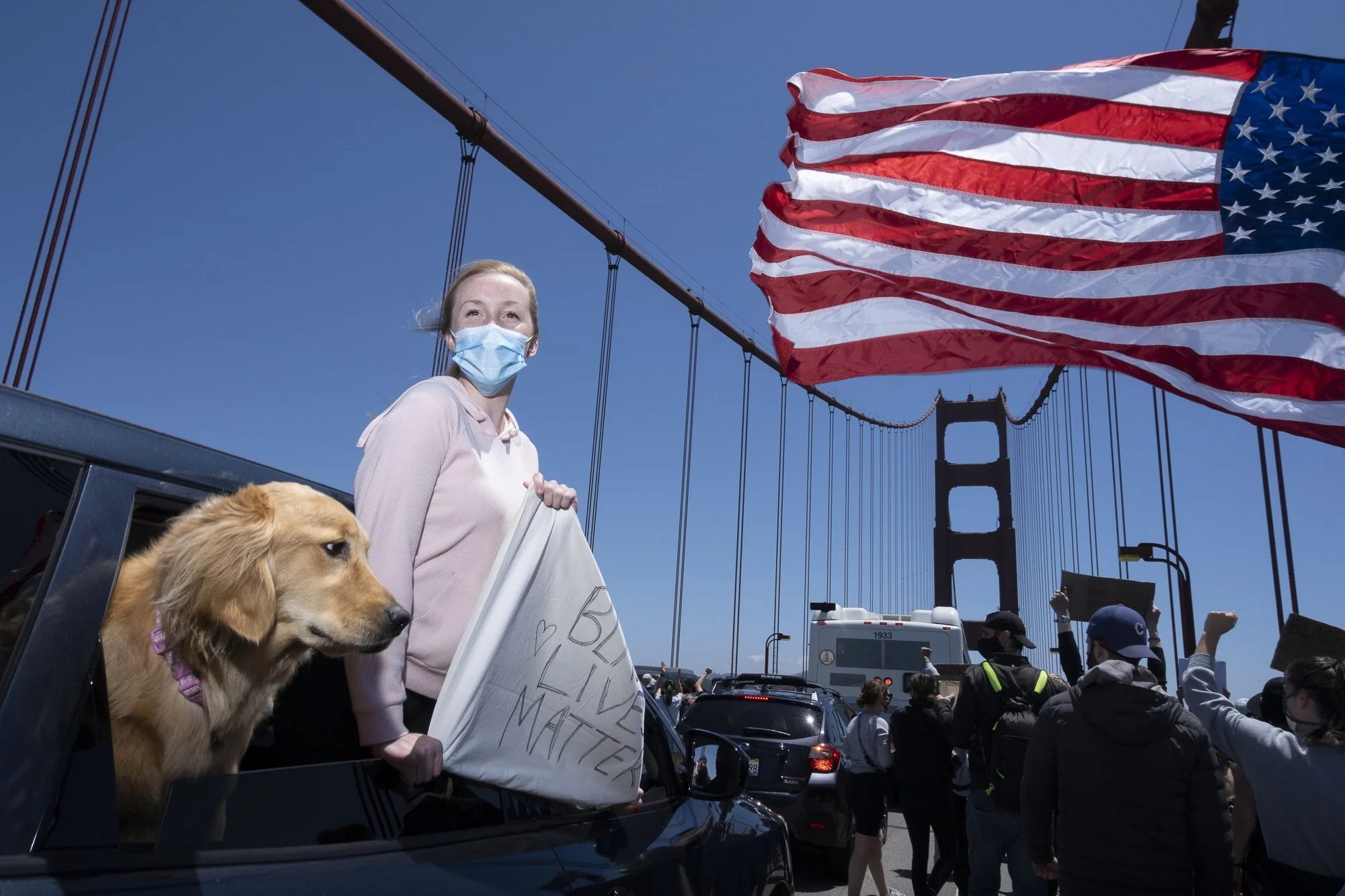
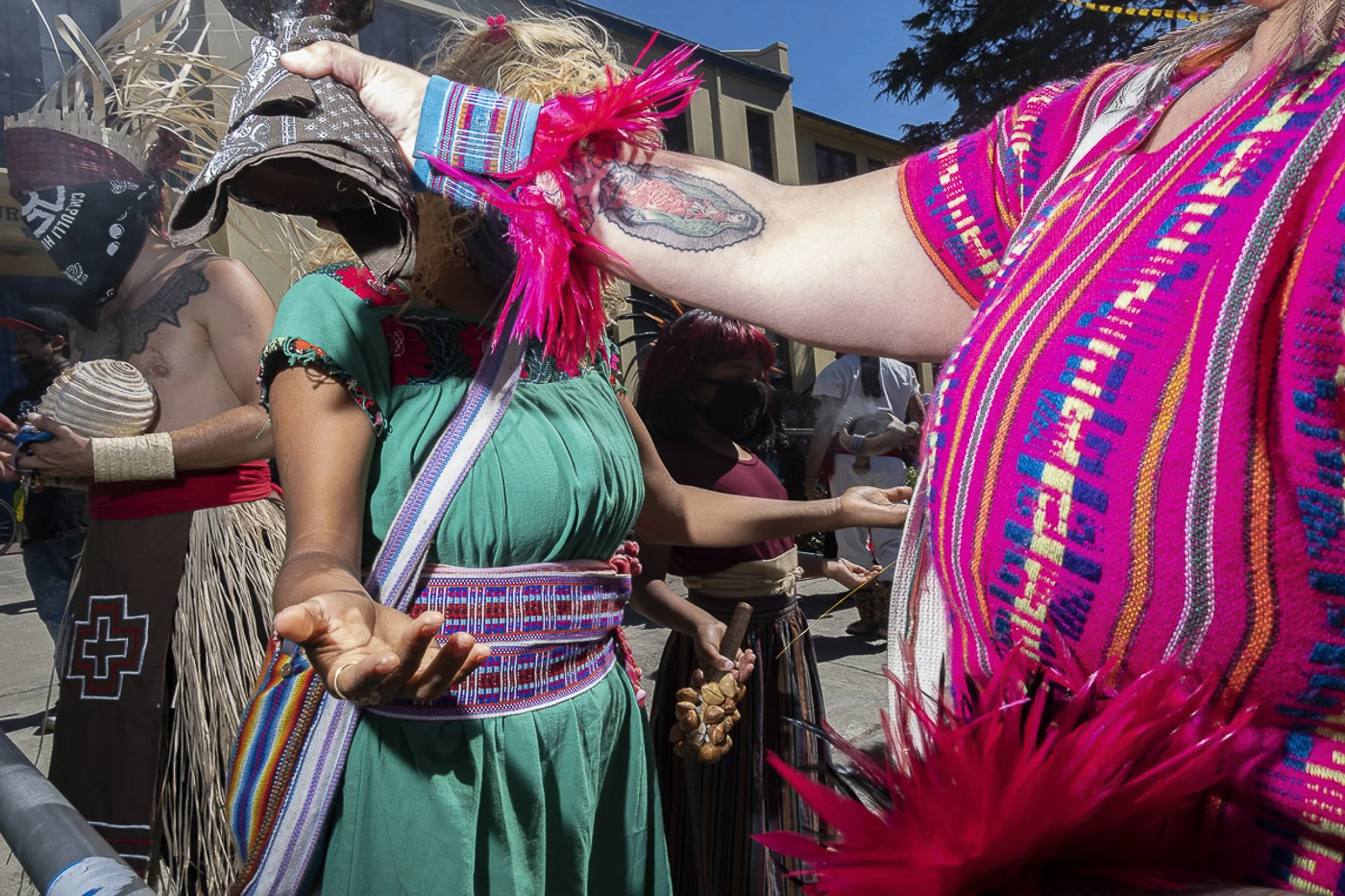
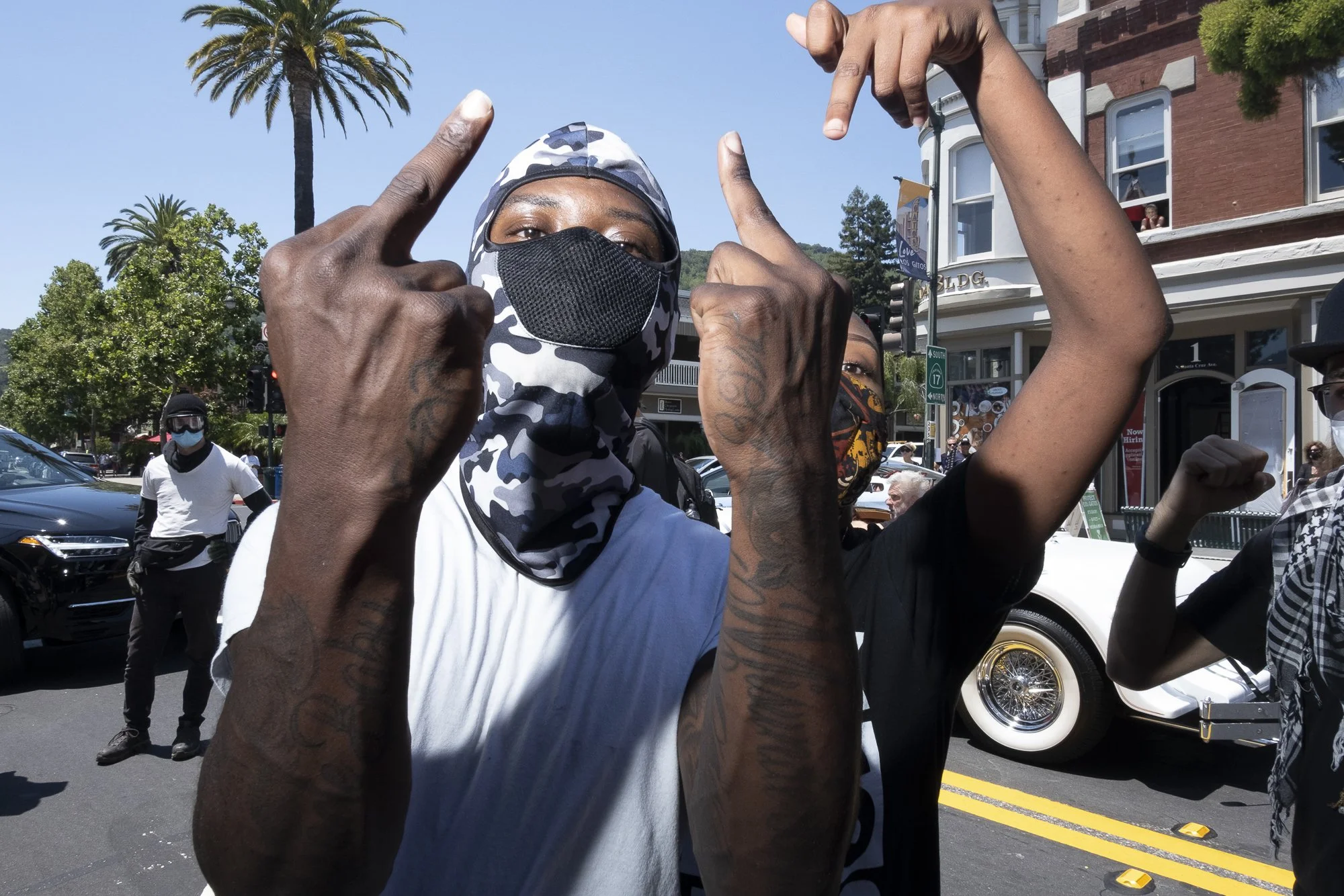
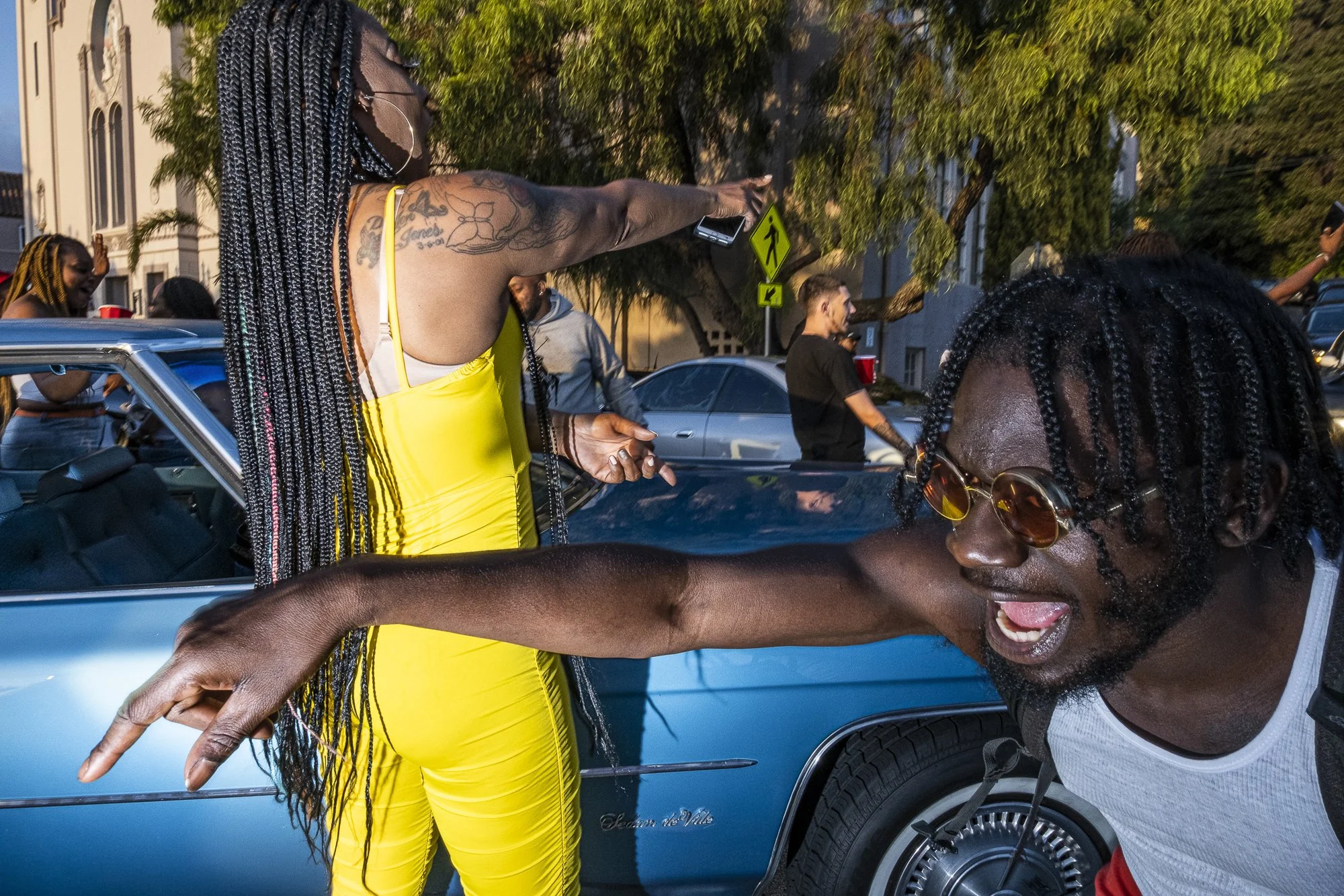
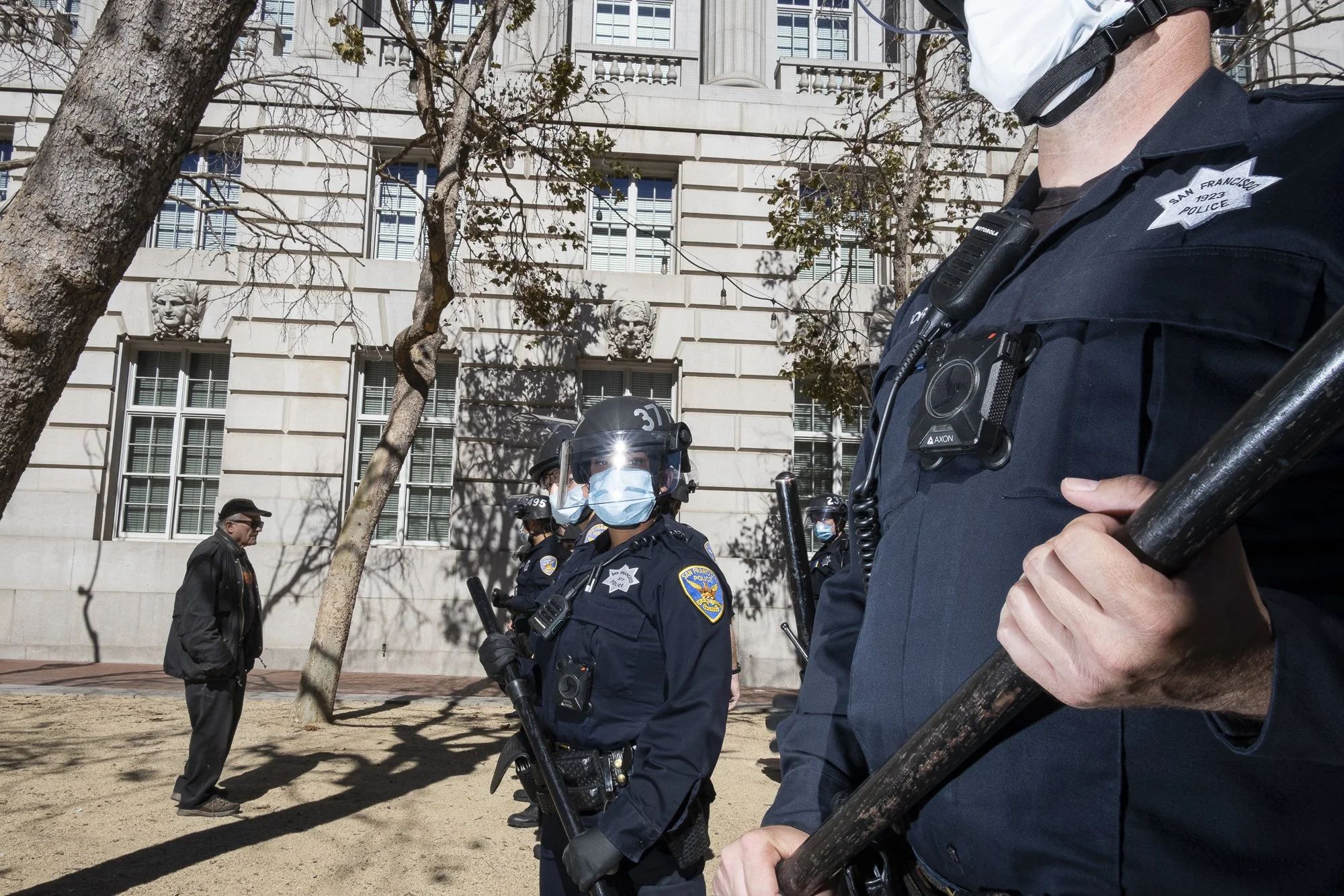
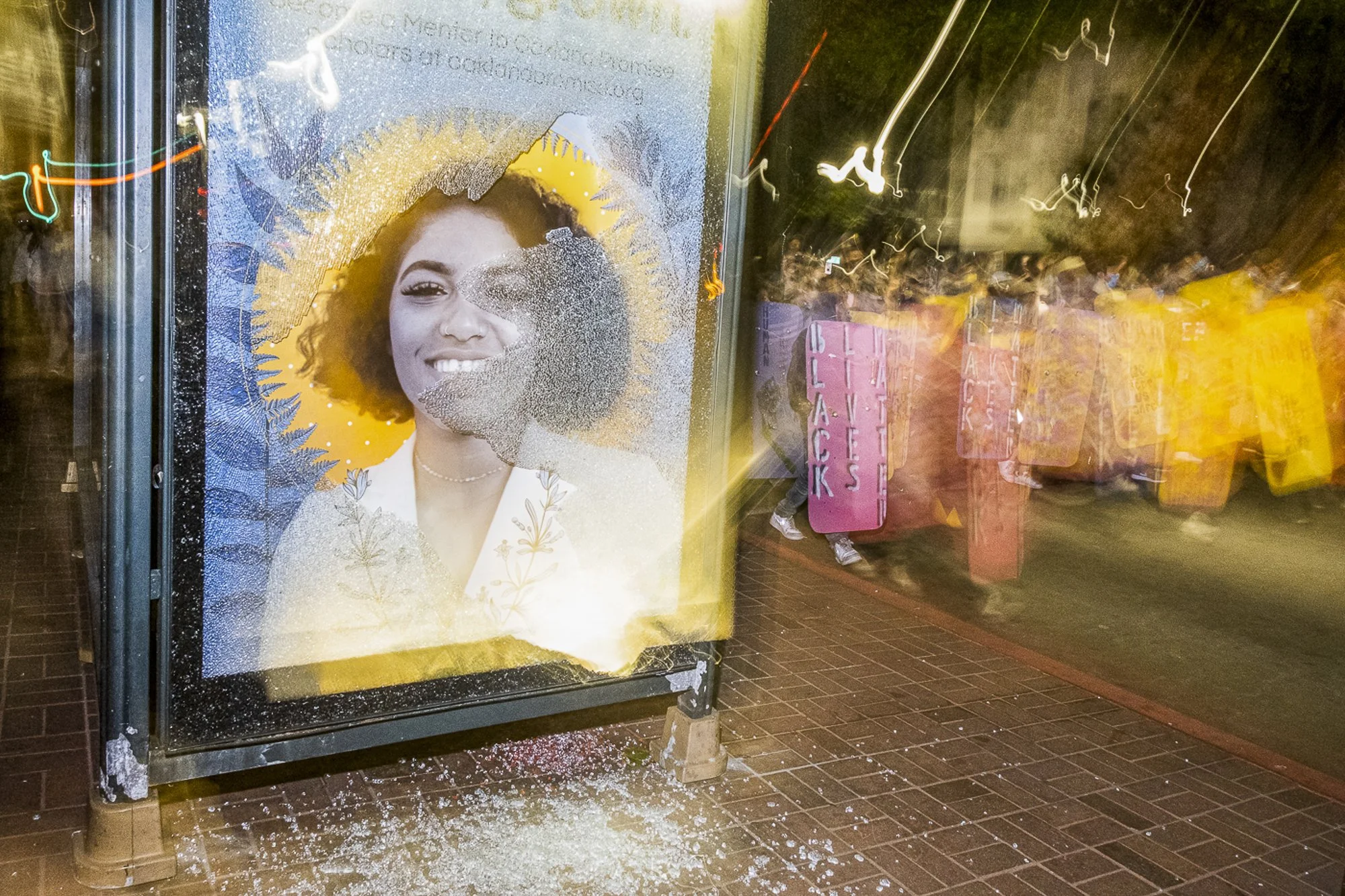
Dan Fenstermacher – These photographs honor the memory of victims of police brutality, fight racism by voicing a platform of hope and justice, and provide a historical record of the Black Lives Mattermovement in America. The cardboard signs are out, but this movement feels different. You can hear the anger in people’s voices. This remains a decisive moment in racial equality in America.
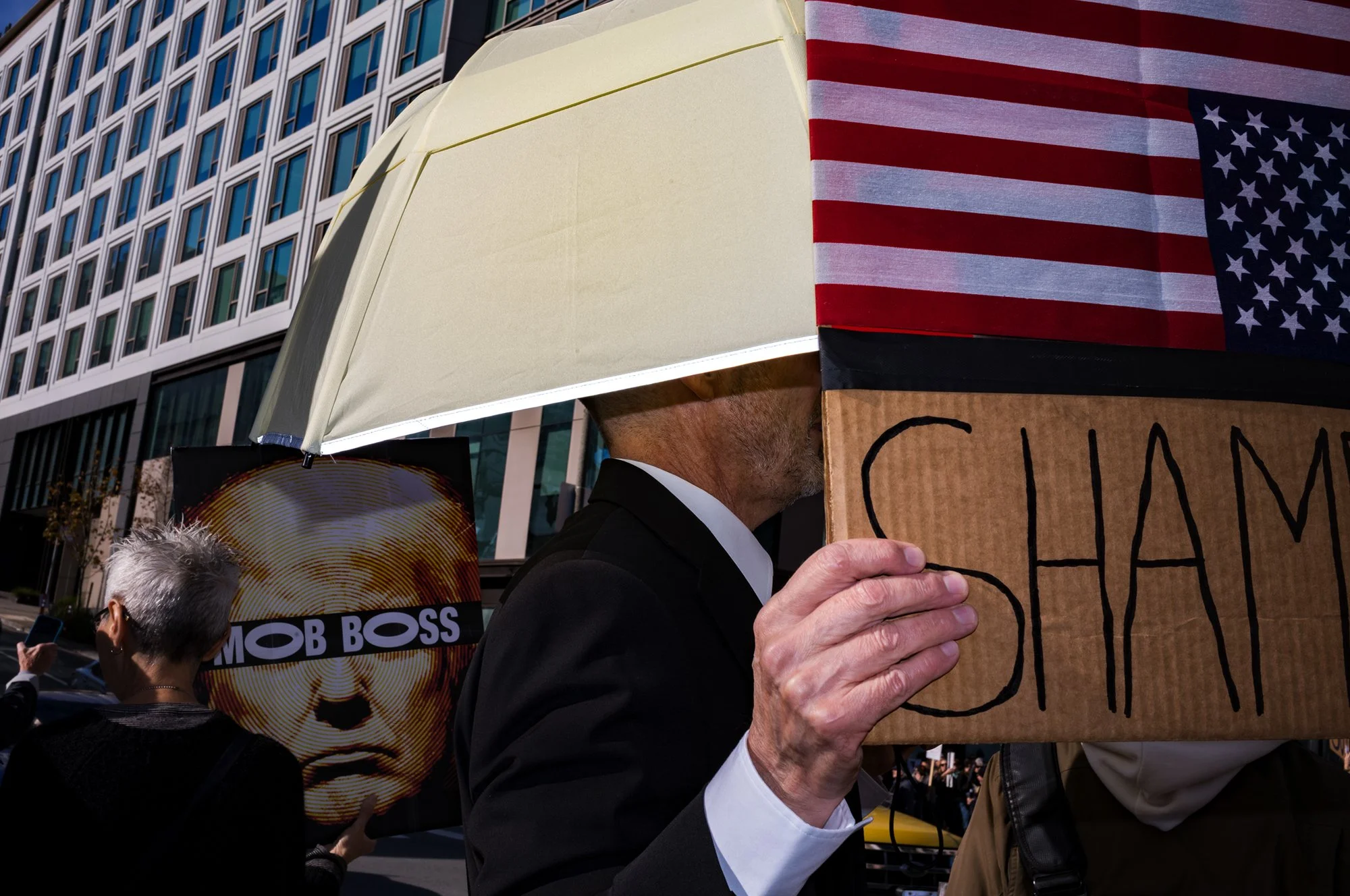
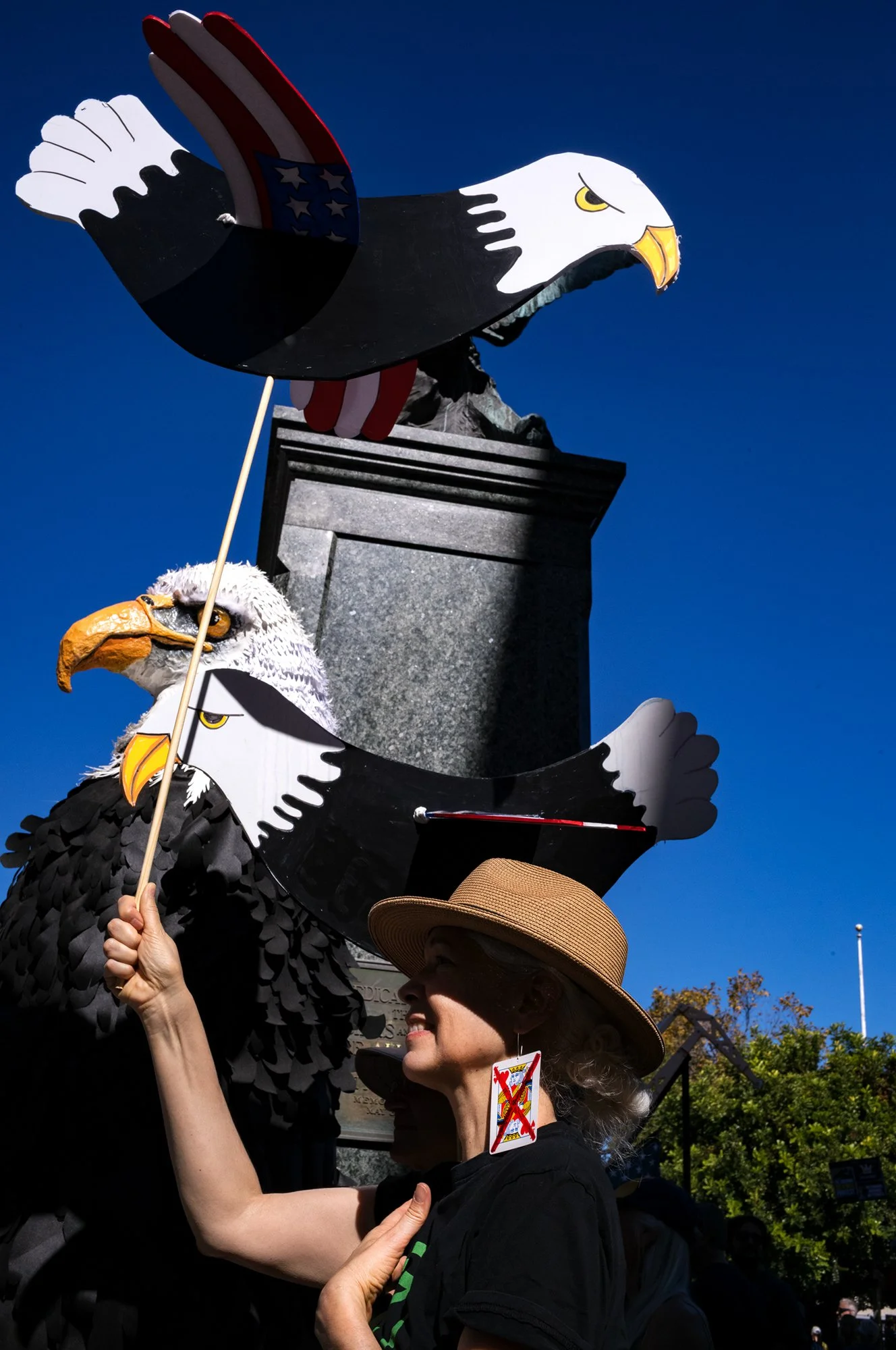
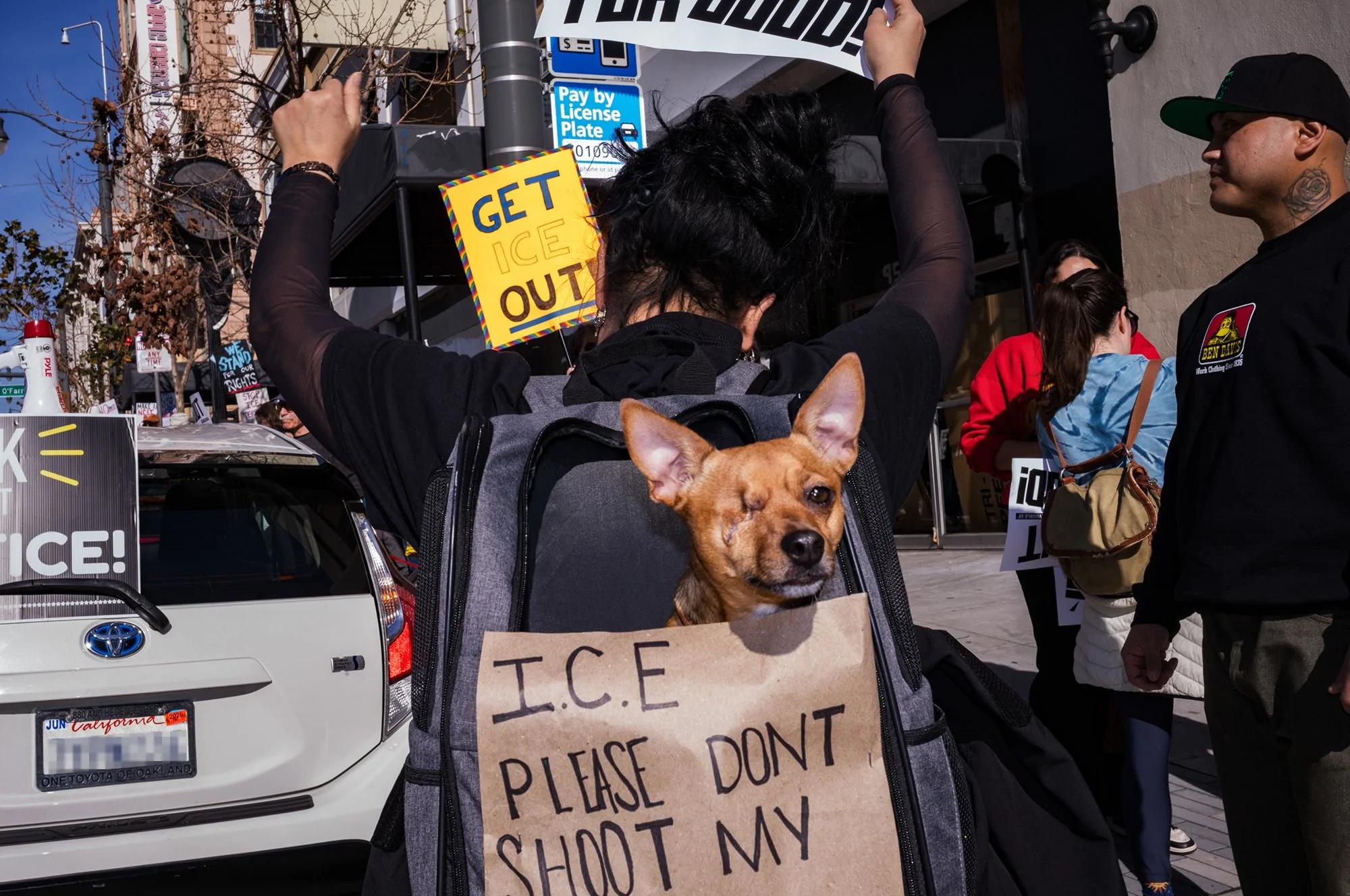
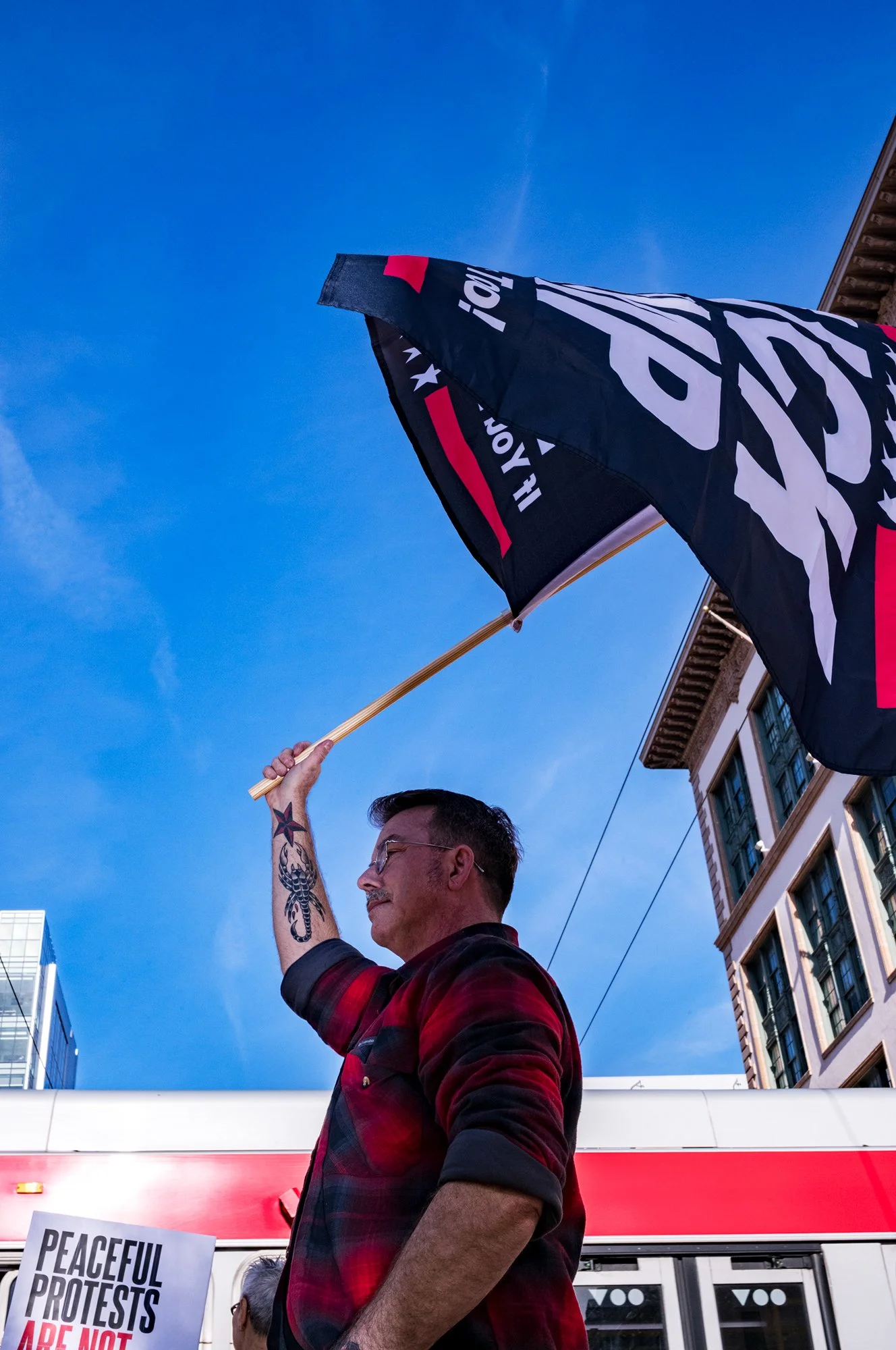
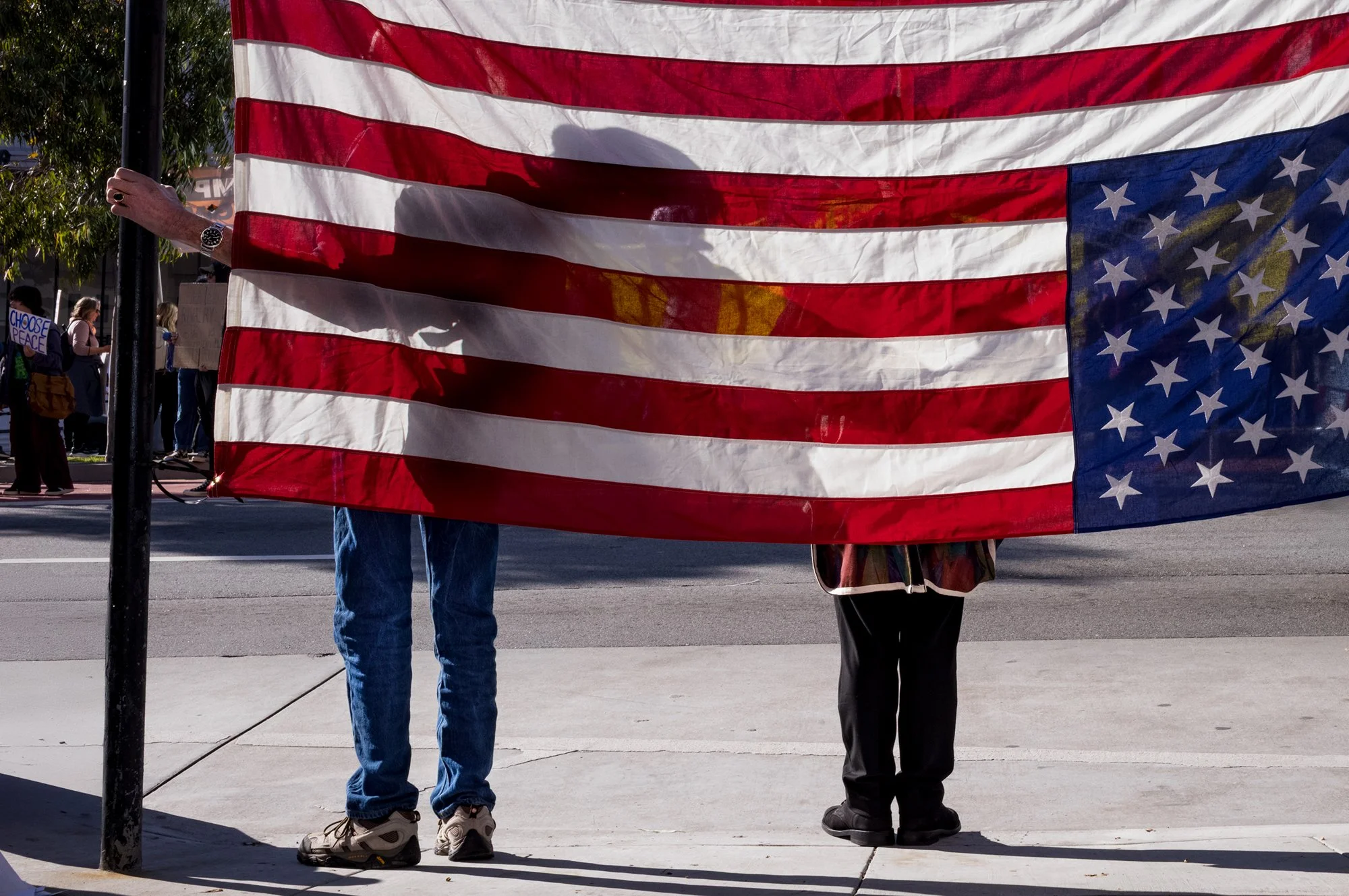
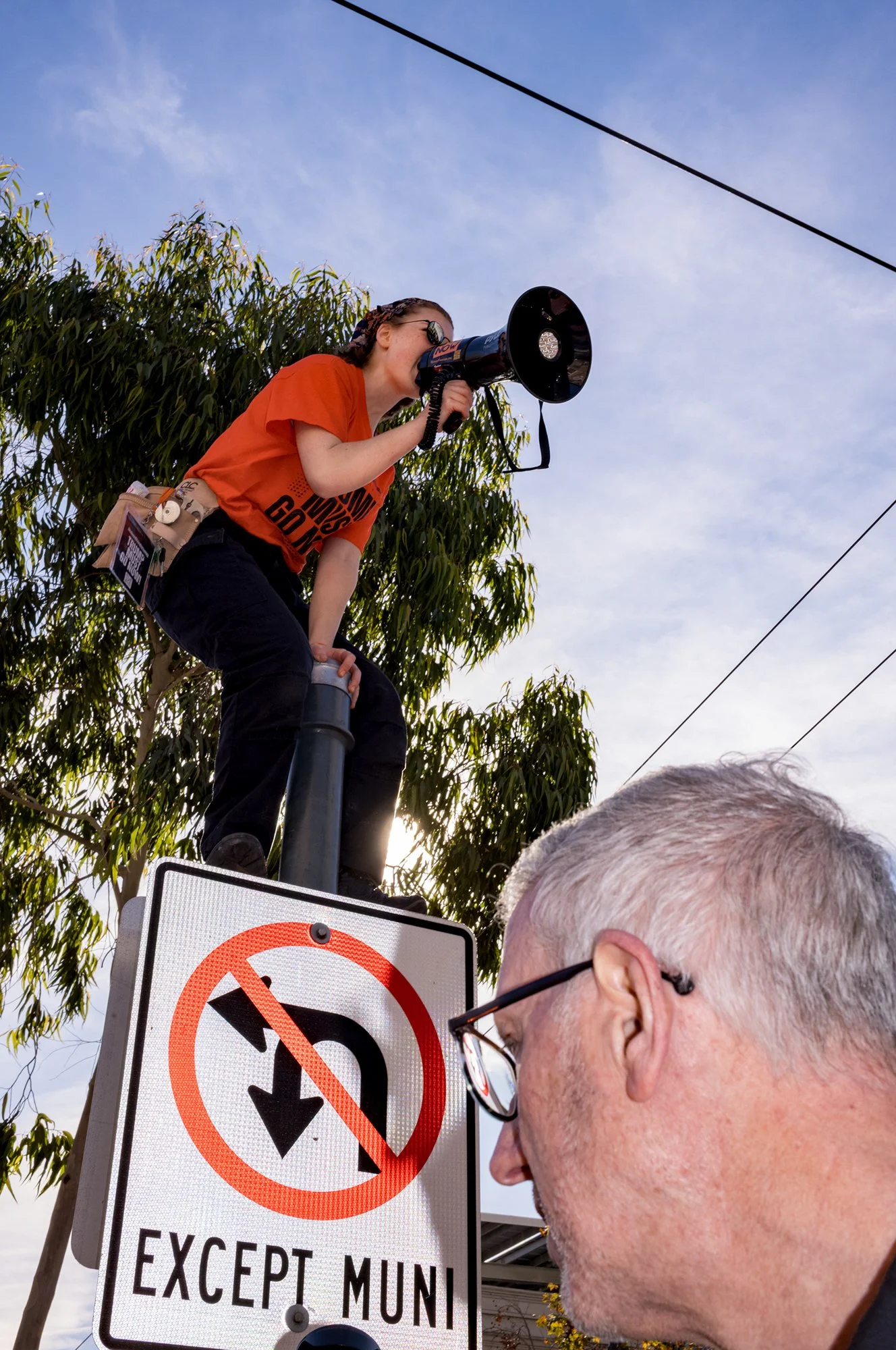
Edwin Carungay – I document civic resistance as communities confront the growing threat of authoritarianism in America. Around the world, a renewed wave of right-wing reaction is challenging civil freedoms long fought for —especially by historically marginalised groups. My perspective is shaped by lived experience as an immigrant and a person of colour. I am energized by,the diversity of those who organize, protest, and speak out, including empathetic allies. Photographed in the streets of California, this work captures collective action as both an act of urgency and a practice— an ongoing defence of basic human rights and democracy.
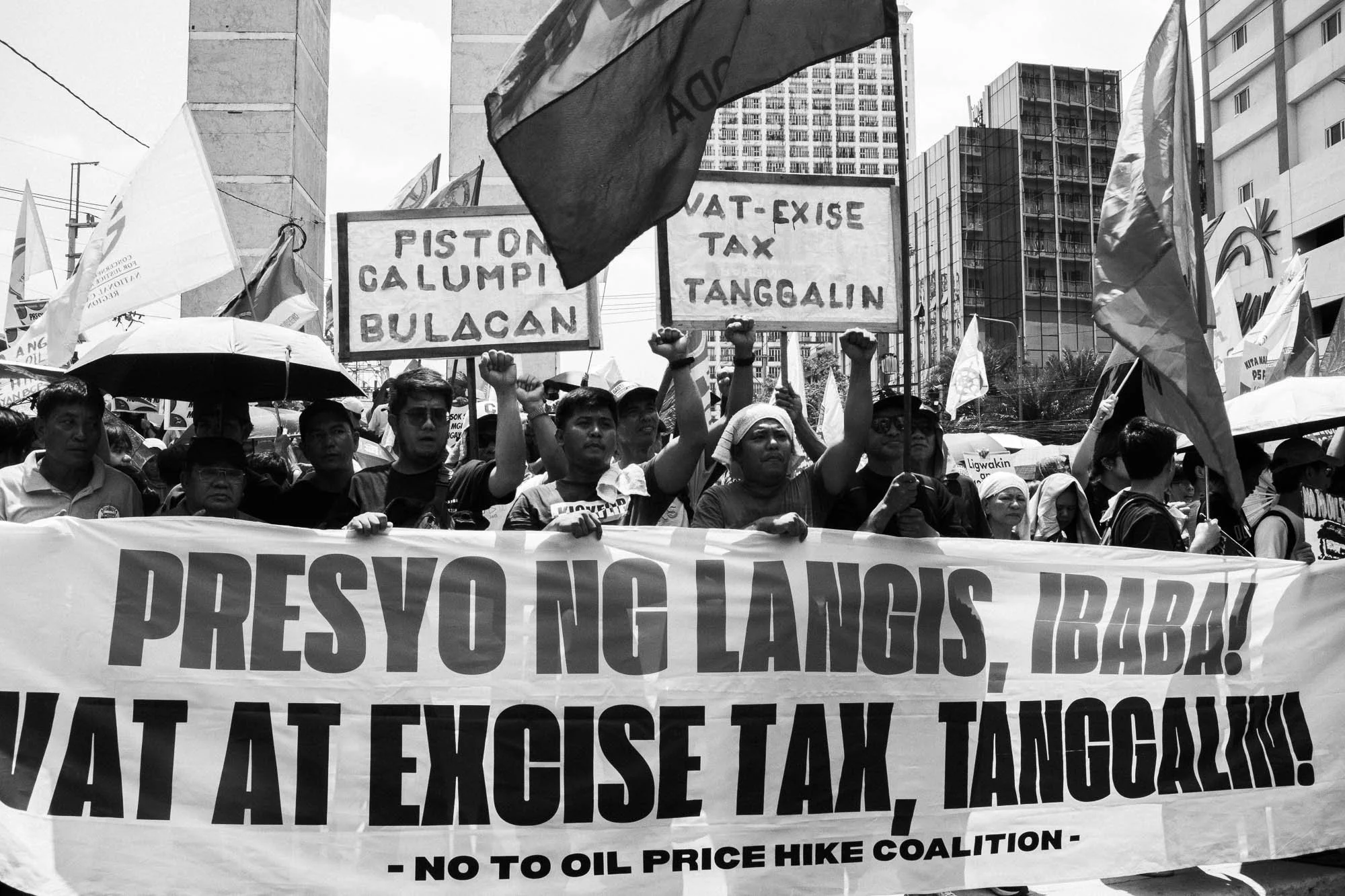
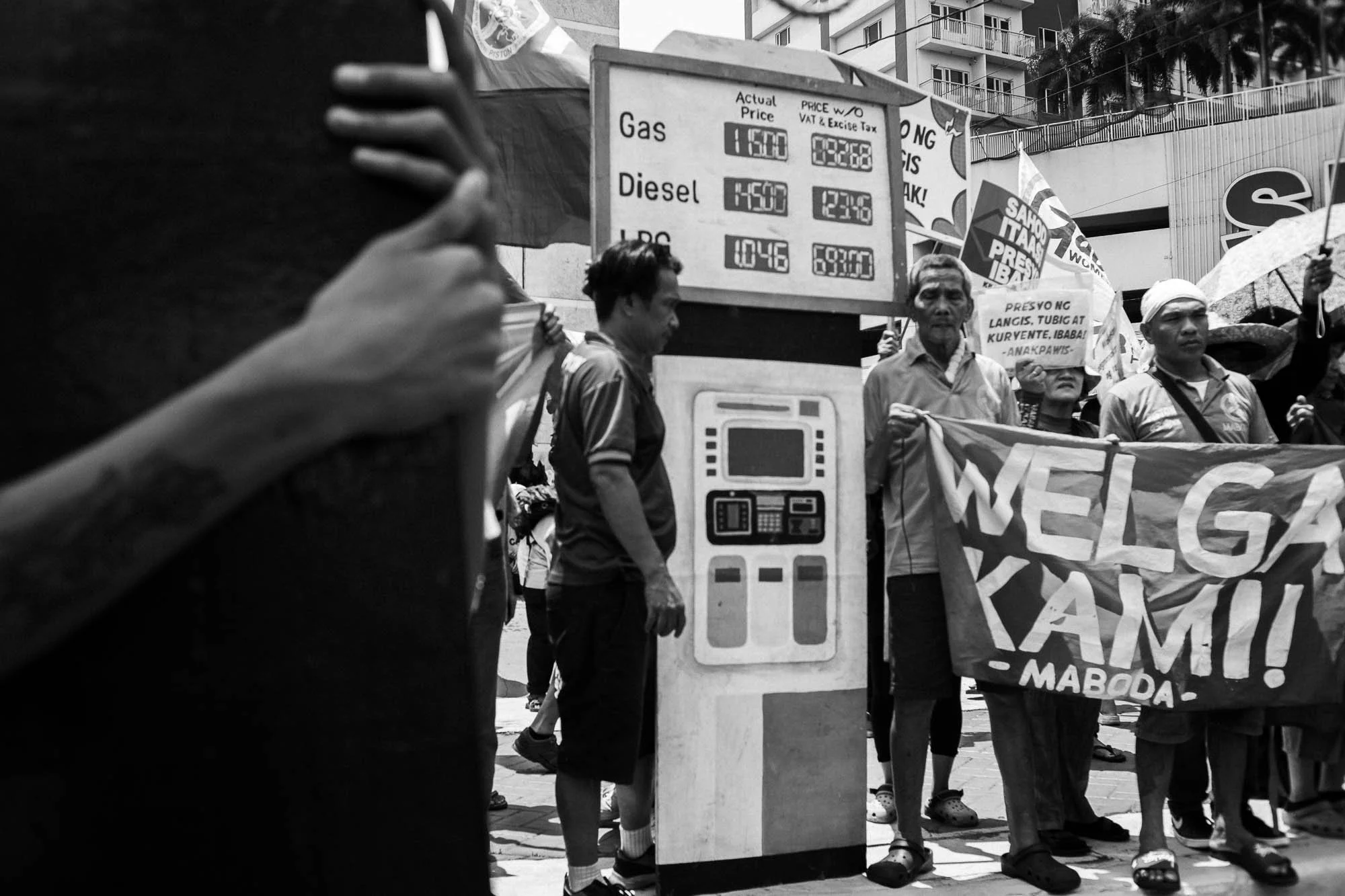
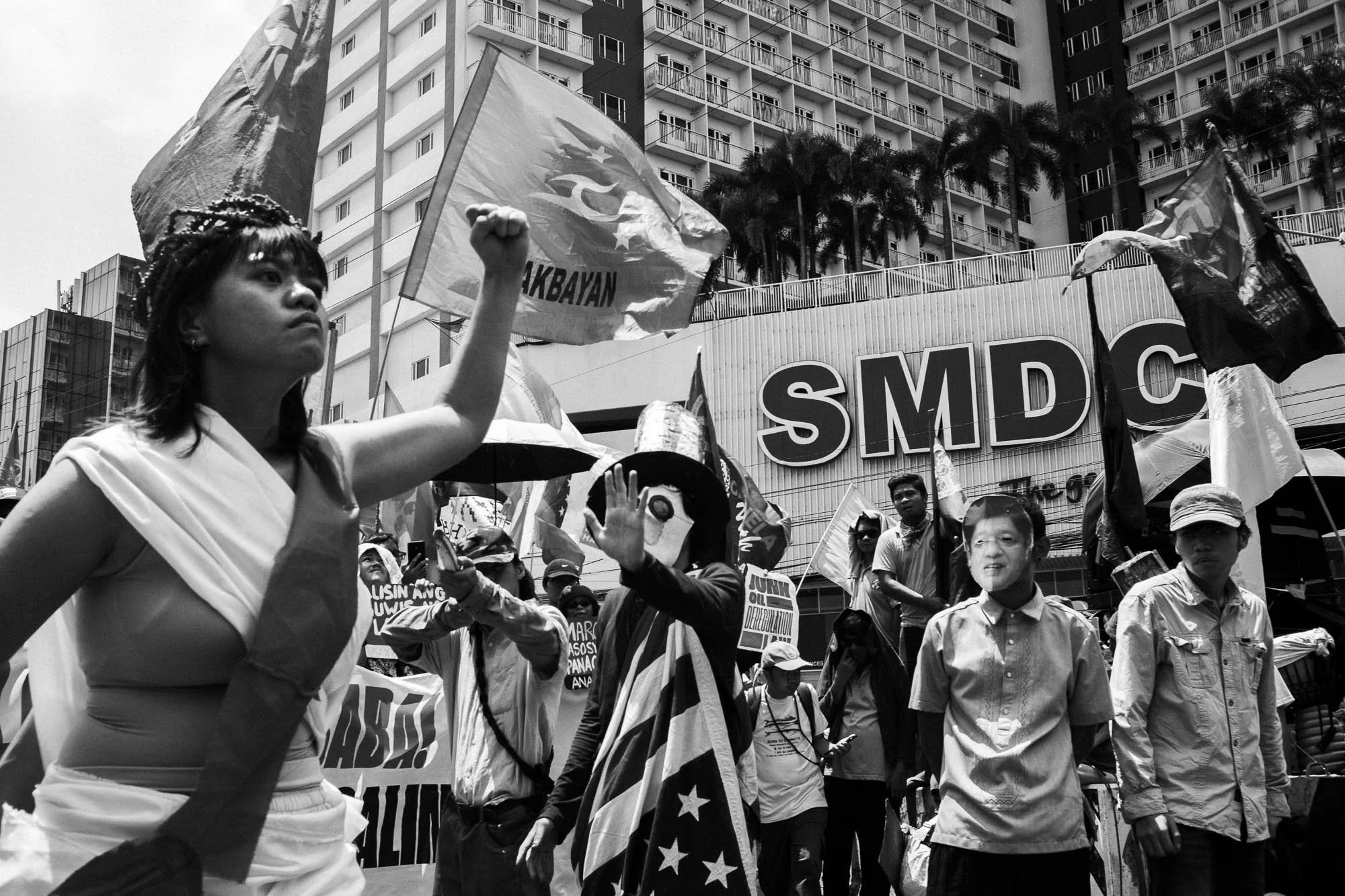
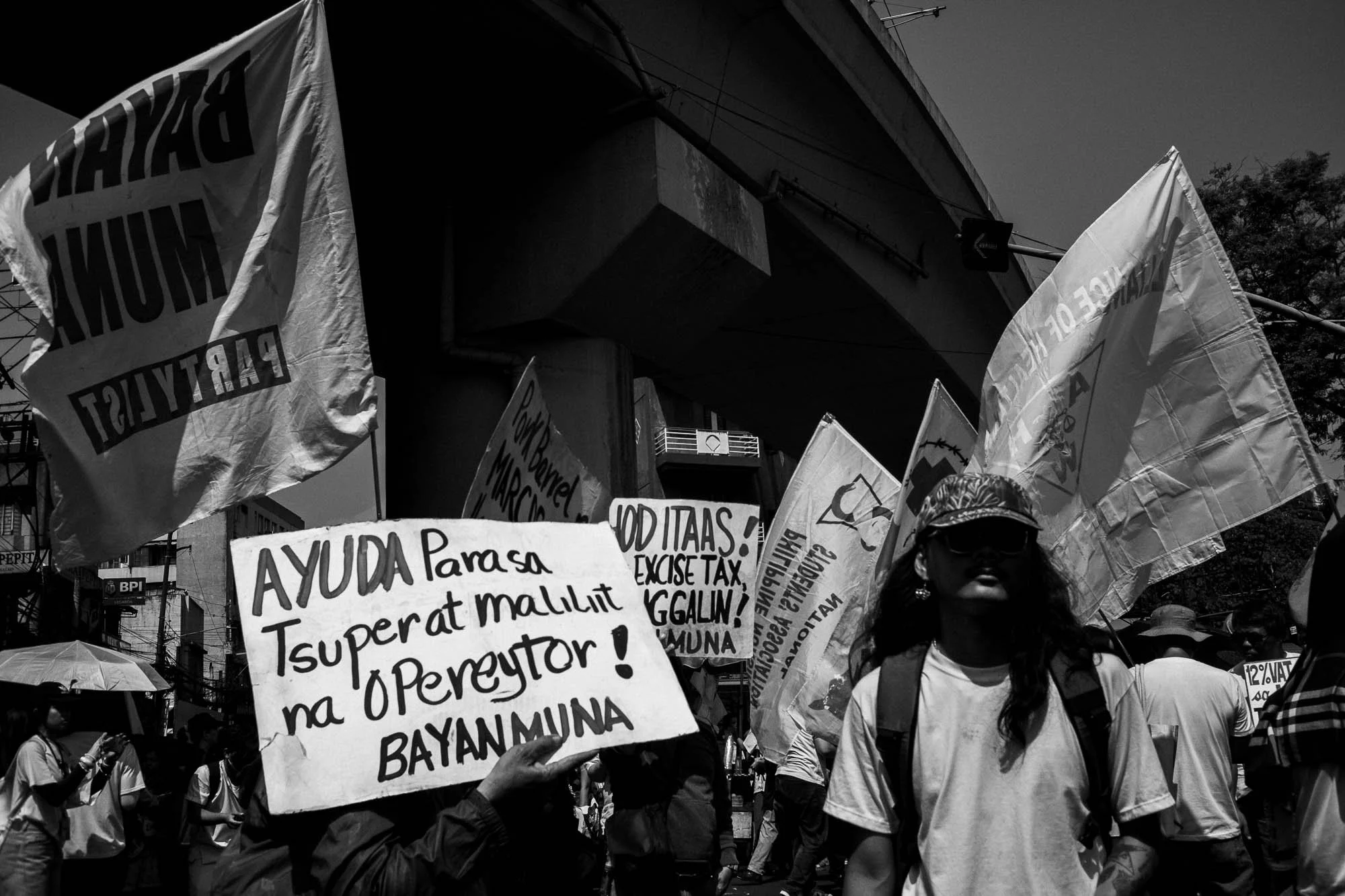
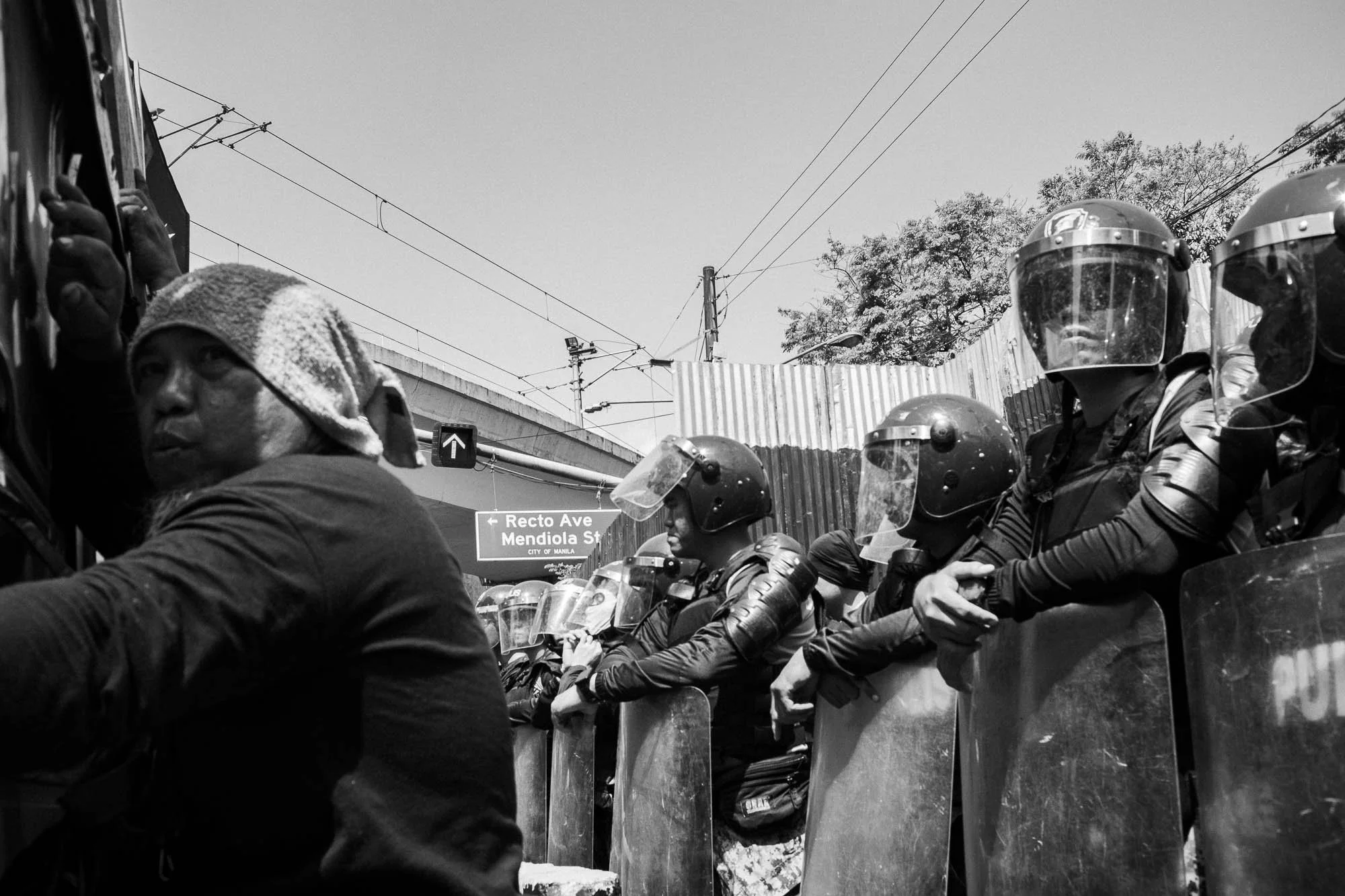
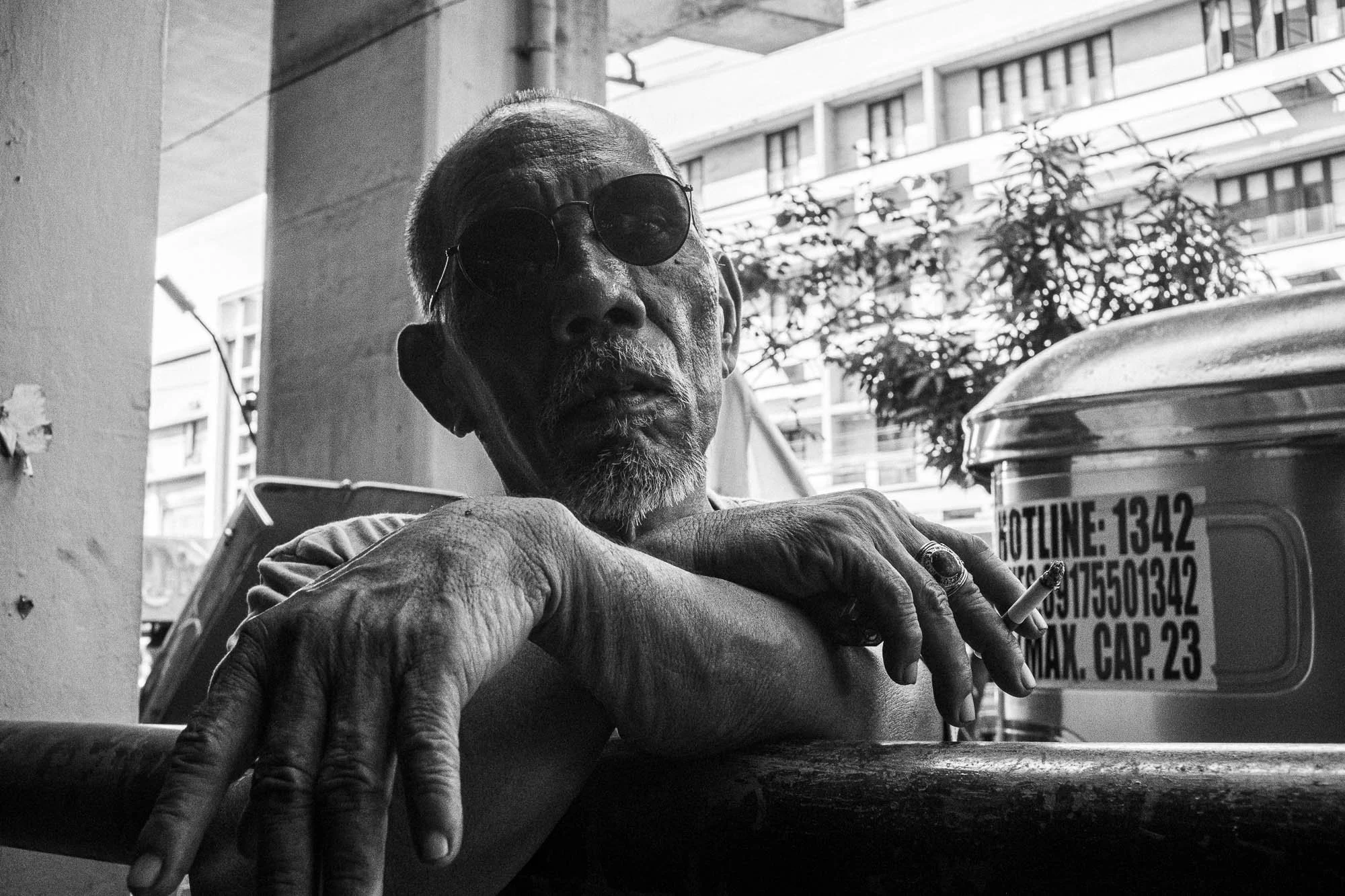
Estocio Juan Miguel –The war feels distant, something that belongs to other maps, other languages. Names like Israel, the United States, and Iran pass through headlines, heavy but abstract. What arrives here is something quieter, more immediate. The slow, unforgiving rise of oil prices. It settles not in speeches, but in pockets. In the weight of coins. In the hesitation before a driver turns the key. In the Philippines, a state of energy crisis is declared. But on the ground, crisis is not an announcement. It is routine. It is a jeepney driver at the end of a long route, counting what little the day has given. Two hundred, maybe three hundred pesos. An amount that disappears as quickly as it is earned, stretched thin across meals, across fuel, across a family waiting at home. There are hundreds of thousands living this way. Around 600,000 families are bound to the same fragile arithmetic, where every increase in fuel feels like a subtraction from survival. On March 26 and 27, 2026, the streets gathered their voices. Drivers, operators, commuters, students. Different lives, meeting at the same point of strain. They moved through the city not just to be seen, but to be heard. Calling for the removal of VAT and excise taxes, calling for the end of a law that allowed fuel prices to drift beyond their reach. It was not a quiet call. It carried the urgency of people who have learned what it means to endure, and what it costs to stay silent. For now, the response comes in small measures. Subsidies are handed out like temporary relief, never quite enough to hold the weight of what is pressing down. And still, the streets continue. Engines start. Routes are taken. The cycle repeats itself in motion and in waiting, in the space between one fare and the next. Somewhere between survival and exhaustion, life goes on, measured not in distance, but in how far a day’s earnings can carry you.
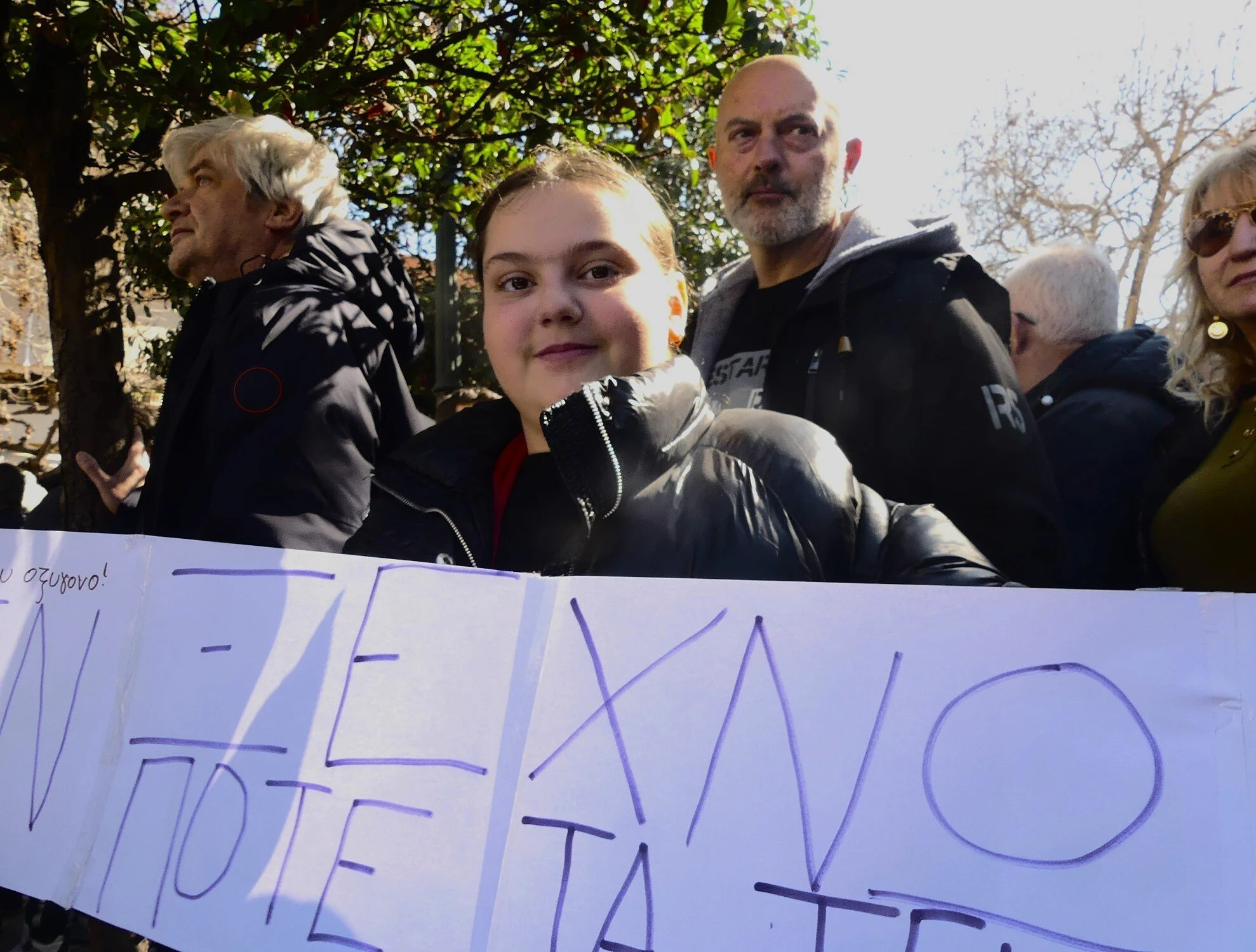
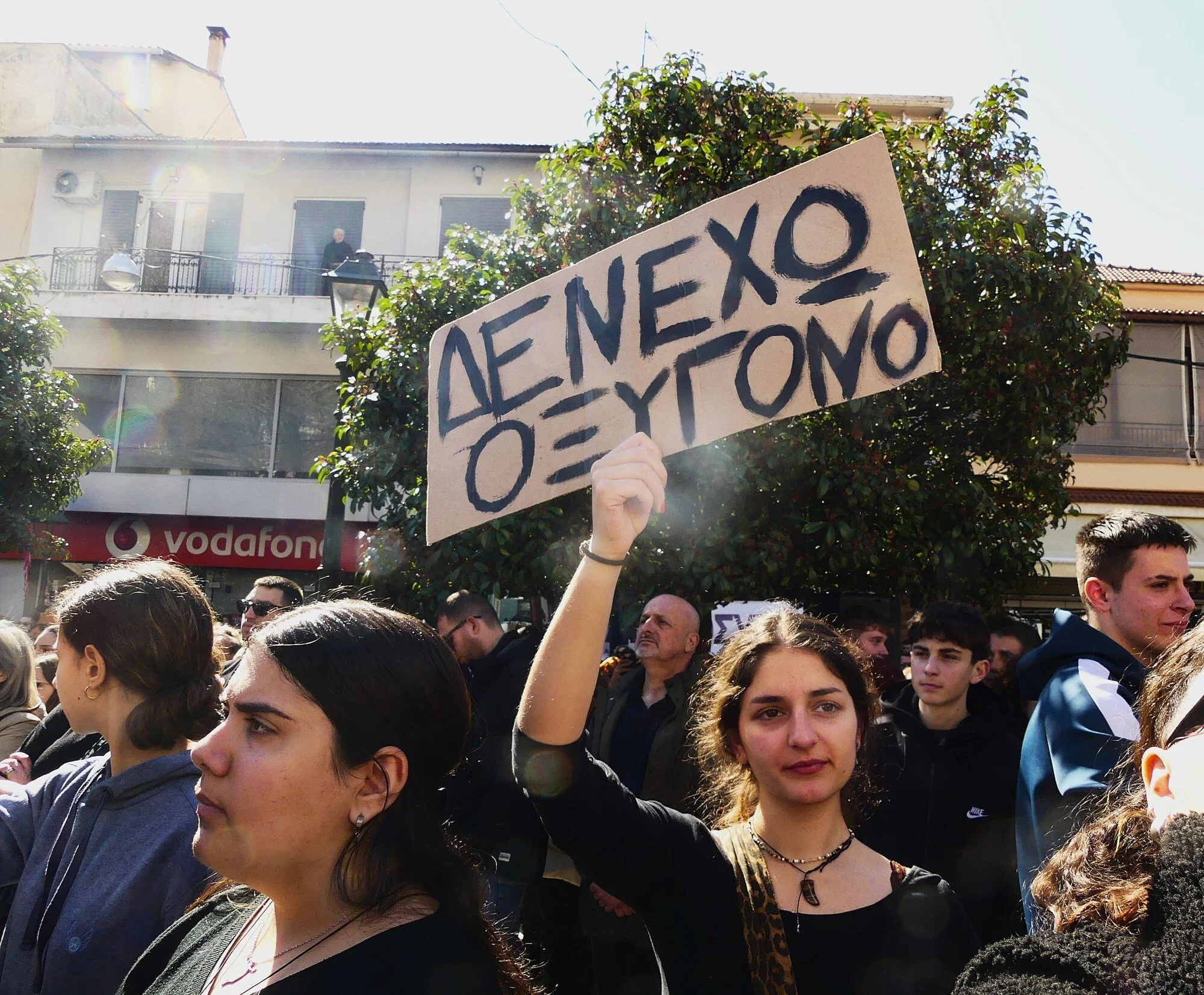
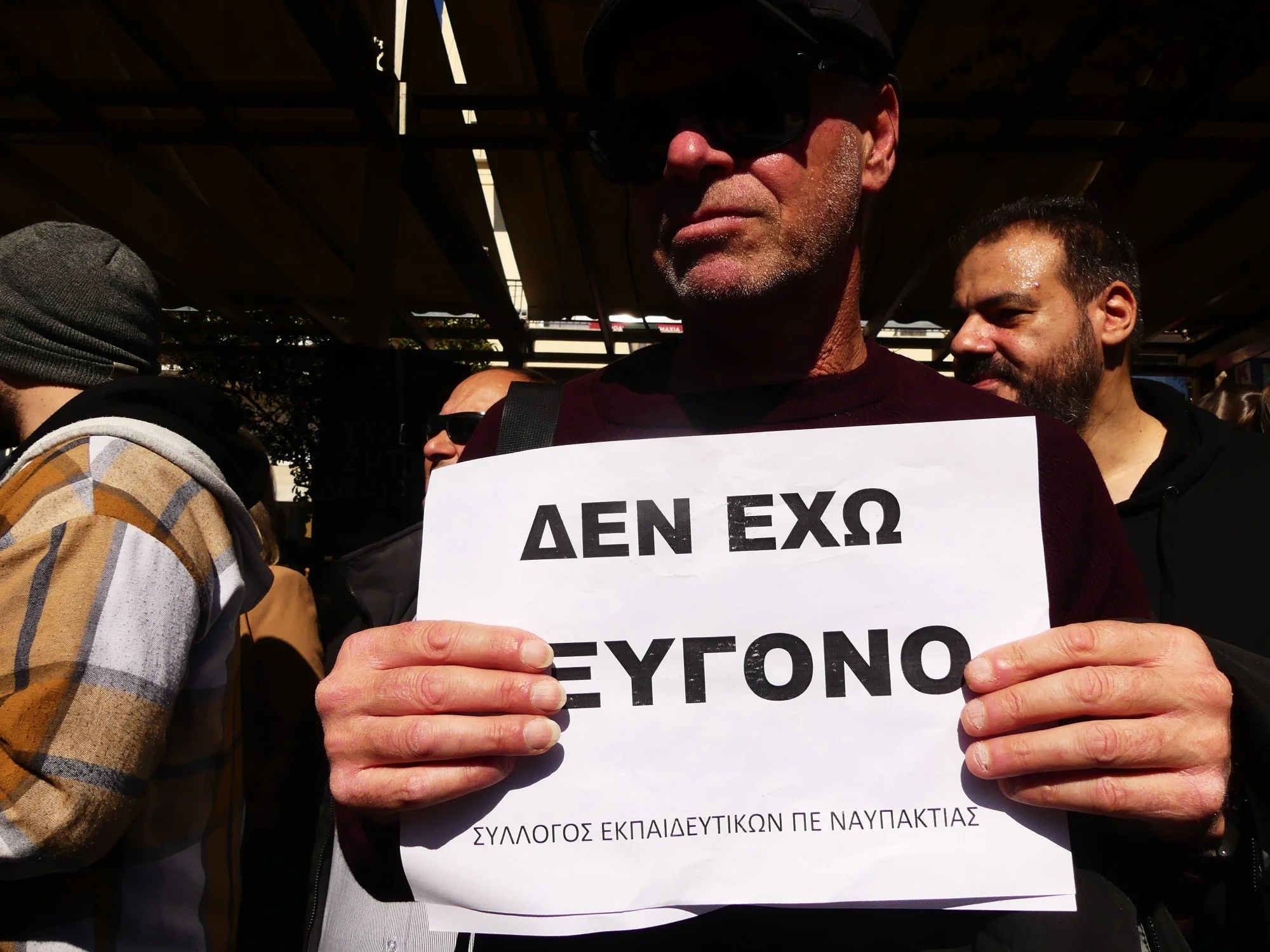
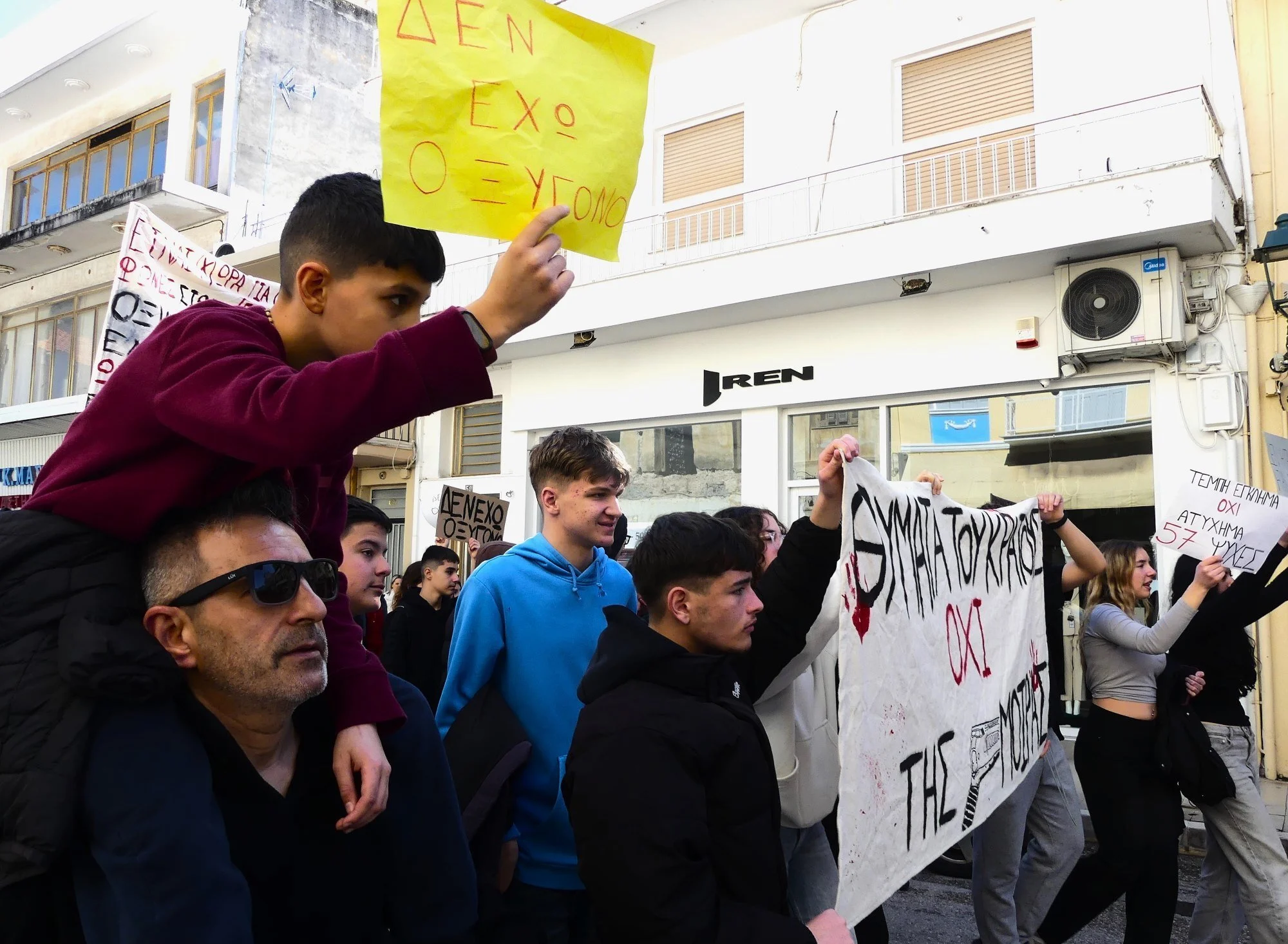
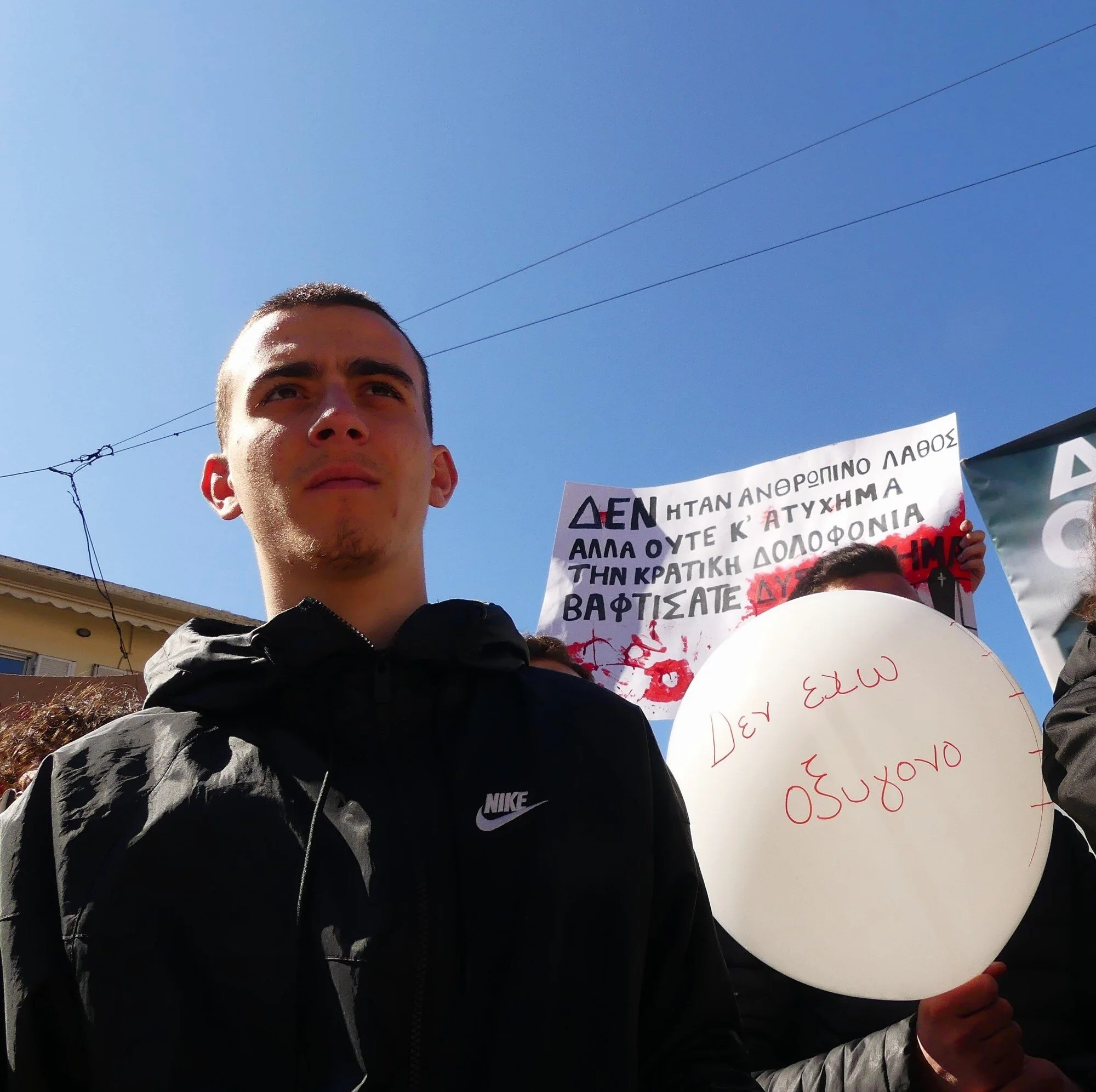
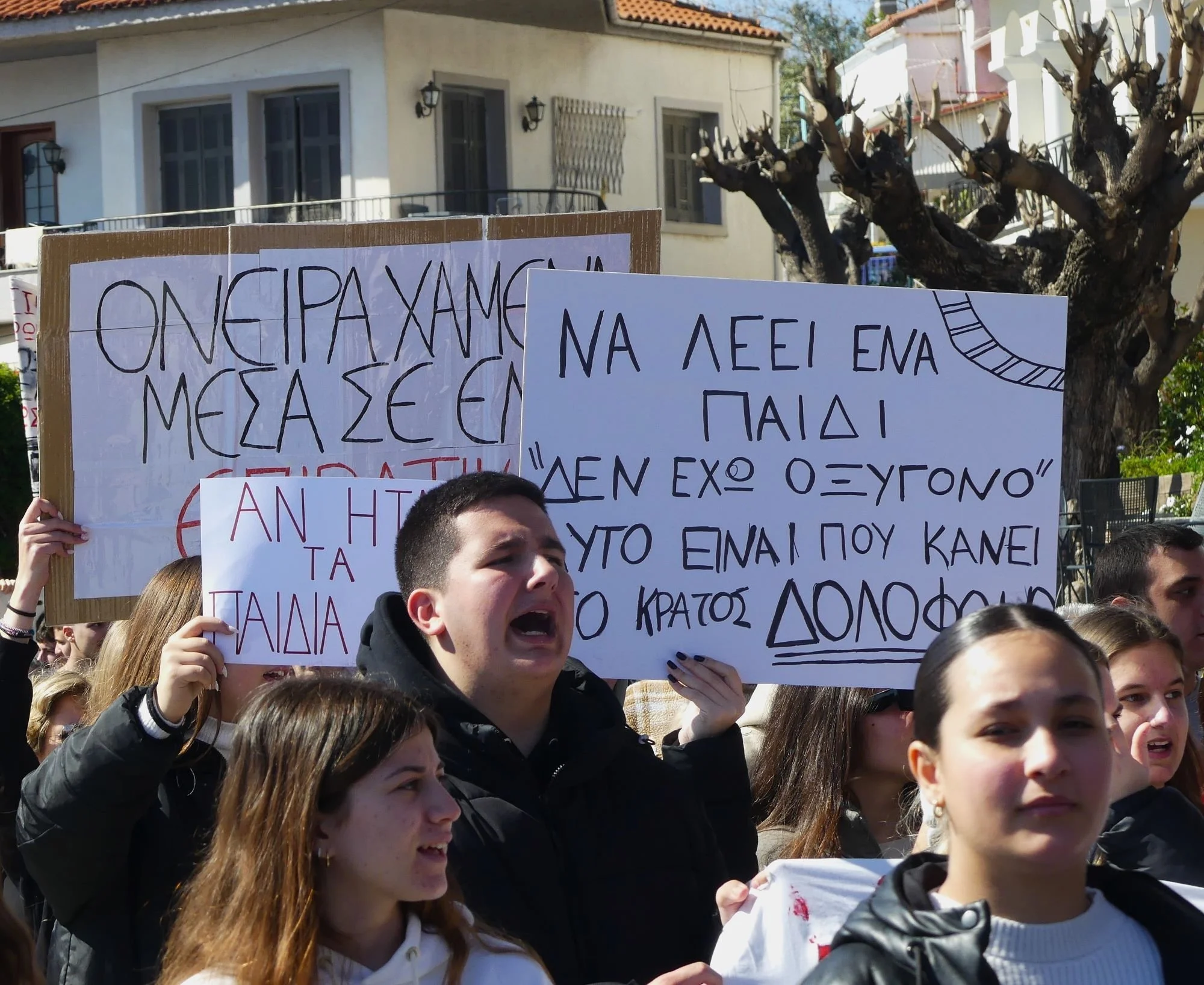
Evangelia Mageira – Have No Oxygen. "We are the voice of all the dead; the crime in Tempi will not be covered up!" On February 28, 2025, an unprecedented demonstration took place in major cities across Greece, marked by the memory of the victims of the Tempi crime, where 57 people lost their lives, most of whom were students. This mass movement united generations in a silent protest, with the slogan: "I Have No Oxygen" and the sub-slogan: "Give Justice." Two years after the horrific tragedy that occurred on the evening of February 28, 2023, when two trains collided, citizens expressed their outrage against the government, demanding attribution of responsibility for the crime. In Nafpaktos, a city in western Greece, young people, children, and toddlers filled the streets holding signs with the slogan. They marched with anger, while students wore expressions of sorrow. Many thought, "I could have been on that train too." They spoke of a tragedy stemming from a lack of justice, even two years later. The relatives of the victims continue their search for answers. Mothers weep, and the clamour for justice is growing. The final words of a young woman, as captured in an audio documentary, resonate: "I have no oxygen."
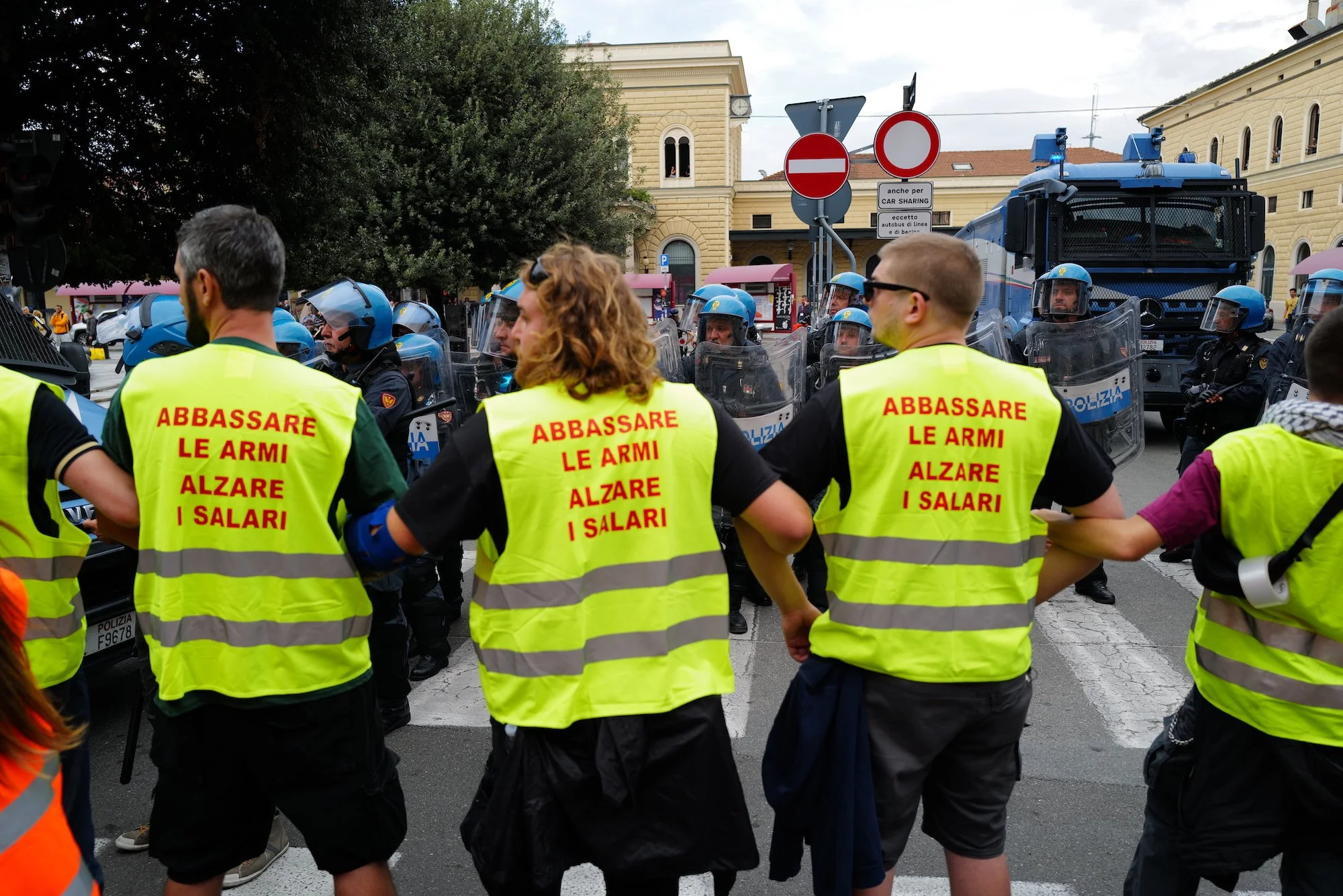
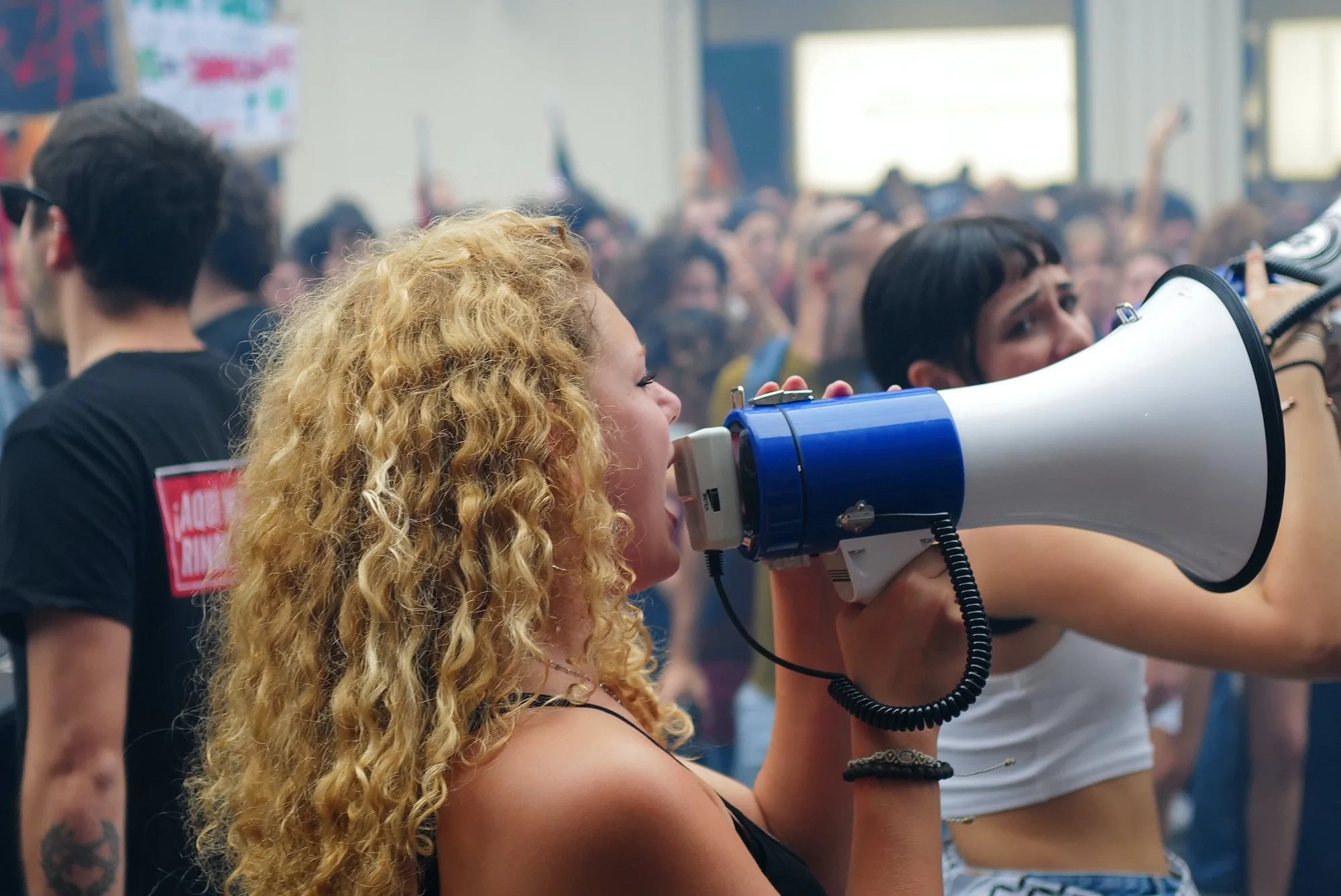
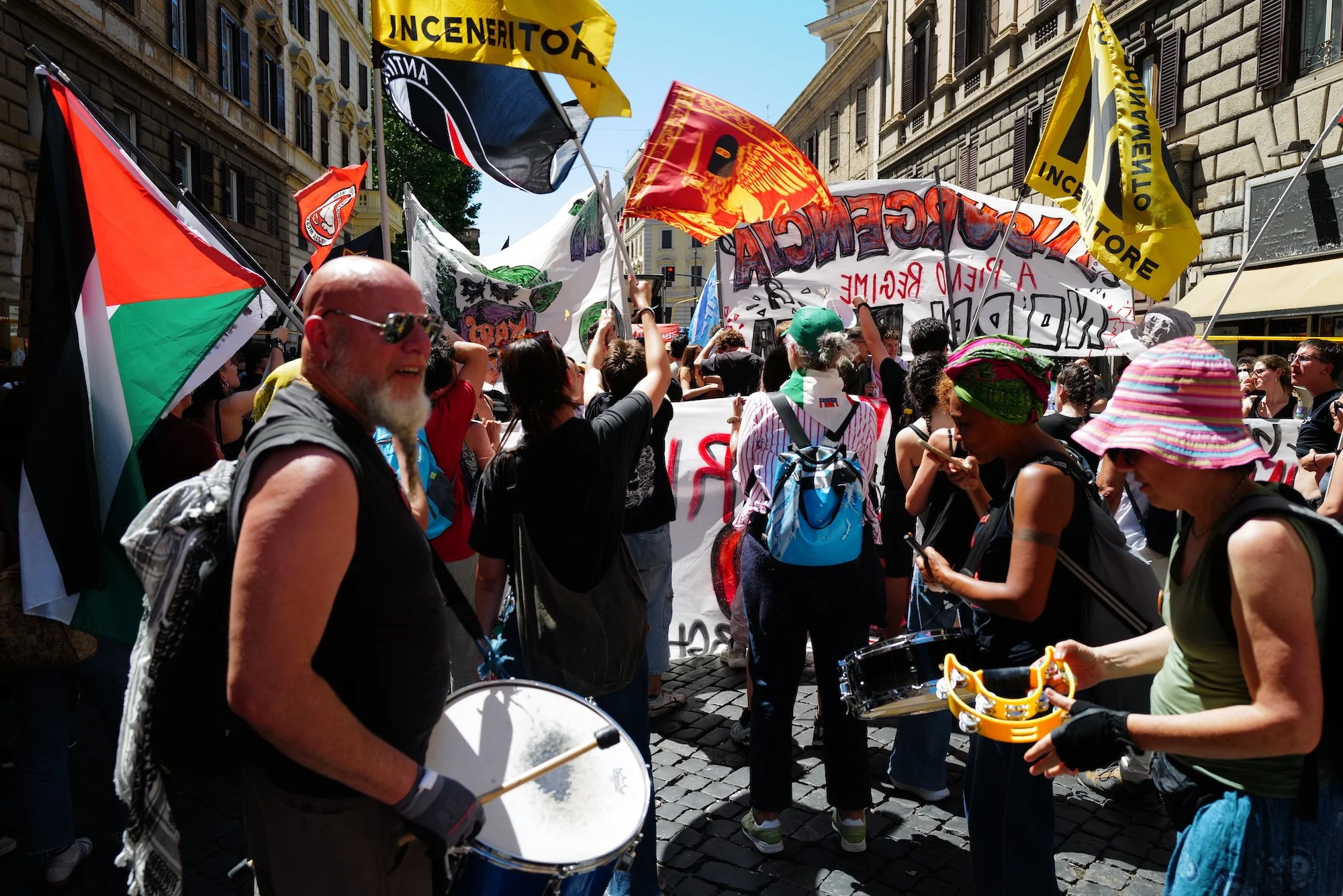
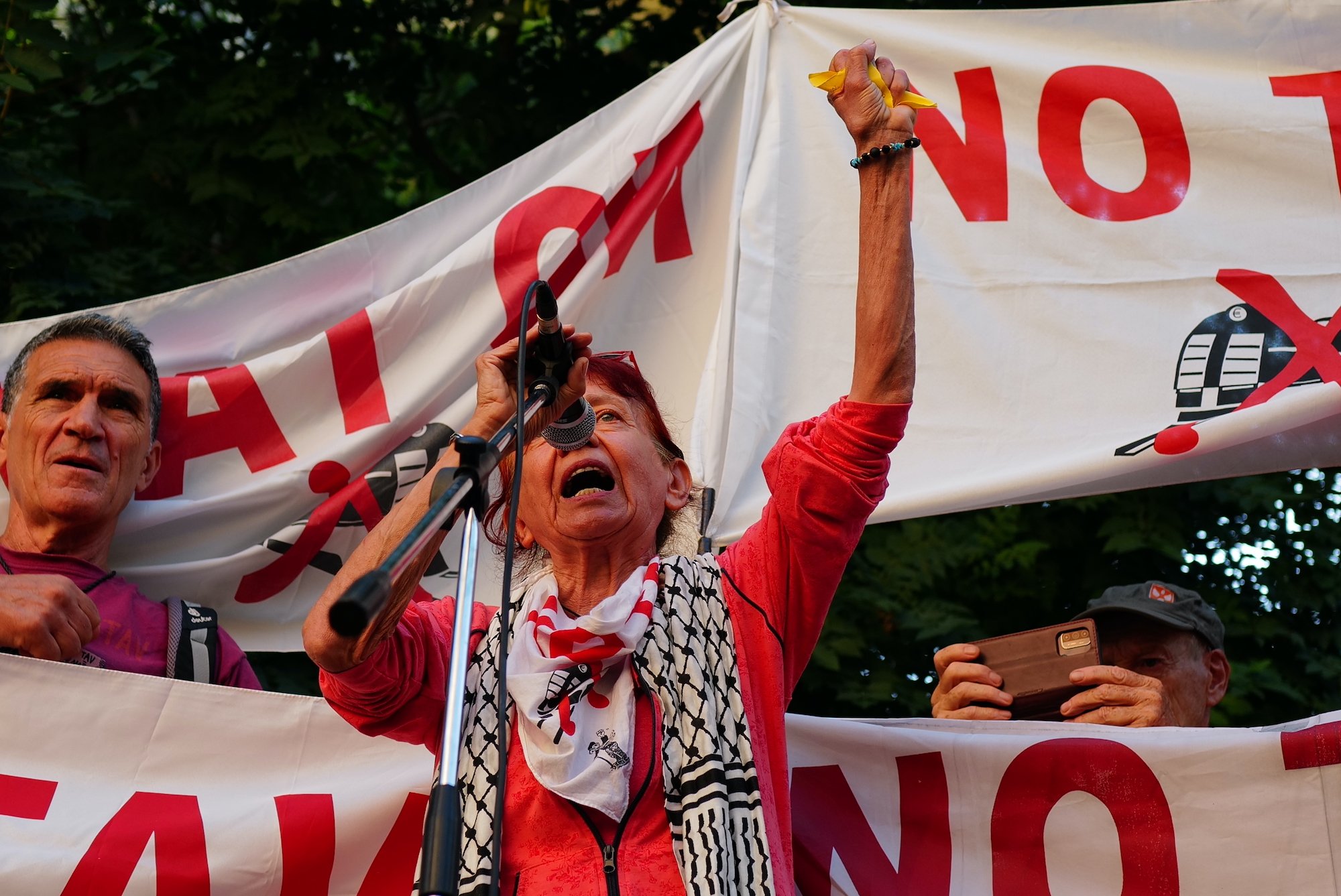
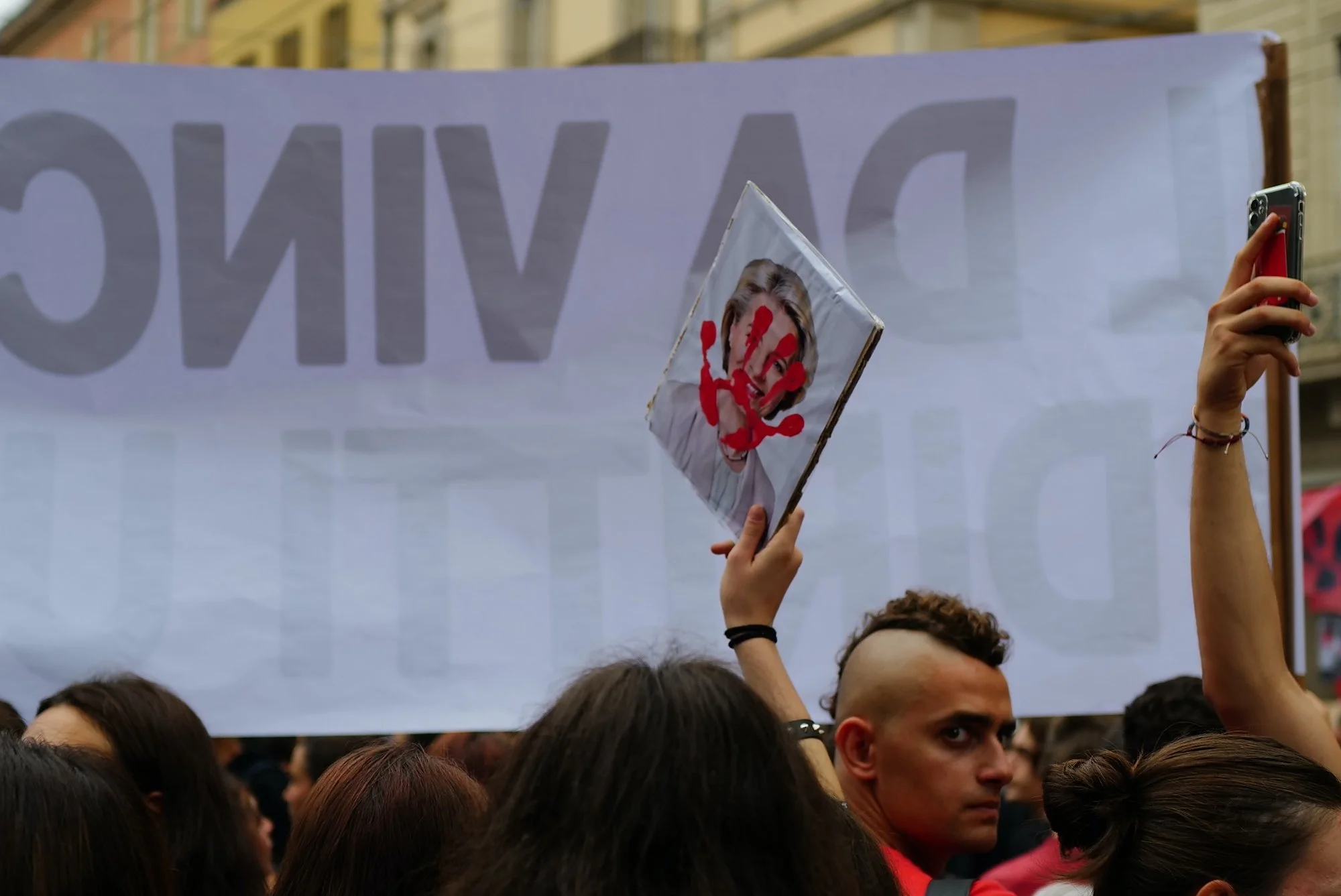
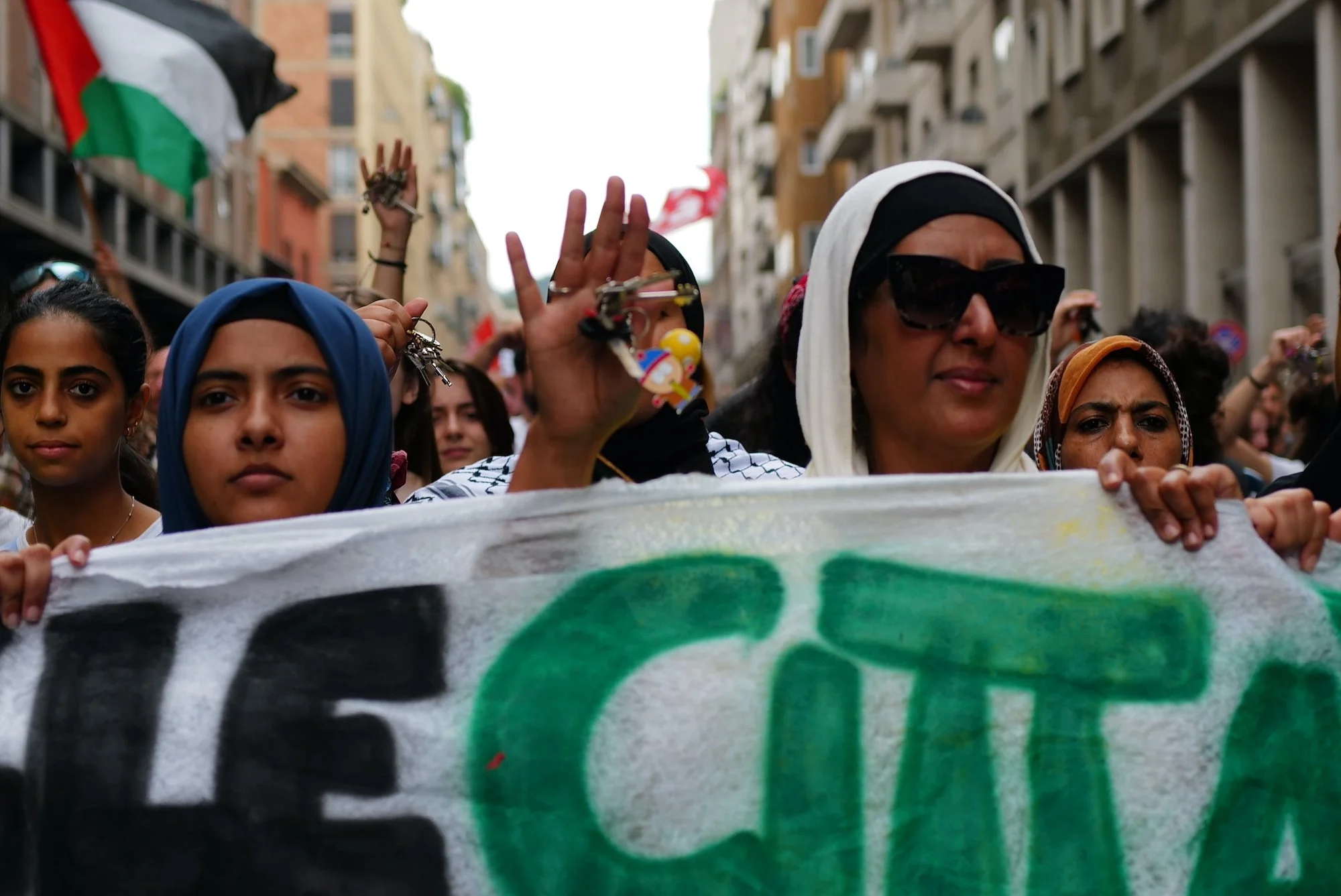
Gianni Olivetti – Anger and joy. The emotion that becomes participation, the constant search for answers. From workers’ struggles to social justice to borderless solidarity. Movements, civil society, individual people. The activism of many, the voice of each, becomes thinking about a better future, which is the first step towards creating it.
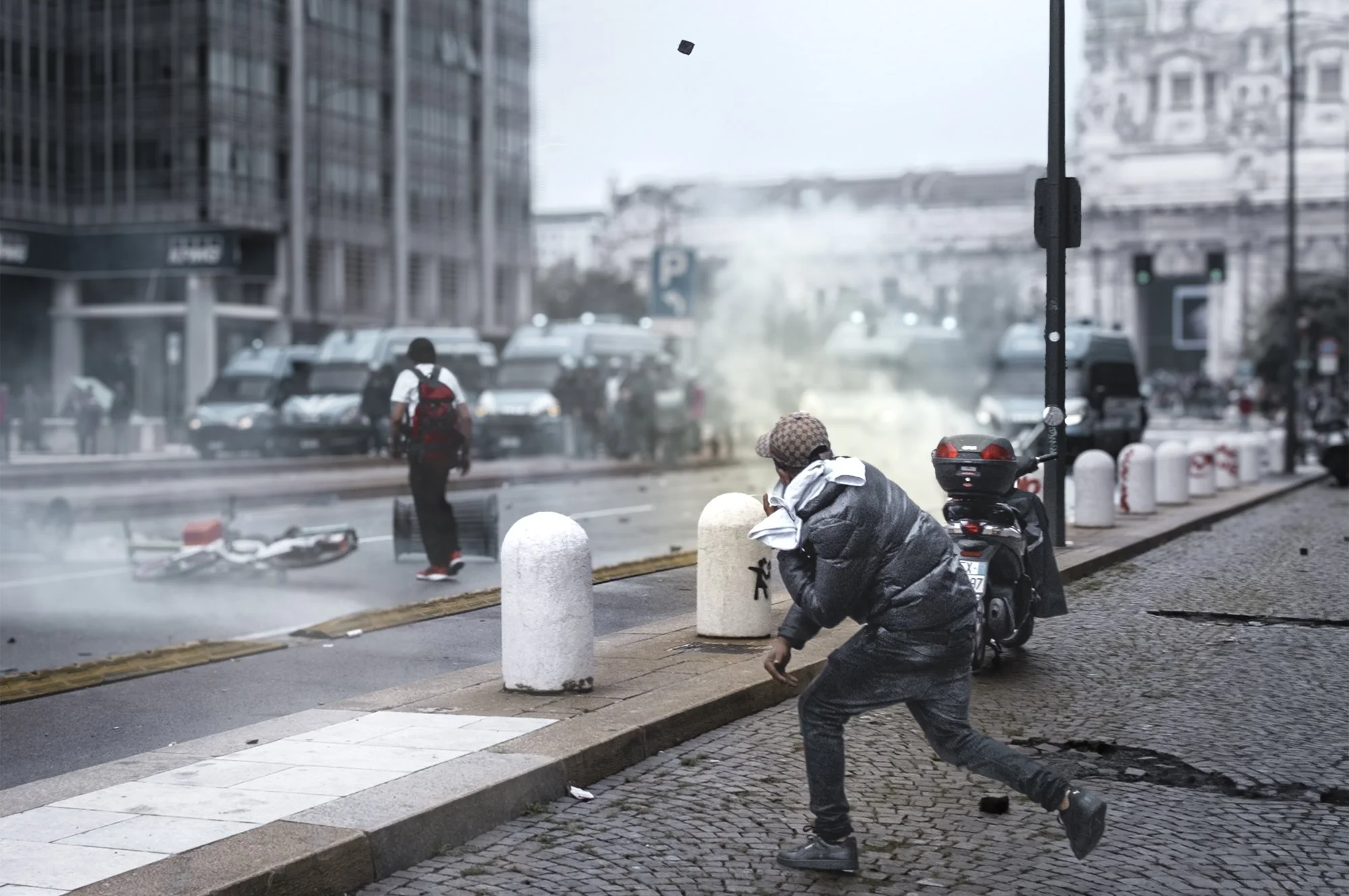
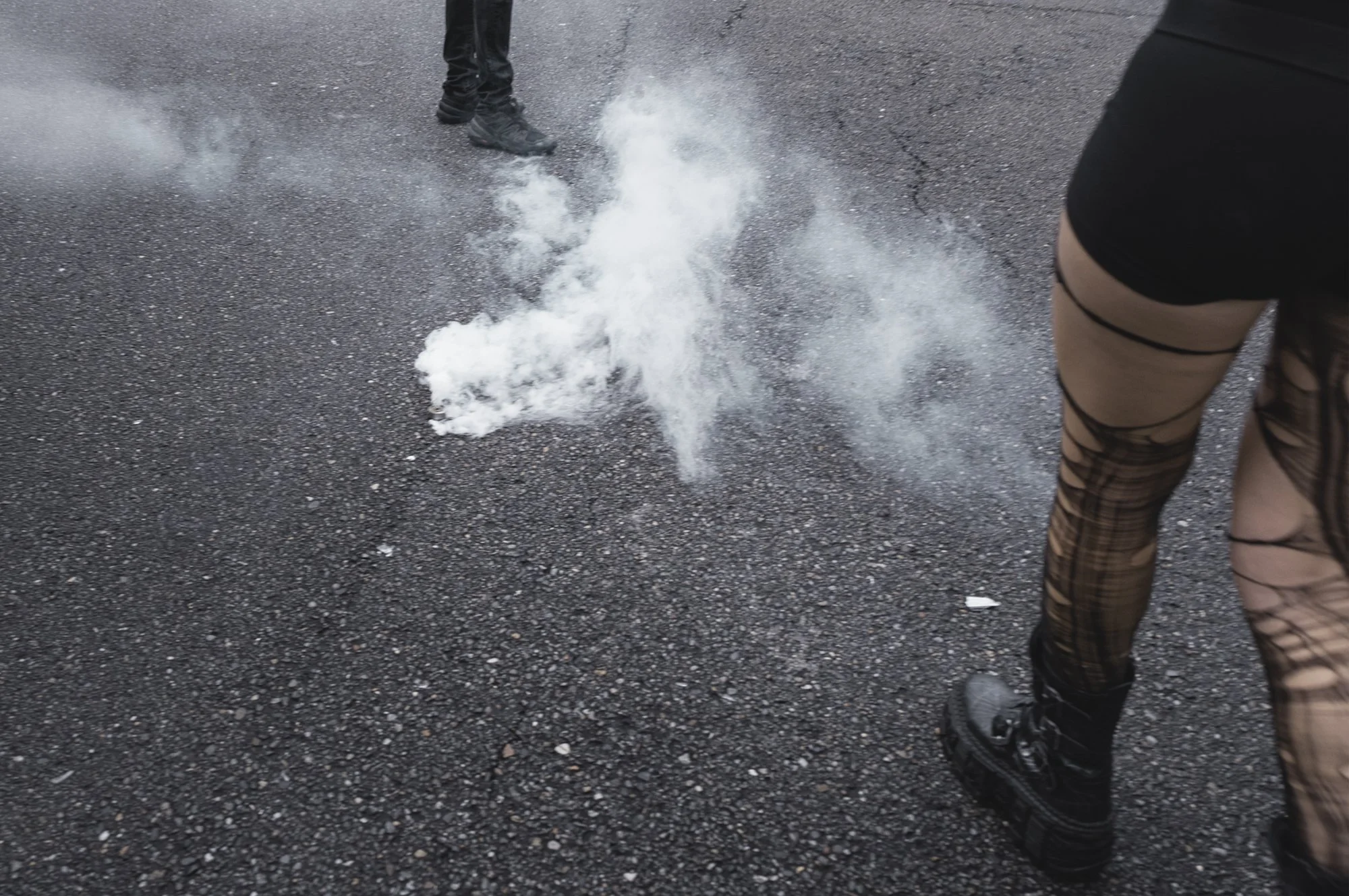
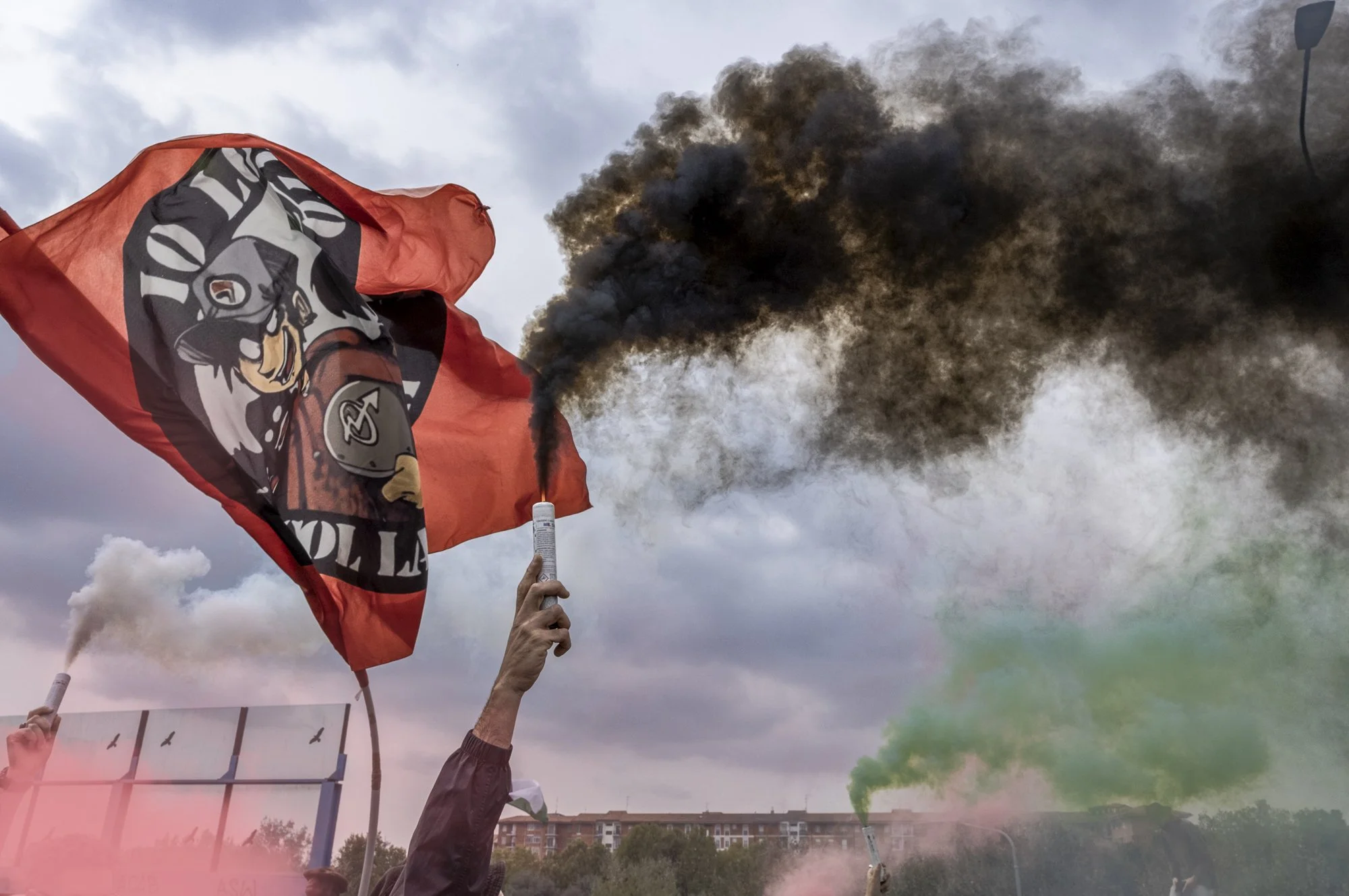
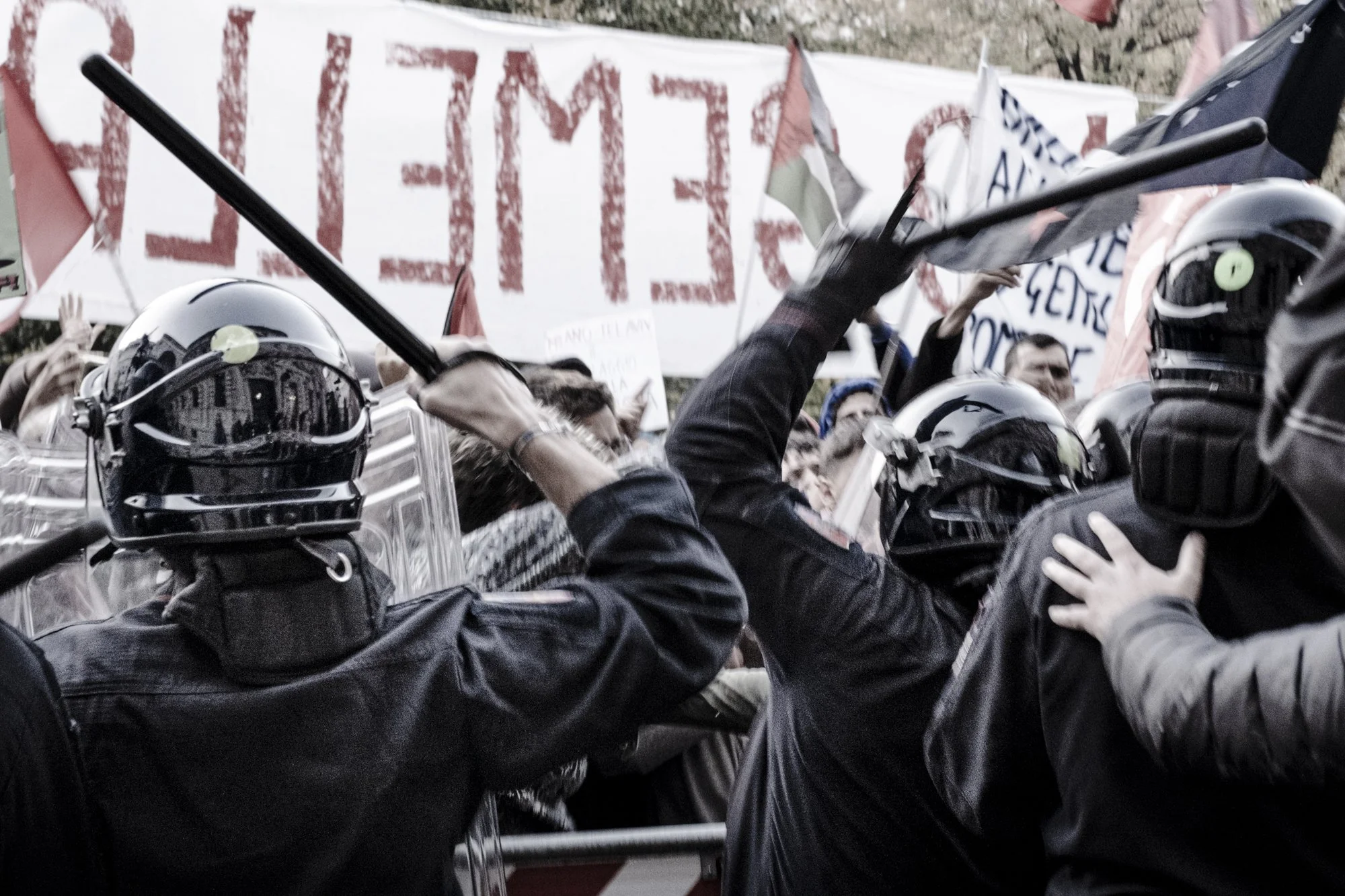
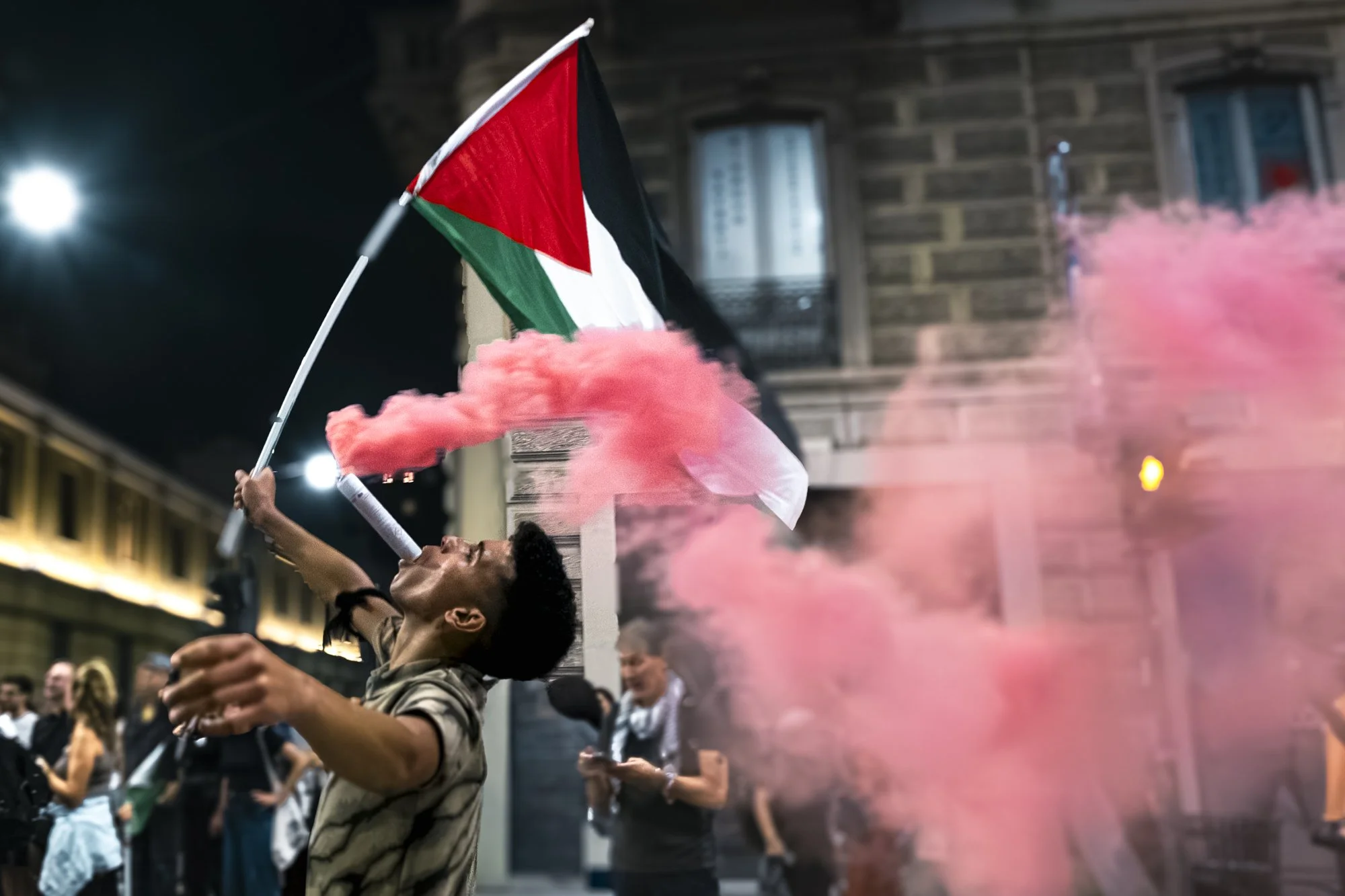
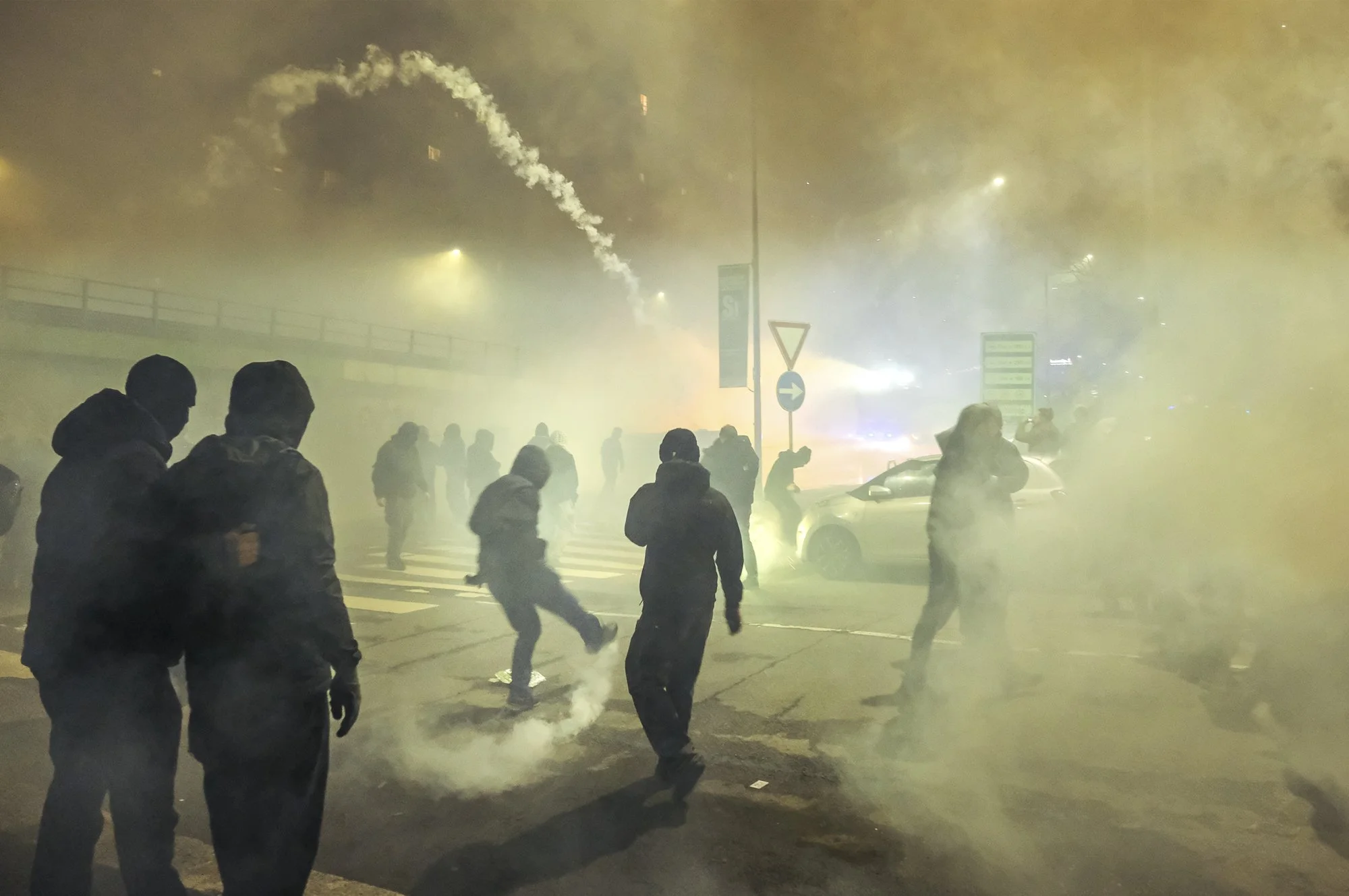
Giovanni Gianfranco Candida – Pictures have been taken during September/October 2025 when highest was the protest in Milano against the genocide underway in Gaza and the complicity of Italian government. The last one, picture n°6, has been taken at the opening of the Winter Olympic Games during an NO ICE march in Milano. The link between the 6 photos is the opposition to the flattening of the Italian government and media on Trump's vision of authoritarian democracy and word governance.
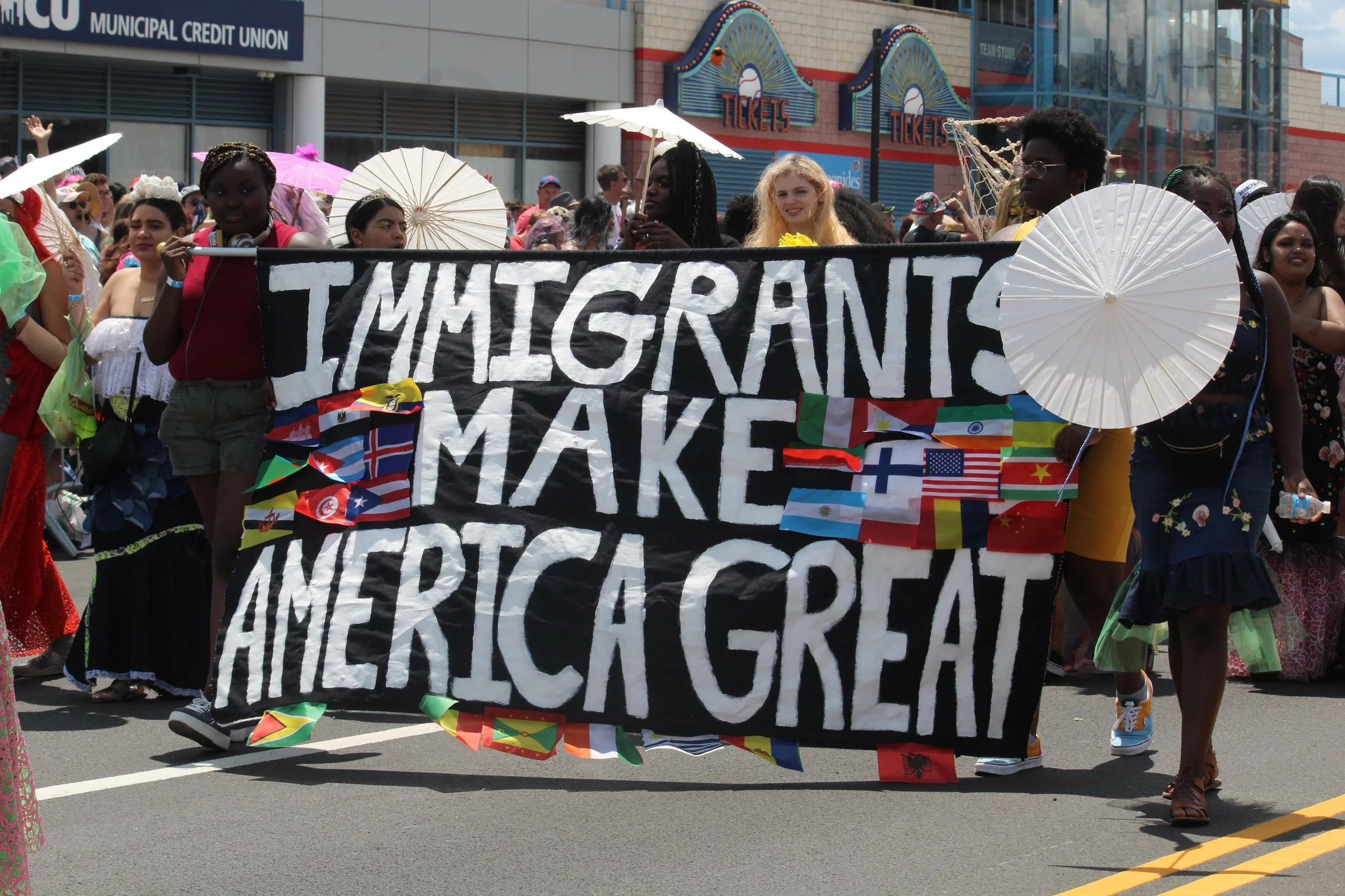
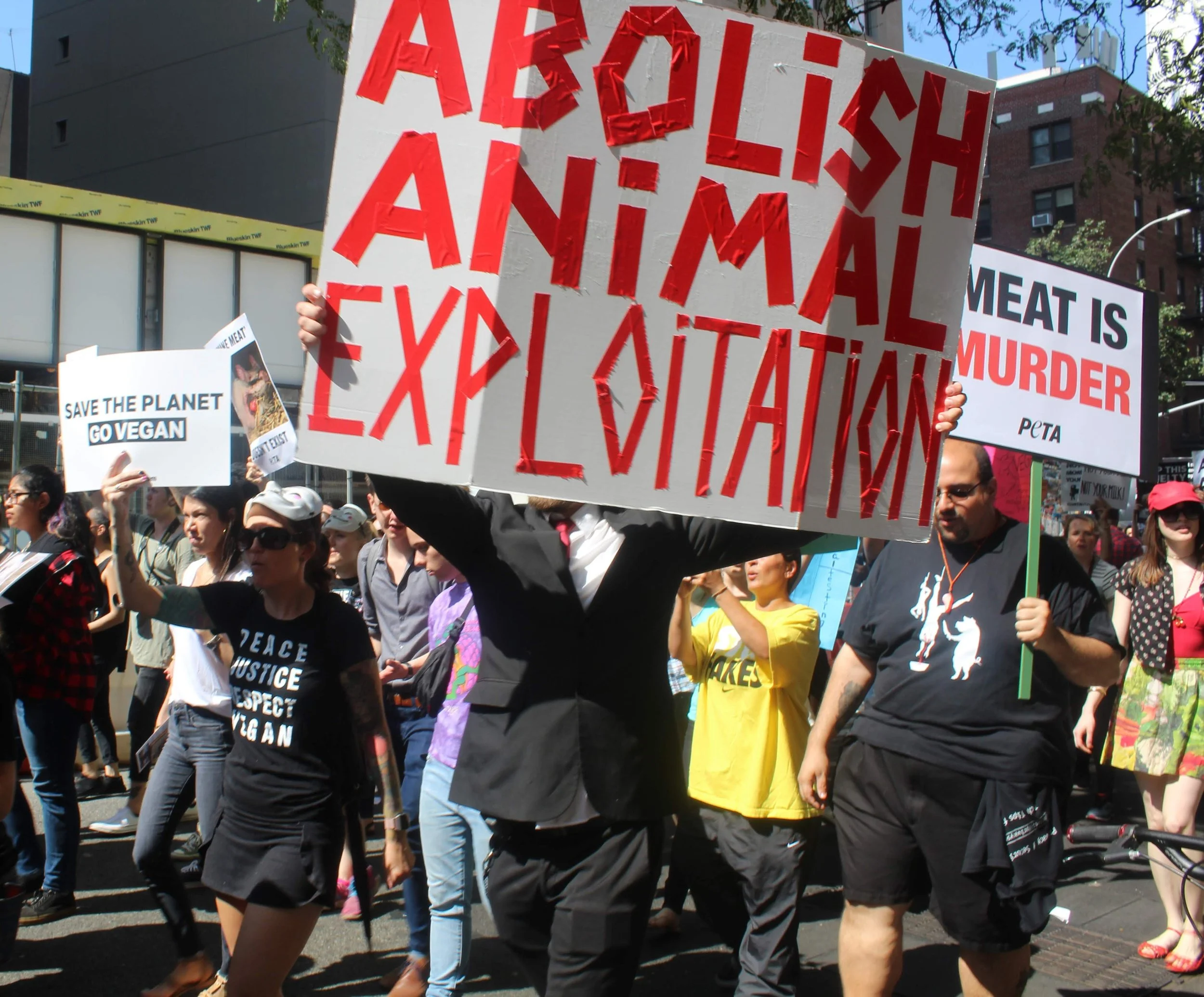
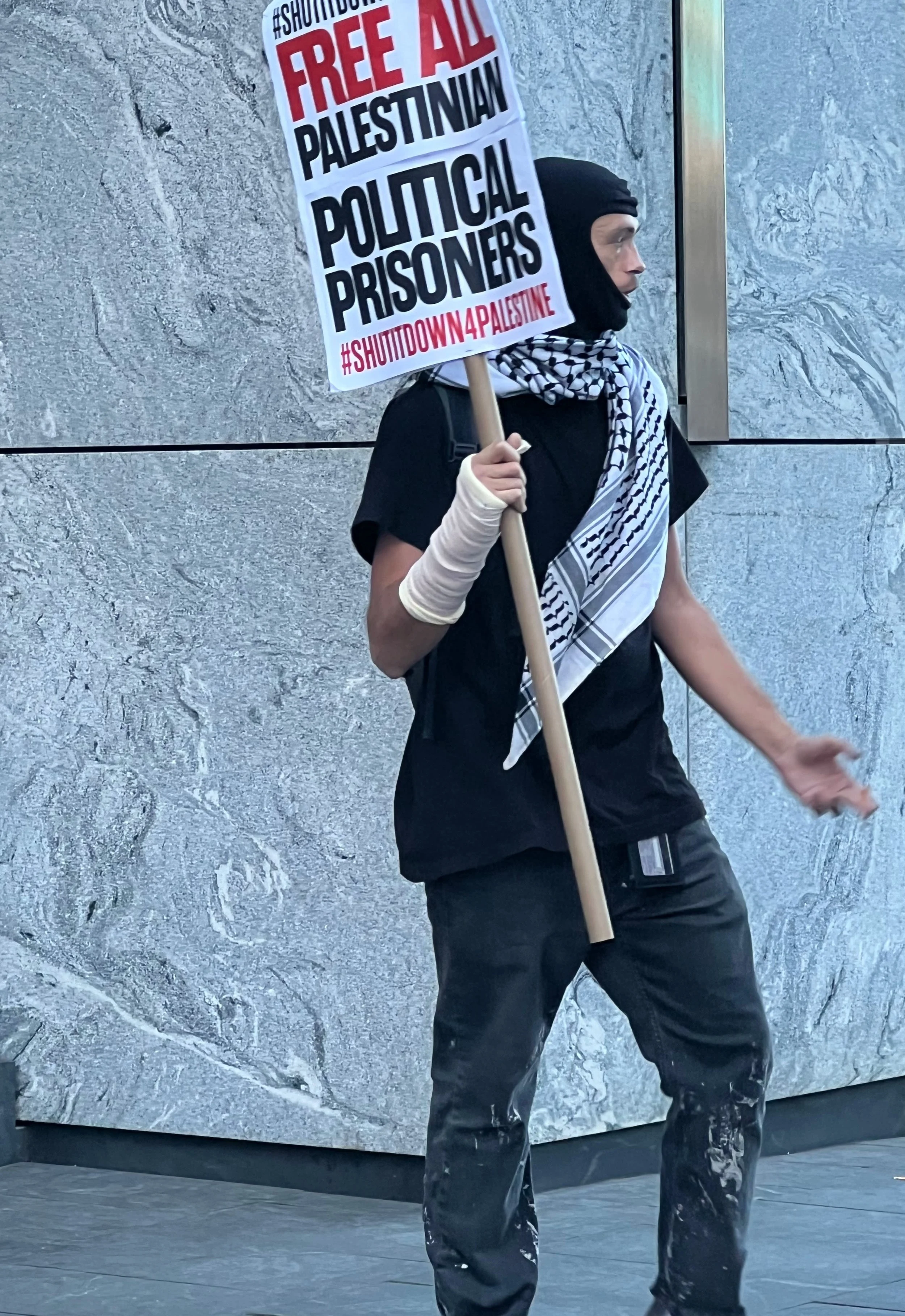
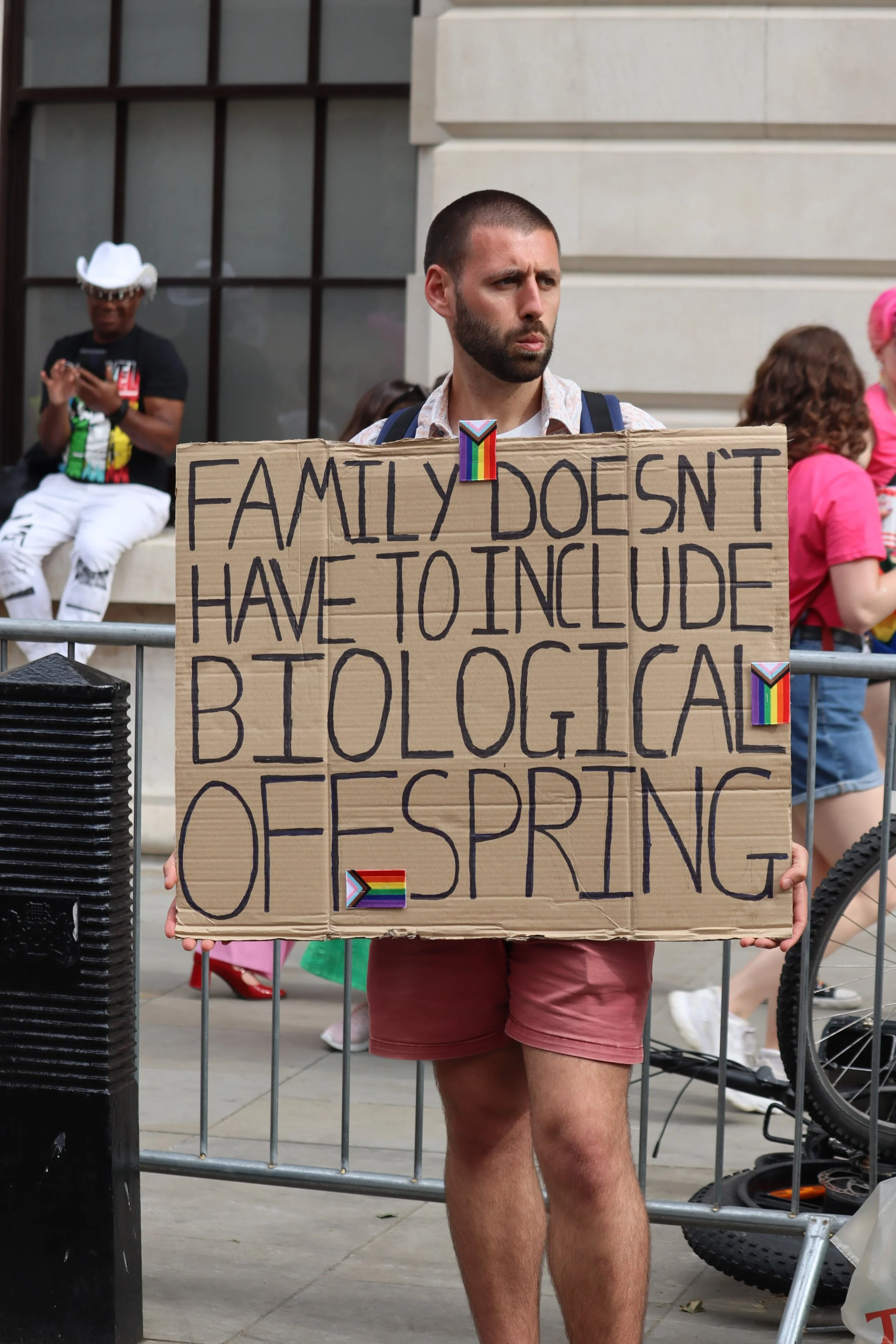
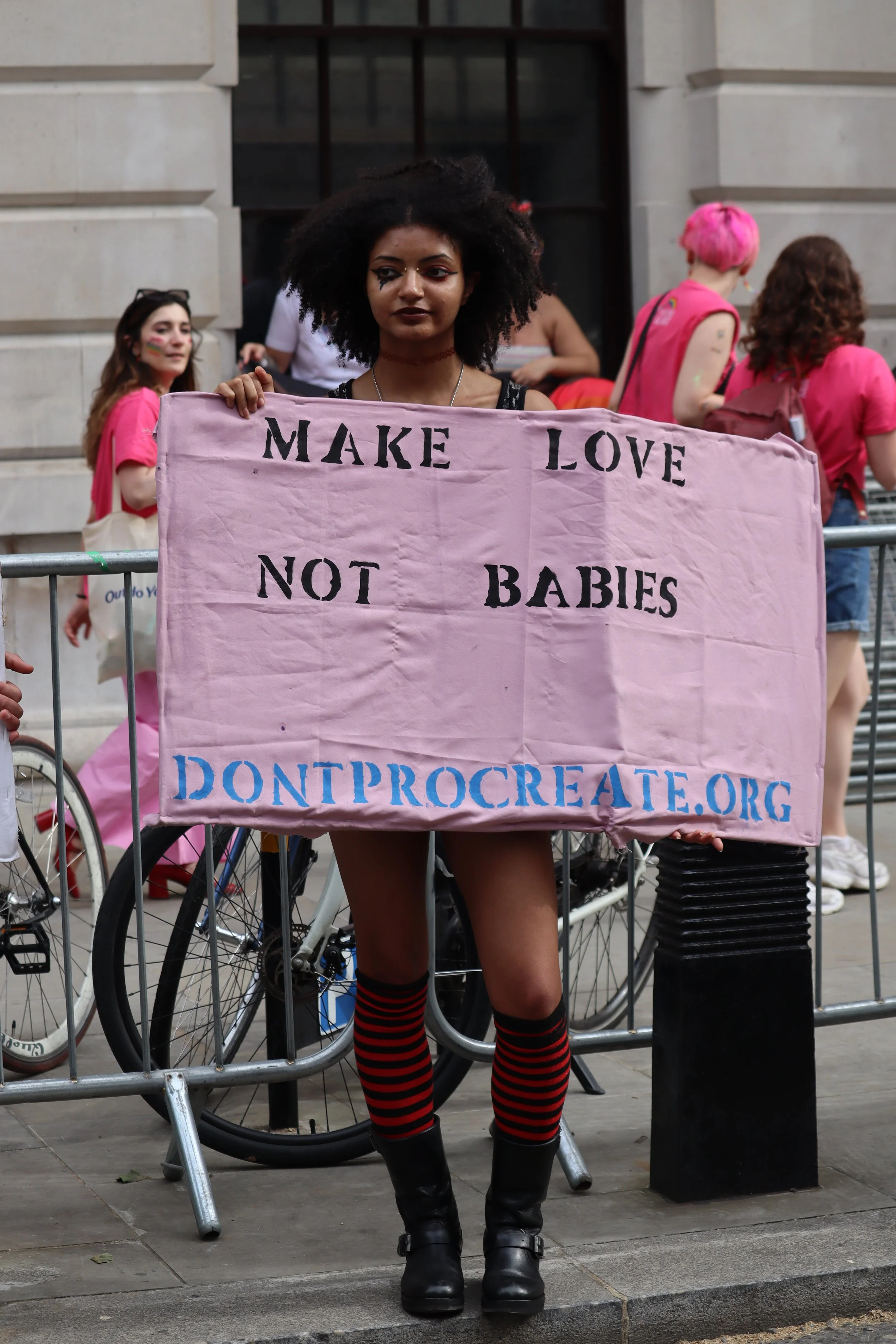
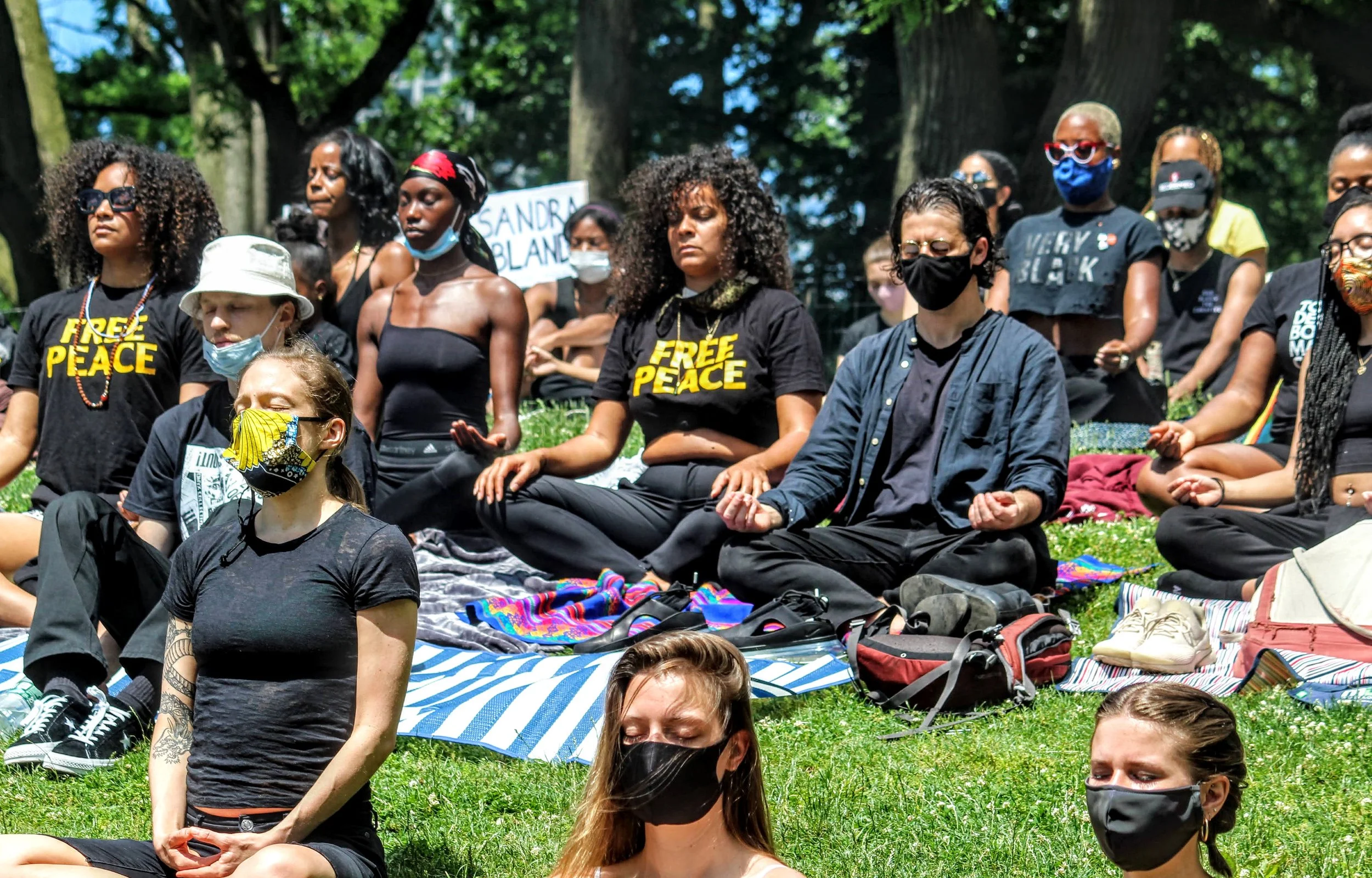
Grizel Ubarry – The power of protest overtime has manifested itself in a variety of different forms. From street protests to rallies, buttons, lawn signs, petitions, and many forms of art starting with street murals. For the last several years, I have been photographing such protests. Some forms of protest can be passive or in some cases confrontational. This series of photos reveal different variations of protests starting with a meditation protest. This occurred during the Covid era in response to the Black Lives Matter movement. The next three photographs are of solo protesters who use bold controversial signs to attract attention in support of Palestine, gay rights, and the whole idea of not procreating. At a demonstration sponsored by PETA for animal rights the signs much like the one submitted can be viewed as more confrontational. The final photo was taken during a New York City parade, offering a much more subtle and positive message around supporting immigrant rights yet signaling a need for change. Every one of these protests help frame how society views the world with the intention to change our minds.
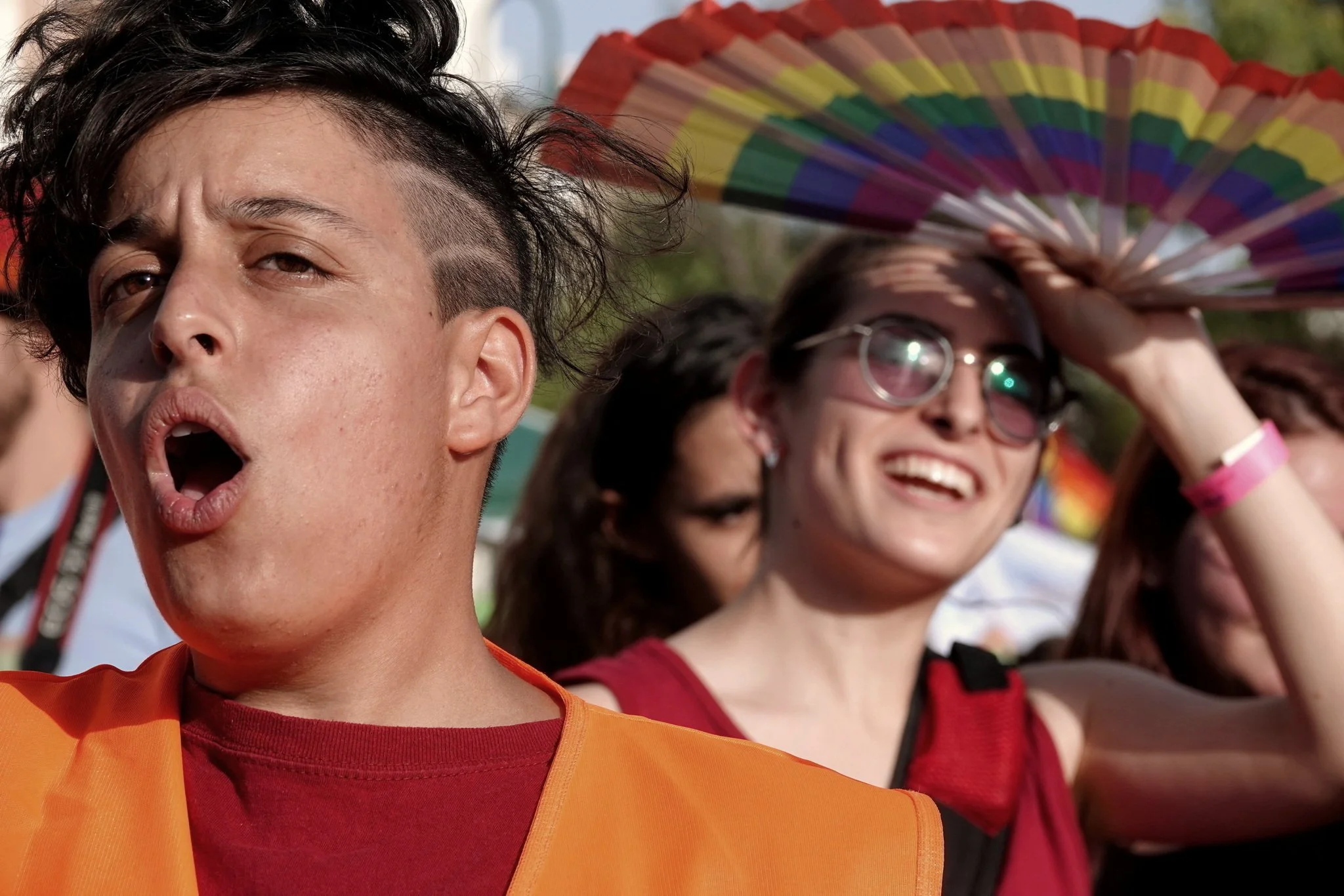
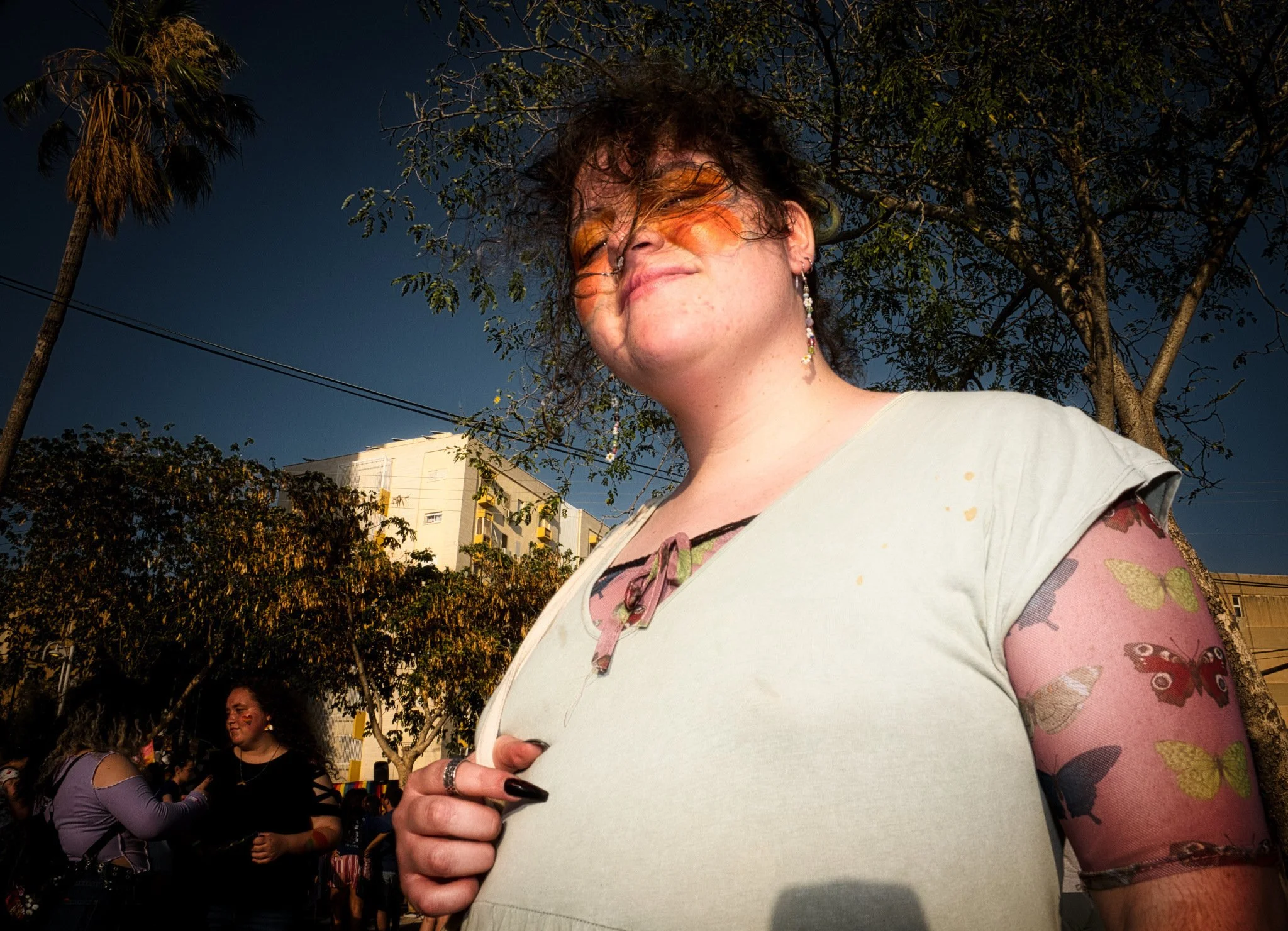
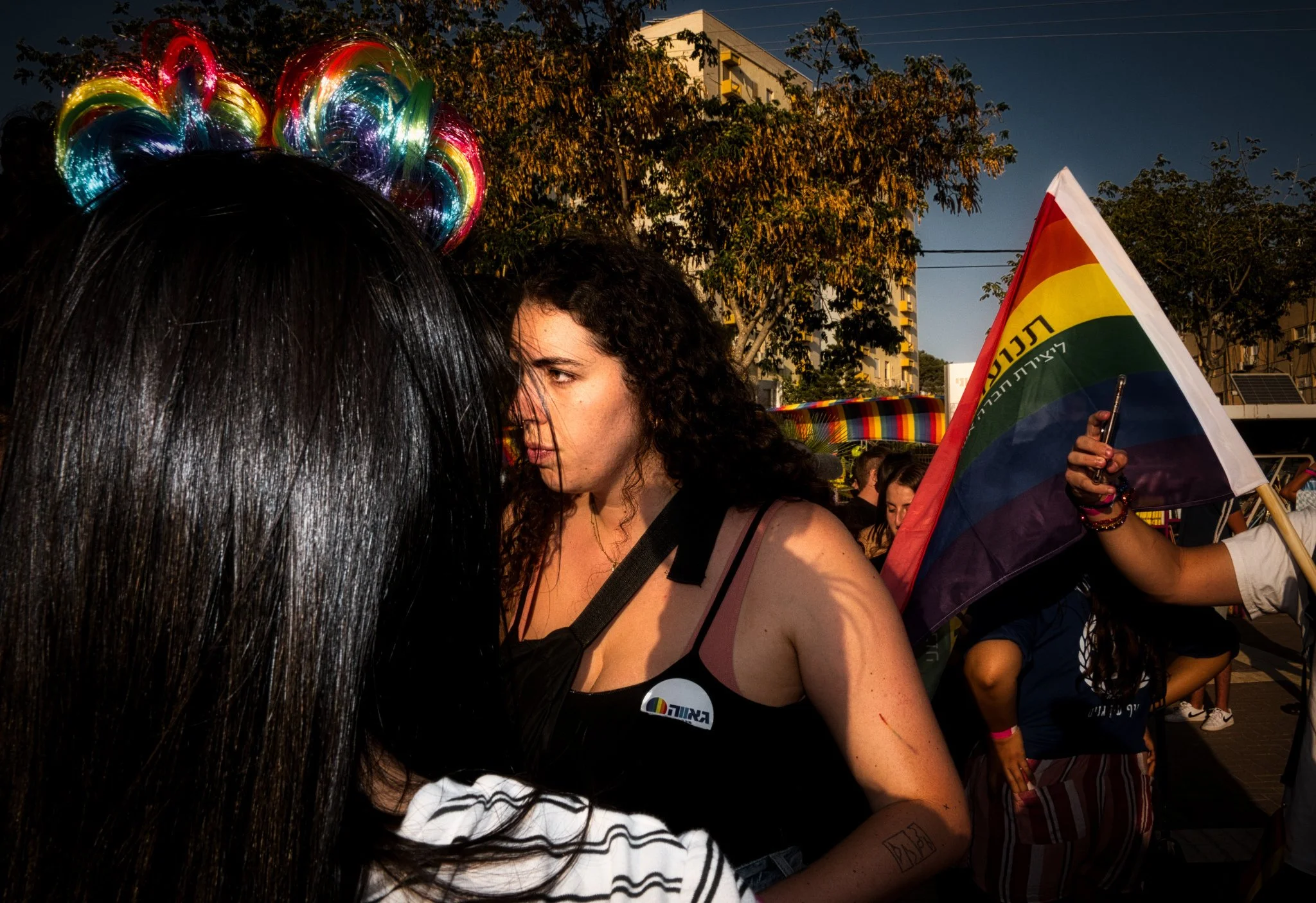
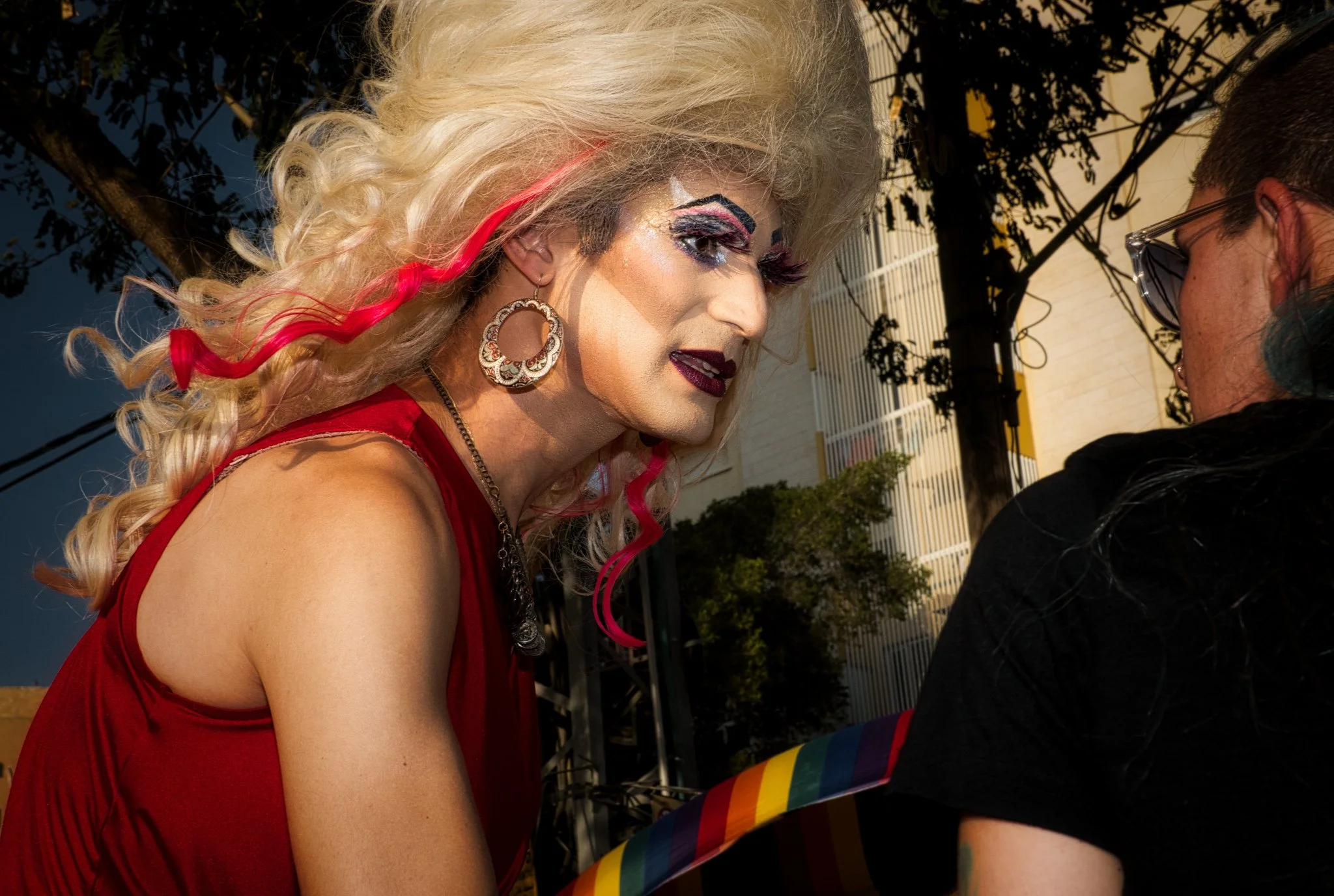
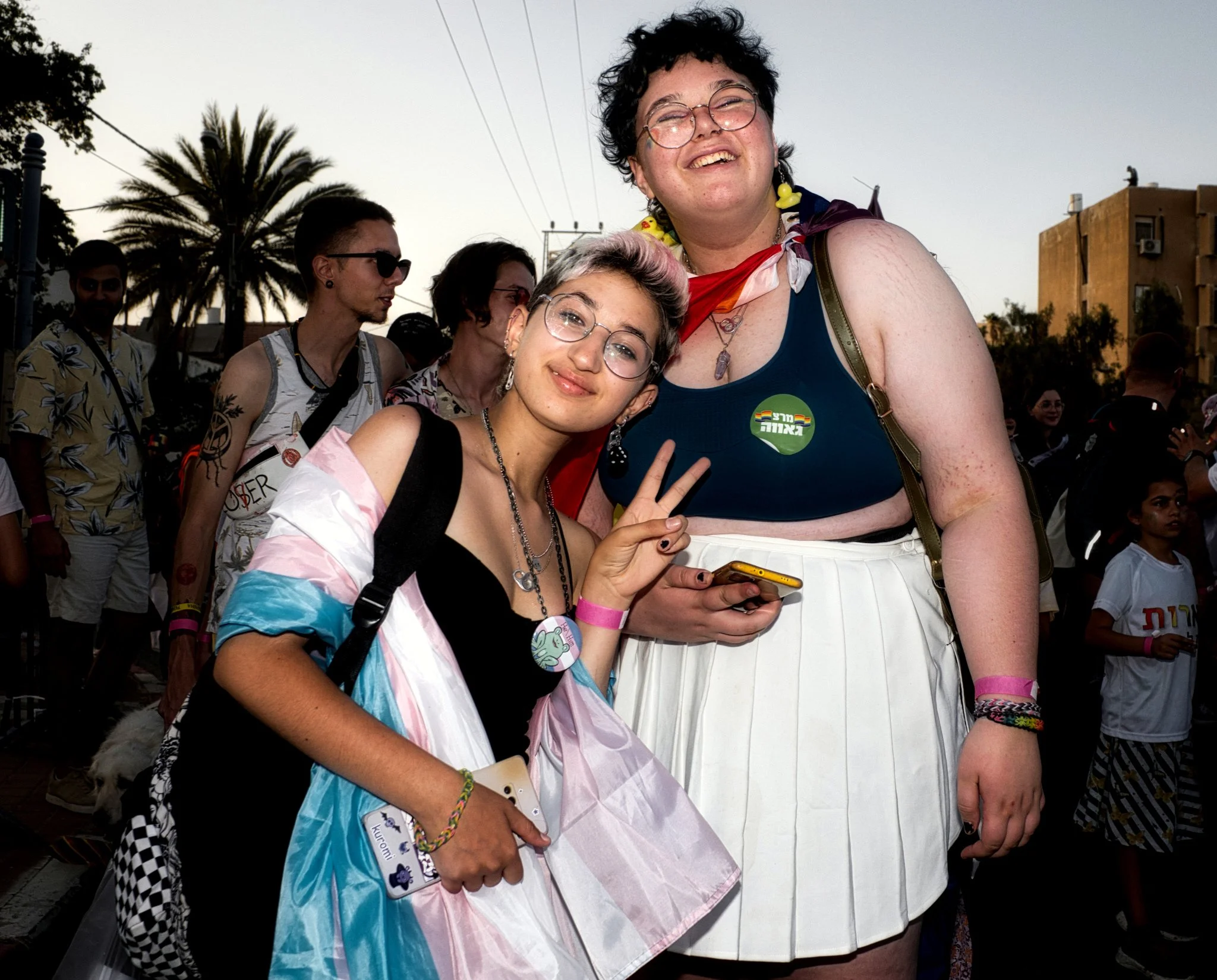
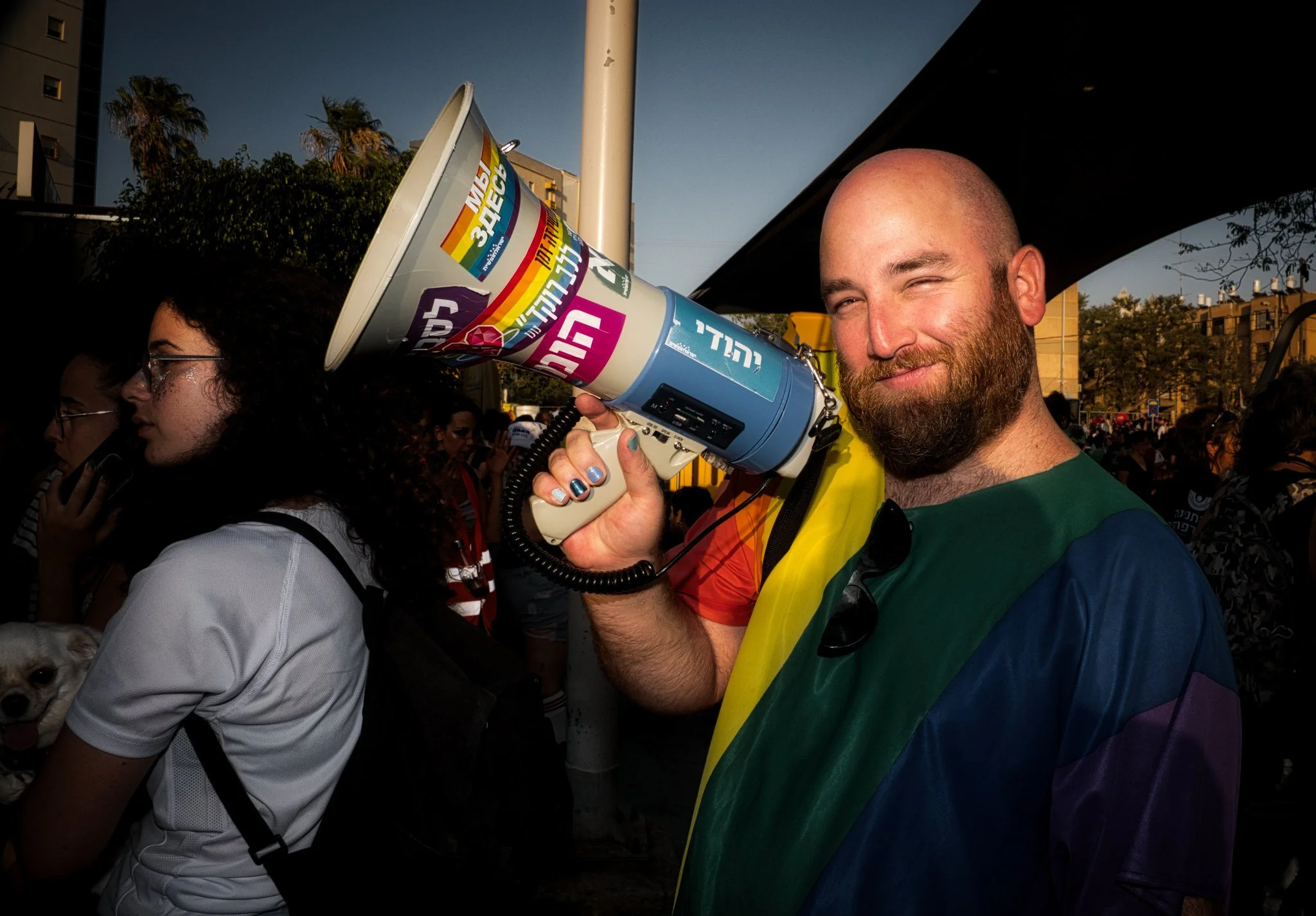
Haim Berman – Ride Without Prejudice. Since 2019, I have been photographing within my local LGBTQ+ community, tracing the intersection between private identity and public protest. Pride without Prejudice situates the Pride Parade within the visual memory of protest, less as a spectacle, and more as a recurring act of presence. Yet, in 2026, the demands at the heart of these gatherings remain fundamental: the right to love, to form a family, and to be accepted within equal legal and social frameworks. These photographs emerge from that ongoing tension between visibility and vulnerability, between civic exclusion and collective resilience. What defines this protest is its emotional register. Alongside determination, there is tenderness; alongside urgency - joy. The parade becomes a space where hope, defiance, and solidarity coexist - expressed not through confrontation or aggression, but through openness, care, and embodied identity. It is also a deeply communal event, where families, children, and even pets participate, folding everyday life into the language of protest. This series moves between close observation and broader atmosphere, attentive to both individual gestures and the collective rhythm of the street. It seeks to preserve fleeting moments - glances, embraces, quiet assertions of self - that form the emotional fabric of protest beyond slogans and signs. Pride without Prejudice reflects on how protest is remembered: not only through its demands, but through the human presence that sustains it. Here, resistance is carried as much in softness as in strength, and visibility itself becomes an enduring act of change.
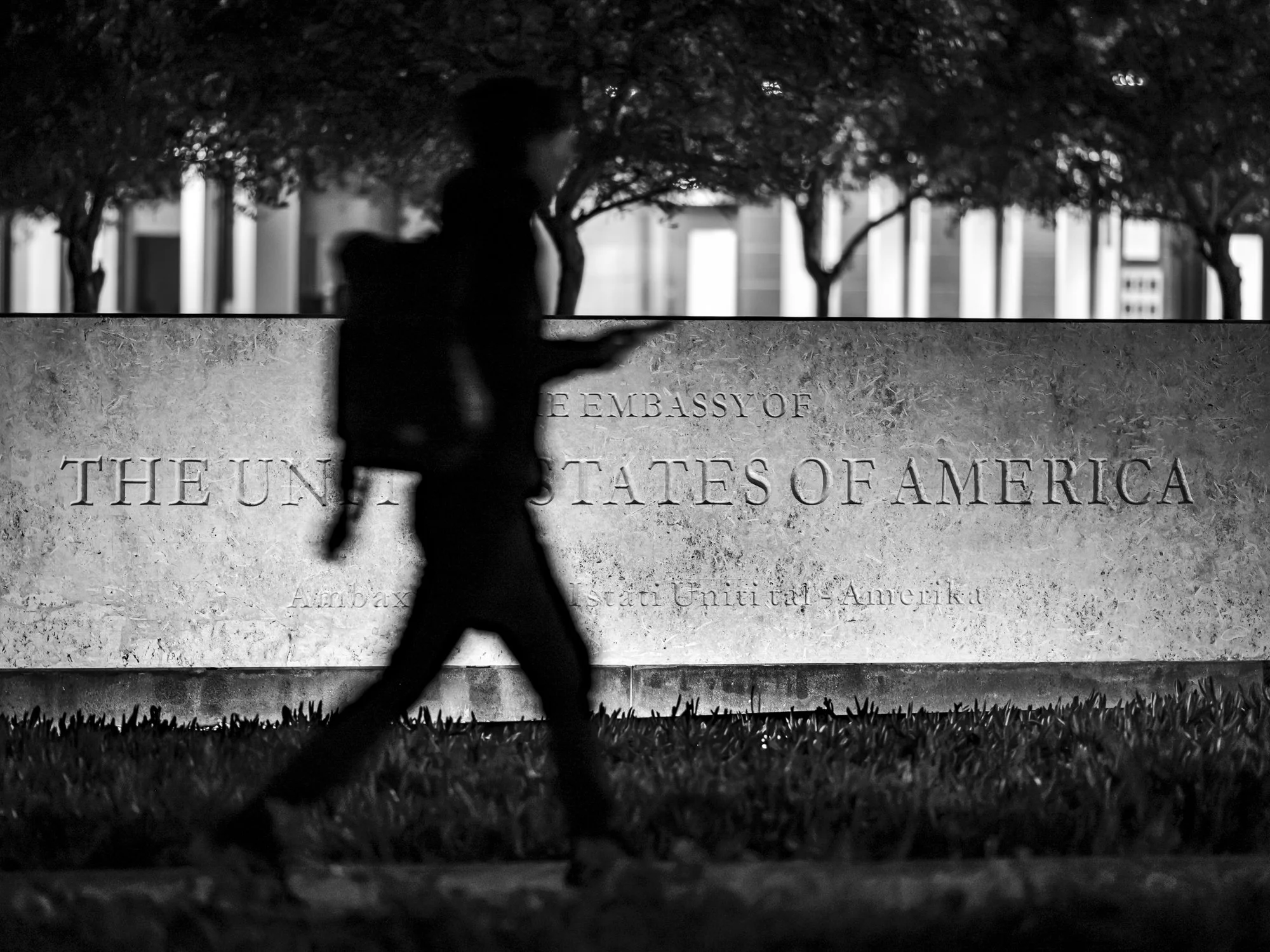
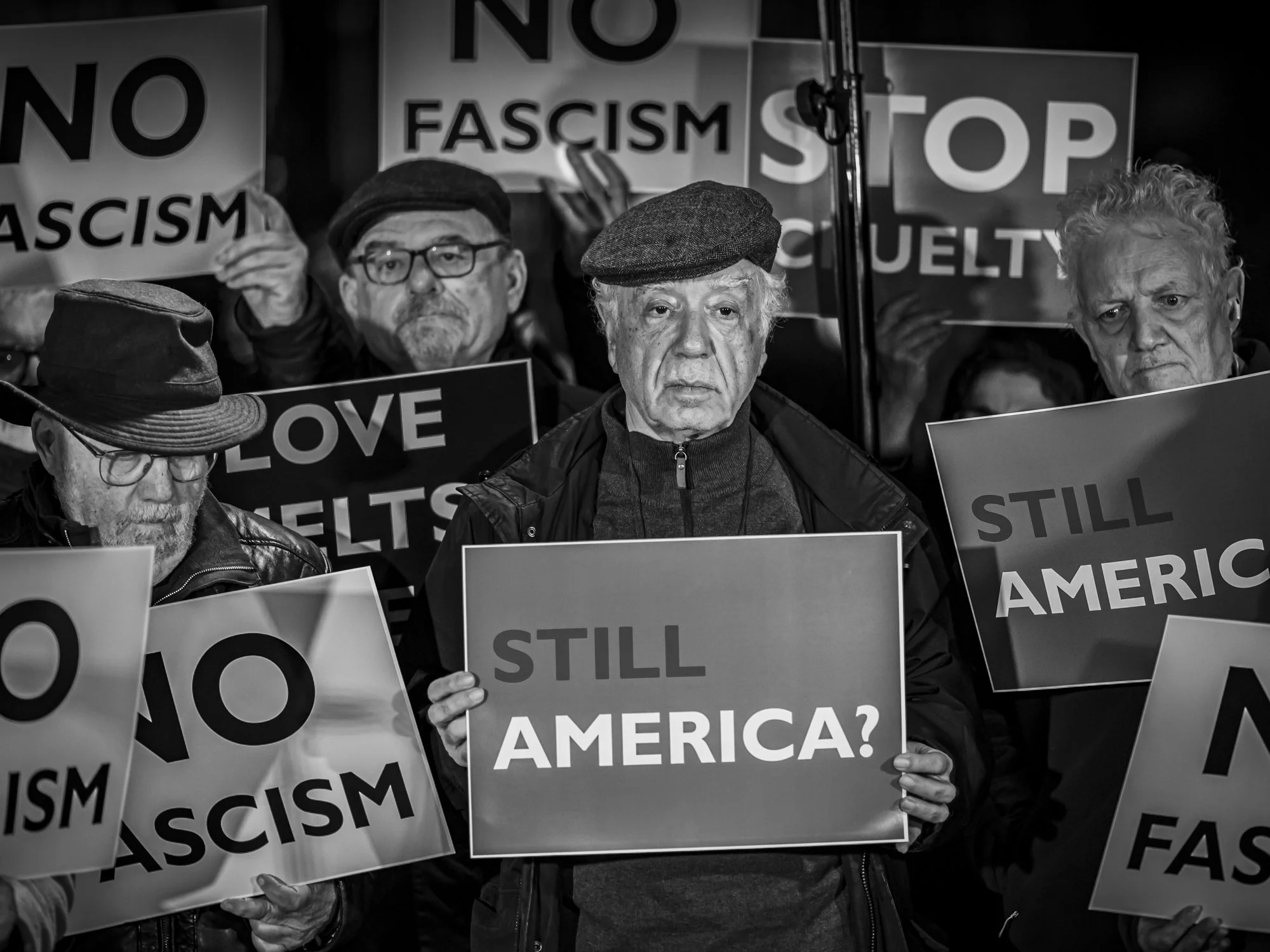
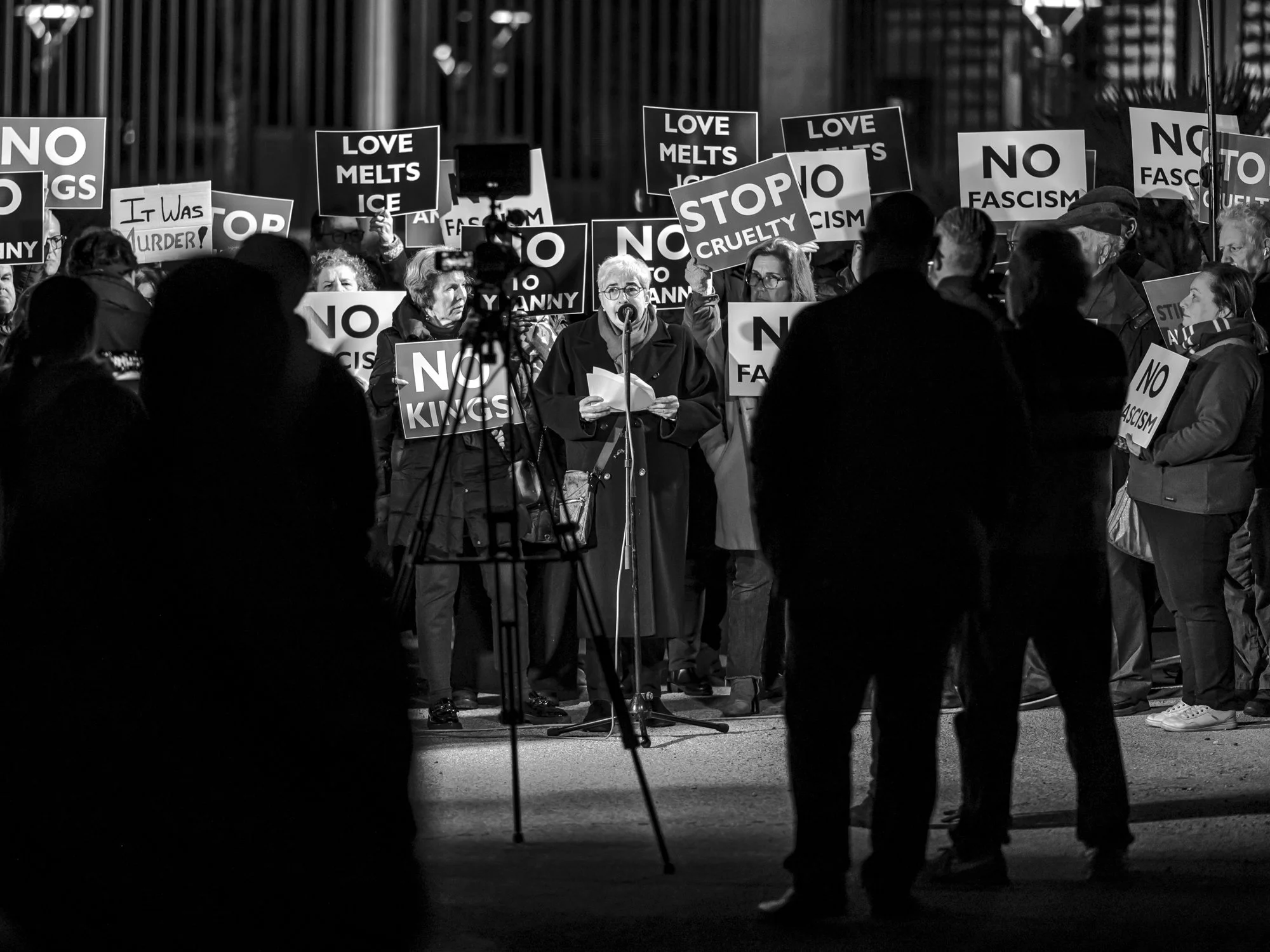
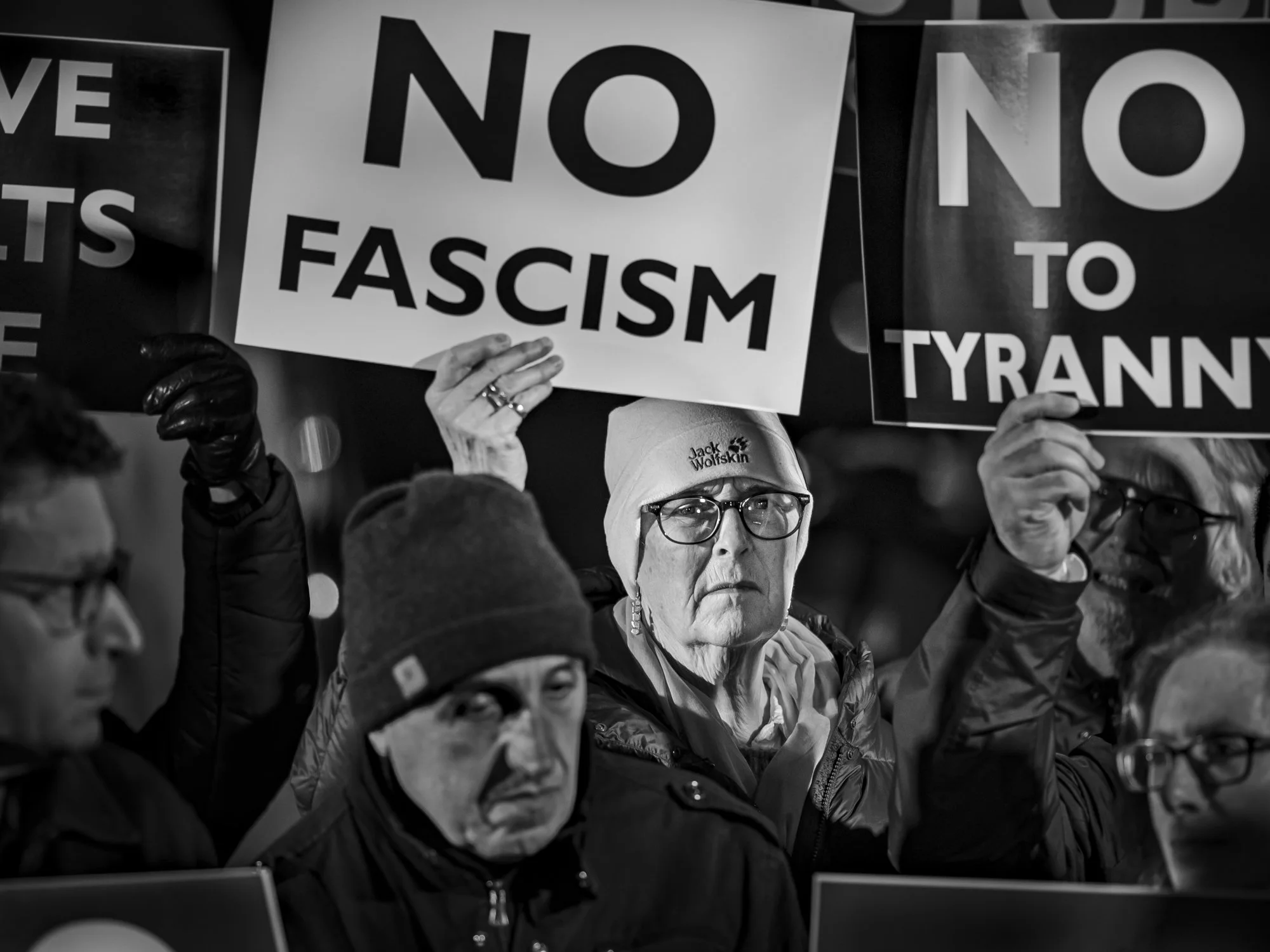
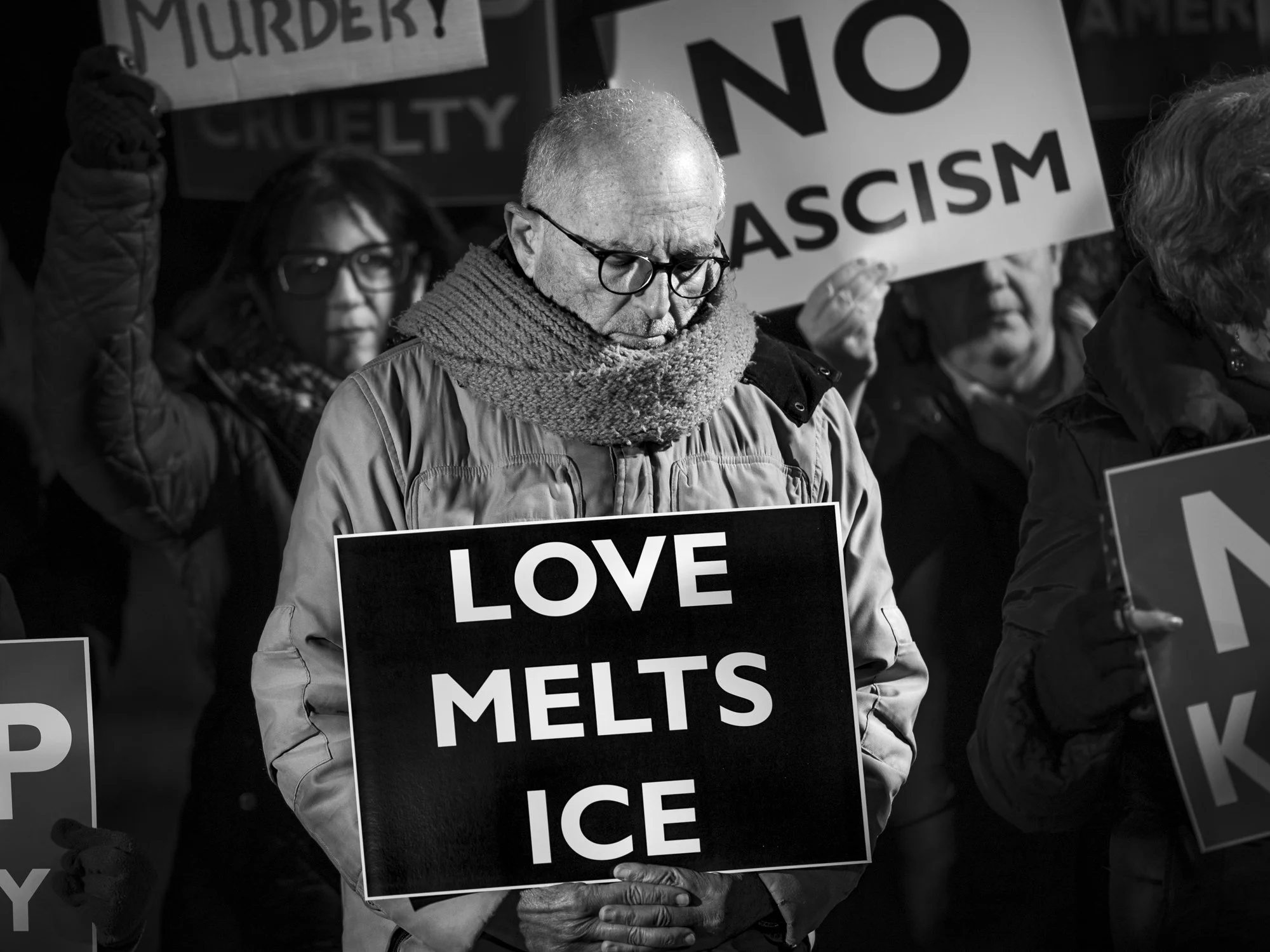
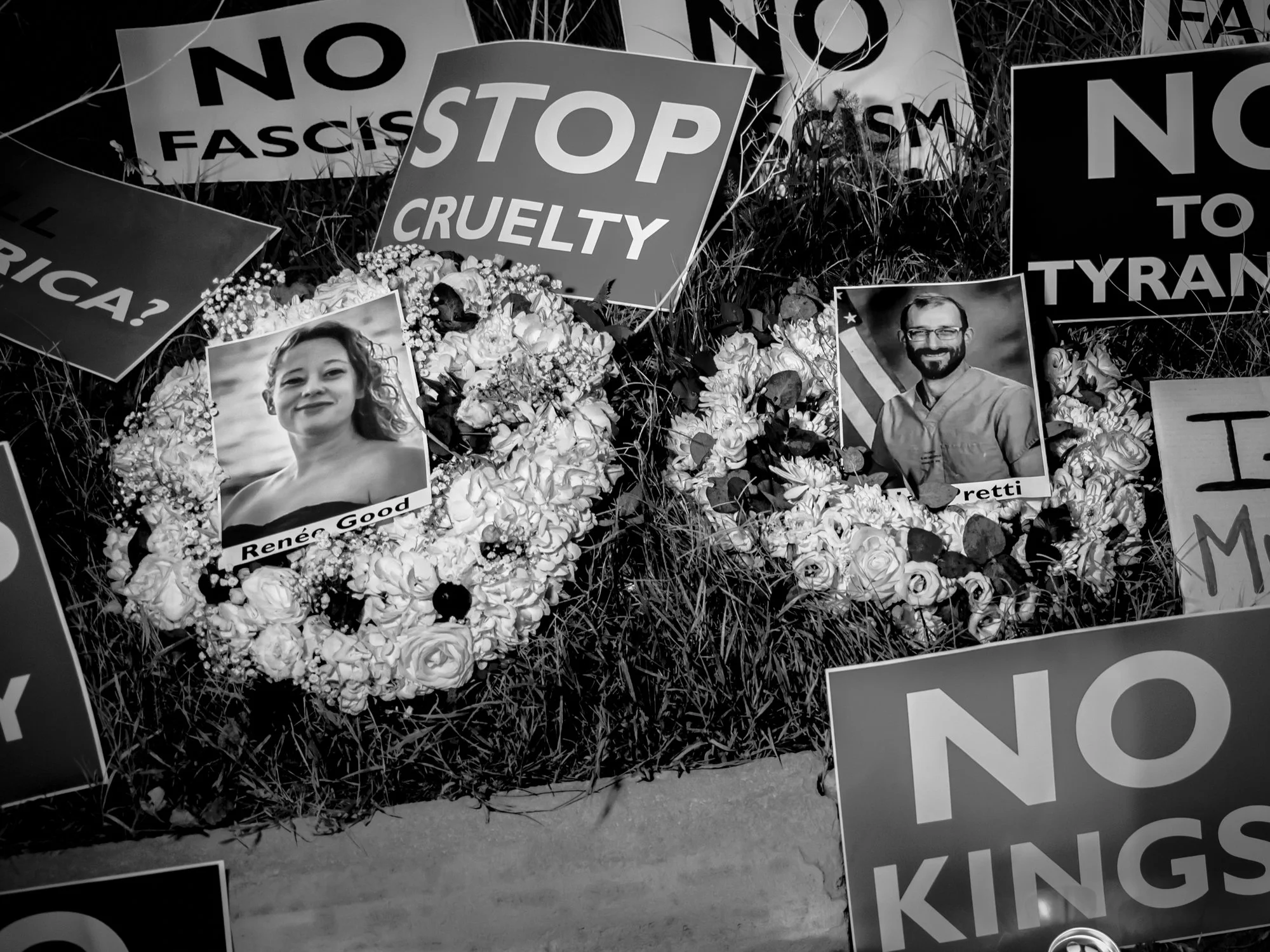
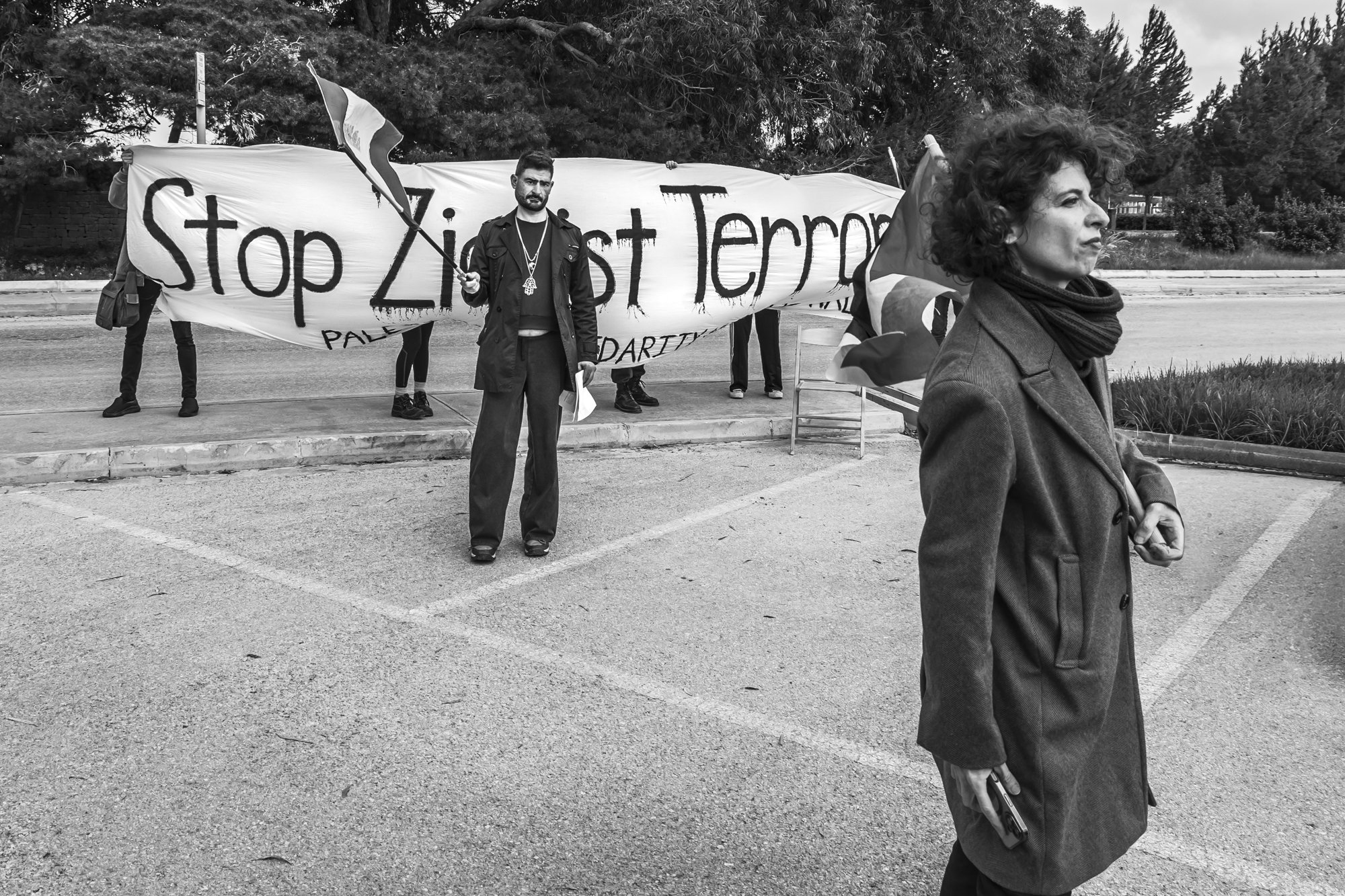
Jay Nabbe – In January 2026, following the deaths of Renée Good and Alex Pretti during the United States’ “Operation Metro Surge” in Minneapolis, a peaceful vigil was held outside the U.S. Embassy in Malta. This series observes that gathering—not as a single narrative, but as fragments: gestures, faces, language, and moments of stillness. Between speech and silence, the images trace how collective grief, resistance, and uncertainty take form, leaving space for interpretation rather than resolution.
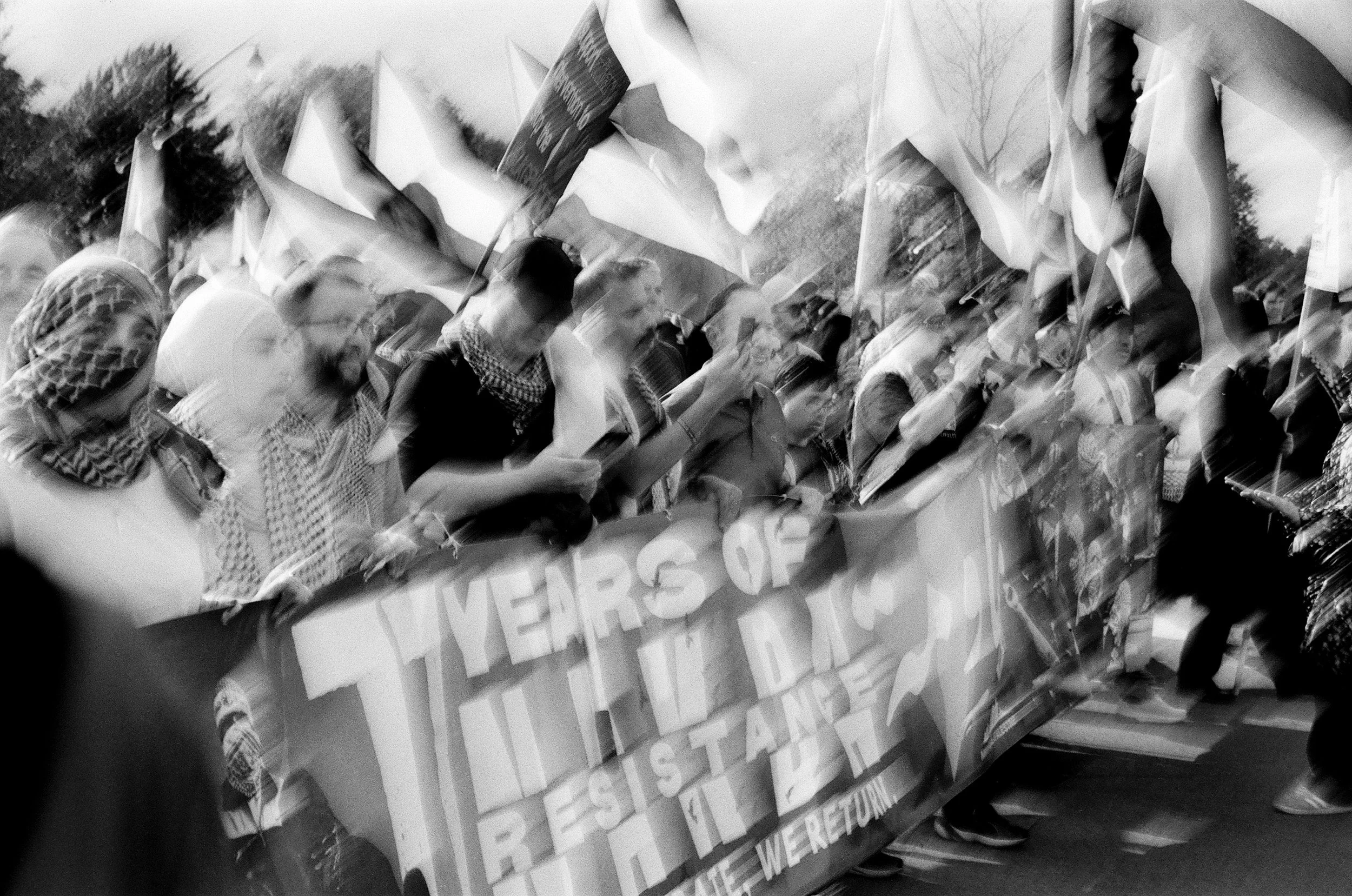
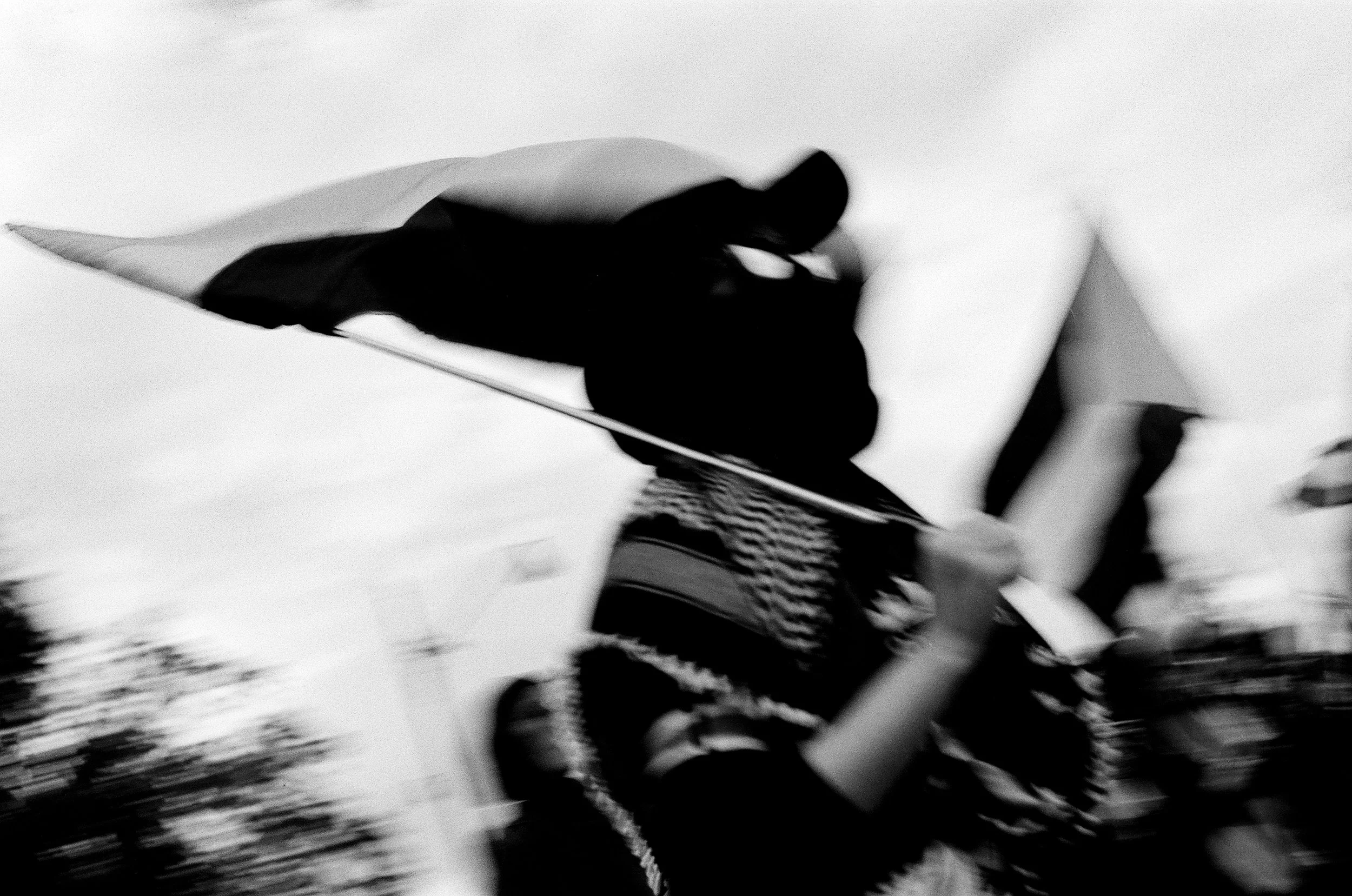
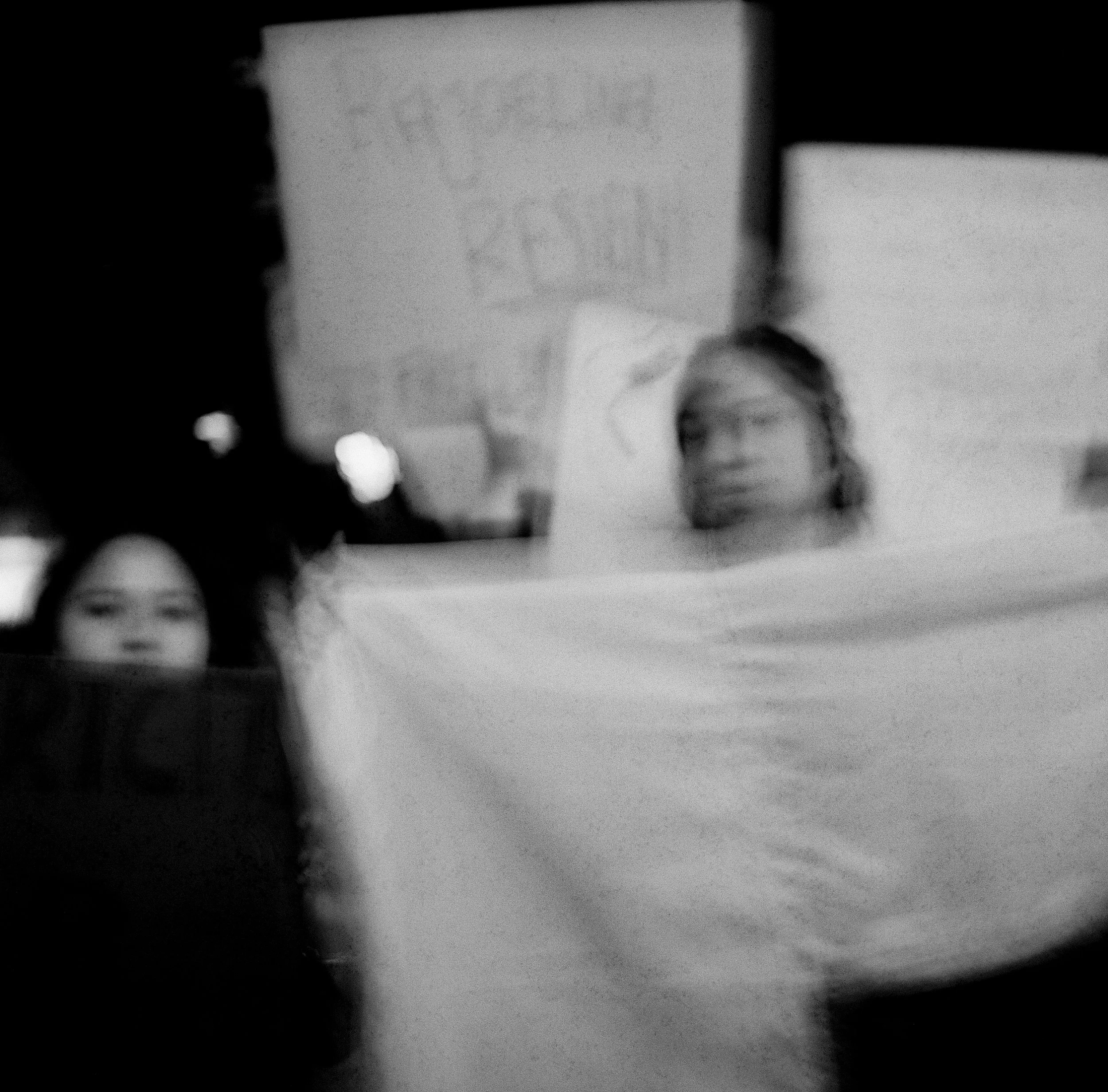
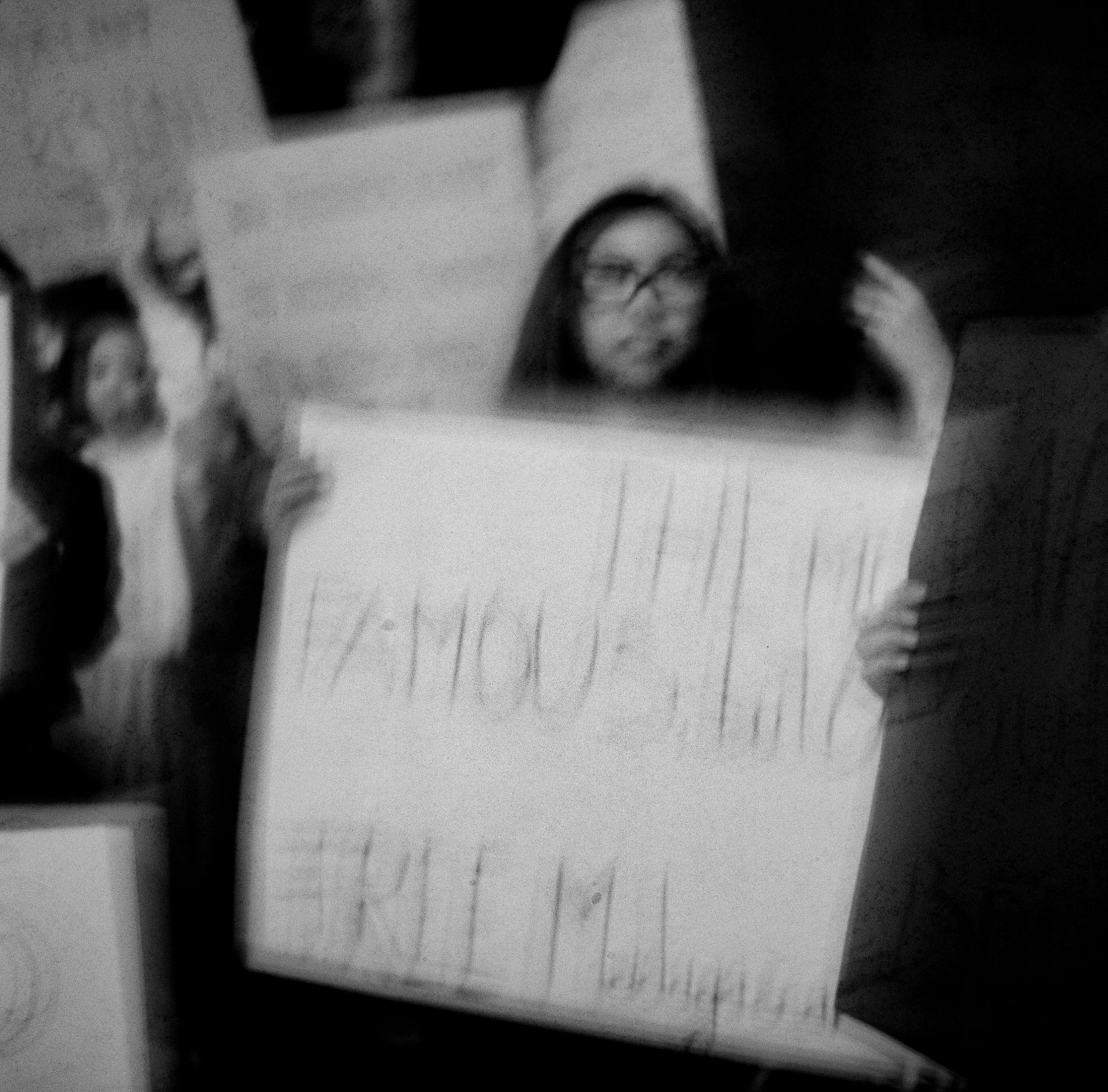
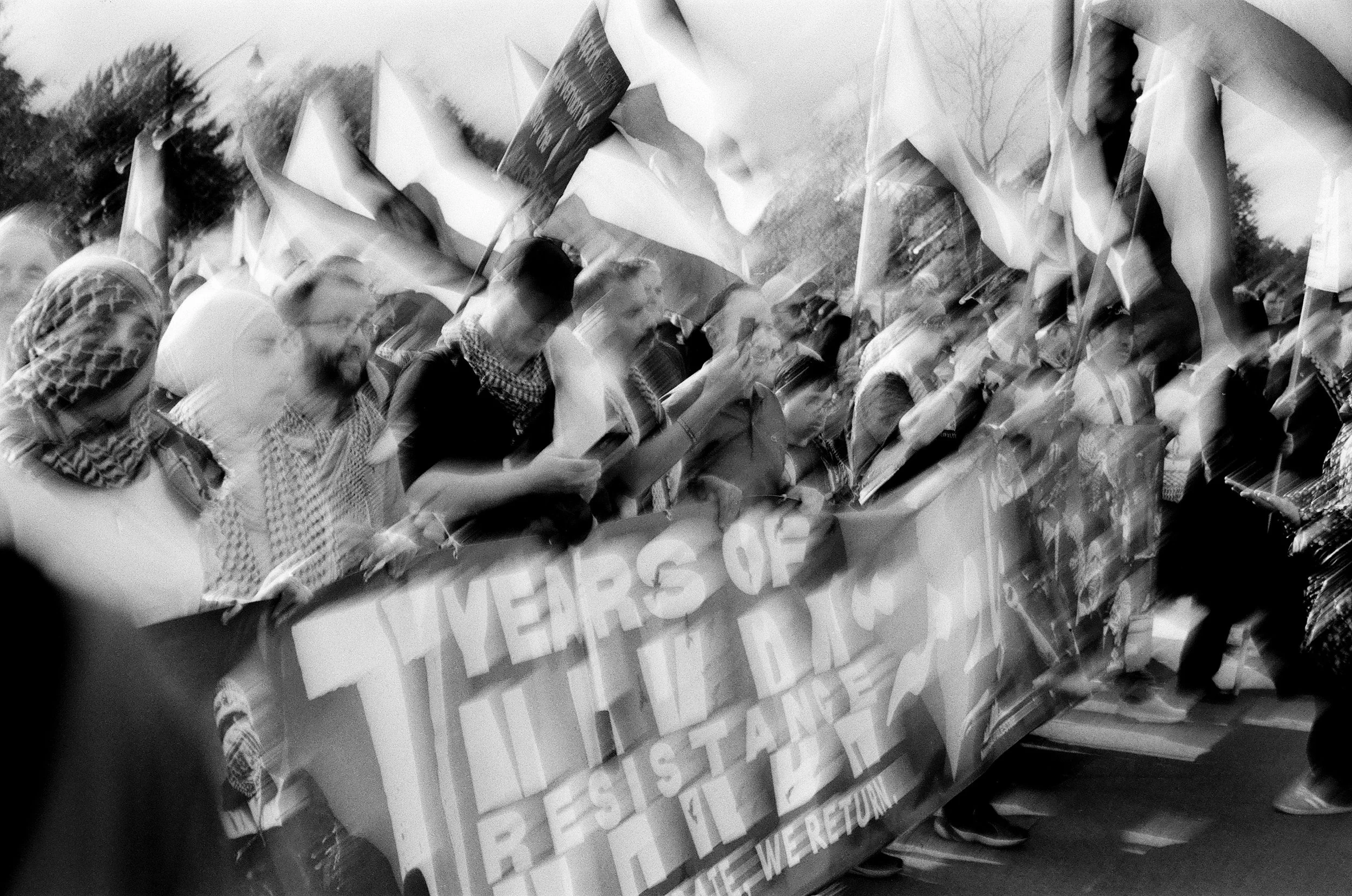
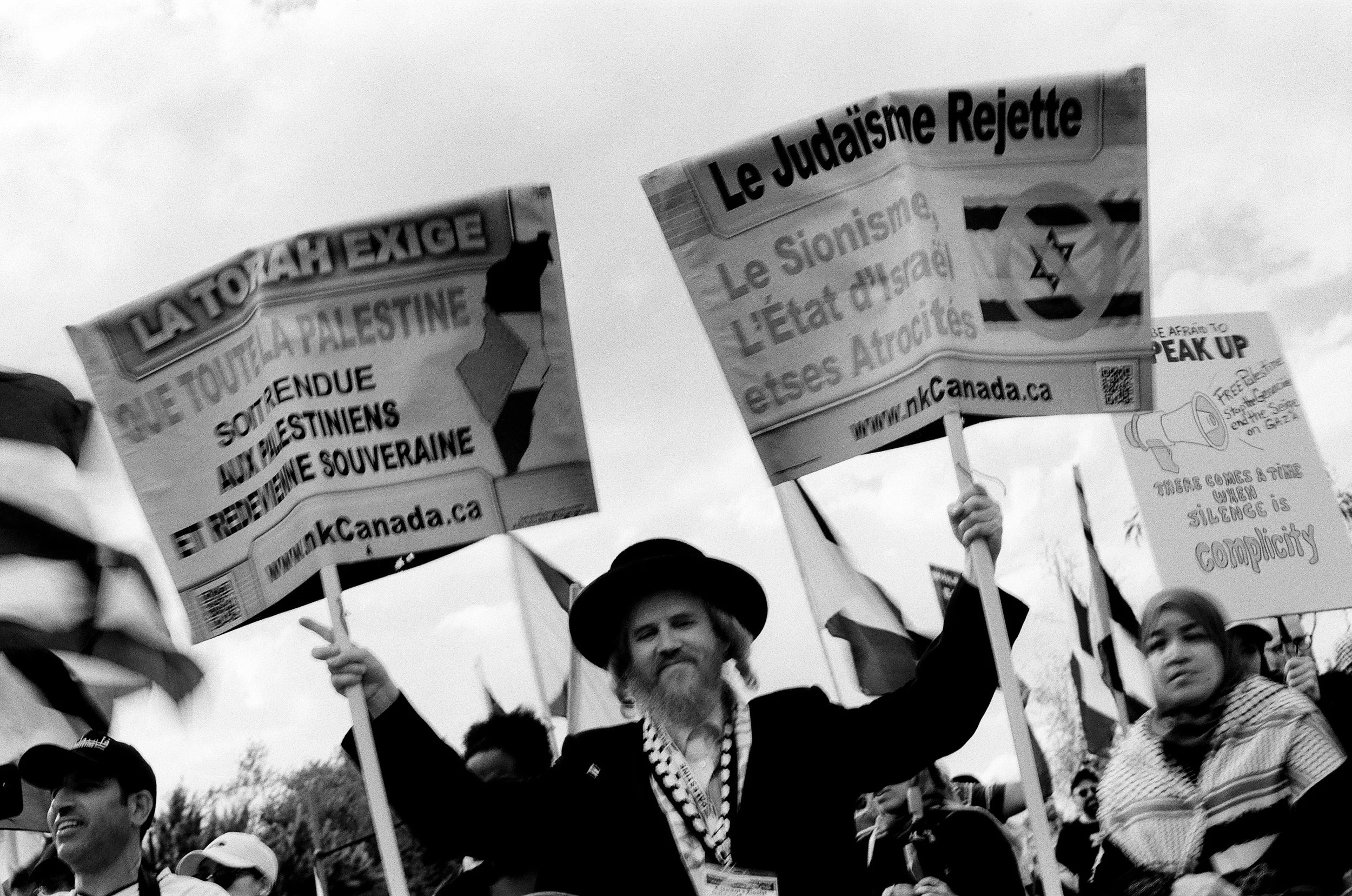
Jacques Pharand – Over the years, I have developed my photographic language, which was that of a press photographer, into something more personal, to be able to express my understanding of the passage of time, which shapes us, and of our impermanence. In the end, are we always in motion, as if in a race, to keep our minds busy (or numb?) and thus give ourselves the illusion that we will escape our ultimate fate?
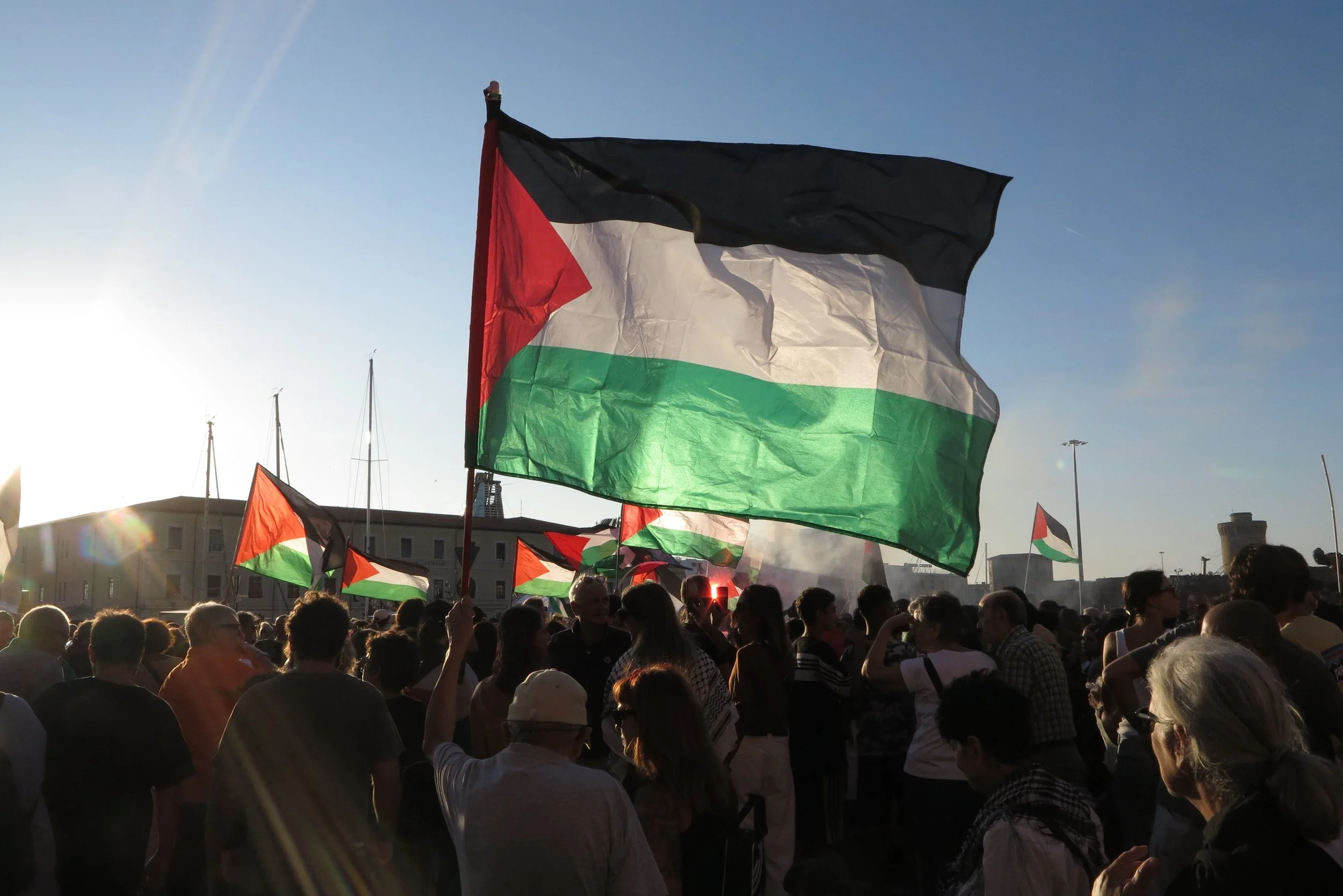
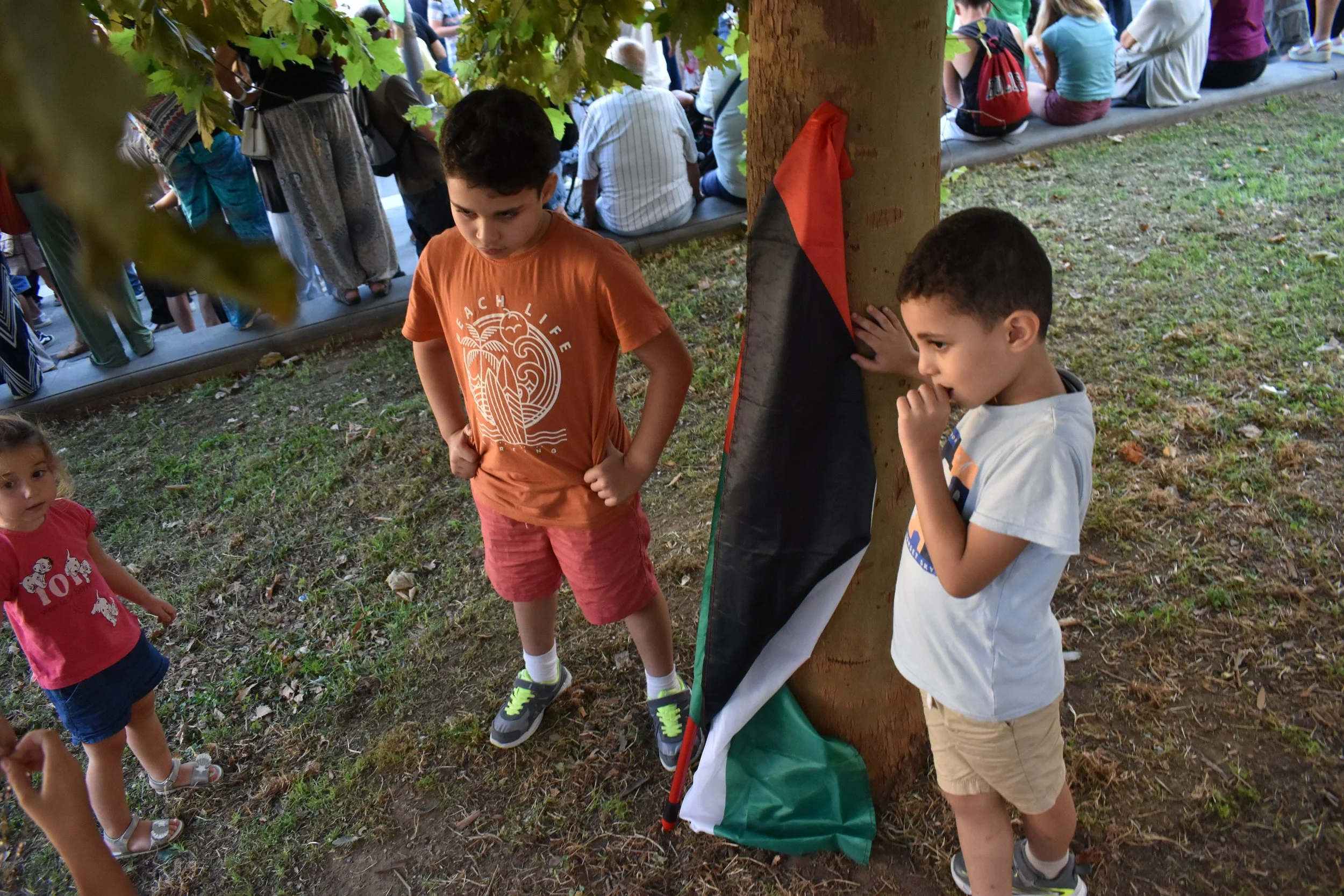
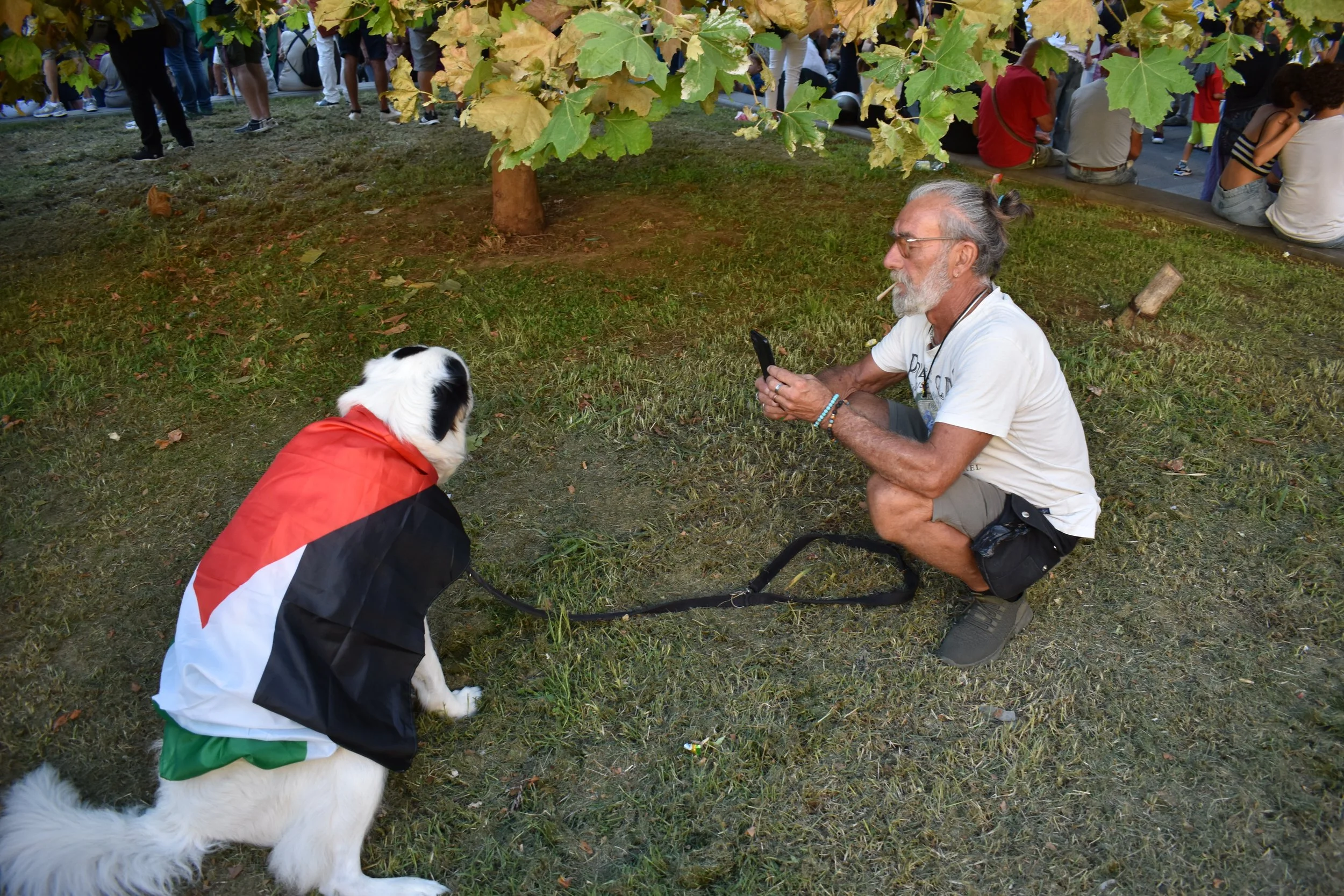
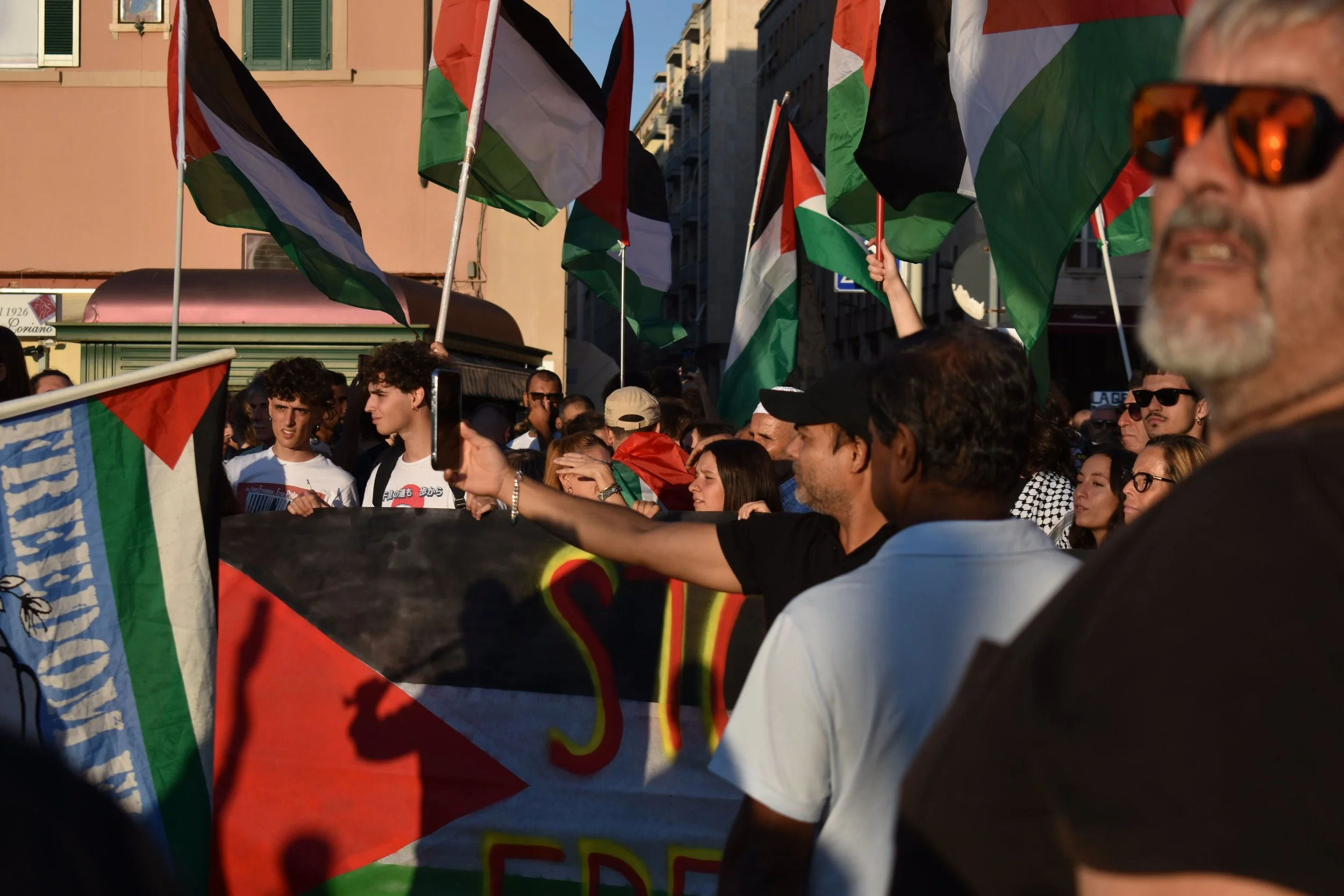
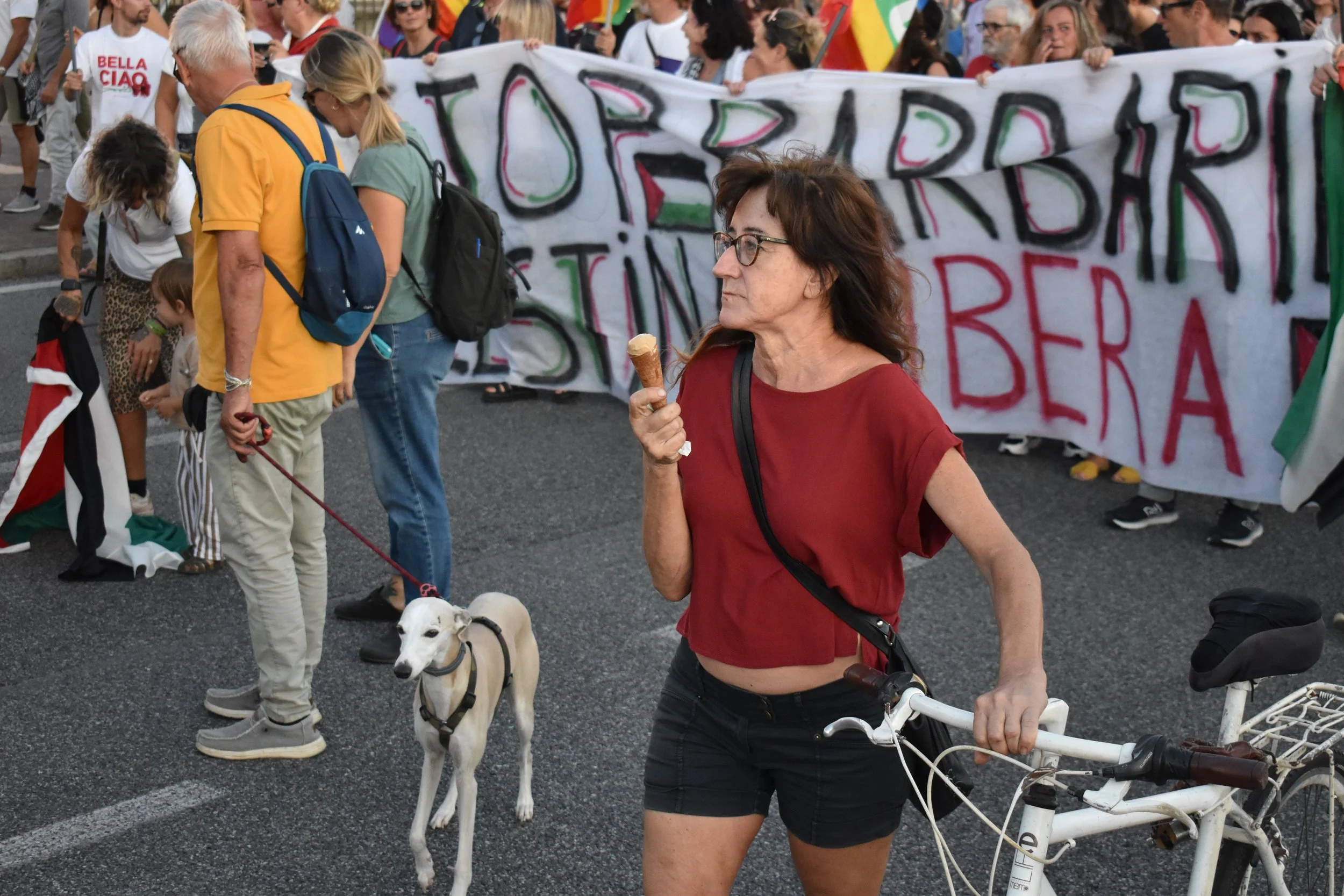
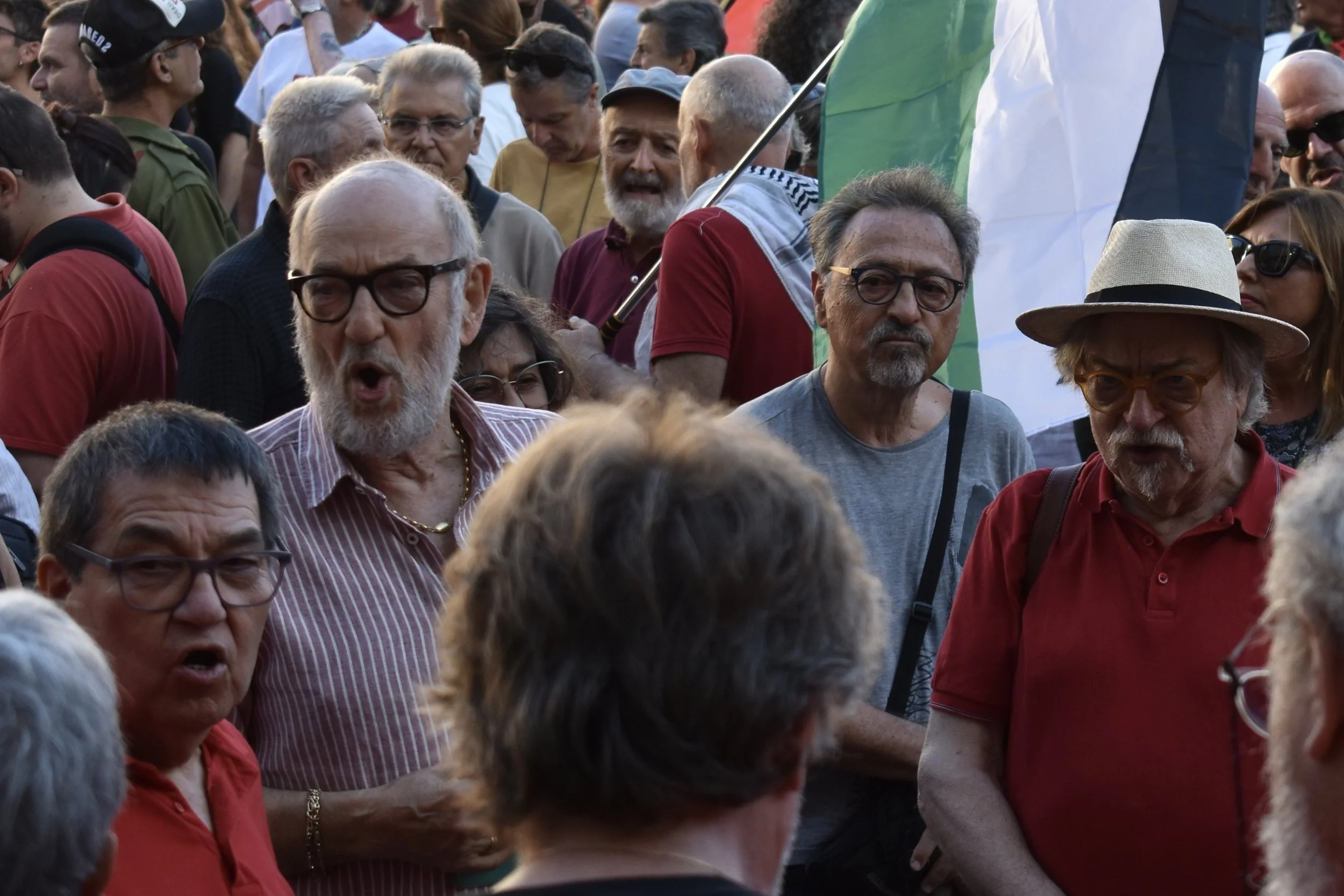
Lorenzo Ferretti – In my series of photos, the Palestinian flag becomes a mobile symbol: it waves in a march, protects children, accompanies a dog, and blends into the details of everyday life. My aim was to restore a visual fragment of the memory of protest: not only anger or revendication, but also tenderness, participation, the merging of life and commitment. Because even eating an ice cream beside a march, or singing a partisan song, are gestures that contribute to building a shared memory of the struggle.
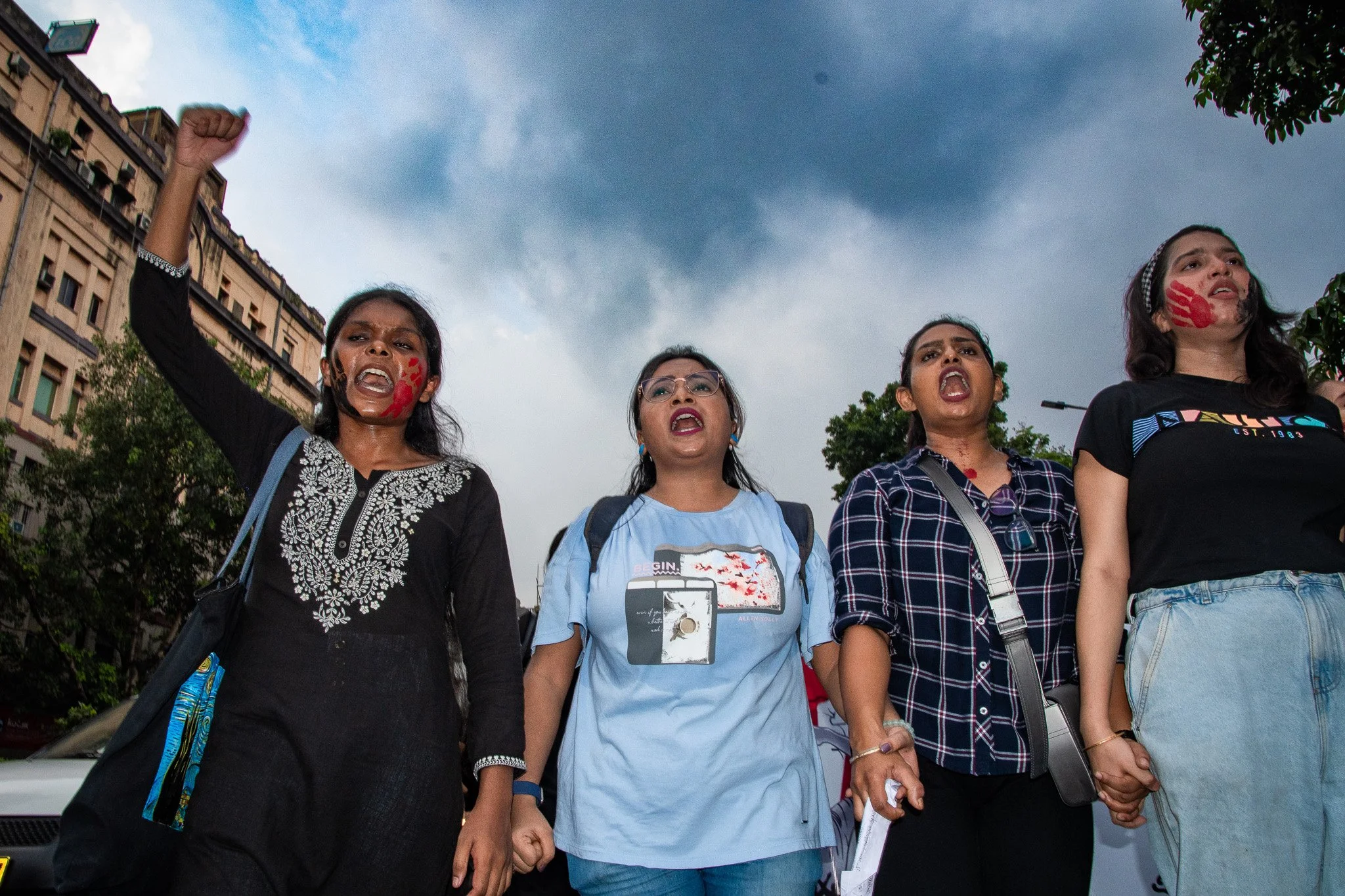
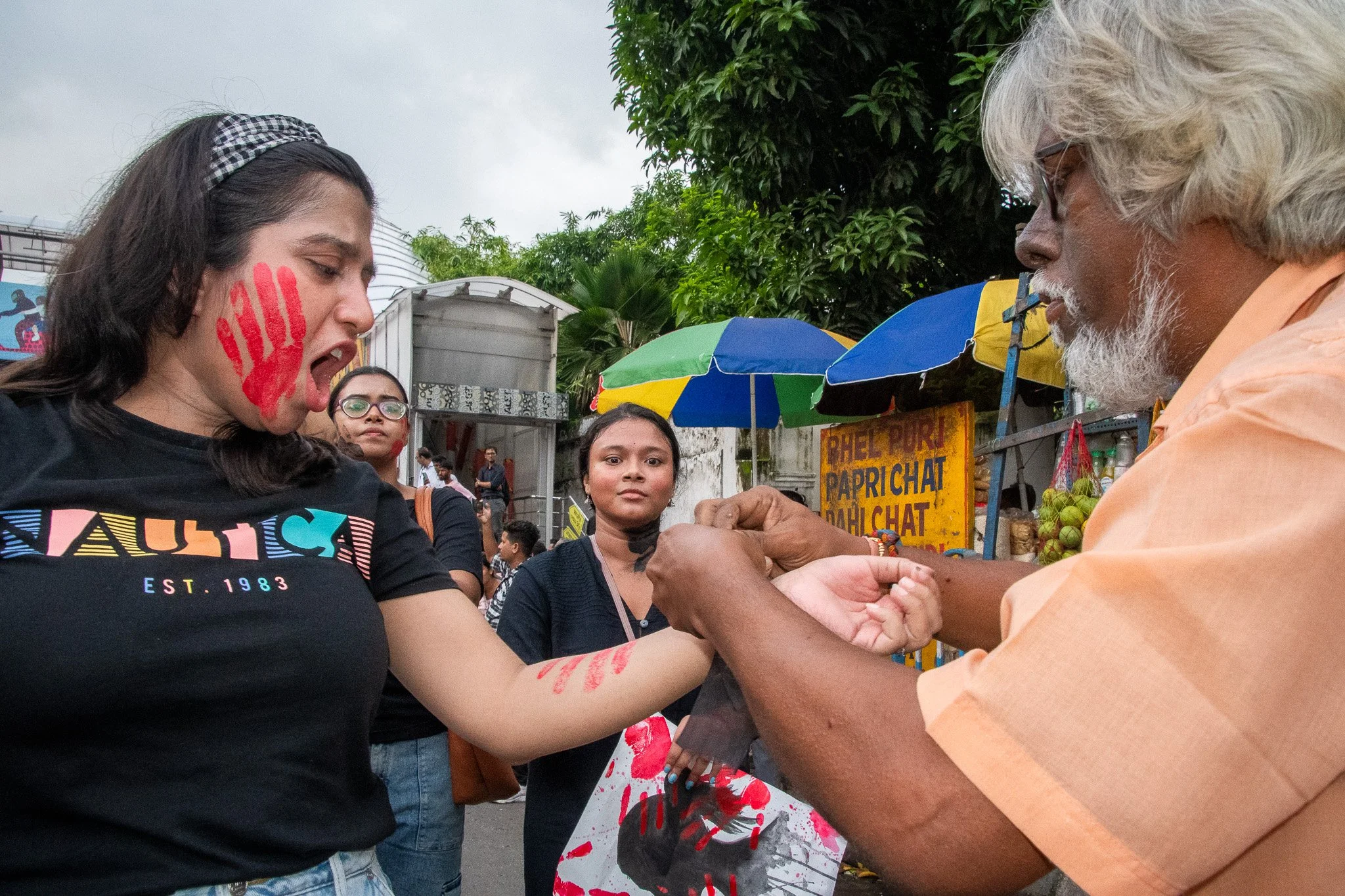
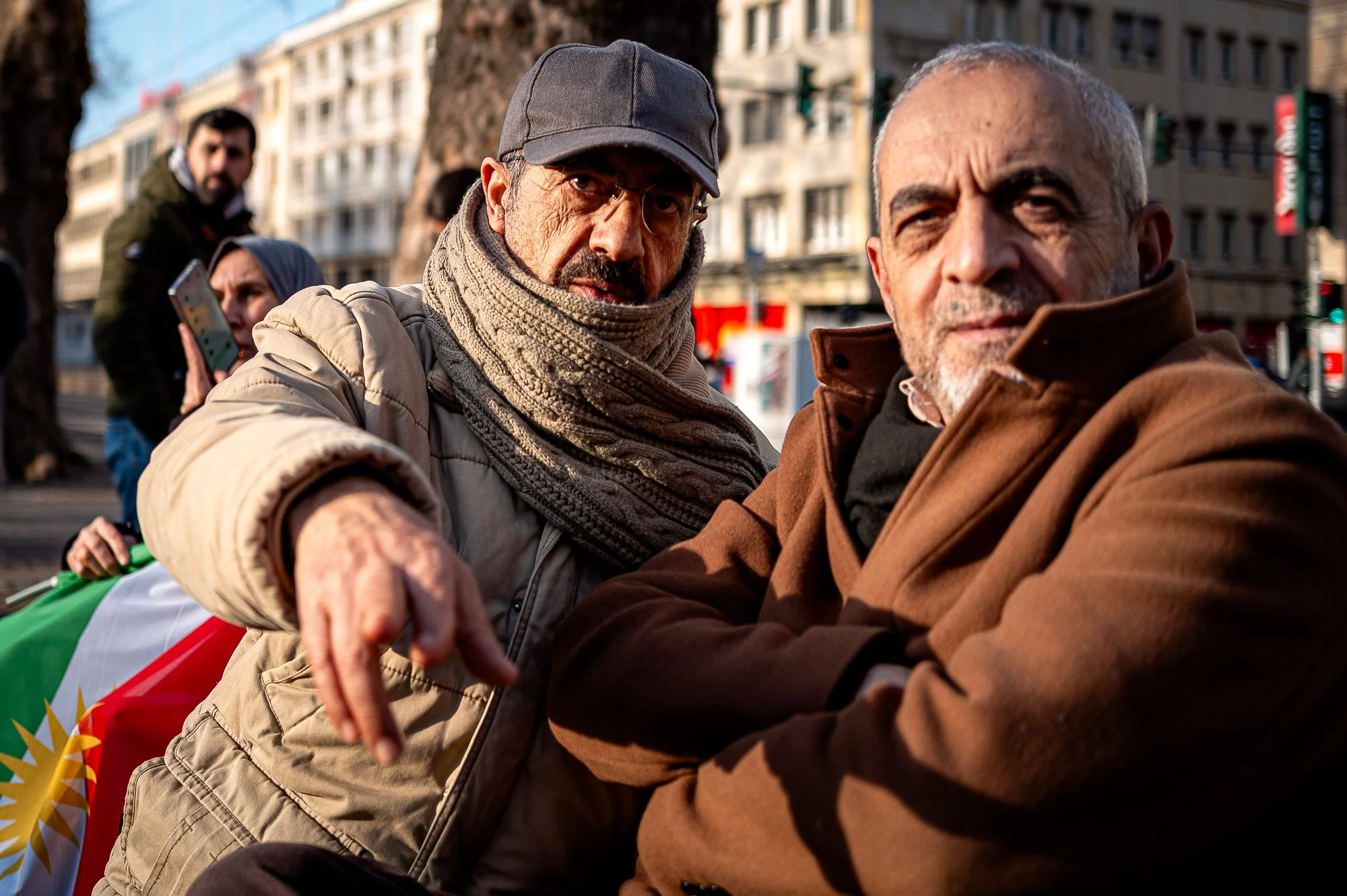
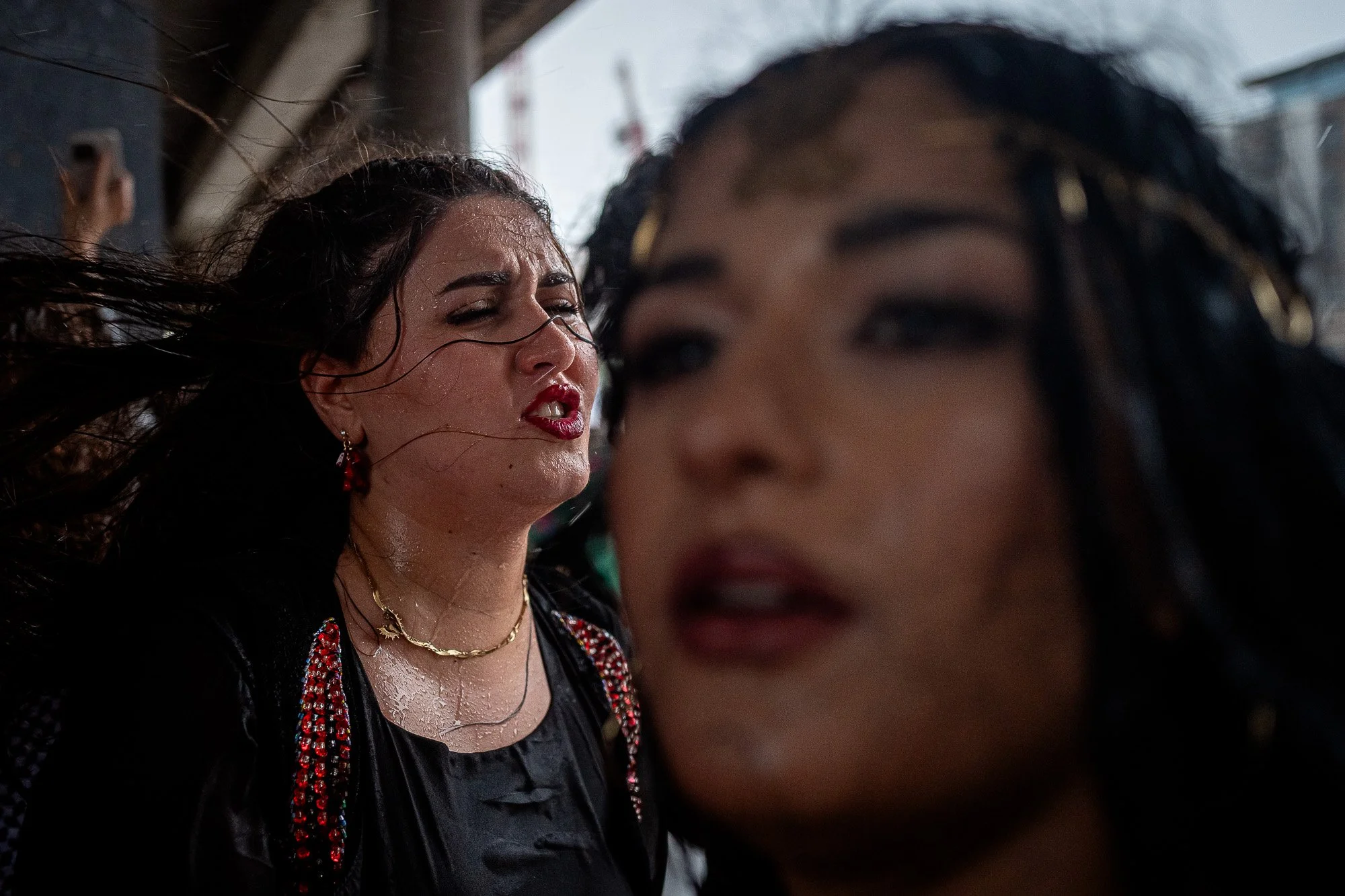
Marc Dessi – Protests by Palestinians and Iranians against Israel’s actions in the Middle East are currently a common sight on the streets. Although these are different conflicts, they are nonetheless somehow linked, and these demonstrations have something in common. They are always peaceful, and the protesters are characterised by the peacefulness and friendliness with which they express their concerns.
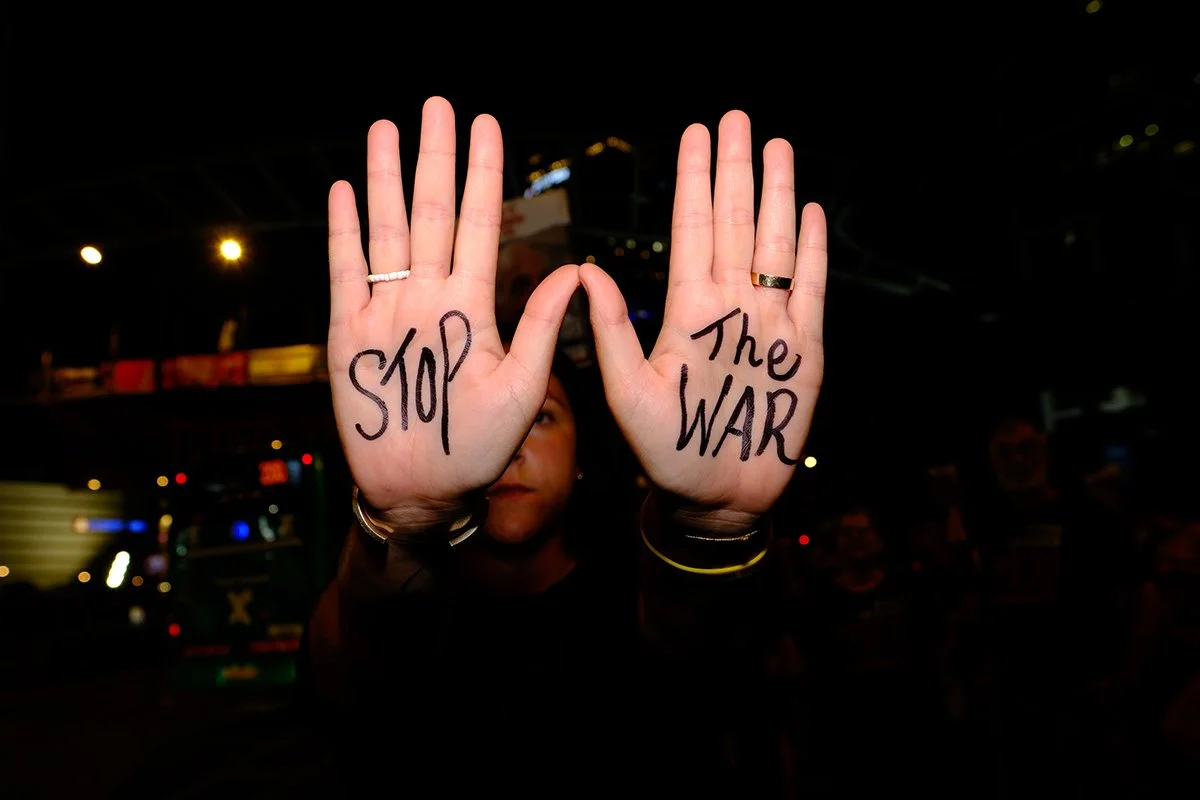
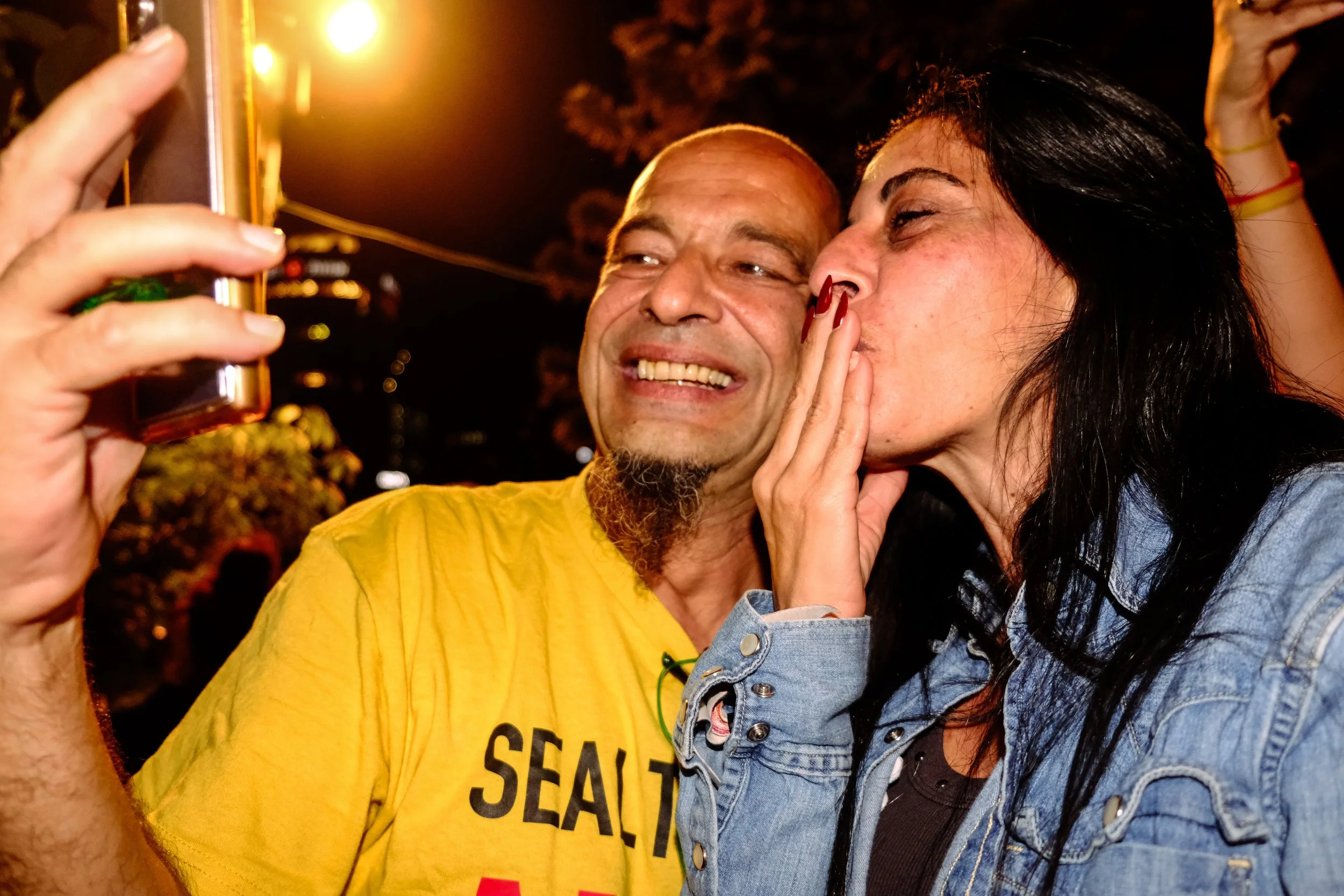
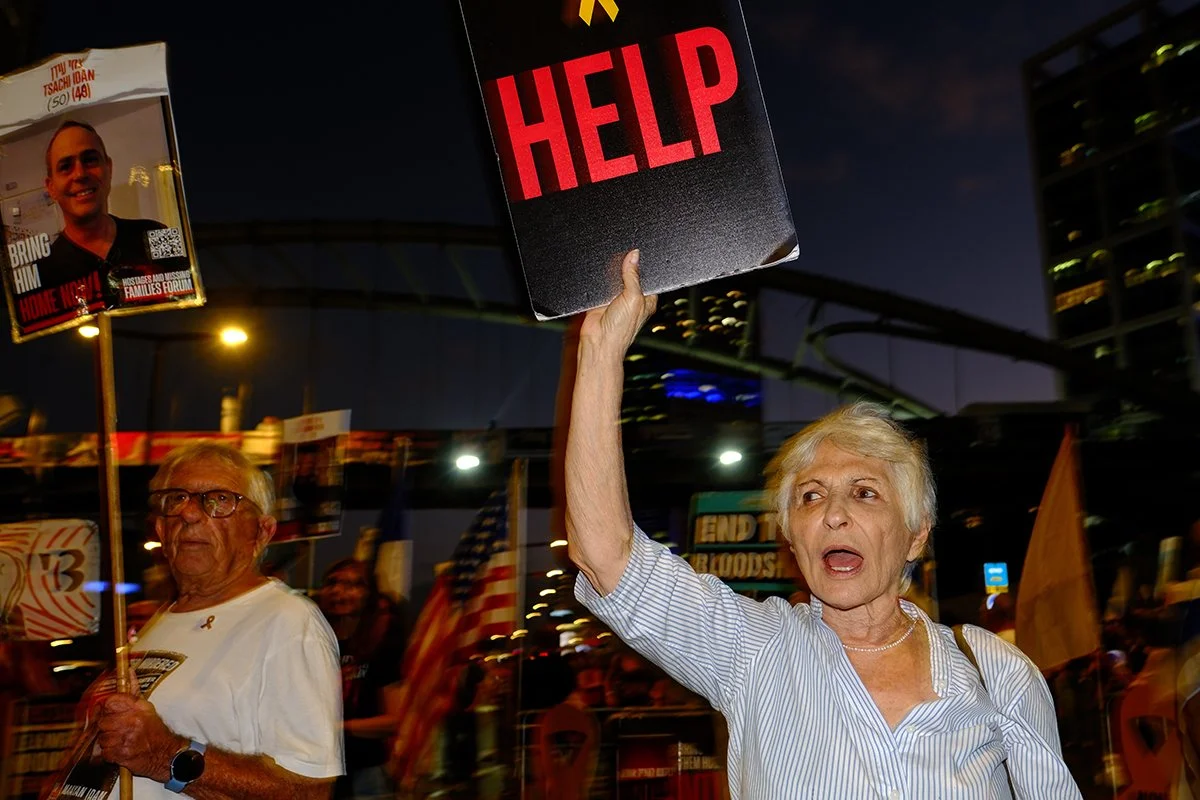
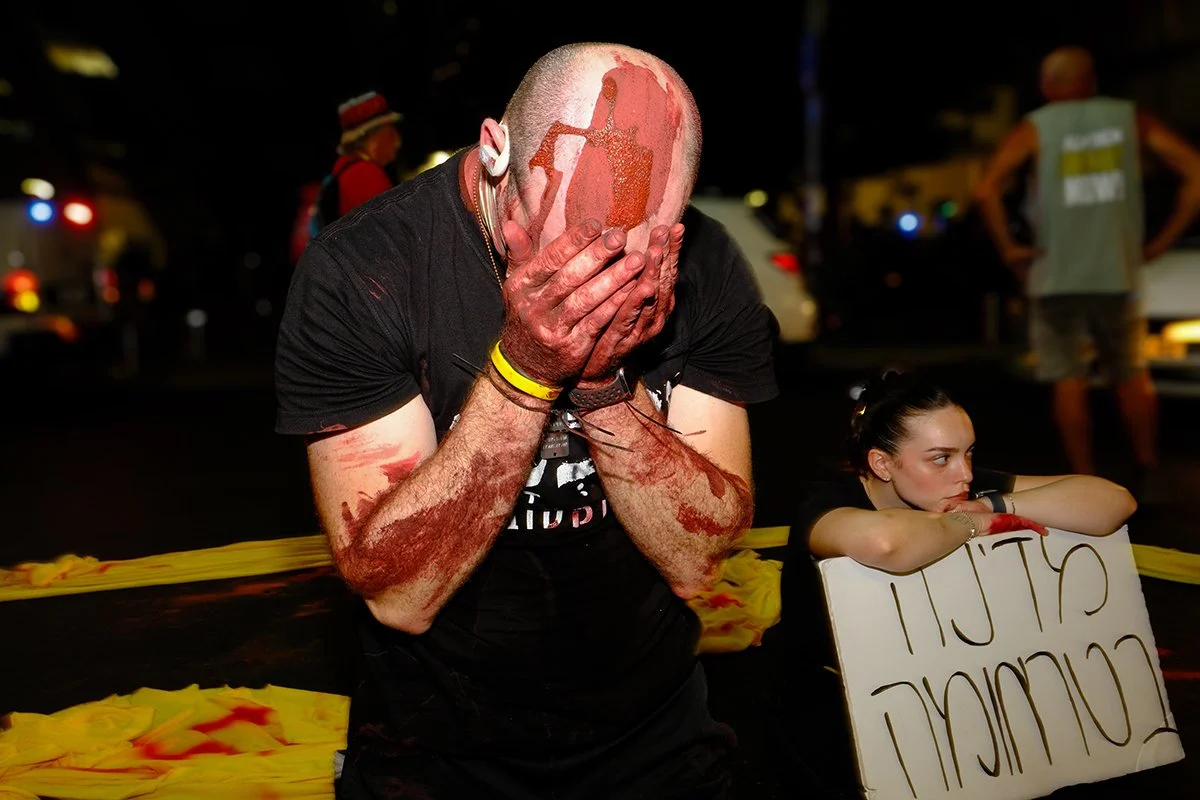
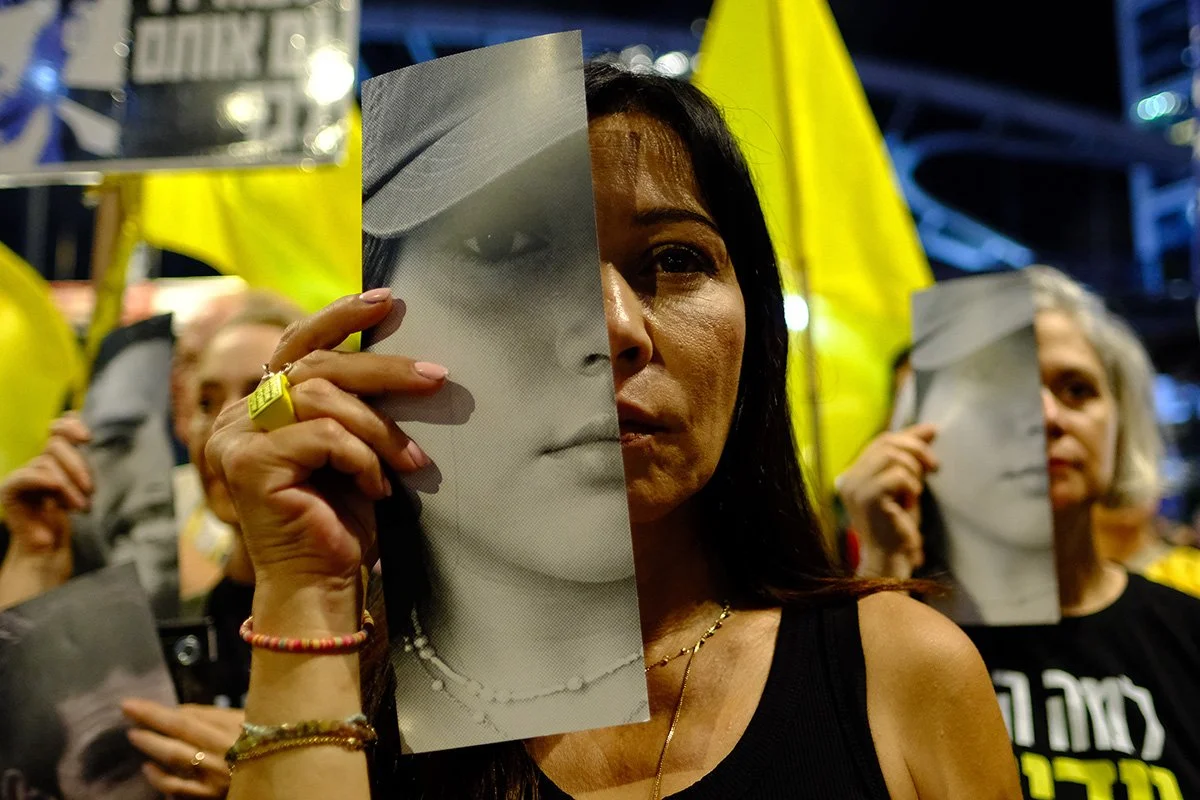
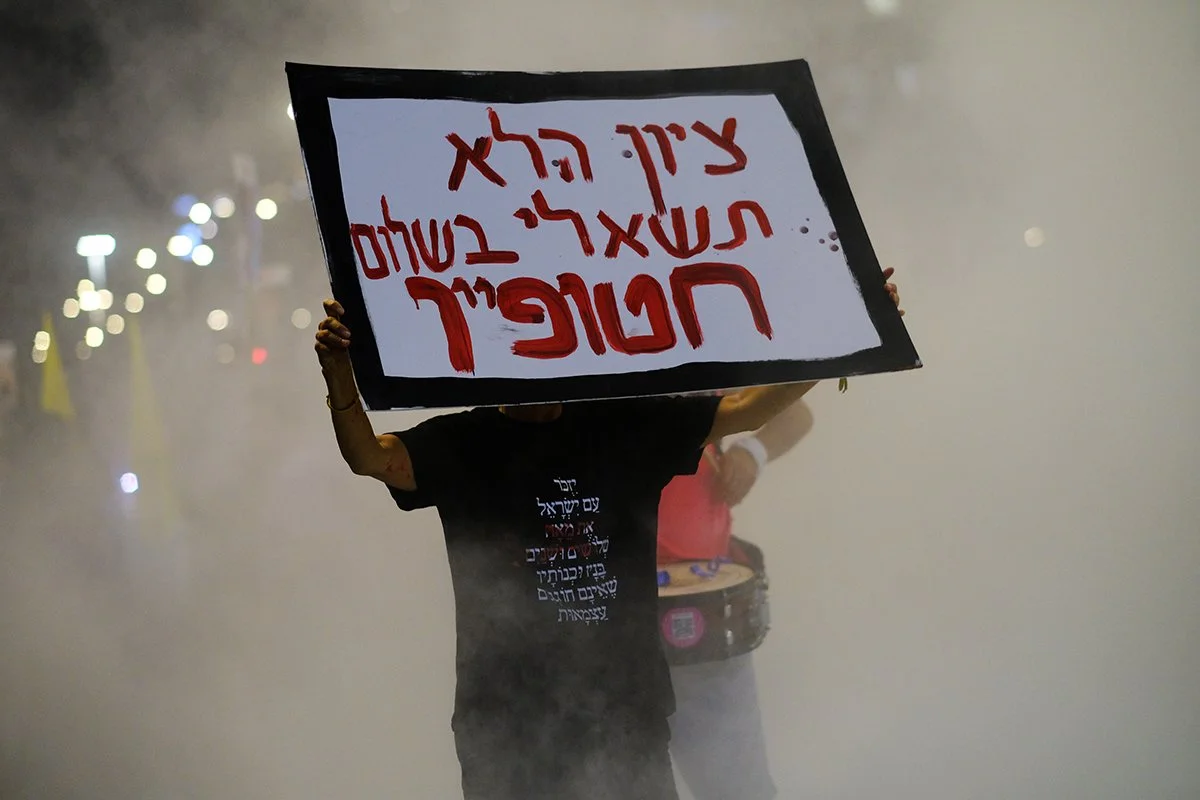
Orna Noar – For two years, citizens stood in the streets, marched, shouted and did everything they could to protest for the return of the kidnapped. After almost two years, they returned; the living for rehabilitation and the dead for burial. These demonstrations proved that when the government abandons, the people do not forget or disappear; on the contrary, they become a force and succeed in this all-too-human task. The story of a struggle in six pictures. In the 4th picture (which is supposed to be the last), is Einav Tsengauker, the mother of the kidnapped Matan, receiving the news of his release.
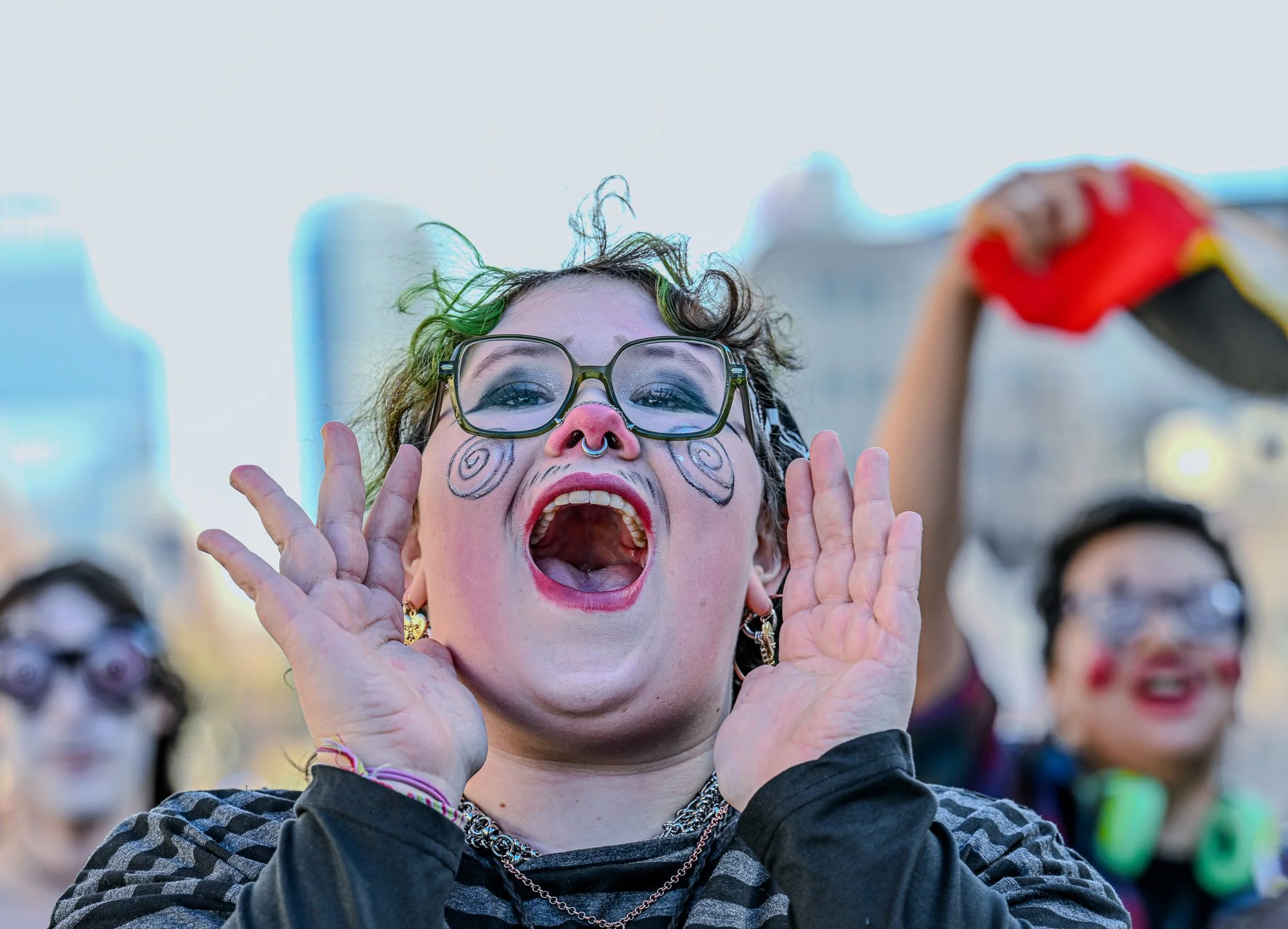
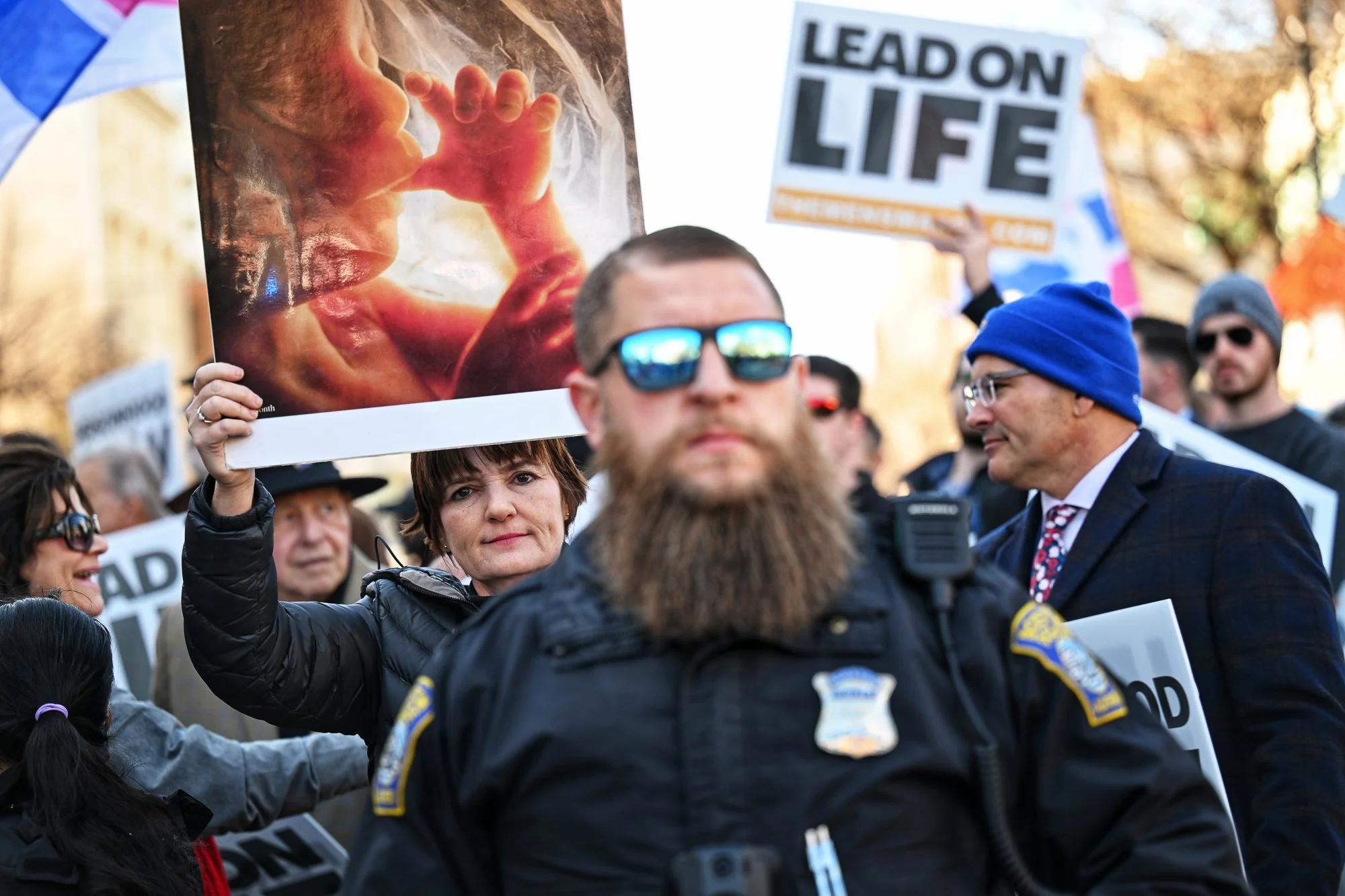
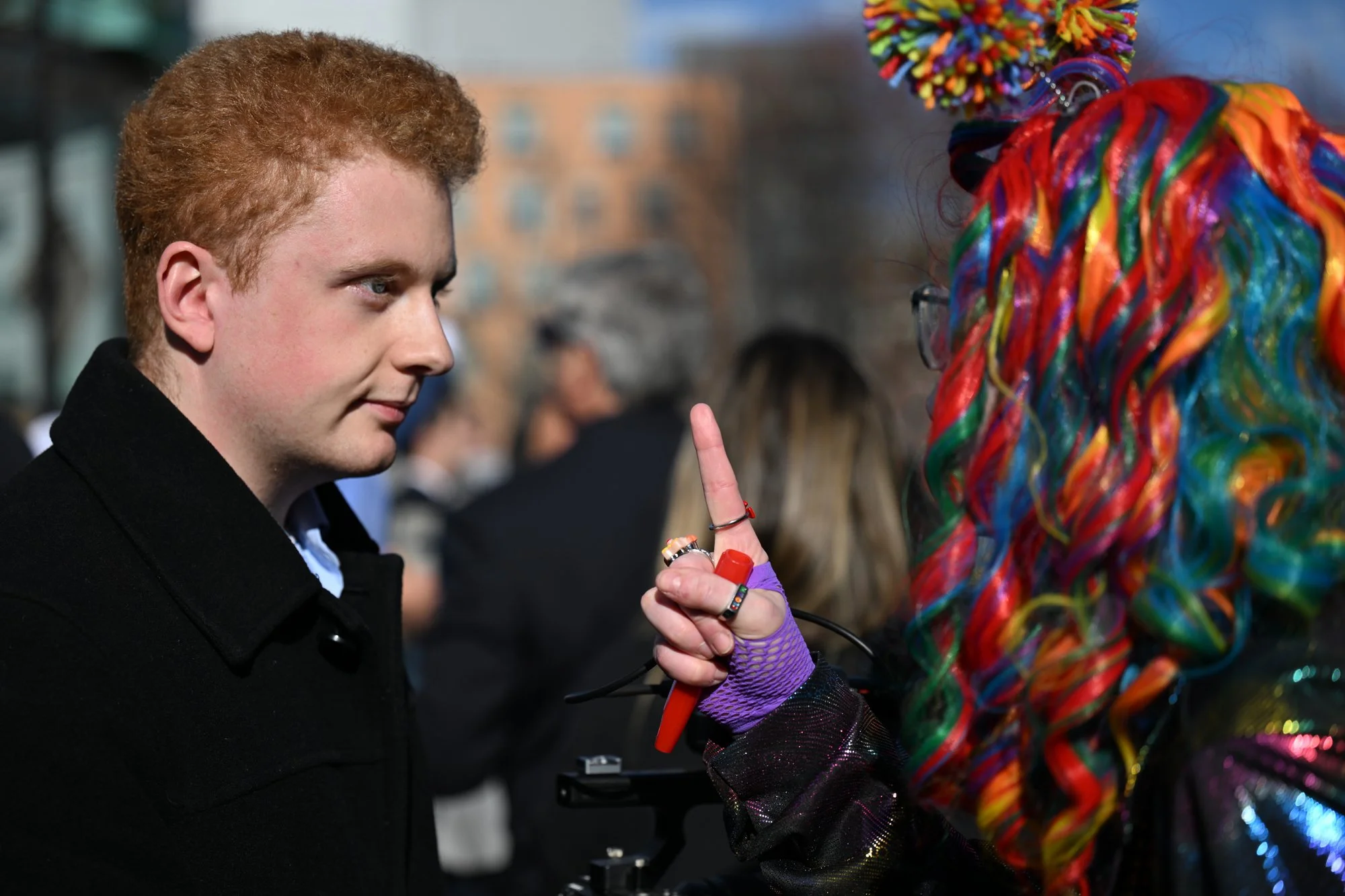
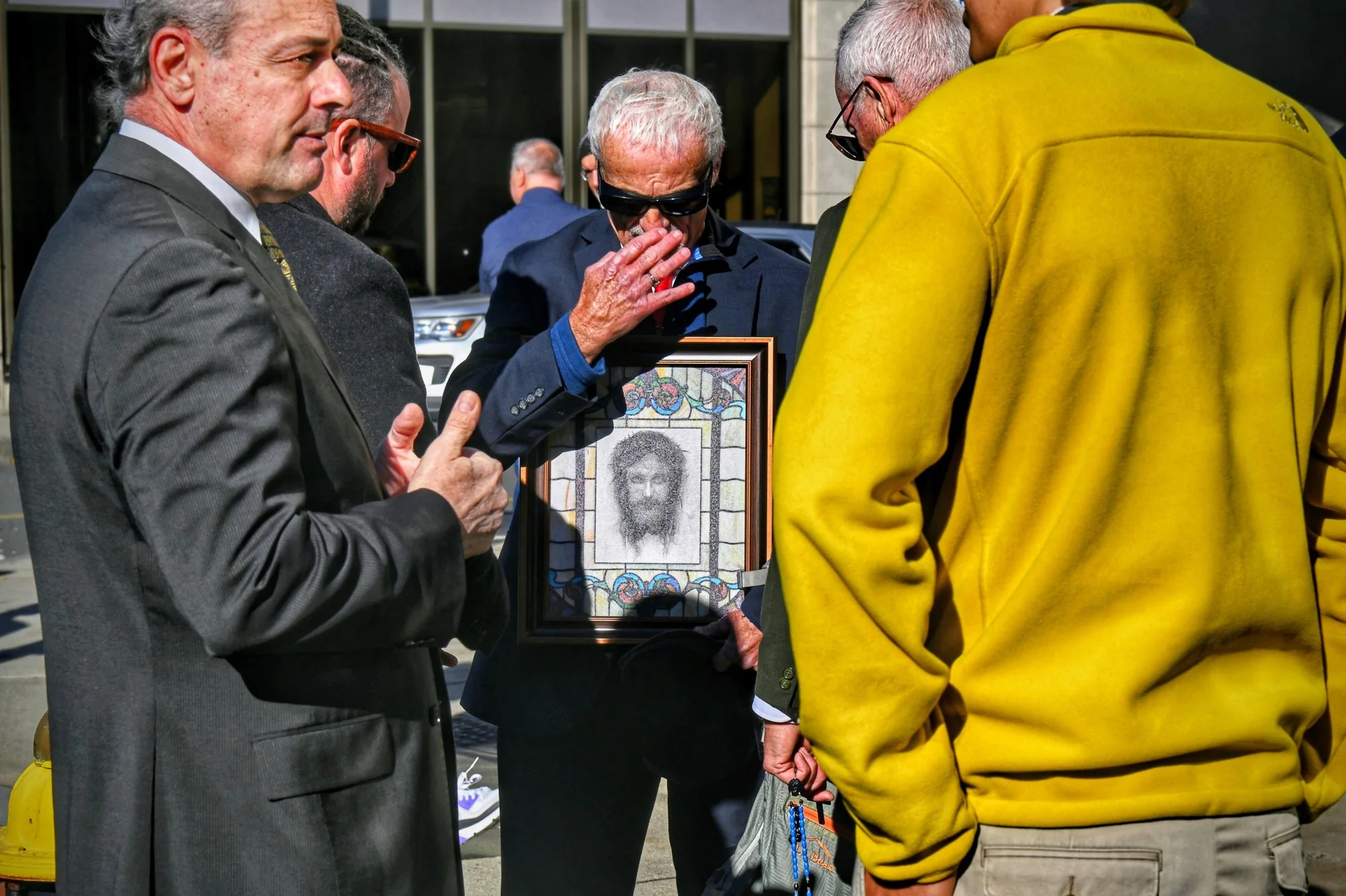
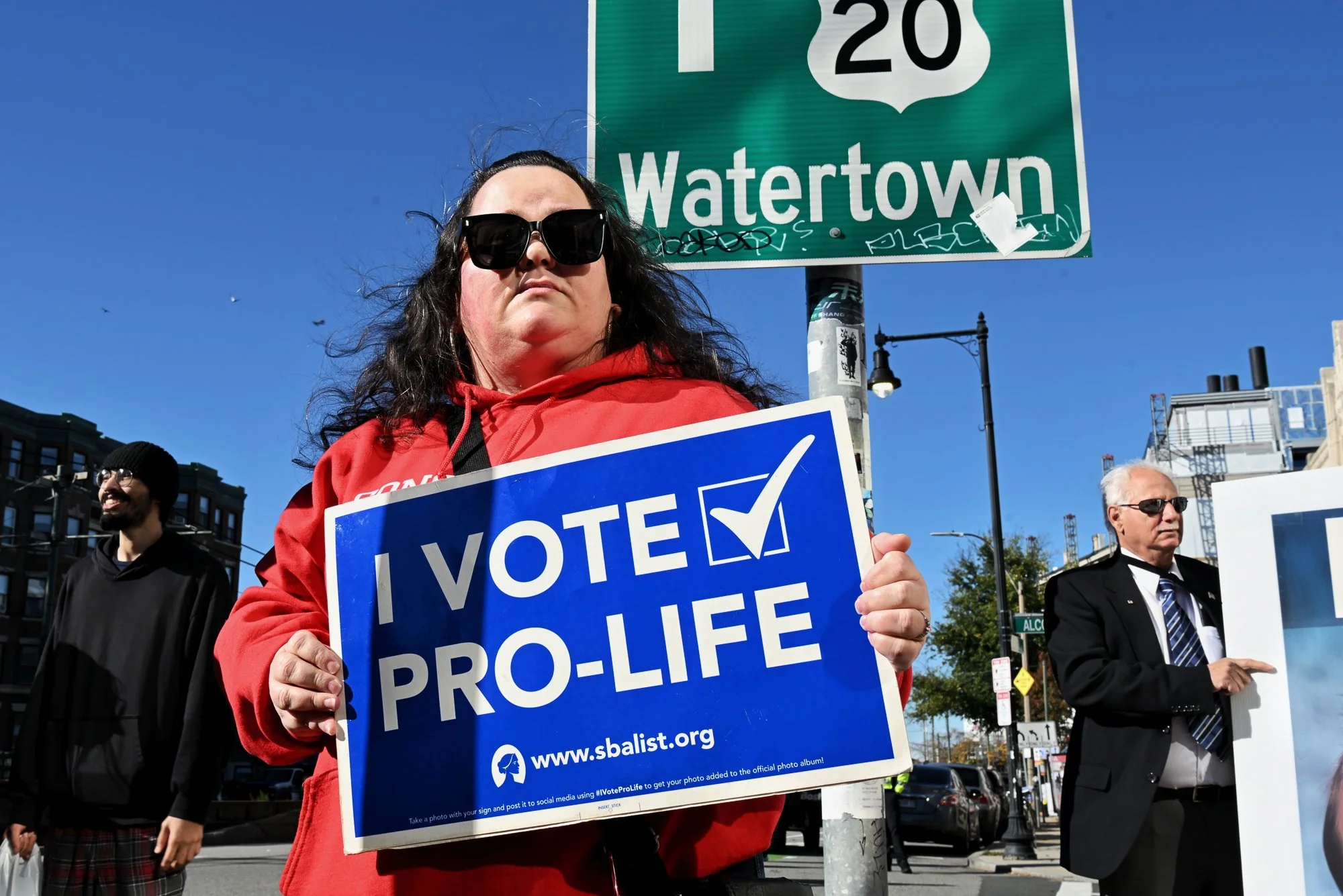
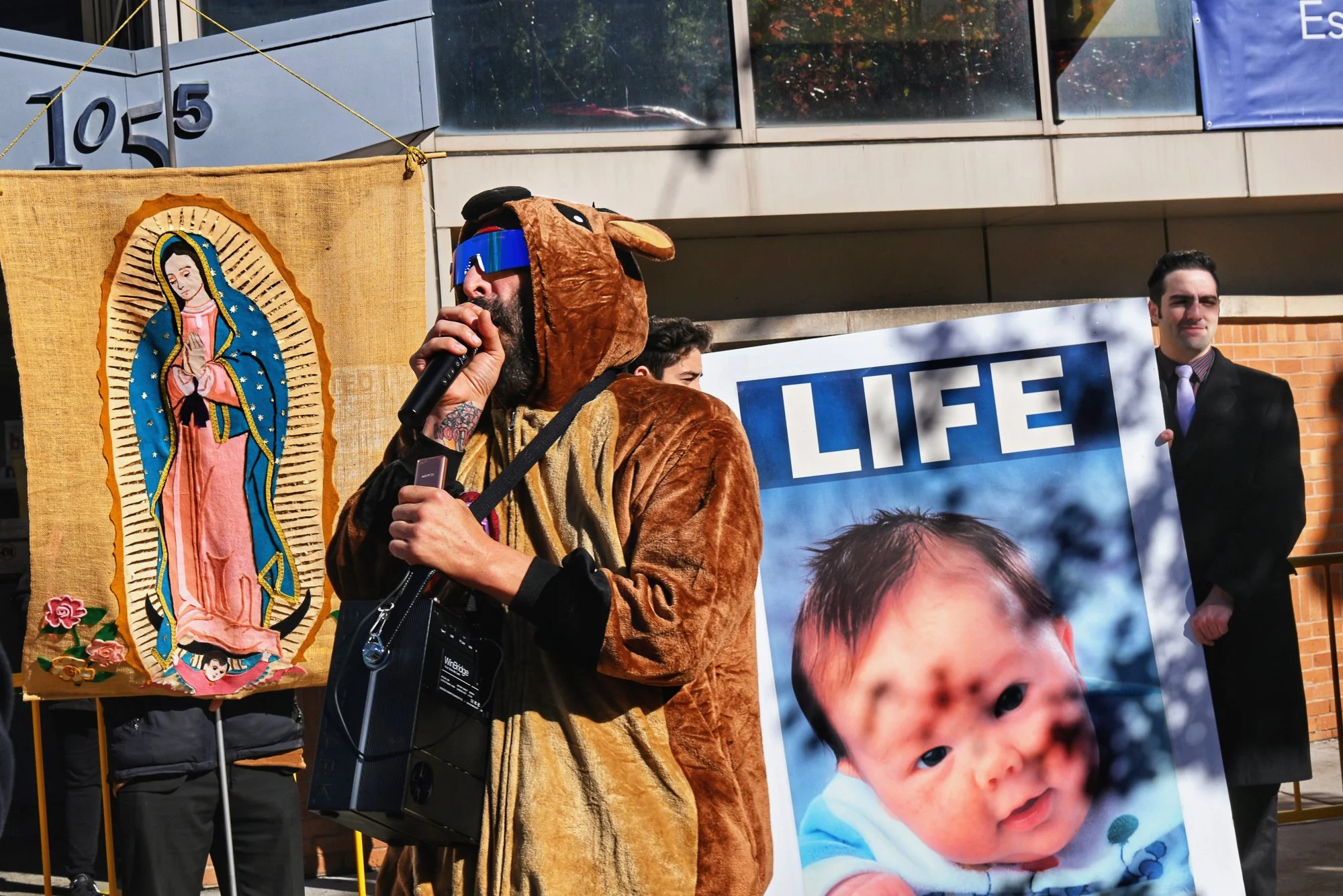
Patty DeJuneas – Colorful Resistance. In the early 1970s, an unmarried pregnant woman using the moniker “Jane Roe” sued the attorney general of Texas, seeking to overturn that state’s ban on abortions in all cases except to save the life of a mother. . In 1973, the Supreme Court of the United States ruled in her favor. Roe v. Wade was a landmark judicial decision which held that all women living in the U.S. have the constitutional right to privacy, which broadly encompasses a woman's decision whether to terminate her pregnancy. Religious conservatives decried the decision as an immoral endorsement of murdering “babies.” Roe was the law of the land for nearly 50 years, until when the majority of an increasingly conservative Court turned this constitutionally enshrined right on its head in Dobbs v. Jackson Women’s Health Organization. Concluding that Roe v. Wade was a mistake, the Dobbs Court concluded that women hold no federal constitutional right to make their own reproductive healthcare decisions by terminating their pregnancies. Against this backdrop, opponents of reproductive healthcare rights have become bolder and more outspoken, even in liberal Boston, Massachusetts. For the last few years, a group of mostly male conservative Catholics gather each November outside of the Planned Parenthood clinic in Boston for their “National Men’s March to Abolish Abortion and Rally for Personhood.” As patients come and go, the Marchers pray over loudspeakers and offer unsolicited opinions on women’s rights to bodily autonomy. From there, they parade with signs showing aborted fetuses for miles throughout the city on their way to the Boston Common, the oldest public park in the United States which has long been known as a gathering place for protestors to exercise their rights to assemble and speak freely. In 2024 and 2025, the Marchers faced a rather colorful resistance: troupes of musical clowns and hundreds of counter-protestors in costume who used their bright pageantry, humor and song to drown out the Marchers’ public prayers and anti-women messaging. Some counter-protestors sought to change hearts and minds while others played “Pop Goes the Weasel” as they walked side-by-side with the Marchers and police officers who protected them.
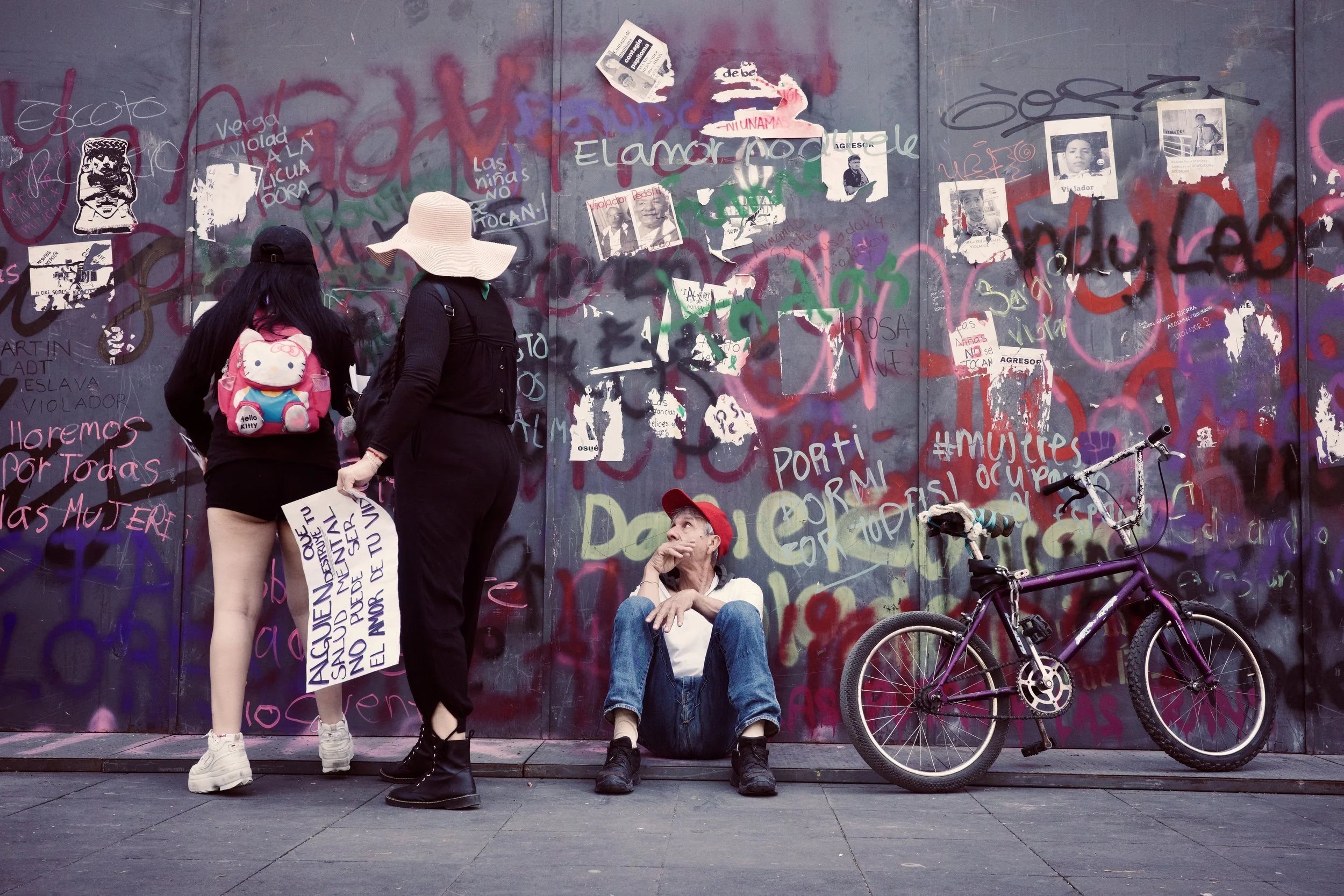
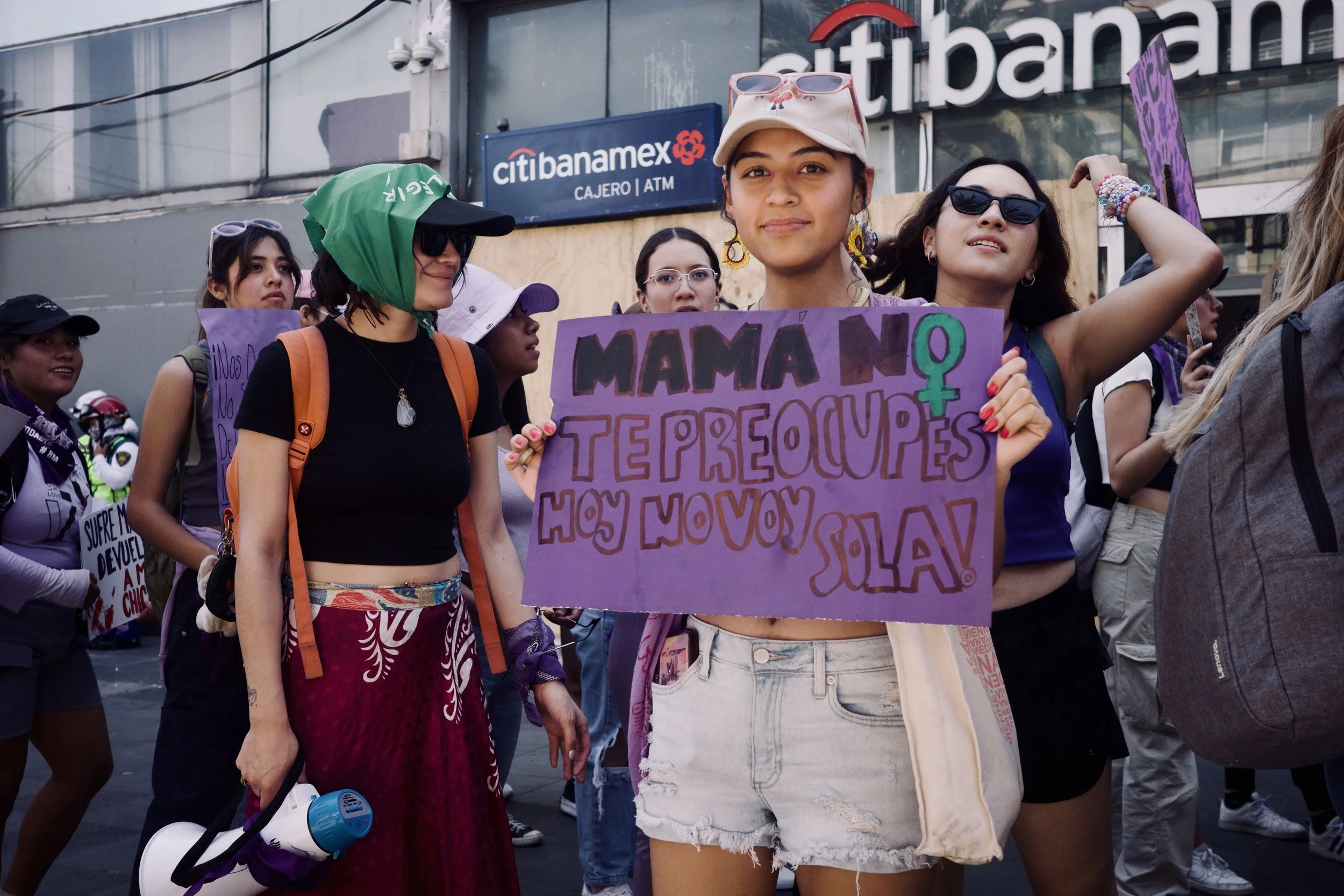
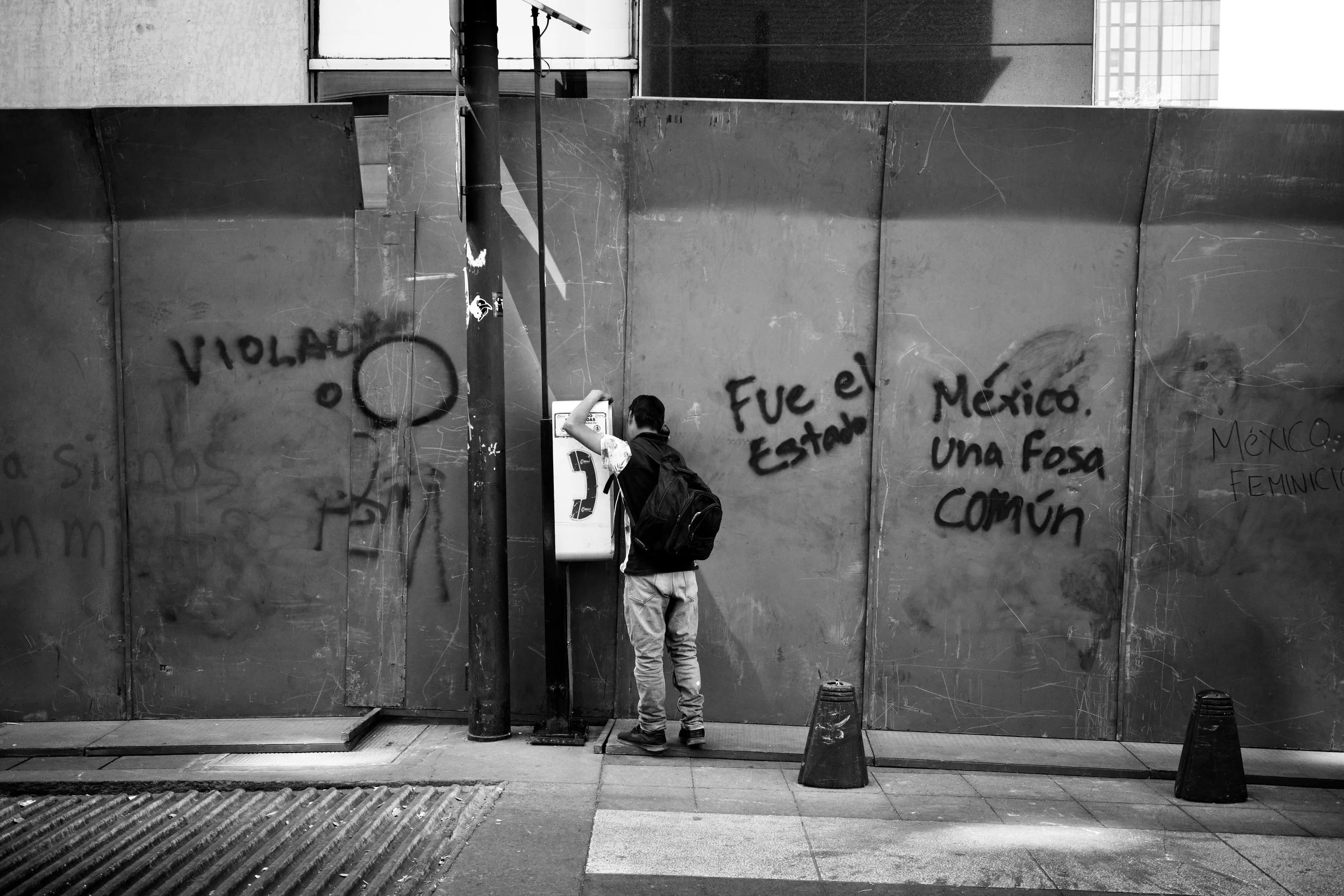
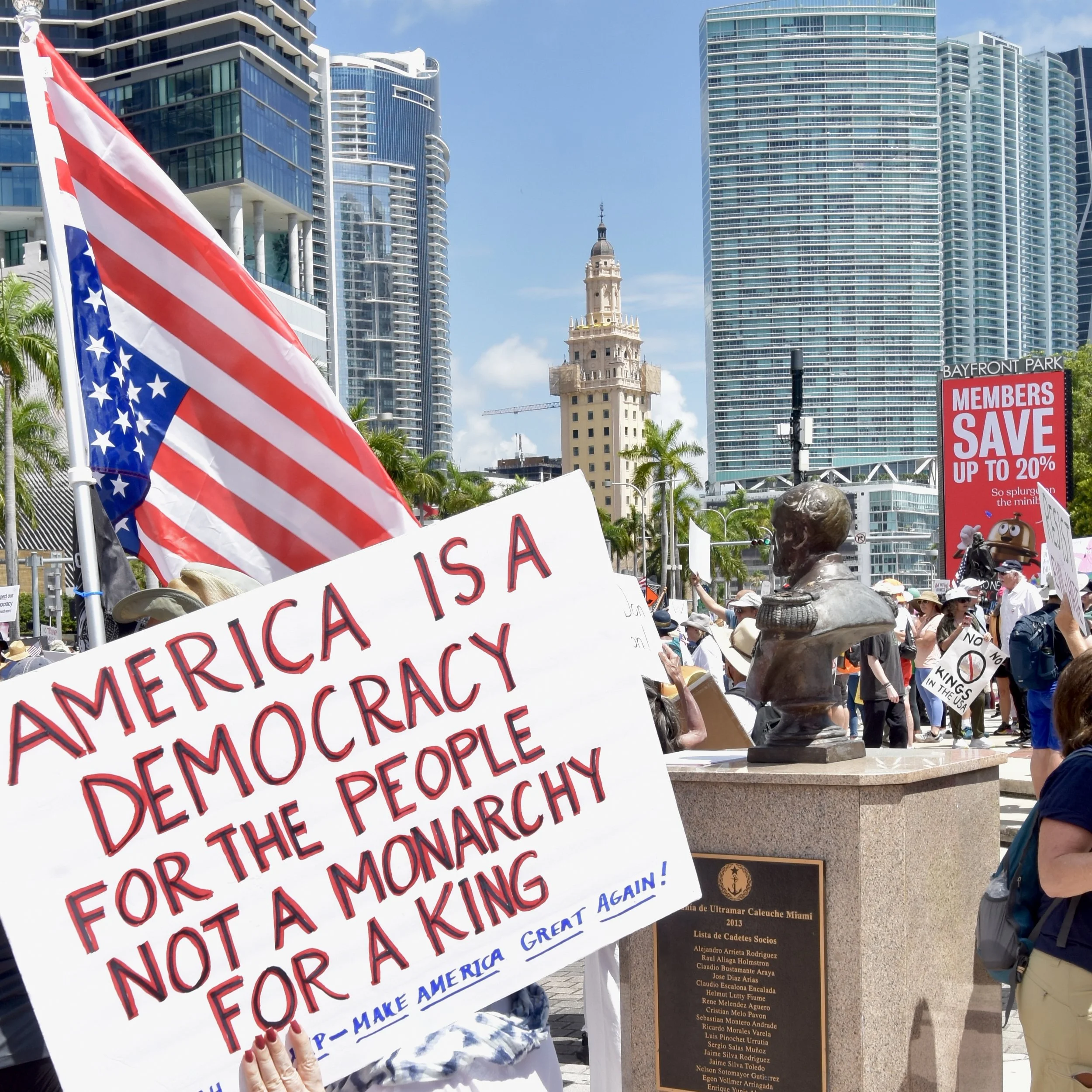
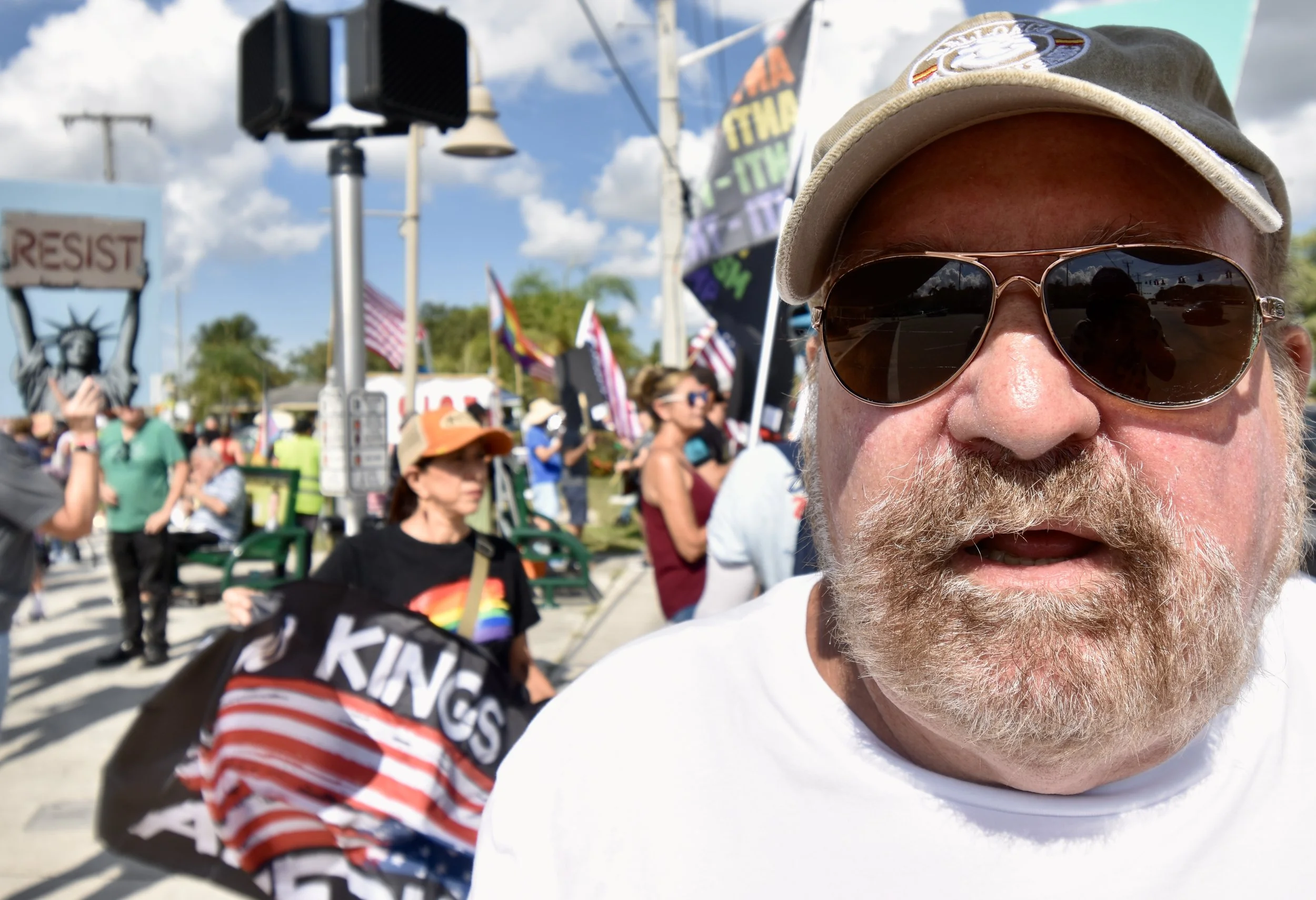
Pedro Nieblas – This series contains images of the No Kings protest in Miami, Florida, in late 2025 and the Women's Day protest in Mexico City in 2024. The idea of this series is to highlight people caring enough to get outside and do something about it. In Miami, people took to the streets to protest what seems to be an authoritarian takeover. While in Mexico City there was a collective outcry against the alarming rate of femicide, gender based violence and disappearances. The signage tells the story. People are tired.
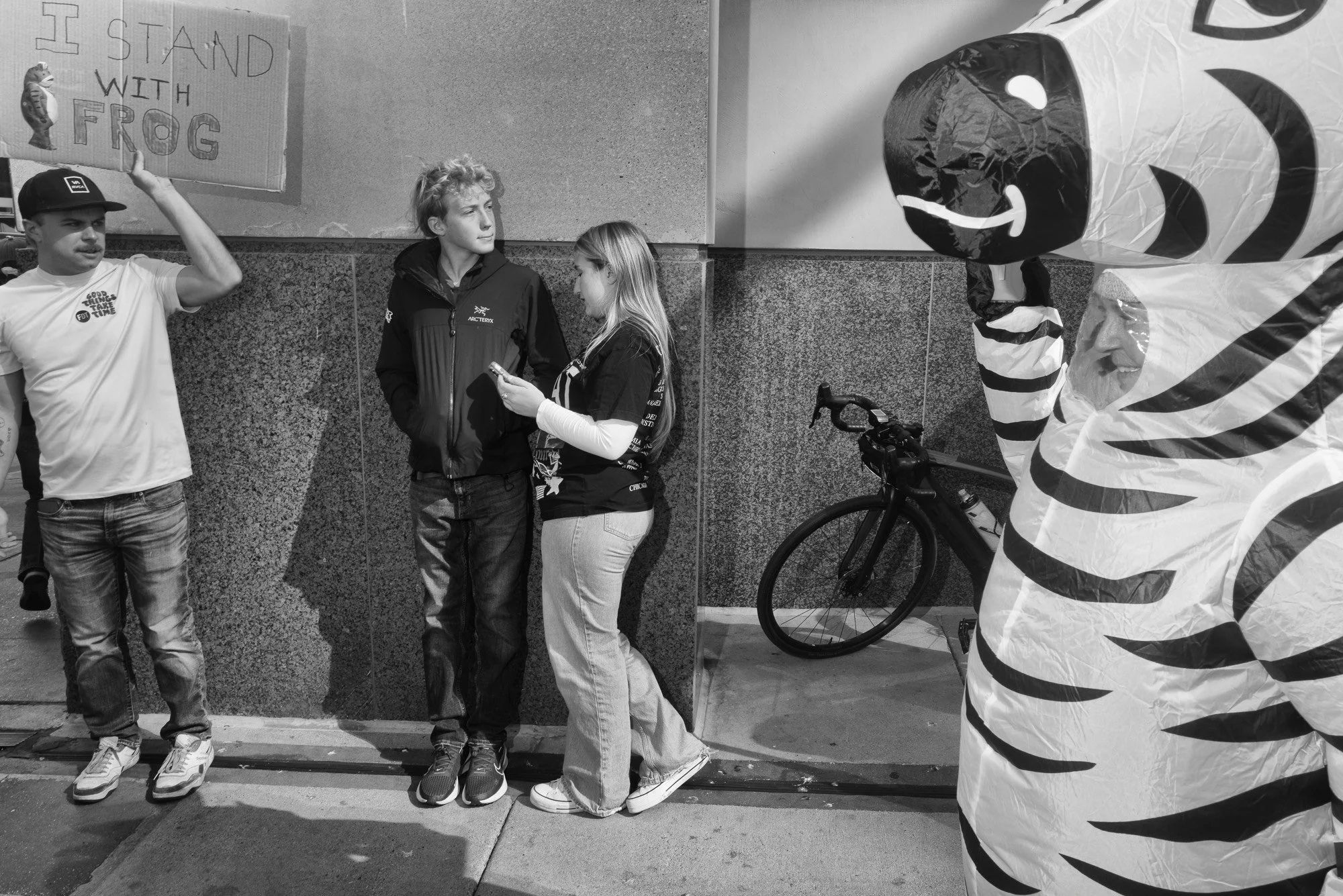
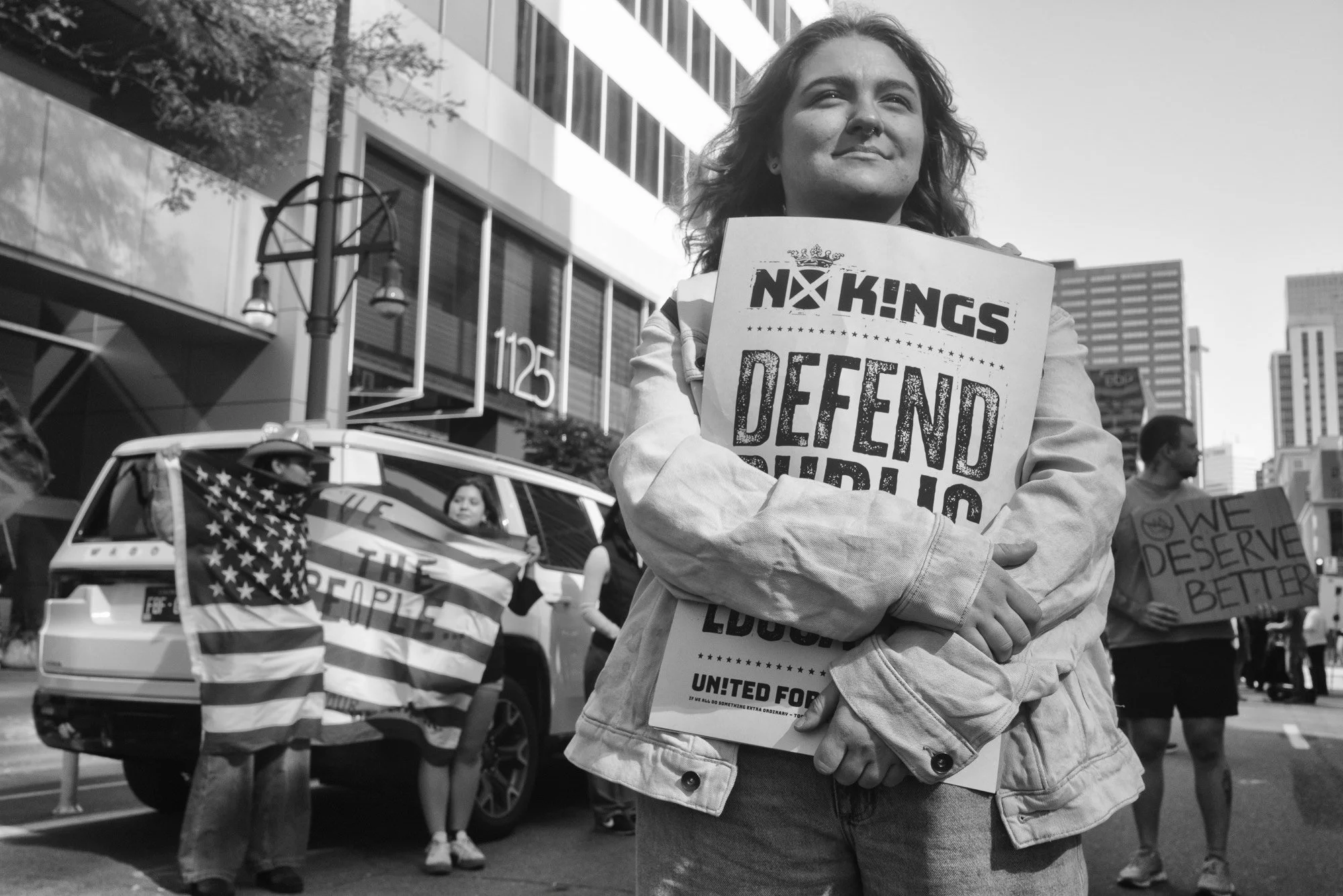
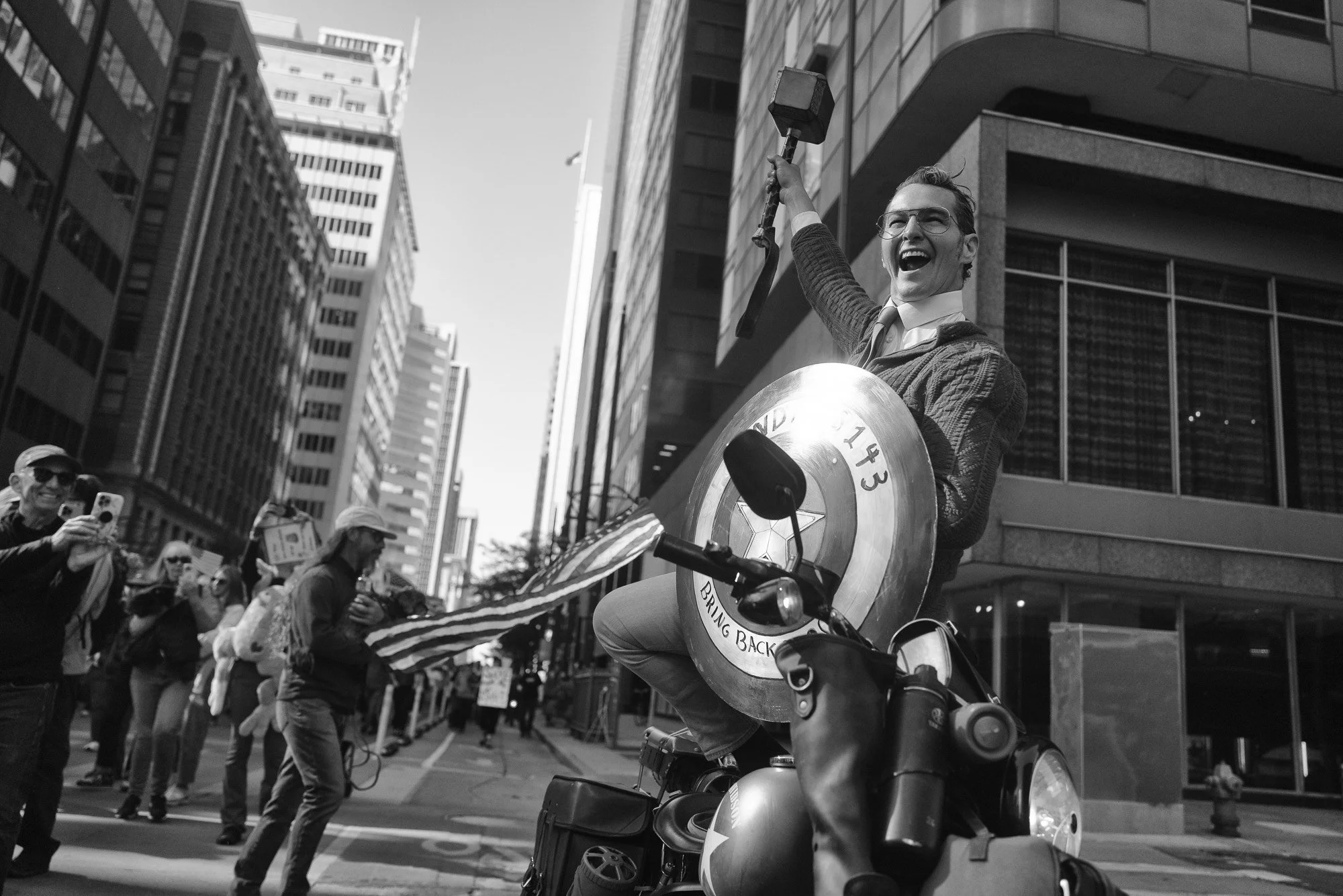
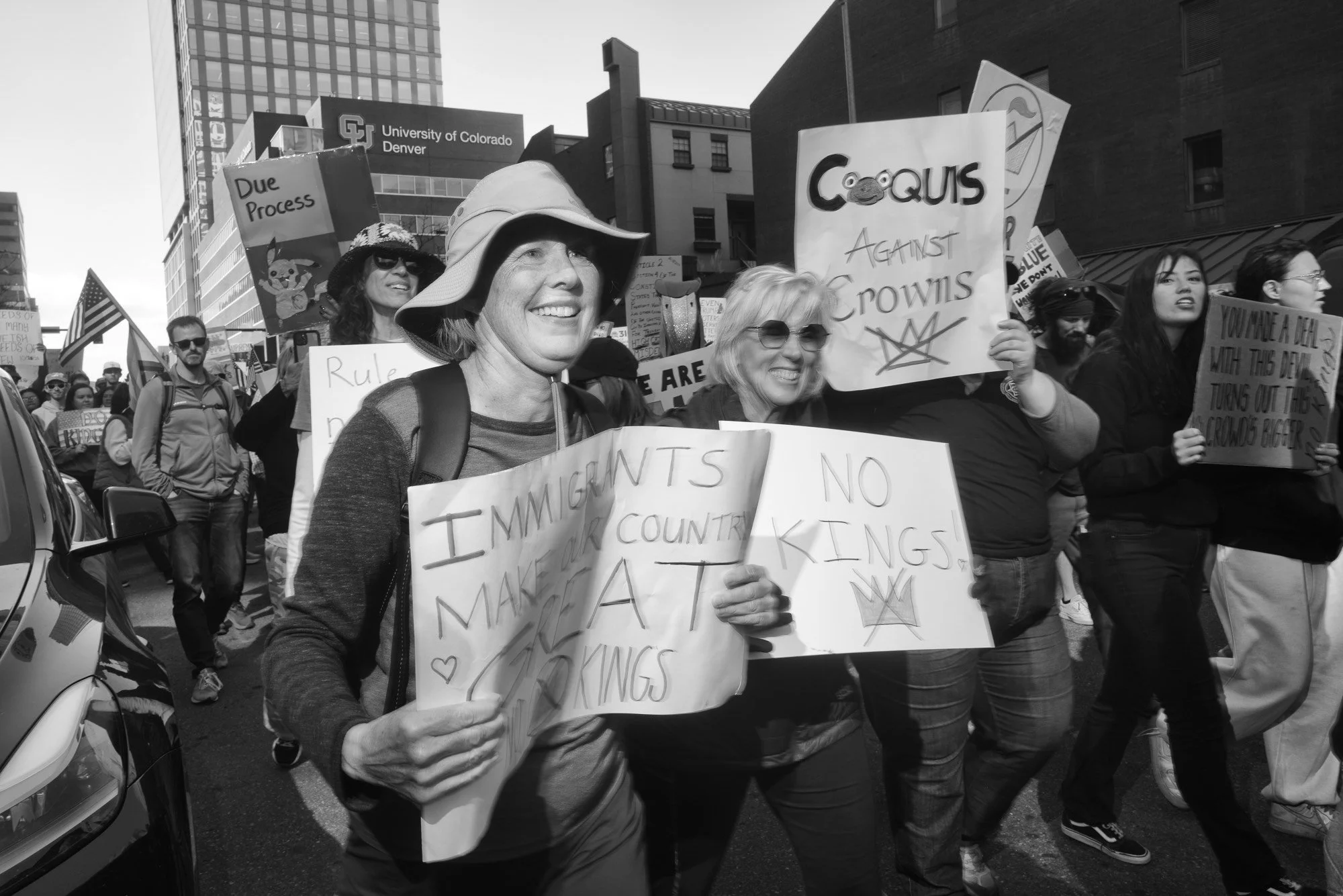
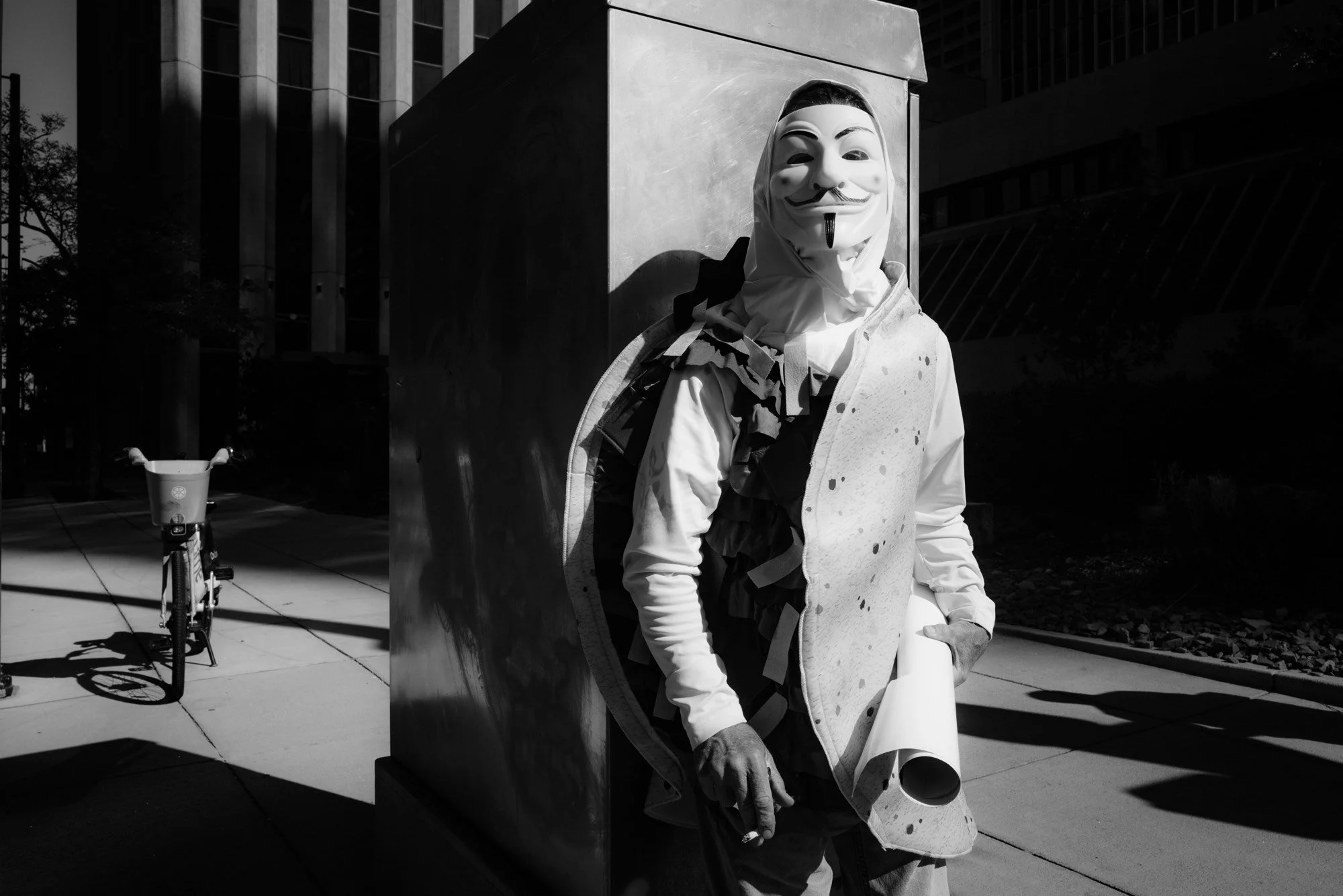
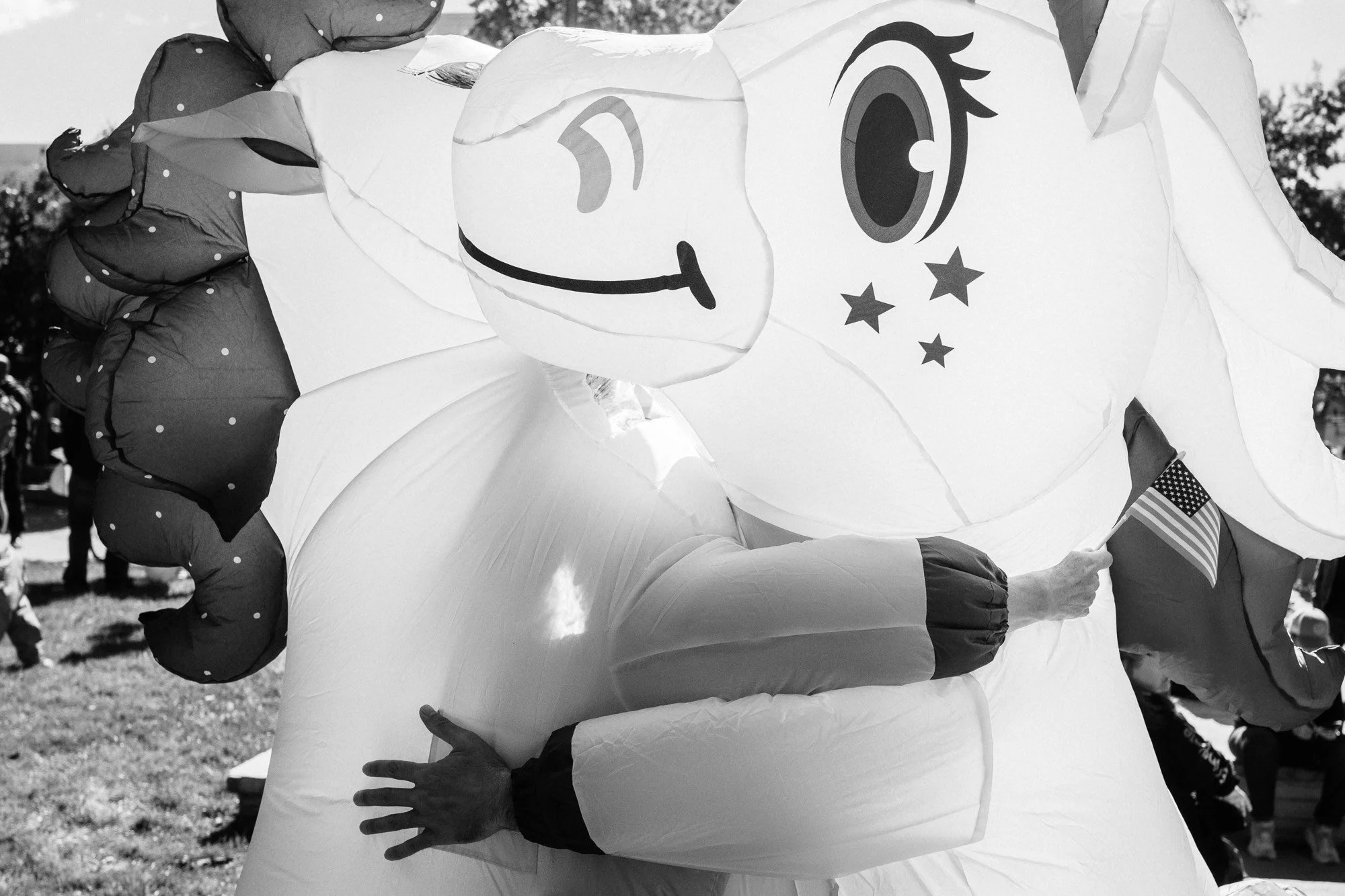
Rudy Ortega – This is a series of photographs taken during a No Kings Protest in Denver Colorado on October 18, 2025. This was a demonstration to protest against ICE operations against illegal immigrants.
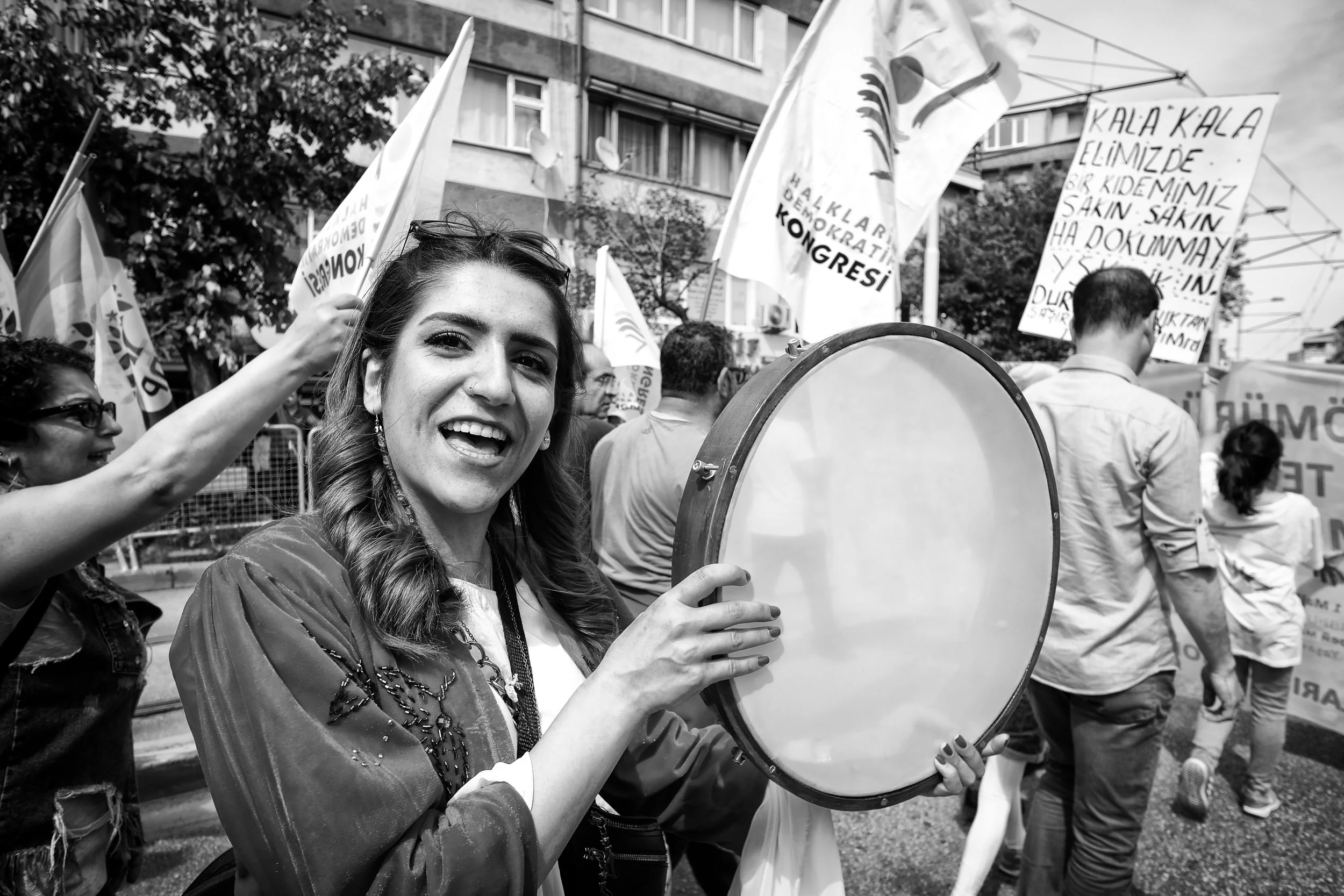
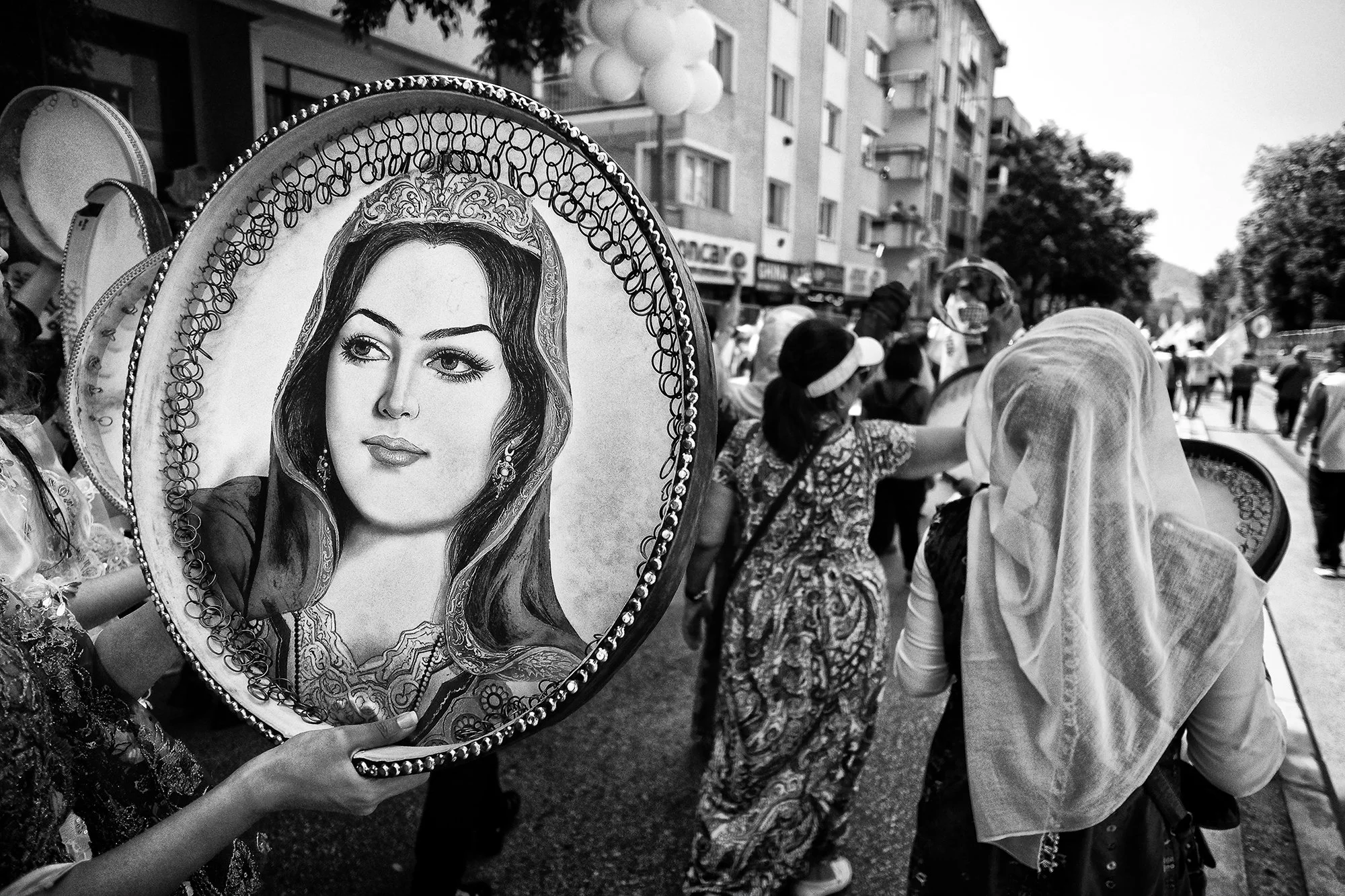
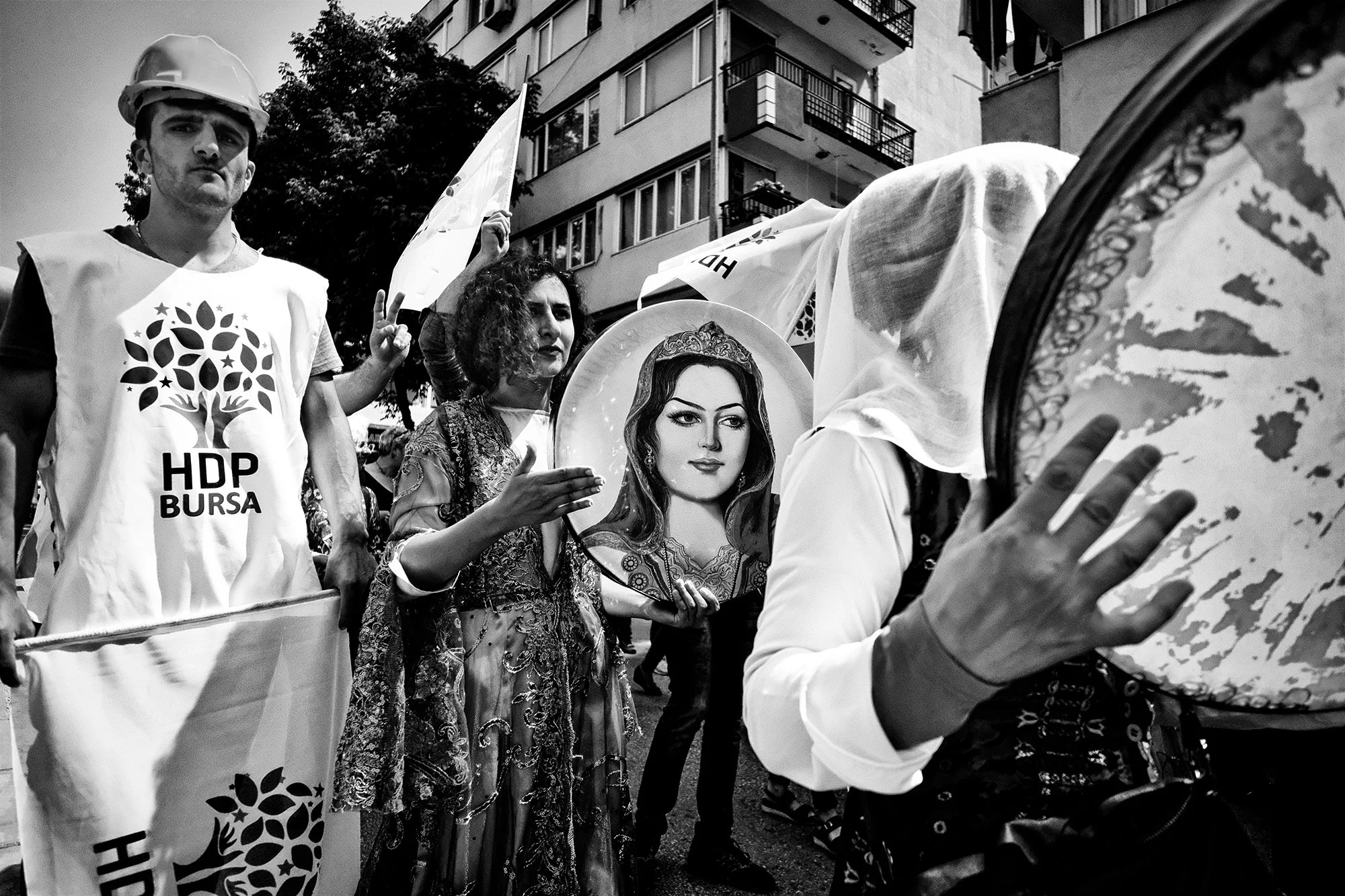
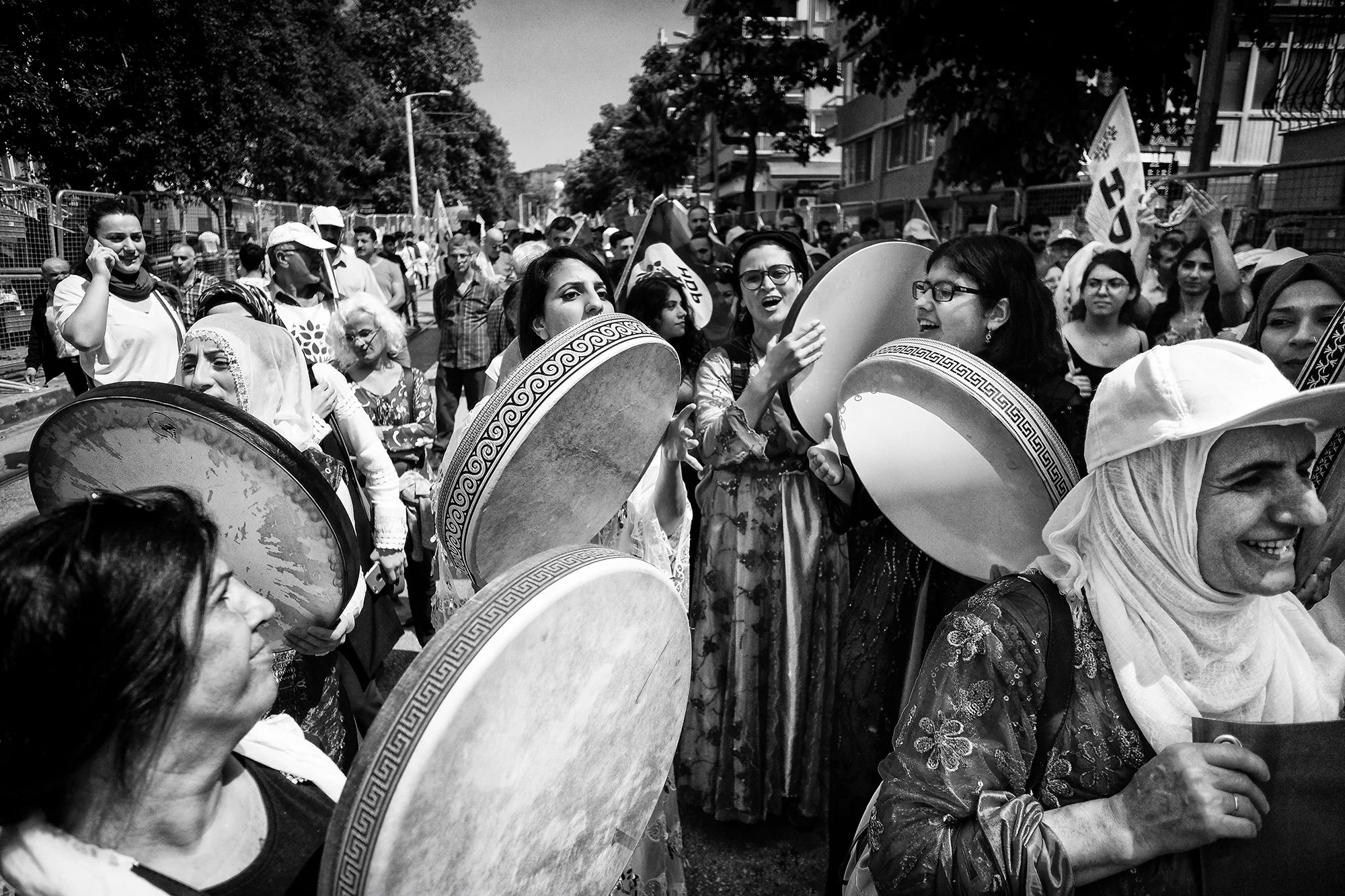
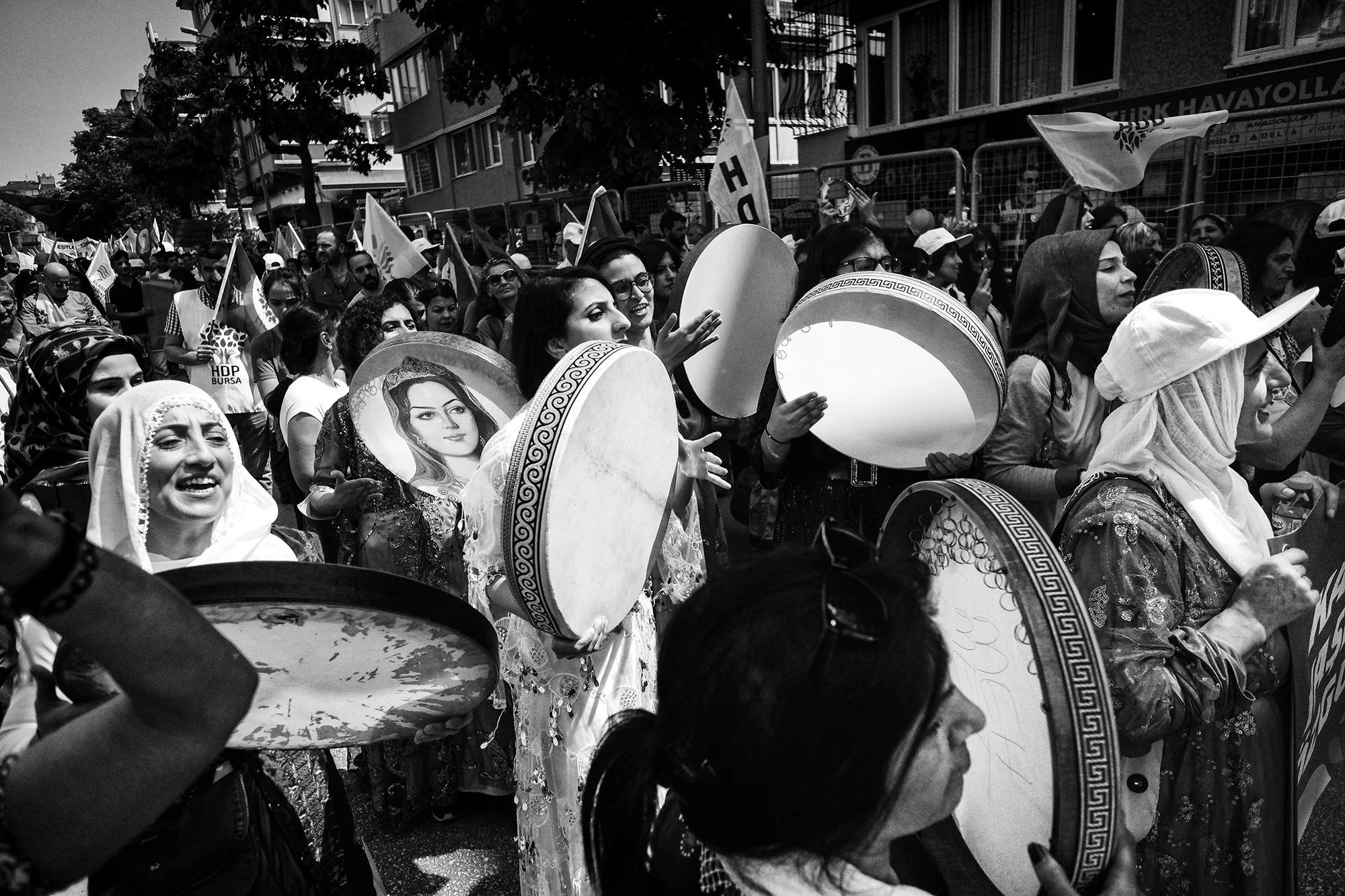
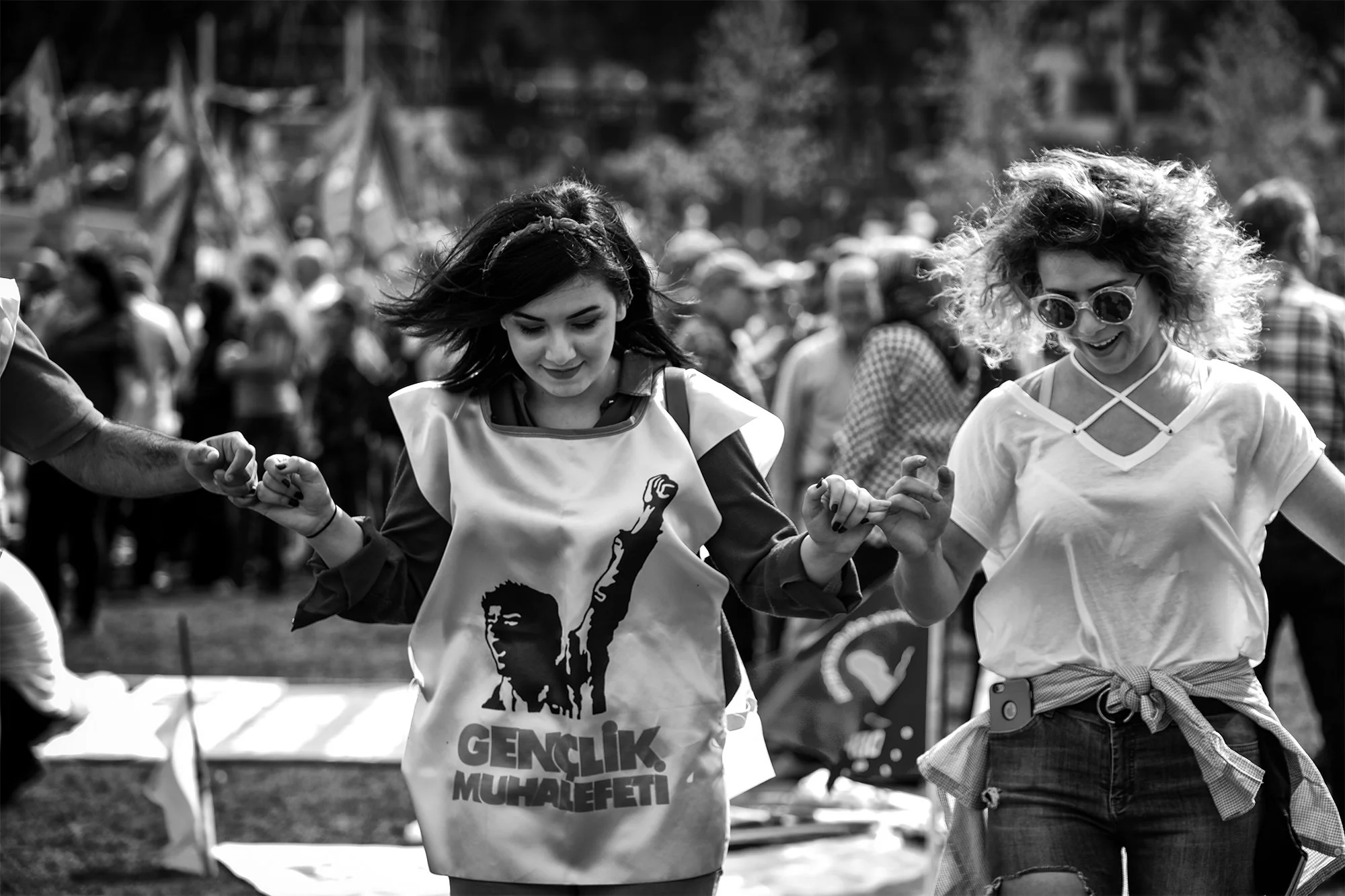
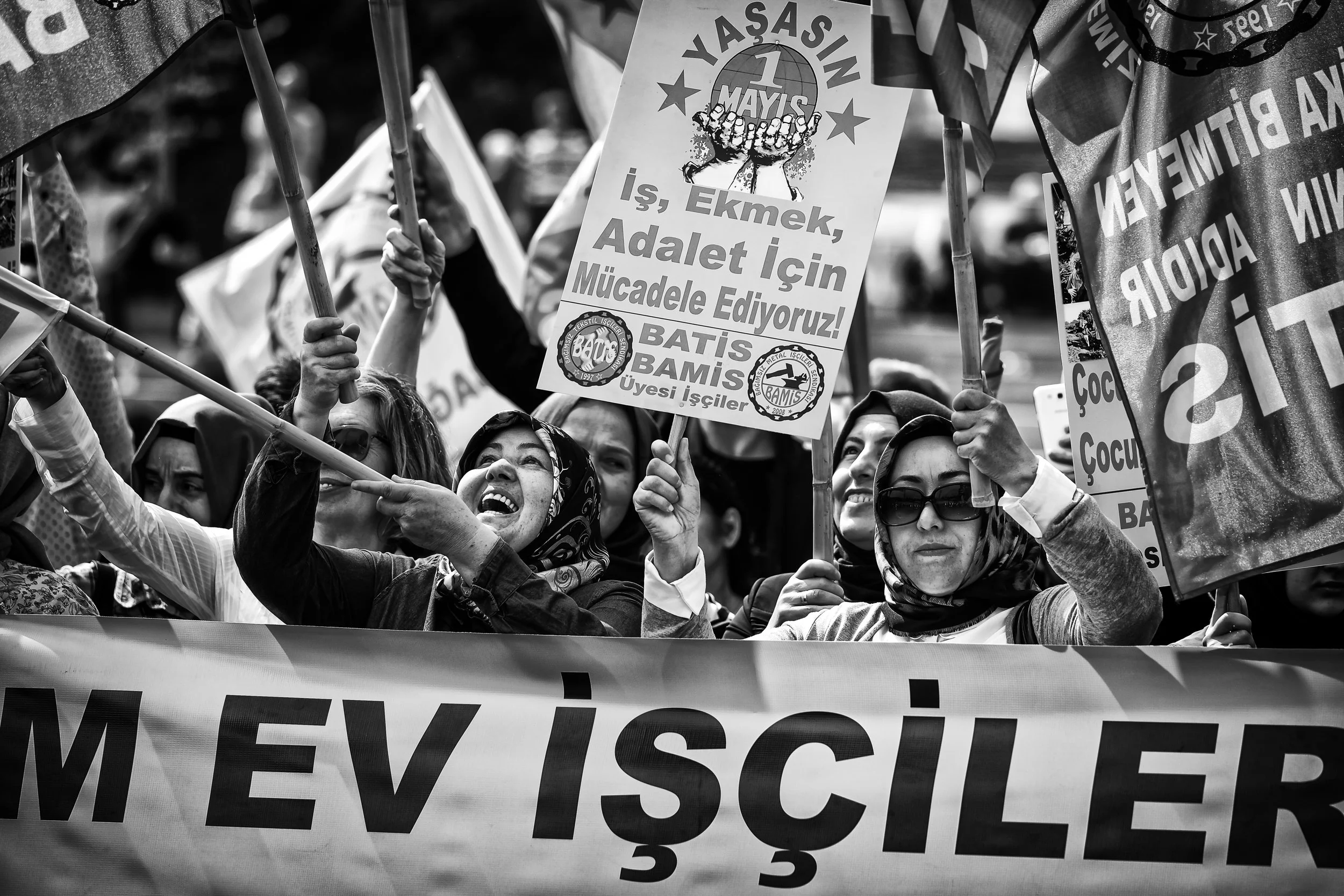
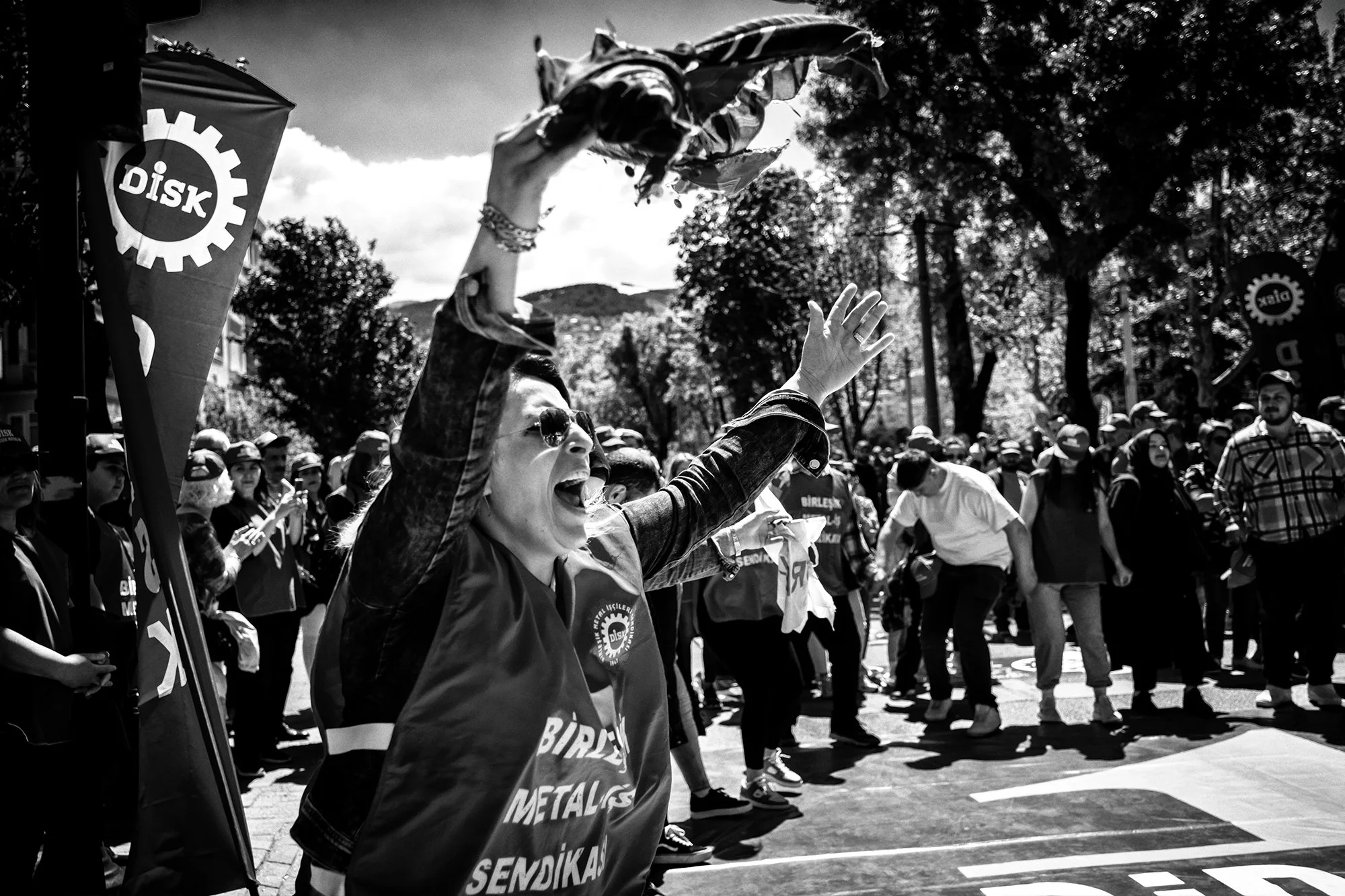
Sultan Koḉ – Rhythm, symbols and icons are the key to the senses... The main elements in the protest series are tambourine and erbane. Their heart-touching sounds create enthusiasm with the sense of rhythm. This feeling turns into Halay with a common sound, the joy of being together. I took these photos in Bursa, Turkey, in 2018. The female picture engraved on Erbane may be the Shahmeran from the legends, whose head is a woman and whose body is a snake. Maybe it is the Shahmeran from the tales of One Thousand and One Nights. She is Şehrâzâd… Perhaps the woman with the most beautiful eyes in this land is Türkan Şoray.