KABONGA by João Coelho
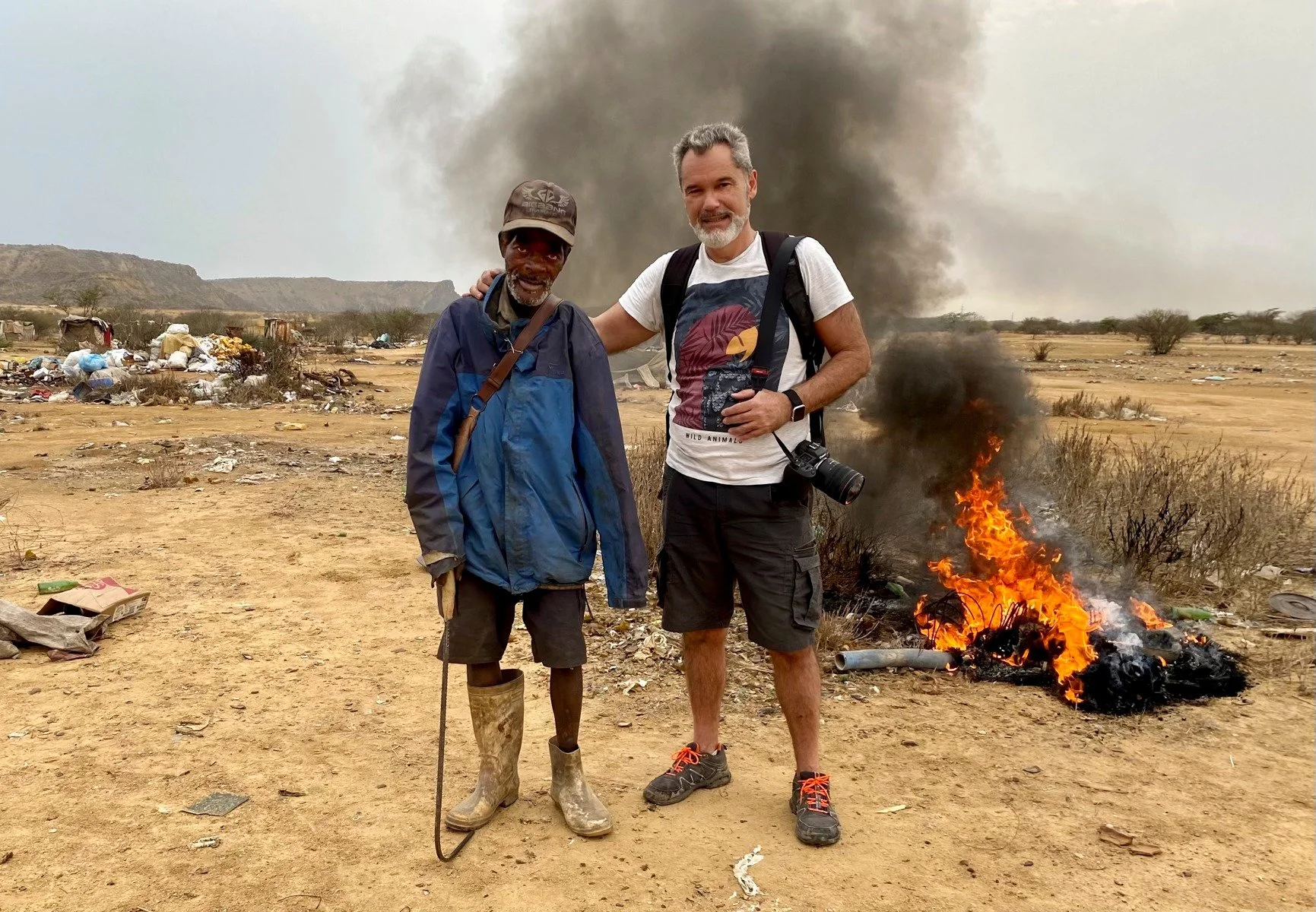
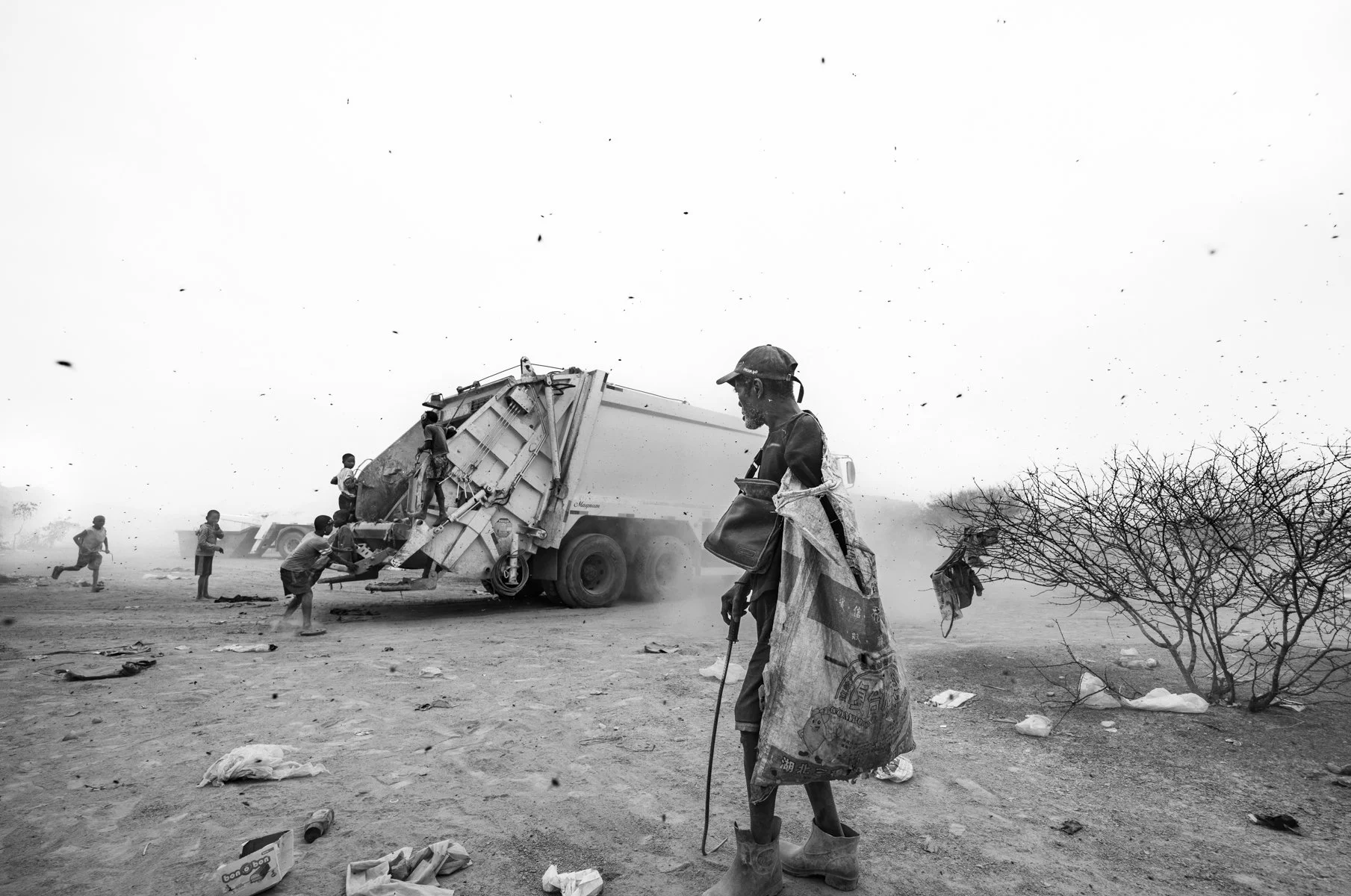
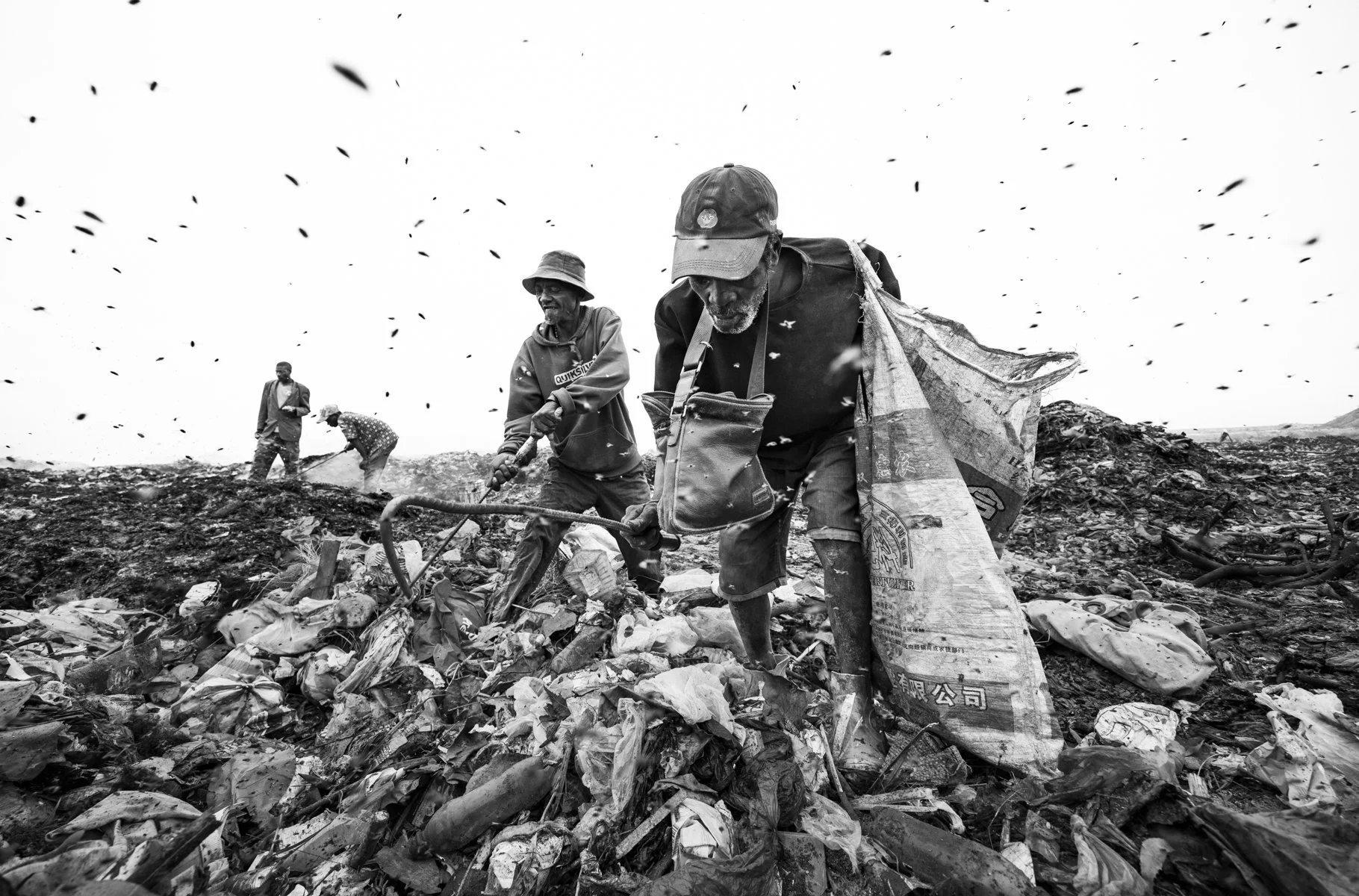
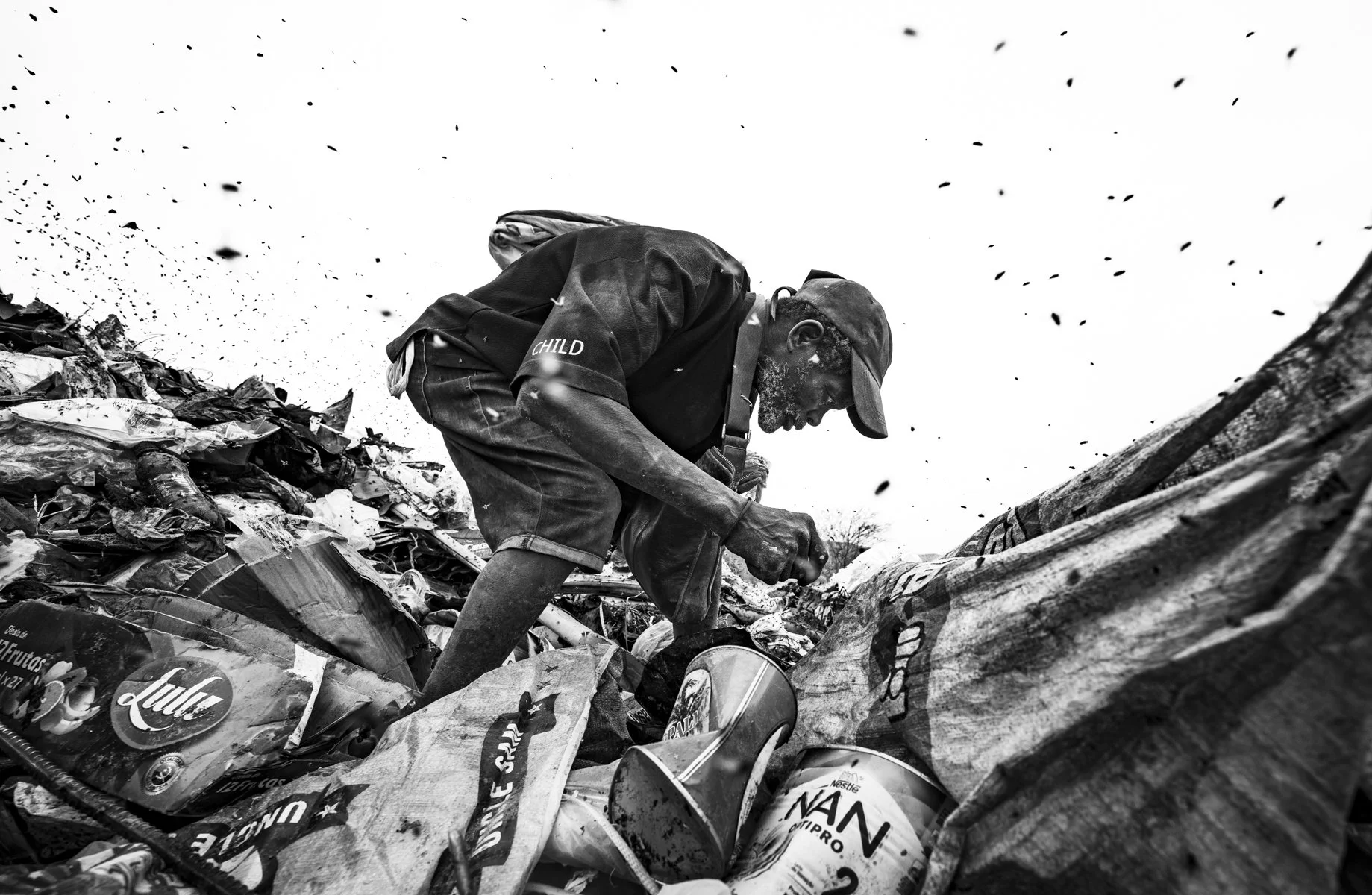
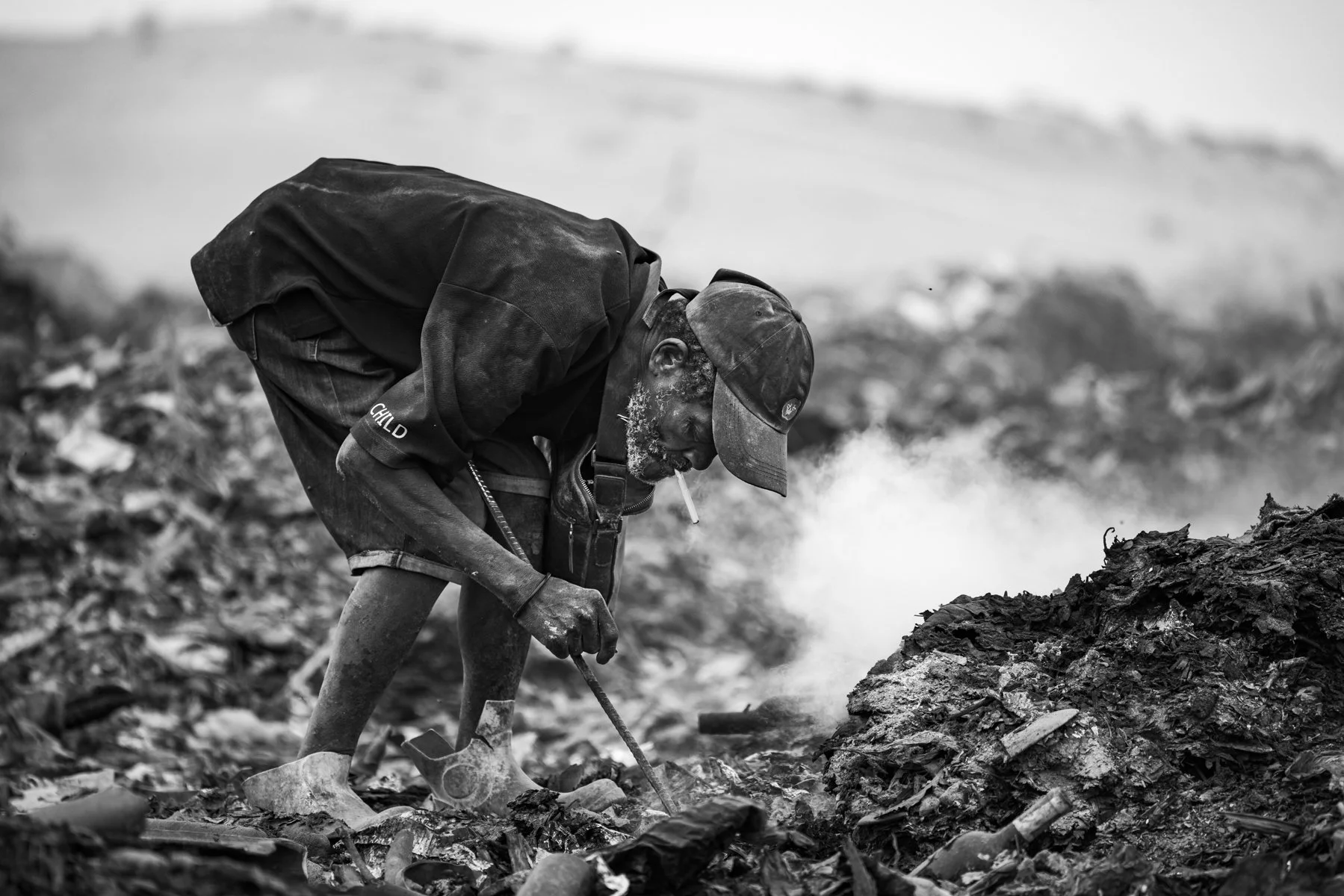
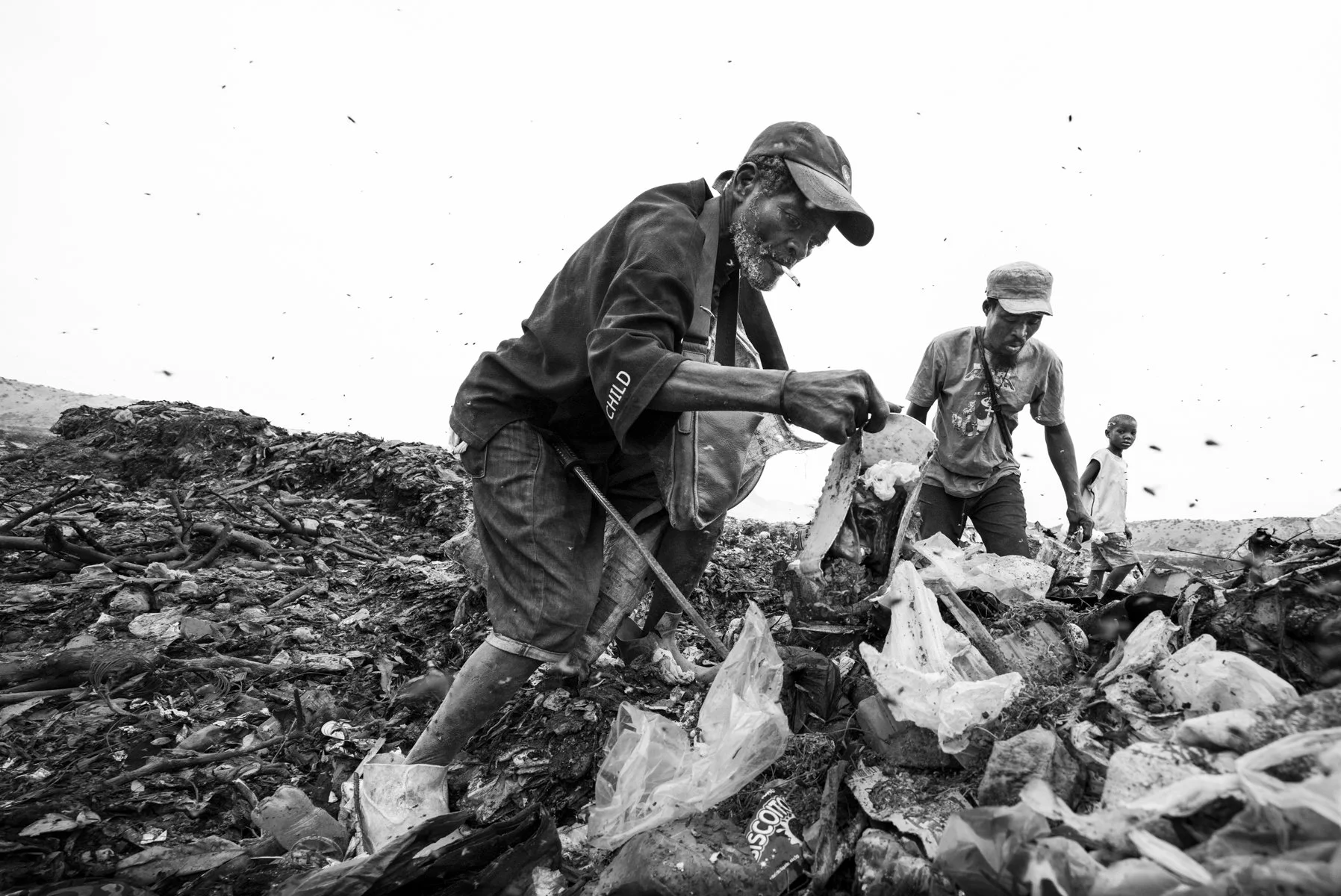
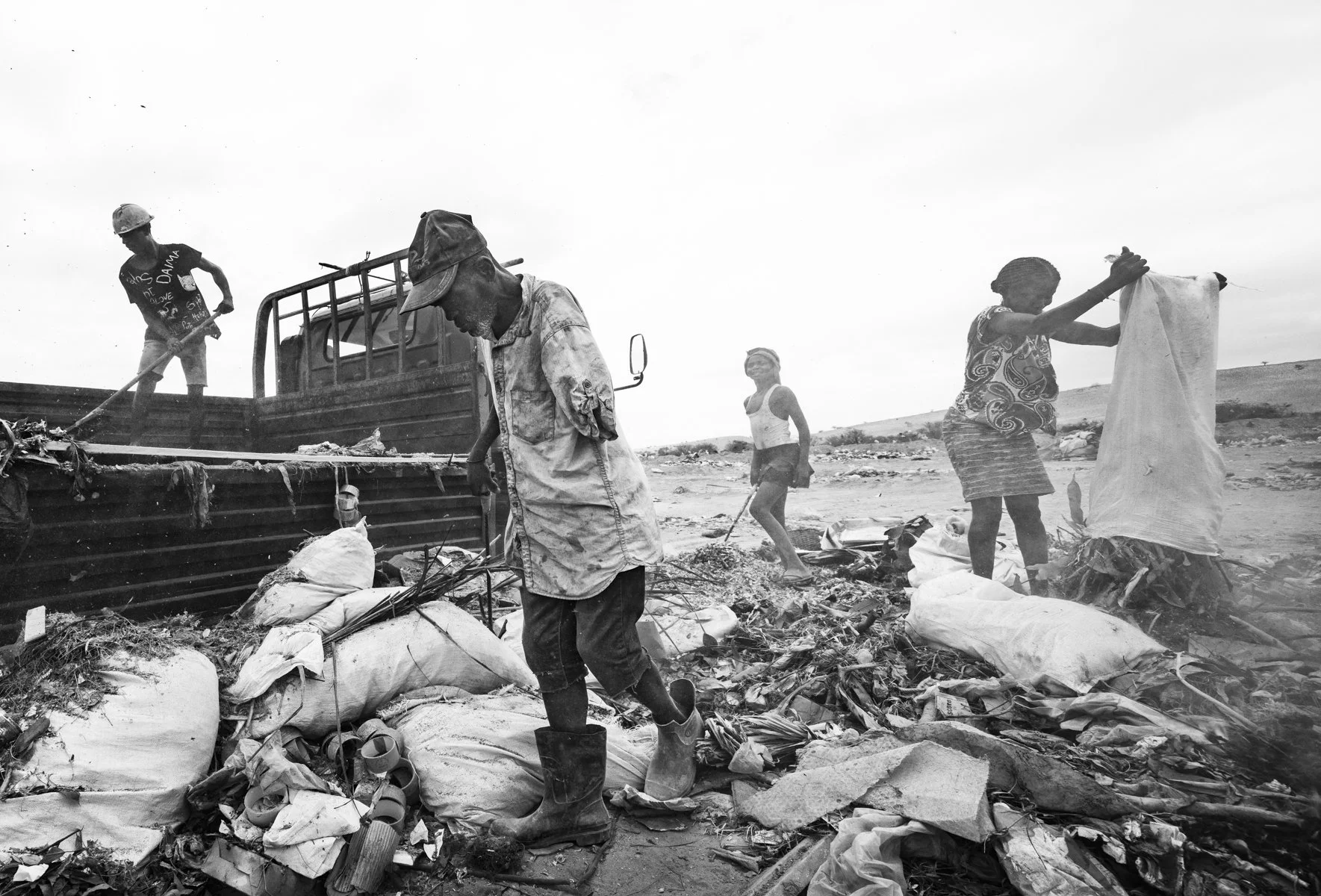
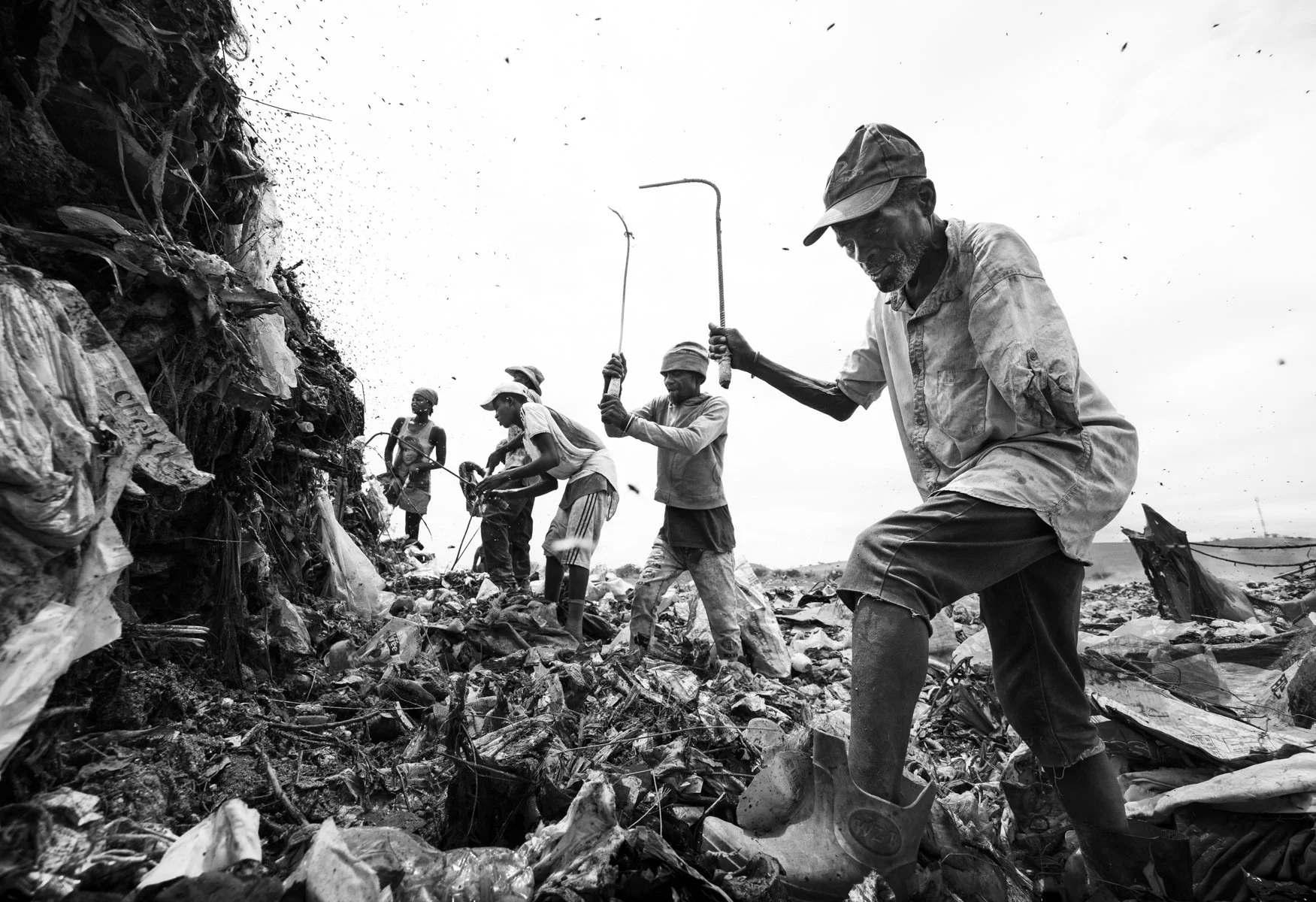
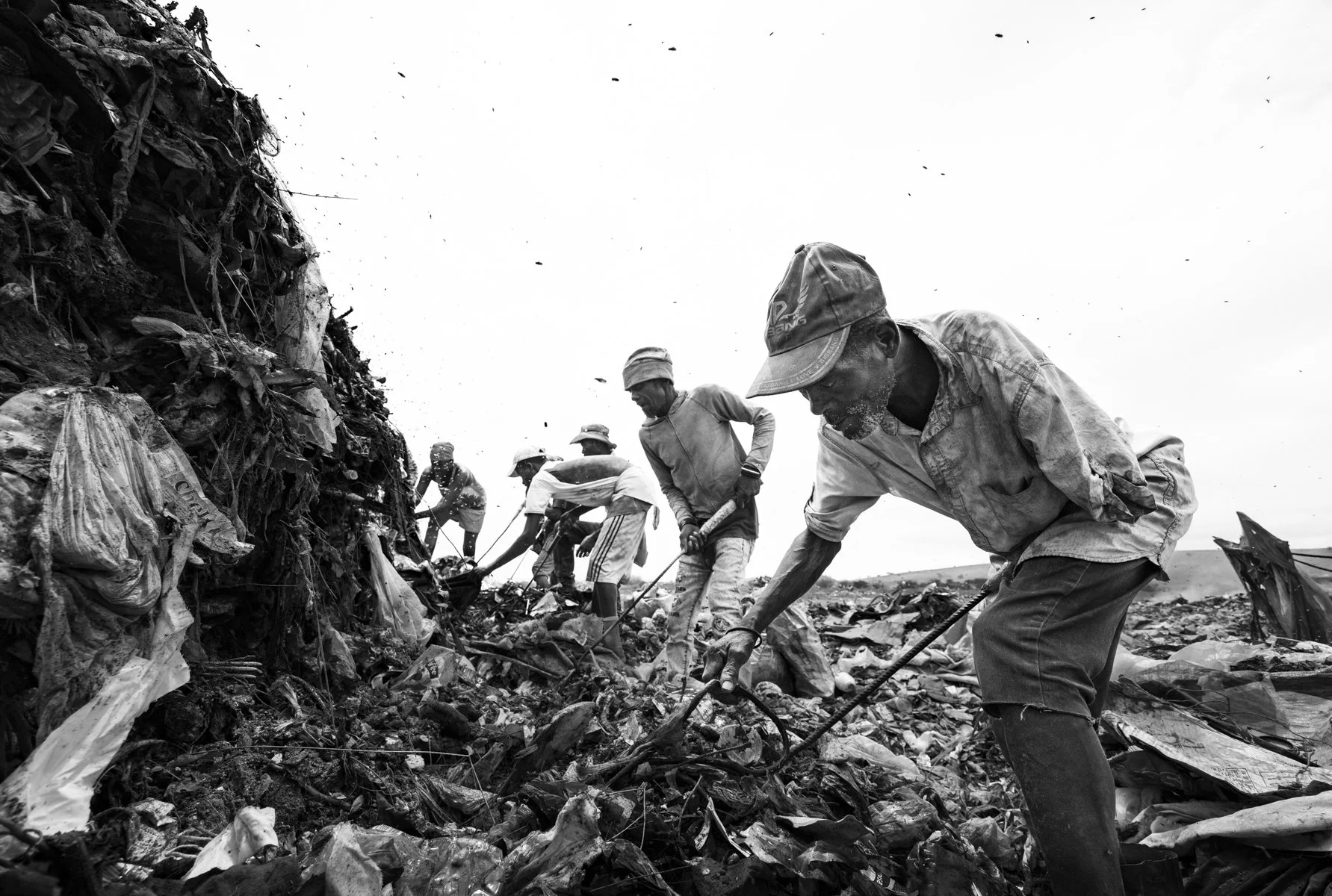
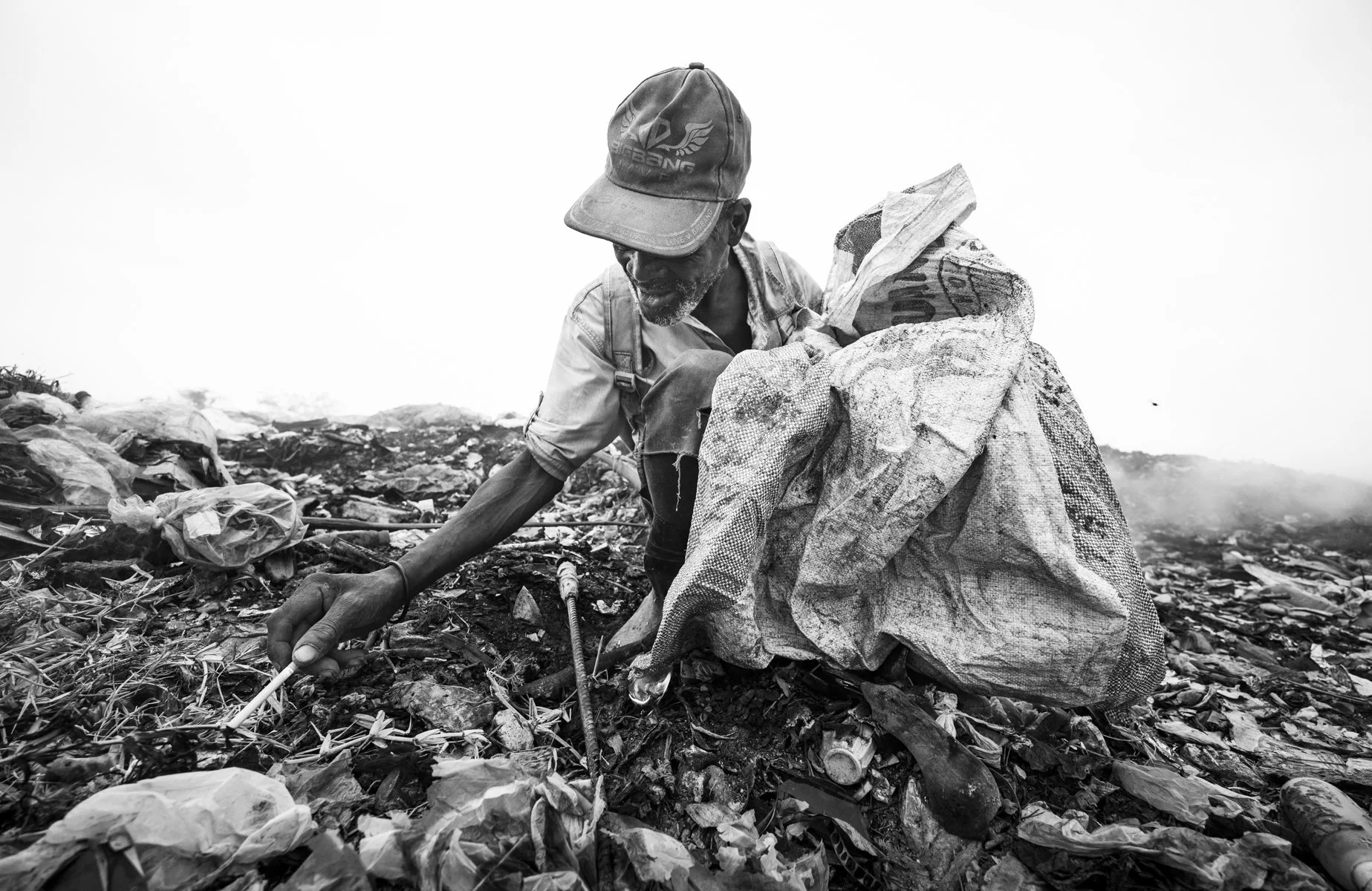
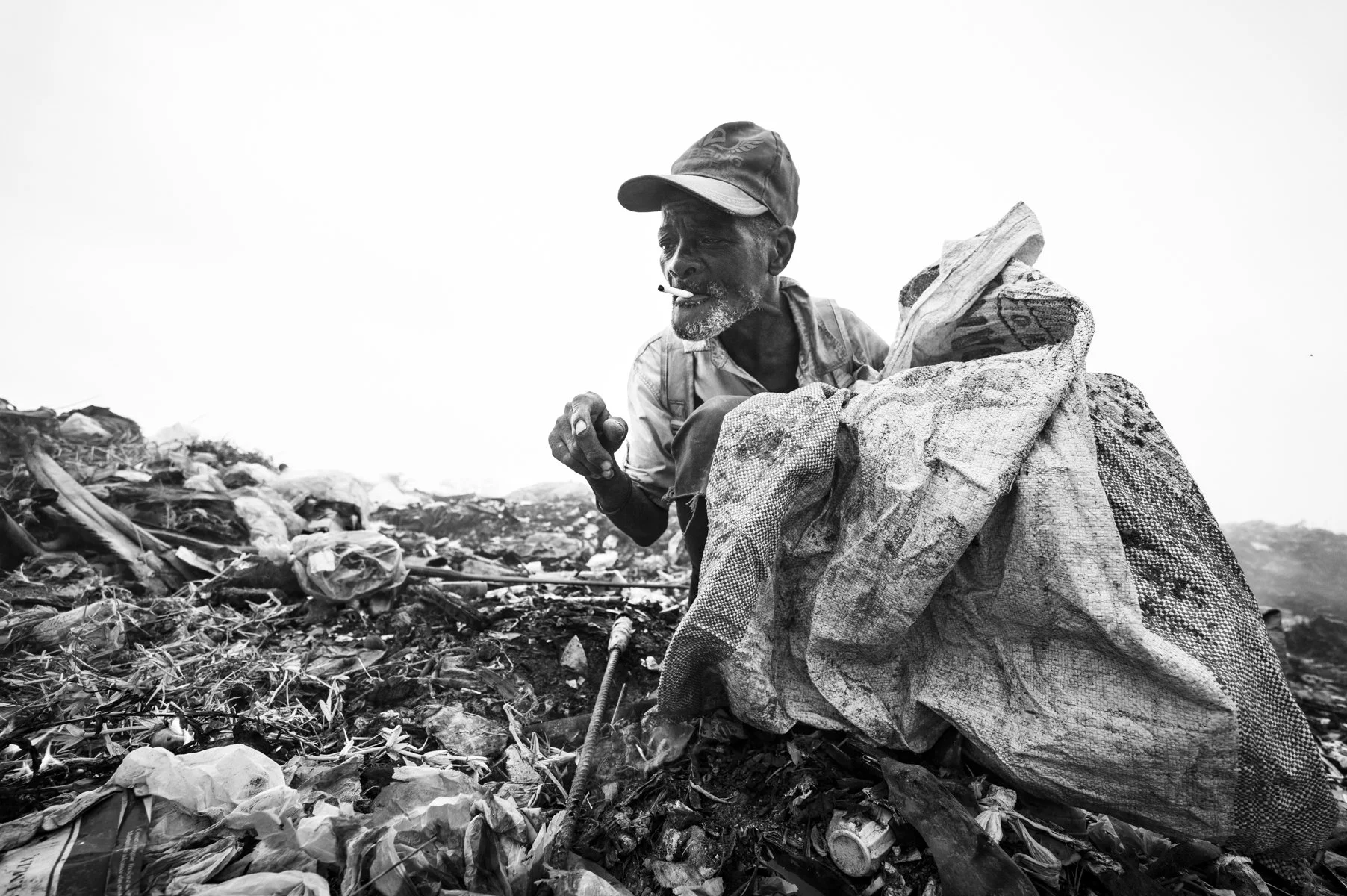
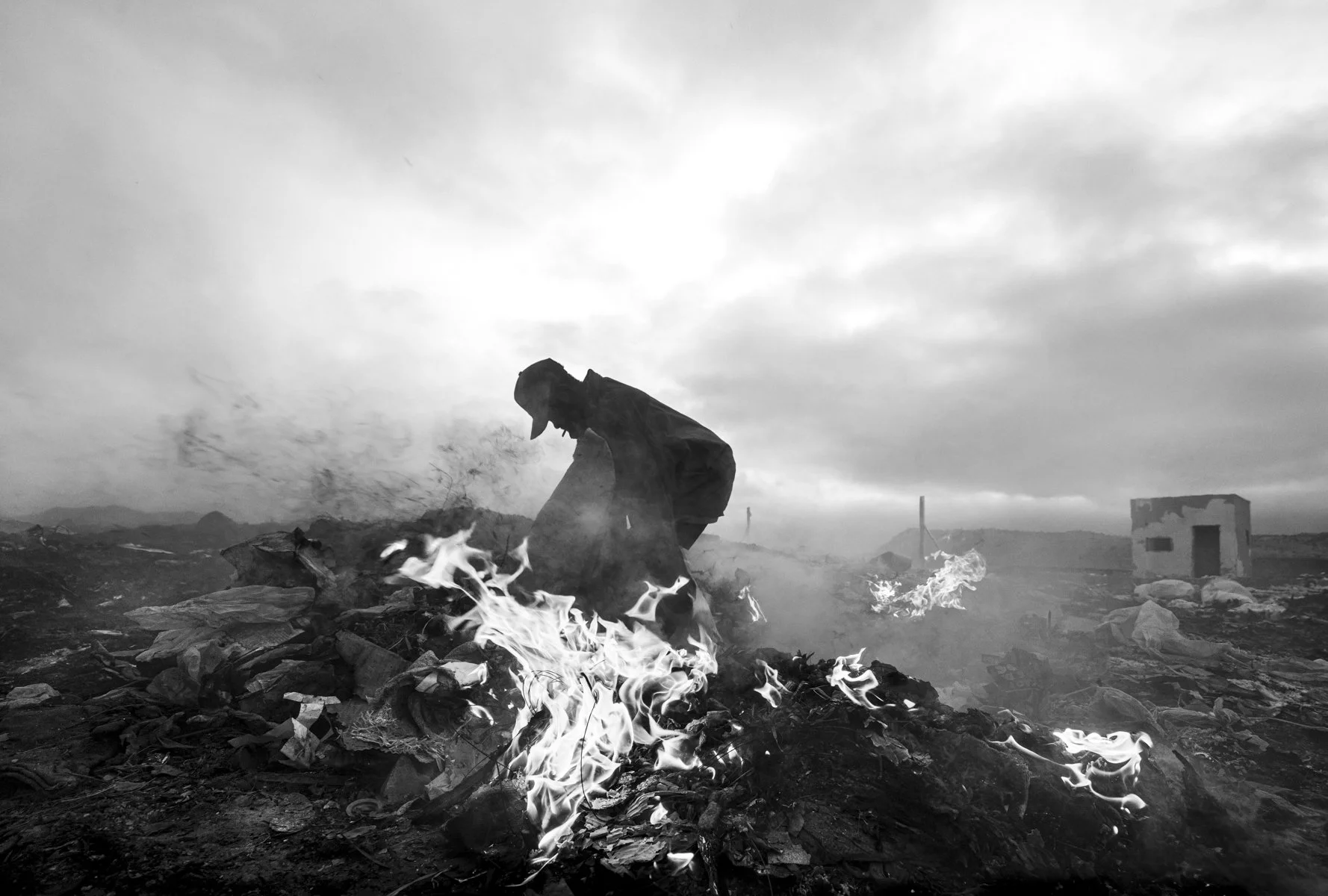
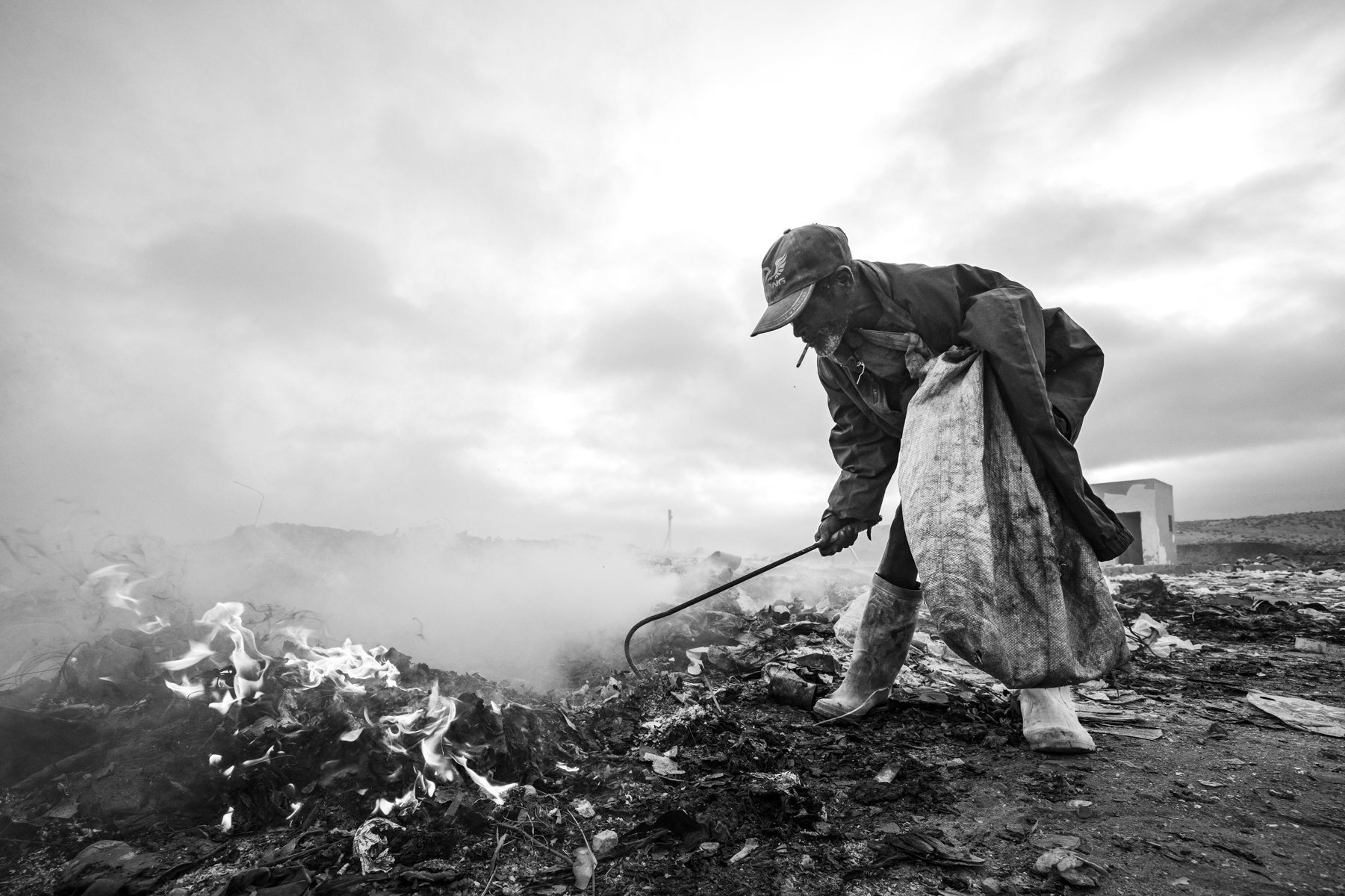
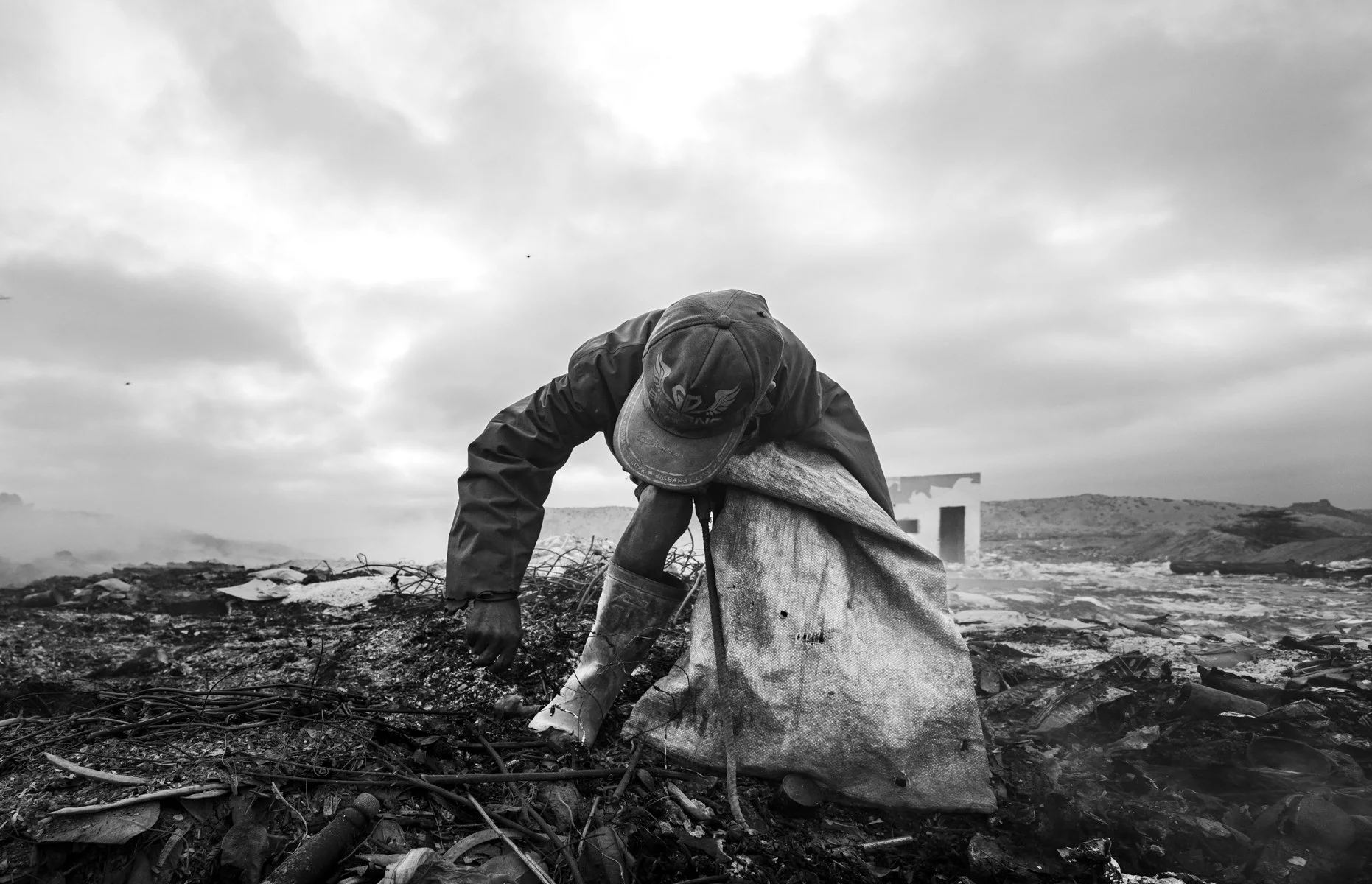
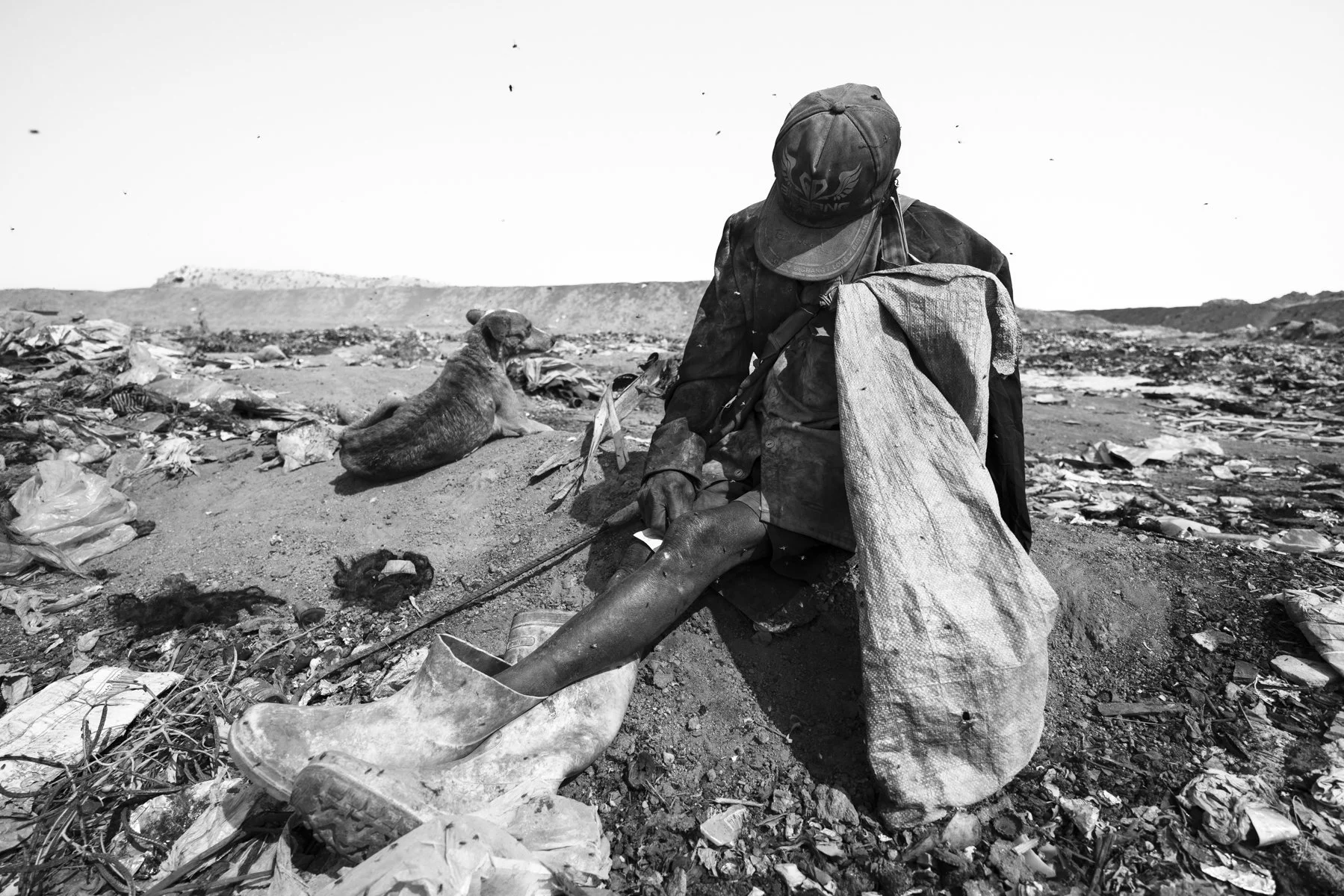
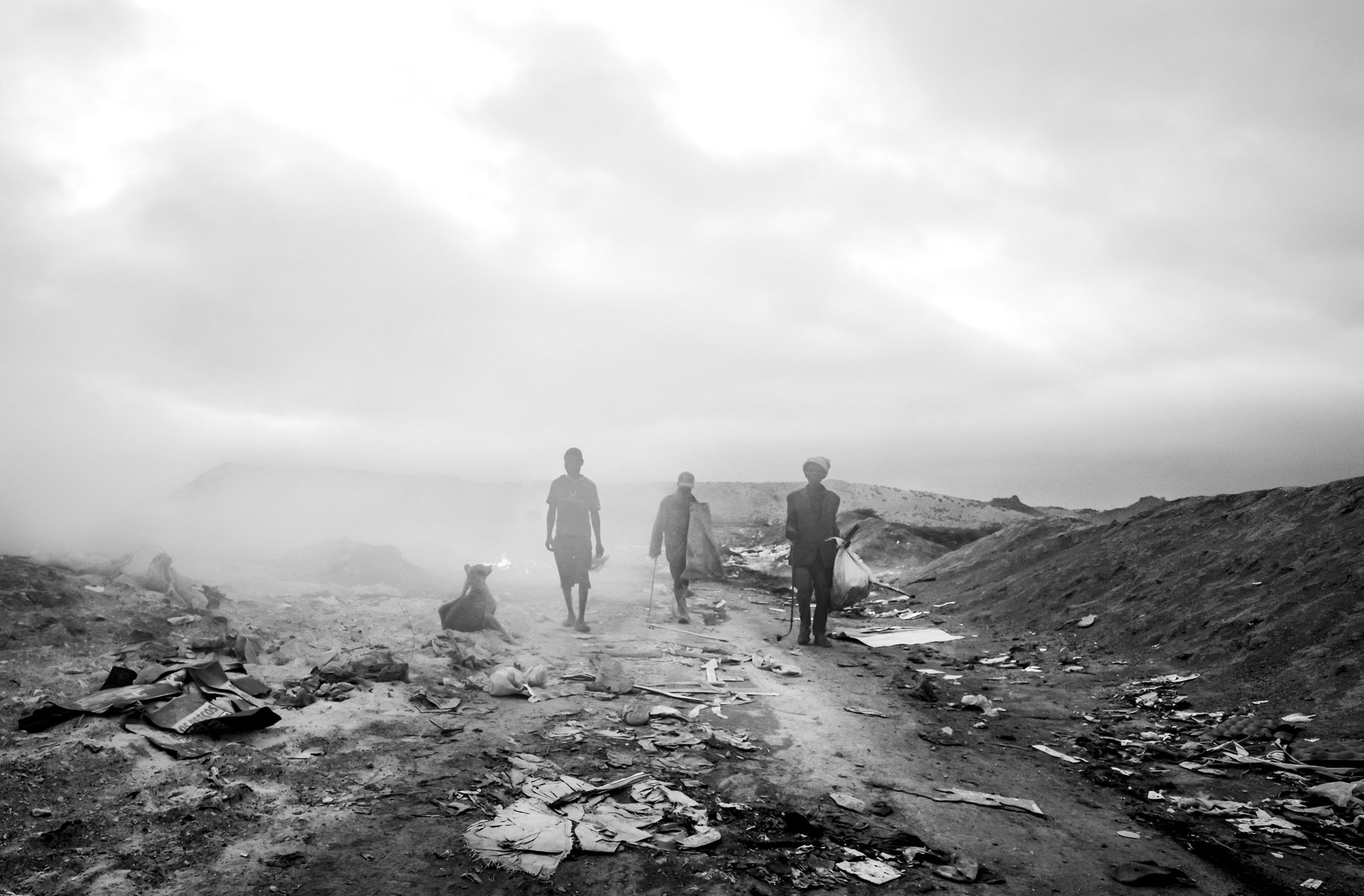
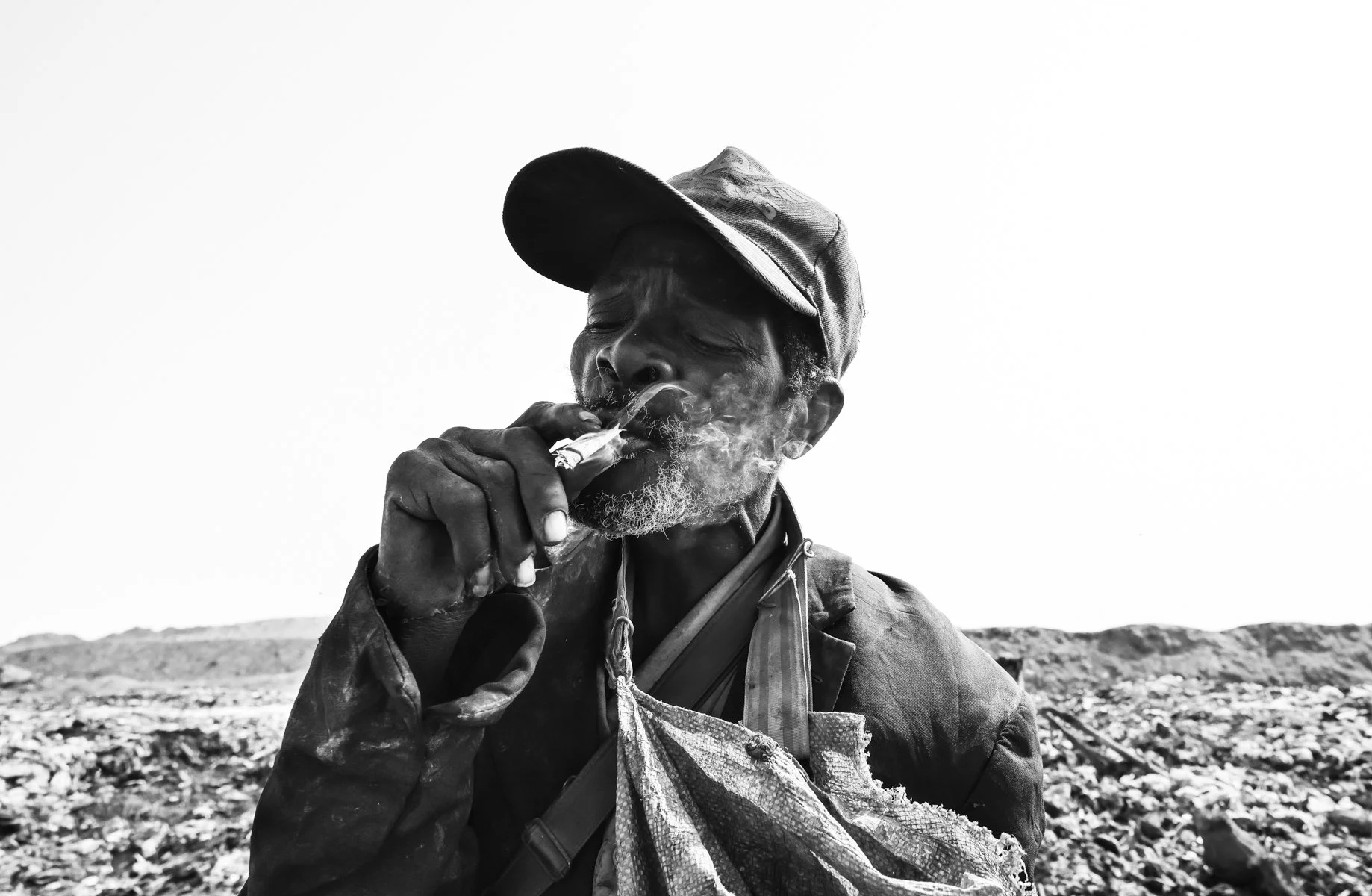
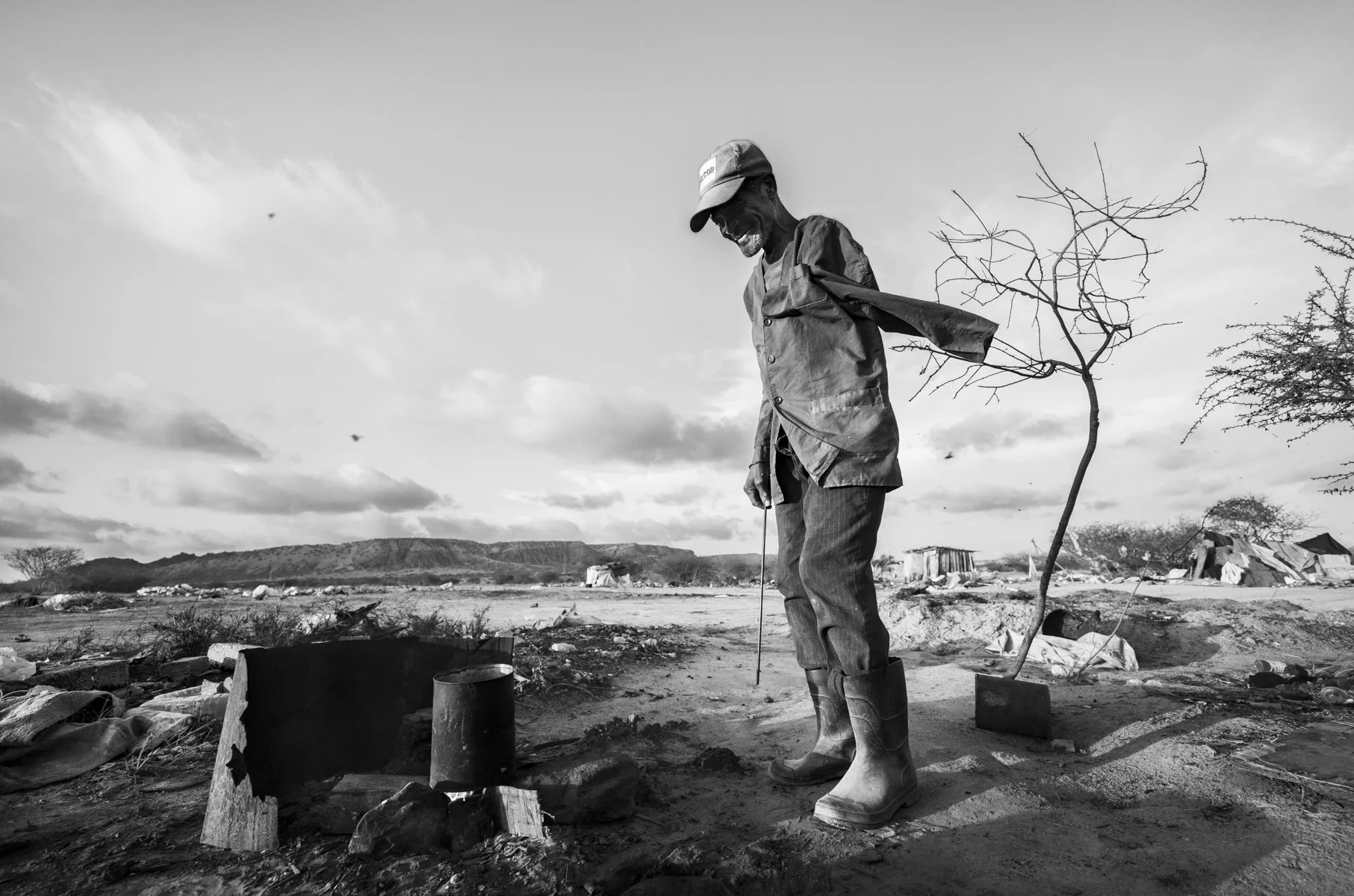
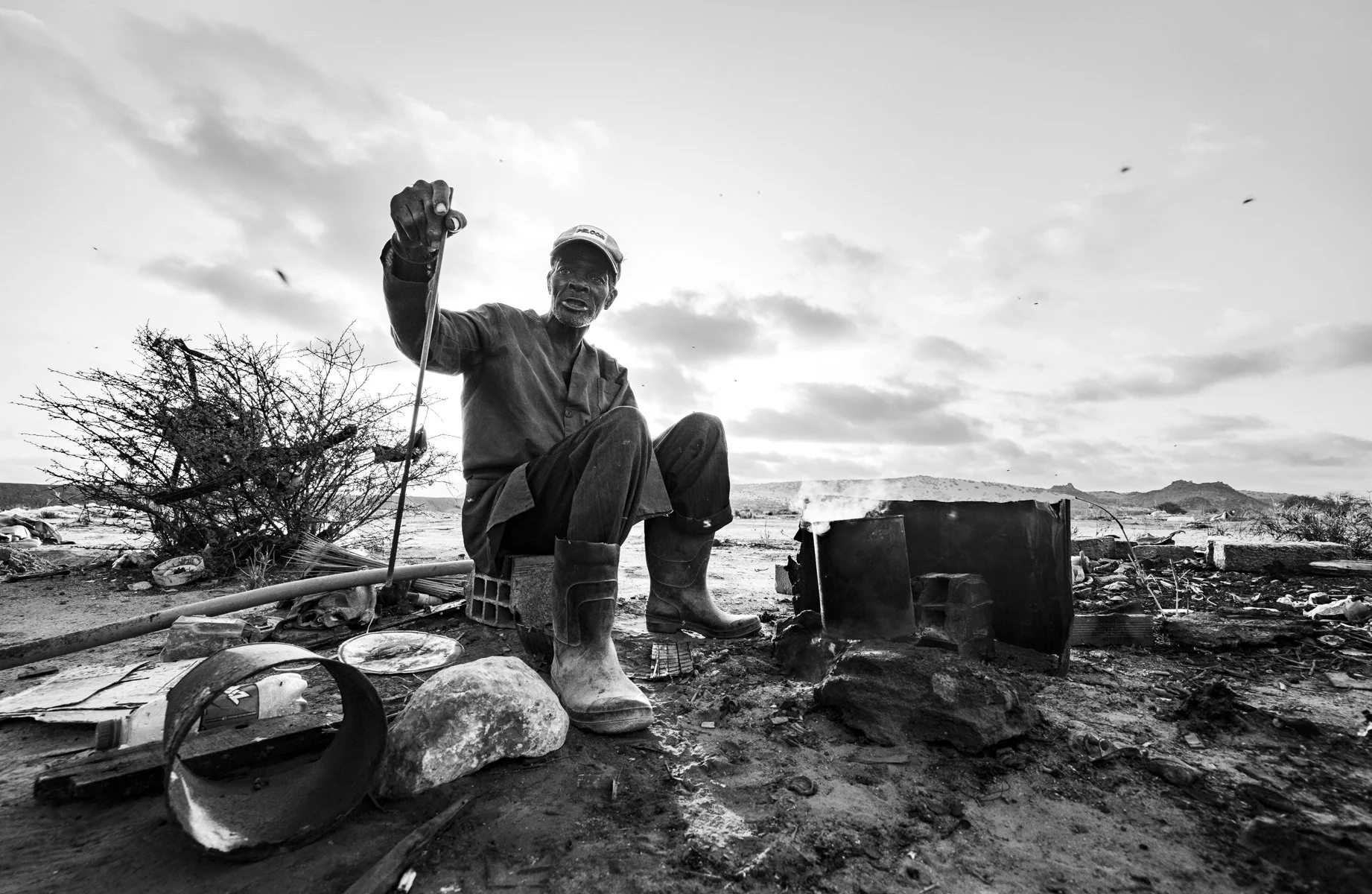
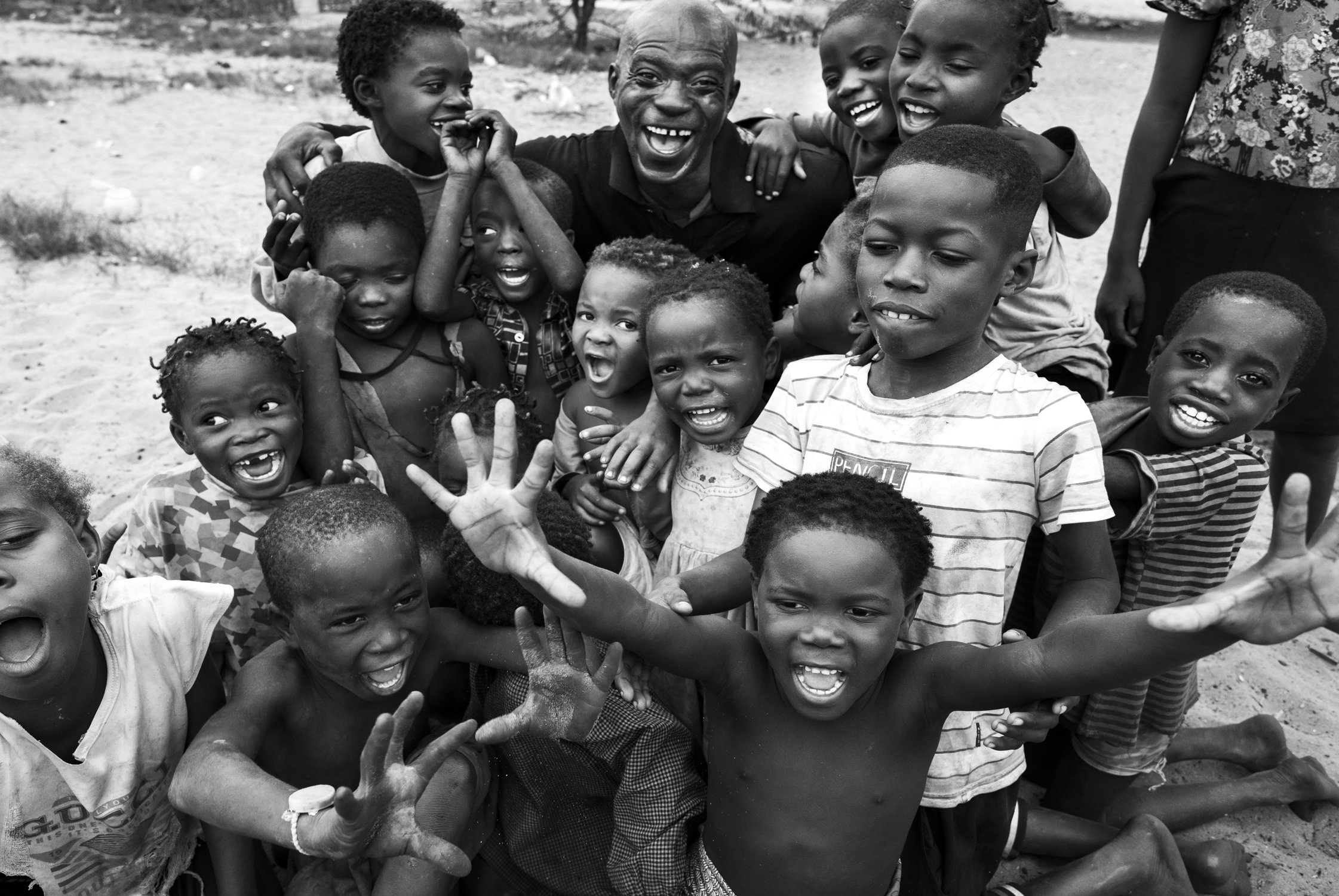
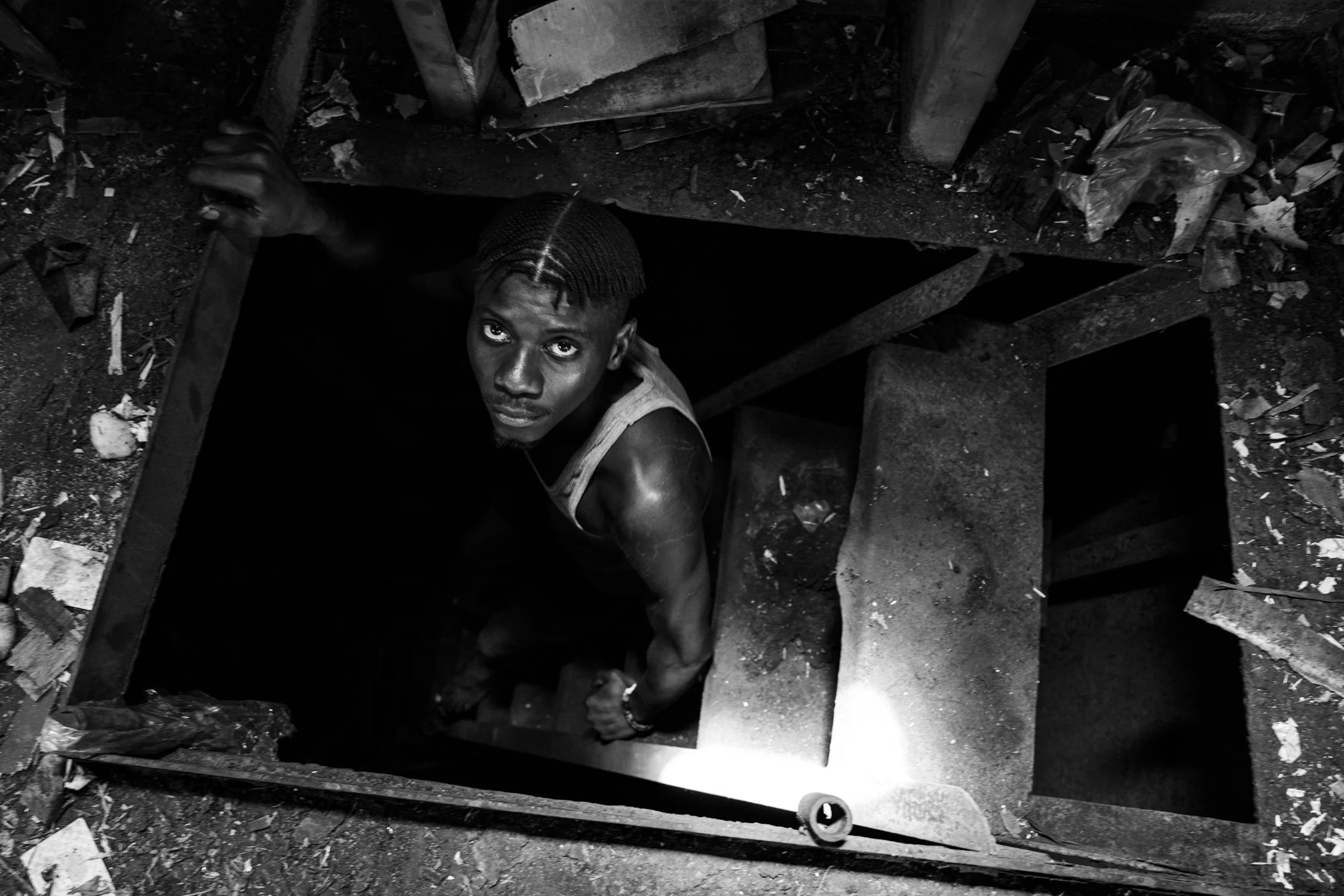
This work is a tribute to Kabonga, a fragile human being who has passed away and for whom I had great friendship and affection. It is a short documentary that compiles fragments of Kabonga's life over the more than 4 years I spent with him, during my visits to a landfill in southern Angola, where he was born and had always lived. It is a glimpse into the world of the forgotten—a sad and grey world of inhumane working conditions, extreme poverty, and constant struggles for survival. Although Kabonga is gone, I hope he will forever be remembered by all who know his story.
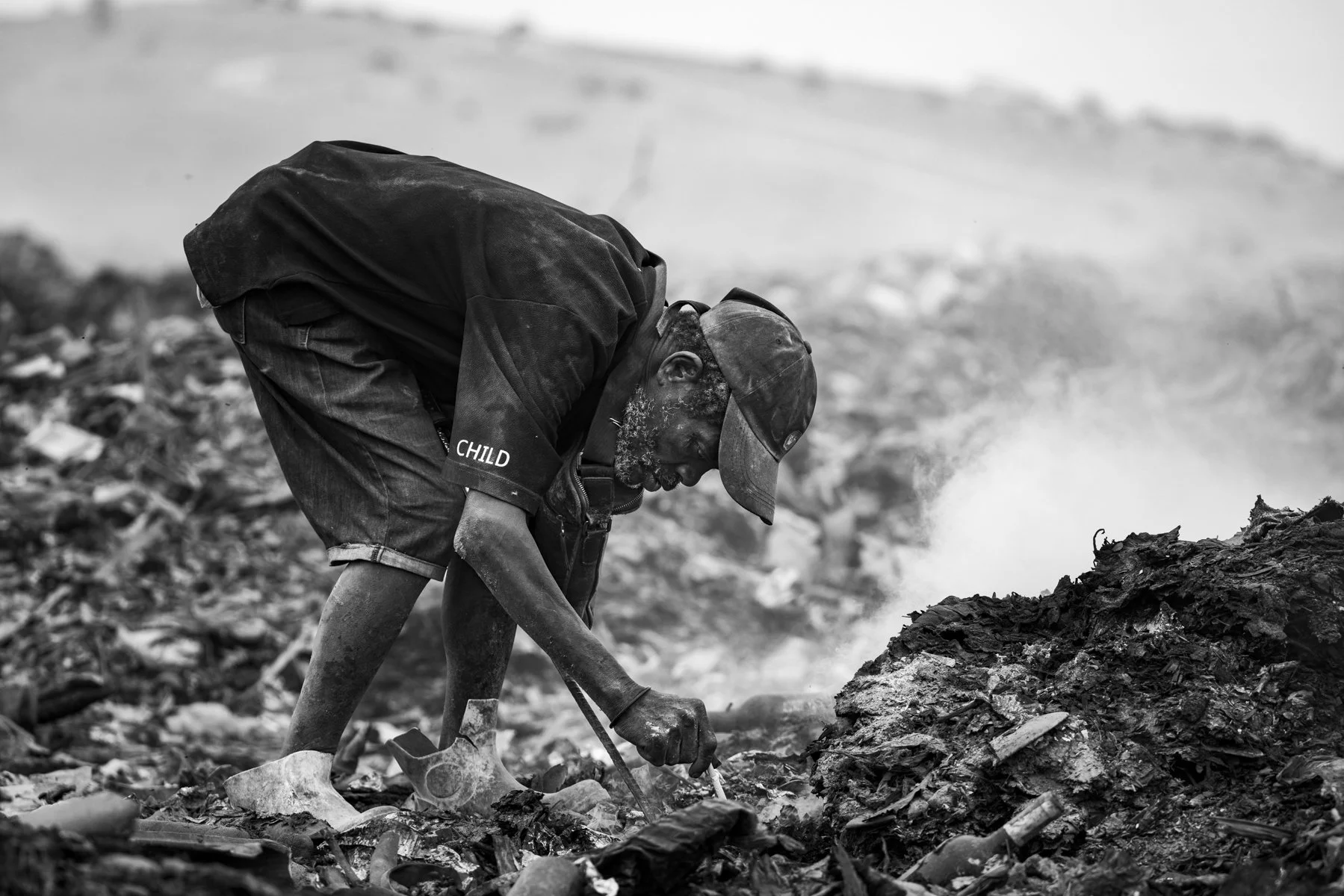
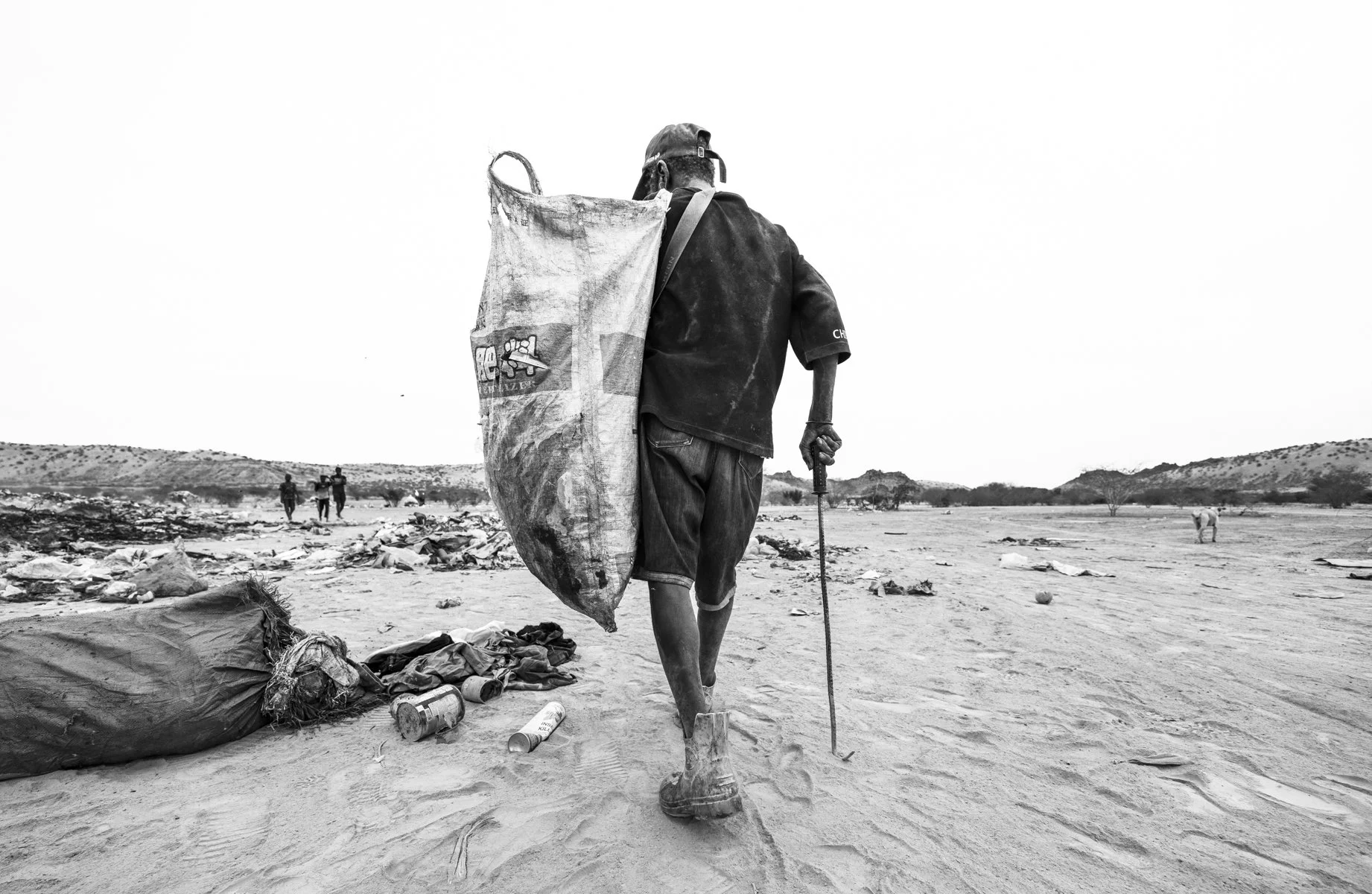
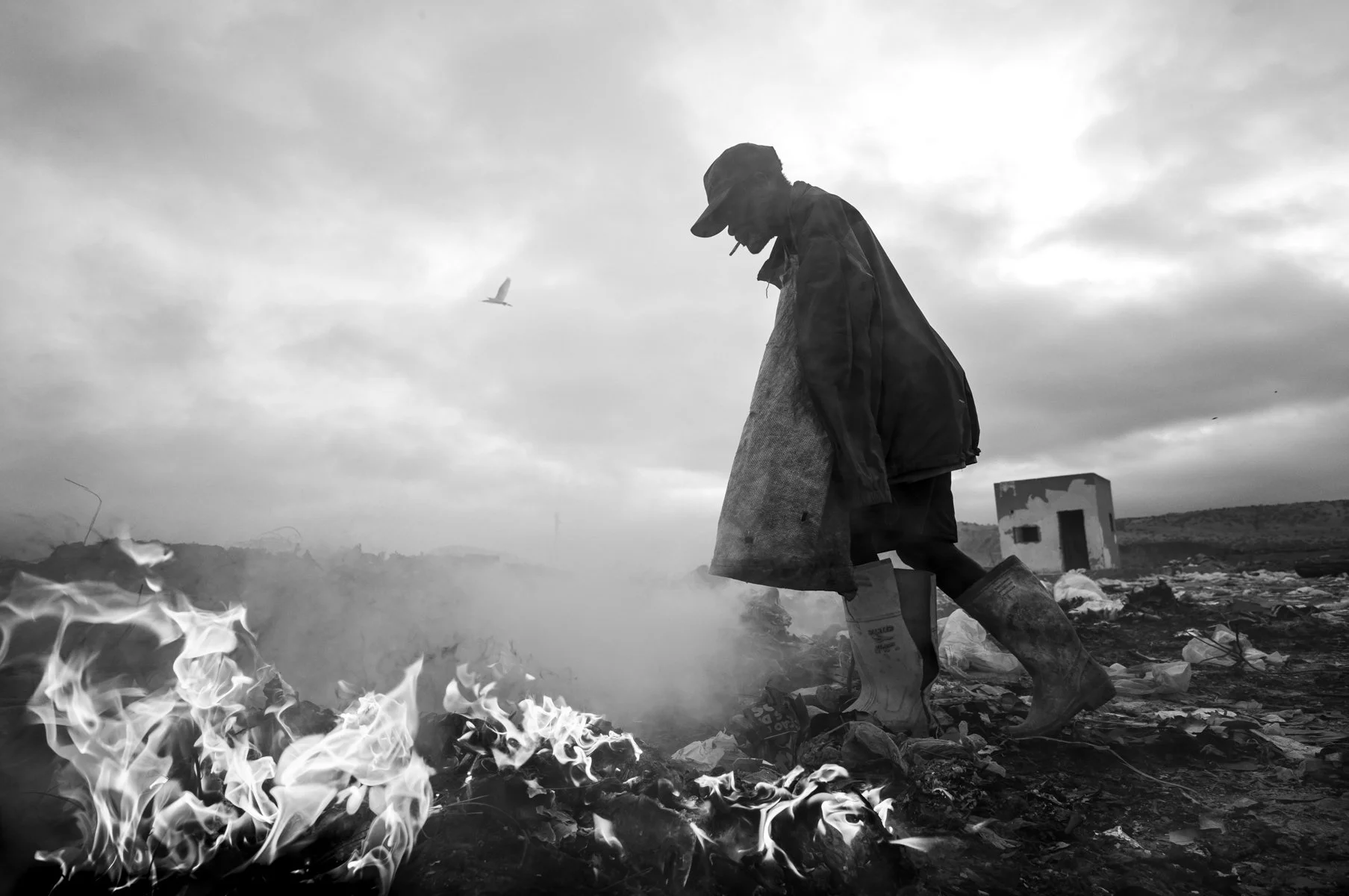
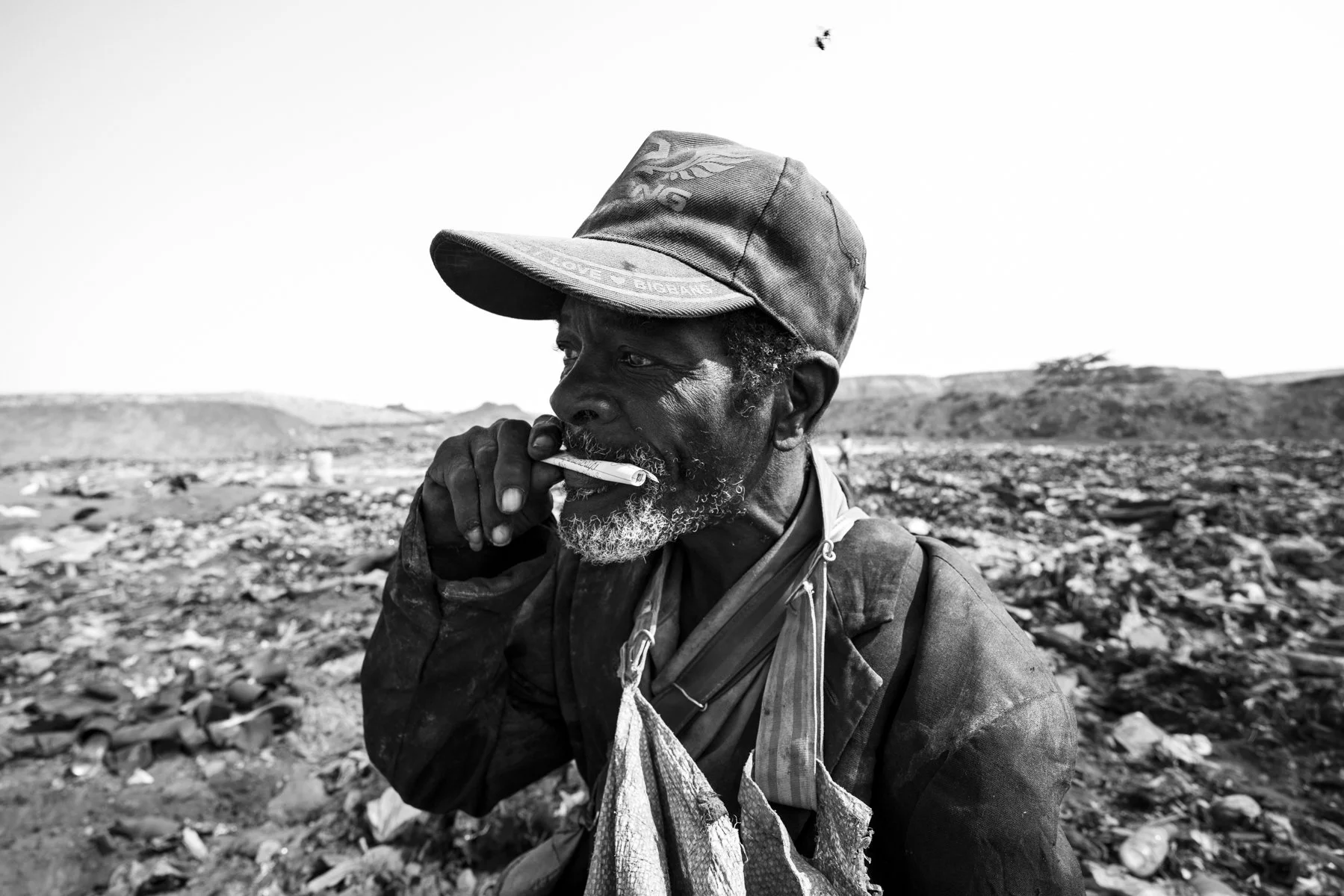
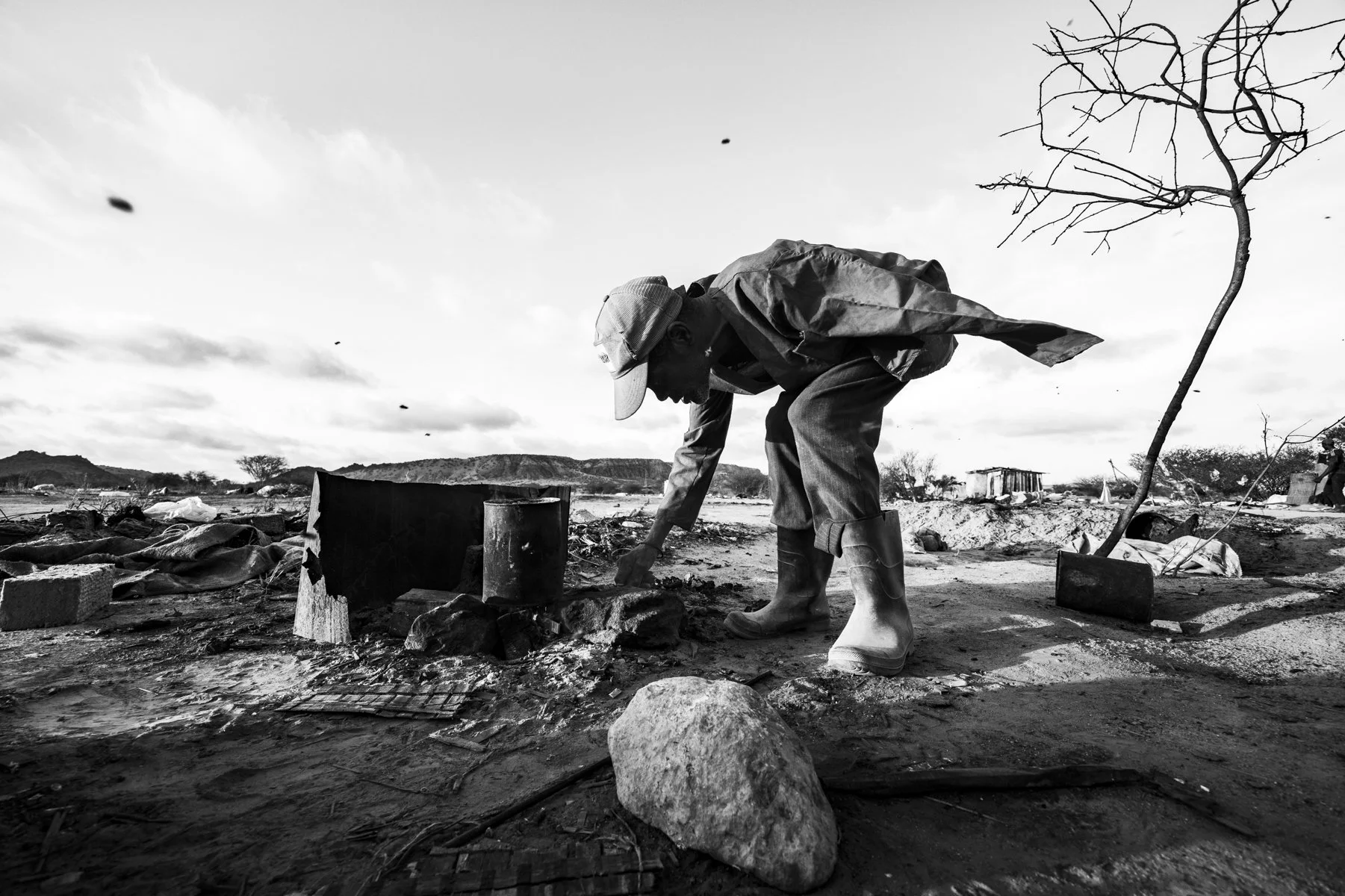
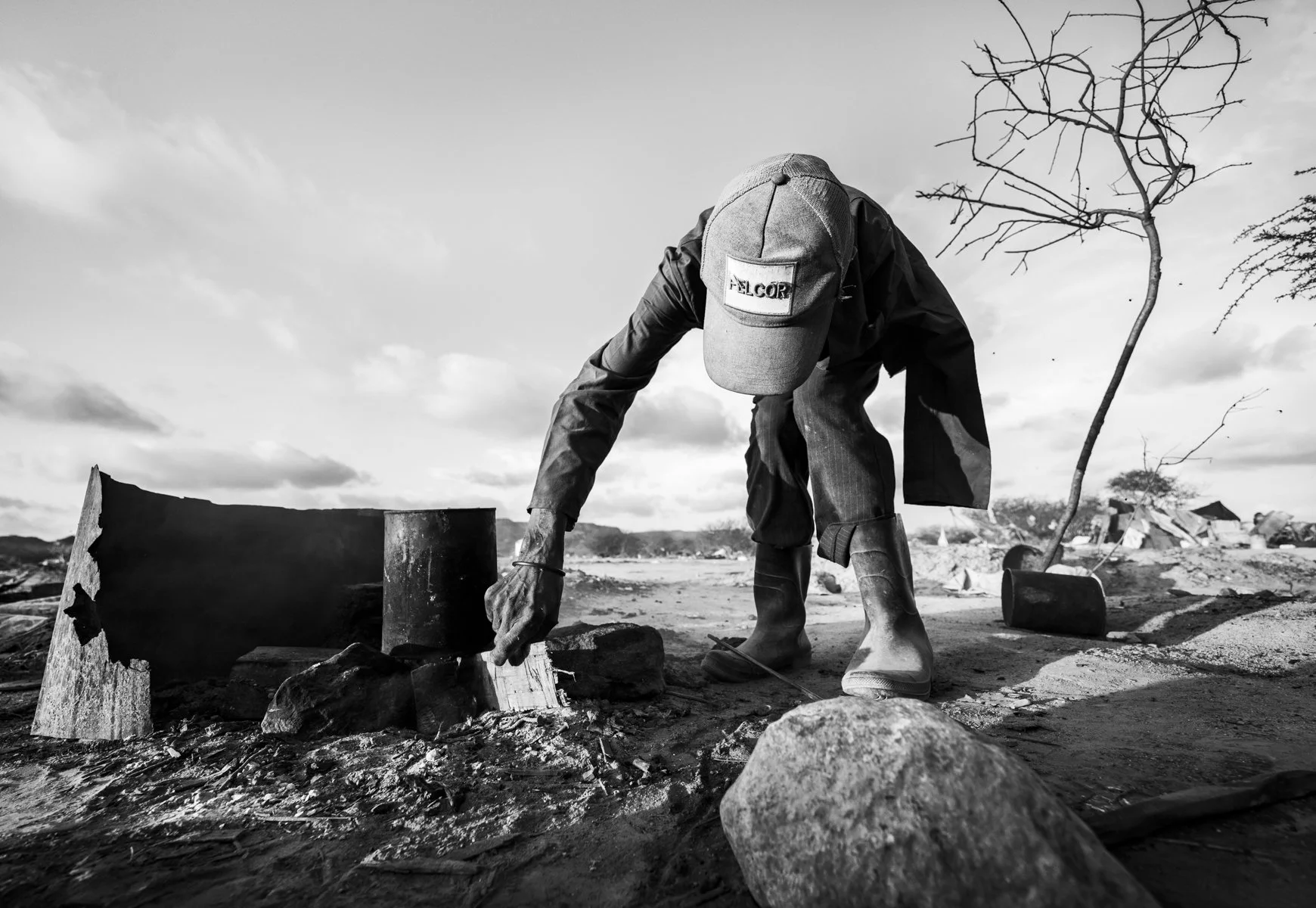
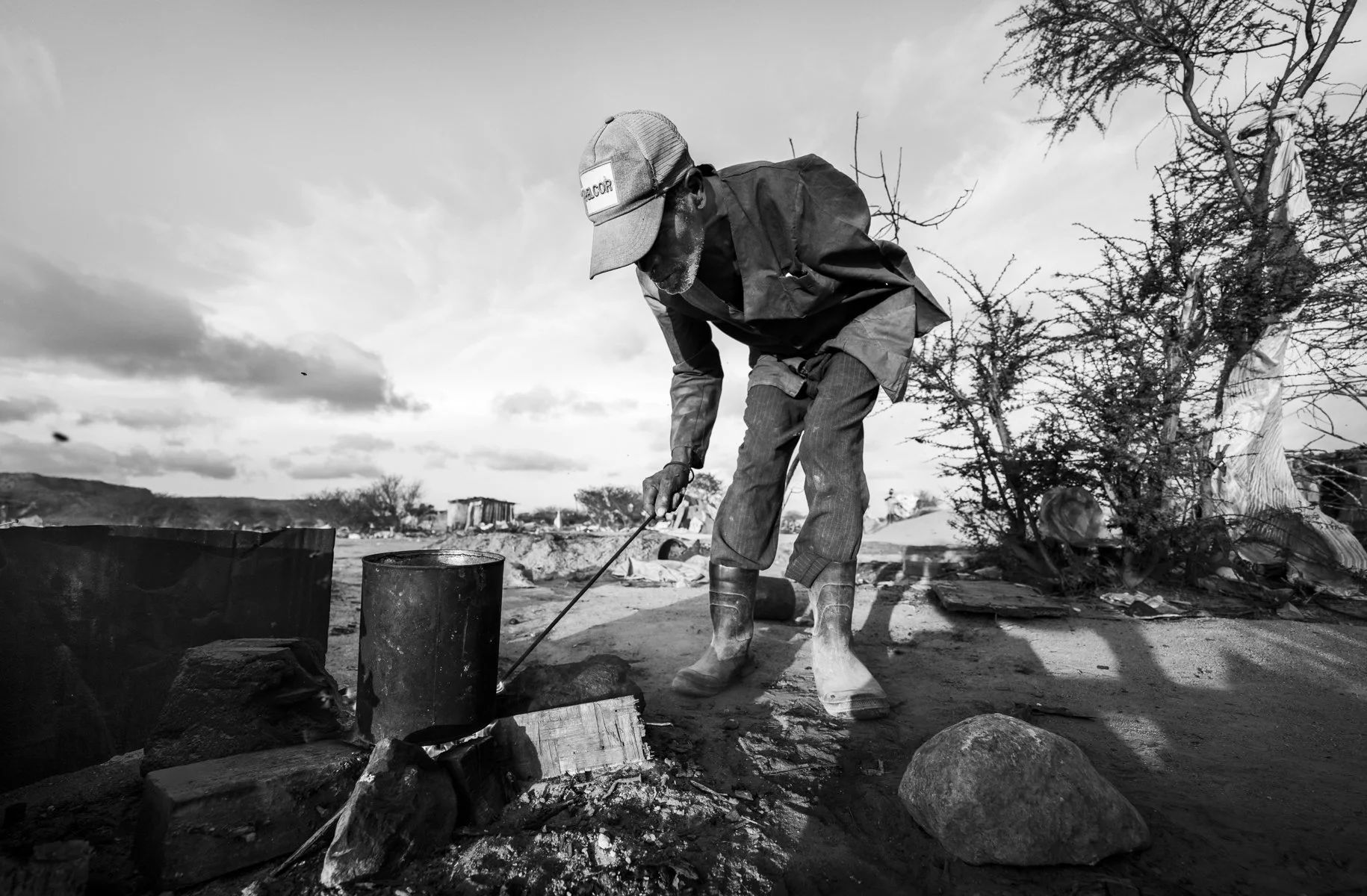
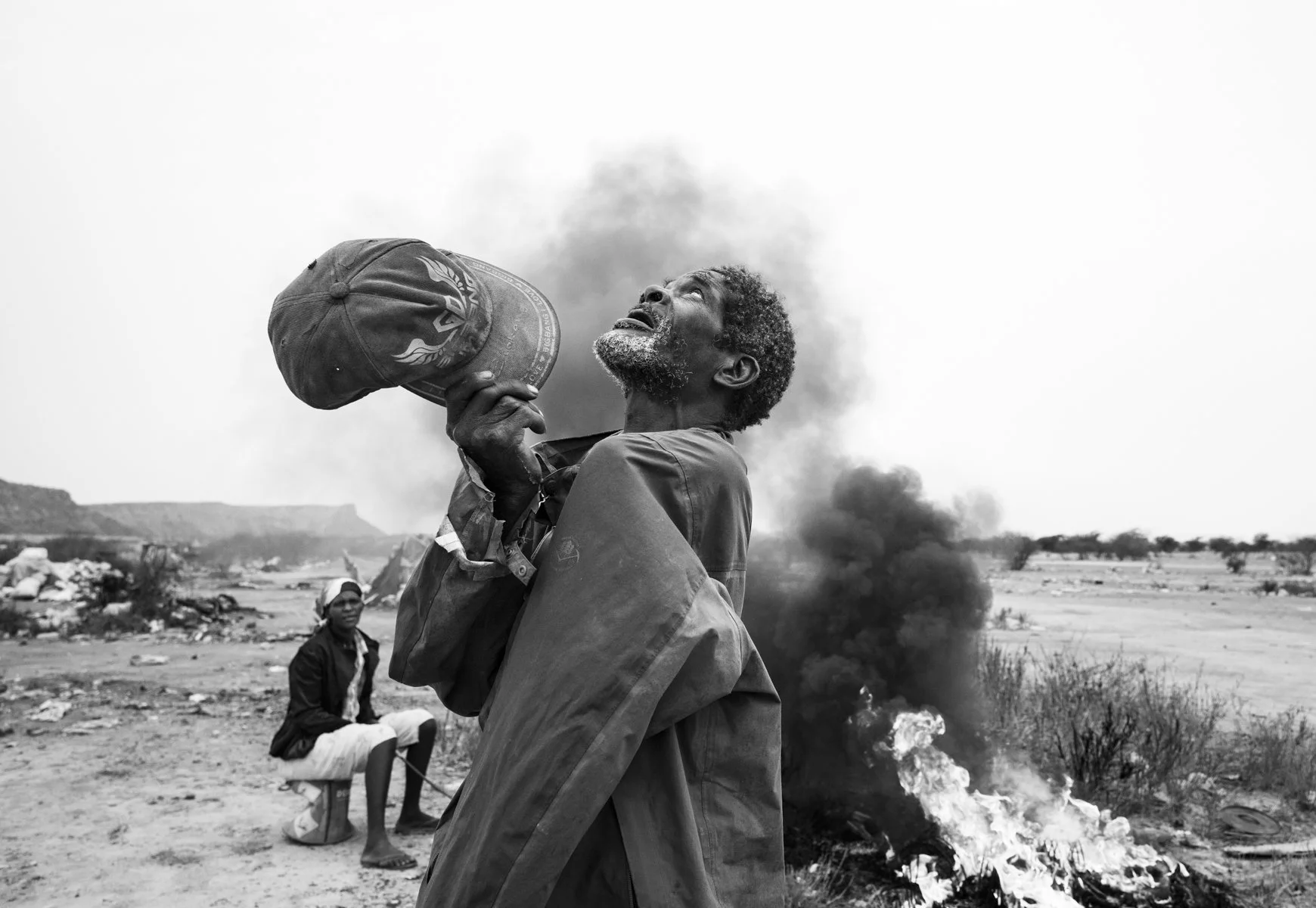
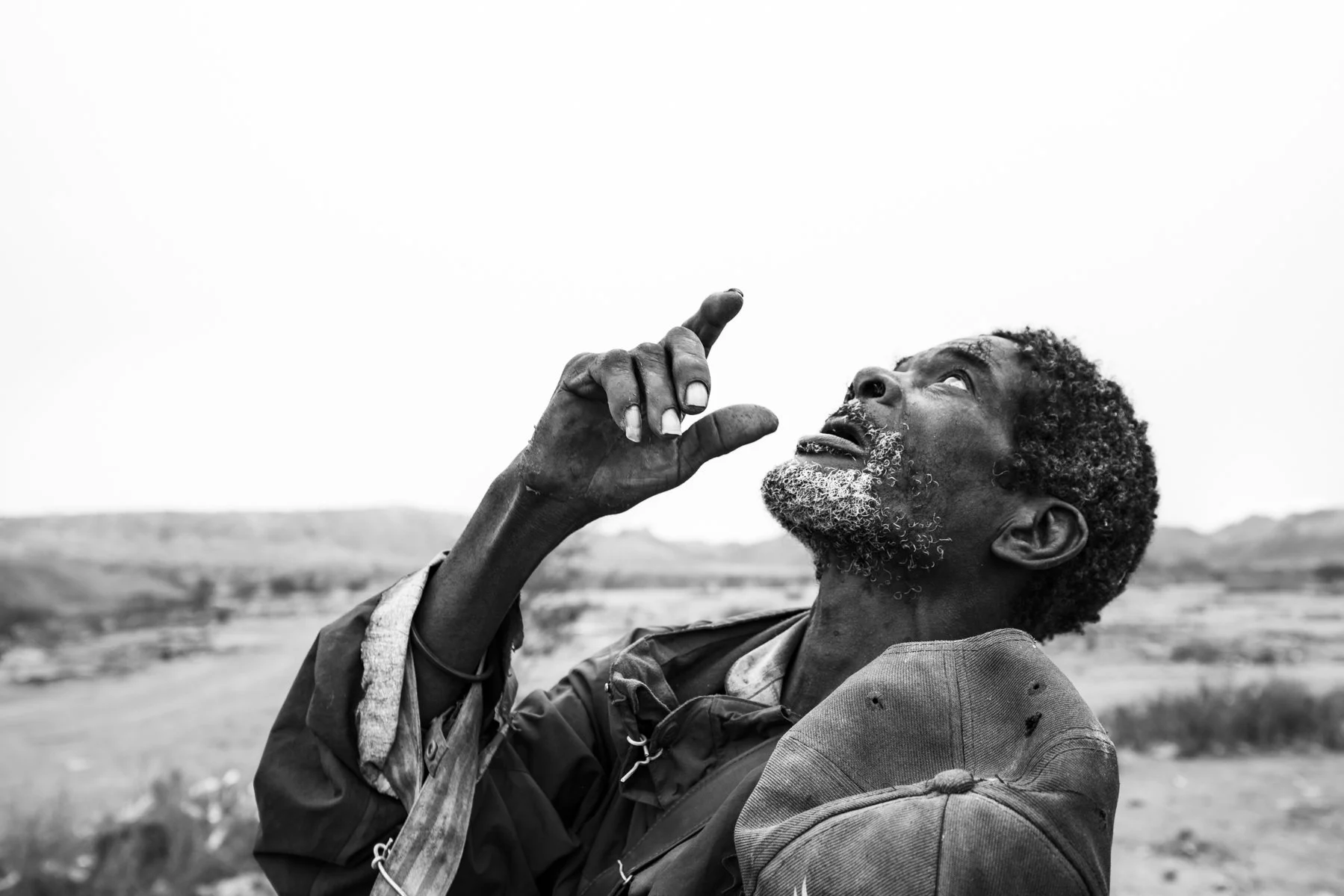
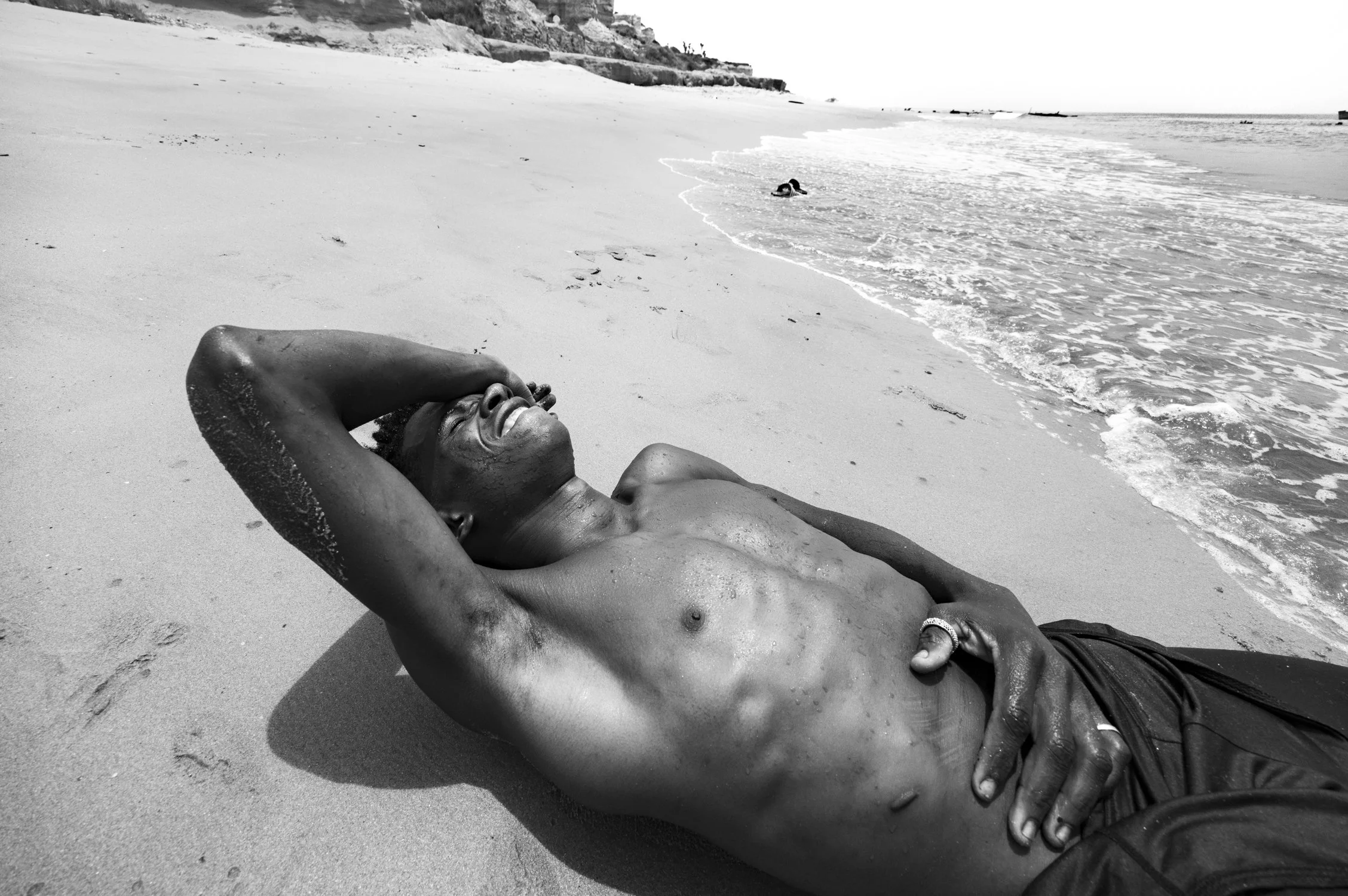
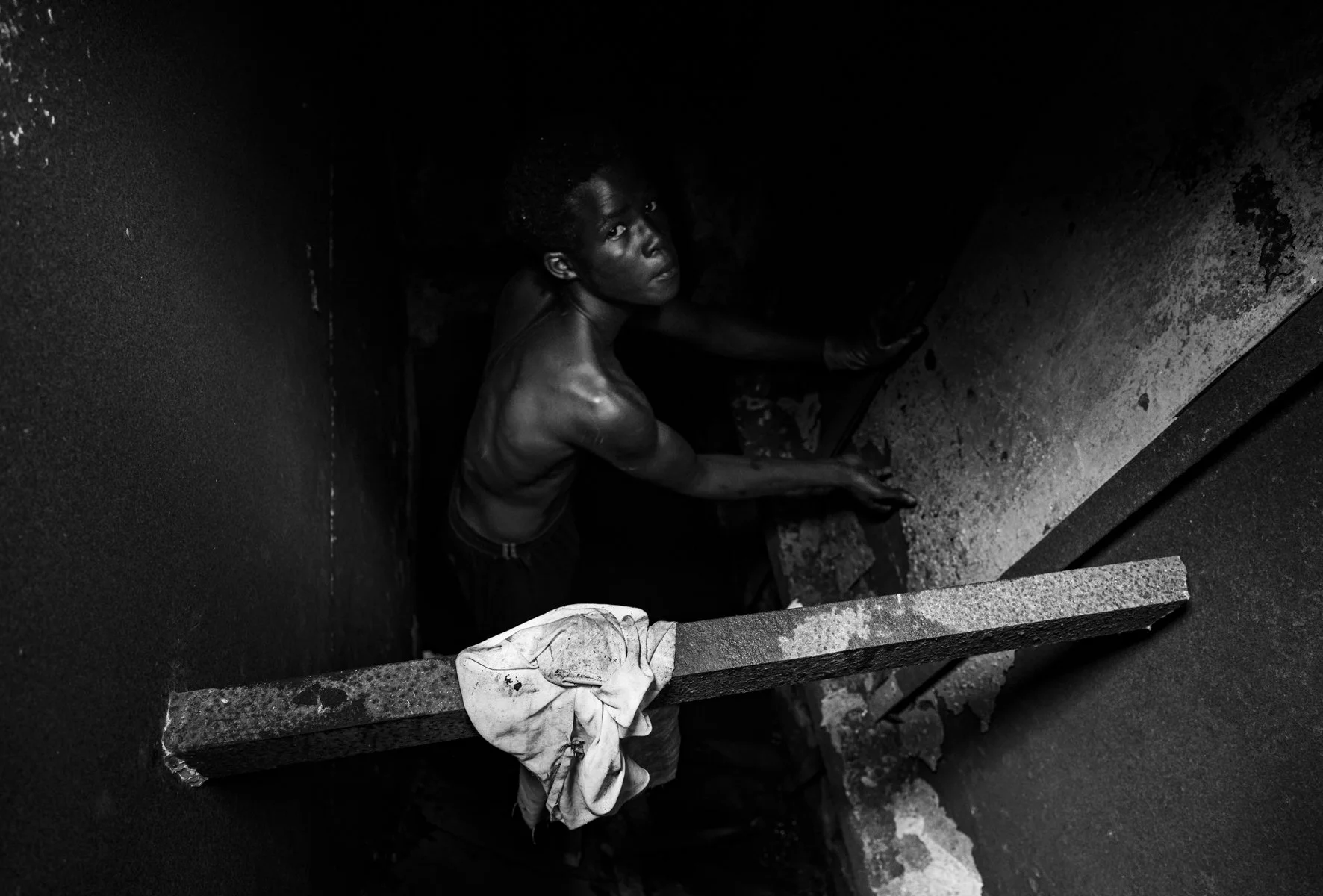
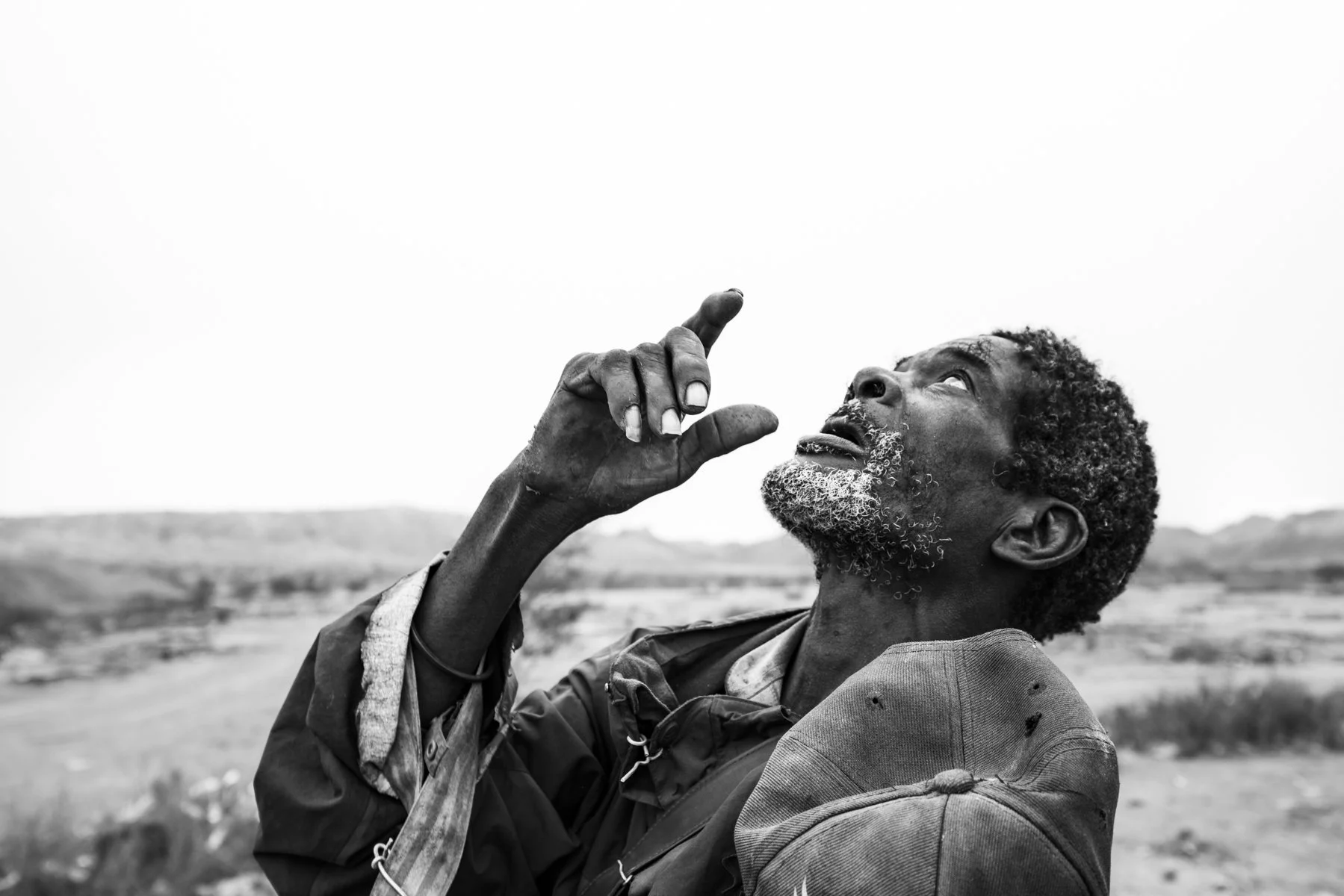
Kabonga was more than just a friend. He made significant contributions to my journey as a photographer and to the evolution of my documentary photography. He exists in the world of colour and black-and-white in my work. The portraits I took of him working in a post-apocalyptic landscape or praying for rain in the dry plain where he lives gave me recognition that motivated me enormously. These recognitions also helped me to convey my messages to a broader audience.
I met Kabonga on the first day I visited the dark world he lived in. He and his small community welcomed me as if I were one of them—openly, sincerely, and without prejudice. I owe them all a debt of gratitude for this and for the proper life lessons they taught me throughout the work I did with them. This work changed the way I see the world and view others.
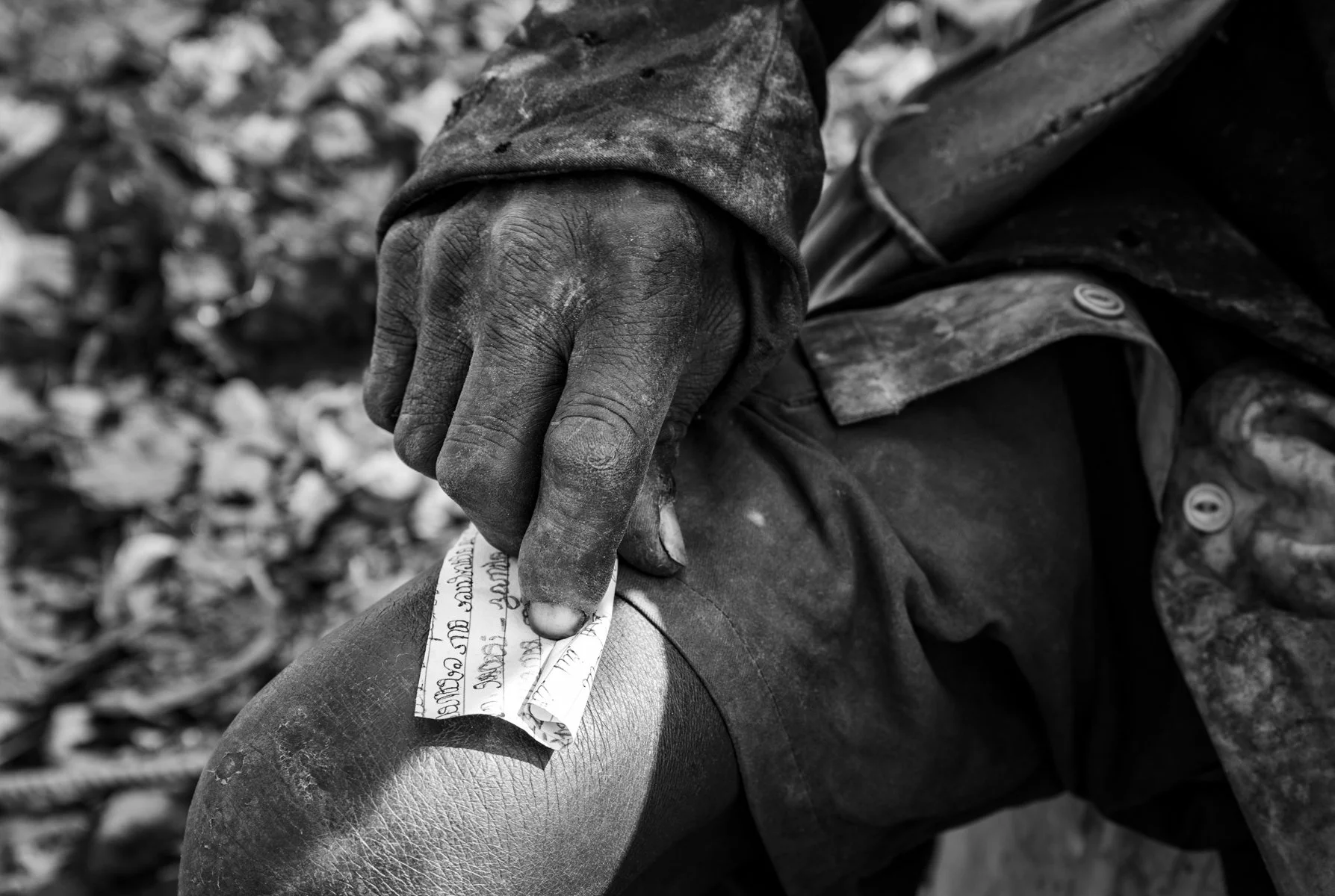
Despite losing an arm at a young age after battling an infected wound for months, which eventually led to gangrene, he continued to fight for his survival and work under the same conditions, perhaps with even greater perseverance. He never complained about his poverty or physical condition and always assured me that he was continuing to work and everything was fine.
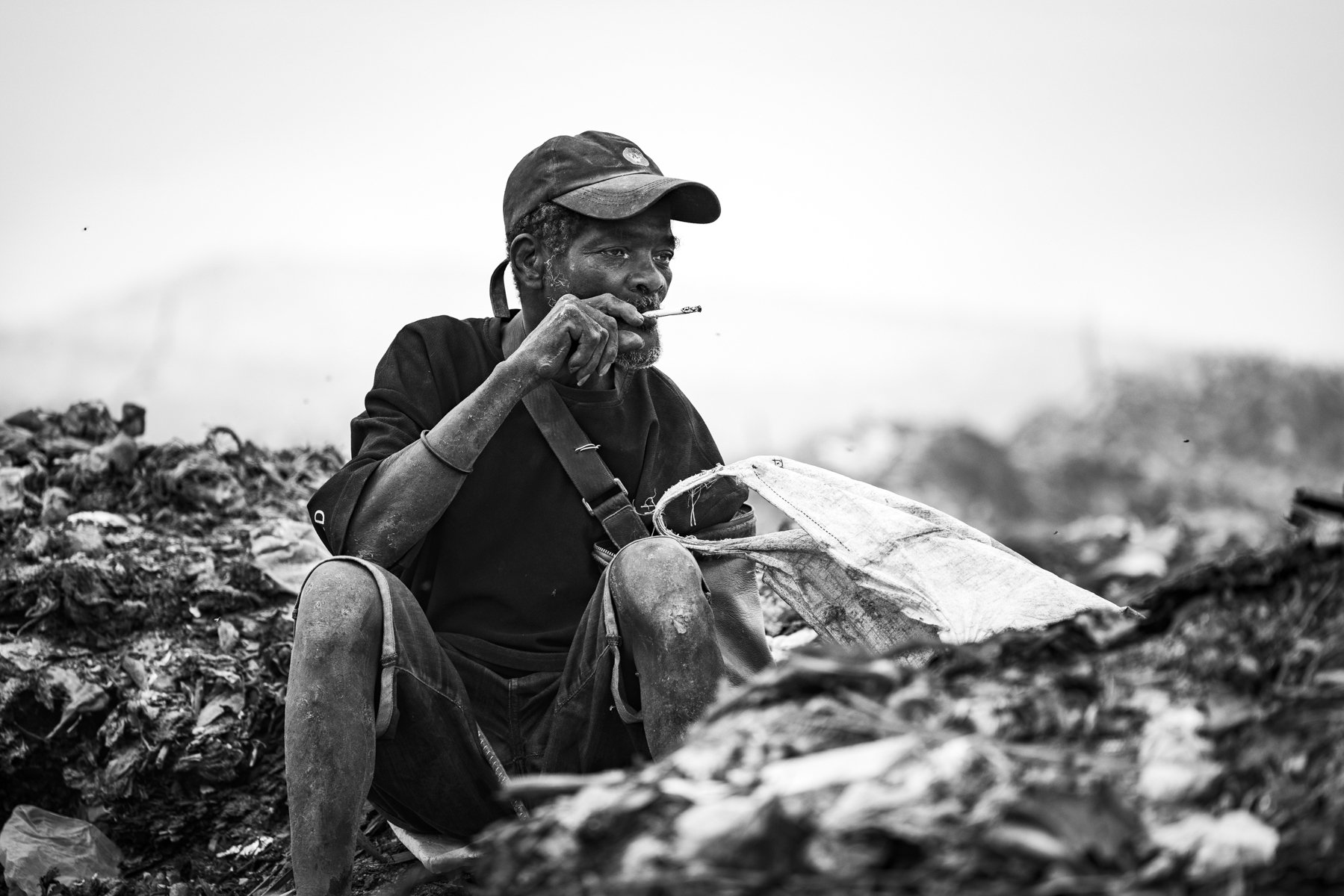
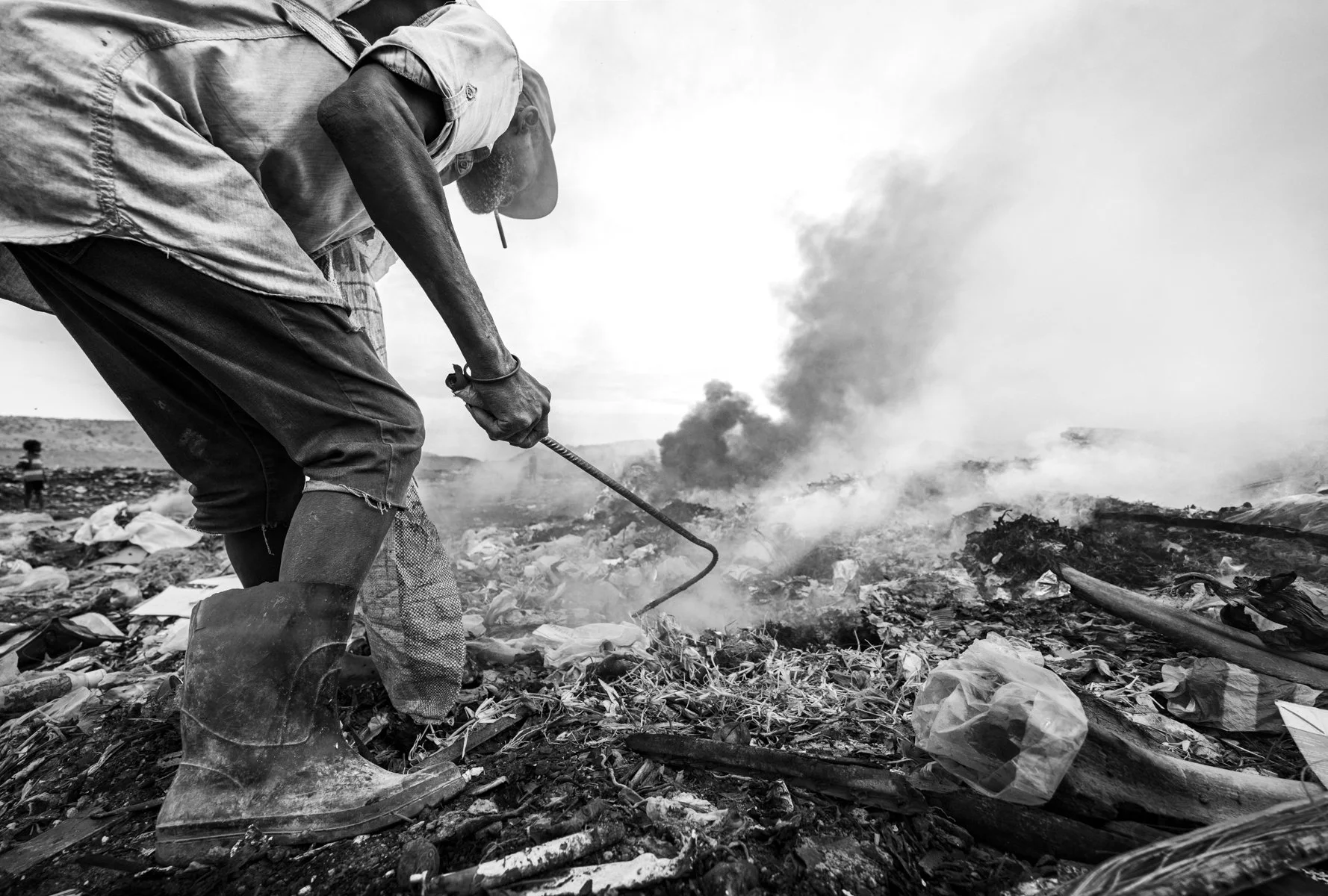
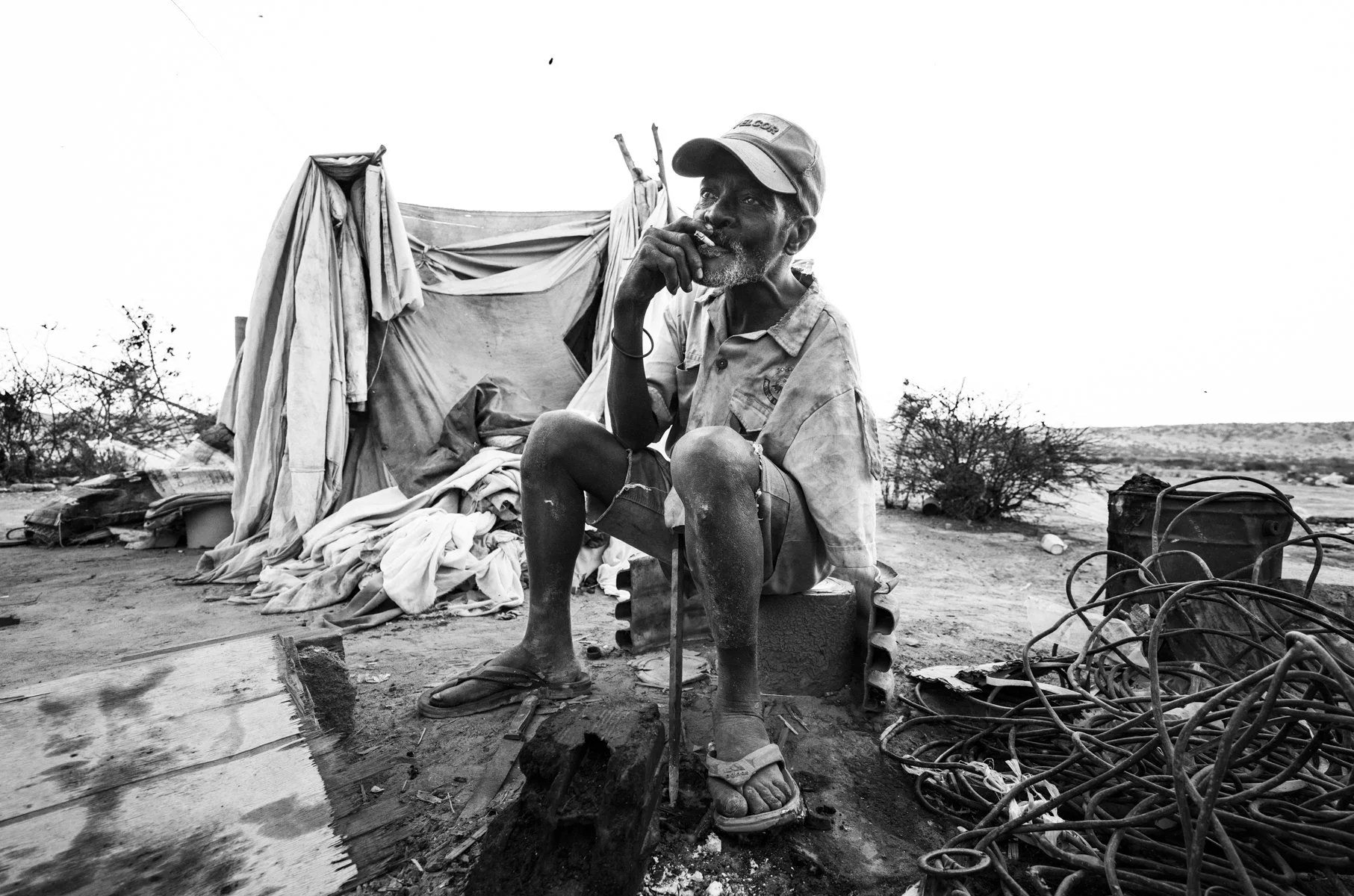
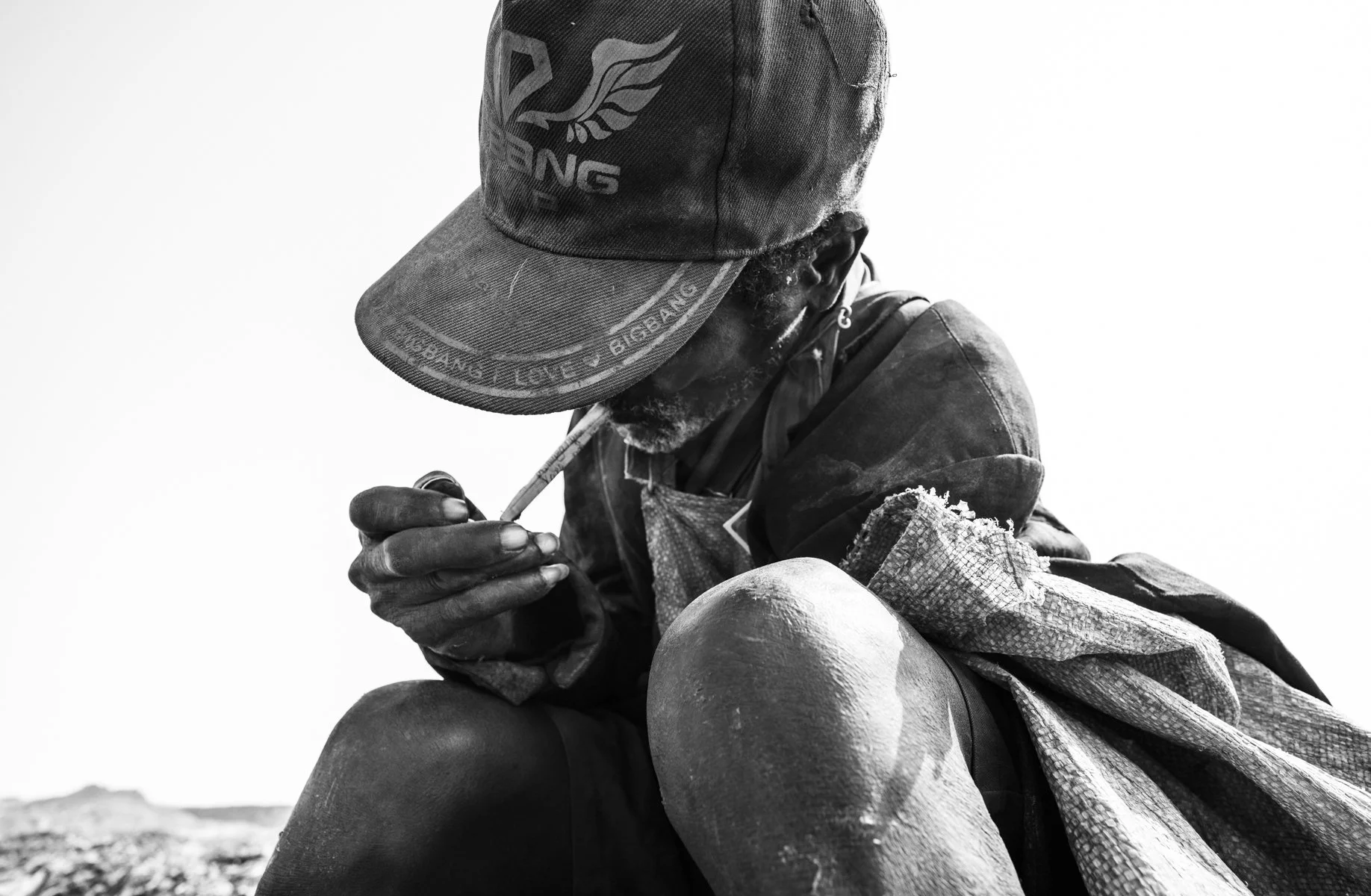
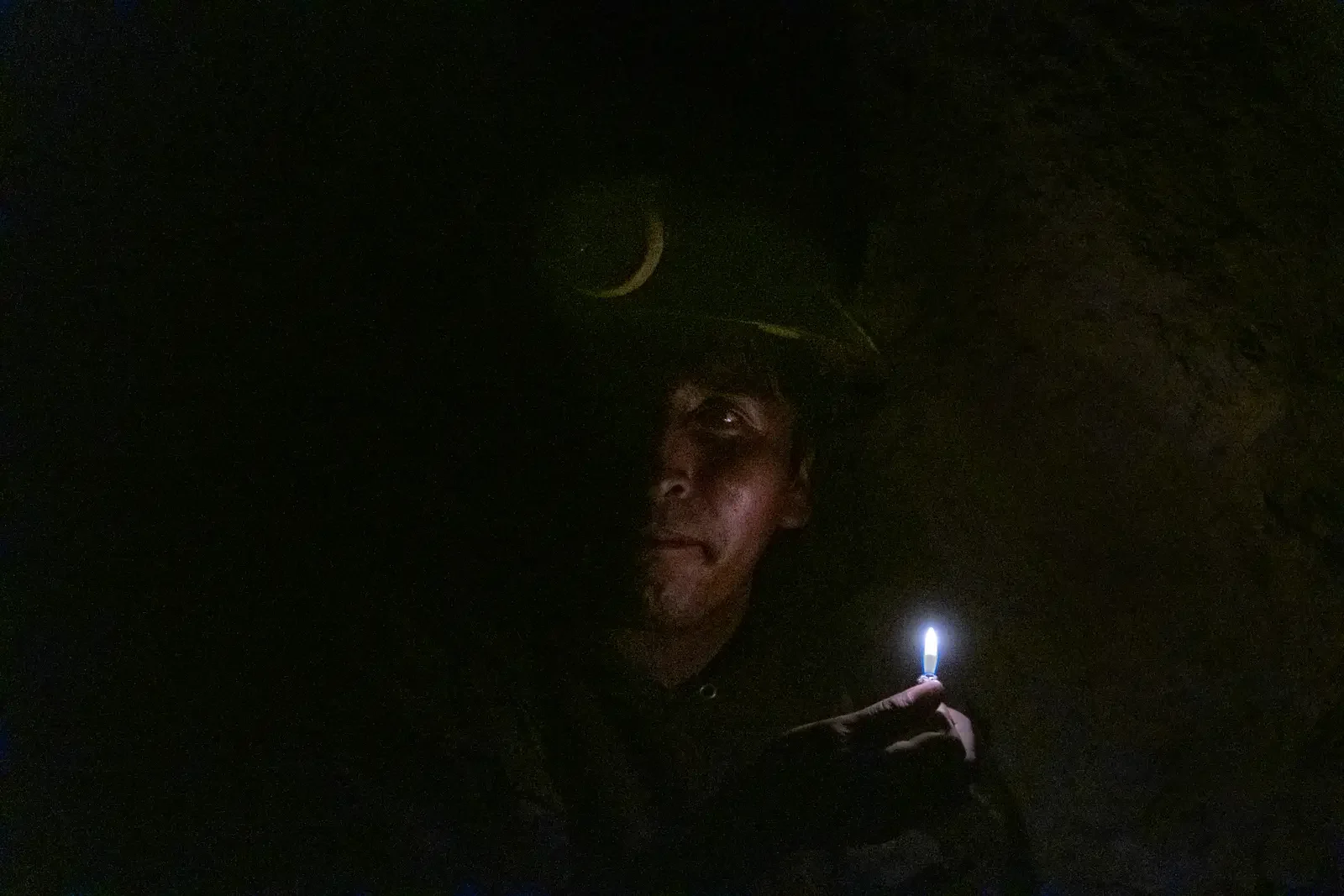
I remember the genuine joy Kabonga expressed when I visited the dump. He welcomed me with a broad, sincere smile each time. We both truly missed each other. I always brought him a few packs of cigarettes — the best gift anyone could give him. I knew he eagerly searched for cigarette butts in the rubbish every day. He would relight the butts and smoke them until there was no more of the cigarette left to hold with his fingers. These were the only moments of genuine pleasure in his life. When he couldn't find any, he would smoke dried herbs rolled up in paper while resting under the scorching sun.
Kabonga couldn't remember his age and was surprised when I asked him to try to recall it. In this gloomy world, the days are monotonous and grey. The lives of men, women, and children are governed only by the cycles of day and night. Everyone has lost track of months and years. The only reason to celebrate is finding less tattered clothes in the trash, an almost intact toy, or a cigarette butt that they can still relight.
Kabonga lived alone in a fragile hut made of logs and cloth. Every day, he built a fire where he cooked the food scraps he found in the trash during the day. He watched nightfall while smoking the last cigarettes he had saved for the end of the day. Although he lived alone, he was well-loved by the community that lived in the dump. When he burned with fever from malaria and other illnesses, they brought him water and food. The older women took it upon themselves to give him traditional herbal remedies that their mothers and grandmothers had taught them to prepare to lower his fever. Mutual aid and support are pillars that sustain this community, which is constantly exposed to the dangers of its unhealthy environment.
During my last visit to the dump, Kabonga was not there to greet me with his usual joyful expression. I lost a true friend who showed me that no matter how different people are, it's not a reason to treat them differently.
Kabonga was always a forgotten. He lived his whole life in a world that was unfair and insensitive to him. I hope he has finally found peace, justice, and tranquillity in the world he has gone to. Rest in peace, my friend.