Tattoos 2026
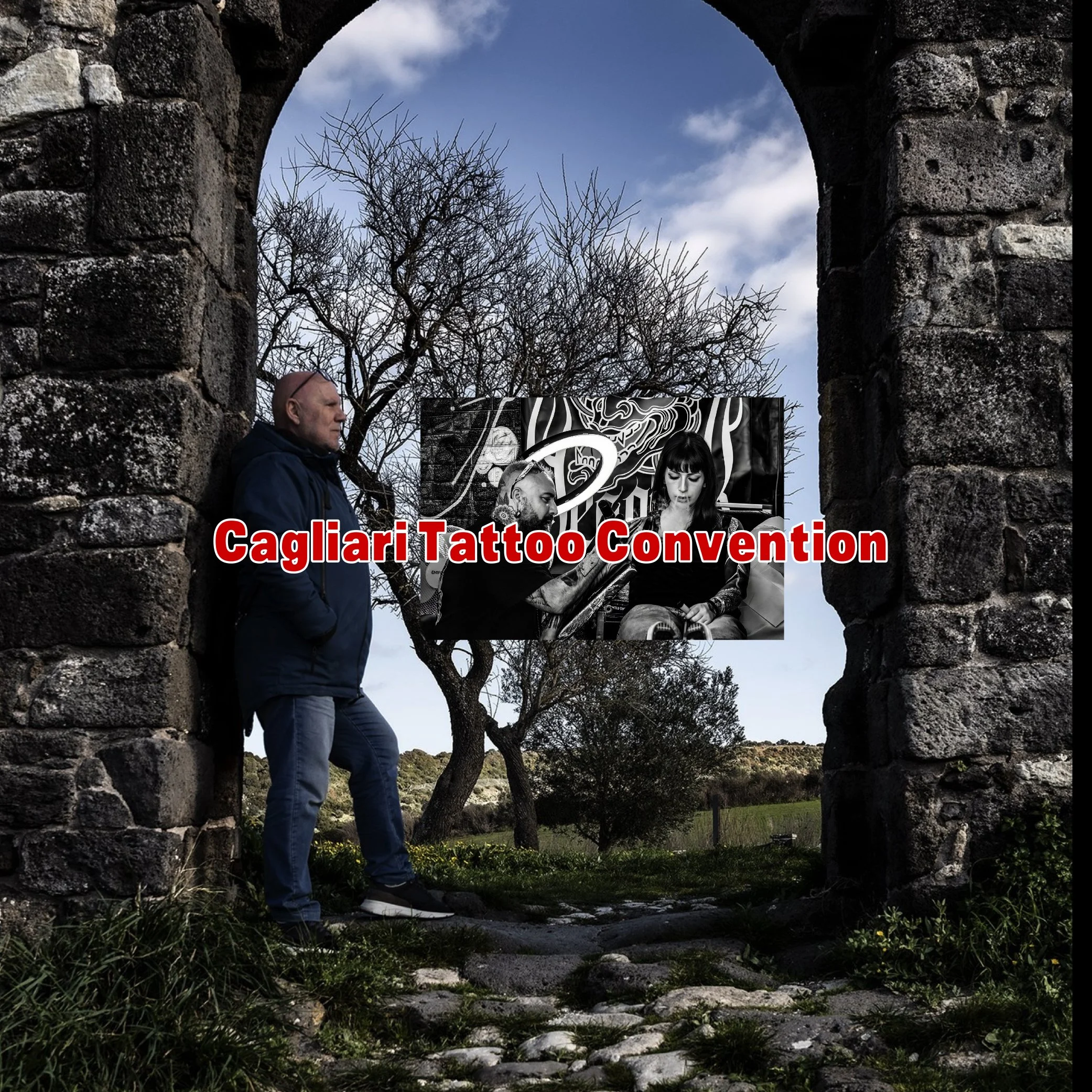
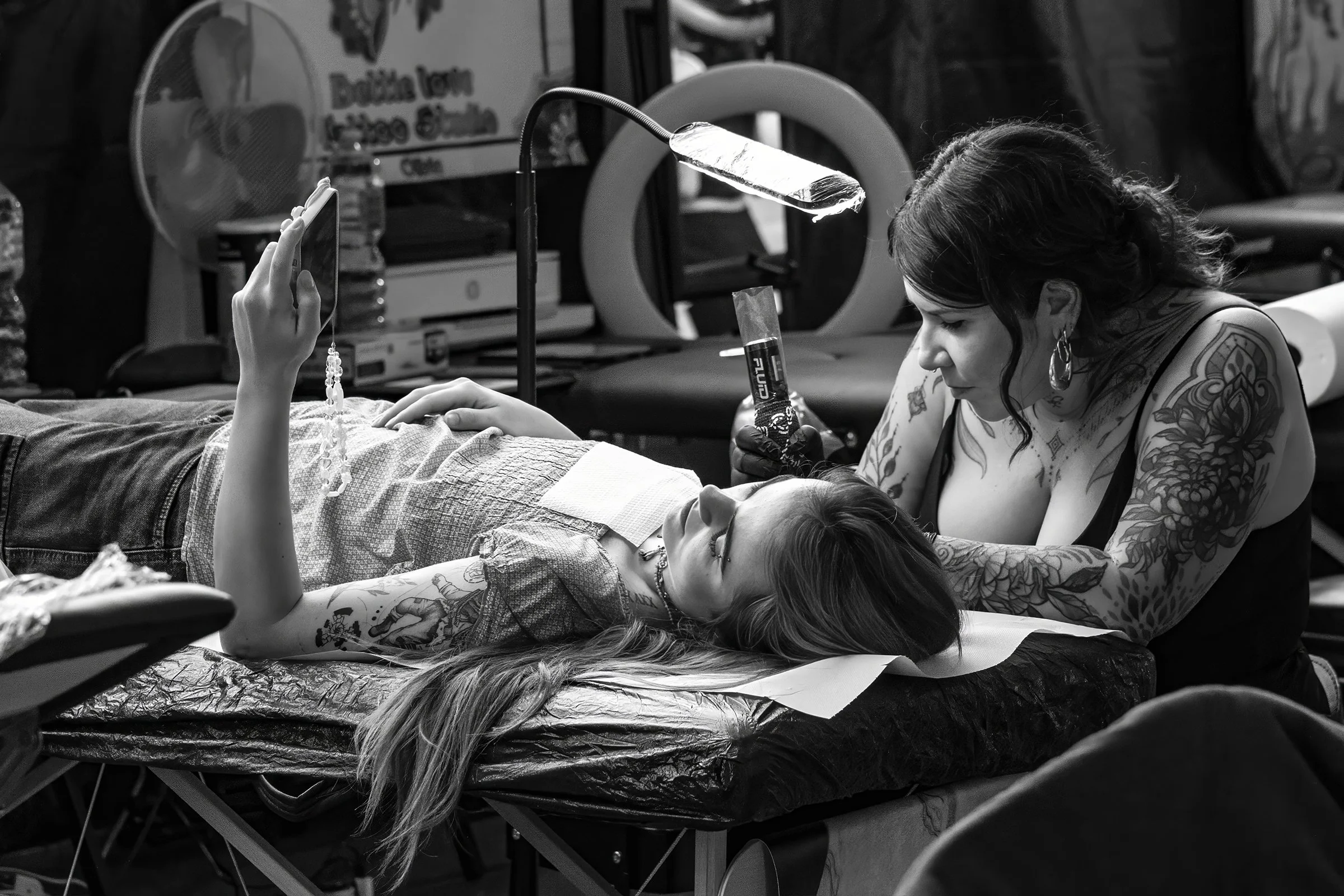
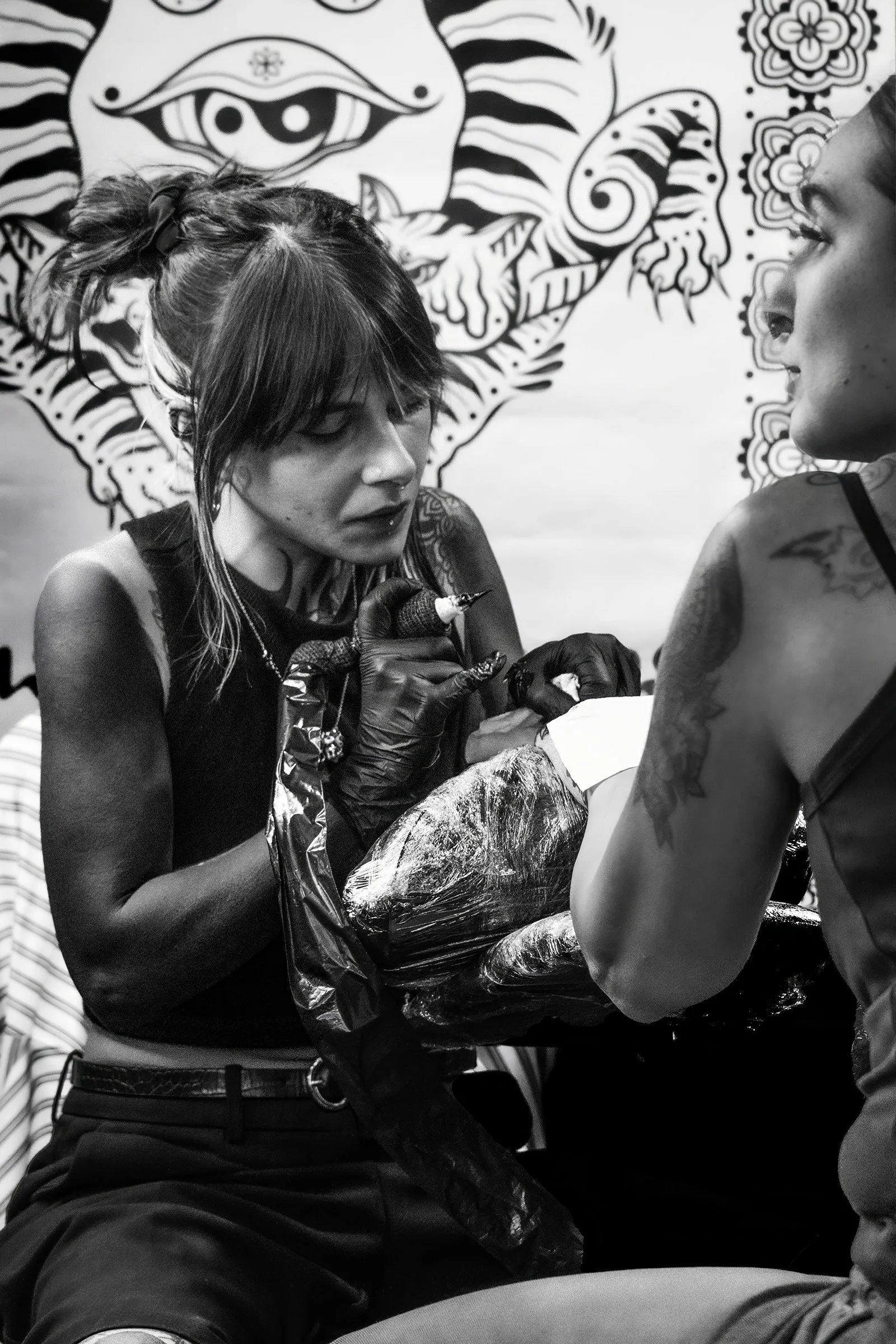
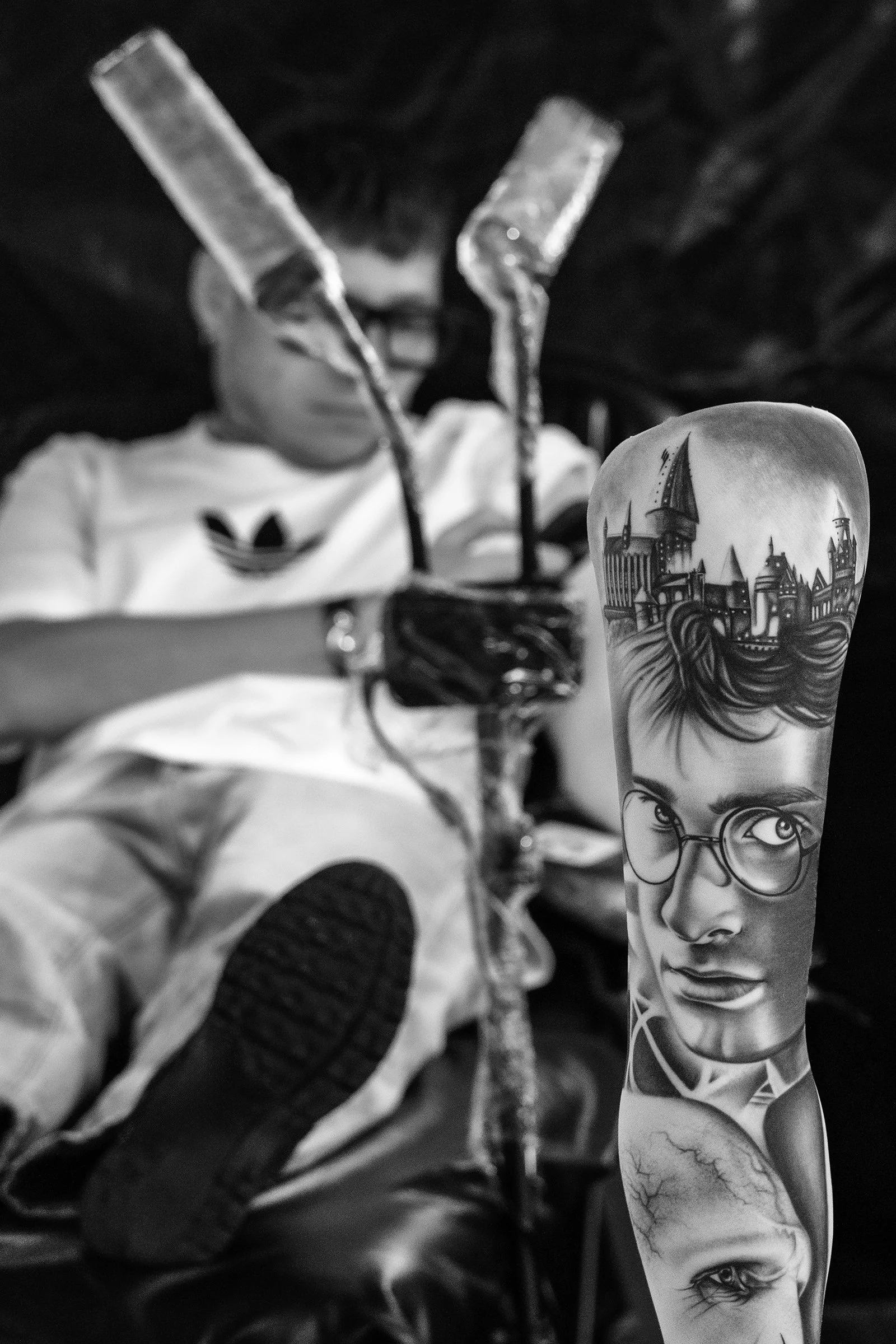
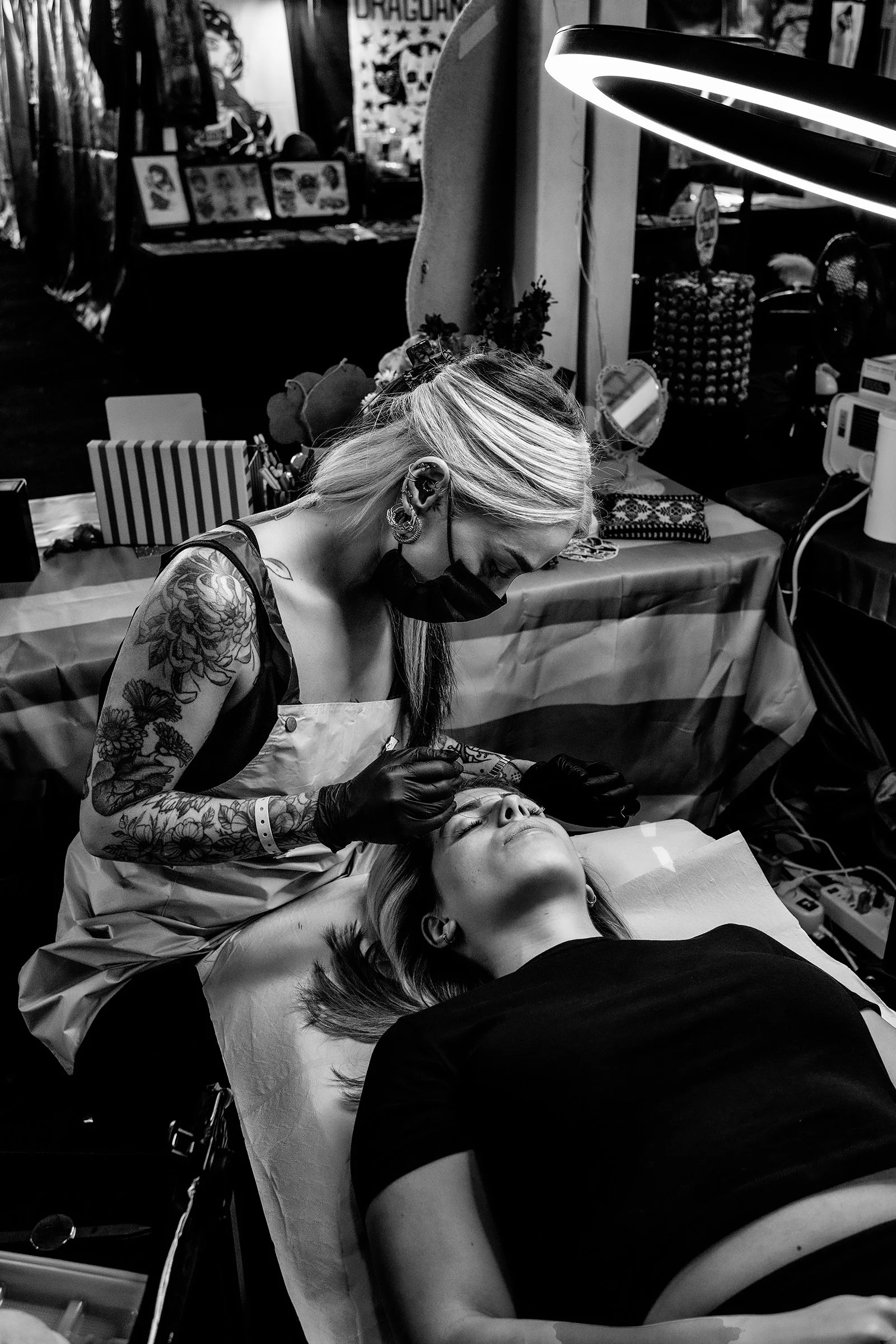
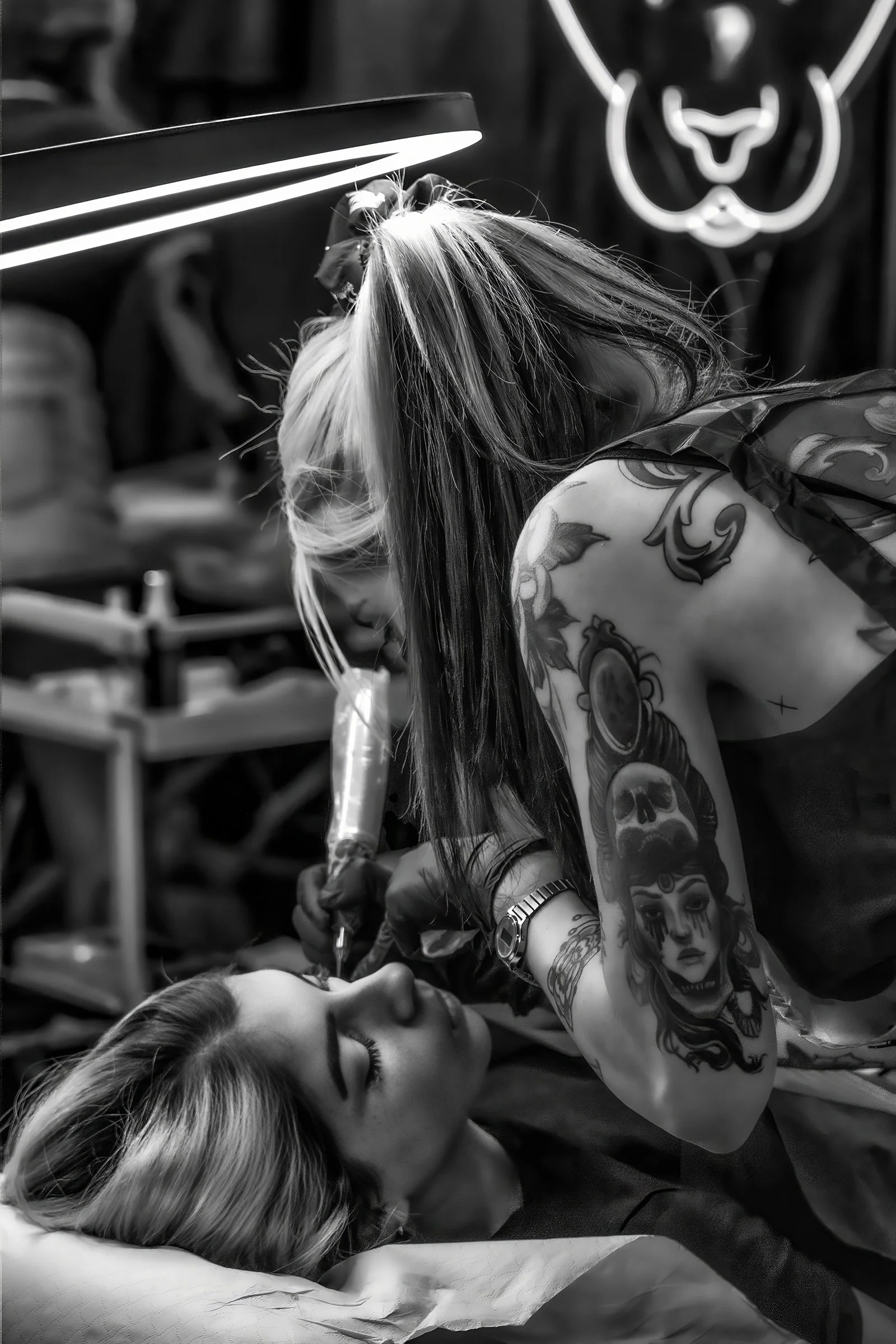
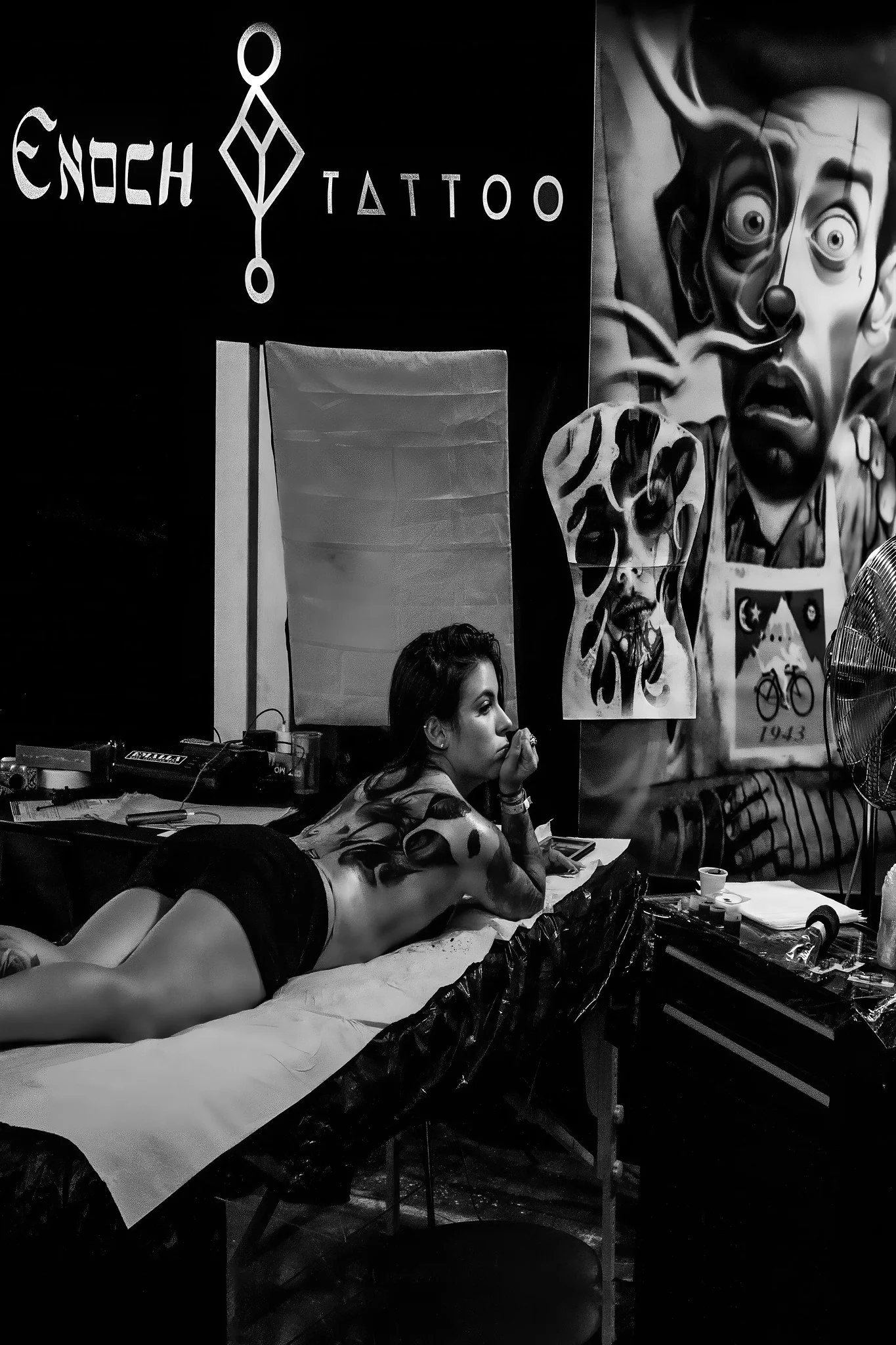
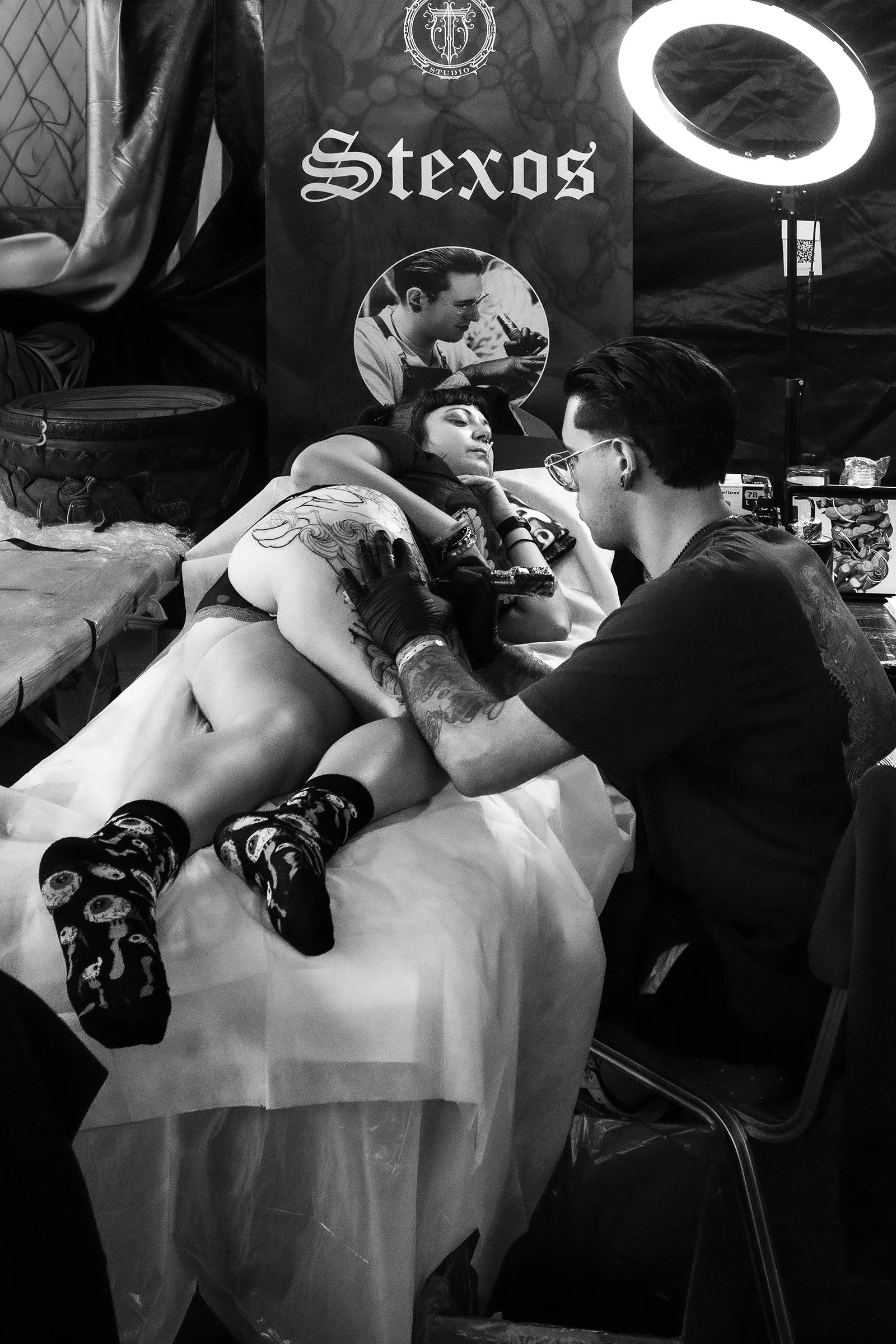
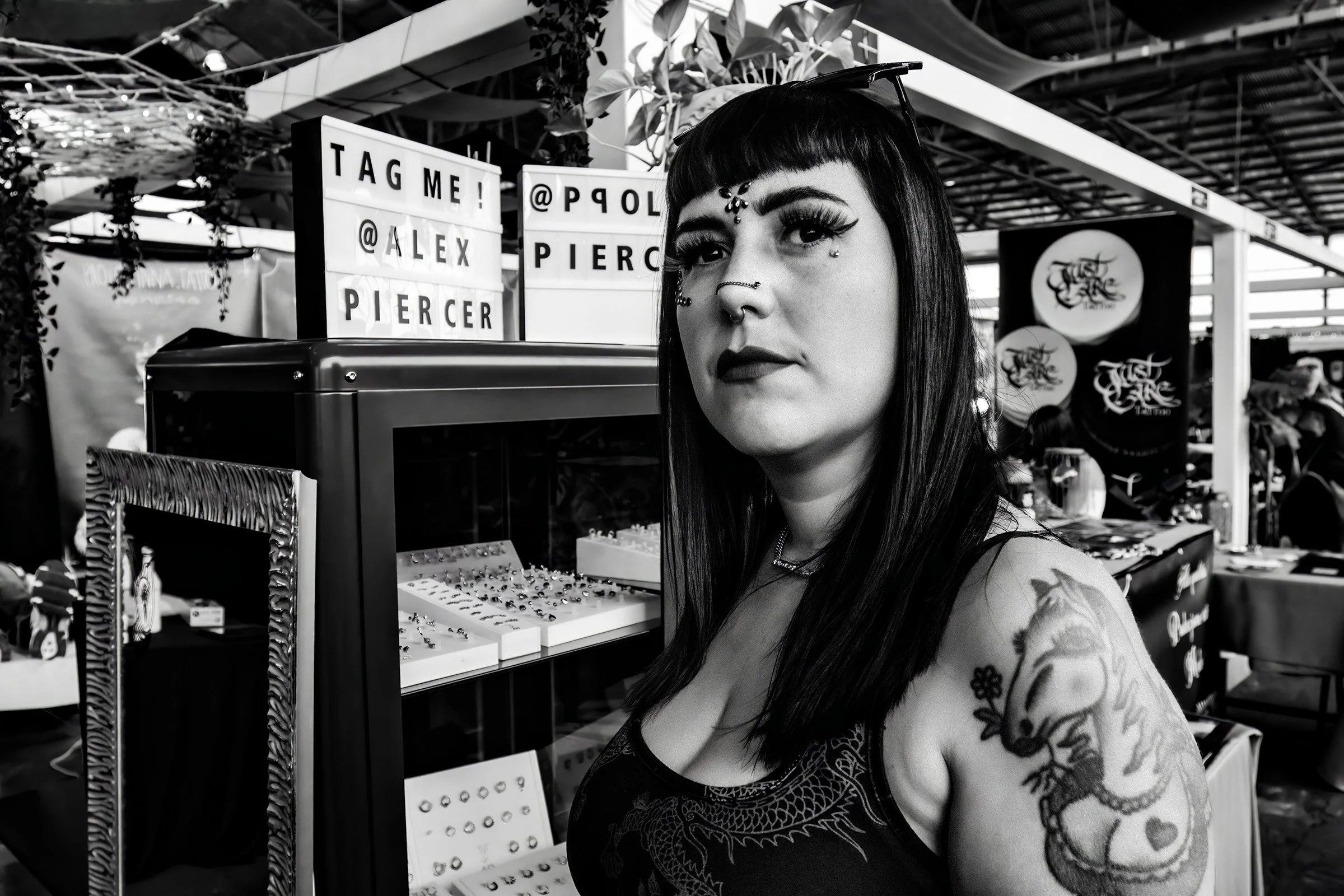
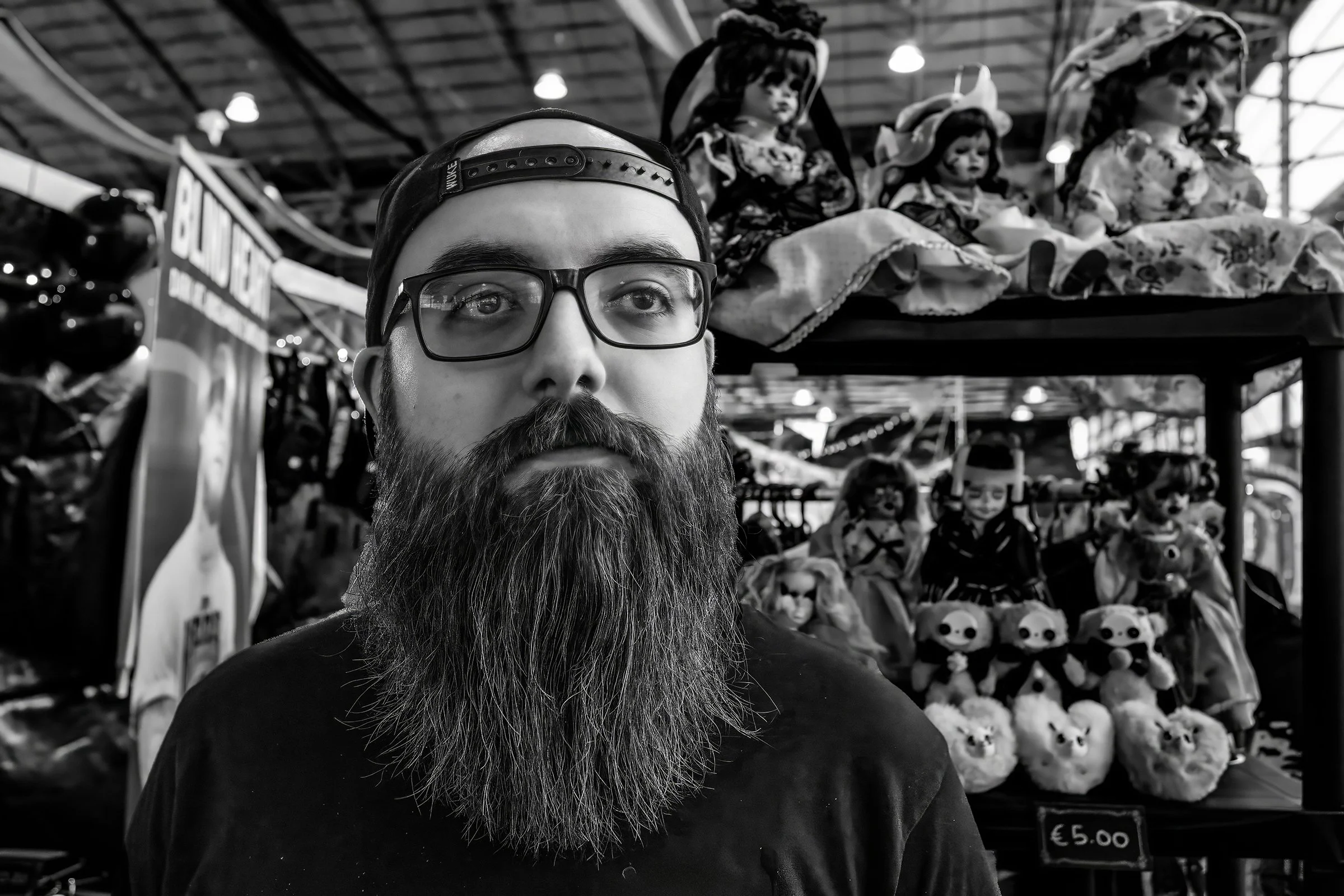
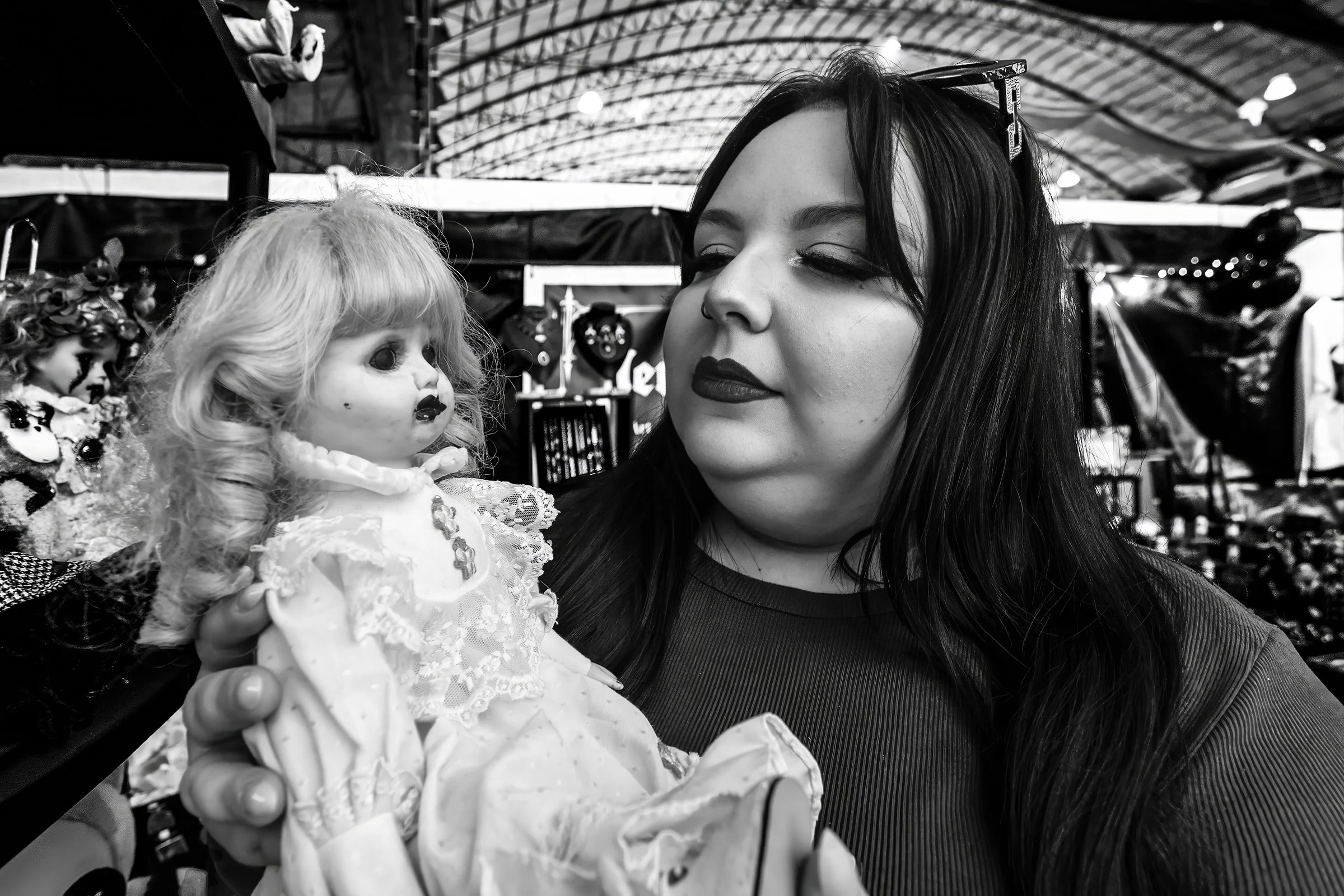
For several years, I have photographed the large Tattoo Convention held every early autumn in my hometown of Cagliari. A huge gathering of hundreds of professional tattoo artists and tens of thousands of visitors who, over the course of three days, bring an entire festival to life. Workshops crammed tightly together, where work goes on relentlessly. Exhibitions of prints in black or vivid inks, showcasing the different schools and artistic trends in tattooing. Competitions, awards, and endless late-night concerts featuring rap, urban, electronic and hip-hop music. And all the surrounding attractions, from bikers—now sadly a bunch of boomers—with their big, gleaming Harley-Davidsons, to vendors selling dark metal jewellery and actual strands of spiderweb. From steampunk accessory sellers to healthcare professionals who, in a stand of their own — perpetually deserted — offer to remove any kind of tattoo from inked skin.
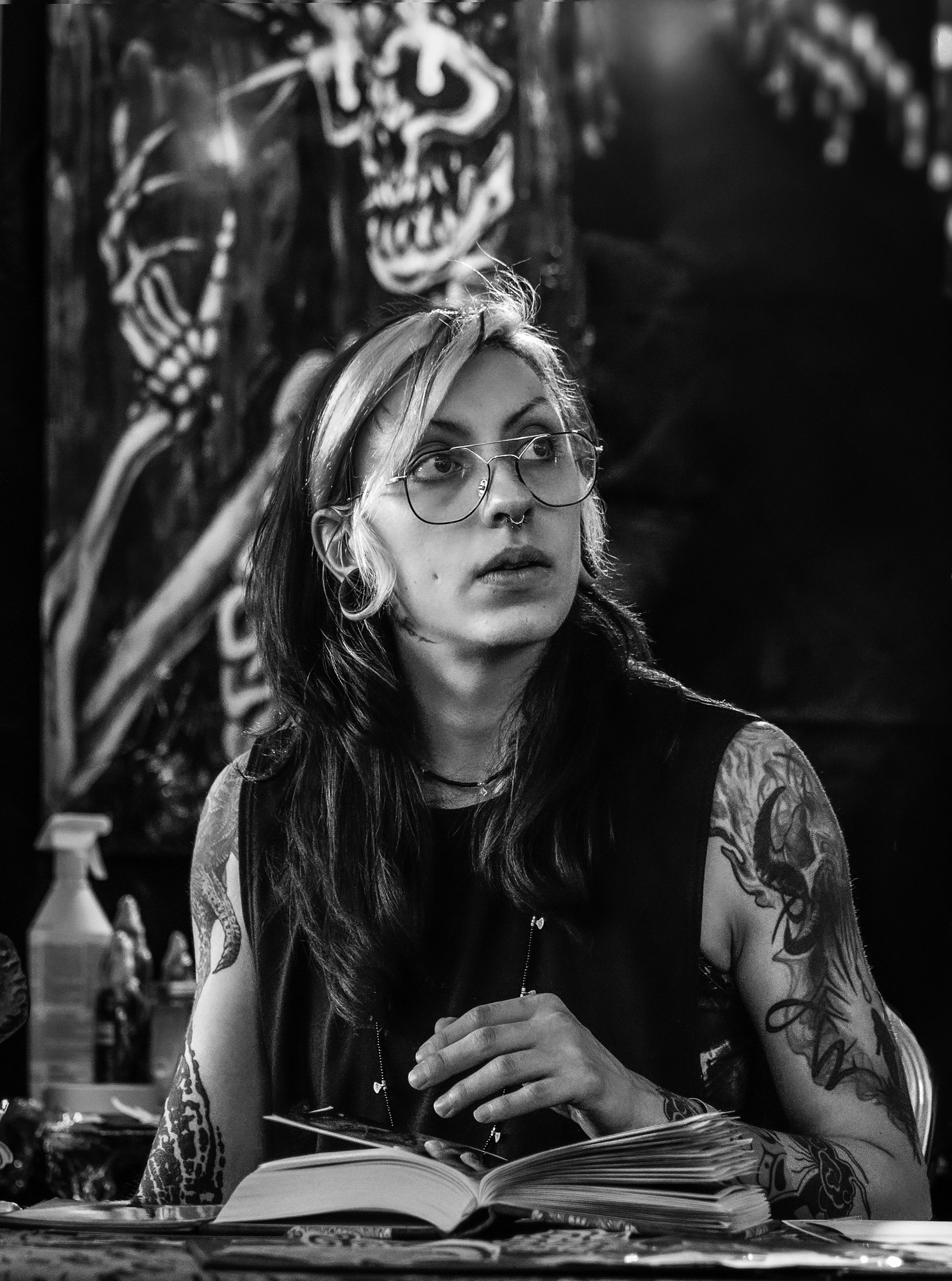
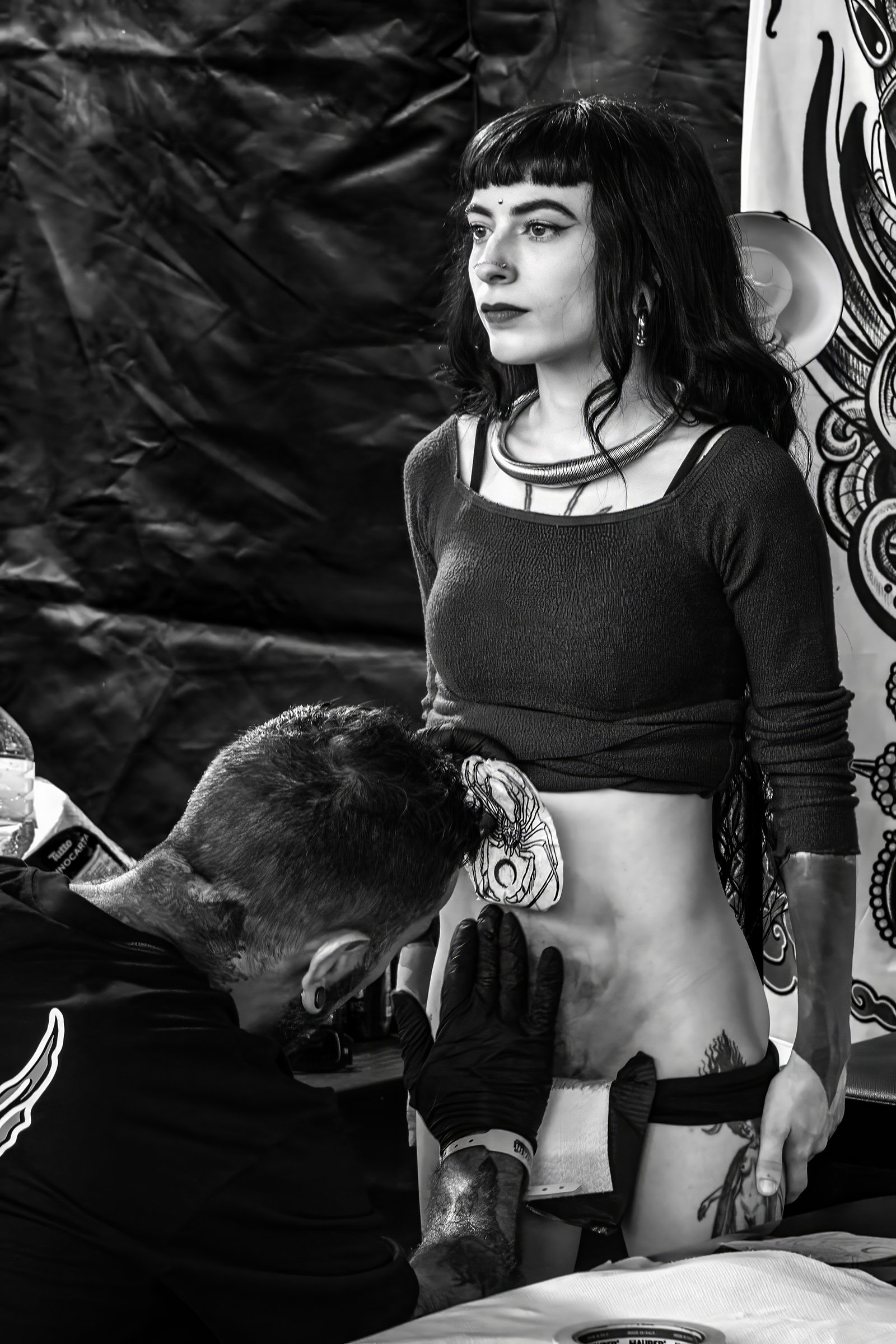
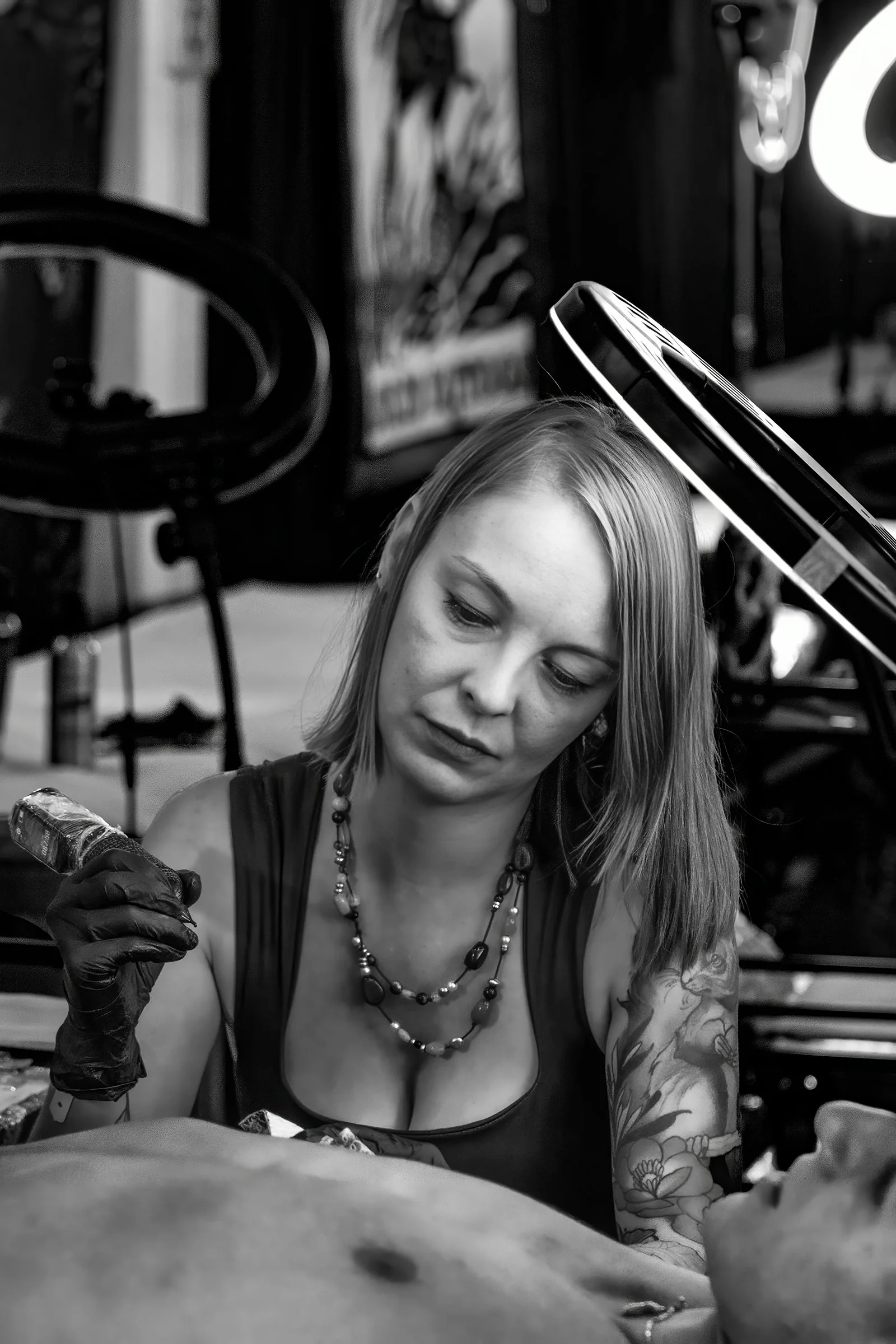
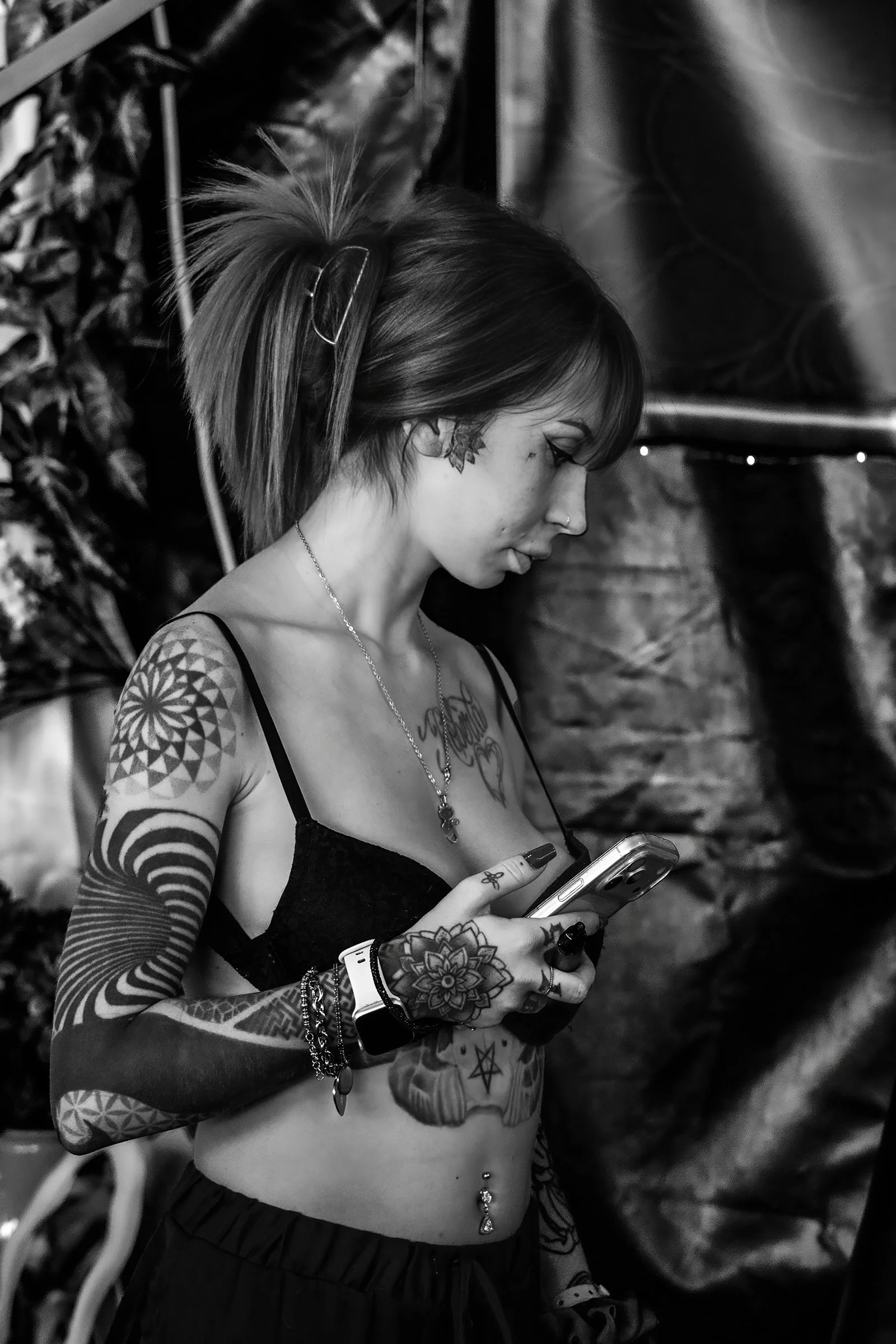
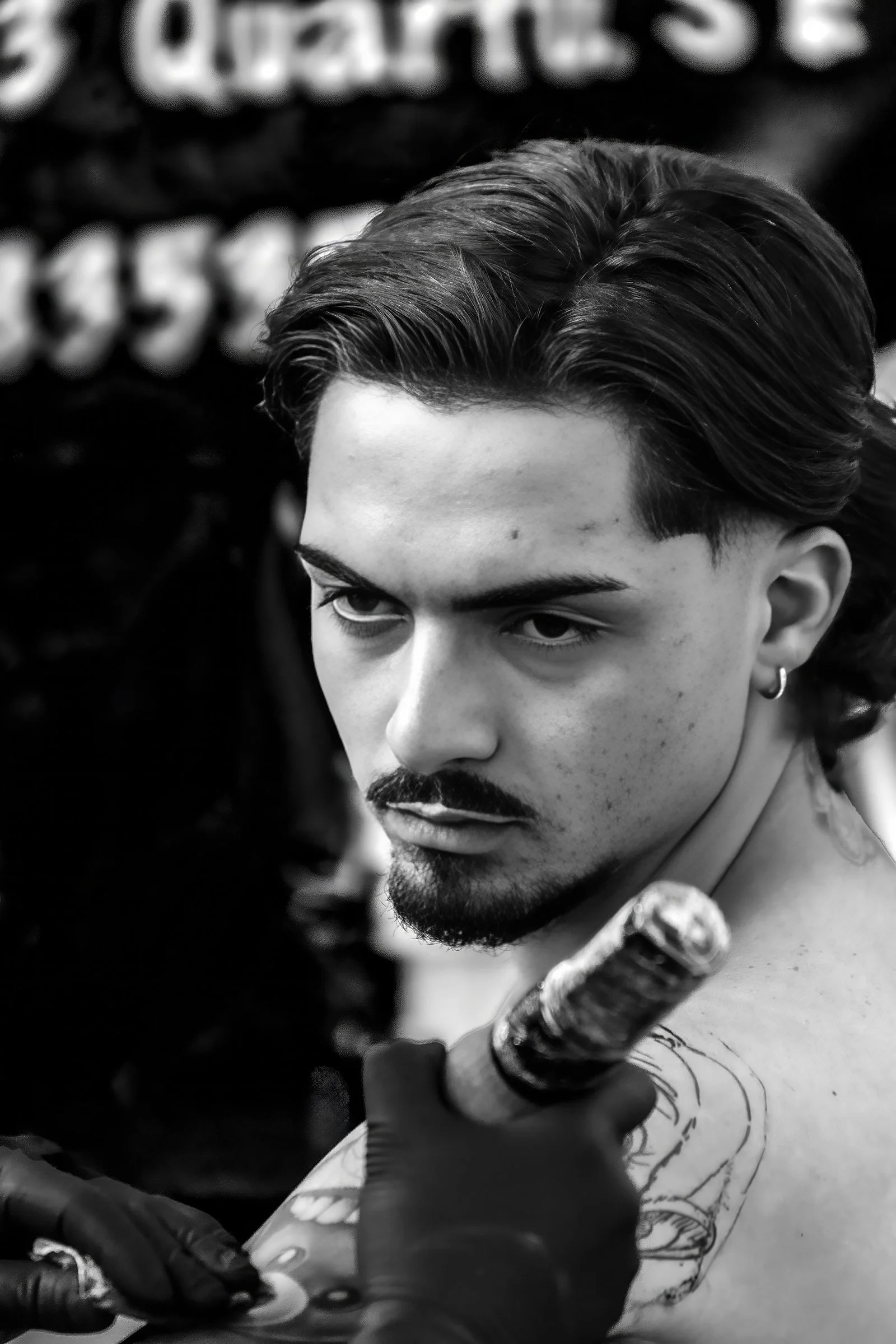
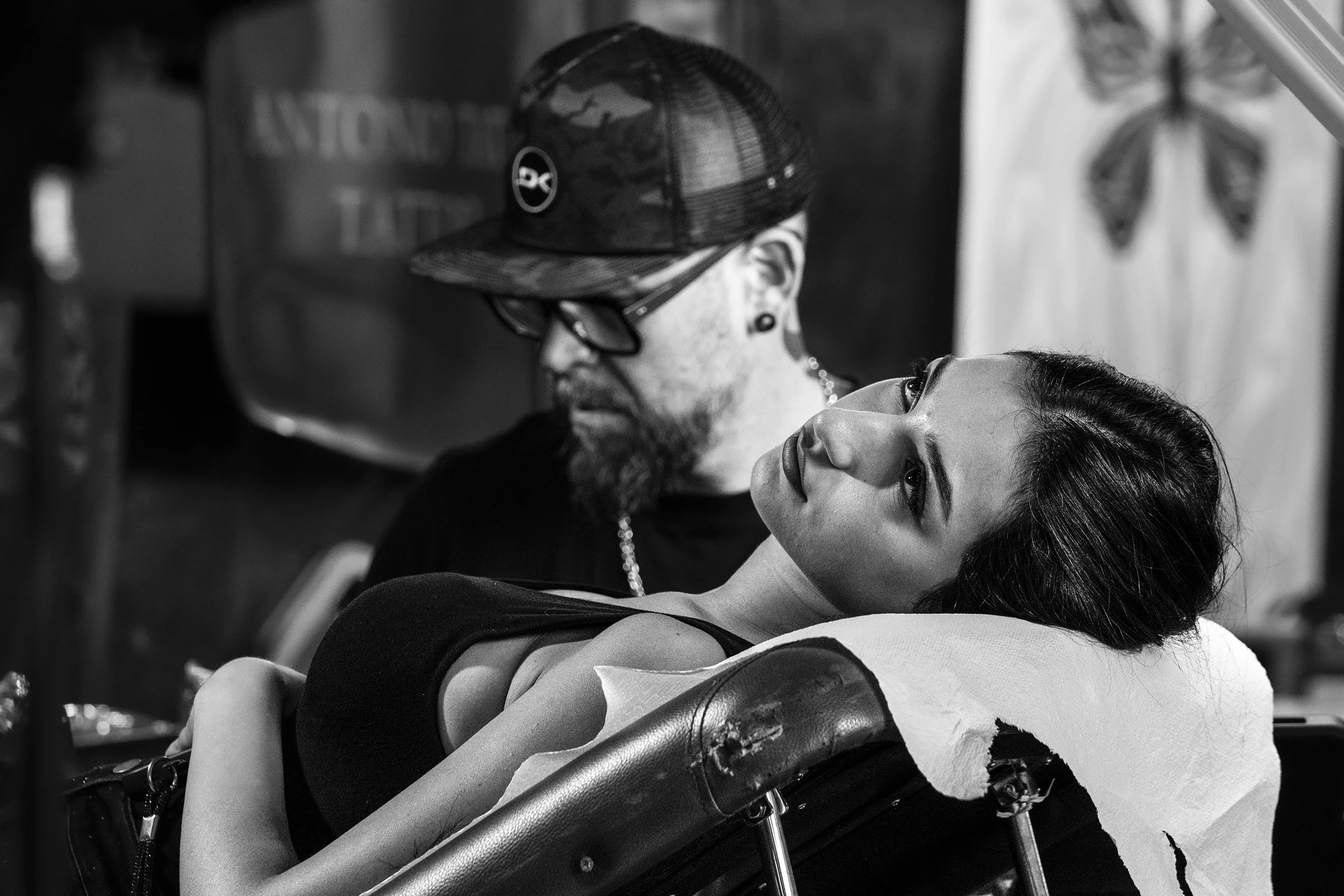
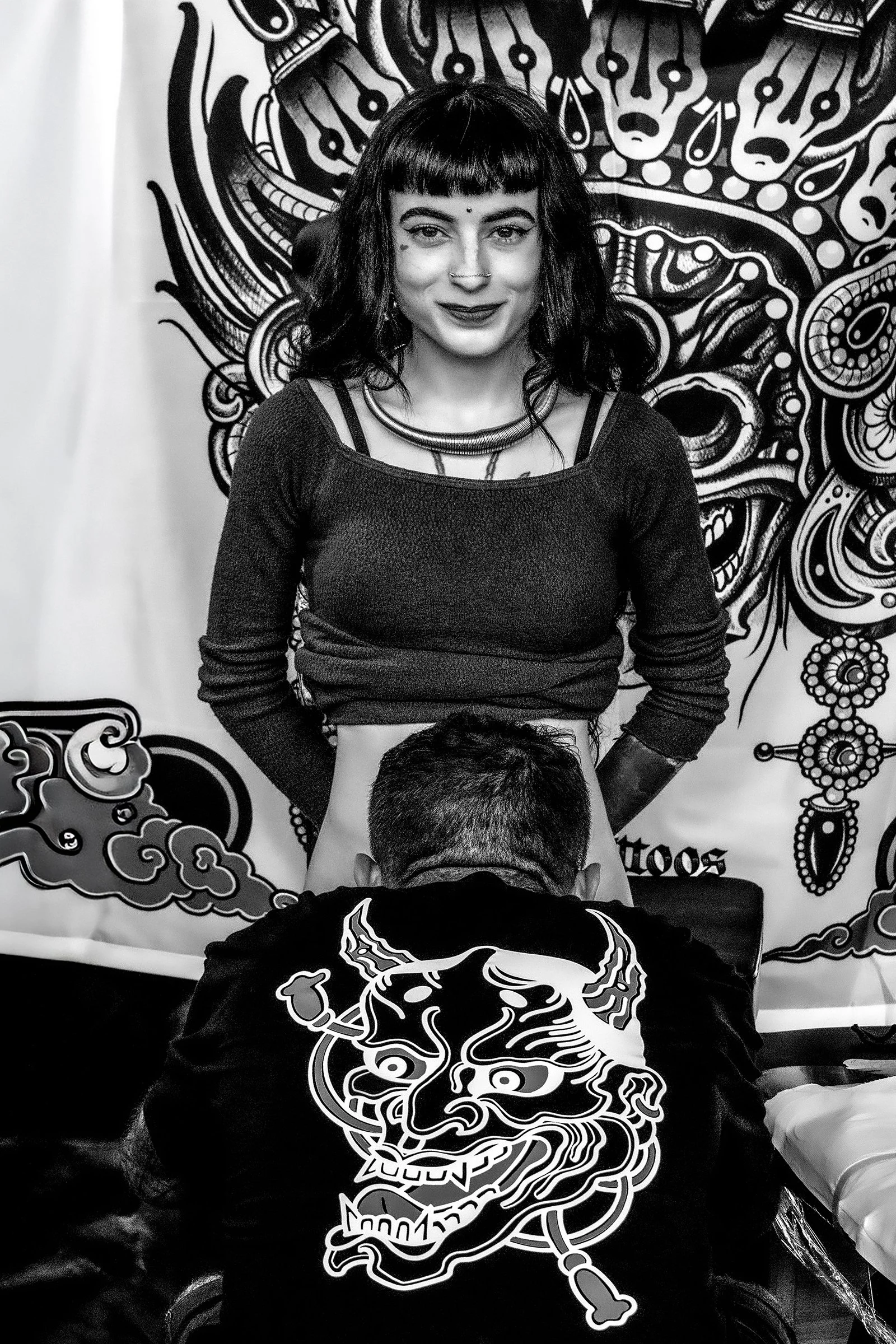
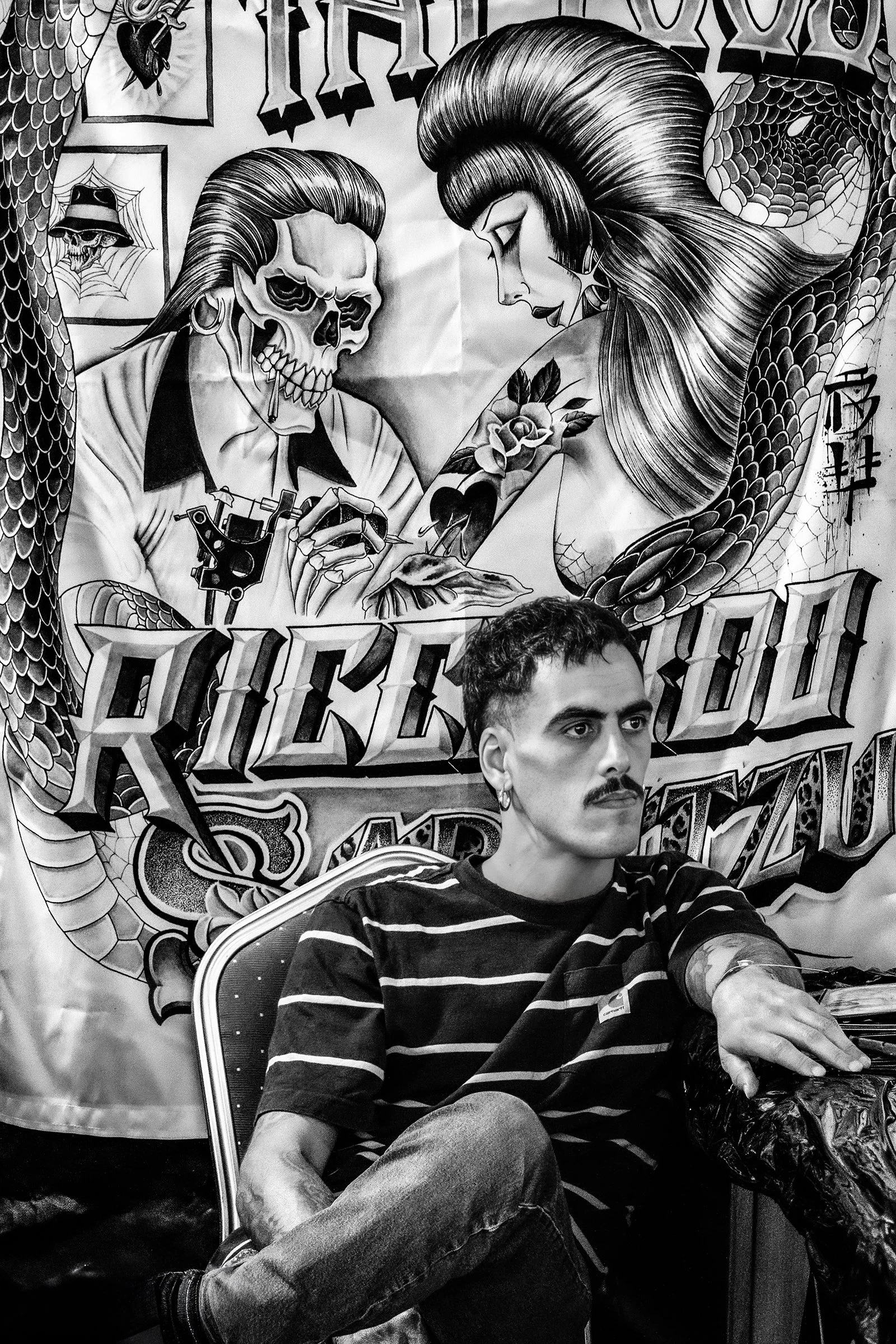
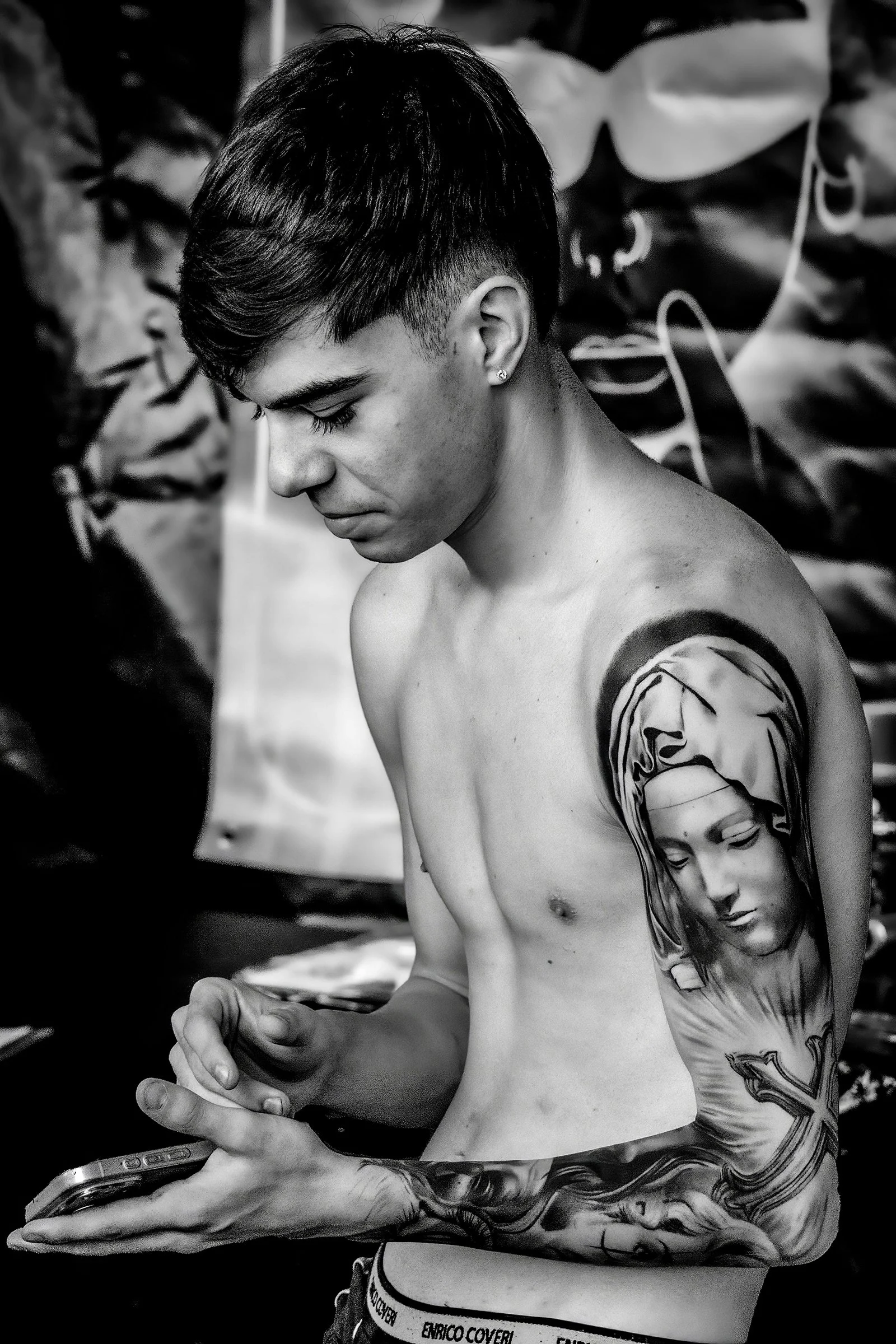
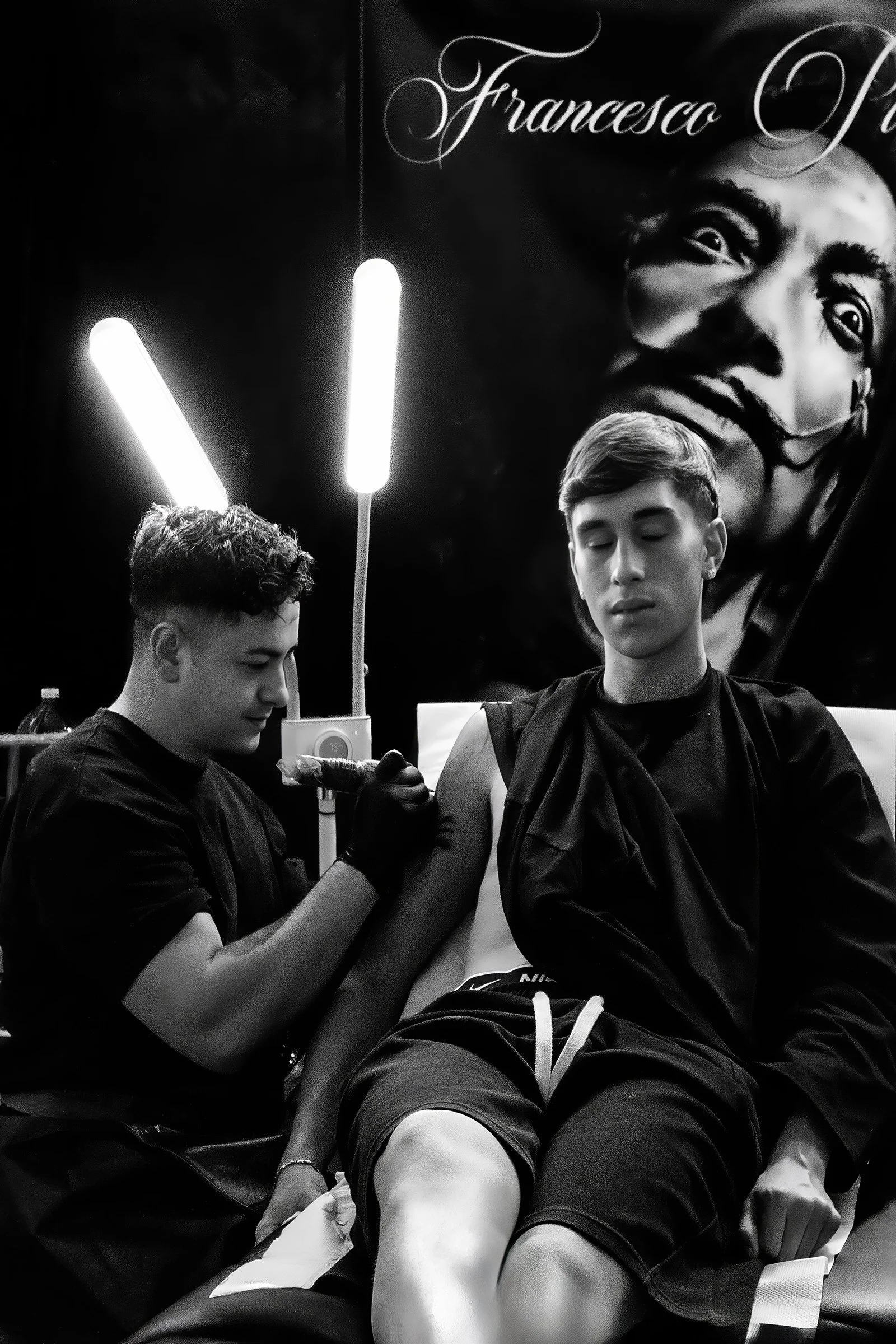
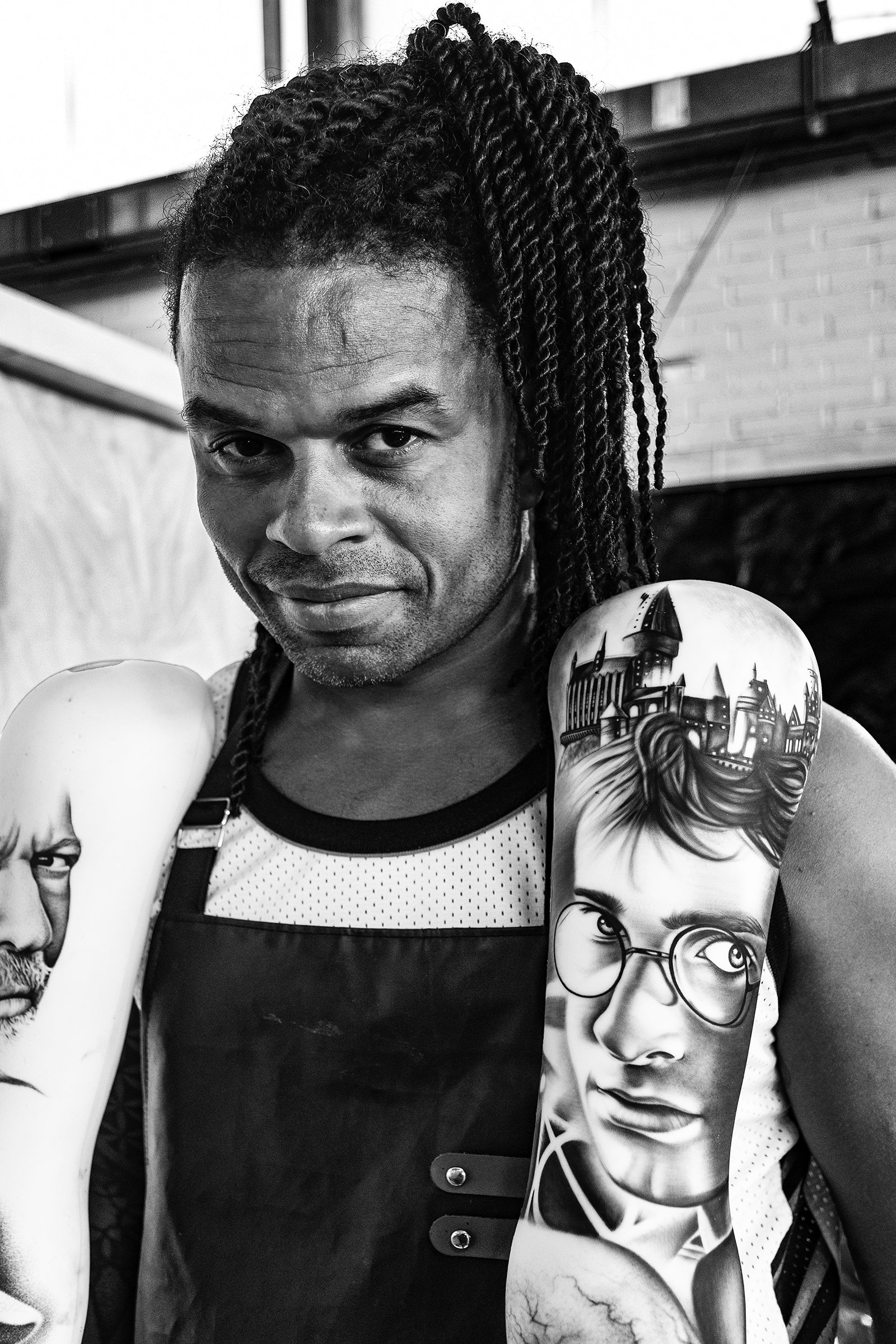
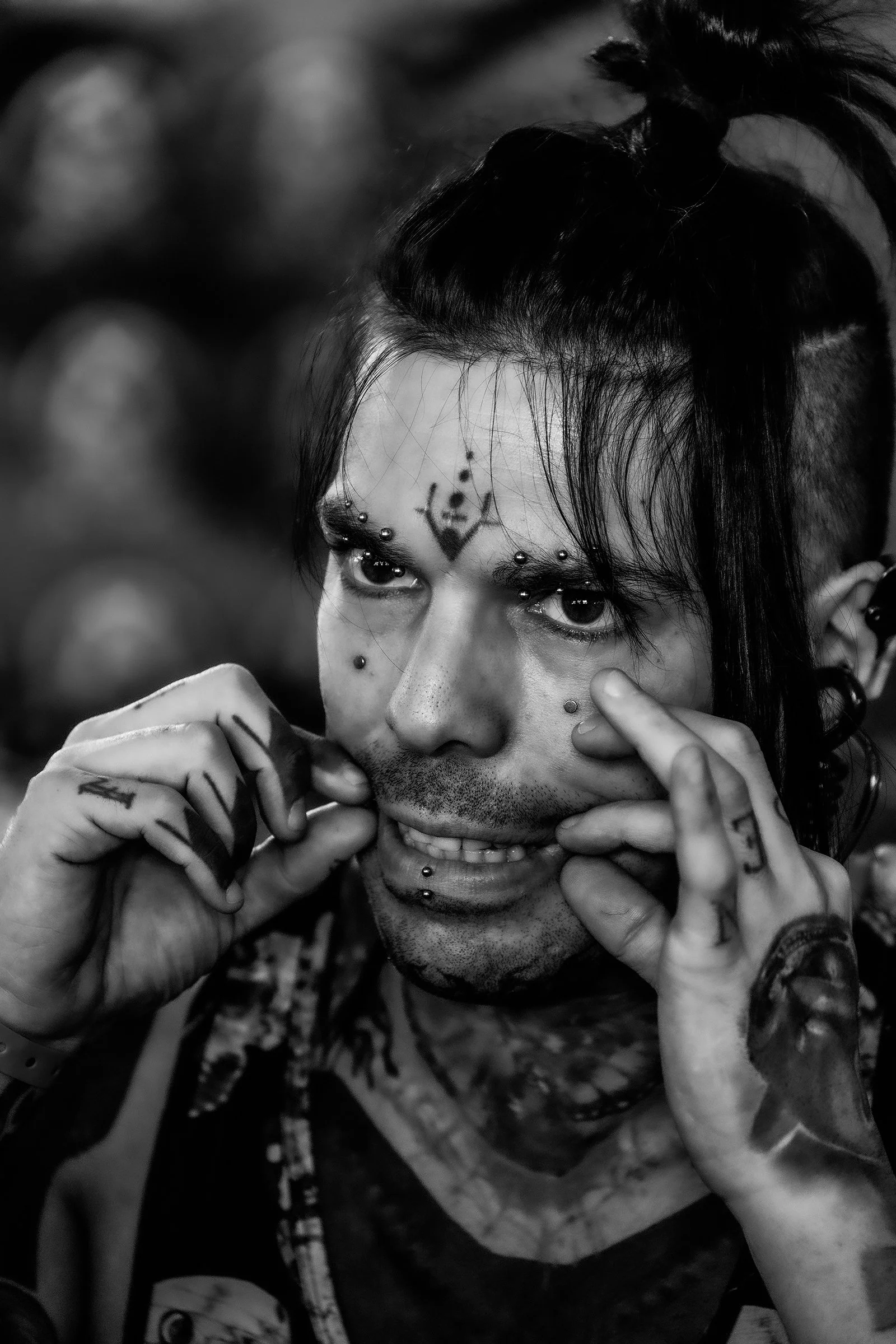
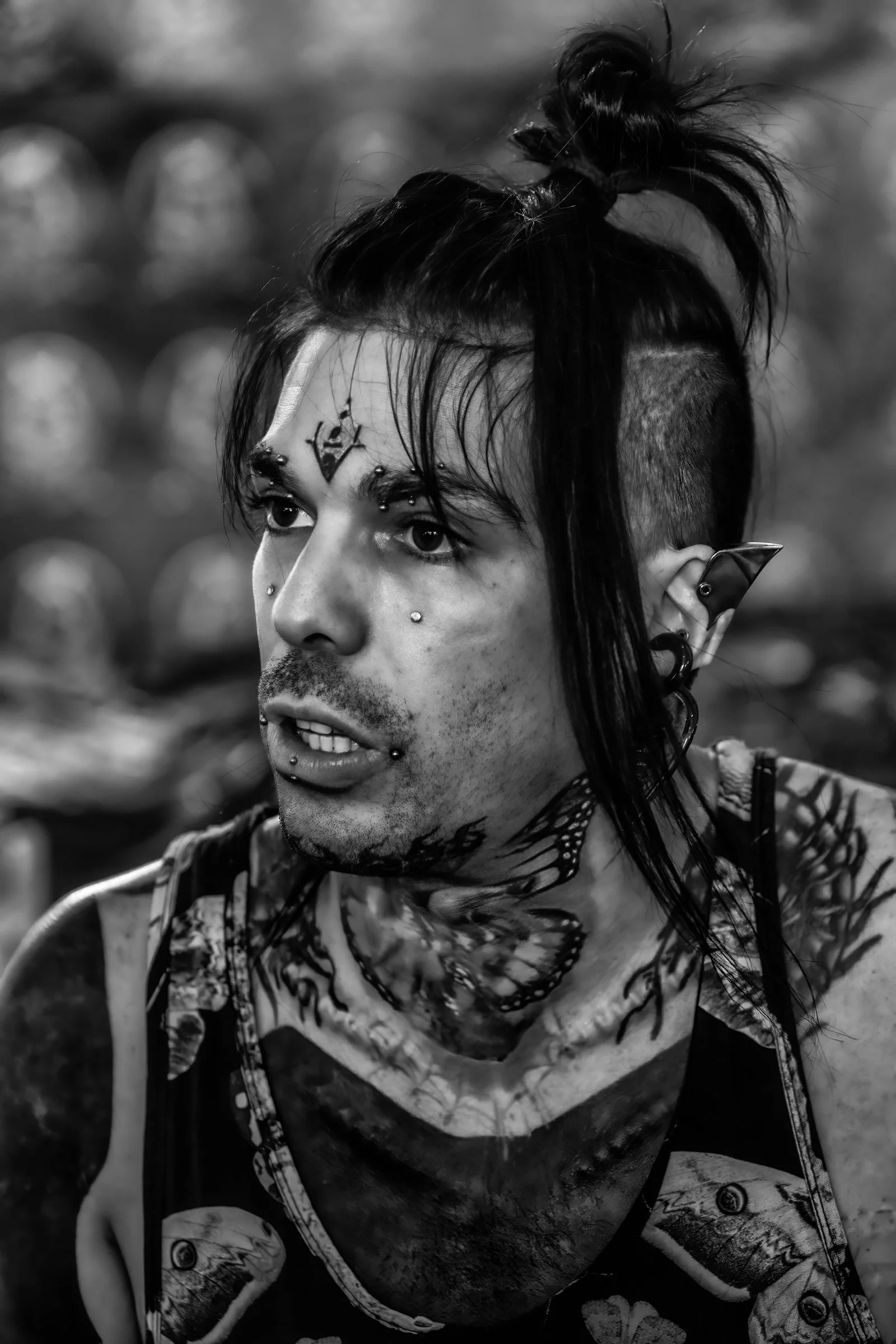
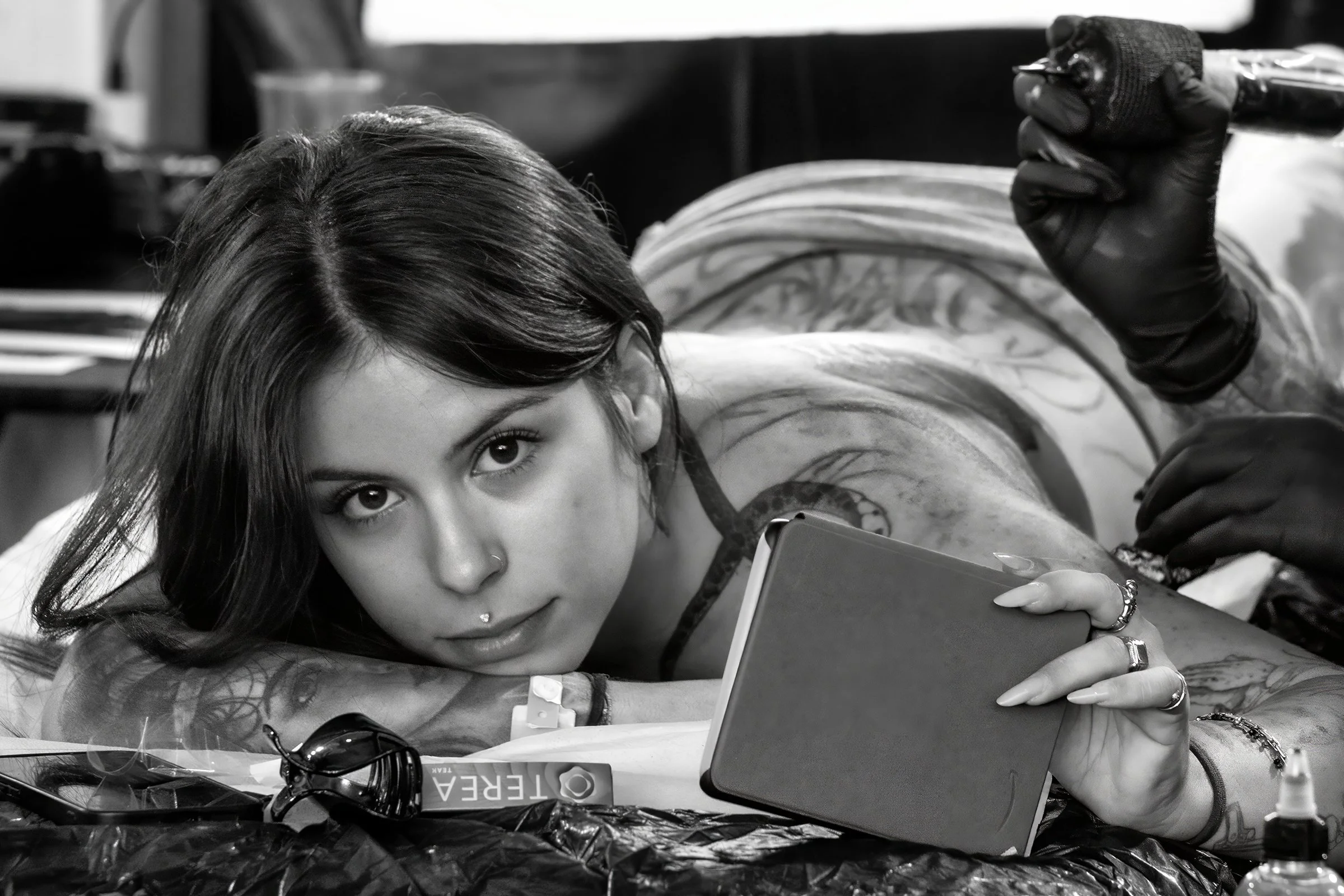
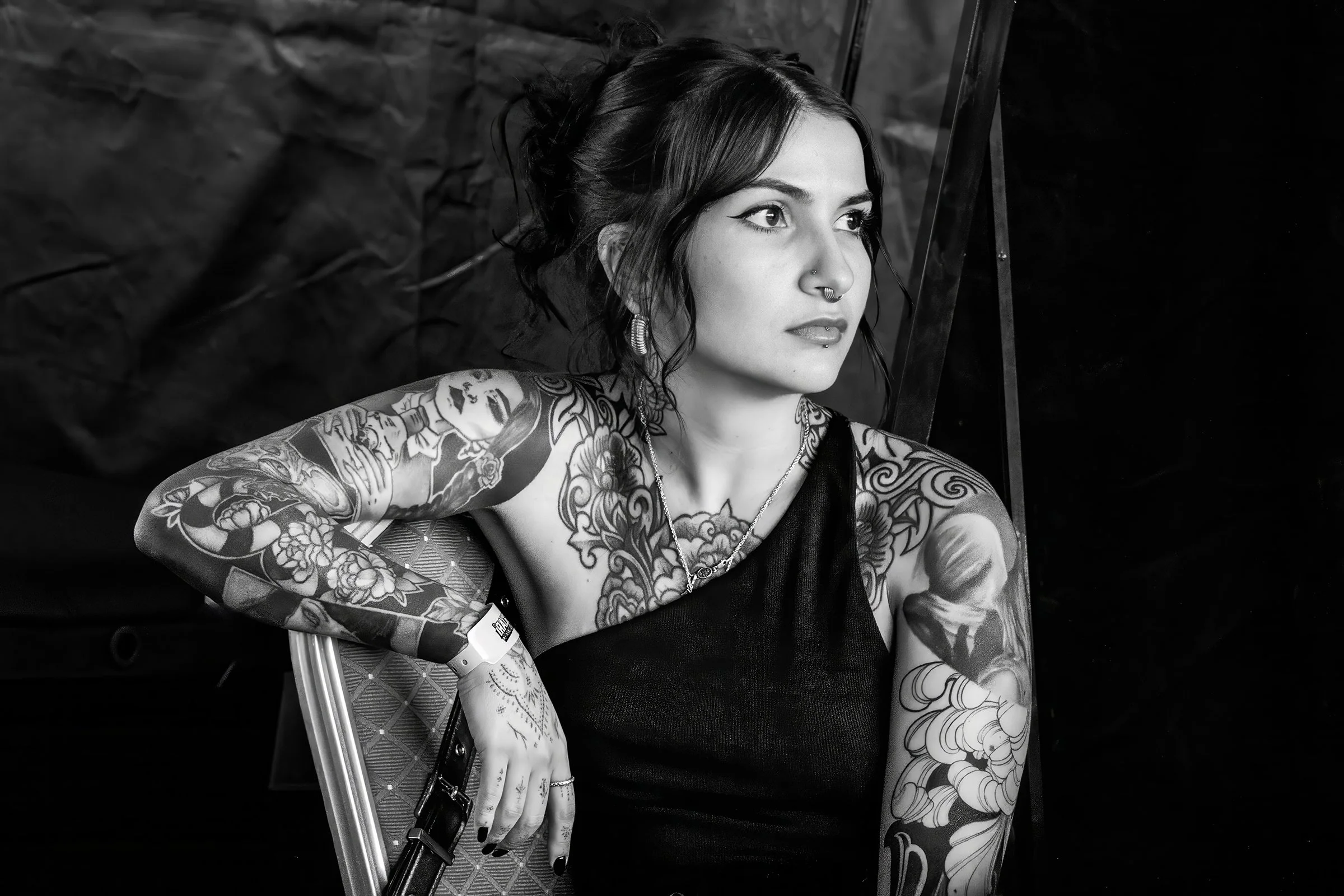
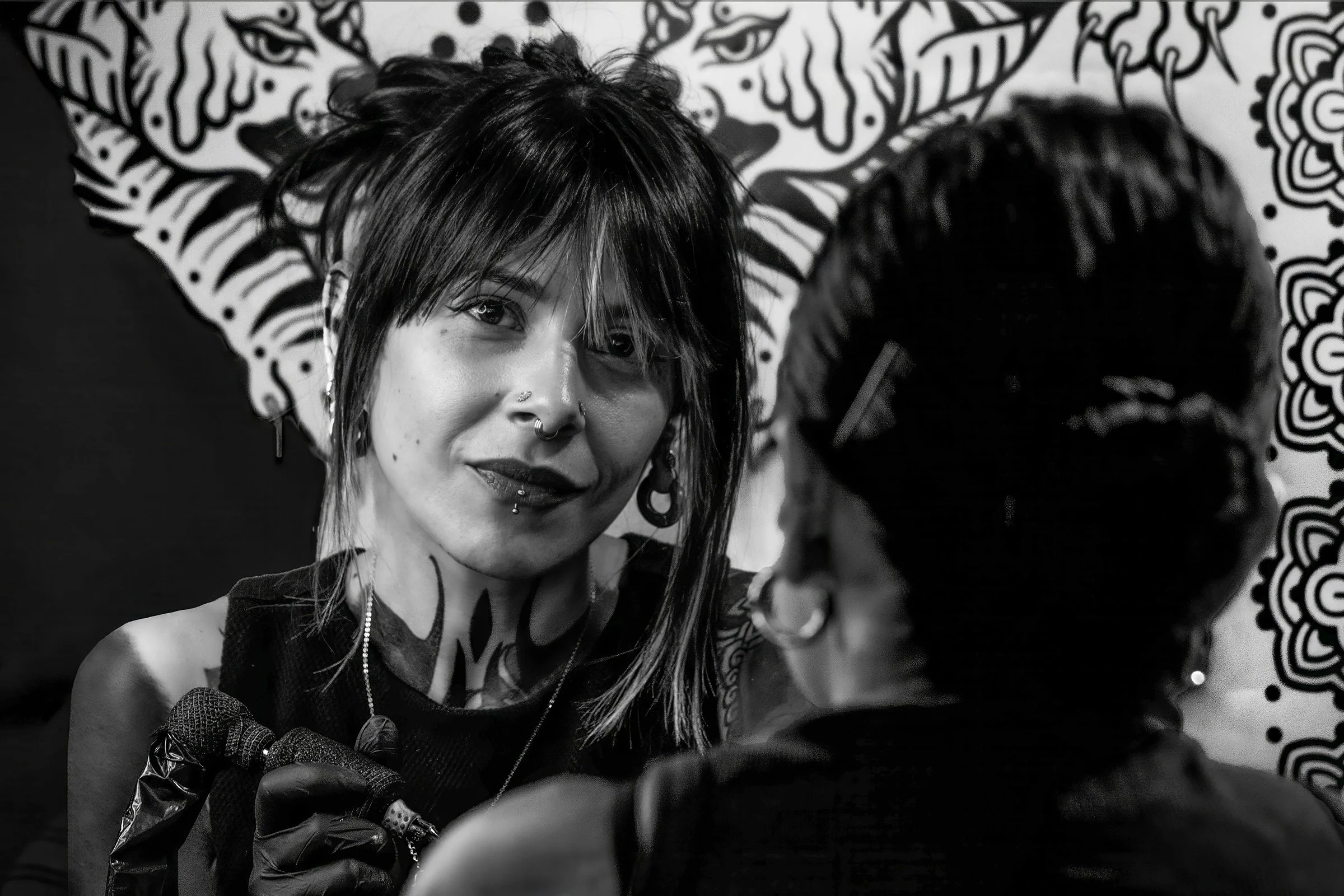
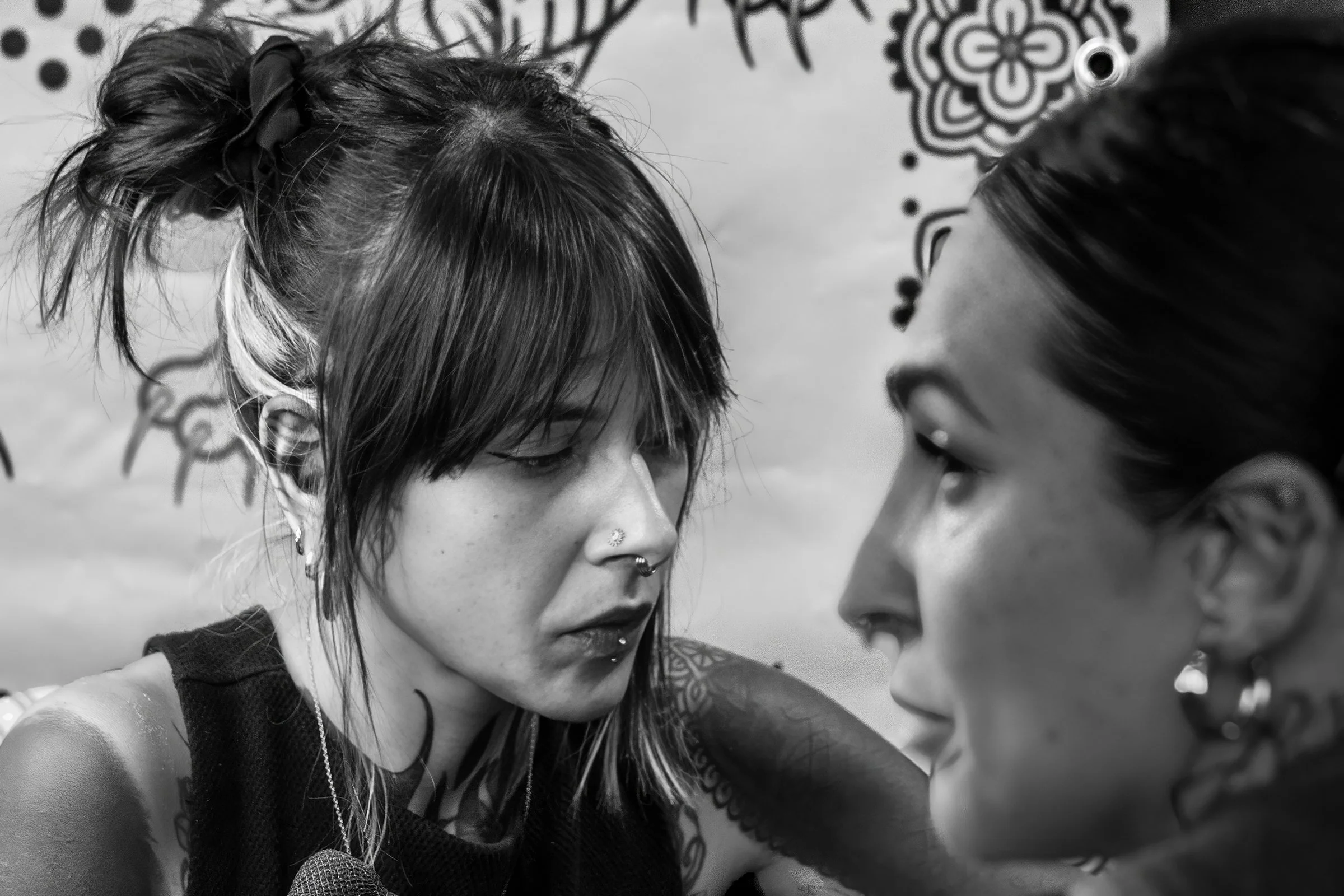
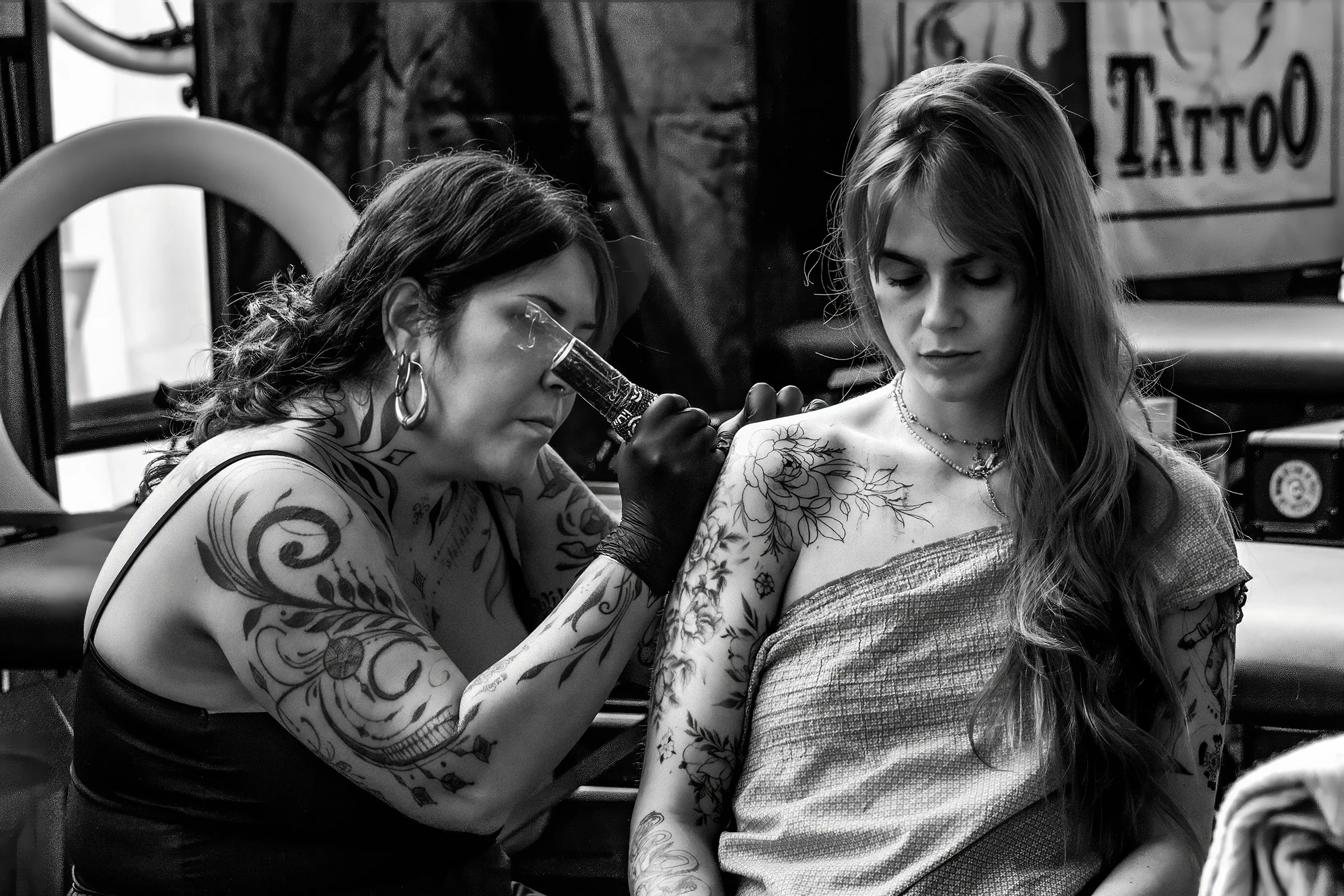
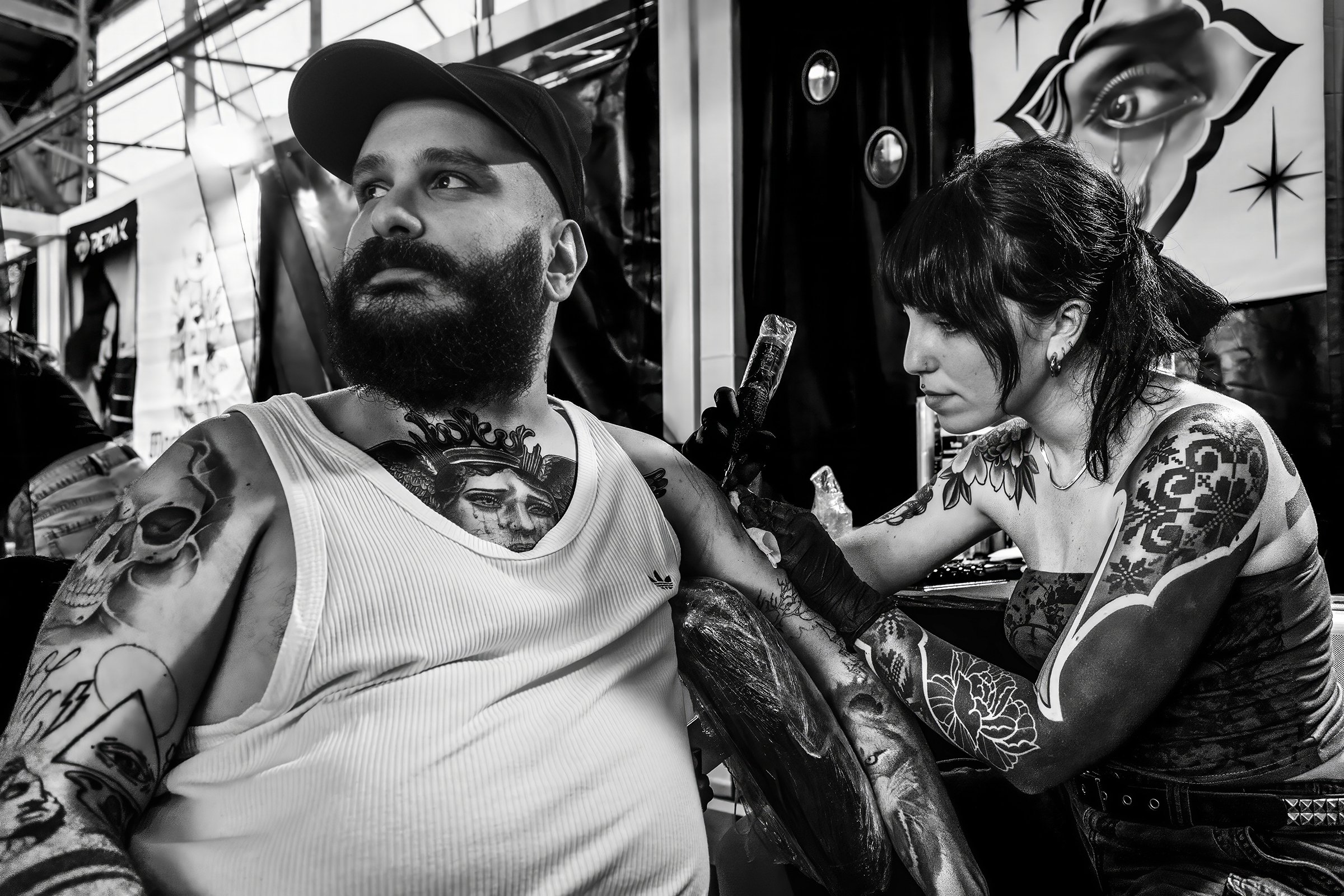
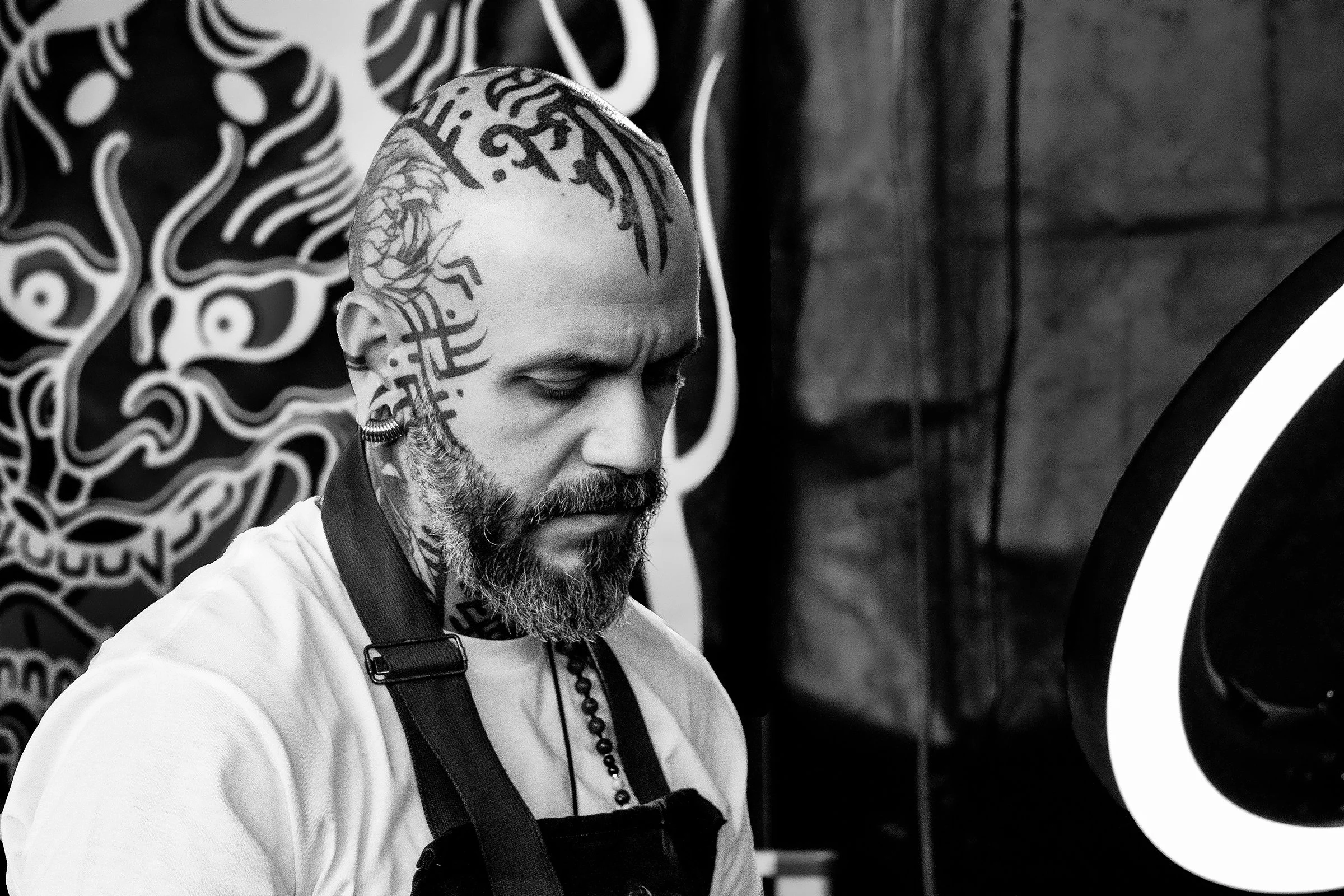
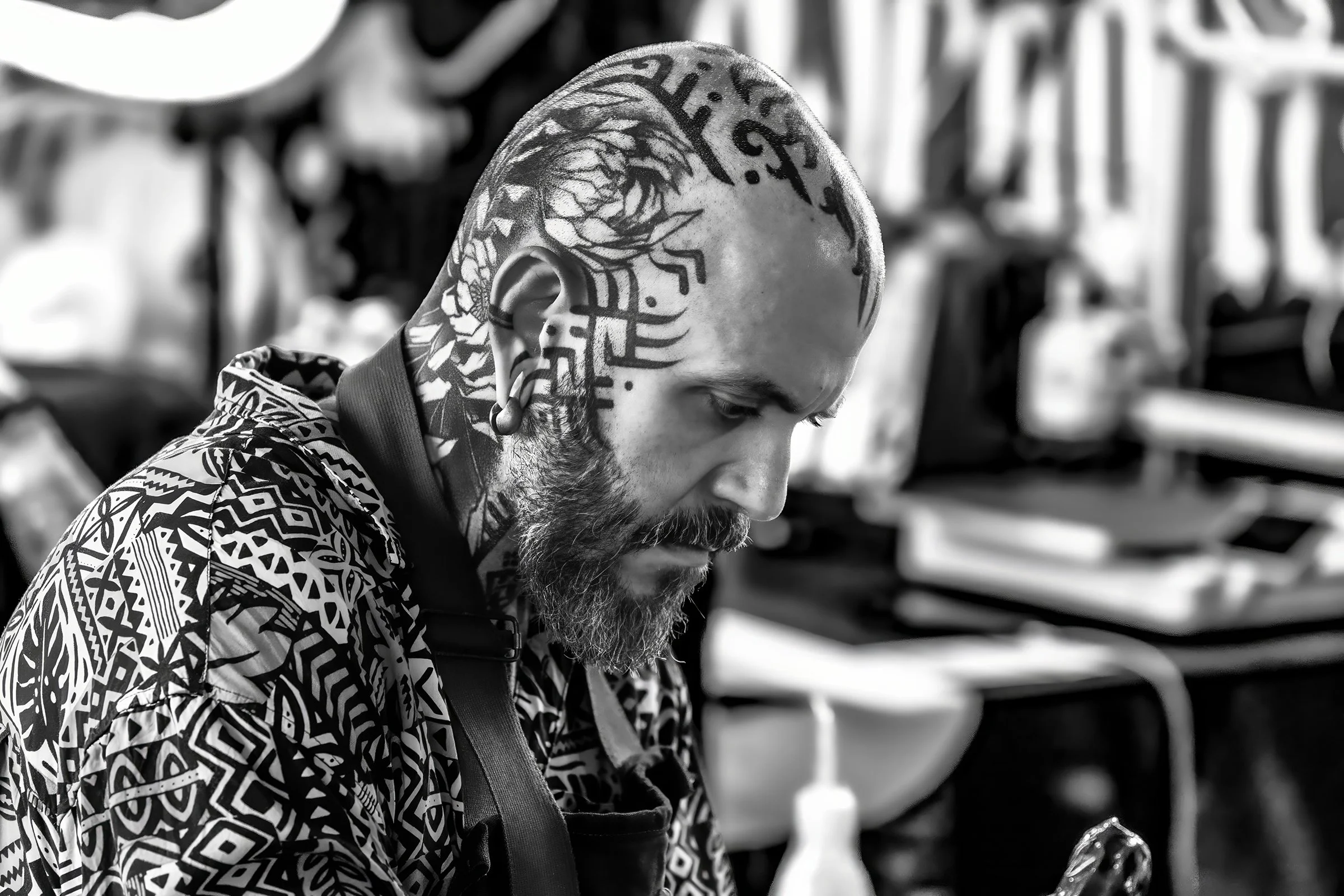
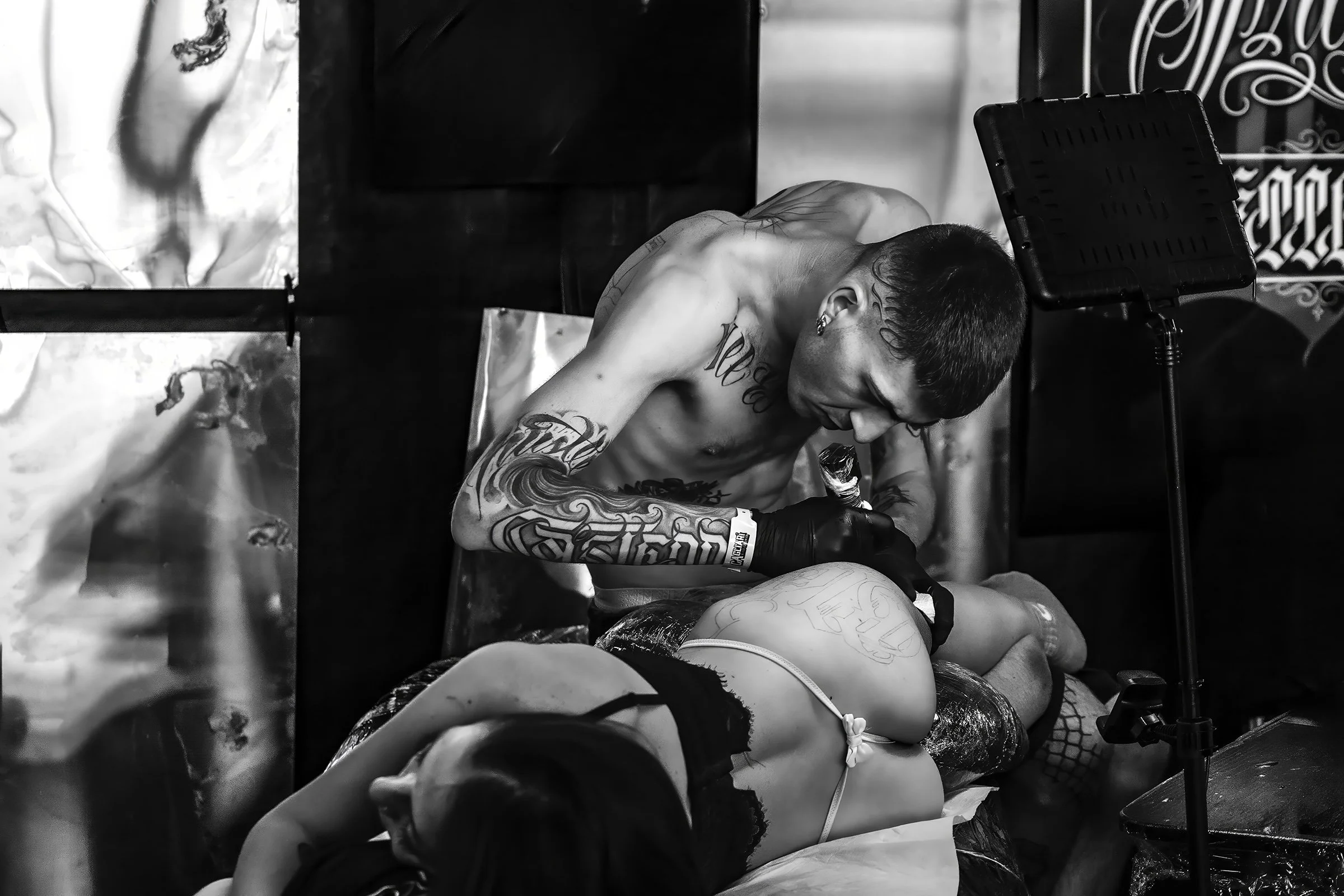
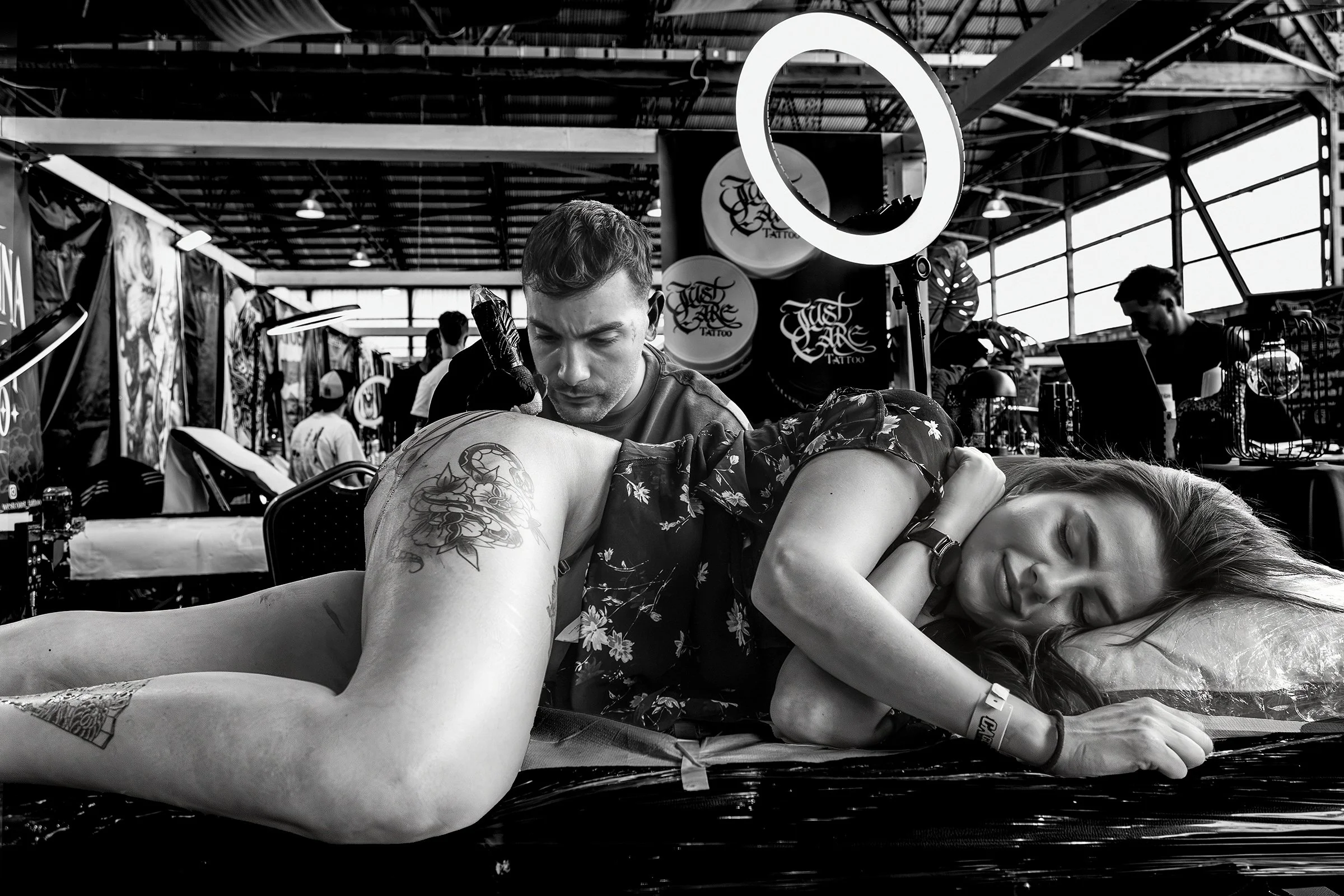
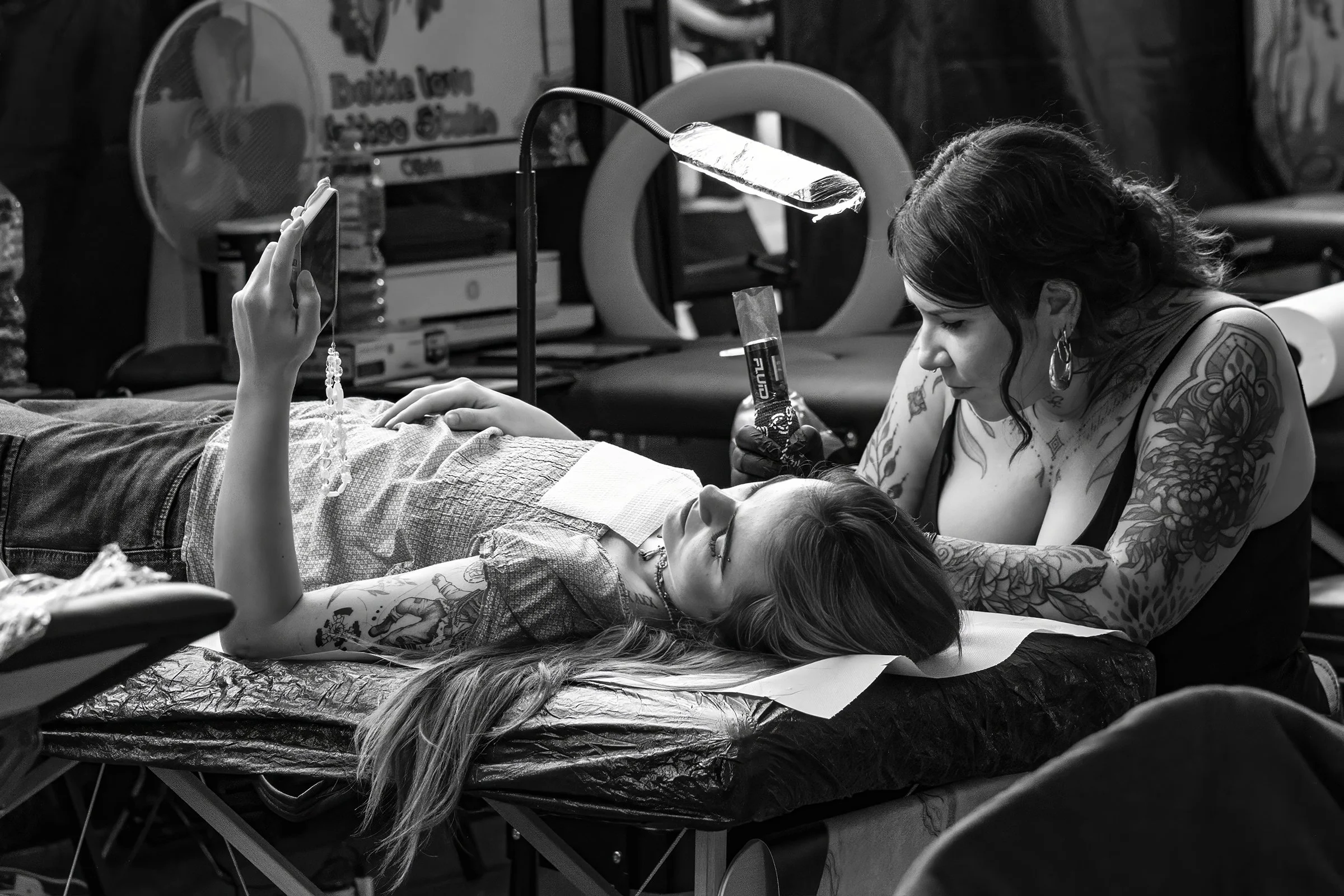
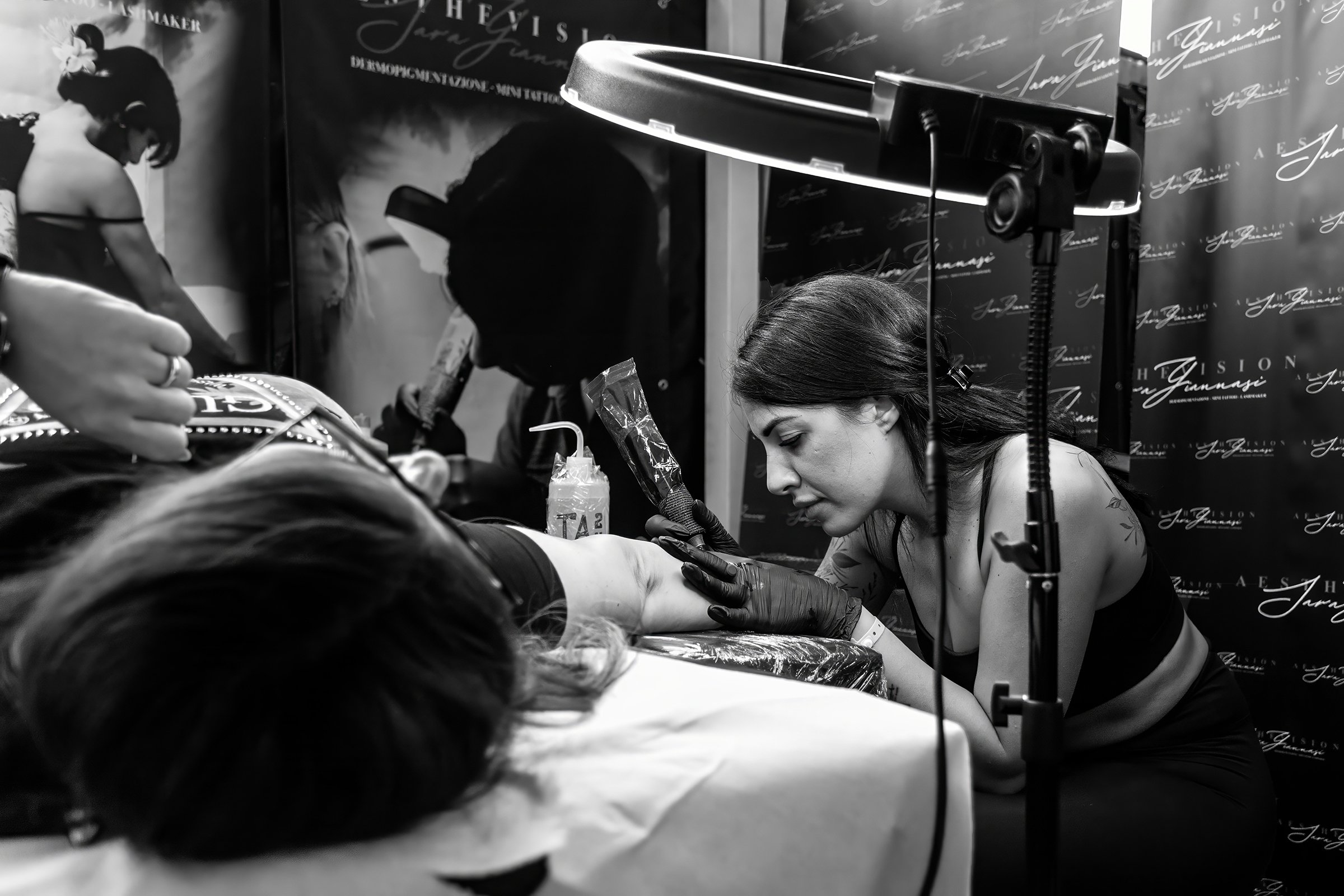
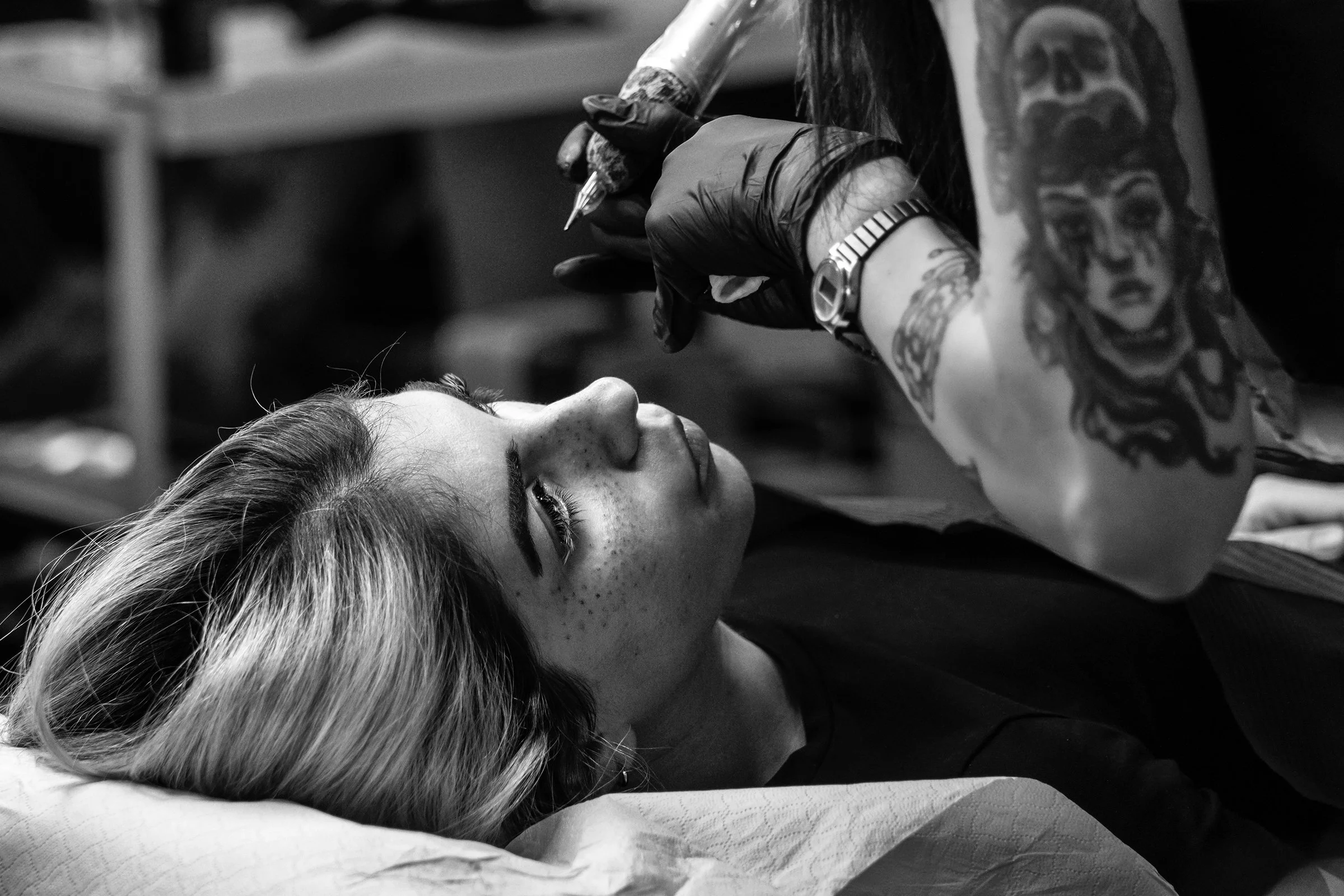
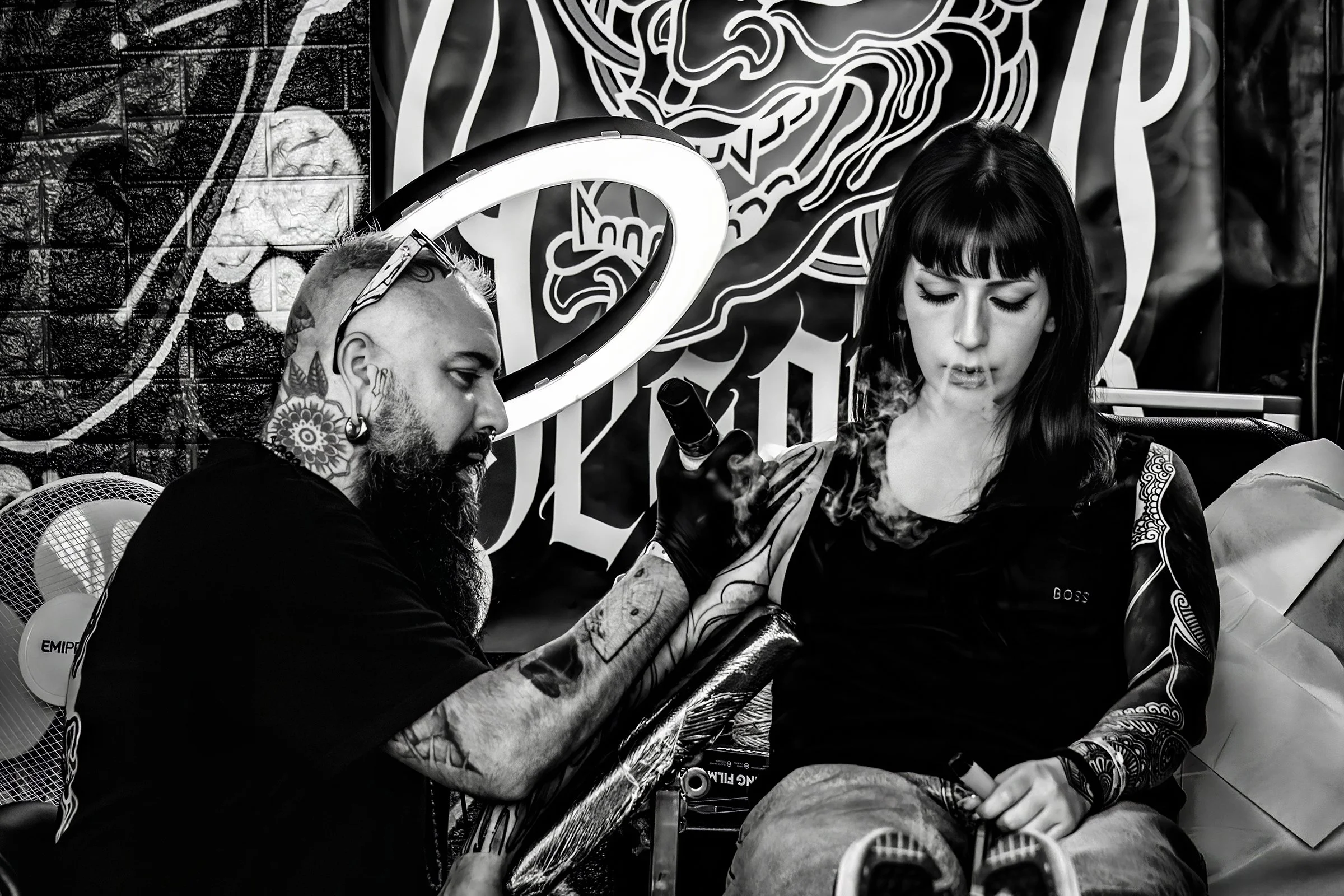
For a photographer like me, walking back and forth through this sprawling carnival becomes an exercise in concentration. Concentration on the people I genuinely want to connect with. The tattoo artists, their movements always slow and measured, their absorbed expressions. And those who are tattooed, or aspire to be. Their bodies on display, their shyness, their brazenness, the inevitable grimaces of pain as the needles cut into their skin.
After several years, I have come to realise something.
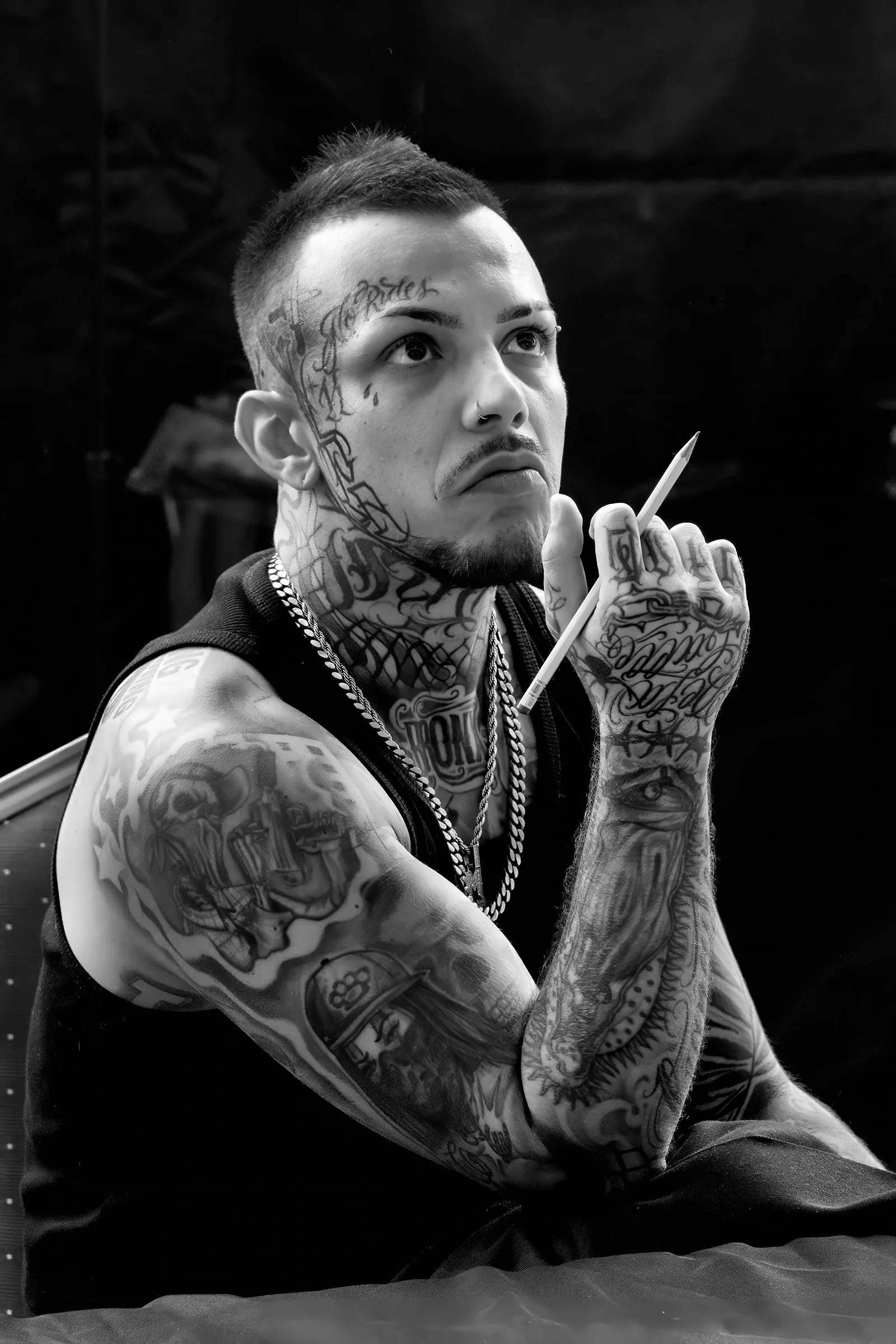
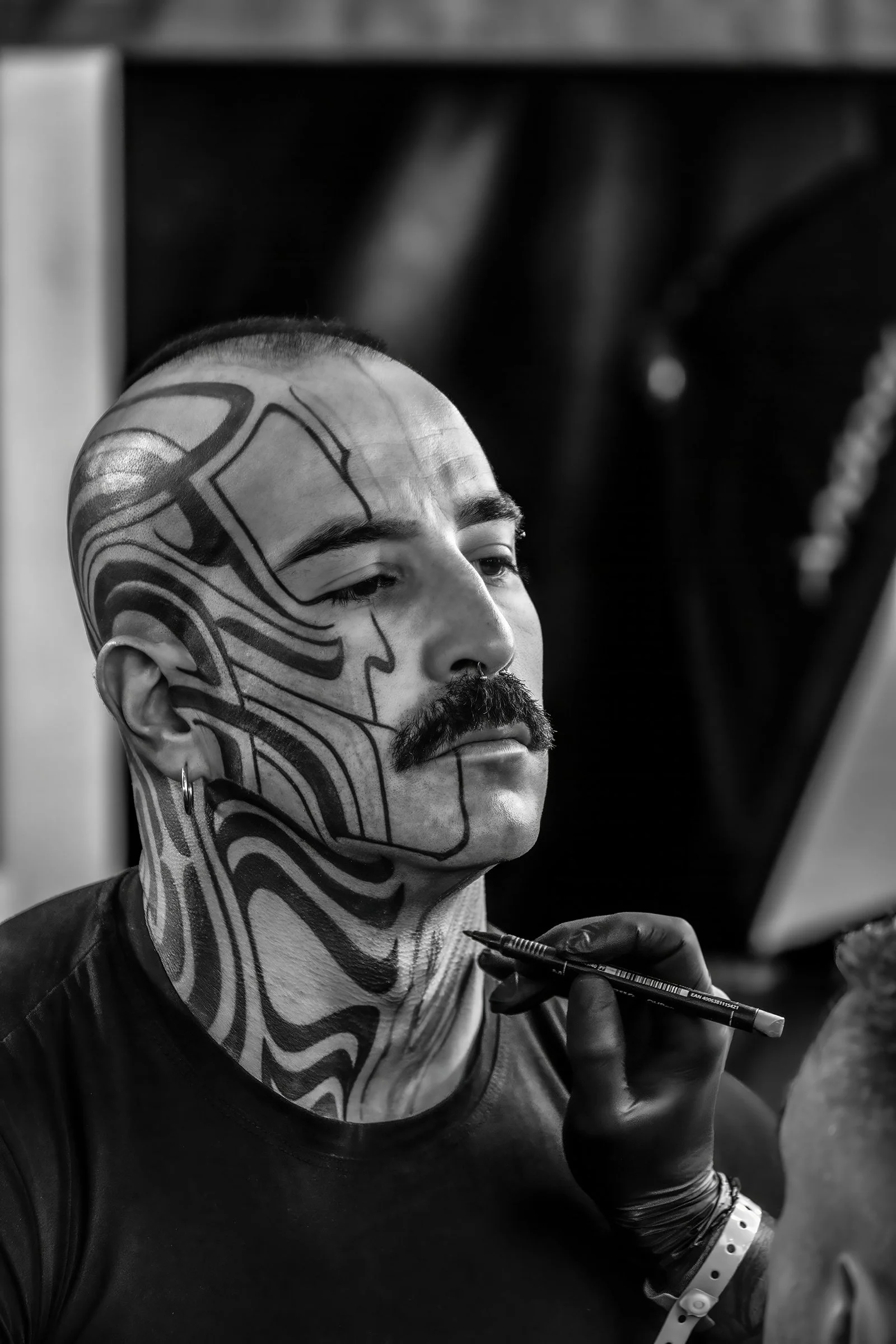
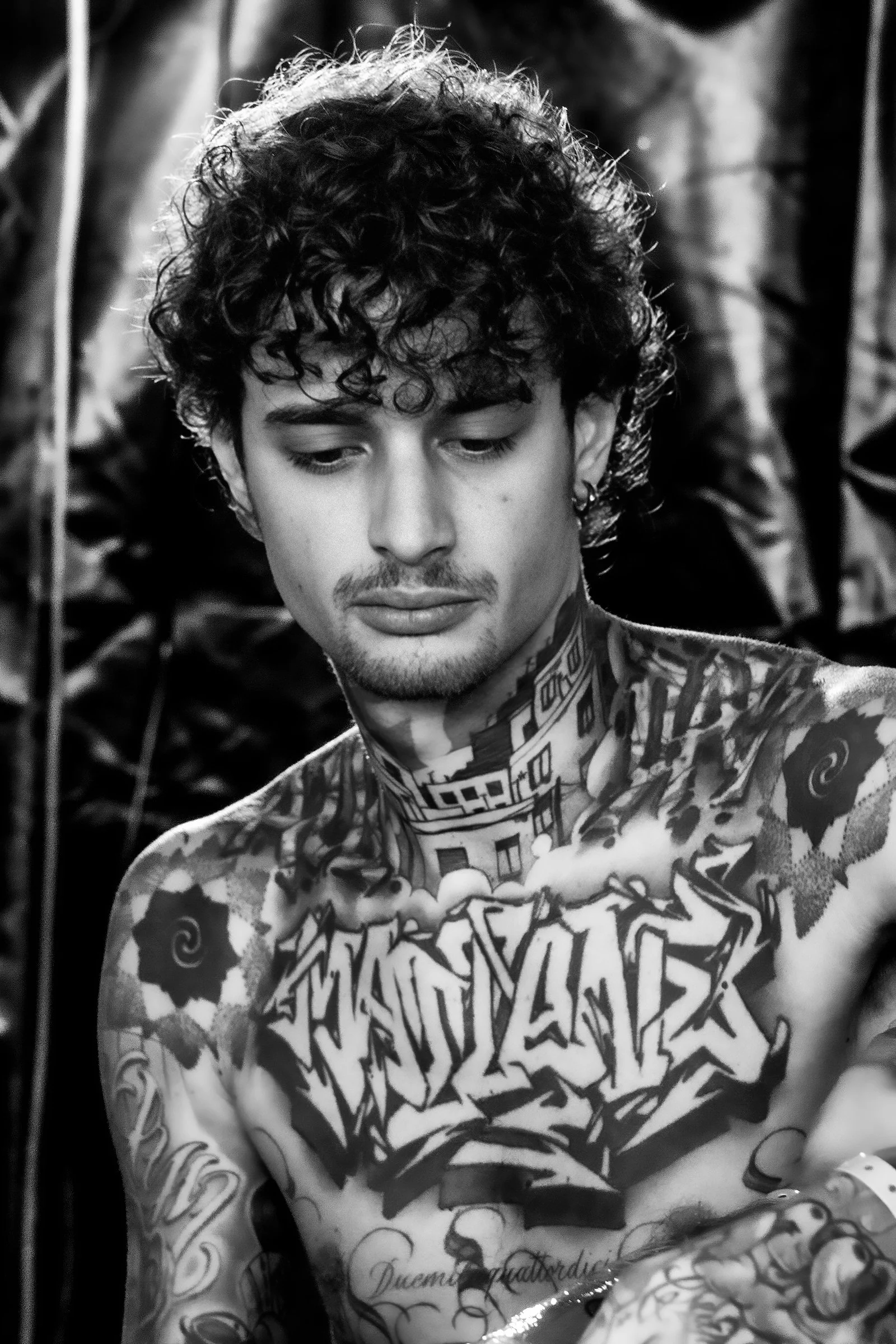
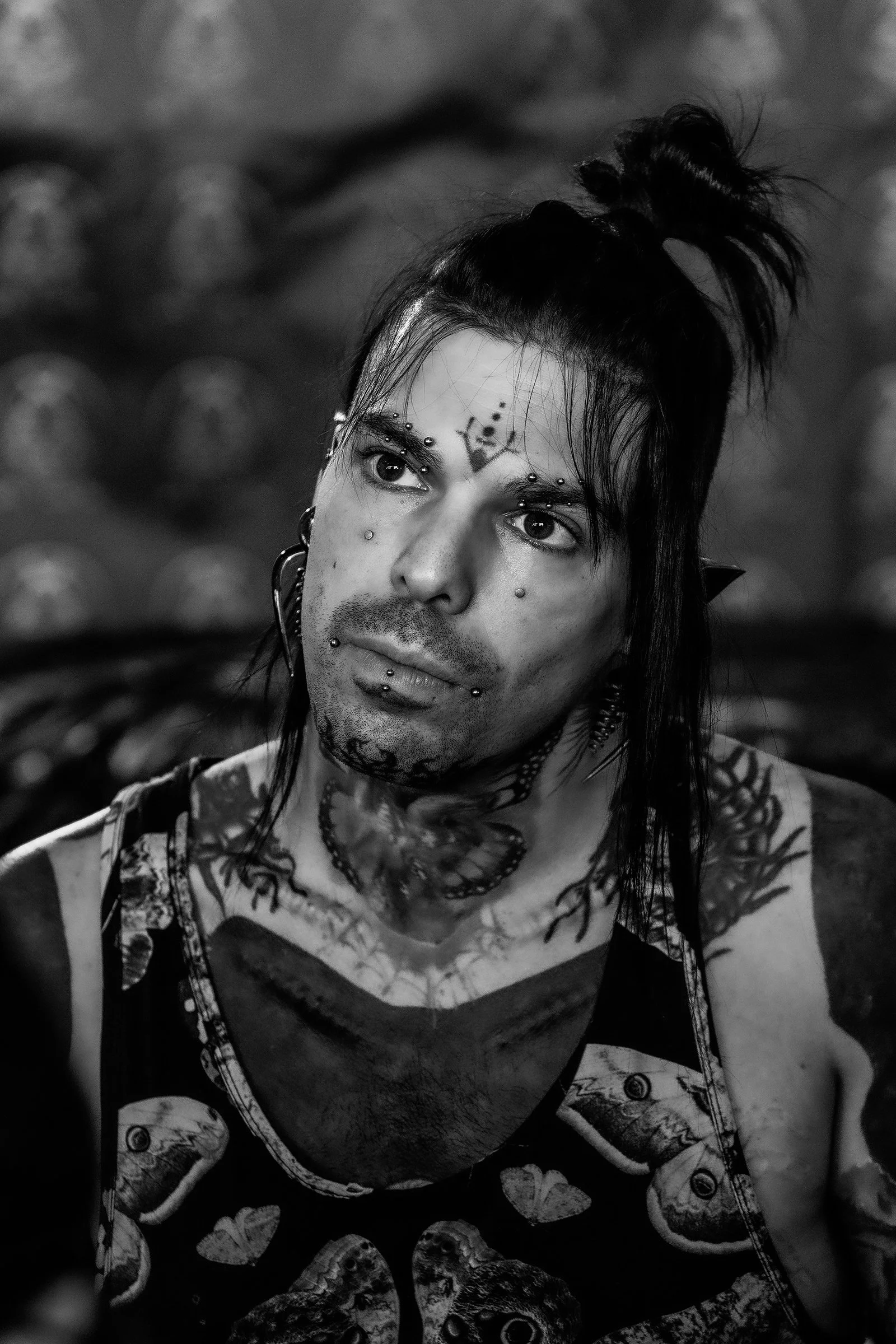
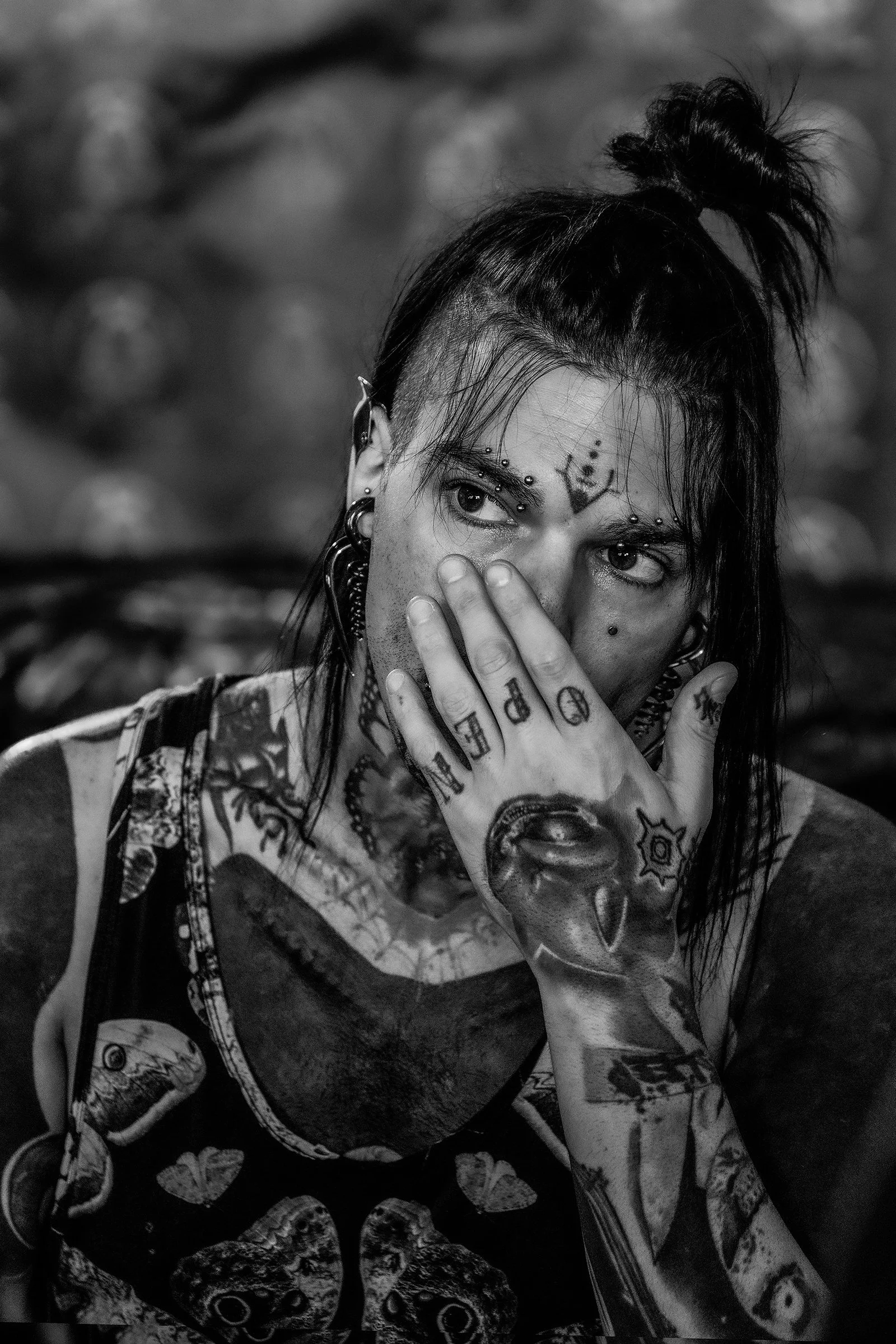
Through my photographs, I will never fully understand the motivations of those who decide to get tattooed. Especially when tattoos — tribal, rap, streetwear or blackwork — cover large areas of the body, including the face and head.
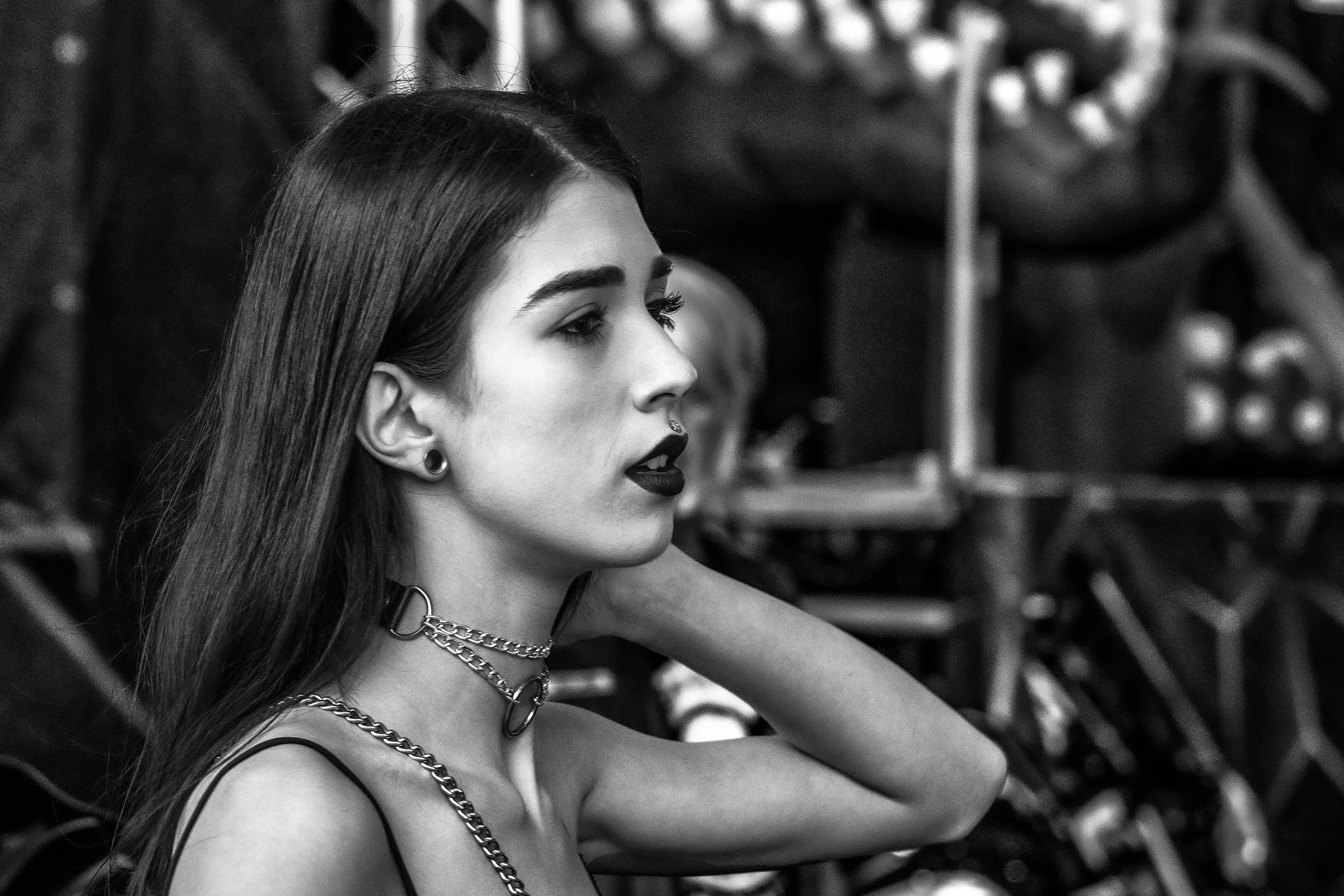
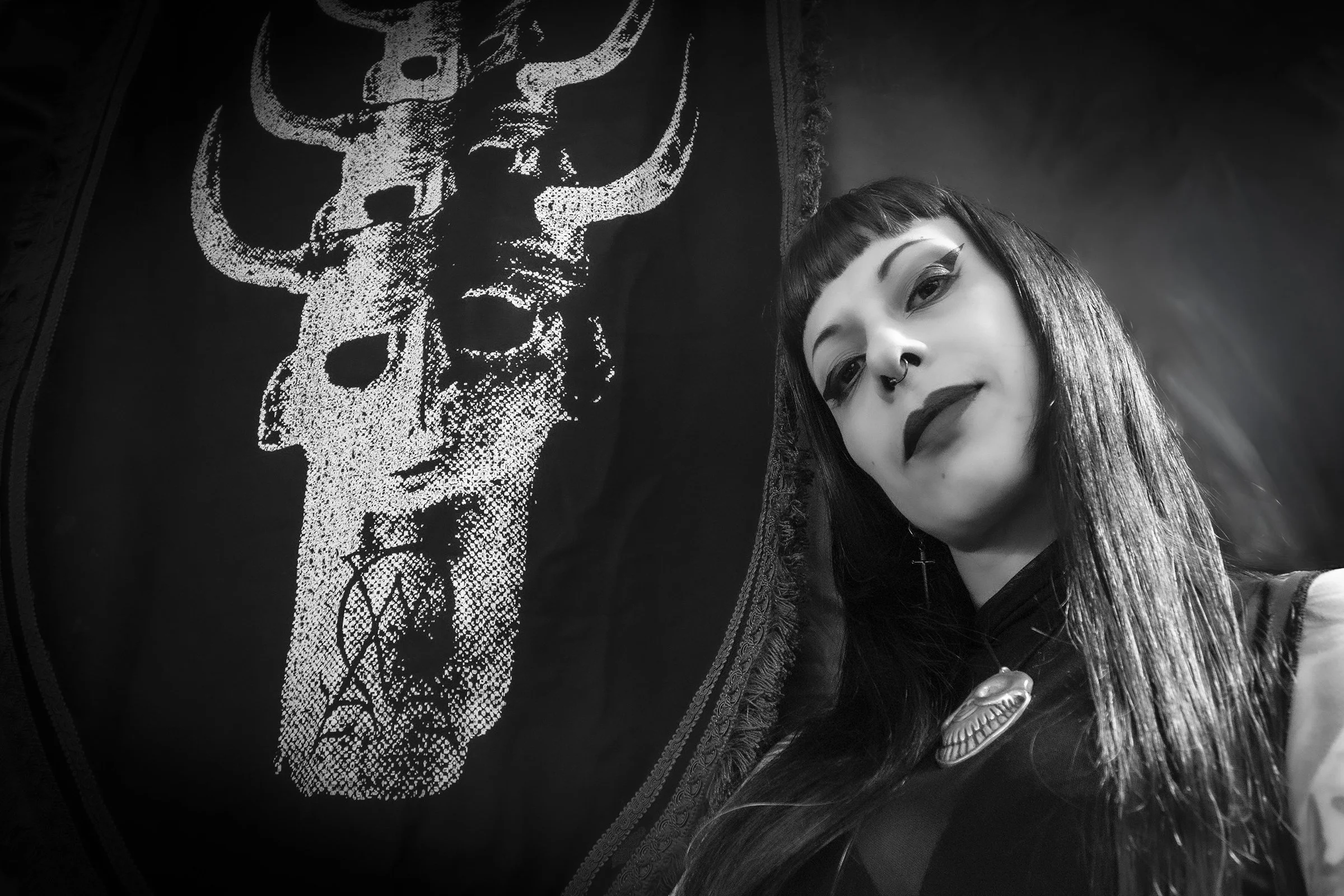
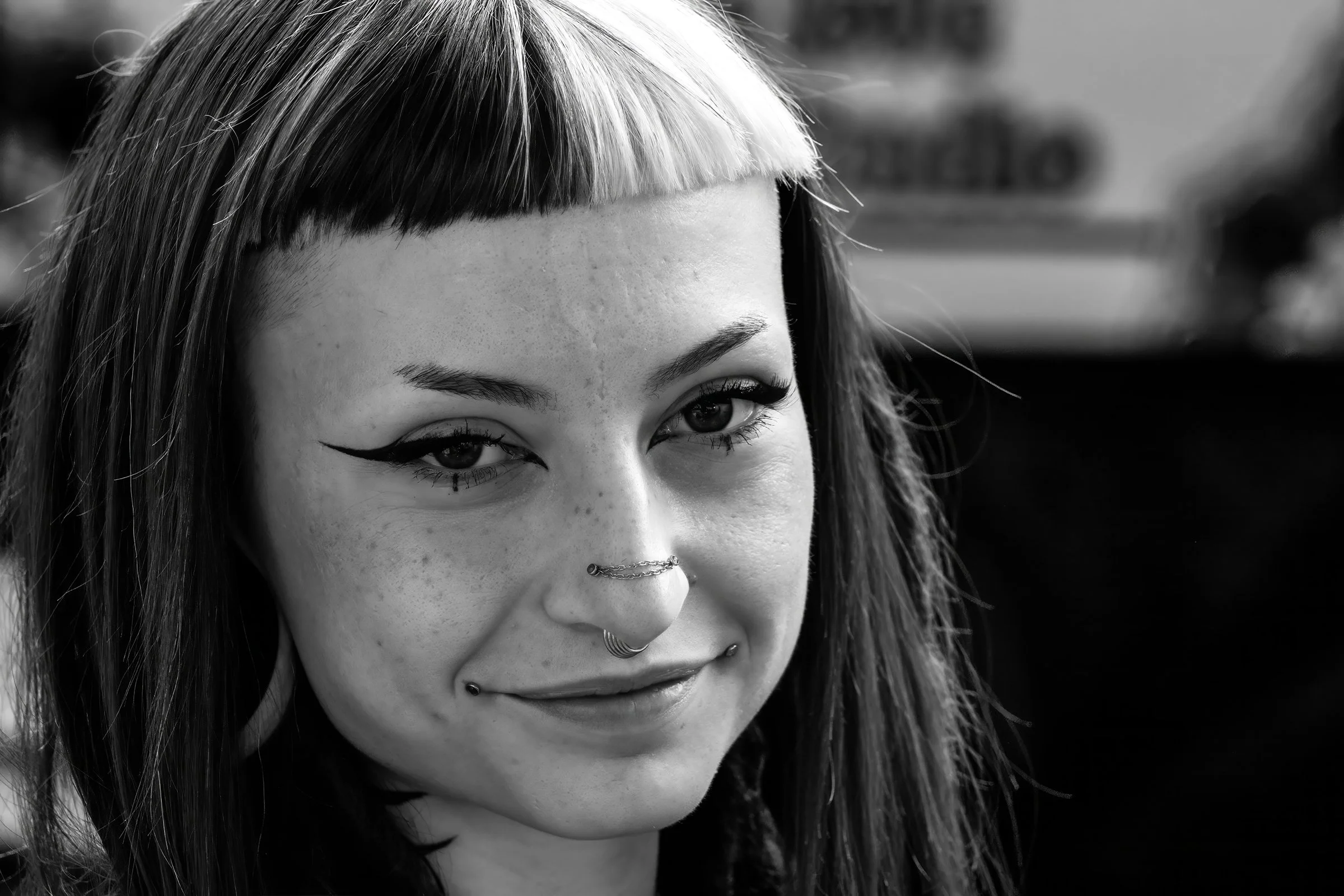
What I often capture in my portraits—and this may come as no surprise—is a certain kind of vulnerability, the foremost characteristic of those who choose to get heavily tattooed. A vulnerability that sometimes hides behind a brazen attitude, yet cannot conceal a desperate search for identity and belonging. Belonging to groups and subgroups distinguished by their styles, cultural references, and even religious or mystical beliefs. Groups that are undoubtedly minorities in society, yet still capable of rupturing the uniformity of the masses.
As a photographer, I must also say I have never encountered the same openness in any other unconventional environment as I consistently find at Tattoo Conventions. All it takes is a glance or a nod to approach someone, to come close enough to almost touch.
Perhaps because the inner need to offer oneself up and be seen, in order to exist, is the fundamental driving force behind the entire world of tattooing.
The 16th edition of the Cagliari Tattoo Convention took place from 9 to 11 October 2026 at the Cagliari International Fair (Viale Armando Diaz). The event brought together tattoo artists from across Italy and around the world, with competitions, live shows and evening after-parties.
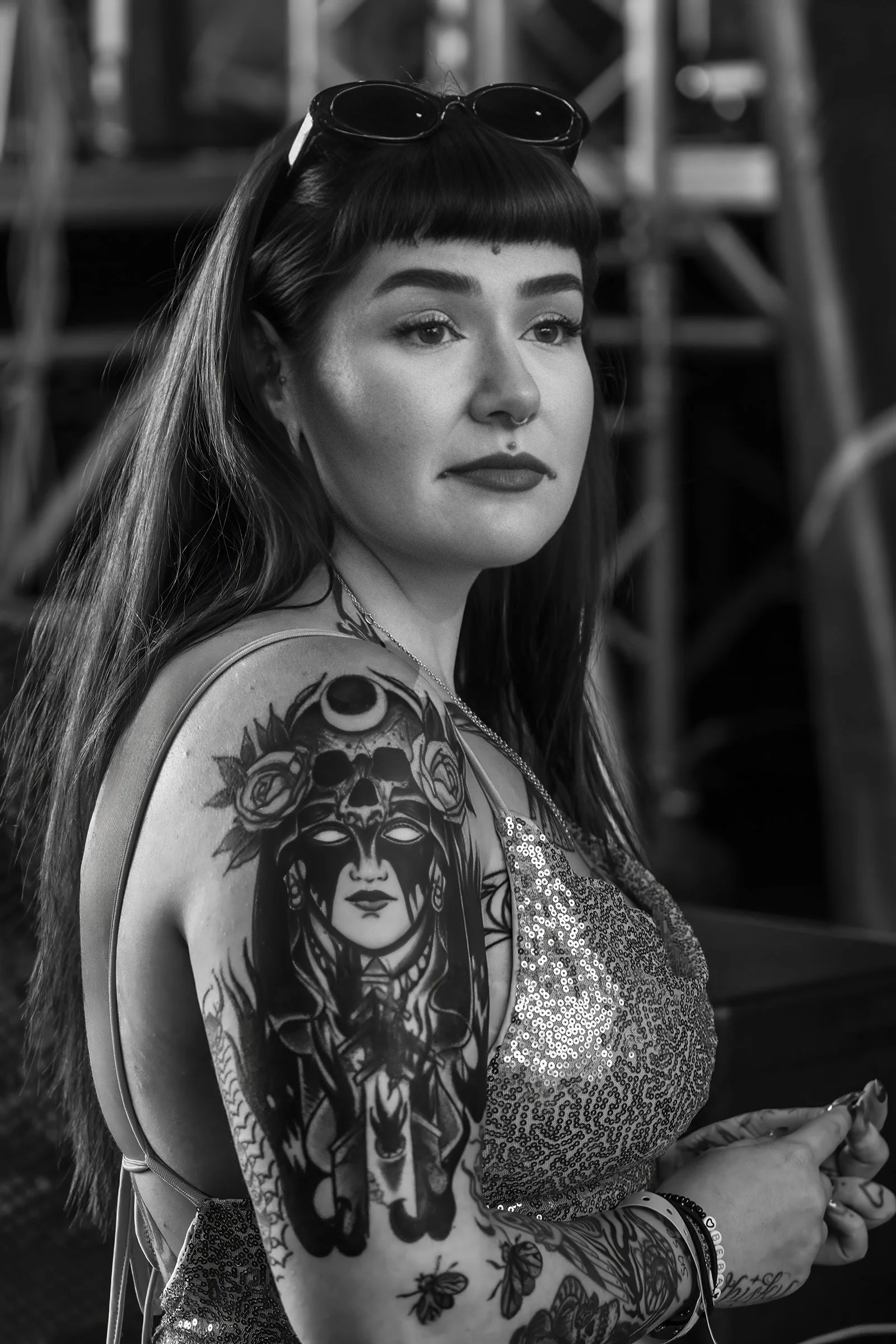
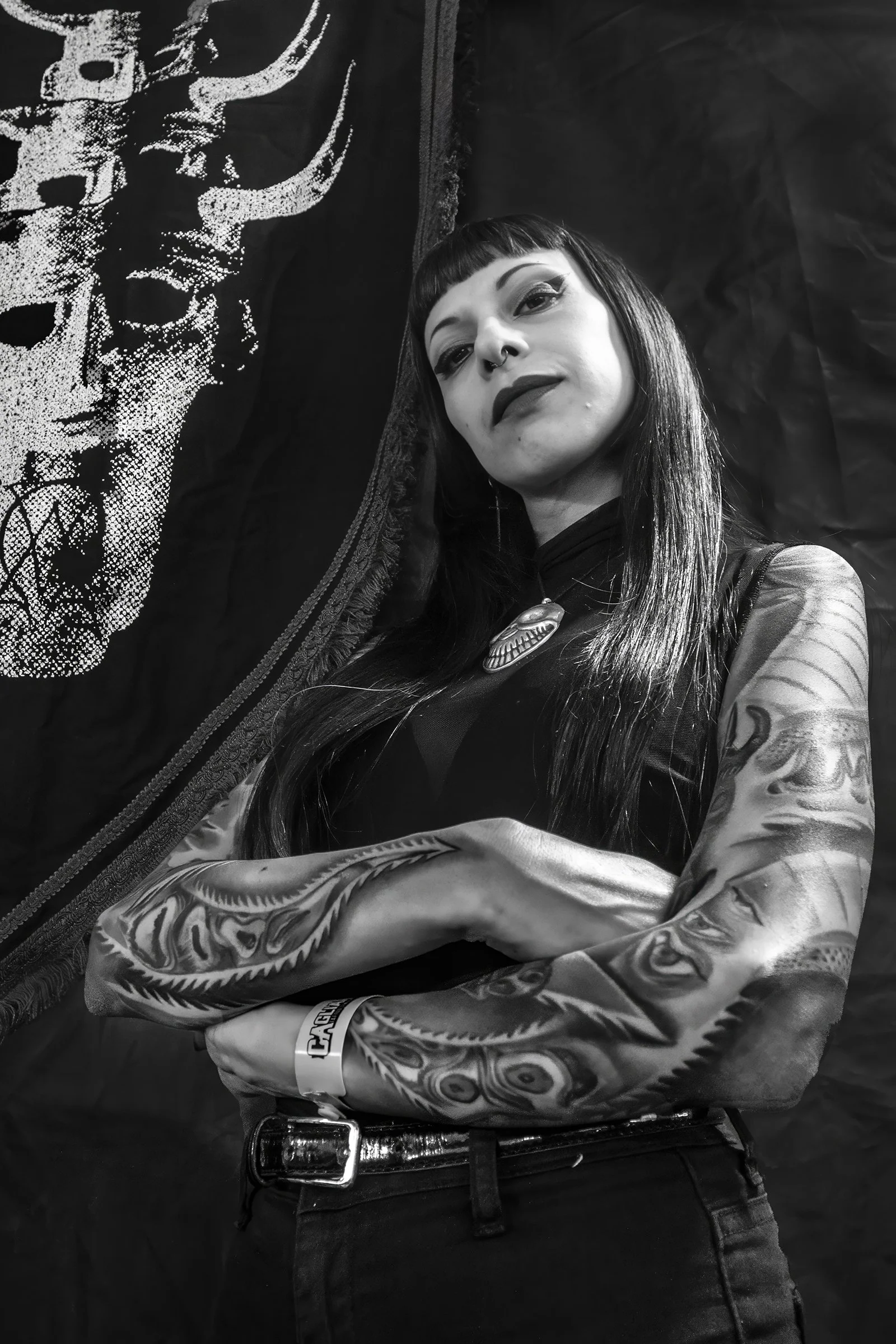
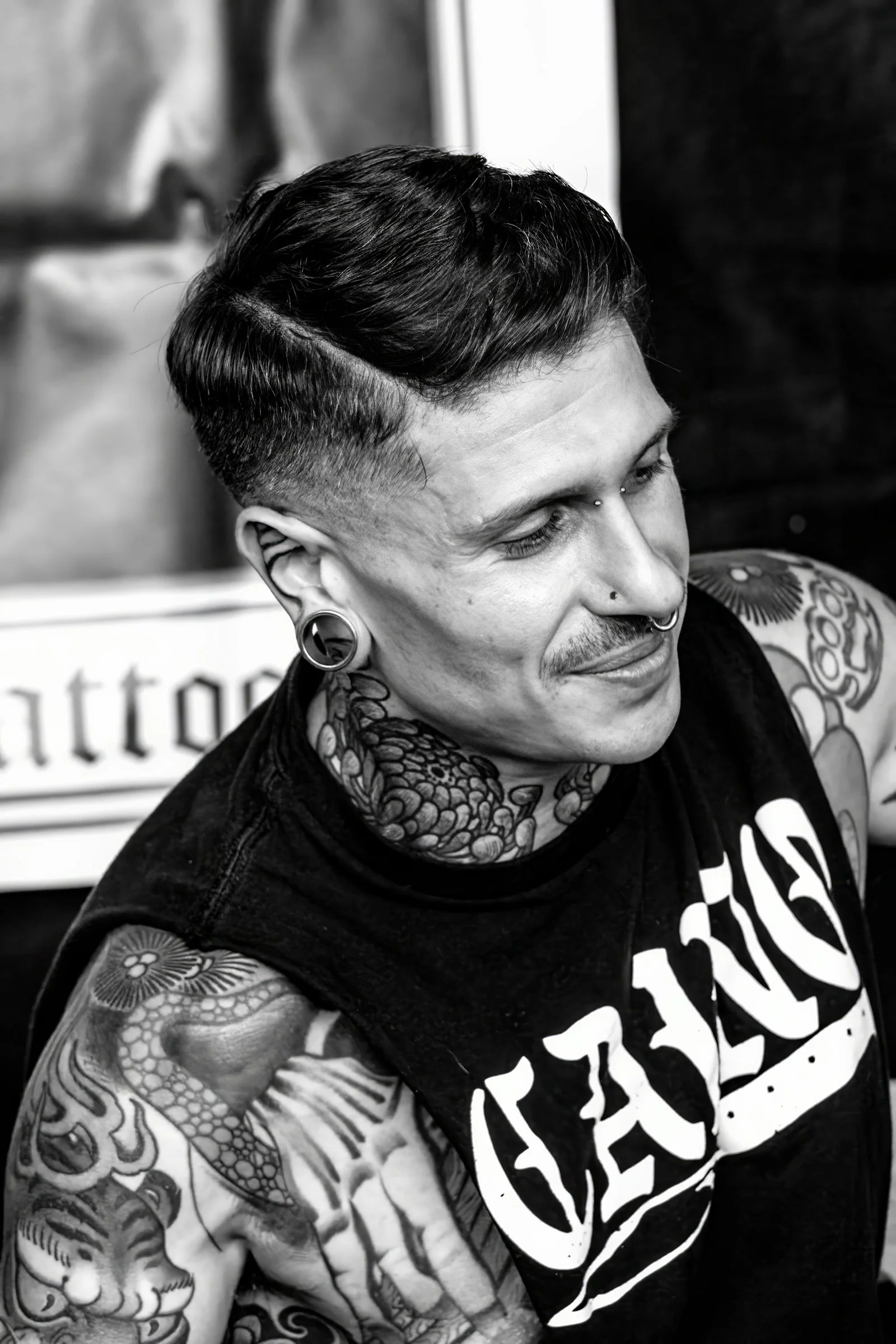
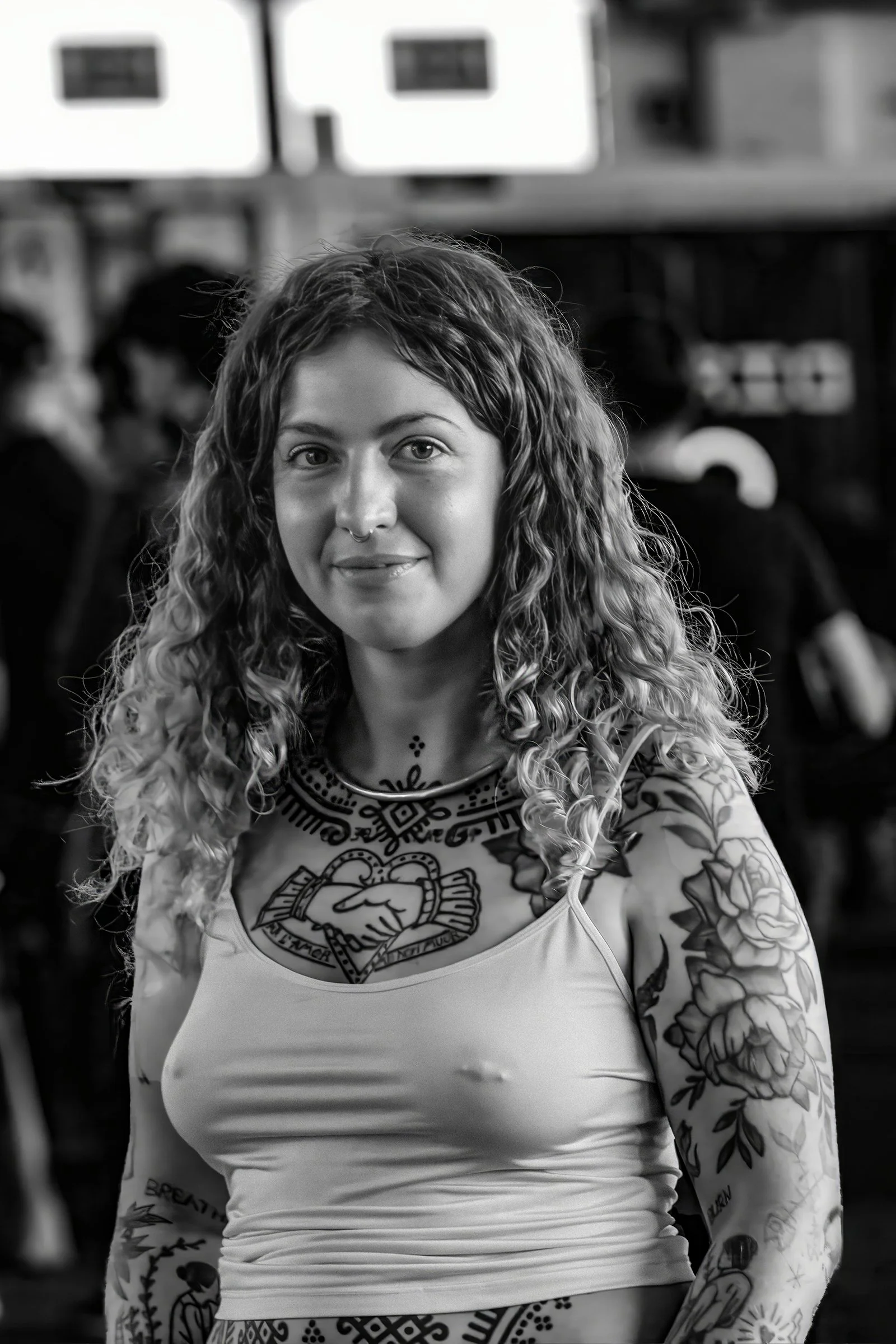
Tattoos 2026
Sono ormai diversi anni che fotografo la grande Tattoo Convention che si svolge a ogni inizio autunno nella mia città, Cagliari. Un grande raduno di centinaia di tatuatori professionisti e decine di migliaia di visitatori che per tre giorni danno vita a una vera e propria kermesse. Di laboratori affastellati l’uno sull’altro nei quali si lavora incessantemente. Di mostre di stampe a inchiostri neri o vividi delle diverse scuole e tendenze artistiche del tatuaggio. Di concorsi, premi, e interminabili concerti notturni di musica rap, urban, elettronica e hip hop. Di presenze collaterali che spaziano dai bikers, ormai tristemente boomer, con le loro grandi e lucide Harley-Davidson, alle venditrici di bigiotteria dark in metallo e veri fili di ragnatela. Dai venditori di accessori steampunk agli operatori sanitari che in uno stand tutto loro – perennemente deserto – si offrono di cancellare dalle pelli inchiostrate qualsiasi tipo di tatuaggio.
Per un fotografo come me, percorrere avanti e indietro questo caravanserraglio, diventa così un esercizio di concentrazione. Sulle sole persone con le quali intendo realmente entrare in contatto. Ovvero sui tatuatori, sulle loro movenze, sempre lente e misurate, sui loro sguardi assorti. E sui tatuati o aspiranti tali. Sui loro corpi messi in mostra, sulle loro timidezze, sfrontatezze, immancabili smorfie di dolore quando gli aghi incidono la pelle.
Dopo diversi anni, mi sono reso conto di una cosa.
Non riuscirò mai, attraverso le mie foto, a capire sino in fondo le motivazioni di chi decide di farsi fare un tatuaggio. Soprattutto quando i tatuaggi (tribali, rap, streetwear o blackwork), permeano grandi parti del corpo, viso e testa compresi.
Ciò che invece mi pare di riuscire a fermare spesso nei miei ritratti, non crei stupore, è quella sorta di fragilità che è la prima caratteristica di chi si fa fare un grande tatuaggio. Fragilità che a volte si maschera dietro alla sfrontatezza, ma che non riesce a nascondere la disperata ricerca di identità e di appartenenza. A gruppi e sottogruppi che si distinguono per stili, riferimenti culturali e persino religiosi o mistici. Certamente minoritari nella società ma pur sempre capaci di creare una frattura nell’uniformità di massa.
Per quanto mi riguarda, come fotografo, devo poi dire che non ho trovato in nessun altro ambiente poco convenzionale, la stessa disponibilità che sempre trovo nelle Tattoo Convention. Dove basta uno sguardo o un cenno per potersi avvicinare sin quasi a sfiorarsi.
Forse perché l’esigenza interiore di offrirsi e di mostrarsi, per essere, è la prima leva che muove l’intero mondo del tatuaggio.