Letter from Seoul 55
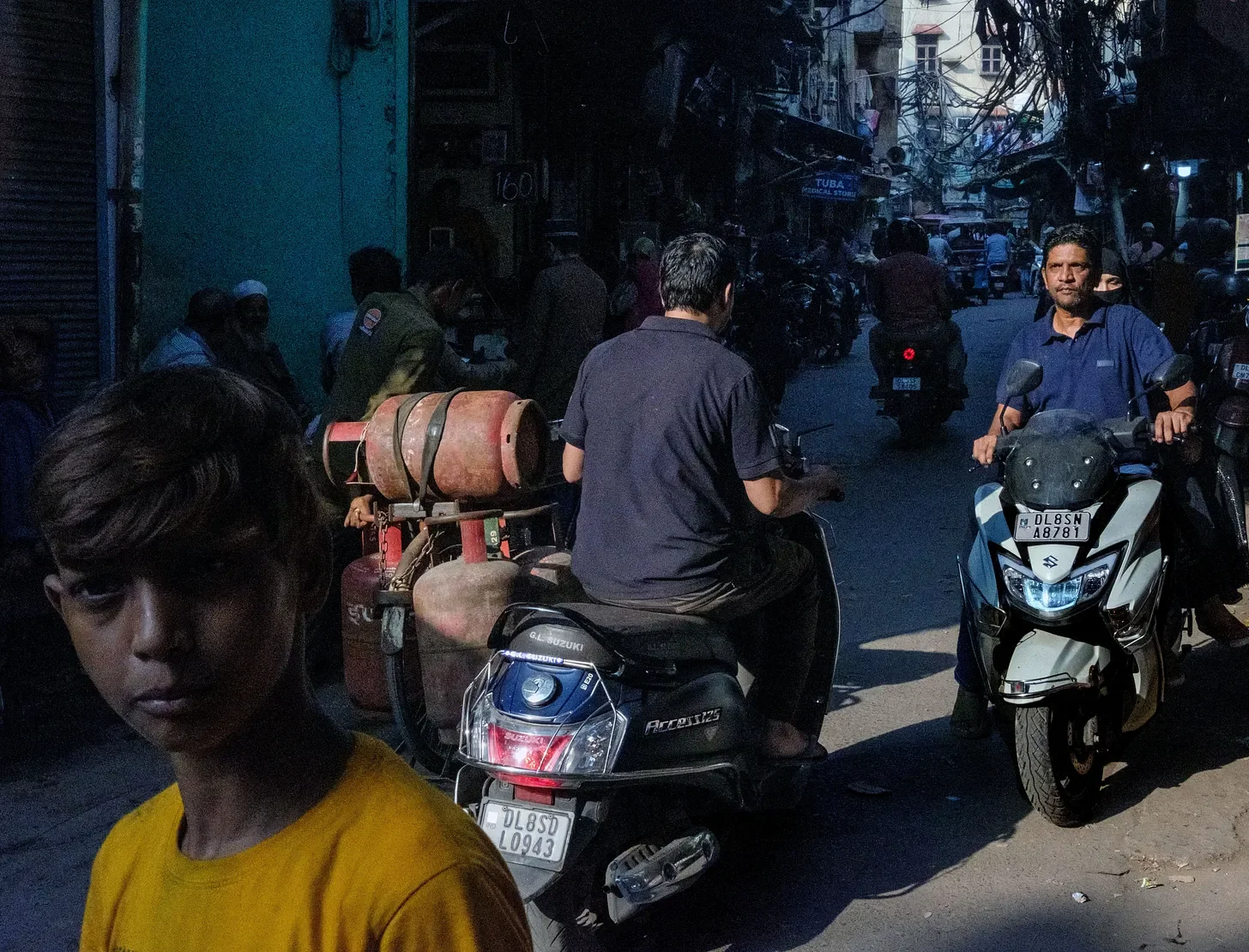
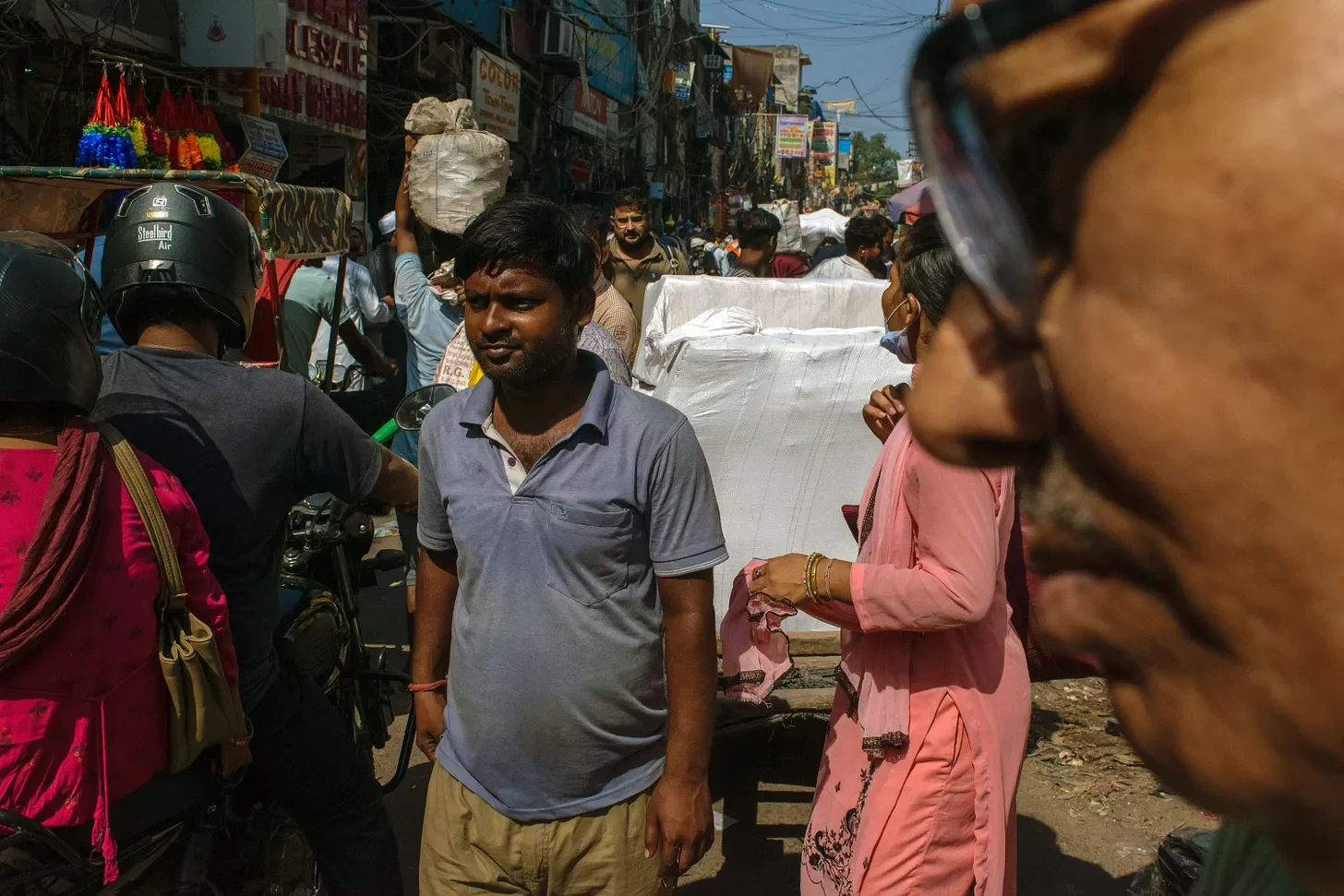
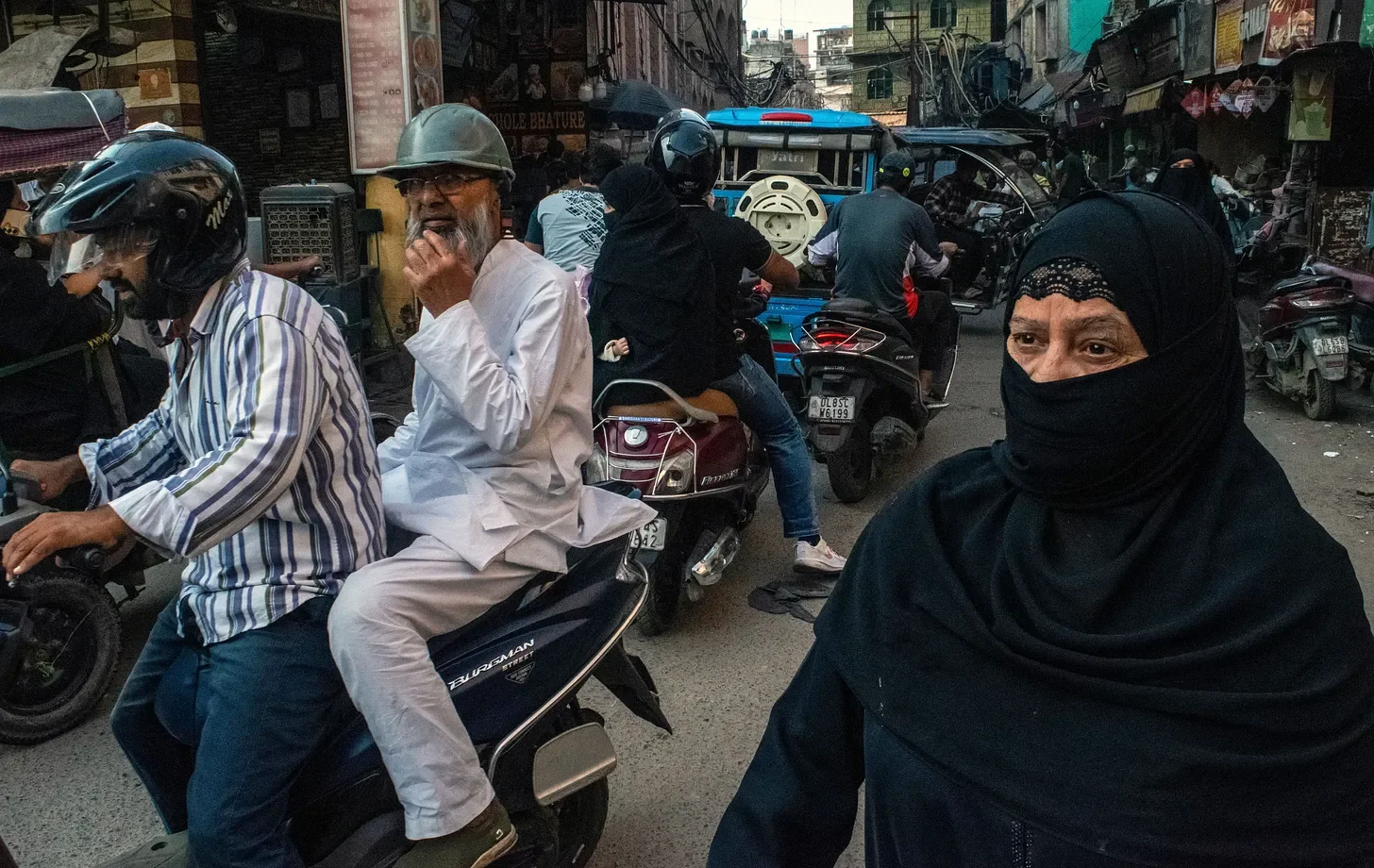
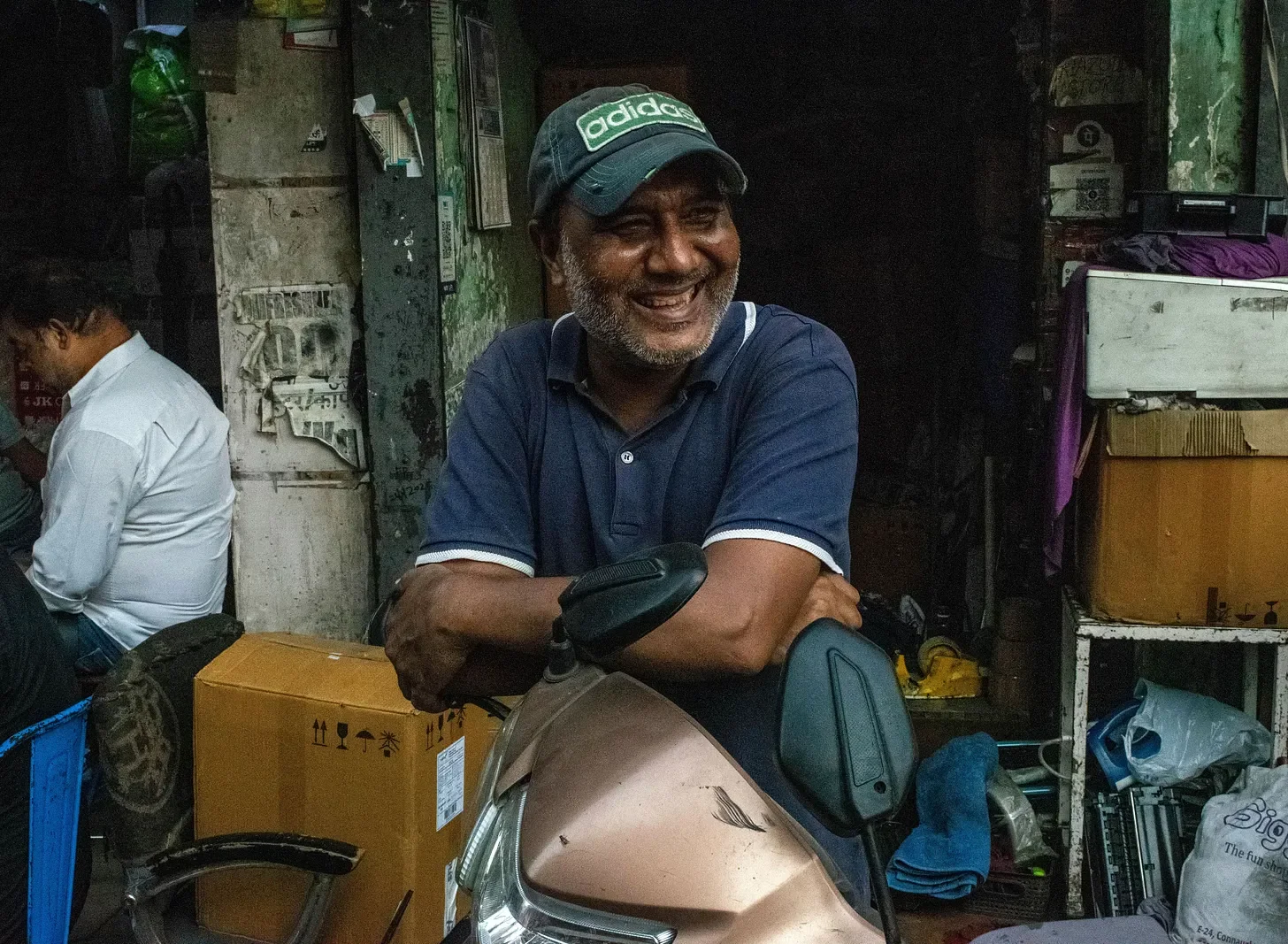
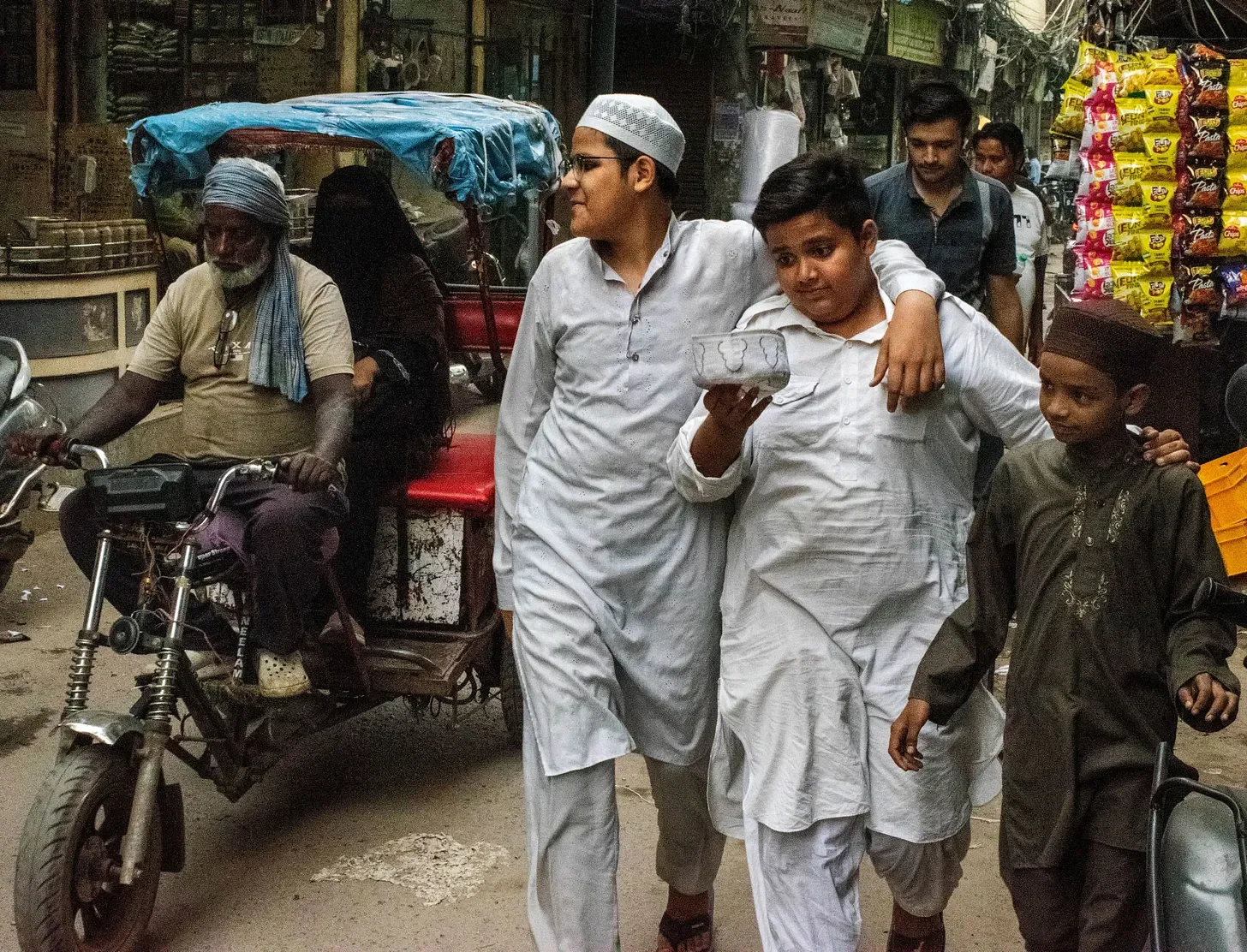
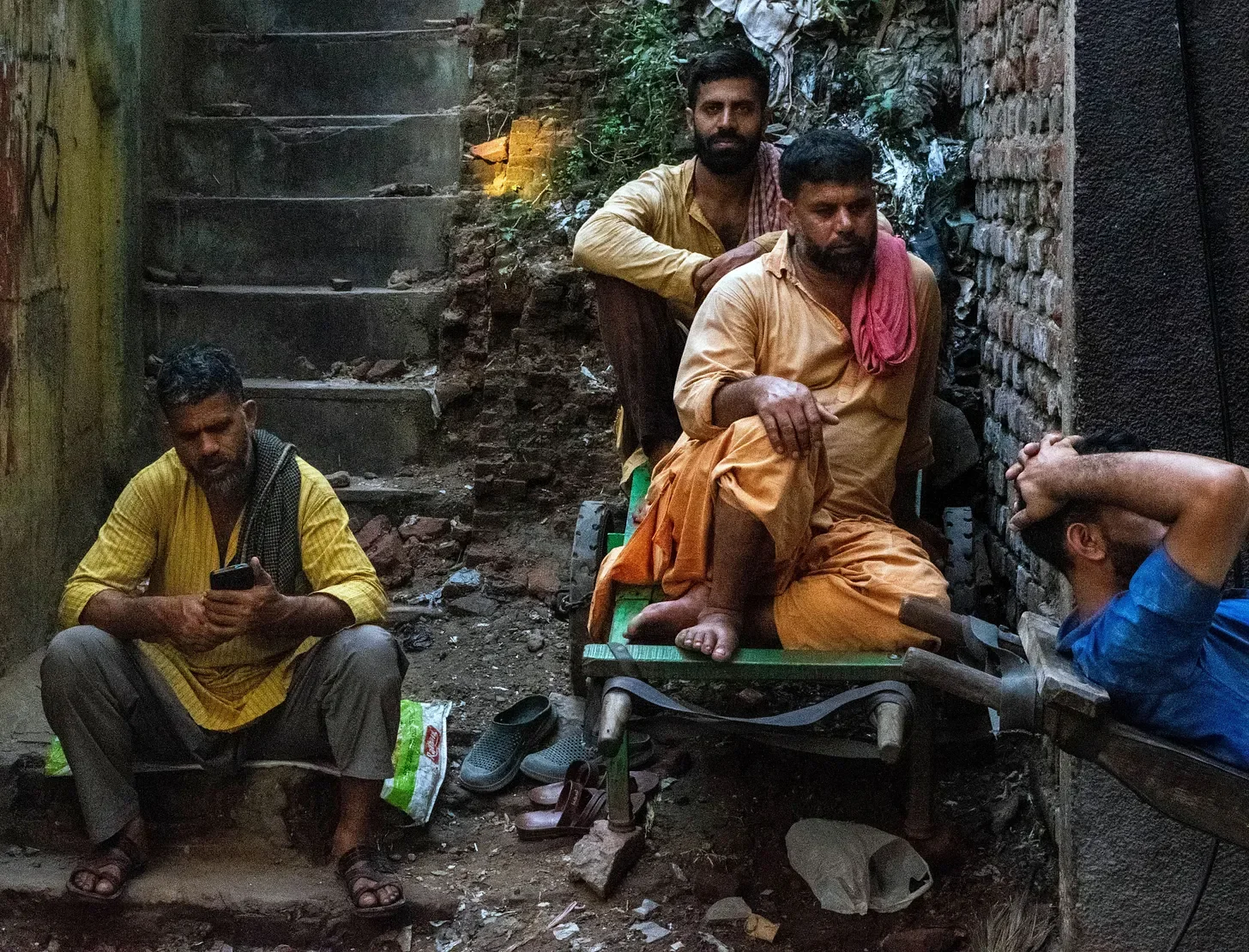
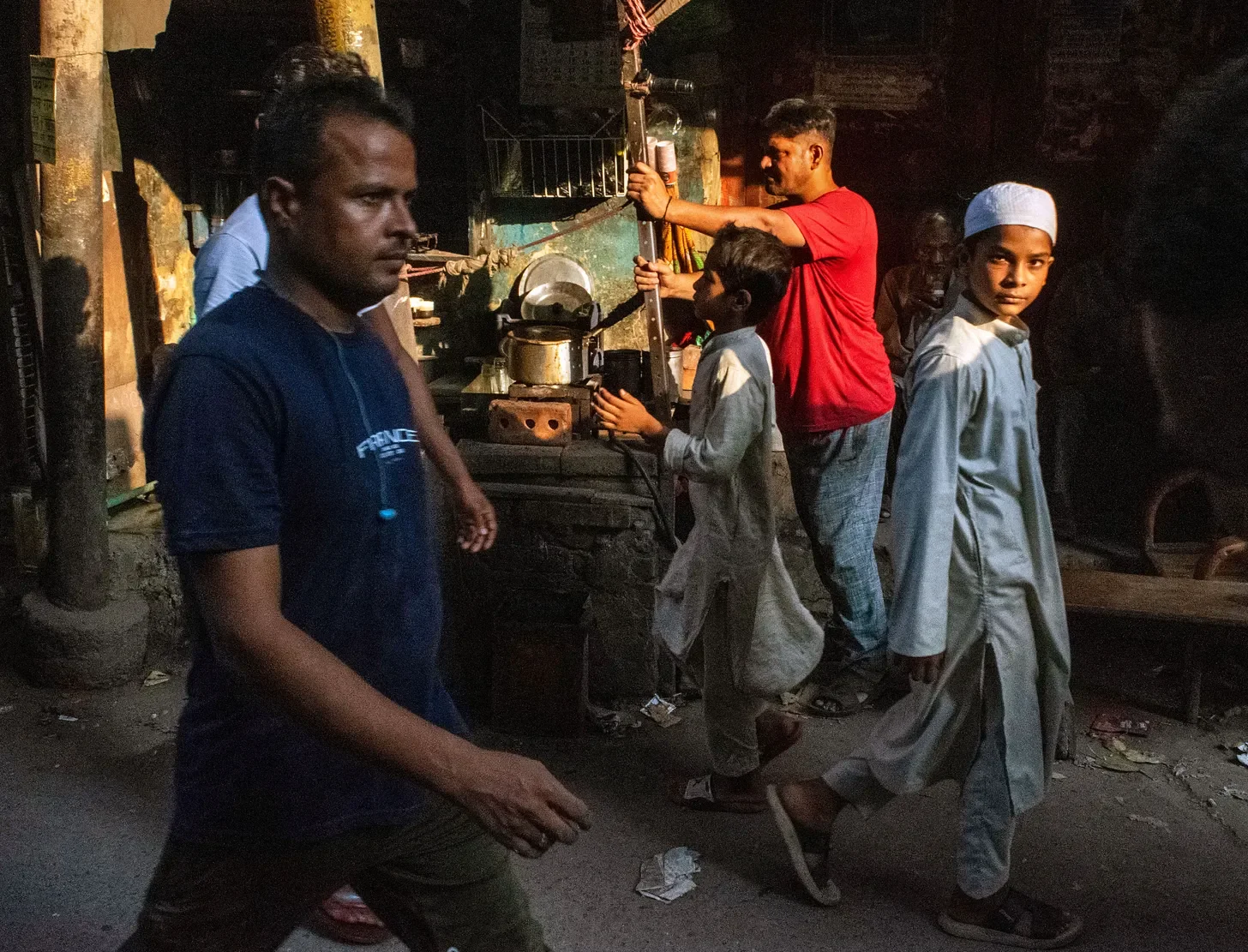
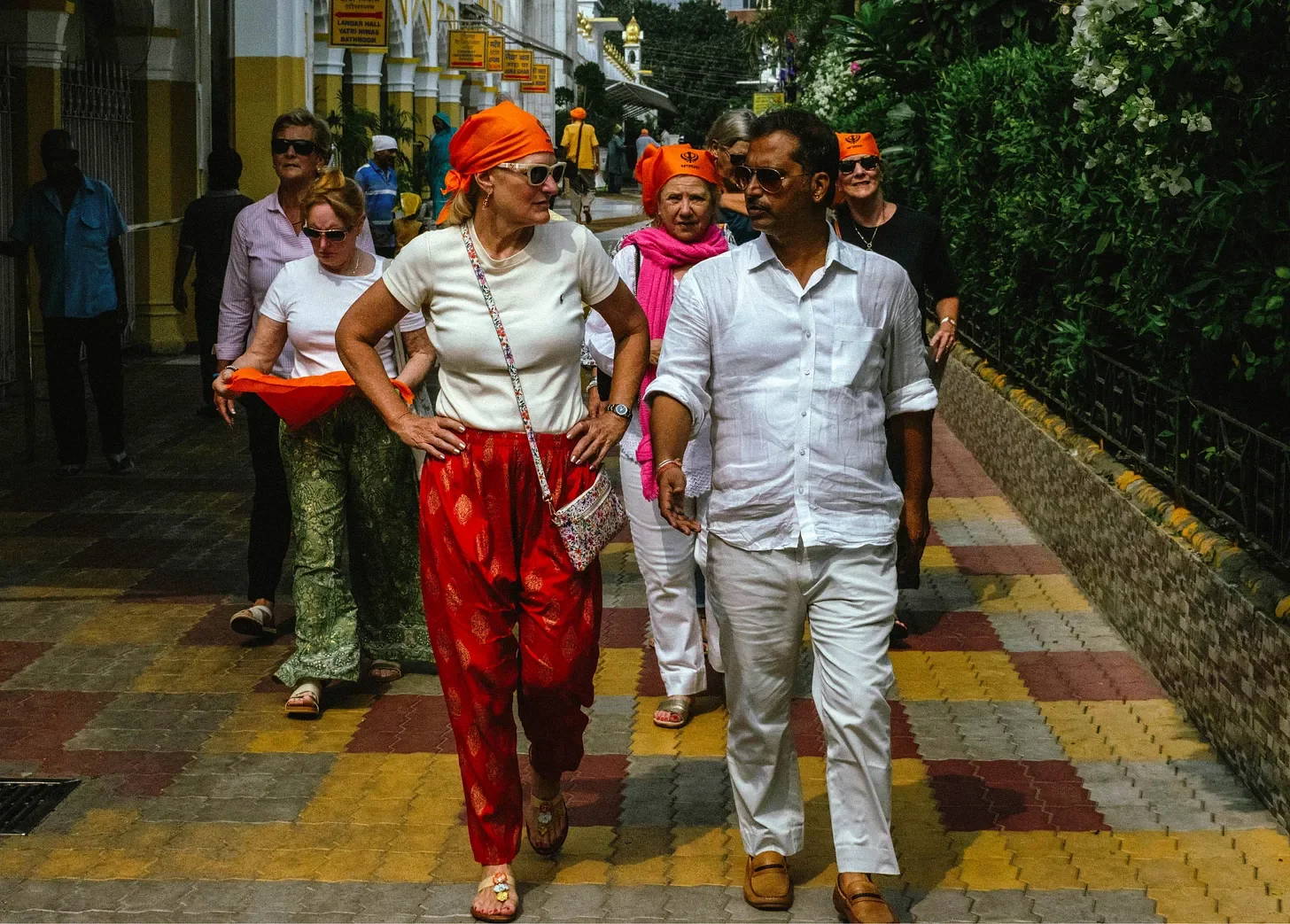
Images of every day life in Turkman Gate.
Turkman Gate is a historic Mughal-era (1527-1857) gateway in Old Delhi, part of Shahjahanabad built as a walled city in 1639 by Emperor Shah Jahan, named after the nearby tomb of Sufi saint Shah Turkman.
The “bad” in city names like Shahjahanabad is actually the Persian suffix – abad, which means “city,” or “inhabited place.”
The name Shahjahanabad translates to “City of Shah Jahan,” just as Islamabad, the modern-day capital of Pakistan, translates to “City of Islam.”
Shahjahanabad, now known as Old Delhi, was created as the new capital of the Mughal Empire, previously located in Agra – home to the Taj Mahal.
Shahjahanabad was secured and enclosed by a nearly 6.5 mile (ten kilometers) long wall. Ten gates connected the city with the surrounding region. Originally, Lahore gate was the main entrance for the Red Port besides Delhi Gate. The Kashmere Gate, Calcutta Gate, Mori Gate, Kabul Gate, Faresh Khana Gate, Ajmere Gate and the Turkman Gate were the other major links of the city with the outside roads.
For over 300-years, Turkman Gate in Old Delhi served as a route to the Silk Road for exporting goods such as silk, spices, precious metals, minerals, handcrafts, architecture and paintings – as well as cultural exchange including theatric performance, dance and music.