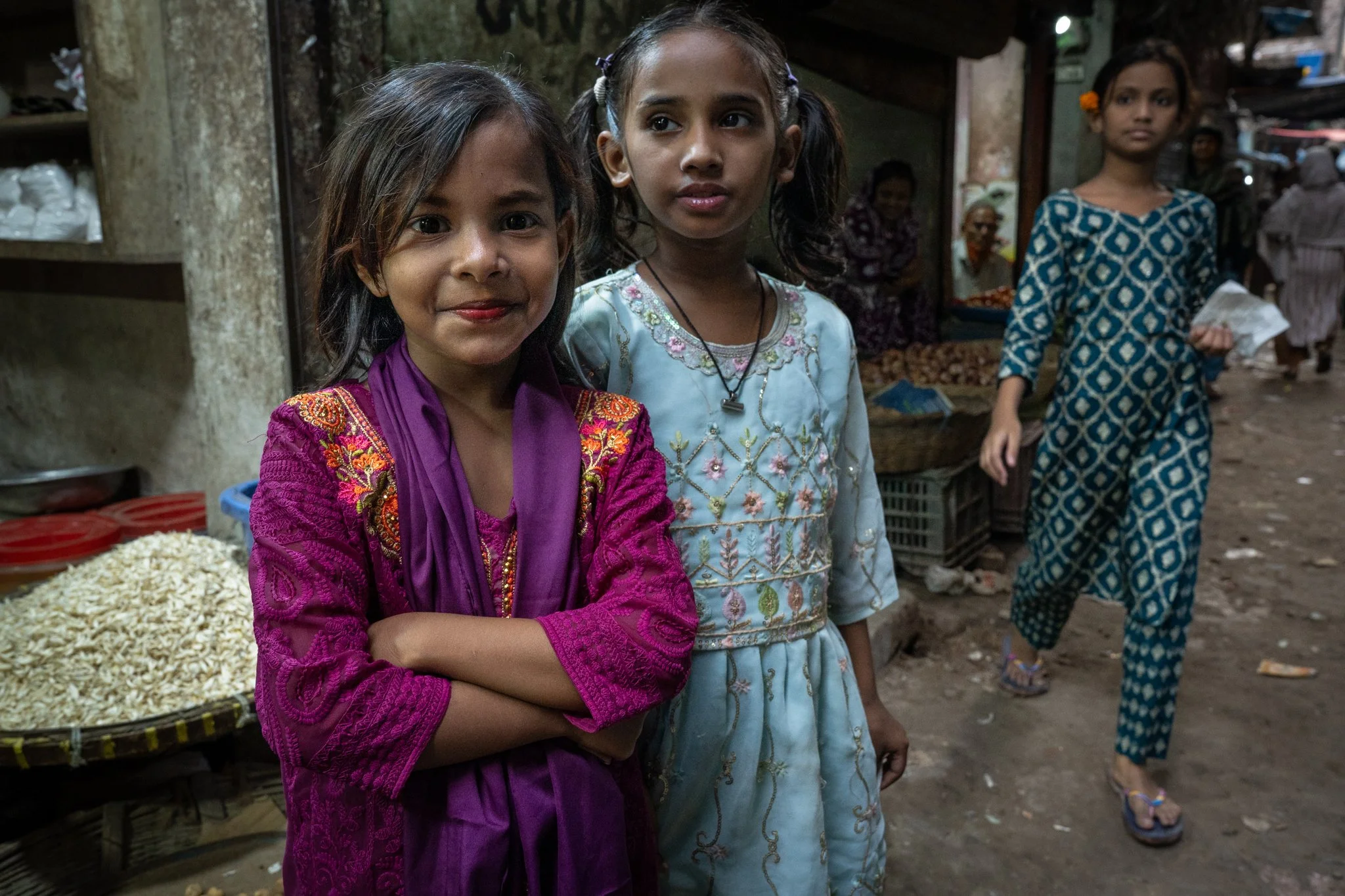
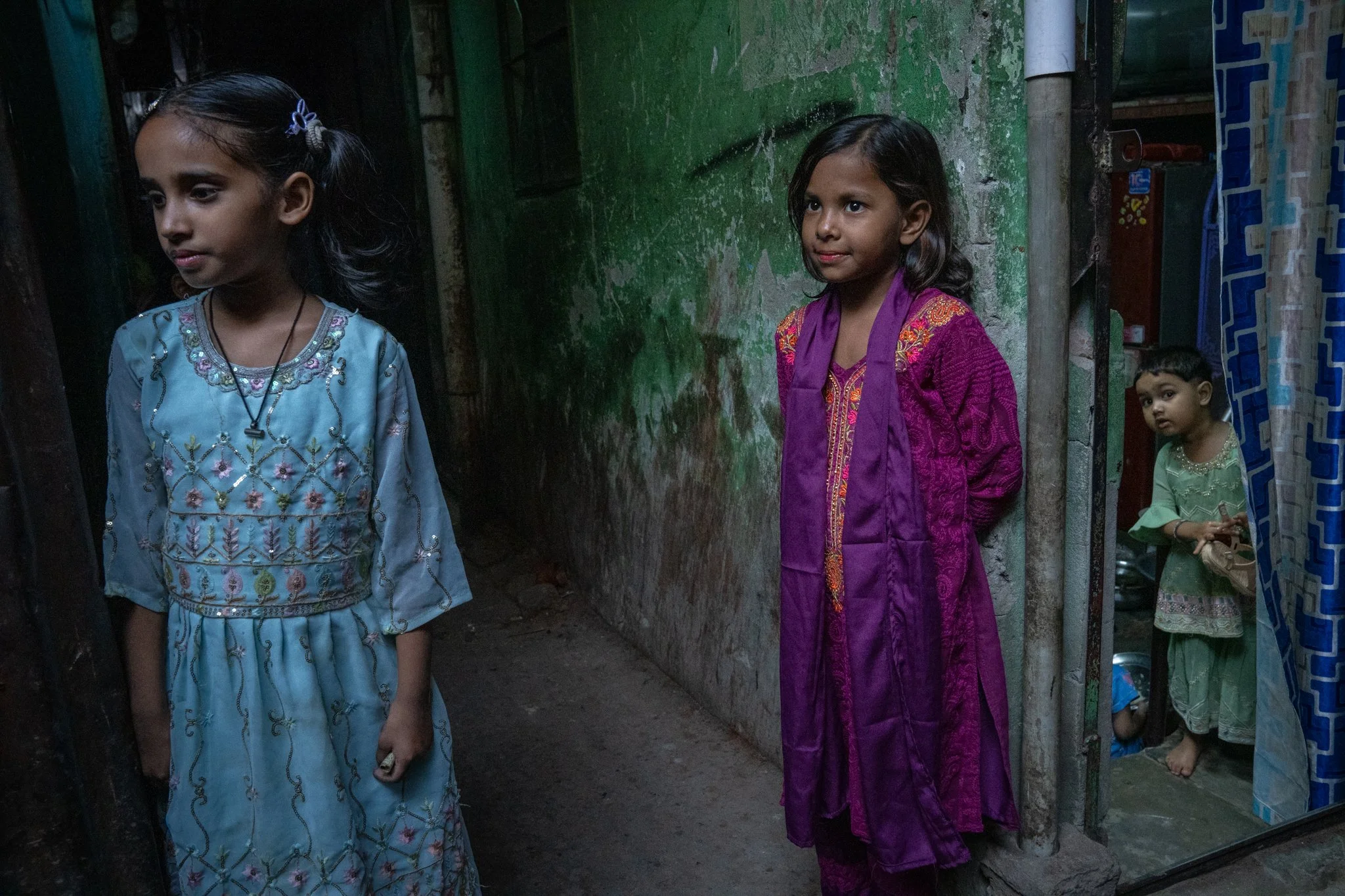
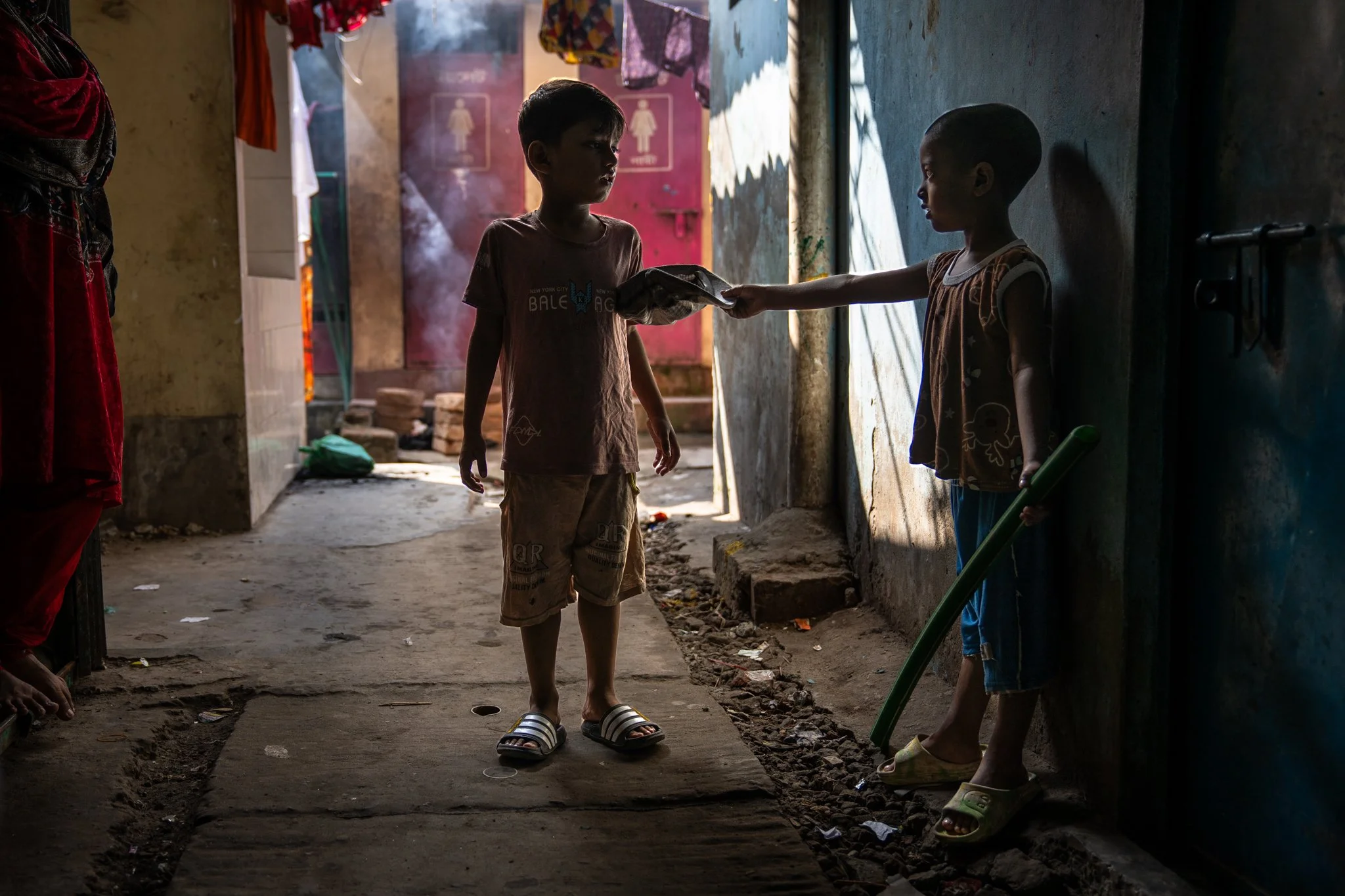
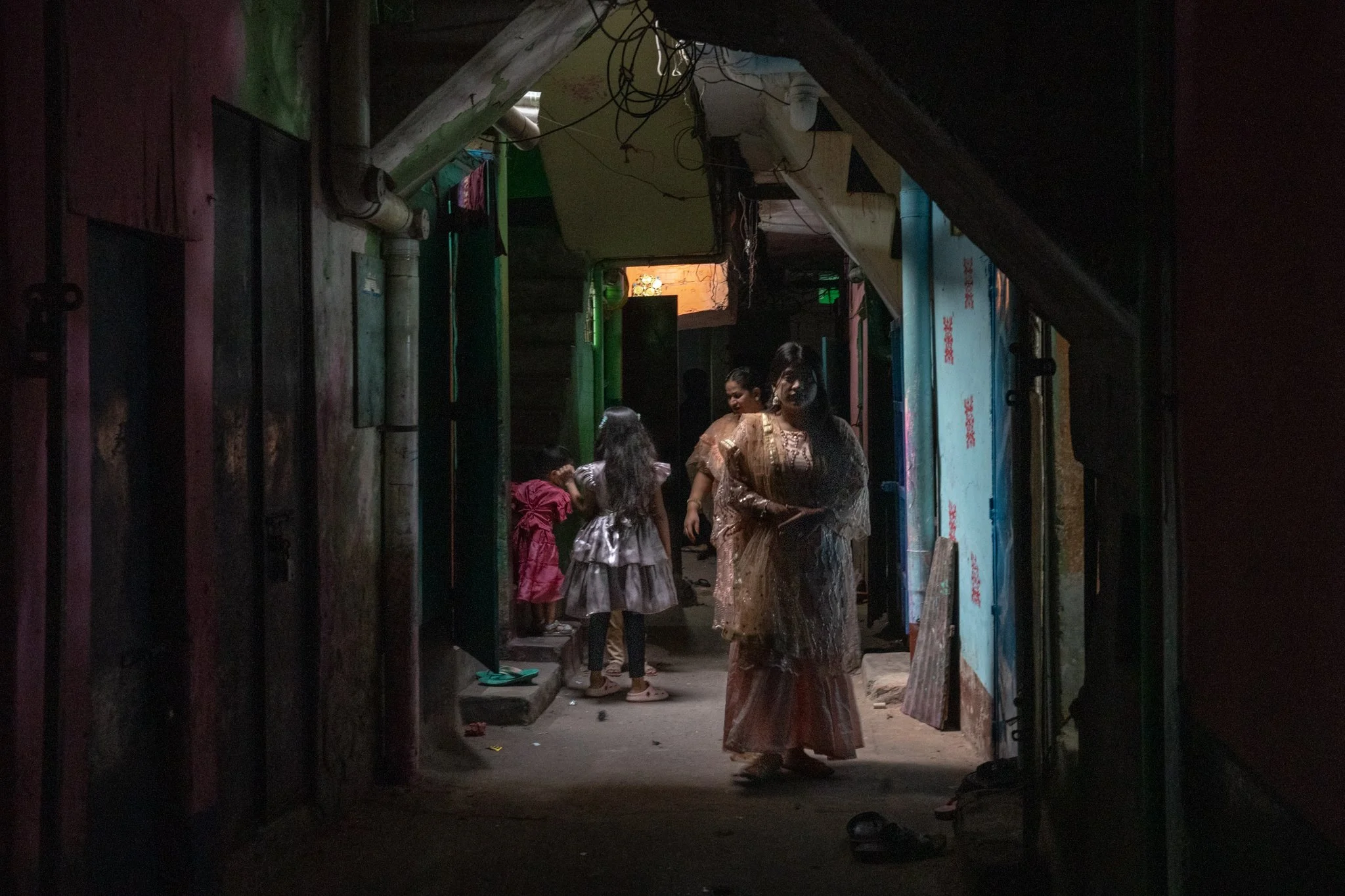
GENEVA CAMP, Dhaka, Bangladesh 2025 by Anne Launcelott
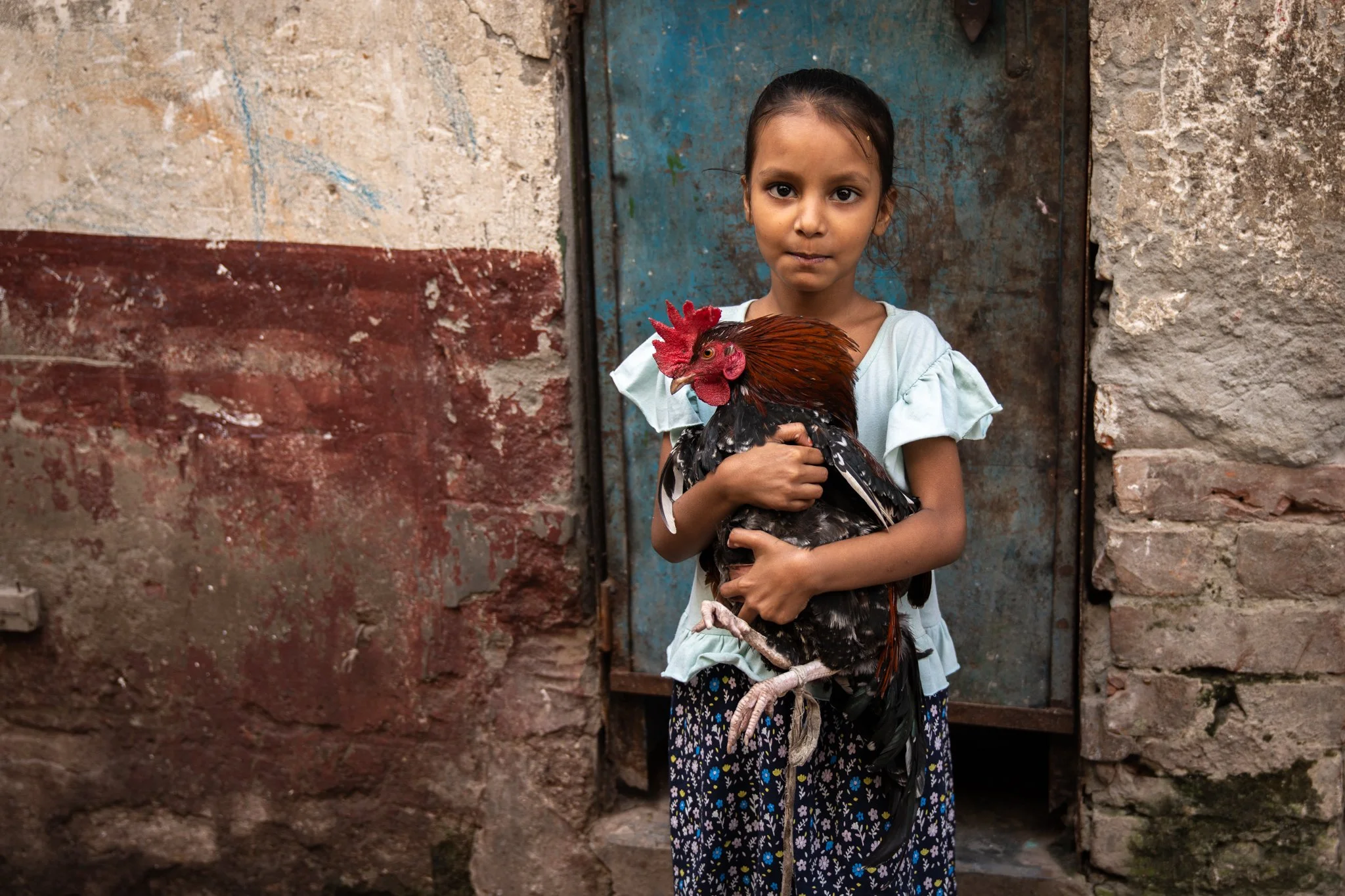
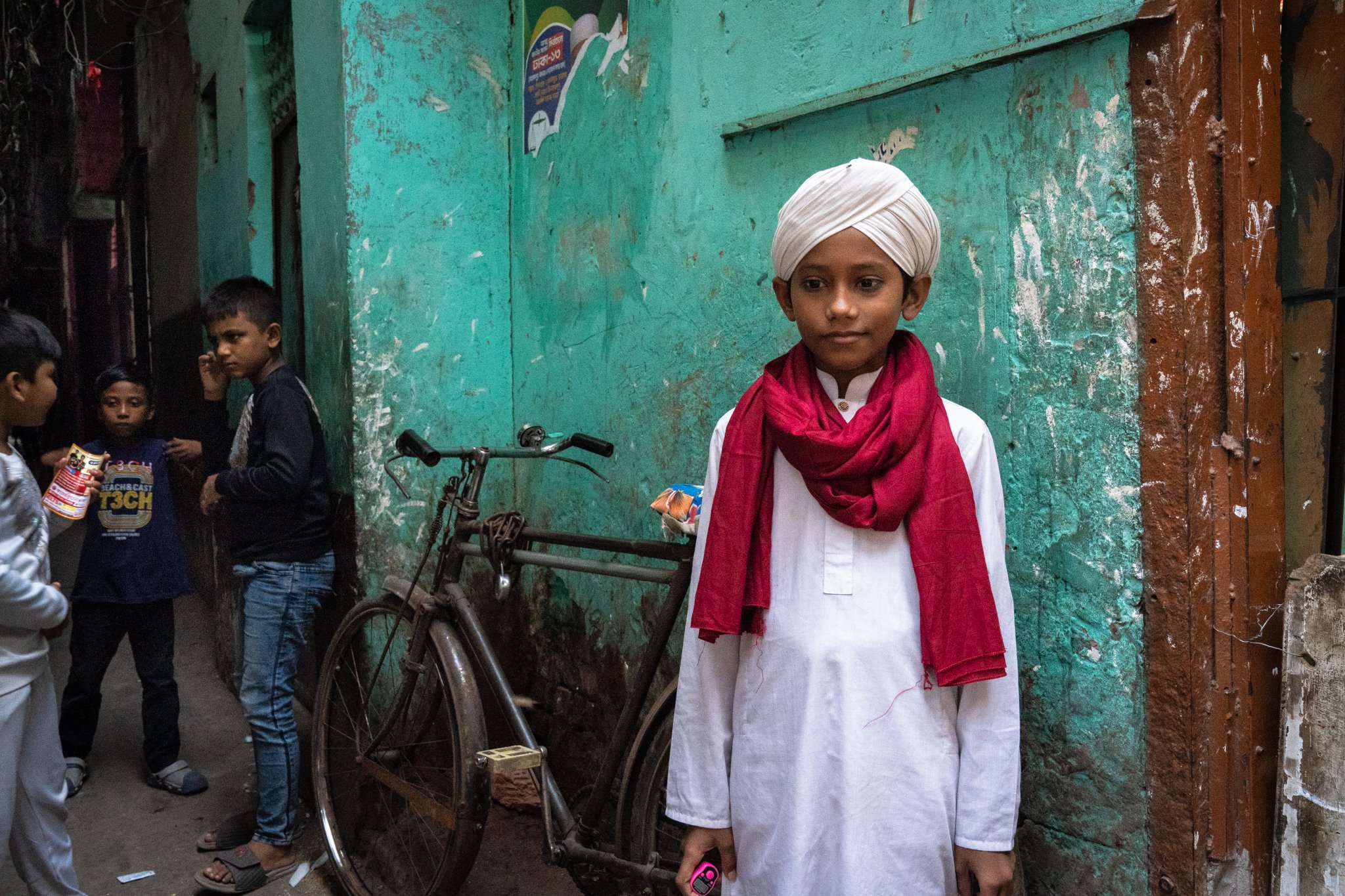
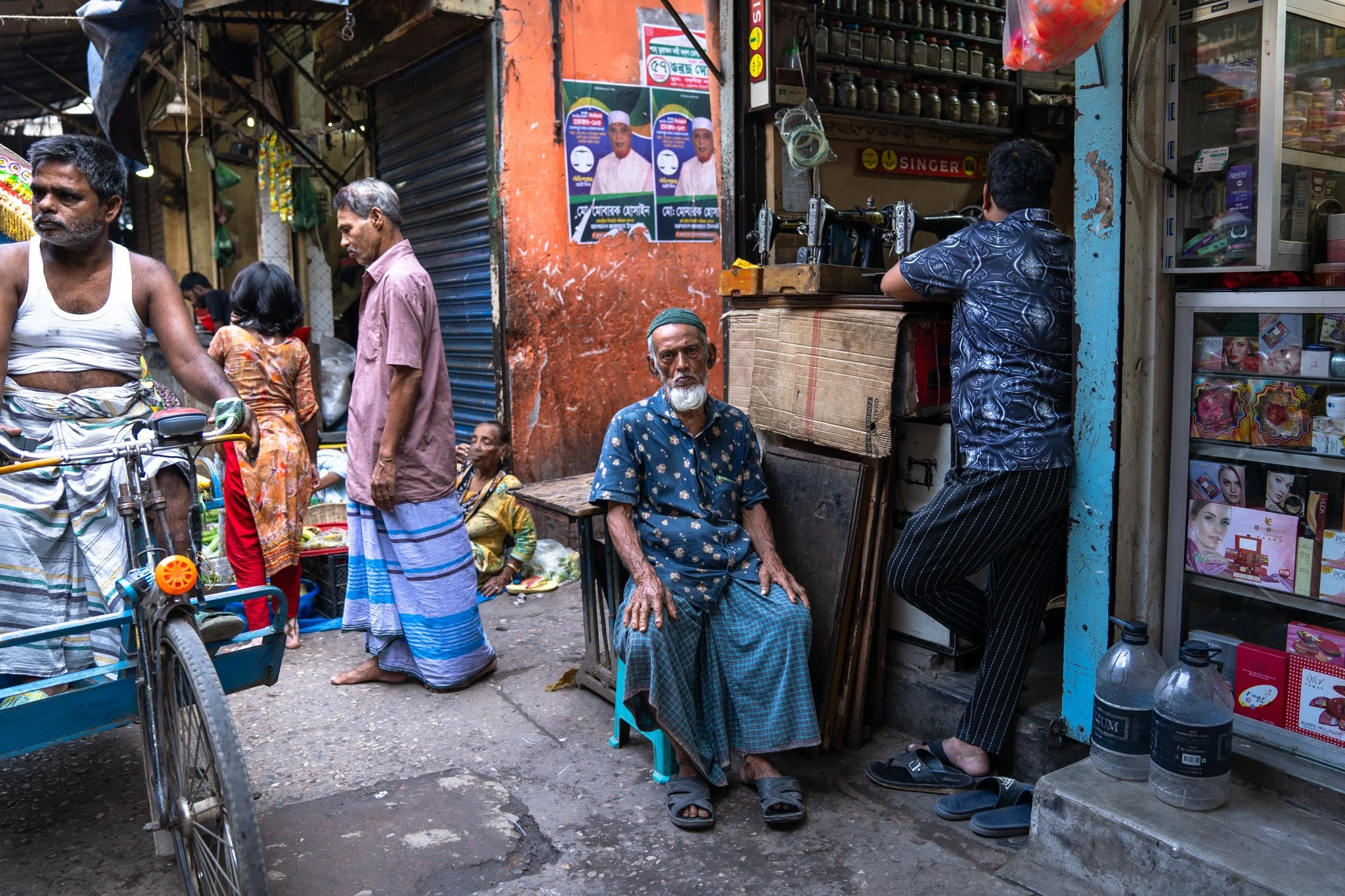
The Geneva Camp in Dhaka is the largest and most prominent settlement for the Urdu-speaking community, known as Biharis. Their origins trace back to the 1947 partition of British India. Thousands of Urdu-speaking Muslims, mainly from Bihar, migrated to East Pakistan, which became Bangladesh after the Bangladesh Liberation War in 1971. Many Biharis were seen as aligning with West Pakistan due to ethnic and linguistic ties, with some joining pro-Pakistani paramilitary forces responsible for mass killings, rapes, and atrocities against Bengali nationalists and Hindu residents. This involvement strongly contributed to the perception of the entire community as “traitors” or “collaborators” among many Bengalis. Following Bangladesh’s independence, this community faced violence and was rendered stateless, leading to their confinement in designated camps. For decades, they were called “Stranded Pakistanis” because many sought repatriation to Pakistan, which the Pakistani government failed to facilitate. This left hundreds of thousands in legal limbo, without citizenship and facing marginalisation.
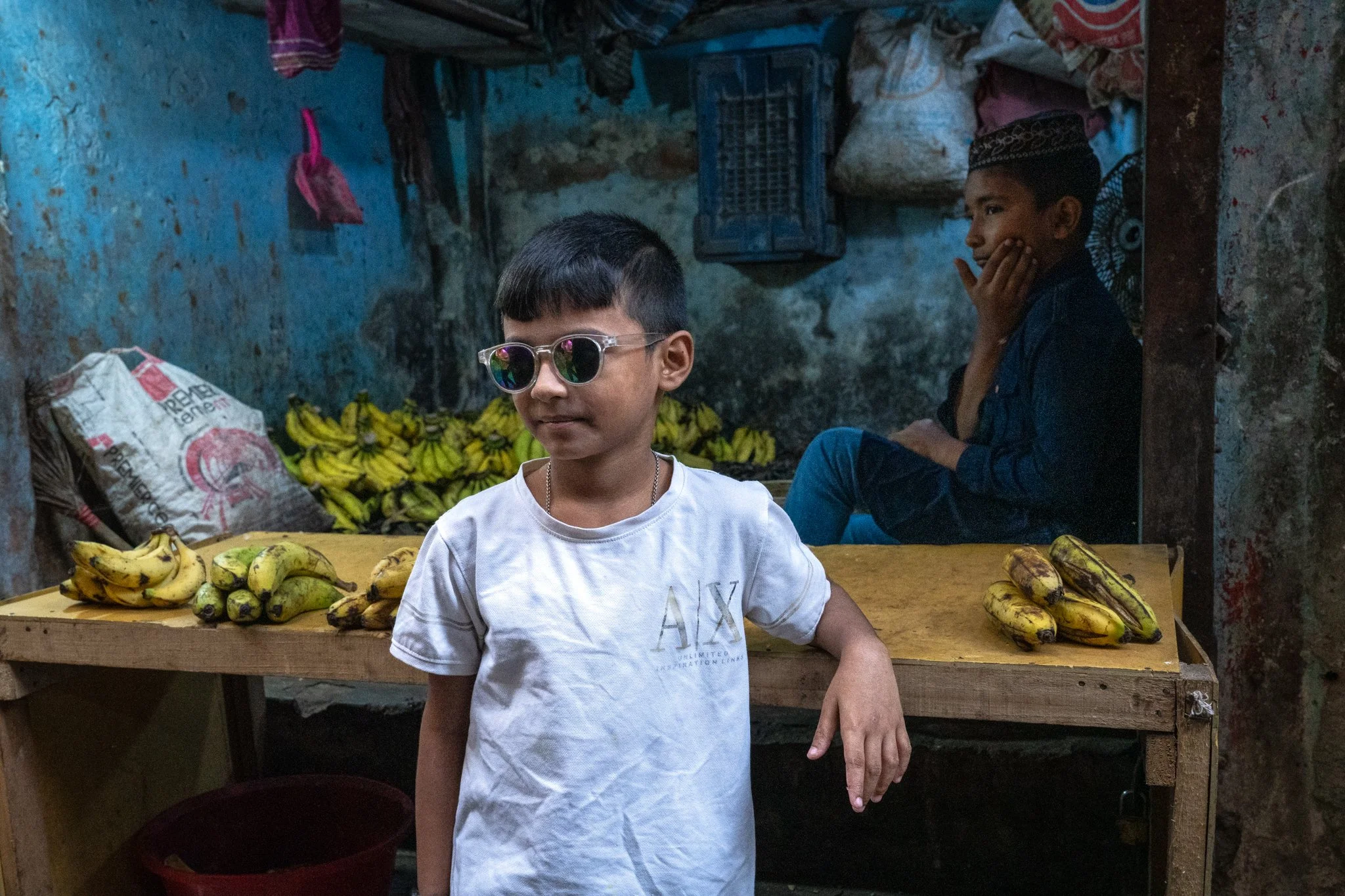
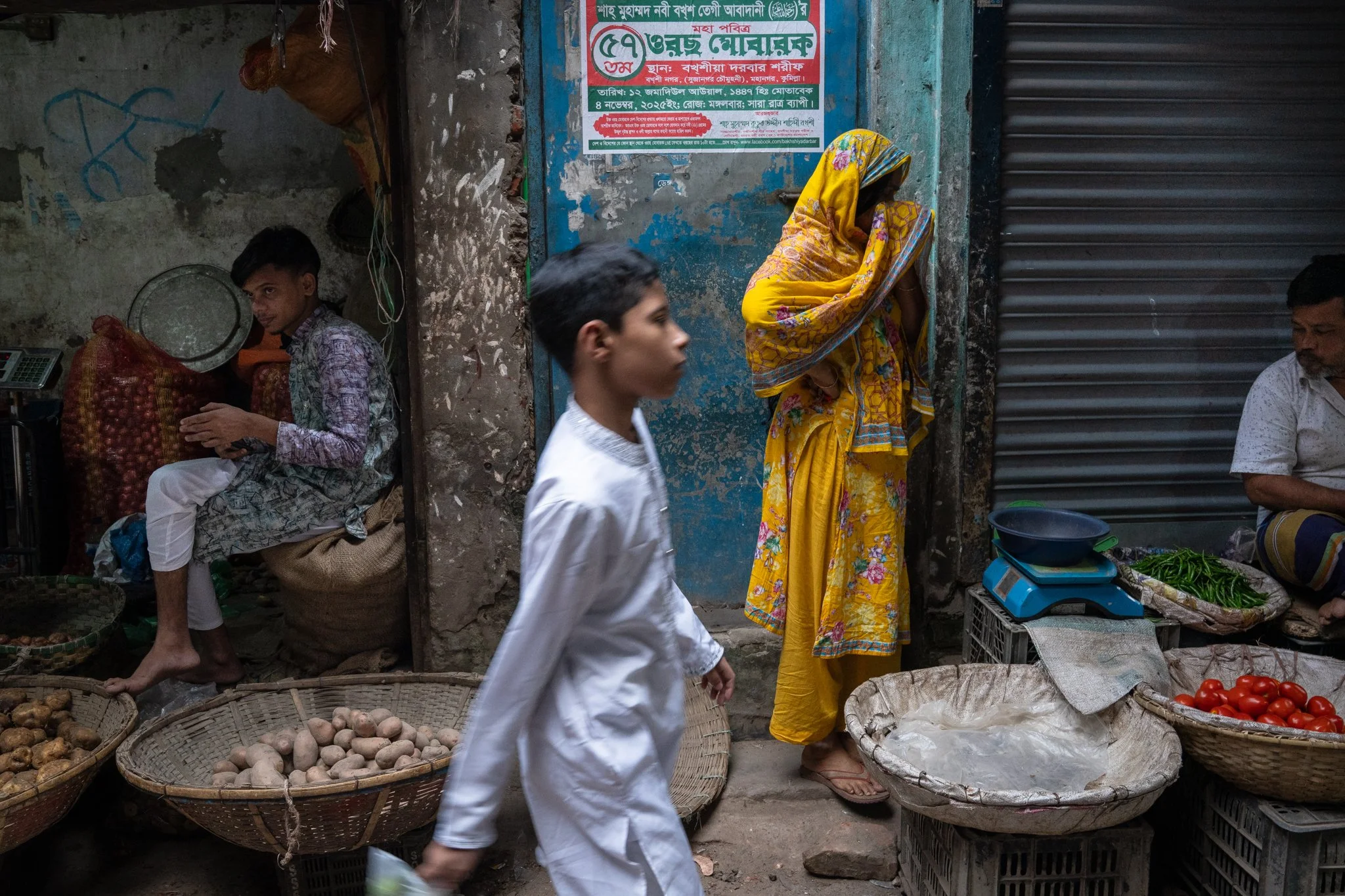
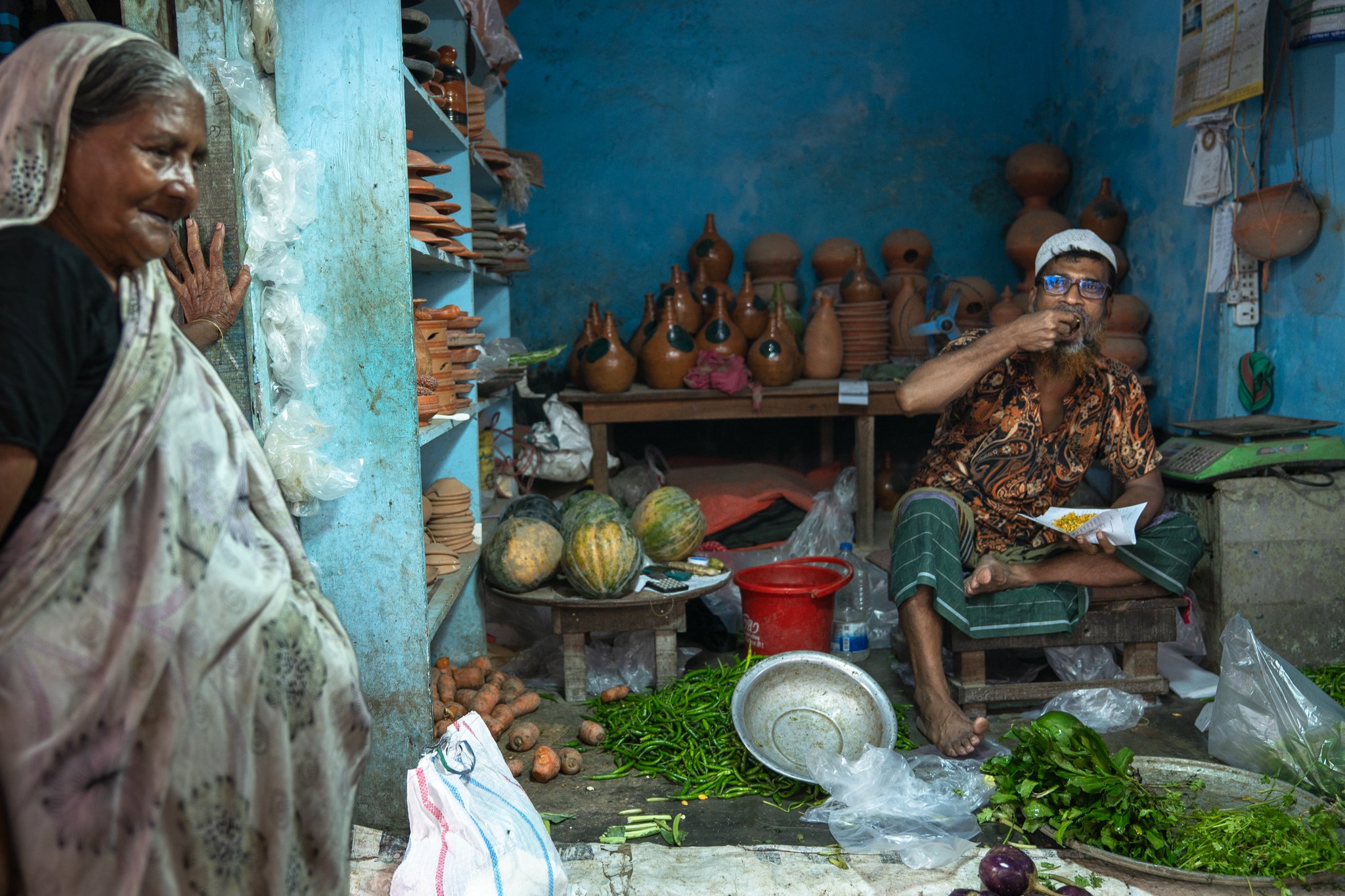
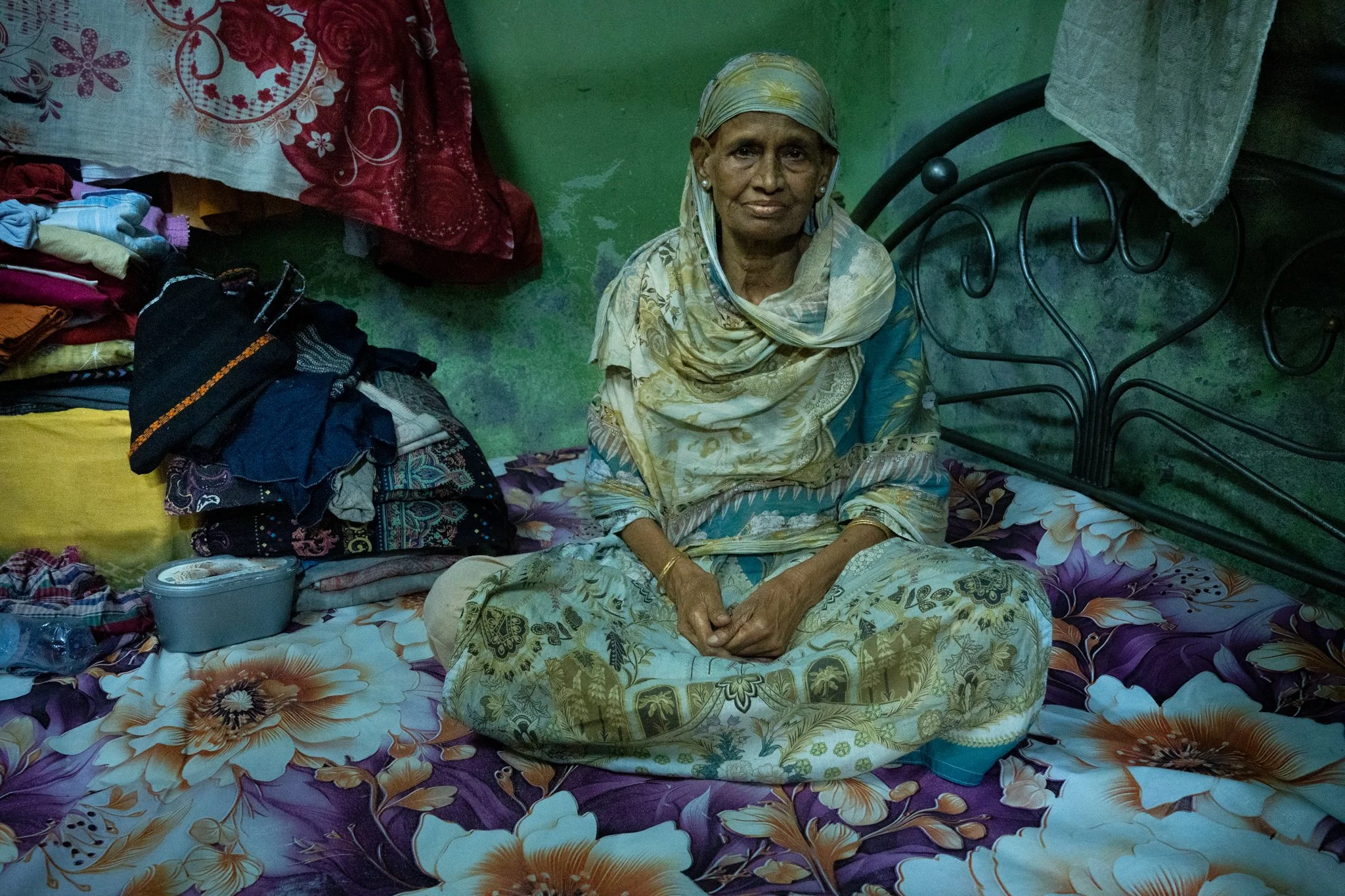
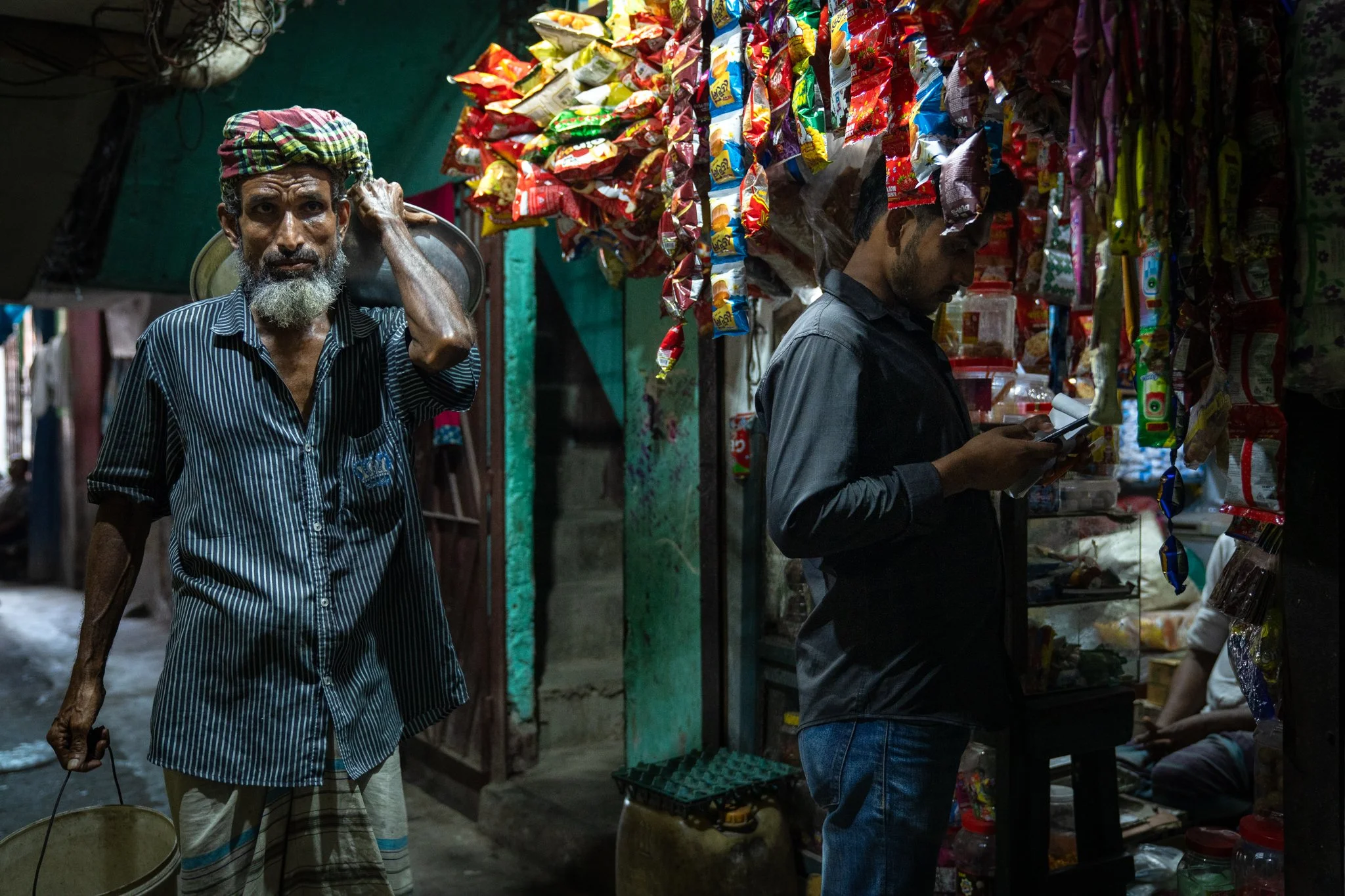
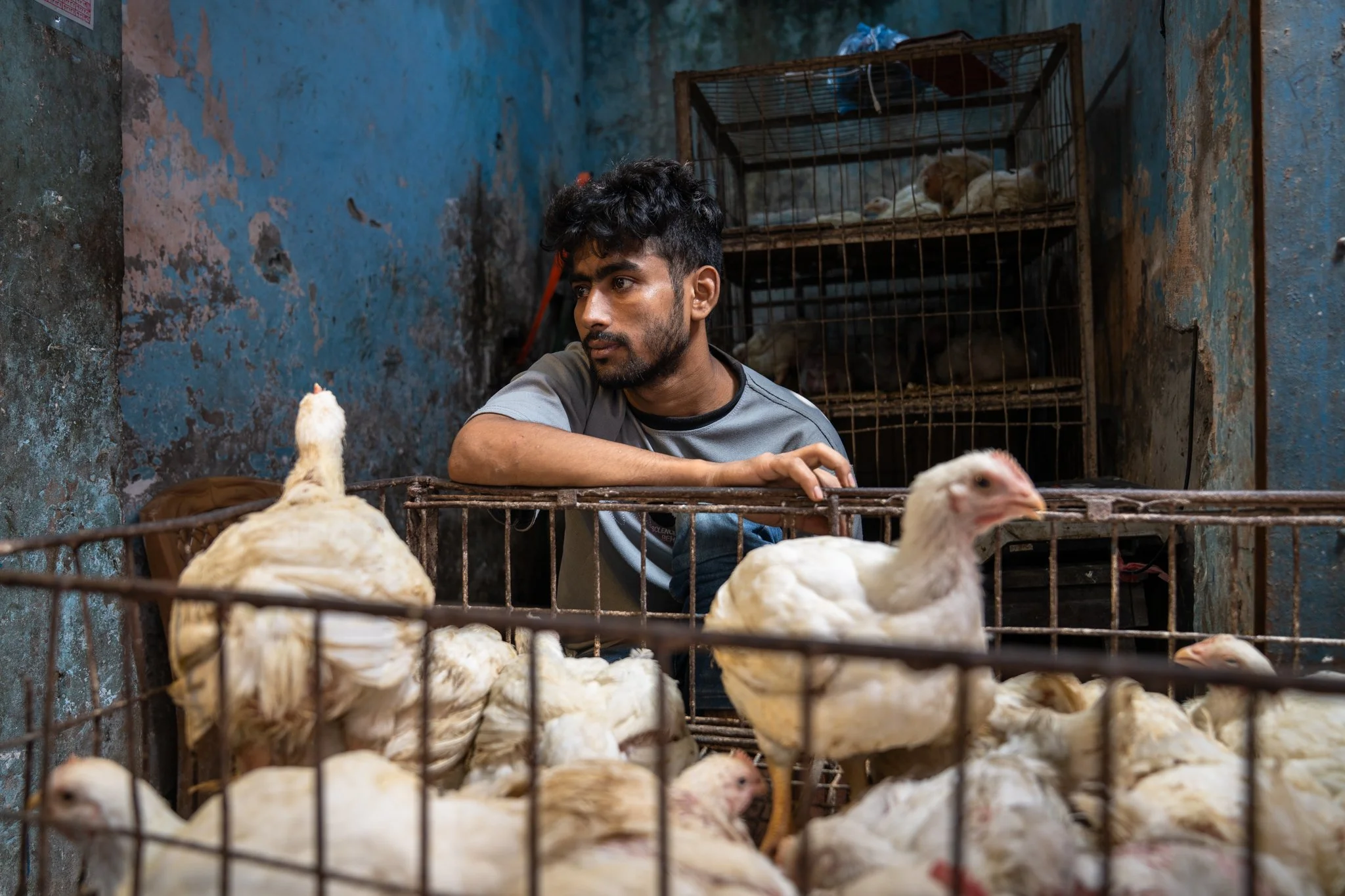
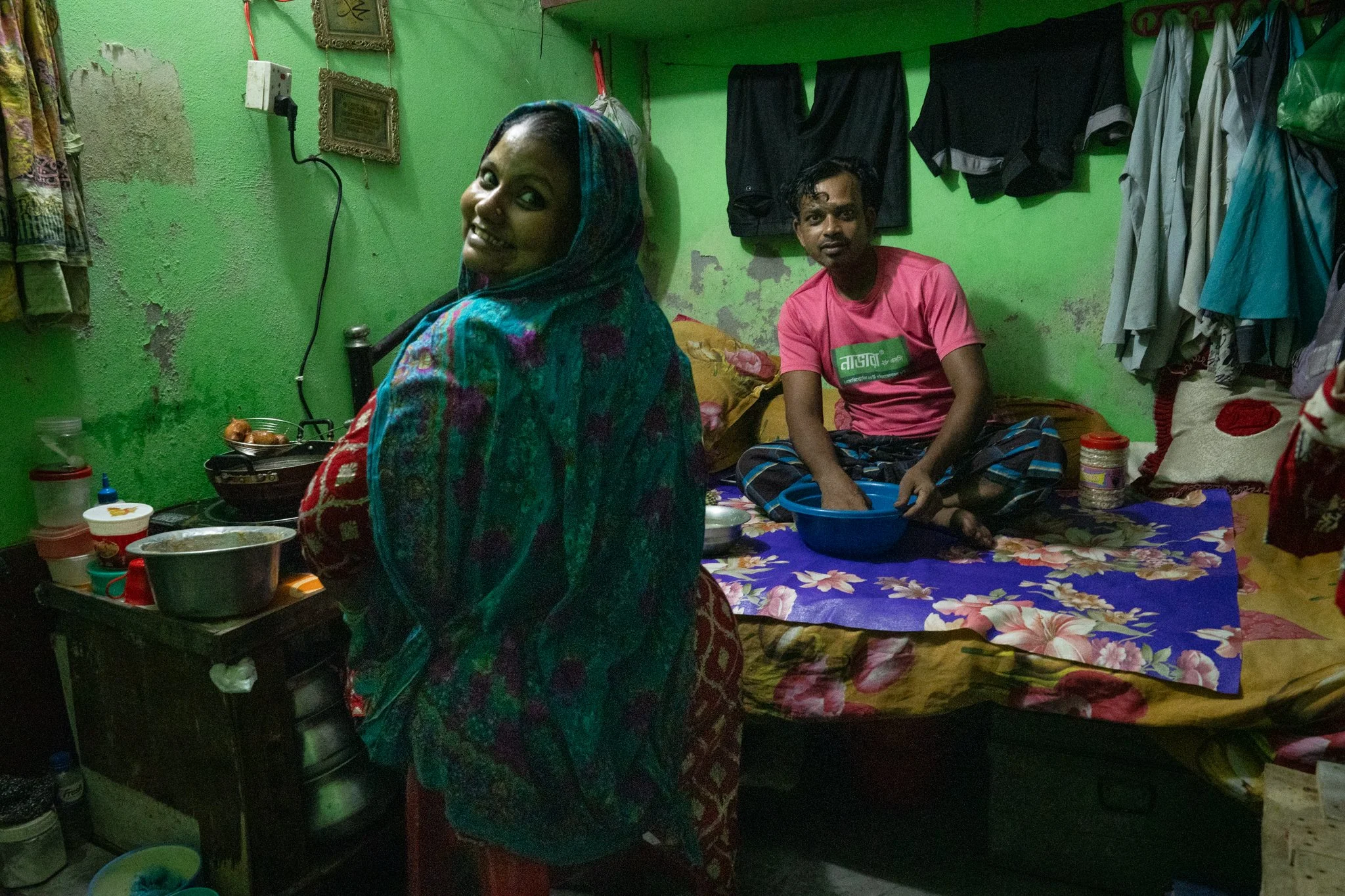
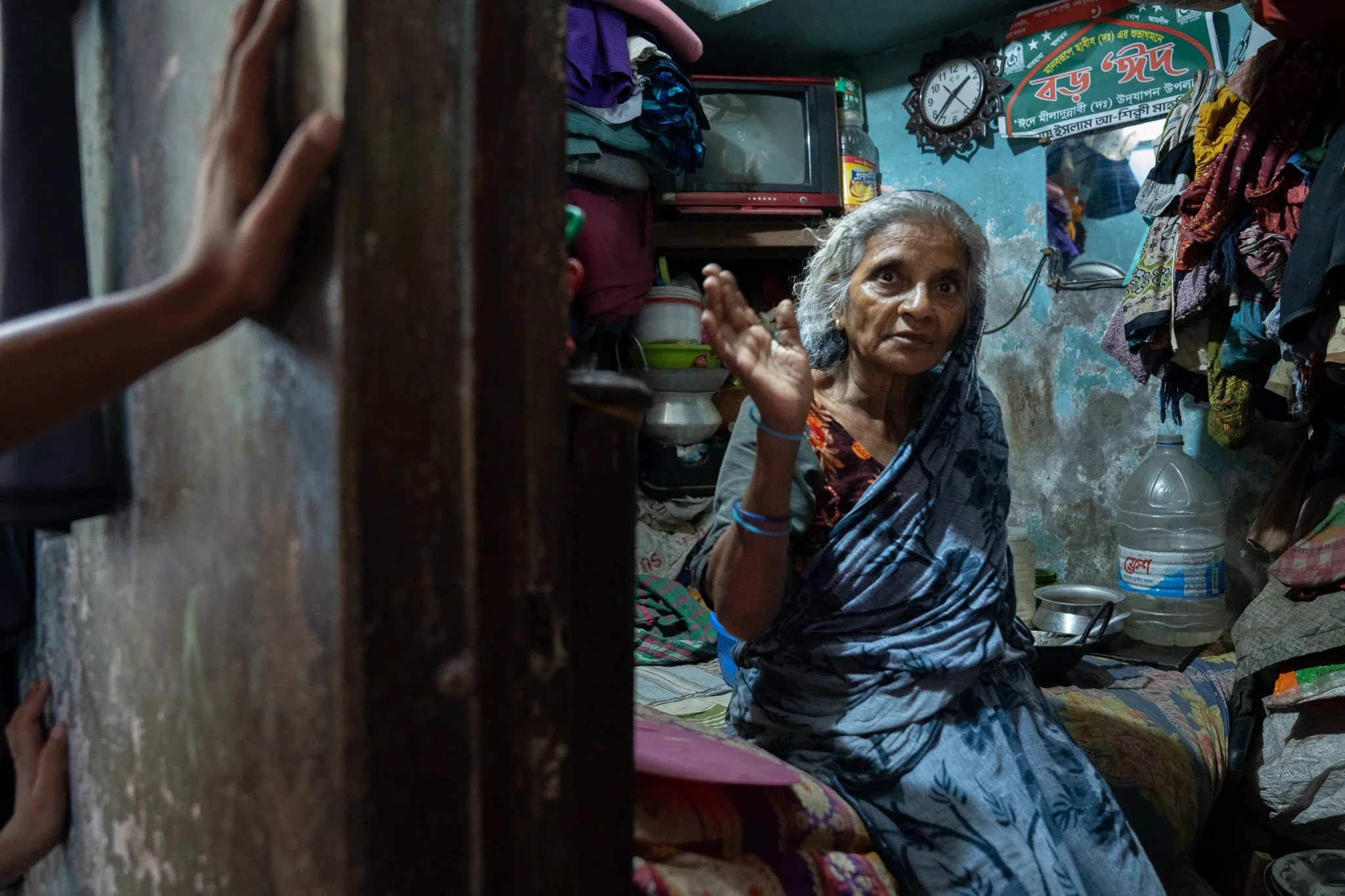
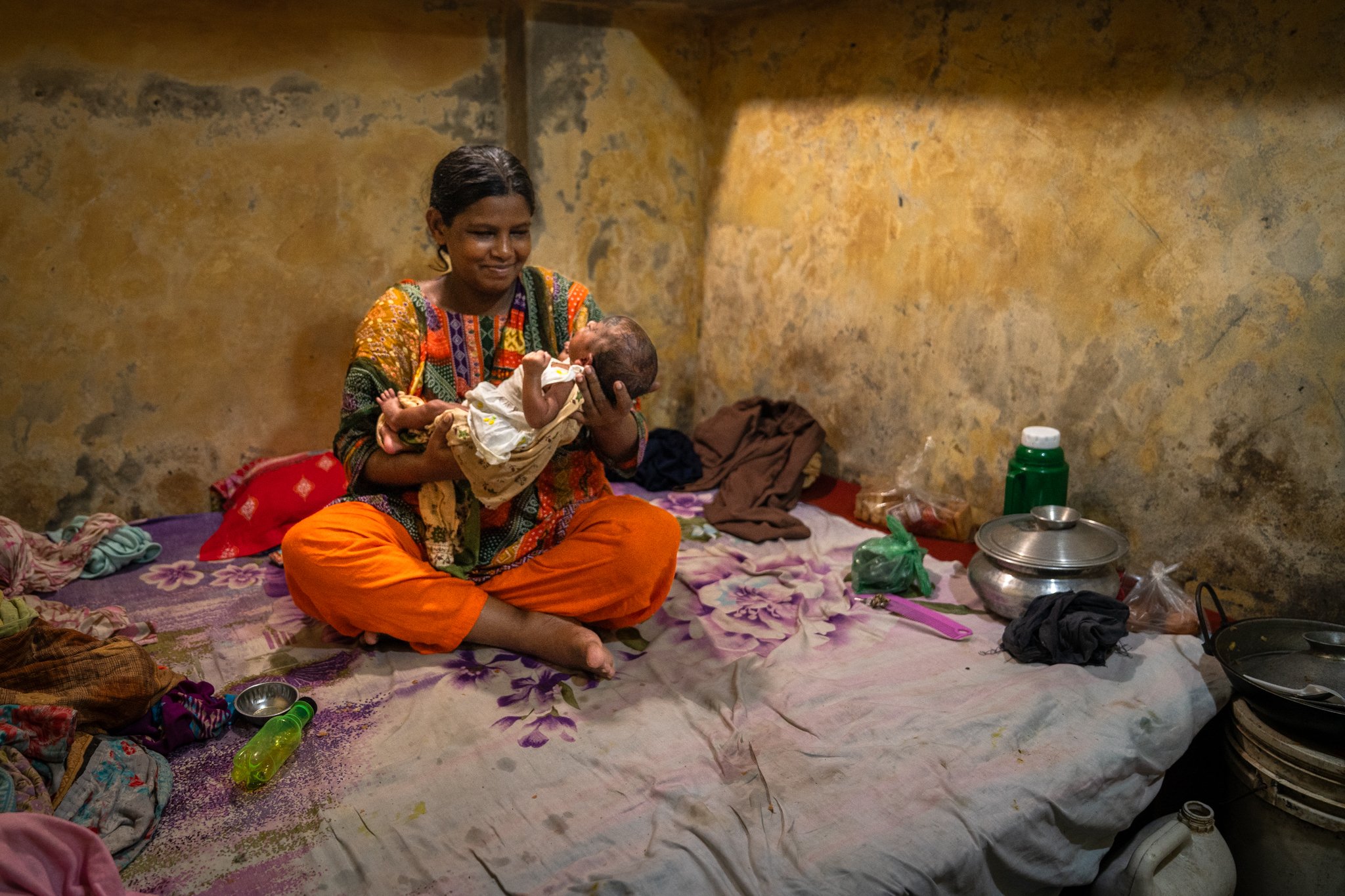
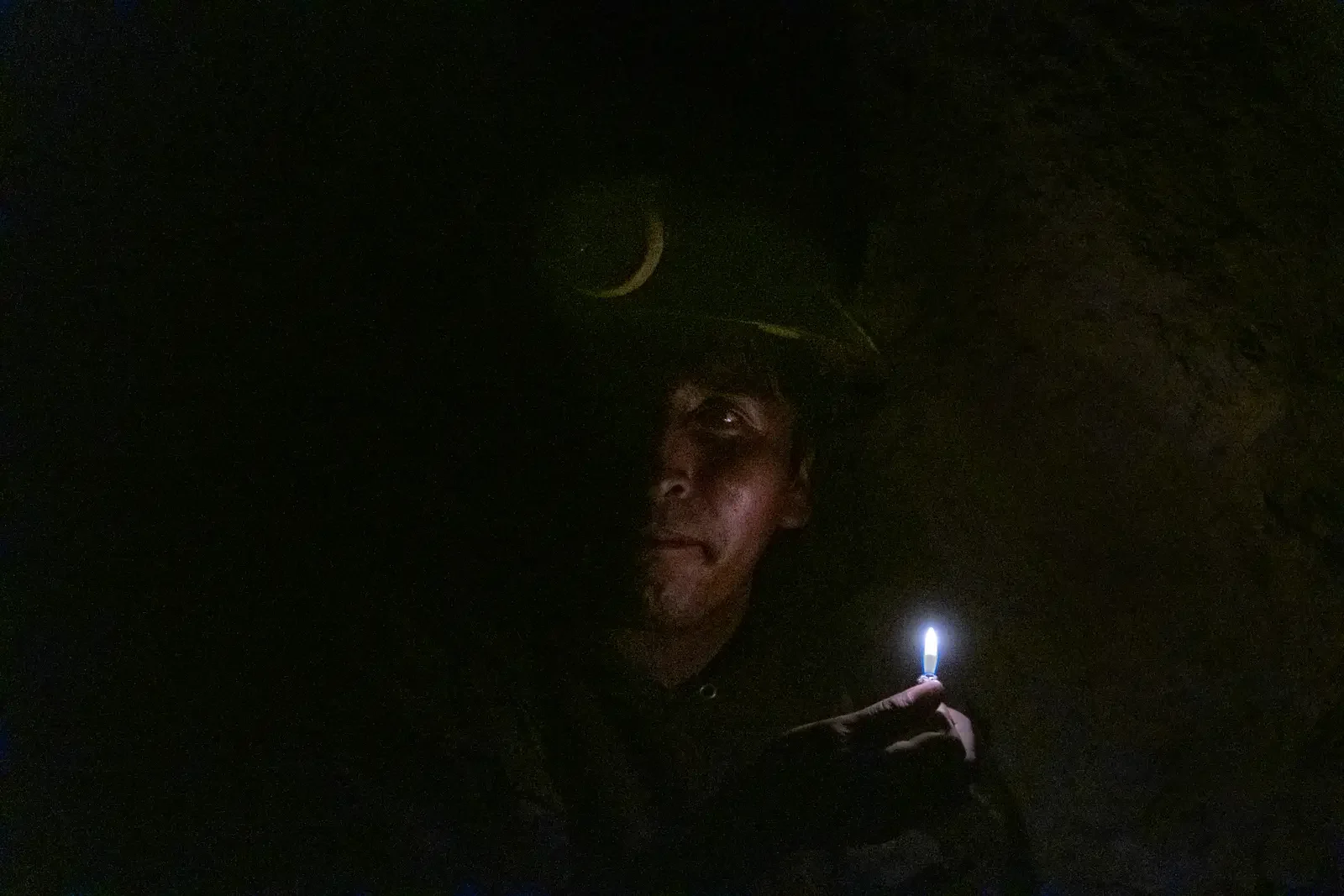
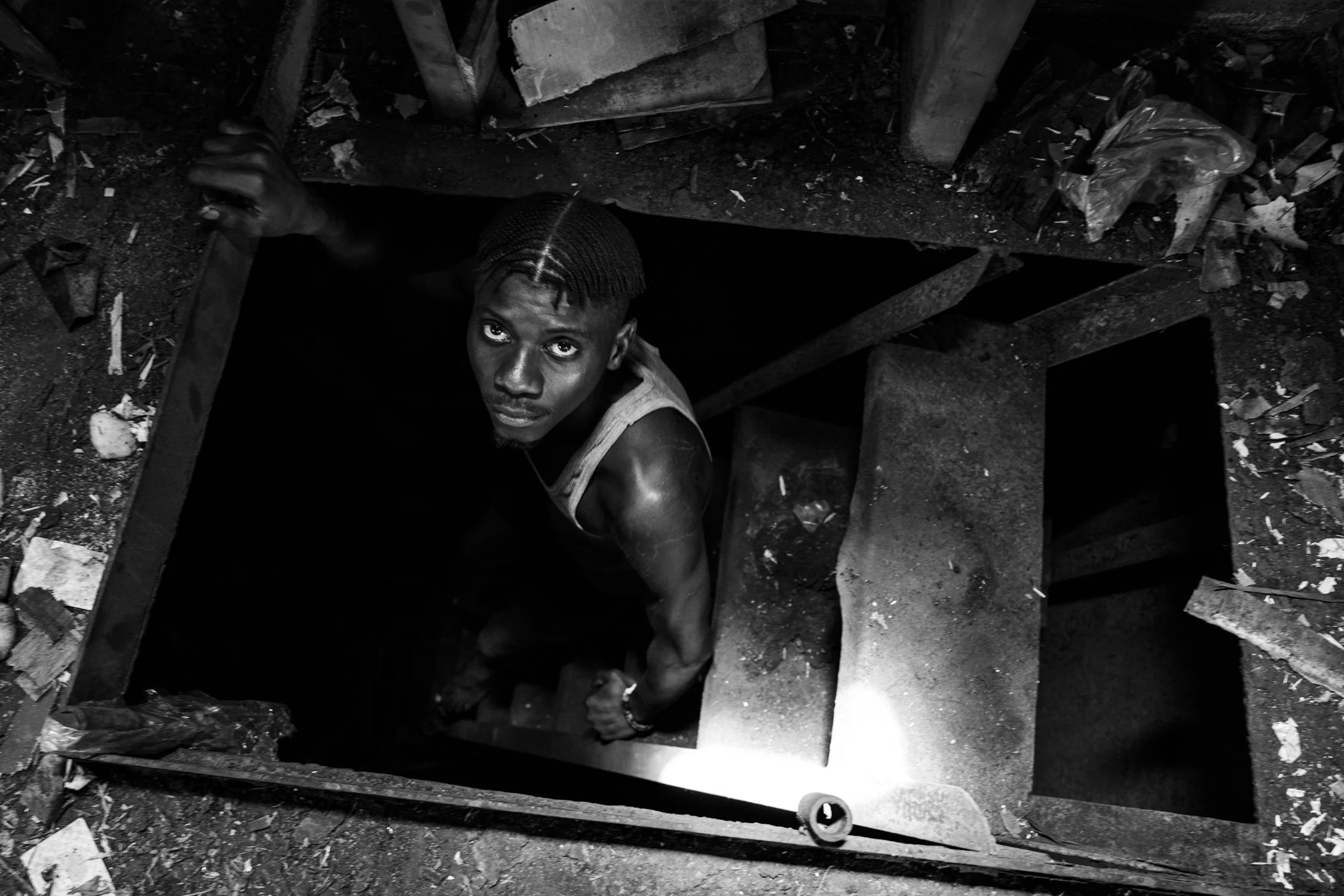
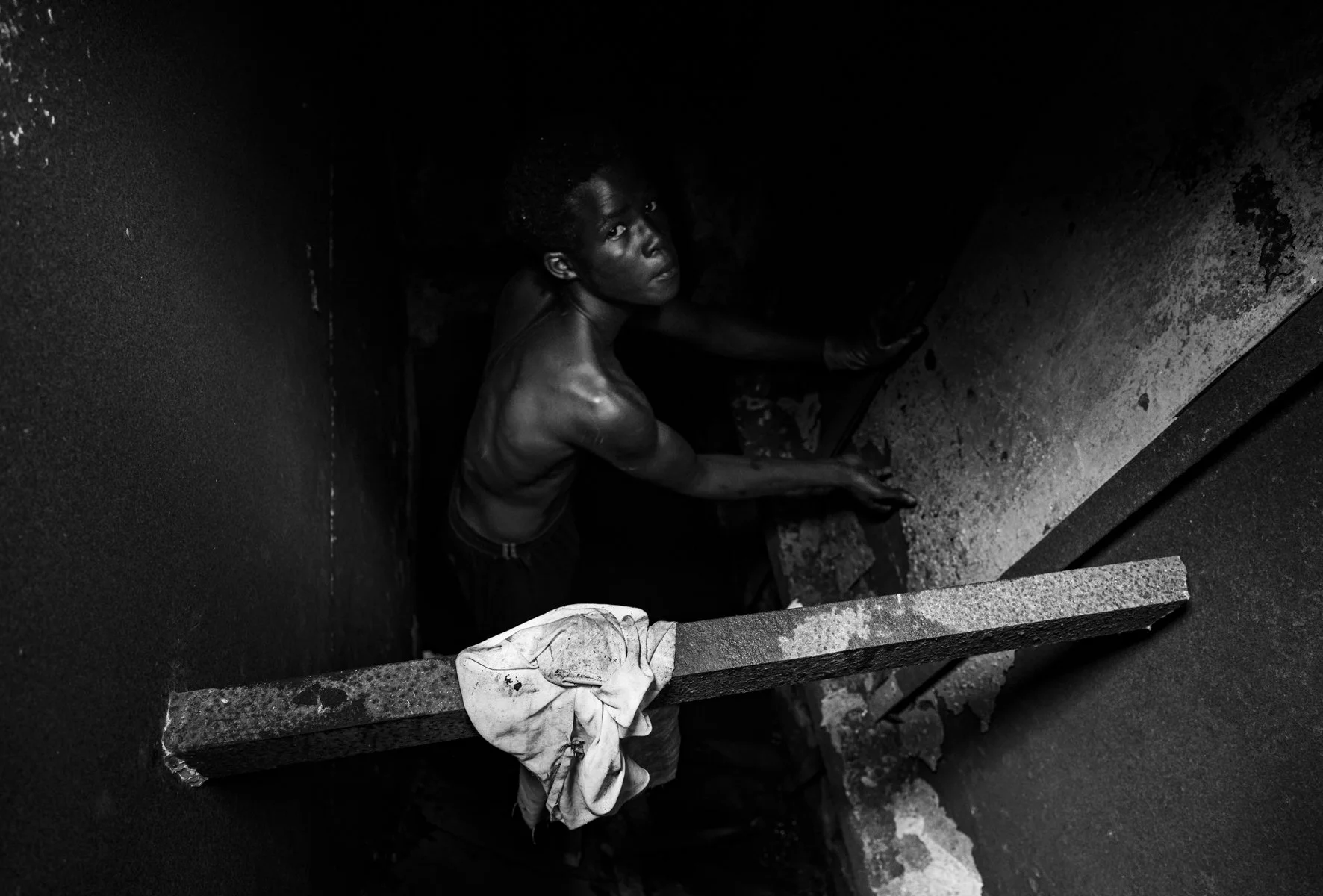
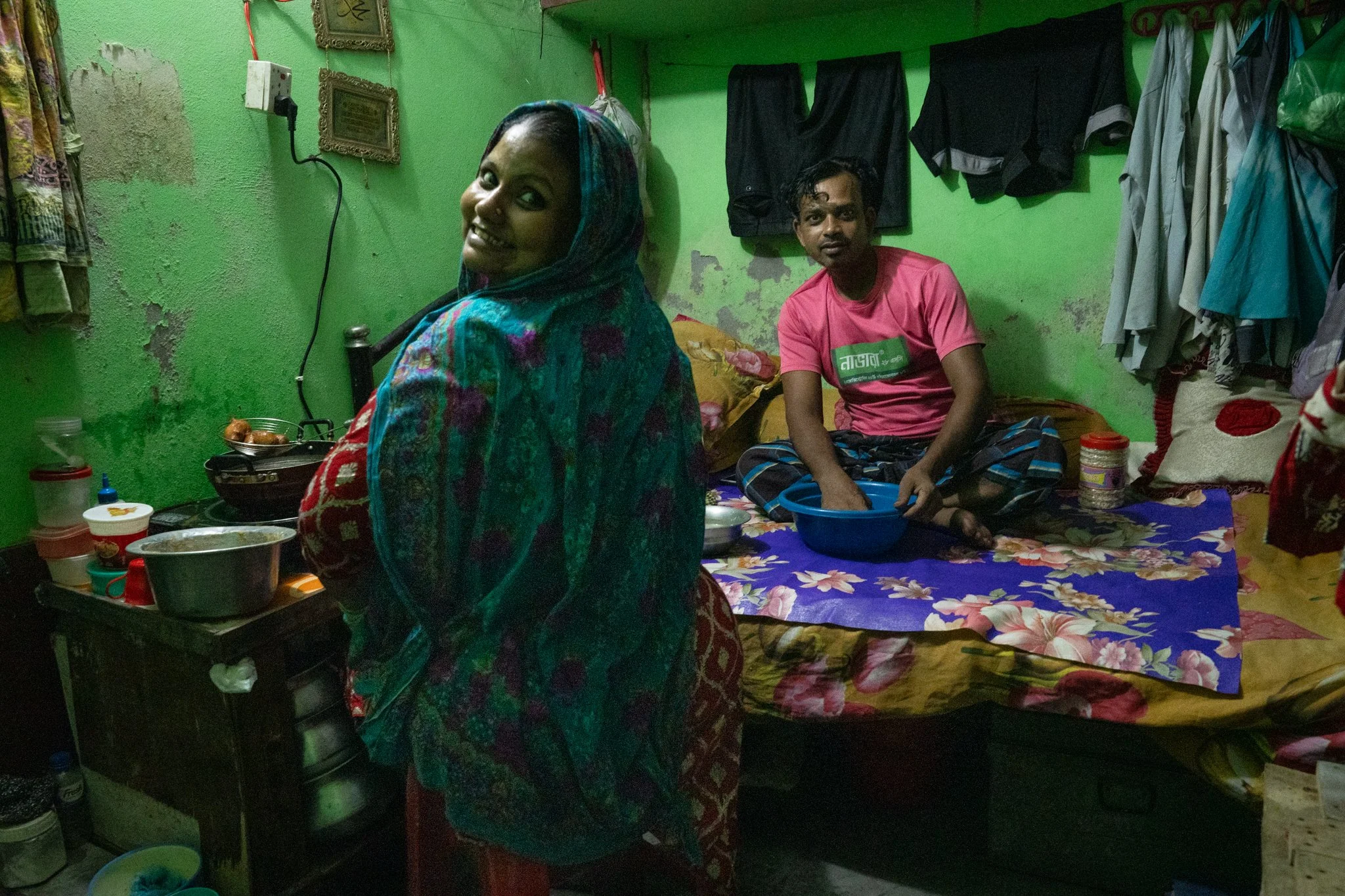
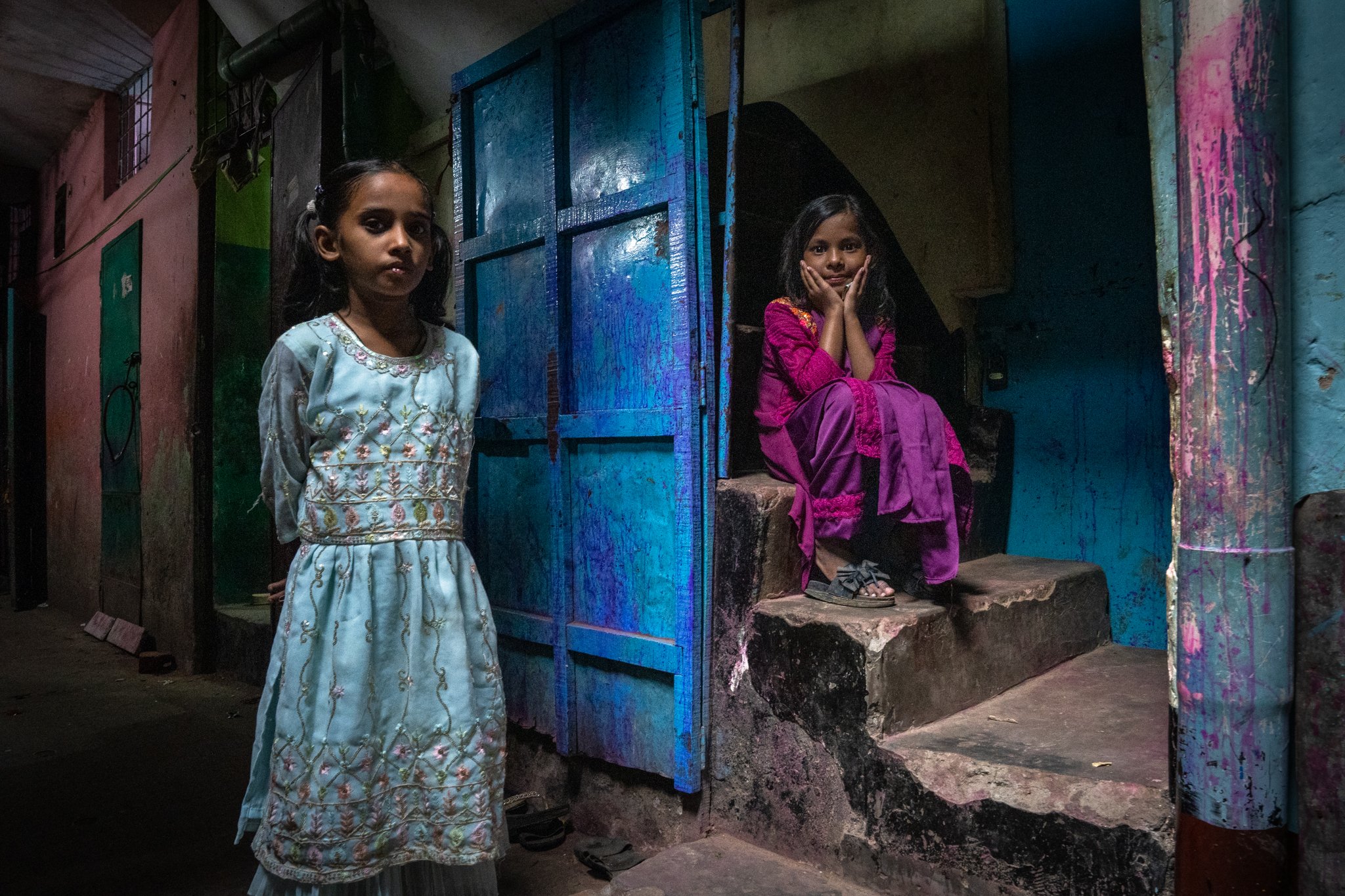
In 2008, the Dhaka High Court granted citizenship rights to Biharis born after the 1971 war and those who were minors at that time. Despite this legal recognition, the camp remains extremely crowded, impoverished, and underdeveloped. Today, the camp is often described as a “city within a city,” characterised by limited shared toilets, open or inadequate sanitation, heaps of uncollected rubbish, shortages of basic utilities like water, electricity, and gas, and cramped living conditions in narrow, dark alleys (families of 6 to 10 sharing a single tiny room, sometimes as small as 8 ft x 8 ft). These factors create an unhealthy and unhygienic environment.
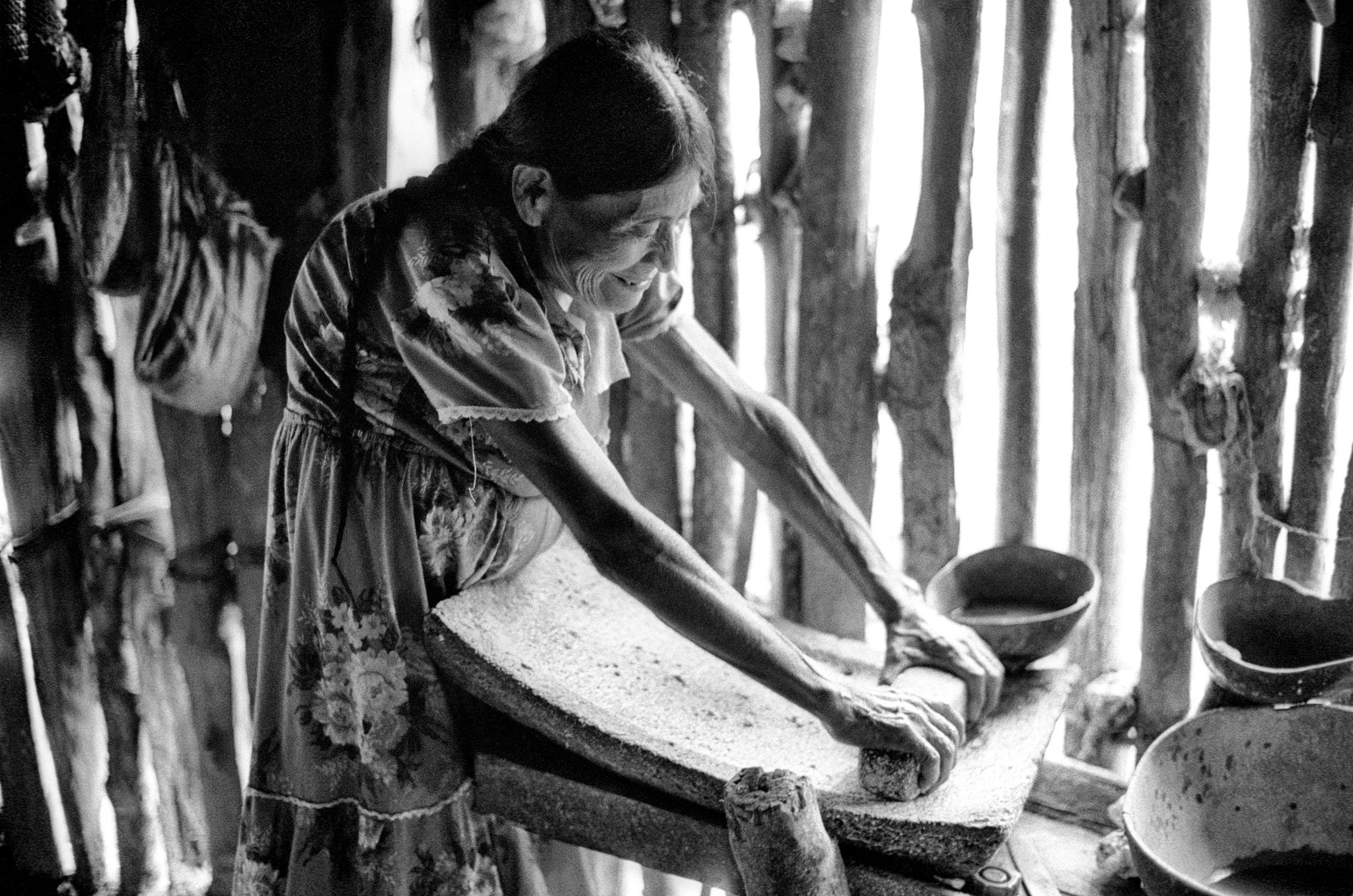
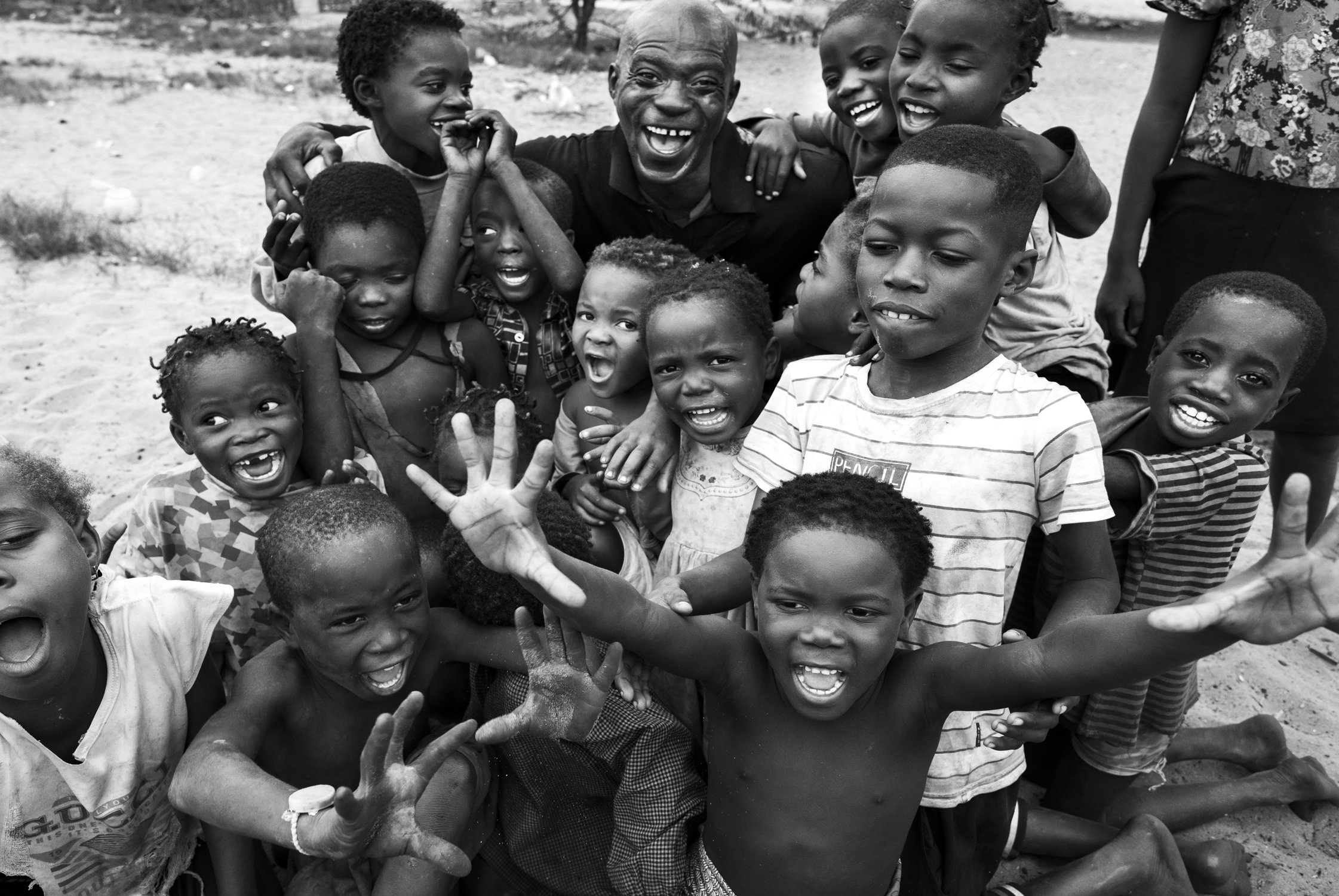
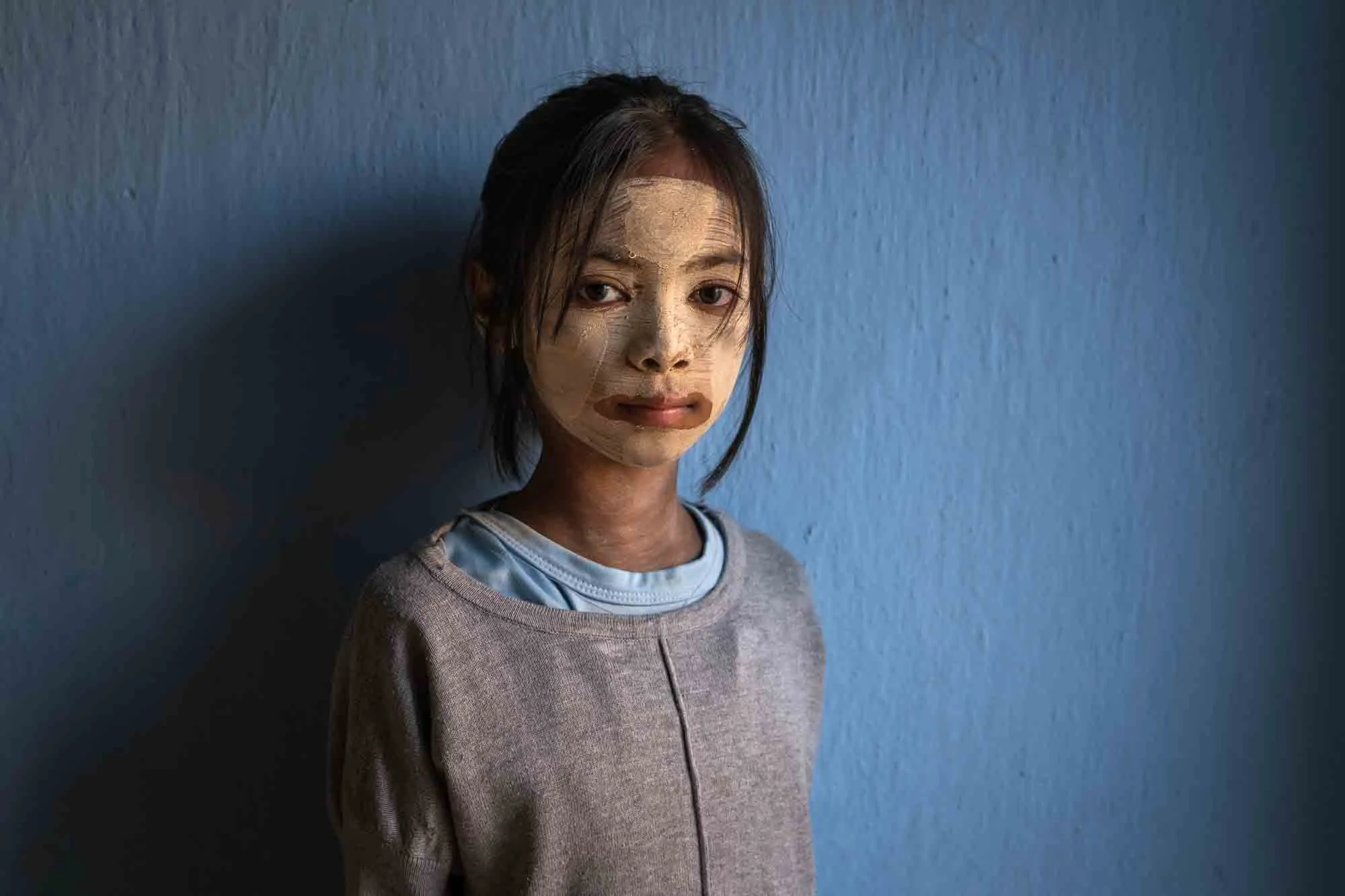
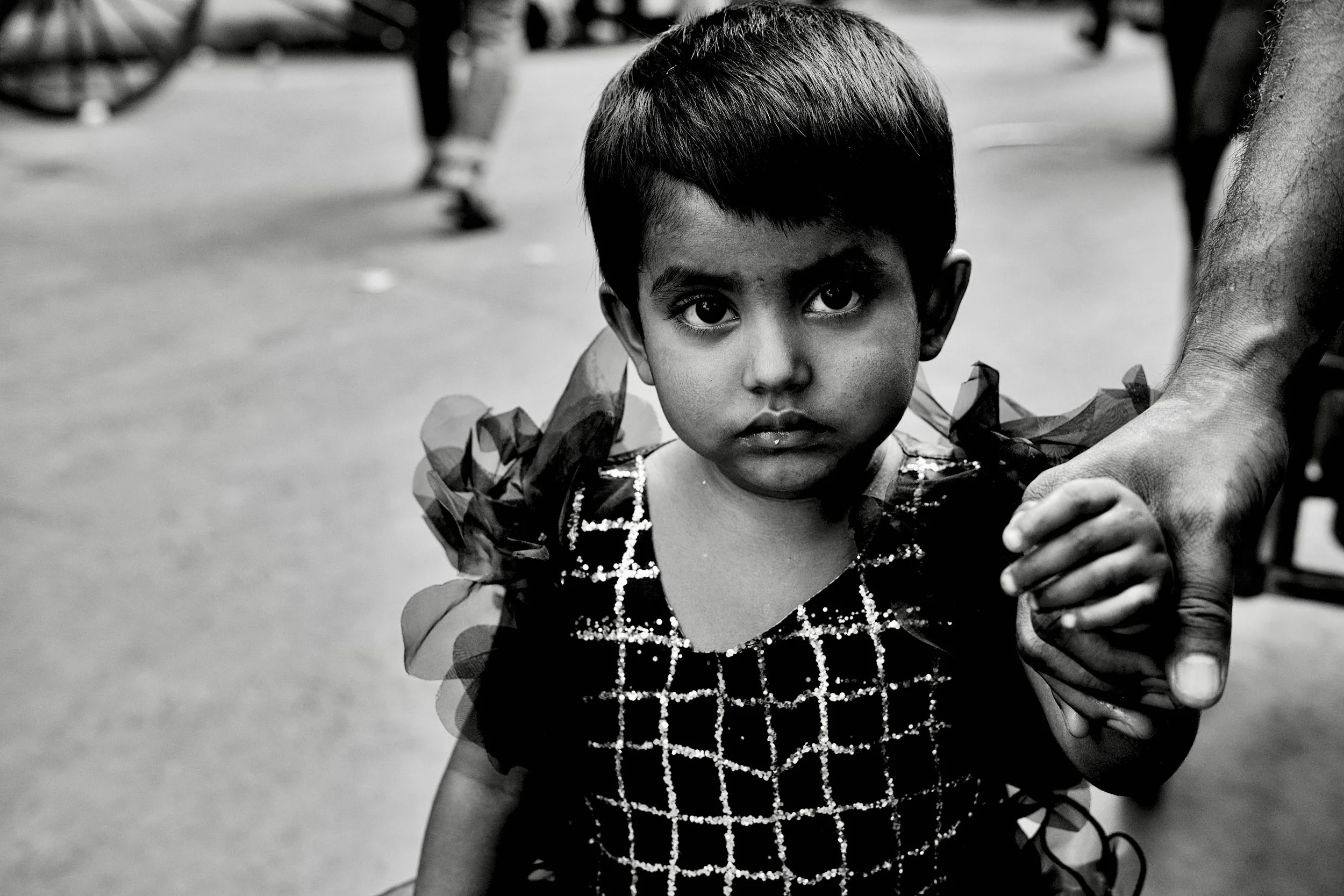
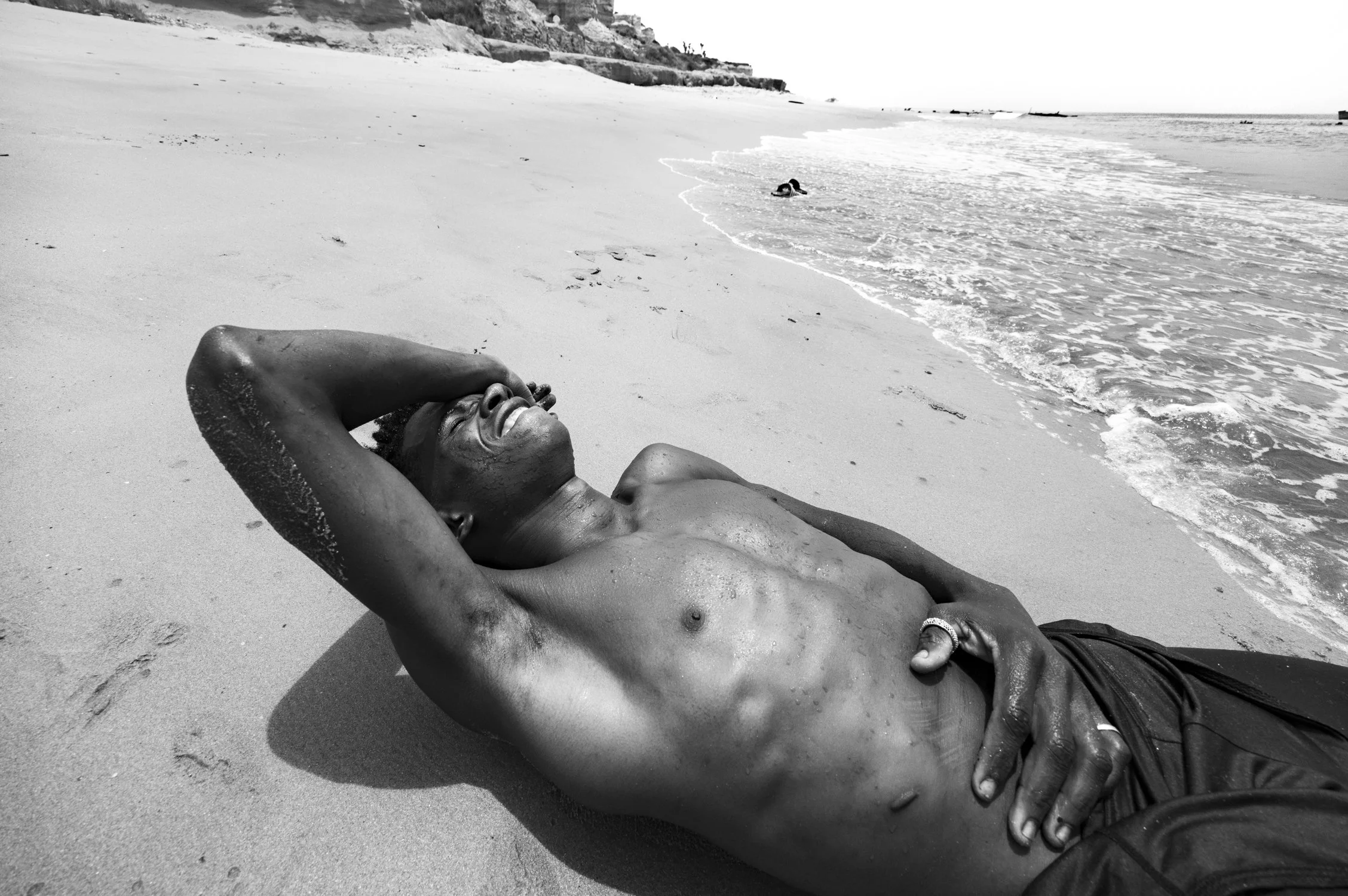
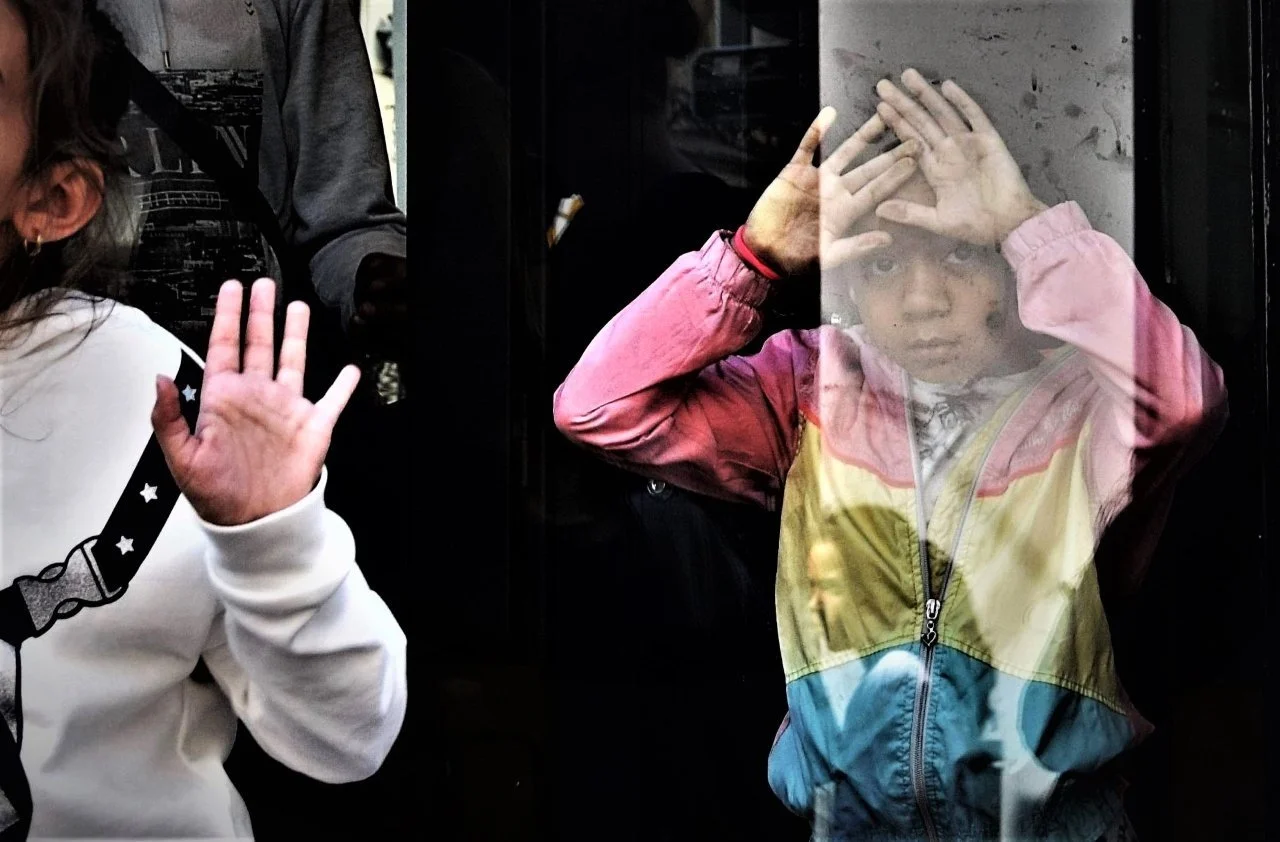
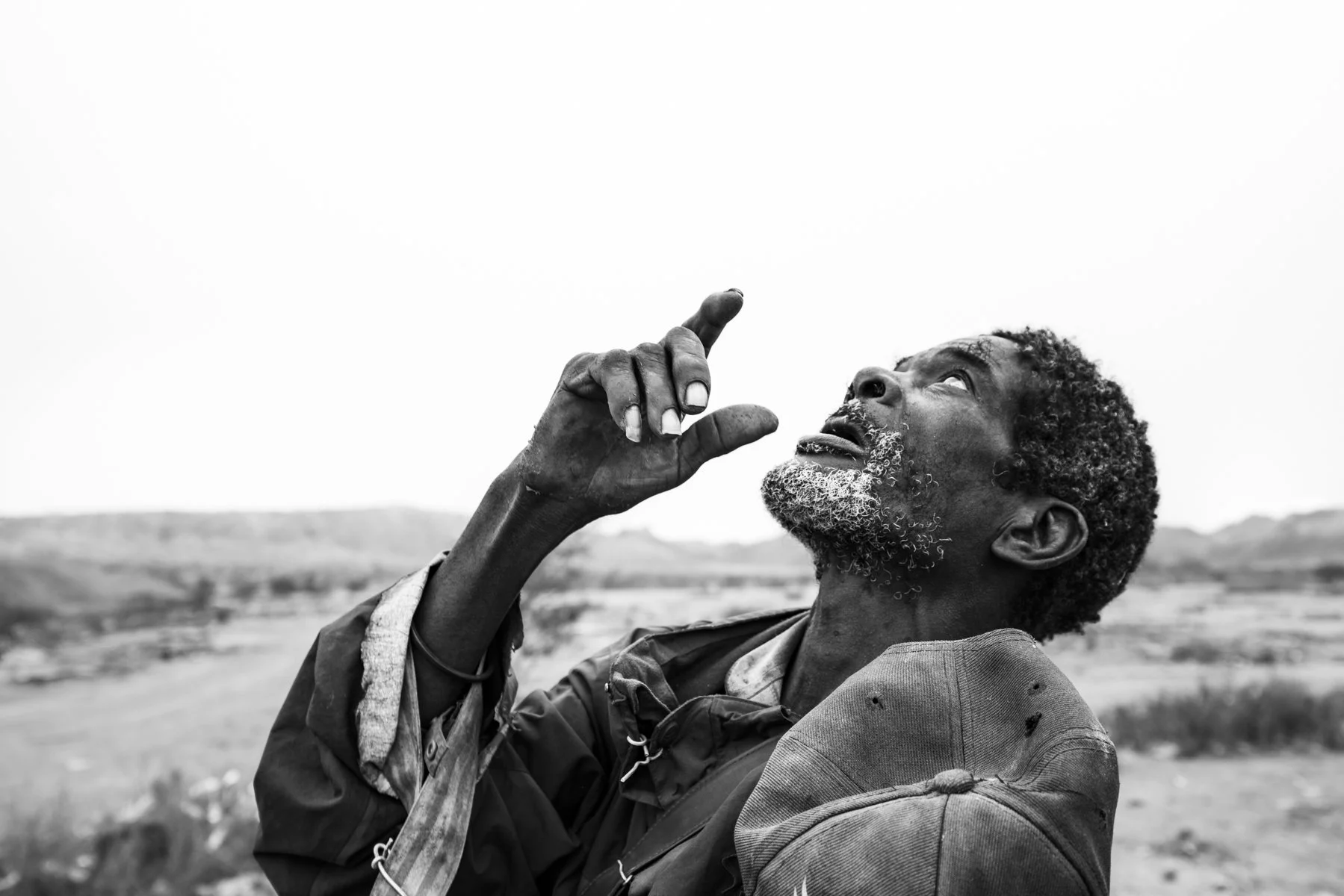
Yet, despite their poverty and dire living conditions, the people always greeted me with a smile and a willingness to be photographed. This truly honours the strength and resilience of those who live here.