ETERNAL CHILD by Nadia Eeckhout
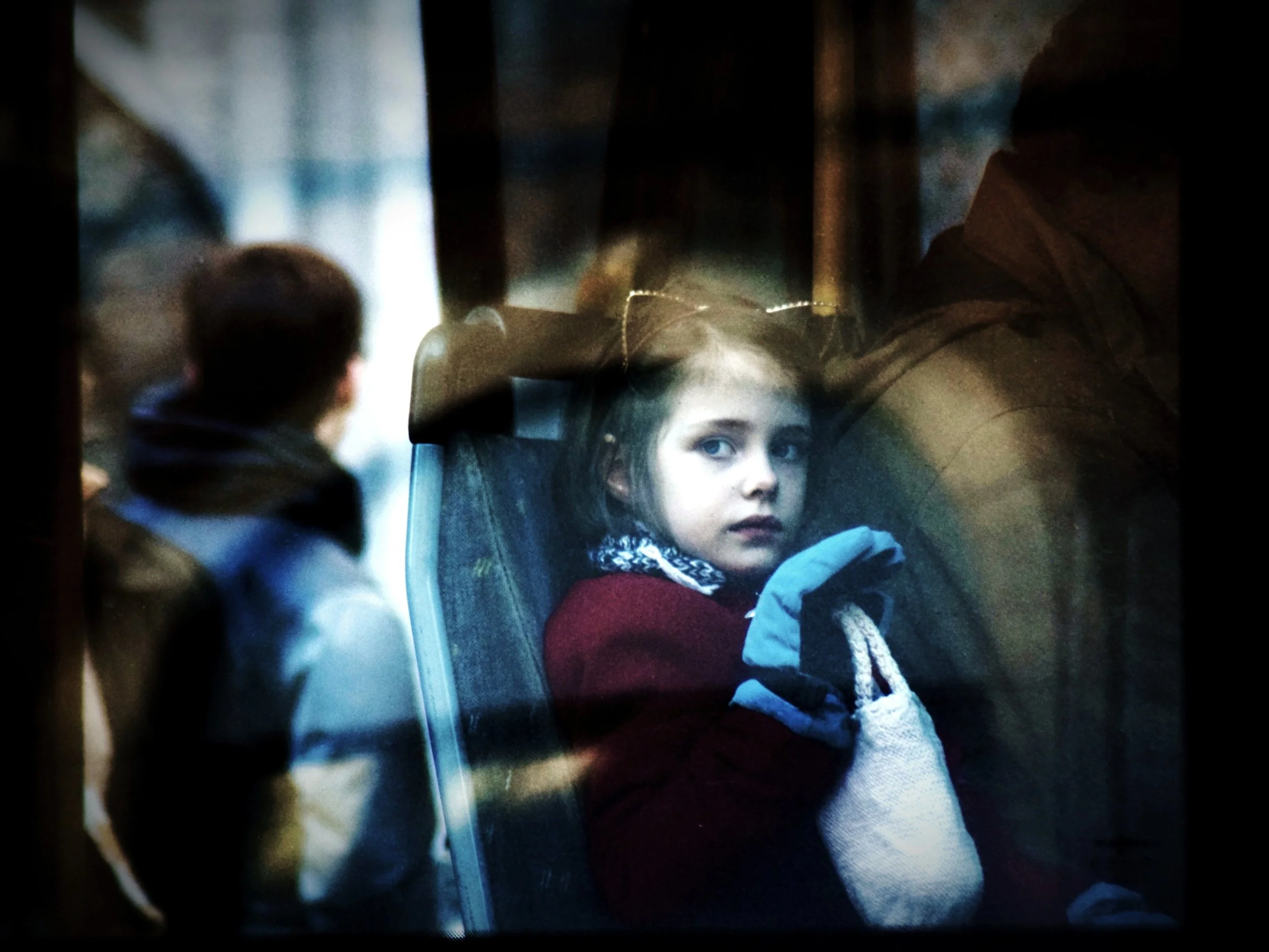
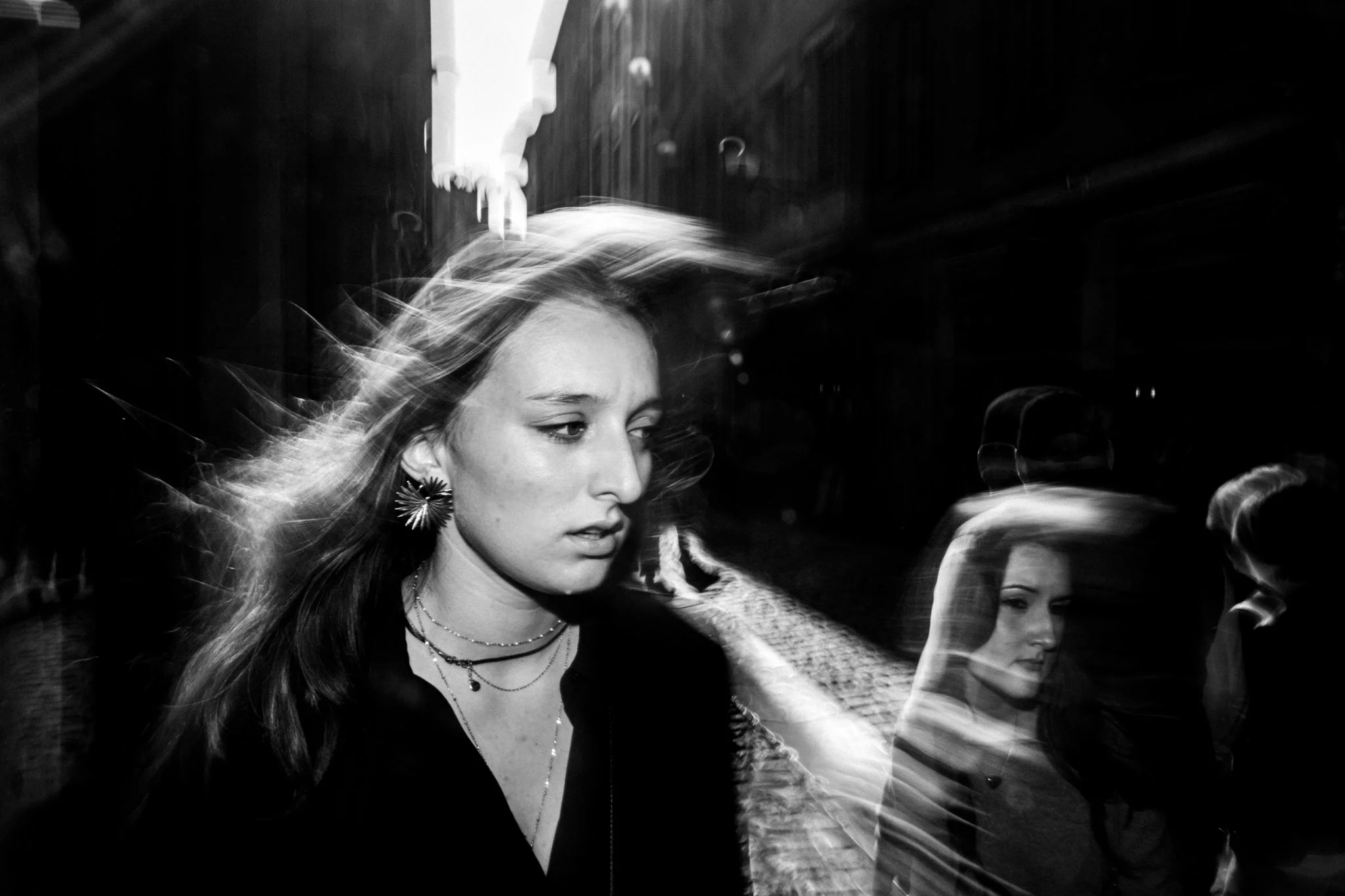
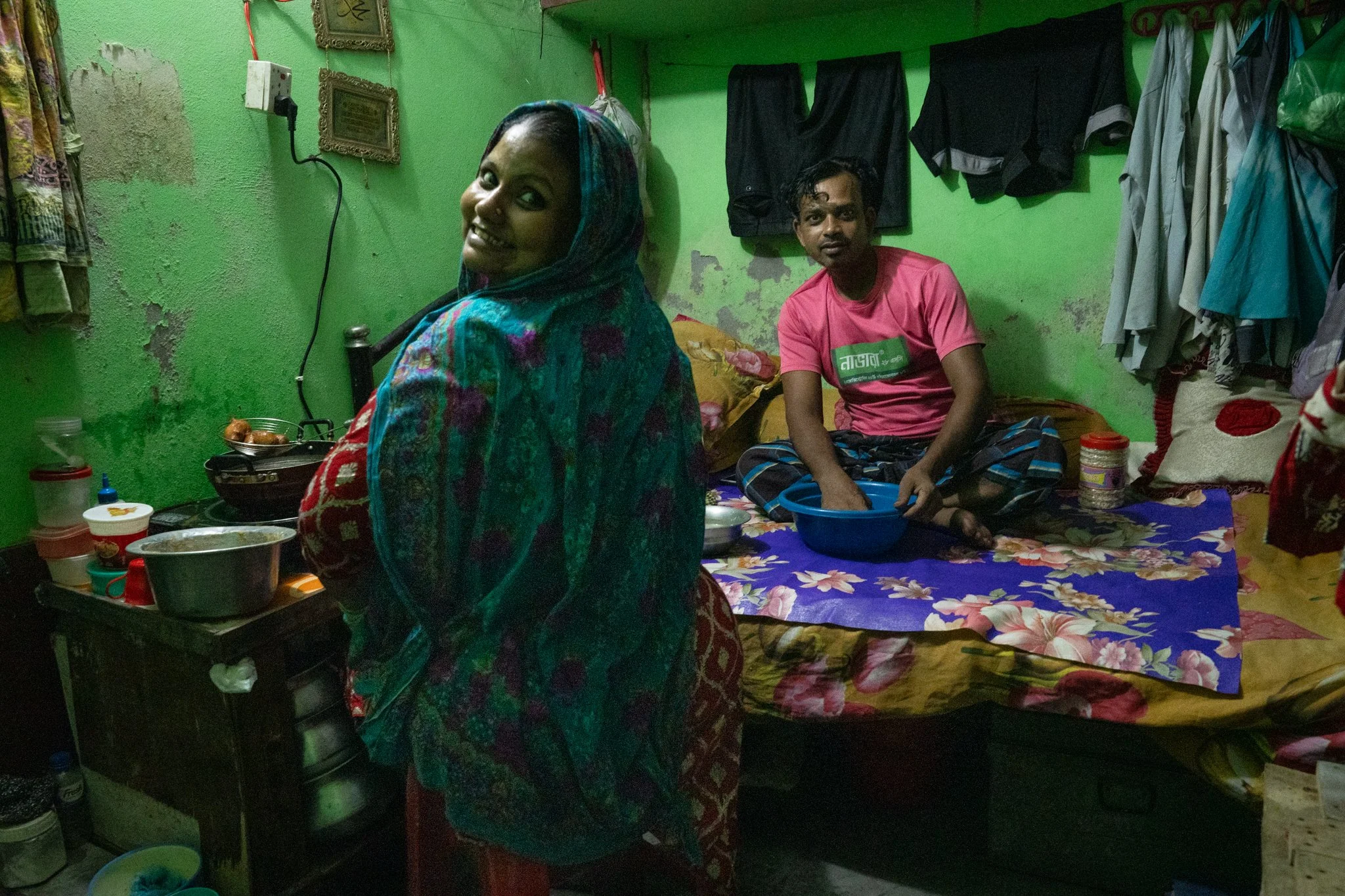
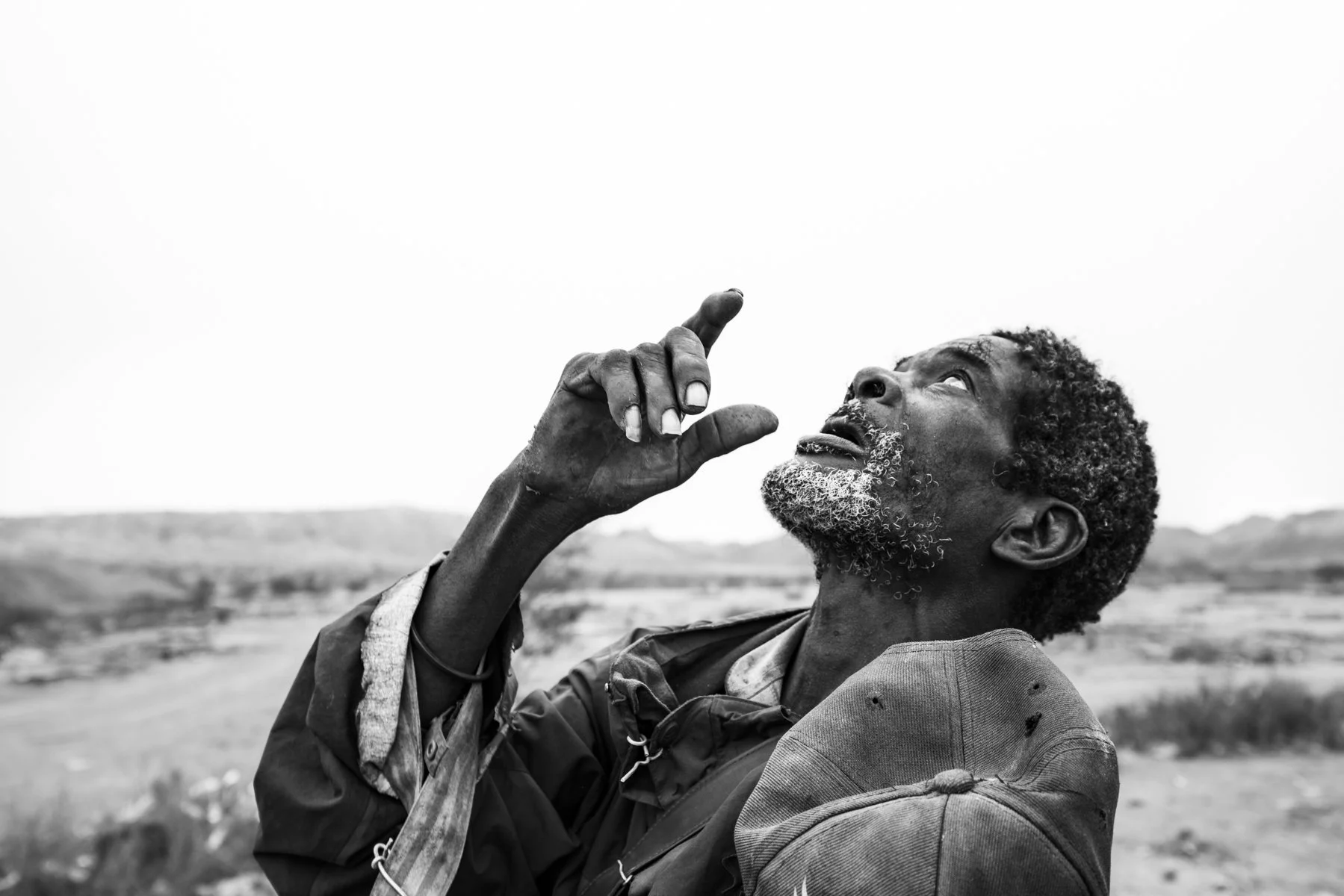
Many of Nadia's images are evocative, capturing the essence of the person beyond just the moment the photo is taken. It feels as if she has the ability to seize each person's spirit, which often lies hidden beneath the surface. The eternity of each soul is imprinted in her lens. Like many photographers today, she sometimes produces an excessive number of images, a tendency driven by societal pressure. However, Nadia, through her patience, research, and determination, manages to create small masterpieces. When I asked her to discuss children, I knew she would accompany her images with enchanting words, opening her heart to all of us. BH
I couldn’t see any resemblance, not the slightest trace of that girl was left in me. Even the colour of her eyes had changed. I was browsing through the photo album of my childhood, as a persistent nostalgic mood didn’t want to let go of me. I looked from the album into the mirror, back and again, but I still couldn’t see any similarities. Suddenly, in a wink, bits and pieces of a dream, which haunted me many a night when I was that girl in the album, appeared before my eyes and disappeared as fast as it had popped up. As if it had been sleeping behind the mirror for all those years.
Some time ago, I came across the name Arthur Tress; maybe he would have been eager to capture that nightmare, add it to his “Dream Collector” photo series from the sixties in which he staged children acting out their nightmares and fantasies, blending reality with dreams, in this way giving them a touchable face.
Those infant dreams, whether horrible or sweet, seem to fade away with time, but they never really leave.
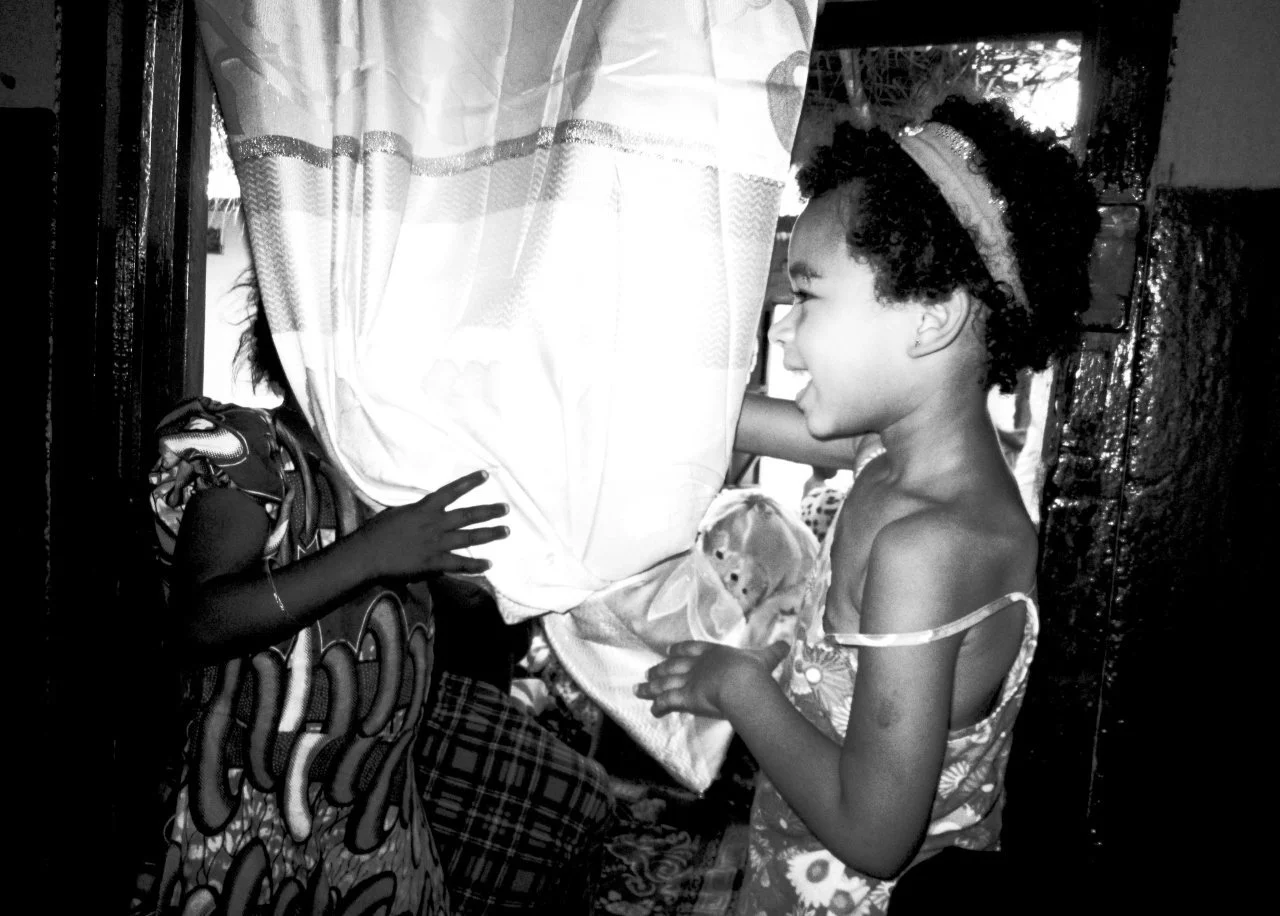
As I was turning the pages of my childhood, the picture of my dog Mickey and me, vanishing together through a curtain pinned to the branches of the old apple tree in grandma’s garden, held my attention. I remembered us tumbling into the hole we had dug behind it. I was Alice and Mickey was the rabbit.
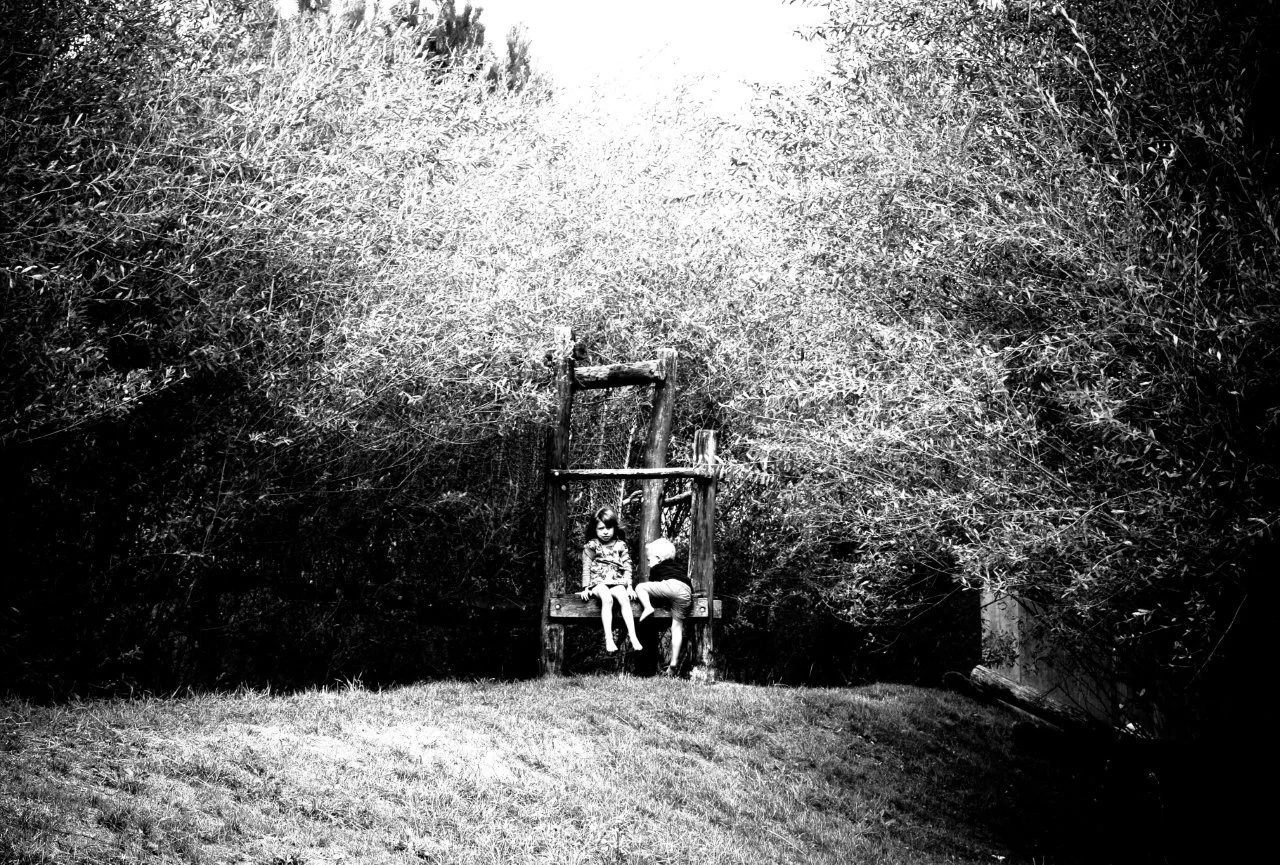
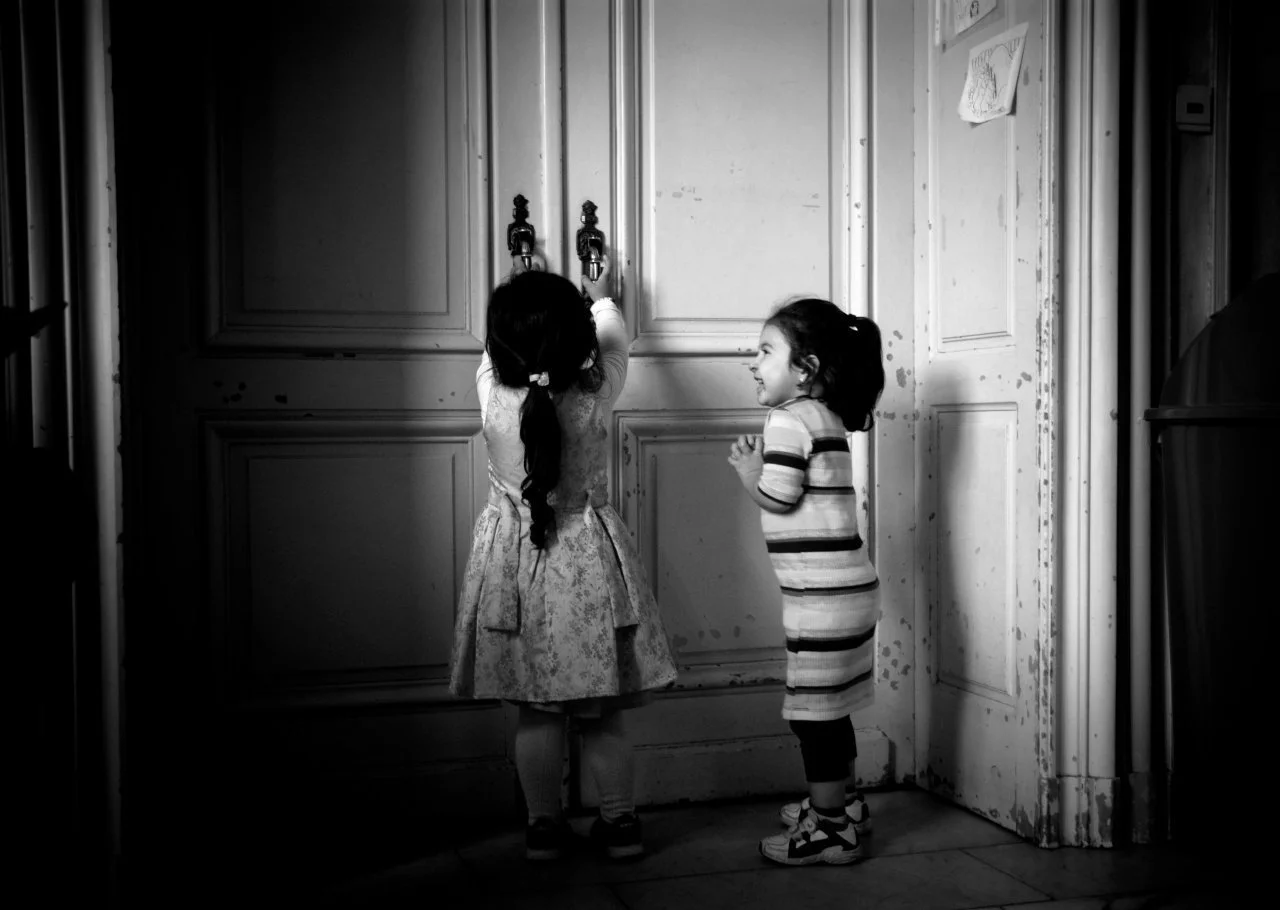
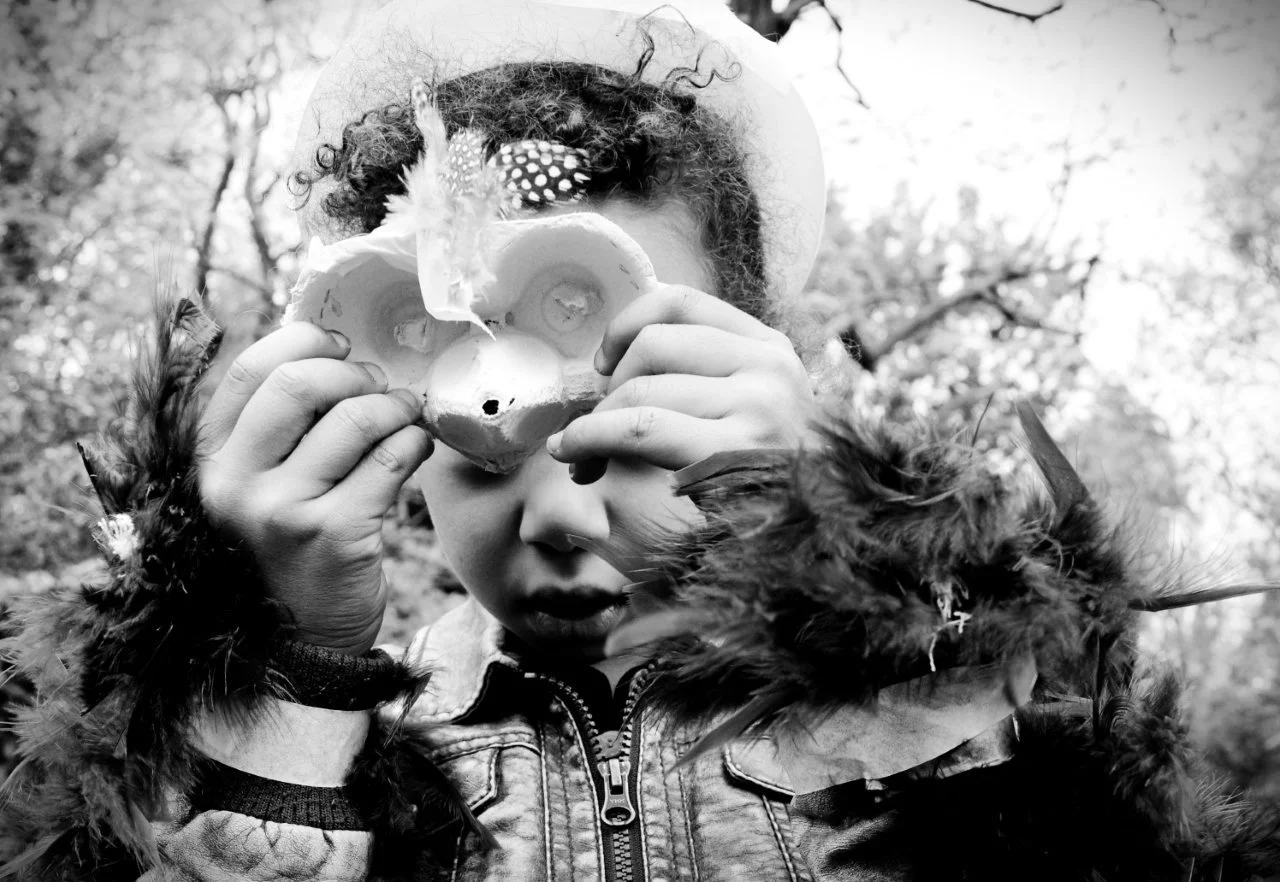
The land of kids. It must be endlessly steep and deep; castles underneath kitchen tables, witches and wizards in the attic, swamps and ditches in the cellar, the road to OZ on a window pane; vast, timeless landscapes of fantasy and imagination which can only be created by kids; a Pan’s neverland for sure; where boys and girls don’t grow up; where talking and playing goes without performance or self-conscious awareness.
Without doubt, it’s a land much more imaginative and bigger than the adult one, which allows them kids to drift off to the other side without being seen. Alas though for those babies and toddlers, for whom Anne Geddes had buckets and cabbages in mind in which she would tuck them and dress them up like sunflowers, bees or larvae to please the grown-up eye. (By the way, I wonder what misses Geddes thinks of the (re)conception of AI ...)
In its romanticised tales, the grown-up mind adorns its kids with purity and innocence, angelic wings that many of them lose along the way to adulthood. Simon, Piggy, Ralph, Jack and his gang lost theirs on a desolate island in a rather early stage; the savagery and cruelty the stranded boys inflict upon each other in William Golding’s “Lord of the Flies” is quiet unsettling and reminds me of adult behaviour very much the like.
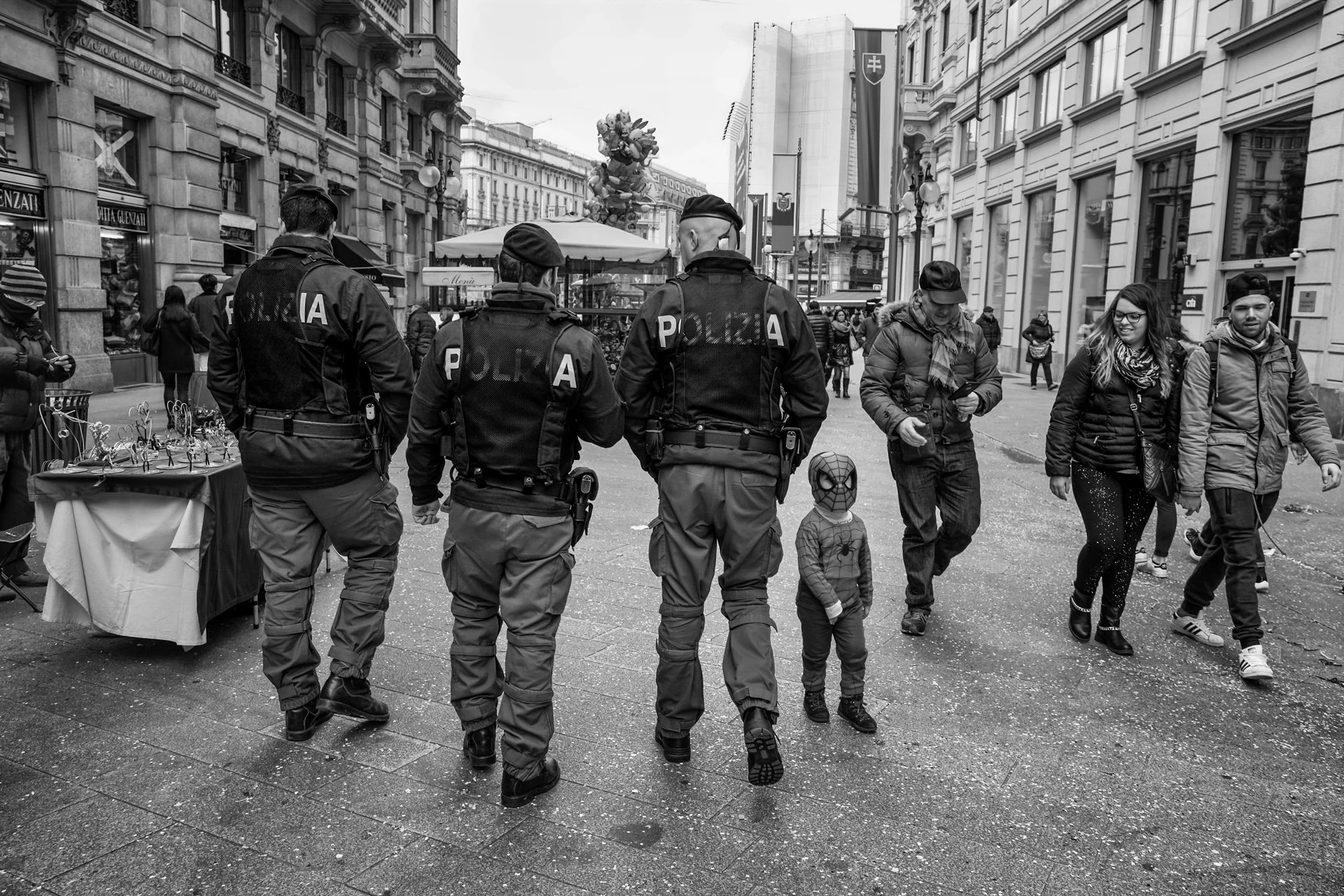
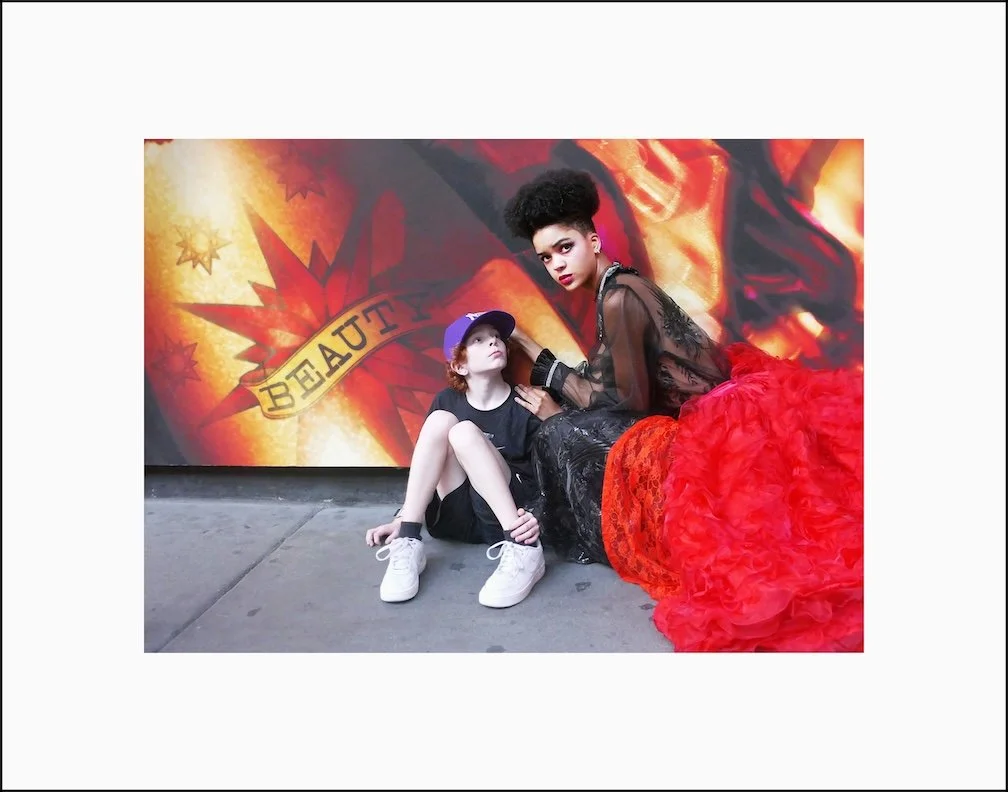
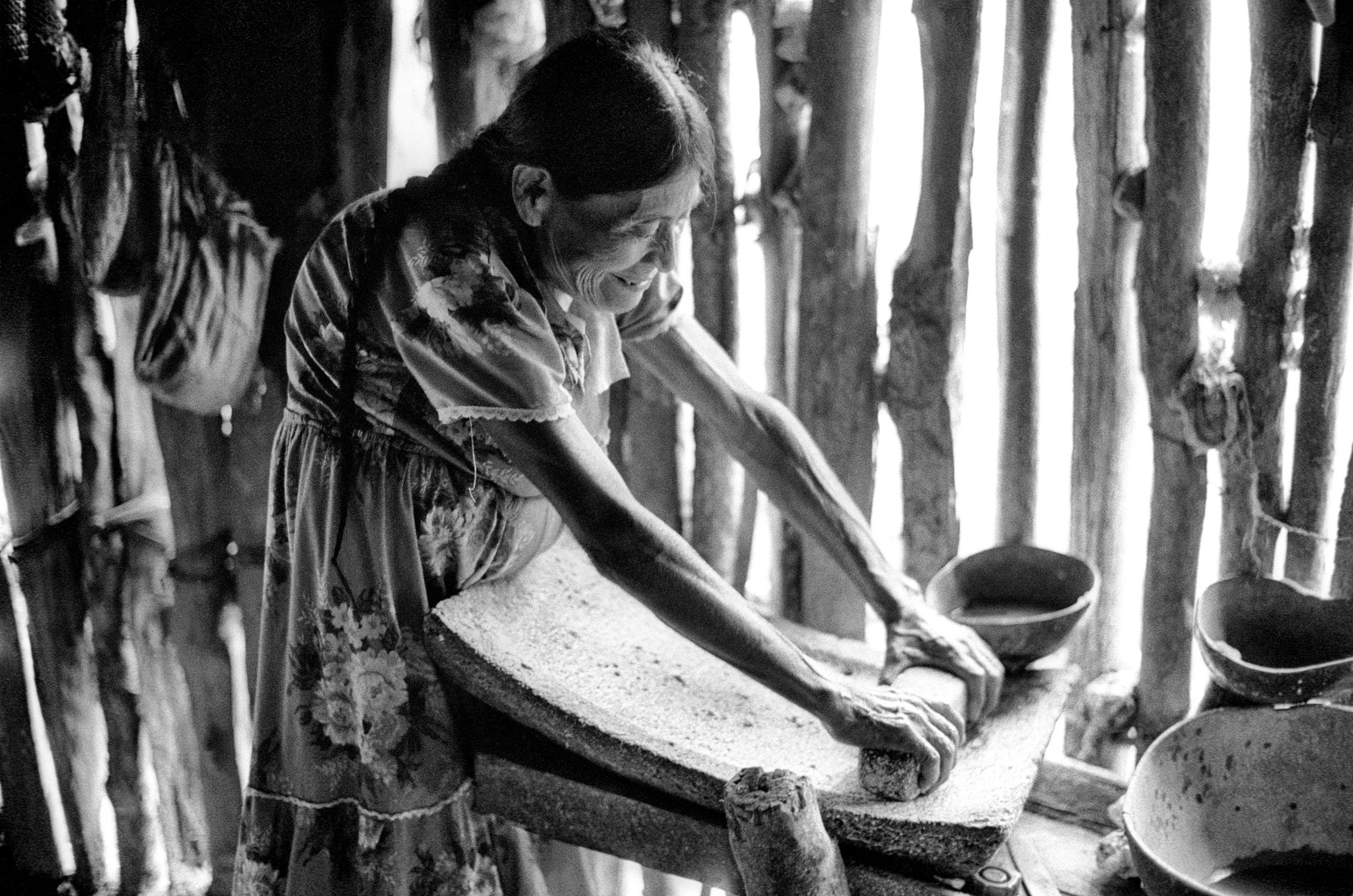
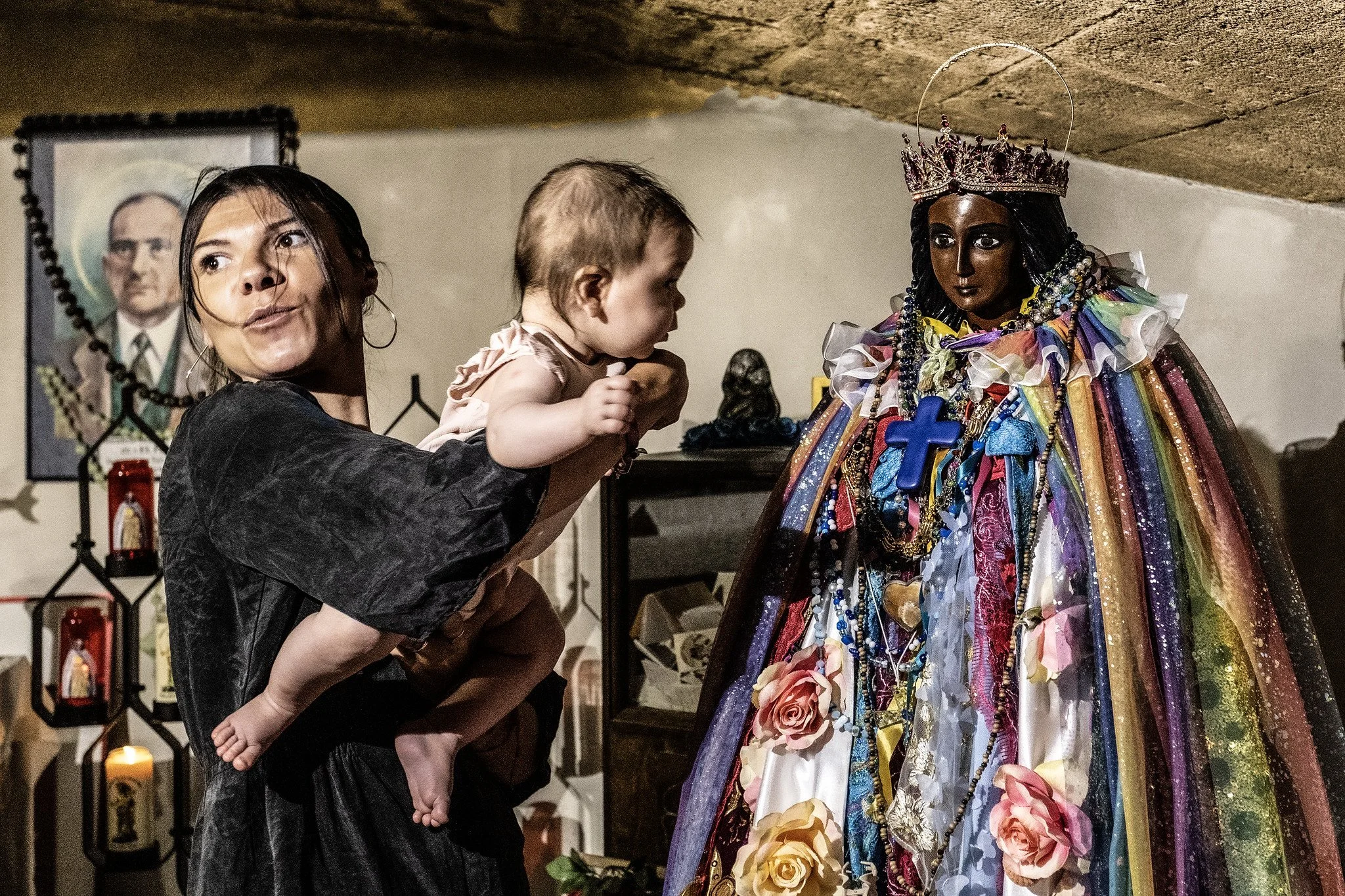
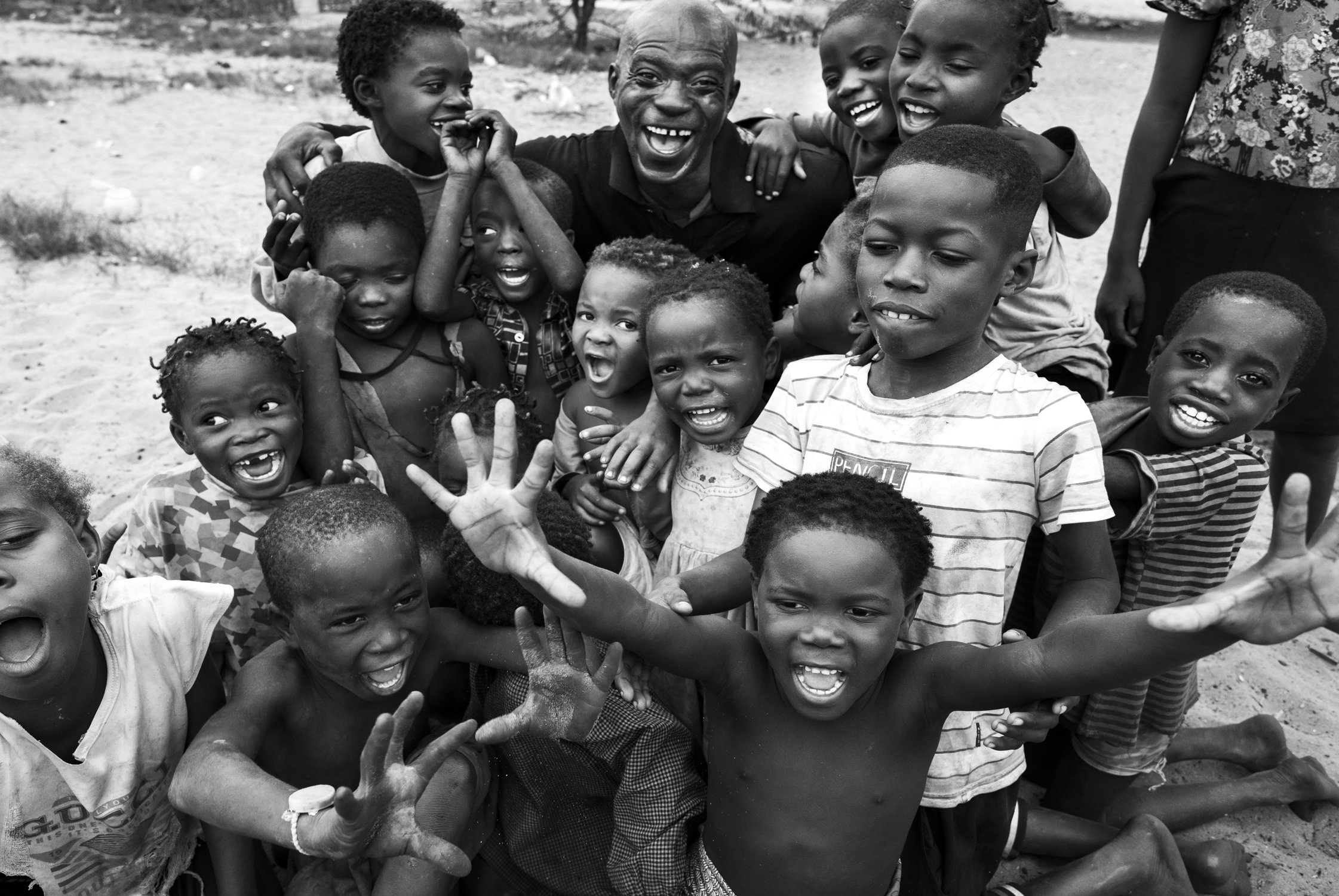
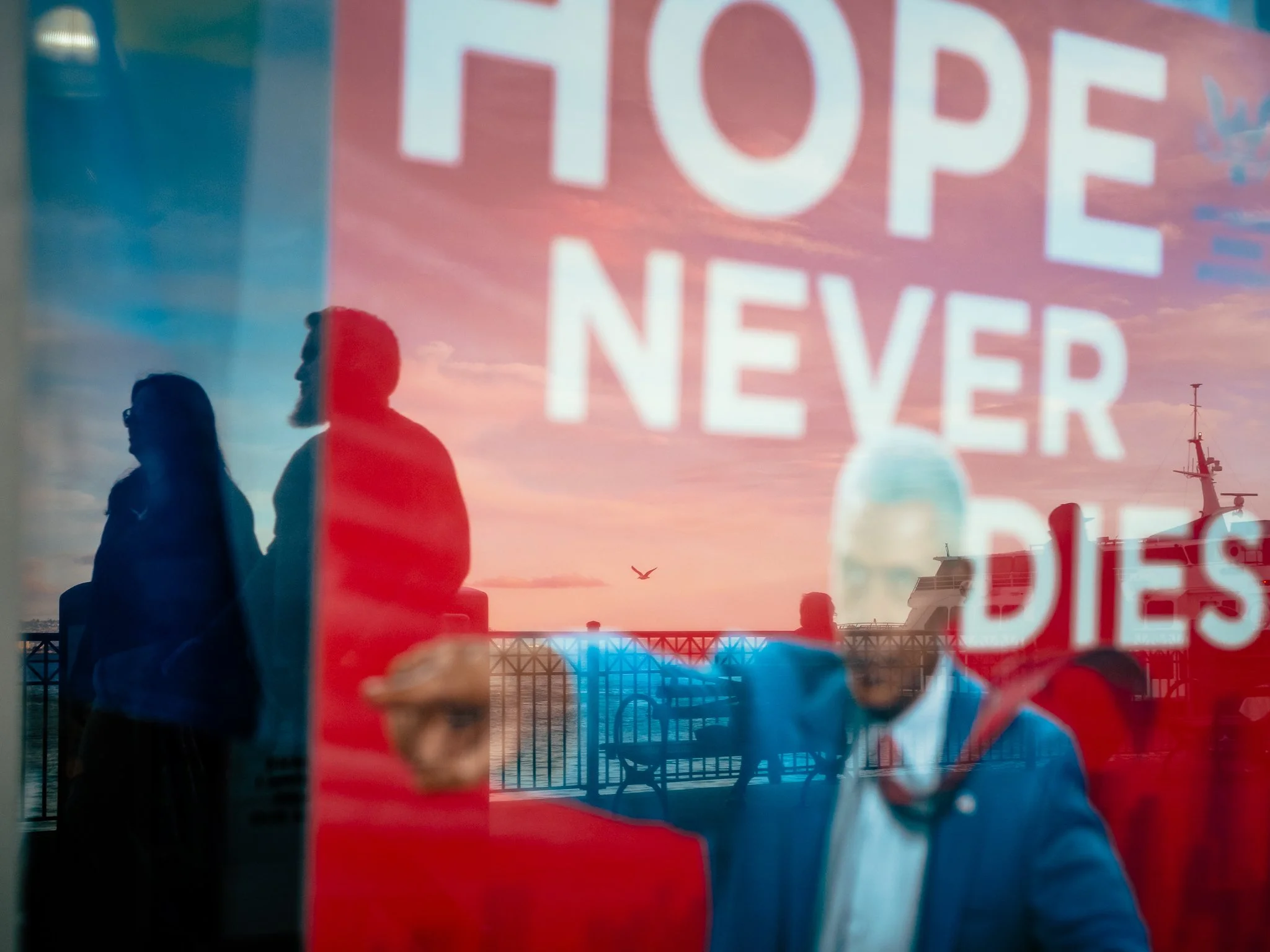
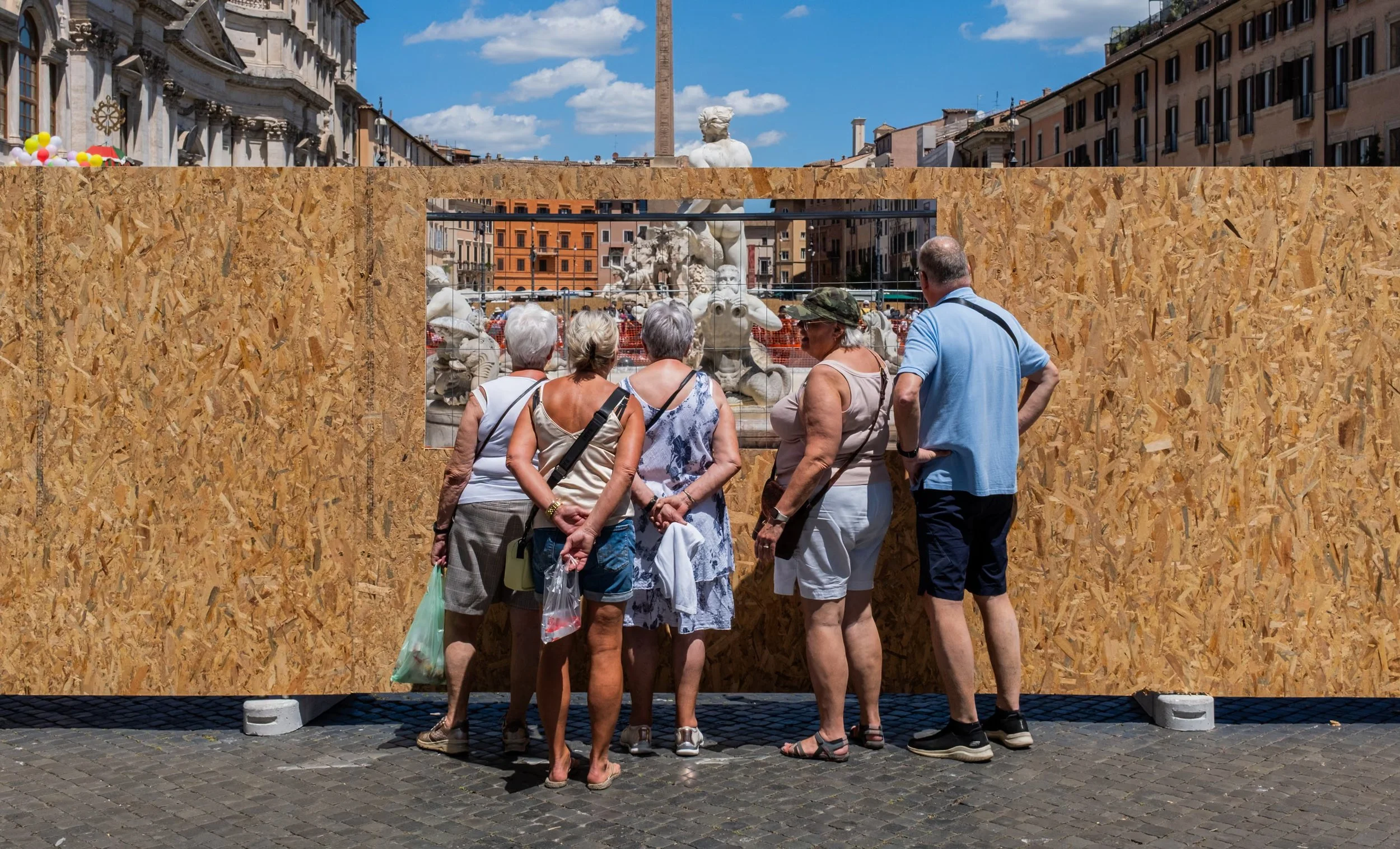
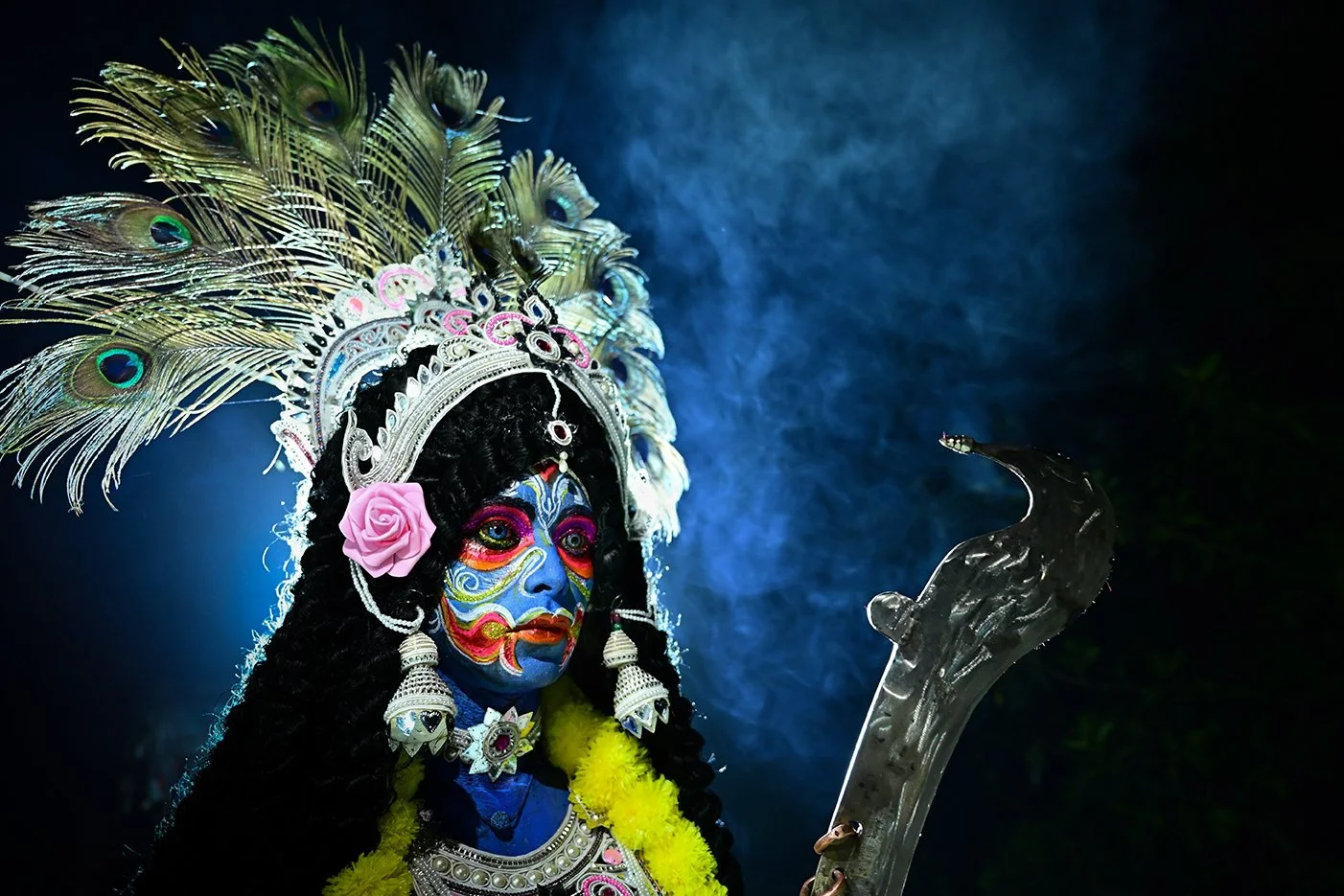
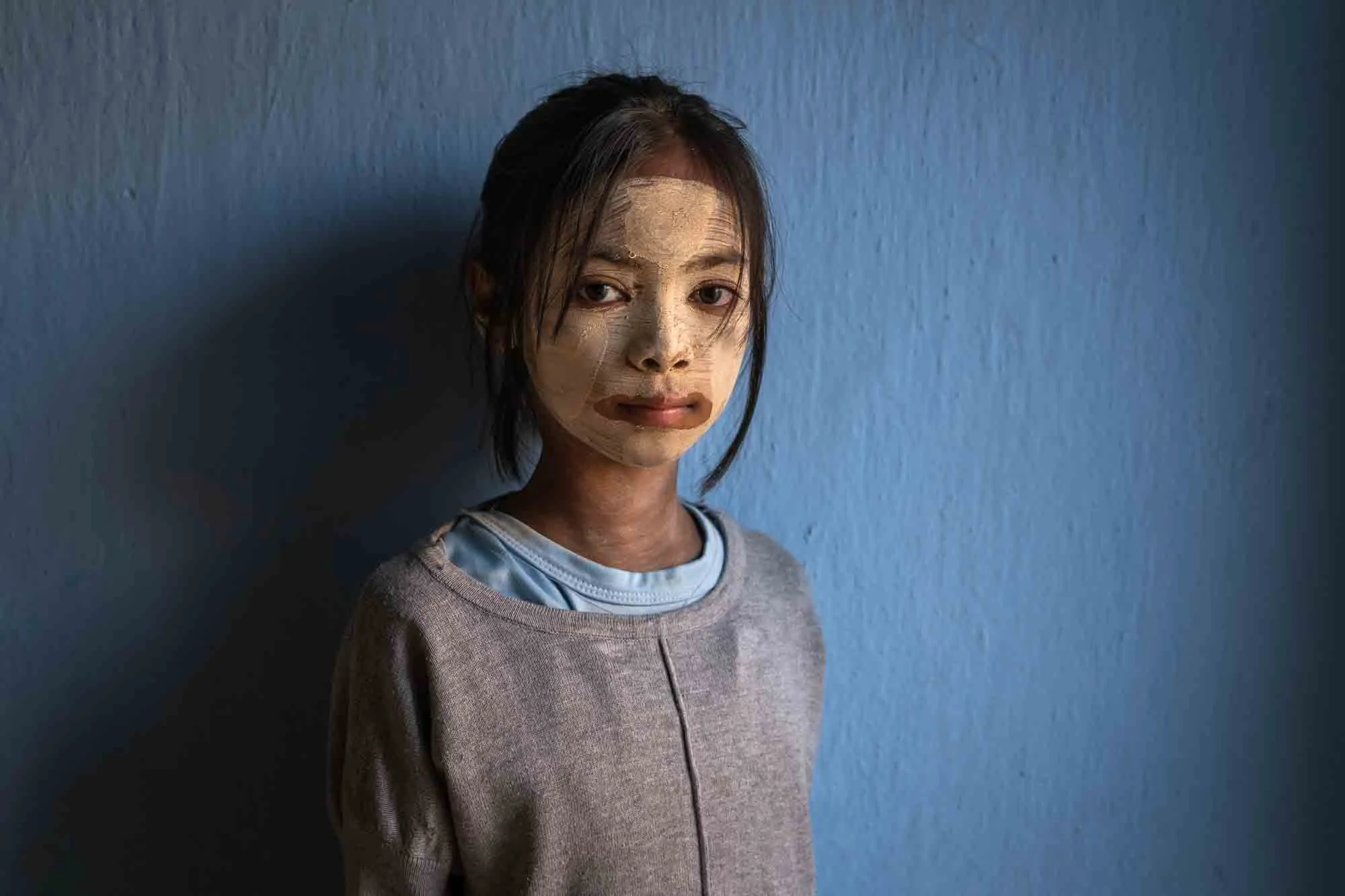
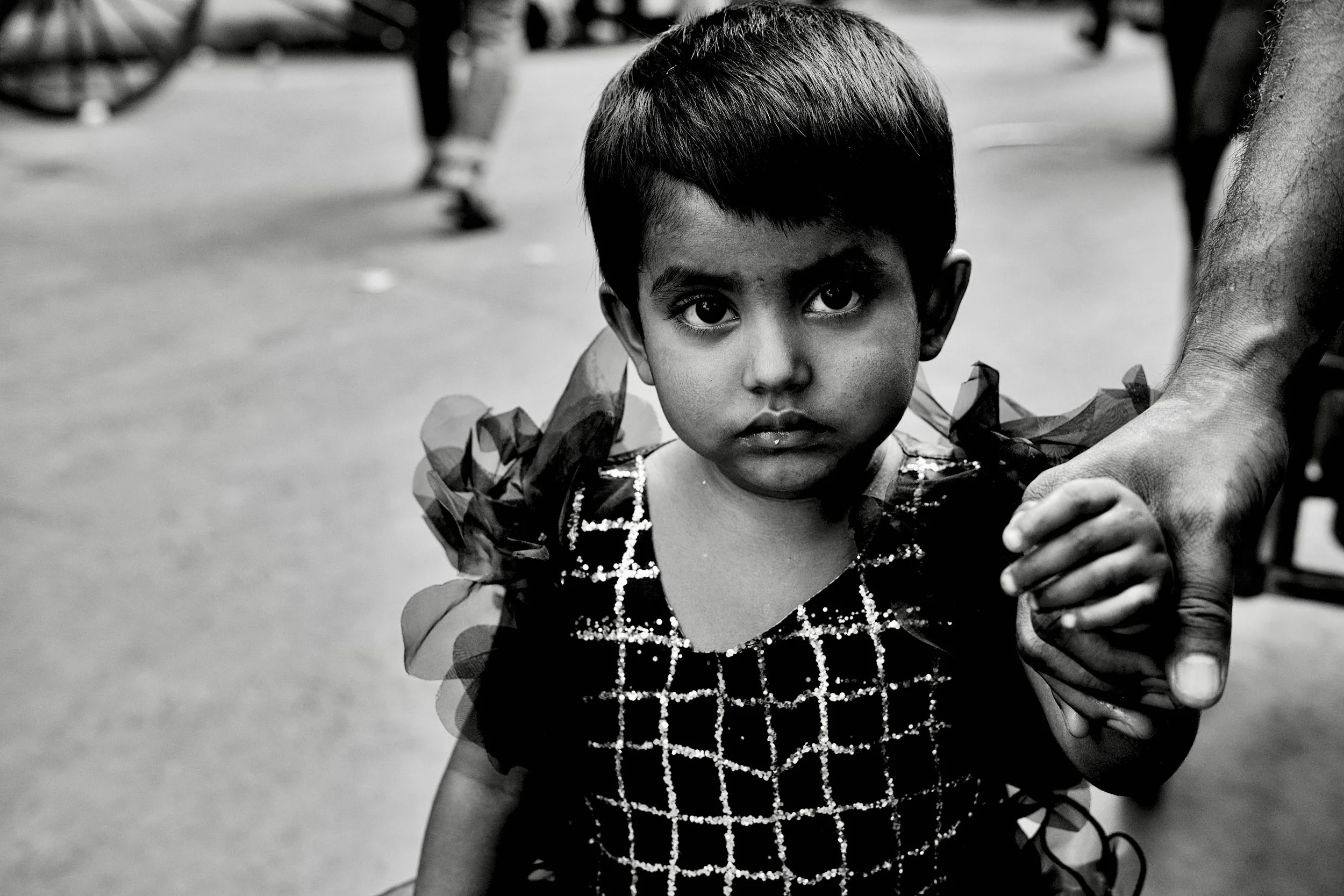
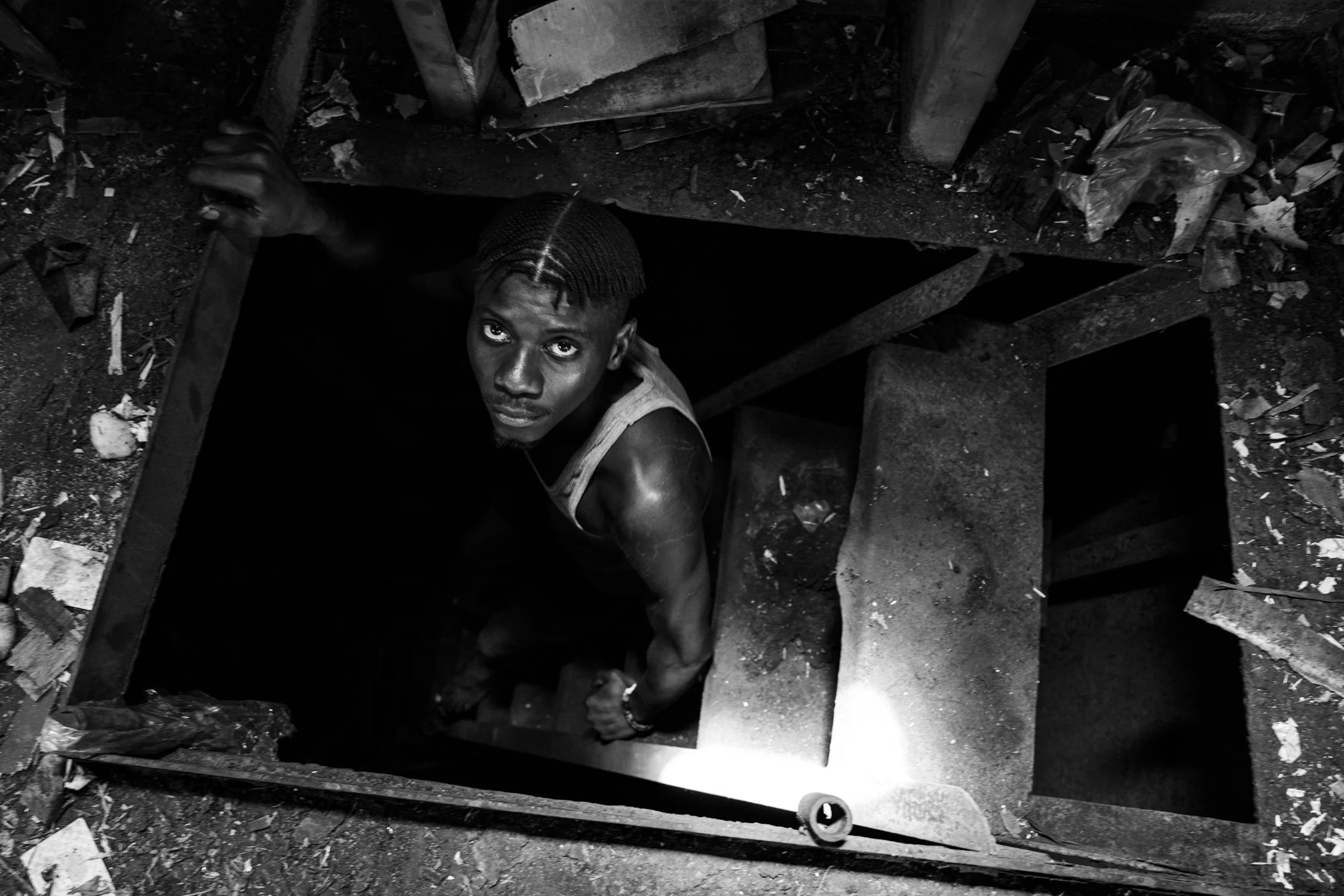
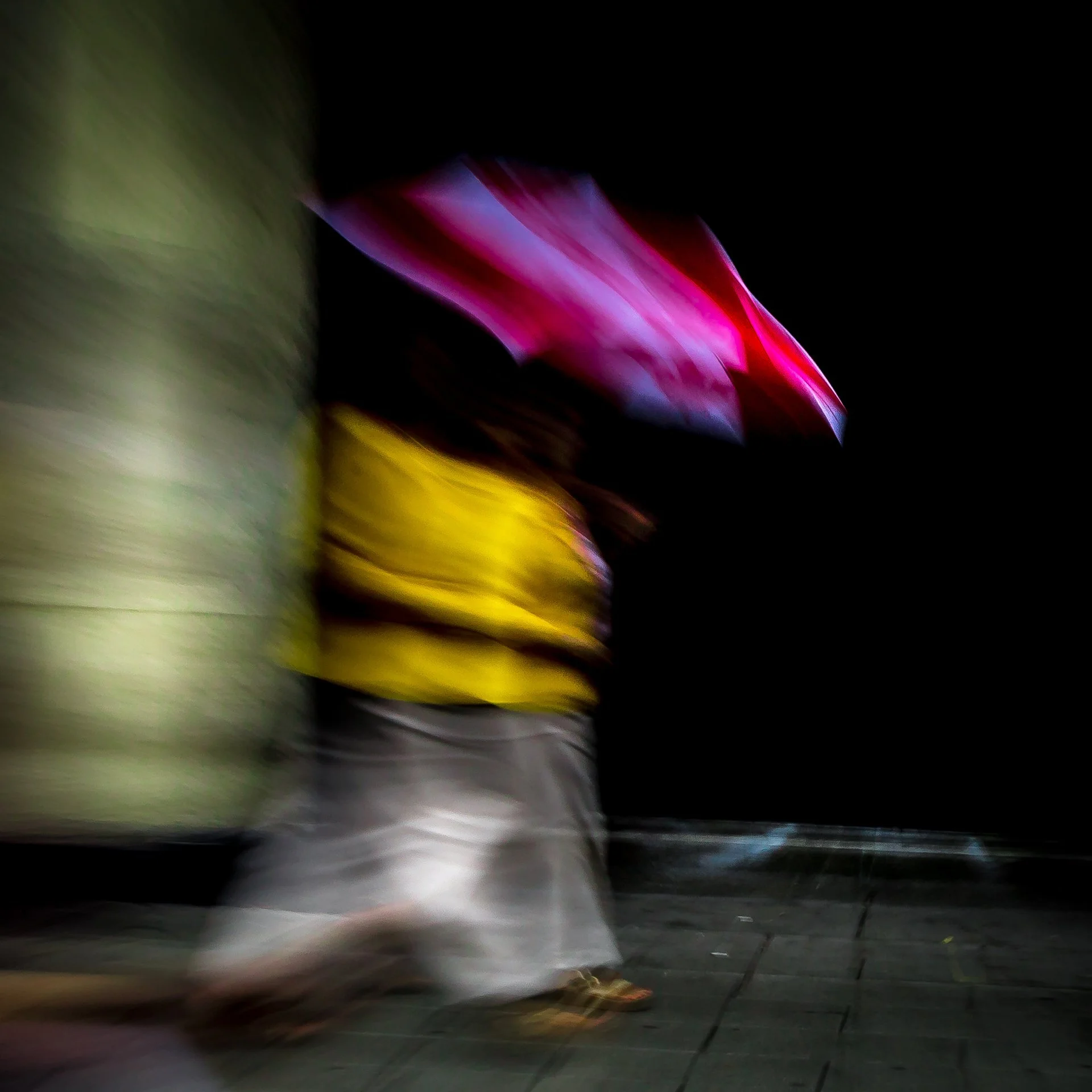
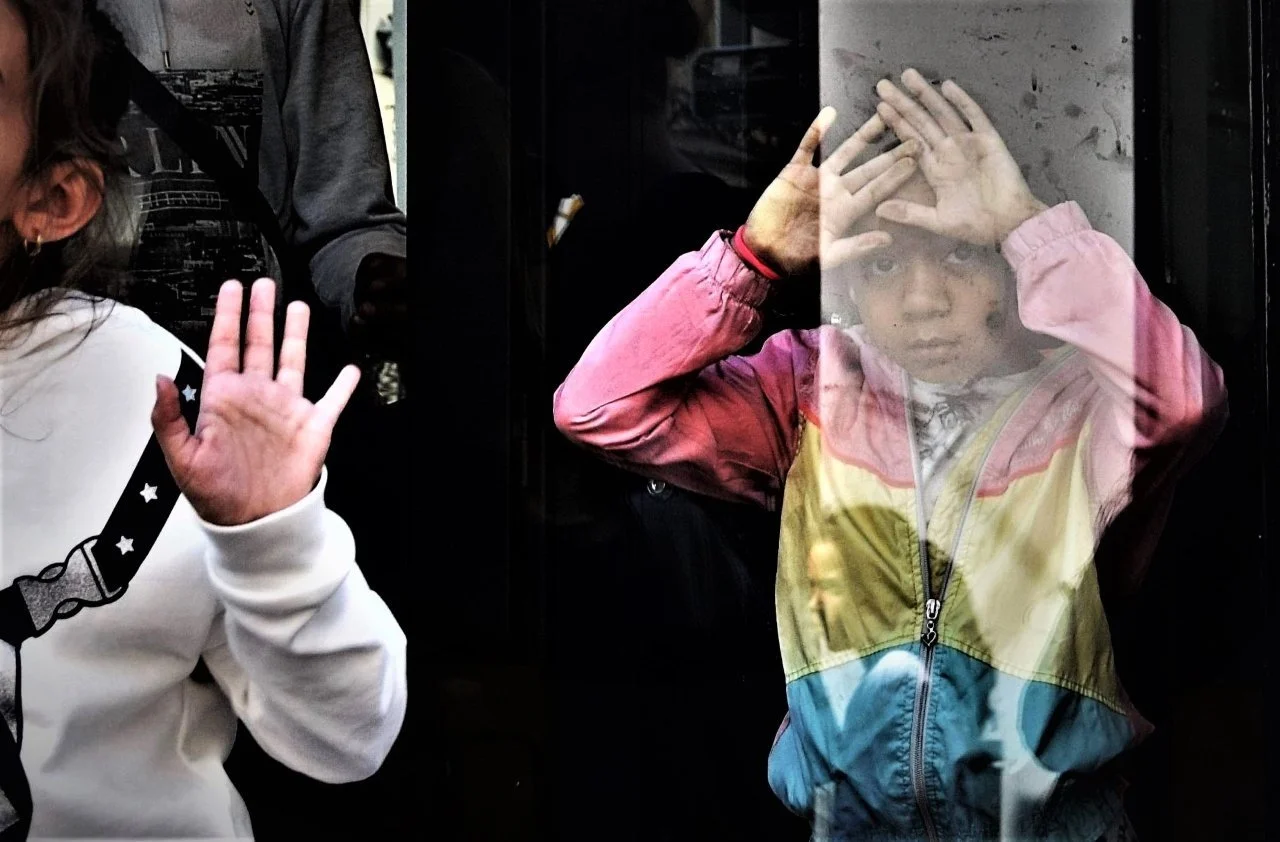
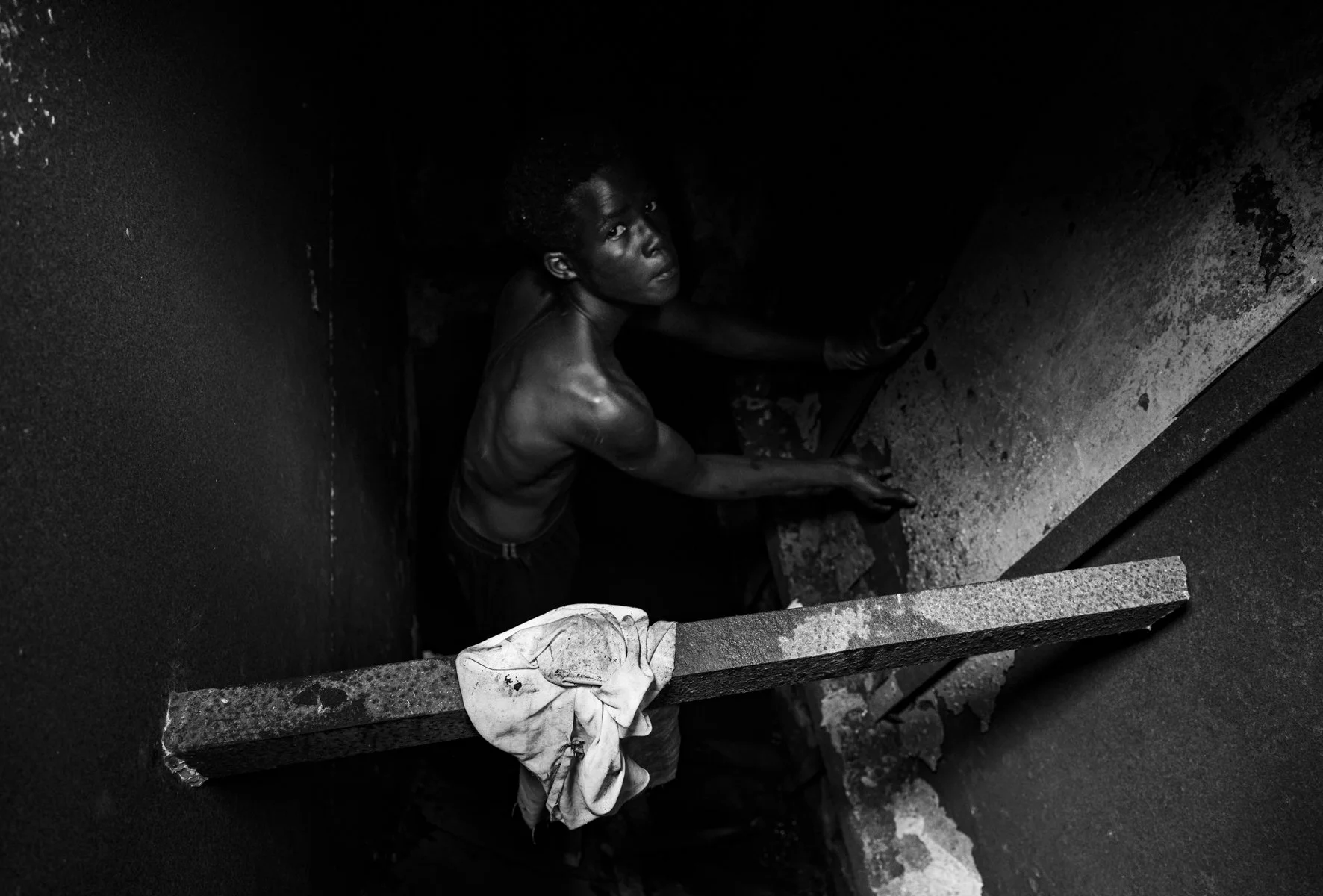
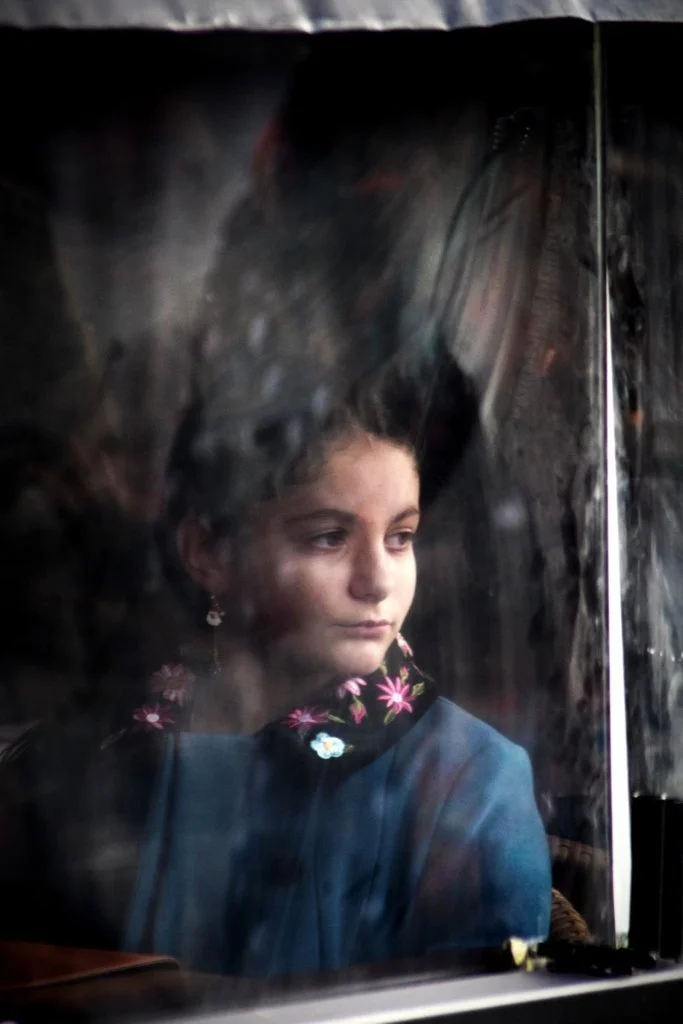
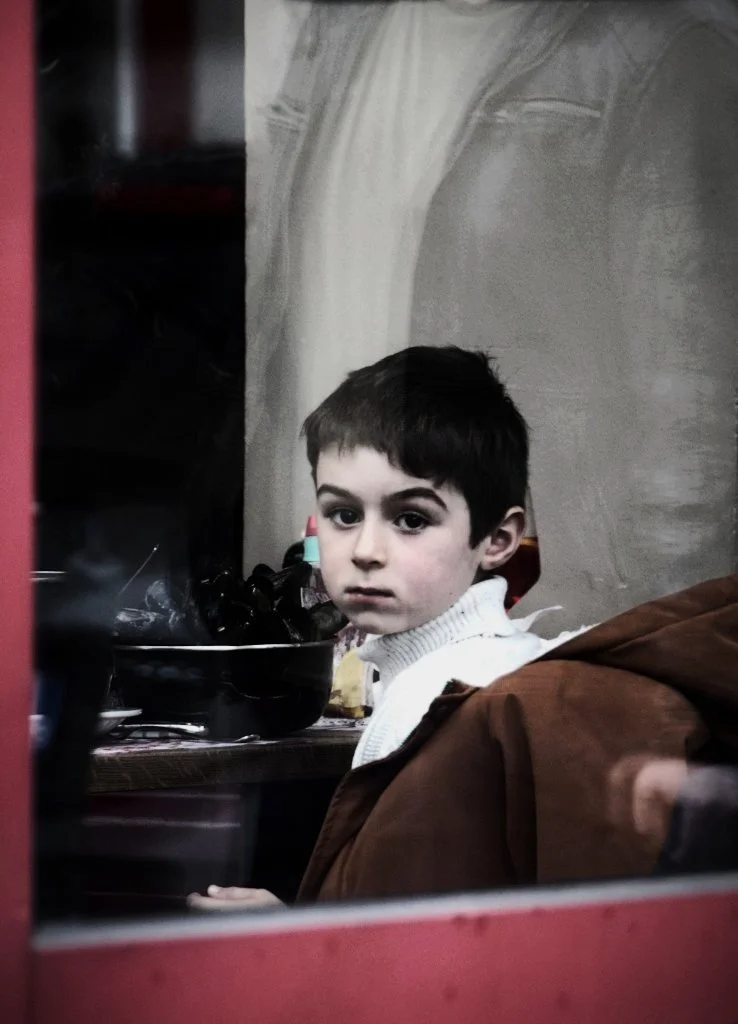
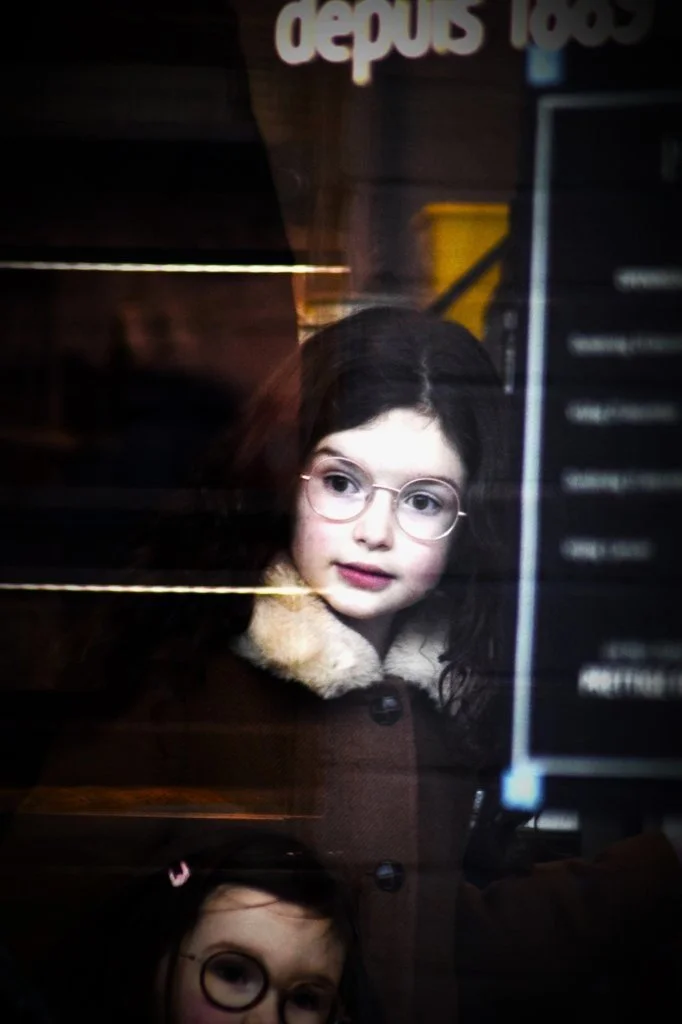
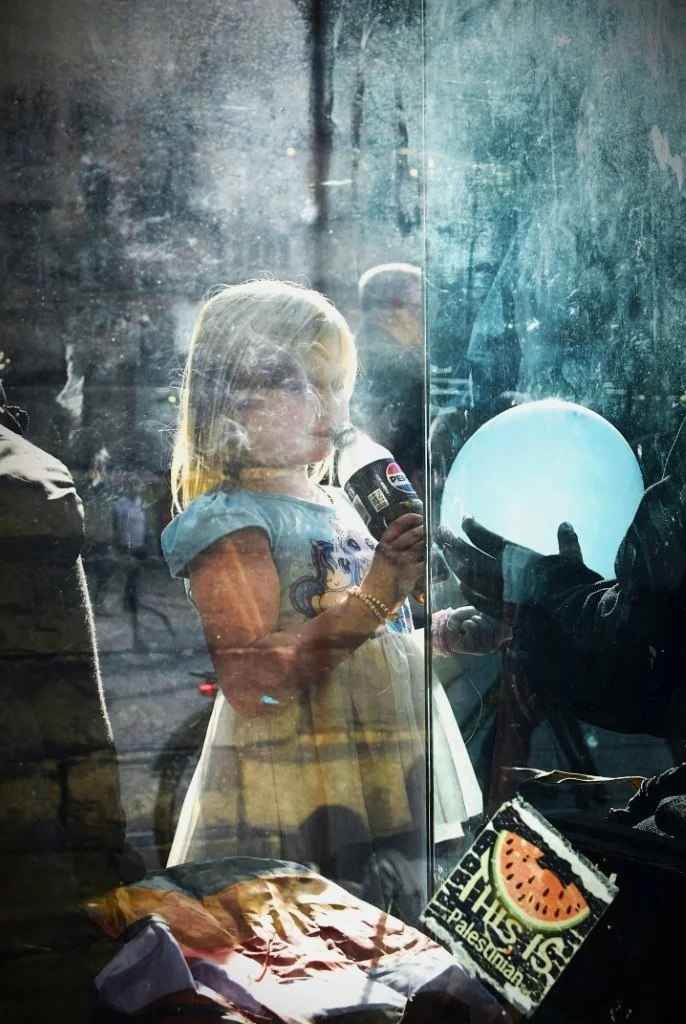
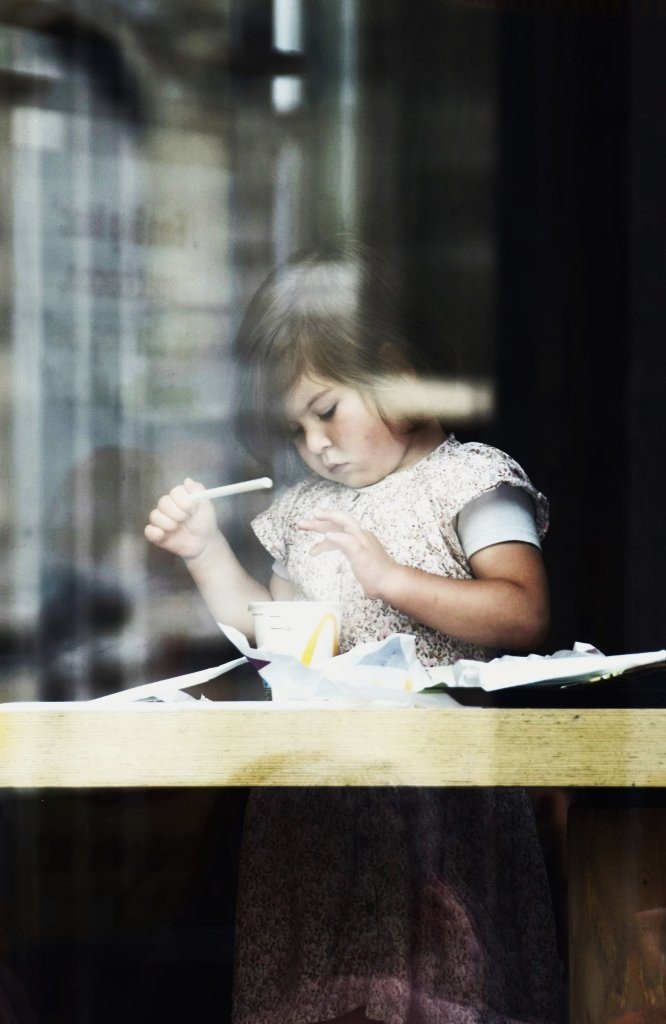
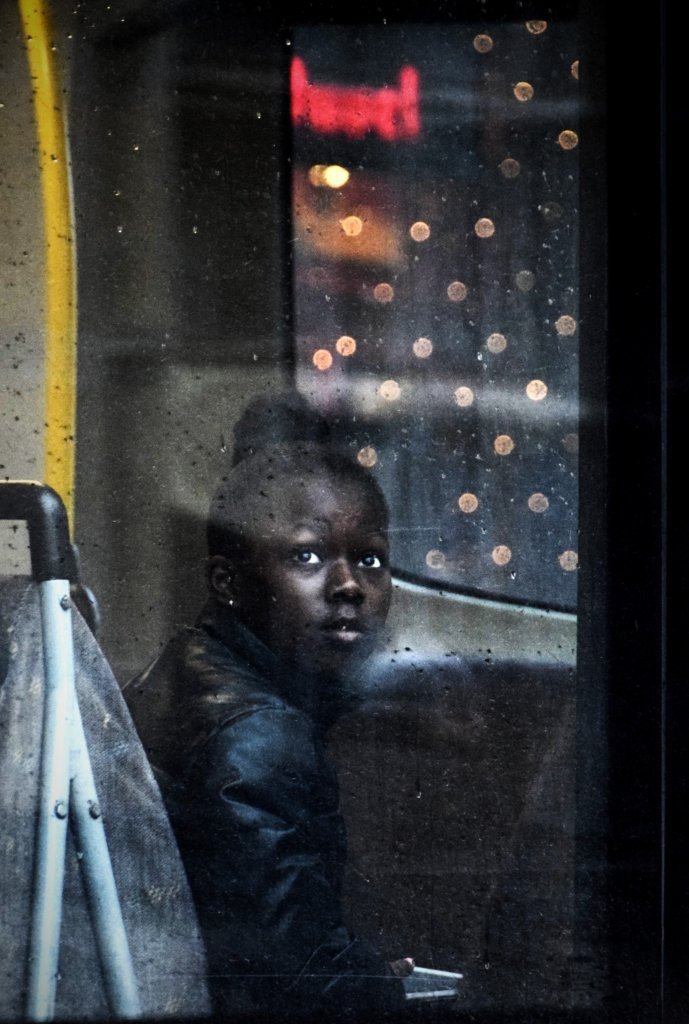
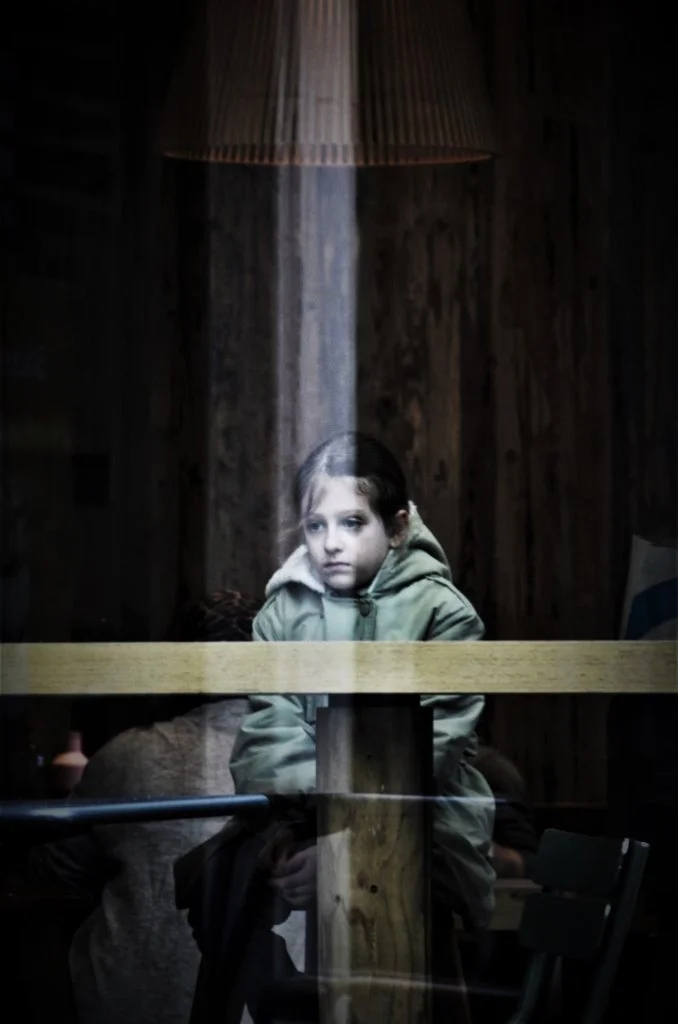
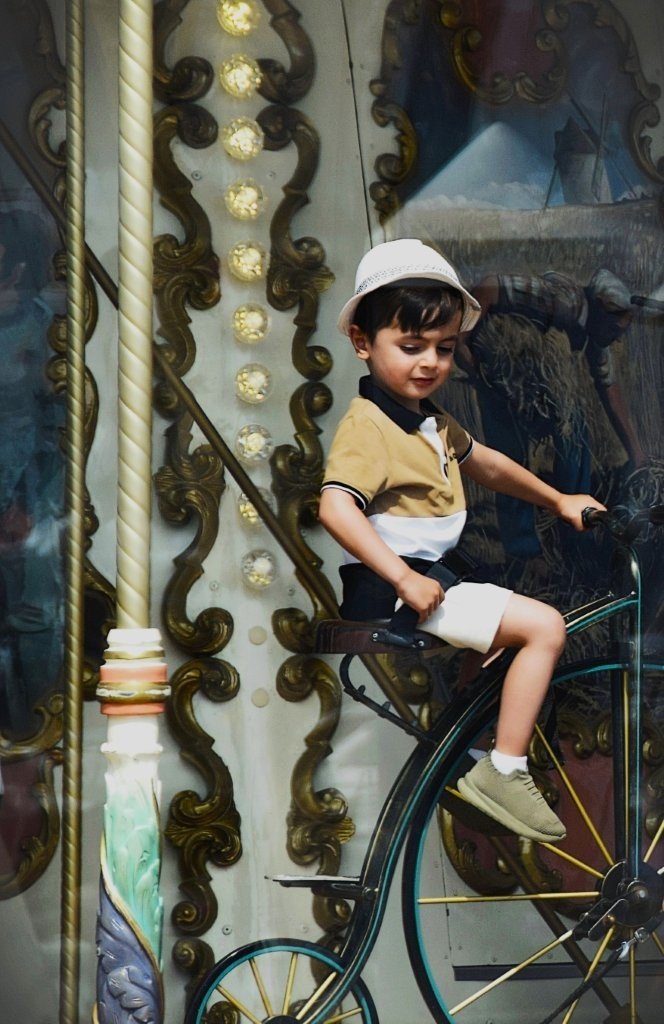
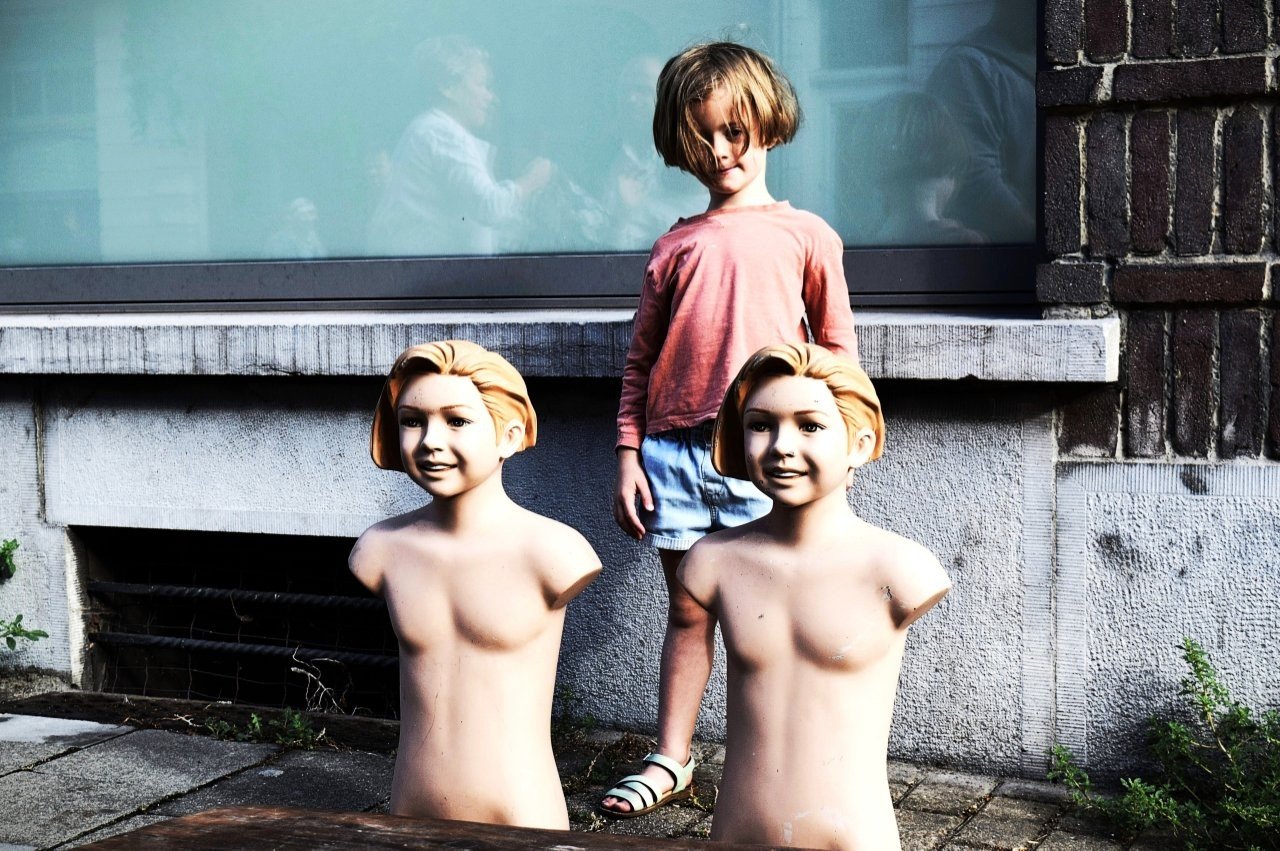
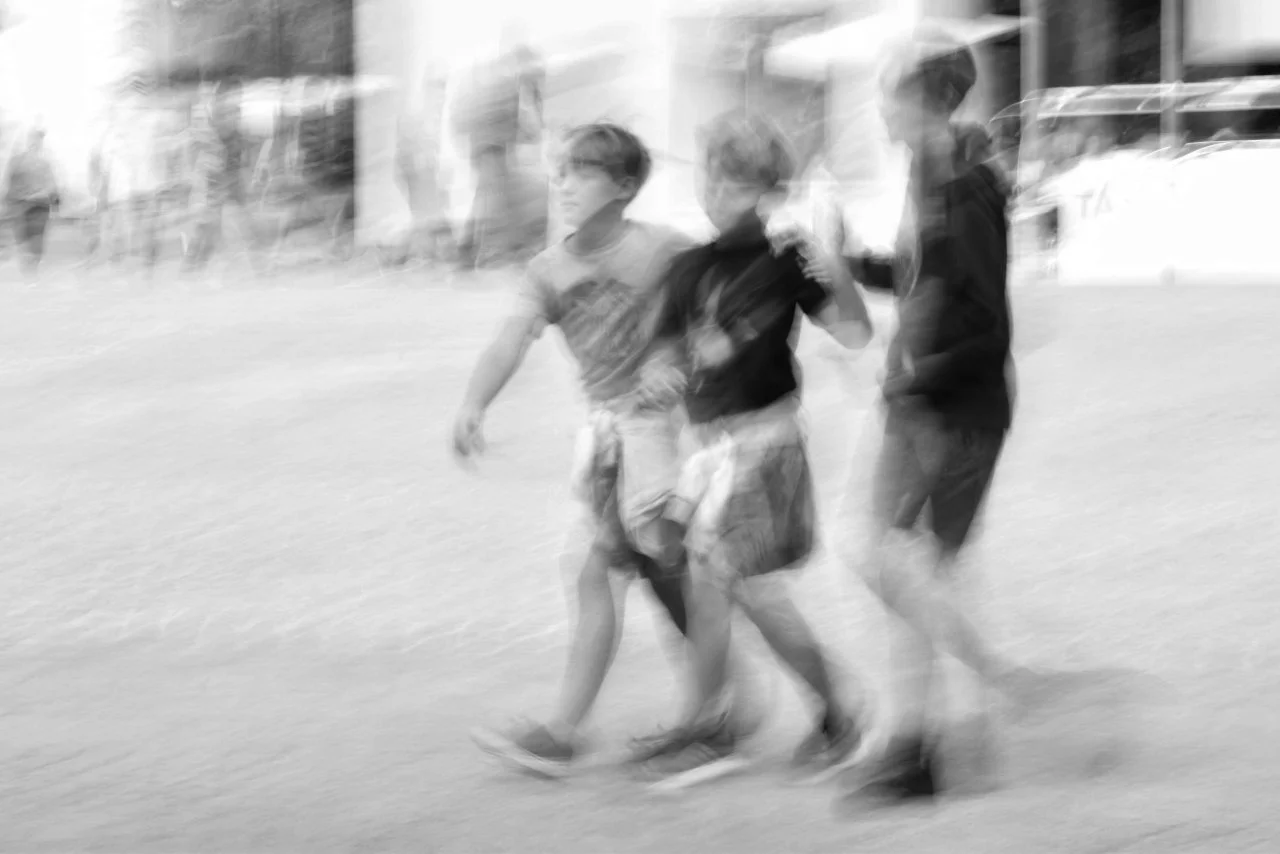
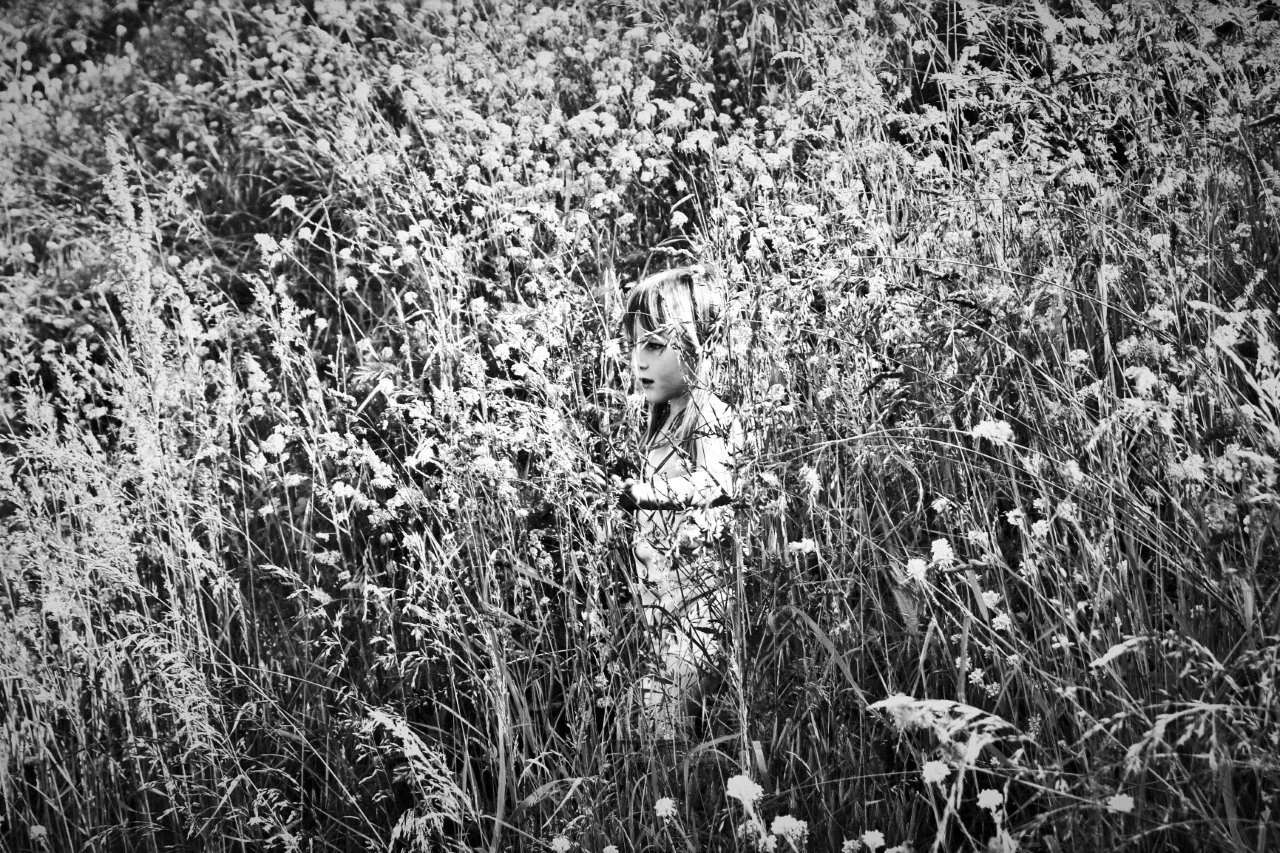
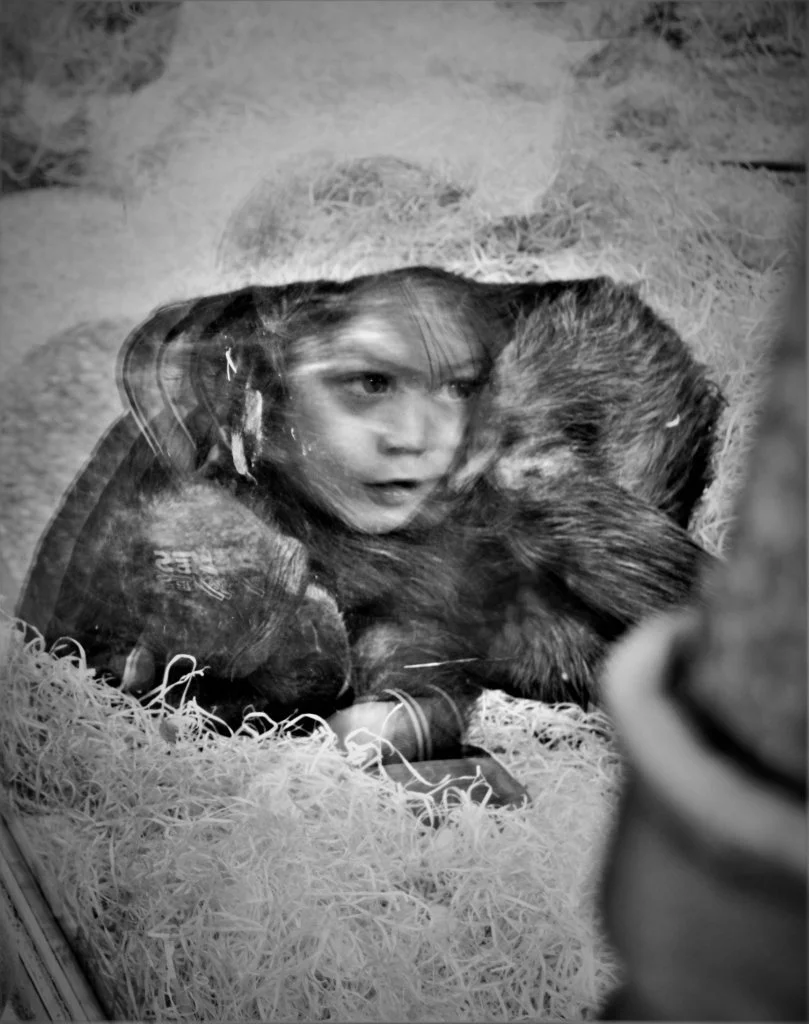
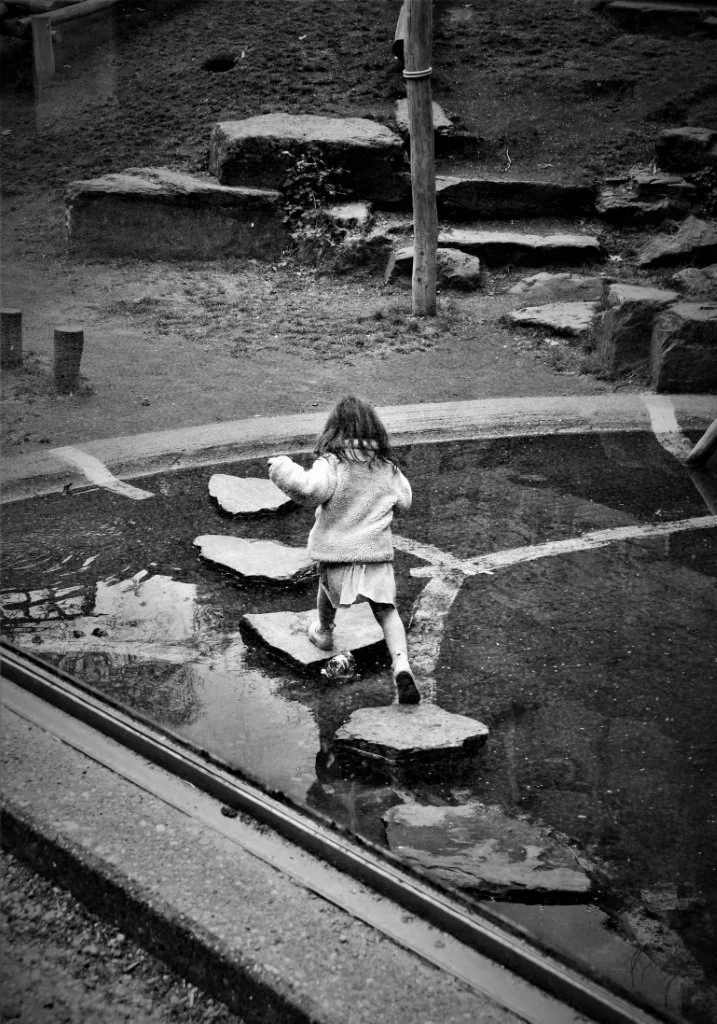
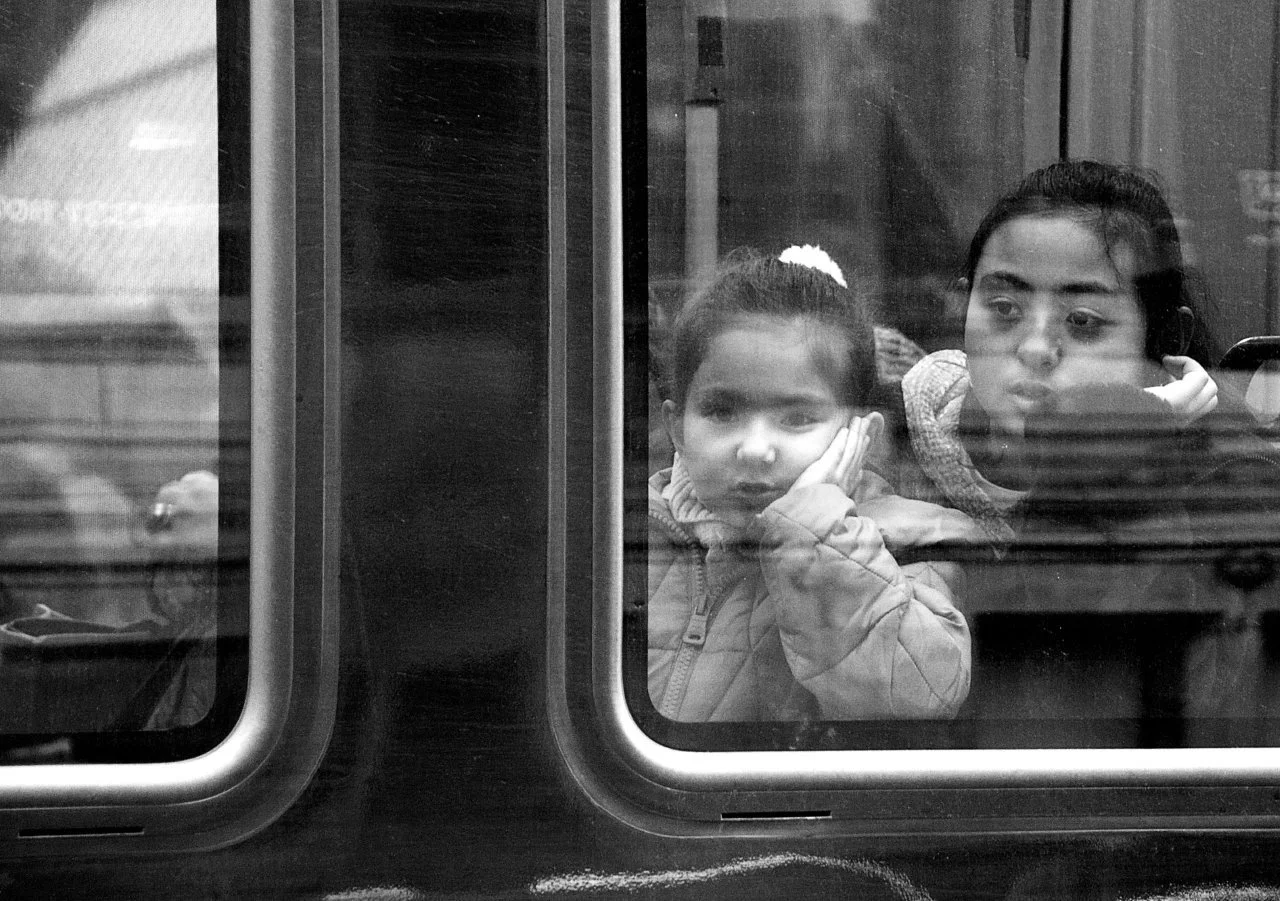
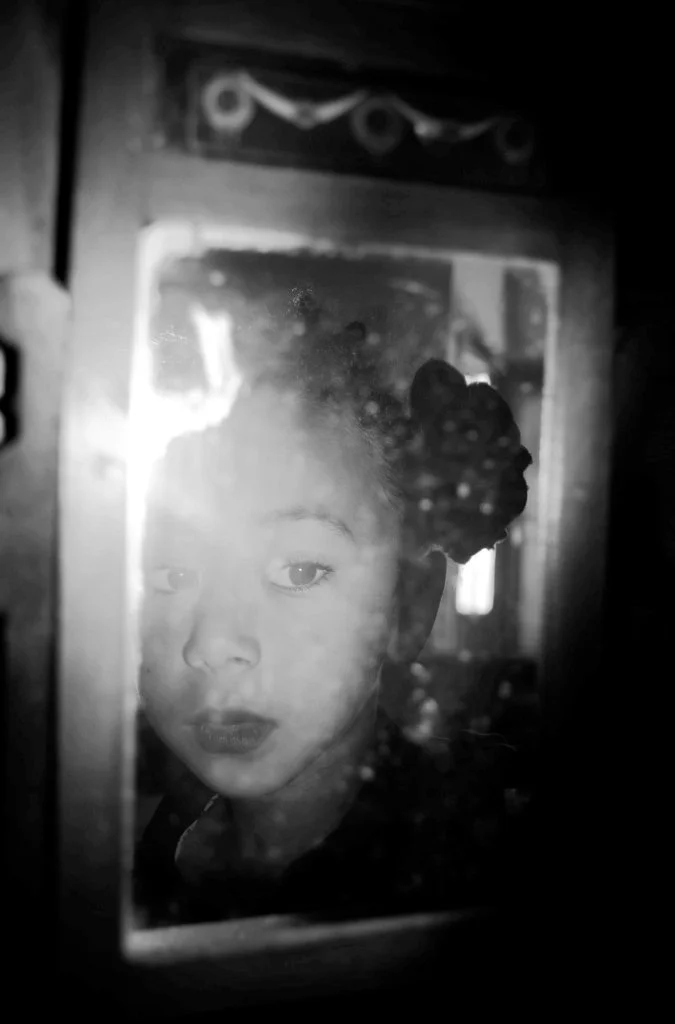
Although newborns carry the roots of death inside them, there is something eternal about childhood, not only hovering about in the shape of dreams or memories. It is palpable but untouchable, near yet far away, it is beyond definition, hidden -that is to say- invisible for the adult eye; it’s a breeze floating in and between children of all time and places; it is a spirit, uniting past and future in a present tense. Sometimes it wanders behind windows, blends up with traces of the ‘outer world’ reflected on their panes. Sometimes, it crawls into my lens. Bedazzled by its strength and vulnerability, I click; because I want to capture and frame that eternal child whether its voice is sad or sweet. Some might call it an attempt to steal its soul.
If only we, the adults, could see, imagine and believe like children do, without need of mathematic proof or a god’s consent, rebirth of adulthood could be in reach, hovering about like a sweet child’s dream impatiently waiting to come true.
I put the album aside, finished my wine. I climbed the stairs to the attic followed by my cat Pief and went through the box with late-grandma things in search of the cloth, which once upon a time was the curtain Mickey and I disappeared behind.
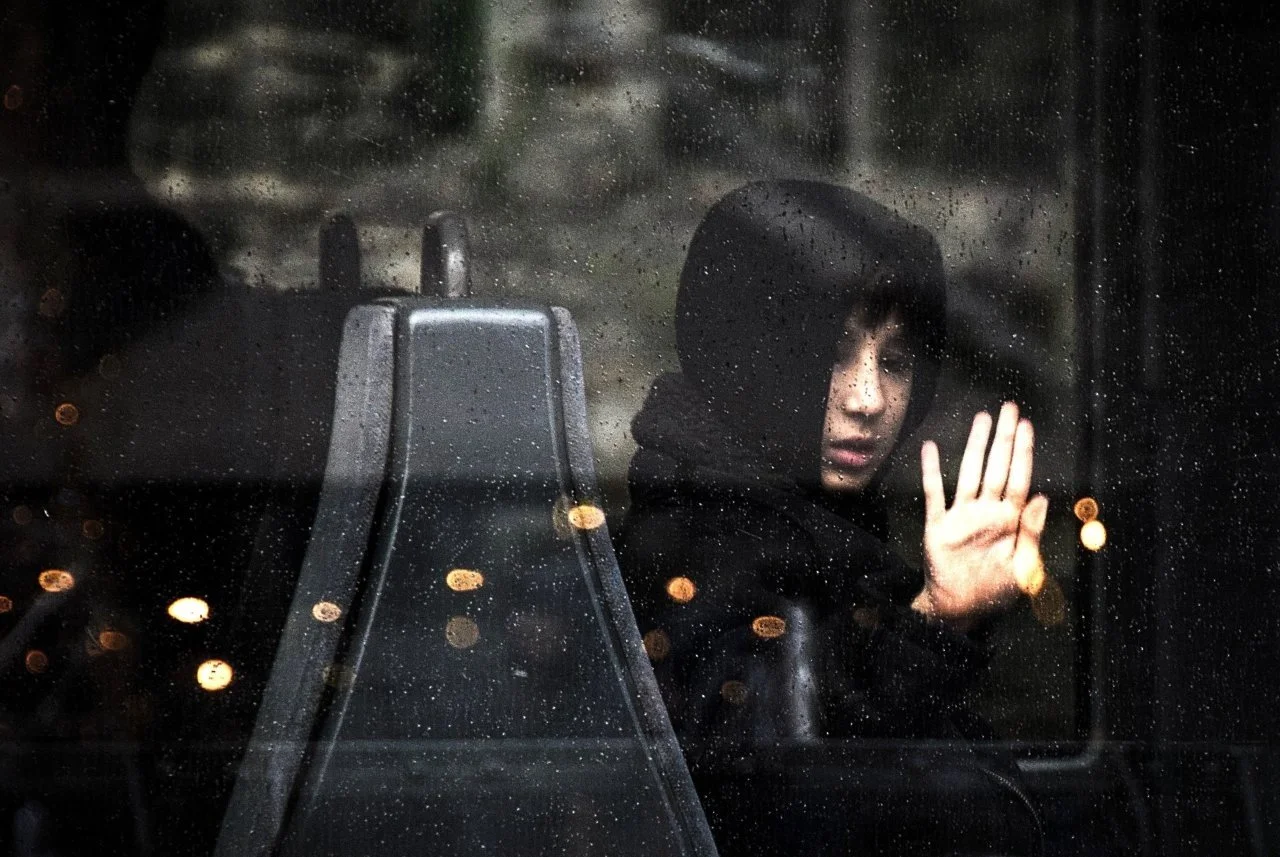
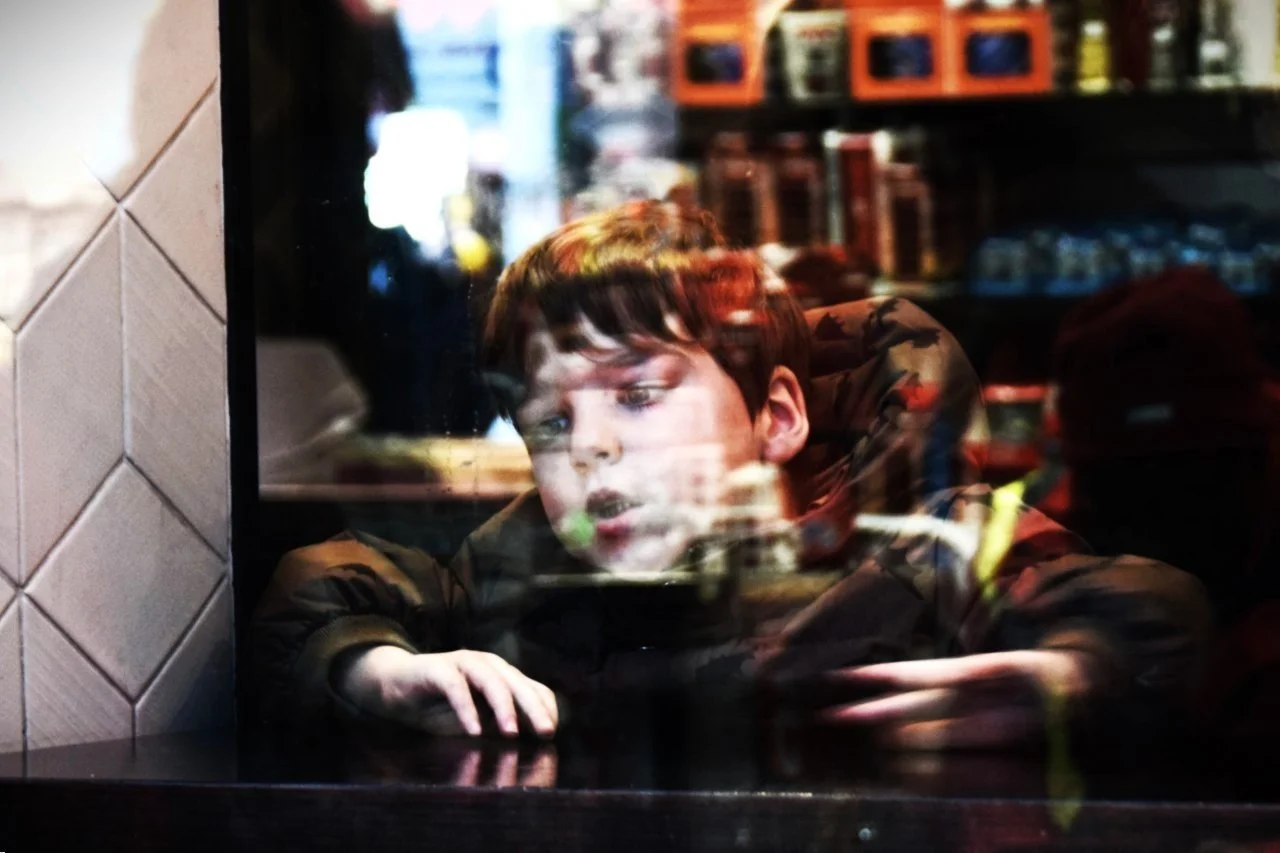
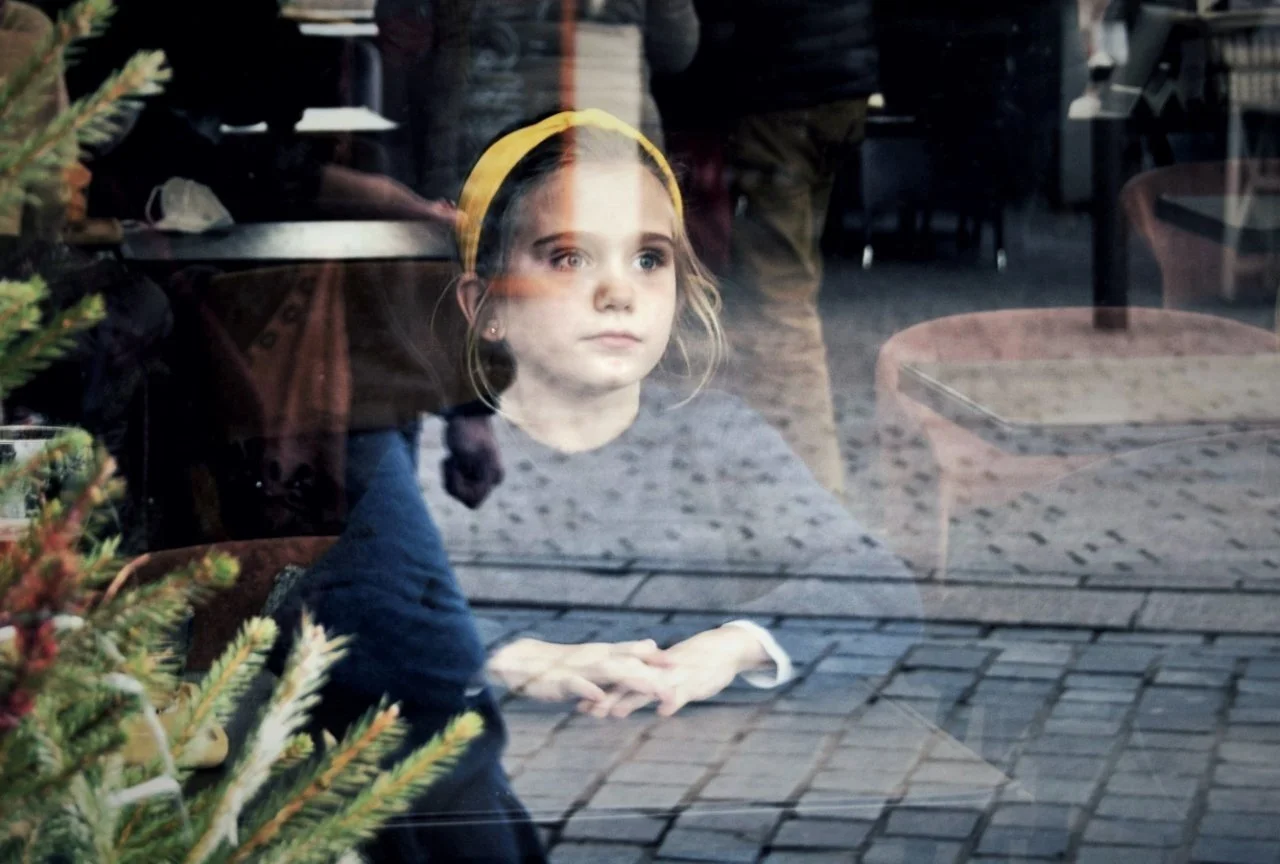
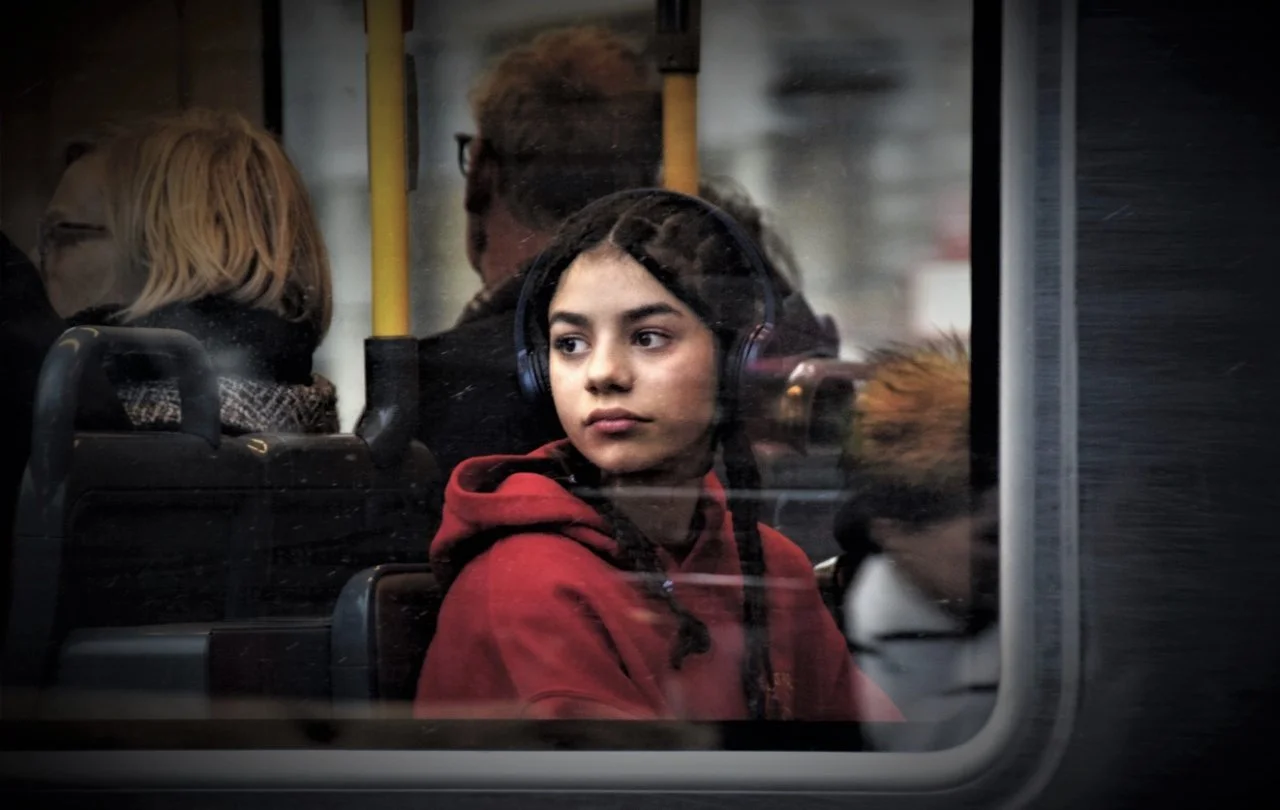
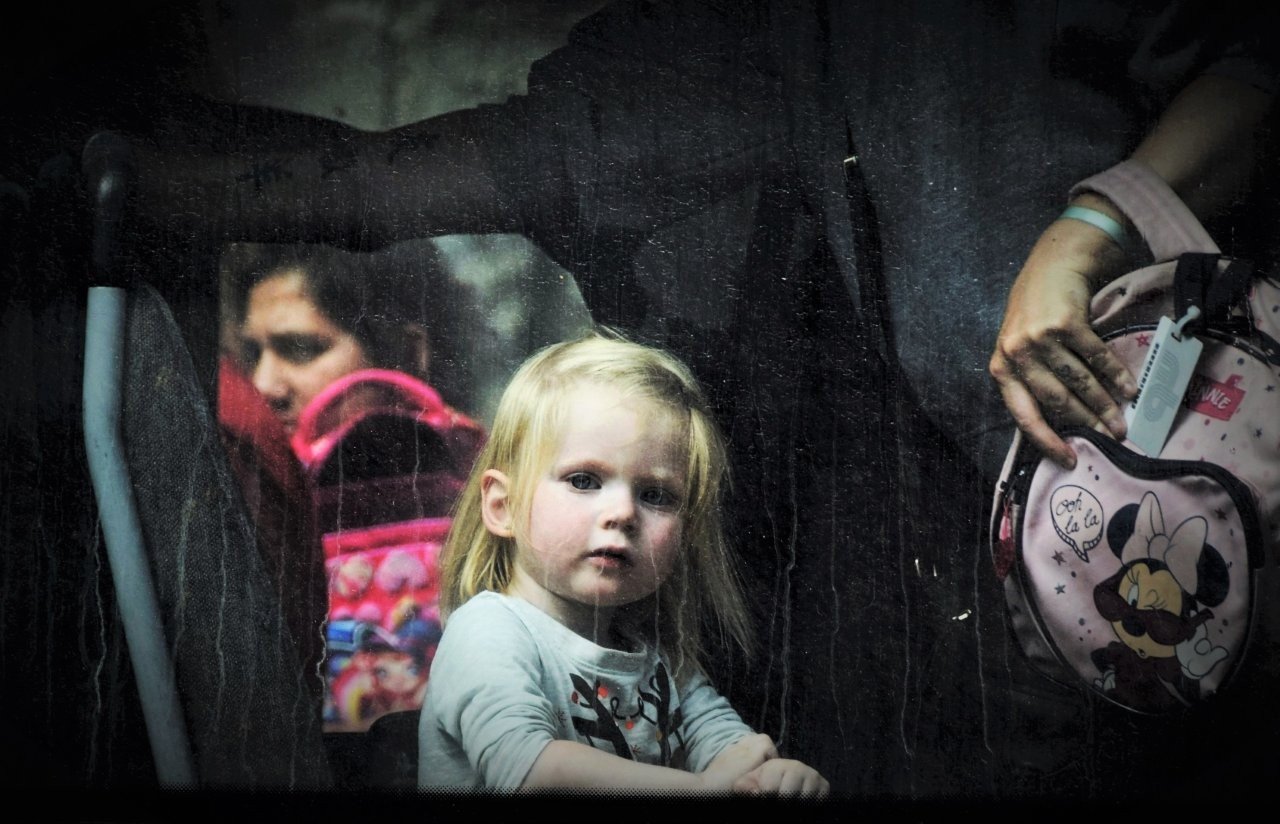
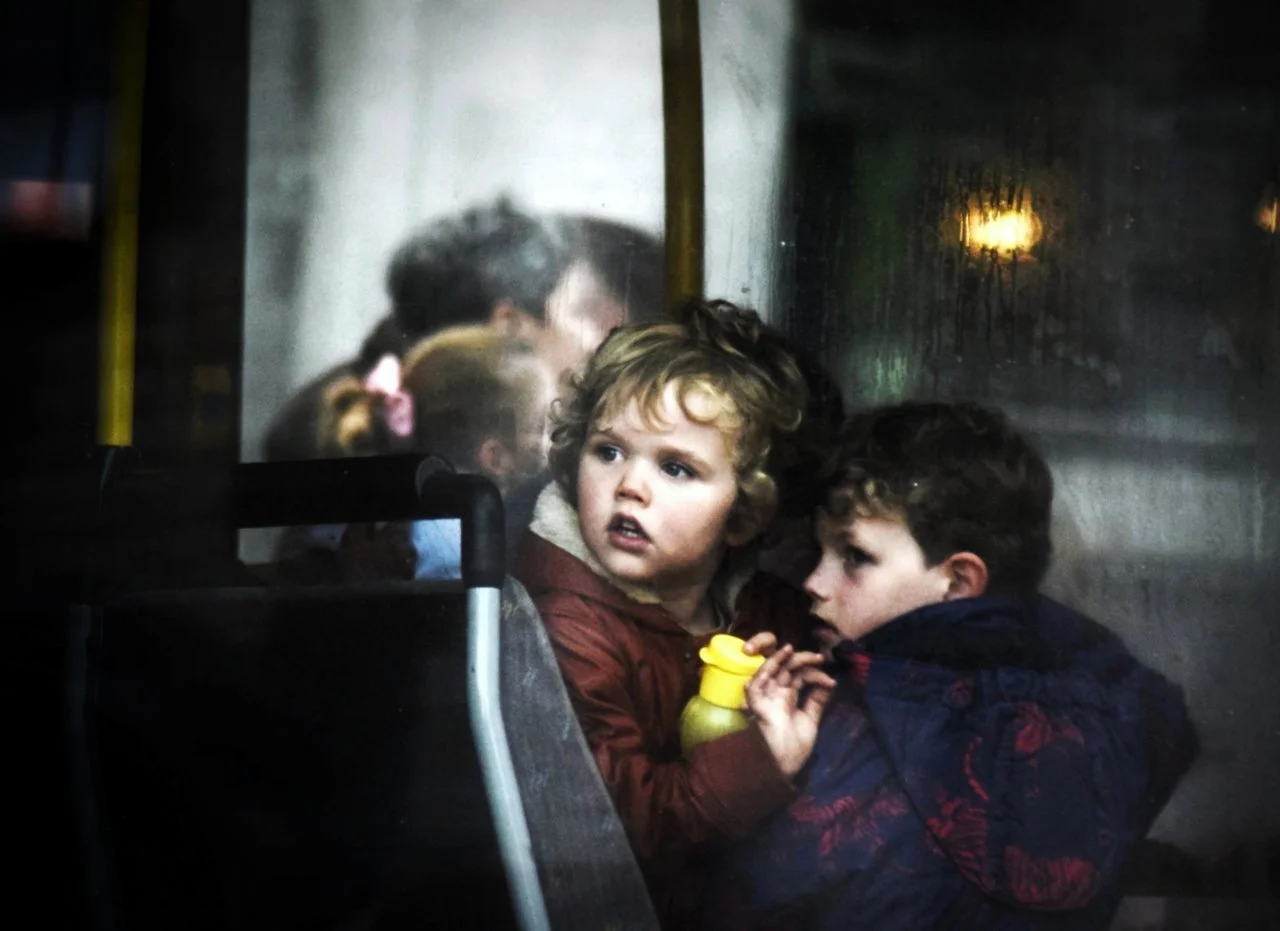
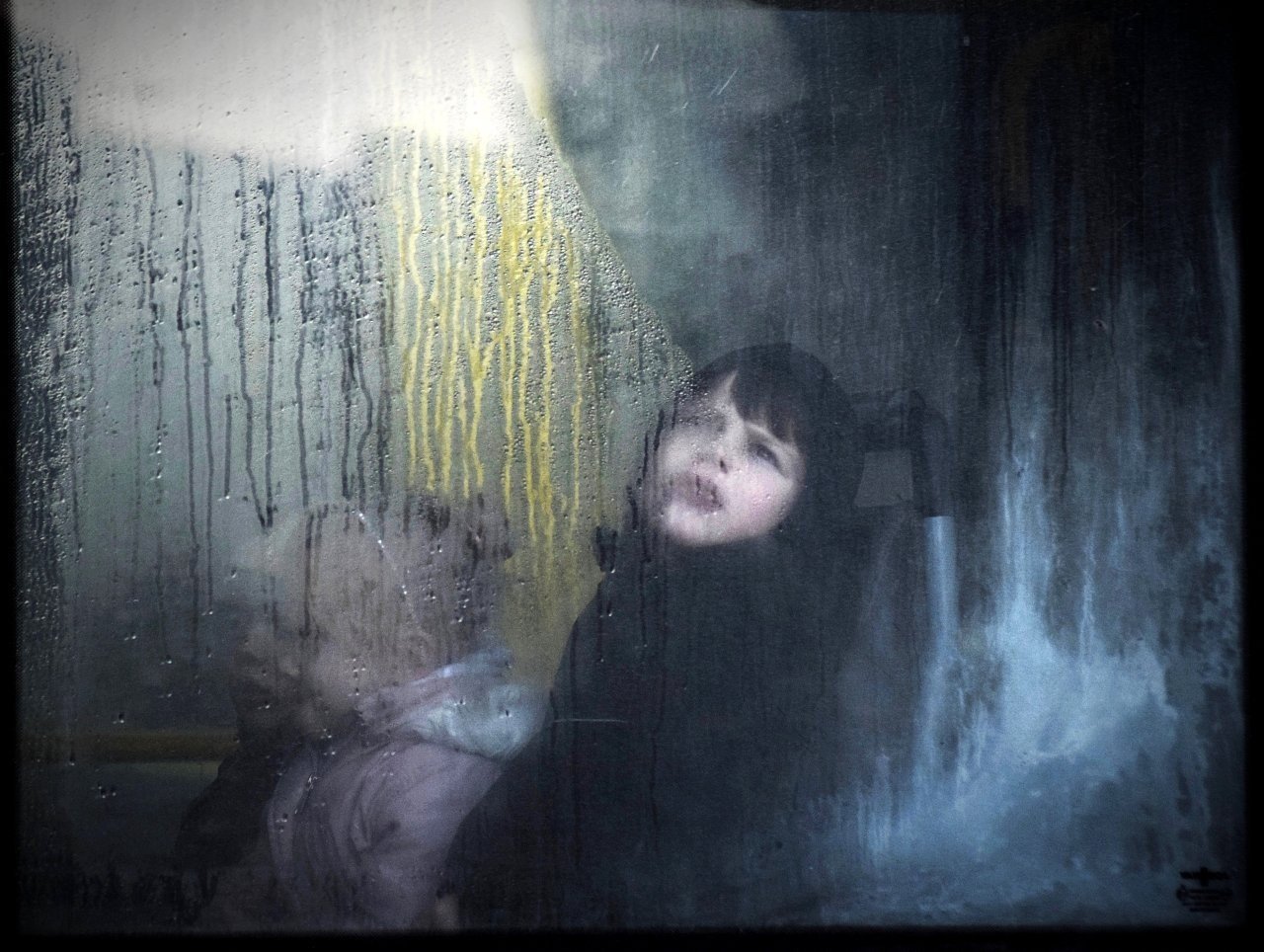


This is Nadia's third book. Written at the suggestion of Batsceba Hardy, the author sought to give her characters a voice, and this is the result. The author's obsession —we can now define it as such— with people behind the glass has helped her develop her own style. It has evolved into something she's comfortable with and will continue with, now that she has completed her formal evolution consciously.