Plato’s Cave (Part I): The World of Shadows by João Coelho

The Allegory of the Cave, also known as the Parable of the Cave, was written by the Greek philosopher Plato in his work The Republic. In this parable, Plato describes prisoners who have lived in a cave since childhood. They are chained so that they can only look at a wall where shadows of objects are projected. Sounds from outside echo off the cave's walls, making it seem as if the shadows have voices. Thus, the prisoners believe that these shadows represent reality.
In this dark world, the shadows symbolise the physical realm of appearances, opinions, illusions, and the limited knowledge acquired through the senses. This knowledge is often mistaken for actual reality. The shadows are imperfect copies of real objects, and the prisoners mistake them for reality because they know nothing else. This symbolises their attachment to common sense.
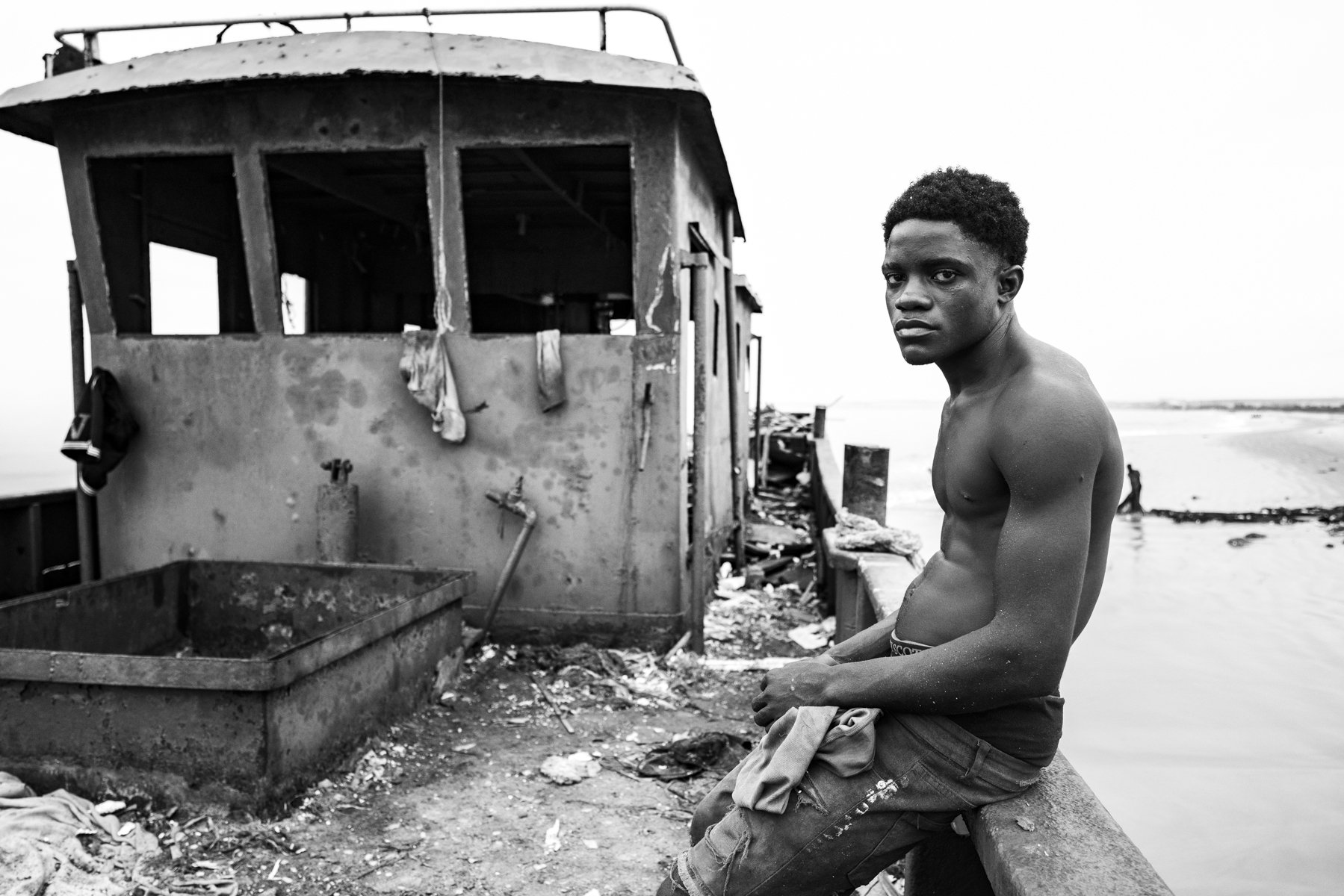
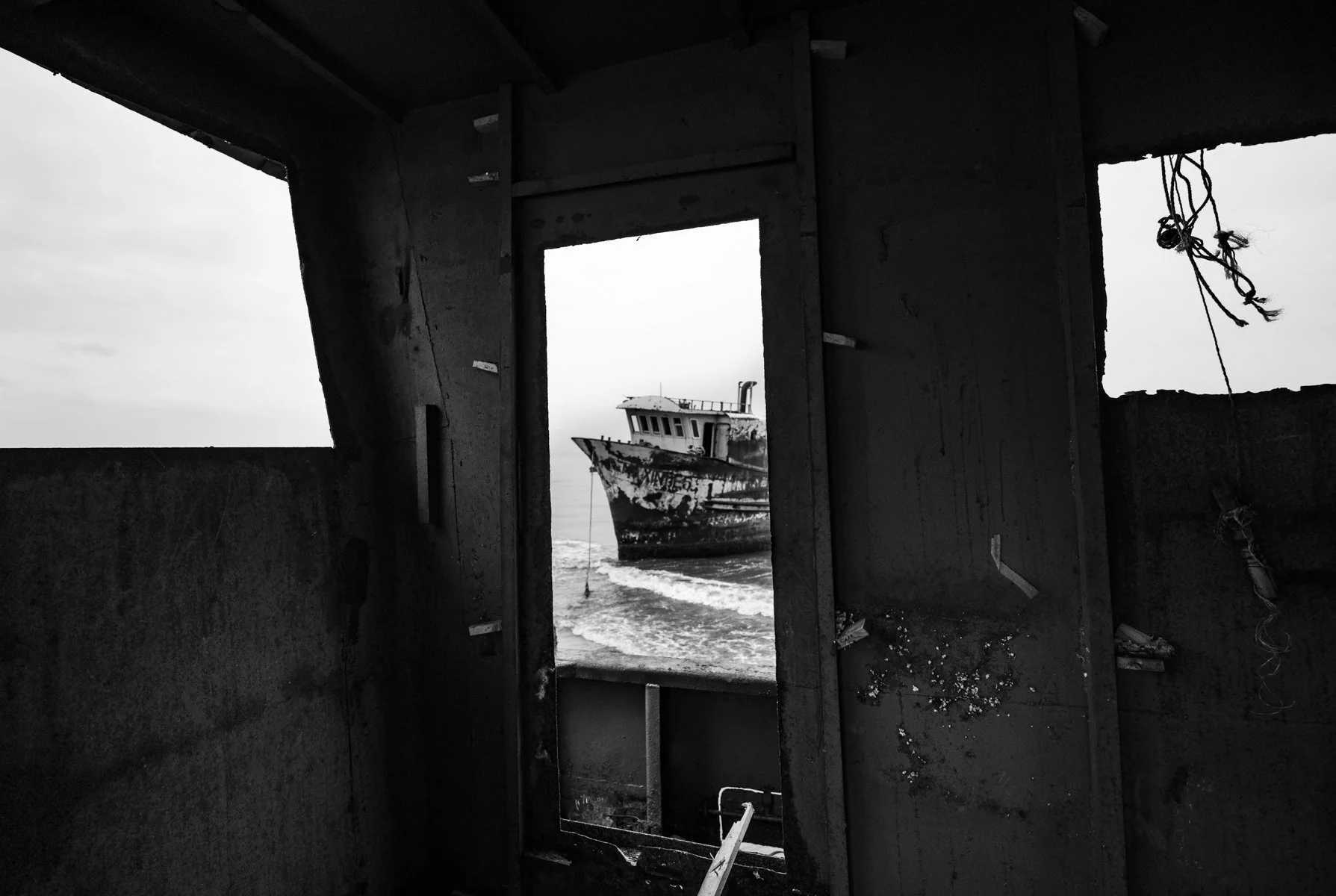
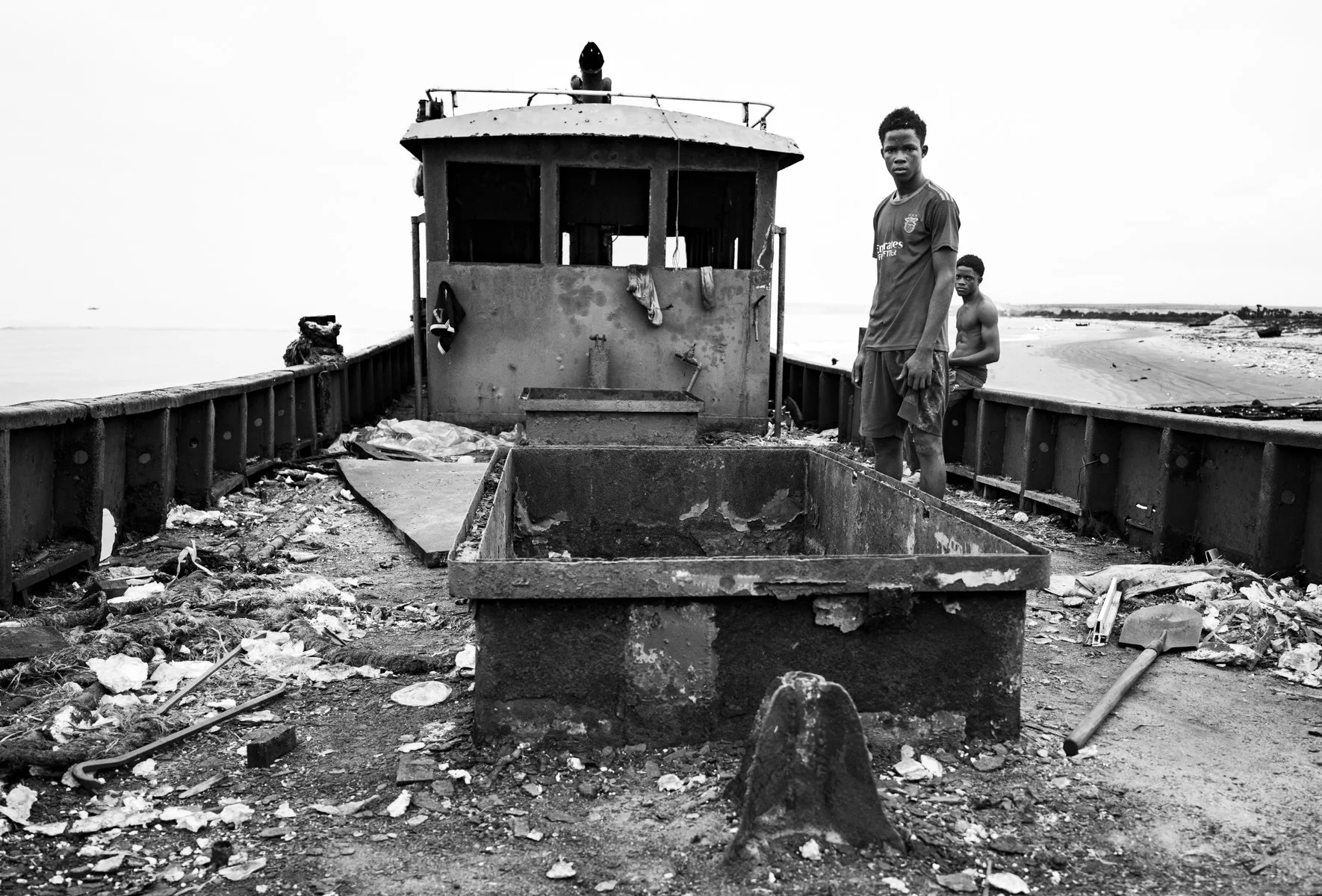
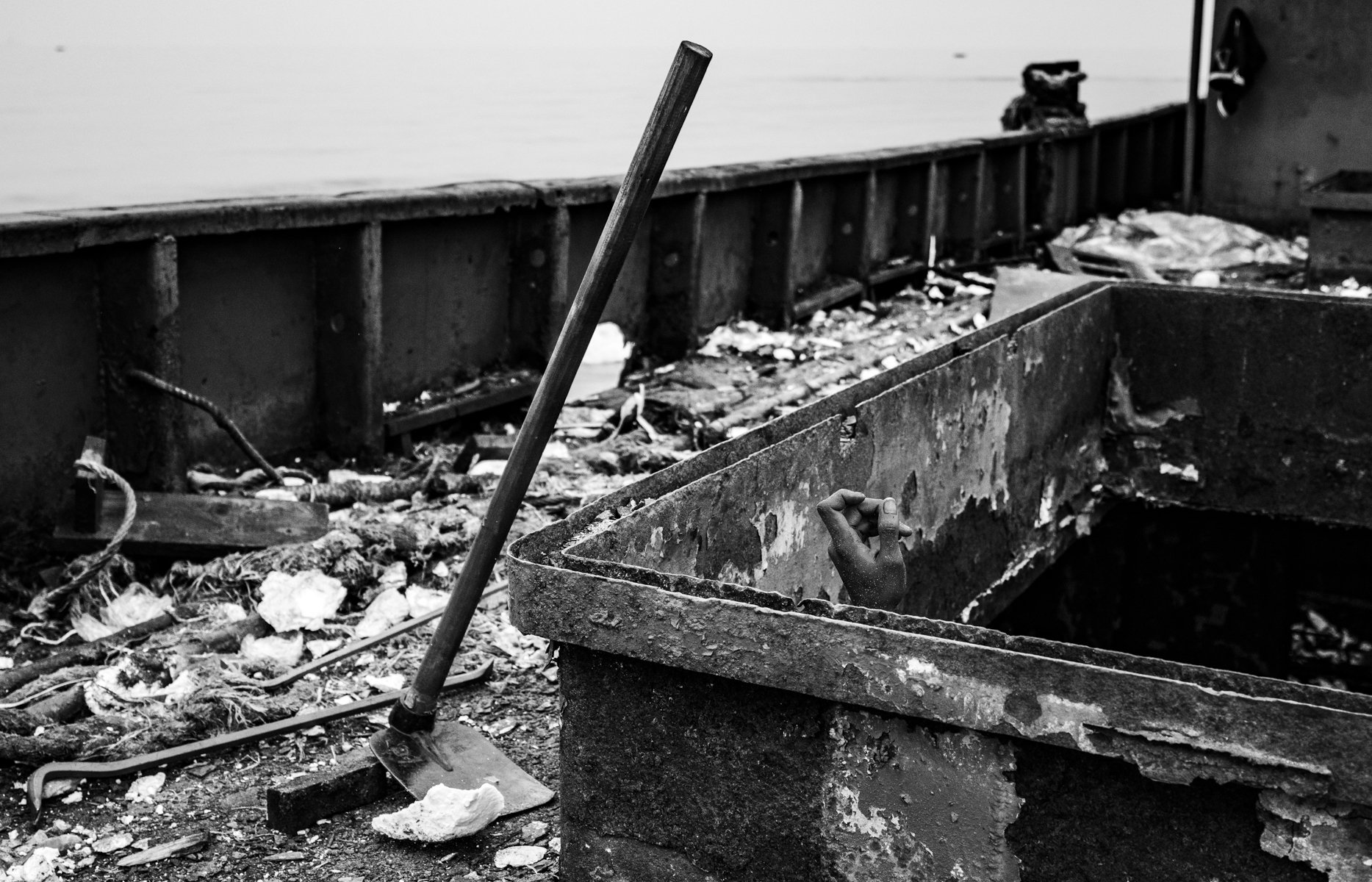
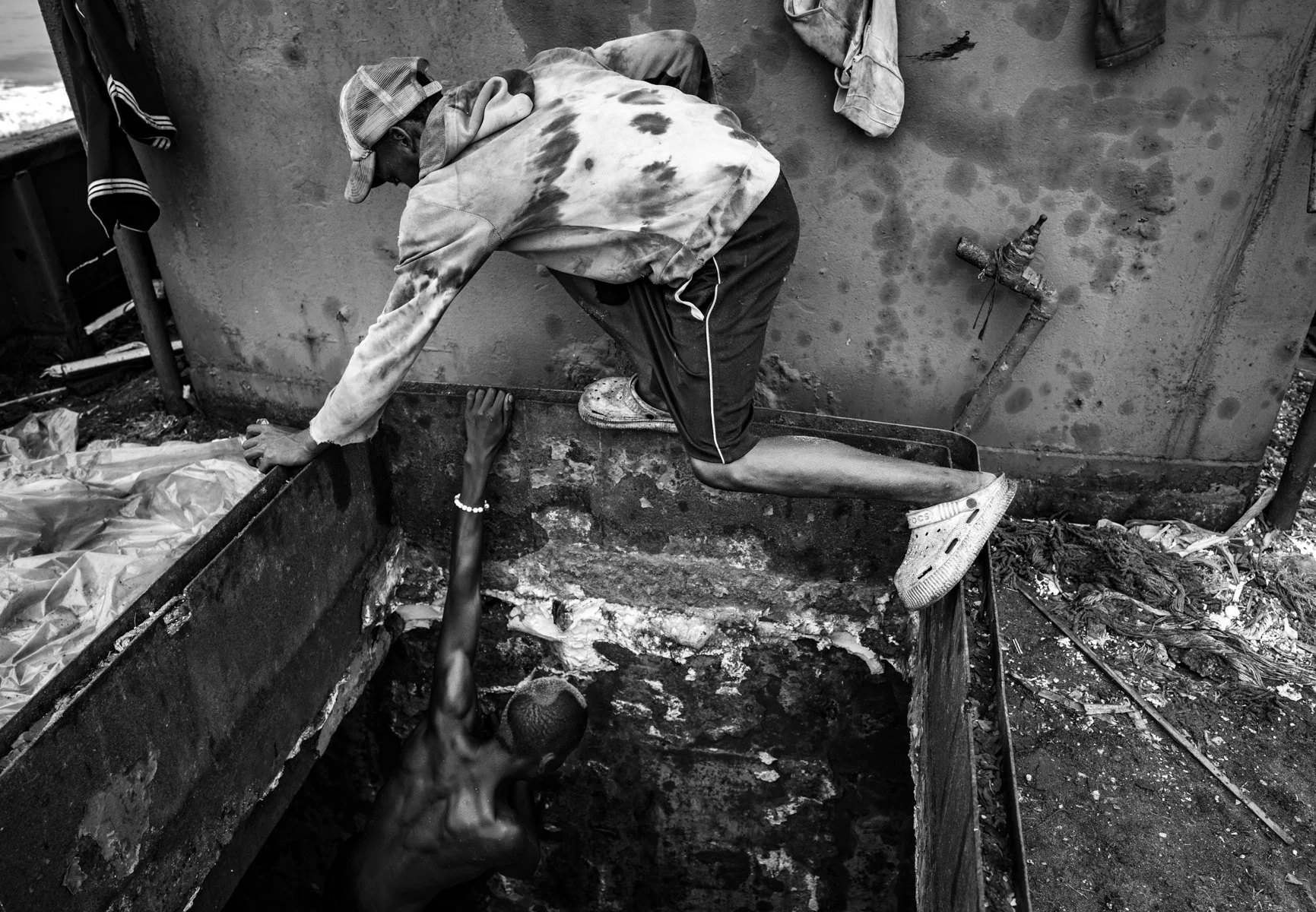
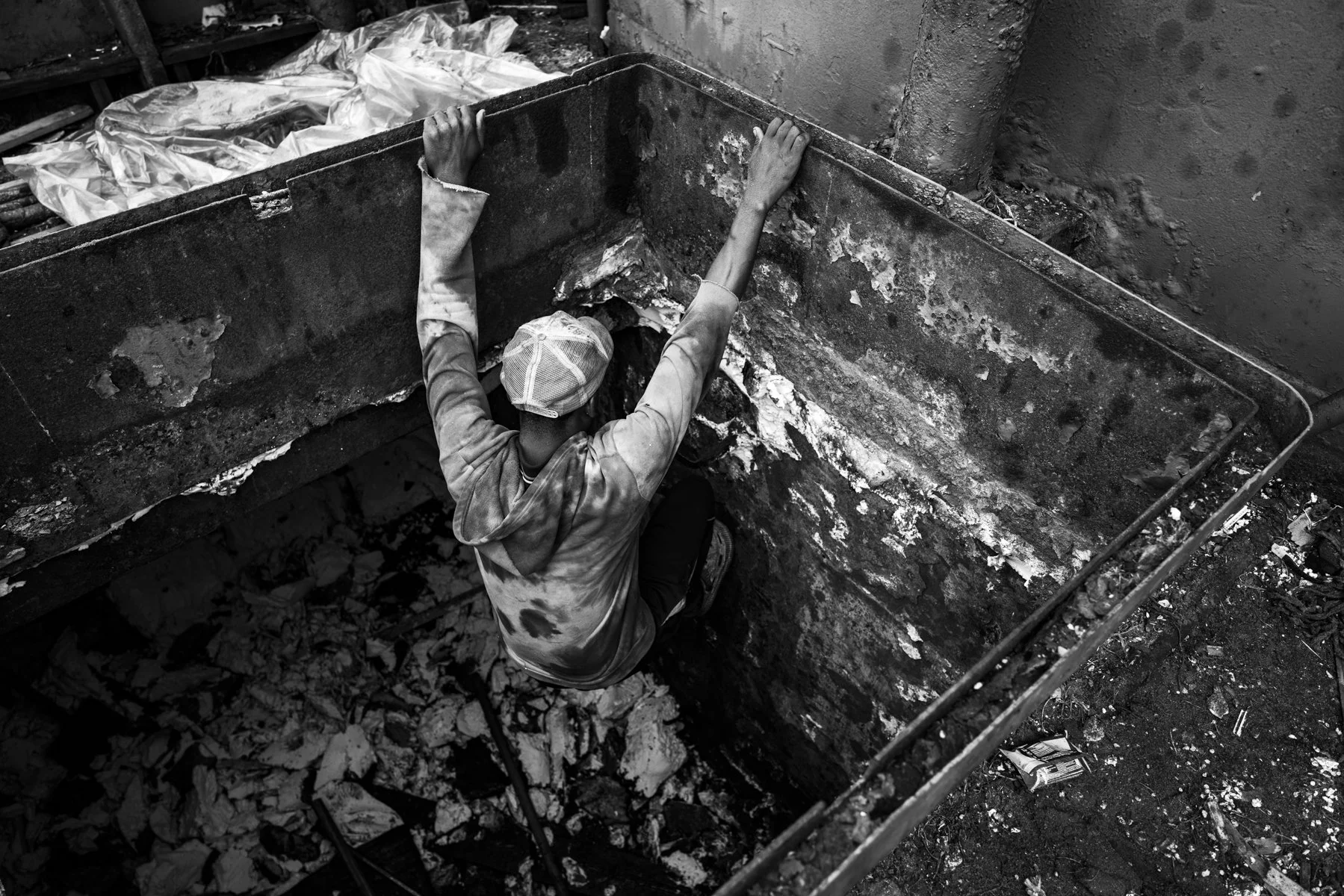
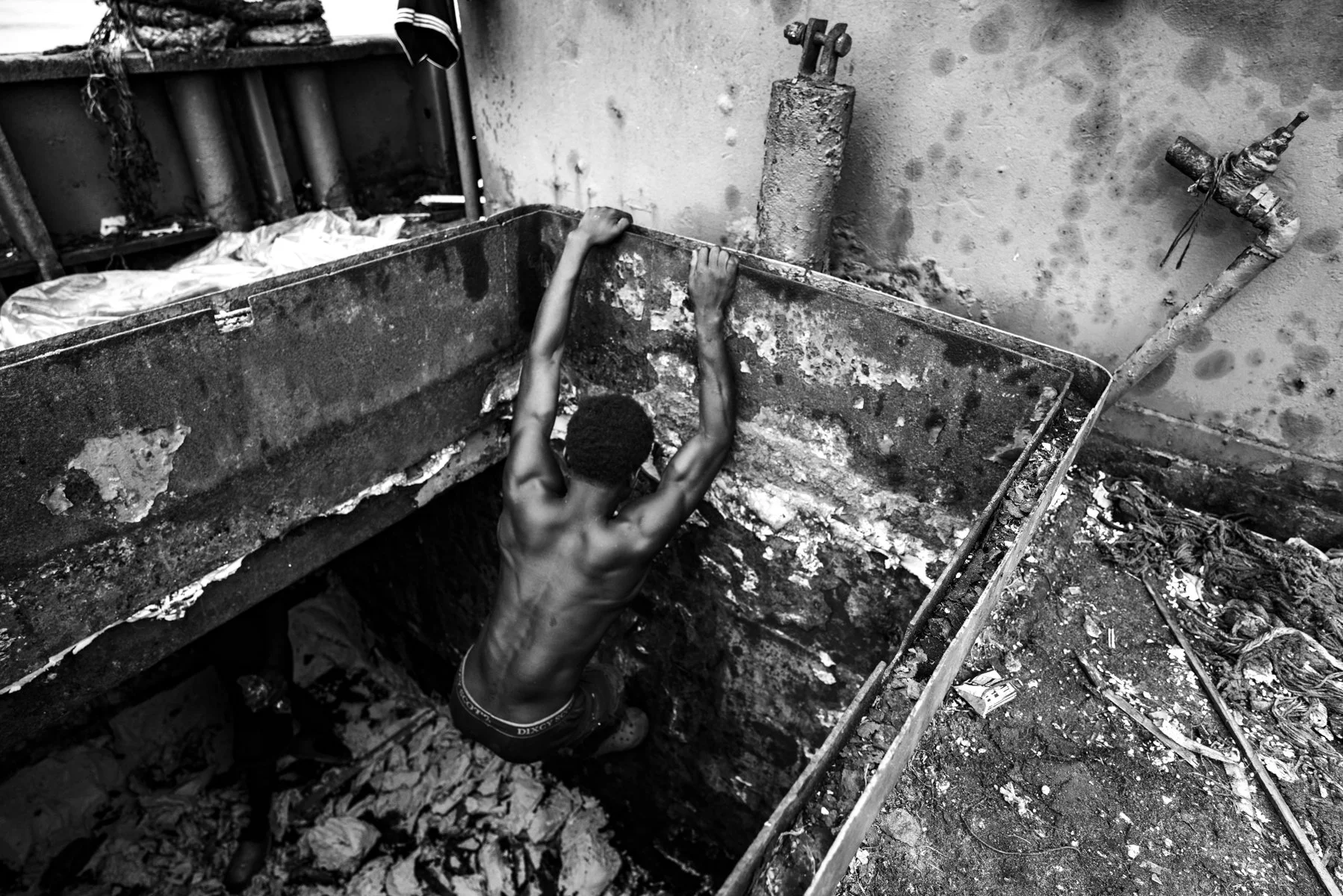
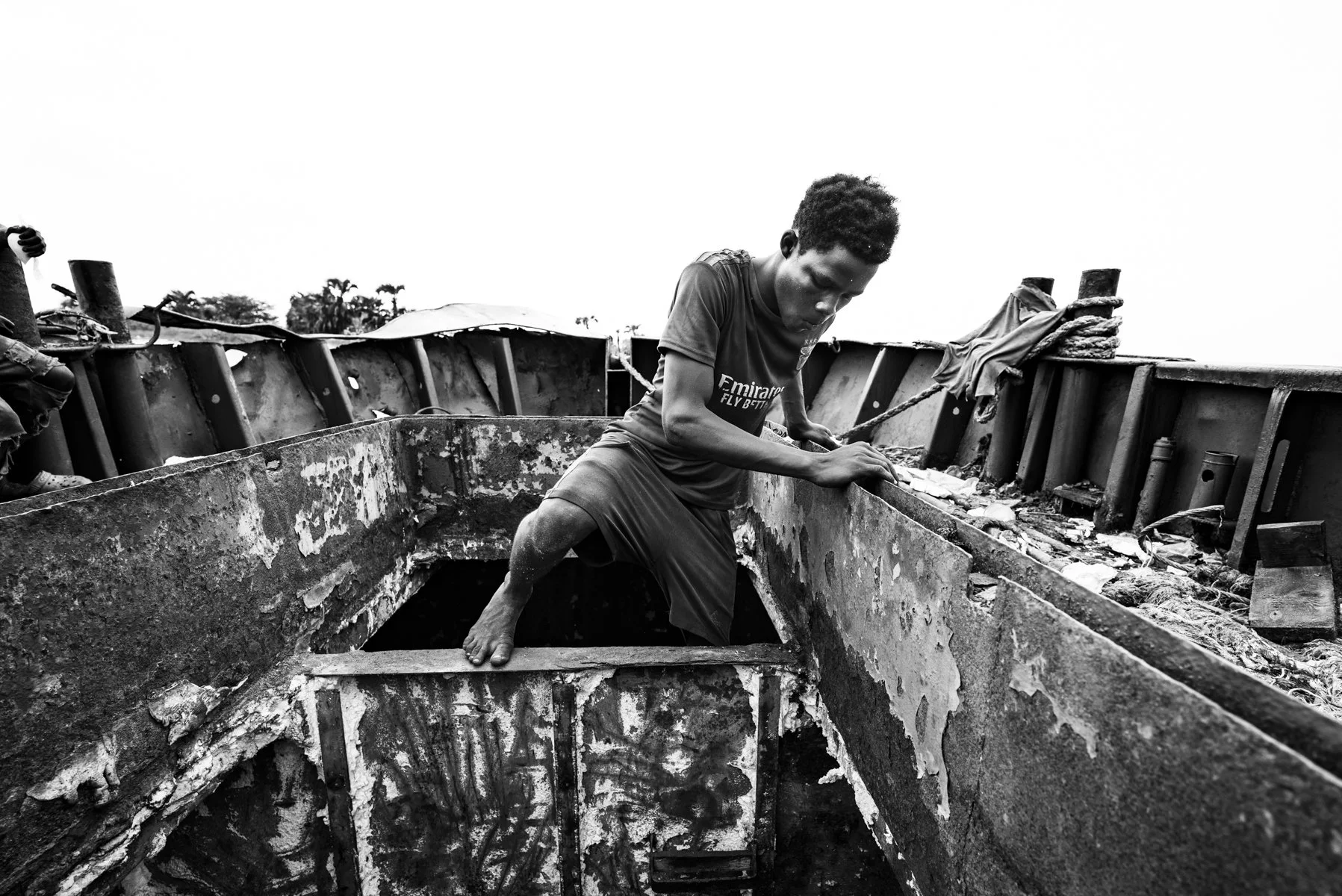
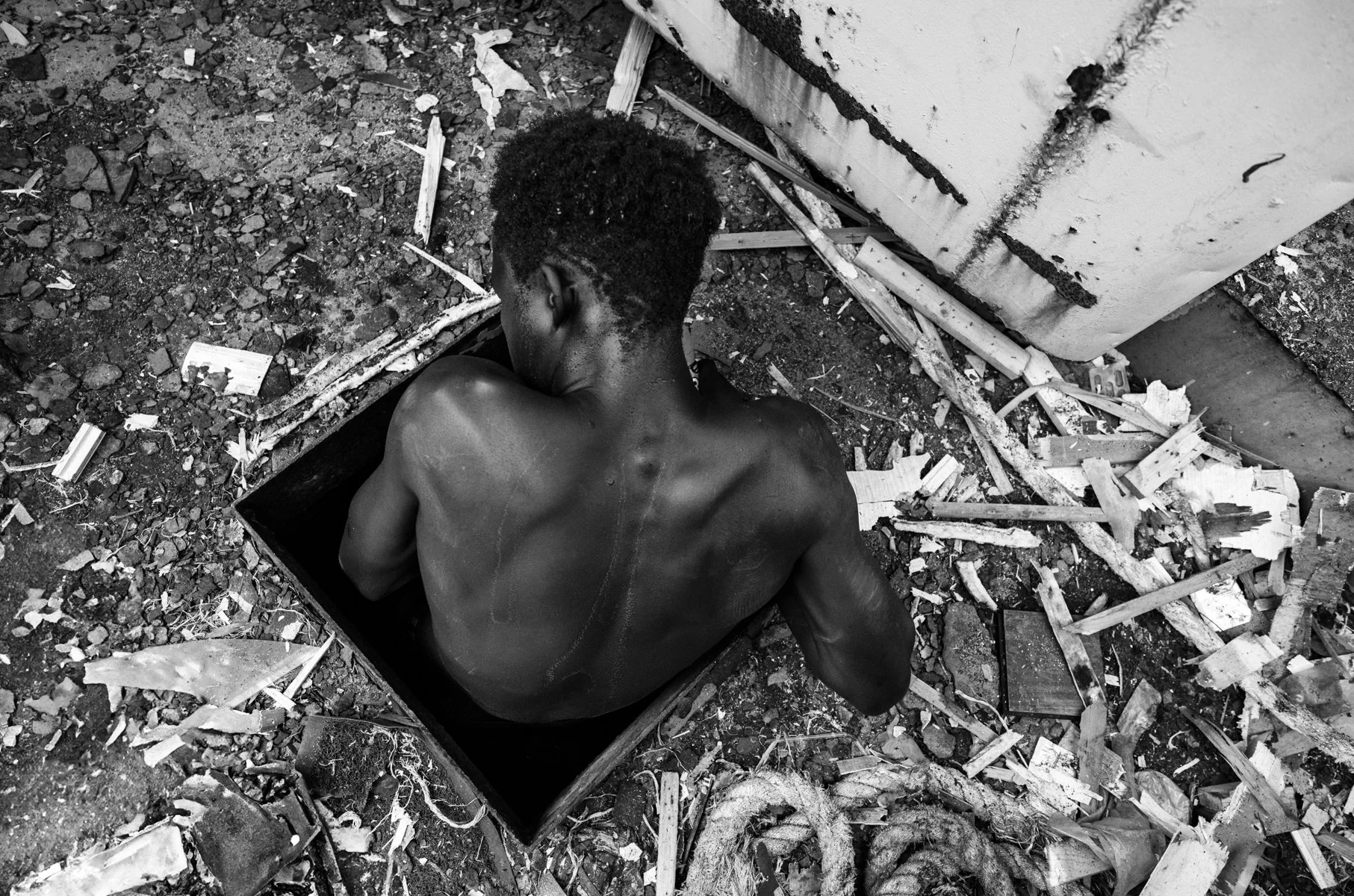
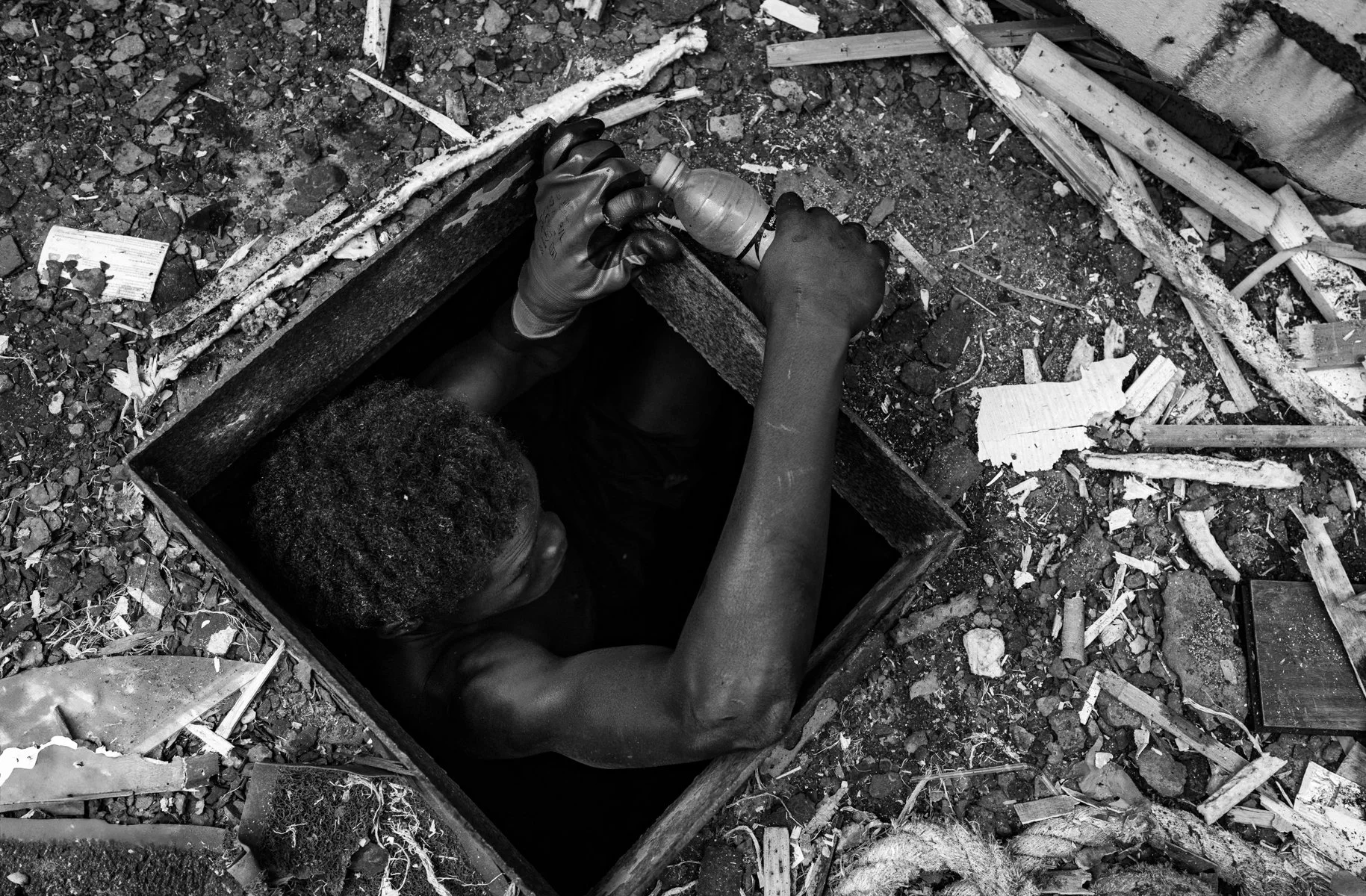
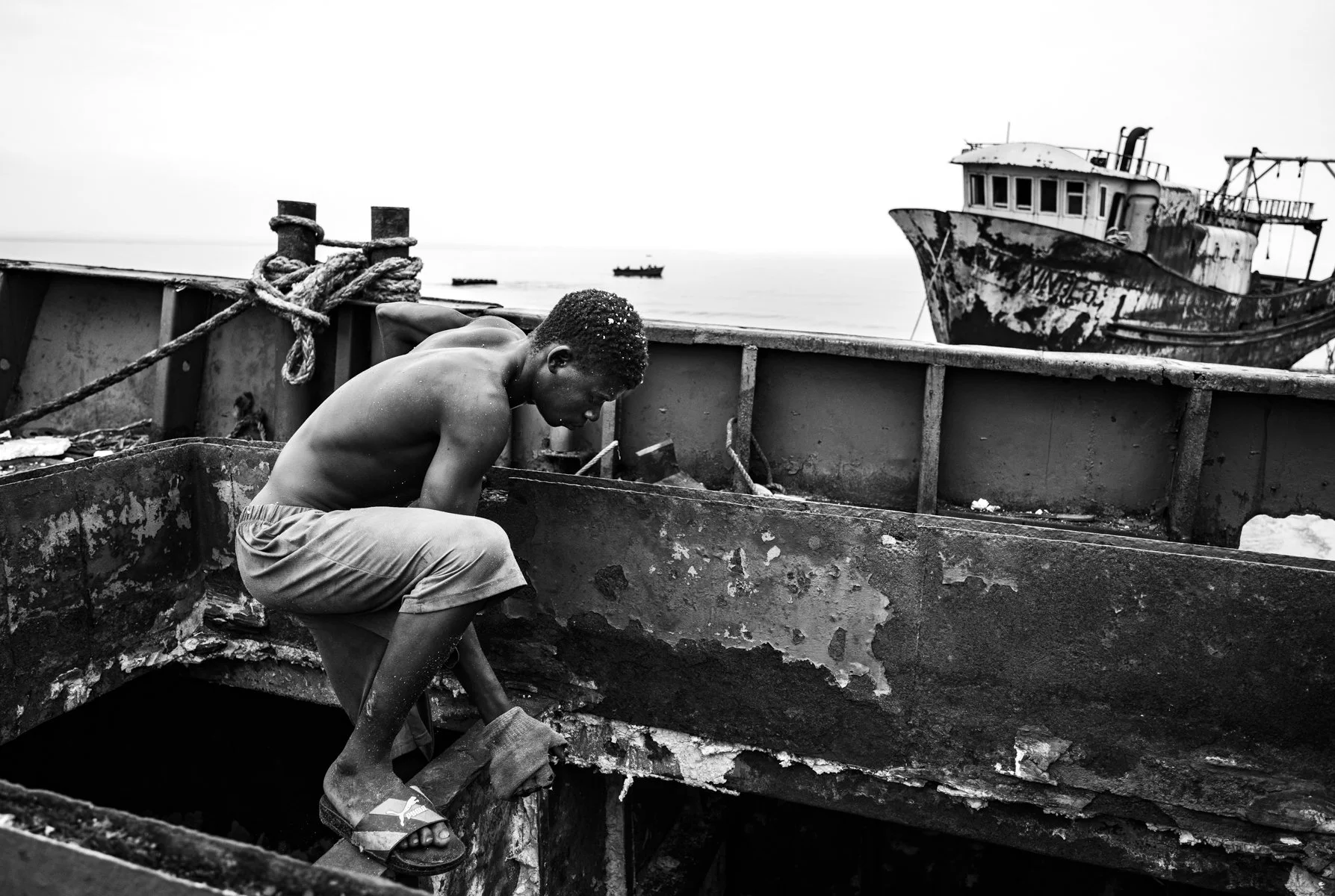
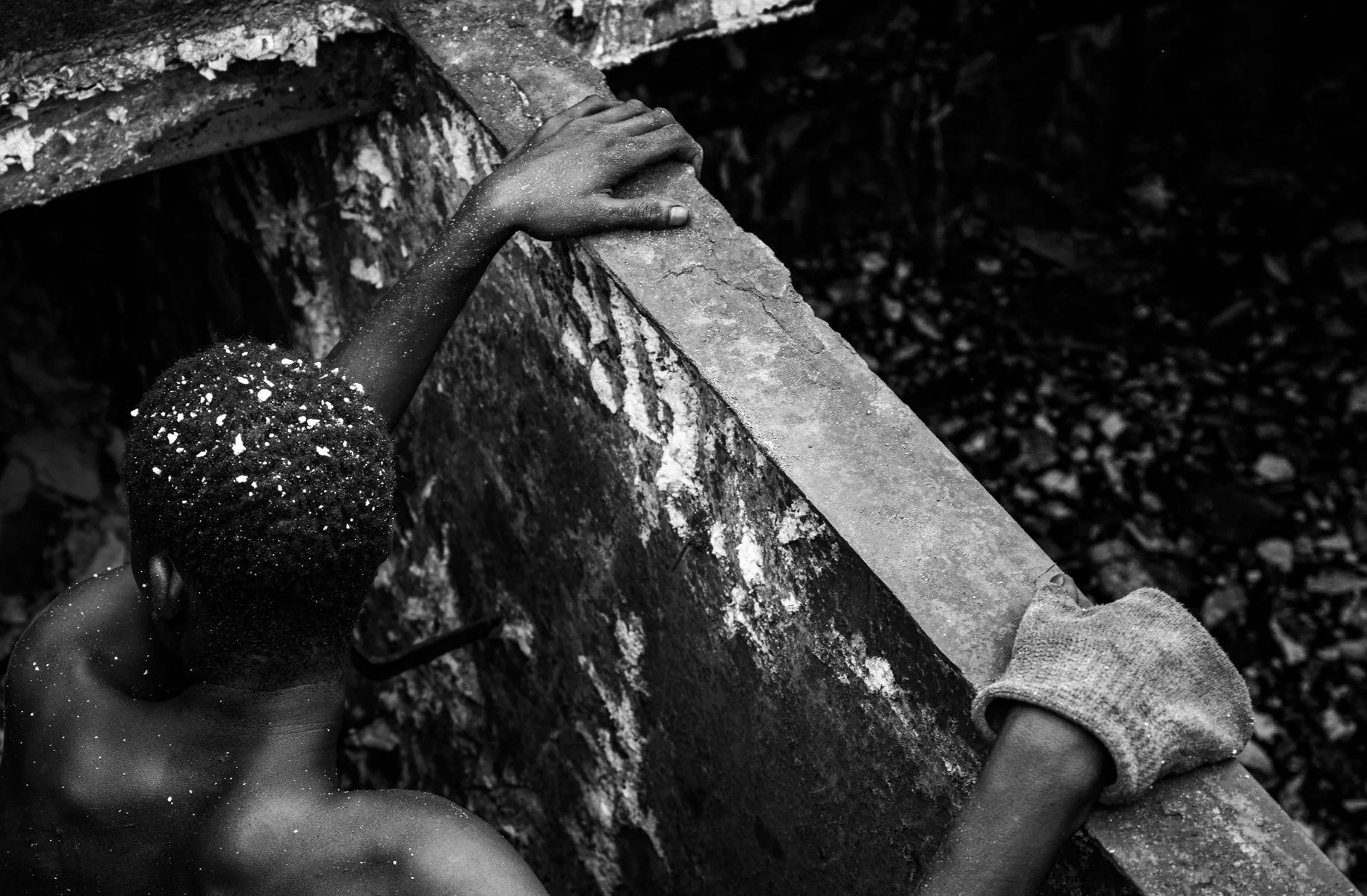
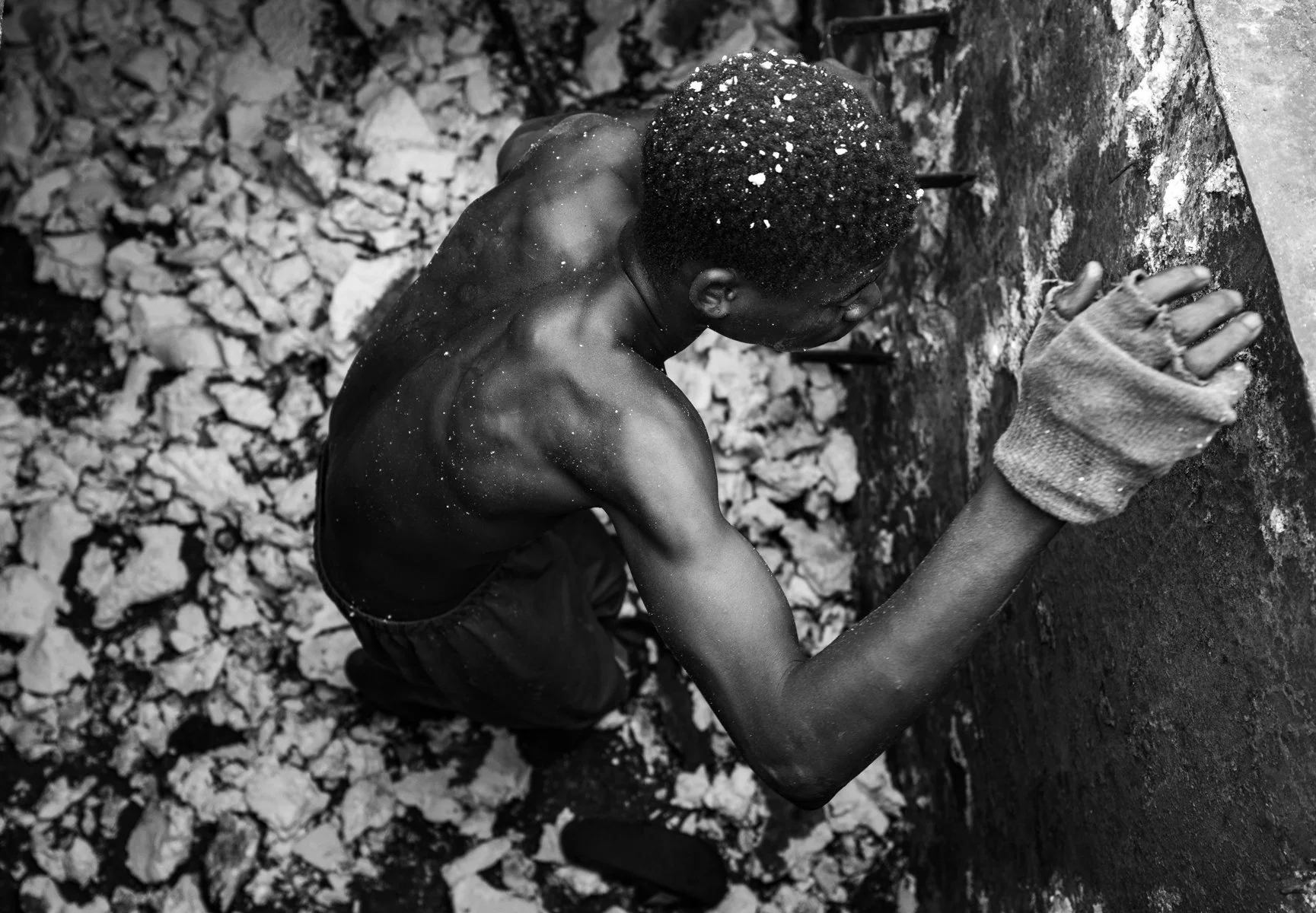
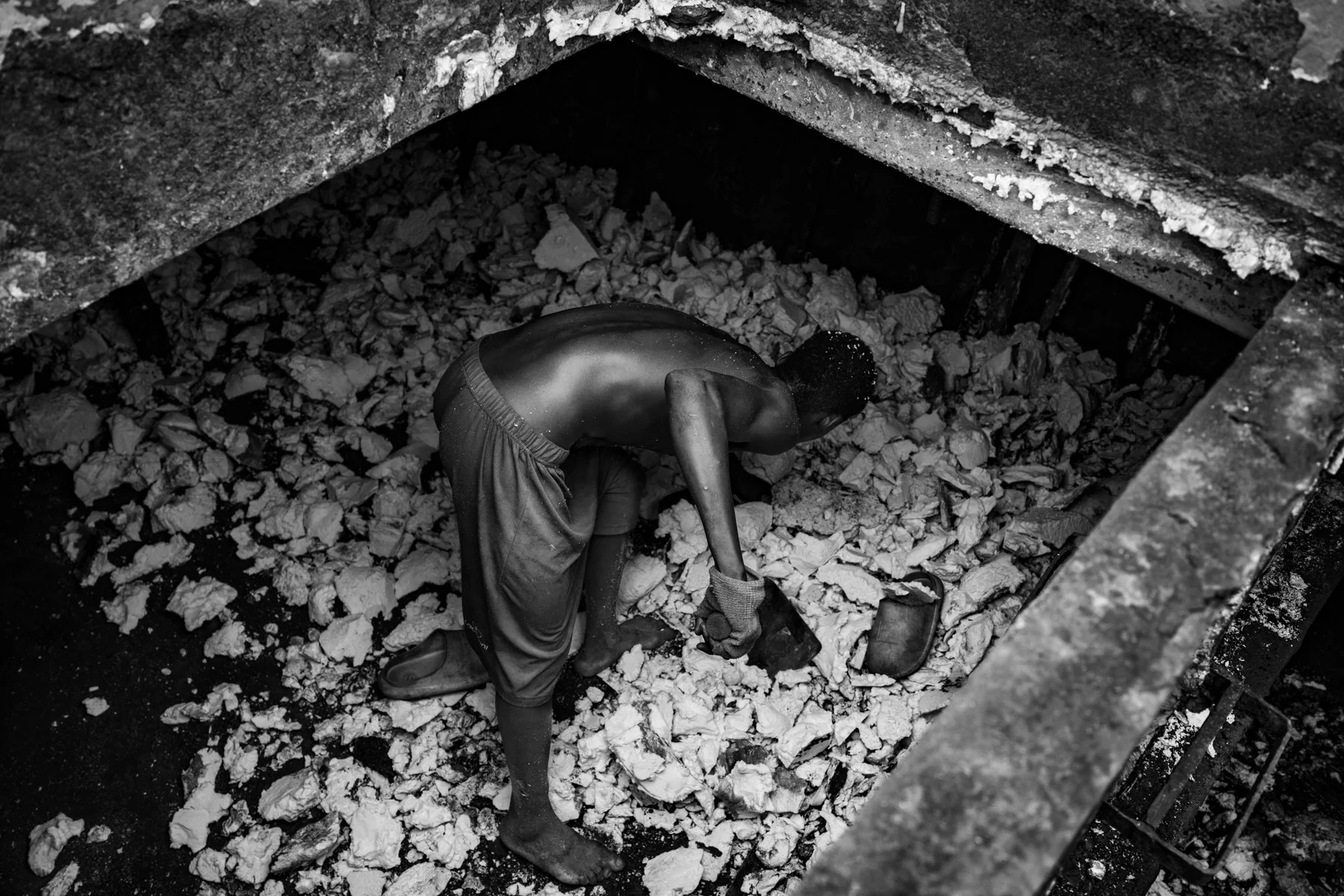
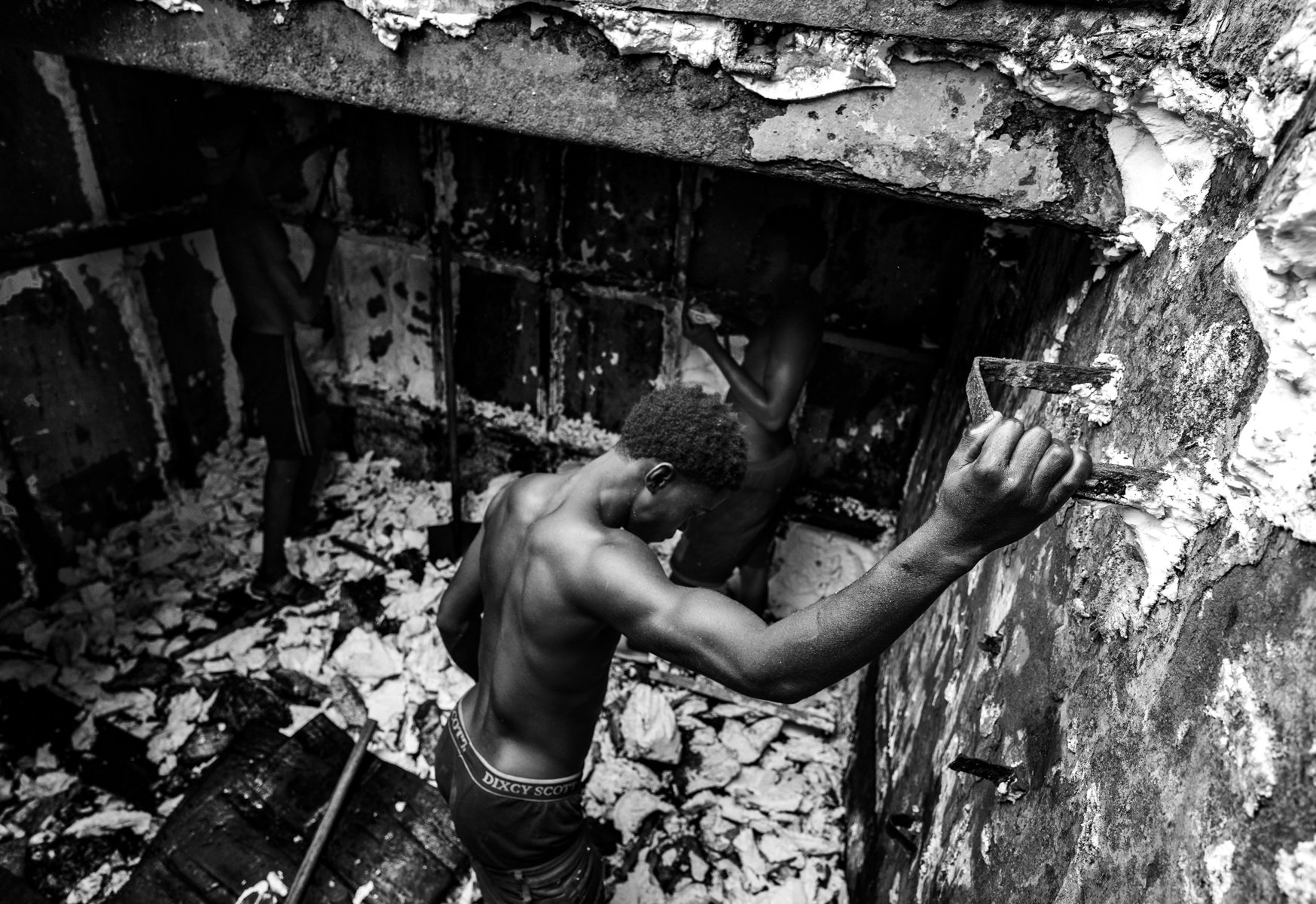
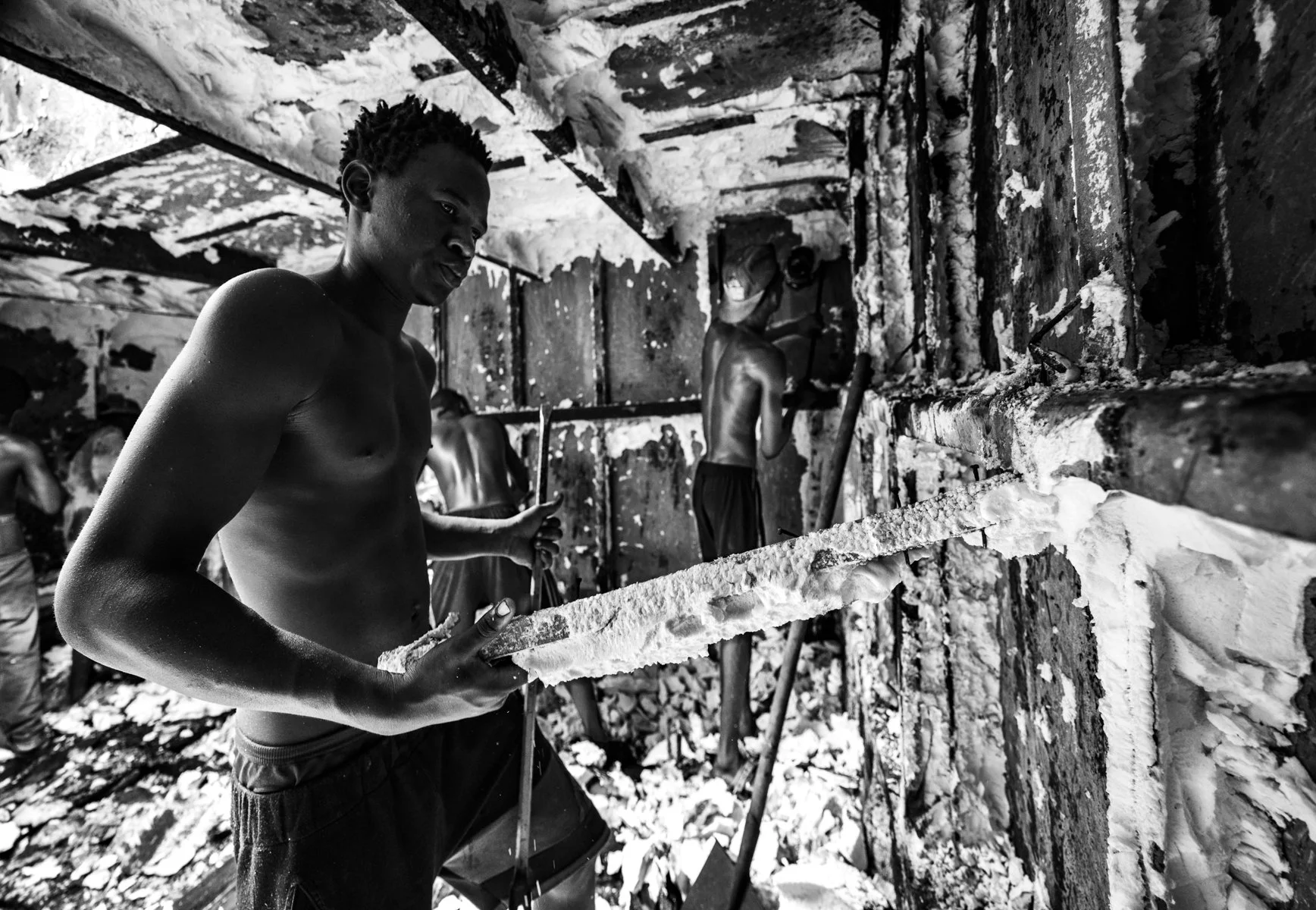
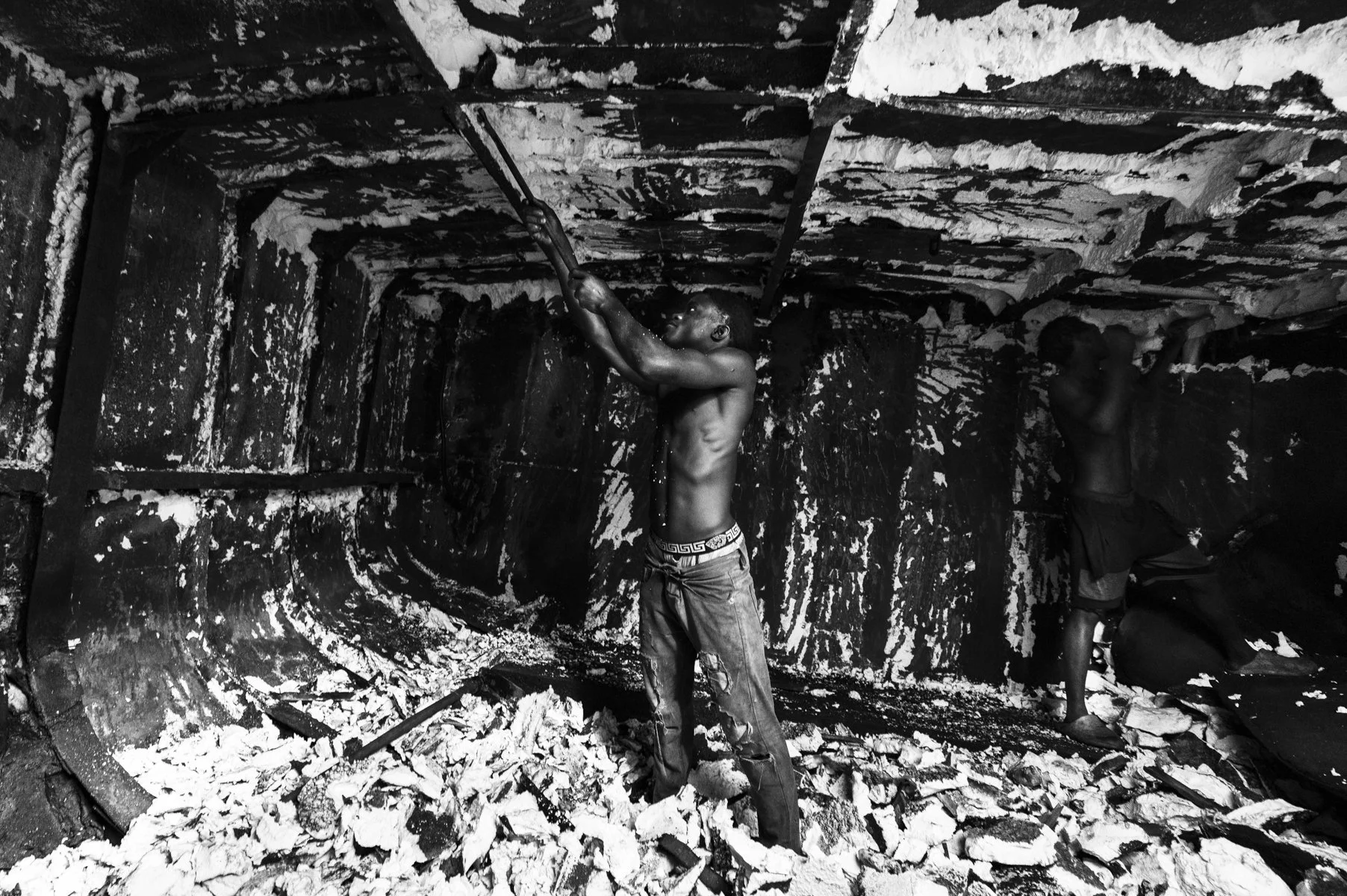
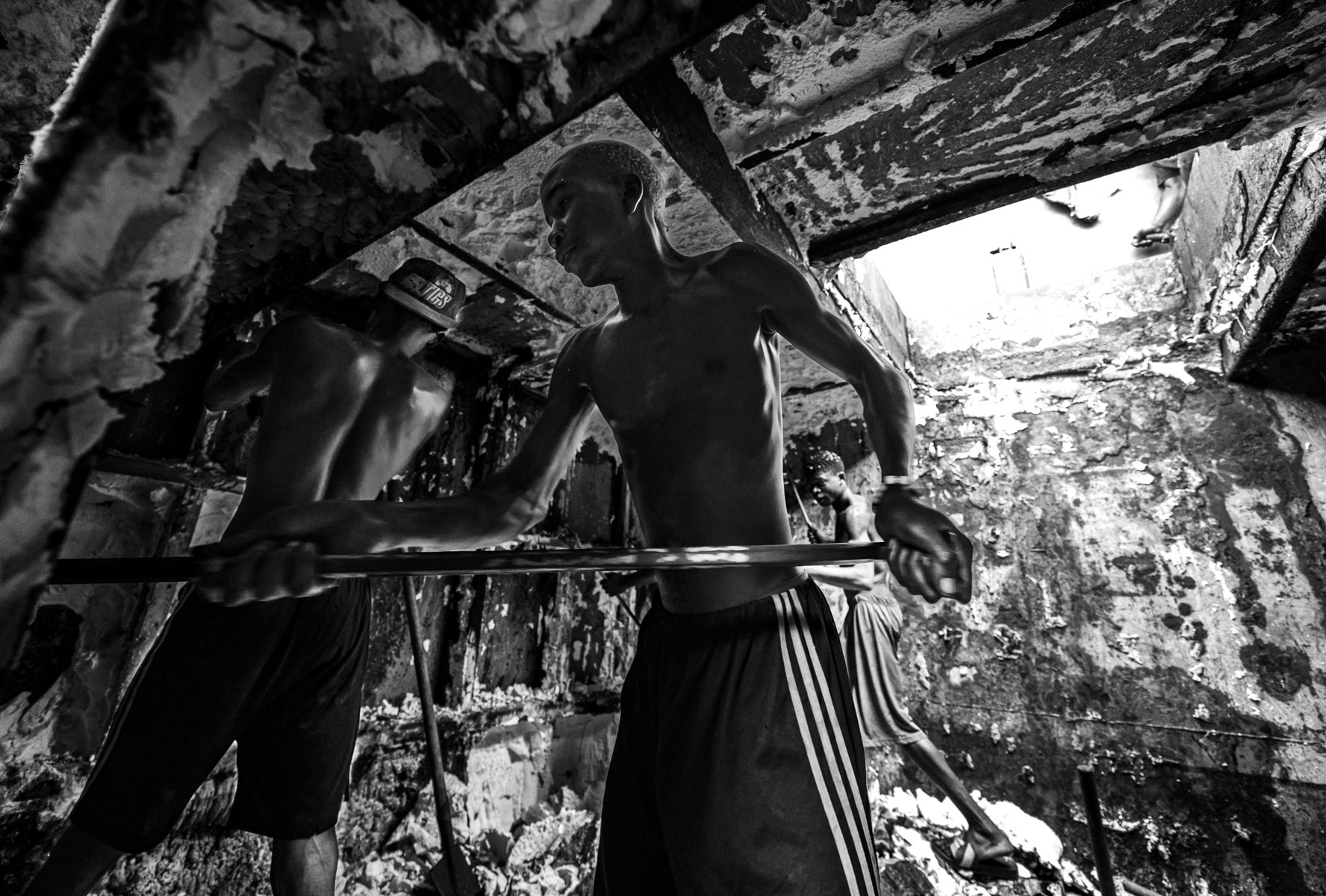
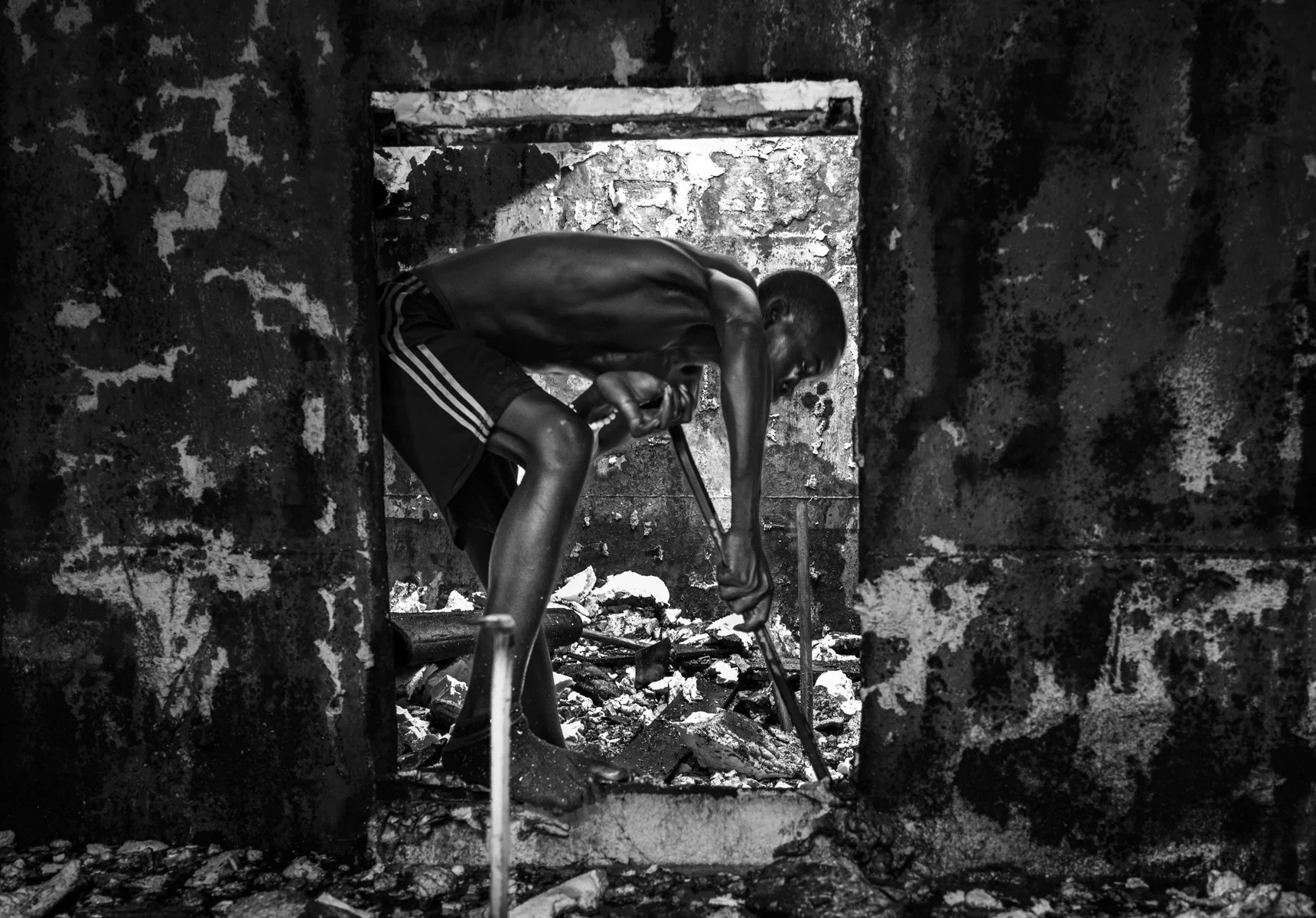
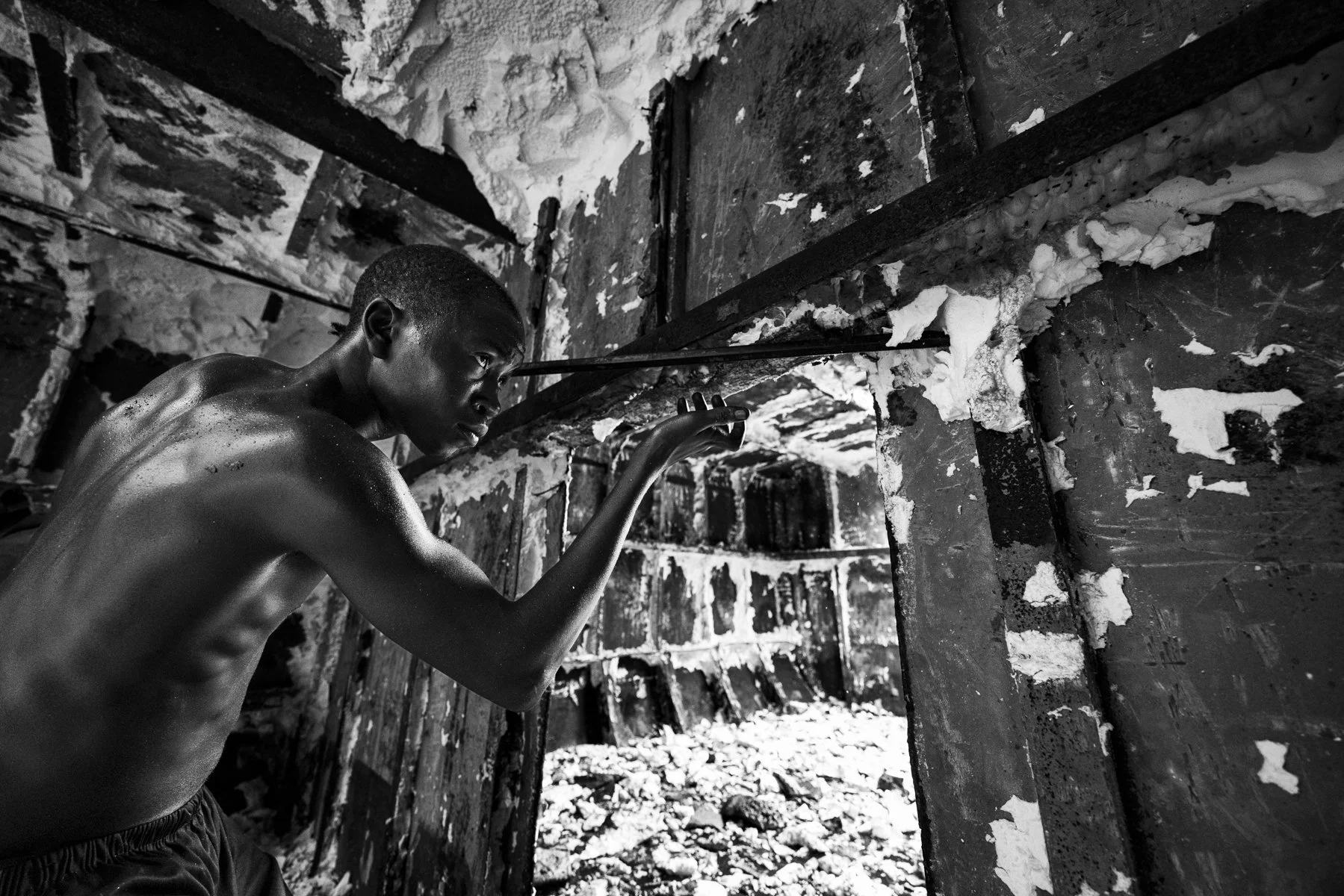
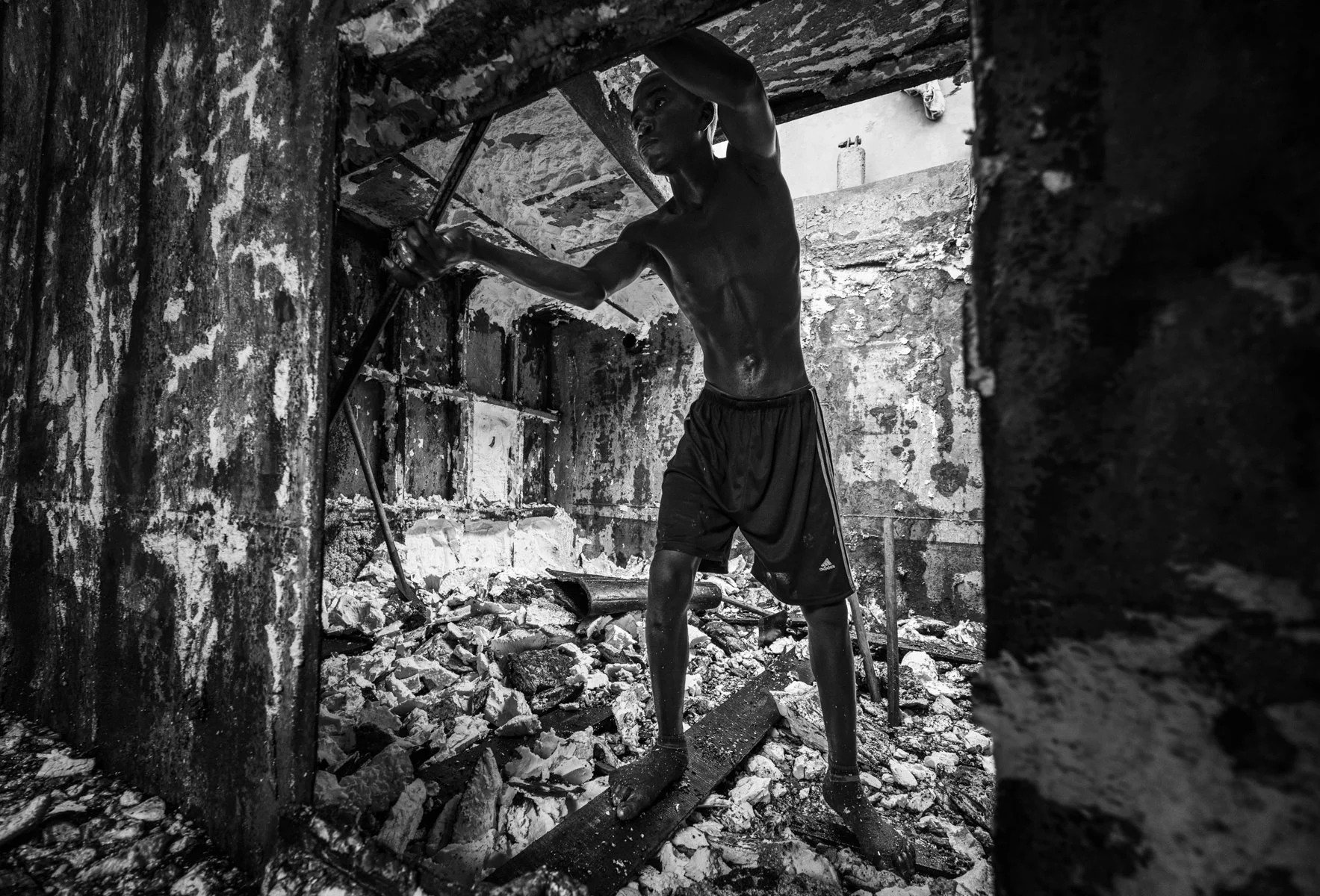
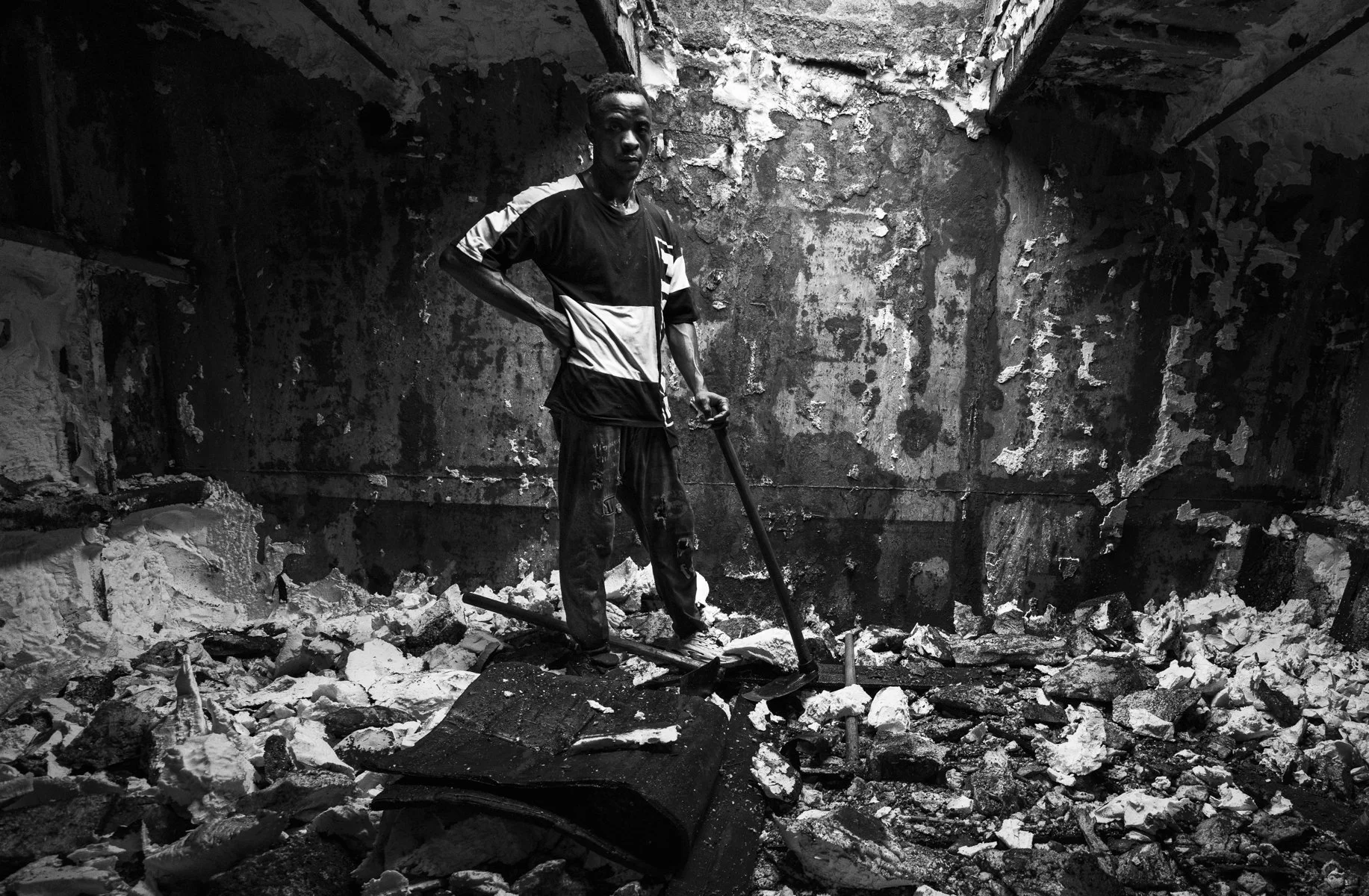
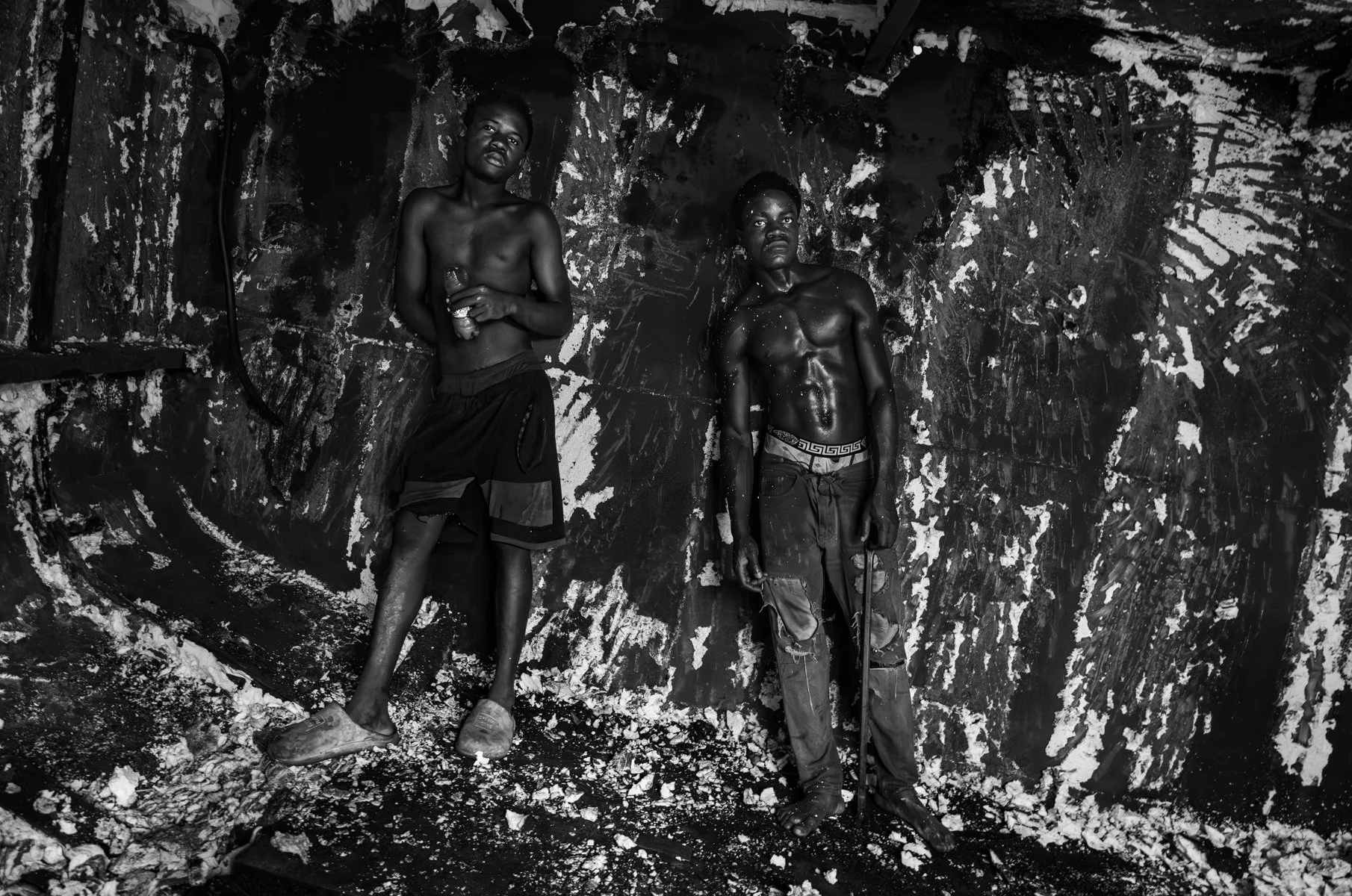
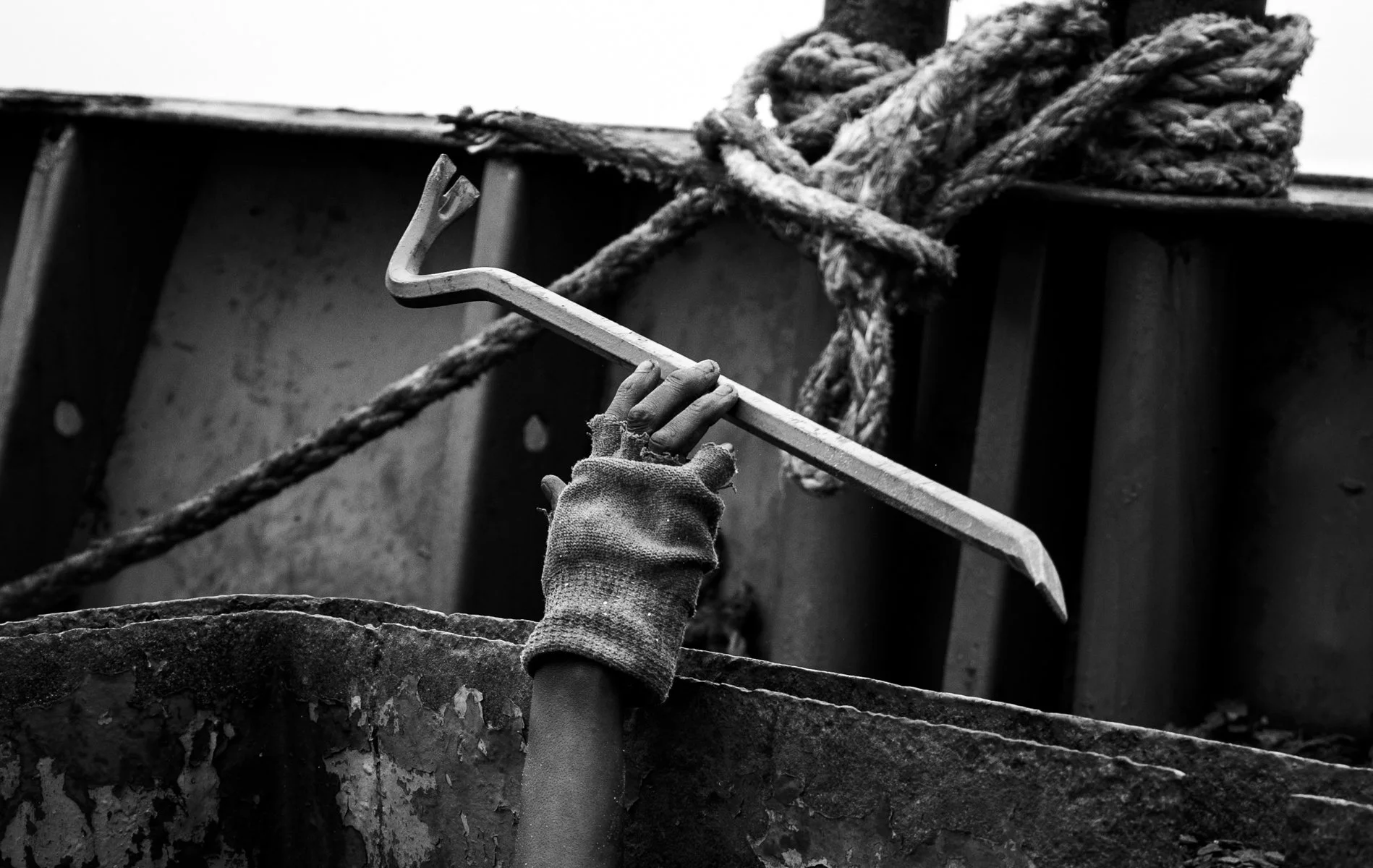
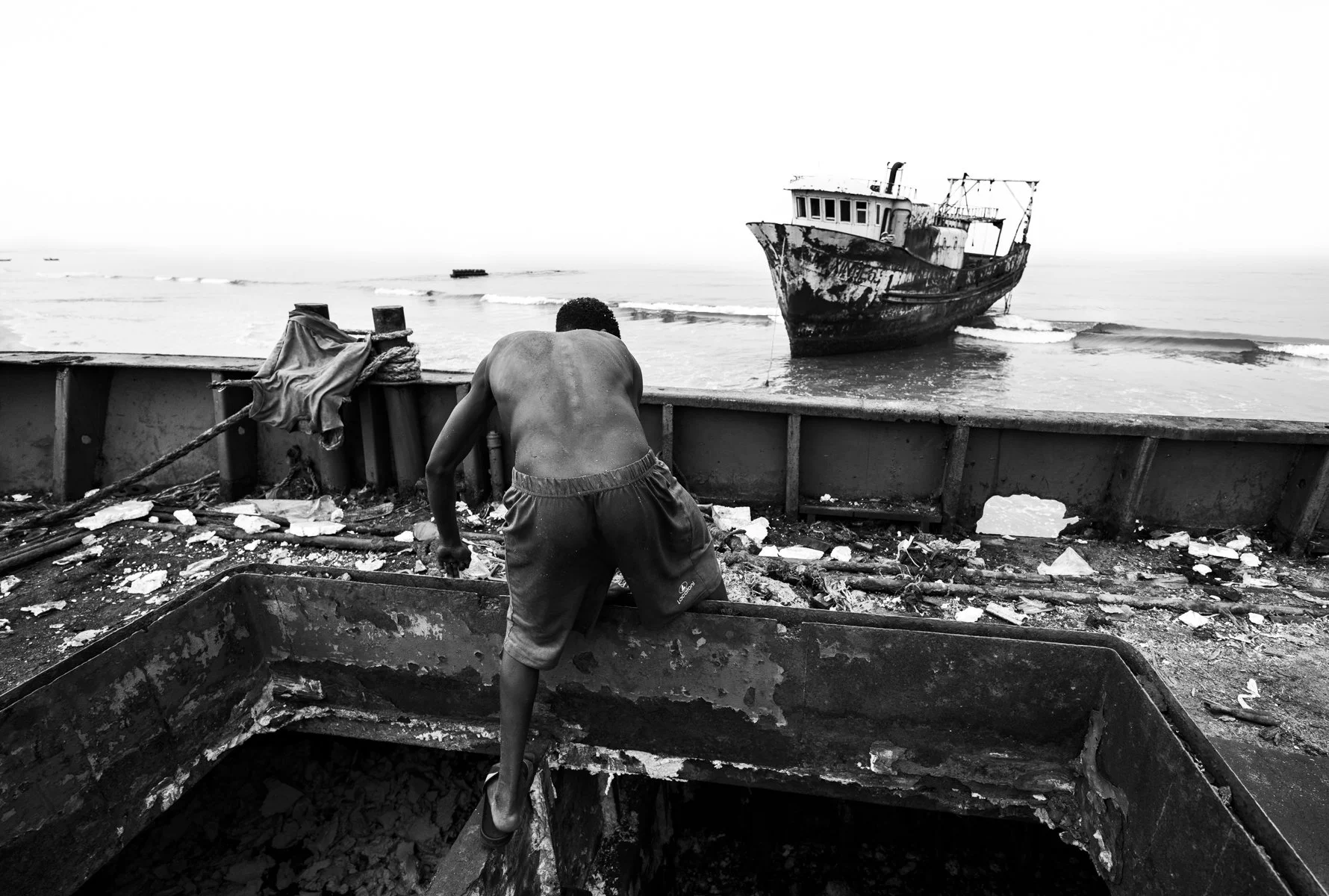
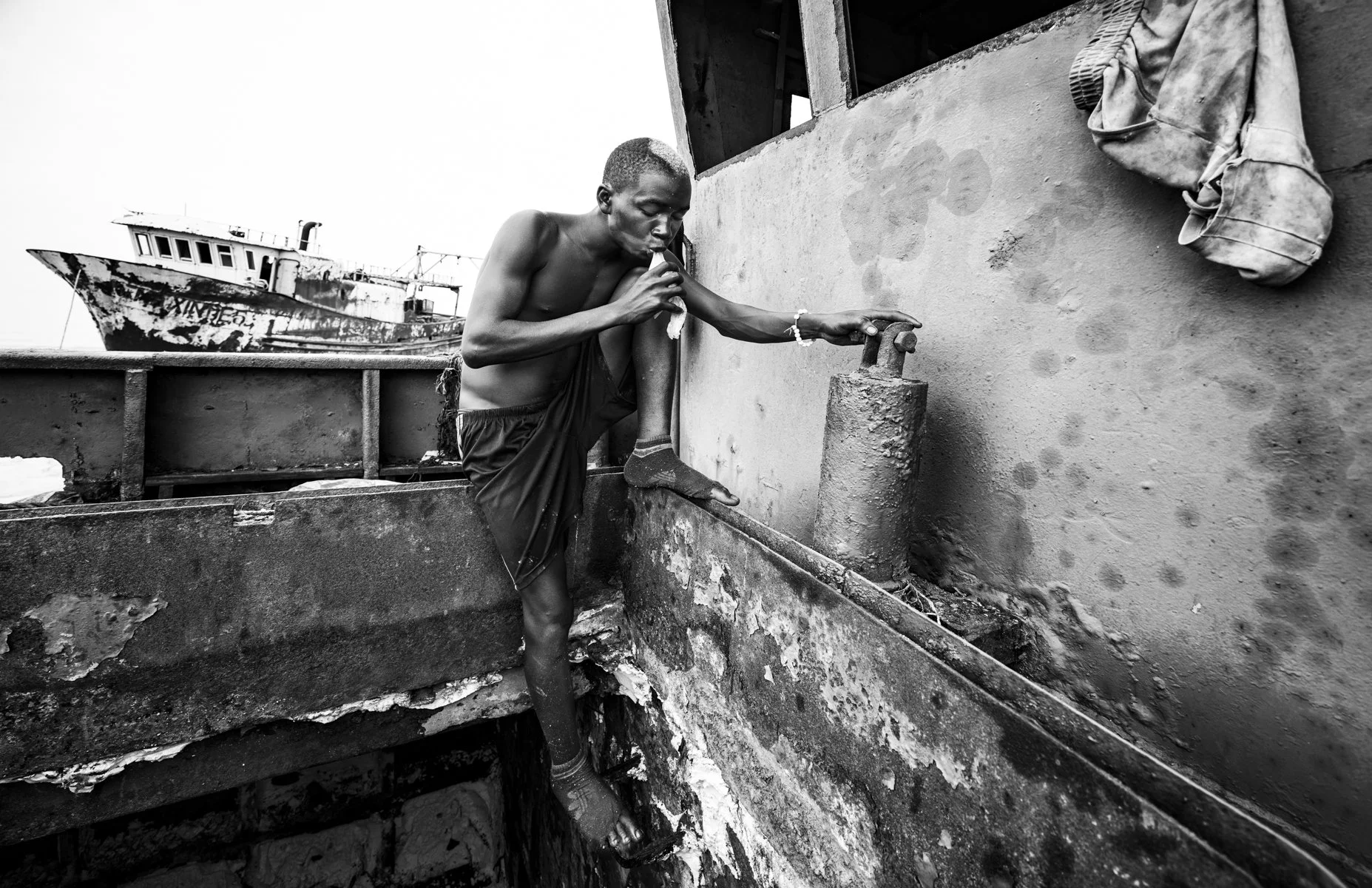
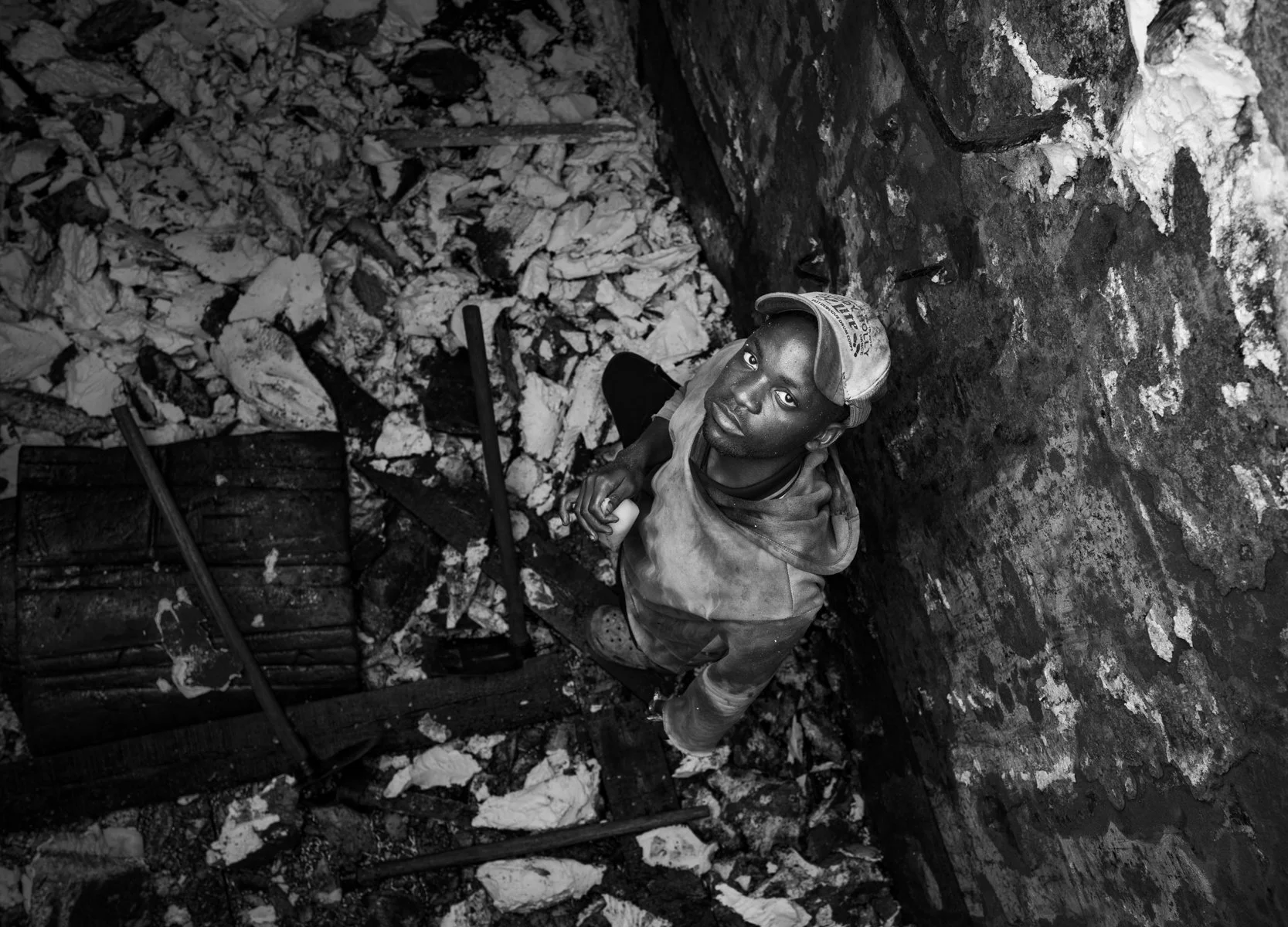
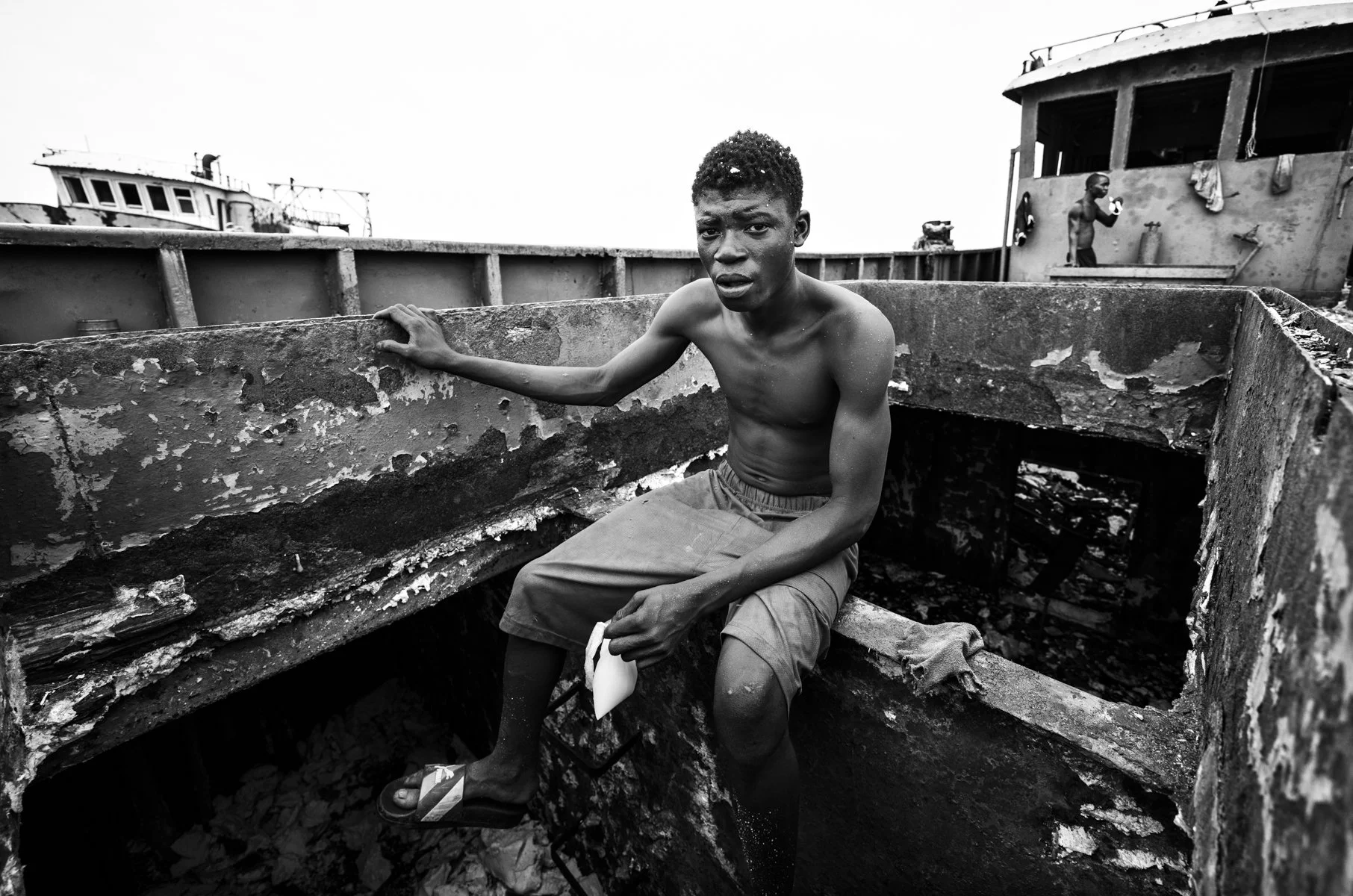
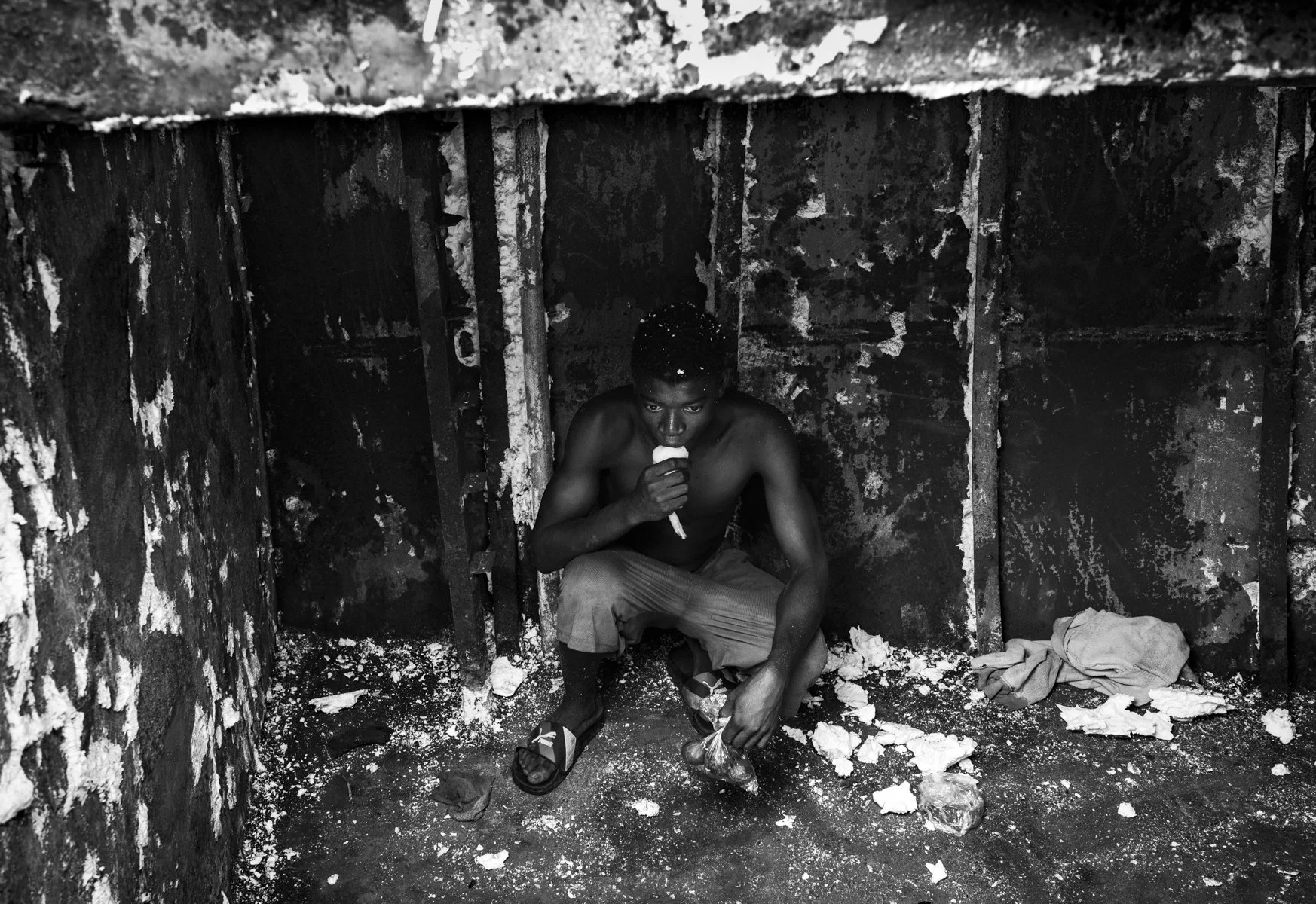
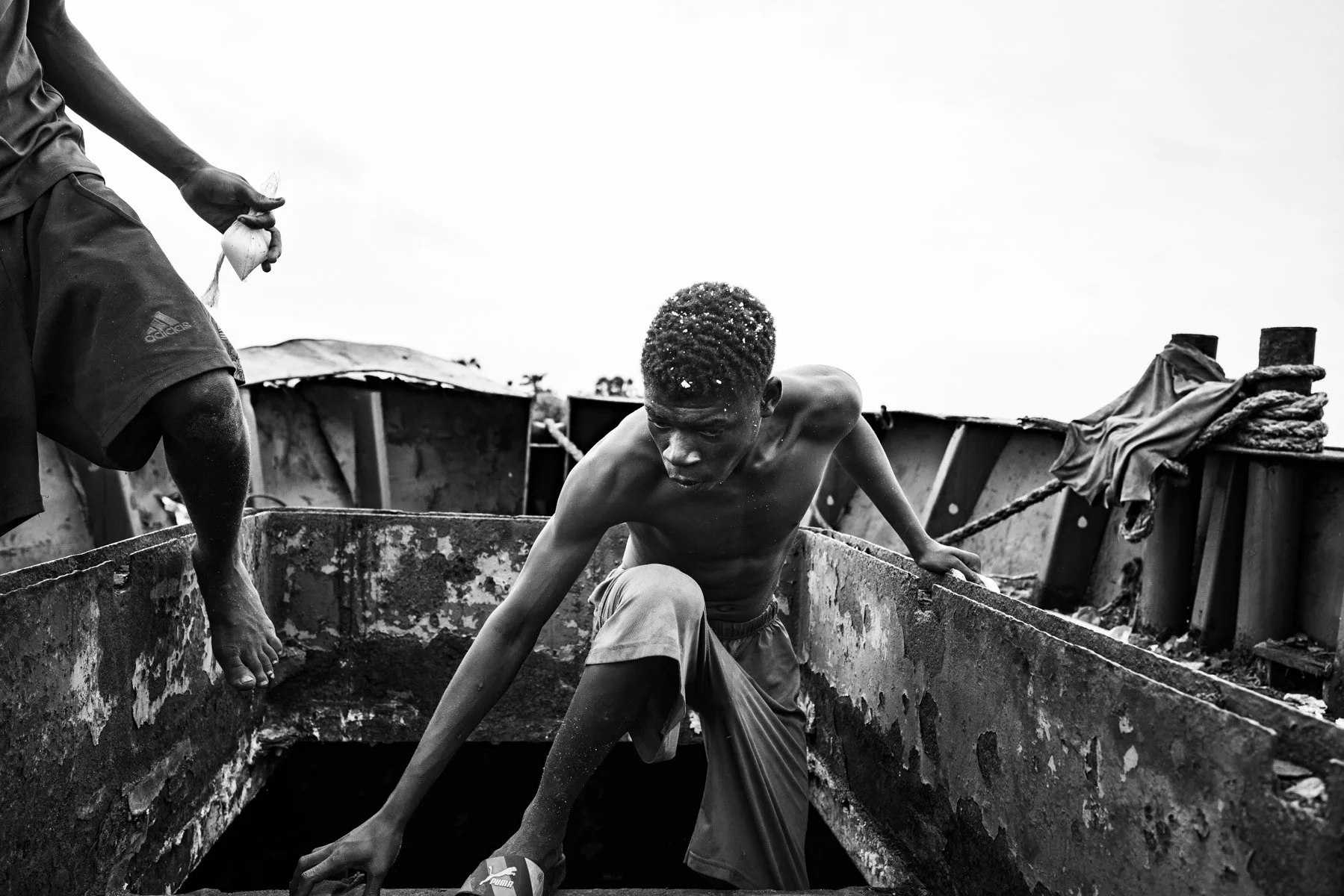
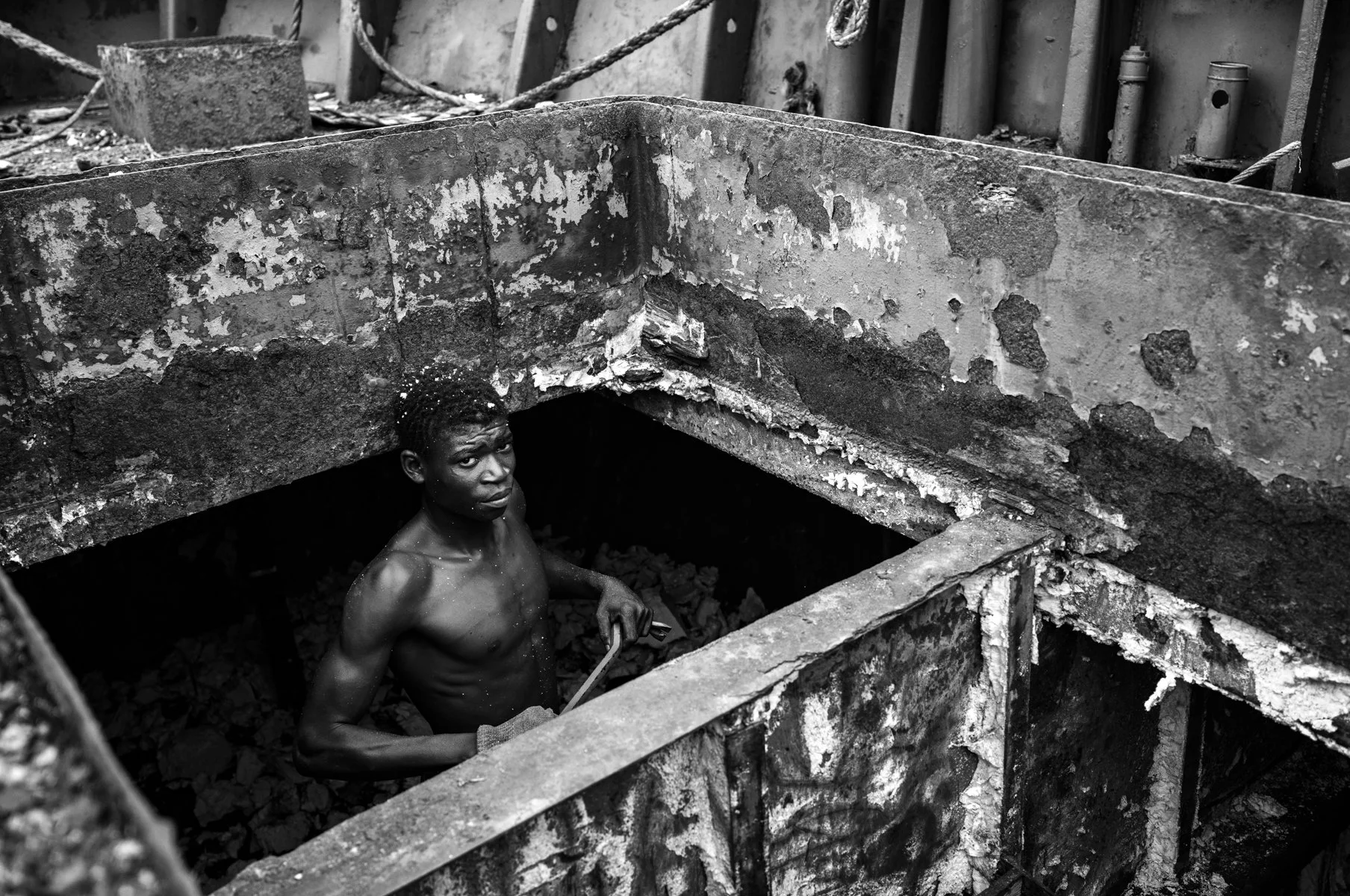
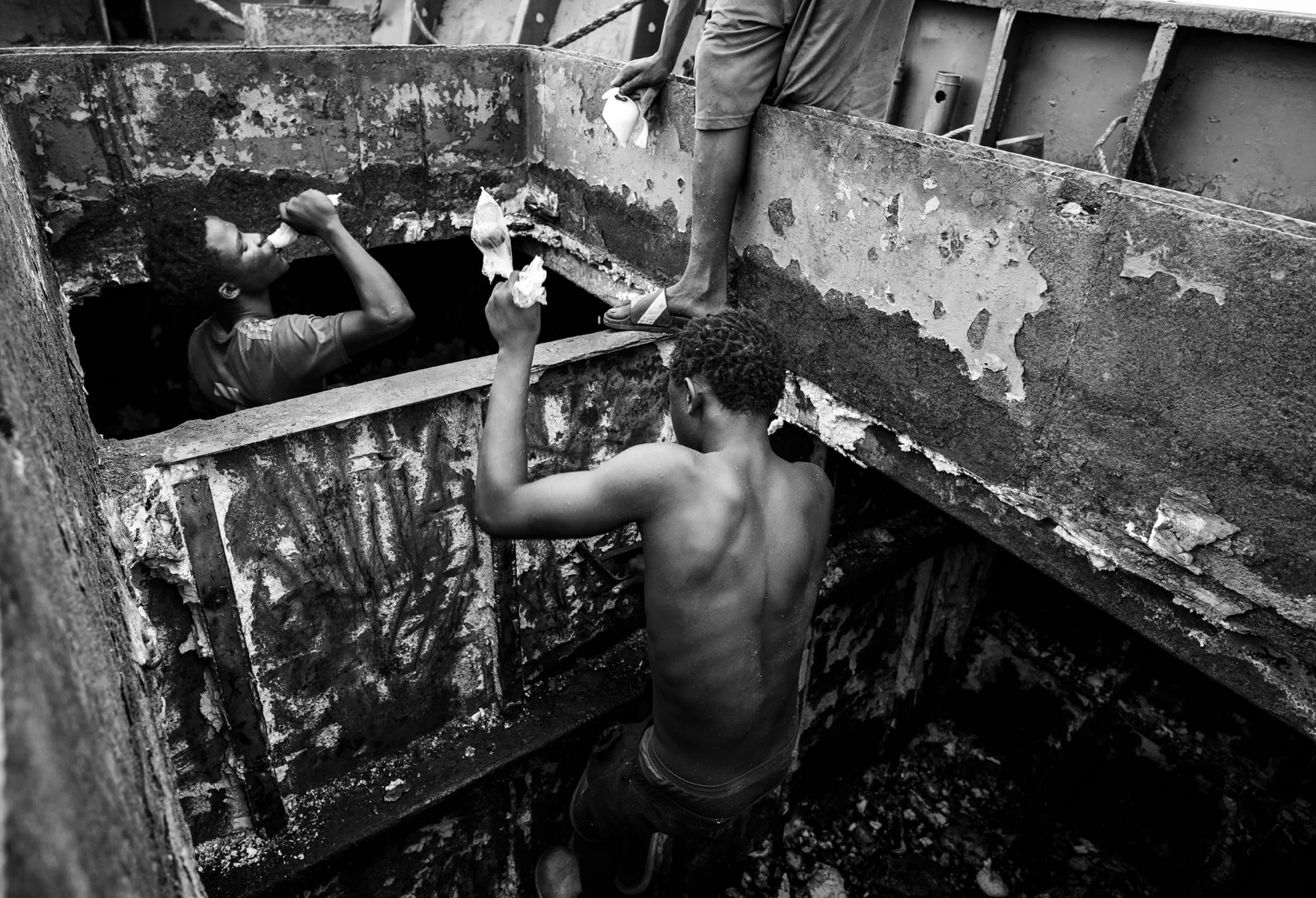
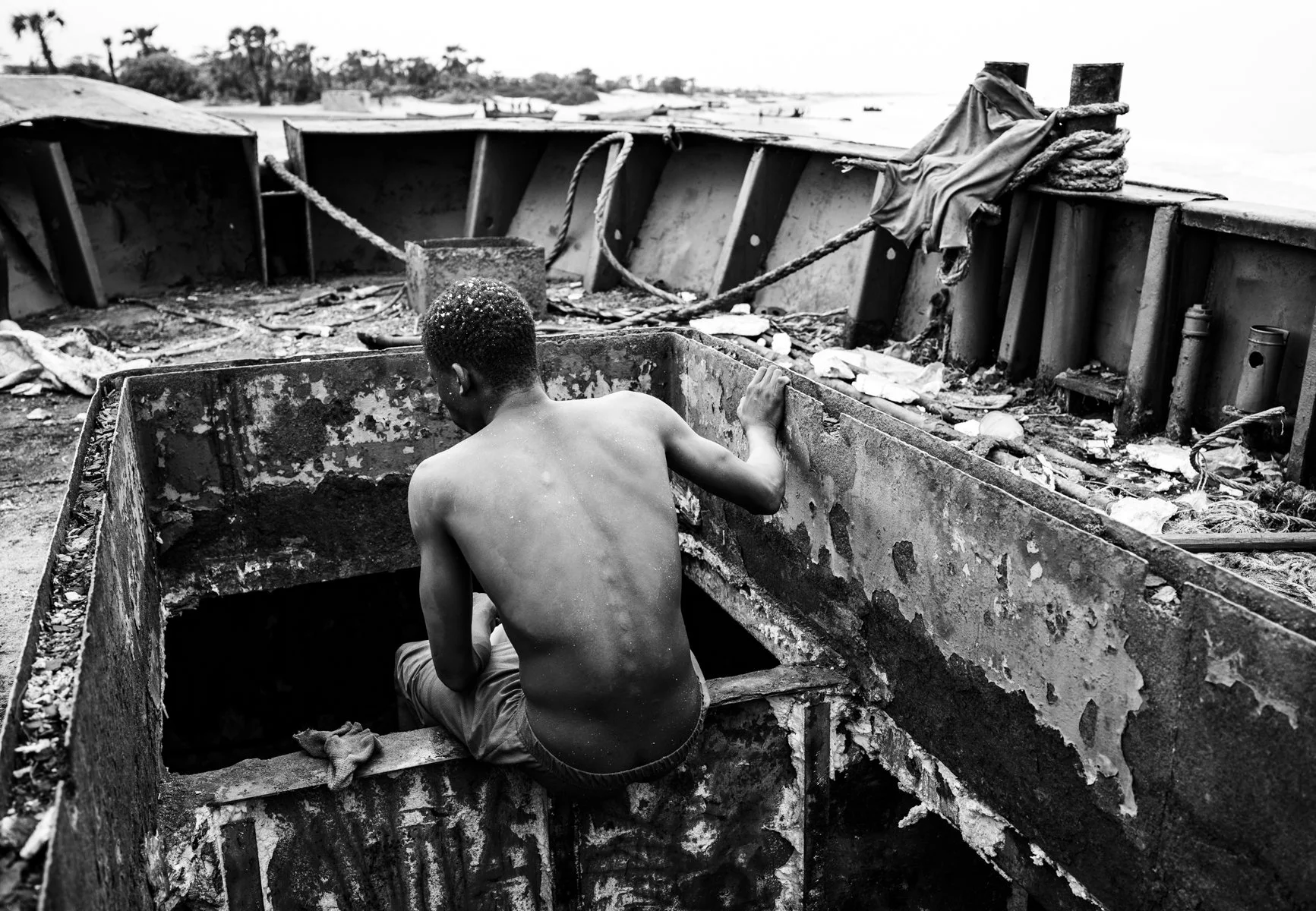
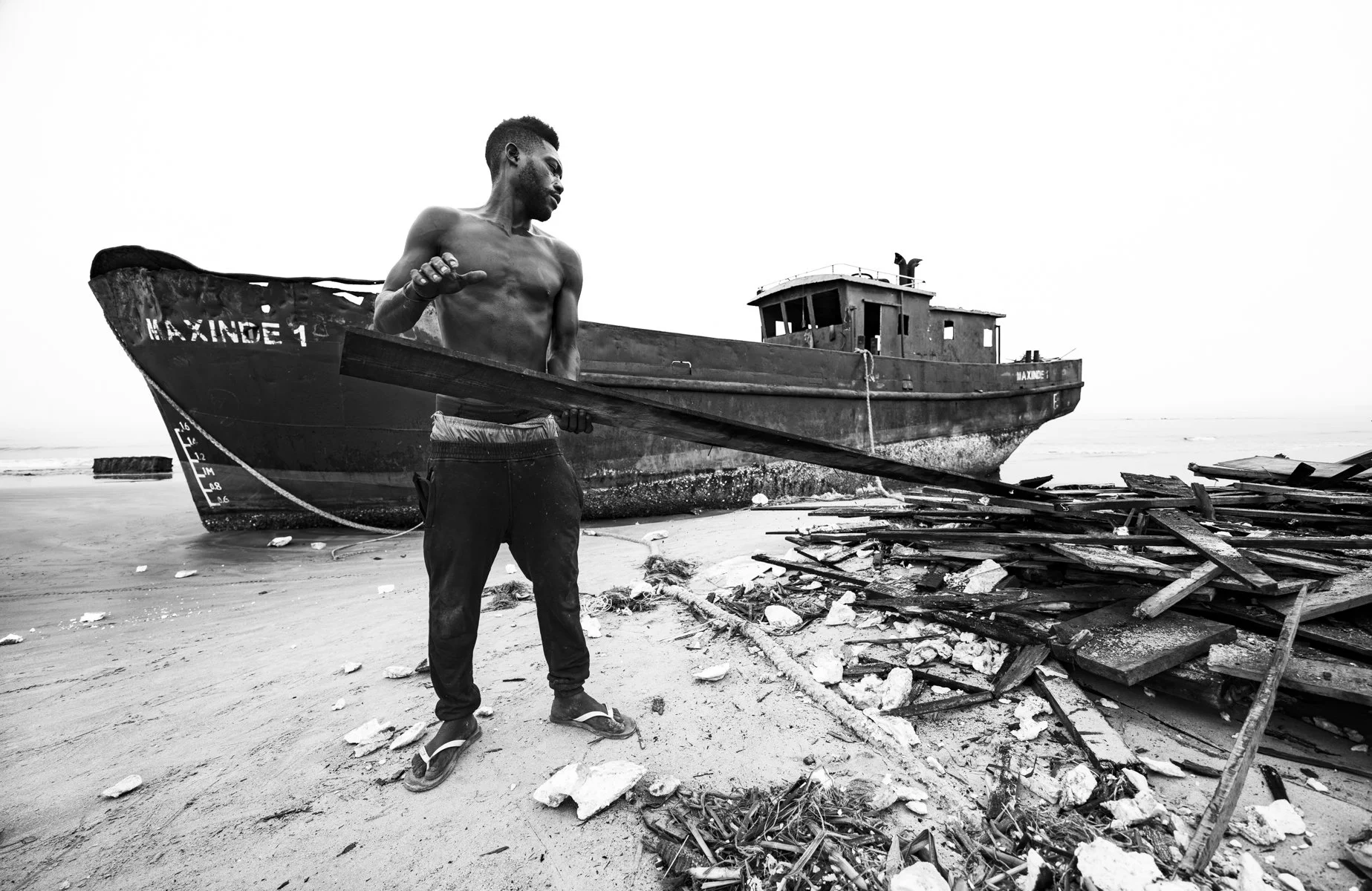
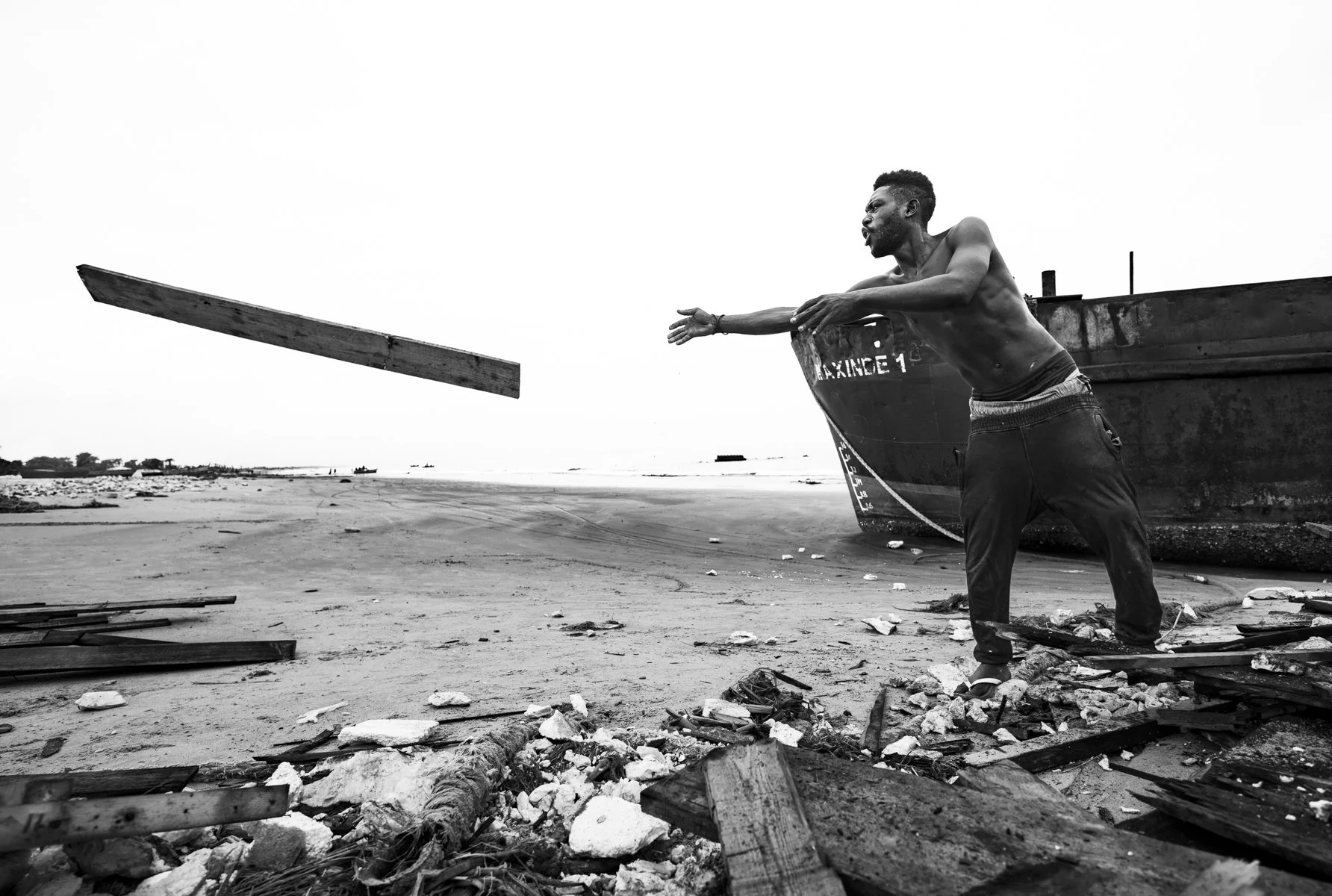
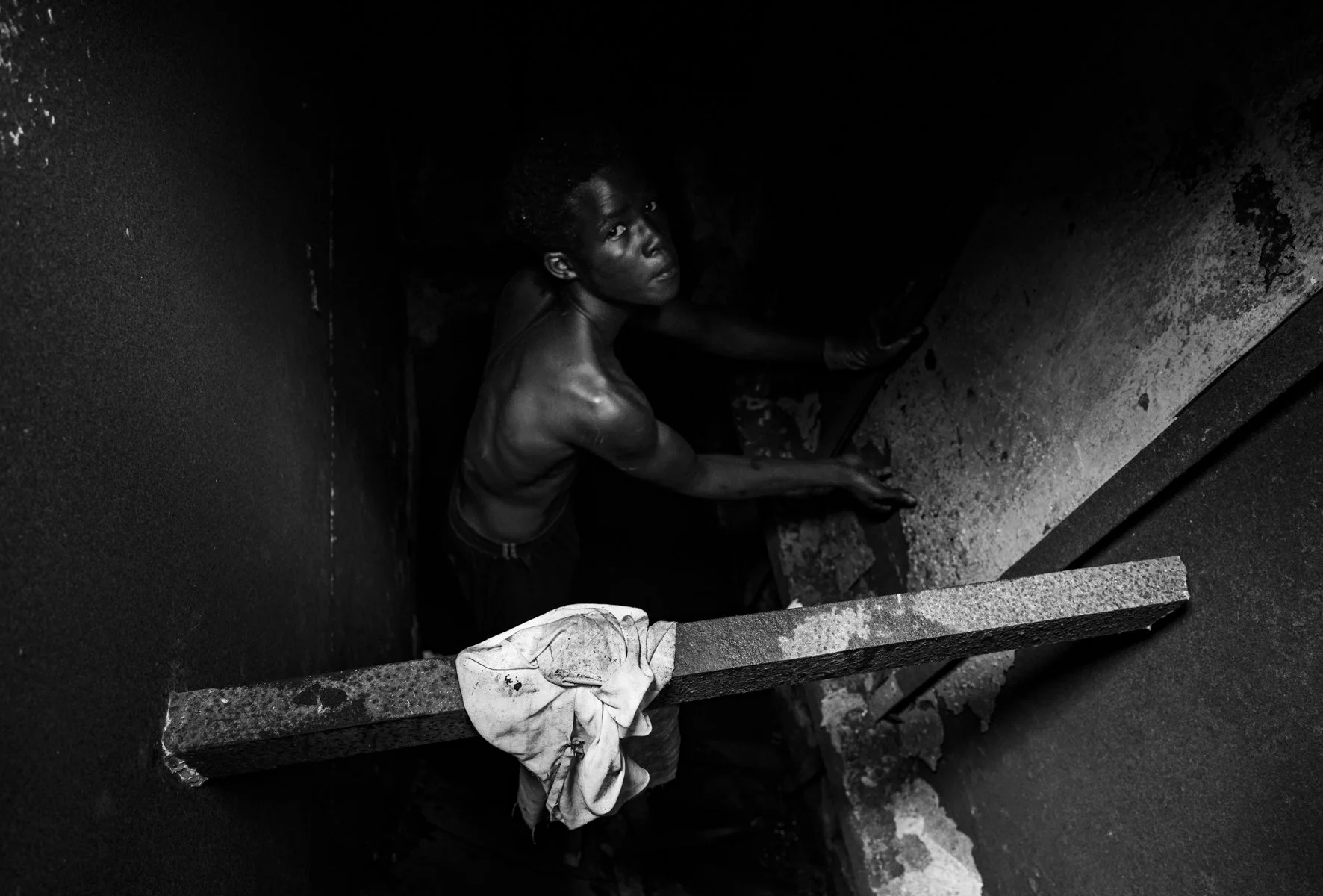
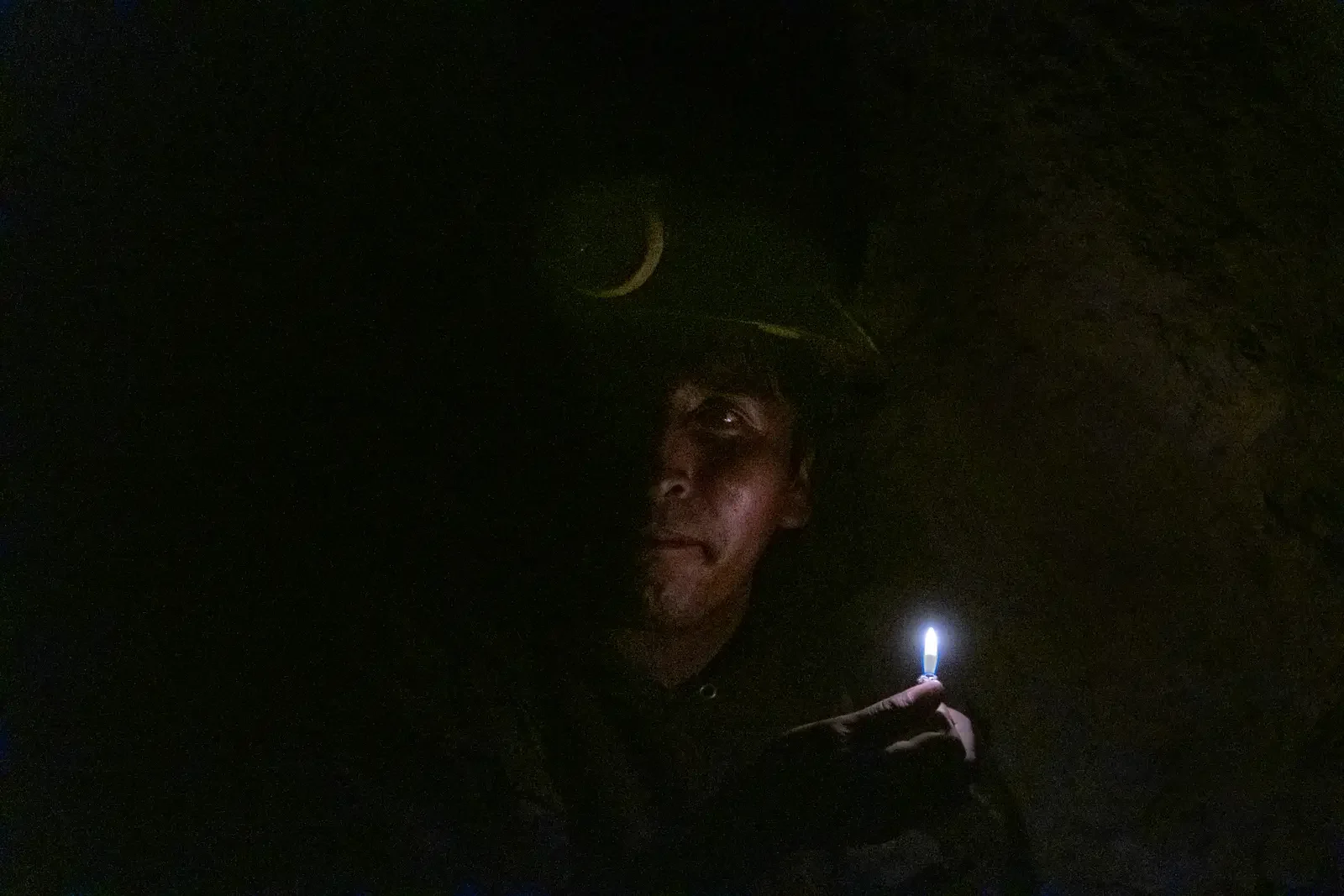
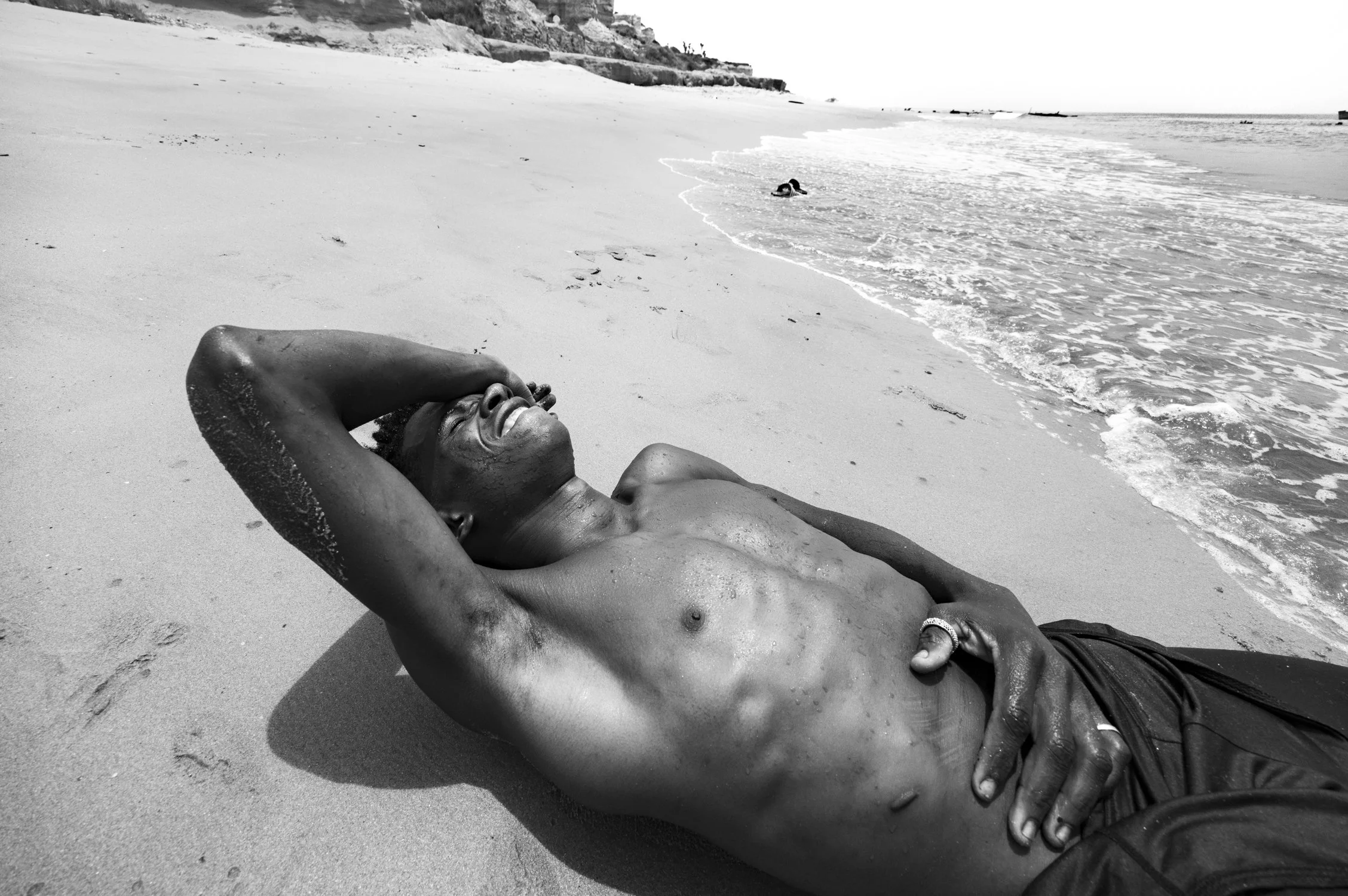
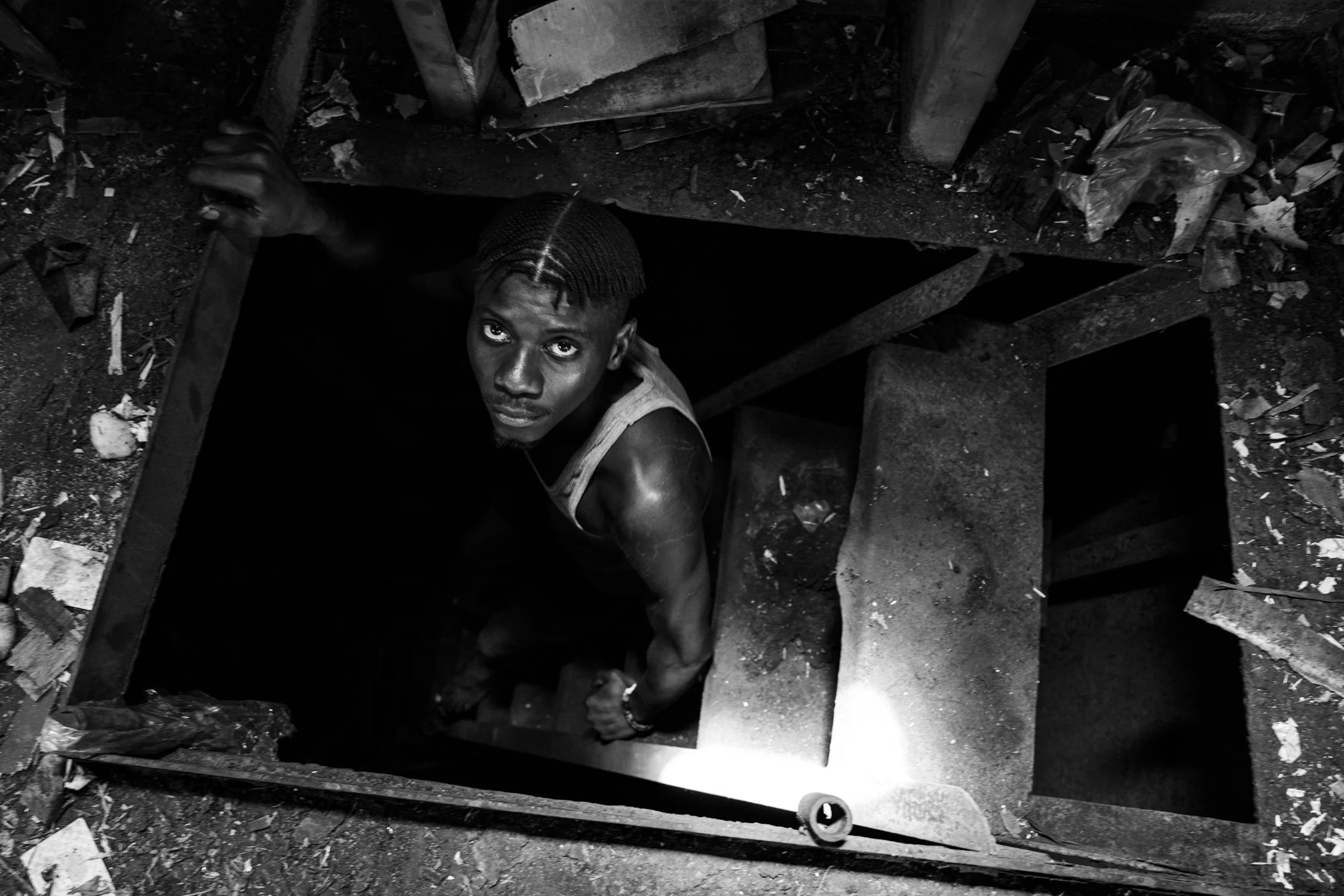
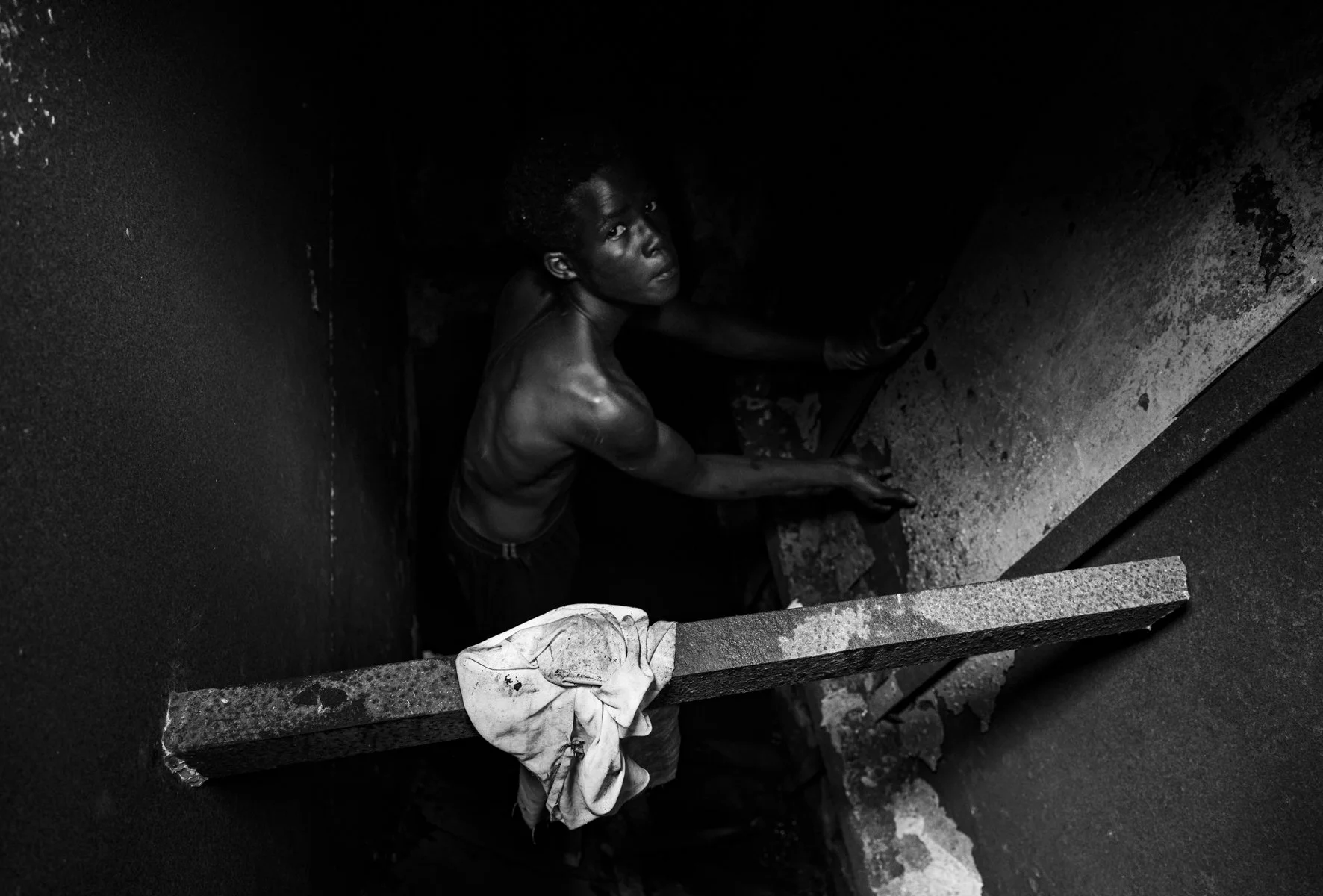
On a beach where two old boats lie stranded and slowly deteriorating in the sand, there exists Plato's Cave. Inside, a group of prisoners has an imperfect perception of reality because they have never known anything else. Every day, five young men work in the dark, damp holds of the ships. They use basic tools to tear out insulating foam and wooden planks so that the vessel can be dismantled with blowtorches. For two weeks, they are stuck in the bowels of these iron beasts, where the strong smell of naphtha mixes with the thick, suffocating heat. They receive a meagre $130 for their work, which they must share among themselves.
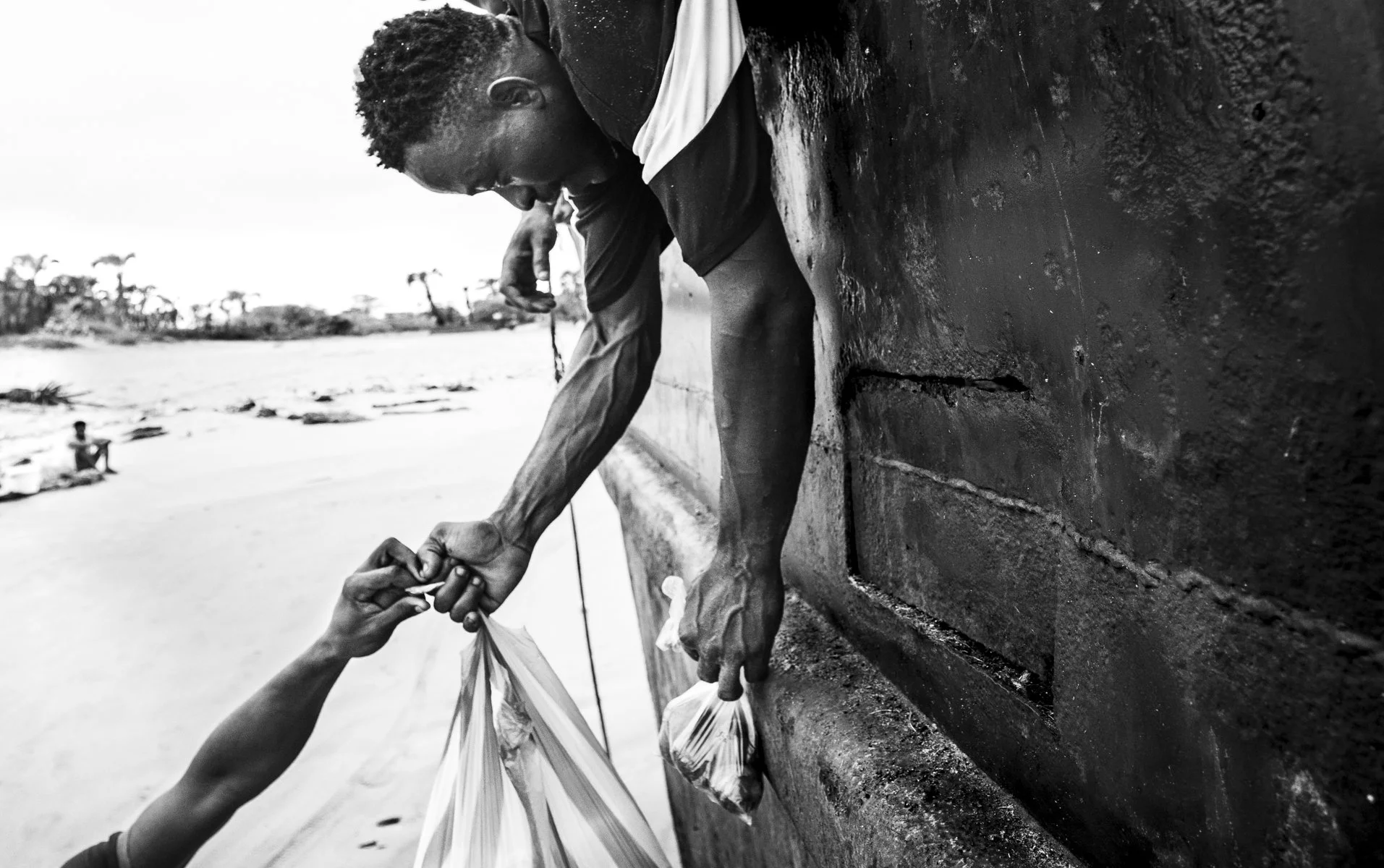
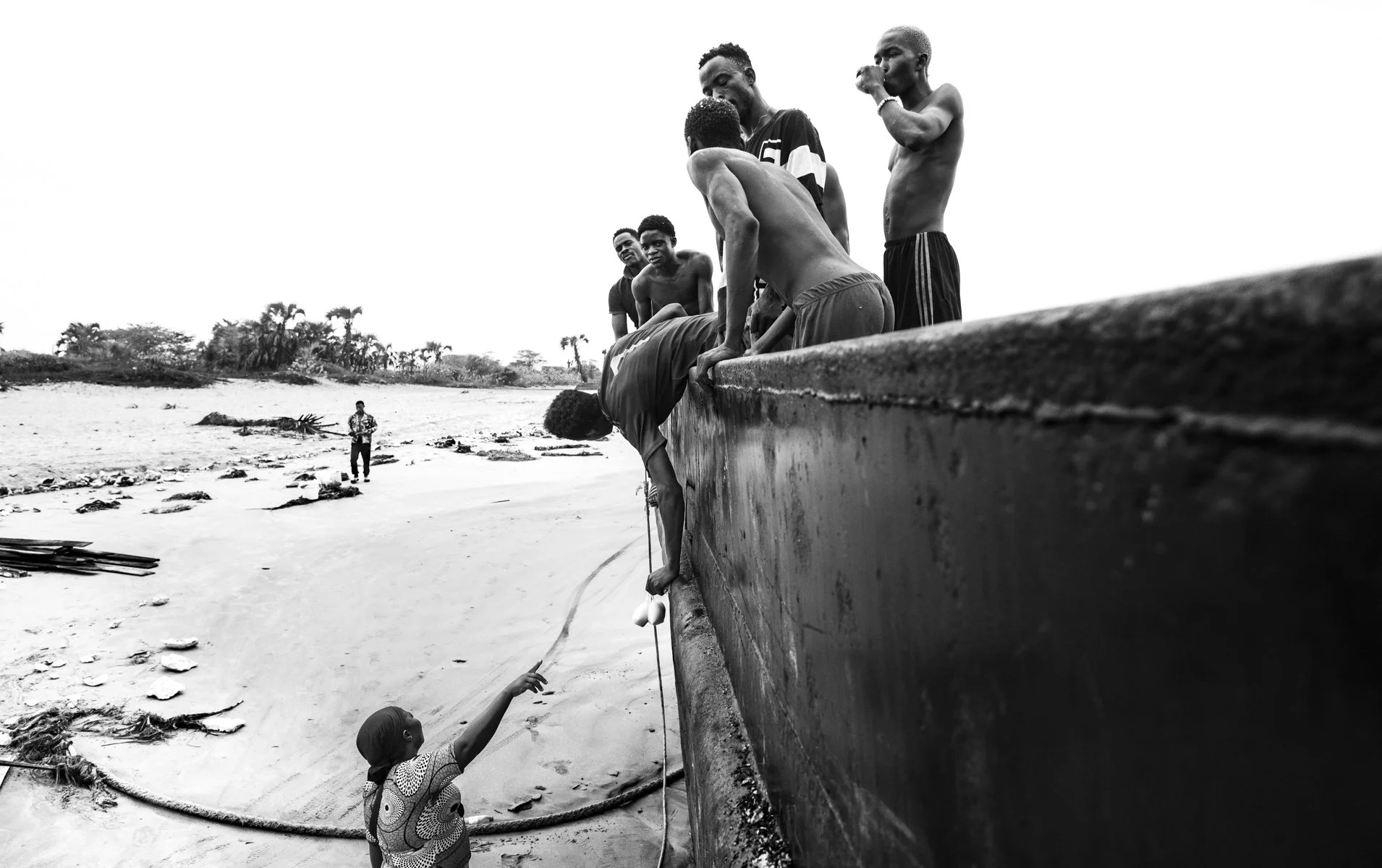
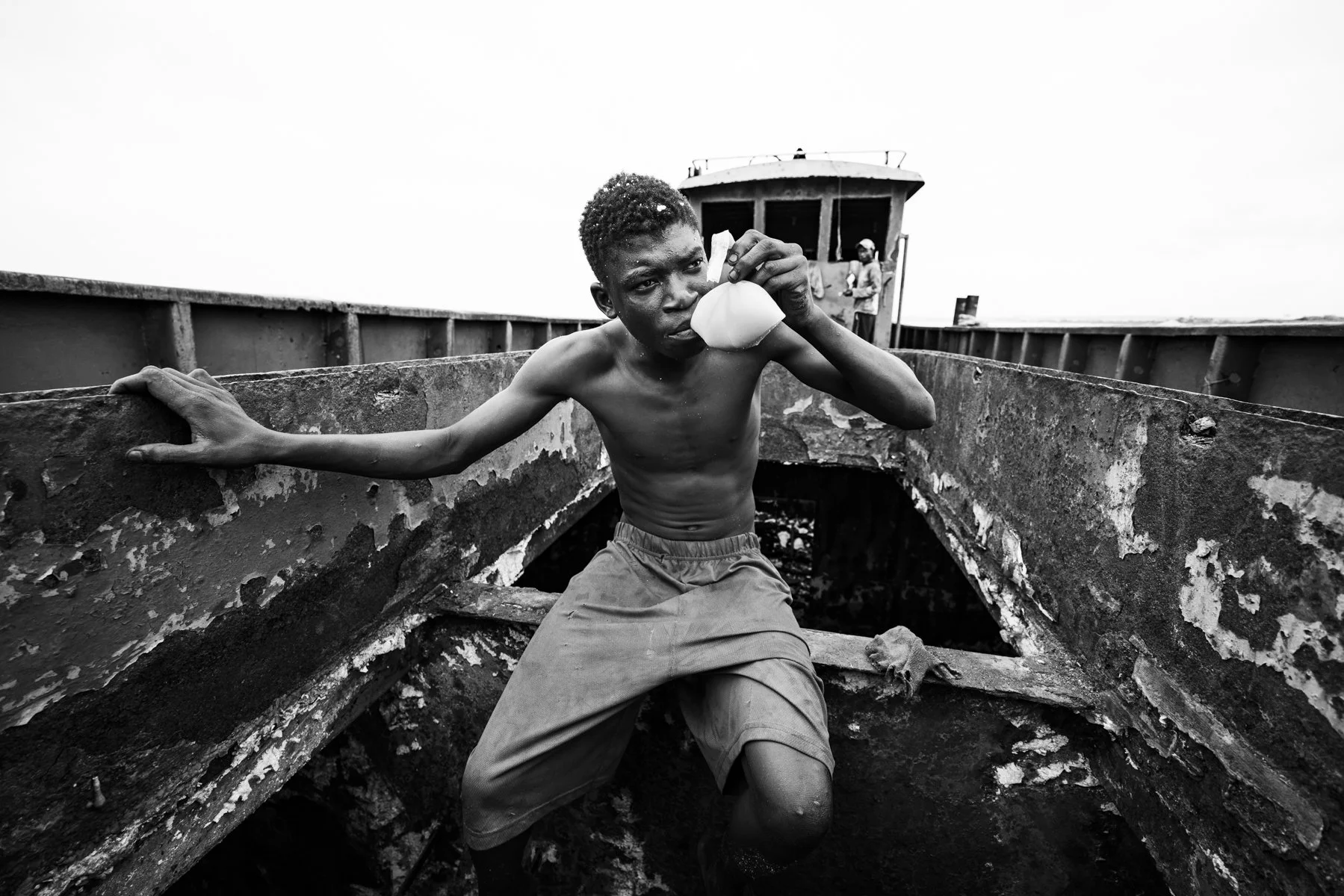
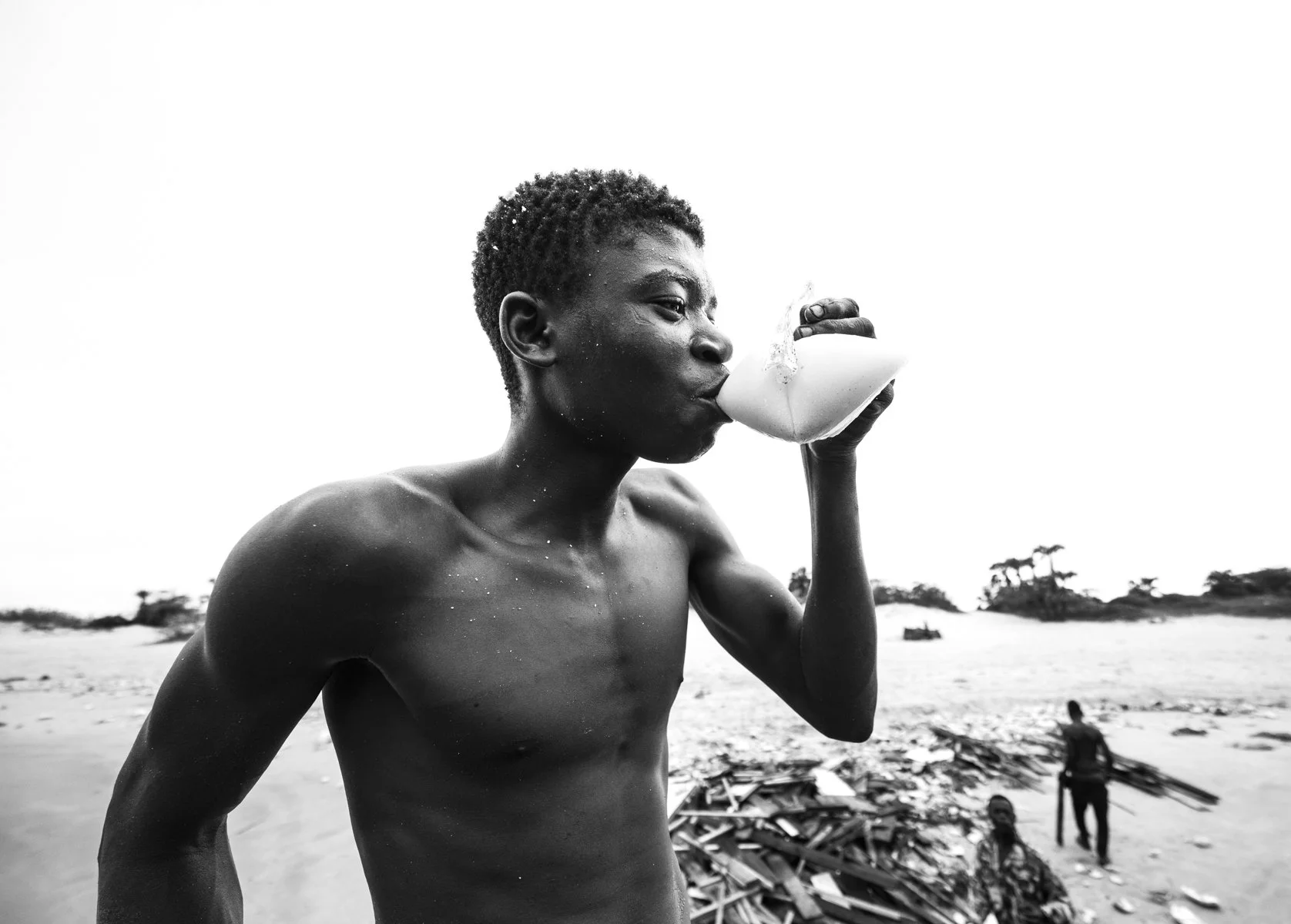
Occasionally, as if answering a metaphysical call, they emerge from the dark bowels of the boats to drink a white liquid stored in small plastic bags. This drink, kissangua, is an alcoholic beverage made from fermented cassava flour, which they purchase from women who occasionally visit the beach to sell it to fishermen. They poke a small hole in the bag with their teeth and sip the precious liquid in silence, contemplating their shadowy existence. The kissangua temporarily tricks them into feeling less hungry and restores some of their energy, even if only for a few moments. It may be the only glimpse of the outside world they can bring into their reality—a world dictated by mere sensations.
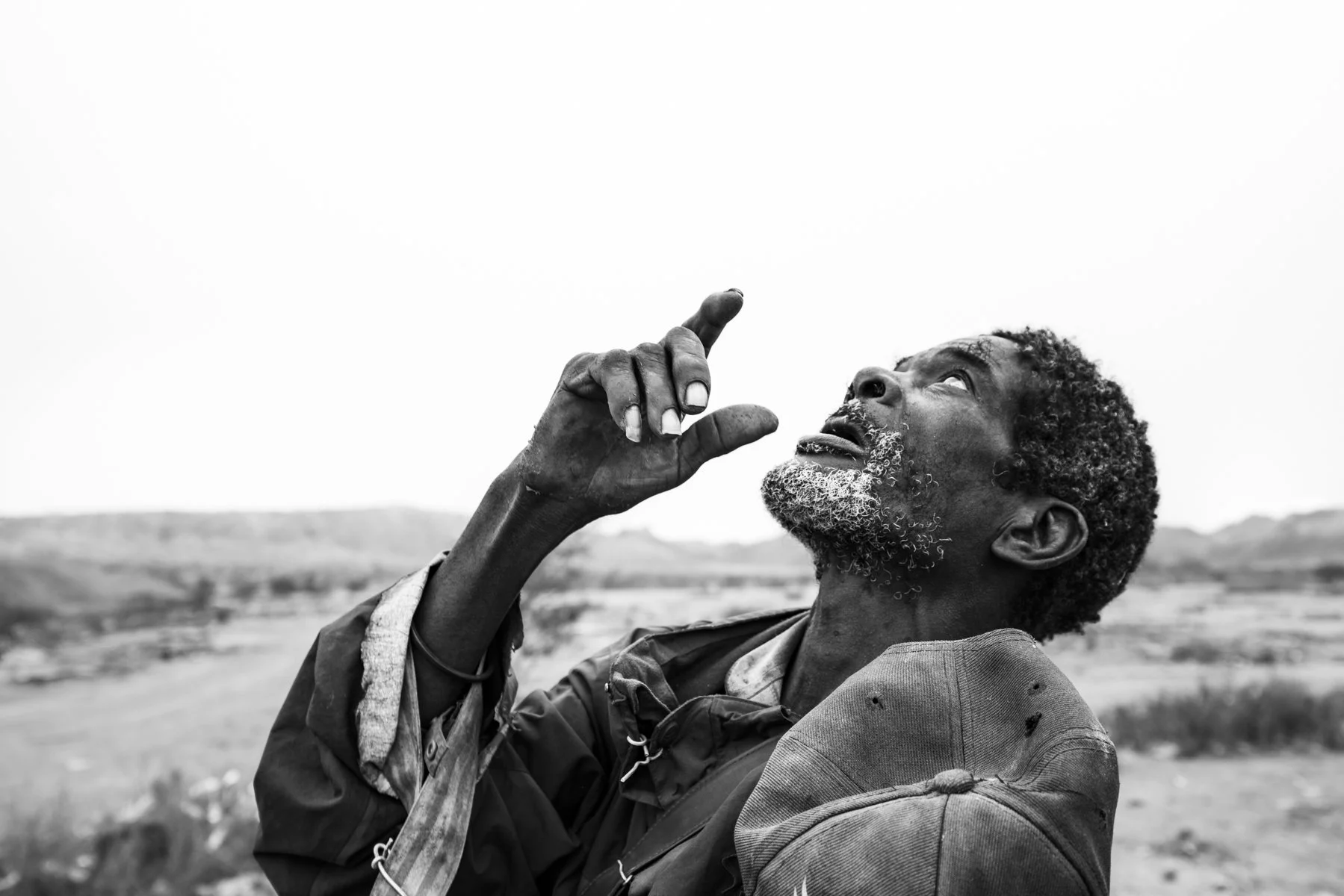
They don’t smile, talk, or play. Their gazes seem lost in the void, conveying disappointment and sadness. It's as if they have been chained in a sunless, joyless world since childhood. Perhaps they have given up trying to break free from the chains that bind them to the cave walls. Unlike Plato's prisoners, however, they know that a perfect world of light exists beyond their shadows; they don’t know how to reach it.
The only hope that drives them to return to the dark bowels of these iron monsters each day is the knowledge that each of them will take home $26 when they finish scraping the walls of this obscure world. Little do they know that this meagre amount will quickly vanish, as if it were just another shadow of the real world. The cave will reclaim them once again. After all, they are prisoners in Plato's Cave.