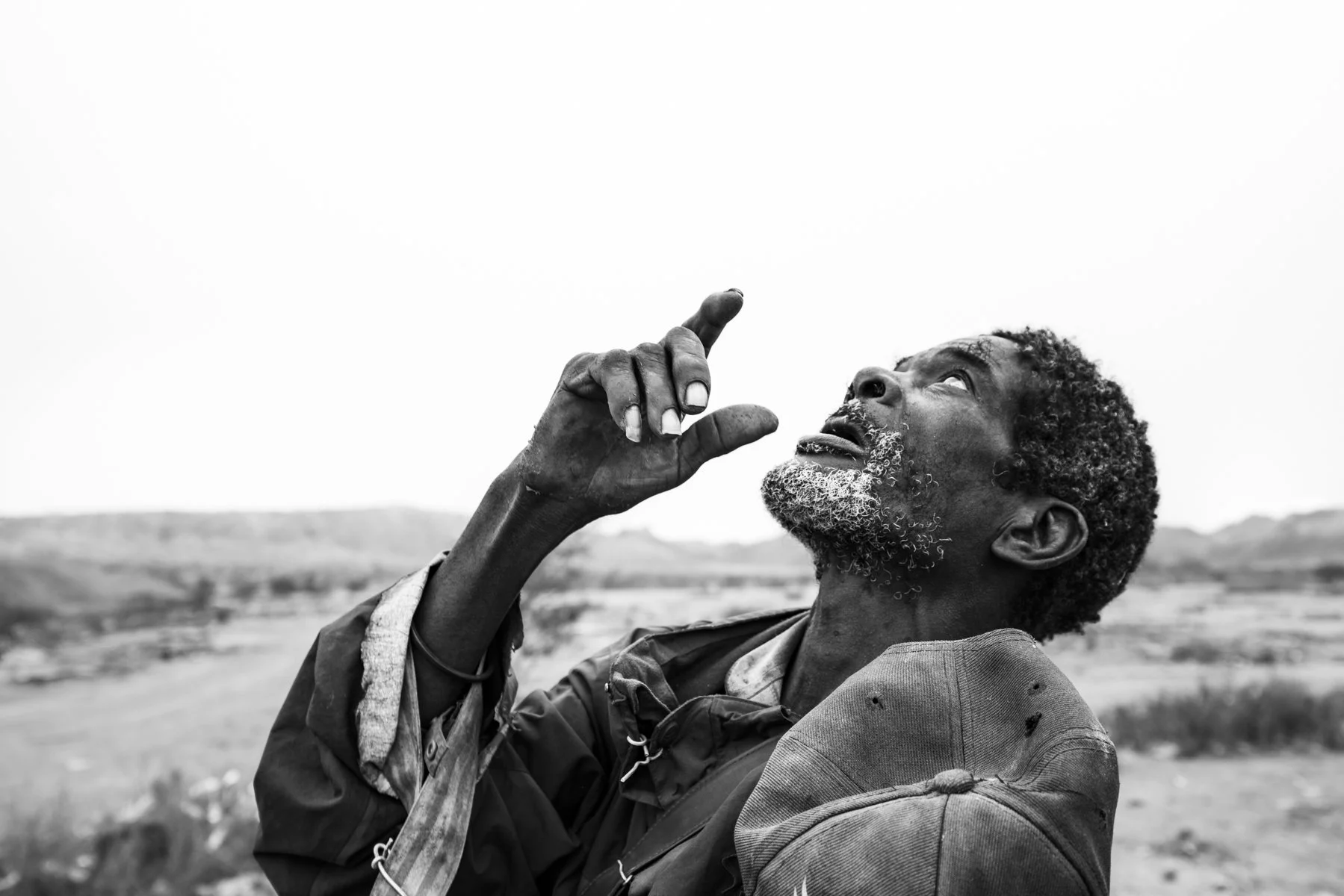
The Paradox of "Forever" by Robert Willis
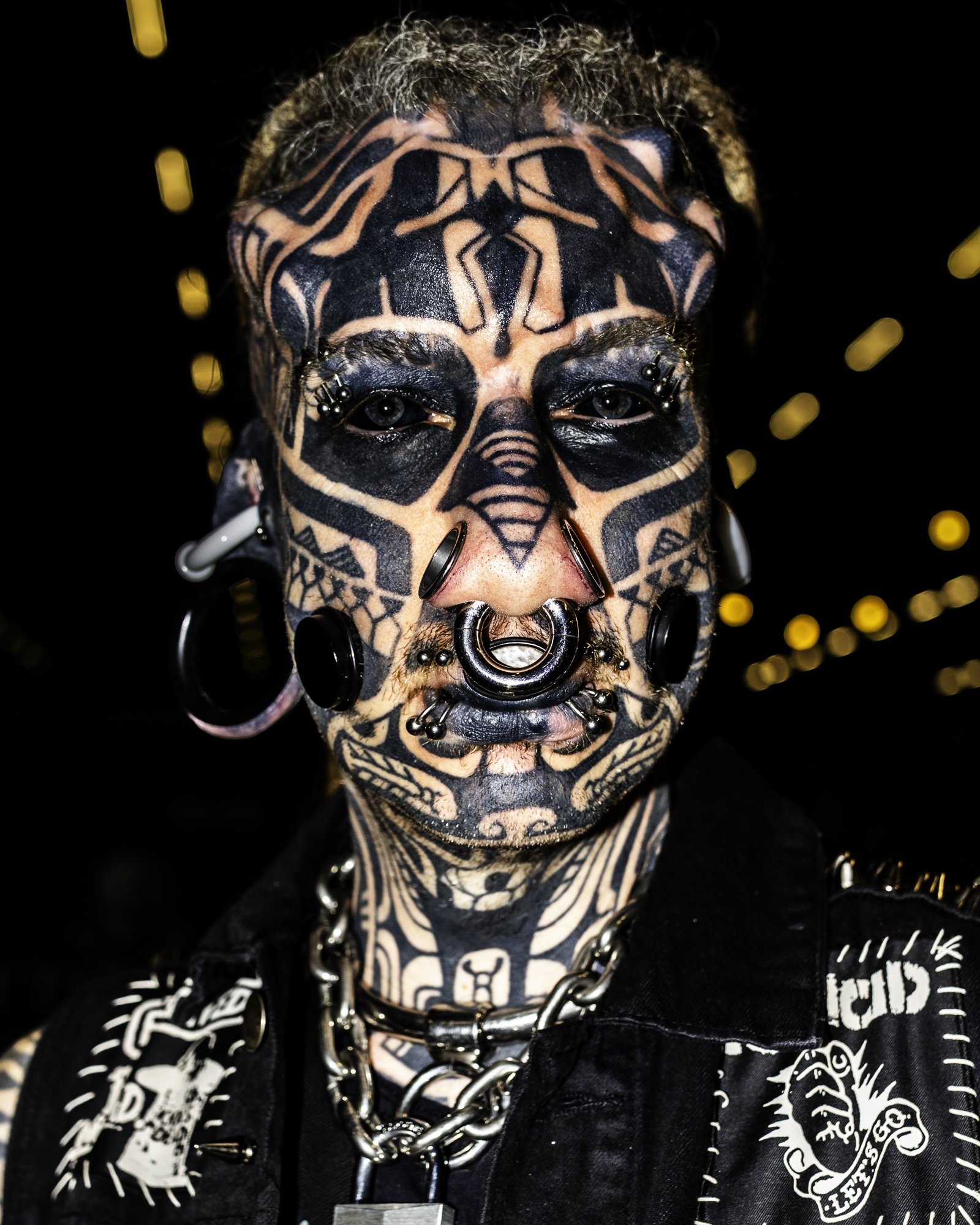
Recently, I have started creating portraits and developing a fascination with how people visually express themselves. A tattoo convention seemed like a logical place to explore this, as it attracts those who embrace self-expression through their physical appearance. As the saying goes, if you want to catch fish, you have to go where the fish are.
While I’m not particularly interested in the process of tattooing itself, I am curious about the results. What motivates people to express themselves through tattoos? What significance do these tattoos hold for the individuals who have them? What message are they conveying to the world? How do they feel about their form of expression? Are they satisfied with their choices, or do they have regrets? How does their form of expression impact their daily lives?
Conversations with people at the convention challenged my preconceptions, for which I am grateful. The feedback I received on my photographs was enlightening as well. Reactions varied widely, from positive interest and empathy to intolerance, disgust, and bigotry—offering a broad snapshot of society as a whole.
Personally, I believe that people have the right to express themselves in any way they see fit, as long as it does not harm others.
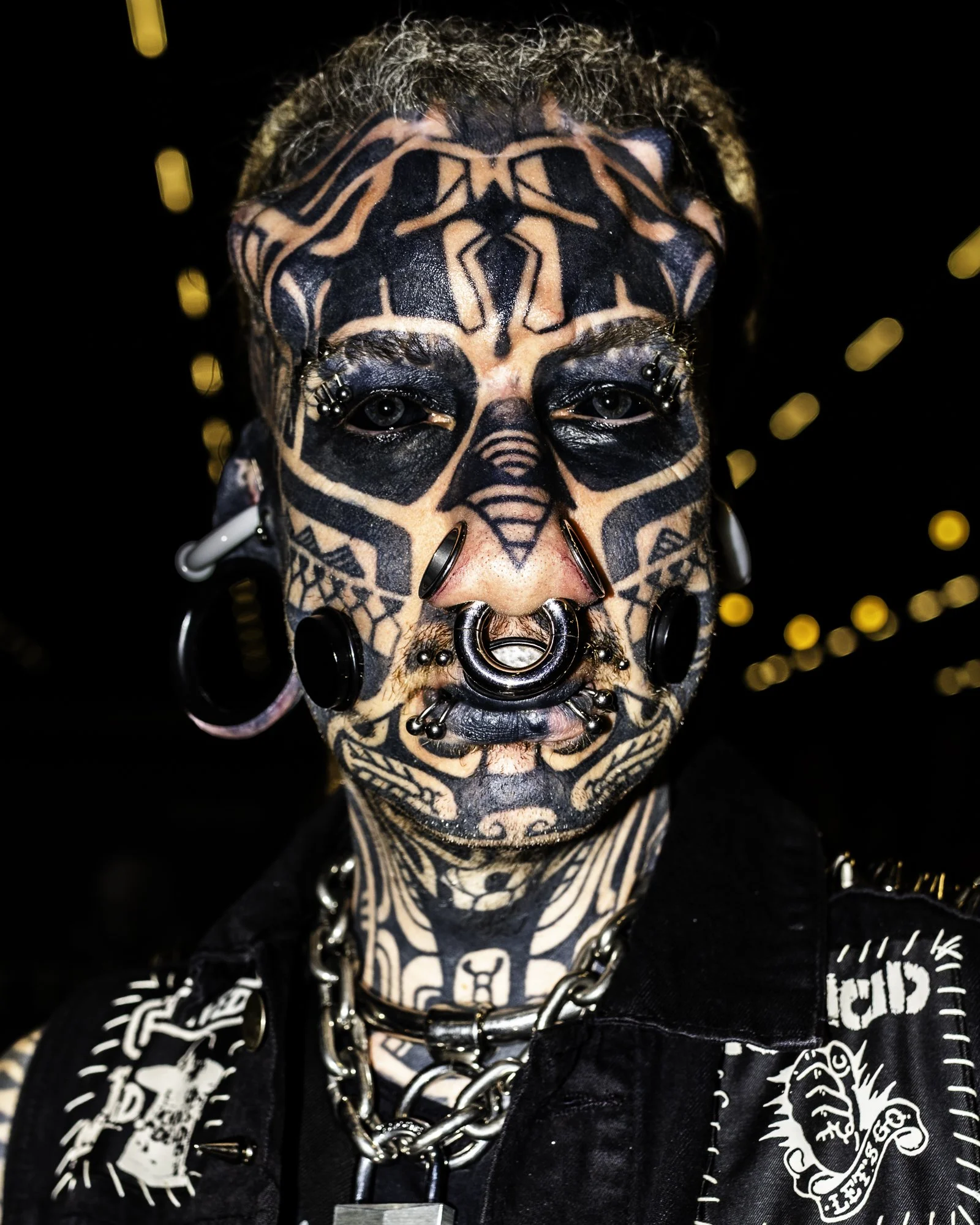
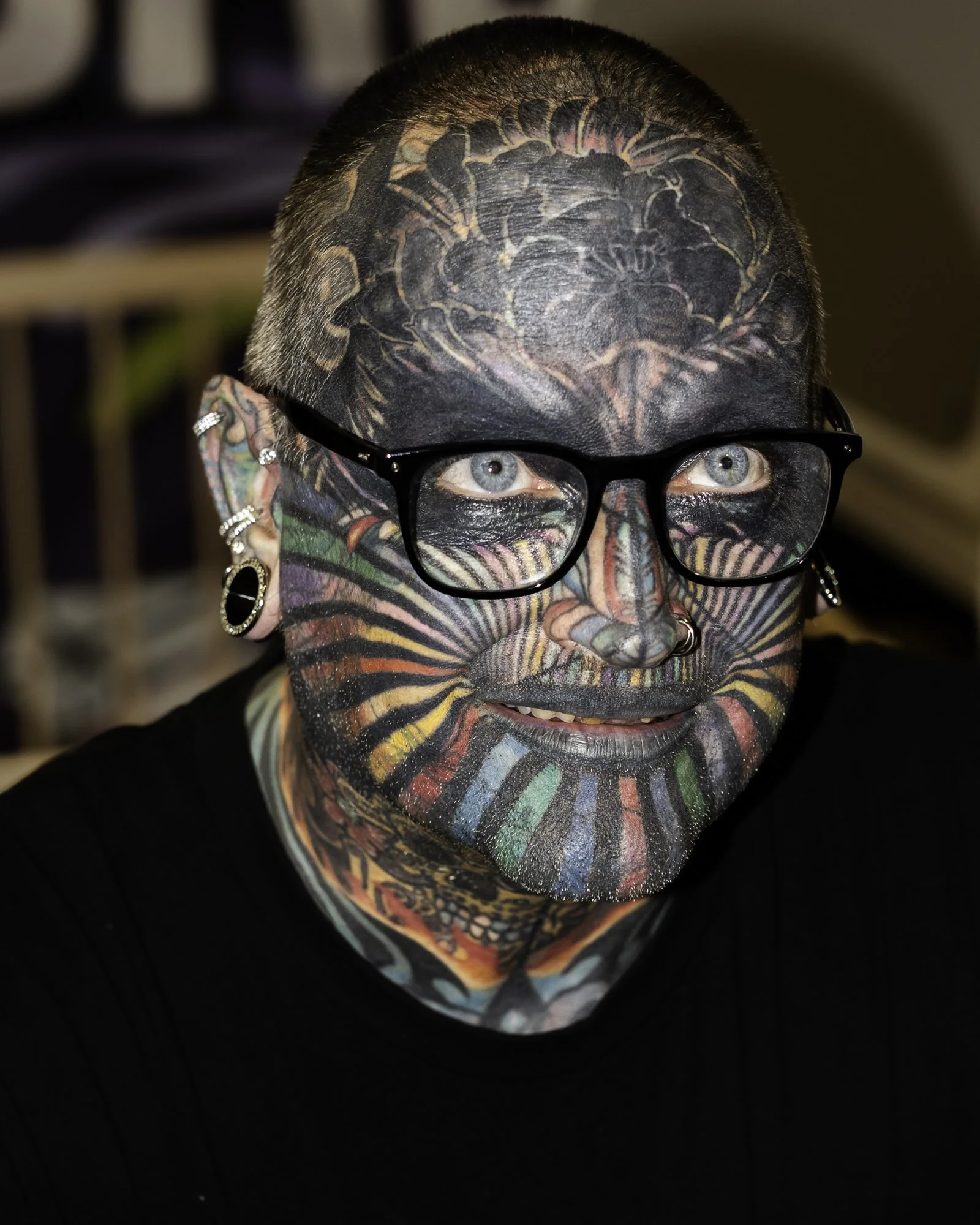
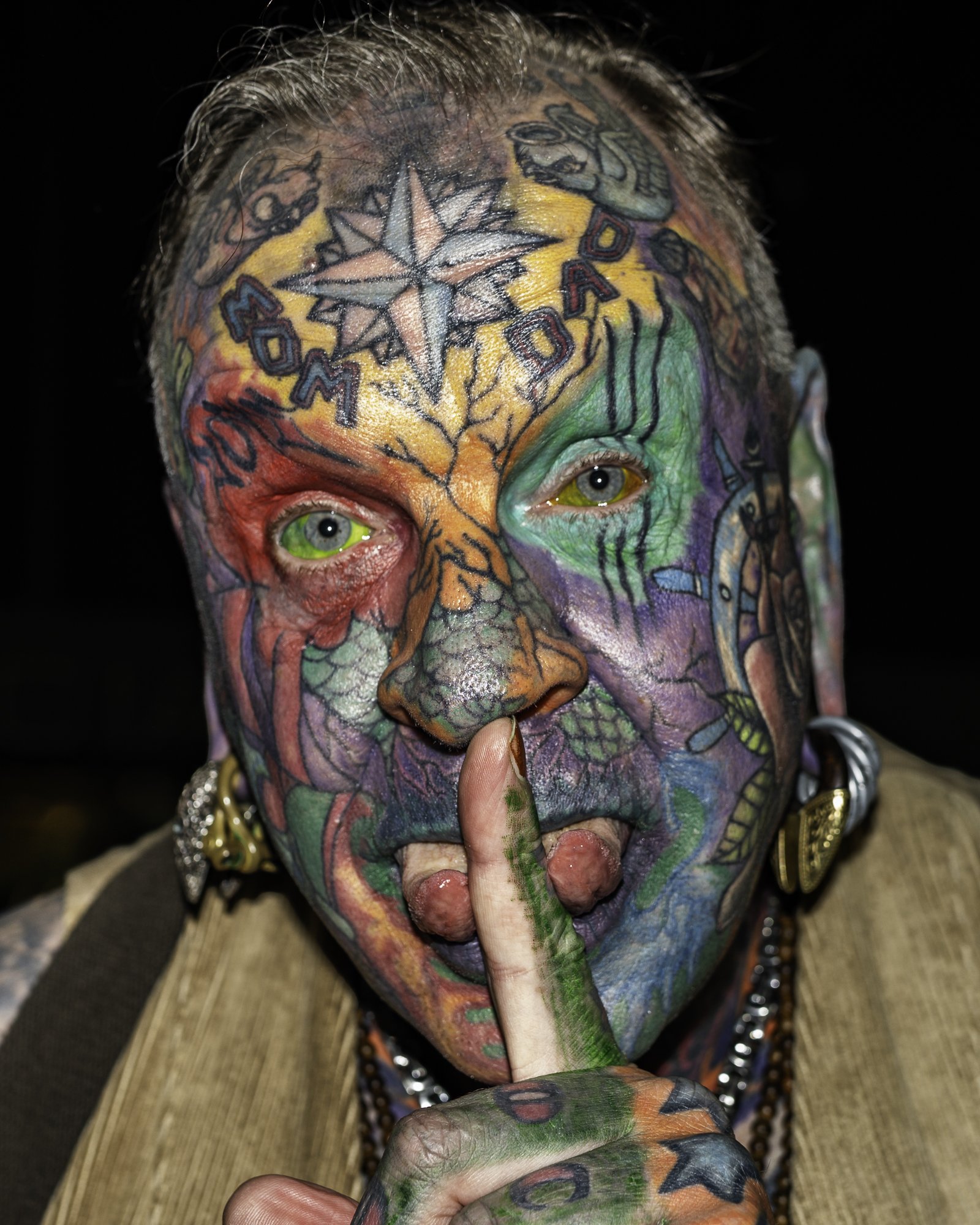


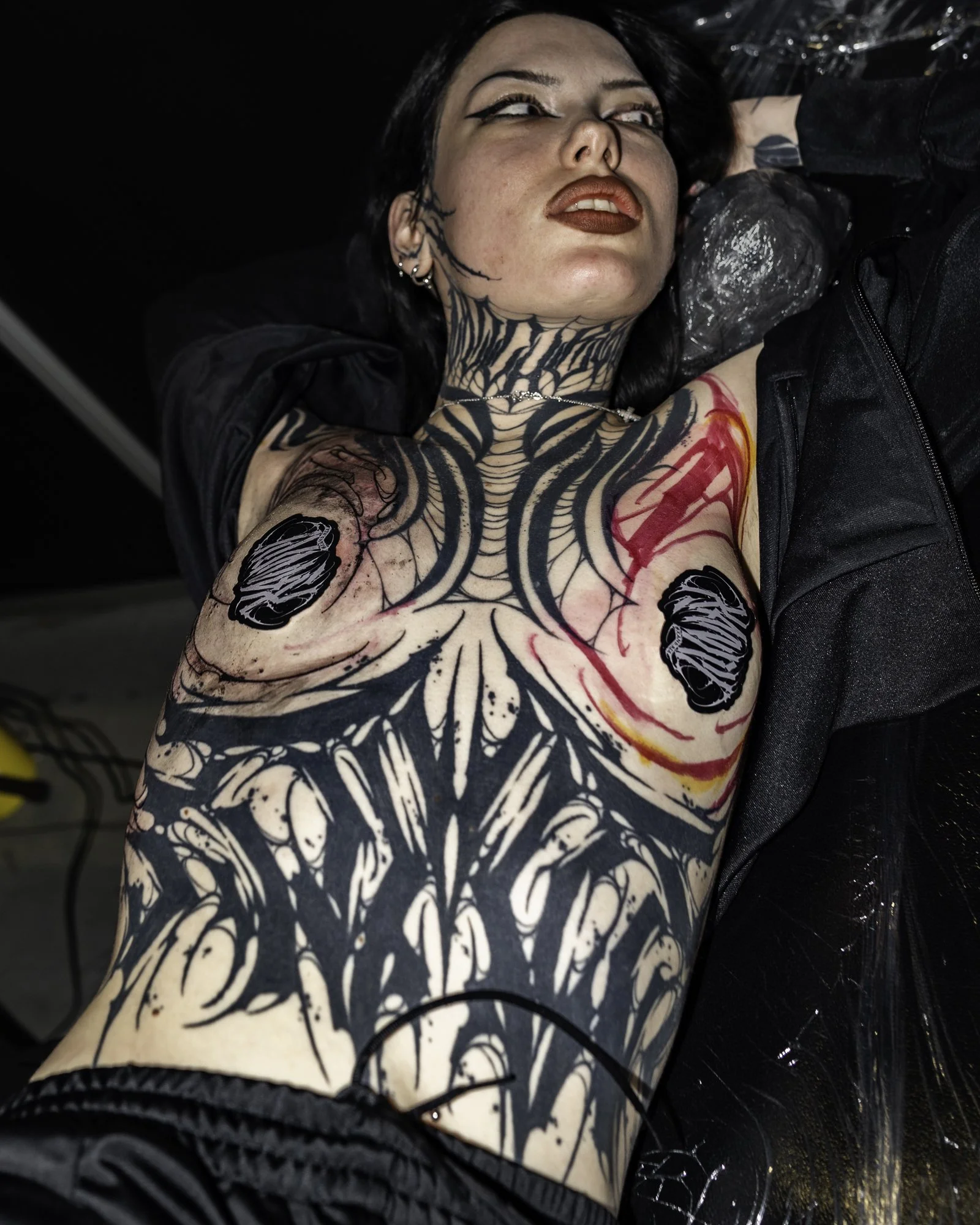
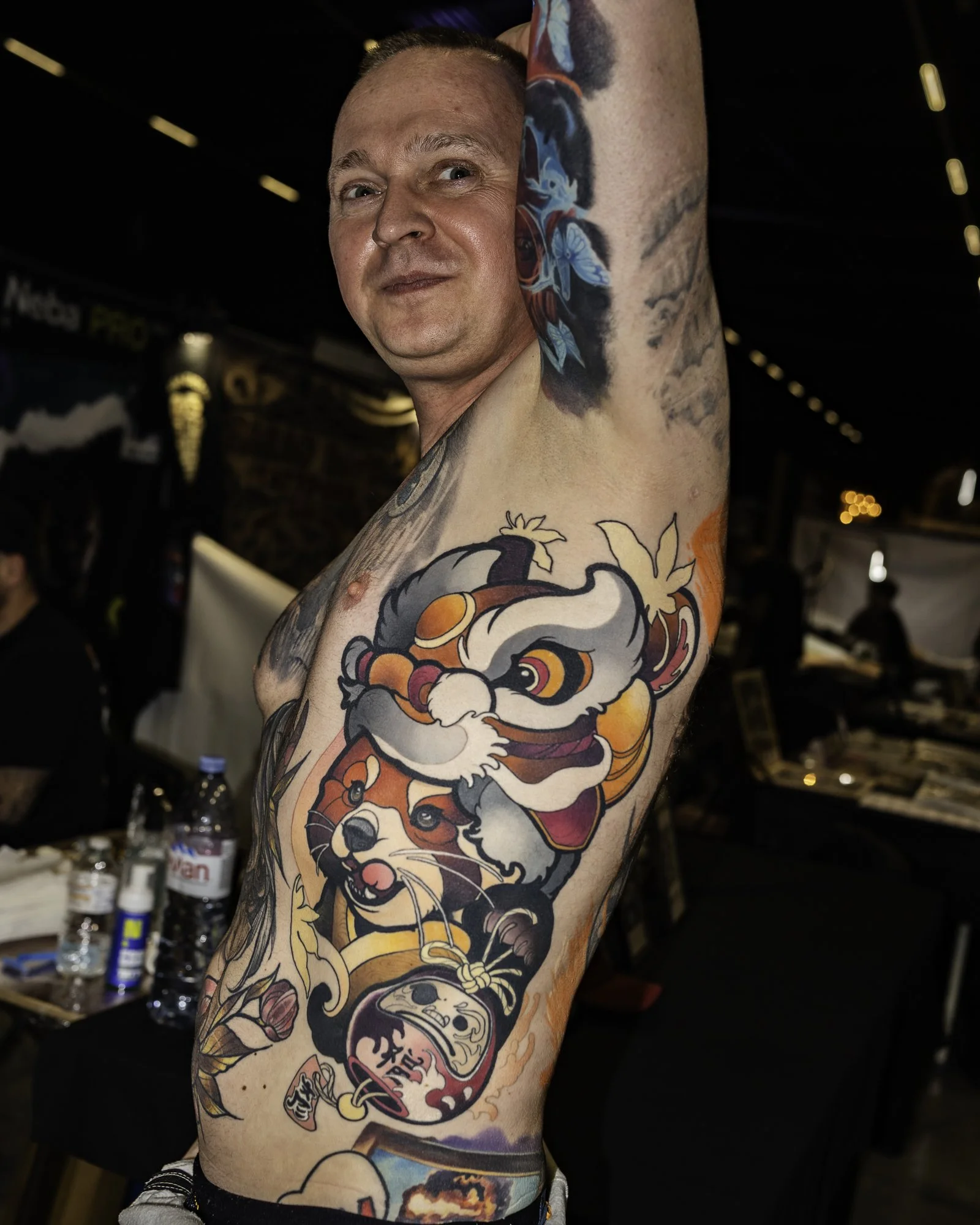

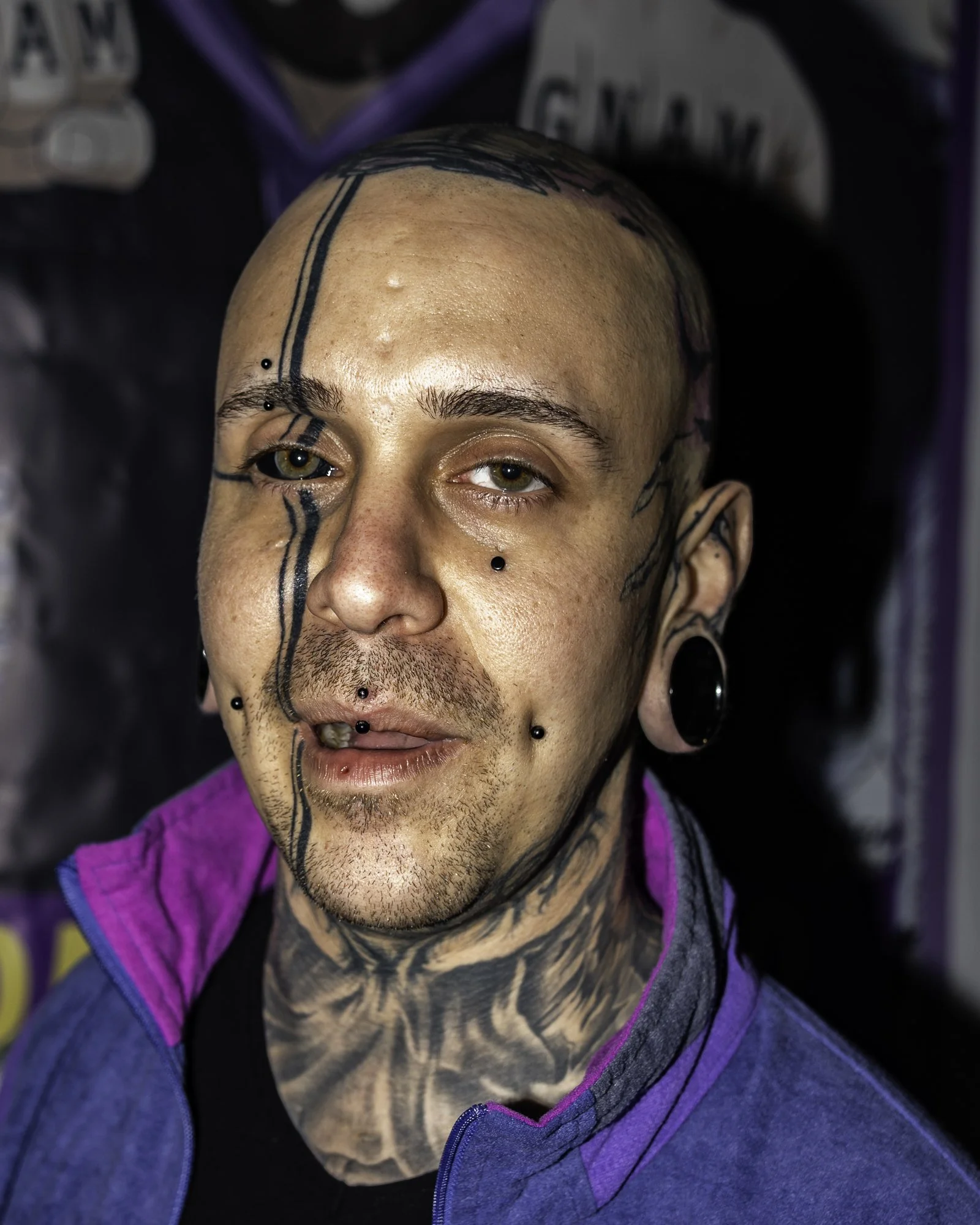

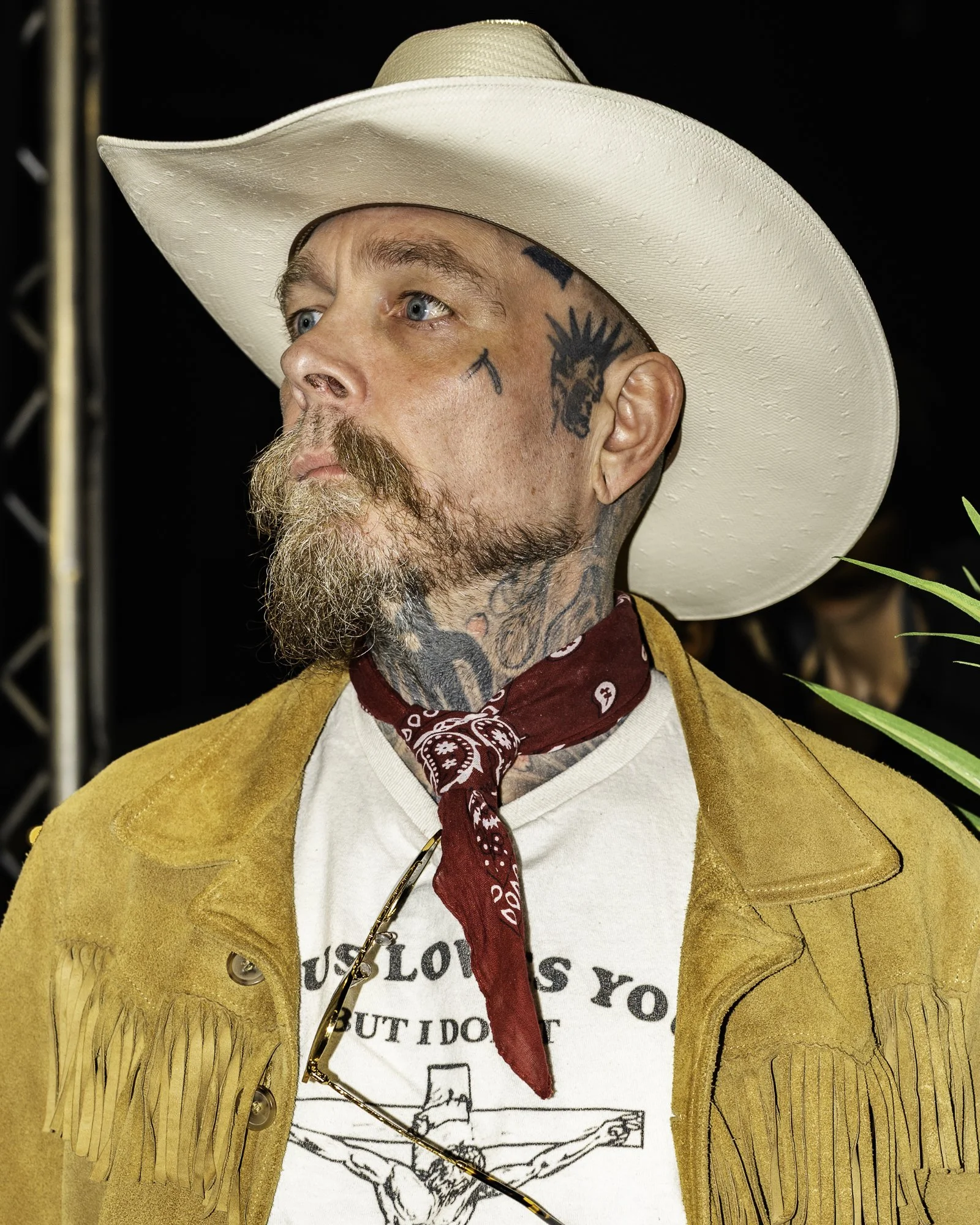
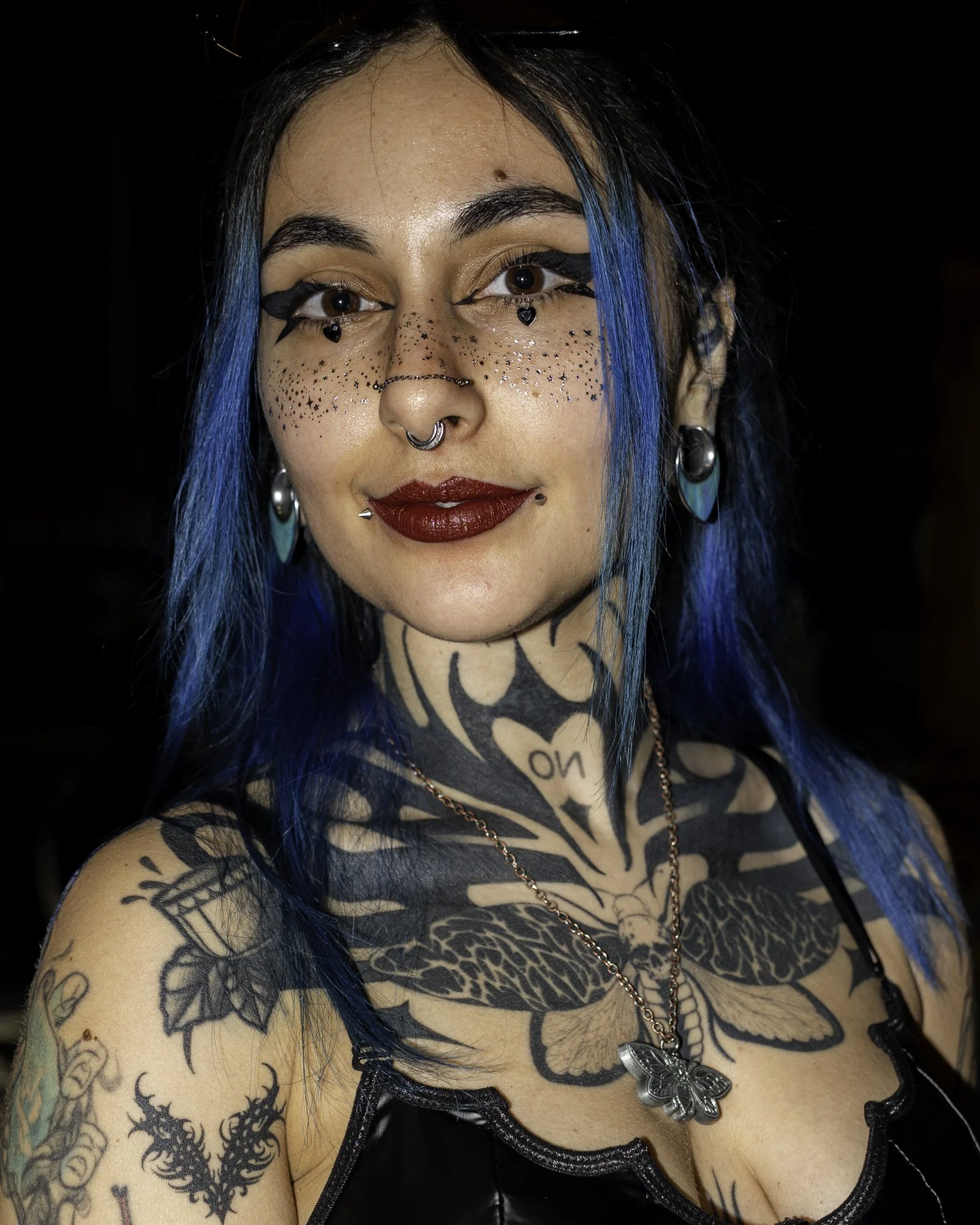
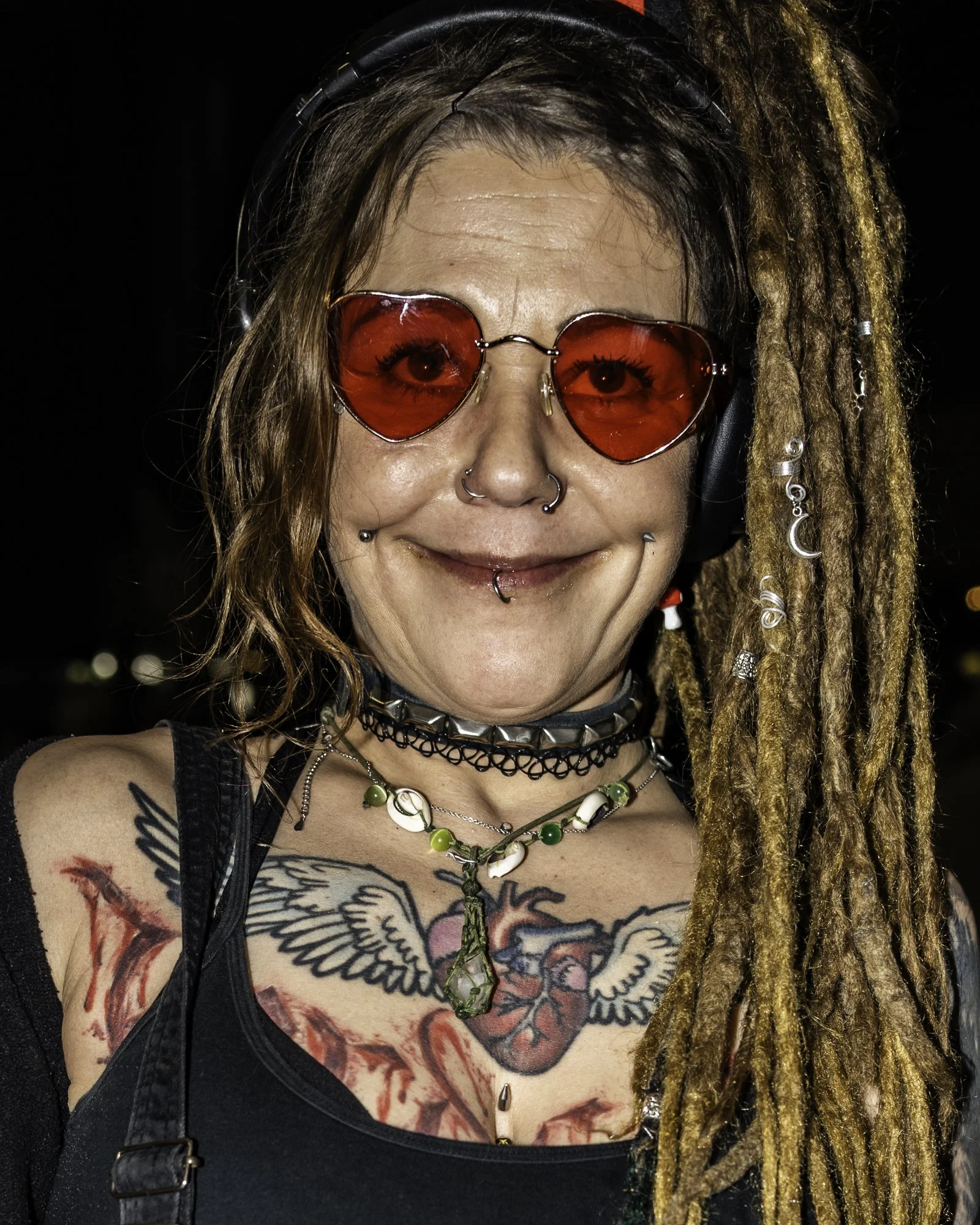


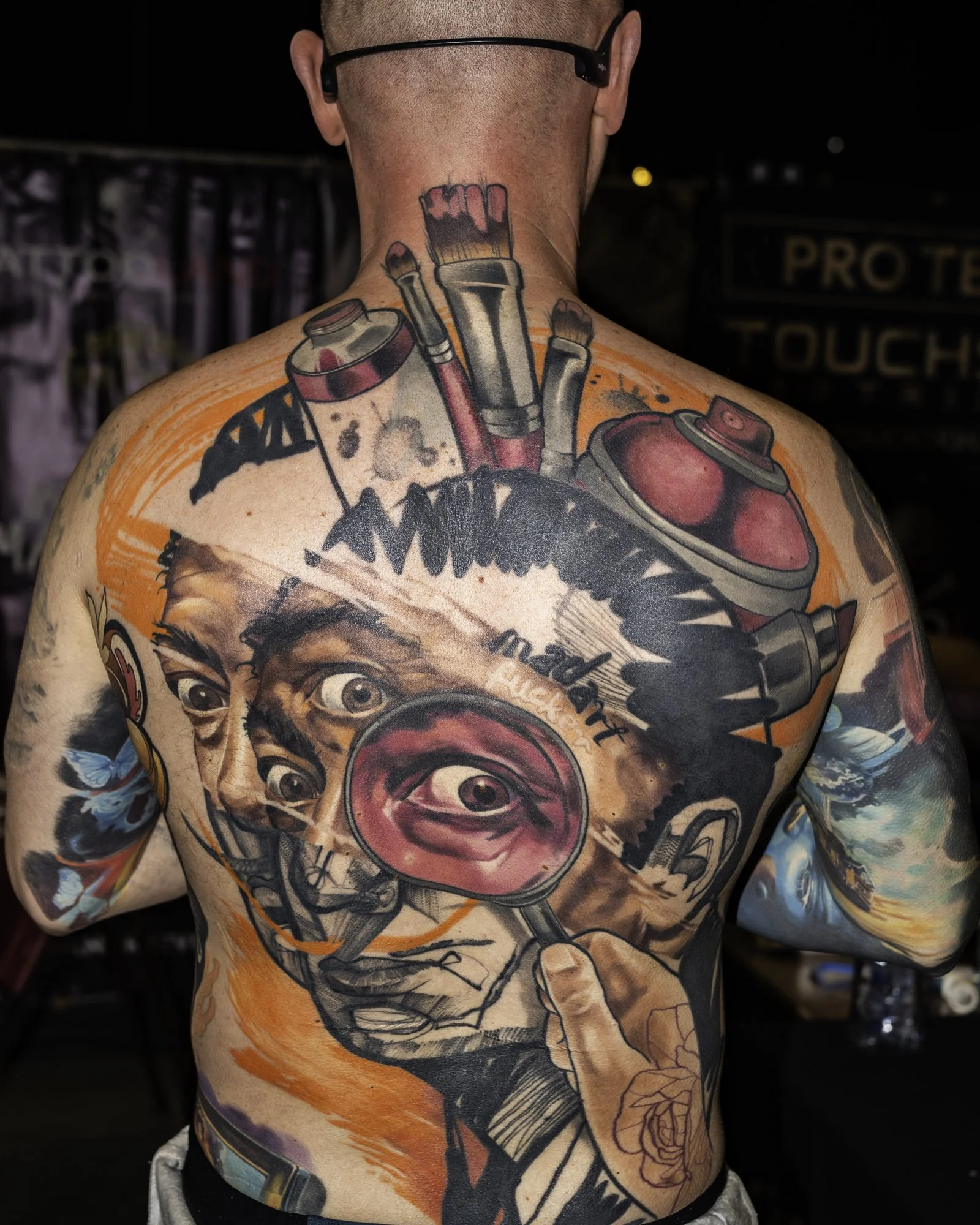

The paradox of "Forever" In an era characterised by uncertainty and transient decisions, tattoos represent stability and enduring commitment.
Tattooing has transformed from a niche practice to a mainstream art form and form of personal expression, blending artistry, fashion, and storytelling into social culture. It serves as a narrative of identity, allowing individuals to share personal stories through body art, which has gained popularity across demographics. In Italy, about 13 out of 100 people have tattoos, a rise driven by celebrities and social media exposure. The industry thrives, with a growing market and emphasis on safety, including hypoallergenic inks and improved standards. Tattoos often mark resilience or personal meaning, with artists gaining recognition through exhibitions that integrate visual art and body art. They blend traditional and modern techniques. Despite progress, health risks such as infections and allergies underscore the need for better regulation, especially in Europe and North America.
Tattoos can represent passions, beliefs, and lifestyles in the search to construct personal identity. Many individuals opt to commemorate significant moments, individuals, or milestones through permanent body art. Tattoos are also frequently viewed as decorative or artistic expressions on the body. They may function as coping mechanisms for managing trauma or as a means of reclaiming control over one's body. Tattoos can also indicate membership within a specific group, culture, or community. Additionally, they provide a means of differentiating oneself and fostering a sense of uniqueness.
The long-term effects of tattoo ink are still being studied. Tattoos can significantly impact the skin. One study found nearly 70% of tattooed people experienced complications, including allergies, infections, granulomatous reactions, ulcerations, and neoplasms. Infections are common, often due to poor hygiene, and some colours are contaminated, with pathogens detected in 10-50% of samples. Contact allergies are common, developing within days to weeks/months, especially to red pigment caused by synthetic azo dyes, binders, and preservatives. Superficial henna can cause allergies, and some products contain PPD, a potent allergen causing eczema.
Tattoos have not yet been proven carcinogenic due to limited studies and concerns about durability. Potential health risks exist from hazardous substances in inks, their degradation products, and their distribution in organs and tissues far from the skin. Although some research suggests an increased cancer risk in tattooed individuals, more long-term studies on large populations are needed. Ongoing research will provide further insights in the coming years.
Tattoos are not an essential aspect of human existence. The philosophy that counters extreme tattooing aims to valorise the natural body, opposing commodification and the indelible branding of the self. Ultimately, a tattoo does not symbolise an 'authentic' pursuit of self-identity; rather, it creates an illusion, shifting focus from universality to a closed subjectivity. Although often perceived as an act of rebellion, tattoos seek approval through visible 'transgression', thereby becoming a form of conformity.