BLACK GOLD, SALTY BLOOD by João Coelho
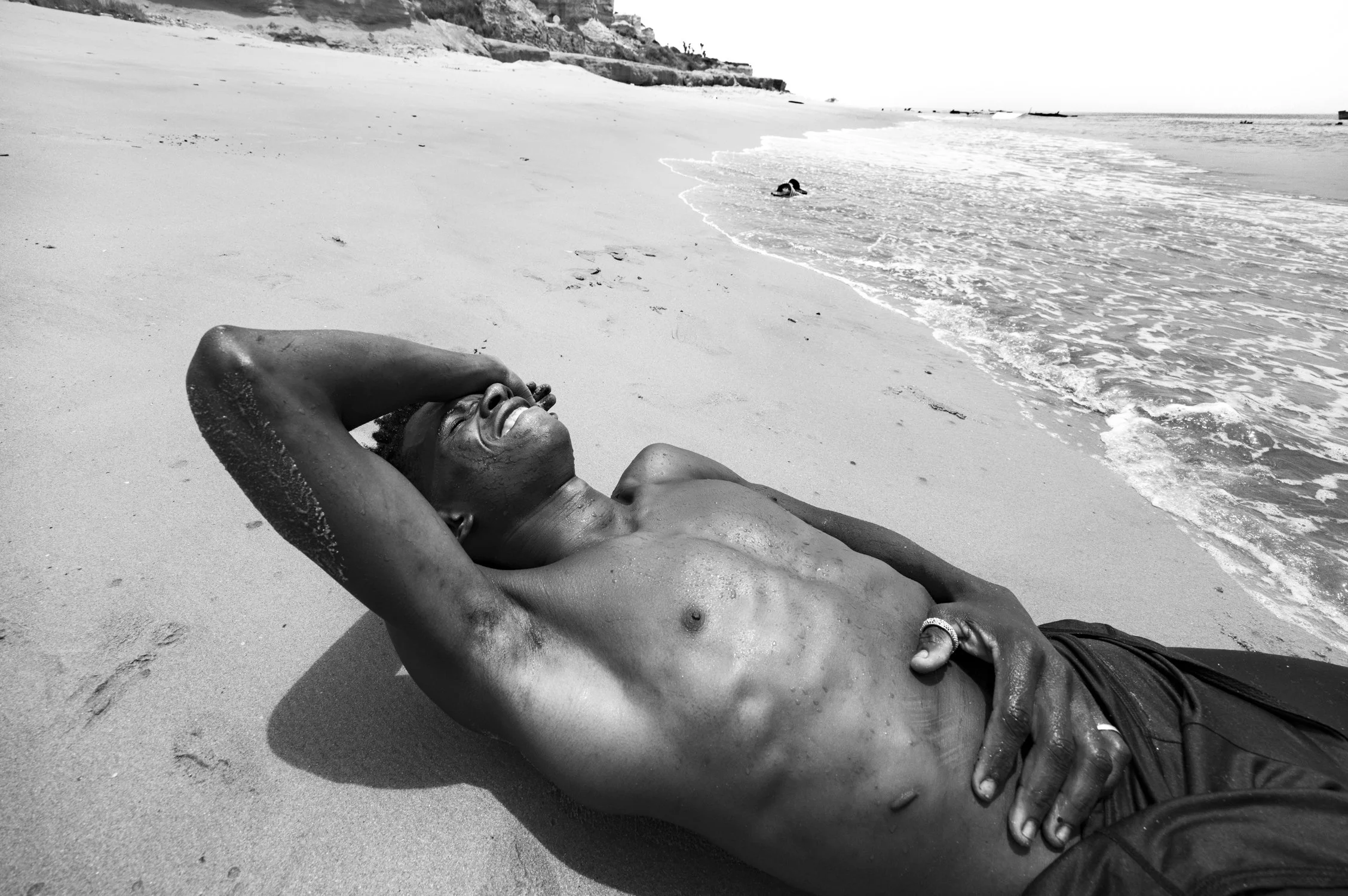
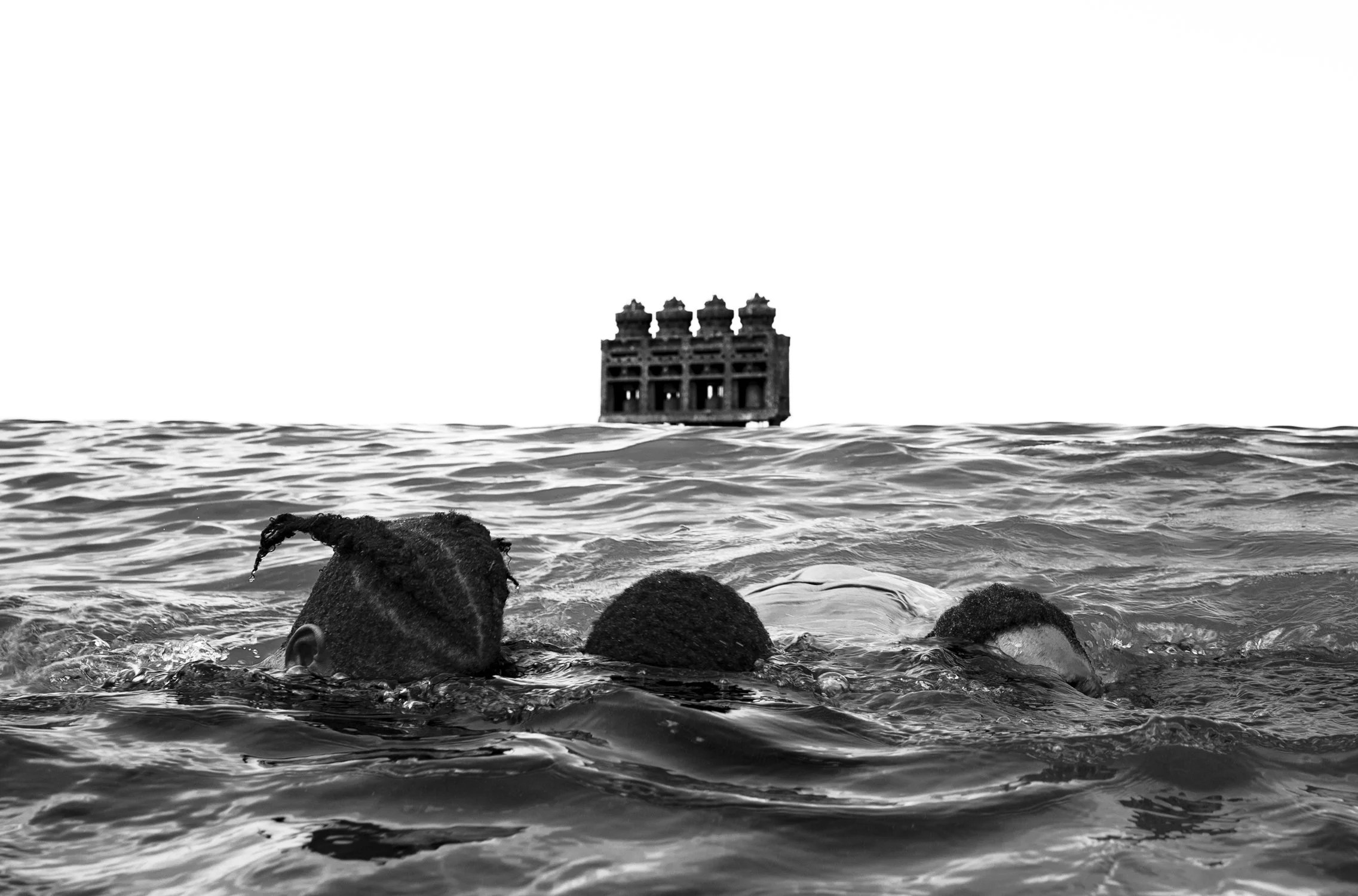
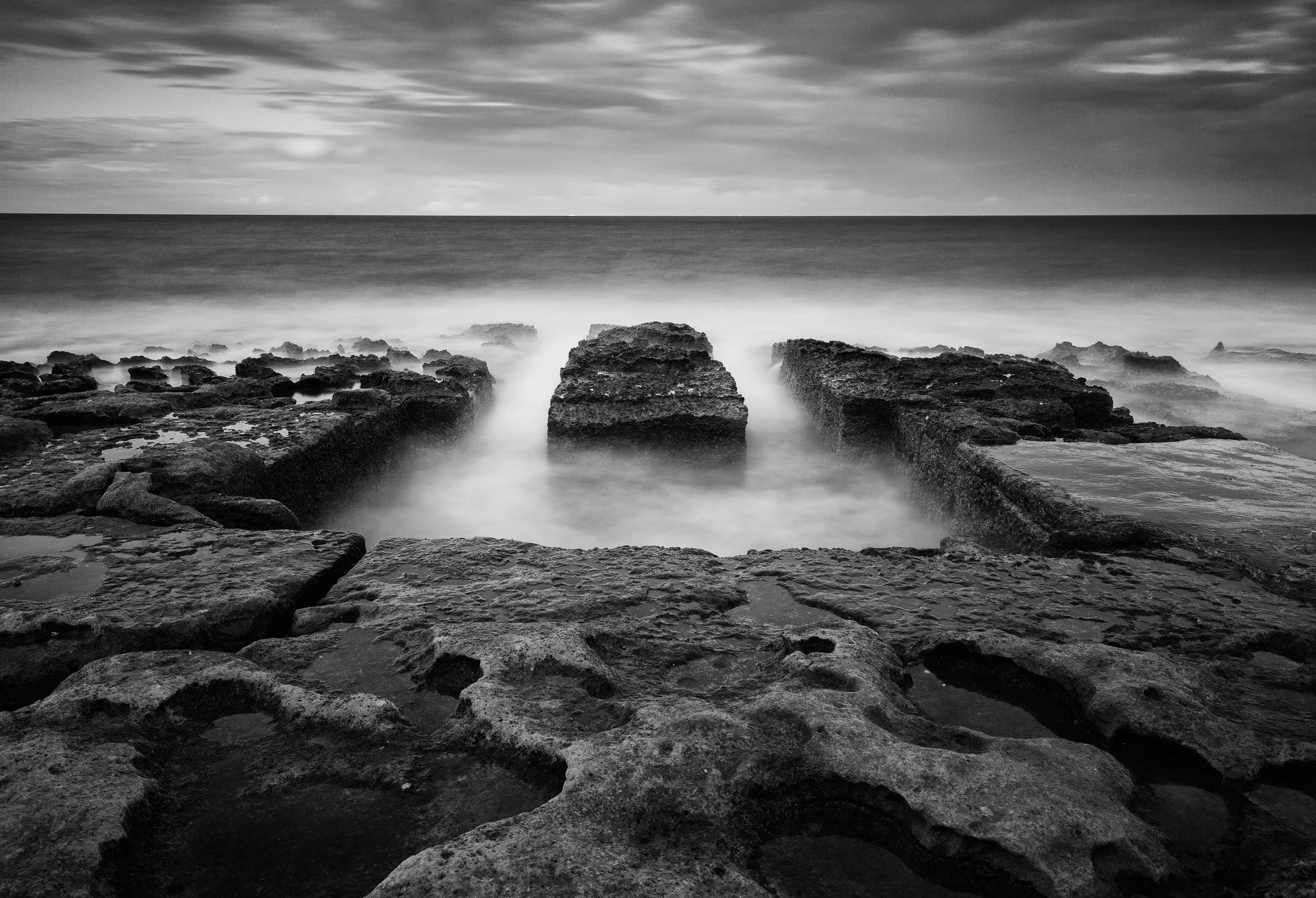
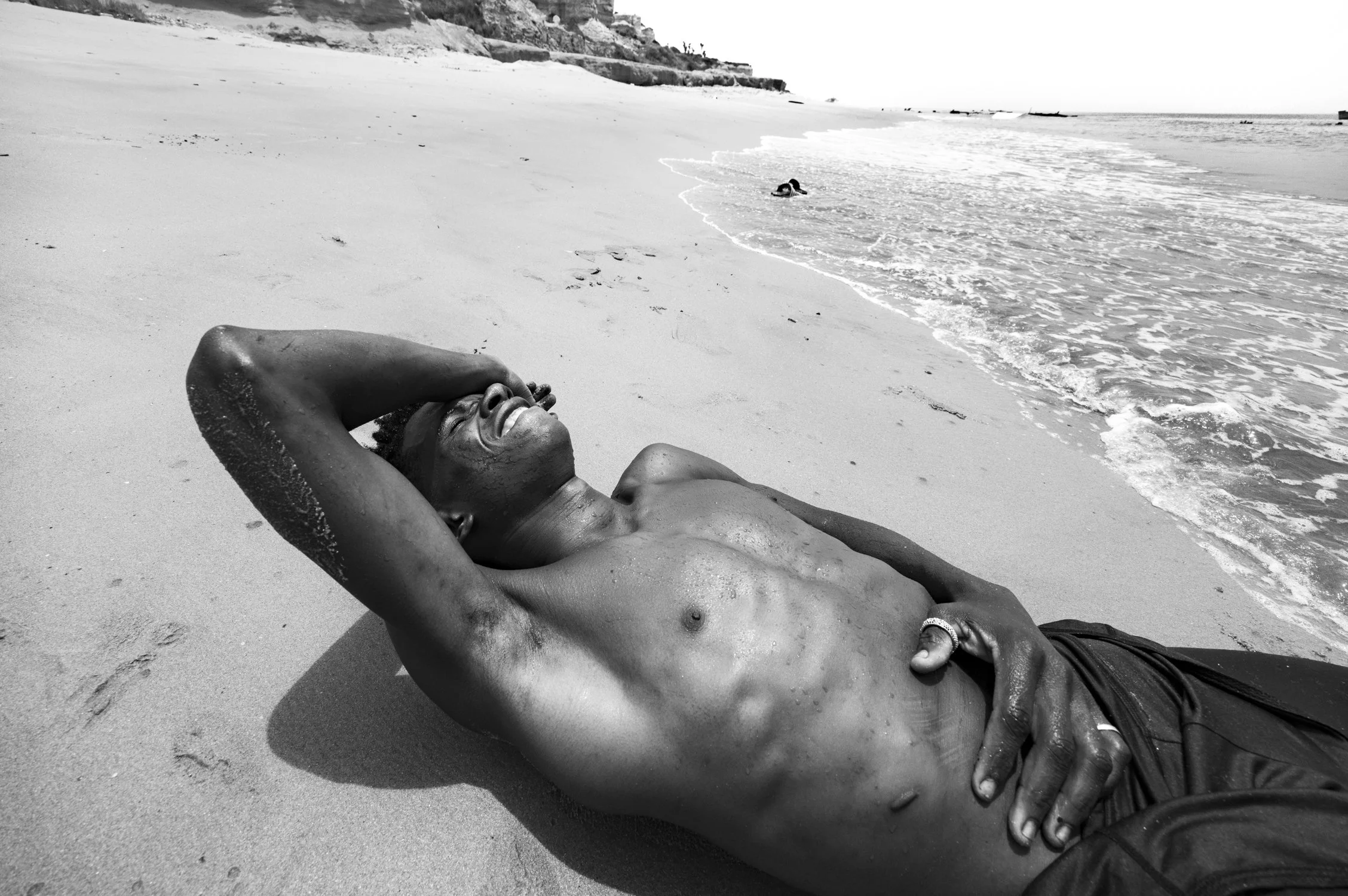
The beach awakens in a mirror-like silence. It is the moment when the sea, in a submissive retreat, reveals the vast tongue of sand exposed by the low tide. There, the only sound is the waves: a murmur of foam delicately—ironically—licking the scrap iron that rests in the abyss.
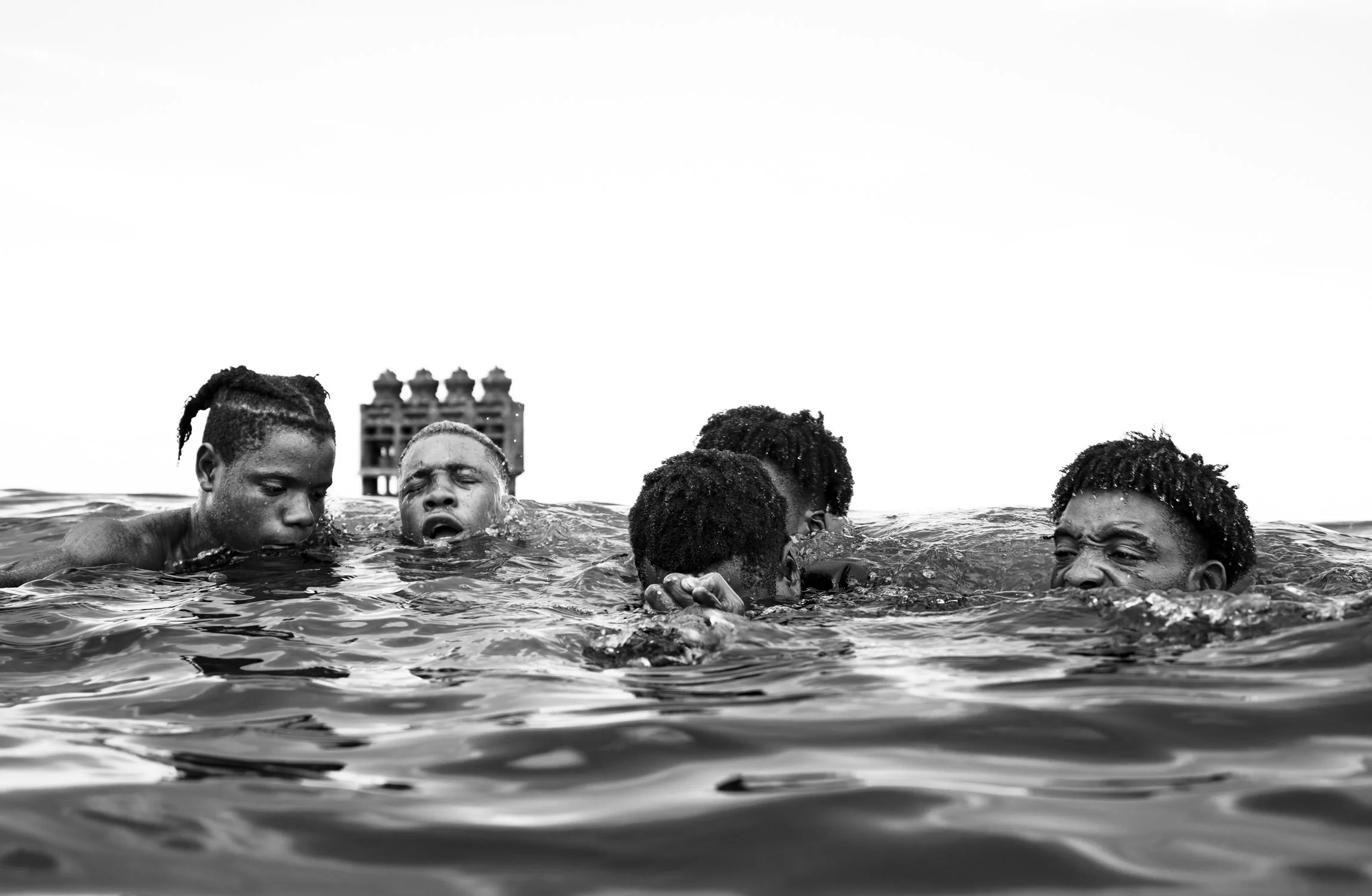
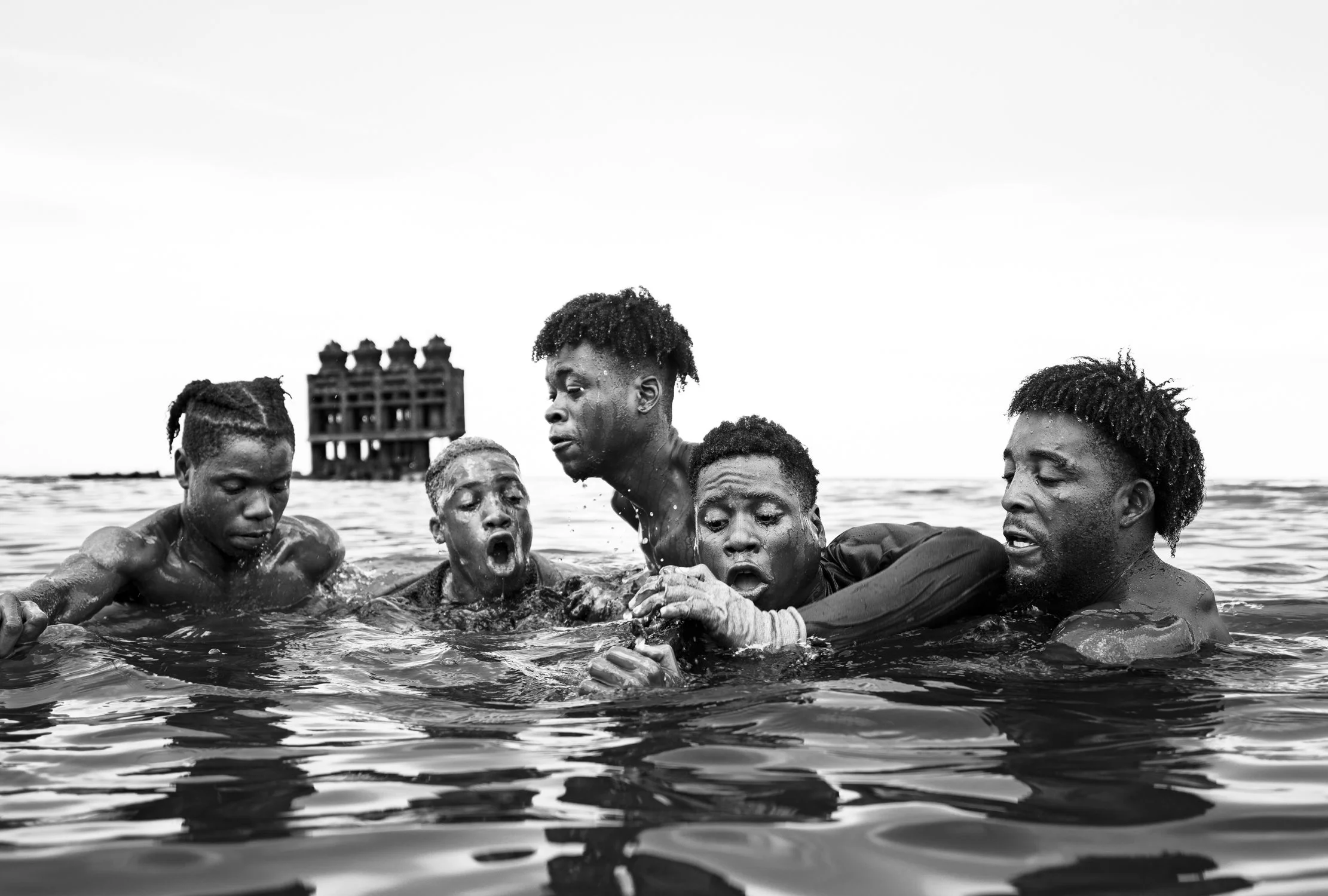
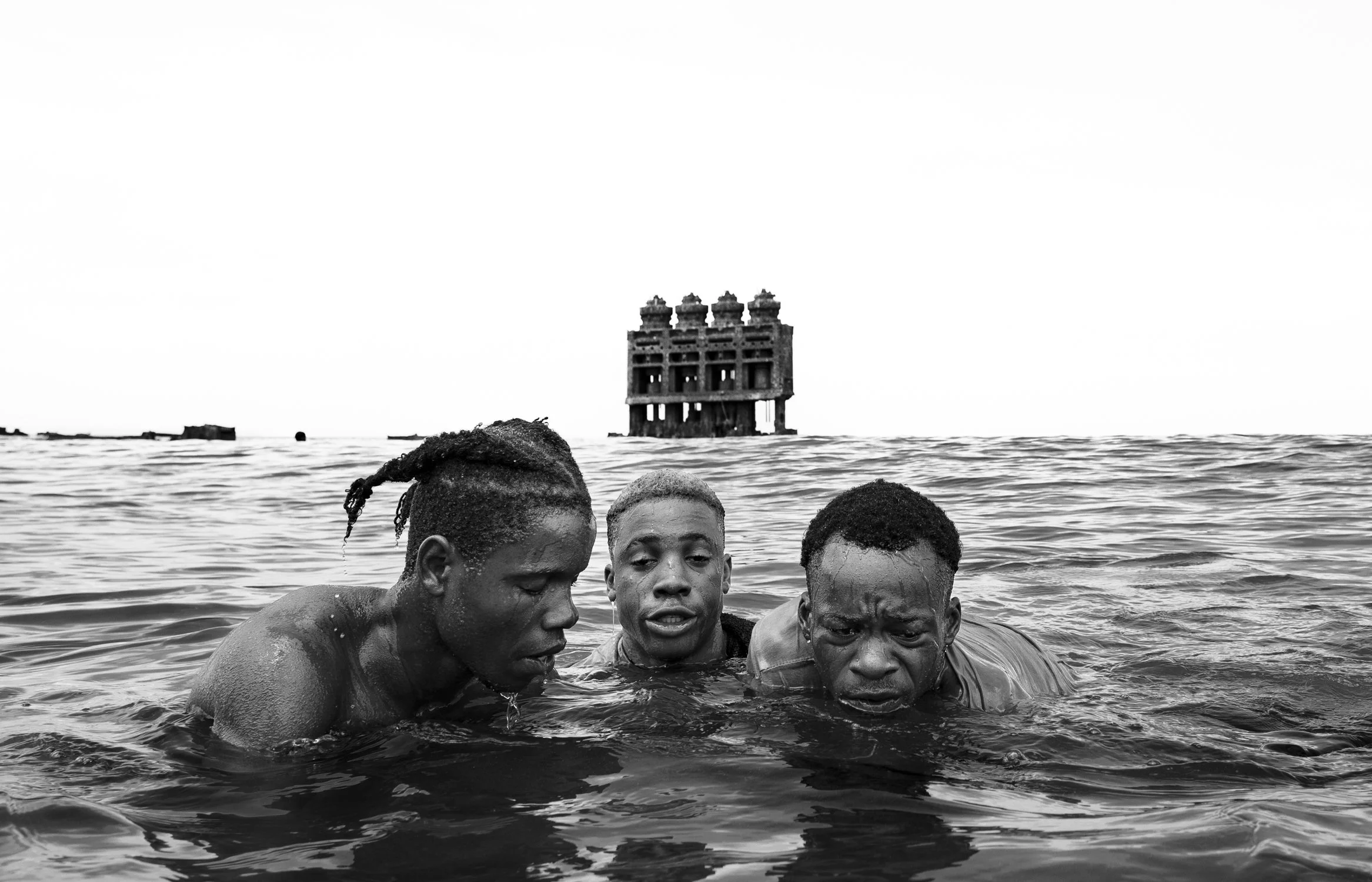
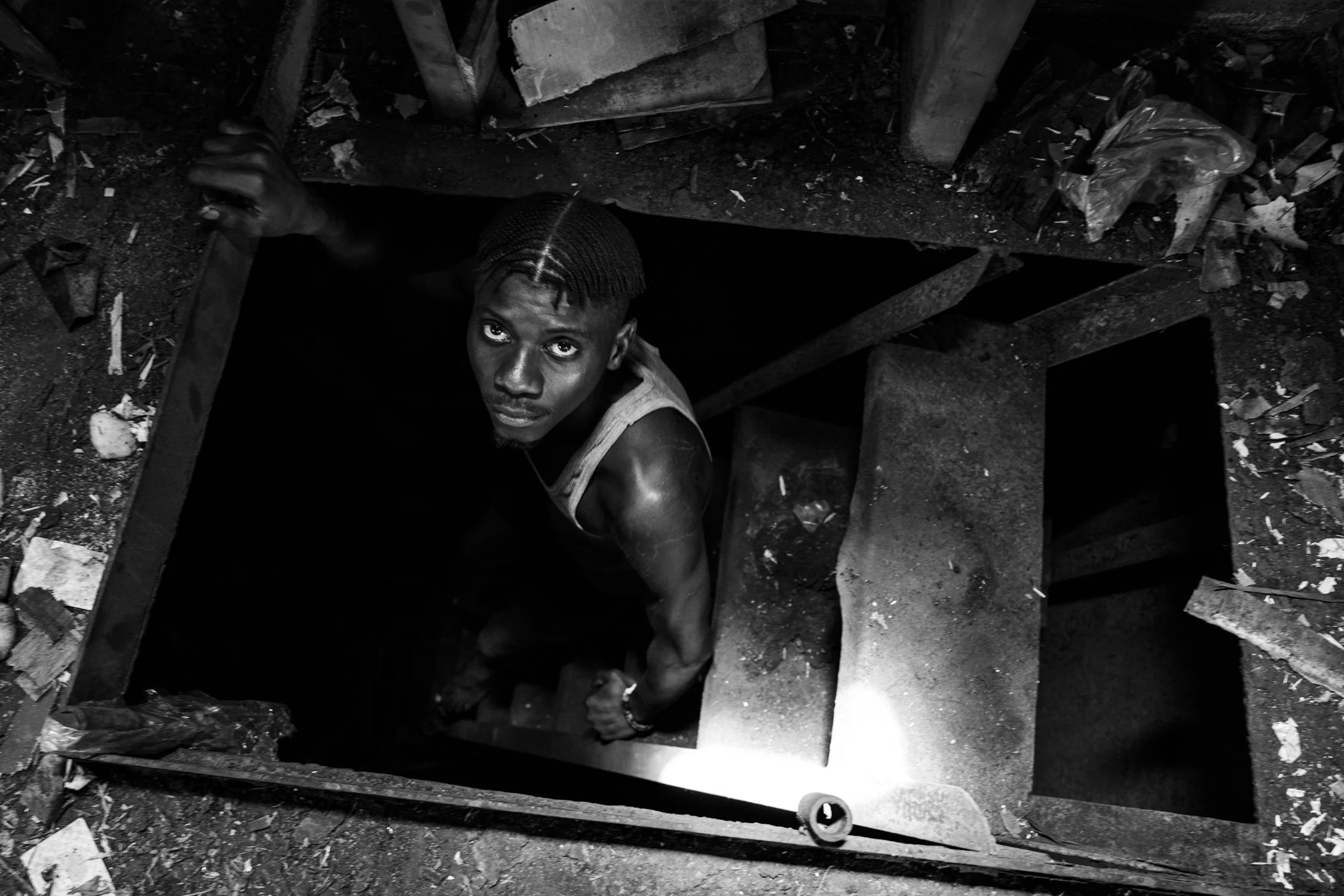
Far from the harbour where the fishing trade follows rules and nets, this bay is a graveyard of giants. Where others see only an end, these young men see a beginning. They dive not for sport, but for extraction, descending toward the semi-submerged skeletons of ships long forgotten by time. They know the contours of the seabed as if they were the maps of their own palms, but the iron is becoming elusive; it now demands lungs of steel and an audacity that borders on despair.
The Siege
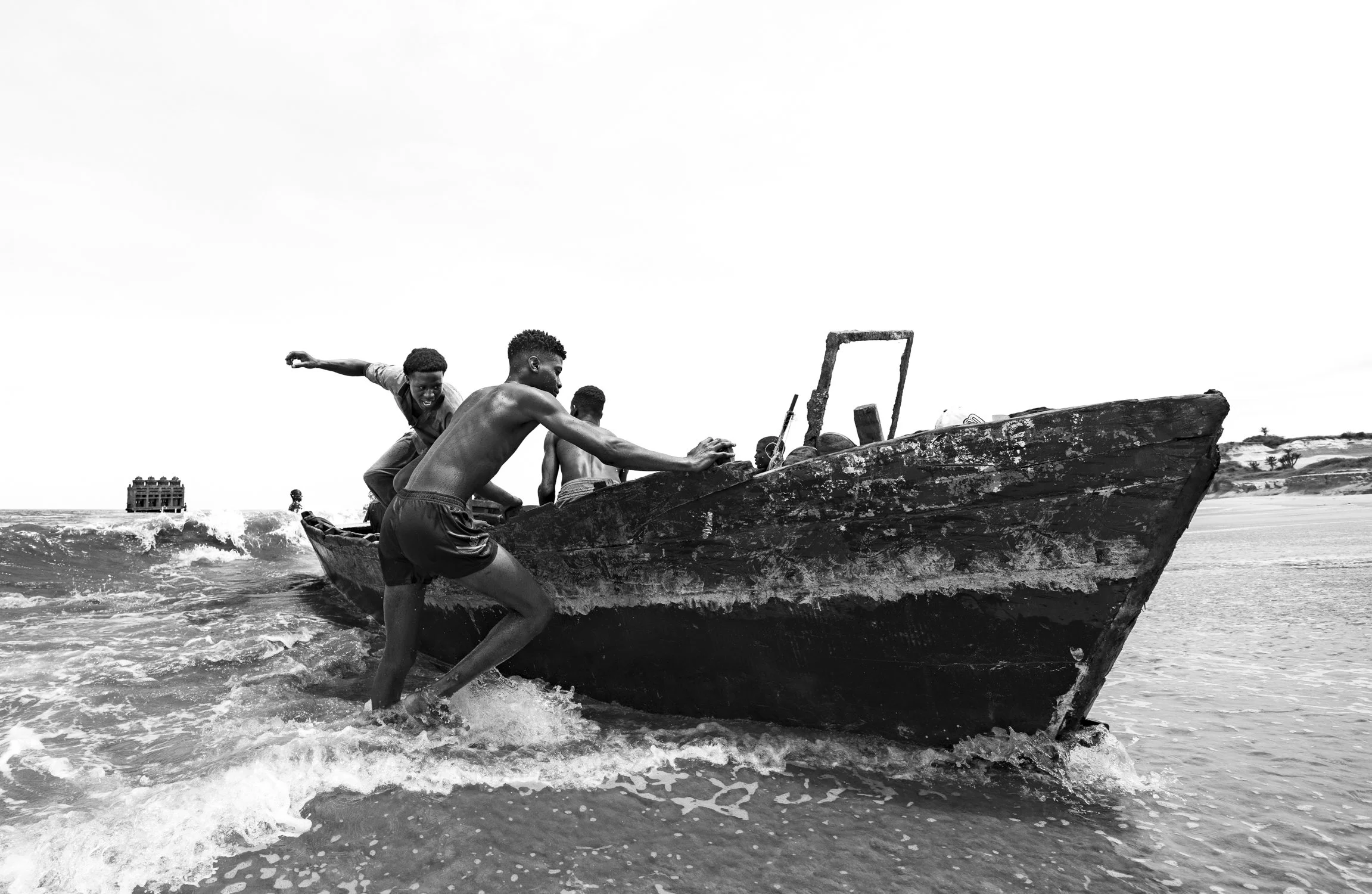
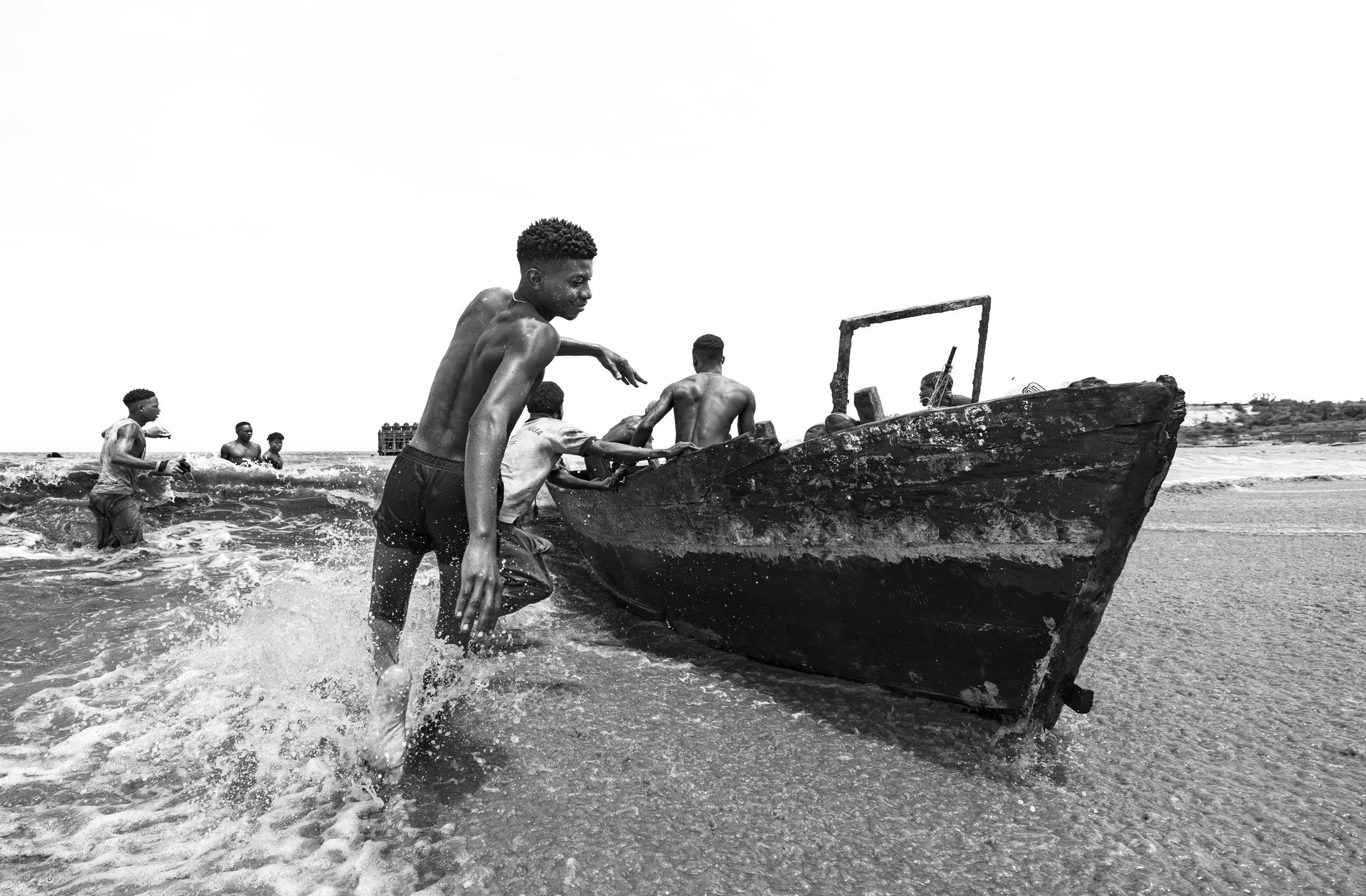
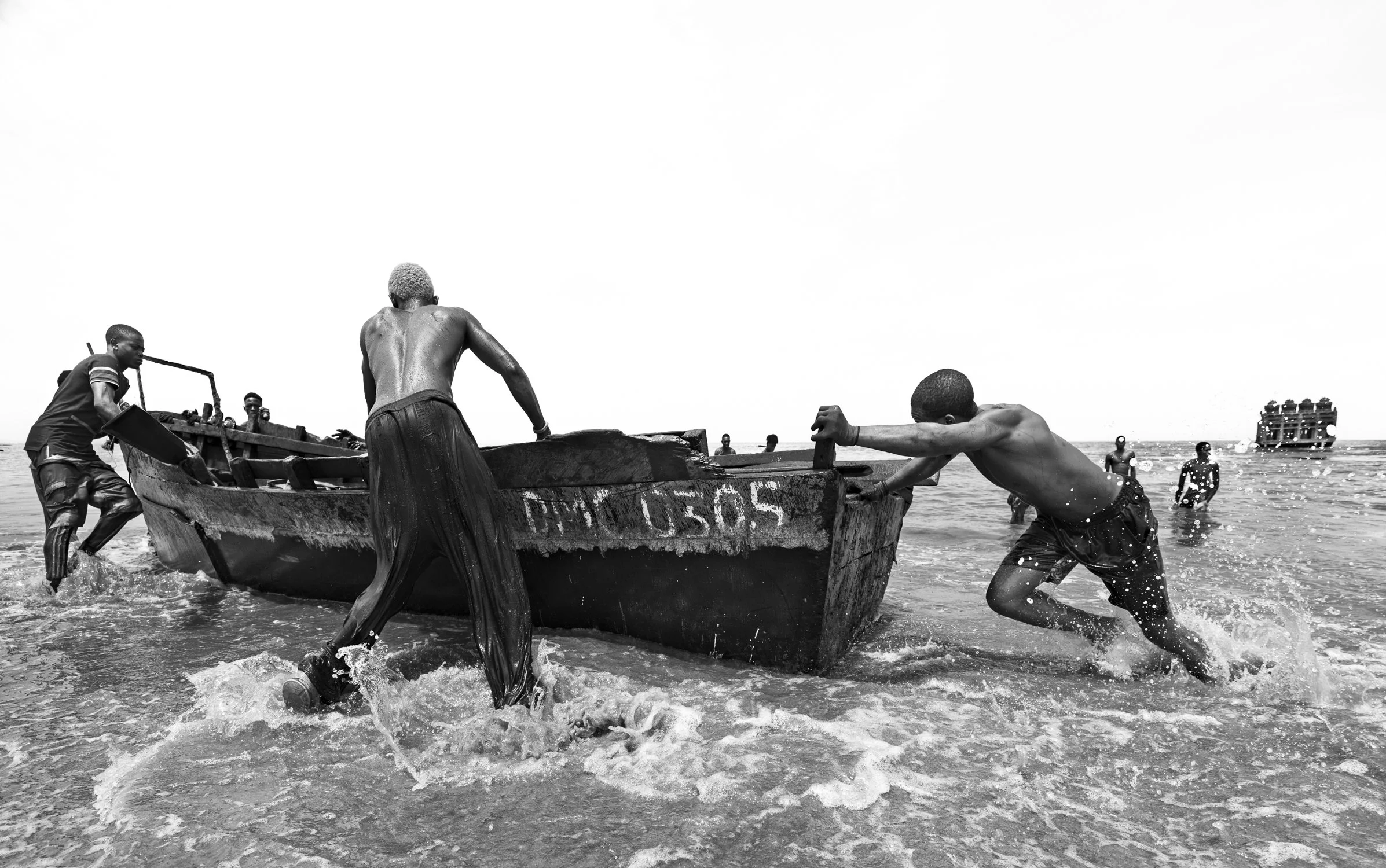
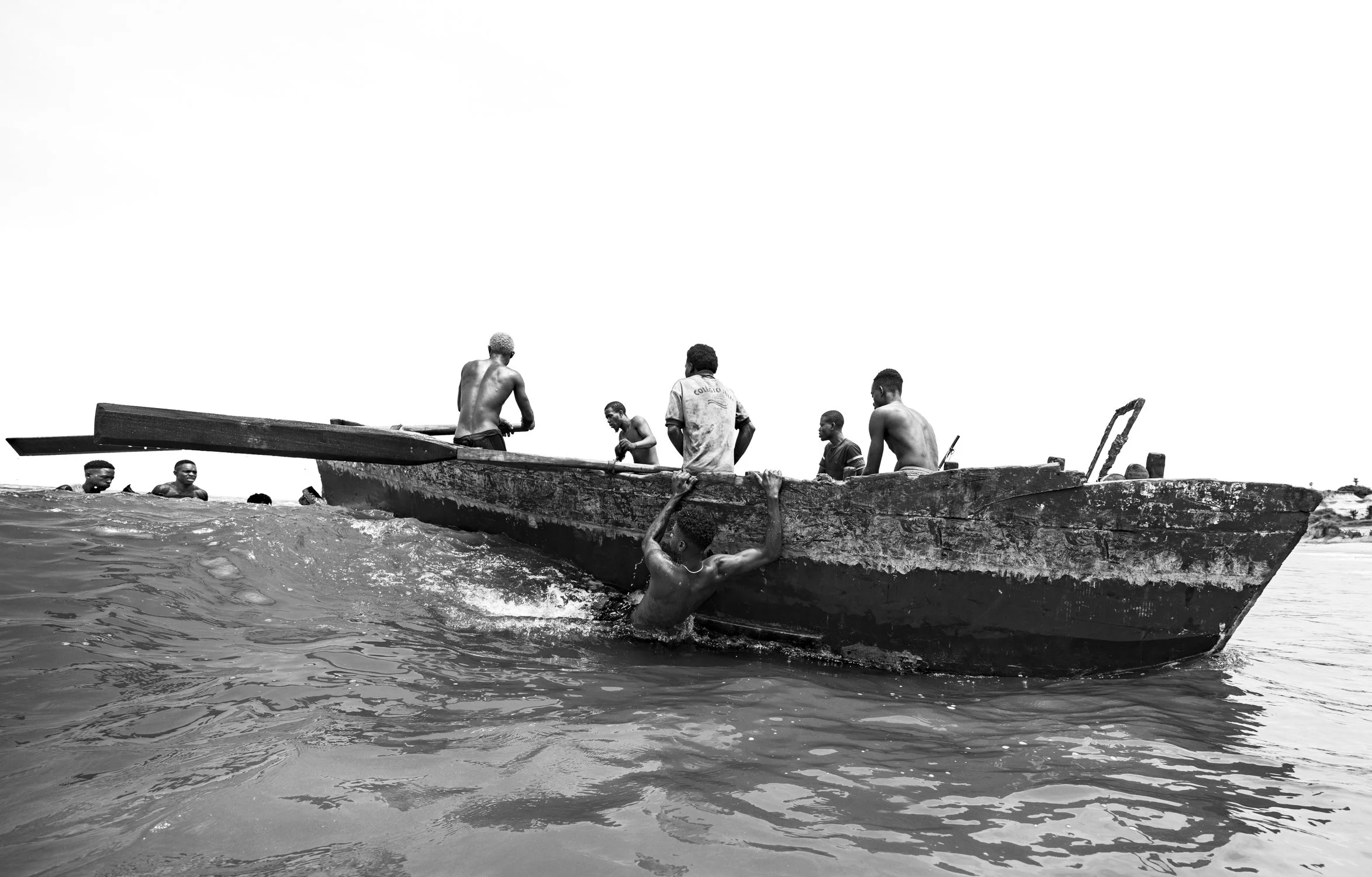
The silence is suddenly shattered by the rhythmic beat of oars. The chata appears—a worn wooden boat, keel-less, carrying the heavy burden of survival. On its makeshift deck, the air grows thick. These are not merely fishermen; they are a militia of necessity. This is not a new journey; it is the climax of a siege that has lasted three suns.
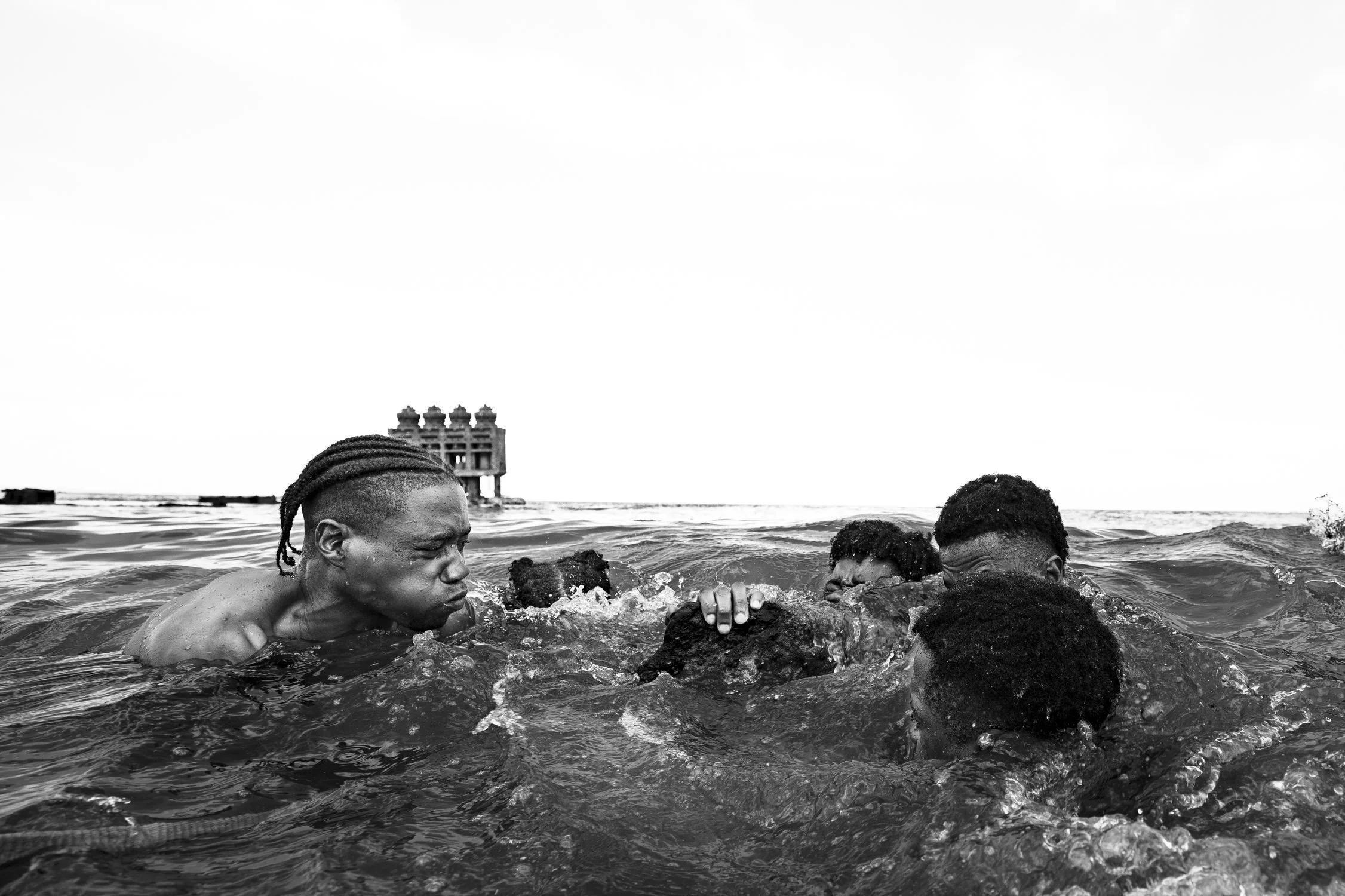
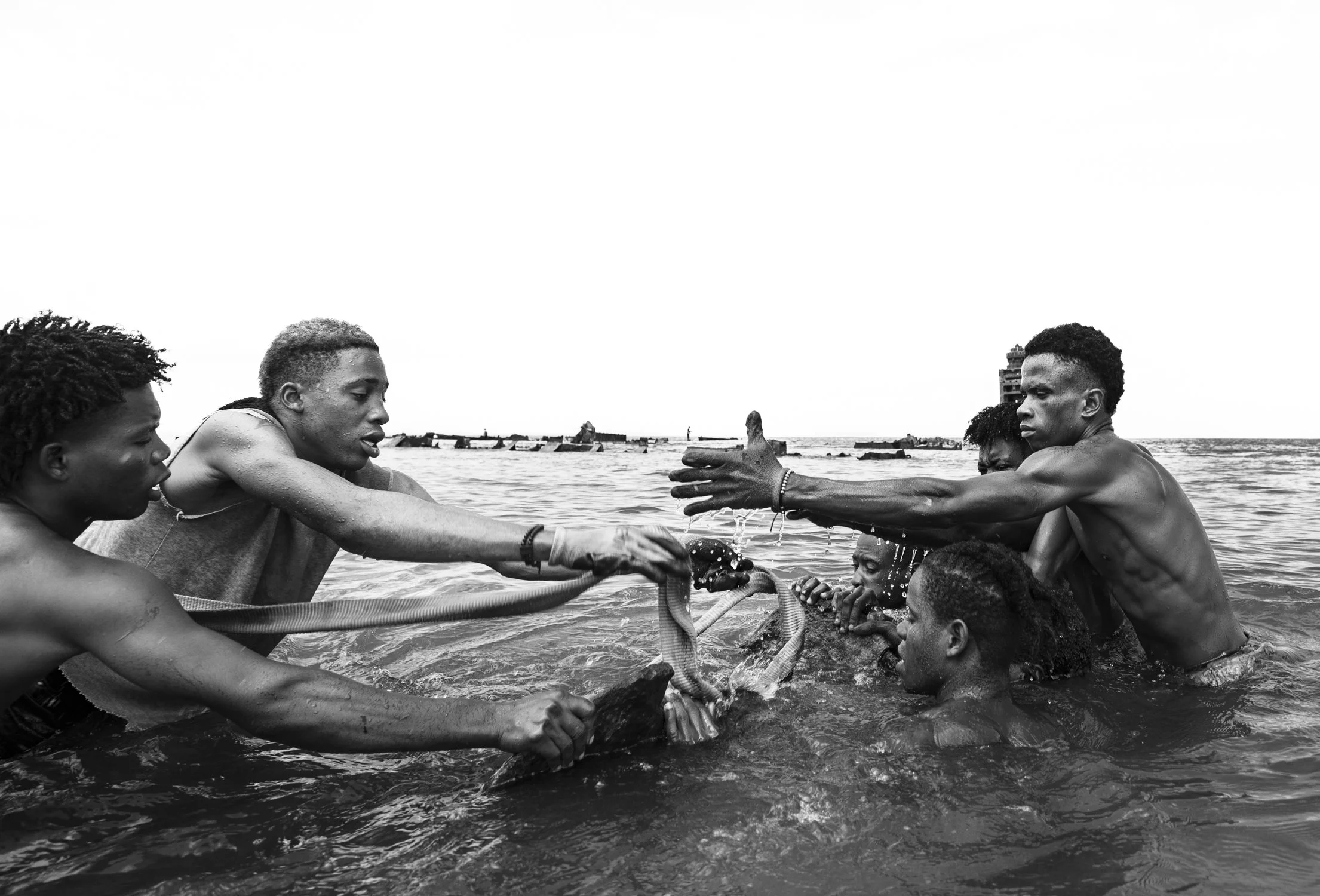
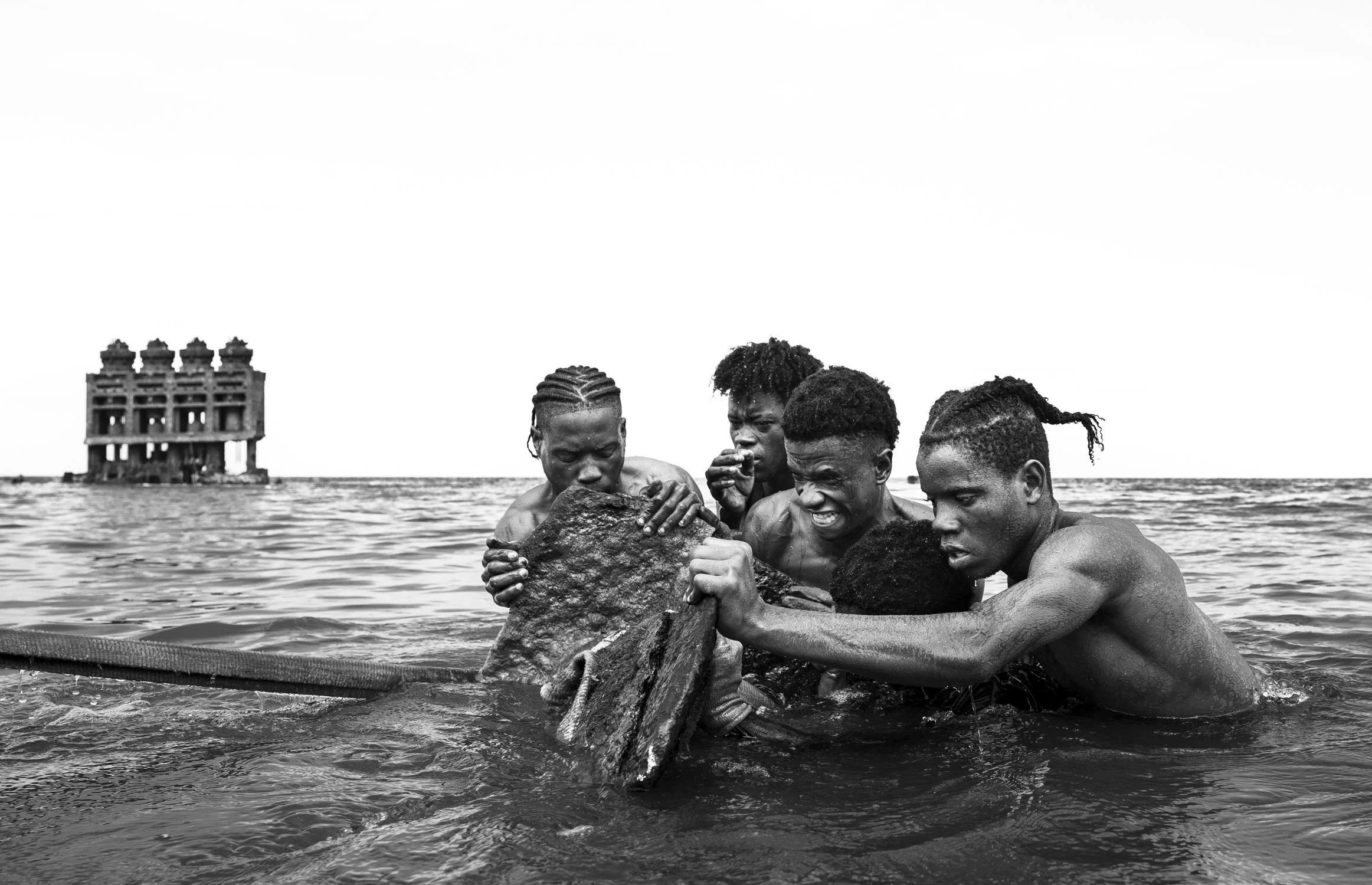
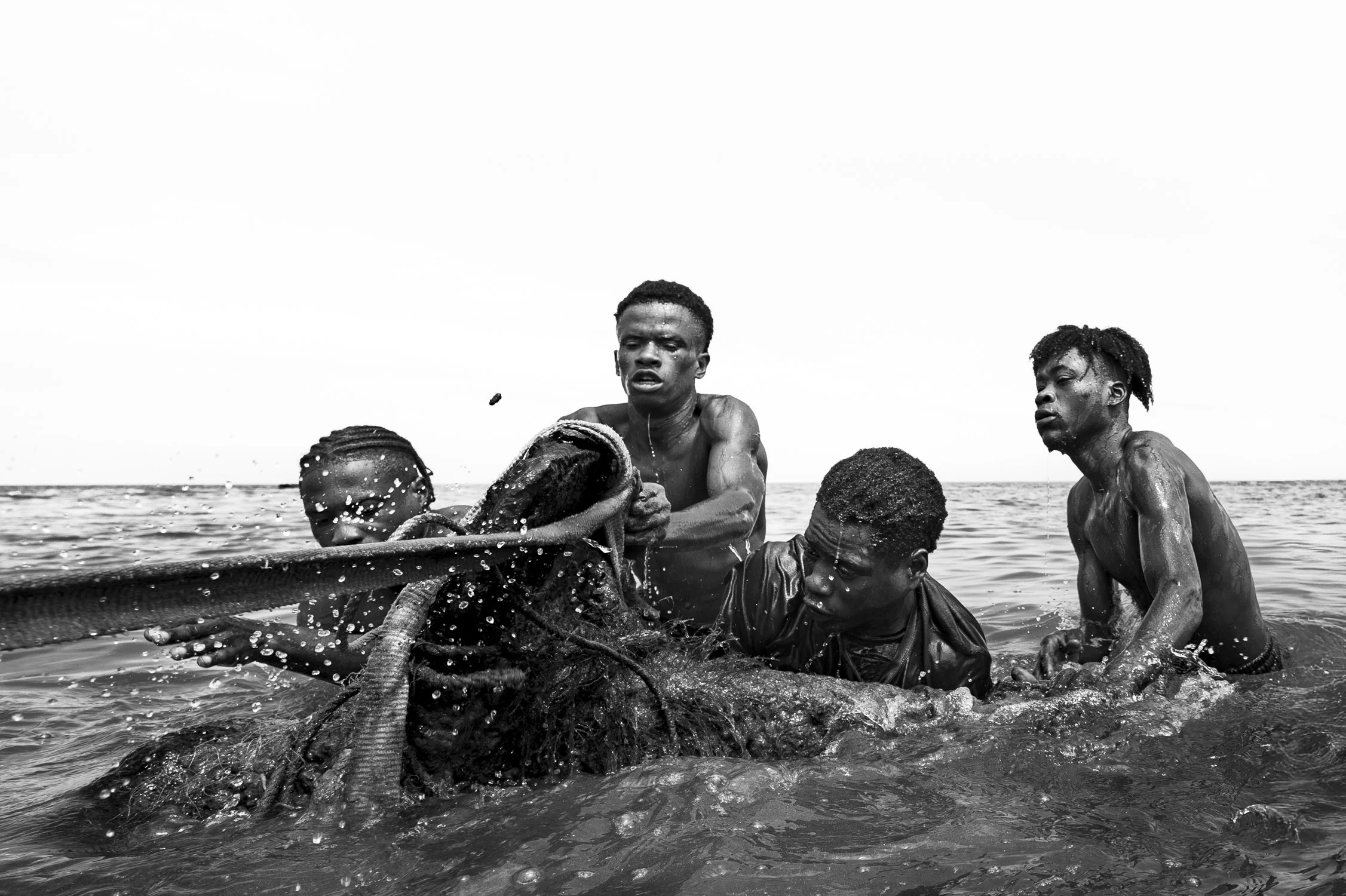
Two days ago, they located their prey: a dark, shapeless mass, partially swallowed by the sand. It took hours of breath-holding and tightened straps, fighting the silt's vacuum to unearth the monster. Yesterday, the struggle was against gravity itself, keeping the piece suspended between the seafloor and the hull, navigating a precarious balance where a single inch of error would mean a shipwreck.
The Final Battle
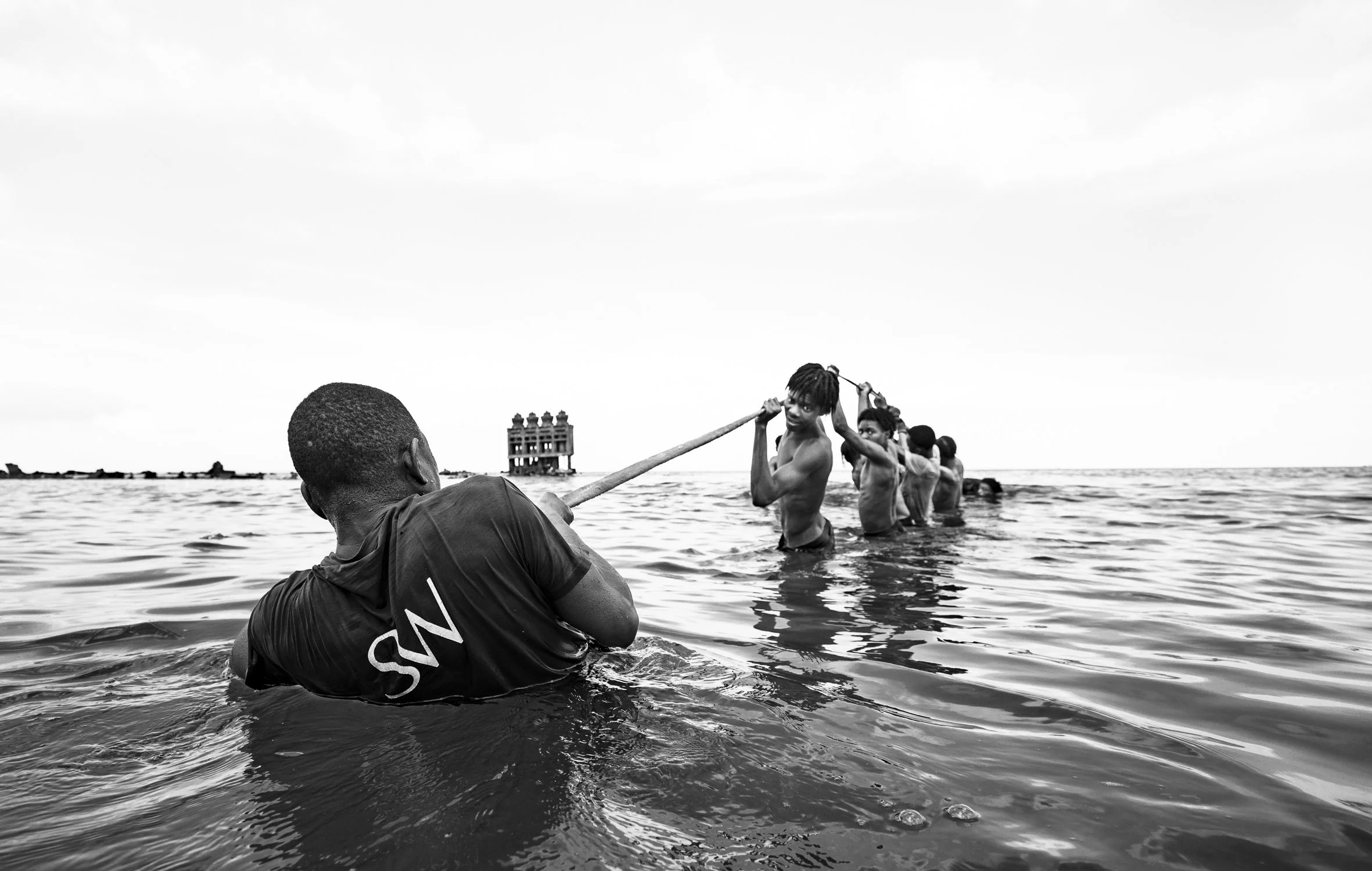
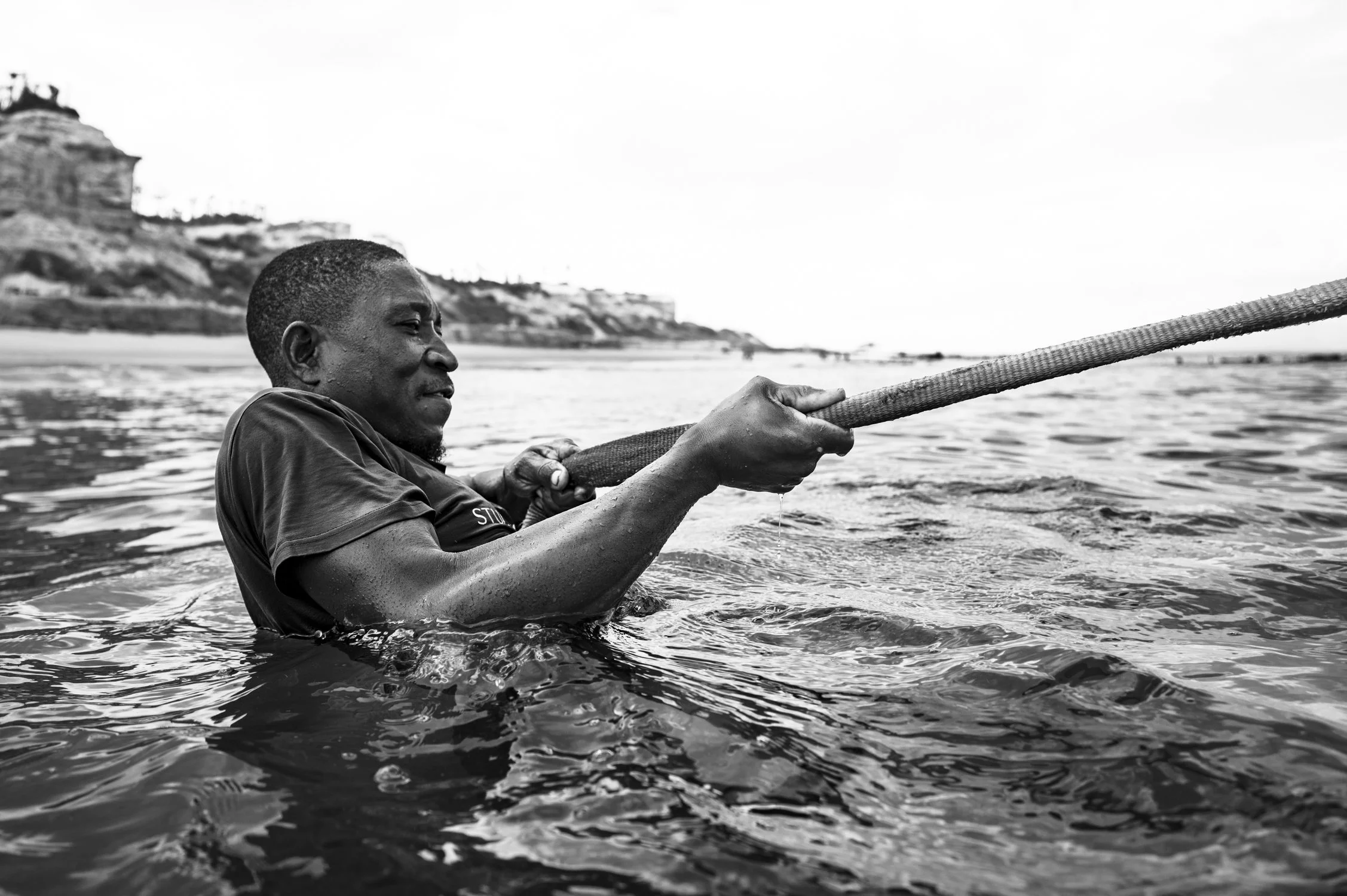
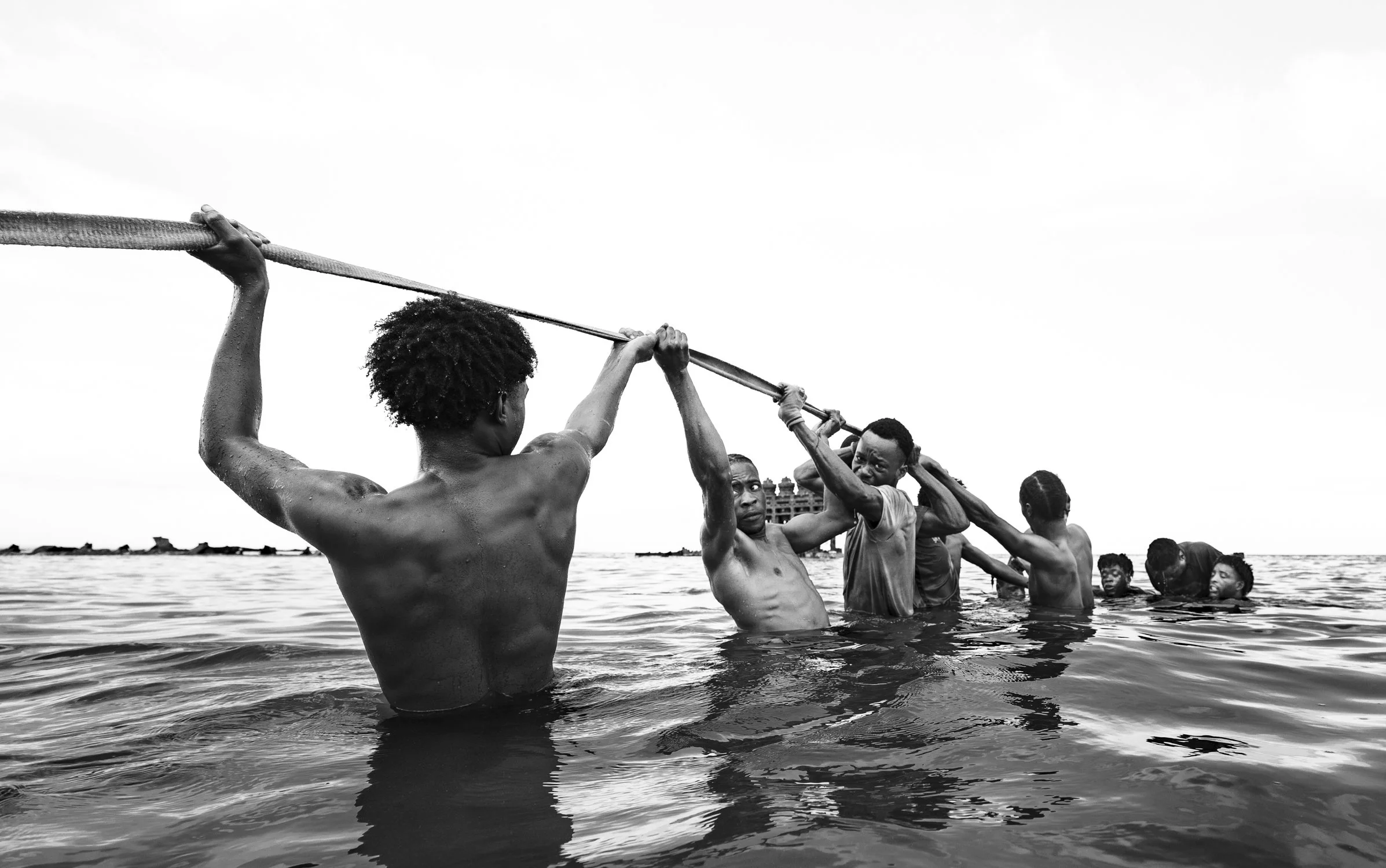
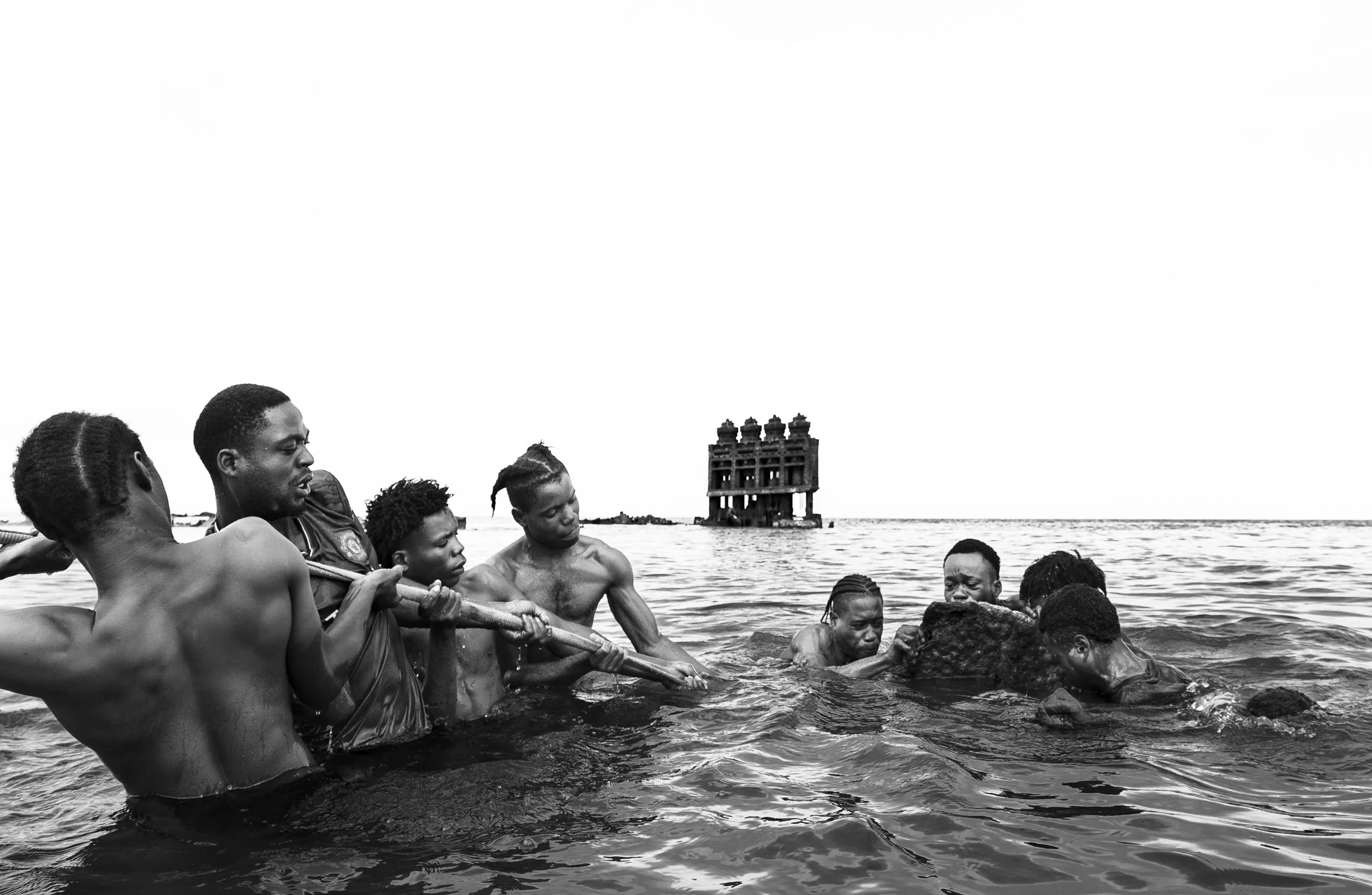
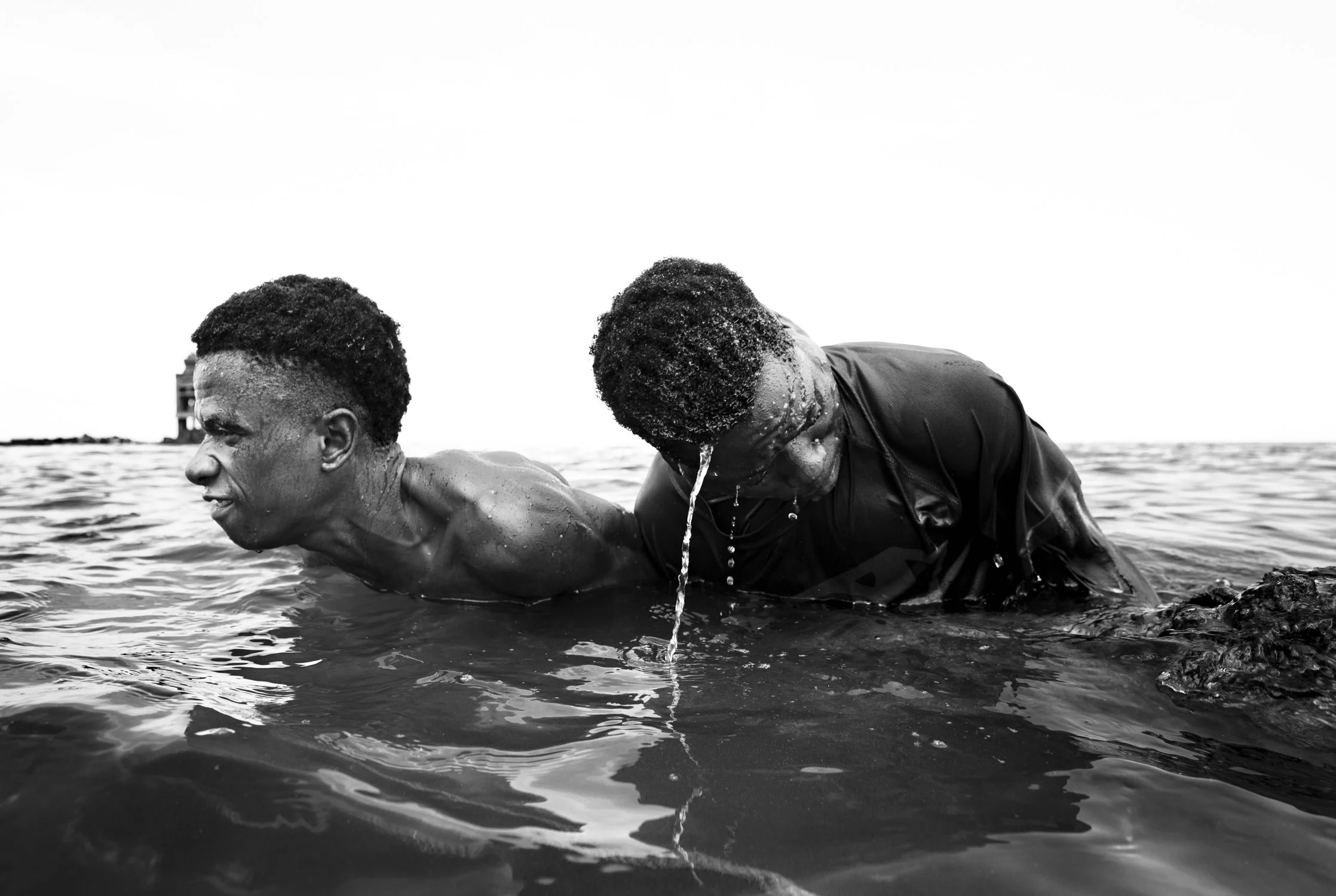
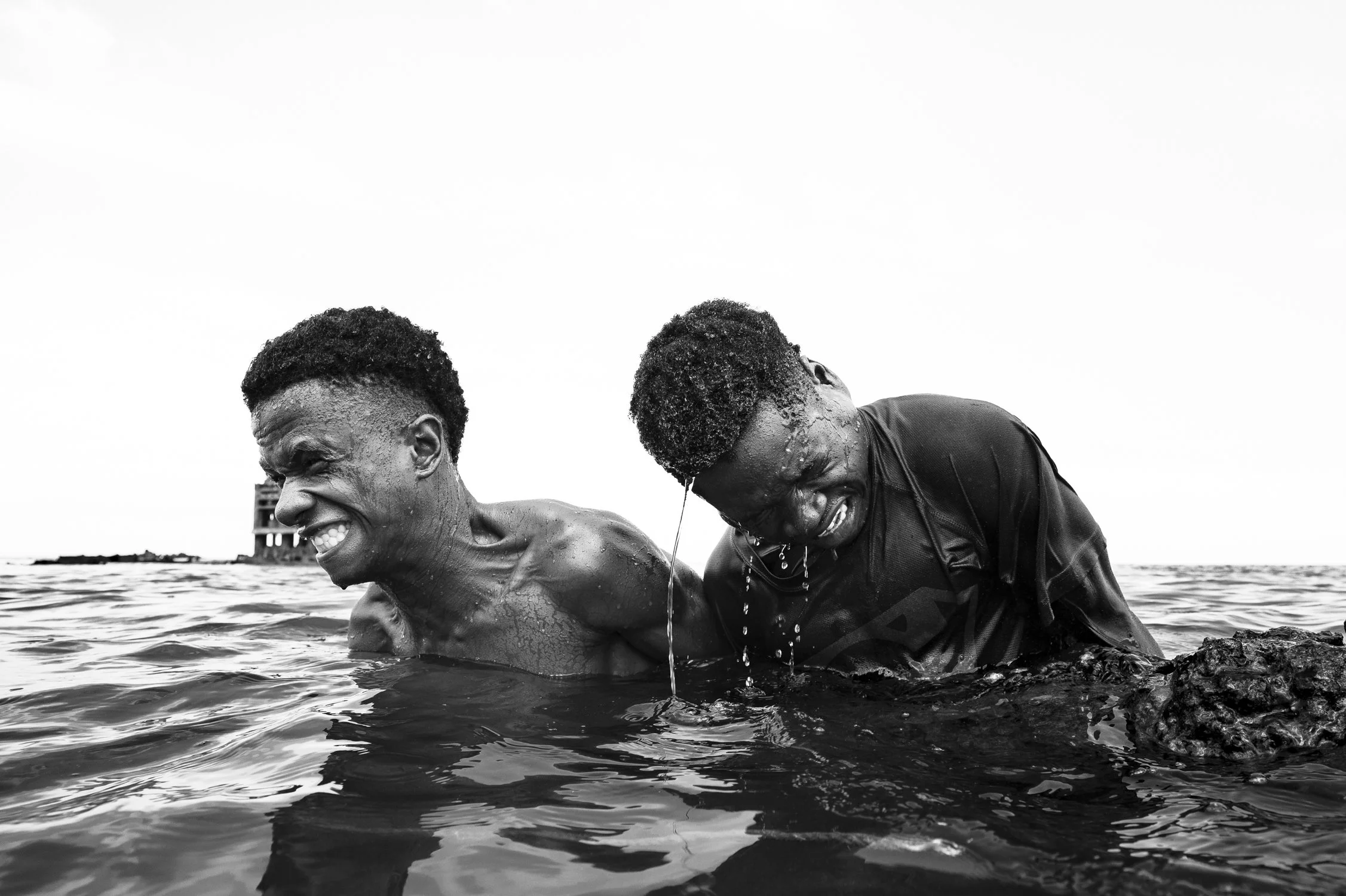
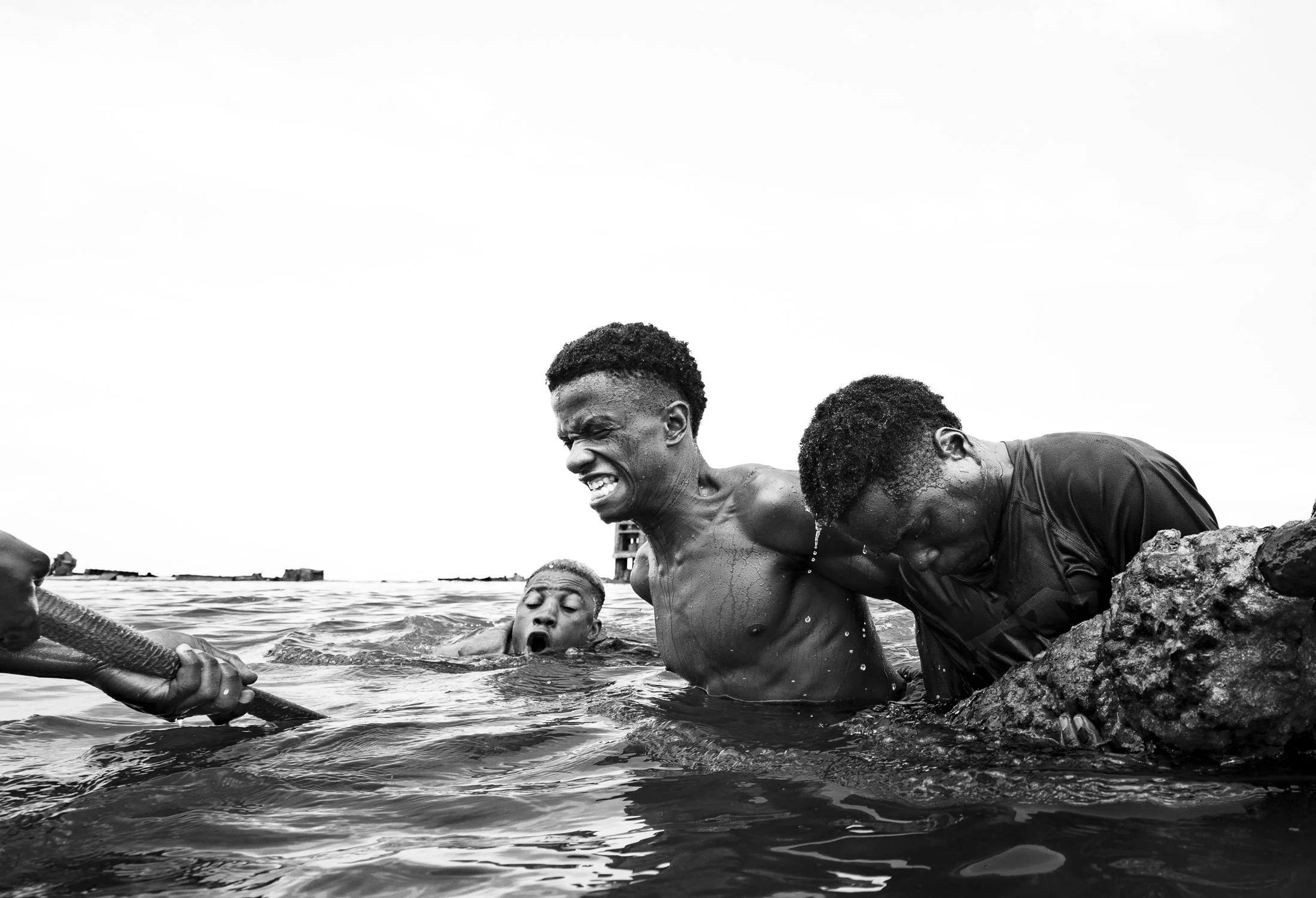
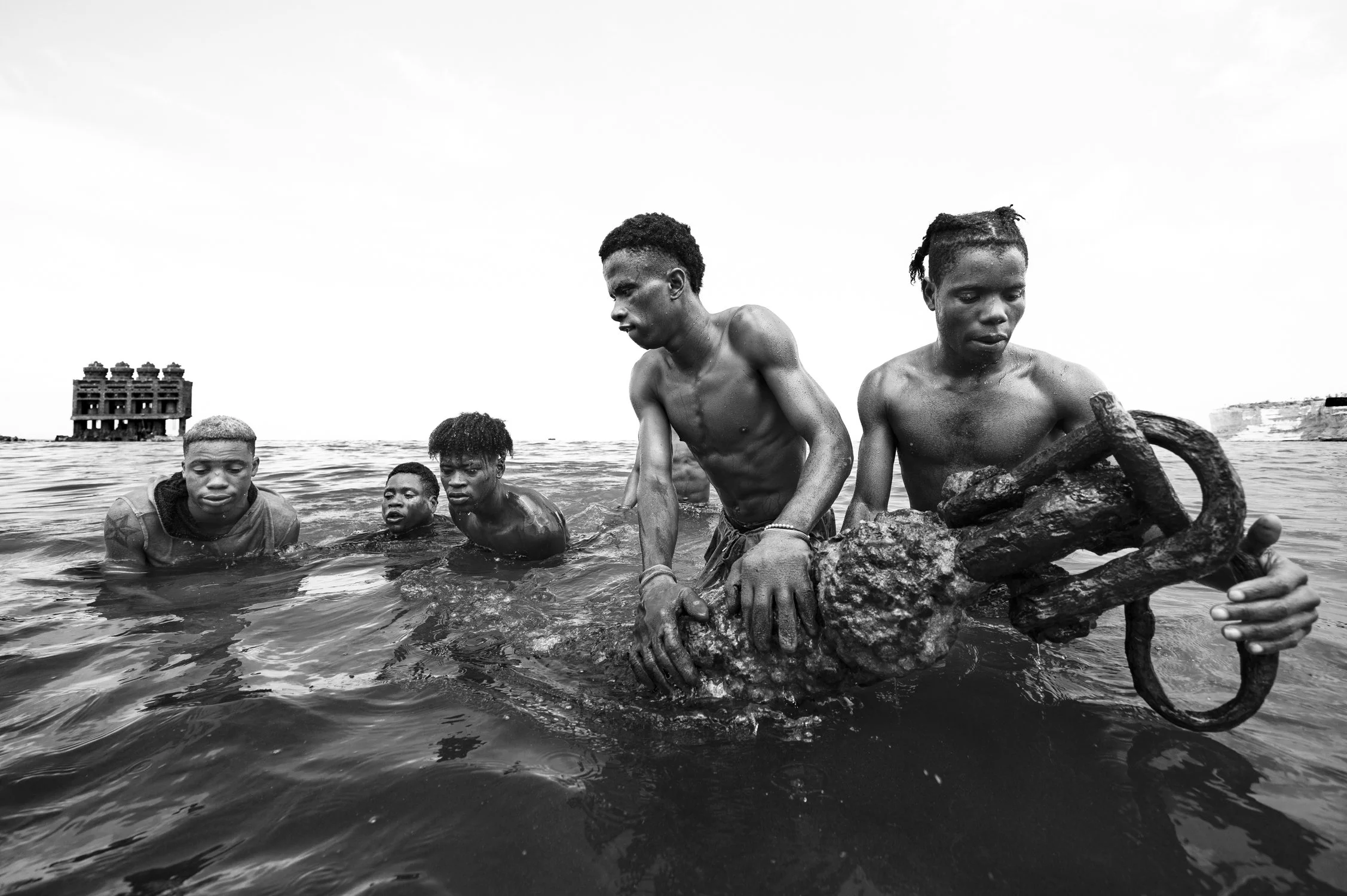
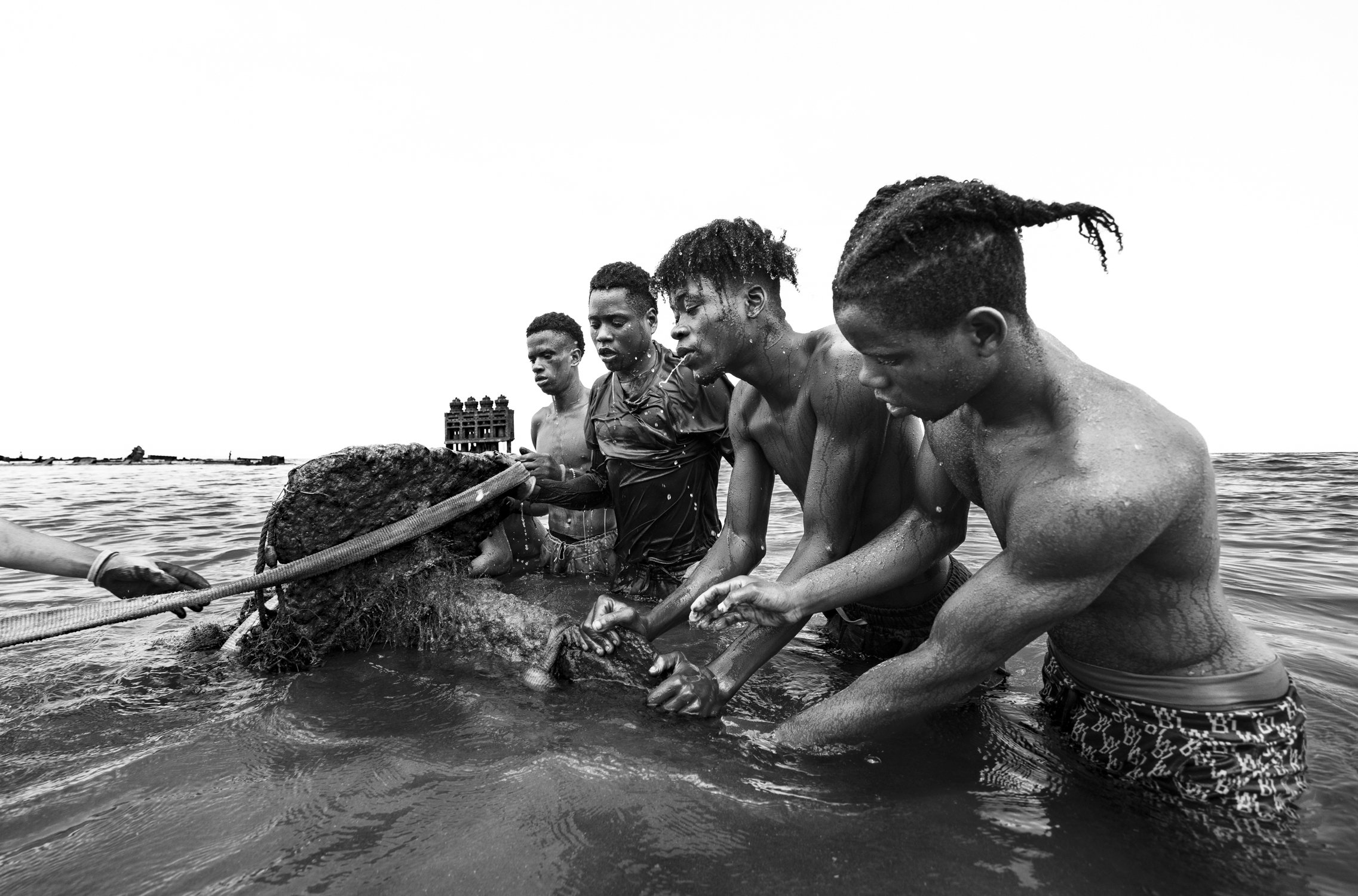
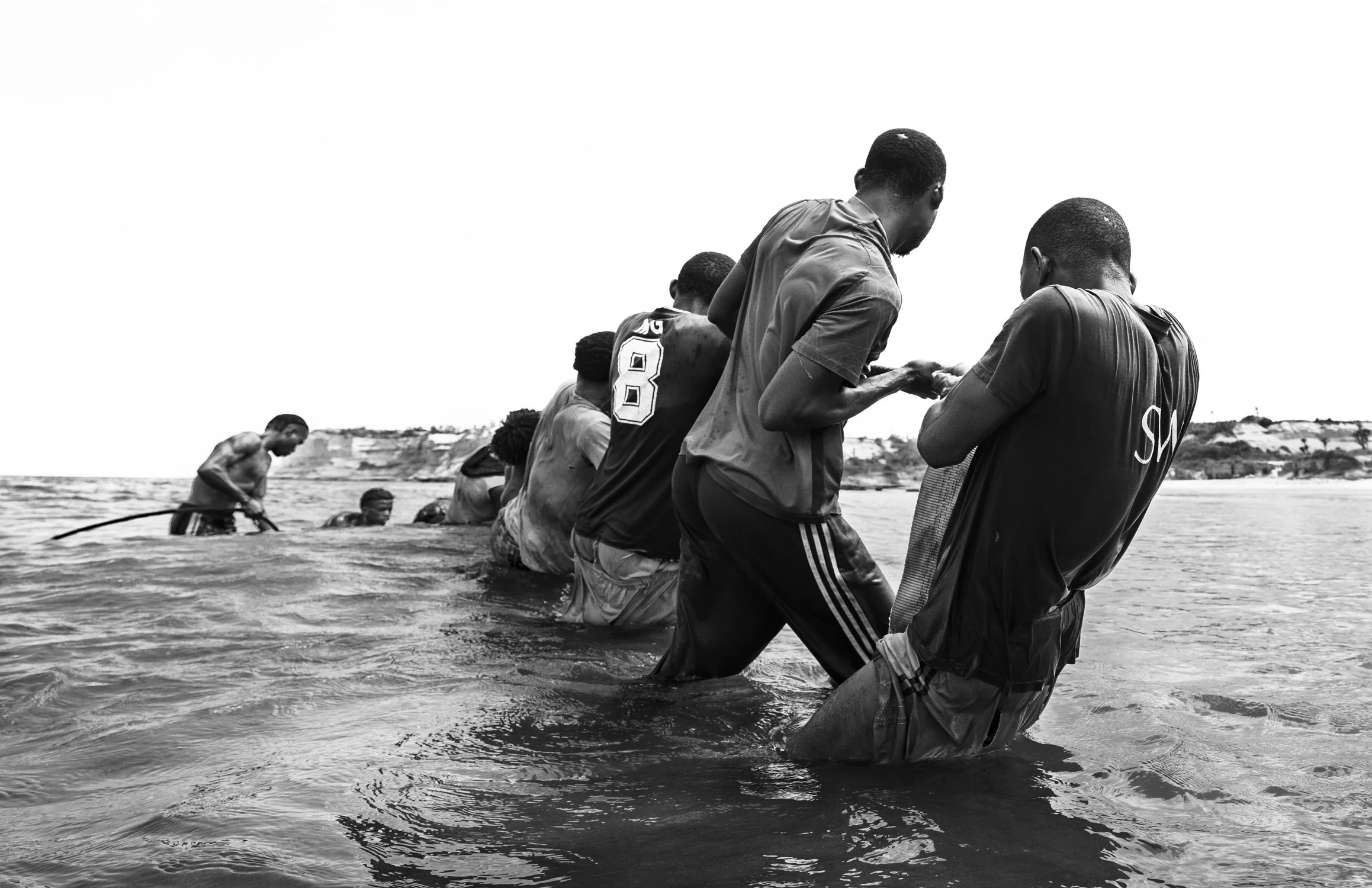
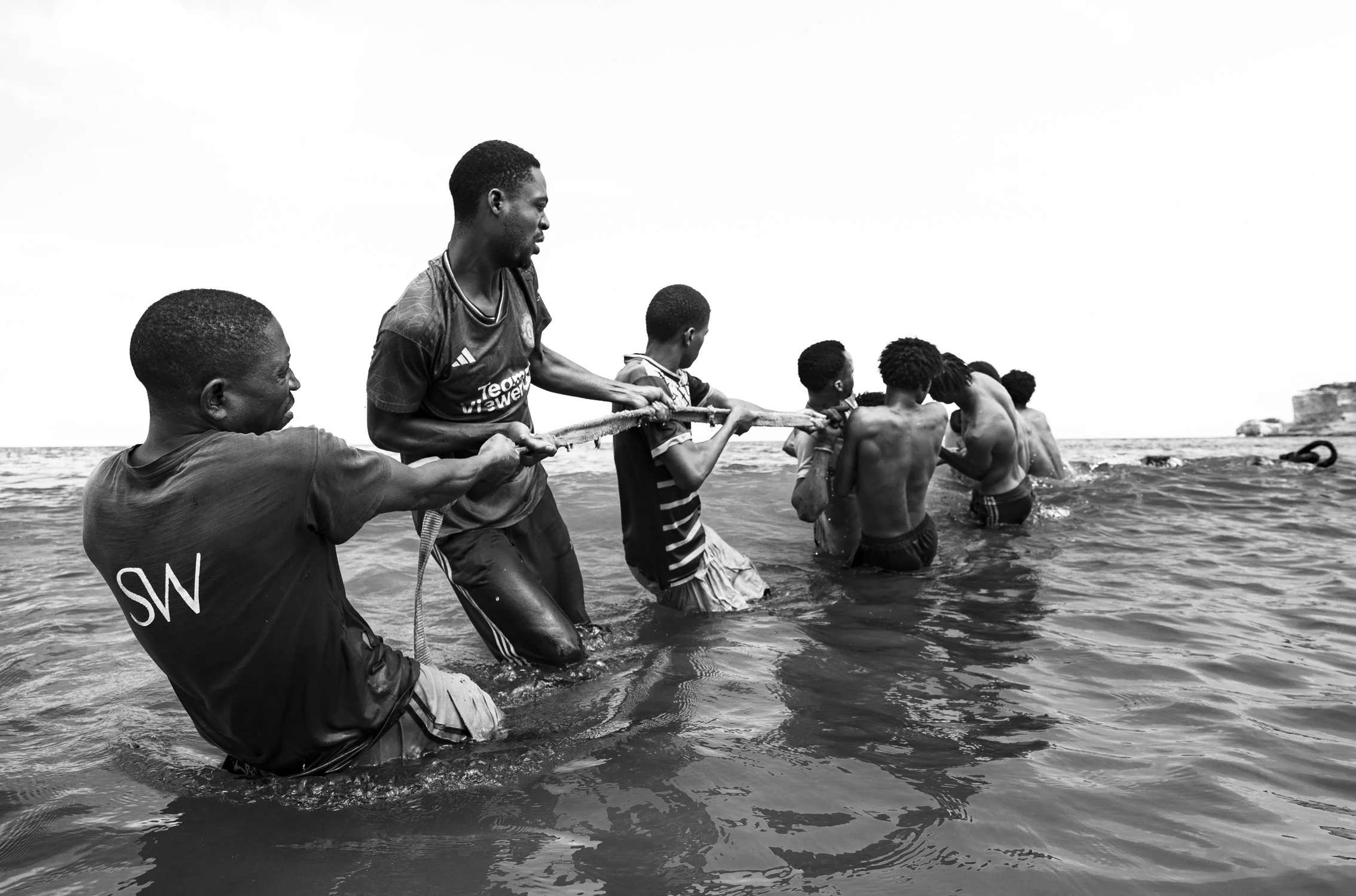
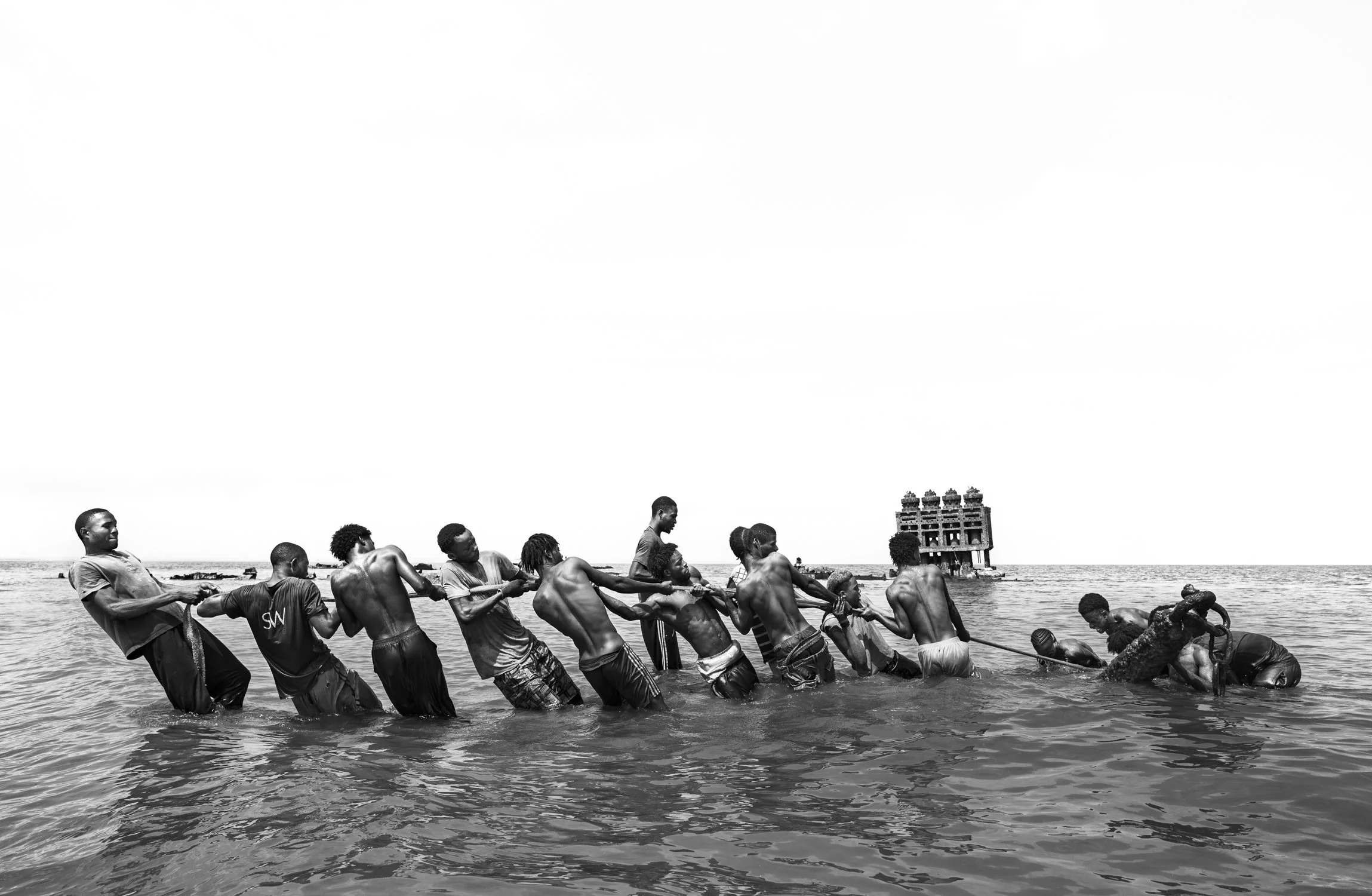
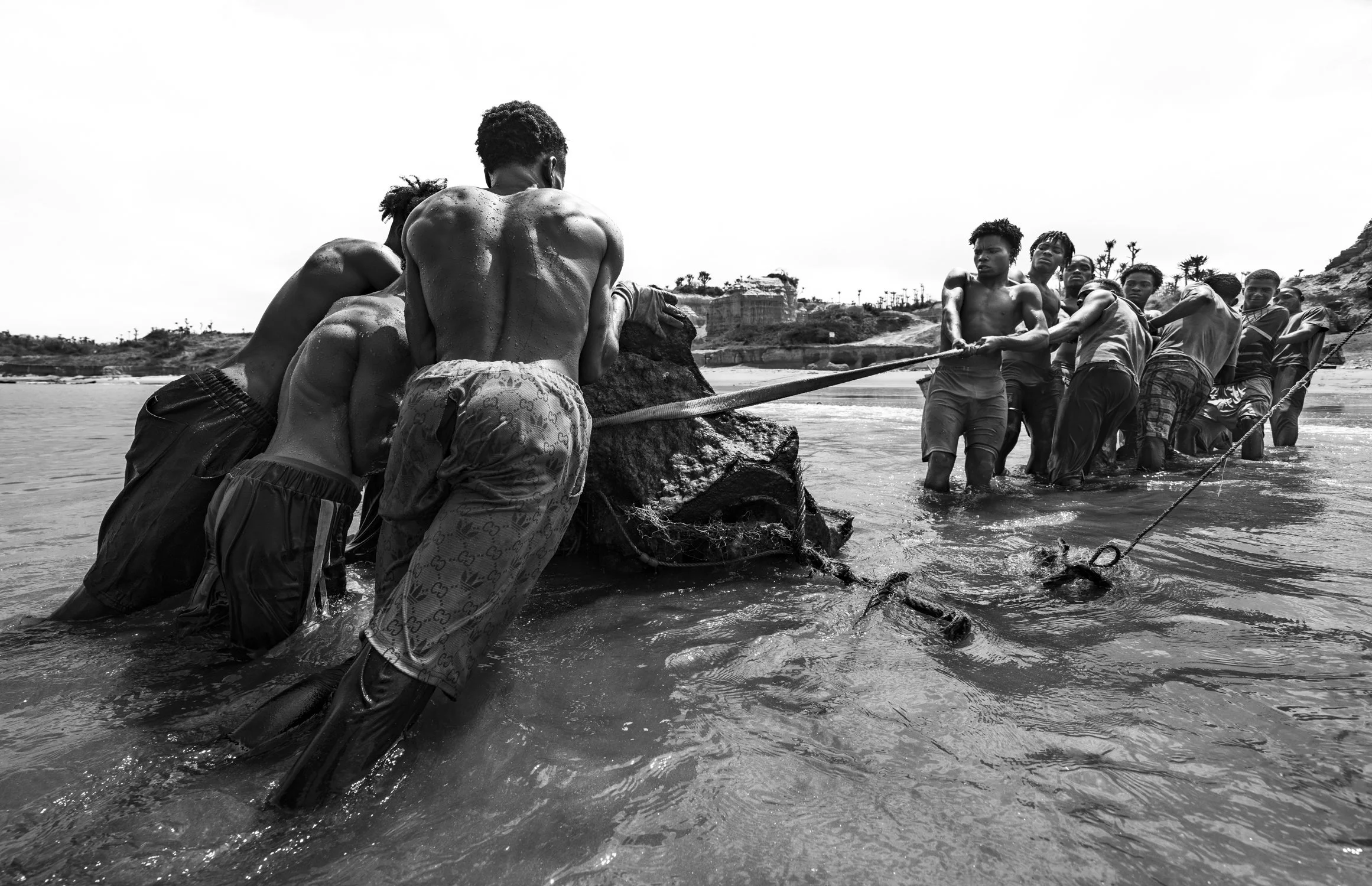
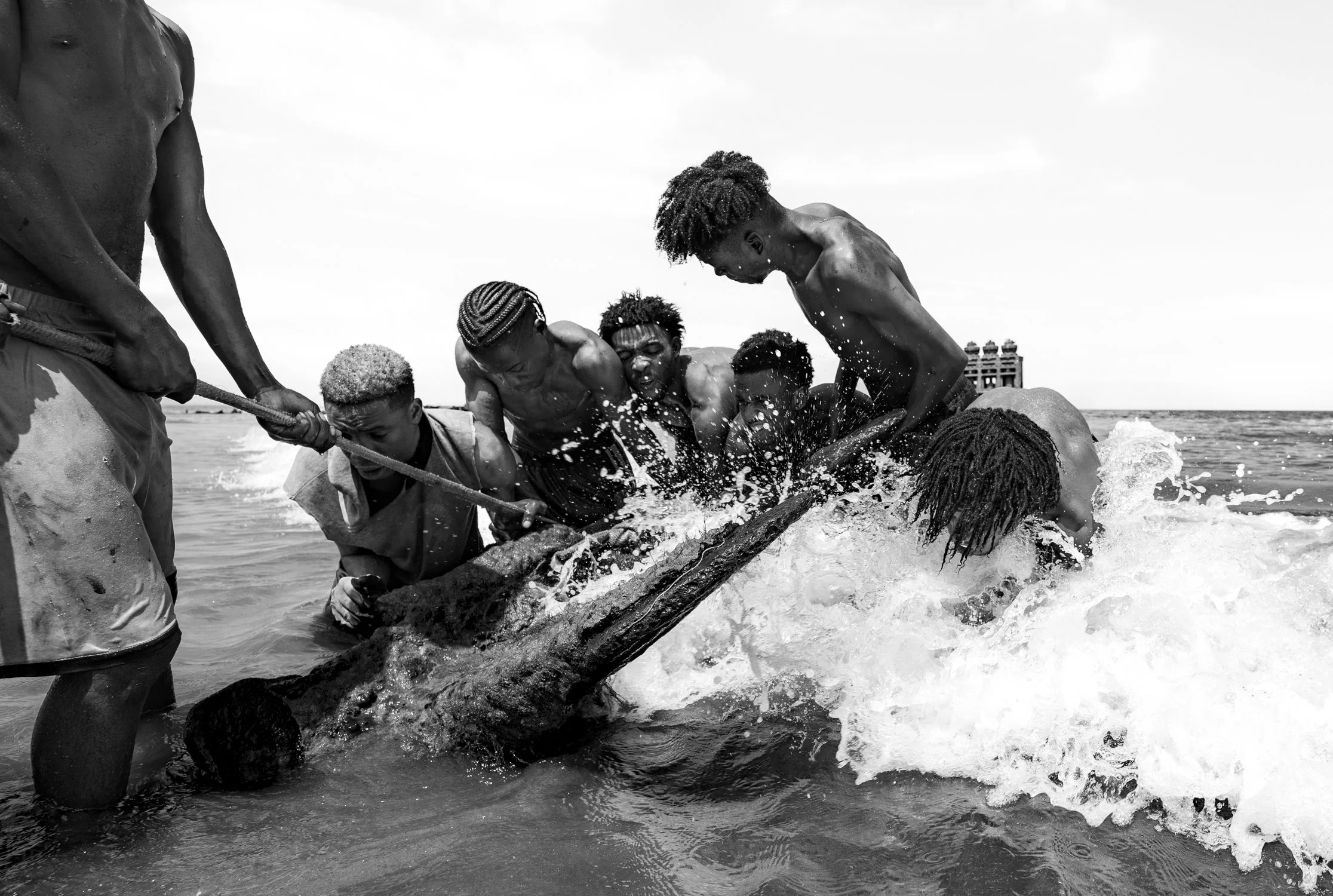
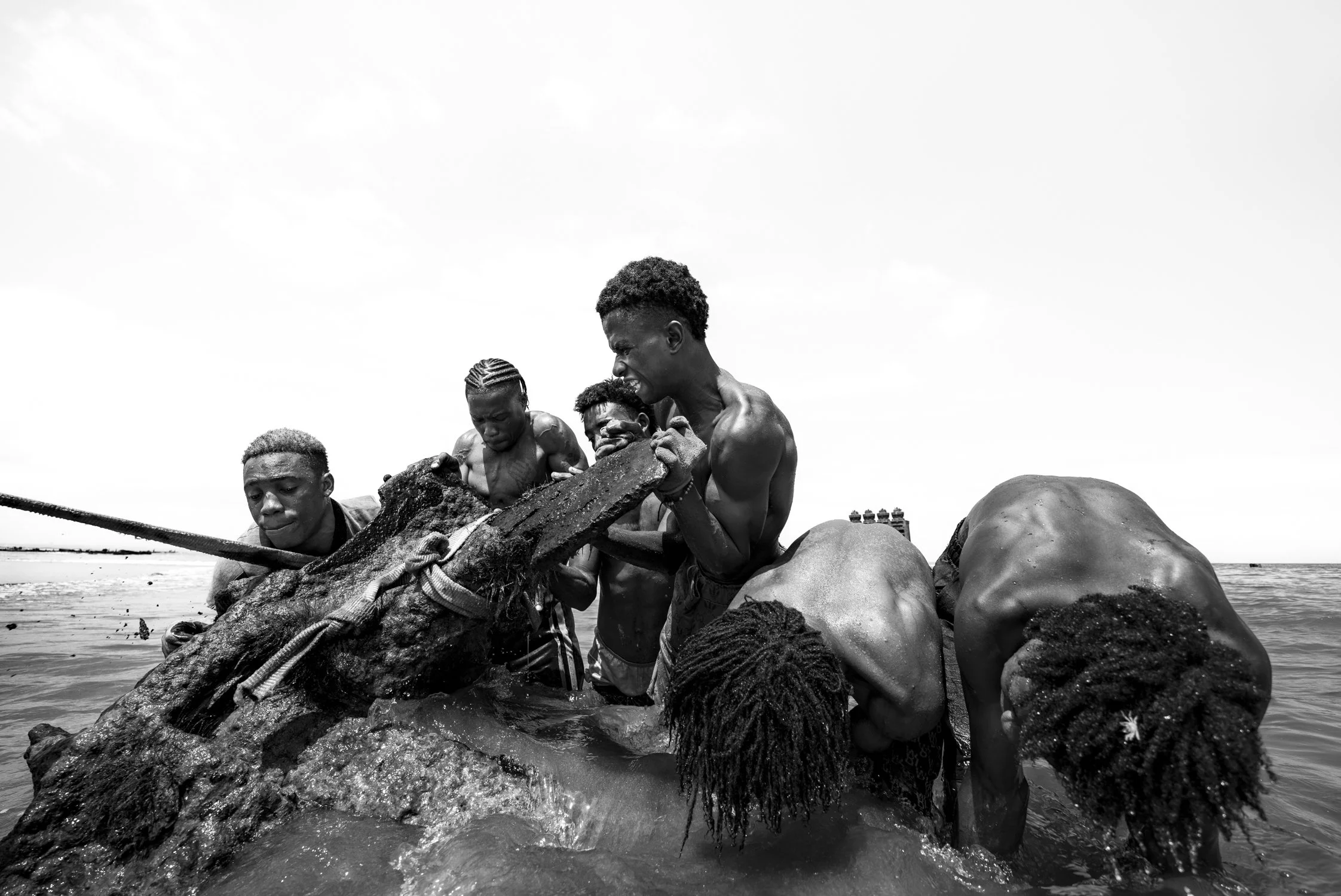
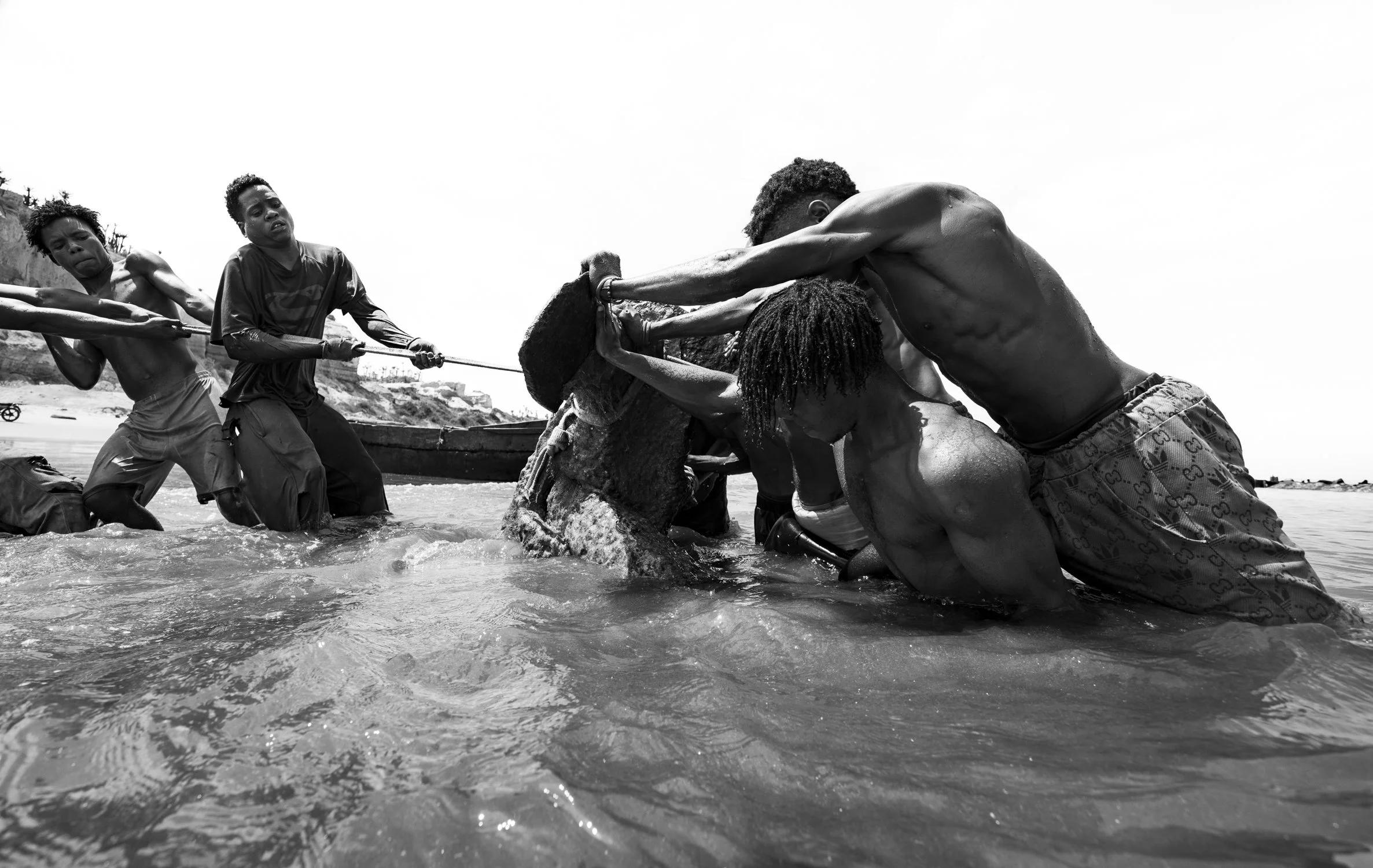
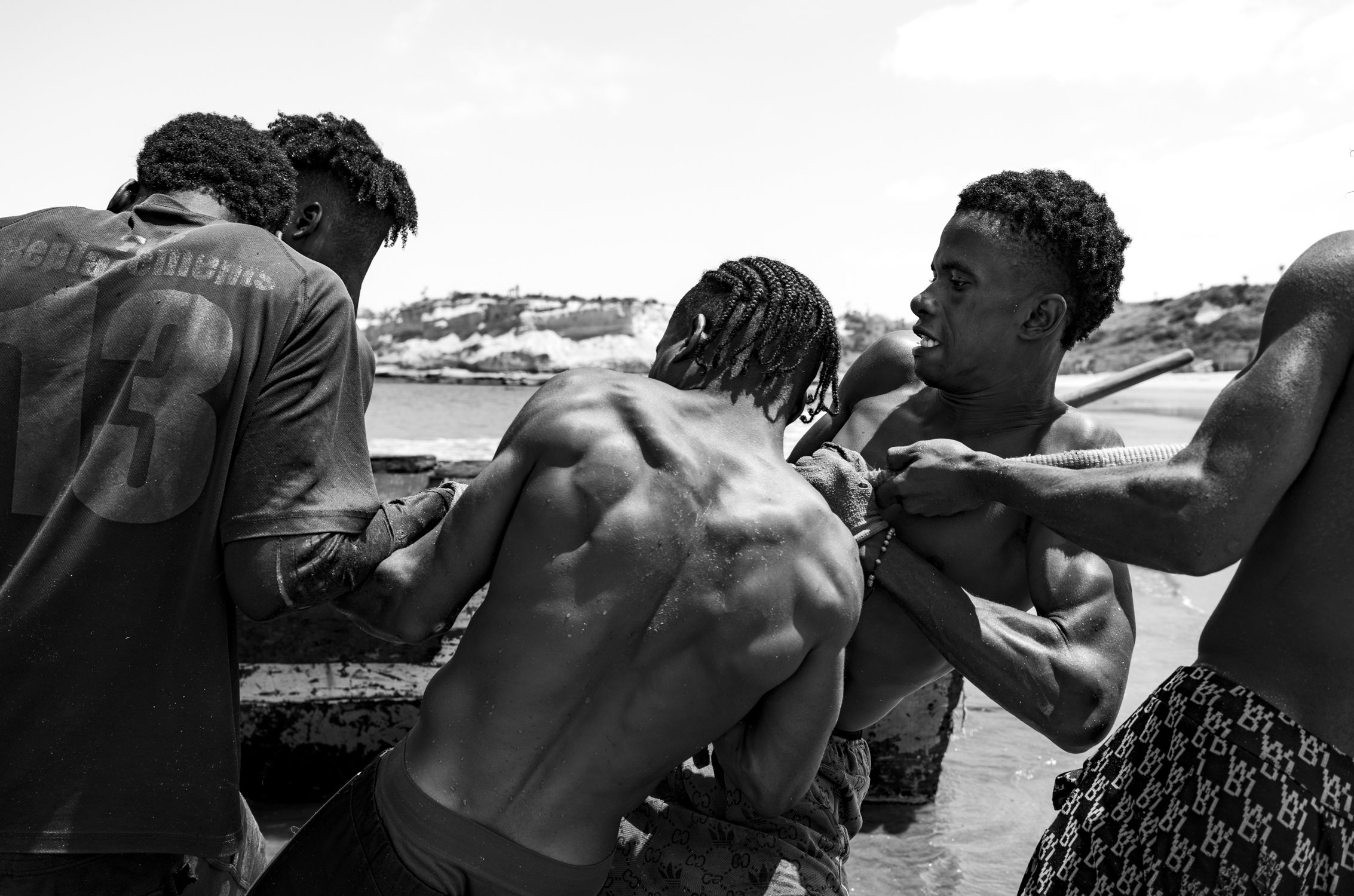
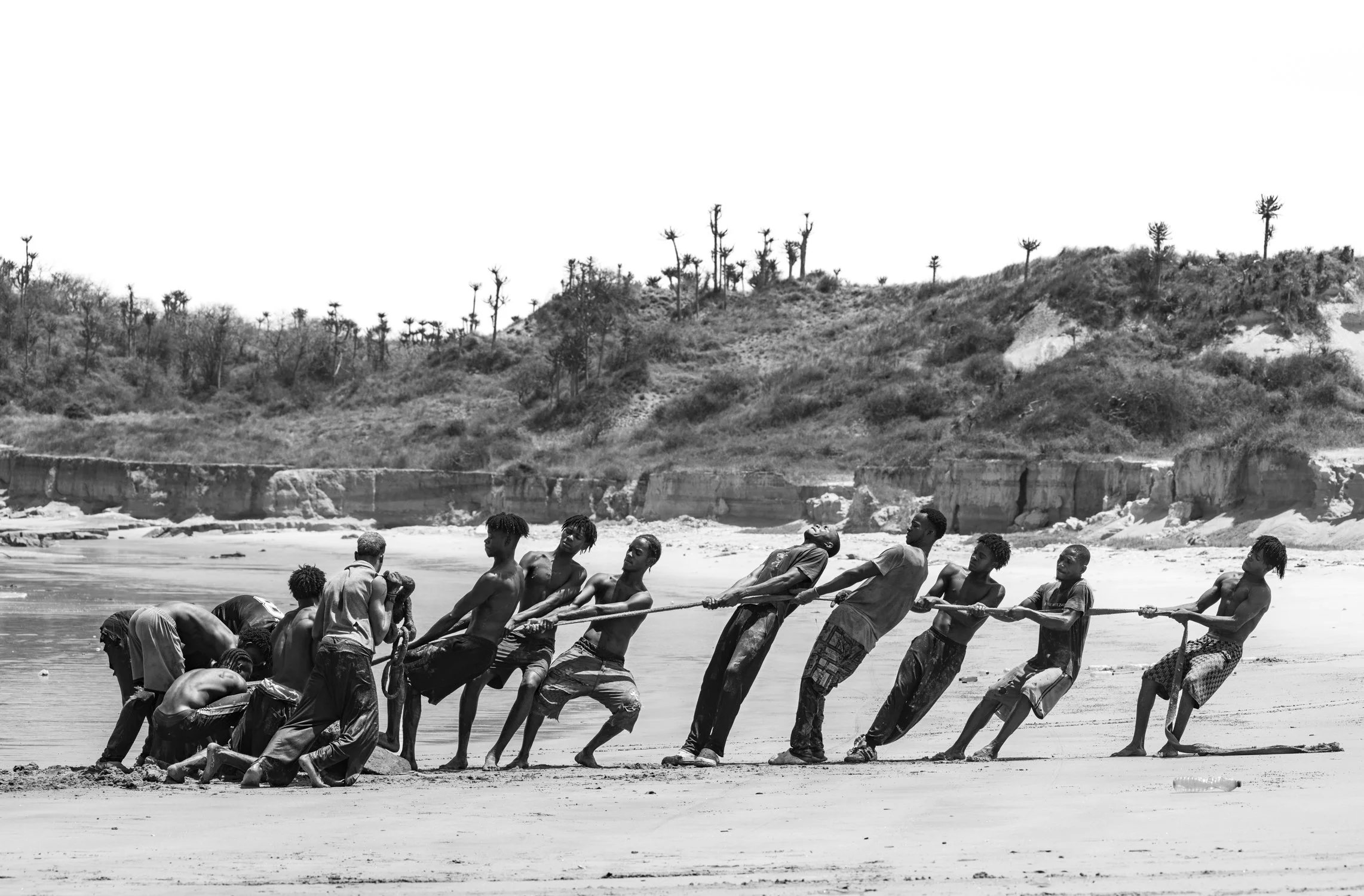
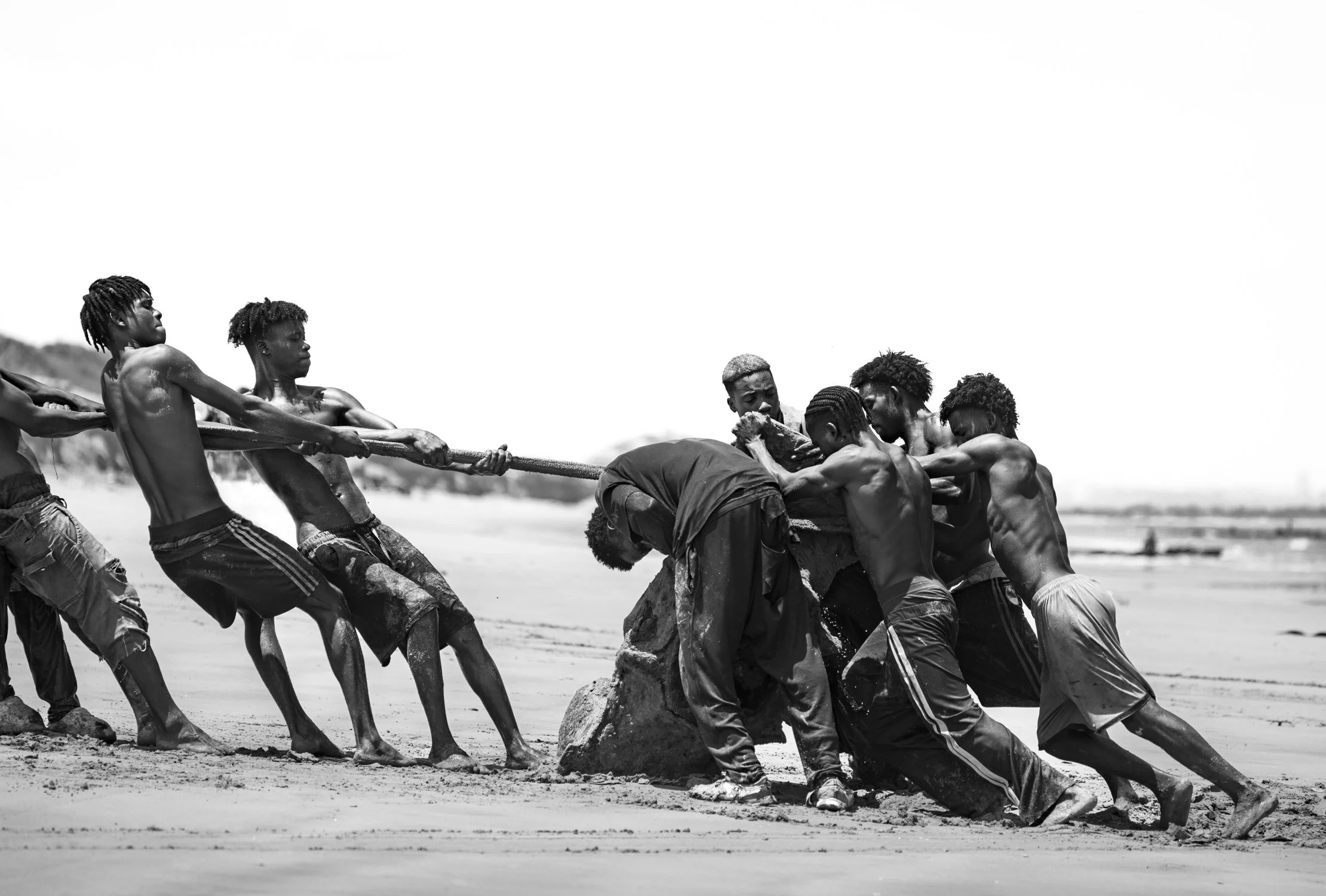
Today, the beach is a field of Mars. Sixteen men stand ready—a phalanx of muscles tensed under the sun. The effort is a pagan prayer: the elders intone rhythmic chants, sergeants of a shirtless war, dictating the pace so that sixteen hearts might beat with a single pulse.
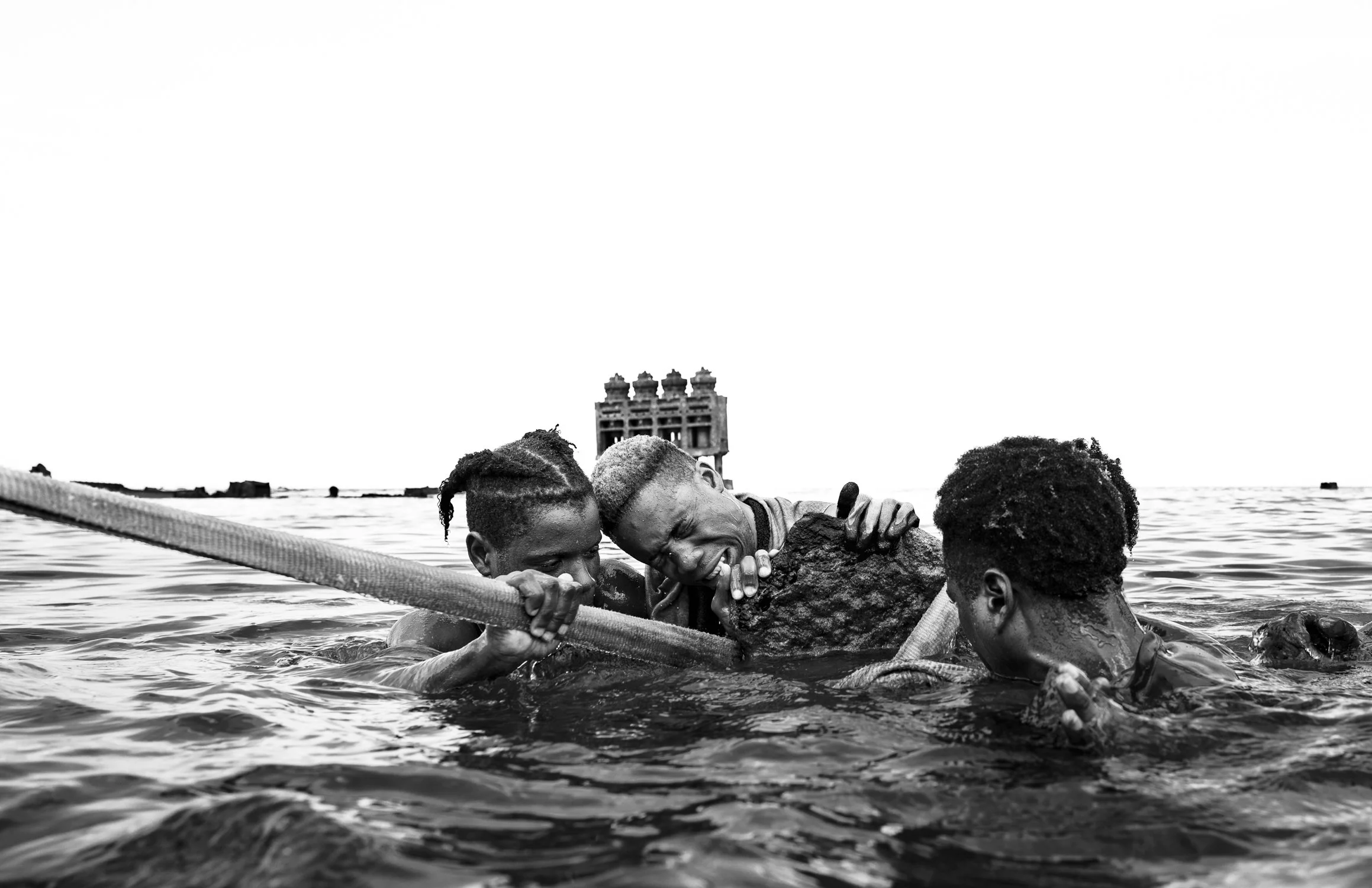
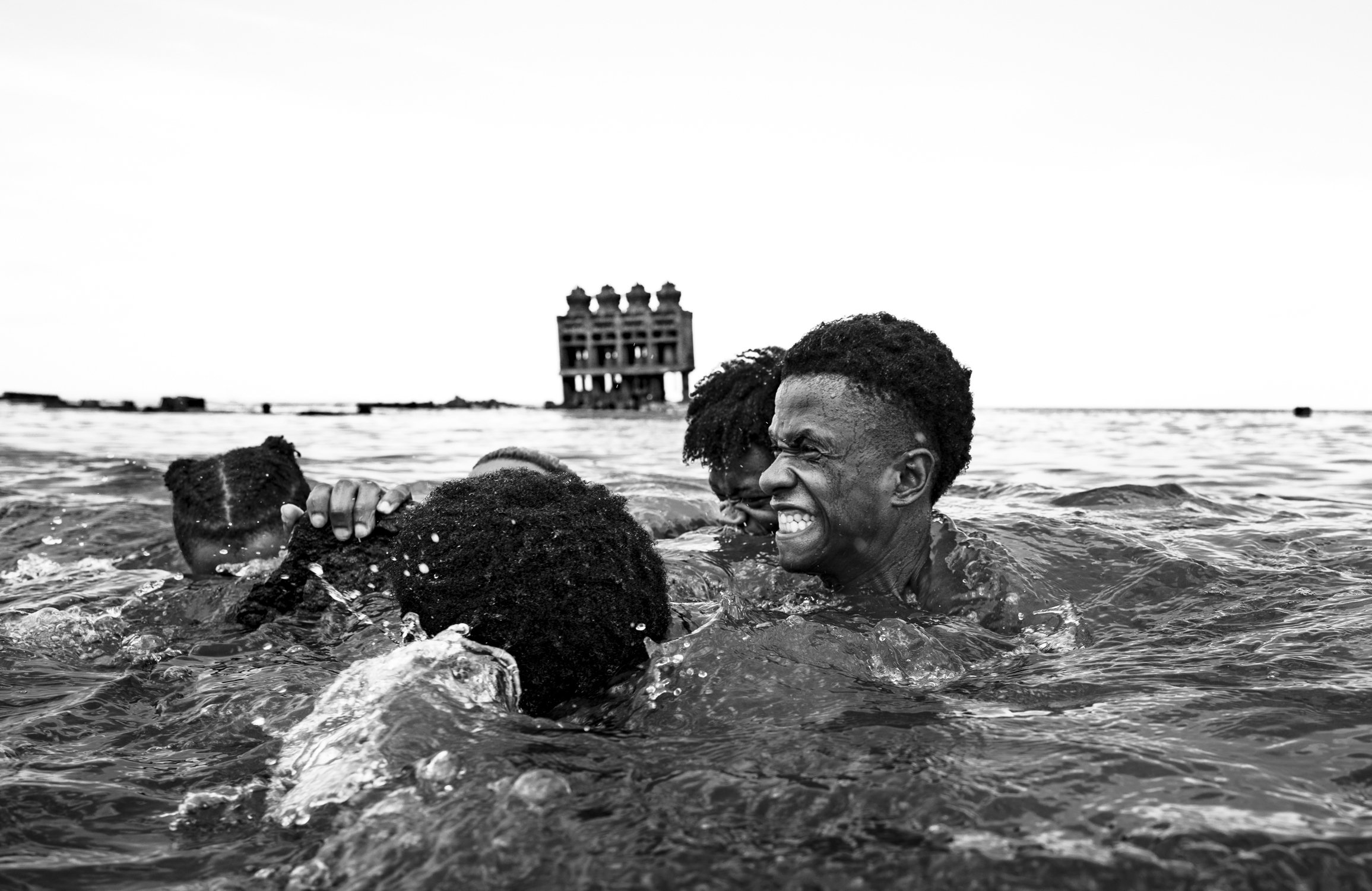
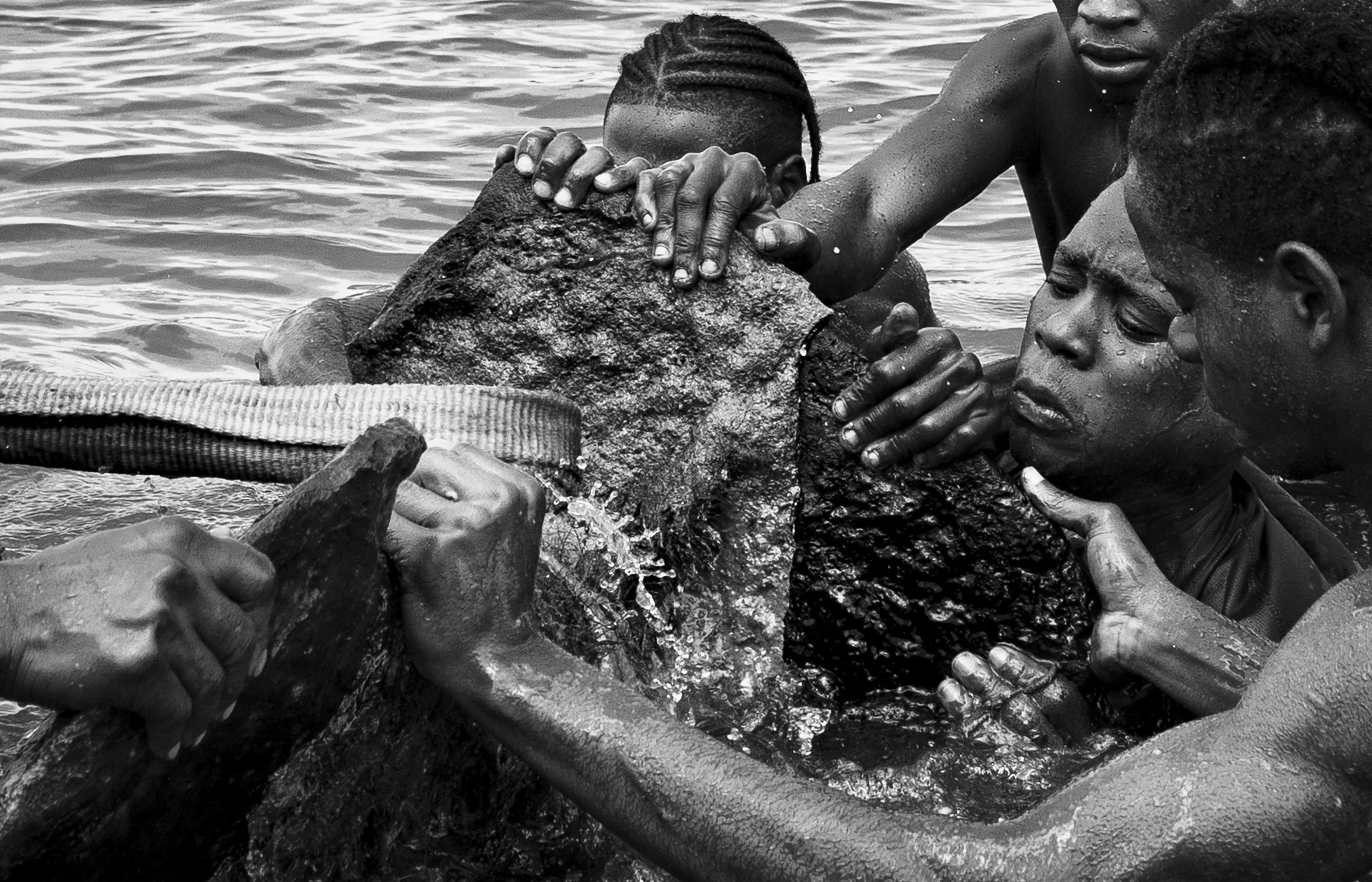
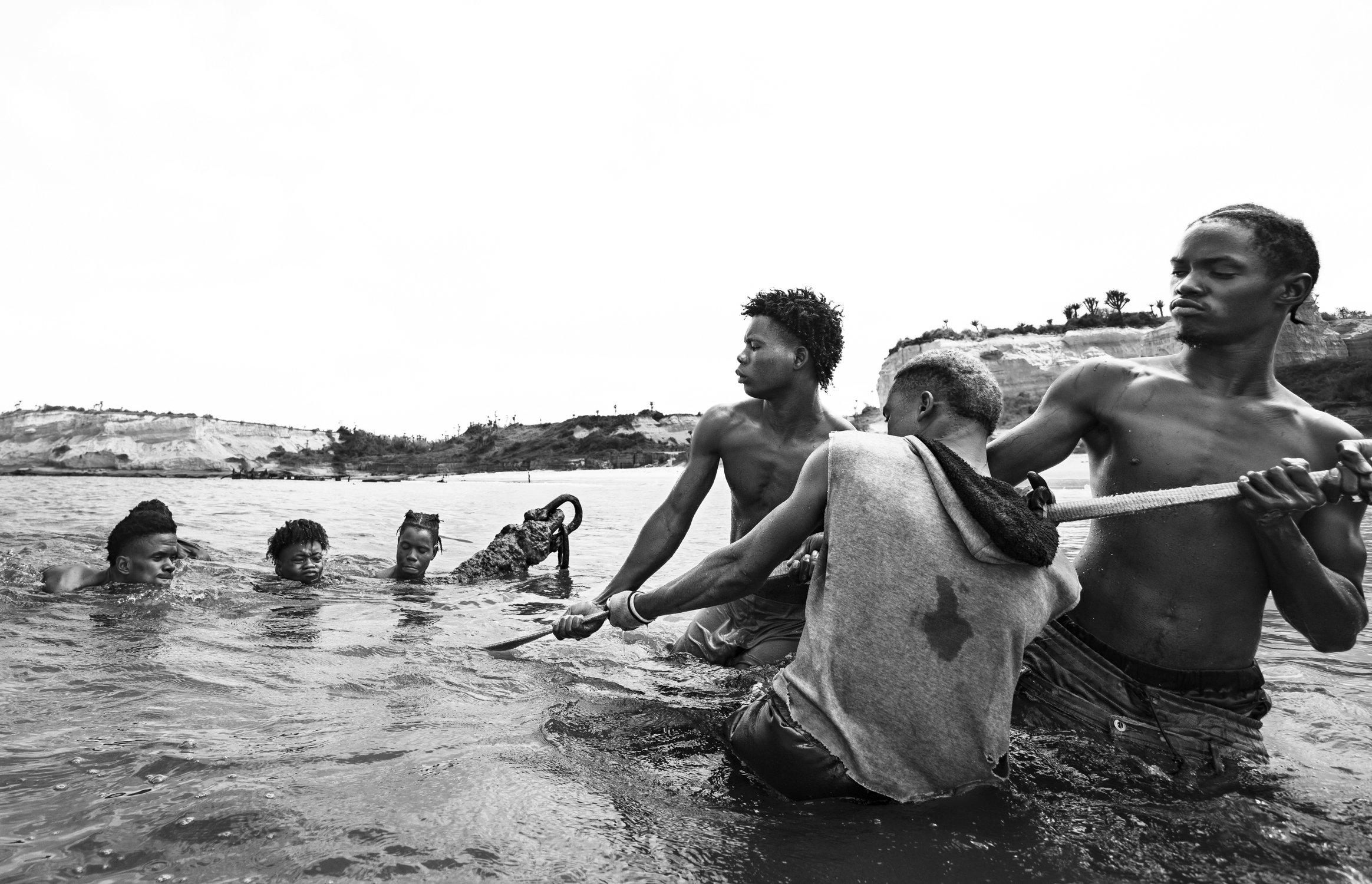
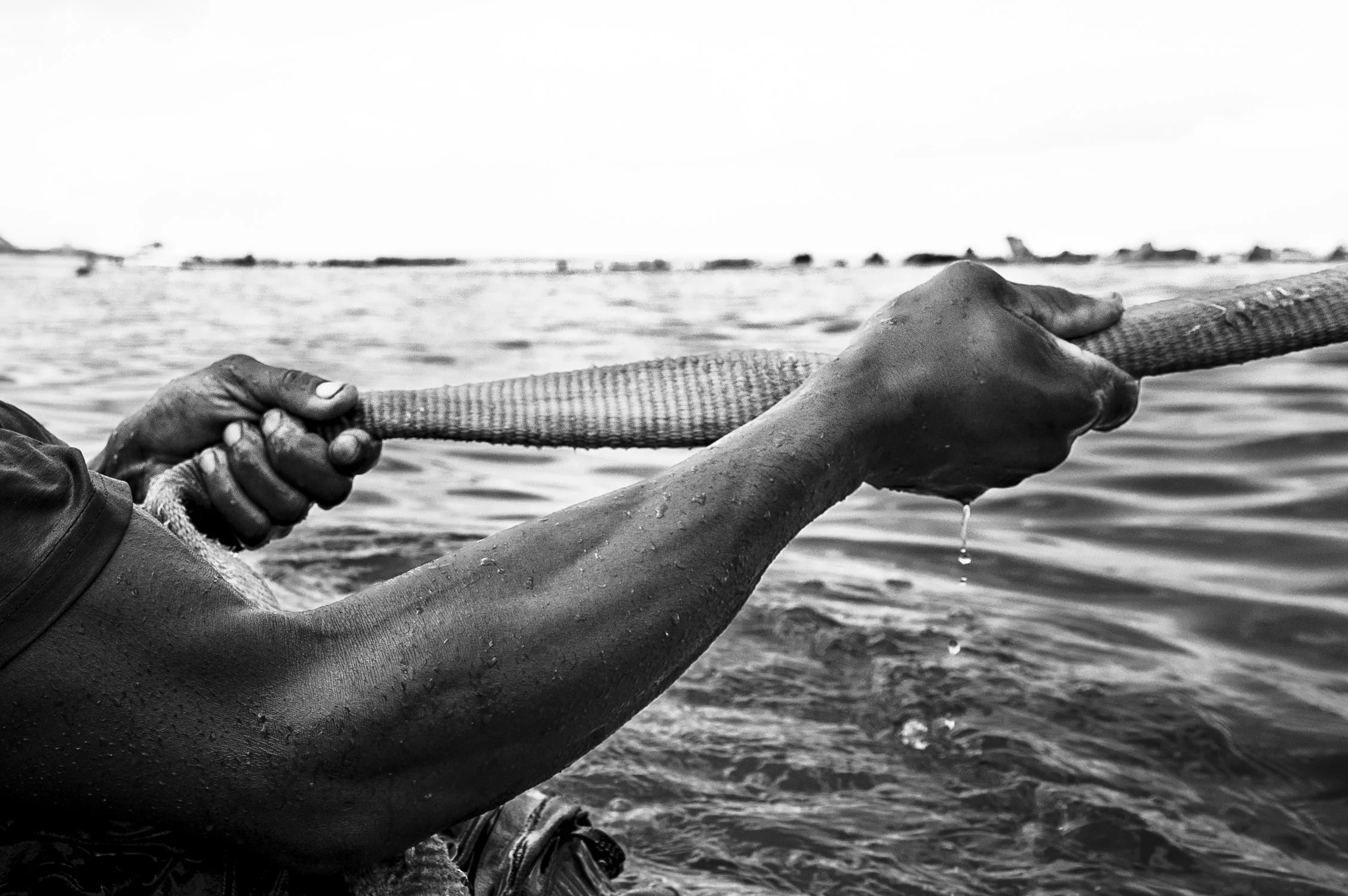
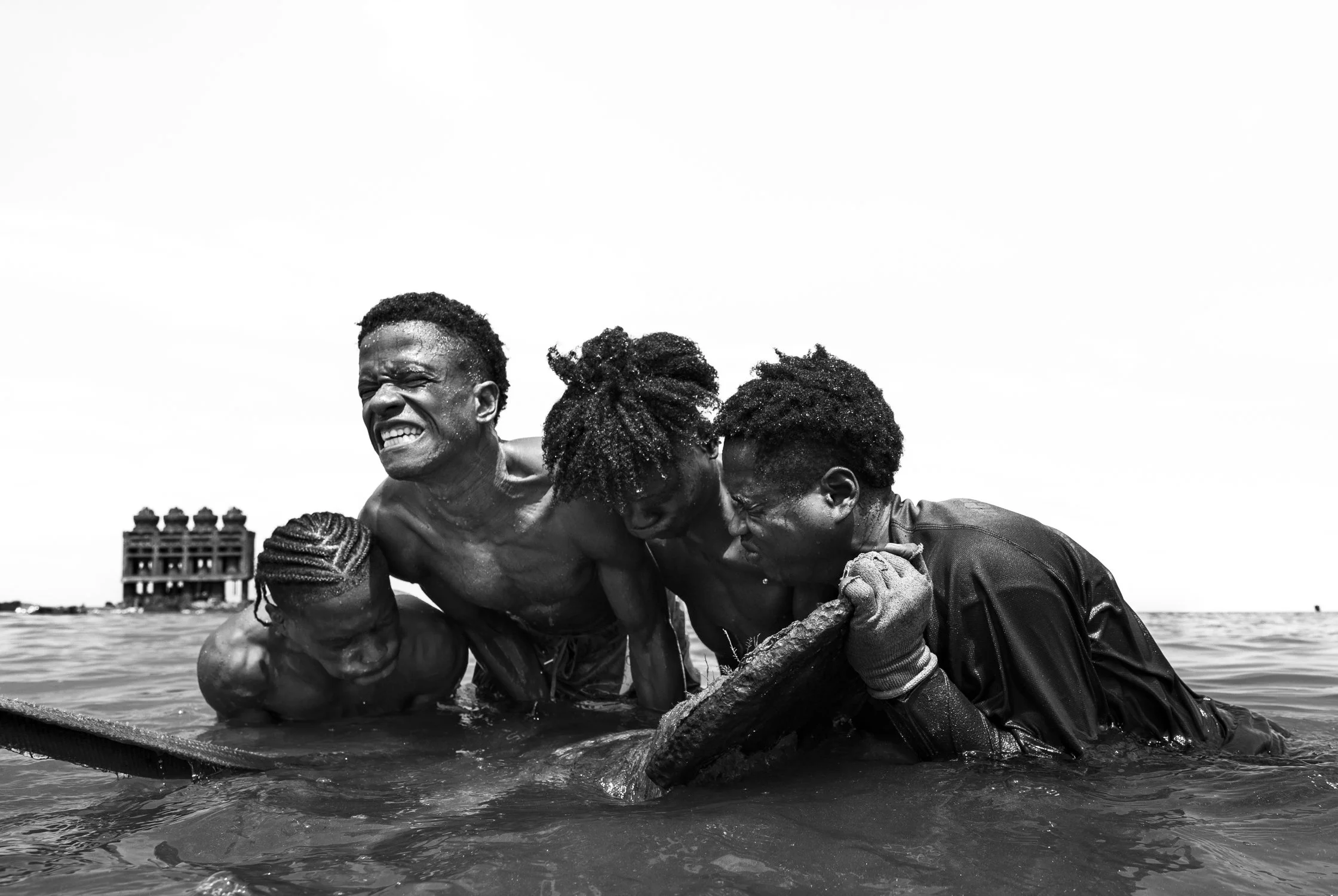
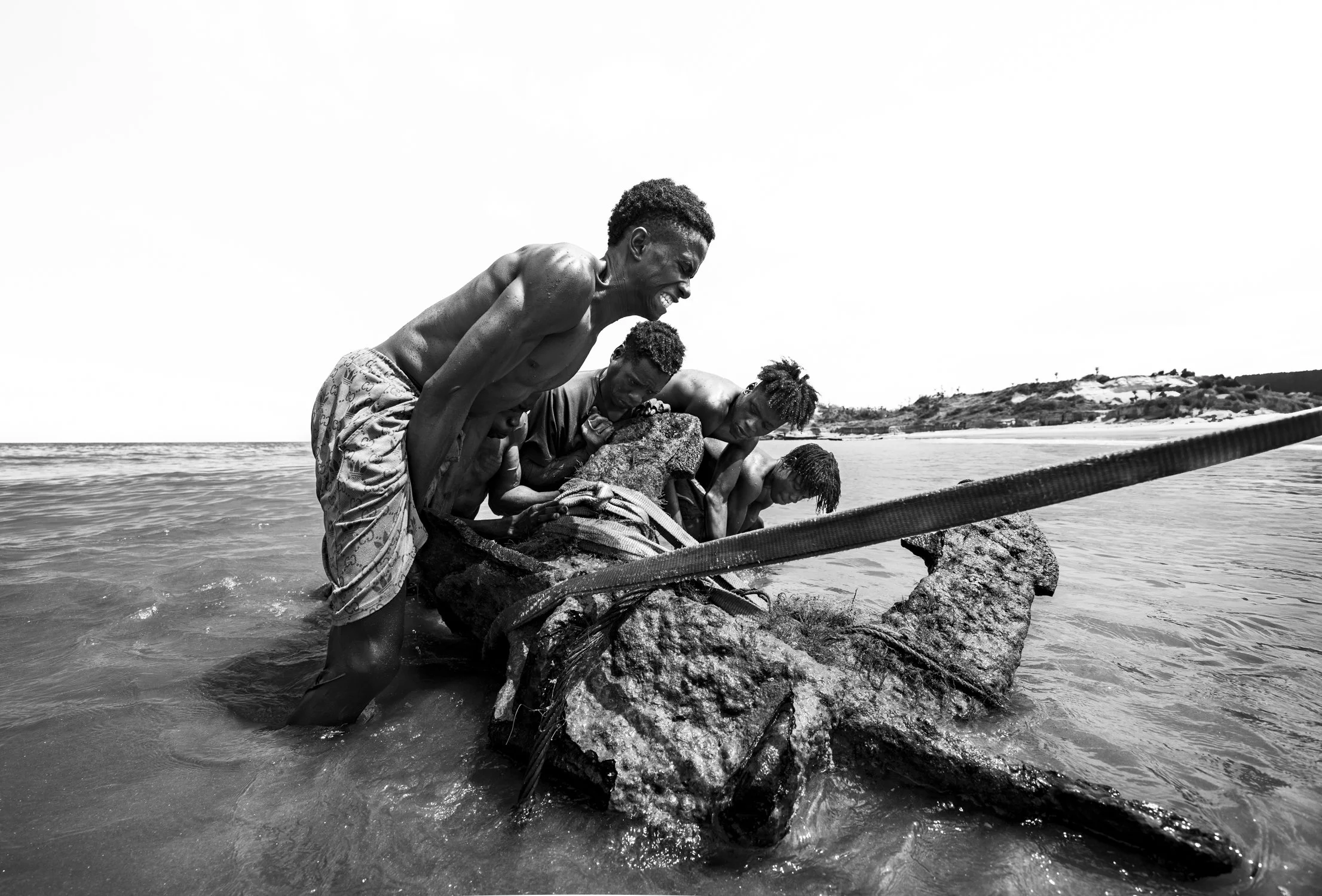
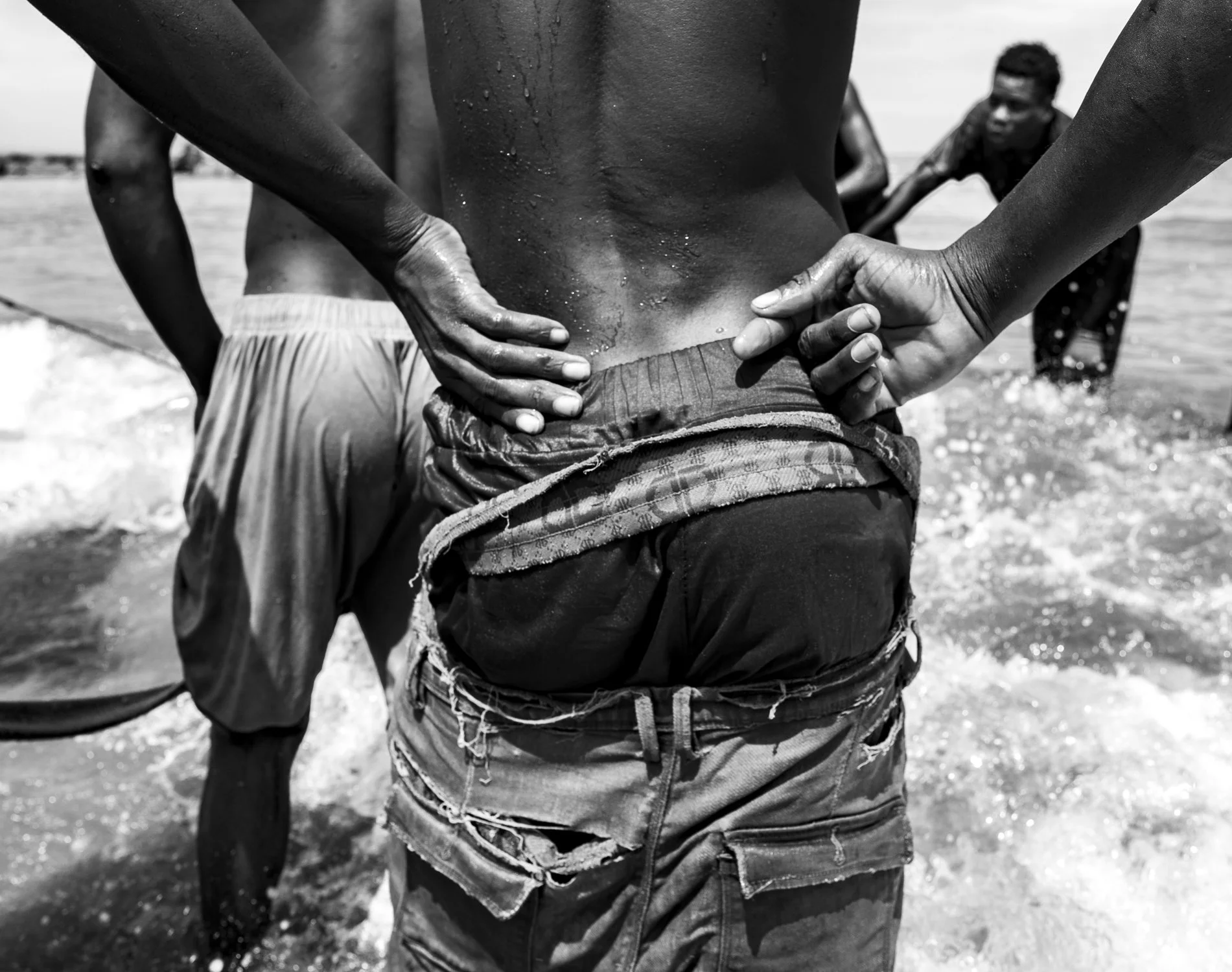
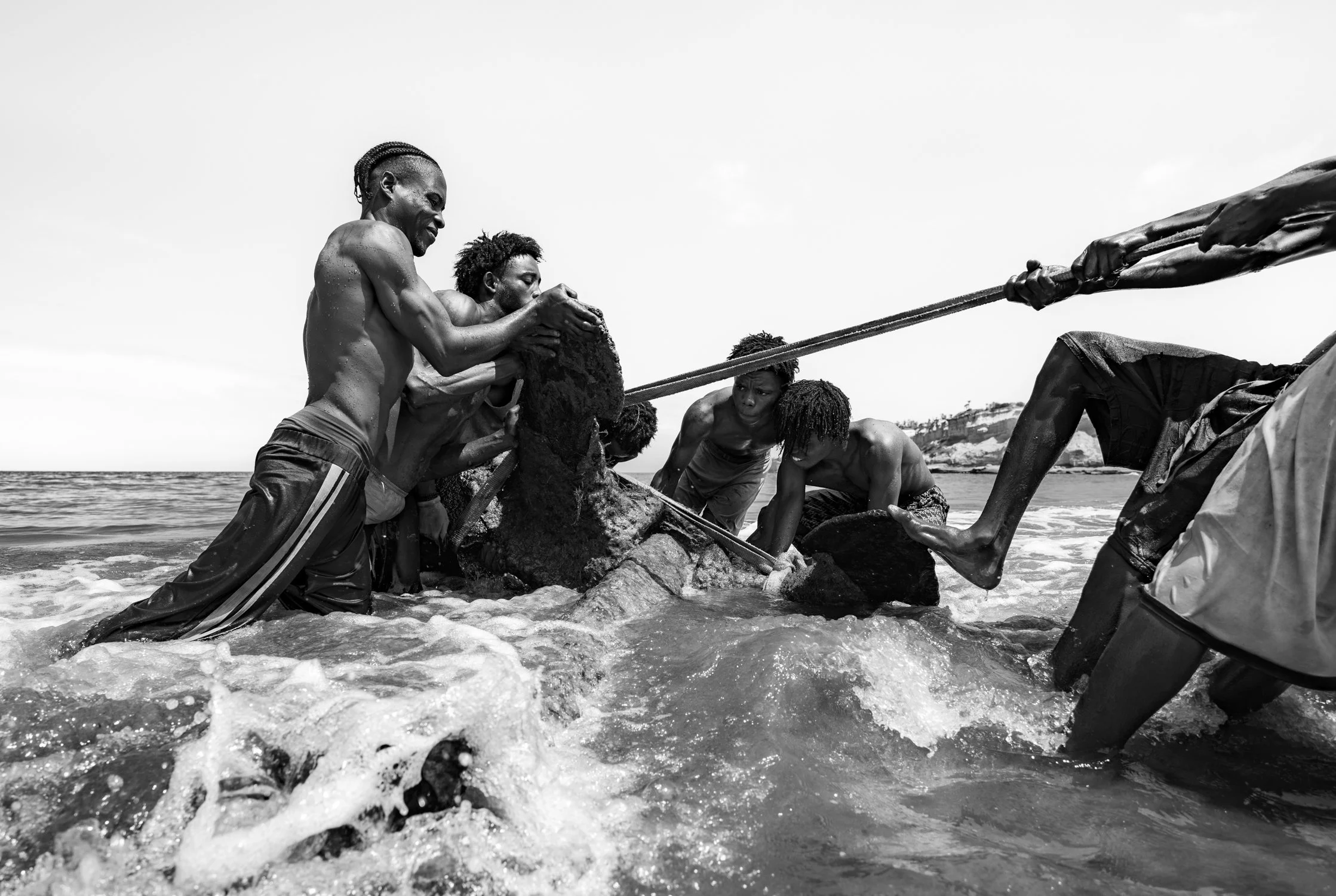
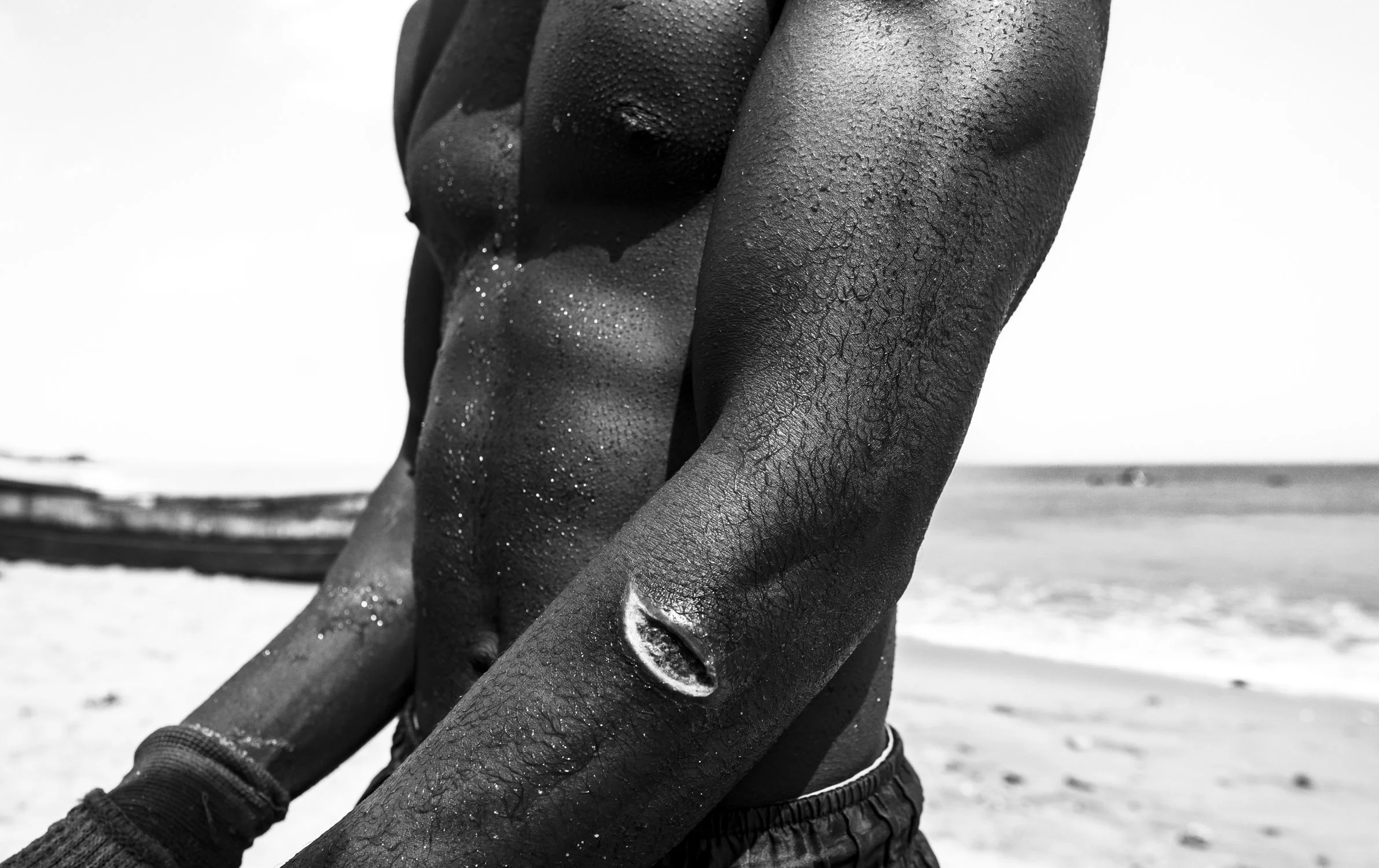
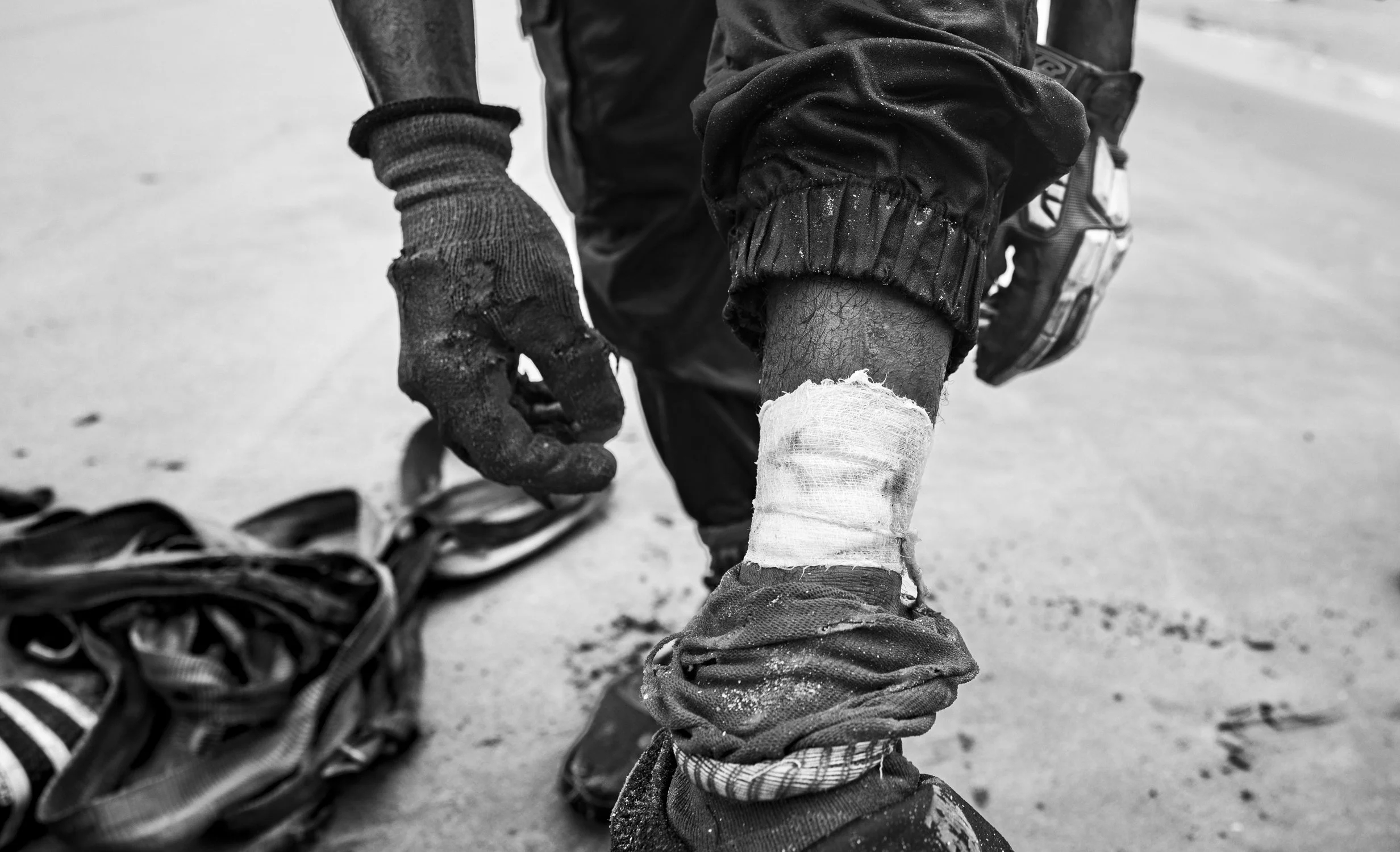
Beneath the surface, some hold their very lives in their chests to lever the metal; above, others pull the straps until veins draw maps across their foreheads. There are no gloves. Bare, vulnerable skin faces the limestone crust—coral razors that time used to arm the ship. Blood mingles with saltwater and rust, but no one flinches. The iron giant resists, using its dead weight as a final weapon to avoid abandoning its eternal rest.
The Trophy
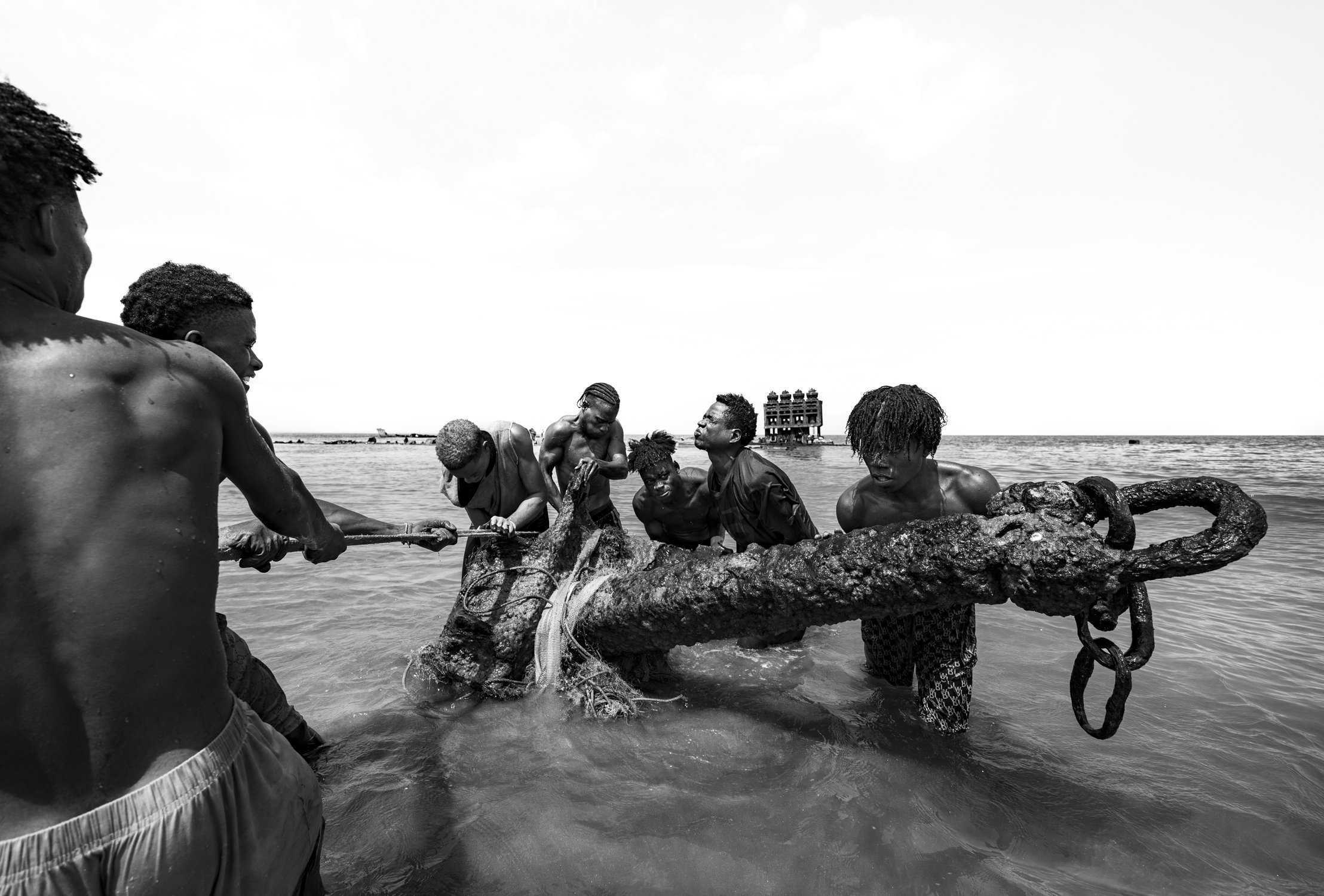
Slowly, the creature emerges. It is no mere scrap; it is a colossal anchor. An object designed to hold worlds in place, now conquered by men who have nothing to hold onto. As the monster takes shape on the dry sand, the agony of effort gives way to a sacred exhaustion.
The day ends with bodies on fire and souls at peace. Relief comes not from the end of the pain, but from the promise of bread. Tomorrow, the sea will once again shroud the secrets of the bay, and new combats will be waged. But today, these soldiers of the sand return home with the wages of their bravery: sustenance torn, tooth and nail, from the bowels of the ocean.
"I’d like to share the “making of” video for my latest work, Black Gold, Salty Blood—a short clip offering a behind-the-scenes look at some of the images from my project. This film would not have been possible without the help of José Tchala, a great friend who took me on his motorcycle to the most remote areas and showed me the stories that unfold on this beach, where men fight for survival every day. I dedicate this film to José." João Coelho
Music: Birth of a Hero by Benjamin Tissot from Bensound.com