Flashonista by Ludovic Viévard
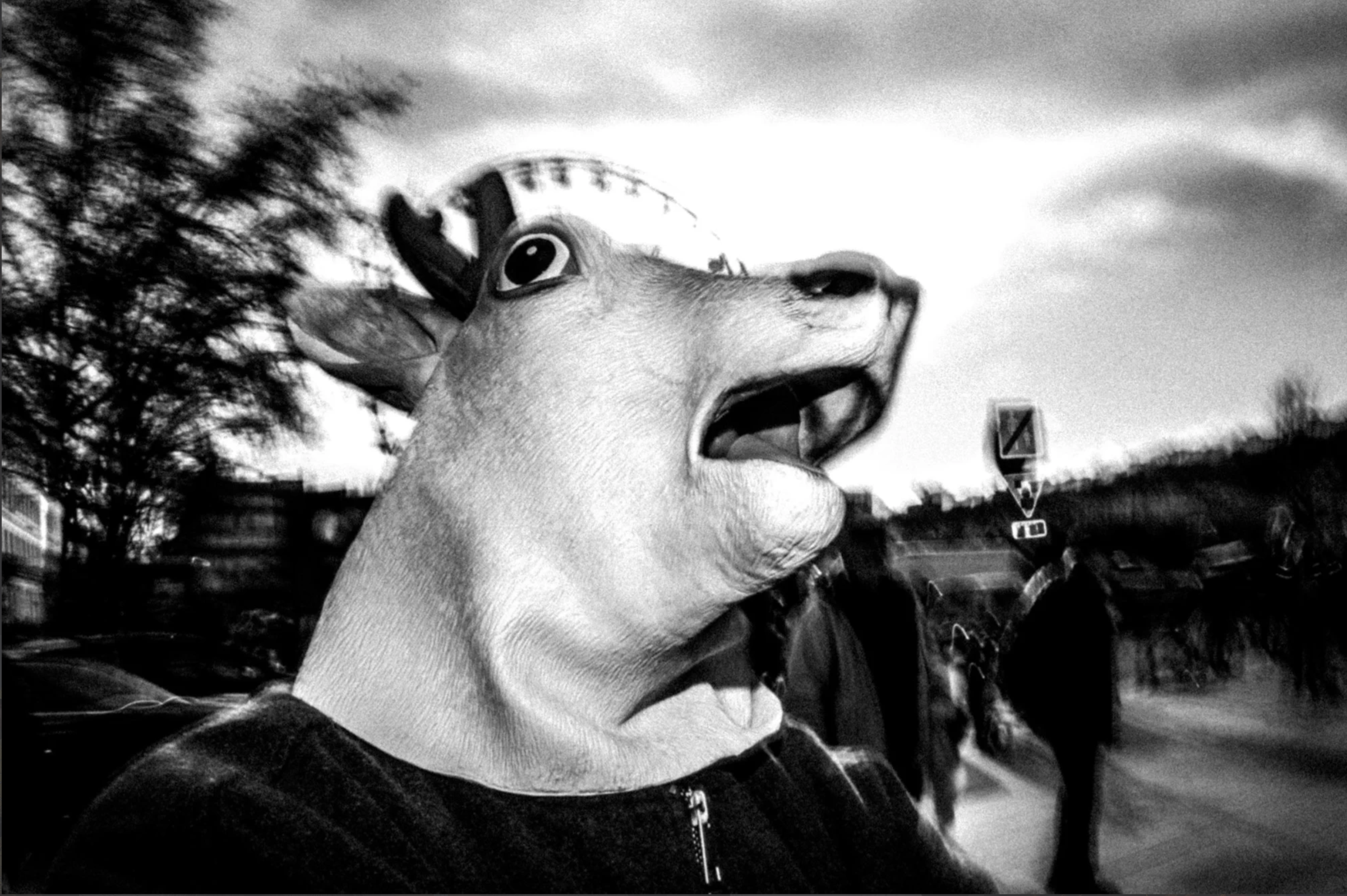
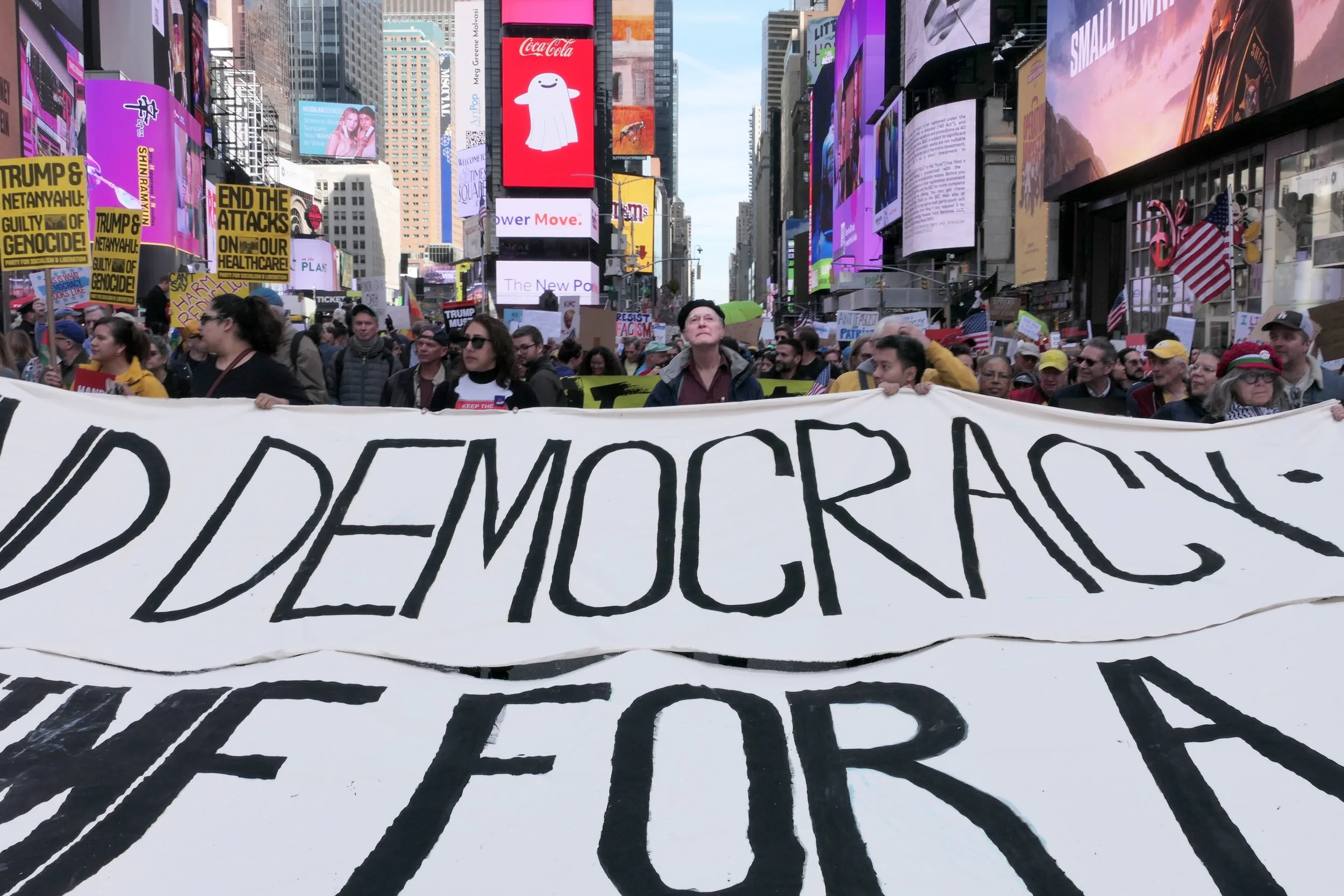
A few years ago, one day when I was following a protest against pension reform—my head full of a desire to return to photography—I saw a small grey-haired man break through the crowd barrier and disappear just as quickly, swift as a wild animal. In the in-between of this appearance/disappearance, the burst of a flash. That flamboyant gesture lifted the veil from my eyes. You can do that?! The scene stayed with me and gained even more flavour the day I truly met Gilles, that famous flash-wielding goblin. Together with Kimkim—within the Hakoibon Kollectiv, which we all founded with Justine—they taught me the use and value of flash. Yes, let’s add light! Not so much because it is truly lacking, but because we need more of it—and better! But to do that, three common misconceptions need to be challenged. Warning: highly subjective content ahead!
No, flash does not make people angry
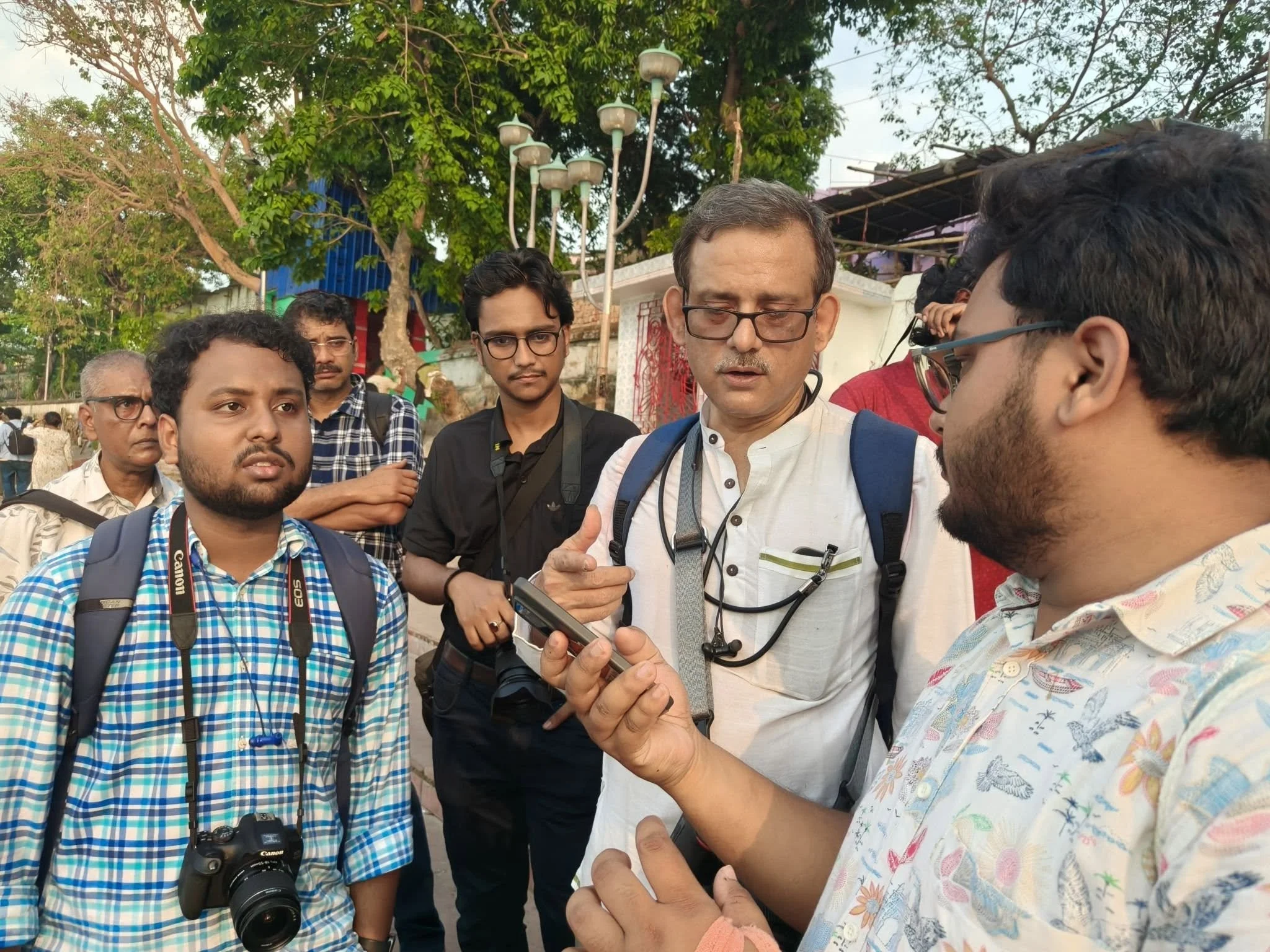
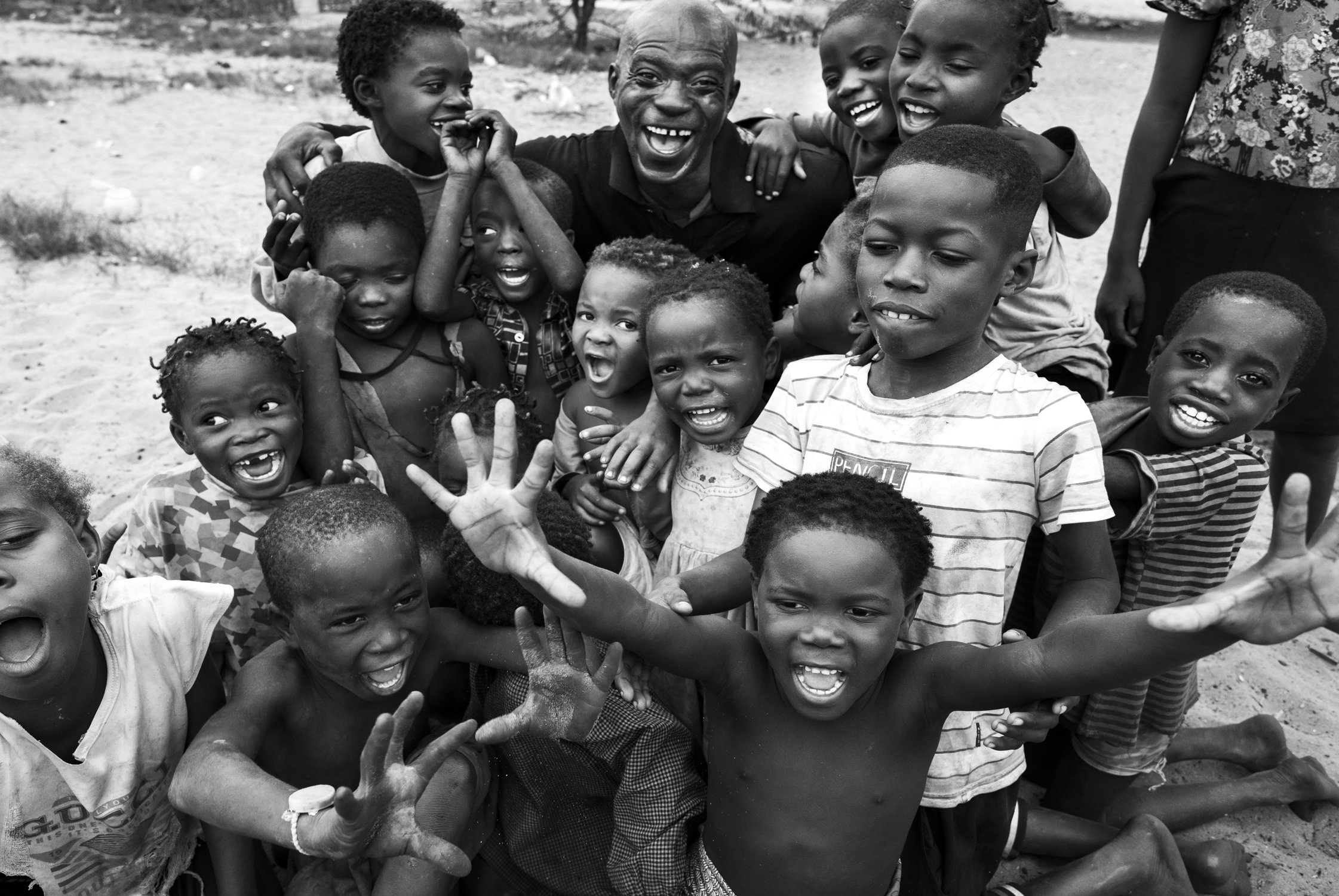
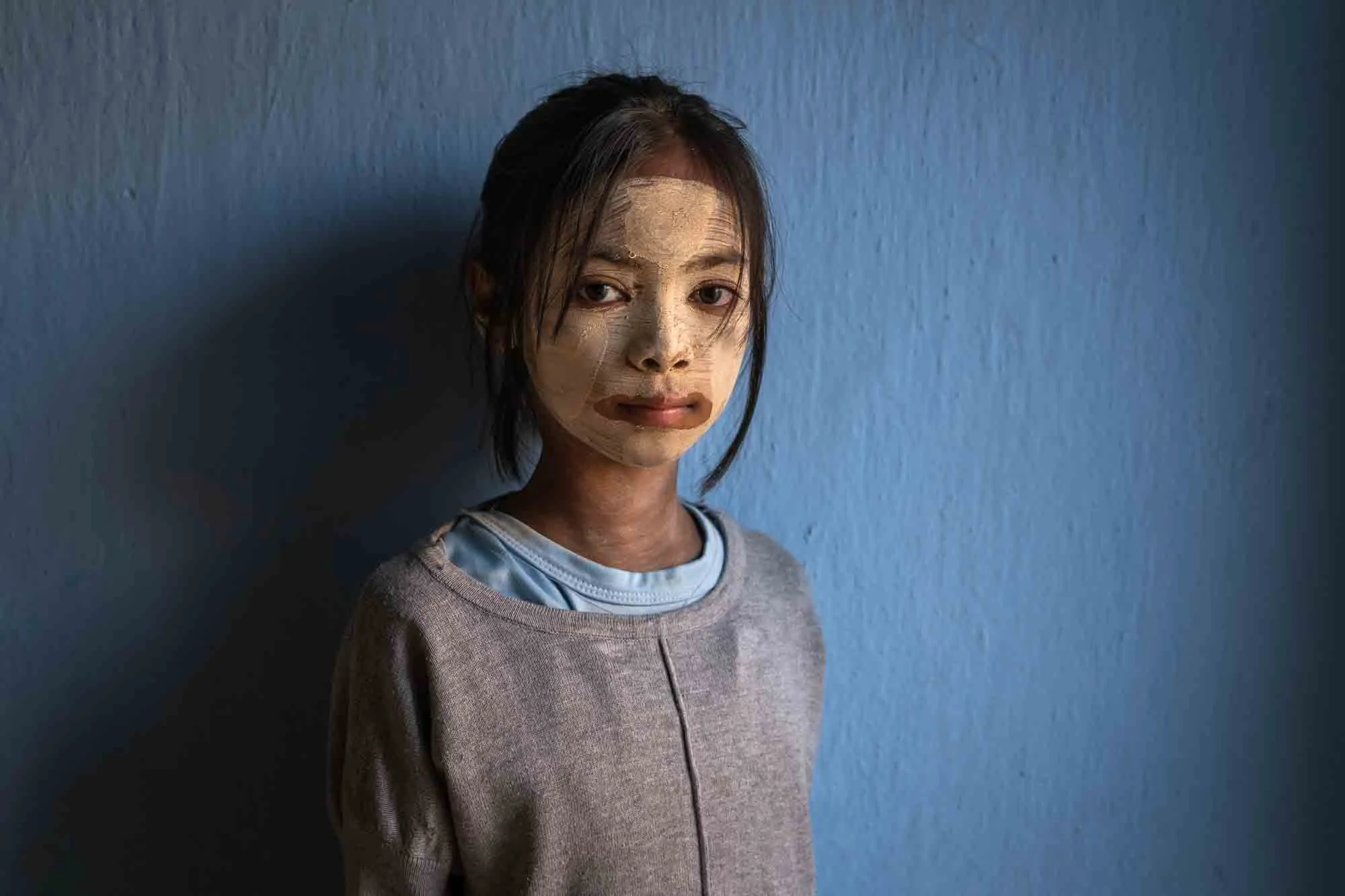
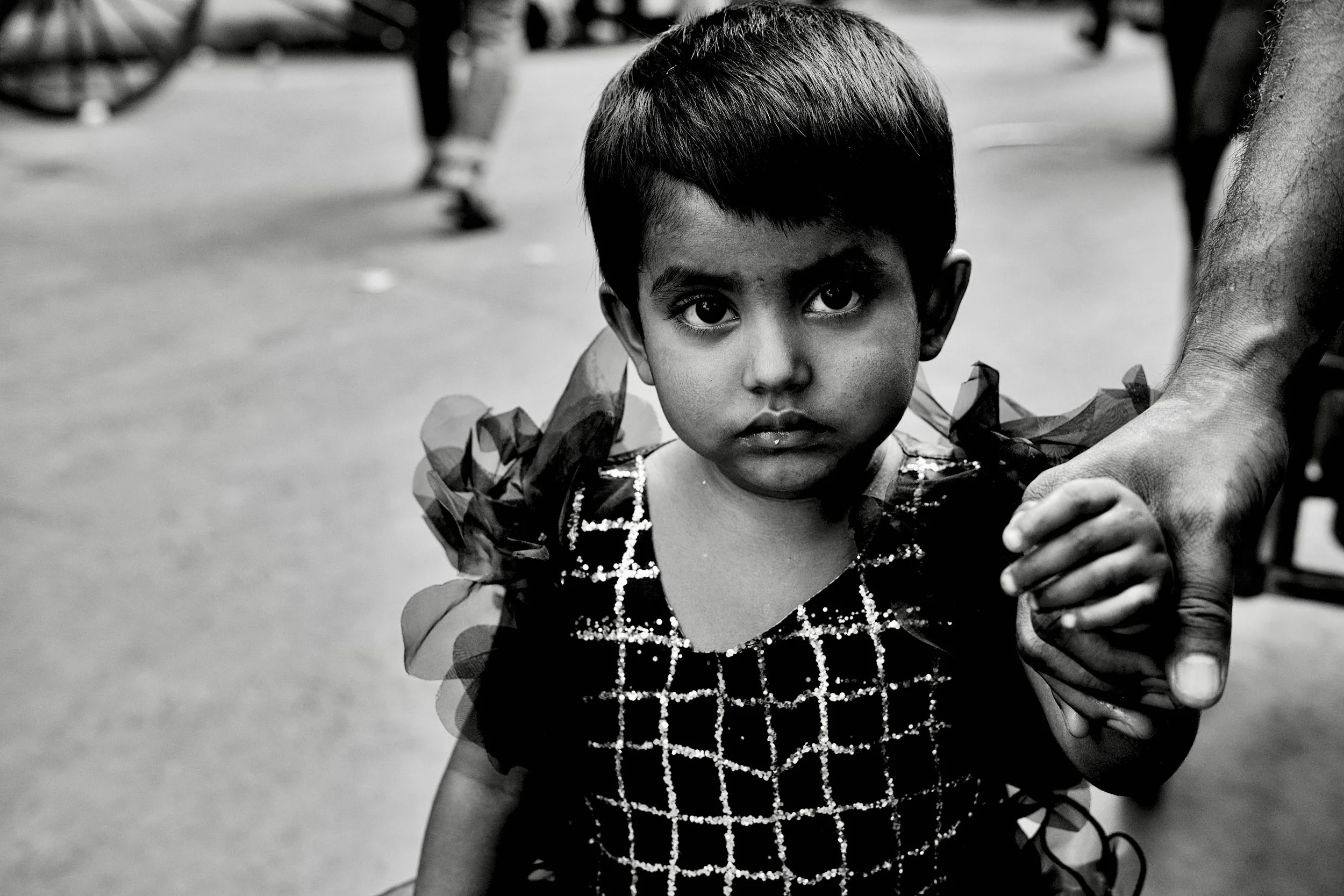
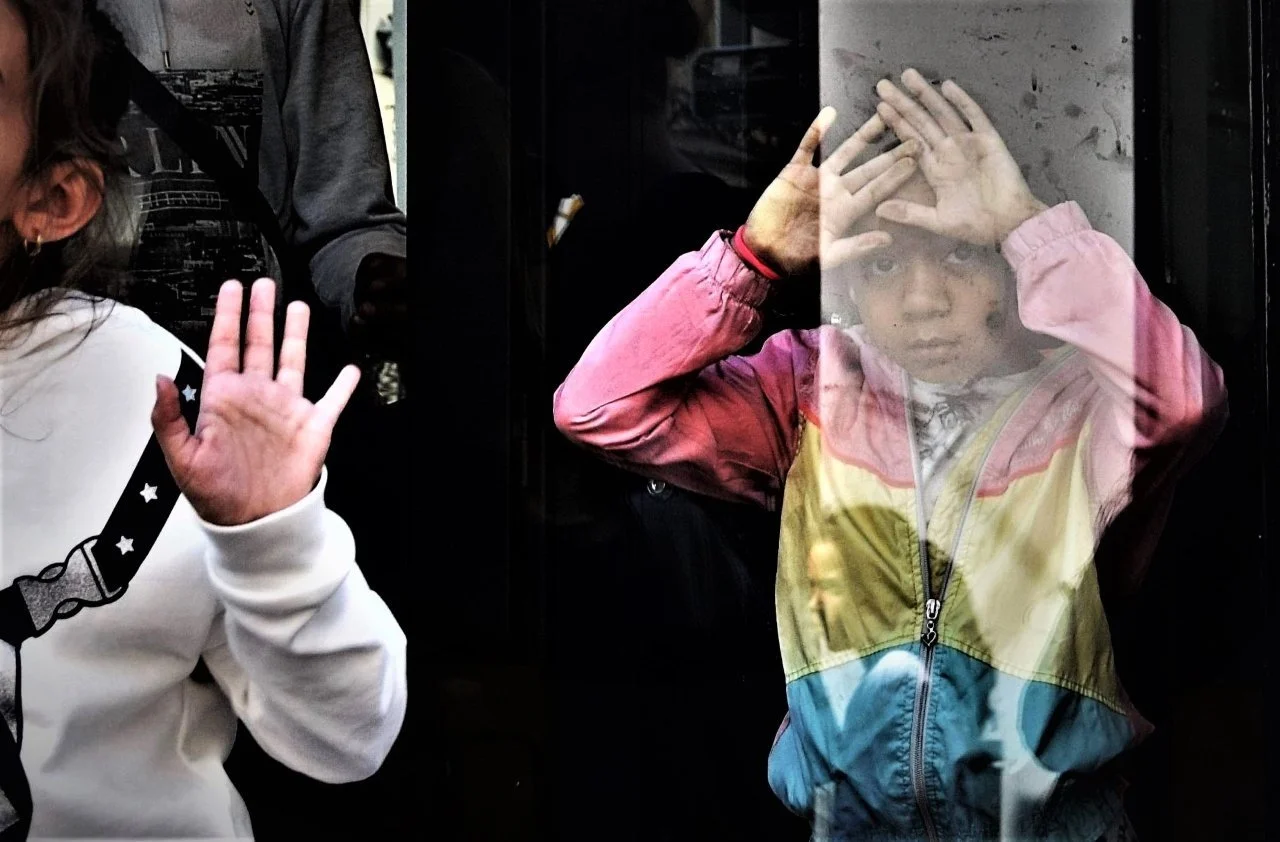
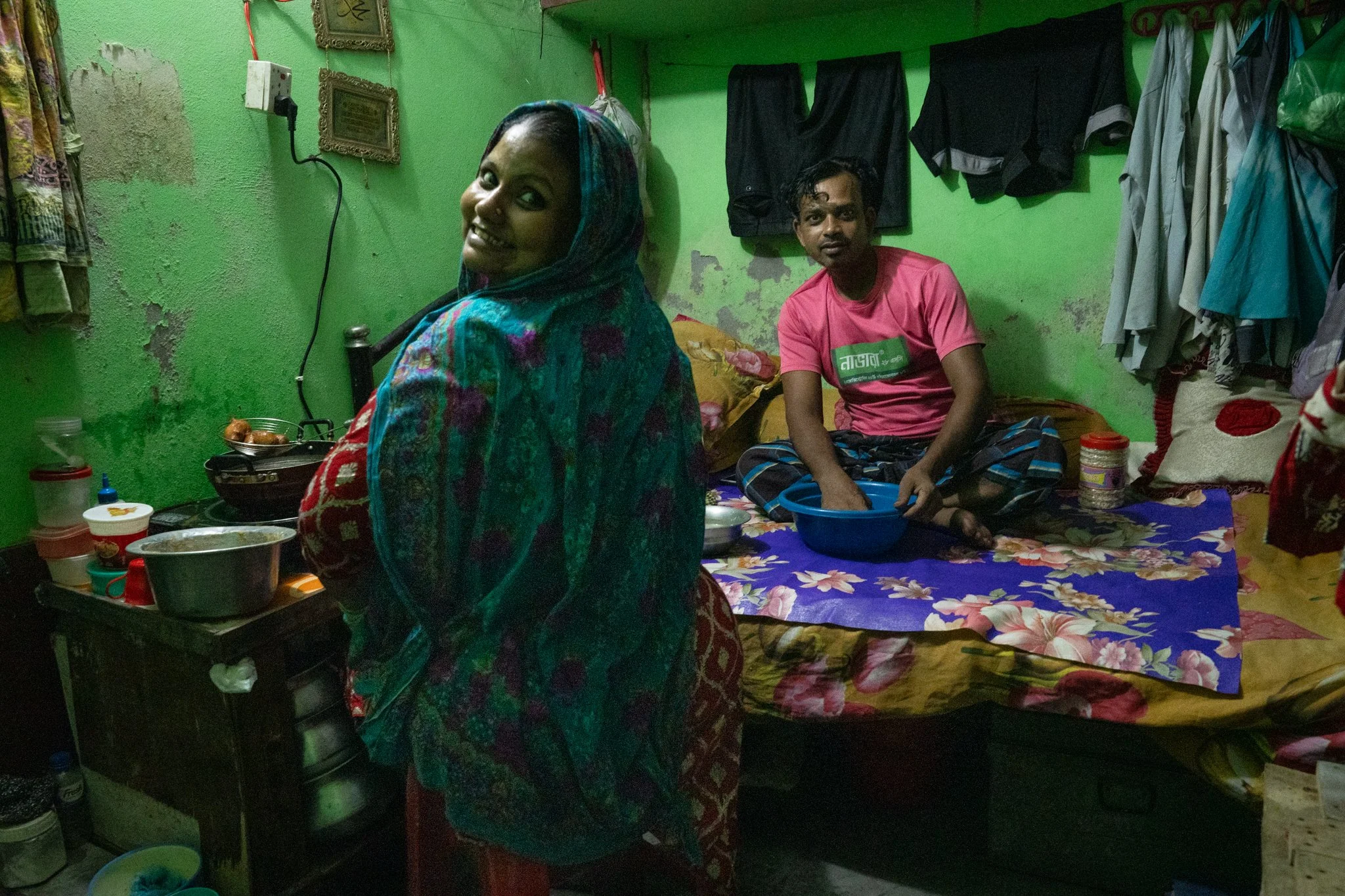
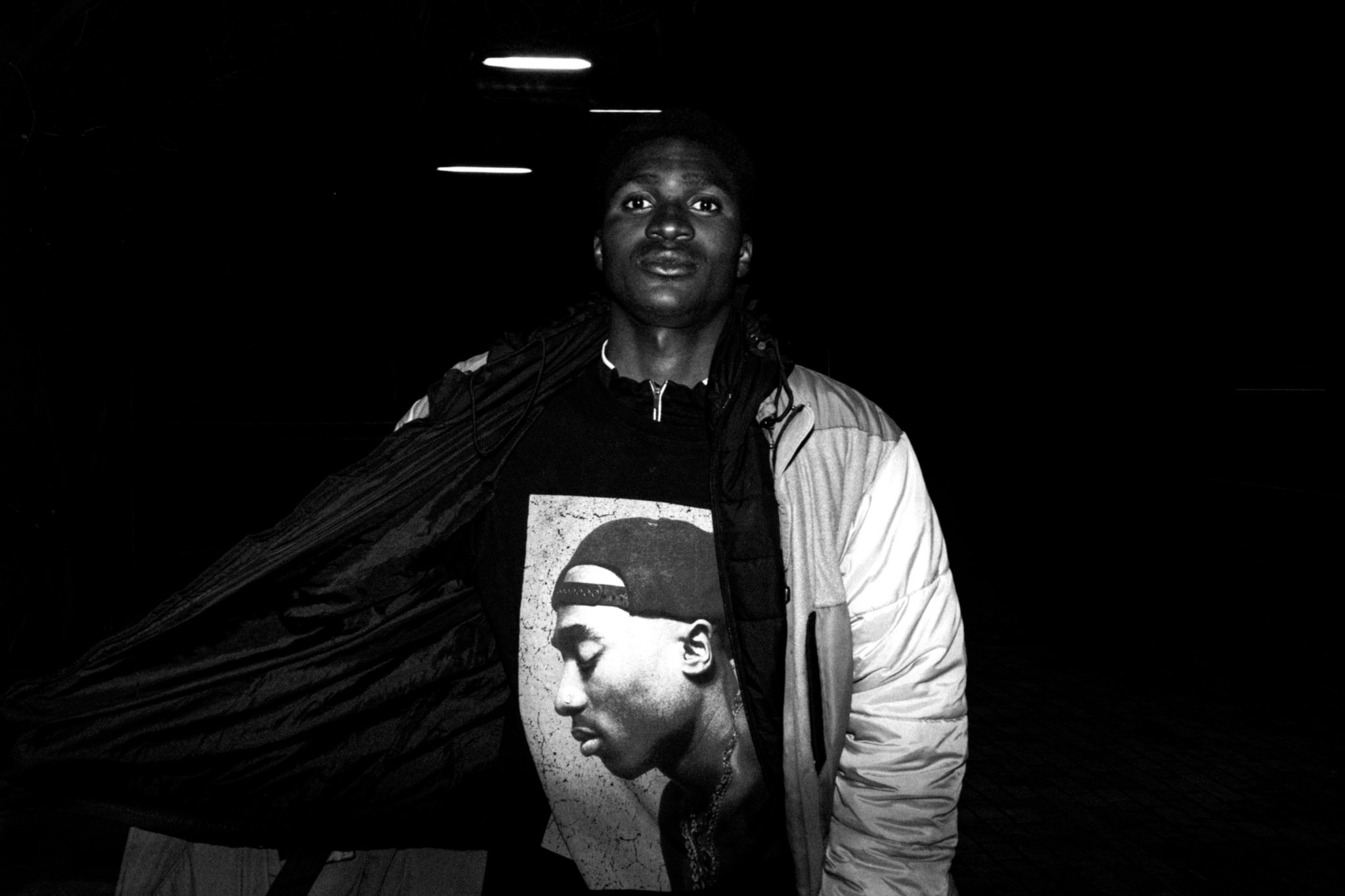
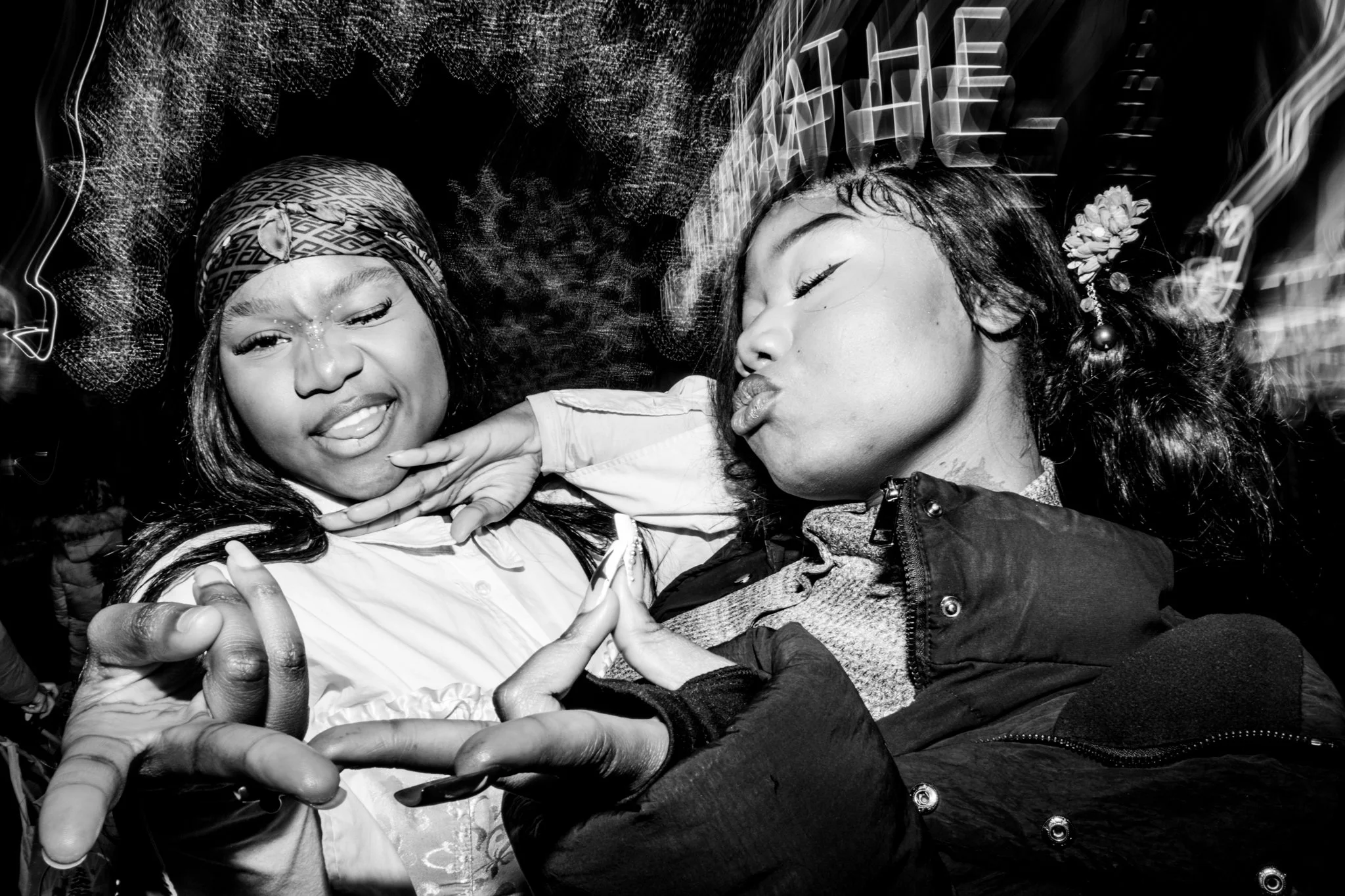
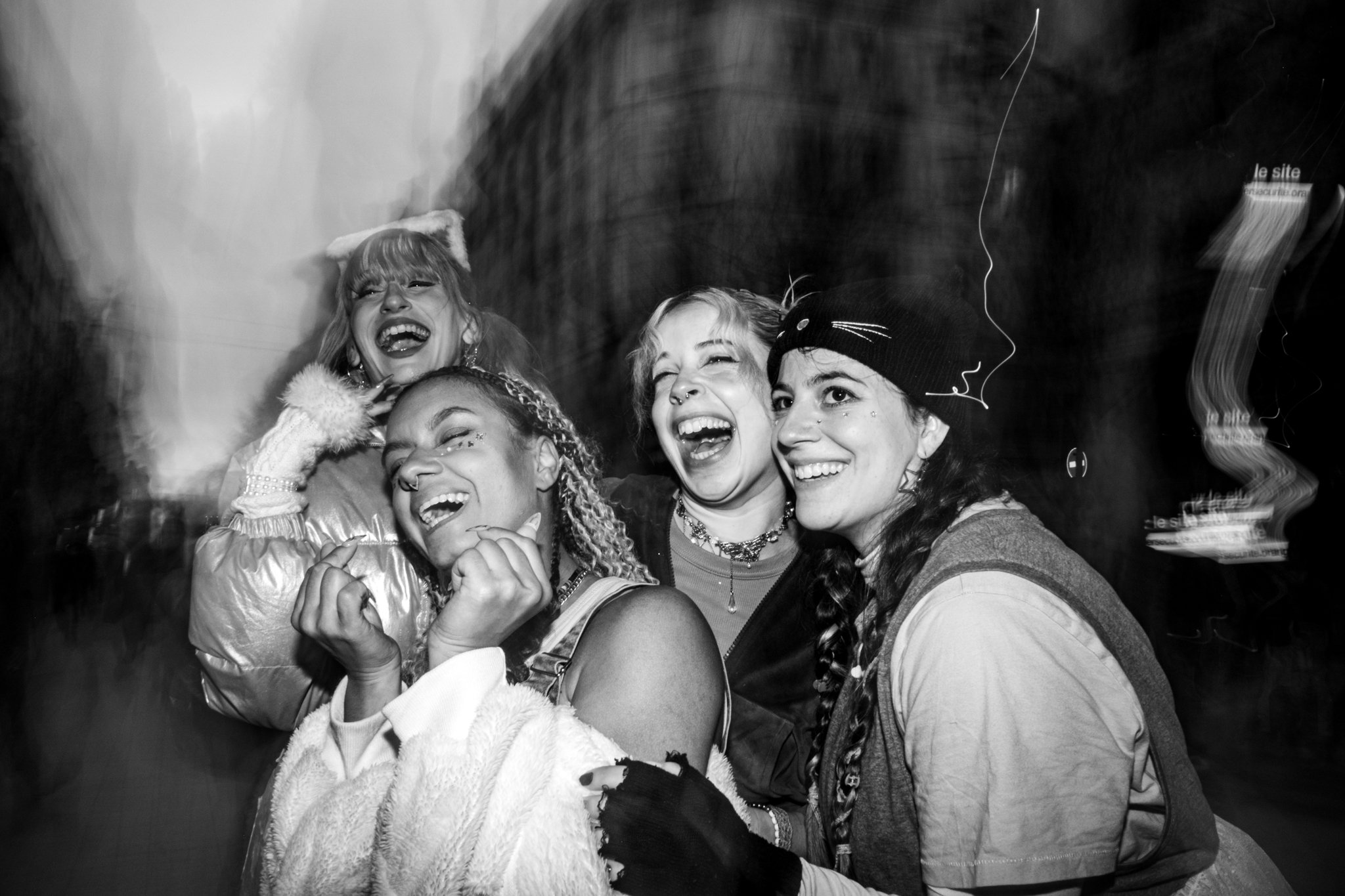
For me, the first obstacle was fear. Photographing with flash means getting fairly close to your subject and being seen. The fear of approaching people is doubled by the fear of not being discreet enough. When I started, I was always surrounded by other photographers from the Kollectiv—it was reassuring. Gradually, I began doing it alone as well. It wasn’t easy, and it still isn’t, but I’m moving forward. In reality, what’s at stake isn’t the flash—it’s my shyness and my fear of breaking social codes. That’s what pushes me to cross public space rather than inhabit it and blend into it: walking fast, avoiding people… What I’ve realised, though, is that far from being an object of rupture or conflict, flash creates another way of building connections, of talking to people. It opens the possibility of a relationship and a calm exchange. “Yes, indeed—you saw it, I took a photo! Shall we look at it together?” I explain what my street photography is about, why it wasn’t possible to ask for permission before pressing the shutter. I talk about what I saw in that singular moment. I listen, in return, to what the other person felt—and sometimes they tell me a piece of their story. We take a bit of time. And then there are those who come up to me, intrigued. As if the camera, with that big light on top, came from another century. “Sir, sir, could you take our picture?” “Of course! Come on, let’s do a portrait.” The flash disrupted the normal flow of the street. It reinforced the camera’s ability to create connection.
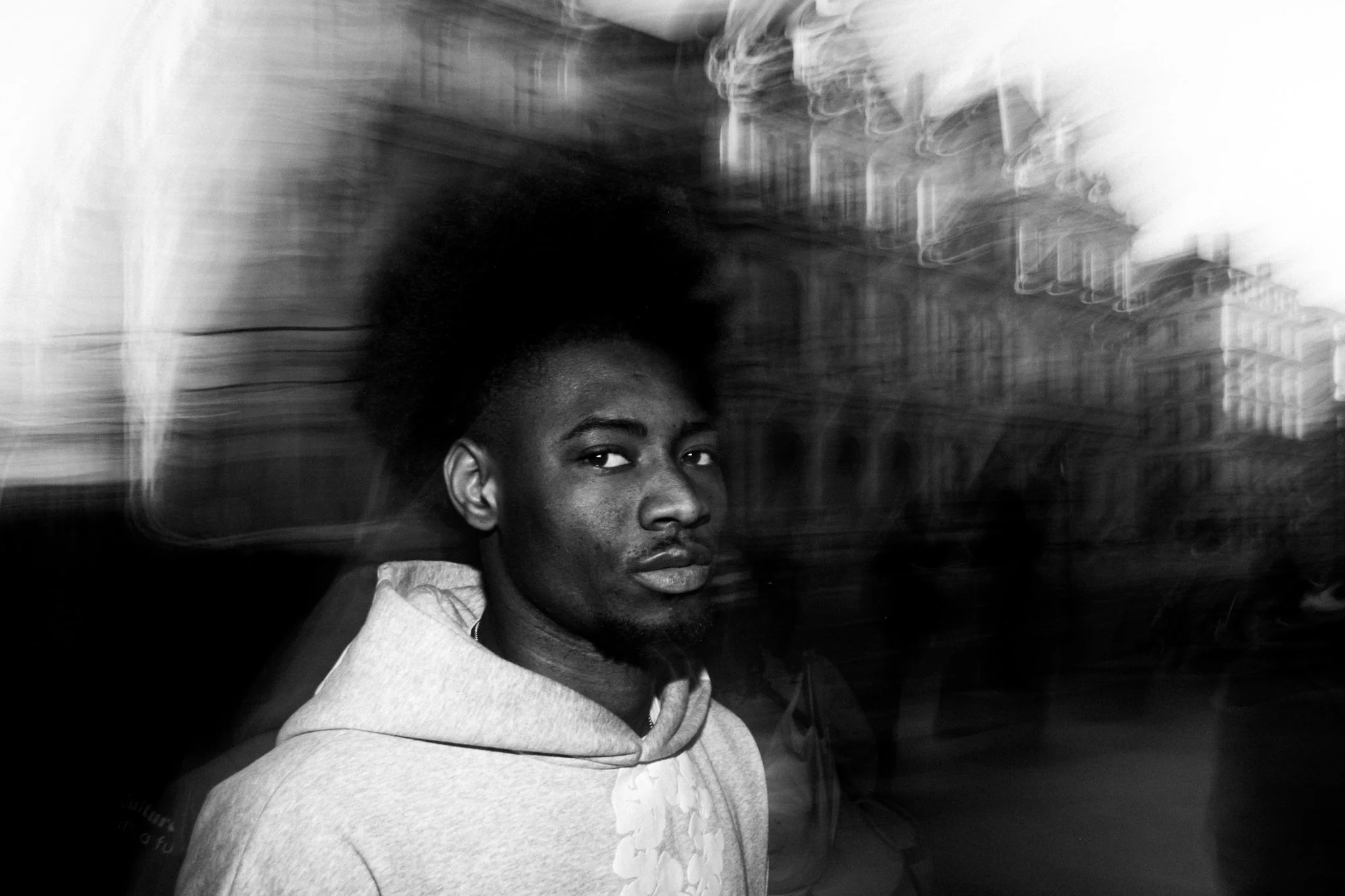
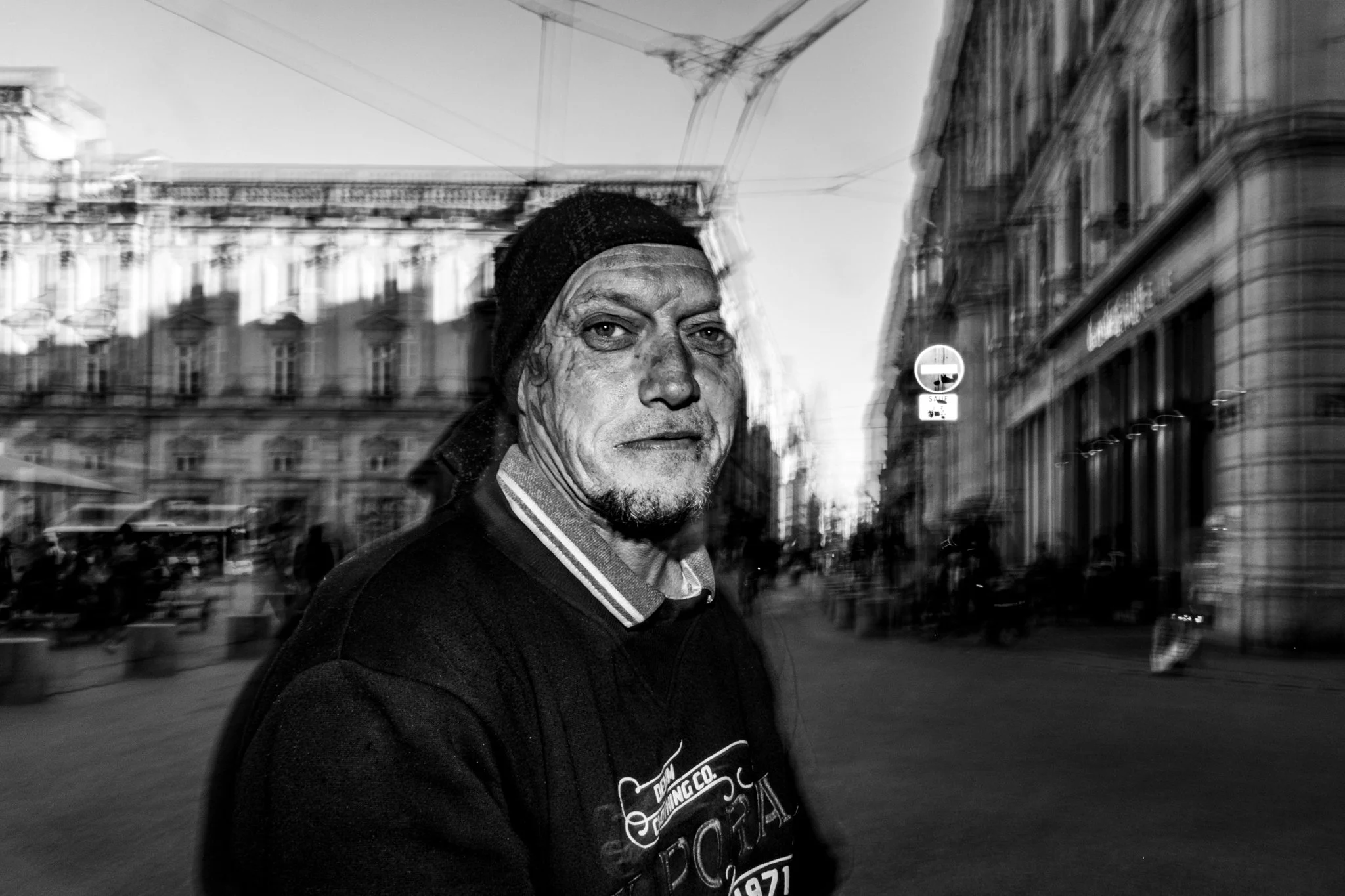
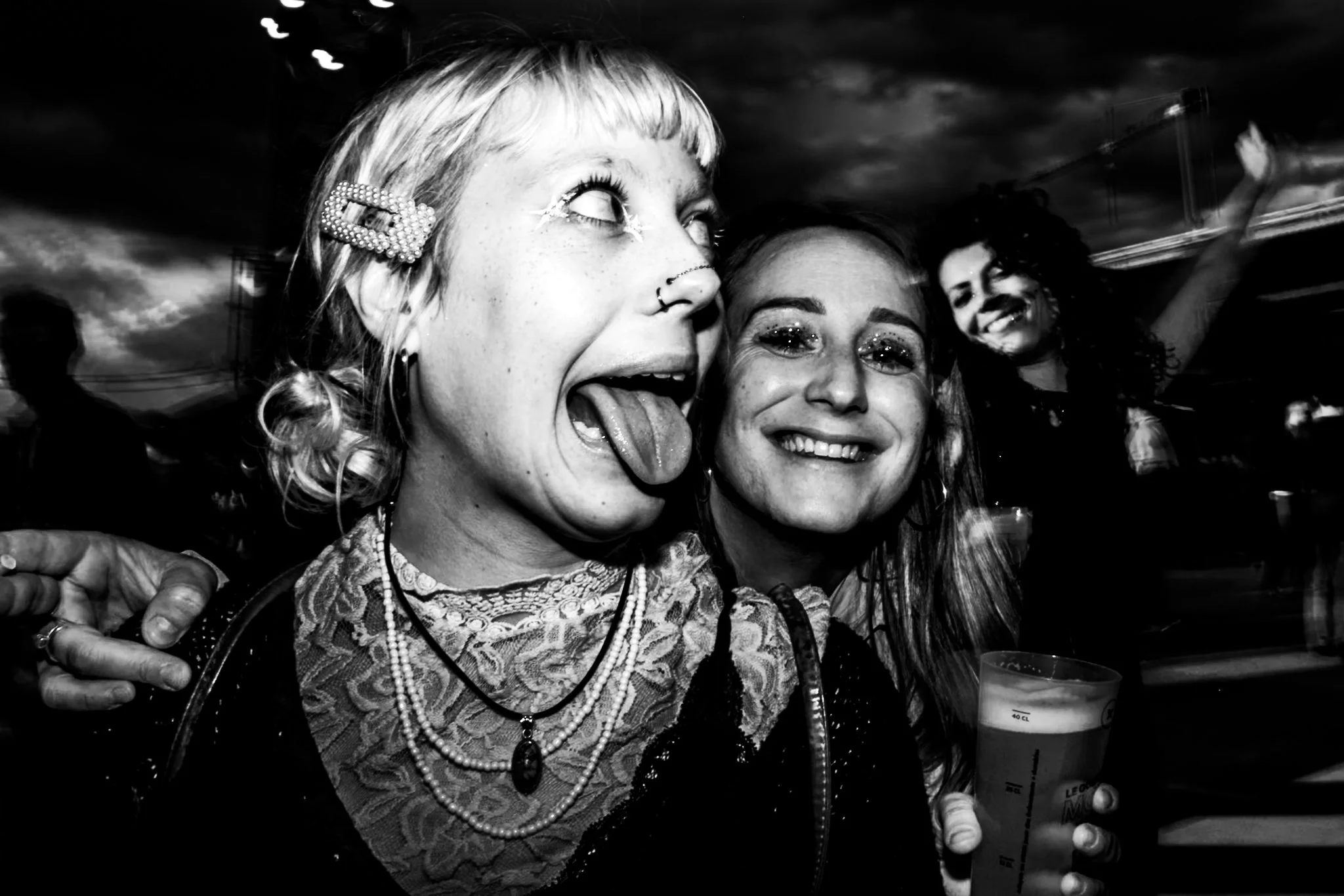
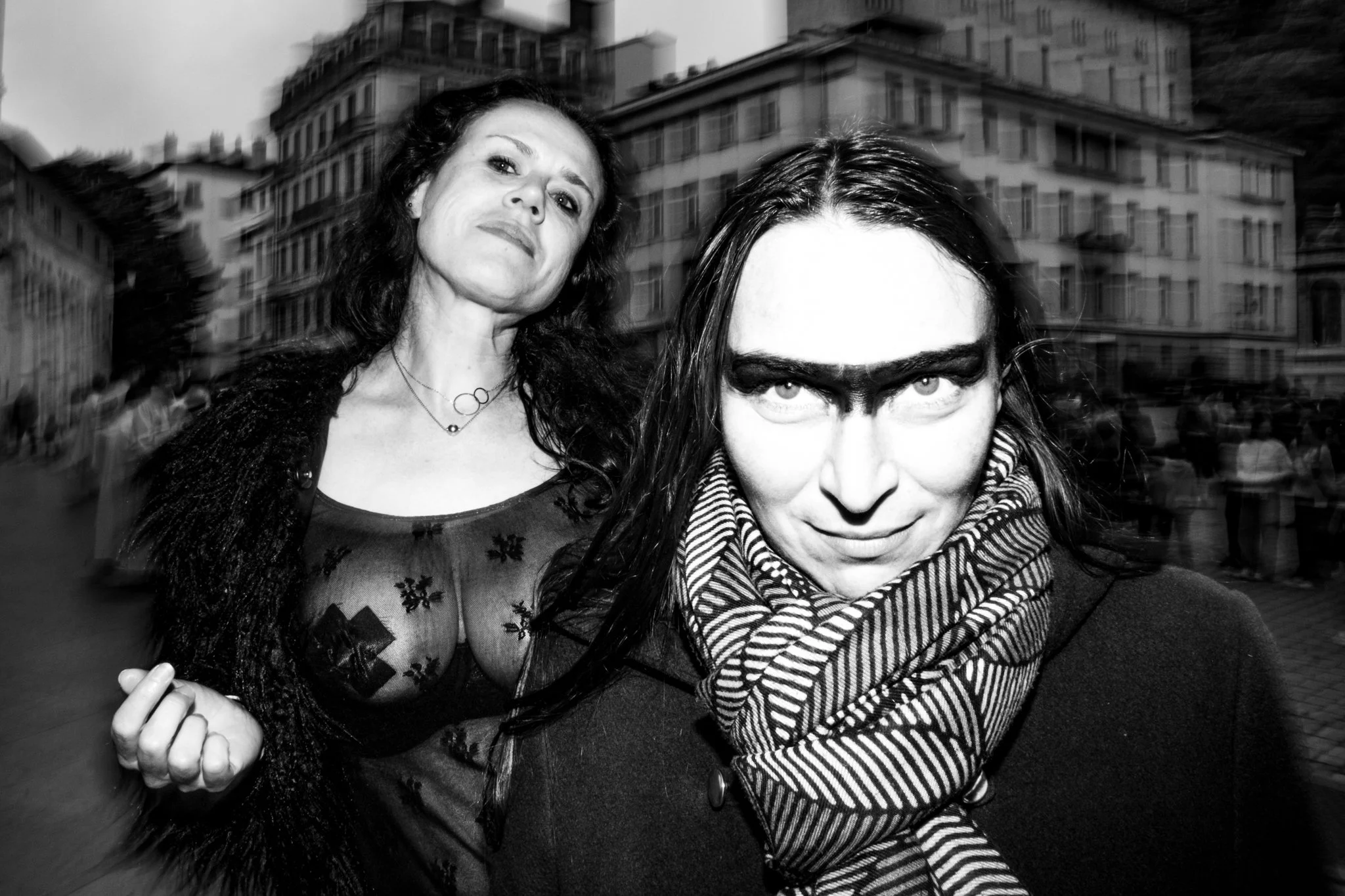
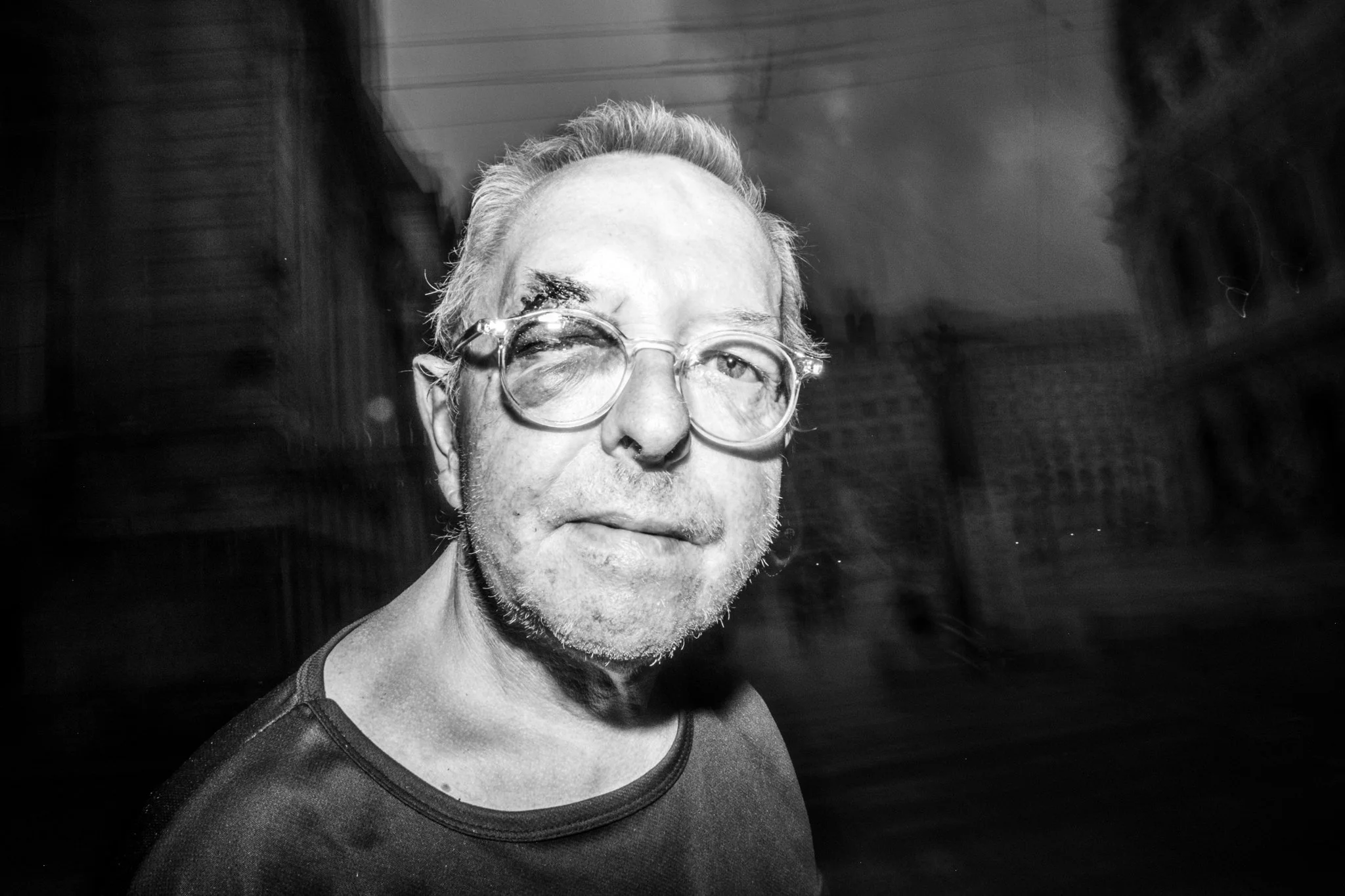
No, flash is not necessarily aggressive
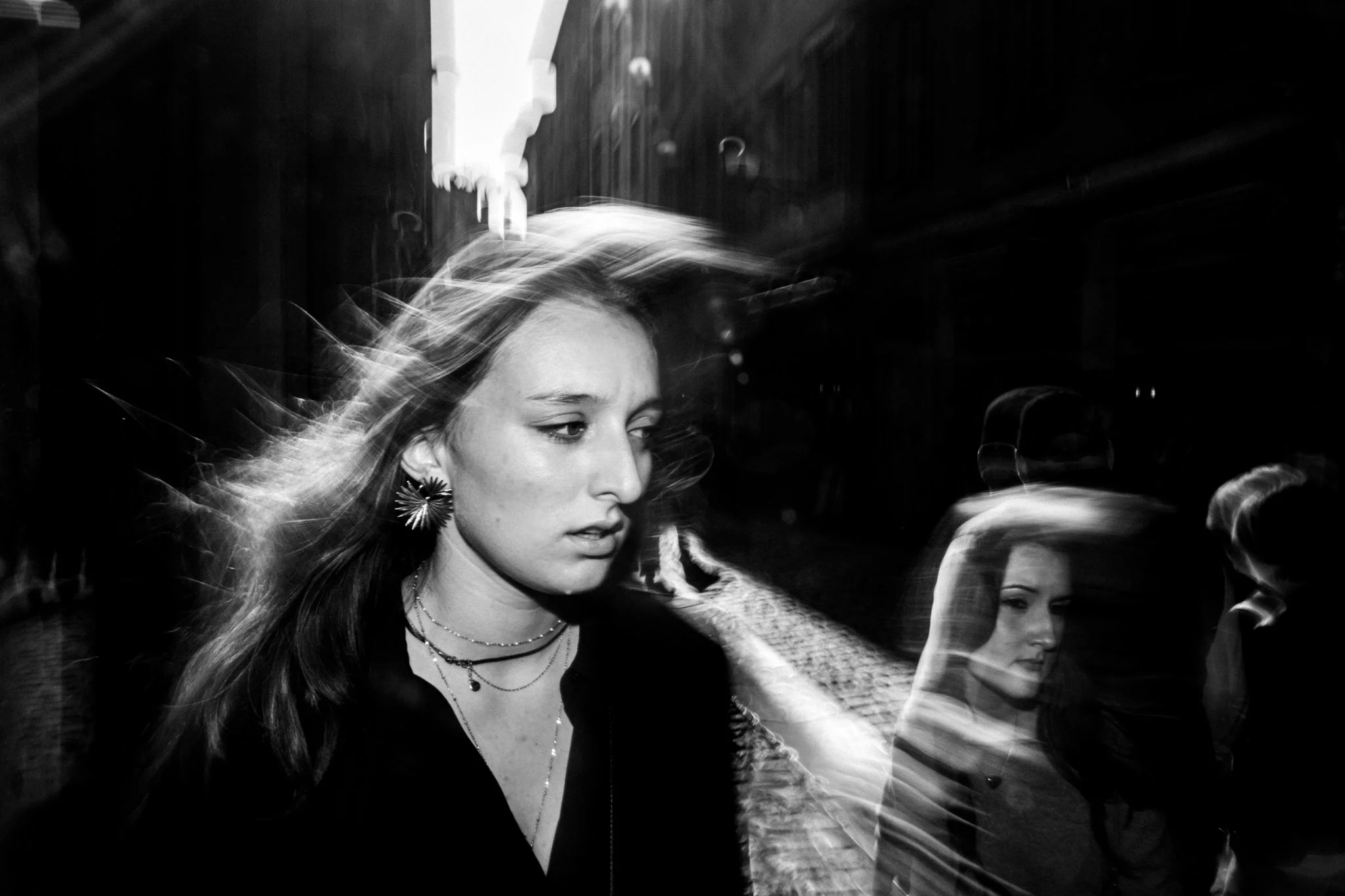
Of course, there are also people who are unhappy—and that’s understandable. One day, I might even get slapped. But when I used to photograph people from afar, seeking invisibility, I felt much more suspicion when they noticed. Some perceived it as an aggression, because the photographic act wasn’t fully assumed—it was carried out discreetly. “If he doesn’t want to be seen, is it because he’s doing something shady?” No, of course not! But I’m not the one who decides what the subject of my photo feels. That’s the discussion that comes up when people tell me flash photography is aggressive. I don’t perceive it that way. I’ve explained how flash can actually support, in the best sense, a transformation of the relationship with others in the street. And if I’m right about that, then it means the problem isn’t the flash—and that perhaps it’s the photographer who should be questioned. There are aggressive photographic practices, but they don’t necessarily involve a flash. Let me be clear: I’m not denouncing anything, and I’m not promoting anything. It would never occur to me to tell anyone how they should work. My sole intention is to decouple the use of flash from a form of photography that is, by nature, aggressive. Yes, being hit in the face by a flash can surprise, annoy, or shock—but in the same way that it can be surprising, annoying, or shocking to be photographed by a stranger. That’s street photography. And I believe it’s entirely up to the photographer’s attitude to soften it—or, on the contrary, to make it more brutal.
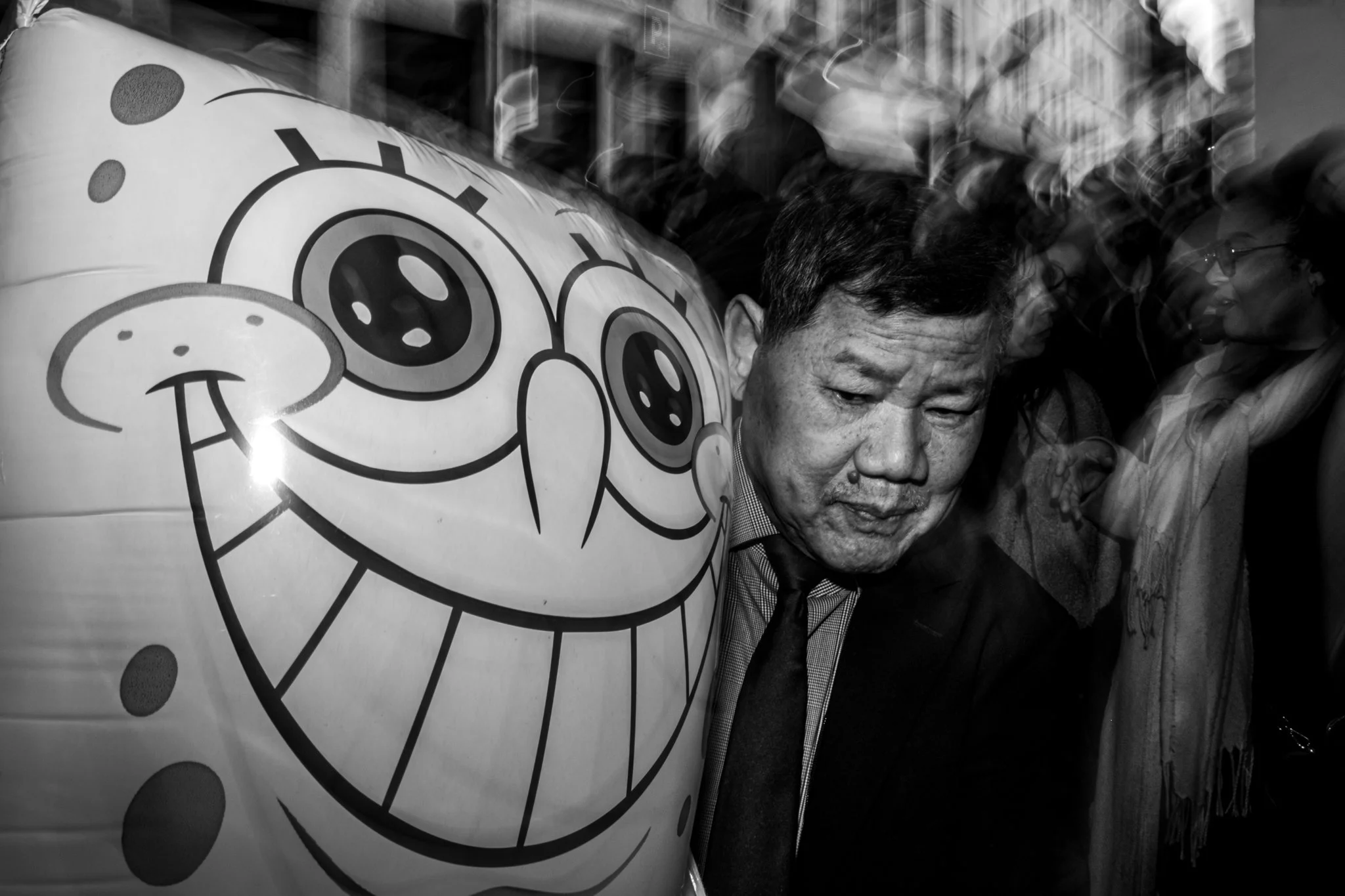
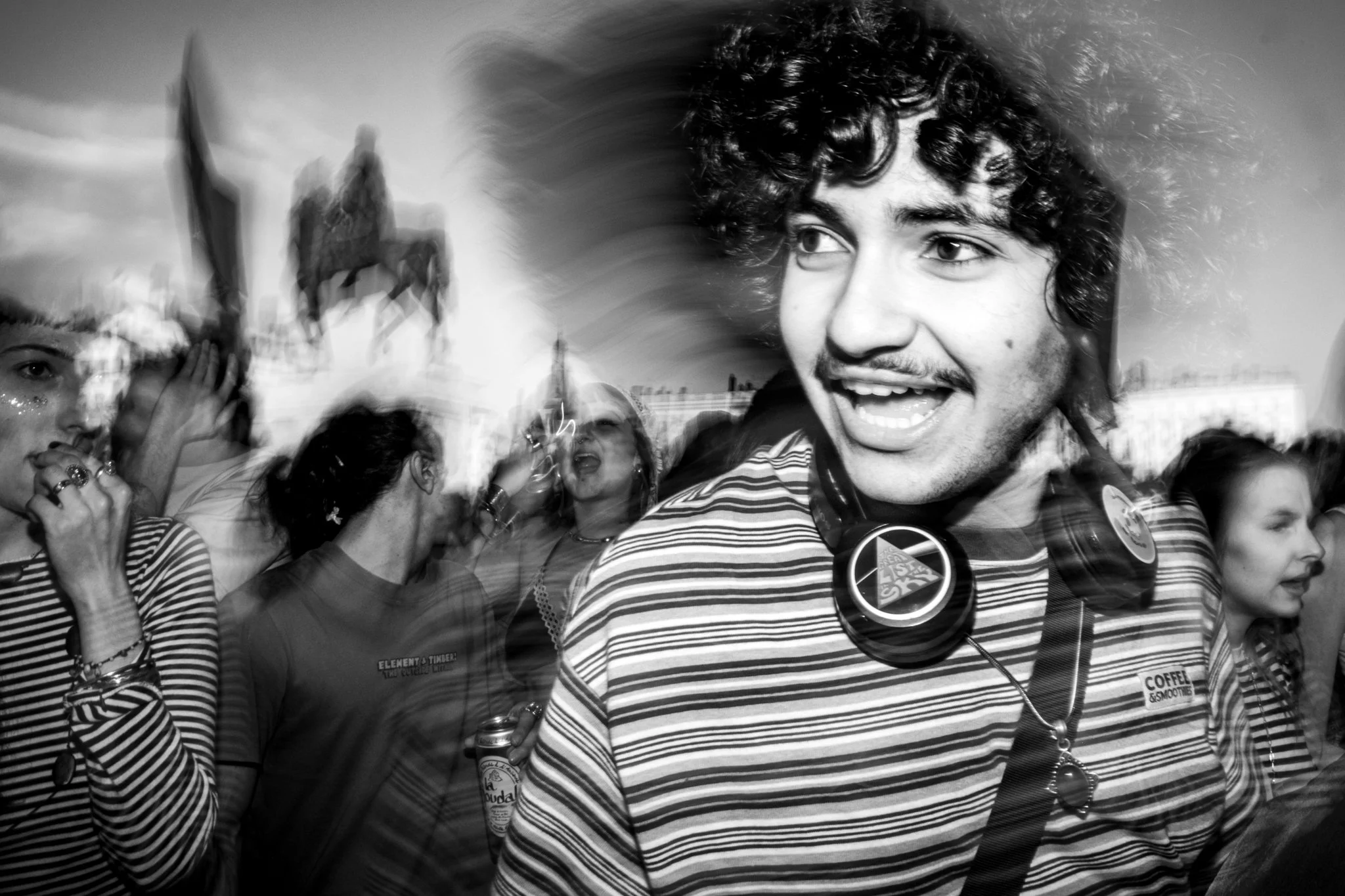
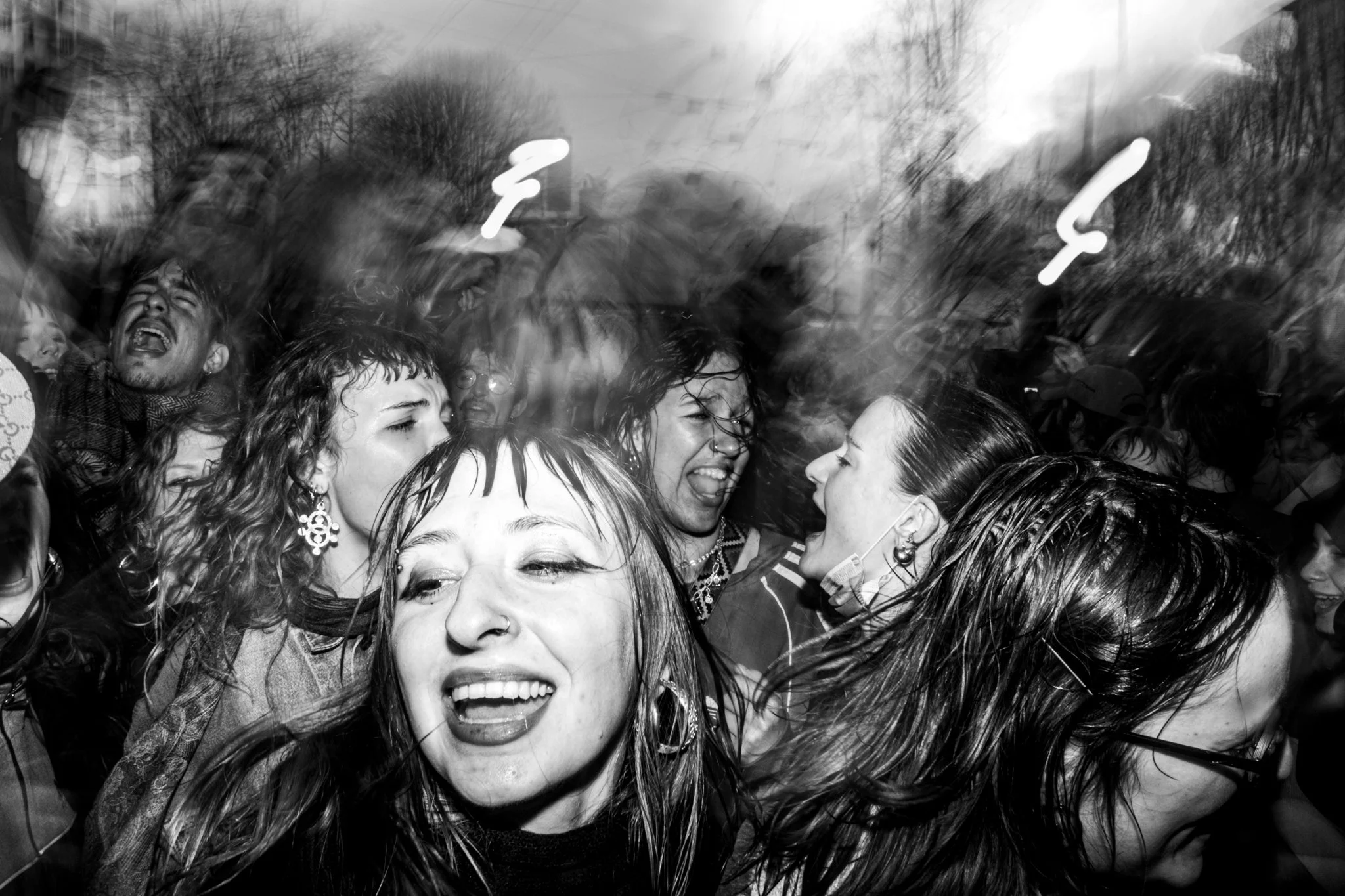
No, flash isn’t only there to add light
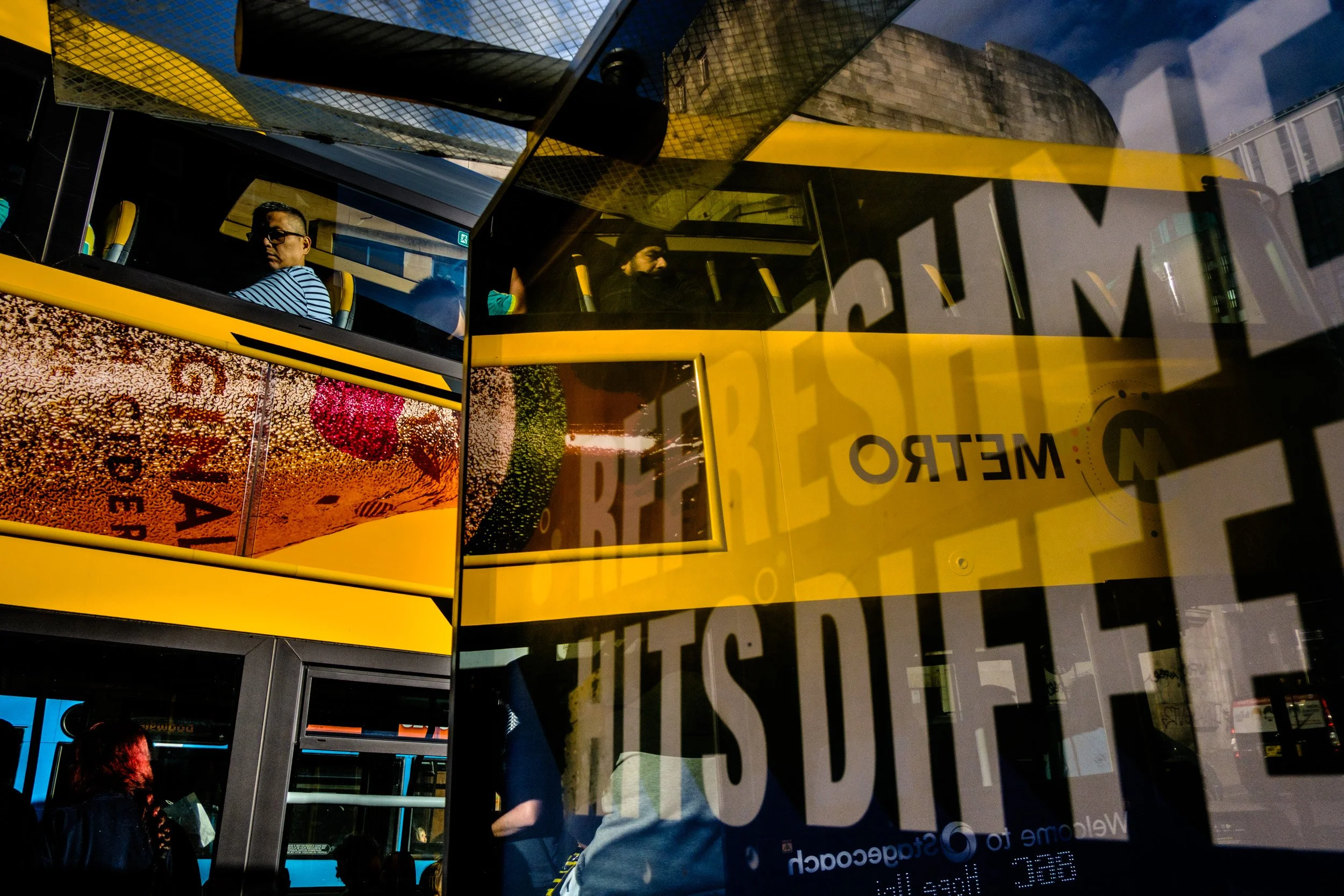
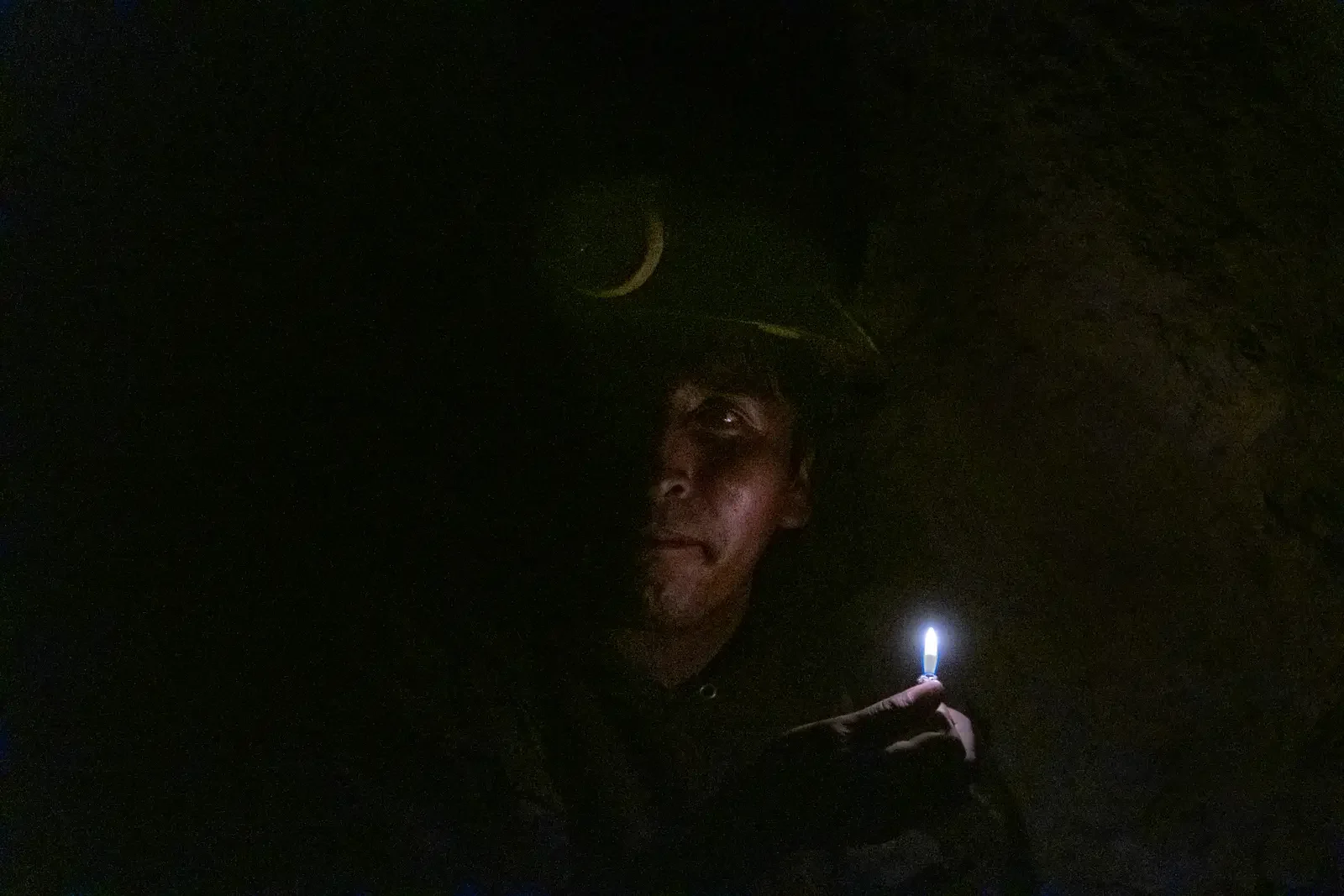
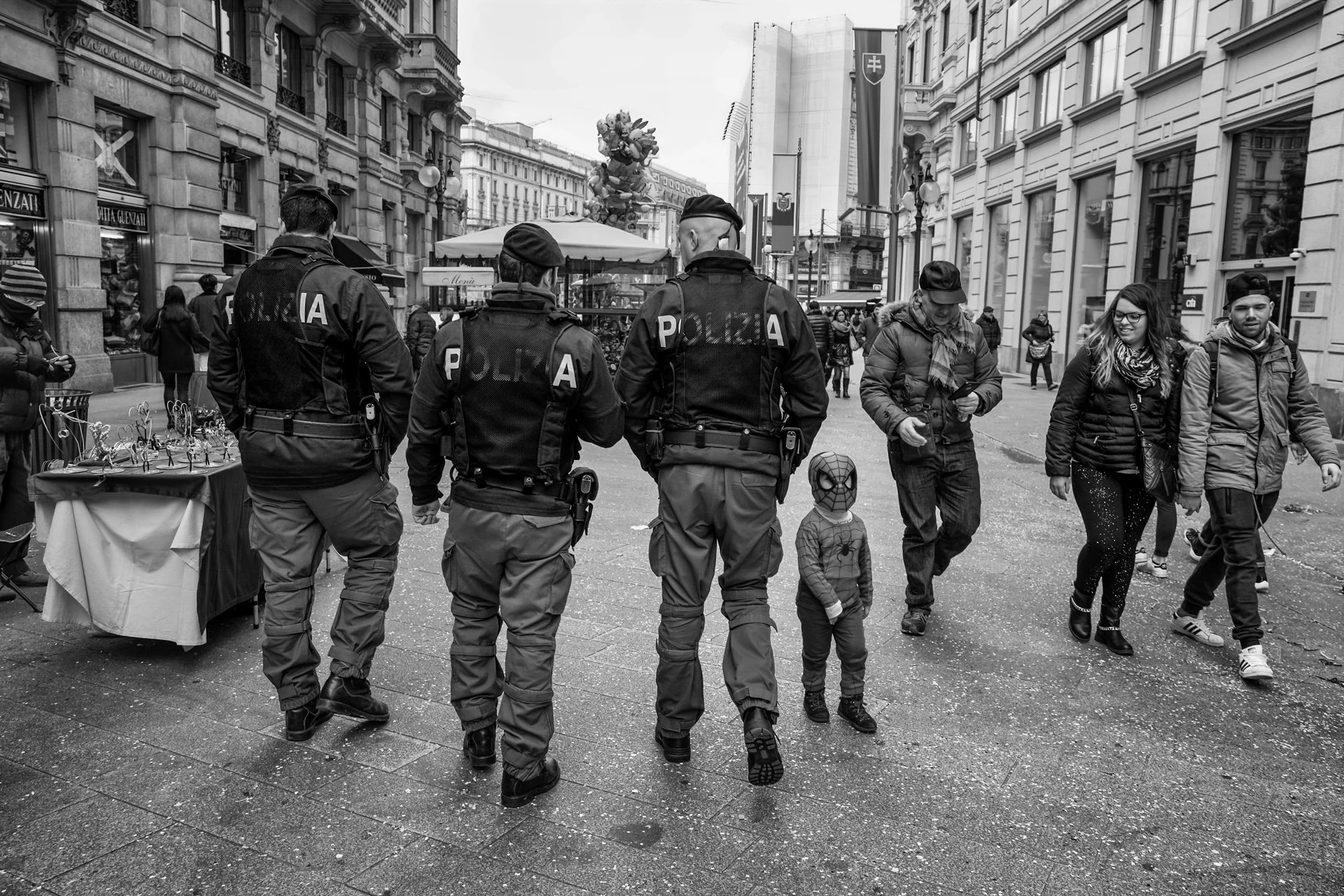
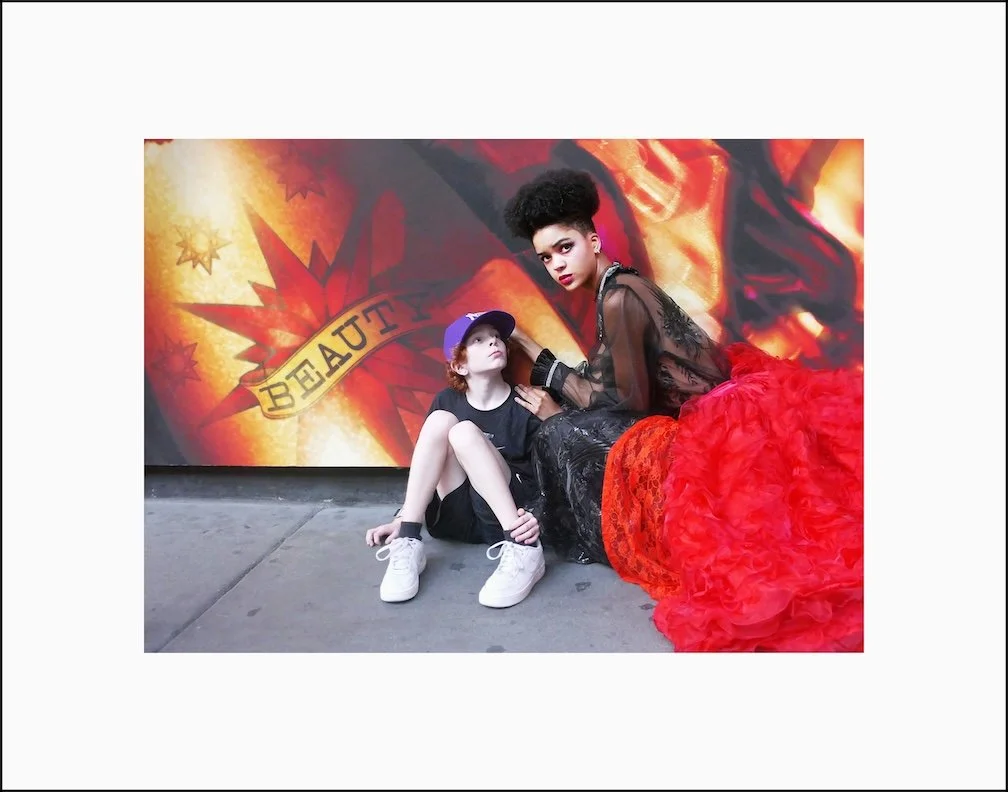
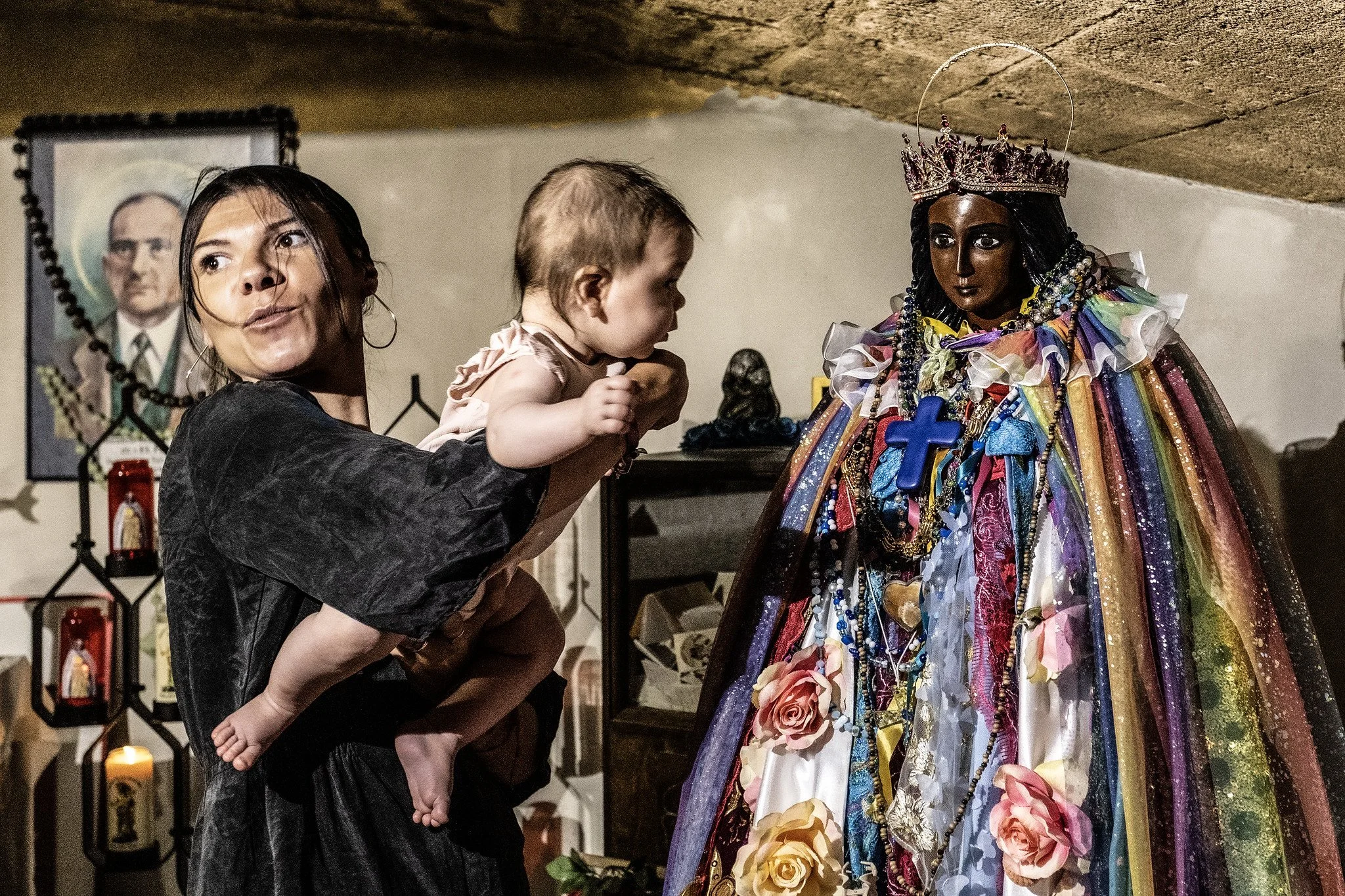
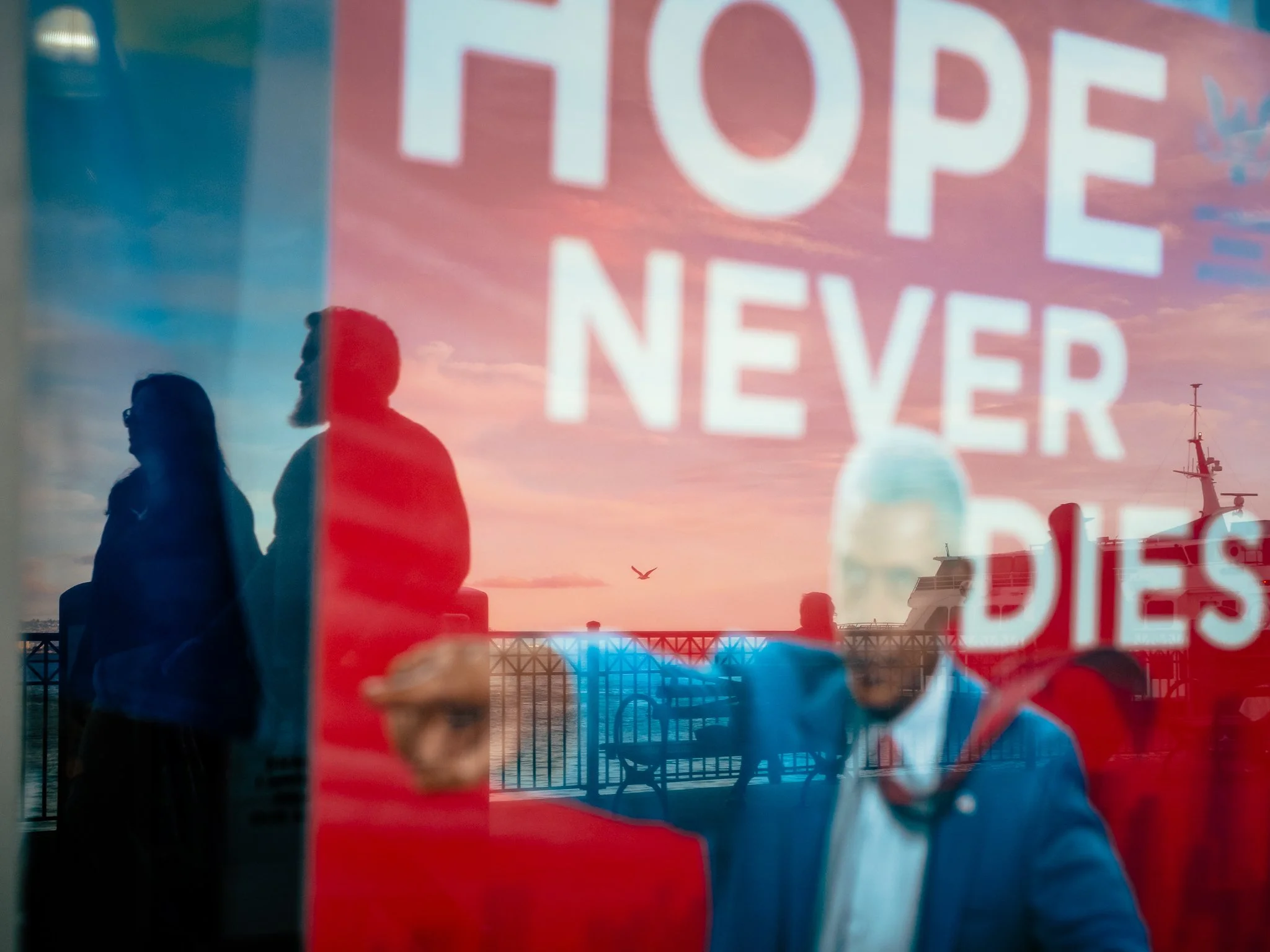
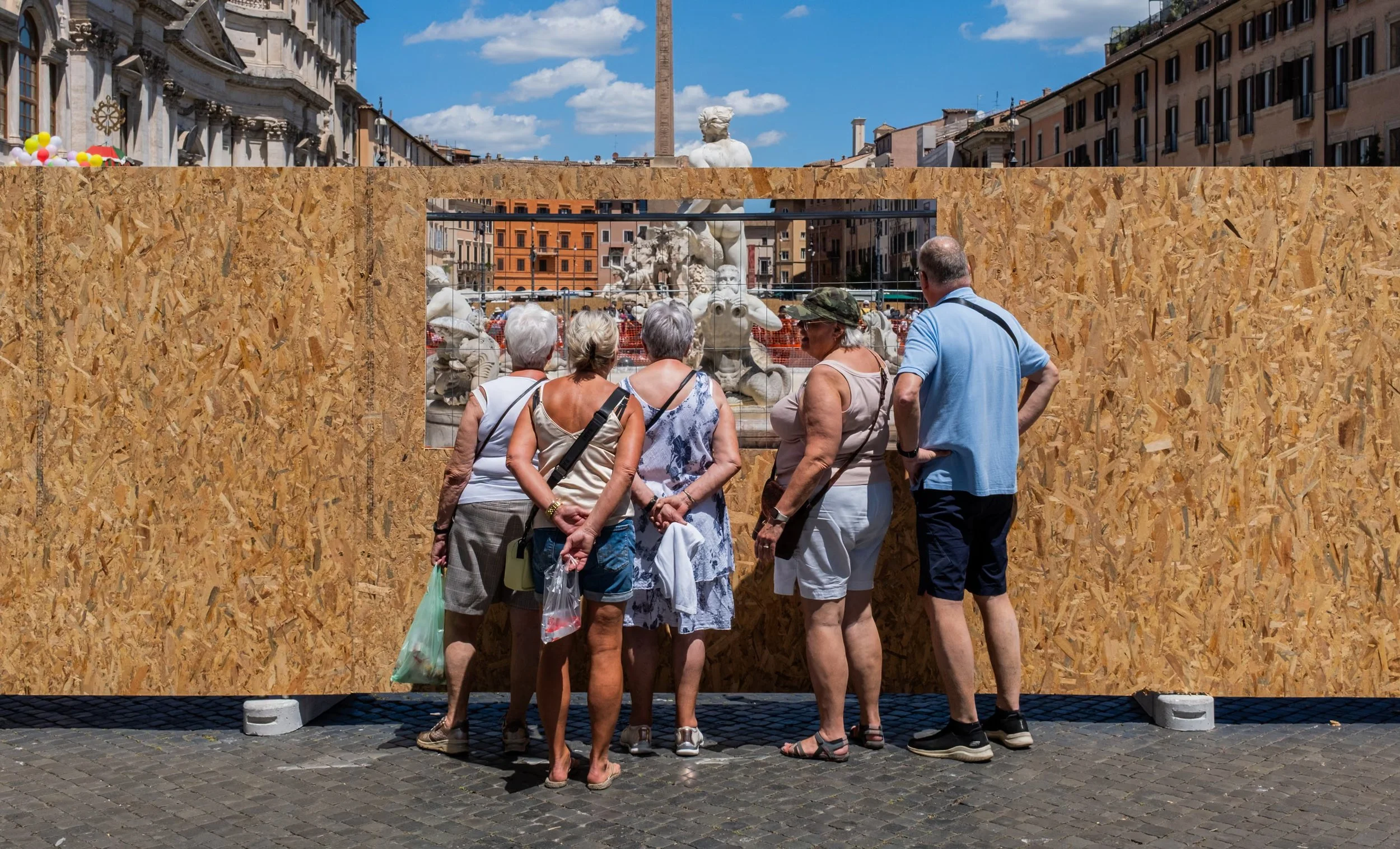
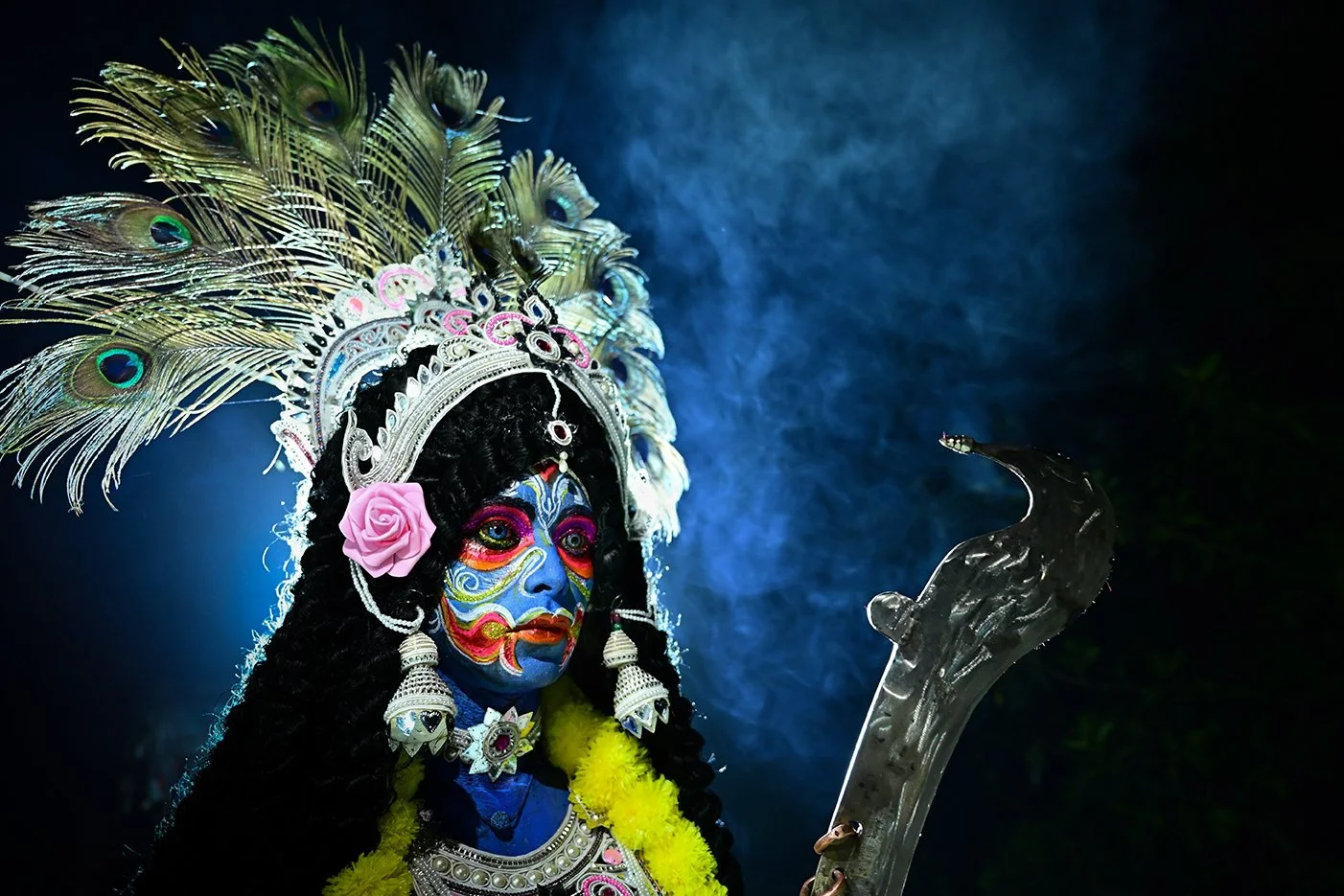
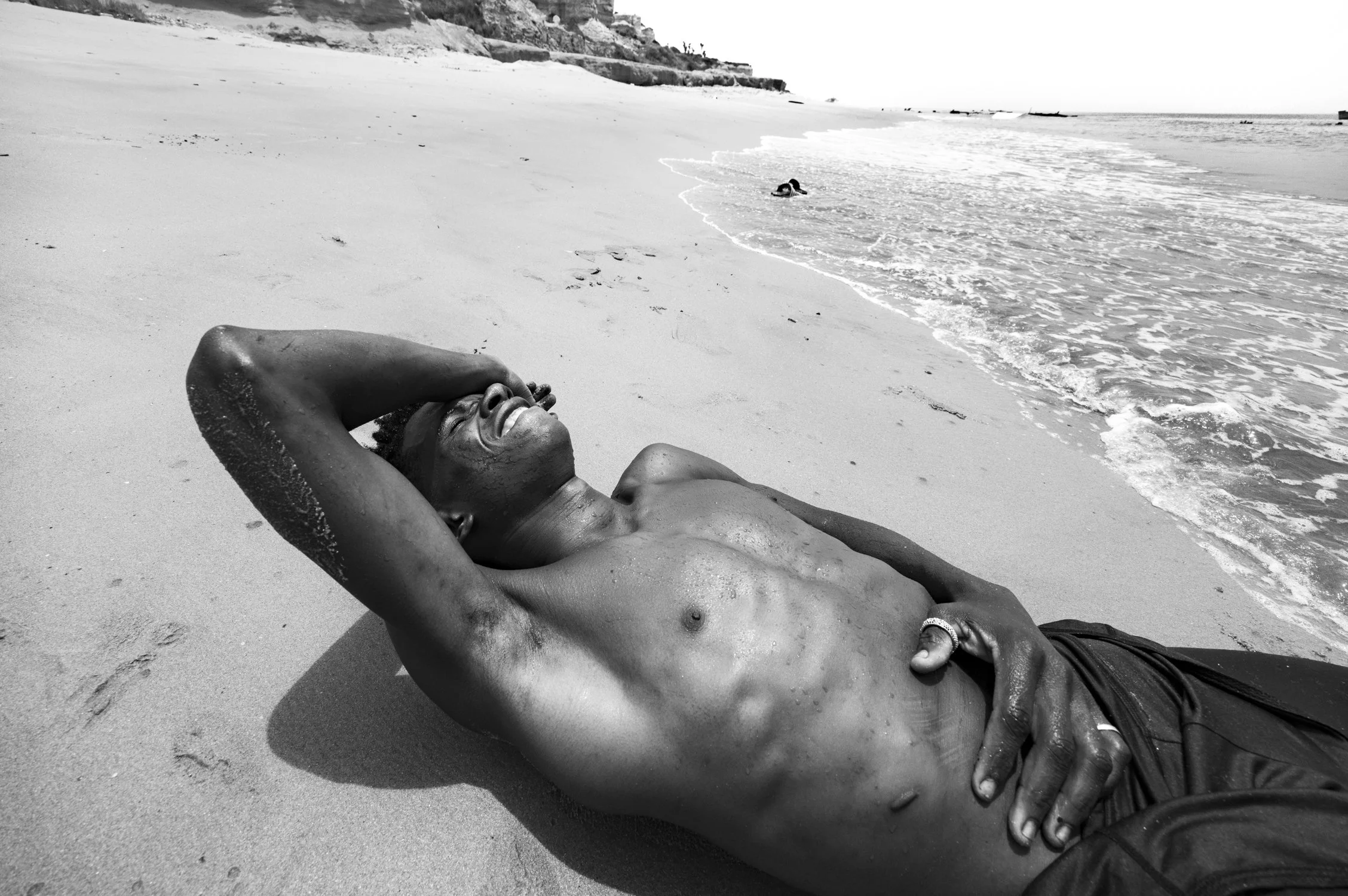
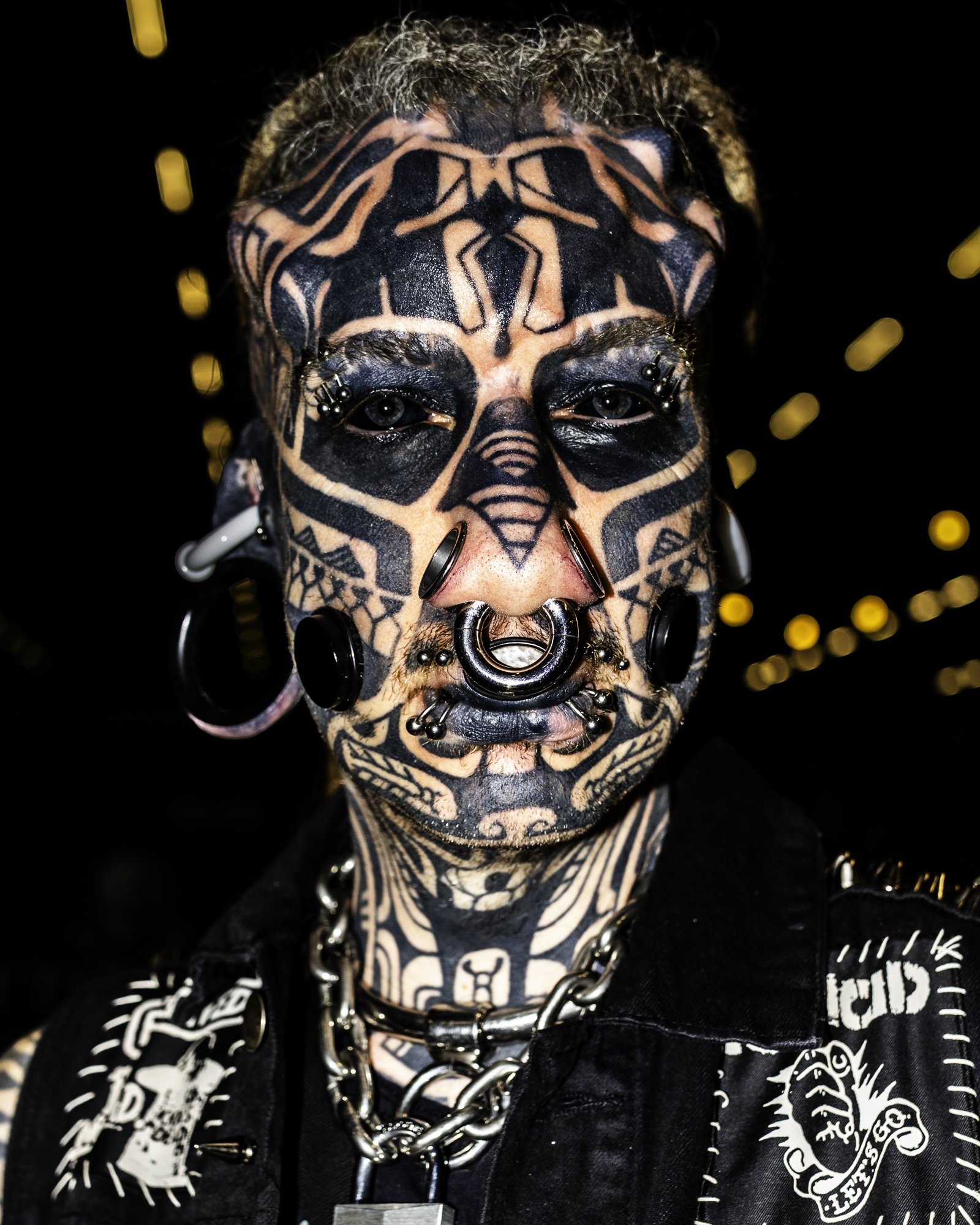
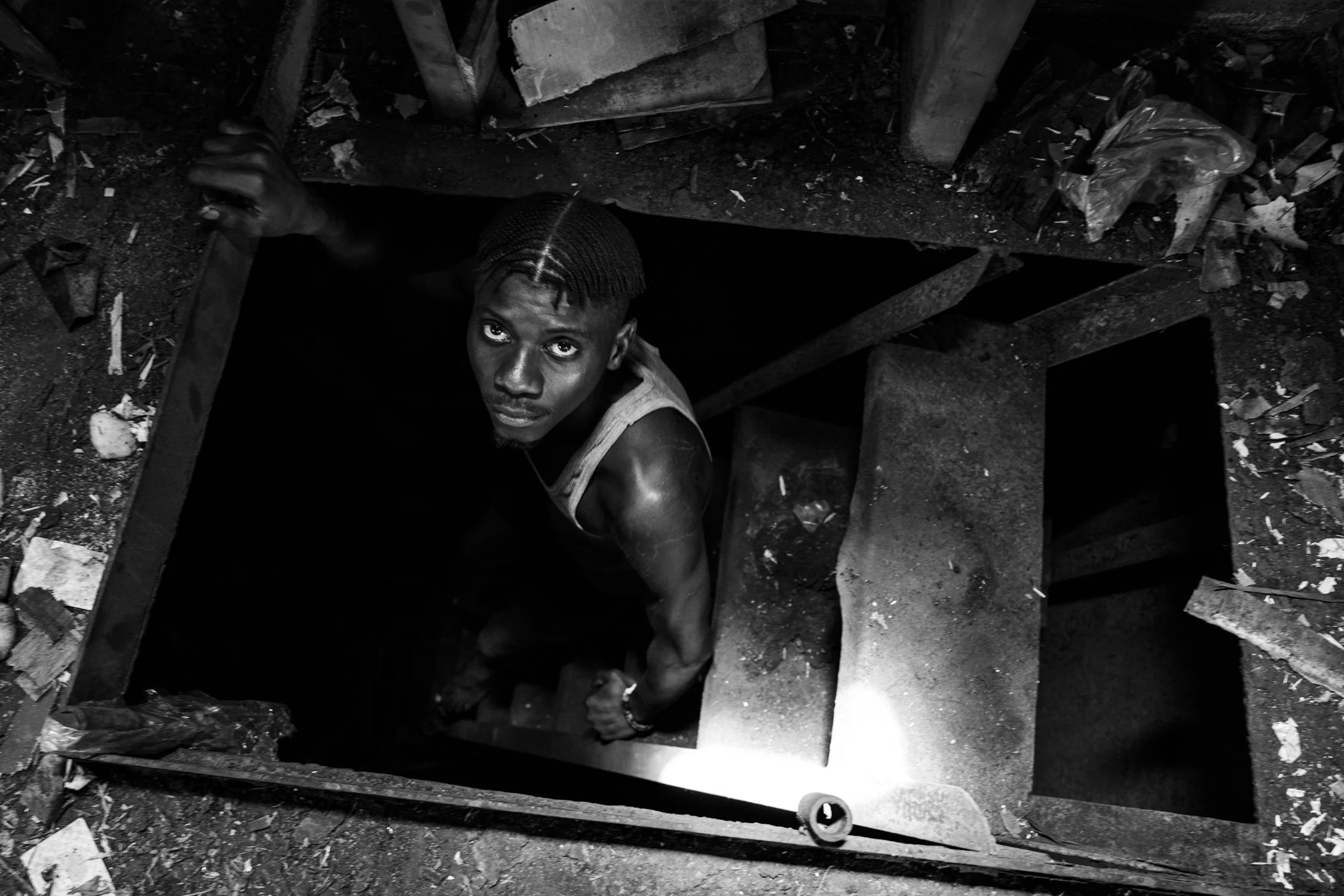
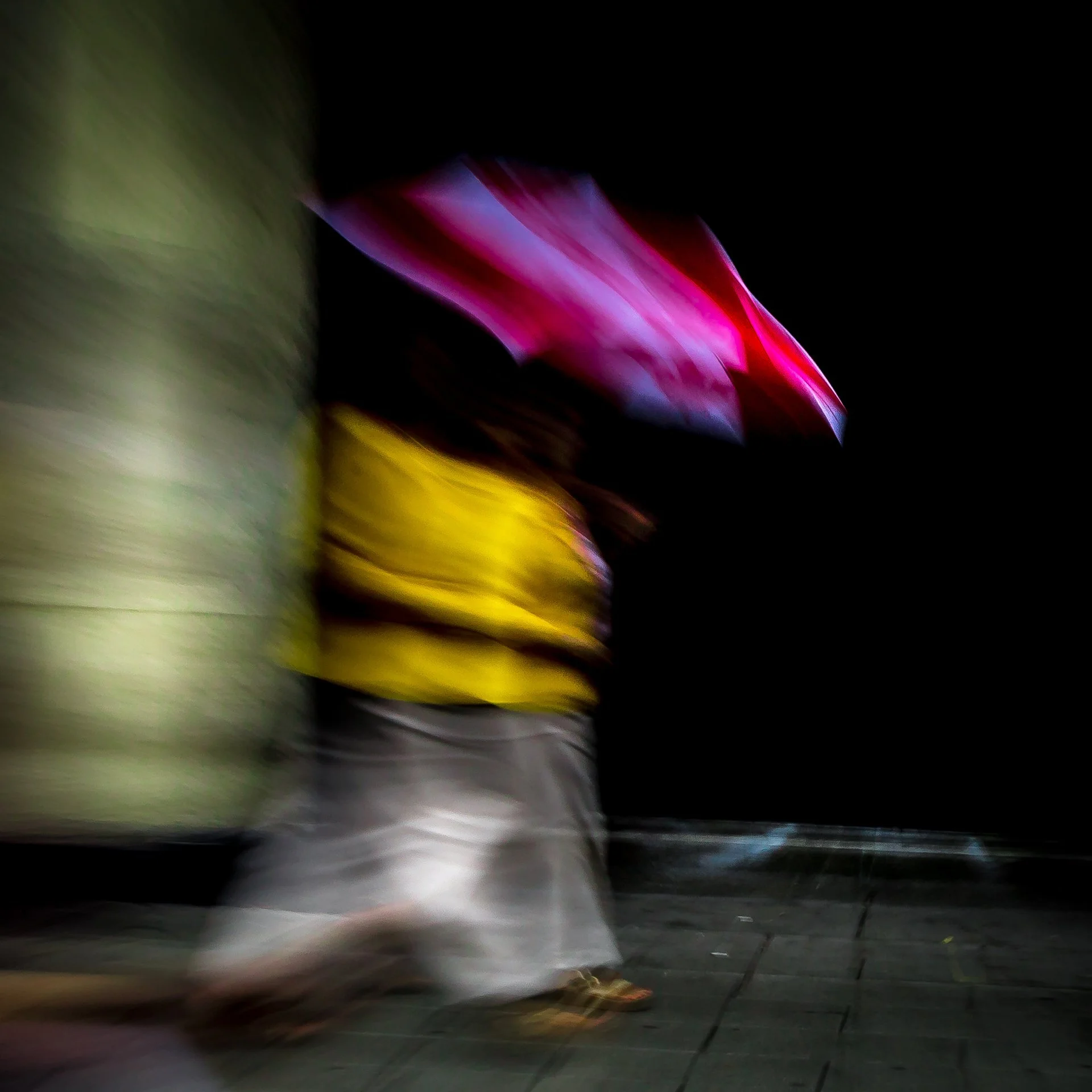
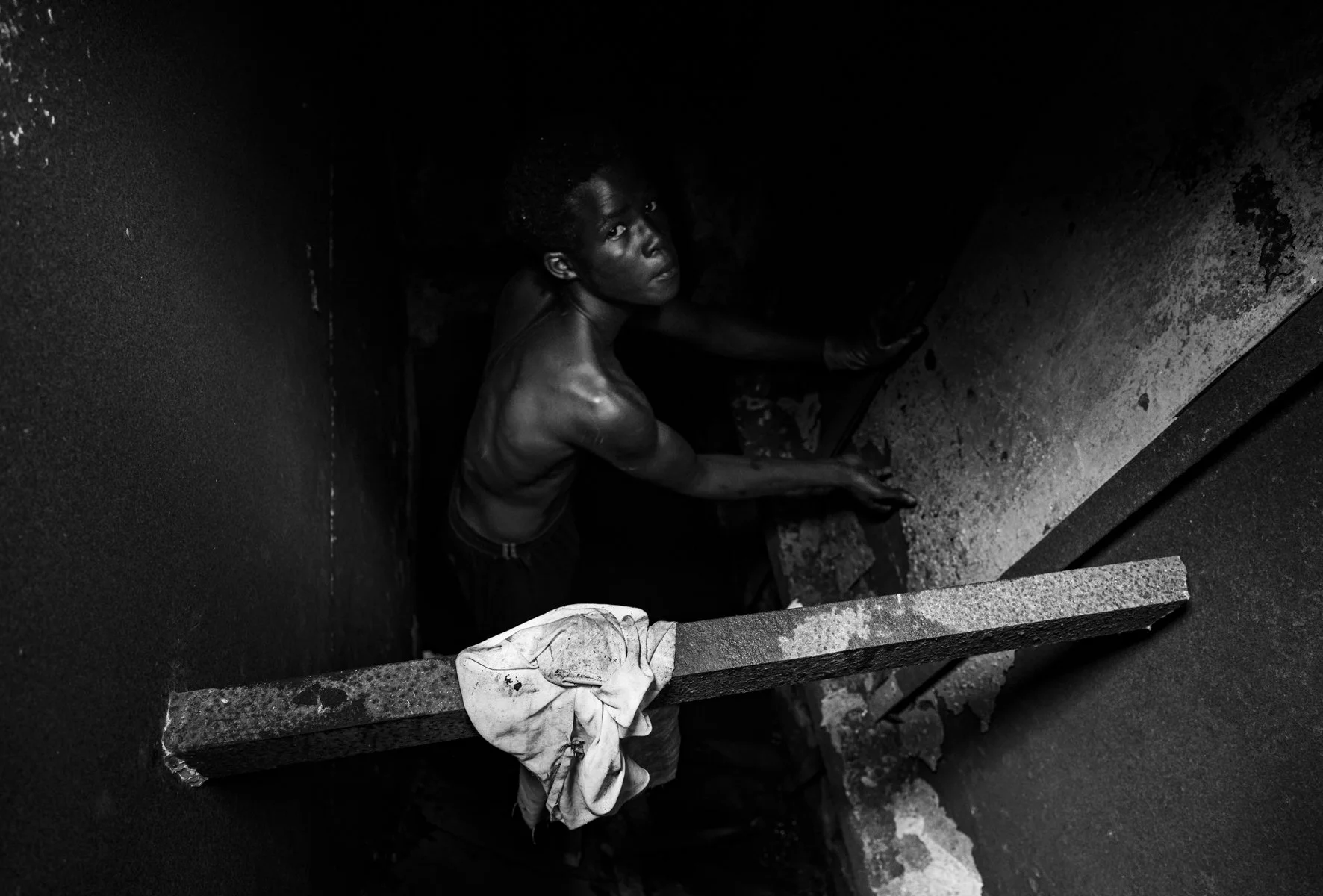
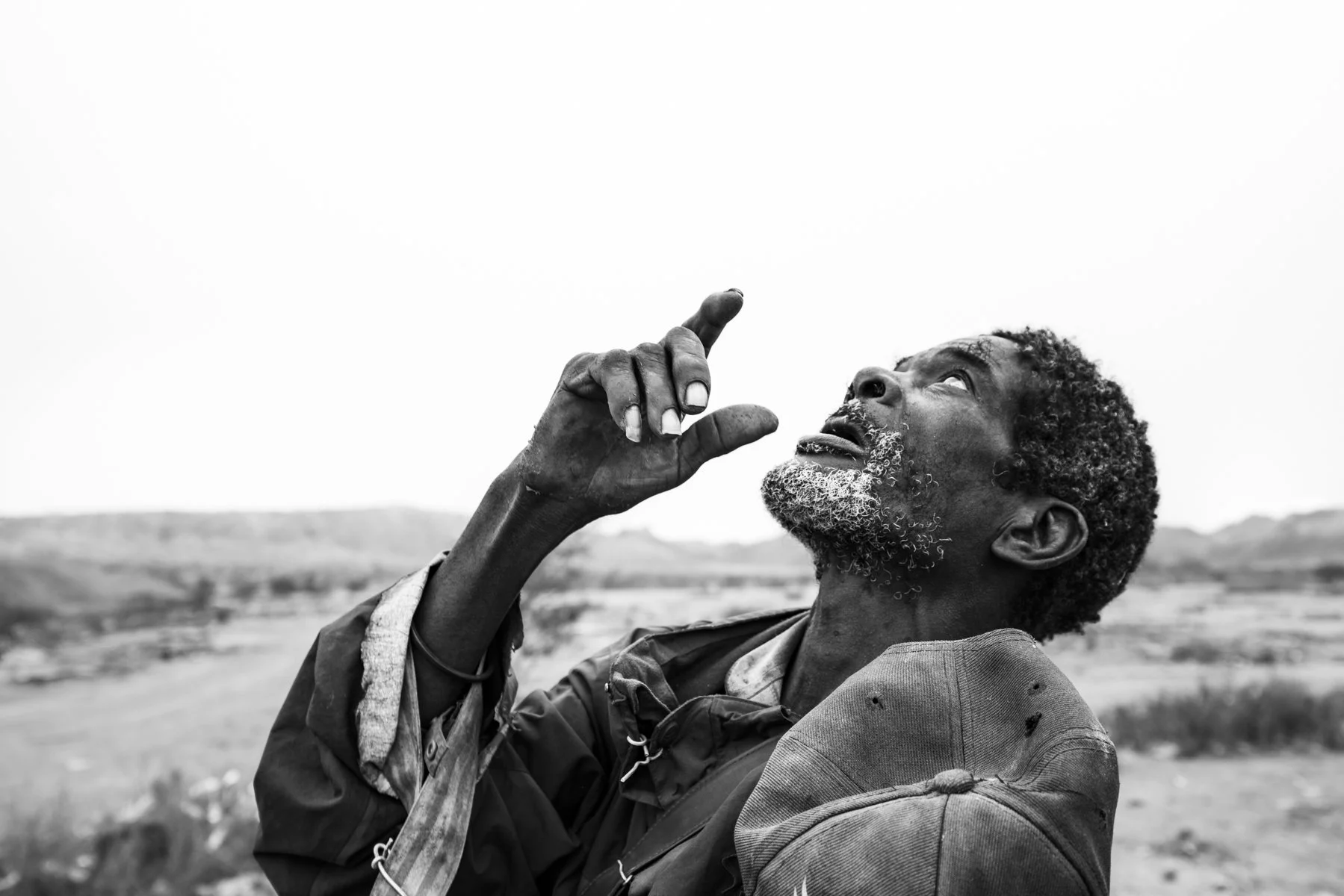
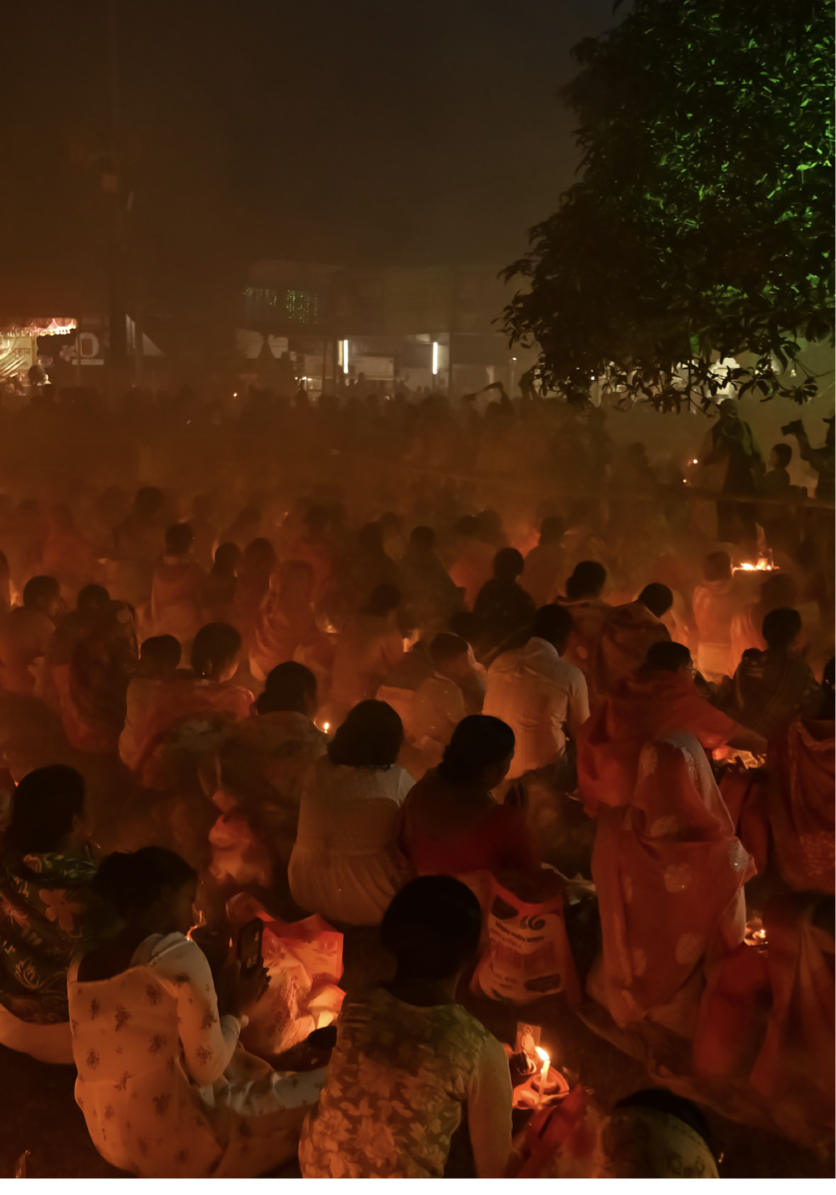
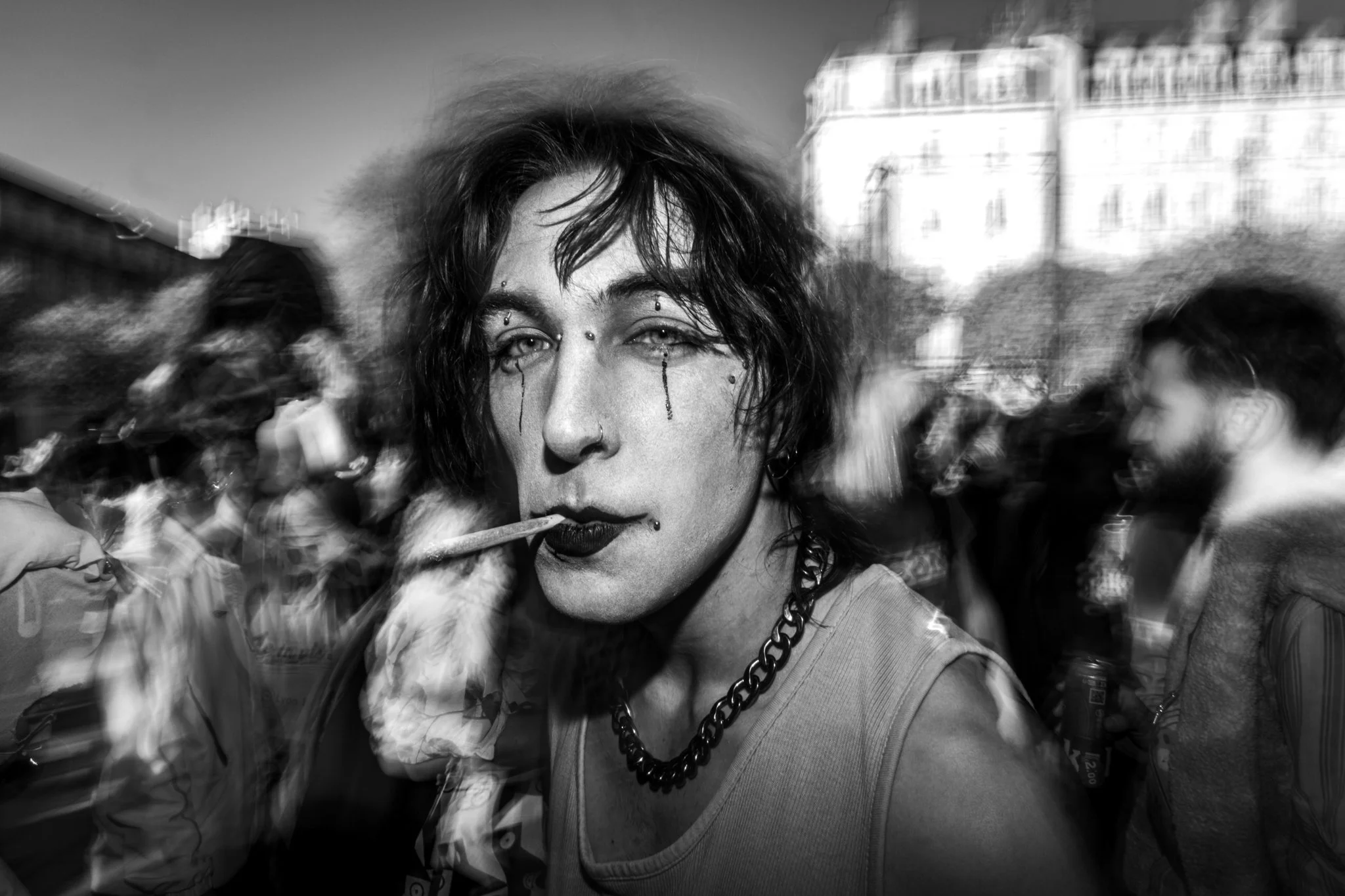
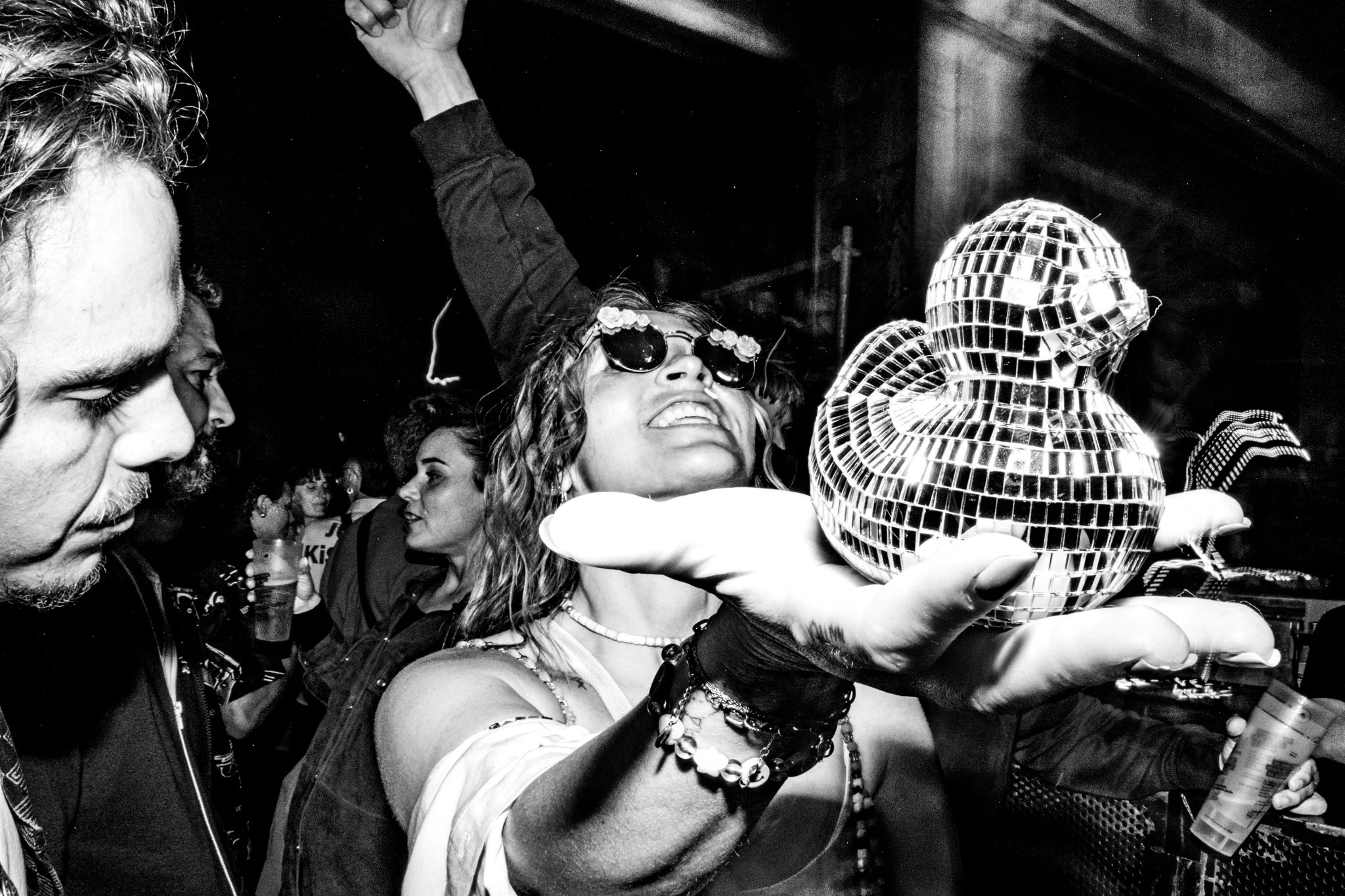
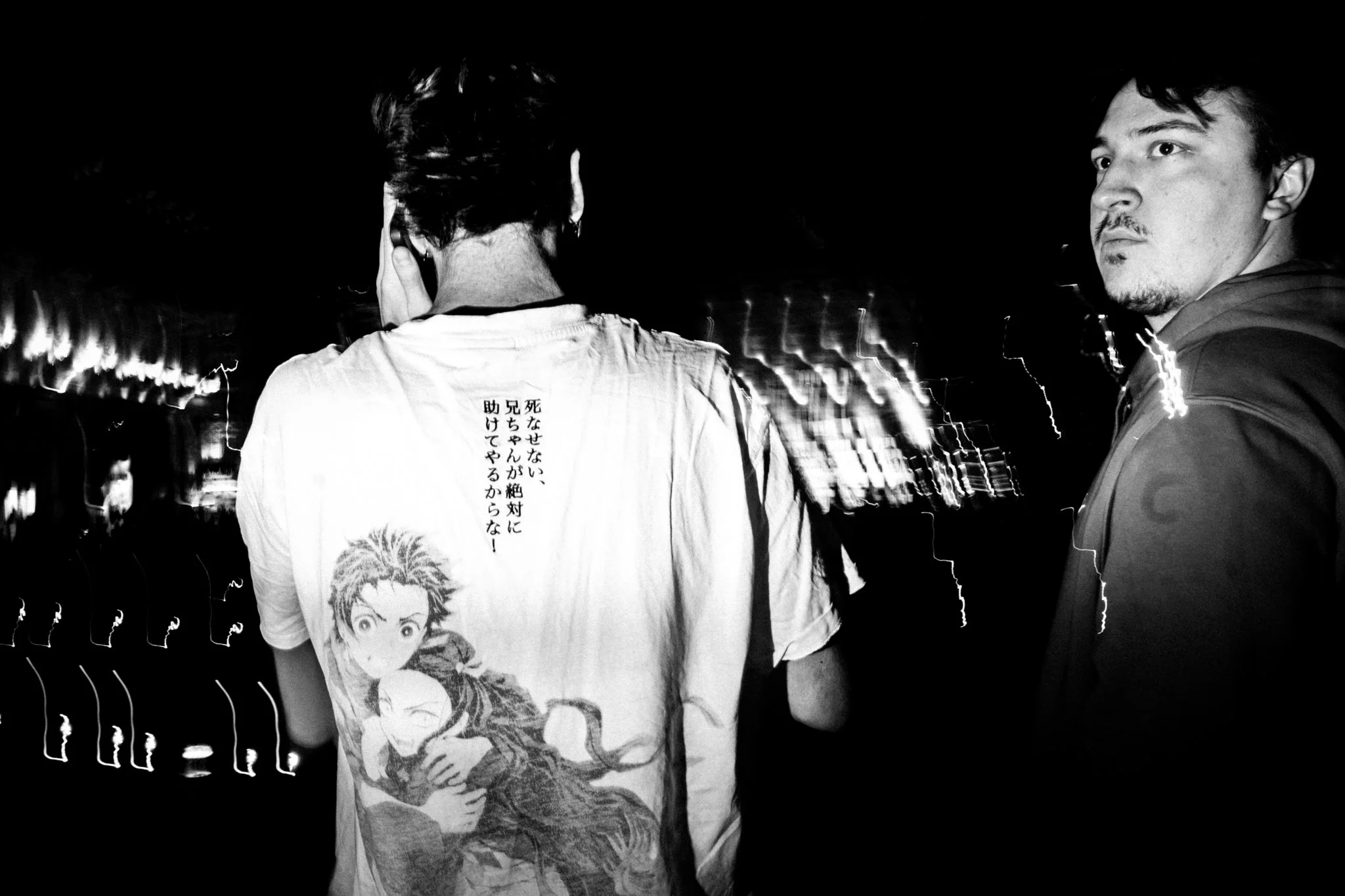
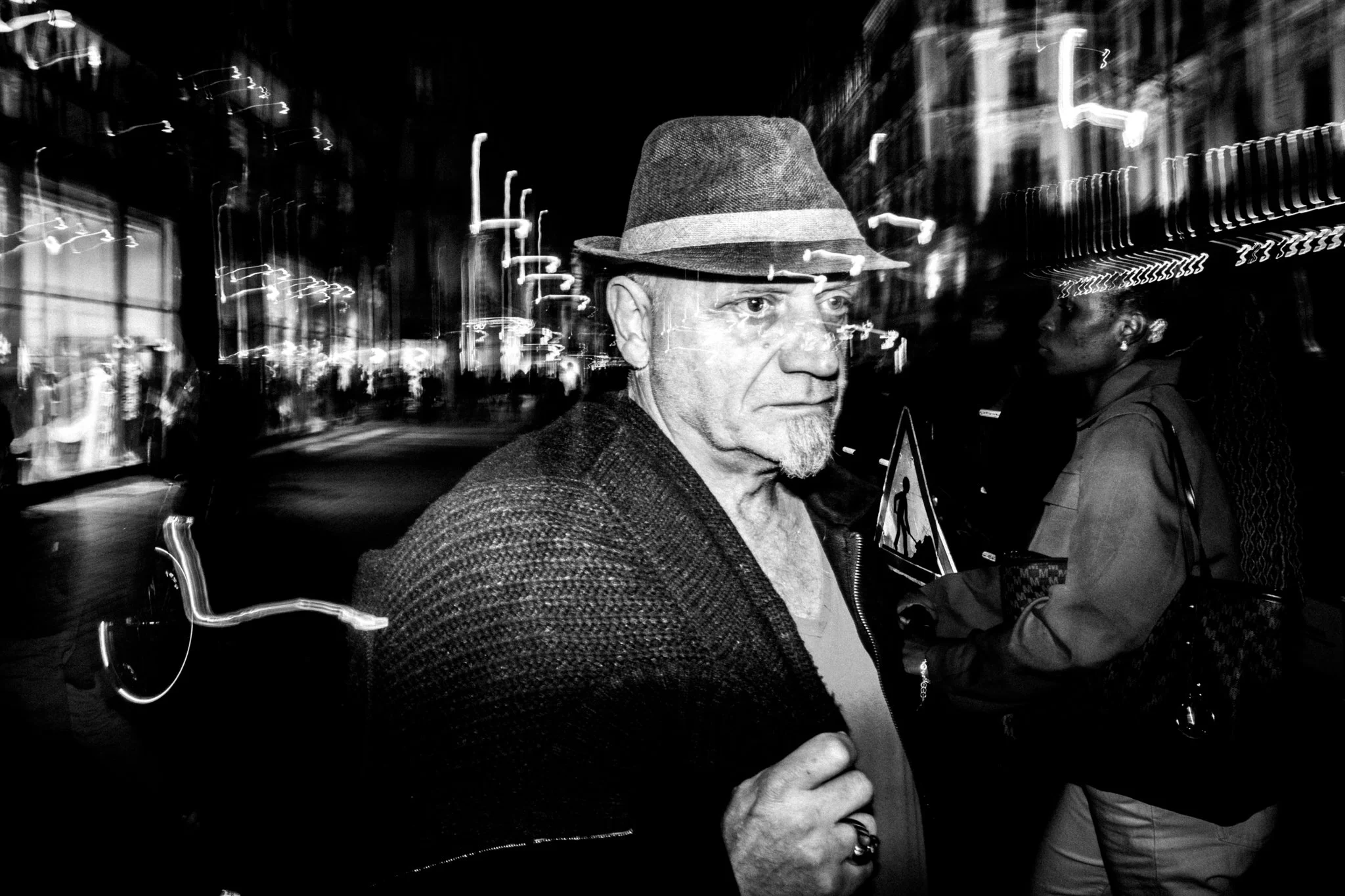
Street photography brings together, under a single label, a whole range of different practices. If they roughly share the idea of capturing human subjects in an urban setting, they pursue a thousand different goals and forms. Winogrand photographed “to see what something would look like once photographed.” Capa urges you to get closer and closer to your subject, because if “your pictures aren’t good enough, you’re not close enough.” And Bruce Gilden will tell you that in a good photograph, you can smell “the scent of the street”! To each their own quest. Formalism, humanism, documentary… Honestly, let everyone do what they like. Normativity has invaded so many areas of our lives—we can do without it here, thanks. Personally, I don’t photograph in order for my images to resemble the real world. I’m looking for other things—many of which aren’t directly represented in the image itself (even if they probably inform it): the disturbance of otherness, and the intensity of the lived photographic moment. Still, photography for me isn’t just therapy or philosophy—it’s also an aesthetic. I almost constantly use flash, even when the sun is shining, which forces me to add a filter. So yes, I don’t use it solely for its original function, which is to add light when it’s missing. I use it because it allows me to produce a singular image, often very different from what my eye sees outside the viewfinder. It’s about emphasising the power of contrasts, creating breaks in texture, isolating subjects in the midst of the world’s drooling dereliction. These images are like metaphors, inviting the viewer to slip behind the scenes: a lost world held together by the power of singular loves.
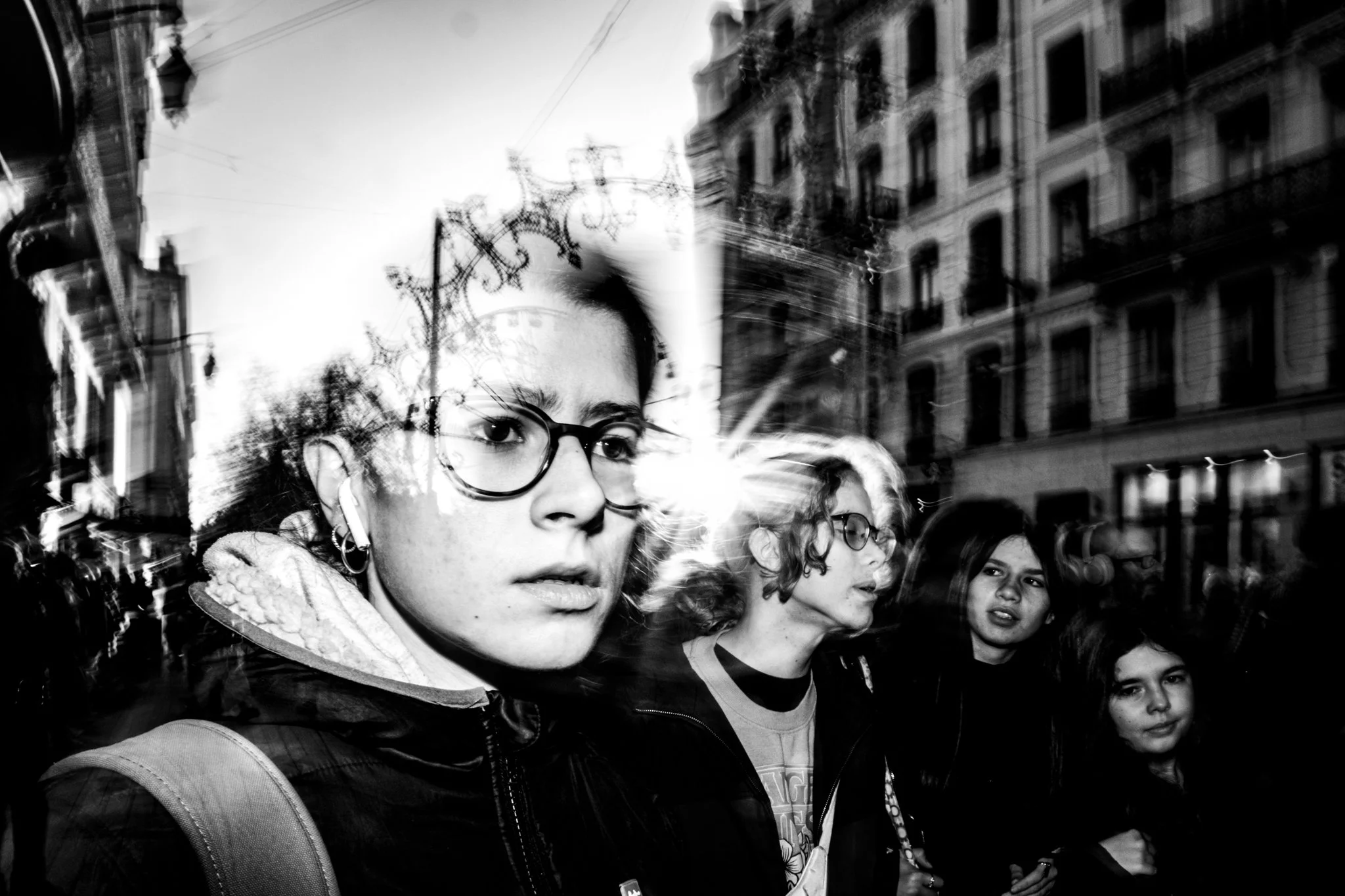
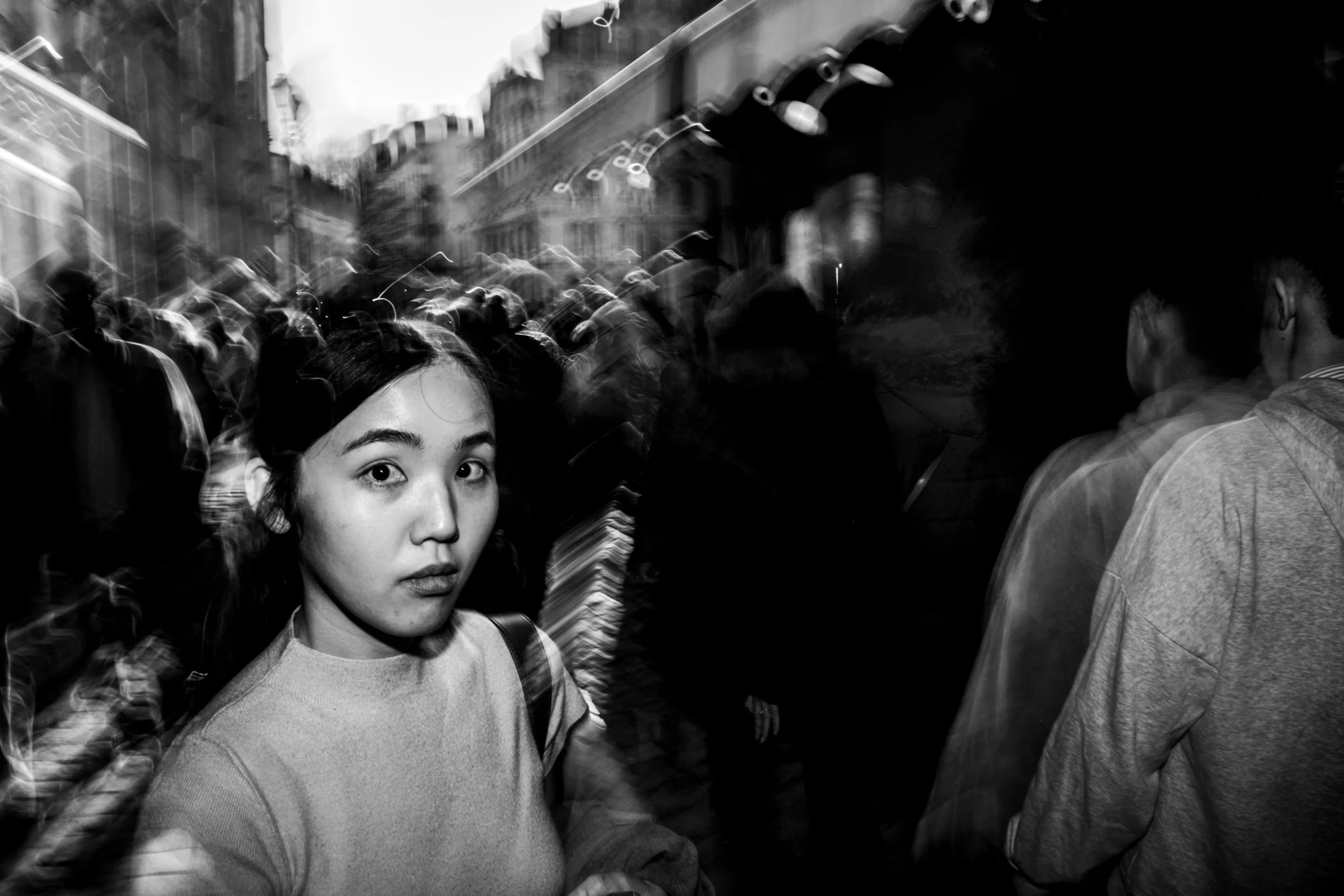
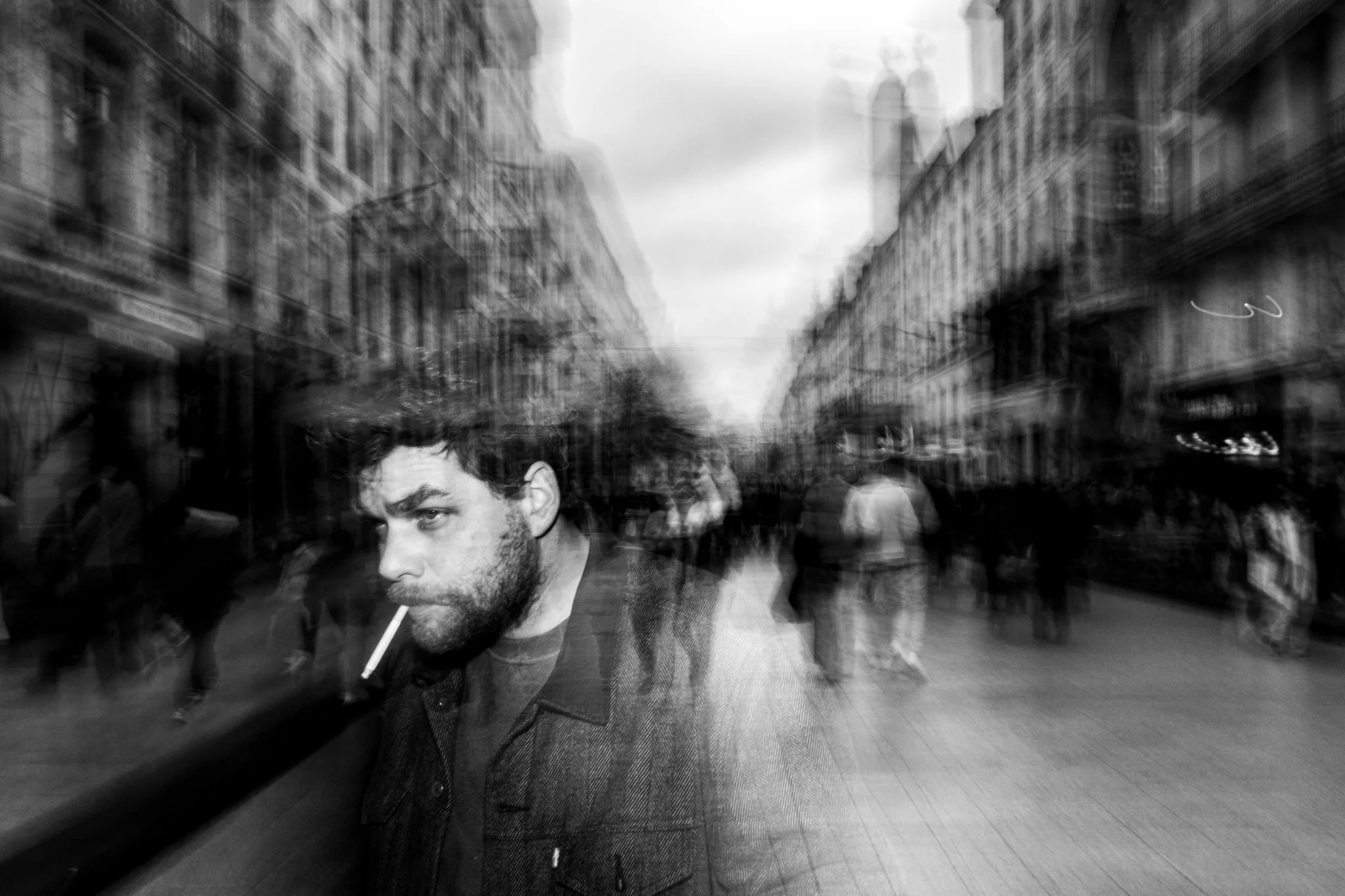
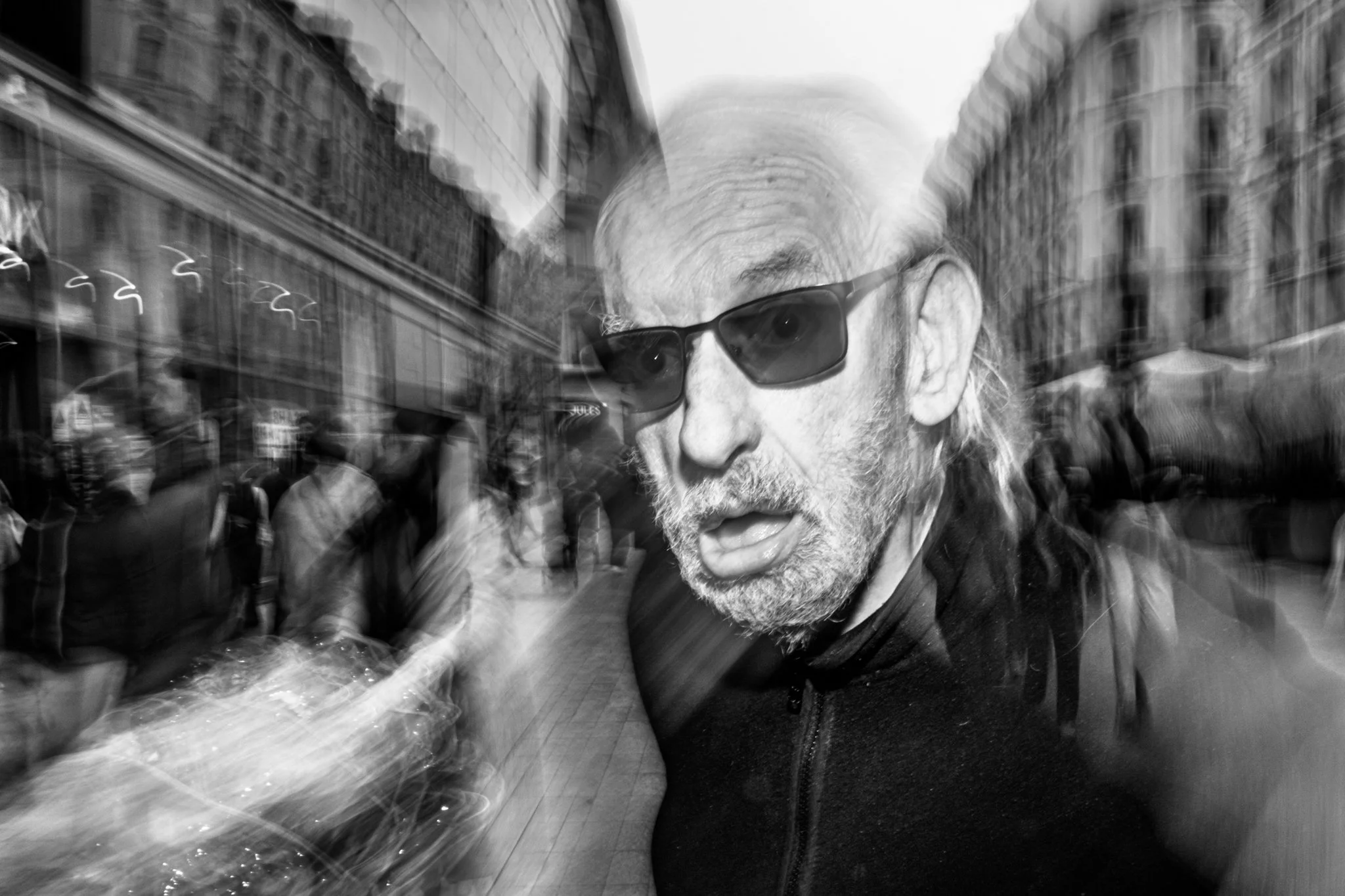
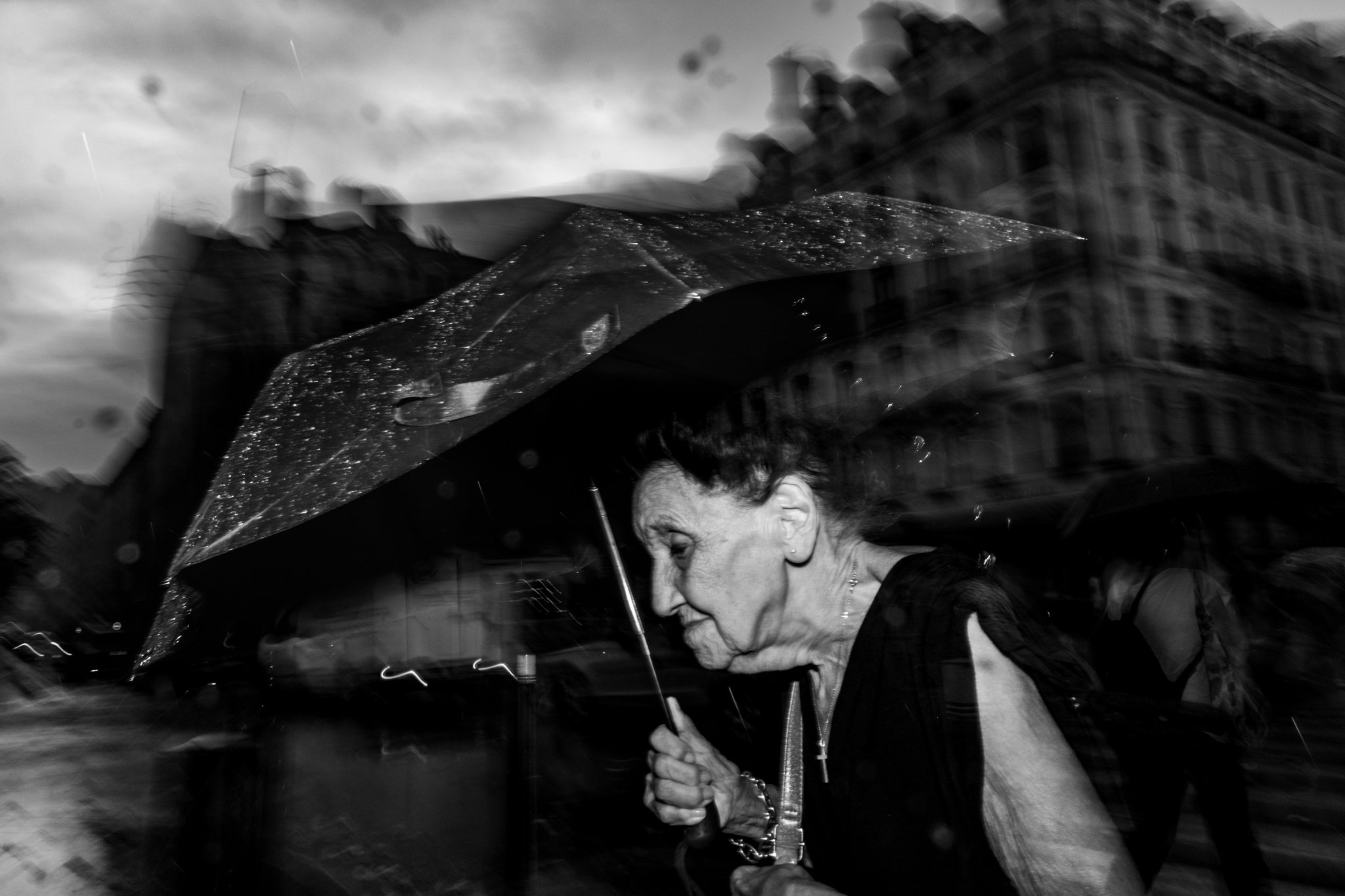
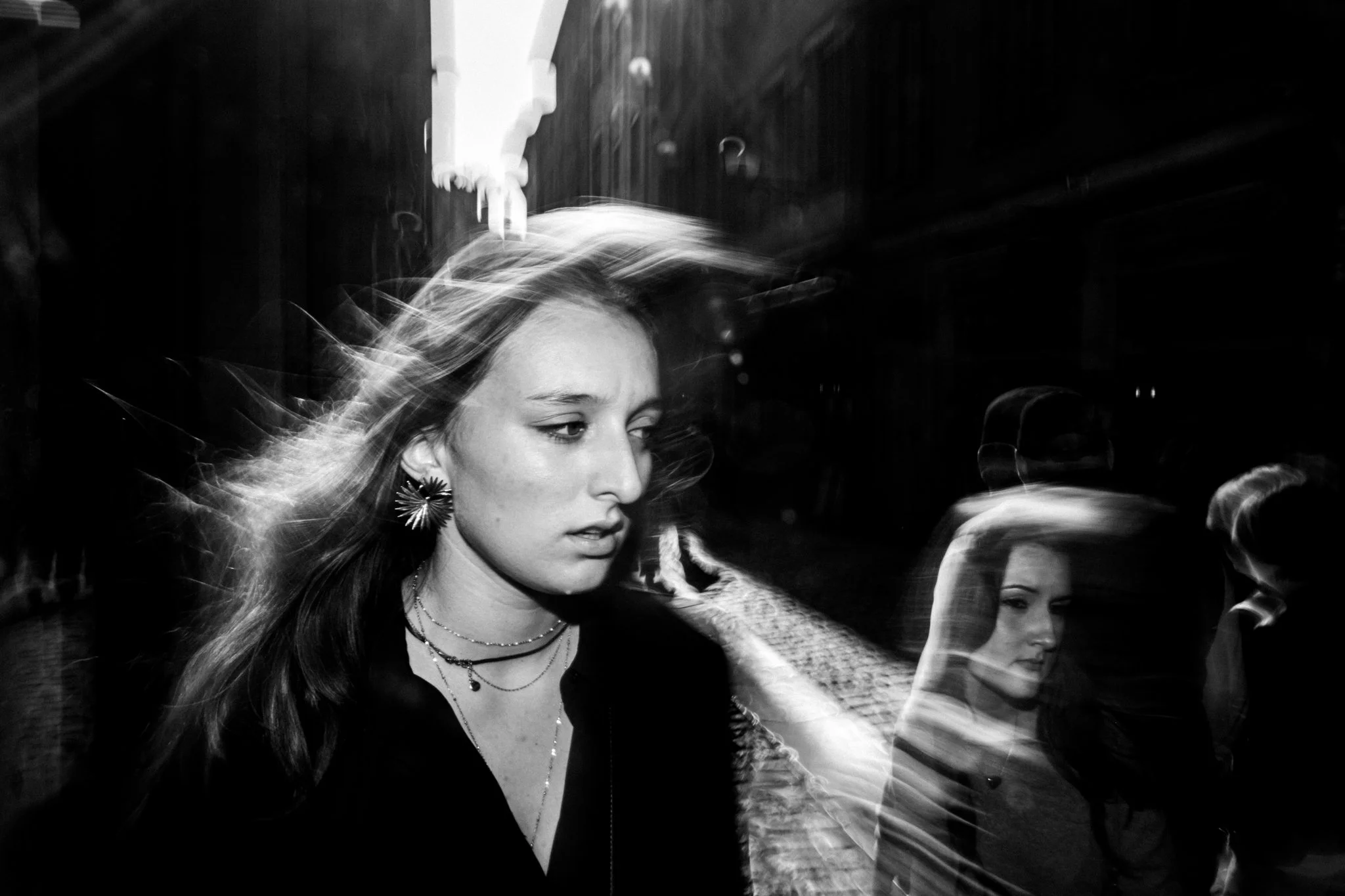
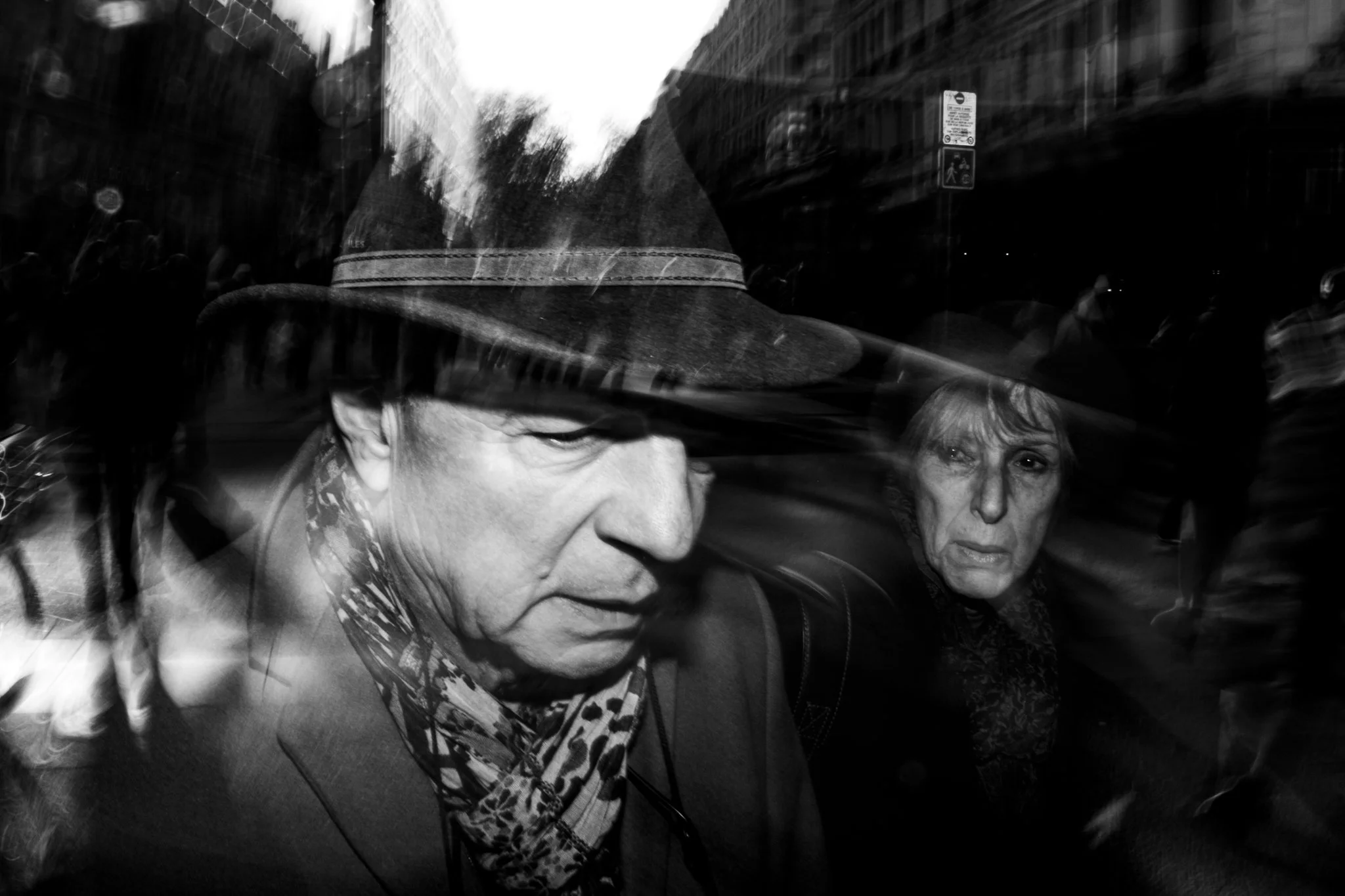
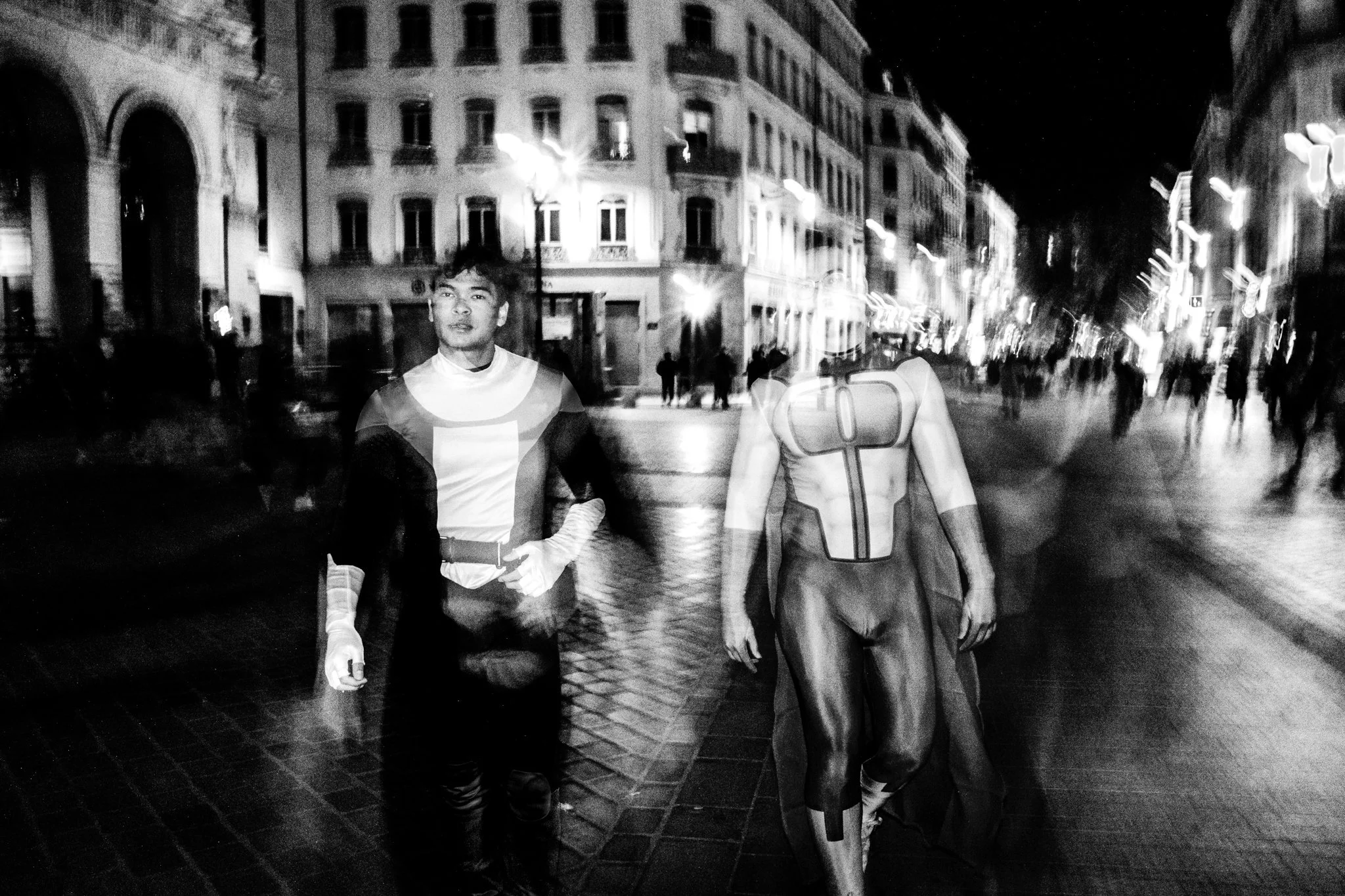
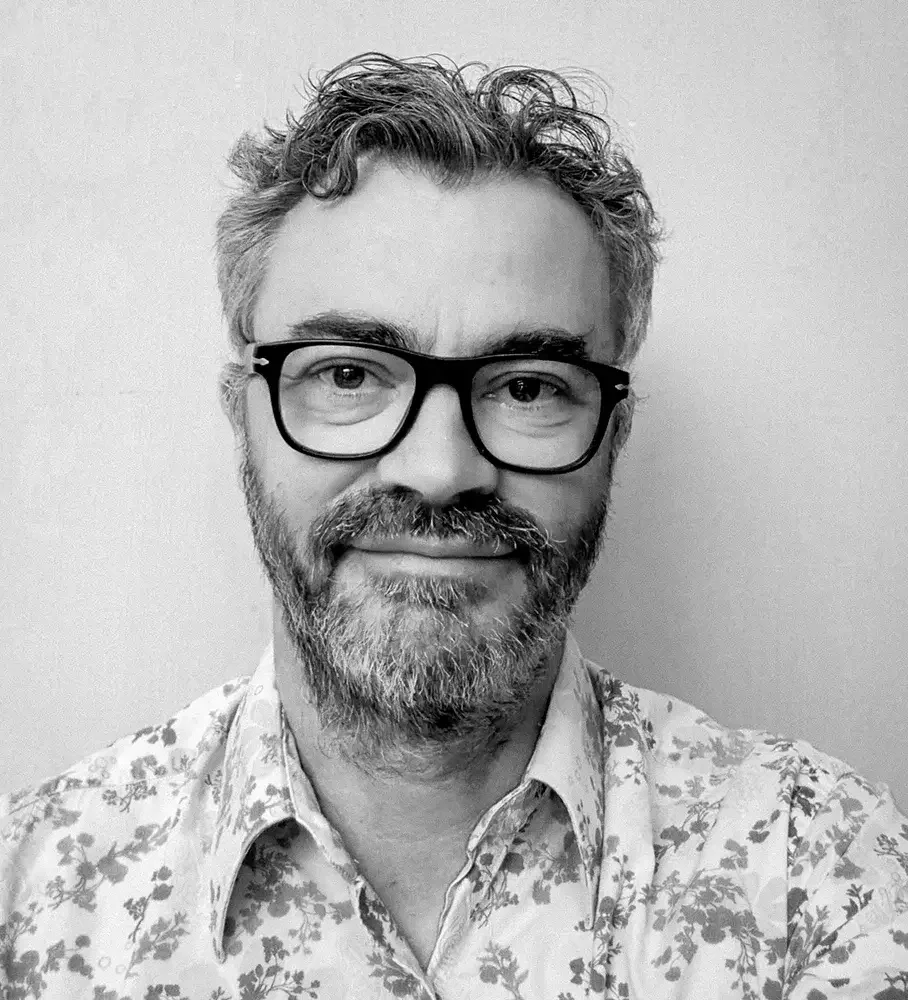
Ludovic Viévard has been focused on street photography since 2023. He sees it as a way to immerse himself in the present moment and the urban environment, capturing scenes from everyday life—both mundane and extraordinary. His style features a dark aesthetic with raw images, strong contrasts, and blur. A key element of his work is the "in-between" moment, which occurs when people realise a photo is being taken. This fleeting moment, caught between the candid and the posed, reveals genuine emotions such as surprise, joy, and indignation. His project invites participants and viewers to reflect on self-image in a world increasingly shaped by smartphones and social media.