Tour groups, temporary routes and toilets: the reshaping of Rome – by Lorenzo Grifantini
The project encompasses a long-term photographic study focused on the historic centre of Rome and the impact of mass tourism, temporary infrastructures, and recurring collective rituals on public space. By integrating documentary practices, urban observation, and visual essays, this work explores how one of the world's most iconic historical cities is progressively reorganising itself in response to the continuous influx of visitors.

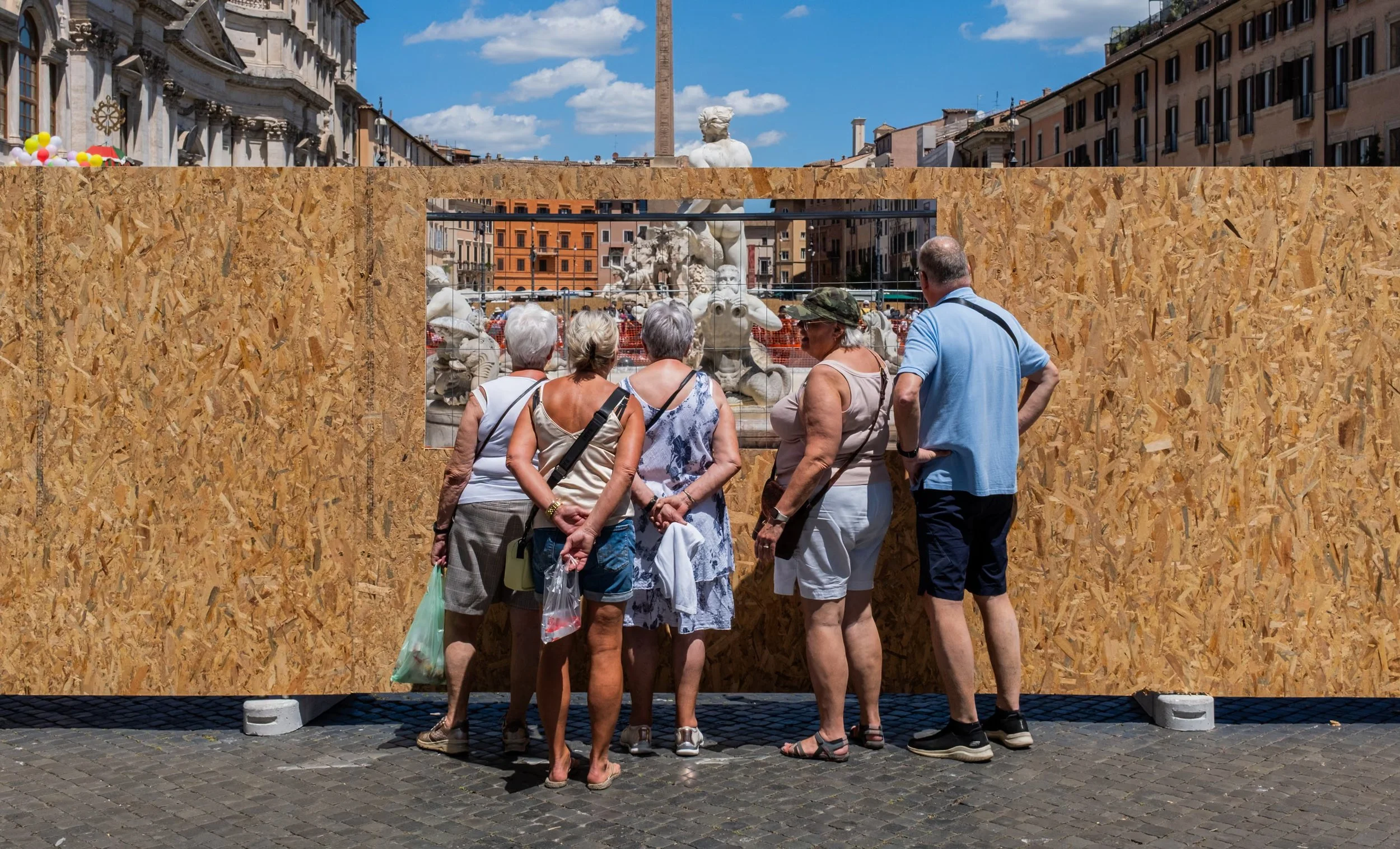
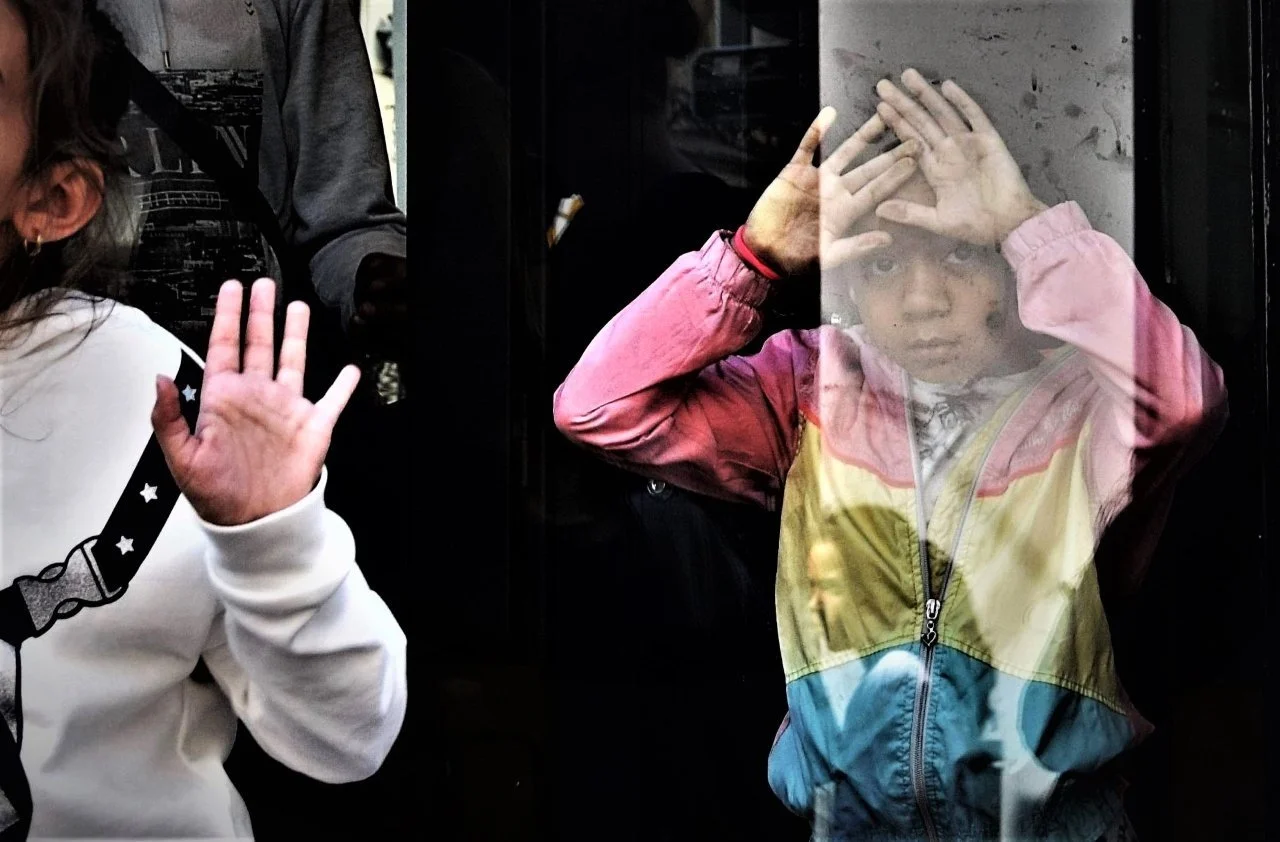
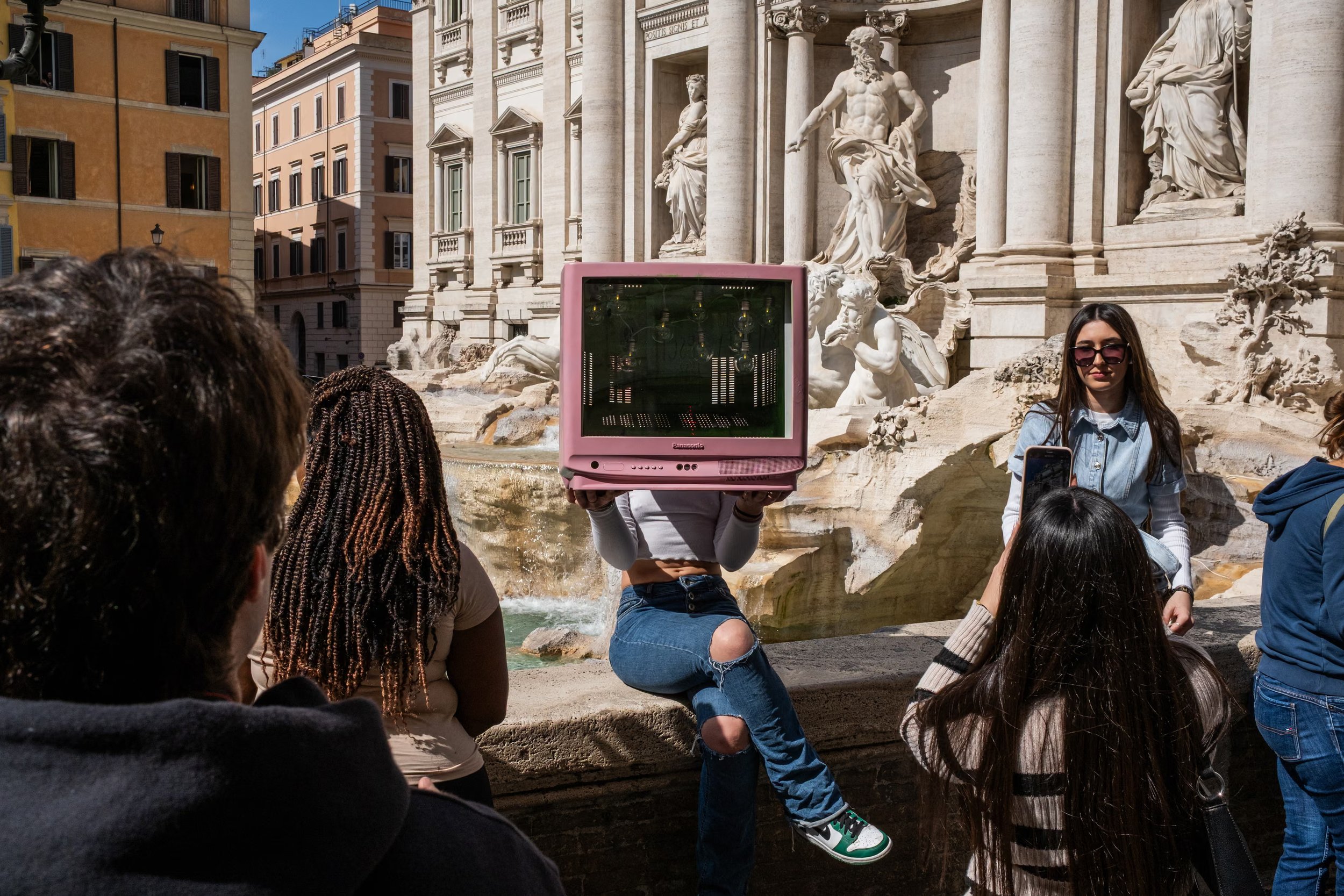
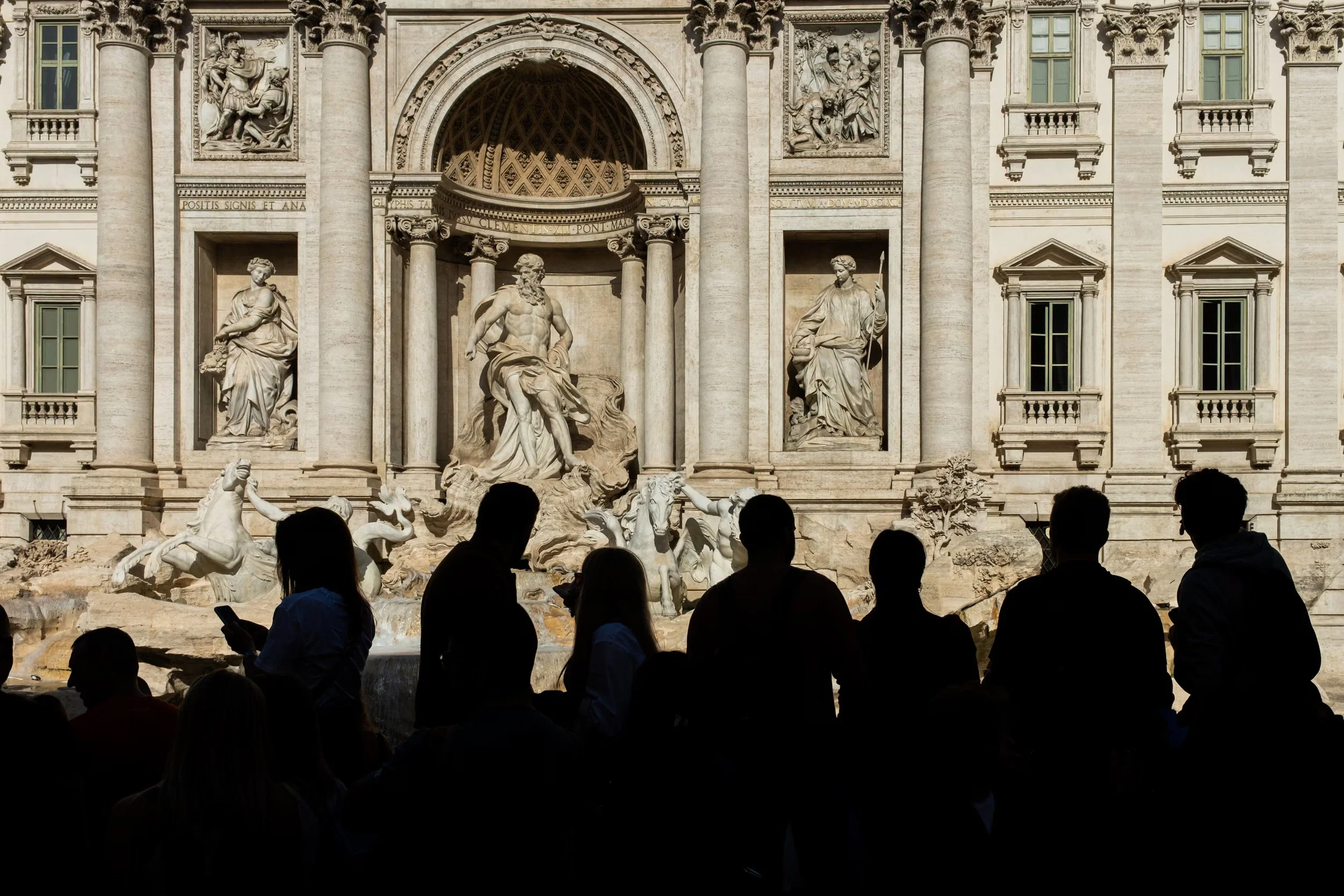
Visitors look through temporary viewing panels during restoration works in central Rome.
This is the century when the world is always on holiday. Traditional holidays no longer exist. Summer, winter, spring, and autumn all have organised, booked holidays. People pour into the cities and tourist destinations like a river in flood.
Cities worldwide, including Rome, Venice, Florence, and Milan, are increasingly becoming income-generating machines rather than vibrant cultural hubs. Overtourism has transformed these once-welcoming places into parodies of themselves, where local identity fades amid the commercialisation of experiences. This crisis even extends to preserved areas like the Cinque Terre, which are now facing visitor limits. The rise of short-term rentals post-COVID-19 has reshaped urban landscapes, with Barcelona seeing 35% of homes used for tourist stays and cities like Berlin and New York imposing rental restrictions. In Rome, the housing crisis is worsened by the upcoming Jubilee in 2025, leading to a surge in Airbnb listings that displace local families. Venice and other historic centres are similarly affected, underscoring the urgent need to protect local cultures and communities.
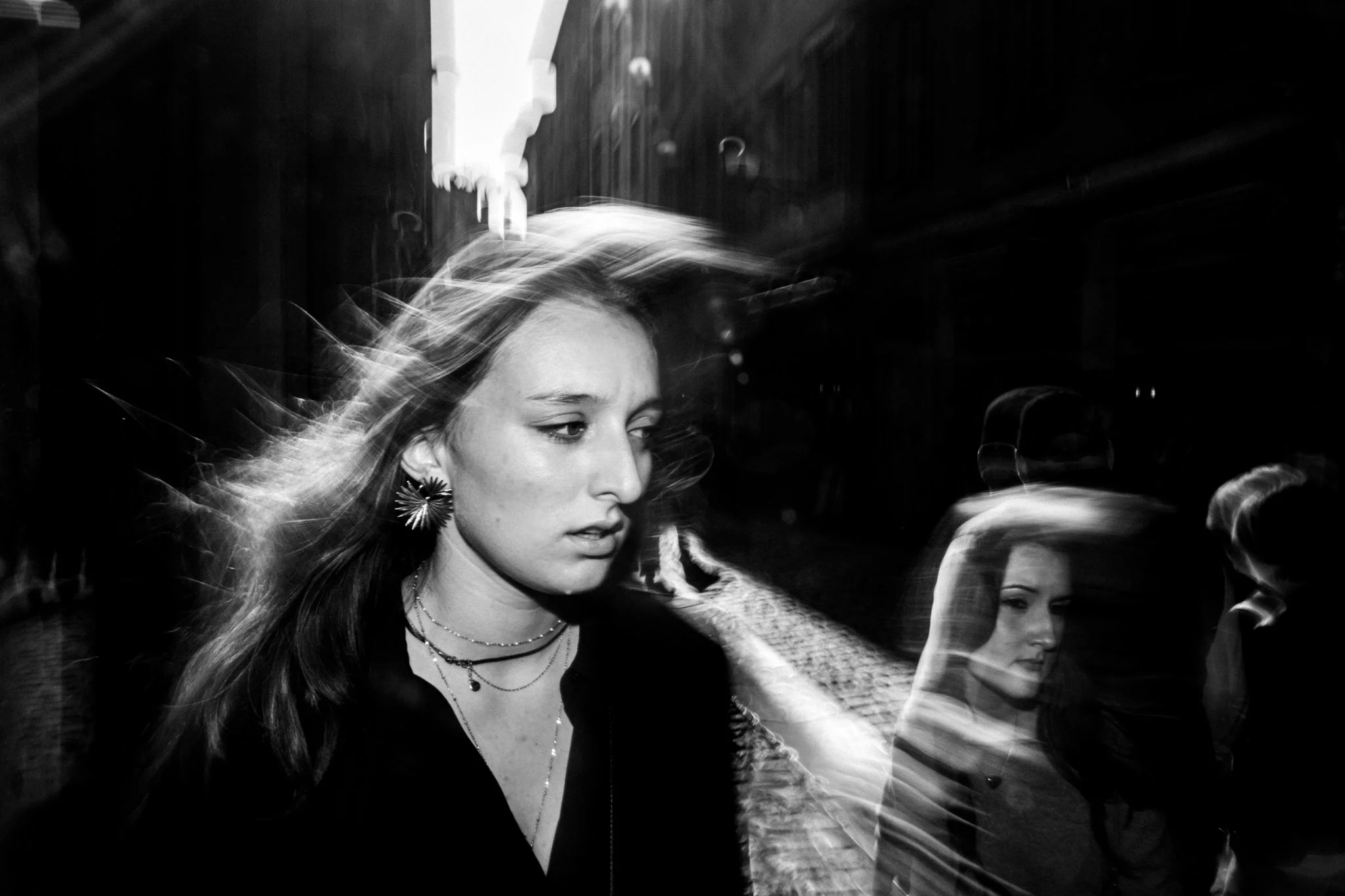
Photographer Lorenzo Grifantini observes how Rome's historic center has slowly restructured itself to accommodate the constant flow of visitors and the expectations placed upon it.
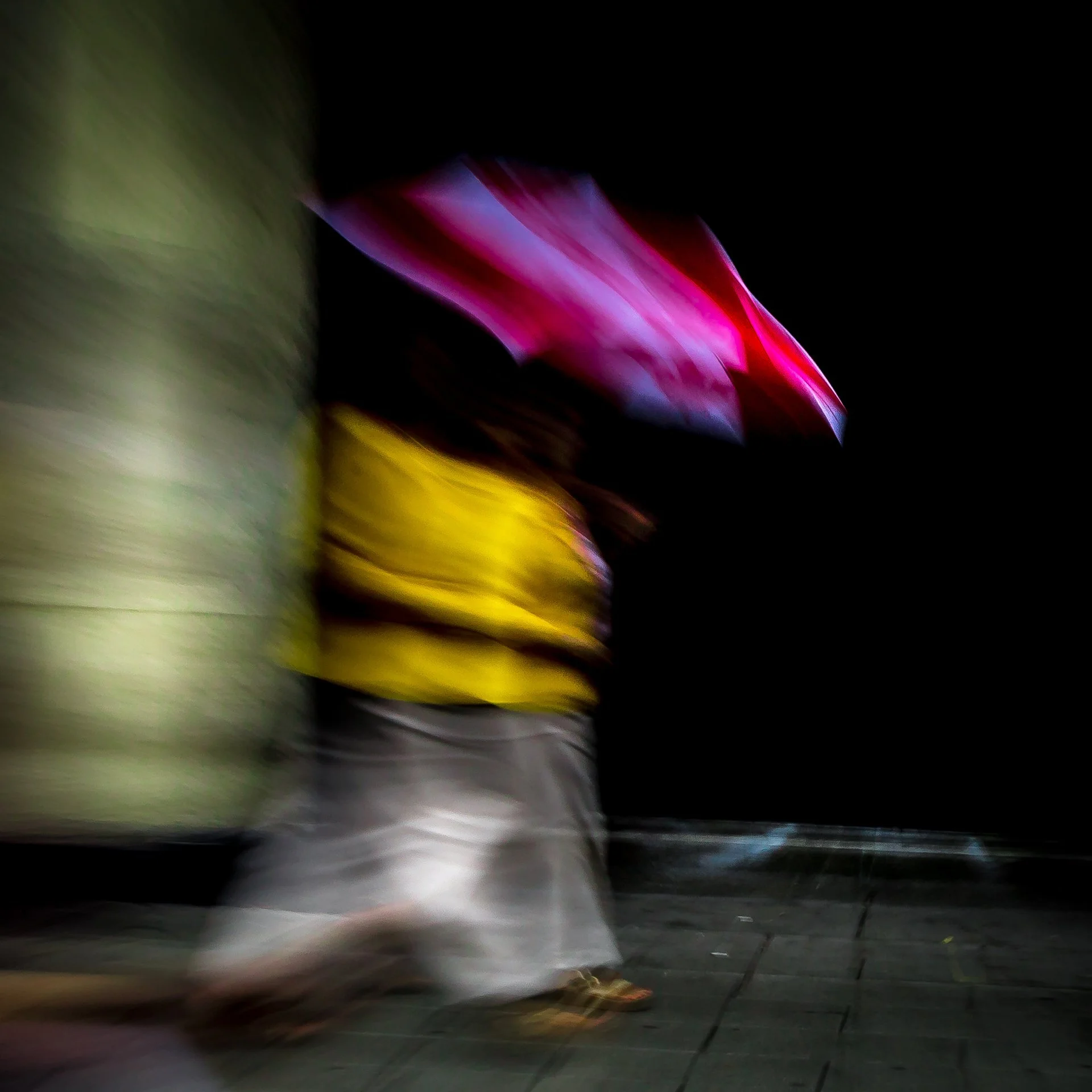
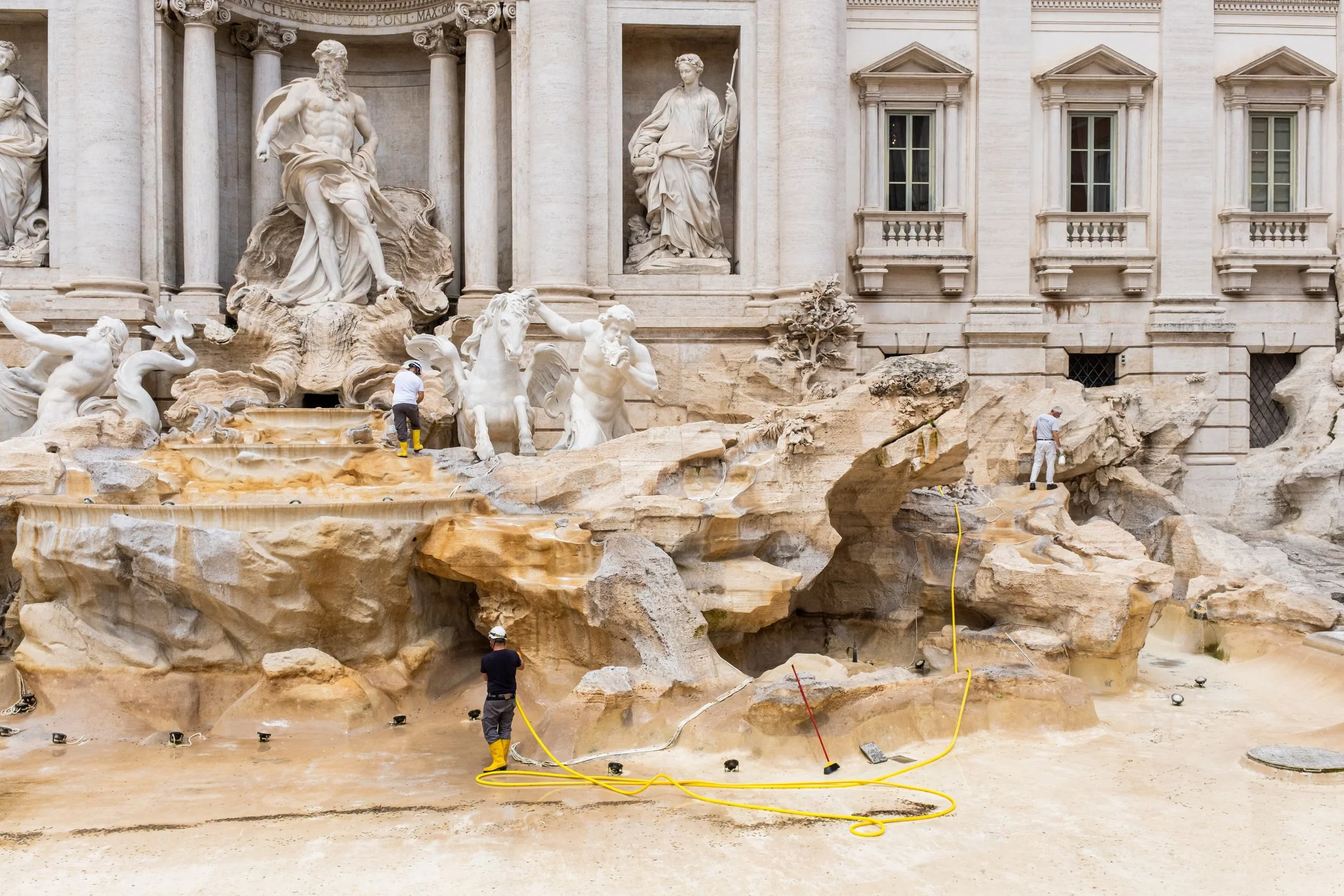
By mid-morning, the area around the Trevi Fountain is already difficult to cross. Visitors stop suddenly to take photographs while tour groups gather behind raised umbrellas, and security staff redirect the flow of people through temporary barriers placed around the monument. Nearby, souvenir kiosks sell rosaries, plastic gladiator helmets, bottled water and magnets in the summer heat.
Rome has always depended on the people passing through it. Pilgrims, tourists and travellers have crossed the city for centuries, following routes that were familiar long before they arrived. What feels different today is the scale of that movement, and the way the historic centre has gradually reorganised itself around it.
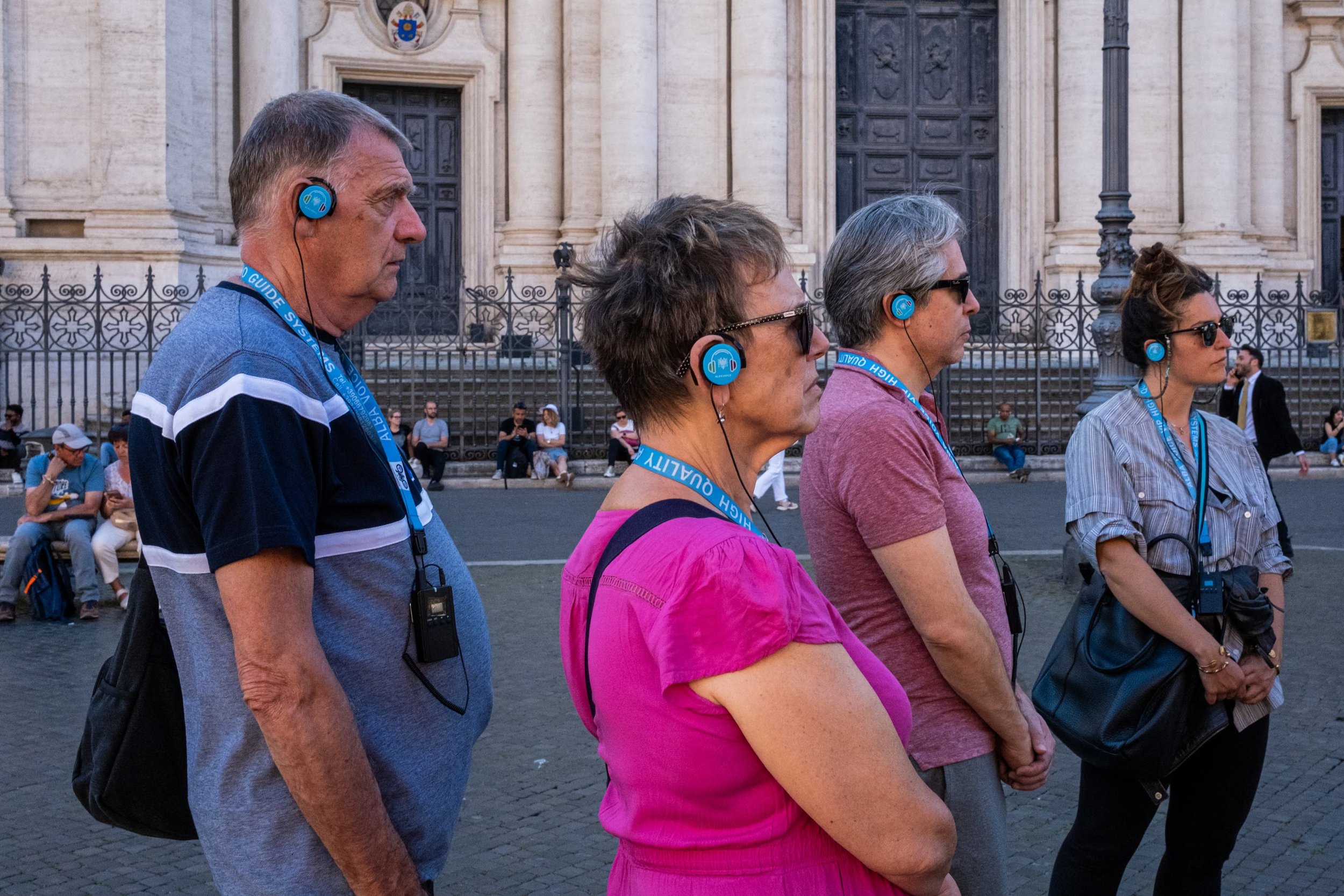
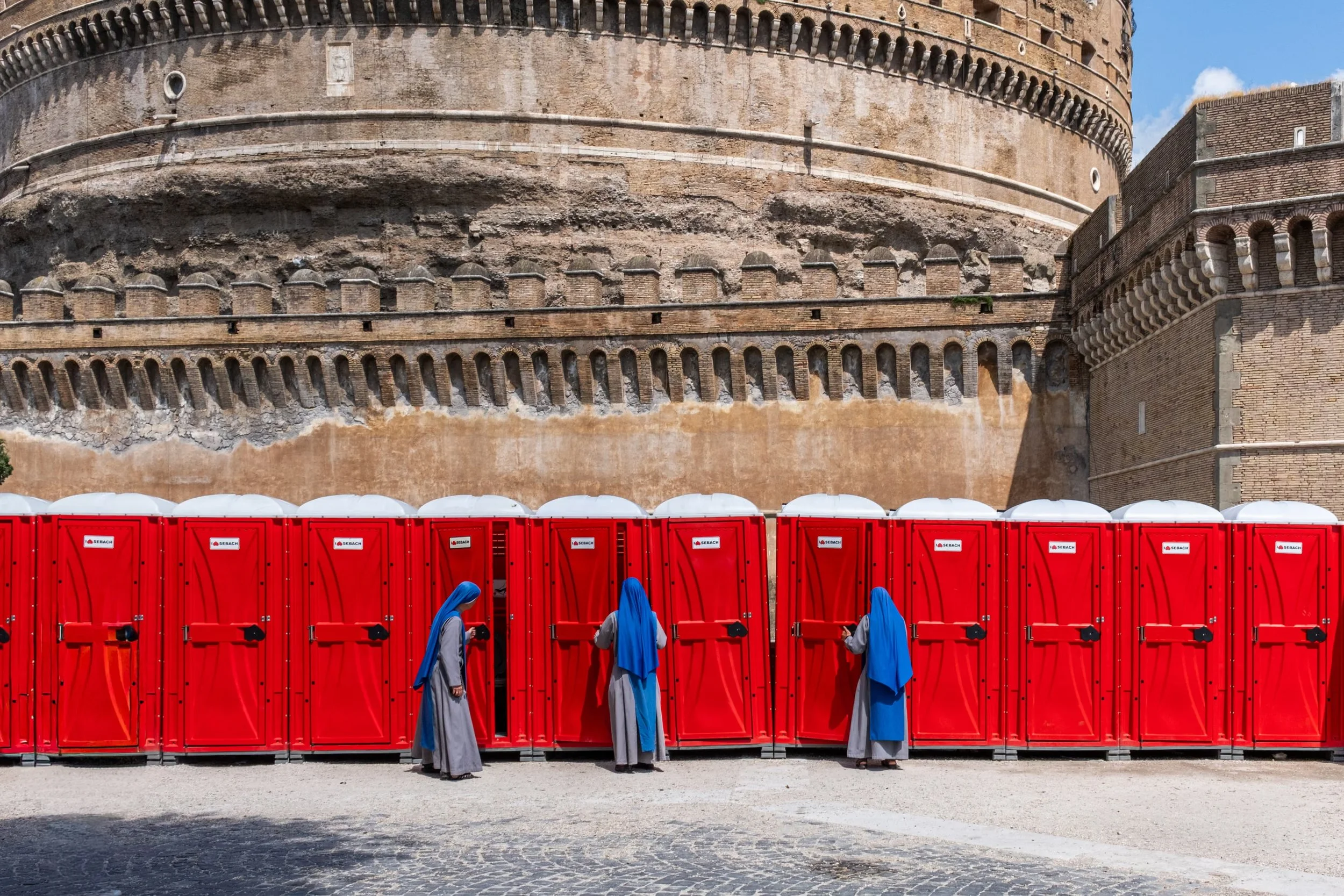
During the Jubilee year, the city often feels structured almost entirely around managing visitors. Barriers redirect pedestrian flows around monuments. Portable toilets sit beside churches and Renaissance walls. Pilgrims queue in the heat outside St Peter’s Square and Castel Sant’Angelo while crowds continue moving through temporary routes and checkpoints. Public space becomes a place of waiting, circulation and constant exposure.
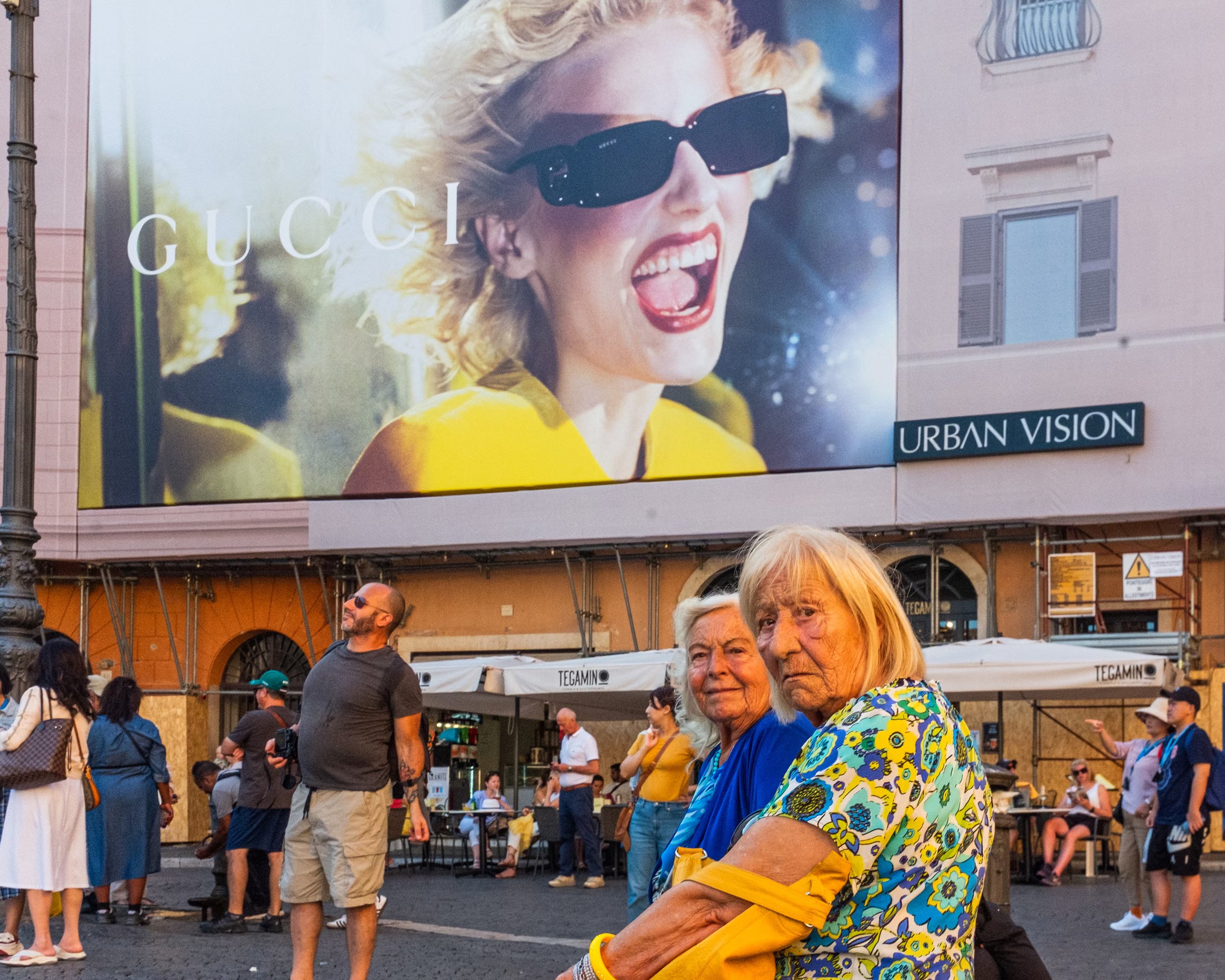
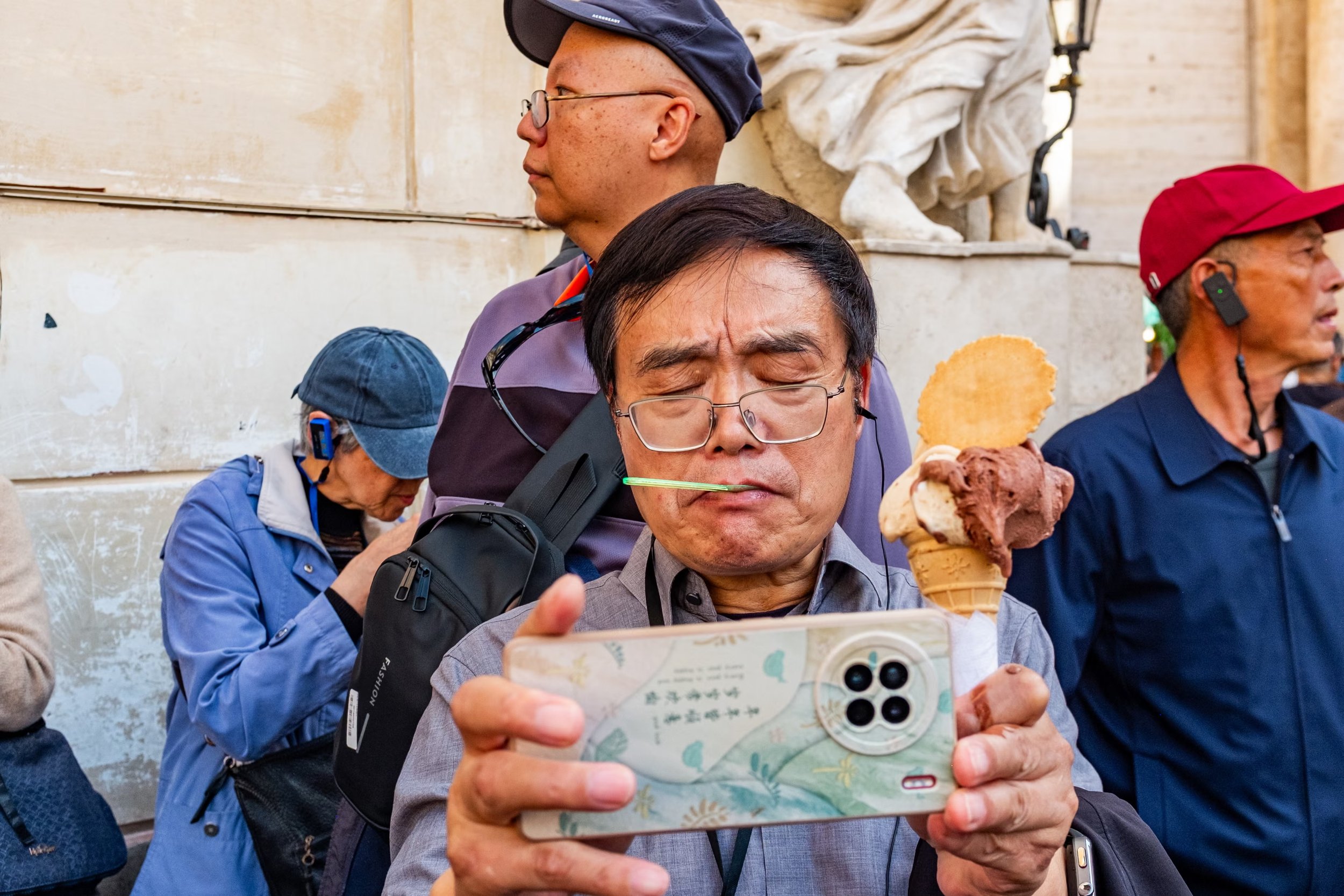
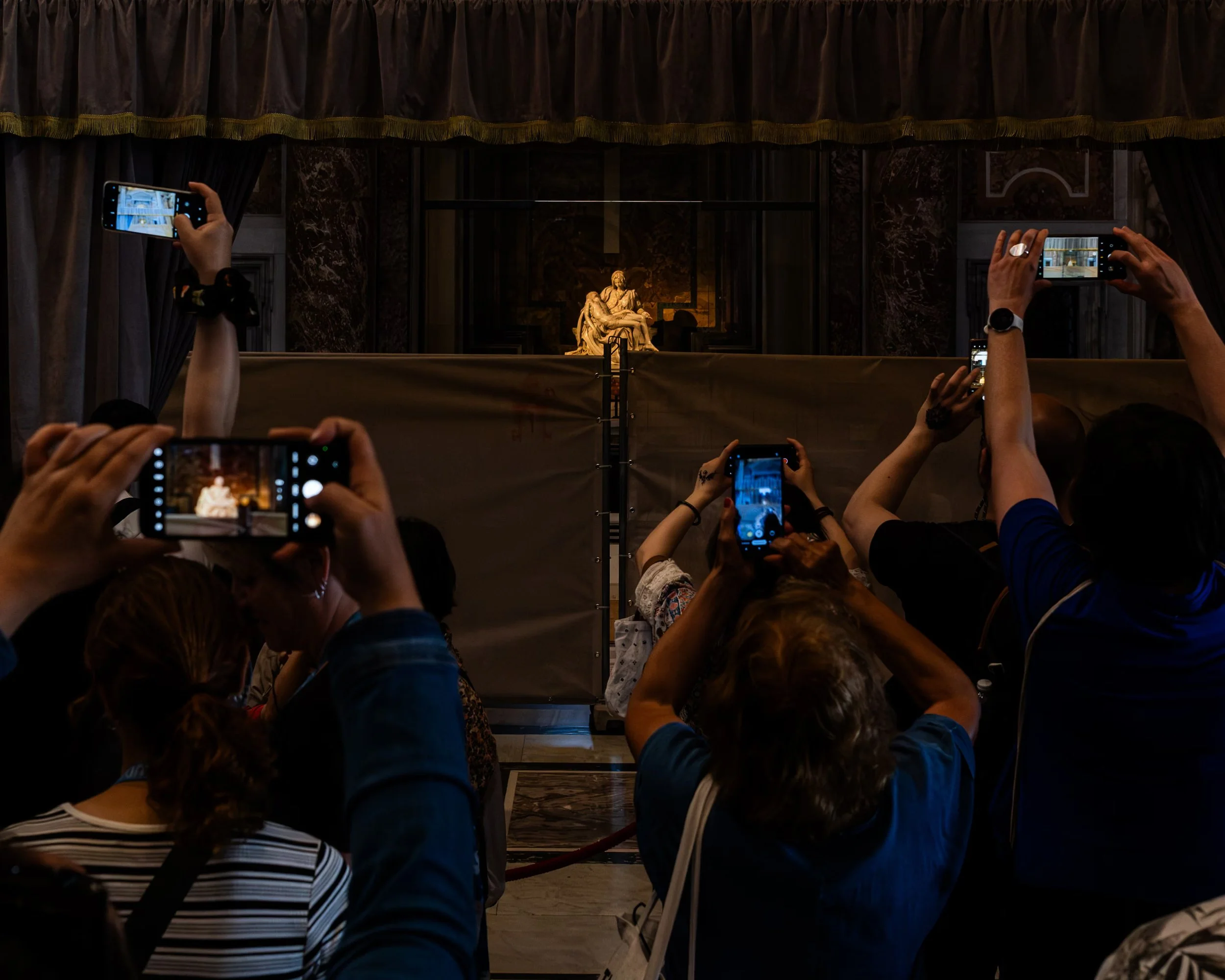
Around Rome’s most visited landmarks, the same gestures repeat themselves throughout the day. Visitors photograph monuments through their phones before looking at them directly. Crowds raise smartphones towards Michelangelo’s Pietà inside St Peter’s Basilica. Tourists sit exhausted around fountains and church steps, looking for shade. Outside souvenir kiosks near the Vatican, postcards of the newly elected pope hang beside plastic gladiator helmets, Vatican keychains and novelty souvenirs. Near the Colosseum, inflatable toys and oversized plastic objects drift above the crowds in the afternoon heat. In Piazza Navona and Piazza di Spagna, luxury advertising occupies the same visual space as churches, fountains and temporary tourist infrastructure.
None of this appears unusual any more. The barriers, queues, guided routes and temporary structures have become part of the normal visual language.
Rome has always been crowded. Tourism itself is not new. What feels more significant is the way the experience of the city is increasingly organised around movement, visibility and repetition. Visitors arrive already carrying familiar images of Rome in their minds – the Trevi Fountain, the Pantheon, St Peter’s Square – and much of the city now operates to reproduce those images as efficiently as possible.
In the summer heat, much of the historic centre becomes organised around waiting. People queue for churches, fountains, tickets, toilets, shade and photographs. Some stop briefly before moving on again a few minutes later. Others sit silently against barriers or sleep beside monuments while crowds continue to move around them. Around the city’s landmarks, exhaustion becomes part of the landscape.
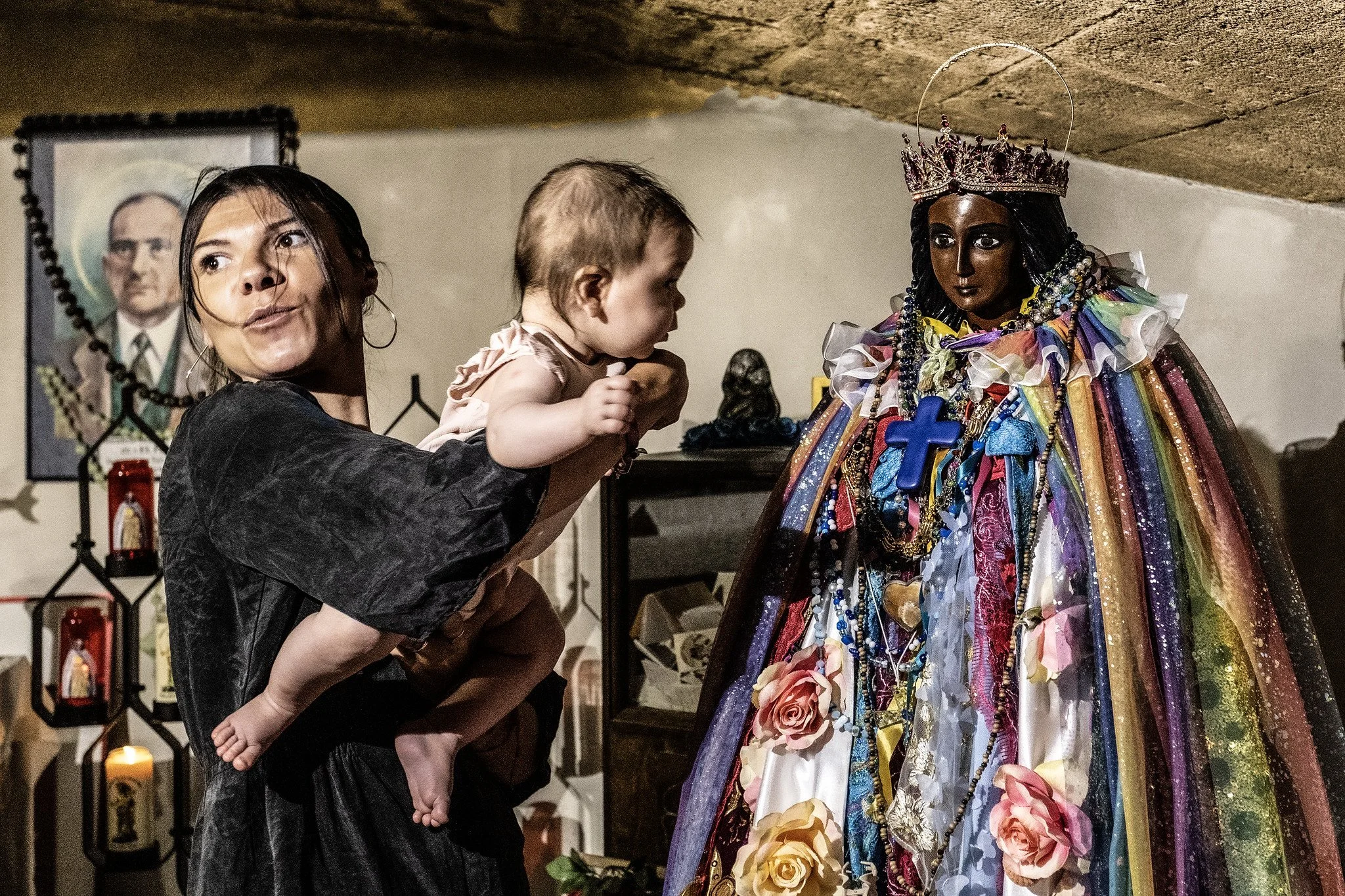
At times, sacred space, tourism infrastructure and spectacle begin to collapse into one another. A pilgrim queueing beside temporary toilets outside Castel Sant’Angelo can seem absurd and completely ordinary at the same time.
Again and again, the same patterns emerge: waiting, photographing, resting, queueing, moving on.
Over time, the city itself begins to feel shaped less by permanence than by passage, by the uninterrupted flow of people moving through it each day.
Rome remains one of the most visited cities in the world, but it has also become a prototype for something larger: a historic city increasingly reorganised around the expectations, rhythms and behaviour of its visitors.
The overtourism effects: the exodus of residents, the dizzying increase in rents, and the historic centres reduced to inanimate decorations.





Lorenzo was born in Rome in 1973 to a family of architects and graduated from La Sapienza University. He moved to London in 1999 to join Zaha Hadid's practice, contributing to projects like the Florence railway station and the Guangzhou Opera House. In 2001, he joined Foster & Partners, where he worked on the Milan Fiera master plan and the TAV railway station in Florence. It was at Foster & Partners that he met Tavis Wright, and together they won the Dubai Marina Tower competition, leading to the founding of their firm, DOS.
Architecture and photography are interconnected, both exploring space and human interaction with the environment. For me, learning photography was a natural process, allowing creative expression much faster than the lengthy process of architecture.