The Iron Quest VIII-Pride Born of Iron by João Coelho
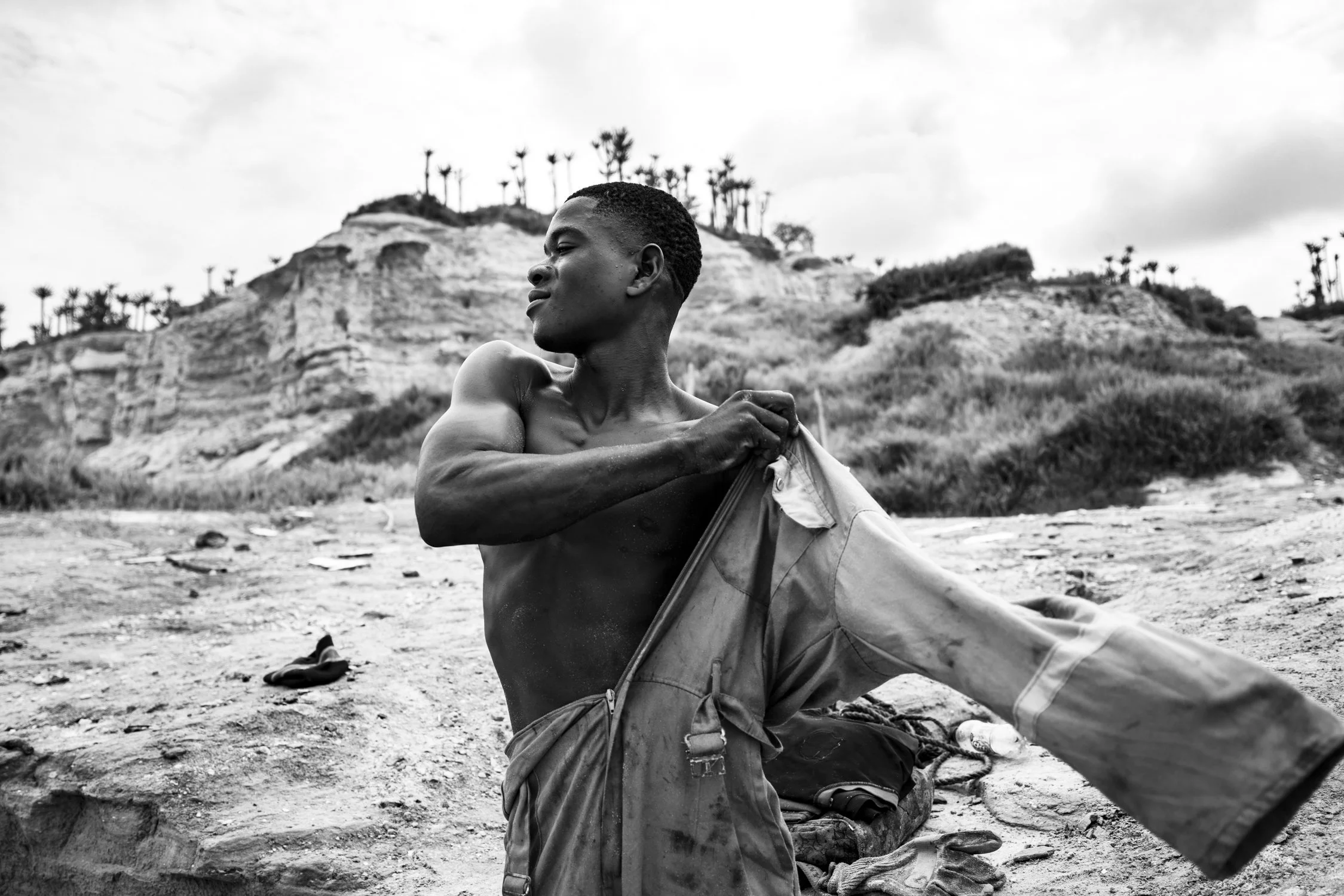
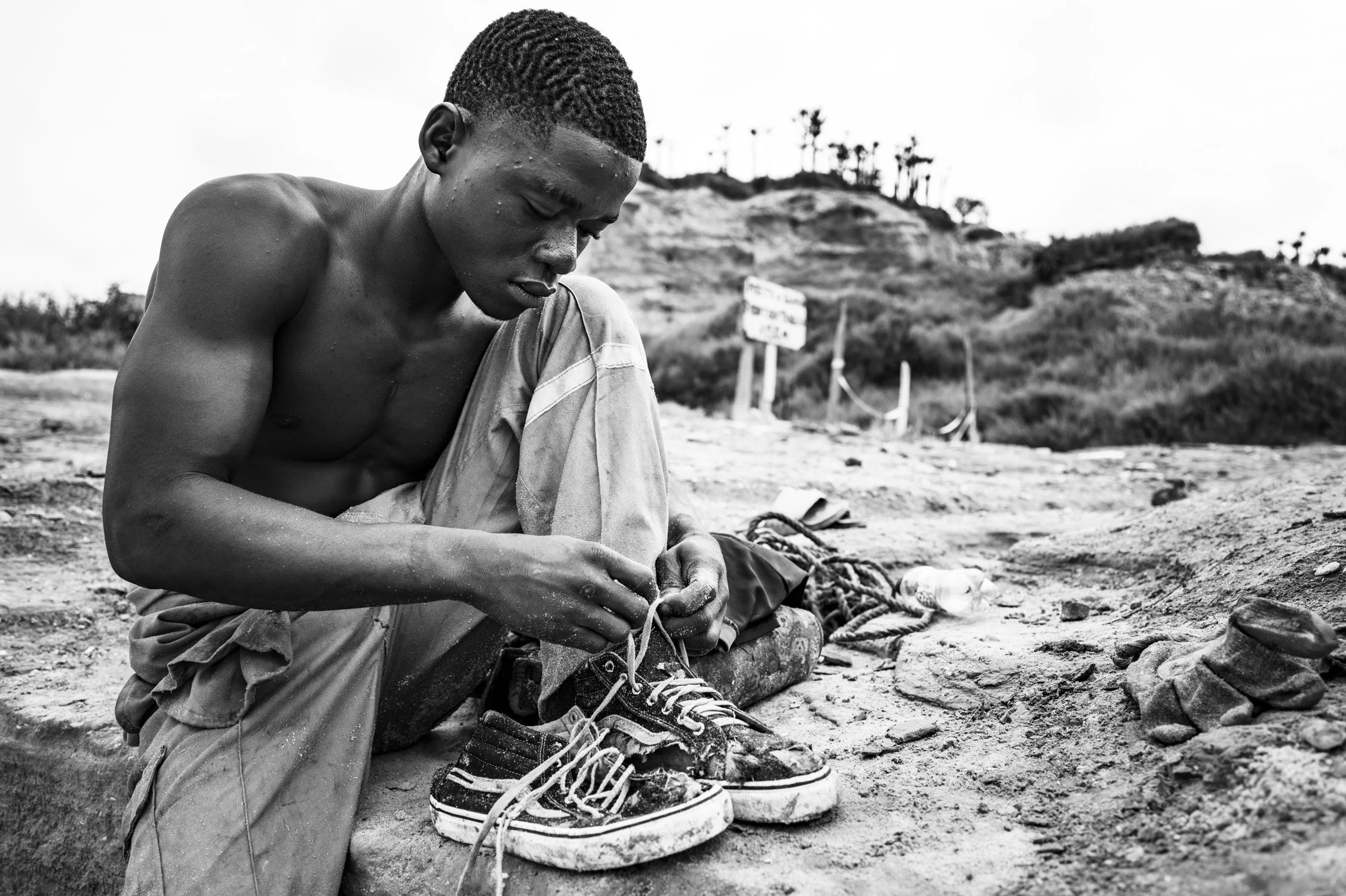
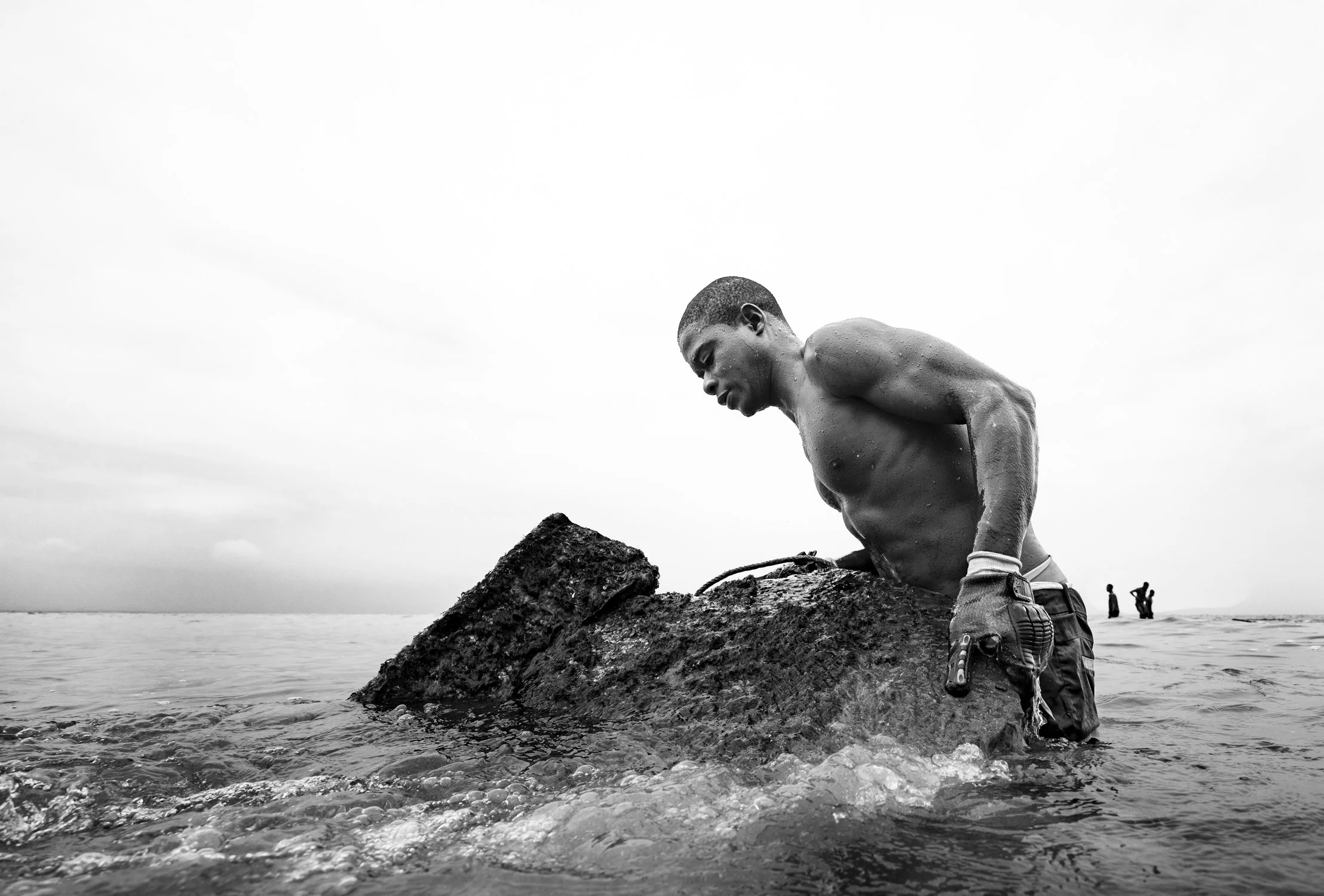
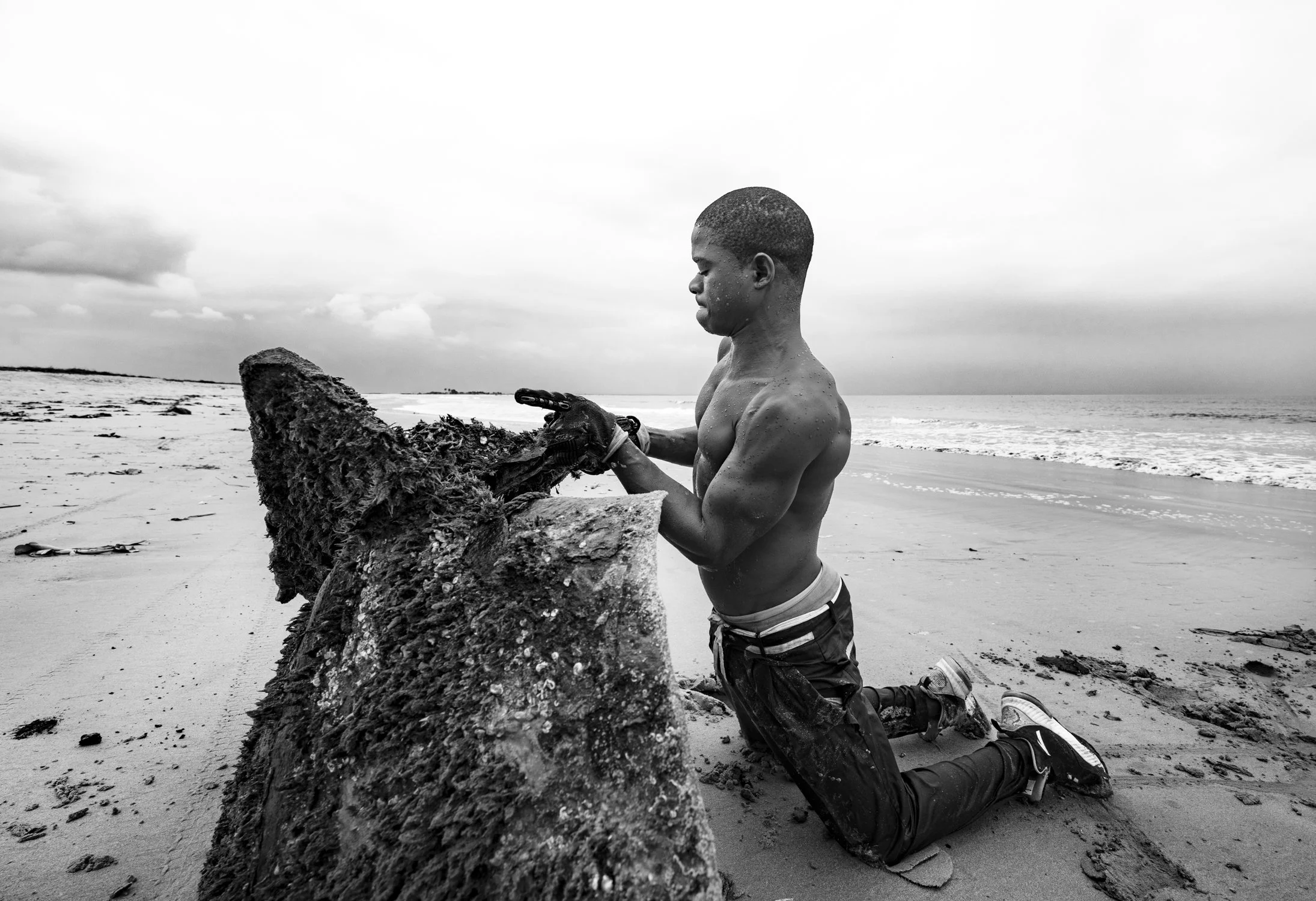
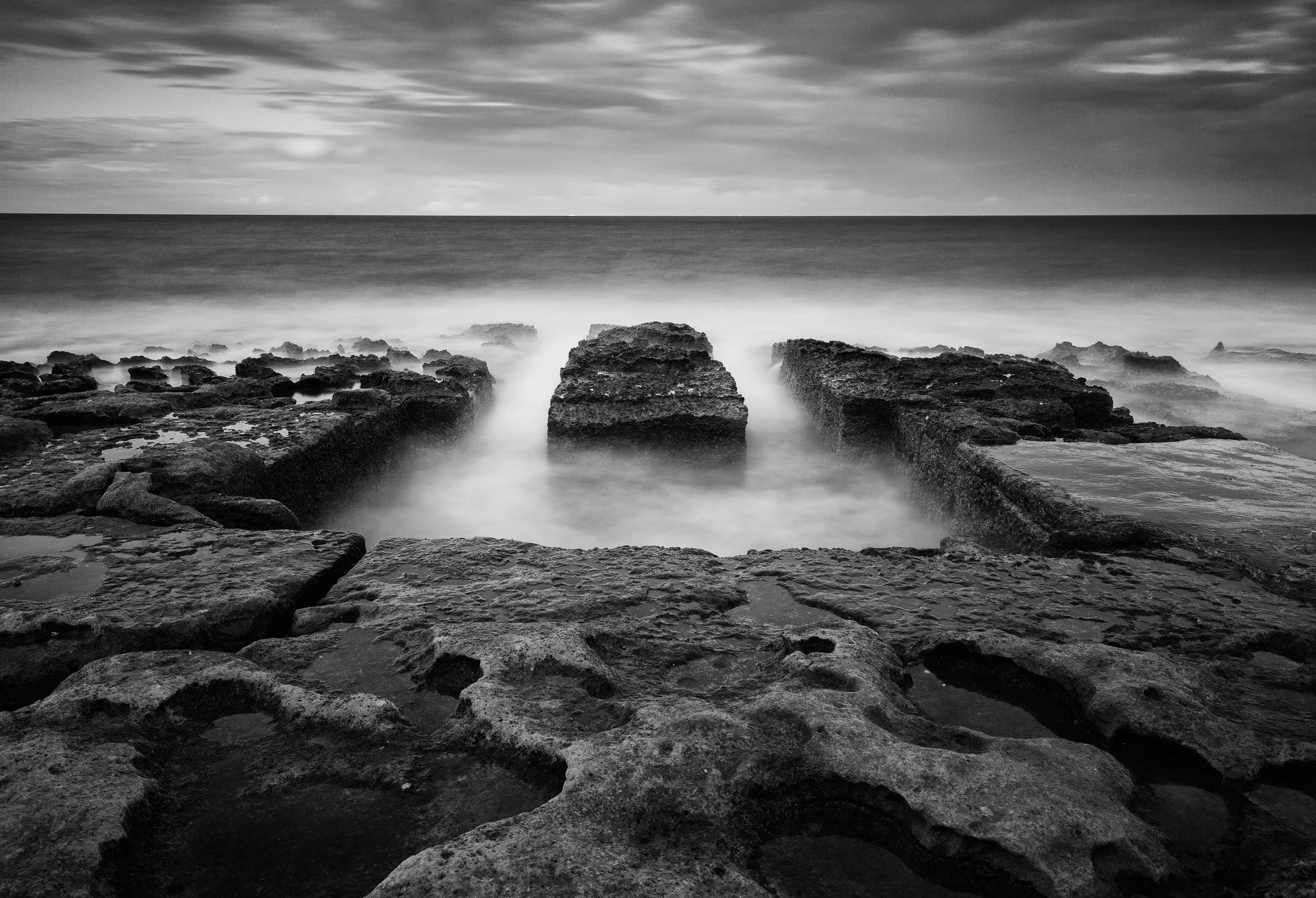
Manucho arrived at the beach when the sun was still just a promise on the leaden horizon. The day broke grey, with the sky threatening rain and the sea merging into the mist. He put on his work overalls—a kind of armour he had kept like a relic ever since the factory where he worked closed down, leaving four dozen workers on the street. After agonising searches for employment, the sea became his last refuge. He joined a group of friends who, every day, dive into the bay's dark waters to strip the skeletons of shipwrecked vessels, salvaging iron to sustain their families.
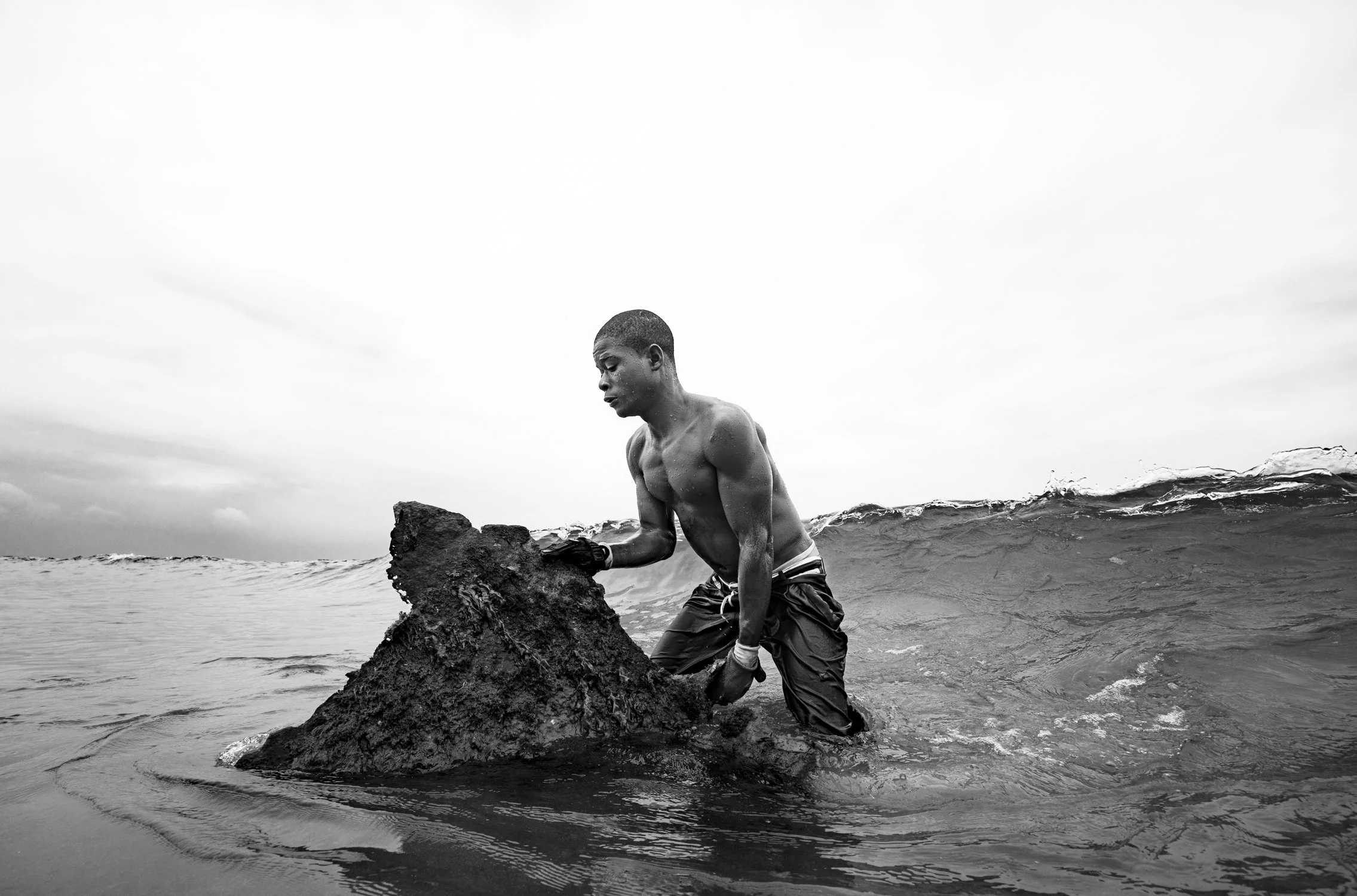
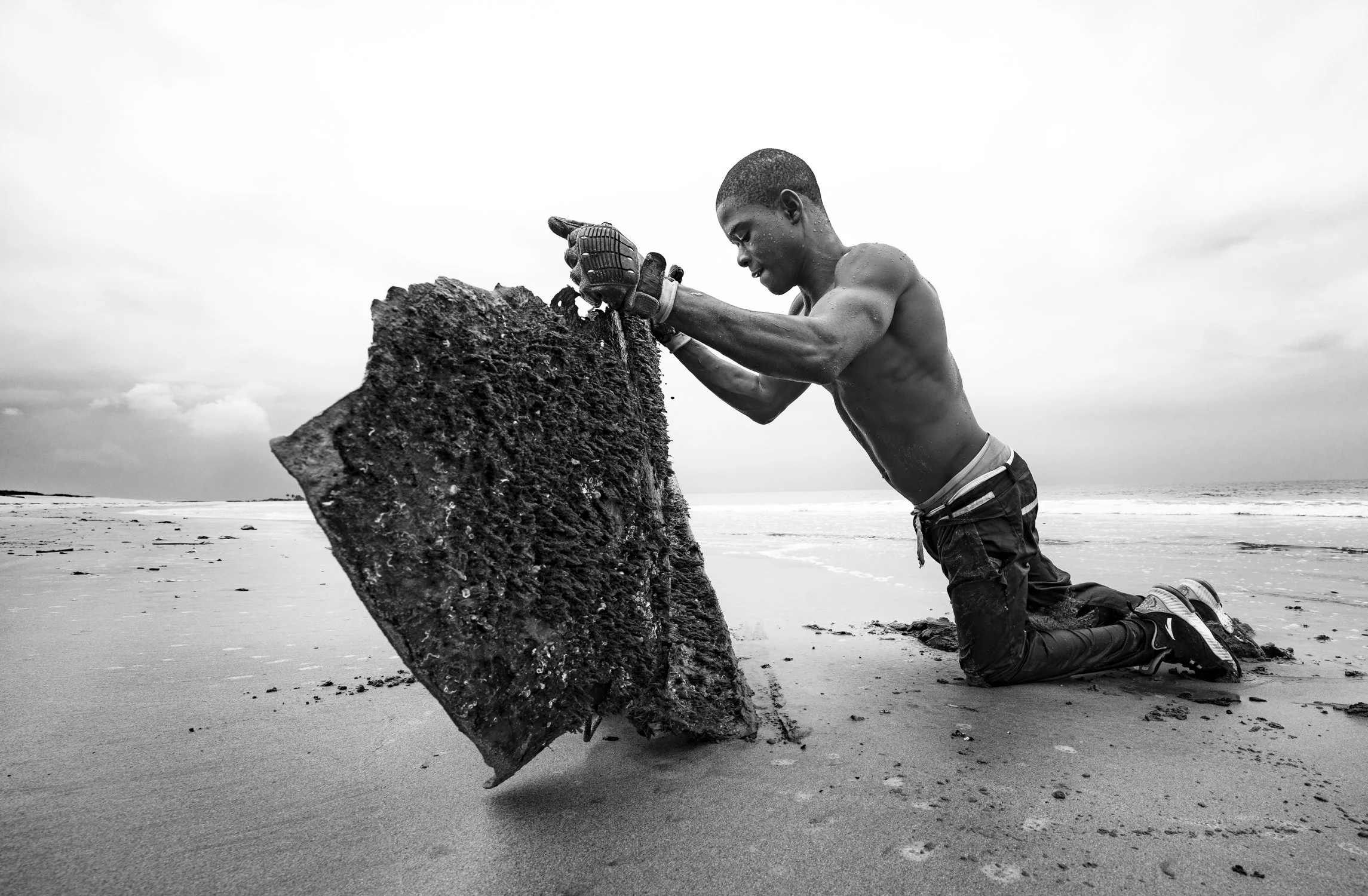
But yesterday, Manucho found a treasure all his own. While groping along the blind bottom of the bay, he came across a piece he calculated he could drag up alone. On that beach, the rules are sacred: On that beach, the rules are sacrosanct: whatever the group finds is shared equally among the members of the gang; what is conquered alone belongs only to the one who had the audacity to claim it. Today is the day of truth. Manucho wants to take home a livelihood earned entirely by his own sweat.
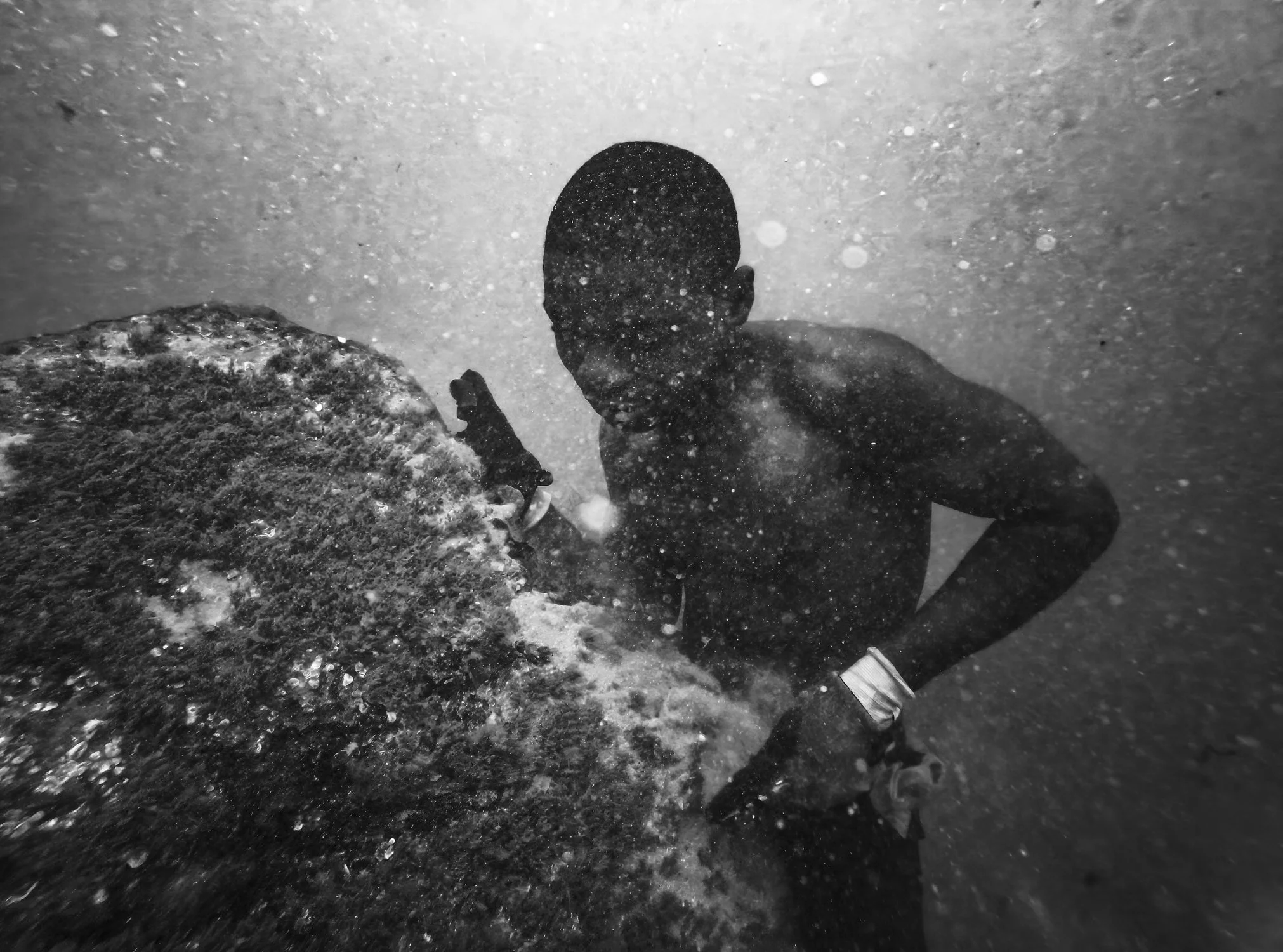
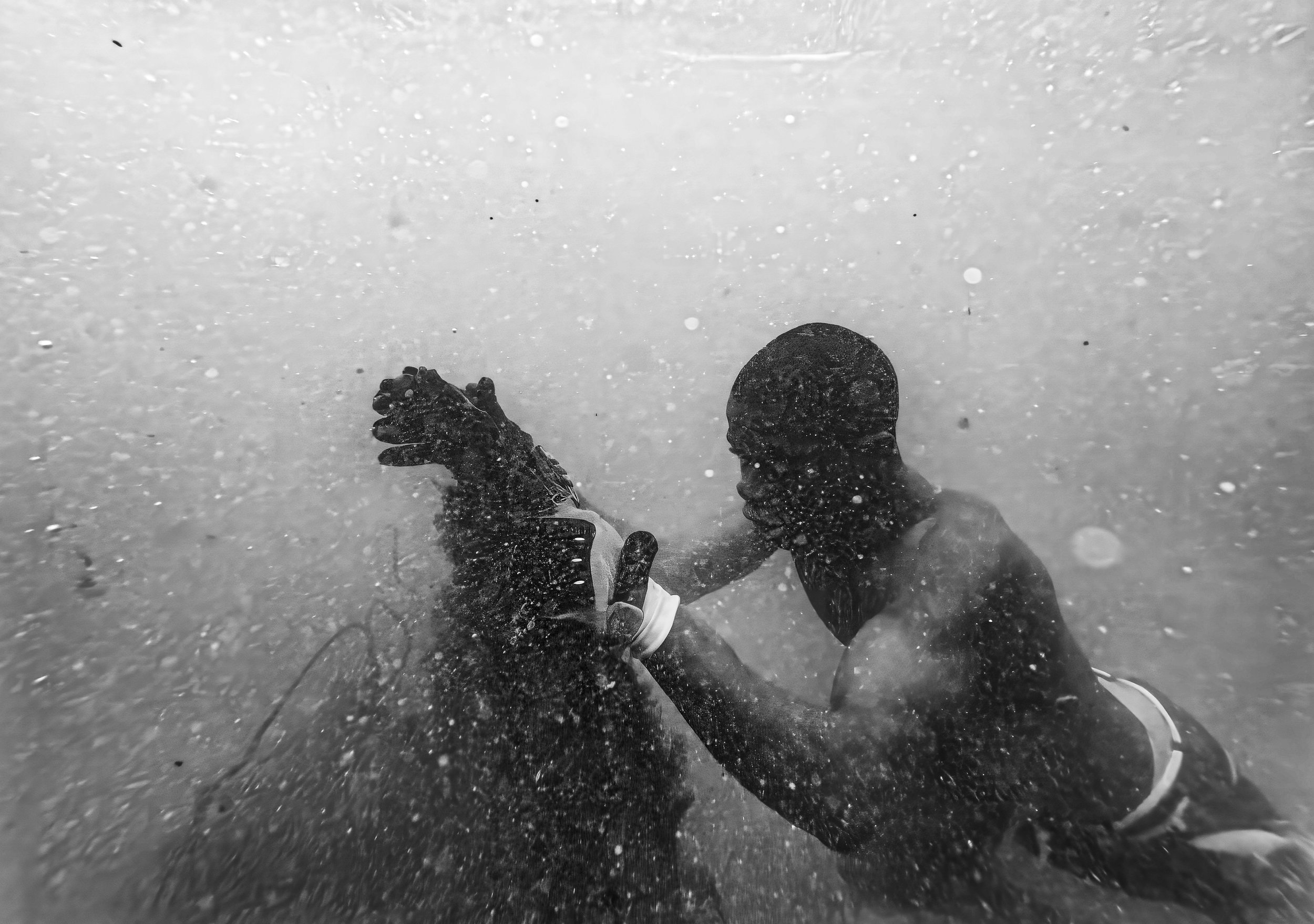
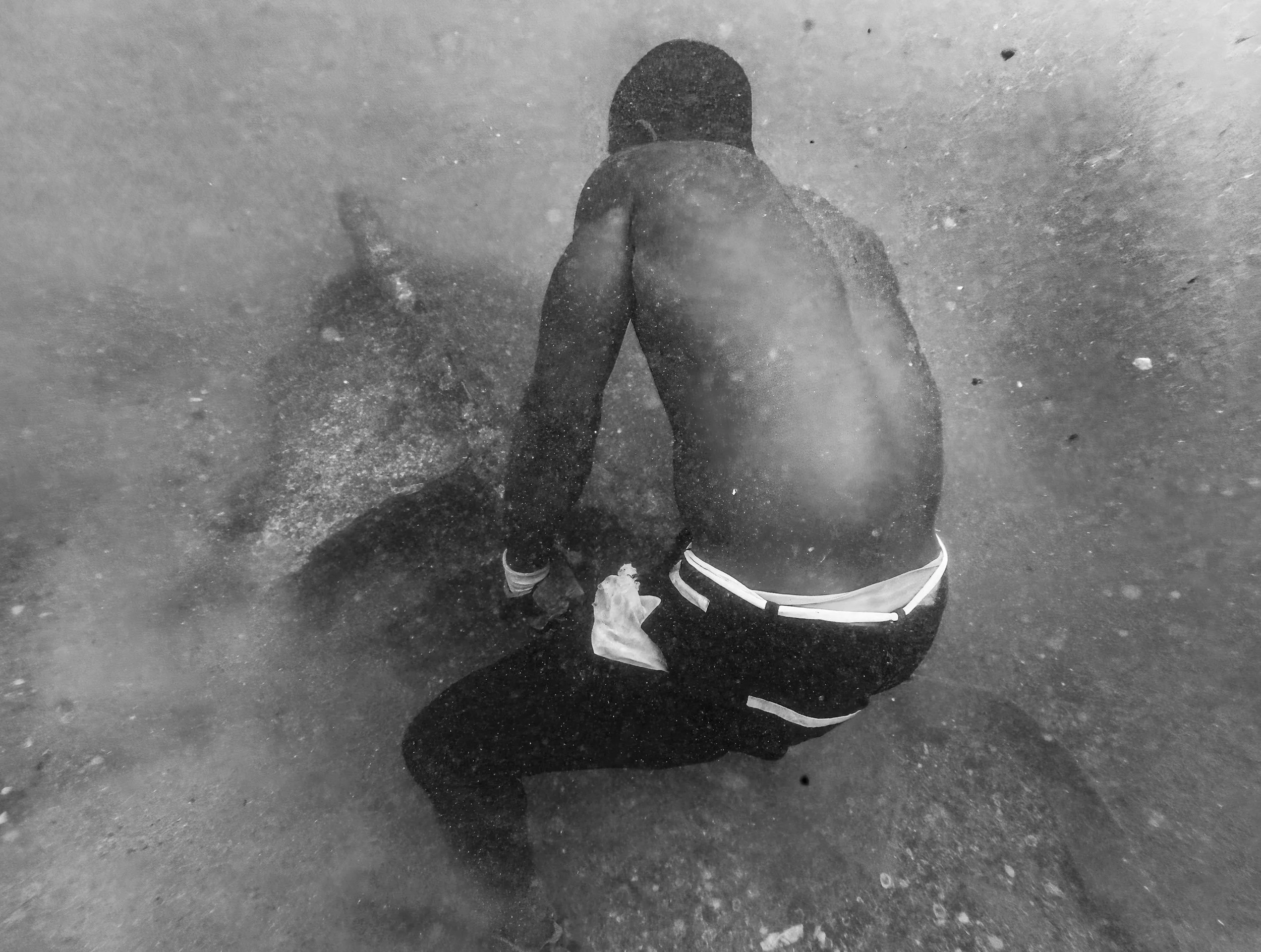
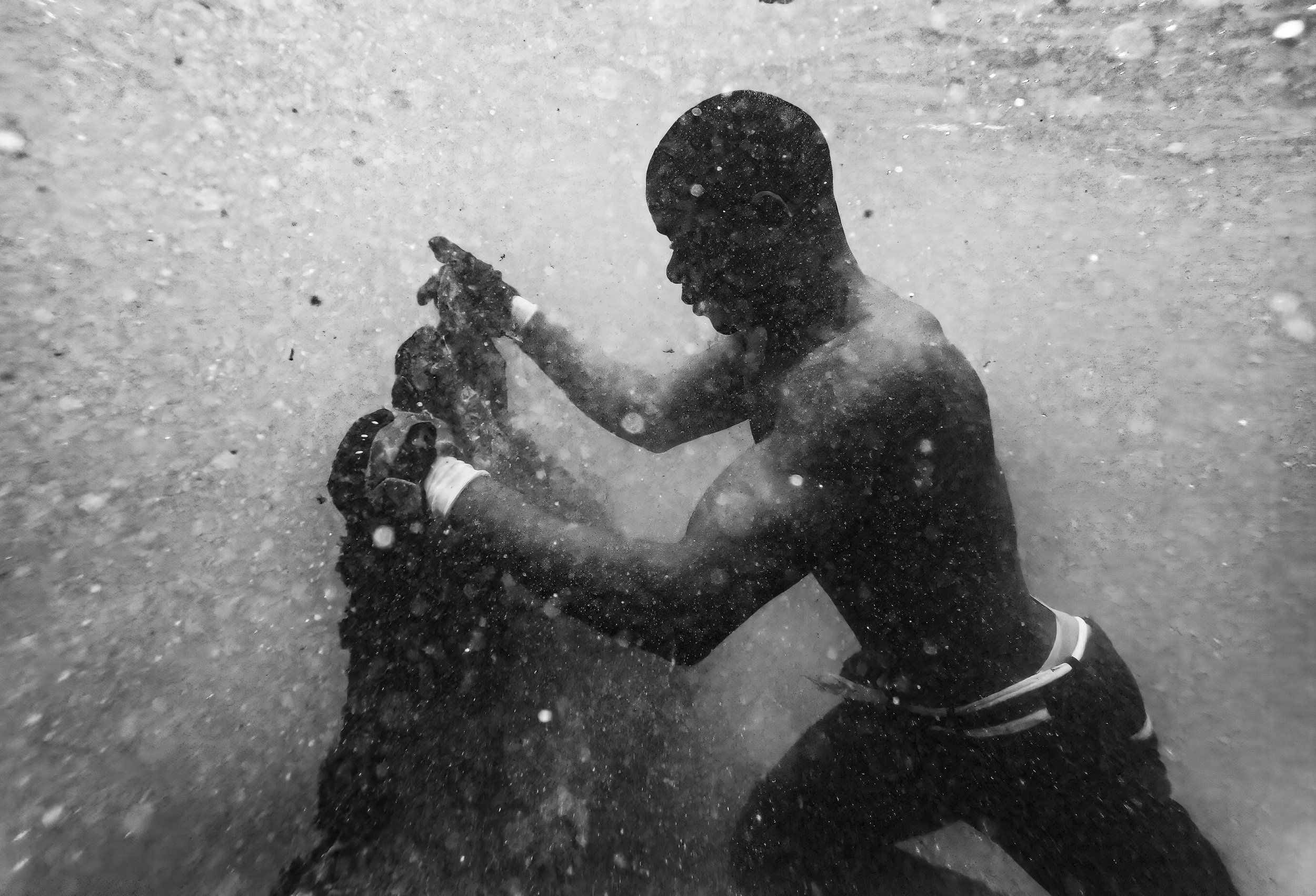
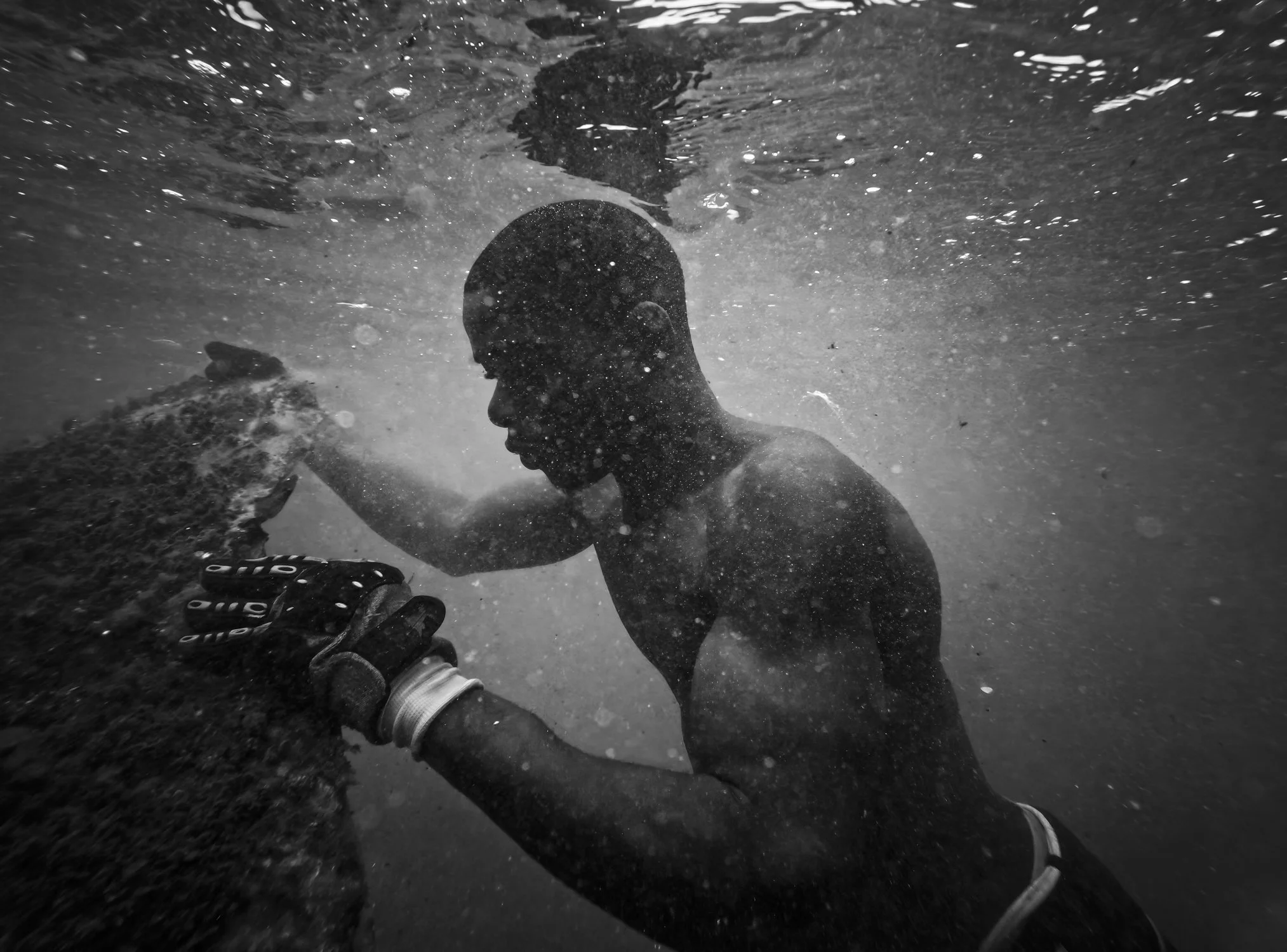
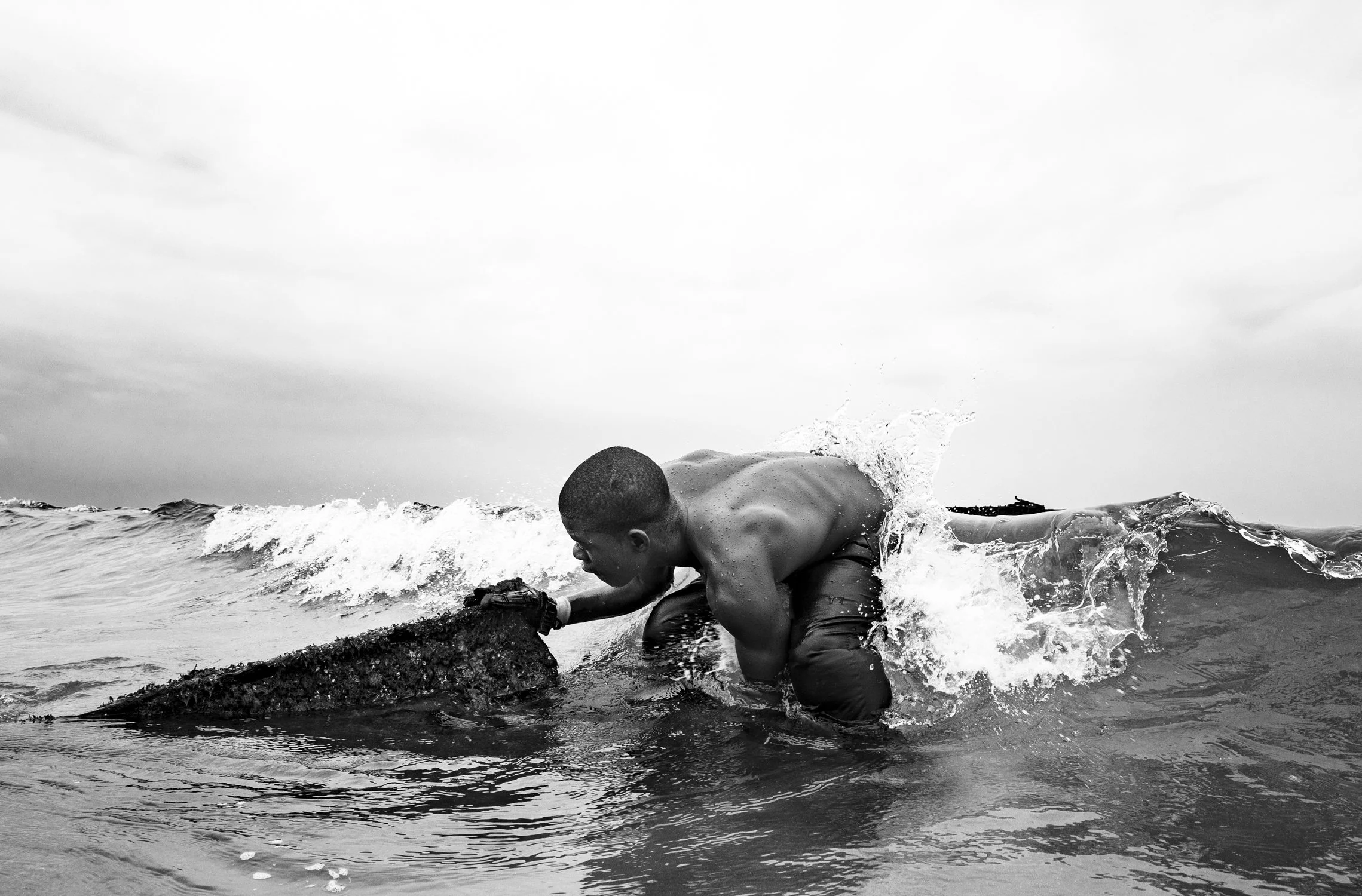
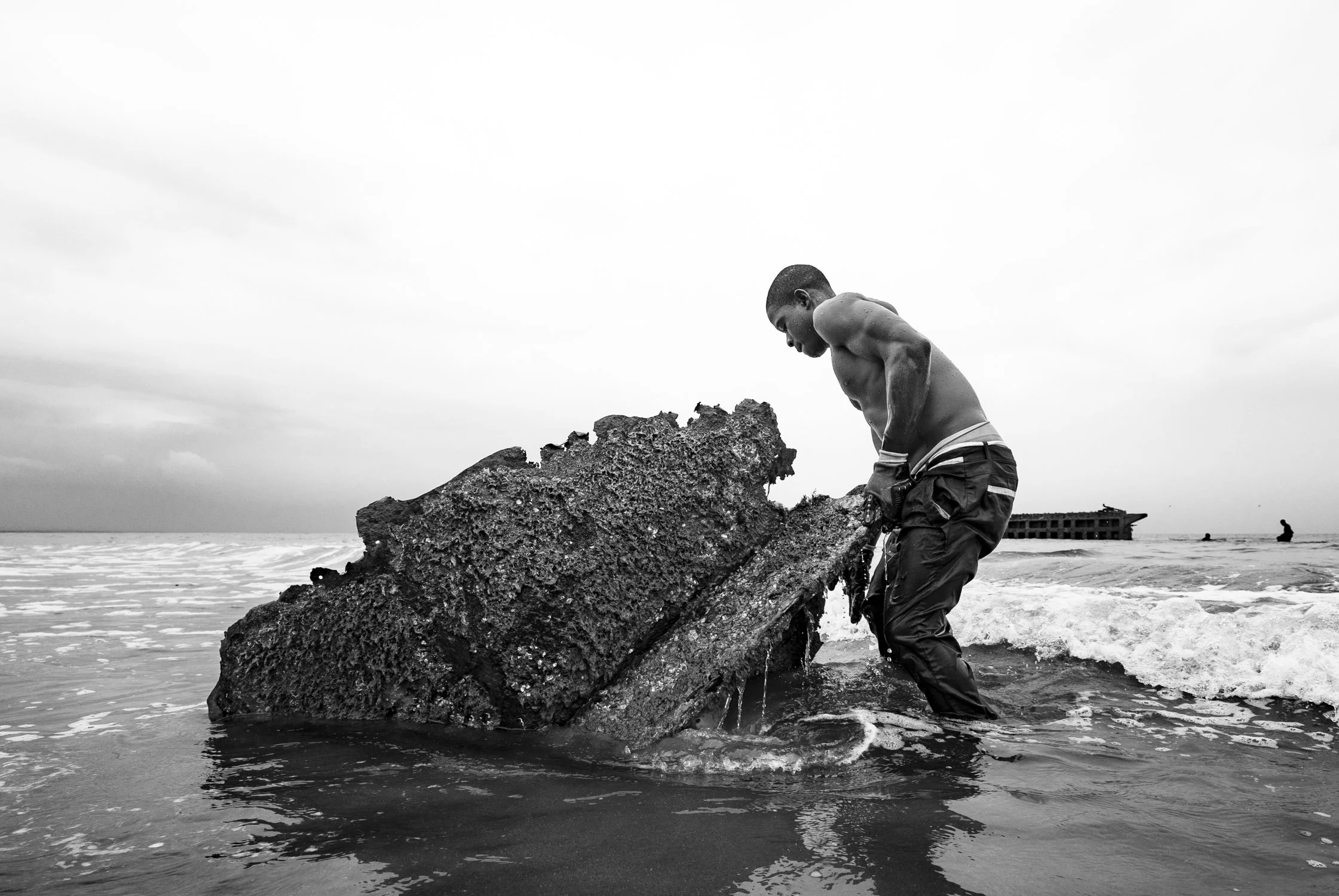
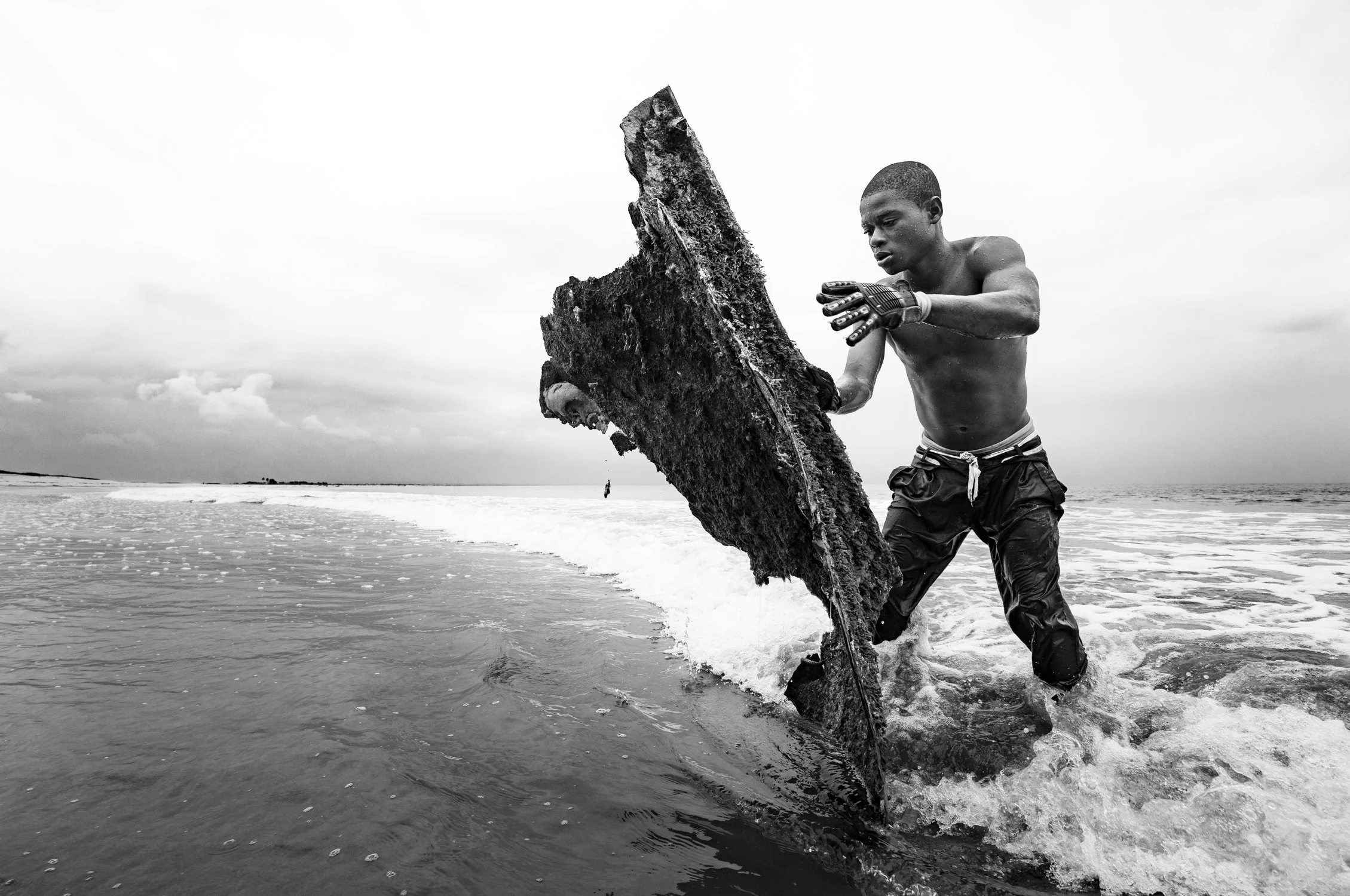
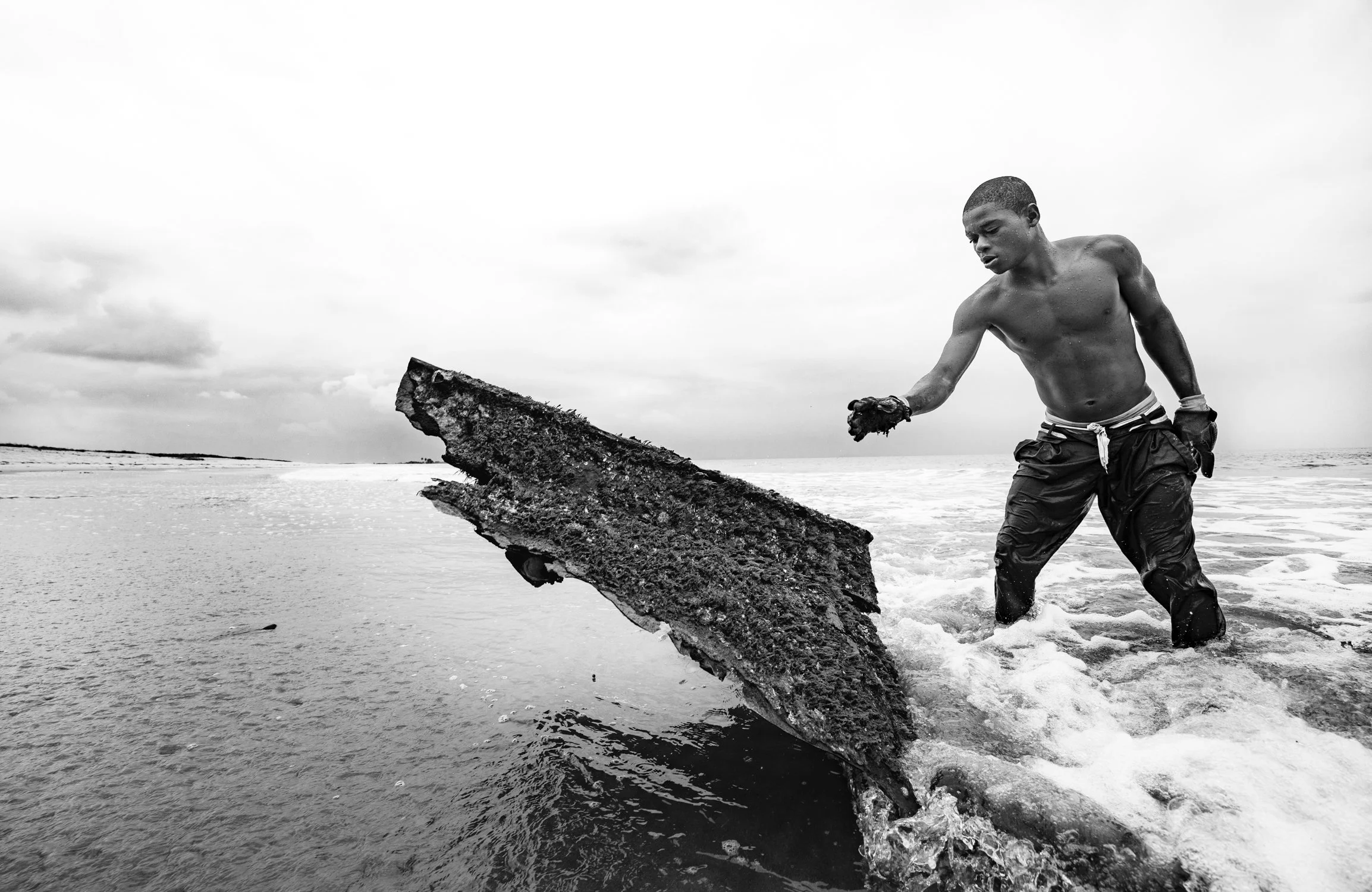
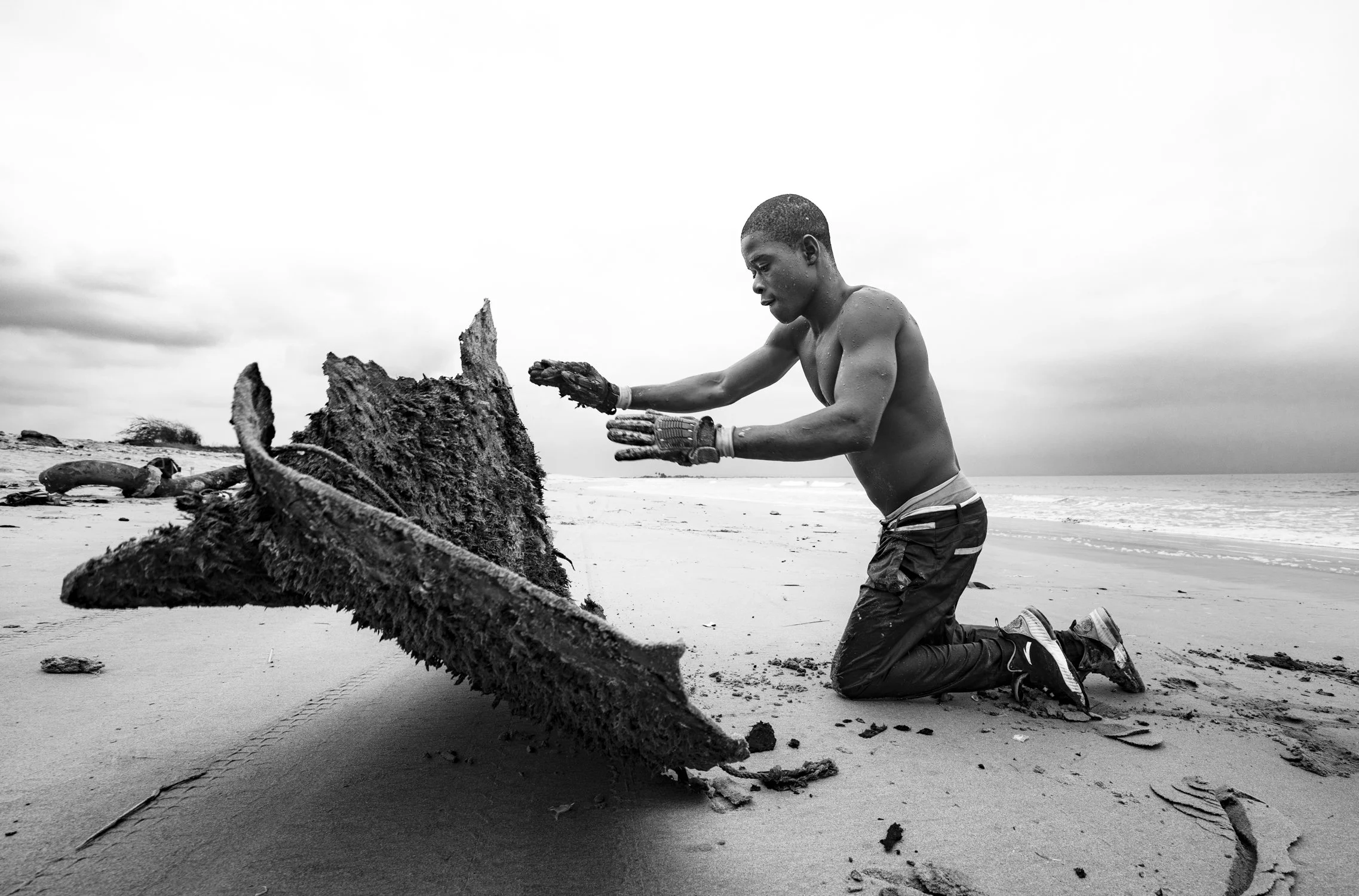
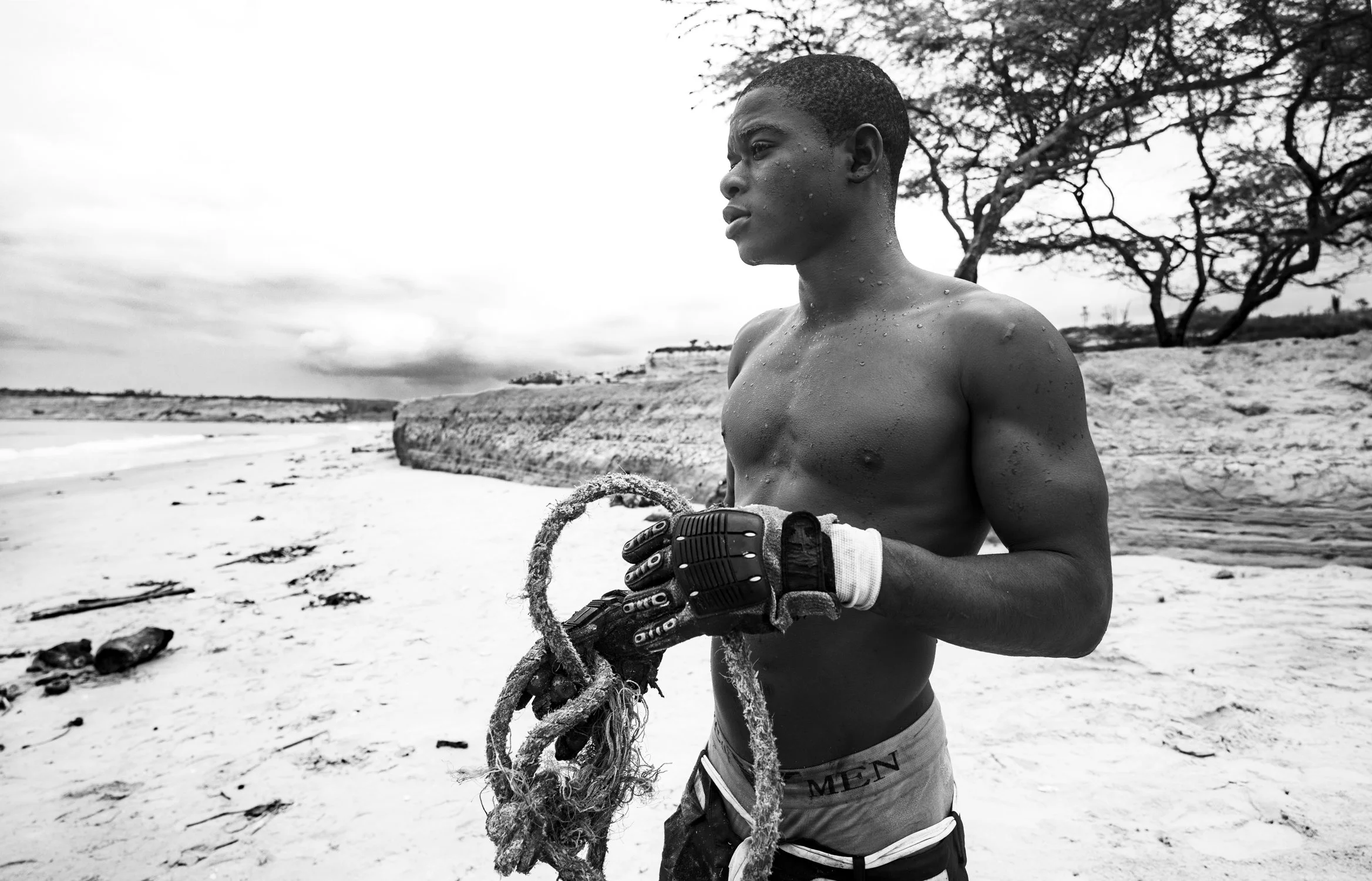
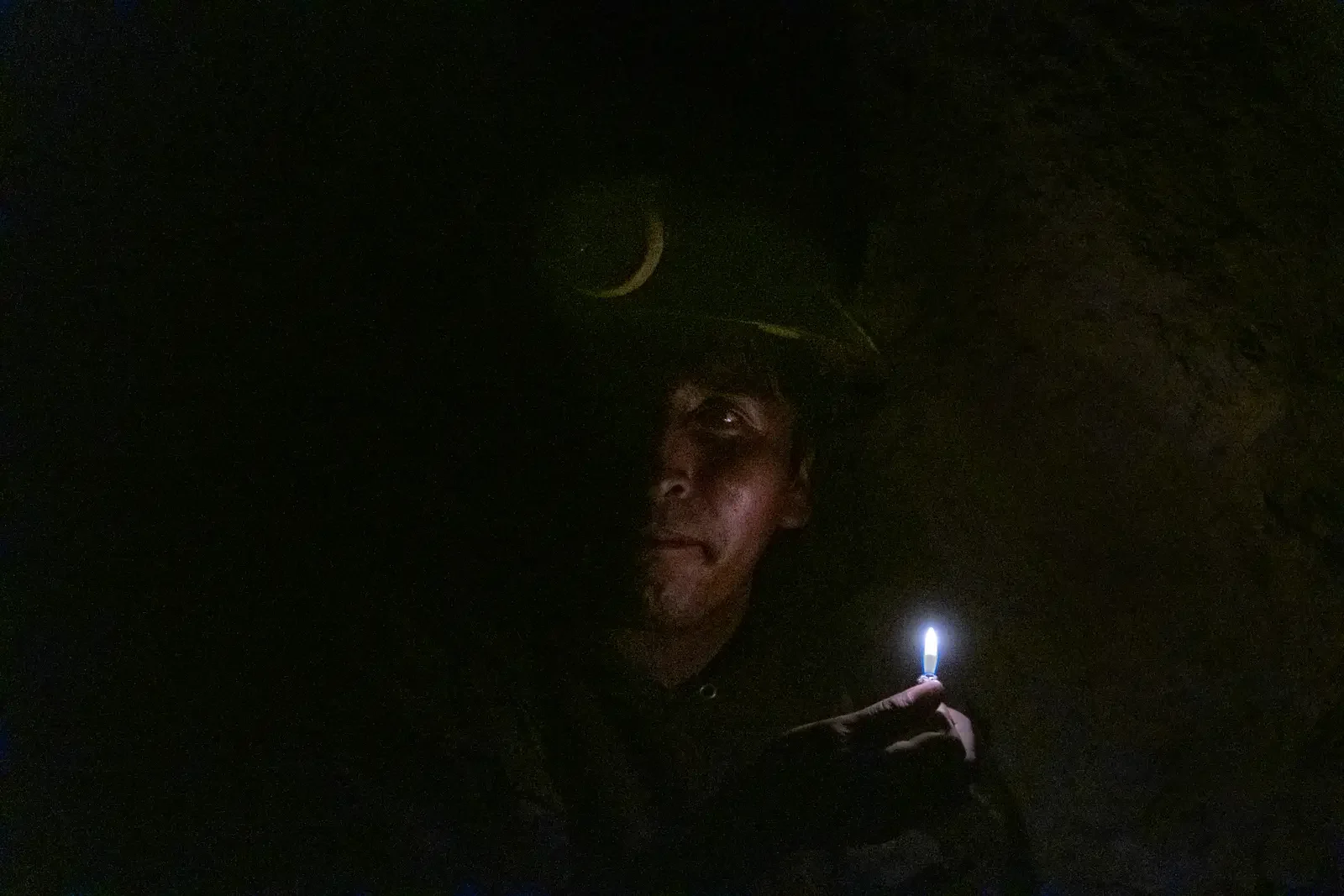
With a rope wrapped around his neck and a pair of nearly new gloves, won in exchange for favours, he faces the calm of the low tide. The water, however, is a thick and murky wall. Deep down, Manucho's silhouette blurring against the submerged scrap metal is a shadow distorted by the fine sand and microscopic specks of rust swirling in the currents that assault his eyes. Each breath-hold dive challenges the sixty-second limit. It is a blind war, fought at the very edge of his strength.
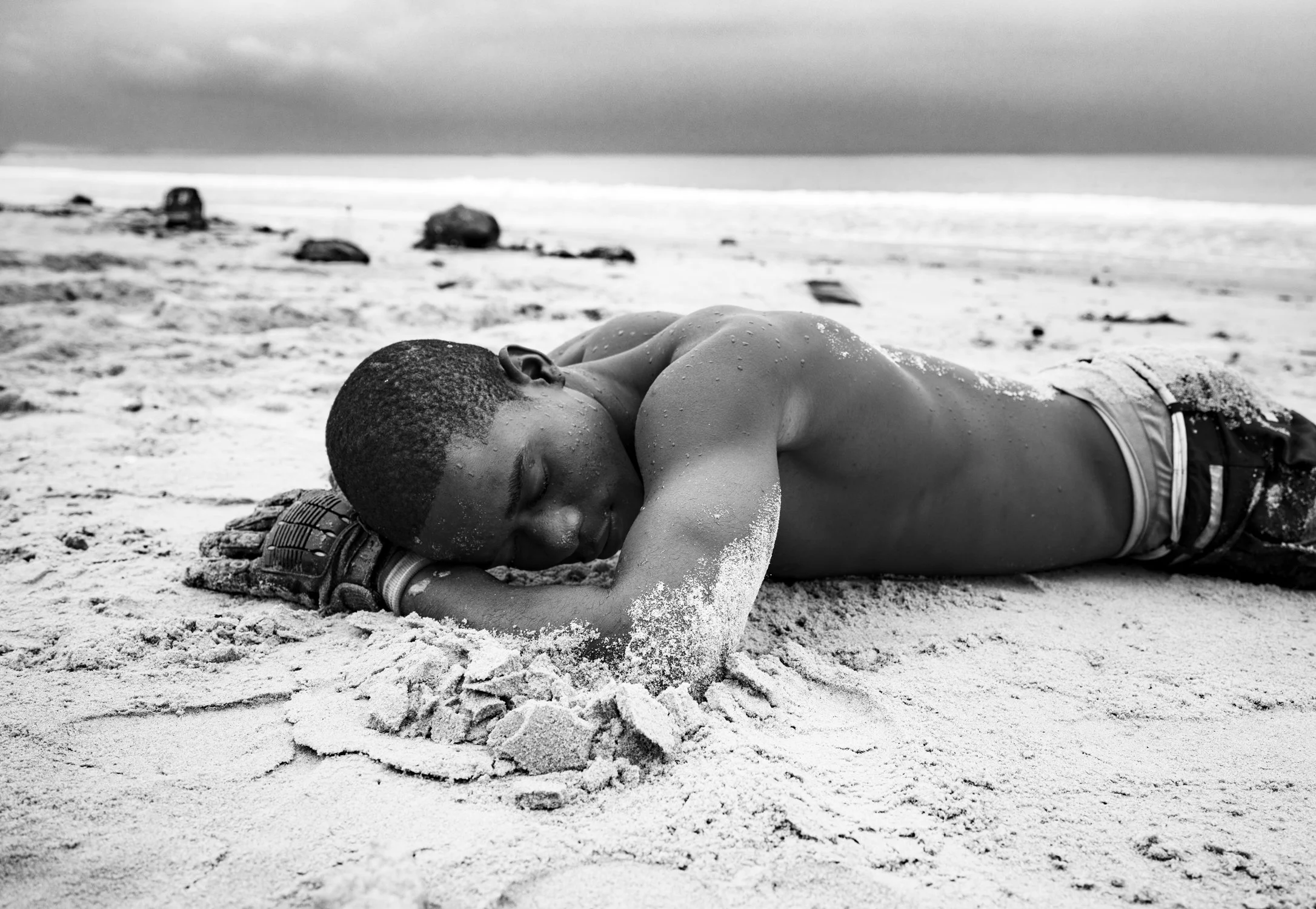
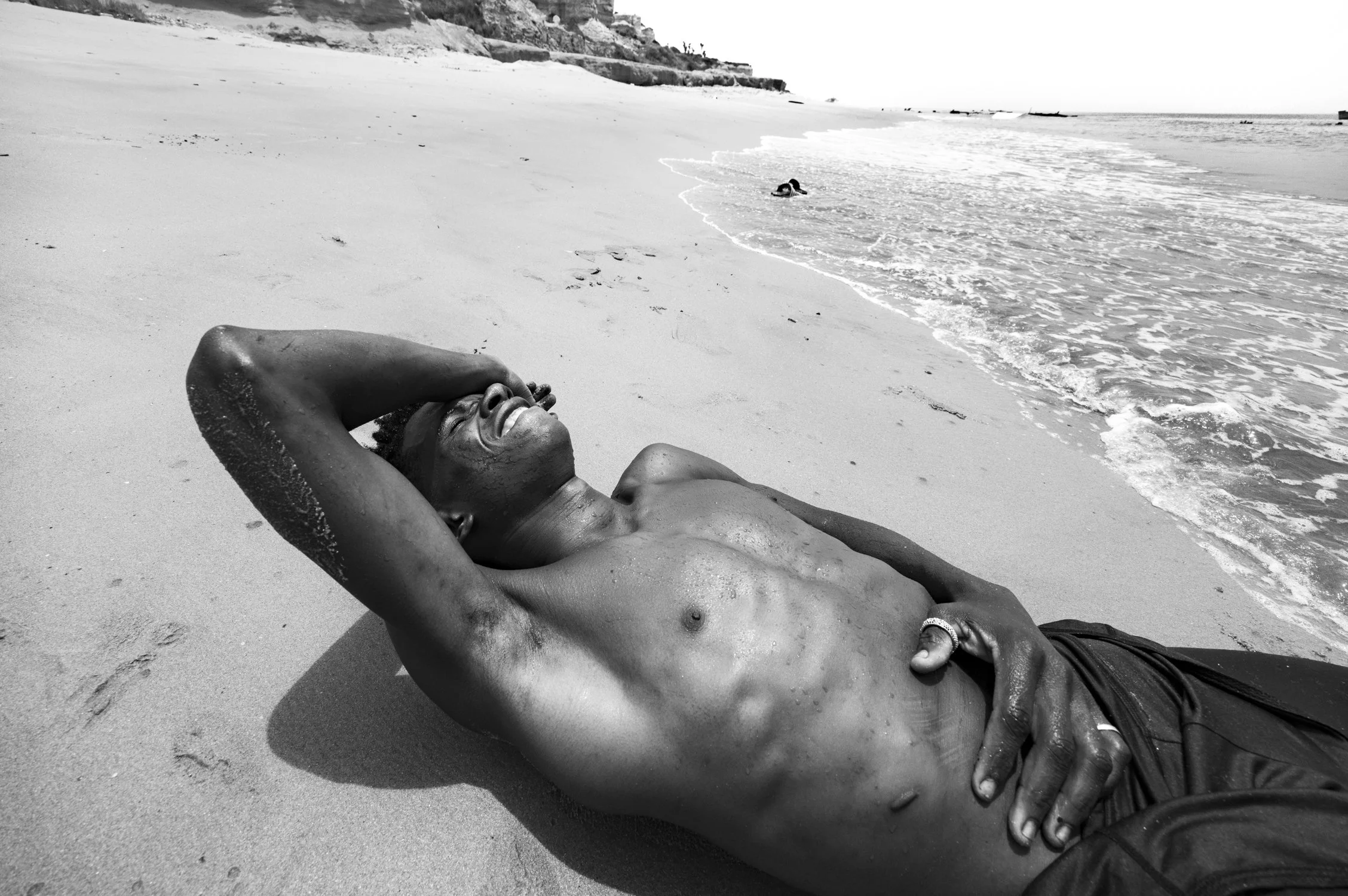
It took four hours of an invisible ordeal. Holding his breath, lifting the enormous piece of iron and letting it drop meters ahead, Manucho dragged the burden to the surf. When he finally reached the dry sand, exhausted, he collapsed. The world was reduced to muscular pain, a chest starved of air, and the silence of the beach.
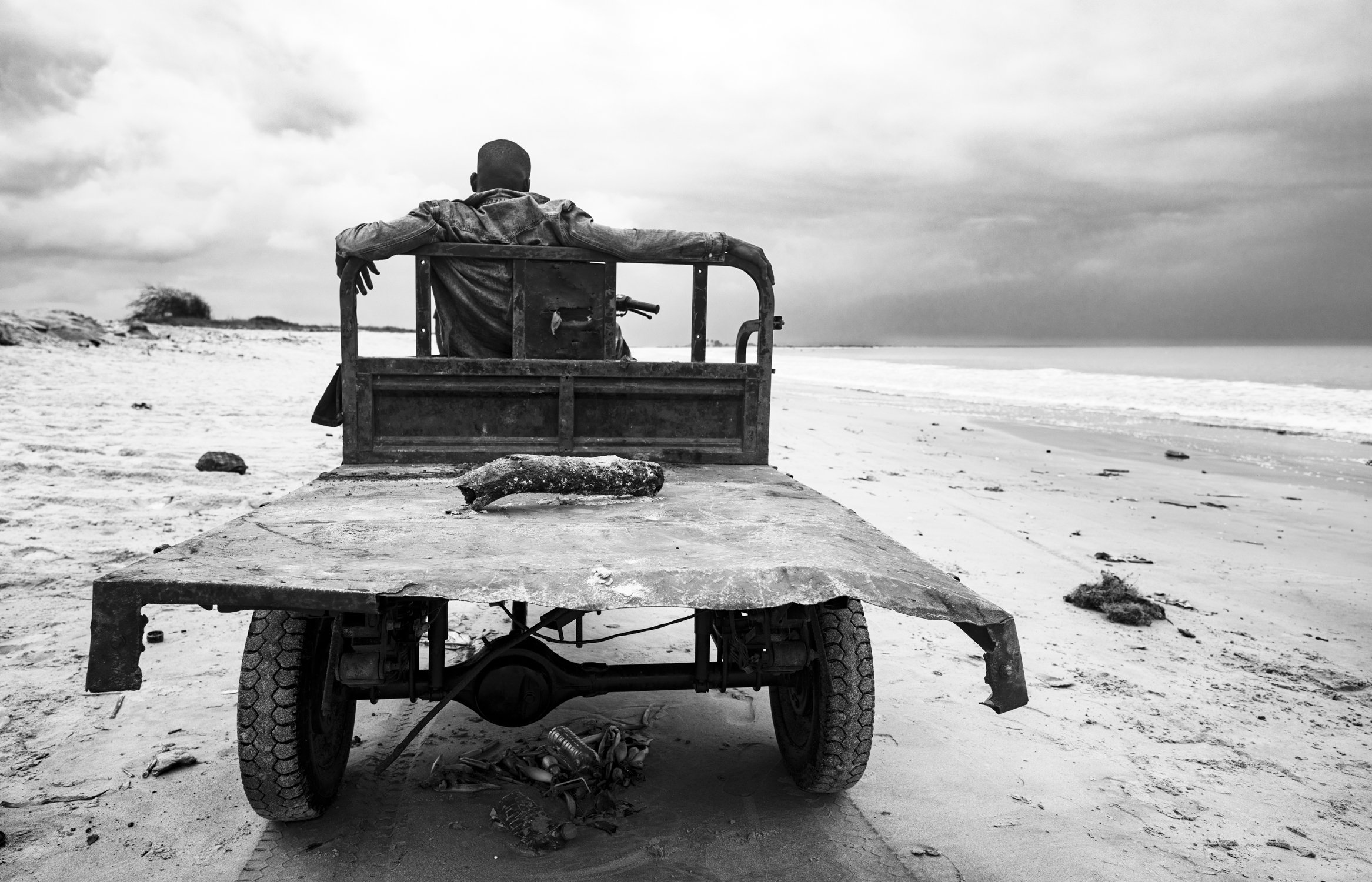
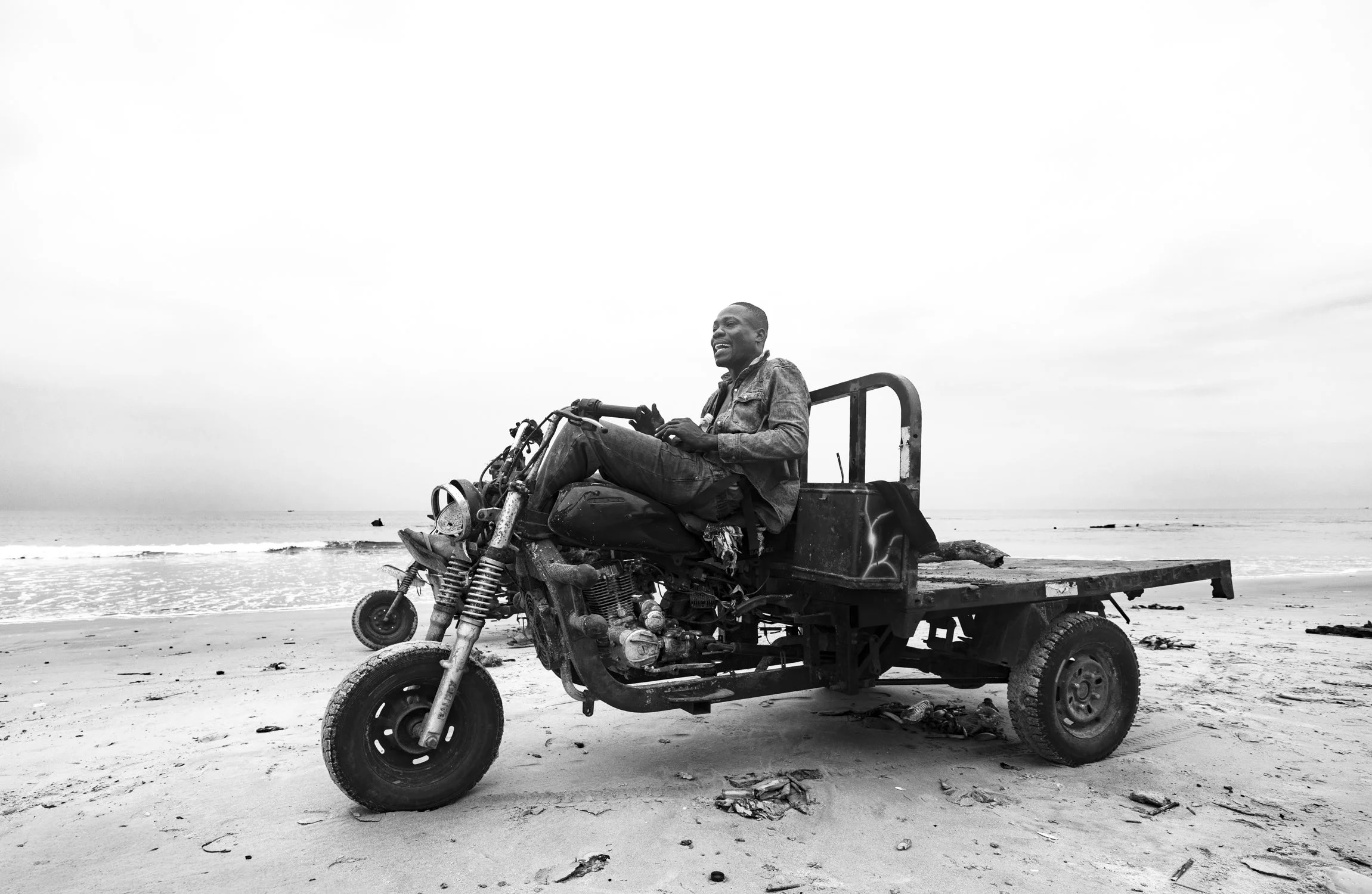
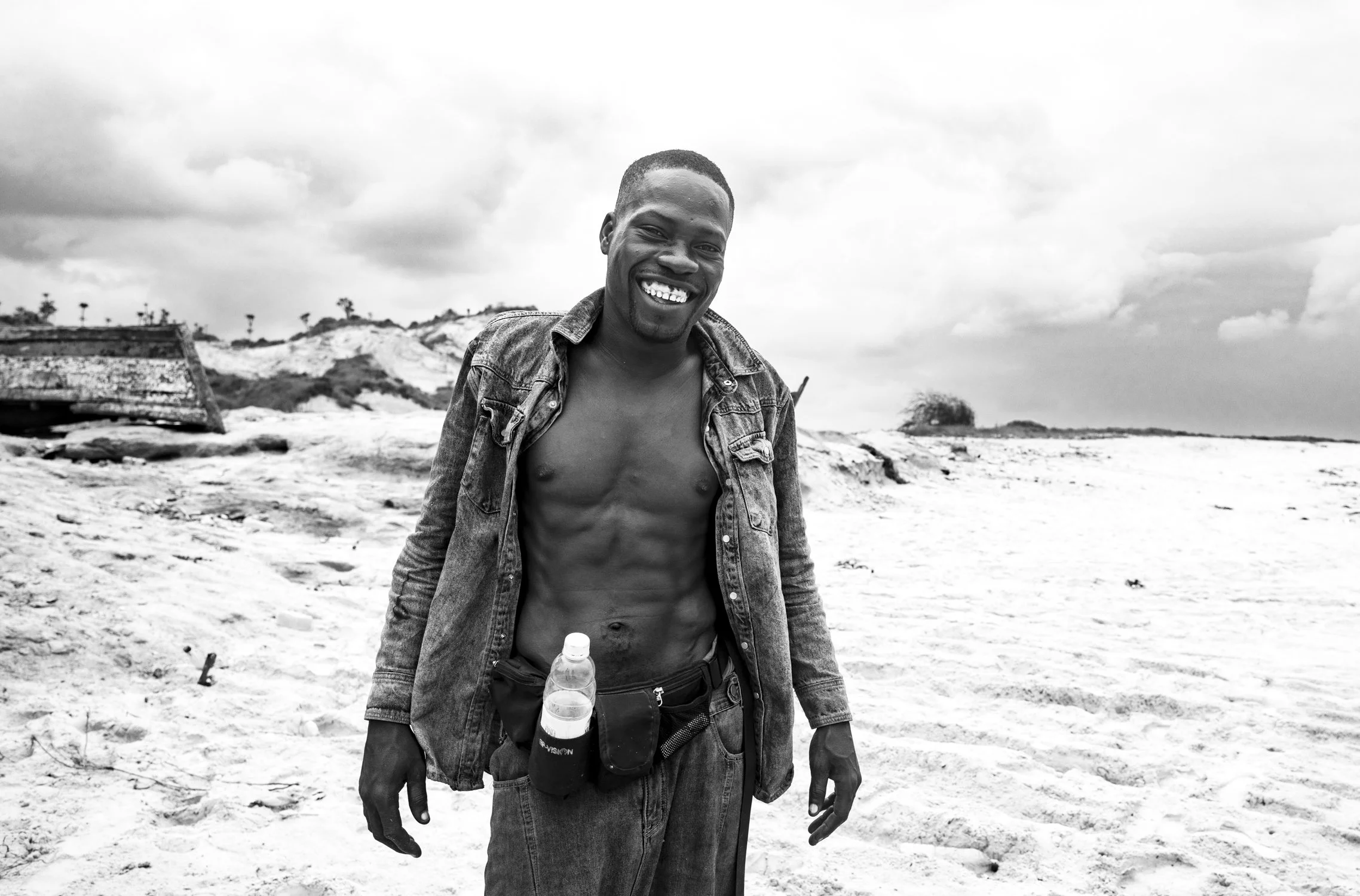
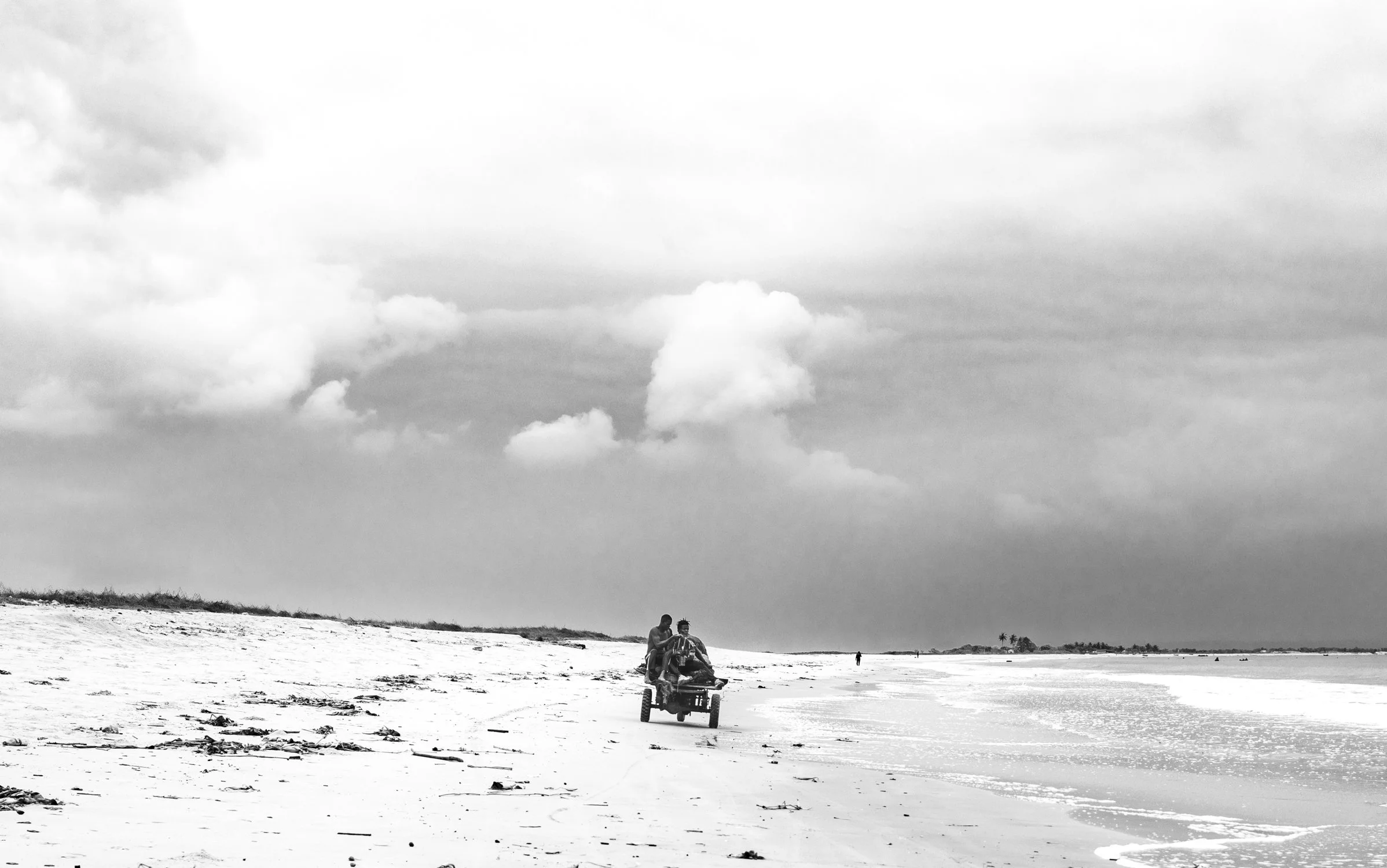
On the beach, Kumbá waits with his motorcycle. With a broad smile fixed on his face, he passes the time humming melodies he claims to have written himself, in a language only he understands. For years, he has frequented this remote side of the bay, serving as the vital link between the sea and the weighing scale about eight kilometres away. Kumbá has learned to read the rhythm of the tides, knowing the beach allows passage only when the sand is wet after the sea has receded.
Battered by the fine sand and the salt crust accumulated over countless beach journeys, with some of its parts held together only by wires and string, Kumbá’s old machine stubbornly defies the laws of physics every day. Yet, it is this very machine that Manucho trusts, once again, to carry his valuable spoils. He knows that surviving frame manages to carry over a ton of iron, and still, it never complains when it must find the strength and space to hitch a ride for three or four men from the gang.
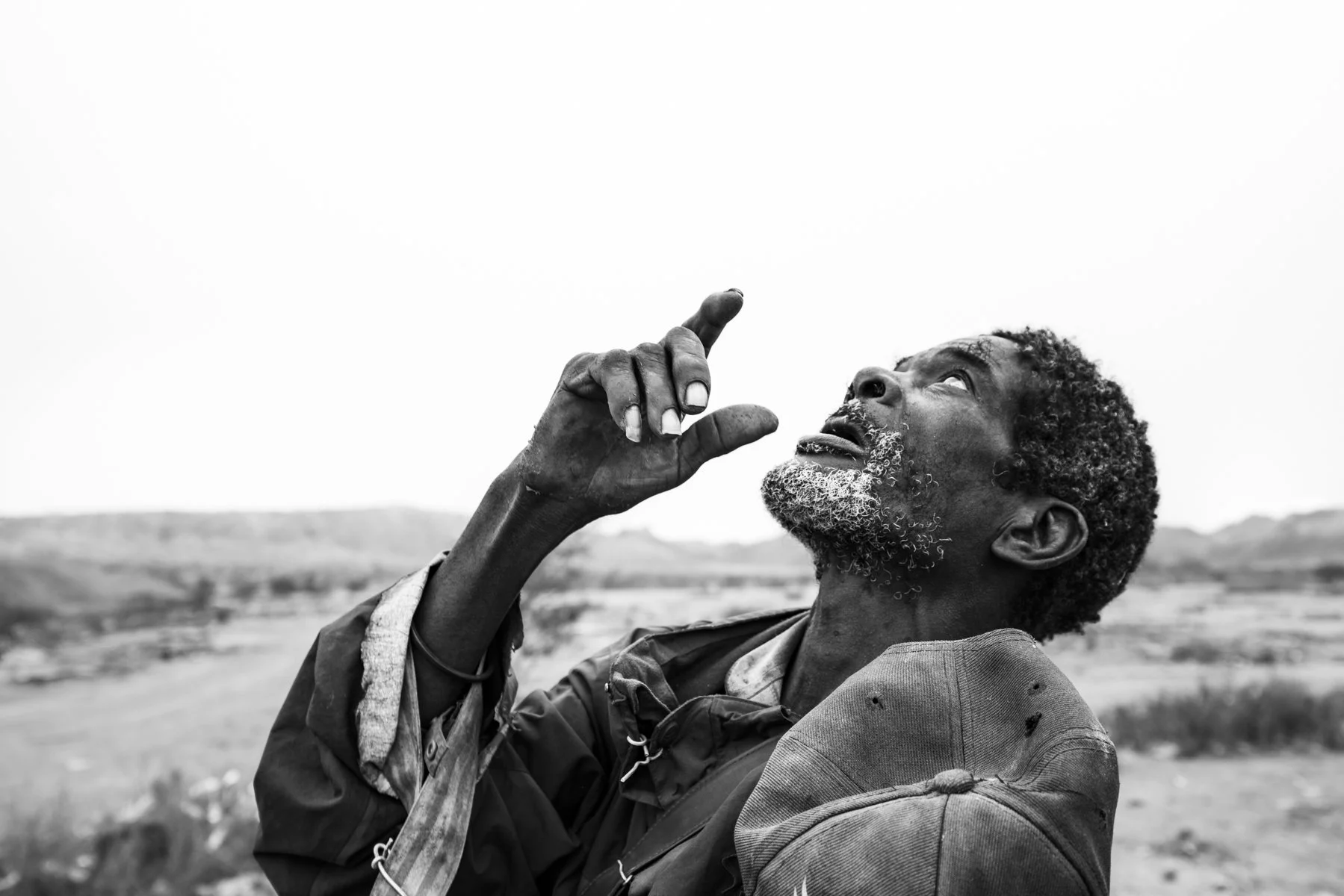
After managing to balance the heavy piece of iron atop the fragile frame, Manucho pauses. He stares out at the sea for a brief moment, his countenance heavy and his eyes lost in the grey vastness, as if searching the ocean spray for the answer as to why, every single day, he must return to this beach to wage such an unequal war against sleeping giants.
The motorcycle takes off, and Manucho rides perched in the back, his feet resting on the cold iron that a friend from the gang helped load. Leaving the shoreline behind, he casts one last look back. He contemplates the sea he defied and the lonely beach where he left his sweat. The ache in his muscles faded with the rhythm of the ride; ahead of him, carved into the hardness of that metal, lay the promise of bread and the pride of a man who conquered the ocean alone.