The Hands that Weave Chants by João Coelho
Sheltered behind a line of endless dunes lies a small fishing village of eight or nine fragile huts. Made of interwoven matebeira palm leaves under rusty corrugated iron roofs, they protect against the heat. But today, the cold winter mist of the Angolan cacimbo blankets the coast, and the village slowly wakes beneath a heavy, grey mantle.
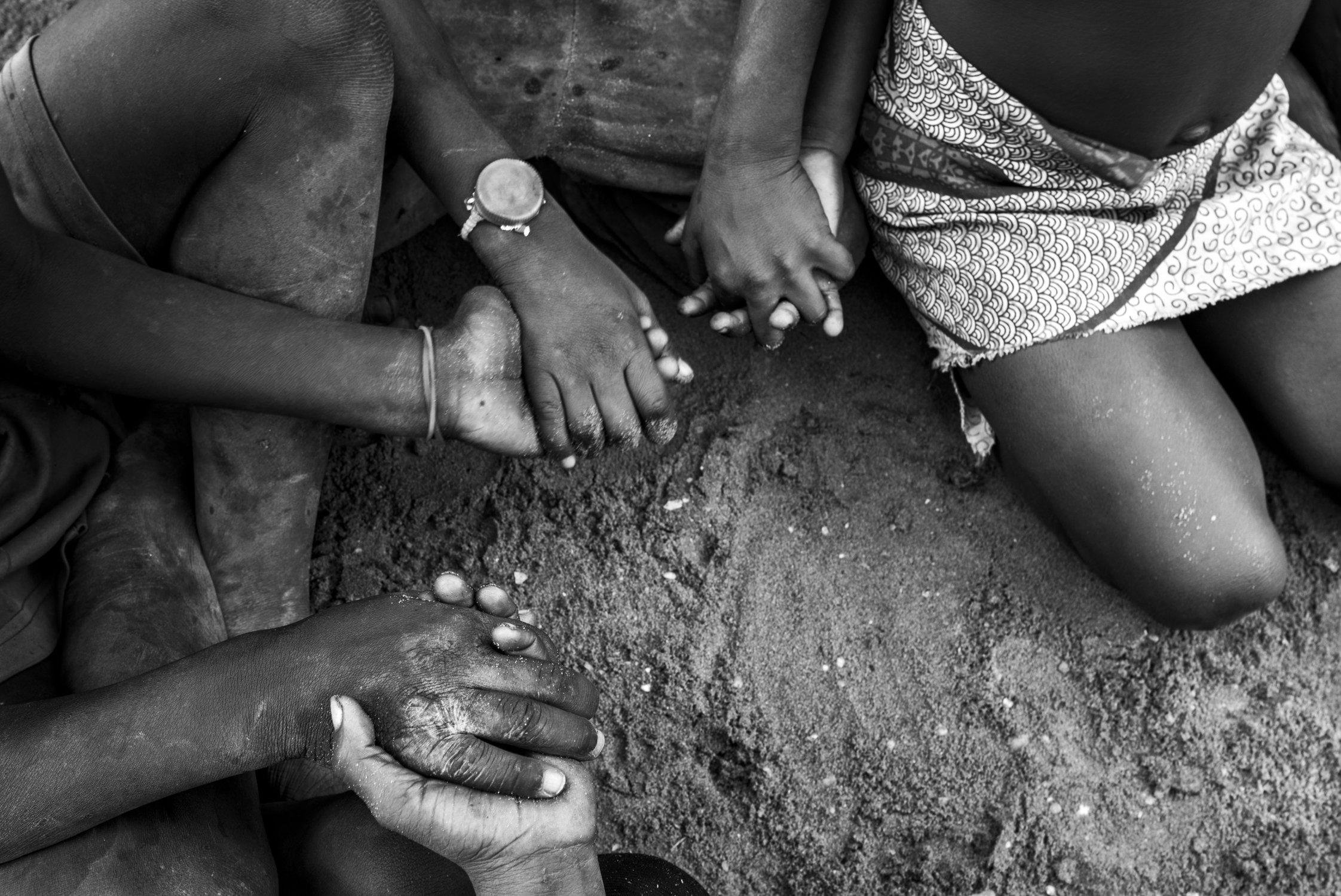
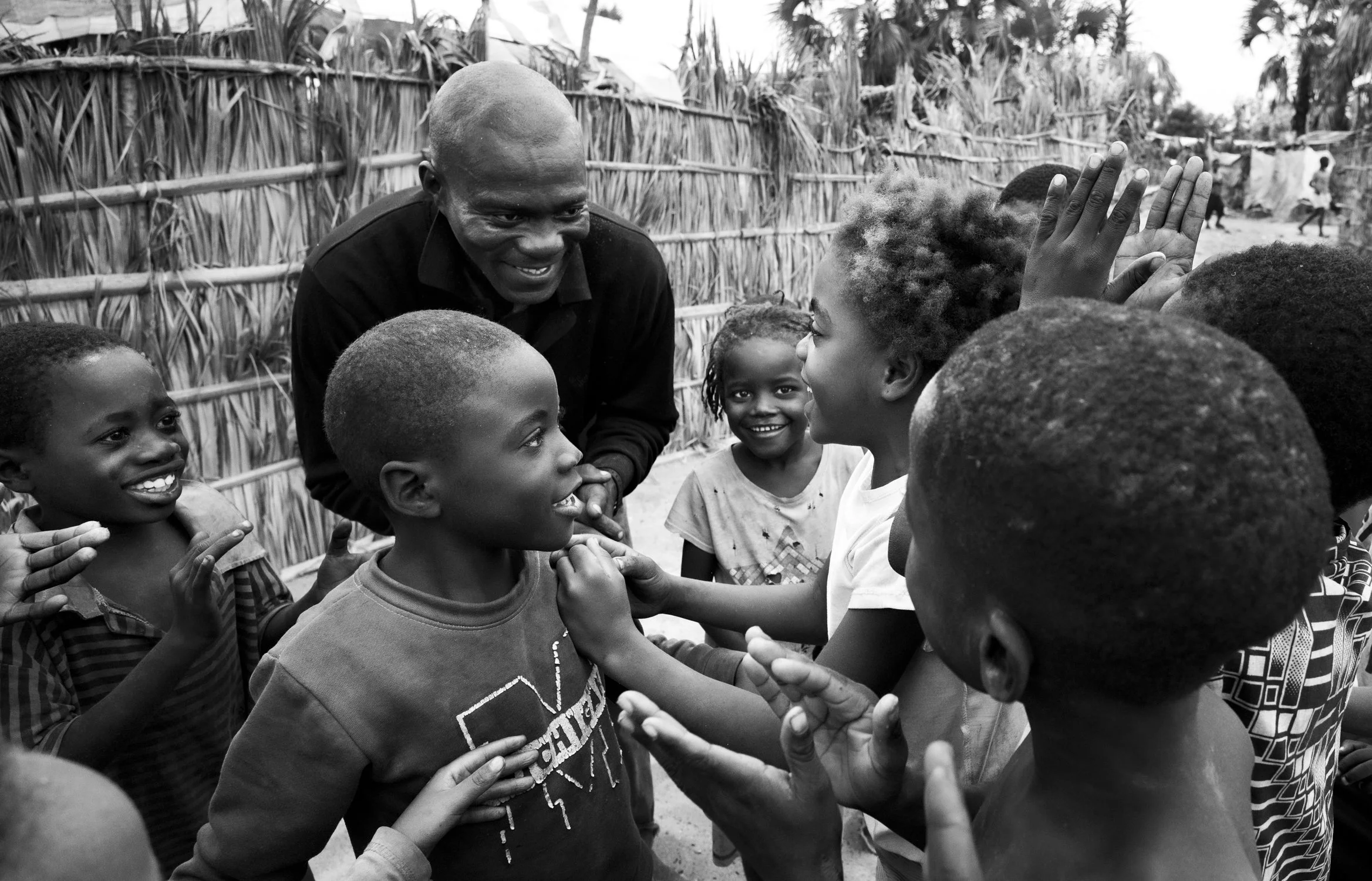
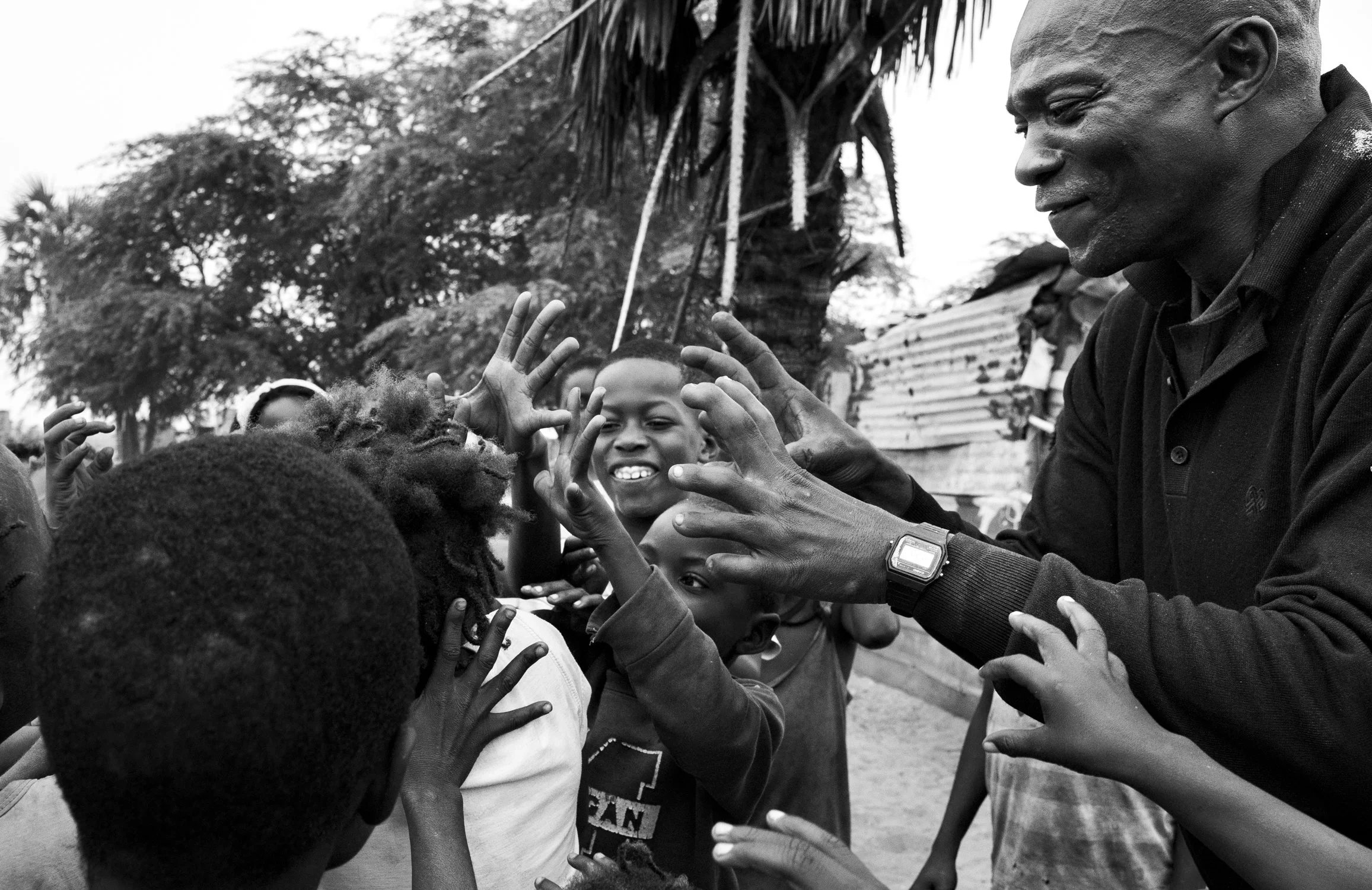
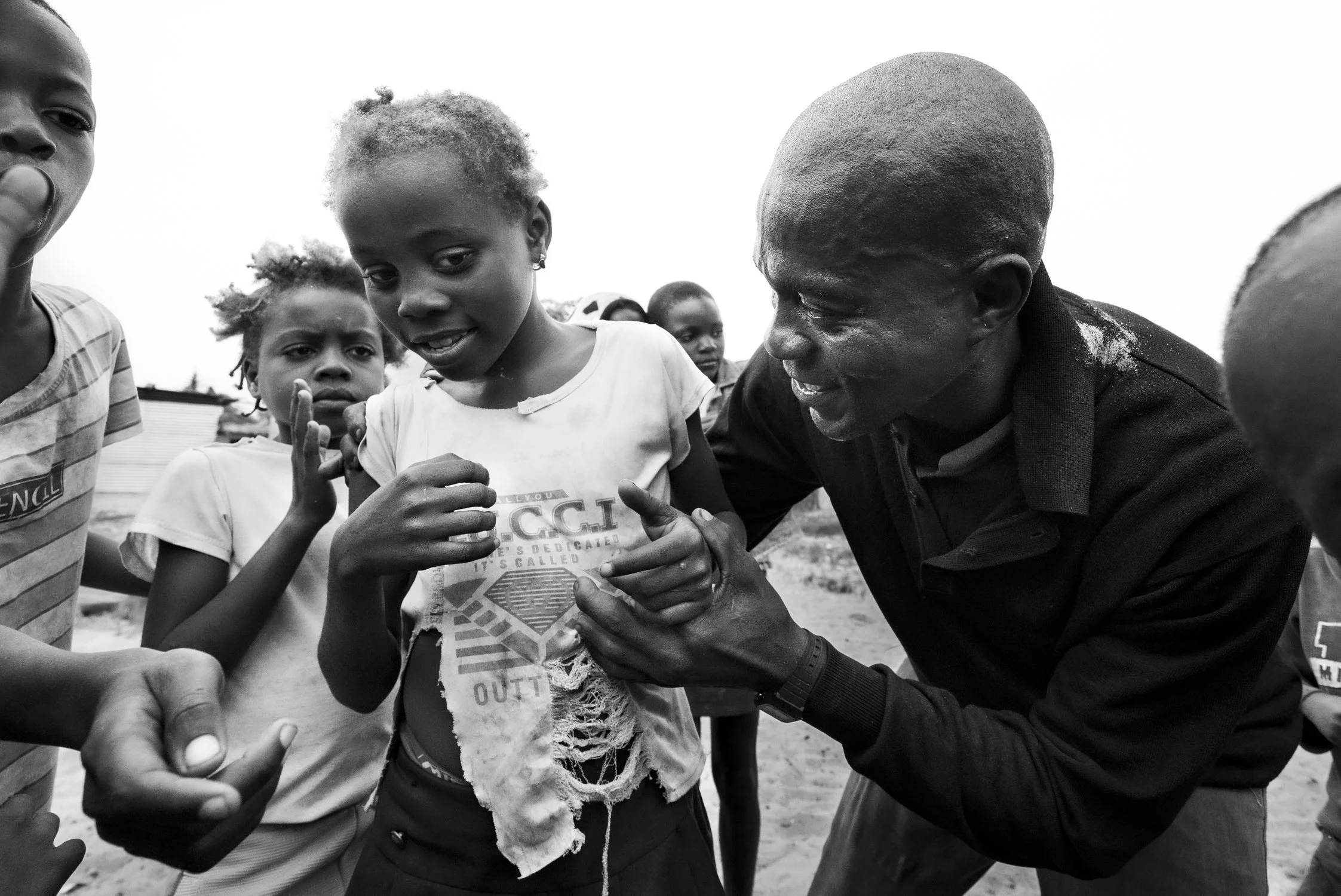
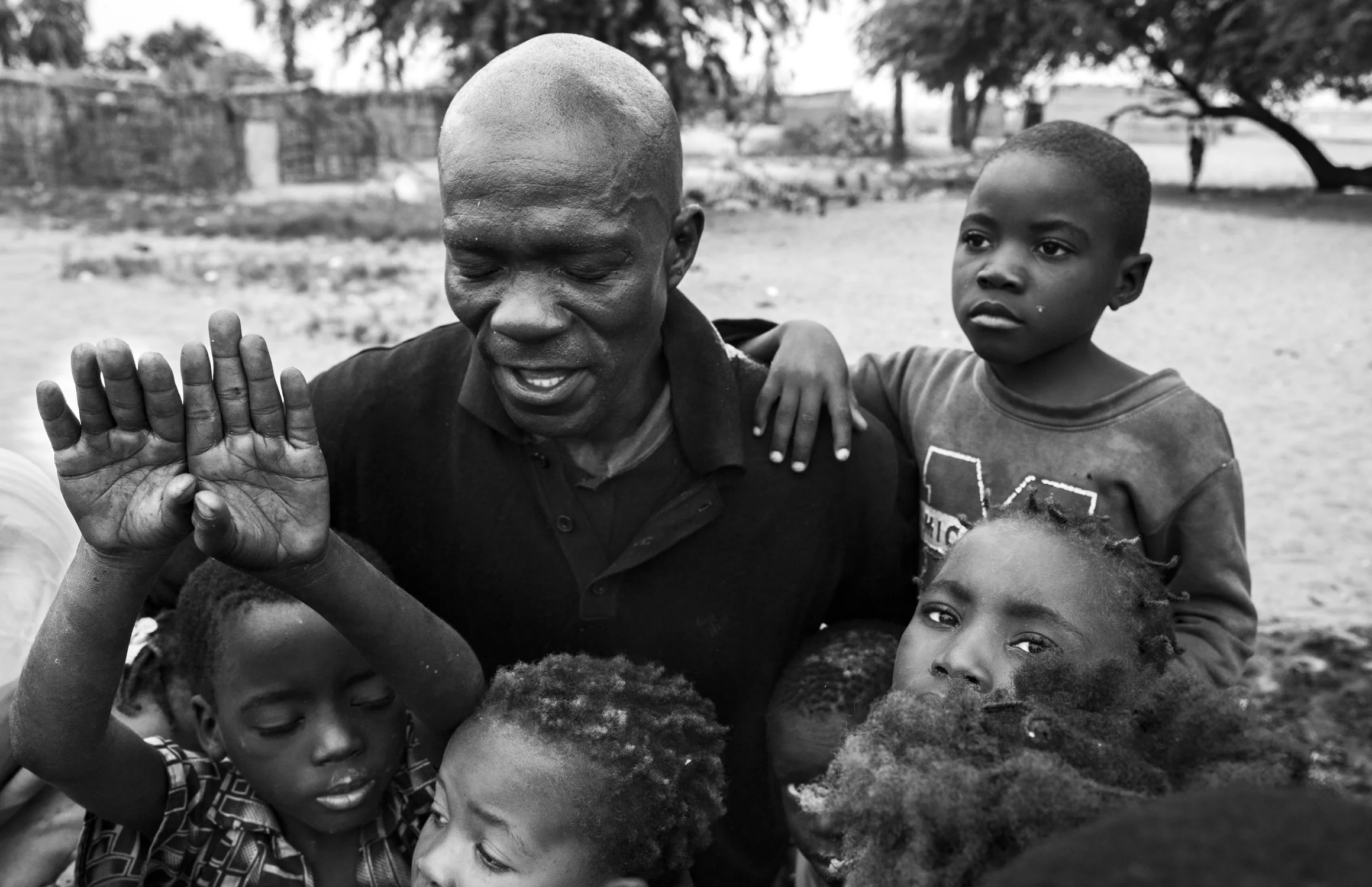
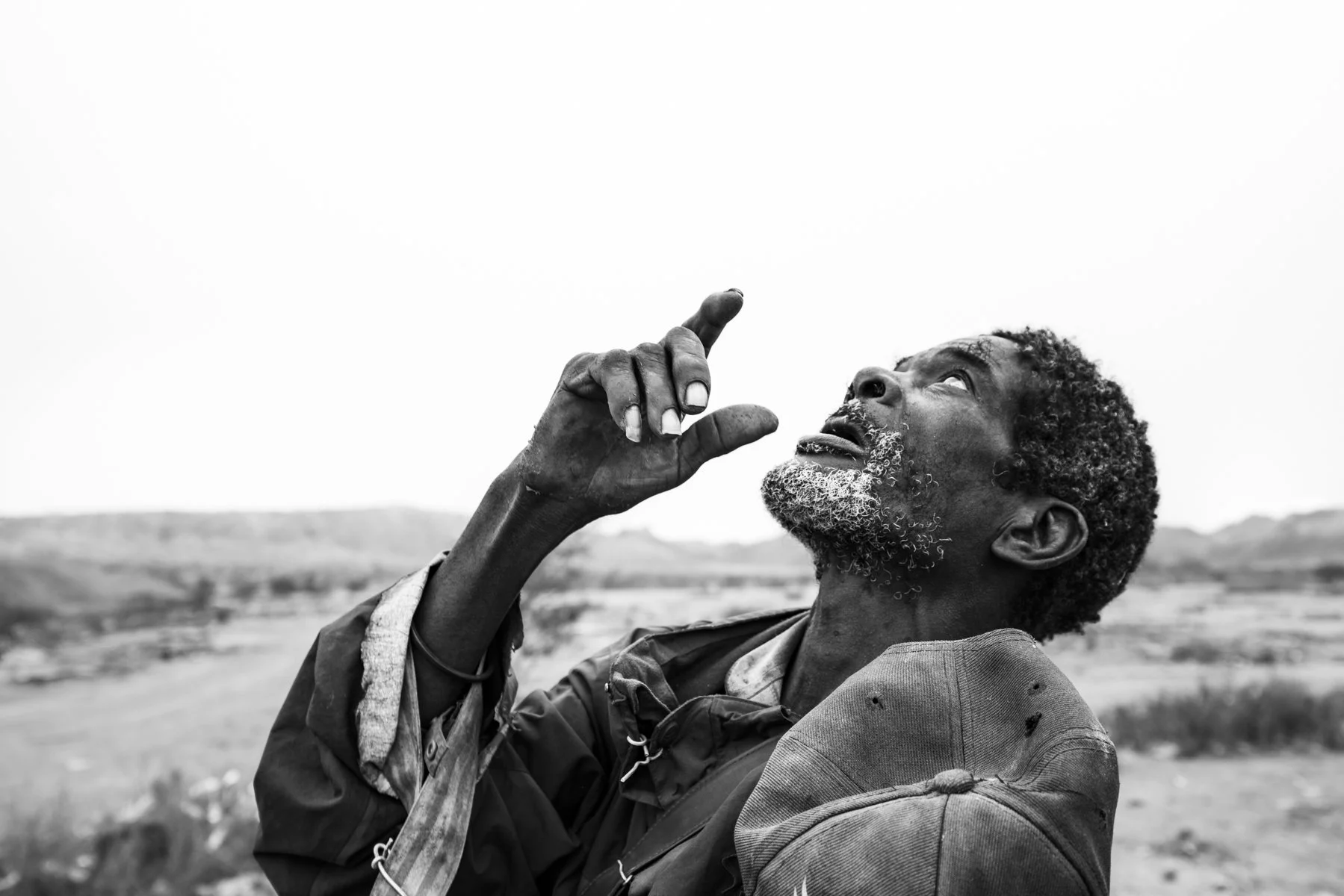
This is where Manuel lives. To everyone, he is known as "Seis Dedos" (Six Fingers). Born with a rare condition of polydactyly, Manuel carries six fingers on each hand and six toes on each foot. This difference scarred his childhood with exclusion and mockery, driving him into the solitude of the sea. Yet, in this tiny community, he found respect and the pure love of the local children.
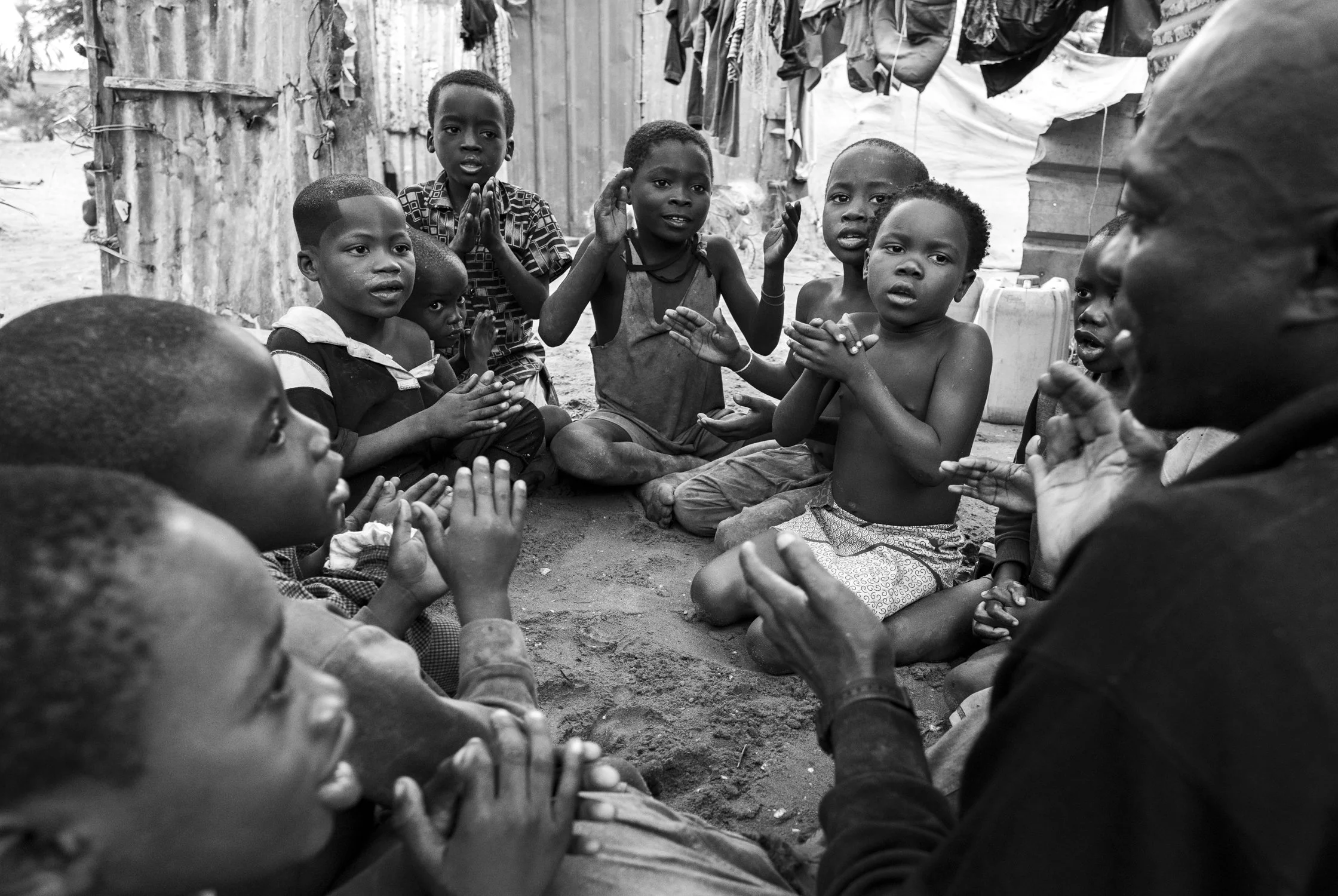
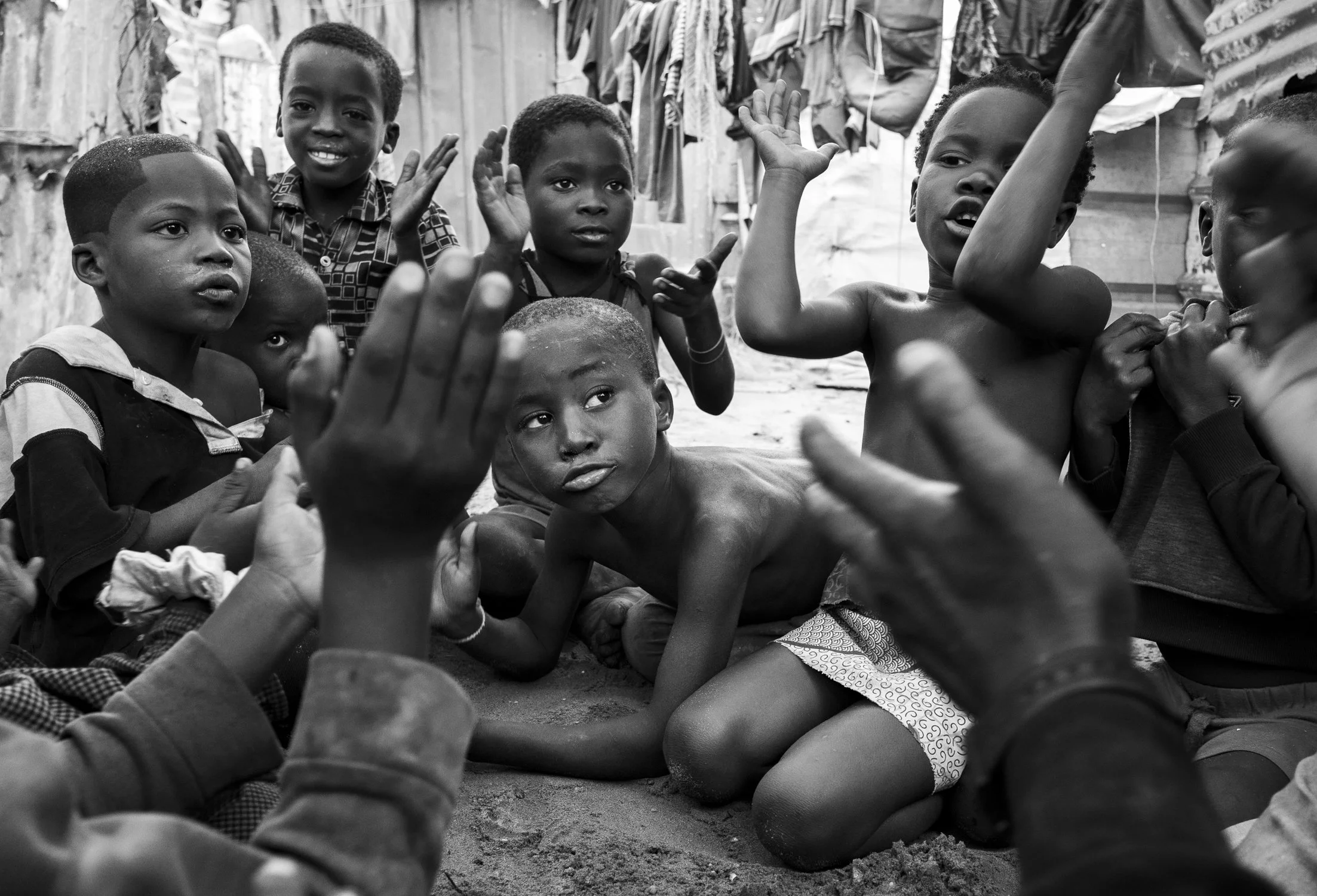
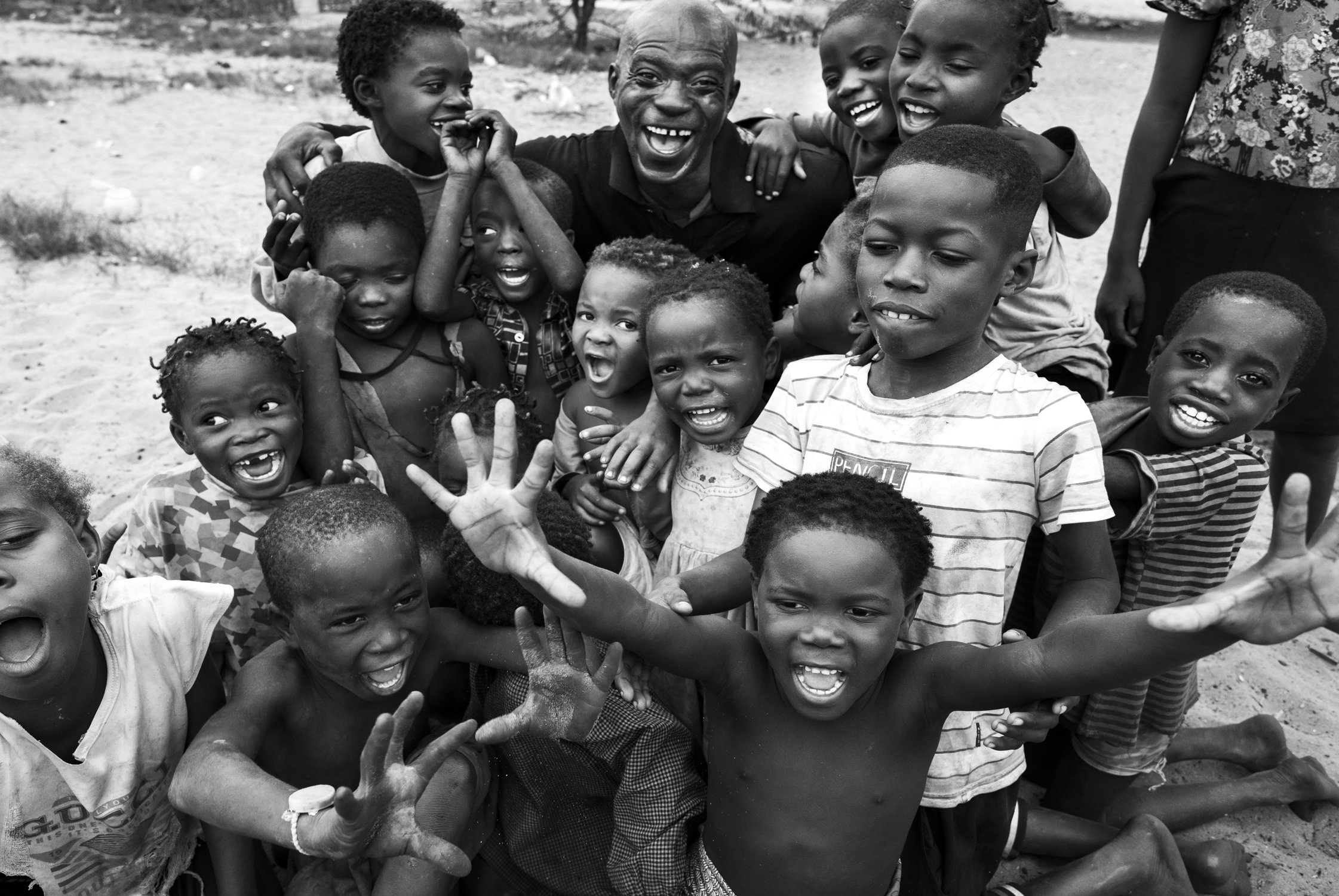
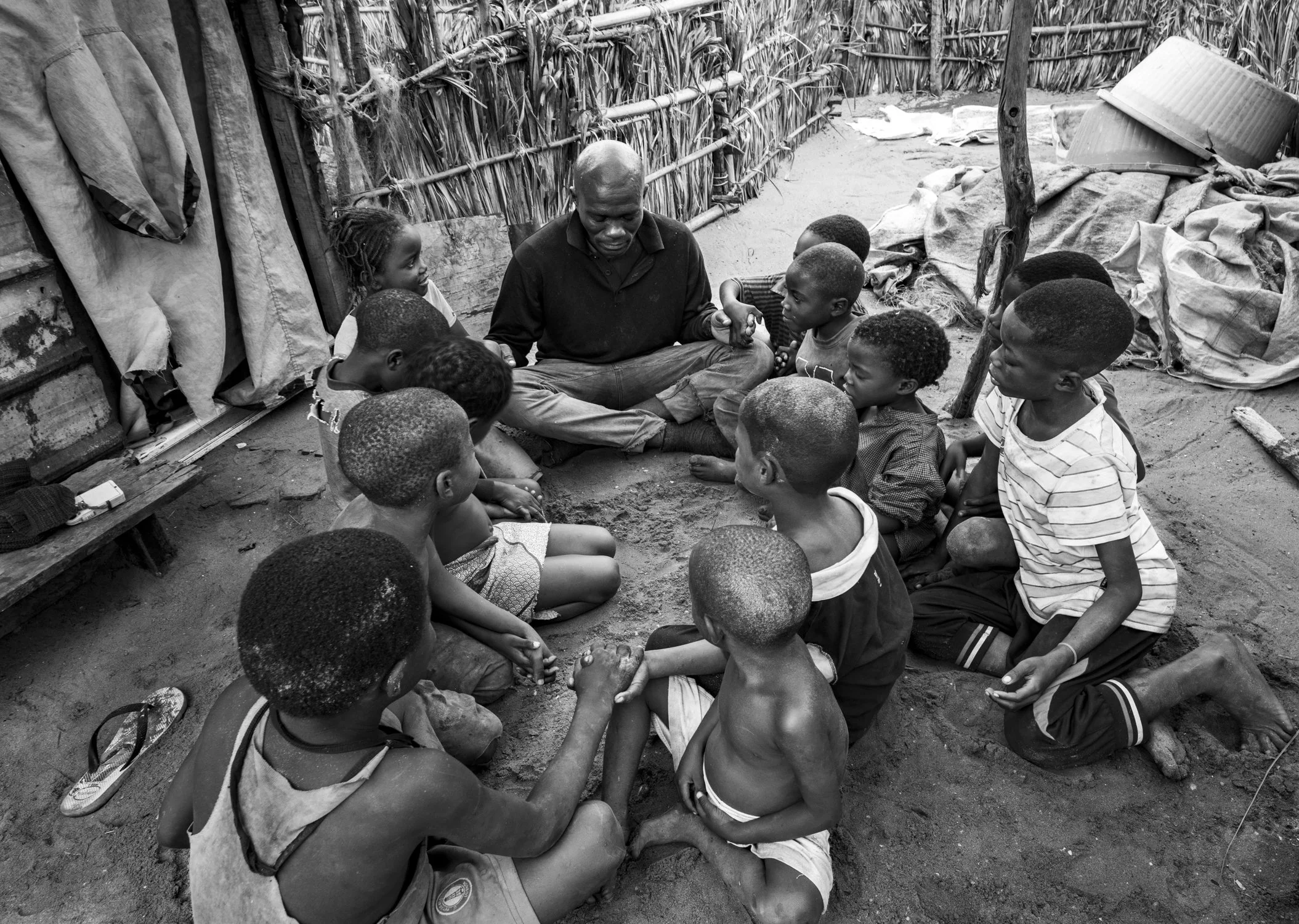
On a cold Sunday, children from across the neighbourhood, dressed in old, torn clothes, crowd around his doorstep. None of them can read or write; they have never attended school, but they share an invisible code of affection. Inside the fragile hut, excitement yields to a respectful silence as they sit in a circle on the ground, holding hands with Seis Dedos.
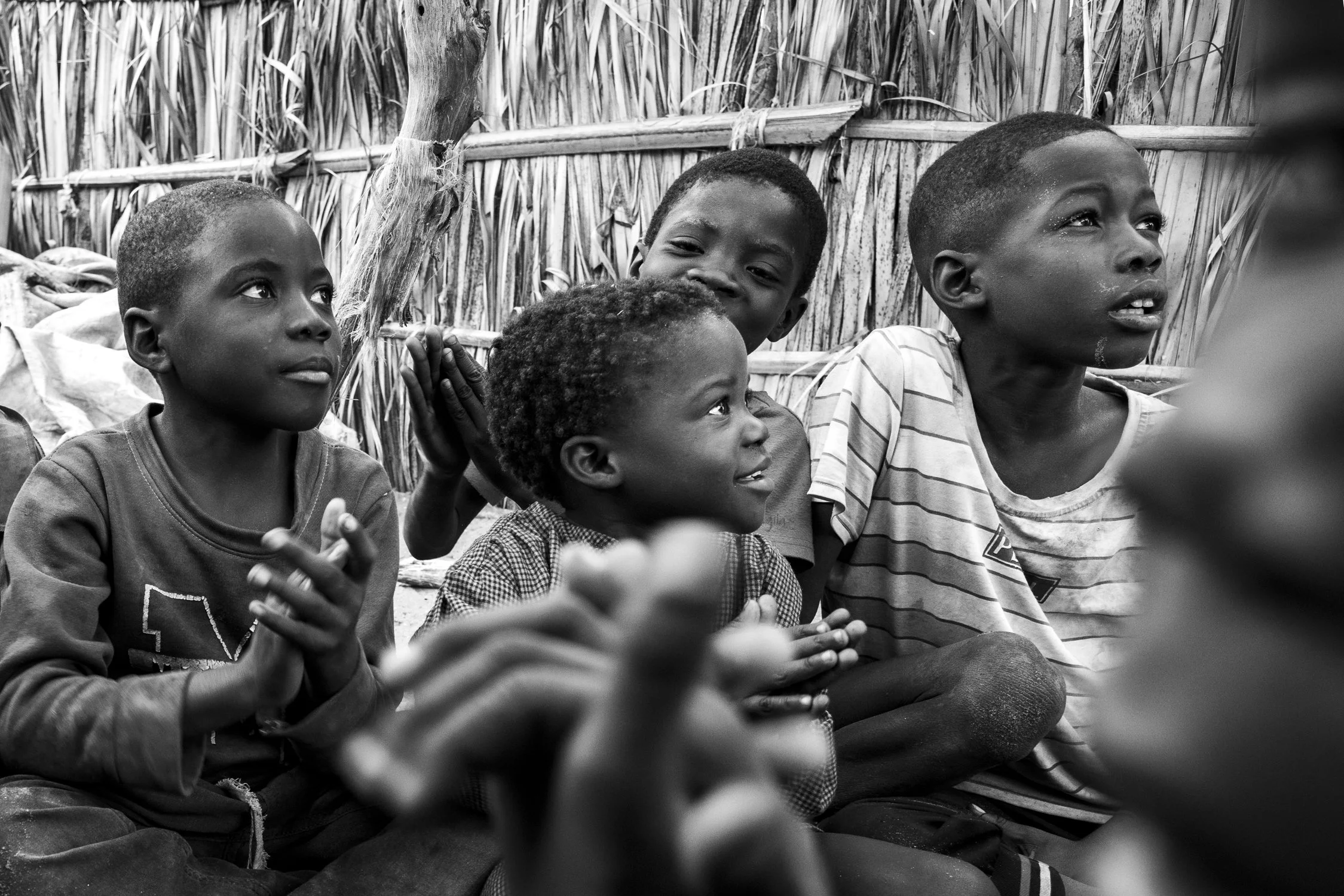
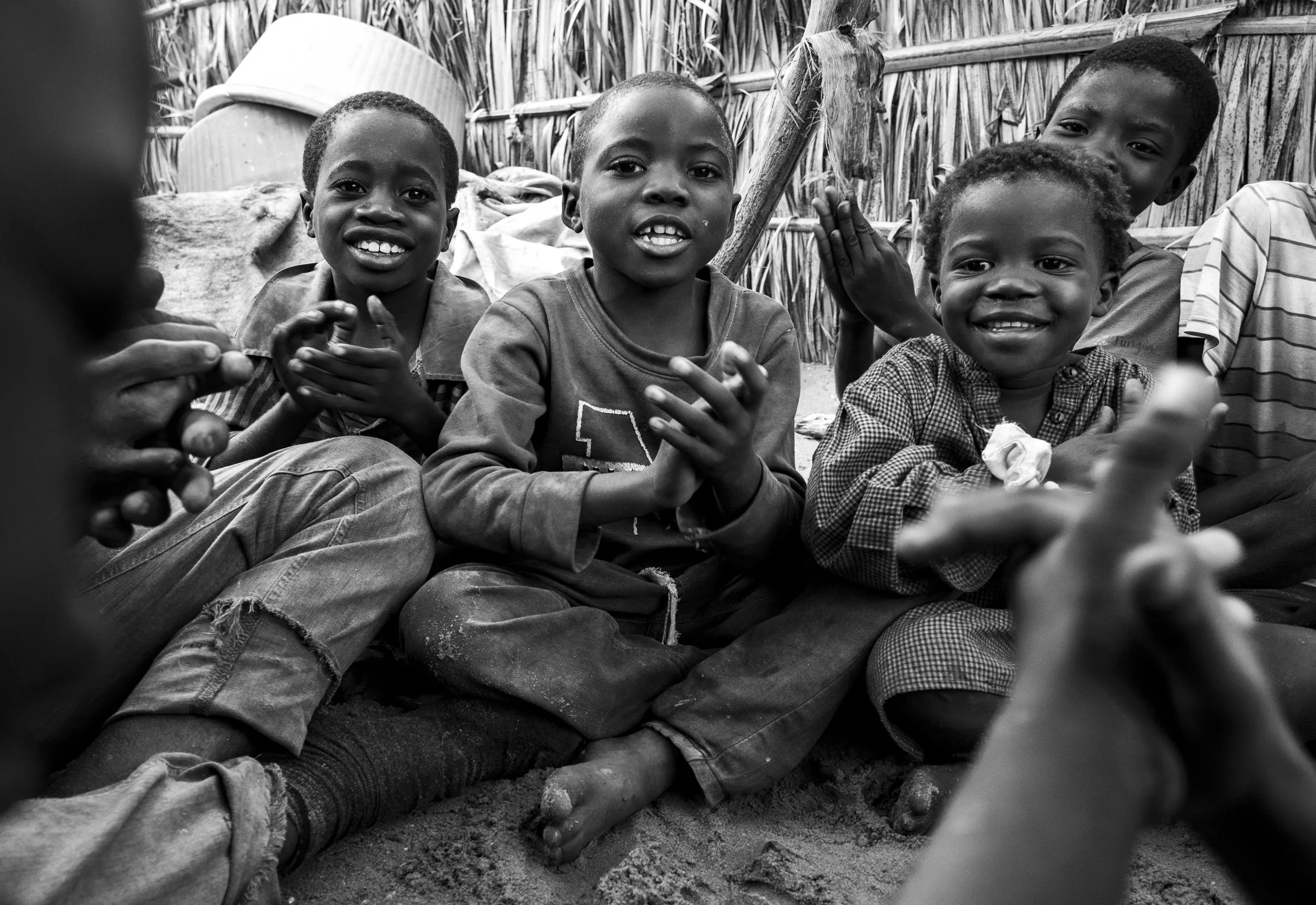
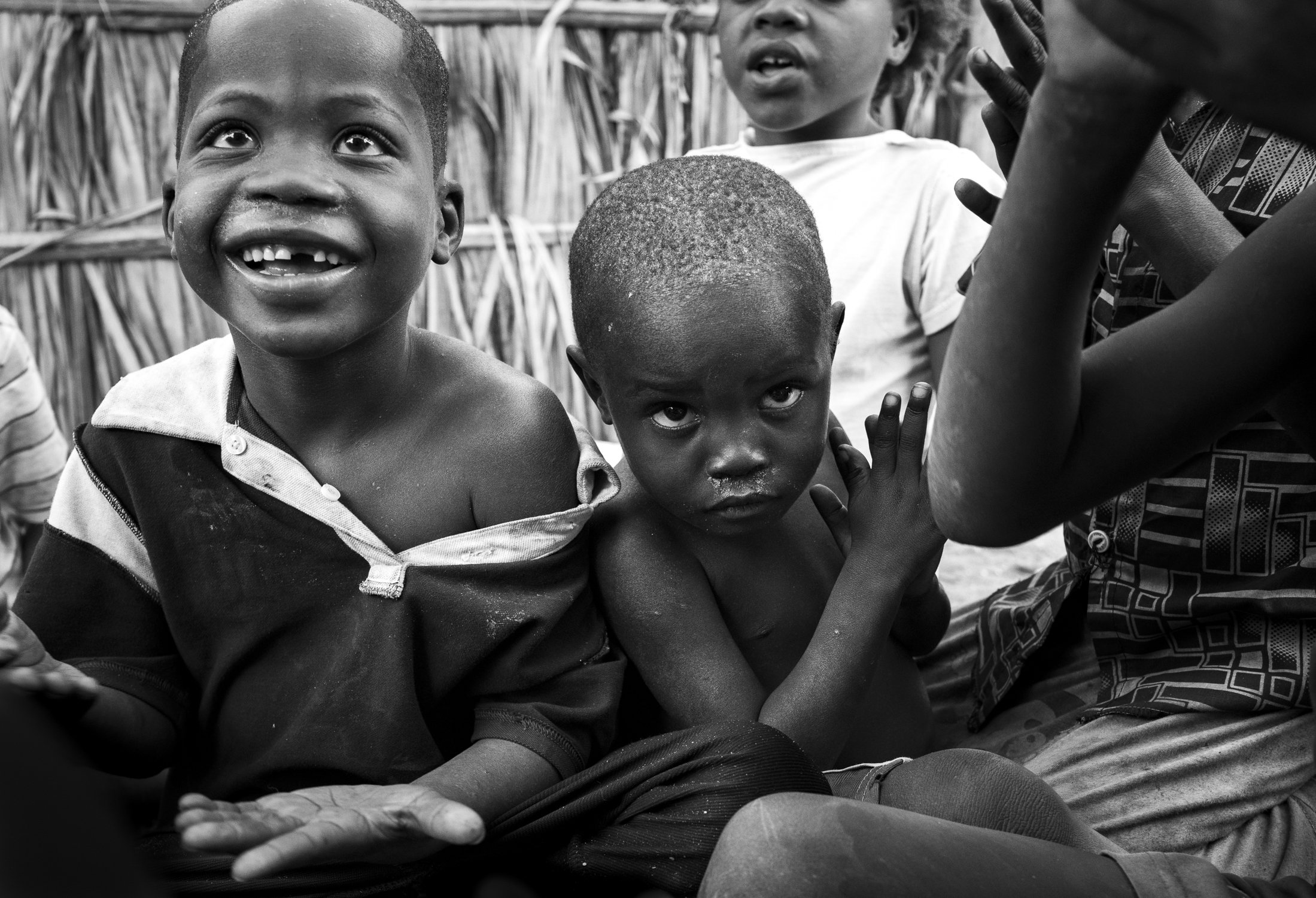
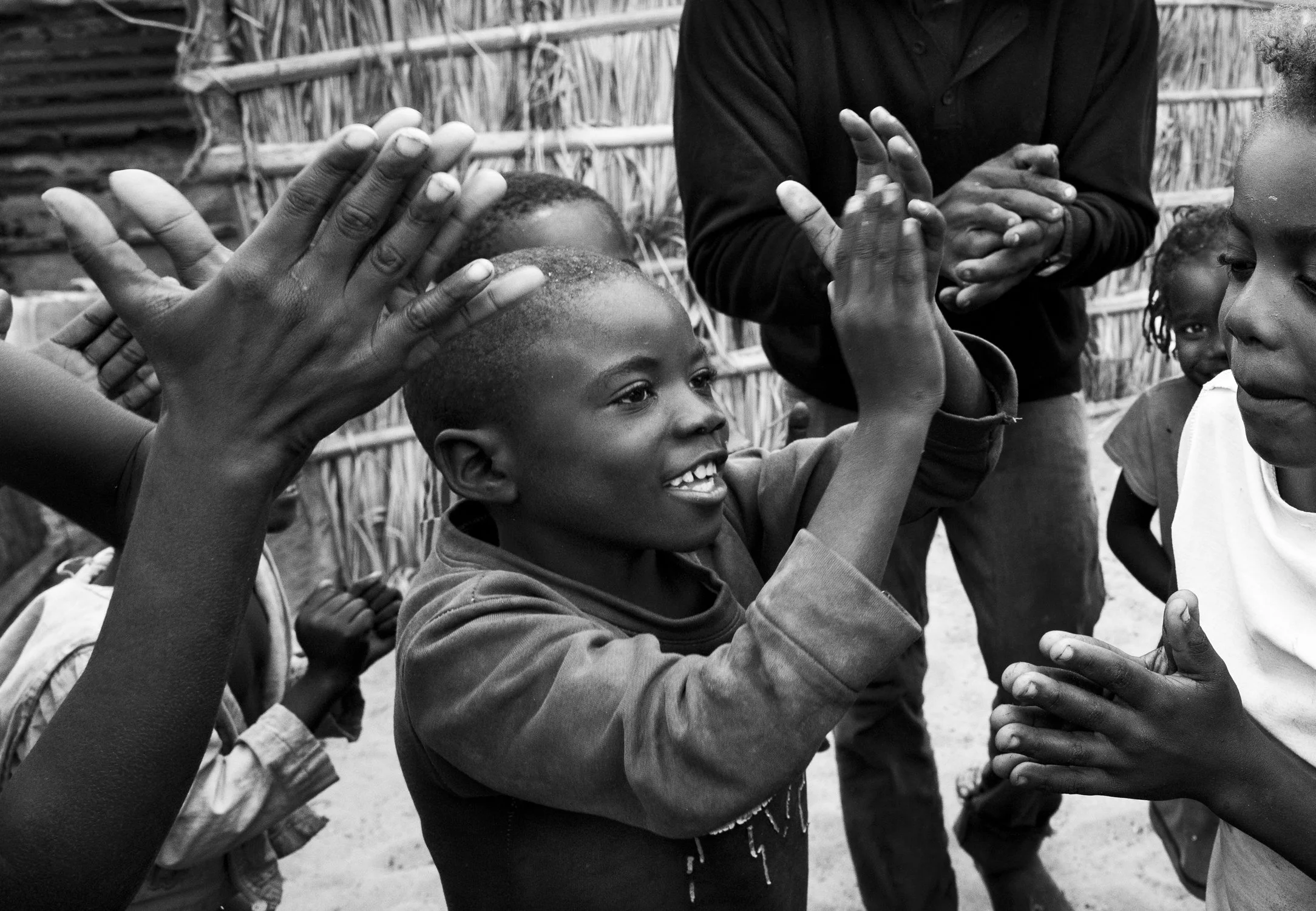
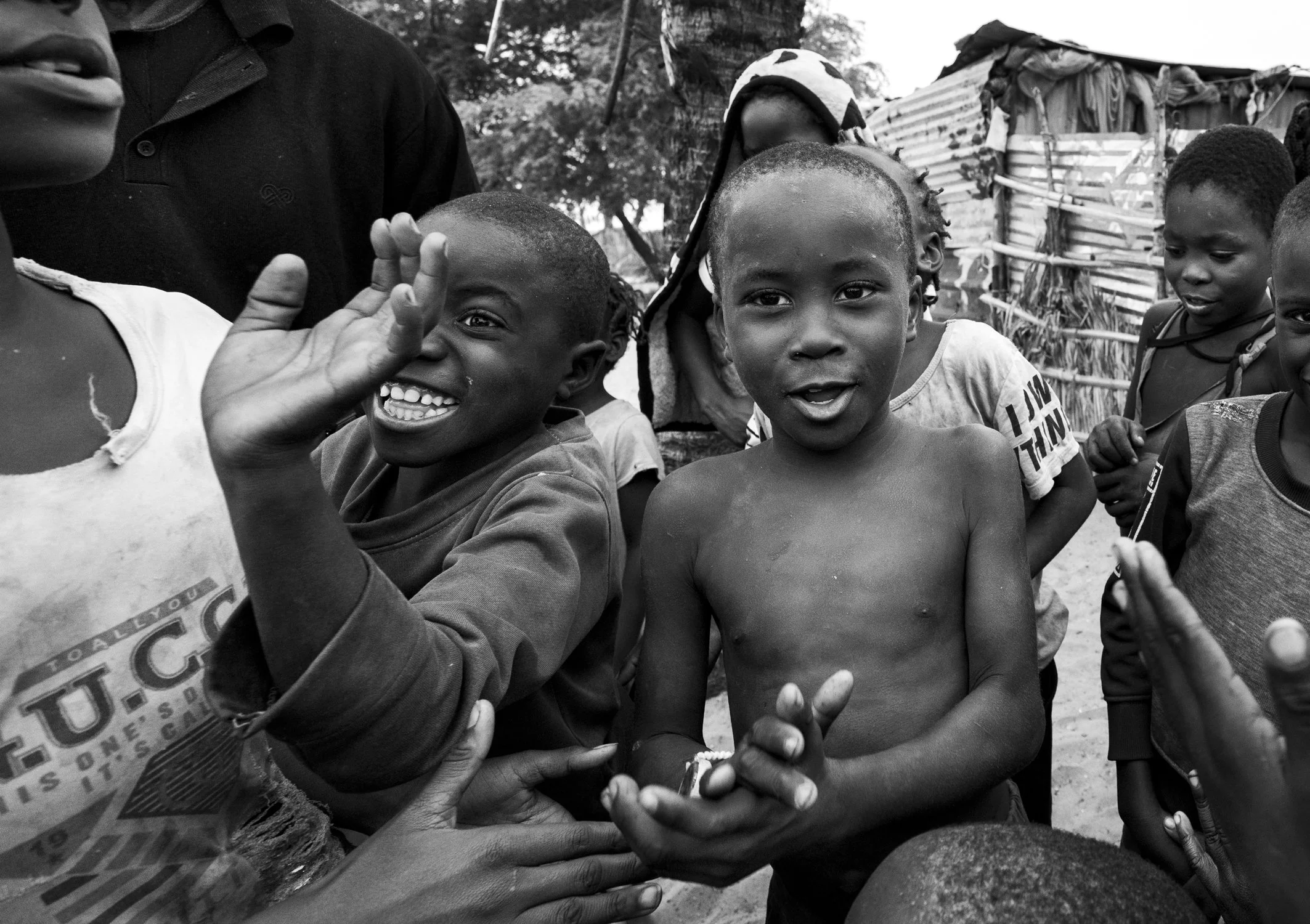
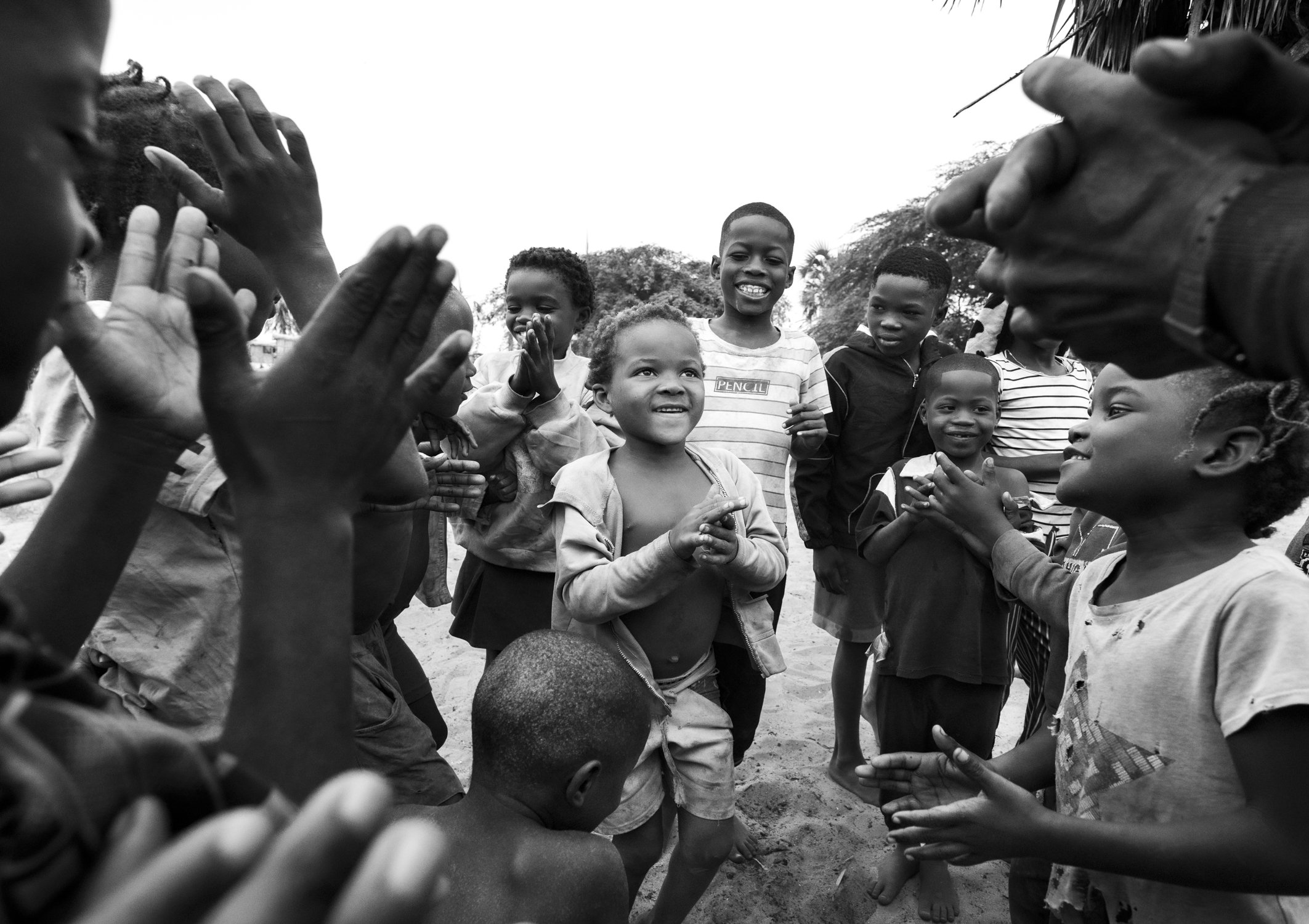
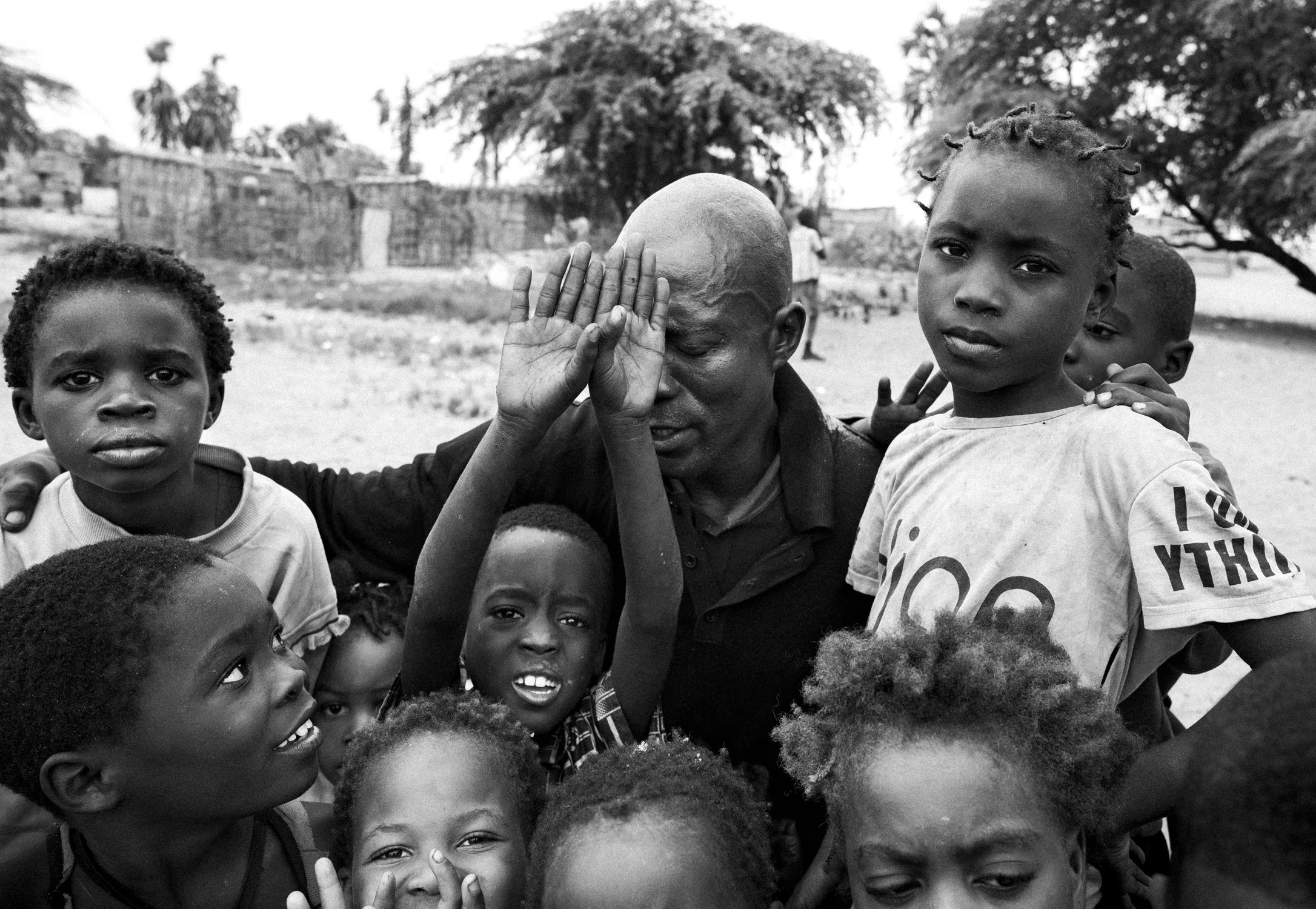
A man of profound faith, Manuel closes his eyes, raises his face to the sky, and prays out loud, teaching them the path of goodness. The children stare, immersed in a trance that makes time stand still. The prayer then transforms into a rhythmic chant punctuated by measured handclaps. Faces marked by poverty light up with wide smiles, breaking the chill of the cacimbo with overflowing warmth.
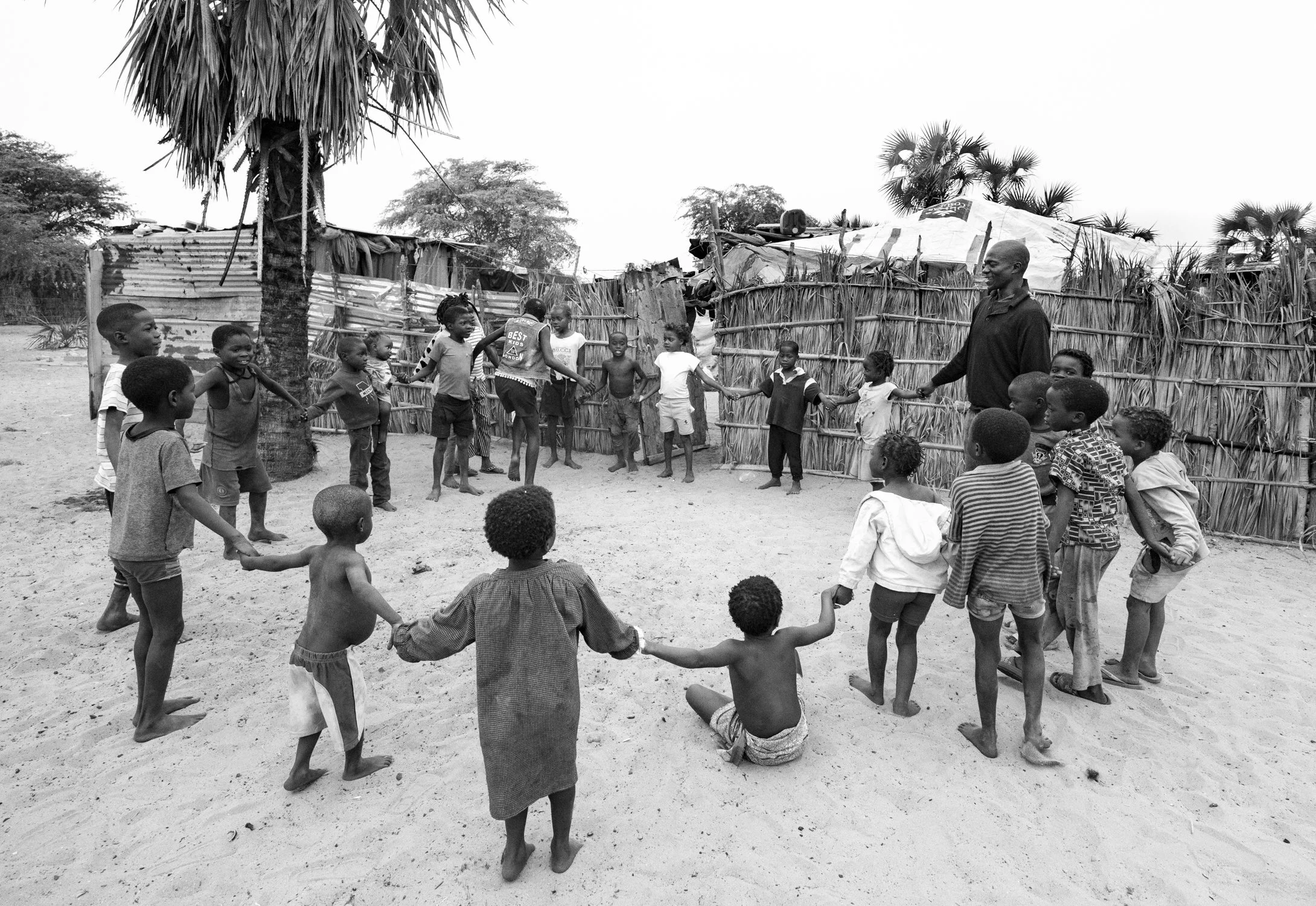
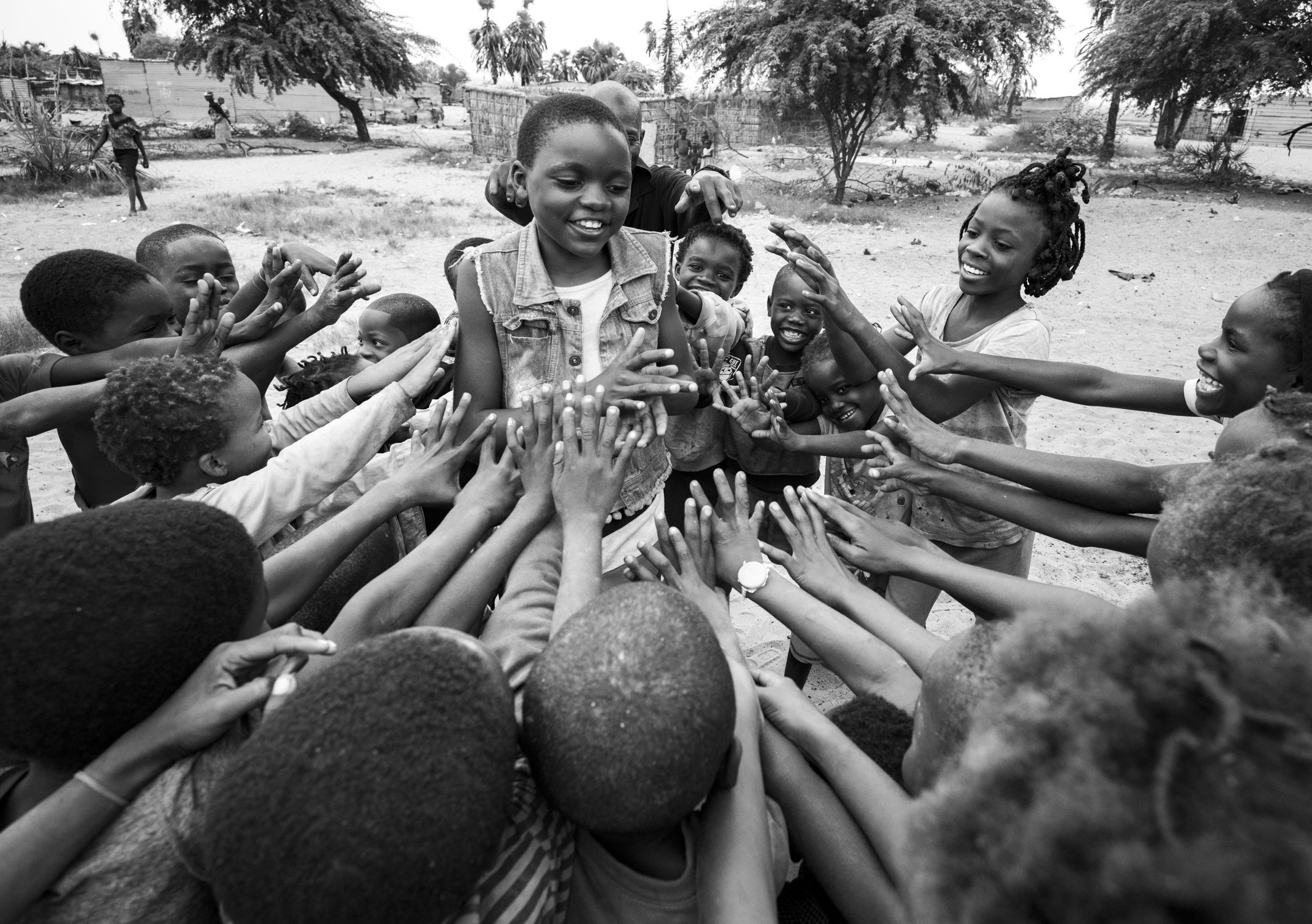
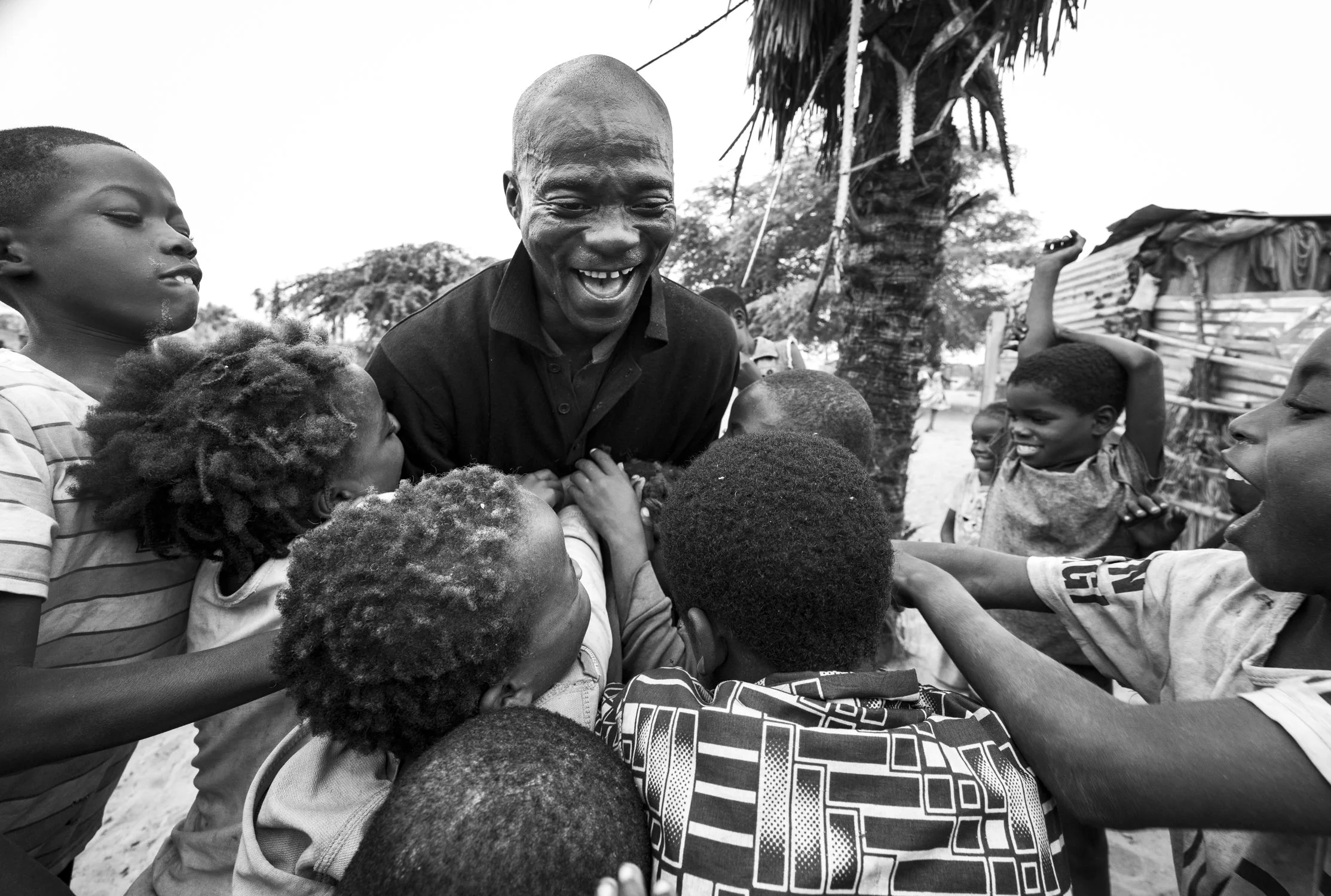
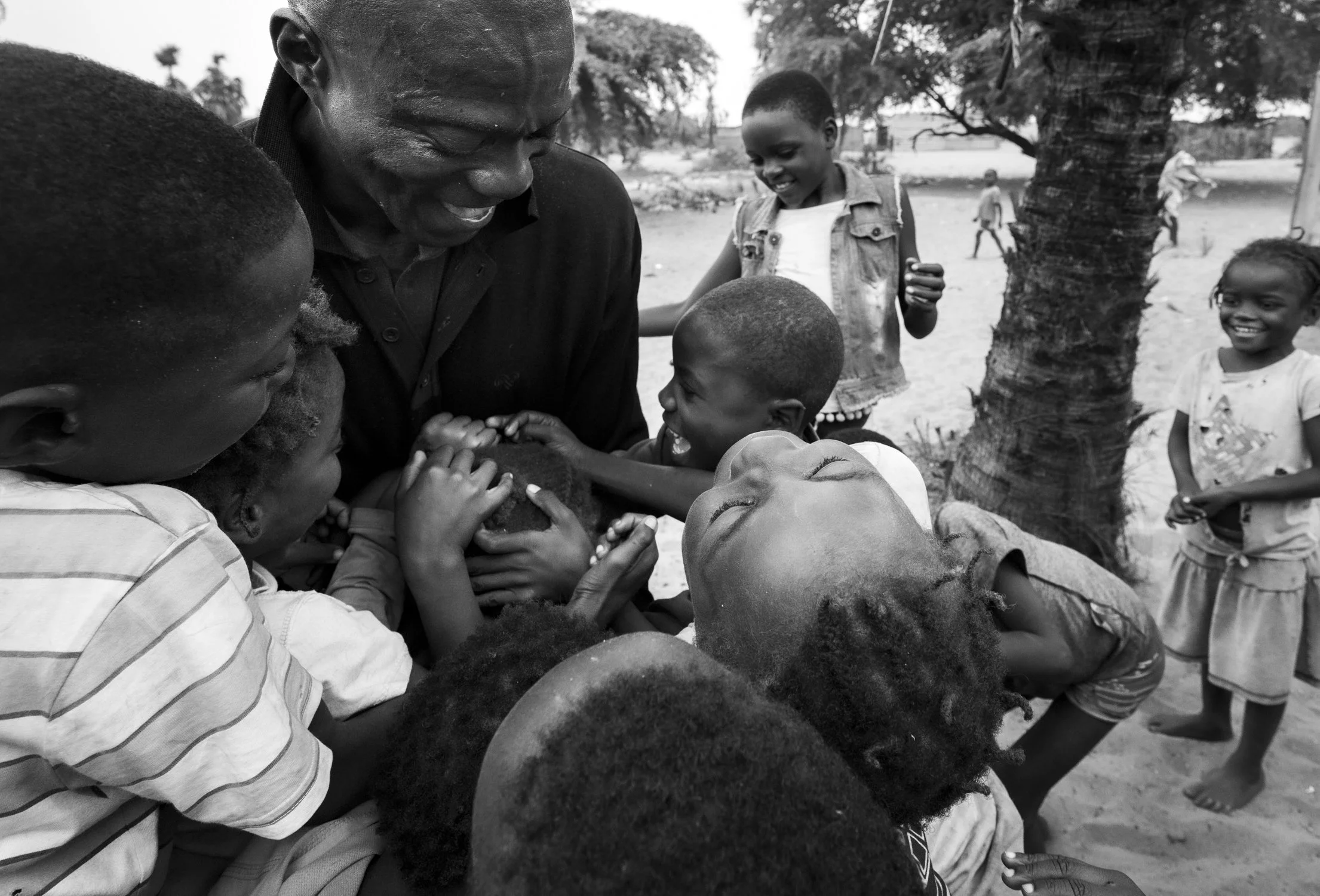
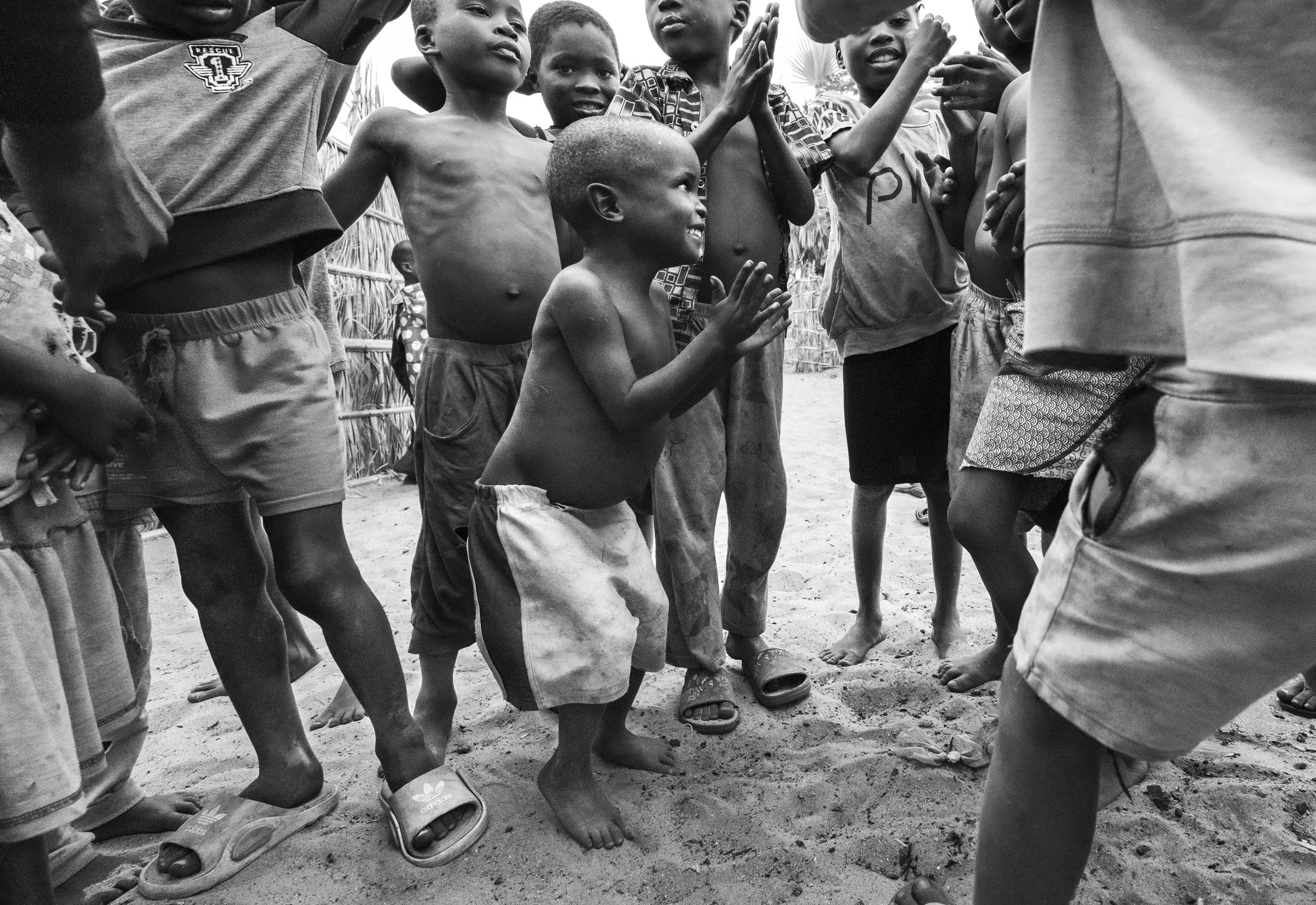
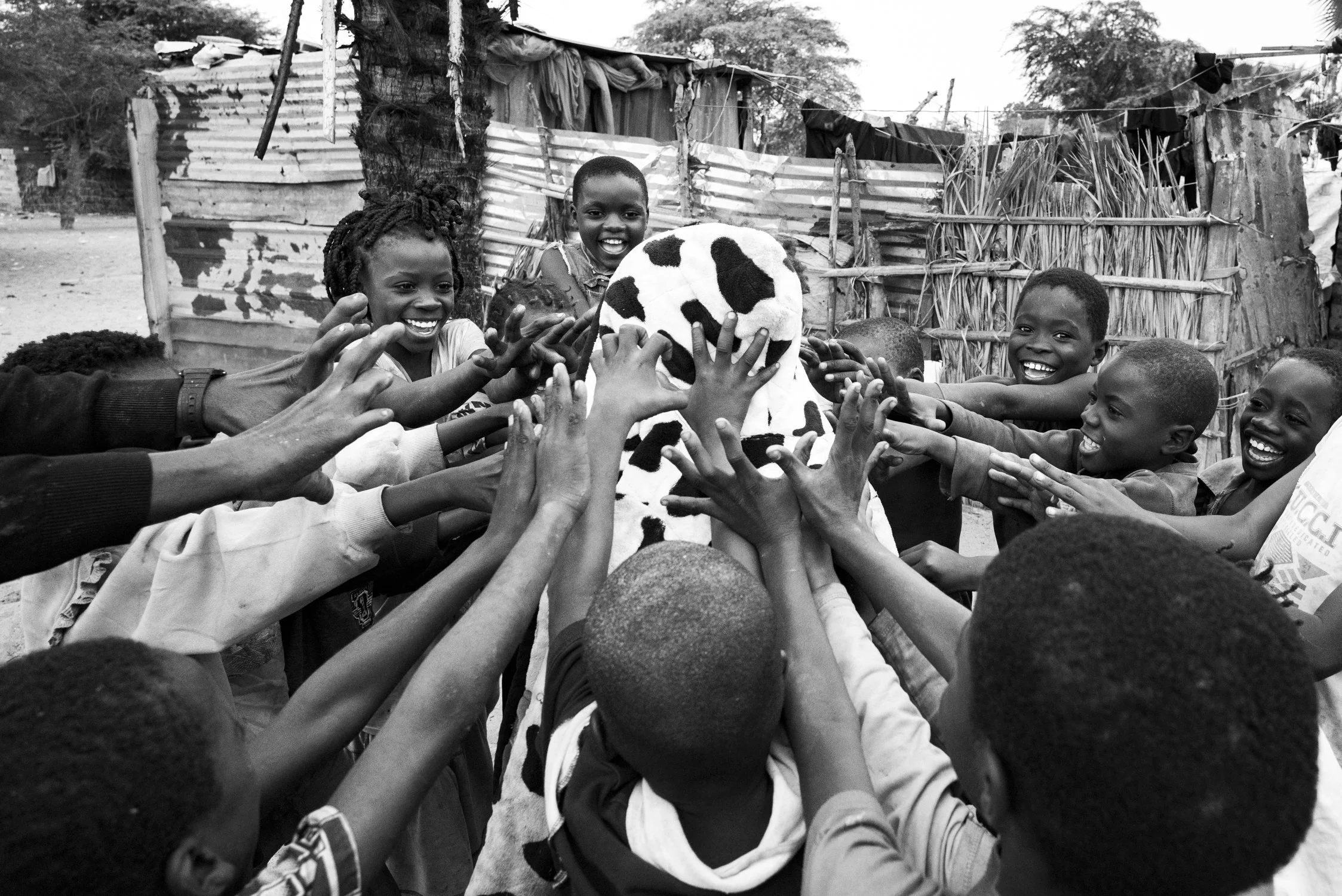
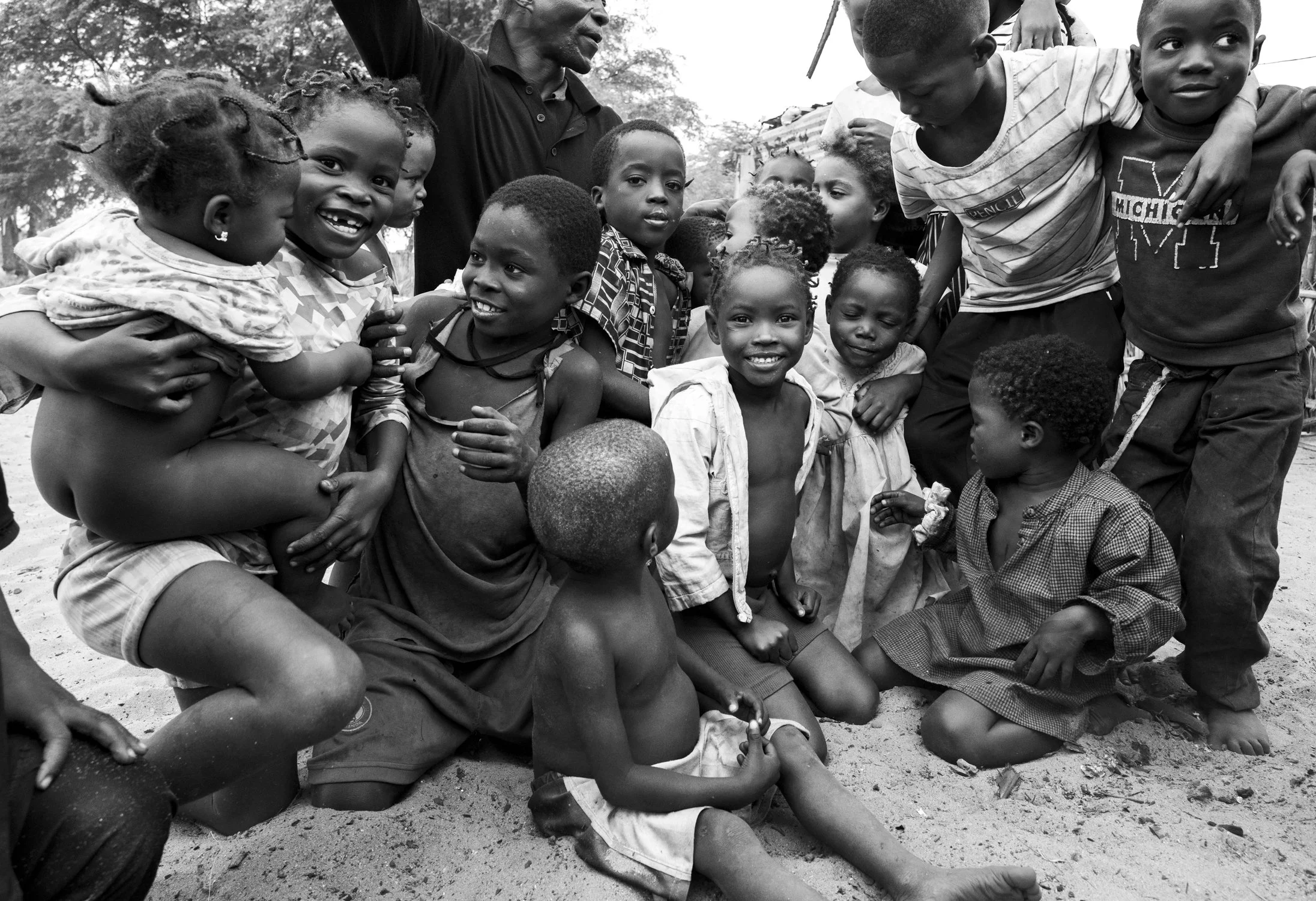
The climax unfolds in the courtyard beneath the dim morning light. About a score of children gather outside in a large circle. Seis Dedos leads a prayer, and in an instant, reverence turns into an explosion of unbridled joy. In the game he created, Manuel lunges into the centre to choose a child to sing the songs of praise he has patiently taught them.
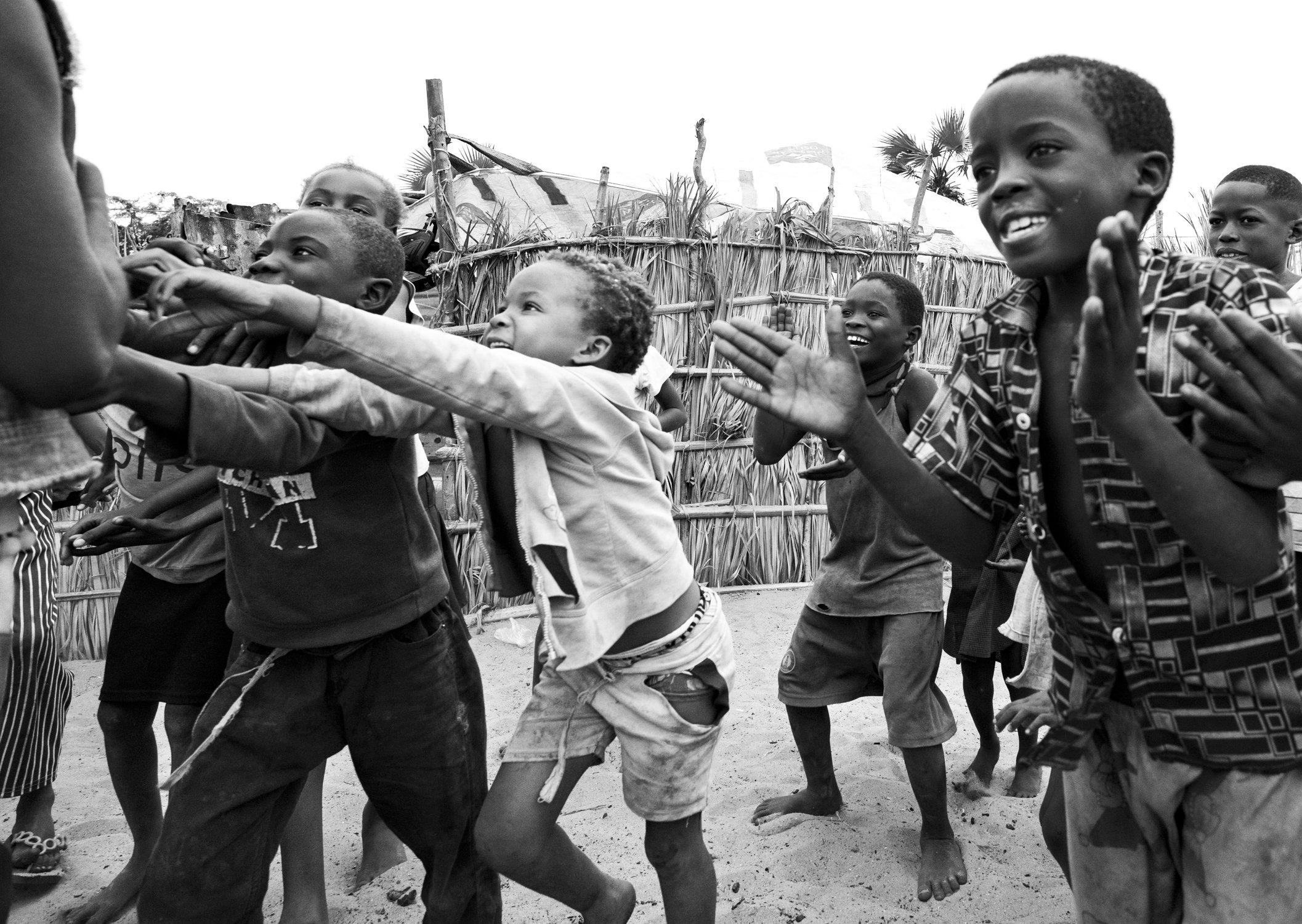
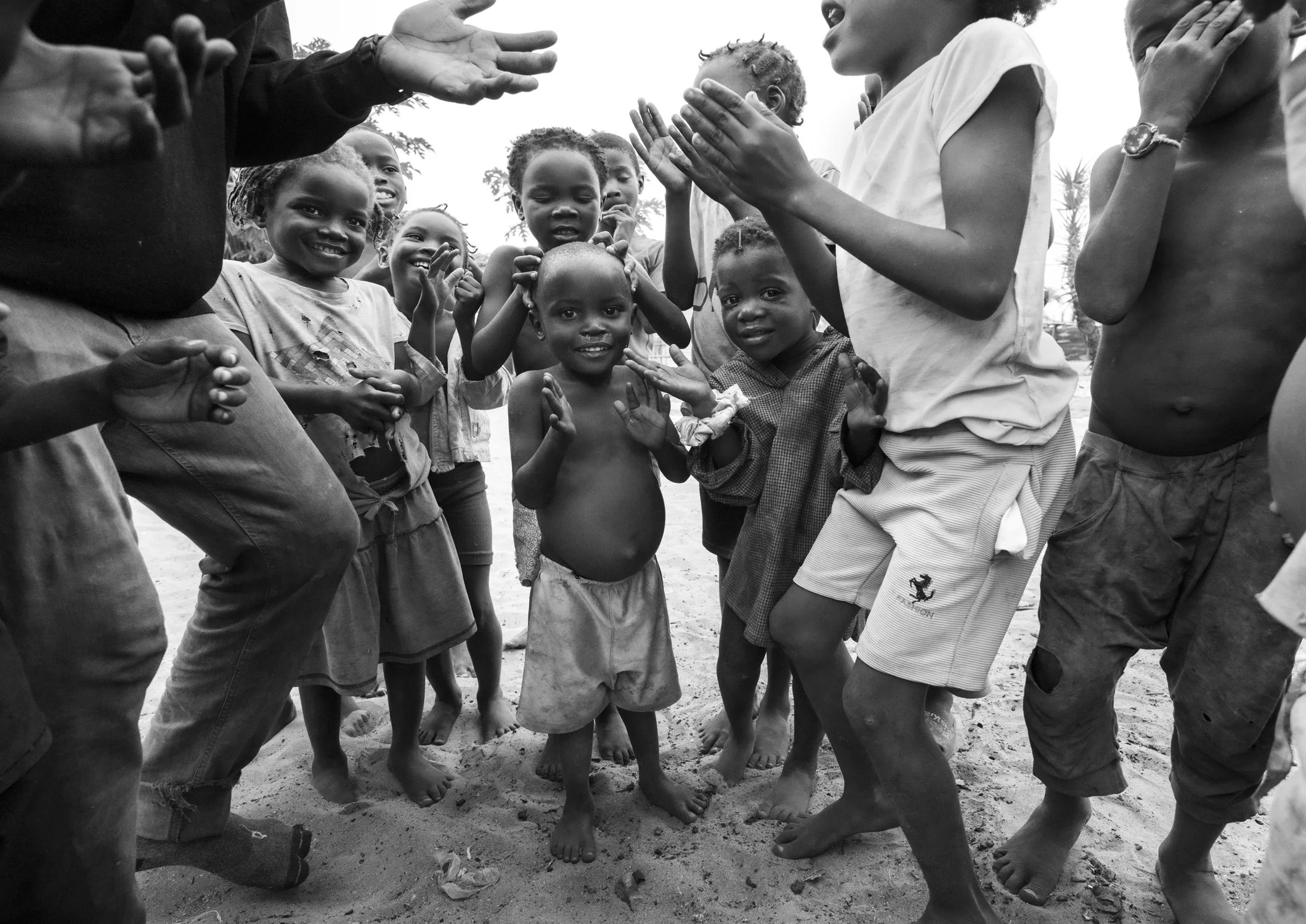
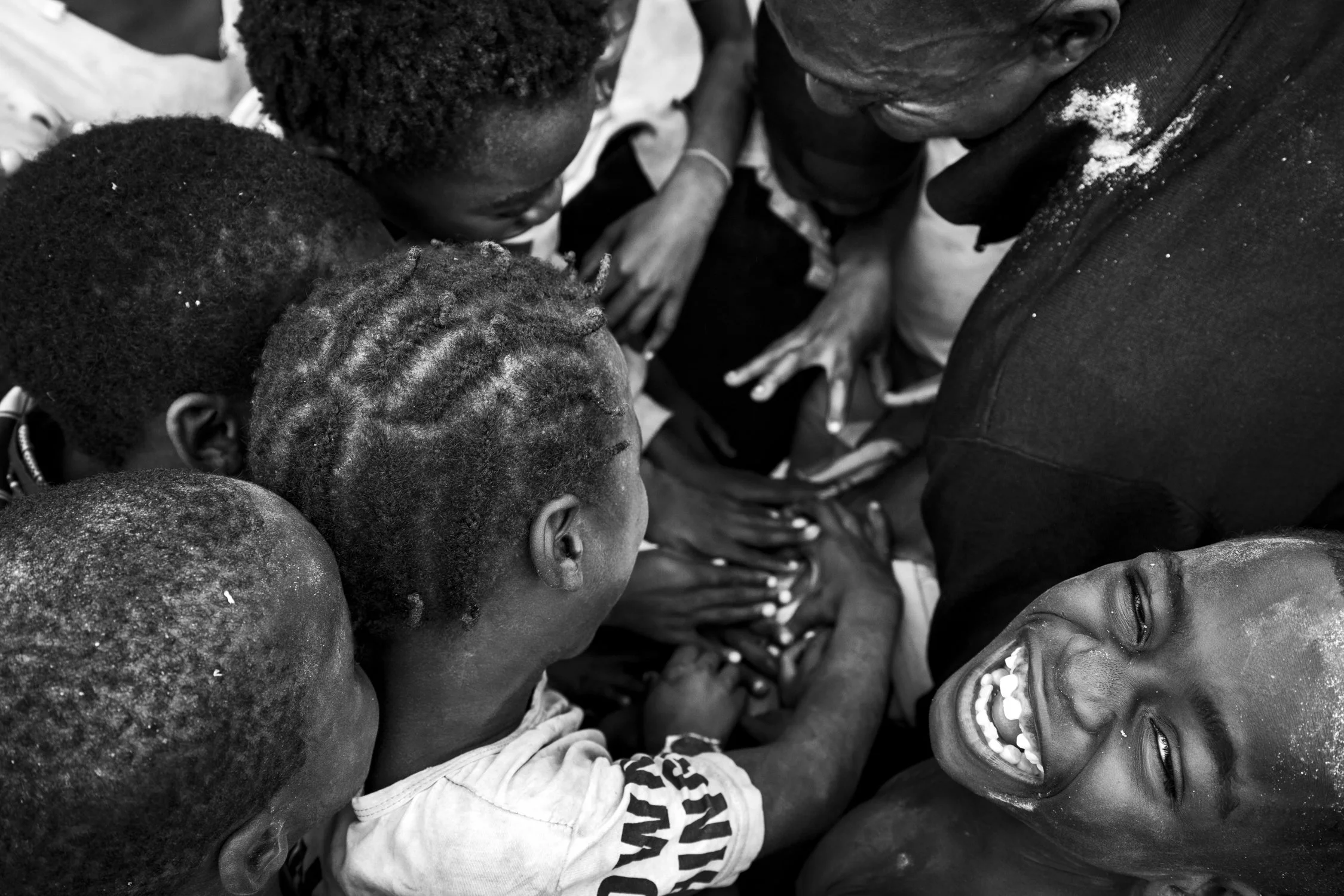
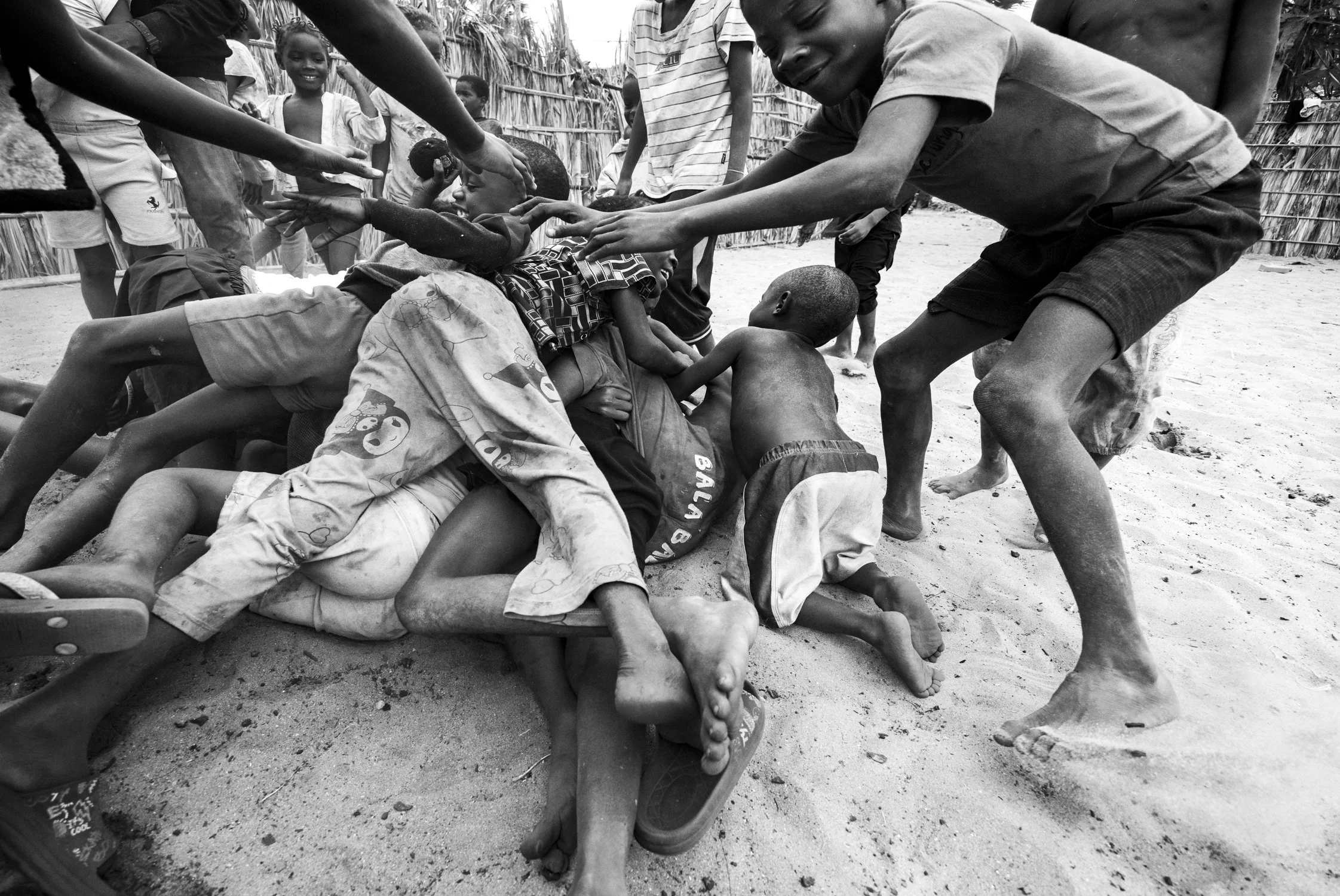
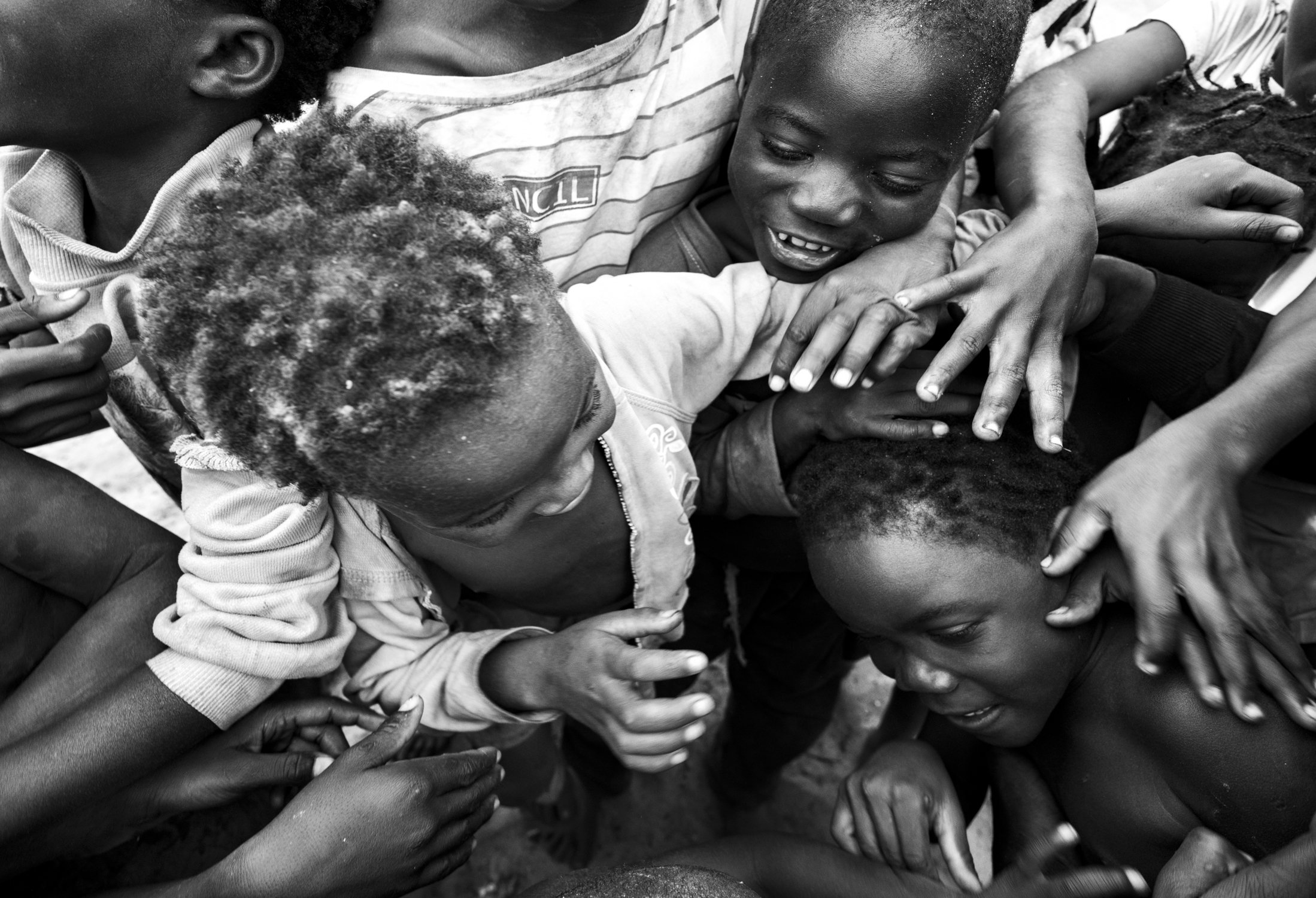
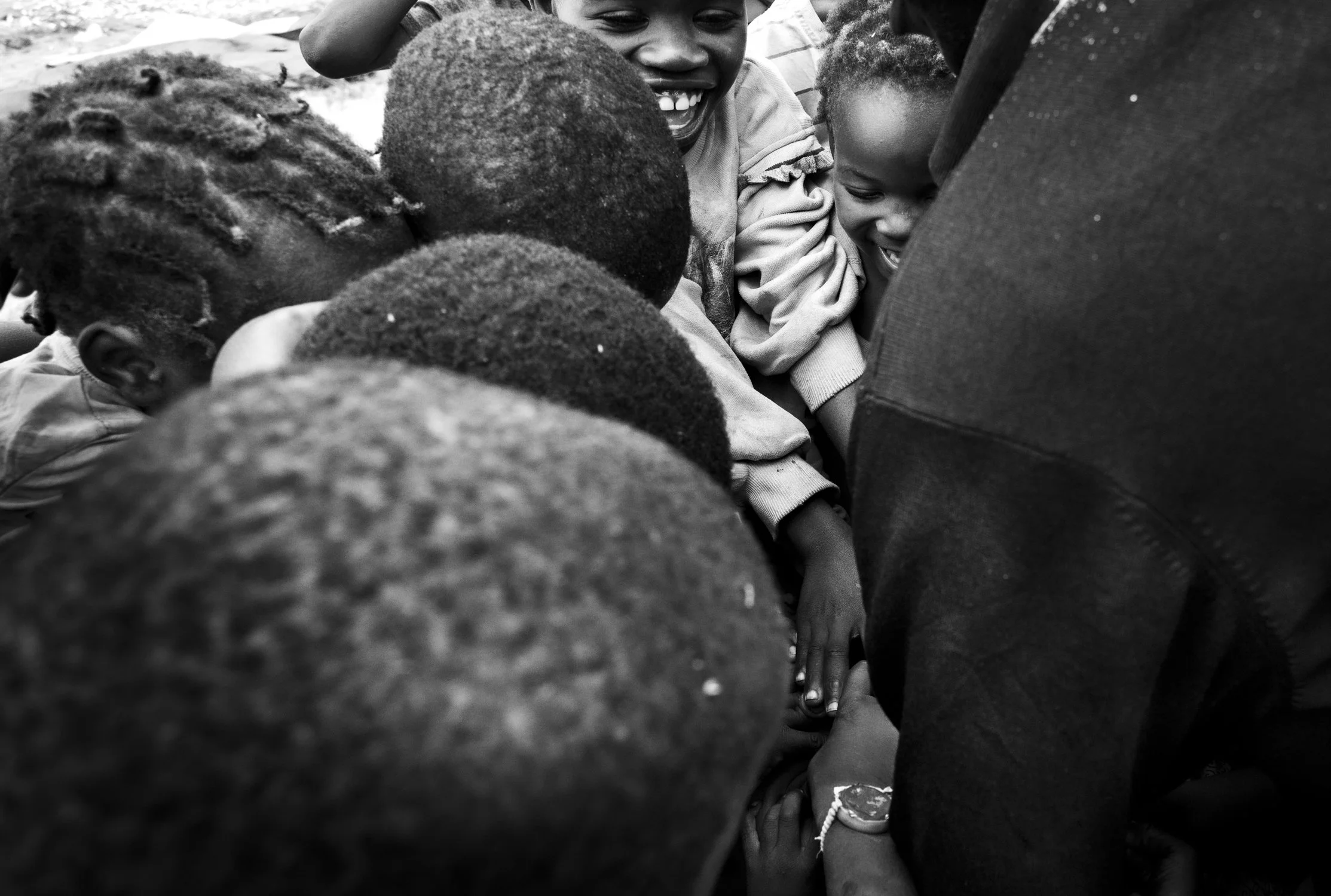
A magical performance ensues. The chosen ones feign shyness, but the group forces them forward with outstretched arms in a contagious euphoria of shouts and laughter. The joy is physical and overflowing; children throw themselves to the ground in a tangle of barefoot legs and raised arms, celebrating the pure freedom of childhood with nothing at all.
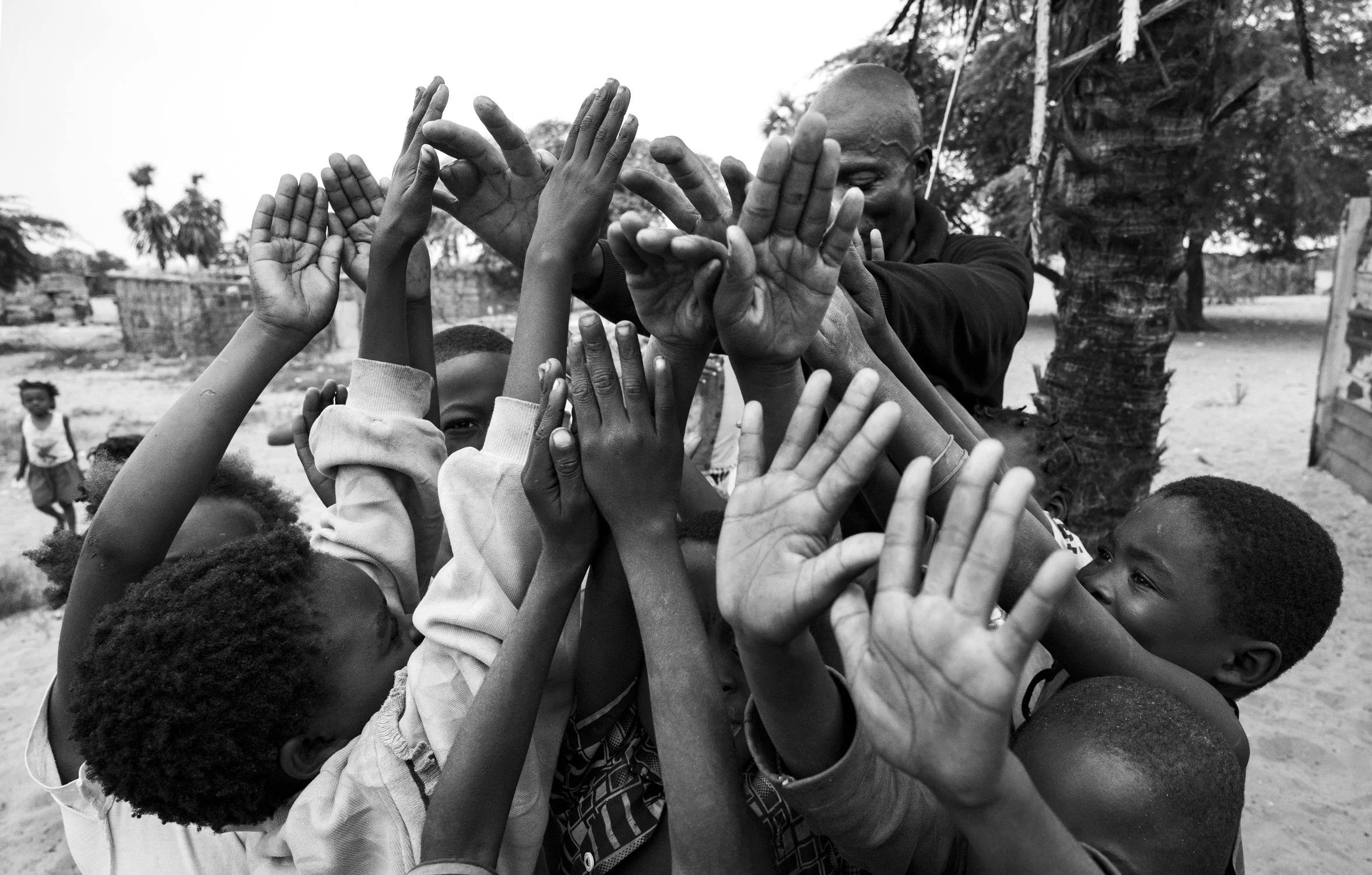
When their energy is spent, silence returns instantly. With arms outstretched to the sky, Manuel gathers them for a final prayer, eyes closed, sealing a morning of deep communion.
In the amalgamation of raised hands, Manuel’s six fingers go unnoticed. Here, no one finds his difference strange. To these children, he is a safe harbour, a master teaching them to be happy with what the earth provides. Manuel has found his peace, and the village knows the sun shines here a little earlier because within it dwells the Prophet of Joy.