Return to Saintes-Maries-de-La-Mer by Alberto M. Melis
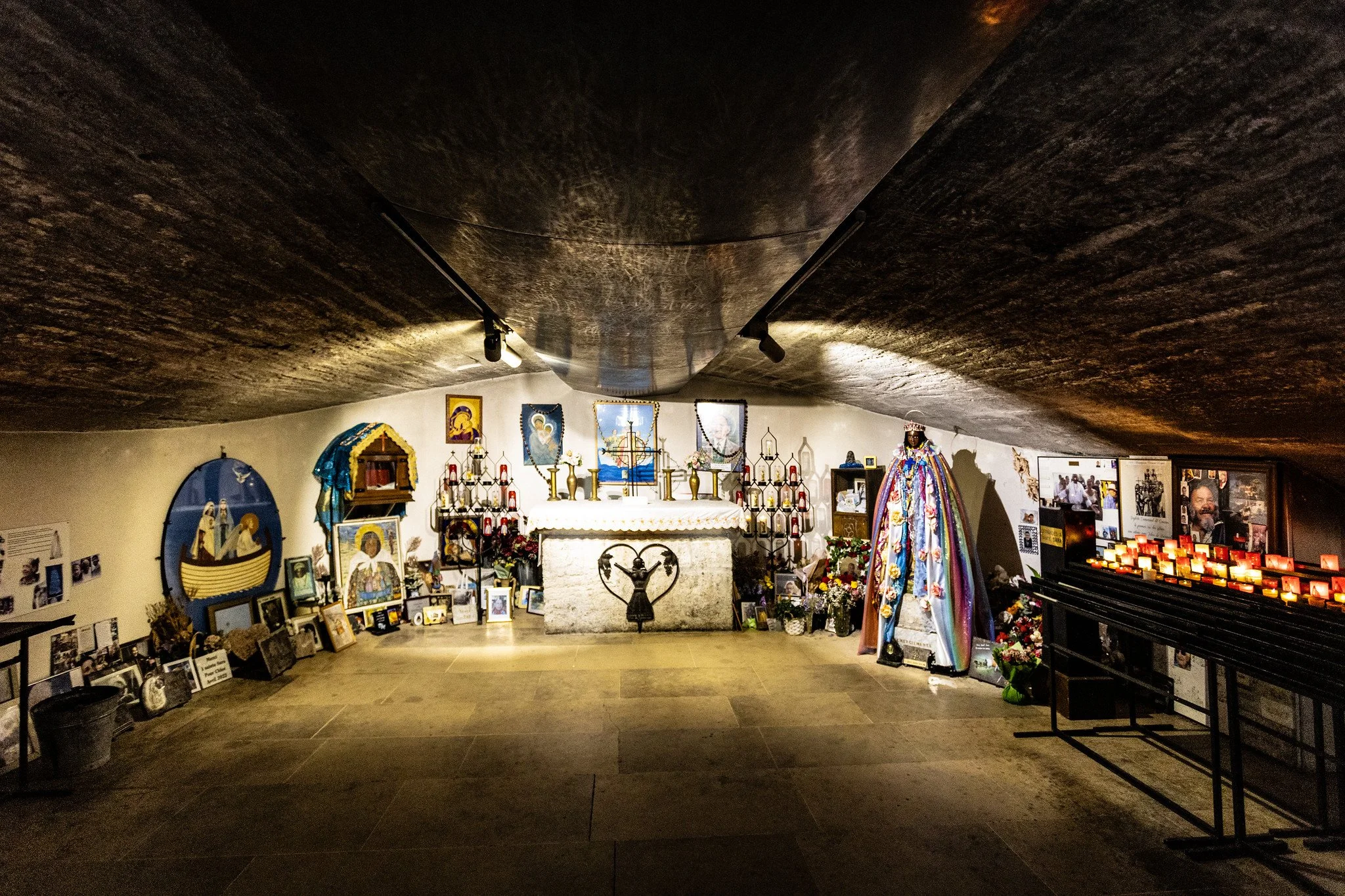
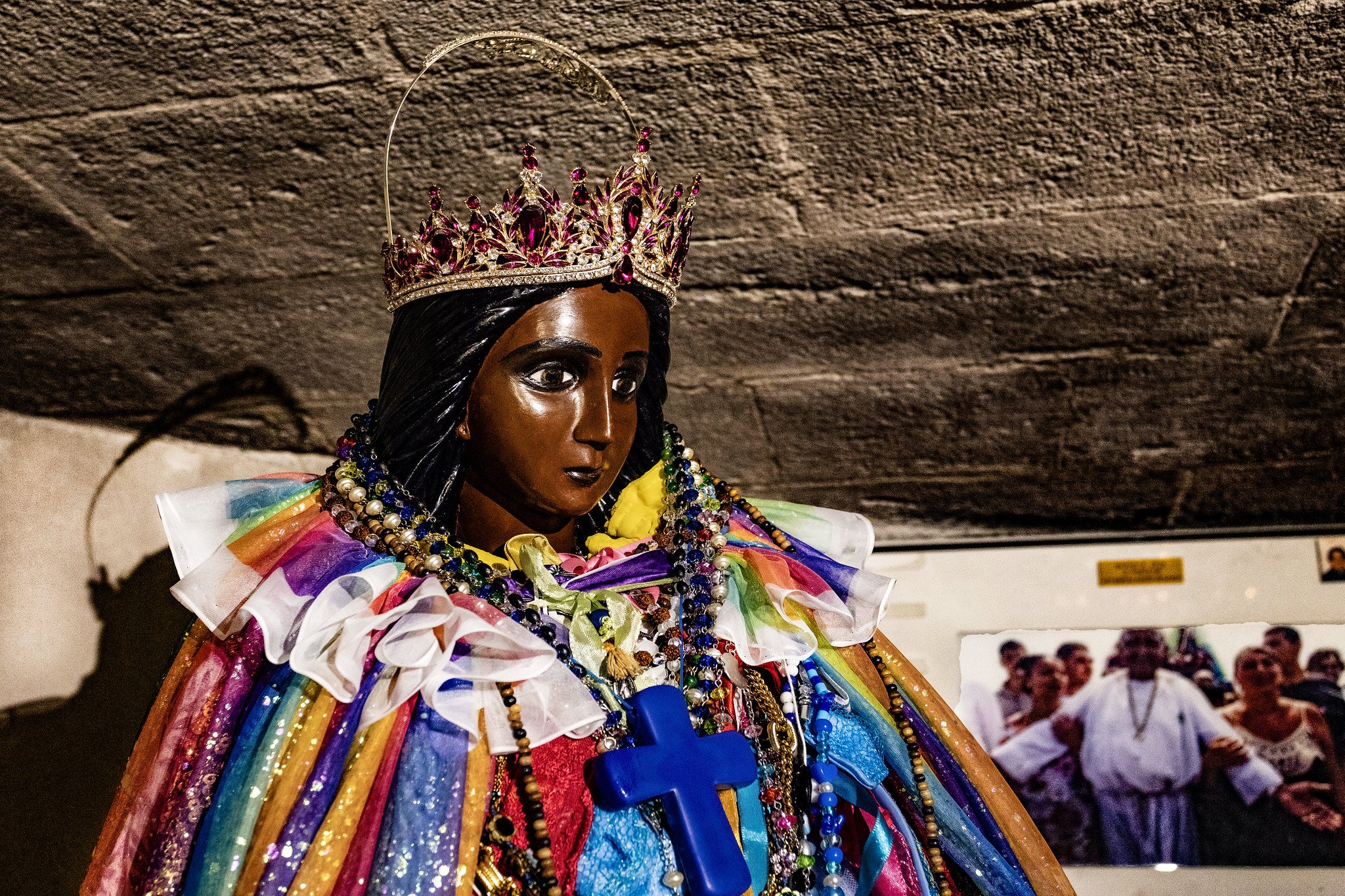
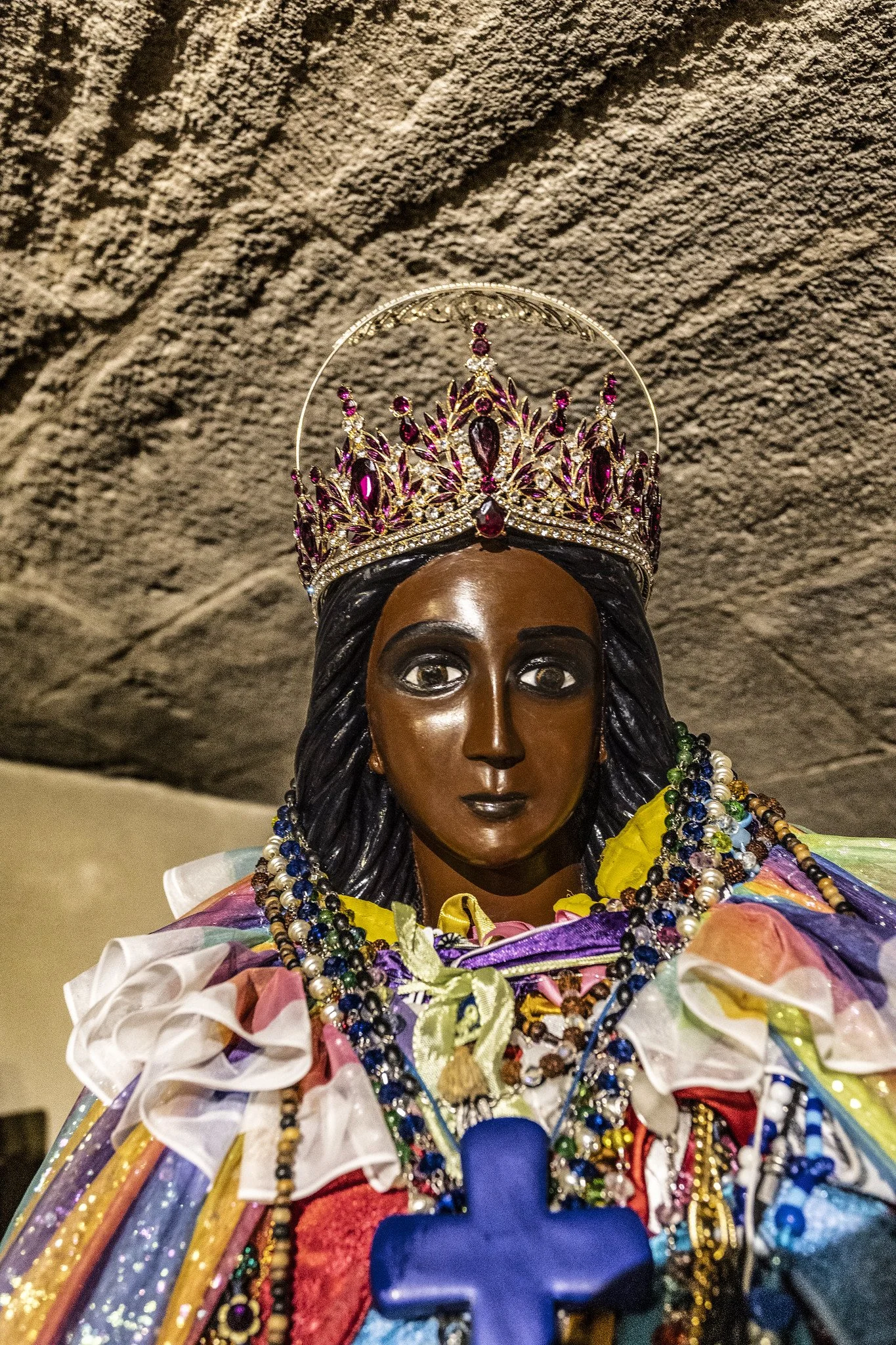
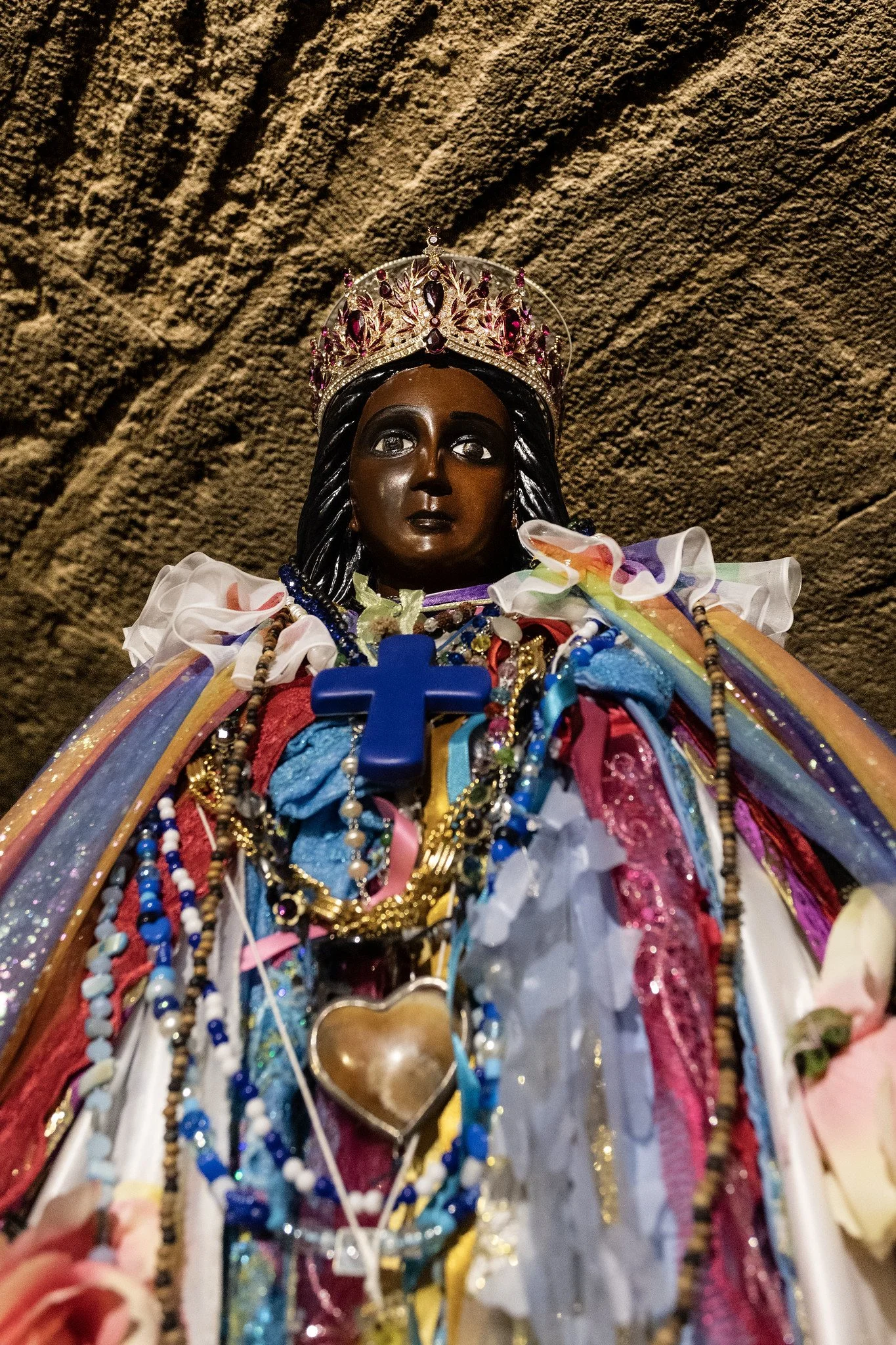
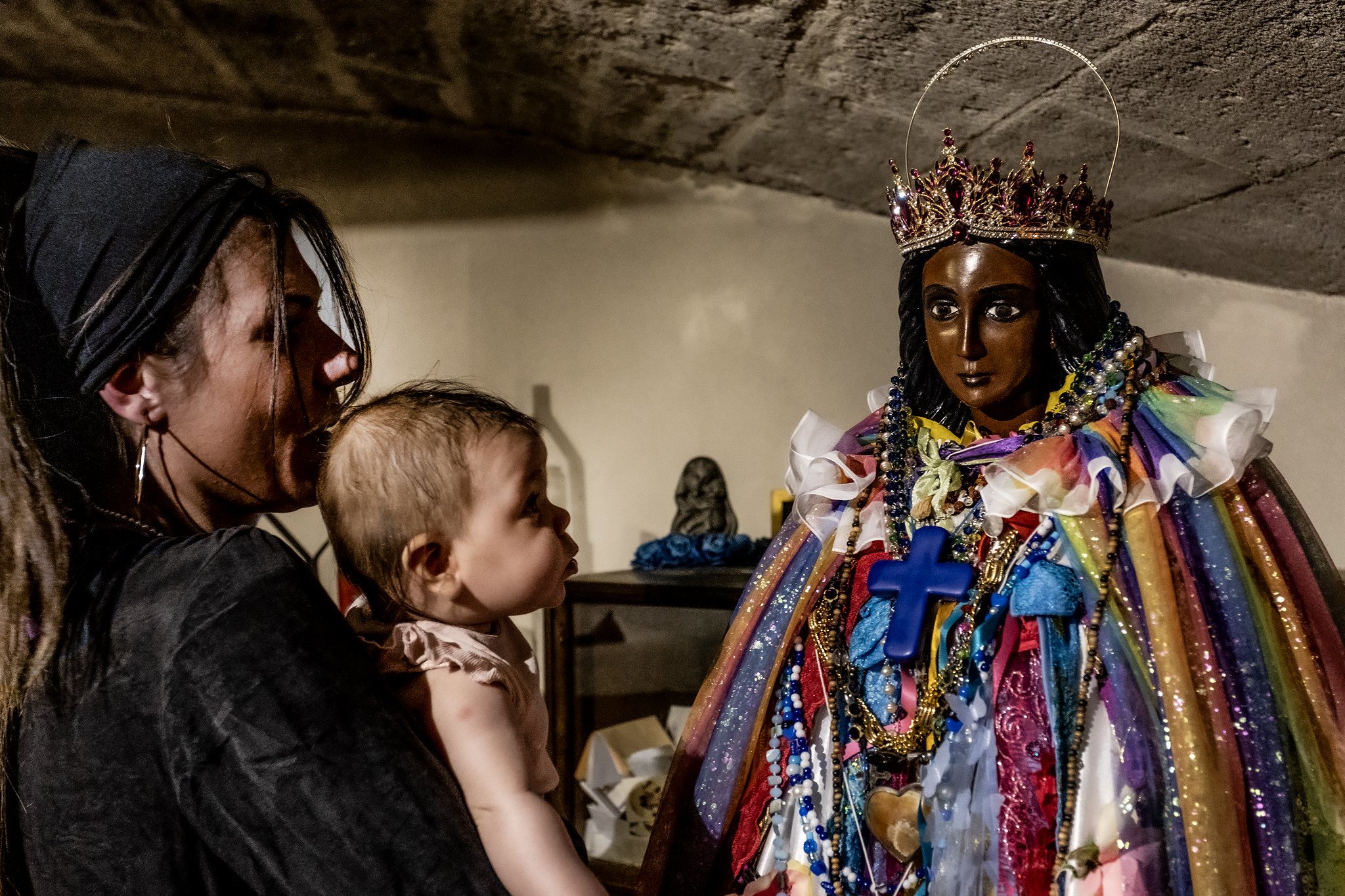
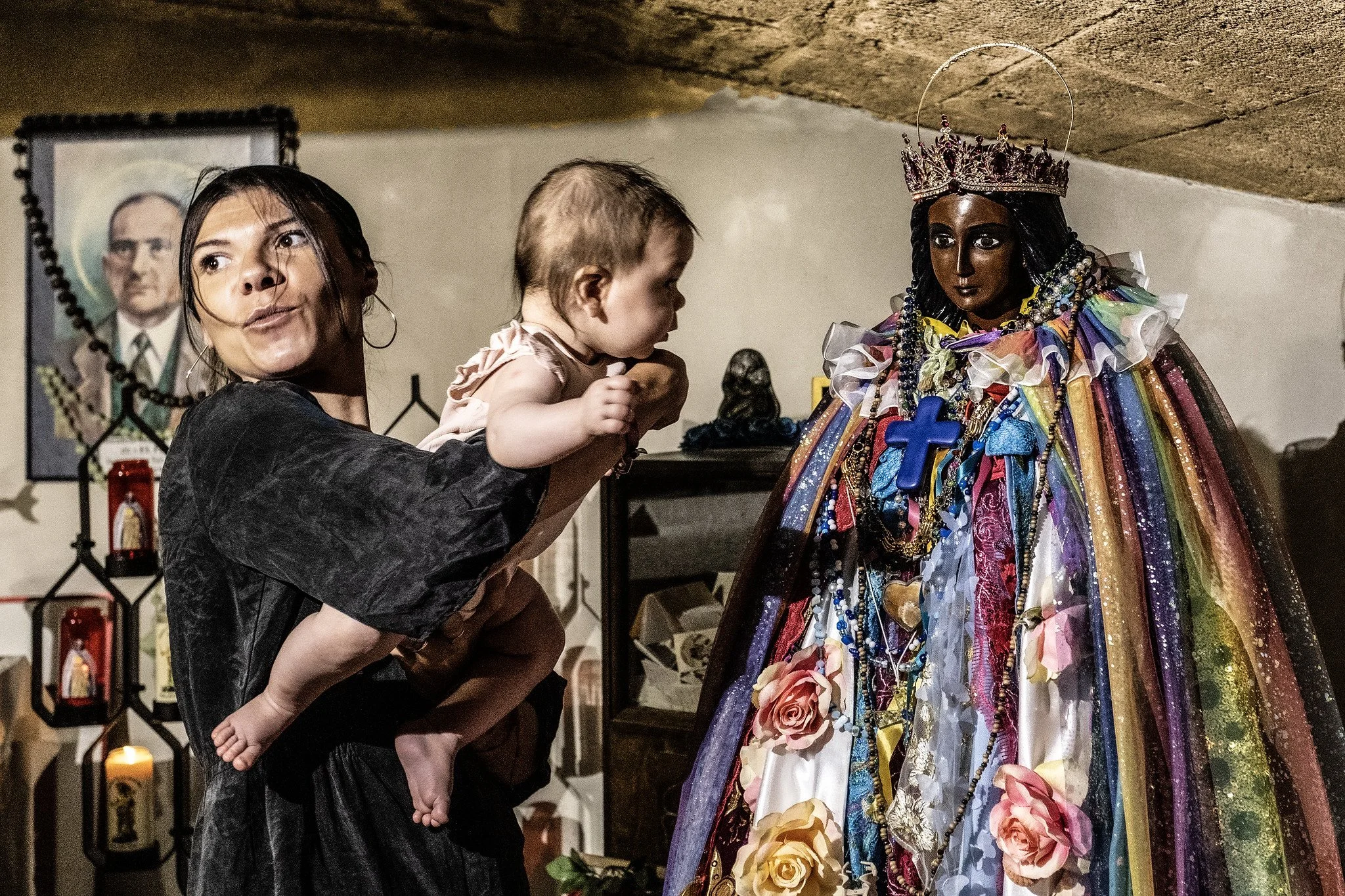
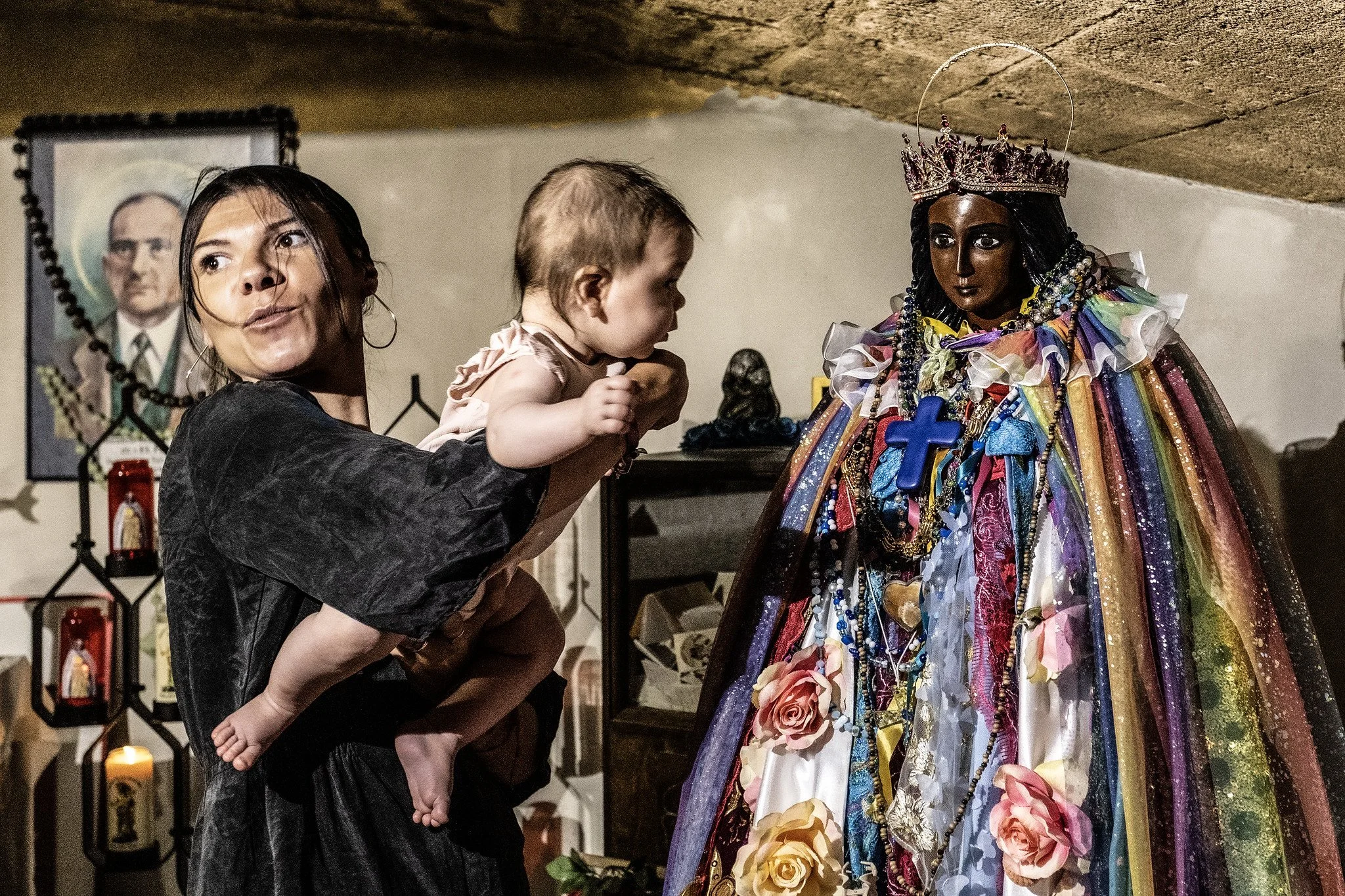
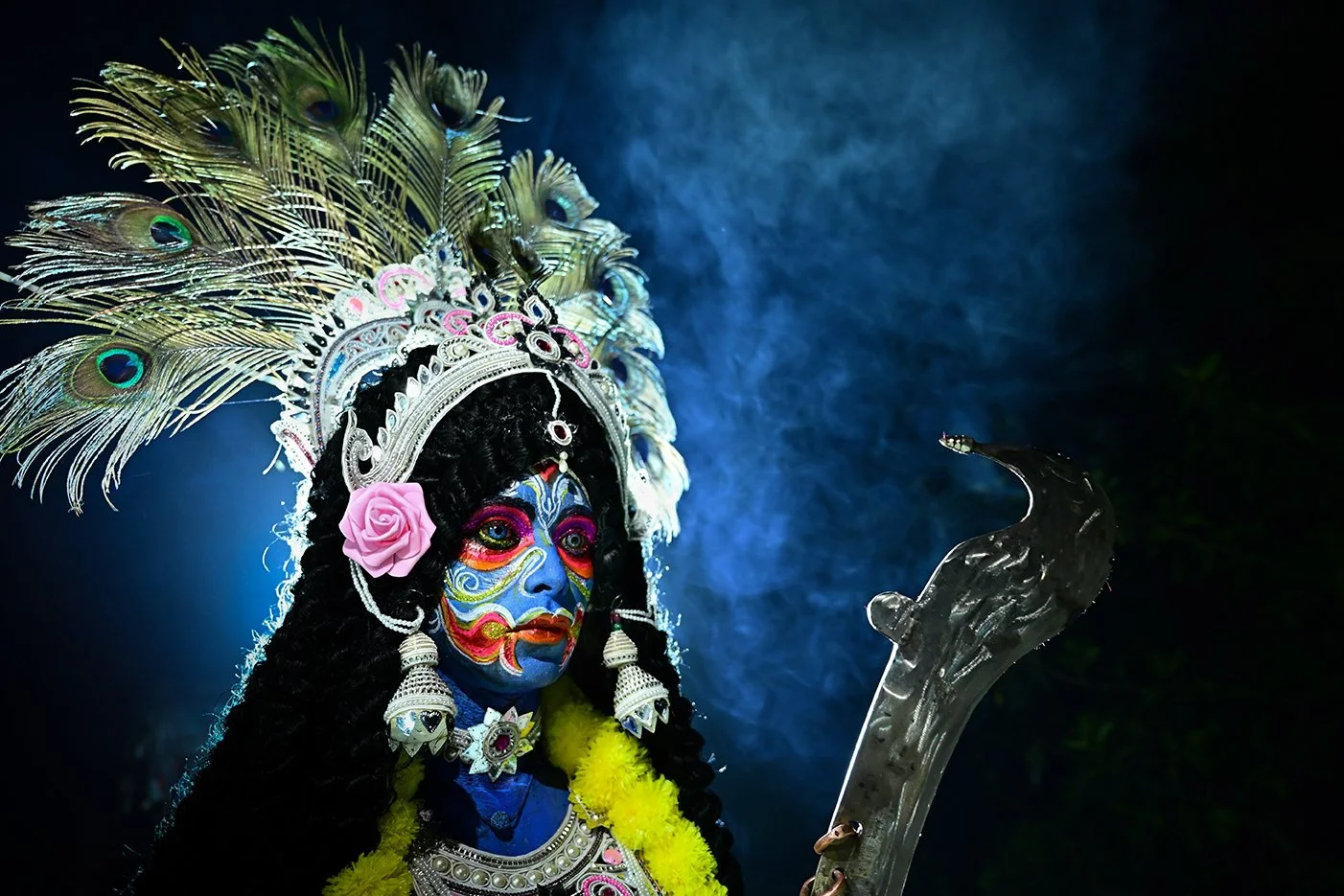
Sara la-Kalì, which means Sara the Black, is the patron saint of Christian Roma people worldwide. Her statue is located in Saintes-Maries-de-La-Mer, a village in the French Camargue. Every year on 24th May, she is carried in procession to the sea by various European and non-European Roma groups: Romani, Sinti, Calé, Kalò, Manush, and Voyageurs.
I had heard about her countless times from my Roma friends. I had read books and viewed photographs and films from the past. Until about ten years ago, when I managed to take part in the big May event. Following the procession right into the sea, amidst an ocean of people. With my cameras around my neck. With my clothes completely soaked. Happy as a child.
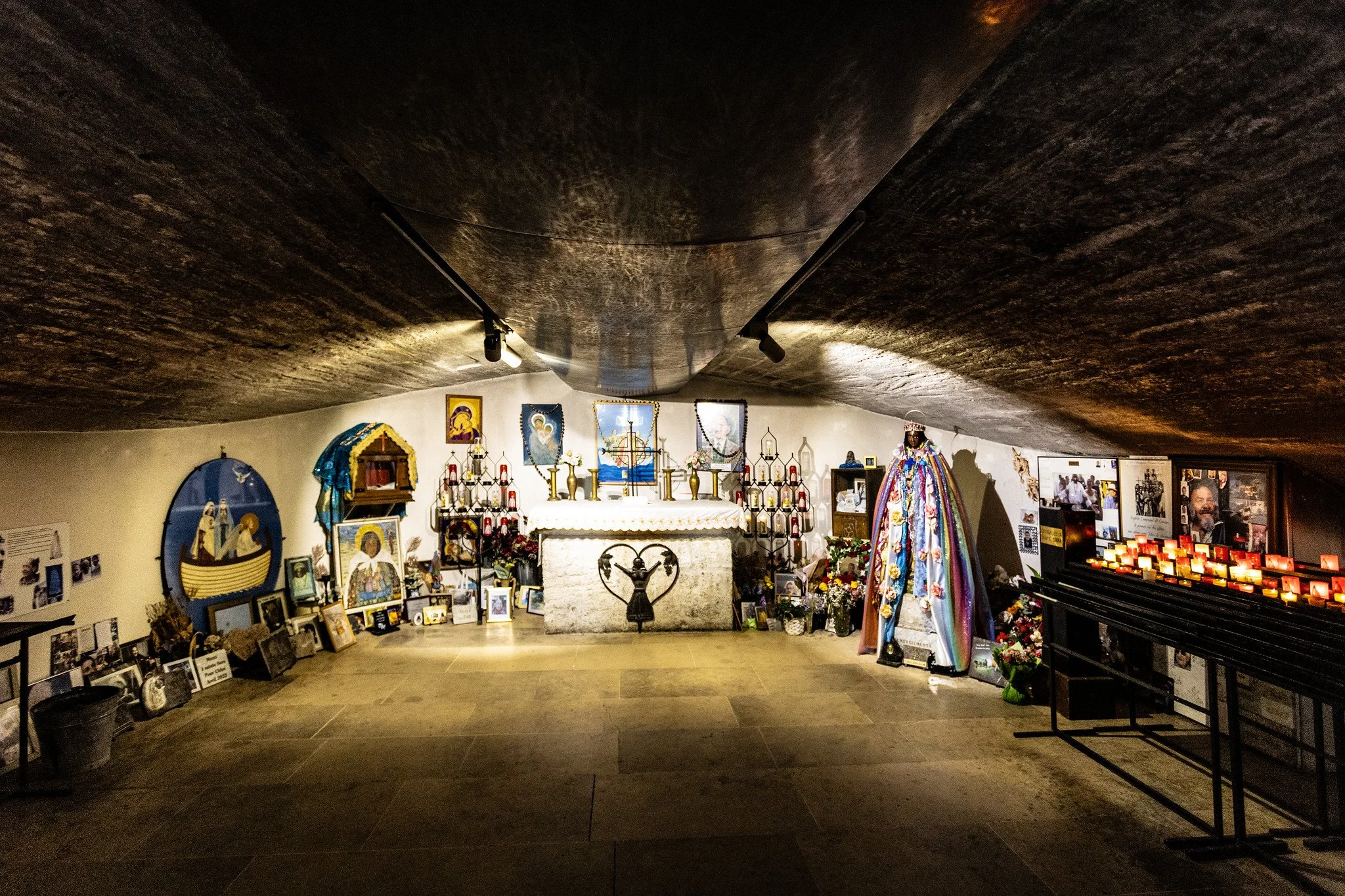
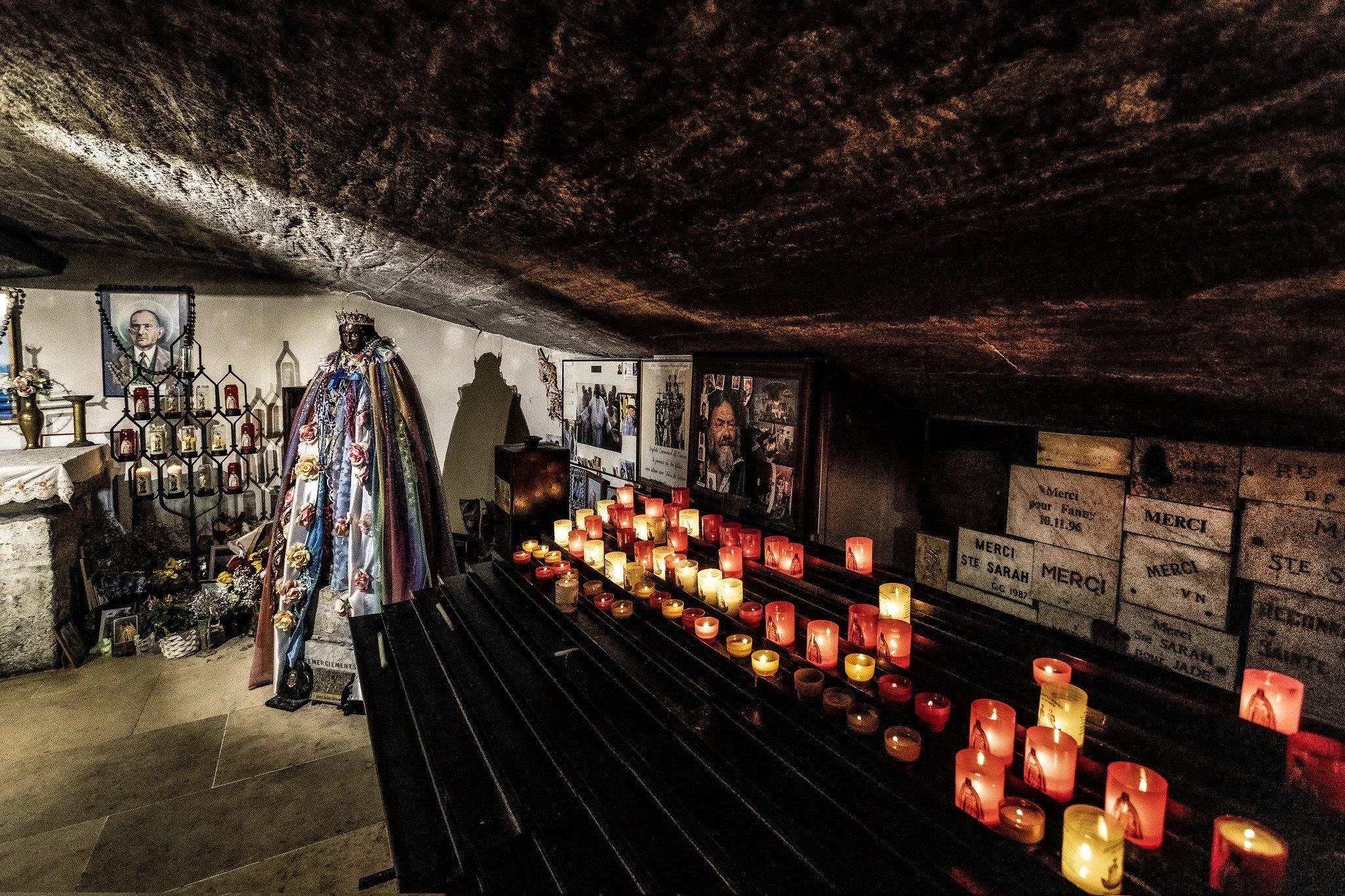
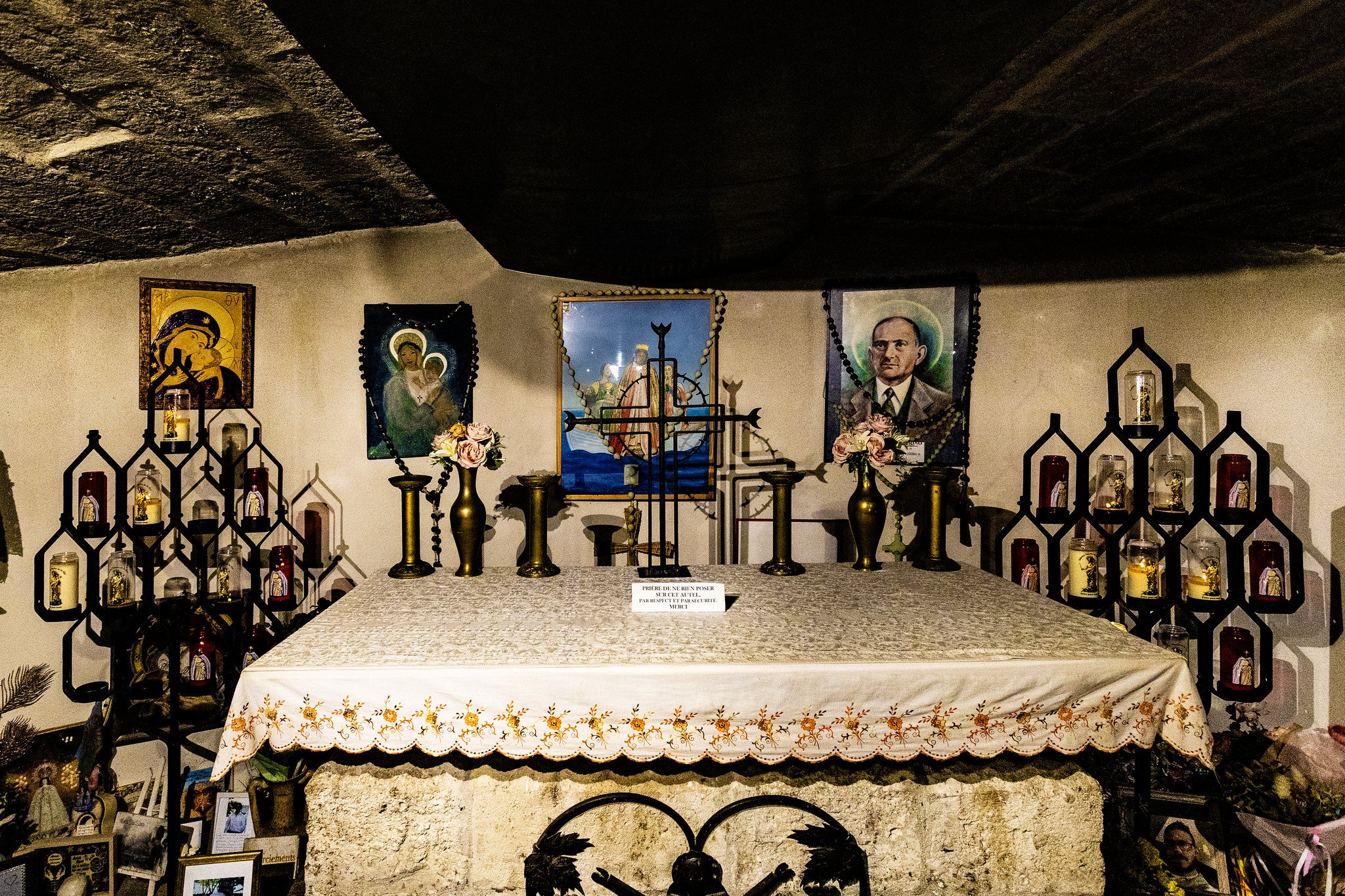
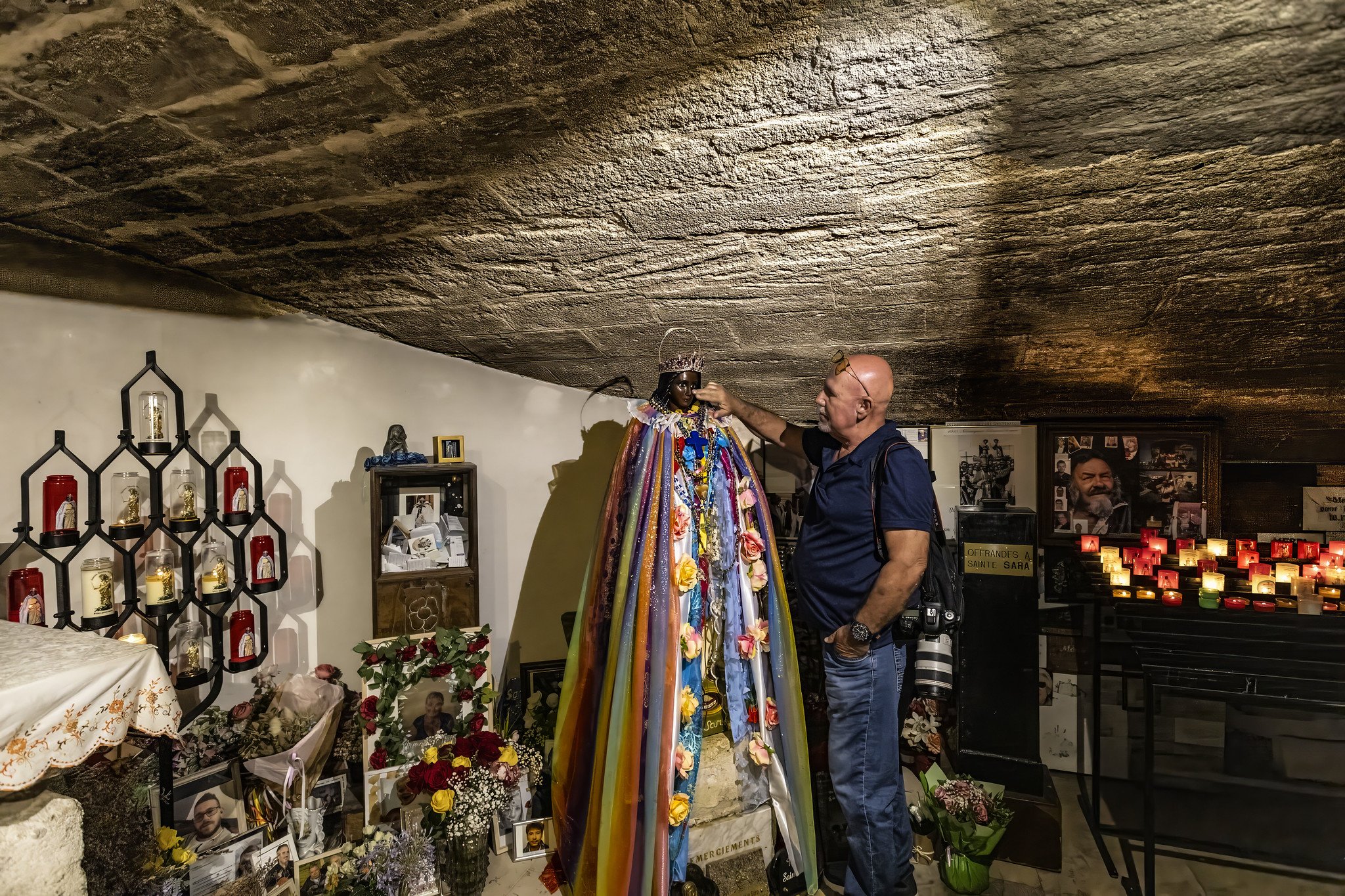
Then, as the years went by, I developed a desire to return at least once to Saintes-Maries-de-La-Mer. For a visit away from all celebrations and chaos. On an ordinary day, in the crypt of the parish where the statue is kept.
And so I did in recent weeks. I managed to grasp the most intimate meaning of a veneration that is not officially recognised by the various Christian churches, but which remains alive in the faith of Roma people all over the world.
If we were to sum up this veneration in a single sentence, we could say it is born from the legend of a legend. From the ancient story of the three Maries who fled from ancient Israel after the resurrection of Christ and arrived in France: Mary Salome, Mary Iose, and Mary Magdalene. And from the subsequent emergence, in the 1500s, of a lesser story. That of a young woman with black skin, Sara la-Kalì, servant of Mary Magdalene and adopted by the Roma as their saint.
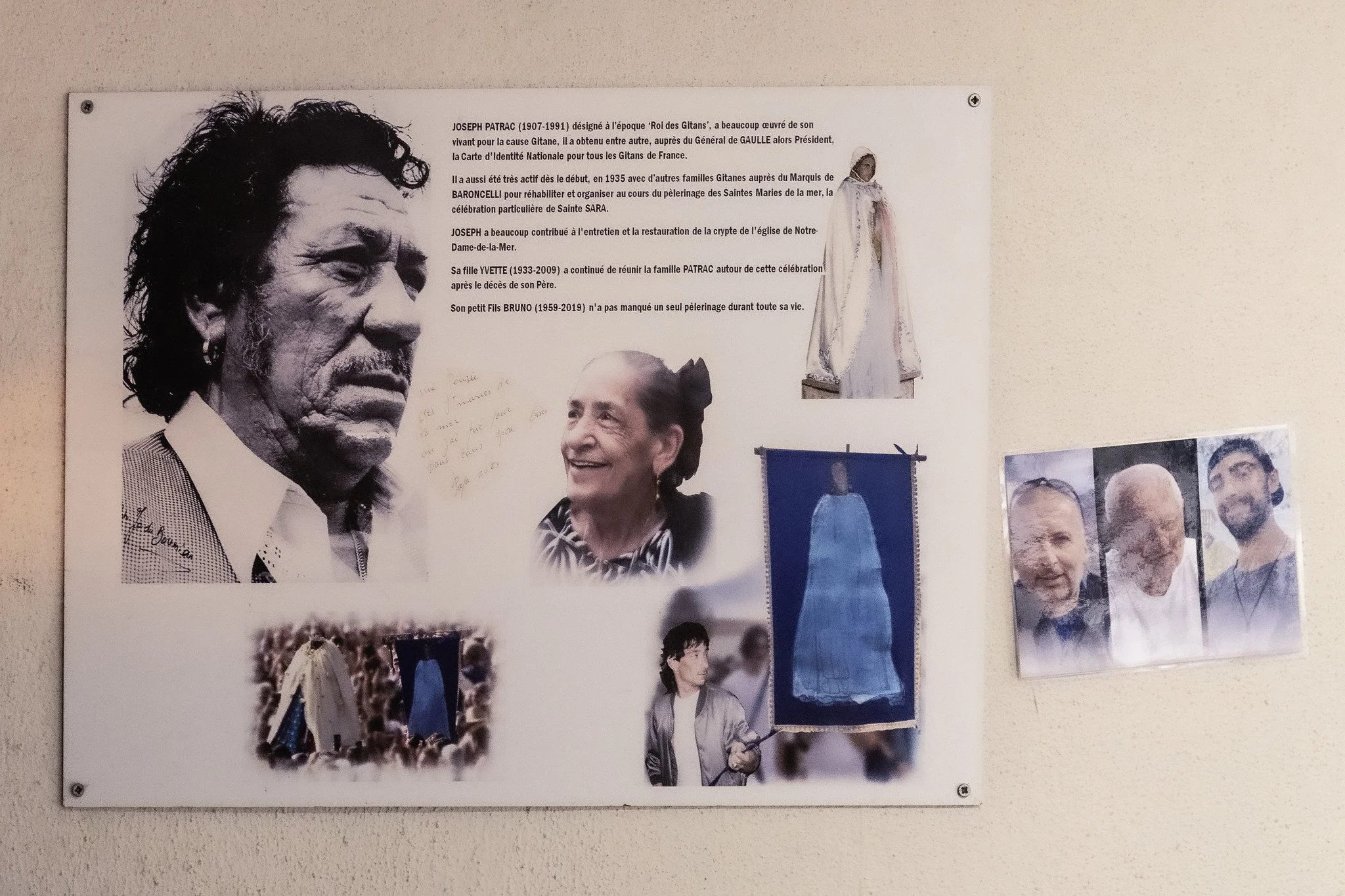
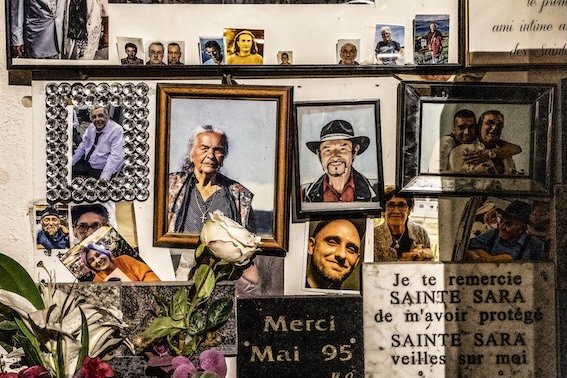
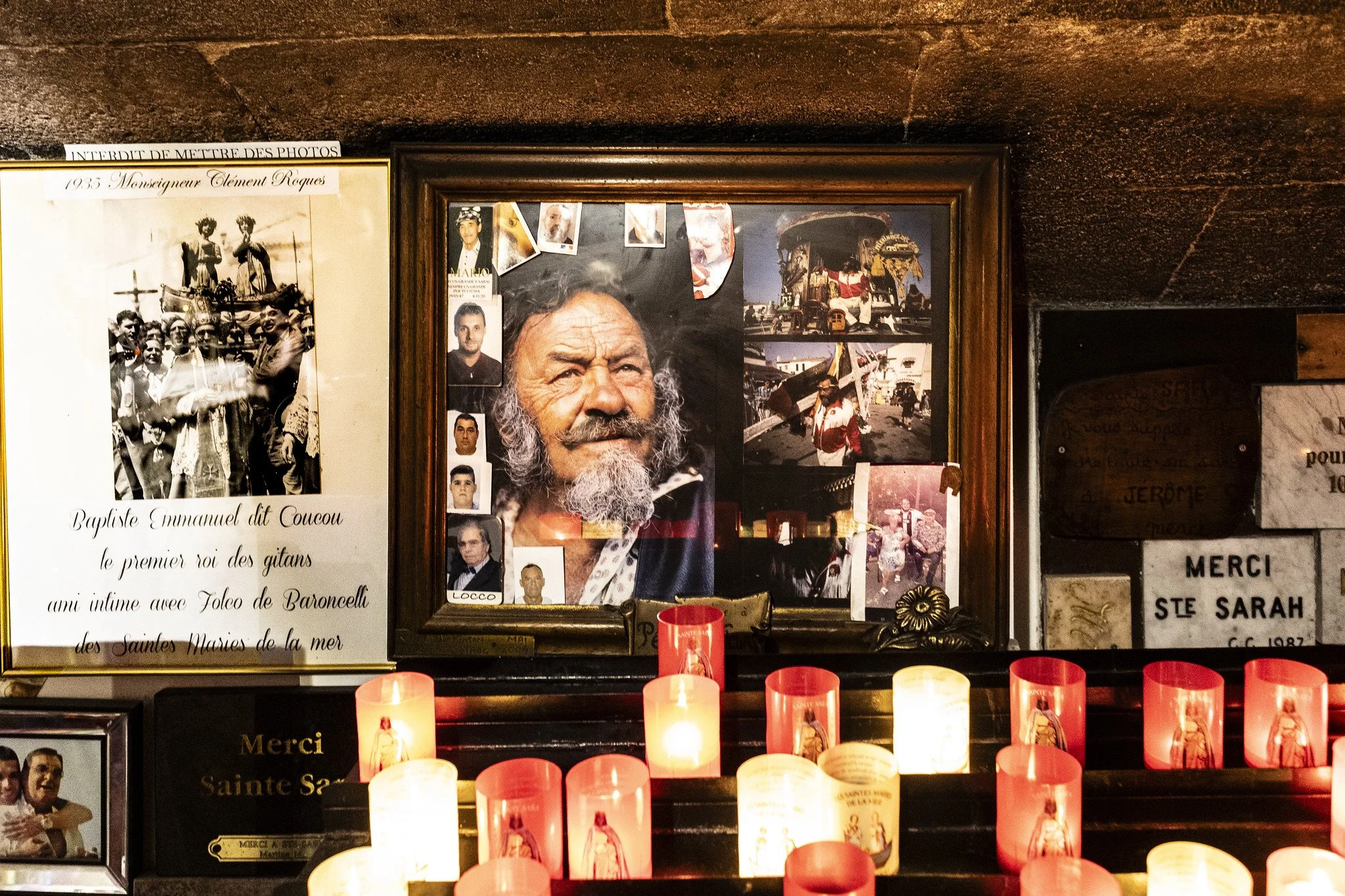
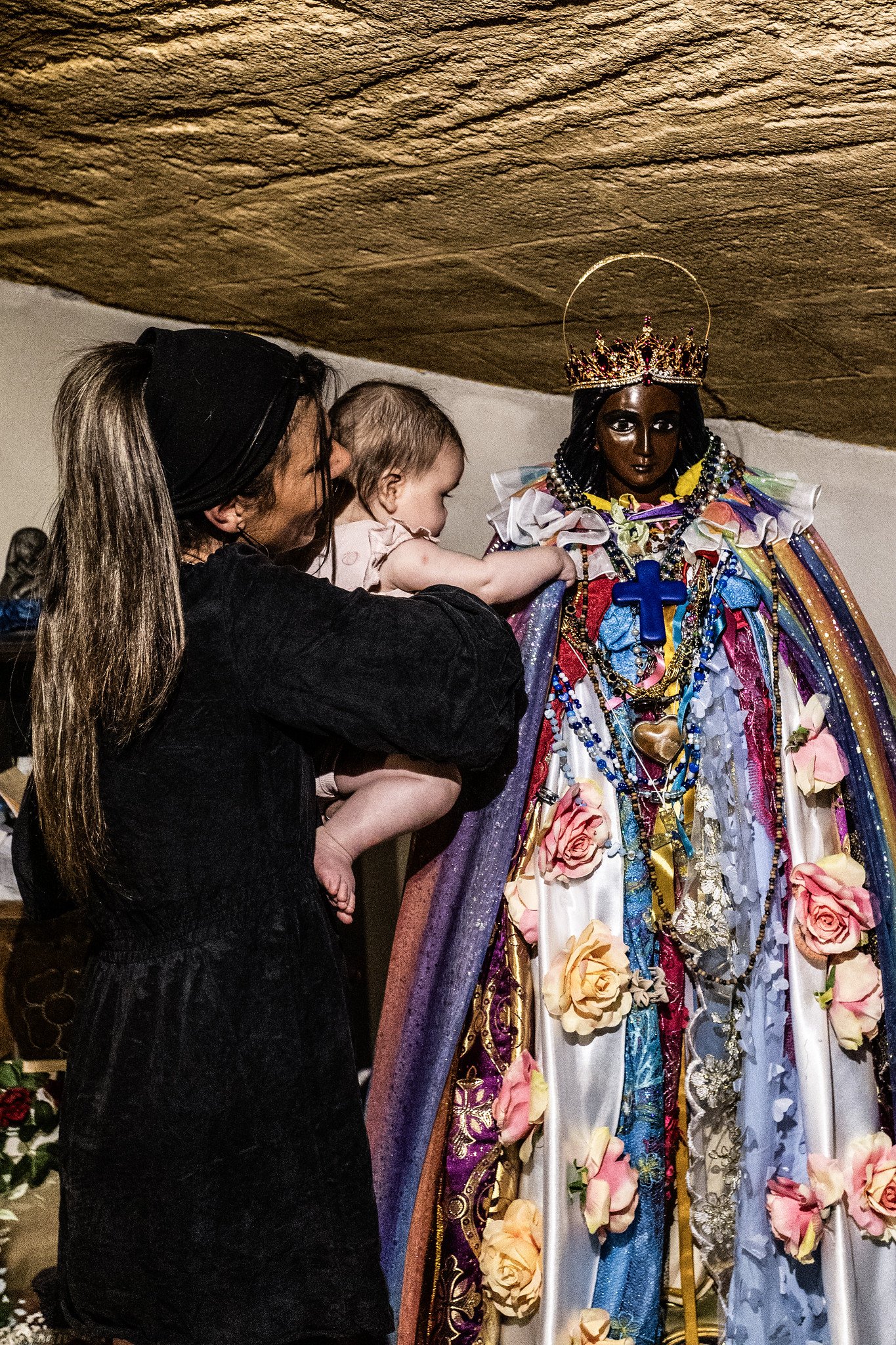
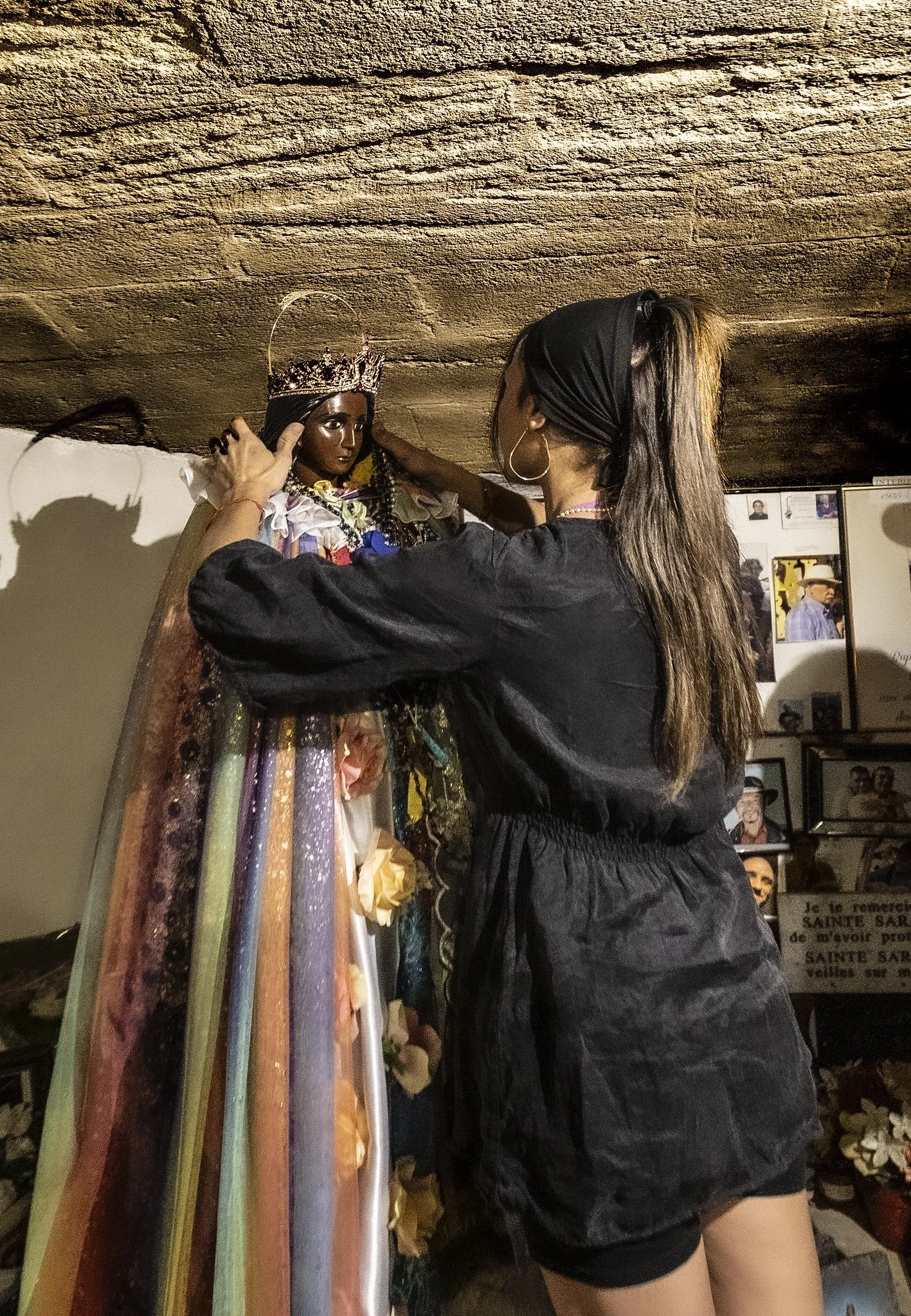
In the crypt carved into the depths of the ancient fortified church of Saintes-Maries-de-La-Mer, families of Roma from all over come every day. To light a candle. To leave a mark for a grace received. To ask for protection for newborns, praying that the Black Saintess will ensure them the “Lacio Drom,” the blessing of “Good Journey.”
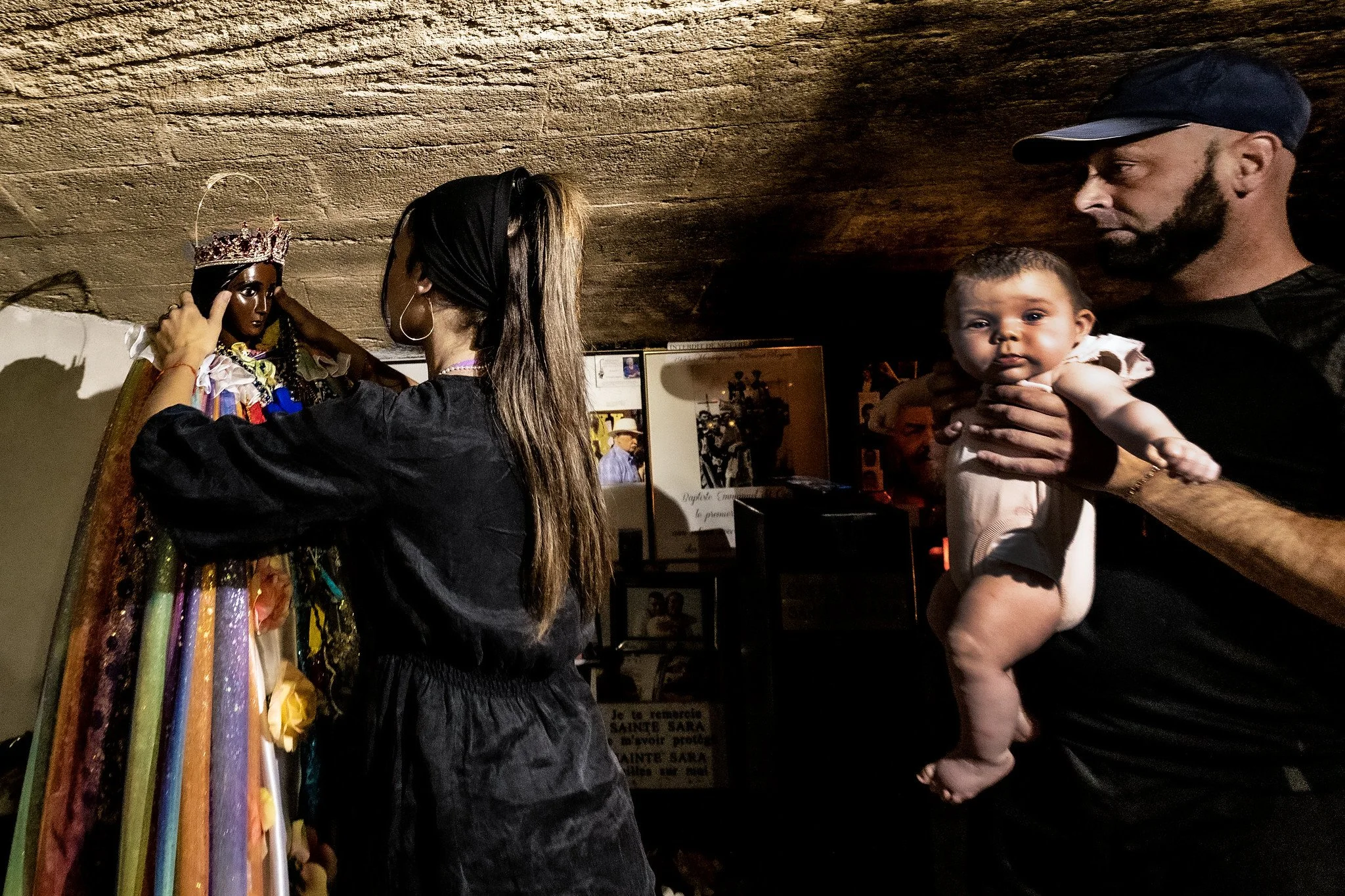
Each visitor, before leaving, performs a gesture of great tenderness. They wipe away, with the tips of their fingers, the tears shed during her difficult life from the beautiful black face of the saint.
I did the same. Thanking her for what she represents for Roma people worldwide. And for their friends.