The Wrong Generation by Shubhodeep Roy
The generation they underestimated became the generation that refused to remain silent.
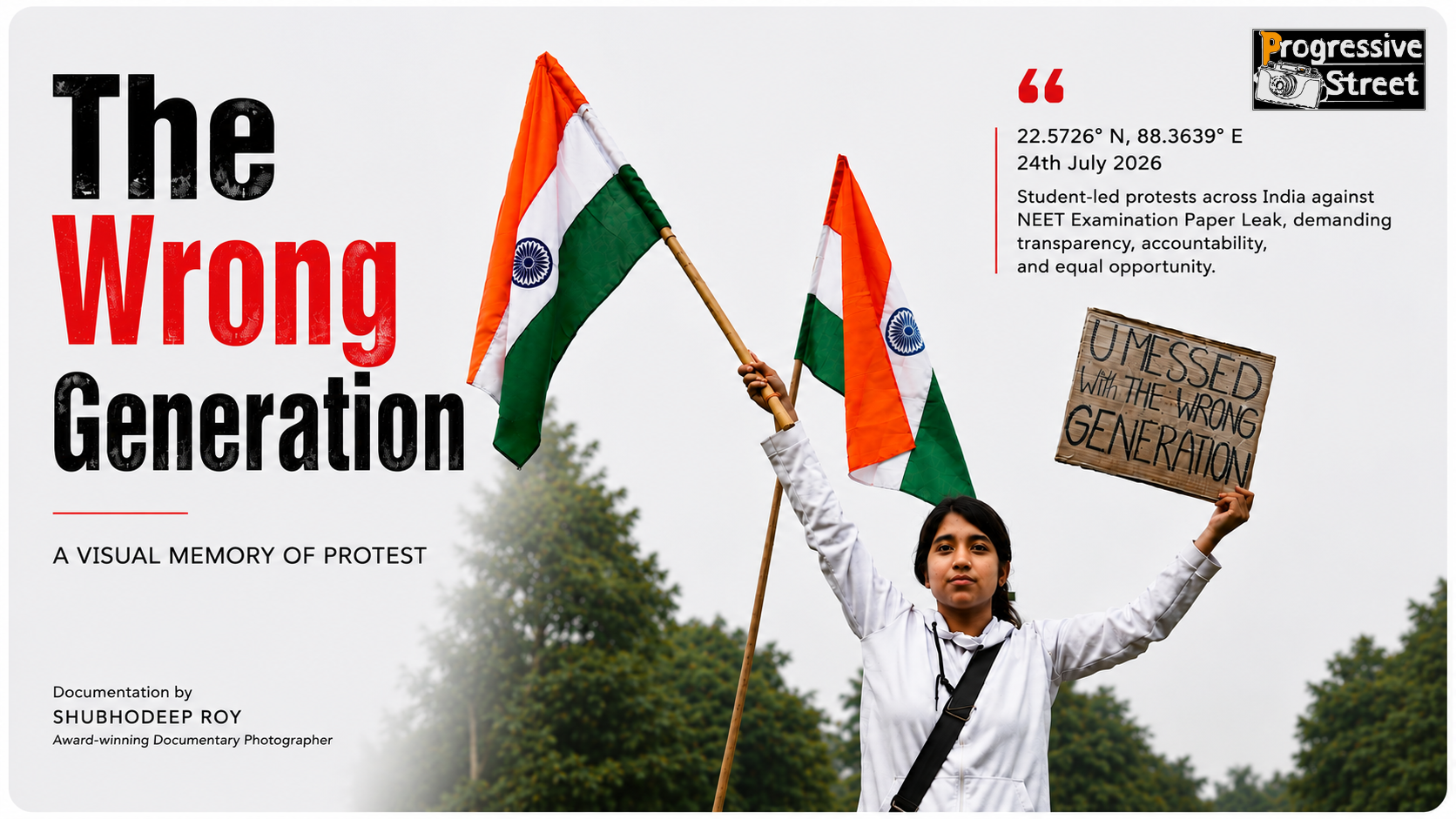
Kolkata, India • 24th July 2026
Kolkata — I stepped onto the streets yesterday with a camera, but I was not only a photographer. I was a student watching a generation claim its place in the country’s story.
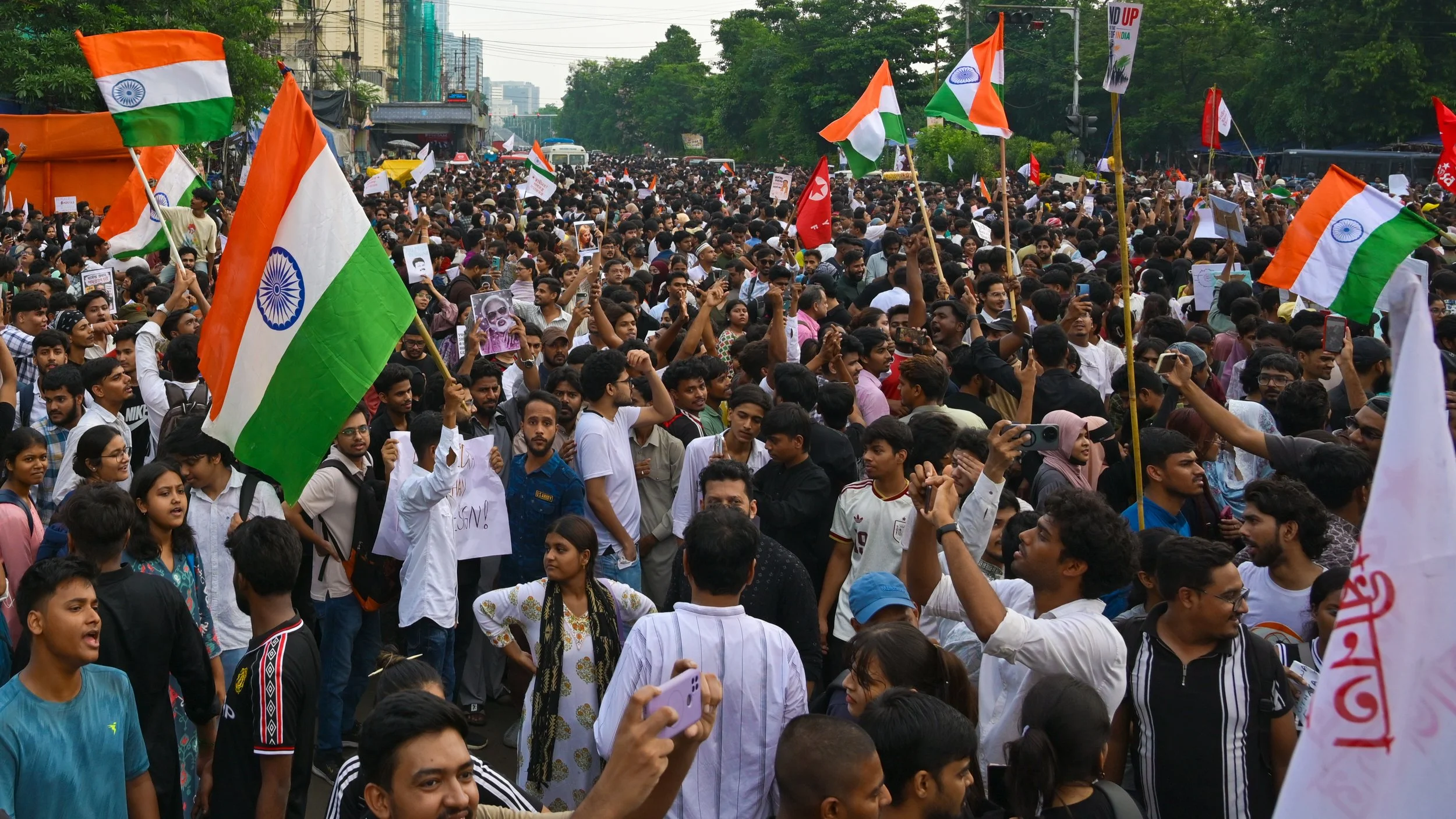
Kolkata has long been described as a city that shapes revolutions—a place where earlier generations marched for freedom, democracy and justice. Yesterday another chapter unfolded. Thousands of students poured into the streets, joining a movement that had already spread from Kolkata to Delhi, Mumbai, Bengaluru, Hyderabad, Chennai and cities beyond. What began as fury over the alleged NEET paper leak had grown into something larger: a nationwide reckoning with examination irregularities, institutional accountability and the crushing psychological weight of India’s high-stakes entrance system. For many young people, the protest was no longer about one paper. It was about trust, equal opportunity and the future they had spent years preparing for.
Across South Asia, Generation Z is rewriting the grammar of civic participation. Raised in a digital, hyper-connected world, these young people are no longer content to voice dissent only online. They organise, document and take to the streets. In recent years, youth-led movements have left clear marks on the politics of Bangladesh, Nepal and India. The causes and outcomes differ, yet a common thread runs through them: a generation that refuses to stay silent about the world it will inherit.
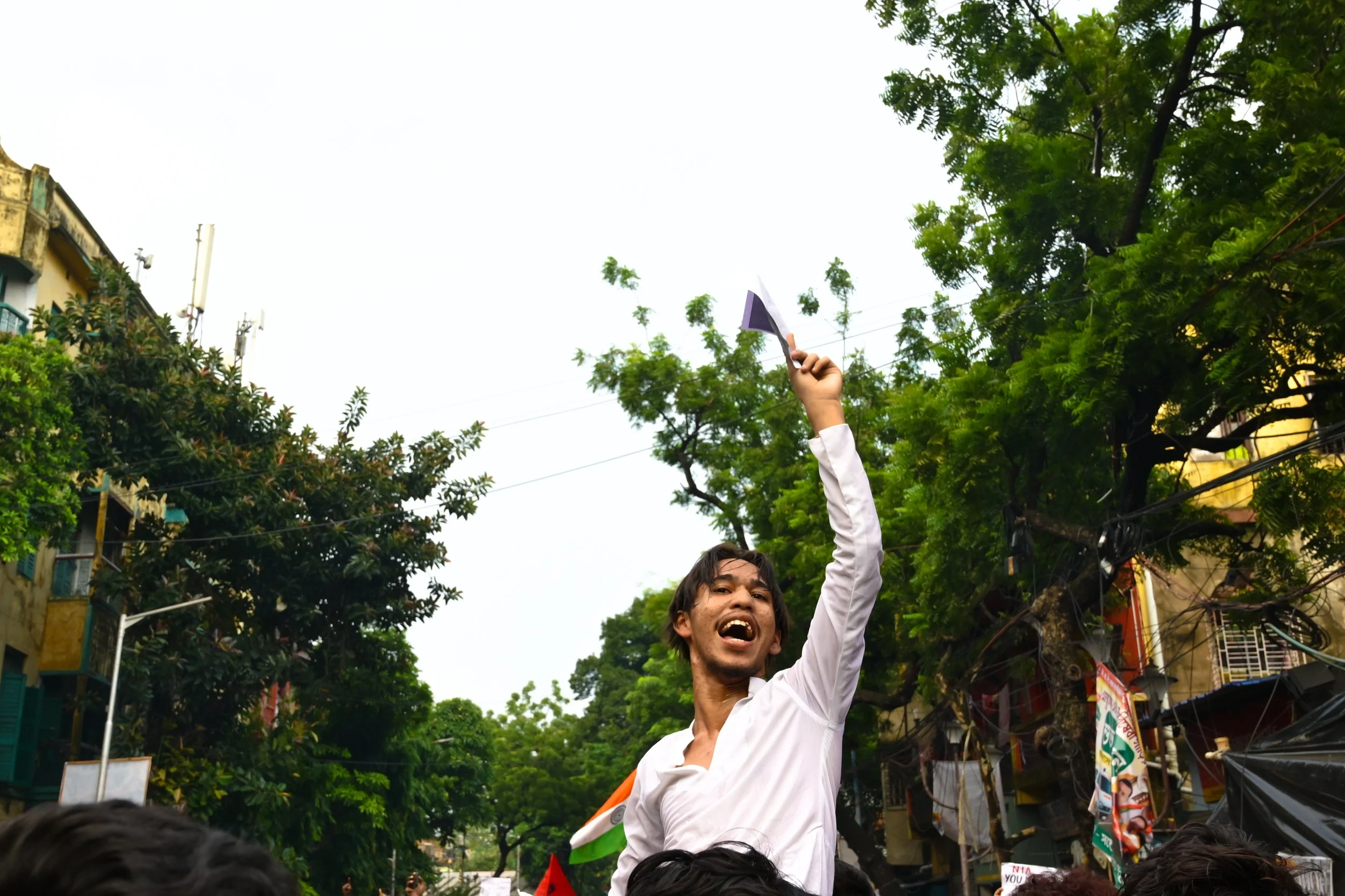
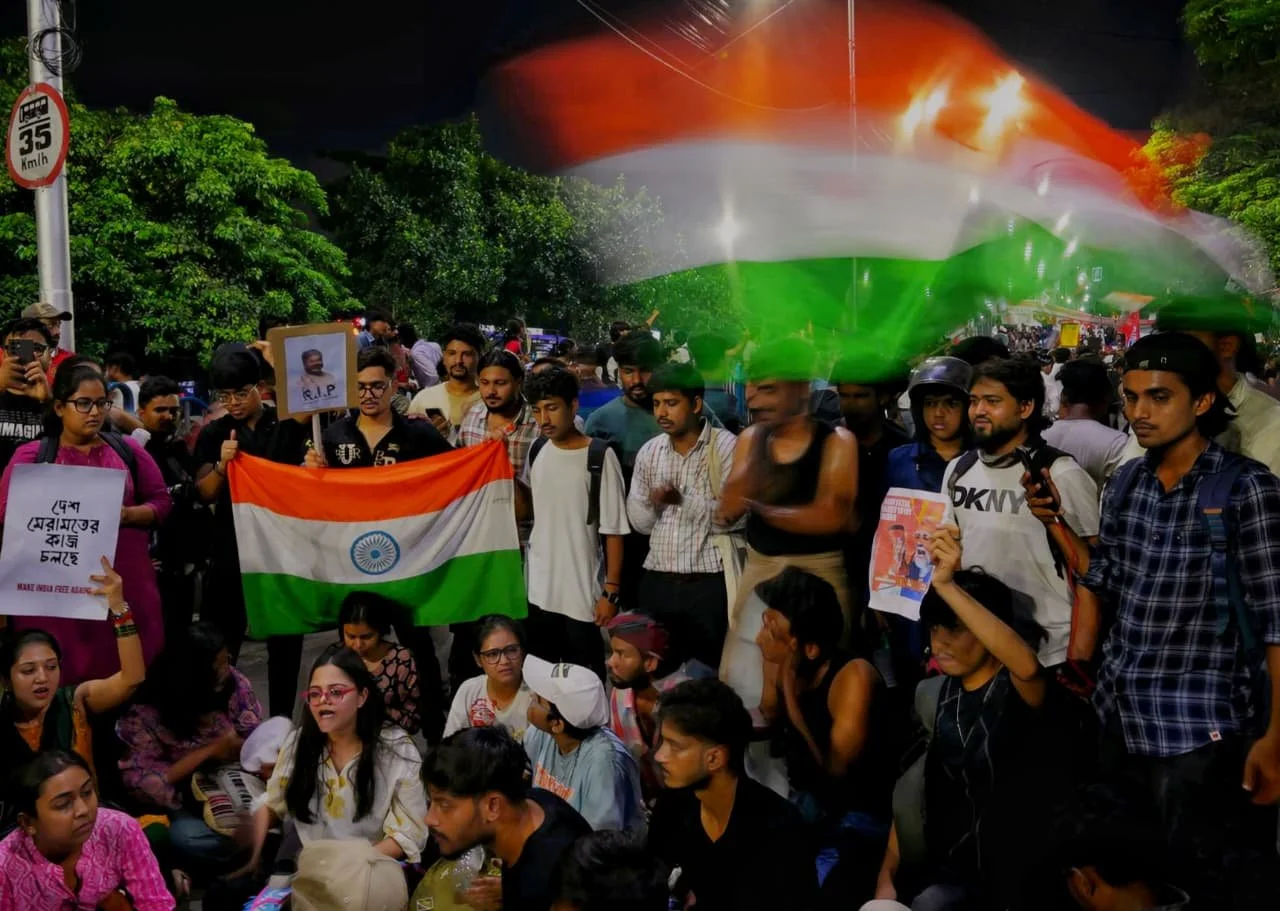
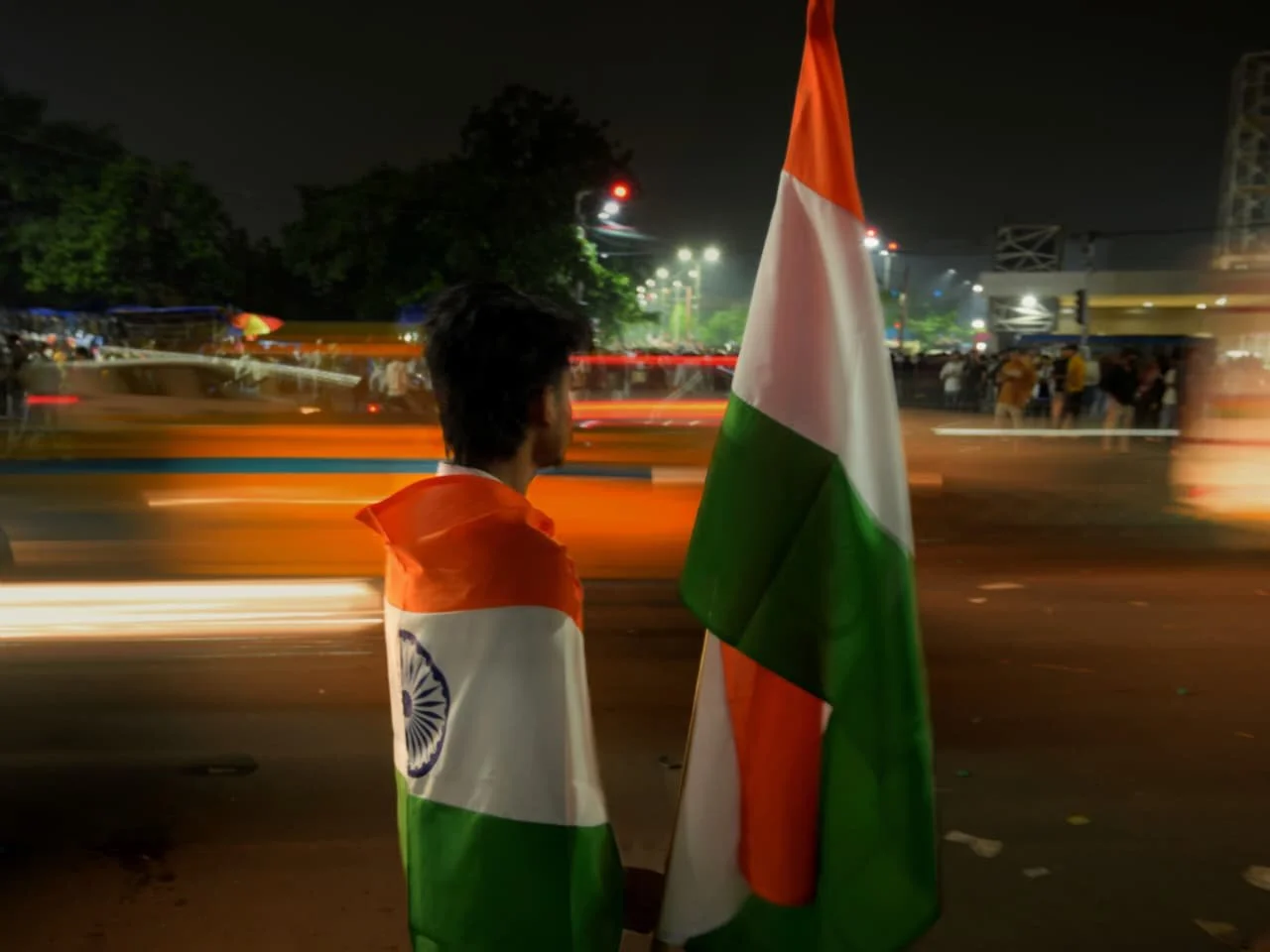
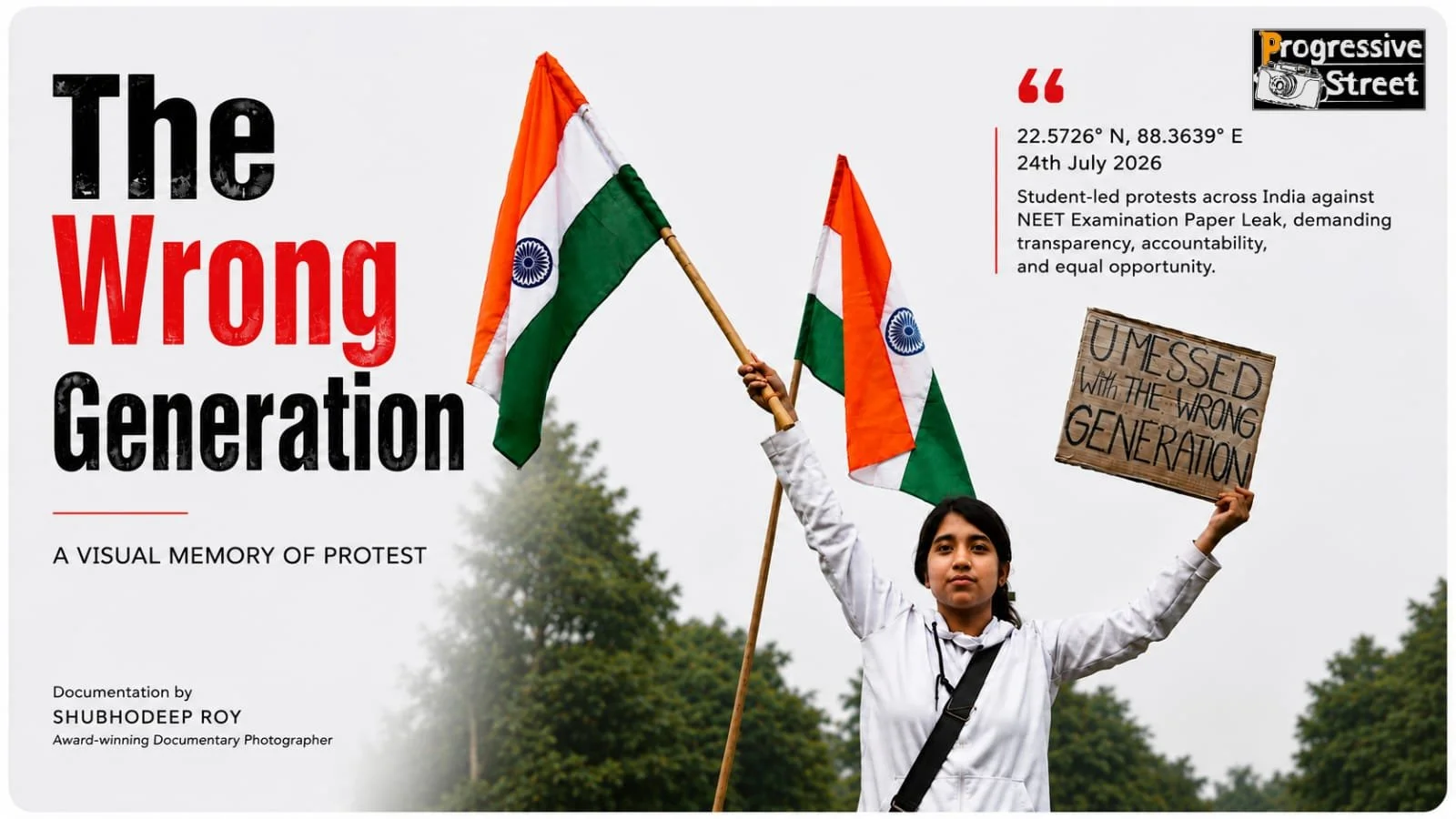
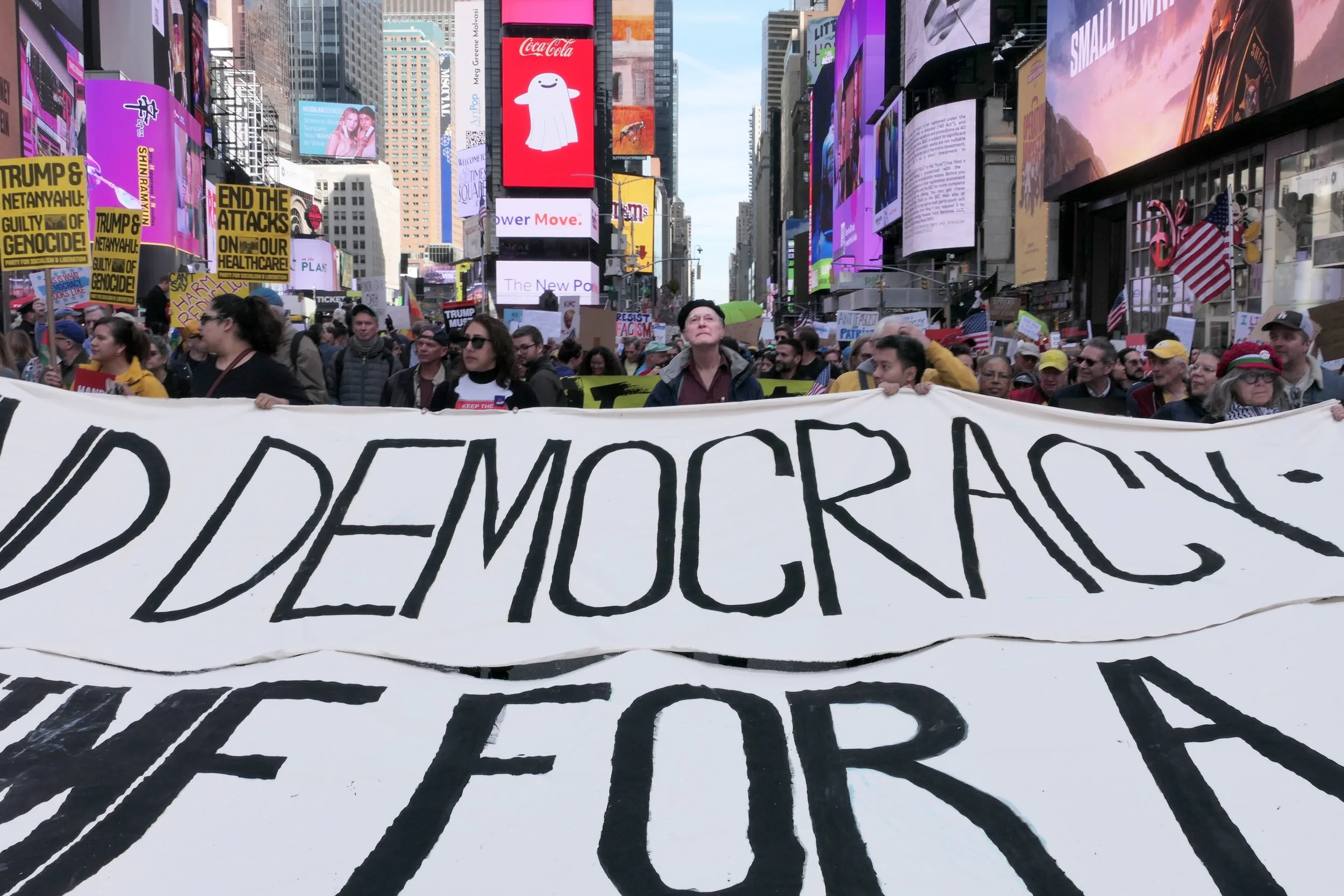
Everywhere the Indian tricolour rose above the crowds. It was not brandished as a weapon of division but carried as proof that dissent and patriotism can share the same flag. Students of different backgrounds, faiths, languages and political leanings stood beneath it, united by a single conviction—that their voices deserved to be heard.
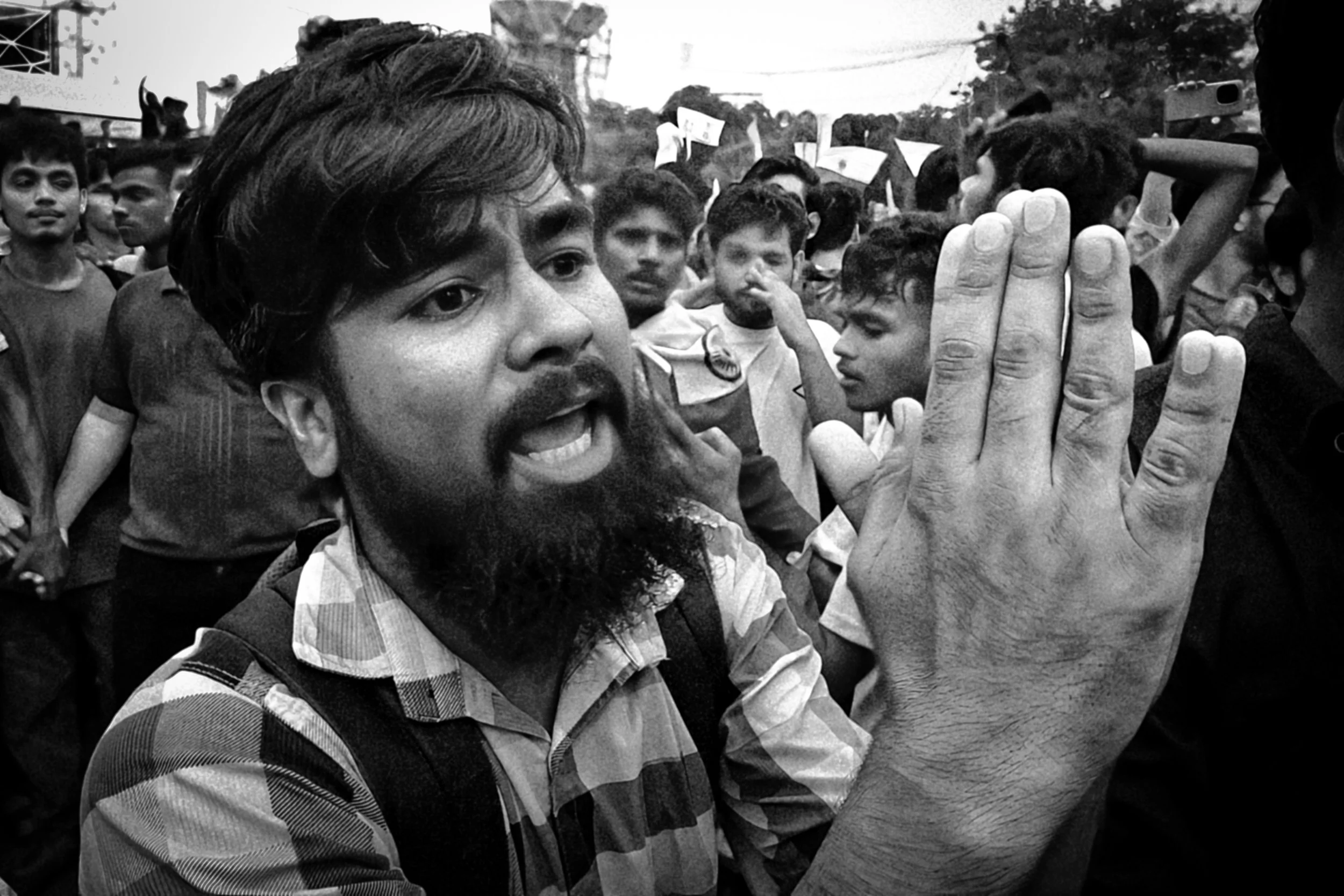
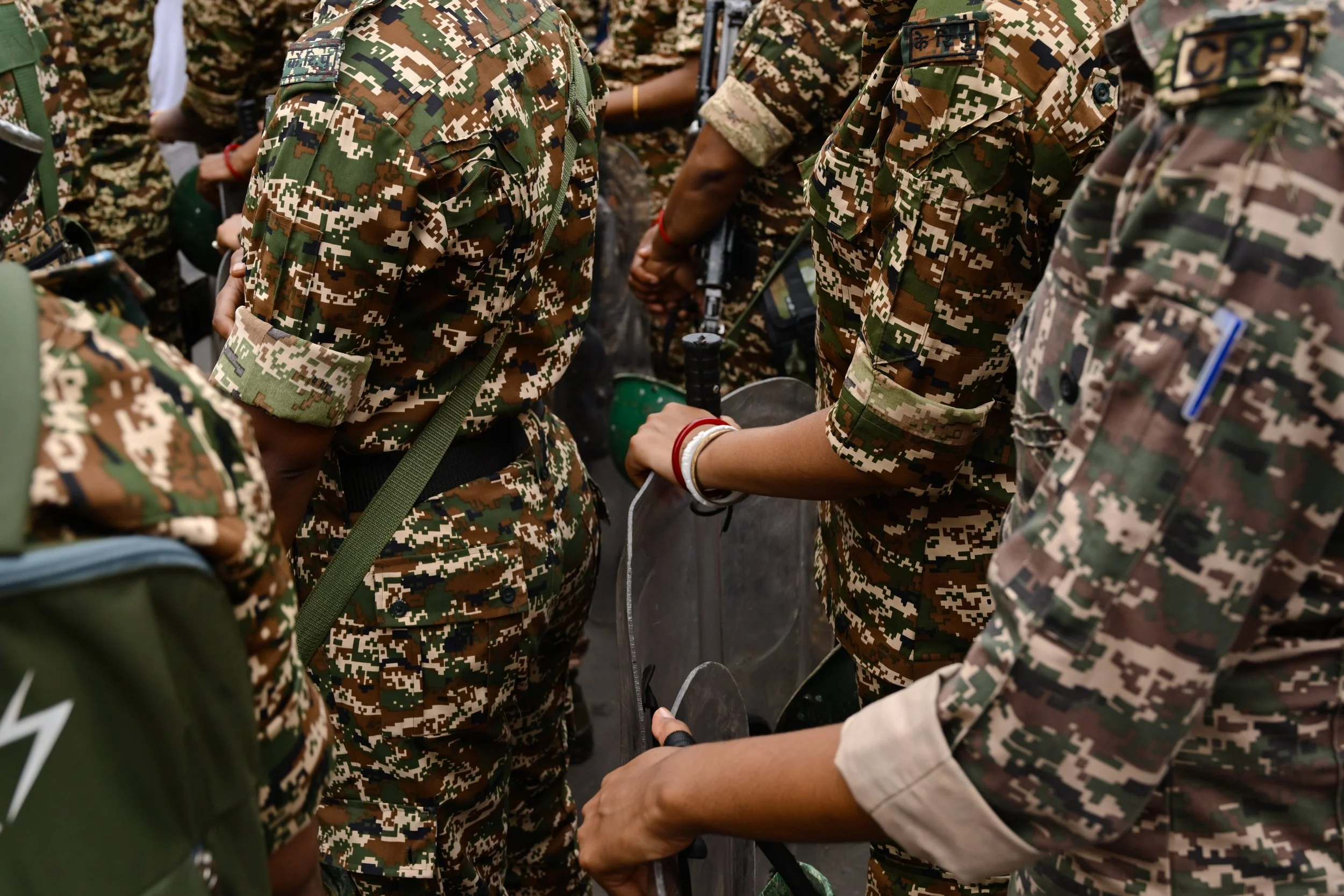
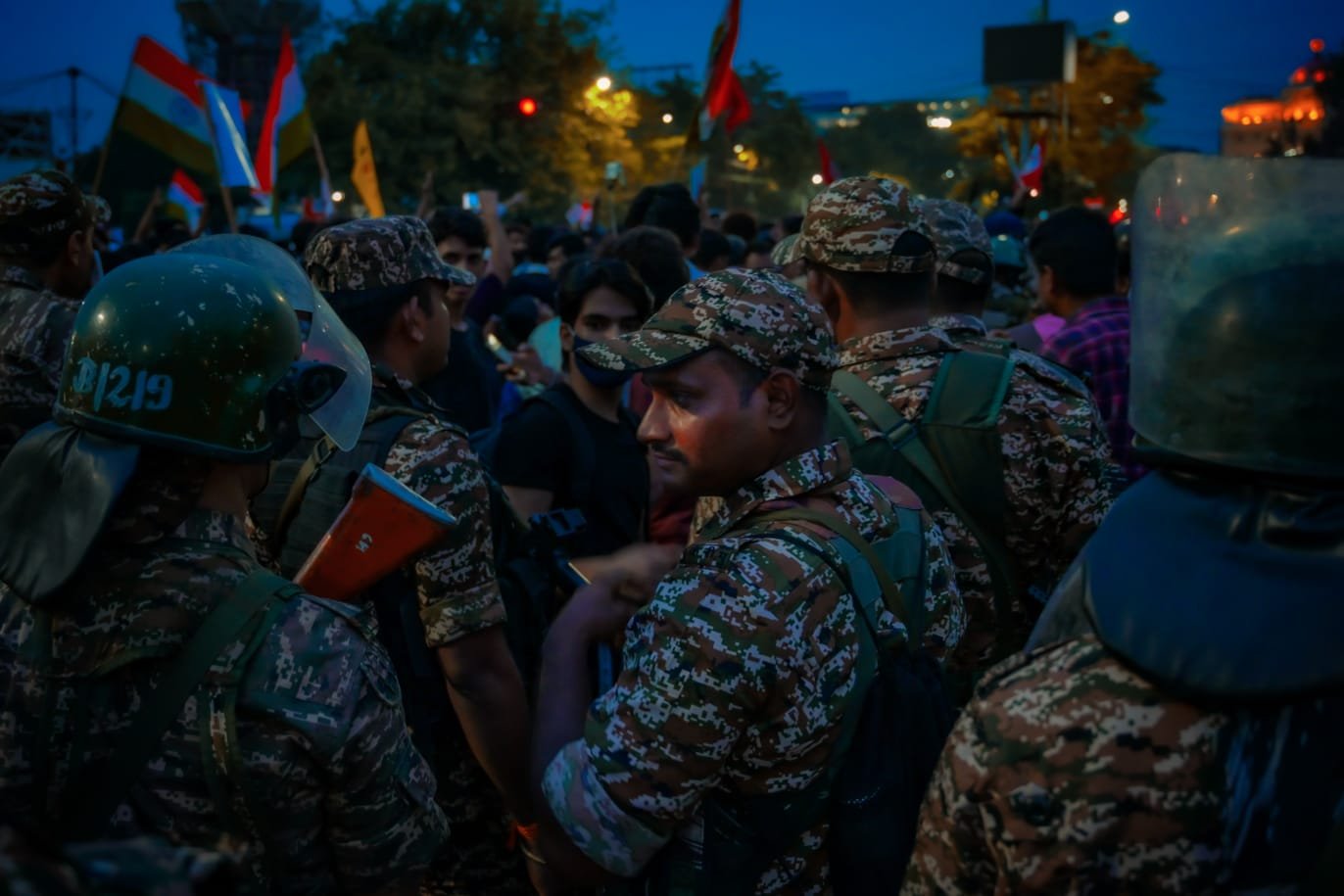
The streets held every emotion at once. Some marched with hope, others with raw anger. Some stood quietly with handwritten placards; others faced lines of riot police, Rapid Action Force units and central paramilitary forces. Tension was real, yet the message from the crowd remained consistent: this was not a protest against India. It was a protest for the India they still believed possible.
One placard stayed with me longer than the rest:
“You Messed With The Wrong Generation.”
It was more than a slogan. It named a generation that has grown up connected, informed and unwilling to treat silence as an acceptable answer.
Today, Union Education Minister Dharmendra Pradhan resigned. Whatever political calculations produced that decision, the resignation marks a significant moment in a movement that has already reshaped the national conversation. The resignation is not the whole story. The story is that millions of young Indians found a common voice and refused to lower it.
When I finally put the camera away, I understood that I had photographed more than a protest. I had witnessed a generation discovering its collective strength. The day was not without fear. As the crowds surged through the streets, clashes broke out in pockets of the city. Stones were thrown, police lines tightened, and for a few tense moments the crowd moved like a stampede. Even as a photographer, I was caught in the chaos and was struck by debris more than once. Yet what stayed with me was not only the violence—it was how, after the panic and shouting, the streets slowly began to calm. Strangers helped one another, protesters regrouped, and the noise gave way to a strange, exhausted silence. In that silence, I saw an India I had always imagined—not united by ideology or party, but by the simple, stubborn belief that accountability matters, that young voices matter, and that democracy belongs as much to those who stand in the streets as to those who sit in power.
History is usually recorded in the decisions made inside Parliament. Sometimes, however, it begins earlier—in the hands that raise a flag, in the voices that refuse to be quiet, and in a generation that chooses to stand together.
Perhaps the greatest victory was not political at all. It was seeing millions of strangers become one people, if only for a day, united by hope, courage, and the belief that their future was worth defending.
Photographs, Reporting & Text by Shubhodeep Roy
Acknowledgement: Special thanks to student activist Trisha Chakraborty for her support.