Chapter II: Sisters of the Plain
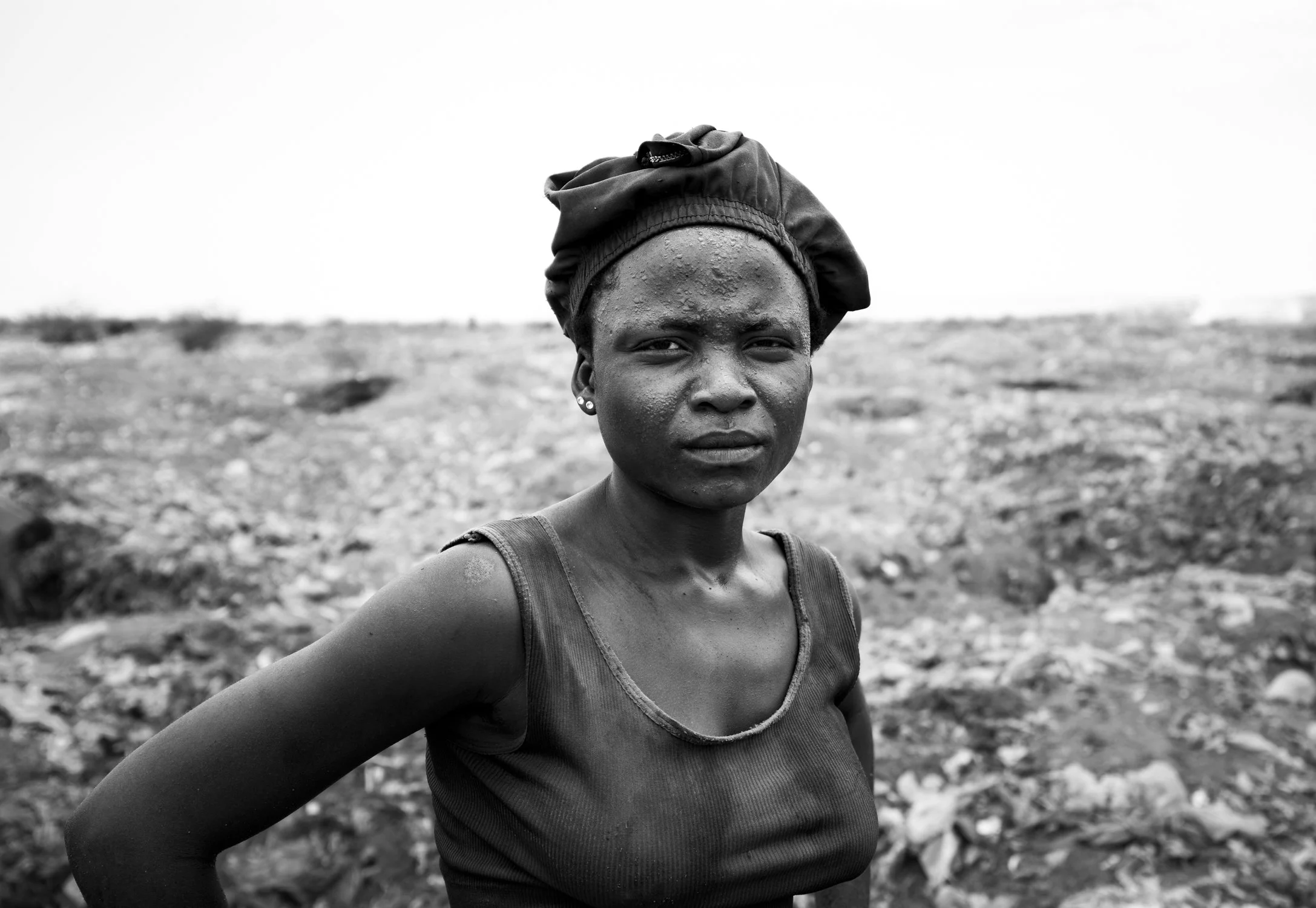
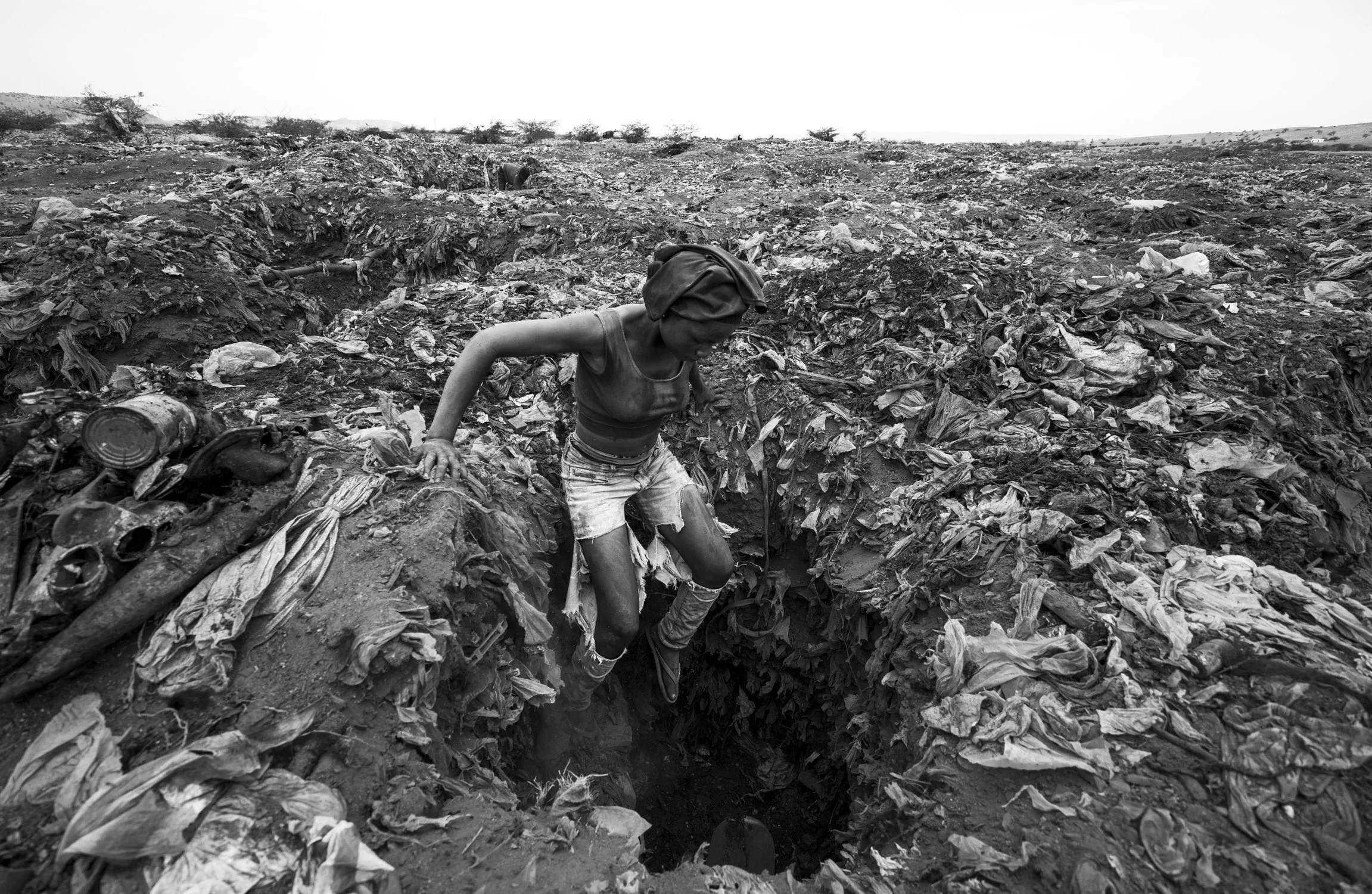
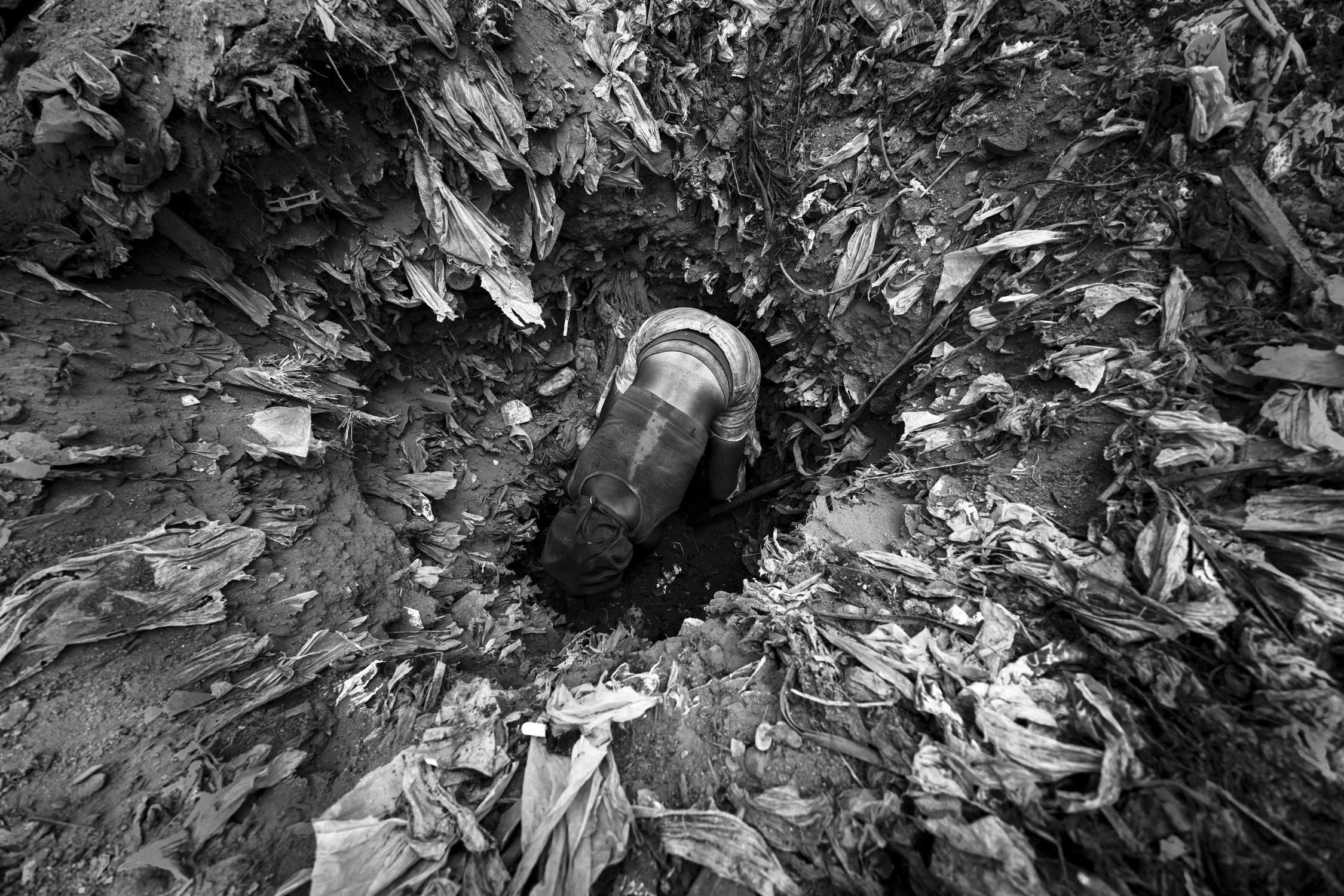
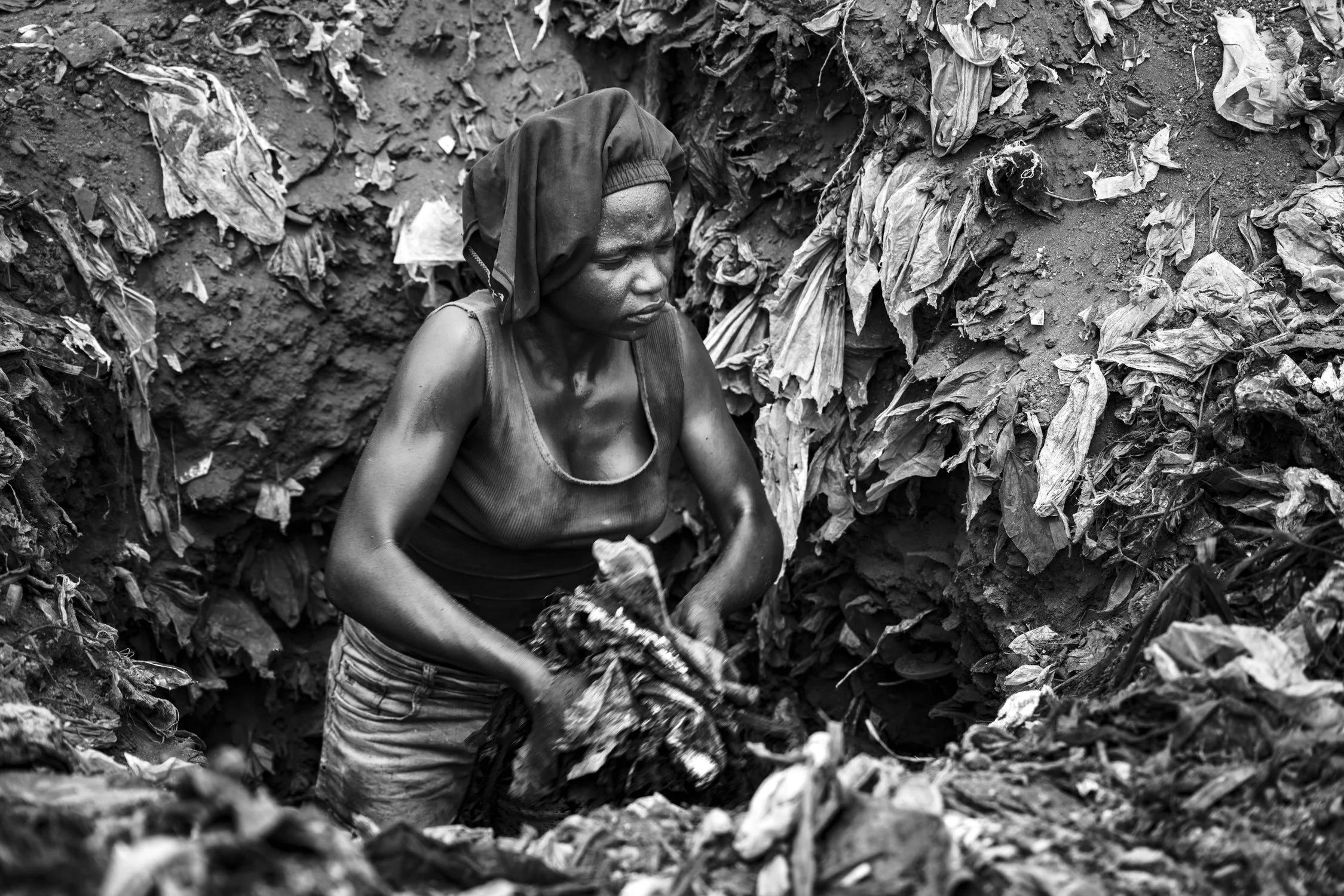
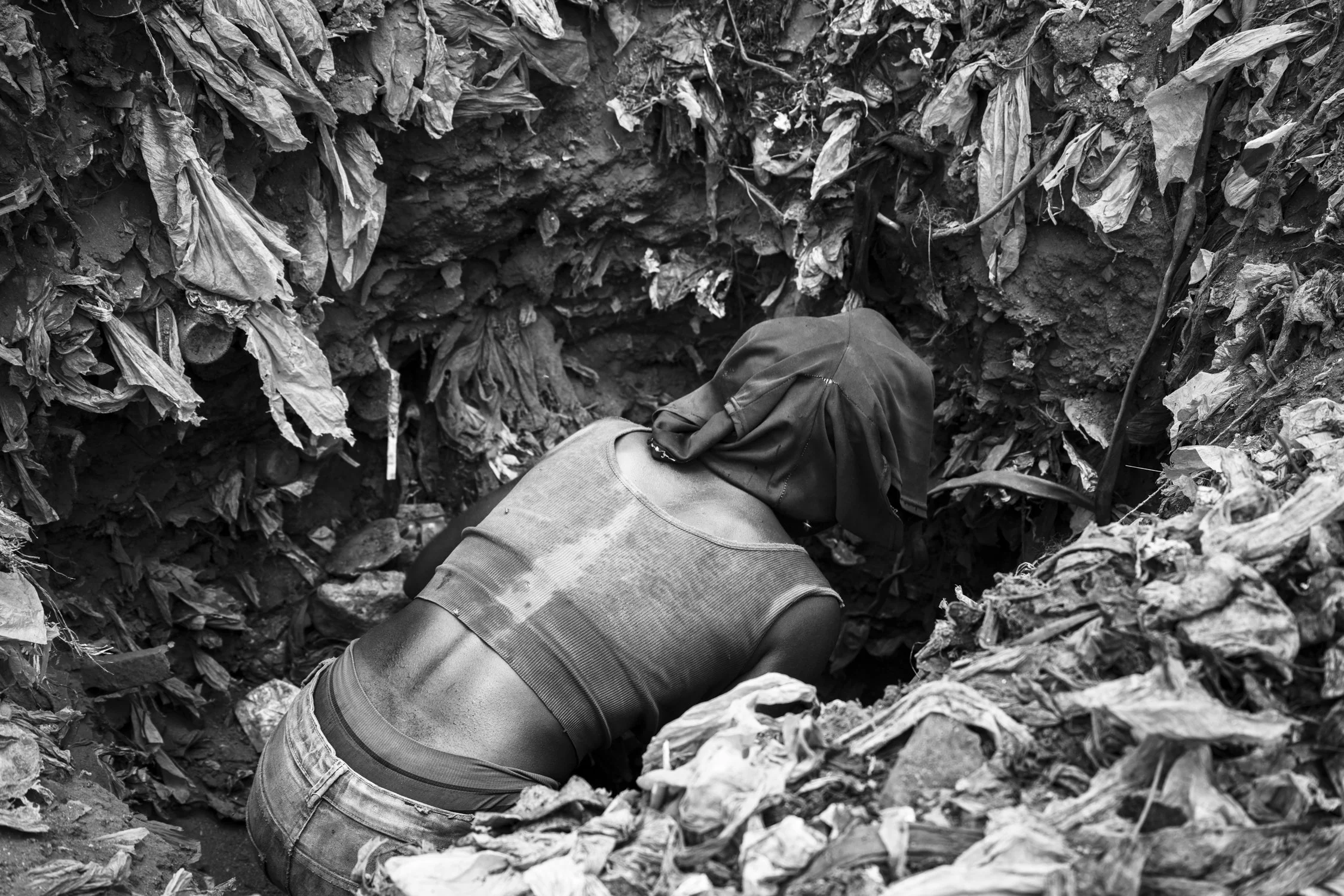
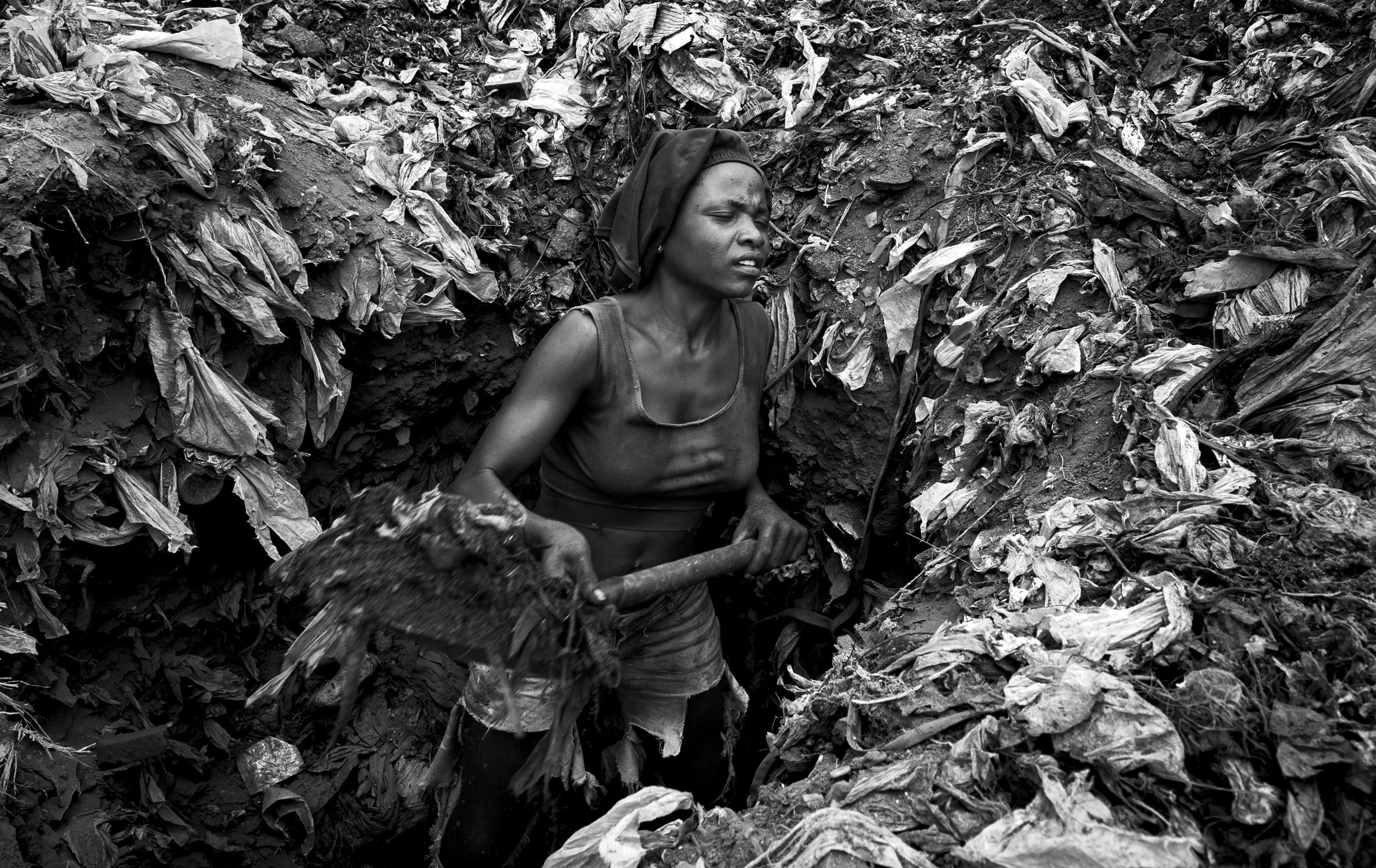
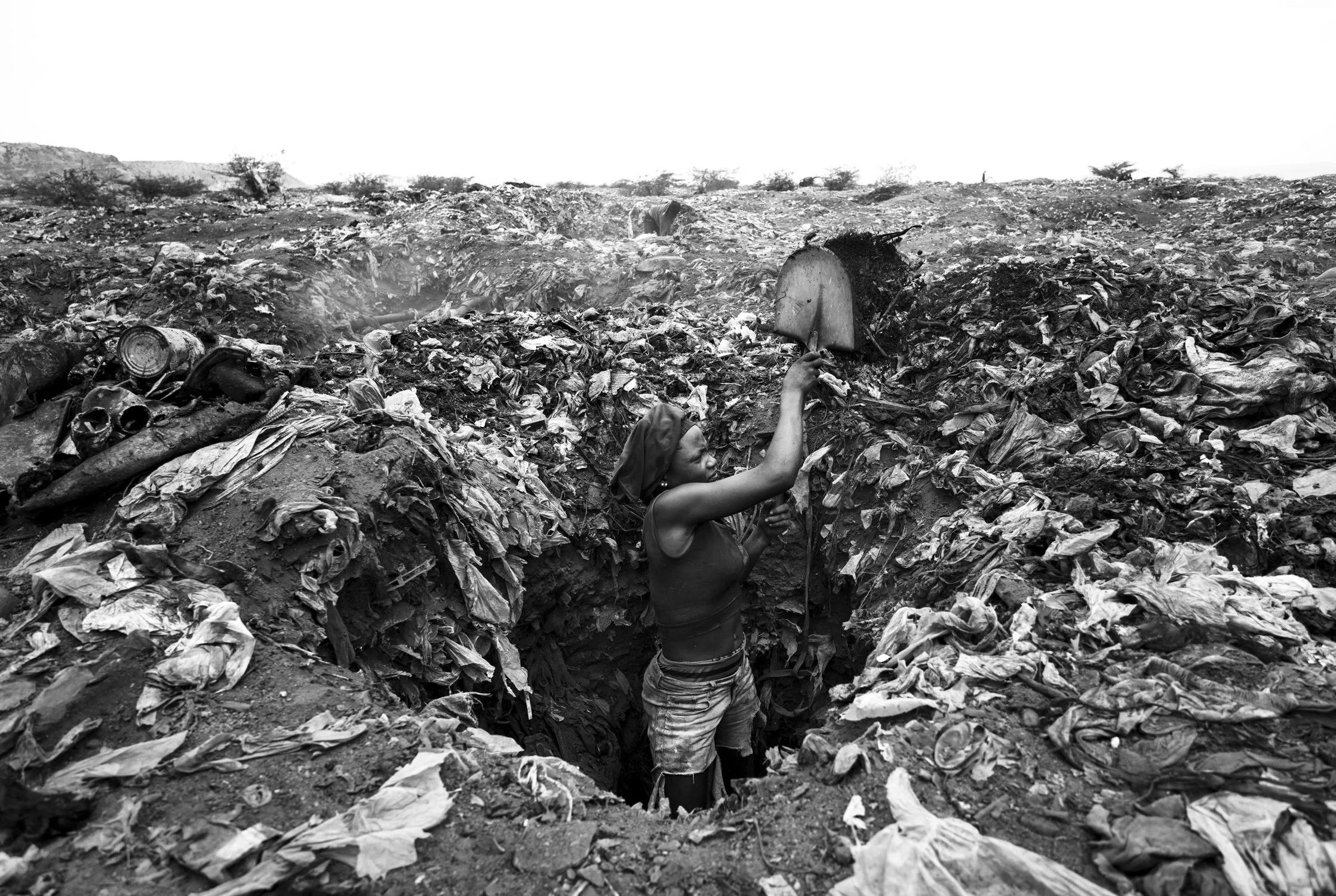
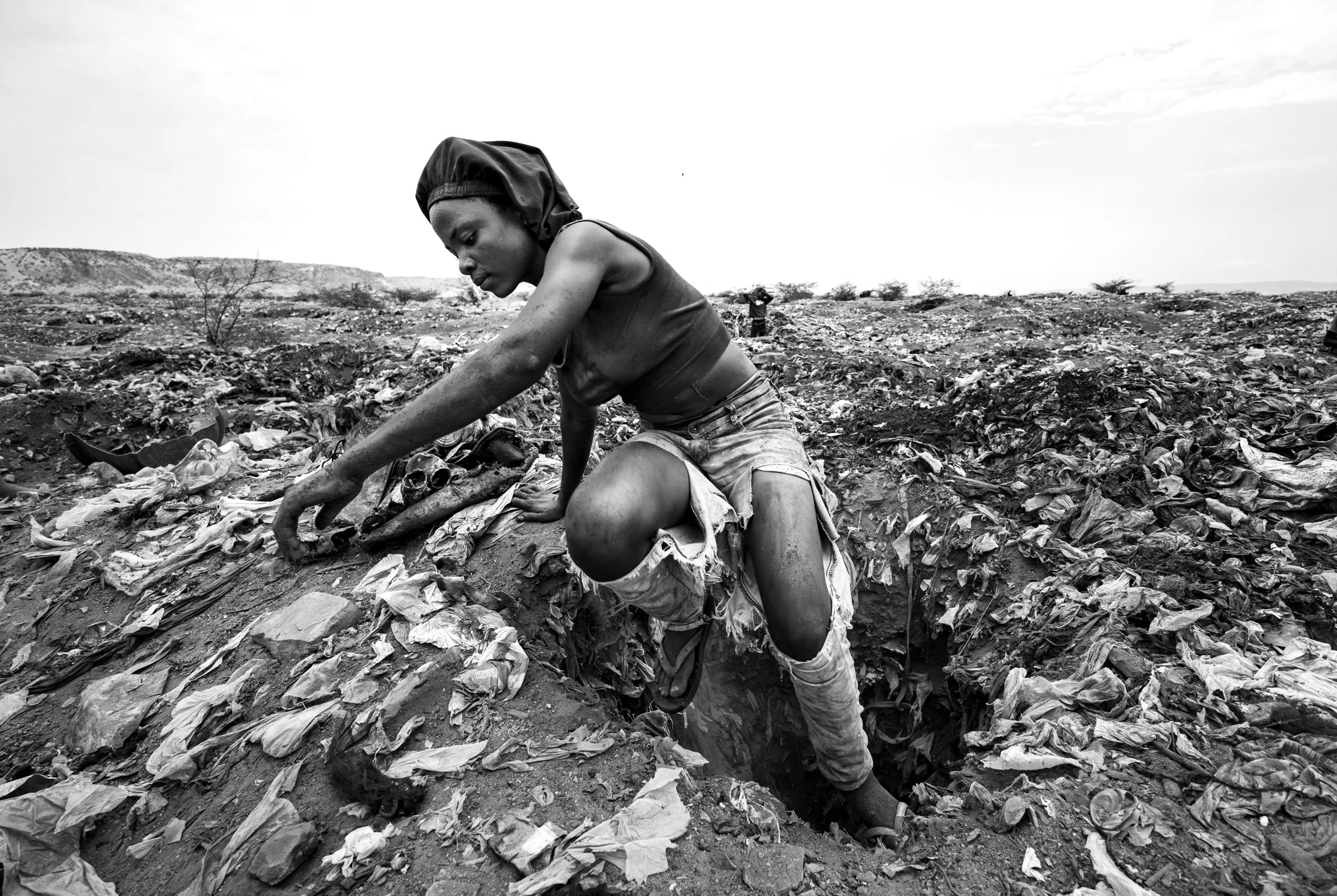
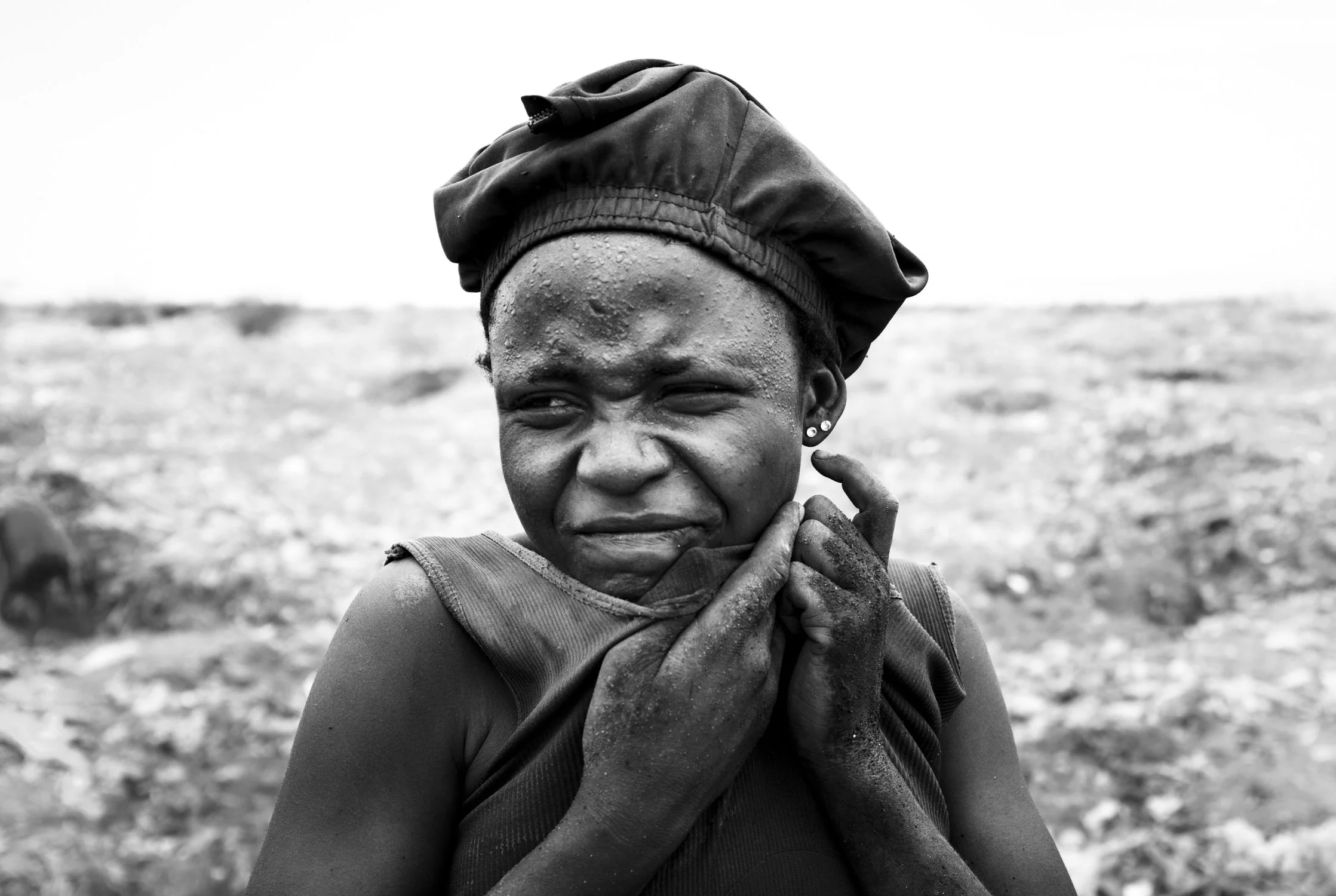
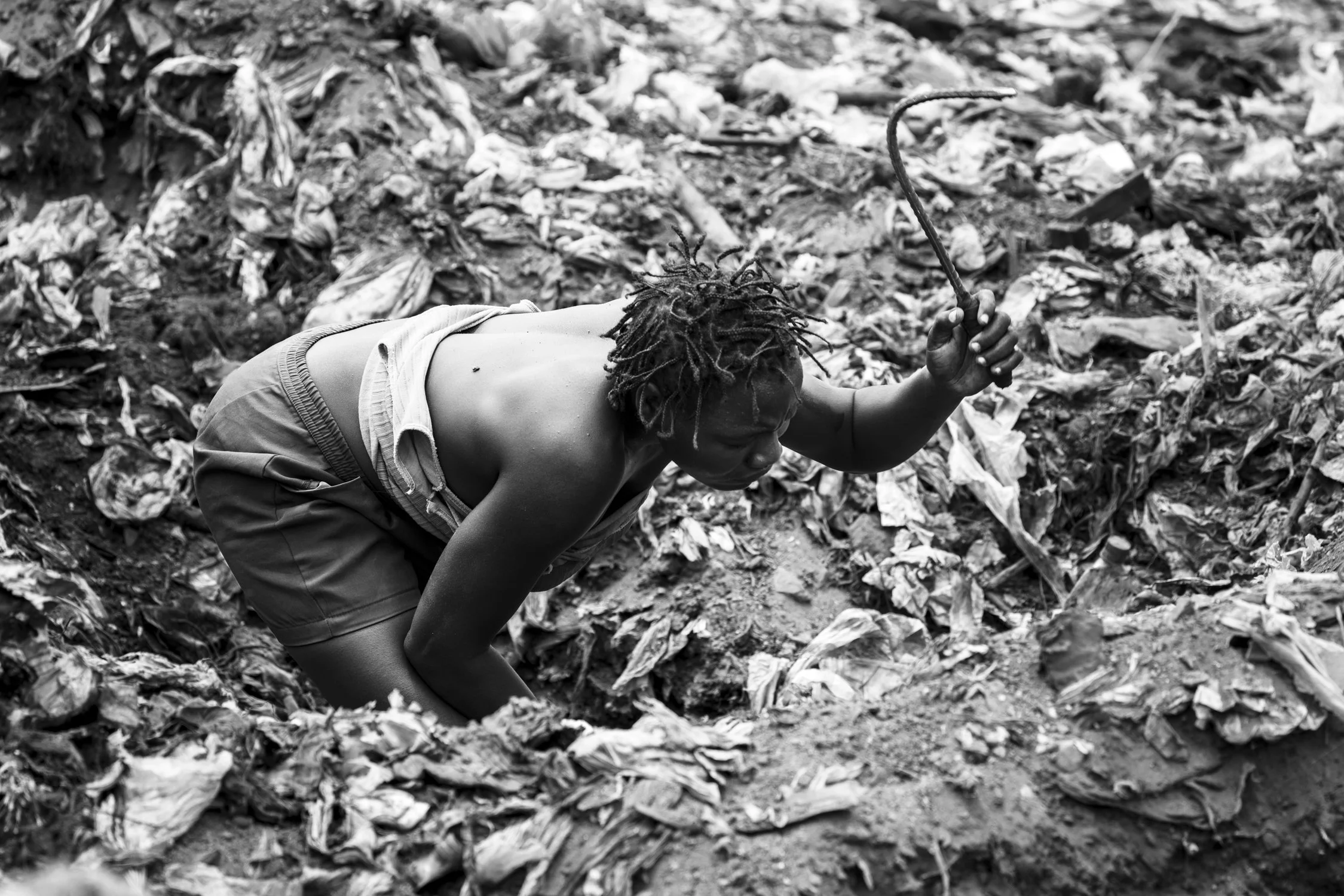
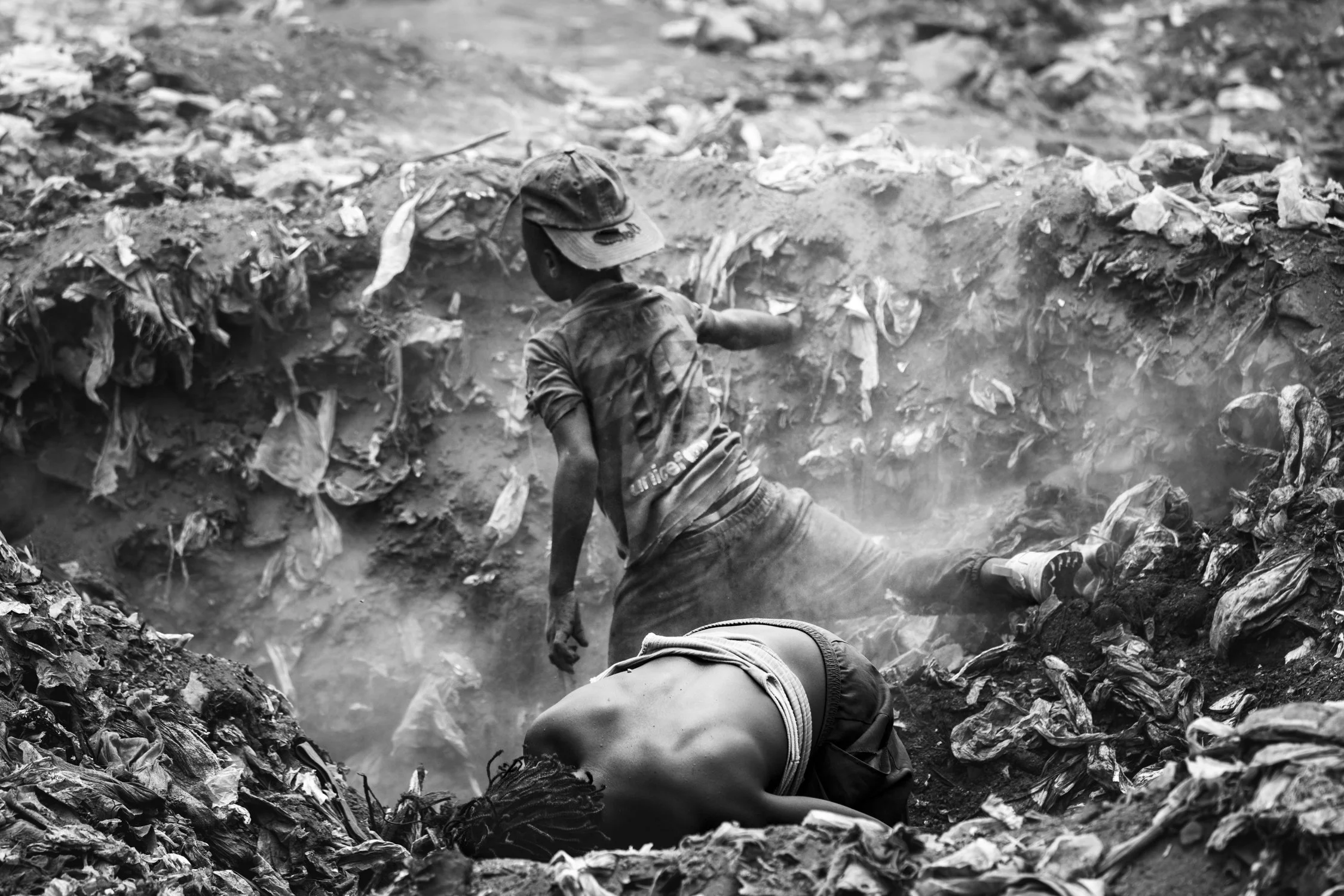
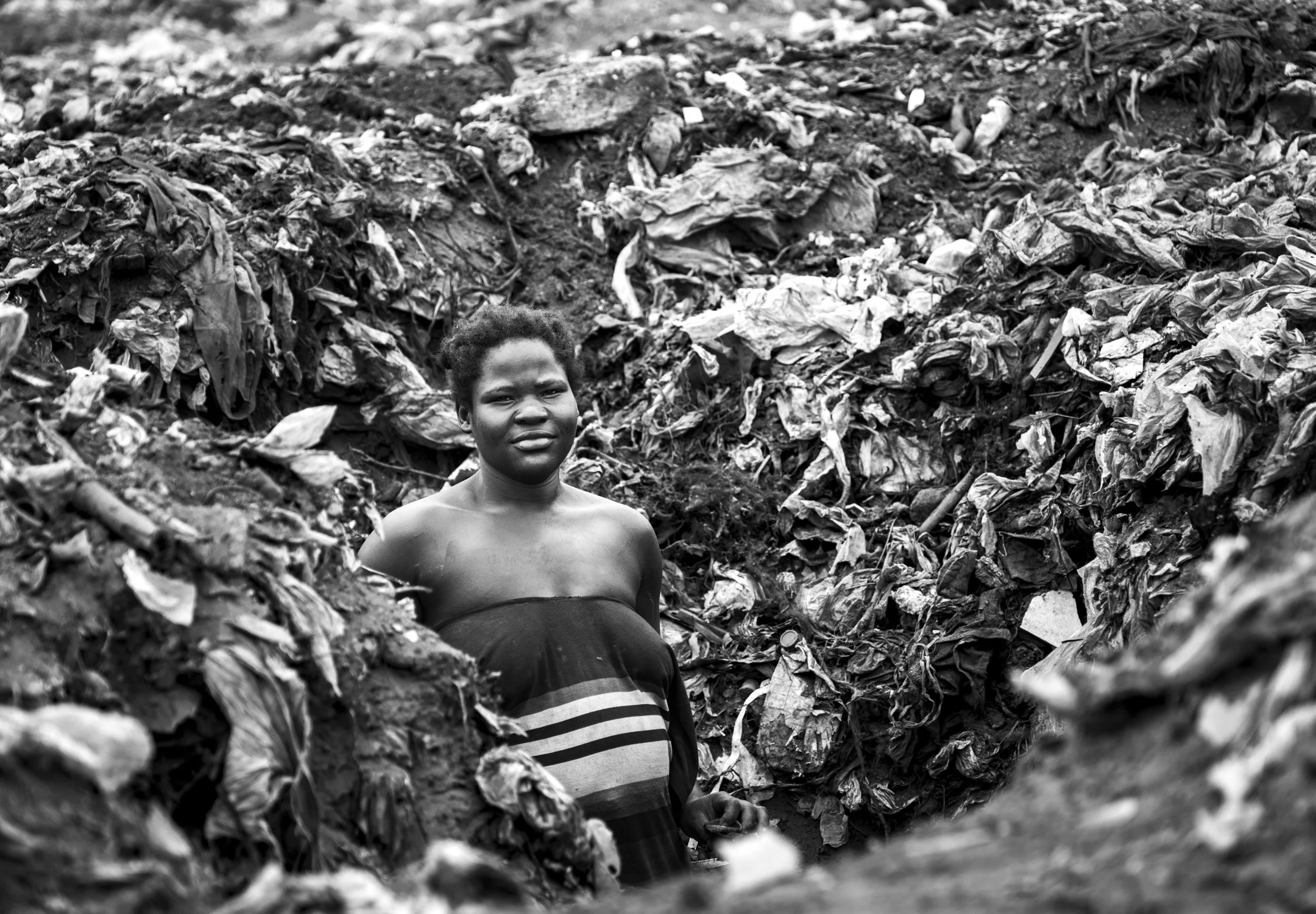
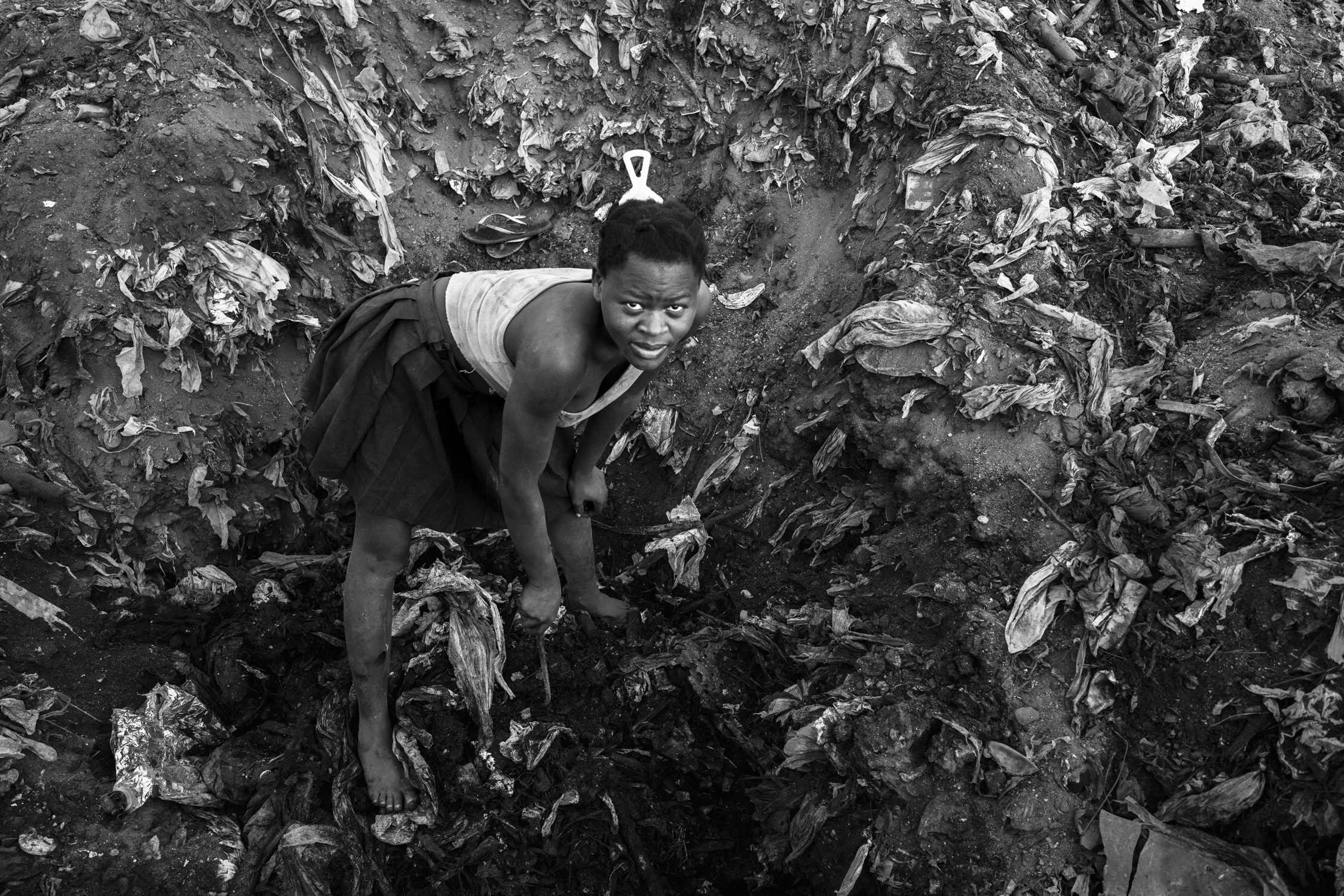
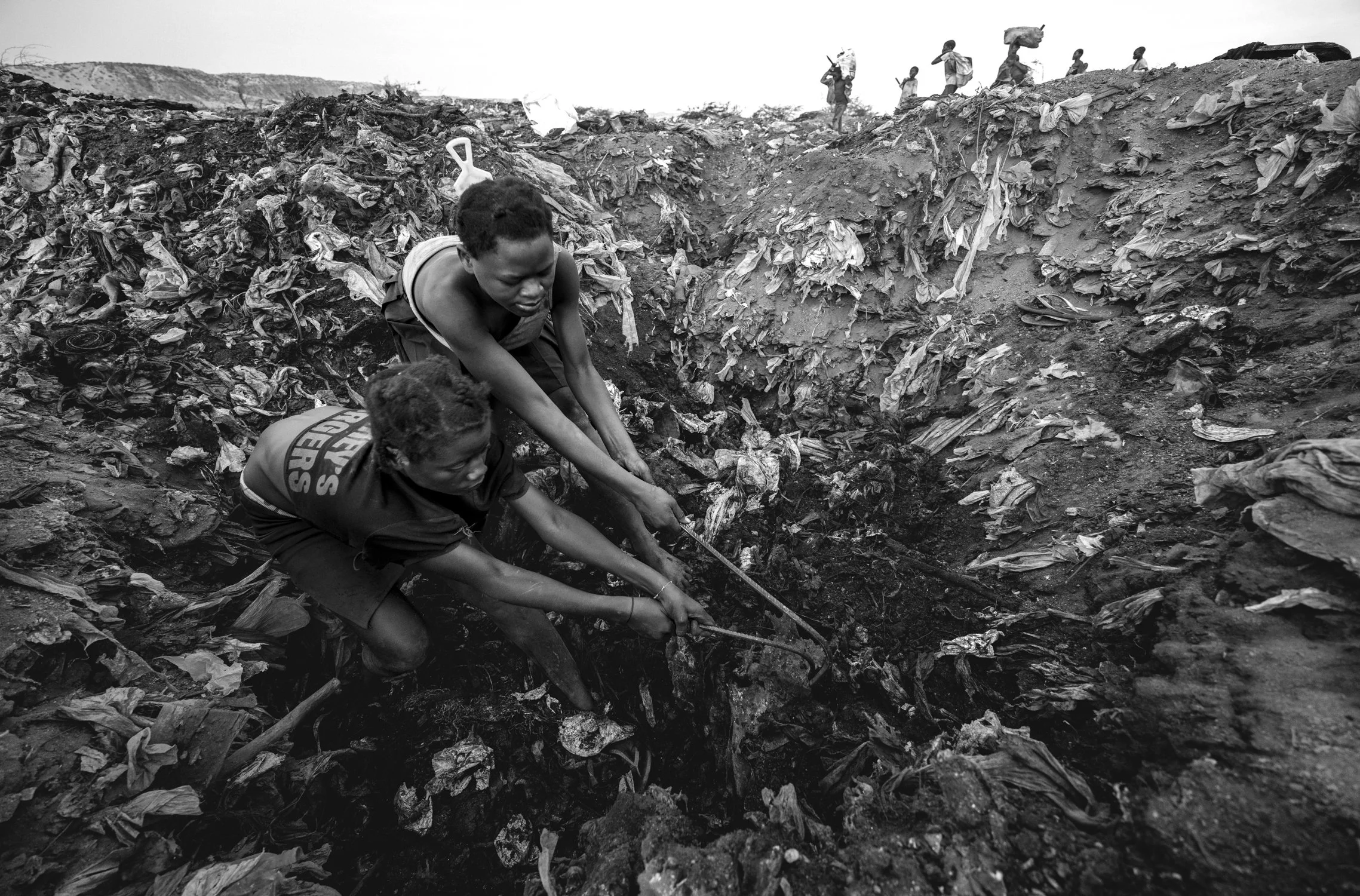
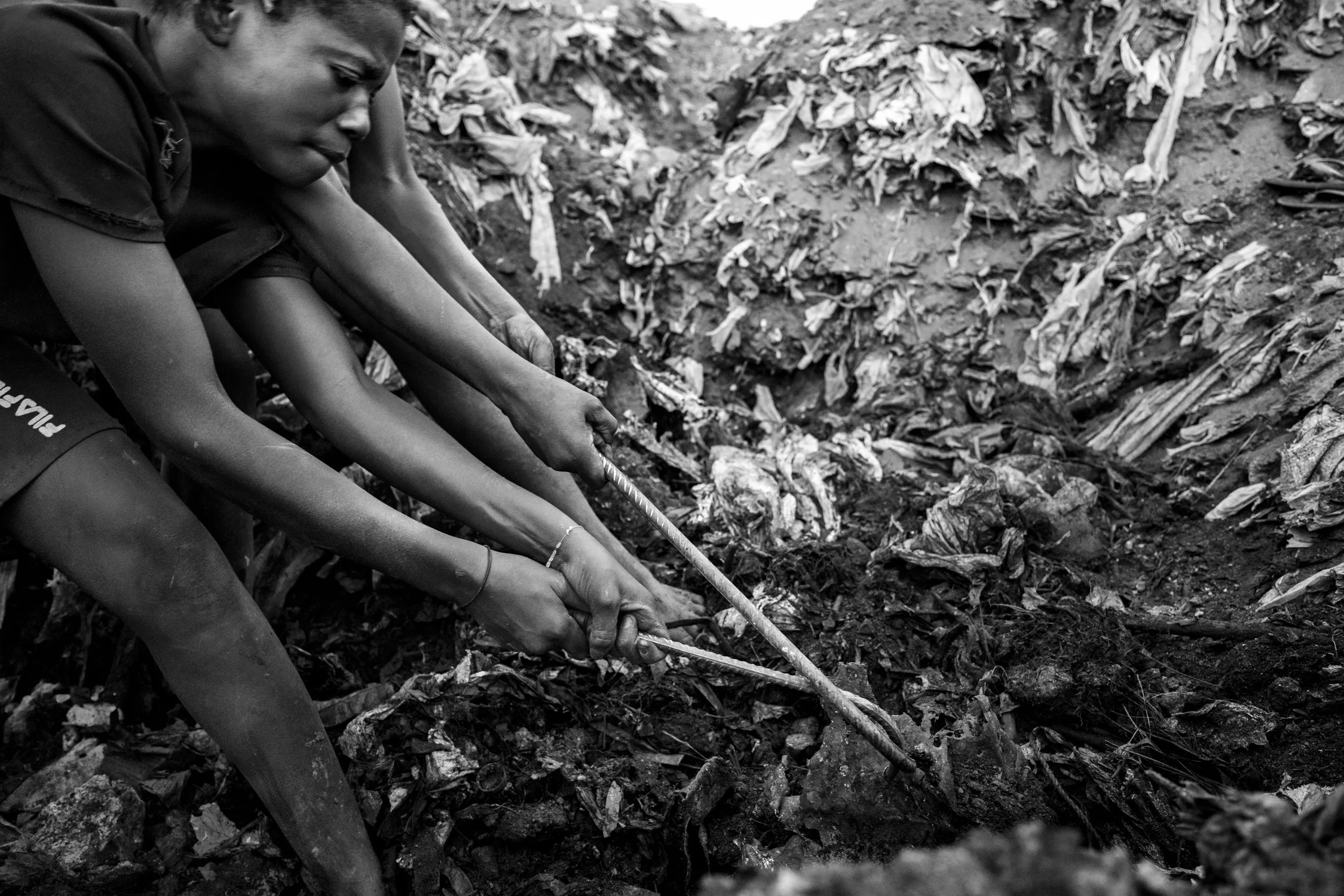
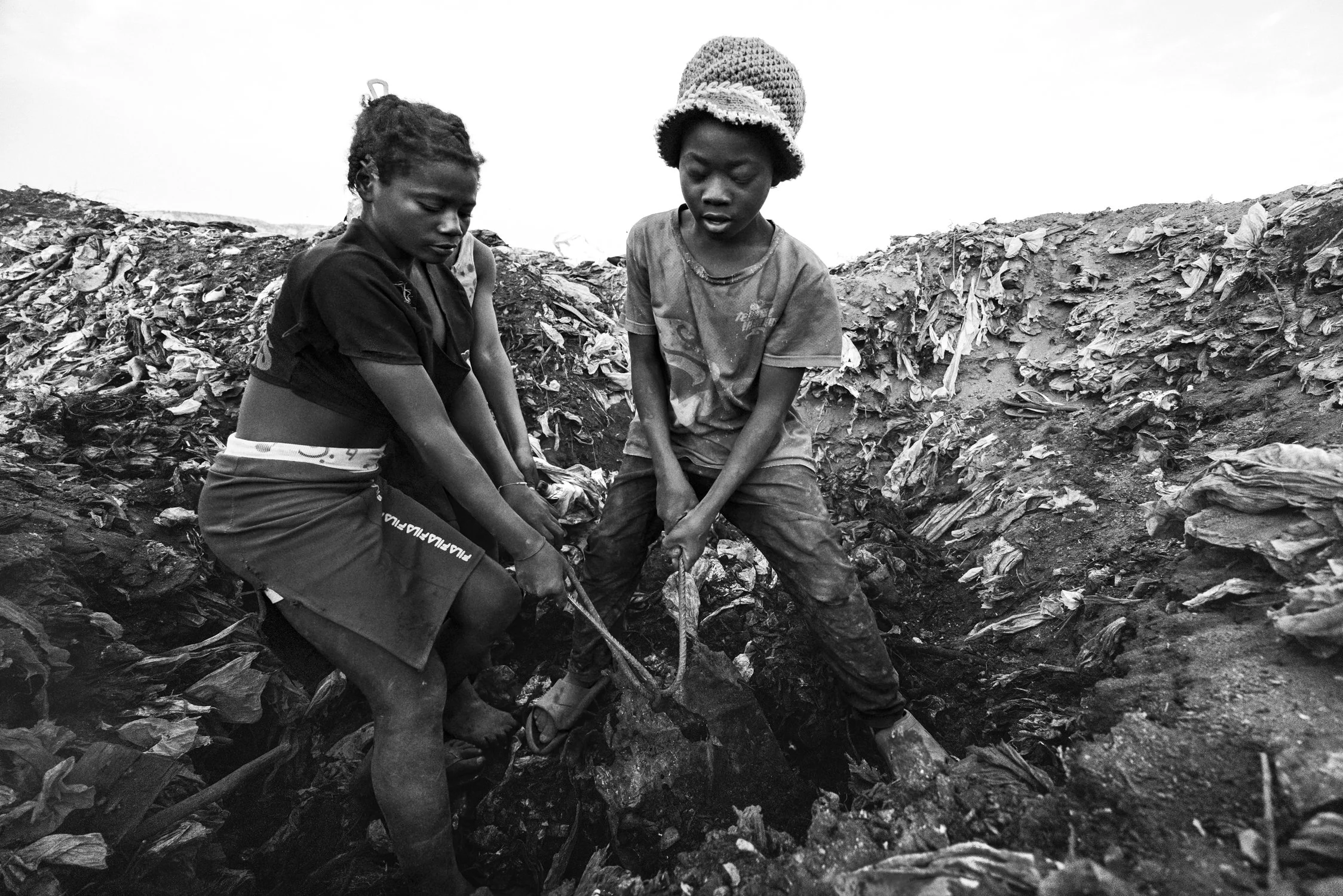
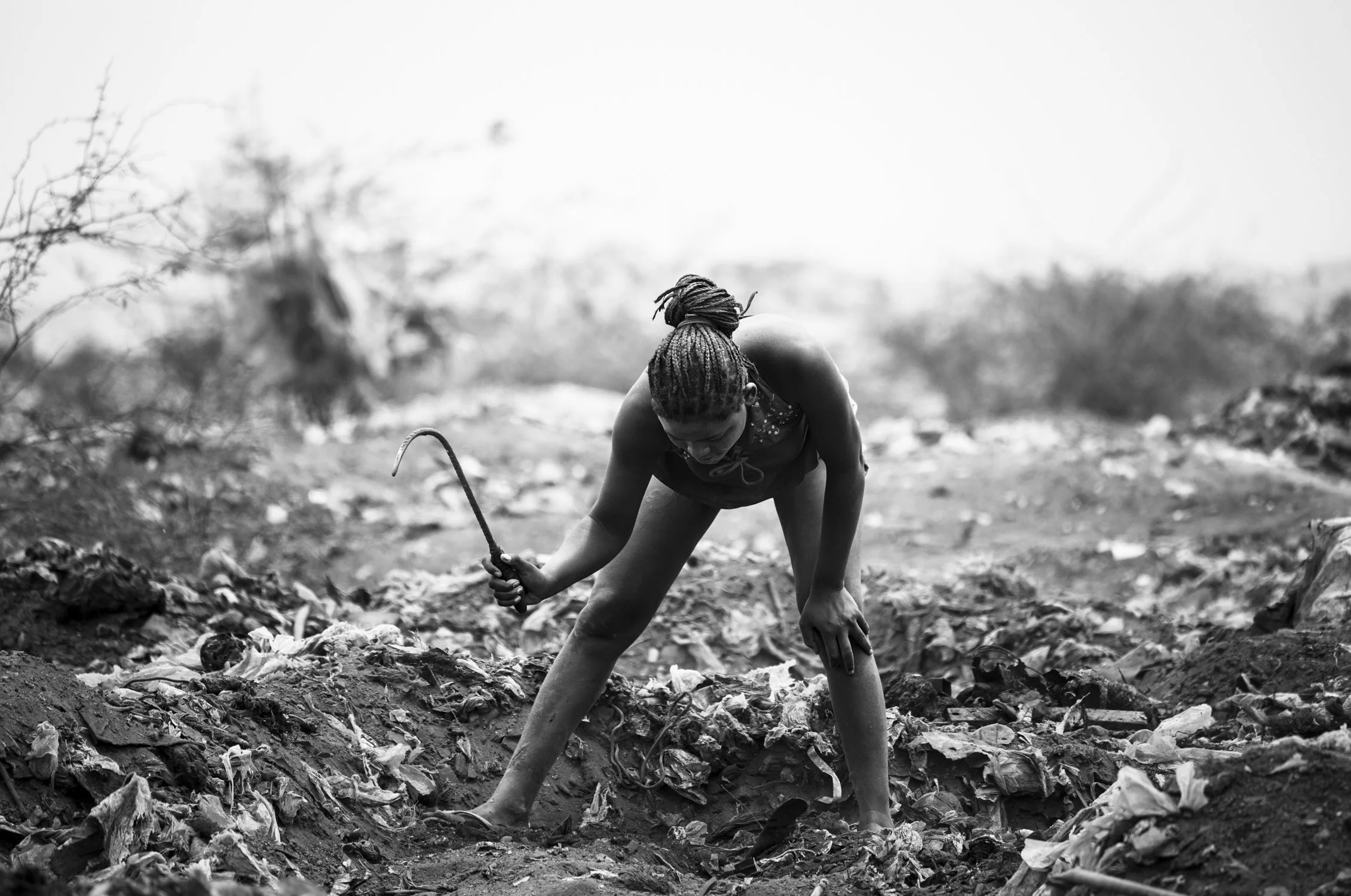
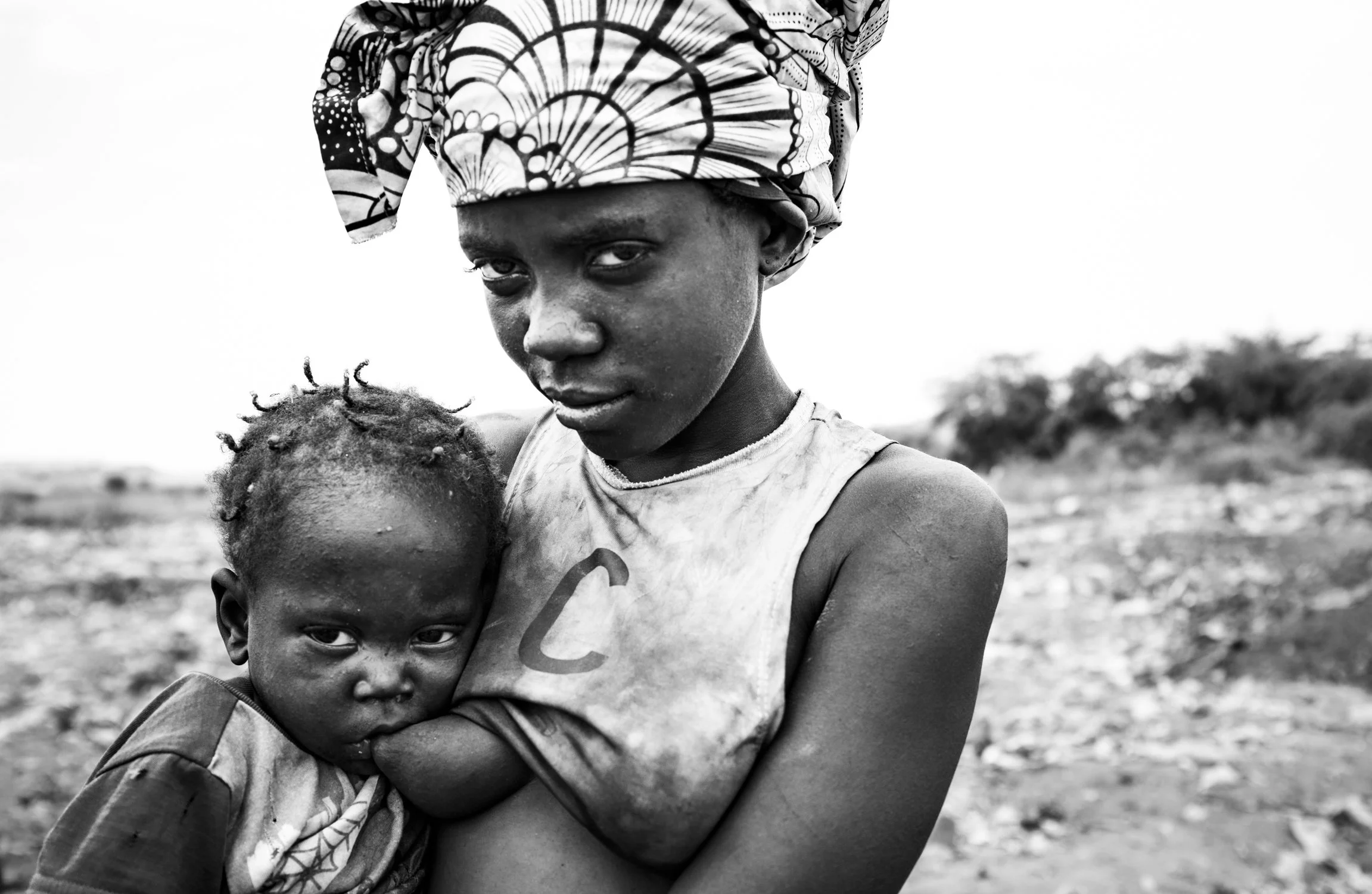
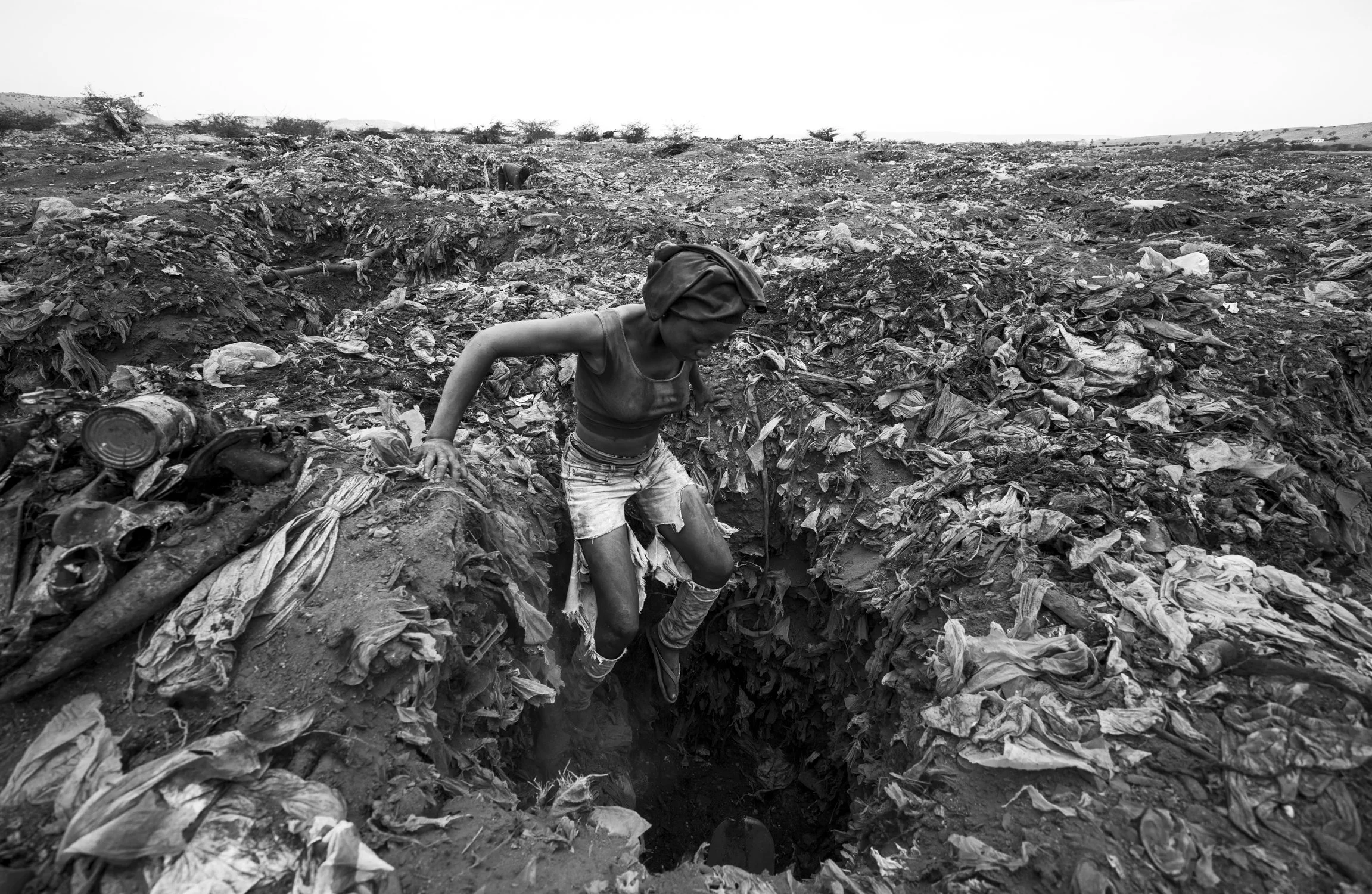
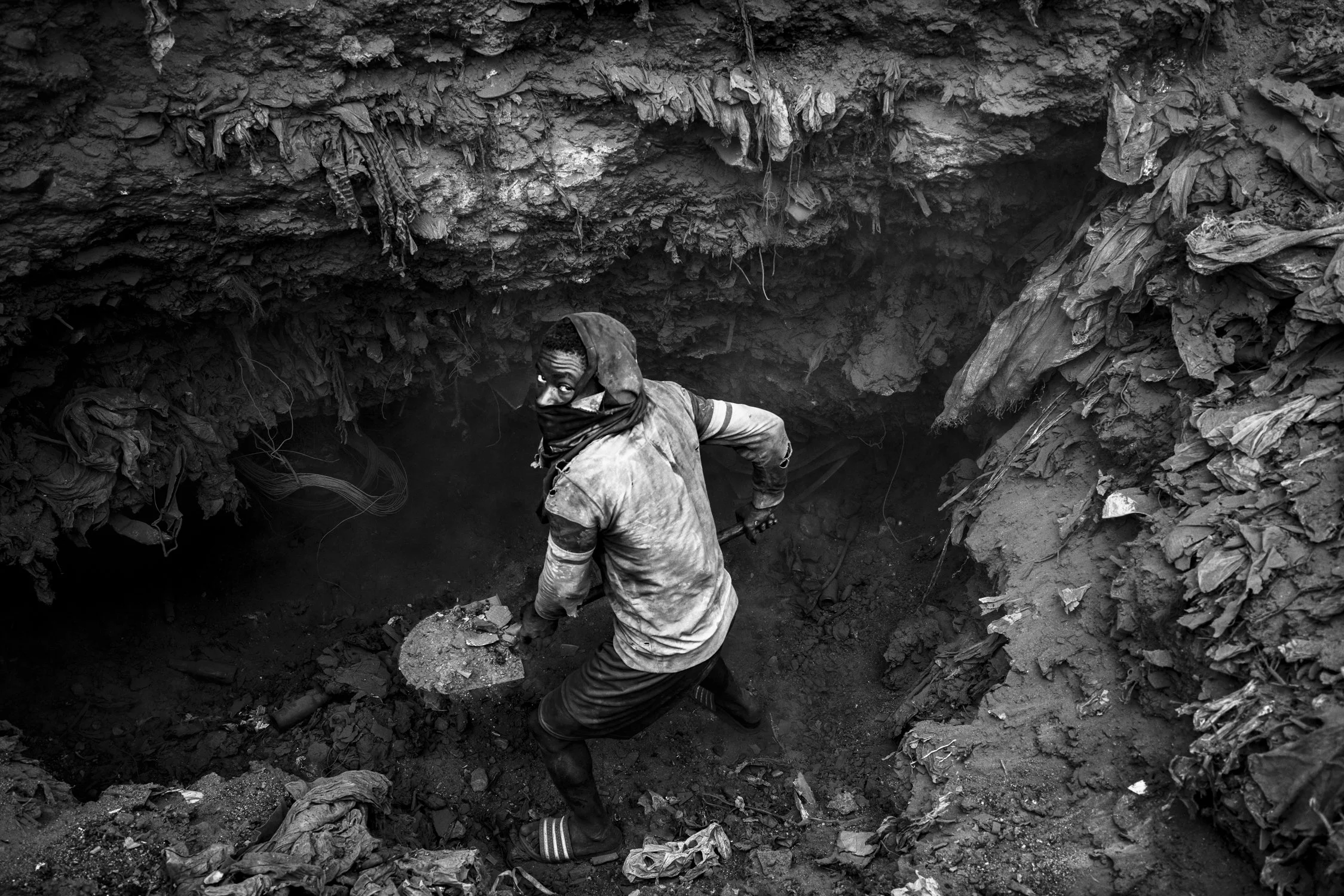
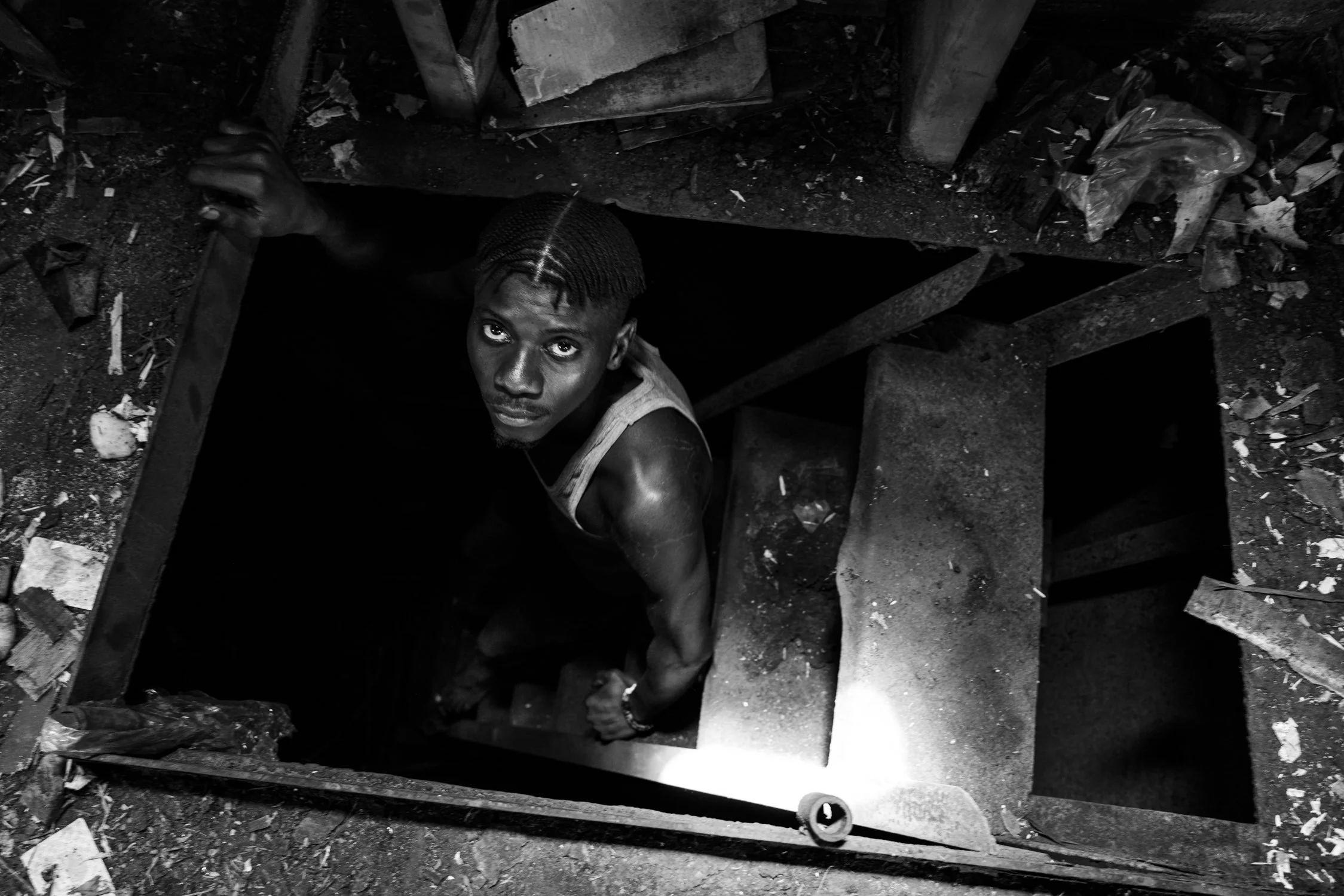
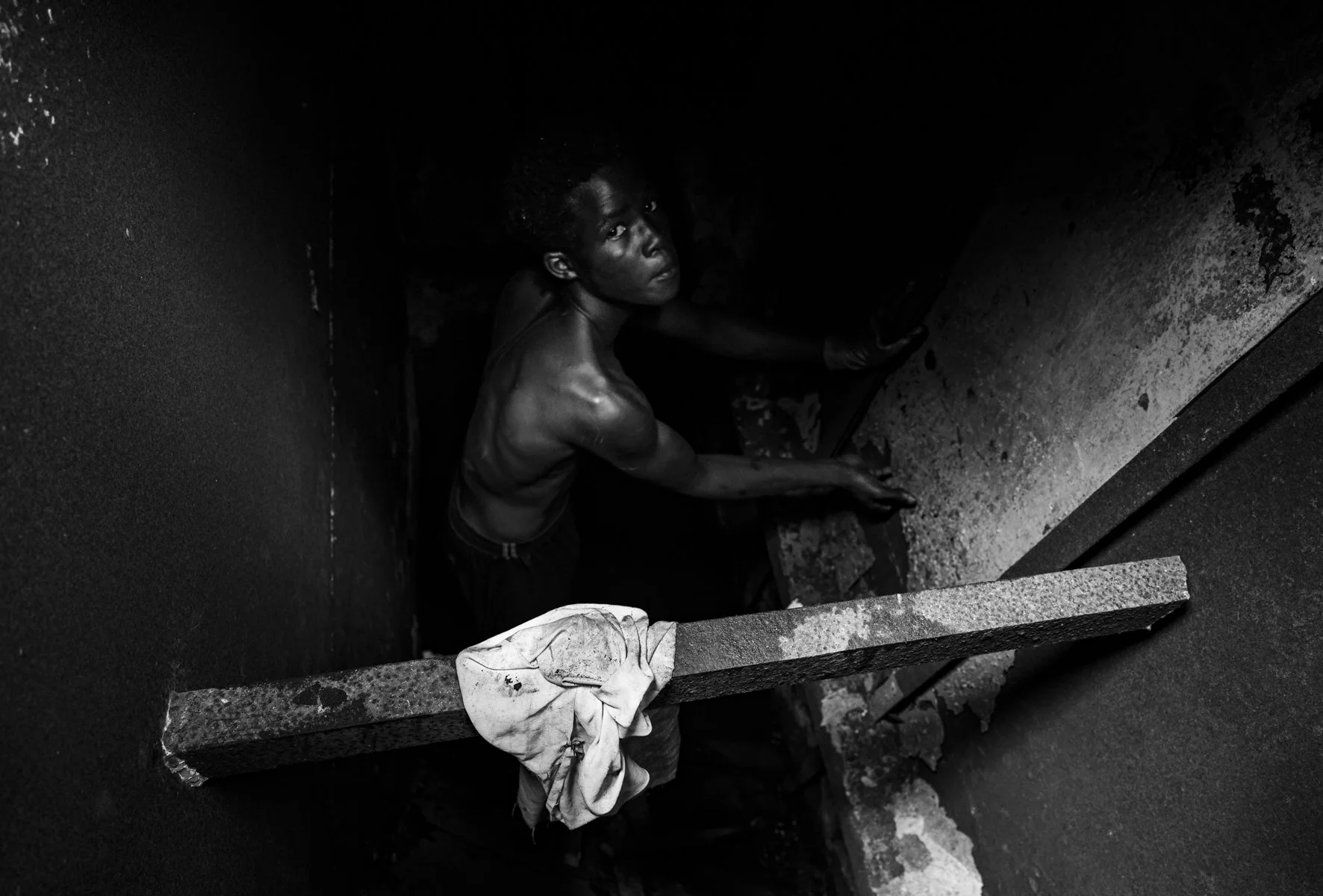
At first light, a group of women gathers on the plain riddled with excavations. Many carry their children tied to their backs, still fast asleep. In a synchronised ritual, they descend into the dark holes and swiftly disappear, as if swallowed by the earth itself. They take turns using a single worn shovel. While waiting for their turn, they dig with their bare hands.
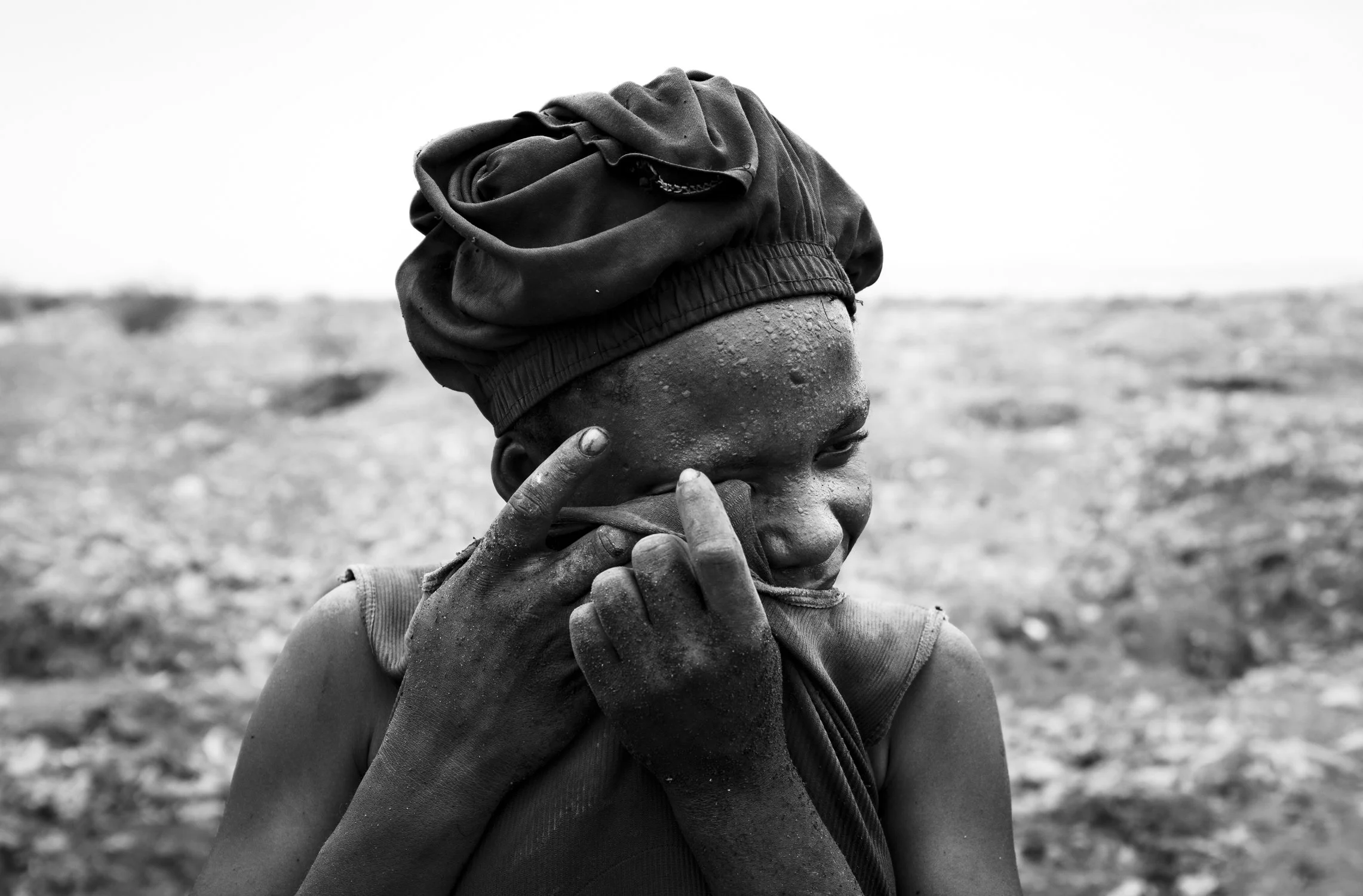
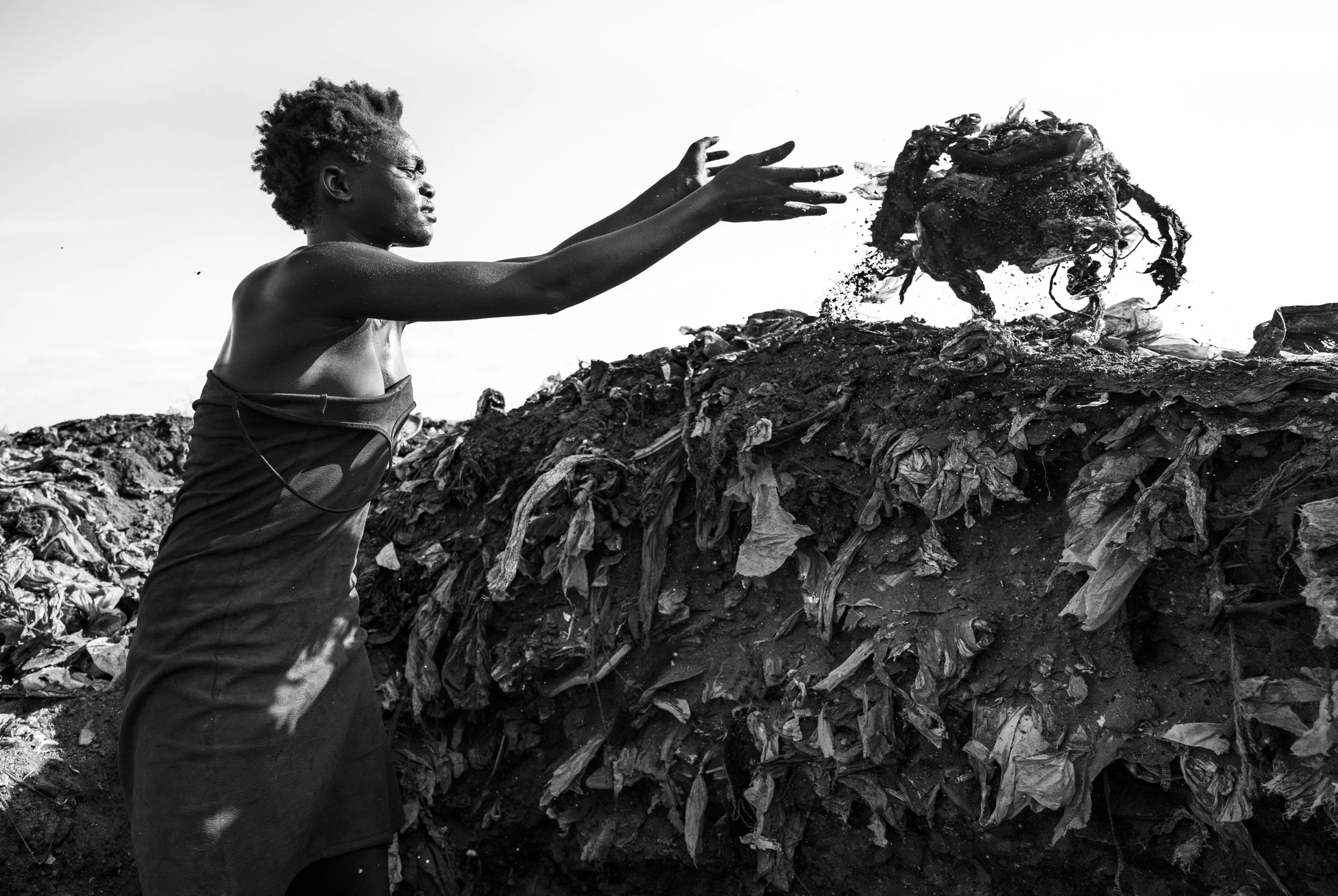
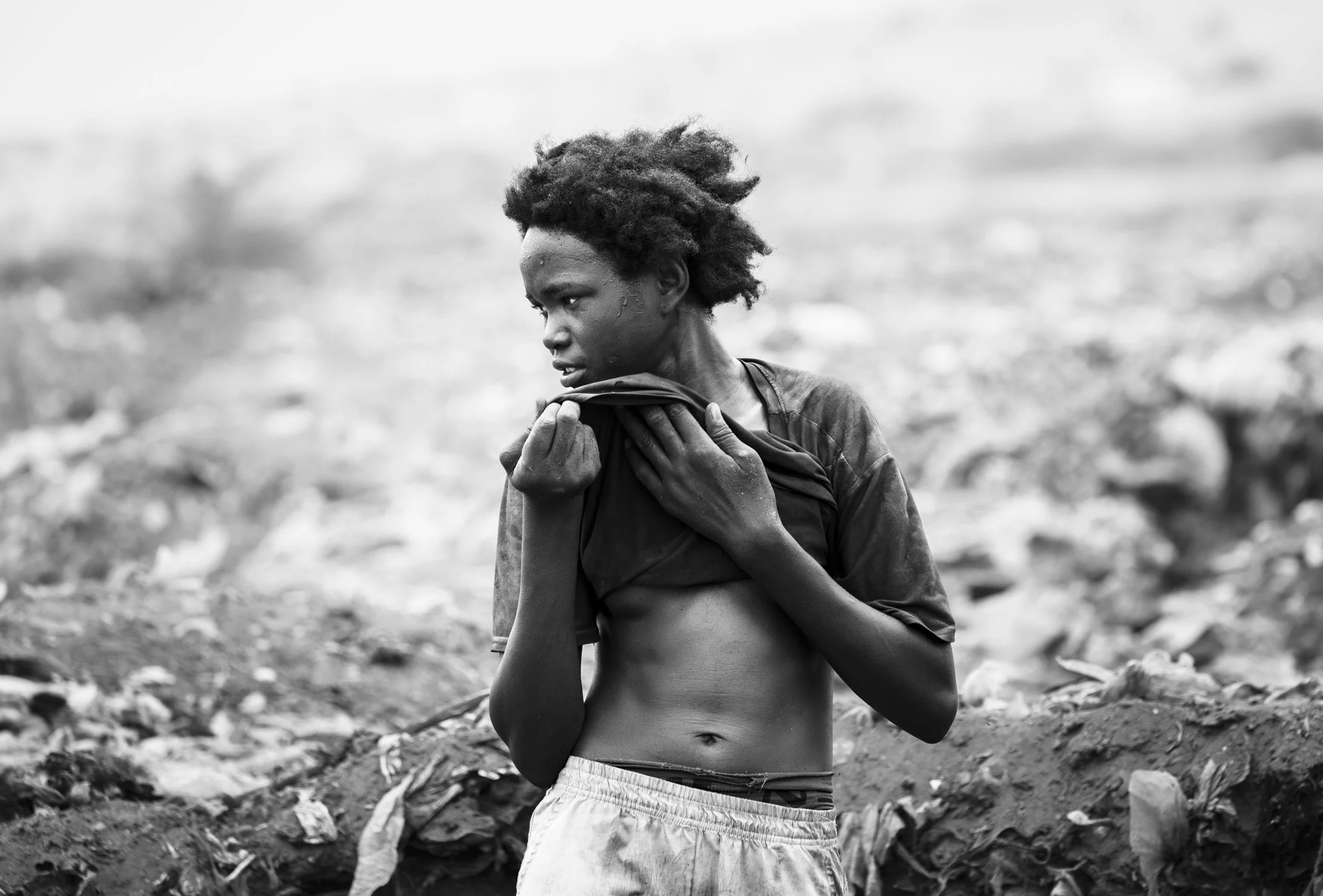
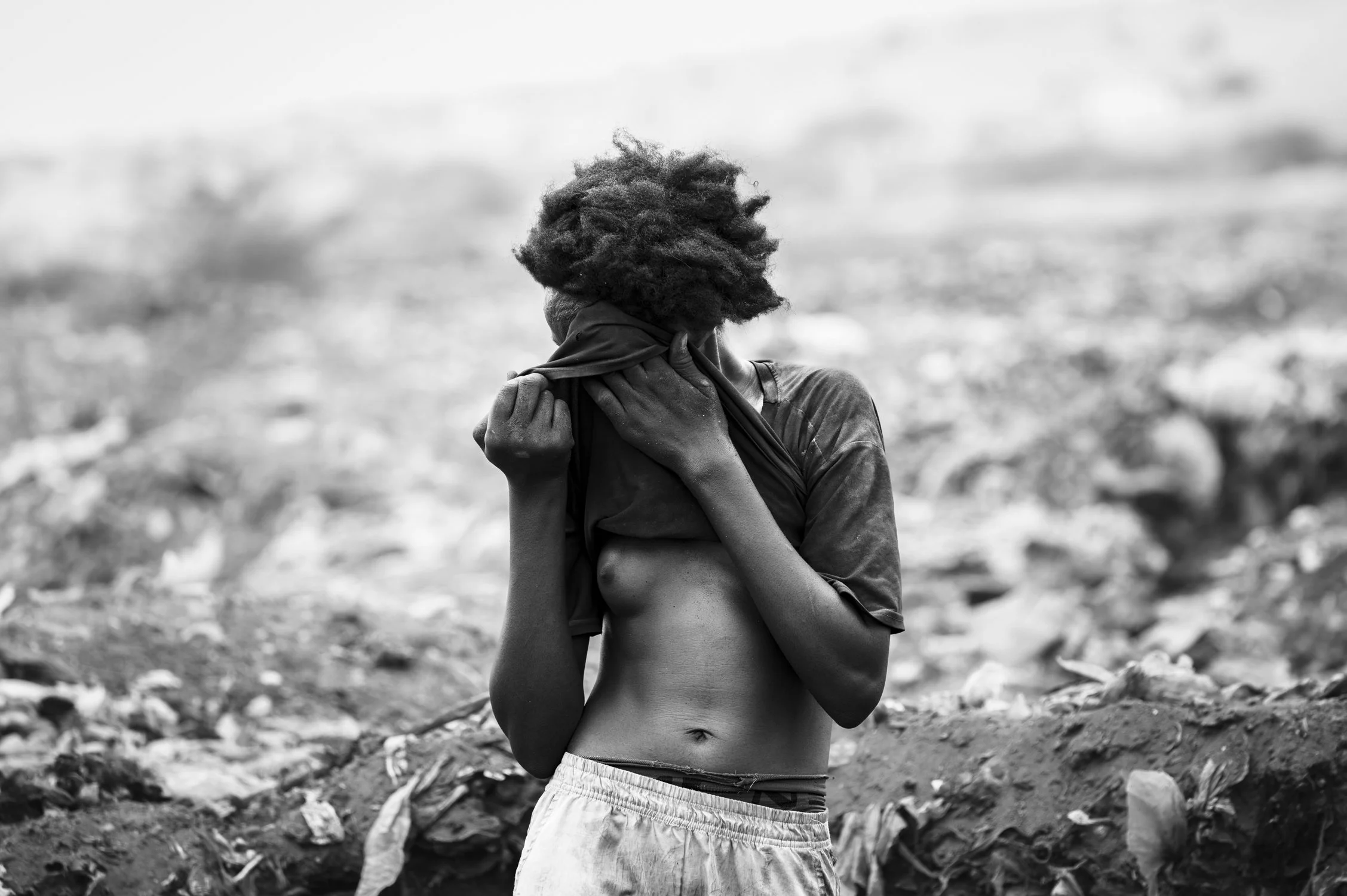
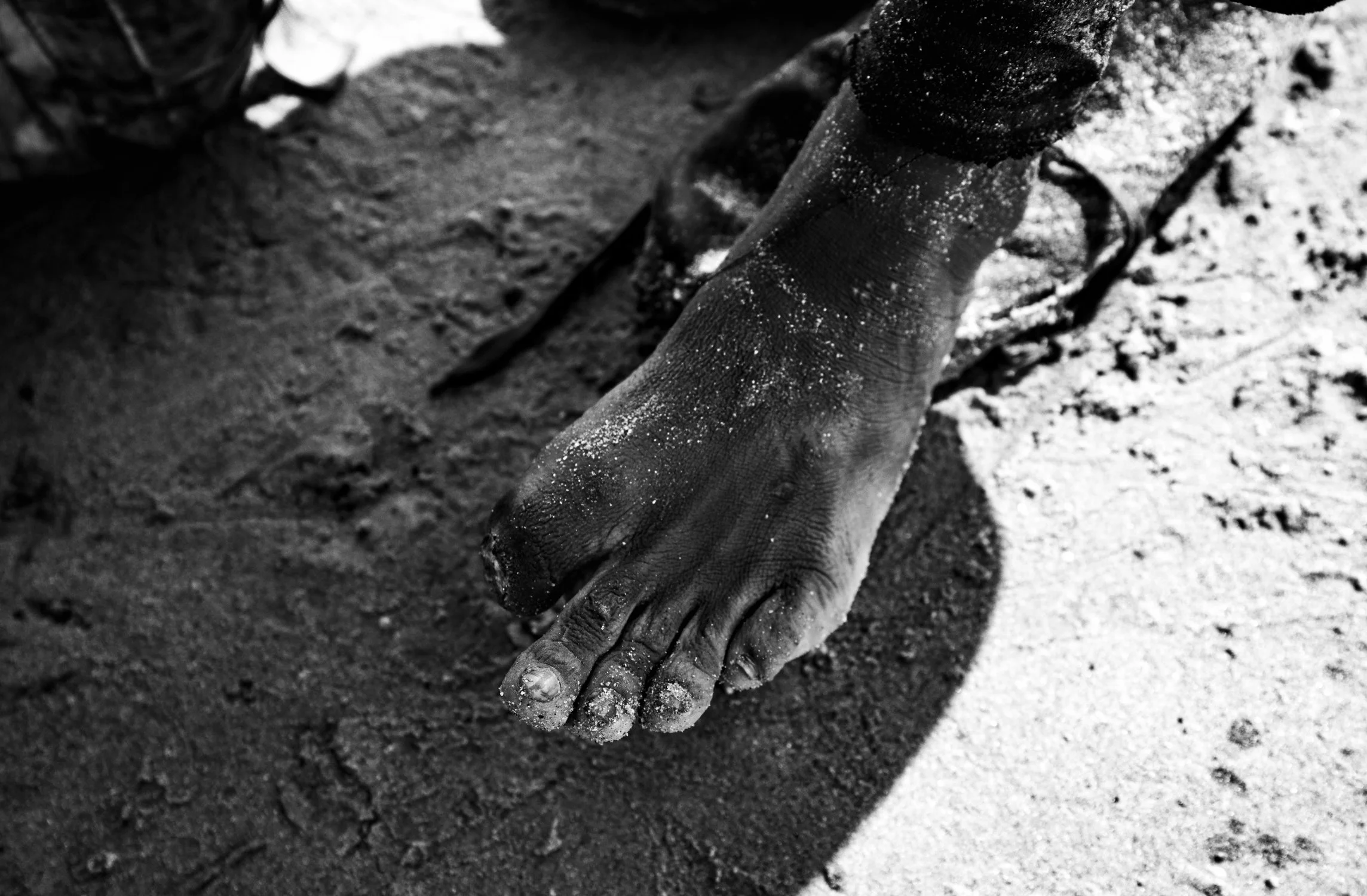
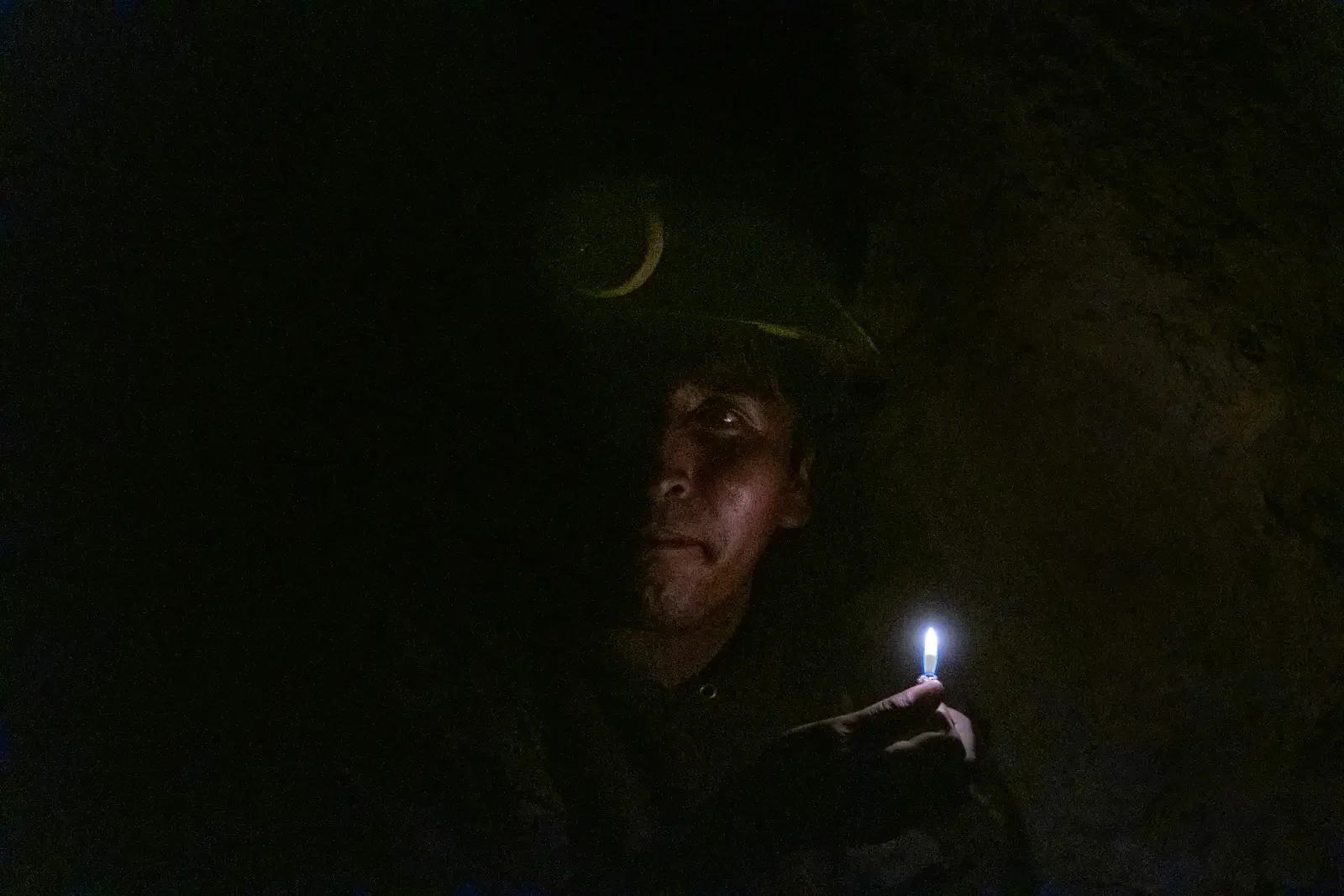
Even before the sun rises, the heat is stifling and the air grows thin deep underground. Sweat mingles with fine dust on their darkened faces as they search the bowels of the soil for the iron and aluminium left behind by past generations. Along the vertical walls of these abysses, only scraps of plastic seem to cry out for rescue. Like a field exhausted from endless harvesting, the plain has almost nothing left to give, only desolation, dust, and a stubborn earth that resists, as if unseen hands refused to release the final traces of metal.
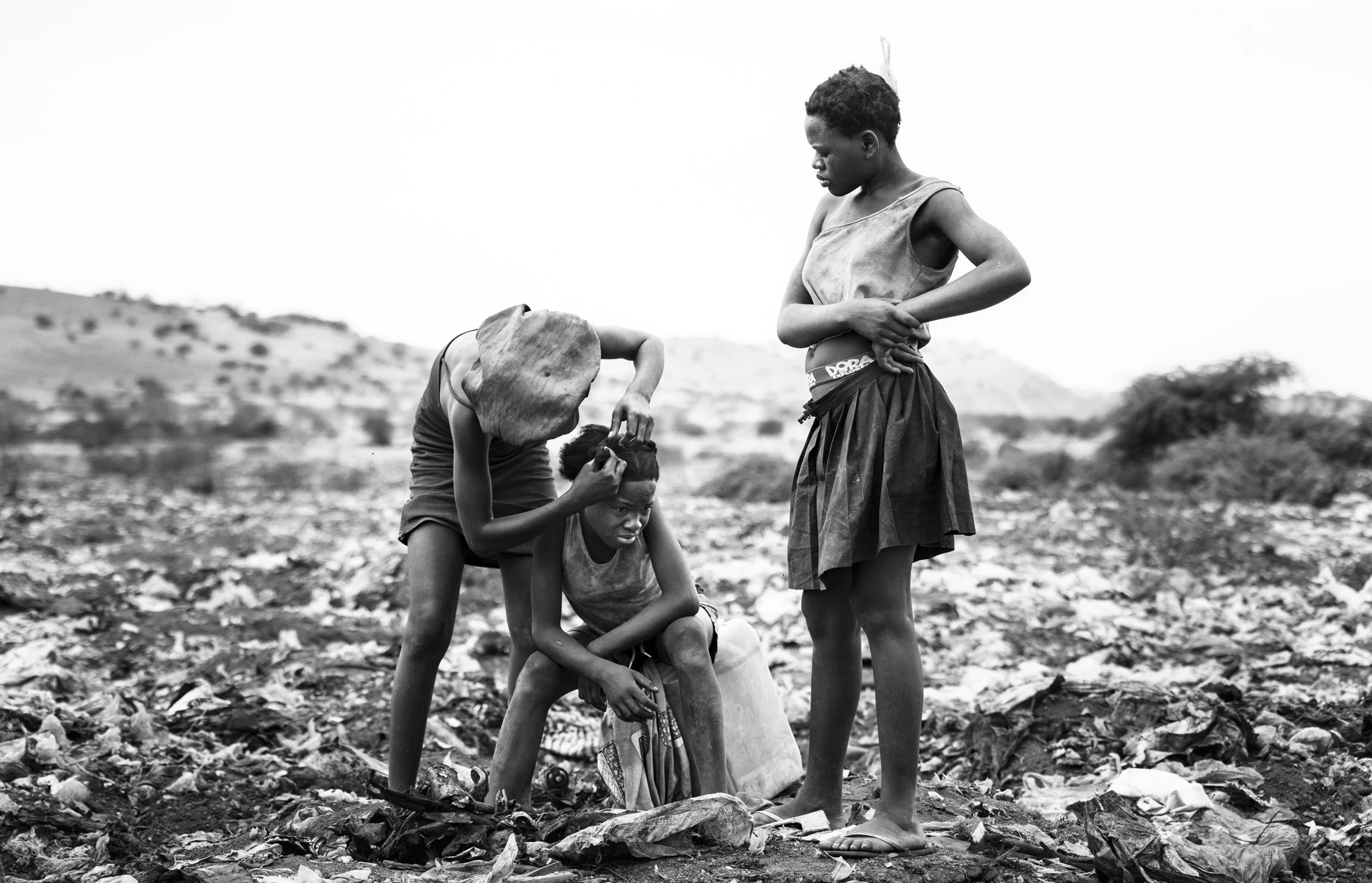
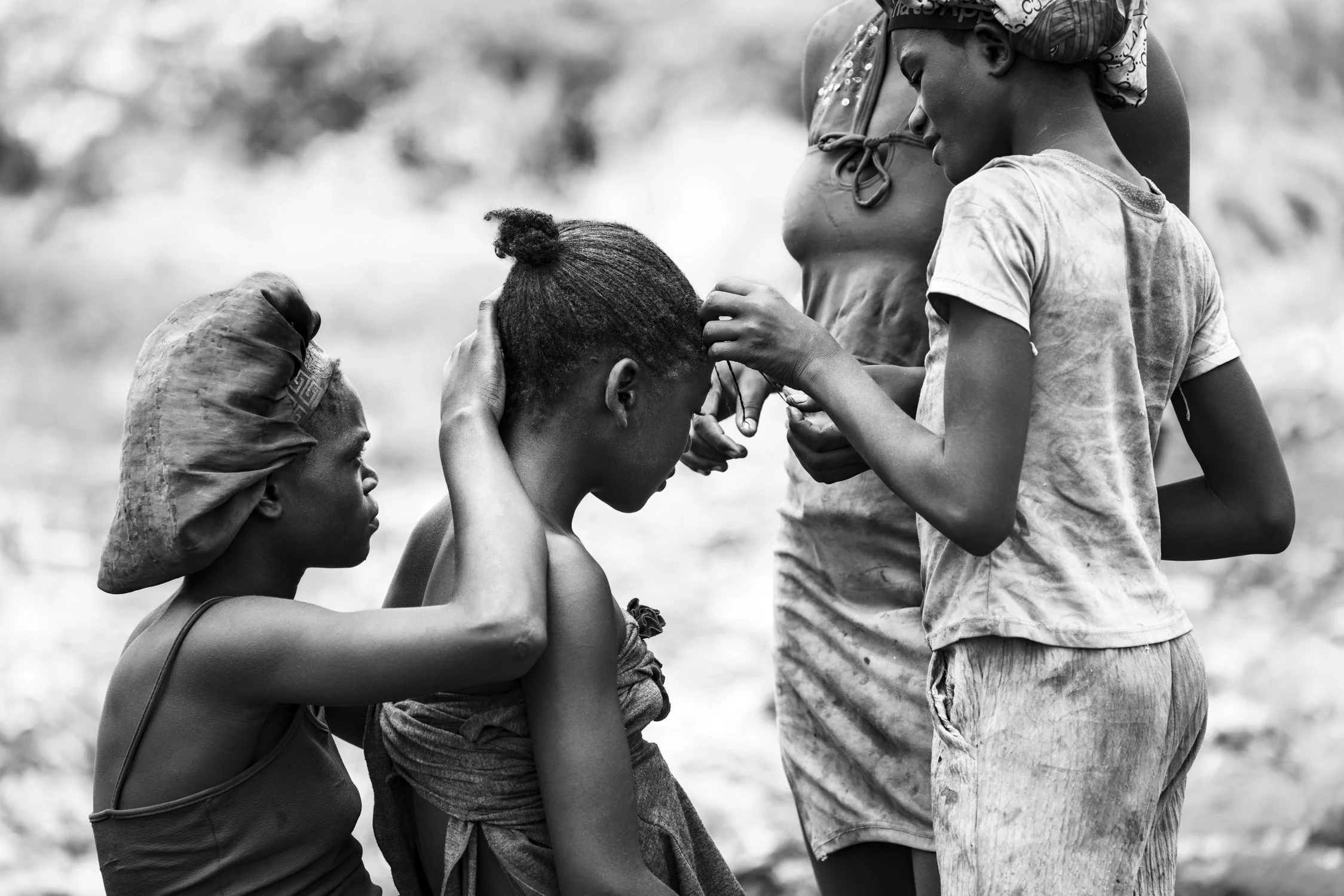
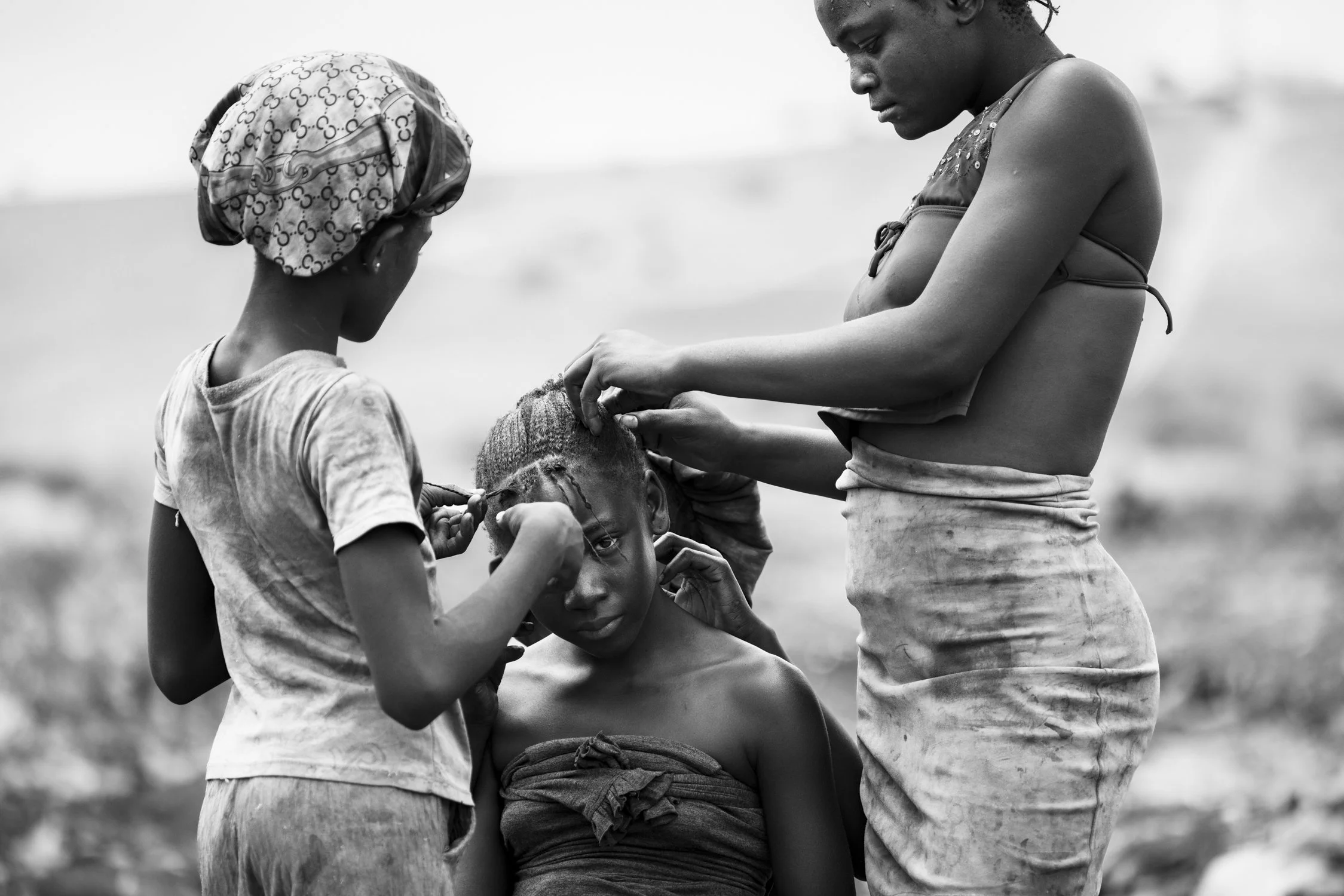
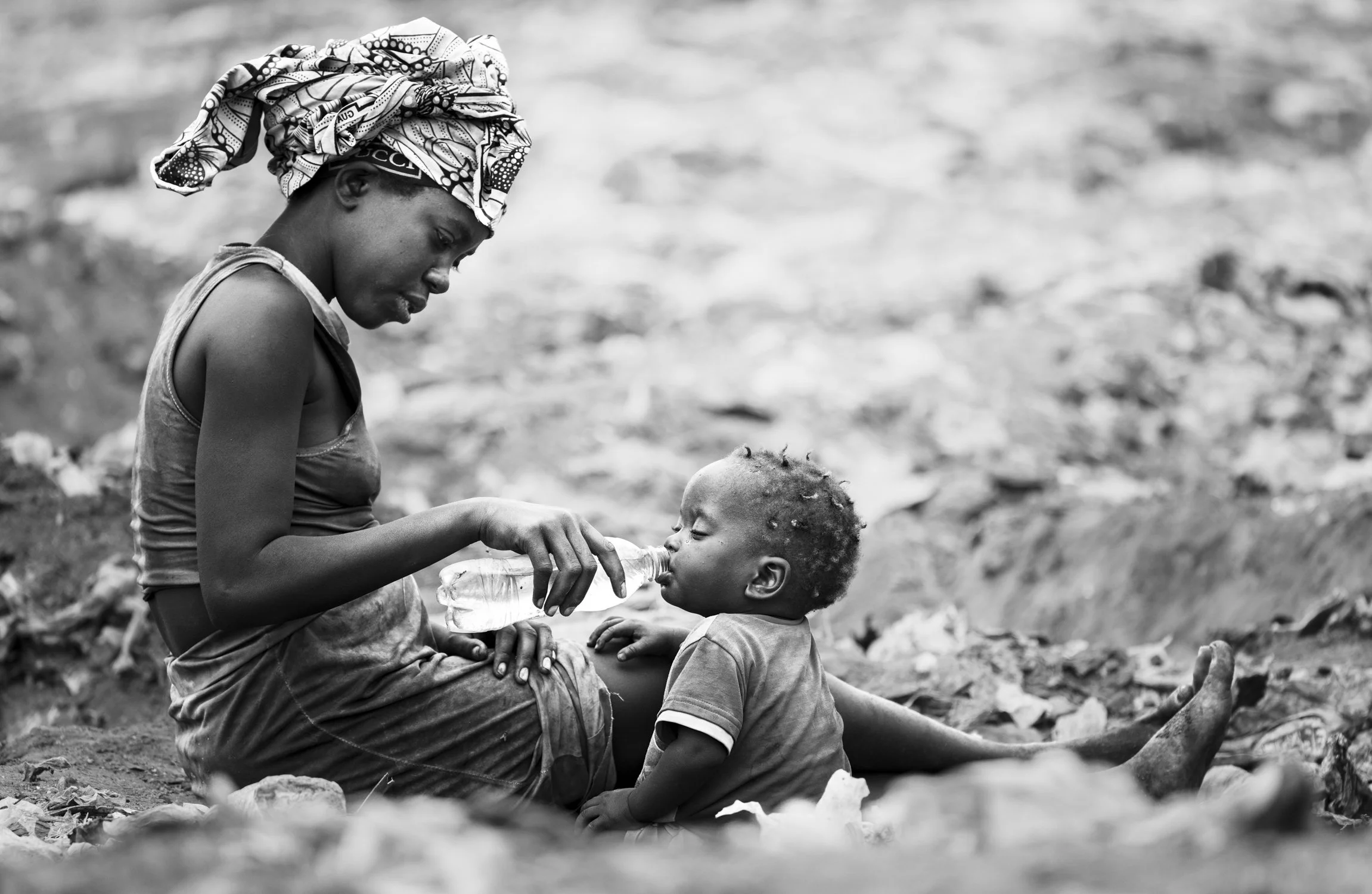
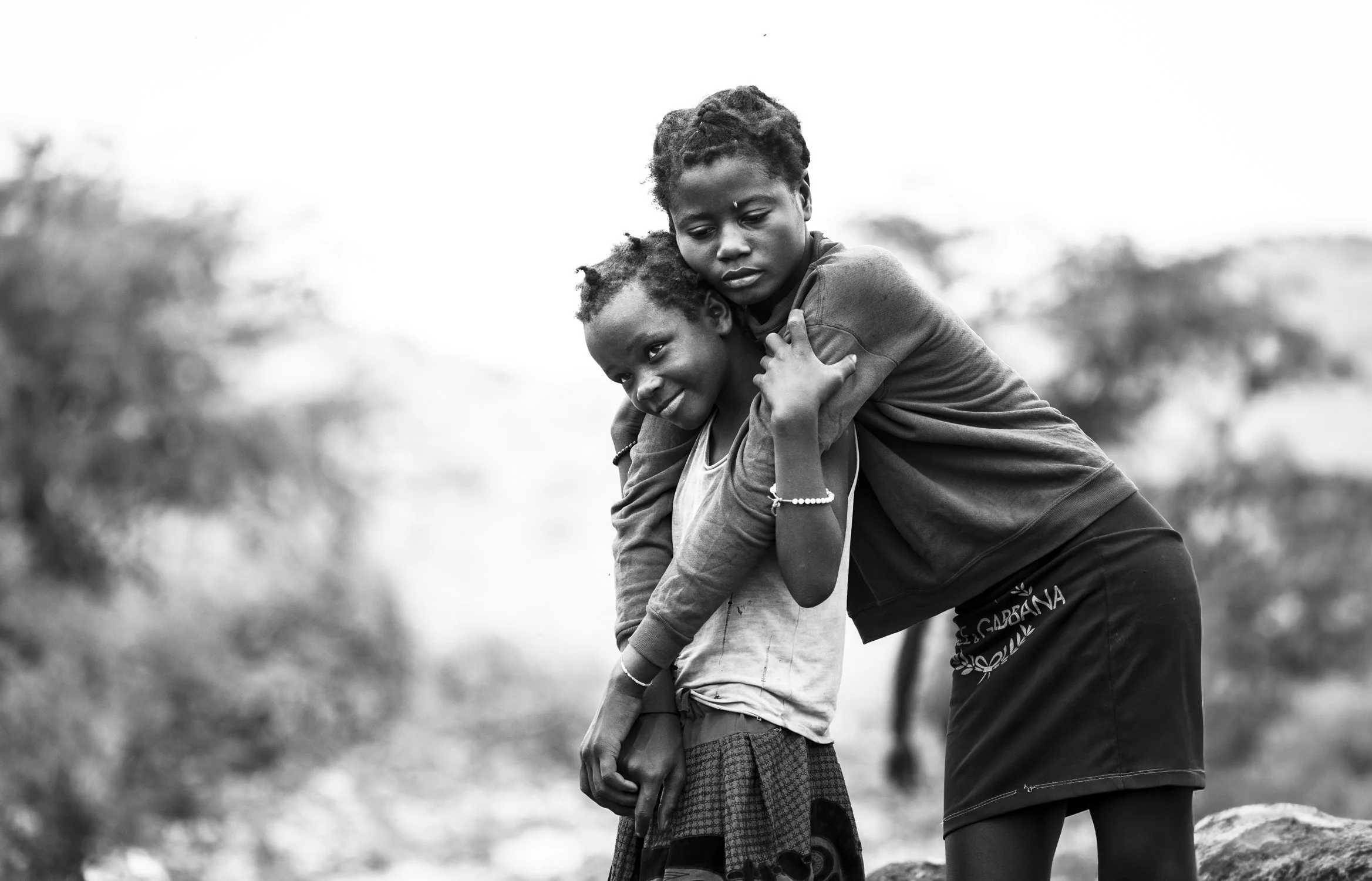
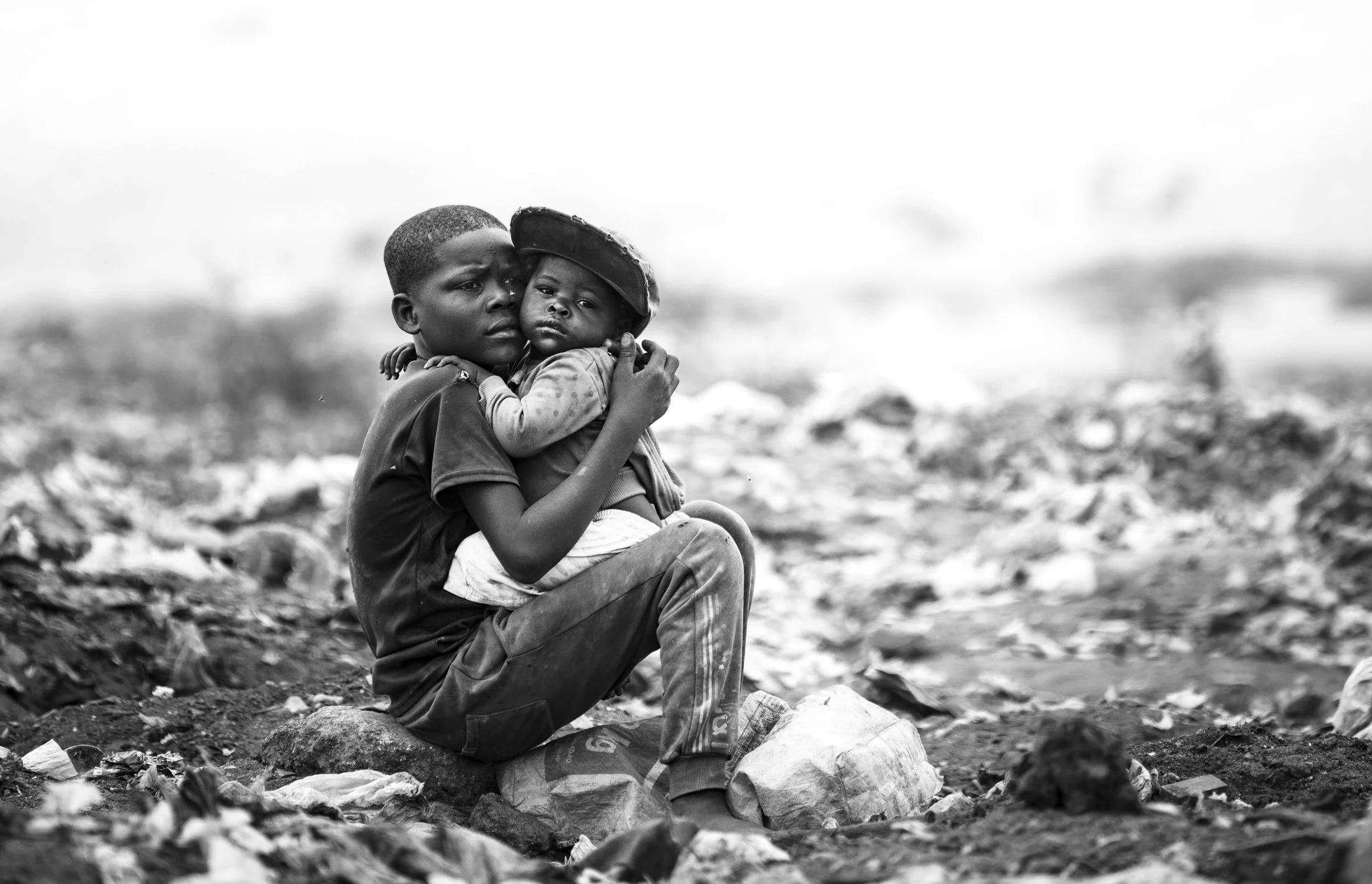
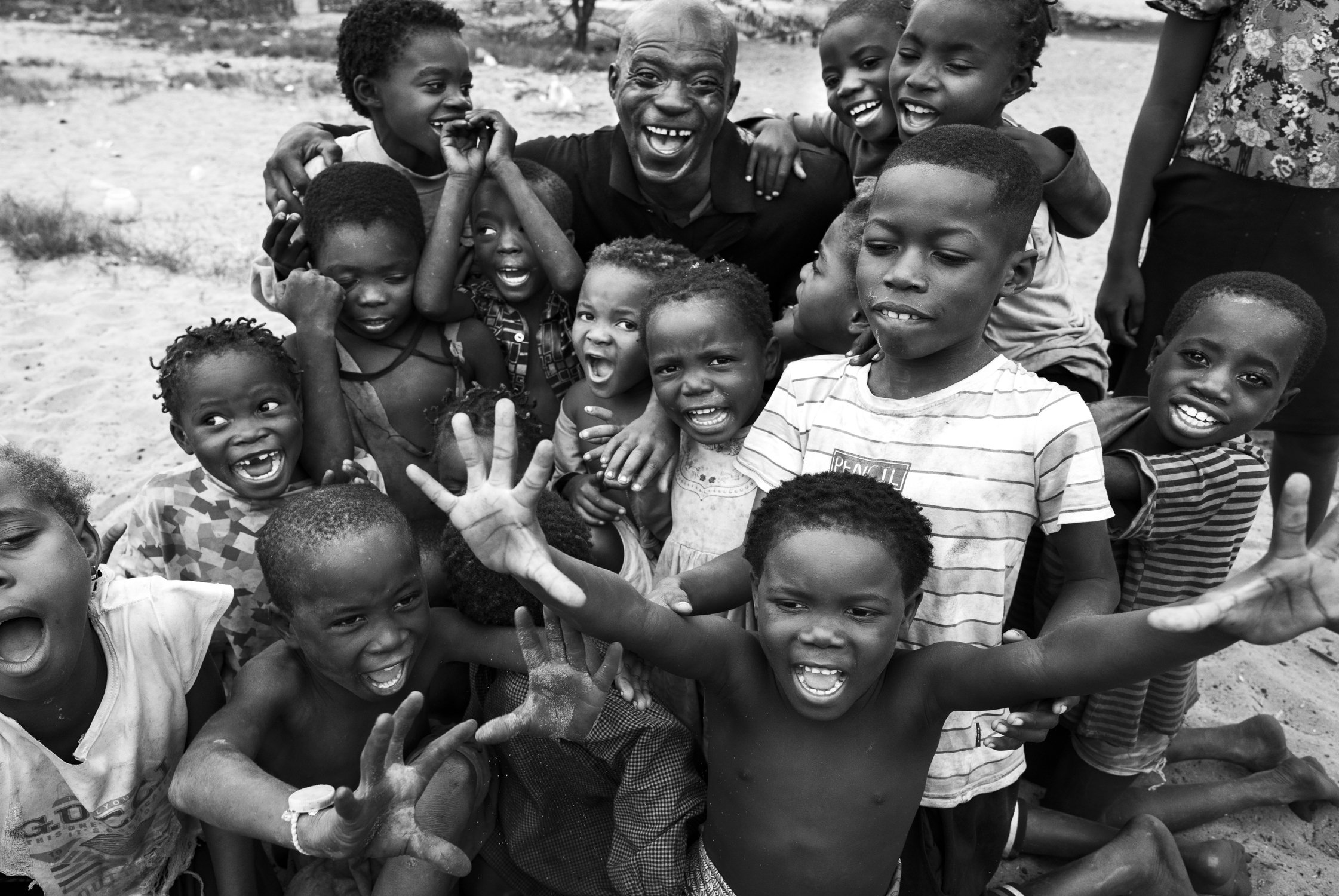
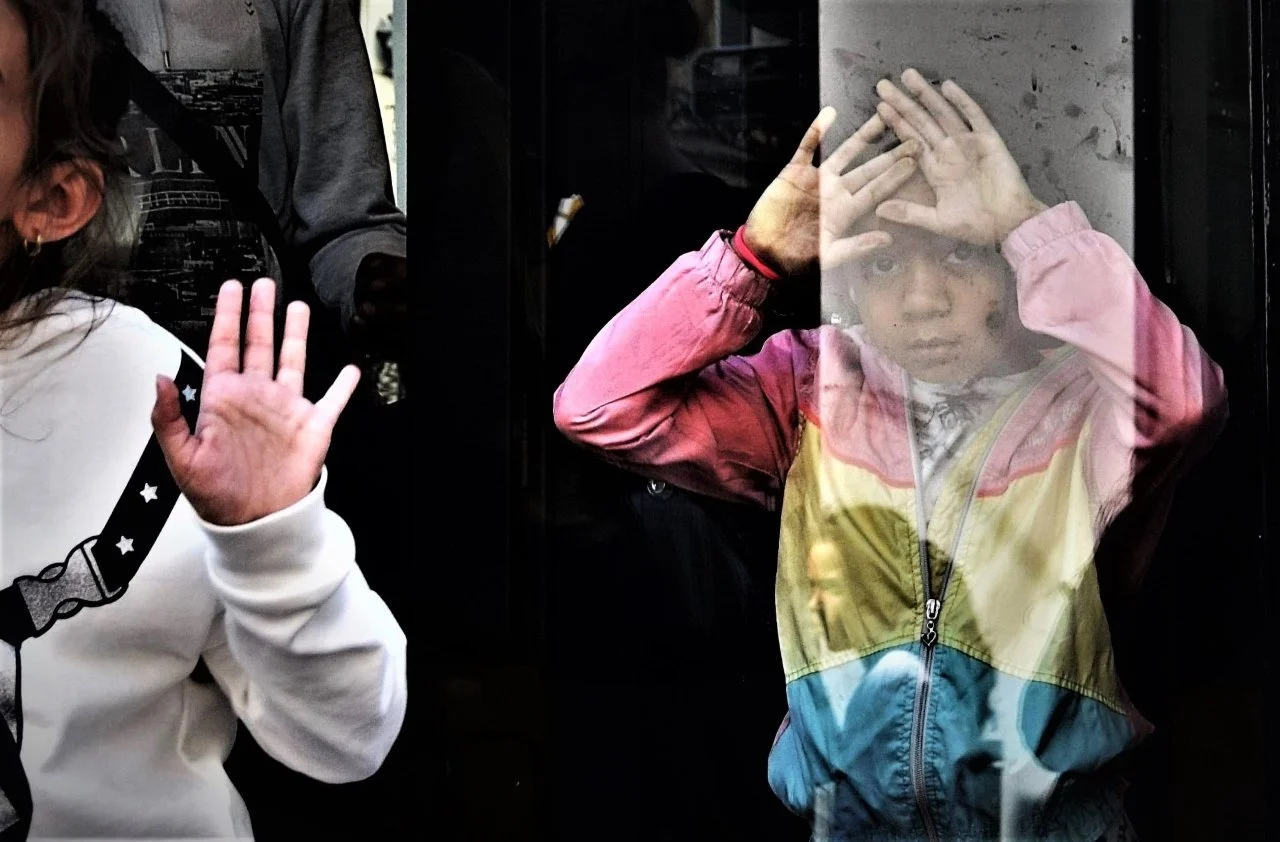
Yet, in this forgotten corner, a tenderness breaks through that defies the landscape's harshness. Amid the gruelling labour, these women and their children weave moments of profound humanity. Hands that moments ago were tearing iron from the ground grow gentle as they braid a young girl’s hair; a girl embraces a smaller child who is not her sister, in a pure gesture of affection; a boy tends to his younger brother, and a mother pauses her toil to give her child water, as though time stood still for him alone.
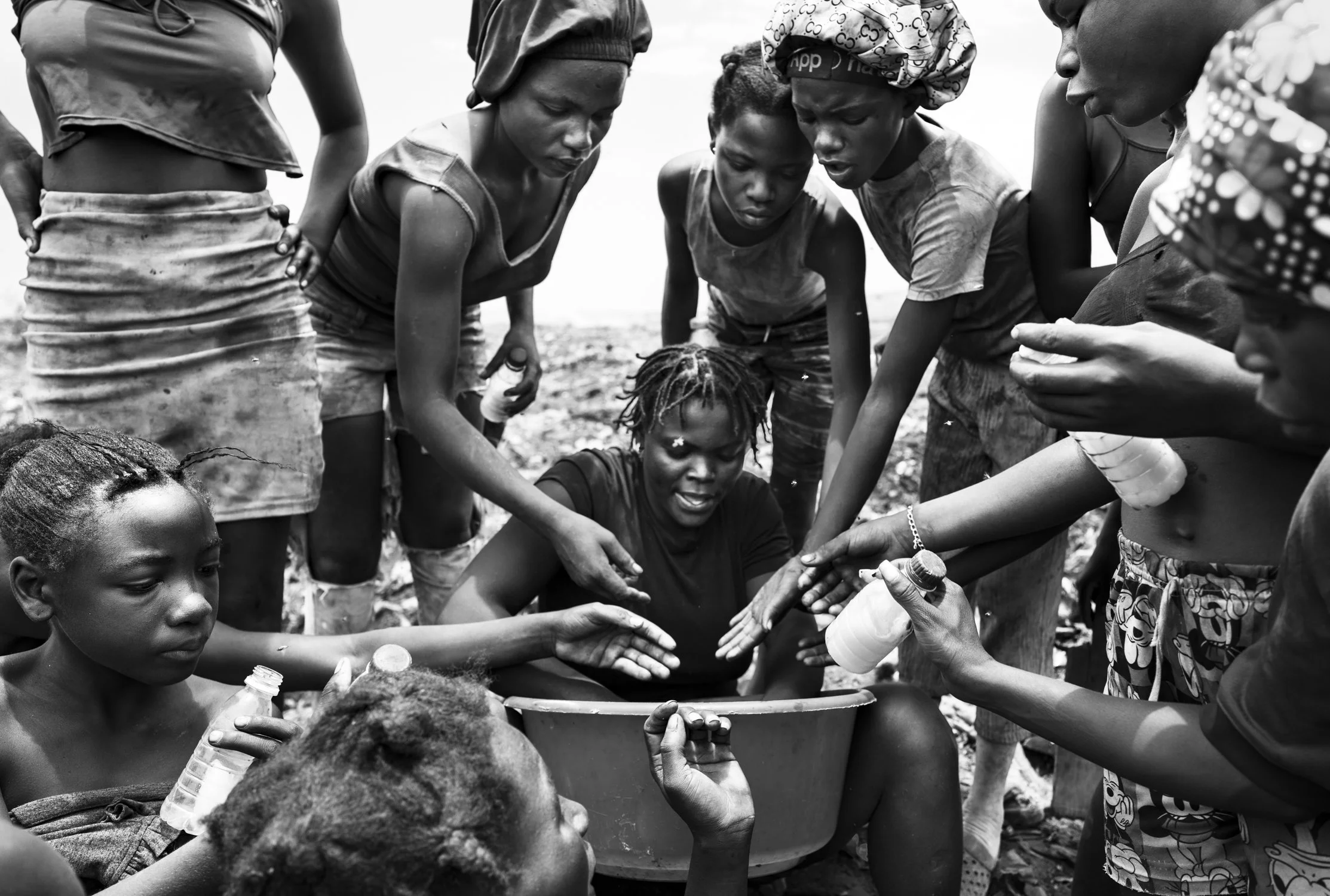
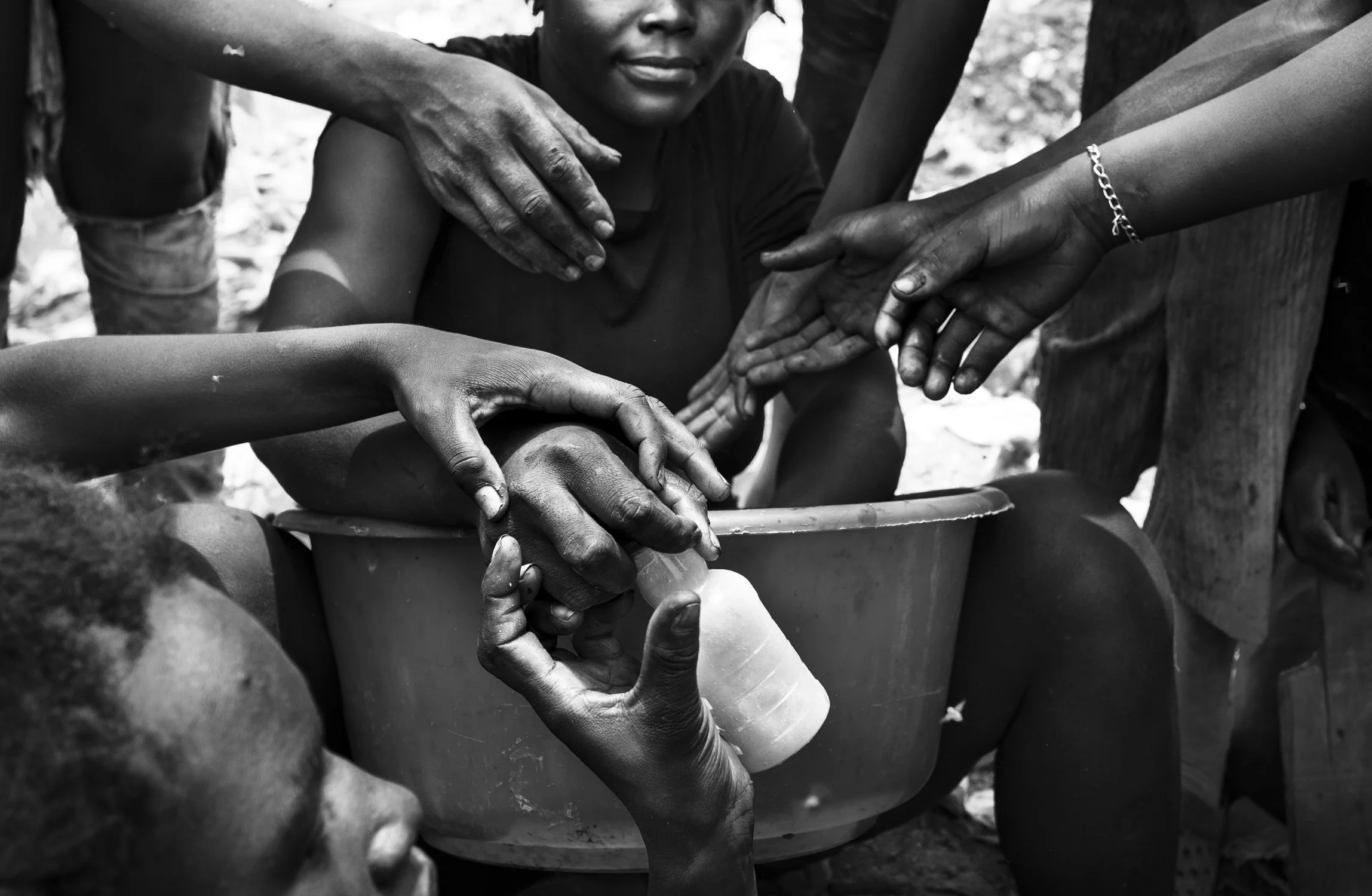
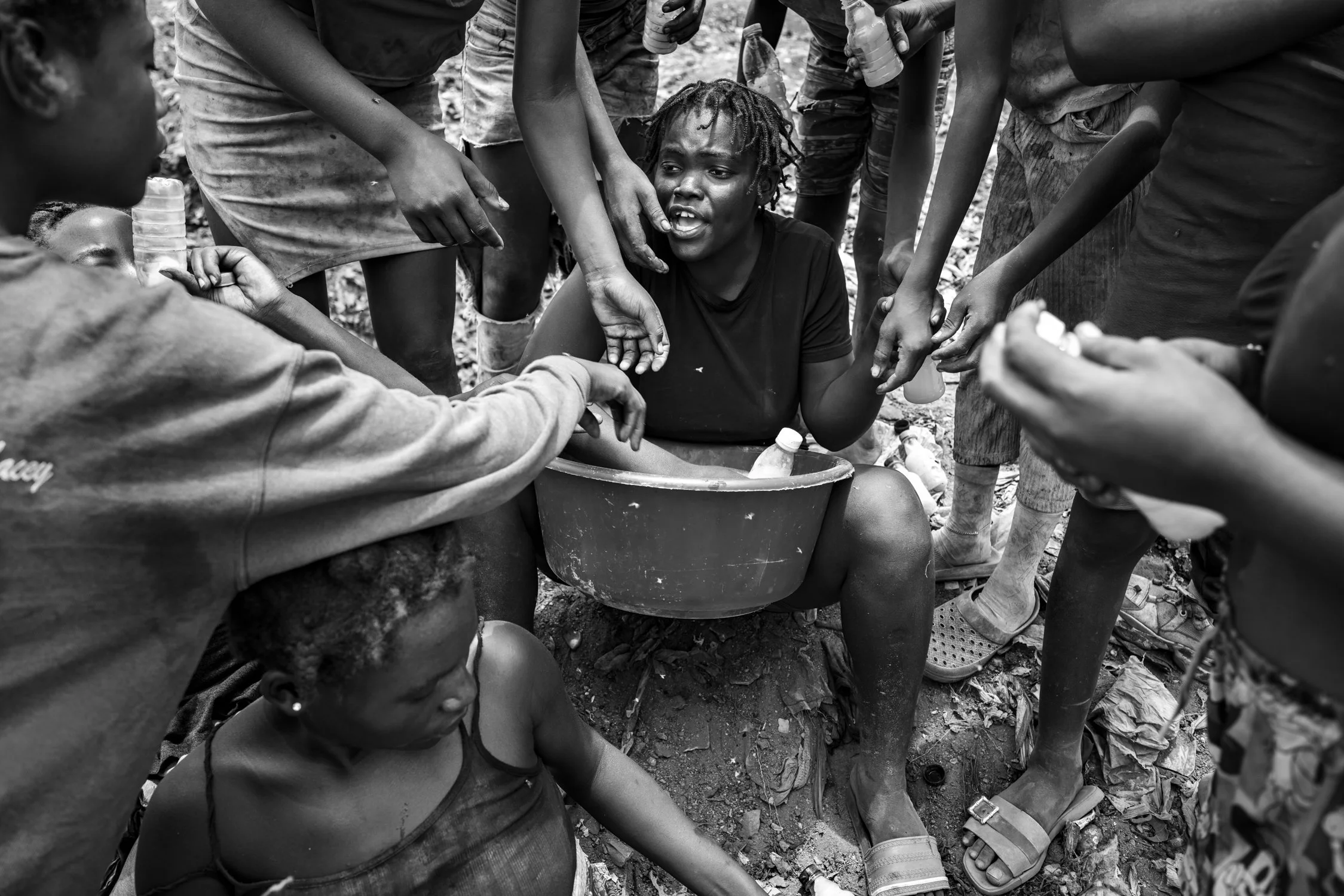
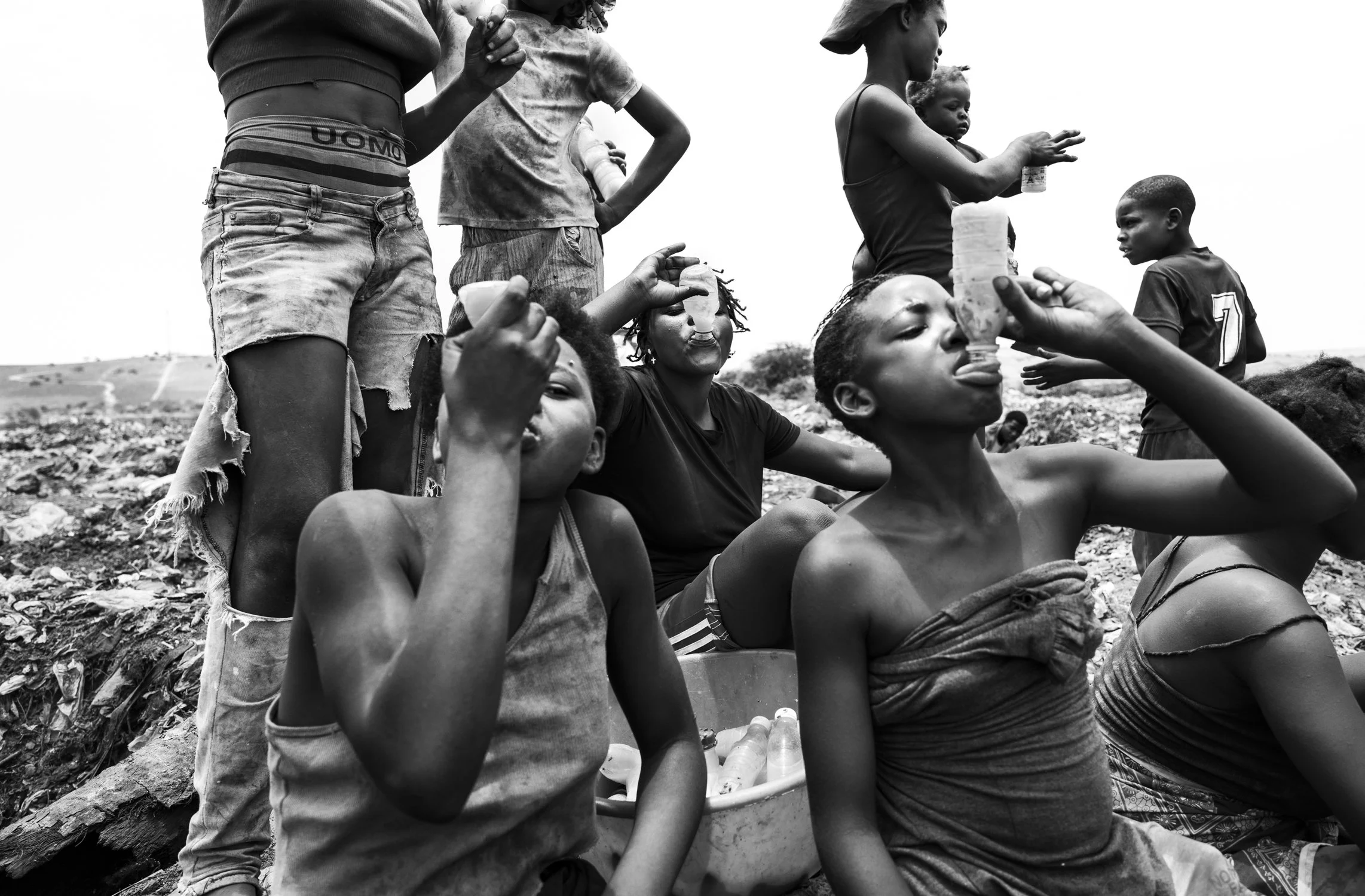
At midday, in a brief ritual of communion, they gather around a basin holding small, reused plastic bottles filled with Mahini, the traditional, heat-resistant sour milk of the Mucubal people. It is a fleeting respite. Before night falls over the plain, they must return to the earth's depths. The days feel ever shorter for so little metal, yet they always return with the same silent promise: tomorrow, they will dig their holes of hope even deeper.