El Cerro Rico de Potosí by Marina Dego
“Abandon all hope, you who enter here,” wrote Dante in the Inferno. But perhaps the miners of Potosí have never read it.
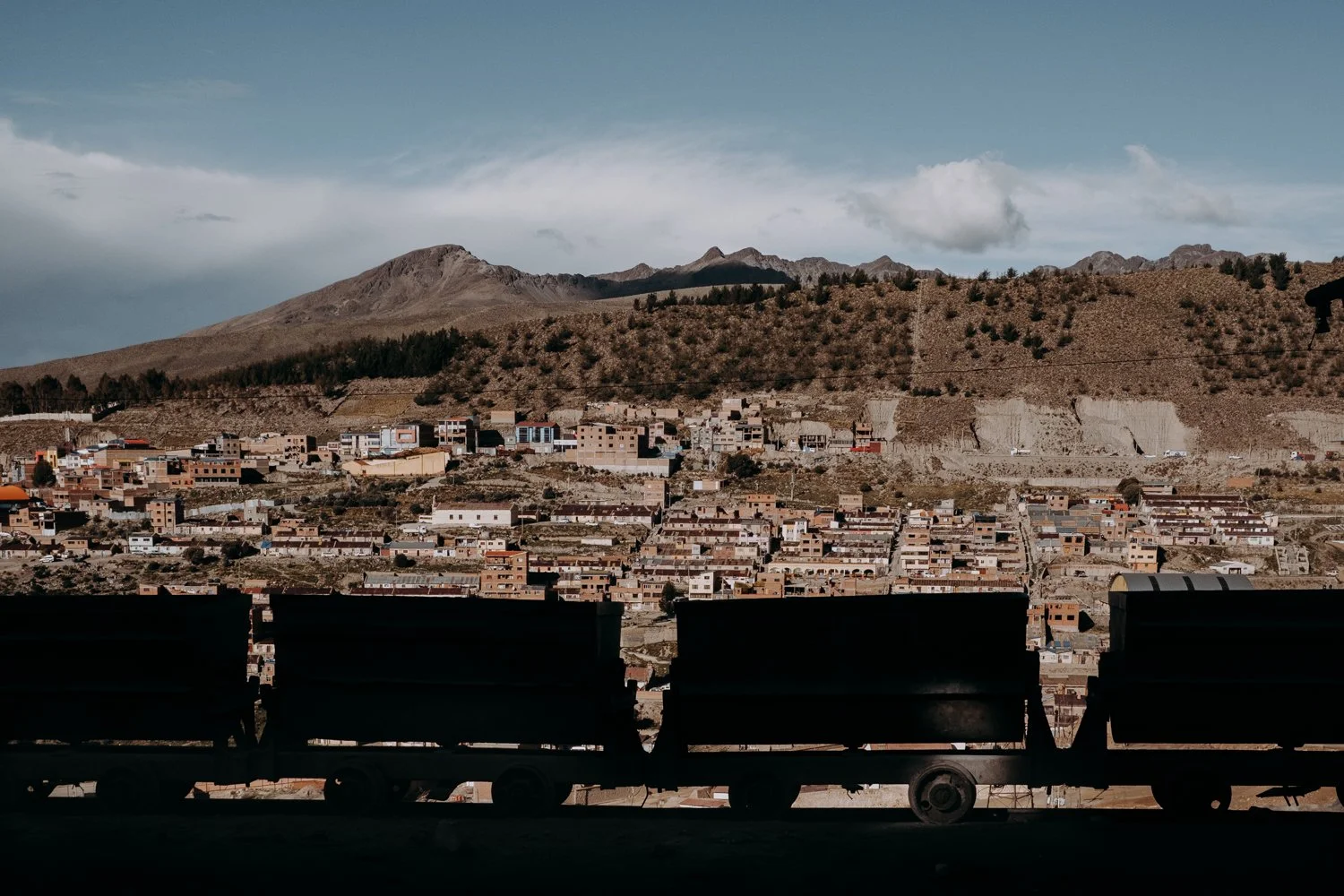
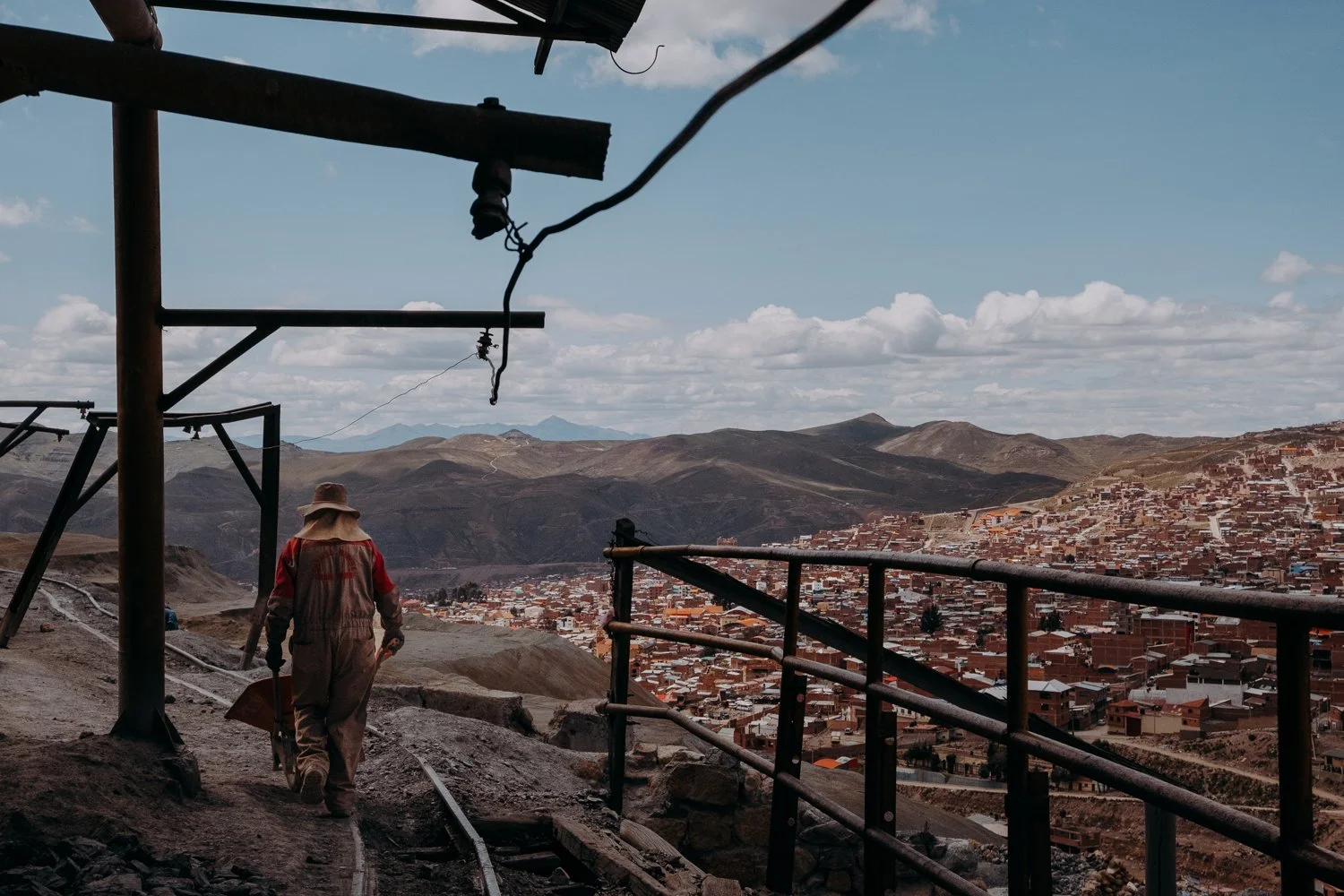
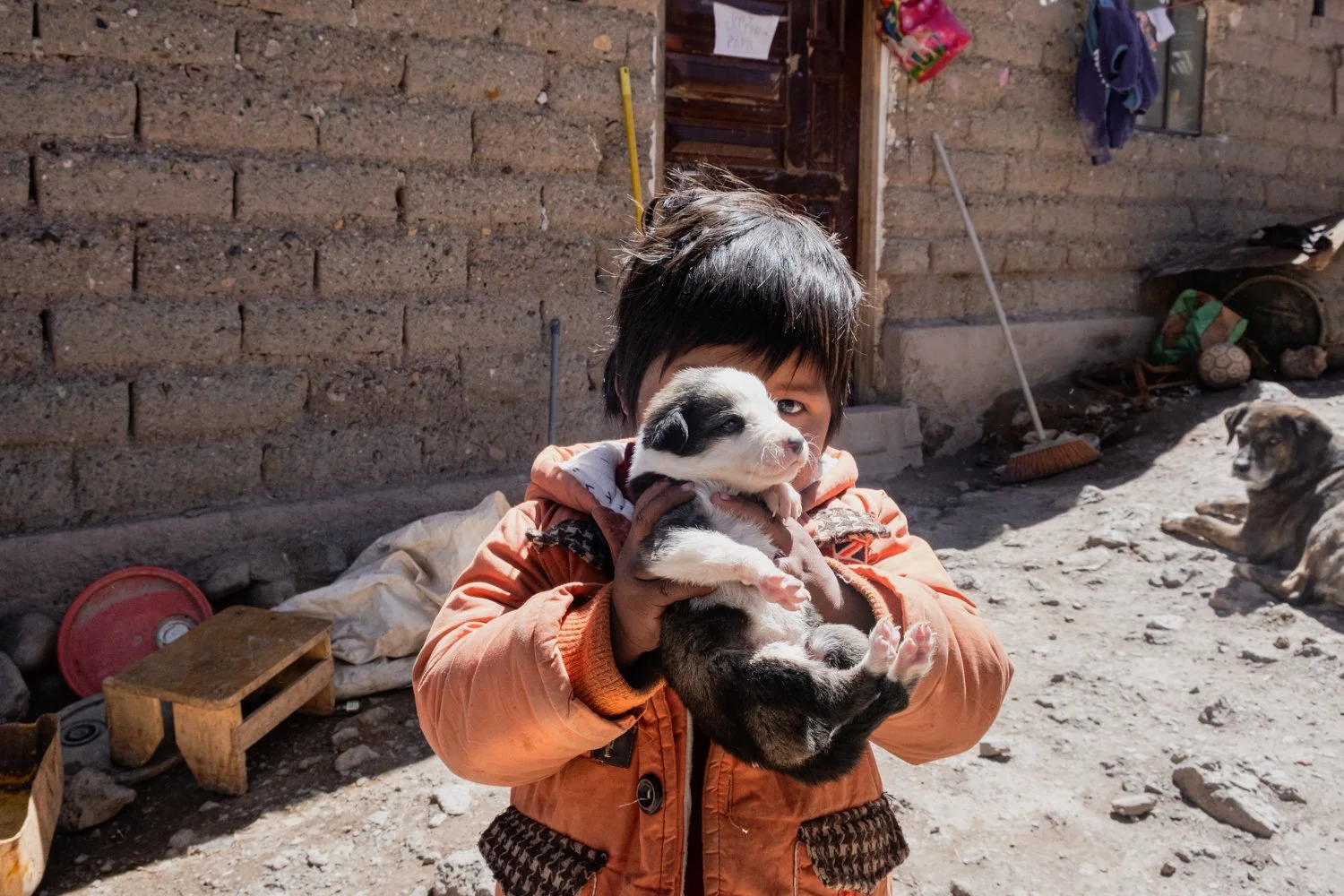
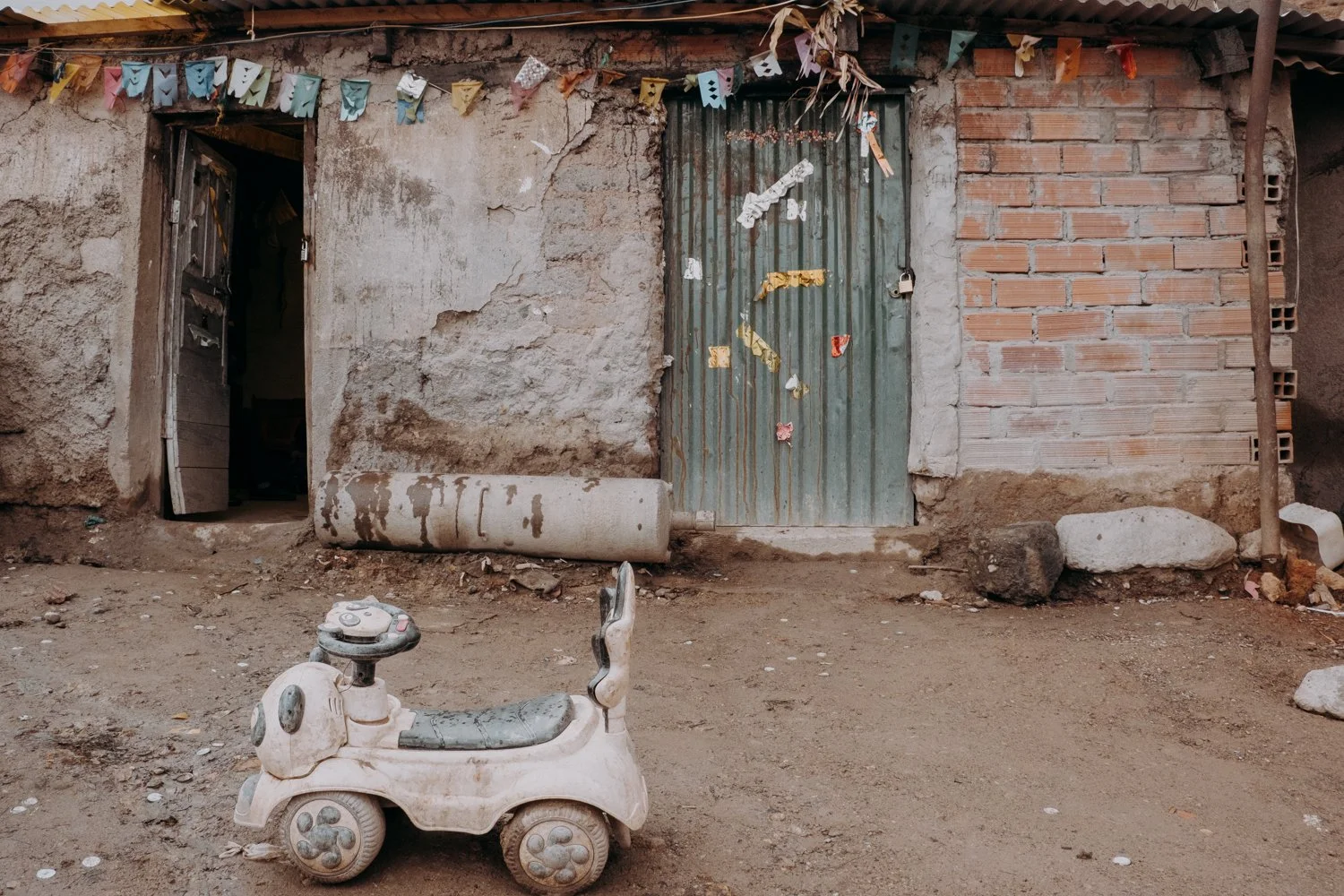
The world beneath Potosí contrasts sharply with the bright, bustling life above. This vibrant city, one of the highest in the world, holds a fascinating but sombre history that beckons exploration. Since the discovery of precious metals in Cerro Rico in 1545, it has been a place where dreams turned to shadows, with an estimated 8 million lives lost in the pursuit of wealth. It's a poignant reminder of our complex relationship with resources, one that still sparks conflict today. Potosí reveals two distinct sides: above ground, its historic beauty offers a glimpse into its glorious past, while below ground, the depths tell tales of struggle and sacrifice. Each street has a story, a legacy etched into its dusty pathways, echoing the experiences of those who came before us. This city powerfully reminds us of shifting tides of power and the importance of recognising the human cost of our desires. As we engage with Potosí, let’s honour its history and learn from it, fostering a more compassionate approach to pursuing resources and prosperity. Here’s to discovering and celebrating the resilience and spirit of this remarkable place!
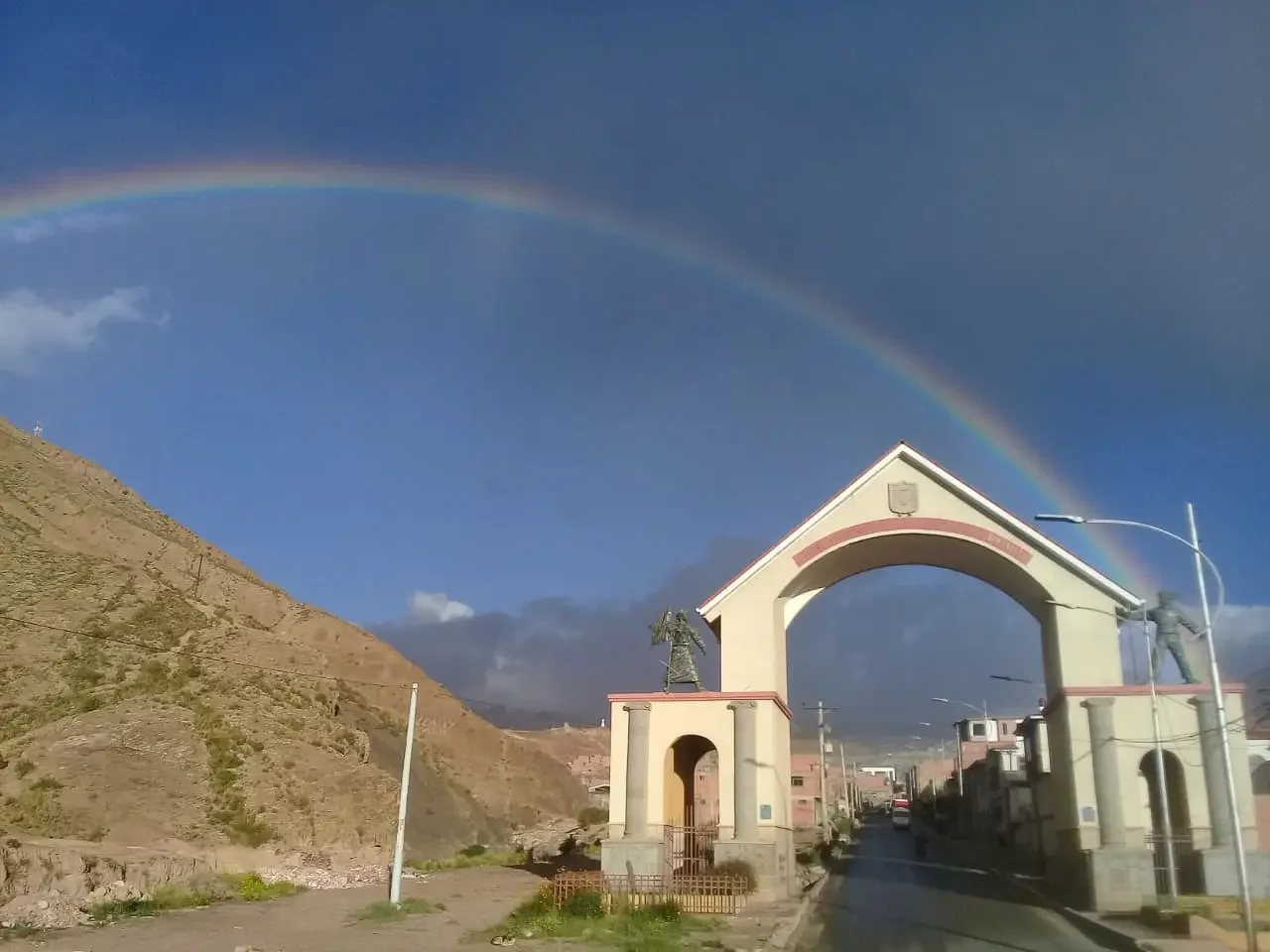
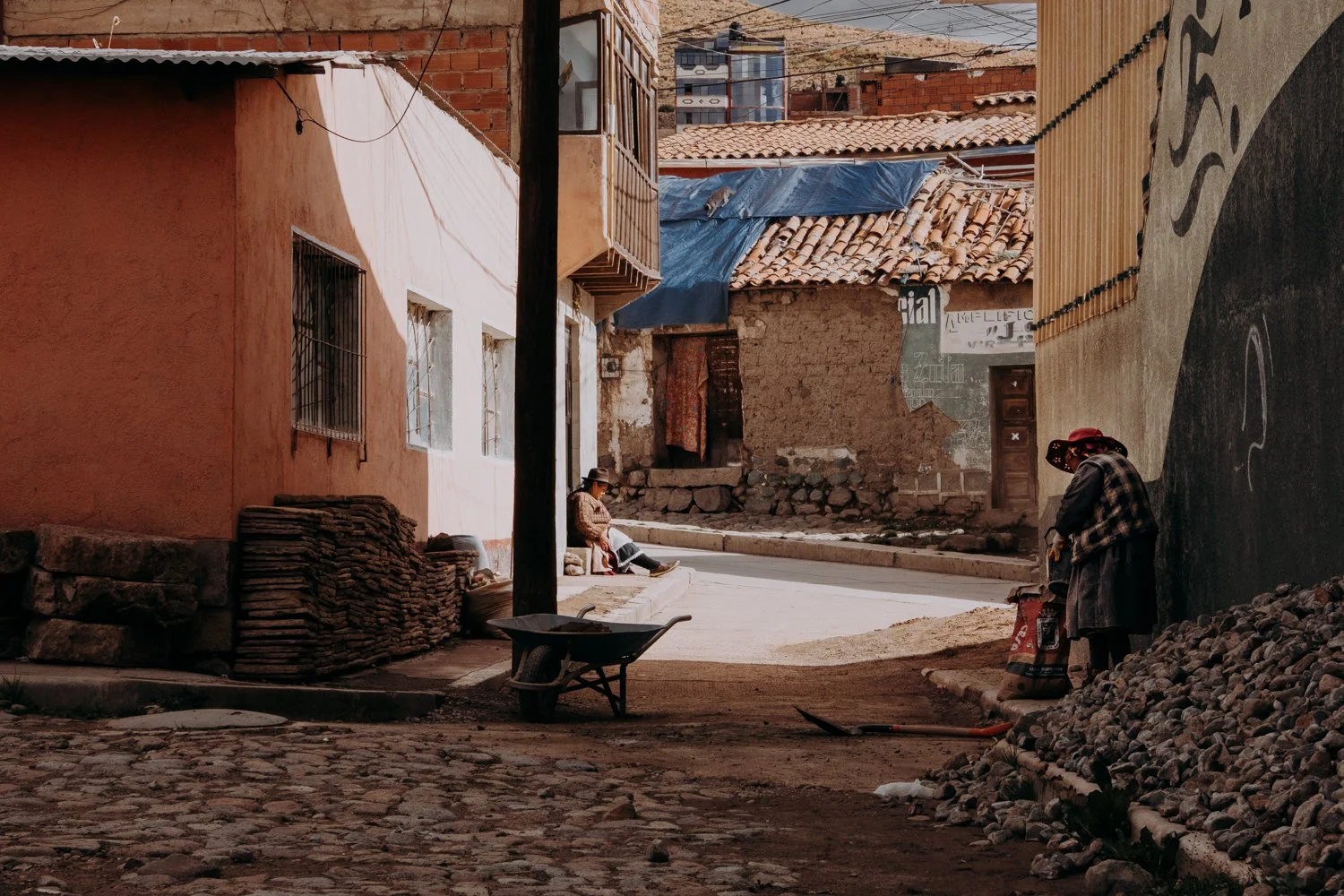
Edgar, a spirited 42-year-old miner from Potosí, recently shared a stunning photo of a double rainbow, a vibrant burst of colours shining brightly above the shadowy world of the mines. It's a lovely reminder of nature's beauty set against the backdrop of Potosí, a remarkable city high in the Bolivian Andes at an elevation of 4,090 meters. Potosí is a charming labyrinth of narrow, dusty streets, still echoing with hints of its magnificent past.
Once upon a time, these streets could have been brimming with silver; so abundant was the precious mineral drawn from the depths of Cerro Rico, the majestic mountain that overlooks this unique settlement, almost appearing like a whimsical Lego creation.
In 1545, Spanish colonisers stumbled upon this fabled Rich Hill and its treasures. It’s staggering to think that over 8 million lives have been lost since that fateful discovery, a cruel toll in the name of an unyielding quest for precious metals. This hunger didn’t vanish with the fall of the Spanish Empire; it only grew, fueling conflicts and tragedies around the world.
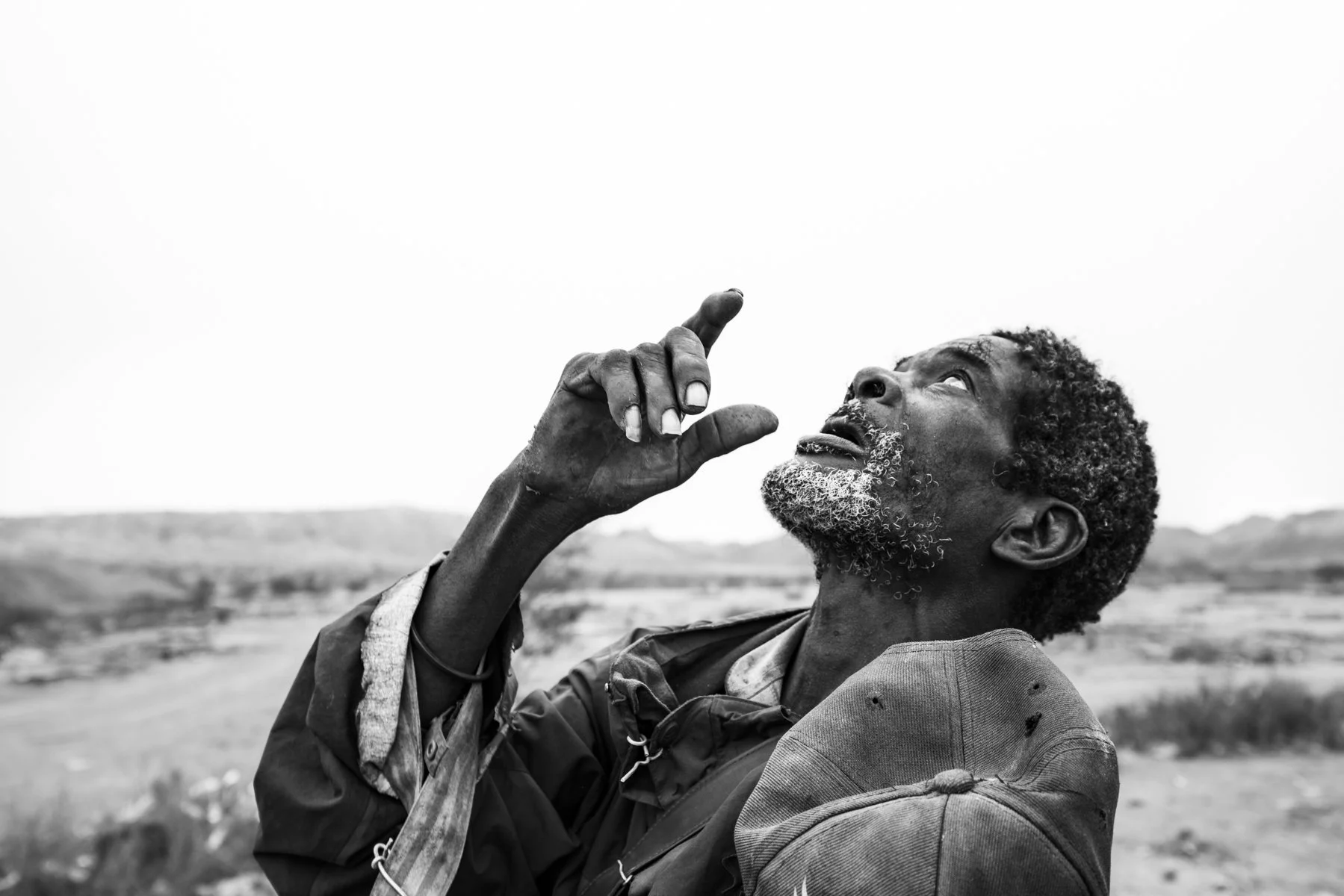
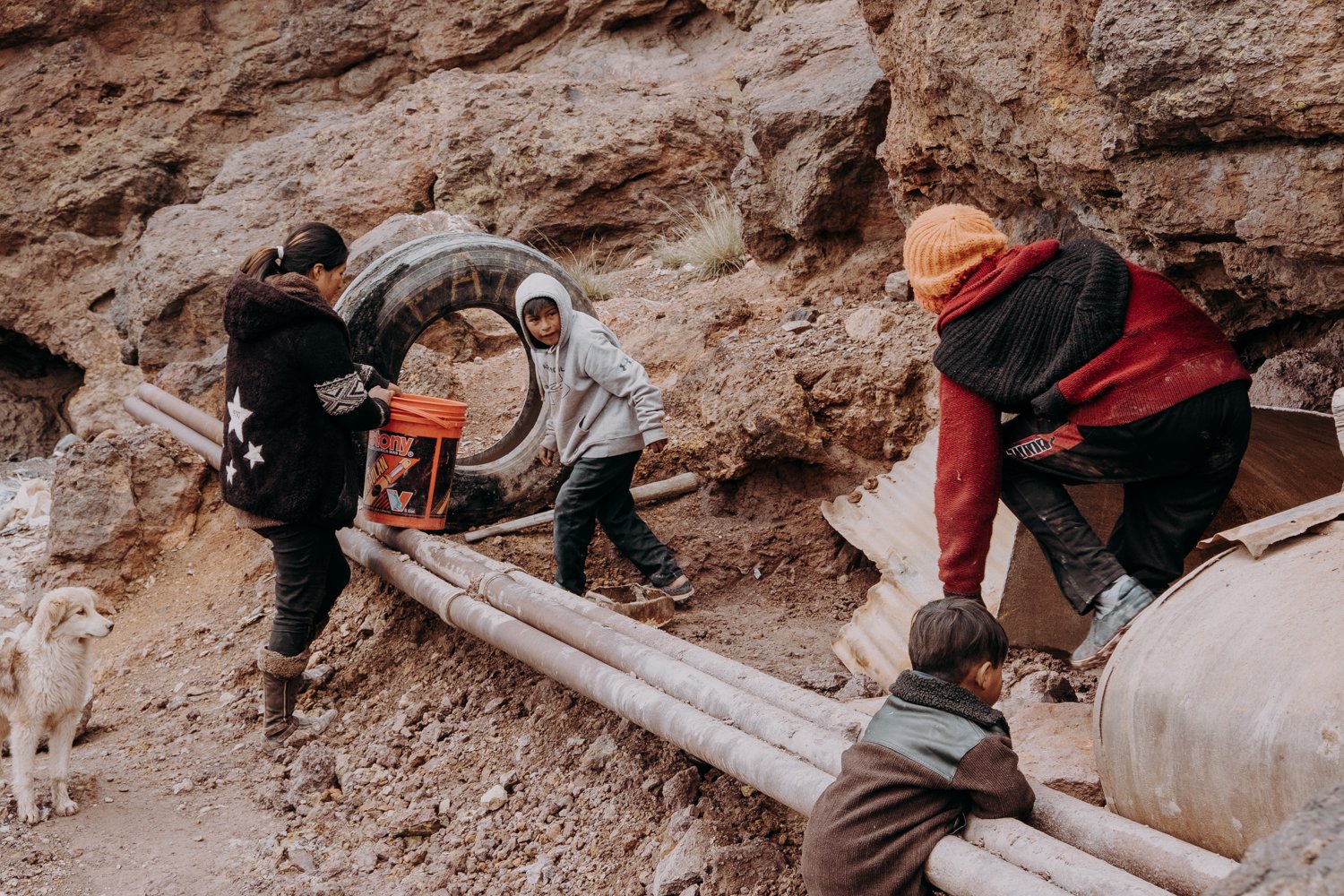
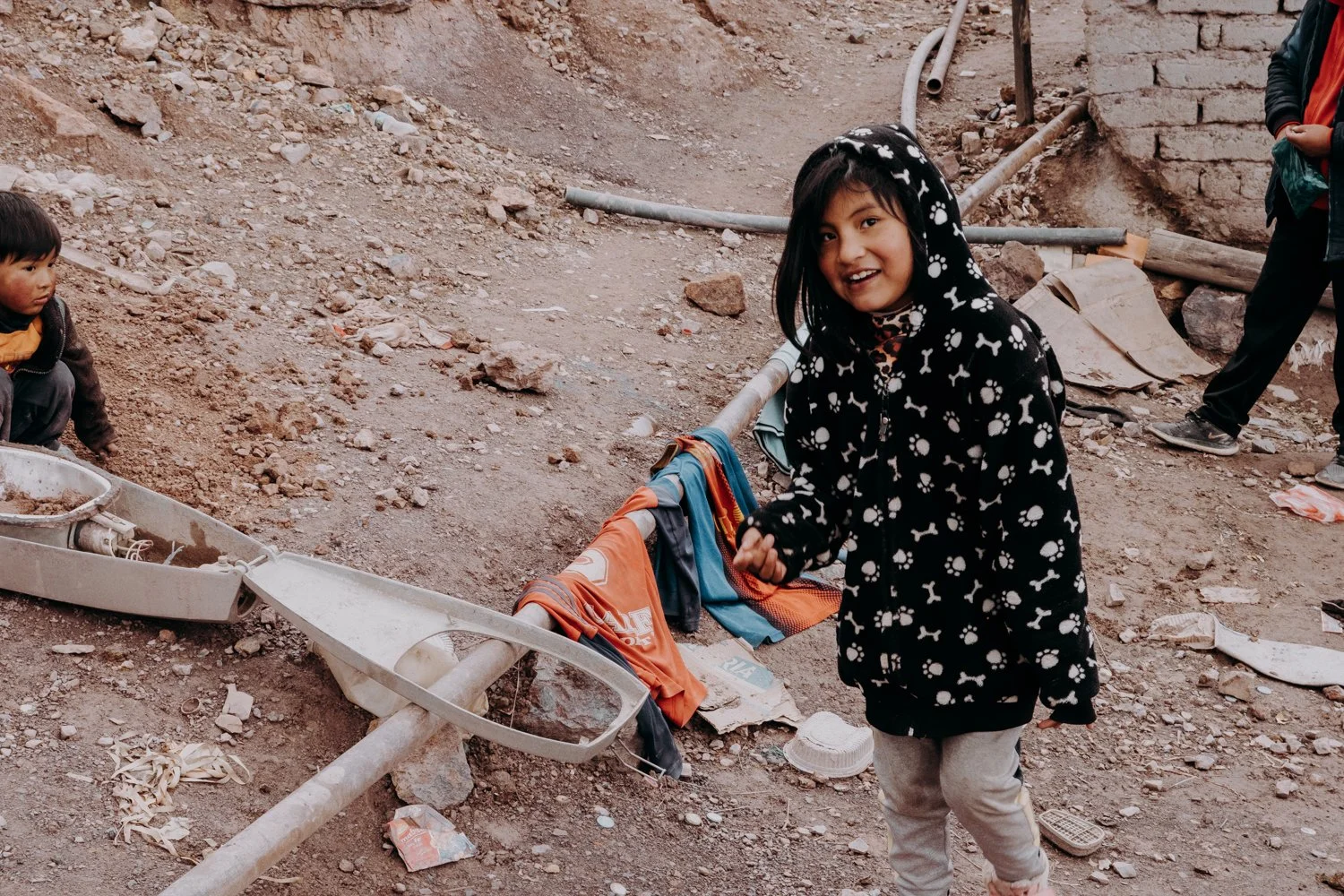
Young children start their descent into the mines at an early age, only to emerge years later, often bearing the heavy burden of exposure to hazardous substances. Many succumb to the dreaded 'mal de mina,' a chronic respiratory condition that quietly invades their lungs. This grim fate looms if the miners fail to appease El Tio, the feared god of the mines, with offerings of coca leaves, cigarettes, and alcohol. Otherwise, they risk being consumed by the very mountain.
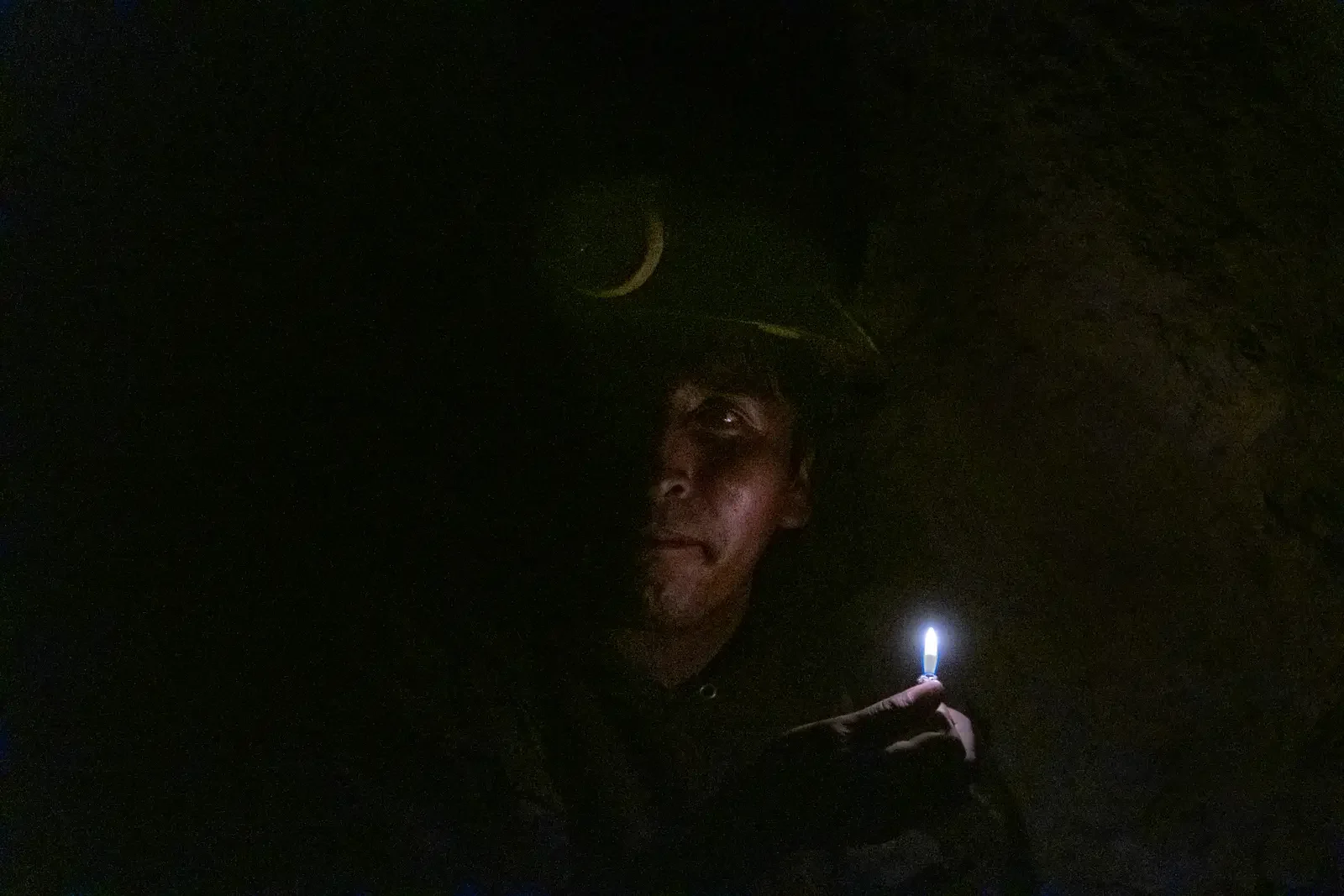
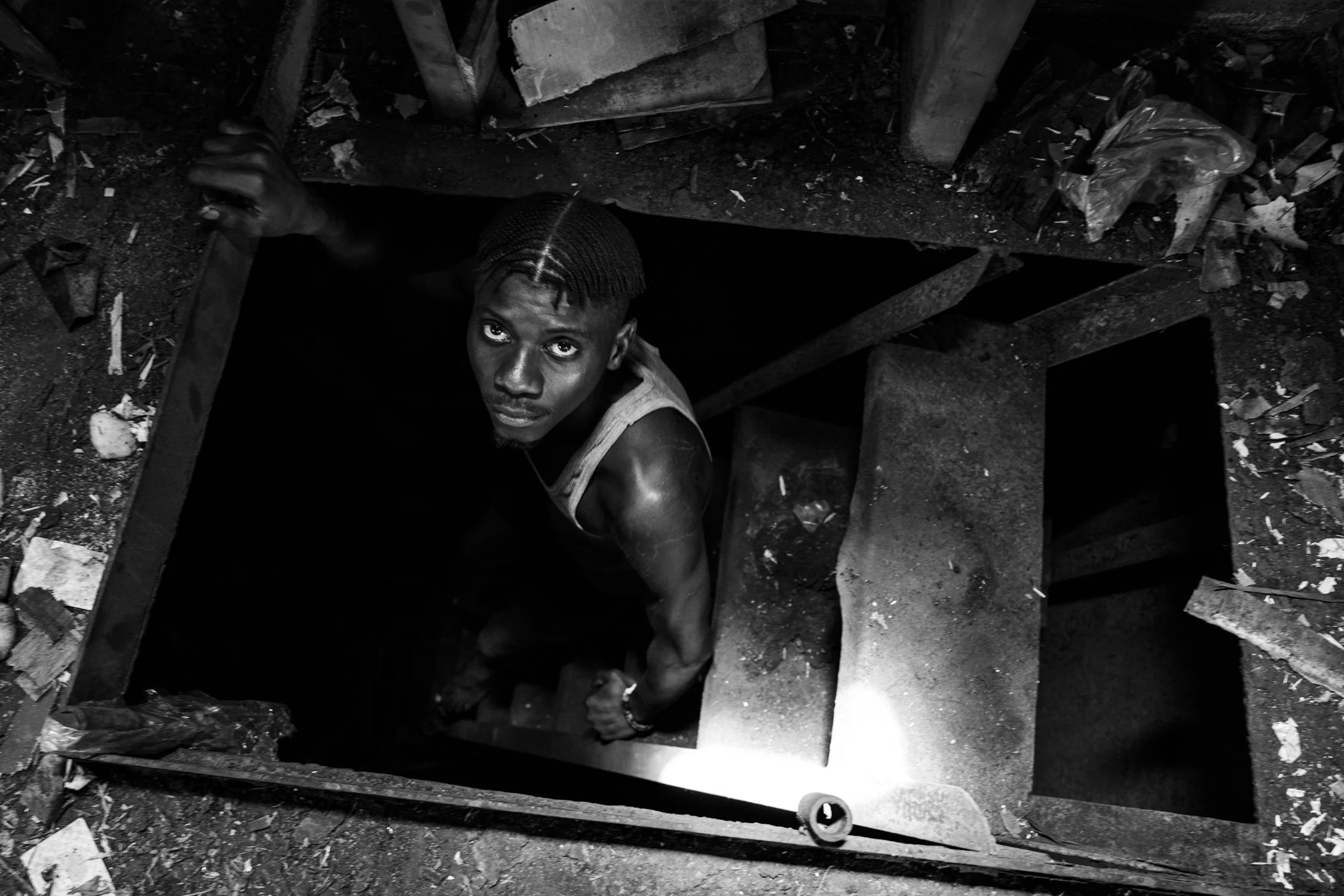
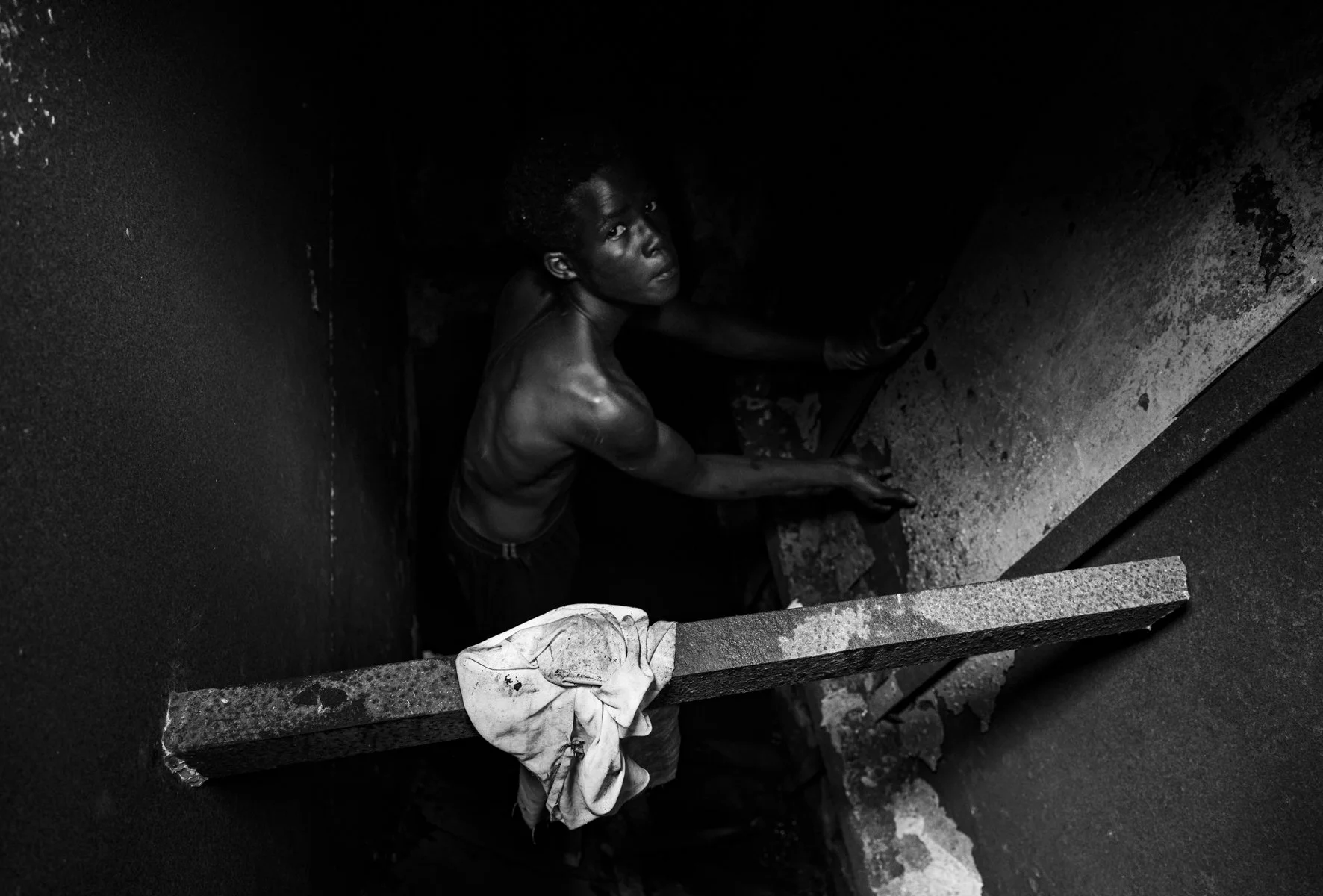
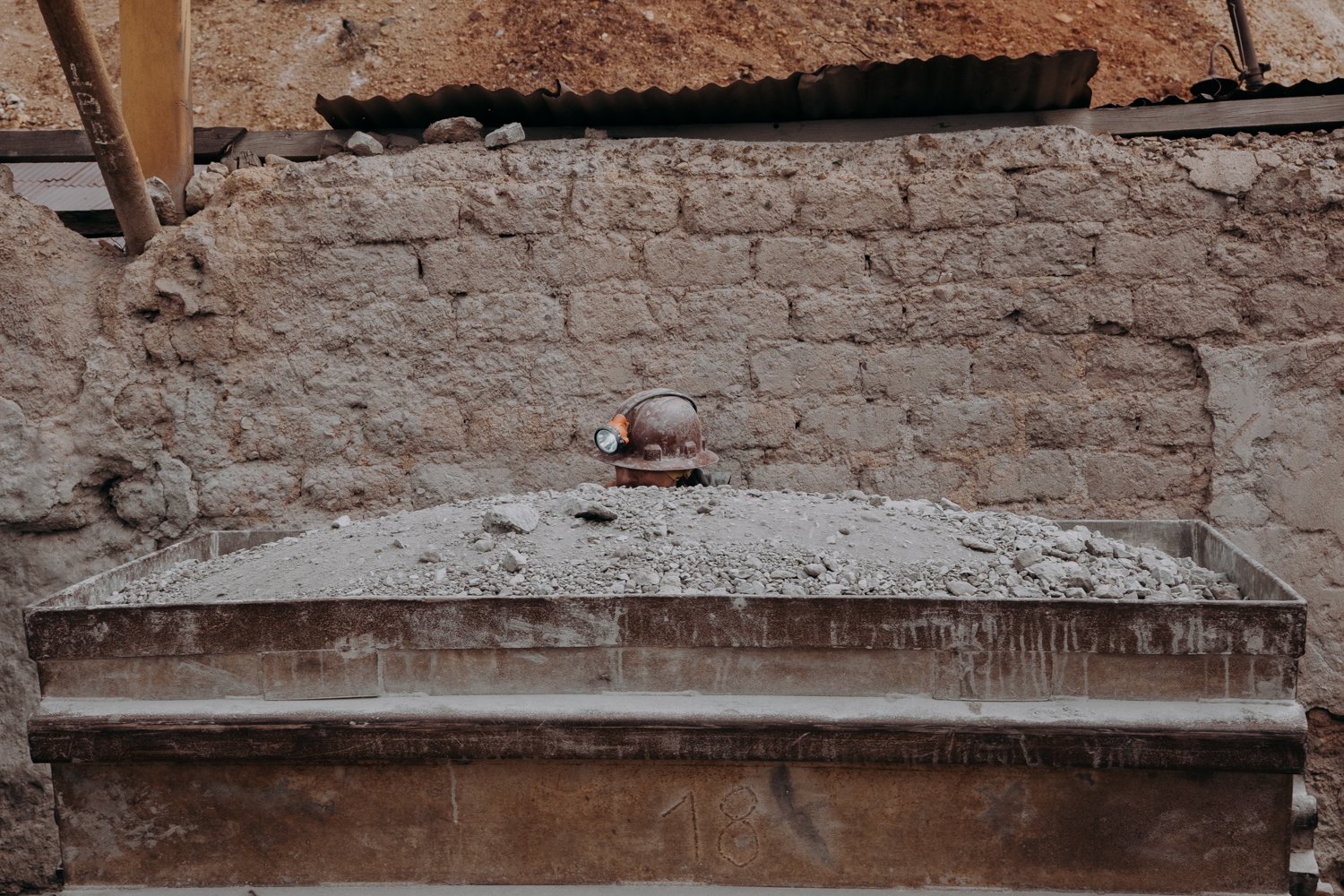
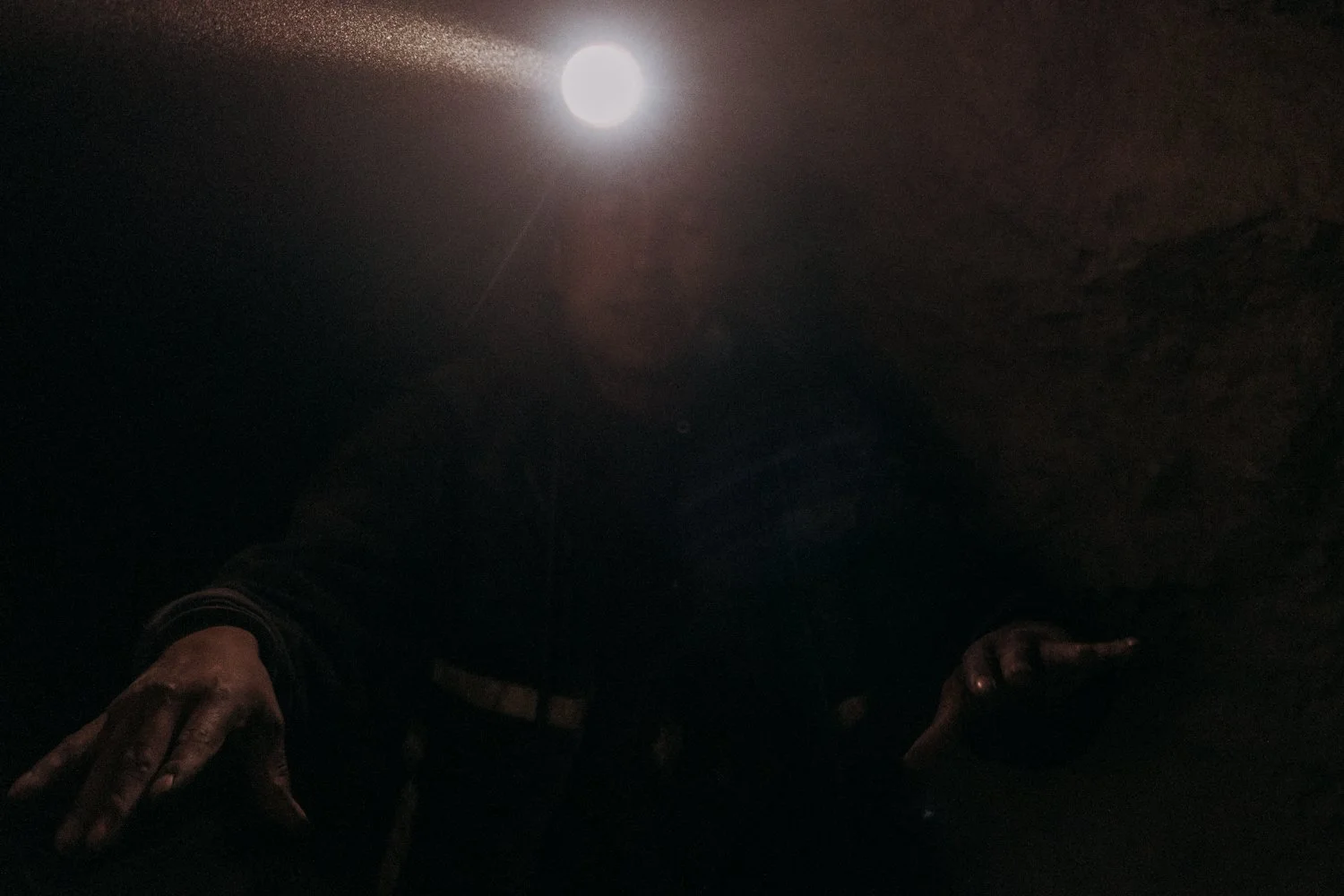
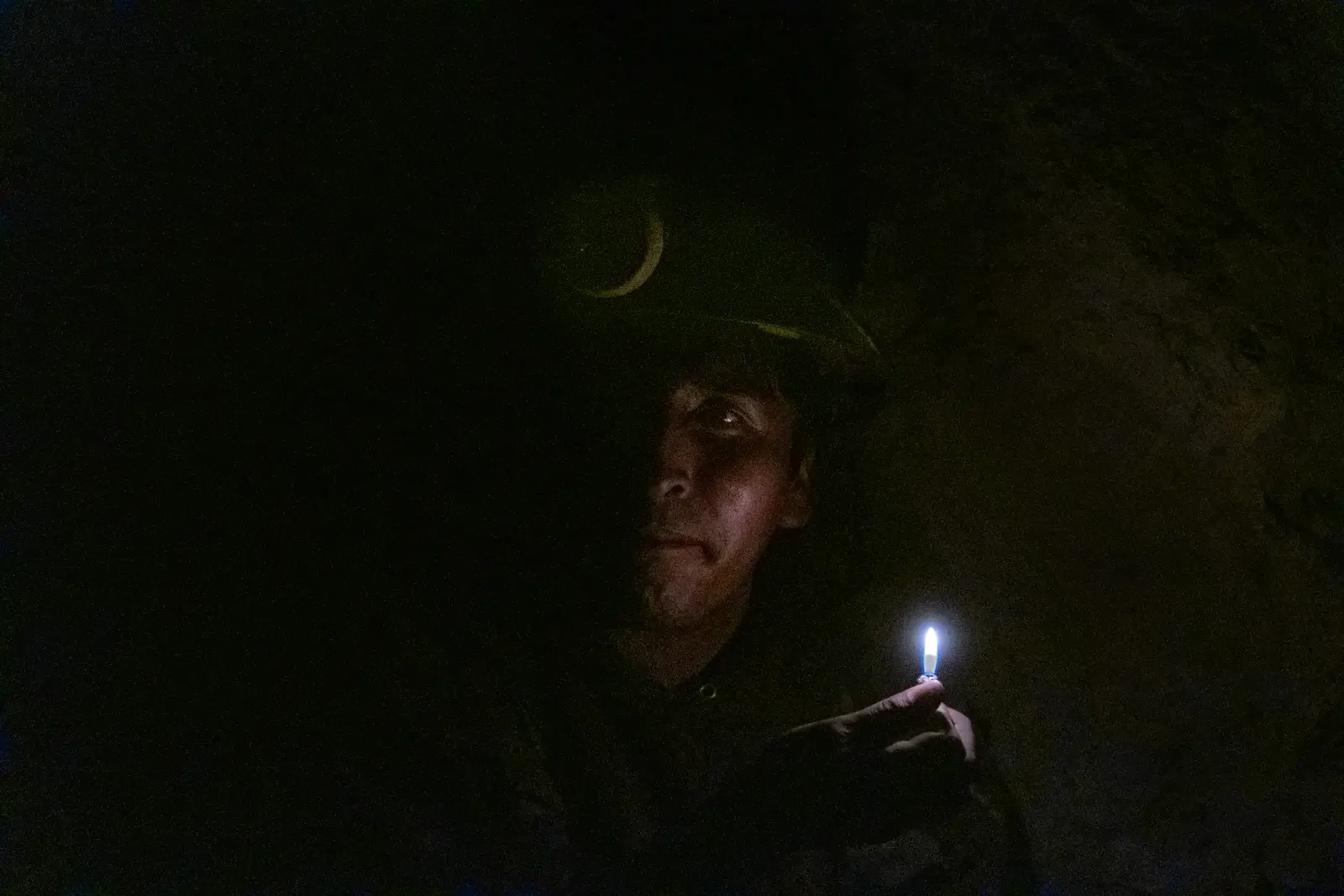
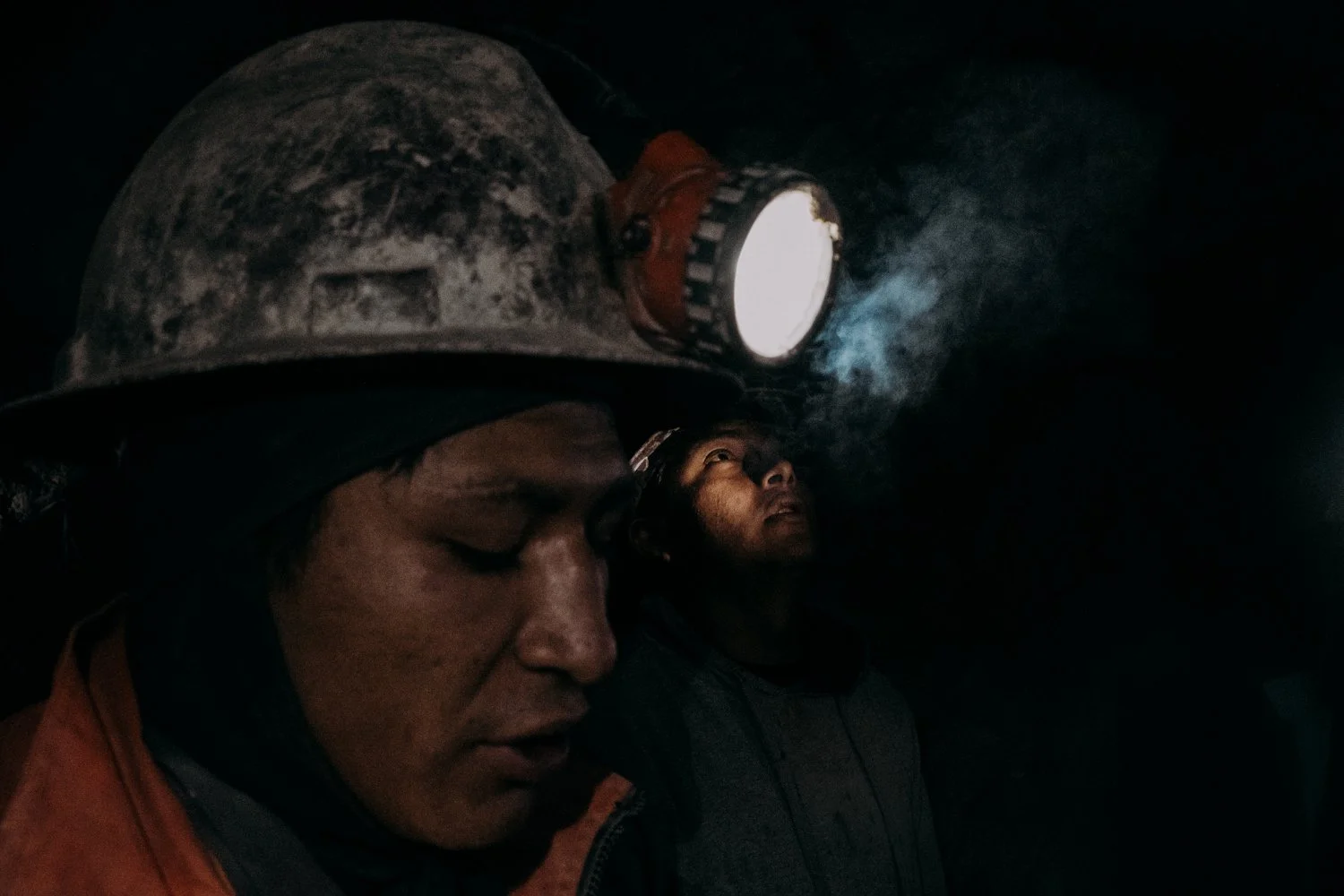
Inside the mines, the conditions can be quite daunting. Outdated colonial-era tools, a lack of electricity and ventilation, and manual carts create a precarious environment. The mine entrances are mere holes in the mountain, forcing miners to bend and crawl through narrow, deep passages lit only by the dim glow of lithium lamps strapped to their helmets. It’s a surreal experience; shadows dance along rocky walls, making the already confined space feel even smaller.
The miners work in small teams, clocking long hours. Breaks are few and far between, often coming only for a quick puff of a cigarette or a chew on fresh coca leaves. They gather in a slightly larger space known as the "night club," where the miners can straighten their backs and unload some of the weight—both physical and emotional—of endless toil. In the depths of the mine, there’s no room for fear, hunger, or exhaustion; the miners lose themselves in a world where time and space meld into a singular focus: finding something of value in the rocks to provide for their families.
At the end of a tiring day, they emerge from the mines, faces coated in fine grey dust, squinting in the bright daylight. Women diligently wash their families’ clothes in mud-filled basins, and miners toss boots carelessly into work sheds as they gather at the foot of the hill for a refreshing beer—Friday evenings are particularly festive.
Edgar also shared an inspiring detail with me: after his long workdays, he attends school, motivated not just for his own sake but for his son and future generations. He dreams of giving them the chance to forge their own destinies, aspirations that sometimes feel preordained in a lineage of miners.
A legend whispers that with all the silver pulled from the Rich Hill, one could have built a bridge connecting Potosí directly to Madrid's Royal Palace. Yet, instead, the true bridge is captured in Edgar’s rainbow, a beautiful symbol of resilience that accompanies the gentle warmth of his smile. These days in Potosí have been a profound reminder that even amid extreme hardship, hope and tenacity shine brightly—an uplifting testament worth sharing and honouring. Let's keep celebrating these stories, recognising that, like Edgar's rainbow, they bring colour and inspiration to our lives, illuminating even the darkest corners.
Edgar, a spirited 42-year-old miner from Potosí, recently shared a stunning photo of a double rainbow, a vibrant burst of colours shining brightly above the shadowy world of the mines. It's a lovely reminder of nature's beauty set against the backdrop of Potosí, a remarkable city high in the Bolivian Andes at an elevation of 4,090 meters. Potosí is a charming labyrinth of narrow, dusty streets, still echoing with hints of its magnificent past.
Once upon a time, these streets could have been brimming with silver; so abundant was the precious mineral drawn from the depths of Cerro Rico, the majestic mountain that overlooks this unique settlement, almost appearing like a whimsical Lego creation.
In 1545, Spanish colonisers stumbled upon this fabled Rich Hill and its treasures. It’s staggering to think that over 8 million lives have been lost since that fateful discovery, a cruel toll in the name of an unyielding quest for precious metals. This hunger didn’t vanish with the fall of the Spanish Empire; it only grew, fueling conflicts and tragedies around the world.
Young children start their descent into the mines at an early age, only to emerge years later, often bearing the heavy burden of exposure to hazardous substances. Many succumb to the dreaded 'mal de mina,' a chronic respiratory condition that quietly invades their lungs. This grim fate looms if the miners fail to appease El Tio, the feared god of the mines, with offerings of coca leaves, cigarettes, and alcohol. Otherwise, they risk being consumed by the very mountain.
Inside the mines, the conditions can be quite daunting. Outdated colonial-era tools, a lack of electricity and ventilation, and manual carts create a precarious environment. The mine entrances are mere holes in the mountain, forcing miners to bend and crawl through narrow, deep passages lit only by the dim glow of lithium lamps strapped to their helmets. It’s a surreal experience; shadows dance along rocky walls, making the already confined space feel even smaller.
The miners work in small teams, clocking long hours. Breaks are few and far between, often coming only for a quick puff of a cigarette or a chew on fresh coca leaves. They gather in a slightly larger space known as the "night club," where the miners can straighten their backs and unload some of the weight—both physical and emotional—of endless toil. In the depths of the mine, there’s no room for fear, hunger, or exhaustion; the miners lose themselves in a world where time and space meld into a singular focus: finding something of value in the rocks to provide for their families.
At the end of a tiring day, they emerge from the mines, faces coated in fine grey dust, squinting in the bright daylight. Women diligently wash their families’ clothes in mud-filled basins, and miners toss boots carelessly into work sheds as they gather at the foot of the hill for a refreshing beer—Friday evenings are particularly festive.
Edgar also shared an inspiring detail with me: after his long workdays, he attends school, motivated not just for his own sake but for his son and future generations. He dreams of giving them the chance to forge their own destinies, aspirations that sometimes feel preordained in a lineage of miners.
A legend whispers that with all the silver pulled from the Rich Hill, one could have built a bridge connecting Potosí directly to Madrid's Royal Palace. Yet, instead, the true bridge is captured in Edgar’s rainbow, a beautiful symbol of resilience that accompanies the gentle warmth of his smile. These days in Potosí have been a profound reminder that even amid extreme hardship, hope and tenacity shine brightly—an uplifting testament worth sharing and honouring. Let's keep celebrating these stories, recognising that, like Edgar's rainbow, they bring colour and inspiration to our lives, illuminating even the darkest corners.






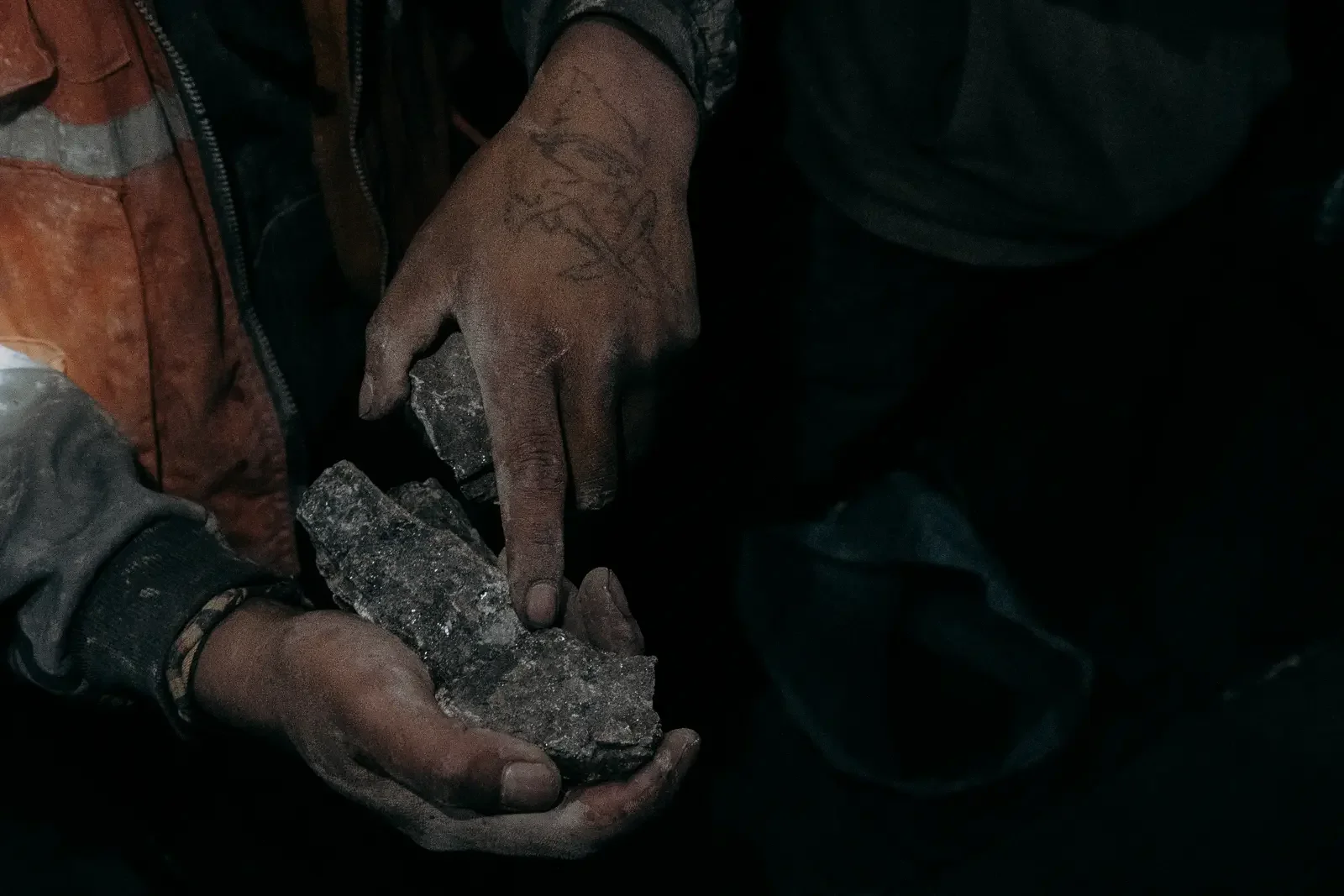

Cerro Rico of Potosí, once a symbol of Bolivia's colonial wealth and mining economy, faces a major crisis as of April 2026. Experts warn of a geological and humanitarian emergency, with ongoing environmental damage threatening the mountain’s stability due to relentless mining activities. Reports indicate at least four subsidence events at the summit, and by March 2025, over 144 subsidence and landslide incidents were recorded, particularly above 4,400 meters.
Efforts to stabilise the mountain, including costly interventions in 2012 and 2015, have proven ineffective in the long term. The situation is complicated by the influence of mining cooperatives, which have resisted relocation from high-risk areas, and the controversial activities of the Canadian-owned Manquiri Mining Company, accused of illegal open-pit mining. This crisis has dire implications for miners, particularly children, with 123 fatalities reported in 2025 and many minors working under hazardous conditions without safety measures.
Local authorities recognise the potential of the pure silver deposits at the summit, yet weak regulations obstruct effective management. The outdated Supreme Decree 27787 hinders the implementation of a new Preservation Law meant to address the mountain's state of disaster.
Immediate action is crucial to prevent Cerro Rico's collapse and protect the livelihoods of those dependent on it. Without prioritising safety and heritage preservation, we risk losing this national treasure and jeopardising Potosí’s future. Urgent, strategic interventions are needed to protect and restore this iconic site for future generations.




Marina Dego, born by a lake yet marine by nature, divides her life between London and work travel. One day, she leaps into the unknown, craving a fresh perspective. She shifts from a fashion career to studying literature and photography, exploring South America and Europe to learn to tell stories through images and words. Her journey is fueled by curiosity and restlessness, as she always ponders what she will do when she grows up. Believing in the power of human connections, she loves listening to stories and sharing them, convinced that the world can be saved one story at a time.