Las Familias Documentary Project by Tina Manley
I asked Tina for this material because I would like all her work to be remembered.
B.H.
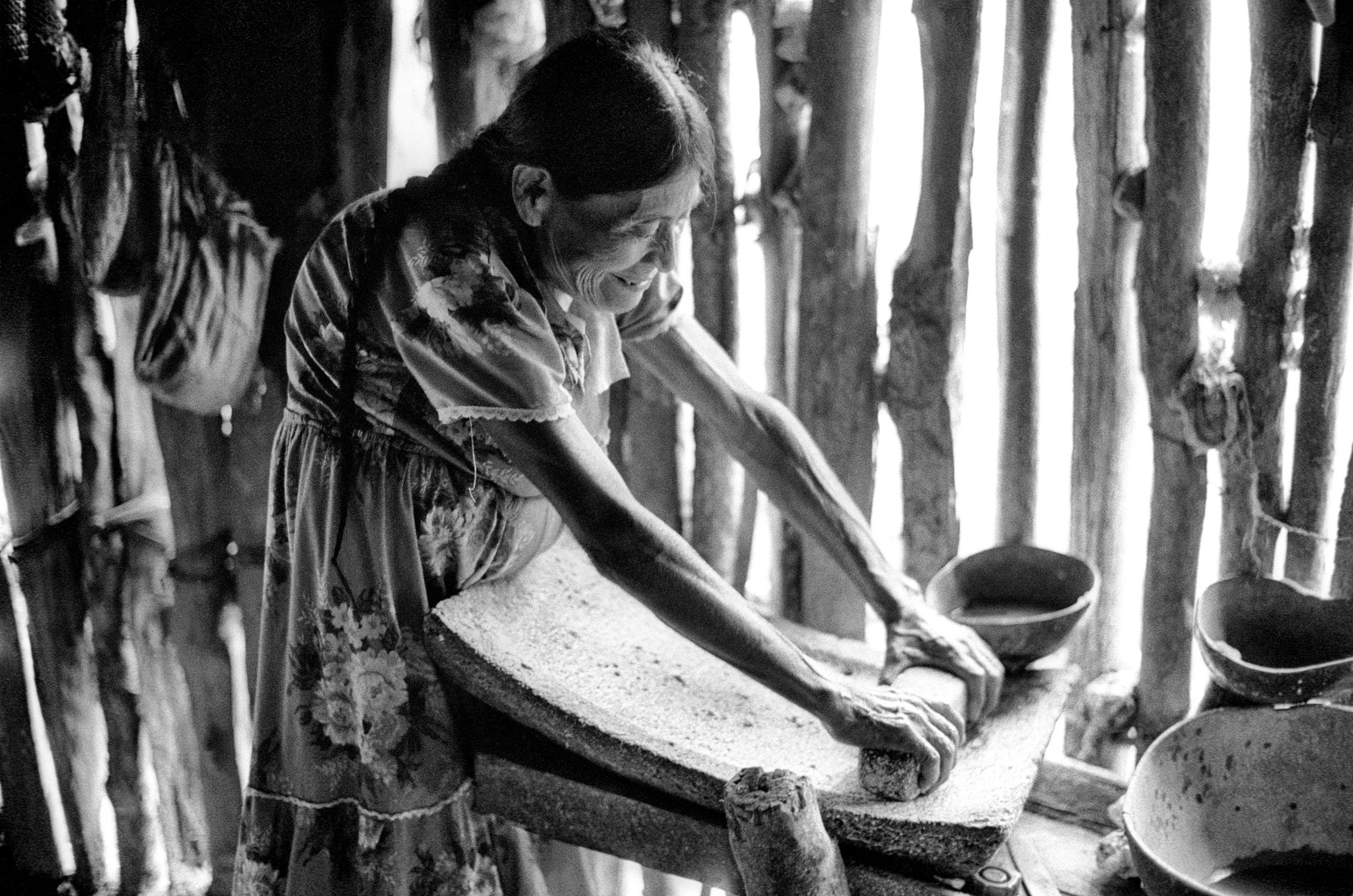
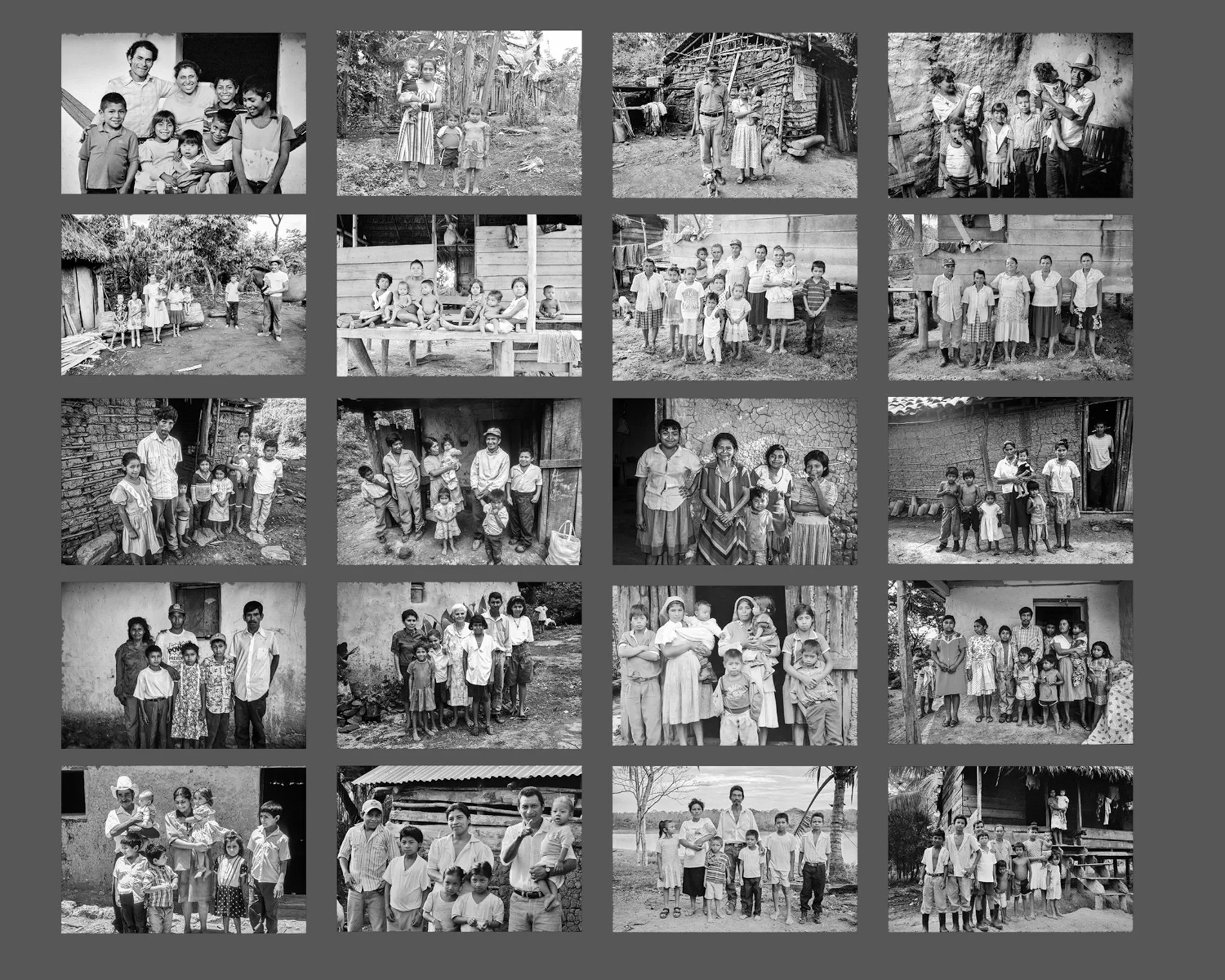
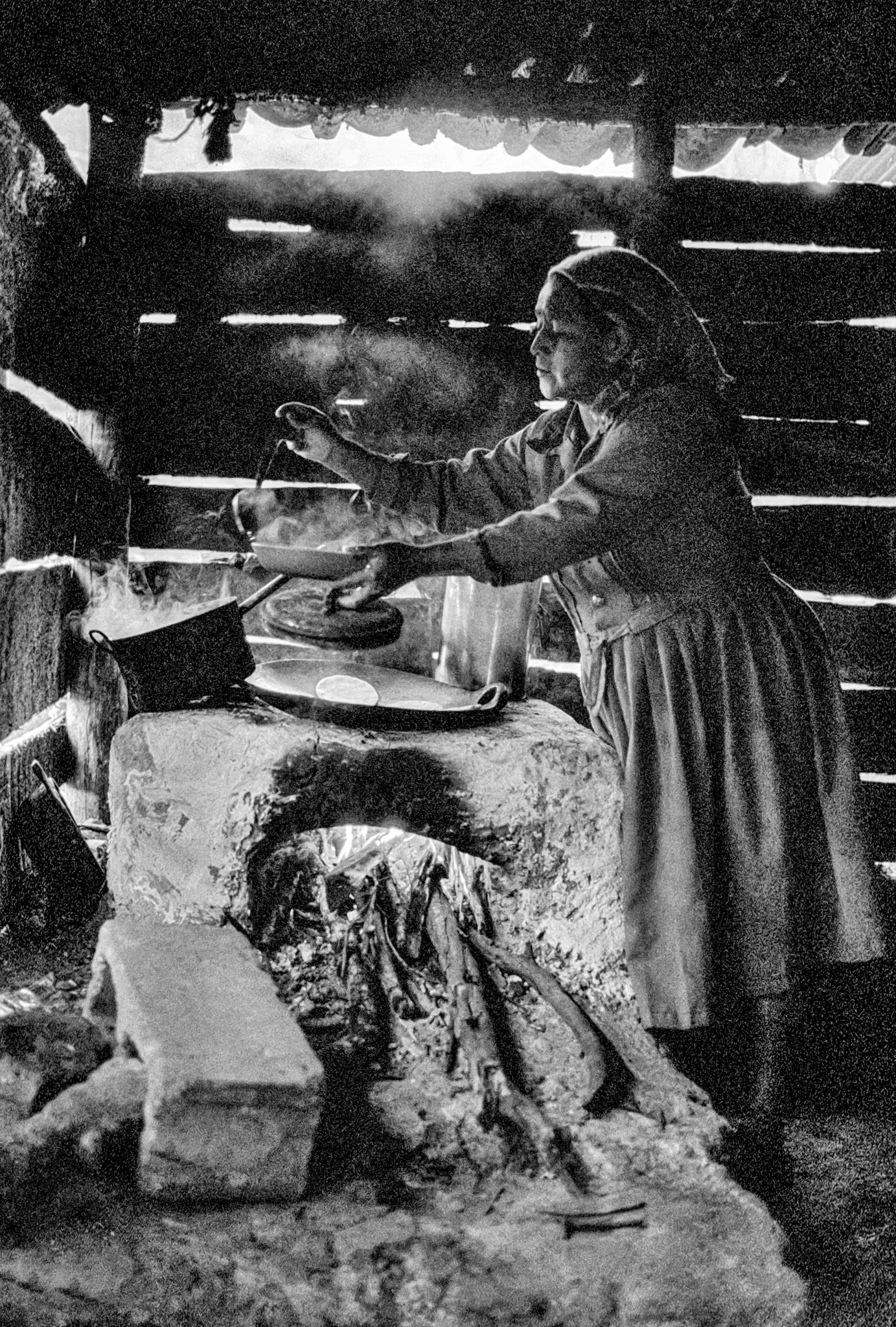
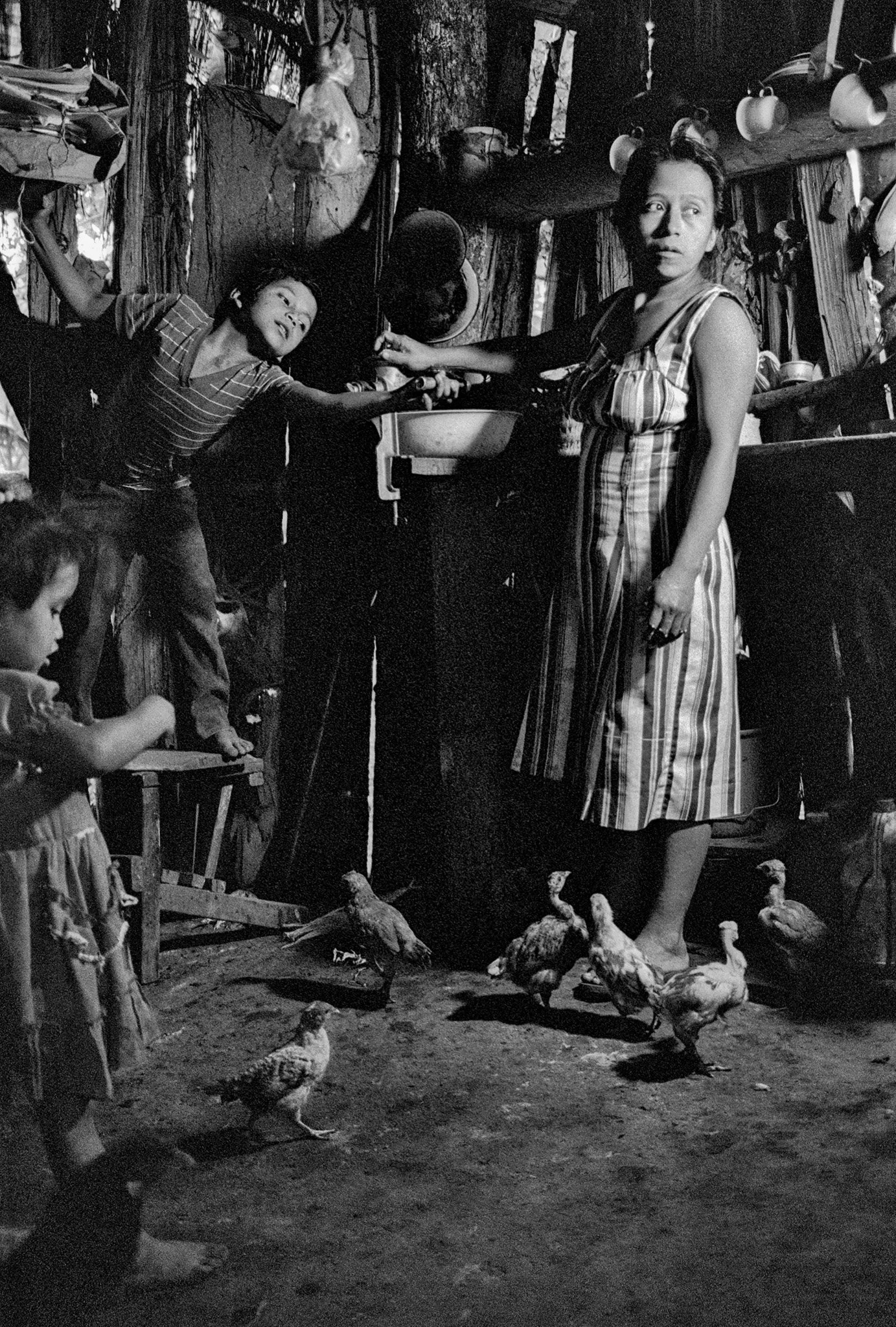
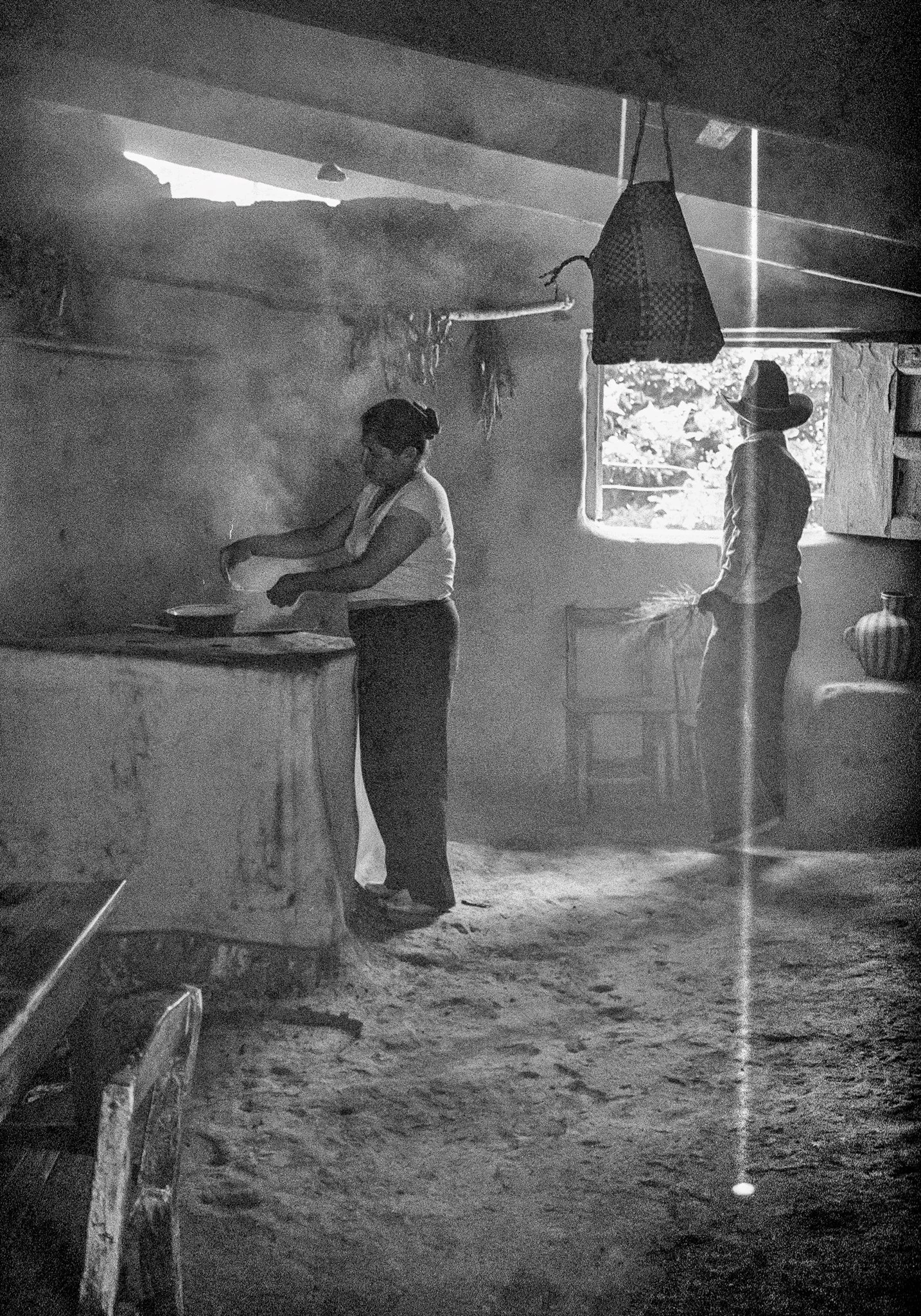
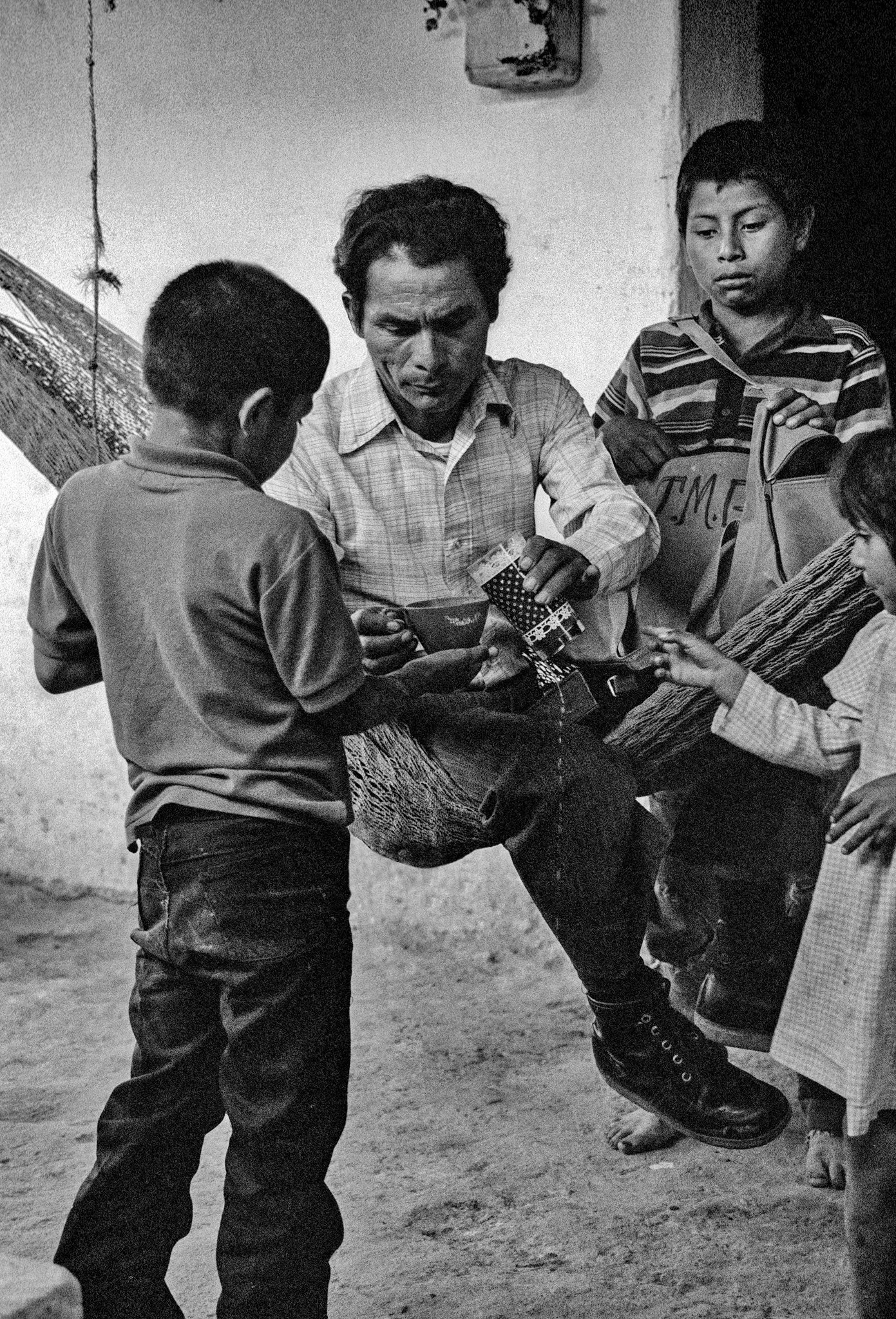
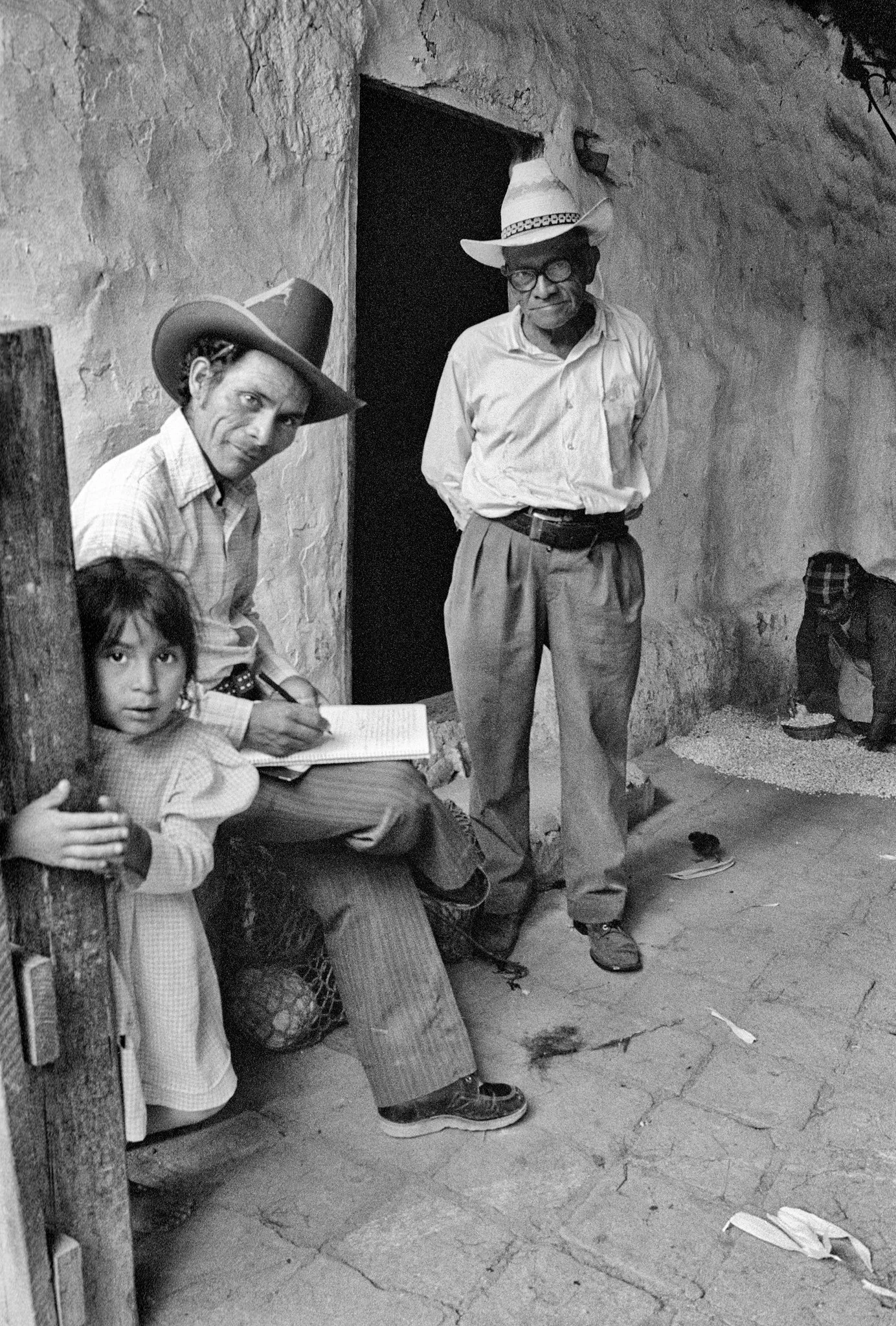
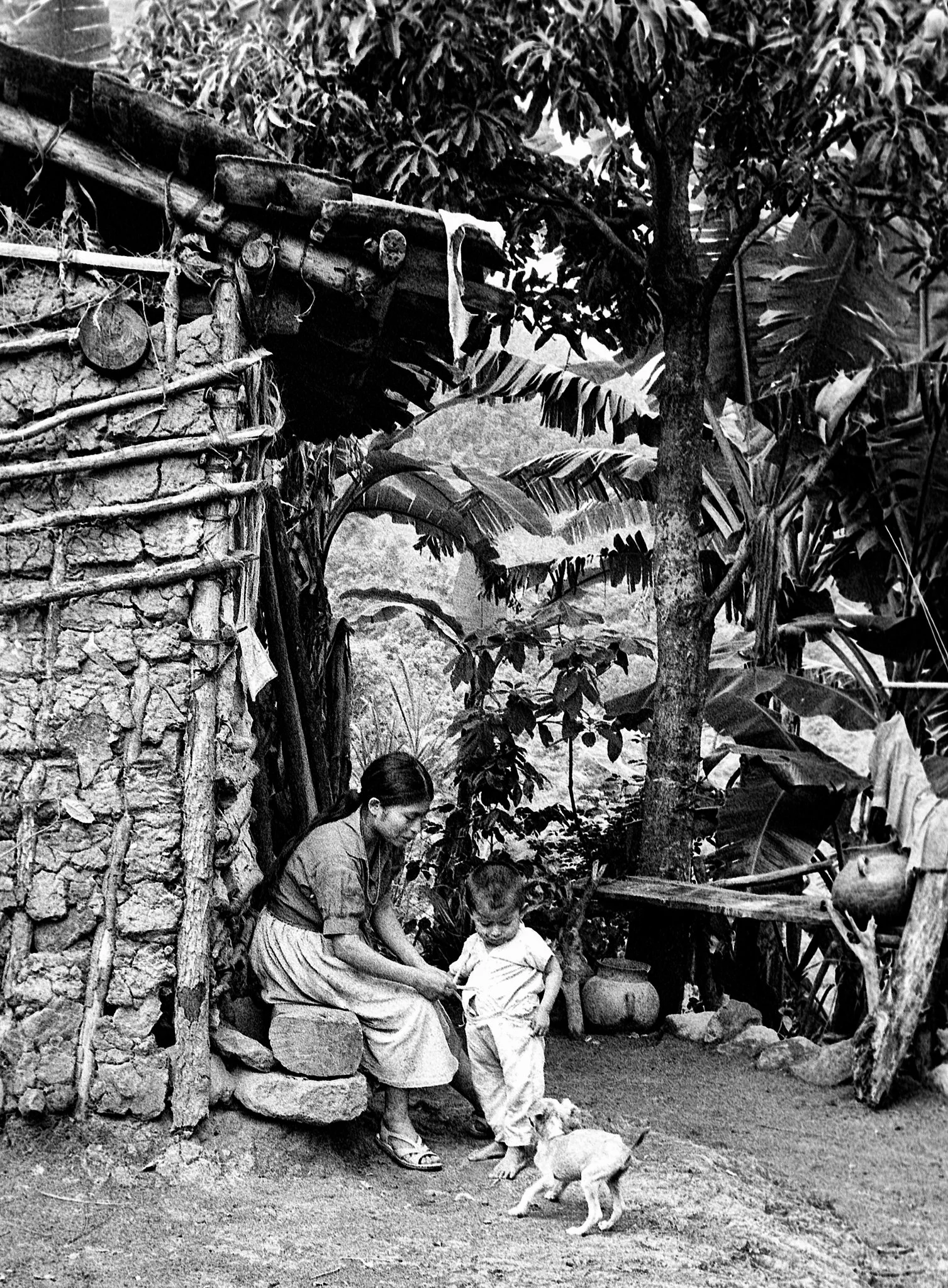
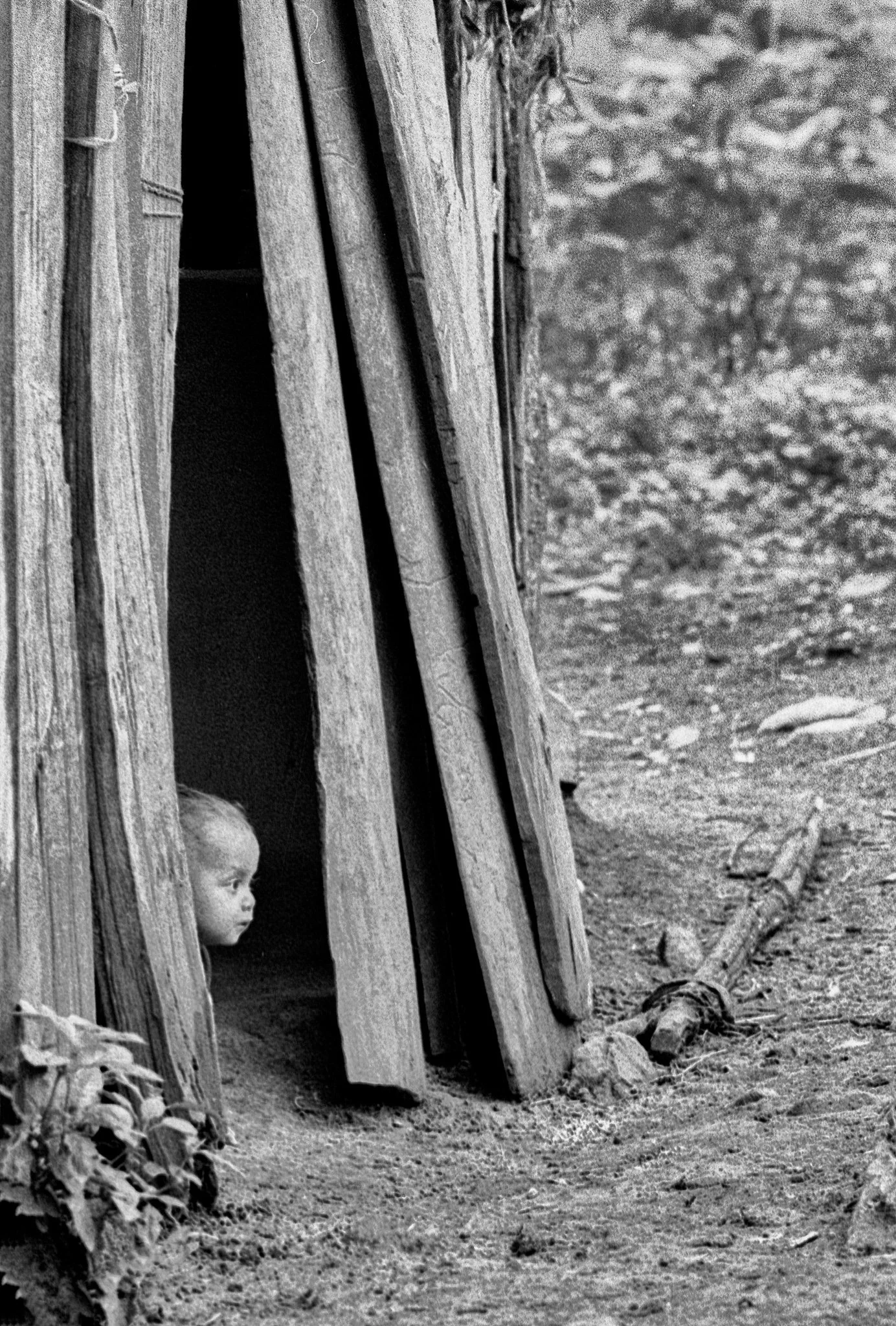
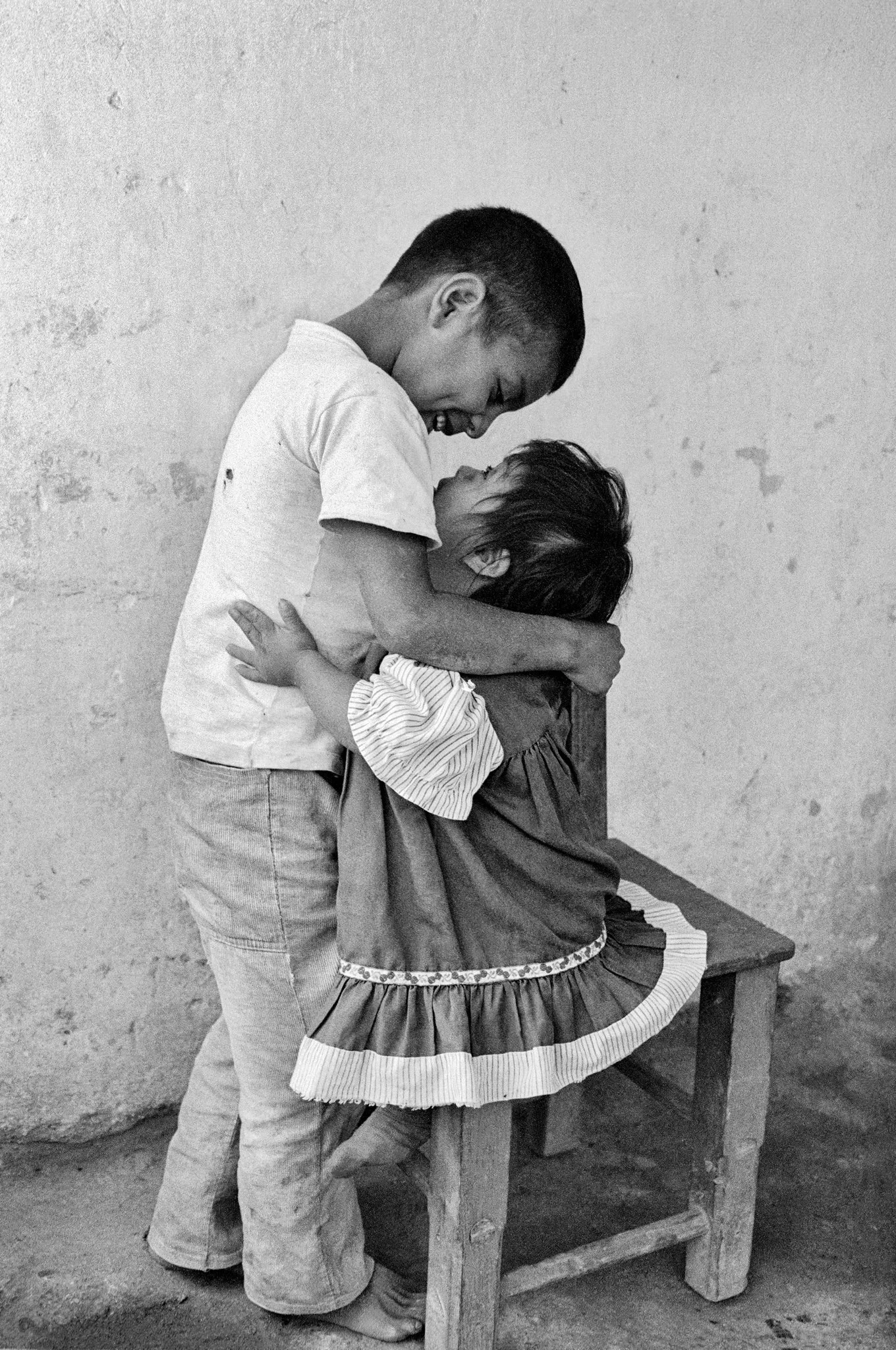
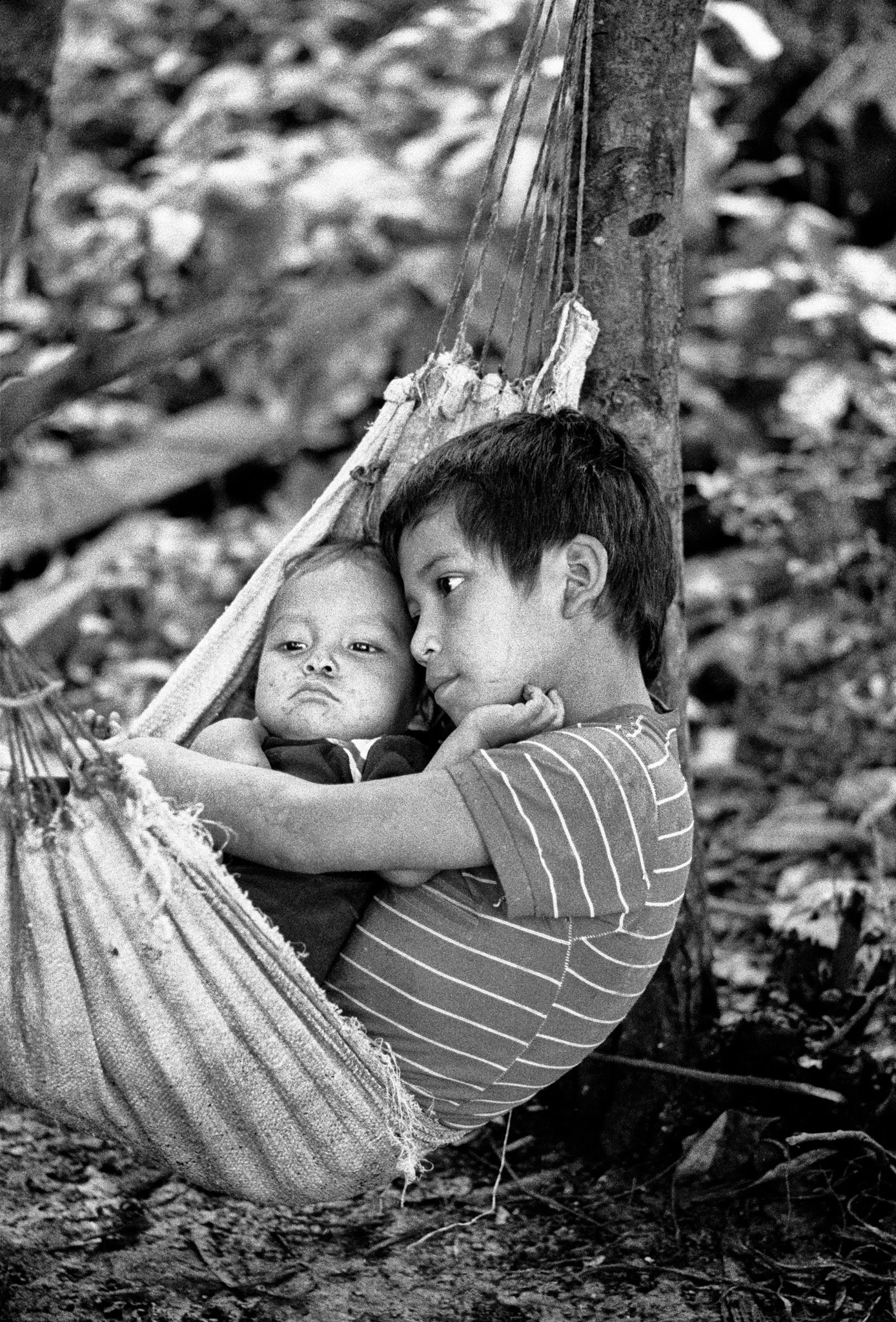
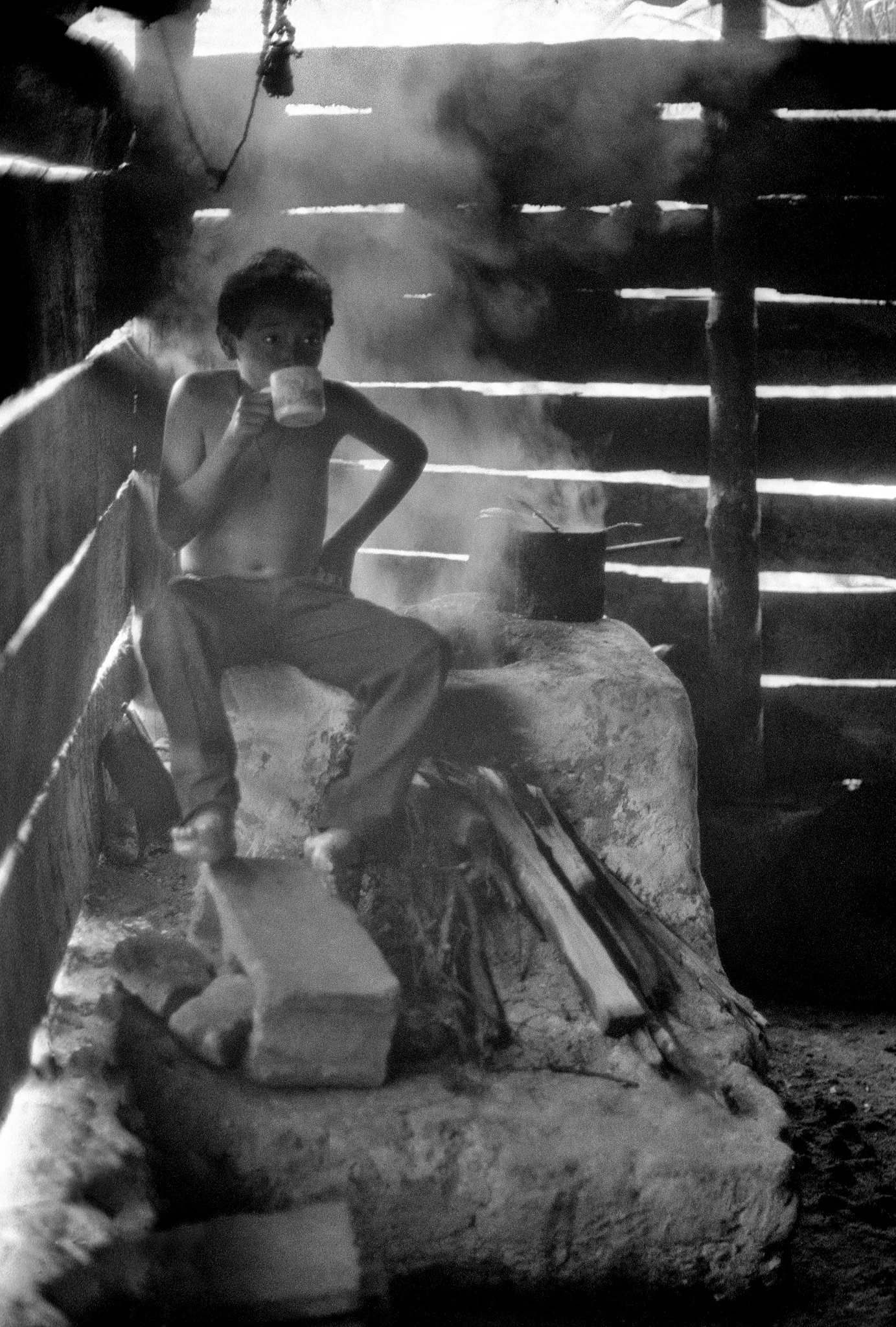
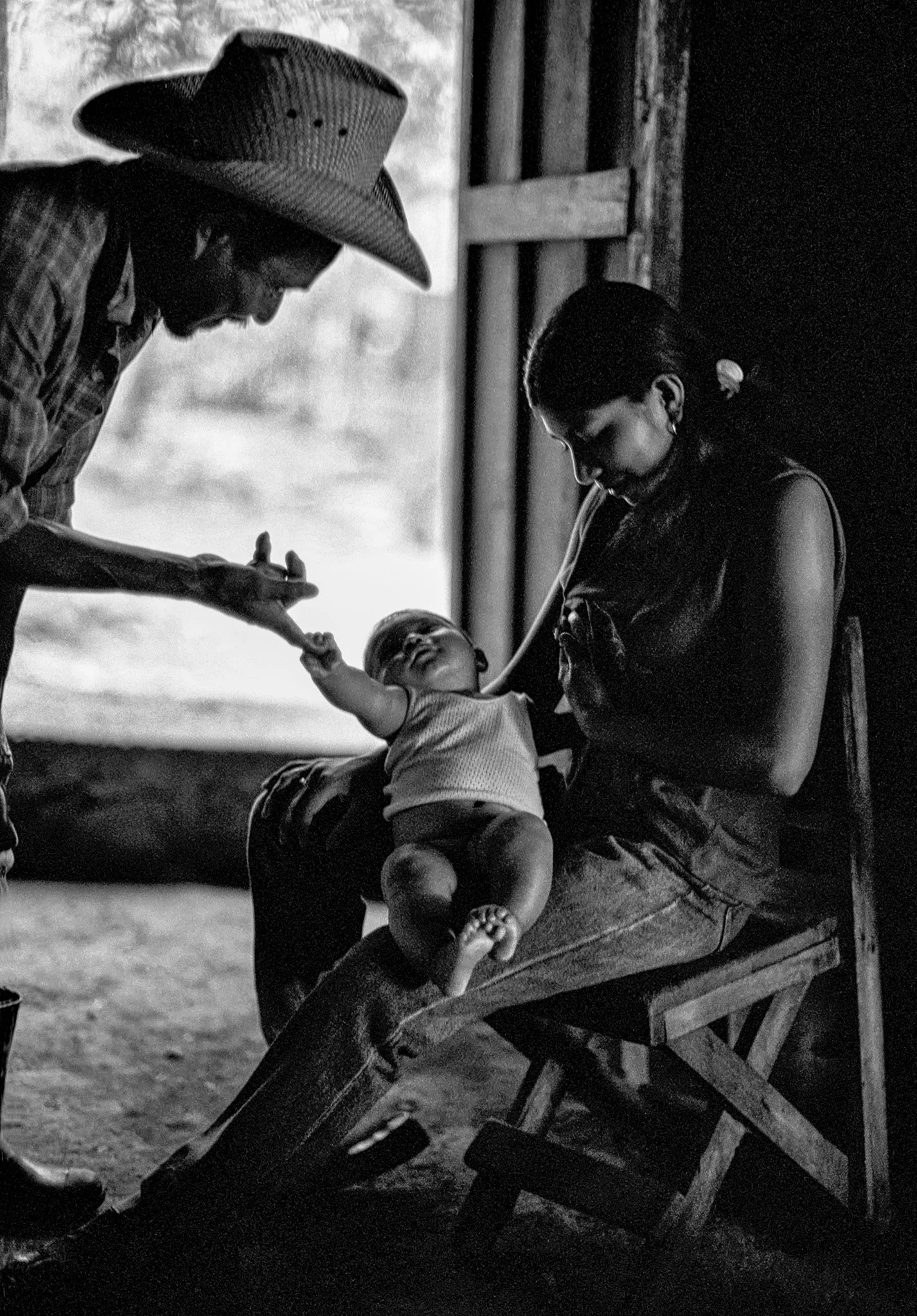
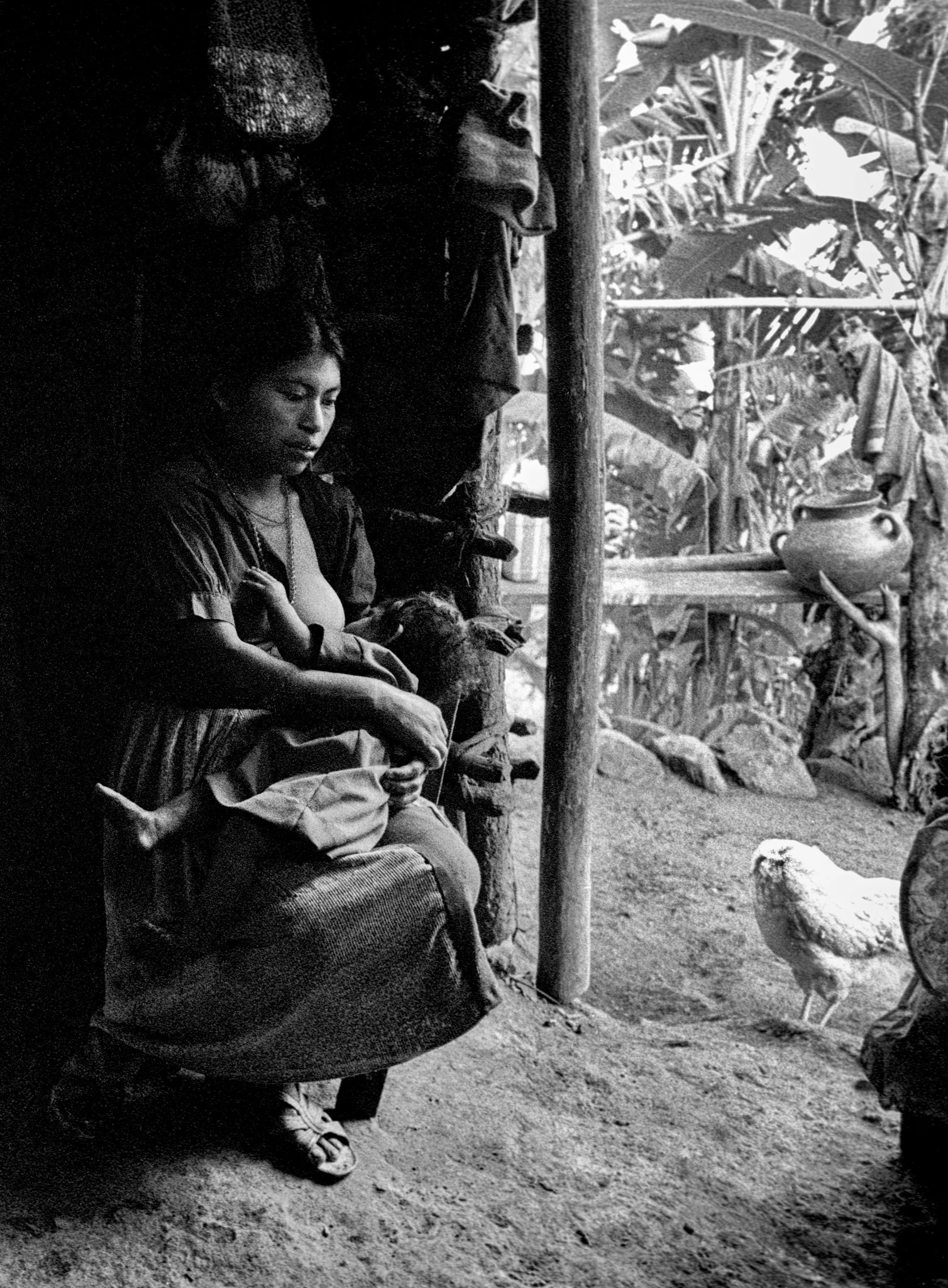
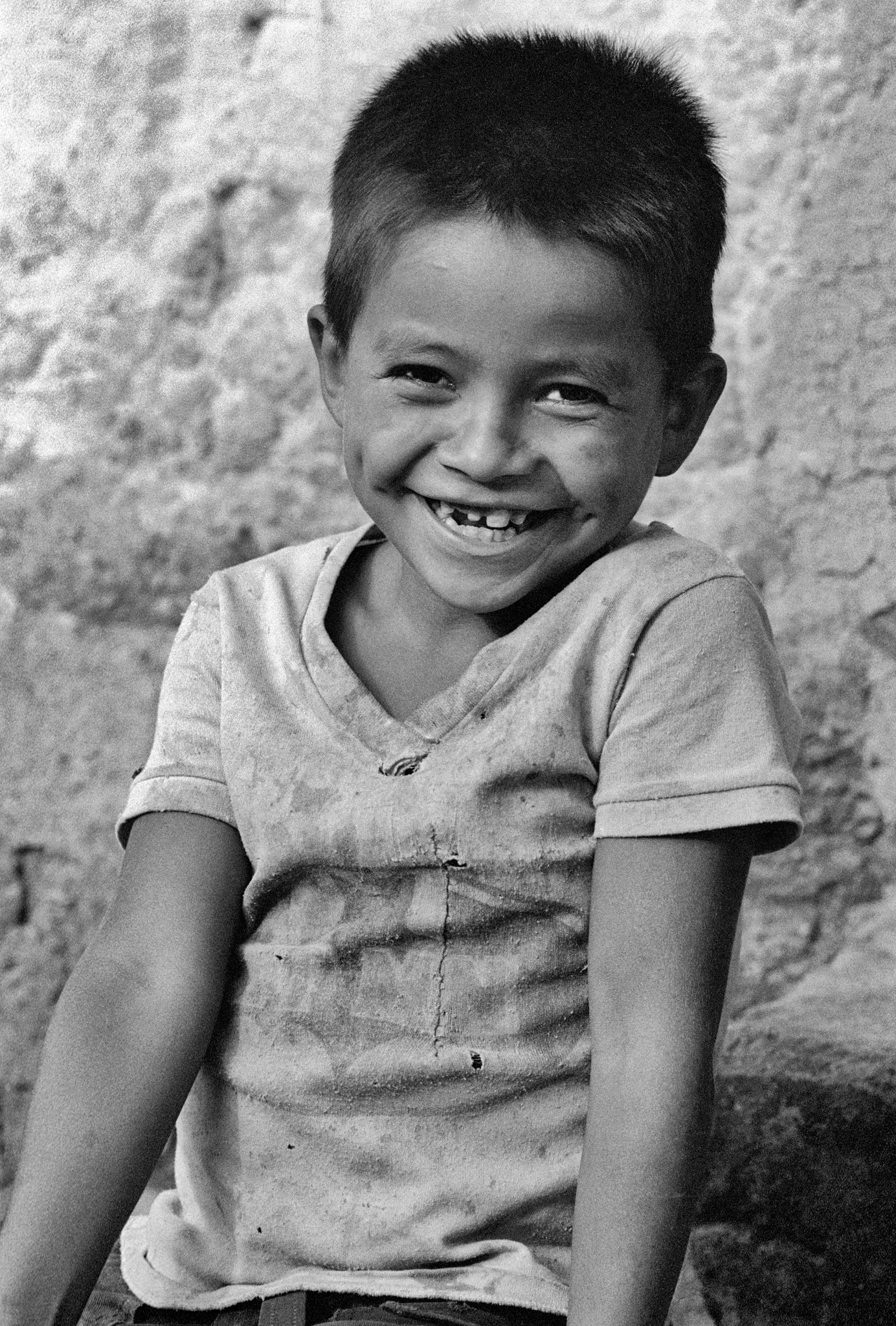
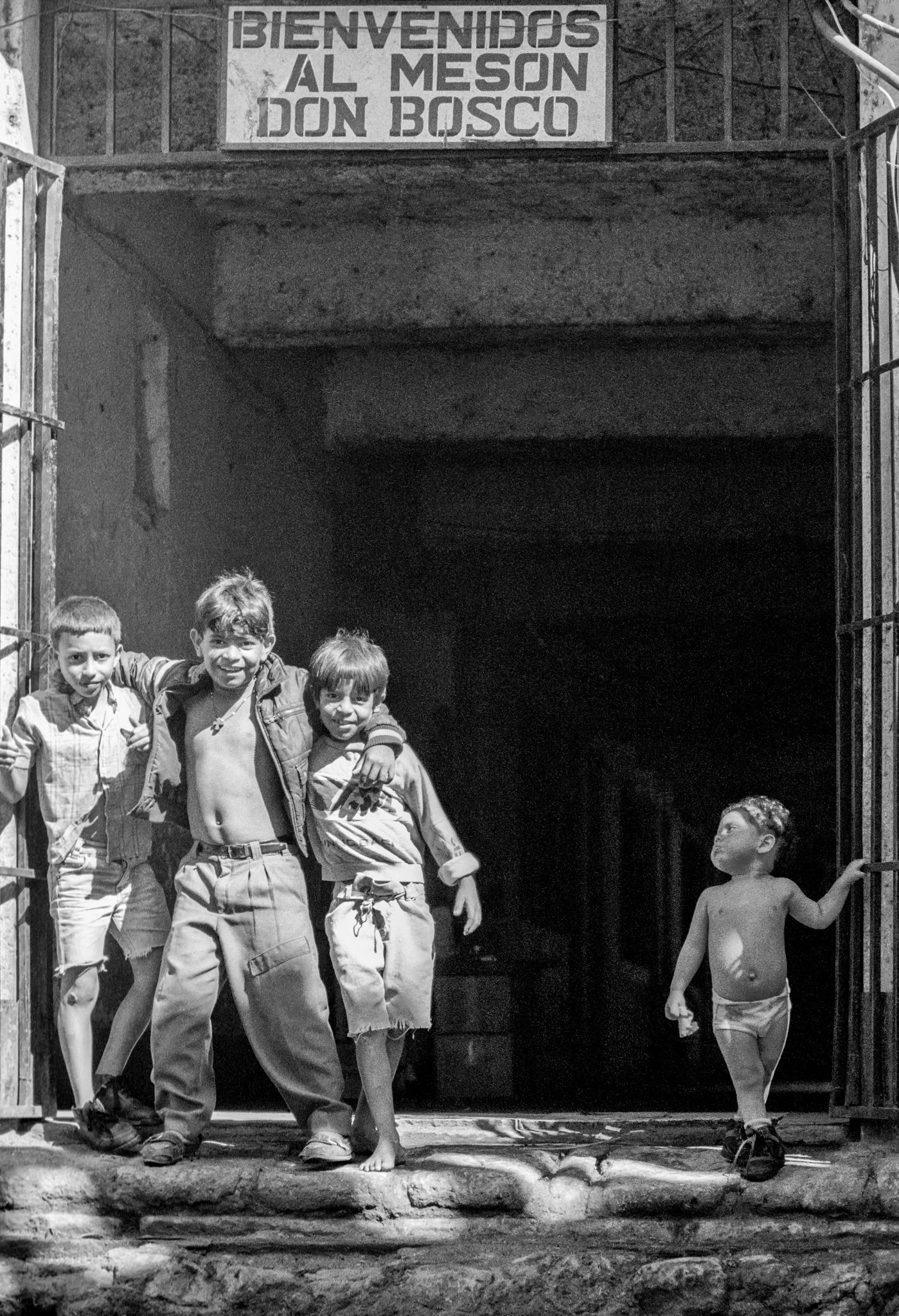
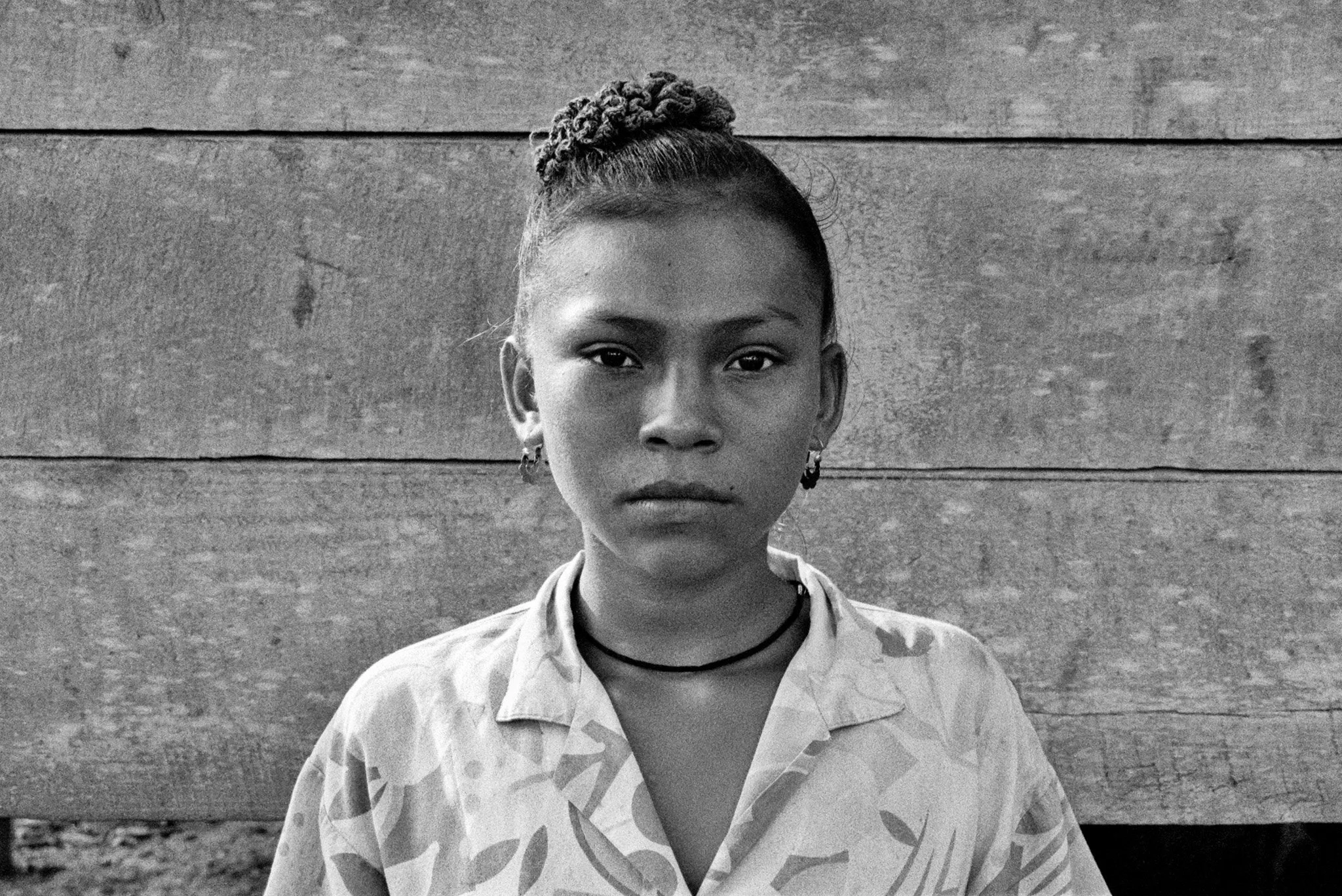
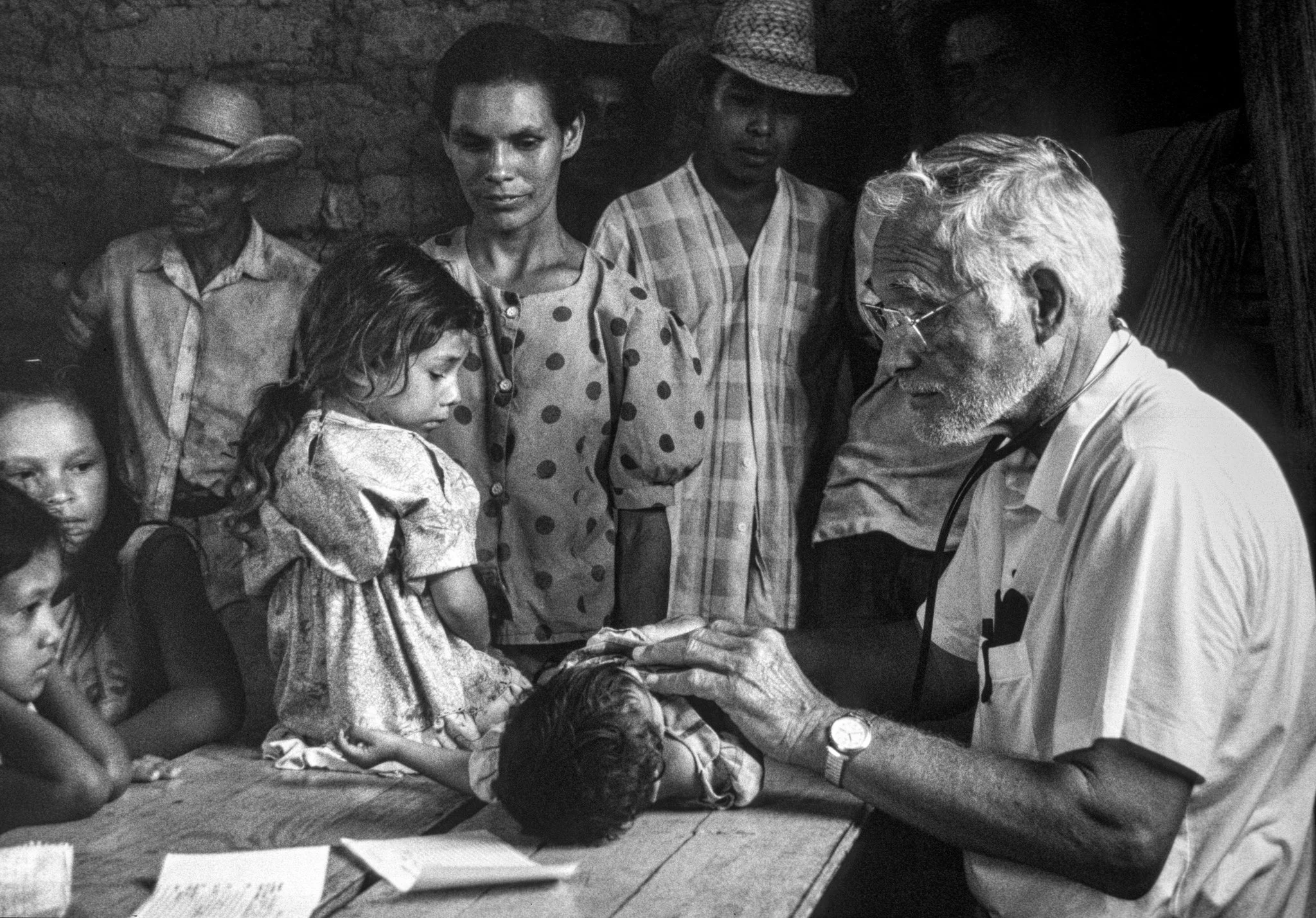
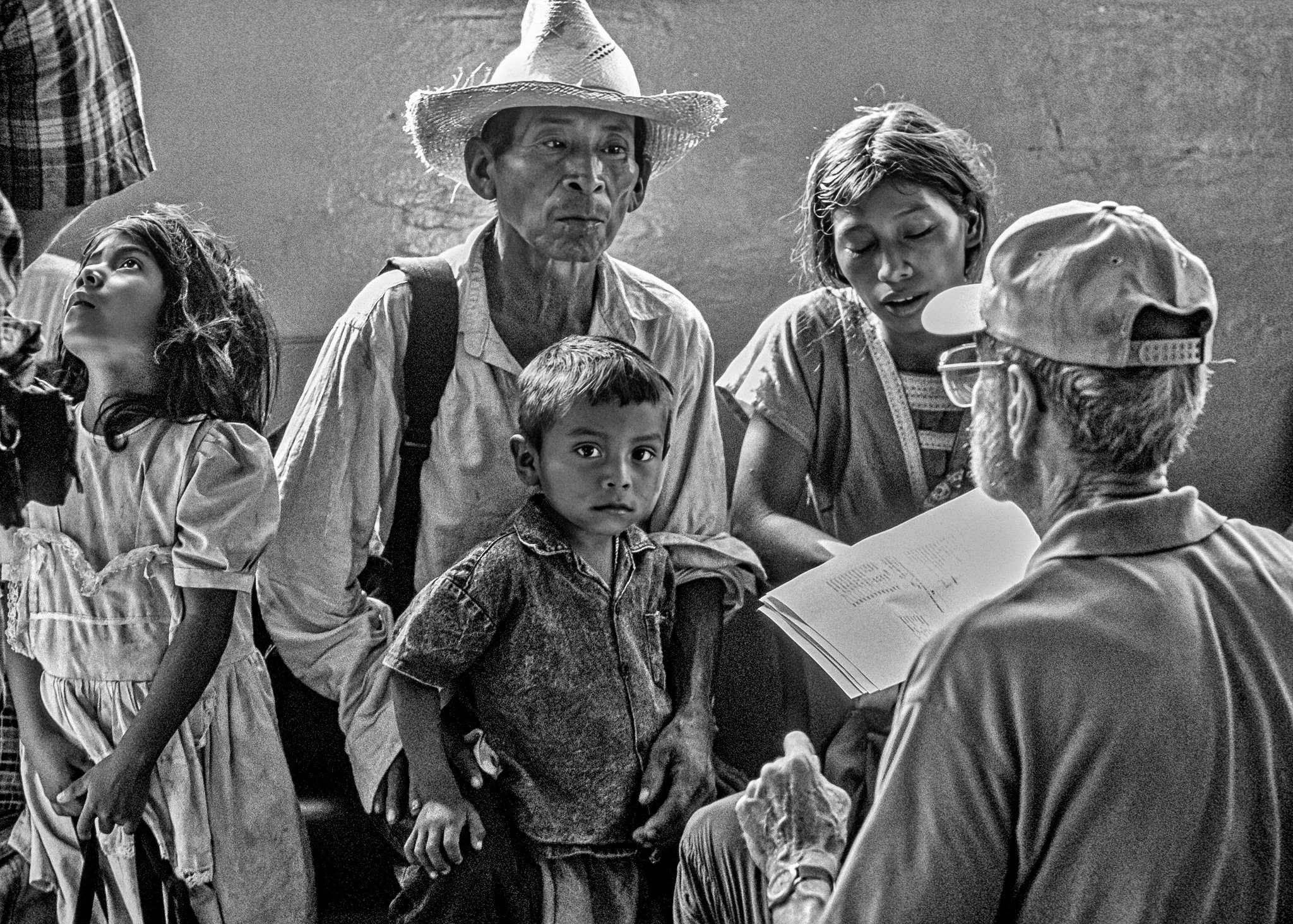
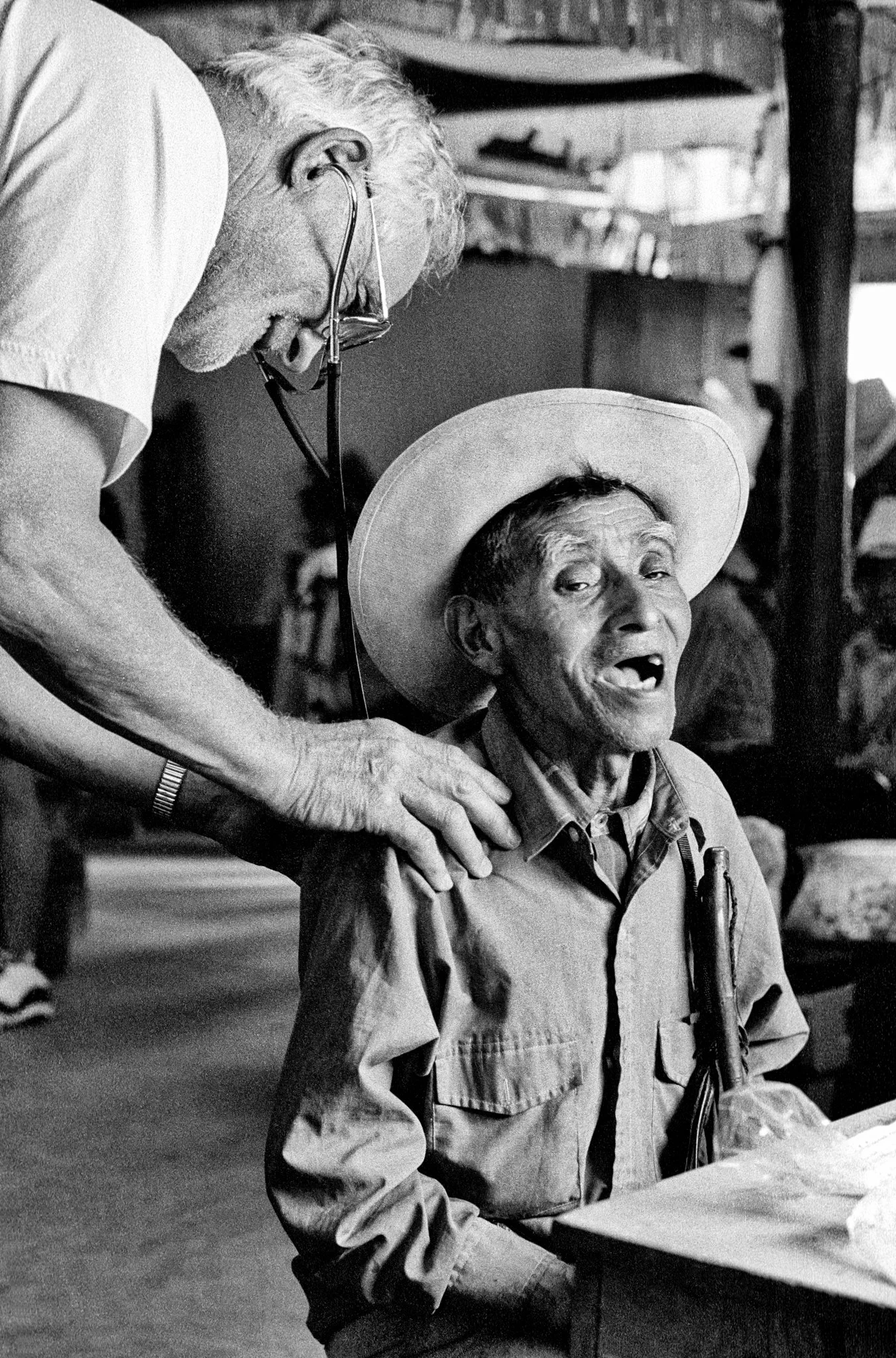
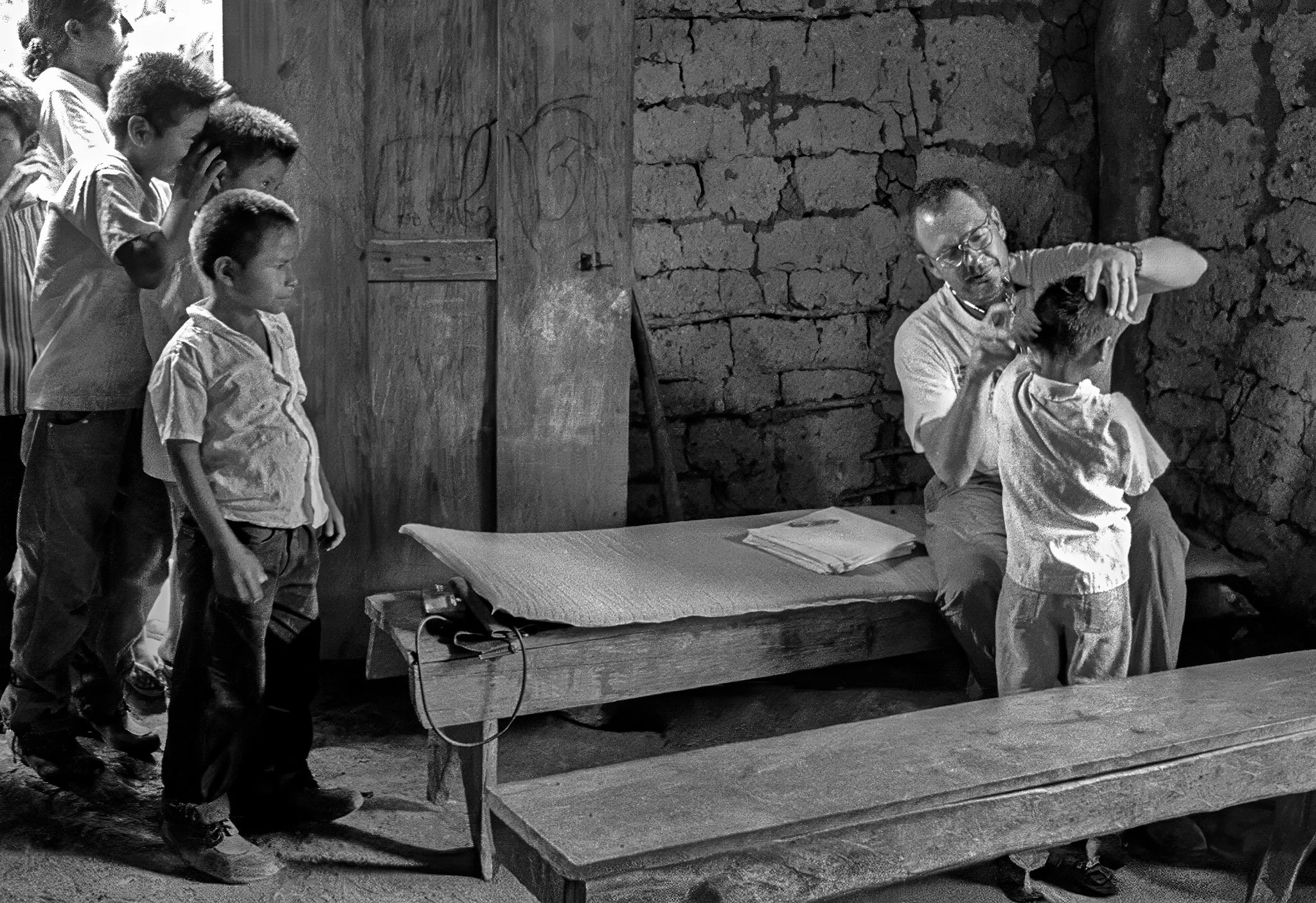
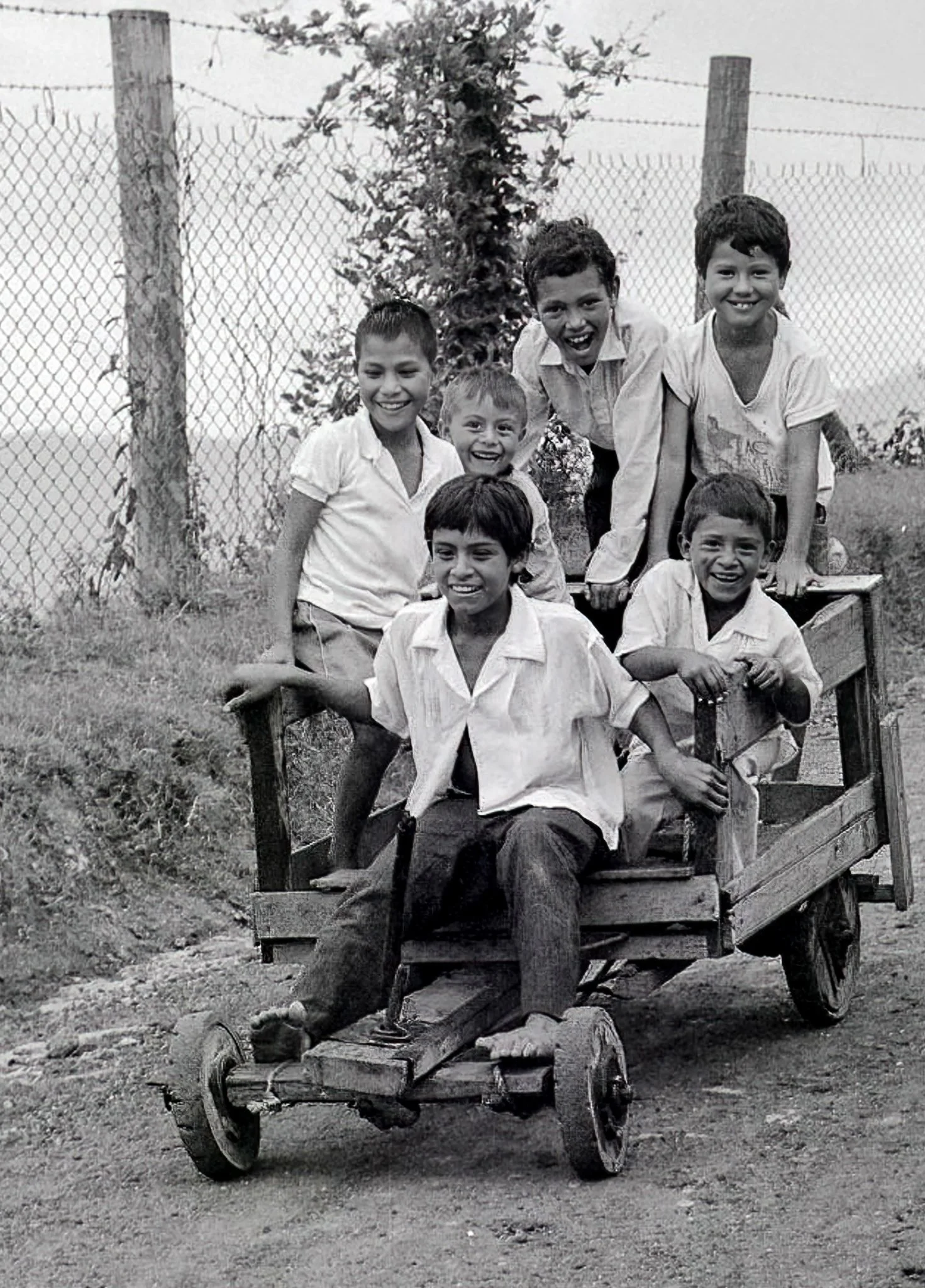
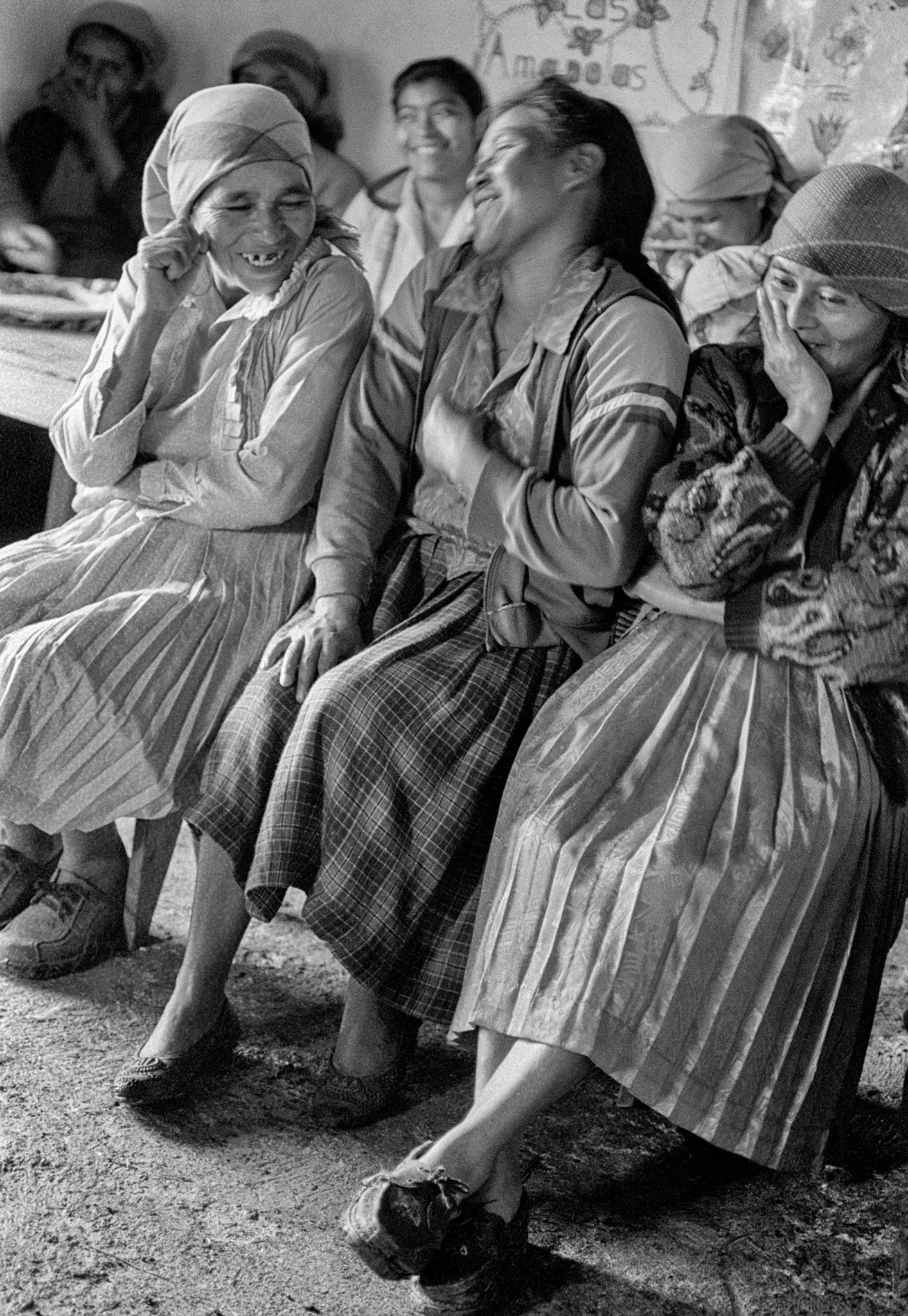
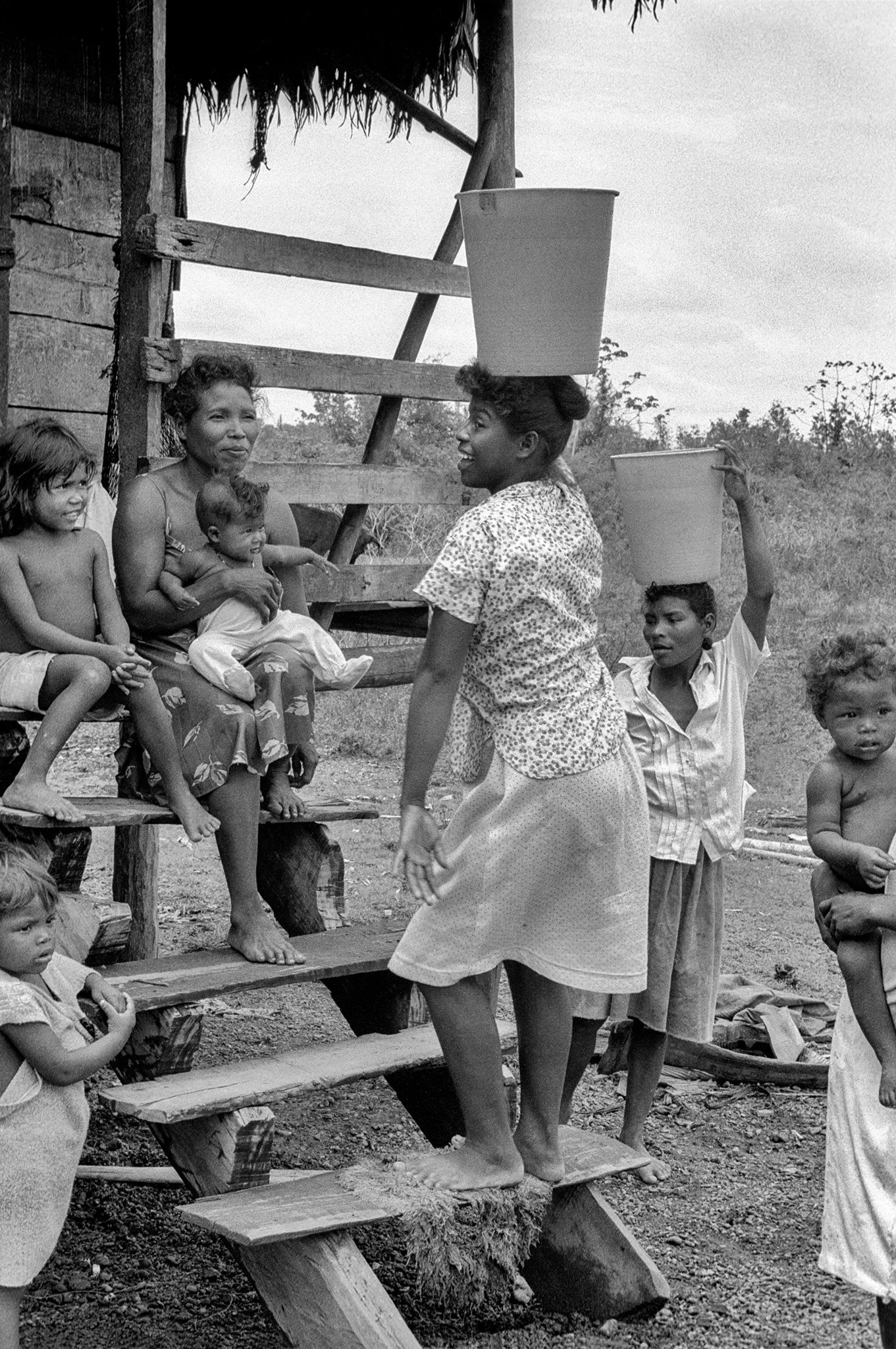
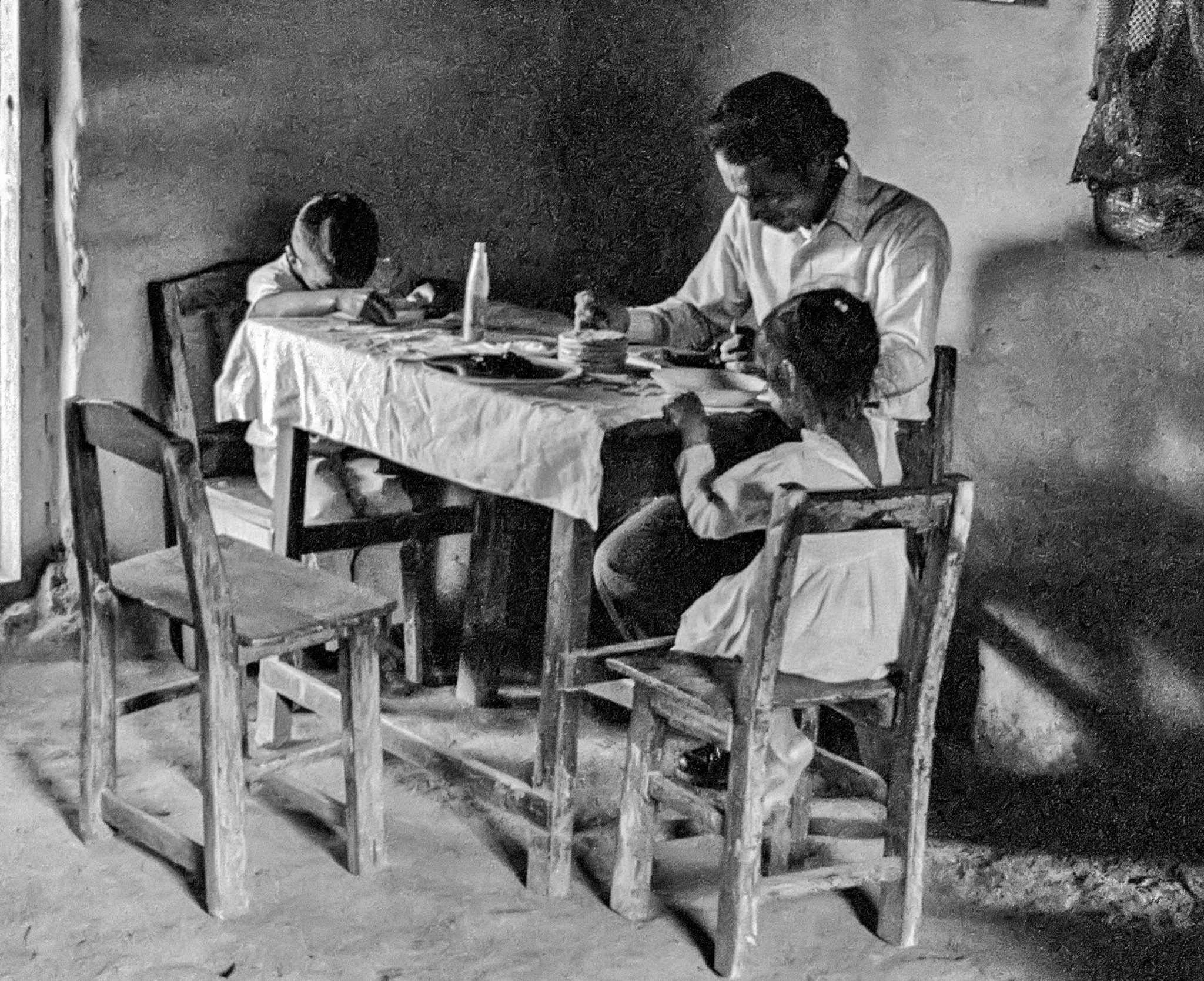
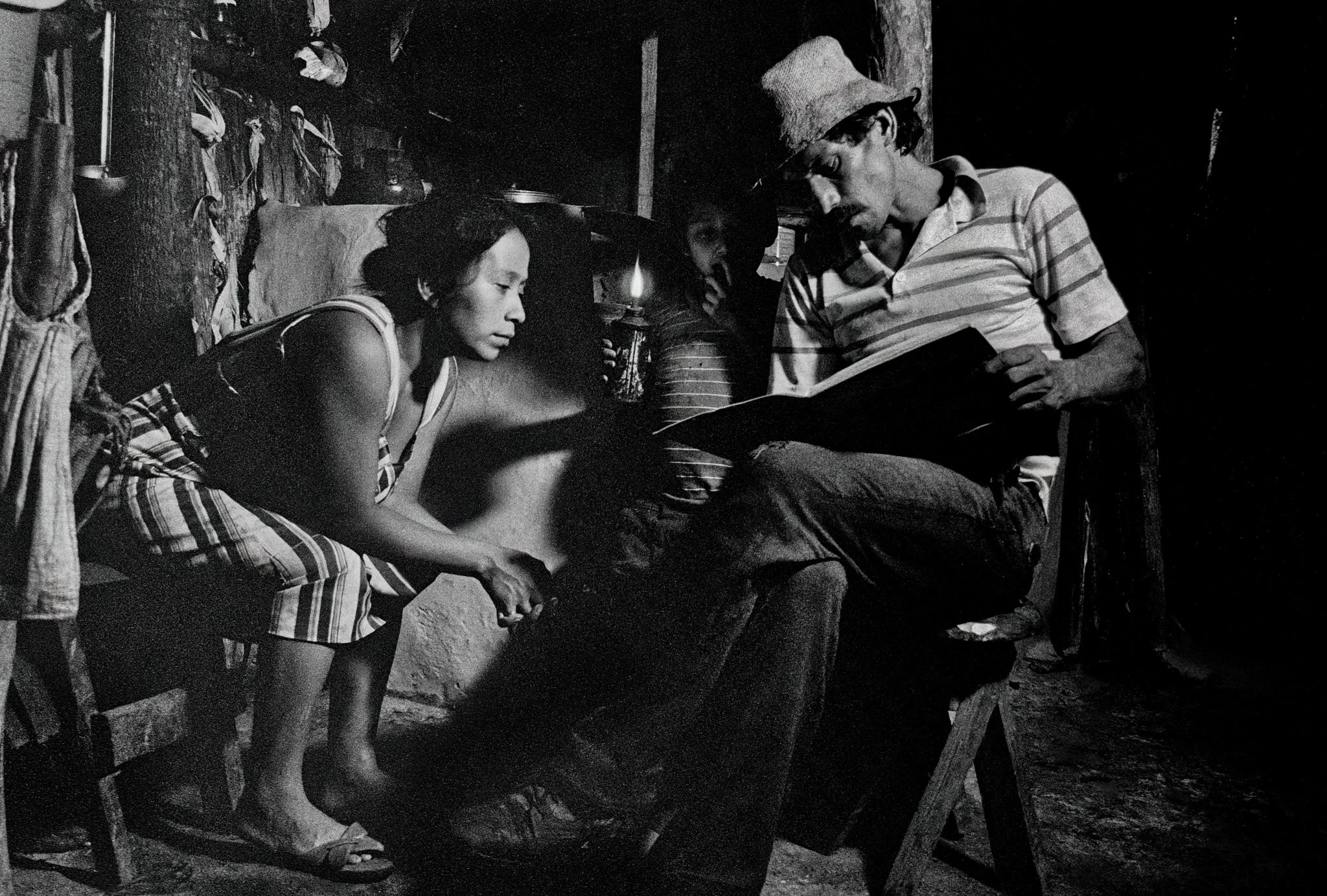
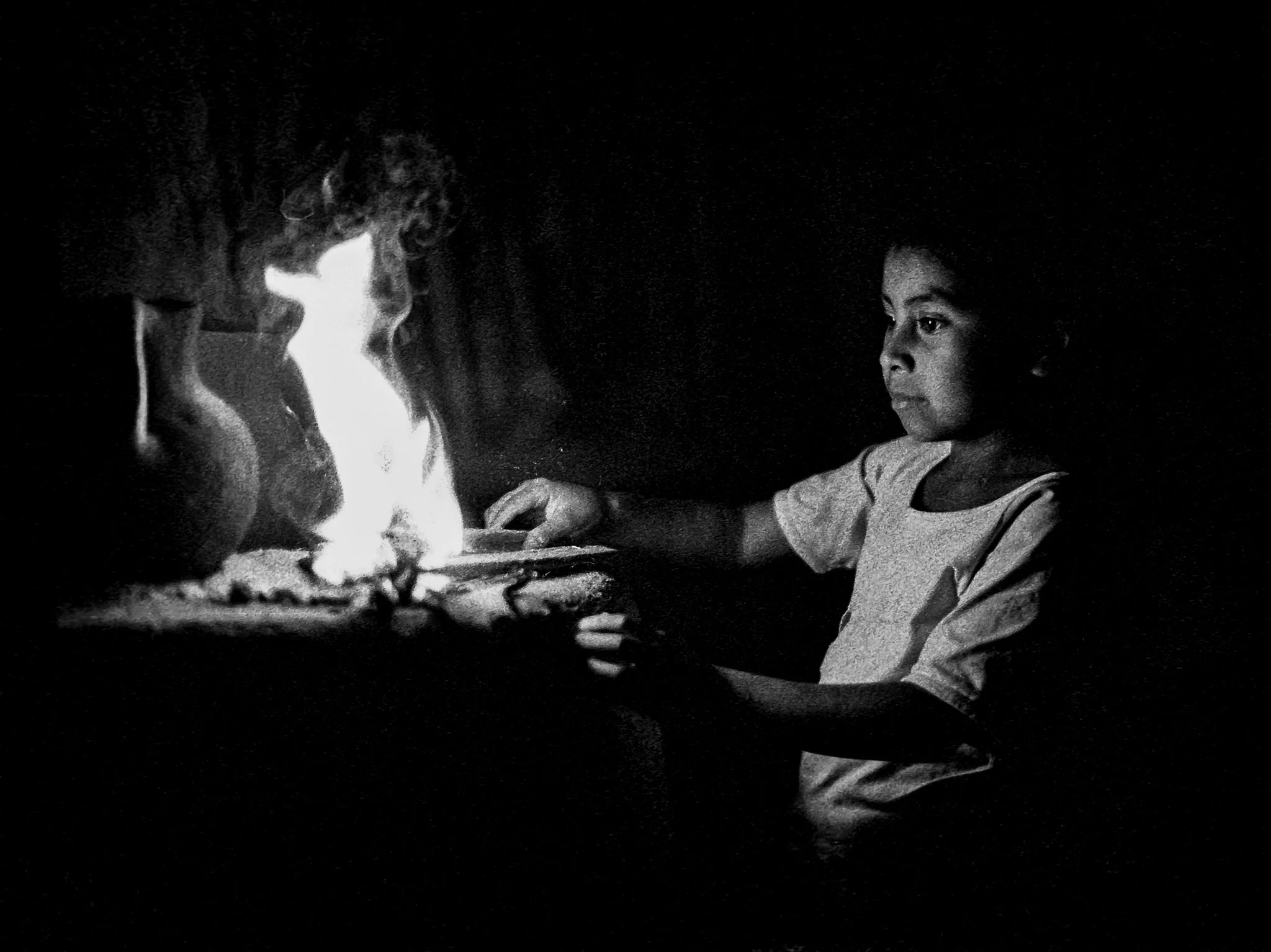
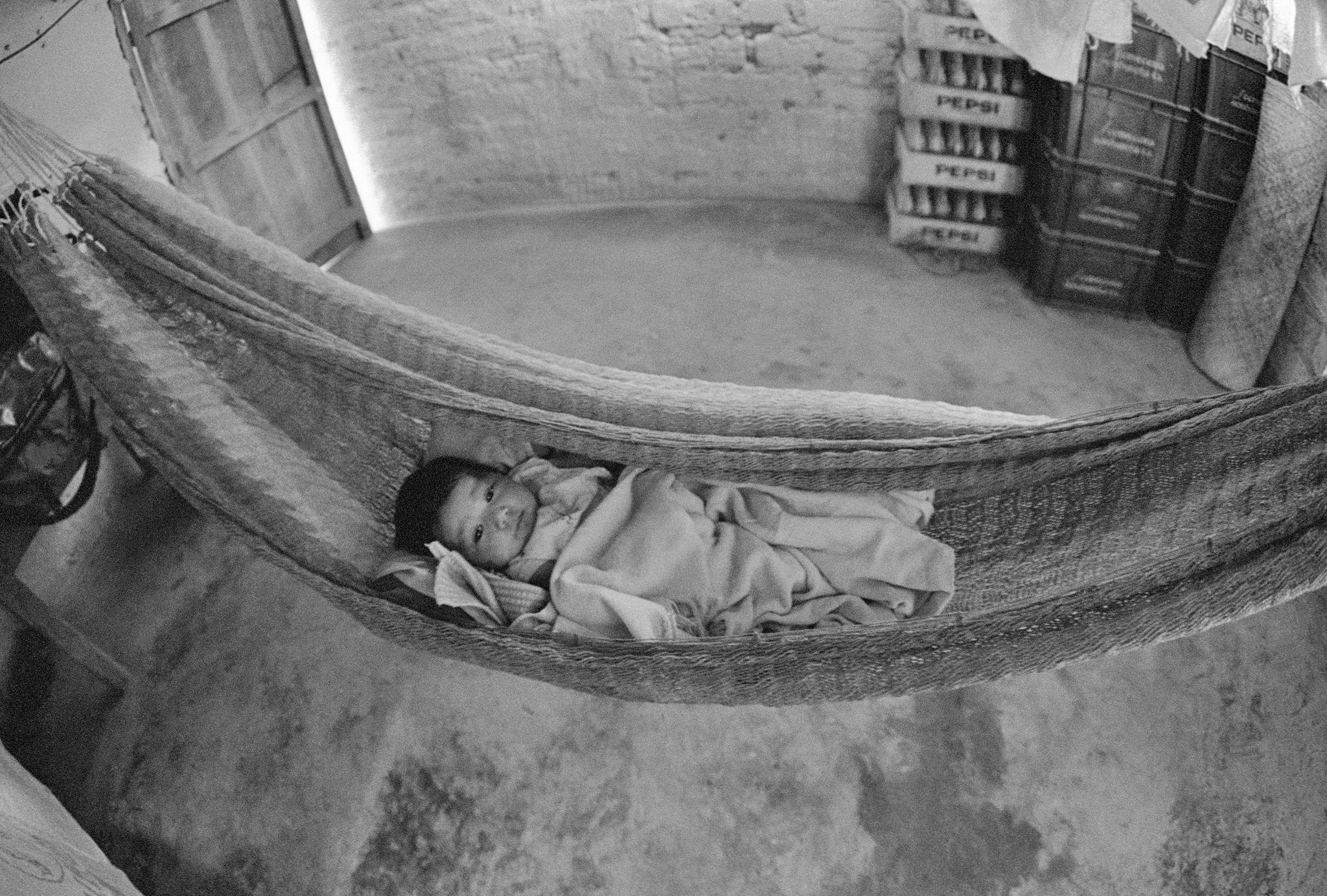
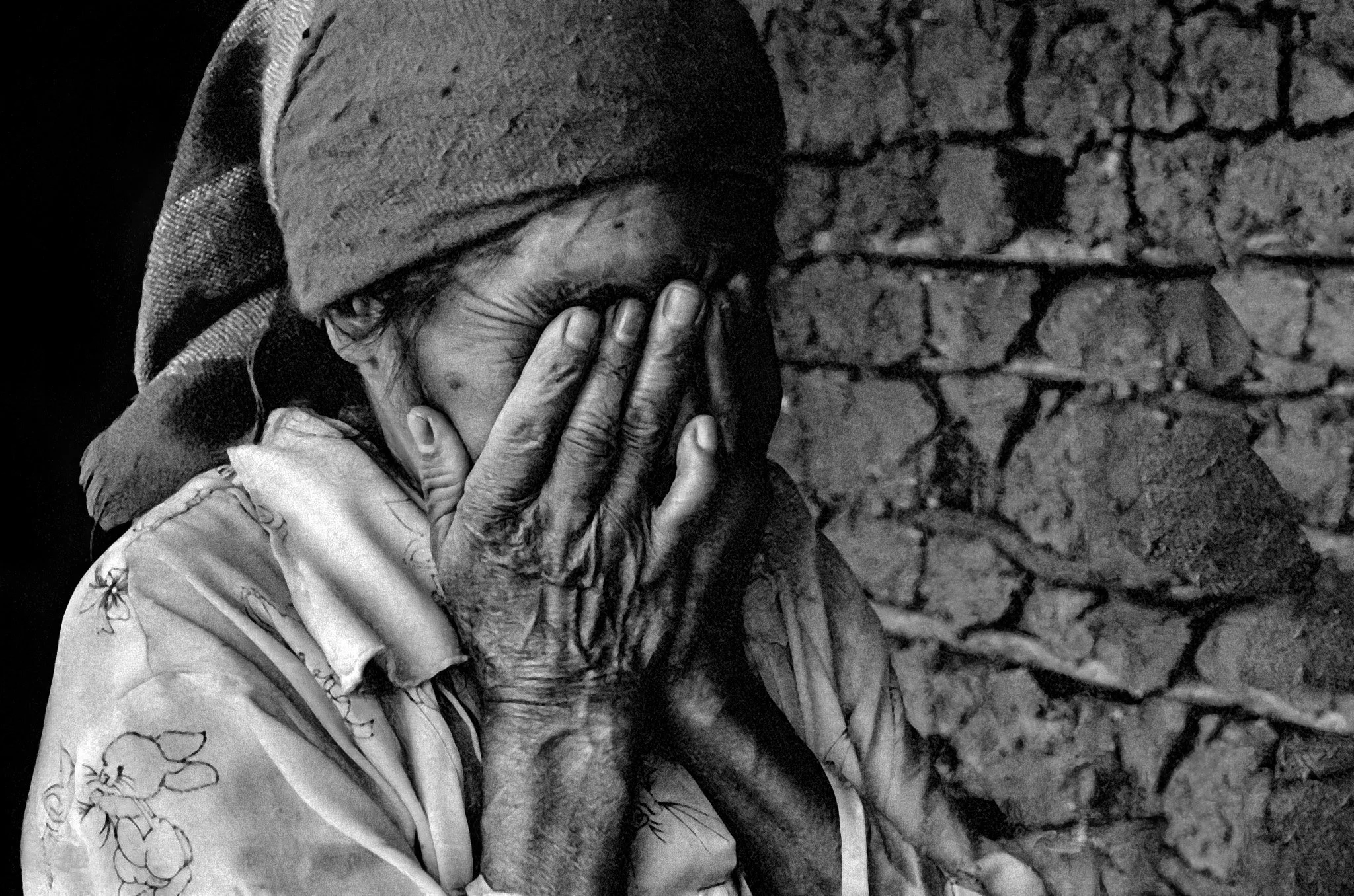
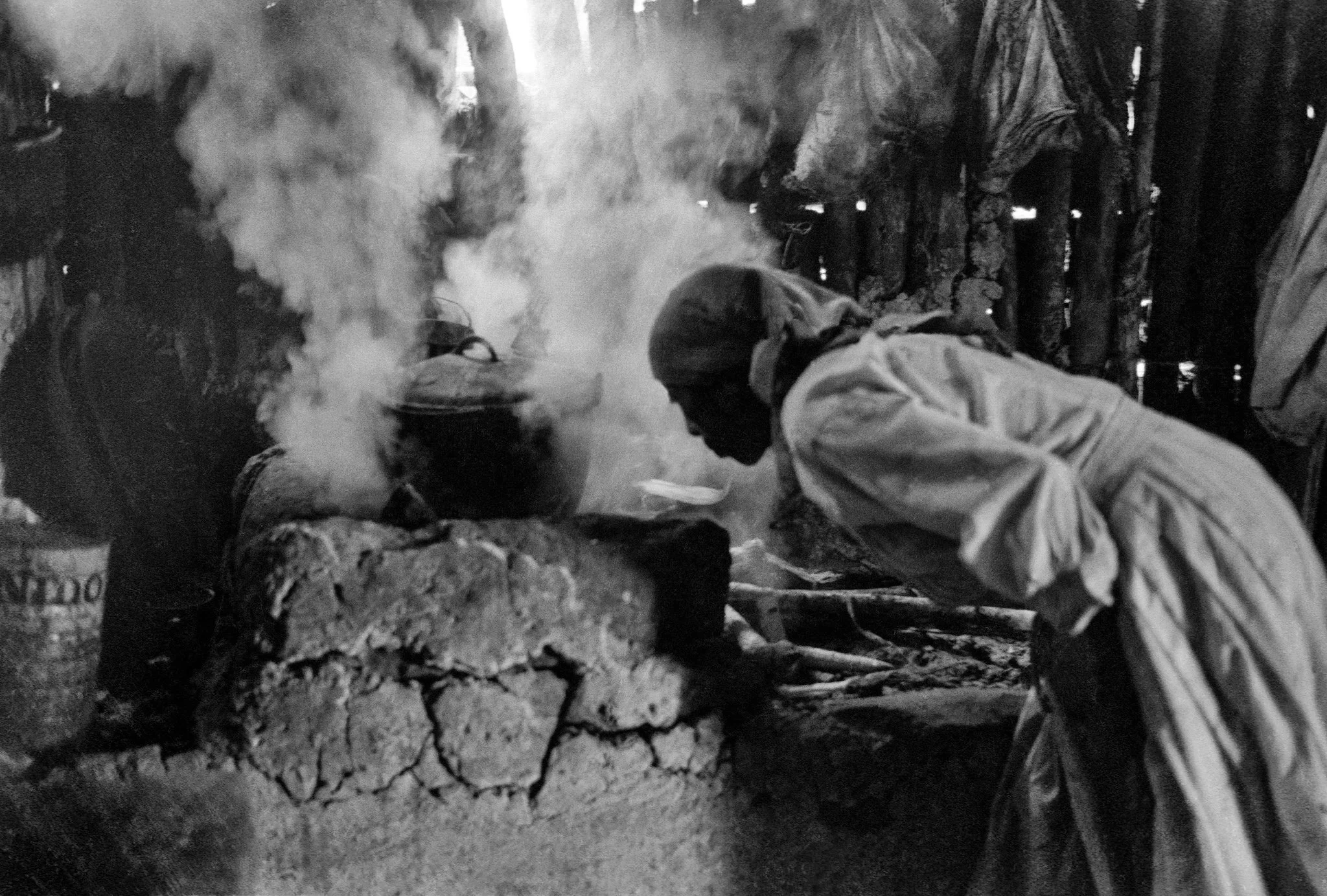
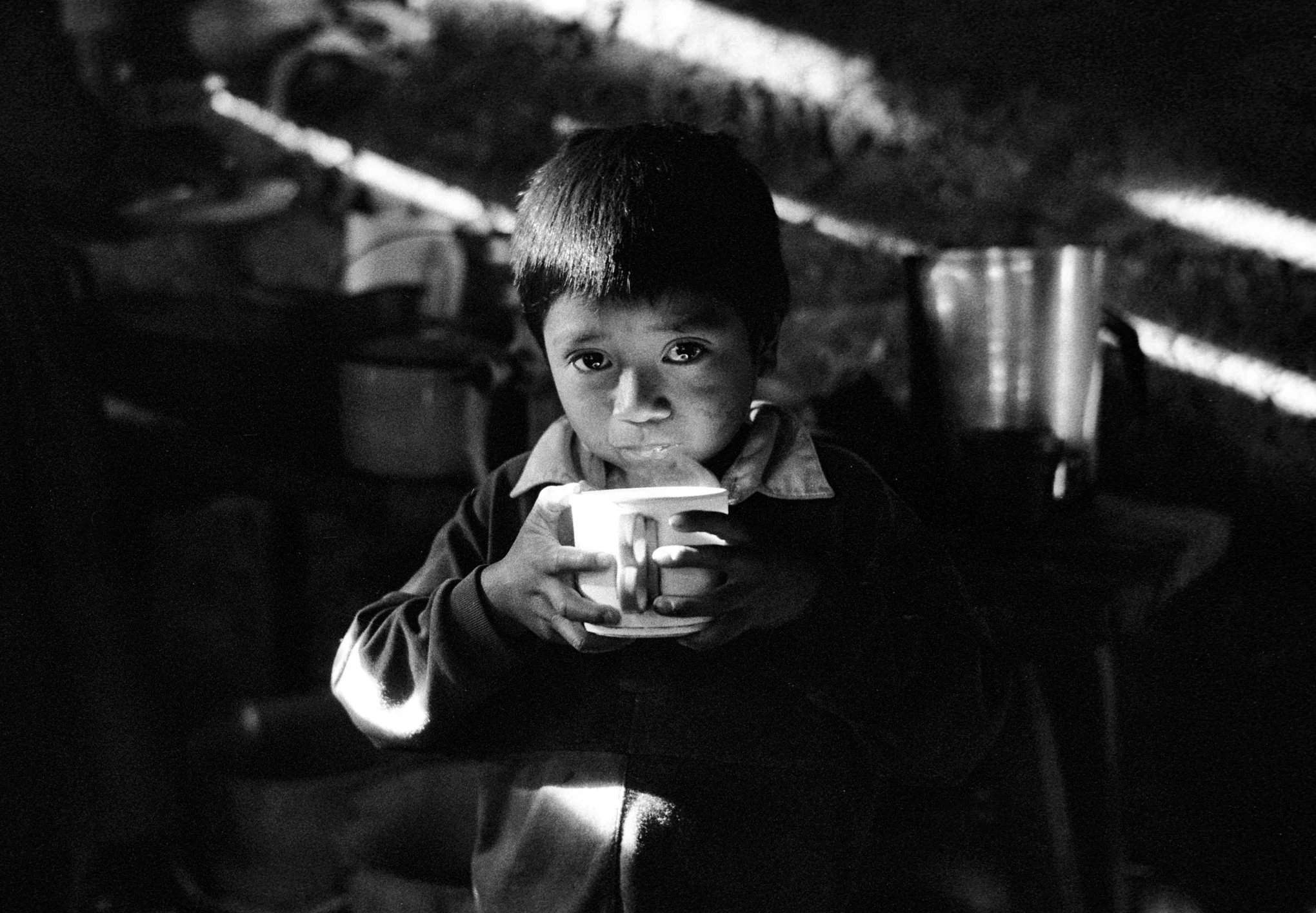
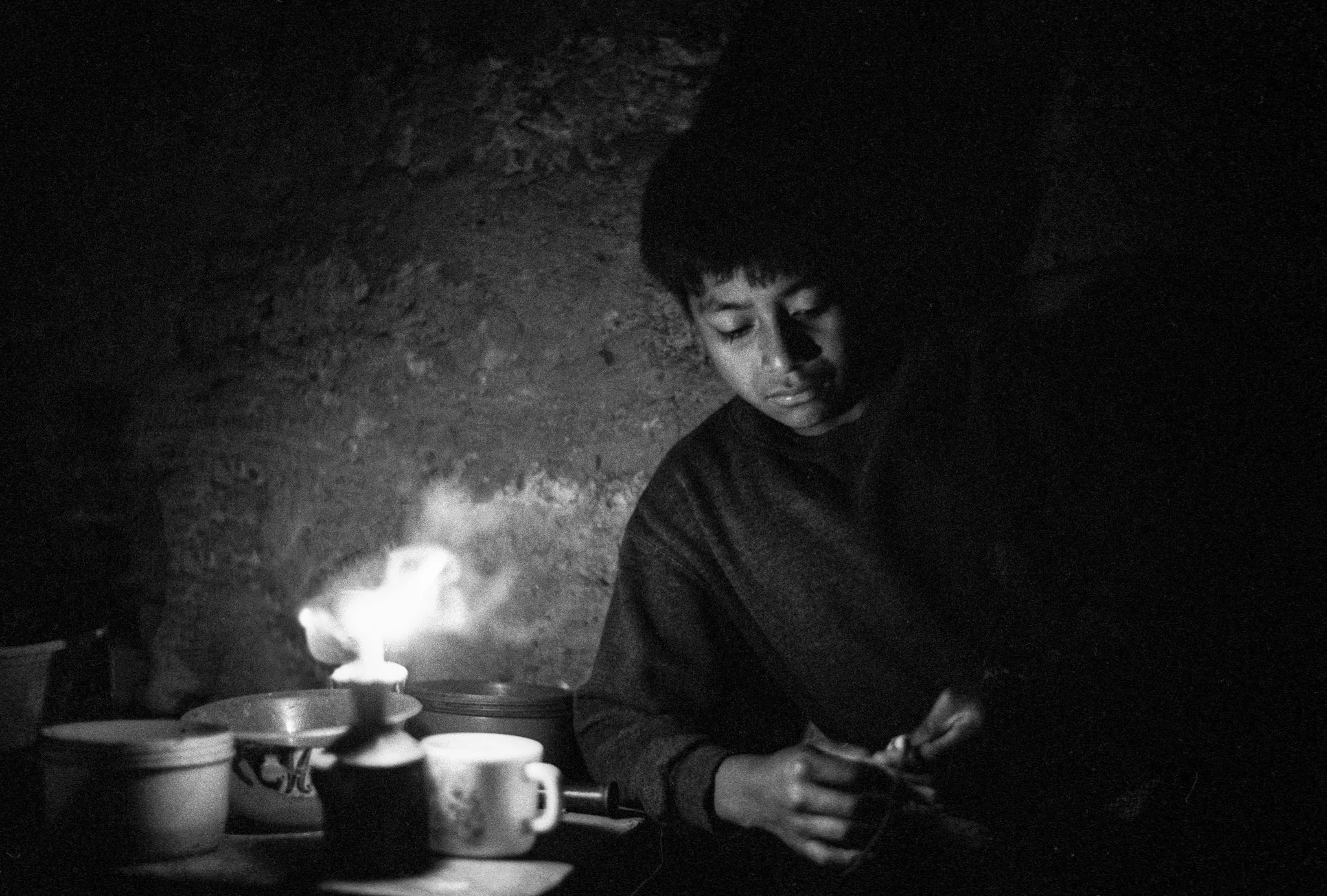
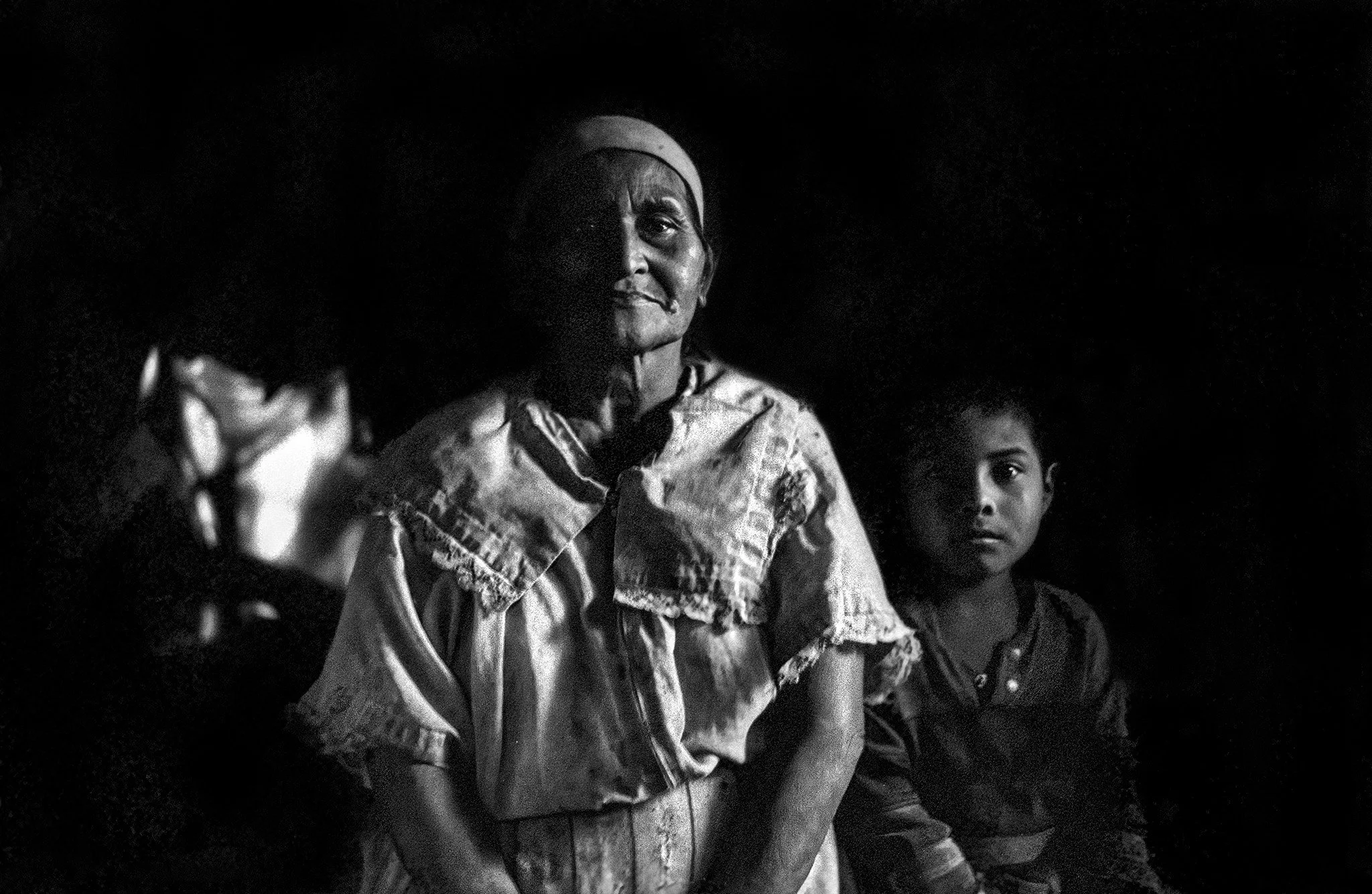
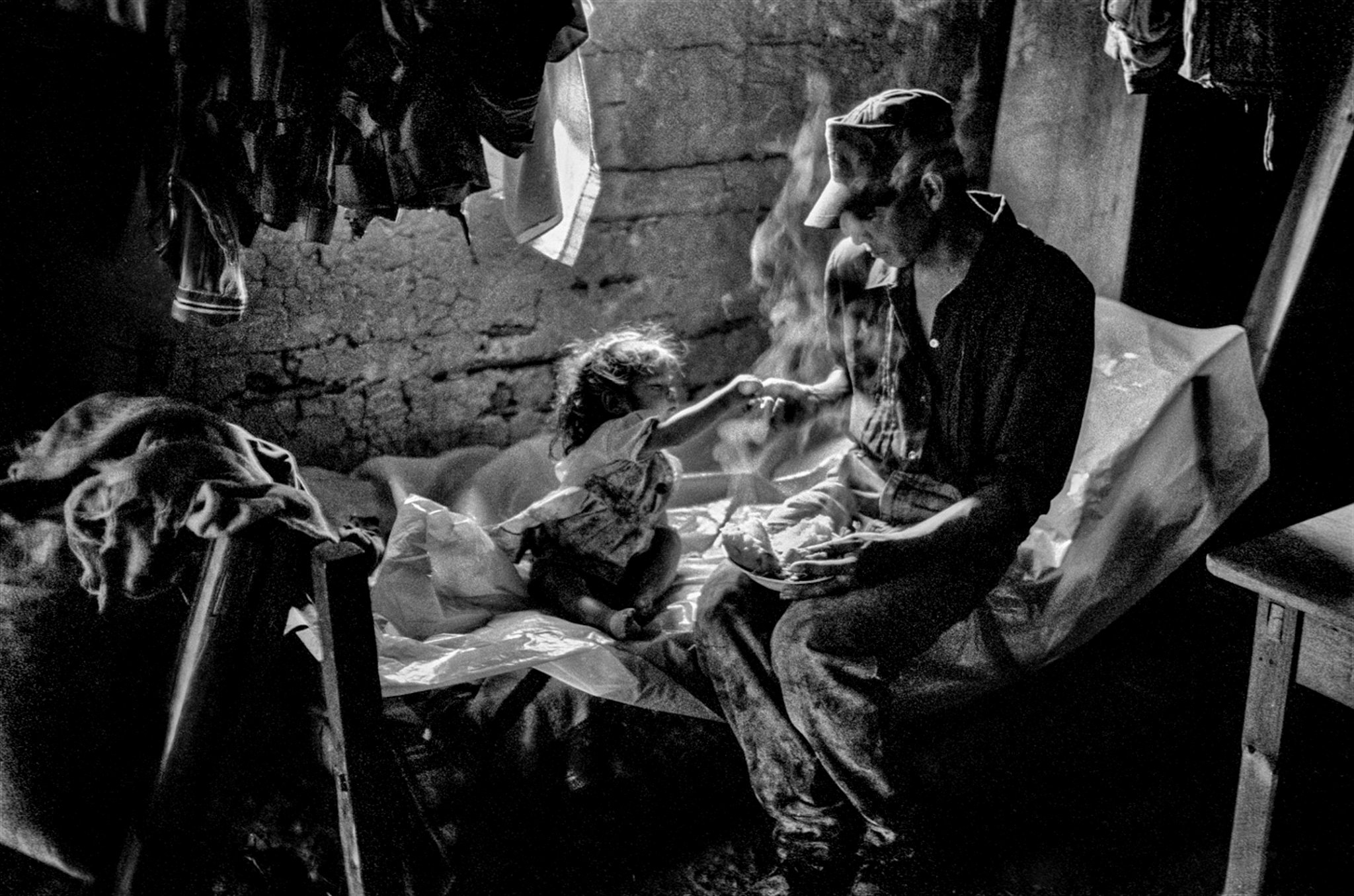
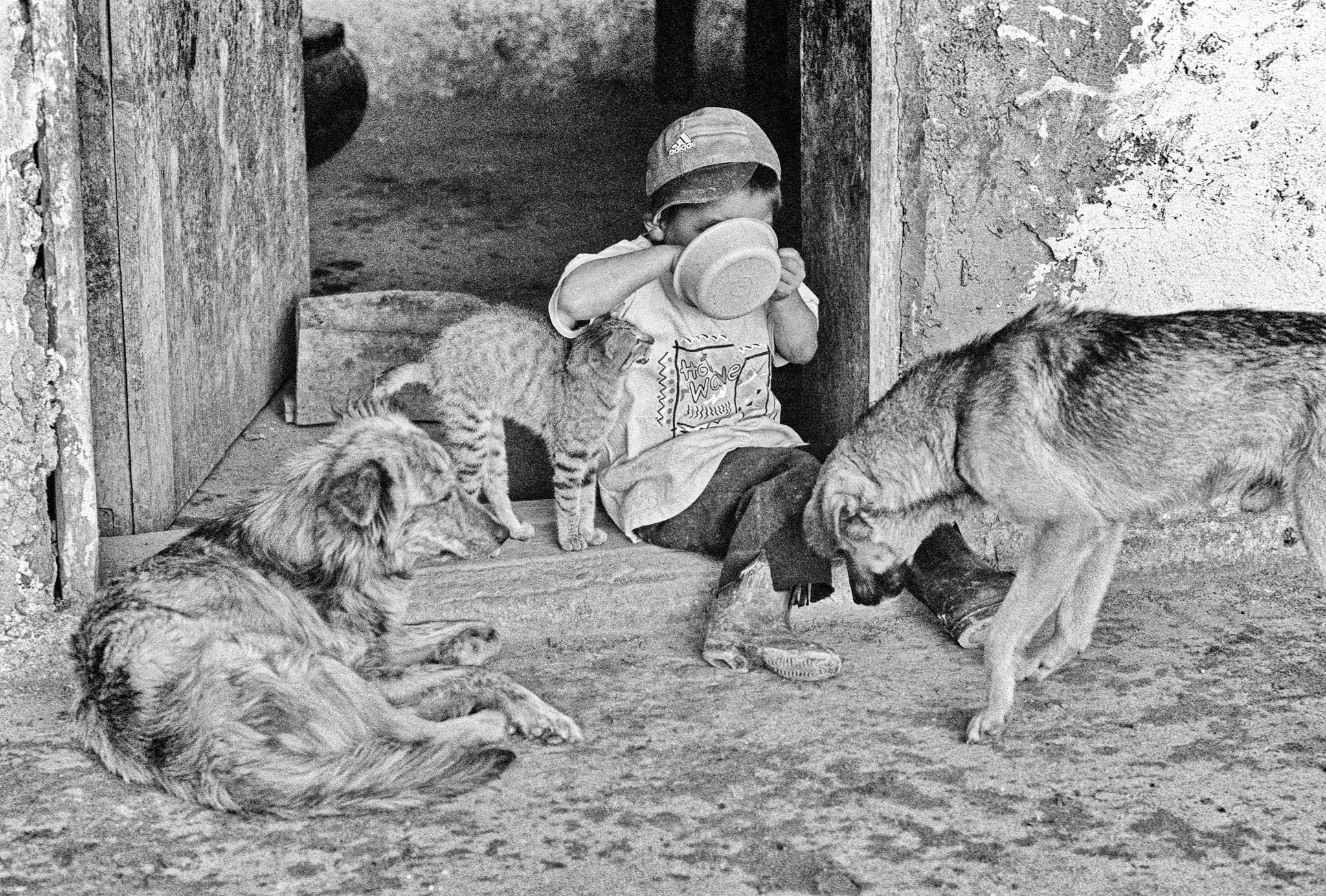
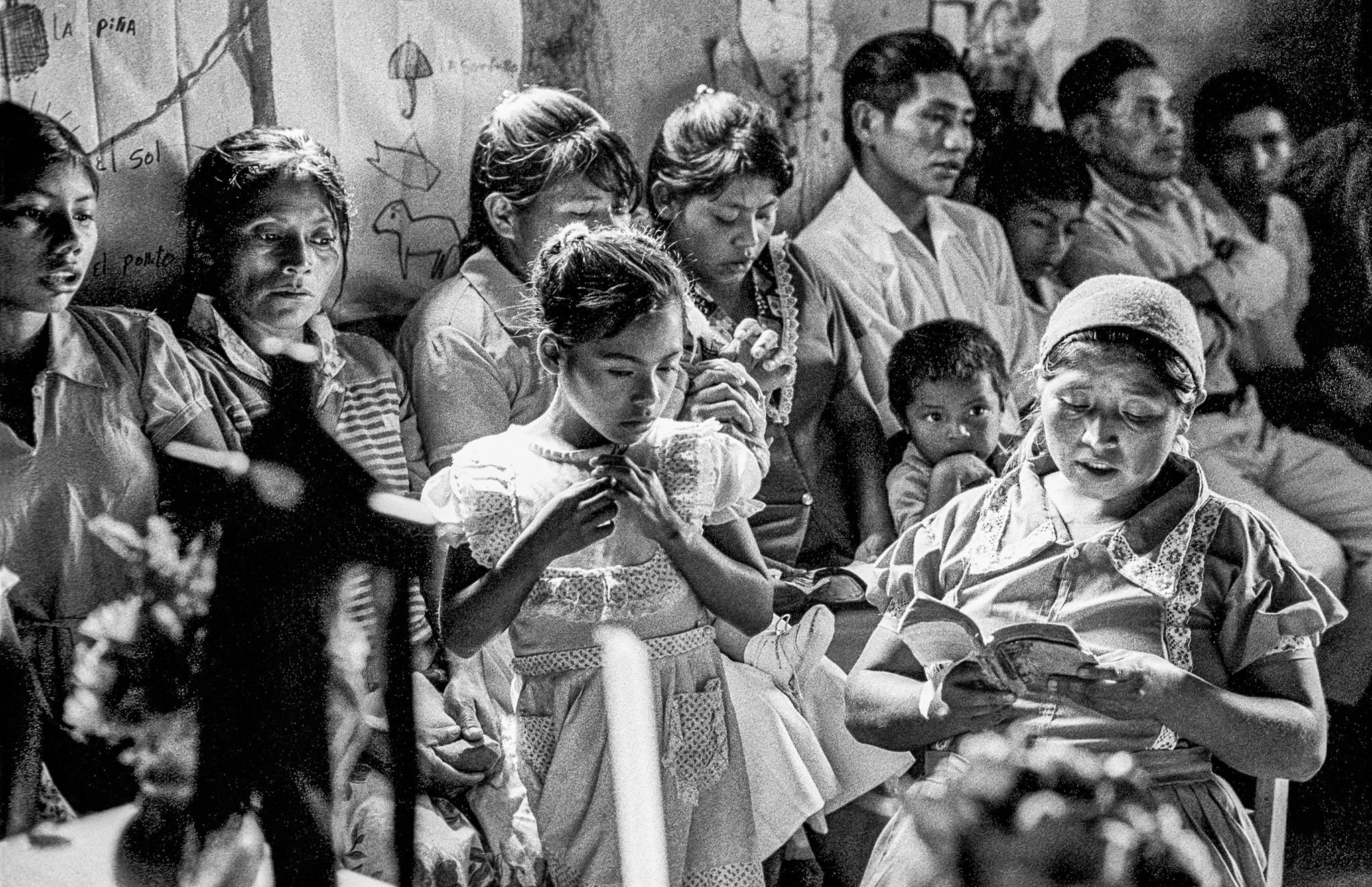
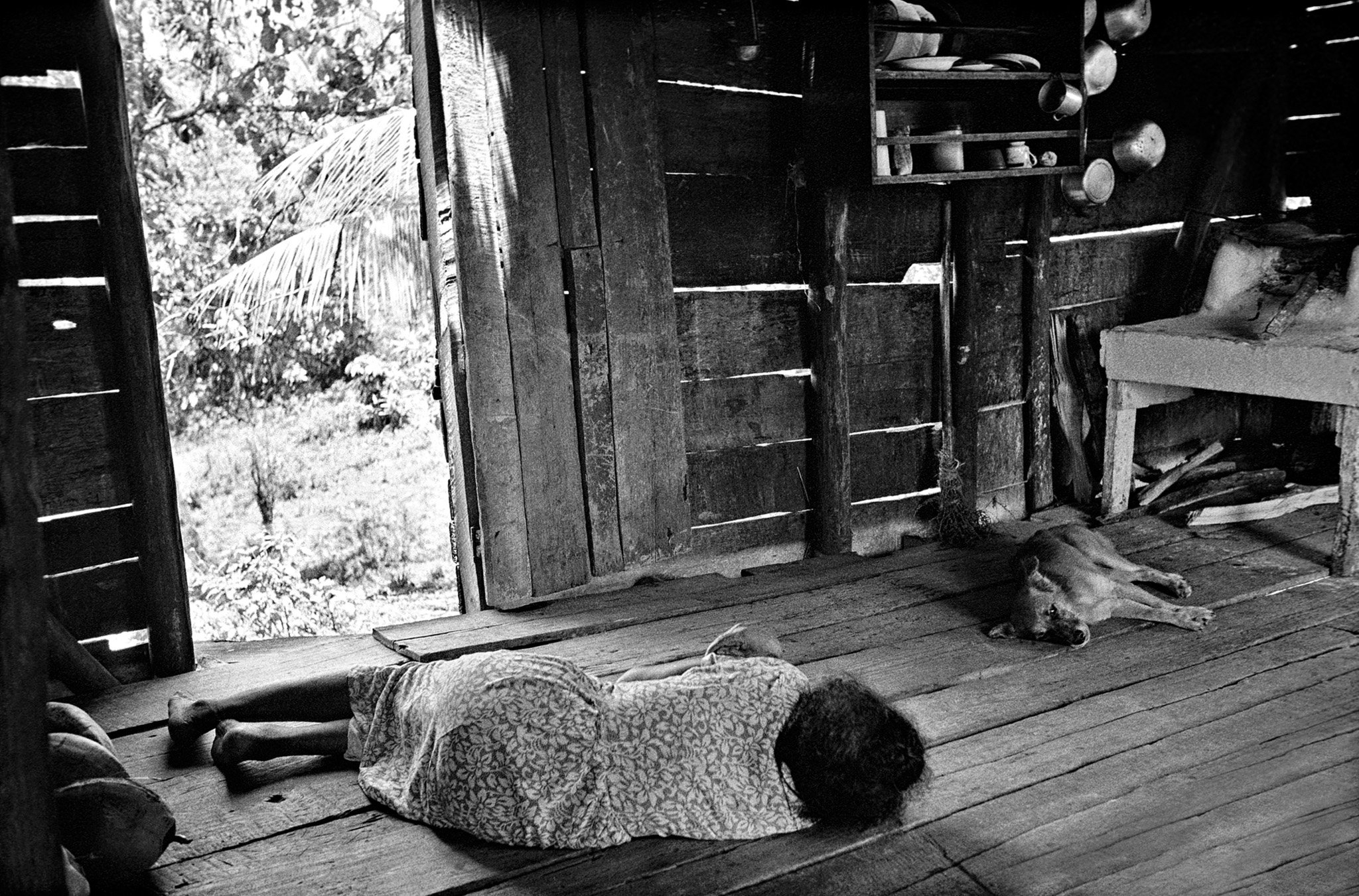
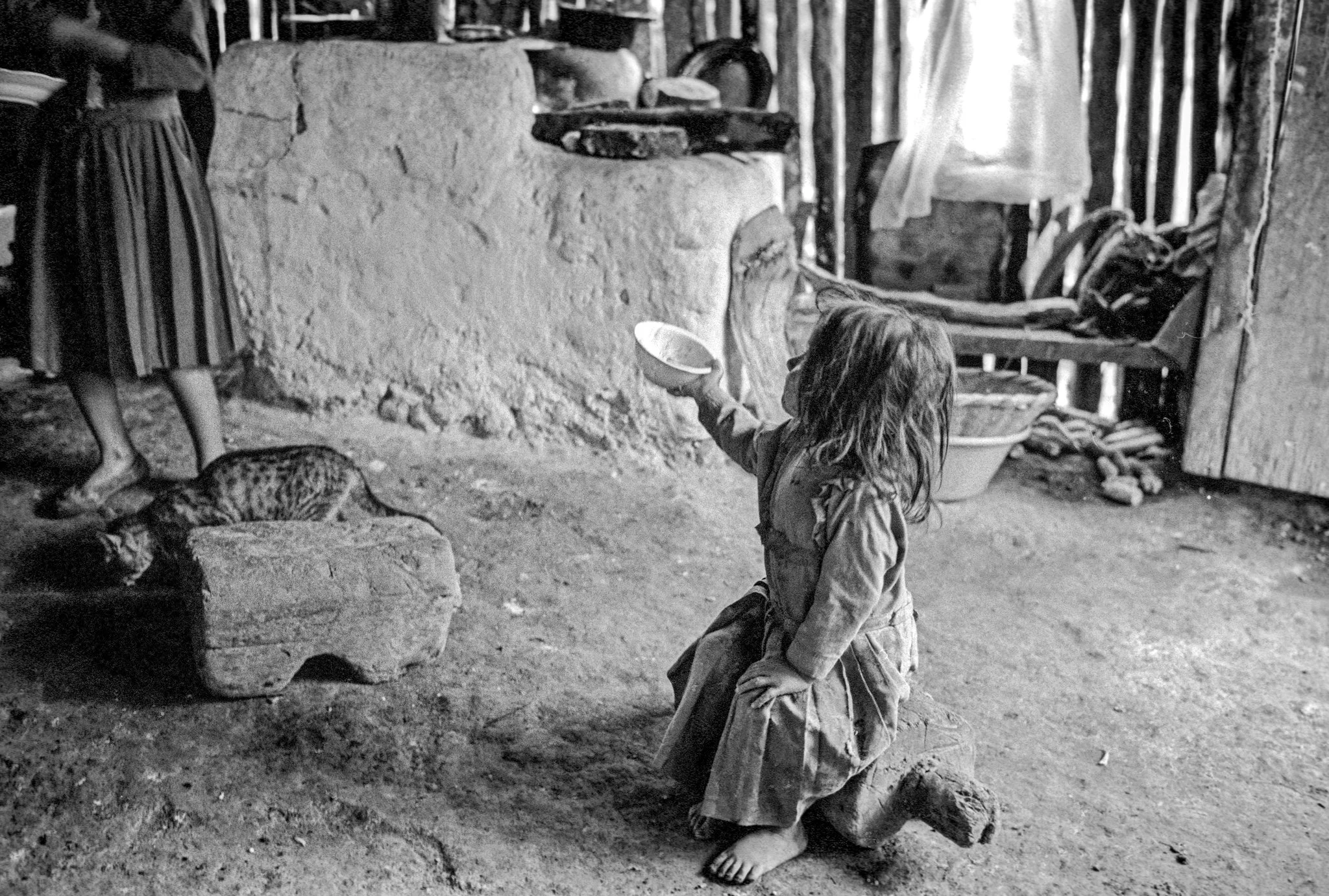
For 30 years, I worked as a mission consultant, taking medical brigades to Honduras and staying with local families to document their daily lives with photography. The photographs were used to raise money for local self-development projects in rural Central America. These are a few of those photographs and they say so much more than I could ever say with words.
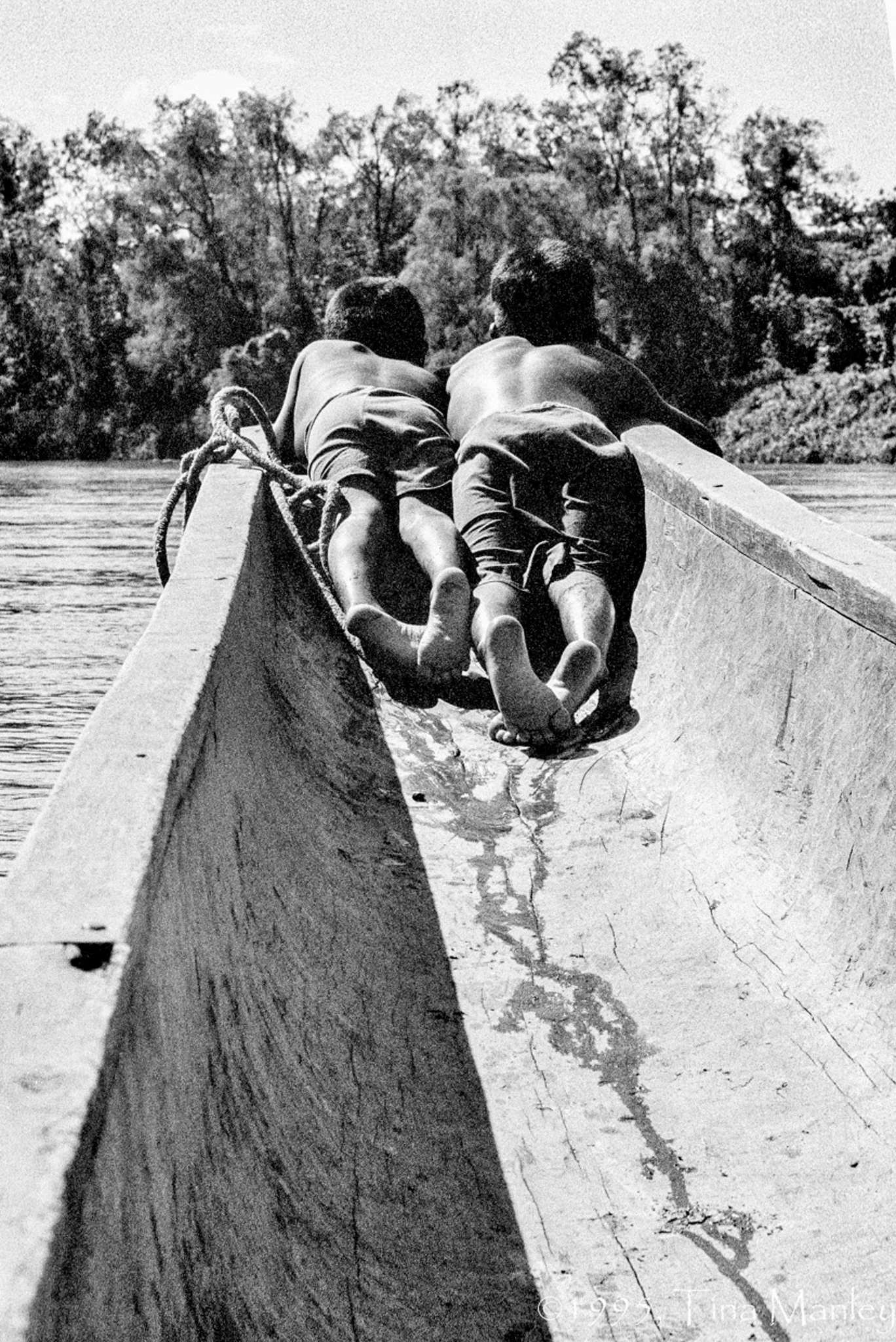
A typical trip for me meant that I traveled to Honduras a week before the medical group to the remote villages we would be serving with medical clinics. I wanted to see and understand the daily lives of the people of the villages. Some of the villages could be reached by car, some only by boat, and some only by hiking in. My longest boat ride was 3 days up the Patuca river inland from the Mosquito Coast and my longest hike was 6 hours straight up a mountain. A few times I was lucky and hitched a ride on a horse. I have flown in small planes landing on dirt strips hacked out of the jungle or landing on a calm stretch of a river, and once sitting in the co-pilot’s seat because it was the only seat available. In the early days before digital photography, carrying all my equipment and film, as much as 300 rolls, and keeping everything dry might have been the most difficult part of the trip.
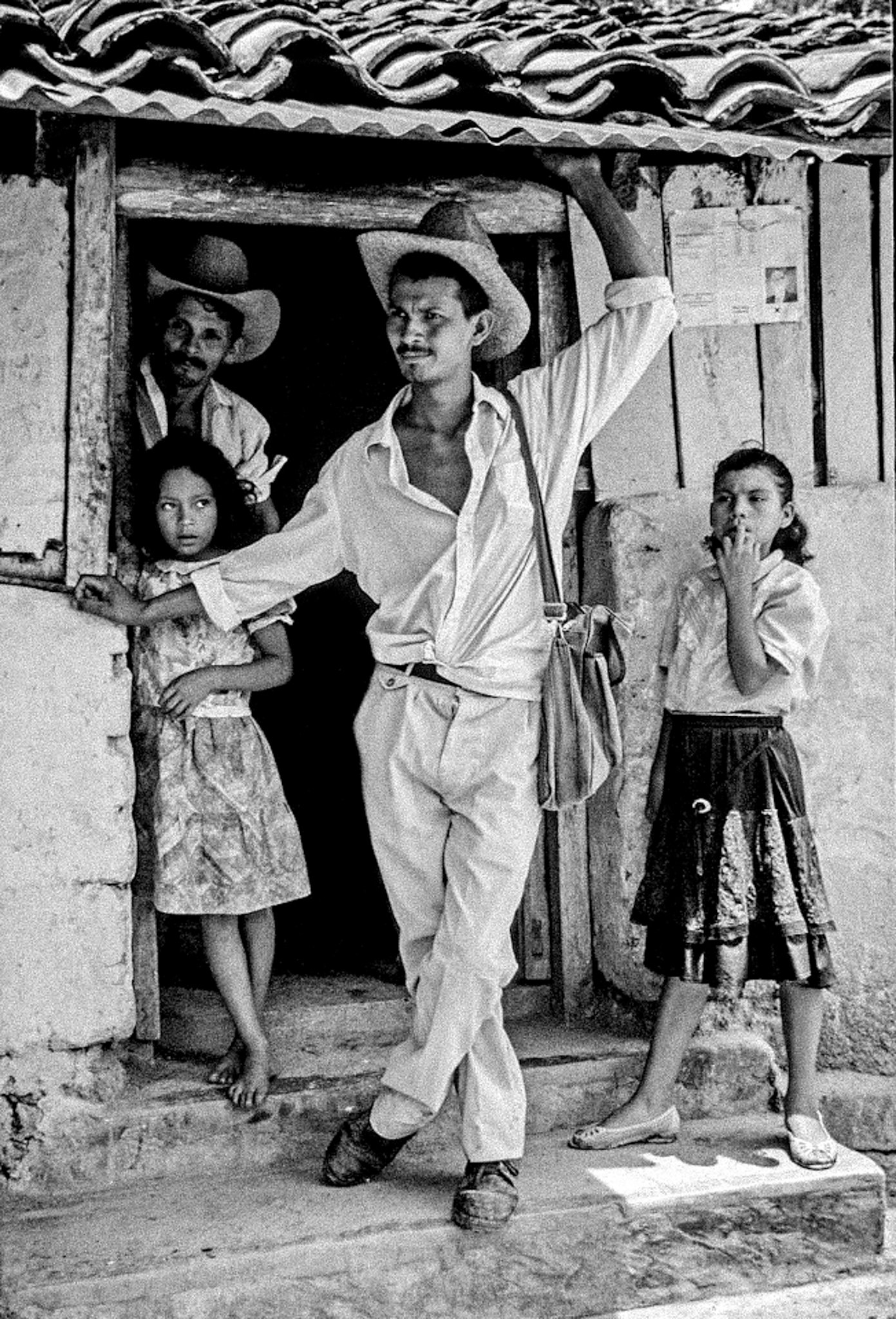
I was often accompanied by our local Honduran coordinator who helped facilitate doing what I wanted, to stay with a family to better understand and document their daily lives. No family ever denied my request. I was allowed to observe, eat and sleep with the families and sleeping could be interesting. I have slept in my sleeping bag on dirt floors, in hammocks, and communally with the whole family on a large sleeping platform. Bathrooms were pit toilets away from the house with a curtain for privacy, or in poorer villages, the corn fields. The houses themselves were typically one or two-room thatched roof huts with side walls of adobe or sticks and mud all with dirt floors. Cooking was most often over an open fire with a hole at the peak of the thatched roof to vent the smoke. My Spanish is far from perfect but I found working under such circumstances improved it dramatically.
My objective was to blend in and sit quietly in a corner until they forgot I was there taking photos. A typical day would start at dawn with hot coffee and fresh tortillas for breakfast. Sometimes the children were off to school and getting there might require a long hike and crossing small rivers on downed trees. The men were off early to work their fields which could be on remote mountainsides. It was for many families a subsistence existence and can all sound hard scrabble and bleak but their love for each other was clear and family bonds were strong. In all my travels (83 countries so far), I have never encountered such incomparable warmth and hospitality as shown to me in Honduras.
I have been asked how my photos have made a difference. One village in Honduras that I have gone back to several times is a good example. In El Temblor, I could see that the people were better off with each visit. They all now have goats from Heifer Project International (who used my photos for fund-raising) so they have goat’s milk and cheese. They live in adobe houses with concrete floors instead of the stick huts with mud floors that they had the first time I visited. They now have latrines and some even have running water from well projects. While they are still poor, their standard of living has improved and their health has improved.
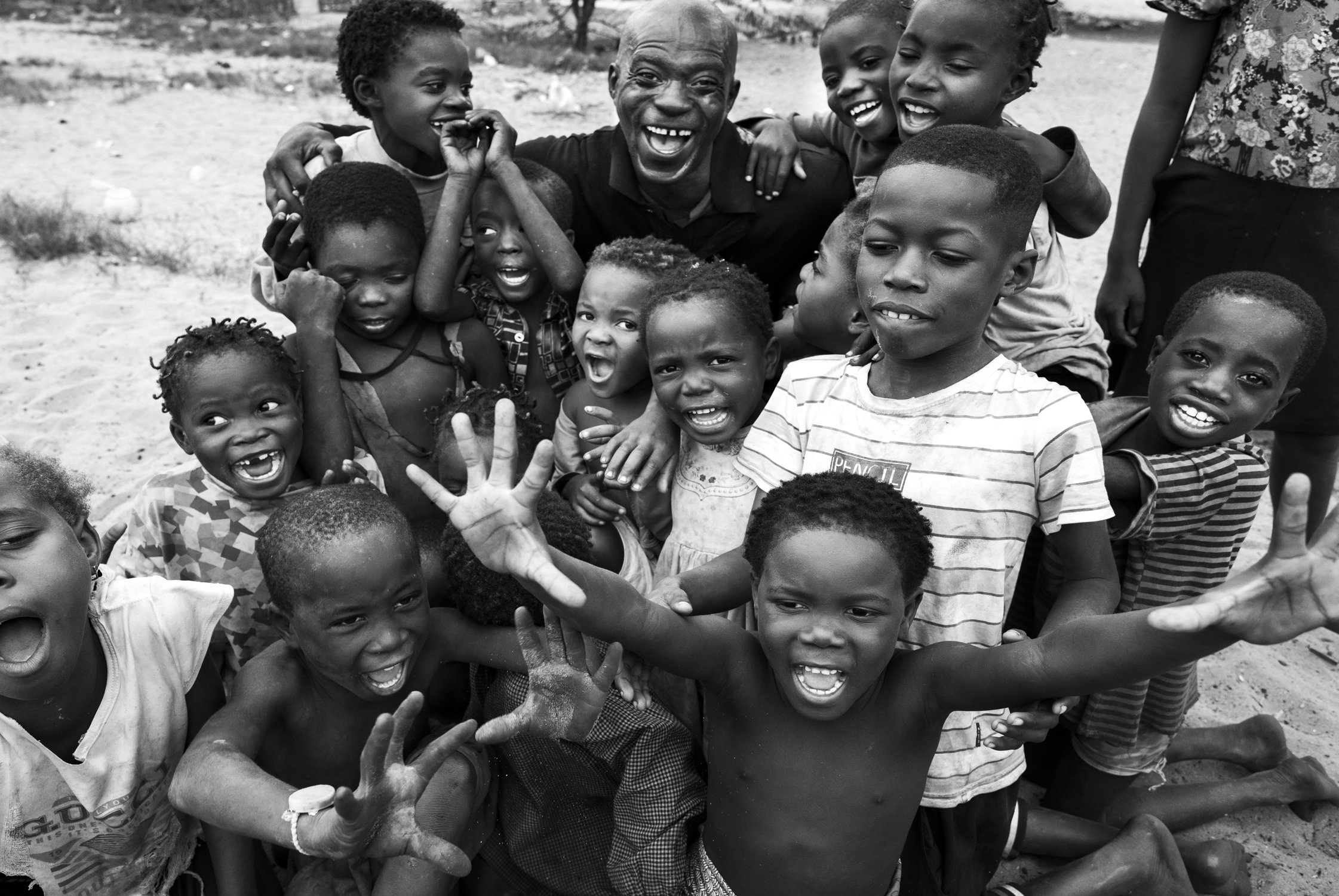
I always made prints of the photographs of the people and whenever possible sent them back to Honduras to be carried into the village by anyone traveling there. But if I returned to a village, I enjoyed carrying prints of the photos myself and watching the expressions of everyone, especially the children, most of whom had never seen a photograph of themselves.
I feel rewarded when I see what my photographs have helped make possible for the families. That is why I love documentary photography and the difference it can make. I hope people can look at my photographs and realize that people everywhere have the same dreams for their families. We are all more alike than we are different.
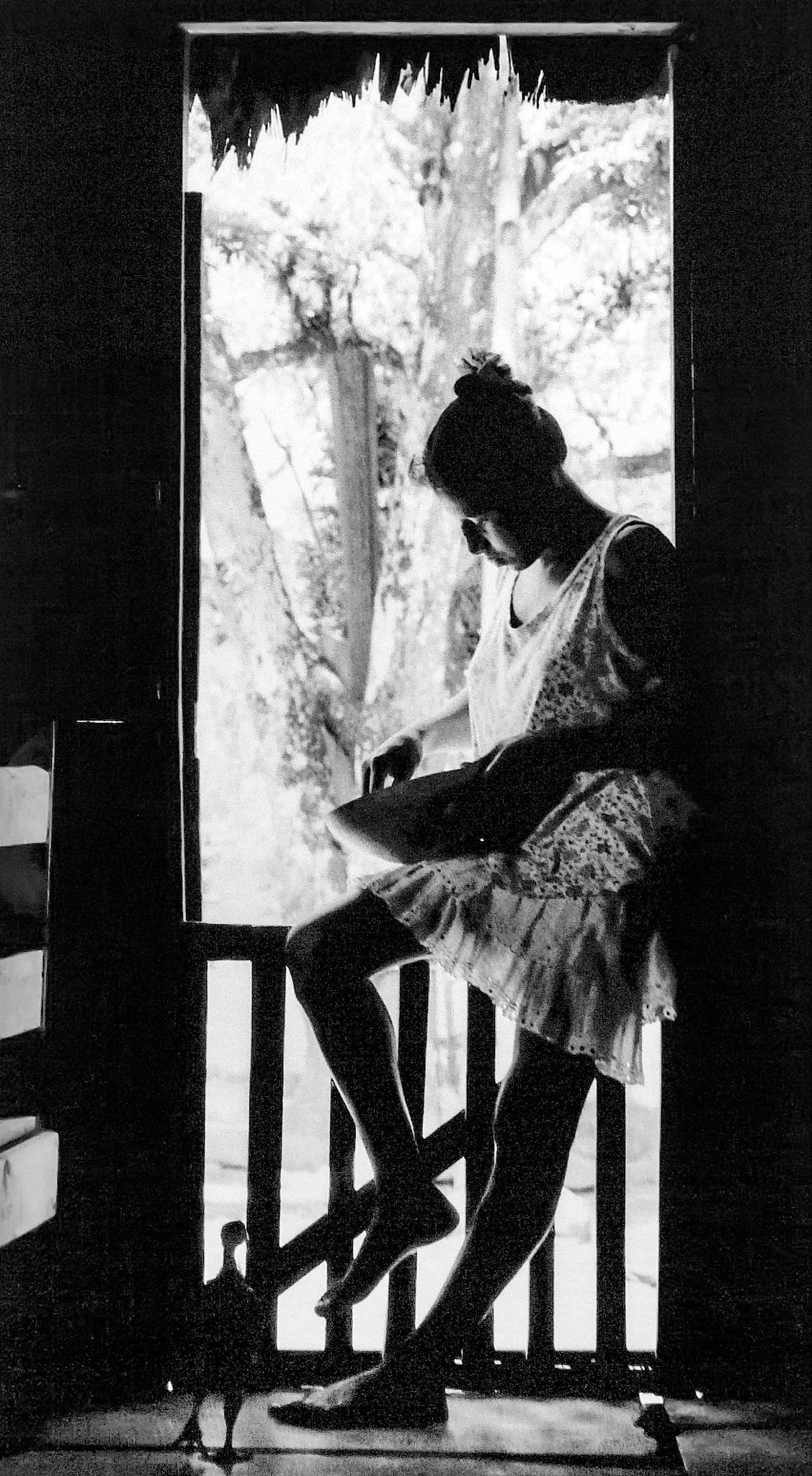
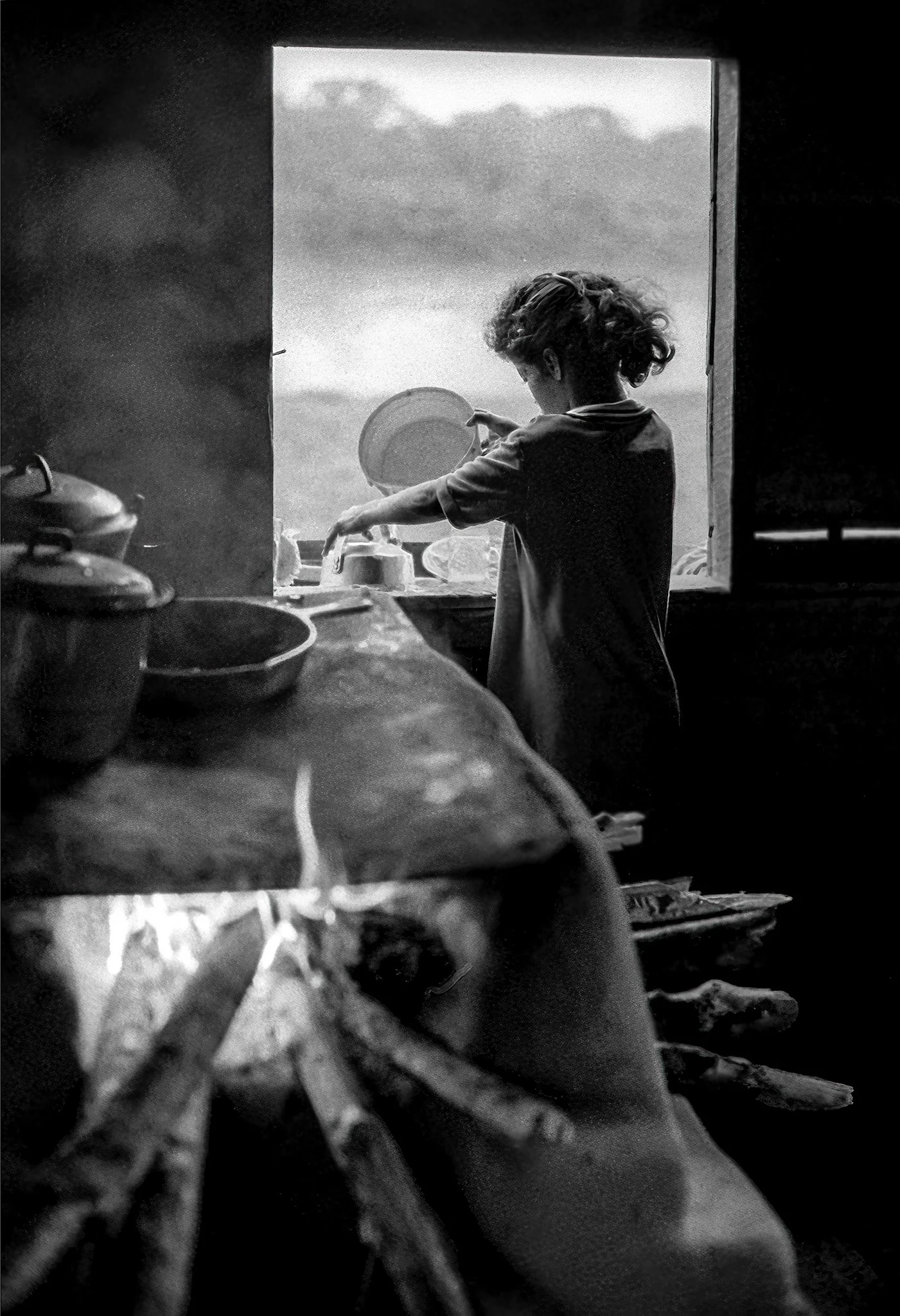
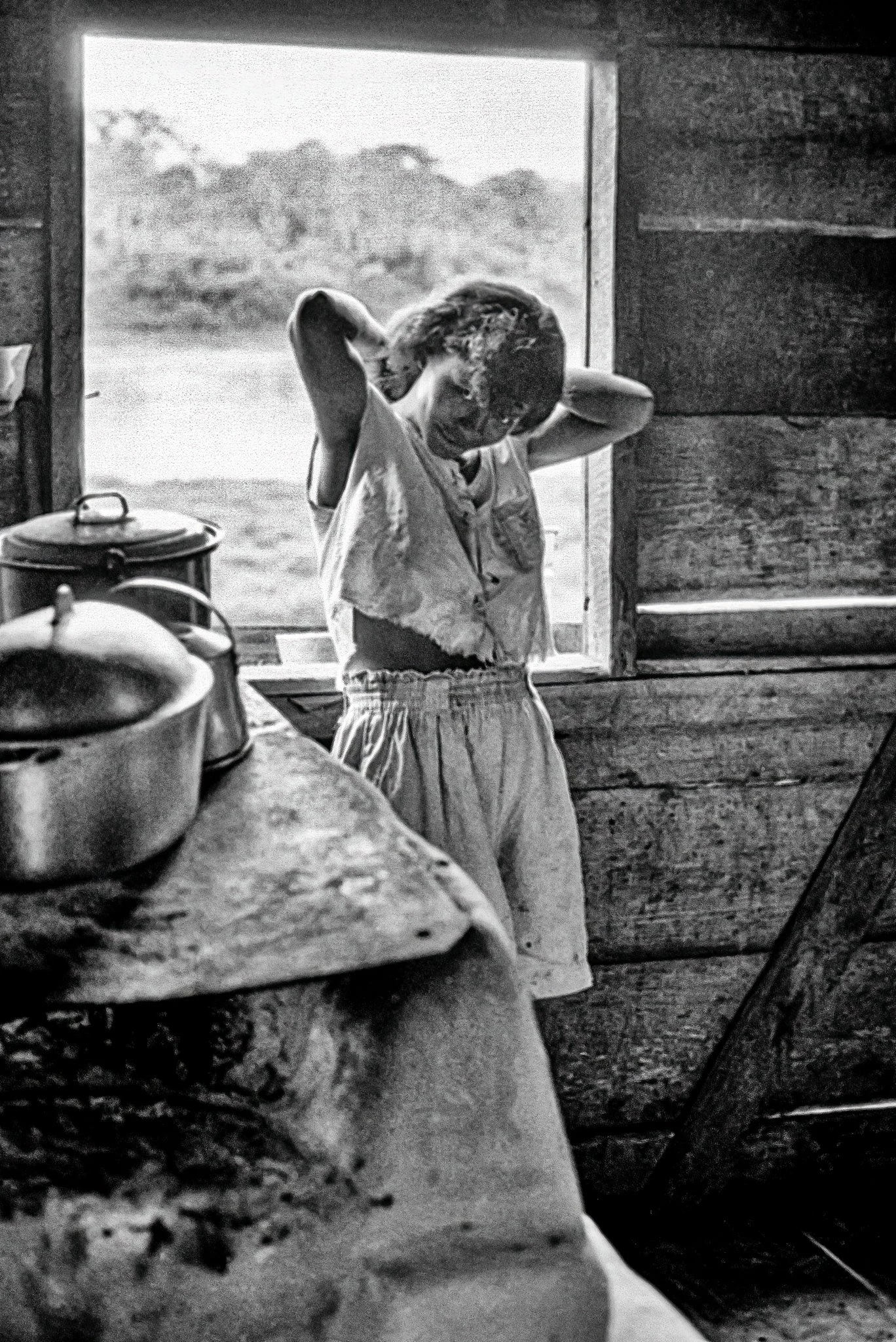
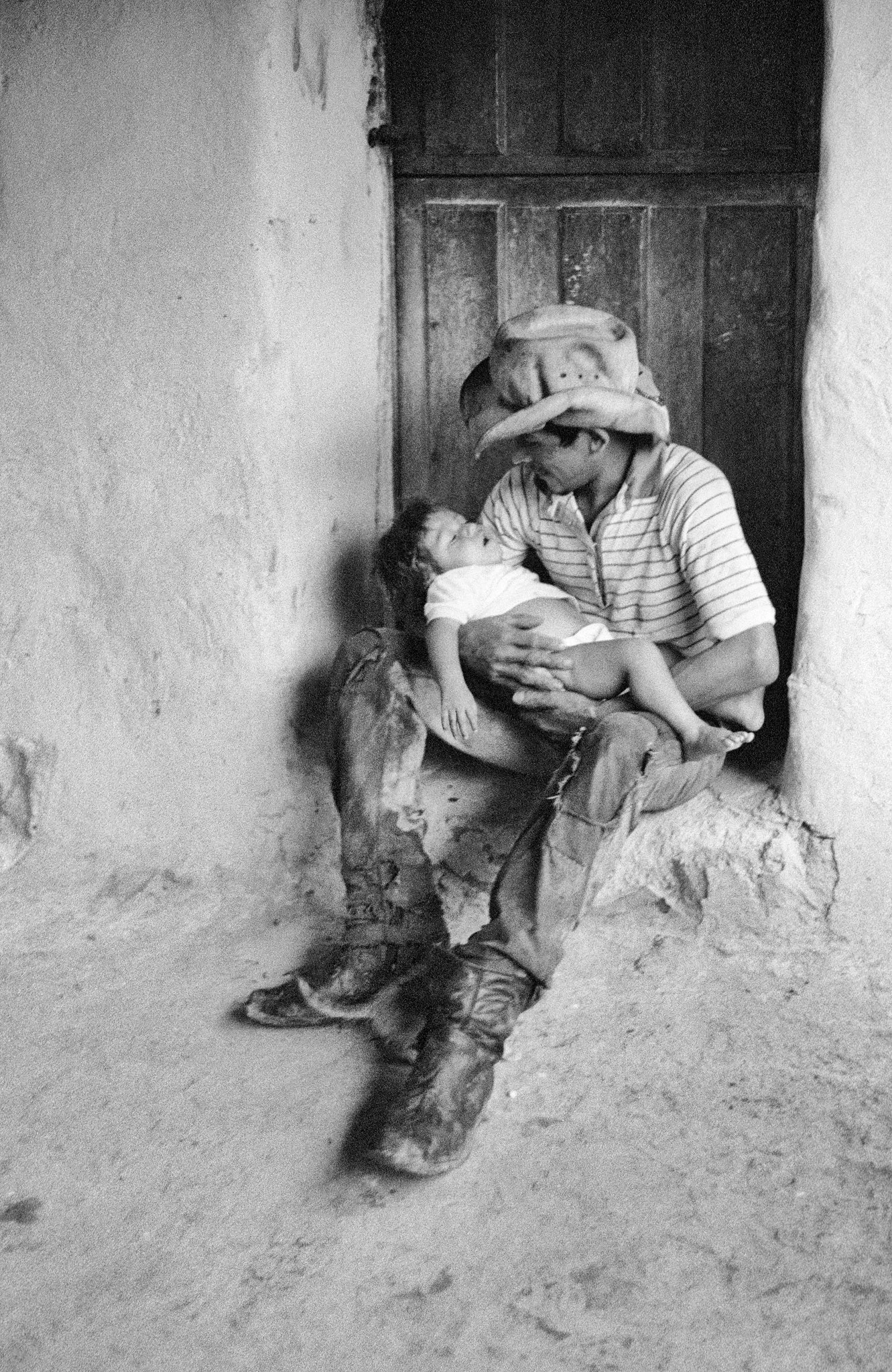
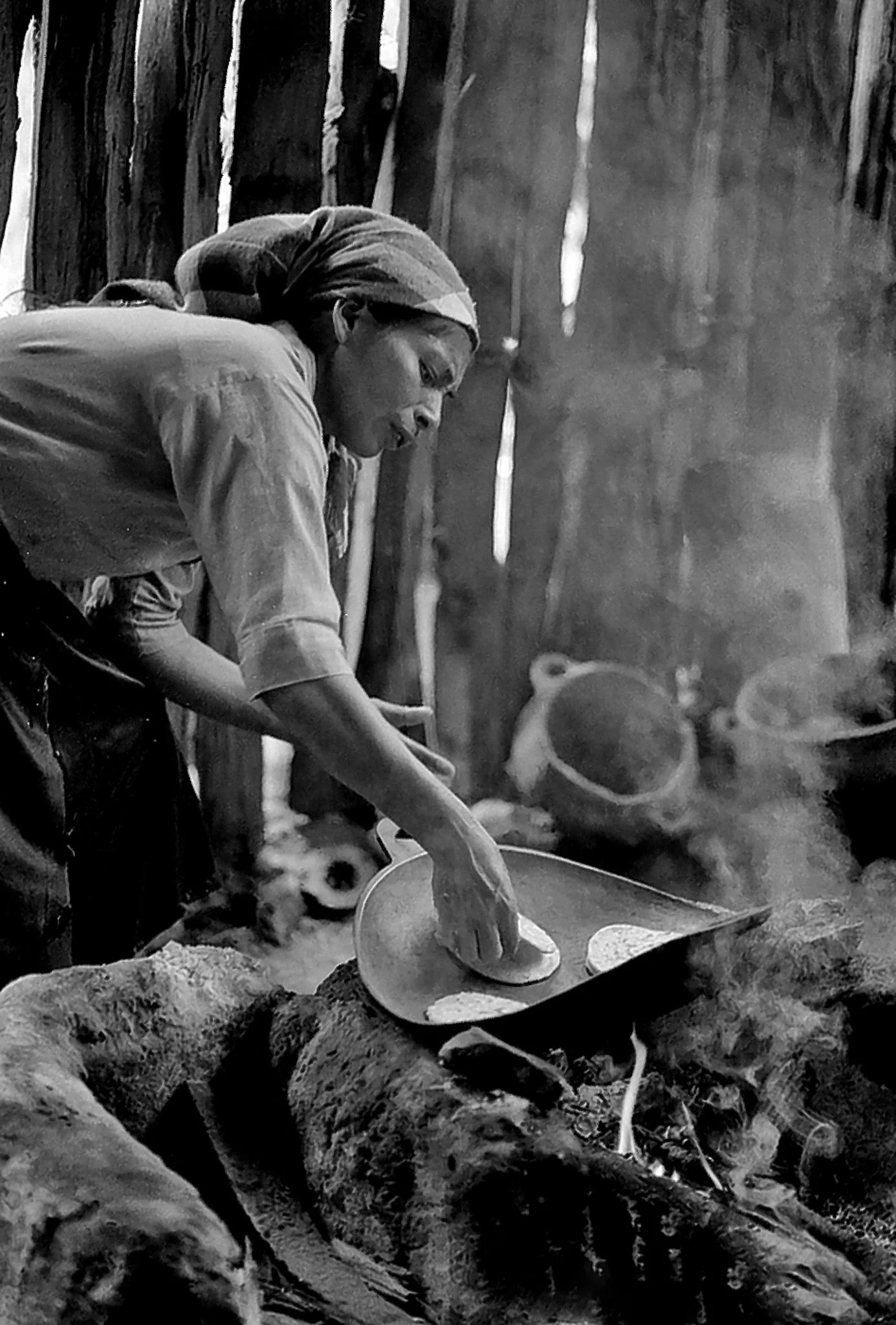
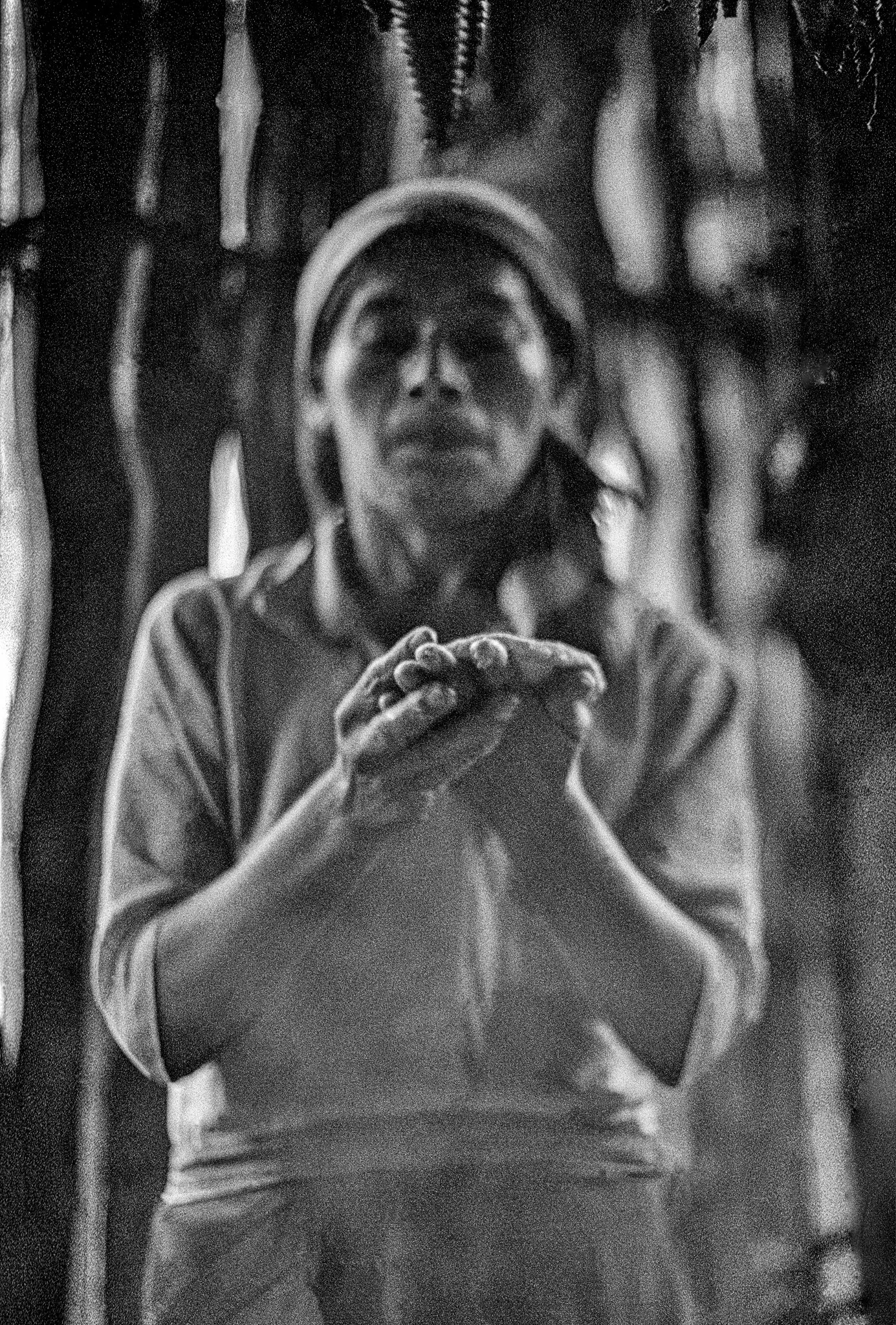
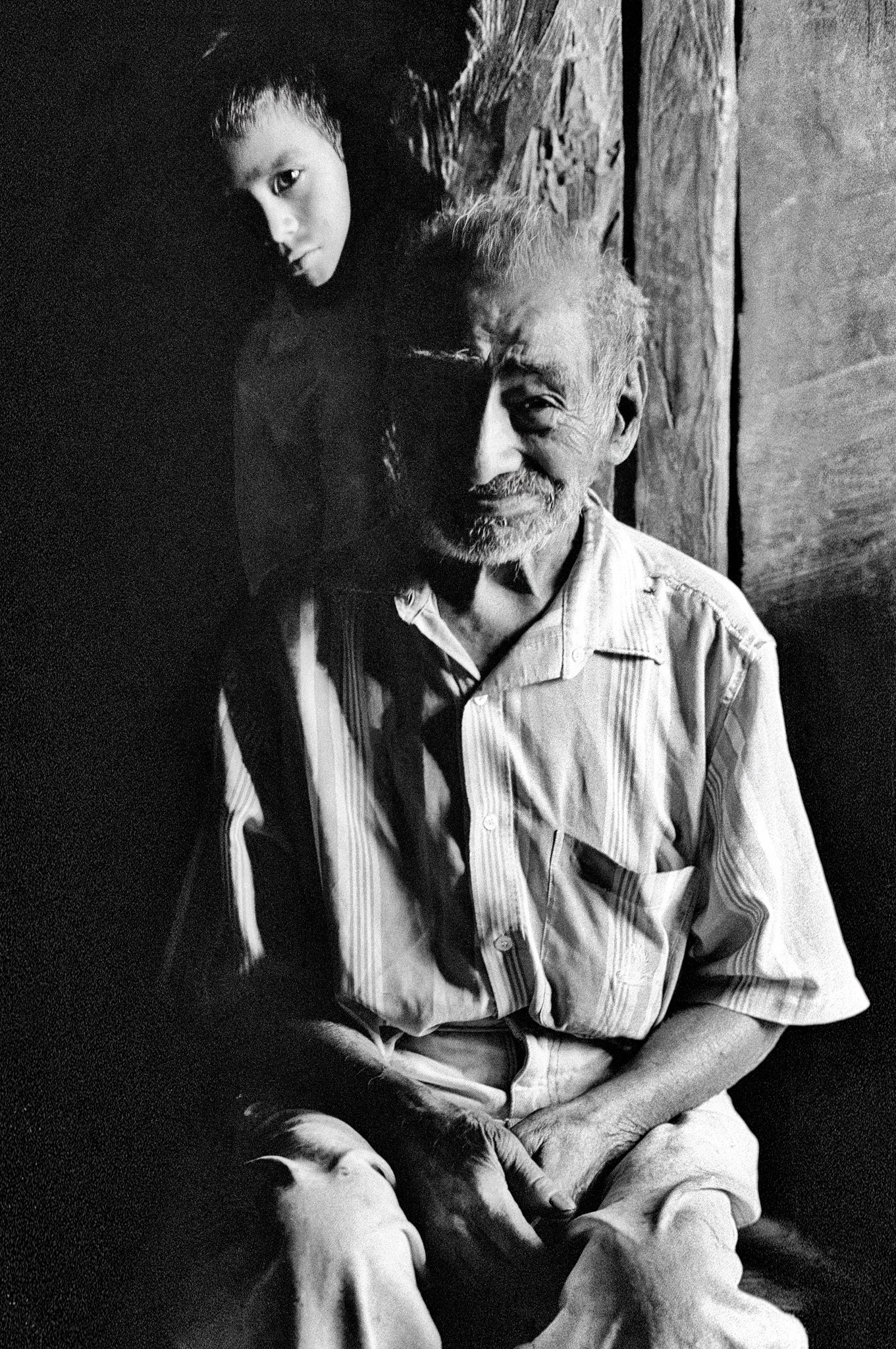
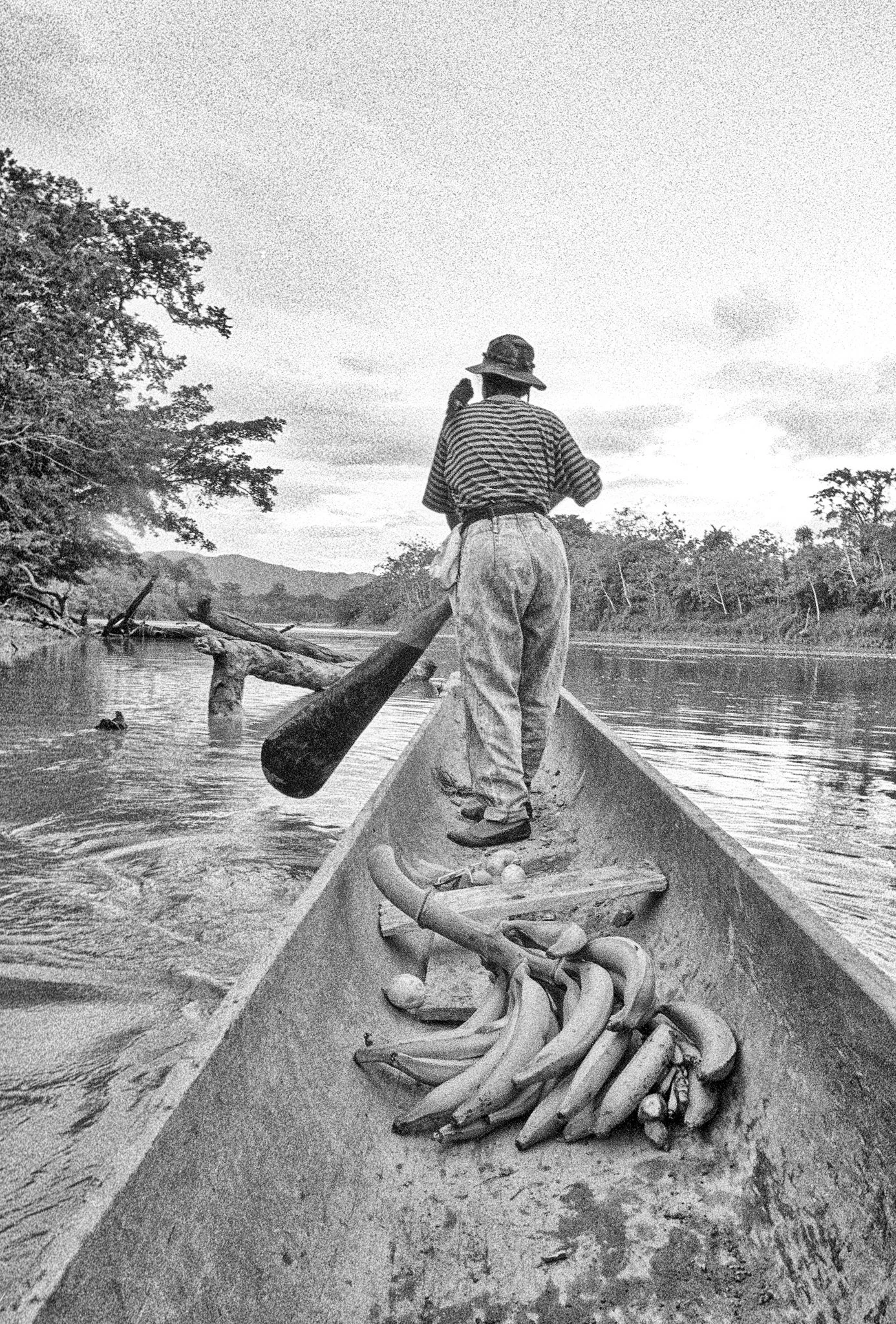
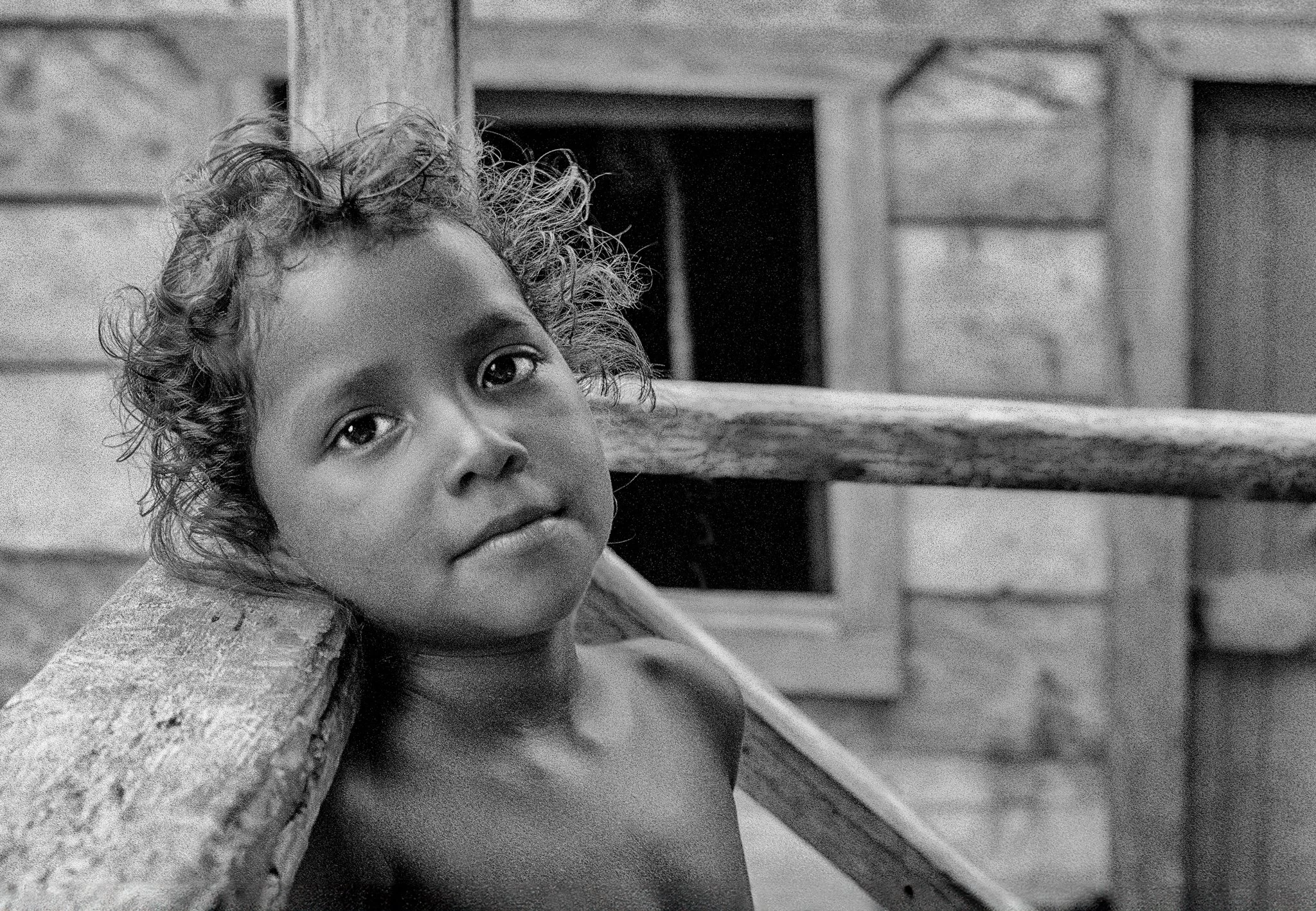
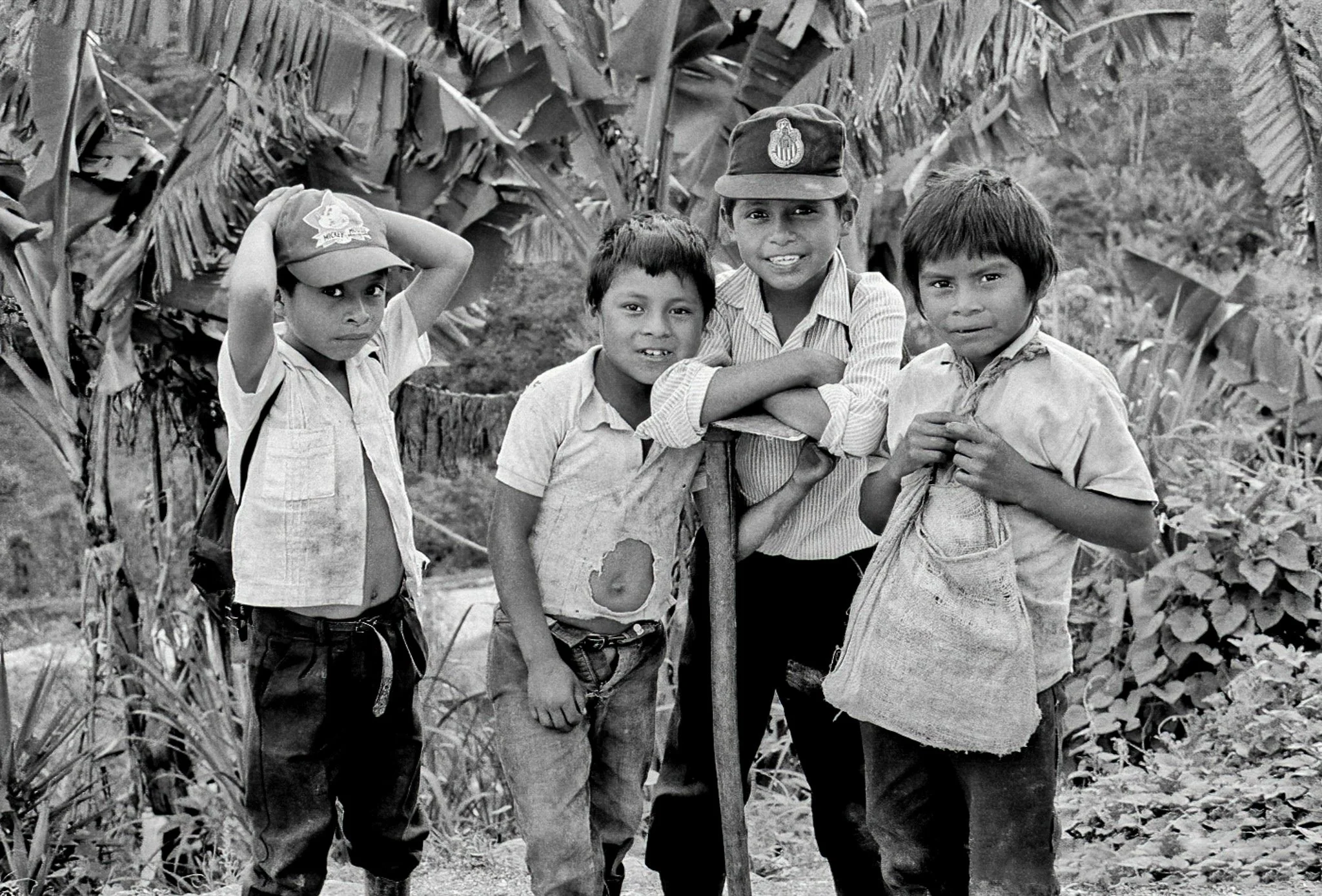
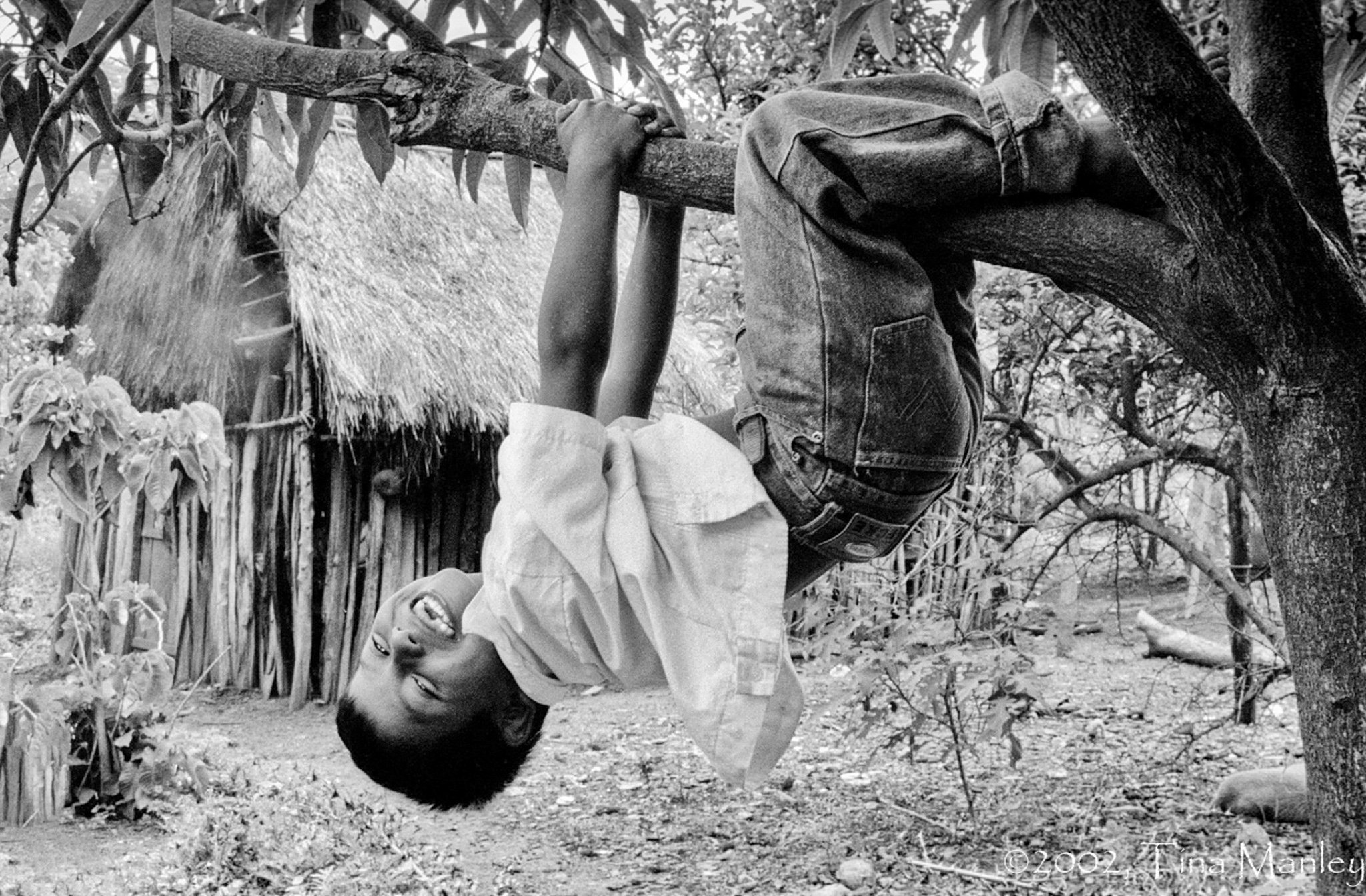
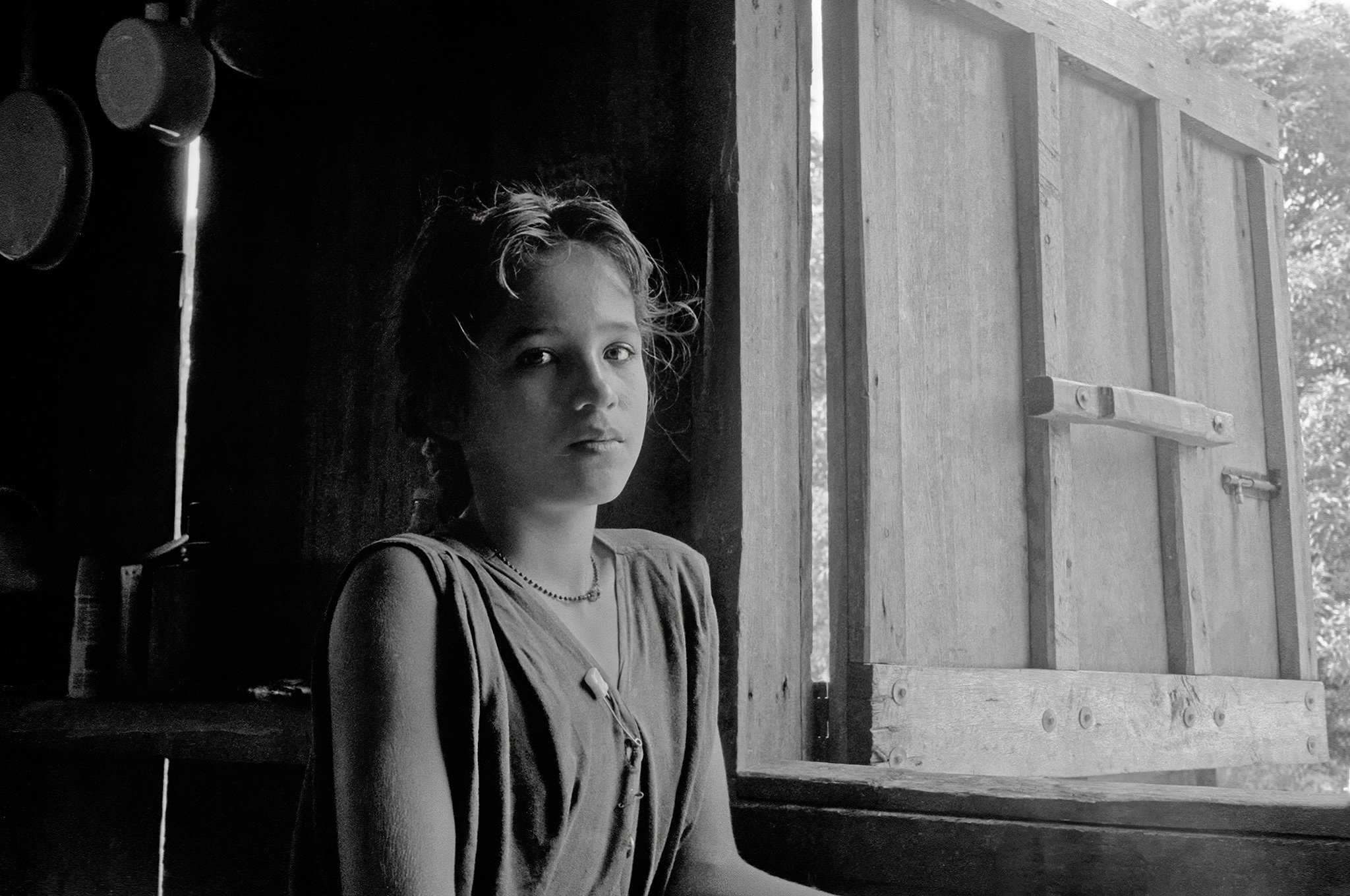
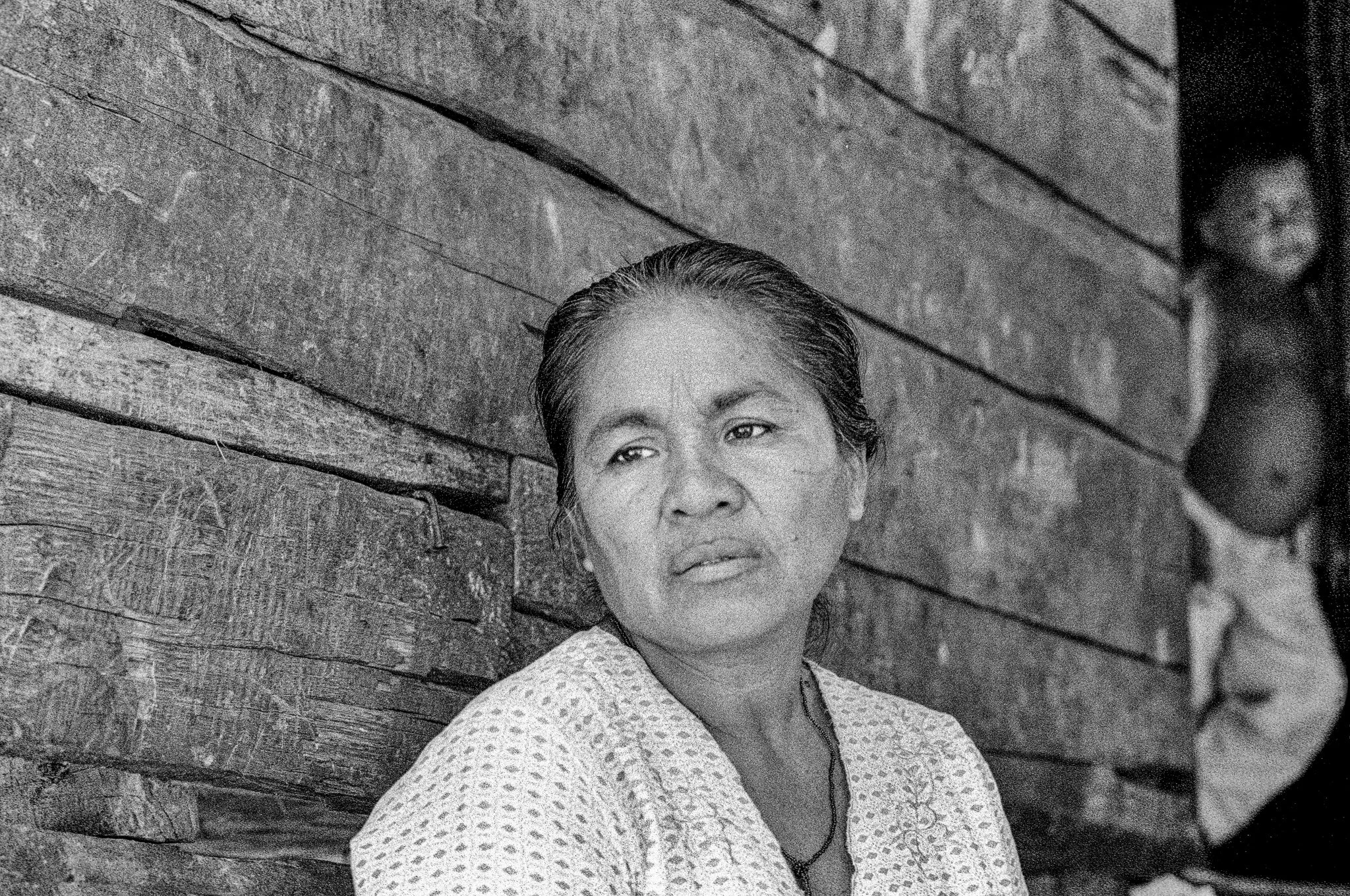
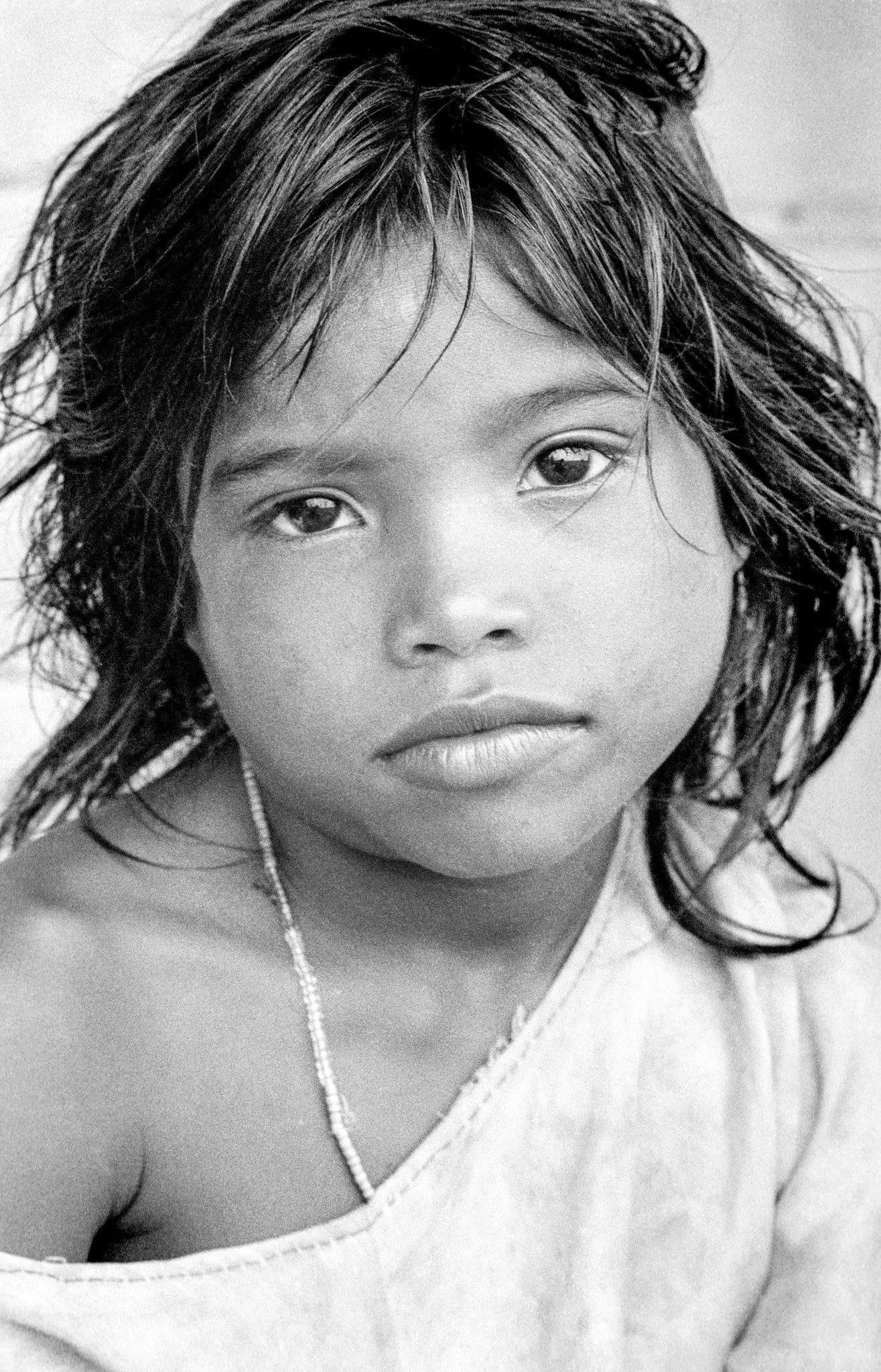
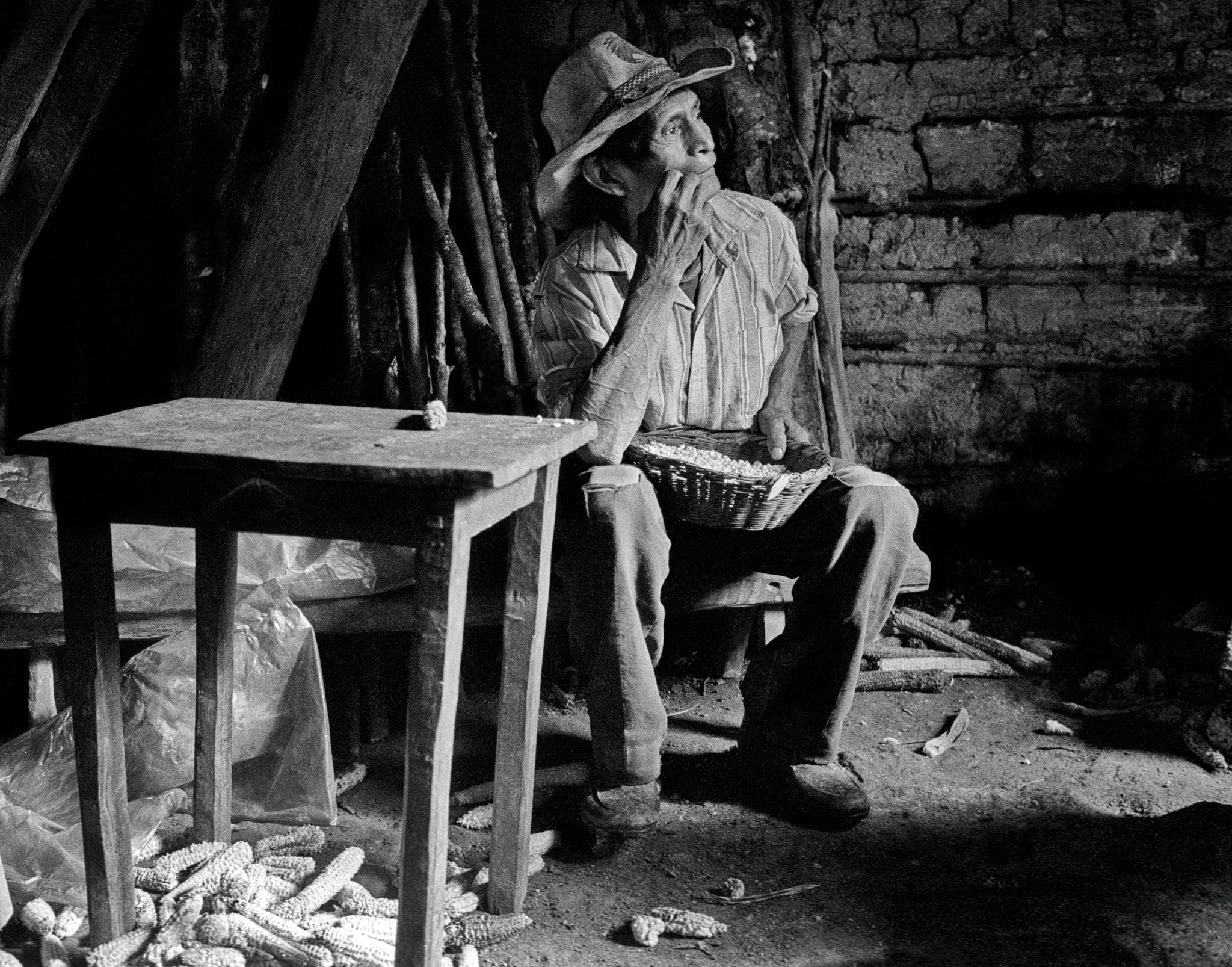
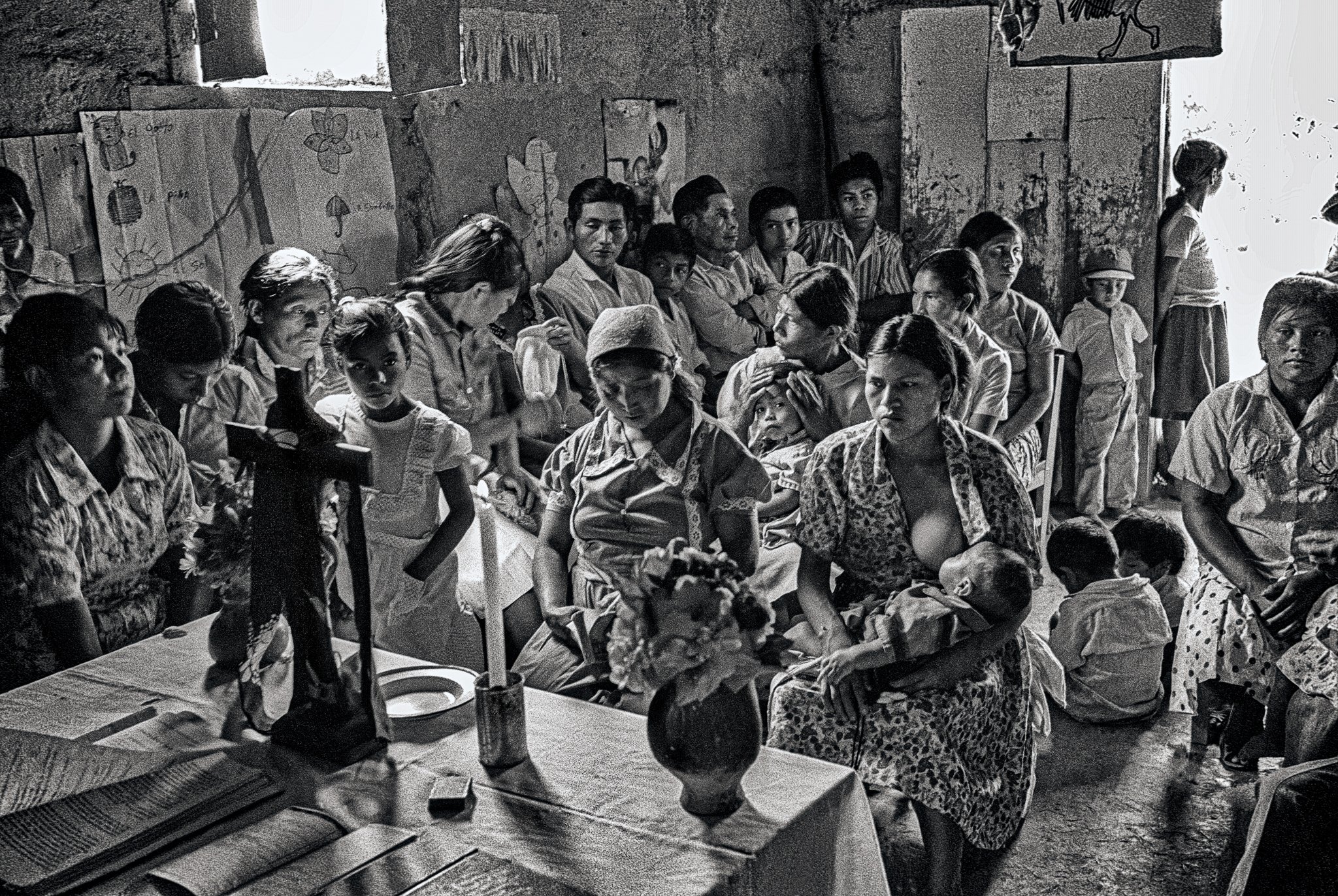
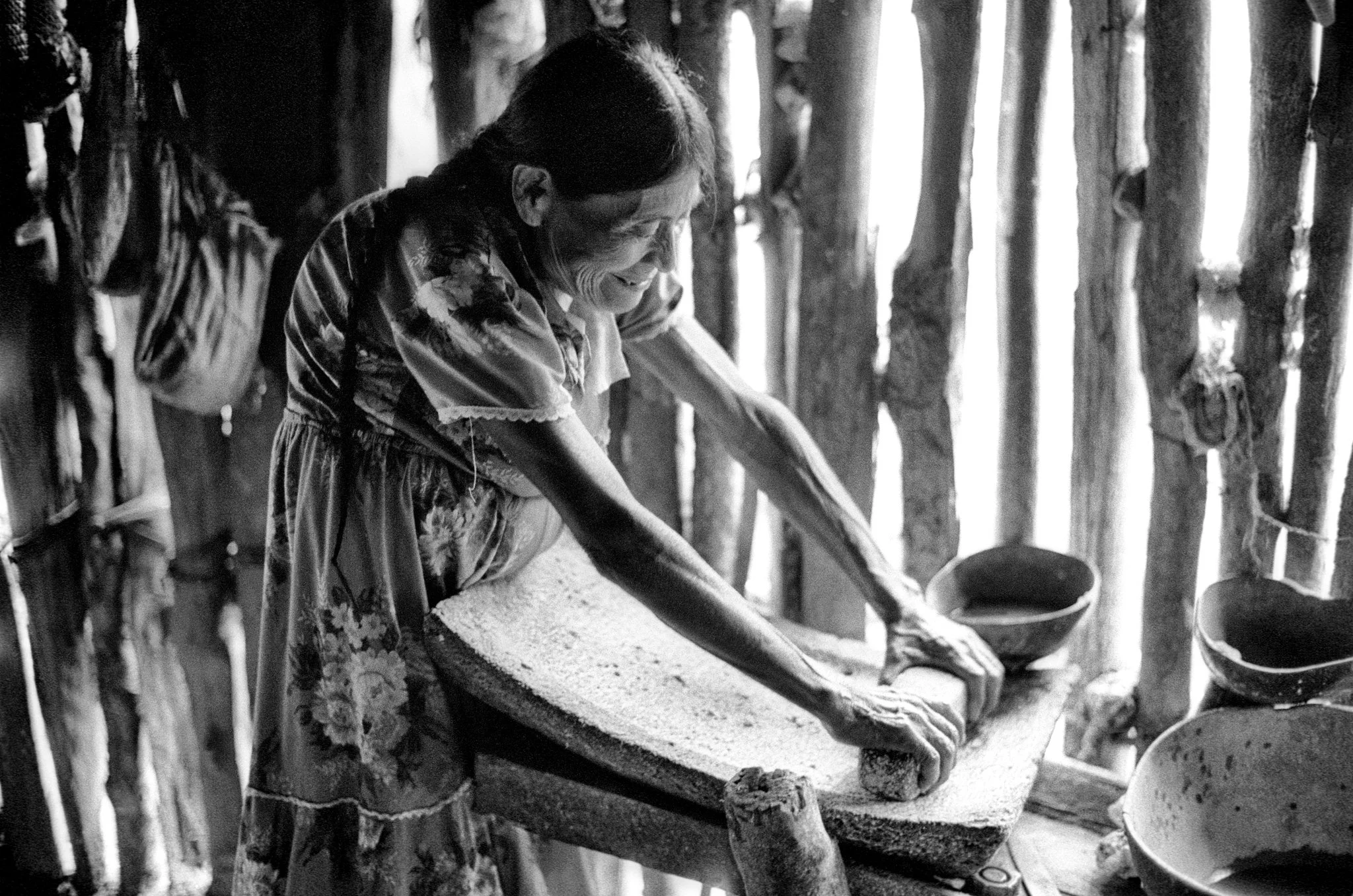
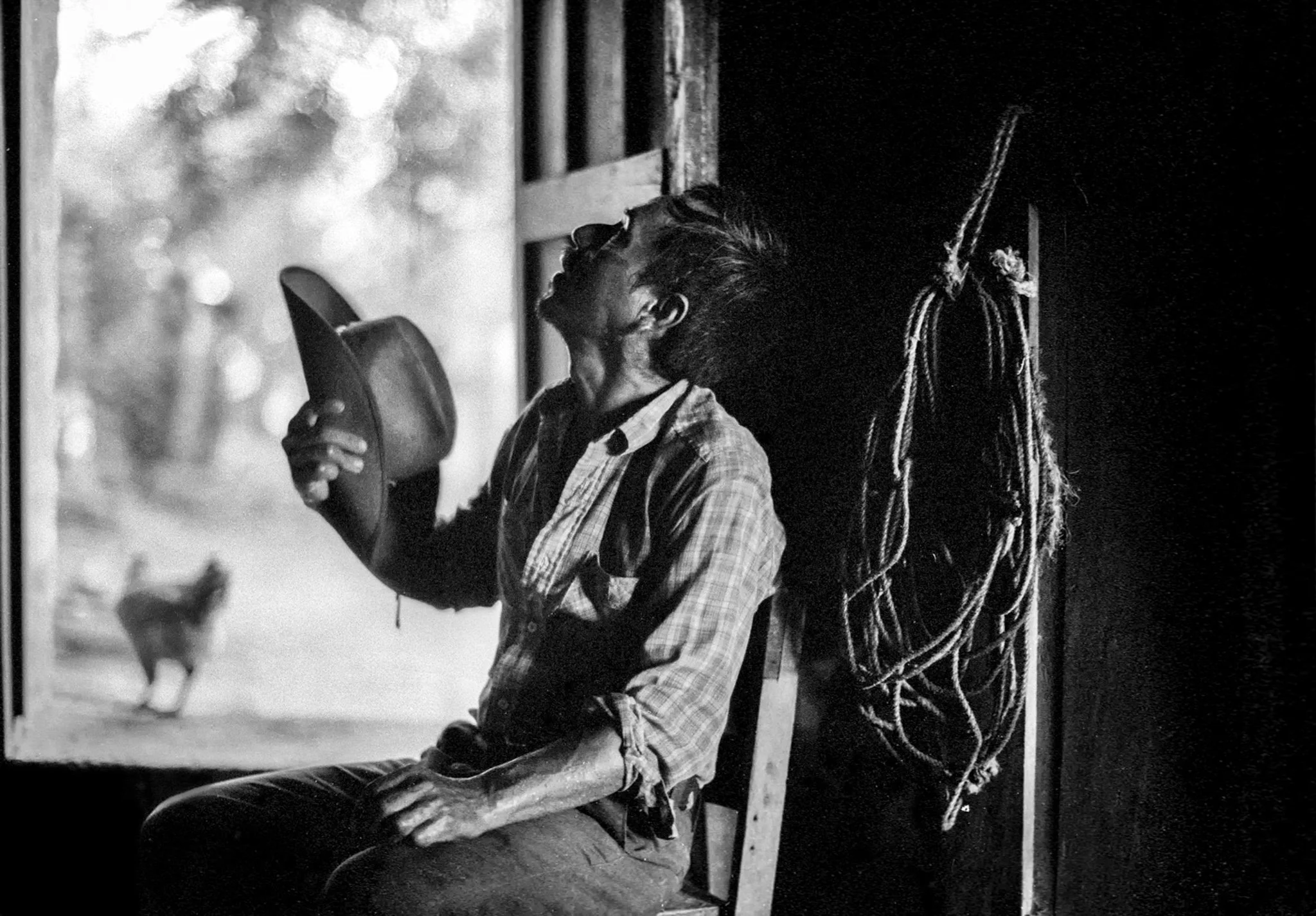
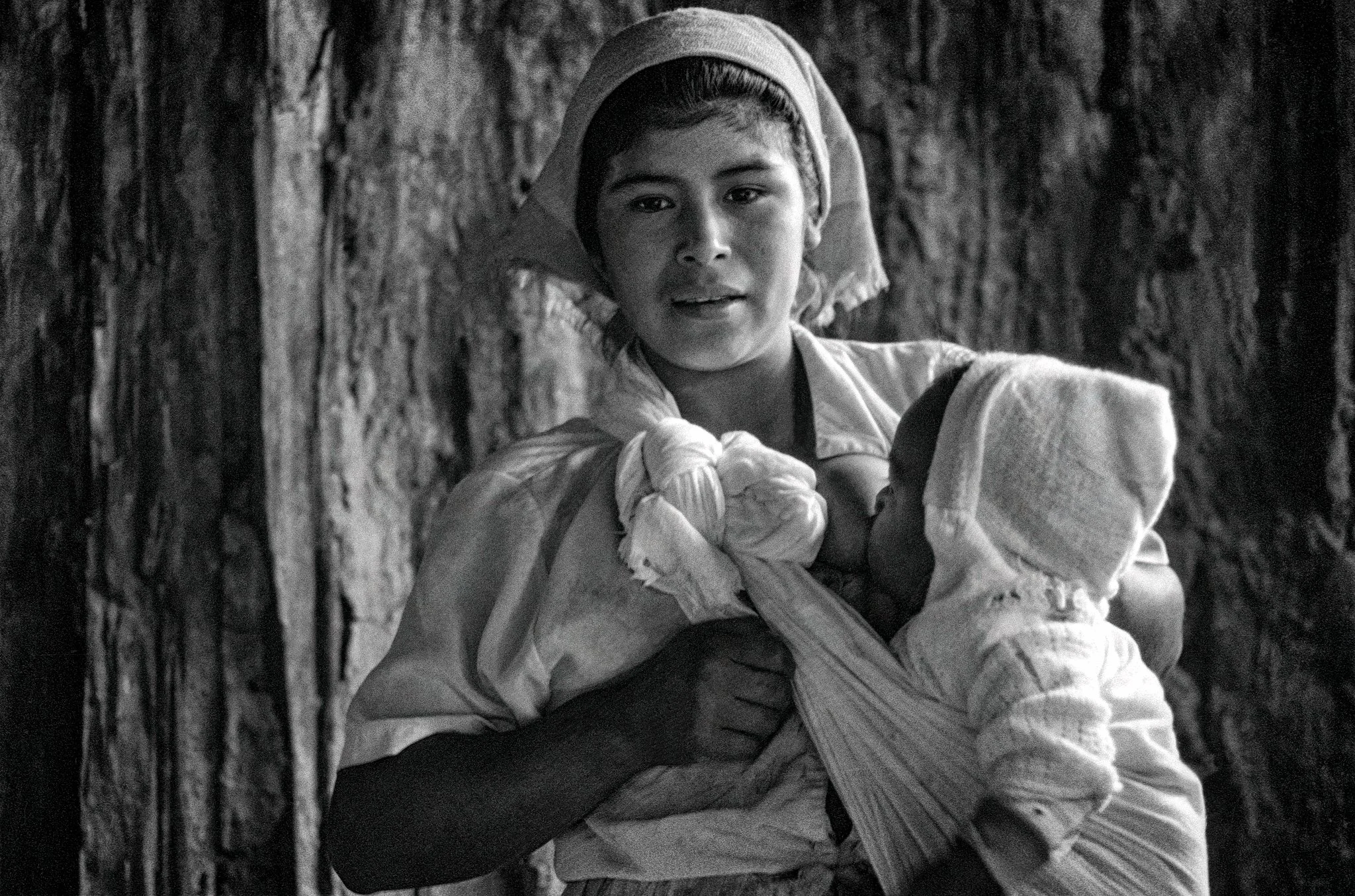
Tina Manley has been a professional photographer for more than 30 years. She specialises in documentary family photography and has travelled to more than 67 countries to photograph people. Her cameras are Leica rangefinders. The cameras are unobtrusive, quiet, durable, and wonderful for low-light photography.
Tina's award-winning photographs have appeared in National Geographic, British Heritage, Newsweek, Charlotte Observer, Boston Globe, Earth Watch, Foreign Service Journal, Readers' Digest, Natural History, Transitions Abroad, and many other newspapers and magazines. Her portfolio was featured in Photographers' Forum, Photo Techniques, and The Art of Photographing Children.
Documentary projects, ongoing and completed, include Dimes for Hunger, Families of Abraham, Family of Man II, Families of Honduras, Women of Guatemala, Medical Mission, People of Iran, Faces of Iraq, Incredible India, China Today, and Kenya.