The Man Who Made Photography Bigger Than Photography by Shubhodeep Roy
I decided to write an article for World Photography Day. I wanted to write something serious about photography, something that went beyond cameras, lenses, techniques, and the usual celebration of photographs. I wanted to write a photo-centric piece, perhaps beginning with the most basic question of all:
What is photography? What does it really mean to photograph something? Is photography an art, a profession, a document, a memory, a way of seeing, or perhaps something much more intimate—a way of understanding our own lives through the lives and moments we choose to look at?
I thought I had a direction. I thought I knew what I wanted to say. Then I started reading, looking, learning, and thinking about the photographers whose lives had made photography more than just a medium. And somewhere along the way, my thoughts simply stopped at one person.
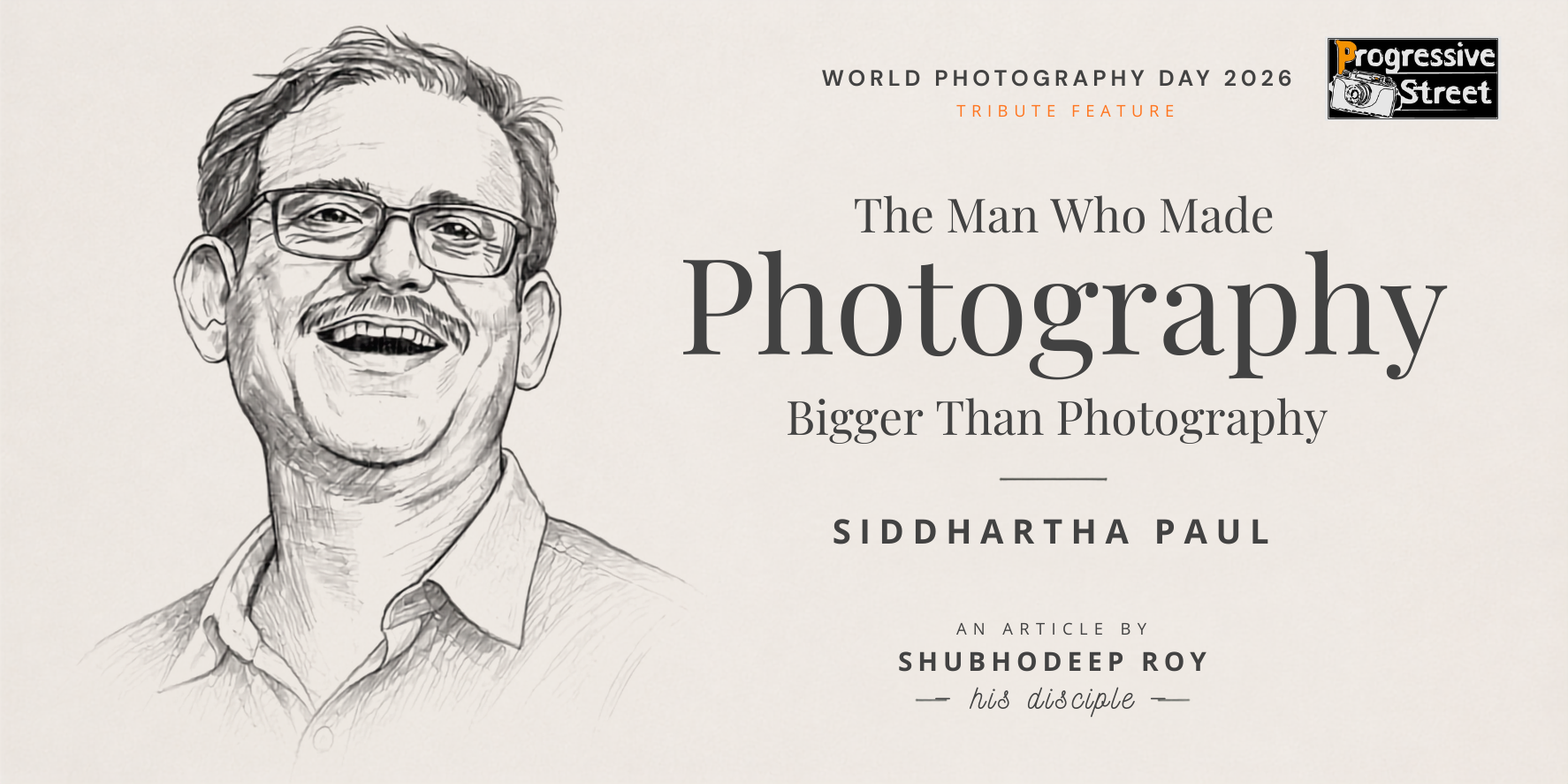
Siddhartha Paul.
“Our Jethu."
That was when I realised that perhaps I had been asking the wrong question altogether. I was trying to find a photographer to write about, when the person I wanted to write about had never, in my mind, been limited to photography in the first place. I chose Jethu because Siddhartha Paul has always felt bigger than the medium he works in. His importance, at least to me, does not come simply from the photographs he has made, but from the person he has become through them. There is a certain respect that cannot be demanded, taught, or earned through a list of achievements; it quietly grows over years, through how someone treats people, shares what they know, encourages others, stays curious, and continues to give something of themselves without making a spectacle of it. That is the respect I associate with Siddhartha Jethu. He is someone whose presence in photography extends far beyond his own frames. He has made photographs, certainly, but he has also helped people look, think, experiment, persist, and, perhaps most importantly, believe in their own way of seeing. That is why, for me, writing about Jethu is not really about writing about one photographer. It is about trying to understand how one human being can become so deeply woven into the lives of others that his contribution can no longer be measured only by the medium through which he first became known.
Photography may be the language Jethu chose, but the life he has built through it speaks of something much larger.
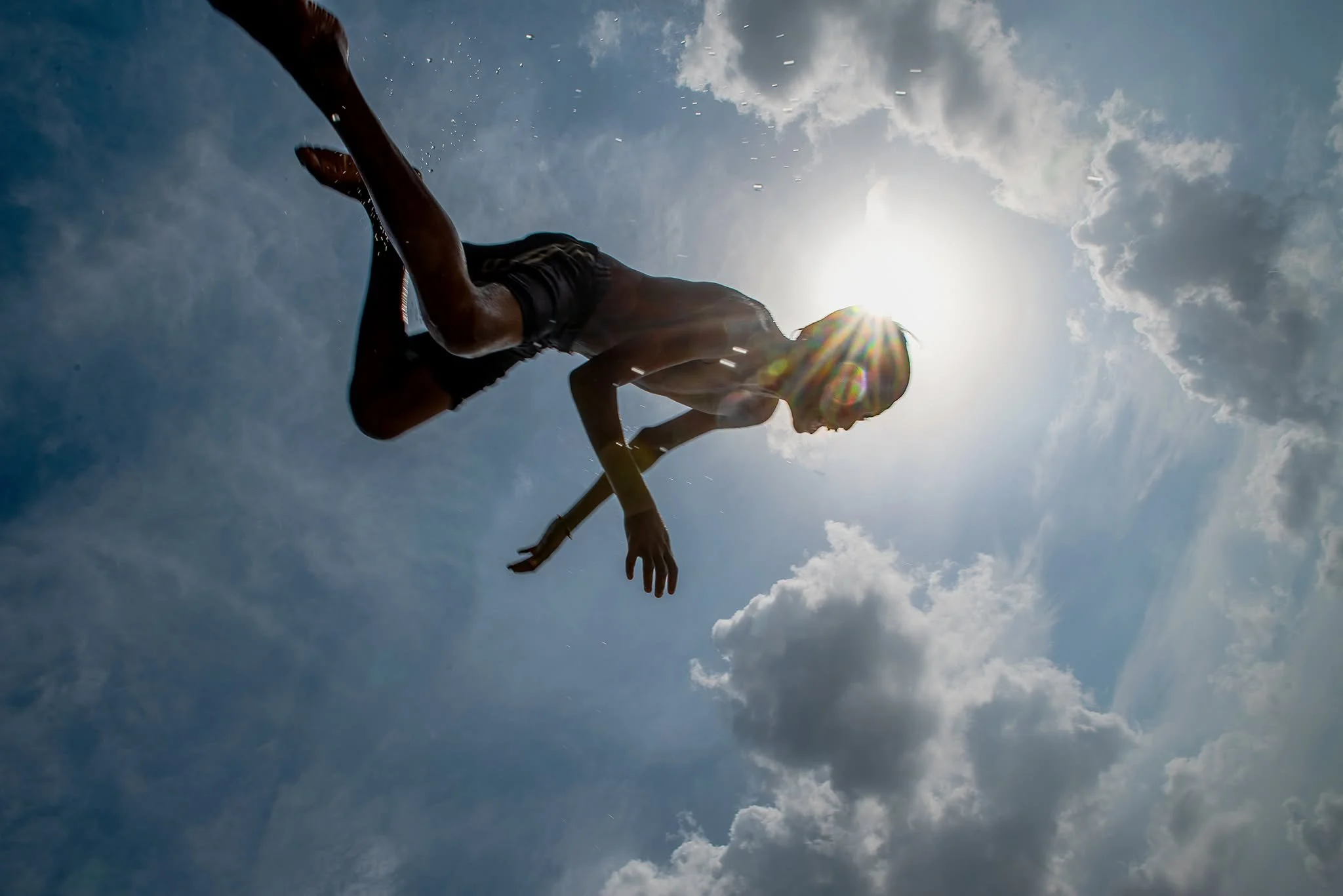
Perhaps that is where this story really begins.
There is a strange danger in writing about people we deeply respect. The moment we begin putting them into words, we start reducing them. We turn a life into a biography, a photographer into a portfolio, a career into a list of exhibitions and publications, and a human being into a collection of achievements. We begin counting things because numbers make people easier to understand. How many photographs? How many exhibitions? How many publications? How many years? How much recognition? But there are some people for whom those measurements feel almost irrelevant.
Siddhartha Paul is one of them.
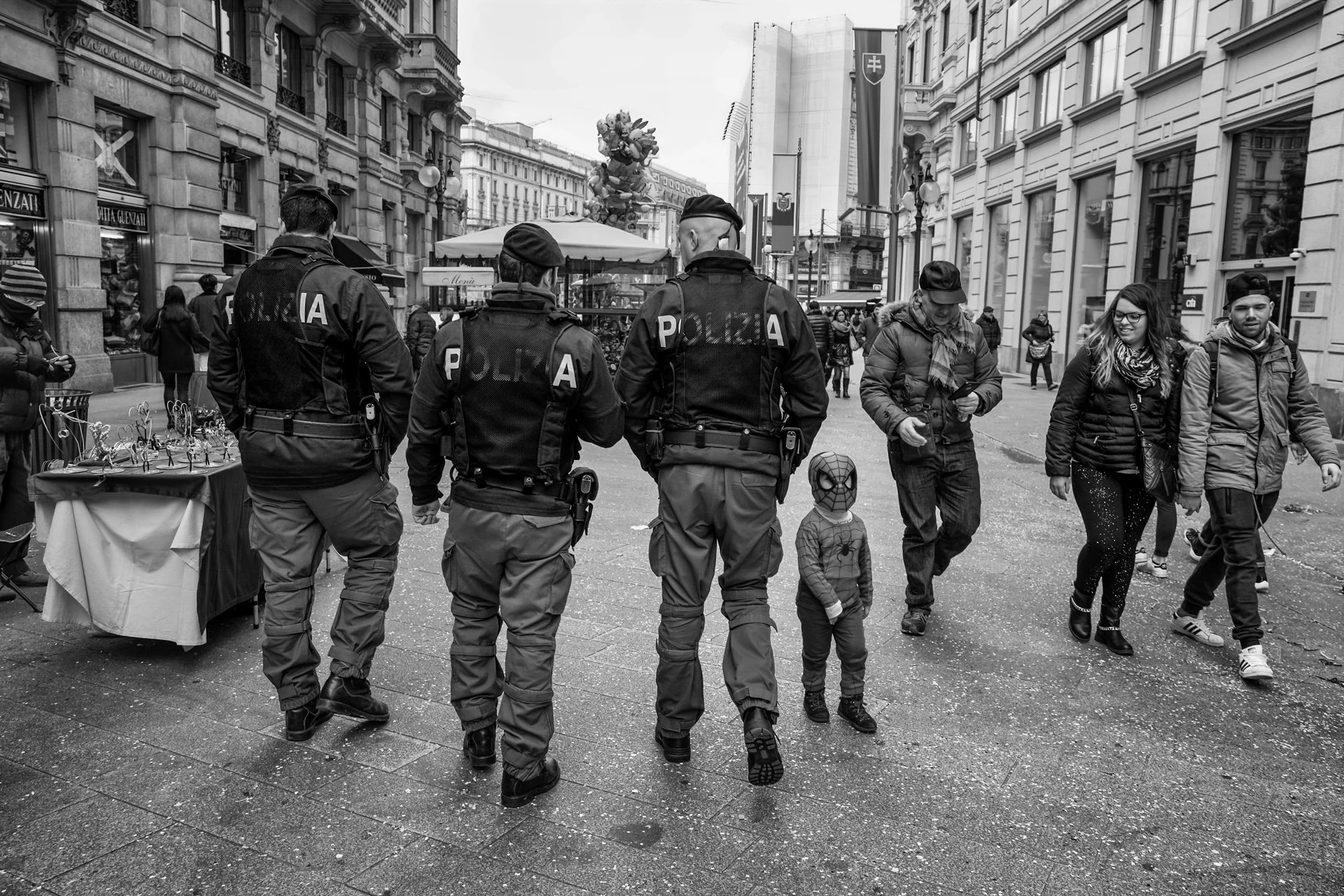
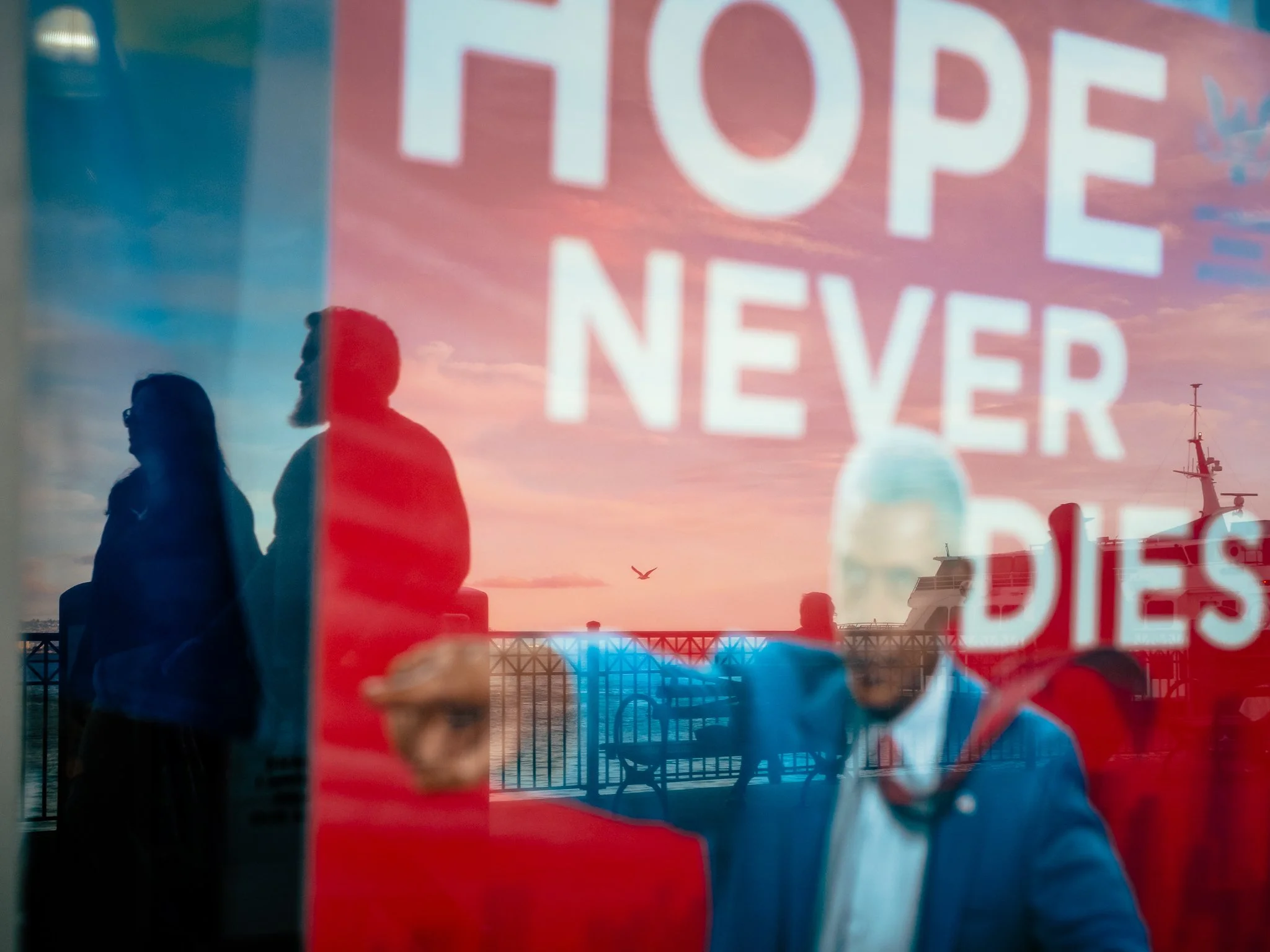
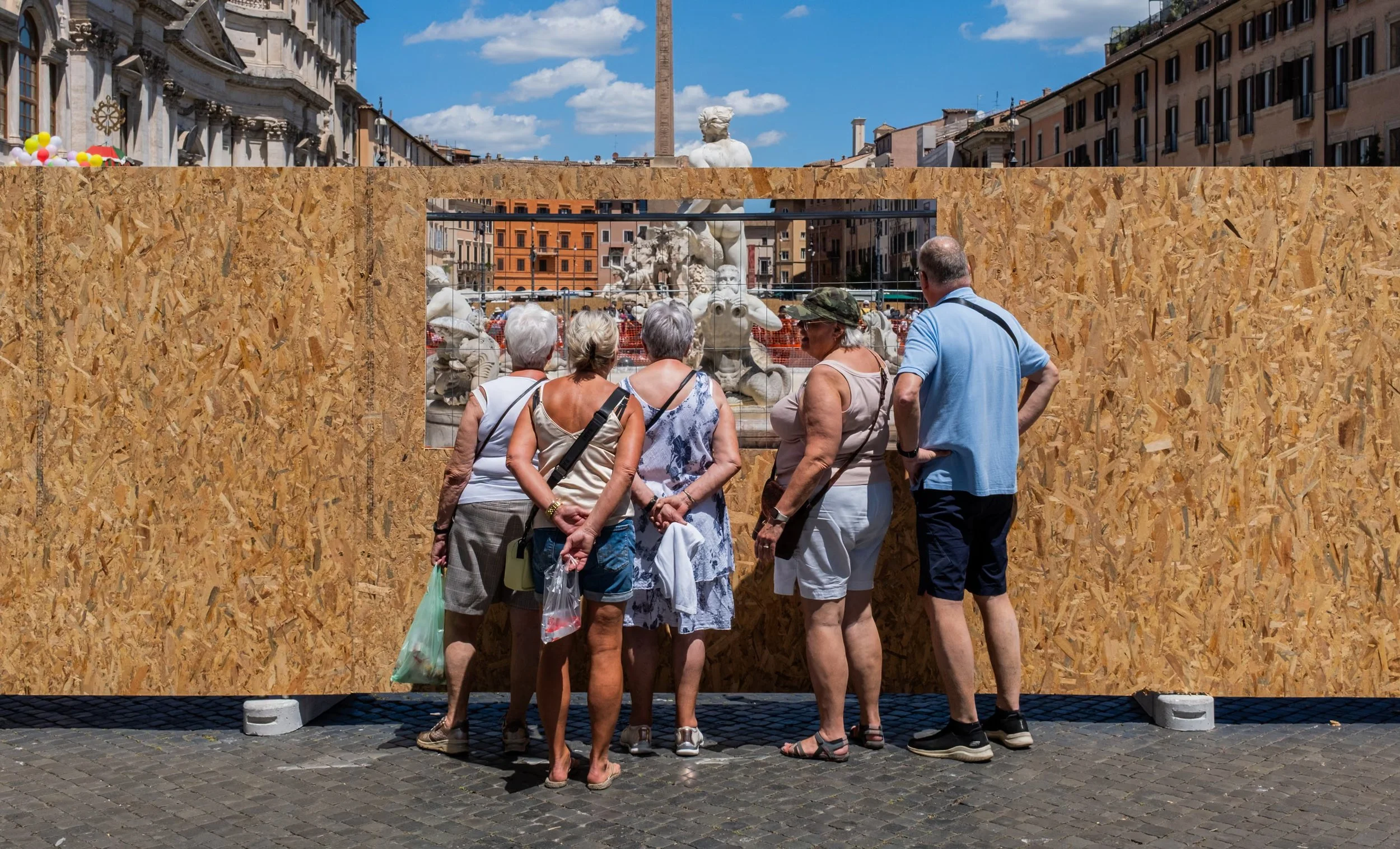
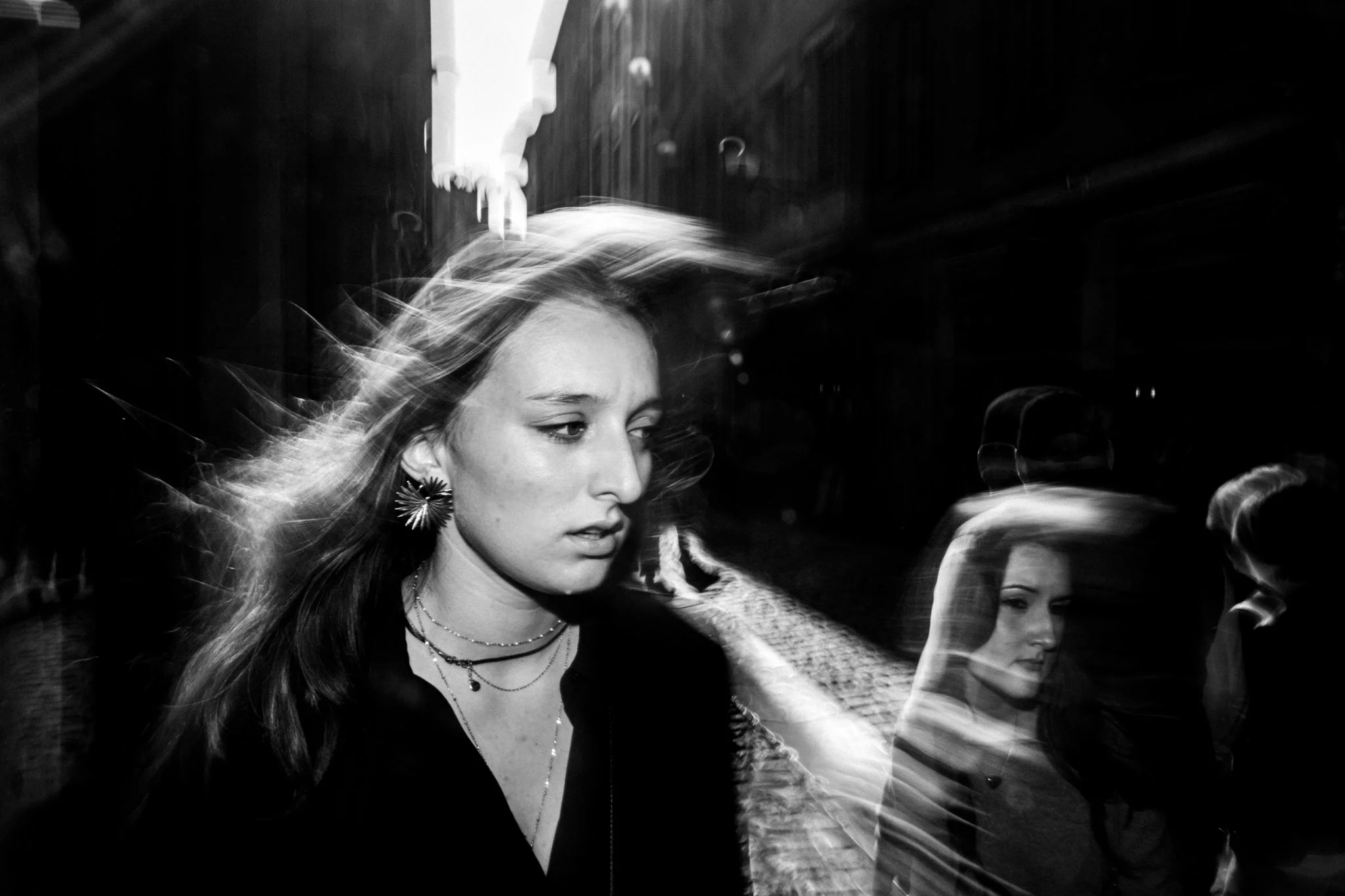
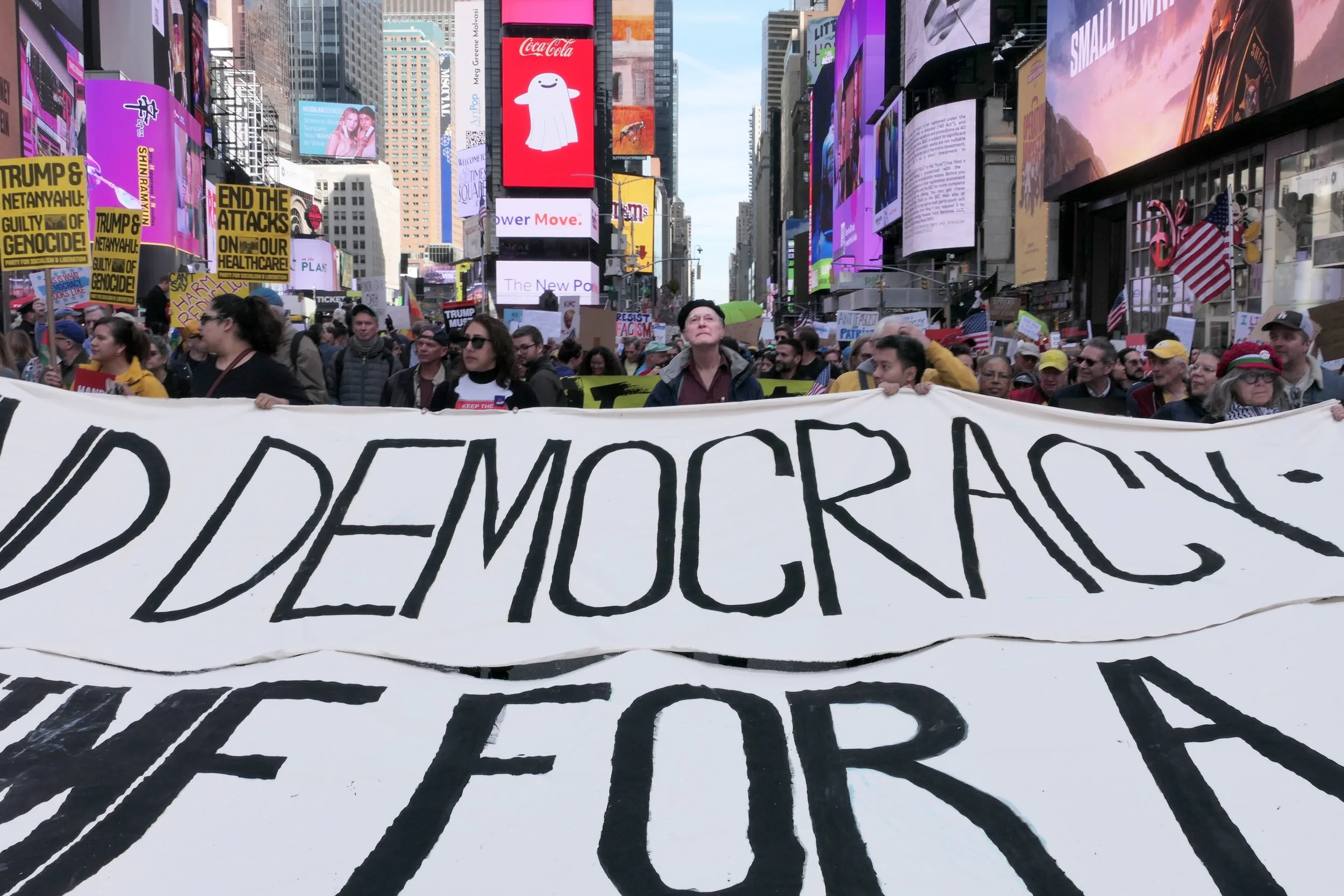
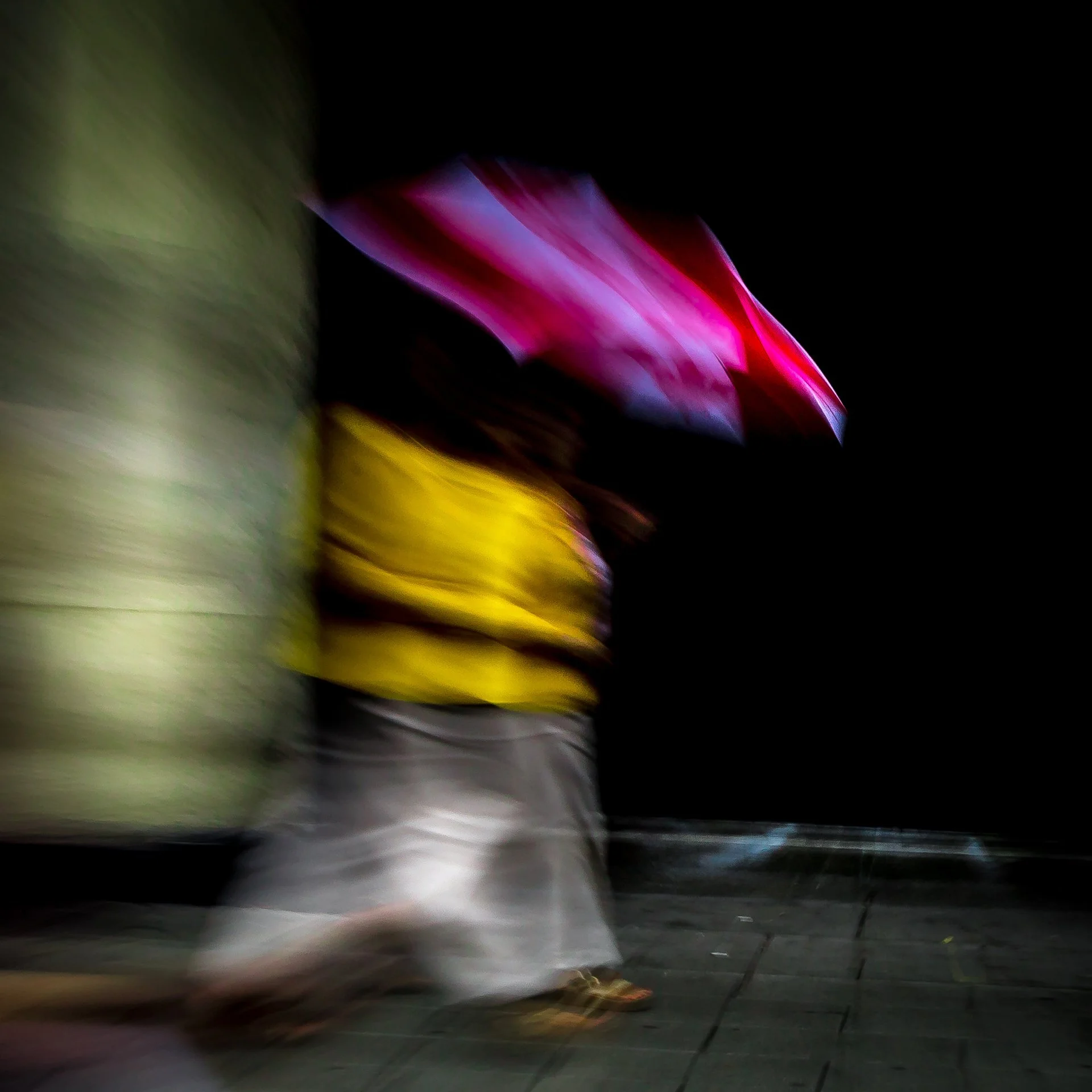
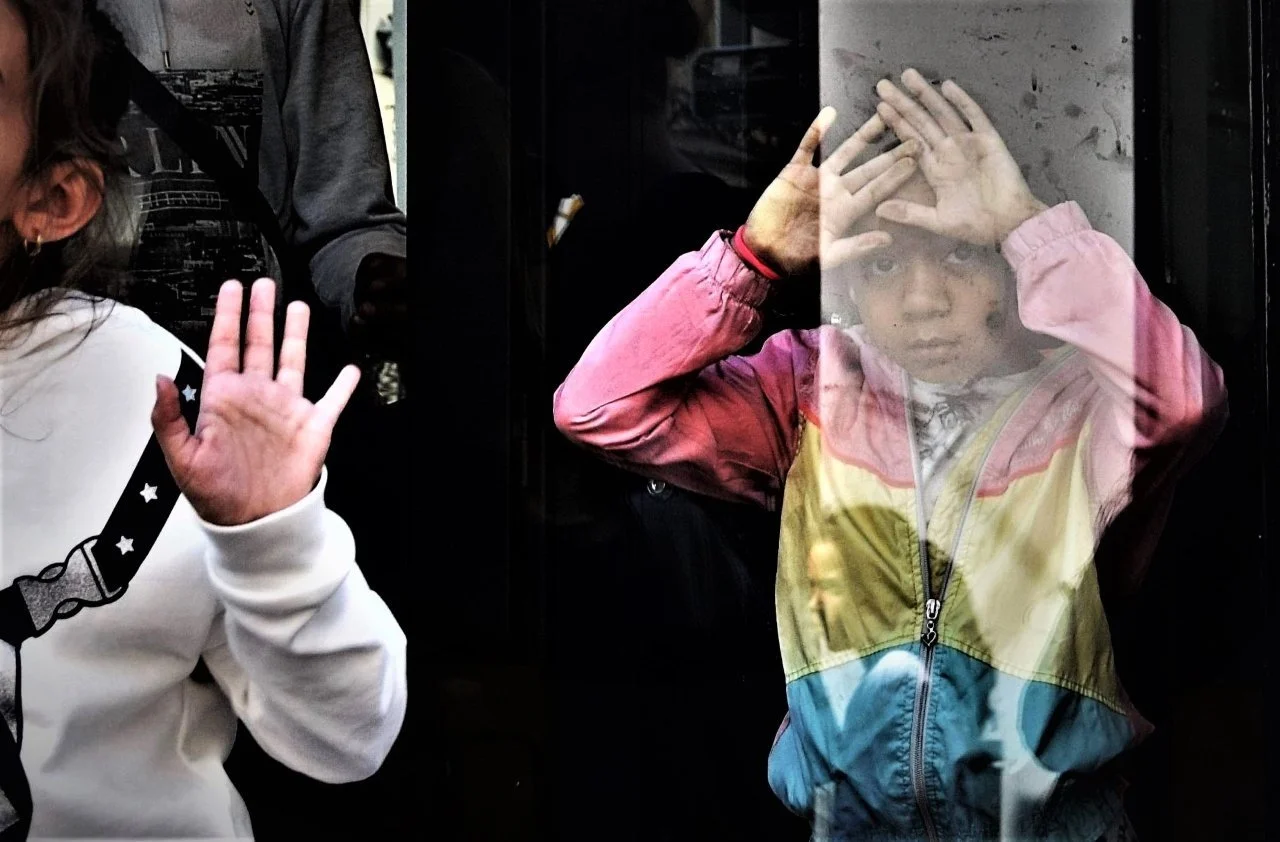
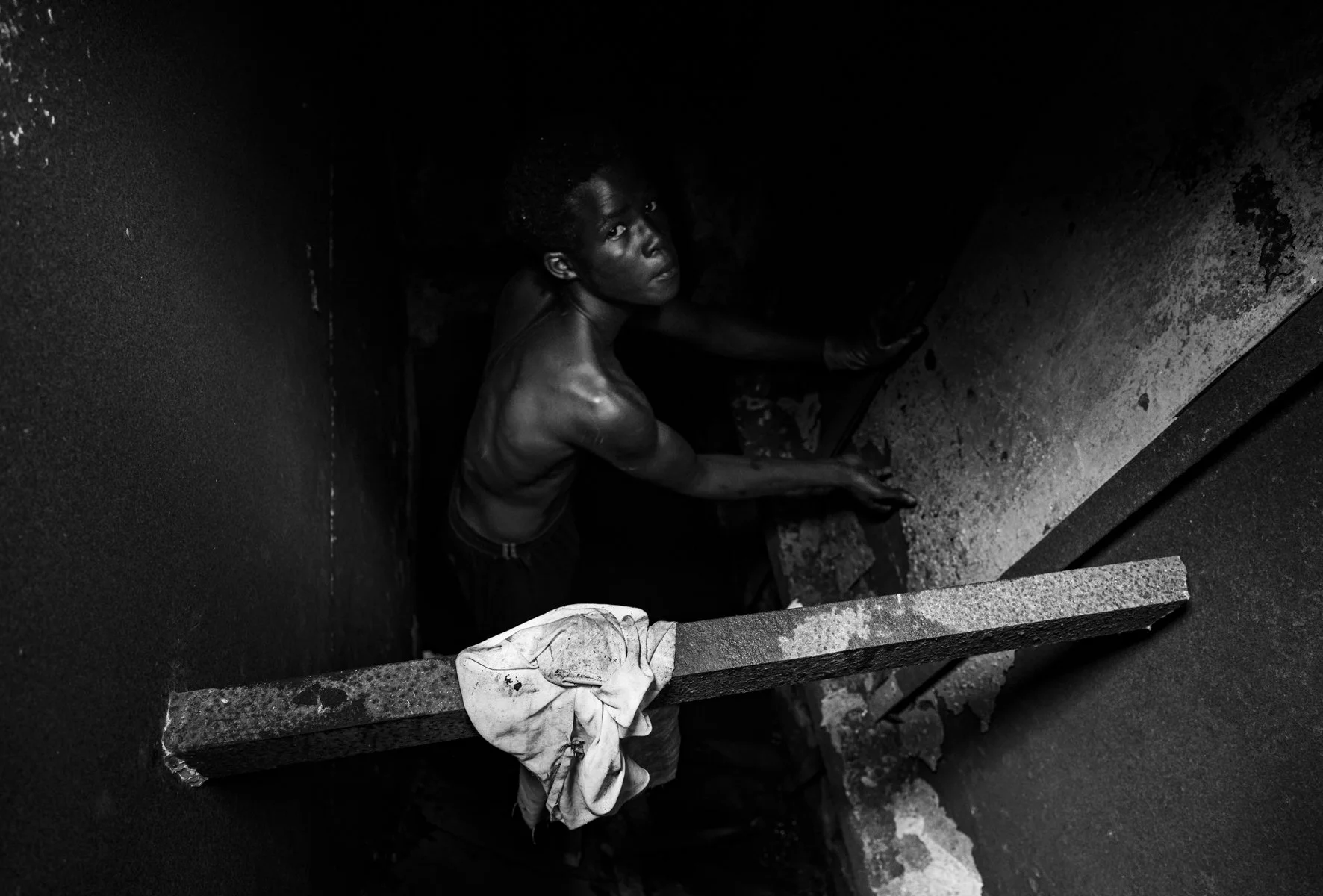
I could write about the way he sees the street, the way he uses shadows and reflections, the way he juxtaposes apparently unrelated things, the way he finds humour in the mundane, the way he reconstructs reality through unusual perspectives and turns an ordinary moment into something that demands a second look. I could discuss all of that, and still feel that I had somehow missed the person I was trying to describe.
Because the Siddhartha Paul I am thinking about is not simply the man who makes those photographs. He is the man who has existed behind them for years—the person whose conversations, encouragement, humour, criticism and sheer presence have meant something to an entire generation of photographers. And that is perhaps why so many people do not simply call him Siddhartha Paul.
“They call him Jethu.”
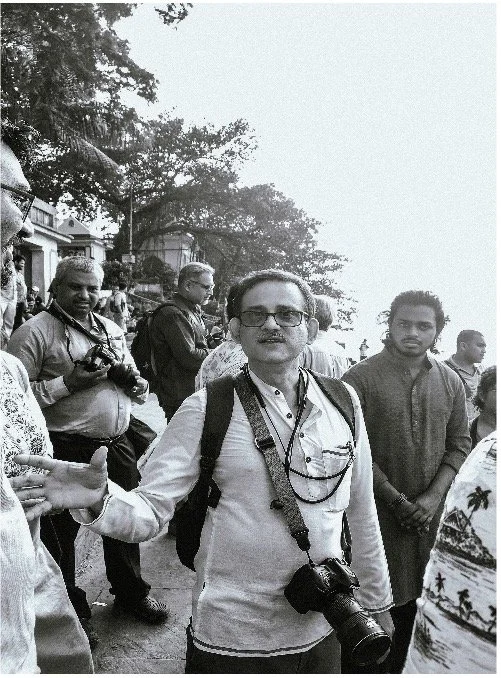
In Bengal, the word carries a warmth that is difficult to translate properly. It suggests an elder, an older brother, someone you respect but are also close enough to laugh with, someone whose presence becomes familiar enough to feel like family. It is not a professional title. Nobody awards it. Nobody earns it by putting it on a business card. People give it to someone who, somewhere along the way, has decided that person belongs to them. That is what Siddhartha Jethu has become for so many of us
And the more I think about that, the more I realise that perhaps this is the part of his story that deserves to be written on World Photography Day. Not simply what Siddhartha Paul has done with photography, but what photography has done to him, and what he has, in turn, done for the people around him through it.
We live in a time when photography has become almost impossibly accessible. Everyone has a camera now. We photograph what we eat, where we travel, the people we meet, the places we visit, the things we want to remember and, increasingly, the things we want other people to know about us. The act of making a photograph has become almost effortless. But perhaps that accessibility has also made us forget how extraordinary the act of seeing really is. We have cameras everywhere, but do we still have the patience to observe? Do we still have the curiosity to look at something ordinary and wonder what else it could become? Do we still have the willingness to spend years trying to understand what photography means to us personally, rather than simply asking what photography can give us?
That is where Siddhartha Paul makes me stop.
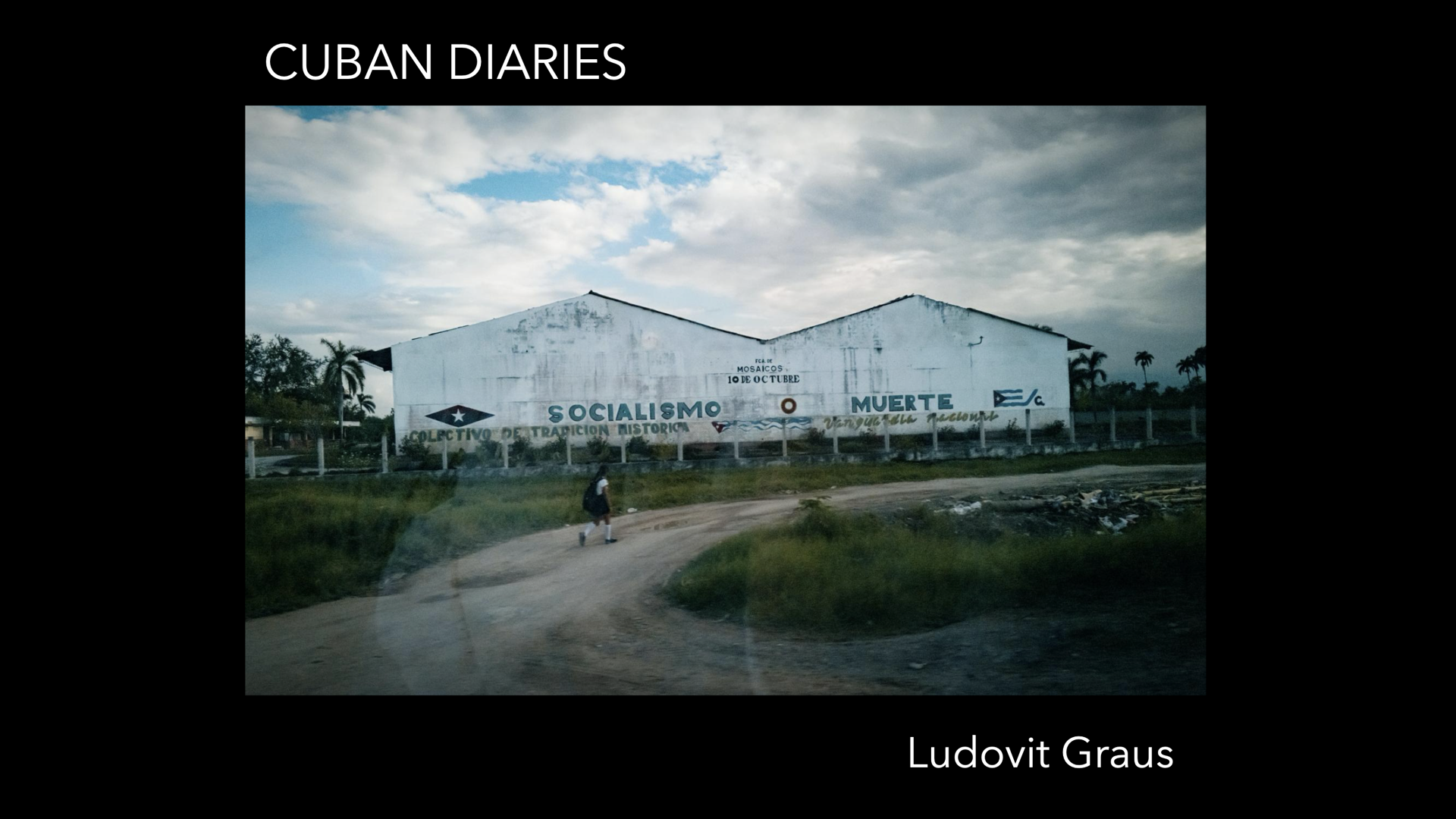
He learnt the textbook rules of photography diligently, and then he learnt how to break them. There is something almost beautifully rebellious about that journey. Photography teaches us to arrange the world according to certain principles: composition, balance, perspective, light, form. Siddhartha knows those principles, but he does not seem content merely to follow them. He looks at reality and asks what might happen if it were rearranged. A shadow becomes something else. A reflection becomes another world. A person and an object that have nothing to do with one another suddenly form a relationship inside a frame. An ordinary street becomes a stage. A mundane moment becomes absurd, poetic or unexpectedly funny. His photographs often contain visual puns and references that make you smile before they make you think, and then, if you look a little longer, you realise that the humour is only the first layer. Beneath it is observation. Beneath observation is thought. And beneath thought is a very particular philosophy of life—the ability to look at the world seriously without taking it so seriously that you forget to enjoy it.
But there is another part of Jethu’s story that changes the way I look at all of this. It is the part that has nothing to do with photographic technique and everything to do with being human. Siddhartha Jethu is, by his own account, a common man with a routine office job, a person whose journey into photography began through travelling and wanderlust rather than through some grand plan to become an artist. His life was not always easy. His domestic life became difficult, circumstances became complicated, and then something happened that must have been terrifying for anyone, but especially for someone whose life revolved around seeing. He developed severe eyesight problems and faced the suspicion of eye cancer.
For a photographer, the possibility of losing one's eyesight is not simply a medical fear. It threatens the very doorway through which the world enters. A camera can be replaced. A lens can be replaced. A photograph can be remade. Sight is different. What happens when you are no longer certain that you will be able to see the world tomorrow in the way you see it today? Siddhartha Jethu has described that period as one that left him physically and mentally broken, without a clear path forward. He was forbidden from going out in bright sunlight. Photography, the thing that had taken him outside, suddenly had to happen from inside. So he photographed from his room. He photographed in the evening. He began looking again at the old charms of Kolkata.
And perhaps something extraordinary happened in that period. The city did not necessarily change. His way of seeing it did.
He fell in love with the old city again. He fell in love with its light, its shadows, its familiar streets and the small details that most of us pass without noticing. But more importantly,
He fell in love with something that almost all of us take for granted: his own eyesight.
I think that is where Siddhartha Paul's story becomes bigger than photography.
Because suddenly, photography was no longer simply about making pictures. It was about having the ability to look at all. It was about remaining connected to the world when that connection had become uncertain. It was about finding a reason to keep observing when life itself had become difficult. The man who had spent years asking his camera to show him the world differently was being forced by life to understand how precious it was simply to see the world at all.
And I cannot stop thinking about that.
Because I am still learning photography. I am still reading, still looking, still trying to understand why one photograph stays with me while another disappears almost immediately. I am still trying to understand what makes an image more than an image. The more I learn, the more photography seems to move away from the camera and towards something else. Attention. Curiosity. Memory. Failure. Humour. Pain. Friendship. Time. The stubborn decision to remain present in the world even when the world is not always easy to live in.
Perhaps that is why I chose Siddhartha Jethu for this article.
I could have written about another great photographer. There are many. I could have written about someone with a more easily measurable legacy, someone whose career could be neatly explained through dates, awards and exhibitions. But that would have been easier. Writing about Jethu is difficult precisely because the most important things about him cannot be measured that way. What does it mean when a photographer changes another photographer's life? What is the value of a conversation that gives someone courage to continue? How do you document the influence of a person who teaches you something simply through the way he lives? Where do you place the laughter, the encouragement, the arguments, the advice, the feeling that there is an elder somewhere in this difficult world of photography whom you can look towards?
There is no award for that. There is no exhibition for that. There is no number for that. But perhaps it is one of the greatest things an artist can ever accomplish.
Perhaps this is what makes Siddhartha Jethu's journey so deeply meaningful to me. He has given his life to photography—not merely to make photographs, but to document, observe and preserve everything that has crossed his path. The people, the streets, the fleeting moments, the absurdities, the beauty, the truth of ordinary life; nothing seems too small to deserve his attention. Photography, for him, has never felt like something kept separate from life. It has been the way he has remained engaged with it, recording what he sees and giving those moments a place to exist beyond their brief passage through time. And what makes that journey even more remarkable is that he has never kept what he has learned to himself. In one way or another, everyone who has spent time around him becomes his student. He gives freely—his experience, his observations, his humour, his encouragement, his knowledge, and most importantly, his time. He does not simply teach photography; he shares everything he has gathered from living it. Perhaps that is why so many people hold him with such affection and respect.
He has given photography his life, and whatever he has received from that life, he has continued to give back to others.
He reminds me that perhaps the greatest thing a photographer can do is not make a great photograph.
Perhaps it is to remain curious enough about life that the camera becomes a consequence of that curiosity. Perhaps it is to look at an ordinary wall and see something nobody else saw. Perhaps it is to find humour where everyone else saw nothing. Perhaps it is to continue looking even when looking becomes difficult. Perhaps it is to make another person look again.
I do not have the arrogance to believe that one article can explain who Siddhartha Paul really is. I don't think anyone can. A life cannot be contained inside a page, and a human being cannot be reduced to a portfolio. I can only write from where I stand—as someone still learning, still trying to understand photography, still trying to understand what it means to give yourself honestly to something.
And from where I stand, Siddhartha Paul is not simply a photographer whose photographs I admire.
He is evidence of what photography can become when it stops being something we merely do and becomes something we live.
That is why I chose him as my guru, my friend, my hope that people like him exist.
Perhaps that is why, when I think of Siddhartha Jethu, I find it difficult to think only about photography. I think about a life that has quietly grown alongside it—a life of observing, documenting, learning, sharing and giving.
Whatever he has learnt along the way, he has always seemed willing to share with those who came to him. His photographs may tell stories of the world around him, but his generosity has helped many of us find our own way of looking at it.
I don't know if I am capable of putting into words what Jethu means to so many of us. Perhaps no one really is.
I can only say what he means to me.
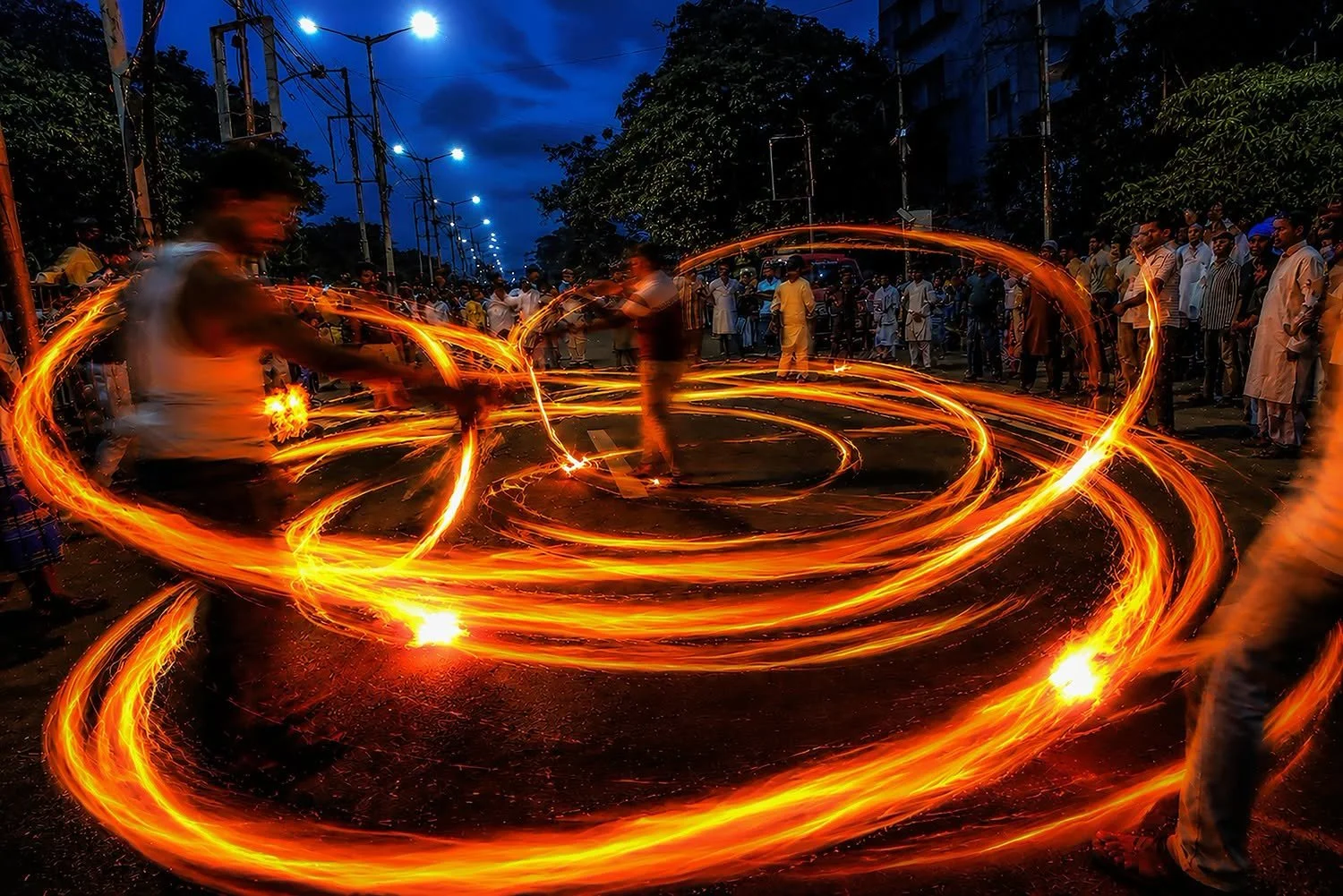
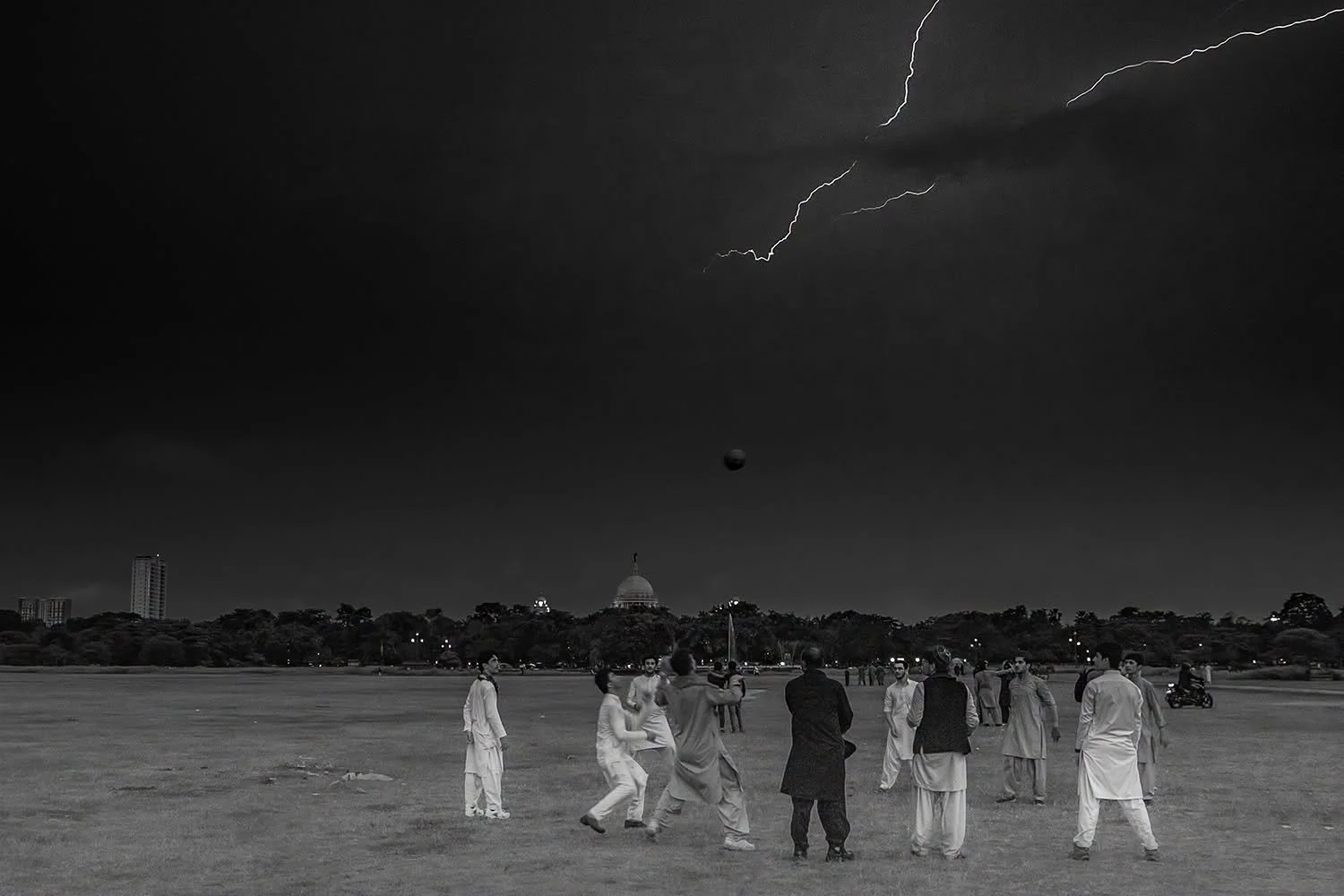
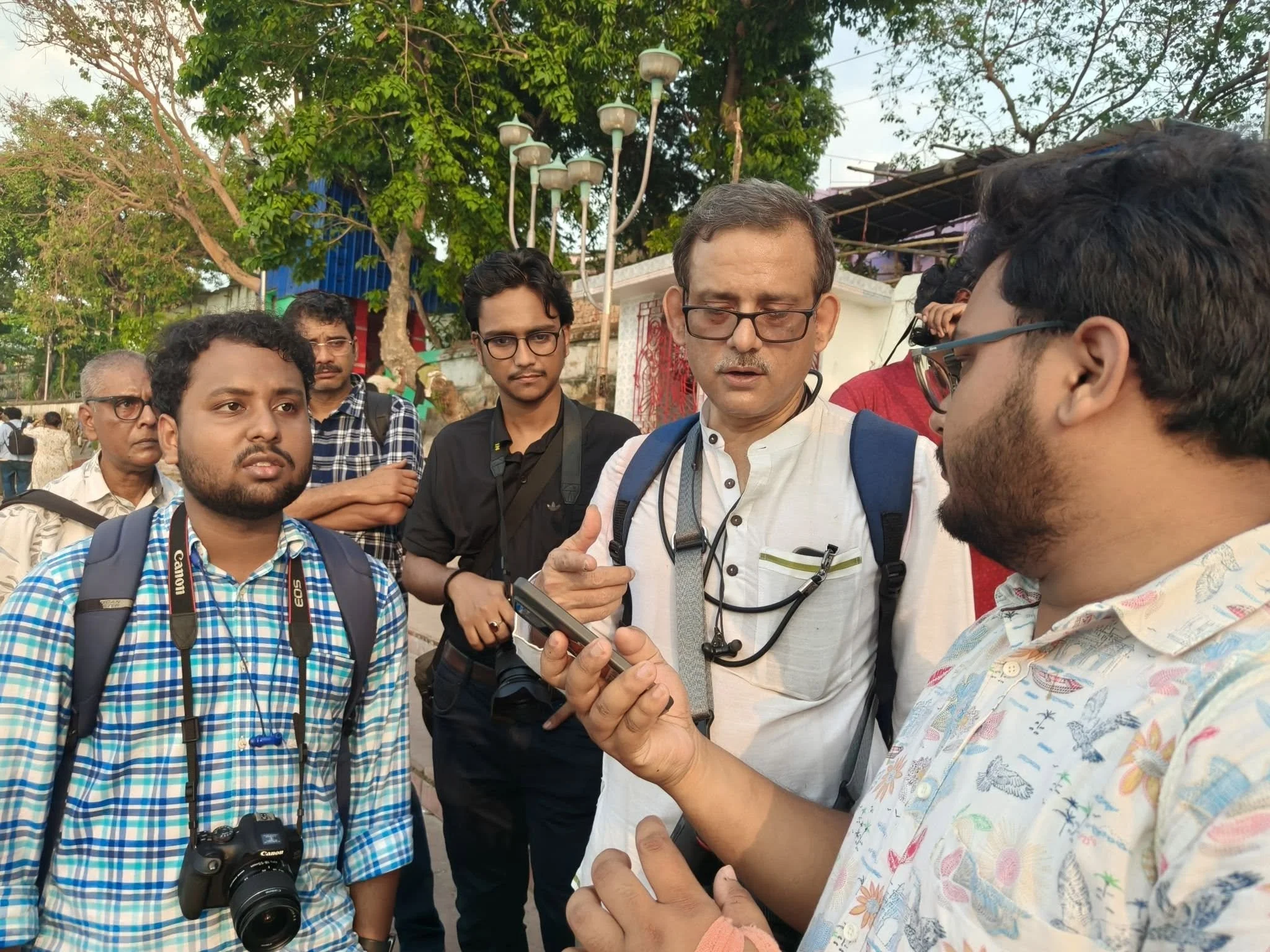
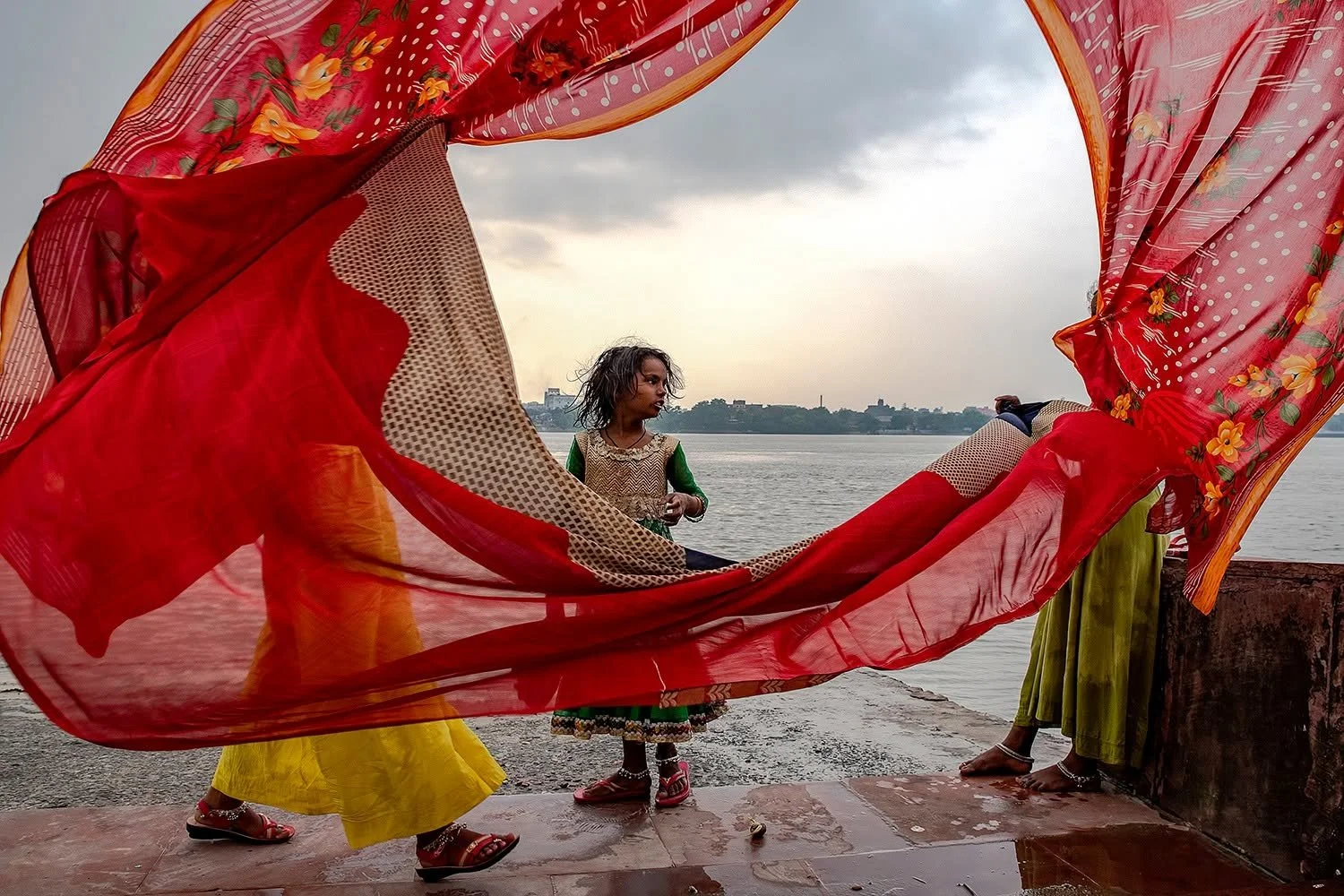
He is someone who has spent his life looking at the world with care, and has quietly taught many of us to look a little more carefully too.
And for that, I will always be grateful.
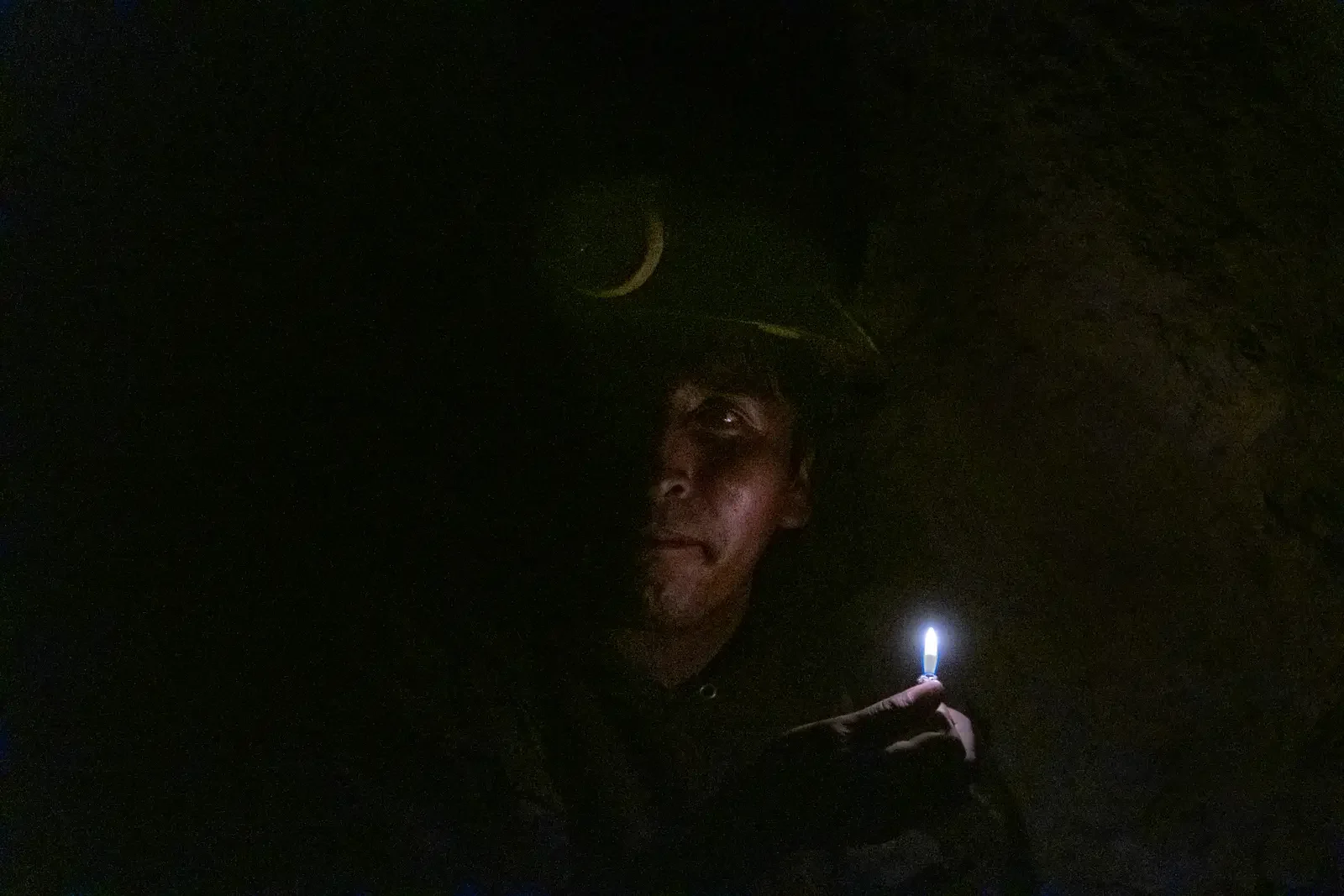
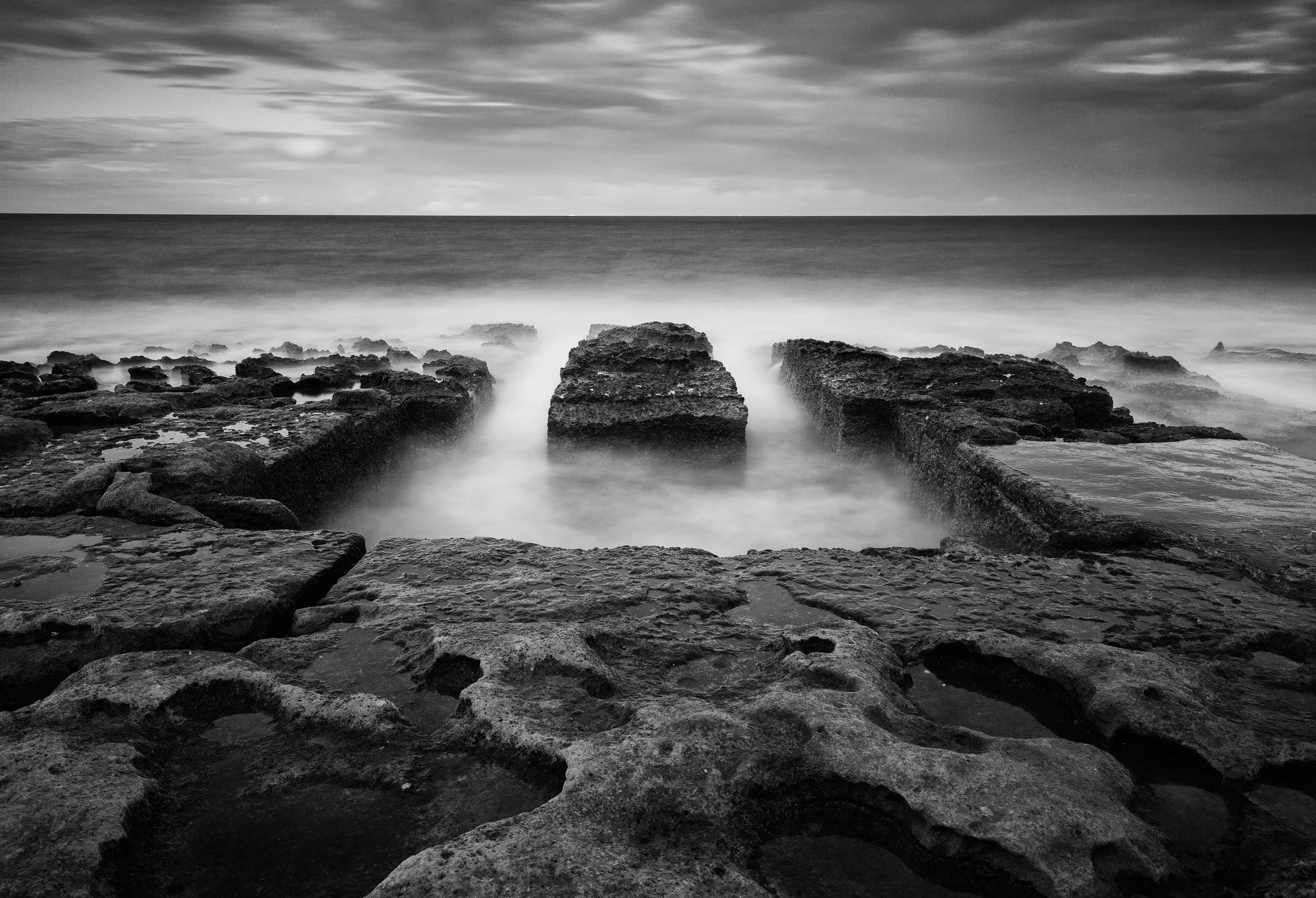
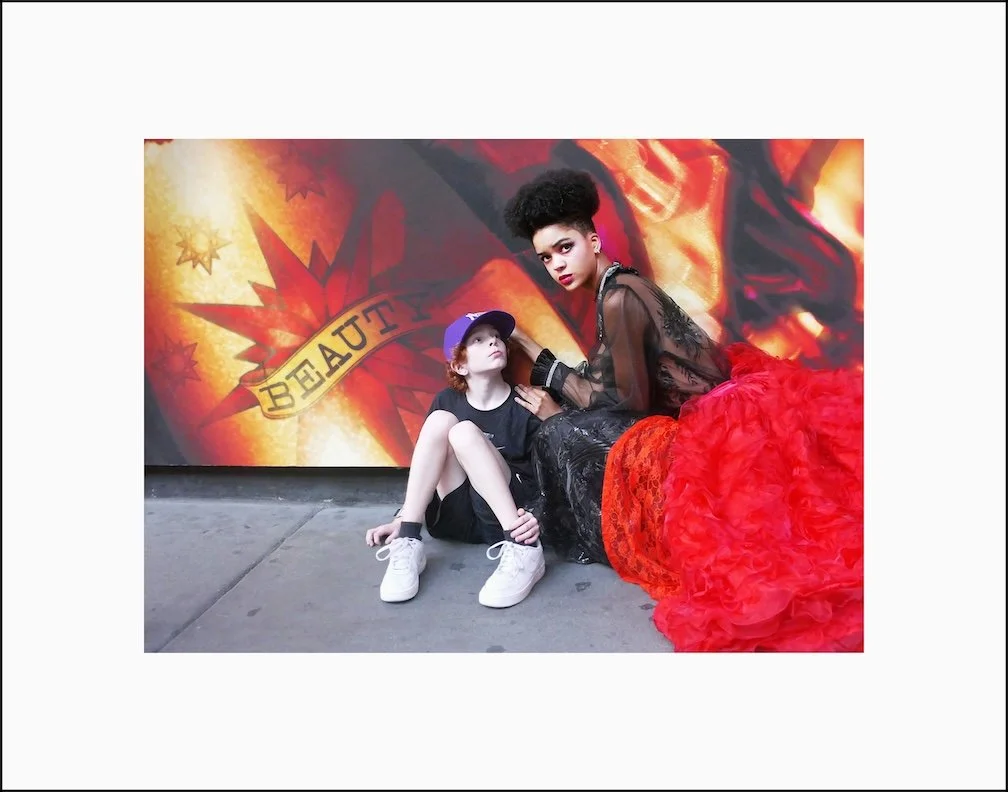
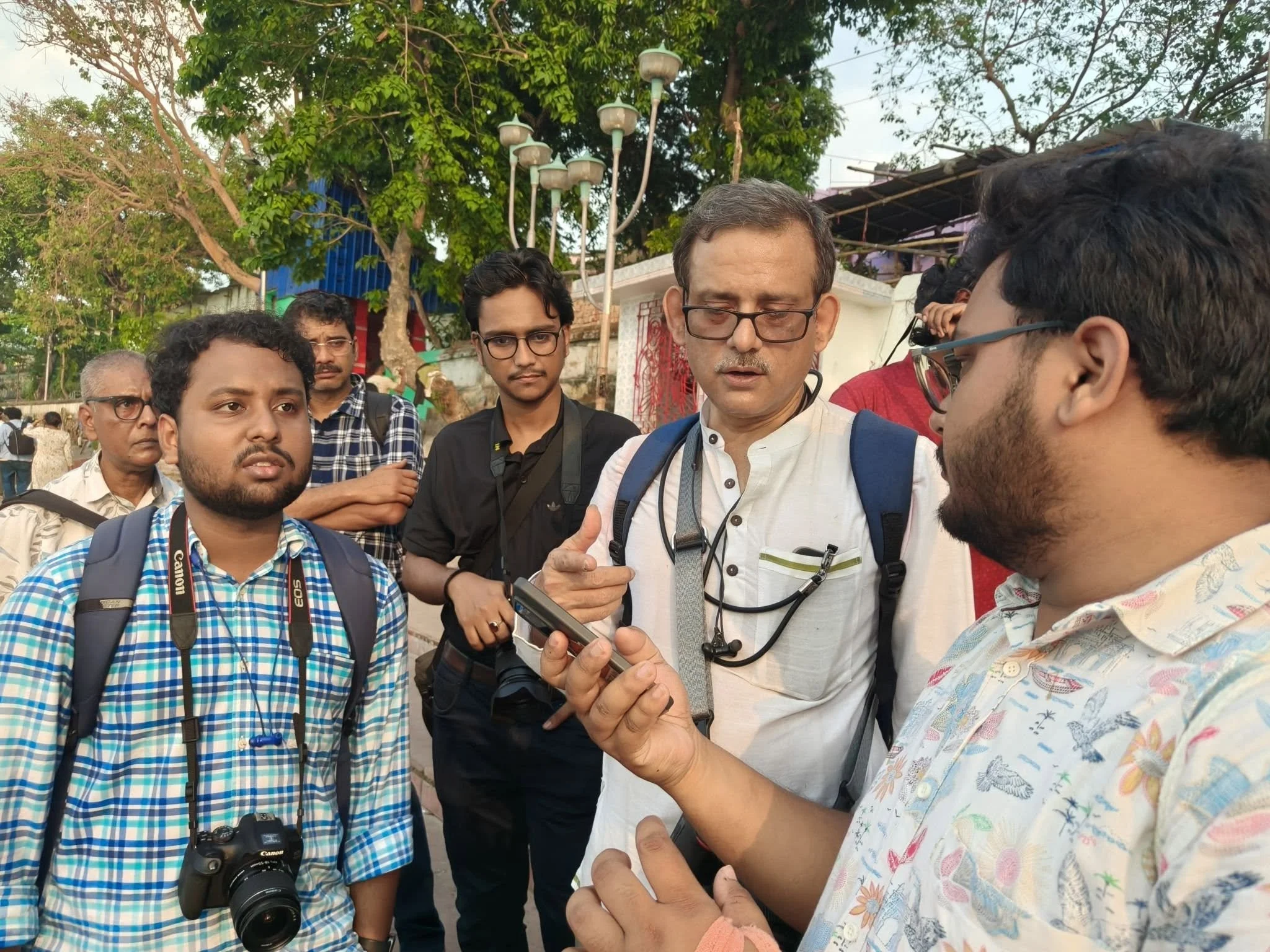
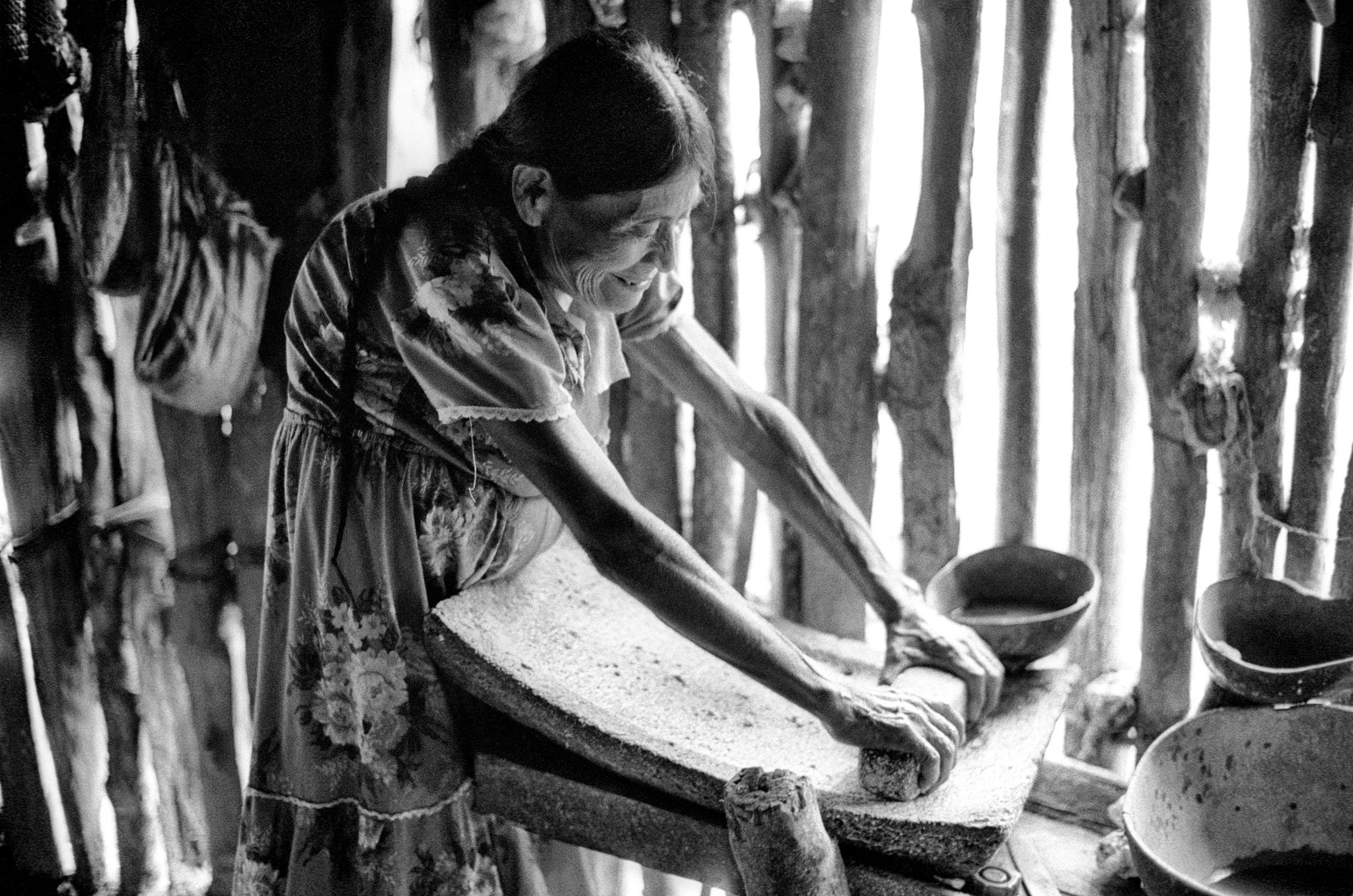
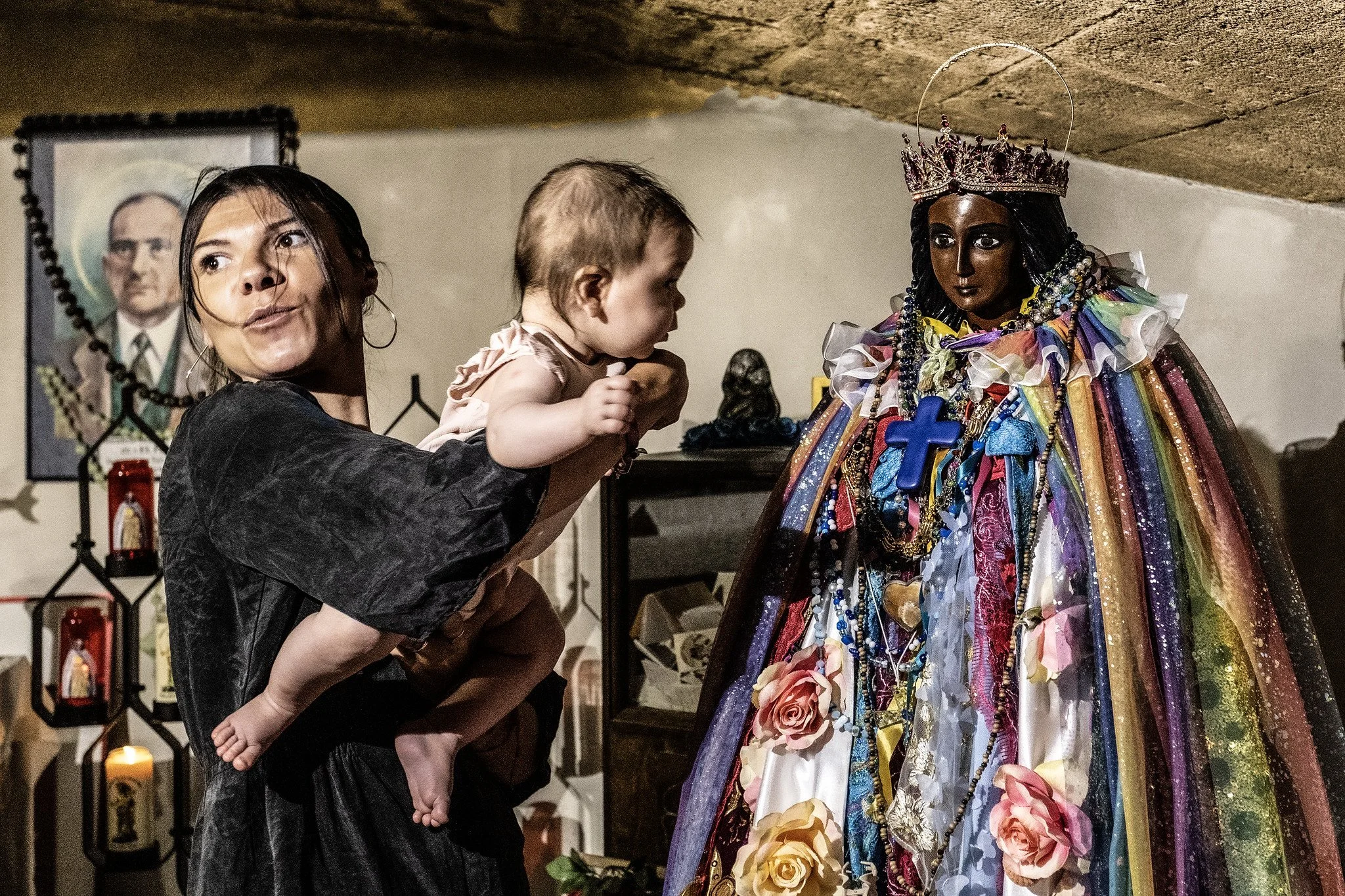
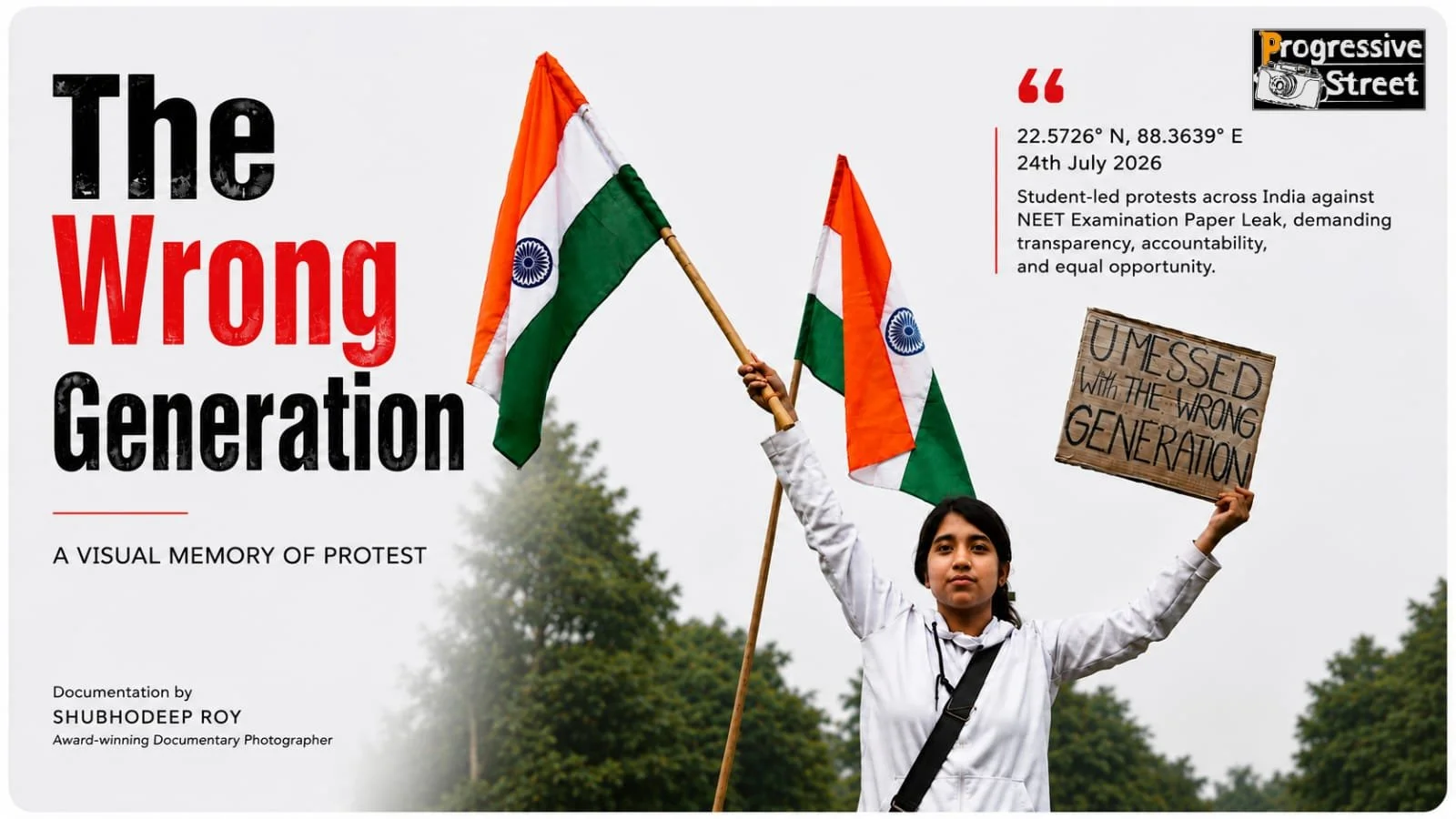
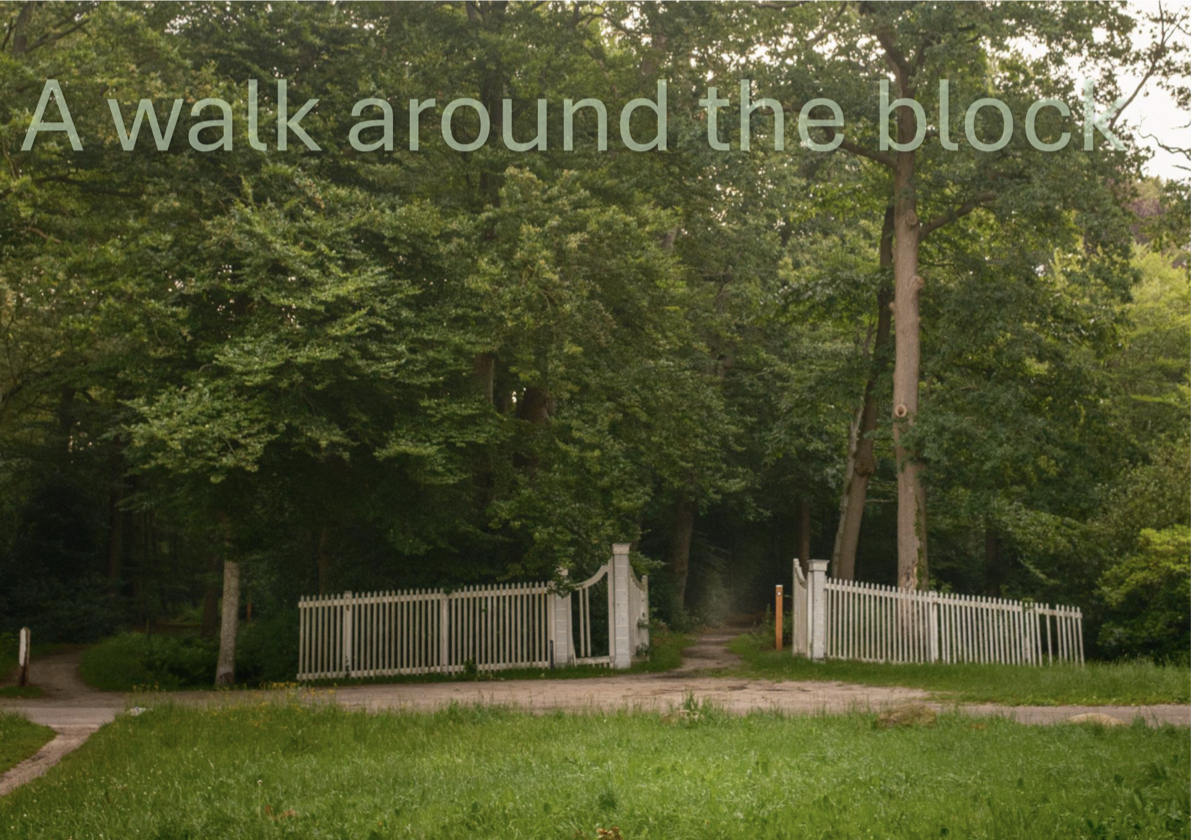
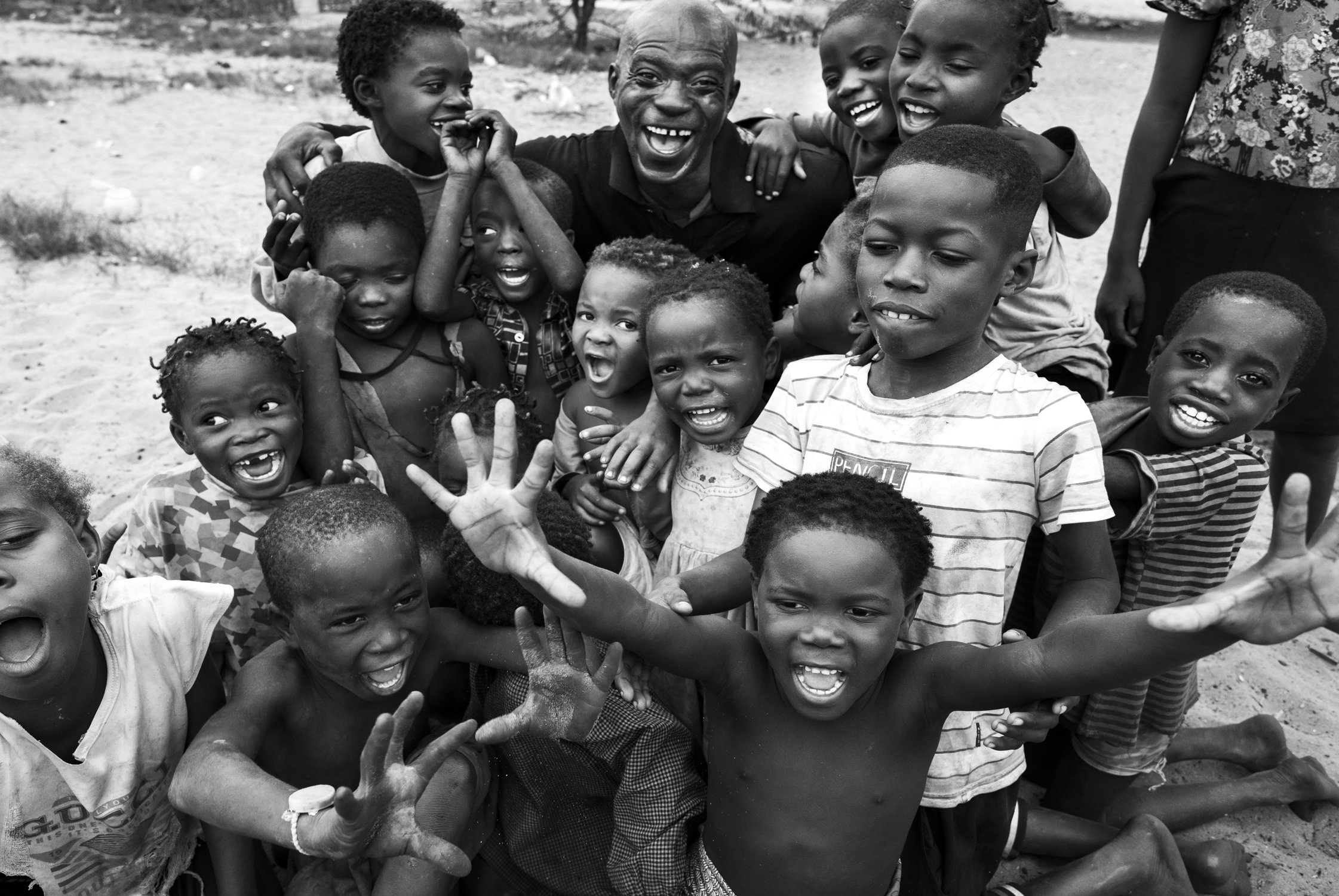
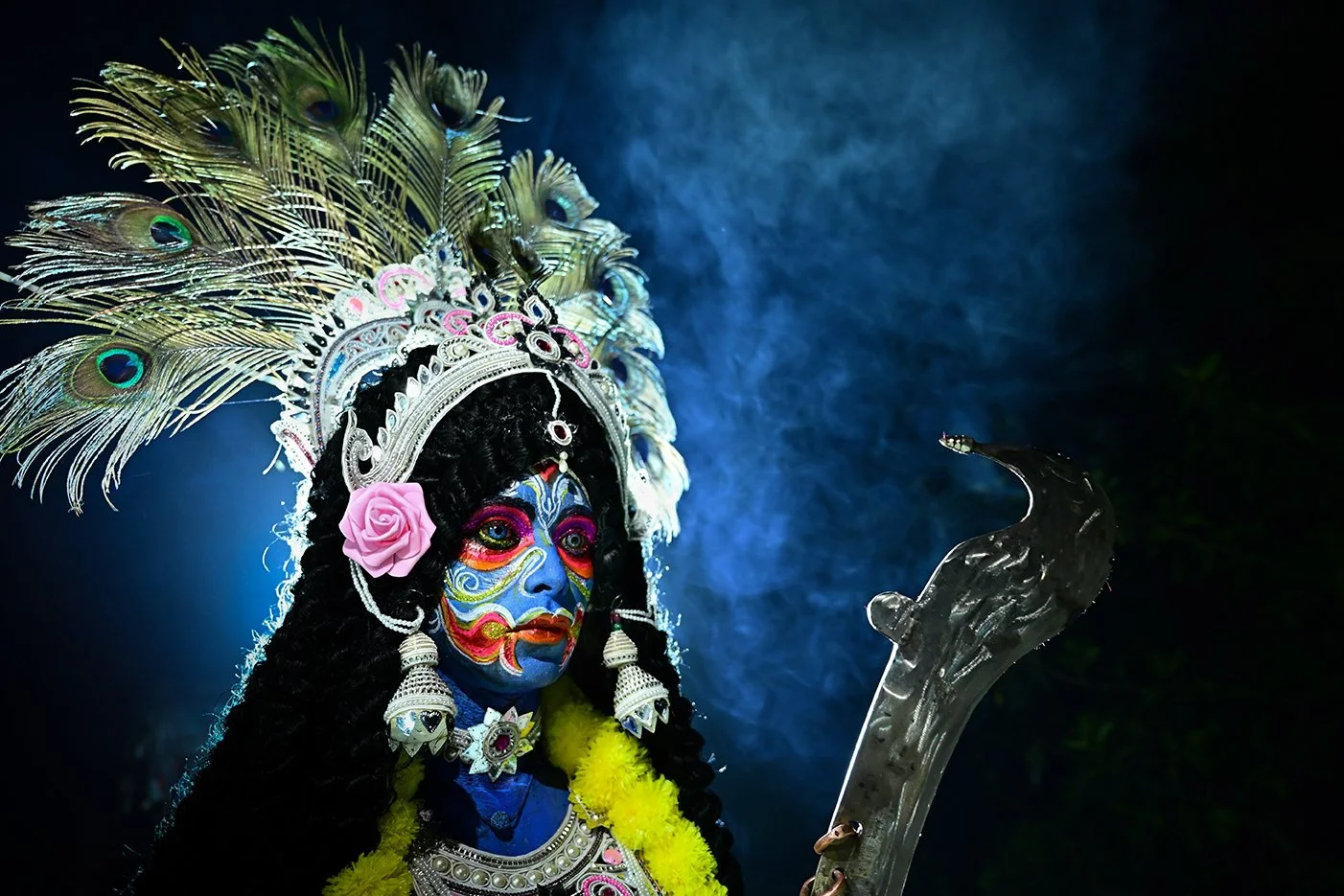
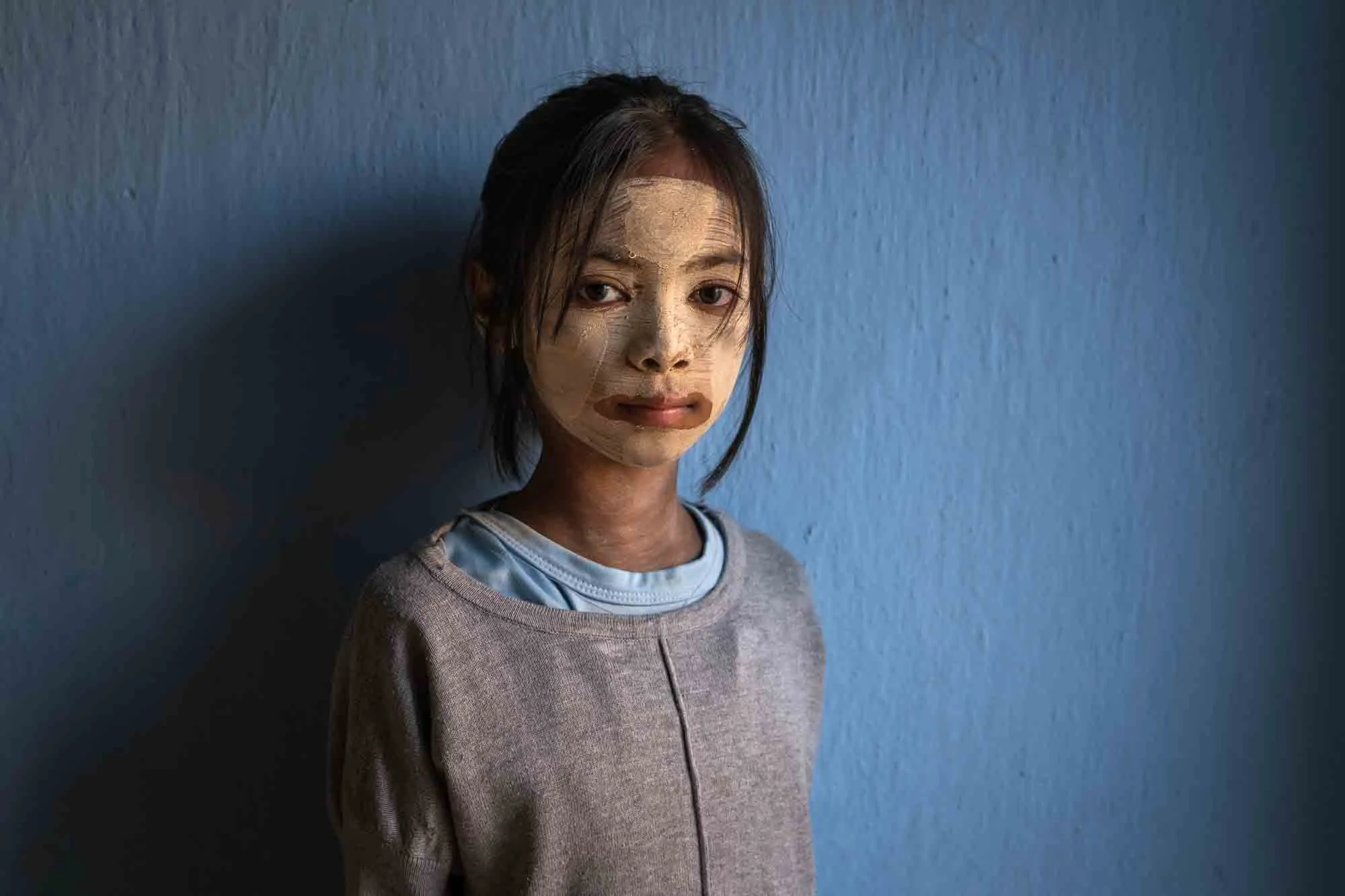
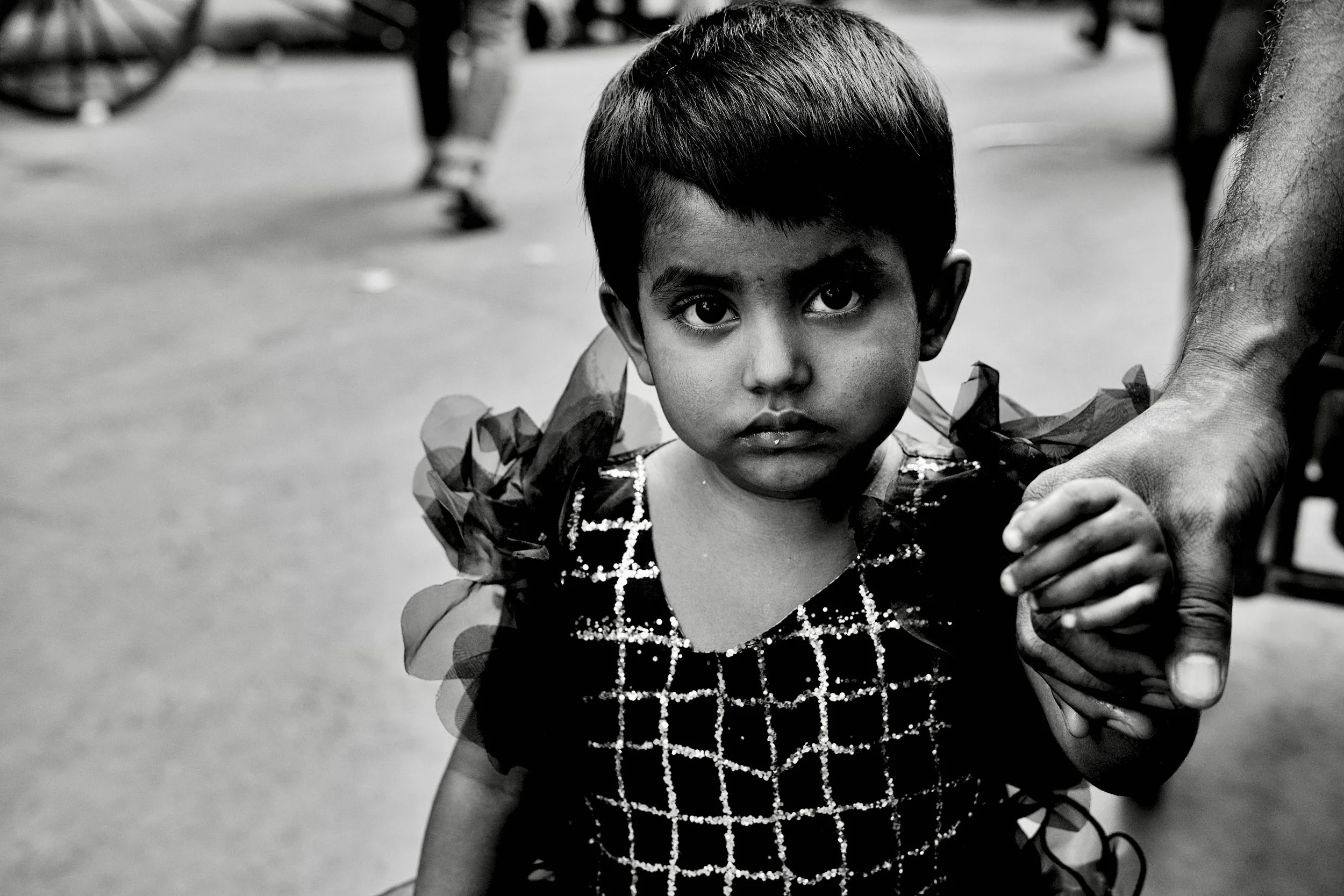
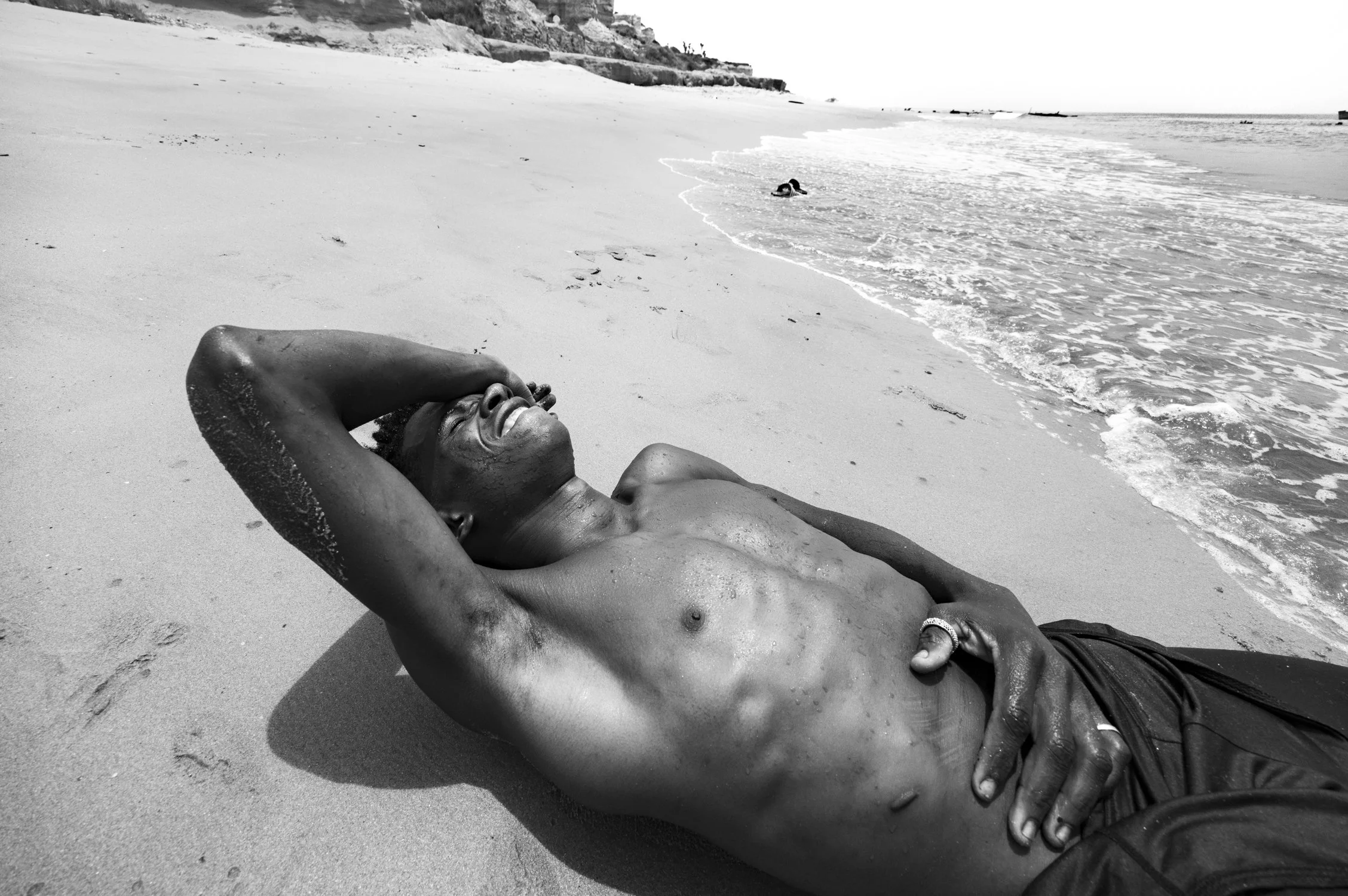
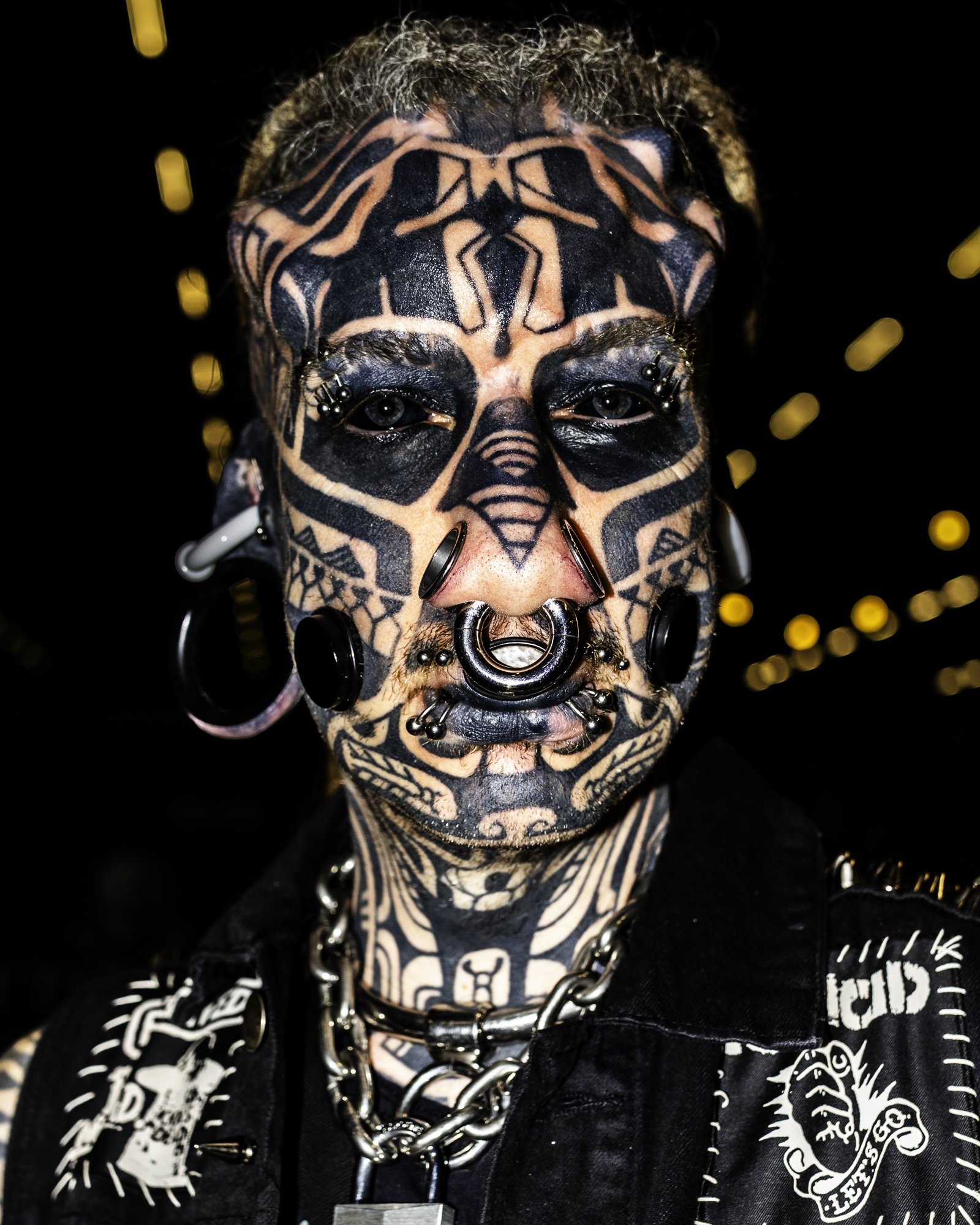
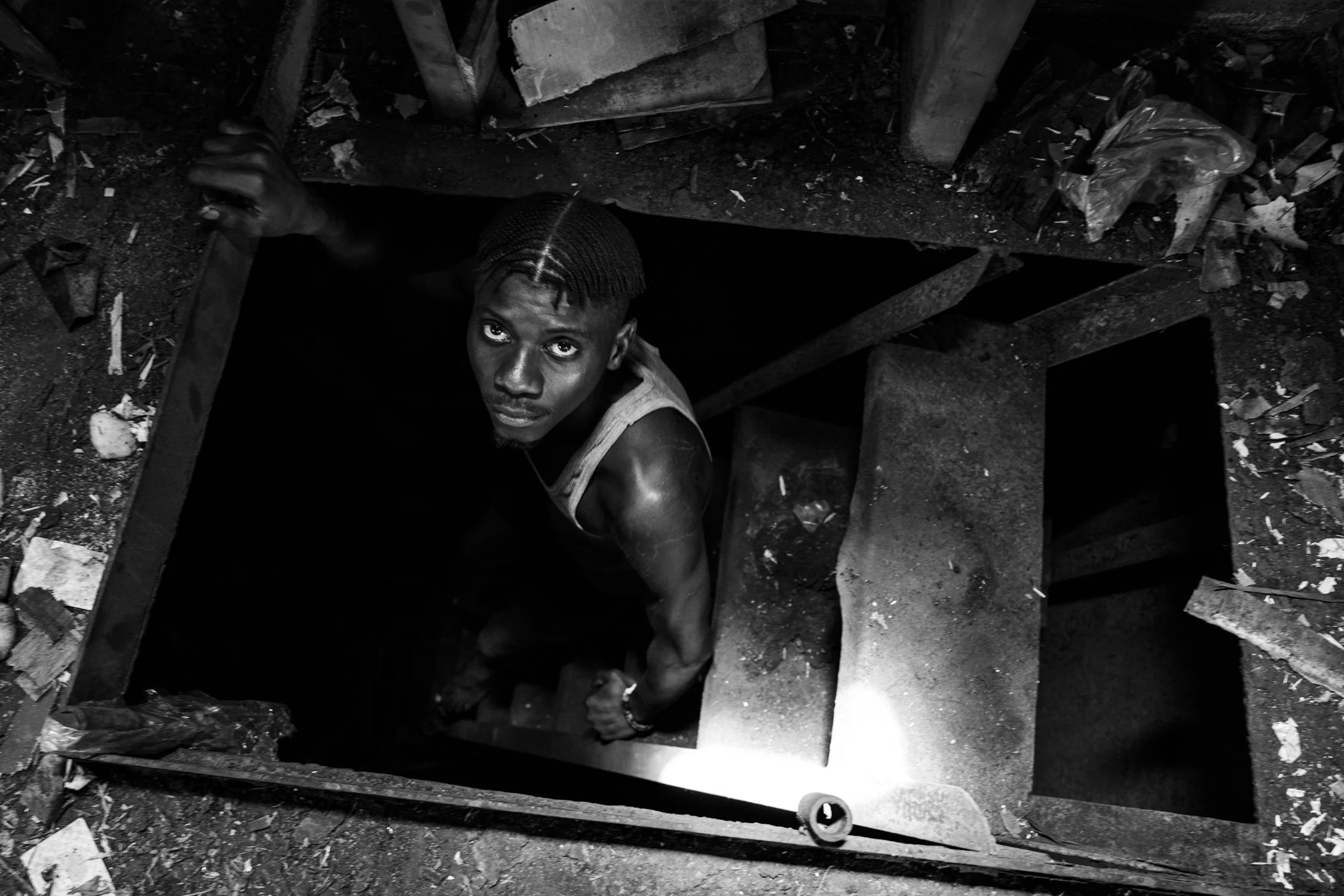
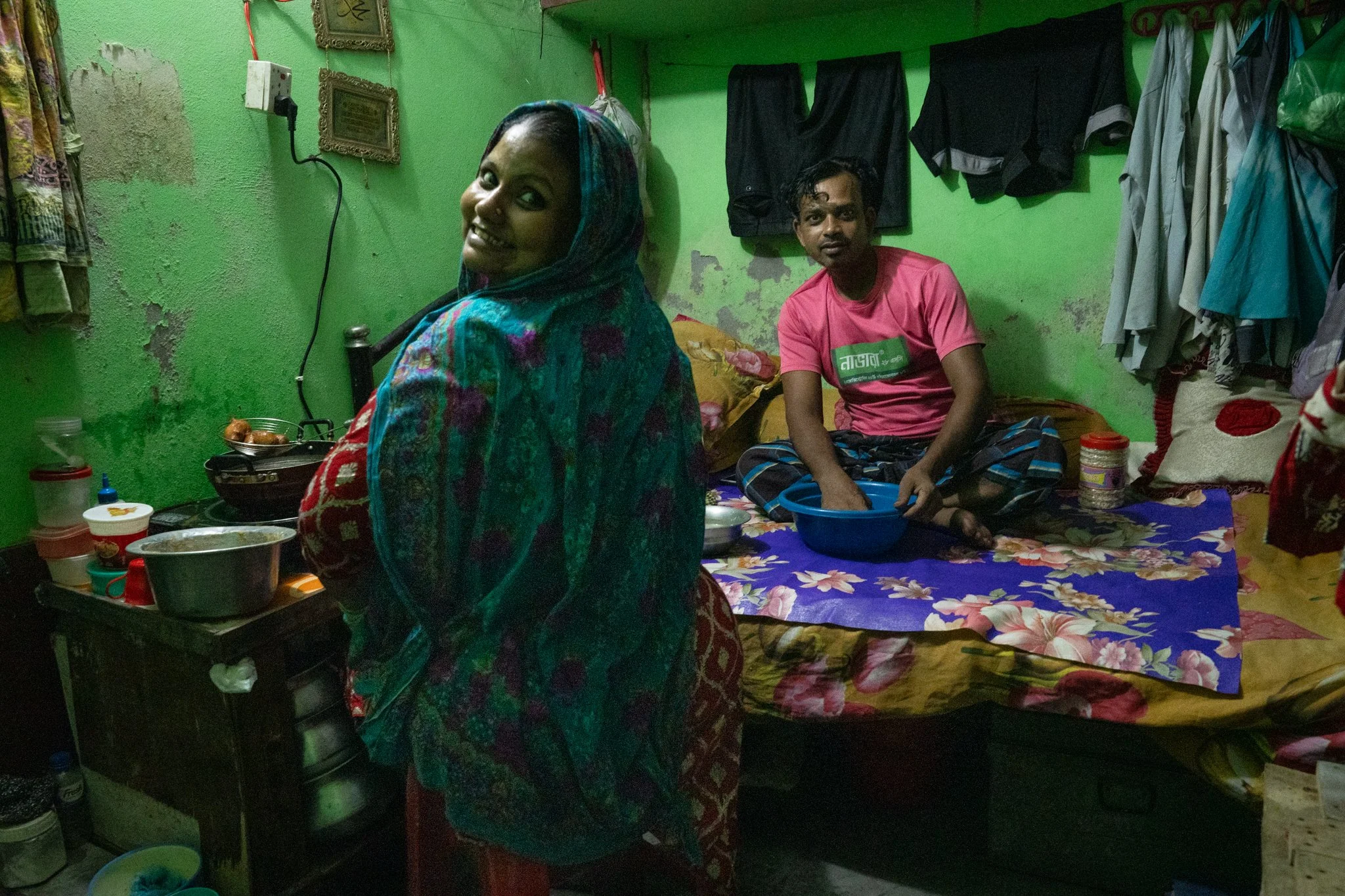
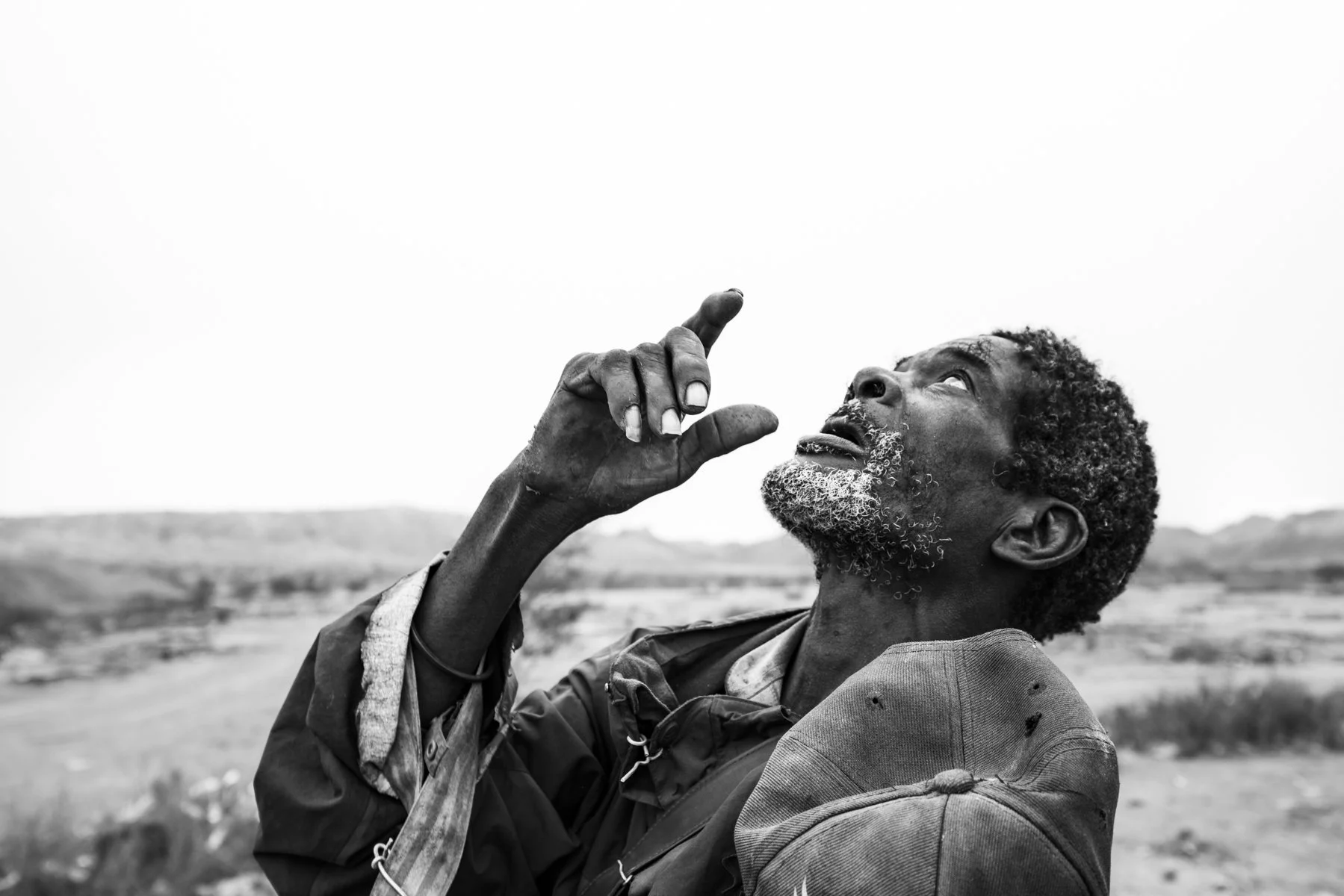
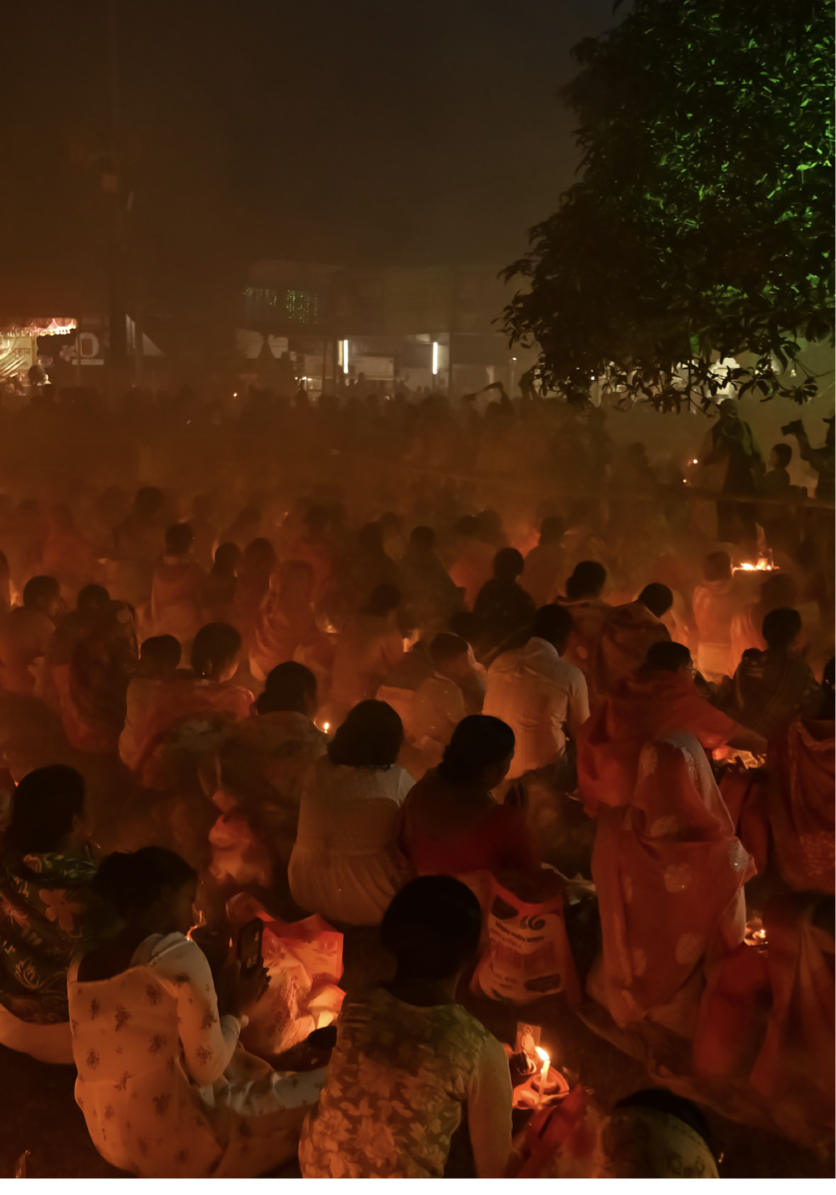
Every photograph reproduced in this article has been photographed by Siddhartha Paul.
The images have been included not merely as illustrations, but as a small window into the way he sees the world.
I would sincerely encourage you not to stop with these few photographs. Visit his work, spend some time with his images, and look at them slowly. Look beyond the first impression. Look at the shadows, reflections, gestures, coincidences, humour, and seemingly ordinary details that he brings together so effortlessly.
Study the photographs. Look again. And then look once more.
Perhaps that is one of the quiet lessons in Siddhartha Jethu's work: learning to notice what we usually overlook, and discovering how the ordinary can become extraordinary simply by being truly seen.
Explore Siddhartha Paul's work
Website Facebook Instagram
And Happy World Photography Day to everyone who continues to look, to learn, to document, and to find stories in the world around them.
Shubhodeep Roy