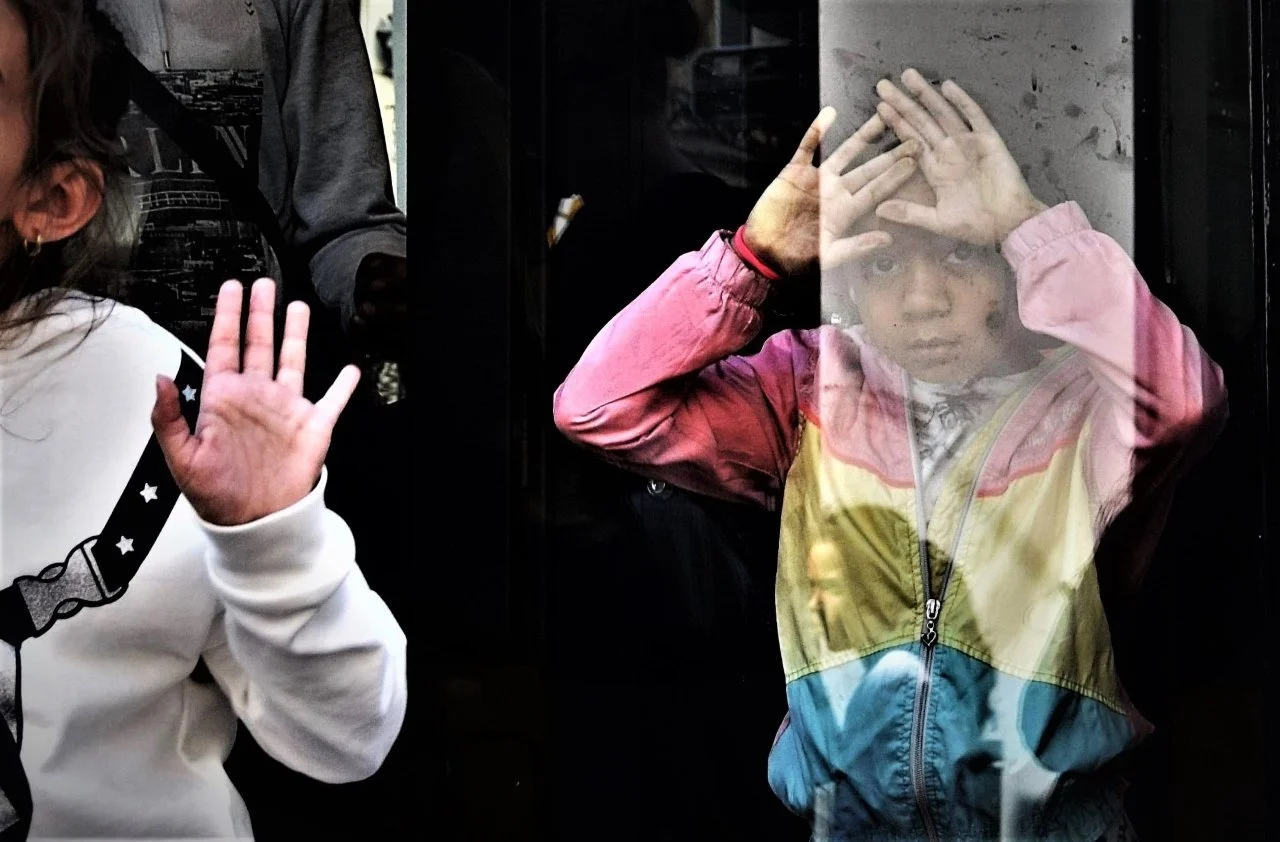
Gohar Dashti is an Iranian photographer and video artist born in Ahvaz, Iran, in 1980. She earned her M.A. in Photography from the Tehran University of Art in 2005. For over two decades, Dashti has explored how history, conflict, and displacement shape people's lives and their relationship with the world around them. Her work often moves between reality and imagination, reflecting both personal and collective experiences. Her recent work explores the connection between the natural world and human migration, examining ideas of home, displacement, and belonging through images of human and plant life.
Dashti's work is held in the permanent collections of institutions including the Victoria and Albert Museum in London, the Mori Art Museum in Tokyo, the Museum of Fine Arts in Boston, and the Smithsonian Institution in Washington, D.C. She has received numerous awards and fellowships, including the V&A Parasol Foundation Prize for Women in Photography (2023), a fellowship from the Civitella Ranieri Foundation (2024), and residencies at MacDowell (2017 and 2021). She also served as a Visiting Professor at the Berlin University of the Arts (UdK) from 2023 to 2024.
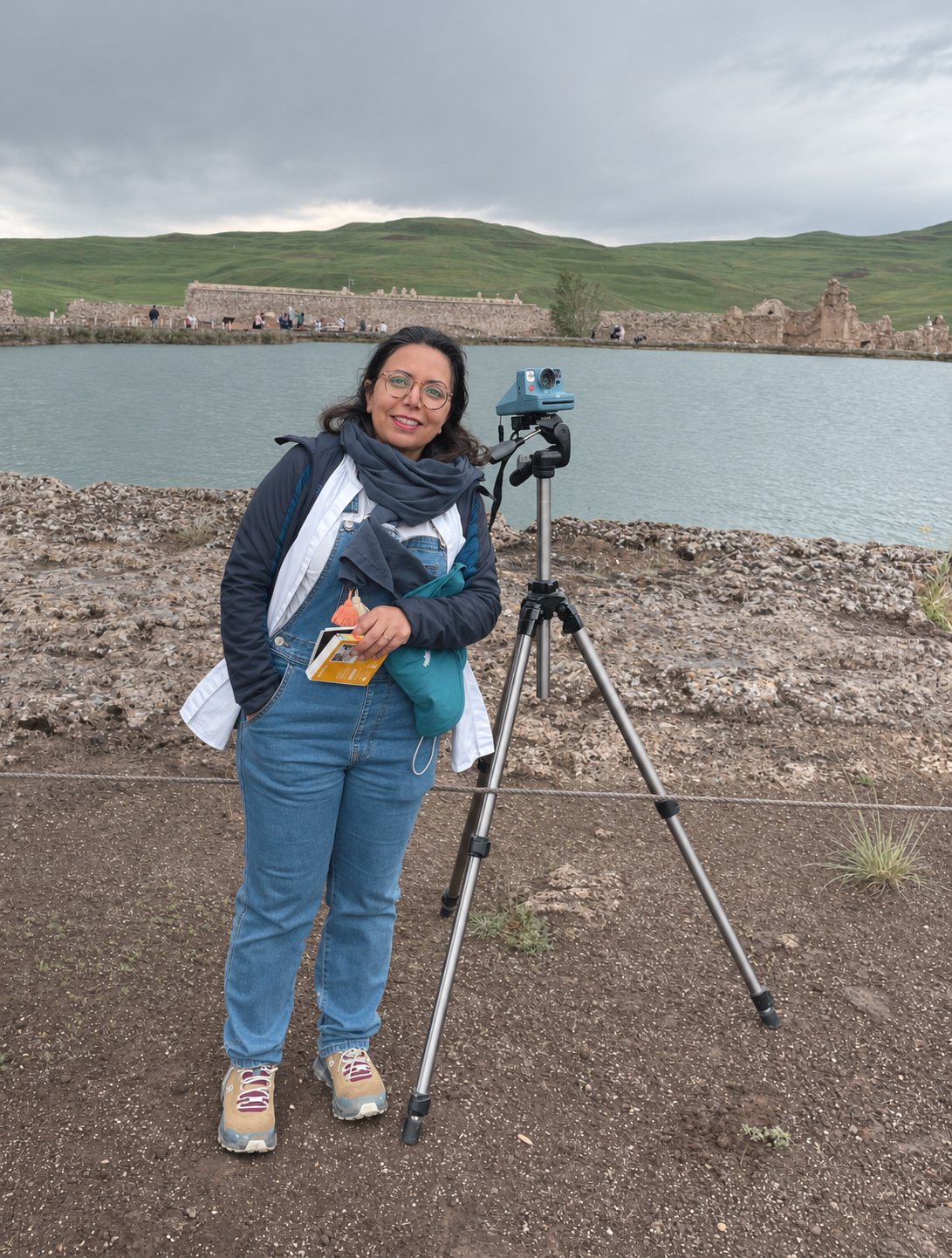
Dashti is known for her collaborative approach but also creates work independently, especially early in her career, during artist residencies, or for more intimate observational projects. While her best-known series often require a small support team to set up complex scenes, she maintains a solitary practice for field research, self-portraits, and certain landscape-focused projects. When working alone, her projects focus on introspection, botanical studies, personal archives, or the quiet documentation of specific places. Conversely, collaborating with a team becomes essential when an idea requires theatrical staging (staged photography), moving heavy objects, or directing models in complex outdoor settings.
Disappearing Nature and Alien
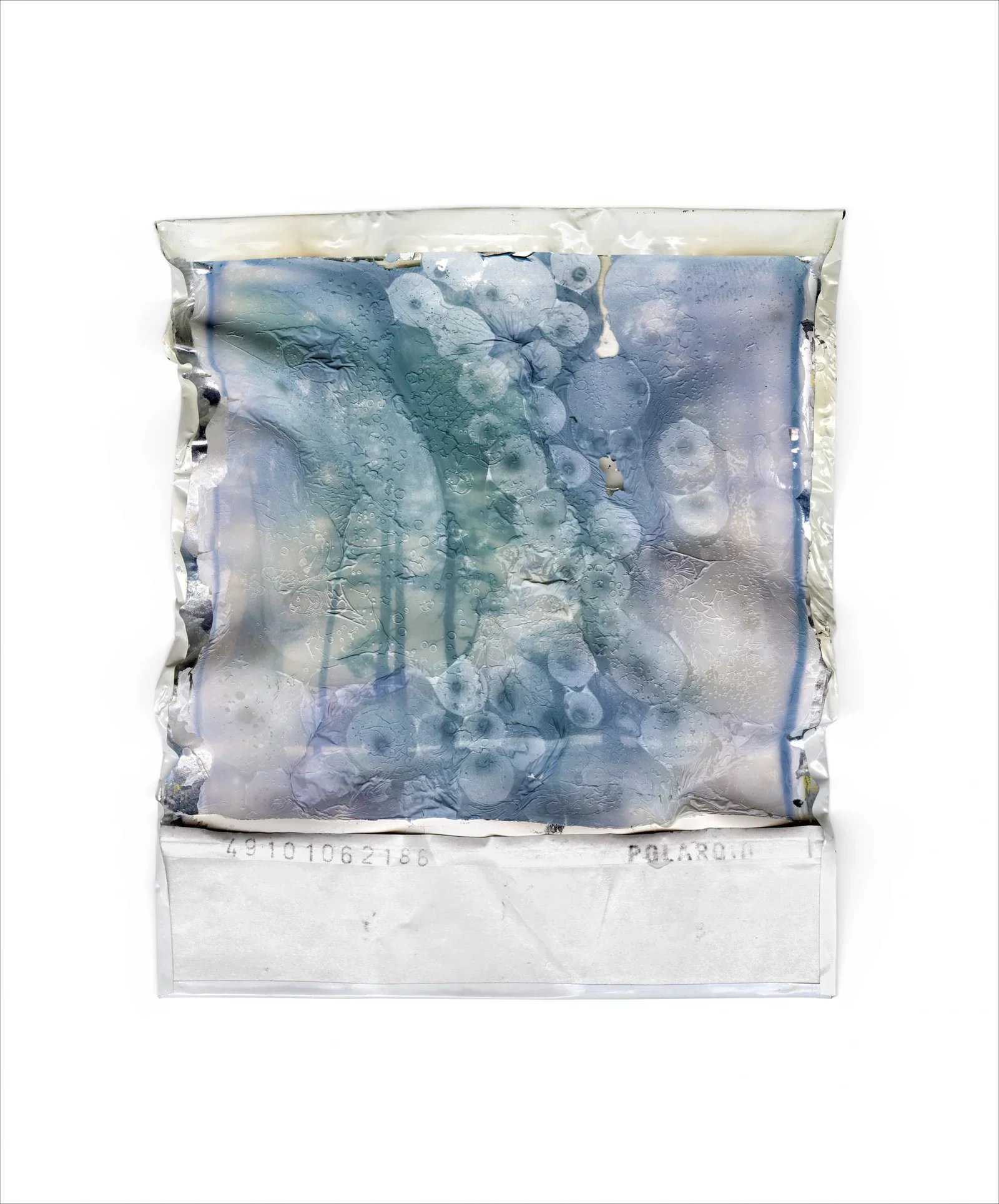
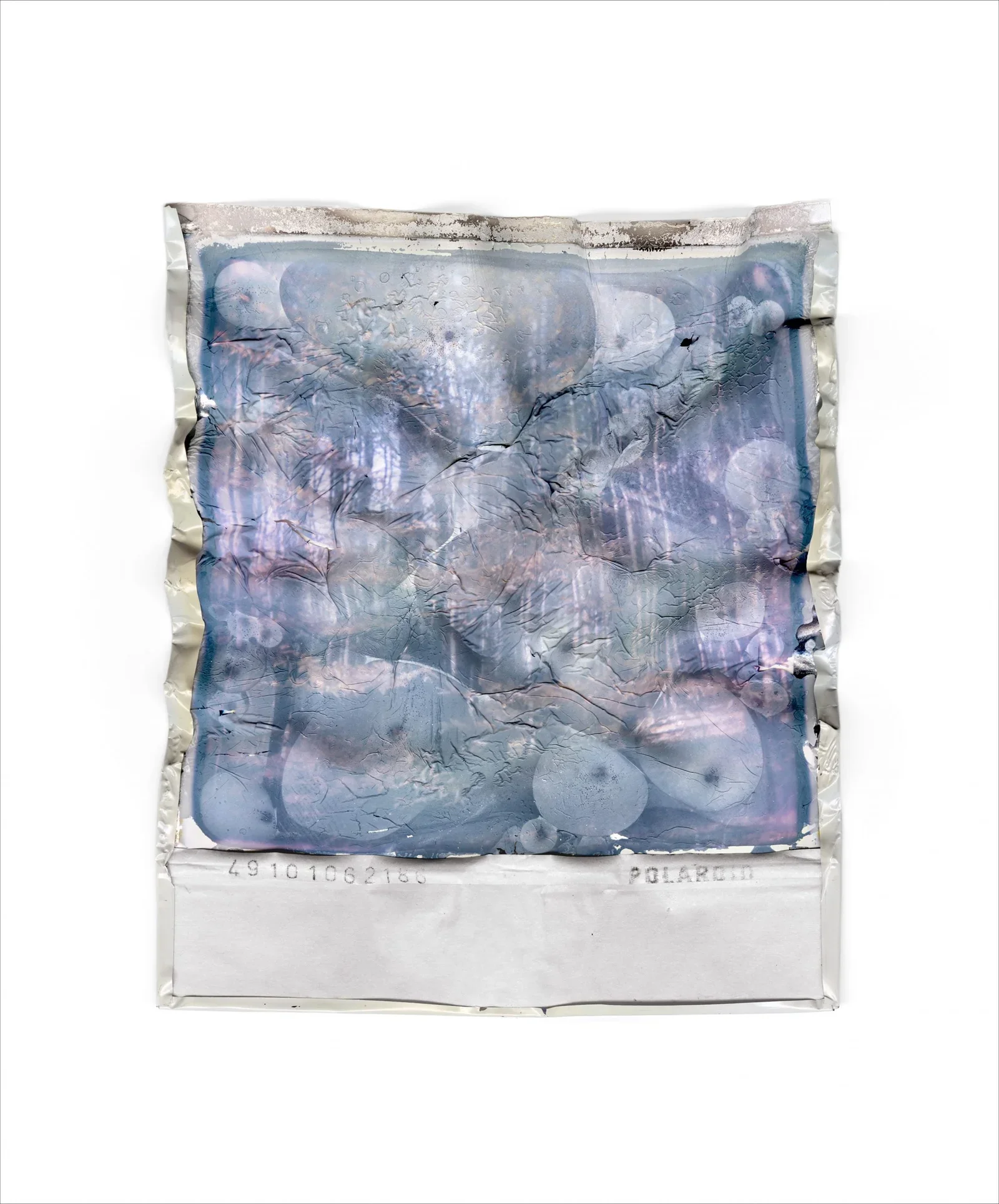
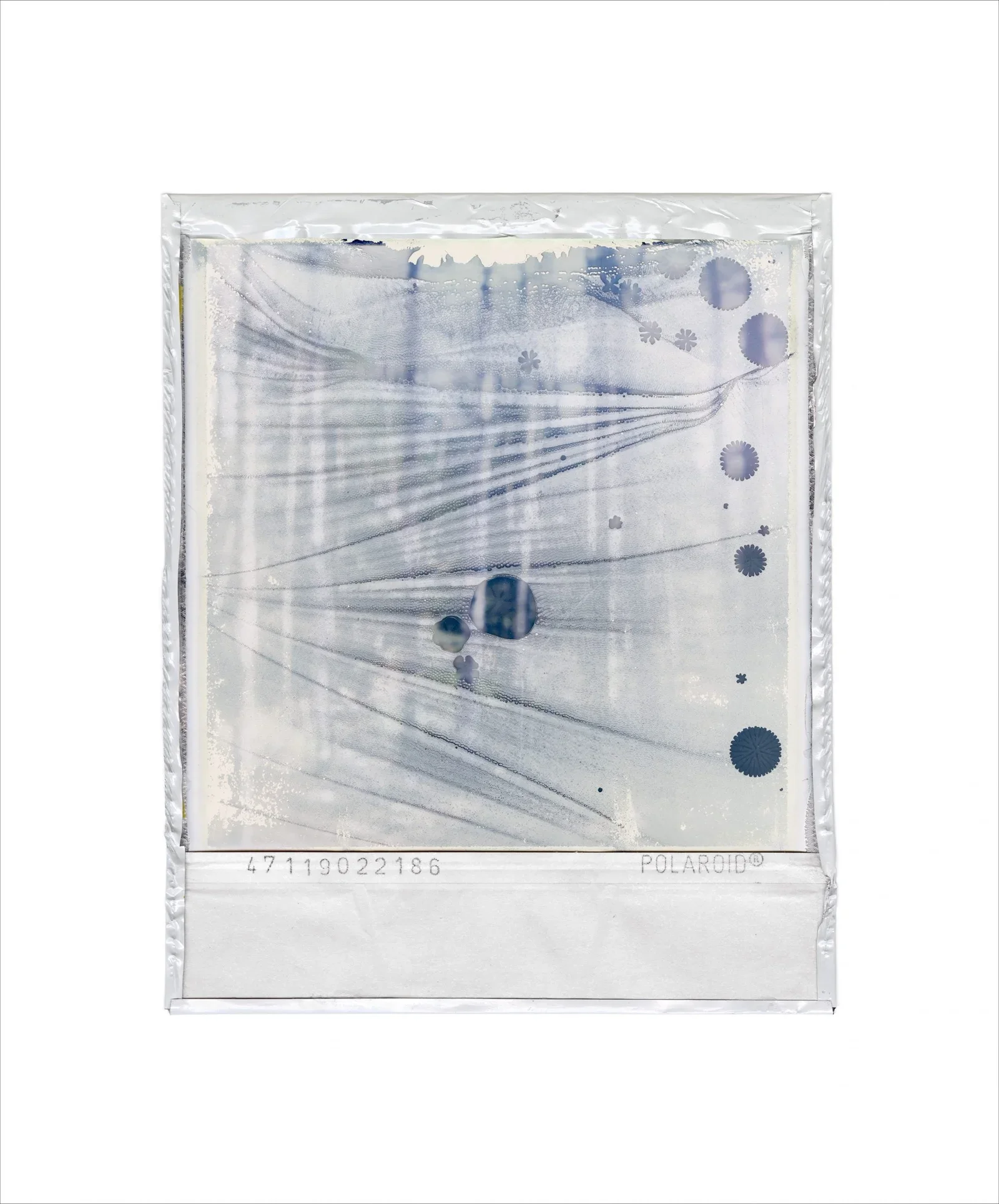
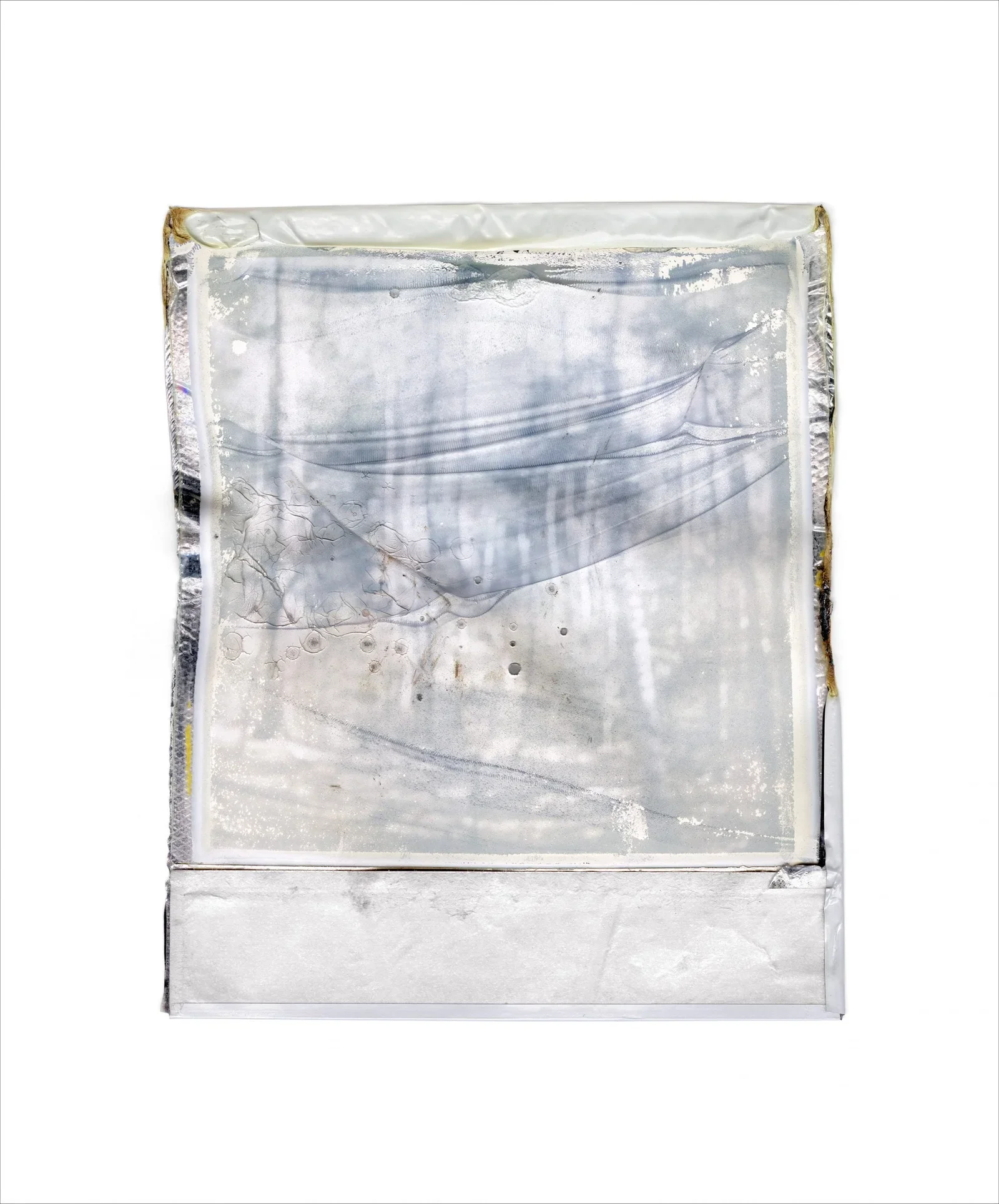
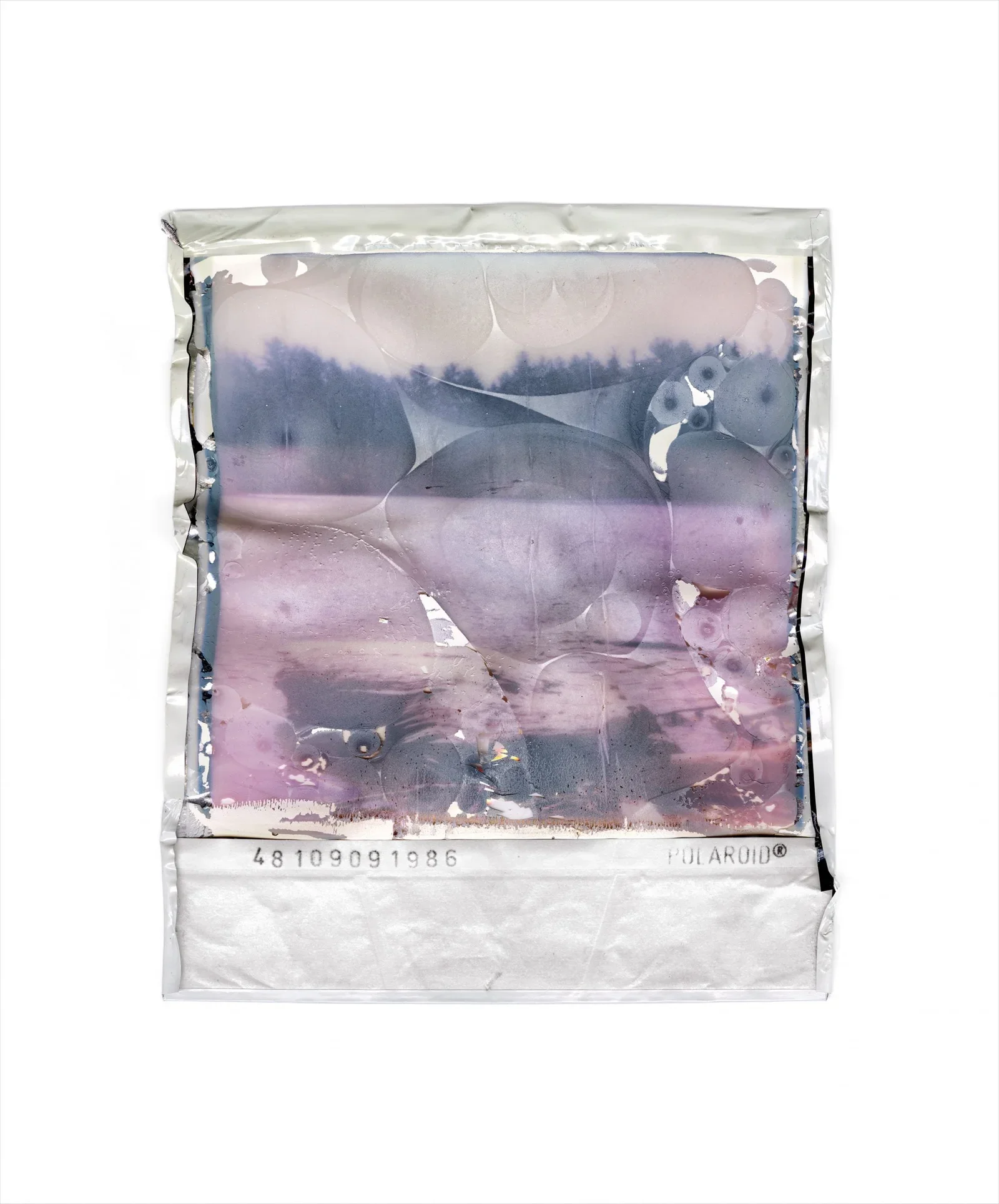
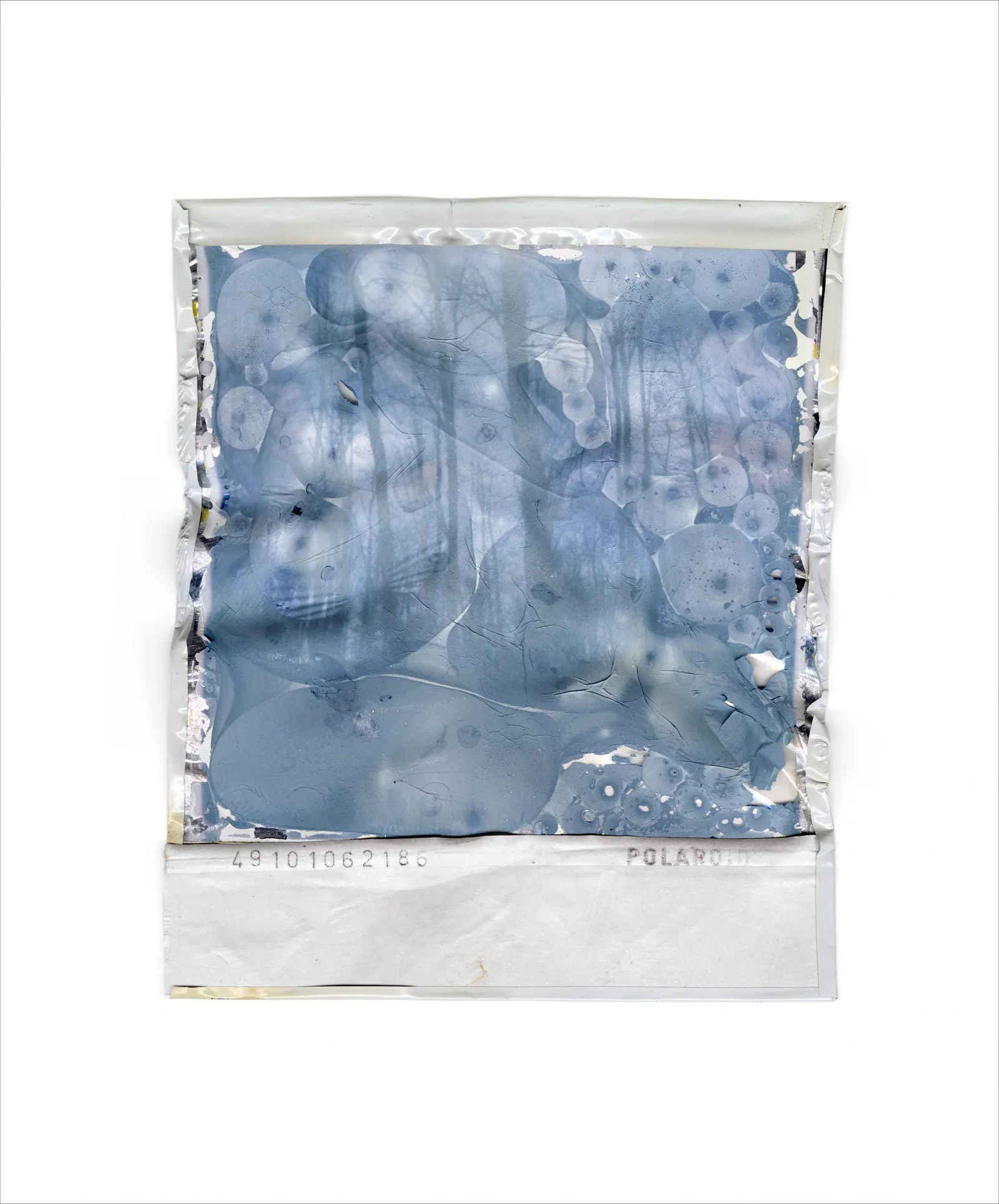
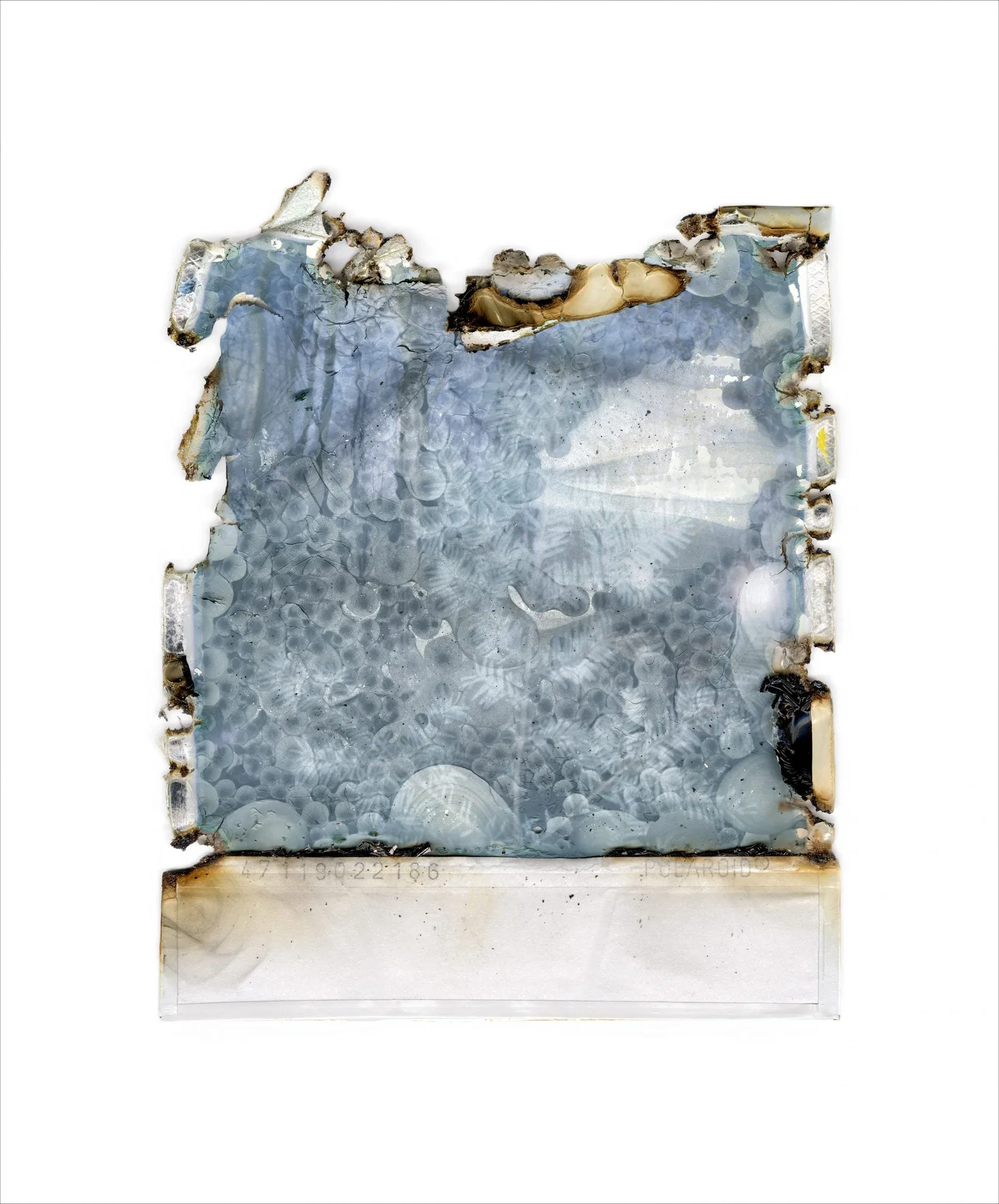
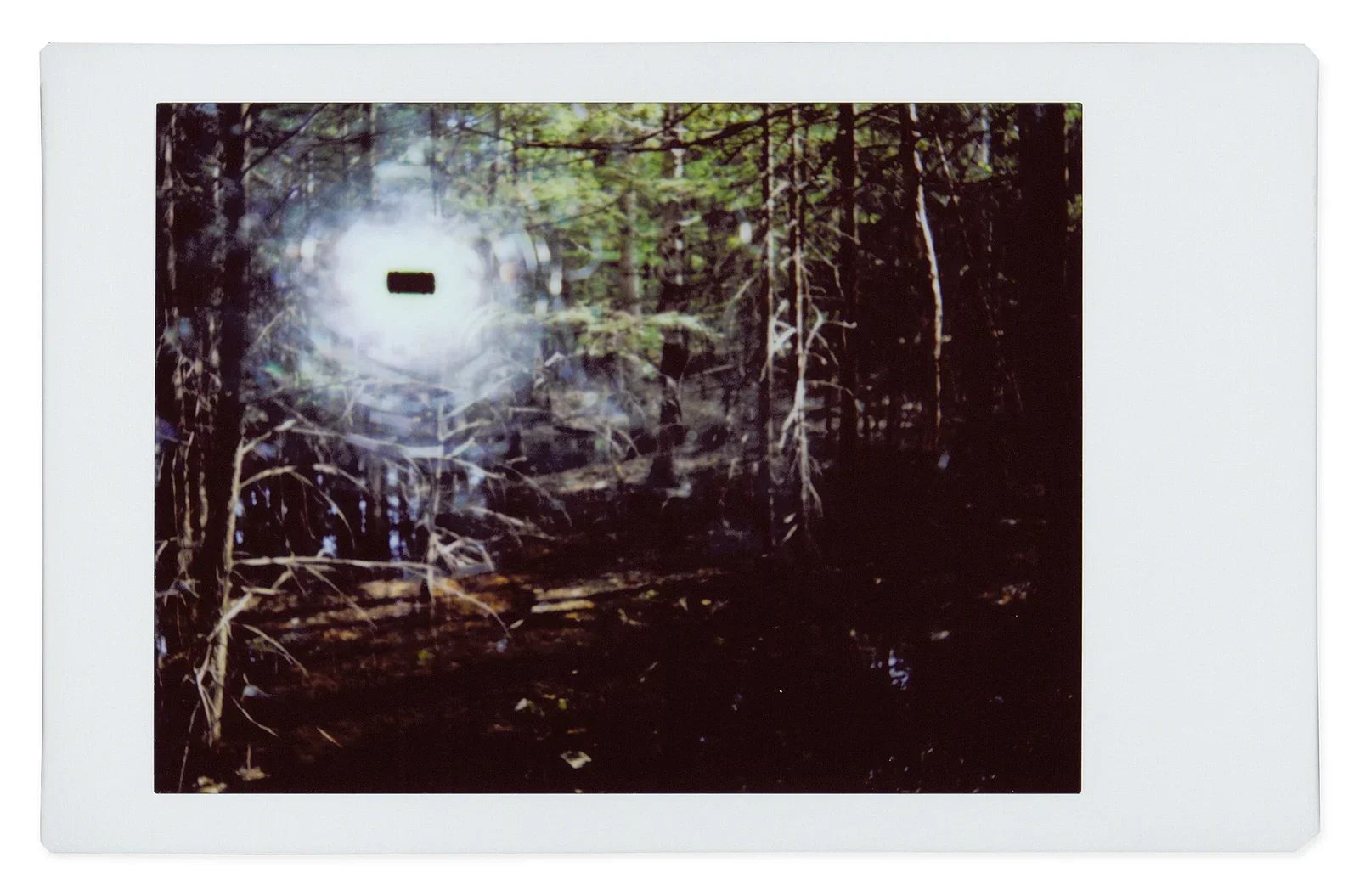
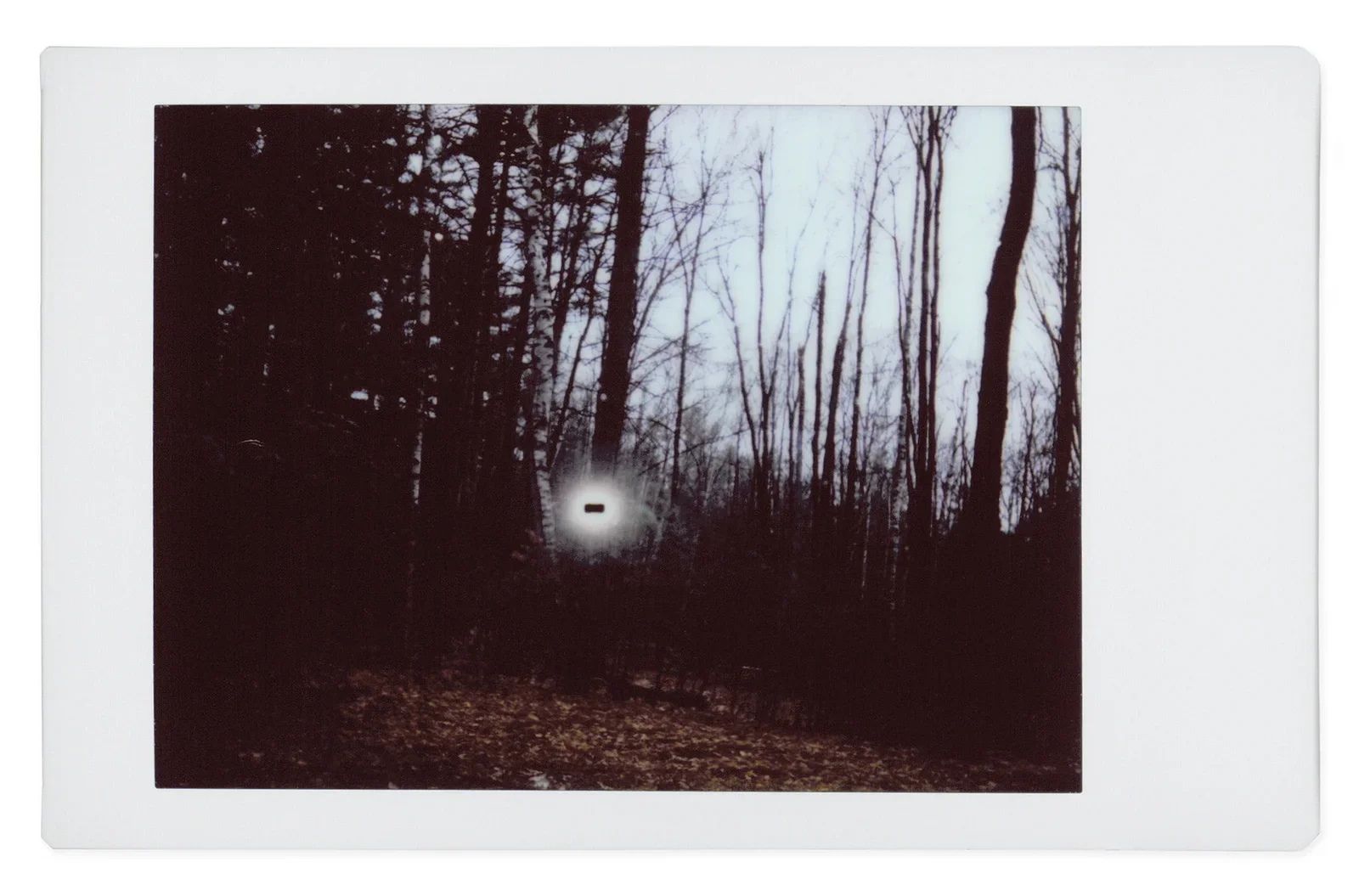
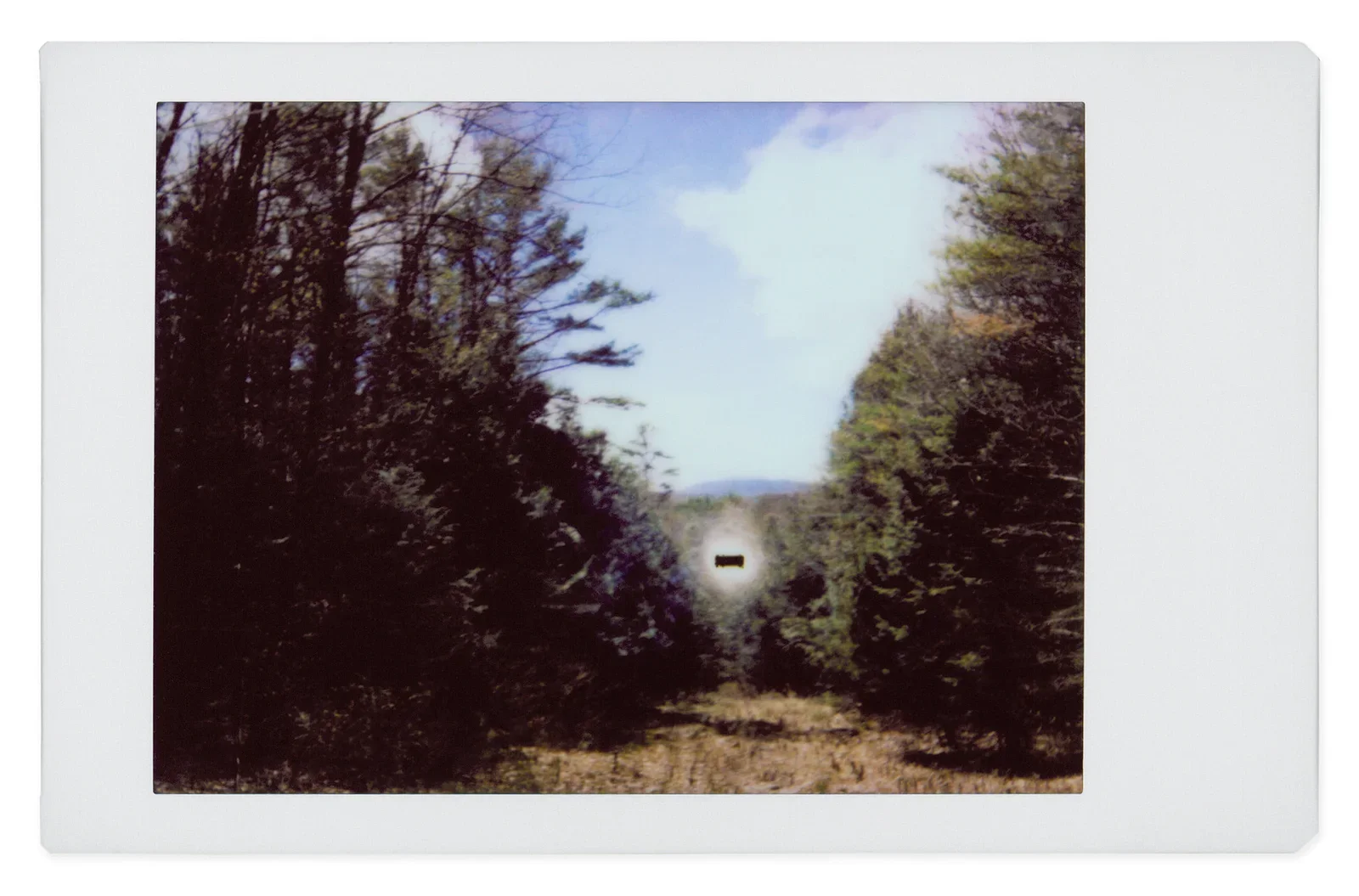
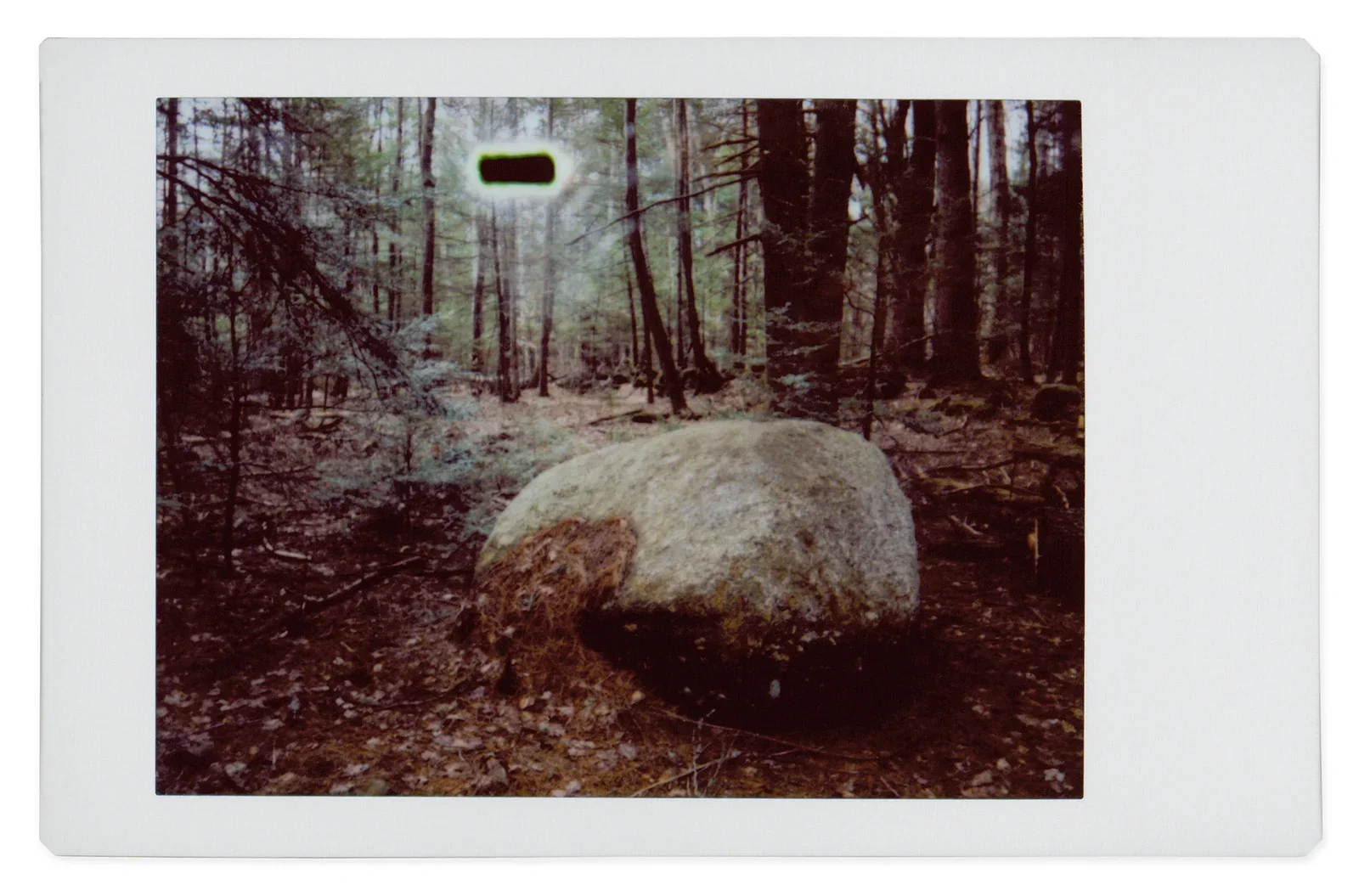
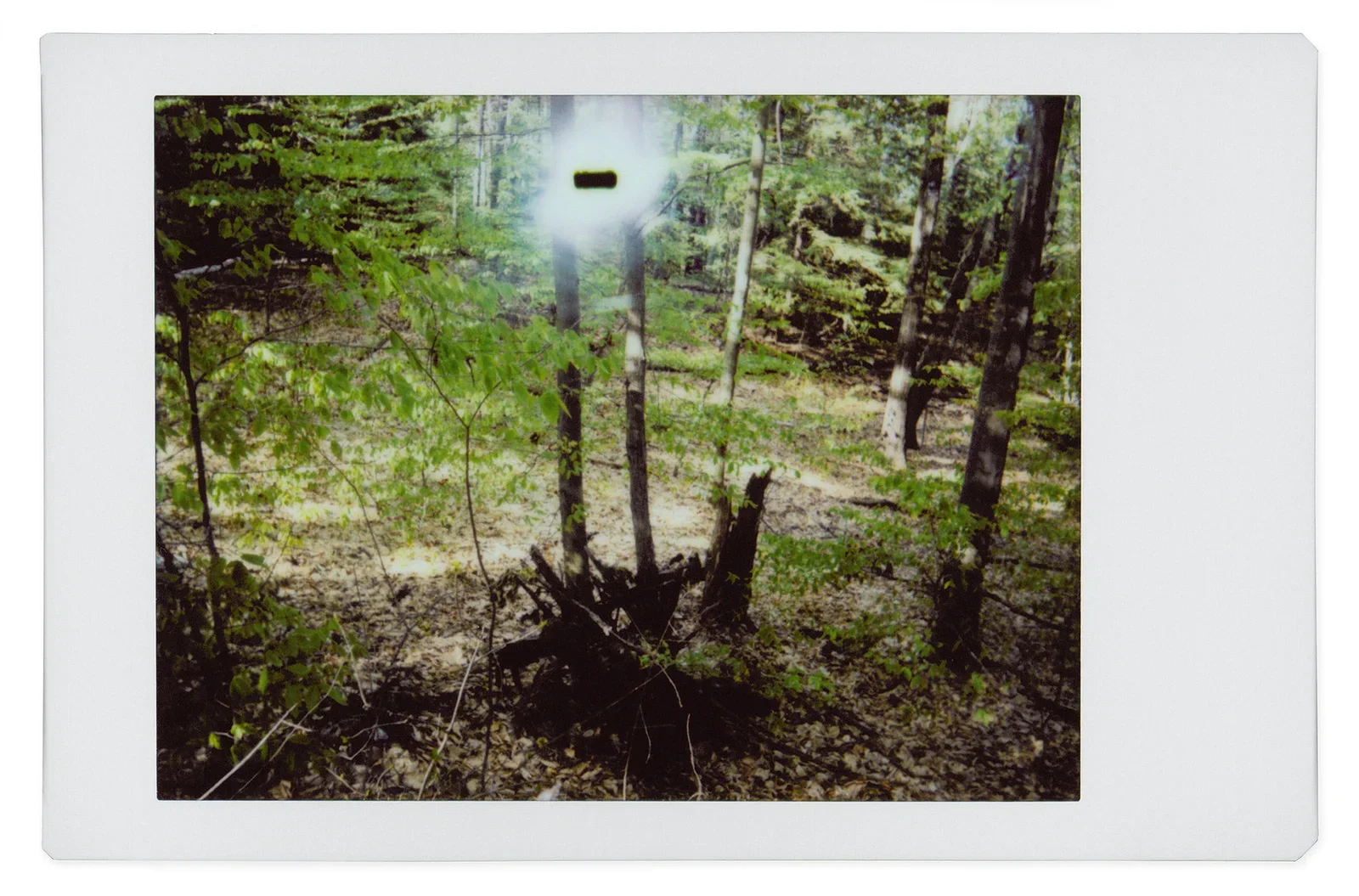
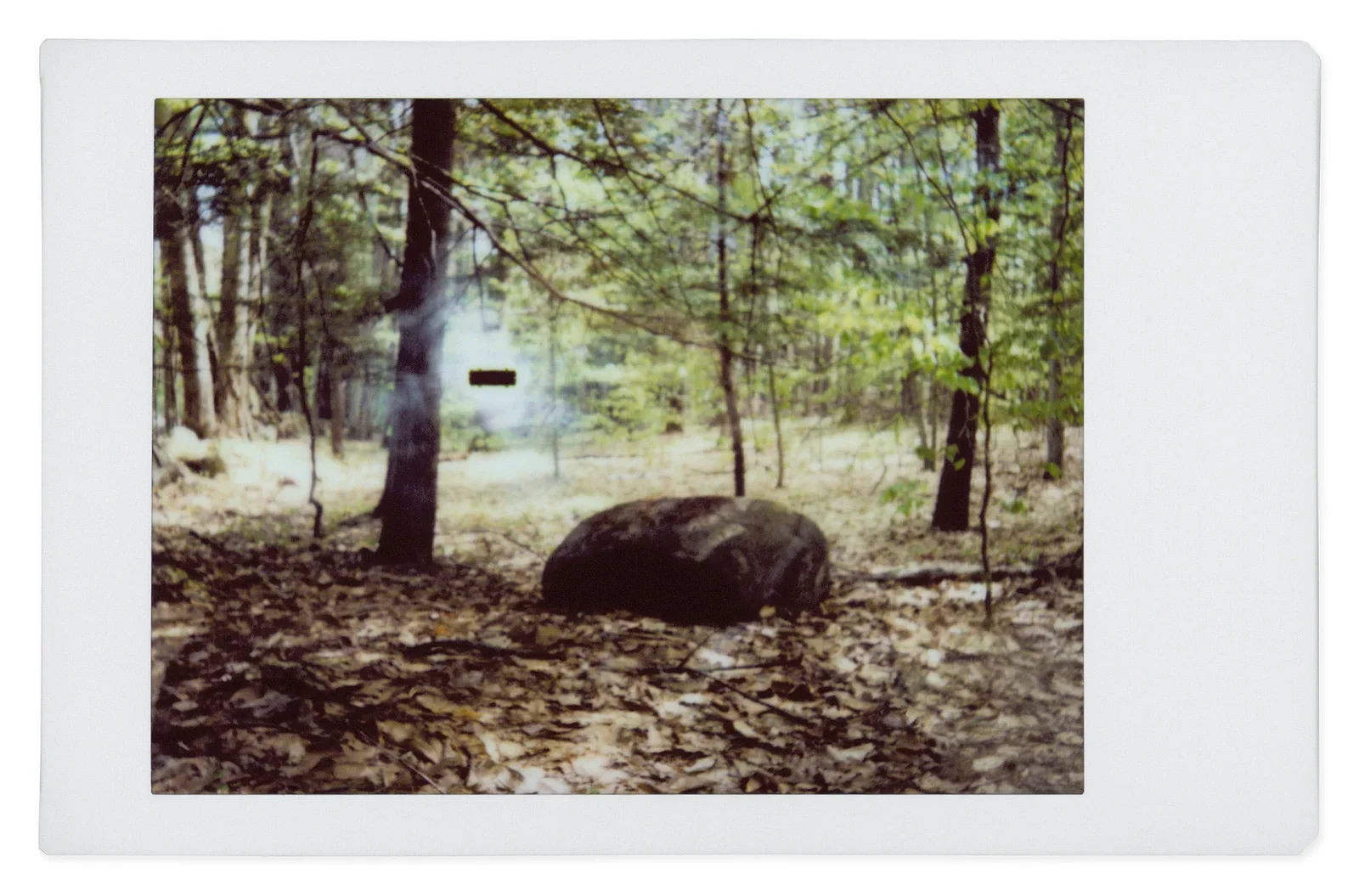
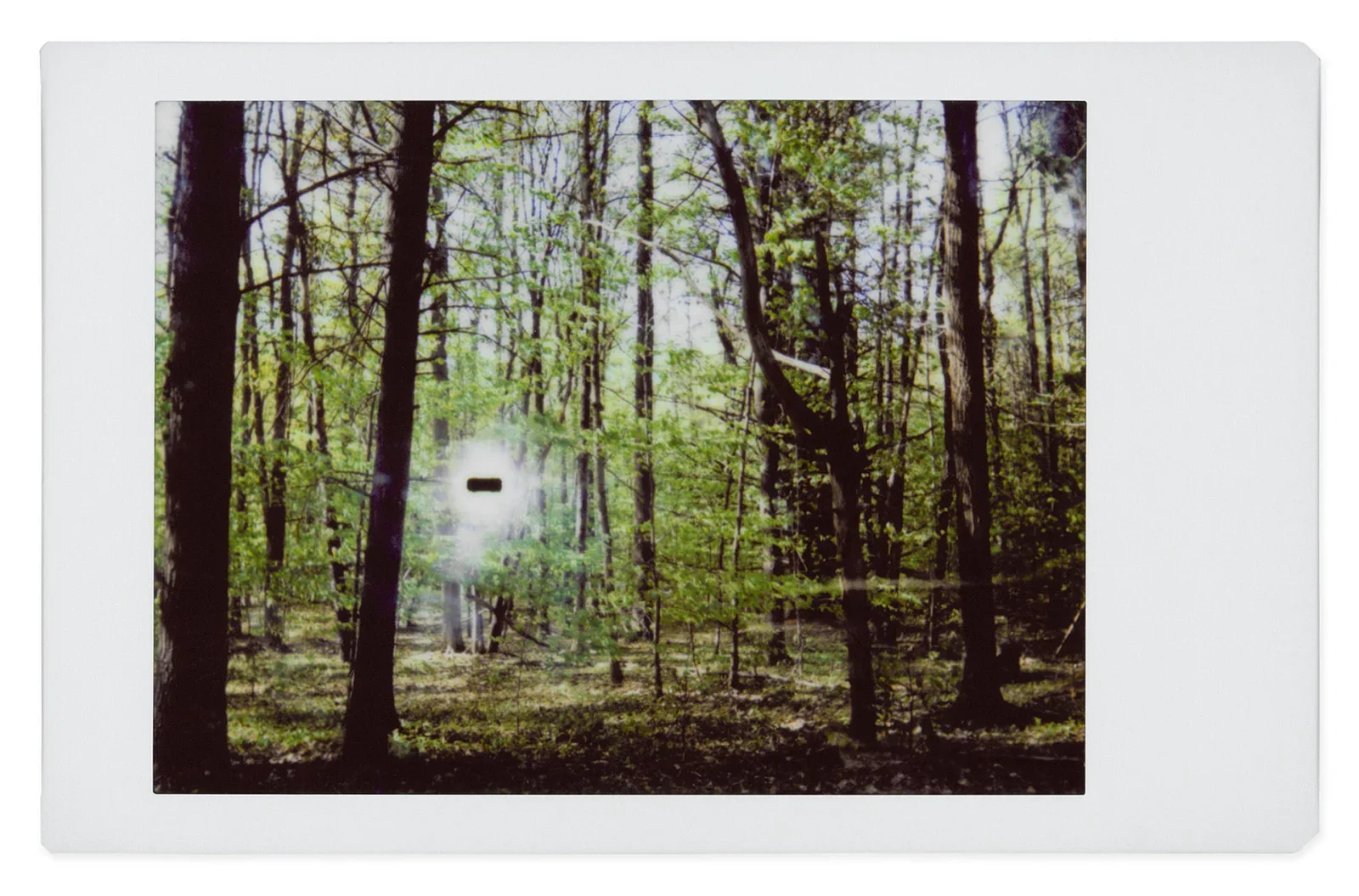
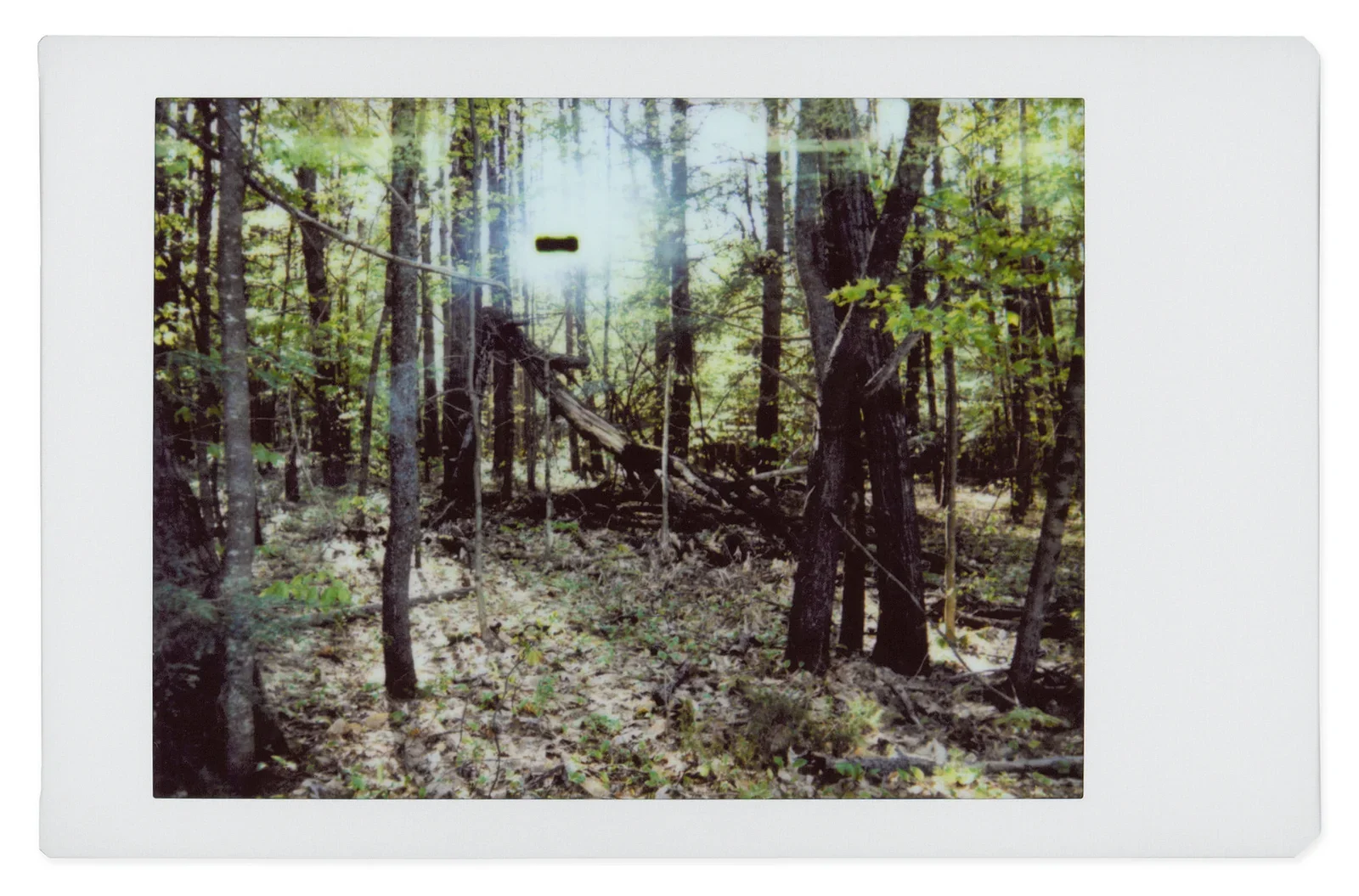
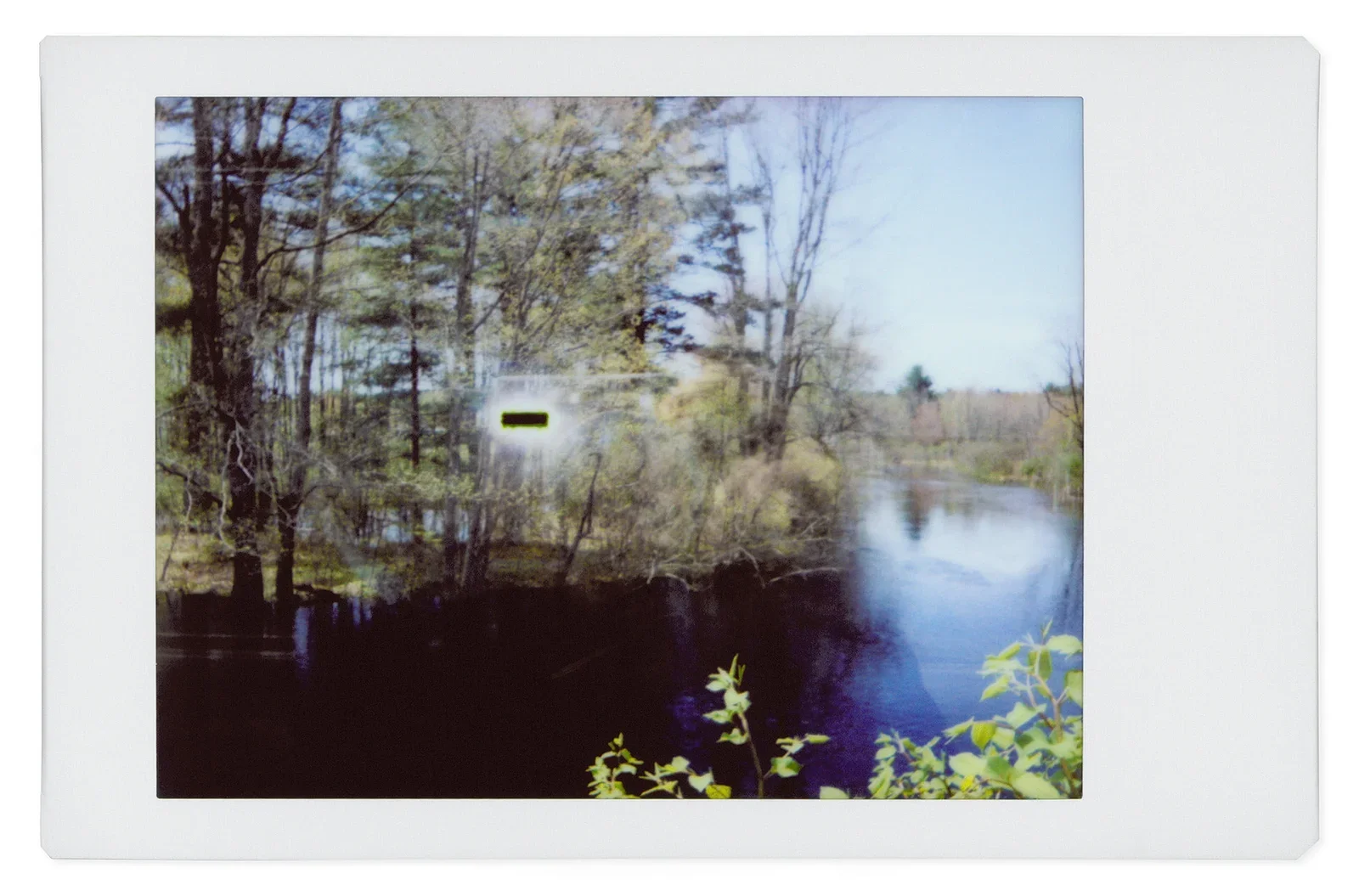
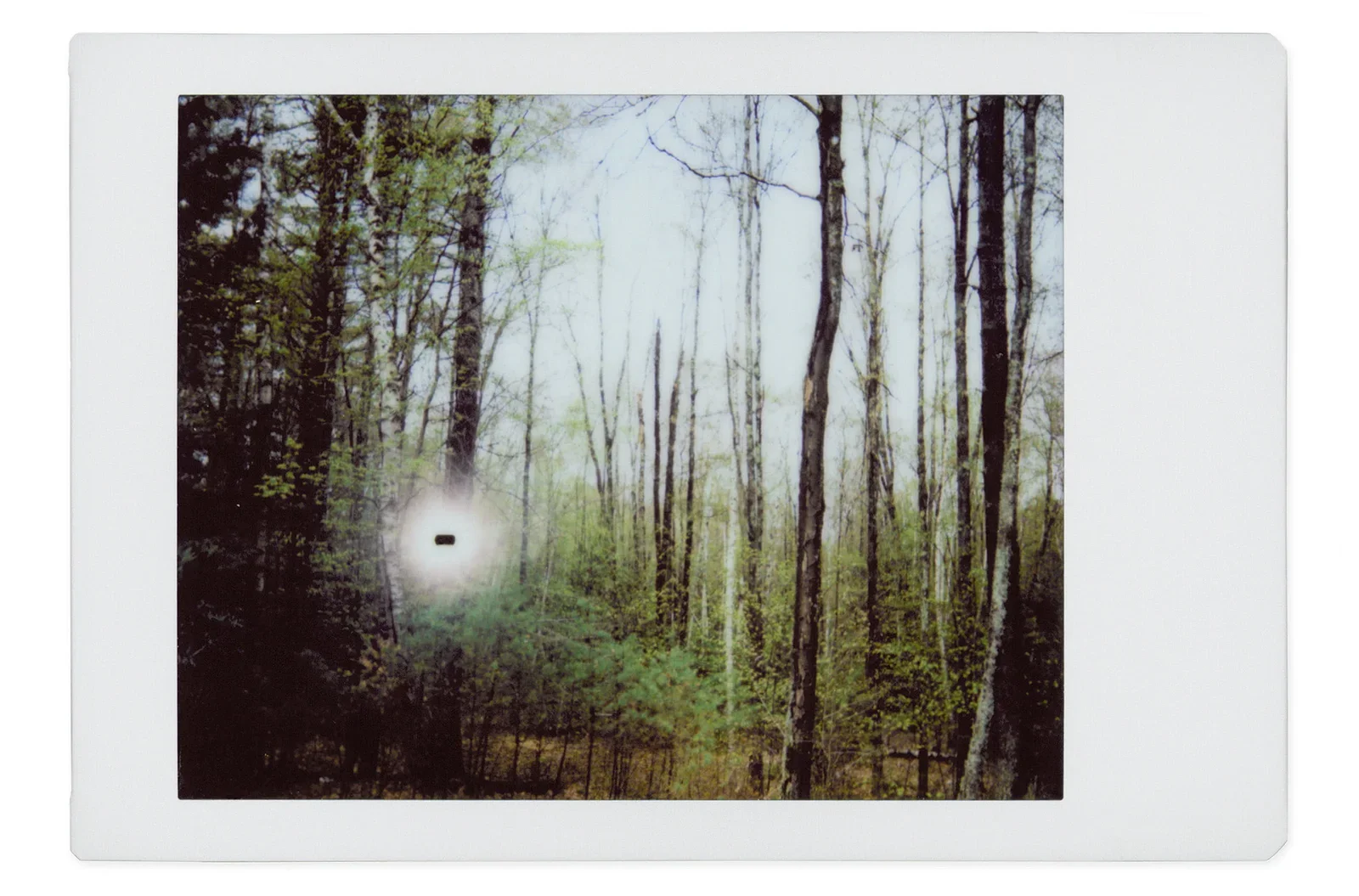
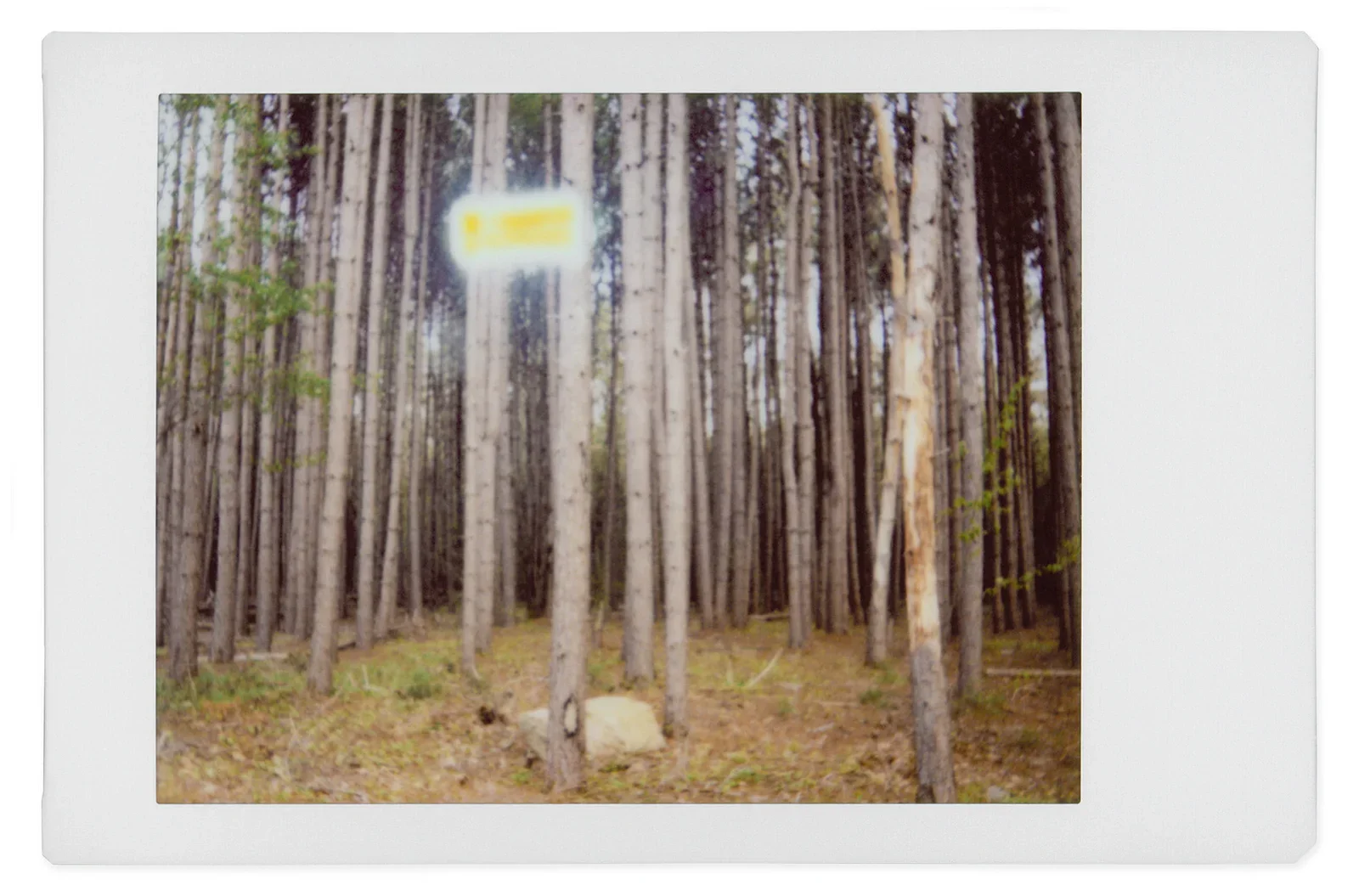
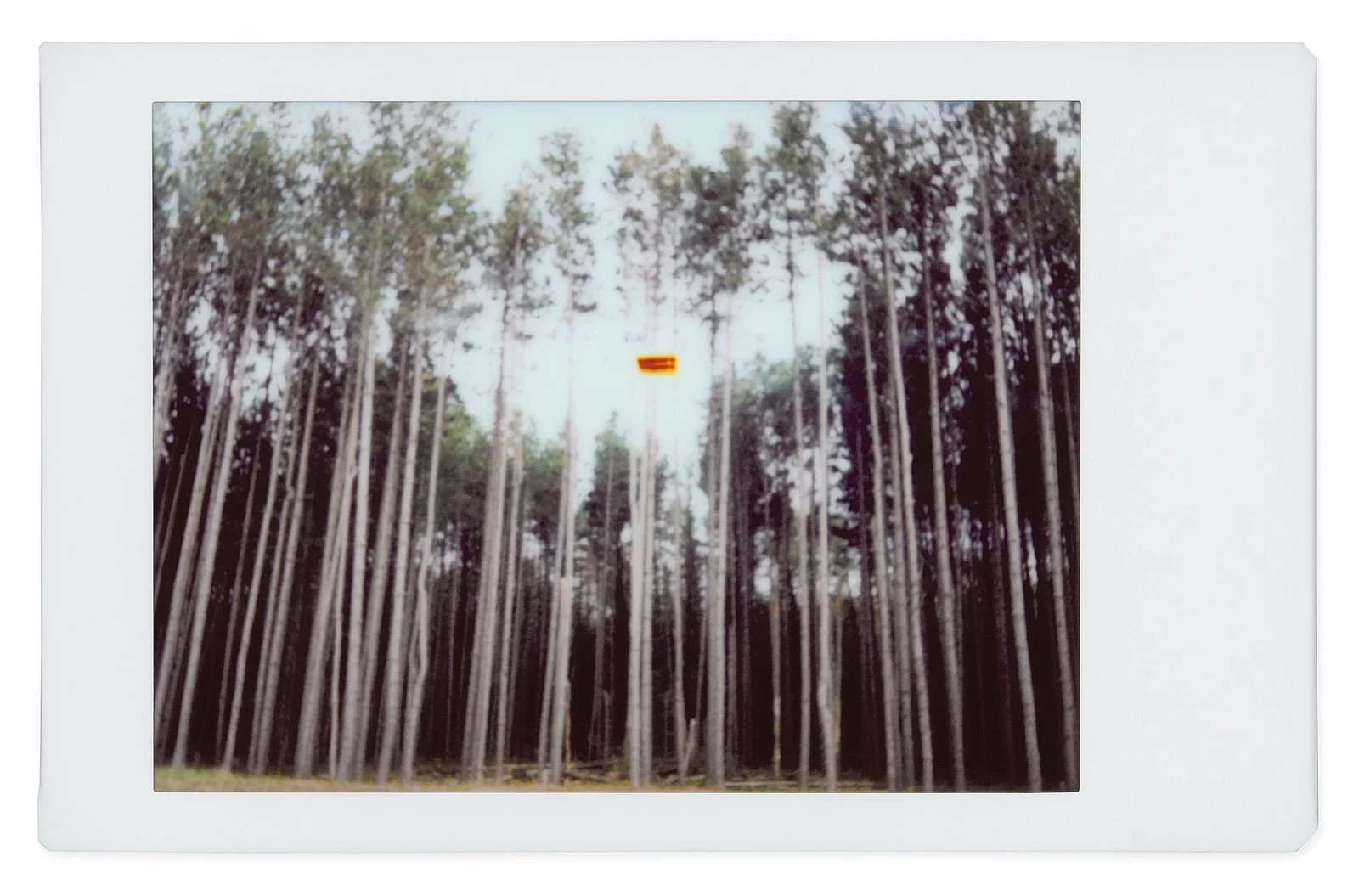
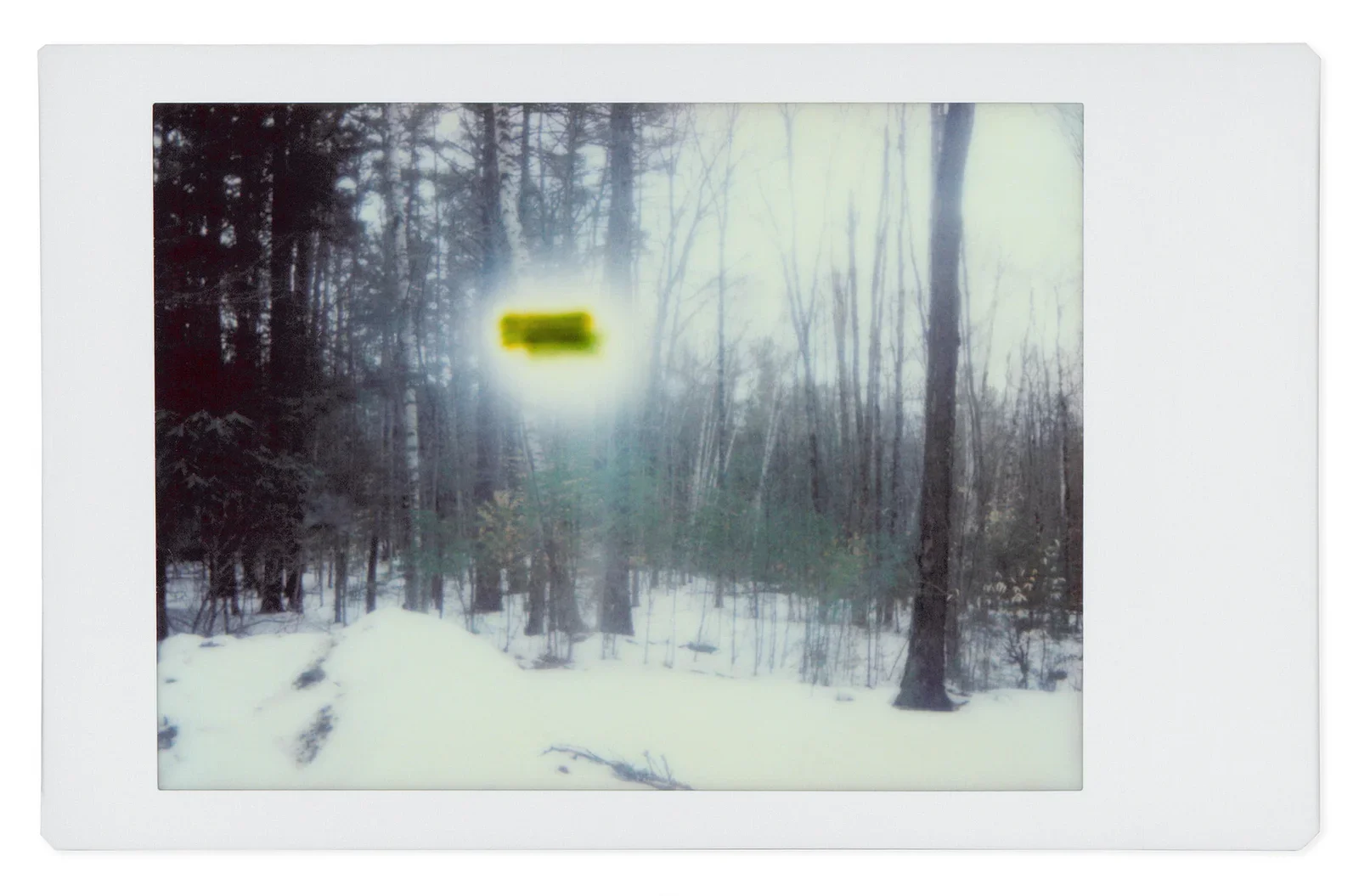
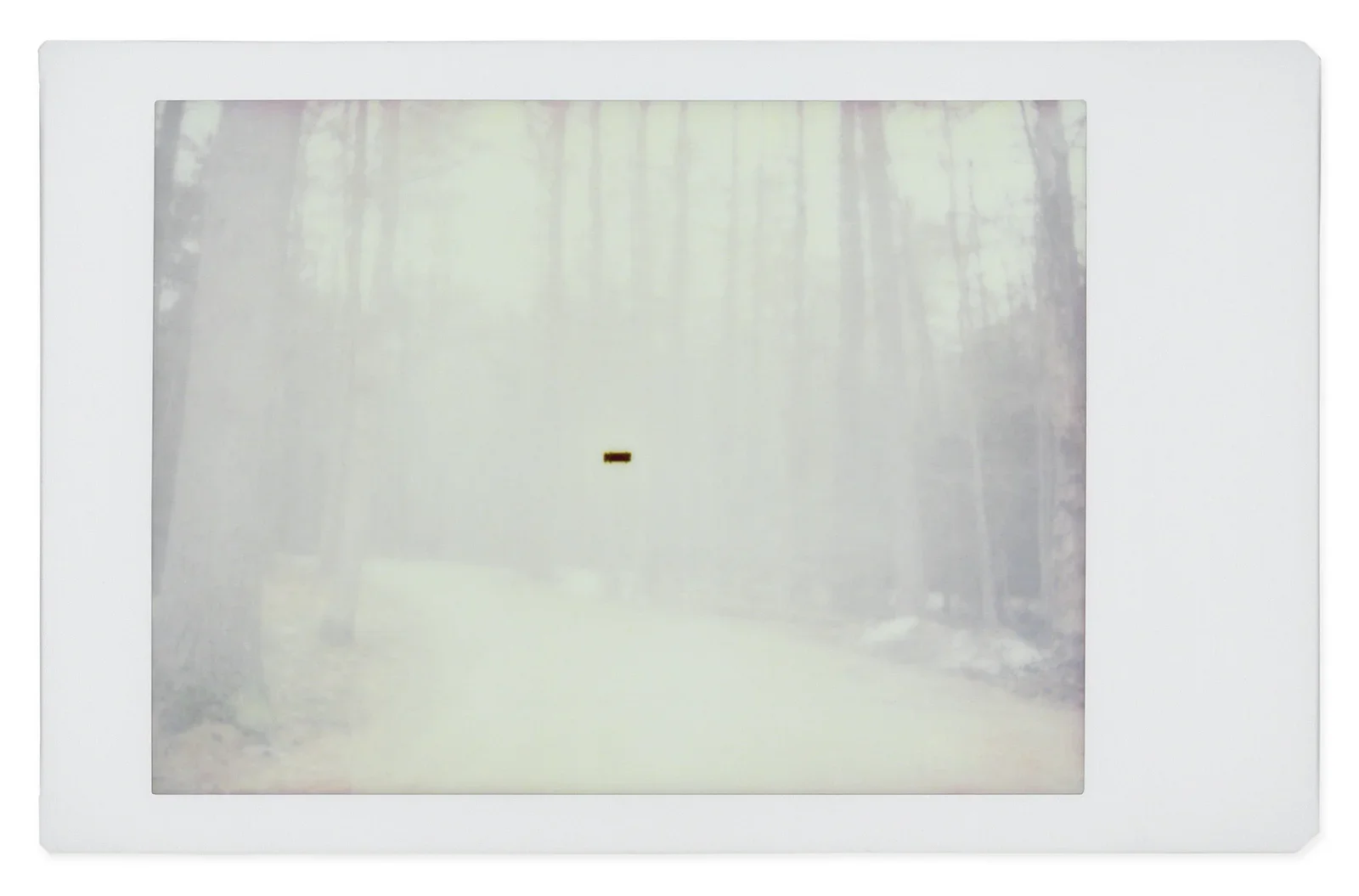
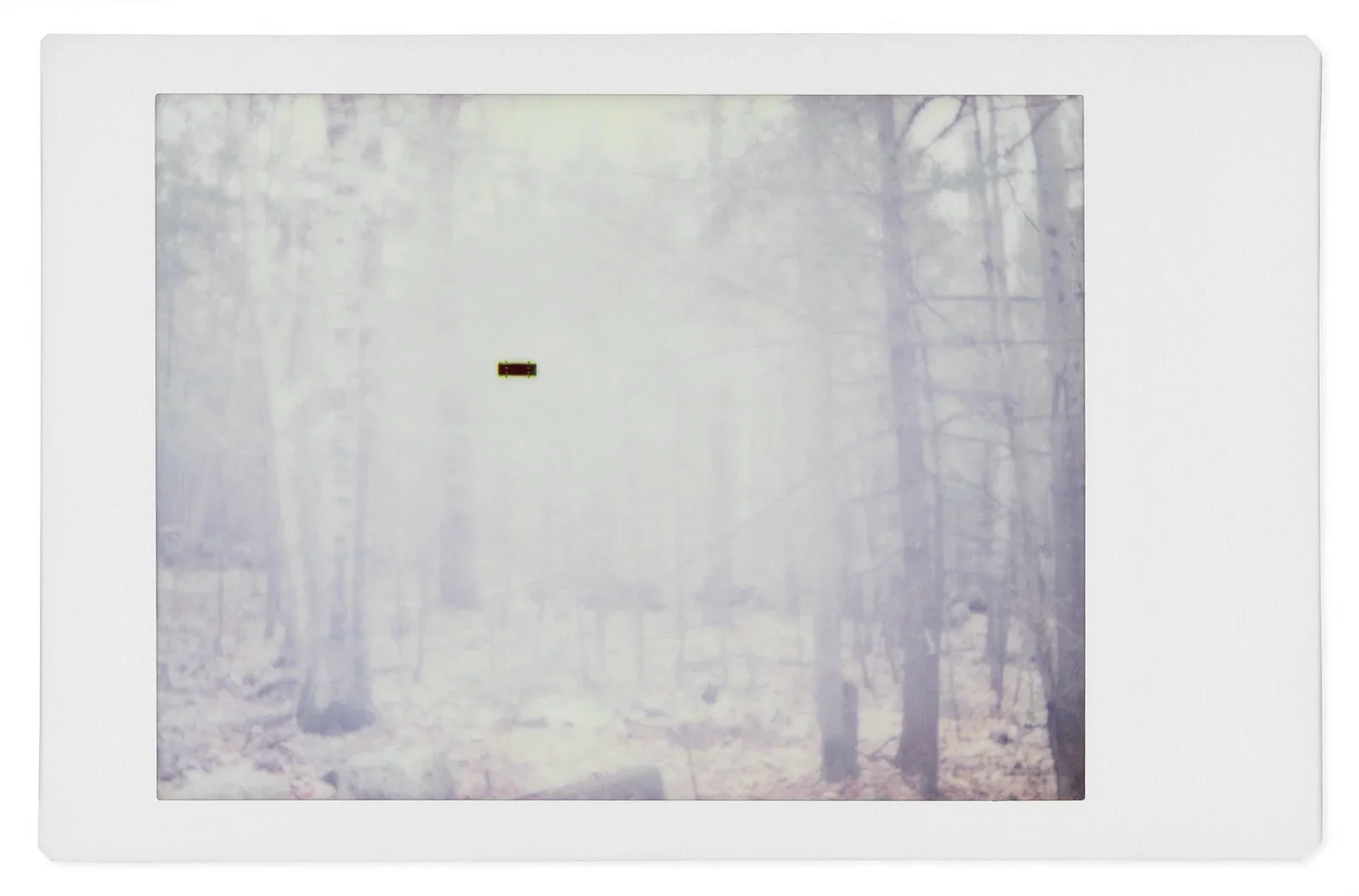
Both Disappearing Nature and Alien started during my residencies at MacDowell, at different times. Alien began in 2017, and Disappearing Nature began during my later residency. I spent a lot of time alone there, and I really enjoyed it. Being alone helped me feel closer to myself and experience nature in a different way.
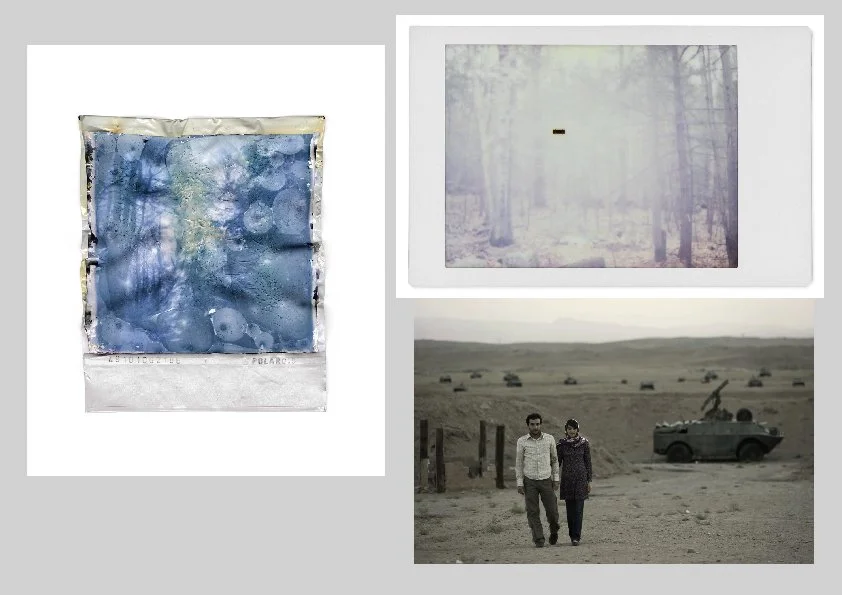
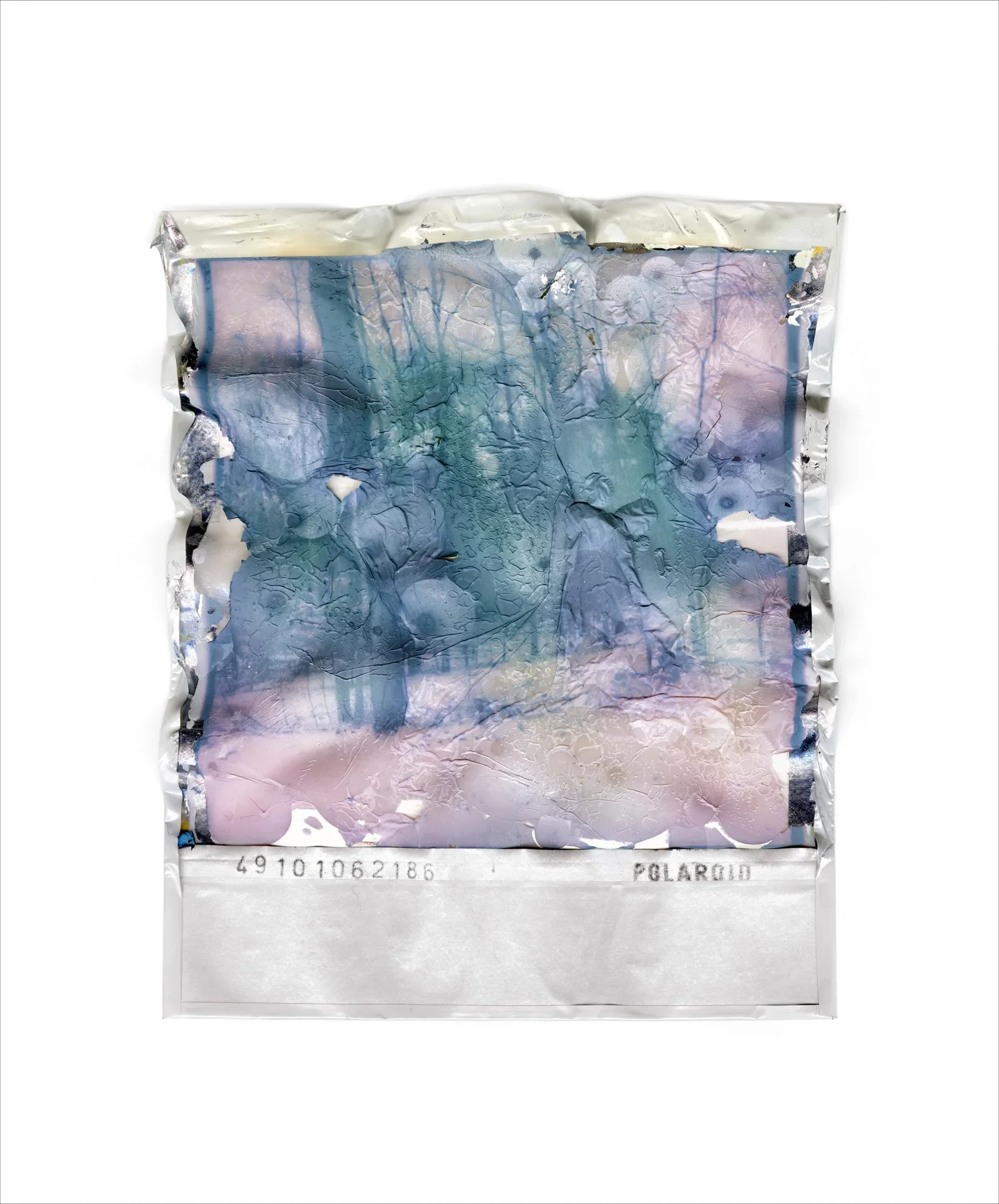
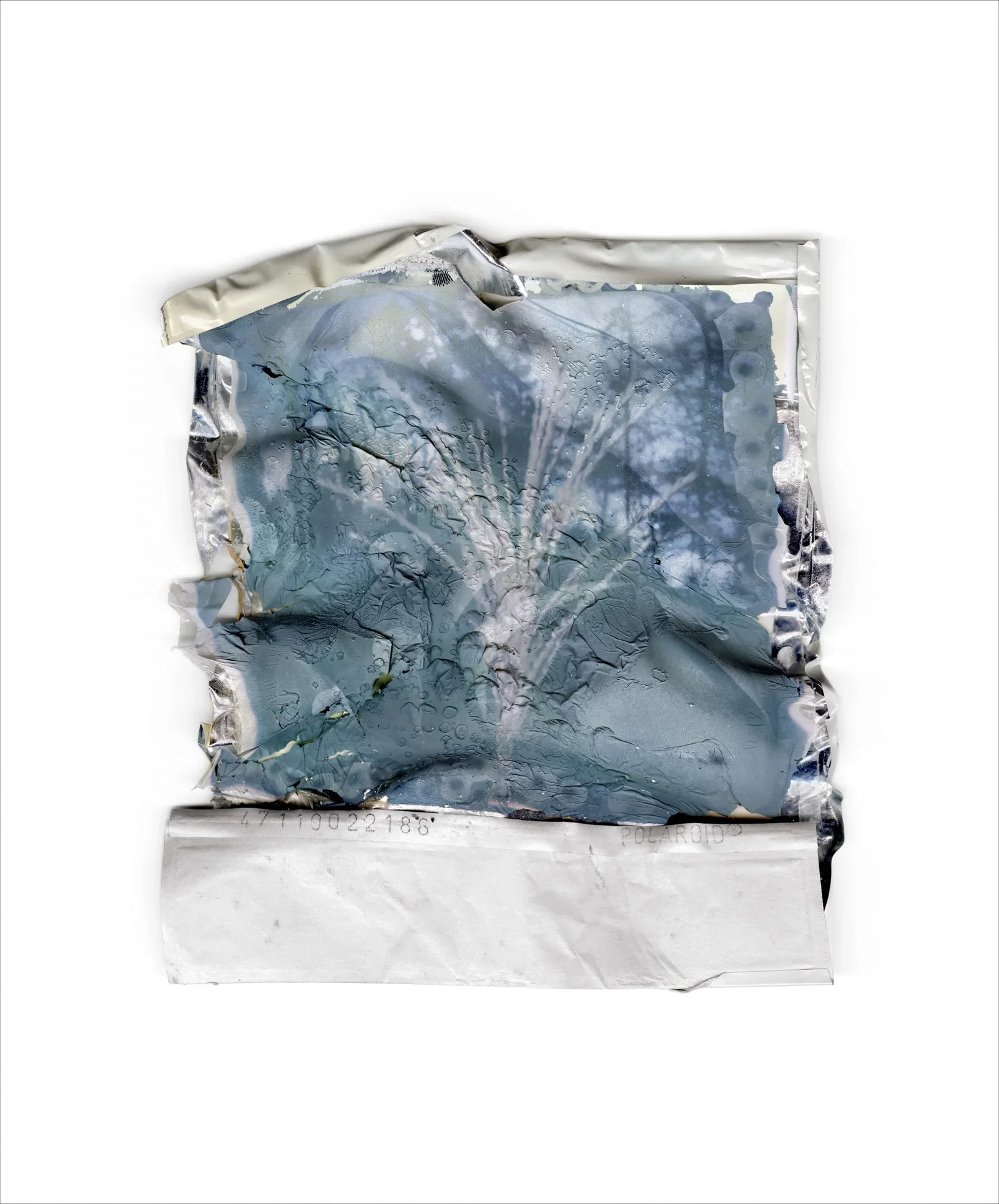
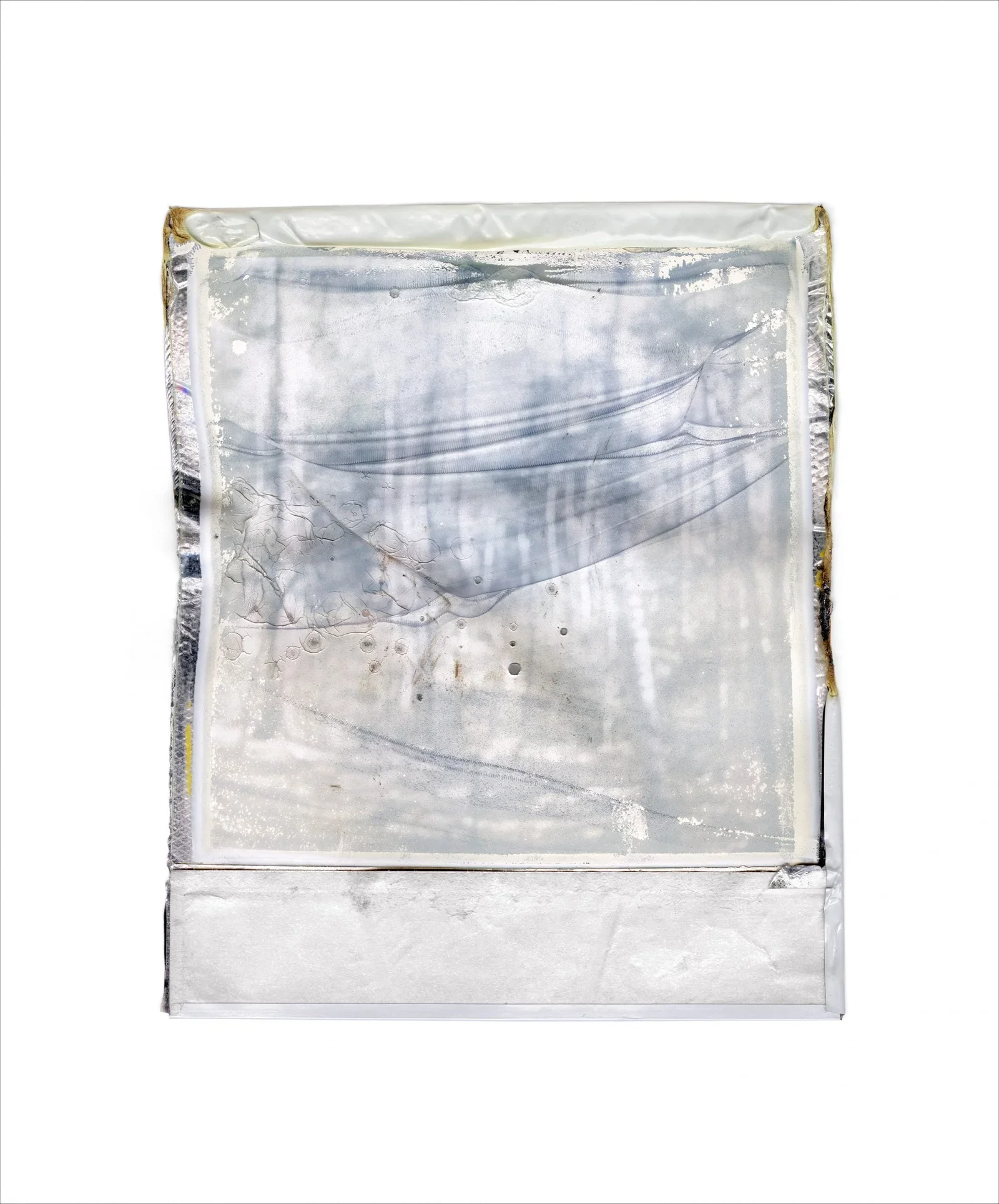
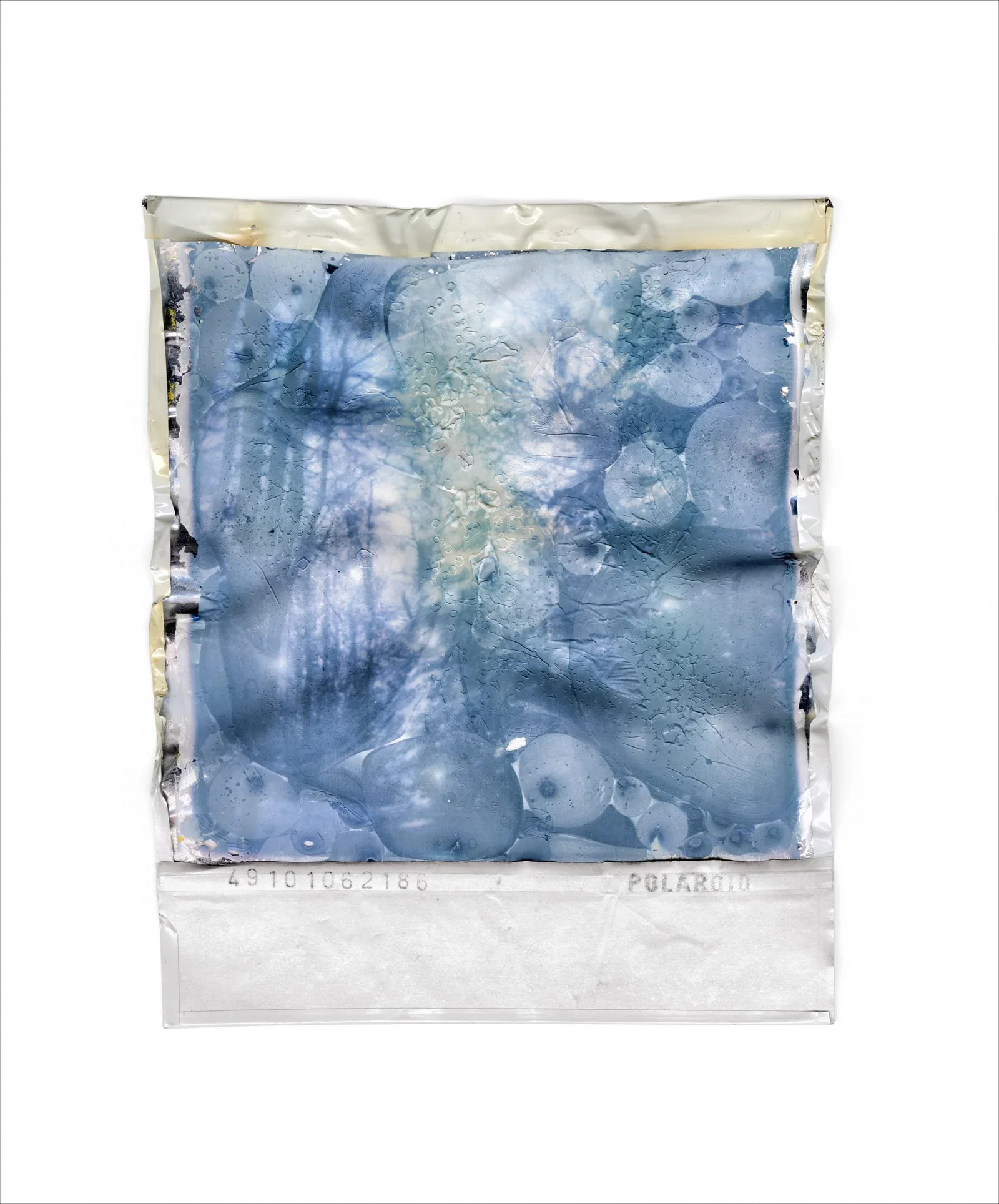
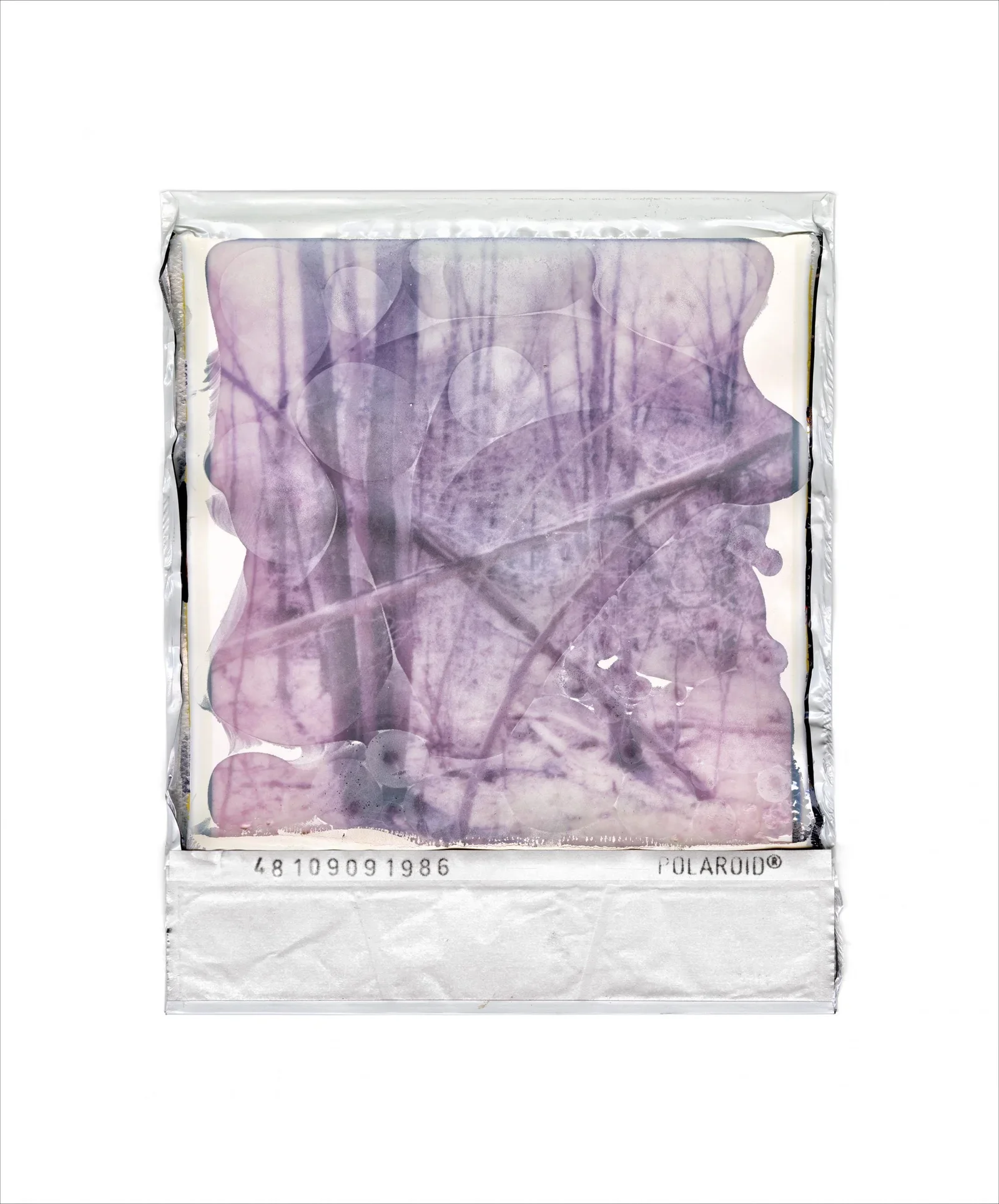
I took hundreds of Polaroid photographs of the beautiful landscapes around me. But I kept thinking about how, with all the destruction we are causing, we probably won't have this same nature in the future. Still, I believe nature is much more powerful than human beings. It will continue, but in a different form. And I believe it will always have its own beauty.
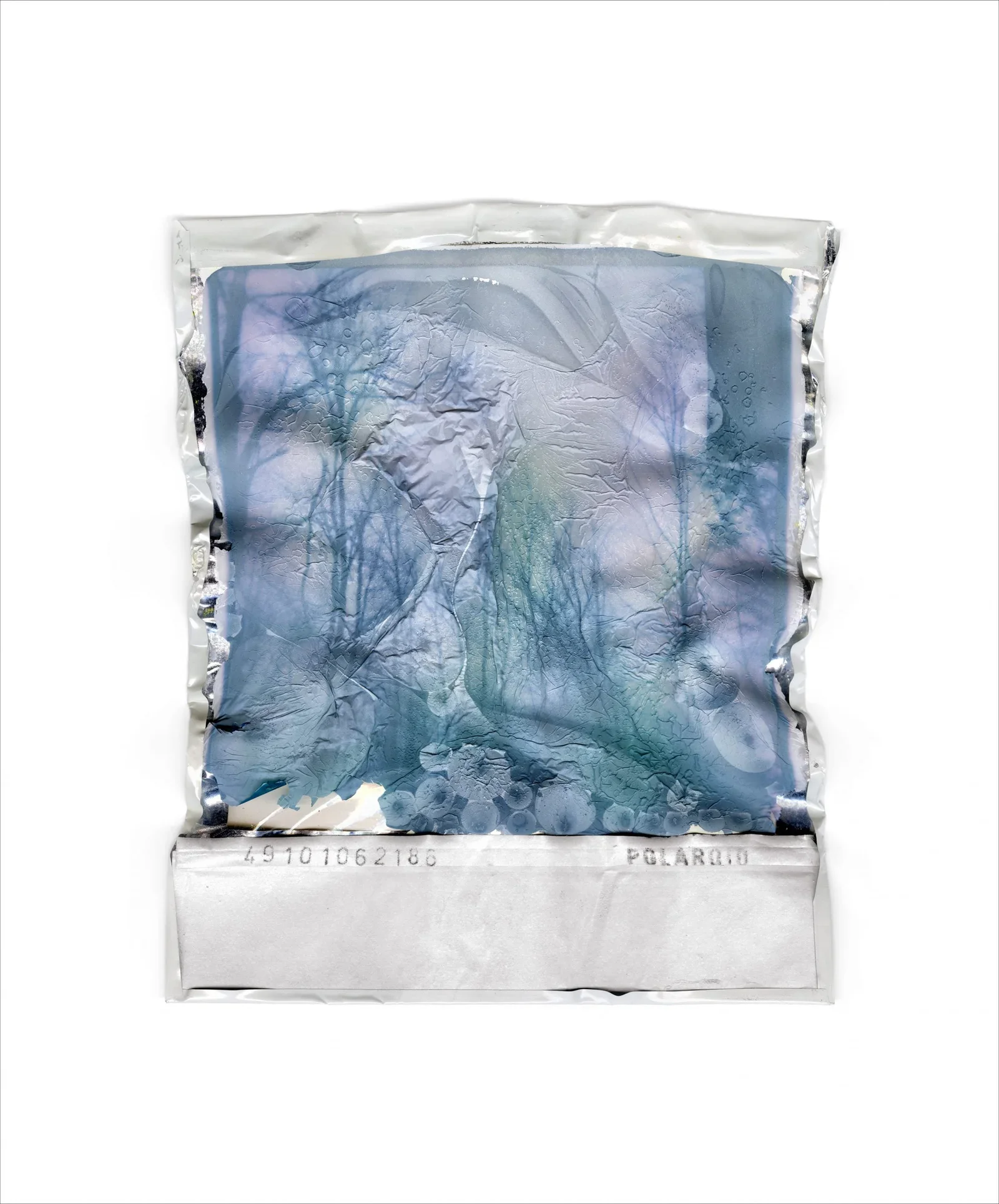
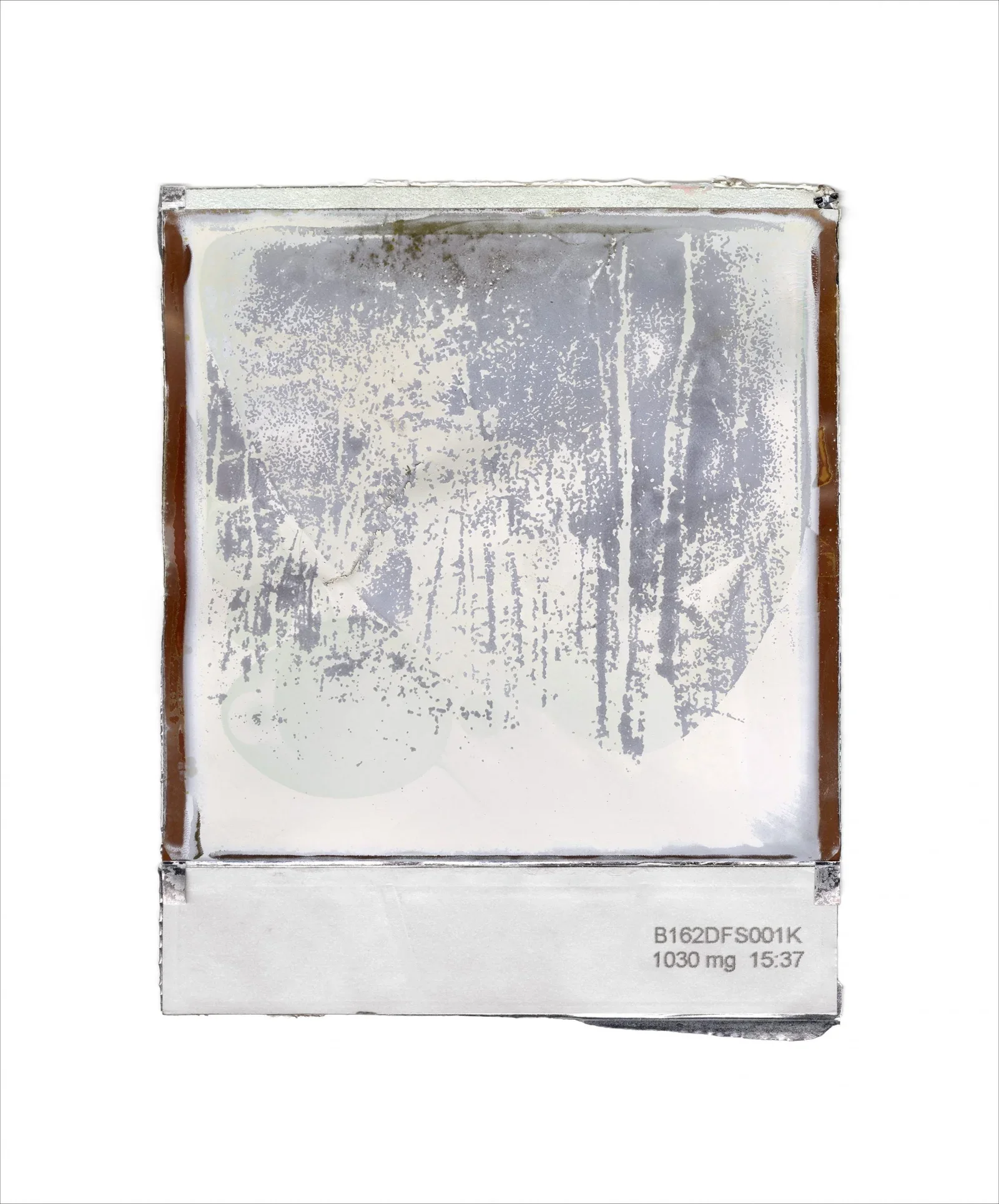
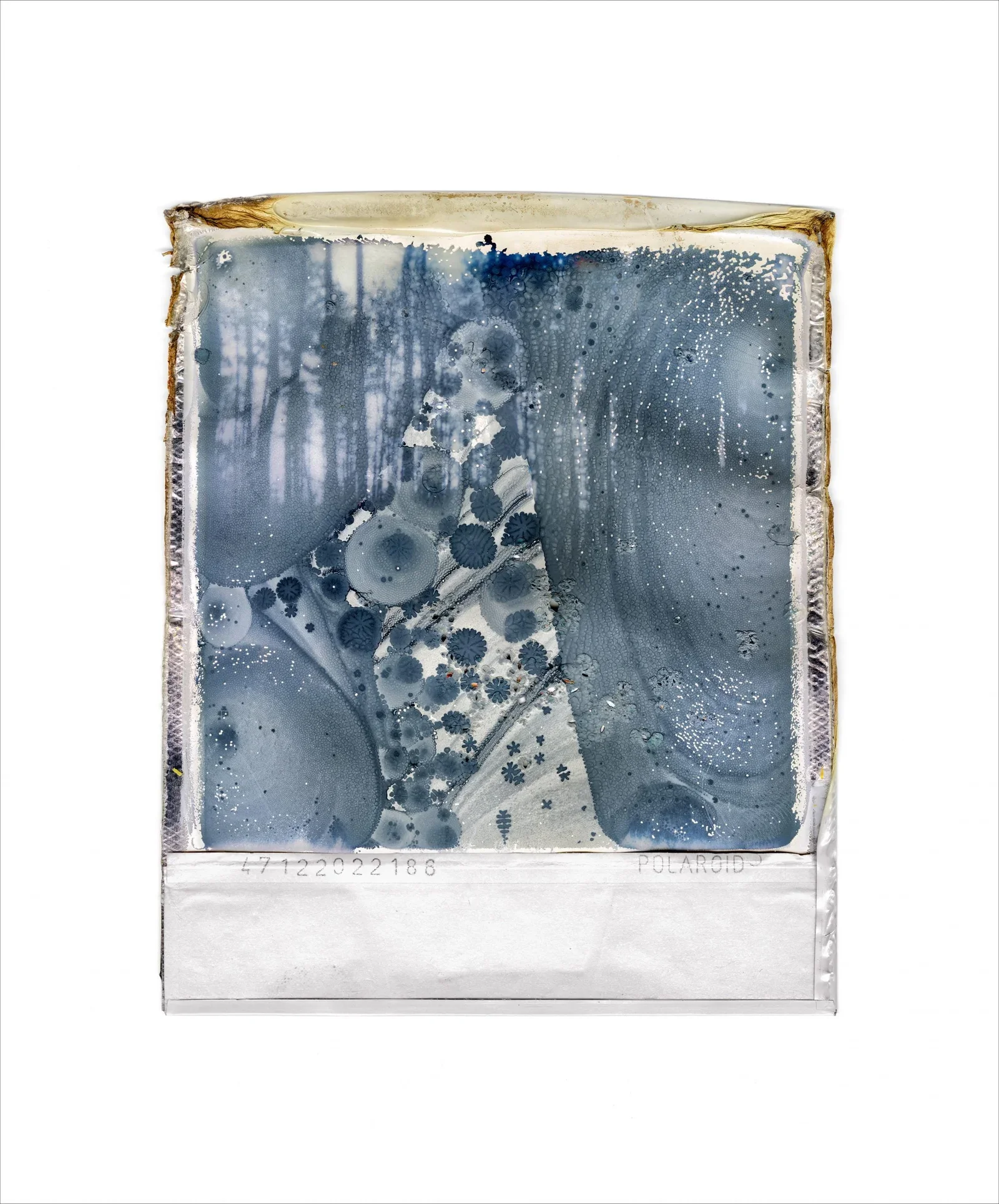
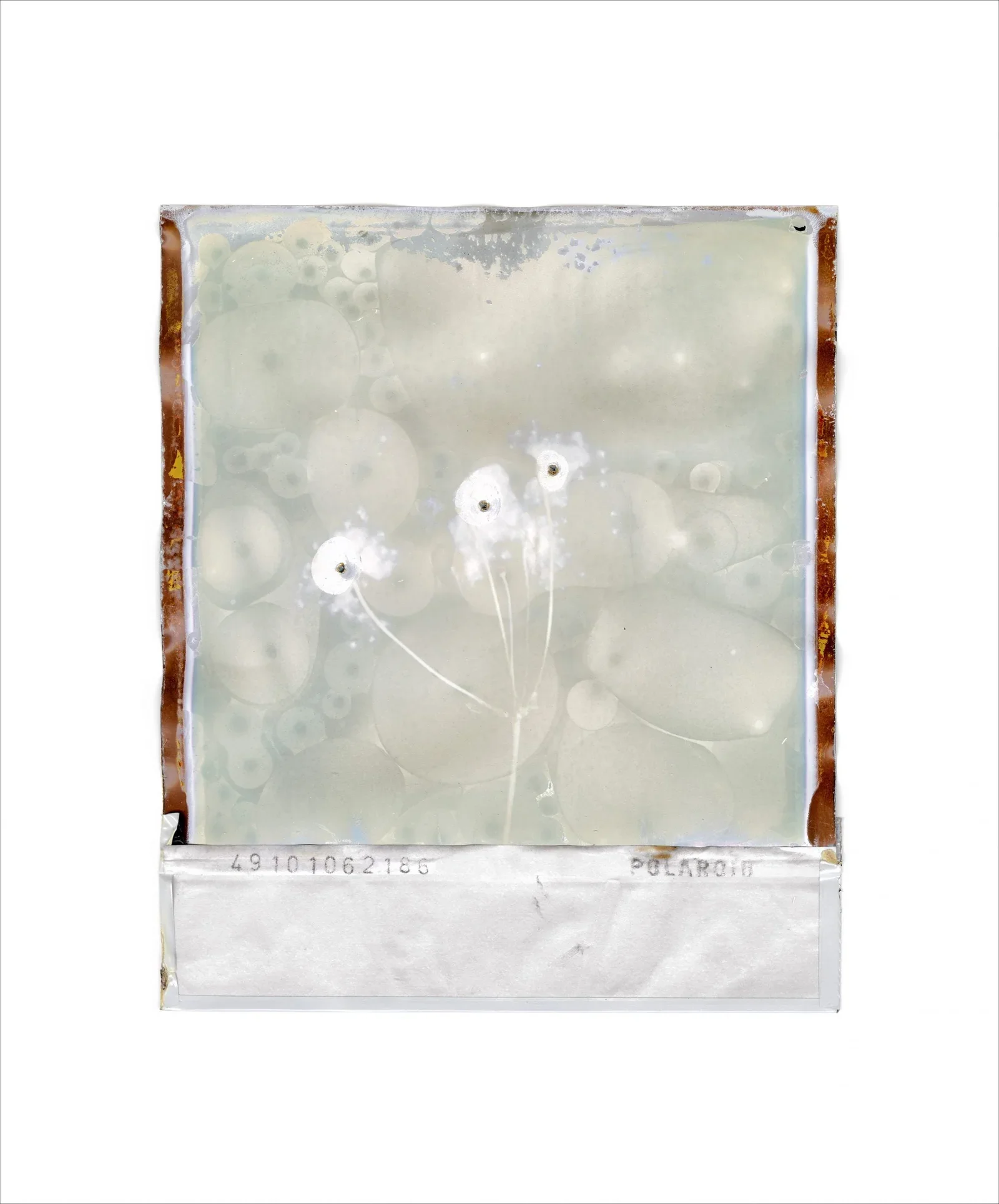
This is where the idea started. I began burning the photographs and peeling away their layers, creating landscapes that I couldn't have imagined before. I didn't know what the final images would look like. I couldn't control the process, and that was exactly what interested me. It felt very close to what happens in nature. We can change things, but we cannot always predict what those changes will bring.
I worked alone, without assistants. I liked having that freedom, and I enjoyed not knowing what would happen next.
For me, these photographs are not only about the destruction of nature. They are also about its strength, its ability to change, and the beauty that can exist even after everything has been transformed.
Gohar Dashti
Disappearing Nature 2022
“Cameras began duplicating the world at that moment when the human landscape started to undergo a vertiginous rate of change; while an untold number of forms of biological and social life are being destroyed in a brief span of time, a device is available to record what is disappearing….” On Photography by Susan Sontag, 1977
"Disappearing Nature" is a captivating collection of transformed Polaroid photographs that imagines future landscapes. During her residency at MacDowell in New Hampshire, she captured idyllic scenes that I later burned and peeled, creating unexpected representations of ‘future nature.’ This series explores climate change's impact, inviting viewers to envision potential alterations in our natural environments. The unique imperfections from the development process add distinct character to each image, reflecting our planet's fragile state. Through this work, I aim to foster awareness and dialogue about climate change, encouraging meaningful engagement with our environment.
Alien 2017
“… the world is an alien landscape in which we are at home, or a home in which we find ourselves alien.” by Eva H.D.
Today’s Life and War - 2008
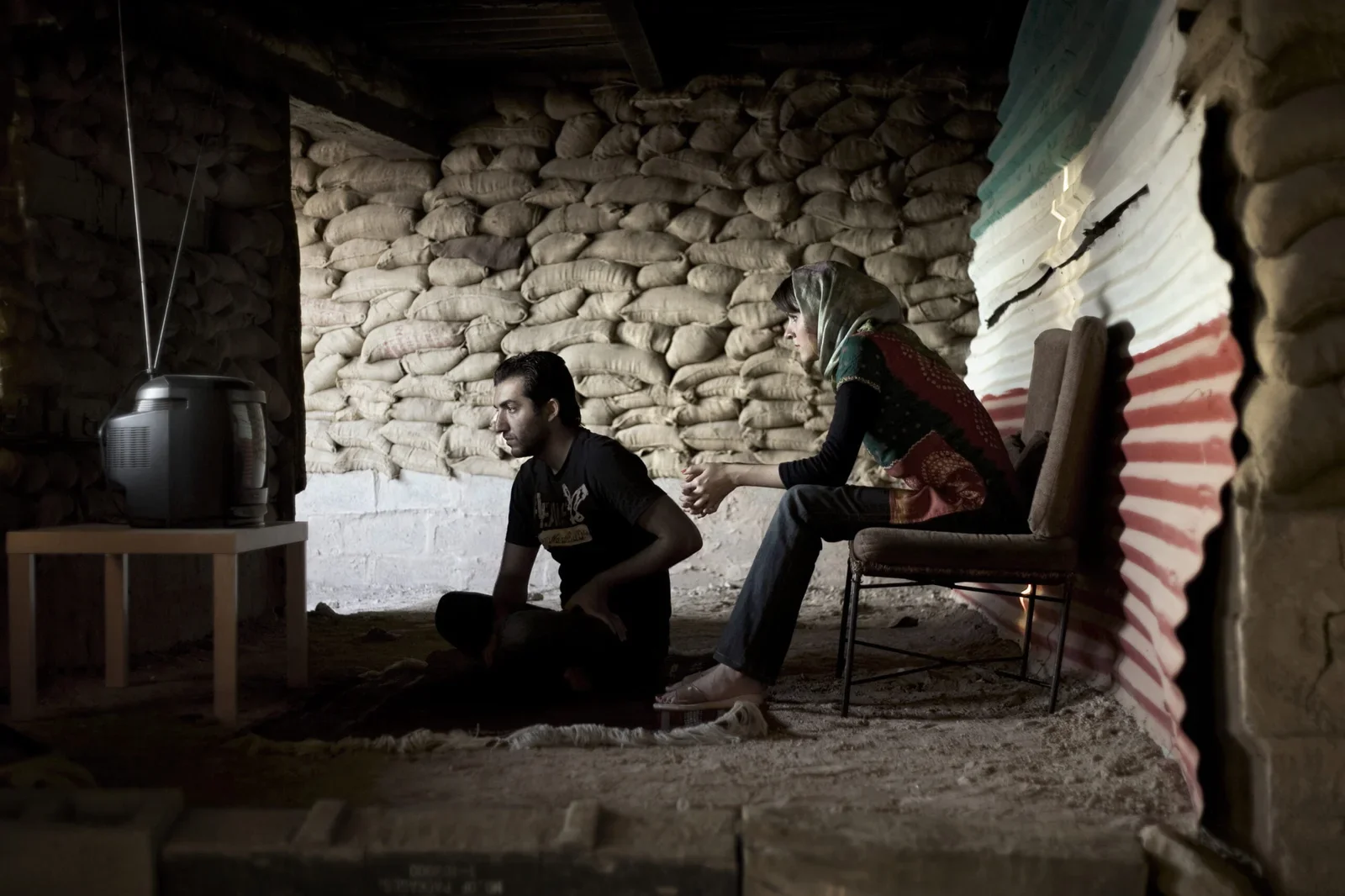
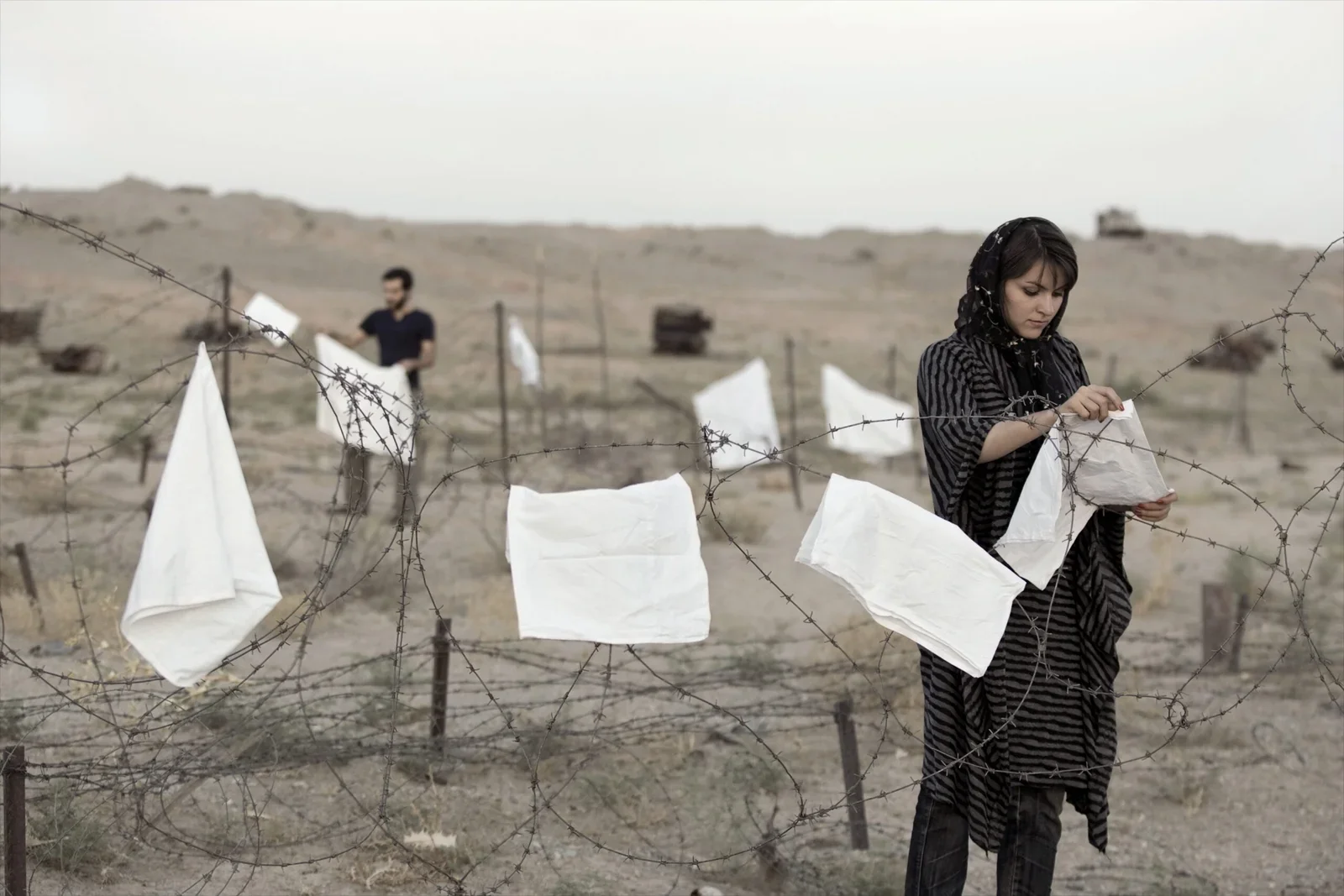
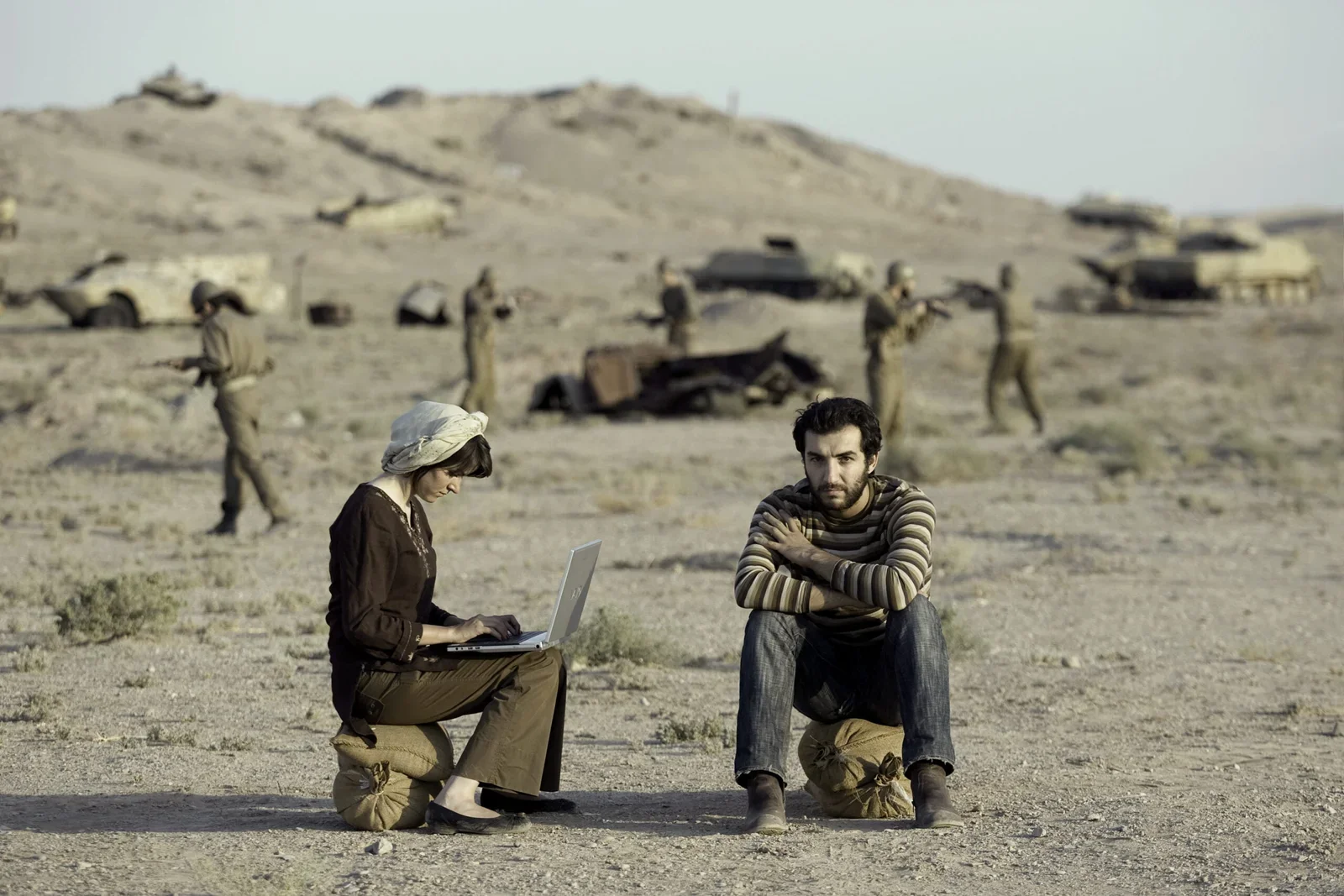
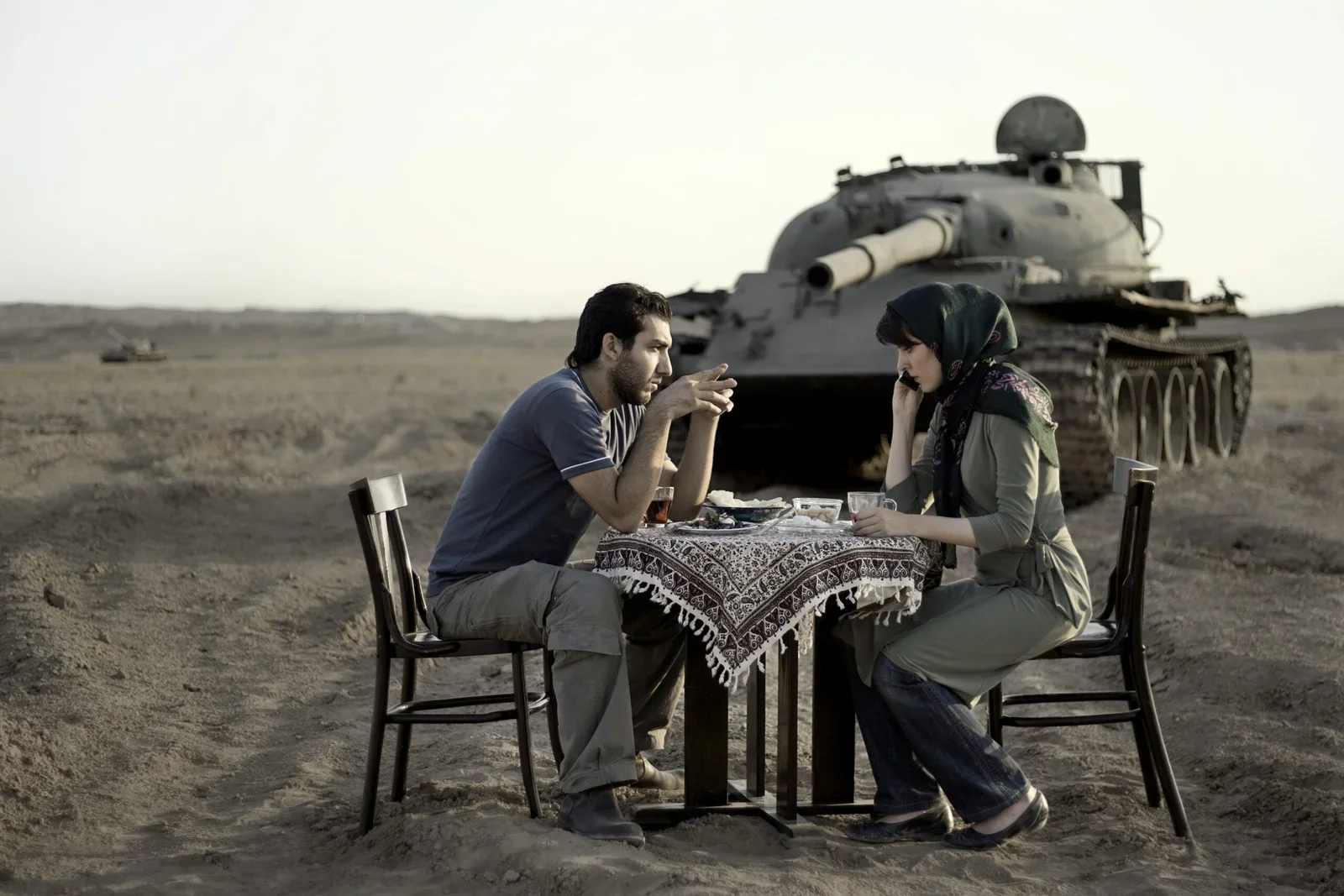
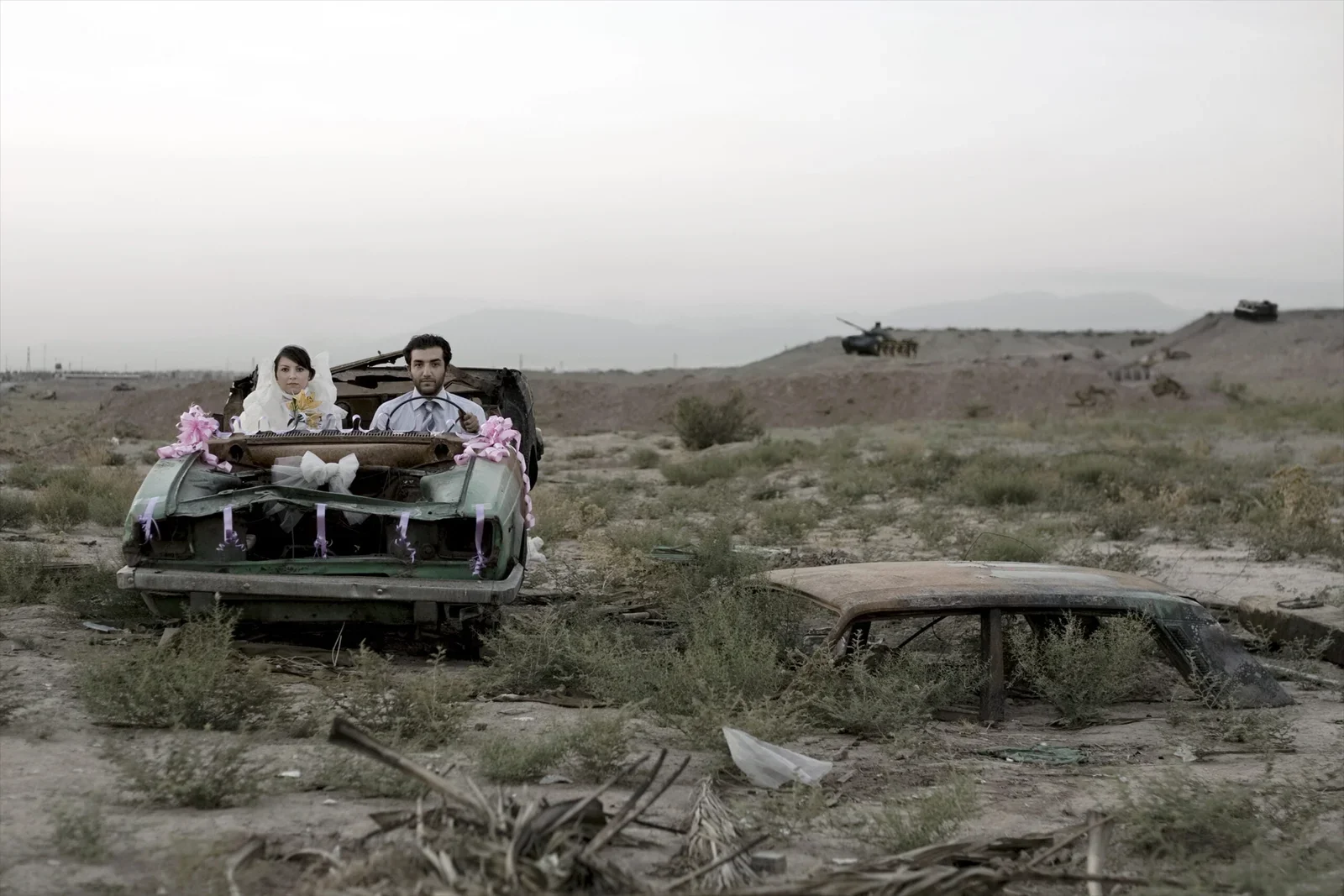
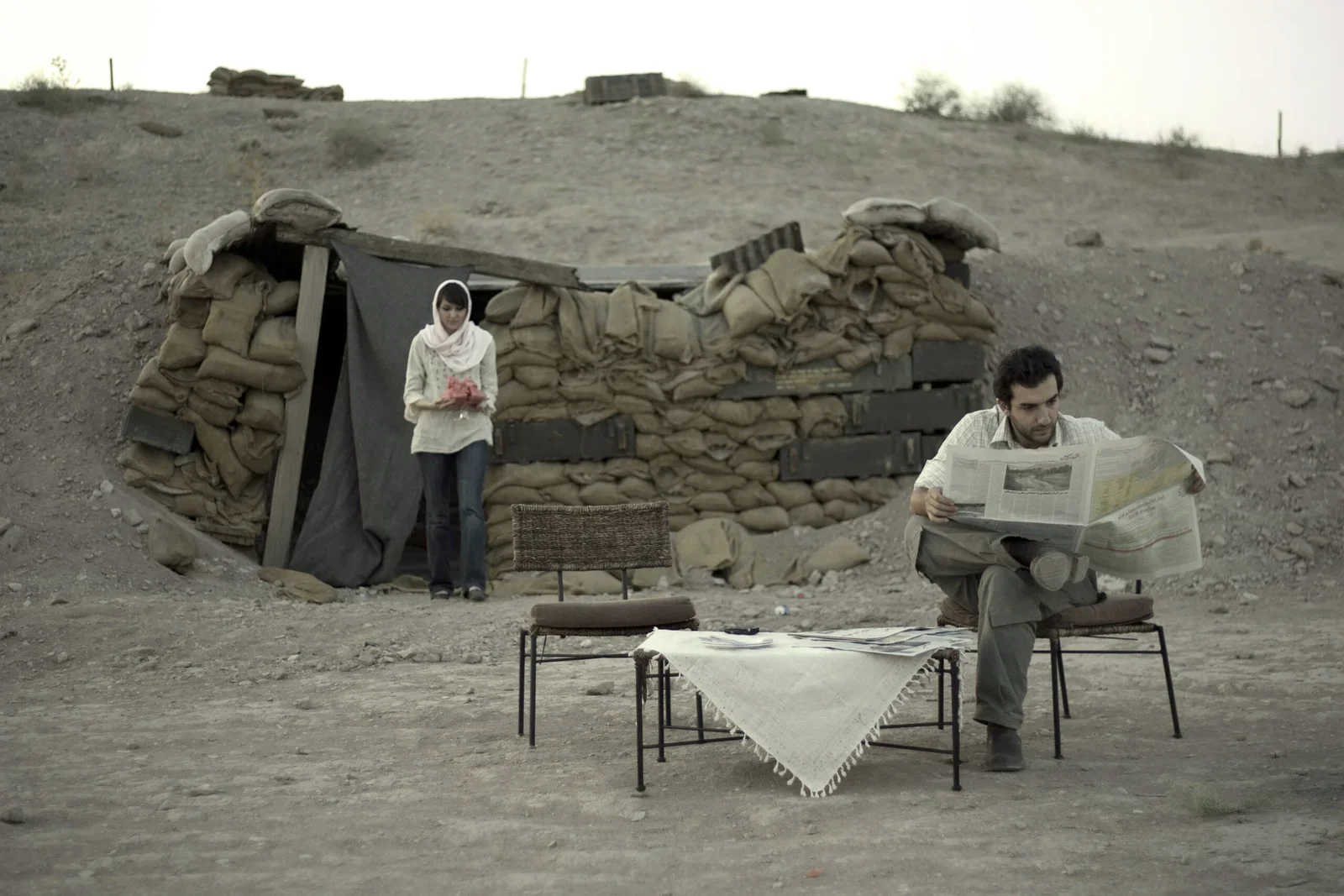
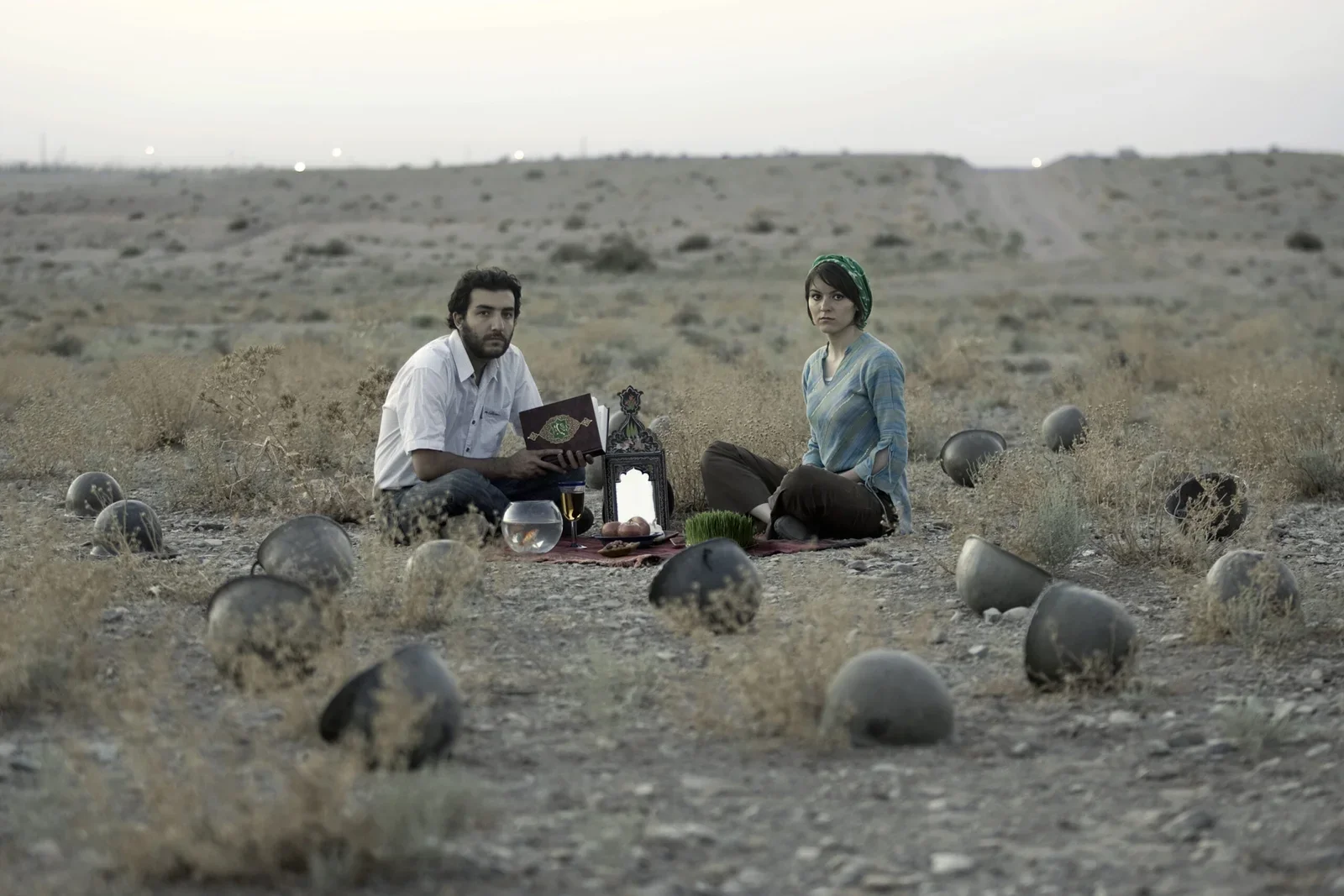
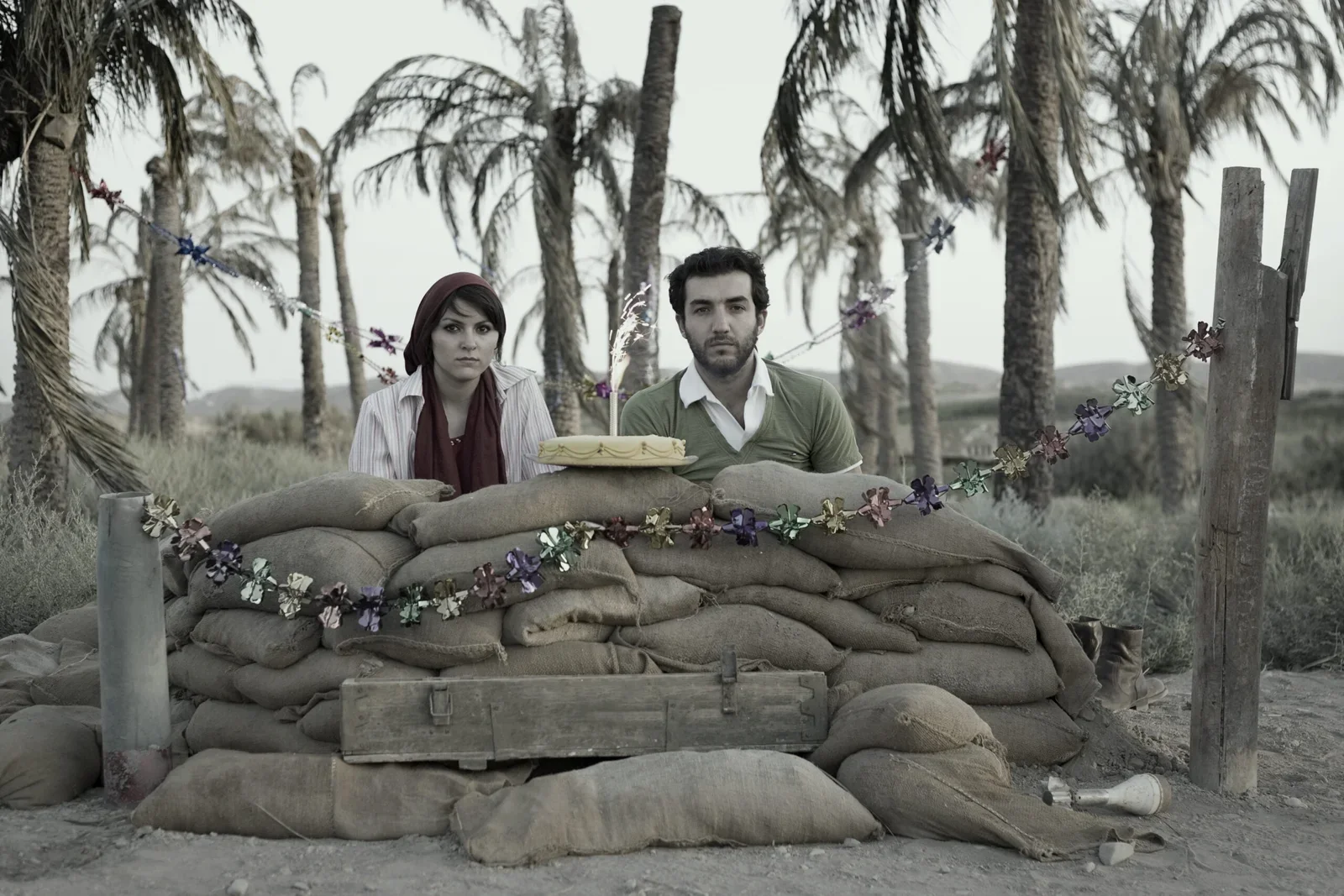
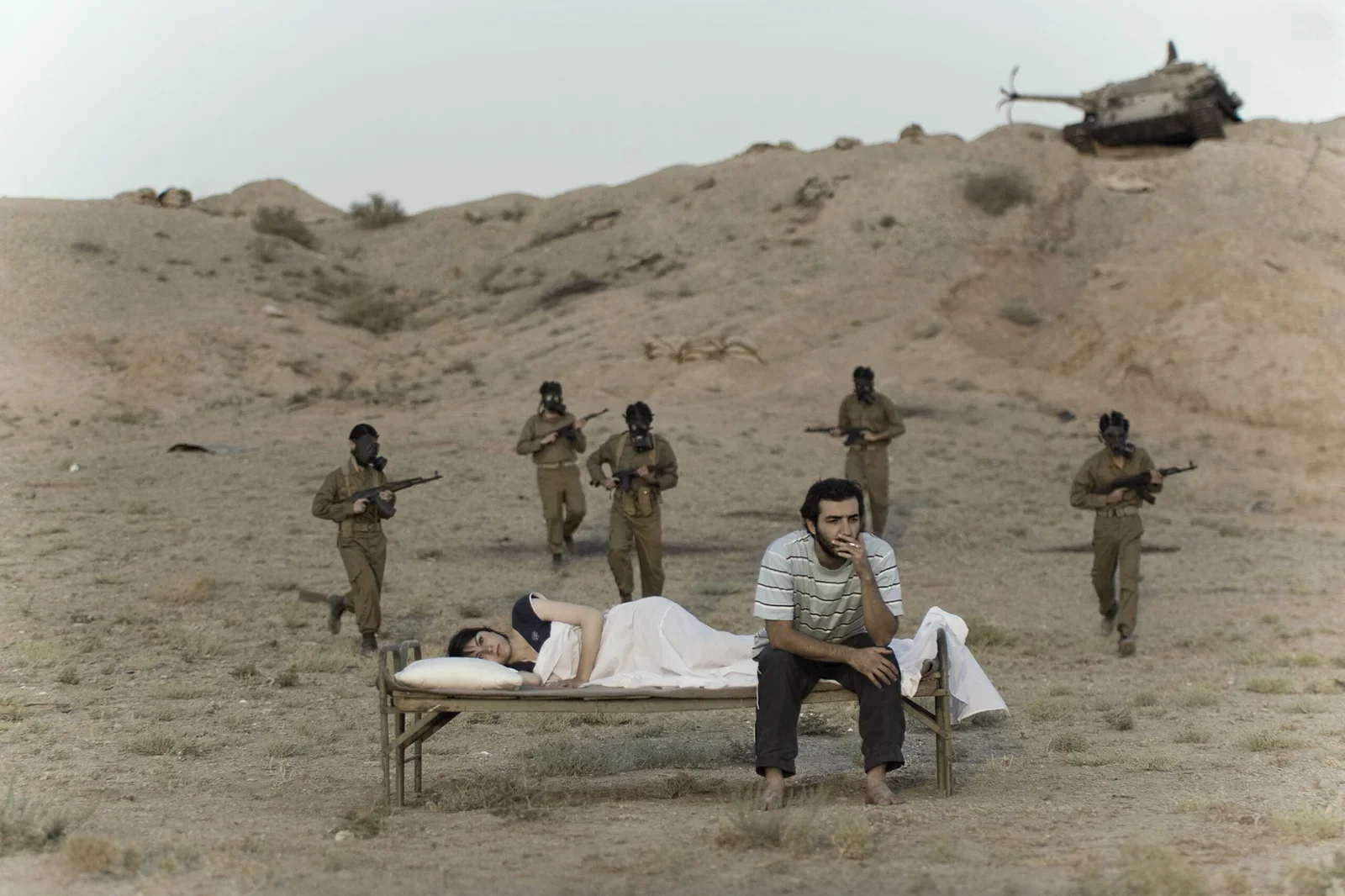
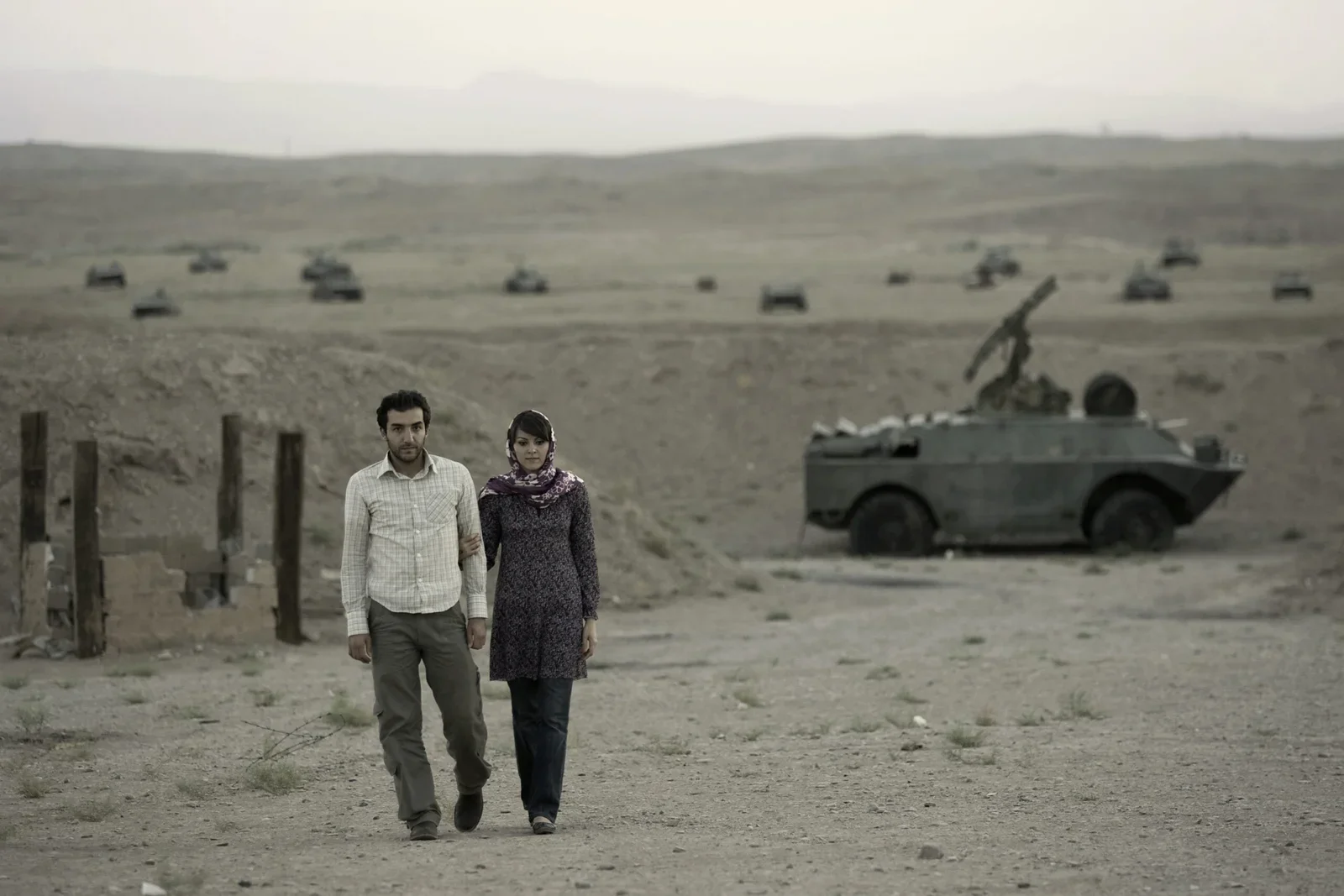
When Gohar Dashti collaborates with a team, she approaches her work with a spirit of cooperation, much like a film production. She dedicates months to pre-production and teamwork. In her projects, she emphasises the significance of her supportive team, especially her husband, Hamed Noori, who acts as her creative adviser. Gohar also mentors university photography students as on-set assistants, fostering community growth. Her work often takes her team to striking locations, where they prepare elaborate sets for captivating series like "Today's Life and War." This series features compelling tableaux vivants that reflect the impact of the Iran-Iraq War, a theme that resonates deeply with Gohar, as she was born during that conflict. Her images poignantly depict resilience and the persistence of life amidst adversity, showcasing standout moments such as a couple's wedding celebration amid debris and a Nowruz picnic among military personnel. Gohar Dashti's art invites dialogue on memory, resilience, and the human experience.
The series “Today’s Life and War” emerged from my experiences during the eight-year Iran-Iraq War. This conflict has had a strong symbolic influence on the emotional life of my generation. Although we may be safe within the walls of our homes, the war continues to reach us through newspapers, television and the Internet. This body of work represents war and its legacy, the ways in which it permeates all aspects of contemporary society. I capture moments that reference the ongoing duality of life and war without precluding hope. In a fictionalised battlefield, I show a couple in a series of everyday activities: eating breakfast, watching television, and celebrating their wedding. Though they do not visibly express emotion, the man and woman embody the power of perseverance, determination, and survival. Gohar Dashti